Month: June 2026

  • Single-Use Mixers Market Forecast Signals New Revenue Opportunities Through 2030

    Single-Use Mixers Market Forecast Signals New Revenue Opportunities Through 2030

    Delivering more actionable and strategically valuable research, The Business Research Company’s 2026 market reports feature market attractiveness analysis, total addressable market evaluation, company benchmarking matrices, interactive Excel dashboards, expanded supply chain intelligence, emerging startup coverage, and detailed product insights.

    Single-Use Mixers Market Expansion From $1.65 Billion In 2026 To $2.71 Billion In 2030

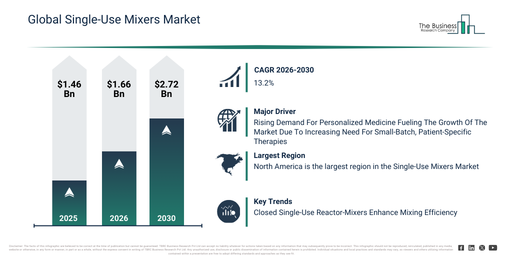
    The single-use mixers market experienced substantial expansion recently, with projections indicating a rise from $1.46 billion in 2025 to $1.66 billion in 2026, signifying a compound annual growth rate of 13.4%. This notable growth during the historical period was propelled by several key factors, including the broadening of biopharmaceutical production capabilities, a greater embrace of disposable process equipment, the flourishing of contract manufacturing organizations, an escalating need for small-scale production runs, and continuous progress in polymer material science.

    The domain of single-use mixers is poised for substantial expansion in the forthcoming years, projected to reach a valuation of $2.72 billion by 2030, propelled by a compound annual growth rate of 13.2%. This anticipated escalation over the forecast period stems from a confluence of factors, including a heightened need for individualized biologics, escalating capital injections into the production of cell and gene therapies, the broadening of adaptable manufacturing infrastructures, an elevated emphasis on optimizing operational effectiveness, and pioneering advancements in environmentally sound single-use materials. Key developments anticipated within this timeframe involve a greater embrace of single-use bioprocessing systems, a surge in the requirement for swift batch processing solutions, heightened attention to sterile manufacturing environments, the proliferation of adaptable and modular production configurations, and the more extensive incorporation of disposable mixing technologies.

    Download A Free Sample Report For Comprehensive Market Insights:

    https://www.thebusinessresearchcompany.com/sample.aspx?id=30392&type=smp

    Single-Use Mixers Market Growth Factors: Which Forces Are Supporting Market Expansion?

    The increasing global interest in personalized medicine is poised to be a significant catalyst for the expansion of the single-use mixers sector. This medical paradigm focuses on customizing therapies to suit each patient’s unique genetic makeup, environmental exposures, and lifestyle choices, thereby aiming to maximize therapeutic effectiveness and elevate the standard of patient care. The growing adoption of personalized medicine is largely attributed to breakthroughs in genomic sequencing and analysis, which facilitate the accurate detection of genetic predispositions and the subsequent development of targeted interventions for individuals. Within this context, single-use mixers offer crucial advantages by delivering adaptable, aseptic, and highly effective mixing capabilities, rendering them exceptionally well-suited for the production of limited quantities and patient-specific therapeutic agents. Their utilization minimizes the potential for cross-contamination and refines biopharmaceutical manufacturing workflows, leading to enhanced treatment accuracy and optimized manufacturing output. As a notable indicator of this trend, the Personalized Medicine Coalition reported in February 2024 that the U.S. Food and Drug Administration (FDA) greenlit 26 novel personalized medicines in 2023, a substantial leap from the 12 approvals seen in the preceding year. Consequently, the escalating demand for personalized medical treatments is directly fueling the growth trajectory of the single-use mixers market.

    Single-Use Mixers Market Segmentation: How Is The Market Structured Across Key Categories?

    The single-use mixers market covered in this report is segmented –

    1) By Product Type: Disposable Mixers, Reusable Mixers

    2) By Material: Polypropylene, Polyethylene, Polycarbonate, Glass, Stainless Steel

    3) By Distribution Channel: Online Retail, Offline Retail, Wholesale

    4) By Application: Biopharmaceutical Manufacturing, Pharmaceutical, Food And Beverage, Chemical, Other Applications

    5) By End-User: Food And Beverage Industry, Healthcare, Household Consumers

    Subsegments:

    1) By Disposable Mixers: Magnetic Drive Mixers, Levitated Impeller Mixers, Rocking Motion Mixers, Overhead Impeller Mixers, Recirculation Jet Mixers, Static Inline Mixers, Paddle Mixers, Tumbler Drum Mixers

    2) By Reusable Mixers: Top Entry Agitators, Bottom Entry Magnetic Mixers, Side Entry Agitators, High Shear Mixers, Planetary Mixers, Anchor Agitator Mixers, Turbine Agitator Mixers

    Single-Use Mixers Market Industry Trends: What Changes Are Reshaping Demand?

    Leading entities within the single-use mixers sector are directing their efforts toward creating sophisticated solutions, notably closed single-use reactor-mixers, with the aims of enhancing operational effectiveness, guaranteeing aseptic conditions, and optimizing biomanufacturing processes. These closed systems integrate mixing capabilities within a self-contained, pre-sterilized container, thereby mitigating external contamination. Illustratively, in September 2024, Merck KGaA, a prominent biopharmaceutical firm headquartered in Germany, introduced the Mobius ADC Reactor. This innovation offers a potential 70% surge in mixing efficiency when contrasted with traditional stainless steel or glass equipment, and its self-contained single-use configuration, fabricated from robust Ultimus Film, significantly diminishes the likelihood of cross-contamination while bolstering the reliability of product batches. This technological advancement facilitates quicker transitions between campaigns, enables the secure management of highly potent chemical compounds, ultimately leading to improved equipment utilization, decreased requirements for cleaning and validation, and expedited, more dependable manufacturing timelines.

    Single-Use Mixers Market Competitive Landscape And Leading Companies

    Major companies operating in the single-use mixers market are Thermo Fisher Scientific Inc., Danaher Corporation, Merck KGaA, Avantor Inc., Sartorius AG, Repligen Corporation, LePure Biotech LLC, Tofflon Science and Technology Group Co. Ltd., ABEC Inc., Ami Polymer Pvt. Ltd., Morimatsu LifeSciences Co. Ltd., Dr. Mueller AG, Meissner Filtration Products Inc., BioLink-BioHub Single-Use Mixing Systems, Hangzhou Cobetter Filtration Co. Ltd., PharmNXT Biotech, White Mountain Process, BioPulse Solutions, Tezalon Biotech, Pall Corporation

    Access The Complete Single-Use Mixers Market Report:

    https://www.thebusinessresearchcompany.com/report/global-single-use-mixers-market-report

    Single-Use Mixers Market Regional Analysis And Leading Geography

    North Americawas the largest region in the single-use mixers market in 2025. Asia-Pacificis expected to be the fastest-growing region in the forecast period. The regions covered in the single-use mixers market report are Asia-Pacific, South East Asia, Western Europe, Eastern Europe, North America, South America, Middle East, Africa.

    Get in touch with us:

    The Business Research Company: https://www.thebusinessresearchcompany.com/

    Americas: +1 310-496-7795

    Asia: +44 7882 955267 & +91 8897263534

    Europe: +44 7882 955267

    Email us at: marketing@tbrc.info

    Follow us on:

    LinkedIn: https://in.linkedin.com/company/the-business-research-company

    YouTube: https://www.youtube.com/channel/UC24_fI0rV8cR5DxlCpgmyFQ

    Global Market Model: https://www.thebusinessresearchcompany.com/global-market-model
  • Single-Molecule Real-Time Sequencing (SMRT) Market Growth Is Accelerating As Industry Transformation Continues

    Single-Molecule Real-Time Sequencing (SMRT) Market Growth Is Accelerating As Industry Transformation Continues

    Enhanced with market attractiveness analysis, total addressable market evaluation, company benchmarking matrices, interactive Excel dashboards, expanded supply chain intelligence, emerging startup coverage, and detailed product insights, The Business Research Company’s 2026 market reports deliver more actionable and strategically valuable research.

    Single-Molecule Real-Time Sequencing (SMRT) Market Forecast Highlighting Growth From $3.63 Billion To $4.9 Billion

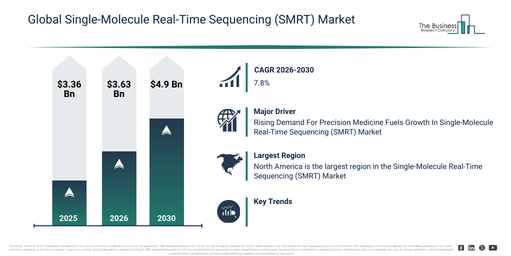
    Fueled by burgeoning genomic research endeavors, the expanding embrace of next-generation sequencing technologies, a heightened need for comprehensive whole genome sequencing, escalating investments within the life sciences sector, and significant strides in sequencing chemistry, the single-molecule real-time sequencing (smrt) market experienced robust expansion historically. This momentum is projected to continue, with the market value anticipated to ascend from $3.36 billion in 2025 to $3.63 billion in 2026, exhibiting a compound annual growth rate of 8.1%.

    The market for single-molecule real-time (SMRT) sequencing is poised for significant expansion in the coming years, projected to reach $4.9 billion by 2030, reflecting a compound annual growth rate of 7.8%. This anticipated growth trajectory is underpinned by several key factors, including the escalating adoption of precision medicine, a mounting need for large-scale genomic data, the broadening spectrum of clinical genomics applications, the increasing incorporation of AI-powered bioinformatics, and augmented investments in cutting-edge sequencing technologies. During this forecast period, notable trends are expected to shape the landscape, such as a greater embrace of long-read sequencing, the expanded utilization of SMRT sequencing for identifying structural genetic variations, a heightened demand for precise epigenetic analyses, the development of more streamlined real-time sequencing processes, and a more concentrated effort towards resolving intricate genomic structures.

    Download A Free Sample Report For Comprehensive Market Insights:

    https://www.thebusinessresearchcompany.com/sample.aspx?id=19696&type=smp

    Single-Molecule Real-Time Sequencing (SMRT) Market Demand Drivers: What Is Fueling Industry Growth?

    The expansion of the single-molecule real-time sequencing (SMRT) market is anticipated to be fueled by the escalating need for precision medicine. This personalized approach to healthcare designs treatment and intervention strategies customized to each patient, taking into account their genetic makeup, environmental exposures, and lifestyle choices. Driving the increasing adoption of personalized medicine are breakthroughs in genomic technologies that facilitate more precise and individualized therapies, coupled with a heightened focus on patient-specific care to achieve superior health outcomes. SMRT technology plays a crucial role in advancing precision medicine by delivering comprehensive and accurate genomic and epigenetic data, thereby improving diagnostic capabilities, enabling tailored treatments, and ultimately enhancing patient results. A notable illustration is the U.S. Food and Drug Administration’s approval of 18 new personalized medicines in 2023, representing approximately 38% of all newly authorized therapeutic molecular entities, as reported by the Personalized Medicine Coalition (PMC) in May 2025. Consequently, the growing demand for precision medicine is a significant catalyst for the expansion of the single-molecule real-time sequencing (SMRT) market.

    The increasing prevalence of genetic disorders is poised to accelerate the growth trajectory of the single-molecule real-time sequencing (SMRT) market. These health conditions stem from alterations in an individual’s genetic material, either inherited or acquired through mutations, and can manifest as challenges in physical development, metabolic function, or overall well-being. Factors such as heightened public awareness, sophisticated diagnostic tools, and influences like environmental conditions and advanced parental age contribute to the rising rates of genetic disorders. Within the realm of genetic disorders, SMRT is instrumental in generating precise, long-read DNA sequences that facilitate the identification of intricate mutations and structural variations often overlooked by conventional techniques. As an example, the Gene People, a UK-based charity supporting individuals with genetic disorders, stated in March 2024 that more than 6,000 distinct genetic conditions are currently recognized, with new ones being identified regularly. In the United Kingdom specifically, one in every 25 children is impacted, leading to an annual tally of 30,000 new diagnoses and a population of over 2.4 million people living with these conditions. Therefore, the escalating incidence of genetic disorders serves as a key driver for the expansion of the single-molecule real-time sequencing (SMRT) market.

    Single-Molecule Real-Time Sequencing (SMRT) Market Segmentation Trends And Revenue Drivers

    The single-molecule real-time sequencing (smrt) market covered in this report is segmented –

    1) By Product: Consumable, Instrument, Services

    2) By Application: DNA Sequencing, RNA Sequencing, Epigenetics, Whole Genome Sequencing, Other Applications

    3) By End-Users: Hospitals, Diagnostic Laboratories, Biopharmaceutical Companies, Academic Institutes And Research Centers, Other End-Users

    Subsegments:

    1) By Consumable: Reagents, Sample Preparation Kits, Flow Cells

    2) By Instrument: SMRT Sequencers, Accessories, Software

    3) By Services: Data Analysis Services, Sequencing Services, Technical Support Services

    Single-Molecule Real-Time Sequencing (SMRT) Market Industry Leaders: Which Organizations Are Driving Competition?

    Major companies operating in the single-molecule real-time sequencing (smrt) market are Thermo Fisher Scientific Inc., Illumina Inc., Qiagen N.V., BGI Group, 10x Genomics Inc., Ginkgo Bioworks Inc., Oxford Nanopore Technologies Limited, Genewiz Inc., Pacific Biosciences of California Inc., Macrogen Inc., Element Biosciences Inc., Asuragen Inc., BioNano Genomics Inc., Zymo Research Corporation, Dovetail Genomics LLC, SeqWell Inc., Paragon Genomics Inc., Nabsys Inc., Eurofins Scientific SE, Novogene Corporation

    Access The Complete Single-Molecule Real-Time Sequencing (SMRT) Market Report:

    https://www.thebusinessresearchcompany.com/report/single-molecule-real-time-sequencing-smrt-global-market-report

    Single-Molecule Real-Time Sequencing (SMRT) Market Geographic Analysis: Where Is Demand Growing The Fastest?

    North Americawas the largest region in the single-molecule real-time sequencing (SMRT) market in 2025. The regions covered in the single-molecule real-time sequencing (smrt) market report are Asia-Pacific, South East Asia, Western Europe, Eastern Europe, North America, South America, Middle East, Africa.

    Get in touch with us:

    The Business Research Company: https://www.thebusinessresearchcompany.com/

    Americas: +1 310-496-7795

    Asia: +44 7882 955267 & +91 8897263534

    Europe: +44 7882 955267

    Email us at: marketing@tbrc.info

    Follow us on:

    LinkedIn: https://in.linkedin.com/company/the-business-research-company

    YouTube: https://www.youtube.com/channel/UC24_fI0rV8cR5DxlCpgmyFQ

    Global Market Model: https://www.thebusinessresearchcompany.com/global-market-model
  • Single-Cell Protein Market Outlook Highlights The Next Major Growth Opportunities

    Single-Cell Protein Market Outlook Highlights The Next Major Growth Opportunities

    Through market attractiveness analysis, total addressable market evaluation, company benchmarking matrices, interactive Excel dashboards, expanded supply chain intelligence, emerging startup coverage, and detailed product insights, The Business Research Company’s 2026 market reports provide more actionable and strategically valuable research.

    Single-Cell Protein Market Revenue Growth Supported By A CAGR Of 35.82% Through 2030

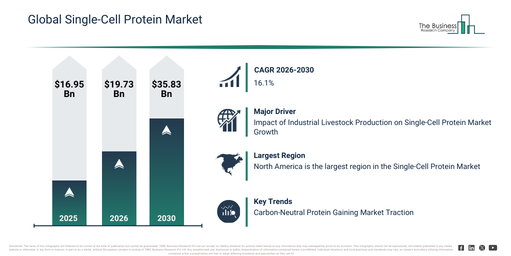
    The market for single-cell protein has experienced substantial expansion recently, projecting a climb from $16.95 billion in 2025 to $19.73 billion in 2026, signifying a compound annual growth rate of 16.4%. This upward trajectory during the historical period is fueled by several key factors, including escalating worldwide demand for protein, a broader adoption of fermentation in food manufacturing, a heightened utilization of microbial biomass within animal feed, burgeoning consumer interest in alternative protein options, and the established presence of industrial fermentation capabilities.

    The market for single-cell protein is poised for substantial expansion in the coming years, projecting an increase to $35.83 billion by 2030, driven by a compound annual growth rate of 16.1%. This anticipated growth trajectory is fueled by several key factors, including a greater integration into human food items, escalating investments in food sustainability technologies, the broadening scope of circular bioeconomy efforts, augmented regulatory endorsement for innovative protein sources, and a heightened demand for protein options with a reduced carbon footprint. Within this projected timeframe, significant market developments are anticipated to include a surge in microbial protein fermentation adoption, a growing preference for environmentally friendly protein substitutes, an increased reliance on feedstocks derived from waste materials, a wider application of single-cell protein in animal diets, and a concentrated effort on improving the scalability of protein production processes.

    Download A Free Sample Report For Comprehensive Market Insights:

    https://www.thebusinessresearchcompany.com/sample.aspx?id=20632&type=smp

    Single-Cell Protein Market Growth Drivers: What Factors Are Accelerating Expansion?

    Forward momentum for the single-cell protein market is anticipated due to the escalating scale of industrial livestock farming. This form of agriculture, which involves raising animals such as cattle, swine, and fowl for sustenance, textiles, and various commodities, aims to satisfy market needs. The expansion of livestock farming is credited with fulfilling worldwide nutritional requirements, bolstering local economies, and supplying essential goods like meat, dairy, and hides. Crucially, livestock operations contribute to single-cell protein advancement by generating organic byproducts, including animal excrement and farm waste, which act as nutrient bases for microbial proliferation. These substrates facilitate the cultivation of microorganisms harnessed as ecologically sound protein alternatives. As an illustration, in 2023, data from the United States Department of Agriculture’s National Agricultural Statistics Service (USDA NASS), a federal entity within the U.S., revealed that cash revenues from cattle and their calves reached $101.0 billion, marking a significant 17% increase from the $86.3 billion recorded in 2022. Consequently, the expanding scope of industrial livestock production is a key factor boosting the single-cell protein market.

    Single-Cell Protein Market Segment Analysis Highlighting Growth Areas

    The single-cell protein market covered in this report is segmented –

    1) By Species: Algae, Fungi, Bacteria, Yeast

    2) By Feedstock: Organic, Conventional

    3) By Application: Food And Beverages, Dietary Supplements, Animal Feed, Pharmaceuticals, Cosmetics, Other Applications

    Subsegments:

    1) By Algae: Spirulina, Chlorella, Dunaliella

    2) By Fungi: Mycoprotein, Edible Mushrooms, Filamentous Fungi Proteins

    3) By Bacteria: Methylophilus Methylotrophus, Propionibacterium Spp., Rhizobium Spp.

    4) By Yeast: Saccharomyces Cerevisiae, Candida Utilis, Kluyveromyces Marxianus

    Single-Cell Protein Market Trends: What Is Shaping Future Industry Growth?

    Companies at the forefront of the single cell protein sector are prioritizing innovation, particularly in techniques like precision microbial fermentation, as a strategy to enhance their market standing. This sophisticated method involves cultivating specific microorganisms, including yeasts, bacteria, or fungi, within controlled bioreactor environments. By utilizing precisely chosen nutrient sources, these microbes can efficiently generate biomass abundant in protein. A prime illustration of this is MicroHarvest, a Portuguese biotech firm, which in November 2023 initiated operations at a Lisbon pilot facility designed for single cell protein production. This plant is capable of producing 25 kg daily, with a raw protein content exceeding 60 percent, using sustainable raw materials. Such advancements are crucial for establishing reliable and scalable protein sources for the food, pet food, and animal feed industries.

    Single-Cell Protein Market Leading Companies: Who Holds Significant Market Presence?

    Major companies operating in the single-cell protein market are Cargill Incorporated, Archer Daniels Midland Company, Evonik Industries AG, Koninklijke DSM N.V., Nutreco N.V., Green Plains Inc., GNC Holdings Inc., Novozymes A/S, Angel Yeast Co. Ltd., Lallemand Inc., Chr. Hansen Holding A/S, Marlow Foods Ltd., Cyanotech Corporation, Novus Biologicals LLC, TerraVia Holdings Inc., Calysta Inc., Algatechnologies Ltd, Mara Renewables Corporation, KnipBio Inc., Deep Branch Biotechnology Ltd., Solar Foods, BioProcess Algae LLC, Blue Bio Tech International GmbH, Unibio A/S, Willows Ingredients Ltd.

    Access The Complete Single-Cell Protein Market Report:

    https://www.thebusinessresearchcompany.com/report/single-cell-protein-global-market-report

    Single-Cell Protein Market Global Footprint: Which Region Holds Market Leadership?

    North Americawas the largest region in the single-cell protein market in 2025. The regions covered in the single-cell protein market report are Asia-Pacific, South East Asia, Western Europe, Eastern Europe, North America, South America, Middle East, Africa.

    Get in touch with us:

    The Business Research Company: https://www.thebusinessresearchcompany.com/

    Americas: +1 310-496-7795

    Asia: +44 7882 955267 & +91 8897263534

    Europe: +44 7882 955267

    Email us at: marketing@tbrc.info

    Follow us on:

    LinkedIn: https://in.linkedin.com/company/the-business-research-company

    YouTube: https://www.youtube.com/channel/UC24_fI0rV8cR5DxlCpgmyFQ

    Global Market Model: https://www.thebusinessresearchcompany.com/global-market-model
  • Single-Cell Genome Sequencing Market Trends And Growth Drivers Point To Strong Future Potential

    Single-Cell Genome Sequencing Market Trends And Growth Drivers Point To Strong Future Potential

    Delivering more actionable and strategically valuable research, The Business Research Company’s 2026 market reports feature market attractiveness analysis, total addressable market evaluation, company benchmarking matrices, interactive Excel dashboards, expanded supply chain intelligence, emerging startup coverage, and detailed product insights.

    Single-Cell Genome Sequencing Market Value Expansion And Long-Term Growth Outlook

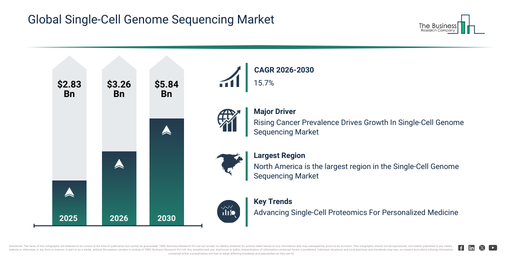
    The market for single-cell genome sequencing has witnessed significant expansion lately, projecting a Compound Annual Growth Rate (CAGR) of 15.2% to ascend from $2.83 billion in 2025 to $3.26 billion in 2026. Factors contributing to this surge during the earlier period included initial research uptake, constraints in sequencing resolution, the substantial expense associated with single-cell investigations, a burgeoning need for personalized medicine studies, and an increase in collaborative efforts within the genomics field.

    The single-cell genome sequencing market is poised for substantial expansion, projected to reach $5.84 billion by 2030, driven by a compound annual growth rate (CAGR) of 15.7%. This anticipated surge in the coming years is fueled by advancements in high-throughput single-cell platforms, broadening applications in clinical diagnostics, the synergistic integration of artificial intelligence and bioinformatics, increased utilization in multi-omics research, and the growing demand within drug discovery endeavors. Key developments shaping this market in the forecast period include a heightened focus on cancer research, deeper integration with multi-omics studies, expanded adoption in drug discovery pipelines, the ongoing development of automated sequencing platforms, and a significant rise in clinical diagnostic applications.

    Download A Free Sample Report For Comprehensive Market Insights:

    https://www.thebusinessresearchcompany.com/sample.aspx?id=12655&type=smp

    Single-Cell Genome Sequencing Market Growth Factors Supporting Long-Term Expansion

    The expanding incidence of cancer is anticipated to be a significant driver for the advancement of the single-cell genome sequencing market. Cancer, a complex group of diseases marked by uncontrolled cell proliferation, arises from genetic mutations that disrupt normal cellular regulation. Single-cell genome sequencing offers a powerful tool to investigate the specific genetic alterations within individual cancer cells. Illustratively, data from the American Cancer Society, a prominent US organization dedicated to combating cancer, indicated approximately 1.9 million new cancer diagnoses and 609,360 fatalities in the United States during 2022, with projections suggesting around 27.5 million new cases and 16.3 million deaths globally by the year 2040. Consequently, the rising global burden of cancer is poised to fuel the expansion of the single-cell genome sequencing market.

    Single-Cell Genome Sequencing Market Segment Performance And Strategic Opportunities

    The single-cell genome sequencing market covered in this report is segmented –

    1) By Type: Instruments, Reagents

    2) By Technology: Next-Generation Sequencing (NGS), Polymerase Chain Reaction (PCR), Quantitative Polymerase Chain Reaction (qPCR), Microarray, Multiple Displacement Amplification (MDA)

    3) By Disease Area: Cancer, Immunology, Prenatal Diagnosis, Neurobiology, Microbiology, Other Disease Areas

    4) By Application: Circulating Cells, Cell Differentiation Or Reprogramming, Genomic Variation, Subpopulation Characterization, Other Applications

    5) By End User: Academic Research Laboratories, Biotechnology Biopharmaceutical Companies, Clinics, Other End Users

    Subsegments:

    1) By Instruments: Single-Cell Isolation Systems, Sequencing Platforms, Automation And Robotic Systems

    2) By Reagents: Library Preparation Kits, Amplification Reagents, DNA Extraction Kits, Quality Control Reagents

    Single-Cell Genome Sequencing Market Industry Trends Shaping Future Revenue Growth

    Within the realm of single-cell genome sequencing, leading corporations are now directing their efforts towards advancements in single-cell proteomics, a nascent field dedicated to understanding the diverse spectrum of protein expression within discrete cellular units. This involves merging single-cell genomic methodologies with proteomic approaches to investigate the intricate connections between genetic blueprints and protein output at the individual cell level. As an illustration of this trend, Proteome Sciences plc, a biotechnology firm based in the UK, introduced SysQuant SCP in October 2023. This newly commercialized single-cell proteomics service capitalizes on the power of their TMTpro isobaric labeling reagents. The SysQuant SCP workflow generates and scrutinizes quantitative mass spectrometry data, thereby revealing subtle differences not only among individual cells but also within distinct clusters of cells originating from the same fundamental type. Such insights are poised to greatly enhance our comprehension of the biological underpinnings of variation and progression in disease states and therapeutic responses, ultimately paving the way for novel targets for personalized medicine therapies and diagnostics.

    Single-Cell Genome Sequencing Market Key Players: Which Companies Shape Industry Competition?

    Major companies operating in the single-cell genome sequencing market are F Hoffmann-La Roche Ltd., Thermo Fisher Scientific Inc., DH Life Sciences LLC., Becton Dickinson And Company (BD), Agilent Technologies Inc., Illumina Inc., Bio-Rad Laboratories Inc., QIAGEN GmbH, Bio-Techne Corporation, BGI Genomics Co. Ltd., Fulgent Genetics Inc., 10x Genomics Inc., Promega Corporation, Takara Bio Inc., Oxford Nanopore Technologies PLC, Pacific Biosciences of California Inc., Standard BioTools Inc., Singleron Biotechnologies, MGI Tech Co. Ltd, GENEWIZ Inc., Mission Bio Inc., Zymo Research Corporation, Menarini Silicon Biosystems SpA, Novogene Co. Ltd., RareCyte Inc., Fluxion Biosciences Inc., Single Cell Discoveries B.V., Parse Biosciences Inc., BioSpyder Technologies Inc., SeqWell Inc.

    Access The Complete Single-Cell Genome Sequencing Market Report:

    https://www.thebusinessresearchcompany.com/report/single-cell-genome-sequencing-global-market-report

    Single-Cell Genome Sequencing Market Regional Distribution: Which Areas Drive Market Expansion?

    North Americawas the largest region in the single-cell genome sequencing market in 2025. Asia-Pacificis expected to be the fastest-growing region in the forecast period. The regions covered in the single-cell genome sequencing market report are Asia-Pacific, South East Asia, Western Europe, Eastern Europe, North America, South America, Middle East, Africa.

    Get in touch with us:

    The Business Research Company: https://www.thebusinessresearchcompany.com/

    Americas: +1 310-496-7795

    Asia: +44 7882 955267 & +91 8897263534

    Europe: +44 7882 955267

    Email us at: marketing@tbrc.info

    Follow us on:

    LinkedIn: https://in.linkedin.com/company/the-business-research-company

    YouTube: https://www.youtube.com/channel/UC24_fI0rV8cR5DxlCpgmyFQ

    Global Market Model: https://www.thebusinessresearchcompany.com/global-market-model

  • Single Use Bioprocessing Market Expansion Is Reshaping Competitive Dynamics Across The Industry

    Single Use Bioprocessing Market Expansion Is Reshaping Competitive Dynamics Across The Industry

    Enhanced with market attractiveness analysis, total addressable market evaluation, company benchmarking matrices, interactive Excel dashboards, expanded supply chain intelligence, emerging startup coverage, and detailed product insights, The Business Research Company’s 2026 market reports deliver more actionable and strategically valuable research.

    Single Use Bioprocessing Market Expected To Reach $81.97 Billion By 2030 At 20.7% CAGR

    The market for single-use bioprocessing experienced substantial expansion lately, with projections indicating a rise from $31.94 billion in 2025 to $38.62 billion in 2026, reflecting a compound annual growth rate of 20.9%. This robust growth during the preceding period was spurred by several key factors, including the inherent constraints of conventional stainless steel systems, the significant capital expenditure required for traditional setups, an escalating demand for biologic drugs, early implementations in pilot-scale manufacturing, and the critical necessity for sterile production environments.

    The market for single-use bioprocessing is poised for considerable expansion in the coming years, projecting a surge to $81.97 billion by 2030, driven by a compound annual growth rate of 20.7%. This anticipated growth trajectory is fueled by several key factors, including the escalating scale of biologic drug manufacturing, increased implementation in gene and cell therapies, the seamless incorporation of automated and digital oversight tools, a growing preference for adaptable, modular system designs, and a rising demand for economical single-use alternatives. Furthermore, significant trends shaping this market during the forecast period involve the integration with continuous manufacturing processes, a greater role in vaccine development, the proliferation of modular bioprocessing units, utilization in producing materials for clinical trials, and an increasing emphasis on regulatory adherence for these single-use technologies.

    Download A Free Sample Report For Comprehensive Market Insights:

    https://www.thebusinessresearchcompany.com/sample.aspx?id=7700&type=smp

    Single Use Bioprocessing Market Demand Drivers Creating New Revenue Opportunities

    The escalating need for biopharmaceuticals, defined as medications derived from living cells or organisms, is poised to be a significant catalyst for the expansion of the single-use bioprocessing sector in the upcoming period. These single-use systems are frequently employed in the production of biopharmaceuticals, offering advantages such as enhanced output, reduced expenses, and secure waste management. Illustrating this trend, IQVIA, a prominent US entity specializing in biopharmaceutical development services, projected in January 2024 that global expenditure on biotechnology would surpass $892 billion by the year 2028. Consequently, the mounting requirement for biopharmaceutical products serves as a key driver for the industry’s growth in single-use bioprocessing.

    Single Use Bioprocessing Market Segment Landscape And Growth Potential

    The single use bioprocessing market covered in this report is segmented –

    1) By Product: Single-Use Media Bags And Containers, Single-Use Assemblies, Single-Use Bioreactors, Disposable Mixers, Other Products

    2) By Workflow: Upstream, Fermentation, Downstream

    3) By Application: Filtration, Storage, Cell Culture, Mixing, Purification

    4) By End User: Biopharmaceutical And Pharmaceutical companies, Contract Research Organizations And Contract Manufacturing Organizations (CROs and CMOs), Academic And Research institutes

    Subsegments:

    1) By Single-Use Media Bags And Containers: Media Bags, Storage Containers, Transport Bags

    2) By Single-Use Assemblies: Preassembled Kits, Tubing Sets, Connector Assemblies

    3) By Single-Use Bioreactors: Stirred-Tank Bioreactors, Wave-Mixed Bioreactors, Other Bioreactor Types

    4) By Disposable Mixers: Single-Use Stirring Devices, Single-Use Agitators

    5) By Other Products: Filtration Devices, Sampling Devices, Accessories

    Single Use Bioprocessing Market Trends Driving Strategic Industry Expansion

    Key players in the bioprocessing sector are prioritizing the development of novel single-use solutions, exemplified by their advancements in process container films, to bolster their market standing and technological capabilities. The Ultimus single-use process container film, incorporated into Mobius 3D process containers, represents a significant leap forward, boasting abrasion resistance that is ten times superior to that of competing single-use bioprocessing films. As an illustration, in April 2023, the Germany-headquartered science and technology firm, Merck Group, introduced its Single-Use Process Container Film, a product engineered to provide superior endurance and resistance to leaks in single-use systems utilized for liquid handling in bioprocessing. The distinctive woven nylon construction of the Ultimus film contributes to greater bag integrity, thereby improving its resilience against wear and tear, tears, and material fatigue. Furthermore, the Ultimus film utilizes an animal-origin-free contact resin characterized by low extractables, facilitating optimal cell growth outcomes.

    Single Use Bioprocessing Market Competitive Landscape: Who Are The Leading Companies?

    Major companies operating in the single use bioprocessing market are GE Healthcare Technologies Ltd, Eppendorf AG, Corning Incorporated, Thermo Fisher Scientific Inc, Sartorius AG, JM BioConnect BV, Merck KGaA, Pall Corporation, PBS Biotech Inc, Entegris Inc, DistriCell Inc, ABEC Inc, Solida Biotech GmbH, OmniBRx Biotechnologies Pvt Ltd, Celltainer Biotech BV, Cellexus BV, Danaher Corporation, Repligen Corporation, Lonza Group Ltd, Meissner Filtration Products Inc, MilliporeSigma, Avantor Performance Materials India Limited, Saint-Gobain Performance Plastics Corp, Rentschler Biopharma SE, Charter Medical Inc, Sollesis Medical Plc, Catalent Inc, Patheon Inc

    Access The Complete Single Use Bioprocessing Market Report:

    https://www.thebusinessresearchcompany.com/report/single-use-bioprocessing-global-market-report

    Single Use Bioprocessing Market Leading Geography: Which Region Generates The Most Revenue?

    North Americawas the largest region in the single-use bioprocessing market in 2025. Asia-Pacificis expected to be the fastest-growing region in the forecast period. The regions covered in the single use bioprocessing market report are Asia-Pacific, South East Asia, Western Europe, Eastern Europe, North America, South America, Middle East, Africa.

    Get in touch with us:

    The Business Research Company: https://www.thebusinessresearchcompany.com/

    Americas: +1 310-496-7795

    Asia: +44 7882 955267 & +91 8897263534

    Europe: +44 7882 955267

    Email us at: marketing@tbrc.info

    Follow us on:

    LinkedIn: https://in.linkedin.com/company/the-business-research-company

    YouTube: https://www.youtube.com/channel/UC24_fI0rV8cR5DxlCpgmyFQ

    Global Market Model: https://www.thebusinessresearchcompany.com/global-market-model

  • Single Tooth Implants And Dental Bridges Market Forecast Reveals Where Future Industry Value Will Be Created

    Single Tooth Implants And Dental Bridges Market Forecast Reveals Where Future Industry Value Will Be Created

    Through market attractiveness analysis, total addressable market evaluation, company benchmarking matrices, interactive Excel dashboards, expanded supply chain intelligence, emerging startup coverage, and detailed product insights, The Business Research Company’s 2026 market reports provide more actionable and strategically valuable research.

    Single Tooth Implants And Dental Bridges Market Size And Revenue Forecast Through 2030

    The market for single tooth implants and dental bridges has experienced robust expansion lately, with projections indicating continued strong performance. Specifically, this sector is expected to increase from a value of $6.76 billion in 2025 to $7.36 billion by 2026, reflecting a compound annual growth rate of 8.8%. Historically, this growth trajectory has been fueled by several key factors including the widespread incidence of tooth loss, restricted availability of sophisticated implant options in earlier times, the established use of dental bridges, an increase in the number of dental practices, and heightened patient understanding of dental restoration possibilities.

    The market for individual tooth implants and dental bridges is projected for significant expansion over the upcoming years, reaching an estimated $10.22 billion by 2030 with a compound annual growth rate of 8.6%. This anticipated growth trajectory is fueled by advancements in digital dentistry, the increasing embrace of less invasive implantology techniques, the diversification of available dental implant materials, broader dental insurance accessibility, and a rise in dental tourism. Key developments shaping this period include the increasing prevalence of 3D-printed dental implants, a greater utilization of biocompatible materials, a surge in minimally invasive implant procedures, the adoption of guided surgery methodologies, and an expansion of dental insurance provisions for restorative dental care.

    Download A Free Sample Report For Comprehensive Market Insights:

    https://www.thebusinessresearchcompany.com/sample.aspx?id=20955&type=smp

    Single Tooth Implants And Dental Bridges Market Expansion Supported By Key Demand Factors

    The rising incidence of oral health issues is anticipated to fuel the expansion of the market for single tooth implants and dental bridges. These oral health conditions encompass a variety of ailments affecting teeth, gums, the jaw, or the mouth, consequently compromising oral well-being and its functions. Factors contributing to the surge in dental disorders include greater intake of high-sugar foods, inadequate dental hygiene practices, an aging demographic, and the increasing occurrence of health problems linked to lifestyle choices, such as diabetes. Both single tooth implants and dental bridges offer successful remediation for individuals suffering from these dental conditions, by replacing lost or compromised teeth, thereby restoring oral function, improving facial appearance, and bolstering self-assurance, while simultaneously averting further problems like tooth migration and bone loss in the jaw. As an illustration, Sweden’s National Board of Health and Welfare reported in May 2024 that roughly 3.9 million people aged 24 and above received dental treatment in the country during 2023, an uptick from the previous year. Consequently, the growing prevalence of dental disorders is a key driver for the single tooth implants and dental bridges market.

    Single Tooth Implants And Dental Bridges Market Categorization By Product Type And Application

    The single tooth implants and dental bridges market covered in this report is segmented –

    1) By Type: 3-Unit Bridges, 4-Unit Bridges, Titanium Bridges, Silicone Bridges, Maryland Bridges, Cantilever Bridges, Partial Bridges

    2) By Material: Porcelain-Fused-To-Metal (PFM), All Ceramics, Metal Alloys

    3) By Application: Hospitals, Ambulatory Surgical Centers, Organ Transplant Centers, Orthopedic And Traumas Centers

    Subsegments:

    1) By 3-Unit Bridges: Fixed 3-Unit Bridges, Resin-Bonded 3-Unit Bridges

    2) By 4-Unit Bridges: Fixed 4-Unit Bridges, Cantilever 4-Unit Bridges

    3) By Titanium Bridges: Titanium-Alloy Bridges, Titanium-Based Fixed Bridges

    4) By Silicone Bridges: Flexible Silicone Bridges, Temporary Silicone Bridges

    5) By Maryland Bridges: Resin-Bonded Maryland Bridges, Metallic Framework Maryland Bridges

    6) By Cantilever Bridges: Single Cantilever Bridges, Multiple Cantilever Bridges

    7) By Partial Bridges: Partial Fixed Bridges, Removable Partial Bridges

    Single Tooth Implants And Dental Bridges Market Growth Trends Influencing Competitive Dynamics

    Implant manufacturers within the global dental restoration sector are prioritizing the creation of cutting-edge products, including sophisticated implant designs aimed at optimizing bone fusion, enduring stability, and achieving superior results for individuals undergoing dental reconstruction. These modern implant technologies are engineered to elevate surgical accuracy, facilitate quicker patient recovery, and deliver enhanced mechanical functionality for restorations in both front and back teeth. A prime illustration of this innovation occurred in November 2023 when Keystone Dental, a significant player in the U.S. oral care industry, introduced its GENESIS ACTIVE dental implant, a product featuring advanced surface technology designed to speed up bone fusion and ensure robust initial stability. This system boasts innovative thread design and surface treatment to maximize implant-to-bone engagement, empowering dental professionals to attain reliable surgical success, even in complex situations involving compromised bone density. By offering increased surgical effectiveness and sustained resilience, the GENESIS ACTIVE system broadens the scope of treatments available for replacing single teeth and constructing intricate dental bridges, thereby catering to the worldwide need for top-tier dental implant solutions.

    Single Tooth Implants And Dental Bridges Market Company Landscape And Strategic Competition

    Major companies operating in the single tooth implants and dental bridges market are Henry Schein Inc., Zimmer Biomet Holdings Inc., Straumann Group, Envista Holdings Corporation, Nobel BioCare Services AG, Zim Vie Inc., Osstem Implant Co. Ltd., Bio Horizons IPH Inc., Keystone Dental Inc., Zest Dental Solutions, Neoss Limited, Thommen Medical AG, Southern Implants Pty Ltd, Meagan Implant Co. Ltd., AVINENT Implant System S.L., CAMLOG Biotechnologies AG, Dentsply Sirona, TBR Dental, MegaGen Implant Co. Ltd, Dentium Co. Ltd, Alpha Bio Tec, Implant Direct, Biomet 3i, Anthogyr, Straumann Neodent, Ossean Implant System

    Access The Complete Single Tooth Implants And Dental Bridges Market Report:

    https://www.thebusinessresearchcompany.com/report/single-tooth-implants-and-dental-bridges-global-market-report

    Single Tooth Implants And Dental Bridges Market Regional Outlook: Where Are The Largest Opportunities Located?

    North Americawas the largest region in the single tooth implants and dental bridges market in 2025. Asia-Pacificis expected to be the fastest-growing region in the forecast period. The regions covered in the single tooth implants and dental bridges market report are Asia-Pacific, South East Asia, Western Europe, Eastern Europe, North America, South America, Middle East, Africa.

    Get in touch with us:

    The Business Research Company: https://www.thebusinessresearchcompany.com/

    Americas: +1 310-496-7795

    Asia: +44 7882 955267 & +91 8897263534

    Europe: +44 7882 955267

    Email us at: marketing@tbrc.info

    Follow us on:

    LinkedIn: https://in.linkedin.com/company/the-business-research-company

    YouTube: https://www.youtube.com/channel/UC24_fI0rV8cR5DxlCpgmyFQ

    Global Market Model: https://www.thebusinessresearchcompany.com/global-market-model
  • Single Nucleotide Polymorphism (SNP) Genotyping Market Growth Through 2030 Creates New Strategic Opportunities

    Single Nucleotide Polymorphism (SNP) Genotyping Market Growth Through 2030 Creates New Strategic Opportunities

    Delivering more actionable and strategically valuable research, The Business Research Company’s 2026 market reports feature market attractiveness analysis, total addressable market evaluation, company benchmarking matrices, interactive Excel dashboards, expanded supply chain intelligence, emerging startup coverage, and detailed product insights.

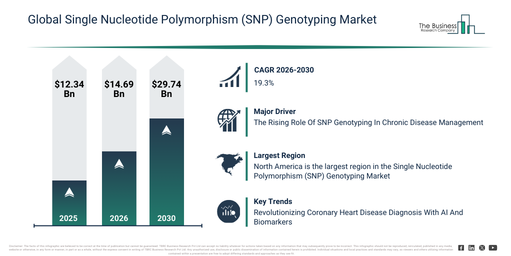
    Single Nucleotide Polymorphism (SNP) Genotyping Market Growth From $14.69 Billion In 2026 To $29.74 Billion By 2030 At A CAGR Of 19.3%

    The market for single nucleotide polymorphism (snp) genotyping has seen significant expansion lately, projected to expand from $12.34 billion in 2025 to $14.69 billion in 2026, indicating a compound annual growth rate (CAGR) of 19.1%. This expansion during the past period was propelled by factors such as restricted early-stage genotyping technologies, increasing research requisitions, the substantial expense associated with genomic examinations, escalating partnerships among research facilities, and the early integration within pharmacogenomics applications.

    The market for single nucleotide polymorphism (SNP) genotyping is poised for substantial expansion, projecting a value of $29.74 billion by 2030, driven by an impressive compound annual growth rate of 19.3%. This accelerated growth over the projected timeframe is largely fueled by advancements in high-throughput SNP platforms, the expanding application of SNP genotyping in personalized medicine, its synergistic integration with artificial intelligence for advanced predictive analytics, increased utilization within clinical diagnostics, and the burgeoning use in agricultural genomics. Key developments anticipated during this period include deeper integration with pharmacogenomics, a growing emphasis on predicting disease risk, expanded applications in both agriculture and animal breeding sectors, the continued adoption of microarray-based genotyping methodologies, and a notable increase in point-of-care SNP testing solutions.

    Download A Free Sample Report For Comprehensive Market Insights:

    https://www.thebusinessresearchcompany.com/sample.aspx?id=12569&type=smp

    Single Nucleotide Polymorphism (SNP) Genotyping Market Growth Drivers And Industry Catalysts

    The expanding challenge posed by long-term health issues is poised to stimulate advancement within the single nucleotide polymorphism (SNP) genotyping market. Chronic health conditions, characterized by their persistence for a year or more and requiring ongoing medical attention or limiting daily life activities, are becoming more prevalent. SNP genotyping plays a crucial role in pinpointing genetic susceptibilities and advancing tailored healthcare approaches, especially as these chronic diseases become more widespread. To illustrate, data from the Centers for Disease Control and Prevention (CDC), a federal entity in the United States, indicated that in 2023, a significant portion of American adults, around 194 million or 76.4%, dealt with at least one chronic condition. This prevalence varied across age groups, affecting 59.5% of younger adults, 78.4% of middle-aged adults, and an overwhelming 93.0% of older adults. Consequently, the escalating impact of chronic diseases is a key factor fueling the expansion of the market for single nucleotide polymorphism (SNP) genotyping technologies.

    Single Nucleotide Polymorphism (SNP) Genotyping Market Segment Analysis And Revenue Opportunities

    The single nucleotide polymorphism (snp) genotyping market covered in this report is segmented –

    1) By Product: Consumables, Instruments, Services

    2) By Technology: TaqMan SNP Genotyping, Mass Array SNP Genotyping, SNP Gene Chip Arrays, Other Technologies

    3) By Application: Animal Genetics, Plant Improvement, Diagnostic Research, Pharmaceuticals And Pharmacogenomics, Agricultural Biotechnology, Other Applications

    Subsegments:

    1) By Consumables: Reagents And Kits, DNA Probes, Microarrays

    2) By Instruments: SNP Genotyping Platforms, Sequencers, PCR Machines

    3) By Services: SNP Genotyping Services, Data Analysis Services, Consultation Services

    #Single Nucleotide Polymorphism (SNP) Genotyping Market Trends Influencing Long-Term Demand

    Corporations at the forefront of the single nucleotide polymorphism (SNP) genotyping sector are actively creating biomarkers beneficial for identifying coronary heart disease, aiming to boost their market earnings. These SNP biomarkers for coronary heart disease (CHD) detection represent distinct genetic alterations, pinpointed via genomic studies, which correlate with a heightened predisposition or vulnerability to the condition. As an illustration, in February of 2023, Cardio Diagnostics, a biotechnology firm situated in the United States, introduced PrecisionCHD. This innovative, AI-powered blood test integrates both epigenetic markers, specifically DNA methylation, and genetic markers, namely single nucleotide polymorphisms, to facilitate CHD detection. The employed machine-learning algorithm achieves a diagnostic sensitivity exceeding 75% across both sexes, offering a non-invasive method for collecting blood samples either in a clinical setting or at home, thereby circumventing the need for conventional diagnostic procedures like stress tests and ensuring an objective assessment solely based on biomarkers, independent of subjective patient self-reporting.

    Single Nucleotide Polymorphism (SNP) Genotyping Market Leading Players Shaping Industry Direction

    Major companies operating in the single nucleotide polymorphism (snp) genotyping market are Thermo Fischer Scientific Inc, Danaher Corporation, Roche Diagnostics Corporation, GE HealthCare Technologies Inc, Eurofins Genomics LLC, Beckman Coulter Inc, Bio-Rad Laboratories Inc, Qiagen N.V, Sigma-Aldrich Corporation, Agilent Technologies Inc, PerkinElmer Inc, Illumina Inc, Promega Corporation, GenScript Biotech Corporation, Integrated DNA Technologies Inc, LGC Ltd, Sequenom Inc, Fluidigm Corporation, Oxford Gene Technology, Affymetrix Inc, PREMIER Biosoft International Inc, Rubicon Genomics, Xcelris Genomics, Douglas Scientific LLC, Golden Helix Inc

    Access The Complete Single Nucleotide Polymorphism (SNP) Genotyping Market Report:

    https://www.thebusinessresearchcompany.com/report/single-nucleotide-polymorphism-snp-genotyping-global-market-report

    Single Nucleotide Polymorphism (SNP) Genotyping Market Geographic Landscape: Which Region Dominates Industry Growth?

    North Americawas the largest region in the single nucleotide polymorphism (SNP) genotyping market in 2025. Asia-Pacificis expected to be the fastest-growing region in the forecast period. The regions covered in the single nucleotide polymorphism (snp) genotyping market report are Asia-Pacific, South East Asia, Western Europe, Eastern Europe, North America, South America, Middle East, Africa.

    Get in touch with us:

    The Business Research Company: https://www.thebusinessresearchcompany.com/

    Americas: +1 310-496-7795

    Asia: +44 7882 955267 & +91 8897263534

    Europe: +44 7882 955267

    Email us at: marketing@tbrc.info

    Follow us on:

    LinkedIn: https://in.linkedin.com/company/the-business-research-company

    YouTube: https://www.youtube.com/channel/UC24_fI0rV8cR5DxlCpgmyFQ

    Global Market Model: https://www.thebusinessresearchcompany.com/global-market-model

  • Single Molecule Real Time Sequencing Market Size Projected To Increase From $3.72 Billion To $5.14 Billion During The Forecast Period

    Single Molecule Real Time Sequencing Market Size Projected To Increase From $3.72 Billion To $5.14 Billion During The Forecast Period

    Enhanced with market attractiveness analysis, total addressable market evaluation, company benchmarking matrices, interactive Excel dashboards, expanded supply chain intelligence, emerging startup coverage, and detailed product insights, The Business Research Company’s 2026 market reports deliver more actionable and strategically valuable research.

    Single Molecule Real Time Sequencing Market Expansion Outlook: What Revenue Opportunities Lie Ahead?

    Fueled by significant progress in DNA sequencing chemistry and the expanding scope of genomic research initiatives, the single molecule real-time sequencing market experienced robust expansion. This growth trajectory is projected to continue, with market value escalating from $3.43 billion in 2025 to an estimated $3.73 billion in 2026, reflecting a compound annual growth rate of 8.7%. Key drivers underpinning this expansion during the preceding period included the increasing adoption of next-generation sequencing platforms, augmented investment in genetic studies, and the enhanced utilization of long-read data within the research community.

    The market for single-molecule real-time sequencing is poised for substantial expansion in the upcoming years, projecting a reach of $5.15 billion by 2030, fueled by a compound annual growth rate of 8.4%. This upward trajectory during the projected timeframe is largely propelled by an escalating need for thorough genome examinations, wider clinical embrace of long-read sequencing techniques, broadening research avenues in epigenetics, the increasing incorporation of artificial intelligence in genomic data analysis, and a consistent improvement in minimizing sequencing errors. Key developments anticipated over this forecast period encompass a greater uptake of long-read sequencing methodologies, a surge in the demand for immediate DNA analysis, enhanced utilization of cloud-based bioinformatics solutions, the proliferation of applications requiring precise genome assembly, and a heightened emphasis on identifying structural variations within genomes.

    Download A Free Sample Report For Comprehensive Market Insights:

    https://www.thebusinessresearchcompany.com/sample.aspx?id=20631&type=smp

    Single Molecule Real Time Sequencing Market Opportunity Drivers: What Is Creating New Revenue Potential?

    An escalating incidence of neurological disorders is anticipated to catalyze the expansion of the single molecule real-time sequencing market. These disorders, which impact the intricate network of the nervous system – encompassing the brain, spinal cord, and peripheral nerves – manifest in varied impairments affecting mobility, sensory perception, cognitive functions, and motor control. Conditions such as Alzheimer’s, Parkinson’s disease, stroke, and epilepsy represent prominent examples of neurological ailments. Factors contributing to this surge include an increasing elderly demographic, heightened public and professional awareness, advancements in diagnostic capabilities, and environmental influences. Single-molecule real-time (SMRT) sequencing technology offers in-depth genetic insights indispensable for comprehending and managing neurological challenges. To illustrate, a May 2024 report from the Alzheimer’s Association, a non-profit organization focused on Alzheimer’s research and support in the United States, indicated a rise in American individuals aged 65 and above diagnosed with Alzheimer’s, climbing from 6.5 million in 2022 to 6.9 million in 2024. Consequently, the increasing occurrence of neurological diseases is poised to stimulate growth within the single molecule real-time sequencing sector.

    Single Molecule Real Time Sequencing Market Segmentation And Category Breakdown

    The single molecule real time sequencing market covered in this report is segmented –

    1) By Workflow Stage: Pre-Sequencing, Sequencing, Data Analysis

    2) By Product: Consumable, Instrument, Services

    3) By Application: DNA Sequencing, RNA Sequencing, Epigenetics, Whole Genome Sequencing, Other Applications

    4) By End-Users: Hospitals, Diagnostic Laboratories, Biopharmaceutical Companies, Academic Institutes And Research Centers, Other End Users

    Subsegments:

    1) By Pre-Sequencing: Library Preparation Kits, DNA/RNA Extraction And Purification Products, Quality Control And Quantification Tools

    2) By Sequencing: Real-Time Sequencing Systems, Portable Sequencing Devices, High-Throughput Sequencing Platforms

    3) By Data Analysis: Software For Data Processing, Bioinformatics Tools, Cloud-Based Data Analysis Solutions

    Single Molecule Real Time Sequencing Market Innovation Trends Driving Future Development

    Companies actively participating in the single-molecule real-time sequencing arena are prioritizing the creation of cutting-edge technologies, specifically benchtop long-read sequencers that offer superior read accuracy, as a means to enhance their market standing. Such a sequencer is characterized as a compact piece of laboratory equipment designed for lengthy DNA sequencing with exceptional precision and adequate efficiency, thereby extending the reach of sophisticated sequencing beyond specialized genomics facilities. As an illustration, Pacific Biosciences, an American firm specializing in genomics, introduced the Vega benchtop sequencer in November of 2024. This instrument is capable of generating 60 gigabases of data per cycle, provides exceptionally precise long reads (referred to as HiFi), and facilitates the acquisition of genomic, transcriptomic, and epigenetic information even within modest laboratory settings. The advantages conferred by these features include an expanded range of potential users, faster integration into clinical and research environments, and a lowering of the hurdles for initial implementation, though the expense associated with regular operation might remain a consideration for smaller laboratories.

    Single Molecule Real Time Sequencing Market Competitive Analysis Of Major Industry Participants

    Major companies operating in the single molecule real time sequencing market are F. Hoffmann-La Roche Ltd, Thermo Fisher Scientific Inc., Agilent Technologies Inc., Bio-Rad Laboratories Inc., Qiagen N.V., Pacific Biosciences of California Inc., Oxford Nanopore Technologies Limited, Illumina Inc., BGI Genomics Co. Ltd., Novogene Corporation, New England Biolabs Inc., Zymo Research Corporation, GENEWIZ Inc., Dovetail Genomics LLC, Singular Genomics Systems Inc., Horizon Discovery Group plc, Asuragen Inc., LGC Limited, Tecan Group Ltd, 10x Genomics Inc.

    Access The Complete Single Molecule Real Time Sequencing Market Report:

    https://www.thebusinessresearchcompany.com/report/single-molecule-real-time-sequencing-global-market-report

    Single Molecule Real Time Sequencing Market Largest Region: Which Geography Holds The Highest Market Share?

    North Americawas the largest region in the single molecule real time sequencing market in 2025. Asia-Pacificis expected to be the fastest-growing region in the forecast period. The regions covered in the single molecule real time sequencing market report are Asia-Pacific, South East Asia, Western Europe, Eastern Europe, North America, South America, Middle East, Africa.

    Get in touch with us:

    The Business Research Company: https://www.thebusinessresearchcompany.com/

    Americas: +1 310-496-7795

    Asia: +44 7882 955267 & +91 8897263534

    Europe: +44 7882 955267

    Email us at: marketing@tbrc.info

    Follow us on:

    LinkedIn: https://in.linkedin.com/company/the-business-research-company

    YouTube: https://www.youtube.com/channel/UC24_fI0rV8cR5DxlCpgmyFQ

    Global Market Model: https://www.thebusinessresearchcompany.com/global-market-model

  • Single Dose Radiotherapy Services Market Growth Outlook Reveals A CAGR Of 7.1% And A Market Value Of $2.27 Billion By 2030

    Single Dose Radiotherapy Services Market Growth Outlook Reveals A CAGR Of 7.1% And A Market Value Of $2.27 Billion By 2030

    Through market attractiveness analysis, total addressable market evaluation, company benchmarking matrices, interactive Excel dashboards, expanded supply chain intelligence, emerging startup coverage, and detailed product insights, The Business Research Company’s 2026 market reports provide more actionable and strategically valuable research.

    Single Dose Radiotherapy Services Market Growth Potential: How Will Market Size Change Through 2030?

    The market for single dose radiotherapy services experienced robust expansion recently, projected to increase from $1.6 billion in 2025 to $1.73 billion in 2026, reflecting a compound annual growth rate (CAGR) of 8.1%. Factors contributing to this historical growth include restricted accessibility to traditional radiotherapy, an escalating cancer diagnosis rate, a strong patient inclination towards outpatient treatment options, an increase in the availability of radiotherapy equipment, and the early implementation of single dose treatment plans.

    The market for single-dose radiotherapy services is projected for significant expansion over the coming years, anticipating a rise to $2.27 billion by 2030 with a compound annual growth rate of 7.1%. This upward trajectory is fueled by technological innovations in precision radiotherapy, the incorporation of artificial intelligence and robotics, enhanced insurance coverage, the proliferation of oncology-dedicated treatment facilities, and growing acceptance in developing nations. Key developments expected during this forecast period involve a greater reliance on hypofractionated radiotherapy techniques, the wider adoption of image-guided radiation therapy, an increase in both mobile and remote radiotherapy units, the integration of AI into treatment strategy formulation, and an expanded emphasis on patient-centered cancer care.

    Download A Free Sample Report For Comprehensive Market Insights:

    https://www.thebusinessresearchcompany.com/sample.aspx?id=16790&type=smp

    Single Dose Radiotherapy Services Market Growth Momentum: Which Factors Are Influencing Demand?

    The swelling incidence of cancer is poised to be a primary catalyst for the expansion of the single-dose radiotherapy services market in the future. Cancer, a condition defined by the aberrant proliferation of cells that can metastasize and disrupt vital bodily processes, is becoming more widespread due to demographic shifts towards older populations, evolving lifestyle habits, environmental factors, and enhanced diagnostic capabilities. Single-dose radiotherapy offers a promising avenue for managing this growing cancer burden by providing a focused and efficient treatment modality aimed at eradicating malignant cells, thereby potentially improving patient prognoses and alleviating the overall impact of the disease. Illustrating this trend, data from July 2024, sourced from the Australian Institute of Health and Welfare, indicates that in 2023, approximately 165,000 individuals in Australia received a new cancer diagnosis, translating to more than 450 new cases daily, with males accounting for roughly 55% of these diagnoses. Consequently, the escalating rate of cancer diagnoses serves as a significant driving force behind the increasing demand for single-dose radiotherapy services.

    Single Dose Radiotherapy Services Market Segment Outlook: Which Categories Are Expanding The Fastest?

    The single dose radiotherapy services market covered in this report is segmented –

    1) By Type: Internal Beam Radiotherapy, External Beam Radiotherapy

    2) By Application: Prostate Cancer, Breast Cancer

    3) By Service Provider: Specialized Cancer Institutes, Radiotherapy Centers

    Subsegments:

    1) By Internal Beam Radiotherapy: Brachytherapy, Intraoperative Radiotherapy (IORT)

    2) By External Beam Radiotherapy: Stereotactic Radiosurgery (SRS), Stereotactic Body Radiotherapy (SBRT), Intensity-Modulated Radiotherapy (IMRT)

    Single Dose Radiotherapy Services Market Trends Reshaping Industry Growth

    Within the landscape of the single-dose radiotherapy services market, leading corporations are prioritizing the creation of novel technologies, including computed tomography (CT) systems for radiation therapy, aiming to elevate image precision and streamline simulation processes for cancer treatment. A newly introduced radiation therapy CT solution represents a sophisticated imaging apparatus engineered to refine the accuracy of radiation delivery, whereas an artificial intelligence-augmented iteration of the intelligent radiation therapy (iRT) platform integrates AI to tailor and optimize radiation treatment regimens. As an illustration, during May of 2024, GE HealthCare, a prominent medical technology firm based in the United States, unveiled its Revolution RT and an enhanced Intelligent Radiation Therapy (IRT) Platform. These offerings boast superior imaging fidelity, greater operational smoothness, and AI-driven customization, with Revolution RT specifically targeting accurate radiotherapy simulation and the upgraded iRT platform designed to expedite workflows and boost precision. Such strides in radiotherapy technology notably advance imaging exactitude and accuracy, simplify procedural sequences, and bolster personalization and analytical capacities, thereby optimizing single-dose radiotherapy interventions for each patient and augmenting the proficiency, efficacy, and availability of these critical treatments.

    Single Dose Radiotherapy Services Market Key Companies And Competitive Benchmarking

    Major companies operating in the single dose radiotherapy services market are Hitachi Ltd, Varian Medical Systems Inc, Boston Scientific Corporation, Elekta AB, GenesisCare, Accuray Incorporated, IBA Dosimetry GmbH, ViewRay Inc, RaySearch Laboratories AB, RefleXion Medical Inc, Sensus Healthcare Inc, C-RAD AB, Panacea Medical Technologies Pvt Ltd, Advanced Oncotherapy Plc, ProTom International Inc, Isoray Inc, IntraOp Medical Corporation, Alliance Oncology, Nanobiotix, Xcision Medical Systems LLC, Oraya Therapeutics Inc, Mevion Medical Systems, Theragenics Corporation, Oncology Imaging Systems

    Access The Complete Single Dose Radiotherapy Services Market Report:

    https://www.thebusinessresearchcompany.com/report/single-dose-radiotherapy-services-global-market-report

    Single Dose Radiotherapy Services Market Regional Analysis: Which Region Leads By Revenue?

    North Americawas the largest region in the single dose radiotherapy services market in 2025. Asia-Pacificis expected to be the fastest-growing region in the forecast period. The regions covered in the single dose radiotherapy services market report are Asia-Pacific, South East Asia, Western Europe, Eastern Europe, North America, South America, Middle East, Africa.

    Get in touch with us:

    The Business Research Company: https://www.thebusinessresearchcompany.com/

    Americas: +1 310-496-7795

    Asia: +44 7882 955267 & +91 8897263534

    Europe: +44 7882 955267

    Email us at: marketing@tbrc.info

    Follow us on:

    LinkedIn: https://in.linkedin.com/company/the-business-research-company

    YouTube: https://www.youtube.com/channel/UC24_fI0rV8cR5DxlCpgmyFQ

    Global Market Model: https://www.thebusinessresearchcompany.com/global-market-model
  • Single Cell Multiomics Market Forecast Highlights Expansion From $5.92 Billion To $13 Billion Through 2030

    Single Cell Multiomics Market Forecast Highlights Expansion From $5.92 Billion To $13 Billion Through 2030

    Delivering more actionable and strategically valuable research, The Business Research Company’s 2026 market reports feature market attractiveness analysis, total addressable market evaluation, company benchmarking matrices, interactive Excel dashboards, expanded supply chain intelligence, emerging startup coverage, and detailed product insights.

    Single Cell Multiomics Market Value Analysis: What Growth Is Expected Over The Forecast Period?

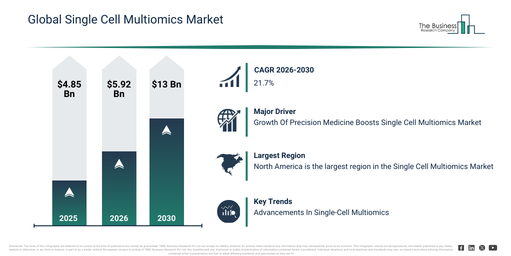
    The market for single-cell multiomics has experienced remarkable expansion, projecting a rise from $4.85 billion in 2025 to $5.92 billion in 2026, driven by a robust compound annual growth rate of 22.1%. This growth trajectory, observed over the historical period, is underpinned by several key factors including significant progress in single-cell sequencing technologies, a broadening scope of cancer research projects, escalating investment in life sciences endeavors, enhanced accessibility of advanced high-throughput analytical instruments, and increased financial support for academic investigations.

    Anticipated to expand significantly over the forthcoming years, the market for single-cell multiomics is projected to reach $13 billion by 2030, demonstrating a compound annual growth rate of 21.7%. This upward trajectory is fueled by several key factors, including a heightened need for precision medicine solutions, greater integration within clinical research processes, the proliferation of platforms designed to merge multiomics data, augmented investment in pharmaceutical R&D, and ongoing enhancements in analytical precision. Key developments set to shape this market during the projected period involve a greater embrace of unified multiomics platforms, a surge in demand for detailed single-cell examinations, increased utilization of artificial intelligence for data interpretation, broader implementation of techniques for multi-modal cellular profiling, and a more pronounced focus on understanding cellular diversity.

    Download A Free Sample Report For Comprehensive Market Insights:

    https://www.thebusinessresearchcompany.com/sample.aspx?id=20630&type=smp

    Single Cell Multiomics Market Expansion Drivers: What Is Shaping Future Growth?

    The market for single-cell multiomics is poised for expansion, driven by the escalating need for precision medicine. This approach to healthcare customizes treatments and strategies based on an individual’s unique biological makeup. The surge in precision medicine is attributable to breakthroughs in genetic research, improved data processing power, and a greater appreciation for the benefits of personalized care. By offering granular information on cellular variations and molecular processes, single-cell multiomics facilitates the creation of sophisticated, individualized therapies designed around a patient’s specific cellular makeup. Illustrating this trend, the Personalized Medicine Coalition (PMC) reported that in 2023, the U.S. Food and Drug Administration (FDA) authorized 18 new personalized medicines, representing approximately 38% of all new therapeutic compounds introduced that year. Consequently, the growing emphasis on precision medicine is a key catalyst for the advancement of the single-cell multiomics sector.

    Single Cell Multiomics Market Segment Landscape: Which Areas Lead Market Development?

    The single cell multiomics market covered in this report is segmented –

    1) By Type: Single Cell Genomics, Single Cell Proteomics, Single Cell Transcriptomics, Single Cell Metabolomics

    2) By Technique: Single Cell Isolation And Dispensing, Single Cell Analysis

    3) By Application: Oncology, Cell Biology, Neurology, Immunology, Stem Cell Research

    4) By End User: Academic Institutes, Contract Research Organizations, Pharmaceutical And Biotech Companies

    Subsegments:

    1) By Single Cell Genomics: Whole Genome Sequencing (WGS), Targeted Sequencing, Single Cell DNA Amplification Techniques, Genomic Analysis Platforms

    2) By Single Cell Proteomics: Mass Spectrometry-Based Techniques, Protein Microarrays, Enzyme-Linked Immunosorbent Assays (ELISA), Single Cell Protein Analysis Platforms

    3) By Single Cell Transcriptomics: Single Cell RNA Sequencing (scRNA-seq), RNA Amplification Techniques, Microfluidics-Based Transcriptomics, Transcriptome Analysis Tools

    4) By Single Cell Metabolomics: Mass Spectrometry For Metabolite Analysis, Nuclear Magnetic Resonance (NMR) Techniques, Liquid Chromatography For Metabolomics, Metabolite Profiling Tools

    Single Cell Multiomics Market Strategic Trends: What Is Defining The Next Phase Of Growth?

    In the realm of single-cell multiomics, leading entities are actively engaged in creating advanced single-cell multiomics assays aimed at refining the precision and detail of cellular investigations. These sophisticated assays empower scientists to gain deeper insights into intricate biological mechanisms, pinpoint elusive cell types, and personalize therapeutic strategies by consolidating extensive molecular information derived from individual cells. As a concrete illustration, Mission Bio, a biotechnology firm situated in the United States, unveiled its Tapestri Single-cell Multiple Myeloma Multiomics Solution in June 2024. This groundbreaking offering facilitates an exhaustive examination of multiple myeloma at the individual cell level. Consequently, this solution equips researchers focusing on translational studies and those involved in drug development with the capability to thoroughly map the molecular and cellular intricacies throughout the progression of myeloid disorders, investigate mechanisms of treatment resistance, and pinpoint the fundamental factors driving disease evolution from its nascent phases, including conditions like monoclonal gammopathy of undetermined significance and smoldering multiple myeloma.

    Single Cell Multiomics Market Industry Leaders And Market Competition

    Major companies operating in the single cell multiomics market are Thermo Fisher Scientific Inc., Danaher Corporation, Becton Dickinson and Company, Illumina Inc., BioRad Laboratories Inc., QIAGEN N.V., BioTechne Corporation, Miltenyi Biotec BV & Co KG, BGI Genomics Co Ltd, 10x Genomics Inc., Molecular Devices LLC, NanoString Technologies Inc., Standard BioTools Inc., Akoya Biosciences Inc., Takara Bio Inc., Synthego Corporation, Mission Bio Inc., DeepCell Inc., RareCyte Inc., Parse Biosciences Inc., Dolomite Bio Ltd, Stilla Technologies SAS, NanoCellect Biomedical Inc., Epicypher Inc., Scipio Biosciences SAS

    Access The Complete Single Cell Multiomics Market Report:

    https://www.thebusinessresearchcompany.com/report/single-cell-multiomics-global-market-report

    Single Cell Multiomics Market Geographic Distribution And Regional Opportunities

    North Americawas the largest region in the single cell multiomics market in 2025. Asia-Pacificis expected to be the fastest-growing region in the forecast period. The regions covered in the single cell multiomics market report are Asia-Pacific, South East Asia, Western Europe, Eastern Europe, North America, South America, Middle East, Africa.

    Get in touch with us:

    The Business Research Company: https://www.thebusinessresearchcompany.com/

    Americas: +1 310-496-7795

    Asia: +44 7882 955267 & +91 8897263534

    Europe: +44 7882 955267

    Email us at: marketing@tbrc.info

    Follow us on:

    LinkedIn: https://in.linkedin.com/company/the-business-research-company

    YouTube: https://www.youtube.com/channel/UC24_fI0rV8cR5DxlCpgmyFQ

    Global Market Model: https://www.thebusinessresearchcompany.com/global-market-model