Month: June 2026

  • Skin-Pigmentation Laser Clinic Market Growth Through 2030 Creates New Strategic Opportunities

    Skin-Pigmentation Laser Clinic Market Growth Through 2030 Creates New Strategic Opportunities

    Through market attractiveness analysis, total addressable market evaluation, company benchmarking matrices, interactive Excel dashboards, expanded supply chain intelligence, emerging startup coverage, and detailed product insights, The Business Research Company’s 2026 market reports provide more actionable and strategically valuable research.

    Skin-Pigmentation Laser Clinic Market Expansion Outlook: What Revenue Opportunities Lie Ahead?

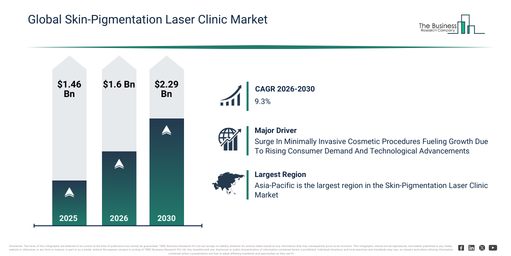
    The market for skin pigmentation laser clinics has experienced robust expansion lately, projecting a rise from $1.46 billion in 2025 to $1.6 billion in 2026, reflecting a compound annual growth rate of 9.6%. This historical growth trajectory has been fueled by several key factors, including heightened public awareness surrounding cosmetic dermatology, a greater incidence of pigmentation-related skin conditions, the proliferation of aesthetic clinic chains, elevated levels of discretionary spending among consumers, and the increased accessibility of advanced laser treatment technologies.

    The market for skin pigmentation laser clinics is poised for considerable expansion over the upcoming years, projected to reach $2.29 billion by 2030, propelled by a compound annual growth rate of 9.3%. This anticipated rise is fueled by several key factors including a heightened preference for non-surgical cosmetic enhancements, the increasing integration of AI for skin analysis, a surge in medical aesthetics tourism, a greater emphasis on tailored skincare regimens, and ongoing innovations in laser technology itself. During this projected period, dominant trends are expected to encompass the greater utilization of sophisticated laser systems, a growing call for customized treatments targeting pigmentation issues, the increasing popularity of combined therapy methods, the expanding scope of minimally invasive aesthetic procedures, and a more pronounced concentration on ensuring both the safety and exactitude of treatments.

    Download A Free Sample Report For Comprehensive Market Insights:

    https://www.thebusinessresearchcompany.com/sample.aspx?id=29190&type=smp

    Skin-Pigmentation Laser Clinic Market Growth Drivers: What Factors Are Accelerating Expansion?

    The increasing global inclination towards aesthetic enhancements that involve minimal invasion is anticipated to fuel the expansion of the skin pigmentation laser clinic sector. Such minimally invasive cosmetic treatments, characterized by slight incisions or entirely non-invasive methods, focus on improving appearance while offering advantages like quicker recovery, reduced risks, and more natural-looking outcomes compared to conventional surgical interventions. This heightened interest in less invasive procedures stems from technological progress, which has rendered these treatments safer, more potent, and more readily available, consequently boosting consumer appeal and acceptance. Skin pigmentation laser clinics directly cater to this demand by providing specialized interventions for conditions such as hyperpigmentation, leveraging sophisticated laser technologies to deliver effective, non-surgical answers. For context, a June 2024 report from the International Society of Aesthetic Plastic Surgery (ISAPS), a global organization for aesthetic surgeons, indicated that in 2023, the total volume of both surgical and non-surgical aesthetic procedures reached 34.9 million, reflecting a 3.4% rise from the previous year. This included a 5.5% increase in surgical procedures to over 15.8 million, alongside 19.1 million non-surgical treatments, with botulinum toxin injections remaining the most popular at 8.8 million procedures and hyaluronic acid treatments surging by 29% to 5.5 million. Consequently, the escalating demand for minimally invasive cosmetic procedures is a key catalyst for the growth observed in the skin pigmentation laser clinic market.

    A surge in overall healthcare expenditure is poised to stimulate the market for skin pigmentation laser clinics. Healthcare spending encompasses the aggregate financial outlay for health-related services and products, covering medical attention, hospital services, preventative measures, pharmaceuticals, research initiatives, infrastructure development, and administrative overheads, all directed towards maintaining or enhancing individual and public health. This upward trend in healthcare expenditure is largely driven by the integration of advanced, yet costly, medical technologies, which, while improving diagnostic accuracy and treatment results, substantially elevate the financial burden on both patients and healthcare systems. Such increased financial investment in healthcare actively supports the skin pigmentation laser clinic sector by stimulating demand for sophisticated therapeutic options, facilitating investment in cutting-edge treatments, and ensuring wider accessibility to essential healthcare products that enhance patient well-being. As an illustration, data from the UK’s Office for National Statistics revealed that between 2022 and 2023, healthcare spending within the UK experienced a 5.6% escalation, a notable contrast to the 0.9% growth registered in 2022, with total UK healthcare expenditure reaching approximately $317.63 billion (£292 billion) in 2023. Therefore, the augmentation of healthcare spending serves as a significant driver for the expansion of the skin pigmentation laser clinic market.

    Skin-Pigmentation Laser Clinic Market Segment Performance And Strategic Opportunities

    The skin-pigmentation laser clinic market covered in this report is segmented –

    1) By Treatment Type: Laser Toning, Q-Switched Laser, Fractional Laser, Intense Pulsed Light (IPL), Other Treatment Types

    2) By Application: Hyperpigmentation, Melasma, Age Spots, Sun Damage, Other Applications

    3) By End User: Hospitals, Dermatology Clinics, Aesthetic Clinics, Other End Users

    Subsegments:

    1) By Laser Toning: Nd:YAG Laser, Ruby Laser, Alexandrite Laser

    2) By Q Switched Laser: Nd:YAG Laser, Ruby Laser, Alexandrite Laser

    3) By Fractional Laser: Carbon Dioxide Laser, Erbium Laser, Fractional Non Ablative Laser

    4) By Intense Pulsed Light: Broad Spectrum Light, Pulsed Light Therapy, Multi Wavelength Light

    5) By Other Treatment Types: Cryotherapy, Chemical Peels, Microdermabrasion, Photodynamic Therapy

    Skin-Pigmentation Laser Clinic Market Key Players: Which Companies Shape Industry Competition?

    Major companies operating in the skin-pigmentation laser clinic market are Cynosure Inc., BTL Industries Inc., Lumenis Ltd. (Boston Scientific), Alma Lasers Ltd., Cutera Inc., Candela Medical Inc. (Apax Partners), Lutronic Co. Ltd., Solta Medical Inc., Fotona d.o.o., Venus Concept Inc., Sciton Inc., Quanta System S.p.A., Sharplight Technologies Ltd., Aerolase Medical LLC, Wontech Co. Ltd., Lynton Lasers Ltd., DEKA M.E.L.A. S.r.l., Laseroptek Co. Ltd., Novoxel Ltd., Advalight Corp.

    Access The Complete Skin-Pigmentation Laser Clinic Market Report:

    https://www.thebusinessresearchcompany.com/report/skin-pigmentation-laser-clinic-global-market-report

    Skin-Pigmentation Laser Clinic Market Geographic Analysis: Where Is Demand Growing The Fastest?

    Asia-Pacificwas the largest region in the skin-pigmentation laser clinic market in 2025. Asia-Pacificis expected to be the fastest-growing region in the forecast period. The regions covered in the skin-pigmentation laser clinic market report are Asia-Pacific, South East Asia, Western Europe, Eastern Europe, North America, South America, Middle East, Africa.

    Get in touch with us:

    The Business Research Company: https://www.thebusinessresearchcompany.com/

    Americas: +1 310-496-7795

    Asia: +44 7882 955267 & +91 8897263534

    Europe: +44 7882 955267

    Email us at: marketing@tbrc.info

    Follow us on:

    LinkedIn: https://in.linkedin.com/company/the-business-research-company

    YouTube: https://www.youtube.com/channel/UC24_fI0rV8cR5DxlCpgmyFQ

    Global Market Model: https://www.thebusinessresearchcompany.com/global-market-model
  • Skin Tightening Market Size Projected To Increase From $2.27 Billion To $3.4 Billion During The Forecast Period

    Skin Tightening Market Size Projected To Increase From $2.27 Billion To $3.4 Billion During The Forecast Period

    Delivering more actionable and strategically valuable research, The Business Research Company’s 2026 market reports feature market attractiveness analysis, total addressable market evaluation, company benchmarking matrices, interactive Excel dashboards, expanded supply chain intelligence, emerging startup coverage, and detailed product insights.

    Skin Tightening Market Growth Potential: How Will Market Size Change Through 2030?

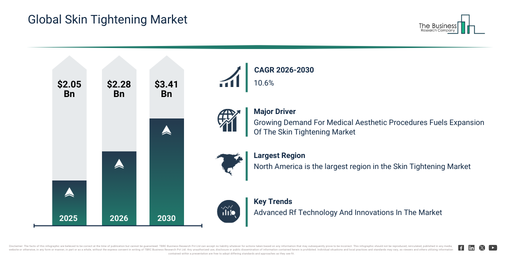
    The market for skin tightening treatments has witnessed considerable expansion lately, with projections indicating continued robust growth. This sector is expected to expand from $2.05 billion in 2025 to $2.28 billion in 2026, demonstrating a compound annual growth rate of 10.9%. Key factors driving this historical and anticipated growth include heightened consumer understanding of cosmetic procedures, a growing elderly demographic, the proliferation of dermatology clinics focused on aesthetics, the increasing prevalence of less invasive treatments, and the continuous development and introduction of sophisticated aesthetic technologies.

    The market for skin tightening procedures is poised for significant expansion in the upcoming years, projecting a rise to $3.41 billion by 2030, propelled by a compound annual growth rate of 10.6%. This anticipated growth stems from several key factors including a heightened consumer preference for non-surgical cosmetic alternatives, increased funding directed towards advancements in aesthetic technology, the burgeoning field of medical aesthetics tourism, a growing inclination towards treatments that offer rapid recovery times, and the expanding application of artificial intelligence in planning treatment strategies. Dominant trends expected to shape this market during the forecast period involve the greater incorporation of non-invasive skin tightening methods, a surge in the utilization of energy-based devices for aesthetic purposes, escalating demand for customized cosmetic interventions, broader adoption of therapeutic combinations, and a reinforced emphasis on ensuring both the safety and accuracy of treatments.

    Download A Free Sample Report For Comprehensive Market Insights:

    https://www.thebusinessresearchcompany.com/sample.aspx?id=20634&type=smp

    Skin Tightening Market Growth Factors Supporting Long-Term Expansion

    The increasing prevalence of cosmetic medical treatments is anticipated to be a significant catalyst for the expansion of the skin tightening market. Cosmetic procedures encompass medical or esthetic interventions designed to enhance facial or bodily appearance, frequently achieved through surgical means or less invasive methods. These procedures are gaining traction owing to a greater desire for minimally invasive options, the pervasive impact of social media, ongoing technological innovations, and an aging demographic keen on non-surgical avenues to preserve a youthful look. Skin tightening becomes a crucial component in these esthetic interventions, serving to bolster skin elasticity, mitigate drooping, and cultivate a more toned and revitalized appearance after events such as weight reduction, the natural aging process, or other influences that impact skin quality. For example, data from June 2024, based on a survey of over 1,000 individuals across 90 nations conducted by the International Society of Aesthetic Plastic Surgery (ISAPS), revealed that surgical interventions experienced a substantial increase of 5.5% in 2023, with plastic surgeons undertaking more than 15.8 million surgical procedures and 19.1 million non-surgical treatments. Consequently, the escalating volume of medical esthetic procedures directly contributes to the growth trajectory of the skin tightening market.

    Skin Tightening Market Segment Landscape And Growth Potential

    The skin tightening market covered in this report is segmented –

    1) By Type: Radiofrequency (RF) Skin Tightening, Ultrasound Skin Tightening, Laser Skin Tightening, Infrared Skin Tightening, Other Types

    2) By Portability: Portable, Stand-Alone

    3) By Treatment Type: Non-invasive, Minimally Invasive

    4) By Application: Reduce Wrinkles, Face Lifting, Anti-Aging

    5) By End User: Hospitals And Clinics, Beauty And Aesthetic Centers, Home Use, Other End Users

    Subsegments:

    1) By Radiofrequency (RF) Skin Tightening: Monopolar RF Devices, Bipolar RF Devices, Fractional RF Devices

    2) By Ultrasound Skin Tightening: High-Intensity Focused Ultrasound (HIFU), Ultrasound-Lift Devices, Microfocused Ultrasound Systems

    3) By Laser Skin Tightening: Ablative Laser Treatments, Non-Ablative Laser Treatments, Fractional Laser Systems

    4) By Infrared Skin Tightening: Infrared Light Therapy Devices, Near-Infrared Systems, Combination Infrared Devices

    5) By Other Types: Microneedling With Radiofrequency, Combination Therapies, Chemical Peels For Skin Tightening

    Skin Tightening Market Industry Trends Shaping Future Revenue Growth

    Leading players in the skin tightening sector are innovating by introducing sophisticated devices like radiofrequency (RF) skin tightening machines, which are equipped with cutting-edge functionalities for consumers. These RF skin tightening devices work by directing radiofrequency energy into the deeper skin tissues, thereby promoting collagen synthesis and boosting skin suppleness, which in turn helps to diminish skin laxity and promote a more toned look. An example of this innovation is the Denza, released in October 2023 by Reveal Lasers LLC, a prominent American entity specializing in aesthetic energy-based technologies. The Denza distinguishes itself through its pioneering integration of both sequential monopolar and bipolar radio frequency (RF) technology, a development that delivers enhanced skin tightening outcomes beyond the capabilities of treatments relying solely on monopolar RF. Further enhancing its appeal, this sophisticated apparatus features customizable cooling settings for improved patient comfort and safety, alongside an auto-pulsing mechanism designed to maximize treatment efficacy without compromising on results. Notably, the Denza facilitates dramatic improvements with very little recovery time, enabling individuals to return to their regular routines with minimal interruption, often right after a single session, contingent upon the specific area treated.

    Skin Tightening Market Competitive Landscape: Who Are The Leading Companies?

    Major companies operating in the skin tightening market are Johnson & Johnson, L’Oréal SA, Softway Medical, Estee Lauder, Beiersdorf AG, Shiseido, Merz Pharma GmbH & Co. KGaA, InMode Ltd., Lumenis, Venus Concept Co., Solta Medical Inc., Alma Lasers, Lynton Lasers Ltd., SmarterSkin Dermatology, Beijing Honkon Technologies, Pollogen, Cutera Inc., Cynosure, Fotona d. o. o., BTL Industries Ltd.

    Access The Complete Skin Tightening Market Report:

    https://www.thebusinessresearchcompany.com/report/skin-tightening-global-market-report

    Skin Tightening Market Global Footprint: Which Region Holds Market Leadership?

    North Americawas the largest region in the skin tightening market in 2025. Asia-Pacificis expected to be the fastest-growing region in the forecast period. The regions covered in the skin tightening market report are Asia-Pacific, South East Asia, Western Europe, Eastern Europe, North America, South America, Middle East, Africa.

    Get in touch with us:

    The Business Research Company: https://www.thebusinessresearchcompany.com/

    Americas: +1 310-496-7795

    Asia: +44 7882 955267 & +91 8897263534

    Europe: +44 7882 955267

    Email us at: marketing@tbrc.info

    Follow us on:

    LinkedIn: https://in.linkedin.com/company/the-business-research-company

    YouTube: https://www.youtube.com/channel/UC24_fI0rV8cR5DxlCpgmyFQ

    Global Market Model: https://www.thebusinessresearchcompany.com/global-market-model
  • Skin Repair Market Growth Outlook Reveals A CAGR Of 7.4% And A Market Value Of $121.21 Billion By 2030

    Skin Repair Market Growth Outlook Reveals A CAGR Of 7.4% And A Market Value Of $121.21 Billion By 2030

    Enhanced with market attractiveness analysis, total addressable market evaluation, company benchmarking matrices, interactive Excel dashboards, expanded supply chain intelligence, emerging startup coverage, and detailed product insights, The Business Research Company’s 2026 market reports deliver more actionable and strategically valuable research.

    Skin Repair Market Value Analysis: What Growth Is Expected Over The Forecast Period?

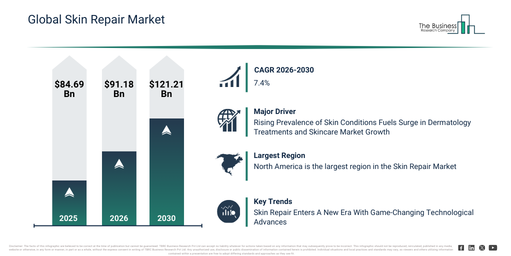
    The market for skin repair solutions has experienced robust expansion recently, projecting a rise from $84.69 billion in 2025 to $91.18 billion in 2026, reflecting a compound annual growth rate of 7.7%. This upward trajectory historically can be linked to a greater number of chronic wounds, a surge in diabetes-induced ulcers, a broader scope of surgical interventions, enhanced treatments for burn injuries, and the accessibility of sophisticated topical products.

    The dermatological repair sector is poised for significant expansion, with projections indicating a substantial increase to $121.21 billion by 2030. This upward trajectory is underpinned by a compound annual growth rate (CAGR) of 7.4%, fueled by several key drivers. The increasing embrace of regenerative medicine, the escalating need for convenient at-home wound management, the broadening scope of cosmetic skin restoration procedures, a heightened emphasis on individualized skincare, and progress in dressings derived from biomaterials are all contributing factors. During this projected period, prevailing trends include a greater demand for sophisticated wound healing compositions, wider acceptance of products incorporating growth factors and stem cells, the proliferation of solutions for persistent wounds, a concentrated effort on minimizing scars and stimulating tissue renewal, and continuous innovation in therapeutic skin repair offerings.

    Download A Free Sample Report For Comprehensive Market Insights:

    https://www.thebusinessresearchcompany.com/sample.aspx?id=27416&type=smp

    Skin Repair Market Demand Drivers Creating New Revenue Opportunities

    A notable increase in the occurrence of skin-related ailments is anticipated to be a primary driver for the expansion of the skin repair sector in the foreseeable future. These skin ailments encompass a broad spectrum of dermatological concerns, including but not limited to acne, eczema, psoriasis, and various infections, which frequently necessitate medical intervention or aesthetic procedures. The escalating incidence of these conditions can be attributed to factors such as environmental degradation; persistent exposure to atmospheric contaminants can compromise the skin’s protective barrier, instigate inflammatory responses, and exacerbate pre-existing dermatological problems. The skin repair market addresses this growing need by offering efficacious treatments and restorative therapies. By way of illustration, data from the Australian government agency Cancer Australia, published in November 2025, projected that melanoma-related fatalities in Australia for 2025 would reach an estimated 1,455 individuals (comprising 990 males and 465 females), with an individual’s lifetime likelihood of succumbing to the disease by age 85 estimated at 1 in 253 (specifically 1 in 181 for males and 1 in 422 for females). Consequently, the escalating rate of skin conditions is acting as a significant catalyst for the advancement of the skin repair market.

    Skin Repair Market Categorization By Product Type And Application

    The skin repair market covered in this report is segmented –

    1) By Type: Collagen-based Skin Repair Products, Hyaluronic Acid-based Skin Repair Products, Growth Factor-based Skin Repair Products, Stem Cell-based Skin Repair Products, Peptides-based Skin Repair Products

    2) By Product Form: Creams, Ointments, Gels, Pads And Dressings, Other Product Form

    3) By Distribution Channel: Retail Pharmacies, Online Retail, Hospital Pharmacies, Specialty Stores, Other Distribution Channel

    4) By Application: Burns, Diabetic Foot Ulcers, Surgical Wounds, Traumatic Wounds, Pressure Sores, Other Applications

    5) By End-user: Hospitals And Clinics, Home Care Settings, Skincare And Aesthetic Centers, Other End-Users

    Subsegments:

    1) By Collagen-Based Skin Repair Products: Collagen Creams, Collagen Serums, Collagen Gels, Collagen Dressings, Collagen Patches

    2) By Hyaluronic Acid-Based Skin Repair Products: Hyaluronic Acid Creams, Hyaluronic Acid Serums, Hyaluronic Acid Lotions, Hyaluronic Acid Injections, Hyaluronic Acid Masks

    3) By Growth Factor-Based Skin Repair Products: Epidermal Growth Factor Serums, Fibroblast Growth Factor Creams, Platelet-Derived Growth Factor Gels, Vascular Endothelial Growth Factor Solutions, Combination Growth Factor Formulations

    4) By Stem Cell-Based Skin Repair Products: Plant Stem Cell Creams, Human Stem Cell Serums, Stem Cell Patches, Stem Cell Infused Masks, Stem Cell Lotions

    5) By Peptides-Based Skin Repair Products: Peptide Creams, Peptide Serums, Peptide Gels, Peptide Masks, Peptide Lotions

    Skin Repair Market Trends Driving Strategic Industry Expansion

    In the competitive landscape of the skin repair sector, leading businesses are dedicating considerable attention to enhancing therapeutic methodologies through innovation, with a particular emphasis on cell-based gene therapy (CBGT). This advanced treatment modality involves leveraging a patient’s own cells, engineered with genetic modifications, to mend compromised skin, rectify inherent genetic abnormalities, and foster sustained tissue regeneration. A significant milestone occurred in April 2025 when Abeona Therapeutics, a biopharmaceutical entity headquartered in the United States, secured approval from the U.S. Food and Drug Administration for Zevaskyn, marking the introduction of the first cell-based gene therapy specifically designed for recessive dystrophic epidermolysis bullosa (RDEB), a rare inherited condition affecting the skin. Zevaskyn embodies a groundbreaking stride in dermatological treatment, employing patient-derived cell-based gene therapy as its foundation to facilitate skin tissue repair and promising to redefine the established treatment protocols for individuals afflicted with recessive dystrophic epidermolysis bullosa.

    Skin Repair Market Company Landscape And Strategic Competition

    Major companies operating in the skin repair market are Beiersdorf AG, Kao Corporation, Shiseido, Obagi Medical, Dermalogica, Revision Skincare, SkinCeuticals, PCA Skin, Lucas Meyer Cosmetics, Derma Made, OneSkin, Rubedo Life Sciences, Smith & Nephew plc, Mölnlycke Health Care AB, Coloplast A/S, ConvaTec Group plc, Integra LifeSciences Holdings Corporation, MiMedx Group Inc., Organogenesis Holdings Inc., Acelity L.P. Inc., Medline Industries Inc., Paul Hartmann AG

    Access The Complete Skin Repair Market Report:

    https://www.thebusinessresearchcompany.com/report/skin-repair-global-market-report

    Skin Repair Market Regional Distribution: Which Areas Drive Market Expansion?

    North Americawas the largest region in the skin repair market in 2025. Asia-Pacificis expected to be the fastest-growing region in the forecast period. The regions covered in the skin repair market report are Asia-Pacific, South East Asia, Western Europe, Eastern Europe, North America, South America, Middle East, Africa.

    Get in touch with us:

    The Business Research Company: https://www.thebusinessresearchcompany.com/

    Americas: +1 310-496-7795

    Asia: +44 7882 955267 & +91 8897263534

    Europe: +44 7882 955267

    Email us at: marketing@tbrc.info

    Follow us on:

    LinkedIn: https://in.linkedin.com/company/the-business-research-company

    YouTube: https://www.youtube.com/channel/UC24_fI0rV8cR5DxlCpgmyFQ

    Global Market Model: https://www.thebusinessresearchcompany.com/global-market-model
  • Skin Regeneration Stem Cell Therapy Market Forecast Highlights Expansion From $10.36 Billion To $16.57 Billion Through 2030

    Skin Regeneration Stem Cell Therapy Market Forecast Highlights Expansion From $10.36 Billion To $16.57 Billion Through 2030

    Through market attractiveness analysis, total addressable market evaluation, company benchmarking matrices, interactive Excel dashboards, expanded supply chain intelligence, emerging startup coverage, and detailed product insights, The Business Research Company’s 2026 market reports provide more actionable and strategically valuable research.

    Skin Regeneration Stem Cell Therapy Market Size Forecast: How Large Could The Market Become By 2030?

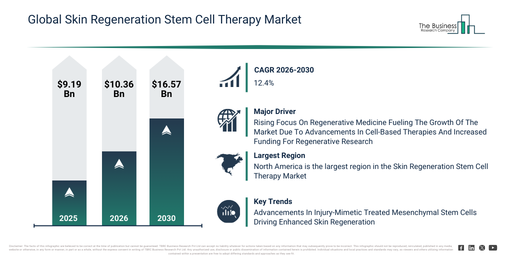
    The market for skin regeneration stem cell therapy experienced significant expansion over the past few years. Projections indicate a rise from $9.19 billion in 2025 to $10.36 billion by 2026, driven by a compound annual growth rate (CAGR) of 12.7%. Factors contributing to this growth during the preceding period include breakthroughs in regenerative medicine exploration, a higher incidence of persistent wounds and burns, greater adoption of cell-based treatment modalities, the broadening scope of cosmetic and aesthetic interventions, and enhancements in methodologies for isolating stem cells.

    The market for skin regeneration stem cell therapy is poised for substantial expansion, projecting to reach $16.57 billion by 2030 with a compound annual growth rate of 12.4%. This projected increase is fueled by several key factors, including a growing preference for less invasive regenerative medical interventions, an uptick in dermatological clinical trials, escalating investments in personalized medical approaches, the broadening of stem cell storage capabilities, and enhanced regulatory guidelines for cell-based treatments. During this forecast period, prominent developments are anticipated to include a greater uptake of therapies using a patient’s own stem cells, a heightened concentration on mitigating scars and promoting tissue restoration, expanded utilization of stem cells in cosmetic dermatological procedures, widened applications in treating burns and chronic wounds, and a more significant focus on cell-driven skin revitalization.

    Download A Free Sample Report For Comprehensive Market Insights:

    https://www.thebusinessresearchcompany.com/sample.aspx?id=30393&type=smp

    Skin Regeneration Stem Cell Therapy Market Expansion Supported By Key Demand Factors

    The heightened emphasis on regenerative medicine is anticipated to significantly boost the skin regeneration stem cell therapy market in the foreseeable future. Regenerative medicine, a scientific discipline dedicated to mending, substituting, or regrowing compromised cells, tissues, or organs to reinstate normal functionality, is experiencing increased attention. This surge in focus stems from the escalating incidence of long-term and degenerative ailments, offering a promising avenue for tissue restoration and enduring recovery that surpasses mere symptom alleviation. Skin regeneration stem cell therapy actively contributes to regenerative medicine, propelled by innovations in cell-based interventions that are paving the way for novel methodologies in the repair and revitalization of damaged or aging skin. Illustrating this trend, the US Food and Drug Administration noted a rise in application activity, receiving 35 requests for regenerative medicine advanced therapy (RMAT) designations in fiscal year 2023, an increase from the 30 received in fiscal year 2022. Consequently, the prevailing attention on regenerative medicine is projected to be a key driver in the expansion of the skin regeneration stem cell therapy market.

    Skin Regeneration Stem Cell Therapy Market Segment Analysis And Revenue Opportunities

    The skin regeneration stem cell therapy market covered in this report is segmented –

    1) By Type: Autologous, Allogeneic

    2) By Cell Source: Adipose-Derived Stem Cells, Bone Marrow-Derived Stem Cells, Umbilical Cord-Derived Stem Cells

    3) By Application: Burn Treatment, Chronic Wound Healing, Cosmetic Surgery, Skin Rejuvenation

    4) By End-User: Hospitals, Cosmetic Clinics, Research Laboratories

    Subsegments:

    1) By Autologous: Autologous Adipose Derived Stem Cells, Autologous Bone Marrow Derived Stem Cells, Autologous Hair Follicle Derived Stem Cells, Autologous Umbilical Cord Derived Stem Cells, Autologous Placenta Derived Stem Cells

    2) By Allogeneic: Allogeneic Adipose Derived Stem Cells, Allogeneic Bone Marrow Derived Stem Cells, Allogeneic Umbilical Cord Derived Stem Cells, Allogeneic Placenta Derived Stem Cells, Allogeneic Induced Pluripotent Stem Cells

    Skin Regeneration Stem Cell Therapy Market Growth Trends Influencing Competitive Dynamics

    Companies leading the skin regeneration stem cell therapy market are concentrating their efforts on utilizing injury-mimetic treated mesenchymal stem cells, which are engineered to boost the release of regenerative compounds, stimulate collagen production, and expedite both skin repair and rejuvenation processes. These specialized stem cells are conditioned under simulated injury circumstances to amplify their output of growth factors crucial for effective tissue regeneration. As an illustration, in January 2025, Robles BioCeutics LLC, a prominent American firm in regenerative dermatology, unveiled Glowselle, a cosmetic innovation utilizing stem cell technology. This product distinguishes itself through three key features: it potentiates collagen synthesis, facilitates the delivery of regenerative agents via formulations designed for skin penetration, and integrates injury-mimetic treated mesenchymal stem cells to maximize regenerative outcomes.

    Skin Regeneration Stem Cell Therapy Market Leading Players Shaping Industry Direction

    Major companies operating in the skin regeneration stem cell therapy market are KenCare Holdings Pte Ltd, Vericel Corporation, AVITA Medical Inc., Celularity Inc., StemRIM Inc., Stem Health Plus Ltd., Castle Creek Biosciences, Cutiss AG, Bioscience Institute S.p.A., Acorn Biomedical Inc., RepliCel Life Sciences Inc., Anterogen Co. Ltd., Cynata Therapeutics Limited, TOPs Cells Co. Ltd., STEM CELLS CARE (INDIA) PRIVATE LIMITED, R3 Stem Cell LLC., Lipogems International S.p.A., PolarityTE Inc., CellReg Aesthetics GmbH, MITAKY High-Tech Corporation.

    Access The Complete Skin Regeneration Stem Cell Therapy Market Report:

    https://www.thebusinessresearchcompany.com/report/global-skin-regeneration-stem-cell-therapy-market-report

    Skin Regeneration Stem Cell Therapy Market Leading Geography: Which Region Generates The Most Revenue?

    North Americawas the largest region in the skin regeneration stem cell therapy market in 2025. Asia-Pacificis expected to be the fastest-growing region in the forecast period. The regions covered in the skin regeneration stem cell therapy market report are Asia-Pacific, South East Asia, Western Europe, Eastern Europe, North America, South America, Middle East, Africa.

    Get in touch with us:

    The Business Research Company: https://www.thebusinessresearchcompany.com/

    Americas: +1 310-496-7795

    Asia: +44 7882 955267 & +91 8897263534

    Europe: +44 7882 955267

    Email us at: marketing@tbrc.info

    Follow us on:

    LinkedIn: https://in.linkedin.com/company/the-business-research-company

    YouTube: https://www.youtube.com/channel/UC24_fI0rV8cR5DxlCpgmyFQ

    Global Market Model: https://www.thebusinessresearchcompany.com/global-market-model
  • Skin Moisturizers Market Expected To Reach $16.94 Billion By 2030 As Growth Accelerates At 6.3% CAGR

    Skin Moisturizers Market Expected To Reach $16.94 Billion By 2030 As Growth Accelerates At 6.3% CAGR

    Delivering more actionable and strategically valuable research, The Business Research Company’s 2026 market reports feature market attractiveness analysis, total addressable market evaluation, company benchmarking matrices, interactive Excel dashboards, expanded supply chain intelligence, emerging startup coverage, and detailed product insights.

    Skin Moisturizers Market Revenue Outlook: What CAGR Is Expected Through 2030?

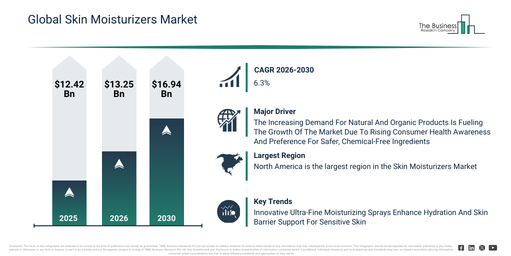
    The skin moisturizers sector has experienced robust expansion recently, with its market value projected to ascend from $12.42 billion in 2025 to $13.25 billion in 2026, reflecting a compound annual growth rate of 6.6%. Key factors fueling this historical growth include heightened consumer understanding of skincare practices, an upswing in the purchase of personal care items, a greater prevalence of dry and sensitive skin ailments, the proliferation of cosmetic sales avenues, and the wide array of moisturizing product options available.

    The market for skin moisturizers is projected to experience substantial expansion over the upcoming years, estimating a value of $16.94 billion by 2030, driven by a compound annual growth rate (CAGR) of 6.3%. This anticipated growth throughout the forecast period is fueled by several key factors, including a heightened consumer preference for clean-label skincare options, a growing embrace of customized beauty regimens, the expanding reach of e-commerce in skincare sales, an increasing emphasis on proactive skin health management, and continuous advancements in the development of moisturizing products with multiple benefits. Significant trends shaping this market during the forecast period involve a greater demand for products validated by dermatologists, a surge in the popularity of moisturizers derived from natural and organic ingredients, a heightened focus on reinforcing the skin’s natural barrier and overall dermal health, the broader availability of tailored skincare solutions, and an intensified commitment to providing enduring skin hydration.

    Download A Free Sample Report For Comprehensive Market Insights:

    https://www.thebusinessresearchcompany.com/sample.aspx?id=24701&type=smp

    Skin Moisturizers Market Growth Drivers And Industry Catalysts

    A significant driver for the expansion of the skin moisturizers sector is the escalating consumer preference for natural and organic formulations. These products, sourced from botanical or mineral origins and developed devoid of synthetic chemicals, artificial additives, or pesticides, are gaining traction due to heightened public consciousness regarding health and safety. Consumers increasingly favor these options, perceiving them as healthier and free from detrimental substances. Moisturizers incorporating natural and organic elements provide beneficial, mild hydration while mitigating potential irritation caused by synthetic compounds, thereby fostering healthier skin by fortifying its natural defenses with antioxidants and beneficial oils. Supporting this trend, the United States Department of Agriculture allocated close to $10 million in organic development grants in August 2024, catalyzing a total investment of $85 million aimed at expanding organic product availability within the US. Furthermore, by 2023, the United States witnessed over $69 billion in consumer spending on organic products, accounting for roughly 4% of total food sales nationwide, underscoring the robust market for such items and consequently fueling the growth of the skin moisturizers market.

    Skin Moisturizers Market Segmentation And Category Breakdown

    The skin moisturizers market covered in this report is segmented –

    1) By Product Type: Creams, Lotions, Gels, Ointments, Other Product Types

    2) By Skin Type: Dry, Oily, Sensitive, Combination, Normal

    3) By Distribution Channel: Online Retail, Supermarkets Or Hypermarkets, Specialty Stores, Pharmacies, Other Distribution Channels

    4) By End-User: Men, Women, Unisex

    Subsegments:

    1) By Creams: Face Creams, Body Creams, Hand Creams, Night Creams, Eye Creams

    2) By Lotions: Body Lotions, Hand Lotions, Face Lotions, Baby Lotions

    3) By Gels: Gel Moisturizers For Oily Or Acne-Prone Skin, Aloe Vera Gels, After-Sun Gels, Hydrating Gels

    4) By Ointments: Healing Ointments For Dry Or Cracked Skin, Barrier Ointments For Eczema Or Psoriasis, Medicated Ointments, Protective Ointments

    5) By Other Product Types: Balms, Serums, Mists And Sprays, Butters, Organic Or Natural Variants

    #Skin Moisturizers Market Trends Influencing Long-Term Demand

    Manufacturers prominent within the skin moisturizers sector are actively engaged in creating sophisticated spray formulations to enhance product usability and user satisfaction. These moisturizing sprays offer a light feel, dispensing hydration as a delicate mist, which facilitates rapid and uniform application over the face or body, eliminating the need for manual rubbing. As an illustration, in June of 2023, Curél Japanese Skincare, a brand originating from Japan, introduced a novel, extremely fine moisturizing spray engineered to impart moisture and suppleness to dry, delicate skin. This spray incorporates advanced micro-ceramide particles that penetrate the skin effectively to fortify its natural barrier, thereby promoting superior moisture retention. This product, which is free of perfumes, artificial colors, and alcohol, serves as an excellent option for replenishing hydration whenever necessary, presenting a mild and effortlessly accessible skincare remedy. The introduction of this product aligns with the increasing consumer preference for novel and user-friendly moisturizers specifically designed for individuals with sensitive skin.

    Skin Moisturizers Market Competitive Analysis Of Major Industry Participants

    Major companies operating in the skin moisturizers market are Johnson & Johnson, The Procter & Gamble Company, Unilever PLC, L’Oréal S.A., Colgate-Palmolive, The Estée Lauder Companies Inc., Kao Corporation, Beiersdorf AG, Amway Corporation, Shiseido Company Limited, Coty Inc., Galderma SA, Amorepacific Corporation, Avon Products Inc., Revlon Inc., Mary Kay Inc., Burt’s Bees Inc., Minimalist, CeraVe, Himalaya Wellness Company

    Access The Complete Skin Moisturizers Market Report:

    https://www.thebusinessresearchcompany.com/report/skin-moisturizers-global-market-report

    Skin Moisturizers Market Regional Outlook: Where Are The Largest Opportunities Located?

    North Americawas the largest region in the skin moisturizers market in 2025. Asia-Pacificis expected to be the fastest-growing region in the forecast period. The regions covered in the skin moisturizers market report are Asia-Pacific, South East Asia, Western Europe, Eastern Europe, North America, South America, Middle East, Africa.

    Get in touch with us:

    The Business Research Company: https://www.thebusinessresearchcompany.com/

    Americas: +1 310-496-7795

    Asia: +44 7882 955267 & +91 8897263534

    Europe: +44 7882 955267

    Email us at: marketing@tbrc.info

    Follow us on:

    LinkedIn: https://in.linkedin.com/company/the-business-research-company

    YouTube: https://www.youtube.com/channel/UC24_fI0rV8cR5DxlCpgmyFQ

    Global Market Model: https://www.thebusinessresearchcompany.com/global-market-model
  • Skin Microbiome Market Set To Grow From $1.06 Billion In 2026 To $1.72 Billion By 2030 At A CAGR Of 12.9%

    Skin Microbiome Market Set To Grow From $1.06 Billion In 2026 To $1.72 Billion By 2030 At A CAGR Of 12.9%

    Enhanced with market attractiveness analysis, total addressable market evaluation, company benchmarking matrices, interactive Excel dashboards, expanded supply chain intelligence, emerging startup coverage, and detailed product insights, The Business Research Company’s 2026 market reports deliver more actionable and strategically valuable research.

    Skin Microbiome Market Growth Analysis: How Will Revenue Expand During The Forecast Period?

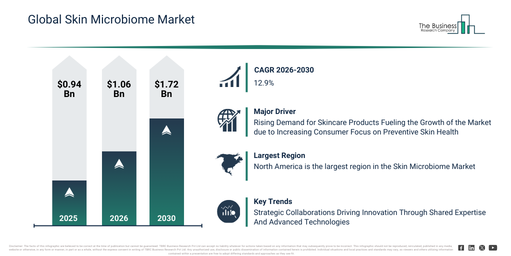
    The skin microbiome market is experiencing swift expansion; projected to climb from $0.94 billion in 2025 to $1.06 billion in 2026, this growth signifies a compound annual growth rate of 13.3%. During the preceding period, this upward trajectory was influenced by factors such as a nascent comprehension of the skin’s microbial ecosystem, the burgeoning field of cosmetic dermatology, the pioneering use of probiotics, an increase in skin condition occurrences, and a heightened consumer inclination towards natural skincare solutions.

    Anticipating substantial expansion, the skin microbiome market is poised for accelerated development in the forthcoming years. Projections indicate a market valuation of $1.72 billion by the year 2030, fueled by a compound annual growth rate (CAGR) of 12.9%. This projected growth trajectory is underpinned by several key drivers, including the proliferation of microbiome-focused therapeutic solutions, the increasing synergy with personalized skincare routines, burgeoning applications within dermatological care, heightened investments flowing into microbiome research endeavors, and the expanding array of diagnostic tools centered on the microbiome. Throughout this forecast period, prominent market trends are anticipated to include the innovation of probiotic-infused skincare products, a heightened reliance on microbiome-based diagnostic methodologies, continued advancement in microbiome-targeted therapies, broader incorporation into cosmetic product formulations, and an intensified focus on scientific investigations within the realm of the skin microbiome.

    Download A Free Sample Report For Comprehensive Market Insights:

    https://www.thebusinessresearchcompany.com/sample.aspx?id=23518&type=smp

    Skin Microbiome Market Opportunity Drivers: What Is Creating New Revenue Potential?

    The increasing consumer inclination towards skincare items is anticipated to be a major catalyst for the expansion of the skin microbiome market. Skincare products, which are developed to purify, safeguard, nurture, or improve both the look and well-being of the skin, are experiencing heightened demand. This surge in demand stems from amplified consumer consciousness regarding skin health and the significance of proactive self-care, prompting a greater number of individuals to integrate daily skincare practices into their routines for enduring wellness and aesthetic appeal. The intricate balance of the skin microbiome plays a crucial role in skincare formulations as it aids in preserving the skin’s protective barrier and averting common concerns such as dryness, redness, and breakouts by bolstering the skin’s intrinsic defense mechanisms. Illustrating this trend, L’Oréal S.A., a prominent beauty products enterprise headquartered in France, reported in April 2023 that its Dermatological Beauty division achieved sales of $1869.7 million (€1,685.7 million) during the first three months of 2023, a substantial leap from the $1389.5 million (€1,252.7 million) generated in the corresponding period of the previous year. This signifies a robust year-over-year growth of 30.6% on a constant currency basis and 34.6% as reported. Consequently, the burgeoning customer appetite for skincare solutions is poised to drive the advancement of the skin microbiome sector.

    Skin Microbiome Market Segment Outlook: Which Categories Are Expanding The Fastest?

    The skin microbiome market covered in this report is segmented –

    1) By Product Type: Skin Care Products, Dietary Supplements, Medical Devices, Diagnostic Tests

    2) By Skin Type: Normal, Dry, Oily, Combination

    3) By Distribution Channel: Online, Retail Stores, Pharmacies, Hospitals

    4) By Application: Acne, Eczema, Psoriasis, Anti-Aging, Wound Healing

    5) By End User: Consumers, Healthcare Professionals, Research Institutions

    Subsegments:

    1) By Skin Care Products: Moisturizers, Cleansers, Serums And Oils, Face Masks, Sunscreens, Anti-Aging Products, Acne Treatment Products

    2) By Dietary Supplements: Probiotics, Prebiotics, Postbiotics, Collagen Supplements, Antioxidants, Vitamins And Minerals

    3) By Medical Devices: Microbiome-based Topical Therapeutics, Skin Microbiome Modulation Devices, Light And Laser Therapy Devices, Electrotherapy Devices

    4) By Diagnostic Tests: Skin Microbiome Profiling Kits, PCR-based Testing Kits, Next-Generation Sequencing (NGS) Tests, Microbial Culture-Based Tests, Biomarker-based Skin Analysis

    Skin Microbiome Market Innovation Trends Driving Future Development

    In the dynamic and fiercely competitive skin microbiome sector, leading enterprises are prioritizing strategic alliances as a means to mitigate risks and expedite the pace of innovation. These collaborative arrangements are designed to harness complementary capabilities for the attainment of shared objectives, including market penetration, the development of novel solutions, or the establishment of a competitive edge. Illustratively, in September 2024, a significant collaboration was established between Terra Quantum, a quantum technology firm originating from Switzerland, and Unilever, a prominent consumer goods corporation based in the UK. This joint venture aims to propel skin microbiome research forward through the application of quantum machine learning, with the overarching goal of uncovering novel understandings of skin biology and overall health, thereby potentially shaping the trajectory of future skincare innovations. The integration of quantum computing with established machine learning methodologies within this endeavor highlights the tangible utility of quantum artificial intelligence in the realms of consumer well-being and skincare, ultimately fostering a more profound grasp of the symbiotic relationship between the skin’s microbial ecosystem, human health, and aesthetic presentation.

    Skin Microbiome Market Key Companies And Competitive Benchmarking

    Major companies operating in the skin microbiome market are The Procter & Gamble Company, Johnson & Johnson, Unilever PLC, L’Oréal S.A., Beiersdorf AG, Clinique LaboratoriesLLC, Symrise AG, Amorepacific Corporation, Lallemand Inc., Elizabeth ArdenInc., Drunk Elephant, AOBiome LLC, Codex Labs, SkinBioTherapeutics, Naturium LLC, AzitraInc., GALLINÉE Ltd, BEBE & BELLALLC, Esse Skincare, Glowbiotics Inc.

    Access The Complete Skin Microbiome Market Report:

    https://www.thebusinessresearchcompany.com/report/skin-microbiome-global-market-report

    Skin Microbiome Market Geographic Landscape: Which Region Dominates Industry Growth?

    North Americawas the largest region in the skin microbiome market in 2025. Asia-Pacificis expected to be the fastest-growing region in the forecast period. The regions covered in the skin microbiome market report are Asia-Pacific, South East Asia, Western Europe, Eastern Europe, North America, South America, Middle East, Africa.

    Get in touch with us:

    The Business Research Company: https://www.thebusinessresearchcompany.com/

    Americas: +1 310-496-7795

    Asia: +44 7882 955267 & +91 8897263534

    Europe: +44 7882 955267

    Email us at: marketing@tbrc.info

    Follow us on:

    LinkedIn: https://in.linkedin.com/company/the-business-research-company

    YouTube: https://www.youtube.com/channel/UC24_fI0rV8cR5DxlCpgmyFQ

    Global Market Model: https://www.thebusinessresearchcompany.com/global-market-model
  • Skin Cancer Diagnostics Market Opportunities Are Emerging Beyond Traditional Growth Areas

    Skin Cancer Diagnostics Market Opportunities Are Emerging Beyond Traditional Growth Areas

    Through market attractiveness analysis, total addressable market evaluation, company benchmarking matrices, interactive Excel dashboards, expanded supply chain intelligence, emerging startup coverage, and detailed product insights, The Business Research Company’s 2026 market reports provide more actionable and strategically valuable research.

    Skin Cancer Diagnostics Market Forecast: What Market Value Is Expected By 2030?

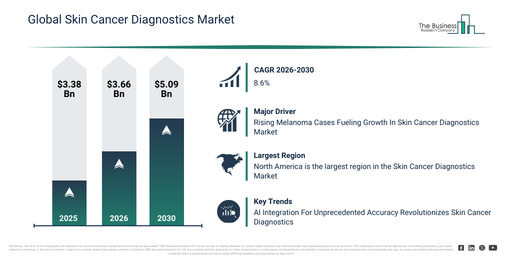
    The market for diagnosing skin cancer has experienced significant expansion, projected to increase from $3.38 billion in 2025 to $3.66 billion in 2026, reflecting a compound annual growth rate of 8.2%. This recent surge in market value is underpinned by several key factors from the preceding period, including a greater prevalence of skin cancer diagnoses, a scarcity of alternative early detection methods, an increase in specialized dermatology practices, a continued dependence on biopsy procedures, and heightened public consciousness regarding the condition.

    The global market for skin cancer diagnostics is poised for considerable expansion, projecting a market value of $5.09 billion by 2030, driven by an anticipated compound annual growth rate of 8.6%. This upward trajectory over the projected timeframe is fueled by several key factors, including the increasing integration of artificial intelligence and advanced imaging technologies, the burgeoning development of non-invasive molecular diagnostic methods, the expanding reach of teledermatology services, a growing emphasis on early detection strategies, and the seamless incorporation of these diagnostics into individualized treatment protocols. Key market developments anticipated during this period encompass a notable shift towards less invasive diagnostic approaches, the fusion of AI-powered skin imaging with diagnostic workflows, the broader acceptance of molecular diagnostic tools, increased investment in early detection programs, and the continued expansion of teledermatology infrastructure.

    Download A Free Sample Report For Comprehensive Market Insights:

    https://www.thebusinessresearchcompany.com/sample.aspx?id=11914&type=smp

    Skin Cancer Diagnostics Market Growth Momentum: Which Factors Are Influencing Demand?

    The rising prevalence of melanoma is anticipated to be a significant catalyst for the expansion of the skin cancer diagnostics market. Melanoma, characterized as a form of skin malignancy originating in the melanocytes responsible for melanin production, is driving the demand for diagnostic tools that can accurately identify and assess skin abnormalities. Early detection and precise diagnosis, facilitated by these diagnostic processes, are fundamental for successful treatment strategies. Illustrating this trend, data from the American Cancer Society Inc. revealed a rise in melanoma diagnoses among American males, from 57,180 in 2022 to 58,120 in 2023. While accounting for approximately 1% of all diagnosed skin cancers in the U.S., as indicated by the American Society of Clinical Oncology in March 2023, melanoma disproportionately contributes to skin cancer fatalities, with an estimated 7,990 deaths projected for 2023 in the U.S., affecting both men (5,420) and women (2,570). Consequently, the escalating rates of melanoma incidence are directly fueling the growth observed in the skin cancer diagnostics sector.

    Skin Cancer Diagnostics Market Segment Landscape: Which Areas Lead Market Development?

    The skin cancer diagnostics market covered in this report is segmented –

    1) By Cancer Type: Basal Cell Carcinoma, Squamous Cell Carcinoma, Malignant Melanoma, Other Cancer Types

    2) By Type: Diagnosis, Detection Solutions

    3) By Application: Hospital, Clinic, Laboratory, Other Applications

    Subsegments:

    1) By Basal Cell Carcinoma: Diagnostic imaging Techniques, Biopsy Procedures, Molecular Diagnostic Tests

    2) By Squamous Cell Carcinoma: Diagnostic imaging Techniques, Biopsy Procedures, Molecular Diagnostic Tests

    3) By Malignant Melanoma: Diagnostic Imaging Techniques, Biopsy Procedures, Molecular Diagnostic Tests

    4) By Other Cancer Types: Non-Melanoma Skin Cancers, Dermatofibrosarcoma Protuberans, Merkel Cell Carcinoma

    Skin Cancer Diagnostics Market Trends Reshaping Industry Growth

    Within the skin cancer diagnostics market, key players are strategically employing innovative approaches like AI-driven mobile clinics to distinguish themselves. These AI-powered pop-up clinics represent transient medical centers outfitted with artificial intelligence capabilities, designed to deliver streamlined and cutting-edge healthcare services at designated sites or for specific objectives. Illustrating this trend, a collaboration was established in January 2023 between Skin Check Champions, an Australian charity committed to skin health advocacy, The University of South Australia, an academic establishment, and The Hospital Research Foundation, a non-profit entity also based in Australia. This partnership launched an AI-enhanced pop-up clinic specifically for identifying skin cancer. Staffed by nurses who capture detailed images of patient lesions, the clinic then utilizes AI algorithms to conduct an initial assessment for potential cancerous cells, with local general practitioners providing the final verification.

    Skin Cancer Diagnostics Market Industry Leaders And Market Competition

    Major companies operating in the skin cancer diagnostics market are Pfizer Inc., F. Hoffmann-La Roche Limited, Merck & Co., Novartis AG, Bristol-Myers Squibb Company, Canon Medical Systems Corporation, Amgen Inc., GE Healthcare, Agilent Technologies Inc., bioMerieux SA, Teva Pharmaceutical Industries, Bruker Corp, Genentech, Castle Biosciences, DermTech Inc., SkylineDx BV, DermLite LLC, Biolitec Ag, Alma Lasers, AMLo Biosciences Limited, National Cancer Institute, Almirall

    Access The Complete Skin Cancer Diagnostics Market Report:

    https://www.thebusinessresearchcompany.com/report/skin-cancer-diagnostics-global-market-report

    Skin Cancer Diagnostics Market Largest Region: Which Geography Holds The Highest Market Share?

    North America was the largest region in the skin cancer diagnostics market in 2025. Asia-Pacific is expected to be the fastest-growing region in the forecast period. The regions covered in the skin cancer diagnostics market report are Asia-Pacific, South East Asia, Western Europe, Eastern Europe, North America, South America, Middle East, Africa.

    Get in touch with us:

    The Business Research Company: https://www.thebusinessresearchcompany.com/

    Americas: +1 310-496-7795

    Asia: +44 7882 955267 & +91 8897263534

    Europe: +44 7882 955267

    Email us at: marketing@tbrc.info

    Follow us on:

    LinkedIn: https://in.linkedin.com/company/the-business-research-company

    YouTube: https://www.youtube.com/channel/UC24_fI0rV8cR5DxlCpgmyFQ

    Global Market Model: https://www.thebusinessresearchcompany.com/global-market-model
  • Skilled Nursing Facility Market Expansion Is Opening New Pathways For Strategic Investment

    Skilled Nursing Facility Market Expansion Is Opening New Pathways For Strategic Investment

    Delivering more actionable and strategically valuable research, The Business Research Company’s 2026 market reports feature market attractiveness analysis, total addressable market evaluation, company benchmarking matrices, interactive Excel dashboards, expanded supply chain intelligence, emerging startup coverage, and detailed product insights.

    Skilled Nursing Facility Market Size Outlook: How Fast Will Revenue Grow Through 2030?

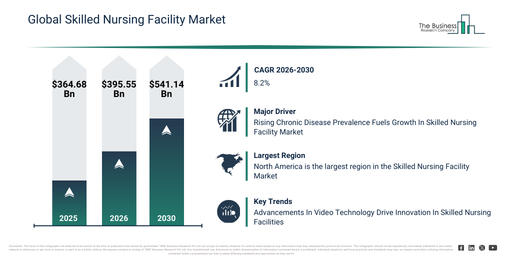
    The skilled nursing facility sector has experienced substantial expansion lately, projecting a leap from a valuation of $364.68 billion in 2025 to $395.55 billion by 2026, fueled by a compound annual growth rate of 8.5%. This past growth trajectory has been propelled by demographic shifts like an aging populace, a higher incidence of chronic illnesses, advancements in post-acute care offerings, escalating hospital discharge numbers, and the fortification of long-term care facilities.

    The skilled nursing facility sector anticipates substantial expansion over the upcoming years, projecting a market valuation of $541.14 billion by 2030, driven by a compound annual growth rate of 8.2%. This projected growth is fueled by several key factors, including a heightened demand for value-based care approaches, the increasing utilization of telehealth, broader implementation of transitions from home care to facility-based services, escalating investments in healthcare technology, and a pronounced emphasis on delivering patient-centered care. Furthermore, significant trends shaping this period involve the wider adoption of digital health records, the growing integration of remote patient monitoring technologies, a more pronounced focus on measuring quality outcomes, the expansion of specialized rehabilitation services, and a strengthened commitment to care coordination.

    Download A Free Sample Report For Comprehensive Market Insights:

    https://www.thebusinessresearchcompany.com/sample.aspx?id=19697&type=smp

    Skilled Nursing Facility Market Expansion Drivers: What Is Shaping Future Growth?

    The rising incidence of chronic illnesses is anticipated to be a primary catalyst for the expansion of the skilled nursing facility sector. These long-term health conditions, often incurable yet manageable, exert a considerable influence on overall well-being, functional capacity, and healthcare expenditures. Factors contributing to the increasing prevalence of chronic diseases include demographic shifts towards an older population, dietary habits, and various environmental and societal determinants. Skilled nursing facilities offer specialized medical attention and ongoing assistance tailored for individuals confronting intricate health challenges. Such care facilitates more proficient management of chronic conditions and enhances patient recovery trajectories through specialized medical interventions and rehabilitation programs. To illustrate this trend, data from the National Center for Biotechnology Information (NCBI) indicated that by 2050, the number of Americans aged fifty and older living with at least one chronic ailment is projected to surge by 99.5%, rising from 71.52 million in 2020 to 142.66 million by 2050. Consequently, this escalating prevalence of chronic diseases serves as a significant driver for the skilled nursing facility market.

    Skilled Nursing Facility Market Segments: Where Are The Largest Growth Opportunities?

    The skilled nursing facility market covered in this report is segmented –

    1) By Type: Freestanding, Hospital

    2) By Ownership: For Profit, Non-Profit, Government

    3) By Services Type: Intensive Rehabilitation Therapy, Low And Medium Rehabilitation, Medically Complex, Other Service Types

    Subsegments:

    1) By Freestanding: Independent Skilled Nursing Facilities, Specialty Skilled Nursing Facilities, Transitional Care Units

    2) By Hospital: Acute Care Hospitals with Skilled Nursing Units, Rehabilitation Hospitals, Long-Term Acute Care Hospitals

    Skilled Nursing Facility Market Strategic Trends: What Is Defining The Next Phase Of Growth?

    Key players in the skilled nursing facility sector are actively pursuing cutting-edge technological innovations, including the deployment of sophisticated sensors within facilities, aiming to elevate resident care standards, boost operational efficiency for healthcare professionals, and uphold adherence to regulatory mandates. These nursing facility sensors are engineered to continuously observe and identify a range of resident-related conditions and activities pertinent to their health, safety, and overall welfare. Demonstrating this trend, November 2023 saw a collaborative launch by MOBOTIX AG, a German entity specializing in advanced IP video systems, and Kepler Vision Technologies, a Dutch firm offering comprehensive software solutions. Together, they introduced an intelligent sensor system tailored for hospital personnel and caregiving environments. The distinctive capability of Kepler’s software, integrated into the MOBOTIX c71 Hemispheric Indoor Camera, lies in its precise identification of events like resident falls or unsupervised departures from beds, all while substantially curtailing erroneous alerts in contrast to alternative automated systems. This innovation serves to improve the quality of care delivered to seniors, individuals with health challenges, and those requiring ongoing nursing assistance, concurrently reducing the burden on staff and improving financial effectiveness. Furthermore, the system is designed with strict privacy protocols, refraining from image storage and utilizing visual data exclusively for the detection of urgent situations.

    Skilled Nursing Facility Market Major Participants And Competitive Dynamics

    Major companies operating in the skilled nursing facility market are Encompass Health Corporation, Genesis HealthCare Inc., Sunrise Senior Living LLC, Life Care Centers of America, The Ensign Group Inc., Brookdale Senior Living Solutions, LHC Group Inc., Saber Healthcare Group, Amedisys Inc., Sava SeniorCare LLC, Consulate Health Care, PruittHealth Corp., Signature HealthCARE LLC, National HealthCare Corporation, Extendicare, The Evangelical Lutheran Good Samaritan Society, Vibra Healthcare LLC, Diversicare Healthcare Services Inc., Trilogy Health Services LLC, ProMedica Senior Care, Life Care Companies LLC, Atrium Health & Senior Living, Golden Living, ManorCare Health Services, CommuniCare Health Centers

    Access The Complete Skilled Nursing Facility Market Report:

    https://www.thebusinessresearchcompany.com/report/skilled-nursing-facility-global-market-report

    Skilled Nursing Facility Market Regional Analysis: Which Region Leads By Revenue?

    North Americawas the largest region in the skilled nursing facility market in 2025. Asia-Pacificis expected to be the fastest-growing region in the forecast period. The regions covered in the skilled nursing facility market report are Asia-Pacific, South East Asia, Western Europe, Eastern Europe, North America, South America, Middle East, Africa.

    Get in touch with us:

    The Business Research Company: https://www.thebusinessresearchcompany.com/

    Americas: +1 310-496-7795

    Asia: +44 7882 955267 & +91 8897263534

    Europe: +44 7882 955267

    Email us at: marketing@tbrc.info

    Follow us on:

    LinkedIn: https://in.linkedin.com/company/the-business-research-company

    YouTube: https://www.youtube.com/channel/UC24_fI0rV8cR5DxlCpgmyFQ

    Global Market Model: https://www.thebusinessresearchcompany.com/global-market-model
  • Size Exclusion Chromatography (SEC) HPLC Column Market Trends Are Creating New Opportunities For Industry Leaders

    Size Exclusion Chromatography (SEC) HPLC Column Market Trends Are Creating New Opportunities For Industry Leaders

    Enhanced with market attractiveness analysis, total addressable market evaluation, company benchmarking matrices, interactive Excel dashboards, expanded supply chain intelligence, emerging startup coverage, and detailed product insights, The Business Research Company’s 2026 market reports deliver more actionable and strategically valuable research.

    Size Exclusion Chromatography (SEC) HPLC Column Market Size, Value And Growth Trends Through 2030

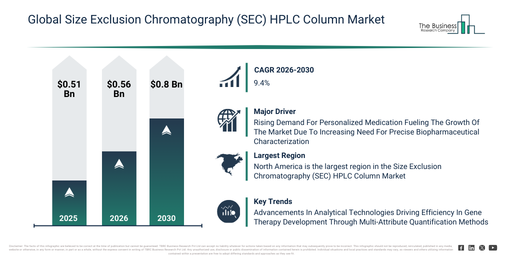
    The market for size exclusion chromatography (SEC) HPLC columns has seen robust expansion lately, projected to climb from $0.51 billion in 2025 to $0.56 billion in 2026, reflecting a compound annual growth rate (CAGR) of 9.7%. This historical growth surge was fueled by several factors including the increasing scope of polymer characterization investigations, a rise in protein analysis applications, escalating pharmaceutical research endeavors, broadened adoption of chromatographic techniques in academic settings, and advancements in column production methodologies.

    The market for Size Exclusion Chromatography (SEC) HPLC columns is poised for substantial expansion over the coming years, projected to reach a value of $0.8 billion by 2030, exhibiting a compound annual growth rate of 9.4%. This anticipated surge is fueled by several key drivers, including a heightened need for characterizing biologics, augmented investments in sophisticated analytical instruments, the broadening scope of quality control processes within biopharmaceutical production, the increasing integration of cutting-edge chromatography techniques, and a persistent emphasis on ensuring precision and consistency in analytical outcomes. During this forecast period, prominent market trends are expected to encompass a greater demand for SEC columns offering superior resolution, a rise in the utilization of columns compatible with Ultra-High-Performance Liquid Chromatography (UHPLC), expanded application within biopharmaceutical analysis, the proliferation of two-dimensional chromatography methodologies, and a heightened concentration on column longevity and dependable performance.

    Download A Free Sample Report For Comprehensive Market Insights:

    https://www.thebusinessresearchcompany.com/sample.aspx?id=24698&type=smp

    Size Exclusion Chromatography (SEC) HPLC Column Market Development Factors: Which Trends Are Supporting Demand?

    The increasing need for individualized pharmaceutical treatments is anticipated to be a key driver for the expansion of the size exclusion chromatography (SEC) HPLC column market. Personalized medicine, which involves customizing medical interventions based on a patient’s unique genetic profile, lifestyle, and health status to optimize effectiveness and safety, is gaining traction due to advancements in genetics and the pursuit of superior, tailored therapies. SEC HPLC columns play a crucial role in the precise measurement of therapeutic proteins’ molecular dimensions and the detection of aggregates, thereby safeguarding the quality and suitability of these proteins for customized patient care. An illustrative example comes from February 2024, where the Personalized Medicine Coalition reported that the US FDA authorized 16 novel personalized treatments for rare conditions in 2023, a notable surge compared to the six such approvals in the preceding year, underscoring the growing prominence of personalized medicine and its subsequent impact on the market for SEC HPLC columns.

    Size Exclusion Chromatography (SEC) HPLC Column Market Segment Analysis: What Are The Major Market Categories?

    The size exclusion chromatography (sec) hplc column market covered in this report is segmented –

    1) By Type: Standard Size Exclusion Chromatography (SEC) Column, High-Resolution Size Exclusion Chromatography (SEC) Column, Ultra-High-Performance Size Exclusion Chromatography (SEC) Column, 2D Size Exclusion Chromatography (SEC) Column

    2) By Material: Solvent-Compatible Stationary Phases, Polymeric Materials, Silica-Based Materials, Modified Silica Particles

    3) By Application: Biopharmaceutical Analysis, Protein Purification, Nucleic Acid Analysis, Polymer Characterization

    4) By End-User: Pharmaceutical Industry, Academic And Research Institutions, Biotechnology Firms, Environmental Testing Laboratories

    Subsegments:

    1) By Standard Size Exclusion Chromatography (SEC) Column: Polymer-Based Columns, Silica-Based Columns, Composite Material Columns, Bio-based Columns

    2) By High-Resolution Size Exclusion Chromatography (SEC) Column: Narrow Pore Size Columns, Medium Pore Size Columns, Wide Pore Size Columns, Monodisperse Particle Columns

    3) By Ultra-High-Performance Size Exclusion Chromatography (SEC) Column: Sub-2 µm Particle Size Columns, Core-Shell Particle Columns, Superficially Porous Particle Columns, High Mechanical Strength Columns

    4) By 2D Size Exclusion Chromatography (SEC) Column: SEC × Reversed Phase Chromatography Columns, SEC × Ion Exchange Chromatography Columns, SEC × Affinity Chromatography Columns, SEC × Hydrophilic Interaction Chromatography (HILIC) Columns

    Size Exclusion Chromatography (SEC) HPLC Column Market Transformation Trends: Which Innovations Are Driving Change?

    In the realm of size exclusion chromatography (SEC) HPLC columns, leading businesses are dedicating their efforts toward pioneering sophisticated approaches, including multi-attribute quantification techniques, to surmount significant hurdles within gene therapy advancement. These advanced methodologies facilitate the simultaneous assessment of various characteristics, thereby augmenting analytical accuracy and operational effectiveness. As an illustration, in August of 2023, Waters Corporation, an entity recognized for its laboratory instrument manufacturing based in the United States, introduced its XBridge Premier GTx BEH SEC columns. These columns were meticulously engineered to refine the analytical processes and decrease the financial outlay associated with gene therapies, with a particular emphasis on those utilizing adeno-associated viral (AAV) vectors. Such columns present substantial advantages, including a threefold to tenfold reduction in sample volume needs, a doubling of analytical velocity, and enhanced detection capabilities and separation distinctiveness. Their forward-thinking construction renders them ideally suited for various stages of development, from process optimization and formulation assessment to regulatory compliance and quality assurance, ultimately enabling a faster, more in-depth, and economically viable examination of AAVs and other substantial biomolecules, thus propelling gene therapy research and manufacturing forward.

    Size Exclusion Chromatography (SEC) HPLC Column Market Leading Companies Driving Competitive Growth

    Major companies operating in the size exclusion chromatography (sec) hplc column market are Thermo Fisher Scientific Inc, Danaher Corporation, Agilent Technologies Inc, Sartorius AG, PerkinElmer Inc, Shimadzu Corporation, Waters Corporation, Bio Rad Laboratories Inc, Phenomenex Inc, Tosoh Bioscience LLC, Knauer, JASCO Inc, Sepax Technologies Inc, SIELC Technologies, Eprogen Inc, Wyatt Technology, MZ Analysentechnik GmbH, Merck KGaA, Bruker Corporation, Restek Corporation, GL Sciences Inc

    Access The Complete Size Exclusion Chromatography (SEC) HPLC Column Market Report:

    https://www.thebusinessresearchcompany.com/report/size-exclusion-chromatography-sec-hplc-column-global-market-report

    Size Exclusion Chromatography (SEC) HPLC Column Market Geographic Distribution And Regional Opportunities

    North Americawas the largest region in the size exclusion chromatography (SEC) HPLC column market in 2025. Asia-Pacificis expected to be the fastest-growing region in the forecast period. The regions covered in the size exclusion chromatography (sec) hplc column market report are Asia-Pacific, South East Asia, Western Europe, Eastern Europe, North America, South America, Middle East, Africa.

    Get in touch with us:

    The Business Research Company: https://www.thebusinessresearchcompany.com/

    Americas: +1 310-496-7795

    Asia: +44 7882 955267 & +91 8897263534

    Europe: +44 7882 955267

    Email us at: marketing@tbrc.info

    Follow us on:

    LinkedIn: https://in.linkedin.com/company/the-business-research-company

    YouTube: https://www.youtube.com/channel/UC24_fI0rV8cR5DxlCpgmyFQ

    Global Market Model: https://www.thebusinessresearchcompany.com/global-market-model
  • Sinusitis Treatment Market Growth Is Reshaping Competitive Advantage Across The Industry

    Sinusitis Treatment Market Growth Is Reshaping Competitive Advantage Across The Industry

    Through market attractiveness analysis, total addressable market evaluation, company benchmarking matrices, interactive Excel dashboards, expanded supply chain intelligence, emerging startup coverage, and detailed product insights, The Business Research Company’s 2026 market reports provide more actionable and strategically valuable research.

    Sinusitis Treatment Market CAGR Analysis And Future Market Development

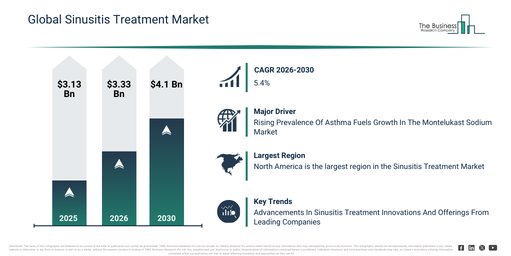
    The market for sinusitis treatments has experienced considerable expansion over the past few years, with projections indicating continued robust growth. The market is anticipated to expand from $3.13 billion in 2025 to $3.33 billion in 2026, reflecting a compound annual growth rate (CAGR) of 6.1%. This growth trajectory during the historical period has been influenced by several key factors, including the widespread occurrence of sinusitis, a limited array of available treatment alternatives, a significant dependence on corticosteroid therapies, the increasing development of specialized ear, nose, and throat (ENT) clinics, and the early integration of less invasive surgical techniques.

    A robust expansion is anticipated for the sinusitis treatment market in the coming years, projected to reach a valuation of $4.1 billion by 2030, fueled by a compound annual growth rate (CAGR) of 5.4%. This anticipated surge is driven by several key factors, including advancements in biologic medications and precision treatments, a greater acceptance of balloon sinuplasty as a therapeutic option, the broadening availability of outpatient ear, nose, and throat (ENT) services, the increasing integration of telemedicine platforms, and escalated awareness campaigns for chronic rhinosinusitis. During this projected timeframe, significant market trends are expected to emerge, such as a notable rise in the use of biologics for managing chronic sinusitis, an increase in the number of balloon sinuplasty procedures performed, the wider implementation of steroid-eluting sinus implants, a growing reliance on nasal irrigation devices for symptom management, and an expansion of virtual ENT consultations through telemedicine.

    Download A Free Sample Report For Comprehensive Market Insights:

    https://www.thebusinessresearchcompany.com/sample.aspx?id=16192&type=smp

    Sinusitis Treatment Market Industry Drivers: What Is Driving Revenue Growth?

    The escalation of respiratory ailments like asthma is anticipated to be a key factor driving the expansion of the sinusitis treatment market in the future. Asthma, a persistent respiratory illness marked by inflamed and constricted airways, commonly results in recurring instances of wheezing, breathlessness, chest constriction, and coughing. Factors such as environmental contamination, exposure to allergens, inherited susceptibility, increased urbanization, shifts in lifestyle habits, and respiratory infections are contributing to the growing number of asthma cases. Treatments for sinusitis are instrumental in alleviating obstructions and facilitating improved drainage, thereby decreasing postnasal drip and mitigating the potential for secondary infections that can impact the respiratory system. For example, projections from the National Center for Biotechnology Information, a U.S. government entity, indicated in December 2023 that the incidence of COPD was forecast to climb by 112 million, reaching a cumulative total of 592 million by the year 2050, which would constitute 9.5% of the affected demographic. Consequently, the rising occurrence of asthma is effectively stimulating advancements and growth within the sinusitis treatment sector.

    Sinusitis Treatment Market Segment Breakdown: Which Categories Generate The Most Revenue?

    The sinusitis treatment market covered in this report is segmented –

    1) By Treatment: Analgesics, Antibiotics, Antihistamines, Surgery, Corticosteroids, Sulfonamides, Quinolones

    2) By Disease Type: Acute Sinusitis, Sub-Acute Sinusitis, Chronic Sinusitis

    3) By Route Of Administration: Topical, Nasal, Oral, Injectable

    4) By Distribution Channel: Online Pharmacies, Retail Pharmacies, Hospital Pharmacies

    Subsegments:

    1) By Analgesics: Over-The-Counter Pain Relievers (Acetaminophen, Ibuprofen), Prescription Pain Medications, Combination Pain Relief Medications (With Decongestants)

    2) By Antibiotics: Penicillin-Based Antibiotics, Cephalosporins, Macrolides (Azithromycin), Fluoroquinolones (Levofloxacin), Aminoglycosides, Broad-Spectrum Antibiotics

    3) By Antihistamines: First-Generation Antihistamines (Diphenhydramine), Second-Generation Antihistamine (Loratadine, Cetirizine), Nasal Antihistamines (Azelastine)

    4) By Surgery: Functional Endoscopic Sinus Surgery (Fess), Balloon Sinuplasty, Sinus Drainage And Removal, Septoplasty (For Structural Issues), Other Surgical Interventions For Chronic Sinusitis

    5) By Corticosteroids: Oral Corticosteroids (Prednisone), Nasal Steroid Sprays (Fluticasone, Budesonide), Topical Corticosteroids For Sinus Inflammation

    6) By Sulfonamides: Sulfamethoxazole Or Trimethoprim (Bactrim), Other Sulfonamide-Based Antibiotics For Sinus Infections

    7) By Quinolones: Ciprofloxacin, Levofloxacin, Moxifloxacin, Other Fluoroquinolones For Sinusitis

    #Sinusitis Treatment Market Growth Trends: What Is Influencing The Future Outlook?

    Key players within the sinusitis treatment sector are actively engaged in pioneering novel pharmaceutical agents, notably steroid nasal sprays, with the objective of enhancing therapeutic effectiveness, mitigating adverse reactions, and providing more user-friendly administration schedules; these corticosteroid sprays, characterized by their anti-inflammatory capabilities, are delivered nasally to address a spectrum of ailments, and as an illustration, Optinose Inc., a United States based biopharmaceutical entity focused on nasal polyp treatment, unveiled XHANCE in March 2024, a composite offering featuring a drug-device apparatus called the Exhalation Delivery System (EDS), which has gained approval from the Food and Drug Administration, a regulatory body in the United States, this nasal spray is specifically engineered to channel a localized steroid into the more profound and elevated areas of the nasal passages, facilitating sinus ventilation and drainage, and accordingly, XHANCE, having received clearance from the U.S. Food and Drug Administration, is designated for the management of chronic rhinosinusitis, encompassing cases with and without nasal polyps, in individuals aged eighteen and older.

    Sinusitis Treatment Market Key Players And Strategic Industry Positioning

    Major companies operating in the sinusitis treatment market are Johnson & Johnson, Pfizer Inc, Bayer AG, GlaxoSmithKline Plc, Teva Pharmaceutical Industries Ltd, Baxter International Inc, Fresenius Kabi AG, Boehringer Ingelheim GmbH, Perrigo Company plc, Dr Reddys Laboratories Ltd, Aurobindo Pharma, Cipla Ltd, Hikma Pharmaceuticals Plc, Apotex Inc, Lupin Pharmaceuticals Inc, Bionorica SE, Wockhardt Ltd, Zydus Cadila Ltd, Intersect ENT Inc, Novartis AG, Sanofi S A, Alembic Pharmaceuticals Ltd, Sun Pharmaceutical Industries Ltd, Glenmark Pharmaceuticals Ltd, Abbott Laboratories

    Access The Complete Sinusitis Treatment Market Report:

    https://www.thebusinessresearchcompany.com/report/sinusitis-treatment-global-market-report

    Sinusitis Treatment Market Largest Region By Revenue And Market Share

    North Americawas the largest region in the sinusitis treatment market in 2025. Asia-Pacificis expected to be the fastest-growing region in the forecast period. The regions covered in the sinusitis treatment market report are Asia-Pacific, South East Asia, Western Europe, Eastern Europe, North America, South America, Middle East, Africa.

    Get in touch with us:

    The Business Research Company: https://www.thebusinessresearchcompany.com/

    Americas: +1 310-496-7795

    Asia: +44 7882 955267 & +91 8897263534

    Europe: +44 7882 955267

    Email us at: marketing@tbrc.info

    Follow us on:

    LinkedIn: https://in.linkedin.com/company/the-business-research-company

    YouTube: https://www.youtube.com/channel/UC24_fI0rV8cR5DxlCpgmyFQ

    Global Market Model: https://www.thebusinessresearchcompany.com/global-market-model