Month: June 2026

  • Tendonitis Treatment Market Expected To Reach $293.75 Billion By 2030 As Growth Accelerates At 5.3% CAGR

    Tendonitis Treatment Market Expected To Reach $293.75 Billion By 2030 As Growth Accelerates At 5.3% CAGR

    Enhanced with market attractiveness analysis, total addressable market evaluation, company benchmarking matrices, interactive Excel dashboards, expanded supply chain intelligence, emerging startup coverage, and detailed product insights, The Business Research Company’s 2026 market reports deliver more actionable and strategically valuable research.

    Tendonitis Treatment Market Revenue Growth Supported By A CAGR Of 293.75% Through 2030

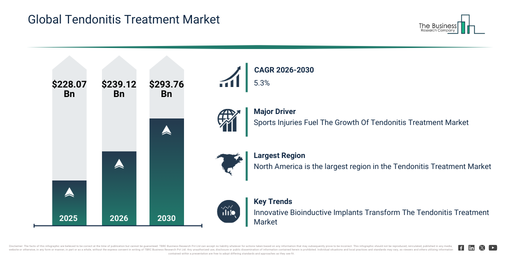
    The market for tendonitis treatment experienced consistent expansion over recent years, with projections indicating further growth from $228.07 billion in 2025 to $239.12 billion in 2026, reflecting a compound annual growth rate of 4.8%. This upward trend can be linked to several key factors observed during the historical period, including an increase in sports-related injuries, a higher prevalence of conditions caused by repetitive strain, heightened awareness surrounding musculoskeletal disorders, improved access to physical therapy services, and a greater acceptance of non-invasive approaches for pain management.

    The market for tendonitis treatments is poised for significant expansion in the upcoming years, projecting a leap to $293.76 billion by 2030, propelled by a compound annual growth rate (CAGR) of 5.3%. This anticipated surge is fueled by several key factors, including a heightened demand for biologic therapies, an increasing emphasis on individualized musculoskeletal care, a growing trend towards at-home rehabilitation solutions, the proliferation of advanced imaging-guided interventions, and increased financial commitment to outpatient orthopedic services. Furthermore, key developments shaping the forecast period encompass the expanding utilization of regenerative therapies, the increasing preference for minimally invasive treatment methodologies, a growing inclination towards non-surgical pain management strategies, the broader implementation of customized rehabilitation plans, and an elevated focus on strategies for early intervention.

    Download A Free Sample Report For Comprehensive Market Insights:

    https://www.thebusinessresearchcompany.com/sample.aspx?id=10634&type=smp

    Tendonitis Treatment Market Development Factors: Which Trends Are Supporting Demand?

    The increasing incidence of sports-related injuries is anticipated to be a significant catalyst for the expansion of the tendonitis treatment market in the future. Sports injuries encompass any physical harm or trauma sustained during athletic pursuits or other physical activities, affecting structures such as muscles, tendons, ligaments, bones, and joints. Therapy for tendonitis arising from sports-related injuries typically involves a multimodal approach incorporating rest, pain alleviation strategies, and rehabilitation exercises to facilitate the healing of the affected tendon, decrease inflammation, and provide support to the compromised area. As an illustration, data released in November 2023 by Howden Group Holdings Ltd, an insurance intermediary based in the United Kingdom, indicated a substantial escalation in the severity of ankle injuries within the English Premier League, reporting a 170% rise between October 2022 and January 2023. This period also witnessed a 200% surge in calf/shin injuries and a 130% increase in hamstring injuries, notably following the FIFA World Cup held in Qatar in 2022. Consequently, the escalating occurrence of sports injuries is directly fueling the growth trajectory of the tendonitis treatment market.

    Tendonitis Treatment Market Segment Landscape: Which Areas Lead Market Development?

    The tendonitis treatment market covered in this report is segmented –

    1) By Treatment Type: Therapeutic Treatment, Hot And Cold Therapy, Physical Therapy, Shockwave Therapy, Surgical Treatment

    2) By Condition Type: Tennis Elbow, Golfer’s Elbow, Pitcher’s Elbow, Jumper’s Knee, Swimmer’s Shoulder, Achilles Tendonitis

    3) By End-Users: Hospitals, Specialty Clinics, Home Healthcare, Other End-Users

    Subsegments:

    1) By Therapeutic Treatment: Nonsteroidal Anti-Inflammatory Drugs (NSAIDs), Corticosteroid Injections, Platelet-Rich Plasma (PRP) Therapy

    2) By Hot And Cold Therapy: Heat Packs, Ice Packs, Contrast Therapy

    3) By Physical Therapy: Stretching Exercises, Strengthening Exercises, Manual Therapy

    4) By Shockwave Therapy: Radial Shockwave Therapy, Focused Shockwave Therapy

    5) By Surgical Treatment: Tendon Repair Surgery, Tenotomy, Arthroscopy

    Tendonitis Treatment Market Transformation Trends: Which Innovations Are Driving Change?

    Key players in the tendonitis treatment sector are prioritizing the development and launch of novel implants, exemplified by bioinductive solutions, as a strategic move to enhance their market standing. These bioinductive implants function as medical devices engineered to harness the body’s innate healing capabilities, offering a supportive structure that encourages tissue regrowth. A notable instance occurred in July of 2023 when Smith & Nephew PLC, a medical device manufacturer originating from the United Kingdom, introduced its REGENETEN bioinductive implant to the Indian market for the treatment of rotator cuff tears. This implant is specifically crafted to bolster the body’s inherent healing mechanisms, aiming to foster the development of new tendon-like tissue and positively influence the progression of rotator cuff conditions. Composed of type 1 collagen, it represents a sophisticated therapeutic option for biological tendon repair across the full range of rotator cuff injuries, encompassing both partial and extensive tears. This implant, roughly equivalent in size to a postage stamp, is surgically inserted arthroscopically through a minimal incision. Within a six-month timeframe, the implant is absorbed by the body, while simultaneously stimulating the formation of new tendon-like tissue and arranging collagen fibers in a manner conducive to functional stress, indicating restorative healing.

    Tendonitis Treatment Market Industry Leaders And Market Competition

    Major companies operating in the tendonitis treatment market are Merck & Co. Inc., Bayer AG, Boehringer Ingelheim GmbH, Pfizer Inc., Almatica Pharma Inc., Teva Pharmaceutical Industries Ltd., Smith & Nephew plc, Stryker Corporation, Zimmer Biomet Holdings Inc., Össur hf, Tynor India Ltd., Arthrex Inc., CONMED Corporation, TendoMed Inc., BioPro Inc., AstraZeneca plc, GlaxoSmithKline plc, Johnson & Johnson, Medtronic plc, Wright Medical Group N.V., Breg Inc., Mueller Sports Medicine Inc., Bauerfeind AG, BSN medical GmbH

    Access The Complete Tendonitis Treatment Market Report:

    https://www.thebusinessresearchcompany.com/report/tendonitis-treatment-global-market-report

    Tendonitis Treatment Market Geographic Distribution And Regional Opportunities

    North Americawas the largest region in the tendonitis treatment market in 2025.Asia-Pacificis expected to be the fastest-growing region in the global tendonitis treatment market report during the forecast period. The regions covered in the tendonitis treatment market report are Asia-Pacific, South East Asia, Western Europe, Eastern Europe, North America, South America, Middle East, Africa.

    Get in touch with us:

    The Business Research Company: https://www.thebusinessresearchcompany.com/

    Americas: +1 310-496-7795

    Asia: +44 7882 955267 & +91 8897263534

    Europe: +44 7882 955267

    Email us at: marketing@tbrc.info

    Follow us on:

    LinkedIn: https://in.linkedin.com/company/the-business-research-company

    YouTube: https://www.youtube.com/channel/UC24_fI0rV8cR5DxlCpgmyFQ

    Global Market Model: https://www.thebusinessresearchcompany.com/global-market-model
  • Tendinopathy Market Set To Grow From $13.97 Billion In 2026 To $17 Billion By 2030 At A CAGR Of 5%

    Tendinopathy Market Set To Grow From $13.97 Billion In 2026 To $17 Billion By 2030 At A CAGR Of 5%

    Through market attractiveness analysis, total addressable market evaluation, company benchmarking matrices, interactive Excel dashboards, expanded supply chain intelligence, emerging startup coverage, and detailed product insights, The Business Research Company’s 2026 market reports provide more actionable and strategically valuable research.

    Tendinopathy Market Value Expansion And Long-Term Growth Outlook

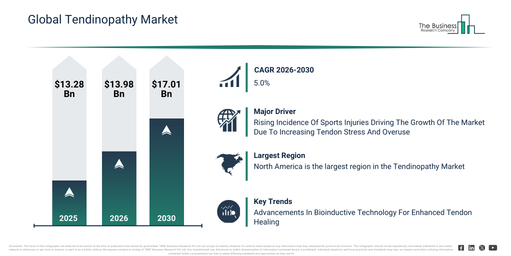
    The tendinopathy market experienced robust expansion lately, projecting a rise from $13.28 billion in 2025 to $13.98 billion in 2026, reflecting a compound annual growth rate (CAGR) of 5.3%. Factors contributing to this growth during the prior period included a higher occurrence of sports-related injuries, an increasing elderly demographic, heightened awareness regarding musculoskeletal conditions, the proliferation of orthopedic care services, and the accessibility of physical therapy interventions.

    The tendinopathy market is poised for substantial expansion over the upcoming years, projecting a rise to $17.01 billion by 2030, driven by a compound annual growth rate (CAGR) of 5.0%. This projected growth throughout the forecast period is underpinned by several key factors, including escalating investments in regenerative medicine research, a heightened demand for less invasive treatment modalities, the widening scope of personalized orthopedic care, an intensified focus on sustainable pain management strategies, and the increasing incorporation of digital tools for rehabilitation monitoring. Furthermore, significant trends anticipated to shape this market during the forecast period encompass a greater embrace of regenerative treatment methodologies, a surge in the utilization of non-invasive therapeutic options, enhanced integration of diagnostic imaging techniques, the burgeoning development of individualized rehabilitation plans, and an elevated emphasis on the early identification of conditions.

    Download A Free Sample Report For Comprehensive Market Insights:

    https://www.thebusinessresearchcompany.com/sample.aspx?id=23538&type=smp

    Tendinopathy Market Industry Drivers: What Is Driving Revenue Growth?

    An upswing in sports-related injuries is anticipated to fuel the expansion of the tendinopathy market. These athletic injuries, encompassing everything from minor sprains to serious fractures, are becoming more prevalent due to heightened training and competition among younger individuals, thereby placing undue strain on developing musculoskeletal systems. Such incidents contribute to tendinopathy by inflicting repetitive stress or sudden force upon tendons, leading to microscopic damage, inflammation, and eventual deterioration. Illustrating this trend, data from Howden Group Holdings Ltd in November 2023 revealed a substantial increase in the severity of ankle injuries within the English Premier League, rising by 170% from October 2022 to January 2023. Concurrently, calf/shin injuries escalated by 200%, and hamstring injuries saw a 130% increase, a surge noted in the aftermath of the FIFA World Cup Qatar 2022. Consequently, the escalating rates of sports injuries are a significant factor propelling the tendinopathy market forward.

    Tendinopathy Market Segments: Where Are The Largest Growth Opportunities?

    The tendinopathy market covered in this report is segmented –

    1) By Type: Achilles Tendinopathy, Rotator Cuff Tendinopathy, Lateral Epicondylitis (Tennis Elbow), Patellar Tendinopathy, Other Types

    2) By Treatment Type: Therapy, Medication, Surgical Treatment, Regenerative Medicine

    3) By Route Of Administration: Oral, Topical, Injectable

    4) By End User: Hospitals, Clinics, Ambulatory Surgical Centers, Rehabilitation Centers

    Subsegments:

    1) By Achilles Tendinopathy: Insertional Achilles Tendinopathy, Non-insertional Achilles Tendinopathy

    2) By Rotator Cuff Tendinopathy: Supraspinatus Tendinopathy, Infraspinatus Tendinopathy, Subscapularis Tendinopathy, Teres Minor Tendinopathy

    3) By Lateral Epicondylitis (Tennis Elbow): Tendon Overuse Injuries, Tendon Degeneration Injuries

    4) By Patellar Tendinopathy: Proximal Patellar Tendinopathy, Distal Patellar Tendinopathy

    5) By Other Types: De Quervain’s Tenosynovitis, Peroneal Tendinopathy, Flexor Tendinopathy, Extensor Tendinopathy

    #Tendinopathy Market Growth Trends: What Is Influencing The Future Outlook?

    Within the tendinopathy market, leading enterprises are directing their efforts toward the creation of sophisticated products, exemplified by bioinductive implants, designed to expedite healing, foster tendon regeneration, and shorten the recuperation period. A bioinductive implant functions as an advanced medical apparatus that catalyzes the body’s intrinsic healing mechanisms by promoting the development of new, tendon-like tissue, consequently improving the results of tendon repair procedures. As an illustration, in July 2023, Smith+Nephew, a medical technology firm headquartered in the United Kingdom, introduced the REGENETEN Bioinductive Implant onto the Indian market. This implant, composed of collagen, revolutionizes tendon repair by encouraging natural biological healing through the stimulation of new tissue formation at the injured area, notably in cases of rotator cuff repair. A significant advantage of this implant lies in its minimally invasive application, enabling orthopedic surgeons to provide biological reinforcement to the tendon without necessitating changes to established surgical methodologies, thereby presenting a faster, more secure, and ultimately more successful treatment avenue for individuals suffering from tendinopathy.

    Tendinopathy Market Major Participants And Competitive Dynamics

    Major companies operating in the tendinopathy market are Pfizer Inc., Johnson and Johnson, Merck & Co. Inc., AbbVie Inc., Bayer AG, Sanofi SA, Bristol‑Myers Squibb Company, Novartis AG, GSK plc, Medtronic Plc, Stryker Corporation, Zimmer Biomet, Smith & Nephew plc, Arthrex, Bioventus, MIMEDX, Amniotics AB, BioPro Inc., TendoMend Ltd., Alafair Biosciences, Amniox Medical Inc., CONMED Corporation, Aevumed Inc., Parcus Medical LLC, Orthocell Ltd., CollPlant Biotechnologies Ltd., Tissue Regenix Group plc, Biorez Inc.

    Access The Complete Tendinopathy Market Report:

    https://www.thebusinessresearchcompany.com/report/tendinopathy-global-market-report

    Tendinopathy Market Largest Region By Revenue And Market Share

    North Americawas the largest region in the tendinopathy market in 2025. The regions covered in the tendinopathy market report are Asia-Pacific, South East Asia, Western Europe, Eastern Europe, North America, South America, Middle East, Africa.

    Get in touch with us:

    The Business Research Company: https://www.thebusinessresearchcompany.com/

    Americas: +1 310-496-7795

    Asia: +44 7882 955267 & +91 8897263534

    Europe: +44 7882 955267

    Email us at: marketing@tbrc.info

    Follow us on:

    LinkedIn: https://in.linkedin.com/company/the-business-research-company

    YouTube: https://www.youtube.com/channel/UC24_fI0rV8cR5DxlCpgmyFQ

    Global Market Model: https://www.thebusinessresearchcompany.com/global-market-model
  • Temporary Healthcare Staffing Market Opportunities Are Emerging Beyond Traditional Growth Areas

    Temporary Healthcare Staffing Market Opportunities Are Emerging Beyond Traditional Growth Areas

    Delivering more actionable and strategically valuable research, The Business Research Company’s 2026 market reports feature market attractiveness analysis, total addressable market evaluation, company benchmarking matrices, interactive Excel dashboards, expanded supply chain intelligence, emerging startup coverage, and detailed product insights.

    Temporary Healthcare Staffing Market Expected To Reach $66.48 Billion By 2030 At 6.3% CAGR

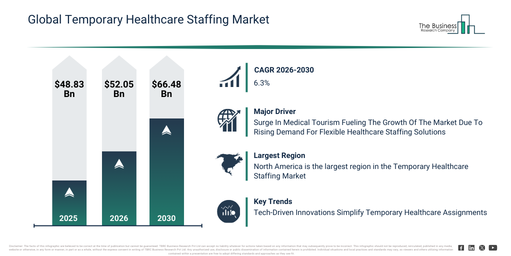
    The market for temporary healthcare staffing has seen robust expansion recently and is projected to increase from $48.83 billion in 2025 to $52.05 billion in 2026, demonstrating a compound annual growth rate of 6.6%. Factors contributing to this growth during the past period include a rise in patient admissions, ongoing shortages of permanent healthcare personnel, the utilization of temporary staff to fill service gaps, the proliferation of specialized medical offerings, and heightened operational demands placed upon healthcare facilities.

    The temporary healthcare staffing sector is poised for substantial expansion in the coming years, with projections indicating a market value of $66.48 billion by 2030, driven by a compound annual growth rate of 6.3%. This predicted surge is fueled by several key factors, including the increasing integration of AI for workforce alignment, a heightened emphasis on adaptable staffing arrangements, a growing need for highly skilled temporary medical professionals, the proliferation of virtual and telehealth support positions, and greater investment flowing into healthcare workforce solutions. Furthermore, the upcoming period will likely witness significant shifts such as the greater utilization of online staffing portals, a surge in requirements for immediate nursing personnel, wider acceptance of technologies for validating qualifications, the broadening of travel nurse deployment strategies, and an intensified commitment to workforce adaptability.

    Download A Free Sample Report For Comprehensive Market Insights:

    https://www.thebusinessresearchcompany.com/sample.aspx?id=27433&type=smp

    Temporary Healthcare Staffing Market Growth Factors: Which Forces Are Supporting Market Expansion?

    The expansion of medical tourism is poised to be a significant catalyst for the future advancement of the temporary healthcare staffing sector. This trend, where individuals journey internationally for medical services, is largely driven by escalating healthcare expenditures in developed nations, prompting patients to seek out more economical yet effective treatment options overseas. To adequately support this influx of international patients, temporary healthcare staffing agencies play a crucial role by providing a flexible workforce of qualified medical personnel, ensuring that healthcare facilities can manage surges in demand and maintain a high standard of care without compromising service timeliness. Illustratively, the US-ASEAN Business Council reported in February 2025 that Thailand welcomed 2.86 million medical tourists in 2023, generating $850 million in revenue, with projections indicating a 7.3% increase to 3.07 million visitors for 2024. Consequently, the burgeoning field of medical tourism is directly contributing to the expansion of the temporary healthcare staffing market.

    Temporary Healthcare Staffing Market Segment Analysis: What Are The Major Market Categories?

    The temporary healthcare staffing market covered in this report is segmented –

    1) By Service Type: Nursing, Allied Health, Physicians, Administrative, Other Service Types

    2) By Duration Of Staffing Needs: Short-Term Assignments, Long-Term Assignments, Per Diem Staffing, Seasonal Staffing

    3) By Skill Level Of Healthcare Professionals: Entry-Level Professionals, Mid-Level Professionals, Highly Experienced Professionals, Specialized Medical Practitioners

    4) By End-User: Hospitals, Clinics, Nursing Homes, Home Care, Other End-Users

    Subsegments:

    1) By Nursing: Registered Nurse, Licensed Practical Nurse, Certified Nursing Assistant, Travel Nurse, Clinical Nurse Specialist

    2) By Allied Health: Physical Therapist, Occupational Therapist, Respiratory Therapist, Radiologic Technologist, Medical Laboratory Technician

    3) By Physicians: General Practitioner, Surgeon, Anesthesiologist, Psychiatrist, Emergency Medicine Physician

    4) By Administrative: Medical Receptionist, Medical Billing Specialist, Health Information Technician, Scheduler, Medical Office Assistant

    5) By Other Service Types: Pharmacist, Dietitian, Social Worker, Case Manager, Medical Interpreter

    Temporary Healthcare Staffing Market Industry Trends: What Changes Are Reshaping Demand?

    Key players in the temporary healthcare staffing sector are concentrating their efforts on pioneering sophisticated systems, including locum tenens management powered by biometrics, with the goal of amplifying operational effectiveness and alleviating the administrative load for healthcare practitioners engaged in short-term positions. This biometric-driven approach to locum tenens management functions as a secure, mobile-centric system that leverages biometric verification to simplify administrative processes and improve the oversight of temporary medical staff undertaking locum tenens roles. As an illustration, in April of 2024, the American firm CHG Healthcare Services Inc. introduced MyCompHealth and MyWeatherby, which are mobile-first applications incorporating biometric capabilities, developed to simplify administrative responsibilities for locum tenens professionals, covering areas such as arranging shifts, coordinating travel, recording work hours, and accessing assistance. The introduction of these applications signifies a significant stride forward in the realm of temporary healthcare staffing, driven by biometric locum tenens management, with the objective of lessening administrative complexities and elevating the overall experience for clinicians.

    Temporary Healthcare Staffing Market Leading Companies Driving Competitive Growth

    Major companies operating in the temporary healthcare staffing market are The Adecco Group AG, AMN Healthcare Services Inc., Jackson Healthcare Co., Aya Healthcare Inc., ProLink Services LLC, FlexCare LLC, A-Line Staffing Solutions LLC, Atlas MedStaff LLC, Nomad Health Inc., Anders Group LLC, Globe Locums Limited, Marvel Medical Staffing Inc., Interact Medical Ltd., 22nd Century Technologies Inc., Ambe International, Soliant Health, Supplemental Health Care Inc., Cross Country Healthcare Inc., MedPro Healthcare Staffing, CHG Healthcare Services, Maxim Healthcare Services,

    Access The Complete Temporary Healthcare Staffing Market Report:

    https://www.thebusinessresearchcompany.com/report/temporary-healthcare-staffing-global-market-report

    Temporary Healthcare Staffing Market Regional Analysis And Leading Geography

    North Americawas the largest region in the temporary healthcare staffing market in 2025. Asia-Pacificis expected to be the fastest-growing region in the forecast period. The regions covered in the temporary healthcare staffing market report are Asia-Pacific, South East Asia, Western Europe, Eastern Europe, North America, South America, Middle East, Africa.

    Get in touch with us:

    The Business Research Company: https://www.thebusinessresearchcompany.com/

    Americas: +1 310-496-7795

    Asia: +44 7882 955267 & +91 8897263534

    Europe: +44 7882 955267

    Email us at: marketing@tbrc.info

    Follow us on:

    LinkedIn: https://in.linkedin.com/company/the-business-research-company

    YouTube: https://www.youtube.com/channel/UC24_fI0rV8cR5DxlCpgmyFQ

    Global Market Model: https://www.thebusinessresearchcompany.com/global-market-model
  • Telestroke Services Market Expansion Is Opening New Pathways For Strategic Investment

    Telestroke Services Market Expansion Is Opening New Pathways For Strategic Investment

    Enhanced with market attractiveness analysis, total addressable market evaluation, company benchmarking matrices, interactive Excel dashboards, expanded supply chain intelligence, emerging startup coverage, and detailed product insights, The Business Research Company’s 2026 market reports deliver more actionable and strategically valuable research.

    Telestroke Services Market Size And Revenue Forecast Through 2030

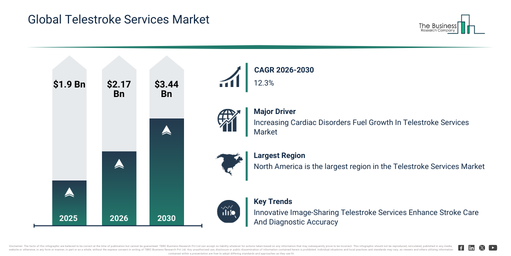
    The telestroke services sector is experiencing a significant upward trajectory, projected to expand from a valuation of $1.9 billion in 2025 to $2.17 billion in 2026, exhibiting a compound annual growth rate of 13.9%. This expansion during the historical period has been fueled by several key factors, including a greater prevalence of stroke incidents, restricted availability of neurologists at immediate care facilities, the broadening of emergency response systems, increased utilization of advanced digital imaging solutions, and a heightened need for interventions that require prompt execution in stroke cases.

    The telestroke services market is poised for substantial expansion in the coming years, with projections indicating a rise to $3.44 billion by 2030, registering a compound annual growth rate of 12.3%. This projected growth is propelled by heightened investments in emergency telehealth infrastructure, a growing need for stroke care accessibility in rural areas, the broader implementation of AI-driven diagnostic assistance, a concerted effort to shorten treatment timelines, and the increasing incorporation of telemedicine into emergency response protocols. Key developments anticipated during this forecast period involve the wider implementation of remote stroke assessment systems, greater adoption of platforms offering real-time neurological consultations, increased utilization of AI in medical imaging for stroke diagnosis, the expansion of teleconsultation networks for emergency situations, and an amplified emphasis on expediting treatment decisions.

    Download A Free Sample Report For Comprehensive Market Insights:

    https://www.thebusinessresearchcompany.com/sample.aspx?id=16808&type=smp

    Telestroke Services Market Demand Drivers: What Is Fueling Industry Growth?

    The increasing prevalence of cardiovascular conditions is set to be a significant catalyst for the expansion of the telestroke services sector. These conditions, which impact the heart’s anatomy and operational capacity, can be effectively managed with telestroke services that offer remote access to expert medical attention. Through live video consultations and the secure exchange of medical information, specialists can efficiently assess and manage cardiac issues, proving especially beneficial for individuals in remote or medically underserved regions. Illustrating this trend, data from the American Heart Association indicates a rise in the age-adjusted mortality rate from cardiovascular diseases in the US, climbing to 233.3 fatalities per 100,000 residents in 2024, a 4.0% increase from the 224.4 per 100,000 recorded in 2023. Consequently, the growing burden of cardiac disorders is fueling the advancement and adoption of telestroke services.

    Telestroke Services Market Segment Breakdown: Which Categories Generate The Most Revenue?

    The telestroke services market covered in this report is segmented –

    1) By Stroke Type: Ischemic Stroke, Hemorrhagic Stroke, Transient Ischemic Attack

    2) By Application: Counseling, Treatment, Emergency Service, Other Applications

    3) By End User: Hospitals, Specialty Clinics, Home Healthcare Settings, Other End Users

    Subsegments:

    1) By Ischemic Stroke: Acute Ischemic Stroke, Chronic Ischemic Stroke

    2) By Hemorrhagic Stroke: Intracerebral Hemorrhage, Subarachnoid Hemorrhage

    3) By Transient Ischemic Attack: Low-Risk TIA, High-Risk TIA

    Telestroke Services Market Innovation Trends: Which Developments Are Transforming The Industry?

    Leading entities within the telestroke services sector are prioritizing the development and implementation of cutting-edge advancements, specifically telestroke solutions integrated with image-sharing capabilities, aiming to elevate diagnostic precision, optimize patient results, and facilitate prompt interventions for individuals experiencing strokes. Telestroke services incorporating image-sharing technology essentially create a connected system utilizing digital platforms for high-definition, bidirectional audio-visual communication. To illustrate, in February of 2024, Guam Regional Medical City, a regional healthcare facility situated in the United States, initiated round-the-clock telestroke services, thereby guaranteeing continuous availability of board-certified neurologists. The core functionalities encompass high-bandwidth audio and video conferencing along with image-sharing technology, which empower remote specialists to conduct assessments, render diagnoses, and collaborate effectively with attending physicians on-site to orchestrate the care management of stroke victims.

    Telestroke Services Market Key Players And Strategic Industry Positioning

    Major companies operating in the telestroke services market are Providence Health & Services, Teladoc Health Inc, Vituity, DispatchHealth, American Well Corporation, Access TeleCare LLC, Eagle Telemedicine, Caregility, TeleSpecialists LLC, RapidAI, American TelePhysicians ATP, RemoteICU, Alina TeleHealth, Blue Sky Telehealth, SOC Telemed, Mercy Virtual, Viz.ai, Teledigm Health, Specialist TeleMed

    Access The Complete Telestroke Services Market Report:

    https://www.thebusinessresearchcompany.com/report/telestroke-services-global-market-report

    Telestroke Services Market Geographic Analysis: Where Is Demand Growing The Fastest?

    North Americawas the largest region in the telestroke market in 2025. Asia Pacificis expected to be the fastest-growing region in the forecast period. The regions covered in the telestroke services market report are Asia-Pacific, South East Asia, Western Europe, Eastern Europe, North America, South America, Middle East, Africa.

    Get in touch with us:

    The Business Research Company: https://www.thebusinessresearchcompany.com/

    Americas: +1 310-496-7795

    Asia: +44 7882 955267 & +91 8897263534

    Europe: +44 7882 955267

    Email us at: marketing@tbrc.info

    Follow us on:

    LinkedIn: https://in.linkedin.com/company/the-business-research-company

    YouTube: https://www.youtube.com/channel/UC24_fI0rV8cR5DxlCpgmyFQ

    Global Market Model: https://www.thebusinessresearchcompany.com/global-market-model
  • Teleradiology Software Market Trends Are Creating New Opportunities For Industry Leaders

    Teleradiology Software Market Trends Are Creating New Opportunities For Industry Leaders

    Through market attractiveness analysis, total addressable market evaluation, company benchmarking matrices, interactive Excel dashboards, expanded supply chain intelligence, emerging startup coverage, and detailed product insights, The Business Research Company’s 2026 market reports provide more actionable and strategically valuable research.

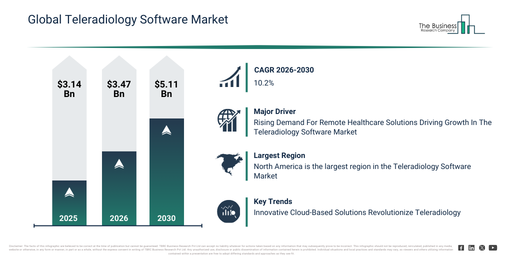
    Teleradiology Software Market Growth From $3.46 Billion In 2026 To $5.1 Billion By 2030 At A CAGR Of 10.2%

    Experiencing a swift expansion, the teleradiology software sector is projected to increase from $3.14 billion in 2025 to $3.47 billion in 2026, demonstrating a compound annual growth rate of 10.5%. Factors fueling this past growth include a rise in medical imaging procedures, a scarcity of radiologists across numerous areas, the broadening of digital infrastructure within hospitals, greater integration of PACS solutions, and an increasing demand for radiology services outside of standard working hours.

    The teleradiology software market is poised for substantial expansion over the coming years, anticipating a surge to $5.11 billion by 2030, driven by a compound annual growth rate of 10.2%. This projected growth throughout the forecast period is propelled by several key factors: a heightened need for swift diagnostic assessment, the burgeoning telehealth and remote diagnostics sectors, escalating investments in artificial intelligence for imaging analysis, a pronounced emphasis on seamless interoperability within healthcare networks, and the increasing utilization of cloud-based radiology solutions. Key developments expected to shape this market include a greater embrace of AI tools designed to aid image interpretation, a wider deployment of cloud-enabled teleradiology platforms, more profound integration between Picture Archiving and Communication Systems (PACS) and Radiology Information Systems (RIS), the broadening scope of international radiology services, and a concentrated effort on automating workflows while simultaneously improving reporting precision.

    Download A Free Sample Report For Comprehensive Market Insights:

    https://www.thebusinessresearchcompany.com/sample.aspx?id=20659&type=smp

    Teleradiology Software Market Growth Drivers: What Factors Are Accelerating Expansion?

    The growing demand for radiological services, driven by the rising prevalence of chronic conditions, is expected to support the expansion of the teleradiology industry in the coming years. Radiological services, or radiology, involve the use of imaging technologies to diagnose and treat diseases. These services are central to the growth of the teleradiology market, as they enable the electronic transmission of medical images from one location to another for diagnostic review and consultation. The increasing burden of chronic diseases is further strengthening the need for accessible and efficient imaging services. For example, in August 2024, according to Macmillan Cancer Support, a UK-based organization, more than 3 million people in the UK were living with cancer in 2024, with this number projected to rise to 3.5 million by 2025, 4 million by 2030, and 5.3 million by 2040. As a result, the increasing prevalence of chronic diseases is driving growth in the teleradiology market during the forecast period.

    Teleradiology Software Market Segmentation: How Is The Market Structured Across Key Categories?

    The teleradiology software market covered in this report is segmented –

    1) By Type: Radiology Information System, Picture Archiving And Communication System (PACS), Vendor Neutral Archive (VNA)

    2) By Deployment: Web-Based, Cloud-Based, On-Premises

    3) By Imaging Technique: X-Ray, Computed Tomography (CT), Magnetic Resonance Imaging (MRI), Ultrasound, Nuclear Imaging, Other Imaging Techniques

    4) By End User: Hospitals, Clinics, Other End Users

    Subsegments:

    1) By Radiology Information System (RIS): Workflow Management In RIS, Scheduling And Reporting Features, Integration With Electronic Health Records (EHR), Patient Management And Communication Tools

    2) By Picture Archiving And Communication System (PACS): Imaging Storage Solutions, Advanced Image Retrieval Features, Integration With Modalities (e.g., MRI, CT), 3D Visualization And Analysis Tools

    3) By Vendor Neutral Archive (VNA): Data Management And Storage Solutions, Interoperability Features For Multiple Systems, Long-Term Data Retention Solutions, Secure Access And Sharing Capabilities

    Teleradiology Software Market Trends: What Is Shaping Future Industry Growth?

    Leading players within the teleradiology software sector are innovating by creating sophisticated offerings, particularly cloud-based teleradiology platforms, to deliver enhanced flexibility, capacity for growth, and the ability to access services from any location. These cloud-based teleradiology systems are essentially digital environments allowing medical imaging professionals to view, analyze, and distribute patient scans over the internet, thereby improving adaptability and teamwork in medical settings. An illustrative example is the May 2023 introduction by Nandico, an Indian software firm, of a cloud-based SaaS PACS solution engineered to accelerate the generation of radiology reports. This specific cloud-based SaaS PACS platform demonstrably elevates the operational performance of radiology practices and healthcare institutions by furnishing radiologists with cutting-edge cloud-based tools expected to reduce report completion times by a substantial 60%. The platform’s intuitive design, effortless document incorporation, and sophisticated billing mechanisms contribute to greater output and superior performance. Furthermore, its built-in communication functionalities empower radiologists to engage with other doctors or team members, which is crucial for efficiently handling urgent patient situations.

    Teleradiology Software Market Competitive Landscape And Leading Companies

    Major companies operating in the teleradiology software market are McKesson Corporation, Siemens Healthineers AG, Fujifilm Holdings Corporation, Koninklijke Philips N.V., Cerner Corporation, Carestream Health, VRad (Virtual Radiologic), Evertech Corp., Medsynaptic Pvt. Ltd., NucleusHealth LLC, RamSoft Inc., ONRAD Inc., Teleradiology Solutions, MedWeb, USARAD Holdings Inc., Telerad Tech Private Limited, Radical Imaging LLC, Agfa-Gevaert Group, Impose Technologies Pvt Ltd., OpenRad, Infinitt Healthcare Co. Ltd., Dicom Systems Inc

    Access The Complete Teleradiology Software Market Report:

    https://www.thebusinessresearchcompany.com/report/teleradiology-software-global-market-report

    Teleradiology Software Market Global Footprint: Which Region Holds Market Leadership?

    North Americawas the largest region in the teleradiology Software market in 2025. Asia-Pacificis expected to be the fastest-growing region in the forecast period. The regions covered in the teleradiology software market report are Asia-Pacific, South East Asia, Western Europe, Eastern Europe, North America, South America, Middle East, Africa.

    Get in touch with us:

    The Business Research Company: https://www.thebusinessresearchcompany.com/

    Americas: +1 310-496-7795

    Asia: +44 7882 955267 & +91 8897263534

    Europe: +44 7882 955267

    Email us at: marketing@tbrc.info

    Follow us on:

    LinkedIn: https://in.linkedin.com/company/the-business-research-company

    YouTube: https://www.youtube.com/channel/UC24_fI0rV8cR5DxlCpgmyFQ

    Global Market Model: https://www.thebusinessresearchcompany.com/global-market-model
  • Teleradiology Market Growth Is Reshaping Competitive Advantage Across The Industry

    Teleradiology Market Growth Is Reshaping Competitive Advantage Across The Industry

    Delivering more actionable and strategically valuable research, The Business Research Company’s 2026 market reports feature market attractiveness analysis, total addressable market evaluation, company benchmarking matrices, interactive Excel dashboards, expanded supply chain intelligence, emerging startup coverage, and detailed product insights.

    Teleradiology Market Expansion Outlook: What Revenue Opportunities Lie Ahead?

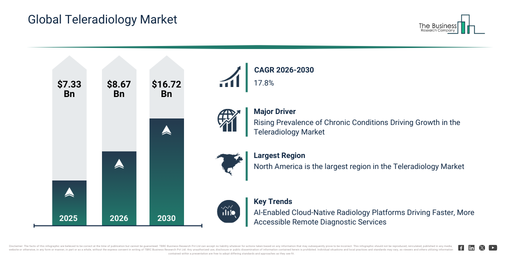
    The teleradiology sector has seen substantial expansion recently, projected to increase from $7.33 billion in 2025 to $8.67 billion by 2026, reflecting a compound annual growth rate of 18.3%. Key elements driving this expansion during the past period include an increase in the number of imaging tests performed, a scarcity of local radiologists, the proliferation of diagnostic imaging facilities, greater use of digital imaging technologies, and the increasing implementation of outsourced services by hospitals.

    The teleradiology sector is poised for substantial expansion over the forthcoming years, projecting a market valuation of $16.72 billion by 2030, propelled by a compound annual growth rate (CAGR) of 17.8%. This surge during the projected period is underpinned by several key drivers: escalating investments in AI-powered diagnostic technologies, a heightened need for immediate image interpretation, the broader rollout of radiology networks operating on cloud infrastructure, a pronounced emphasis on automating operational workflows, and the progressive incorporation of various imaging service modalities. Furthermore, significant developments shaping the forecast interval encompass the increasing utilization of cloud-based image interpretation systems, a rise in the adoption of teleradiology reporting services, enhanced integration of AI for aiding image analysis, the proliferation of round-the-clock radiology service models, and a more concentrated effort on improving diagnostic precision and reducing turnaround times.

    Download A Free Sample Report For Comprehensive Market Insights:

    https://www.thebusinessresearchcompany.com/sample.aspx?id=6502&type=smp

    Teleradiology Market Growth Factors Supporting Long-Term Expansion

    The expansion of the teleradiology market is anticipated to be significantly influenced by the growing need for radiological services, a trend driven by the increasing incidence of chronic illnesses. Radiology services, which encompass the use of medical imaging for disease diagnosis and treatment, contribute substantially to market expansion through the remote transmission of images for consultation and diagnosis. As an illustration, data from Macmillan Cancer Support, a UK organization, indicated in August 2024 that over 3 million individuals in the UK were living with cancer in 2024, with projections showing this number rising to 3.5 million by 2025, 4 million by 2030, and a substantial 5.3 million by 2040. Consequently, the escalating global burden of chronic diseases serves as a key propellant for teleradiology throughout the projected timeframe.

    Teleradiology Market Segmentation Trends And Revenue Drivers

    The teleradiology market covered in this report is segmented –

    1) By Modality: X-Ray, Magnetic Resonance Imaging (MRI), Computed Tomography (CT) Scan, Ultrasound Systems

    2) By Technology: Web Based, Cloud Based

    3) By Component: Hardware, Software

    4) By End User: Hospitals, Diagnostic Centers, Other End Users

    Subsegments:

    1) By X-Ray: Digital X-Ray, Computed Radiography (CR), Fluoroscopy

    2) By Magnetic Resonance Imaging (MRI): Closed MRI Systems, Open MRI Systems, Functional MRI (fMRI)

    3) By Computed Tomography (CT) Scan: Standard CT Scans, Spiral Or Helical CT Scans, Cone Beam CT Scans

    4) By Ultrasound Systems: Diagnostic Ultrasound, 3D Or 4D Ultrasound, Doppler Ultrasound

    Teleradiology Market Industry Trends Shaping Future Revenue Growth

    Leading entities within the worldwide Teleradiology Services Market are strategically emphasizing AI-integrated, cloud-based radiology information systems, including comprehensive diagnostic workstations and remote imaging solutions, as a means to secure a stronger market position. As an illustration, in December of 2024, DeepHealth, a prominent US firm specializing in medical imaging informatics, introduced its Diagnostic Suite alongside the TechLive SmartTechnology platform, representing a cloud-native operational framework designed to deliver a cohesive diagnostic environment featuring high-speed viewing capabilities, AI-driven image interpretation, and remote multi-modal scanning assistance for MRI, CT, PET/CT, and ultrasound modalities. This strategic shift contributes to accelerated diagnostic processing and facilitates the provision of remote radiology care to geographically remote or economically challenged areas, although potential challenges regarding regulatory frameworks and data protection may arise in locations where internet connectivity is unreliable or the necessary compliance infrastructure is lacking.

    Teleradiology Market Industry Leaders: Which Organizations Are Driving Competition?

    Major companies operating in the teleradiology market are 4ways Healthcare Ltd., Agfa-Gevaert Group, Everlight Radiology Limited, Onrad Inc., RamSoft Inc., RadNet Inc., Virtual Radiologic Corporation, Teleradiology Solutions LLC, NightRays LLC, MEDNAX Inc., USARAD Holdings Inc., StatRad LLC, Argus Radiology, Direct Radiology LLC, Imaging Advantage LLC, InHealth Group Inc., Imaging On Call Inc., National Teleradiology LLC, Medica Reporting Ltd., Radisphere National Radiology Group, MedWeb, Franklin & Seidelmann Subspecialty Radiology, Telemedicine Clinic, Aris Radiology, NightShift Radiology, Vision Radiology, Envision Healthcare Corporation

    Access The Complete Teleradiology Market Report:

    https://www.thebusinessresearchcompany.com/report/teleradiology-global-market-report

    Teleradiology Market Regional Distribution: Which Areas Drive Market Expansion?

    North Americawas the largest region in the teleradiology market in 2025. The regions covered in the teleradiology market report are Asia-Pacific, South East Asia, Western Europe, Eastern Europe, North America, South America, Middle East, Africa.

    Get in touch with us:

    The Business Research Company: https://www.thebusinessresearchcompany.com/

    Americas: +1 310-496-7795

    Asia: +44 7882 955267 & +91 8897263534

    Europe: +44 7882 955267

    Email us at: marketing@tbrc.info

    Follow us on:

    LinkedIn: https://in.linkedin.com/company/the-business-research-company

    YouTube: https://www.youtube.com/channel/UC24_fI0rV8cR5DxlCpgmyFQ

    Global Market Model: https://www.thebusinessresearchcompany.com/global-market-model
  • Telepsychiatry Market Forecast Signals New Revenue Opportunities Through 2030

    Telepsychiatry Market Forecast Signals New Revenue Opportunities Through 2030

    Enhanced with market attractiveness analysis, total addressable market evaluation, company benchmarking matrices, interactive Excel dashboards, expanded supply chain intelligence, emerging startup coverage, and detailed product insights, The Business Research Company’s 2026 market reports deliver more actionable and strategically valuable research.

    Telepsychiatry Market Growth Potential: How Will Market Size Change Through 2030?

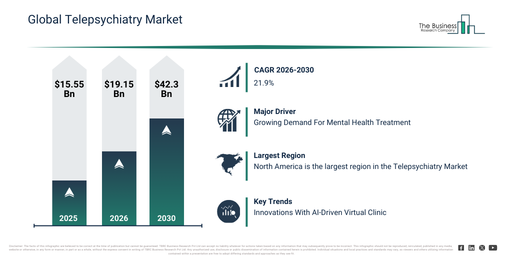
    The telepsychiatry sector has experienced significant expansion, projecting a rise from US$15.55 billion in 2025 to US$19.15 billion by 2026, demonstrating a compound annual growth rate of 23.1%. Factors fueling this historical growth trajectory include the escalating incidence of mental health conditions, restricted availability of in-person psychiatric experts, increasing adoption of remote mental healthcare solutions, the proliferation of community-based mental wellness initiatives, and a heightened need for ongoing psychiatric support.

    Telepsychiatry is poised for substantial expansion in the coming years, with projections indicating a market value reaching $42.3 billion by 2030, driven by a compound annual growth rate (CAGR) of 21.9%. This projected surge is fueled by several key factors: a heightened emphasis on making mental healthcare more accessible, increased financial backing for digital platforms catering to behavioral health needs, broader insurance coverage for telepsychiatry services, a greater need for immediate remote mental health support, and the growing incorporation of artificial intelligence for mental health evaluations. Key developments anticipated during this period include a rise in virtual mental health appointments, surging demand for telepsychiatry services for urgent situations, more widespread use of remote prescription management, the spread of psychiatric care delivered within patients’ homes, and a stronger commitment to secure online delivery of mental health support.

    Download A Free Sample Report For Comprehensive Market Insights:

    https://www.thebusinessresearchcompany.com/sample.aspx?id=6936&type=smp

    Telepsychiatry Market Demand Drivers Creating New Revenue Opportunities

    The escalating need for mental health services is anticipated to be a significant catalyst for the expansion of the telepsychiatry sector. Mental health, encompassing one’s psychological, emotional, and behavioral state, is experiencing heightened attention. Practitioners in the field are observing a notable surge in individuals seeking help for anxiety and depression. To illustrate, recent data from May 2024 indicates that the American Psychiatric Association, a US organization, found that 43% of American adults reported increased anxiety in 2024, a jump from 37% in 2023 and 32% in 2022. Consequently, this amplified demand for mental health care is directly fueling the telepsychiatry market’s advancement.

    Telepsychiatry Market Segment Analysis Highlighting Growth Areas

    The telepsychiatry market covered in this report is segmented –

    1) By Type: Routine Telepsychiatry, Forensic Telepsychiatry, Crisis Telepsychiatry, In-Home Telepsychiatry

    2) By Age Group: Adult, Pediatric and Adolescent, Geriatric

    3) By End-Use: Community Mental Health Centers, Specialty Care Settings, Skilled Nursing Facilities, Homecare, Other End-Users

    Subsegments:

    1) By Routine Telepsychiatry: Outpatient Services, Follow-Up Appointments, Medication Management

    2) By Forensic Telepsychiatry: Competency Evaluations, Risk Assessments, Court-Ordered Evaluations

    3) By Crisis Telepsychiatry: Emergency Consultations, Crisis Intervention Services, 24/7 Telehealth Hotlines

    4) By In-Home Telepsychiatry: Home-Based Assessments, Personalized Treatment Plans, Family Therapy Sessions

    Telepsychiatry Market Trends Driving Strategic Industry Expansion

    Leading players within the telepsychiatry sector are actively pursuing technological advancements, notably incorporating artificial intelligence, with the objective of elevating patient care standards, refining the precision of diagnoses, and optimizing the provision of mental health support. This strategic focus on innovation ultimately aims to broaden access to treatment and boost its overall efficiency for those requiring mental health services. Artificial intelligence, in essence, describes the capability of computer systems to replicate cognitive functions characteristic of human intelligence. Illustrating this trend, Iris Telehealth, a United States-based entity specializing in telepsychiatry solutions for healthcare facilities and medical practices, introduced its Virtual Clinic and Iris Insights platforms in September 2024. These new offerings are strategically designed to expand the availability of behavioral health care through cutting-edge technology. Specifically, Iris Insights functions as an AI-powered tool intended to augment the operational performance of behavioral health initiatives, while the Virtual Clinic is architected to embody a patient-focused approach to care, ensuring effortless integration into established healthcare processes.

    Telepsychiatry Market Leading Companies: Who Holds Significant Market Presence?

    Major companies operating in the telepsychiatry market are Alere Emotional Health LLC, Advanced Telemed Services, American Telepsychiatrists, Encounter Telehealth LLC, InnovaTel Telepsychiatry, SOC Telemed Inc., Telemynd, American Well Corp, Teladoc Health Inc., MDLive Inc., Talkspace Inc., MeMD Inc., PlushCare, Cerebral Inc., Brightside Group Ltd., BetterHelp, AbleTo Inc., Spring Health Inc., Quartet Health Inc., Meru Health Inc., Lyra Health Inc., MindBeacon Holdings Inc., iCouch Inc., LMND Medical Group Inc.

    Access The Complete Telepsychiatry Market Report:

    https://www.thebusinessresearchcompany.com/report/telepsychiatry-global-market-report

    Telepsychiatry Market Leading Geography: Which Region Generates The Most Revenue?

    North Americawas the largest region in the telepsychiatry market in 2025. The regions covered in the telepsychiatry market report are Asia-Pacific, South East Asia, Western Europe, Eastern Europe, North America, South America, Middle East, Africa.

    Get in touch with us:

    The Business Research Company: https://www.thebusinessresearchcompany.com/

    Americas: +1 310-496-7795

    Asia: +44 7882 955267 & +91 8897263534

    Europe: +44 7882 955267

    Email us at: marketing@tbrc.info

    Follow us on:

    LinkedIn: https://in.linkedin.com/company/the-business-research-company

    YouTube: https://www.youtube.com/channel/UC24_fI0rV8cR5DxlCpgmyFQ

    Global Market Model: https://www.thebusinessresearchcompany.com/global-market-model
  • Telepharmacy Market Growth Is Accelerating As Industry Transformation Continues

    Telepharmacy Market Growth Is Accelerating As Industry Transformation Continues

    Through market attractiveness analysis, total addressable market evaluation, company benchmarking matrices, interactive Excel dashboards, expanded supply chain intelligence, emerging startup coverage, and detailed product insights, The Business Research Company’s 2026 market reports provide more actionable and strategically valuable research.

    Telepharmacy Market Value Analysis: What Growth Is Expected Over The Forecast Period?

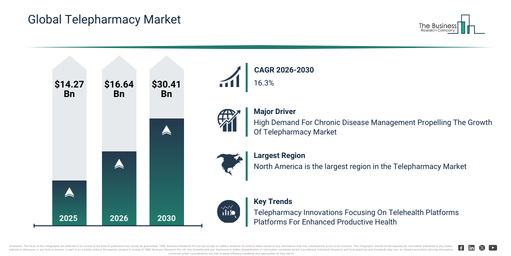
    The telepharmacy sector experienced substantial expansion recently, projecting a surge from $14.27 billion in 2025 to $16.64 billion by 2026, fueled by a compelling compound annual growth rate of 16.6%. This significant upward trajectory during the preceding period was largely influenced by the broader embrace of telehealth technologies, a persistent scarcity of in-person pharmacists, escalating requirements for managing chronic conditions, a growing need for healthcare accessibility in remote areas, and the increasing acceptance of digital health solutions.

    The telepharmacy market is expected to reach $30.41 billion by 2030, expanding at a compound annual growth rate (CAGR) of 16.3%. Growth is being driven by increasing regulatory support for telepharmacy services, rising demand for home-based healthcare, greater investment in digital health infrastructure, and the expanding use of AI-enabled medication management solutions. As the industry advances, remote pharmacist consultation platforms, cloud-based pharmacy management systems, automated dispensing technologies, and medication adherence monitoring tools are becoming increasingly important, while healthcare providers continue to prioritize secure digital prescription workflows and more patient-centered pharmacy services.

    Download A Free Sample Report For Comprehensive Market Insights:

    https://www.thebusinessresearchcompany.com/sample.aspx?id=19727&type=smp

    Telepharmacy Market Expansion Supported By Key Demand Factors

    The telehealth pharmacy sector anticipates significant expansion driven by the escalating need for managing long-term health conditions. This management encompasses the continuous care, oversight, and assistance provided to individuals dealing with persistent ailments like diabetes, high blood pressure, cardiac issues, respiratory problems such as asthma, and joint ailments like arthritis. The increasing incidence of these chronic conditions, coupled with a greater emphasis on sustained, individualized care to foster better health results, fuels the growing requirement for chronic disease management. Telepharmacy plays a crucial role in this domain by offering remote consultations regarding medications and continuous patient observation, thereby boosting patient compliance and broadening accessibility to healthcare services. Illustrating this trend, data from the Australian Institute of Health and Welfare (AIHW), a governmental body responsible for health statistics in Australia, revealed in July 2024 that chronic conditions were responsible for 78% of the overall burden of disease that led to premature death, an increase from earlier reporting periods. Consequently, the substantial demand for effective chronic disease management is a primary catalyst for the telepharmacy market’s development.

    Telepharmacy Market Segment Performance And Strategic Opportunities

    The telepharmacy market covered in this report is segmented –

    1) By Type: Inpatient, Remote Dispensing, Intravenous Admixture, Patient Counselling, Drug Therapy Monitoring, Refill Authorization For Prescription Drugs

    2) By Component: Hardware, Software

    3) By Delivery Mode: On Premises, Web Based, Cloud Based

    4) By Application: Hospitals, Small Pharmacies, Nursing Home, Prisons, Military Base, War Ships

    Subsegments:

    1) By Inpatient: Hospital Telepharmacy, Specialty Pharmacy

    2) By Remote Dispensing: Automated Dispensing Machines, Remote Patient Monitoring

    3) By Intravenous Admixture: Total Parenteral Nutrition, Compounded Medications

    4) By Patient Counselling: Video Consultations, Chat Support

    5) By Drug Therapy Monitoring: Adherence Monitoring, Side Effect Management

    6) By Refill Authorization For Prescription Drugs: Automatic Refills, Patient Request Systems

    Telepharmacy Market Growth Trends Influencing Competitive Dynamics

    Leading entities within the telepharmacy sector are dedicating resources to pioneering new services, including telehealth solutions, with the objective of broadening patient access to pharmacy-related healthcare. A telehealth platform essentially represents a digital infrastructure designed for the remote provision of medical assistance, utilizing communication technologies like video calls, text-based exchanges, and secure information transmission. Such platforms are instrumental in conducting virtual appointments, overseeing patient progress, diagnosing conditions, and administering treatments between healthcare professionals and patients, thereby eliminating the necessity for face-to-face interactions. As an illustration, in January of 2024, Eli Lilly, a prominent pharmaceutical firm headquartered in the United States, introduced LillyDirect, a telehealth service intended to facilitate the direct sale of select medications to end-users. This novel strategy empowers individuals to procure prescriptions for ailments like obesity, severe headaches, and diabetes outside of conventional medical channels, effectively circumventing the standard process of a doctor issuing a prescription to a pharmacy. Essential functions of this system encompass direct prescription acquisition and delivery to one’s residence.

    Telepharmacy Market Key Players: Which Companies Shape Industry Competition?

    Major companies operating in the telepharmacy market are Cardinal Health Inc., Dartmouth-Hitchcock Medical Center, Comprehensive Pharmacy Services Inc., Tabula Rasa HealthCare, Alto Pharmacy, CarepathRx, Truepill, Carepoint Pharmacy, Pipeline Health Holdings, Nurx, Advanced Rx Management, Mosaic Wellness, MedTel Services, Medication Review Inc., Phlo, Locke Bio, PharmD Live, North West TelePharmacy Solutions, One Touch Telehealth, Teladoc Health Inc.

    Access The Complete Telepharmacy Market Report:

    https://www.thebusinessresearchcompany.com/report/telepharmacy-global-market-report

    Telepharmacy Market Regional Outlook: Where Are The Largest Opportunities Located?

    North Americawas the largest region in the telepharmacy market in 2025. Asia-Pacificis expected to be the fastest-growing region in the forecast period. The regions covered in the telepharmacy market report are Asia-Pacific, South East Asia, Western Europe, Eastern Europe, North America, South America, Middle East, Africa.

    Get in touch with us:

    The Business Research Company: https://www.thebusinessresearchcompany.com/

    Americas: +1 310-496-7795

    Asia: +44 7882 955267 & +91 8897263534

    Europe: +44 7882 955267

    Email us at: marketing@tbrc.info

    Follow us on:

    LinkedIn: https://in.linkedin.com/company/the-business-research-company

    YouTube: https://www.youtube.com/channel/UC24_fI0rV8cR5DxlCpgmyFQ

    Global Market Model: https://www.thebusinessresearchcompany.com/global-market-model
  • Telemedicine Virtual Healthcare Market Outlook Highlights The Next Major Growth Opportunities

    Telemedicine Virtual Healthcare Market Outlook Highlights The Next Major Growth Opportunities

    Delivering more actionable and strategically valuable research, The Business Research Company’s 2026 market reports feature market attractiveness analysis, total addressable market evaluation, company benchmarking matrices, interactive Excel dashboards, expanded supply chain intelligence, emerging startup coverage, and detailed product insights.

    Telemedicine Virtual Healthcare Market Size Forecast: How Large Could The Market Become By 2030?

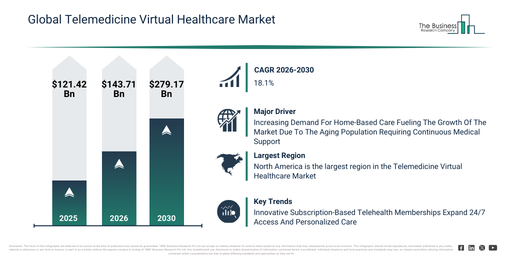
    The virtual healthcare sector, operating under the umbrella of telemedicine, has experienced significant expansion historically, and this upward trajectory is projected to continue. Specifically, the market is expected to swell from an estimated $121.42 billion in 2025 to $143.71 billion in 2026, reflecting a robust compound annual growth rate of 18.4%. Key factors driving this remarkable growth throughout the preceding period include the broadening development of digital health infrastructure, a surge in both internet availability and smartphone adoption, the persistent challenges in accessing healthcare services in geographically isolated regions, a greater willingness among patients and providers to embrace virtual care methodologies, and the proliferation of programs focused on managing long-term health conditions.

    The virtual healthcare sector, operating under the telemedicine umbrella, is poised for substantial expansion in the coming years, projecting a market valuation of $279.17 billion by 2030, underpinned by a compound annual growth rate of 18.1%. This anticipated surge is fueled by a confluence of factors, including escalating financial commitments to digital health infrastructure, the burgeoning application of artificial intelligence in virtual care solutions, the widespread availability of healthcare services delivered at home, a growing emphasis on proactive and ongoing patient management, and sophisticated advancements in secure telehealth technologies. Furthermore, key developments shaping this period involve the broader integration of remote patient monitoring systems, an increased need for virtual consultations with medical specialists, the growing incorporation of wearable health monitoring devices, the proliferation of cloud-based telemedicine platforms, and a heightened commitment to ensuring seamless care transitions and data compatibility.

    Download A Free Sample Report For Comprehensive Market Insights:

    https://www.thebusinessresearchcompany.com/sample.aspx?id=28339&type=smp

    Telemedicine Virtual Healthcare Market Growth Drivers And Industry Catalysts

    Anticipated expansion in the telemedicine and virtual healthcare sector is poised to be significantly influenced by the surging need for in-home healthcare services. These services encompass a range of health and assistance tailored to individuals within their residences, aiding them with everyday tasks and medical requirements. The escalating preference for home-based care stems from the continually growing elderly demographic who often manage chronic health issues necessitating consistent oversight and medical attention within their familiar surroundings. The telemedicine and virtual healthcare market plays a crucial role in facilitating this trend by empowering remote medical consultations, offering continuous health surveillance, and providing prompt medical advice to those facing mobility challenges or persistent ailments. As an illustration, data from CareLineLive CareFor IT Limited, a home care management firm operating in the UK, revealed a notable surge in new home care service registrations across England during 2023. Specifically, the first quarter of 2023 saw an addition of 427 providers to the Care Quality Commission (CQC) registry, a substantial increase from the 325 providers registered in the corresponding period of 2022, signifying a 32% rise. Consequently, the heightened demand for home-based care directly fuels the growth trajectory of the telemedicine virtual healthcare market.

    Telemedicine Virtual Healthcare Market Segment Landscape And Growth Potential

    The telemedicine virtual healthcare market covered in this report is segmented –

    1) By Component: Software, Hardware, Services

    2) By Mode Of Delivery: Web-Based, Cloud-Based, On-Premises

    3) By Technology: Cloud-Based Solutions, Artificial Intelligence (AI), Blockchain, Internet Of Things (IoT), Wearable Devices

    4) By Application: Chronic Disease Management, Urgent Care, Mental Health Care, Specialist Consultations, Preventive Care

    5) By End-User: Hospitals, Clinics, Home Care, Pharmaceutical Companies, Insurance Companies

    Subsegments:

    1) By Software: Remote Patient Monitoring Software, Teleconsultation Software, Electronic Health Record Software, Practice Management Software, Healthcare Analytics Software

    2) By Hardware: Monitoring Devices, Wearable Devices, Telemedicine Carts, Mobile Devices, Diagnostic Devices

    3) By Services: Teleconsultation Services, Remote Monitoring Services, Technical Support Services, Integration Services, Training And Education Services

    #Telemedicine Virtual Healthcare Market Trends Influencing Long-Term Demand

    Entities prominent within the telemedicine and virtual healthcare sector are dedicated to pioneering novel approaches, notably subscription-based telehealth offerings, aimed at improving accessibility, operational effectiveness, and individualized patient treatment. These subscription models represent healthcare agreements wherein individuals remit a consistent monthly or annual payment in exchange for unrestricted or reduced-cost virtual medical consultations, immediate care services, and various other digital health conveniences. As an illustration, in July of 2025, the Rush University System for Health, a non-profit academic health institution based in the United States, introduced Rush Connect+, a nationwide virtual health membership program designed for direct consumer engagement. This membership, available for $19 per month or $189 per year, grants round-the-clock access to virtual urgent care services throughout the U.S. Members are afforded a premium approach, including the support of a dedicated assistant accessible via live chat or telephone for inquiries and appointment scheduling. The platform encompasses U.S. wide virtual urgent care capabilities and integrates advanced AI technologies such as a chatbot, symptom assessment tool, and dynamic questionnaires to optimize care pathways. Further advantages incorporate timely health screening notifications, real-time updates on wait times, post-consultation feedback mechanisms, and seamless integration with the My Rush application, which facilitates access to MyChart, direct communication with care teams, and virtual consultations for specialized areas including dermatology, cardiology, sexual health, and weight management.

    Telemedicine Virtual Healthcare Market Competitive Landscape: Who Are The Leading Companies?

    Major companies operating in the telemedicine virtual healthcare market are Teladoc Health Inc., Hims & Hers Health Inc., American Well Corporation, MDLIVE Inc., Doctor On Demand Inc., Zocdoc Inc., Maven Clinic, Inc., Transcarent, Inc., HealthTap, Inc., K Health, Inc., Sesame Care, Inc., Bicycle Health, Inc., Push Doctor Ltd., Circle Medical Technologies, Inc., Doxy.me, Inc., eVisit, Inc., Lemonaid Health, Inc., Nurx, Inc., PlushCare, Inc., Amwell Medical Group, P.A., Babylon Health Services Limited, 98point6 Inc., Kry Livi AB, Practo Technologies Private Limited, Ping An Good Doctor Company Limited, MeMD, Inc., DocPlanner Group Sp. z o.o., Tunstall Healthcare Group Limited

    Access The Complete Telemedicine Virtual Healthcare Market Report:

    https://www.thebusinessresearchcompany.com/report/telemedicine-virtual-healthcare-global-market-report

    Telemedicine Virtual Healthcare Market Geographic Landscape: Which Region Dominates Industry Growth?

    North Americawas the largest region in the telemedicine virtual healthcare market in 2025. Asia-Pacific is expected to be the fastest-growing region in the forecast period. The regions covered in the telemedicine virtual healthcare market report are Asia-Pacific, South East Asia, Western Europe, Eastern Europe, North America, South America, Middle East, Africa.

    Get in touch with us:

    The Business Research Company: https://www.thebusinessresearchcompany.com/

    Americas: +1 310-496-7795

    Asia: +44 7882 955267 & +91 8897263534

    Europe: +44 7882 955267

    Email us at: marketing@tbrc.info

    Follow us on:

    LinkedIn: https://in.linkedin.com/company/the-business-research-company

    YouTube: https://www.youtube.com/channel/UC24_fI0rV8cR5DxlCpgmyFQ

    Global Market Model: https://www.thebusinessresearchcompany.com/global-market-model
  • Telemedicine Services Market Trends And Growth Drivers Point To Strong Future Potential

    Telemedicine Services Market Trends And Growth Drivers Point To Strong Future Potential

    Enhanced with market attractiveness analysis, total addressable market evaluation, company benchmarking matrices, interactive Excel dashboards, expanded supply chain intelligence, emerging startup coverage, and detailed product insights, The Business Research Company’s 2026 market reports deliver more actionable and strategically valuable research.

    Telemedicine Services Market Revenue Outlook: What CAGR Is Expected Through 2030?

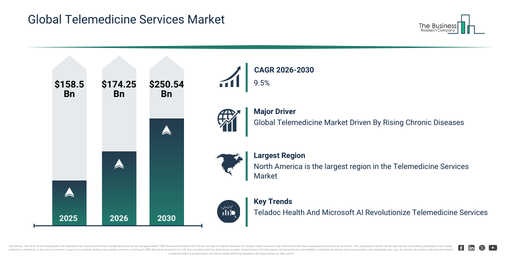
    The global telemedicine services market demonstrated robust expansion, projected to climb from $158.5 billion in 2025 to $174.25 billion in 2026, reflecting a compound annual growth rate of 9.9%. This historical upward trend is largely attributable to the proliferation of digital healthcare infrastructure, increasing prevalence of smartphones and internet connectivity, persistent challenges in accessing traditional healthcare, widespread adoption of electronic health records, and a growing embrace of remote patient consultations.

    The telemedicine services market is projected for substantial expansion over the upcoming years, anticipated to reach $250.54 billion by 2030, propelled by a compound annual growth rate of 9.5%. This anticipated surge is fueled by several key factors, including a heightened need for convenient healthcare access, escalating investments in digital health solutions, the proliferation of programs designed for managing long-term illnesses, a growing emphasis on economical healthcare provision, and the increasing incorporation of artificial intelligence-driven clinical assistance technologies. Within this forecast period, significant trends are expected to shape the industry, such as a broader acceptance of online consultation platforms, greater integration of remote patient monitoring devices, increased utilization of non-real-time care approaches, the expansion of specialized telemedicine offerings, and a heightened dedication to secure digital healthcare environments.

    Download A Free Sample Report For Comprehensive Market Insights:

    https://www.thebusinessresearchcompany.com/sample.aspx?id=3977&type=smp

    Telemedicine Services Market Opportunity Drivers: What Is Creating New Revenue Potential?

    The telemedicine service market is experiencing growth due to the escalating rates of chronic illnesses. These long-term conditions, often referred to as non-communicable diseases, are characterized by their enduring nature and gradual development. Telemedicine provides a convenient method for individuals to connect with healthcare professionals remotely, a significant advantage for those managing chronic diseases who might face challenges with travel or require consistent medical appointments. Illustrating this trend, in June 2023, the Institute for Health Metrics and Evaluation, a research organization focused on public health in the United States, indicated that more than 500 million individuals worldwide were affected by diabetes, with projections suggesting this figure could surpass 1.3 billion by 2050. Consequently, the increasing global incidence of chronic diseases is anticipated to stimulate greater demand within the telemedicine services sector.

    Telemedicine Services Market Categorization By Product Type And Application

    The telemedicine services market covered in this report is segmented –

    1) By Type: Web-based, Cloud-based, On-premises

    2) By Technology Outlook: Real-Time Telemedicine Services, Store-And-Forward Telemedicine Services

    3) By Application: Teleradiology, Telepsychiatry, Telepathology, Teledermatology, Telecardiology, Other Applications

    Subsegments:

    1) By Web-based: Telehealth Platforms Accessible via Web Browsers, Online Consultation Services, Patient Portals for Managing Health Records and Appointments

    2) By Cloud-based: Telemedicine Applications Hosted on Cloud Servers, Remote Patient Monitoring Systems, Cloud-based Electronic Health Records (EHR) Integrated with Telehealth Services

    3) By On-premises: Telemedicine Systems Installed on Local Servers, Private Healthcare Facility Telemedicine Setups, Integrated Healthcare IT Systems for Telemedicine within Hospitals

    Telemedicine Services Market Innovation Trends Driving Future Development

    Leading telemedicine providers are actively deploying cutting-edge AI and chatbot functionalities to secure a more prominent market position. The adoption of AI, specifically leveraging Microsoft’s offerings integrated with OpenAI’s technology, the creators of the popular ChatGPT, aims to alleviate the workload on medical professionals during remote patient assessments. For example, these systems can address common health inquiries. A notable instance occurred in July 2023 when Teladoc Health, an American telemedicine firm, embedded Microsoft’s AI technologies and chatbot features into its virtual care platform, thereby revolutionizing patient engagement with digital health services. This enhancement enables users to obtain preliminary advice prior to their appointments, thereby streamlining the patient intake procedure and facilitating a more effective approach to managing their health issues. The AI system also optimizes the booking of appointments, ensuring patients can receive prompt medical attention. Furthermore, chatbots provide support for prescription adherence through timely reminders and offer rapid answers to frequently asked health questions. In essence, this technological advancement substantially boosts the ease of use and rapidity of Teladoc Health’s online healthcare services.

    Telemedicine Services Market Company Landscape And Strategic Competition

    Major companies operating in the telemedicine services market are Teladoc Health Inc., Doctolib, Doctor on Demand, Amwell (American Well), MDLIVE Inc., Zocdoc Inc., Alina TeleHealth, HealthTap Inc., 2nd.MD, PlushCare Inc., AMD Global Telemedicine, Apollo Hospitals, SHL Telemedicine, KSYOS Telemedicine Centre, Medgate, Medi24, Immedicare LLP, Babylon Health UK, Push Doctor, Tele Medicine Clinic, Doctor Care Anywhere Limited, DOC+, BestDoctor, TeleMD, Specialist Telemed, SOC Telemed, Eagle Telemedicine, Blue Sky Telehealth, VSee, OKADOC, Doxy.me, GetBEE, Mind Mina Telemedicine, Abu Dhabi Telemedicine Centre

    Access The Complete Telemedicine Services Market Report:

    https://www.thebusinessresearchcompany.com/report/telemedicine-services-global-market-report

    Telemedicine Services Market Largest Region: Which Geography Holds The Highest Market Share?

    North Americawas the largest region in the telemedicine services market in 2025. Asia-Pacificwas the second largest region in global telemedicine services market share. The regions covered in the telemedicine services market report are Asia-Pacific, South East Asia, Western Europe, Eastern Europe, North America, South America, Middle East, Africa.

    Get in touch with us:

    The Business Research Company: https://www.thebusinessresearchcompany.com/

    Americas: +1 310-496-7795

    Asia: +44 7882 955267 & +91 8897263534

    Europe: +44 7882 955267

    Email us at: marketing@tbrc.info

    Follow us on:

    LinkedIn: https://in.linkedin.com/company/the-business-research-company

    YouTube: https://www.youtube.com/channel/UC24_fI0rV8cR5DxlCpgmyFQ

    Global Market Model: https://www.thebusinessresearchcompany.com/global-market-model