Month: June 2026

  • Nasal Polyps Treatment Market Trends Are Creating New Opportunities For Industry Leaders

    Nasal Polyps Treatment Market Trends Are Creating New Opportunities For Industry Leaders

    Through market attractiveness analysis, total addressable market evaluation, company benchmarking matrices, interactive Excel dashboards, expanded supply chain intelligence, emerging startup coverage, and detailed product insights, The Business Research Company’s 2026 market reports provide more actionable and strategically valuable research.

    Nasal Polyps Treatment Market Size, Value And Growth Trends Through 2030

    The market for treating nasal polyps experienced robust expansion during the preceding years. Projections indicate a rise from $5.68 billion in 2025 to $6.22 billion in 2026, reflecting a compound annual growth rate of 9.6%. This historical growth trajectory can be linked to several key factors, including the widespread occurrence of chronic sinusitis, a rise in allergy-related nasal conditions, a continued dependence on corticosteroid therapies, the increasing acceptance of endoscopic sinus surgery, and the availability of few biologic treatment alternatives.

    The market for nasal polyp treatments is poised for substantial expansion, projected to reach $8.9 billion by 2030 with a compound annual growth rate of 9.4%. This anticipated growth is fueled by several key factors, including a heightened demand for targeted biologic medications, intensified research and development efforts in nasal therapeutic solutions, an increase in outpatient minimally invasive interventions, greater public and medical awareness surrounding the management of nasal polyps, and the introduction of novel anti-inflammatory formulations. Furthermore, the industry is witnessing significant trends such as the growing acceptance of biologic therapies for chronic nasal polyps, an escalating need for minimally invasive sinus procedures, a rise in the utilization of combination therapies for challenging cases, a preference shift towards nasal corticosteroid sprays, and an increase in clinical investigations for new anti-inflammatory drug candidates.

    Download A Free Sample Report For Comprehensive Market Insights:

    https://www.thebusinessresearchcompany.com/sample.aspx?id=7109&type=smp

    Nasal Polyps Treatment Market Growth Drivers: What Factors Are Accelerating Expansion?

    Increased spending on healthcare services is anticipated to propel the nasal polyps treatment market forward. This healthcare spending encompasses all financial outlays by individuals, governmental bodies, and various entities within a healthcare framework, covering medical care, therapeutic interventions, pharmaceuticals, and the foundational infrastructure for health services. With larger healthcare budgets becoming available, it’s probable that more funds will be directed towards identifying, addressing, and treating conditions like nasal polyps. Such financial investment can facilitate broader patient access to cutting-edge treatments, novel therapeutic approaches, and intensified scientific inquiry, thereby contributing to the market’s expansion. As an illustration, the UK government’s net expenditure on research and development saw a notable increase, reaching £17.4 billion (equivalent to approximately US$21.8 billion) in 2023, up from £16.1 billion (approximately US$20.1 billion) in the preceding year, signifying an 8.2% growth as reported by the Office for National Statistics in April 2025. Consequently, the escalation of healthcare spending is a key factor influencing the growth of the nasal polyps treatment market.

    Nasal Polyps Treatment Market Segment Landscape: Which Areas Lead Market Development?

    The nasal polyps treatment market covered in this report is segmented –

    1) By Type: Pharmacological Therapies, Surgeries

    2) By Route: Oral, Nasal, Other Routes

    3) By Distribution: Hospital Pharmacies, Retail Pharmacies, Online Pharmacies

    Subsegments:

    1) By Pharmacological Therapies: Corticosteroids, Biologics, Antihistamines, Saline Nasal Irrigation

    2) By Surgeries: Polypectomy, Endoscopic Sinus Surgery, Balloon Sinus Dilation, Revision Sinus Surgery

    Nasal Polyps Treatment Market Trends: What Is Shaping Future Industry Growth?

    The Nasal Polyps Treatment market sees key players pursuing FDA clearances for novel therapeutic interventions. FDA approval signifies the U.S. Food and Drug Administration’s rigorous assessment process, confirming the safety and effectiveness of pharmaceuticals, medical contraptions, and foodstuffs before they can be made available to the public. Illustratively, September 2024 witnessed the U.S. Food and Drug Administration granting approval to Dupixent (dupilumab) for adolescent individuals between 12 and 17 years old grappling with chronic rhinosinusitis exhibiting nasal polyps (CRSwNP) that aren’t adequately managed with existing therapies; this significant development was announced by Regeneron Pharmaceuticals, Inc., an American biopharmaceutical entity, in conjunction with Sanofi SA, a French pharmaceutical and healthcare conglomerate. This authorization positions Dupixent as the pioneering and singular biologic option specifically designated for this demographic, thereby fulfilling a critical gap in medical care for roughly 9,000 U.S. adolescents affected by CRSwNP and presenting an innovative path toward symptom alleviation, diminished polyp regrowth, and an improved standard of living.

    Nasal Polyps Treatment Market Industry Leaders And Market Competition

    Major companies operating in the nasal polyps treatment market are Sanofi SA, GlaxoSmithKline plc, Teva Pharmaceutical Industries Ltd., AstraZeneca plc, Cipla Ltd., Dr. Reddy’s Laboratories Ltd., Genentech Inc., Glenmark Pharmaceuticals Ltd., Lupin Limited, Novartis AG, Optinose US Inc., Pfizer Inc., Regeneron Pharmaceuticals Inc., Sandoz International GmbH, Sun Pharmaceutical Industries Ltd., Zydus Cadila Ltd., Amgen Inc., Takeda Pharmaceutical Company Ltd., Eli Lilly and Company, Daiichi Sankyo Company Ltd., Shionogi Co Ltd, Astellas Pharma Inc., Allakos Inc, Lyra Therapeutics Inc.

    Access The Complete Nasal Polyps Treatment Market Report:

    https://www.thebusinessresearchcompany.com/report/nasal-polyps-treatment-global-market-report

    Nasal Polyps Treatment Market Regional Distribution: Which Areas Drive Market Expansion?

    North Americawas the largest region in the nasal polyps treatment market in 2025 Asia-Pacificis expected to be the fastest-growing region in the forecast period. The regions covered in the nasal polyps treatment market report are Asia-Pacific, South East Asia, Western Europe, Eastern Europe, North America, South America, Middle East, Africa.

    Get in touch with us:

    The Business Research Company: https://www.thebusinessresearchcompany.com/

    Americas: +1 310-496-7795

    Asia: +44 7882 955267 & +91 8897263534

    Europe: +44 7882 955267

    Email us at: marketing@tbrc.info

    Follow us on:

    LinkedIn: https://in.linkedin.com/company/the-business-research-company

    YouTube: https://www.youtube.com/channel/UC24_fI0rV8cR5DxlCpgmyFQ

    Global Market Model: https://www.thebusinessresearchcompany.com/global-market-model
  • Nasal Cannula Market Growth Is Reshaping Competitive Advantage Across The Industry

    Nasal Cannula Market Growth Is Reshaping Competitive Advantage Across The Industry

    Delivering more actionable and strategically valuable research, The Business Research Company’s 2026 market reports feature market attractiveness analysis, total addressable market evaluation, company benchmarking matrices, interactive Excel dashboards, expanded supply chain intelligence, emerging startup coverage, and detailed product insights.

    Nasal Cannula Market CAGR Analysis And Future Market Development

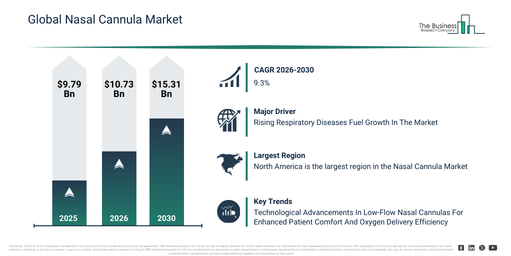
    The market for nasal cannulas has experienced robust expansion lately, projected to increase from $9.79 billion in 2025 to $10.73 billion in 2026, reflecting a compound annual growth rate of 9.6%. Factors contributing to this growth during the past period include a higher incidence of respiratory ailments, a greater uptake of low-flow oxygen treatments, a surge in hospitalizations due to COPD, the application of nasal cannulas in emergency medical situations, and the restricted accessibility of more sophisticated oxygen delivery systems.

    The global nasal cannula market is projected to experience robust expansion in the coming years, reaching an estimated value of $15.31 billion by 2030, propelled by a compound annual growth rate (CAGR) of 9.3%. This anticipated growth is being fueled by several key factors, including a heightened demand for oxygen therapy delivered in home settings, the increasing uptake of high-flow nasal cannulas, substantial investments in advancements within respiratory care, a broader application in long-term care facilities, and the continuous development of ergonomically superior cannula designs. Furthermore, the forecast period is characterized by significant market trends such as the escalating adoption of high-flow nasal cannula therapy, a greater preference for disposable oxygen delivery devices, the expanding role of nasal cannulas in home healthcare services, the development of enhanced respiratory support solutions for pediatric and neonatal patients, and technological progress in the creation of soft, patient-friendly cannula materials.

    Download A Free Sample Report For Comprehensive Market Insights:

    https://www.thebusinessresearchcompany.com/sample.aspx?id=20895&type=smp

    Nasal Cannula Market Growth Factors Supporting Long-Term Expansion

    The escalating prevalence of respiratory ailments is a substantial driver for the expansion within the nasal cannula market. These conditions, which compromise the lungs and respiratory passages, impede the vital processes of breathing and oxygen transfer, and their increase can be linked to environmental factors like air contamination, tobacco use, viral infections, and heightened contact with allergens. A nasal cannula serves a critical role in managing respiratory diseases by providing supplementary oxygen directly to the nasal passages, thereby enhancing oxygen saturation for individuals experiencing breathing challenges. Illustrating this trend, data from the Office for Health Improvement and Disparities (OHID) in the UK revealed that for the fiscal year concluding in 2024, emergency hospitalizations due to respiratory conditions in England saw a 7% upswing compared to the fiscal year ending in 2023. Consequently, the growing incidence of respiratory illnesses is directly fueling the demand and growth of the nasal cannula market.

    Nasal Cannula Market Segments: Where Are The Largest Growth Opportunities?

    The nasal cannula market covered in this report is segmented –

    1) By Type: Low Flow Nasal Cannula, High Flow Nasal Cannula

    2) By Material: Plastic, Silicone

    3) By Size: Neonate, Infant, Child, Adult

    4) By Prongs: Straight, Curved, Flared, Other Prongs

    5) By End User: Hospitals, Ambulatory Healthcare Services, Long Term Care Centers, Other End Users

    Subsegments:

    1) By Low Flow Nasal Cannula: Adult Low Flow Nasal Cannula, Pediatric Low Flow Nasal Cannula, Disposable Low Flow Nasal Cannula, Reusable Low Flow Nasal Cannula

    2) By High Flow Nasal Cannula: Adult High Flow Nasal Cannula, Pediatric High Flow Nasal Cannula, Disposable High Flow Nasal Cannula, Reusable High Flow Nasal Cannula

    Nasal Cannula Market Industry Trends Shaping Future Revenue Growth

    In the realm of nasal cannula production, leading entities are prioritizing advancements in technology, exemplified by the development of low-flow nasal cannulas, with the goals of elevating patient ease, optimizing oxygen administration, and fulfilling precise medical needs. Such a low-flow nasal cannula functions as a medical instrument intended for the provision of supplementary oxygen at reduced rates, typically between one and six liters each minute, administered via twin tips that are placed within the nostrils. To illustrate, a notable development occurred in May of 2024 when CNSAC MedShop, a German firm specializing in diagnostics and medical supplies, unveiled NasalOxy, a groundbreaking, patented low-flow nasal cannula engineered to overcome the drawbacks inherent in conventional oxygen delivery systems. This novel apparatus presents exceptional comfort and efficacy for individuals needing sustained oxygen therapy, while simultaneously affording adaptability to support both nasal and oral respiration. Its sophisticated configuration serves to decrease interaction with the mucous membranes, consequently alleviating irritation and discomfort, and eradicating typical adverse reactions linked to conventional nasal cannulas.

    Nasal Cannula Market Major Participants And Competitive Dynamics

    Major companies operating in the nasal cannula market are Cardinal Health Inc., Medline Industries Inc., Becton Dickinson and Company, ResMed Inc., Teleflex Incorporated, Angiplast Pvt. Ltd., Fisher & Paykel Healthcare Limited, Drive DeVilbiss Healthcare LLC, Well Lead Medical Co. Ltd., GaleMed Corp., Vapotherm Inc., Salter Labs Inc., Dynarex Corporation, Mais India Medical Devices Pvt. Ltd., Allied Medical LLC, Besmed Health Business Corp., Flexicare Medical Ltd., Medin Medical Innovations AB, Airways Surgical Pvt. Ltd., Great Group Medical Co. Ltd., HUM GmbH

    Access The Complete Nasal Cannula Market Report:

    https://www.thebusinessresearchcompany.com/report/nasal-cannula-global-market-report

    Nasal Cannula Market Leading Geography: Which Region Generates The Most Revenue?

    North Americawas the largest region in the nasal cannula market in 2025. The regions covered in the nasal cannula market report are Asia-Pacific, South East Asia, Western Europe, Eastern Europe, North America, South America, Middle East, Africa.

    Get in touch with us:

    The Business Research Company: https://www.thebusinessresearchcompany.com/

    Americas: +1 310-496-7795

    Asia: +44 7882 955267 & +91 8897263534

    Europe: +44 7882 955267

    Email us at: marketing@tbrc.info

    Follow us on:

    LinkedIn: https://in.linkedin.com/company/the-business-research-company

    YouTube: https://www.youtube.com/channel/UC24_fI0rV8cR5DxlCpgmyFQ

    Global Market Model: https://www.thebusinessresearchcompany.com/global-market-model
  • Narcolepsy Drugs Market Forecast Signals New Revenue Opportunities Through 2030

    Narcolepsy Drugs Market Forecast Signals New Revenue Opportunities Through 2030

    Enhanced with market attractiveness analysis, total addressable market evaluation, company benchmarking matrices, interactive Excel dashboards, expanded supply chain intelligence, emerging startup coverage, and detailed product insights, The Business Research Company’s 2026 market reports deliver more actionable and strategically valuable research.

    Narcolepsy Drugs Market Expansion From $4.3 Billion In 2026 To $5.92 Billion In 2030

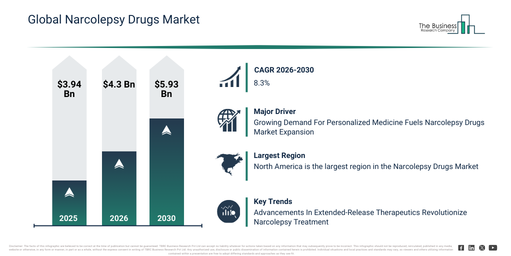
    The market for narcolepsy medications has experienced robust expansion lately, projected to increase from $3.94 billion in 2025 to $4.3 billion in 2026, reflecting a compound annual growth rate of 9.2%. This historical growth trajectory is attributable to factors such as a scarcity of treatment alternatives, insufficient diagnosis of narcolepsy, a reliance on stimulant drugs, heightened awareness surrounding sleep disorders, and the introduction of sodium oxybate.

    The market for narcolepsy treatments is poised for substantial expansion over the coming years, projecting a rise to $5.93 billion by 2030, propelled by a compound annual growth rate of 8.3%. This projected growth stems from a confluence of factors, including the ongoing development of innovative therapeutic solutions, intensified investments in neurological research, a heightened demand for tailored medical approaches, the proliferation of extended-release medication options, and an increase in the global identification of narcolepsy cases. Key developments anticipated during this forecast period involve a greater embrace of new drugs that promote wakefulness, the increasing utilization of combined therapies to effectively manage symptoms, enhanced diagnostic rates resulting from greater public awareness, a broadening spectrum of treatment choices for cataplexy and excessive daytime sleepiness (EDS), and the creation of enduring and extended-release pharmaceutical formulations.

    Download A Free Sample Report For Comprehensive Market Insights:

    https://www.thebusinessresearchcompany.com/sample.aspx?id=16490&type=smp

    Narcolepsy Drugs Market Demand Drivers Creating New Revenue Opportunities

    The expanding need for individualized medical treatments is anticipated to be a primary driver for the narcolepsy pharmaceuticals sector. Personalized medicine, which centers on customizing therapies and medical approaches based on an individual’s specific health profile, is gaining traction. This trend is fueled by advancements in omics technologies, the consolidation of diverse data sources, breakthroughs in genetics, and a greater understanding of the crucial role that bespoke treatments and proactive health strategies play. Within this framework, narcolepsy medications are instrumental in crafting treatment regimens that are precisely aligned with each patient’s unique circumstances, taking into account their genetic makeup, the intensity of their symptoms, their metabolic processes, and their personal choices to maximize therapeutic benefits while reducing adverse reactions. Illustrating this trend, reports from February 2024 indicated that the US Food and Drug Administration (USFDA) authorized 16 innovative personalized therapies for individuals with rare diseases in 2023, a notable surge compared to the 6 such treatments approved in 2022, as noted by the Personalized Medicine Coalition. Consequently, the increasing emphasis on personalized medicine is set to bolster the narcolepsy drug market.

    Narcolepsy Drugs Market Segment Analysis: What Are The Major Market Categories?

    The narcolepsy drugs market covered in this report is segmented –

    1) By Type: Narcolepsy With Cataplexy, Narcolepsy Without Cataplexy, Secondary Narcolepsy

    2) By Disease: Daytime Extreme Sleepiness, Cataplexia, Other Diseases

    3) By Therapeutic: Sodium Oxybate, Central Nervous System Stimulants, Tricyclic Antidepressants, Selective Serotonin Reuptake Inhibitors, Other Therapeutics

    Subsegments:

    1) By Narcolepsy With Cataplexy: Stimulant Medications, Antidepressants, Sodium Oxybate

    2) By Narcolepsy Without Cataplexy: Stimulant Medications, Sodium Oxybate, Selective Serotonin And Norepinephrine Reuptake Inhibitors (SNRIs)

    3) By Secondary Narcolepsy: Treatment For Underlying Conditions, Stimulants And Other Medications For Symptom Management

    Narcolepsy Drugs Market Trends Driving Strategic Industry Expansion

    Leading corporations within the narcolepsy drug sector are actively engaged in pioneering novel treatments, specifically extended-release formulations, with the dual aims of elevating therapeutic outcomes and refining the patient journey. These extended-release (ER) medications provide substantial advantages for individuals afflicted with narcolepsy, contributing to better medication compliance, ensuring consistent pharmacological levels, mitigating adverse effects, and ultimately facilitating more effective symptom control. As an illustration, May 2023 saw Avadel Pharmaceuticals, a pharmaceutical enterprise headquartered in Ireland, introduce Lumryz, a novel extended-release sodium oxybate treatment that had previously received approval from the US Food and Drug Administration (FDA). Lumryz distinguishes itself through a sophisticated extended-release system designed to sustain consistent therapeutic concentrations throughout the night via a singular administration, thereby boosting patient ease and adherence when contrasted with conventional multi-dose approaches. This recently developed pharmaceutical agent targets a pronounced area of unmet medical demand by streamlining treatment protocols, potentially leading to improved patient adherence and an enhanced quality of life for those contending with narcolepsy.

    Narcolepsy Drugs Market Leading Companies Driving Competitive Growth

    Major companies operating in the narcolepsy drugs market are Jazz Pharmaceuticals plc, Harmony Biosciences Holdings Inc, Avadel Pharmaceuticals plc, Teva Pharmaceutical Industries Ltd, Takeda Pharmaceutical Company Ltd, Axsome Therapeutics Inc, NLS Pharmaceutics Ltd, Alkermes plc, Bioprojet Pharma sarl, Arena Pharmaceuticals Inc, Novartis AG, Shionogi Inc, Rhodes Pharmaceuticals LP, Janssen Global Services LLC, Eli Lilly and Company, Centessa Pharmaceuticals UK Ltd, Azurity Pharmaceuticals Inc, Amneal Pharmaceuticals Inc, Hikma Pharmaceuticals plc, Sunovion Pharmaceuticals Inc, Addrenex Pharmaceuticals Inc, Graymark Healthcare Inc, Theranexus, Suven Life Sciences

    Access The Complete Narcolepsy Drugs Market Report:

    https://www.thebusinessresearchcompany.com/report/narcolepsy-drugs-global-market-report

    Narcolepsy Drugs Market Regional Outlook: Where Are The Largest Opportunities Located?

    North Americawas the largest region in the narcolepsy drugs market in 2025. Asia-Pacificis expected to be the fastest-growing region in the forecast period. The regions covered in the narcolepsy drugs market report are Asia-Pacific, South East Asia, Western Europe, Eastern Europe, North America, South America, Middle East, Africa.

    Get in touch with us:

    The Business Research Company: https://www.thebusinessresearchcompany.com/

    Americas: +1 310-496-7795

    Asia: +44 7882 955267 & +91 8897263534

    Europe: +44 7882 955267

    Email us at: marketing@tbrc.info

    Follow us on:

    LinkedIn: https://in.linkedin.com/company/the-business-research-company

    YouTube: https://www.youtube.com/channel/UC24_fI0rV8cR5DxlCpgmyFQ

    Global Market Model: https://www.thebusinessresearchcompany.com/global-market-model
  • Narcolepsy Market Growth Is Accelerating As Industry Transformation Continues

    Narcolepsy Market Growth Is Accelerating As Industry Transformation Continues

    Through market attractiveness analysis, total addressable market evaluation, company benchmarking matrices, interactive Excel dashboards, expanded supply chain intelligence, emerging startup coverage, and detailed product insights, The Business Research Company’s 2026 market reports provide more actionable and strategically valuable research.

    Narcolepsy Market Forecast Highlighting Growth From $4.38 Billion To $6.61 Billion

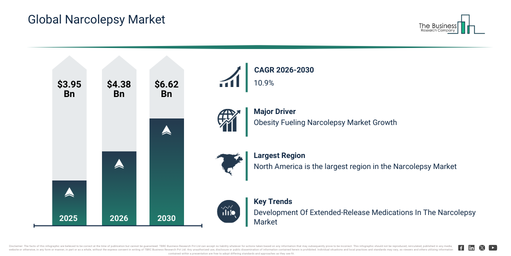
    The market for narcolepsy treatments has witnessed significant expansion lately, with projections indicating a trajectory from $3.95 billion in 2025 to $4.38 billion by 2026, reflecting a compound annual growth rate of 10.8%. This historical growth spurt was fueled by factors such as insufficient public understanding of narcolepsy, prolonged diagnostic timelines, a primary reliance on stimulant drugs, the advent of sodium oxybate, and advancements in sleep disorder scientific inquiry.

    The market for narcolepsy treatments is poised for significant expansion in the coming years, projected to reach $6.62 billion by 2030 with a compound annual growth rate of 10.9%; this anticipated surge is fueled by a confluence of factors including the escalating incidence of sleep-related disorders, augmented research and development expenditures, a flourishing array of non-stimulant drug candidates, intensified patient outreach and educational efforts, and the progressive integration of precision medicine methodologies, furthermore, key developments anticipated during this timeframe involve heightened recognition and diagnosis of narcolepsy, a greater embrace of multifaceted treatment strategies, a rising preference for extended-release medications, the broadening availability of alternative therapies beyond stimulants, and a concentrated effort on developing treatments specifically targeting cataplexy.

    Download A Free Sample Report For Comprehensive Market Insights:

    https://www.thebusinessresearchcompany.com/sample.aspx?id=16491&type=smp

    Narcolepsy Market Expansion Supported By Key Demand Factors

    The increasing prevalence of obesity is anticipated to be a significant driver for the expansion of the narcolepsy market. Obesity, defined as an unhealthy overabundance of body fat, presents a considerable health concern. This rise in obesity is attributed to factors such as increasingly inactive lifestyles, unfavorable eating patterns, and environmental influences that encourage the consumption of high-calorie foods while discouraging physical exertion. Obesity can influence narcolepsy by upsetting the body’s metabolic and hormonal equilibrium, which may result in altered sleep cycles and difficulties in maintaining wakefulness. Illustrating this trend, data from the UK’s Office for Health Improvement & Disparities indicated that in the 2023–2024 period, approximately 64.5 percent of adults aged 18 and older in England were either overweight or obese, a slight increase from the 64.0 percent recorded in 2022–2023, thus demonstrating a persistent upward trajectory. Consequently, the growing obese population is poised to fuel the development of the narcolepsy market.

    Narcolepsy Market Segment Breakdown: Which Categories Generate The Most Revenue?

    The narcolepsy market covered in this report is segmented –

    1) By Type: Type 1, Type 2

    2) By Treatment: Antidepressants, Stimulants, Sodium Oxybate, Other Treatments

    3) By Diagnosis: Polysomnogram, Multiple Sleep Latency Test

    Subsegments:

    1) By Type 1: Stimulant Medications, Antidepressants, Sodium Oxybate, Immunosuppressive Treatments

    2) By Type 2: Stimulant Medications, Sodium Oxybate, Antidepressants

    Narcolepsy Market Growth Trends Influencing Competitive Dynamics

    Within the narcolepsy market, key players are intensifying their research and development efforts directed towards innovative pharmaceutical solutions, including extended-release sodium oxybate, in response to the escalating need for efficacious therapies. This particular medication, extended-release sodium oxybate, is administered for the management of narcolepsy. Its extended-release characteristic facilitates a gradual dispensing of the drug over an extended duration, thereby offering continuous symptom alleviation during the nocturnal period and enhancing the sleep experience for those afflicted with narcolepsy. To illustrate, Avadel Pharmaceuticals plc, a pharmaceutical entity headquartered in Ireland, introduced LUMRYZ to the American market in June 2023. LUMRYZ represents an extended-release variant of sodium oxybate that has received endorsement from the FDA for addressing either cataplexy or excessive daytime sleepiness (EDS) in adult narcolepsy patients. This formulation stands out as the sole oxybate treatment for narcolepsy administered once nightly, presenting a considerable advancement compared to existing twice-nightly oxybate regimens by eliminating the necessity of nocturnal awakenings for an additional dosage.

    Narcolepsy Market Key Players And Strategic Industry Positioning

    Major companies operating in the narcolepsy market are Pfizer Inc., Merck & Co. Inc, Novartis AG, Takeda Pharmaceutical Company Limited, Teva Pharmaceutical Industries, Otsuka Pharmaceutical, Sumitomo Pharma Company Limited, Jazz Pharmaceuticals, Alkermes, Harmony Biosciences, Cerevel Therapeutics, Axsome Therapeutics Inc., Avadel Pharmaceuticals, NLS Pharmaceutics AG, KemPharm, Bioprojet Pharma, Centessa Pharmaceuticals, Hikma Pharmaceuticals, Theranexus SA, Eisai Co Ltd, Ligand Pharmaceuticals, Graymark Healthcare Inc, H Lundbeck A/S

    Access The Complete Narcolepsy Market Report:

    https://www.thebusinessresearchcompany.com/report/narcolepsy-global-market-report

    Narcolepsy Market Geographic Landscape: Which Region Dominates Industry Growth?

    North Americawas the largest region in the narcolepsy market in 2025. Asia-Pacificis expected to be the fastest-growing region in the forecast period. The regions covered in the narcolepsy market report are Asia-Pacific, South East Asia, Western Europe, Eastern Europe, North America, South America, Middle East, Africa.

    Get in touch with us:

    The Business Research Company: https://www.thebusinessresearchcompany.com/

    Americas: +1 310-496-7795

    Asia: +44 7882 955267 & +91 8897263534

    Europe: +44 7882 955267

    Email us at: marketing@tbrc.info

    Follow us on:

    LinkedIn: https://in.linkedin.com/company/the-business-research-company

    YouTube: https://www.youtube.com/channel/UC24_fI0rV8cR5DxlCpgmyFQ

    Global Market Model: https://www.thebusinessresearchcompany.com/global-market-model

  • Nanotechnology In Cancer Treatment Market Outlook Highlights The Next Major Growth Opportunities

    Nanotechnology In Cancer Treatment Market Outlook Highlights The Next Major Growth Opportunities

    Delivering more actionable and strategically valuable research, The Business Research Company’s 2026 market reports feature market attractiveness analysis, total addressable market evaluation, company benchmarking matrices, interactive Excel dashboards, expanded supply chain intelligence, emerging startup coverage, and detailed product insights.

    Nanotechnology In Cancer Treatment Market Revenue Growth Supported By A CAGR Of 319.04% Through 2030

    The market for nanotechnology in cancer treatment has experienced substantial expansion lately, projecting a rise from 159.07 billion dollars in 2025 to 183.23 billion dollars in 2026, demonstrating a compound annual growth rate of 15.2%. This historical growth trajectory is underpinned by a confluence of factors including escalating cancer diagnoses, significant strides in nanomaterial design and development, augmented funding for cancer research initiatives, enhanced partnerships between pharmaceutical firms and academic institutions, and the promising early clinical outcomes observed with nanomedicine-based therapeutic approaches.

    Expect substantial expansion within the nanotechnology for cancer treatment sector over the coming years, projecting a market value of $319.04 billion by 2030, fueled by a compound annual growth rate of 14.9%. This projected growth trajectory is largely propelled by the increasing embrace of individualized cancer therapies, augmented investments in nanomedicine research, a broader scope of clinical trials incorporating nanotechnology, a heightened emphasis on less invasive cancer interventions, and breakthroughs in nano-enabled diagnostic tools. Key developments anticipated during this period involve the escalating creation of drug delivery mechanisms utilizing nanoparticles, a greater uptake of precision cancer treatments, wider application of versatile nanomaterials, the continuous evolution of tailored oncology care, and a determined effort to mitigate the adverse effects associated with chemotherapy.

    Download A Free Sample Report For Comprehensive Market Insights:

    https://www.thebusinessresearchcompany.com/sample.aspx?id=27357&type=smp

    Nanotechnology In Cancer Treatment Market Growth Drivers And Industry Catalysts

    The increasing preference for precision medicine is anticipated to be a significant factor in the expansion of the nanotechnology sector within the oncology treatment arena. Precision medicine, which focuses on treatments designed to specifically attack the molecular components or routes crucial for tumor proliferation and advancement, is seeing a surge in popularity because of its capacity to selectively impact cancerous cells. This selectivity helps to lessen collateral damage to healthy bodily tissues and subsequently reduces adverse reactions. Nanotechnology plays a vital role in cancer treatment by augmenting these precision approaches, facilitating the accurate administration of therapeutic agents directly to malignant cells. This improved delivery mechanism elevates treatment efficacy while concurrently diminishing negative impacts on non-cancerous tissues. A relevant illustration from July 2023, as cited in a publication by the American Society of Gene & Cell Therapy (ASGCT), an organization based in the U.S., indicated that at the conclusion of the first quarter of 2023, there were 247 gene therapies undergoing Phase II trials; this figure experienced a 5% increase, reaching a total of 260 by the close of the second quarter of 2023. Consequently, the escalating interest in and need for precision medicine is directly fueling the advancement of nanotechnology applications in the field of cancer therapy.

    Nanotechnology In Cancer Treatment Market Segmentation: How Is The Market Structured Across Key Categories?

    The nanotechnology in cancer treatment market covered in this report is segmented –

    1) By Nanotechnology Type: Liposomes, Dendrimers, Nanoparticles

    2) By Treatment Type: Chemotherapy, Immunotherapy, Targeted Therapy, Combined Therapy Approaches, Surgery Assistance

    3) By Cancer Type: Breast Cancer, Lung Cancer, Prostate Cancer, Colorectal Cancer, Blood Cancer, Other Cancer Types

    4) By Application: Targeted Drug Delivery, Photothermal Therapy, Radiation Therapy Enhancement, Diagnostics And Imaging, Gene Delivery Systems

    5) By End-User: Hospitals, Research Institutions, Diagnostics Laboratories, Pharmaceutical Companies, Contract Research Organizations (CROs)

    Subsegments:

    1) By Liposomes: Conventional Liposomes, Stealth Liposomes, Cationic Liposomes, Immunoliposomes

    2) By Dendrimers: Polyamidoamine Dendrimers, Polypropyleneimine Dendrimers, Peptide-Based Dendrimers, Carbosilane Dendrimers

    3) By Nanoparticles: Gold Nanoparticles, Magnetic Nanoparticles, Polymeric Nanoparticles, Quantum Dots, Lipid Nanoparticles

    #Nanotechnology In Cancer Treatment Market Trends Influencing Long-Term Demand

    Leading players within the nanotechnology for cancer treatment sector are concentrating their efforts on pioneering advanced therapeutic approaches, notably immunotherapy nano formulation, with the dual aims of bolstering the immune system’s efficacy against cancer and mitigating unwanted side effects for affected individuals. This innovative nano formulation leverages the power of nanotechnology to administer immune-based interventions with heightened accuracy directly to cancerous sites. Consequently, it not only refines the precision of treatment but also contributes to improved drug stability, increased bioavailability, and a more robust immune response. A notable development occurred in December 2023 when Cello Therapeutics, a biotechnology firm based in the United States, unveiled CE120, a comprehensive cancer nano vaccine that successfully obtained clearance from the Food and Drug Administration. Representing a significant advancement, this treatment signifies the inaugural clinical application of nanoparticles encapsulated in platelet membranes for the therapeutic management of solid tumors. The CE120 therapy ingeniously integrates targeted drug

    Nanotechnology In Cancer Treatment Market Competitive Landscape And Leading Companies

    Major companies operating in the nanotechnology in cancer treatment market are Pfizer Inc., AstraZeneca PLC, Novartis AG, Amgen Inc., GE Healthcare Technologies Inc., Eisai Co. Ltd., Jazz Pharmaceuticals plc, Arrowhead Pharmaceuticals Inc., Nanobiotix S.A., EnGeneIC Ltd., Nanospectra Biosciences Inc., Sona Nanotech Inc., Immix Biopharma Inc., DNA Nanobots LLC, Nanovery Limited, CytImmune Sciences Inc., NanOlogy LLC, NanoApps Medical Inc., Selecta Biosciences Inc., Bind Therapeutics Inc., BlueWillow Biologics Inc., Nanobiomed Inc.

    Access The Complete Nanotechnology In Cancer Treatment Market Report:

    https://www.thebusinessresearchcompany.com/report/nanotechnology-in-cancer-treatment-global-market-report

    Nanotechnology In Cancer Treatment Market Largest Region: Which Geography Holds The Highest Market Share?

    North Americawas the largest region in the nanotechnology in cancer treatment market in 2025. Asia-Pacificis expected to be the fastest-growing region in the forecast period. The regions covered in the nanotechnology in cancer treatment market report are Asia-Pacific, South East Asia, Western Europe, Eastern Europe, North America, South America, Middle East, Africa.

    Get in touch with us:

    The Business Research Company: https://www.thebusinessresearchcompany.com/

    Americas: +1 310-496-7795

    Asia: +44 7882 955267 & +91 8897263534

    Europe: +44 7882 955267

    Email us at: marketing@tbrc.info

    Follow us on:

    LinkedIn: https://in.linkedin.com/company/the-business-research-company

    YouTube: https://www.youtube.com/channel/UC24_fI0rV8cR5DxlCpgmyFQ

    Global Market Model: https://www.thebusinessresearchcompany.com/global-market-model

  • Nanoparticles Contract Manufacturing Market Trends And Growth Drivers Point To Strong Future Potential

    Nanoparticles Contract Manufacturing Market Trends And Growth Drivers Point To Strong Future Potential

    Enhanced with market attractiveness analysis, total addressable market evaluation, company benchmarking matrices, interactive Excel dashboards, expanded supply chain intelligence, emerging startup coverage, and detailed product insights, The Business Research Company’s 2026 market reports deliver more actionable and strategically valuable research.

    Nanoparticles Contract Manufacturing Market Value Expansion And Long-Term Growth Outlook

    February 16, 2026

    The burgeoning market for contract manufacturing of nanoparticles has experienced swift expansion. Projections indicate a fiscal increase from $3.67 billion in 2025 to $4.13 billion in 2026, reflecting a compounded annual growth rate of 12.7%. This trajectory of expansion during the preceding period was influenced by factors such as the preliminary embrace of nanomedicine, constraints in internal production capabilities, an increase in collaborative research ventures, the foundational development of lipid nanoparticle technologies, and an upswing in preclinical nanotechnology investigations.

    The market for contract manufacturing of nanoparticles is poised for significant expansion in the coming years, projecting an increase to $6.38 billion by 2030, driven by a compound annual growth rate (CAGR) of 11.5%. Factors contributing to this upward trajectory include the scaling up of mRNA vaccine production, a growing trend towards outsourcing within the biotechnology sector, innovative developments in nanoparticle design, increased capital allocation towards nanotechnology infrastructure, and the broadening use of precision medicine approaches. Key developments expected during this forecast period involve a surge in the outsourcing of nanoparticle fabrication, greater utilization of lipid nanoparticles for therapeutic delivery, enhancements in clinical-scale production capacities, a rising need for tailored nanoparticle compositions, and a heightened emphasis on adhering to quality standards and regulatory frameworks.

    Download A Free Sample Report For Comprehensive Market Insights:

    https://www.thebusinessresearchcompany.com/sample.aspx?id=15869&type=smp

    Nanoparticles Contract Manufacturing Market Opportunity Drivers: What Is Creating New Revenue Potential?

    Increased financial commitments to research activities are anticipated to be a primary catalyst for the expansion of the nanoparticle contract manufacturing sector. These research investments, encompassing dedicated funds for scientific inquiry, technological development, and problem-solving, are on an upward trajectory due to heightened emphasis on innovation, growing awareness of global issues, backing for novel technologies, supportive governmental policies, and public funding programs. Crucially, these investments fuel progress in nanoparticle contract manufacturing by fostering innovation, enabling tailored solutions, ensuring rigorous quality assurance, facilitating scaled production, encouraging interdisciplinary collaboration, opening new market avenues, and stimulating economic prosperity. As an illustration of this trend, in April 2023, the UK Chancellor announced a significant boost in public Research and Development (R&D) funding, with plans to elevate the R&D budget to £22 billion (approximately $27.64 billion) by the fiscal year 2024–2025, a substantial jump from the preceding year’s approximately £9 billion (around $11.30 billion), which represented 0.8% of the GDP, underscoring a strategic push to bolster R&D initiatives and cultivate domestic innovation. Consequently, this escalating flow of research capital is instrumental in driving the nanoparticle contract manufacturing market forward.

    Nanoparticles Contract Manufacturing Market Segmentation Trends And Revenue Drivers

    The nanoparticles contract manufacturing market covered in this report is segmented –

    1) By Type Of Nanoparticle: Metal Nanoparticles, Lipid Nanoparticles, Other Types Of Nanoparticles

    2) By Manufacturing Scale: Commercial, Clinical, Pre-Clinical

    3) By Application: Therapeutics, Diagnostics, Vaccines

    4) By End-User: Pharmaceutical Companies, Biotechnology Companies

    Subsegments:

    1) By Metal Nanoparticles: Gold Nanoparticles, Silver Nanoparticles, Copper Nanoparticles, Iron Nanoparticles

    2) By Lipid Nanoparticles: Solid Lipid Nanoparticles (SLNs), Nanostructured Lipid Carriers (NLCs), Lipid-Core Micelles

    3) By Other Types of Nanoparticles: Polymeric Nanoparticles, Carbon Nanotubes, Quantum Dots, Dendrimers

    Nanoparticles Contract Manufacturing Market Innovation Trends Driving Future Development

    Leading players in the nanoparticle contract manufacturing arena are actively pursuing novel technological advancements, including the creation of commercial formulation systems, with the dual purpose of facilitating the production of pharmaceuticals for both clinical trials and broader market release, thereby securing a more advantageous market position. Such a commercial formulation system represents an integrated approach geared towards optimizing the creation and manufacturing of goods derived from nanoparticles. As an illustration, in July 2023, Cytiva, a prominent American supplier of life science instruments and services, introduced its NanoAssemblr commercial formulation system. This particular system has been engineered to significantly reduce the likelihood of accidental contamination between different products, a critical consideration especially for genetic therapies. By incorporating a disposable fluid pathway, it contributes to enhanced output through reduced pauses for sterilization and cleaning, thereby enabling the simultaneous production of various lipid nanoparticle formulations within a single manufacturing site. The system is operated via software that adheres to 21 CFR Part 11 regulations, facilitating digital record-keeping for batches, capturing real-time operational data such as flow rates, and automating key steps including system priming, calibration, formulation, and integrated dilution procedures.

    Nanoparticles Contract Manufacturing Market Industry Leaders: Which Organizations Are Driving Competition?

    Major companies operating in the nanoparticles contract manufacturing market are Evonik Industries AG, CordenPharma International GmbH, Ajinomoto Bio-Pharma Services, BioVectra Inc., Fortis Life Sciences, LSNE Contract Manufacturing, Precision NanoSystems Inc., Ardena Holding NV, American Elements, Polymun Scientific Immunbiologische Forschung GmbH, Hitachi Chemical Advanced Therapeutics Solutions LLC, Axolabs GmbH, Cytodiagnostics Inc., Encapsula NanoSciences LLC, Nanochemazone, TechNano India, Lonza, Phosphorex, TRANSFERRA Nanosciences Inc, DIANT Pharma, Nano Labs Corporation, Nanoscale Corporation

    Access The Complete Nanoparticles Contract Manufacturing Market Report:

    https://www.thebusinessresearchcompany.com/report/nanoparticles-contract-manufacturing-global-market-report

    Nanoparticles Contract Manufacturing Market Regional Analysis: Which Region Leads By Revenue?

    North Americawas the largest region in the nanoparticles contract manufacturing market in 2025. The regions covered in the nanoparticles contract manufacturing market report are Asia-Pacific, South East Asia, Western Europe, Eastern Europe, North America, South America, Middle East, Africa.

    Get in touch with us:

    The Business Research Company: https://www.thebusinessresearchcompany.com/

    Americas: +1 310-496-7795

    Asia: +44 7882 955267 & +91 8897263534

    Europe: +44 7882 955267

    Email us at: marketing@tbrc.info

    Follow us on:

    LinkedIn: https://in.linkedin.com/company/the-business-research-company

    YouTube: https://www.youtube.com/channel/UC24_fI0rV8cR5DxlCpgmyFQ

    Global Market Model: https://www.thebusinessresearchcompany.com/global-market-model
  • Nano Antibodies Market Expansion Is Reshaping Competitive Dynamics Across The Industry

    Nano Antibodies Market Expansion Is Reshaping Competitive Dynamics Across The Industry

    Through market attractiveness analysis, total addressable market evaluation, company benchmarking matrices, interactive Excel dashboards, expanded supply chain intelligence, emerging startup coverage, and detailed product insights, The Business Research Company’s 2026 market reports provide more actionable and strategically valuable research.

    Nano Antibodies Market Expected To Reach $3.78 Billion By 2030 At 15.9% CAGR

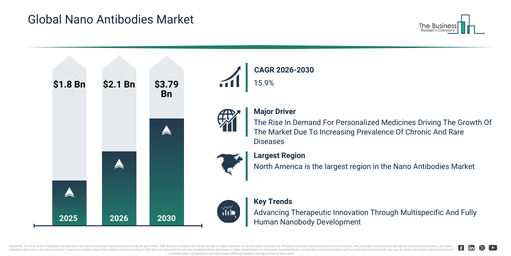
    The nanobodies market experienced substantial expansion, projected to advance from an estimated $1.8 billion in 2025 to $2.1 billion by 2026, reflecting a robust compound annual growth rate of 16.2%. Key accelerators during the preceding period included significant strides in the field of antibody engineering, the pivotal discovery of camelid antibody structures, initial clinical validation efforts, increased investment in biotechnology research, and enhanced capabilities within recombinant expression systems.

    The nanobody market is poised for substantial expansion in the upcoming years, projected to reach $3.79 billion by 2030 with a compound annual growth rate of 15.9%. This anticipated surge is fueled by several key factors including a growing need for precise therapeutic interventions, heightened investment in biologic drug development, the broadening scope of oncology and infectious disease research, innovations in molecular targeting technologies, and a heightened interest in novel antibody formats. Key trends shaping the market during this period involve the intensified development of nanobodies designed for specific targets, their increased application in diagnostic and imaging procedures, their growing utilization in targeted cancer treatments, the proliferation of recombinant manufacturing capabilities, and a heightened emphasis on engineering multispecific antibodies.

    Download A Free Sample Report For Comprehensive Market Insights:

    https://www.thebusinessresearchcompany.com/sample.aspx?id=30332&type=smp

    Nano Antibodies Market Growth Momentum: Which Factors Are Influencing Demand?

    The nanobody market is poised for expansion, largely driven by the growing need for customized medical treatments. Personalized medicine, which involves creating therapies based on a person’s unique genetic code, habits, and surroundings to optimize effectiveness, is seeing increased interest. This trend is fueled by the rise in chronic and rare illnesses, where bespoke, individual-focused treatments offer superior results. Nanobodies are instrumental in advancing personalized medicine by providing highly precise, adaptable, and focused therapeutic options that can be fine-tuned to individual patient characteristics and the specific ways a disease operates. As an illustration, the Personalized Medicine Coalition reported that in 2023, the FDA greenlit 16 novel personalized treatments for individuals with rare conditions, a significant jump from the six approvals seen in 2022. Consequently, the heightened demand for personalized medicine is a key factor boosting the nanobody market.

    Nano Antibodies Market Segment Analysis Highlighting Growth Areas

    The nano antibodies market covered in this report is segmented –

    1) By Product: Single-Domain Antibodies, Heavy-Chain Antibodies, Recombinant Nano Antibodies, Conjugated Nano Antibodies, Bispecific And Multispecific Nano Antibodies

    2) By Technology: Phage Display Technology, Recombinant Deoxyribonucleic Acid (DNA) Technology, Molecular Cloning

    3) By Source: Animal-Derived, Recombinant, Plant-Derived

    4) By Application: Disease Detection In Vitro, Non-Invasive Diagnosis In Vivo, Tumor Targeted Therapy, Nervous System Disease, Circulatory Disease, Infectious Disease, Other Applications

    5) By End-User: Pharmaceutical Companies, Biotechnology Firms, Academic And Research Institutions, Hospitals And Diagnostic Laboratories

    Subsegments:

    1) By Single-Domain Antibodies: Human Single-Domain Antibodies, Camelid Single-Domain Antibodies, Synthetic Single-Domain Antibodies, Shark-Derived Single-Domain Antibodies

    2) By Heavy-Chain Antibodies: Camelid Heavy-Chain Antibodies, Shark Heavy-Chain Antibodies, Engineered Heavy-Chain Antibodies, Chimeric Heavy-Chain Antibodies

    3) By Recombinant Nano Antibodies: Bacterial Expression Nano Antibodies, Yeast Expression Nano Antibodies, Mammalian Expression Nano Antibodies, Cell-Free Expression Nano Antibodies

    4) By Conjugated Nano Antibodies: Drug-Conjugated Nano Antibodies, Fluorescent-Conjugated Nano Antibodies, Enzyme-Conjugated Nano Antibodies, Radiolabeled Nano Antibodies

    5) By Bispecific And Multispecific Nano Antibodies: Dual-Target Nano Antibodies, Tri-Specific Nano Antibodies, Tetravalent Nano Antibodies, Multifunctional Nano Antibodies

    Nano Antibodies Market Trends Reshaping Industry Growth

    Leading participants within the nanobodies market are concentrating their efforts on pioneering novel approaches, specifically the development of fully multispecific therapeutics, with the objective of improving disease specificity and treatment outcomes. These advanced fully multispecific therapeutics are sophisticated biological agents engineered to engage multiple distinct targets concurrently, thereby facilitating more accurate and potent interventions for intricate illnesses. A relevant example is the February 2023 introduction of the Nano 100 Project by Biocytogen Pharmaceuticals (Beijing) Co., Ltd., a biopharmaceutical entity based in China, which is dedicated to creating fully human nanobody therapies targeting over 100 different disease sites. This ambitious undertaking leverages Biocytogen’s proprietary RenNan mouse platform, a technology that produces entirely human nanobodies without the need for artificial humanization processes. Through the synergistic application of high-throughput screening methodologies, both in vitro and in vivo, the project is designed to expedite the identification of therapeutic targets and the discovery of nanobody-based drugs. The nanobodies generated possess excellent tissue penetration capabilities, inherent stability, and considerable adaptability for engineering, positioning them as ideal components for cutting-edge therapeutic strategies including cell-based therapies, bispecific antibodies, antibody-drug conjugates (ADCs), and radionuclide antibody conjugates. The overarching goal of the Nano 100 Project is to optimize the creation of innovative treatments and provide a comprehensive selection of high-affinity nanobody candidates for therapeutic applications in oncology, autoimmune conditions, and neurological disorders.

    Nano Antibodies Market Leading Companies: Who Holds Significant Market Presence?

    Major companies operating in the nano antibodies market are Sanofi S.A., AstraZeneca plc, Bio-Rad Laboratories Inc., Bio-Techne Corporation, Innovent Biologics Inc., GenScript Biotech Corporation, Biocytogen Pharmaceuticals Co. Ltd., Beroni Group Limited., Cusabio Technology LLC, Harbour BioMed Co. Ltd., MoonLake Immunotherapeutics Co. Ltd., Alphamab Oncology Co. Ltd., Santa Cruz Biotechnology Inc., Rockland Immunochemicals Inc., Creative Biolabs Inc., Promab Biotechnologies Inc., ExeVir Bio N.V., Isogenica Ltd., Allele Biotechnology And Pharmaceuticals Inc., Gulliver Biomed Inc., Capralogics Inc.

    Access The Complete Nano Antibodies Market Report:

    https://www.thebusinessresearchcompany.com/report/global-nano-antibodies-market-report

    Nano Antibodies Market Geographic Distribution And Regional Opportunities

    North Americawas the largest region in the nano antibodies market in 2025. Asia-Pacificis expected to be the fastest-growing region in the forecast period. The regions covered in the nano antibodies market report are Asia-Pacific, South East Asia, Western Europe, Eastern Europe, North America, South America, Middle East, Africa.

    Get in touch with us:

    The Business Research Company: https://www.thebusinessresearchcompany.com/

    Americas: +1 310-496-7795

    Asia: +44 7882 955267 & +91 8897263534

    Europe: +44 7882 955267

    Email us at: marketing@tbrc.info

    Follow us on:

    LinkedIn: https://in.linkedin.com/company/the-business-research-company

    YouTube: https://www.youtube.com/channel/UC24_fI0rV8cR5DxlCpgmyFQ

    Global Market Model: https://www.thebusinessresearchcompany.com/global-market-model
  • Myopia Treatment Market Forecast Reveals Where Future Industry Value Will Be Created

    Myopia Treatment Market Forecast Reveals Where Future Industry Value Will Be Created

    Delivering more actionable and strategically valuable research, The Business Research Company’s 2026 market reports feature market attractiveness analysis, total addressable market evaluation, company benchmarking matrices, interactive Excel dashboards, expanded supply chain intelligence, emerging startup coverage, and detailed product insights.

    Myopia Treatment Market Size And Revenue Forecast Through 2030

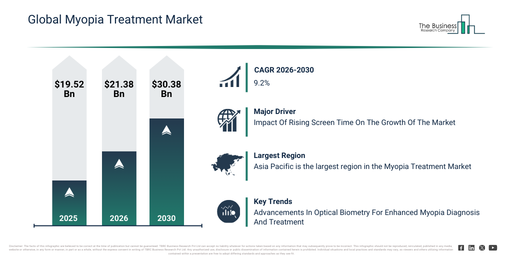
    The market for myopia treatments has experienced robust expansion of late, projecting a rise from $19.52 billion in 2025 to $21.38 billion in 2026, fueled by a compound annual growth rate of 9.5%. Factors contributing to this growth during the preceding period include heightened exposure to digital screens, an escalating incidence of myopia among children, restricted availability of preventative eye care, the foundational advancements in refractive surgery methods, and the initial uptake of vision correction devices.

    The market for myopia treatments is projected for significant expansion in the upcoming years, reaching an estimated $30.38 billion by 2030, driven by a compound annual growth rate (CAGR) of 9.2%. This projected increase over the forecast period is fueled by several key factors: heightened awareness surrounding myopia control therapies, advancements in laser treatment technologies, a surge in demand for orthokeratology, increased funding for ophthalmic research, and the integration of sophisticated diagnostic tools. Prominent trends anticipated during this timeframe include a greater acceptance of orthokeratology (ortho-k), a growing inclination towards refractive surgeries that are minimally invasive, escalating demand for myopia control lenses specifically for children, a rise in myopia cases linked to digital eye strain, and the wider implementation of preventive eye care awareness initiatives.

    Download A Free Sample Report For Comprehensive Market Insights:

    https://www.thebusinessresearchcompany.com/sample.aspx?id=20892&type=smp

    Myopia Treatment Market Expansion Drivers: What Is Shaping Future Growth?

    The escalating amount of time individuals dedicate to digital screens is anticipated to be a significant catalyst for the expansion of the myopia treatment market. This phenomenon, known as screen time, encompasses the duration spent interacting with devices such as smartphones, tablets, computers, and televisions, and its growth is fueled by the proliferation of streaming platforms, amplified social media engagement, the increasing prevalence of remote work arrangements, and the widespread adoption of virtual meetings. Myopia treatments offer a crucial benefit by alleviating eye strain and discomfort that arise from extended screen exposure, thereby enhancing visual focus, promoting comfort, and refining clarity of vision. Illustrating this trend, data from the Centers for Disease Control and Prevention, a US governmental body, indicated that in October 2024, over the period spanning July 2021 to December 2023, a substantial 50.4% of adolescents aged 12–17 dedicated four or more hours daily to screen usage, whereas 22.8% clocked in three hours, 17.8% spent two hours, 6.1% used screens for one hour, and a mere 3.0% engaged with screens for less than an hour each day, consequently underscoring the direct correlation between heightened screen time and the burgeoning growth within the myopia treatment sector.

    Myopia Treatment Market Segment Performance And Strategic Opportunities

    The myopia treatment market covered in this report is segmented –

    1) By Type: Simple Myopia, High Myopia, Pathological Myopia

    2) By Treatment: Eyeglasses, Contact Lenses, Refractive Surgery, Laser-Assisted In Situ Keratomileusis (LASIK), Photorefractive Keratectomy (PRK), Orthokeratology (Ortho-K)

    3) By Route Of Administration: Oral, Parenteral, Other Routes Of Administration

    4) By Distribution Channel: Direct Tender, Retail Sales, Other Distribution Channels

    5) By End-User: Physician Offices, Reference Laboratories, Other End-Users

    Subsegments:

    1) By Simple Myopia: Mild Myopia, Moderate Myopia

    2) By High Myopia: Severe Myopia, Very Severe Myopia

    3) By Pathological Myopia: Degenerative Myopia, Malignant Myopia

    Myopia Treatment Market Strategic Trends: What Is Defining The Next Phase Of Growth?

    In the myopia treatment sector, prominent players are dedicating resources to innovative solutions, including sophisticated optical biometers, to refine diagnostic accuracy and personalize therapeutic strategies. These instruments employ light-based technology to ascertain ocular dimensions like axial length and corneal topography, facilitating the diagnosis and ongoing observation of eye health. Illustrating this trend, NIDEK Co., Ltd., a notable Japanese ophthalmic equipment producer, introduced the AL-Scan M and MV-1 in February 2023. The AL-Scan M distinguishes itself with integrated 3D auto-tracking and auto-shot functionalities, streamlining measurements with an ease akin to autorefractors and thereby boosting patient handling efficiency, especially for pediatric cases. This device is meticulously designed for exact axial length quantification, a vital metric for tracking the advancement of myopia. Furthermore, it offers smooth compatibility with the MV-1 Myopia Viewer software, aiding in the review of treatment histories and patient engagement patterns.

    Myopia Treatment Market Key Players: Which Companies Shape Industry Competition?

    Major companies operating in the myopia treatment market are Regeneron Pharmaceuticals Inc., Alcon Inc., Bausch Health Companies Inc., Hoya Corporation, Johnson & Johnson Vision Care Inc., CooperVision Inc., Menicon Co. Ltd., Topcon Healthcare Inc., Essilor Ltd., NIDEK CO. LTD., SightGlass Vision Inc., SCHWIND eye-tech-solutions GmbH, Visioneering Technologies Inc., MEDMONT INTERNATIONAL PTY LTD., Vyluma Inc., Haag-Streit Holding AG, NovaSight Ltd., Euclid Vision Corporation, Treehouse Eyes LLC, Sydnexis Inc., Neurobit Technologies Co. Ltd., Kubota Pharmaceutical Holdings Co. Ltd.

    Access The Complete Myopia Treatment Market Report:

    https://www.thebusinessresearchcompany.com/report/myopia-treatment-global-market-report

    Myopia Treatment Market Largest Region By Revenue And Market Share

    Asia Pacificwas the largest region in the myopia treatment market in 2025. Asia-Pacificis expected to be the fastest-growing region in the forecast period. The regions covered in the myopia treatment market report are Asia-Pacific, South East Asia, Western Europe, Eastern Europe, North America, South America, Middle East, Africa.

    Get in touch with us:

    The Business Research Company: https://www.thebusinessresearchcompany.com/

    Americas: +1 310-496-7795

    Asia: +44 7882 955267 & +91 8897263534

    Europe: +44 7882 955267

    Email us at: marketing@tbrc.info

    Follow us on:

    LinkedIn: https://in.linkedin.com/company/the-business-research-company

    YouTube: https://www.youtube.com/channel/UC24_fI0rV8cR5DxlCpgmyFQ

    Global Market Model: https://www.thebusinessresearchcompany.com/global-market-model

  • Myopia and Presbyopia Treatment Market Growth Through 2030 Creates New Strategic Opportunities

    Myopia and Presbyopia Treatment Market Growth Through 2030 Creates New Strategic Opportunities

    Enhanced with market attractiveness analysis, total addressable market evaluation, company benchmarking matrices, interactive Excel dashboards, expanded supply chain intelligence, emerging startup coverage, and detailed product insights, The Business Research Company’s 2026 market reports deliver more actionable and strategically valuable research.

    Myopia and Presbyopia Treatment Market Growth From $24.56 Billion In 2026 To $33.56 Billion By 2030 At A CAGR Of 8.1%

    The market for myopia and presbyopia treatments has experienced robust expansion throughout recent years, projecting a substantial increase from $22.63 billion in 2025 to $24.56 billion in 2026, reflecting a compound annual growth rate of 8.6%. This historical growth trajectory has been significantly influenced by a burgeoning elderly demographic, the widespread use of vision-correcting eyewear, an escalation in myopia cases linked to prolonged screen usage, early advancements in refractive surgical procedures, and a comparatively low level of consciousness regarding proactive eye health management.

    The market dedicated to treating myopia and presbyopia is poised for substantial expansion over the coming years, projecting a rise to $33.57 billion by 2030 with a compound annual growth rate (CAGR) of 8.1%. This anticipated expansion during the forecast period is driven by several key factors, including a burgeoning demand for sophisticated surgical interventions, greater acceptance of presbyopia-correcting lenses, an upward trend in the utilization of pharmaceutical treatments, advancements in diagnostic technologies for eye care, and a broader reach of preventive screening initiatives. Furthermore, significant trends expected to shape this market include a heightened adoption of multifocal and cutting-edge contact lenses, an increasing preference for laser and refractive surgical procedures, a growing inclination towards orthokeratology (ortho-k) for myopia management, enhanced use of prescription eye drops targeting presbyopia, and an expanded scope of early vision screening and proactive healthcare programs.

    Download A Free Sample Report For Comprehensive Market Insights:

    https://www.thebusinessresearchcompany.com/sample.aspx?id=7892&type=smp

    Myopia and Presbyopia Treatment Market Development Factors: Which Trends Are Supporting Demand?

    The increasing prevalence of conditions affecting sight is anticipated to fuel the expansion of the market focused on treating myopia and presbyopia. Vision impairment, characterized by a substantial decrease in an individual’s capacity to see and process visual data, consequently impedes their ability to perceive and comprehend their environment. This heightened occurrence of vision impairment can invigorate advancements in myopia and presbyopia treatments, fostering greater public awareness, technological innovation, increased capital infusion, enhanced accessibility to interventions, and ultimately, superior results for individuals seeking remedies for their visual challenges. To illustrate, in August of 2023, the World Health Organization, a UN body headquartered in Switzerland, reported that approximately 2.2 billion individuals worldwide experience impairment of their near or distance vision, with a concerning 1 billion cases being either preventable or lacking any form of treatment. Refractive errors and cataracts stand out as the primary contributors to visual loss globally, yet a mere 36% of those affected by distance impairment due to refractive errors and only 17% of individuals impacted by cataracts have obtained suitable medical attention. Consequently, the escalating rate of vision impairment serves as a significant impetus for the growth trajectory of the myopia and presbyopia treatment sector.

    Myopia and Presbyopia Treatment Market Segment Landscape And Growth Potential

    The myopia and presbyopia treatment market covered in this report is segmented –

    1) By Type: Myopia, Presbyopia

    2) By Age Group: Children And Young Adults, Adults, Geriatrics

    3) By End-Use: Hospitals, Eye Care Clinics Or Ophthalmic Centers

    Subsegments:

    1) By Myopia: Pharmacological Treatments, Orthokeratology Lenses, Refractive Surgery, Spectacles And Contact Lenses

    2) By Presbyopia: Multifocal Lenses, Monovision Contact Lenses, Corneal Inlays, Presbyopia-Correcting Surgery

    Myopia and Presbyopia Treatment Market Transformation Trends: Which Innovations Are Driving Change?

    Leading entities within the myopia and presbyopia treatment sector are actively introducing novel products, including specialized sunglass lenses engineered to counteract myopia, with the objective of attracting a broader clientele, thereby boosting sales figures and enhancing overall revenue. These myopia-controlling sunglass lenses are crafted to aid in curbing the advancement of nearsightedness, particularly when individuals are exposed to outdoor or brightly lit environments. To illustrate, a significant development occurred in May of 2023 when HOYA, a prominent optical technology firm headquartered in Thailand, unveiled its MiYOSMART sun spectacle lenses, specifically designed to combat myopia in pediatric populations. The unique advantage of MiYOSMART resides in its pioneering method for retarding myopia’s progression in children, coupled with effective shielding against harsh sunlight. This dual functionality is realized through two distinct lens varieties: photochromic lenses known as MiYOSMART Chameleon and polarized lenses branded as MiYOSMART Sunbird, both of which integrate the proprietary DIMS Technology (Defocus Incorporated Multiple Segments). Engineered in partnership with the Hong Kong Polytechnic University, DIMS Technology functions by generating simultaneous defocus across the retina during both distant and close visual tasks. This intricate process involves establishing one focal plane directly on the retina via the lens’s single vision zone(s), while concurrently inducing myopic defocus through the strategic placement of +3.50D defocus lenslets, thereby influencing how light is focused.

    Myopia and Presbyopia Treatment Market Competitive Landscape: Who Are The Leading Companies?

    Major companies operating in the myopia and presbyopia treatment market are ALCON Inc., Bausch & Lomb Incorporated, Carl Zeiss AG, Essilor Ltd., Johnson & Johnson Vision Inc., Nidek Corporation, Topcon Corporation, Zimmer Ophthalmic Systems AG, AbbVie Inc., Orasis Pharmaceuticals Ltd., The Cooper Companies Inc., Staar Surgical Co., Eyenovia Inc., Allergan PLC, Hoya Corporation, Menicon Co. Ltd., CooperVision Inc., Visioneering Technologies Inc., AcuFocus Inc., Ocular Therapeutix Inc., SightGlass Vision Inc., Presbia PLC, LensGen Inc., RxSight Inc., Perfect Lens LLC

    Access The Complete Myopia and Presbyopia Treatment Market Report:

    https://www.thebusinessresearchcompany.com/report/myopia-and-presbyopia-treatment-global-market-report

    Myopia and Presbyopia Treatment Market Regional Analysis And Leading Geography

    North Americawas the largest region in the myopia and presbyopia treatment market share in 2025. Asia-Pacificis expected to be the fastest-growing region in the forecast period. The regions covered in the myopia and presbyopia treatment market report are Asia-Pacific, South East Asia, Western Europe, Eastern Europe, North America, South America, Middle East, Africa.

    Get in touch with us:

    The Business Research Company: https://www.thebusinessresearchcompany.com/

    Americas: +1 310-496-7795

    Asia: +44 7882 955267 & +91 8897263534

    Europe: +44 7882 955267

    Email us at: marketing@tbrc.info

    Follow us on:

    LinkedIn: https://in.linkedin.com/company/the-business-research-company

    YouTube: https://www.youtube.com/channel/UC24_fI0rV8cR5DxlCpgmyFQ

    Global Market Model: https://www.thebusinessresearchcompany.com/global-market-model
  • Myomectomy Market Size Projected To Increase From $1.76 Billion To $2.4 Billion During The Forecast Period

    Myomectomy Market Size Projected To Increase From $1.76 Billion To $2.4 Billion During The Forecast Period

    Through market attractiveness analysis, total addressable market evaluation, company benchmarking matrices, interactive Excel dashboards, expanded supply chain intelligence, emerging startup coverage, and detailed product insights, The Business Research Company’s 2026 market reports provide more actionable and strategically valuable research.

    Myomectomy Market Expansion Outlook: What Revenue Opportunities Lie Ahead?

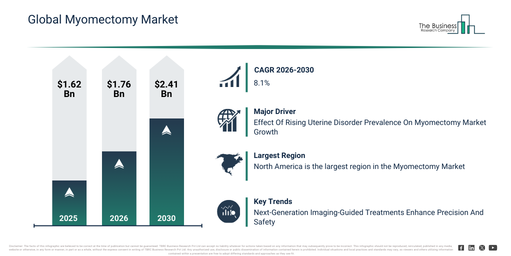
    Significant expansion has characterized the myomectomy market recently, with projections showing a robust increase from its $1.62 billion valuation in 2025 to an estimated $1.76 billion by 2026. This growth trajectory represents a compound annual growth rate (CAGR) of 8.5%. The preceding period’s favorable trends were propelled by several key factors, including a higher incidence of uterine fibroids, heightened public understanding of methods for preserving fertility, an upswing in gynecological surgical interventions, improvements in surgical facilities within hospitals, and the wider availability of sophisticated laparoscopic instruments.

    The market for myomectomy procedures is poised for robust expansion, projected to reach an impressive $2.41 billion by 2030, fueled by a compound annual growth rate of 8.1%. This anticipated surge in the coming years is largely driven by several key factors: a growing uptake of robotic surgery in gynecology, increased financial backing for techniques that involve minimal invasion, a heightened desire among patients for treatments tailored to their individual needs, the proliferation of dedicated women’s health facilities, and a greater emphasis placed on expediting recovery following surgery. Furthermore, significant developments expected during this period include a broader integration of minimally invasive surgical methods, a more prevalent application of robotic assistance in myomectomy operations, a stronger inclination towards treatments that prioritize fertility preservation, advancements in sophisticated surgical tools, and an intensified concentration on achieving highly accurate surgical results.

    Download A Free Sample Report For Comprehensive Market Insights:

    https://www.thebusinessresearchcompany.com/sample.aspx?id=20576&type=smp

    Myomectomy Market Industry Drivers: What Is Driving Revenue Growth?

    The increasing incidence of uterine conditions is anticipated to fuel the expansion of the myomectomy market. These conditions encompass various ailments affecting the uterus, such as fibroids, endometriosis, and uterine cancer, which can manifest as pain, irregular bleeding, and infertility. Factors like heightened awareness, later pregnancies, hormonal fluctuations, and lifestyle shifts are contributing to the rise in these disorders. Myomectomy is employed to surgically excise fibroids, thereby alleviating symptoms like discomfort, excessive bleeding, and reproductive issues while maintaining the uterus’s integrity. For example, in May 2025, Cancer Council Victoria reported that in 2023, 926 women in Australia were diagnosed with uterine cancer, representing an incidence rate of 22.3 per 100,000 females, constituting 2.4% of all diagnosed cancers and 1.2% of cancer fatalities, positioning it as the fifth most common cancer among women in that region for the year. Consequently, the escalating prevalence of uterine disorders is a primary driver for the myomectomy market.

    A significant factor contributing to the advancement of the myomectomy market is the escalating preference for less invasive surgical methods. Less invasive surgical approaches involve utilizing diminutive incisions or natural bodily orifices to access and address internal structures, organs, or tissues, thereby reducing patient trauma. These sophisticated techniques offer a confluence of medical, financial, and aesthetic advantages that resonate with both patients and healthcare professionals, thus intensifying their adoption across a broad spectrum of medical specialties. Occlusion devices, integral to these minimally invasive interventions, are instruments designed to obstruct or seal off blood vessels, ducts, or alternative pathways within the body. Their application is prevalent in fields such as interventional cardiology and radiology, where they are utilized to manage conditions like aneurysms, anomalous blood flow, or congenital cardiac abnormalities. Illustrating this trend, in January 2024, Intuitive Surgical, a prominent US-based medical technology firm, disclosed that its da Vinci surgical systems facilitated approximately 2,286,000 surgical procedures globally in 2023, reflecting a substantial 22% increase from the preceding year. Therefore, the burgeoning demand for minimally invasive techniques is a key impetus behind the growth of the market for myomectomy devices.

    Myomectomy Market Categorization By Product Type And Application

    The myomectomy market covered in this report is segmented –

    1) By Surgical Approach: Abdominal Myomectomy, Hysteroscopic Myomectomy, Laparoscopic Myomectomy

    2) By Product: Laparoscopic Power Morcellators, Harmonic Scalpel, Laparoscopic Sealer, Other Products

    3) By End-User: Hospitals And Clinics, Surgical Centers, Other End-Users

    Subsegments:

    1) By Abdominal Myomectomy: Open Abdominal Myomectomy (Laparotomy), Mini-Laparotomy Myomectomy

    2) By Hysteroscopic Myomectomy: Resectoscopic Myomectomy, Non-Resectoscopic Techniques

    3) By Laparoscopic Myomectomy: Conventional Laparoscopic Myomectomy, Robotic-Assisted Laparoscopic Myomectomy

    #Myomectomy Market Growth Trends: What Is Influencing The Future Outlook?

    Leading entities within the myomectomy sector are channeling their efforts into pioneering advancements, specifically through the creation of cutting-edge robotic surgical apparatuses, in response to the escalating need for less invasive operations, heightened surgical accuracy, and swifter patient convalescence. These robotic systems represent sophisticated surgical frameworks; they augment a surgeon’s dexterity by providing high-definition three-dimensional visual feedback, nimble surgical implements, and finely tuned movement replication, thereby presenting a considerable leap forward from conventional open or laparoscopic surgical methods. A prime illustration of this progress occurred in March of 2023 when Intuitive Surgical Inc., a prominent medical technology firm headquartered in the United States, introduced its da Vinci Xi fifth-generation robotic surgical platform. This novel system is engineered to streamline intricate gynecological interventions, including myomectomy procedures. It incorporates superior visual capabilities, user-friendly controls designed for comfort, and the ability to operate across multiple abdominal quadrants, thereby empowering surgeons to conduct meticulous dissections while minimizing damage to surrounding tissues. The system’s utility extends to the excision of uterine fibroids and hysterectomies, among other gynecological surgeries, ultimately contributing to diminished postoperative discomfort for patients, shorter durations of hospitalization, and more rapid recuperation.

    Myomectomy Market Company Landscape And Strategic Competition

    Major companies operating in the myomectomy market are Medtronic plc, Stryker Corporation, Boston Scientific Corporation, B. Braun Melsungen AG, Olympus Corporation, Intuitive Surgical Inc., Smith & Nephew plc, Hologic Inc., CooperSurgical Inc., Teleflex Incorporated, Karl Storz SE & Co. KG, CONMED Corporation, Richard Wolf GmbH, ERBE Elektromedizin GmbH, LiNA Medical ApS, KLS Martin Group, Aspen Surgical, BOWA Medical, Aesculap AG, Mindray Medical International Limited

    Access The Complete Myomectomy Market Report:

    https://www.thebusinessresearchcompany.com/report/myomectomy-global-market-report

    Myomectomy Market Geographic Analysis: Where Is Demand Growing The Fastest?

    North Americawas the largest region in the myomectomy market in 2025. Asia-Pacificis expected to be the fastest-growing region in the forecast period. The regions covered in the myomectomy market report are Asia-Pacific, South East Asia, Western Europe, Eastern Europe, North America, South America, Middle East, Africa.

    Get in touch with us:

    The Business Research Company: https://www.thebusinessresearchcompany.com/

    Americas: +1 310-496-7795

    Asia: +44 7882 955267 & +91 8897263534

    Europe: +44 7882 955267

    Email us at: marketing@tbrc.info

    Follow us on:

    LinkedIn: https://in.linkedin.com/company/the-business-research-company

    YouTube: https://www.youtube.com/channel/UC24_fI0rV8cR5DxlCpgmyFQ

    Global Market Model: https://www.thebusinessresearchcompany.com/global-market-model