Month: June 2026

  • Muscle Tension Dysphonia Treatment Market Outlook Highlights The Next Major Growth Opportunities

    Muscle Tension Dysphonia Treatment Market Outlook Highlights The Next Major Growth Opportunities

    Enhanced with market attractiveness analysis, total addressable market evaluation, company benchmarking matrices, interactive Excel dashboards, expanded supply chain intelligence, emerging startup coverage, and detailed product insights, The Business Research Company’s 2026 market reports deliver more actionable and strategically valuable research.

    Muscle Tension Dysphonia Treatment Market Forecast Highlighting Growth From $13.83 Billion To $16.16 Billion

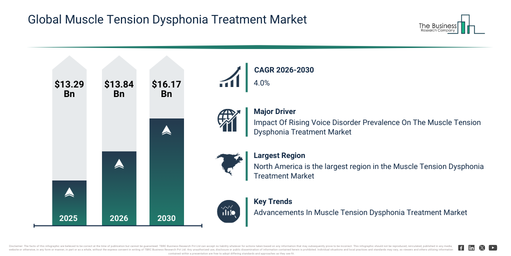
    The market for treating muscle tension dysphonia has demonstrated consistent expansion, projecting a rise from $13.29 billion in 2025 to $13.84 billion in 2026, reflecting a compound annual growth rate of 4.1%. This historical growth trajectory has been propelled by factors such as an increase in instances of vocal strain, heightened public awareness regarding speech therapy techniques, a greater number of visits to ENT clinics, the early integration of NSAIDs for managing voice-related ailments, and the widespread presence of chronic stress contributing to vocal difficulties.

    The market for treating muscle tension dysphonia is poised for consistent expansion over the upcoming years, projected to reach $16.17 billion by 2030 with a compound annual growth rate (CAGR) of 4.0%. This anticipated rise is fueled by several key factors, including the proliferation of advanced digital tools for voice therapy, an increased reliance on telemedicine for vocal health interventions, a growing desire for tailored vocal rehabilitation plans, the greater integration of behavioral therapy approaches, and the broadening availability of therapeutic programs designed for home use. During this forecast period, prominent trends will encompass a wider uptake of voice therapy programs, an escalating demand for counseling focused on behavior, increased prescription of anti-inflammatory drugs, greater utilization of proton-pump inhibitors, and a heightened emphasis on managing stress and anxiety.

    Download A Free Sample Report For Comprehensive Market Insights:

    https://www.thebusinessresearchcompany.com/sample.aspx?id=18683&type=smp

    Muscle Tension Dysphonia Treatment Market Development Factors: Which Trends Are Supporting Demand?

    The increasing incidence of voice-related ailments is anticipated to spur the expansion of the market for treating muscle tension dysphonia. Voice disorders encompass a range of conditions impacting the pitch, loudness, tone, and overall quality of an individual’s voice. Several factors contribute to the rise in these disorders, including heightened vocal strain from prolonged speaking, exposure to noisy environments, and a growing demand for professions that rely heavily on vocal capabilities. Treatments for muscle tension dysphonia are advantageous in managing voice disorders by targeting the excessive muscular tension around the larynx through methods such as speech therapy, physical exercises, and stress management strategies. For illustration, in March 2024, data from the National Institutes of Health, a U.S. governmental entity, indicated that over the preceding year, approximately 17.9 million adults in the United States (7.6% of the adult population aged 18 and above) reported experiencing voice difficulties, with about 9.4 million (4.0%) enduring these issues for a week or longer. Consequently, the escalating prevalence of voice disorders is a key driver for the muscle tension dysphonia treatment market’s growth.

    A heightened susceptibility to benign laryngeal conditions is projected to fuel the market expansion for muscle tension dysphonia treatments. Benign laryngeal conditions pertain to non-malignant growths or anomalies within the larynx, such as nodules or polyps, which can manifest as hoarseness but are not cancerous and generally have positive outcomes. Factors like persistent irritation from smoking or vocal overuse, along with exposure to environmental pollutants, could elevate the risk of developing these benign laryngeal issues. Treating muscle tension dysphonia offers benefits for benign laryngeal conditions by addressing the undue muscular tension and strain within the larynx that might worsen or resemble benign problems like nodules or polyps. As an example, in January 2024, the American Cancer Society, a professional organization in the U.S., projected that approximately 12,650 new cases of laryngeal cancer would be diagnosed in 2024, with 10,030 in males and 2,620 in females, leading to an expected 3,880 fatalities, comprising 3,120 men and 760 women. The probability of developing laryngeal cancer over a lifetime stands at roughly 1 in 200 for men and 1 in 840 for women. Therefore, the increased risk associated with benign laryngeal developments is propelling the growth within the muscle tension dysphonia treatment market.

    Muscle Tension Dysphonia Treatment Market Segment Performance And Strategic Opportunities

    The muscle tension dysphonia treatment market covered in this report is segmented –

    1) By Treatment Type: Nonsteroidal Anti-Inflammatory Drugs (NSAIDs), Analgesics, Voice Therapy, Behavioral Counseling

    2) By Age Group: Pediatrics, Adults, Elderly

    3) By Cause: Muscle Tension, Vocal Cord Damage, Other Causes

    4) By Distribution Channel: Institutional Sales, Hospitals, Clinics, Specialized Centers, Retail Sales, Retail Pharmacies, Online Pharmacies, Drug Store

    Subsegments:

    1) By Nonsteroidal Anti-Inflammatory Drugs (NSAIDs): Ibuprofen, Naproxen, Aspirin

    2) By Analgesics: Acetaminophen, Opioid Analgesics, Combination Analgesics

    3) By Voice Therapy: Resonant Voice Therapy, Semi-Occluded Vocal Tract Exercises, Lee Silverman Voice Treatment (LSVT)

    4) By Behavioral Counseling: Stress Management Techniques, Cognitive Behavioral Therapy (CBT), Relaxation Training

    Muscle Tension Dysphonia Treatment Market Transformation Trends: Which Innovations Are Driving Change?

    Within the muscle tension dysphonia treatment market, leading entities are prioritizing the creation of sophisticated medical innovations, exemplified by pharmaceuticals designed for cervical dystonia, with the goal of improving therapeutic effectiveness and patient results. Cervical dystonia, a neurological disorder causing involuntary neck muscle spasms that result in atypical movements and head positions, is a key focus. Notably, in August 2023, Daxxify, an American pharmaceutical firm, secured FDA authorization for its initial therapeutic use: treating adult patients diagnosed with cervical dystonia. This landmark decision stems from findings in phase 3 clinical studies, specifically ASPEN-1 and ASPEN-OLS. The ASPEN-1 trial, involving 382 individuals, successfully achieved its primary objective, demonstrating a marked enhancement in the Toronto Western Spasmodic Torticollis Rating Scale (TWSTRS) scores at weeks 4 and 6. Participants receiving higher doses experienced a median effect duration of 20.3 weeks, while those on lower doses saw benefits lasting a median of 24.0 weeks. Frequently observed side effects associated with the treatment included difficulty swallowing, reduced muscle strength, and discomfort at the injection site. The ASPEN-OLS study, which involved up to four consecutive administrations of Daxxify to 357 participants, also revealed improvements in TWSTRS scores, with the duration of effect ranging from a median of 19.9 to 26.0 weeks. Adverse events commonly reported in this study comprised injection site discomfort, headaches, and redness at the injection site.

    Muscle Tension Dysphonia Treatment Market Key Players: Which Companies Shape Industry Competition?

    Major companies operating in the muscle tension dysphonia treatment market are Mayo Clinic, Cleveland Clinic, Mount Sinai Health System, Johns Hopkins Medicine, NYU Langone Hospitals, University of Michigan Health System, UCLA Health, Children’s Hospital of Philadelphia, Emory Healthcare, Massachusetts General Hospital, American Laryngological Association, Weill Cornell Medicine, Duke University Health System, The Center for Voice Northwestern Medicine, UT Southwestern Medical Center Voice Care, IU Health Voice Disorders, Lions Voice Clinic University of Minnesota, Royal National ENT and Eastman Dental Hospitals, UCL Ear Institute, Medical Voice Center Russia, British Voice Association, The Voice Foundation, Karnataka ENT Hospital Voice Clinic

    Access The Complete Muscle Tension Dysphonia Treatment Market Report:

    https://www.thebusinessresearchcompany.com/report/muscle-tension-dysphonia-treatment-global-market-report

    Muscle Tension Dysphonia Treatment Market Geographic Analysis: Where Is Demand Growing The Fastest?

    North Americawas the largest region in the muscle tension dysphonia treatment market in 2025. Europeis expected to be the fastest-growing region in the forecast period. The regions covered in the muscle tension dysphonia treatment market report are Asia-Pacific, South East Asia, Western Europe, Eastern Europe, North America, South America, Middle East, Africa.

    Get in touch with us:

    The Business Research Company: https://www.thebusinessresearchcompany.com/

    Americas: +1 310-496-7795

    Asia: +44 7882 955267 & +91 8897263534

    Europe: +44 7882 955267

    Email us at: marketing@tbrc.info

    Follow us on:

    LinkedIn: https://in.linkedin.com/company/the-business-research-company

    YouTube: https://www.youtube.com/channel/UC24_fI0rV8cR5DxlCpgmyFQ

    Global Market Model: https://www.thebusinessresearchcompany.com/global-market-model
  • Muscle Spasticity Market Trends And Growth Drivers Point To Strong Future Potential

    Muscle Spasticity Market Trends And Growth Drivers Point To Strong Future Potential

    Through market attractiveness analysis, total addressable market evaluation, company benchmarking matrices, interactive Excel dashboards, expanded supply chain intelligence, emerging startup coverage, and detailed product insights, The Business Research Company’s 2026 market reports provide more actionable and strategically valuable research.

    Muscle Spasticity Market Revenue Growth Supported By A CAGR Of 6.91% Through 2030

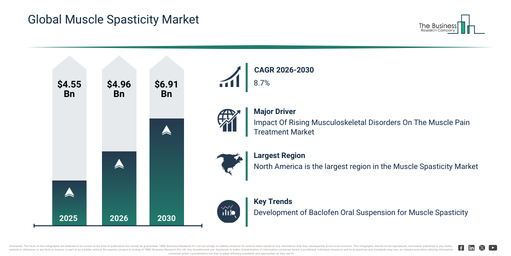
    The market for muscle spasticity treatments has experienced robust expansion, projected to scale from $4.55 billion in 2025 to $4.96 billion by 2026, reflecting a compound annual growth rate of 8.8%. This upward trajectory during the preceding period was fueled by a notable increase in neurological injuries, a higher incidence of spinal cord conditions, a rise in stroke-related complications, the prevalent use of oral muscle relaxants, and restricted availability of specialized treatment options.

    The market for muscle spasticity is poised for considerable expansion over the coming years, projected to reach $6.91 billion by 2030 with an 8.7% compound annual growth rate. This anticipated growth trajectory is fueled by several key factors, including ongoing improvements in drug delivery methodologies, a growing acceptance of botulinum toxin injections as a primary treatment, the rise of remote and at-home rehabilitation options, increased financial commitment to neurological care, and the proliferation of clinical studies focused on spasticity interventions. Key developments expected to shape this market during the forecast period involve a heightened inclination towards botulinum toxin therapies, greater utilization of intrathecal baclofen treatment, a surge in the demand for oral muscle relaxant medications, an expansion of physical therapy and rehabilitation services, and a heightened emphasis on tailored approaches to managing spasticity.

    Download A Free Sample Report For Comprehensive Market Insights:

    https://www.thebusinessresearchcompany.com/sample.aspx?id=18411&type=smp

    Muscle Spasticity Market Industry Drivers: What Is Driving Revenue Growth?

    The growing incidence of conditions affecting the musculoskeletal system is poised to propel the muscle spasticity market. These musculoskeletal disorders, which impact the body’s muscles, bones, and joints, frequently result in discomfort, rigidity, and restricted movement. Factors contributing to the uptick in musculoskeletal issues include an aging global population, predominantly inactive lifestyles, and a higher occurrence of ongoing health problems. Muscle spasticity treatments are designed to mitigate the symptoms associated with musculoskeletal disorders by easing pain, facilitating greater movement, averting secondary health complications, and ultimately boosting patients’ general well-being and capacity for daily activities. As an illustration, data from January 2024 released by the Office for Health Improvement and Disparities, a UK government entity, indicated that in 2023, 18.4% of individuals aged 16 and above reported suffering from a long-term musculoskeletal condition, a minor increase from 17.6% in 2022. Such conditions were more commonly reported by females (20.9%) than males (15.8%). Consequently, the escalating prevalence of musculoskeletal disorders is acting as a significant driver for the muscle spasticity market.

    Muscle Spasticity Market Segment Landscape And Growth Potential

    The muscle spasticity market covered in this report is segmented –

    1) By Drug Type: Baclofen, Botulinum Toxin, Diazepam, Dantrolene Sodium, Other Drugs

    2) By Route Of Administration: Oral, Intramuscular, Other Routes Of Administrations

    3) By Distribution Channel: Hospital Pharmacies, Retail Pharmacies, Online Pharmacies

    Subsegments:

    1) By Baclofen: Oral Baclofen, Intrathecal Baclofen (Pump)

    2) By Botulinum Toxin: Botox (Botulinum Toxin Type A), Dysport (Botulinum Toxin Type A), Xeomin (Botulinum Toxin Type A), Myobloc (Botulinum Toxin Type B)

    3) By Diazepam: Oral Diazepam, Injectable Diazepam

    4) By Dantrolene Sodium: Oral Dantrolene, Injectable Dantrolene

    5) By Other Drugs: Tizanidine, Clonidine, Gabapentin

    #Muscle Spasticity Market Growth Trends: What Is Influencing The Future Outlook?

    A significant trend observed within the muscle spasticity sector involves leading firms prioritizing research and development into innovative oral muscle relaxant formulations. These advancements aim to offer greater flexibility in how the medication is administered, boost patient compliance with treatment regimens, and cater to those who find swallowing standard solid dosage forms challenging. Such novel oral formulations encompass liquid versions or other altered oral delivery systems designed to dispense established antispasmodic medications in a more convenient and patient-centric manner, facilitating accurate dosage and better tolerance. Illustrating this trend, ANI Pharmaceuticals, an American pharmaceutical manufacturer, introduced baclofen oral suspension in April 2024. This generic alternative to fleqsuvy is prescribed for alleviating muscle spasms stemming from conditions like multiple sclerosis and spinal cord injuries, functioning by promoting muscle relaxation.

    Muscle Spasticity Market Competitive Landscape: Who Are The Leading Companies?

    Major companies operating in the muscle spasticity market are F. Hoffmann‑La Roche AG, AbbVie Inc., Abbott Laboratories, Novartis AG, Teva Pharmaceutical Industries Ltd., Ipsen Pharma, Endo Pharmaceuticals Inc., Neurocrine Biosciences Inc., Merz Pharmaceuticals GmbH, Revance Therapeutics Inc., Acorda Therapeutics Inc., Zydus Cadila, Pfizer Inc., Merck & Co. Inc., Sanofi S.A., UCB Pharma S.A., Jazz Pharmaceuticals plc, Daiichi Sankyo Company Limited, GlaxoSmithKline plc, InMed Pharmaceuticals Inc., MediciNova Inc., Genentech Inc., Beximco Pharmaceuticals Ltd., Sun Pharmaceutical Industries Ltd., Taj Pharmaceuticals Limited

    Access The Complete Muscle Spasticity Market Report:

    https://www.thebusinessresearchcompany.com/report/muscle-spasticity-global-market-report

    Muscle Spasticity Market Global Footprint: Which Region Holds Market Leadership?

    North Americawas the largest region in the muscle spasticity market in 2025. Asia-Pacificis expected to be the fastest-growing region in the forecast period. The regions covered in the muscle spasticity market report are Asia-Pacific, South East Asia, Western Europe, Eastern Europe, North America, South America, Middle East, Africa.

    Get in touch with us:

    The Business Research Company: https://www.thebusinessresearchcompany.com/

    Americas: +1 310-496-7795

    Asia: +44 7882 955267 & +91 8897263534

    Europe: +44 7882 955267

    Email us at: marketing@tbrc.info

    Follow us on:

    LinkedIn: https://in.linkedin.com/company/the-business-research-company

    YouTube: https://www.youtube.com/channel/UC24_fI0rV8cR5DxlCpgmyFQ

    Global Market Model: https://www.thebusinessresearchcompany.com/global-market-model

  • Muscle Pain Treatment Market Expansion Is Reshaping Competitive Dynamics Across The Industry

    Muscle Pain Treatment Market Expansion Is Reshaping Competitive Dynamics Across The Industry

    Delivering more actionable and strategically valuable research, The Business Research Company’s 2026 market reports feature market attractiveness analysis, total addressable market evaluation, company benchmarking matrices, interactive Excel dashboards, expanded supply chain intelligence, emerging startup coverage, and detailed product insights.

    Muscle Pain Treatment Market Value Expansion And Long-Term Growth Outlook

    Experiencing significant expansion, the market for muscle pain treatments is projected to continue its robust upward trajectory. The sector is anticipated to expand from a valuation of $13.59 billion in 2025 to $14.33 billion in 2026, reflecting a compound annual growth rate of 5.4%. This growth over the past period was fueled by an increase in physical injuries, a higher incidence of jobs involving demanding physical labor, the widespread and prompt use of over-the-counter pain relief medications, a rise in muscle strains associated with athletic activities, and a lesser degree of knowledge regarding non-drug-based therapeutic approaches.

    The market for muscle pain treatments is poised for substantial expansion, projected to reach $17.42 billion by 2030, demonstrating a compound annual growth rate of 5.0%. This anticipated growth trajectory is underpinned by several key factors, including ongoing innovations in topical treatment formulations, a heightened demand for tailored pain management strategies, the increasing integration of muscle relaxants into clinical practice, the widening availability of physiotherapy services, and a notable surge in investments directed towards alternative therapeutic approaches for pain relief. Furthermore, several significant trends are expected to shape the market during this forecast period; these include a growing preference for topical analgesic products, a rise in the application of muscle relaxants for managing acute pain episodes, increasing acceptance and utilization of physical and massage therapies, an expansion in the availability of over-the-counter pain relief options, and a greater emphasis on employing combination therapies to address chronic muscle pain conditions.

    Download A Free Sample Report For Comprehensive Market Insights:

    https://www.thebusinessresearchcompany.com/sample.aspx?id=17206&type=smp

    Muscle Pain Treatment Market Growth Factors: Which Forces Are Supporting Market Expansion?

    The growing incidence of musculoskeletal ailments is anticipated to be a significant catalyst for the muscle pain treatment market’s expansion. Musculoskeletal disorders encompass a range of conditions impacting the body’s muscles, bones, and joints, frequently leading to discomfort, rigidity, and restricted motion. Contributing factors to the escalating number of musculoskeletal cases include an aging global population, increasingly sedentary routines, and a higher occurrence of long-term health issues. The objective of muscle pain treatments is to provide relief from the symptoms associated with musculoskeletal disorders by mitigating pain, enhancing movement capabilities, averting further complications, and ultimately improving individuals’ general well-being and physical functionality. To illustrate, data from the United Kingdom’s Office for Health Improvement and Disparities indicated that in 2023, 18.4% of individuals aged sixteen and above reported experiencing a persistent musculoskeletal condition, a marginal increase from the 17.6% recorded in 2022, with females (20.9%) being more likely to report such conditions than males (15.8%). Consequently, the escalating prevalence of musculoskeletal disorders is fueling the growth of the muscle pain treatment market.

    Muscle Pain Treatment Market Categorization By Product Type And Application

    The muscle pain treatment market covered in this report is segmented –

    1) By Pharmacological Treatment: Analgesics, Muscle Relaxants, Topical Analgesics, Other Pharmacological Treatments

    2) By Non-Pharmacological Treatment: Physical Therapy, Massage Therapy, Acupuncture, Heat And Cold Therapy, Exercise And Stretching, Other Non-Pharmacological Treatments

    3) By Type Of Pain: Acute Muscle Pain, Chronic Muscle Pain

    4) By Cause Of Muscle Pain: Overuse And Strain, Injury Or Trauma, Inflammatory Conditions, Neurological Conditions, Infections, Other Cause Of Muscle Pains

    5) By Application: Hospital, Clinic, Other Applications

    Subsegments:

    1) By Analgesics: Nonsteroidal Anti-Inflammatory Drugs (NSAIDs), Acetaminophen

    2) By Muscle Relaxants: Centrally Acting Muscle Relaxants, Peripherally Acting Muscle Relaxants

    3) By Topical Analgesics: Creams & Ointments, Gels & Sprays, Patches

    4) By Other Pharmacological Treatments: Corticosteroids, Antidepressants, Anticonvulsants

    Muscle Pain Treatment Market Industry Trends: What Changes Are Reshaping Demand?

    In the muscle pain treatment sector, key players are concentrating their efforts on creating novel remedies, specifically topical analgesics, aimed at boosting effectiveness and user-friendliness. These topical analgesics, intended for direct skin application, work by alleviating discomfort at the site of pain, making them a go-to for ailments like general muscle soreness, arthritis, and minor injuries. A prime example occurred in July 2024 when Wellness Formulations LLC, a provider of health and wellness goods in the United States, introduced Ralli Rapid Pain Relief. This new offering capitalizes on menthol’s pain-relieving properties, enhanced by superior absorption agents and skin-conditioning ingredients, providing potent relief without a greasy feel. It promises swift and enduring respite from muscle aches, joint pain, arthritis, strains, and sprains, and its availability in gel, spray, and roll-on forms allows for simple, direct application to the affected area, negating the need for manual rubbing or massage.

    Muscle Pain Treatment Market Company Landscape And Strategic Competition

    Major companies operating in the muscle pain treatment market are Pfizer Inc., Johnson & Johnson, Roche Holding AG, Merck & Co. Inc., AbbVie Inc., Bayer AG, Sanofi SA, Bristol Myers Squibb Company, AstraZeneca PLC, Novartis International AG, GlaxoSmithKline plc (GSK), Eli Lilly and Company, Amgen Inc., Teva Pharmaceutical Industries Ltd., Baxter International Inc., Haleon Plc, Select Medical Holdings Corporation, Purdue Pharma, Endo Pharmaceuticals Inc., Concentra Inc., Athletico Physical Therapy, ATI Physical Therapy Inc., Physiotherapy Associates Inc, NovaCare Rehabilitation Inc, CORA Health Services Inc., Select Physical Therapy Holdings Inc., ProActive Physical Therapy

    Access The Complete Muscle Pain Treatment Market Report:

    https://www.thebusinessresearchcompany.com/report/muscle-pain-treatment-global-market-report

    Muscle Pain Treatment Market Regional Distribution: Which Areas Drive Market Expansion?

    North Americawas the largest region in the muscle pain treatment market in 2025. Asia-Pacificis expected to be the fastest-growing region in the forecast period. The regions covered in the muscle pain treatment market report are Asia-Pacific, South East Asia, Western Europe, Eastern Europe, North America, South America, Middle East, Africa.

    Get in touch with us:

    The Business Research Company: https://www.thebusinessresearchcompany.com/

    Americas: +1 310-496-7795

    Asia: +44 7882 955267 & +91 8897263534

    Europe: +44 7882 955267

    Email us at: marketing@tbrc.info

    Follow us on:

    LinkedIn: https://in.linkedin.com/company/the-business-research-company

    YouTube: https://www.youtube.com/channel/UC24_fI0rV8cR5DxlCpgmyFQ

    Global Market Model: https://www.thebusinessresearchcompany.com/global-market-model

  • Muscarinic Acetylcholine Receptor Market Forecast Reveals Where Future Industry Value Will Be Created

    Muscarinic Acetylcholine Receptor Market Forecast Reveals Where Future Industry Value Will Be Created

    Enhanced with market attractiveness analysis, total addressable market evaluation, company benchmarking matrices, interactive Excel dashboards, expanded supply chain intelligence, emerging startup coverage, and detailed product insights, The Business Research Company’s 2026 market reports deliver more actionable and strategically valuable research.

    Muscarinic Acetylcholine Receptor Market Expected To Reach $2.51 Billion By 2030 At 6% CAGR

    The market for muscarinic acetylcholine receptors has experienced robust expansion lately, projecting a shift from $1.89 billion in 2025 to $1.99 billion in 2026, representing a compound annual growth rate of 5.5%. This historical growth trajectory has been fueled by several key factors, including a heightened incidence of neurological conditions, initial investigations into g protein signaling pathways, an escalating need for therapeutic solutions for respiratory ailments, advancements in pharmaceutical research and development, and a scarcity of precisely targeted receptor options.

    The market for muscarinic acetylcholine receptors is projected for substantial expansion over the coming years, reaching an estimated $2.51 billion by 2030 with a compound annual growth rate of 6.0%. This anticipated growth is fueled by several key factors, including breakthroughs in discovering drugs that specifically target receptors, increased funding for treatments of neurodegenerative diseases, the proliferation of personalized medical approaches, the creation of integrated receptor therapies, and a greater emphasis on precisely controlling molecular actions. Prominent trends expected to shape this market include a heightened focus on selecting specific receptor targets, a growing need for treatments addressing neurological disorders, expanded research into modifying G protein-coupled receptors, progress in developing drugs for memory deficits, and a growing enthusiasm for therapies that combine receptor modulators.

    Download A Free Sample Report For Comprehensive Market Insights:

    https://www.thebusinessresearchcompany.com/sample.aspx?id=10861&type=smp

    Muscarinic Acetylcholine Receptor Market Demand Drivers: What Is Fueling Industry Growth?

    The expanding landscape of neurological conditions is anticipated to significantly boost the muscarinic acetylcholine receptor market. These conditions, impacting the brain, spinal cord, and nerves, are becoming more common. Muscarinic acetylcholine receptors, vital for managing intricate functions such as thinking, movement, and pleasure, present themselves as crucial targets for therapeutic interventions aimed at various nervous system ailments. Illustrating this growing concern, the World Federation of Neurology reported in October 2023 that neurological disorders have climbed to become the second highest cause of mortality and the foremost reason for disability globally, affecting over 40 percent of the world’s population in 2023, with projections indicating a near doubling of individuals affected by brain diseases by 2050, underscoring the escalating global health challenge. Consequently, the heightened incidence of neurological disorders is a primary catalyst for the expansion of the muscarinic acetylcholine receptor market.

    Muscarinic Acetylcholine Receptor Market Segment Analysis And Revenue Opportunities

    The muscarinic acetylcholine receptor market covered in this report is segmented –

    1) By Type: M1 Receptor, M4 Receptor, M5 Receptor, Other Types

    2) By Distribution Channel: Hospitals, Clinics, Retail Pharmacies, Online Pharmacies, Specialty Centers

    3) By Application: Chronic Obstructive Pulmonary Disease, Attention Deficit Hyperactivity Disorder, Alzheimer’s Disease, Memory Impairment, Psychiatric Disorders, Other Applications

    Subsegments:

    1) By M1 Receptor: Centrally Acting Antagonists, Centrally Acting Agonists, Peripherally Acting Compounds

    2) By M4 Receptor: Selective Agonists, Selective Antagonists, Non-Selective Agents

    3) By M5 Receptor: Agonists, Antagonists

    4) By Other Types: M2 Receptor, M3 Receptor, Combination Receptor Products

    Muscarinic Acetylcholine Receptor Market Innovation Trends: Which Developments Are Transforming The Industry?

    Leading businesses within the muscarinic acetylcholine receptor market are actively pursuing novel product development to enhance their market standing and secure regulatory endorsements for schizophrenia therapies. Schizophrenia, a profound mental health condition, disrupts an individual’s cognitive processes, emotional responses, and conduct, potentially causing them to seem removed from reality, a state that can distress both the patient and their family. Illustrating this commitment, Karuna Therapeutics, Inc., a biopharmaceutical firm based in the United States specializing in clinical development, declared in September 2023 the submission of a New Drug Application to the FDA for KarXT (xanomeline-trospium), a candidate medication for schizophrenia treatment. This company dedicates its efforts to the discovery, advancement, and delivery of groundbreaking therapeutic solutions for conditions affecting the nervous system and mental well-being.

    Muscarinic Acetylcholine Receptor Market Leading Players Shaping Industry Direction

    Major companies operating in the muscarinic acetylcholine receptor market are Heptares Therapeutics Ltd., Sumitomo Dainippon Pharma Co. Ltd., Anavex Life Sciences Corp., NeuroHealing Pharmaceuticals Inc., AstraZeneca plc, Karuna Pharmaceuticals Inc., Anven AlzDx Inc., Merck & Co Inc., Eli Lilly and Co., GlaxoSmithKline plc, Johnson & Johnson, Pfizer Inc., Novartis AG, AbbVie Inc., Boehringer Ingelheim International GmbH, Takeda Pharmaceutical Company Limited, Teva Pharmaceutical Industries Ltd., F. Hoffmann-La Roche Ltd., Eisai Co. Ltd., Astellas Pharma Inc., Sanofi SA, Sun Pharmaceutical Industries Ltd.

    Access The Complete Muscarinic Acetylcholine Receptor Market Report:

    https://www.thebusinessresearchcompany.com/report/muscarinic-acetylcholine-receptor-global-market-report

    Muscarinic Acetylcholine Receptor Market Leading Geography: Which Region Generates The Most Revenue?

    North Americawas the largest region in the muscarinic acetylcholine receptor market in 2025.Asia-Pacificis expected to be the fastest-growing region in the global muscarinic acetylcholine receptor market during the forecast period. The regions covered in the muscarinic acetylcholine receptor market report are Asia-Pacific, South East Asia, Western Europe, Eastern Europe, North America, South America, Middle East, Africa.

    Get in touch with us:

    The Business Research Company: https://www.thebusinessresearchcompany.com/

    Americas: +1 310-496-7795

    Asia: +44 7882 955267 & +91 8897263534

    Europe: +44 7882 955267

    Email us at: marketing@tbrc.info

    Follow us on:

    LinkedIn: https://in.linkedin.com/company/the-business-research-company

    YouTube: https://www.youtube.com/channel/UC24_fI0rV8cR5DxlCpgmyFQ

    Global Market Model: https://www.thebusinessresearchcompany.com/global-market-model

  • Multiplex Biomarker Imaging Market Growth Through 2030 Creates New Strategic Opportunities

    Multiplex Biomarker Imaging Market Growth Through 2030 Creates New Strategic Opportunities

    Through market attractiveness analysis, total addressable market evaluation, company benchmarking matrices, interactive Excel dashboards, expanded supply chain intelligence, emerging startup coverage, and detailed product insights, The Business Research Company’s 2026 market reports provide more actionable and strategically valuable research.

    Multiplex Biomarker Imaging Market Size And Revenue Forecast Through 2030

    The market for multiplex biomarker imaging has experienced a significant expansion recently, projecting a growth from $0.54 billion in 2025 to $0.6 billion in 2026, reflecting a compound annual growth rate of 10.8%. This historical upward trend is attributable to several key factors, including an increase in cancer research initiatives, a heightened demand for biomarker-driven diagnostics, the early embrace of fluorescence imaging technologies, the inherent limitations of analyzing single markers, and the overall proliferation of molecular pathology testing.

    The global multiplex biomarker imaging market is projected for substantial expansion over the coming years, reaching an estimated $0.86 billion by 2030 with a compound annual growth rate of 9.5%. This upward trajectory in the forecast period is fueled by several key factors: ongoing innovations in imaging technologies, an escalating need for tailored medical treatments, the broadening scope of multiplex assay applications, increased pharmaceutical investment in biomarker research, and a surge in funding for spatial biology studies. Significant trends anticipated within this timeframe include the growing utilization of multiplex imaging in cancer research, a heightened demand for detailed tissue mapping, the wider incorporation of sophisticated immunofluorescence methods, the proliferation of automated image analysis tools, and the seamless integration of multiplex imaging capabilities with drug discovery processes.

    Download A Free Sample Report For Comprehensive Market Insights:

    https://www.thebusinessresearchcompany.com/sample.aspx?id=16127&type=smp

    Multiplex Biomarker Imaging Market Growth Drivers: What Factors Are Accelerating Expansion?

    The expansion of the market for multiplex biomarker imaging is anticipated to be significantly influenced by the increasing occurrence of chronic illnesses. These prolonged health conditions, characterized by their enduring or recurrent nature and often complex etiologies, diverse risk elements, and extended incubation durations, are becoming more prevalent. Factors contributing to this rise include an aging global demographic, enhanced diagnostic capabilities, more effective disease management strategies, and shifts in lifestyle and environmental influences. Multiplex biomarker imaging plays a crucial role in managing these long-term conditions by enabling thorough assessment and monitoring of disease advancement and therapeutic outcomes. For example, projections indicate a substantial surge in individuals aged 50 and above experiencing at least one chronic condition, with an expected increase from 71.52 million in 2020 to 142.66 million by 2050, a near doubling of cases according to a January 2023 report from the National Institutes of Health. Consequently, the escalating incidence of chronic diseases is a key driver for the growth of the multiplex biomarker imaging sector.

    Multiplex Biomarker Imaging Market Segmentation And Category Breakdown

    The multiplex biomarker imaging market covered in this report is segmented –

    1) By Component Type: Instruments, Software, Services

    2) By Imaging Techniques: Immunofluorescence (IF) Assay, Tissue Microarray (TMA) Assay, Immunohistochemistry (IHC) Assay, Fluorescent In Situ Hybridization (FISH) Assay, Toponome Imaging System (TIS)

    3) By Application: Drug Safety, Oncology Studies, Genetic Characterization Studies

    4) By End User: Research Institutes, Government And Private, Clinical Labs, Pharmaceutical And Biotechnology

    Subsegments:

    1) By Instruments: Imaging Systems (Microscopes, Scanners), Detection Devices, Reagents And Kits

    2) By Software: Image Analysis Software, Data Management Software, Visualization And Interpretation Software

    3) By Services: Technical Support And Maintenance, Consultation And Training, Imaging And Analysis Services

    Multiplex Biomarker Imaging Market Trends: What Is Shaping Future Industry Growth?

    In the competitive landscape of the multiplex biomarker imaging market, key players are prioritizing the development of cutting-edge slide solutions, including automated slide loaders, to furnish superior imaging capabilities and elevate customer satisfaction. Automated slide loaders play a pivotal role in optimizing sample management, thereby minimizing manual intervention and boosting processing efficiency, which is indispensable for extensive multiplex biomarker imaging studies. Illustrating this trend, Standard BioTools Inc., a prominent US entity specializing in analytical systems and instruments, unveiled its Hyperion XTi Imaging System in April 2024, incorporating a novel high-throughput multiplexed whole slide system designed for enhanced automation and adaptability. This system features three distinct modes for swift analysis: preview, tissue, and cell, empowering researchers to rapidly discern tissue variability and perform more in-depth investigations. This groundbreaking whole slide imaging methodology, leveraging imaging mass cytometry (IMC), achieves throughput levels up to ten times greater than those offered by cyclic immunofluorescent imaging. Furthermore, the integration of an automated slide loader significantly boosts imaging throughput, curtails hands-on processing time, and promotes consistent results. The overarching objective of these advancements is to expedite discoveries in spatial proteomics, yielding dependable understanding of both health and disease states.

    Multiplex Biomarker Imaging Market Competitive Analysis Of Major Industry Participants

    Major companies operating in the multiplex biomarker imaging market are Merck KGaA, Thermo Fisher Scientific Inc., Danaher Corporation, Becton Dickinson and Company (BD), Carl Zeiss AG, Illumina Inc, PerkinElmer Inc., Bio-Rad Laboratories Inc, Bruker Corporation, Bio-Techne Corporation, Leica Biosystems Nussloch GmbH, Abcam Plc, Meso Scale Diagnostics LLC, Fluidigm Corporation, NanoString Technologies, Quanterix Corporation, Akoya Biosciences, Enzo Biochem Inc, Cisbio Bioassays, Flagship Biosciences, Aushon BioSystems Ltd, Ionpath Inc., Biosims Technologies

    Access The Complete Multiplex Biomarker Imaging Market Report:

    https://www.thebusinessresearchcompany.com/report/multiplex-biomarker-imaging-global-market-report

    Multiplex Biomarker Imaging Market Regional Outlook: Where Are The Largest Opportunities Located?

    North Americawas the largest region in the multiplex biomarker imaging market in 2025. Asia-Pacificis expected to be the fastest-growing region in the forecast period. The regions covered in the multiplex biomarker imaging market report are Asia-Pacific, South East Asia, Western Europe, Eastern Europe, North America, South America, Middle East, Africa.

    Get in touch with us:

    The Business Research Company: https://www.thebusinessresearchcompany.com/

    Americas: +1 310-496-7795

    Asia: +44 7882 955267 & +91 8897263534

    Europe: +44 7882 955267

    Email us at: marketing@tbrc.info

    Follow us on:

    LinkedIn: https://in.linkedin.com/company/the-business-research-company

    YouTube: https://www.youtube.com/channel/UC24_fI0rV8cR5DxlCpgmyFQ

    Global Market Model: https://www.thebusinessresearchcompany.com/global-market-model
  • Multiplex Assays Market Size Projected To Increase From $4.2 Billion To $5.75 Billion During The Forecast Period

    Multiplex Assays Market Size Projected To Increase From $4.2 Billion To $5.75 Billion During The Forecast Period

    Delivering more actionable and strategically valuable research, The Business Research Company’s 2026 market reports feature market attractiveness analysis, total addressable market evaluation, company benchmarking matrices, interactive Excel dashboards, expanded supply chain intelligence, emerging startup coverage, and detailed product insights.

    Multiplex Assays Market Growth From $4.2 Billion In 2026 To $5.75 Billion By 2030 At A CAGR Of 8.1%

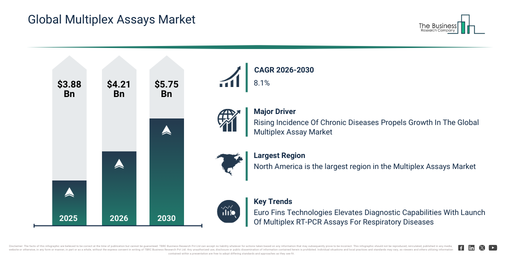
    The market for multiplex assays has experienced substantial expansion lately, projecting continued growth from $3.88 billion in 2025 to $4.21 billion by 2026, which represents a compound annual growth rate (CAGR) of 8.3%. This upward trajectory during the historical period can be linked to several key factors, including the amplified utilization of molecular diagnostics, a heightened demand for PCR-based testing methodologies, the broadening scope of research initiatives, a greater necessity for pathogen identification, and the early acceptance of multiplex protein assays.

    The market for multiplex assays is poised for substantial expansion in the upcoming years, projected to reach $5.75 billion by 2030 with a compound annual growth rate (CAGR) of 8.1%. This anticipated growth is fueled by several key factors, including pioneering developments in multiplex technologies, heightened utilization in clinical diagnostics, expanded applications within precision medicine, increased deployment in forensic settings, and a growing demand for genetic mutation analysis. During this forecast period, several significant trends are expected to shape the market, such as the increasing adoption of multiplex PCR for identifying pathogens, a rise in the use of multiplex assays for analyzing mutations and genes, greater demand for high-throughput protein quantification, the broader implementation of multiplex platforms in clinical diagnostics, and an enhanced application of multiplex assays in both forensic investigations and academic research endeavors.

    Download A Free Sample Report For Comprehensive Market Insights:

    https://www.thebusinessresearchcompany.com/sample.aspx?id=5775&type=smp

    Multiplex Assays Market Growth Factors Supporting Long-Term Expansion

    The escalating prevalence of long-term health conditions is anticipated to be a primary catalyst for the expansion of the worldwide multiplex assay market. These enduring ailments, which manifest gradually and necessitate continuous care, frequently impact various bodily systems and diminish an individual’s overall well-being. A significant contributor to the rise in chronic diseases is the demographic shift towards an older population; as age advances, the body’s resilience wanes, its ability to repair itself lessens, and exposure to accumulating risk factors extends, consequently increasing susceptibility to developing and worsening persistent health issues. Multiplex assays, by facilitating the concurrent evaluation of numerous biomarkers, offer benefits such as enhanced early identification, more accurate tracking of disease progression, and informed therapeutic choices for those managing chronic conditions. For illustrative purposes, consider that in April 2024, Allergy UK, a charitable organization in the United Kingdom, reported that over 21 million individuals in the UK suffer from allergies, marking it as the most frequently cited chronic health status in 2022, with forecasts suggesting that by 2026, half of Europe’s inhabitants will contend with at least one allergic condition. Consequently, the growing burden of chronic diseases is fueling demand within the multiplex assay market.

    Multiplex Assays Market Segment Outlook: Which Categories Are Expanding The Fastest?

    The multiplex assays market covered in this report is segmented –

    1) By Type: Protein-Based Multiplex Assays, Nucleic Acid-Based Multiplex Assays, Other Types

    2) By Identification Technology: Flow Cytometry, Multiplex Real-Time PCR, Other Identification Technologies

    3) By Detection Technology: Enzyme-Linked Immunosorbent Assay (ELISA), Luminescence, Fluorescence, Other Detection Technologies

    4) By Application: Research And Development, Clinical Diagnostics

    5) By End User: Pharmaceutical And Biotechnology Companies, Hospitals And Research Institutes, Reference Laboratories, Other End-Users

    Subsegments:

    1) By Protein-Based Multiplex Assays: ELISA (Enzyme-Linked Immunosorbent Assay), Luminex xMAP Technology, Western Blotting, Immunohistochemistry, Mass Spectrometry-Based Assays

    2) By Nucleic Acid-Based Multiplex Assays: PCR (Polymerase Chain Reaction), qPCR (Quantitative PCR), NGS (Next-Generation Sequencing), Microarray Analysis, RT-PCR (Reverse Transcription PCR)

    3) By Other Types: Cell-Based Multiplex Assays, Bioanalytical Assays, Imaging-Based Assays, Surface Plasmon Resonance (SPR) Assays

    Multiplex Assays Market Industry Trends Shaping Future Revenue Growth

    Leading firms within the multiplex assays sector are directing their efforts toward creating novel solutions, including ultra-sensitive digital PCR assays that employ multiplexing,aiming to boost the precision of mutation identification and facilitate more streamlined clinical investigation processes. These advanced assays represent sophisticated analytical instruments designed for the concurrent identification and measurement of numerous genetic variations present in small quantities, all within a single experimental run, thereby elevating detection sensitivity, minimizing the need for extensive sample material, and shortening analysis durations. Illustratively, Bio-Rad Laboratories Inc., a prominent American entity specializing in life science research and clinical diagnostic products, introduced the ddPLEX ESR1 Mutation Detection Kit in January 2024. This product stands out as the inaugural ultra-sensitive, multiplexed digital PCR assay meticulously engineered for the identification of breast cancer mutations within a clinical research context. This particular assay facilitates the simultaneous detection and quantification of seven significant ESR1 mutations in a single sample well, thereby optimizing the testing workflow. It offers an impressive analytical sensitivity reaching as low as 0.01% variant allele fraction (VAF), which empowers the detection of rare mutations that can play a crucial role in cancer diagnosis. The kit is adaptable for use with circulating tumor DNA (ctDNA) derived from plasma samples or with DNA extracted from formalin-fixed paraffin-embedded (FFPE) tissue, thereby accommodating diverse sample sources for analysis.

    Multiplex Assays Market Key Companies And Competitive Benchmarking

    Major companies operating in the multiplex assays market are Seegene Inc, DiaSorin SpA, Thermo Fisher Scientific Inc, Bio-Rad Laboratories Inc, Abcam Plc, PerkinElmer Inc, Hologic Corporation, Meso Scale Diagnostics, Merck KGaA, Roche Diagnostics India Pvt Ltd, bioMérieux India, Becton Dickinson Private Limited, Danaher Corporation, Johnson & Johnson, Simens Healthcare, Beckman Coulter Inc. India, Ortho Clinical Diagnostics, Sysmex Corporation, Siemens Healthineers Ukraine, TestLine Clinical Diagnostics s.r.o., Cepheid, F. Hoffmann-La Roche Ltd., Hologic, Bayer AG, Cantel Medical Corporation, Meridian Bioscience, Faizyme Laboratories, Alere Inc., Bangs Laboratories Inc, The Merck Group, Takara Bio Inc, Qiagen, Spherotech Inc, Geneaid Biotech Ltd, Rockland Immunochemicals Inc, GenScript Biotech Corporation

    Access The Complete Multiplex Assays Market Report:

    https://www.thebusinessresearchcompany.com/report/multiplex-assays-global-market-report

    Multiplex Assays Market Geographic Landscape: Which Region Dominates Industry Growth?

    North Americawas the largest region in the multiplex assays market in 2025. Asia-Pacificis expected to be the fastest-growing region in the forecast period. The regions covered in the multiplex assays market report are Asia-Pacific, South East Asia, Western Europe, Eastern Europe, North America, South America, Middle East, Africa.

    Get in touch with us:

    The Business Research Company: https://www.thebusinessresearchcompany.com/

    Americas: +1 310-496-7795

    Asia: +44 7882 955267 & +91 8897263534

    Europe: +44 7882 955267

    Email us at: marketing@tbrc.info

    Follow us on:

    LinkedIn: https://in.linkedin.com/company/the-business-research-company

    YouTube: https://www.youtube.com/channel/UC24_fI0rV8cR5DxlCpgmyFQ

    Global Market Model: https://www.thebusinessresearchcompany.com/global-market-model
  • Multiple Myeloma Market Growth Outlook Reveals A CAGR Of 8.2% And A Market Value Of $41.38 Billion By 2030

    Multiple Myeloma Market Growth Outlook Reveals A CAGR Of 8.2% And A Market Value Of $41.38 Billion By 2030

    Enhanced with market attractiveness analysis, total addressable market evaluation, company benchmarking matrices, interactive Excel dashboards, expanded supply chain intelligence, emerging startup coverage, and detailed product insights, The Business Research Company’s 2026 market reports deliver more actionable and strategically valuable research.

    Multiple Myeloma Market Expansion Outlook: What Revenue Opportunities Lie Ahead?

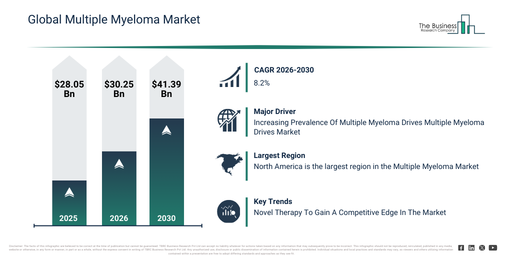
    The financial valuation of the multiple myeloma market has experienced robust expansion, projecting an increase from $28.05 billion in 2025 to $30.25 billion by 2026, reflecting a compound annual growth rate of 7.9%. This upward trajectory in the past is largely due to escalating rates of blood cancers, the swift integration of chemotherapy treatments, augmented utilization of diagnostic imaging, the proliferation of in-patient treatment centers, and the introduction of early-stage immunomodulatory medications.

    The multiple myeloma sector is poised for substantial expansion over the coming years, projecting a market value of $41.39 billion by 2030, fueled by a compound annual growth rate of 8.2%. This projected trajectory is largely attributable to innovations in targeted treatment approaches, a heightened demand for stem cell transplants, the increasing integration of precision medicine, a robust pipeline of ongoing clinical investigations, and the broader application of monoclonal antibody treatments. Key developments anticipated during this forecast interval encompass the ongoing creation of innovative immunotherapies, a greater incorporation of monoclonal antibodies into therapeutic strategies, a surge in the adoption of less invasive diagnostic methodologies, an amplification of stem cell transplantation services, and a heightened emphasis on employing combination therapies to enhance patient results.

    Download A Free Sample Report For Comprehensive Market Insights:

    https://www.thebusinessresearchcompany.com/sample.aspx?id=12163&type=smp

    Multiple Myeloma Market Demand Drivers Creating New Revenue Opportunities

    Anticipated advancements in the multiple myeloma market are chiefly attributable to the escalating incidence of this particular cancer. Multiple myeloma originates within plasma cells, a specific category of white blood cells. Factors contributing to its rise include advanced age, genetic predispositions, elevated body mass, exposure to radiation, and the presence of other health issues. Therapies for multiple myeloma primarily aim to impede its progression and alleviate associated symptoms. Illustrating this trend, projections released in February 2025 by the American Cancer Society, a non-profit health organization in the U.S., forecast approximately 36,110 new diagnoses and roughly 12,030 fatalities attributable to multiple myeloma in the United States for the year 2025, impacting both genders. Consequently, the expanding occurrence of multiple myeloma is a primary catalyst for the expansion of its respective market.

    Multiple Myeloma Market Segment Landscape: Which Areas Lead Market Development?

    The multiple myeloma market covered in this report is segmented –

    1) By Treatment: Medications, Radiation Therapy, Stem Cell Transplant, Other Treatments

    2) By Diagnosis: Blood Tests, Bone Marrow Biopsy, Urine Tests, Imaging Tests

    3) By Disease Type: Active Multiple Myeloma, Smoldering Multiple Myeloma

    4) By Distribution Channel: Hospital Pharmacy, Retail Pharmacy, Online Pharmacy, Other Distribution Channels

    Subsegments:

    1) By Medications: Immunomodulatory Drugs (IMiDs), Proteasome Inhibitors, Monoclonal Antibodies, Corticosteroids, Chemotherapy Agents

    2) By Radiation Therapy: External Beam Radiation Therapy (EBRT), Radioisotope Therapy

    3) By Stem Cell Transplant: Autologous Stem Cell Transplant (ASCT), Allogeneic Stem Cell Transplant

    4) By Other Treatments: Supportive Care, Clinical Trials And Experimental Therapies

    Multiple Myeloma Market Trends Driving Strategic Industry Expansion

    Within the multiple myeloma sector, leading corporations are concentrating their efforts on pioneering new treatments, including CAR T-cell therapy, as a means to enhance their market standing. CAR T-cell therapy, a form of immunotherapy, functions by genetically engineering a patient’s T cells to cultivate a chimeric antigen receptor which then aids these cells in identifying and attacking cancerous cells. A notable development occurred in December 2023 when Bristol Myers Squibb, an American biopharmaceutical firm, secured authorization for Abecma, marking it as the inaugural CAR T-cell therapy indicated for earlier administration in individuals battling relapsed or refractory multiple myeloma (RRMM) following a minimum of two preceding treatment regimens. This BCMA-directed CAR T-cell immunotherapy, Abecma, achieved approval contingent upon the interim findings from the KarMMa-3 Phase 3 trial, which indicated a substantial improvement in median progression-free survival (mPFS) and a superior overall response rate (ORR) among those treated with Abecma.

    Multiple Myeloma Market Industry Leaders And Market Competition

    Major companies operating in the multiple myeloma market are Pfizer Inc., Johnson & Johnson Private Limited, F. Hoffmann-La Roche Ltd., Merck & Co. Inc., AbbVie Inc., Novartis AG, Sanofi S.A., Bristol-Myers Squibb Company, AstraZeneca plc, GlaxoSmithKline PLC, Takeda Pharmaceutical Company Limited, Eli Lilly and Company, Amgen Inc., Janssen Global Services LLC, Celgene Corporation, Biogen Inc., Cipla Inc., Sun Pharmaceutical Industries Ltd., Karyopharm Therapeutics Inc., Regeneron Pharmaceuticals Inc., Gilead Sciences Inc., Xencor Inc., Oncopeptides AB, BeiGene Ltd., TG Therapeutics Inc.

    Access The Complete Multiple Myeloma Market Report:

    https://www.thebusinessresearchcompany.com/report/multiple-myeloma-global-market-report

    Multiple Myeloma Market Largest Region: Which Geography Holds The Highest Market Share?

    North America was the largest region in the multiple myeloma market in 2025. Asia-Pacific is expected to be the fastest-growing region in the forecast period. The regions covered in the multiple myeloma market report are Asia-Pacific, South East Asia, Western Europe, Eastern Europe, North America, South America, Middle East, Africa.

    Get in touch with us:

    The Business Research Company: https://www.thebusinessresearchcompany.com/

    Americas: +1 310-496-7795

    Asia: +44 7882 955267 & +91 8897263534

    Europe: +44 7882 955267

    Email us at: marketing@tbrc.info

    Follow us on:

    LinkedIn: https://in.linkedin.com/company/the-business-research-company

    YouTube: https://www.youtube.com/channel/UC24_fI0rV8cR5DxlCpgmyFQ

    Global Market Model: https://www.thebusinessresearchcompany.com/global-market-model
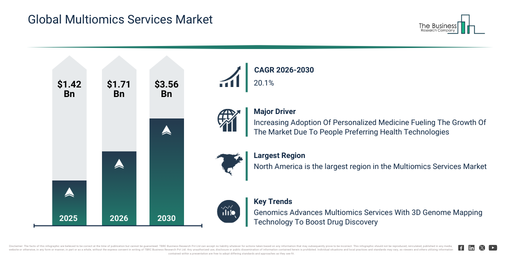
  • Multiomics Services Market Forecast Highlights Expansion From $1.71 Billion To $3.56 Billion Through 2030

    Multiomics Services Market Forecast Highlights Expansion From $1.71 Billion To $3.56 Billion Through 2030

    Through market attractiveness analysis, total addressable market evaluation, company benchmarking matrices, interactive Excel dashboards, expanded supply chain intelligence, emerging startup coverage, and detailed product insights, The Business Research Company’s 2026 market reports provide more actionable and strategically valuable research.

    Multiomics Services Market Growth Potential: How Will Market Size Change Through 2030?

    The market for multiomics services has experienced substantial expansion lately. Projections indicate a rise from $1.42 billion in 2025 to $1.71 billion by 2026, reflecting a 20.4% compound annual growth rate (CAGR). This notable growth during the preceding period is linked to increased genomic and proteomic research endeavors, augmented funding for academic and clinical studies, greater accessibility of advanced sequencing technologies, enhanced collaborations among research bodies, and bolstered bioinformatics capabilities.

    The global market for multiomics services is poised for substantial expansion, projected to reach $3.56 billion by 2030, demonstrating a robust compound annual growth rate of 20.1%. This upward trajectory is propelled by several key factors, including the escalating embrace of precision medicine, augmented investments by pharmaceutical companies in systems biology research, broader utility of multiomics in drug discovery endeavors, a surge in the application of artificial intelligence for interpreting biological data, and a heightened need for bespoke therapeutic strategies. During this anticipated growth phase, significant trends are expected to emerge, such as a greater uptake of unified multiomics analytical platforms, increasing demand for single-cell multiomics capabilities, a more pronounced reliance on insights derived from data-driven biological studies, the proliferation of cloud-based solutions for omics data integration, and an intensified emphasis on applications within translational research.

    Download A Free Sample Report For Comprehensive Market Insights:

    https://www.thebusinessresearchcompany.com/sample.aspx?id=27355&type=smp

    Multiomics Services Market Expansion Supported By Key Demand Factors

    The expansion of the multiomics services sector is anticipated to be significantly fueled by the growing trend towards personalized medicine. This approach to healthcare focuses on customizing interventions and medical strategies based on an individual’s genetic makeup and environmental influences. A key driver for this shift is the growing population seeking health solutions that provide continuous monitoring and treatment pathways specifically adapted to their individual biological characteristics. Multiomics services are instrumental in furthering personalized medicine by consolidating a wide array of biological data, including information from genomics, transcriptomics, proteomics, and metabolomics, to cultivate a holistic view of an individual’s health status. This integrated analysis facilitates the development of precise diagnostic, therapeutic, and preventative measures. For example, the Personalized Medicine Coalition (PMC) reported in February 2024 that the U.S. Food and Drug Administration (FDA) authorized 26 novel personalized medicines in 2023, a notable surge compared to the 12 approvals granted in 2022, underscoring the substantial growth in this area and its consequential positive impact on the multiomics services market.

    Multiomics Services Market Segments: Where Are The Largest Growth Opportunities?

    The multiomics services market covered in this report is segmented –

    1) By Type: Single-Cell Multiomics, Bulk Multiomics

    2) By Application: Biomarker Discovery, Drug Discovery And Development, Synthetic Biology, Other Applications

    3) By End Users: Academic And Research Institutes, Pharmaceutical And Biotechnology Companies, Other End Users

    Subsegments:

    1) By Single-Cell Multiomics: Single-Cell Genomics Services, Single-Cell Transcriptomics Services, Single-Cell Proteomics Services, Single-Cell Epigenomics Services

    2) By Bulk Multiomics: Genomics And Transcriptomics Integration Services, Genomics And Proteomics Integration Services, Transcriptomics And Proteomics Integration Services, Epigenomics And Transcriptomics Integration Services

    Multiomics Services Market Growth Trends Influencing Competitive Dynamics

    Leading entities within the multiomics services sector are dedicating efforts to pioneering novel methodologies, like intricate 3D genome mapping, with the aim of deepening comprehension of genetic control, the underlying causes of illnesses, and tailored therapeutic interventions. This sophisticated 3D genome mapping technique involves charting the spatial arrangement of the genome in three dimensions inside a cell’s nucleus. As a prime example, in January 2025, Enhanc3D Genomics, a biotechnology firm situated in the UK, introduced a comprehensive set of 3D multi-omics solutions designed to expedite and refine the accuracy of drug discovery processes. This offering boasts distinctive capabilities, including the amalgamation of regulatory interaction data across the entire genome with multi-omics profiles within a solitary test, thereby facilitating profound insights into gene regulation. Their proprietary Promoter Capture Hi-C technology permits the exact charting of extensive interactions between regulatory elements and their corresponding genes, even encompassing regions outside of protein-coding areas. The platform’s adaptable framework, comprising GenLinkConnect, GenLinkResponse, and GenLinkProfile, correspondingly aids in linking single nucleotide polymorphisms to genes, analyzing drug responses, and profiling cell-specific regulatory mechanisms. Furthermore, the GenLinkHub software furnishes a user-friendly interface for visualizing data in three dimensions, managing vast datasets, and performing quality assessments, thereby boosting researchers’ capacity to interpret intricate information and accelerate the discovery of new medications.

    Multiomics Services Market Major Participants And Competitive Dynamics

    Major companies operating in the multiomics services market are Thermo Fisher Scientific Inc., Agilent Technologies Inc., PerkinElmer Inc., Bruker Corporation, QIAGEN NV, Azenta Inc., BGI Group, 10x Genomics Inc., BioLegend Inc., Oxford Nanopore Technologies Plc, NanoString Technologies Inc., Pacific Biosciences Inc., Metware Biotechnology Inc., Source BioScience Limited, CD Genomics Inc., Psomagen Inc., Creative Proteomics, Sapient Bioanalytics LLC, Dalton Bioanalytics Inc., Clinical Microbiomics A/S.

    Access The Complete Multiomics Services Market Report:

    https://www.thebusinessresearchcompany.com/report/multiomics-services-global-market-report

    Multiomics Services Market Regional Analysis: Which Region Leads By Revenue?

    North Americawas the largest region in the multiomics services market in 2025. Asia-Pacificis expected to be the fastest-growing region in the forecast period. The regions covered in the multiomics services market report are Asia-Pacific, South East Asia, Western Europe, Eastern Europe, North America, South America, Middle East, Africa.

    Get in touch with us:

    The Business Research Company: https://www.thebusinessresearchcompany.com/

    Americas: +1 310-496-7795

    Asia: +44 7882 955267 & +91 8897263534

    Europe: +44 7882 955267

    Email us at: marketing@tbrc.info

    Follow us on:

    LinkedIn: https://in.linkedin.com/company/the-business-research-company

    YouTube: https://www.youtube.com/channel/UC24_fI0rV8cR5DxlCpgmyFQ

    Global Market Model: https://www.thebusinessresearchcompany.com/global-market-model
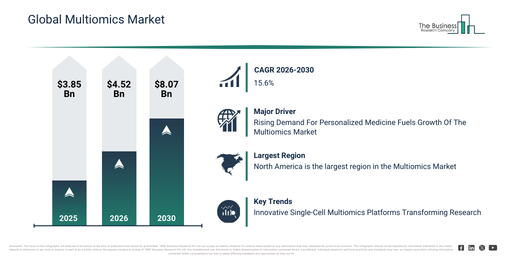
  • Multiomics Market Expected To Reach $8.06 Billion By 2030 As Growth Accelerates At 15.6% CAGR

    Multiomics Market Expected To Reach $8.06 Billion By 2030 As Growth Accelerates At 15.6% CAGR

    Delivering more actionable and strategically valuable research, The Business Research Company’s 2026 market reports feature market attractiveness analysis, total addressable market evaluation, company benchmarking matrices, interactive Excel dashboards, expanded supply chain intelligence, emerging startup coverage, and detailed product insights.

    Multiomics Market Value Analysis: What Growth Is Expected Over The Forecast Period?

    The multiomics market experienced substantial expansion recently. Projecting forward, its value is expected to increase from $3.85 billion in 2025 to $4.52 billion in 2026, representing a compound annual growth rate of 17.6%. This upward trajectory during the past period can be linked to the increasing use of genomic sequencing, initial progress in transcriptomics technologies, enhanced accessibility of proteomic analysis tools, broader research into biomarker identification, and a surge in the generation of biological data.

    The multiomics market is poised for substantial expansion, projected to reach $8.07 billion by 2030, reflecting a robust compound annual growth rate of 15.6%. This anticipated surge is propelled by several key factors, including significant progress in multiomics platform technology, escalating demand for tailored medical treatments, the increasing incorporation of artificial intelligence for data analysis, a greater presence of metabolomics in clinical environments, and the broadening utilization of multiomics within precision agriculture. During this forecast period, key trends that will shape the market include the heightened adoption of single-cell multiomics approaches, a more comprehensive integration of biological data across multiple layers, enhanced application of multiomics for the early detection of diseases, its expanded role in the drug discovery process, and the growing application of multiomics techniques in the field of agricultural genomics.

    Download A Free Sample Report For Comprehensive Market Insights:

    https://www.thebusinessresearchcompany.com/sample.aspx?id=15866&type=smp

    Multiomics Market Growth Drivers And Industry Catalysts

    The increasing need for tailored medical treatments is anticipated to stimulate the expansion of the multiomics sector. Personalized medicine, which focuses on adapting healthcare decisions and therapeutic interventions to individual patients by considering their unique genetic makeup, environmental exposures, and lifestyle choices, is gaining traction due to rapid technological progress, a growing desire for targeted treatments, and worldwide enhancements in healthcare systems. Multiomics plays a crucial role in this personalized approach by offering a comprehensive insight into a person’s genetic, molecular, and metabolic landscape, thereby empowering medical professionals to design treatments that align with the distinct biological profiles of each patient. As a testament to this trend, in February 2024, data from the Personalized Medicine Coalition indicated that the FDA sanctioned 16 new personalized therapies for individuals with rare conditions in 2023, a notable increase from the 6 approvals seen in 2022, further underscoring the growth trajectory of the multiomics market driven by the burgeoning demand for personalized medical solutions.

    Multiomics Market Segment Analysis: What Are The Major Market Categories?

    The multiomics market covered in this report is segmented –

    1) By Type: Single-Cell Multiomics, Bulk Multiomics

    2) By Platform: Genomics, Transcriptomics, Proteomics, Metabolomics, Integrated Omics Platforms

    3) By Application: Diagnostics, Drug Discovery And Development, Personalized Medicine, AgriGenomics, Other Applications

    4) By End User: Academics And Research Organization, Pharmaceutical And Biotechnology Companies, Clinical research Organization, Other End-Users

    Subsegments:

    1) By Single-Cell Multiomics: Single-Cell Genomics, Single-Cell Transcriptomics, Single-Cell Epigenomics, Single-Cell Proteomics, Single-Cell Metabolomics

    2) By Bulk Multiomics: Genomics, Transcriptomics, Epigenomics, Proteomics, Metabolomics

    #Multiomics Market Trends Influencing Long-Term Demand

    Leading entities within the multiomics sector are actively creating cutting-edge single-cell multiomics solutions designed to facilitate extensive research by scientists while meticulously preserving sample quality. These sophisticated platforms harness the power of artificial intelligence alongside multiple omics technologies, empowering users to effortlessly dissect and understand intricate biological information through advanced computational methods and machine learning. As an illustration, February 2023 saw the introduction of the BD Rhapsody HT Xpress, a high-capacity single-cell multiomics instrument by Becton, Dickinson, and Company, a prominent US medical technology firm. This novel system empowers researchers to isolate, tag, and examine individual cells with remarkable speed and volume, capable of processing up to eight times the cellular capacity of earlier BD single-cell analysis devices. The BD Rhapsody HT Xpress System guarantees complete sample retention, providing the adaptability to concurrently examine diverse sample types, varying cell sizes, and specific cell populations like stem cells or malignant cells, thereby accelerating researchers’ discovery process and deepening their comprehension.

    Multiomics Market Leading Companies Driving Competitive Growth

    Major companies operating in the multiomics market are Bayer AG, Thermo Fisher Scientific Inc., Novartis AG, Becton Dickinson and Company, Eurofins Scientific SE, Agilent Technologies Inc., Illumina Inc., Shimadzu Corporation, Bruker Corporation, Bio-Techne, Azenta Life Sciences, 10x Genomics, Ginkgo Bioworks, Abcam limited, BioLegend, Oxford Nanopore Technologies Plc, Adaptive Biotechnologies, Pacific Biosciences, Standard BioTools, Parse Biosciences, Mission Bio, CD Genomics, Singleron Biotechnologies, Psomagen, BGI Group

    Access The Complete Multiomics Market Report:

    https://www.thebusinessresearchcompany.com/report/multiomics-global-market-report

    Multiomics Market Geographic Distribution And Regional Opportunities

    North Americawas the largest region in the multiomics market in 2025. Asia-Pacificis expected to be the fastest-growing region in the forecast period. The regions covered in the multiomics market report are Asia-Pacific, South East Asia, Western Europe, Eastern Europe, North America, South America, Middle East, Africa.

    Get in touch with us:

    The Business Research Company: https://www.thebusinessresearchcompany.com/

    Americas: +1 310-496-7795

    Asia: +44 7882 955267 & +91 8897263534

    Europe: +44 7882 955267

    Email us at: marketing@tbrc.info

    Follow us on:

    LinkedIn: https://in.linkedin.com/company/the-business-research-company

    YouTube: https://www.youtube.com/channel/UC24_fI0rV8cR5DxlCpgmyFQ

    Global Market Model: https://www.thebusinessresearchcompany.com/global-market-model

  • Multi Cancer Early Detection Market Set To Grow From $2.06 Billion In 2026 To $3.84 Billion By 2030 At A CAGR Of 16.8%

    Multi Cancer Early Detection Market Set To Grow From $2.06 Billion In 2026 To $3.84 Billion By 2030 At A CAGR Of 16.8%

    Enhanced with market attractiveness analysis, total addressable market evaluation, company benchmarking matrices, interactive Excel dashboards, expanded supply chain intelligence, emerging startup coverage, and detailed product insights, The Business Research Company’s 2026 market reports deliver more actionable and strategically valuable research.

    Multi Cancer Early Detection Market Size Forecast: How Large Could The Market Become By 2030?

    The market for multi-cancer early detection tests has experienced substantial expansion lately, projected to increase from $1.73 billion in 2025 to $2.06 billion in 2026, reflecting a compound annual growth rate of 19.1%. This upward trajectory during the historical period can be attributed to several key factors, including advancements in cancer biomarker research, a growing embrace of genomic sequencing technologies, heightened public and medical community awareness regarding the importance of early cancer detection, the expansion of pathology testing capabilities, and the successful commercialization of liquid biopsy innovations.

    The market for multi-cancer early detection is poised for substantial expansion in the upcoming years, projecting a rise to $3.84 billion by the year 2030, fueled by a compound annual growth rate (CAGR) of 16.8%. This projected surge is anticipated to be driven by key factors, including significant progress in next-generation sequencing (NGS) based diagnostic methods, escalating investments within the field of precision oncology, a broader acceptance of artificial intelligence (AI) driven screening technologies, the widening reach of national cancer screening programs, and the increasing integration of multiomic data into early detection strategies. Furthermore, prominent trends expected to shape this market during the forecast period encompass the growing utilization of liquid biopsy techniques, a heightened adoption rate for comprehensive gene panel testing, an intensified focus on screening programs targeting multiple organs for cancer detection, the continuous discovery of new biomarkers for earlier diagnosis, and a discernible shift towards diagnostic methods that do not require invasive procedures.

    Download A Free Sample Report For Comprehensive Market Insights:

    https://www.thebusinessresearchcompany.com/sample.aspx?id=15864&type=smp

    Multi Cancer Early Detection Market Opportunity Drivers: What Is Creating New Revenue Potential?

    The multi-cancer early detection market is poised for expansion, largely driven by an increasing trend toward personalized medicine. This approach focuses on customizing medical treatments and health decisions based on a patient’s unique characteristics, requirements, and genetic makeup. The growing preference for personalized medicine arises from its ability to deliver superior treatment outcomes, a development fueled by progress in genomics, the escalating complexity of illnesses, and favorable regulatory environments. Personalized medicine significantly boosts the effectiveness of early detection for multiple cancers by tailoring screening and treatment plans to an individual’s genetic makeup and biomarker data. Illustrating this, the Personalized Medicine Coalition reported that in 2023, the FDA authorized 16 new personalized therapies for individuals with rare conditions, a notable increase from the six approvals seen in 2022, with seven of these being cancer treatments and three addressing other ailments. Consequently, the upward momentum in personalized medicine is a key factor influencing the growth of the multi-cancer early detection sector.

    Multi Cancer Early Detection Market Segment Breakdown: Which Categories Generate The Most Revenue?

    The multi cancer early detection market covered in this report is segmented –

    1) By Type: Liquid Biopsy, Gene Panel, Laboratory Developed Tests (LDT), Other Types

    2) By Cancer Type: Solid Tumors, Hematological Malignancies

    3) By End-User: Hospitals, Diagnostic Laboratories, Other End Users

    Subsegments:

    1) By Liquid Biopsy: Circulating Tumor Cells (CTC), Circulating Tumor DNA (Ctdna), Exosomes

    2) By Gene Panel: DNA-Based Panels, RNA-Based Panels, Multi-Gene Panels

    3) By Laboratory Developed Tests (LDT): PCR-Based Tests, Next-Generation Sequencing (NGS) Tests, Immunohistochemistry (IHC) Tests

    4) By Other Types: Protein Biomarkers, Autoantibody-Based Tests

    Multi Cancer Early Detection Market Innovation Trends Driving Future Development

    The landscape of the multi-cancer early detection market is being shaped by leading enterprises that are actively creating ctDNA-based liquid biopsy solutions. These advanced tests are designed to elevate crucial metrics such as sensitivity, specificity, and the ability to detect cancer at its earliest stages, ultimately contributing to better patient prognoses. A ctDNA-based liquid biopsy functions by identifying fragments of tumor DNA circulating within the bloodstream, offering a less invasive method for tracking a tumor’s progress, assessing treatment effectiveness, and identifying residual disease or the earliest signs of cancer returning. As a concrete example of this innovation, in May 2023, Lucence, a diagnostics firm based in the United States, introduced LucenceINSIGHT, a groundbreaking blood test for the early detection of multiple cancers, from its US facilities. This novel ctDNA-based liquid biopsy test is capable of screening for ten common cancer types using a single blood draw. Considering that 78% of cancer-related deaths worldwide stem from types for which regular screening is not typically recommended, this particular blood test presents a more user-friendly and accessible option for individuals who are not experiencing symptoms but wish to undergo screening for a variety of cancer types.

    Multi Cancer Early Detection Market Key Players And Strategic Industry Positioning

    Major companies operating in the multi cancer early detection market are Illumina Inc., Sysmex Inostics GmbH, Exact Sciences Corporation, Natera Inc, Guardant Health, Core Diagnostics, Genecast Biotechnology Co. Ltd, Burning Rock Biotech Limited, Freenome Holdings Inc., Guangzhou AnchorDx Medical Co. Ltd, Singlera Genomics Incorporated, Lucence Health Inc., PredOmix Technologies, Micronoma INC., EarlyDiagnostics (EarlyDx), Elypta AB, Predictive Oncology, ANPAC Bio-Medical Science Co. Ltd, CanSense Ltd, Epigenomics AG, VolitionRX, OncoSeek, Laboratory for Advanced Medicine, Inc., AnchorDx

    Access The Complete Multi Cancer Early Detection Market Report:

    https://www.thebusinessresearchcompany.com/report/multi-cancer-early-detection-global-market-report

    Multi Cancer Early Detection Market Largest Region By Revenue And Market Share

    North Americawas the largest region in the multi cancer early detection market in 2025. Asia-Pacificis expected to be the fastest-growing region in the forecast period. The regions covered in the multi cancer early detection market report are Asia-Pacific, South East Asia, Western Europe, Eastern Europe, North America, South America, Middle East, Africa.

    Get in touch with us:

    The Business Research Company: https://www.thebusinessresearchcompany.com/

    Americas: +1 310-496-7795

    Asia: +44 7882 955267 & +91 8897263534

    Europe: +44 7882 955267

    Email us at: marketing@tbrc.info

    Follow us on:

    LinkedIn: https://in.linkedin.com/company/the-business-research-company

    YouTube: https://www.youtube.com/channel/UC24_fI0rV8cR5DxlCpgmyFQ

    Global Market Model: https://www.thebusinessresearchcompany.com/global-market-model