Month: June 2026

  • Mobile Health (mHealth) Adverse-Event Reporting Apps Market Forecast Signals New Revenue Opportunities Through 2030

    Mobile Health (mHealth) Adverse-Event Reporting Apps Market Forecast Signals New Revenue Opportunities Through 2030

    Through market attractiveness analysis, total addressable market evaluation, company benchmarking matrices, interactive Excel dashboards, expanded supply chain intelligence, emerging startup coverage, and detailed product insights, The Business Research Company’s 2026 market reports provide more actionable and strategically valuable research.

    Mobile Health (mHealth) Adverse-Event Reporting Apps Market Size Outlook: How Fast Will Revenue Grow Through 2030?

    The market for mobile health (mhealth) adverse-event reporting applications has experienced substantial expansion, with projections indicating a significant upward trajectory. This sector is anticipated to expand from a valuation of $1.84 billion in 2025 to $2.19 billion by 2026, reflecting a compound annual growth rate of 18.5%. The historical drivers facilitating this growth include the widespread adoption of smartphones in healthcare settings, the reinforcement of pharmacovigilance regulations, the proliferation of digital health solutions, an intensified emphasis on patient safety surveillance, and the increasing digitization of clinical trials.

    The mHealth adverse-event reporting apps market is poised for substantial expansion in the coming years, projecting a valuation of $4.27 billion by 2030 with an 18.2% CAGR. This anticipated growth is fueled by several key drivers, including the escalating utilization of AI-powered safety analytics, a heightened need for continuous drug safety monitoring, the broader implementation of decentralized clinical trials, a stronger focus from regulatory bodies on post-market oversight, and the increasing incorporation of mHealth solutions within existing healthcare infrastructures. Significant trends anticipated during this forecast period encompass a greater acceptance of immediate adverse event reporting, deeper integration with electronic health records, the development of patient-focused safety reporting tools, the increased deployment of automated methods for signal detection, and a reinforced commitment to capturing data that aligns with regulatory mandates.

    Download A Free Sample Report For Comprehensive Market Insights:

    https://www.thebusinessresearchcompany.com/sample.aspx?id=28273&type=smp

    Mobile Health (mHealth) Adverse-Event Reporting Apps Market Demand Drivers Creating New Revenue Opportunities

    The burgeoning adoption of remote patient monitoring is poised to accelerate the expansion of the mobile health (mHealth) adverse-event reporting apps sector. Remote patient monitoring involves employing digital technologies to gather health and medical information from individuals outside conventional healthcare environments, a trend amplified by the growing incidence of chronic conditions that necessitate continuous, real-time patient oversight to enhance treatment results and decrease hospitalizations. This continuous data stream facilitated by remote patient monitoring directly supports the advancement of mHealth adverse-event reporting applications by allowing for prompt detection and documentation of adverse drug reactions or treatment complications via mobile platforms. An illustrative statistic from the US National Library of Medicine in June 2025 highlights this, indicating a substantial surge in remote patient monitoring services within physician offices, which reached 5,118,772 in 2023, underscoring its role in driving market growth.

    The growing prevalence of smartphones is anticipated to be a significant catalyst for the expansion of the mobile health (mHealth) adverse-event reporting apps market. This widespread ownership and usage of smartphones signify a deep integration of mobile technology into everyday life, driven by decreasing device costs and enhanced accessibility, particularly in developing economies. A higher proportion of smartphone users translates to broader reach, swifter submission of incident reports, and more effective real-time communication, thereby boosting the efficiency and scalability of mHealth adverse-event reporting applications. As an example, the GSMA, a UK-based representative body for mobile network operators, projected in February 2023 that smartphone penetration in sub-Saharan Africa would climb to 87% by 2030, a notable increase from 51% in 2022, demonstrating the trend that will fuel the mobile health (mHealth) adverse-event reporting apps market.

    Mobile Health (mHealth) Adverse-Event Reporting Apps Market Segmentation And Category Breakdown

    The mobile health (mhealth) adverse-event reporting apps market covered in this report is segmented –

    1) By App Type: Standalone Adverse-Event Reporting Apps, Integrated mHealth Platforms

    2) By Platform: Android, iPhone Operating System (IOS), Web-Based

    3) By Application: Pharmacovigilance, Clinical Trials, Patient Safety Monitoring, Other Applications

    4) By End-User: Hospitals And Clinics, Pharmaceutical Companies, Research Organizations, Patients, Other End-Users

    Subsegments:

    1) By Standalone Adverse-Event Reporting Apps: Patient-Centric Reporting Apps, Healthcare Provider Reporting Apps, Regulator-Focused Reporting Apps, Pharmacovigilance Reporting Apps

    2) By Integrated mHealth Platforms: Electronic Health Record Or Electronic Medical Record Integrated Reporting Modules, Telemedicine Platform-Integrated Reporting, Clinical Trial And Research Platform Integration, Hospital And Pharmacy Management System Integration

    Mobile Health (mHealth) Adverse-Event Reporting Apps Market Trends Driving Strategic Industry Expansion

    The leading entities within the mobile health (mHealth) adverse-event reporting applications sector are prioritizing the creation of sophisticated offerings, including mobile-driven communication mechanisms, to expedite the identification of adverse events and bolster comprehensive drug safety surveillance. These mobile-centric communication tools represent digital environments or applications facilitating effortless engagement, reporting, and the exchange of information via mobile devices, thereby establishing real-time links among individuals receiving care, medical practitioners, and regulatory bodies to foster quicker determinations and superior health results. Illustrating this trend, in the month of September 2023, the Indian biopharmaceutical firm Bharat Serums and Vaccines Limited (BSV) introduced BSV AER, a novel communication application designed for mobile use. This application empowers healthcare practitioners, end-users, and company staff to submit digital reports concerning potential untoward incidents linked to BSV products, utilizing their smartphones or tablets without charge from any location within India. The BSV AER application is integrated directly with BSV’s pharmacovigilance infrastructure, which simplifies the procedure for prompt submission and review of adverse events, ultimately contributing to patient well-being through effective oversight and swift reactions.

    Mobile Health (mHealth) Adverse-Event Reporting Apps Market Competitive Analysis Of Major Industry Participants

    Major companies operating in the mobile health (mhealth) adverse-event reporting apps market are IQVIA Holdings Inc., Veeva Systems Inc., ArisGlobal LLC, SafetyCall International PLLC, Medwatcher, Advera Health Analytics Inc., Itransition Group Inc., Saama Technologies Inc., Optimal Strategix Group Inc., OSP Labs Private Limited, K Health Inc., Healthy.io Ltd., InPhase Technologies Ltd., Tiga Healthcare Technologies Inc., Qualityze Inc., iVigee Services AS, Preventice Solutions Inc., Luscii Healthtech BV, My Mhealth Limited, Med

    Access The Complete Mobile Health (mHealth) Adverse-Event Reporting Apps Market Report:

    https://www.thebusinessresearchcompany.com/report/mobile-health-mhealth-adverse-event-reporting-apps-global-market-report

    Mobile Health (mHealth) Adverse-Event Reporting Apps Market Geographic Distribution And Regional Opportunities

    North Americawas the largest region in the mobile health (mHealth) adverse event reporting apps market in 2025. The regions covered in the mobile health (mhealth) adverse-event reporting apps market report are Asia-Pacific, South East Asia, Western Europe, Eastern Europe, North America, South America, Middle East, Africa.

    Get in touch with us:

    The Business Research Company: https://www.thebusinessresearchcompany.com/

    Americas: +1 310-496-7795

    Asia: +44 7882 955267 & +91 8897263534

    Europe: +44 7882 955267

    Email us at: marketing@tbrc.info

    Follow us on:

    LinkedIn: https://in.linkedin.com/company/the-business-research-company

    YouTube: https://www.youtube.com/channel/UC24_fI0rV8cR5DxlCpgmyFQ

    Global Market Model: https://www.thebusinessresearchcompany.com/global-market-model

  • Mobile Health (mHealth) Market Growth Is Accelerating As Industry Transformation Continues

    Mobile Health (mHealth) Market Growth Is Accelerating As Industry Transformation Continues

    Delivering more actionable and strategically valuable research, The Business Research Company’s 2026 market reports feature market attractiveness analysis, total addressable market evaluation, company benchmarking matrices, interactive Excel dashboards, expanded supply chain intelligence, emerging startup coverage, and detailed product insights.

    Mobile Health (mHealth) Market Size, Value And Growth Trends Through 2030

    The mHealth sector has witnessed substantial expansion lately, projected to escalate from a valuation of $99.72 billion in 2025 to $116.85 billion by 2026, demonstrating a compound annual growth rate of 17.2%. Factors contributing to this growth during the preceding period include the wider availability of smartphones in medical settings, a surge in the necessity for remote medical services, a higher incidence of long-term health conditions, increased uptake of digital health solutions, and enhanced mobile internet infrastructure.

    The mHealth market is poised for impressive expansion in the coming years, projected to reach a valuation of $217.91 billion by 2030, driven by a robust compound annual growth rate of 16.9%. This projected surge is fueled by several key factors, including the growing incorporation of AI-powered diagnostic tools, amplified investments in digital health infrastructure, the broader availability of tailored mobile health services, a heightened focus on preventative care strategies, and enhanced regulatory backing for telehealth. Key developments anticipated within this timeframe involve a greater uptake of remote patient monitoring systems, increased utilization of wearable health technology, the continued expansion of telemedicine services, a stronger emphasis on applications for managing chronic conditions, and improved integration of health data analytics.

    Download A Free Sample Report For Comprehensive Market Insights:

    https://www.thebusinessresearchcompany.com/sample.aspx?id=19597&type=smp

    Mobile Health (mHealth) Market Expansion Supported By Key Demand Factors

    The global expansion of the mHealth sector is set to be significantly influenced by the increasing occurrence of chronic health conditions. These long-term ailments, characterized by their persistence for a year or more and often necessitating continuous medical care or impacting daily life, are becoming more common. This surge is predominantly linked to demographic shifts, specifically an aging global population that consequently experiences a greater burden of chronic illnesses. mHealth solutions play a crucial role in managing these conditions by providing functionalities for health tracking, facilitating better patient-physician interaction, and encouraging adherence to prescribed treatments. Illustrating this trend, data from England’s National Health Service revealed a marked rise in pre-diabetes cases; in 2023, 3,615,330 individuals were recorded with non-diabetic hyperglycemia, a substantial jump from the 3,065,825 recorded in 2022, representing an 18% increase within that year. Consequently, the growing burden of chronic diseases is a primary catalyst for the mHealth market’s upward trajectory.

    Mobile Health (mHealth) Market Segment Outlook: Which Categories Are Expanding The Fastest?

    The mobile health (mhealth) market covered in this report is segmented –

    1) By Type: Mobile Health (mHealth) Devices, Mobile Health (mHealth) Services

    2) By Application: Cardiovascular, Diabetes, Respiratory, Neurology, Other Applications

    3) By End-User: Patients, Providers, Payers, Other End Users

    Subsegments:

    1) By Mobile Health (mHealth) Devices: Wearable Devices, Mobile Health Applications, Diagnostic Devices, Remote Patient Monitoring Devices, Emergency and Alert Devices

    2) By Mobile Health (mHealth) Services: Telemedicine Services, Health and Wellness Services, Chronic Disease Management Services, Health Data Management Services, Education and Support Services

    Mobile Health (mHealth) Market Growth Trends Influencing Competitive Dynamics

    Within the mobile health (mHealth) sector, leading entities are actively creating digital applications centered on whole-person care, aiming to deliver holistic and tailored healthcare. These digital whole-person care applications function as integrated platforms that address physical, mental, and emotional well-being concurrently. As an illustration, Teladoc Health, a prominent US healthcare provider, introduced a completely unified digital health app in January 2023. This innovative solution offers users a singular, all-encompassing healthcare journey, granting access to primary medical services, mental health support, and chronic condition management under one user profile. Bilingual in Spanish and English, the app boasts an intuitive interface, seamless physician care plan integration, and collaborative links with in-person healthcare professionals to guarantee a thorough care approach.

    Mobile Health (mHealth) Market Key Companies And Competitive Benchmarking

    Major companies operating in the mobile health (mhealth) market are Apple Inc., Samsung Group, Huawei Technologies Co. Ltd., Oracle Corporation, Abbott Laboratories, Xiaomi Corporation, Medtronic plc, Koninklijke Philips N.V., Stryker Corporation, GE HealthCare Technologies, Omron Corporation, Garmin Ltd., Hill-Rom Holdings Inc., Dexcom Inc., Masimo Corporation, Nihon Kohden Corporation, Polar Electro Oy, Verily Life Sciences LLC, Withings S.A.S., Empatica Inc., TempTraq, LifeSense Group B.V.

    Access The Complete Mobile Health (mHealth) Market Report:

    https://www.thebusinessresearchcompany.com/report/mobile-health-mhealth-global-market-report

    Mobile Health (mHealth) Market Largest Region By Revenue And Market Share

    North Americawas the largest region in the mobile health (mHealth) market in 2025. Asia-Pacificis expected to be the fastest-growing region in the forecast period. The regions covered in the mobile health (mhealth) market report are Asia-Pacific, South East Asia, Western Europe, Eastern Europe, North America, South America, Middle East, Africa.

    Get in touch with us:

    The Business Research Company: https://www.thebusinessresearchcompany.com/

    Americas: +1 310-496-7795

    Asia: +44 7882 955267 & +91 8897263534

    Europe: +44 7882 955267

    Email us at: marketing@tbrc.info

    Follow us on:

    LinkedIn: https://in.linkedin.com/company/the-business-research-company

    YouTube: https://www.youtube.com/channel/UC24_fI0rV8cR5DxlCpgmyFQ

    Global Market Model: https://www.thebusinessresearchcompany.com/global-market-model

  • Mobile Dental Cart Market Outlook Highlights The Next Major Growth Opportunities

    Mobile Dental Cart Market Outlook Highlights The Next Major Growth Opportunities

    Enhanced with market attractiveness analysis, total addressable market evaluation, company benchmarking matrices, interactive Excel dashboards, expanded supply chain intelligence, emerging startup coverage, and detailed product insights, The Business Research Company’s 2026 market reports deliver more actionable and strategically valuable research.

    Mobile Dental Cart Market CAGR Analysis And Future Market Development

    Experiencing a swift expansion, the mobile dental cart market registered a valuation of $1.16 billion in 2025, with projections indicating a rise to $1.29 billion by 2026, reflecting a compound annual growth rate of 11.3%. This upward trajectory in the preceding timeframe was fueled by several factors, including an increase in the number of dental clinic openings, a heightened need for adaptable dental workspaces, a greater emphasis on sanitation protocols, the proliferation of dental treatments performed outside traditional hospital settings, and the emergence of more space-efficient dental apparatus.

    The mobile dental cart market is poised for substantial expansion in the coming years, projecting a valuation of $1.96 billion by 2030, propelled by a compound annual growth rate of 11.0%. This anticipated surge is fueled by several key factors including the burgeoning use of tele-dentistry, heightened investments in mobile healthcare infrastructure, the proliferation of community dental initiatives, a greater demand for ergonomically designed dental tools, and a significant emphasis on incorporating digital dentistry. During this projected period, prominent trends are expected to shape the market, such as a rise in the adoption of portable and modular dental apparatus, increased demand for space-saving clinical setups, deeper integration of digital imaging technologies, the broadening of mobile and outreach dental services, and a stronger focus on streamlining operational workflows.

    Download A Free Sample Report For Comprehensive Market Insights:

    https://www.thebusinessresearchcompany.com/sample.aspx?id=30327&type=smp

    Mobile Dental Cart Market Growth Drivers And Industry Catalysts

    The growing prevalence of routine dental examinations, which involve comprehensive oral health assessments and necessary treatments, is anticipated to be a significant catalyst for the expansion of the mobile dental cart market. This upswing in dental check-ups is largely attributed to a resurgence in national health service (NHS) attendance as routine care resumes following the pandemic. Mobile dental carts play a crucial role in facilitating this increase by offering essential chairside utilities such as power, suction, air or water, handpieces, and streamlined storage solutions, thereby enhancing clinic efficiency and supporting the delivery of outreach services. For illustration, data from NHS England revealed that in August 2024, approximately 34 million dental treatments were administered, marking a 4.3% increase compared to the 2022-23 period, with total dental activity units rising by 3.4% to reach 73 million. Consequently, the heightened frequency of dental check-ups is directly contributing to the growth of the mobile dental cart market.

    The expanding demographic of older adults is poised to significantly boost the mobile dental cart market, driven by the escalating demand for specialized geriatric dental care. This demographic trend, characterized by a rising proportion of individuals aged 65 and above, stems from increased life expectancy coupled with declining birth rates. Factors contributing to this demographic shift include continuous improvements in longevity and the progression of large population cohorts into older age groups while birth rates remain relatively low. Mobile dental carts are instrumental in catering to this demographic evolution by facilitating convenient, well-managed, and effective chairside dental care for seniors in various settings, including dental practices, assisted living facilities, and community outreach programs. A compelling indication of this trend comes from the Office for National Statistics (ONS), which reported in July 2024 that the population aged 65 years or older saw a 1.4% increase in the year leading up to mid-2023 compared to the preceding year, underscoring the ongoing aging of the population. Therefore, the advancing age of the population is serving as a key driver for the mobile dental cart market.

    Mobile Dental Cart Market Segment Landscape: Which Areas Lead Market Development?

    The mobile dental cart market covered in this report is segmented –

    1) By Product Type: Electric Mobile Dental Carts, Pneumatic Mobile Dental Carts, Battery-Operated Mobile Dental Carts

    2) By Technology: Digital Imaging Technologies, Tele-dentistry Solutions, Computer-Aided Design (CAD) Or Computer-Aided Manufacturing (CAM) Systems, Laser Dentistry

    3) By Distribution Channel: Direct Sales, Third-Party Distributors, Online Platforms, Retail Outlets

    4) By Application: General Dentistry, Pediatric Dentistry, Cosmetic Dentistry, Orthodontics, Periodontics

    5) By End-User: Hospitals, Dental Clinics, Mobile Dental Units, Educational Institutions, Government And Non-Governmental Organization (NGOs)

    Subsegments:

    1) By Electric Mobile Dental Carts: Integrated Delivery System Carts, Electric Height Adjustable Treatment Carts, Imaging Ready Utility Carts, Power Distribution And Charging Carts, Electric Suction And Waste Separation Carts

    2) By Pneumatic Mobile Dental Carts: Air Driven Delivery Carts, Oil Free Compressor Integrated Carts, High Flow Evacuation And Suction Carts, Multi Instrument Pneumatic Support Carts, Portable Air Supply Trolley Carts

    3) By Battery-Operated Mobile Dental Carts: Cordless Treatment Delivery Carts, Battery Powered Suction And Evacuation Carts, Rechargeable Power Module Utility Carts, Mobile Charging And Power Backup Carts, Field Ready Lightweight Battery Carts

    #Mobile Dental Cart Market Trends Influencing Long-Term Demand

    Leading players in the mobile dental cart sector are concentrating their efforts on innovating technologically, specifically through the creation of mobile dental cart clinics integrated into vehicles. This approach aims to deliver superior dental treatment at the patient’s side, moving beyond the confines of traditional dental offices. These integrated vehicle clinics represent sophisticated, self-sufficient units, built to withstand demanding environments. They artfully combine essential functionalities like power supply, suction, provision of air and water, sterilization capabilities, storage solutions, and a deployable dental chair, all within a mobile structure. This design facilitates complete dental care delivery, especially beneficial for areas that are remote or lack adequate healthcare resources. A prime example of this innovation comes from JCBL Limited, an Indian firm specializing in mobility solutions. In October 2024, they unveiled their “Dental Clinic on Wheels” as part of Project Smile Himalaya. This particular unit has been specifically designed to navigate the challenging landscapes of Ladakh. It incorporates a foldable dental chair, wall-mounted equipment, convenient storage for instruments, provisions for first aid and supplementary tools, and accessibility features like a folding ladder. This allows the clinic to operate effectively in remote locations for extended periods, ensuring continuous patient care, expanding access to services, boosting the efficiency of procedures performed, and minimizing the time required for setup at outreach sites.

    Mobile Dental Cart Market Industry Leaders And Market Competition

    Major companies operating in the mobile dental cart market are Dentsply Sirona Inc., Planmeca Oy, Midmark Corporation, A-dec Inc., Takara Belmont Corporation, DentalEZ Inc., Aseptico Inc., ASI Medical Inc., Summit Dental Systems Inc. (SDS), TPC Advanced Technology Inc., Beaverstate Dental Systems Inc., Flight Dental Systems Inc., Ajax Medical Group Inc., Bell Dental Products Inc., Heka Dental A/S, DNTLworks Equipment Corporation, BPR Swiss GmbH, Runyes Medical Instrument Co. Ltd., Sinol Dental Limited, Joinchamp Medical Device Co. Ltd.

    Access The Complete Mobile Dental Cart Market Report:

    https://www.thebusinessresearchcompany.com/report/global-mobile-dental-cart-market-report

    Mobile Dental Cart Market Regional Analysis And Leading Geography

    North Americawas the largest region in the mobile dental cart market in 2025. Asia-Pacificis expected to be the fastest-growing region in the forecast period. The regions covered in the mobile dental cart market report are Asia-Pacific, South East Asia, Western Europe, Eastern Europe, North America, South America, Middle East, Africa.

    Get in touch with us:

    The Business Research Company: https://www.thebusinessresearchcompany.com/

    Americas: +1 310-496-7795

    Asia: +44 7882 955267 & +91 8897263534

    Europe: +44 7882 955267

    Email us at: marketing@tbrc.info

    Follow us on:

    LinkedIn: https://in.linkedin.com/company/the-business-research-company

    YouTube: https://www.youtube.com/channel/UC24_fI0rV8cR5DxlCpgmyFQ

    Global Market Model: https://www.thebusinessresearchcompany.com/global-market-model

  • Mixed Reality in Healthcare Market Trends And Growth Drivers Point To Strong Future Potential

    Mixed Reality in Healthcare Market Trends And Growth Drivers Point To Strong Future Potential

    Through market attractiveness analysis, total addressable market evaluation, company benchmarking matrices, interactive Excel dashboards, expanded supply chain intelligence, emerging startup coverage, and detailed product insights, The Business Research Company’s 2026 market reports provide more actionable and strategically valuable research.

    Mixed Reality in Healthcare Market Expansion From $1.72 Billion In 2026 To $11.78 Billion In 2030

    The mixed reality sector within healthcare has experienced significant expansion, projecting a rise from $1.08 billion in 2025 to $1.72 billion by 2026, fueled by a robust compound annual growth rate of 60.2%. This remarkable historic growth trajectory has been propelled by several key factors, including the early embrace of virtual reality for training purposes, an escalating need for realistic virtual surgery simulations, the increased application of augmented reality during patient consultations, a growing demand for remote treatment solutions, and advancements in wearable display technologies.

    The mixed reality healthcare sector is poised for substantial expansion, projected to reach $11.78 billion by 2030, exhibiting a remarkable compound annual growth rate of 61.7%. This surge over the forecast period is fueled by several key factors, including the proliferation of AI-powered mixed reality innovations, a growing need for interactive medical training experiences, swifter integration into surgical environments, seamless incorporation into telehealth frameworks, and augmented investments in both mixed reality hardware and software. Significant developments anticipated within this timeframe comprise the broadening utilization of AR/VR for medical education, the incorporation of AI-driven mixed reality for diagnostic purposes, the development of cloud-supported mixed reality healthcare networks, increased deployment of IoT-enabled mixed reality equipment, and the enhancement of robotic-assisted surgery through mixed reality.

    Download A Free Sample Report For Comprehensive Market Insights:

    https://www.thebusinessresearchcompany.com/sample.aspx?id=6935&type=smp

    Mixed Reality in Healthcare Market Opportunity Drivers: What Is Creating New Revenue Potential?

    The escalating prevalence of neurological disorders is poised to be a primary catalyst for the expansion of the mixed reality in healthcare sector. These conditions, affecting the nervous system, lead to a spectrum of physical, cognitive, and functional deficits. Mixed reality solutions are finding growing application within healthcare to enhance patient well-being, especially for those with neurological ailments. Specifically, this technology enables the construction of immersive virtual settings designed to aid individuals suffering from conditions like Alzheimer’s, Parkinson’s, and multiple sclerosis in refining their cognitive abilities and motor functions. Underscoring this trend, data from October 2023, as reported by the World Federation of Neurology, an organization comprising national neurological societies in the UK, indicated that over 40% of the world’s population currently contends with a neurological condition, a figure projected to nearly double by the year 2050. Consequently, the mounting challenge presented by neurological diseases will undoubtedly fuel the growth of the mixed reality in healthcare market.

    Mixed Reality in Healthcare Market Segments: Where Are The Largest Growth Opportunities?

    The mixed reality in healthcare market covered in this report is segmented –

    1) By Device Types: AR Devices, VR Devices

    2) By Component: Hardware, Software, Content And Application

    3) By Application: Surgery And Surgery Simulation, Patient Care Management, Fitness Management, Medical Training And Education, Other Applications

    4) By End-User: Hospital, Surgical Centers And Medical Institutes, Other End Users

    Subsegments:

    1) By AR Devices: Smart Glasses, Head-Mounted Displays (HMDs), Mobile AR Applications, Projection-Based AR Systems

    2) By VR Devices: Head-Mounted Displays (HMDs), VR Software Platforms, Motion Tracking Devices, Controllers And Input Devices

    Mixed Reality in Healthcare Market Innovation Trends Driving Future Development

    Pioneering firms within the mixed reality healthcare sector are actively introducing groundbreaking solutions, exemplified by a novel module designed for fundamental life support. This Basic Life Support system leverages mixed reality to replicate scenarios involving individuals requiring CPR or defibrillator intervention, serving as a versatile tool for instructors to deliver remote or on-site training to a diverse audience including first responders, healthcare practitioners, medical and nursing students, public safety personnel, and the general public. As a concrete illustration, GigXR, a US-based Software as a Service startup specializing in mixed reality for enhanced healthcare training, unveiled a virtual reality CPR training module in March 2023, enabling trainees to visualize and engage with a holographic patient suffering from cardiac arrest alongside essential medical apparatus.

    Mixed Reality in Healthcare Market Major Participants And Competitive Dynamics

    Major companies operating in the mixed reality in healthcare market are Atheer Inc., EchoPixel Inc., Firsthand Technology Inc., Microsoft Corporation, Oculus Labs, HTC Corporation, Surgical Theater Inc., Osso VR Inc., Medical Realities Ltd., Augmedix Inc., MindMaze SA, Orca Health Care India Private Limited, AccuVein Inc., Medivis Inc., Intuitive Surgical Inc., Philips Healthcare, Siemens Healthineers, GE HealthCare Technologies Inc., Magic Leap Inc., Varjo Technologies, Vuzix Corporation, Augmentix Corporation

    Access The Complete Mixed Reality in Healthcare Market Report:

    https://www.thebusinessresearchcompany.com/report/mixed-reality-in-healthcare-global-market-report

    Mixed Reality in Healthcare Market Geographic Analysis: Where Is Demand Growing The Fastest?

    North Americawas the largest region in the mixed reality in healthcare market in 2025. Asia-Pacificis expected to be the fastest-growing region in the forecast period. The regions covered in the mixed reality in healthcare market report are Asia-Pacific, South East Asia, Western Europe, Eastern Europe, North America, South America, Middle East, Africa.

    Get in touch with us:

    The Business Research Company: https://www.thebusinessresearchcompany.com/

    Americas: +1 310-496-7795

    Asia: +44 7882 955267 & +91 8897263534

    Europe: +44 7882 955267

    Email us at: marketing@tbrc.info

    Follow us on:

    LinkedIn: https://in.linkedin.com/company/the-business-research-company

    YouTube: https://www.youtube.com/channel/UC24_fI0rV8cR5DxlCpgmyFQ

    Global Market Model: https://www.thebusinessresearchcompany.com/global-market-model

  • Mitral Valve Disease Market Expansion Is Reshaping Competitive Dynamics Across The Industry

    Mitral Valve Disease Market Expansion Is Reshaping Competitive Dynamics Across The Industry

    Delivering more actionable and strategically valuable research, The Business Research Company’s 2026 market reports feature market attractiveness analysis, total addressable market evaluation, company benchmarking matrices, interactive Excel dashboards, expanded supply chain intelligence, emerging startup coverage, and detailed product insights.

    Mitral Valve Disease Market Forecast Highlighting Growth From $3.59 Billion To $5 Billion

    The market for mitral valve disease experienced robust expansion recently and is projected to advance from $3.28 billion in 2025 to $3.59 billion in 2026, reflecting a compound annual growth rate of 9.7%. Key factors contributing to this historical expansion include a rising incidence of heart valve abnormalities, increasing dependence on echocardiography for diagnosis, a greater number of surgical mitral valve repair operations, the widespread use of anticoagulant treatments, and enhancements in hospital-based cardiac care facilities.

    The market for mitral valve disease is poised for significant expansion in the upcoming years, projecting a valuation of $5.01 billion by 2030, driven by a compound annual growth rate of 8.6%. This anticipated growth trajectory is underpinned by several key factors, including the broader implementation of minimally invasive surgical techniques for mitral valve repair, an escalating demand for transcatheter mitral valve repair (TMVR) solutions, increased utilization of remote cardiac monitoring systems, continuous investment in novel valve repair devices, and the burgeoning development of tailored treatment strategies. Furthermore, the forecast period is likely to witness the ascendant influence of several major trends, such as sophisticated advancements in mitral valve therapies grounded in precision medicine, the synergistic integration of artificial intelligence within diagnostic and monitoring processes for mitral valve conditions, the proliferation of cloud-based platforms for cardiac imaging and data management, the wider adoption of Internet of Things (IoT) enabled remote cardiac monitoring tools, and a heightened reliance on robotic-assisted systems for mitral valve repair procedures.

    Download A Free Sample Report For Comprehensive Market Insights:

    https://www.thebusinessresearchcompany.com/sample.aspx?id=16480&type=smp

    Mitral Valve Disease Market Growth Momentum: Which Factors Are Influencing Demand?

    The rising incidence of vascular heart conditions is anticipated to be a significant catalyst for the expansion of the mitral valve disease market henceforth. Vascular heart diseases refer to a collection of ailments that impact the cardiac blood vessels or those within the heart. The growing number of vascular heart disease cases is attributed to a multifaceted combination of lifestyle habits, shifts in population demographics, pre-existing medical issues, environmental influences, and hereditary predispositions. Conditions like ischemic heart disease and hypertension, which fall under the umbrella of vascular heart diseases, can indirectly induce mitral valve disease by impairing the heart’s structural integrity and functional capacity, thereby affecting the mitral valve. For illustration, data from November 2024 shared by the Scottish Government indicated that cardiovascular disease prevalence escalates considerably with age among Scottish adults, affecting up to 42% of individuals aged 75 and above. Consequently, the escalating occurrence of vascular heart diseases is fueling the growth trajectory of the mitral valve disease market.

    Mitral Valve Disease Market Segment Analysis: What Are The Major Market Categories?

    The mitral valve disease market covered in this report is segmented –

    1) By Treatment Type: Mitral Valve Repair, Mitral Valve Replacement, Mitral Valve Therapeutics

    2) By Indication: Mitral Valve Stenosis, Mitral Valve Prolapse, Mitral Valve Regurgitation

    3) By End-User: Hospitals, Ambulatory Surgical Centers, Other End-Users

    Subsegments:

    1) By Mitral Valve Repair: Surgical Repair, Minimally Invasive Repair, Percutaneous Mitral Valve Repair

    2) By Mitral Valve Replacement: Mechanical Valve Replacement, Biological Valve Replacement, Transcatheter Mitral Valve Replacement (TMVR)

    3) By Mitral Valve Therapeutics: Pharmacological Treatments, Anticoagulation Therapy, Mitral Valve Repair Devices

    Mitral Valve Disease Market Trends Reshaping Industry Growth

    The mitral valve disease sector is witnessing significant players focus on creating stented tissue valves, a move driven by the increasing need for less invasive procedures. These stented tissue valves aim to deliver robust and dependable outcomes, presenting patients with an option beyond conventional surgical methods. A notable development occurred in April 2024 when Medtronic, a prominent healthcare corporation based in Ireland, introduced its Avalus Ultra valve, an innovative surgical aortic tissue valve engineered to simplify implantation and improve long-term patient care. This new valve builds upon ten years of accumulated clinical insights from the original Avalus valve, and it incorporates a streamlined profile for straightforward insertion, a PEEK base structure ensuring uniform circularity, and an unparalleled Effective Orifice Area (EOA) that could facilitate enhanced blood circulation. Furthermore, a radiopaque coil has been integrated to ensure clear visualization for subsequent valve-in-valve interventions.

    Mitral Valve Disease Market Leading Companies Driving Competitive Growth

    Major companies operating in the mitral valve disease market are Pfizer Inc., Bayer AG, Abbott Laboratories, Novartis AG, Medtronic plc, Boston Scientific Corporation, Edwards Lifesciences, ShockWave Medical Inc., Artivion Inc., TTK Health Care Limited, Braile Biomedica, JenaValve Technology Inc., 4C Medical technologies, Labcor Laboratorios Ltda, CryoLife Inc., Valcare Medical, Affluent Medical, Colibri Heart Valve LLC, Coramaze Technologies, Corcym UK Limited, HighLife Medical, Micro International Devices Inc., Neovasc Inc., Mitralign Inc., Transcatheter Technologies GmbH

    Access The Complete Mitral Valve Disease Market Report:

    https://www.thebusinessresearchcompany.com/report/mitral-valve-disease-global-market-report

    Mitral Valve Disease Market Global Footprint: Which Region Holds Market Leadership?

    Europewas the largest region in the mitral valve disease market in 2025. Asia-Pacificis expected to be the fastest-growing region in the forecast period. The regions covered in the mitral valve disease market report are Asia-Pacific, South East Asia, Western Europe, Eastern Europe, North America, South America, Middle East, Africa.

    Get in touch with us:

    The Business Research Company: https://www.thebusinessresearchcompany.com/

    Americas: +1 310-496-7795

    Asia: +44 7882 955267 & +91 8897263534

    Europe: +44 7882 955267

    Email us at: marketing@tbrc.info

    Follow us on:

    LinkedIn: https://in.linkedin.com/company/the-business-research-company

    YouTube: https://www.youtube.com/channel/UC24_fI0rV8cR5DxlCpgmyFQ

    Global Market Model: https://www.thebusinessresearchcompany.com/global-market-model

  • Mitotic Spindle Organizing Protein 2B (MZT2B) Antibody Market Forecast Reveals Where Future Industry Value Will Be Created

    Mitotic Spindle Organizing Protein 2B (MZT2B) Antibody Market Forecast Reveals Where Future Industry Value Will Be Created

    Enhanced with market attractiveness analysis, total addressable market evaluation, company benchmarking matrices, interactive Excel dashboards, expanded supply chain intelligence, emerging startup coverage, and detailed product insights, The Business Research Company’s 2026 market reports deliver more actionable and strategically valuable research.

    Mitotic Spindle Organizing Protein 2B (MZT2B) Antibody Market Revenue Growth Supported By A CAGR Of 2.14% Through 2030

    The market for mitotic spindle organizing protein 2b (mzt2b) antibodies has experienced substantial expansion recently, projecting a rise from $1.13 billion in 2025 to $1.28 billion by 2026, driven by a compound annual growth rate of 13.9%. Factors contributing to this historical growth trajectory include the proliferation of biomedical research endeavors, augmented financial support for cell biology investigations, the establishment and growth of academic research facilities, a heightened reliance on immunoassays within laboratory settings, and the emergence of sophisticated antibody production methodologies.

    The market for mitotic spindle organizing protein 2b (mzt2b) antibodies anticipates substantial expansion over the ensuing years, projecting a rise to $2.14 billion by 2030, fueled by a compound annual growth rate of 13.6%. This anticipated growth trajectory is propelled by heightened investment in precision medicine initiatives, escalating demand for meticulously focused cancer investigations, a broadening scope in proteomics and genomics research endeavors, the increasing integration of sophisticated molecular diagnostic tools, and a strengthening synergy between academic institutions and biotechnology enterprises. Key developments anticipated within this period include a greater need for research antibodies exhibiting superior specificity, a surge in their application within studies concerning cell division and oncology, wider acceptance of recombinant antibody methodologies, the further development of precision diagnostic research, and an intensified emphasis on research exploring protein localization.

    Download A Free Sample Report For Comprehensive Market Insights:

    https://www.thebusinessresearchcompany.com/sample.aspx?id=30326&type=smp

    Mitotic Spindle Organizing Protein 2B (MZT2B) Antibody Market Expansion Drivers: What Is Shaping Future Growth?

    The escalating incidence of cancer is anticipated to fuel the expansion of the mitotic spindle organizing protein 2B (MZT2B) antibody market. This surge in cancer prevalence is largely attributable to a confluence of lifestyle choices and environmental influences, encompassing suboptimal dietary habits, lack of physical activity, consumption of tobacco and alcohol, and exposure to various pollutants and radiation, all of which contribute to a worldwide increase in cancer risk and occurrence. Mitotic spindle organizing protein 2B (MZT2B) antibodies play a crucial role in cancer research and therapeutic interventions by specifically targeting key proteins integral to cell division, thereby facilitating accurate identification and potential mitigation of uncontrolled tumor cell proliferation. Illustrating this trend, as per the World Health Organization, a UN agency based in Switzerland, February 2024 data indicates that in 2022, approximately 20 million new cancer cases were identified globally, with projections suggesting a significant 77% rise to over 35 million new cases by the year 2050. Consequently, the growing prevalence of cancer is a primary driver for the mitotic spindle organizing protein 2B (MZT2B) antibody market.

    The escalating demand for personalized medicines is poised to stimulate the growth trajectory of the mitotic spindle organizing protein 2B (MZT2B) antibody market. Personalized medicine, by definition, involves medical treatments precisely customized to an individual’s unique genetic profile, lifestyle, and environmental context, thereby optimizing therapeutic efficacy for that specific patient. This heightened demand stems from the increasing occurrence of chronic and rare diseases, which inherently necessitate bespoke, patient-centric treatment approaches to achieve more favorable health outcomes. Mitotic spindle organizing protein 2B (MZT2B) antibodies are instrumental in advancing personalized medicine by enabling targeted intervention at specific cellular pathways, thus allowing for the formulation of individualized therapeutic strategies based on a patient’s molecular characteristics. As substantiation, data released in February 2024 by the Personalized Medicine Coalition, a non-profit entity in the US, reveals that the FDA authorized 16 novel personalized therapies for individuals with rare diseases in 2023, a notable increase from the six approvals granted in 2022. Therefore, the growing impetus for personalized medicines is directly contributing to the expansion of the mitotic spindle organizing protein 2B (MZT2B) antibody market.

    The increasing injection of capital into life sciences research is projected to invigorate the expansion of the mitotic spindle organizing protein 2B (MZT2B) antibody market. This elevated investment in life sciences research is predominantly motivated by the rising incidence of chronic and infectious diseases, which has underscored the critical need for novel therapeutic agents, advanced diagnostic tools, and effective preventive measures to improve global health status. Research funding in the life sciences sector underpins the development and refinement of targeted therapeutic strategies, including the utilization of mitotic spindle organizing protein 2B (MZT2B) antibodies, by facilitating sophisticated experimental studies, innovative antibody design methodologies, and enhanced clinical applications. For illustration, February 2024 figures from IQVIA Holdings Inc., a US-based life sciences organization, show that global investment in biopharmaceutical research and development reached $72 billion in 2023, an upward trend from the $61 billion allocated in 2022. Consequently, heightened investment in life sciences research serves as a significant driver for the growth of the mitotic spindle organizing protein 2B (MZT2B) antibody market.

    Mitotic Spindle Organizing Protein 2B (MZT2B) Antibody Market Segment Breakdown: Which Categories Generate The Most Revenue?

    The mitotic spindle organizing protein 2b (mzt2b) antibody market covered in this report is segmented –

    1) By Type: Monoclonal Antibodies, Polyclonal Antibodies

    2) By Technology: Recombinant Technology, Hybridoma Technology, Phage Display Technology

    3) By Application: Research, Diagnostics, Therapeutics

    4) By Sales Channel: Direct Sales, Distributors, Online Sales

    5) By End User: Academic And Research Institutes, Pharmaceutical And Biotechnology Companies, Contract Research Organizations, Hospitals And Diagnostic Laboratories, Other End Users

    Subsegments:

    1) By Monoclonal Antibodies: Mouse Monoclonal Antibodies, Rabbit Monoclonal Antibodies, Humanized Monoclonal Antibodies, Chimeric Monoclonal Antibodies

    2) By Polyclonal Antibodies: Rabbit Polyclonal Antibodies, Goat Polyclonal Antibodies, Sheep Polyclonal Antibodies, Donkey Polyclonal Antibodies

    Mitotic Spindle Organizing Protein 2B (MZT2B) Antibody Market Key Players And Strategic Industry Positioning

    Major companies operating in the mitotic spindle organizing protein 2b (mzt2b) antibody market are Thermo Fisher Scientific Inc., Sino Biological Inc., OriGene Technologies Inc., Elabscience Biotechnology Inc., RayBiotech Inc., ABclonal Technology Co. Ltd., GeneTex Inc., Proteintech Group Inc., ProSci Inc., Tebu-bio S.A., Santa Cruz Biotechnology Inc., Creative Diagnostics Inc., Novopro Labs Inc., MyBioSource Inc., Boster Biological Technology Co. Ltd., Abbexa Ltd., Biorbyt Ltd., St John’s Laboratory Ltd., LabCart GmbH, LifeSpan BioSciences Inc.

    Access The Complete Mitotic Spindle Organizing Protein 2B (MZT2B) Antibody Market Report:

    https://www.thebusinessresearchcompany.com/report/global-mitotic-spindle-organizing-protein-2b-mzt2b-antibody-market-report

    Mitotic Spindle Organizing Protein 2B (MZT2B) Antibody Market Regional Distribution: Which Areas Drive Market Expansion?

    North Americawas the largest region in the mitotic spindle organizing protein 2B (MZT2B) antibody market in 2025. Asia-Pacificis expected to be the fastest-growing region in the forecast period. The regions covered in the mitotic spindle organizing protein 2b (mzt2b) antibody market report are Asia-Pacific, South East Asia, Western Europe, Eastern Europe, North America, South America, Middle East, Africa.

    Get in touch with us:

    The Business Research Company: https://www.thebusinessresearchcompany.com/

    Americas: +1 310-496-7795

    Asia: +44 7882 955267 & +91 8897263534

    Europe: +44 7882 955267

    Email us at: marketing@tbrc.info

    Follow us on:

    LinkedIn: https://in.linkedin.com/company/the-business-research-company

    YouTube: https://www.youtube.com/channel/UC24_fI0rV8cR5DxlCpgmyFQ

    Global Market Model: https://www.thebusinessresearchcompany.com/global-market-model

  • Minimally Invasive Vertebral Compression Fracture Treatment Market Growth Through 2030 Creates New Strategic Opportunities

    Minimally Invasive Vertebral Compression Fracture Treatment Market Growth Through 2030 Creates New Strategic Opportunities

    Through market attractiveness analysis, total addressable market evaluation, company benchmarking matrices, interactive Excel dashboards, expanded supply chain intelligence, emerging startup coverage, and detailed product insights, The Business Research Company’s 2026 market reports provide more actionable and strategically valuable research.

    Minimally Invasive Vertebral Compression Fracture Treatment Market Value Expansion And Long-Term Growth Outlook

    The market for minimally invasive treatments for vertebral compression fractures has experienced robust expansion lately, projecting a rise from $1.48 billion in 2025 to $1.6 billion in 2026, demonstrating a compound annual growth rate of 8.4%. This historical growth trajectory has been fueled by factors such as the increasing prevalence of fractures linked to osteoporosis, a greater uptake of vertebroplasty and kyphoplasty procedures, significant progress in spinal imaging technology, a heightened demand for less invasive spinal interventions, and enhancements in hospital-based spine care infrastructure.

    The market for minimally invasive treatments addressing vertebral compression fractures is poised for substantial expansion in the coming years, projected to reach $2.19 billion by 2030 with a compound annual growth rate of 8.2%. This anticipated growth is fueled by several key factors: the increasing adoption of robotic-assisted spinal surgery, a growing inclination towards outpatient minimally invasive interventions, the innovation of bio-cements and sophisticated bone fillers, augmented investment in spinal surgery instrumentation, and a heightened requirement for expedited post-operative recovery methodologies. Throughout the forecast period, significant trends will emerge, including the progression of precision medicine specifically for managing spinal fractures, the incorporation of artificial intelligence into the diagnostic process for vertebral compression fractures, the increased utilization of automation and robotics in minimally invasive spinal surgeries, the expansion of cloud-based platforms for medical imaging and surgical planning, and the wider adoption of internet of things (IoT) enabled solutions for monitoring patients after surgery.

    Download A Free Sample Report For Comprehensive Market Insights:

    https://www.thebusinessresearchcompany.com/sample.aspx?id=13881&type=smp

    Minimally Invasive Vertebral Compression Fracture Treatment Market Development Factors: Which Trends Are Supporting Demand?

    The escalating incidence of osteoporosis is anticipated to be a primary driver for the expansion of the minimally invasive vertebral compression fracture treatment market. This condition, characterized by weakened bones and diminished bone density, significantly elevates the likelihood of fractures, and minimally invasive treatments represent a sophisticated and efficacious strategy for addressing these issues, ultimately improving patient recovery and quality of life. Evidence from the National Library of Medicine in December 2024 highlights the ongoing global increase in osteoporosis, impacting over 200 million individuals, underscoring its role in fueling the demand for these advanced fracture management techniques.

    Minimally Invasive Vertebral Compression Fracture Treatment Market Segmentation: How Is The Market Structured Across Key Categories?

    The minimally invasive vertebral compression fracture treatment market covered in this report is segmented –

    1) By Surgery: Minimally Invasive Spine Surgery, Open Spine Surgery

    2) By Technology: Balloon Kyphoplasty, Vertebroplasty

    3) By End-User: Hospitals, Ambulatory Surgery Centers (ASCs)

    Subsegments:

    1) By Minimally Invasive Spine Surgery: Kyphoplasty, Vertebroplasty, Balloon Kyphoplasty, Transforaminal Lumbar Interbody Fusion (TLIF), Percutaneous Spinal Fixation

    2) By Open Spine Surgery: Open Vertebroplasty, Open Decompression Surgery, Open Spinal Fusion, Laminectomy, Spinal Instrumentation And Fusion Techniques

    Minimally Invasive Vertebral Compression Fracture Treatment Market Transformation Trends: Which Innovations Are Driving Change?

    Within the competitive landscape of the minimally invasive vertebral compression fracture treatment market, leading corporations are prioritizing the creation of cutting-edge technologies, including access retractor systems, to enhance customer offerings through sophisticated functionalities. These minimally invasive access retractor systems are specialized medical instruments engineered to enable surgical interventions with reduced invasiveness by granting access to the intended surgical sites while minimizing damage to surrounding tissues, typically through diminutive incisions or the body’s natural orifices. As an illustration, in April of 2023, Orthofix Medical Inc., a prominent medical device manufacturer based in the United States, introduced a pair of access retractor systems intended to support surgeons in performing minimally invasive spine (MIS) surgeries. The Lattus Lateral Access System and the Fathom Pedicle-Based Retractor System represent significant advancements in the company’s array of access solutions. The Lattus system distinguishes itself with its user-friendliness and adaptability, providing independent retraction force for its blades and a distinctive “down-and-out” spreading mechanism for navigating complex anatomical structures. Concurrently, the Fathom Retractor incorporates three points of active, telescoping blade fixation, empowering surgeons to precisely adjust the lateral to medial angle, thereby establishing a rigid framework for superior results in MIS procedures. Both of these innovative systems are designed to streamline the surgical process, improve visibility during operations, and integrate seamlessly with Orthofix’s extensive portfolio of procedural tools.

    Minimally Invasive Vertebral Compression Fracture Treatment Market Competitive Landscape And Leading Companies

    Major companies operating in the minimally invasive vertebral compression fracture treatment market are Johnson & Johnson, Medtronic plc, Stryker Corporation, Zimmer Biomet, Merit Medical Systems, Globus Medical, Orthofix Medical Inc., Aesculap Implant Systems LLC, Alphatec Holdings Inc., RTI Surgical, OsteoMed L.P., Spine Wave Inc., CoreLink Surgical, ZAVATION, Vexim SA, Benvenue Medical, Osseon Therapeutics, Spirit Spine Holding Corporation Inc., Lindare Medical Ltd., Teknimed, G‑21 srl, BMK Global Medical Company, SOMATEX Medical Technologies GmbH, TAEYEON MEDICAL Co Ltd.

    Access The Complete Minimally Invasive Vertebral Compression Fracture Treatment Market Report:

    https://www.thebusinessresearchcompany.com/report/minimally-invasive-vertebral-compression-fracture-treatment-global-market-report

    Minimally Invasive Vertebral Compression Fracture Treatment Market Leading Geography: Which Region Generates The Most Revenue?

    North Americawas the largest region in the minimally invasive vertebral compression fracture treatment market in 2025. Asia-Pacificis expected to be the fastest-growing region in the forecast period. The regions covered in the minimally invasive vertebral compression fracture treatment market report are Asia-Pacific, South East Asia, Western Europe, Eastern Europe, North America, South America, Middle East, Africa.

    Get in touch with us:

    The Business Research Company: https://www.thebusinessresearchcompany.com/

    Americas: +1 310-496-7795

    Asia: +44 7882 955267 & +91 8897263534

    Europe: +44 7882 955267

    Email us at: marketing@tbrc.info

    Follow us on:

    LinkedIn: https://in.linkedin.com/company/the-business-research-company

    YouTube: https://www.youtube.com/channel/UC24_fI0rV8cR5DxlCpgmyFQ

    Global Market Model: https://www.thebusinessresearchcompany.com/global-market-model

  • Minimally Invasive Treatment Of Lung Cancer Market Size Projected To Increase From $3.67 Billion To $5.21 Billion During The Forecast Period

    Minimally Invasive Treatment Of Lung Cancer Market Size Projected To Increase From $3.67 Billion To $5.21 Billion During The Forecast Period

    Delivering more actionable and strategically valuable research, The Business Research Company’s 2026 market reports feature market attractiveness analysis, total addressable market evaluation, company benchmarking matrices, interactive Excel dashboards, expanded supply chain intelligence, emerging startup coverage, and detailed product insights.

    Minimally Invasive Treatment Of Lung Cancer Market Expected To Reach $5.21 Billion By 2030 At 9.2% CAGR

    The market for minimally invasive lung cancer treatments has experienced robust expansion recently, projecting a significant increase from its 2025 valuation of $3.35 billion to $3.67 billion by 2026, reflecting a compound annual growth rate of 9.5%. This historical growth trajectory is underpinned by several key factors, including a rise in lung cancer diagnoses, the proliferation of specialized cancer treatment facilities, advancements in interventional radiology, a broader selection of less invasive therapeutic choices, and increasing endorsement of ablation techniques within the medical community.

    The market for minimally invasive treatments for lung cancer is poised for considerable expansion in the upcoming years, projecting a reach of $5.21 billion by 2030 with a compound annual growth rate of 9.2%. This anticipated growth stems from amplified investments in precise cancer care, a heightened embrace of robotic and AI-driven oncology interventions, the broadening of early-stage lung cancer detection initiatives, an escalating demand for outpatient cancer therapies, and a more pronounced emphasis on individualized treatment strategies. Key developments expected during this forecast period encompass a greater utilization of image-guided tumor ablation methods, a surge in the application of minimally invasive embolization techniques, increased incorporation of robotic assistance within oncology services, the development of advanced precision oncology treatment platforms, and a heightened priority on minimizing treatment-associated complications.

    Download A Free Sample Report For Comprehensive Market Insights:

    https://www.thebusinessresearchcompany.com/sample.aspx?id=27349&type=smp

    Minimally Invasive Treatment Of Lung Cancer Market Industry Drivers: What Is Driving Revenue Growth?

    The rising incidence of lung cancer is anticipated to be a primary catalyst for the expansion of the minimally invasive lung cancer treatment market. Lung cancer, which commences in the lungs, is marked by the abnormal proliferation of cells, a condition exacerbated by the escalating rates of tobacco consumption, thereby heightening the probability of malignant growths and tumor development. Minimally invasive methods offer significant advantages to individuals battling lung cancer by precisely aiming at and eradicating or destroying tumors via minuscule incisions or image-guided instruments. This approach translates to shorter recovery periods, preservation of healthy lung tissue, diminished complication risks, and a quicker return to daily routines for patients. Illustrating this trend, the American Cancer Society, a U.S. non-profit, projected in January 2023 that an estimated 238,340 new cases of lung cancer—117,550 among males and 120,790 among females—would be identified in 2023, with the disease sadly expected to cause approximately 127,070 fatalities. Consequently, the growing burden of lung cancer is directly fueling the growth trajectory of the minimally invasive treatment segment within this market.

    Minimally Invasive Treatment Of Lung Cancer Market Segmentation Trends And Revenue Drivers

    The minimally invasive treatment of lung cancer market covered in this report is segmented –

    1) By Type: Lung Tumor Ablation, Lung Tumor Embolization

    2) By Stage: Stage I, Stage II, Stage III, Stage IV

    3) By Age Group: Under 30 Years, 31 To 45 Years, 46 To 60 Years

    4) By End-User: Hospitals, Ambulatory Surgical Centers (ASCs), Specialty Clinics, Research Institutions

    Subsegments:

    1) By Lung Tumor Ablation: Radiofrequency Ablation, Microwave Ablation, Cryoablation, Laser Ablation

    2) By Lung Tumor Embolization: Bronchial Artery Embolization, Pulmonary Artery Embolization, Chemoembolization, Radioembolization

    #Minimally Invasive Treatment Of Lung Cancer Market Growth Trends: What Is Influencing The Future Outlook?

    The major players within the market for minimally invasive lung cancer treatments are allocating resources towards pioneering advancements, including microwave ablation systems and navigation-guided biopsy tools. These developments are driven by an increasing preference for lung-preserving interventions, expedited diagnostic processes, reduced hospitalization periods, and alternative treatments for individuals unsuitable for conventional surgery. Microwave ablation (MWA) technology functions by directing high-frequency electromagnetic energy via a probe, effectively heating and destroying cancerous tissue to create well-defined, spherical ablation zones. This method offers quicker treatment durations and mitigates the heat-sink effect when contrasted with radiofrequency ablation. Demonstrating this trend, Creo Medical Group plc, a prominent UK-based developer of minimally invasive surgical endoscopy devices, launched its MicroBlate Flex soft-tissue microwave ablation system in January 2025, subsequently initiating clinical trials for lung ailments. The MicroBlate Flex comprises a microwave generator and a pliable ablation applicator engineered for diverse soft-tissue applications. It operates by emitting high-frequency microwave energy at the applicator’s extremity, thereby generating localized thermal fields that eradicate malignant cells. Key attributes of this system encompass a high-frequency power output for optimal energy delivery, a flexible applicator design to access challenging anatomical regions, and adaptability for both endoscopic and percutaneous procedures, making it suitable for treating small pulmonary nodules, metastatic lung lesions, and patients unable to undergo lobectomy. From a clinical standpoint, these advancements result in abbreviated procedure durations, a decreased reliance on general anesthesia, the potential for same-day discharge, and a broader array of therapeutic possibilities compared to open surgical procedures or stereotactic radiation therapy.

    Minimally Invasive Treatment Of Lung Cancer Market Industry Leaders: Which Organizations Are Driving Competition?

    Major companies operating in the minimally invasive treatment of lung cancer market are Johnson & Johnson, Medtronic plc, Siemens Healthineers AG, Stryker Corporation, Boston Scientific Corporation, Olympus Corporation, Intuitive Surgical Inc., Accuray Incorporated, Richard Wolf GmbH, AngioDynamics Inc., CMR Surgical Ltd., Guangzhou Geyi Medical Instrument Co. Ltd., Quantum Surgical SA, Scanlan International Inc., RZ Medizintechnik GmbH & Co. KG, August Reuchlen GmbH, SBH Surgical GmbH & Co. KG, Geister Medizintechnik GmbH, Cook Medical Incorporated, Terumo Corporation, Merit Medical Systems Inc., Sirtex Medical Limited

    Access The Complete Minimally Invasive Treatment Of Lung Cancer Market Report:

    https://www.thebusinessresearchcompany.com/report/minimally-invasive-treatment-of-lung-cancer-global-market-report

    Minimally Invasive Treatment Of Lung Cancer Market Regional Outlook: Where Are The Largest Opportunities Located?

    North Americawas the largest region in the minimally invasive treatment of lung cancer market in 2025. Asia-Pacificis expected to be the fastest-growing region in the forecast period. The regions covered in the minimally invasive treatment of lung cancer market report are Asia-Pacific, South East Asia, Western Europe, Eastern Europe, North America, South America, Middle East, Africa.

    Get in touch with us:

    The Business Research Company: https://www.thebusinessresearchcompany.com/

    Americas: +1 310-496-7795

    Asia: +44 7882 955267 & +91 8897263534

    Europe: +44 7882 955267

    Email us at: marketing@tbrc.info

    Follow us on:

    LinkedIn: https://in.linkedin.com/company/the-business-research-company

    YouTube: https://www.youtube.com/channel/UC24_fI0rV8cR5DxlCpgmyFQ

    Global Market Model: https://www.thebusinessresearchcompany.com/global-market-model

  • Minimally Invasive Thoracic Surgery Market Growth Outlook Reveals A CAGR Of 8.1% And A Market Value Of $6.46 Billion By 2030

    Minimally Invasive Thoracic Surgery Market Growth Outlook Reveals A CAGR Of 8.1% And A Market Value Of $6.46 Billion By 2030

    Enhanced with market attractiveness analysis, total addressable market evaluation, company benchmarking matrices, interactive Excel dashboards, expanded supply chain intelligence, emerging startup coverage, and detailed product insights, The Business Research Company’s 2026 market reports deliver more actionable and strategically valuable research.

    Minimally Invasive Thoracic Surgery Market Size And Revenue Forecast Through 2030

    The market for minimally invasive thoracic surgery has experienced robust expansion lately, projected to increase from $4.38 billion in 2025 to $4.74 billion in 2026, reflecting a compound annual growth rate (CAGR) of 8.2%. This historical growth trajectory is underpinned by a confluence of factors, including a rise in the prevalence of thoracic ailments, the proliferation of dedicated surgical facilities, advancements in minimally invasive surgical tools, enhanced training for surgeons in thoracoscopic methods, and a growing inclination among patients towards less invasive medical interventions.

    Anticipate a robust expansion for the minimally invasive thoracic surgery market within the upcoming years, projecting a valuation of $6.46 billion by 2030. This growth trajectory, reflecting a compound annual growth rate of 8.1%, is underpinned by several key drivers including the escalating use of advanced robotic surgical systems, the growing incorporation of artificial intelligence in surgical planning, the proliferation of ambulatory thoracic surgery initiatives, a heightened demand for enhanced imaging capabilities, and an increasing emphasis on patient outcome-centered surgical approaches. Furthermore, significant developments poised to shape this period involve a greater embrace of robotic assistance in thoracic interventions, expanded utilization of sophisticated visualization technologies, a burgeoning preference for video-assisted methodologies, the wider deployment of precision energy instruments, and a stronger commitment to minimizing recovery periods following surgery.

    Download A Free Sample Report For Comprehensive Market Insights:

    https://www.thebusinessresearchcompany.com/sample.aspx?id=27348&type=smp

    Minimally Invasive Thoracic Surgery Market Growth Factors: Which Forces Are Supporting Market Expansion?

    The increasing prevalence of lung ailments is poised to be a significant catalyst for the expansion of the minimally invasive thoracic surgery sector. Lung conditions encompassing issues that compromise respiratory function and the ability to breathe, like asthma, chronic obstructive pulmonary disease (COPD), pneumonia, and malignant lung growths, are becoming more common. A primary driver behind this surge in lung disease is tobacco consumption, as the detrimental substances present in tobacco progressively harm the DNA within lung cells, thereby elevating the probability of aberrant cell proliferation and the development of neoplasms. Minimally invasive surgical approaches offer considerable benefits to individuals suffering from lung pathologies by precisely addressing and eradicating or obliterating tumors via diminutive incisions or image-guided instruments. This method translates to accelerated recuperation, minimized harm to healthy pulmonary tissue, a reduced likelihood of adverse events, and enables patients to reintegrate into their regular routines more swiftly. Illustratively, data from the Centers for Disease Control and Prevention, a federal agency in the United States, reveals that in 2022, the U.S. documented 218,893 new diagnoses of lung cancer, and by 2023, this disease tragically resulted in the demise of 131,584 individuals nationwide. Consequently, the escalating rate of lung disease occurrence is directly fueling the upward trajectory of the minimally invasive thoracic surgery market.

    Minimally Invasive Thoracic Surgery Market Segment Analysis Highlighting Growth Areas

    The minimally invasive thoracic surgery market covered in this report is segmented –

    1) By Surgical Resection Type: Lobectomy, Wedge Resection, Pneumonectomy, Other Types

    2) By Product: Energy Devices, Instruments, Staplers And Disposables, Visualization Systems

    3) By Procedure Type: Video-Assisted Thoracoscopic Surgery (VATS), Robotic-Assisted Thoracic Surgery, Endoscopic Thoracic Surgery, Other Procedure Types

    4) By Application: Lung Cancer Surgery, Esophageal Surgery, Mediastinal Surgery, Other Applications

    5) By End-User: Hospitals, Specialty Clinics, Ambulatory Surgical Centers, Other End-Users

    Subsegments:

    1) By Lobectomy: Bilobectomy, Sleeve Lobectomy, Thoracoscopic Lobectomy (VATS Lobectomy), Robotic-Assisted Lobectomy

    2) By Wedge Resection: Video-Assisted Thoracoscopic Surgery (VATS) Wedge Resection, Robotic-Assisted Wedge Resection, Open Wedge Resection

    3) By Pneumonectomy: Standard Pneumonectomy, Extended Pneumonectomy, Sleeve Pneumonectomy, Thoracoscopic

    4) By Other Types: Segmentectomy, Sleeve Resection, Decortication, Bullectomy, Thoracoscopic Resection For Metastasectomy

    Minimally Invasive Thoracic Surgery Market Industry Trends: What Changes Are Reshaping Demand?

    Within the realm of minimally invasive thoracic surgery, leading entities are channeling their efforts towards pioneering advancements, notably the integration of robotic-assisted surgical systems, aiming to elevate procedural precision and ultimately boost patient recovery results. A robotic-assisted surgical platform represents a sophisticated setup enabling surgeons to manipulate robotic instruments with exceptional accuracy for less invasive interventions, thereby augmenting precision, fine motor control, and visual clarity in contrast to conventional surgical methods. As an illustration, a significant development occurred in June 2024 when Monmouth Medical Centre, a healthcare provider situated in the United States, implemented the Ion Robotic platform, the Aliya PEF system, and advanced intraoperative CT scanning powered by artificial intelligence. This suite of technologies delivers advantages encompassing heightened surgical exactitude, improved patient prognoses, and immediate imaging feedback to facilitate more informed choices. Collectively, these innovations facilitate precise minimally invasive approaches for the diagnosis and management of lung cancer, leading to quicker recuperation periods and more favorable results; they facilitate real-time guidance, non-thermal destruction of tumors, and minimized radiation exposure, thereby encouraging prompt identification and comprehensive treatment.

    Minimally Invasive Thoracic Surgery Market Leading Companies: Who Holds Significant Market Presence?

    Major companies operating in the minimally invasive thoracic surgery market are Johnson And Johnson Services Inc., Medtronic Plc, Koninklijke Philips N.V., Stryker Corporation, GE Healthcare Inc., Olympus Corporation, Intuitive Surgical Operations Inc., Smith & Nephew plc, Teleflex Incorporated, Karl Storz SE & Co. KG, Cook Group Incorporated, CONMED Corporation, Applied Medical Resources Corporation, KLS Martin Group, Aesculap Inc., Medela Inc., Richard Wolf GmbH, B. Braun Melsungen AG, Ackermann Instrumente GmbH, Cmr Surgical, Genesee Biomedical Inc.

    Access The Complete Minimally Invasive Thoracic Surgery Market Report:

    https://www.thebusinessresearchcompany.com/report/minimally-invasive-thoracic-surgery-global-market-report

    Minimally Invasive Thoracic Surgery Market Geographic Landscape: Which Region Dominates Industry Growth?

    North Americawas the largest region in the minimally invasive thoracic surgery market in 2025. Asia-Pacificis expected to be the fastest-growing region in the forecast period. The regions covered in the minimally invasive thoracic surgery market report are Asia-Pacific, South East Asia, Western Europe, Eastern Europe, North America, South America, Middle East, Africa.

    Get in touch with us:

    The Business Research Company: https://www.thebusinessresearchcompany.com/

    Americas: +1 310-496-7795

    Asia: +44 7882 955267 & +91 8897263534

    Europe: +44 7882 955267

    Email us at: marketing@tbrc.info

    Follow us on:

    LinkedIn: https://in.linkedin.com/company/the-business-research-company

    YouTube: https://www.youtube.com/channel/UC24_fI0rV8cR5DxlCpgmyFQ

    Global Market Model: https://www.thebusinessresearchcompany.com/global-market-model
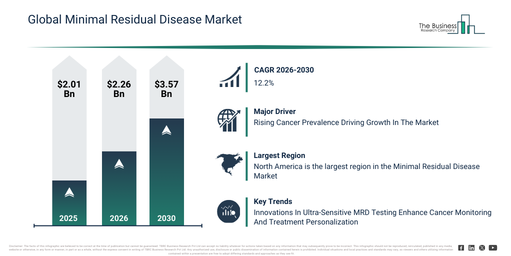
  • Minimal Residual Disease Market Forecast Highlights Expansion From $2.25 Billion To $3.57 Billion Through 2030

    Minimal Residual Disease Market Forecast Highlights Expansion From $2.25 Billion To $3.57 Billion Through 2030

    Through market attractiveness analysis, total addressable market evaluation, company benchmarking matrices, interactive Excel dashboards, expanded supply chain intelligence, emerging startup coverage, and detailed product insights, The Business Research Company’s 2026 market reports provide more actionable and strategically valuable research.

    Minimal Residual Disease Market Growth From $2.25 Billion In 2026 To $3.57 Billion By 2030 At A CAGR Of 12.2%

    The worldwide market for minimal residual disease diagnostics has experienced substantial expansion lately, with projections indicating continued vigorous growth from $2.01 billion in 2025 to $2.26 billion in 2026, reflecting a compound annual growth rate of 12.5%. This upward trajectory in the past was fueled by several key factors, including an increase in the incidence of leukemia and lymphoma, greater utilization of flow cytometry for diagnostic purposes, the early integration of PCR technology for MRD detection, a heightened clinical emphasis on predicting disease relapse, and the enhancement of diagnostic laboratory infrastructure.

    Anticipating substantial expansion, the minimal residual disease market is projected to experience swift advancement in the upcoming years, reaching an estimated $3.57 billion by 2030 with a compound annual growth rate (CAGR) of 12.2%. This upward trajectory during the forecast period is fueled by several key factors, including the accelerating development and deployment of next-generation sequencing (NGS)-based MRD testing methodologies, a growing emphasis on tailored cancer therapies, the creation of highly sensitive molecular diagnostic tools, greater utilization of liquid biopsy for MRD detection, and increased financial commitment towards research in cancer diagnostics. Furthermore, the market will be shaped by significant trends such as the increasing integration of precision medicine approaches into MRD detection processes, the incorporation of artificial intelligence to boost the sensitivity of MRD testing, the broader implementation of cloud-based systems for managing and monitoring MRD data, the leveraging of Internet of Things (IoT) technology for improved connectivity in MRD diagnostic platforms, and the ongoing push towards automating and digitizing laboratory workflows for MRD analysis.

    Download A Free Sample Report For Comprehensive Market Insights:

    https://www.thebusinessresearchcompany.com/sample.aspx?id=21224&type=smp

    Minimal Residual Disease Market Demand Drivers: What Is Fueling Industry Growth?

    The escalating incidence of cancer is anticipated to significantly fuel the expansion of the minimal residual disease market in the coming period. Cancer, a complex set of disorders defined by the aberrant proliferation and dissemination of atypical cells within the body, is becoming more common due to several contributing elements including a growing elderly demographic, heightened exposure to harmful environmental agents, detrimental lifestyle choices, and inherited genetic vulnerabilities. This heightened prevalence of cancer consequently escalates the need for highly accurate MRD testing methods, which are crucial for identifying any lingering cancer cells, thereby facilitating prompt therapeutic actions and tailored treatment strategies. Such advancements lead to more reliable predictions of disease recurrence and ultimately contribute to better patient prognoses. A notable example highlighting this trend is the projection made in February 2024 by the World Health Organization, an international body headquartered in Switzerland, which foresees over 35 million new cancer diagnoses annually by 2050, marking a substantial 77% surge from the approximately 20 million cases recorded in 2022. Hence, the continuous rise in cancer cases directly underpins the growth trajectory of the minimal residual disease market.

    Minimal Residual Disease Market Segment Performance And Strategic Opportunities

    The minimal residual disease market covered in this report is segmented –

    1) By Detection Target: Lymphoma, Leukemia, Solid Tumors, Other Detection Targets

    2) By Test Technique: Flow Cytometry, Polymerase Chain Reaction (PCR), Next Generation Sequencing (NGS), Other Test Techniques

    3) By End-User: Hospitals, Diagnostic Laboratories, Research Institutions

    Subsegments:

    1) By Lymphoma: Hodgkin Lymphoma, Non-Hodgkin Lymphoma

    2) By Leukemia: Acute Lymphoblastic Leukemia, Acute Myeloid Leukemia, Chronic Lymphocytic Leukemia, Chronic Myeloid Leukemia

    3) By Solid Tumors: Breast Cancer, Lung Cancer, Colorectal Cancer, Prostate Cancer

    4) By Other Detection Targets: Multiple Myeloma, Neuroblastoma, Sarcomas

    Minimal Residual Disease Market Innovation Trends: Which Developments Are Transforming The Industry?

    Leading players within the minimal residual disease (MRD) market are dedicating resources to creating sophisticated, highly sensitive assays aimed at improving the early identification of disease and optimizing patient care. These ultra-sensitive assays are indeed laboratory analyses engineered to pinpoint circulating tumor DNA, even at exceptionally minute concentrations, with remarkable precision. This capability facilitates the earlier detection of cancer returning and informs more effective therapeutic choices. As an illustration, in April 2025, Natera, Inc., a company based in the United States specializing in cell-free DNA and genetic testing, introduced its Signatera Genome MRD test. This assay is personalized and informed by the patient’s tumor, constructed from their complete genome sequence along with corresponding normal DNA. Employing multiplex polymerase chain reaction and next-generation sequencing techniques, the test can detect tumor DNA at levels as low as one part per million, and even lower for research purposes. Its effectiveness has been confirmed through clinical studies across various cancer types, such as breast, colorectal, non-small cell lung cancer, melanoma, and renal cell carcinoma. The Signatera Genome assay is instrumental in identifying postsurgical patients who face a greater risk of recurrence, demonstrates predictive clinical value, is suitable for both clinical and research settings, and has secured Medicare coverage for a wide array of conditions, thereby paving the way for more accurate and judicious treatment plans.

    Minimal Residual Disease Market Key Players: Which Companies Shape Industry Competition?

    Major companies operating in the minimal residual disease market are Thermo Fisher Scientific Inc., LabCorp, Quest Diagnostics Incorporated, Agilent Technologies Inc., Sysmex Corporation, Bio-Rad Laboratories Inc., Qiagen N.V., Natera Inc., Foundation Medicine Inc., NeoGenomics Inc., Guardant Health Inc., Adaptive Biotechnologies Corporation, Invivoscribe Inc., Mission Bio Inc., ArcherDx Inc., Abbott Laboratories, F. Hoffmann-La Roche Ltd., Illumina Inc., Personalis Inc., Asuragen Inc., ARUP Laboratories Inc., Myriad Genetics Inc., Luminex Corporation, EntroGen Inc., 3B BlackBio Biotech India, Bioartis, PerkinElmer Inc.

    Access The Complete Minimal Residual Disease Market Report:

    https://www.thebusinessresearchcompany.com/report/minimal-residual-disease-global-market-report

    Minimal Residual Disease Market Largest Region: Which Geography Holds The Highest Market Share?

    North Americawas the largest region in the minimal residual disease market in 2025. Asia-Pacificis expected to be the fastest-growing region in the forecast period. The regions covered in the minimal residual disease market report are Asia-Pacific, South East Asia, Western Europe, Eastern Europe, North America, South America, Middle East, Africa.

    Get in touch with us:

    The Business Research Company: https://www.thebusinessresearchcompany.com/

    Americas: +1 310-496-7795

    Asia: +44 7882 955267 & +91 8897263534

    Europe: +44 7882 955267

    Email us at: marketing@tbrc.info

    Follow us on:

    LinkedIn: https://in.linkedin.com/company/the-business-research-company

    YouTube: https://www.youtube.com/channel/UC24_fI0rV8cR5DxlCpgmyFQ

    Global Market Model: https://www.thebusinessresearchcompany.com/global-market-model