Month: July 2026

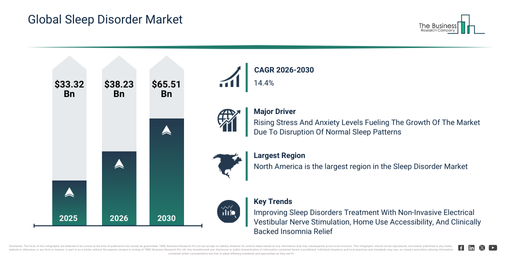
  • Sleep Disorder Market Size Projected To Increase From $38.23 Billion To $65.51 Billion During The Forecast Period

    Sleep Disorder Market Size Projected To Increase From $38.23 Billion To $65.51 Billion During The Forecast Period

    Enhanced with market attractiveness analysis, total addressable market evaluation, company benchmarking matrices, interactive Excel dashboards, expanded supply chain intelligence, emerging startup coverage, and detailed product insights, The Business Research Company’s 2026 market reports deliver more actionable and strategically valuable research.

    Sleep Disorder Market Size Outlook: How Fast Will Revenue Grow Through 2030?

    The sleep disorder market has experienced substantial expansion in recent times. Projections indicate it will grow from $33.32 billion in 2025 to $38.23 billion in 2026, registering a compound annual growth rate (CAGR) of 14.7%. The historical growth of this market is attributable to heightened awareness regarding sleep health, the escalating prevalence of insomnia and sleep apnea, the increasing adoption of sleep diagnostic services, a growing geriatric population, rising stress and lifestyle-related sleep disturbances, and the expanded usage of smartphones and wearable devices for monitoring sleep.

    The sleep disorder market is anticipated to experience substantial expansion in the upcoming years, projected to attain a size of $65.51 billion by 2030, growing at a compound annual growth rate (CAGR) of 14.4%. This growth during the forecast period is driven by factors such as the expansion of telemedicine services for sleep disorders, increasing adoption of wearable sleep trackers, more widespread home-based diagnostic testing, the rise of cognitive behavioral therapy applications, and increased government initiatives aimed at sleep health awareness. Major developments expected over this period include advancements in wearable sleep monitoring devices, progress in home-based sleep diagnostic tools, evolution in AI-driven sleep analysis, innovations in non-invasive therapies for sleep apnea, new approaches in telemedicine for sleep consultation, and novel cognitive behavioral therapy apps.

    Download A Free Sample Report For Comprehensive Market Insights:

    https://www.thebusinessresearchcompany.com/sample.aspx?id=30744&type=smp&utm_source=Blogs&utm_medium=Paid&utm_campaign=Jul_PR

    Sleep Disorder Market Industry Drivers: What Is Driving Revenue Growth?

    Rising stress and anxiety levels are anticipated to propel the expansion of the sleep disorder market going forward. These levels signify the widespread occurrence of psychological strain and excessive worry within a population, frequently stemming from environmental, social, or economic pressures. Work-related demands, such as increased workloads, strict deadlines, and job instability, are contributing to the rise in stress and anxiety. They contribute to sleep disorders by disturbing typical sleep patterns and making it harder to initiate or maintain sleep. Furthermore, they impair overall health by hindering restorative sleep, resulting in fatigue, diminished cognitive function, and an elevated susceptibility to chronic illnesses. For instance, in May 2024, according to the American Psychiatric Association (APA), a US-based professional association, 43% of U.S. adults reported feeling more anxious in 2024 compared to the prior year, an increase from 37% in 2023 and 32% in 2022. Consequently, the escalating stress and anxiety levels are propelling the growth of the sleep disorder market.

    Sleep Disorder Market Categorization By Product Type And Application

    The sleep disorder market covered in this report is segmented –

    1) By Disorder Type: Insomnia, Sleep Apnea, Restless Legs Syndrome, Narcolepsy, Circadian Rhythm Disorders

    2) By Treatment: Cognitive Behavioral Therapy, Medication Therapy, Psychiatric Treatment, Behavioral Treatment

    3) By Diagnostic Method: Polysomnography, Home Sleep Testing, Actigraphy, Sleep Diaries, Questionnaires and Screening

    4) By Distribution Channel: Retail Pharmacies, Online Sales, Hospital Pharmacies

    5) By End-User: Hospitals And Sleep Centers, Home Care Settings, Academic

    Subsegments:

    1) By Insomnia: Acute Insomnia, Chronic Insomnia, Onset Insomnia, Maintenance Insomnia, Behavioral Insomnia, Medication-Induced Insomnia

    2) By Sleep Apnea: Obstructive Sleep Apnea, Central Sleep Apnea, Complex Sleep Apnea Syndrome, Mild Sleep Apnea, Moderate Sleep Apnea, Severe Sleep Apnea, Pediatric Sleep Apnea, Treatment-Resistant Sleep Apnea

    3) By Restless Legs Syndrome: Primary Restless Legs Syndrome, Secondary Restless Legs Syndrome, Mild Restless Legs Syndrome, Moderate Restless Legs Syndrome, Severe Restless Legs Syndrome, Intermittent Restless Legs Syndrome, Chronic Persistent Restless Legs Syndrome

    4) By Narcolepsy: Narcolepsy Type 1, Narcolepsy Type 2, Idiopathic Hypersomnia, Pediatric Narcolepsy, Treatment-Resistant Narcolepsy, Secondary Narcolepsy

    5) By Circadian Rhythm Disorders: Delayed Sleep Phase Disorder, Advanced Sleep Phase Disorder, Shift Work Sleep Disorder, Jet Lag Disorder, Irregular Sleep-Wake Rhythm Disorder, Non-24-Hour Sleep-Wake Disorder

    #Sleep Disorder Market Growth Trends: What Is Influencing The Future Outlook?

    Leading firms within the sleep disorder sector are prioritizing the creation of cutting-edge therapeutic innovations, including electrical vestibular nerve stimulation (VeNS) techniques, to offer non-pharmacological interventions aimed at improving sleep quality, normalizing circadian rhythms, and assisting individuals with chronic insomnia. The electrical vestibular nerve stimulation (VeNS) method is characterized as a non-invasive treatment modality that transmits gentle electrical impulses to the vestibular nerve, a critical neurological route, to impact brain areas responsible for sleep regulation without requiring surgery or medication. An example of this is the launch in October 2024 by Neurovalens Ltd., a health-tech enterprise based in the UK, of Modius Sleep, an FDA-cleared non-invasive device developed for managing chronic insomnia through electrical vestibular nerve stimulation (VeNS). This medical device, worn like a headset, is utilized for approximately 30 minutes nightly, emitting safe electrical signals to the vestibular nerve to modulate the hypothalamus and brainstem regions that govern circadian rhythm and sleep cycles, thereby assisting users in achieving quicker sleep onset and extended sleep duration.

    Sleep Disorder Market Company Landscape And Strategic Competition

    Major companies operating in the sleep disorder market are Johnson & Johnson, Merck & Co. Inc., Pfizer Inc., Sanofi S.A., GlaxoSmithKline plc, Eli Lilly and Company, Takeda Pharmaceutical Company Limited, Teva Pharmaceutical Industries Ltd., Otsuka Holdings Co. Ltd., Biogen Inc., Union Chimique Belge S.A., Sun Pharmaceutical Industries Ltd., Eisai Co. Ltd., Jazz Pharmaceuticals plc, Aurobindo Pharma Ltd., Dr. Reddy’s Laboratories Limited, H. Lundbeck A/S, Sumitomo Pharma Co. Ltd., Neurocrine Biosciences Inc., Harmony Biosciences Holdings Inc., Vanda Pharmaceuticals Inc.

    Access The Complete Sleep Disorder Market Report:

    https://www.thebusinessresearchcompany.com/report/sleep-disorder-market-report?utm_source=Blogs&utm_medium=Paid&utm_campaign=Jul_PR

    Sleep Disorder Market Geographic Landscape: Which Region Dominates Industry Growth?

    North America was the largest region in the sleep disorder market in 2025. Asia-Pacific is expected to be the fastest-growing region in the forecast period. The regions covered in the sleep disorder market report are Asia-Pacific, South East Asia, Western Europe, Eastern Europe, North America, South America, Middle East, Africa.

    Get in touch with us:

    The Business Research Company: https://www.thebusinessresearchcompany.com/

    Americas: +1 310-496-7795

    Asia: +44 7882 955267 & +91 8897263534

    Europe: +44 7882 955267

    Email us at: marketing@tbrc.info

    Follow us on:

    LinkedIn: https://in.linkedin.com/company/the-business-research-company

    YouTube: https://www.youtube.com/channel/UC24_fI0rV8cR5DxlCpgmyFQ

    Global Market Model: https://www.thebusinessresearchcompany.com/global-market-model
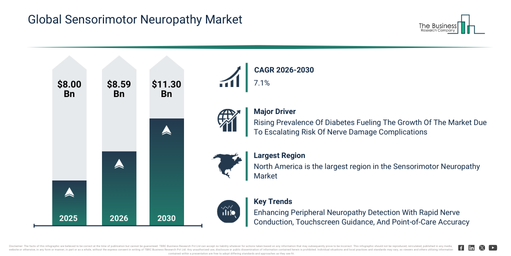
  • Sensorimotor Neuropathy Market Expected To Reach $11.3 Billion By 2030 As Growth Accelerates At 7.1% CAGR

    Sensorimotor Neuropathy Market Expected To Reach $11.3 Billion By 2030 As Growth Accelerates At 7.1% CAGR

    Enhanced with market attractiveness analysis, total addressable market evaluation, company benchmarking matrices, interactive Excel dashboards, expanded supply chain intelligence, emerging startup coverage, and detailed product insights, The Business Research Company’s 2026 market reports deliver more actionable and strategically valuable research.

    Sensorimotor Neuropathy Market Expansion From $8.59 Billion In 2026 To $11.3 Billion In 2030

    The sensorimotor neuropathy market size has shown strong growth in recent years. It is projected to expand from $8.00 billion in 2025 to $8.59 billion in 2026, exhibiting a compound annual growth rate (CAGR) of 7.4%. This past growth can be attributed to factors like the rising prevalence of diabetes, the growing geriatric population, increasing awareness of neuropathy complications, the expansion of hospital and clinical infrastructure, and the increasing adoption of diagnostic technologies.

    The sensorimotor neuropathy market size is projected to experience robust expansion over the next few years, reaching $11.30 billion by 2030, driven by a compound annual growth rate (CAGR) of 7.1%. This anticipated growth can be attributed to several factors such as escalating research and development initiatives, increased investment in neurotherapeutics, broader integration of genetic testing, the expansion of personalized medicine solutions, and the increasing adoption of digital and remote monitoring technologies. Prominent trends throughout this forecast period involve advancements in molecular genetic testing, the development of minimally invasive therapies, innovations in neuroprotective drug design, a rise in the use of artificial intelligence for diagnostics, and the broadening of patient-centric and telemedicine solutions.

    Download A Free Sample Report For Comprehensive Market Insights:

    https://www.thebusinessresearchcompany.com/sample.aspx?id=30741&type=smp&utm_source=Blogs&utm_medium=Paid&utm_campaign=Jul_PR

    Sensorimotor Neuropathy Market Growth Drivers: What Factors Are Accelerating Expansion?

    The increasing occurrence of diabetes is anticipated to drive the expansion of the sensorimotor neuropathy market in the future. Diabetes is defined as a long-term medical condition impacting the body’s energy conversion from food, marked by elevated blood sugar levels due to issues with insulin creation or function. The increasing incidence of diabetes stems from a rise in obesity, which is fueled by inactive lifestyles and a greater intake of processed foods high in sugar and fat, leading to decreased physical activity. Sensorimotor neuropathy aids individuals with diabetes by facilitating specific sensorimotor training, thereby enhancing gait stability, ankle proprioception, and overall life quality by improving balance and lowering the danger of falls. For instance, relevant for 2025, the International Diabetes Federation, a Belgium-based health organization, stated that in 2024, around 589 million adults aged 20-79 were living with diabetes, with the total number projected to reach 853 million by 2050, and with more than 4 in 5 adults with diabetes residing in low and middle-income countries. Consequently, the increasing prevalence of diabetes is propelling the expansion of the sensorimotor neuropathy market.

    Sensorimotor Neuropathy Market Segment Outlook: Which Categories Are Expanding The Fastest?

    The sensorimotor neuropathy market covered in this report is segmented –

    1) By Type: Diabetic Neuropathy, Hereditary Neuropathy, Charcot-Marie-Tooth Disease, Guillain-Barré Syndrome, Chronic Inflammatory Demyelinating Polyneuropathy (CIDP), Toxic Neuropathy, Infectious Neuropathy

    2) By Treatment: Medications, Physical Therapy, Occupational Therapy, Transcutaneous Electrical Nerve Stimulation (TENS), Surgery

    3) By Diagnosis: Electromyography And Motor Nerve Conduction Test, Specialized Deoxyribonucleic Acid Blood Tests, Molecular Genetic Testing, Other Diagnosis

    4) By Distribution Channel: Hospital Pharmacies, Retail And Online Pharmacies

    Subsegments:

    1) By Diabetic Neuropathy: Insulin Related Neuropathy, Glucose Induced Neuropathy, Chronic Diabetes Induced Neuropathy, Peripheral Neuropathy, Autonomic Neuropathy

    2) By Hereditary Neuropathy: Charcot Marie Tooth Disease, Hereditary Sensory Neuropathy, Familial Amyloid Polyneuropathy, Genetic Peripheral Neuropathy, Hereditary Motor Neuropathy

    3) By Charcot-Marie-Tooth Disease: Type One Demyelinating, Type Two Axonal, Intermediate Form, Dominant Form, Recessive Form

    4) By Guillain-Barré Syndrome: Acute Inflammatory Demyelinating Polyneuropathy, Acute Motor Axonal Neuropathy, Acute Motor Sensory Axonal Neuropathy, Miller Fisher Syndrome, Other Variants

    5) By Chronic Inflammatory Demyelinating Polyneuropathy: Typical Chronic Inflammatory Demyelinating Polyneuropathy, Multifocal Acquired Demyelinating Sensory And Motor Neuropathy, Distal Acquired Demyelinating Symmetric Neuropathy, Other Forms, Treatment Responsive Type

    6) By Toxic Neuropathy: Alcohol Induced Neuropathy, Drug Induced Neuropathy, Heavy Metal Induced Neuropathy, Chemical Exposure Neuropathy, Other Toxin Related Neuropathy

    7) By Infectious Neuropathy: Viral Induced Neuropathy, Bacterial Induced Neuropathy, Fungal Induced Neuropathy, Parasitic Induced Neuropathy, Other Infection Related Neuropathy

    Sensorimotor Neuropathy Market Trends: What Is Shaping Future Industry Growth?

    Major companies operating in the sensorimotor neuropathy market are prioritizing the development of advanced diagnostic technologies, such as improved nerve conduction devices with enhanced user interfaces. The goal is to facilitate earlier detection, more objective assessment, and better monitoring of nerve damage linked to peripheral neuropathy. Nerve conduction devices equipped with superior user interfaces are systems that combine quantitative nerve signal measurement with intuitive displays and structured workflows, thereby empowering clinicians to perform precise evaluations efficiently at the point of care. For example, in January 2023, NeuroMetrix Inc., a US-based medical device company, introduced the DPNCheck 2.0 peripheral neuropathy testing device, which is an advanced nerve conduction tool featuring a refined user interface. This updated system measures sural nerve conduction velocity and response amplitude, which are recognized biomarkers for peripheral neuropathy, and boasts an easy-to-use, large touchscreen display that guides clinicians through the test while presenting real-time results more clearly than prior models. The device also includes improved temperature compensation to ensure consistent performance across various clinical environments.

    Sensorimotor Neuropathy Market Key Companies And Competitive Benchmarking

    Major companies operating in the sensorimotor neuropathy market are Johnson & Johnson, Merck & Co Inc., Pfizer Inc., Abbvie Inc., Sanofi S.A, Novartis AG, Astrazeneca plc, Abbott Laboratories, Glaxosmithkline plc, Eli Lilly Company, Takeda Pharmaceutical Company Ltd., Teva Pharmaceutical Industries Ltd., Viatris Inc., Biogen Inc., Intas Pharmaceutical Limited, Ucb S.A., Sun Pharmaceutical Industries Ltd., Aurobindo Pharma Limited, Dr.Reddy’s Laboratories Limited, Cipla Limited, Lupin Limited, Torrent Pharmaceuticals Ltd., Alembic Pharmaceutical Limited, Boehringer Ingelheim International GmbH, Otuska Pharmaceutical Co. Ltd.

    Access The Complete Sensorimotor Neuropathy Market Report:

    https://www.thebusinessresearchcompany.com/report/sensorimotor-neuropathy-market-report?utm_source=Blogs&utm_medium=Paid&utm_campaign=Jul_PR

    Sensorimotor Neuropathy Market Geographic Distribution And Regional Opportunities

    North America was the largest region in the sensorimotor neuropathy market in 2025. Asia-Pacific is expected to be the fastest-growing region in the forecast period. The regions covered in the sensorimotor neuropathy market report are Asia-Pacific, South East Asia, Western Europe, Eastern Europe, North America, South America, Middle East, Africa.

    Get in touch with us:

    The Business Research Company: https://www.thebusinessresearchcompany.com/

    Americas: +1 310-496-7795

    Asia: +44 7882 955267 & +91 8897263534

    Europe: +44 7882 955267

    Email us at: marketing@tbrc.info

    Follow us on:

    LinkedIn: https://in.linkedin.com/company/the-business-research-company

    YouTube: https://www.youtube.com/channel/UC24_fI0rV8cR5DxlCpgmyFQ

    Global Market Model: https://www.thebusinessresearchcompany.com/global-market-model
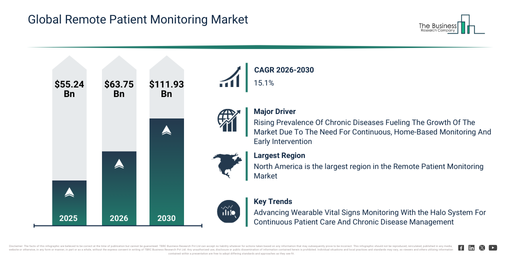
  • Remote Patient Monitoring Market Expected To Reach $111.93 Billion By 2030 As Growth Accelerates At 15.1% CAGR

    Remote Patient Monitoring Market Expected To Reach $111.93 Billion By 2030 As Growth Accelerates At 15.1% CAGR

    Through market attractiveness analysis, total addressable market evaluation, company benchmarking matrices, interactive Excel dashboards, expanded supply chain intelligence, emerging startup coverage, and detailed product insights, The Business Research Company’s 2026 market reports provide more actionable and strategically valuable research.

    Remote Patient Monitoring Market CAGR Analysis And Future Market Development

    The remote patient monitoring market size has experienced swift expansion in recent years. It is anticipated to expand from $55.24 billion in 2025 to $63.75 billion in 2026, exhibiting a compound annual growth rate (CAGR) of 15.4%. The surge observed in the past can be credited to the escalating burden of chronic illnesses, the expanding older population, the increasing necessity for home-based medical care, the broader adoption of telehealth solutions, and a heightened emphasis on reducing hospital readmissions.

    The remote patient monitoring market is projected to experience swift expansion over the coming years. This market is set to reach $111.93 billion by 2030, demonstrating a compound annual growth rate (CAGR) of 15.1%. Several factors are driving this anticipated growth, including the rising incidence of chronic and lifestyle-associated conditions, the increasing need for home healthcare provisions, greater patient understanding of remote monitoring advantages, higher global spending on healthcare, and an intensified emphasis on value-based and outcome-focused care. Key trends anticipated during this period encompass progress in wearable sensor technologies, new developments in remote monitoring platforms and software, improved integration of remote patient data with electronic health records, ongoing research and development in predictive analytics for patient oversight, and progress in artificial intelligence-powered clinical decision support.

    Download A Free Sample Report For Comprehensive Market Insights:

    https://www.thebusinessresearchcompany.com/sample.aspx?id=30725&type=smp&utm_source=Blogs&utm_medium=Paid&utm_campaign=Jul_PR

    #Remote Patient Monitoring Market Growth Drivers And Industry Catalysts

    The increasing occurrence of chronic illnesses is projected to fuel the expansion of the remote patient monitoring market in the future. These long-term health conditions, which include hypertension, diabetes, and cardiovascular disorders, necessitate constant oversight and continuous management. The rise in chronic disease cases is attributed to an aging global demographic coupled with prevalent unhealthy habits like sedentary lifestyles, inadequate diets, smoking, and heavy alcohol intake, all contributing to elevated risks such as obesity, high blood pressure, and diabetes over time. Remote patient monitoring supports the management of chronic conditions by allowing for continuous tracking of patients’ vital signs, symptoms, and compliance with treatment regimens from their homes. This technology enhances patient outcomes through the prompt identification of complications, swift interventions, and tailored adjustments to care plans. For example, statistics from June 2024, provided by the National Health Service, a UK-based government department, indicate that 3,615,330 individuals registered with a general practitioner (GP) had a diagnosis of non-diabetic hyperglycemia or pre-diabetes (a state characterized by elevated blood sugar levels, not yet meeting the criteria for diabetes) in 2023. This figure represents an 18% rise from 3,065,825 cases recorded in 2022. Consequently, the increasing prevalence of chronic diseases is a significant factor driving the expansion of the remote patient monitoring market.

    Remote Patient Monitoring Market Segment Analysis: What Are The Major Market Categories?

    The remote patient monitoring market covered in this report is segmented –

    1) By Component: Devices, Services, Software

    2) By Application: Chronic Disease Management, Post-Acute Care Monitoring, Preventive Care And Wellness, Home Health Monitoring, Rehabilitation Monitoring

    3) By End User: Hospitals, Clinics, Home Healthcare Providers, Ambulatory Care Centers, Long-Term Care Facilities

    Subsegments:

    1) By Devices: Remote Monitoring Sensors, Wearable Health Trackers, Blood Pressure Monitors, Blood Glucose Monitors, Pulse Oximetry Devices, Electrocardiogram Devices, Temperature Monitoring Devices, Smart Scales, Multi-Parameter Monitoring Devices

    2) By Services: Installation Services, Maintenance Services, Training Services, Technical Support Services, Remote Monitoring Services, Data Management Services, Consultation Services

    3) By Software: Patient Data Management Software, Clinical Decision Support Software, Remote Monitoring Platforms, Mobile Health Applications, Cloud-Based Analytics Software, Alert And Notification Software, Electronic Health Record Integration Software

    #Remote Patient Monitoring Market Trends Influencing Long-Term Demand

    Prominent companies operating in the remote patient monitoring market are prioritizing the creation of advanced remote monitoring products to improve patient care, refine clinical decision-making, and broaden access to medical-grade data. Remote vital signs monitoring systems are defined as wearable devices that consistently and precisely track essential physiological parameters for application in clinical, emergency, and home environments. For example, in May 2024, Sempulse Corporation, a US-based medical device manufacturer, introduced the FDA 510(k)-cleared Halo Vital Signs Monitoring System, a compact wearable device designed to integrate with the LiveCharts mobile app and the Command Cloud platform for centralized data visualization and management. This solution provides features such as a reusable design for both home and clinical settings, cloud-based data analytics for prioritizing patient care, and continuous monitoring of vital signs even during patient activity.

    Remote Patient Monitoring Market Leading Companies Driving Competitive Growth

    Major companies operating in the remote patient monitoring market are Siemens AG, Abbott Laboratories, Medtronic plc, Koninklijke Philips N.V., GE HealthCare Technologies Inc., Boston Scientific Corporation, Baxter International Inc., Roche Diagnostics, Omron Corporation, Shenzhen Mindray Bio-Medical Electronics Co. Ltd., ResMed Inc., Dräger Medical, Dexcom Inc., Teladoc Health Inc., Nihon Kohden Corporation, OSI Systems Inc, Biofourmis Inc., Masimo Corp., VitalConnect Inc., Guangdong Transtek Medical Electronics Co. Ltd.

    Access The Complete Remote Patient Monitoring Market Report:

    https://www.thebusinessresearchcompany.com/report/remote-patient-monitoring-market-report?utm_source=Blogs&utm_medium=Paid&utm_campaign=Jul_PR

    Remote Patient Monitoring Market Regional Distribution: Which Areas Drive Market Expansion?

    North America was the largest region in the remote patient monitoring market in 2025. Asia-Pacific is expected to be the fastest-growing region in the forecast period. The regions covered in the remote patient monitoring market report are Asia-Pacific, South East Asia, Western Europe, Eastern Europe, North America, South America, Middle East, Africa.

    Get in touch with us:

    The Business Research Company: https://www.thebusinessresearchcompany.com/

    Americas: +1 310-496-7795

    Asia: +44 7882 955267 & +91 8897263534

    Europe: +44 7882 955267

    Email us at: marketing@tbrc.info

    Follow us on:

    LinkedIn: https://in.linkedin.com/company/the-business-research-company

    YouTube: https://www.youtube.com/channel/UC24_fI0rV8cR5DxlCpgmyFQ

    Global Market Model: https://www.thebusinessresearchcompany.com/global-market-model
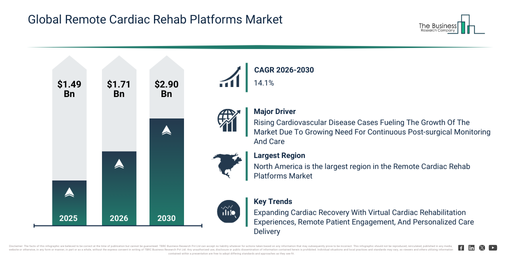
  • Remote Cardiac Rehab Platforms Market Set To Grow From $1.71 Billion In 2026 To $2.9 Billion By 2030 At A CAGR Of 14.1%

    Remote Cardiac Rehab Platforms Market Set To Grow From $1.71 Billion In 2026 To $2.9 Billion By 2030 At A CAGR Of 14.1%

    Delivering more actionable and strategically valuable research, The Business Research Company’s 2026 market reports feature market attractiveness analysis, total addressable market evaluation, company benchmarking matrices, interactive Excel dashboards, expanded supply chain intelligence, emerging startup coverage, and detailed product insights.

    Remote Cardiac Rehab Platforms Market Expansion From $1.71 Billion In 2026 To $2.9 Billion In 2030

    In recent years, the market size for remote cardiac rehab platforms has expanded significantly. Projections indicate it will increase from $1.49 billion in 2025 to $1.71 billion in 2026, demonstrating a compound annual growth rate (CAGR) of 14.4%. Historically, this growth can be linked to factors such as the increasing prevalence of cardiovascular diseases, a growing aging population, rising awareness about cardiac health, the expansion of telehealth infrastructure, and increasing hospital readmission rates.

    The remote cardiac rehab platforms market size is anticipated to undergo significant expansion over the next few years, projected to reach $2.90 billion by 2030, demonstrating a compound annual growth rate (CAGR) of 14.1%. This expected growth during the forecast period is largely driven by the increasing adoption of remote monitoring platforms, a growing patient preference for home-based rehabilitation, rising healthcare investment in digital solutions, the expansion of insurance coverage for remote therapy, and the greater integration of wearable devices with rehab programs. Key trends for the forecast period include advancements in wearable sensor technology, innovations in digital rehabilitation software, the progression of artificial intelligence-driven patient monitoring, continued research and development in telecardiology, and the integration of mobile applications with remote rehab platforms.

    Download A Free Sample Report For Comprehensive Market Insights:

    https://www.thebusinessresearchcompany.com/sample.aspx?id=30724&type=smp&utm_source=Blogs&utm_medium=Paid&utm_campaign=Jul_PR

    Remote Cardiac Rehab Platforms Market Opportunity Drivers: What Is Creating New Revenue Potential?

    The increasing number of cardiovascular disease occurrences is projected to stimulate the expansion of the remote cardiac rehabilitation platforms market in the future. These rising cases denote a growing prevalence of heart-related ailments, including coronary artery disease and heart failure, which necessitate surgical intervention and prolonged management. Advances in surgical methods and an aging demographic contribute to the increase in cardiovascular disease cases, thus generating a heightened demand for accessible recovery solutions following operations. Remote cardiac rehabilitation platforms facilitate the development of comprehensive recovery regimens by enabling continuous tracking of patient vital signs and providing guided exercise therapy in home settings. For instance, in May 2025, according to the Japanese Association for Thoracic Surgery, a Japan-based professional association dedicated to thoracic surgery, Japan conducted 63,427 cardiovascular surgeries in 2023, marking a 3.0% increase from the 61,606 surgeries performed in 2022. Consequently, the rising cardiovascular disease cases are fueling the growth of the remote cardiac rehabilitation platforms market.

    Remote Cardiac Rehab Platforms Market Segment Breakdown: Which Categories Generate The Most Revenue?

    The remote cardiac rehab platforms market covered in this report is segmented –

    1) By Component: Software, Hardware, Services

    2) By Delivery Mode: Web-based, Cloud-based, On-premises

    3) By Application: Chronic Heart Failure, Post-Myocardial Infarction, Hypertension, Arrhythmia, Other Applications

    4) By End User: Hospitals and Clinics, Home Care Settings, Cardiac Rehabilitation Centers, Other End Users

    Subsegments:

    1) By Software: Platform, Patient Application, Clinician Dashboard, Administrative And Billing Module

    2) By Hardware: Wearable Devices, Electrocardiogram(ECG) Monitors, Blood Pressure Monitors, Heart Rate Monitors

    3) By Services: Remote Monitoring, Virtual Consultation, Patient Education, Technical Support

    Remote Cardiac Rehab Platforms Market Innovation Trends Driving Future Development

    Major companies in the remote cardiac rehab platforms market are focusing on developing advanced telehealth solutions, such as virtual cardiac rehabilitation experiences. This aims to expand access to life-saving rehab programs, enhance patient engagement, and support personalized cardiovascular recovery outside traditional clinical settings. A virtual cardiac rehabilitation experience is a structured digital care pathway that provides exercise guidance, education, symptom monitoring, and clinician feedback through remote platforms, allowing patients to participate in comprehensive cardiac rehab from home or community environments while maintaining clinical oversight. For instance, in October 2025, WakeMed Health & Hospitals, a US-based healthcare system, launched a virtual cardiac rehabilitation experience for patients recovering from heart procedures or managing chronic heart conditions. This initiative employs connected tools, remote monitoring, and telehealth coaching to guide patients through tailored rehab plans, track progress, and offer real-time clinician support, thereby overcoming barriers like travel distance, scheduling constraints, and limited facility availability. The launch highlights the growing focus on embedding virtual experiences into cardiac rehabilitation to boost convenience, adherence, and health outcomes. By integrating a virtual cardiac rehabilitation experience into its remote care offerings, WakeMed and Recora enable broader participation in evidence-based rehab, improve continuity of care, and support long-term cardiovascular wellness for patients across diverse populations.

    Remote Cardiac Rehab Platforms Market Key Players And Strategic Industry Positioning

    Major companies operating in the remote cardiac rehab platforms market are Philips Healthcare, Teladoc Health Inc., Sword Health Inc., BioFourmis Inc., Dozee Health, Wellframe Inc., Health Recovery Solutions, Biotricity Inc., Vivalink Inc., Lyfe, Carda Health Inc., Chanl Health Inc., Fourth Frontier, Heartbeat Health Inc., Life365 Inc., Liva Healthcare, Movn Health, Prevounce, Recora LLC, Veta Health Co.

    Access The Complete Remote Cardiac Rehab Platforms Market Report:

    https://www.thebusinessresearchcompany.com/report/remote-cardiac-rehab-platforms-market-report?utm_source=Blogs&utm_medium=Paid&utm_campaign=Jul_PR

    Remote Cardiac Rehab Platforms Market Leading Geography: Which Region Generates The Most Revenue?

    North America was the largest region in the remote cardiac rehab platforms market in 2025. Asia-Pacific is expected to be the fastest-growing region in the forecast period. The regions covered in the remote cardiac rehab platforms market report are Asia-Pacific, South East Asia, Western Europe, Eastern Europe, North America, South America, Middle East, Africa.

    Get in touch with us:

    The Business Research Company: https://www.thebusinessresearchcompany.com/

    Americas: +1 310-496-7795

    Asia: +44 7882 955267 & +91 8897263534

    Europe: +44 7882 955267

    Email us at: marketing@tbrc.info

    Follow us on:

    LinkedIn: https://in.linkedin.com/company/the-business-research-company

    YouTube: https://www.youtube.com/channel/UC24_fI0rV8cR5DxlCpgmyFQ

    Global Market Model: https://www.thebusinessresearchcompany.com/global-market-model
  • Regenerative Wound Care Market Opportunities Are Emerging Beyond Traditional Growth Areas

    Regenerative Wound Care Market Opportunities Are Emerging Beyond Traditional Growth Areas

    Enhanced with market attractiveness analysis, total addressable market evaluation, company benchmarking matrices, interactive Excel dashboards, expanded supply chain intelligence, emerging startup coverage, and detailed product insights, The Business Research Company’s 2026 market reports deliver more actionable and strategically valuable research.

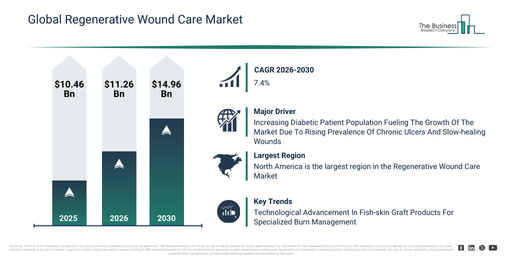
    Regenerative Wound Care Market Forecast Highlighting Growth From $11.26 Billion To $14.96 Billion

    The regenerative wound care market has demonstrated significant expansion in recent years. This market is anticipated to expand from $10.46 billion in 2025 to $11.26 billion in 2026, achieving a compound annual growth rate (CAGR) of 7.6%. The historical growth of this market is linked to factors such as the increasing incidence of chronic wounds, an expanding older population, the rising rates of diabetes and obesity, enhancements in healthcare infrastructure, and heightened awareness regarding advanced wound care treatments.

    The market for regenerative wound care is projected to experience substantial expansion over the upcoming years. Its valuation is set to reach $14.96 billion by 2030, exhibiting a compound annual growth rate (CAGR) of 7.4%. This anticipated growth during the projection period can be linked to factors such as the increasing acceptance of regenerative wound care products, a surge in investments directed towards biotechnology startups, the expanding incorporation of artificial intelligence into wound management practices, the broadening scope of home healthcare services, and the escalating need for customized wound care solutions. Key trends expected within this forecast timeframe encompass technological progress in bioengineered skin substitutes, breakthroughs in stem cell therapies, advancements in treatments utilizing growth factors, ongoing research and development in scaffold-based wound healing techniques, and enhanced technological capabilities in wound monitoring devices.

    Download A Free Sample Report For Comprehensive Market Insights:

    https://www.thebusinessresearchcompany.com/sample.aspx?id=30723&type=smp&utm_source=Blogs&utm_medium=Paid&utm_campaign=Jul_PR

    Regenerative Wound Care Market Growth Momentum: Which Factors Are Influencing Demand?

    The expanding global diabetic patient population is anticipated to drive the future growth of the regenerative wound care market. This trend refers to the rising worldwide incidence of diabetes mellitus, a chronic condition frequently linked with complications such as poor circulation and neuropathy, which often lead to difficult-to-heal wounds. Advances in diabetes management and heightened awareness are contributing to the identification of this increasing patient group, underscoring the vital need for advanced therapies to prevent complications like foot ulcers. Regenerative wound care facilitates effective healing environments by using bioactive materials and cellular treatments to stimulate tissue repair and closure in complex diabetic wounds. For instance, in July 2025, the International Diabetes Federation, a Belgium-based umbrella organization of national diabetes associations, stated that in 2024, diabetes affected 11.10% of the global population, corresponding to 589 million adults, and is projected to reach 12.95% and 853 million by 2050. Thus, the growing number of diabetic patients is propelling the expansion of the regenerative wound care market.

    Regenerative Wound Care Market Segmentation: How Is The Market Structured Across Key Categories?

    The regenerative wound care market covered in this report is segmented –

    1) By Product Type: Autologous Stem Cells, Biological Skin Substitutes, Tissue Or Multiple Tissue Platforms, Fetal Skin, Regenerative Wound Care Devices, Other Product Types

    2) By Wound Type: Chronic Wounds, Diabetic Foot Ulcers (DFUs), Venous Leg Ulcers (VLUs), Pressure Ulcers (Injuries), Acute Wounds, Surgical And Traumatic Wounds, Burn Wounds

    3) By Technology: Active Therapies, Scaffold-Based Therapies, Combination Products

    4) By End Users: Hospitals, Ambulatory Surgical Centers, Burn Care Centers And Wound Clinics, Other End Users

    Subsegments:

    1) By Autologous Stem Cells: Bone Marrow Derived Stem Cells, Adipose Derived Stem Cells, Peripheral Blood Stem Cells

    2) By Biological Skin Substitutes: Allogeneic Skin, Xenogeneic Skin, Composite Skin Substitutes

    3) By Tissue Or Multiple Tissue Platforms: Extracellular Matrix, Amniotic Membrane, Collagen Matrix

    4) By Fetal Skin: Amniotic Epithelial Cells, Dermal Fibroblasts

    5) By Regenerative Wound Care Devices: Negative Pressure Wound Therapy Devices, Bioengineered Tissue Scaffolds, Wound Dressings

    6) By Other Product Types: Growth Factors, Platelet Rich Plasma, Cellular Therapy Products

    Regenerative Wound Care Market Trends Reshaping Industry Growth

    Leading firms in the regenerative wound care market are prioritizing innovation through technology, for example, by launching specialized fish-skin graft items that maintain their inherent structure and omega-3 fatty acid content during processing. These cutting-edge grafts aim to address severe burn injuries, offering a bioactive framework that encourages cell proliferation and tissue repair. They are also customized for particular anatomical regions, such as the hands, to enhance both ease of application and restoration of function. An illustrative case occurred in January 2023 when Kerecis Limited, a medical device firm located in Iceland, unveiled two new offerings for the burn treatment sector: GraftGuide Mano and GraftGuide Micro. Composed of full-thickness fish dermis, these items are processed utilizing Kerecis’ unique EnviroIntact method, which ensures the preservation of the skin’s original three-dimensional structure and its fatty acid components. GraftGuide Mano is specifically engineered to conform to the intricate three-dimensional shape of the hand, thereby simplifying the treatment of second-degree burns.

    Regenerative Wound Care Market Competitive Landscape And Leading Companies

    Major companies operating in the regenerative wound care market are Stryker Corporation, Smith & Nephew plc, Convatec Group plc, Molnlycke Health Care AB, Integra LifeSciences Holdings Corporation, Angelini Pharma SpA, Organogenesis Holdings Inc.., MiMedx Group Inc., Fidia Farmaceutici SpA, Vericel Corporation, BioHorizons IPH Inc., Anika Therapeutics Inc., Kerecis Ltd., AVITA Medical Inc., Aroa Biosurgery Limited, Skye Biologics Inc., Tissue Regenix Group plc, PolarityTE Inc., Regenio, Acelity L.P. Inc.

    Access The Complete Regenerative Wound Care Market Report:

    https://www.thebusinessresearchcompany.com/report/regenerative-wound-care-market-report?utm_source=Blogs&utm_medium=Paid&utm_campaign=Jul_PR

    Regenerative Wound Care Market Regional Outlook: Where Are The Largest Opportunities Located?

    North America was the largest region in the regenerative wound care market in 2025. Asia-Pacific is expected to be the fastest-growing region in the forecast period. The regions covered in the regenerative wound care market report are Asia-Pacific, South East Asia, Western Europe, Eastern Europe, North America, South America, Middle East, Africa.

    Get in touch with us:

    The Business Research Company: https://www.thebusinessresearchcompany.com/

    Americas: +1 310-496-7795

    Asia: +44 7882 955267 & +91 8897263534

    Europe: +44 7882 955267

    Email us at: marketing@tbrc.info

    Follow us on:

    LinkedIn: https://in.linkedin.com/company/the-business-research-company

    YouTube: https://www.youtube.com/channel/UC24_fI0rV8cR5DxlCpgmyFQ

    Global Market Model: https://www.thebusinessresearchcompany.com/global-market-model
  • Psychologist Market Forecast Reveals Where Future Industry Value Will Be Created

    Psychologist Market Forecast Reveals Where Future Industry Value Will Be Created

    Enhanced with market attractiveness analysis, total addressable market evaluation, company benchmarking matrices, interactive Excel dashboards, expanded supply chain intelligence, emerging startup coverage, and detailed product insights, The Business Research Company’s 2026 market reports deliver more actionable and strategically valuable research.

    Psychologist Market Size Forecast: How Large Could The Market Become By 2030?

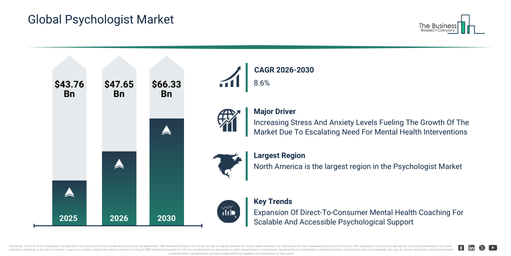
    The psychologist market has demonstrated robust expansion in recent years. Projections indicate it will grow from $43.76 billion in 2025 to $47.65 billion in 2026, registering a compound annual growth rate (CAGR) of 8.9%. This historical expansion is primarily due to increasing mental health awareness, the rising prevalence of stress disorders, a growing adoption of counseling services, the expanding integration of psychology in healthcare settings, and an increasing acceptance of therapy across all age groups.

    The psychologist market is set for substantial growth over the next few years. It is forecast to expand to $66.33 billion by 2030, achieving a compound annual growth rate (CAGR) of 8.6%. This anticipated growth during the forecast period stems from factors such as increasing demand for digital therapy solutions, a heightened focus on preventive mental healthcare, the growing need for workplace wellness programs, expanded access to remote psychology services, and increased government support for mental health initiatives. Noteworthy trends expected in this period include technological advancements in virtual therapy tools, innovations in AI-assisted psychological assessment, the evolution of digital behavioral health platforms, ongoing research and developments in neuropsychology methods, and progress in data-driven mental health analytics.

    Download A Free Sample Report For Comprehensive Market Insights:

    https://www.thebusinessresearchcompany.com/sample.aspx?id=30714&type=smp&utm_source=Blogs&utm_medium=Paid&utm_campaign=Jul_PR

    Psychologist Market Expansion Supported By Key Demand Factors

    Elevated stress and anxiety levels are anticipated to drive expansion in the psychologist market in the future. These levels indicate the widespread presence of mental strain and heightened concern among people, frequently stemming from environmental, societal, or financial factors. A rise in stress and anxiety is observable, primarily attributed to workplace demands, where individuals encounter increased work responsibilities, stringent deadlines, and uncertain employment. Professionals in psychology assist individuals in managing mental stress and excessive worry by employing methods such as therapy, guidance, and various coping mechanisms. Their contributions enhance mental health and everyday performance through tailored interventions, methods for reducing stress, and emotional assistance. For example, data from May 2024, reported by the American Psychiatric Association (APA), a professional association located in the US, showed that 43% of U.S. adults reported feeling more anxious in 2024 compared to the prior year, an increase from 37% in 2023 and 32% in 2022. Consequently, the escalation of stress and anxiety levels is fueling the expansion of the psychologist market.

    Psychologist Market Segment Landscape: Which Areas Lead Market Development?

    The psychologist market covered in this report is segmented –

    1) By Service Type: Clinical Psychology, Counseling Psychology, Educational Psychology, Industrial-Organizational Psychology

    2) By Treatment Modalities: Cognitive Behavioral Therapy, Psychodynamic Therapy, Humanistic Therapy, Integrative Therapy

    3) By Demographics: Children, Adolescents, Adults, Elderly

    4) By Application: Mental Health Management, Behavioral Modification, Educational And Learning Support, Workplace Mental Wellness, Relationship Management, Addiction Recovery, Cognitive Rehabilitation, Performance Enhancement

    5) By Industry Vertical: Healthcare, Education, Corporate Or Enterprise, Sports And Fitness, Government And Defense, Community And Social Services

    Subsegments:

    1) By Clinical Psychology: Psychological Assessment And Diagnosis, Cognitive Behavioral Therapy Sessions, Trauma And Stress Disorder Treatment, Personality And Mood Disorder Management, Long Term Mental Health Care Programs

    2) By Counseling Psychology: Personal Growth And Development Counseling, Relationship And Family Counseling Sessions, Stress And Emotional Wellbeing Support, Career And Life Transition Guidance, Behavioral Adjustment Counseling Programs

    3) By Educational Psychology: Learning Difficulty Assessment Services, Student Behavioral Evaluation Programs, Academic Performance Enhancement Support, Special Education Needs Analysis, School Based Psychological Intervention Services

    4) By Industrial-Organizational Psychology: Employee Performance Evaluation Services, Workplace Behavior Assessment Programs, Talent Selection And Recruitment Analysis, Organizational Development And Change Support, Stress Management And Employee Wellness Programs

    Psychologist Market Growth Trends Influencing Competitive Dynamics

    Leading companies in the psychologist market are concentrating on developing advanced service models, such as mental health coaching, to improve accessibility, strengthen support, and lower barriers to care. Mental health coaching represents a proactive, goal-focused type of assistance that helps individuals manage daily stress, foster resilience, and establish new habits, differing from clinical therapy. For example, in April 2024, Headspace Health Inc., a US-based digital mental health company, introduced direct-to-consumer mental health coaching services. This new level of care operates on a subscription model, allowing members to receive personalized, chat-based support from trained coaches directly within the Headspace app. It employs an action-oriented strategy using clinically validated techniques like cognitive behavioral therapy (CBT) and integrates culturally responsive care with a diverse coach network, aiming to offer a more accessible and cost-effective initial point for mental health support.

    Psychologist Market Industry Leaders And Market Competition

    Major companies operating in the psychologist market are Lyra Health Inc., Thriveworks Counseling Inc., Headspace Health Inc., AbleTo Inc., Talkspace Inc., Spring Health Inc., Brightside Health Inc., Cerebral Inc., Calm.com Inc., SonderMind Inc., Modern Health Inc., Meru Health Inc., Woebot Health Inc., Pride Counseling Inc., Big Health Ltd., Koa Health S.L., SilverCloud Health Ltd., Talkiatry Inc., IESO Digital Health Ltd., Wysa Inc., 7 Cups of Tea Co., BetterHelp Inc., Happify Health Inc., Youper Inc., Ginger.io Inc.

    Access The Complete Psychologist Market Report:

    https://www.thebusinessresearchcompany.com/report/psychologist-market-report?utm_source=Blogs&utm_medium=Paid&utm_campaign=Jul_PR

    Psychologist Market Regional Distribution: Which Areas Drive Market Expansion?

    North America was the largest region in the psychologist market in 2025. Asia-Pacific is expected to be the fastest-growing region in the forecast period. The regions covered in the psychologist market report are Asia-Pacific, South East Asia, Western Europe, Eastern Europe, North America, South America, Middle East, Africa.

    Get in touch with us:

    The Business Research Company: https://www.thebusinessresearchcompany.com/

    Americas: +1 310-496-7795

    Asia: +44 7882 955267 & +91 8897263534

    Europe: +44 7882 955267

    Email us at: marketing@tbrc.info

    Follow us on:

    LinkedIn: https://in.linkedin.com/company/the-business-research-company

    YouTube: https://www.youtube.com/channel/UC24_fI0rV8cR5DxlCpgmyFQ

    Global Market Model: https://www.thebusinessresearchcompany.com/global-market-model
  • Psychological Healing Service Market Growth Through 2030 Creates New Strategic Opportunities

    Psychological Healing Service Market Growth Through 2030 Creates New Strategic Opportunities

    Through market attractiveness analysis, total addressable market evaluation, company benchmarking matrices, interactive Excel dashboards, expanded supply chain intelligence, emerging startup coverage, and detailed product insights, The Business Research Company’s 2026 market reports provide more actionable and strategically valuable research.

    Psychological Healing Service Market Revenue Outlook: What CAGR Is Expected Through 2030?

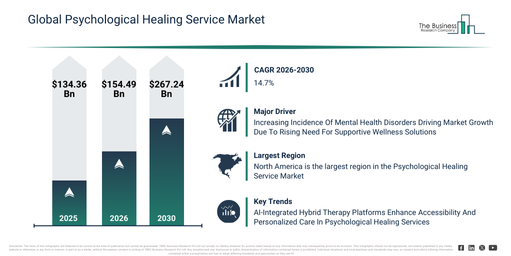
    The psychological healing service market size has witnessed rapid expansion in recent years. It is anticipated to increase from $134.36 billion in 2025 to $154.49 billion in 2026, demonstrating a compound annual growth rate (CAGR) of 15.0%. Historically, this growth can be ascribed to a heightened awareness of mental health, the increasing adoption of online therapy platforms, a rising prevalence of stress and anxiety disorders, the expansion of corporate mental wellness programs, and growing government and NGO mental health initiatives.

    The psychological healing service market is anticipated to experience substantial growth over the next few years. It is projected to expand to $267.24 billion by 2030, demonstrating a compound annual growth rate (CAGR) of 14.7%. This growth during the forecast period is attributable to a heightened demand for personalized therapy solutions, the increasing integration of AI and digital tools in therapy, a rising focus on preventive mental health care, broader mental health insurance coverage, and increased collaboration between healthcare providers and digital platforms. Furthermore, significant trends expected in the forecast period include technological advancements in telehealth platforms, innovations in AI-powered mental health solutions, developments in immersive VR and AR-based therapies, ongoing research and developments in integrative and holistic therapy methods, and progress in data-driven personalized mental wellness tools.

    Download A Free Sample Report For Comprehensive Market Insights:

    https://www.thebusinessresearchcompany.com/sample.aspx?id=30713&type=smp&utm_source=Blogs&utm_medium=Paid&utm_campaign=Jul_PR

    #Psychological Healing Service Market Growth Drivers And Industry Catalysts

    The growing incidence of mental health conditions is projected to boost the expansion of the psychological healing service market moving forward. Mental health disorders describe a diverse array of states that influence an individual’s mood, cognition, and actions, often leading to distress or compromised daily activities. The escalating prevalence of mental conditions is attributed to greater exposure to ongoing stress and challenging life experiences that can overwhelm personal coping mechanisms and provoke psychological dysfunction. Psychological healing services are crucial in addressing mental health disorders by offering structured assessments, counseling, and evidence-based therapies designed to help individuals process emotions, develop effective coping strategies, and enhance overall psychological resilience. For instance, in October 2025, according to the Institute for Health Metrics and Evaluation, a US-based health research organization, in 2023, mental disorders affected 15% of the global population, making up 17% of all years lived with disability worldwide, which underscores the increasing effect of mental health challenges. Thus, the substantial prevalence of mental disorders is propelling the growth of the psychological healing service market.

    Psychological Healing Service Market Segments: Where Are The Largest Growth Opportunities?

    The psychological healing service market covered in this report is segmented –

    1) By Therapy Type: Cognitive Behavioral Therapy, Psychoanalysis, Humanistic Therapy, Integrative Therapy

    2) By Target Disorder Or Focus Area: Anxiety And Depression, Stress Management And Burnout Trauma, Addiction, Eating Disorders, Relationship

    3) By Duration Of Service: Short-Term Therapy, Long-Term Therapy, Crisis Intervention

    4) By Target Audience: Adults, Children, Adolescents, Elderly

    Subsegments:

    1) By Cognitive Behavioral Therapy: Behavioral Activation, Exposure Therapy, Cognitive Restructuring, Problem-Solving Therapy, Dialectical Behavior Approach

    2) By Psychoanalysis: Free Association Method, Dream Interpretation Method, Transference Analysis, Object Relations Approach, Ego Psychology Approach

    3) By Humanistic Therapy: Person Centered Therapy, Gestalt Therapy, Existential Therapy, Emotion Focused Therapy, Client Directed Approach

    4) By Integrative Therapy: Multimodal Therapy, Holistic Therapy, Mind Body Integration, Eclectic Therapy, Unified Psychotherapy Approach

    #Psychological Healing Service Market Trends Influencing Long-Term Demand

    Major companies operating in the psychological healing service market are prioritizing the creation of sophisticated platforms, such as AI-integrated hybrid therapy platforms, with the aim of improving the availability, continuity, and individualized nature of mental health support. These AI-integrated hybrid therapy platforms merge artificial intelligence tools with structured human clinician involvement to offer extensive digital assistance, customized therapeutic routes, automated assessments, real-time communication, and ongoing patient involvement between scheduled sessions. For instance, in November 2024, Wysa Ltd, a UK-based digital mental health technology firm, introduced Wysa Copilot. This AI-integrated hybrid digital and human therapy platform incorporates AI-guided tools, secure real-time and asynchronous communication, and automated monitoring, all designed to help clinicians manage their caseloads more effectively and sustain patient engagement beyond conventional therapy appointments. Furthermore, the platform provides personalized care pathways and evidence-based tools, assigned by clinicians, to assist users in managing symptoms like anxiety and depression between professional interventions.

    Psychological Healing Service Market Major Participants And Competitive Dynamics

    Major companies operating in the psychological healing service market are UnitedHealth Group Incorporated, CVS Health Corporation, Universal Health Services Inc., The MENTOR Network, Acadia Healthcare Company Inc., BetterHelp Inc., Spring Health Inc., Lyra Health Inc., CareTech Holdings plc, Magellan Health Inc., ComPsych Corporation, Ginger.io Inc., Hazelden Betty Ford Foundation, Path Mental Health Inc., Talkspace Inc., Centerstone, Brightside Health Inc., Ginger.io Inc., SonderMind Inc., Modern Health Inc., Two Chairs Inc., Vita Health Group Ltd., Kooth plc, Vita Health Group Ltd., Amaha Health Private Limited

    Access The Complete Psychological Healing Service Market Report:

    https://www.thebusinessresearchcompany.com/report/psychological-healing-service-market-report?utm_source=Blogs&utm_medium=Paid&utm_campaign=Jul_PR

    Psychological Healing Service Market Leading Geography: Which Region Generates The Most Revenue?

    North America was the largest region in the psychological healing service market in 2025. Asia-Pacific is expected to be the fastest-growing region in the forecast period. The regions covered in the psychological healing service market report are Asia-Pacific, South East Asia, Western Europe, Eastern Europe, North America, South America, Middle East, Africa.

    Get in touch with us:

    The Business Research Company: https://www.thebusinessresearchcompany.com/

    Americas: +1 310-496-7795

    Asia: +44 7882 955267 & +91 8897263534

    Europe: +44 7882 955267

    Email us at: marketing@tbrc.info

    Follow us on:

    LinkedIn: https://in.linkedin.com/company/the-business-research-company

    YouTube: https://www.youtube.com/channel/UC24_fI0rV8cR5DxlCpgmyFQ

    Global Market Model: https://www.thebusinessresearchcompany.com/global-market-model
  • Neuromuscular Disorders Market Forecast Highlights Expansion From $8.98 Billion To $12.07 Billion Through 2030

    Neuromuscular Disorders Market Forecast Highlights Expansion From $8.98 Billion To $12.07 Billion Through 2030

    Enhanced with market attractiveness analysis, total addressable market evaluation, company benchmarking matrices, interactive Excel dashboards, expanded supply chain intelligence, emerging startup coverage, and detailed product insights, The Business Research Company’s 2026 market reports deliver more actionable and strategically valuable research.

    Neuromuscular Disorders Market Growth Analysis: How Will Revenue Expand During The Forecast Period?

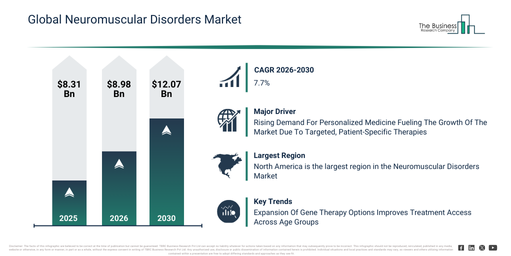
    The market for neuromuscular disorders has experienced significant growth in recent years. It is projected to expand from $8.31 billion in 2025 to $8.98 billion in 2026, achieving a compound annual growth rate (CAGR) of 8.0%. This historical expansion can be attributed to the rising occurrence of genetic neuromuscular conditions, enhanced awareness leading to prompt diagnosis and treatment options, a surging demand for effective therapies for rare disorders, increased research efforts in muscular dystrophy and ALS, and the growing adoption of advanced diagnostic technologies.

    The neuromuscular disorders market is poised for substantial growth over the next few years, with projections indicating it will expand to $12.07 billion by 2030, demonstrating a compound annual growth rate (CAGR) of 7.7%. This forecasted expansion is driven by several factors, including increasing patient advocacy and support group involvement, a rising demand for biologics and gene therapies, greater recognition of neuromuscular disorders in pediatric settings, escalating government initiatives for rare disease management, and an enhanced focus on home-based care and rehabilitation services. Significant trends anticipated during this period involve progress in gene-editing technologies for targeted therapies, innovation within RNA-based treatment platforms, the integration of AI for more rapid neuromuscular diagnosis, advancements in stem-cell-based regenerative treatments, and novel developments in wearable devices for continuous patient monitoring.

    Download A Free Sample Report For Comprehensive Market Insights:

    https://www.thebusinessresearchcompany.com/sample.aspx?id=30678&type=smp&utm_source=Blogs&utm_medium=Paid&utm_campaign=Jul_PR

    Neuromuscular Disorders Market Expansion Supported By Key Demand Factors

    The increasing requirement for tailored medical interventions is anticipated to fuel the expansion of the neuromuscular disorders market in the future. Personalized medicine represents a healthcare approach focused on customizing treatments for individual patients, considering their genetic makeup, environmental influences, and lifestyle choices to optimize therapeutic outcomes and enhance care quality. The heightened need for personalized medicine stems from breakthroughs in genomic technologies, which facilitate the accurate identification of genetic variations, thereby enabling individualized treatment plans. This approach significantly improves the management of neuromuscular disorders by allowing treatments to be specifically adapted to each patient’s genetic, molecular, and physiological characteristics. It leads to better patient results by providing targeted therapies, maximizing effectiveness, and reducing unwanted side effects. For instance, in February 2024, data from the Personalized Medicine Coalition (PMC), a US-based nonprofit organization, indicated that the U.S. Food and Drug Administration (FDA) sanctioned 26 novel personalized medicines in 2023, marking a considerable increase from the 12 approved in 2022. Consequently, the growing demand for personalized medicine is propelling the development of the neuromuscular disorders market.

    Neuromuscular Disorders Market Segment Analysis And Revenue Opportunities

    The neuromuscular disorders market covered in this report is segmented –

    1) By Disease Type: Spinal Muscular Atrophy (SMA), Amyotrophic Lateral Sclerosis (ALS), Duchenne Muscular Dystrophy (DMD), Myasthenia Gravis, Other Muscular Dystrophies

    2) By Product Type: Pharmaceuticals, Biologics, Diagnostic Tools, Assistive Devices

    3) By Route of Administration: Oral, Injectable, Other Route of Administrations

    4) By Treatment: Gene Therapy, Drug Therapy, RNA-Based Therapy, Enzyme Replacement Therapy, Physical Therapy And Rehabilitation, Respiratory Care

    Subsegments:

    1) By Spinal Muscular Atrophy: SMA Type 1, SMA Type 2, SMA Type 3, SMA Type 4, SMA with Respiratory Distress (SMARD)

    2) By Amyotrophic Lateral Sclerosis: Sporadic ALS, Familial ALS, Limb-Onset ALS, Bulbar-Onset ALS, Respiratory-Onset ALS

    3) By Duchenne Muscular Dystrophy: Early-Onset DMD, Late-Onset DMD, Exon Deletion Mutations, Exon Duplication Mutations, Point Mutations

    4) By Myasthenia Gravis: Generalized Myasthenia Gravis, Ocular Myasthenia Gravis, Seropositive MG, MuSK-Positive MG, Seronegative MG

    5) By Other Muscular Dystrophies: Becker Muscular Dystrophy (BMD), Limb-Girdle Muscular Dystrophy (LGMD), Facioscapulohumeral Muscular Dystrophy (FSHD), Congenital Muscular Dystrophies, Myotonic Dystrophy

    Neuromuscular Disorders Market Growth Trends Influencing Competitive Dynamics

    Leading companies active in the neuromuscular disorders market are concentrating on developing advanced treatments, such as gene replacement therapies, to address the fundamental genetic origins of conditions like Duchenne muscular dystrophy and spinal muscular atrophy. Gene replacement therapy involves engineered biological products that deliver functional copies of defective genes to restore or improve muscle function in patients with inherited neuromuscular conditions, providing a potential one-time treatment that reduces the need for long-term chronic therapy. For instance, in November 2025, Novartis, a Switzerland-based pharmaceuticals company, obtained US Food and Drug Administration (FDA) approval for Itvisma (onasemnogeneabeparvovec-brve), representing the first and only gene replacement therapy available for treating children two years of age and older, teens, and adults with spinal muscular atrophy (SMA) who have a confirmed mutation in the survival motor neurone 1 (SMN1) gene. This therapy is specifically designed to address the underlying genetic cause of SMA with a single, fixed dosage that does not require adjustments based on body weight or age. Itvisma can enhance motor function by substituting the SMN1 gene, which may diminish the necessity for long-term medication used in conjunction with other current treatments for this population.

    Neuromuscular Disorders Market Leading Players Shaping Industry Direction

    Major companies operating in the neuromuscular disorders market are AbbVie Inc., Novartis AG, Takeda Pharmaceutical Company Limited, The Trustees of the University of Pennsylvania, Biogen Inc., Sarepta Therapeutics Inc., argenx SE, PTC Therapeutics Inc., Catalyst Pharmaceuticals Inc., Mayo Clinic Laboratories, Fulgent Genetics Inc., Dyne Therapeutics Inc., The Regents of the University of California, GeneDx LLC, PepGen Inc., Centogene N.V., Scholar Rock Holding Corporation, Solid Biosciences Inc., Vita Therapeutics Inc., NMD Pharma A/S, Cytokinetics Incorporated, Sudo Biosciences Inc.

    Access The Complete Neuromuscular Disorders Market Report:

    https://www.thebusinessresearchcompany.com/report/neuromuscular-disorders-market-report?utm_source=Blogs&utm_medium=Paid&utm_campaign=Jul_PR

    Neuromuscular Disorders Market Geographic Landscape: Which Region Dominates Industry Growth?

    North America was the largest region in the neuromuscular disorders market in 2025. Asia-Pacific is expected to be the fastest-growing region in the forecast period. The regions covered in the neuromuscular disorders market report are Asia-Pacific, South East Asia, Western Europe, Eastern Europe, North America, South America, Middle East, Africa.

    Get in touch with us:

    The Business Research Company: https://www.thebusinessresearchcompany.com/

    Americas: +1 310-496-7795

    Asia: +44 7882 955267 & +91 8897263534

    Europe: +44 7882 955267

    Email us at: marketing@tbrc.info

    Follow us on:

    LinkedIn: https://in.linkedin.com/company/the-business-research-company

    YouTube: https://www.youtube.com/channel/UC24_fI0rV8cR5DxlCpgmyFQ

    Global Market Model: https://www.thebusinessresearchcompany.com/global-market-model
  • Neurology Services Market Expected To Reach $3.92 Billion By 2030 As Growth Accelerates At 7.1% CAGR

    Neurology Services Market Expected To Reach $3.92 Billion By 2030 As Growth Accelerates At 7.1% CAGR

    Through market attractiveness analysis, total addressable market evaluation, company benchmarking matrices, interactive Excel dashboards, expanded supply chain intelligence, emerging startup coverage, and detailed product insights, The Business Research Company’s 2026 market reports provide more actionable and strategically valuable research.

    Neurology Services Market Forecast: What Market Value Is Expected By 2030?

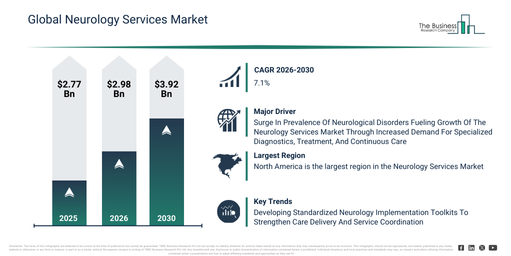
    The neurology services market size has experienced significant expansion in recent years. Projections indicate it will rise from $2.77 billion in 2025 to $2.98 billion in 2026, achieving a compound annual growth rate (CAGR) of 7.4%. The growth observed in prior periods is primarily due to the increasing incidence of stroke and epilepsy, the expanding aging demographic, advancements in neuroimaging technologies, higher healthcare expenditures, and the establishment of more specialized neurology clinics.

    The neurology services market is projected to experience substantial expansion in the coming years, expected to reach $3.92 billion by 2030, exhibiting a compound annual growth rate (CAGR) of 7.1%. This growth during the forecast period is largely driven by factors such as the rising demand for tele-neurology services, the escalating prevalence of chronic neurological conditions, increased funding for neuroscience research, the integration of artificial intelligence into neurological diagnostics, and the broader availability of outpatient neurology services. Key trends emerging during this period encompass expanded adoption of remote neurological monitoring, the incorporation of AI-powered decision support tools, a growing preference for less invasive neurosurgical interventions, an increased emphasis on individualized neurology care, and the broadening of multidisciplinary neurorehabilitation initiatives.

    Download A Free Sample Report For Comprehensive Market Insights:

    https://www.thebusinessresearchcompany.com/sample.aspx?id=30677&type=smp&utm_source=Blogs&utm_medium=Paid&utm_campaign=Jul_PR

    #Neurology Services Market Growth Drivers And Industry Catalysts

    The increasing occurrence of neurological disorders is anticipated to propel the future expansion of the neurology services market. These conditions, which include stroke, Alzheimer’s disease, epilepsy, migraine, and other nervous system ailments, affect the brain, spinal cord, nerves, or muscles and are a primary global contributor to disability and disease burden. The rise in neurological disorders is attributed to aging populations and enhanced survival rates from chronic conditions, leading to a greater demand for long-term neurological care. Neurology Services bolster public health by providing specialized diagnostics, advanced imaging, therapeutic interventions, and continuous monitoring for patients with neurological conditions. For example, in October 2025, the World Health Organization (WHO), an organization described as Switzerland-basedandhealth, stated that more than 3 billion people globally were living with neurological conditions, impacting over 40% of the global population. This highlights a substantial burden of disease and an urgent requirement for expanded specialized neurological care services internationally. Consequently, the increasing prevalence of neurological disorders is driving the growth of the neurology services market.

    Neurology Services Market Segmentation And Category Breakdown

    The neurology services market covered in this report is segmented –

    1) By Service: Diagnostic Service, Monitoring Service, Therapeutics Service, Surgical Service

    2) By Indication: Attention-deficit And Hyperactivity Disorder (ADHD), Mental Health, Stroke, Concussion, Dementia, Multiple Sclerosis, Psychotic Disorder, Other Neurological Diseases

    3) By Payment Model: Fee-For-Service, Value-Based Care And Bundled Payments, Capitation Models

    4) By End User: Hospitals And Specialty Clinics, Outpatient Neurology Centers, Rehabilitation Centers, Home Healthcare Services, Telemedicine Platforms

    Subsegments:

    1) By Diagnostic Service: Neurological Imaging, Electroencephalography Evaluation, Electromyography Assessment, Neurovascular Evaluation, Cognitive Function Testing, Neuropsychological Assessment

    2) By Monitoring Service: Neurological Intensive Care Monitoring, Intraoperative Neuromonitoring, Long-Term Epilepsy Monitoring, Neurophysiological Monitoring, Remote Neurological Monitoring

    3) By Therapeutics Service: Pharmacological Therapy, Physical Therapy, Occupational Therapy, Speech And Language Therapy, Behavioral Therapy, Cognitive Rehabilitation Therapy

    4) By Surgical Service: Minimally Invasive Neurosurgery, Functional Neurosurgery, Stereotactic Neurosurgery

    #Neurology Services Market Trends Influencing Long-Term Demand

    Leading companies in the neurology services market are concentrating on developing standardized planning and implementation resources, such as uniform comprehensive neurology toolkits, to reinforce neurology care systems, improve service coordination, and align national healthcare delivery with international neurological health targets. Standardized neurology implementation toolkits are structured guidance frameworks designed to assist policymakers and healthcare planners in creating, prioritizing, and integrating neurological services across health systems, ensuring consistent diagnosis, treatment, and long-term care for neurological disorders. For example, in July 2024, the World Health Organization (WHO), a Switzerland-based intergovernmental health organization, introduced a neurological disorders implementation toolkit to help countries enhance diagnosis, treatment, and care provision as part of the Intersectoral Global Action Plan on Epilepsy and Other Neurological Disorders. This toolkit offers practical guidance on governance, service integration, workforce planning, and monitoring, empowering countries to systematically improve national neurology services and strengthen health system responses to neurological conditions.

    Neurology Services Market Competitive Analysis Of Major Industry Participants

    Major companies operating in the neurology services market are HCA Healthcare Inc., Ascension Health plc, Mass General Brigham Inc., University of Pittsburgh Medical Center, Banner Health, Mayo Clinic, Ramsay Health Care Limited, NYU Langone Health, Cleveland Clinic Foundation, Mount Sinai Health System, Johns Hopkins University School of Medicine, UCLA Health, Cedars-Sinai Medical Center, Teladoc Health Inc., Stanford Health Care, Apollo Hospitals Enterprise Limited, Fortis Healthcare Limited, Narayana Health Limited, Aster DM Healthcare Limited, American Well Corporation, Manipal Health Enterprises, The Walton Centre NHS Foundation, Barrow Neurological Institute, NeuroSpine Group

    Access The Complete Neurology Services Market Report:

    https://www.thebusinessresearchcompany.com/report/neurology-services-market-report?utm_source=Blogs&utm_medium=Paid&utm_campaign=Jul_PR

    #Neurology Services Market Largest Region: Which Geography Holds The Highest Market Share?

    North America was the largest region in the neurology services market in 2025. Asia-Pacific is expected to be the fastest-growing region in the forecast period. The regions covered in the neurology services market report are Asia-Pacific, South East Asia, Western Europe, Eastern Europe, North America, South America, Middle East, Africa.

    Get in touch with us:

    The Business Research Company: https://www.thebusinessresearchcompany.com/

    Americas: +1 310-496-7795

    Asia: +44 7882 955267 & +91 8897263534

    Europe: +44 7882 955267

    Email us at: marketing@tbrc.info

    Follow us on:

    LinkedIn: https://in.linkedin.com/company/the-business-research-company

    YouTube: https://www.youtube.com/channel/UC24_fI0rV8cR5DxlCpgmyFQ

    Global Market Model: https://www.thebusinessresearchcompany.com/global-market-model
  • Molecular Biology Service Market Growth Through 2030 Creates New Strategic Opportunities

    Molecular Biology Service Market Growth Through 2030 Creates New Strategic Opportunities

    Through market attractiveness analysis, total addressable market evaluation, company benchmarking matrices, interactive Excel dashboards, expanded supply chain intelligence, emerging startup coverage, and detailed product insights, The Business Research Company’s 2026 market reports provide more actionable and strategically valuable research.

    Molecular Biology Service Market Growth Potential: How Will Market Size Change Through 2030?

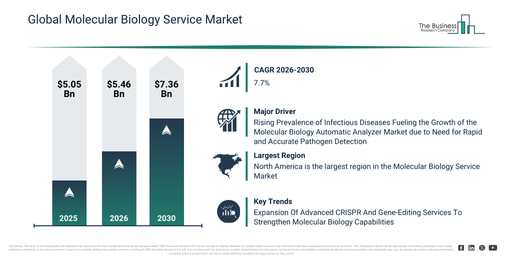
    The molecular biology service market has experienced significant growth in recent years. Its size is expected to increase from $5.05 billion in 2025 to $5.46 billion in 2026, achieving a compound annual growth rate (CAGR) of 8.0%. This historical market expansion can be attributed to various factors, such as the rising adoption of pcr-based testing, the increasing utilization of sequencing services in research, a surge in academic and clinical r&d activities, the broadening of molecular diagnostics applications, and the growing trend of outsourcing laboratory services.

    The molecular biology service market is projected for robust expansion over the coming years. It is anticipated to reach $7.36 billion by 2030, exhibiting a compound annual growth rate (CAGR) of 7.7%. This growth during the forecast period can be attributed to factors such as increasing demand for precision medicine services, greater investment in genomic research, the rising adoption of automated molecular workflows, an expansion in clinical diagnostic testing volumes, and more widespread utilization of next-generation sequencing services. Key trends expected in this period include technological advancements in sequencing platforms, innovations in automated molecular workflows, progress in bioinformatics and data analytics, intensified research and development in precision diagnostics, and improvements in high-throughput molecular testing systems.

    Download A Free Sample Report For Comprehensive Market Insights:

    https://www.thebusinessresearchcompany.com/sample.aspx?id=30665&type=smp&utm_source=Blogs&utm_medium=Paid&utm_campaign=Jul_PR

    #Molecular Biology Service Market Growth Drivers And Industry Catalysts

    The future expansion of the molecular biology service market is anticipated to be driven by the rising occurrence of infectious diseases. These diseases are defined as conditions resulting from detrimental microorganisms like bacteria, viruses, fungi, or parasites entering and proliferating within the body, consequently causing symptoms and various health issues. The surge in infectious diseases stems from heightened global travel, which facilitates the rapid dissemination of pathogens across different countries and communities. Molecular biology services contribute to the diagnosis of infectious diseases through specialized testing, analysis, and interpretation of genetic and molecular information. These services enhance patient care by allowing for precise and prompt identification of pathogens and by assisting in well-informed treatment choices. As an illustration, in February 2024, the UK Health Security Agency, a government entity based in the UK, reported that instances of tuberculosis (a communicable bacterial infection primarily affecting the lungs) in England climbed to 4,850 in 2023, representing a 10.7% rise from 4,380 cases recorded in 2022. Consequently, the growing frequency of infectious diseases is a key factor propelling the expansion of the molecular biology service market.

    Molecular Biology Service Market Segment Analysis And Revenue Opportunities

    The molecular biology service market covered in this report is segmented –

    1) By Type of Service: Deoxyribonucleic Acid And Ribonucleic Acid Extraction Services, PCR And QPCR Services, Deoxyribonucleic Acid Sequencing Services, Gene Synthesis Services, Cloning Services, Genotyping And Sequencing Services, Proteomics Services, Cell Line Development Services, Other Molecular Biology Services

    2) By Application: Diagnostics, Drug Discovery And Development, Agriculture And Plant Research, Environmental Studies, Forensic Science, Other Applications

    3) By End-User: Academic And Research Institutes, Pharmaceutical And Biotechnology Companies, Hospitals And Diagnostic Laboratories, Contract Research Organizations, Other End-Users

    Subsegments:

    1) By Deoxyribonucleic Acid And Ribonucleic Acid Extraction Services: Manual Extraction Methods, Automated Extraction Systems, Magnetic Bead Based Extraction, Column Based Purification, High Throughput Extraction Solutions

    2) By PCR And QPCR Services: Conventional Polymerase Chain Reaction, Quantitative Polymerase Chain Reaction, Digital Polymerase Chain Reaction, Multiplex Polymerase Chain Reaction, Endpoint Polymerase Chain Reaction

    3) By Deoxyribonucleic Acid Sequencing Services: Sanger Sequencing, Short Read Sequencing, Long Read Sequencing, Targeted Sequencing Panels, Whole Genome Sequencing

    4) By Gene Synthesis Services: Custom Gene Synthesis, Codon Optimization Synthesis, Gene Fragment Synthesis, Error Free Gene Synthesis, Synthetic Construct Design

    5) By Cloning Services: Molecular Cloning, Vector Construction, Plasmid Cloning, Expression Cloning, Custom Insert Cloning

    6) By Genotyping And Sequencing Services: Single Nucleotide Polymorphism Genotyping, Microsatellite Genotyping, Targeted Variant Detection, Whole Exome Sequencing, Genome Wide Genotyping Panels

    7) By Proteomics Services: Protein Identification, Protein Quantification, Mass Spectrometry Analysis, Protein Expression Profiling, Post Translational Modification Analysis

    8) By Cell Line Development Services: Stable Cell Line Development, Transient Cell Line Development, Monoclonal Cell Line Screening, Recombinant Protein Cell Line Development, Custom Cell Engineering Services

    9) By Other Molecular Biology Services: Library Preparation Services, Hybridization Based Assays, Nucleic Acid Labeling Services, Functional Genomics Tools, Customized Molecular Analysis Services

    #Molecular Biology Service Market Trends Influencing Long-Term Demand

    Leading companies operating within the Molecular Biology Service market are concentrating on developing sophisticated molecular biology techniques, such as CRISPR-based microbial genome editing, to meet the increasing demand for precise molecular modification and analysis. CRISPR-based microbial gene-editing refers to specialized service offerings that empower researchers by enabling accurate editing, modification, and functional analysis of DNA sequences using tools like CRISPR/Cas systems, thereby enhancing capabilities for experimental design, validation, and analysis in molecular workflows. For instance, in June 2025, Creative Diagnostics, a US-based molecular services provider, introduced advanced microbial genome-editing services featuring high-precision CRISPR editing with optimized sgRNA design, support for multigene editing, and comprehensive validation, including RT-PCR and Western blot quality assurance to accelerate biological research. These improved services allow research institutions and biotech firms to carry out efficient genome manipulation and robust molecular investigations.

    Molecular Biology Service Market Leading Players Shaping Industry Direction

    Major companies operating in the molecular biology service market are Thermo Fisher Scientific Inc., Illumina Inc., Labcorp Drug Development, PerkinElmer Inc., Eurofins Scientific SE, Charles River Laboratories International Inc., QIAGEN N.V., Roche Diagnostics International Ltd., WuXi AppTec Co. Ltd., Sangon Biotech Co. Ltd., Azenta Life Sciences, BGI Genomics Co. Ltd., BGI Americas Corporation, Promega Corporation, Macrogen Inc., MedGenome Labs Ltd., Genscript ProBio, Biomarker Technologies Corporation, CeGaT GmbH, Veritas Genetics Inc., LC Sciences LLC, Arraystar Inc.

    Access The Complete Molecular Biology Service Market Report:

    https://www.thebusinessresearchcompany.com/report/molecular-biology-service-market-report?utm_source=Blogs&utm_medium=Paid&utm_campaign=Jul_PR

    Molecular Biology Service Market Regional Analysis: Which Region Leads By Revenue?

    North America was the largest region in the molecular biology service market in 2025. Asia-Pacific is expected to be the fastest-growing region in the forecast period. The regions covered in the molecular biology service market report are Asia-Pacific, South East Asia, Western Europe, Eastern Europe, North America, South America, Middle East, Africa.

    Get in touch with us:

    The Business Research Company: https://www.thebusinessresearchcompany.com/

    Americas: +1 310-496-7795

    Asia: +44 7882 955267 & +91 8897263534

    Europe: +44 7882 955267

    Email us at: marketing@tbrc.info

    Follow us on:

    LinkedIn: https://in.linkedin.com/company/the-business-research-company

    YouTube: https://www.youtube.com/channel/UC24_fI0rV8cR5DxlCpgmyFQ

    Global Market Model: https://www.thebusinessresearchcompany.com/global-market-model