Month: July 2026

  • Artificial Intelligence (AI)-Driven Retinal Screening Device Market Expansion Is Reshaping Competitive Dynamics Across The Industry

    Artificial Intelligence (AI)-Driven Retinal Screening Device Market Expansion Is Reshaping Competitive Dynamics Across The Industry

    Delivering more actionable and strategically valuable research, The Business Research Company’s 2026 market reports feature market attractiveness analysis, total addressable market evaluation, company benchmarking matrices, interactive Excel dashboards, expanded supply chain intelligence, emerging startup coverage, and detailed product insights.

    Artificial Intelligence (AI)-Driven Retinal Screening Device Market Size Outlook: How Fast Will Revenue Grow Through 2030?

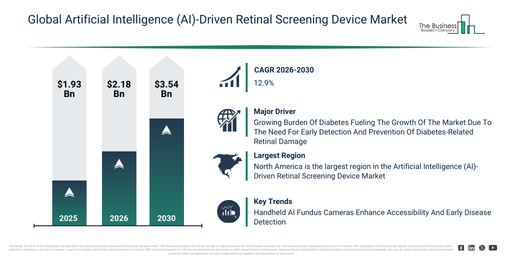
    The artificial intelligence (AI)-driven retinal screening device market has experienced rapid expansion in recent years. It is projected to grow from $1.93 billion in 2025 to $2.18 billion in 2026, at a compound annual growth rate (CAGR) of 13.1%. The historical period’s growth can be attributed to the increasing adoption of artificial intelligence (AI)-enabled ophthalmic diagnostics, the growing incidence of diabetic retinopathy, a rising demand for early retinal disease detection, the increasing integration of digital health screening programs, and a growing healthcare focus on preventive eye care.

    The artificial intelligence (AI)-driven retinal screening device market is projected for significant expansion in the coming years, anticipated to reach $3.54 billion by 2030, exhibiting a compound annual growth rate (CAGR) of 12.9%. This growth throughout the forecast period stems from factors such as the expanding adoption of autonomous AI-based screening systems, the increasing implementation of point-of-care retinal devices, enhanced government backing for digital eye screening programs, broader integration of AI tools within teleophthalmology, and a rising need for swift and affordable retinal assessment solutions. Key developments expected during this time comprise improvements in AI algorithms for interpreting retinal images, novelties in edge-computing retinal screening devices, technological progress enhancing image acquisition quality, ongoing research and development in multimodal eye-disease detection platforms, and sophisticated cloud-based AI screening workflows.

    Download A Free Sample Report For Comprehensive Market Insights:

    https://www.thebusinessresearchcompany.com/sample.aspx?id=30523&type=smp&utm_source=Blogs&utm_medium=Paid&utm_campaign=Jul_PR

    #Artificial Intelligence (AI)-Driven Retinal Screening Device Market Demand Drivers Creating New Revenue Opportunities

    The increasing prevalence of diabetes is anticipated to fuel the expansion of the AI-driven retinal screening device market in the future. Diabetes, a persistent metabolic condition, is defined by consistently elevated blood glucose, which progressively harms blood vessels, notably those in the retina, making it a primary cause of avoidable global vision impairment. The rise in diabetes cases stems from an aging global demographic and shifts in lifestyle, leading to higher obesity rates and decreased physical activity in both established and emerging economies. AI-driven retinal screening devices play a crucial role in diabetes management by facilitating the early identification of diabetes-related retinal damage, broadening screening availability on a large scale, and aiding prompt medical intervention to avert vision loss. As an illustration, the International Diabetes Federation, a Belgium-based global health organization, reported in April 2025 that around 589 million adults aged 20–79 had diabetes globally in 2024, with forecasts suggesting this figure might reach 853 million by 2050, marking a substantial growth from prior decades. Consequently, the expanding worldwide incidence of diabetes is propelling the growth of the AI-Driven Retinal Screening Device market.

    Artificial Intelligence (AI)-Driven Retinal Screening Device Market Categorization By Product Type And Application

    The artificial intelligence (AI)-driven retinal screening device market covered in this report is segmented –

    1) By Component: Hardware, Software, Services

    2) By Technology: Fundus Image-Based Artificial Intelligence (AI), Optical Coherence Tomography (OCT)-Based Artificial Intelligence (AI), Multi-Modal Artificial Intelligence (AI), Machine Learning (ML), Deep Learning (DL), Natural Language Processing (NLP)

    3) By Deployment: Cloud-Based, On-Premise

    4) By Application: Diabetic Retinopathy, Age-Related Macular Degeneration, Glaucoma, Cataract, Other Applications

    5) By End-User: Hospitals, Ophthalmology Clinics, Mobile Clinics Or Rural Camps, Diagnostic Centers, Research And Academia, Telemedicine Providers

    Subsegments:

    1) By Hardware: Imaging Devices, Sensor Modules, Display Units, Storage Devices

    2) By Software: Image Processing Software, Diagnostic Analysis Software, Data Management Software, Reporting And Visualization Software

    3) By Services: Installation And Setup, Maintenance And Support, Training And Education, Consulting Services

    Artificial Intelligence (AI)-Driven Retinal Screening Device Market Trends Driving Strategic Industry Expansion

    Leading companies in the artificial intelligence (AI)-driven retinal screening device market are concentrating on developing sophisticated products, such as handheld AI fundus cameras, to boost accessibility, enhance diagnostic speed, and enable earlier disease detection. Handheld AI fundus cameras are portable imaging instruments that employ artificial intelligence to automatically analyze images of the retina for signs of disease. For instance, in May 2024, Optomed USA Inc., a US-based medical technology company, launched the Optomed Aurora AEYE, which is the first FDA-cleared, handheld AI fundus camera for the detection of more than mild diabetic retinopathy. The device features automatic, AI-based image analysis that provides an immediate screening result at the point of care, enabling clinical decision support without requiring a specialist to be present. It is battery-operated and highly portable, designed to increase access to sight-saving screenings in primary care, endocrinology, and other non-specialist settings.

    Artificial Intelligence (AI)-Driven Retinal Screening Device Market Company Landscape And Strategic Competition

    Major companies operating in the artificial intelligence (AI)-driven retinal screening device market are Carl Zeiss Meditec AG, Topcon Corporation, Canon Medical Systems Corporation, Bosch Healthcare Solutions GmbH, Heidelberg Engineering GmbH, Shenzhen Sibionics Technology Co. Ltd., Digital Diagnostics Inc., Optomed Plc, Optain Health Inc., NIDEK Co. Ltd., Airdoc Technology Co. Ltd., Identifeye Health Ltd., Kowa Company Ltd., RetinaLyze System A/S, EyRIS Pte. Ltd., Eyenuk Inc., EYRIS Pte. Ltd., VUNO Inc., Eyenuk Inc., AEYE Health Inc.

    Access The Complete Artificial Intelligence (AI)-Driven Retinal Screening Device Market Report:

    https://www.thebusinessresearchcompany.com/report/artificial-intelligence-ai-driven-retinal-screening-device-market-report?utm_source=Blogs&utm_medium=Paid&utm_campaign=Jul_PR

    #Artificial Intelligence (AI)-Driven Retinal Screening Device Market Largest Region: Which Geography Holds The Highest Market Share?

    North America was the largest region in the artificial intelligence (AI)-driven retinal screening device market in 2025. Asia-Pacific is expected to be the fastest-growing region in the forecast period. The regions covered in the artificial intelligence (AI)-driven retinal screening device market report are Asia-Pacific, South East Asia, Western Europe, Eastern Europe, North America, South America, Middle East, Africa.

    Get in touch with us:

    The Business Research Company: https://www.thebusinessresearchcompany.com/

    Americas: +1 310-496-7795

    Asia: +44 7882 955267 & +91 8897263534

    Europe: +44 7882 955267

    Email us at: marketing@tbrc.info

    Follow us on:

    LinkedIn: https://in.linkedin.com/company/the-business-research-company

    YouTube: https://www.youtube.com/channel/UC24_fI0rV8cR5DxlCpgmyFQ

    Global Market Model: https://www.thebusinessresearchcompany.com/global-market-model

  • Artificial Intelligence (AI) In Rehabilitation Robotics Market Growth Is Accelerating As Industry Transformation Continues

    Artificial Intelligence (AI) In Rehabilitation Robotics Market Growth Is Accelerating As Industry Transformation Continues

    Enhanced with market attractiveness analysis, total addressable market evaluation, company benchmarking matrices, interactive Excel dashboards, expanded supply chain intelligence, emerging startup coverage, and detailed product insights, The Business Research Company’s 2026 market reports deliver more actionable and strategically valuable research.

    Artificial Intelligence (AI) In Rehabilitation Robotics Market Size Forecast: How Large Could The Market Become By 2030?

    The artificial intelligence (AI) in rehabilitation robotics market has experienced substantial expansion in its size over recent years. Projections indicate it will grow from $3.12 billion in 2025 to $3.92 billion in 2026, driven by a compound annual growth rate (CAGR) of 25.7%. Historically, this growth has been fueled by factors such as the increasing adoption of robotic-assisted therapy, the growing prevalence of neurological disorders, a rising demand for personalized rehabilitation, expanding investments in AI-based healthcare technologies, and the increasing use of sensor-based patient monitoring.

    The market for artificial intelligence (AI) in rehabilitation robotics is projected to experience substantial expansion over the upcoming years. This market is anticipated to reach $9.72 billion by 2030, exhibiting a compound annual growth rate (CAGR) of 25.5%. Several factors are driving this anticipated growth, including an increasing demand for home-based rehabilitation options, the greater integration of AI with robotic hardware, a rise in investments within digital health ecosystems, the broadening clinical acceptance of data-driven therapy models, and the expanding elderly population needing long-term rehabilitation. Key trends expected during this period involve technological progress in AI-powered rehabilitation systems, new developments in human-robot interaction and motion analysis, advancements in cloud-based and remote therapy platforms, ongoing research and development in soft robotics and adaptive control, and the increasing incorporation of virtual and augmented reality into rehabilitation practices.

    Download A Free Sample Report For Comprehensive Market Insights:

    https://www.thebusinessresearchcompany.com/sample.aspx?id=30510&type=smp&utm_source=Blogs&utm_medium=Paid&utm_campaign=Jul_PR

    Artificial Intelligence (AI) In Rehabilitation Robotics Market Expansion Supported By Key Demand Factors

    The future expansion of the artificial intelligence (AI) in rehabilitation robotics market is anticipated due to the growing need for automation in rehabilitation. This automation involves utilizing robotic devices, AI-powered systems, and computer vision to oversee, guide, and provide accurate physical therapy exercises, enhancing patient recovery and tracking progress. The push for automation in rehabilitation is escalating because an aging global populace and an increase in chronic illnesses necessitate consistent, high-intensity therapy. Robotic systems can deliver this therapy more effectively than conventional approaches, facilitating tailored sessions with immediate feedback and remote oversight. Within this context, AI in Rehabilitation Robotics plays a vital role in supporting automation by enabling adaptive robotic systems to analyze patient movements, modify therapy intensity in real time, and offer bespoke rehabilitation assistance. For example, in October 2024, the International Federation of Robotics, a Germany-based robotics industry organization, reported that medical robot sales climbed by 36% to approximately 6,100 units in 2023, and rehabilitation and non-invasive therapy robot sales surged by 128%, showcasing significant adoption within healthcare robotics. Consequently, the rising demand for automation in rehabilitation is a key factor propelling the artificial intelligence (AI) in rehabilitation robotics market forward.

    Artificial Intelligence (AI) In Rehabilitation Robotics Market Categorization By Product Type And Application

    The artificial intelligence (AI) in rehabilitation robotics market covered in this report is segmented –

    1) By Component: Hardware, Software, Services

    2) By Therapy Type: Physical Therapy, Occupational Therapy, Speech Therap, Other Therapy Types

    3) By Application: Neurological Rehabilitation, Orthopedic Rehabilitation, Geriatric Rehabilitation, Other Applications

    4) By End-User: Hospitals, Rehabilitation Centers, Home Care Settings, Clinics, Other End-Users

    Subsegments:

    1) By Hardware: Sensors, Actuators, Control Units, Power Systems, Embedded Processing Modules

    2) By Software: Motion Analysis Software, Rehabilitation Planning Software, Patient Monitoring Software, Artificial Intelligence Algorithms, User Interface Software

    3) By Services: Installation Services, Maintenance Services, Training Services, Technical Support Services, System Integration Services

    Artificial Intelligence (AI) In Rehabilitation Robotics Market Growth Trends Influencing Competitive Dynamics

    Key companies operating within the artificial intelligence (AI) in rehabilitation robotics market are prioritizing the development of sophisticated systems, including intelligent gait therapy platforms, designed to analyze patient movement and provide immediate feedback to support individualized rehabilitation strategies and enhance patient outcomes. Intelligent gait therapy systems, in this context, are defined as software integrated with robotic exoskeletons that leverage machine learning algorithms to interpret gait patterns, dynamically modify support levels, and provide practical insights to clinicians for optimizing walking therapy. For instance, in January 2024, Ekso Bionics Holdings Inc., a US-based medical robotics firm, introduced its GaitCoach software for the EksoNR device. This extensive software is engineered to simplify the application of robotics, aiming to improve user trust, offer dynamic feedback, and provide specific guidance, effectively serving as an additional pair of clinical eyes.

    Artificial Intelligence (AI) In Rehabilitation Robotics Market Company Landscape And Strategic Competition

    Major companies operating in the artificial intelligence (AI) in rehabilitation robotics market are Ottobock SE & Co. KGaA, Fourier Intelligence Co. Ltd., Neura Robotics GmbH, Kinova Inc., Myomo Inc., Wandercraft SAS, Cyberdyne Inc., EGZOTech Sp. z o.o., Hocoma AG , Ekso Bionics Holdings Inc., Tyromotion GmbH, Lifeward Ltd., ReWalk Robotics Ltd., AlterG Inc., DIH Medical Group, Rehab-Robotics Co. Ltd., Able Human Motion SL, B-Temia Inc., Reha Technology AG, Moterum Technologies Inc., INROBICS

    Access The Complete Artificial Intelligence (AI) In Rehabilitation Robotics Market Report:

    https://www.thebusinessresearchcompany.com/report/artificial-intelligence-ai-in-rehabilitation-robotics-market-report?utm_source=Blogs&utm_medium=Paid&utm_campaign=Jul_PR

    Artificial Intelligence (AI) In Rehabilitation Robotics Market Geographic Distribution And Regional Opportunities

    North America was the largest region in the artificial intelligence (AI) in rehabilitation robotics market in 2025. Asia-Pacific is expected to be the fastest-growing region in the forecast period. The regions covered in the artificial intelligence (AI) in rehabilitation robotics market report are Asia-Pacific, South East Asia, Western Europe, Eastern Europe, North America, South America, Middle East, Africa.

    Get in touch with us:

    The Business Research Company: https://www.thebusinessresearchcompany.com/

    Americas: +1 310-496-7795

    Asia: +44 7882 955267 & +91 8897263534

    Europe: +44 7882 955267

    Email us at: marketing@tbrc.info

    Follow us on:

    LinkedIn: https://in.linkedin.com/company/the-business-research-company

    YouTube: https://www.youtube.com/channel/UC24_fI0rV8cR5DxlCpgmyFQ

    Global Market Model: https://www.thebusinessresearchcompany.com/global-market-model
  • Artificial Intelligence (AI) In Blood Pressure Monitoring Market Trends And Growth Drivers Point To Strong Future Potential

    Artificial Intelligence (AI) In Blood Pressure Monitoring Market Trends And Growth Drivers Point To Strong Future Potential

    Delivering more actionable and strategically valuable research, The Business Research Company’s 2026 market reports feature market attractiveness analysis, total addressable market evaluation, company benchmarking matrices, interactive Excel dashboards, expanded supply chain intelligence, emerging startup coverage, and detailed product insights.

    Artificial Intelligence (AI) In Blood Pressure Monitoring Market Growth Analysis: How Will Revenue Expand During The Forecast Period?

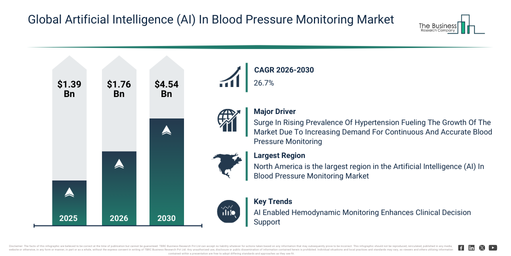
    The market for artificial intelligence (AI) in blood pressure monitoring has experienced substantial growth in its size over recent years. Projections indicate it will expand from $1.39 billion in 2025 to reach $1.76 billion by 2026, demonstrating a compound annual growth rate (CAGR) of 27.0%. Historically, this expansion can be primarily attributed to several factors, including the rising incidence of hypertension, the increasing integration of digital health solutions, heightened public knowledge regarding home monitoring, the wider deployment of wearable sensors, and a general increase in healthcare spending.

    The market size for artificial intelligence (AI) in blood pressure monitoring is anticipated to undergo significant expansion in the coming years. It is projected to reach $4.54 billion by 2030, demonstrating a compound annual growth rate (CAGR) of 26.7%. The expansion during the forecast period can be attributed to an increasing need for continuous monitoring, the growing integration of artificial intelligence (AI)-powered diagnostics, expanding telehealth penetration, a heightened focus on preventive healthcare, and increased investment in medical artificial intelligence. Key trends anticipated in this period include technological advancements in sensor accuracy, innovations in artificial intelligence (AI)-driven predictive analytics, developments in cuffless monitoring solutions, research and development in multimodal biometrics, and improvements in cloud-based health data platforms.

    Download A Free Sample Report For Comprehensive Market Insights:

    https://www.thebusinessresearchcompany.com/sample.aspx?id=30508&type=smp&utm_source=Blogs&utm_medium=Paid&utm_campaign=Jul_PR

    Artificial Intelligence (AI) In Blood Pressure Monitoring Market Opportunity Drivers: What Is Creating New Revenue Potential?

    The expanding occurrence of hypertension is anticipated to fuel the expansion of artificial intelligence (AI) within the blood pressure monitoring market in the future. Hypertension, a long-term medical ailment, is defined by sustained high blood pressure, elevating the chances of heart conditions, strokes, and kidney problems, frequently necessitating continuous oversight and treatment. The frequency of hypertension is increasing because of elements like poor diets rich in salt and fat, lack of physical activity, excess weight, tension, and an aging demographic, leading to more individuals requiring consistent and precise blood pressure checks. AI-driven blood pressure monitoring solutions aid in managing hypertension through continuous or live tracking, predictive analysis, and customized notifications, which facilitate early detection of unusual patterns and enable prompt medical action. For example, in March 2025, the U.S. National Center for Biotechnology Information (NCBI), a US-based government research center, reported that the age-adjusted prevalence of hypertension among adults climbed to 27.5% in 2023 from 27.2% in 2022, indicating a consistent rise in cases of high blood pressure. Consequently, the growing occurrence of hypertension is fueling the uptake and expansion of artificial intelligence (AI) in the blood pressure monitoring market.

    Artificial Intelligence (AI) In Blood Pressure Monitoring Market Segmentation And Category Breakdown

    The artificial intelligence (AI) in blood pressure monitoring market covered in this report is segmented –

    1) By Product Type: Wearable Devices, Smart Cuffs, Mobile Applications, Standalone Artificial Intelligence (AI) Systems

    2) By Delivery Mode: On-Device Artificial Intelligence (AI), Cloud-Based Artificial Intelligence (AI), Hybrid Artificial Intelligence (AI)

    3) By Technology: Machine Learning Algorithms, Natural Language Processing (NLP), Computer Vision Techniques

    4) By Application: Continuous Monitoring, Diagnostic Support, Remote Patient Management, Clinical Decision Support

    5) By End Use: Hospitals, Home Healthcare, Ambulatory Care Centers, Specialty Clinics

    Subsegments:

    1) By Wearable Devices: Smart Wristbands, Smart Watches, Chest Strap Monitors, Arm Band Sensors, Finger Clip Sensors

    2) By Smart Cuffs: Upper Arm Smart Cuffs, Wrist Smart Cuffs, Forearm Smart Cuffs, Bluetooth Enabled Cuffs, Voice Assisted Smart Cuffs

    3) By Mobile Applications: Blood Pressure Tracking Applications, Heart Health Management Applications, Lifestyle And Wellness Monitoring Applications, Remote Patient Monitoring Applications, Data Analytics And Insights Applications

    4) By Standalone Artificial Intelligence (AI) Systems: Clinic Based AI Monitoring Systems, Home Based AI Monitoring Stations, Real Time Diagnostic AI Systems, Cloud Connected AI Monitoring Platforms, Predictive Health Assessment Systems

    Artificial Intelligence (AI) In Blood Pressure Monitoring Market Innovation Trends Driving Future Development

    Key companies active in the AI in blood pressure monitoring market are prioritizing the creation of novel solutions, including hemodynamic monitoring platforms, to secure a competitive edge. Hemodynamic monitoring platforms are defined as systems and devices that continuously gauge and evaluate blood flow, blood pressure, and cardiac output within the cardiovascular system, thereby informing patient management and treatment choices. For example, in April 2025, BD, a US-based medical technology company, unveiled the Hemosphere Alta advanced hemodynamic monitoring platform. This platform features the cerebral autoregulation index for tailored blood flow assessment, the Acumen hypotension prediction index for anticipating blood pressure drops, and a high resolution touchscreen offering voice and gesture controls for better usability. Additionally, the platform allows for smooth integration with electronic health record systems, supporting extensive patient data management.

    Artificial Intelligence (AI) In Blood Pressure Monitoring Market Competitive Analysis Of Major Industry Participants

    Major companies operating in the artificial intelligence (AI) in blood pressure monitoring market are Apple Inc., Samsung Electronics Co. Ltd., Huawei Technologies Co. Ltd., Masimo Corporation, Shen AI, Omron Healthcare Inc., A&D Company Limited, Valencell Inc., Binah.ai Ltd., Lifelight.AI, BioIntelliSense Inc., Nanowear Inc., FaceHeart Corporation, Hilo Group GmbH, Vastmindz AI Ltd., Biospectal SA, Briah.ai, Biobeat Technologies, Biozen LLC, Dynocardia Inc., Sensifree Co. Ltd.

    Access The Complete Artificial Intelligence (AI) In Blood Pressure Monitoring Market Report:

    https://www.thebusinessresearchcompany.com/report/artificial-intelligence-ai-in-blood-pressure-monitoring-market-report?utm_source=Blogs&utm_medium=Paid&utm_campaign=Jul_PR

    Artificial Intelligence (AI) In Blood Pressure Monitoring Market Regional Analysis And Leading Geography

    North America was the largest region in the artificial intelligence (AI) in blood pressure monitoring market in 2025. Asia-Pacific is expected to be the fastest-growing region in the forecast period. The regions covered in the artificial intelligence (AI) in blood pressure monitoring market report are Asia-Pacific, South East Asia, Western Europe, Eastern Europe, North America, South America, Middle East, Africa.

    Get in touch with us:

    The Business Research Company: https://www.thebusinessresearchcompany.com/

    Americas: +1 310-496-7795

    Asia: +44 7882 955267 & +91 8897263534

    Europe: +44 7882 955267

    Email us at: marketing@tbrc.info

    Follow us on:

    LinkedIn: https://in.linkedin.com/company/the-business-research-company

    YouTube: https://www.youtube.com/channel/UC24_fI0rV8cR5DxlCpgmyFQ

    Global Market Model: https://www.thebusinessresearchcompany.com/global-market-model
  • Artificial Intelligence (AI) Brain Magnetic Resonance Imaging (MRI) Lesion Detection Market Size Projected To Increase From $2.15 Billion To $5.75 Billion During The Forecast Period

    Artificial Intelligence (AI) Brain Magnetic Resonance Imaging (MRI) Lesion Detection Market Size Projected To Increase From $2.15 Billion To $5.75 Billion During The Forecast Period

    Enhanced with market attractiveness analysis, total addressable market evaluation, company benchmarking matrices, interactive Excel dashboards, expanded supply chain intelligence, emerging startup coverage, and detailed product insights, The Business Research Company’s 2026 market reports deliver more actionable and strategically valuable research.

    Artificial Intelligence (AI) Brain Magnetic Resonance Imaging (MRI) Lesion Detection Market CAGR Analysis And Future Market Development

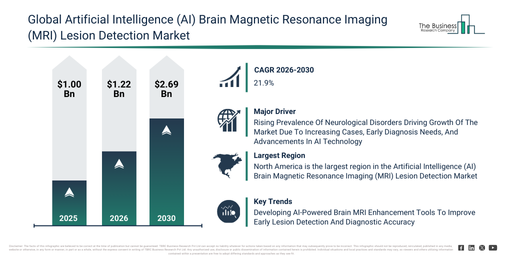
    The market size for AI brain MRI lesion detection has experienced substantial growth in recent years. It is projected to expand from $1.00 billion in 2025 to $1.22 billion in 2026, demonstrating a compound annual growth rate (CAGR) of 22.2%. This historical growth can be linked to the increased utilization of MRI in neurology, the rising adoption of digital radiology, a surge in the incidence of brain tumors and stroke, expanding hospital investments in advanced imaging systems, and the growing necessity for early disease diagnosis.

    The AI brain MRI lesion detection market is anticipated to experience substantial growth in the upcoming years. Its size is projected to expand to $2.69 billion by 2030, demonstrating a compound annual growth rate (CAGR) of 21.9%. This impressive growth during the forecast period, along with the key trends influencing the market, stems from several factors: increasing demand for AI-enabled diagnostics, greater government backing for healthcare AI, the expanding adoption of cloud medical imaging, enhanced integration of AI with PACS systems, and a rise in investments toward tele-radiology solutions.

    Download A Free Sample Report For Comprehensive Market Insights:

    https://www.thebusinessresearchcompany.com/sample.aspx?id=30504&type=smp&utm_source=Blogs&utm_medium=Paid&utm_campaign=Jul_PR

    Artificial Intelligence (AI) Brain Magnetic Resonance Imaging (MRI) Lesion Detection Market Industry Drivers: What Is Driving Revenue Growth?

    The market for artificial intelligence (AI) brain MRI lesion detection is anticipated to expand due to the rising occurrence of neurological disorders. These conditions are defined as medical ailments impacting the brain, spinal cord, and nerves, which disrupt typical nervous system function and lead to impairments in movement, cognitive abilities, sensation, behavior, or general bodily control. The growing incidence of neurological disorders stems from detrimental lifestyle practices such as inadequate diet, lack of physical activity, smoking, overconsumption of alcohol, and persistent stress. AI brain MRI lesion detection assists patients with neurological disorders by allowing for quicker and more precise identification of brain irregularities, thus aiding in early diagnosis, customized treatment strategies, and better patient outcomes overall. As an illustration, in April 2024, data from the National Institutes of Health (NIH), a leading US government biomedical research agency, indicated that roughly 6.9 million Americans aged 65 and above are presently afflicted with Alzheimer’s dementia, a number predicted to almost double to 13.8 million by 2060. Consequently, the rising occurrence of neurological disorders is a key driver for the artificial intelligence (AI) brain MRI lesion detection market.

    Artificial Intelligence (AI) Brain Magnetic Resonance Imaging (MRI) Lesion Detection Market Segment Analysis: What Are The Major Market Categories?

    The artificial intelligence (AI) brain magnetic resonance imaging (mri) lesion detection market covered in this report is segmented –

    1) By Component: Software, Hardware, Services

    2) By Lesion Type: Tumor Lesions, Vascular Lesions, Demyelinating Lesions, Traumatic Lesions, Other Lesion Types

    3) By Modality: 3D MRI, 2D MRI, Other Modalitys

    4) By Application: Tumor Detection, Multiple Sclerosis, Stroke, Traumatic Brain Injury, Other Applications

    5) By End-User: Hospitals, Diagnostic Imaging Centers, Research Institutes, Other End-Users

    Subsegments:

    1) By Software: Deep Learning Detection Software, Image Processing Software, Clinical Decision Support Software, Diagnostic Reporting Software, Annotation and Labeling Software

    2) By Hardware: Magnetic Resonance Imaging Scanners, Graphics Processing Units, Edge Computing Devices, Image Acquisition Systems

    3) By Services: Installation And Integration Services, Model Training And Customization Services, Maintenance And Support Services, Data Annotation And Validation Services

    #Artificial Intelligence (AI) Brain Magnetic Resonance Imaging (MRI) Lesion Detection Market Growth Trends: What Is Influencing The Future Outlook?

    Leading companies in the artificial intelligence (AI) brain MRI lesion detection market are concentrating on developing innovative solutions, such as AI-powered contrast enhancement systems, to advance the early identification of subtle brain abnormalities and boost diagnostic accuracy. These AI-powered contrast enhancement systems utilize advanced algorithms to increase lesion visibility on contrast-enhanced MRI scans, thereby improving lesion-to-brain and contrast-to-noise ratios without altering standard acquisition protocols. For example, in October 2024, Bracco Diagnostics, a US-based medical imaging company, and Subtle Medical, a US-based AI healthcare company, unveiled AiMIFY software. This AI-based brain MRI enhancement tool significantly amplifies contrast enhancement up to two times compared with standard gadolinium-based imaging, improving lesion visibility while maintaining existing scanning workflows. This launch signifies a considerable technological leap, integrating AI with conventional imaging to bridge advanced computational analysis with clinical radiology practice. It delivers a scalable, efficient solution aimed at enhancing diagnostic confidence and facilitating early lesion detection in neurological imaging.

    Artificial Intelligence (AI) Brain Magnetic Resonance Imaging (MRI) Lesion Detection Market Leading Companies Driving Competitive Growth

    Major companies operating in the artificial intelligence (AI) brain magnetic resonance imaging (mri) lesion detection market are Aidoc Medical Ltd., RapidAI Inc., Annalise.ai Pty Ltd., Quibim S.L., Olea Medical Imaging SAS, DeepTek.ai Inc., Image Analysis Group Ltd., Subtle Medical Inc., Gleamer SAS, Raidium Ltd., Invicro LLC, CorTechs.ai Inc., Omniscient Neurotechnology Inc., NeoSoma Inc., Oxipit Ltd., Cerebriu Inc., BrainReader ApS, MedImaging AI Solutions Ltd., NeuroVision Imaging Inc., NeuroQuant Analytics Inc.

    Access The Complete Artificial Intelligence (AI) Brain Magnetic Resonance Imaging (MRI) Lesion Detection Market Report:

    https://www.thebusinessresearchcompany.com/report/artificial-intelligence-ai-brain-magnetic-resonance-imaging-mri-lesion-detection-market-report?utm_source=Blogs&utm_medium=Paid&utm_campaign=Jul_PR

    Artificial Intelligence (AI) Brain Magnetic Resonance Imaging (MRI) Lesion Detection Market Leading Geography: Which Region Generates The Most Revenue?

    North America was the largest region in the AI brain MRI lesion detection market in 2025. Asia-Pacific is expected to be the fastest-growing region in the forecast period. The regions covered in the artificial intelligence (AI) brain magnetic resonance imaging (mri) lesion detection market report are Asia-Pacific, South East Asia, Western Europe, Eastern Europe, North America, South America, Middle East, Africa.

    Get in touch with us:

    The Business Research Company: https://www.thebusinessresearchcompany.com/

    Americas: +1 310-496-7795

    Asia: +44 7882 955267 & +91 8897263534

    Europe: +44 7882 955267

    Email us at: marketing@tbrc.info

    Follow us on:

    LinkedIn: https://in.linkedin.com/company/the-business-research-company

    YouTube: https://www.youtube.com/channel/UC24_fI0rV8cR5DxlCpgmyFQ

    Global Market Model: https://www.thebusinessresearchcompany.com/global-market-model
  • 4D Radiotherapy Equipment Market Trends And Growth Drivers Point To Strong Future Potential

    4D Radiotherapy Equipment Market Trends And Growth Drivers Point To Strong Future Potential

    Enhanced with market attractiveness analysis, total addressable market evaluation, company benchmarking matrices, interactive Excel dashboards, expanded supply chain intelligence, emerging startup coverage, and detailed product insights, The Business Research Company’s 2026 market reports deliver more actionable and strategically valuable research.

    4D Radiotherapy Equipment Market Revenue Outlook: What CAGR Is Expected Through 2030?

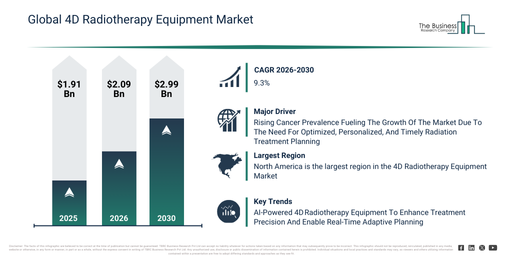
    The 4D radiotherapy equipment market size has experienced significant growth in recent years. This market is projected to expand from $1.91 billion in 2025 to $2.09 billion by 2026, demonstrating a compound annual growth rate (CAGR) of 9.6%. Historically, this expansion can be linked to several factors, including the increasing need for motion-adaptive radiation therapy, the wider embrace of advanced imaging systems, a heightened emphasis on reducing treatment errors, the broader application of real-time patient monitoring, and a rising inclination towards high-precision radiotherapy.

    The 4D radiotherapy equipment market is set to experience substantial expansion in the coming years, with its size projected to reach $2.99 billion by 2030, growing at a compound annual growth rate (CAGR) of 9.3%. This expansion during the forecast period is driven by factors such as increased investment in next-generation radiotherapy technologies, wider adoption of 4D treatment systems, growing demand for precise tumor-tracking solutions, the expanding integration of AI-enabled motion management, and a heightened need for personalized radiation therapy. Significant trends in this period include technological progress in motion-synchronized radiotherapy systems, breakthroughs in real-time imaging capabilities, the development of adaptive treatment delivery platforms, intensified research and development in tumor-tracking technologies, and advancements in imaging-guided radiotherapy solutions.

    Download A Free Sample Report For Comprehensive Market Insights:

    https://www.thebusinessresearchcompany.com/sample.aspx?id=30492&type=smp&utm_source=Blogs&utm_medium=Paid&utm_campaign=Jul_PR

    4D Radiotherapy Equipment Market Industry Drivers: What Is Driving Revenue Growth?

    The growing incidence of cancer is projected to drive the expansion of the 4D radiotherapy equipment market in the future. Cancer is a condition marked by the unchecked multiplication and dissemination of atypical cells, which, if not properly managed, can harm adjacent tissues and organs. The increase in cancer cases stems from lifestyle factors such as unhealthy eating habits, tobacco use, alcohol intake, and exposure to environmental contaminants, which heighten the likelihood of developing various forms of cancer. 4D radiotherapy equipment aids in treating cancer by administering extremely accurate, motion-adaptive radiation therapies that consider tumor shifts during respiration. This technology enhances patient results by optimizing tumor targeting, reducing harm to healthy cells, and improving treatment efficacy. For example, in October 2025, NHS Digital, a UK government organisation, reported 354,820 new cancer diagnoses in England in 2023, averaging 972 diagnoses daily and marking an increase of 8,605 cases from 2022. Prostate cancer was the most frequently diagnosed, with 58,137 new cases, showing a 6% rise in registrations compared to the prior year. Consequently, the rising prevalence of cancer is propelling the growth of the 4D radiotherapy equipment market. The increase in healthcare expenditure is anticipated to drive the expansion of the 4D radiotherapy equipment market moving forward. Healthcare spending in emerging markets denotes the financial allocations made by governments, private organizations, and medical service providers to enhance medical facilities, access to innovative treatments, and patient support. This spending is growing in emerging markets because expanding middle-class populations are experiencing greater incomes and extended lifespans, which, in turn, fuels demand for improved medical services, hospital facilities, and insurance coverage. 4D radiotherapy equipment contributes to this development by offering accurate, image-guided radiation therapy that considers tumor movement, thereby enhancing treatment results while reducing harm to surrounding healthy tissue. For instance, in June 2025, Statistics Austria, the national statistical office of Austria, reported that total healthcare expenditure in Austria reached approximately $61.6 billion (€57 billion) in 2024, funded by both public and private sectors. This marked an increase of about $4.6 billion (€4.25 billion) compared to the prior year, and the proportion of healthcare spending relative to gross domestic product climbed from 11.2% in 2023 to 11.8% in 2024. Consequently, the rising healthcare spending in emerging markets is stimulating the growth of the 4D radiotherapy equipment market.

    4D Radiotherapy Equipment Market Segments: Where Are The Largest Growth Opportunities?

    The 4D radiotherapy equipment market covered in this report is segmented –

    1) By Product Type Or Component: 4D Gating/RT Systems, Linear Accelerators (LINACs), 4D Imaging Modalities, SGRT Systems, Treatment Planning Software

    2) By Motion Management Technique: Respiratory Gating, Real-Time Tumor Tracking, Breath-Hold Techniques, Adaptive Radiotherapy (ART)

    3) By Application: Lung Cancer, Liver Cancers, Pancreatic Cancer, Breast Cancer, Lymphoma, Other Cancers

    4) By End User: Hospitals, Cancer Treatment Centers, Specialty Radiotherapy Clinics, Research Institutions

    Subsegments:

    1) By 4D Gating / RT Systems: Respiratory Gating Systems, Real-Time Tumor Tracking Systems, Motion Management Platforms, Adaptive Radiation Delivery Systems

    2) By Linear Accelerators: Standard Linear Accelerators, Image Guided Linear Accelerators, Motion Compensated Linear Accelerators, Stereotactic Body Radiation Therapy Linear Accelerators

    3) By 4D Imaging Modalities: Four Dimensional Computed Tomography, Four Dimensional Magnetic Resonance Imaging, Four Dimensional Positron Emission Tomography, Four Dimensional Cone Beam Computed Tomography

    4) By SGRT Systems: Surface Guided Patient Positioning Systems, Optical Surface Monitoring Systems, Real-Time Surface Tracking Systems, Motion Compensated Surface Imaging Systems

    5) By Treatment Planning Software: Motion Adaptive Planning Software, Dose Calculation Software, Image Fusion Planning Software, Tumor Contouring And Delineation Software

    #4D Radiotherapy Equipment Market Growth Trends: What Is Influencing The Future Outlook?

    Leading companies in the 4D radiotherapy equipment market are concentrating on developing high-definition imaging systems, such as AI-powered CT-Linac platforms, to enhance treatment precision, facilitate real-time plan adjustments, and boost workflow efficiency. AI-powered CT-Linac platforms are integrated computed tomography–linear accelerator systems that leverage artificial intelligence for high-definition imaging, adaptive treatment planning, and real-time dose adjustment, delivering highly precise personalized radiation therapy for cancer patients. For example, in May 2024, Elekta AB, a medical technology company based in Sweden, unveiled Elekta Evo, a CT-Linac equipped with AI-enhanced imaging and both online and offline adaptive radiotherapy capabilities. This system empowers clinicians to visualize target anatomy with exceptional clarity and modify radiation delivery on a per-session basis to account for patient movement and anatomical variations. This launch signifies a major technological progression, integrating high-precision imaging and adaptive therapy into routine clinical workflows, thereby linking traditional radiotherapy with AI-driven adaptive 4D planning and offering clinicians a scalable, efficient solution for superior patient outcomes.

    4D Radiotherapy Equipment Market Major Participants And Competitive Dynamics

    Major companies operating in the 4D radiotherapy equipment market are Hitachi Ltd., Siemens Healthineers AG, GE HealthCare Technologies Inc., Koninklijke Philips N.V., Varian Medical Systems Inc., Elekta AB, Shanghai United Imaging Healthcare Co. Ltd., Accuray Incorporated, Brainlab AG, Canon Medical Systems Corporation, RefleXion Medical, Vision RT Ltd., C-Rad AB, MVision AI Ltd., Anzai Medical Co. Ltd., ViewRay Technologies Inc., DYN’R Medical Systems, Ion Beam Applications SA (IBA SA)

    Access The Complete 4D Radiotherapy Equipment Market Report:

    https://www.thebusinessresearchcompany.com/report/4d-radiotherapy-equipment-market-report?utm_source=Blogs&utm_medium=Paid&utm_campaign=Jul_PR

    4D Radiotherapy Equipment Market Regional Outlook: Where Are The Largest Opportunities Located?

    North America was the largest region in the 4D radiotherapy equipment market in 2025. Asia-Pacific is expected to be the fastest-growing region in the forecast period. The regions covered in the 4D radiotherapy equipment market report are Asia-Pacific, South East Asia, Western Europe, Eastern Europe, North America, South America, Middle East, Africa.

    Get in touch with us:

    The Business Research Company: https://www.thebusinessresearchcompany.com/

    Americas: +1 310-496-7795

    Asia: +44 7882 955267 & +91 8897263534

    Europe: +44 7882 955267

    Email us at: marketing@tbrc.info

    Follow us on:

    LinkedIn: https://in.linkedin.com/company/the-business-research-company

    YouTube: https://www.youtube.com/channel/UC24_fI0rV8cR5DxlCpgmyFQ

    Global Market Model: https://www.thebusinessresearchcompany.com/global-market-model
  • 3D Neuroscience Market Expansion Is Reshaping Competitive Dynamics Across The Industry

    3D Neuroscience Market Expansion Is Reshaping Competitive Dynamics Across The Industry

    Through market attractiveness analysis, total addressable market evaluation, company benchmarking matrices, interactive Excel dashboards, expanded supply chain intelligence, emerging startup coverage, and detailed product insights, The Business Research Company’s 2026 market reports provide more actionable and strategically valuable research.

    3D Neuroscience Market Growth Analysis: How Will Revenue Expand During The Forecast Period?

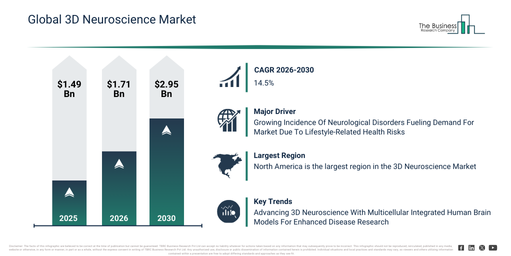
    The three-dimensional (3D) neuroscience market has seen rapid expansion in recent years. It is anticipated to increase from $1.49 billion in 2025 to $1.71 billion in 2026, exhibiting a compound annual growth rate (CAGR) of 14.8%. This historical growth can be linked to the rising adoption of three-dimensional (3D) brain modeling techniques, a greater need for sophisticated neurological research tools, its expanding application in drug discovery and neuropharmacology, the development of imaging and visualization technologies, and an increasing emphasis on deciphering intricate neural networks.

    The three-dimensional (3D) neuroscience market is anticipated to experience substantial growth over the next few years, projected to reach $2.95 billion by 2030 with a compound annual growth rate (CAGR) of 14.5%. This growth during the forecast period is fueled by the increasing integration of 3D models with artificial intelligence (AI) analytics, heightened investment in personalized neuroscience research, expanding adoption in disease modeling and therapeutic development, the proliferation of high-resolution imaging and data acquisition platforms, and a surging demand for predictive and translational neuroscience studies. Key trends anticipated in this period include technology-driven innovations in three-dimensional (3D) neural tissue modeling, advancements in artificial intelligence (AI)-enabled data analysis, progress in organoid and lab-grown neural systems, intensified research and development in imaging and simulation platforms, and innovation in integrated neuroscience modeling and visualization tools.

    Download A Free Sample Report For Comprehensive Market Insights:

    https://www.thebusinessresearchcompany.com/sample.aspx?id=30491&type=smp&utm_source=Blogs&utm_medium=Paid&utm_campaign=Jul_PR

    #3D Neuroscience Market Growth Factors: Which Forces Are Supporting Market Expansion?

    The rising occurrence of neurological conditions is anticipated to boost the expansion of the 3D neuroscience market in the future. These disorders are health issues impacting the brain, spinal cord, and nerves, thereby disturbing typical nervous system operations and causing deficits in aspects like movement, thinking, feeling, conduct, or general bodily management. The growing incidence of neurological conditions stems from unhealthy lifestyle choices, such as inadequate nutrition, lack of physical activity, tobacco use, high alcohol intake, and persistent stress. 3D neuroscience improves comprehension of the brain’s form and operations, facilitating more accurate diagnoses and tailored therapies for individuals suffering from neurological issues. As an illustration, in April 2024, data from the National Institutes of Health (NIH), a US government entity, indicated that approximately 6.9 million Americans aged 65 and above are currently afflicted with Alzheimer’s dementia, with this number expected to nearly double to 13.8 million by the year 2060. Consequently, the expanding occurrence of neurological disorders is a key driver for the 3D neuroscience market.

    3D Neuroscience Market Segment Analysis: What Are The Major Market Categories?

    The 3D neuroscience market covered in this report is segmented –

    1) By Component: Instruments And Consumables, Software And Services

    2) By Technology: Brain Imaging, Neuro-Microscopy, Electrophysiology, Neurophotonic Analysis, Other Technologies

    3) By Scale Of Analysis: Macro-Scale Connectomics (MSC), Meso-Scale Connectomics (MeSC), Micro-Scale Connectomics (MiSC), Nanoscale Or Synaptic Analysis (NSA)

    4) By Application: Disease Modeling And Drug Discovery, Brain Mapping And Connectomics, Developmental Neuroscience, Diagnostics And Surgical Planning

    5) By End-User: Hospitals, Diagnostic Laboratories, Research and Academic Institutes, Other End-Users

    Subsegments:

    1) By Instruments And Consumables: Imaging Devices, Microelectrodes, Sensors, Reagents, Laboratory Consumables

    2) By Software And Services: Data Analysis Software, Visualization Software, Modeling And Simulation Software, Technical Support Services, Training And Consultation Services

    3D Neuroscience Market Industry Trends: What Changes Are Reshaping Demand?

    Leading companies in the 3D neuroscience market are concentrating on creating sophisticated 3D human brain tissue platforms, such as multicellular integrated brain models, to better disease modeling, speed up drug testing, and deliver more physiologically accurate outcomes. Multicellular integrated brain models are defined as three-dimensional laboratory-grown constructs derived from induced pluripotent stem cells that contain multiple primary brain cell types, allowing for thorough examination of cellular interactions, pathology, and drug responses. For example, in November 2025, Massachusetts Institute of Technology (MIT), a US-based research institution, introduced Multicellular Integrated Brains (miBrains), which is a customizable 3D human brain tissue system. This platform incorporates six key brain cell types, facilitates genetic engineering for individualized disease studies, and can be scaled for extensive research projects, thus improving the availability and practicality of intricate in vitro models for neuroscience research.

    3D Neuroscience Market Leading Companies Driving Competitive Growth

    Major companies operating in the 3D neuroscience market are Siemens Healthineers AG, Merck KGaA, Koninklijke Philips N.V., GE Healthcare Technologies Inc., Corning Incorporated, Bruker Corporation, STEMCELL Technologies Inc., Greiner Bio-One International GmbH, American Type Culture Collection, Cellink AB, Aspect Biosystems Ltd., InSphero AG, Axion BioSystems Inc., Emulate Inc., Mimetas B.V., NeuroNexus Technologies Inc., Tessara Therapeutics Inc., TheWell Bioscience Inc., Kirkstall Ltd., Pelobiotech GmbH, 3D Biotek LLC, Mightex Systems Inc., Advanced BioMatrix Inc.

    Access The Complete 3D Neuroscience Market Report:

    https://www.thebusinessresearchcompany.com/report/3d-neuroscience-market-report?utm_source=Blogs&utm_medium=Paid&utm_campaign=Jul_PR

    3D Neuroscience Market Geographic Landscape: Which Region Dominates Industry Growth?

    North America was the largest region in the three dimensional (3D) neuroscience market in 2025. Asia-Pacific is expected to be the fastest-growing region in the forecast period. The regions covered in the 3D neuroscience market report are Asia-Pacific, South East Asia, Western Europe, Eastern Europe, North America, South America, Middle East, Africa.

    Get in touch with us:

    The Business Research Company: https://www.thebusinessresearchcompany.com/

    Americas: +1 310-496-7795

    Asia: +44 7882 955267 & +91 8897263534

    Europe: +44 7882 955267

    Email us at: marketing@tbrc.info

    Follow us on:

    LinkedIn: https://in.linkedin.com/company/the-business-research-company

    YouTube: https://www.youtube.com/channel/UC24_fI0rV8cR5DxlCpgmyFQ

    Global Market Model: https://www.thebusinessresearchcompany.com/global-market-model
  • 3D Digital X-Ray Systems Market Forecast Reveals Where Future Industry Value Will Be Created

    3D Digital X-Ray Systems Market Forecast Reveals Where Future Industry Value Will Be Created

    Delivering more actionable and strategically valuable research, The Business Research Company’s 2026 market reports feature market attractiveness analysis, total addressable market evaluation, company benchmarking matrices, interactive Excel dashboards, expanded supply chain intelligence, emerging startup coverage, and detailed product insights.

    3D Digital X-Ray Systems Market Forecast: What Market Value Is Expected By 2030?

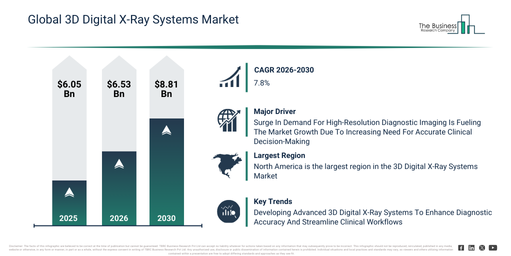
    The 3D digital X-Ray systems market size has demonstrated significant expansion over recent years. It is anticipated to expand from $6.05 billion in 2025 to $6.53 billion in 2026, progressing at a compound annual growth rate (CAGR) of 8.1%. This historical growth can be ascribed to a heightened demand for advanced diagnostic imaging, an increasing prevalence of chronic and orthopedic diseases, a wider embrace of digital radiography, expanded application of 3D imaging in dental care, increased awareness regarding early disease detection, a growing inclination towards minimally invasive diagnosis, enhanced integration of imaging within outpatient settings, rising healthcare expenditure, greater availability of portable 3D x-ray devices, and a stronger preference for highly accurate diagnostics.

    The 3D digital X-Ray systems market size is set to witness robust growth over the next few years. It is foreseen to expand to $8.81 billion by 2030, achieving a compound annual growth rate (CAGR) of 7.8%. This projected increase is propelled by the escalating adoption of digital radiography, a rising preference for accurate 3D imaging, the expanding demand for early diagnosis tools, increasing investment in imaging innovations, ongoing hospital modernization programs, the greater utilization of imaging in chronic disease management, a growing shift towards automated radiology tools, the surge in tele-radiology adoption, a preference for low-dose imaging techniques, and the increasing deployment of portable digital x-ray units. Significant trends anticipated in this period include advancements in high-resolution 3D imaging technology, progress in low-dose radiation solutions, improvements in portable 3D x-ray devices, innovations in AI-based diagnostic tools, advancements in automated image enhancement, the development of workflow-digital platforms, integration with cloud-based storage, integration with hospital digital ecosystems, the combination of 3D imaging with robotics, and progress in making digital radiography more affordable.

    Download A Free Sample Report For Comprehensive Market Insights:

    https://www.thebusinessresearchcompany.com/sample.aspx?id=30490&type=smp&utm_source=Blogs&utm_medium=Paid&utm_campaign=Jul_PR

    3D Digital X-Ray Systems Market Demand Drivers: What Is Fueling Industry Growth?

    The increasing need for high-resolution diagnostic imaging is anticipated to drive the expansion of the 3D Digital X-Ray Systems market in the future. This type of imaging involves medical technologies that produce sharp, clear pictures of internal body parts, facilitating precise diagnoses and effective clinical choices. The need for such imaging is growing because healthcare providers are broadening their services to identify intricate conditions sooner, enhance patient care, and boost the effectiveness of diagnostics. The 3D Digital X-Ray Systems facilitates high-resolution diagnostic imaging by offering sophisticated systems that provide excellent image clarity, boost diagnostic precision, and optimize patient flow in healthcare environments. For example, data from March 2024 from the Australian Institute of Health and Welfare (AIHW), an Australian government health body, indicated that approximately 2 in 5 Australians (39%) utilized more than 27 million Medicare-subsidised diagnostic imaging services. The rate of imaging services per 100 individuals increased from 103 in 2022–23 to 106 in 2023–24, showing an annual rise and increased adoption of modern imaging techniques. Consequently, the increased demand for high-resolution diagnostic imaging is fueling the expansion of the 3D Digital X-Ray Systems market.

    3D Digital X-Ray Systems Market Segment Breakdown: Which Categories Generate The Most Revenue?

    The 3D digital x-ray systems market covered in this report is segmented –

    1) By Product Type: Stationary 3D Digital X-Ray Systems, Portable 3D Digital X-Ray Systems, Mobile 3D Digital X-Ray Systems

    2) By Detector Type: Flat Panel Detectors, Charge-Coupled Devices (CCD), Image Intensifier Detectors, Computed Radiography (CR) Systems, Line-Scanning Detectors

    3) By Technology: Computed Tomography (CT) Systems, Digital Radiography (DR) Systems, Fluoroscopy Systems, X-Ray Systems With Dual Energy, Portable X-Ray Systems

    4) By Application: Orthopedics, Dental Imaging, Oncology, Pediatric Imaging, Cardiology

    5) By End-User: Hospitals, Diagnostic Imaging Centers, Outpatient Surgery Centers, Research Institutions, Veterinary Clinics

    Subsegments:

    1) By Stationary 3D Digital X-Ray Systems: Fixed-Room 3D Imaging Systems, Hospital Radiology Department Systems, High-Capacity 3D X-Ray Units, Floor-Mounted 3D X-Ray Systems, Ceiling-Mounted 3D X-Ray Systems, Advanced Diagnostic 3D Systems, Large-Format 3D Orthopedic Imaging Units

    2) By Portable 3D Digital X-Ray Systems: Handheld 3D X-Ray Devices, Backpack-Style Portable 3D Systems, Battery-Powered Portable 3D X-Ray Units, Emergency Or Trauma Portable 3D Systems, Field-Use Portable 3D Devices, Compact Point-Of-Care 3D X-Ray Units

    3) By Mobile 3D Digital X-Ray Systems: Cart-Based Mobile 3D X-Ray Systems, Motorized Mobile 3D Systems, Mobile 3D C-Arm Units, ICU Or Mobile Ward 3D Imaging Systems, Mobile Surgical 3D X-Ray Units, Mobile Diagnostic Screening Units

    3D Digital X-Ray Systems Market Innovation Trends: Which Developments Are Transforming The Industry?

    Leading companies in the 3D digital X-ray systems market are prioritizing the creation of clinical imaging solutions, including multi-purpose 3D dental imaging platforms, to improve diagnostic precision, assist with treatment planning, and streamline surgical procedures. Multi-purpose 3D dental imaging platforms are technologies used for acquiring volumetric images, planning interventions, and facilitating accurate clinical decision-making in dental and oral surgery settings. For instance, in September 2024, Dental Imaging Technologies Corporation (DEXIS), a US-based dental imaging technology company, unveiled the ORTHOPANTOMOGRAPH OP 3D EX. This 3D X-ray platform incorporates flexible field of view choices, advanced imaging software for chairside treatment planning, and integrated utilities to quickly produce surgical guides within practice environments. It is specifically engineered for general practitioners aiming to enhance their diagnostic capabilities with 3D imaging, supporting a wide array of clinical indications through various field of view sizes.

    3D Digital X-Ray Systems Market Key Players And Strategic Industry Positioning

    Major companies operating in the 3D digital x-ray systems market are Siemens Healthineers AG, Fujifilm Holdings Corporation, Koninklijke Philips N.V., GE HealthCare Technologies Inc., Mindray Medical International Limited, Dentsply Sirona Inc., Shimadzu Corporation, Canon Medical Systems Corporation, Acteon Group Ltd., United Imaging Healthcare Co. Ltd., Hamamatsu Photonics K.K., Agfa-Gevaert Group, Carestream Health Inc., Samsung Medison Co. Ltd., Analogic Corporation, Planmed Oy, Vatech Co. Ltd., Carestream Dental LLC, Ziehm Imaging GmbH, EOS Imaging S.A.

    Access The Complete 3D Digital X-Ray Systems Market Report:

    https://www.thebusinessresearchcompany.com/report/3d-digital-x-ray-systems-market-report?utm_source=Blogs&utm_medium=Paid&utm_campaign=Jul_PR

    #3D Digital X-Ray Systems Market Largest Region: Which Geography Holds The Highest Market Share?

    North America was the largest region in the 3D digital X-Ray systems market in 2025. Asia-Pacific is expected to be the fastest-growing region in the forecast period. The regions covered in the 3D digital x-ray systems market report are Asia-Pacific, South East Asia, Western Europe, Eastern Europe, North America, South America, Middle East, Africa.

    Get in touch with us:

    The Business Research Company: https://www.thebusinessresearchcompany.com/

    Americas: +1 310-496-7795

    Asia: +44 7882 955267 & +91 8897263534

    Europe: +44 7882 955267

    Email us at: marketing@tbrc.info

    Follow us on:

    LinkedIn: https://in.linkedin.com/company/the-business-research-company

    YouTube: https://www.youtube.com/channel/UC24_fI0rV8cR5DxlCpgmyFQ

    Global Market Model: https://www.thebusinessresearchcompany.com/global-market-model

  • Zynyz Market Expansion Is Reshaping Competitive Dynamics Across The Industry

    Zynyz Market Expansion Is Reshaping Competitive Dynamics Across The Industry

    Enhanced with market attractiveness analysis, total addressable market evaluation, company benchmarking matrices, interactive Excel dashboards, expanded supply chain intelligence, emerging startup coverage, and detailed product insights, The Business Research Company’s 2026 market reports deliver more actionable and strategically valuable research.

    Zynyz Market Size Outlook: How Fast Will Revenue Grow Through 2030?

    Growth during the historic period was driven by rising cancer incidence, the shortcomings of traditional chemotherapy, the broadening of molecular oncology studies, a deeper comprehension of cancer cell signaling mechanisms, and a growing number of clinical trials targeting kinase inhibitors.

    The expansion projected for the forecast period is driven by the growing advancement of next-generation kinase inhibitors, heightened demand for precision oncology therapies, broadening pipelines for targeted cancer drugs, increased funding in molecular cancer treatments, and greater uptake of biomarker-based approaches. Key developments shaping this period include a stronger shift toward targeted kinase inhibitors, heightened attention to cell cycle modulation therapies, wider implementation of precision oncology techniques, growth in the development of small molecule drugs, and an intensified focus on inhibiting cancer growth.

    Download A Free Sample Report For Comprehensive Market Insights:

    https://www.thebusinessresearchcompany.com/sample.aspx?id=20437&type=smp&utm_source=BlogsPR&utm_medium=Paid&utm_campaign=Jul_PR

    Zynyz Market Expansion Supported By Key Demand Factors

    The anticipated rise in cancer incidence is set to boost the zynyz market in the coming years. Cancer encompasses a range of diseases marked by the abnormal, uncontrolled proliferation and spread of cells within the body. Higher cancer rates stem from an aging demographic, poor lifestyle habits, environmental pollutants, genetic susceptibility, enhanced diagnostic capabilities, infections, obesity, and hormonal fluctuations. Zynyz works to lower cancer rates by strengthening the immune system’s capacity to detect and destroy malignant cells through PD-1 receptor inhibition, thus enhancing therapeutic outcomes and survival rates across multiple cancer types. As a case in point, the American Association for Cancer Research, a US-based professional organization, reported in September 2025 that annual new cancer diagnoses in the United States are forecast to exceed 3.5 million by 2050, a nearly 40% jump from 2025 figures. Consequently, increasing cancer rates are fueling the expansion of the zynyz market.

    The expanding elderly demographic is anticipated to drive growth in the zynyz market moving forward. The geriatric population comprises individuals generally aged 65 and over, who often need specialized medical attention due to health conditions associated with aging. This demographic growth is driven by longer lifespans, superior healthcare, lower birth rates, enhanced living conditions, medical technology breakthroughs, and societal shifts that better support seniors. Zynyz aids older adults by treating specific forms of cancer, boosting survival rates and life quality through more precise targeting of cancer cells with diminished adverse effects. For example, in January 2024, the Population Reference Bureau (PRB), a US-based private nonprofit, projected the 65-and-older U.S. population will increase by 47% from 58 million in 2022 to 82 million by 2050, with their share of the total population climbing from 17% to 23%. Thus, a growing geriatric population is propelling the zynyz market forward.

    Zynyz Market Segment Landscape: Which Areas Lead Market Development?

    The zynyz market covered in this report is segmented –

    1) By Indication: Cancer, Autoimmune Diseases

    2) By Distribution Channel: Hospital Pharmacies, Retail Pharmacies, Online Pharmacies

    3) By End User: Adult, Geriatric

    Zynyz Market Growth Trends Influencing Competitive Dynamics

    The zynyz market is currently being shaped by a strong emphasis on advancing innovative products, including monoclonal antibodies, which improve the precision of targeted cancer therapies. These laboratory-engineered molecules are designed to attach to specific cells or pathogens, enabling exact treatments for conditions such as cancer and autoimmune diseases. A notable illustration occurred in March 2023, when the US-based pharmaceutical company Incyte Corporation secured approval from the Food and Drug Administration (FDA) for Zynyz (retifanlimab-dlwr). This humanized monoclonal antibody targets programmed death receptor-1 (PD-1) and is indicated for adults diagnosed with metastatic or recurrent locally advanced Merkel cell carcinoma (MCC). The FDA granted this approval under its accelerated approval pathway, relying on favorable tumor response rates and duration of response (DOR) data derived from clinical trials. As a result of this decision, healthcare professionals now have access to a fresh first-line treatment for MCC, a rare and aggressive form of skin cancer, bringing renewed optimism to patients who previously faced scarce therapeutic options.

    Zynyz Market Industry Leaders And Market Competition

    Major companies operating in the zynyz market are Incyte Corporation

    Access The Complete Zynyz Market Report:

    https://www.thebusinessresearchcompany.com/report/zynyz-global-market-report?utm_source=BlogsPR&utm_medium=Paid&utm_campaign=Jul_PR

    Zynyz Market Regional Outlook: Where Are The Largest Opportunities Located?

    North America was the largest region in the zynyz market in 2025. The regions covered in the zynyz market report are Asia-Pacific, Western Europe, Eastern Europe, North America, South America, Middle East, Africa.

    Get in touch with us:

    The Business Research Company: https://www.thebusinessresearchcompany.com/?utm_source=BlogsPR&utm_medium=Paid&utm_campaign=home_page_test

    Americas: +1 310-496-7795

    Asia: +44 7882 955267 & +91 8897263534

    Europe: +44 7882 955267

    Email us at: marketing@tbrc.info

    Follow us on:

    LinkedIn: https://in.linkedin.com/company/the-business-research-company

    YouTube: https://www.youtube.com/channel/UC24_fI0rV8cR5DxlCpgmyFQ

    Global Market Model: https://www.thebusinessresearchcompany.com/global-market-model

  • Zynteglo Market Forecast Reveals Where Future Industry Value Will Be Created

    Zynteglo Market Forecast Reveals Where Future Industry Value Will Be Created

    Through market attractiveness analysis, total addressable market evaluation, company benchmarking matrices, interactive Excel dashboards, expanded supply chain intelligence, emerging startup coverage, and detailed product insights, The Business Research Company’s 2026 market reports provide more actionable and strategically valuable research.

    Zynteglo Market Size, Value And Growth Trends Through 2030

    The historic period’s expansion was driven by the rising occurrence of transfusion-dependent beta-thalassemia, the constraints associated with lifelong blood transfusion treatments, the broadening network of centers dedicated to genetic disease care, progress in methods for altering stem cells, and the initial regulatory endorsements granted for gene-based therapies.

    The anticipated expansion during the forecast period is driven by the growing commercial adoption of gene editing treatments, heightened financial backing for rare disease gene therapies, the broadening infrastructure of personalized medicine, a stronger emphasis on curative approaches in hematology, and increased healthcare investments aimed at genetic disorders. Key developments shaping the forecast horizon encompass a rising uptake of gene therapy for blood-related conditions, a greater reliance on single-dose curative interventions, an intensified interest in stem cell-based therapeutic methods, an advancing landscape of individualized genetic medicine, and a more pronounced commitment to achieving durable disease correction over time.

    Download A Free Sample Report For Comprehensive Market Insights:

    https://www.thebusinessresearchcompany.com/sample.aspx?id=20436&type=smp&utm_source=BlogsPR&utm_medium=Paid&utm_campaign=Jul_PR

    Zynteglo Market Growth Drivers And Industry Catalysts

    The increasing frequency of thalassemia cases is anticipated to drive expansion in the zynteglo market moving forward. Thalassemia encompasses a category of hereditary blood conditions where the body fails to produce sufficient hemoglobin, resulting in anemia. This uptick in thalassemia incidence stems from multiple causes, including elevated carrier rates among particular populations, genetic transmission via consanguineous unions, rising migration patterns, insufficient awareness and screening efforts, along with enhanced diagnostic capabilities and survival outcomes. Zynteglo works to lower thalassemia rates by offering a single gene therapy that enables patients to generate healthy hemoglobin, potentially removing the requirement for ongoing blood transfusions. As an example, the American Society of Hematology, a professional body based in the United States, reported in November 2024 that beta-thalassemia prevalence stood at around 3,665 cases in 2023, which translates to a rate of 1.07 per 100,000 individuals. Consequently, the growing incidence of thalassemia fuels zynteglo market growth.

    Zynteglo Market Driver: The Impact Of Healthcare Infrastructure Growth On The Market

    Expanding healthcare infrastructure is expected to accelerate zynteglo market growth in the foreseeable future. Healthcare infrastructure denotes the complete network of physical facilities, organizational frameworks, equipment, personnel, and systems required to deliver efficient and effective healthcare services to communities. This growth in healthcare infrastructure results from several factors, such as expanding populations, progress in medical technology, government funding, the mounting prevalence of chronic conditions, urban development, medical travel, involvement from private enterprises, and an increasingly elderly demographic. Strengthened healthcare infrastructure fosters an environment that facilitates advanced therapies like zynteglo, covering everything from diagnosis and supply chains through to patient management. To illustrate, Sports Medical, a healthcare industry publication based in the United Kingdom, reported in January 2025 that health-related construction projects starting on site in the UK reached £4.8 billion in 2024, marking an 18% rise compared to the previous year. Hence, improvements in healthcare infrastructure are propelling zynteglo market expansion.

    Zynteglo Market Segments: Where Are The Largest Growth Opportunities?

    The zynteglo market covered in this report is segmented –

    1) By Indication: Beta -Thalassemia, Sickle Cell Disease

    2) By Distribution Channel: Hospital Pharmacies, Retail Pharmacies, Online Pharmacies

    3) By End User: Adult, Pediatric, Geriatric

    Zynteglo Market Trends Influencing Long-Term Demand

    Key players in the Zynteglo market are placing significant emphasis on technological progress through the expansion of commercial operations and the practical deployment of gene therapies. These efforts involve refining patient-initiation procedures, optimizing supply-chain logistics, and developing networks of specialized treatment centers to ensure the safe and timely administration of autologous cell and gene therapies. The concept of commercialization scale-up and real-world application encompasses the infrastructure, workflows, and enabling innovations—such as manufacturing capacity, cryopreserved and autologous product transportation, center accreditation, and payer and health-system integration—that allow a regulatory approval to evolve into widespread, routine patient access. As a case in point, in January 2024, bluebird bio, Inc., a U.S.-based biotechnology firm dedicated to treating severe genetic conditions, reported that 26 patient initiations were carried out in 2023 across its commercial offerings. This included 20 starts for ZYNTEGLO and 6 for SKYSONA, representing a major step forward in shifting the therapy from approval status to tangible, large-scale clinical application. This achievement highlights that the treatment has moved beyond isolated clearances into standard medical practice, granting treated individuals access to a potentially life-changing curative option. Moreover, it confirms the effectiveness of the company’s commercial and operational framework, including patient identification, center coordination, and supply chain management. It also offers preliminary real-world data that could strengthen discussions with payers and facilitate broader adoption.

    Zynteglo Market Major Participants And Competitive Dynamics

    Major companies operating in the zynteglo market are Bluebird bio Inc

    Access The Complete Zynteglo Market Report:

    https://www.thebusinessresearchcompany.com/report/zynteglo-global-market-report?utm_source=BlogsPR&utm_medium=Paid&utm_campaign=Jul_PR

    Zynteglo Market Geographic Landscape: Which Region Dominates Industry Growth?

    North America was the largest region in the zynteglo market in 2025. The regions covered in the zynteglo market report are Asia-Pacific, Western Europe, Eastern Europe, North America, South America, Middle East, Africa.

    Get in touch with us:

    The Business Research Company: https://www.thebusinessresearchcompany.com/?utm_source=BlogsPR&utm_medium=Paid&utm_campaign=home_page_test

    Americas: +1 310-496-7795

    Asia: +44 7882 955267 & +91 8897263534

    Europe: +44 7882 955267

    Email us at: marketing@tbrc.info

    Follow us on:

    LinkedIn: https://in.linkedin.com/company/the-business-research-company

    YouTube: https://www.youtube.com/channel/UC24_fI0rV8cR5DxlCpgmyFQ

    Global Market Model: https://www.thebusinessresearchcompany.com/global-market-model
  • Zynlonta Market Growth Through 2030 Creates New Strategic Opportunities

    Zynlonta Market Growth Through 2030 Creates New Strategic Opportunities

    Delivering more actionable and strategically valuable research, The Business Research Company’s 2026 market reports feature market attractiveness analysis, total addressable market evaluation, company benchmarking matrices, interactive Excel dashboards, expanded supply chain intelligence, emerging startup coverage, and detailed product insights.

    Zynlonta Market CAGR Analysis And Future Market Development

    The growth observed during the historical period was driven by several key factors: a higher prevalence of hematological malignancies, escalating failure rates associated with conventional chemotherapy, the proliferation of oncology specialty centers, enhanced diagnostic capabilities specifically for lymphoma subtypes, and the increasing integration of antibody-drug conjugates into clinical practice.

    The expansion anticipated during the forecast period is driven by the growing creation of advanced antibody-drug conjugates, a heightened need for customized cancer therapies, an enlargement of oncology pipelines focused on specific targets, increased funding directed toward biologic cancer medications, and a rising application of combination treatment approaches for cancer. Key developments shaping this period include a broader uptake of antibody-drug conjugate-based treatments, a greater reliance on targeted therapies for B-cell lymphomas, an intensified emphasis on precision oncology pharmaceuticals, the growth of infusion services for cancer care provided within hospital settings, and a stronger focus on managing cancers that are relapsed or resistant to standard therapies.

    Download A Free Sample Report For Comprehensive Market Insights:

    https://www.thebusinessresearchcompany.com/sample.aspx?id=20435&type=smp&utm_source=BlogsPR&utm_medium=Paid&utm_campaign=Jul_PR

    Zynlonta Market Opportunity Drivers: What Is Creating New Revenue Potential?

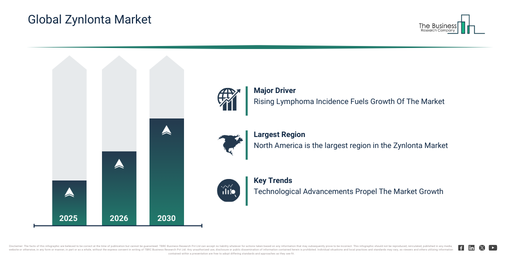
    The growing number of lymphoma cases is anticipated to boost the zynlonta market in the coming period. Lymphomas are a category of cancers that start in the lymphatic system, primarily impacting lymphocytes—a type of white blood cell located in lymph nodes, the spleen, bone marrow, and other lymphoid tissues. This increase in lymphoma incidence is driven by factors such as an aging population, weakened immune systems, environmental exposures, viral infections, genetic tendencies, and lifestyle habits. Zynlonta serves as a targeted treatment for relapsed or refractory large B-cell lymphoma (LBCL), delivering chemotherapy specifically to cancerous B cells to destroy them effectively. For example, the American Cancer Society, a nonprofit organization based in the US, reported that the estimated number of new lymphoma cases rose from 89,010 in 2022 to 89,380 in 2023. Consequently, the rising frequency of lymphomas is fueling the expansion of the zynlonta market.

    The increasing number of clinical trials is expected to drive the zynlonta market forward. Clinical trials are research studies involving human participants, designed to assess the safety, efficacy, and effectiveness of medical interventions such as drugs, devices, procedures, or diagnostic tools. This growth in clinical trials is fueled by a rising demand for innovative therapies, progress in medical research, and the necessity to tackle new health issues. For Zynlonta, these trials produce strong clinical evidence proving its safety and effectiveness, which helps secure regulatory approvals and boosts physician confidence in its application. As an illustration, in December 2024, the Association of the British Pharmaceutical Industry (ABPI), a UK-based organization, revealed that the number of pharmaceutical industry trials initiated in the UK grew for the second year straight, moving from 411 in 2022 to 426 in 2023—an increase of roughly 9.5% in registered trials. Hence, the surge in clinical trials is propelling the growth of the zynlonta market.

    Zynlonta Market Segment Analysis: What Are The Major Market Categories?

    The zynlonta market covered in this report is segmented –

    1) By Indication: Diffuse Large B-Cell Lymphoma (DLBCL), High-Grade B-Cell Lymphoma, DLBCL Arising From Follicular Lymphoma

    2) By Distribution Channel: Hospital Pharmacies, Retail Pharmacies, Online Pharmacies

    3) By End-User: Adult Patients, Geriatric Patients

    Zynlonta Market Innovation Trends Driving Future Development

    A major force shaping the zynlonta landscape is the push toward novel therapeutic approaches, particularly combination therapies, designed to boost treatment effectiveness and elevate patient outcomes in oncology. This strategy involves the concurrent use of multiple treatments, such as drugs or other modalities, to attack a disease from various angles and maximize therapeutic benefit. As an example, in April 2024, ADC Therapeutics, a Swiss biotechnology firm focused on creating antibody-drug conjugates (ADCs) for both hematologic cancers and solid tumors, provided updates on its LOTIS-7 clinical study. This trial is investigating Zynlonta (loncastuximab tesirine-lpyl) when paired with bispecific antibodies like glofitamab or mosunetuzumab, with the goal of treating heavily pretreated individuals suffering from relapsed or refractory B-cell non-Hodgkin lymphoma (r/r B-NHL).

    Zynlonta Market Leading Companies Driving Competitive Growth

    Major companies operating in the zynlonta market are ADC Therapeutics SA, Avid Bioservices Inc

    Access The Complete Zynlonta Market Report:

    https://www.thebusinessresearchcompany.com/report/zynlonta-global-market-report?utm_source=BlogsPR&utm_medium=Paid&utm_campaign=Jul_PR

    Zynlonta Market Largest Region: Which Geography Holds The Highest Market Share?

    North America was the largest region in the zynlonta market in 2025. The regions covered in the zynlonta market report are Asia-Pacific, Western Europe, Eastern Europe, North America, South America, Middle East, Africa.

    Get in touch with us:

    The Business Research Company: https://www.thebusinessresearchcompany.com/?utm_source=BlogsPR&utm_medium=Paid&utm_campaign=home_page_test

    Americas: +1 310-496-7795

    Asia: +44 7882 955267 & +91 8897263534

    Europe: +44 7882 955267

    Email us at: marketing@tbrc.info

    Follow us on:

    LinkedIn: https://in.linkedin.com/company/the-business-research-company

    YouTube: https://www.youtube.com/channel/UC24_fI0rV8cR5DxlCpgmyFQ

    Global Market Model: https://www.thebusinessresearchcompany.com/global-market-model