Month: October 2026

  • Respules Market Growth Forecast Through 2030: Market Size And Trends In 2026

    Respules Market Growth Forecast Through 2030: Market Size And Trends In 2026

    Built to provide research that’s more actionable and strategically valuable, The Business Research Company’s 2026 market reports include market attractiveness analysis, total addressable market sizing, company benchmarking matrices, interactive Excel dashboards, broader supply chain intelligence, emerging startup tracking, and in-depth product insights.

    Respules Market Size And Revenue Outlook Through 2030

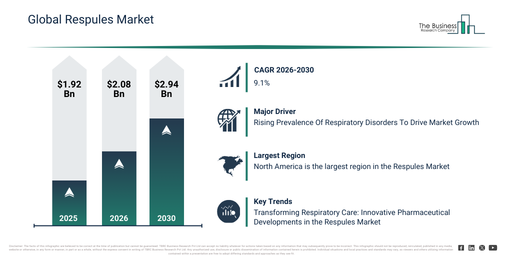
    The respules market has experienced strong growth in recent years. It will grow from $1.92 billion in 2025 to $2.08 billion in 2026 at a compound annual growth rate (CAGR) of 7.9%. The expansion observed in the past can be attributed to the rising prevalence of asthma and COPD, increasing air pollution levels, a surge in hospital-based respiratory treatments, the widespread application of nebulizers in pediatric care, and improved diagnosis of chronic respiratory diseases.

    The respules market size is projected for significant expansion over the next few years. It is estimated to reach $2.94 billion in 2030, with a compound annual growth rate (CAGR) of 9.1%. The increase throughout the forecast period can be attributed to a rising demand for home healthcare solutions, the widening reach of online pharmacy distribution, improved healthcare accessibility in emerging economies, an expanding elderly population suffering from respiratory disorders, and the continuous launch of new combination respules. Key trends anticipated during this period include the growing adoption of nebulized therapies for chronic respiratory diseases, an increasing preference for unit-dose and preservative-free respules, expanded usage of respules by pediatric and geriatric patient groups, the expansion of home-based and self-administration respiratory care, and robust growth in generic and cost-effective respules.

    Get A Free Sample Report With In-Depth Market Insights:

    https://thebusinessresearchcompany.com/sample_request?id=60495159&type=smp&name=Respules%20Market%20Report%202026&utm_source=Blogs&utm_medium=Paid&utm_campaign=Oct_PR

    Respules Market Demand Drivers: What’s Powering Industry Growth?

    An increasing occurrence of respiratory conditions is anticipated to fuel the expansion of the respules market moving ahead. These conditions encompass various pulmonary diseases and ailments, such as tuberculosis, lung cancer, pulmonary hypertension, mesothelioma, cystic fibrosis, emphysema, and asthma. Respules are utilized to manage a range of respiratory ailments, like bronchial asthma, emphysema, spasmodic stenosis, and abnormal bronchial mucus secretion. As an illustration, a research study from JAMA Network Open, a medical journal affiliated with the American Medical Association, indicated in December 2023 that the worldwide prevalence of chronic obstructive pulmonary disease (COPD) is predicted to reach nearly 600 million cases by 2050 globally, representing a 23% rise in its occurrence. Consequently, the growing frequency of respiratory disorders is stimulating the growth of the respules market.

    Respules Market Segment Landscape And Growth Outlook

    The respules market covered in this report is segmented –

    1) By Drug Type: Budesonide, Albuterol, Ipratropium Bromide, Salbutamol Sulphate And Ipratropium Bromide

    2) By Dosage And Strength: 0.25 mg/2 mL, 0.5 mg/2 mL, 1mg/2 mL, Other Dosage And Strength Types

    3) By Distribution Channel: Hospital Pharmacy, Retail Pharmacy, Online Pharmacy, Other Distribution Channels

    Subsegments:

    1) By Budesonide: Budesonide Respules 0.25 mg, Budesonide Respules 0.5 mg, Budesonide Respules 1 mg

    2) By Albuterol: Albuterol Sulfate Respules 0.083%, Albuterol Sulfate Respules 0.5%

    3) By Ipratropium Bromide: Ipratropium Bromide Respules 0.02%, Ipratropium Bromide Respules 0.5 mg

    4) By Salbutamol Sulphate And Ipratropium Bromide: Salbutamol Sulphate Respules 0.083%, Salbutamol Sulphate Respules 2.5 mg

    Respules Market Innovation Trends: What Developments Are Reshaping The Industry?

    Leading companies in the repsules market are concentrating on developing innovative products, specifically novel pharmaceutical offerings that enhance drug delivery, improve patient adherence, and optimize therapeutic effectiveness. Novel pharmaceutical products denote new and inventive medications or drug formulations that significantly differ from current treatments. These products may include unique active ingredients, novel drug combinations, or advanced delivery systems engineered to boost efficacy, safety, or patient compliance. For instance, in January 2023, Lupin Limited, an India-based pharmaceutical company, introduced DIFIZMA to treat inadequately controlled asthma, presenting a novel fixed-dose triple drug combination. It integrates Indacaterol, a long-acting beta-agonist; Glycopyrronium, a long-acting muscarinic receptor antagonist; and Mometasone Furoate, an inhaled corticosteroid, which together improve lung function and offer better symptom management. Furthermore, DIFIZMA helps decrease the frequency of asthma exacerbations, thereby enhancing the overall quality of life for patients and reducing the likelihood of hospitalization.

    Respules Market Competitive Landscape: Who Leads The Industry?

    Major companies operating in the respules market are AstraZeneca PLC, GlaxoSmithKline PLC, Teva Pharmaceutical Industries Ltd., Sandoz International GmbH, Macleods Pharmaceuticals Ltd., Sun Pharmaceutical Industries Ltd., Aurobindo Pharma Ltd., Cipla Limited, Intas Pharmaceuticals Ltd., Lupin Limited, Cadila Healthcare Limited, Torrent Pharmaceuticals Ltd., Glenmark Pharmaceuticals Ltd., Jubilant Life Sciences Limited, Systopic Laboratories Pvt. Ltd., Koye Pharmaceuticals Pvt. Ltd., Amanta Healthcare Ltd., Lucky Pharmaceuticals, Zuche Pharmaceuticals Pvt. Ltd., Alkem Laboratories Ltd., Alembic Pharmaceuticals Ltd., Emcure Pharmaceuticals Ltd., Natco Pharma Ltd., Hetero Labs Ltd., Wockhardt Ltd.

    View The Full Respules Market Report:

    https://thebusinessresearchcompany.com/report/respules-global-market-report?utm_source=Blogs&utm_medium=Paid&utm_campaign=Oct_PR

    Respules Market Global Footprint: Which Region Leads The Market?

    North America was the largest region in the respules market in 2025. Asia-Pacific is expected to be the fastest-growing region in the forecast period. The regions covered in the respules market report are Asia-Pacific, South East Asia, Western Europe, Eastern Europe, North America, South America, Middle East, Africa.

    Reach Out To Our Team:

    The Business Research Company: https://www.thebusinessresearchcompany.com/

    Americas: +1 310-496-7795

    Asia: +44 7882 955267 & +91 8897263534

    Europe: +44 7882 955267

    Email us at: marketing@tbrc.info

    Follow us on:

    LinkedIn: https://in.linkedin.com/company/the-business-research-company

    YouTube: https://www.youtube.com/channel/UC24_fI0rV8cR5DxlCpgmyFQ

    Global Market Model: https://www.thebusinessresearchcompany.com/global-market-model
  • Respiratory Syncytial Virus (RSV) Fusion Inhibitors Market Analysis: $1.72 Billion Market Size In 2026 And Future Growth Prospects

    Respiratory Syncytial Virus (RSV) Fusion Inhibitors Market Analysis: $1.72 Billion Market Size In 2026 And Future Growth Prospects

    Backed by market attractiveness analysis, total addressable market sizing, company benchmarking matrices, interactive Excel dashboards, wider supply chain intelligence, emerging startup coverage, and detailed product-level insights, The Business Research Company’s 2026 market reports are designed to offer research that is more actionable and strategically valuable than ever.

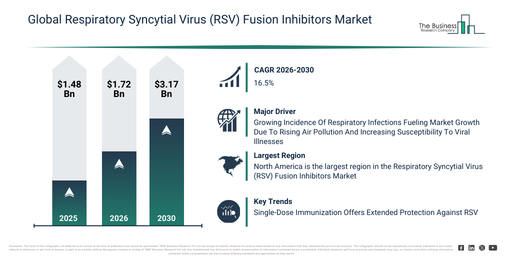
    Respiratory Syncytial Virus (RSV) Fusion Inhibitors Market Growth From $1.72 Billion In 2026 To $3.17 Billion By 2030 At A CAGR Of 16.5%

    The market size for respiratory syncytial virus (RSV) fusion inhibitors has seen substantial growth recently. It is projected to increase from $1.48 billion in 2025 to $1.72 billion in 2026, exhibiting a compound annual growth rate (CAGR) of 16.8%. This historical expansion can be ascribed to several factors, including a rise in the incidence of respiratory viral infections, a previous absence of effective RSV-specific treatments, the development of neonatal and pediatric care infrastructure, progress in antiviral drug discovery, and heightened clinical awareness concerning the burden of RSV.

    The market for respiratory syncytial virus (rsv) fusion inhibitors is projected to experience swift expansion over the coming years. This market is set to reach a valuation of $3.17 billion by 2030, exhibiting a compound annual growth rate (CAGR) of 16.5%. Several factors contribute to this projected growth, including more regulatory clearances for new antivirals, increased funding for research into pediatric infectious diseases, the availability of more monoclonal antibody options, a greater emphasis on managing RSV in outpatient settings, and expanding worldwide vaccination and prevention programs. Key trends anticipated during this period involve the accelerating development of specific antiviral treatments, a heightened concentration on preventing RSV in children, an increase in clinical trials for fusion inhibitors, the broadening of preventative treatment approaches, and an intensified focus on groups of patients at elevated risk.

    Get A Free Sample Report With In-Depth Market Insights:

    https://thebusinessresearchcompany.com/sample_request?id=68474243&type=smp&name=Respiratory%20Syncytial%20Virus%20%28RSV%29%20Fusion%20Inhibitors%20Market%20Report%202026&utm_source=Blogs&utm_medium=Paid&utm_campaign=Oct_PR

    Respiratory Syncytial Virus (RSV) Fusion Inhibitors Market Growth Drivers: What’s Behind The Acceleration?

    The increasing prevalence of respiratory infections is projected to boost the expansion of the respiratory syncytial virus (RSV) fusion inhibitors market moving ahead. A respiratory infection occurs when detrimental microorganisms infiltrate and multiply within the respiratory tract, leading to conditions like the common cold, influenza, or pneumonia. The rise in respiratory infection cases is largely attributed to elevated air pollution levels, which compromise the respiratory system and increase susceptibility to these illnesses. Respiratory Syncytial Virus (RSV) fusion inhibitors improve the treatment of respiratory infections by specifically inhibiting viral fusion, thereby stopping the virus from entering host cells. They lead to a decrease in the intensity and length of RSV infections, reduce the need for hospitalizations, and better patient health outcomes, providing a more precise and efficient method for managing respiratory ailments. For instance, in May 2025, the New York Academy of Sciences, a US-based nonprofit organization, reported that whooping cough cases exceeded 8,000, which was more than double the number recorded in the same period in 2024. Consequently, the increasing occurrence of respiratory infections is stimulating the growth of the respiratory syncytial virus (RSV) fusion inhibitors market.

    Respiratory Syncytial Virus (RSV) Fusion Inhibitors Market Breakdown By Product Type And Application

    The respiratory syncytial virus (rsv) fusion inhibitors market covered in this report is segmented –

    1) By Drug Type: Small Molecule Inhibitors, Monoclonal Antibodies, Peptide Inhibitors, Other Drugs

    2) By Route Of Administration: Oral, Intravenous, Inhalation, Other Routes Of Administration

    3) By Application: By Prophylaxis, Treatment

    4) By End-User: Hospitals, Clinics, Research Institutes, Other End Users

    Subsegments:

    1) By Small Molecule Inhibitors: Fusion Protein Inhibitors, Viral Entry Blockers, Replication Inhibitors, Nucleoside Analogues

    2) By Monoclonal Antibodies: Neutralizing Antibodies, Prophylactic Antibodies, Therapeutic Antibodies, Combination Antibodies

    3) By Peptide Inhibitors: Fusion Inhibitory Peptides, Receptor Binding Peptides, Entry Blocking Peptides, Synthetic Peptides

    4) By Other Drugs: Ribonucleic Acid (RNA) Interference Agents, Host Targeted Inhibitors, Immunomodulators, Small Interfering Agents

    Respiratory Syncytial Virus (RSV) Fusion Inhibitors Market Trends: What’s Defining The Industry’s Next Phase?

    Leading firms in the respiratory syncytial virus (RSV) fusion inhibitors market are prioritizing the creation of sophisticated preventive treatments, specifically long-acting monoclonal antibodies, with the aim of strengthening immunity, improving defense, and mitigating the impact of infectious diseases among susceptible groups. Long-acting monoclonal antibodies (mAbs) constitute a category of therapeutic antibodies specifically designed or prepared to maintain their efficacy within the body for a prolonged duration relative to conventional monoclonal antibodies. An example of this is in June 2025, when US-based biopharmaceutical company Merck & Co. Inc. obtained approval from the U.S. Food and Drug Administration (FDA) for ENFLONSIA (clesrovimab-cfor), a long-acting monoclonal antibody intended to prevent RSV lower-respiratory-tract disease in infants born into or starting their initial RSV season. This product is a fully human IgG1? monoclonal antibody, modified in its Fc-region to prolong its half-life, and operates by attaching to the RSV fusion (F) protein, thereby inhibiting the virus from entering and fusing with host respiratory epithelial cells. Engineered to provide sustained protection via a single administration, it introduces a novel immunization choice to safeguard this at-risk pediatric demographic.

    Respiratory Syncytial Virus (RSV) Fusion Inhibitors Market Company Landscape And Competitive Strategy

    Major companies operating in the respiratory syncytial virus (rsv) fusion inhibitors market are Merck & Co. Inc., Pfizer Inc., AstraZeneca plc, Bristol-Myers Squibb Company, Sanofi S.A., Gilead Sciences Inc., Johnson & Johnson, Taisho Pharmaceutical Co. Ltd., Enanta Pharmaceuticals Inc., Shanghai Ark Biopharmaceutical Co. Ltd., Medivir AB, ARNAV Biotech

    View The Full Respiratory Syncytial Virus (RSV) Fusion Inhibitors Market Report:

    https://thebusinessresearchcompany.com/report/global-respiratory-syncytial-virus-rsv-fusion-inhibitors-market-report?utm_source=Blogs&utm_medium=Paid&utm_campaign=Oct_PR

    Respiratory Syncytial Virus (RSV) Fusion Inhibitors Market Regional Split: Which Areas Are Fueling Growth?

    North America was the largest region in the respiratory syncytial virus (RSV) fusion inhibitors market in 2025. Asia-Pacific is expected to be the fastest-growing region in the forecast period. The regions covered in the respiratory syncytial virus (rsv) fusion inhibitors market report are Asia-Pacific, South East Asia, Western Europe, Eastern Europe, North America, South America, Middle East, Africa.

    Reach Out To Our Team:

    The Business Research Company: https://www.thebusinessresearchcompany.com/

    Americas: +1 310-496-7795

    Asia: +44 7882 955267 & +91 8897263534

    Europe: +44 7882 955267

    Email us at: marketing@tbrc.info

    Follow us on:

    LinkedIn: https://in.linkedin.com/company/the-business-research-company

    YouTube: https://www.youtube.com/channel/UC24_fI0rV8cR5DxlCpgmyFQ

    Global Market Model: https://www.thebusinessresearchcompany.com/global-market-model
  • Respiratory Disease Vaccine Market 2026 Market Size And Growth Forecast: Key Trends To Watch

    Respiratory Disease Vaccine Market 2026 Market Size And Growth Forecast: Key Trends To Watch

    Featuring market attractiveness scoring, total addressable market sizing, company benchmarking matrices, interactive Excel dashboards, deeper supply chain intelligence, emerging startup tracking, and granular product-level insights, The Business Research Company’s 2026 market reports are built to deliver research that is both more actionable and more strategically valuable.

    Respiratory Disease Vaccine Market Expansion Outlook: What Revenue Opportunities Are Ahead?

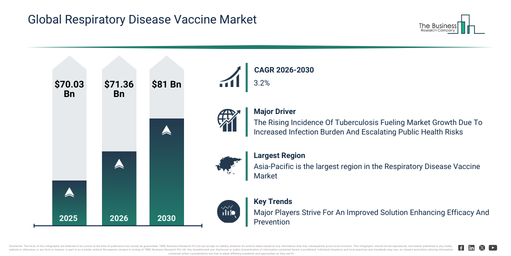
    The respiratory disease vaccine market has shown marginal expansion over recent years. Its size is expected to increase from $70.03 billion in 2025 to $71.36 billion in 2026, progressing at a compound annual growth rate (CAGR) of 1.9%. This historical growth can be attributed to several factors, including the high prevalence of respiratory infections, the limited availability of effective vaccines, government-led immunization programs, breakthroughs in monoclonal antibody research, and a growing awareness surrounding respiratory health.

    The respiratory disease vaccine market is projected to experience consistent expansion over the upcoming years. It will grow to $81 billion in 2030 at a compound annual growth rate (CAGR) of 3.2%. This anticipated growth during the forecast period is due to factors such as a rising need for universal vaccines, breakthroughs in mRNA and viral vector vaccine technologies, improvements in cold-chain logistics, an increase in public-private collaborations for vaccine delivery, and an emphasis on preparing for pandemics and ensuring quick responses. Key developments expected during this timeframe involve the creation of advanced respiratory vaccines, a heightened emphasis on vaccinating children and the elderly, the broadening of immunization initiatives in developing economies, the emergence of combination vaccines offering protection against multiple pathogens, and the implementation of swift vaccine development and deployment systems.

    Get A Free Sample Report With In-Depth Market Insights:

    https://thebusinessresearchcompany.com/sample_request?id=71839476&type=smp&name=Respiratory%20Disease%20Vaccine%20Market%20Report%202026&utm_source=Blogs&utm_medium=Paid&utm_campaign=Oct_PR

    Respiratory Disease Vaccine Market Growth Factors Behind Sustained Expansion

    The increasing occurrence of tuberculosis (TB) is projected to boost the expansion of the respiratory disease vaccine market in the future. As an infectious respiratory ailment stemming from Mycobacterium tuberculosis, Tuberculosis mainly impacts the lungs and constitutes a considerable global health threat. Factors such as deteriorated healthcare systems, postponed diagnoses, and wider transmission patterns are driving the surge in TB cases, collectively intensifying the disease burden. Respiratory disease vaccines are essential for alleviating TB-related risks by lowering infection rates, constraining transmission, and bolstering worldwide prevention initiatives. A notable example comes from March 2024, where the Centers for Disease Control and Prevention, a US-based government agency, reported an increase in tuberculosis cases from 8,320 in 2022 to 9,615 in 2023, indicating a rise of 1,295 cases. Consequently, the escalating incidence of tuberculosis is propelling the growth of the respiratory disease vaccine market.

    Respiratory Disease Vaccine Market Segment Analysis And Revenue Potential

    The respiratory disease vaccine market covered in this report is segmented –

    1) By Type: Viral Vaccine, Bacterial Vaccine, Combination Vaccine

    2) By Infection: COVID-19, Influenza, Respiratory Syncytial Virus (RSV), Pneumonia, Other Infections

    3) By Age: Infant, Adolescent, Adult

    4) By End-User: Clinic, Hospital, Other End-Users

    Subsegments:

    1) By Viral Vaccine: Influenza Vaccine, Respiratory Syncytial Virus (RSV) Vaccine, Coronavirus Vaccine

    2) By Bacterial Vaccine: Pneumococcal Vaccine, Haemophilus Influenzae Type B (Hib) Vaccine, Pertussis Vaccine

    3) By Combination Vaccine: DTaP With Hib And IPV, Pneumococcal Conjugate Vaccine With Influenza Vaccine

    Respiratory Disease Vaccine Market Industry Trends Fueling Future Revenue Growth

    Leading companies engaged in the respiratory disease vaccine market are focusing on developing innovative products to improve their effectiveness and deliver enhanced solutions for averting and addressing respiratory disease infections. For example, in May 2023, Pfizer Inc., a US-based pharmaceutical company, obtained Food and Drug Administration (FDA) approval for ABRYSVO (Respiratory Syncytial Virus Vaccine), the bivalent respiratory syncytial virus prefusion F (RSVpreF) vaccine, specifically for preventing lower respiratory tract disease induced by respiratory syncytial virus in individuals 60 years of age and older. ABRYSVO is an unadjuvanted vaccine comprising a pair of preF proteins engineered to maximize immunity against RSV A and B varieties, and its safety and productivity have been clinically established.

    Respiratory Disease Vaccine Market Key Players Shaping Industry Direction

    Major companies operating in the respiratory disease vaccine market are Pfizer Inc., Johnson & Johnson Ltd., Merck & Co. Inc., Sanofi SA, AstraZeneca PLC, GlaxoSmithKline PLC, Sinovac Biotech Co. Ltd., Moderna Inc., BioNTech SE, CSL Limited, Daiichi Sankyo Company Limited, Mitsubishi Tanabe Pharma Corporation, Novavax Inc., Emergent BioSolutions Inc., Seqirus, Bio Farma, Dynavax Technologies Corporation, Hualan Biological Bacterin Co. Ltd., Serum Institute of India Pvt. Ltd., Bavarian Nordic A/S, Valneva SE, Biological E. Limited, CanSino Biologics Inc., Bharat Biotech International Limited, Medicago Inc, CureVac N.V., Incepta Vaccine Ltd, Inovio Pharmaceuticals Inc., Ology Bioservices, VBI Vaccines Inc.

    View The Full Respiratory Disease Vaccine Market Report:

    https://thebusinessresearchcompany.com/report/respiratory-disease-vaccine-global-market-report?utm_source=Blogs&utm_medium=Paid&utm_campaign=Oct_PR

    Respiratory Disease Vaccine Market Top Region: Where Does Most Revenue Come From?

    Asia-Pacific was the largest region in the respiratory disease vaccine market in 2025. North America is expected to be the fastest-growing region in the forecast period. The regions covered in the respiratory disease vaccine market report are Asia-Pacific, South East Asia, Western Europe, Eastern Europe, North America, South America, Middle East, Africa.

    Reach Out To Our Team:

    The Business Research Company: https://www.thebusinessresearchcompany.com/

    Americas: +1 310-496-7795

    Asia: +44 7882 955267 & +91 8897263534

    Europe: +44 7882 955267

    Email us at: marketing@tbrc.info

    Follow us on:

    LinkedIn: https://in.linkedin.com/company/the-business-research-company

    YouTube: https://www.youtube.com/channel/UC24_fI0rV8cR5DxlCpgmyFQ

    Global Market Model: https://www.thebusinessresearchcompany.com/global-market-model
  • Respiratory Biologics Market Size Forecast: How The Industry Is Expected To Grow From 2026 To 2030

    Respiratory Biologics Market Size Forecast: How The Industry Is Expected To Grow From 2026 To 2030

    Built to provide research that’s more actionable and strategically valuable, The Business Research Company’s 2026 market reports include market attractiveness analysis, total addressable market sizing, company benchmarking matrices, interactive Excel dashboards, broader supply chain intelligence, emerging startup tracking, and in-depth product insights.

    Respiratory Biologics Market Growth Potential: How Will Market Size Shift Through 2030?

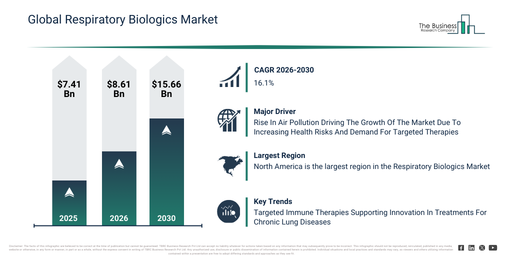
    The respiratory biologics market has experienced rapid expansion in recent years. Its valuation is set to rise from $7.41 billion in 2025 to $8.61 billion in 2026, reflecting a compound annual growth rate (CAGR) of 16.3%. Factors contributing to its historical growth include the constraints of conventional inhalers, an increase in severe asthma cases, the authorization of biologic therapies, advancements in immunology research, and the expansion of specialty clinics.

    The respiratory biologics market is anticipated to expand significantly over the next few years, projected to reach $15.66 billion by 2030, with a compound annual growth rate (CAGR) of 16.1%. This expansion during the forecast period is propelled by the advancement of precision respiratory medicine, the broadening of biologics pipelines, increased healthcare spending, enhancements in reimbursement policies, and the persisting unmet needs in severe respiratory diseases. Key trends during this period are expected to involve the rising adoption of targeted biologic therapies, an expansion of treatments for severe asthma, increased reliance on biomarker-based patient selection, a growing use of injectable respiratory drugs, and a shift towards long-acting biologic agents.

    Get A Free Sample Report With In-Depth Market Insights:

    https://thebusinessresearchcompany.com/sample_request?id=66943313&type=smp&name=Respiratory%20Biologics%20Market%20Report%202026&utm_source=Blogs&utm_medium=Paid&utm_campaign=Oct_PR

    Respiratory Biologics Market Demand Drivers Opening New Revenue Streams

    The future expansion of the respiratory biologics market is anticipated to be driven by increasing air pollution. This phenomenon, known as air pollution, involves the existence of detrimental elements like gases, microscopic particles, and organic compounds within Earth’s atmosphere, posing risks to both human well-being and ecological systems. The escalation of air pollution stems from greater industrial development and urban expansion, resulting in elevated pollutant discharges from manufacturing plants, transportation, and building projects. Respiratory biologics offer a solution to mitigate the health consequences of air pollution by delivering precise treatments designed to lessen inflammation and enhance pulmonary function for those exposed to airborne contaminants. As an illustration, the Environmental Protection Agency, a US-based government entity, reported in January 2025 that the United States emitted more than 66 million tons of pollutants into the atmosphere during 2023. Consequently, the upward trend in air pollution serves as a primary impetus for the expansion of the respiratory biologics market.

    Respiratory Biologics Market Segmentation And Category Overview

    The respiratory biologics market covered in this report is segmented –

    1) By Disease Indication: Asthma, Chronic Rhinosinasitis, Hypereosinophilic Syndrome

    2) By Route Of Administration: Intravenous, Subcutaneous

    3) By Sales Channel: Hospitals, Specialty Clinics, Retail Pharmacies, Mail Order Pharmacies

    Subsegments:

    1) By Asthma: Severe Eosinophilic Asthma, Allergic Asthma, Non-Allergic Asthma

    2) By Chronic Rhinosinasitis: Chronic Rhinosinusitis: Chronic Rhinosinusitis with Nasal Polyps, Chronic Rhinosinusitis without Nasal Polyps

    3) By Hypereosinophilic Syndrome (HES): Idiopathic HES, Lymphocytic Variant HES, Myeloproliferative HES

    Respiratory Biologics Market Trends Powering Strategic Industry Growth

    Major companies in the respiratory biologics market are focusing on developing innovative biologic therapies, such as targeted immune therapies for chronic respiratory diseases, with the goal of providing precise treatments that lessen inflammation and improve lung function. Targeted immune therapies for chronic respiratory diseases are interventions designed to help manage the body’s immune system, thereby reducing swelling and respiratory issues in individuals with long-term lung conditions. For example, in September 2024, Sanofi S.A., a France-based pharmaceutical company, announced that the US Food and Drug Administration (FDA) had approved Dupixent (dupilumab) as an add-on maintenance therapy for adults with inadequately controlled chronic obstructive pulmonary disease (COPD) who presented an eosinophilic phenotype. This approval marked a significant achievement, as Dupixent became the first biologic medicine authorized in the US for treating this specific population of COPD patients.

    Respiratory Biologics Market Competitive Analysis Of Leading Industry Participants

    Major companies operating in the respiratory biologics market are Sanofi S.A., AstraZeneca plc, GlaxoSmithKline plc, Regeneron Pharmaceuticals Inc., Novartis AG, F. Hoffmann-La Roche Ltd., Amgen Inc., Swedish Orphan Biovitrum AB, Teva Pharmaceutical Industries Ltd., AbbVie Inc., Pfizer Inc., Merck & Co. Inc., Bristol Myers Squibb Company, Johnson & Johnson, Boehringer Ingelheim International GmbH, Biogen Inc., Vertex Pharmaceuticals Incorporated, Glenmark Pharmaceuticals Ltd., Kiniksa Pharmaceuticals Ltd., Pieris Pharmaceuticals Inc.

    View The Full Respiratory Biologics Market Report:

    https://thebusinessresearchcompany.com/report/respiratory-biologics-global-market-report?utm_source=Blogs&utm_medium=Paid&utm_campaign=Oct_PR

    Respiratory Biologics Market Regional Breakdown: Where Is Demand Concentrated?

    North America was the largest region in the respiratory biologics market in 2025. Asia-Pacific is expected to be the fastest-growing region in the forecast period. The regions covered in the respiratory biologics market report are Asia-Pacific, South East Asia, Western Europe, Eastern Europe, North America, South America, Middle East, Africa.

    Reach Out To Our Team:

    The Business Research Company: https://www.thebusinessresearchcompany.com/

    Americas: +1 310-496-7795

    Asia: +44 7882 955267 & +91 8897263534

    Europe: +44 7882 955267

    Email us at: marketing@tbrc.info

    Follow us on:

    LinkedIn: https://in.linkedin.com/company/the-business-research-company

    YouTube: https://www.youtube.com/channel/UC24_fI0rV8cR5DxlCpgmyFQ

    Global Market Model: https://www.thebusinessresearchcompany.com/global-market-model
  • Research-Grade Proteins Market Reaches $3.18 Billion In 2026: Forecast And Growth Opportunities

    Research-Grade Proteins Market Reaches $3.18 Billion In 2026: Forecast And Growth Opportunities

    Backed by market attractiveness analysis, total addressable market sizing, company benchmarking matrices, interactive Excel dashboards, wider supply chain intelligence, emerging startup coverage, and detailed product-level insights, The Business Research Company’s 2026 market reports are designed to offer research that is more actionable and strategically valuable than ever.

    Research-Grade Proteins Market Value Analysis: What Growth Lies Ahead Over The Forecast Period?

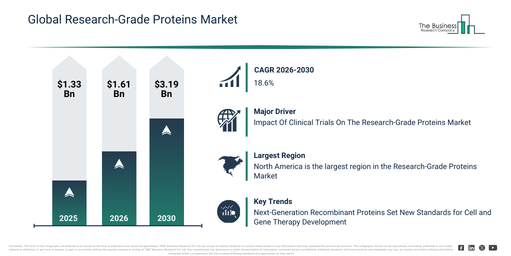
    The market size for research-grade proteins has witnessed substantial growth in recent years. This market is forecasted to increase from $1.33 billion in 2025 to $1.61 billion in 2026, at a compound annual growth rate (CAGR) of 20.8%. Historically, this expansion was driven by several factors, including the growth of academic life sciences research, the increasing utilization of proteins in molecular biology experiments, the expansion of biopharmaceutical R&D activities, the availability of recombinant protein expression systems, and rising funding for basic biomedical research.

    The research-grade proteins market is anticipated to experience significant expansion in the coming years. It will grow to $3.19 billion in 2030 at a compound annual growth rate (CAGR) of 18.6%. This growth during the forecast period stems from an amplified emphasis on precision medicine research, a heightened demand for protein-based drug targets, advancements in cell and gene therapy studies, broader applications of proteins in structural biology, and pharmaceutical companies increasingly outsourcing their research endeavors. Prominent trends foreseen for this period encompass a surge in demand for high-purity proteins in drug discovery, the increasing deployment of recombinant proteins in cell and molecular biology investigations, wider acceptance of research-grade proteins in immunology and oncology research, the proliferation of protein-based assays and functional studies, and a stronger inclination towards tailored and specific-application proteins.

    Get A Free Sample Report With In-Depth Market Insights:

    https://thebusinessresearchcompany.com/sample_request?id=87883603&type=smp&name=Research-Grade%20Proteins%20Market%20Report%202026&utm_source=Blogs&utm_medium=Paid&utm_campaign=Oct_PR

    Research-Grade Proteins Market Growth Backed By Core Demand Fundamentals

    The increasing volume of clinical trials is anticipated to drive expansion in the research-grade proteins market. Clinical trials are defined as investigative studies that examine the safety and effectiveness of new medical treatments, interventions, or devices when applied to human subjects. The rise in the number of these trials can be attributed to advancements in medical research, the existing burden of various diseases, shifts in regulatory frameworks, growing patient demands, and significant industry investment. Research-grade proteins play a crucial role in clinical trials by serving as indispensable tools for developing biomarkers and assays, identifying drug targets, performing quality control, and establishing reference standards, thereby ensuring the accuracy and reliability of experimental outcomes. For instance, in December 2024, the Association of the British Pharmaceutical Industry (ABPI), a UK-based organization, indicated that the number of pharmaceutical industry trials launched in the UK increased for the second consecutive year, rising from 411 in 2022 to 426 in 2023. Thus, the growing number of clinical trials is a key factor propelling the growth of the research-grade proteins market.

    Research-Grade Proteins Market Segment Outlook: Which Categories Are Growing Fastest?

    The research-grade proteins market covered in this report is segmented –

    1) By Product: Cytokines And Growth Factors, Antibodies, Immune Checkpoint Proteins, Virus Antigens, Enzymes, Recombinant Regulatory Proteins, Hormones, Other Products

    2) By Host Cell: Mammalian Cells, Bacterial Cells, Fungi And Yeast, Insect Cells, Other Host Cells

    3) By End-Use: Pharmaceutical And Biotechnology Companies, Academic And Research Institute, Other End-Uses

    Subsegments:

    1) By Cytokines And Growth Factors: Interleukins, Interferons, Colony Stimulating Factors, Erythropoietin, Granulocyte Macrophage Colony-Stimulating Factor

    2) By Antibodies: Monoclonal Antibodies, Polyclonal Antibodies, Recombinant Antibodies, Conjugated Antibodies

    3) By Immune Checkpoint Proteins: PD-1 Inhibitors, PD-L1 Inhibitors, CTLA-4 Inhibitors

    4) By Virus Antigens: HIV Antigens, Hepatitis Antigens, Influenza Antigens, Hepatitis B Antigens

    5) By Enzymes: Restriction Enzymes, Proteases, Ligases, Kinases

    6) By Recombinant Regulatory Proteins: Transcription Factors, Regulatory Enzymes, Epigenetic Modifiers

    7) By Hormones: Insulin, Thyroid Hormones, Growth Hormones, Adrenaline

    8) By Other Products: Peptides, Serum Proteins, Antigen-Binding Proteins

    Research-Grade Proteins Market Growth Trends Reshaping The Competitive Landscape

    Major companies in the research-grade proteins market are concentrating on creating innovative solutions, such as high-purity, animal-origin-free recombinant proteins, to enhance consistency, safety, and performance in advanced cell and gene therapy workflows. These high-purity, animal-origin-free recombinant proteins are laboratory-produced proteins made without any animal-derived components and purified to very high standards, ensuring consistency, safety, and reliability for research and therapeutic applications. For instance, in October 2025, Qkine Ltd., a UK-based manufacturing company, introduced a new range of Cell Therapy Grade recombinant proteins specifically engineered to meet the stringent requirements of cell therapy research, process development, and GMP manufacturing. These high-purity, animal-origin-free proteins feature low endotoxin levels and minimal host cell contaminants, produced using defined manufacturing standards with comprehensive regulatory documentation. Their consistent performance supports smooth scalability from early research to GMP clinical workflows. Designed for advanced applications like CAR-T, iPSC differentiation, and ex vivo gene editing, these regulatory-ready proteins help accelerate therapy development while reducing risks.

    Research-Grade Proteins Market Leading Companies And Competitive Benchmarking

    Major companies operating in the research-grade proteins market are Thermo Fisher Scientific Inc., Bio-Rad Laboratories Inc., Bio-Techne, Stemcell Technologies Inc., Miltenyi Biotec, GenScript Biotech Corporation, Sino Biological Inc., ACROBiosystems, OriGene Technologies Inc., RayBiotech Inc., Rockland Immunochemicals Inc., Proteintech Group Inc., Novus Biologicals LLC, Active Motif, Aviva Systems Biology Corporation, StressMarq Biosciences Inc., Abnova Corporation, AnaSpec, Biomatik, Prospec-Tany Technogene Ltd., Cusabio Technology LLC, United States Biological, Laurus Bio, Boster Biological Technology, AMS Biotechnology Europe Ltd (AMSBIO)

    View The Full Research-Grade Proteins Market Report:

    https://thebusinessresearchcompany.com/report/research-grade-proteins-global-market-report?utm_source=Blogs&utm_medium=Paid&utm_campaign=Oct_PR

    Research-Grade Proteins Market Geographic Landscape: Which Region Dominates Industry Growth?

    North America was the largest region in the research-grade proteins market in 2025. Asia-Pacific is expected to be the fastest-growing region in the forecast period. The regions covered in the research-grade proteins market report are Asia-Pacific, South East Asia, Western Europe, Eastern Europe, North America, South America, Middle East, Africa.

    Reach Out To Our Team:

    The Business Research Company: https://www.thebusinessresearchcompany.com/

    Americas: +1 310-496-7795

    Asia: +44 7882 955267 & +91 8897263534

    Europe: +44 7882 955267

    Email us at: marketing@tbrc.info

    Follow us on:

    LinkedIn: https://in.linkedin.com/company/the-business-research-company

    YouTube: https://www.youtube.com/channel/UC24_fI0rV8cR5DxlCpgmyFQ

    Global Market Model: https://www.thebusinessresearchcompany.com/global-market-model

  • Research Antibodies and Reagents Market Growth In 2026: Market Size, Key Drivers And Future Outlook

    Research Antibodies and Reagents Market Growth In 2026: Market Size, Key Drivers And Future Outlook

    Featuring market attractiveness scoring, total addressable market sizing, company benchmarking matrices, interactive Excel dashboards, deeper supply chain intelligence, emerging startup tracking, and granular product-level insights, The Business Research Company’s 2026 market reports are built to deliver research that is both more actionable and more strategically valuable.

    Research Antibodies and Reagents Market Size Forecast: How Big Could The Market Get By 2030?

    The research antibodies and reagents market size has demonstrated strong growth in recent years. It is anticipated to expand from $17.43 billion in 2025 to $18.65 billion in 2026, achieving a compound annual growth rate (CAGR) of 7.0%. This historical expansion can be primarily ascribed to factors such as increased funding for basic life science research, the greater utilization of western blot and ELISA techniques, the expansion of academic and research institutes, the rising prevalence of chronic and infectious diseases, and the early adoption of antibody-based detection methods.

    The research antibodies and reagents market is anticipated to experience substantial expansion in the coming years, reaching a valuation of $24.39 billion by 2030, progressing at a compound annual growth rate (CAGR) of 6.9%. This projected expansion is attributable to several factors, including developments in proteomics and genomics research, the expanding R&D pipelines within the pharmaceutical and biotechnology sectors, the increasing need for precision and translational medicine, the proliferation of contract research organizations, and the broader scope of cell and gene therapy investigations. Key trends during this period are expected to encompass the increased acceptance of recombinant and monoclonal antibodies, a heightened requirement for highly specific and validated antibodies, the broadening availability of multiplex and high-throughput assay reagents, the rising utilization of pre-packaged antibody and reagent kits, and the development of customized antibodies for particular research applications.

    Get A Free Sample Report With In-Depth Market Insights:

    https://thebusinessresearchcompany.com/sample_request?id=3418&type=smp&name=Research%20Antibodies%20and%20Reagents%20Market%20Report%202026&utm_source=Blogs&utm_medium=Paid&utm_campaign=Oct_PR

    Research Antibodies and Reagents Market Growth Catalysts And Demand Drivers

    Enhanced financial commitment to medical and health research and development (R&D) is projected to drive growth in the research antibodies and reagents market. In the realm of life science research, antibodies and reagents serve as fundamental elements for investigating biological processes or the origins of diseases through careful experimentation, observation, laboratory work, analysis, and testing. For instance, according to the Office for National Statistics, a UK-based government agency, the UK government’s net R&D spending escalated to £17.4 ($22.1 billion) billion in 2023, an increase from £16.1 billion ($20.45 billion) in 2022, representing an 8.2% rise. Therefore, increased investment in healthcare R&D is expected to boost the market utilization of research antibodies and reagents.

    Research Antibodies and Reagents Market Segment Landscape: Which Areas Lead Development?

    The research antibodies and reagents market covered in this report is segmented –

    1) By Technology: Western Blot, Immunofluorescence, Immunohistochemistry, Flow Cytometry, Enzyme-Linked Immunosorbent Assay (Elisa), Others

    2) By Application: Proteomics, Genomics, Other Applications

    3) By End User: Pharmaceutical & Biotechnology Industry, Academic & Research Institutes, Contract Research Organizations (CROs)

    Subsegments:

    1) By Western Blot: Primary Antibodies For Western Blot, Secondary Antibodies For Western Blot, Detection Kits

    2) By Immunofluorescence: Primary Antibodies For Immunofluorescence, Secondary Antibodies For Immunofluorescence, Fluorescent Dyes And Probes

    3) By Immunohistochemistry: Primary Antibodies For Immunohistochemistry, Secondary Antibodies For Immunohistochemistry, Detection Kits

    4) By Flow Cytometry: Fluorochrome-Conjugated Antibodies, Isotype Controls, Flow Cytometry Kits

    5) By Enzyme-Linked Immunosorbent Assay (ELISA): Capture Antibodies, Detection Antibodies, ELISA Kits

    6) By Others: Proteomics Reagents, Cell Culture Reagents, Antibody Conjugation Kits

    Research Antibodies and Reagents Market Trends Shaping Long-Term Demand

    Leading companies in the research antibodies and reagents market are concentrating on developing reagent solutions for immunohistochemistry to gain a competitive edge. A reagent solution employed in immunohistochemistry typically contains antibodies and blocking agents within a buffered solution. For instance, in March 2023, Aptamer Group PLC, a UK-based developer of optimer binders in the life sciences sector, unveiled Optimer-Fc, intended for use in automated immunohistochemistry (IHC) workflows. Optimer-Fc is a novel solution that pairs an Optimer binder with the Fc domain of an antibody, functioning as a viable replacement for primary detecting antibodies in various IHC applications. This innovative strategy allows for Optimer-Fc to be seamlessly integrated into existing workflows, effectively substituting the primary detecting antibody without compromising the process’s integrity.

    Research Antibodies and Reagents Market Industry Leaders And Competitive Landscape

    Major companies operating in the research antibodies and reagents market are Thermo Fisher Scientific Inc., Abcam plc, Cell Signaling Technology Inc., Merck KGaA, Santa Cruz Biotechnology Inc., Bio-Rad Laboratories Inc., Danaher Corporation, Johnson & Johnson, F. Hoffmann-La Roche AG, Becton Dickinson and Company, Immunochina, Takara Bio, GE Healthcare, Zhejiang Kangte Biotechnology Co. Ltd., Wuxi Tech-star Technology Co. Ltd., Shaanxi Bloom Tech Co. Ltd., PerkinElmer Inc., Lonza Group AG, GenScript Biotech Corporation, Bio-Techne Corporation

    View The Full Research Antibodies and Reagents Market Report:

    https://thebusinessresearchcompany.com/report/Research-Antibodie-and-Reagent-global-market-report?utm_source=Blogs&utm_medium=Paid&utm_campaign=Oct_PR

    Research Antibodies and Reagents Market Largest Region: Which Geography Holds The Highest Market Share?

    North America was the largest region in the research antibodies and reagents market in 2025. The regions covered in the research antibodies and reagents market report are Asia-Pacific, South East Asia, Western Europe, Eastern Europe, North America, South America, Middle East, Africa.

    Reach Out To Our Team:

    The Business Research Company: https://www.thebusinessresearchcompany.com/

    Americas: +1 310-496-7795

    Asia: +44 7882 955267 & +91 8897263534

    Europe: +44 7882 955267

    Email us at: marketing@tbrc.info

    Follow us on:

    LinkedIn: https://in.linkedin.com/company/the-business-research-company

    YouTube: https://www.youtube.com/channel/UC24_fI0rV8cR5DxlCpgmyFQ

    Global Market Model: https://www.thebusinessresearchcompany.com/global-market-model
  • Renin-Angiotensin-System (RAS)-Acting Agents Market Size And Forecast 2026–2030: Trends Driving Industry Expansion

    Renin-Angiotensin-System (RAS)-Acting Agents Market Size And Forecast 2026–2030: Trends Driving Industry Expansion

    Built to provide research that’s more actionable and strategically valuable, The Business Research Company’s 2026 market reports include market attractiveness analysis, total addressable market sizing, company benchmarking matrices, interactive Excel dashboards, broader supply chain intelligence, emerging startup tracking, and in-depth product insights.

    Renin-Angiotensin-System (RAS)-Acting Agents Market Revenue Outlook: What CAGR Lies Ahead Through 2030?

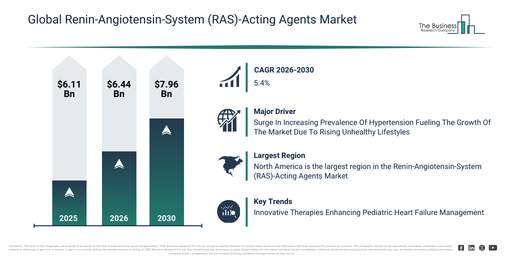
    The market for renin-angiotensin-system (ras)-acting agents has seen significant growth in recent years. It will grow from $6.11 billion in 2025 to $6.44 billion in 2026 at a compound annual growth rate (CAGR) of 5.5%. This historical expansion is attributable to several factors, including the high prevalence of hypertension, the increasing demographic of the aging population, the widespread acceptance of ACE inhibitors, enhanced cardiovascular screening initiatives, and the cost-effectiveness of generic drugs.

    The renin-angiotensin-system (ras)-acting agents market is projected to experience significant expansion over the next few years. It is expected to reach $7.96 billion by 2030, demonstrating a compound annual growth rate (CAGR) of 5.4%. This anticipated growth during the forecast period is attributed to the burden of chronic kidney disease, the demand for cardiometabolic drugs, improved treatment adherence, the expansion into emerging markets, and approvals for combination therapies. Key trends in the forecast period include the increasing use of combination antihypertensive treatments, the development of long-acting cardiovascular drugs, a rising focus on renal protection therapies, the expansion of generic RAS drug production, and a shift towards fixed-dose combinations.

    Get A Free Sample Report With In-Depth Market Insights:

    https://thebusinessresearchcompany.com/sample_request?id=85451176&type=smp&name=Renin-Angiotensin-System%20%28RAS%29-Acting%20Agents%20Market%20Report%202026&utm_source=Blogs&utm_medium=Paid&utm_campaign=Oct_PR

    Renin-Angiotensin-System (RAS)-Acting Agents Market Opportunity Drivers: What’s Unlocking New Revenue Potential?

    The expansion of the renin-angiotensin system (RAS)-acting agents market is anticipated to be driven by the growing incidence of hypertension. Hypertension, commonly known as elevated blood pressure, is a chronic medical condition marked by consistently high force of blood against artery walls. The rising occurrence of hypertension stems from unhealthy dietary choices, particularly diets high in salt and processed foods, which contribute to increased blood pressure and strain on the cardiovascular system. Renin-angiotensin system (RAS)-acting agents play a role in reducing hypertension by regulating blood pressure. They achieve this by inhibiting angiotensin II, a hormone known to constrict blood vessels and promote fluid retention, thereby fostering vasodilation and lowering blood pressure. For example, the World Health Organization, a Switzerland-based intergovernmental organization, estimated in September 2025 that in 2024, around 1.4 billion adults aged 30–79 worldwide were experiencing hypertension, which accounted for approximately 33% of individuals within this age group. This increasing prevalence of hypertension is therefore a significant factor propelling the growth of the renin-angiotensin system (RAS)-acting agents market.

    Renin-Angiotensin-System (RAS)-Acting Agents Market Segments: Where Is Growth Concentrated?

    The renin-angiotensin-system (ras)-acting agents market covered in this report is segmented –

    1) By Drug Class: Angiotensin-Converting Enzyme (ACE) Inhibitors, Angiotensin II Receptor Blockers (ARBs), Renin Inhibitors, Aldosterone Antagonists, Other Drug Classes

    2) By Indication: Hypertension, Heart Failure, Chronic Kidney Disease, Diabetic Nephropathy, Coronary Artery Disease

    3) By Distribution Channel: Hospital Pharmacies, Retail Pharmacies, Online Pharmacies, Specialty Clinics

    4) By End-User: Hospitals, Research Institutes, Pharmaceutical Companies, Other End-Users

    Subsegments:

    1) By Angiotensin-Converting Enzyme (ACE) Inhibitors: Captopril, Enalapril, Lisinopril, Ramipril, Perindopril

    2) By Angiotensin II Receptor Blockers (ARBs): Losartan, Valsartan, Irbesartan, Olmesartan, Telmisartan

    3) By Renin Inhibitors: Aliskiren

    4) By Aldosterone Antagonists: Spironolactone, Eplerenone

    5) By Other Drug Classes: Dual Angiotensin Receptor-Neprilysin Inhibitors (ARNIs), Vasopeptidase Inhibitors, Mineralocorticoid Receptor Antagonists (MRAs), Angiotensin Receptor Blockers With Neprilysin Inhibitors (ARNBIs)

    Renin-Angiotensin-System (RAS)-Acting Agents Market Innovation Trends Shaping Future Development

    Major companies within the renin-angiotensin system (RAS)-acting agents market are intently focused on creating novel renin-angiotensin system (RAS) inhibitors, including angiotensin-converting enzyme (ACE) inhibitors. This development aims to boost effectiveness, lessen adverse effects, increase patient adherence, and address conditions such as hypertension, heart failure, and kidney diseases. An angiotensin-converting enzyme (ACE) inhibitor is a medication that works by lowering blood pressure through blocking the enzyme responsible for converting angiotensin I into angiotensin II, a substance known to narrow blood vessels. For example, in November 2023, Proveca Ltd., a UK-based pharmaceutical company, was awarded a grant by the European Commission for pediatric use marketing authorization (PUMA) for Aqumeldi (enalapril maleate) orodispersible tablets. These tablets are intended for the management of heart failure in children from birth to less than 18 years. Aqumeldi functions as an angiotensin-converting enzyme (ACE) inhibitor, treating pediatric heart failure patients by inhibiting the angiotensin-converting enzyme (ACE), thus preventing the conversion of angiotensin I to angiotensin II, which consequently relaxes blood vessels, improves blood flow, and decreases the heart’s workload.

    Renin-Angiotensin-System (RAS)-Acting Agents Market Key Participants And Competitive Landscape

    Major companies operating in the renin-angiotensin-system (ras)-acting agents market are Novartis AG, AstraZeneca plc, Boehringer Ingelheim GmbH, Teva Pharmaceutical Industries Ltd., Sandoz International GmbH, Aurobindo Pharma Limited, Cipla Limited, Dr. Reddy’s Laboratories Ltd., Glenmark Pharmaceuticals Ltd., Torrent Pharmaceuticals Ltd., Pfizer Inc., Sanofi S.A., Bayer AG, Daiichi Sankyo Company Limited, Astellas Pharma Inc., Biocon Limited, Lupin Limited, Sun Pharmaceutical Industries Ltd., Mylan N.V., Zydus Lifesciences Limited

    View The Full Renin-Angiotensin-System (RAS)-Acting Agents Market Report:

    https://thebusinessresearchcompany.com/report/renin-angiotensin-system-ras-acting-agents-global-market-report?utm_source=Blogs&utm_medium=Paid&utm_campaign=Oct_PR

    Renin-Angiotensin-System (RAS)-Acting Agents Market Regional Analysis: Which Region Leads By Revenue?

    North America was the largest region in the renin-angiotensin-system (RAS)-acting agents market in 2025. Asia-Pacific is expected to be the fastest-growing region in the forecast period. The regions covered in the renin-angiotensin-system (ras)-acting agents market report are Asia-Pacific, South East Asia, Western Europe, Eastern Europe, North America, South America, Middle East, Africa.

    Reach Out To Our Team:

    The Business Research Company: https://www.thebusinessresearchcompany.com/

    Americas: +1 310-496-7795

    Asia: +44 7882 955267 & +91 8897263534

    Europe: +44 7882 955267

    Email us at: marketing@tbrc.info

    Follow us on:

    LinkedIn: https://in.linkedin.com/company/the-business-research-company

    YouTube: https://www.youtube.com/channel/UC24_fI0rV8cR5DxlCpgmyFQ

    Global Market Model: https://www.thebusinessresearchcompany.com/global-market-model
  • Remicade Biosimilar Market 2026 Outlook: Market Size, CAGR And Key Growth Opportunities

    Remicade Biosimilar Market 2026 Outlook: Market Size, CAGR And Key Growth Opportunities

    Backed by market attractiveness analysis, total addressable market sizing, company benchmarking matrices, interactive Excel dashboards, wider supply chain intelligence, emerging startup coverage, and detailed product-level insights, The Business Research Company’s 2026 market reports are designed to offer research that is more actionable and strategically valuable than ever.

    Remicade Biosimilar Market Growth Analysis: How Will Revenue Trend Over The Forecast Period?

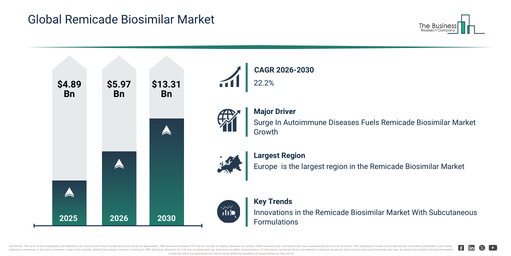
    The remicade biosimilar market size has seen remarkable growth in recent years. It is forecast to increase from $4.89 billion in 2025 to $5.97 billion in 2026, exhibiting a compound annual growth rate (CAGR) of 22.2%. The expansion witnessed in prior periods can be attributed to the considerable expense of branded biologics, the expiration of remicade’s patent, an increasing occurrence of autoimmune diseases, government assistance for biosimilar approvals, and hospital-led bulk purchasing strategies.

    The remicade biosimilar market size is set for significant expansion over the coming years. It is projected to reach $13.31 billion in 2030, demonstrating a compound annual growth rate (CAGR) of 22.2%. This anticipated growth in the forecast period is fueled by a rising demand for affordable biologic treatments, the expansion of biosimilar development pipelines, increasing healthcare expenditure in emerging economies, growing acceptance among both medical professionals and patients, and favorable reimbursement policies. Key trends for the forecast period include a wider adoption of cost-effective biosimilars, enhanced prescriber confidence in infliximab biosimilars, an expansion of their indications across autoimmune disorders, competitive pricing models alongside tender-based procurement, and deeper market penetration in developing healthcare markets.

    Get A Free Sample Report With In-Depth Market Insights:

    https://thebusinessresearchcompany.com/sample_request?id=18560418&type=smp&name=Remicade%20Biosimilar%20Market%20Report%202026&utm_source=Blogs&utm_medium=Paid&utm_campaign=Oct_PR

    Remicade Biosimilar Market Growth Momentum: What Factors Are Shaping Demand?

    The increasing occurrence of autoimmune conditions is anticipated to drive expansion in the remicade biosimilar market. These conditions involve the immune system erroneously targeting and harming the body’s own tissues and organs. Remicade biosimilars serve as a vital therapeutic choice for managing autoimmune diseases, effectively controlling symptoms and diminishing related inflammation. For example, data from February 2024 by Arthritis Australia, an advocacy group for individuals with arthritis and musculoskeletal issues, indicates that roughly 562,378 Australians are projected to have rheumatoid arthritis (RA) by 2025, making up 14% of the overall arthritis demographic. This figure for RA sufferers is forecast to climb by 33% to about 748,721 by 2040. Consequently, the increasing prevalence of autoimmune diseases is a key factor boosting the remicade biosimilar market.

    Remicade Biosimilar Market Segment Analysis: What Are The Core Market Categories?

    The remicade biosimilar market covered in this report is segmented –

    1) By Type: 100mg/10ml, 500mg/50ml

    2) By Disease Indication: Ulcerative Colitis, Rheumatoid Arthritis, Ankylosing Spondylitis, Crohn’s Disease, Psoriatic Arthritis, Plaque Psoriasis

    3) By Application: Blood Disorders, Oncology Diseases

    Remicade Biosimilar Market Trends Redefining Industry Growth

    Companies operating in the remicade biosimilar market are primarily focused on developing innovative solutions, such as subcutaneous formulations, to gain a competitive advantage. These subcutaneous formulations of Remicade offer an alternative administration method for treating autoimmune diseases, facilitating self-administration and potentially enhancing patient adherence to therapy. For instance, in March 2024, Celltrion, a South Korea-based biopharmaceutical company, launched Zymfentra, a biosimilar to Remicade (infliximab) for $6,181.08 for two doses over four weeks, which received FDA approval as the first subcutaneous infliximab formulation for maintaining therapy in adults with moderate-to-severe ulcerative colitis and Crohn’s disease. Eligible commercially insured patients can receive copay assistance of $5 per month, while uninsured or underinsured patients may obtain Zymfentra at no cost.

    Remicade Biosimilar Market Top Companies Driving Competitive Growth

    Major companies operating in the remicade biosimilar market are Novartis AG, Amgen Inc, Viatris Inc., Teva Pharmaceutical Industries Ltd., Biogen Inc., LG Chem Ltd., Nippon Kayaku Co. Ltd., Celltrion Inc., Nichi-iko Pharmaceutical Co. Ltd., Biocon Limited, Alvotech S.A., MabPharm Ltd., Genor Biopharma Co. Ltd, Shanghai Biomabs Pharmaceuticals Co. Ltd., Samsung Bioepis Co. Ltd., Biocad Biopharmaceutical Co, EPIRUS Biopharmaceuticals Inc., BioXpress Therapeutics SA, Mabion S.A

    View The Full Remicade Biosimilar Market Report:

    https://thebusinessresearchcompany.com/report/remicade-biosimilar-global-market-report?utm_source=Blogs&utm_medium=Paid&utm_campaign=Oct_PR

    Remicade Biosimilar Market Geographic Distribution And Regional Opportunities

    Europe was the largest region in the remicade biosimilar market in 2025. The regions covered in the remicade biosimilar market report are Asia-Pacific, South East Asia, Western Europe, Eastern Europe, North America, South America, Middle East, Africa.

    Reach Out To Our Team:

    The Business Research Company: https://www.thebusinessresearchcompany.com/

    Americas: +1 310-496-7795

    Asia: +44 7882 955267 & +91 8897263534

    Europe: +44 7882 955267

    Email us at: marketing@tbrc.info

    Follow us on:

    LinkedIn: https://in.linkedin.com/company/the-business-research-company

    YouTube: https://www.youtube.com/channel/UC24_fI0rV8cR5DxlCpgmyFQ

    Global Market Model: https://www.thebusinessresearchcompany.com/global-market-model
  • Remdesivir Market Size Growth: From $11.17 Billion In 2026 To $17.96 Billion By 2030

    Remdesivir Market Size Growth: From $11.17 Billion In 2026 To $17.96 Billion By 2030

    Featuring market attractiveness scoring, total addressable market sizing, company benchmarking matrices, interactive Excel dashboards, deeper supply chain intelligence, emerging startup tracking, and granular product-level insights, The Business Research Company’s 2026 market reports are built to deliver research that is both more actionable and more strategically valuable.

    Remdesivir Market Forecast: What Value Will The Market Reach By 2030?

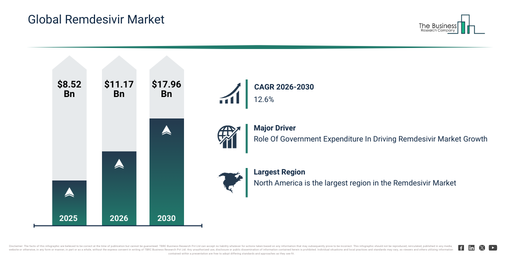
    The remdesivir market size has experienced significant expansion over recent years. It is anticipated to increase from $8.52 billion in 2025 to $11.17 billion in 2026, demonstrating a compound annual growth rate (CAGR) of 31.2%. The historical growth of this market can be attributed to the emergency use authorization of remdesivir, elevated hospitalization rates during COVID-19 peaks, limited choices for antiviral treatments, increasing public awareness of antiviral therapies, and the rapid establishment of hospital procurement channels.

    The remdesivir market is anticipated to experience substantial expansion in the coming years. This market is projected to reach $17.96 billion by 2030, exhibiting a compound annual growth rate (CAGR) of 12.6%. This expansion during the forecast period is attributable to factors such as the creation of new remdesivir formulations, wider acceptance of oral and pre-filled injectable solutions, the proliferation of telemedicine for antiviral delivery, an increase in government efforts for COVID-19 treatment, and the rise of online pharmacies and home delivery options. Key trends anticipated for the forecast period encompass an escalating demand for intravenous antiviral treatments, greater uptake of oral antiviral types, an increase in hospitalizations and intensive care needs for COVID-19, the broadening of online and physical pharmacy distribution networks, and the introduction of ready-to-administer injectable and powdered solutions.

    Get A Free Sample Report With In-Depth Market Insights:

    https://thebusinessresearchcompany.com/sample_request?id=56944995&type=smp&name=Remdesivir%20Market%20Report%202026&utm_source=Blogs&utm_medium=Paid&utm_campaign=Oct_PR

    Remdesivir Market Expansion Drivers: What’s Shaping Future Growth?

    The increasing government expenditure is expected to propel the growth of the remdesivir market going forward. Government expenditure, also known as government spending, refers to the total amount of money that a government or public sector entity allocates and disburses to finance its operations, programs, services, and projects. Government expenditure is instrumental in the growth and accessibility of Remdesivir, especially during public health crises. By providing funding, regulatory support, purchasing power, and research investments, governments can contribute to the availability and affordability of this critical antiviral medication. For instance, in April 2025, according to the American Medical Association, a US-based Professional organizations, in 2023, U.S. health spending climbed 7.5% to $4.9 trillion, or $14,570 per capita, outpacing the 4.6% increase seen in 2022. Therefore, the increasing government spending is driving the growth of the remdesivir market.

    Remdesivir Market Segment Breakdown: Which Categories Lead On Revenue?

    The remdesivir market covered in this report is segmented –

    1) By Route Of Administration: Oral, Intravenous

    2) By Dosage Form: Tablets, Frozen Solution, Lyophilized Solution

    3) By Distribution Channel: Hospitals, Clinics, Drug Stores/Pharmacies, Online, Other Distribution Channels

    Subsegments:

    1) By Oral: Tablet Formulation, Liquid Formulation

    2) By Intravenous: Ready-To-Use Injectable, Lyophilized Powder For Injection

    Remdesivir Market Leading Players And Competitive Positioning

    Major companies operating in the remdesivir market are Gilead Sciences Inc., BrightGene Bio-Medical Technology Co Ltd, Hainan Haiyao Co. Ltd., Sichuan Kelun Pharmaceutical Co. Ltd., Hunan Warrant Pharmaceutical, Cipla Limited, Dr Reddy’s Laboratories Ltd., Shenzhen BORUI Pharmaceutical Technology Co. Ltd., Hetero Labs Limited, Mylan N.V., Zydus Cadila Health Care Limited, Syngene International Limited, Sun Pharmaceutical Industries Ltd., Aurobindo Pharma Limited, Teva Pharmaceutical Industries, Ferozsons Laboratories Limited, Jubilant Life Sciences, Laurus Labs, Macleods Pharmaceuticals, Natco Pharma, Sandoz Group AG, Strides Pharma Science Limited, Torrent Pharmaceuticals, Beximco Pharmaceuticals Ltd., Fresenius Kabi, Gland Pharma Limited, Hikma Pharmaceuticals, Lark Laboratories

    View The Full Remdesivir Market Report:

    https://thebusinessresearchcompany.com/report/Remdesivir-global-market-report?utm_source=Blogs&utm_medium=Paid&utm_campaign=Oct_PR

    Remdesivir Market Largest Region By Revenue And Market Share

    North America was the largest region in the remdesivir market in 2025. Middle East is expected to be the fastest growing region in the remdesivir market report during the forecast period. The regions covered in the remdesivir market report are Asia-Pacific, South East Asia, Western Europe, Eastern Europe, North America, South America, Middle East, Africa.

    Reach Out To Our Team:

    The Business Research Company: https://www.thebusinessresearchcompany.com/

    Americas: +1 310-496-7795

    Asia: +44 7882 955267 & +91 8897263534

    Europe: +44 7882 955267

    Email us at: marketing@tbrc.info

    Follow us on:

    LinkedIn: https://in.linkedin.com/company/the-business-research-company

    YouTube: https://www.youtube.com/channel/UC24_fI0rV8cR5DxlCpgmyFQ

    Global Market Model: https://www.thebusinessresearchcompany.com/global-market-model

  • Regenerative Medicine For Cartilage Market Analysis 2026: Market Size, Growth Trends And Industry Outlook

    Regenerative Medicine For Cartilage Market Analysis 2026: Market Size, Growth Trends And Industry Outlook

    Built to provide research that’s more actionable and strategically valuable, The Business Research Company’s 2026 market reports include market attractiveness analysis, total addressable market sizing, company benchmarking matrices, interactive Excel dashboards, broader supply chain intelligence, emerging startup tracking, and in-depth product insights.

    Regenerative Medicine For Cartilage Market Size Outlook: How Quickly Will Revenue Expand Through 2030?

    The regenerative medicine for cartilage market has experienced significant growth in recent years. Its expansion is projected to continue, with the market increasing from $4.68 billion in 2025 to $4.96 billion in 2026, reflecting a compound annual growth rate (CAGR) of 6.1%. The consistent growth observed in previous periods can be attributed to several factors, including the increasing occurrence of knee osteoarthritis, a rise in sports-related cartilage injuries, the limitations associated with conventional pain management strategies, a growing number of orthopedic surgical procedures, and the early adoption of autologous chondrocyte implantation.

    The regenerative medicine for cartilage market is expected to demonstrate significant growth over the next few years. It is predicted to expand to $6.33 billion in 2030 at a compound annual growth rate (CAGR) of 6.3%. This anticipated growth during the forecast period can be attributed to several factors such as progress in regenerative biologics, the expanding elderly population, an increasing desire for joint preservation therapies, the proliferation of outpatient surgical centers, and improved reimbursement for regenerative treatments. Key trends identified for this period include the wider implementation of autologous chondrocyte implantation procedures, a growing adoption of minimally invasive cartilage repair surgeries, increasing clinical evidence supporting stem cell-based cartilage therapies, a rising demand for long-lasting solutions for knee cartilage regeneration, and the standardization of cartilage repair protocols in orthopedic practice.

    Get A Free Sample Report With In-Depth Market Insights:

    https://thebusinessresearchcompany.com/sample_request?id=88962703&type=smp&name=Regenerative%20Medicine%20For%20Cartilage%20Market%20Report%202026&utm_source=Blogs&utm_medium=Paid&utm_campaign=Oct_PR

    Regenerative Medicine For Cartilage Market Development Factors: What’s Supporting Demand?

    The rising incidence of chronic ailments is anticipated to fuel the expansion of the regenerative medicine for cartilage market. These are health issues characterized by their long-term duration, frequently lasting throughout an individual’s life. Medical specialty bags are vital for addressing and managing chronic diseases. The widespread occurrence of chronic illnesses, especially those impacting the musculoskeletal framework, presents an advantage for the realm of regenerative medicine, encompassing regenerative medicine for cartilage. As an illustration, in June 2024, data from the National Health Service, a UK government body, indicated that 3,615,330 individuals registered with a general practitioner (GP) received a diagnosis of non-diabetic hyperglycemia or pre-diabetes (a condition with elevated blood sugar levels, not high enough to be classified as diabetes) in 2023. This represented an 18% rise from 3,065,825 cases in 2022. Consequently, the escalating incidence of chronic illnesses is stimulating the expansion of the regenerative medicine for cartilage market.

    Regenerative Medicine For Cartilage Market Segmentation: How Does The Market Break Down By Category?

    The regenerative medicine for cartilage market covered in this report is segmented –

    1) By Product: Cell Based, Gene Based, Tissue Based

    2) By End-Use: Ambulatory Surgical Centers, Hospitals And Clinics, Others

    3) By Application: Musculoskeletal, Oncology, Dental, Wound Care, Others

    Subsegments:

    1) By Cell-Based: Chondrocyte-Based Therapies, Mesenchymal Stem Cell (MSC) Therapies, Induced Pluripotent Stem Cell (iPSC) Therapies, Embryonic Stem Cell (ESC) Therapies

    2) By Gene-Based: Gene Modification Therapies, CRISPR-Based Gene Editing, Viral Vector Gene Therapies, Non-Viral Gene Therapies

    3) By Tissue-Based: Autologous Tissue Grafts, Allogeneic Tissue Grafts, Xenogeneic Tissue Grafts, Synthetic Scaffolds

    Regenerative Medicine For Cartilage Market Transformation Trends: What Innovations Are Driving Change?

    Leading companies operating within the regenerative medicine for the cartilage market are developing bioactive materials to enhance cartilage regeneration and improve treatment outcomes. These bioactive materials are designed to emulate the natural extracellular matrix, fostering cell proliferation, differentiation, and tissue repair. For instance, in August 2024, Researchers at Northwestern University, a US-based private research university, created a bioactive material that successfully regenerated high-quality hyaline cartilage in a sheep model. The biomaterial combines a bioactive peptide that binds to transforming growth factor beta-1 (TGFb-1) with chemically modified hyaluronic acid. This combination promotes the self-organization of nanoscale fibers, mimicking natural cartilage formation and boosting cellular repair processes. This material could potentially prevent knee replacements and treat degenerative diseases.

    Regenerative Medicine For Cartilage Market Competitive Overview And Top Companies

    Major companies operating in the regenerative medicine for cartilage market are Smith & Nephew plc, Integra LifeSciences, Stryker Corporation, MiMedx Group Inc., Zimmer Biomet Holdings Inc., B. Braun Melsungen AG, AbbVie, CONMED Corporation, Arthrex Inc., Baxter International Inc., China Regenerative Medicine International, ABLbio, Cellgenix GmbH, BioTissue Technologies, Corin Group, Medical Import Ltd., Orthonika, Merete, 3di GmbH, Aditus Medical GmbH, Anton Hipp GmbH, AREX SAS, Acelity L.P. Inc., StemCells Inc, Organogenesis Inc, NuVasive Inc, Japan Tissue Engineering Co. Ltd, Advantagene Inc., Mesoblast Ltd, Globus Medical, DePuy Synthes, Cryolife Inc, Johnson & Johnson, Medtronic Plc, Rti Surgical, CartiHeal Inc., DJO Global Inc., Wright Medical Group, Auxein, Aesculap Inc, AMEGA Biotech

    View The Full Regenerative Medicine For Cartilage Market Report:

    https://thebusinessresearchcompany.com/report/regenerative-medicine-for-cartilage-global-market-report?utm_source=Blogs&utm_medium=Paid&utm_campaign=Oct_PR

    Regenerative Medicine For Cartilage Market Regional Analysis And Leading Geography

    Europe was the largest region in regenerative medicine for cartilage in 2025. The regions covered in the regenerative medicine for cartilage market report are Asia-Pacific, South East Asia, Western Europe, Eastern Europe, North America, South America, Middle East, Africa.

    Reach Out To Our Team:

    The Business Research Company: https://www.thebusinessresearchcompany.com/

    Americas: +1 310-496-7795

    Asia: +44 7882 955267 & +91 8897263534

    Europe: +44 7882 955267

    Email us at: marketing@tbrc.info

    Follow us on:

    LinkedIn: https://in.linkedin.com/company/the-business-research-company

    YouTube: https://www.youtube.com/channel/UC24_fI0rV8cR5DxlCpgmyFQ

    Global Market Model: https://www.thebusinessresearchcompany.com/global-market-model