Month: October 2026

  • PCSK9 Inhibitor Market Trends Supporting 20.6% CAGR Growth Through 2030

    PCSK9 Inhibitor Market Trends Supporting 20.6% CAGR Growth Through 2030

    Backed by market attractiveness analysis, total addressable market sizing, company benchmarking matrices, interactive Excel dashboards, wider supply chain intelligence, emerging startup coverage, and detailed product-level insights, The Business Research Company’s 2026 market reports are designed to offer research that is more actionable and strategically valuable than ever.

    PCSK9 Inhibitor Market Expansion Outlook: What Revenue Opportunities Are Ahead?

    The pcsk9 inhibitor market has experienced significant expansion in recent years. This market is expected to expand from $3.24 billion in 2025 to $3.92 billion in 2026, demonstrating a compound annual growth rate (CAGR) of 21.0%. Historically, this growth was influenced by factors including the limited availability of pcsk9 inhibitors, a reliance on monoclonal antibody therapies, an increasing awareness of cardiovascular disease risks, a rise in physician prescriptions for lipid-lowering drugs, and the initial regulatory approvals for first-generation pcsk9 inhibitors.

    The pcsk9 inhibitor market is projected to experience rapid expansion in the coming years, with its size predicted to reach $8.28 billion in 2030, demonstrating a compound annual growth rate (CAGR) of 20.6%. This anticipated growth during the forecast period is primarily attributed to the launch of inclisiran and other siRNA therapies, the expansion of combination therapy options, increasing adoption of personalized medicine approaches, rising healthcare expenditure on cardiovascular disease management, and the development of digital patient monitoring and adherence programs. Major trends identified within the forecast period include the rising prevalence of hypercholesterolemia and cardiovascular diseases, increased adoption of subcutaneous and intravenous administration routes, the development of biosimilars and combination therapies, growing investment in personalized lipid-lowering treatments, and the expansion of specialty clinics and hospital-based pcsk9 therapy programs.

    Get A Free Sample Report With In-Depth Market Insights:

    https://thebusinessresearchcompany.com/sample_request?id=31418740&type=smp&name=PCSK9%20Inhibitor%20Market%20Report%202026&utm_source=Blogs&utm_medium=Paid&utm_campaign=Oct_PR

    PCSK9 Inhibitor Market Growth Backed By Core Demand Fundamentals

    The projected expansion of the PCSK9 inhibitor market is anticipated to be driven by the rising prevalence of hyperlipidemia. This condition, hyperlipidemia, is defined by elevated levels of lipids, including cholesterol and triglycerides, in the bloodstream, which increases the likelihood of cardiovascular diseases. The growth in hyperlipidemia cases is linked to aging populations, as cholesterol concentrations tend to rise notably with age, particularly after 45 years. PCSK9 inhibitors aid in managing hyperlipidemia by improving the liver’s efficiency in removing excess LDL cholesterol from the bloodstream, thereby leading to enhanced lipid profiles. For instance, in December 2023, the Australian Bureau of Statistics, an Australia-based government agency, reported that high cholesterol rates escalate sharply from 1.1% in individuals aged 18–34 to 29.0% in those 75 and older. Therefore, the increasing prevalence of hyperlipidemia is a key driver for the growth of the PCSK9 inhibitor market.

    PCSK9 Inhibitor Market Segmentation And Category Overview

    The pcsk9 inhibitor market covered in this report is segmented –

    1) By Drug Type: Alirocumab, Evolocumab, Inclisiran, Bococizumab, Other Types

    2) By Route of Administration: Oral, Subcutaneous Injection, Intravenous Injection

    3) By Modality: Fully-Humanized Monoclonal Antibodies, Small Interfering RNA (siRNA)

    4) By Application: Hypercholesterolemia, Hyperlipidemia, Cardiovascular Disease Prevention, Familial Hypercholesterolemia

    5) By Sales Channel: Hospitals, Specialty Clinics, Retail Pharmacies, Online Pharmacies

    Subsegments:

    1) By Alirocumab: Dosage Forms, Indications, Administration Frequency

    2) By Evolocumab: Dosage Forms, Indications, Administration Frequency

    3) By Inclisiran: Dosage Forms, Indications, Dosing Schedule

    4) By Bococizumab: Dosage Forms, Indications, Development Status

    5) By Other Types: Emerging PCSK9 Inhibitors, Combination Therapies, Biosimilars Or Generics

    PCSK9 Inhibitor Market Growth Trends Reshaping The Competitive Landscape

    Major companies operating in the PCSK9 inhibitor market are concentrating on developing innovative solutions, such as in vivo gene therapy, to create long-lasting or one-time treatments that permanently lower LDL cholesterol levels in patients with high cardiovascular risk. In vivo gene therapy involves the direct delivery of genetic material into a patient’s body to modify or replace faulty genes within targeted cells, enabling therapeutic effects at the source of disease. For instance, in April 2025, Verve Therapeutics Inc., a US-based clinical-stage company, announced early results from its Heart-2 Phase 1b trial of VERVE-102. This study targets patients with heterozygous familial hypercholesterolemia (HeFH) and premature coronary artery disease (CAD), conditions requiring significant and lasting LDL cholesterol reductions. A single dose of VERVE-102 caused dose-dependent declines in both PCSK9 protein and LDL-C levels. In the 0.6 mg/kg group, participants experienced an average low-density lipoprotein cholesterol drop of 53%, with some reaching a maximum reduction of 69%. These findings highlight VERVE-102’s potential as a powerful cholesterol-lowering therapy.

    PCSK9 Inhibitor Market Competitive Analysis Of Leading Industry Participants

    Major companies operating in the pcsk9 inhibitor market are Sanofi S.A, Novartis AG, Amgen Inc., Regeneron Pharmaceuticals Inc., Alnylam Pharmaceuticals Inc., Ionis Pharmaceuticals Inc., Innovent Biologics Inc., Shanghai Junshi Biosciences Co. Ltd., Akeso Inc., Verve Therapeutics Inc., LIB Therapeutics LLC, Vaxxinity Inc., Jiangsu Hengrui Pharmaceuticals Co. Ltd., Shenyang Xinlitai Pharmaceutical Co. Ltd.

    View The Full PCSK9 Inhibitor Market Report:

    https://thebusinessresearchcompany.com/report/pcsk9-inhibitor-global-market-report?utm_source=Blogs&utm_medium=Paid&utm_campaign=Oct_PR

    PCSK9 Inhibitor Market Geographic Spread And Regional Opportunities

    North America was the largest region in the PCSK9 inhibitor market in 2025. Asia-Pacific is expected to be the fastest-growing region in the forecast period. The regions covered in the pcsk9 inhibitor market report are Asia-Pacific, South East Asia, Western Europe, Eastern Europe, North America, South America, Middle East, Africa.

    Reach Out To Our Team:

    The Business Research Company: https://www.thebusinessresearchcompany.com/

    Americas: +1 310-496-7795

    Asia: +44 7882 955267 & +91 8897263534

    Europe: +44 7882 955267

    Email us at: marketing@tbrc.info

    Follow us on:

    LinkedIn: https://in.linkedin.com/company/the-business-research-company

    YouTube: https://www.youtube.com/channel/UC24_fI0rV8cR5DxlCpgmyFQ

    Global Market Model: https://www.thebusinessresearchcompany.com/global-market-model
  • Parenteral Nutrition Market Forecast Highlights A $9.49 Billion Opportunity For Industry Participants

    Parenteral Nutrition Market Forecast Highlights A $9.49 Billion Opportunity For Industry Participants

    Featuring market attractiveness scoring, total addressable market sizing, company benchmarking matrices, interactive Excel dashboards, deeper supply chain intelligence, emerging startup tracking, and granular product-level insights, The Business Research Company’s 2026 market reports are built to deliver research that is both more actionable and more strategically valuable.

    Parenteral Nutrition Market Growth Potential: How Will Market Size Shift Through 2030?

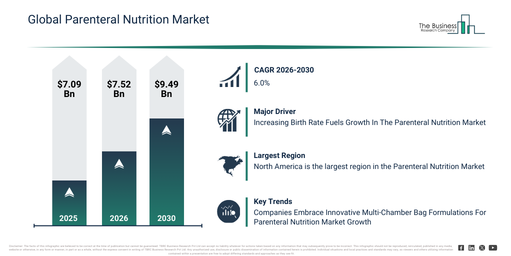
    The parenteral nutrition market size has experienced strong growth in recent years. It is anticipated to increase from $7.09 billion in 2025 to $7.52 billion in 2026, achieving a compound annual growth rate (CAGR) of 6.1%. The expansion observed in the historical period can be linked to the increasing incidence of malnutrition, a rise in hospital admissions, insufficient awareness about parenteral nutrition, restricted homecare adoption, and the escalating demand for critical care nutrition.

    The parenteral nutrition market is projected to experience substantial expansion in the coming years. It is anticipated to reach $9.49 billion by 2030, exhibiting a compound annual growth rate (CAGR) of 6.0%. This growth during the forecast period can be linked to factors such as an increasing elderly population, the broadening of home healthcare provisions, advancements in nutrient compositions, governmental backing for nutrition initiatives, and the incorporation of digital monitoring into PN treatment. Key trends expected over the forecast period encompass sophisticated nutrient formulations, the proliferation of home parenteral nutrition, individualized nutrition therapy, less invasive administration tools, and improvements in regulatory adherence and safety.

    Get A Free Sample Report With In-Depth Market Insights:

    https://thebusinessresearchcompany.com/sample_request?id=44765522&type=smp&name=Parenteral%20Nutrition%20Market%20Report%202026&utm_source=Blogs&utm_medium=Paid&utm_campaign=Oct_PR

    Parenteral Nutrition Market Growth Catalysts And Demand Drivers

    The expansion of the parenteral nutrition market is anticipated to be spurred by the rising birth rate, which denotes the yearly count of live births per 1,000 individuals within the general population. An increase in both birth rates and fertility rates serves as a key indicator of a heightened risk of malnutrition among women of childbearing age and new mothers, thereby boosting the need for parenteral nutrition. As an illustration, in July 2025, data from the Office for National Statistics Census, a UK-based government agency, revealed that England and Wales registered 594,677 live births in 2024. This represented an increase of 3,605 births (0.6%) when compared to the 591,072 live births recorded in 2023, thus reaffirming the role of increasing birth rates in driving the parenteral nutrition market’s growth.

    Parenteral Nutrition Market Segment Outlook: Which Categories Are Growing Fastest?

    The parenteral nutrition market covered in this report is segmented –

    1) By Composition: Amino Acids, Fats, Carbohydrates, Trace Elements, Vitamins, Minerals, Other Compositions

    2) By Consumer Type: Children and New-born, Adults

    3) By End-User: Hospitals, Clinics, Homecare, Other End Users

    Subsegments:

    1) By Amino Acids: Essential Amino Acids, Non-Essential Amino Acids, Specialized Amino Acid Solutions

    2) By Fats: Lipid Emulsions (Soybean Oil, Olive Oil), Fish Oil-Based Lipid Emulsions, Medium-Chain Triglycerides (MCTs)

    3) By Carbohydrates: Dextrose Solutions, Maltodextrin, Fructose

    4) By Trace Elements: Zinc, Copper, Selenium, Manganese

    5) By Vitamins: Water-Soluble Vitamins (B-complex, Vitamin C), Fat-Soluble Vitamins (A, D, E, K)

    6) By Minerals: Electrolytes (Sodium, Potassium, Calcium, Magnesium), Phosphorus

    7) By Other Compositions: Antioxidants, Additives, Specialty Nutrients

    Parenteral Nutrition Market Trends Shaping Long-Term Demand

    Leading companies in the parenteral nutrition market are focusing on developing innovative formulations, such as high-calorie amino acid, glucose, electrolyte, fat, and multivitamin injections, to enhance nutritional support for individuals with chronic conditions. These specific injections are intravenous formulations that provide comprehensive macronutrient and micronutrient support for patients unable to meet their nutritional needs orally or enterally. For instance, in November 2024, Otsuka Pharmaceutical Factory, a Japan-based pharmaceutical company, launched KIDPAREN Injection, which is designed for high-calorie parenteral nutrition in patients with chronic kidney disease. This formulation aims to improve patient care by delivering extensive nutrient support, optimizing energy intake, and assisting overall metabolic requirements in the management of chronic kidney disease.

    Parenteral Nutrition Market Leading Companies And Competitive Benchmarking

    Major companies operating in the parenteral nutrition market are Fresenius Kabi, Baxter International Inc., B. Braun Melsungen AG, ICU Medical Inc., Otsuka Pharmaceutical Co Ltd, Claris Lifesciences Limited, Sichuan Kelun Pharmaceutical Co Ltd, JW Pharmaceuticals, Aculife Healthcare Pvt Ltd, Aspen Pharmacare, Ajinomoto Co Inc, Braun Medical Inc, Laboratoires Aguettant, AnazaoHealth Corporation, Baxter Healthcare Corporation, Sichuan Pharmaceutical Co, Calea UK, Meiji Holdings Co Ltd, United Pharmaceuticals, BioScrip Inc.

    View The Full Parenteral Nutrition Market Report:

    https://thebusinessresearchcompany.com/report/parenteral-nutrition-global-market-report?utm_source=Blogs&utm_medium=Paid&utm_campaign=Oct_PR

    Parenteral Nutrition Market Top Region By Revenue And Market Share

    North America was the largest region in the parenteral nutrition market in 2025. Asia-Pacific is expected to be the fastest-growing region in the forecast period. The regions covered in the parenteral nutrition market report are Asia-Pacific, South East Asia, Western Europe, Eastern Europe, North America, South America, Middle East, Africa.

    Reach Out To Our Team:

    The Business Research Company: https://www.thebusinessresearchcompany.com/

    Americas: +1 310-496-7795

    Asia: +44 7882 955267 & +91 8897263534

    Europe: +44 7882 955267

    Email us at: marketing@tbrc.info

    Follow us on:

    LinkedIn: https://in.linkedin.com/company/the-business-research-company

    YouTube: https://www.youtube.com/channel/UC24_fI0rV8cR5DxlCpgmyFQ

    Global Market Model: https://www.thebusinessresearchcompany.com/global-market-model

  • Parathyroid Hormone Market Analysis: How The Industry Is Evolving Toward A $4.39 Billion Future

    Parathyroid Hormone Market Analysis: How The Industry Is Evolving Toward A $4.39 Billion Future

    Built to provide research that’s more actionable and strategically valuable, The Business Research Company’s 2026 market reports include market attractiveness analysis, total addressable market sizing, company benchmarking matrices, interactive Excel dashboards, broader supply chain intelligence, emerging startup tracking, and in-depth product insights.

    Parathyroid Hormone Market Value Analysis: What Growth Lies Ahead Over The Forecast Period?

    The parathyroid hormone market size has seen rapid expansion in recent years. It is anticipated to increase from $2.51 billion in 2025 to $2.8 billion in 2026, maintaining a compound annual growth rate (CAGR) of 11.5%. Historically, this expansion has been influenced by factors such as the restricted access to recombinant parathyroid hormone, limited patient awareness of the disease, a reliance on conventional vitamin D therapy, the development of hospital and clinic infrastructure, and an increase in post-surgical parathyroid complications.

    The parathyroid hormone market is anticipated to undergo substantial expansion in the coming years, with its size projected to reach $4.4 billion in 2030, demonstrating a compound annual growth rate (CAGR) of 11.9%. This projected increase is attributed to factors such as the development of advanced parathyroid hormone analogues, the rising adoption of personalized medicine approaches, the expansion of hospital and specialty clinics, the integration of digital patient monitoring tools, and increasing government and healthcare initiatives aimed at addressing hypocalcemia and hypoparathyroidism. Key trends expected in the forecast period include a growing incidence of hypocalcemia and hypoparathyroidism, an increasing utilization of recombinant parathyroid hormone therapies, the growth in parathyroid hormone analogues for personalized treatment, the expansion of hospital and clinic-based parathyroid care programs, and a greater focus on post-surgical management and vitamin D supplementation.

    Get A Free Sample Report With In-Depth Market Insights:

    https://thebusinessresearchcompany.com/sample_request?id=91084685&type=smp&name=Parathyroid%20Hormone%20Market%20Report%202026&utm_source=Blogs&utm_medium=Paid&utm_campaign=Oct_PR

    Parathyroid Hormone Market Opportunity Drivers: What’s Unlocking New Revenue Potential?

    The parathyroid hormone market is anticipated to expand due to the rising number of older adults. This demographic, generally defined as individuals 65 years and above, often faces age-associated health issues necessitating specific care and assistance. Factors contributing to this demographic change include longer life expectancies, advancements in healthcare, and reduced birth rates, leading to a larger segment of elderly people within the population. For older adults, parathyroid hormone plays a crucial role in managing calcium levels and bone metabolism, thereby aiding in the prevention of osteoporosis and fractures, conditions prevalent among this age group. As an illustration, in January 2024, data from the Population Reference Bureau, a US-based nonprofit organization, indicated that the American population aged 65 and above is projected to increase from 58 million in 2022 to 82 million by 2050, representing a 47% increase. Concurrently, this group’s proportion of the total population is also foreseen to climb from 17% to 23% over the identical timeframe. Consequently, the expanding geriatric population is a key factor propelling the expansion of the parathyroid hormone market.

    Parathyroid Hormone Market Segment Landscape: Which Areas Lead Development?

    The parathyroid hormone market covered in this report is segmented –

    1) By Disease Type: Hypocalcemia, Hypoparathyroidism

    2) By Product Type: Recombinant Parathyroid Hormone, Parathyroid Hormone Analogues

    3) By End-User: Hospitals, Clinics, Other End-Users

    Subsegments:

    1) By Hypocalcemia: Pseudohypoparathyroidism, Vitamin D Deficiency

    2) By Hypoparathyroidism: Post-Surgical Hypoparathyroidism, Idiopathic Hypoparathyroidism

    Parathyroid Hormone Market Innovation Trends Shaping Future Development

    Leading companies within the parathyroid hormone market are concentrating on creating biosimilar versions of parathyroid-derived medications, including prodrugs of parathyroid hormone (PTH), to improve available therapies. A prodrug of parathyroid hormone (PTH) functions as an inactive substance that converts into active parathyroid hormone once administered, providing extended release and consistent therapeutic effects for both calcium management and bone integrity. As an illustration, in August 2024, Ascendis Pharma A/S, a biopharmaceutical firm headquartered in Denmark, declared that the Food & Drug Administration (FDA) had given its approval to YORVIPATH (palopegteriparatide), marking it as the inaugural and sole therapy for adult hypoparathyroidism. This prodrug, taken once daily, guarantees ongoing exposure to PTH, proving advantageous for approximately 70,000 to 90,000 patients across the United States. Ascendis Pharma, responsible for its production, offers patient assistance via its ascendis signature access program (A.S.A.P.) program; however, individuals using it are required to routinely check their serum calcium levels to detect possible hypercalcemia or hypocalcemia.

    Parathyroid Hormone Market Industry Leaders And Competitive Landscape

    Major companies operating in the parathyroid hormone market are Pfizer Inc., Eli Lilly and Company, Radius Health Inc., Ascendis Pharma, Entera Bio Ltd., Extend Biosciences Inc., Gedeon Richter Plc., Abbott Laboratories, Amgen Inc., Merck & Co. Inc., Novartis AG, F. Hoffmann-La Roche AG, Teva Pharmaceutical Industries Ltd., Alcon Laboratories Inc., Bayer Healthcare, AstraZeneca PLC, Biocon, Dr. Reddy’s Laboratories, Glenmark Pharmaceuticals, Jubilant Life Sciences, Lupin Limited, Sun Pharmaceutical Industries, Torrent Pharmaceuticals, Wockhardt, Cipla Limited

    View The Full Parathyroid Hormone Market Report:

    https://thebusinessresearchcompany.com/report/Parathyroid-Hormones-global-market-report?utm_source=Blogs&utm_medium=Paid&utm_campaign=Oct_PR

    Parathyroid Hormone Market Regional Analysis And Top Geography

    North America was the largest region in the parathyroid hormone market in 2025. The Middle East is expected to be the fastest-growing region in the global parathyroid hormone market share during the forecast period. The regions covered in the parathyroid hormone market report are Asia-Pacific, South East Asia, Western Europe, Eastern Europe, North America, South America, Middle East, Africa.

    Reach Out To Our Team:

    The Business Research Company: https://www.thebusinessresearchcompany.com/

    Americas: +1 310-496-7795

    Asia: +44 7882 955267 & +91 8897263534

    Europe: +44 7882 955267

    Email us at: marketing@tbrc.info

    Follow us on:

    LinkedIn: https://in.linkedin.com/company/the-business-research-company

    YouTube: https://www.youtube.com/channel/UC24_fI0rV8cR5DxlCpgmyFQ

    Global Market Model: https://www.thebusinessresearchcompany.com/global-market-model
  • Parathyroid Disease Treatment Market Outlook Through 2030: Understanding The Growth Opportunity

    Parathyroid Disease Treatment Market Outlook Through 2030: Understanding The Growth Opportunity

    Backed by market attractiveness analysis, total addressable market sizing, company benchmarking matrices, interactive Excel dashboards, wider supply chain intelligence, emerging startup coverage, and detailed product-level insights, The Business Research Company’s 2026 market reports are designed to offer research that is more actionable and strategically valuable than ever.

    Parathyroid Disease Treatment Market Size Forecast: How Big Could The Market Get By 2030?

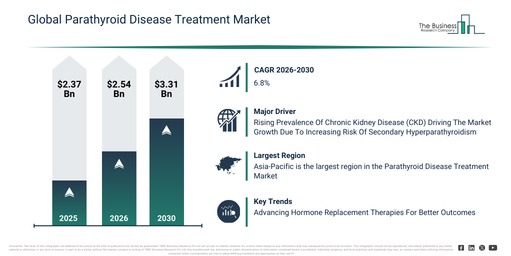
    The parathyroid disease treatment market size has demonstrated robust growth in recent years. It is projected to increase from $2.37 billion in 2025 to $2.54 billion in 2026, at a compound annual growth rate (CAGR) of 7.2%. The historical growth of this market can be attributed to factors such as the rising prevalence of hyperparathyroidism, limited awareness of parathyroid disorders, a dependence on conventional hormone replacement therapy, a lack of advanced surgical interventions, and constrained hospital pharmacy infrastructure.

    The parathyroid disease treatment market is projected to experience substantial expansion in the coming years. This market is anticipated to reach a valuation of $3.31 billion by 2030, demonstrating a compound annual growth rate (CAGR) of 6.8%. The expansion over the forecast period can be attributed to several factors, including the rising demand for calcimimetics and bisphosphonates, enhancements in parathyroid imaging and diagnostics, the development of homecare and telemedicine options, regulatory backing for precision medicine, and the proliferation of specialty centers focusing on endocrine disorders. Key trends projected for this period encompass a greater uptake of calcimimetics and bisphosphonates, an increasing preference for parenteral administration over oral methods in severe conditions, an expansion of hospital and specialized care environments, an intensified focus on customized hormone replacement therapies, and the incorporation of lifestyle and nutritional strategies into treatment protocols.

    Get A Free Sample Report With In-Depth Market Insights:

    https://thebusinessresearchcompany.com/sample_request?id=11492899&type=smp&name=Parathyroid%20Disease%20Treatment%20Market%20Report%202026&utm_source=Blogs&utm_medium=Paid&utm_campaign=Oct_PR

    Parathyroid Disease Treatment Market Growth Momentum: What Factors Are Shaping Demand?

    The increasing occurrence of chronic kidney disease (CKD) is anticipated to drive expansion in the parathyroid disease treatment market in the future. CKD represents a prolonged ailment characterized by the progressive decline of kidney function, resulting in mineral imbalances, particularly concerning calcium and phosphorus. The growing prevalence of chronic kidney disease (CKD) stems primarily from the rising incidence of diabetes, given that consistently elevated blood sugar levels can progressively harm the kidney’s filtering structures, culminating in diabetic nephropathy. Treatment for parathyroid disease plays a crucial role in the management of chronic kidney disease (CKD) through its focus on secondary hyperparathyroidism, which is a common complication in advanced CKD, causing disturbances in calcium and phosphorus equilibrium, fostering bone disease, and encouraging vascular calcification. For example, as reported in May 2024 by the Centers for Disease Control and Prevention (CDC), a US-based government public health agency, an estimated 35.5 million people, or roughly 14% of adults in the US (more than one in seven), were affected by chronic kidney disease in 2023, with nearly 90% of these individuals unaware of their condition. Consequently, the increasing prevalence of chronic kidney disease is propelling the expansion of the parathyroid disease treatment market.

    Parathyroid Disease Treatment Market Segments: Where Is Growth Concentrated?

    The parathyroid disease treatment market covered in this report is segmented –

    1) By Treatment: Calcimimetics, Bisphosphonates, Plicamycin, Hormone Replacement Therapy, Other Treatments

    2) By Route Of Administration: Oral, Parenteral

    3) By Distribution Channel: Hospital Pharmacy, Online Pharmacy, Retail Pharmacy

    4) By End-Users: Hospitals, Homecare, Specialty Centers, Other End-Users

    Subsegments:

    1) By Calcimimetics: Cinacalcet, Etelcalcetide

    2) By Bisphosphonates: Alendronate, Ibandronate, Risedronate, Zoledronic Acid

    3) By Plicamycin: Mithramycin (Plicamycin) Monotherapy, Combination Therapies Involving Plicamycin

    4) By Hormone Replacement Therapy: Estrogen Therapy, Progesterone Therapy, Combined Hormonal Therapies, Selective Estrogen Receptor Modulators (SERMs)

    5) By Other Treatments: Parathyroid Hormone (PTH) Analogues, Surgery (Parathyroidectomy), Dietary Supplements, Lifestyle And Nutritional Interventions

    Parathyroid Disease Treatment Market Trends Redefining Industry Growth

    Major companies operating in the parathyroid disease treatment market are concentrating on developing innovative products, such as parathyroid hormone prodrugs, to improve calcium regulation and lessen dosing frequency for patients with hypoparathyroidism. Parathyroid hormone (PTH) prodrugs are inactive compounds that convert into active PTH within the body to balance calcium and phosphate levels. For instance, in August 2024, Ascendis Pharma A/S, a Denmark-based biopharmaceutical company, gained US Food and Drug Administration (FDA) approval for YORVIPATH (palopegteriparatide), a prodrug of parathyroid hormone (PTH[1-34]) for treating chronic hypoparathyroidism in adults. This once-daily therapy offers continuous parathyroid hormone exposure over 24 hours, serving as an alternative to typical calcium and vitamin D supplementation by directly addressing the underlying hormone deficiency. The approval of YORVIPATH emphasizes the rising importance of advanced hormone replacement therapies focused on improving treatment adherence and providing enhanced clinical outcomes for individuals with parathyroid disorders.

    Parathyroid Disease Treatment Market Key Participants And Competitive Landscape

    Major companies operating in the parathyroid disease treatment market are AstraZeneca PLC, Amgen Inc., Kyowa Kirin Co. Ltd., OPKO Health Inc., Septerna Inc., Entera Bio Ltd., Visen Pharmaceuticals (Shanghai) Co. Ltd., Ascendis Pharma A/S, Aeterna Zentaris Inc., MBX Biosciences Inc., Crinetics Pharmaceuticals Inc., Vidasym Inc., Rani Therapeutics LLC, Pathalys Pharma Inc.

    View The Full Parathyroid Disease Treatment Market Report:

    https://thebusinessresearchcompany.com/report/parathyroid-disease-treatment-global-market-report?utm_source=Blogs&utm_medium=Paid&utm_campaign=Oct_PR

    Parathyroid Disease Treatment Market Geographic Analysis: Where Is Demand Rising Fastest?

    Asia-Pacific was the largest region in the parathyroid disease treatment market in 2025. The regions covered in the parathyroid disease treatment market report are Asia-Pacific, South East Asia, Western Europe, Eastern Europe, North America, South America, Middle East, Africa.

    Reach Out To Our Team:

    The Business Research Company: https://www.thebusinessresearchcompany.com/

    Americas: +1 310-496-7795

    Asia: +44 7882 955267 & +91 8897263534

    Europe: +44 7882 955267

    Email us at: marketing@tbrc.info

    Follow us on:

    LinkedIn: https://in.linkedin.com/company/the-business-research-company

    YouTube: https://www.youtube.com/channel/UC24_fI0rV8cR5DxlCpgmyFQ

    Global Market Model: https://www.thebusinessresearchcompany.com/global-market-model

  • Pancreatic Cancer Precision Medicine Market Growth Potential: What The Latest Forecast Reveals

    Pancreatic Cancer Precision Medicine Market Growth Potential: What The Latest Forecast Reveals

    Featuring market attractiveness scoring, total addressable market sizing, company benchmarking matrices, interactive Excel dashboards, deeper supply chain intelligence, emerging startup tracking, and granular product-level insights, The Business Research Company’s 2026 market reports are built to deliver research that is both more actionable and more strategically valuable.

    Pancreatic Cancer Precision Medicine Market Revenue Outlook: What CAGR Lies Ahead Through 2030?

    The pancreatic cancer precision medicine market has seen substantial growth in recent years. This market is set to increase from $0.58 billion in 2025 to $0.67 billion in 2026, exhibiting a compound annual growth rate (CAGR) of 16.7%. The expansion observed historically can be ascribed to several factors, including poor survival rates with conventional therapies, progress in cancer genomics, a rise in pancreatic cancer incidence, greater investment in oncology research funding, and the initial positive results of targeted therapies.

    The pancreatic cancer precision medicine market size is projected to experience substantial growth in the coming years, reaching $1.24 billion in 2030 at a compound annual growth rate (CAGR) of 16.6%. This expansion during the forecast period is propelled by factors such as increased uptake of precision oncology, heightened investment in pancreatic cancer research, improvements in diagnostic technologies, the broadening of immunotherapy product pipelines, and a greater reliance on companion diagnostics. Key developments anticipated during this timeframe involve an elevated application of genomic and molecular profiling, wider acceptance of biomarker-based treatments, the proliferation of combined targeted and immunotherapy approaches, an uptick in the utilization of liquid biopsy diagnostics, and an intensified emphasis on individualized treatment strategies.

    Get A Free Sample Report With In-Depth Market Insights:

    https://thebusinessresearchcompany.com/sample_request?id=41327368&type=smp&name=Pancreatic%20Cancer%20Precision%20Medicine%20Market%20Report%202026&utm_source=Blogs&utm_medium=Paid&utm_campaign=Oct_PR

    Pancreatic Cancer Precision Medicine Market Expansion Drivers: What’s Shaping Future Growth?

    The increasing occurrence of pancreatic cancer is anticipated to fuel the expansion of the pancreatic cancer precision medicine market in the future. Pancreatic cancer refers to a malignancy originating in the pancreas, an organ vital for digestive processes and maintaining blood sugar levels. The incidence of pancreatic cancer is increasing, attributed to an aging global population and the growing presence of risk factors like obesity, diabetes, and smoking. Precision medicine for pancreatic cancer improves how the disease is managed by providing customized treatment strategies derived from genetic and molecular data. This approach leads to more effective treatments and fewer adverse effects, establishing it as a vital instrument for more efficient pancreatic cancer management. For example, Cancer Australia, an Australia-based government agency, reported in February 2025 that new pancreatic cancer cases reached 4,641 in 2024 (comprising 2,414 in males and 2,227 in females), indicating an uptick from 3,968 cases in 2023. Consequently, the escalating prevalence of pancreatic cancer is serving as a primary catalyst for the expansion of the pancreatic cancer precision medicine market.

    Pancreatic Cancer Precision Medicine Market Segment Analysis: What Are The Core Market Categories?

    The pancreatic cancer precision medicine market covered in this report is segmented –

    1) By Therapeutic Approach: Targeted Therapy, Immunotherapy, Chemotherapy-Precision Combinations, Other Therapeutic Approaches

    2) By Diagnostic Technology: Genomic Testing, Molecular Diagnostics, Liquid Biopsy, Biomarker-Based Companion Diagnostics, Other Diagnostic Technologies

    3) By Application: Hospitals, Specialty Clinics, Academic And Research Institutes, Diagnostic Centers

    Subsegments:

    1) By Targeted Therapy: Kinase Inhibitors, PARP Inhibitors

    2) By Immunotherapy: Immune Checkpoint Inhibitors, Cancer Vaccines, Adoptive Cell Therapy

    3) By Chemotherapy-Precision Combinations: Gemcitabine-Based Combinations, Fluorouracil-Based Combinations, Nab-Paclitaxel-Based Combinations

    4) By Other Therapeutic Approaches: RNA-Based Therapies, Epigenetic Modulators, Antibody-Drug Conjugates (ADCs)

    Pancreatic Cancer Precision Medicine Market Strategic Trends: What Defines The Next Growth Phase?

    Leading companies in the pancreatic cancer precision medicine market are concentrating on developing sophisticated technologies, including precision medical tools, to improve early detection, facilitate accurate tumor profiling, and enhance personalized treatment strategies for better patient outcomes. A precision medical tool represents a specialized device designed to accurately diagnose and treat illnesses based on an individual’s unique biological characteristics. For instance, in January 2024, Cedars-Sinai, a US-based hospital and healthcare company, unveiled its molecular twin precision oncology platform, a precision medical tool aimed at more accurately predicting pancreatic cancer survival by identifying crucial biomarkers. The platform’s considerable potential lies in guiding treatment decisions, even in regions with constrained resources, by utilizing blood and tissue samples from 74 patients with pancreatic ductal adenocarcinoma to provide a more precise and accessible strategy for precision oncology.

    Pancreatic Cancer Precision Medicine Market Top Companies Driving Competitive Growth

    Major companies operating in the pancreatic cancer precision medicine market are Pfizer Inc., F. Hoffmann-La Roche Ltd., Merck & Co. Inc., Bristol-Myers Squibb Company, AstraZeneca Plc, Novartis AG, Amgen Inc., Eli Lilly and Company, Genentech Inc., Ipsen Pharma, Bayer AG, Thermo Fisher Scientific Inc., Illumina Inc., Guardant Health, Foundation Medicine Inc., Oncolytics Biotech Inc., Erytech Pharma, PharmaCyte Biotech Inc., Celgene Corporation, Natera Inc.

    View The Full Pancreatic Cancer Precision Medicine Market Report:

    https://thebusinessresearchcompany.com/report/pancreatic-cancer-precision-medicine-global-market-report?utm_source=Blogs&utm_medium=Paid&utm_campaign=Oct_PR

    Pancreatic Cancer Precision Medicine Market Global Footprint: Which Region Leads The Market?

    North America was the largest region in the pancreatic cancer precision medicine market in 2025. Asia-Pacific is expected to be the fastest-growing region in the forecast period. The regions covered in the pancreatic cancer precision medicine market report are Asia-Pacific, South East Asia, Western Europe, Eastern Europe, North America, South America, Middle East, Africa.

    Reach Out To Our Team:

    The Business Research Company: https://www.thebusinessresearchcompany.com/

    Americas: +1 310-496-7795

    Asia: +44 7882 955267 & +91 8897263534

    Europe: +44 7882 955267

    Email us at: marketing@tbrc.info

    Follow us on:

    LinkedIn: https://in.linkedin.com/company/the-business-research-company

    YouTube: https://www.youtube.com/channel/UC24_fI0rV8cR5DxlCpgmyFQ

    Global Market Model: https://www.thebusinessresearchcompany.com/global-market-model
  • Pancreatic Cancer Drugs Market Growth Outlook: Why Analysts Expect Continued Expansion

    Pancreatic Cancer Drugs Market Growth Outlook: Why Analysts Expect Continued Expansion

    Built to provide research that’s more actionable and strategically valuable, The Business Research Company’s 2026 market reports include market attractiveness analysis, total addressable market sizing, company benchmarking matrices, interactive Excel dashboards, broader supply chain intelligence, emerging startup tracking, and in-depth product insights.

    Pancreatic Cancer Drugs Market Growth Analysis: How Will Revenue Trend Over The Forecast Period?

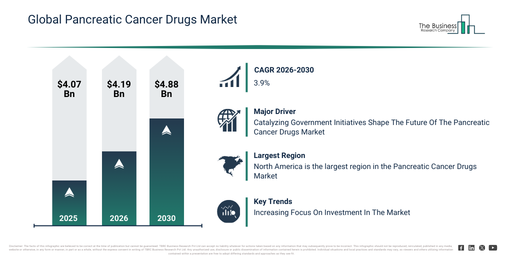
    The pancreatic cancer drugs market size has shown steady expansion in recent years. It is anticipated to grow from $4.07 billion in 2025 to $4.19 billion in 2026, exhibiting a compound annual growth rate (CAGR) of 3.0%. The growth observed in the past can be attributed to the increasing incidence of pancreatic cancer, the limited available treatment options, advancements in chemotherapy, rising awareness concerning pancreatic cancer, and the expansion of hospital infrastructure.

    The pancreatic cancer drugs market is projected to experience consistent expansion over the upcoming years. It will grow to $4.88 billion in 2030 at a compound annual growth rate (CAGR) of 3.9%. This anticipated increase during the forecast period is primarily driven by advancements in targeted therapies, the expansion of precision medicine, increased adoption of immunotherapy, the incorporation of AI into drug development, and a growing need for combination therapies. Key developments expected within this period encompass the evolution of personalized therapies, the implementation of targeted drug delivery systems, innovative immunotherapy methods, comprehensive chemotherapy regimens, and the integration of early detection and diagnostic tools.

    Get A Free Sample Report With In-Depth Market Insights:

    https://thebusinessresearchcompany.com/sample_request?id=50973443&type=smp&name=Pancreatic%20Cancer%20Drugs%20Market%20Report%202026&utm_source=Blogs&utm_medium=Paid&utm_campaign=Oct_PR

    Pancreatic Cancer Drugs Market Development Factors: What’s Supporting Demand?

    Government initiatives and funding dedicated to pancreatic cancer are projected to boost the expansion of the pancreatic cancer drugs market in the foreseeable future. Such government initiatives and funding constitute a form of governmental financial aid provided to selected entities with concepts or undertakings that contribute to and enhance public services and the economy. The government supplies assistance for pancreatic cancer research to improve the quality of life and survival rates for patients affected by this illness. For instance, in April 2025, the American Medical Association, a US-based professional organization, reported that in 2023, U.S. health spending climbed 7.5% to $4.9 trillion, or $14,570 per capita, surpassing the 4.6% increase recorded in 2022. Therefore, government initiatives and funding for pancreatic cancer are propelling the growth of the pancreatic cancer drugs market.

    Pancreatic Cancer Drugs Market Segment Breakdown: Which Categories Lead On Revenue?

    The pancreatic cancer drugs market covered in this report is segmented –

    1) By Type: Pancreatic Neuroendocrine Cancer Drugs, Pancreatic Exocrine Cancer Drugs

    2) By Drug Combination: Single, Double, Triplet, Quadruplet

    3) By End User: Hospital Pharmacies, Retail Pharmacies, Other End-Users

    Subsegments:

    1) By Pancreatic Neuroendocrine Cancer Drugs: Somatostatin Analogs, Targeted Therapy Drugs, Chemotherapy Agents

    2) By Pancreatic Exocrine Cancer Drugs: Chemotherapy Agents, Targeted Therapy Drugs, Immunotherapy Drugs

    Pancreatic Cancer Drugs Market Transformation Trends: What Innovations Are Driving Change?

    Leading companies within the pancreatic cancer drugs market are making strategic investments in local drug delivery systems to gain an edge over competitors. A local drug delivery system functions by administering medication directly to its target location, which can enhance its therapeutic effect and diminish adverse reactions. For instance, in April 2023, OncoLize, a Netherlands-based company specializing in drug development and oncology products, secured a US$ 1.7 million seed investment round. This funding aims to build upon their successful preclinical work with a local drug delivery system designed for the treatment of pancreatic and lung cancer. This particular product employs unique liquid formulations, facilitating a more effective delivery of a broad array of anti-cancer drugs, including both conventional chemotherapy agents and modern immuno-drugs.

    Pancreatic Cancer Drugs Market Leading Players And Competitive Positioning

    Major companies operating in the pancreatic cancer drugs market are Pfizer Inc., AstraZeneca PLC, F. Hoffmann-La Roche AG, Novartis AG, Bristol-Myers Squibb Company, Merck & Co. Inc., Eli Lilly And Company, Teva Pharmaceutical Industries, GlaxoSmithKline Plc, Celgene Corporation, Johnson & Johnson, Bayer AG, Sanofi, Amgen Inc., AbbVie Inc., Clovis Oncology, Eisai Co. Ltd., BeiGene, Genentech, Exelixis, Mirati Therapeutics, Astellas Pharma Inc., Ipsen

    View The Full Pancreatic Cancer Drugs Market Report:

    https://thebusinessresearchcompany.com/report/Pancreatic-Cancer-Drugs-Global-Market-Report?utm_source=Blogs&utm_medium=Paid&utm_campaign=Oct_PR

    Pancreatic Cancer Drugs Market Regional Split: Which Areas Are Fueling Growth?

    North America was the largest region in the pancreatic cancer drugs market in 2025. Middle East is expected to be the fastest-growing region in the global pancreatic cancer drugs market share during the forecast period. The regions covered in the pancreatic cancer drugs market report are Asia-Pacific, South East Asia, Western Europe, Eastern Europe, North America, South America, Middle East, Africa.

    Reach Out To Our Team:

    The Business Research Company: https://www.thebusinessresearchcompany.com/

    Americas: +1 310-496-7795

    Asia: +44 7882 955267 & +91 8897263534

    Europe: +44 7882 955267

    Email us at: marketing@tbrc.info

    Follow us on:

    LinkedIn: https://in.linkedin.com/company/the-business-research-company

    YouTube: https://www.youtube.com/channel/UC24_fI0rV8cR5DxlCpgmyFQ

    Global Market Model: https://www.thebusinessresearchcompany.com/global-market-model

  • Pain Management Drugs Market Forecast Insights: The Road To $108.86 Billion By 2030

    Pain Management Drugs Market Forecast Insights: The Road To $108.86 Billion By 2030

    Backed by market attractiveness analysis, total addressable market sizing, company benchmarking matrices, interactive Excel dashboards, wider supply chain intelligence, emerging startup coverage, and detailed product-level insights, The Business Research Company’s 2026 market reports are designed to offer research that is more actionable and strategically valuable than ever.

    Pain Management Drugs Market Forecast: What Value Will The Market Reach By 2030?

    The pain management drugs market has experienced substantial expansion in recent years. Its value is projected to rise from $84.79 billion in 2025 to $89.3 billion in 2026, demonstrating a compound annual growth rate (CAGR) of 5.3%. This past growth can be attributed to several factors, including the increasing prevalence of chronic pain conditions, a growing geriatric population, heightened awareness surrounding pain management, the expansion of hospital and retail pharmacy networks, and advancements in analgesic drug formulations.

    The pain management drugs market is projected to experience substantial expansion in the coming years. Its valuation is anticipated to reach $108.86 billion by 2030, demonstrating a compound annual growth rate (CAGR) of 5.1%. This projected increase can be ascribed to several factors, including the escalating use of biologics for pain relief, greater incorporation of digital health technologies, a surging need for less invasive treatments, the broadening scope of home healthcare provisions, and advancements in combined therapeutic approaches. Key developments anticipated within this timeframe encompass tailored pain management solutions, the rise of telemedicine and remote monitoring for pain, the introduction of new analgesic drug forms, less invasive methods for pain relief, and diversified combination therapy strategies.

    Get A Free Sample Report With In-Depth Market Insights:

    https://thebusinessresearchcompany.com/sample_request?id=9846&type=smp&name=Pain%20Management%20Drugs%20Market%20Report%202026&utm_source=Blogs&utm_medium=Paid&utm_campaign=Oct_PR

    Pain Management Drugs Market Industry Drivers: What’s Behind The Revenue Growth?

    An expanding demographic of older individuals is projected to enhance the pain management drugs market’s growth in the coming period. This geriatric population specifically includes people 65 years and older. Given that pain management drugs are frequently prescribed to elderly patients for relief from conditions like arthritis, cancer, and neurological disorders, which are more common in advanced age, the increasing number of seniors is expected to bolster this market. As an illustration, in November 2025, the Organisation for Economic Co-operation and Development (OECD), a France-based intergovernmental economic organization, reported that the percentage of the population aged 65 and over has, on average, doubled across OECD countries over the last five decades, showing an increase from 18.5% in 2023. Therefore, the growing geriatric population is a significant catalyst for the pain management drugs market’s expansion.

    Pain Management Drugs Market Segmentation: How Does The Market Break Down By Category?

    The pain management drugs market covered in this report is segmented –

    1) By Drug Class: Non-Steroidal Anti-Inflammatory Drugs (NSAIDs), Anesthetics, Anticonvulsants, Anti-Migraine Agents, Antidepressants, Opioids, Nonnarcotic Analgesics

    2) By Indication: Arthritic Pain, Neuropathic Pain, Cancer Pain, Chronic Back Pain, Postoperative Pain, Migraine, Fibromyalgia, Muscle Sprain Or Strain, Bone Fracture, Other Indications

    3) By Distribution Channel: Hospital Pharmacies, Retail Pharmacies, Online Pharmacies

    Subsegments:

    1) By Non-Steroidal Anti-Inflammatory Drugs (NSAIDs): Ibuprofen, Naproxen, Aspirin, Diclofenac, Ketorolac

    2) By Anesthetics: Local Anesthetics, General Anesthetics

    3) By Anticonvulsants: Gabapentin, Pregabalin, Carbamazepine, Topiramate

    4) By Anti-Migraine Agents: Triptans, Ergot Alkaloids, CGRP Inhibitors

    5) By Antidepressants: Tricyclic Antidepressants, SNRIs

    6) By Opioids: Morphine, Oxycodone, Hydrocodone, Fentanyl

    7) By Nonnarcotic Analgesics: Acetaminophen, Aspirin, Other Analgesics

    #Pain Management Drugs Market Growth Trends: What’s Shaping The Future Outlook?

    Major companies operating in the pain management drugs market are focused on developing new medications and obtaining FDA approval to address the needs of patients suffering from acute or chronic pain. FDA approval represents a regulatory validation issued by the U.S. Food and Drug Administration, confirming that a medical product meets the essential safety and efficacy criteria for commercial release in the United States. As an illustration, in October 2023, Hyloris Pharmaceuticals, a pharmaceutical company based in Belgium, secured U.S. FDA approval for Maxigesic IV. Maxigesic IV is recognized as the first non-opioid painkiller to gain FDA approval in over 20 years. This intravenous non-opioid painkiller combines paracetamol and ibuprofen, providing a unique dual-action mechanism for pain relief. The approval of Maxigesic IV marks a substantial advancement in the pain management drugs market, introducing a novel non-opioid treatment alternative for post-operative pain relief.

    Pain Management Drugs Market Competitive Overview And Top Companies

    Major companies operating in the pain management drugs market are Novartis AG, Eli Lilly And Company, Abbott Laboratories, Endo International plc, Pfizer Inc., Merck & Co. Inc., Johnson & Johnson Services Inc., GlaxoSmithKline plc, AbbVie Inc., Bristol-Myers Squibb Company, Teva Pharmaceutical Industries Ltd., AstraZeneca plc, Bausch Health Companies Inc., Sanofi, F. Hoffmann-La Roche Ltd., Boehringer Ingelheim, Mallinckrodt Pharmaceuticals, Daiichi Sankyo Company Limited, Grünenthal GmbH, Mundipharma International Limited, Sun Pharmaceutical Industries Ltd., Takeda Pharmaceutical Company Limited, Zydus Cadila, Lupin Pharmaceuticals Inc., Torrent Pharmaceuticals Ltd.

    View The Full Pain Management Drugs Market Report:

    https://thebusinessresearchcompany.com/report/pain-management-drugs-global-market-report?utm_source=Blogs&utm_medium=Paid&utm_campaign=Oct_PR

    Pain Management Drugs Market Top Region: Where Does Most Revenue Come From?

    North America was the largest region in the pain management drugs market in 2025. Asia-Pacific is expected to be the fastest-growing region in the pain management drug market report during the forecast period. The regions covered in the pain management drugs market report are Asia-Pacific, South East Asia, Western Europe, Eastern Europe, North America, South America, Middle East, Africa.

    Reach Out To Our Team:

    The Business Research Company: https://www.thebusinessresearchcompany.com/

    Americas: +1 310-496-7795

    Asia: +44 7882 955267 & +91 8897263534

    Europe: +44 7882 955267

    Email us at: marketing@tbrc.info

    Follow us on:

    LinkedIn: https://in.linkedin.com/company/the-business-research-company

    YouTube: https://www.youtube.com/channel/UC24_fI0rV8cR5DxlCpgmyFQ

    Global Market Model: https://www.thebusinessresearchcompany.com/global-market-model
  • Pain Management Market Explained: What Is Fueling Growth To $96 Billion By 2030?

    Pain Management Market Explained: What Is Fueling Growth To $96 Billion By 2030?

    Featuring market attractiveness scoring, total addressable market sizing, company benchmarking matrices, interactive Excel dashboards, deeper supply chain intelligence, emerging startup tracking, and granular product-level insights, The Business Research Company’s 2026 market reports are built to deliver research that is both more actionable and more strategically valuable.

    Pain Management Market Size Outlook: How Quickly Will Revenue Expand Through 2030?

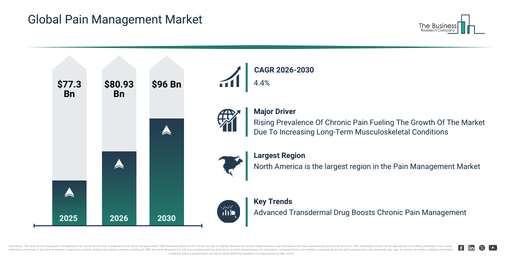
    The pain management market has demonstrated consistent expansion in recent years. It is anticipated to increase from $77.3 billion in 2025 to $80.93 billion in 2026, progressing at a compound annual growth rate (CAGR) of 4.7%. The historical growth of this market can be attributed to the significant occurrence of chronic pain conditions, the extensive use of opioid-based medications, an expanding aging population, a rise in surgical procedures, and heightened awareness regarding pain management therapies.

    The pain management market is projected to experience consistent expansion in the coming years. This market is set to reach a valuation of $96 billion by 2030, exhibiting a compound annual growth rate (CAGR) of 4.4%. Drivers for this growth during the projected timeframe include the innovation of targeted and individualized pain therapies, an increase in interventional pain management methods, a growing uptake of non-drug treatments, heightened research and clinical trial activity in pain relief, and improved availability of pain management provisions. Significant trends anticipated in the forecast period encompass a stronger inclination towards multimodal pain management strategies, a rise in non-opioid and opioid-reducing treatments, more widespread use of minimally invasive interventional techniques, the proliferation of alternative and complementary pain solutions, and an intensified concentration on chronic pain and its long-term management.

    Get A Free Sample Report With In-Depth Market Insights:

    https://thebusinessresearchcompany.com/sample_request?id=94833750&type=smp&name=Pain%20Management%20Market%20Report%202026&utm_source=Blogs&utm_medium=Paid&utm_campaign=Oct_PR

    Pain Management Market Growth Factors: What’s Supporting Expansion?

    An anticipated increase in chronic pain conditions is projected to boost the expansion of the pain management market in the foreseeable future. Chronic pain, characterized as discomfort persisting for at least three months, continues to place a substantial strain on individuals, impacting their daily routines and general well-being. The rise in instances of chronic pain is largely fueled by elements such as an aging demographic, increased rates of obesity, and various musculoskeletal ailments, leading to issues such as arthritis, back discomfort, and joint issues. Solutions for pain management aid these patients through providing focused treatments that alleviate distress, enhance movement, and improve their ability to perform daily tasks. As an illustration, in May 2023, the National Institutes of Health (NIH), a US-based entity, stated that approximately 21% of U.S. adults indicated experiencing chronic pain, with 8% suffering from high-impact chronic pain that restricts life or work activities. Consequently, the growing occurrence of chronic pain is fueling the expansion of the pain management market.

    Pain Management Market Segment Trends And Revenue Contributors

    The pain management market covered in this report is segmented –

    1) By Treatment Type: Medication, Physical Therapy, Interventional Procedures, Alternative Therapies

    2) By Type: Non-Steroidal Anti-Inflammatory Drugs (NSAIDS), Anticonvulsants, Sedatives, Narcotics, Antimigraine Specialists, Antidepressants, Other Types

    3) By Mode Of Purchase: Over The Counter, Prescription-Based

    4) By Indication: Neuropathic Pain, Cancer Pain, Facial Pain And Migraine, Musculoskeletal Pain, Fibromyalgia, Chronic Back Pain, Joint Pain, Headache, Post Operative Pain

    5) By End-User: Hospitals And Clinics, Pharmaceutical Companies, Medical Device Companies, Research Institutions, Academic Institutions, Other End-Users

    Subsegments:

    1) By Medication: Nonsteroidal Anti-Inflammatory Drugs (NSAIDs), Opioids, Anticonvulsants, Antidepressants, Corticosteroids, Topical Analgesics, Muscle Relaxants, Cannabinoids

    2) By Physical Therapy: Exercise Therapy, Manual Therapy, Heat And Cold Therapy, Electrical Stimulation (TENS), Ultrasound Therapy, Hydrotherapy, Stretching And Mobility Programs, Postural And Ergonomic Training

    3) By Interventional Procedures: Nerve Blocks, Epidural Steroid Injections, Radiofrequency Ablation, Spinal Cord Stimulation, Intrathecal Drug Delivery Systems, Joint Injections, Facet Joint Injections, Vertebroplasty And Kyphoplasty

    4) By Alternative Therapies: Acupuncture, Chiropractic Care, Yoga And Meditation, Herbal Remedies, Aromatherapy, Biofeedback Therapy, Reiki And Energy Healing, Homeopathy

    Pain Management Market Industry Trends: What’s Reshaping Demand?

    Leading companies within the pain management market are concentrating on developing advanced pharmaceutical formulations, such as transdermal drugs, to improve targeted medication delivery, boost patient adherence, and minimize adverse effects. Transdermal drugs are medications administered through the skin using patches, gels, or creams. For example, in February 2025, Aveva Drug Delivery Systems Inc., a US-based company focused on transdermal drug delivery, introduced the generic Fentanyl transdermal patch, a prescription 3-day transdermal patch designed for the management of moderate to severe chronic pain. This patch functions by gradually releasing fentanyl, a powerful opioid analgesic, through the skin into the bloodstream continuously, thereby providing effective relief for moderate to severe chronic pain. Furthermore, it incorporates features like a comfortable and sturdy adhesive ensuring the patch remains securely affixed and a tamper-evident design to encourage safe and responsible application.

    Pain Management Market Competitive Landscape: Which Companies Lead The Industry?

    Major companies operating in the pain management market are Pfizer Inc., Johnson & Johnson, Merck & Co Inc., Bayer AG, Sanofi S.A., AstraZeneca PLC, Abbott Laboratories, Novartis AG, GlaxoSmithKline plc , Medtronic plc, Eli Lilly and Company, Becton Dickinson and Company , Teva Pharmaceutical Industries Ltd, Boehringer Ingelheim International GmbH, Boston Scientific Corporation, Regeneron Pharmaceuticals Inc., Baxter International Inc., Mallinckrodt Pharmaceuticals plc, Purdue Pharma L.P., Nevro Corp.

    View The Full Pain Management Market Report:

    https://thebusinessresearchcompany.com/report/pain-management-global-market-report?utm_source=Blogs&utm_medium=Paid&utm_campaign=Oct_PR

    Pain Management Market Regional Breakdown: Where Is Demand Concentrated?

    North America was the largest region in the pain management market in 2025. Asia-Pacific is expected to be the fastest-growing region in the forecast period. The regions covered in the pain management market report are Asia-Pacific, South East Asia, Western Europe, Eastern Europe, North America, South America, Middle East, Africa.

    Reach Out To Our Team:

    The Business Research Company: https://www.thebusinessresearchcompany.com/

    Americas: +1 310-496-7795

    Asia: +44 7882 955267 & +91 8897263534

    Europe: +44 7882 955267

    Email us at: marketing@tbrc.info

    Follow us on:

    LinkedIn: https://in.linkedin.com/company/the-business-research-company

    YouTube: https://www.youtube.com/channel/UC24_fI0rV8cR5DxlCpgmyFQ

    Global Market Model: https://www.thebusinessresearchcompany.com/global-market-model
  • Paclitaxel Injection Market Forecast To Reach $12.71 Billion By 2030: Key Trends Explained

    Paclitaxel Injection Market Forecast To Reach $12.71 Billion By 2030: Key Trends Explained

    Built to provide research that’s more actionable and strategically valuable, The Business Research Company’s 2026 market reports include market attractiveness analysis, total addressable market sizing, company benchmarking matrices, interactive Excel dashboards, broader supply chain intelligence, emerging startup tracking, and in-depth product insights.

    Paclitaxel Injection Market Size, Value And Growth Trajectory Through 2030

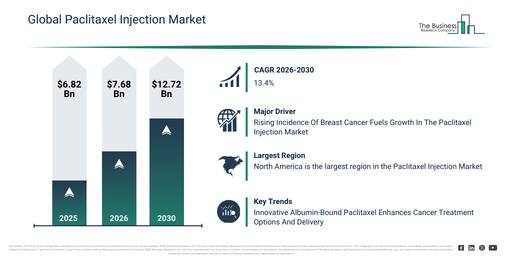
    The paclitaxel injection market size has seen rapid growth in recent years. It is anticipated to increase from $6.82 billion in 2025 to $7.68 billion in 2026, exhibiting a compound annual growth rate (CAGR) of 12.7%. The expansion observed in the past can be attributed to the rising global prevalence of cancer, the widespread clinical acceptance of taxane-based chemotherapy, the development of hospital oncology infrastructure, favorable reimbursement conditions for injectable chemotherapy drugs, and an increase in approvals for branded paclitaxel products.

    The paclitaxel injection market is projected to experience swift expansion in the coming years, with its size anticipated to reach $12.72 billion by 2030, exhibiting a compound annual growth rate (CAGR) of 13.4%. This growth during the forecast period is primarily driven by the increasing demand for cost-effective generic oncology drugs, improved access to chemotherapy in emerging markets, the proliferation of outpatient and day-care infusion centers, expanding clinical trials for new paclitaxel combinations, and advancements in drug formulation and delivery technologies. Prominent trends expected over this period include a move towards albumin-bound and solvent-free paclitaxel formulations, rising adoption of generic and biosimilar paclitaxel injections, a greater reliance on combination chemotherapy regimens, the expansion of hospital-based oncology infusion services, and broader approved indications across multiple solid tumors.

    Get A Free Sample Report With In-Depth Market Insights:

    https://thebusinessresearchcompany.com/sample_request?id=59794179&type=smp&name=Paclitaxel%20Injection%20Market%20Report%202026&utm_source=Blogs&utm_medium=Paid&utm_campaign=Oct_PR

    Paclitaxel Injection Market Demand Drivers: What’s Powering Industry Growth?

    The increasing prevalence of breast cancer is anticipated to fuel the expansion of the paclitaxel injection market in the coming years. Breast cancer is characterized by the irregular proliferation of breast cells, leading to tumor formation, which can then disseminate to other body parts. Paclitaxel injection, a chemotherapy medication, targets breast cancer by attaching to microtubules, vital structures that maintain cancer cell integrity, thereby halting their proliferation. For example, the American Cancer Society, a US-based cancer-fighting organization, reported in January 2023 that approximately 297,790 new instances of invasive breast cancer were projected for diagnosis in the US, with 43,700 fatalities from breast cancer expected in 2023. Consequently, the rising occurrence of breast cancer is a significant factor boosting the growth of the paclitaxel injection market. The increasing occurrence of cancer is projected to stimulate the expansion of the paclitaxel injection market moving forward. Factors such as escalating tobacco and alcohol consumption, alongside widespread smoking, are contributing to a global increase in cancer diagnoses. Paclitaxel serves as a key chemotherapy agent frequently administered for various cancer types, including but not limited to breast cancer, lung cancer, and ovarian cancer. With a rise in cancer cases, a greater number of patients will necessitate chemotherapy, positioning paclitaxel as an essential element within numerous treatment plans. For instance, the National Cancer Institute, a US-based government agency dedicated to cancer research and training, forecasted in May 2024 that the worldwide annual new cancer cases are anticipated to reach 29.9 million, with cancer-related mortalities totaling 15.3 million by the year 2040. Consequently, the growing incidence of cancer is a primary impetus for the growth of the paclitaxel injection market.

    Paclitaxel Injection Market Segment Analysis Spotlighting Growth Areas

    The paclitaxel injection market covered in this report is segmented –

    1) By Type: Natural Paclitaxel, Semi-Synthetic Paclitaxel

    2) By Drug Strength: 10mg Or mL, 20mg Or mL, 30mg Or mL

    3) By Indication: Breast Cancer, Prostate Cancer, Testicular Cancer, Non-Small Cell Lung Cancer, Lung Cancer, Other Indications

    4) By Distribution Channel: Hospital Pharmacies, Online Pharmacies, Retail Pharmacies

    5) By End User: Hospitals, Clinics, Cancer Research Institute

    Subsegments:

    1) By Natural Paclitaxel: Paclitaxel From Pacific Yew Tree, Paclitaxel From Other Natural Sources

    2) By Semi-Synthetic Paclitaxel: Albumin-Bound Paclitaxel, API-Based Semi-Synthetic Paclitaxel Injection

    Paclitaxel Injection Market Innovation Trends: What Developments Are Reshaping The Industry?

    Companies operating in the paclitaxel injection market are actively pursuing the creation of innovative products, such as albumin-bound paclitaxel solutions, aiming to broaden therapeutic avenues for cancer patients by offering potentially life-prolonging medication. An albumin-bound paclitaxel solution is a solvent-free version of the chemotherapy drug paclitaxel, engineered to improve drug delivery and lessen toxicity by employing albumin nanoparticles to transport the medication directly to tumor sites. For example, in May 2023, American Regent, Inc., a US-based injectable manufacturer, introduced Paclitaxel Protein-Bound Particles for Injectable Suspension (Albumin-Bound), serving as an alternative to Abraxane. This novel product functions as a microtubule inhibitor for the treatment of metastatic breast cancer, non-small cell lung cancer, and metastatic adenocarcinoma of the pancreas. Its significance arises from its potential to provide a life-extending treatment choice for patients, while also facilitating the company’s expansion into the oncology market and underscoring the value of domestically produced medications.

    Paclitaxel Injection Market Leading Companies: Who Holds The Strongest Market Presence?

    Major companies operating in the paclitaxel injection market are Pfizer Inc., Bristol-Myers Squibb Company, Fresenius Kabi Oncology Ltd., Abbott Laboratories, Viatris Inc., Teva Pharmaceutical Industries Limited, Sandoz International GmbH, Hospira Inc., Dr. Reddy’s Laboratories Ltd., Apotex Inc., Intas Pharmaceuticals Ltd., Zydus Lifesciences Limited, Torrent Pharmaceuticals Ltd., Luye Pharma Group, Biological E Limited, Alembic Pharmaceuticals Limited, Khandelwal Laboratories Pvt. Ltd., Gland Pharma Limited, Abraxis Bio Science Inc., Novasep Holding SAS, Sagent Pharmaceuticals Inc., Hainan Haiyao Co Ltd., Accord Healthcare Ltd., Natco Pharma Limited, Strides Pharma Science Limited, Panacea Biotec Ltd., American Regent Inc., MSN Laboratories Pvt Ltd., Hetero Drugs Ltd.

    View The Full Paclitaxel Injection Market Report:

    https://thebusinessresearchcompany.com/report/paclitaxel-injection-global-market-report?utm_source=Blogs&utm_medium=Paid&utm_campaign=Oct_PR

    Paclitaxel Injection Market Geographic Landscape: Which Region Dominates Industry Growth?

    North America was the largest region in the paclitaxel injection market in 2025. Asia-Pacific is expected to be the fastest-growing region in the forecast period. The regions covered in the paclitaxel injection market report are Asia-Pacific, South East Asia, Western Europe, Eastern Europe, North America, South America, Middle East, Africa.

    Reach Out To Our Team:

    The Business Research Company: https://www.thebusinessresearchcompany.com/

    Americas: +1 310-496-7795

    Asia: +44 7882 955267 & +91 8897263534

    Europe: +44 7882 955267

    Email us at: marketing@tbrc.info

    Follow us on:

    LinkedIn: https://in.linkedin.com/company/the-business-research-company

    YouTube: https://www.youtube.com/channel/UC24_fI0rV8cR5DxlCpgmyFQ

    Global Market Model: https://www.thebusinessresearchcompany.com/global-market-model

  • Oxycodone Hydrochloride Market Analysis: Understanding The Drivers Behind 3.6% CAGR Through 2030 Growth

    Oxycodone Hydrochloride Market Analysis: Understanding The Drivers Behind 3.6% CAGR Through 2030 Growth

    Backed by market attractiveness analysis, total addressable market sizing, company benchmarking matrices, interactive Excel dashboards, wider supply chain intelligence, emerging startup coverage, and detailed product-level insights, The Business Research Company’s 2026 market reports are designed to offer research that is more actionable and strategically valuable than ever.

    Oxycodone Hydrochloride Market CAGR Outlook And Future Development

    The oxycodone hydrochloride market size has shown consistent expansion in recent years. Projections indicate it will increase from $4.32 billion in 2025 to $4.49 billion in 2026, advancing at a compound annual growth rate (CAGR) of 4.0%. Historically, this growth can be attributed to the rising occurrence of chronic pain conditions, the widespread application of opioids in post-surgical patient care, the restricted availability of alternative pain relief methods, firm hospital-based prescribing practices, and the presence of established oral opioid formulations.

    The market for oxycodone hydrochloride is projected to experience consistent expansion over the upcoming years. Its valuation is anticipated to reach $5.18 billion in 2030, exhibiting a compound annual growth rate (CAGR) of 3.6%. This projected growth during the forecast period is primarily driven by factors such as the creation of abuse-deterrent and tamper-resistant drug forms, an increased emphasis on managing and regulating opioid consumption, the expansion of generic drug production, a rise in cancer cases coupled with demand for palliative care, and advancements in pain management delivery technologies. Key developments expected in this period involve an escalating need for efficacious pain management solutions, a rise in the adoption of extended-release and abuse-deterrent formulations, an increase in prescriptions for pain associated with post-surgery recovery and cancer, a transition towards affordable generic opioid options, and enhanced regulatory scrutiny alongside controlled distribution.

    Get A Free Sample Report With In-Depth Market Insights:

    https://thebusinessresearchcompany.com/sample_request?id=15991997&type=smp&name=Oxycodone%20Hydrochloride%20Market%20Report%202026&utm_source=Blogs&utm_medium=Paid&utm_campaign=Oct_PR

    Oxycodone Hydrochloride Market Growth Drivers: What’s Behind The Acceleration?

    The increasing incidence of chronic pain is anticipated to drive the expansion of the oxycodone hydrochloride market in the future. Chronic pain, characterized as discomfort lasting for three months or longer, significantly impacts patients’ quality of life, thereby generating increasing demand for effective pain relief treatments. The rise in chronic pain occurrences is mainly due to elements such as obesity, older demographics, and musculoskeletal ailments, which heighten the frequency of conditions such as osteoarthritis and lower back pain. Oxycodone hydrochloride aids in managing chronic pain by targeting pain receptors within the nervous system, offering relief from moderate to severe pain, and enhancing patient comfort and day-to-day activities. As an illustration, in November 2024, data from the U.S. National Center for Health Statistics (NCHS), a federal agency in the US, revealed that 24.3% of adults in the U.S. suffered from chronic pain, and 8.5% indicated high-impact chronic pain, which restricts daily life or professional duties. Consequently, the expanding occurrence of chronic pain is propelling the growth of the oxycodone hydrochloride market.

    Oxycodone Hydrochloride Market Segment Performance And Emerging Opportunities

    The oxycodone hydrochloride market covered in this report is segmented –

    1) By Product: Extended Release Tablets, Immediate Release Tablets, Oral Solutions

    2) By Route Of Administration: Oral, Parental

    3) By Application: Pain Management, Post Surgical Pain, Cancer Related Pain

    4) By Distribution Channel: Hospital Pharmacies, Retail Pharmacies, Online Pharmacies

    5) By End User: Hospitals, Clinics, Homecare

    Subsegments:

    1) By Extended Release Tablets: Abuse-Deterrent Formulations, Non-Abuse-Deterrent Formulations

    2) By Immediate Release Tablets: Combination Products, Single-Agent Formulations

    3) By Oral Solutions: Concentrated Solutions, Standard Solutions

    Oxycodone Hydrochloride Market Trends: What’s Defining The Industry’s Next Phase?

    Leading companies active in the oxycodone hydrochloride market are concentrating on developing advanced offerings, such as combination therapies, to improve pain management effectiveness while reducing the risks of opioid dependency. These combination therapies refer to treatment approaches that integrate two or more medications or therapeutic agents to enhance efficacy, target multiple pathways, or decrease the potential for resistance. For instance, in April 2025, Elite Pharmaceuticals Inc., a US-based pharmaceutical company, introduced a generic version of Percocet (oxycodone hydrochloride and acetaminophen tablets, USP CII). This specific combination product is offered in three strengths: mg/325 mg, 10 mg/325 mg, and 325 mg tablets. It is prescribed for the relief of moderate to moderately severe pain, combining the opioid oxycodone for potent pain relief with acetaminophen to augment its analgesic effects. As a Schedule II controlled substance, it carries a high potential for abuse and dependence, thereby requiring diligent medical supervision.

    Oxycodone Hydrochloride Market Key Players: Which Companies Lead Industry Competition?

    Major companies operating in the oxycodone hydrochloride market are Viatris Inc., Teva Pharmaceutical Industries Ltd., Sun Pharmaceutical Industries Ltd., Endo Pharmaceuticals Inc., Lupin Ltd., Mallinckrodt Pharmaceuticals Inc., ANI Pharmaceuticals Inc., Purdue Pharma L.P., Alvogen Inc., Camber Pharmaceuticals, Noramco Inc., Rhodes Pharmaceuticals L.P., Hikma Pharmaceuticals PLC, Amneal Pharmaceuticals LLC, Aurobindo Pharma Ltd., Zydus Lifesciences Ltd., Dr. Reddy’s Laboratories Ltd., Apotex Inc., Mylan N.V., Cipla Ltd., Torrent Pharmaceuticals Ltd., Sandoz International GmbH, Pfizer Inc., Novartis AG, Accord Healthcare Ltd., Glenmark Pharmaceuticals Ltd., Fresenius Kabi AG

    View The Full Oxycodone Hydrochloride Market Report:

    https://thebusinessresearchcompany.com/report/oxycodone-hydrochloride-global-market-report?utm_source=Blogs&utm_medium=Paid&utm_campaign=Oct_PR

    Oxycodone Hydrochloride Market Largest Region: Which Geography Holds The Highest Market Share?

    North America was the largest region in the oxycodone hydrochloride market in 2025. Asia-Pacific is expected to be the fastest-growing region in the forecast period. The regions covered in the oxycodone hydrochloride market report are Asia-Pacific, South East Asia, Western Europe, Eastern Europe, North America, South America, Middle East, Africa.

    Reach Out To Our Team:

    The Business Research Company: https://www.thebusinessresearchcompany.com/

    Americas: +1 310-496-7795

    Asia: +44 7882 955267 & +91 8897263534

    Europe: +44 7882 955267

    Email us at: marketing@tbrc.info

    Follow us on:

    LinkedIn: https://in.linkedin.com/company/the-business-research-company

    YouTube: https://www.youtube.com/channel/UC24_fI0rV8cR5DxlCpgmyFQ

    Global Market Model: https://www.thebusinessresearchcompany.com/global-market-model