Month: October 2026

  • Digital Rounding Tools Market Expected To Grow At 13.5% CAGR Through 2030: What Businesses Need To Know

    Backed by market attractiveness analysis, total addressable market sizing, company benchmarking matrices, interactive Excel dashboards, wider supply chain intelligence, emerging startup coverage, and detailed product-level insights, The Business Research Company’s 2026 market reports are designed to offer research that is more actionable and strategically valuable than ever.

    Digital Rounding Tools Market Growth From $3.01 Billion In 2026 To $5 Billion By 2030 At A CAGR Of 13.5%

    The market size for digital rounding tools has seen rapid expansion in recent years. It is anticipated to increase from $2.66 billion in 2025 to $3.01 billion in 2026, exhibiting a compound annual growth rate (CAGR) of 13.3%. This historical growth can be attributed to the adoption of electronic rounding systems, a rising demand for clinical quality audits, integration with electronic health records, an increasing focus on patient experience, and the need for workflow efficiency improvements.

    The market for digital rounding tools is projected to experience substantial expansion in the coming years. This market is anticipated to reach a valuation of $5 billion by 2030, demonstrating a compound annual growth rate (CAGR) of 13.5%. This anticipated growth during the forecast period stems from factors such as the increasing deployment of AI-enabled rounding solutions, the rising adoption of cloud-based rounding platforms, a growing requirement for integrated multi-department systems, the expansion of real-time patient feedback mechanisms, and a heightened emphasis on staff engagement and the oversight of clinical safety. Key trends identified for the forecast period encompass a greater uptake of integrated rounding systems, an escalating demand for rounding tools accessible via mobile applications, a broader implementation of web-based platforms designed for workflow enhancement, the broader deployment of AI-enabled rounding tools, and an increased concentration on systems for real-time alerts and feedback collection.

    Get A Free Sample Report With In-Depth Market Insights:

    https://thebusinessresearchcompany.com/sample_request?id=93206355&type=smp&name=Digital%20Rounding%20Tools%20Market%20Report%202026&utm_source=Blogs&utm_medium=Paid&utm_campaign=Oct_PR

    Digital Rounding Tools Market Demand Drivers: What’s Powering Industry Growth?

    The anticipated expansion of the digital rounding tools market is propelled by the increasing adoption of digital transformation initiatives. These initiatives represent strategic endeavors by organizations to leverage digital technologies for improving processes, enhancing customer experiences, and driving innovation. Organizations are intensifying their digital transformation efforts to elevate operational efficiency through streamlining processes, minimizing errors, and optimizing resource allocation. Furthermore, digital transformation initiatives support digital rounding tools by incorporating data analytics, mobile platforms, and real-time reporting, which collectively streamline patient monitoring, improve workflow efficiency, and facilitate timely clinical decision-making. As an illustration, a report issued by the Central Digital and Data Office, a UK government body, indicated in November 2023 that the government’s commitment to digital transformation led to a 9% growth in the Government Digital and Data profession over the preceding six months, bringing the total count of professionals in this area to 28,337. Hence, the growing embrace of digital transformation initiatives is a key driver for the growth of the digital rounding tools market.

    Digital Rounding Tools Market Segment Landscape And Growth Outlook

    The digital rounding tools market covered in this report is segmented –

    1) By Product Type: Mobile Applications, Web-Based Platforms, Integrated Rounding Systems, Other Product Types

    2) By Deployment Mode: Cloud-Based, On-Premises

    3) By Organization Size: Large Hospitals And Health Systems, Community Hospitals And Clinics, Long Term Care Facilities

    4) By Application: Service Recovery, Quality Audit And Compliance, Clinical Safety Monitoring, Staff Engagement

    5) By End-User: Hospitals And Clinics, Educational Institutions, Hotels, Enterprises, Other End Users

    Subsegments:

    1) By Mobile Applications: Patient Rounding Mobile Applications, Nurse Rounding Mobile Applications, Physician Rounding Mobile Applications, Real Time Alert Mobile Applications, Patient Feedback Collection Mobile Applications

    2) By Web-Based Platforms: Browser Based Rounding Platforms, Cloud Hosted Rounding Platforms, Centralized Dashboard Rounding Platforms, Web Based Patient Experience Platforms, Web Based Reporting And Analytics Platforms

    3) By Integrated Rounding Systems: Electronic Health Record Integrated Rounding Systems, Workflow Integrated Rounding Systems, Communication Integrated Rounding Systems, Analytics Integrated Rounding Systems, Multi Department Integrated Rounding Systems

    4) By Other Product Types: Voice Enabled Rounding Tools, Artificial Intelligence Enabled Rounding Tools, Patient Experience Survey Tools, Customizable Rounding Workflow Tools

    Digital Rounding Tools Market Innovation Trends: What Developments Are Reshaping The Industry?

    Companies operating in the digital rounding tools market are primarily focused on developing innovative solutions, such as generative AI-driven patient summarization, to automate clinical note-taking, condense patient information, and offer real-time practical advice to healthcare staff. Generative AI-driven patient summarization refers to an AI technology that automatically condenses patient data into concise, actionable summaries, thereby enabling faster clinical decision-making. For instance, in June 2024, CipherHealth Inc., a US-based SaaS-based healthcare technology company, launched AI Summaries as part of its CipherRounds toolkit to streamline patient rounding in healthcare settings. This generative AI tool aggregates fragmented patient data from multiple sources into concise, unified snapshots, delivering tailored insights, talking points, and priority flags to clinicians prior to room entry. It streamlines preparation, reduces errors, enhances direct patient interactions, and transforms traditional rounding workflows, significantly boosting staff efficiency, care quality, and satisfaction at organizations like Norton Healthcare.

    Digital Rounding Tools Market Leading Players And Competitive Positioning

    Major companies operating in the digital rounding tools market are Lenovo Group Limited, Infor Inc, Huron Consulting Group Inc, Medical Information Technology Inc, Sonifi Health Inc, Mobile Heartbeat LLC, RLDatix Limited, LIO Health Ltd, Aiva Health Inc, NRC Health Inc, Veoci Inc, Uniguest Inc, CareView Communications Inc, CipherHealth Inc, GetWellNetwork Inc, Readiness Rounds Inc, RoundingWell Inc, Seyzo Health Inc, Palarum Inc, Zyter Inc, and Q-Rounds Inc.

    View The Full Digital Rounding Tools Market Report:

    https://thebusinessresearchcompany.com/report/digital-rounding-tools-market-report?utm_source=Blogs&utm_medium=Paid&utm_campaign=Oct_PR

    Digital Rounding Tools Market Regional Distribution: Which Areas Power Market Growth?

    North America was the largest region in the digital rounding tools market in 2025. Asia-Pacific is expected to be the fastest-growing region in the forecast period. The regions covered in the digital rounding tools market report are Asia-Pacific, South East Asia, Western Europe, Eastern Europe, North America, South America, Middle East, Africa.

    Reach Out To Our Team:

    The Business Research Company: https://www.thebusinessresearchcompany.com/

    Americas: +1 310-496-7795

    Asia: +44 7882 955267 & +91 8897263534

    Europe: +44 7882 955267

    Email us at: marketing@tbrc.info

    Follow us on:

    LinkedIn: https://in.linkedin.com/company/the-business-research-company

    YouTube: https://www.youtube.com/channel/UC24_fI0rV8cR5DxlCpgmyFQ

    Global Market Model: https://www.thebusinessresearchcompany.com/global-market-model
  • De Novo Genome Assembly Market Growth Outlook From $2.28 Billion In 2026 To $3.96 Billion By 2030

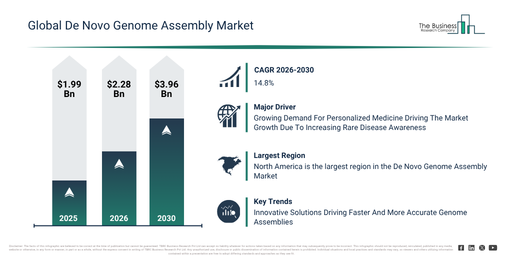
    De Novo Genome Assembly Market Growth Outlook From $2.28 Billion In 2026 To $3.96 Billion By 2030

    Featuring market attractiveness scoring, total addressable market sizing, company benchmarking matrices, interactive Excel dashboards, deeper supply chain intelligence, emerging startup tracking, and granular product-level insights, The Business Research Company’s 2026 market reports are built to deliver research that is both more actionable and more strategically valuable.

    De Novo Genome Assembly Market Size, Value And Growth Trajectory Through 2030

    The de novo genome assembly market has experienced significant expansion recently. It is projected to grow from $1.99 billion in 2025 to $2.28 billion in 2026, at a compound annual growth rate (CAGR) of 14.6%. The historical growth in this market can be attributed to several factors including the increasing use of next-generation sequencing, the growth of academic research initiatives, the adoption of genome assembly software, a rising demand in clinical diagnostics, and the development of plant and microbial genomics projects.

    The de novo genome assembly market size is projected to experience swift expansion over the coming years. Its valuation is anticipated to reach $3.96 billion by 2030, demonstrating a compound annual growth rate (CAGR) of 14.8%. This projected growth can be ascribed to several factors, including the incorporation of AI into genome assembly processes, the proliferation of cloud-based bioinformatics platforms, an increasing need for rapid custom genome sequencing, the advancement of precision medicine applications, and heightened investment in evolutionary and environmental genomics. Key developments expected during this forecast period encompass automated genome assembly pipelines, sophisticated cloud-based data analysis, the integration of high-throughput sequencing, tailored bioinformatics services, and improvements in visualization and annotation capabilities.

    Get A Free Sample Report With In-Depth Market Insights:

    https://thebusinessresearchcompany.com/sample_request?id=76808656&type=smp&name=De%20Novo%20Genome%20Assembly%20Market%20Report%202026&utm_source=Blogs&utm_medium=Paid&utm_campaign=Oct_PR

    De Novo Genome Assembly Market Development Factors: What’s Supporting Demand?

    The escalating demand for personalized medicine is anticipated to drive the expansion of the de novo genome assembly market moving forward. Personalized medicine refers to medical treatments and therapies specifically designed for individual patients, based on their unique genetic makeup, biomarkers, and particular disease characteristics. This demand is on the rise due to advancements in genomic technologies and molecular diagnostics, which enable treatments to be customized according to an individual’s genetic profile, thereby improving outcomes and reducing side effects. De novo genome assembly enhances personalized medicine by reconstructing an individual’s genome from scratch, allowing for the discovery of unique genetic variants and structural alterations that are vital for precision therapies, tailored drug selection, and early disease intervention. For instance, in February 2024, the Personalized Medicine Coalition, a US-based non-profit organization, reported that the U.S. Food and Drug Administration approved 16 new personalized treatments for rare disease patients in 2023, an increase from six in 2022, comprising seven cancer drugs and three for other diseases and conditions. Thus, the increasing need for personalized medicine is a key factor propelling the growth of the de novo genome assembly market.

    De Novo Genome Assembly Market Segmentation: How Does The Market Break Down By Category?

    The de novo genome assembly market covered in this report is segmented –

    1) By Component: Software, Services

    2) By Organism Type: Human, Animal, Plant, Microbial, Metagenomic Or Mixed Samples

    3) By Technology: Next-Generation Sequencing, Third-Generation Sequencing, Sanger Sequencing, Other Technologies

    4) By Application: Clinical Diagnostics, Agricultural Genomics, Environmental Genomics, Evolutionary Biology, Other Applications

    5) By End-User: Academic And Research Institutes, Pharmaceutical And Biotechnology Companies, Hospitals And Clinics, Other End-Users

    Subsegments:

    1) By Software: Sequence Alignment Software, Genome Assembly Software, Error Correction And Quality Control Software, Visualization And Annotation Software

    2) By Services: Genome Sequencing Services, Data Analysis And Interpretation Services, Custom Genome Assembly Services, Consulting And Bioinformatics Support Services

    De Novo Genome Assembly Market Transformation Trends: What Innovations Are Driving Change?

    Leading companies in the de novo genome assembly market are concentrating on developing innovative solutions, such as high-throughput genome assembly platforms, to accelerate genome reconstruction and enhance accuracy for complex and diverse organisms. These advanced systems integrate long- and short-read sequencing data to rapidly reconstruct complete genomes with high precision, enabling researchers to generate contiguous assemblies more quickly and manage intricate or repetitive genomic regions more efficiently than traditional methods. For instance, in May 2024, Dovetail Genomics Inc., a US-based genomics technology company, introduced the AssemblyLINK Assay, a high-throughput genome assembly platform engineered to expedite genome assembly workflows and boost the accuracy of de novo assemblies. The AssemblyLINK Assay combines proprietary scaffolding technology with existing sequencing data to produce highly contiguous genome assemblies, simplifies data processing through streamlined computational pipelines, and supports a broad spectrum of organisms, ranging from plants and animals to microbial communities. Its distinctive characteristics include compatibility with multiple sequencing platforms, minimized manual intervention, and optimized performance for complex and large genomes, making it especially valuable for biodiversity research and conservation genomics.

    De Novo Genome Assembly Market Key Participants And Competitive Landscape

    Major companies operating in the de novo genome assembly market are Thermo Fisher Scientific Inc., Eurofins Scientific SE, Illumina Inc., QIAGEN N.V., Novogene Corporation, Oxford Nanopore Technologies Ltd., Pacific Biosciences of California Inc., Medgenome labs pvt. Ltd, DNASTAR Inc., Nucleome Informatics Pvt Ltd, Seven Bridges Genomics, DNAnexus Inc., Strand Life Sciences Pvt. Ltd., BaseClear B.V., Dovetail Genomics LLC, SoftGenetics LLC, CosmosID Inc., Microba Life Sciences Ltd., GenomeScan B.V., BGI Genomics Co. Ltd., Macrogen Inc., SeqMatic LLC, NeuGen Biologicals.

    View The Full De Novo Genome Assembly Market Report:

    https://thebusinessresearchcompany.com/report/de-novo-genome-assembly-market-report?utm_source=Blogs&utm_medium=Paid&utm_campaign=Oct_PR

    De Novo Genome Assembly Market Geographic Analysis: Where Is Demand Rising Fastest?

    North America was the largest region in the de novo genome assembly market in 2025. Asia-Pacific is expected to be the fastest-growing region in the forecast period. The regions covered in the de novo genome assembly market report are Asia-Pacific, South East Asia, Western Europe, Eastern Europe, North America, South America, Middle East, Africa.

    Reach Out To Our Team:

    The Business Research Company: https://www.thebusinessresearchcompany.com/

    Americas: +1 310-496-7795

    Asia: +44 7882 955267 & +91 8897263534

    Europe: +44 7882 955267

    Email us at: marketing@tbrc.info

    Follow us on:

    LinkedIn: https://in.linkedin.com/company/the-business-research-company

    YouTube: https://www.youtube.com/channel/UC24_fI0rV8cR5DxlCpgmyFQ

    Global Market Model: https://www.thebusinessresearchcompany.com/global-market-model
  • Cryo Peptides Market Growth Forecast Through 2030: Market Size And Trends In 2026

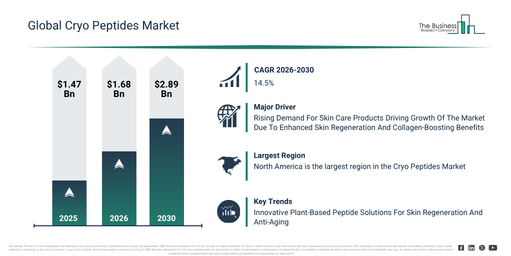
    Cryo Peptides Market Growth Forecast Through 2030: Market Size And Trends In 2026

    Backed by market attractiveness analysis, total addressable market sizing, company benchmarking matrices, interactive Excel dashboards, wider supply chain intelligence, emerging startup coverage, and detailed product-level insights, The Business Research Company’s 2026 market reports are designed to offer research that is more actionable and strategically valuable than ever.

    Cryo Peptides Market Value Growth And Long-Term Outlook

    The cryo peptides market size has experienced rapid expansion in recent years. It is anticipated to grow from $1.47 billion in 2025 to $1.68 billion in 2026, achieving a compound annual growth rate (CAGR) of 14.3%. This historical growth can be attributed to factors like increasing consumer demand for anti-aging skincare, a heightened awareness of peptide benefits, the adoption of cryogenic preservation technologies, the expansion of dermatology clinics, and a rise in research activities related to cosmetic peptides.

    The cryo peptides market is anticipated to experience significant expansion over the coming years. Its valuation is projected to reach $2.89 billion by 2030, exhibiting a compound annual growth rate (CAGR) of 14.5%. This anticipated expansion during the forecast period is driven by factors such as the increasing embrace of personalized skincare, the wider application of sophisticated cryo peptide formulations, an uptick in demand from medical aesthetic facilities, the enlargement of the premium beauty consumer demographic, and the incorporation of peptides into versatile cosmetic products. Key market developments expected in this period encompass the growing acceptance of anti-aging cryo peptides, a heightened call for skin repair cryo peptides, the increasing appeal of firming and lifting cryo peptides, the proliferation of hydrating cryo peptide options, and an intensified emphasis on both professional and medical aesthetic procedures.

    Get A Free Sample Report With In-Depth Market Insights:

    https://thebusinessresearchcompany.com/sample_request?id=61326748&type=smp&name=Cryo%20Peptides%20Market%20Report%202026&utm_source=Blogs&utm_medium=Paid&utm_campaign=Oct_PR

    Cryo Peptides Market Growth Factors Behind Sustained Expansion

    The increasing need for skin care items is anticipated to fuel the expansion of the cryo peptides market in the future. Skin care products are formulations crafted to cleanse, safeguard, moisturize, and enhance the well-being and look of the skin. The consumption of these products is rising due to heightened understanding of the significance of protecting and preserving healthy skin. Cryopeptides support skin care products by encouraging skin regeneration, increasing collagen synthesis, and mitigating inflammation, which leads to better elasticity, firmness, and overall skin health. As an illustration, in August 2024, the British Beauty Council, a UK-based not-for-profit organization, reported that in 2023, the beauty and personal care industry directly added £13.5 billion ($18.2 billion) to the UK GDP and an additional £13.6 billion ($18.4 billion) indirectly through its supply chain and employee spending, amounting to a total of £27.2 billion ($36.7 billion). Consequently, the rising demand for skin care products is propelling the growth of the cryo-peptides market.

    Cryo Peptides Market Breakdown By Product Type And Application

    The cryo peptides market covered in this report is segmented –

    1) By Product Type: Anti-Aging Cryo Peptides, Skin Repair Cryo Peptides, Firming And Lifting Cryo Peptides, Hydrating Cryo Peptides, Other Specialty Formulations

    2) By Peptide Type: Signal Peptides, Carrier Peptides, Neurotransmitter Peptides, Enzyme Inhibitor Peptides

    3) By Formulation: Serums, Creams, Masks, Ampoules

    4) By Application: Facial Care, Eye Care, Neck And Décolletage Care, Professional Treatments

    5) By End User: Premium Beauty Consumers, Dermatology Clinics, Medical Aesthetic Centers

    Subsegments:

    1) By Anti-Aging Cryo Peptides: Palmitoyl Tetrapeptide, Acetyl Hexapeptide, Tripeptide-1, Copper Peptide, Other Anti-Aging Peptides

    2) By Skin Repair Cryo Peptides: Matrixyl Peptide, Hexapeptide-9, Oligopeptide-68, Pentapeptide, Other Skin Repair Peptides

    3) By Firming And Lifting Cryo Peptides: Palmitoyl Pentapeptide, Acetyl Octapeptide, Tripeptide-10, Myristoyl Tetrapeptide, Other Firming Peptides

    4) By Hydrating Cryo Peptides: Dipeptide-2, Hexapeptide-11, Palmitoyl Tripeptide, Acetyl Tetrapeptide, Other Hydrating Peptides

    5) By Other Specialty Formulations: Anti-Inflammatory Peptides, Brightening Peptides, Collagen Stimulating Peptides, Antioxidant Peptides, Other Specialty Peptides

    Cryo Peptides Market Industry Trends Fueling Future Revenue Growth

    Key companies in the cryo peptides market are concentrating on developing innovative products, such as plant-derived collagen analogs, to improve skin regeneration, enhance anti-aging effects, and meet the growing consumer demand for sustainable and effective skincare ingredients. A plant-sourced collagen analog is either bioengineered or naturally obtained from plants, designed to mimic the structure and function of animal-derived collagen, providing similar benefits like enhanced skin elasticity, hydration, and regeneration, without utilizing animal components. For example, in May 2023, DERMA E, a natural skincare brand from the US, introduced an advanced Peptides and Flora Collagen Cryo-Gel Mask. This vegan, cruelty-free mask features a distinctive cryo-gel formula enriched with multiple peptides, Flora-Collagen™, and plant stem cells. The cooling gel texture immediately reduces puffiness and revitalizes the skin, while the complex of peptides works to boost firmness and elasticity. The formulation also includes Edelweiss Extract to help shield skin cells from environmental stressors, preparing the skin for subsequent daytime or nighttime regimens without causing irritation.

    Cryo Peptides Market Competitive Landscape: Who Leads The Industry?

    Major companies operating in the cryo peptides market are Lonza Group Ltd., Almac Group Ltd., Piramal Pharma Solutions, Bachem Holding AG, GenScript Biotech Corporation, CordenPharma Inc., PolyPeptide Group AG, CPC Scientific Inc., Revision Skincare, SkinCeuticals Inc., Hybio Pharmaceutical Co. Ltd., Aurigene Pharmaceutical Services Ltd., Creative Biolabs Inc., AnaSpec Inc., BioSynth Group Ltd., Allies of Skin Pte Ltd., Phoenix Pharmaceuticals Inc., AAPPTec LLC, Peptide Institute Inc., PeptiOrigin.

    View The Full Cryo Peptides Market Report:

    https://thebusinessresearchcompany.com/report/cryo-peptides-market-report?utm_source=Blogs&utm_medium=Paid&utm_campaign=Oct_PR

    Cryo Peptides Market Geographic Landscape: Which Region Dominates Industry Growth?

    North America was the largest region in the cryo peptides market in 2025. Asia-Pacific is expected to be the fastest-growing region in the forecast period. The regions covered in the cryo peptides market report are Asia-Pacific, South East Asia, Western Europe, Eastern Europe, North America, South America, Middle East, Africa.

    Reach Out To Our Team:

    The Business Research Company: https://www.thebusinessresearchcompany.com/

    Americas: +1 310-496-7795

    Asia: +44 7882 955267 & +91 8897263534

    Europe: +44 7882 955267

    Email us at: marketing@tbrc.info

    Follow us on:

    LinkedIn: https://in.linkedin.com/company/the-business-research-company

    YouTube: https://www.youtube.com/channel/UC24_fI0rV8cR5DxlCpgmyFQ

    Global Market Model: https://www.thebusinessresearchcompany.com/global-market-model
  • Coronary Physiology Systems Market Size Forecast: How The Industry Is Expected To Grow From 2026 To 2030

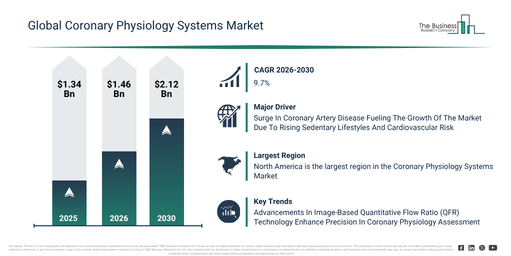
    Coronary Physiology Systems Market Size Forecast: How The Industry Is Expected To Grow From 2026 To 2030

    Backed by market attractiveness analysis, total addressable market sizing, company benchmarking matrices, interactive Excel dashboards, wider supply chain intelligence, emerging startup coverage, and detailed product-level insights, The Business Research Company’s 2026 market reports are designed to offer research that is more actionable and strategically valuable than ever.

    Coronary Physiology Systems Market Growth From $1.46 Billion In 2026 To $2.12 Billion By 2030 At A CAGR Of 9.7%

    The coronary physiology systems market size has experienced strong growth in recent years. It is anticipated to increase from $1.34 billion in 2025 to $1.46 billion in 2026, exhibiting a compound annual growth rate (CAGR) of 9.5%. The historical growth of this market can be attributed to the rising incidence of coronary artery disease, the expanding application of invasive diagnostic procedures, the widespread adoption of fractional flow reserve (FFR) measurement, the enlargement of catheterization laboratories in healthcare facilities, and the increasing requirement for precise hemodynamic assessment.

    The coronary physiology systems market is anticipated to experience robust expansion over the next few years, with projections indicating it will reach $2.12 billion by 2030, exhibiting a compound annual growth rate (CAGR) of 9.7%. This growth during the forecast period is fueled by the increasing embrace of integrated physiology and imaging platforms, the expanding utilization of wireless and dual sensor guidewires, a surge in demand for non-invasive iFR and CFR measurements, the proliferation of ambulatory surgical centers offering cardiac diagnostics, and the adoption of AI-driven data analysis for coronary physiology. Prominent trends for the forecast period include the rising adoption of wireless pressure guidewires, a growing need for integrated physiology and imaging systems, increased use of flow measurement systems for microvascular assessment, the broadening of non-invasive coronary physiology modalities, and an elevated focus on real-time data management and analysis software.

    Get A Free Sample Report With In-Depth Market Insights:

    https://thebusinessresearchcompany.com/sample_request?id=36653218&type=smp&name=Coronary%20Physiology%20Systems%20Market%20Report%202026&utm_source=Blogs&utm_medium=Paid&utm_campaign=Oct_PR

    Coronary Physiology Systems Market Growth Catalysts And Demand Drivers

    The rising occurrence of coronary artery disease is propelling expansion in the coronary physiology systems market. This condition, coronary artery disease, involves the narrowing or blockage of coronary arteries from plaque accumulation, which in turn diminishes blood flow and oxygen delivery to the heart muscle. Sedentary lifestyles contribute to the growing incidence of coronary artery disease, given that limited physical activity promotes obesity, elevated blood pressure, and compromised cardiovascular well-being, thus escalating the likelihood of plaque formation in the coronary arteries. These coronary physiology systems aid in diagnosing coronary artery disease through offering accurate measurements of blood flow and pressure within the coronary arteries, empowering clinicians to precisely evaluate the extent of arterial obstructions and formulate knowledgeable choices for specific treatments. As an illustration, the Centers for Disease Control and Prevention, a US-based government agency, reported in October 2024 that cardiovascular disease was responsible for 919,032 deaths in 2023, which amounted to approximately one-third of all fatalities. Among these, coronary heart disease remained the predominant type, with about one in six cardiovascular deaths affecting adults under the age of 65. Consequently, the rising occurrence of coronary artery disease is fostering expansion within the coronary physiology systems market.

    Coronary Physiology Systems Market Segment Outlook: Which Categories Are Growing Fastest?

    The coronary physiology systems market covered in this report is segmented –

    1) By Product Type: Pressure Wire Systems, Flow Measurement Systems, Integrated Systems, Other Product Types

    2) By Modality: Invasive, Non-Invasive

    3) By Application: Fractional Flow Reserve (FFR), Instantaneous Wave-Free Ratio (iFR), Coronary Flow Reserve (CFR), Other Applications

    4) By End-User: Hospitals, Ambulatory Surgical Centers, Specialty Clinics, Other End-Users

    Subsegments:

    1) By Pressure Wire Systems: Wireless Pressure Guidewires, Wired Pressure Guidewires, Dual Sensor Pressure Guidewires, Temperature Sensor Enabled Pressure Guidewires

    2) By Flow Measurement Systems: Coronary Flow Reserve Measurement Systems, Doppler Flow Velocity Systems, Thermodilution Based Flow Systems, Microvascular Resistance Measurement Systems

    3) By Integrated Systems: Combined Physiology And Imaging Systems, Console Integrated Physiology Platforms, Co-Registration Systems, Multimodality Hemodynamic Monitoring Systems

    4) By Other Product Types: Physiology Consoles, Data Management And Analysis Software, Accessories And Disposables, Calibration And Interface Modules

    Coronary Physiology Systems Market Trends Shaping Long-Term Demand

    Leading companies operating within the coronary physiology systems market are focusing on developing advanced image-based functional assessment solutions. These solutions aim to improve procedural efficiency, reduce reliance on invasive pressure wires, and enhance clinical decision-making during coronary interventions. Image-based functional assessment solutions are sophisticated diagnostic systems that interpret medical imaging data to determine the physiological significance of a condition, allowing functional evaluation without the use of invasive instruments. For instance, in April 2025, Medis Medical Imaging Systems, a Netherlands-based medical imaging software company, launched Medis QFR 3.0 in the United States. This latest image-based functional assessment version enhances workflow automation, delivers improved image processing capabilities, and provides faster, more accurate functional assessment of coronary lesions, thereby supporting interventional cardiologists in optimizing treatment strategies for patients with coronary artery disease.

    Coronary Physiology Systems Market Competitive Analysis Of Leading Industry Participants

    Major companies operating in the coronary physiology systems market are Abbott Laboratories, Medtronic plc, Siemens Healthineers AG, Koninklijke Philips N.V., GE HealthCare Technologies Inc., Boston Scientific Corporation, Terumo Corporation, Meril Life Sciences Pvt. Ltd., MicroPort Scientific Corporation, HeartFlow Inc., ACIST Medical Systems Inc., Pie Medical Imaging B.V., CathWorks Ltd., Insight Lifetech Co. Ltd., Keya Medical Co. Ltd., Opsens Inc., RADI Medical Systems AB, Medis Medical Imaging Systems B.V., Remedial Life Sciences Pvt. Ltd., Kamal Medtech Pvt. Ltd.

    View The Full Coronary Physiology Systems Market Report:

    https://thebusinessresearchcompany.com/report/coronary-physiology-systems-market-report?utm_source=Blogs&utm_medium=Paid&utm_campaign=Oct_PR

    Coronary Physiology Systems Market Geographic Distribution And Regional Opportunities

    North America was the largest region in the coronary physiology systems market in 2025. Asia-Pacific is expected to be the fastest-growing region in the forecast period. The regions covered in the coronary physiology systems market report are Asia-Pacific, South East Asia, Western Europe, Eastern Europe, North America, South America, Middle East, Africa.

    Reach Out To Our Team:

    The Business Research Company: https://www.thebusinessresearchcompany.com/

    Americas: +1 310-496-7795

    Asia: +44 7882 955267 & +91 8897263534

    Europe: +44 7882 955267

    Email us at: marketing@tbrc.info

    Follow us on:

    LinkedIn: https://in.linkedin.com/company/the-business-research-company

    YouTube: https://www.youtube.com/channel/UC24_fI0rV8cR5DxlCpgmyFQ

    Global Market Model: https://www.thebusinessresearchcompany.com/global-market-model
  • Copay Maximizer Solutions Market Reaches $2.24 Billion In 2026: Forecast And Growth Opportunities

    Featuring market attractiveness scoring, total addressable market sizing, company benchmarking matrices, interactive Excel dashboards, deeper supply chain intelligence, emerging startup tracking, and granular product-level insights, The Business Research Company’s 2026 market reports are built to deliver research that is both more actionable and more strategically valuable.

    Copay Maximizer Solutions Market Expansion Outlook: What Revenue Opportunities Are Ahead?

    The copay maximizer solutions market has seen substantial expansion in recent years. This market is set to expand from $1.14 billion in 2025 to $1.3 billion in 2026, demonstrating a compound annual growth rate (CAGR) of 14.4%. Historical market growth was driven by factors including the increasing costs of specialty drugs, broader implementation of pharmacy benefit programs, a heightened focus by payers on cost management, the expansion of specialty pharmacies, and advancements in claims processing technology.

    The copay maximizer solutions market size is expected to witness substantial expansion in the coming years. It is forecast to grow to $2.24 billion in 2030, at a compound annual growth rate (CAGR) of 14.6%. This growth during the forecast period can be attributed to the increasing integration of AI-enabled analytics, growing demand for cloud-based copay maximizer solutions, rising adoption of patient assistance program software, expansion of real-time eligibility verification, and an increasing focus on outcome-based specialty drug management. Key trends expected in the forecast period include the increasing adoption of benefit optimization software, rising demand for patient assistance program management, growing integration of claims processing automation, expansion of eligibility verification solutions, and a rising focus on specialty pharmacy programs.

    Get A Free Sample Report With In-Depth Market Insights:

    https://thebusinessresearchcompany.com/sample_request?id=23697591&type=smp&name=Copay%20Maximizer%20Solutions%20Market%20Report%202026&utm_source=Blogs&utm_medium=Paid&utm_campaign=Oct_PR

    Copay Maximizer Solutions Market Opportunity Drivers: What’s Unlocking New Revenue Potential?

    The growing need for specialty medications is anticipated to propel the expansion of the copay maximizer solutions market in the upcoming period. These drugs encompass expensive, intricate treatments like biologics, gene therapies, and remedies for enduring, uncommon, or fatal illnesses, frequently necessitating expert management, delivery, and continuous medical oversight. The surge in demand for specialty pharmaceuticals stems from progress in biotechnology, broader treatment applications, better identification of complicated ailments, and a rising incidence of chronic and rare conditions. Greater usage of specialty drugs substantially elevates prescription medication costs for both employers and health plans, thereby generating a considerable requirement for expenditure-management strategies. Copay maximizer solutions meet this requirement by optimizing manufacturer-provided copay assistance, contributing to lower patient out-of-pocket expenses, enhancing adherence to prescribed medications, and curbing plans’ susceptibility to rising specialty drug costs. For example, data reported in February 2025 by the US-based non-profit, the Association of Health Care Journalists, revealed that in 2023, total U.S. prescription drug expenditures totaled around $600 billion, with specialty drugs making up $237 billion, which is approximately 39.5% of the total. Consequently, the escalating expenses associated with specialty drugs are fueling the expansion of the copay maximizer solutions market.

    Copay Maximizer Solutions Market Segment Landscape: Which Areas Lead Development?

    The copay maximizer solutions market covered in this report is segmented –

    1) By Component: Software, Services

    2) By Deployment Mode: On-Premises, Cloud-Based

    3) By Organization Size: Small And Medium Sized Enterprises, Large Enterprises

    4) By Application: Specialty Pharmacies, Retail Pharmacies, Hospitals, Pharmacy Benefit Managers, Other Applications

    5) By End-User: Pharmaceutical Companies, Healthcare Providers, Payers, Other End-Users

    Subsegments:

    1) By Software: Benefit Optimization Software, Claims Processing Software, Eligibility Verification Software, Patient Assistance Program Management Software, Analytics And Reporting Software

    2) By Services: Consulting Services, Implementation Services, Program Management Services, Compliance Management Services, Support And Maintenance Services

    Copay Maximizer Solutions Market Innovation Trends Shaping Future Development

    Leading companies in the copay maximizer solutions market are concentrating on developing innovative solutions, such as employer- and payer-administered copay maximizer platforms, to reduce patient out-of-pocket costs and manage prescription drug spending. Copay maximizer platforms are benefit-design and digital administration tools that enhance the use of manufacturer copay assistance by distributing it across the benefit year without applying it toward patient deductibles or out-of-pocket maximums. For example, in August 2024, Pfizer Inc., a U.S.-based pharmaceutical company, launched PfizerForAll, a direct-to-consumer digital platform that allows patients to access medications, utilize copay assistance programs, connect with healthcare providers, and navigate insurance processes through one interface. While PfizerForAll functions as a manufacturer-led patient engagement and affordability platform rather than a standalone copay maximizer solution, it supports the copay maximizer market by providing the copay assistance funding and digital infrastructure used by employer- and PBM-administered maximizer programs, thereby improving medication adherence and lowering administrative burden.

    Copay Maximizer Solutions Market Leading Companies And Competitive Benchmarking

    Major companies operating in the copay maximizer solutions market are CVS Health Corporation, Cigna Corporation, Prime Therapeutics LLC, MedImpact Healthcare Systems Inc., GoodRx Inc., ConnectiveRx Inc., AffirmedRx Inc., Abarca Health LLC, EmpiRx Health, ProCare Rx Inc., Verus Rx, Ventegra, Truveris Inc., LucyRx, SmithRx, Xevant Inc., Payer Matrix, Serve You Rx, InfinityRx LLC, RxPreferred, AmWINS Rx LLC, and MyModine Benefits Inc.

    View The Full Copay Maximizer Solutions Market Report:

    https://thebusinessresearchcompany.com/report/copay-maximizer-solutions-market-report?utm_source=Blogs&utm_medium=Paid&utm_campaign=Oct_PR

    Copay Maximizer Solutions Market Largest Region By Revenue And Market Share

    North America was the largest region in the copay maximizer solutions market in 2025. Asia-Pacific is expected to be the fastest-growing region in the forecast period. The regions covered in the copay maximizer solutions market report are Asia-Pacific, South East Asia, Western Europe, Eastern Europe, North America, South America, Middle East, Africa.

    Reach Out To Our Team:

    The Business Research Company: https://www.thebusinessresearchcompany.com/

    Americas: +1 310-496-7795

    Asia: +44 7882 955267 & +91 8897263534

    Europe: +44 7882 955267

    Email us at: marketing@tbrc.info

    Follow us on:

    LinkedIn: https://in.linkedin.com/company/the-business-research-company

    YouTube: https://www.youtube.com/channel/UC24_fI0rV8cR5DxlCpgmyFQ

    Global Market Model: https://www.thebusinessresearchcompany.com/global-market-model
  • Clustered Regularly Interspaced Short Palindromic Repeats (CRISPR) Fluorescence Assays Market Size In 2026 And Beyond: Understanding Future Growth Potential

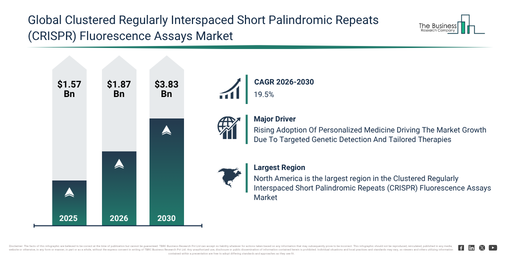
    Clustered Regularly Interspaced Short Palindromic Repeats (CRISPR) Fluorescence Assays Market Size In 2026 And Beyond: Understanding Future Growth Potential

    Built to provide research that’s more actionable and strategically valuable, The Business Research Company’s 2026 market reports include market attractiveness analysis, total addressable market sizing, company benchmarking matrices, interactive Excel dashboards, broader supply chain intelligence, emerging startup tracking, and in-depth product insights.

    Clustered Regularly Interspaced Short Palindromic Repeats (CRISPR) Fluorescence Assays Market Size Outlook: How Quickly Will Revenue Expand Through 2030?

    The market size for clustered regularly interspaced short palindromic repeats (CRISPR) fluorescence assays has shown rapid expansion in recent years. It is projected to expand from $1.57 billion in 2025 to $1.87 billion in 2026, exhibiting a compound annual growth rate (CAGR) of 19.3%. Historically, this growth can be ascribed to several factors, including the escalating demand for rapid molecular diagnostics, the embrace of Cas9-based detection tools, the proliferation of academic and research institutes, the broadening of pharmaceutical and biotechnology research, and the increasing prevalence of genetic research initiatives.

    The clustered regularly interspaced short palindromic repeats (CRISPR) fluorescence assays market size is poised for swift expansion in the upcoming years, projected to reach $3.83 billion in 2030, exhibiting a compound annual growth rate (CAGR) of 19.5%. This growth in the forecast period can be ascribed to the increasing uptake of multiplex and high-throughput assays, enhanced integration with AI-enabled analysis platforms, a surging requirement for point-of-care diagnostics, the extension of clinical laboratory capacities, and an elevated focus on personalized medicine applications. Prominent trends within this period encompass the escalating adoption of multiplex CRISPR fluorescence assays, an increasing call for Cas12 and Cas13-based detection technologies, the wider integration of real-time fluorescence readers, the broadening of diagnostic and drug discovery applications, and a reinforced emphasis on high-sensitivity pathogen and biomarker detection.

    Get A Free Sample Report With In-Depth Market Insights:

    https://thebusinessresearchcompany.com/sample_request?id=21947956&type=smp&name=Clustered%20Regularly%20Interspaced%20Short%20Palindromic%20Repeats%20%28CRISPR%29%20Fluorescence%20Assays%20Market%20Report%202026&utm_source=Blogs&utm_medium=Paid&utm_campaign=Oct_PR

    Clustered Regularly Interspaced Short Palindromic Repeats (CRISPR) Fluorescence Assays Market Growth Drivers: What’s Behind The Acceleration?

    The increasing demand for personalized medicine is anticipated to drive the expansion of the clustered regularly interspaced short palindromic repeats (CRISPR) fluorescence assays market in the future. Personalized medicine involves customizing healthcare and preventive measures based on an individual’s unique genetic makeup, environmental factors, and lifestyle to achieve the best possible outcomes. This approach to medicine is advancing due to the growing incidence of chronic illnesses, necessitating specific treatments that are more efficacious for individual patients compared to conventional methods. Clustered regularly interspaced short palindromic repeats (CRISPR) fluorescence assays support personalized medicine by providing swift and highly accurate identification of genetic mutations or biomarkers within a patient’s DNA. This capability assists physicians in pinpointing variants responsible for diseases and customizing therapies according to each person’s genetic blueprint. An example of this trend is seen in February 2024 data from the Personalized Medicine Coalition, a US-based non-profit organization, indicating that in 2023, the FDA sanctioned 16 novel personalized therapies for rare disease patients, an increase from six approvals in 2022. Consequently, the expanding preference for personalized medicine is a key factor fueling the growth of the clustered regularly interspaced short palindromic repeats (CRISPR) fluorescence assays market.

    Clustered Regularly Interspaced Short Palindromic Repeats (CRISPR) Fluorescence Assays Market Segment Performance And Emerging Opportunities

    The clustered regularly interspaced short palindromic repeats (CRISPR) fluorescence assays market covered in this report is segmented –

    1) By Product Type: Kits, Reagents, Instruments, Other Product Types

    2) By Technology: Cas9-Based Fluorescence Assays, Cas12-Based Fluorescence Assays, Cas13-Based Assays, Other Technologies

    3) By Detection: Fluorescence-Based, Lateral Flow

    4) By Application: Gene Editing, Diagnostics, Drug Discovery, Other Applications

    5) By End-User: Academic And Research Institutes, Pharmaceutical And Biotechnology Companies, Clinical Laboratories, Other End-Users

    Subsegments:

    1) By Kits: Detection Kits, Editing Kits, Multiplex Kits

    2) By Reagents: Cas Enzymes, Buffers And Solutions, Probes And Reporters

    3) By Instruments: Fluorescence Readers, Real-Time PCR Instruments, Microplate Readers

    4) By Other Product Types: Consumables, Accessories, Software

    Clustered Regularly Interspaced Short Palindromic Repeats (CRISPR) Fluorescence Assays Market Competitive Landscape: Who Leads The Industry?

    Major companies operating in the clustered regularly interspaced short palindromic repeats (CRISPR) fluorescence assays market are Thermo Fisher Scientific Inc., Merck KGaA, Eurofins Scientific SE, Agilent Technologies Inc., Bio‑Rad Laboratories Inc., QIAGEN N.V., Integrated DNA Technologies Inc., GenScript Biotech Corporation, Takara Bio Inc., Ginkgo Bioworks, OriGene Technologies Inc., Synthego Corporation, Inscripta Inc., Mammoth Biosciences Inc., Creative Biolabs, Cellecta Inc., GeneCopoeia Inc., SBS Genetech Co. Ltd., Addgene, CrisprBits Private Limited.

    View The Full Clustered Regularly Interspaced Short Palindromic Repeats (CRISPR) Fluorescence Assays Market Report:

    https://thebusinessresearchcompany.com/report/clustered-regularly-interspaced-short-palindromic-repeats-crispr-fluorescence-assays-market-report?utm_source=Blogs&utm_medium=Paid&utm_campaign=Oct_PR

    Clustered Regularly Interspaced Short Palindromic Repeats (CRISPR) Fluorescence Assays Market Geographic Landscape: Which Region Leads Industry Growth?

    North America was the largest region in the clustered regularly interspaced short palindromic repeats (CRISPR) fluorescence assays market in 2025. Asia-Pacific is expected to be the fastest-growing region in the forecast period. The regions covered in the clustered regularly interspaced short palindromic repeats (CRISPR) fluorescence assays market report are Asia-Pacific, South East Asia, Western Europe, Eastern Europe, North America, South America, Middle East, Africa.

    Reach Out To Our Team:

    The Business Research Company: https://www.thebusinessresearchcompany.com/

    Americas: +1 310-496-7795

    Asia: +44 7882 955267 & +91 8897263534

    Europe: +44 7882 955267

    Email us at: marketing@tbrc.info

    Follow us on:

    LinkedIn: https://in.linkedin.com/company/the-business-research-company

    YouTube: https://www.youtube.com/channel/UC24_fI0rV8cR5DxlCpgmyFQ

    Global Market Model: https://www.thebusinessresearchcompany.com/global-market-model
  • Cloud-Based Radiology Picture Archiving And Communication System (PACS) System Market Size Forecast From 2026 To 2030: Key Industry Trends

    Cloud-Based Radiology Picture Archiving And Communication System (PACS) System Market Size Forecast From 2026 To 2030: Key Industry Trends

    Built to provide research that’s more actionable and strategically valuable, The Business Research Company’s 2026 market reports include market attractiveness analysis, total addressable market sizing, company benchmarking matrices, interactive Excel dashboards, broader supply chain intelligence, emerging startup tracking, and in-depth product insights.

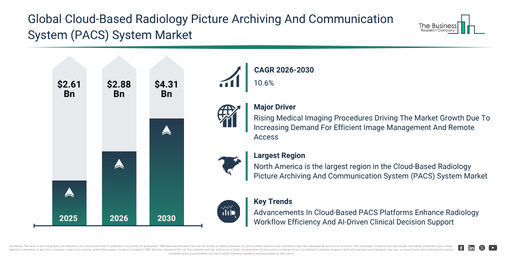
    Cloud-Based Radiology Picture Archiving And Communication System (PACS) System Market Set To Climb From $2.88 Billion In 2026 To $4.31 Billion By 2030

    The cloud-based radiology picture archiving and communication system (PACS) system market size has shown rapid development in recent years. This market is set to grow from $2.61 billion in 2025 to $2.88 billion in 2026, exhibiting a compound annual growth rate (CAGR) of 10.4%. The expansion observed in the historic period is attributable to several factors, including the increasing digitization of radiology departments, the adoption of on-premises PACS systems, rising imaging volumes, a growing demand for secure data storage, and the broader expansion of diagnostic imaging infrastructure.

    The cloud-based radiology picture archiving and communication system (PACS) system market is poised for significant expansion in the coming years. Its valuation is projected to reach $4.31 billion in 2030, exhibiting a compound annual growth rate (CAGR) of 10.6%. This anticipated expansion during the forecast period stems from factors such as the increasing embrace of cloud hosting services, greater integration with AI-powered diagnostic tools, a heightened need for sharing images across multiple sites, the proliferation of teleradiology offerings, and an intensified focus on system interoperability and integration. Key developments expected during this period involve the wider acceptance of cloud-based PACS solutions, a surge in demand for remote image access and collaborative tools, deeper integration with mobile access technologies, enhanced data storage and retrieval capabilities, and an elevated emphasis on automating workflows and reporting functions.

    Get A Free Sample Report With In-Depth Market Insights:

    https://thebusinessresearchcompany.com/sample_request?id=21910165&type=smp&name=Cloud-Based%20Radiology%20Picture%20Archiving%20And%20Communication%20System%20%28PACS%29%20System%20Market%20Report%202026&utm_source=Blogs&utm_medium=Paid&utm_campaign=Oct_PR

    Cloud-Based Radiology Picture Archiving And Communication System (PACS) System Market Growth Backed By Core Demand Fundamentals

    The cloud-based radiology picture archiving and communication system (PACS) market is anticipated to expand, driven by the rising number of medical imaging procedures. These procedures involve methods for producing internal body images, crucial for disease diagnosis, monitoring, and treatment guidance. The growing occurrence of chronic illnesses boosts the need for medical imaging, given its importance for precise diagnosis, tracking, and therapy. A cloud-based radiology picture archiving and communication system (PACS) supports medical imaging processes through secure online storage, management, and sharing of images, which facilitates quicker access, distant consultations, and more efficient operations for radiologists and healthcare professionals. As an illustration, the National Health Service, a UK-based government department, reported that referrals for brain magnetic resonance imaging (MRI) by general practitioners saw an increase from 8,695 in January 2022 to 8,745 in January 2023, as observed in May 2023. Consequently, the expanding volume of medical imaging procedures fuels the expansion of the cloud-based radiology picture archiving and communication system (PACS) market.

    Cloud-Based Radiology Picture Archiving And Communication System (PACS) System Market Segment Analysis And Revenue Potential

    The cloud-based radiology picture archiving and communication system (PACS) system market covered in this report is segmented –

    1) By Component: Software, Services

    2) By Technology Type: Artificial Intelligence Integration, Machine Learning Algorithms, Data Analytics Solutions, Mobile Access Solutions, Other Technology Types

    3) By Functionality: Image Storage And Retrieval, Image Sharing And Collaboration, Reporting Tools, Integration With Other Systems, Other Functionalities

    4) By Application Area: Diagnostic Imaging, X-Ray Imaging, Magnetic Resonance Imaging, Computed Tomography, Ultrasound

    5) By End-User: Hospitals, Imaging Centers, Research Institutions, Emergency Departments, Other End Users

    Subsegments:

    1) By Software: Image Storage And Archiving Software, Image Viewing And Visualization Software, Workflow And Reporting Software, Integration And Interoperability Software, Data Security And Access Control Software

    2) By Services: Installation And System Configuration Services, Maintenance And Technical Support Services, Cloud Hosting And Infrastructure Management Services, Data Migration And System Upgrade Services, Training And Consulting Services

    Cloud-Based Radiology Picture Archiving And Communication System (PACS) System Market Growth Trends Reshaping The Competitive Landscape

    Major companies engaged in the cloud-based radiology picture archiving and communication system (PACS) market are prioritizing the development of advanced solutions, including AI-enabled clinical workflow, to automate image analysis, streamline diagnostics, and enhance radiologist efficiency in real time. AI-enabled clinical workflow refers to the application of artificial intelligence to automate image analysis, prioritize cases, and support clinical decision-making, aiming for faster and more accurate patient care. For instance, in November 2023, Koninklijke Philips N.V., a Netherlands-based health technology company, unveiled HealthSuite Imaging, a cloud-based next generation of Vue PACS, incorporating new AI-enabled clinical and operational workflows at RSNA23. This cutting-edge platform unifies diagnostics, image management, reporting, and operational tools within a scalable environment, thereby enabling remote access, quicker AI adoption, and reduced IT costs for healthcare providers.

    Cloud-Based Radiology Picture Archiving And Communication System (PACS) System Market Competitive Analysis Of Leading Industry Participants

    Major companies operating in the cloud-based radiology picture archiving and communication system (PACS) system market are Siemens Healthineers AG, FUJIFILM Holdings Corporation, Koninklijke Philips N.V., General Electric Company, United Imaging Healthcare Co. Ltd., Carestream Health Inc., PaxeraHealth Inc., INFINITT Healthcare Co. Ltd., Visage Imaging Inc., Sectra AB, Novarad Corporation, Konica Minolta Inc., OnePACS LLC, Intelerad Medical Systems Inc., POSTDICOM Inc., CrelioHealth Inc., SARC MedIQ, OmniPACS Inc., eRAD Inc., Lifetrack, and Synthesis PACS Inc.

    View The Full Cloud-Based Radiology Picture Archiving And Communication System (PACS) System Market Report:

    https://thebusinessresearchcompany.com/report/cloud-based-radiology-picture-archiving-and-communication-system-pacs-system-market-report?utm_source=Blogs&utm_medium=Paid&utm_campaign=Oct_PR

    Cloud-Based Radiology Picture Archiving And Communication System (PACS) System Market Geographic Spread And Regional Opportunities

    North America was the largest region in the cloud-based radiology picture archiving and communication system (PACS) market in 2025. Asia-Pacific is expected to be the fastest-growing region in the forecast period. The regions covered in the cloud-based radiology picture archiving and communication system (PACS) system market report are Asia-Pacific, South East Asia, Western Europe, Eastern Europe, North America, South America, Middle East, Africa.

    Reach Out To Our Team:

    The Business Research Company: https://www.thebusinessresearchcompany.com/

    Americas: +1 310-496-7795

    Asia: +44 7882 955267 & +91 8897263534

    Europe: +44 7882 955267

    Email us at: marketing@tbrc.info

    Follow us on:

    LinkedIn: https://in.linkedin.com/company/the-business-research-company

    YouTube: https://www.youtube.com/channel/UC24_fI0rV8cR5DxlCpgmyFQ

    Global Market Model: https://www.thebusinessresearchcompany.com/global-market-model
  • Chromosomal Microarray Reflex Testing Market Trends Supporting 9.1% CAGR Growth Through 2030

    Chromosomal Microarray Reflex Testing Market Trends Supporting 9.1% CAGR Growth Through 2030

    Featuring market attractiveness scoring, total addressable market sizing, company benchmarking matrices, interactive Excel dashboards, deeper supply chain intelligence, emerging startup tracking, and granular product-level insights, The Business Research Company’s 2026 market reports are built to deliver research that is both more actionable and more strategically valuable.

    Chromosomal Microarray Reflex Testing Market Growth Potential: How Will Market Size Shift Through 2030?

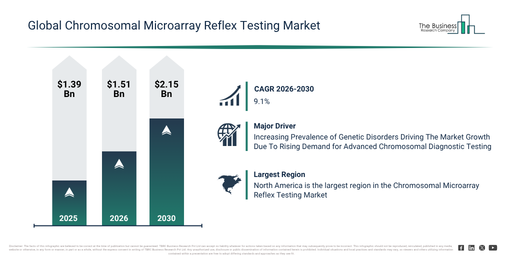
    The chromosomal microarray reflex testing market has experienced substantial expansion in recent years. It is projected to advance from $1.39 billion in 2025 to $1.51 billion in 2026, demonstrating a compound annual growth rate (CAGR) of 8.9%. This historical growth can be attributed to a heightened awareness of genetic disorders, the widespread adoption of array comparative genomic hybridization, increasing investments in molecular diagnostics, the expansion of hospital and laboratory infrastructure, and a rising demand for accurate prenatal testing.

    The chromosomal microarray reflex testing market is projected to experience substantial expansion over the coming years. This market is anticipated to reach $2.15 billion in 2030 at a compound annual growth rate (CAGR) of 9.1%. Factors contributing to this projected growth include the wider uptake of next-generation sequencing-based arrays, an increasing need for personalized medicine, the broadening scope of oncology and rare disease diagnostics, the greater incorporation of software for genomic data analysis, and an elevated emphasis on high-throughput and automated array platforms. Significant developments expected during this timeframe involve the increased use of high-resolution arrays, a surging requirement for genetic testing both before and after birth, enhanced incorporation of SNP arrays into clinical processes, further expansion within oncology and rare disease applications, and a heightened interest in bespoke and multiplexed array designs.

    Get A Free Sample Report With In-Depth Market Insights:

    https://thebusinessresearchcompany.com/sample_request?id=81210177&type=smp&name=Chromosomal%20Microarray%20Reflex%20Testing%20Market%20Report%202026&utm_source=Blogs&utm_medium=Paid&utm_campaign=Oct_PR

    Chromosomal Microarray Reflex Testing Market Demand Drivers: What’s Powering Industry Growth?

    The increasing occurrence of genetic disorders is anticipated to boost the growth of the chromosomal microarray (CMA) reflex testing market in the future. Genetic disorders are conditions stemming from irregularities in an individual’s DNA or chromosomes, which can be either inherited or develop from spontaneous mutations. This rising prevalence is largely attributed to the trend of delayed childbearing, as older maternal age significantly increases the probability of chromosomal abnormalities like Down syndrome and other trisomies, consequently expanding the population at risk who require genetic assessment. The heightened prevalence of genetic disorders fuels the need for chromosomal microarray testing, as it allows for high-resolution detection of submicroscopic deletions, duplications, and copy number variants that are not discernible through conventional karyotyping, thus enabling more precise diagnoses across a broader patient demographic. For instance, in October 2024, data from the Cystic Fibrosis Trust, a UK-based national charity, indicated that 11,148 individuals were living with cystic fibrosis (CF) in the UK in 2022, a number that rose to 11,318 in 2023. Consequently, the increasing prevalence of genetic disorders is a primary driver for the expansion of the chromosomal microarray (CMA) reflex testing market. The expanding prenatal screening is projected to drive the growth of the chromosomal microarray reflex testing market moving forward. Prenatal screening involves medical examinations performed during pregnancy to evaluate the risk of fetal abnormalities or genetic conditions. The increase in prenatal screening is driven by its capability for early detection, which allows for timely identification of fetal abnormalities and supports more informed healthcare decisions. Chromosomal microarray reflex testing aids prenatal screening by offering a detailed genetic analysis of the fetus, facilitating the identification of chromosomal abnormalities that might be overlooked by standard tests. For instance, in January 2026, the National Health Service, a UK-based government department, reported that the national performance rate for fetal anomaly ultrasound screening reached 97.0% in the second quarter of 2024–2025. Therefore, the growing prenatal screening is a key factor propelling the growth of the chromosomal microarray reflex testing market.

    Chromosomal Microarray Reflex Testing Market Segment Trends And Revenue Contributors

    The chromosomal microarray reflex testing market covered in this report is segmented –

    1) By Technology: Array Comparative Genomic Hybridization, Single Nucleotide Polymorphism Arrays, Other Technologies

    2) By Product Type: Consumables, Instruments, Software

    3) By Application: Genetic Disease Diagnosis, Oncology, Pre- And Post-Natal Testing, Other Applications

    4) By End-User: Hospitals And Clinics, Diagnostic Laboratories, Research And Academic Institutes, Other End-Users

    Subsegments:

    1) By Array Comparative Genomic Hybridization: Oligonucleotide Arrays, Bacterial Artificial Chromosome Arrays, cDNA Arrays, Custom Designed Arrays

    2) By Single Nucleotide Polymorphism Arrays: High Density SNP Arrays, Low Density SNP Arrays, Genome Wide SNP Arrays, Targeted SNP Arrays

    3) By Other Technologies: Multiplex Ligation Dependent Probe Amplification, Next Generation Sequencing Based Arrays, Fluorescence In Situ Hybridization, Quantitative PCR Based Arrays

    Chromosomal Microarray Reflex Testing Market Competitive Landscape: Who Leads The Industry?

    Major companies operating in the chromosomal microarray reflex testing market are Thermo Fisher Scientific Inc., Laboratory Corporation of America Holdings (LabCorp), Quest Diagnostics Incorporated, Agilent Technologies Inc., Illumina Inc., Natera Inc., Redcliffe Labs Inc., ARUP Laboratories LLC, Invitae Corporation, MedGenome Labs Ltd., Centogene N.V., Variantyx Inc., Baylor Genetics Laboratories LLC, Ganesh Diagnostic Pvt. Ltd., Partek Incorporated, ReproSource Inc., Paragon Genomics Inc., CURA4U Inc., Lucid Diagnostics Inc., Progenics Laboratories Pvt. Ltd.

    View The Full Chromosomal Microarray Reflex Testing Market Report:

    https://thebusinessresearchcompany.com/report/chromosomal-microarray-reflex-testing-market-report?utm_source=Blogs&utm_medium=Paid&utm_campaign=Oct_PR

    Chromosomal Microarray Reflex Testing Market Geographic Landscape: Which Region Dominates Industry Growth?

    North America was the largest region in the chromosomal microarray reflex testing market in 2025. Asia-Pacific is expected to be the fastest-growing region in the forecast period. The regions covered in the chromosomal microarray reflex testing market report are Asia-Pacific, South East Asia, Western Europe, Eastern Europe, North America, South America, Middle East, Africa.

    Reach Out To Our Team:

    The Business Research Company: https://www.thebusinessresearchcompany.com/

    Americas: +1 310-496-7795

    Asia: +44 7882 955267 & +91 8897263534

    Europe: +44 7882 955267

    Email us at: marketing@tbrc.info

    Follow us on:

    LinkedIn: https://in.linkedin.com/company/the-business-research-company

    YouTube: https://www.youtube.com/channel/UC24_fI0rV8cR5DxlCpgmyFQ

    Global Market Model: https://www.thebusinessresearchcompany.com/global-market-model
  • Chitosan-based Hemostasis Management Products Market Forecast Highlights A $2.64 Billion Opportunity For Industry Participants

    Chitosan-based Hemostasis Management Products Market Forecast Highlights A $2.64 Billion Opportunity For Industry Participants

    Built to provide research that’s more actionable and strategically valuable, The Business Research Company’s 2026 market reports include market attractiveness analysis, total addressable market sizing, company benchmarking matrices, interactive Excel dashboards, broader supply chain intelligence, emerging startup tracking, and in-depth product insights.

    Chitosan-based Hemostasis Management Products Market Value Analysis: What Growth Lies Ahead Over The Forecast Period?

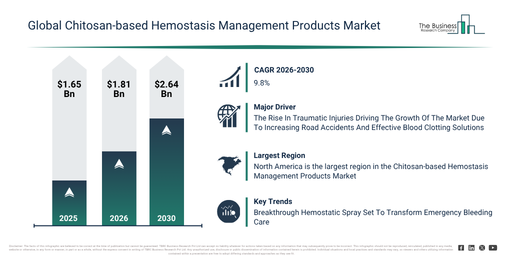
    The chitosan-based hemostasis management products market size has experienced significant growth in recent years. It is anticipated to increase from $1.65 billion in 2025 to $1.81 billion in 2026, achieving a compound annual growth rate (CAGR) of 9.6%. This historical expansion can be linked to factors like the escalating use of traditional hemostatic materials, a rise in trauma cases and surgical procedures, enhanced recognition of the need for swift bleeding control, the incorporation of chitosan in medical applications, and the development of hospital and surgical infrastructure.

    The market for chitosan-based hemostasis management products is projected to experience robust expansion in the coming years. Its value is anticipated to reach $2.64 billion by 2030, exhibiting a compound annual growth rate (CAGR) of 9.8%. This growth during the forecast period is propelled by factors such as the increasing acceptance of advanced hemostatic powders, a growing need for minimally invasive surgical interventions, expanded application in emergency and trauma medical settings, a wider range of product availability in ambulatory surgical centers, and an enhanced emphasis on hemostatic solutions that are both antimicrobial and biocompatible. Key trends for the forecast duration encompass the rising uptake of chitosan-based hemostatic dressings, a heightened demand for absorbable hemostatic sponges, the growing incorporation of sprayable and topical hemostatic powders, an increase in the deployment of hemostatic sealants and bandages for trauma care, and an escalating focus on antimicrobial and adhesive hemostatic products.

    Get A Free Sample Report With In-Depth Market Insights:

    https://thebusinessresearchcompany.com/sample_request?id=66035862&type=smp&name=Chitosan-based%20Hemostasis%20Management%20Products%20Market%20Report%202026&utm_source=Blogs&utm_medium=Paid&utm_campaign=Oct_PR

    Chitosan-based Hemostasis Management Products Market Growth Drivers: What’s Behind The Acceleration?

    A rising incidence of traumatic injuries is anticipated to drive the expansion of the chitosan-based hemostasis management products market in the future. These injuries involve bodily harm or damage resulting from sudden external impacts, including accidents, falls, or acts of violence, potentially impacting tissues, organs, bones, or the nervous system. The growing occurrence of such injuries is largely attributed to road traffic accidents, which contribute substantially to severe injuries globally due to factors like dense vehicle populations, excessive speeds, and insufficient road safety protocols. Chitosan-based hemostasis management products assist in managing traumatic injuries by quickly encouraging blood clot formation at the wound, thereby minimizing blood loss and aiding in quicker stabilization than conventional gauze or simple pressure techniques. For example, in October 2024, data from the Department of Health Alaska, a US-based government entity, indicated that approximately 3,373 individuals in Alaska suffered traumatic brain injuries (TBI) during 2023. Consequently, the rising frequency of traumatic injuries is fueling the growth of the chitosan-based hemostasis management products market.

    Chitosan-based Hemostasis Management Products Market Segment Analysis Spotlighting Growth Areas

    The chitosan-based hemostasis management products market covered in this report is segmented –

    1) By Product Type: Dressings, Sponges, Powders, Other Product Types

    2) By Application: Surgical Wounds, Trauma, Other Applications

    3) By End-User: Hospitals, Ambulatory Surgical Centers, Other End Users

    Subsegments:

    1) By Dressings: Hemostatic Gauze Dressings, Adhesive Hemostatic Dressings, Compression Dressings, Antimicrobial Dressings

    2) By Sponges: Absorbable Hemostatic Sponges, Surgical Hemostatic Sponges, Nasal Hemostatic Sponges, Dental Hemostatic Sponges

    3) By Powders: Topical Hemostatic Powders, Sprayable Hemostatic Powders, Surgical Hemostatic Powders, Veterinary Hemostatic Powders

    4) By Other Product Types: Hemostatic Bandages, Hemostatic Sealants, Hemostatic Films, Hemostatic Tampons

    Chitosan-based Hemostasis Management Products Market Trends: What’s Defining The Industry’s Next Phase?

    Leading companies in the chitosan-based hemostasis management products market are concentrating on developing innovative products, such as aerosolized chitosan hemostatic sprays, to swiftly control bleeding and enhance emergency trauma care. This type of spray is a medical solution that applies chitosan as a fine mist to a wound, establishing a fast-acting barrier to aid in bleeding cessation. For instance, in April 2023, BC3 Technologies Inc., a US-based medical device firm, secured clearance from the U.S. Food and Drug Administration (FDA) for its product, BC3’s SEAL Hemostatic Wound Spray, an aerosolized chitosan hemostatic spray engineered for quick bleeding control. This spray creates a physical obstruction on wounds, fostering clot development and facilitating prompt handling of severe arterial and traumatic hemorrhages. Subsequent to its approval, the product became accessible to first responders, military personnel, and emergency medical services, thereby improving their capacity for on-site hemorrhage control. This clearance further enables BC3 Technologies to broaden its footprint in the trauma care and emergency medical device sectors.

    Chitosan-based Hemostasis Management Products Market Company Landscape And Competitive Strategy

    Major companies operating in the chitosan-based hemostasis management products market are BenQ Materials Corporation, Core Scientific Creations Ltd, Advanced Medical Solutions Group plc, Ore-Medix LLC, Axio Biosolutions Pvt. Ltd., Marine Polymer Technologies Inc., Tri‑Tech Forensics Inc, The Seaberg Company Inc, Tricol Biomedical Inc., Datsing Bio-Tech Co Ltd., Medtrade Products Ltd., Gelita Medical GmbH, HemCon Medical Technologies Inc, Hemostasis LLC, BC3 Technologies Inc, Omni-stat Medical Inc, MMC MedTech Co Ltd, Anhui Wound Solutions, ChitoTech Company, CoreLeader Biotech Co. Ltd.

    View The Full Chitosan-based Hemostasis Management Products Market Report:

    https://thebusinessresearchcompany.com/report/chitosan-based-hemostasis-management-products-market-report?utm_source=Blogs&utm_medium=Paid&utm_campaign=Oct_PR

    Chitosan-based Hemostasis Management Products Market Largest Region: Which Geography Holds The Highest Market Share?

    North America was the largest region in the chitosan-based hemostasis management products market in 2025. Asia-Pacific is expected to be the fastest-growing region in the forecast period. The regions covered in the chitosan-based hemostasis management products market report are Asia-Pacific, South East Asia, Western Europe, Eastern Europe, North America, South America, Middle East, Africa.

    Reach Out To Our Team:

    The Business Research Company: https://www.thebusinessresearchcompany.com/

    Americas: +1 310-496-7795

    Asia: +44 7882 955267 & +91 8897263534

    Europe: +44 7882 955267

    Email us at: marketing@tbrc.info

    Follow us on:

    LinkedIn: https://in.linkedin.com/company/the-business-research-company

    YouTube: https://www.youtube.com/channel/UC24_fI0rV8cR5DxlCpgmyFQ

    Global Market Model: https://www.thebusinessresearchcompany.com/global-market-model

  • Chemoproteomics Market Analysis: How The Industry Is Evolving Toward A $3.36 Billion Future

    Chemoproteomics Market Analysis: How The Industry Is Evolving Toward A $3.36 Billion Future

    Backed by market attractiveness analysis, total addressable market sizing, company benchmarking matrices, interactive Excel dashboards, wider supply chain intelligence, emerging startup coverage, and detailed product-level insights, The Business Research Company’s 2026 market reports are designed to offer research that is more actionable and strategically valuable than ever.

    Chemoproteomics Market Size Forecast: How Big Could The Market Get By 2030?

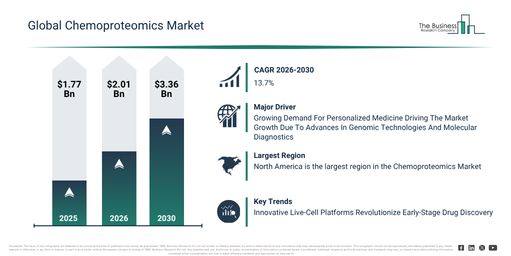
    The chemoproteomics market has experienced significant growth in recent years. Its valuation is projected to rise from $1.77 billion in 2025 to $2.01 billion in 2026, achieving a compound annual growth rate (CAGR) of 13.5%. This historical expansion can be attributed to factors such as increased investment in proteomics research, a surge in pharmaceutical R&D activities, the adoption of advanced mass spectrometry techniques, heightened efforts in drug discovery and biomarker identification, and the broadening of academic and research institutes.

    The chemoproteomics market size is set for significant expansion in the coming years. It will grow to $3.36 billion in 2030 at a compound annual growth rate (CAGR) of 13.7%. This forecasted growth is primarily driven by factors such as the increasing integration of artificial intelligence into proteomics analysis, a heightened demand for high-throughput chemoproteomics platforms, an elevated emphasis on personalized medicine, the enlargement of contract research organizations, and the wider embrace of multi-omics strategies. Key developments expected during this period involve a greater uptake of activity-based protein profiling, an increased need for quantitative proteomics techniques, the deeper integration of structural proteomics approaches, the broadening of affinity-based protein profiling applications, and a stronger emphasis on both label-free and isotope labeling methods.

    Get A Free Sample Report With In-Depth Market Insights:

    https://thebusinessresearchcompany.com/sample_request?id=37332725&type=smp&name=Chemoproteomics%20Market%20Report%202026&utm_source=Blogs&utm_medium=Paid&utm_campaign=Oct_PR

    Chemoproteomics Market Growth Factors Behind Sustained Expansion

    The rising need for individualized medical approaches is anticipated to fuel the expansion of the chemoproteomics market in the future. Individualized medicine involves healthcare interventions and treatments customized for each patient, considering their unique genetic composition, biological markers, and specific ailment traits. The heightened requirement for personalized medicine stems from breakthroughs in genomic technologies and advanced molecular diagnostics, which empower medical professionals to adjust treatments precisely to a patient’s genetic blueprint, thus enhancing treatment results. Chemoproteomics facilitates personalized medicine through pinpointing protein-drug interactions unique to each patient and their biomarker profiles, thereby allowing for customized therapies that optimize effectiveness and reduce undesirable side effects. A notable example is that in February 2024, the Personalized Medicine Coalition, a US-based non-profit group, reported that the Food and Drug Administration sanctioned 16 novel personalized treatments for individuals with rare diseases in 2023, an increase from six in 2022, comprising seven cancer medications and three for other conditions. Consequently, the increasing demand for personalized medicine is a key impetus behind the growth of the chemoproteomics market.

    Chemoproteomics Market Segment Performance And Emerging Opportunities

    The chemoproteomics market covered in this report is segmented –

    1) By Technology: Activity Based Protein Profiling, Quantitative Proteomics, Structural Proteomics, Affinity Based Protein Profiling, Label Free And Isotope Labeling Techniques

    2) By Product Type: Reagents And Kits, Instruments, Software, Services

    3) By Application: Drug Discovery, Target Identification And Validation, Biomarker Discovery, Proteome Profiling, Other Application

    4) By End-User: Pharmaceutical And Biotechnology Companies, Academic And Research Institutes, Contract Research Organizations, Other End-User

    Subsegments:

    1) By Activity Based Protein Profiling: Enzyme Activity Profiling, Covalent Probe Profiling, Targeted Activity Profiling, Functional Protein Profiling

    2) By Quantitative Proteomics: Stable Isotope Labeling, Isobaric Tag Labeling, Label Free Quantification, Metabolic Labeling

    3) By Structural Proteomics: X Ray Crystallography, Nuclear Magnetic Resonance, Cryogenic Electron Microscopy, Hydrogen Deuterium Exchange

    4) By Affinity Based Protein Profiling: Protein Ligand Interaction, Antibody Based Capture, Small Molecule Affinity Capture, Protein Complex Isolation

    5) By Label Free and Isotope Labeling Techniques: Label Free Mass Spectrometry, Isotope Coded Affinity Tagging, Dimethyl Labeling, Tandem Mass Tag Labeling

    Chemoproteomics Market Industry Trends Fueling Future Revenue Growth

    Companies operating in the chemoproteomics market are concentrating on developing innovative solutions, such as live cell target engagement platforms, to speed up drug discovery and enhance early stage efficacy prediction. A live cell target engagement platform is a technology designed to measure how drug candidates interact with their molecular targets within living cells in real time, offering more precise and physiologically relevant data compared to traditional in vitro assays. For instance, in September 2025, LeadArt Biotechnologies Inc., a US-based biotechnology research company, unveiled its INTRAP platform, a next-generation live-cell target engagement and chemoproteomics system, at AHeDD 2025. This platform integrates chemoproteomics, automation, and AI to analyze drug-target interactions directly inside living cells. This functionality allows researchers to more efficiently identify and optimize drug candidates, especially for challenging or “undruggable” targets. By supplying real-time, physiologically relevant data, INTRAP seeks to improve early-stage success rates and accelerate the entire drug discovery process.

    Chemoproteomics Market Key Players Shaping Industry Direction

    Major companies operating in the chemoproteomics market are Thermo Fisher Scientific Inc., Merck KGaA, Danaher Corporation, Agilent Technologies Inc., Shimadzu Corporation, PerkinElmer Inc., Bruker Corporation, Waters Corporation, Bio-Rad Laboratories Inc., Evotec SE, Promega Corporation, Cell Signaling Technology Inc., Seer Inc., ChomiX Biotech Inc., Abcam plc, Creative Proteomics Inc., MtoZ Biolabs Inc., Allumiqs Corporation, Dalriada Drug Discovery Ltd., MS Bioworks LLC.

    View The Full Chemoproteomics Market Report:

    https://thebusinessresearchcompany.com/report/chemoproteomics-market-report?utm_source=Blogs&utm_medium=Paid&utm_campaign=Oct_PR

    Chemoproteomics Market Regional Analysis: Which Region Leads By Revenue?

    North America was the largest region in the chemoproteomics market in 2025. Asia-Pacific is expected to be the fastest-growing region in the forecast period. The regions covered in the chemoproteomics market report are Asia-Pacific, South East Asia, Western Europe, Eastern Europe, North America, South America, Middle East, Africa.

    Reach Out To Our Team:

    The Business Research Company: https://www.thebusinessresearchcompany.com/

    Americas: +1 310-496-7795

    Asia: +44 7882 955267 & +91 8897263534

    Europe: +44 7882 955267

    Email us at: marketing@tbrc.info

    Follow us on:

    LinkedIn: https://in.linkedin.com/company/the-business-research-company

    YouTube: https://www.youtube.com/channel/UC24_fI0rV8cR5DxlCpgmyFQ

    Global Market Model: https://www.thebusinessresearchcompany.com/global-market-model