Month: October 2026

  • Sequencer As A Service Market Size In 2026: Regional Growth, Key Segments And Future Outlook

    Sequencer As A Service Market Size In 2026: Regional Growth, Key Segments And Future Outlook

    Built to provide research that’s more actionable and strategically valuable, The Business Research Company’s 2026 market reports include market attractiveness analysis, total addressable market sizing, company benchmarking matrices, interactive Excel dashboards, broader supply chain intelligence, emerging startup tracking, and in-depth product insights.

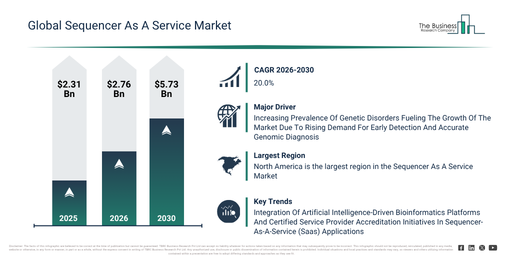
    Sequencer As A Service Market Growth From $2.76 Billion In 2026 To $5.73 Billion By 2030 At A CAGR Of 20%

    The sequencer as a service market has experienced swift expansion in recent years. This market is anticipated to increase its value from $2.31 billion in 2025 to $2.76 billion in 2026, demonstrating a compound annual growth rate (CAGR) of 19.8%. The historical growth can be attributed to several factors, including the escalating demand for genomic research, restricted access to in-house sequencing platforms, the significant expense of sequencing instruments, the proliferation of personalized medicine initiatives, and enhanced collaborations between research institutes and sequencing providers.

    The sequencer as a service market is anticipated to undergo significant expansion in the coming years. It is projected to achieve a valuation of $5.73 billion by 2030, demonstrating a compound annual growth rate (CAGR) of 20.0%. The expansion during the forecast period is propelled by the increasing acceptance of cloud-based sequencing solutions, the growing need for high-throughput sequencing services, the integration of AI-driven bioinformatics analysis, the broader application of clinical genomics, and the rise in outsourcing of sequencing tasks. Noteworthy trends for the forecast period involve cloud-based sequencing services, automated sample preparation, cohesive bioinformatics solutions, pay-per-use sequencing frameworks, and scalable genomic data management.

    Get A Free Sample Report With In-Depth Market Insights:

    https://thebusinessresearchcompany.com/sample_request?id=84454046&type=smp&name=Sequencer%20As%20A%20Service%20Market%20Report%202026&utm_source=Blogs&utm_medium=Paid&utm_campaign=Oct_PR

    Sequencer As A Service Market Growth Catalysts And Demand Drivers

    The anticipated expansion of the sequencer as a service market is significantly driven by the rising occurrence of genetic disorders. These medical conditions stem from anomalies in an individual’s deoxyribonucleic acid, which can be inherited from either parent or emerge from new mutations. The heightened incidence of genetic disorders is partly attributed to increasing parental age, given that older parents face a greater likelihood of transmitting genetic mutations to their offspring. Sequencer as a service offers a solution to genetic disorders by enabling scalable, on-demand access to sophisticated DNA and RNA sequencing technologies, facilitating prompt detection and precise diagnosis. This service alleviates infrastructure and operational complexities for laboratories and healthcare entities by providing cloud-based data analysis and specialized support, thereby enhancing precision medicine outcomes and research productivity. For example, data from May 2024, released by the UK’s National Health Service, indicated that 17,000 individuals are affected by sickle cell disease, an inherited genetic blood disorder, with approximately 250 new diagnoses annually. Consequently, the expanding prevalence of genetic disorders is a primary catalyst for the growth of the sequencer as a service market.

    Sequencer As A Service Market Segment Breakdown: Which Categories Lead On Revenue?

    The sequencer as a service market covered in this report is segmented –

    1) By Component: Software, Hardware, Services

    2) By Service Type: Sample Preparation Services, Library Preparation Services, Sequencing Execution Services, Bioinformatics Analysis Services, Data Storage And Management Services, Integrated End-to-End Sequencing Services

    3) By Deployment Mode: Cloud-Based, On-Premises

    4) By Application: Clinical Diagnostics, Oncology Research, Rare Disease Research, Infectious Disease Surveillance, Drug Discovery And Development, Agrigenomics, Forensic Genomics, Reproductive Health Testing, Personalized Medicine Research

    5) By End-User: Hospitals And Clinics, Research Institutes, Pharmaceutical And Biotechnology Companies, Academic Institutions, Other End Users

    Subsegments:

    1) By Software: Bioinformatics Analysis Platforms, Sequence Data Management Systems, Variant Interpretation Tools, Workflow Automation Software, Cloud-Based Data Processing Platforms

    2) By Hardware: High Throughput Sequencing Instruments, Sample Preparation Systems, Laboratory Automation Equipment, Data Storage Servers, High Performance Computing Infrastructure

    3) By Services: Sample Processing Services, Library Preparation Services, Sequencing Execution Services, Bioinformatics Interpretation Services, Data Storage And Management Services, Consulting And Technical Support Services

    Sequencer As A Service Market Trends Shaping Long-Term Demand

    Leading firms in the sequencer as a service market are prioritizing the integration of artificial intelligence-driven bioinformatics platforms, specifically the certified provider accreditation initiative, to elevate service quality, ensure technical adherence, and streamline workflow standardization across various genomics and single-cell analysis applications. The certified provider accreditation initiative itself is a structured framework where an entity officially acknowledges and licenses external service providers or collaborators that fulfill specified criteria for technical skill, operational excellence, and regulatory compliance. An illustrative example occurred in July 2024, when Parse Biosciences, a Seattle-based company specializing in single-cell sequencing solutions, unveiled its Certified Service Provider Program aimed at expanding the availability of scalable single-cell analysis. This program facilitates collaboration between researchers and accredited providers like SeqMatic and Eurofins Clinical Enterprise, who offer comprehensive, end-to-end workflows covering solutions such as Evercode Whole Transcriptome, Evercode TCR, CRISPR Detect, Gene Capture, and Evercode BCR, thereby enabling high-throughput capture of full-length BCR sequences alongside gene expression. This commitment guarantees proficient sample management, consistent workflow practices, and superior quality outcomes, positioning it as an optimal solution for both initial pilot studies and regular large-scale single-cell endeavors.

    Sequencer As A Service Market Leading Players And Competitive Positioning

    Major companies operating in the sequencer as a service market are Admera Health, ArrayGen Technologies, BGI Genomics Co. Ltd., CD Genomics Inc., Element Biosciences, Eurofins Scientific SE, Gene by Gene, GENEWIZ Germany GmbH, Illumina Inc., Karkinos Healthcare, Lucigen, Macrogen Inc., MedGenome Labs Ltd., Novogene Co. Ltd., Quest Diagnostics, SeqMatic LLC, SeqWell, Strand Life Sciences Pvt. Ltd., Veritas Genetics, Yaazh Xenomics.

    View The Full Sequencer As A Service Market Report:

    https://thebusinessresearchcompany.com/report/sequencer-as-a-service-market-report?utm_source=Blogs&utm_medium=Paid&utm_campaign=Oct_PR

    Sequencer As A Service Market Regional Split: Which Areas Are Fueling Growth?

    North America was the largest region in the sequencer as a service market in 2025. Asia-Pacific is expected to be the fastest-growing region in the forecast period. The regions covered in the sequencer as a service market report are Asia-Pacific, South East Asia, Western Europe, Eastern Europe, North America, South America, Middle East, Africa.

    Reach Out To Our Team:

    The Business Research Company: https://www.thebusinessresearchcompany.com/

    Americas: +1 310-496-7795

    Asia: +44 7882 955267 & +91 8897263534

    Europe: +44 7882 955267

    Email us at: marketing@tbrc.info

    Follow us on:

    LinkedIn: https://in.linkedin.com/company/the-business-research-company

    YouTube: https://www.youtube.com/channel/UC24_fI0rV8cR5DxlCpgmyFQ

    Global Market Model: https://www.thebusinessresearchcompany.com/global-market-model
  • Self-Assembling Protein Nanoparticles Market Analysis: $1.81 Billion Market Size In 2026 And Future Growth Prospects

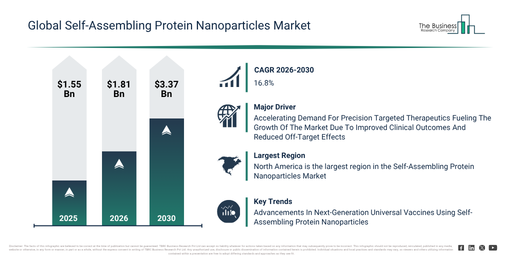
    Self-Assembling Protein Nanoparticles Market Analysis: $1.81 Billion Market Size In 2026 And Future Growth Prospects

    Featuring market attractiveness scoring, total addressable market sizing, company benchmarking matrices, interactive Excel dashboards, deeper supply chain intelligence, emerging startup tracking, and granular product-level insights, The Business Research Company’s 2026 market reports are built to deliver research that is both more actionable and more strategically valuable.

    Self-Assembling Protein Nanoparticles Market Growth Potential: How Will Market Size Shift Through 2030?

    The market for self-assembling protein nanoparticles has seen rapid expansion in recent years. It is projected to expand from $1.55 billion in 2025 to $1.81 billion in 2026, demonstrating a compound annual growth rate (CAGR) of 16.6%. In previous periods, this growth was primarily due to breakthroughs in recombinant protein technology, an increase in biopharmaceutical research, escalating vaccine development projects, rising demand for cancer and gene therapies, and the integration of structural biology engineering.

    The market for self-assembling protein nanoparticles is anticipated to experience substantial growth in the coming years. By 2030, its size is projected to reach $3.37 billion, exhibiting a compound annual growth rate (CAGR) of 16.8%. This expansion during the forecast period is propelled by factors such as the integration of computational protein design, the broadening of immunotherapy applications, a rising demand for personalized medicine, the adoption of self-assembly engineering platforms, and increased investment in modular nanoparticle platforms. Significant trends expected in this period include AI-driven protein design, modular nanoparticle engineering, optimization of targeted drug delivery, real-time diagnostic nanoparticle tracking, and the development of scaffold customization platforms.

    Get A Free Sample Report With In-Depth Market Insights:

    https://thebusinessresearchcompany.com/sample_request?id=78326729&type=smp&name=Self-Assembling%20Protein%20Nanoparticles%20Market%20Report%202026&utm_source=Blogs&utm_medium=Paid&utm_campaign=Oct_PR

    Self-Assembling Protein Nanoparticles Market Growth Momentum: What Factors Are Shaping Demand?

    The increasing need for precision targeted therapeutics is anticipated to drive the expansion of the self-assembling protein nanoparticles market in the future. Precision targeted therapeutics involve treatment methods designed to deliver therapeutic agents straight to particular cells, tissues, or molecular pathways, guided by individual disease traits, thereby enhancing effectiveness and minimizing unwanted side effects. This demand is growing because of the escalating worldwide prevalence of complex and chronic ailments that necessitate very specific and tailored treatment plans. Self-assembling protein nanoparticles facilitate precision targeted therapeutics by allowing the creation of consistent, programmable nanostructures capable of encapsulating and delivering drugs, antigens, or genetic material precisely to specific biological targets with regulated release profiles. For instance, in February 2024, the Personalized Medicine Coalition, a US-based nonprofit organization, reported that personalized medicines comprised over one-third of new United States Food and Drug Administration drug approvals in 2023, amounting to 26 targeted therapies, which was a considerably higher proportion than in 2022. Consequently, the growing demand for precision targeted therapeutics is fueling the expansion of the self-assembling protein nanoparticles market.

    Self-Assembling Protein Nanoparticles Market Segment Trends And Revenue Contributors

    The self-assembling protein nanoparticles market covered in this report is segmented –

    1) By Product Type: Vaccine Nanoparticles, Targeted Drug Delivery Nanoparticles, Diagnostic Nanoparticles, Protein-Based Nanocarriers, Research-Grade Nanoparticle Kits, Therapeutic Protein Nanoparticles, Imaging And Contrast Agent Nanoparticles

    2) By Design Approach: Virus-Like Particles, Ferritin-Based Nanoparticles, Encapsulin-Based Nanoparticles, Designed Oligomeric Proteins, Two-Component Co-Assembling Systems

    3) By Technology: Recombinant Protein Technology, Computational Protein Design, Structural Biology Engineering, Self-Assembly Engineering Platforms, Modular Nanoparticle Platforms

    4) By Application: Drug Delivery, Vaccine Development, Cancer Therapy, Gene Therapy, Diagnostics And Biosensing, Immunotherapy, Regenerative Medicine, Material Science Applications

    5) By End User: Biopharmaceutical Companies, Biotechnology Companies, Academic And Research Institutes, Contract Research Organizations, Diagnostic Laboratories

    Subsegments:

    1) By Vaccine Nanoparticles: Protein Cage Based Vaccine Nanoparticles, Virus Like Particle Vaccine Nanoparticles, Ferritin Scaffold Vaccine Nanoparticles, Encapsulin Derived Vaccine Nanoparticles

    2) By Targeted Drug Delivery Nanoparticles: Chemotherapeutic Loaded Protein Nanoparticles, Messenger Ribonucleic Acid Loaded Protein Nanoparticles, Small Molecule Encapsulated Protein Nanoparticles, Gene Editing Component Delivery Nanoparticles

    3) By Diagnostic Nanoparticles: Fluorescently Labeled Protein Nanoparticles, Enzyme Conjugated Protein Nanoparticles, Biomarker Targeted Detection Nanoparticles, Electrochemical Sensing Protein Nanoparticles

    4) By Protein-Based Nanocarriers: Surface Functionalized Protein Nanocarriers, Core Shell Structured Protein Nanocarriers, Stimuli Responsive Protein Nanocarriers, Ligand Targeted Protein Nanocarriers

    5) By Research-Grade Nanoparticle Kits: Pre Assembled Protein Nanoparticle Kits, Customizable Scaffold Nanoparticle Kits, Surface Modification Ready Nanoparticle Kits, Laboratory Validation Nanoparticle Kits

    6) By Therapeutic Protein Nanoparticles: Antibody Displaying Protein Nanoparticles, Cytokine Loaded Protein Nanoparticles, Peptide Functionalized Protein Nanoparticles, Enzyme Delivery Protein Nanoparticles

    7) By Imaging And Contrast Agent Nanoparticles: Magnetic Resonance Imaging Protein Nanoparticles, Fluorescent Imaging Protein Nanoparticles, Computed Tomography Contrast Protein Nanoparticles, Multimodal Imaging Protein Nanoparticles

    Self-Assembling Protein Nanoparticles Market Trends Redefining Industry Growth

    Leading firms within the self-assembling protein nanoparticles market are concentrating on creating novel solutions, like the advancement of next-generation universal vaccines, to bolster wide-ranging immunity and readiness for pandemics. This form of vaccine development involves the conceptualization, formulation, and assessment of sophisticated immunization methods designed to offer extensive and lasting defense against numerous strains or varieties within a single viral family. As an illustration, SK Bioscience, a biopharmaceutical entity based in South Korea, commenced a global Phase 1/2 clinical investigation for its vaccine candidate, GBP511, designed to target the Sarbecovirus Family, in January 2026. GBP511 utilizes the recombinant protein platform from SKYCovione, integrated with self-assembling nanoparticle technology pioneered by the Institute for Protein Design at the University of Washington School of Medicine. The study encompasses approximately 368 adults and is assessing safety, how well it’s tolerated, and its ability to provoke an immune response across various dose groups, both with and without an adjuvant, including direct comparisons to Comirnaty. Ultimately, this methodology seeks to generate extensive immune responses against present and anticipated future SARS-like coronaviruses, thereby contributing to universal vaccine efforts and pandemic readiness.

    Self-Assembling Protein Nanoparticles Market Competitive Landscape: Which Companies Lead The Industry?

    Major companies operating in the self-assembling protein nanoparticles market are Novavax Inc., Mika Biologics, VBI Vaccines Inc., Clover Biopharmaceuticals, Virometix AG, Medicago Inc., TechnoVax Inc., VLP Therapeutics LLC, Osivax SAS, Expres2ion Biotechnologies, SpyBiotech, SpyBiotech Ltd., Uvax Bio Inc., SK Bioscience Co. Ltd., Mynvax Private Limited, Vaxine Pty Ltd, Ufovax LLC.

    View The Full Self-Assembling Protein Nanoparticles Market Report:

    https://thebusinessresearchcompany.com/report/self-assembling-protein-nanoparticles-market-report?utm_source=Blogs&utm_medium=Paid&utm_campaign=Oct_PR

    Self-Assembling Protein Nanoparticles Market Regional Breakdown: Where Is Demand Concentrated?

    North America was the largest region in the self-assembling protein nanoparticles market in 2025. Asia-Pacific is expected to be the fastest-growing region in the forecast period. The regions covered in the self-assembling protein nanoparticles market report are Asia-Pacific, South East Asia, Western Europe, Eastern Europe, North America, South America, Middle East, Africa.

    Reach Out To Our Team:

    The Business Research Company: https://www.thebusinessresearchcompany.com/

    Americas: +1 310-496-7795

    Asia: +44 7882 955267 & +91 8897263534

    Europe: +44 7882 955267

    Email us at: marketing@tbrc.info

    Follow us on:

    LinkedIn: https://in.linkedin.com/company/the-business-research-company

    YouTube: https://www.youtube.com/channel/UC24_fI0rV8cR5DxlCpgmyFQ

    Global Market Model: https://www.thebusinessresearchcompany.com/global-market-model
  • Saponin-Based Adjuvants Market Reaches $1.97 Billion In 2026: Forecast And Growth Opportunities

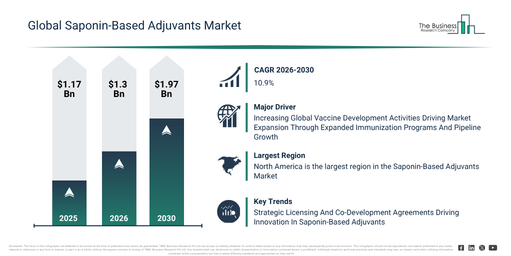
    Saponin-Based Adjuvants Market Reaches $1.97 Billion In 2026: Forecast And Growth Opportunities

    Featuring market attractiveness scoring, total addressable market sizing, company benchmarking matrices, interactive Excel dashboards, deeper supply chain intelligence, emerging startup tracking, and granular product-level insights, The Business Research Company’s 2026 market reports are built to deliver research that is both more actionable and more strategically valuable.

    Saponin-Based Adjuvants Market Revenue Outlook: What CAGR Lies Ahead Through 2030?

    The market for saponin-based adjuvants has experienced rapid expansion over recent years. This market is projected to expand from $1.17 billion in 2025 to $1.3 billion in 2026, demonstrating a compound annual growth rate (CAGR) of 10.7%. Historically, this growth can be ascribed to several factors including an increase in vaccine research endeavors, a heightened need for potent adjuvants, the expansion of both human and veterinary vaccine markets, progress in plant-based extraction methods, and supportive regulatory frameworks for adjuvant creation.

    The market size for saponin-based adjuvants is poised for swift expansion in the upcoming years. It is projected to reach $1.97 billion by 2030, demonstrating a compound annual growth rate (CAGR) of 10.9%. This anticipated growth during the forecast period is attributable to the adoption of synthetic and semi-synthetic saponin analogues, their integration with next-generation vaccine platforms, the broadening of veterinary vaccine applications, increased research and development investments in immunology, and a strategic focus on personalized and precision vaccine strategies. Key trends expected over this period include the creation of novel saponin formulations, improved vaccine immunogenicity, strategies for adjuvant dose sparing, incorporation with mRNA and protein-based vaccines, and advancements in standardization and quality control.

    Get A Free Sample Report With In-Depth Market Insights:

    https://thebusinessresearchcompany.com/sample_request?id=93784731&type=smp&name=Saponin-Based%20Adjuvants%20Market%20Report%202026&utm_source=Blogs&utm_medium=Paid&utm_campaign=Oct_PR

    Saponin-Based Adjuvants Market Industry Drivers: What’s Behind The Revenue Growth?

    The Saponin-Based Adjuvants market is anticipated to expand due to the rising need for vaccine development initiatives. These activities encompass the entire spectrum from research and clinical assessment to regulatory clearance and market introduction of novel or enhanced vaccines for both infectious and non-infectious conditions. Governments and international health bodies are intensifying vaccine development efforts, supported by ongoing financial investments aimed at preventing infectious diseases and preparing for pandemics. Saponin-Based Adjuvants play a crucial role in vaccine development by boosting antigen immunogenicity, facilitating dose reduction, and fortifying cellular immune responses within new vaccine formulations. For example, as reported by the World Health Organization, an international public health body headquartered in Switzerland, in April 2025, worldwide measles incidents reached approximately 10.3 million in 2023, marking an increase of around 20% from 2022. This underscores the escalating requirement for more extensive vaccine development and immunization campaigns. Consequently, the heightened demand for vaccine development initiatives is fueling the expansion of the Saponin-Based Adjuvants market.

    Saponin-Based Adjuvants Market Segment Landscape And Growth Outlook

    The saponin-based adjuvants market covered in this report is segmented –

    1) By Product Type: Purified Quillaja Saponin Extracts, QS-21 Saponin Fractions, Crude Saponin Extracts, Semi-Purified Saponin Blends, Synthetic And Semi-Synthetic Saponin Analogues

    2) By Source: Quillaja Saponaria, Soybean, Other Sources

    3) By Formulation: Particulate, Emulsion, Liposomal, Other Formulations

    4) By Application: Human Vaccines, Veterinary Vaccines, Research Applications, Other Applications

    5) By End-User: Pharmaceutical Companies, Research Institutes, Contract Research Organizations, Other End-Users

    Subsegments:

    1) By Purified Quillaja Saponin Extracts: High Purity Quillaja Extracts, Standardized Quillaja Extracts, Pharmaceutical Grade Quillaja Extracts, Vaccine Grade Quillaja Extracts

    2) By QS-21 Saponin Fractions: Clinical Grade QS-21 Fractions, Research Grade QS-21 Fractions, High Purity QS-21 Fractions, Stabilized QS-21 Formulations

    3) By Crude Saponin Extracts: Raw Plant Derived Saponin Extracts, Aqueous Crude Saponin Extracts, Alcohol Extracted Crude Saponins, Unstandardized Botanical Saponin Extracts

    4) By Semi-Purified Saponin Blends: Partially Refined Saponin Blends, Standardized Semi-Purified Blends, Blended Botanical Saponin Mixtures, Vaccine Grade Semi-Purified Blends

    5) By Synthetic And Semi-Synthetic Saponin Analogues: Fully Synthetic Saponin Analogues, Chemically Modified Saponin Derivatives, Structure Optimized Saponin Analogues, Low Toxicity Saponin Analogues

    #Saponin-Based Adjuvants Market Growth Trends: What’s Shaping The Future Outlook?

    Major companies in the saponin-based adjuvants market are concentrating on developing sustainable and scalable production alternatives, such as cultured plant cell-derived QS-21, to ensure supply chain stability, consistent quality, and reduced reliance on natural resources. Cultured plant cell-derived QS-21 describes an advanced manufacturing technique where this crucial vaccine adjuvant is cultivated from plant cells in a controlled laboratory environment, rather than being extracted from the bark of rare trees. For instance, in August 2024, SaponiQx, a US-based biomanufacturing company, launched STIMULON cultured plant cell QS-21, a cpcQS-21 adjuvant accessible for commercial acquisition through InvivoGen. This product is created using plant cell culture instead of tree bark, guaranteeing a consistent and scalable supply; it provides high purity, lot-to-lot consistency, and minimized environmental impact. Functionally, STIMULON cpcQS-21 maintains the same immunostimulatory strength as tree-derived QS-21 in stimulating both humoral and cellular immune responses, rendering it suitable for application in vaccines for infectious diseases such as malaria, shingles, and RSV.

    Saponin-Based Adjuvants Market Key Players Shaping Industry Direction

    Major companies operating in the saponin-based adjuvants market are GlaxoSmithKline plc, Croda International plc, HIPRA Human Health S.L, Novavax, Inc., Seppic S.A., Merck KGaA, Agenus Inc., PhytoLab GmbH & Co. KG, SPI Pharma Inc., InvivoGen, Desert King International, Adjuvatis S.A.S., Aphios Corporation, Vaxine Pty Ltd, Fatro S.p.A., Q-Vant Biosciences, AVT Pharmaceutical Inc., SaponiQx.

    View The Full Saponin-Based Adjuvants Market Report:

    https://thebusinessresearchcompany.com/report/saponin-based-adjuvants-market-report?utm_source=Blogs&utm_medium=Paid&utm_campaign=Oct_PR

    Saponin-Based Adjuvants Market Regional Analysis: Which Region Leads By Revenue?

    North America was the largest region in the saponin-based adjuvants market in 2025. Asia-Pacific is expected to be the fastest-growing region in the forecast period. The regions covered in the saponin-based adjuvants market report are Asia-Pacific, South East Asia, Western Europe, Eastern Europe, North America, South America, Middle East, Africa.

    Reach Out To Our Team:

    The Business Research Company: https://www.thebusinessresearchcompany.com/

    Americas: +1 310-496-7795

    Asia: +44 7882 955267 & +91 8897263534

    Europe: +44 7882 955267

    Email us at: marketing@tbrc.info

    Follow us on:

    LinkedIn: https://in.linkedin.com/company/the-business-research-company

    YouTube: https://www.youtube.com/channel/UC24_fI0rV8cR5DxlCpgmyFQ

    Global Market Model: https://www.thebusinessresearchcompany.com/global-market-model
  • Ribonucleic Acid (RNA) Splicing Modulators Market Analysis 2026: Market Size, Growth Trends And Industry Outlook

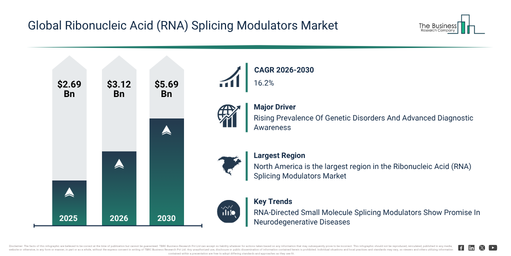
    Ribonucleic Acid (RNA) Splicing Modulators Market Analysis 2026: Market Size, Growth Trends And Industry Outlook

    Backed by market attractiveness analysis, total addressable market sizing, company benchmarking matrices, interactive Excel dashboards, wider supply chain intelligence, emerging startup coverage, and detailed product-level insights, The Business Research Company’s 2026 market reports are designed to offer research that is more actionable and strategically valuable than ever.

    Ribonucleic Acid (RNA) Splicing Modulators Market CAGR Outlook And Future Development

    The ribonucleic acid (RNA) splicing modulators market has seen considerable growth in recent years. Its valuation is expected to rise from $2.69 billion in 2025 to $3.12 billion in 2026, demonstrating a compound annual growth rate (CAGR) of 16.0%. This historical expansion can be attributed to factors such as the increasing prevalence of genetic disorders, advancements in molecular biology techniques, the growth of oncology therapeutics, rising research and development investments, and the adoption of antisense oligonucleotides.

    The ribonucleic acid (RNA) splicing modulators market is projected for substantial expansion in the coming years. Its value is anticipated to reach $5.69 billion by 2030, exhibiting a compound annual growth rate (CAGR) of 16.2%. This projected growth stems from factors such as the creation of AI-driven splicing modulators, the broader adoption of personalized medicine strategies, a rise in partnerships between pharmaceutical and biotechnology firms, improvements in drug delivery methods, and the approval of new therapeutic interventions by regulatory bodies. Key developments expected during this timeframe encompass targeted RNA splicing treatments, individualized genetic medicine, the utilization of high-throughput screening platforms, better incorporation of bioinformatics tools, and sophisticated molecular modeling techniques.

    Get A Free Sample Report With In-Depth Market Insights:

    https://thebusinessresearchcompany.com/sample_request?id=93832742&type=smp&name=Ribonucleic%20Acid%20%28RNA%29%20Splicing%20Modulators%20Market%20Report%202026&utm_source=Blogs&utm_medium=Paid&utm_campaign=Oct_PR

    Ribonucleic Acid (RNA) Splicing Modulators Market Demand Drivers Opening New Revenue Streams

    The ribonucleic acid (RNA) splicing modulators market is projected to expand due to the growing occurrence of genetic disorders. Genetic disorders are defined as conditions or illnesses stemming from irregularities in an individual’s DNA, such as mutations, deletions, or shifts in chromosomes that impair typical biological functions. A heightened awareness combined with improved diagnostic capabilities is leading to an increased identification of these cases, facilitating earlier diagnosis and intervention for inherited conditions. RNA splicing modulators contribute to managing genetic disorders by addressing and correcting abnormal RNA splicing events, thus presenting a therapeutic avenue for treating or controlling the genetic mutations that cause these conditions. For instance, the National Health Service, a UK-based government department, stated in May 2024 that 17,000 individuals live with sickle cell disease, an inherited genetic blood disorder, with approximately 250 new diagnoses occurring annually. Consequently, the increasing prevalence of genetic disorders is a key factor propelling the growth of the ribonucleic acid (RNA) splicing modulators market.

    Ribonucleic Acid (RNA) Splicing Modulators Market Segment Landscape: Which Areas Lead Development?

    The ribonucleic acid (RNA) splicing modulators market covered in this report is segmented –

    1) By Product Type: Small Molecule Modulators, Antisense Oligonucleotides, Small Interfering Ribonucleic Acid, Other Product Types

    2) By Route Of Administration: Subcutaneous, Intravenous, Intrathecal Central Nervous System Adjacent

    3) By Application: Cancer, Genetic Disorders, Neurological Disorders, Other Applications

    4) By End-User: Pharmaceutical Companies, Research Institutes, Hospitals And Clinics, Other End Users

    Subsegments:

    1) By Small Molecule Modulators: Splicing Factor Inhibitors, Ribonucleic Acid Binding Modulators, Kinase Modulators Affecting Splicing, Pre- Messenger Ribonucleic Acid Processing Modulators, Exon Skipping Enhancers

    2) By Antisense Oligonucleotides: Exon Skipping Antisense Oligonucleotides, Splice Site Modifying Antisense Oligonucleotides, Intronic Targeting Antisense Oligonucleotides, Messenger Ribonucleic Acid Degradation Inducing Antisense Oligonucleotides, Gene Expression Modulating Antisense Oligonucleotides

    3) By Small Interfering Ribonucleic Acid: Exon Skipping Small Interfering Ribonucleic Acid, Splice Site Small Interfering Ribonucleic Acid, Intronic Targeting Small Interfering Ribonucleic Acid, Pre- Messenger Ribonucleic Acid Processing Small Interfering Ribonucleic Acid, Gene Silencing Small Interfering Ribonucleic Acid

    4) By Other Product Types: Ribonucleoprotein Complex Modulators, Spliceosome Assembly Modulators, Ribonucleic Acid Editing Enzyme Modulators, Long Non-Coding Ribonucleic Acid Modulators, Messenger Ribonucleic Acid Modulators

    Ribonucleic Acid (RNA) Splicing Modulators Market Trends Powering Strategic Industry Growth

    Leading firms within the ribonucleic acid (RNA) splicing modulators market are prioritizing the development of sophisticated RNA-targeted drug discovery platforms, including RNA-directed small molecule splicing modulators, aiming to boost effectiveness, elevate safety, and tackle previously unaddressed requirements for neurodegenerative conditions. These RNA-directed small molecule splicing modulators function as compact compounds that attach to RNA, subsequently modifying pre-mRNA splicing to rectify or adjust splicing patterns, thereby addressing genetic disorders or malignancies. An example of this is Skyhawk Therapeutics, a US-based biotechnology company, which revealed favorable interim outcomes in September 2025 from its Phase 1 clinical trial for SKY-0515, intended for Huntington’s disease. This is an orally delivered, experimental small molecule RNA splicing modifier, engineered using the firm’s SKYSTAR platform. The trial results showed dose-dependent reductions of mutant huntingtin protein (up to 62%) and PMS1 mRNA in patients, alongside excellent brain penetration and a positive safety profile, indicating a promising dual-mechanism strategy to target fundamental disease processes autonomously.

    Ribonucleic Acid (RNA) Splicing Modulators Market Top Companies Driving Competitive Growth

    Major companies operating in the ribonucleic acid (RNA) splicing modulators market are F. Hoffmann-La Roche Ltd, Pfizer Inc., Novartis AG, Biogen Inc., PTC Therapeutics Inc., Ionis Pharmaceuticals Inc., Abivax SA, Twist Bioscience Corporation, Wave Life Sciences Ltd, Arrakis Therapeutics Inc., Remix Therapeutics Inc., Anima Biotech Inc., Rgenta Therapeutics Inc., Avidity Biosciences Inc., Skyhawk Therapeutics Inc., Stoke Therapeutics Inc., Accent Therapeutics Inc., Chordia Therapeutics Inc., Panorama Medicine Inc., Serna Therapeutics Inc., Ribometrix Inc., Envisagenics Inc., Dyne Therapeutics Inc.

    View The Full Ribonucleic Acid (RNA) Splicing Modulators Market Report:

    https://thebusinessresearchcompany.com/report/ribonucleic-acid-rna-splicing-modulators-market-report?utm_source=Blogs&utm_medium=Paid&utm_campaign=Oct_PR

    Ribonucleic Acid (RNA) Splicing Modulators Market Global Footprint: Which Region Leads The Industry?

    North America was the largest region in the ribonucleic acid (RNA) splicing modulators market in 2025. Asia-Pacific is expected to be the fastest-growing region in the forecast period. The regions covered in the ribonucleic acid (RNA) splicing modulators market report are Asia-Pacific, South East Asia, Western Europe, Eastern Europe, North America, South America, Middle East, Africa.

    Reach Out To Our Team:

    The Business Research Company: https://www.thebusinessresearchcompany.com/

    Americas: +1 310-496-7795

    Asia: +44 7882 955267 & +91 8897263534

    Europe: +44 7882 955267

    Email us at: marketing@tbrc.info

    Follow us on:

    LinkedIn: https://in.linkedin.com/company/the-business-research-company

    YouTube: https://www.youtube.com/channel/UC24_fI0rV8cR5DxlCpgmyFQ

    Global Market Model: https://www.thebusinessresearchcompany.com/global-market-model
  • Reverse Transcription Kits Market Forecast To 2030: Starting From $2.51 Billion In 2026

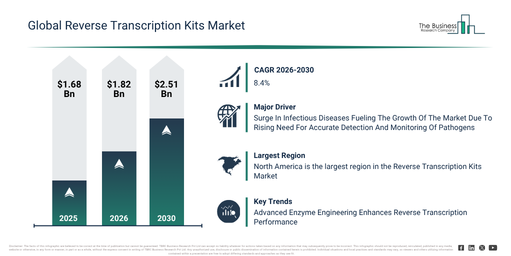
    Reverse Transcription Kits Market Forecast To 2030: Starting From $2.51 Billion In 2026

    Featuring market attractiveness scoring, total addressable market sizing, company benchmarking matrices, interactive Excel dashboards, deeper supply chain intelligence, emerging startup tracking, and granular product-level insights, The Business Research Company’s 2026 market reports are built to deliver research that is both more actionable and more strategically valuable.

    Reverse Transcription Kits Market Set To Climb From $1.82 Billion In 2026 To $2.51 Billion By 2030

    The reverse transcription kits market has experienced substantial growth in recent years. It is projected to increase from $1.68 billion in 2025 to $1.82 billion in 2026, exhibiting a compound annual growth rate (CAGR) of 8.2%. The expansion observed in the historic period is attributable to the increasing use of reverse transcription in molecular biology research, the growth of academic research initiatives, a rising demand for gene expression analysis, advancements in enzyme technologies, and the adoption of traditional rt-pcr techniques.

    The reverse transcription kits market size is anticipated to expand significantly in the upcoming years. It is projected to achieve a valuation of $2.51 billion in 2030, demonstrating a compound annual growth rate (CAGR) of 8.4%. This growth during the forecast period can be attributed to factors such as the increasing demand for high-throughput reverse transcription kits, their integration with automated laboratory systems, the expansion of pharmaceutical research and development, their growing application in cDNA library construction, and the introduction of multiplex and quantitative kits. Prominent trends for the forecast period include high-fidelity reverse transcription kits, multiplex reverse transcription kits, quantitative cDNA analysis, automated reverse transcription workflows, and integration with next-generation sequencing.

    Get A Free Sample Report With In-Depth Market Insights:

    https://thebusinessresearchcompany.com/sample_request?id=55513999&type=smp&name=Reverse%20Transcription%20Kits%20Market%20Report%202026&utm_source=Blogs&utm_medium=Paid&utm_campaign=Oct_PR

    Reverse Transcription Kits Market Growth Backed By Core Demand Fundamentals

    The future expansion of the reverse transcription kits market is anticipated to be significantly driven by the rising occurrence of infectious diseases. These diseases are defined as conditions resulting from pathogenic microorganisms like bacteria, viruses, parasites, or fungi, capable of spreading between individuals or organisms. The heightened incidence of infectious diseases stems from global population expansion, where denser populations contribute to quicker pathogen transmission and a greater likelihood of outbreaks. Reverse transcription kits play a crucial role in managing infectious diseases by converting viral RNA into complementary DNA, thereby enabling precise detection, tracking, and study of RNA-based pathogens for prompt diagnosis and intervention. For example, the World Health Organization reported in July 2023 that approximately 40-60 million doses of malaria vaccinations will be required globally each year by 2026, with projections indicating an increase to 80-100 million doses annually by 2030. Consequently, the expanding occurrence of infectious diseases is fueling the development of the reverse transcription kits market.

    Reverse Transcription Kits Market Segments: Where Is Growth Concentrated?

    The reverse transcription kits market covered in this report is segmented –

    1) By Product Type: One-Step Reverse Transcription Kits, Two-Step Reverse Transcription Kits, Other Product Types

    2) By Application: Gene Expression Analysis, Complementary DNA Library Construction, Reverse Transcription Polymerase Chain Reaction, Ribonucleic Acid Sequencing, Other Applications

    3) By End-User: Academic And Research Institutes, Pharmaceutical And Biotechnology Companies, Hospitals And Diagnostic Centers, Other End Users

    Subsegments:

    1) By One-Step Reverse Transcription Kits: Standard One-Step Reverse Transcription Kits, High Fidelity One-Step Reverse Transcription Kits, Quantitative One-Step Reverse Transcription Kits, Multiplex One-Step Reverse Transcription Kits

    2) By Two-Step Reverse Transcription Kits: Standard Two-Step Reverse Transcription Kits, High Efficiency Two-Step Reverse Transcription Kits, Quantitative Two-Step Reverse Transcription Kits, Multiplex Two-Step Reverse Transcription Kits

    3) By Other Product Types: Complementary Deoxyribonucleic Acid Synthesis Kits, Ribonucleic Acid Template Preparation Kits, Reverse Transcription Enzyme Kits, Specialized Nucleic Acid Kits

    Reverse Transcription Kits Market Growth Trends Reshaping The Competitive Landscape

    Major companies active in the reverse transcription kits market are prioritizing the development of innovative products, such as high-fidelity reverse transcriptase, to ensure accurate and efficient cDNA synthesis for both research and diagnostic applications. High-fidelity reverse transcription kits are comprehensive, ready-to-use solutions that incorporate engineered enzymes, optimized buffers, and supporting accessories, enabling precise RNA-to-cDNA conversion with excellent yield, sensitivity, and reproducibility for genomics, transcriptomics, and molecular diagnostics. For example, in May 2024, RNAConnect, a US-based life sciences tools firm, introduced UltraMarathonRT (uMRT), an ultra-processive next-generation reverse transcriptase designed to enhance cDNA synthesis efficiency, support longer RNA templates, and improve downstream assay performance. These advanced kits allow for rapid, high-quality reverse transcription with minimal errors, thereby supporting demanding laboratory workflows, high-throughput analyses, and sensitive RNA detection in research, clinical diagnostics, and biotechnology applications.

    Reverse Transcription Kits Market Leading Players And Competitive Positioning

    Major companies operating in the reverse transcription kits market are Roche Holding AG, Thermo Fisher Scientific Inc., Merck KGaA, Agilent Technologies Inc., Illumina Inc., Bio-Rad Laboratories Inc., QIAGEN N.V., Promega Corporation, Bioline, Takara Bio Inc., Analytik Jena AG, Bioneer Corporation, New England Biolabs Inc., Biovendor a.s., Enzo Life Sciences Inc., Zymo Research Corporation, Lucigen Corporation, System Biosciences LLC, Norgen Biotek Corp., Jena Bioscience GmbH, Canvax Biotech S.L., GeneCopoeia Inc., Toyobo Co. Ltd.

    View The Full Reverse Transcription Kits Market Report:

    https://thebusinessresearchcompany.com/report/reverse-transcription-kits-market-report?utm_source=Blogs&utm_medium=Paid&utm_campaign=Oct_PR

    Reverse Transcription Kits Market Regional Distribution: Which Areas Power Market Growth?

    North America was the largest region in the reverse transcription kits market in 2025. Asia-Pacific is expected to be the fastest-growing region in the forecast period. The regions covered in the reverse transcription kits market report are Asia-Pacific, South East Asia, Western Europe, Eastern Europe, North America, South America, Middle East, Africa.

    Reach Out To Our Team:

    The Business Research Company: https://www.thebusinessresearchcompany.com/

    Americas: +1 310-496-7795

    Asia: +44 7882 955267 & +91 8897263534

    Europe: +44 7882 955267

    Email us at: marketing@tbrc.info

    Follow us on:

    LinkedIn: https://in.linkedin.com/company/the-business-research-company

    YouTube: https://www.youtube.com/channel/UC24_fI0rV8cR5DxlCpgmyFQ

    Global Market Model: https://www.thebusinessresearchcompany.com/global-market-model
  • Revenue Cycle Copilots Market Size In 2026 And Beyond: Understanding Future Growth Potential

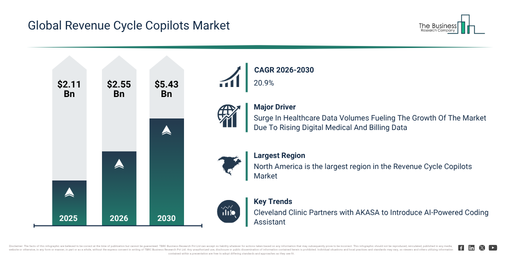
    Revenue Cycle Copilots Market Size In 2026 And Beyond: Understanding Future Growth Potential

    Built to provide research that’s more actionable and strategically valuable, The Business Research Company’s 2026 market reports include market attractiveness analysis, total addressable market sizing, company benchmarking matrices, interactive Excel dashboards, broader supply chain intelligence, emerging startup tracking, and in-depth product insights.

    Revenue Cycle Copilots Market Forecast: Value Set To Climb From $2.55 Billion To $5.43 Billion

    The revenue cycle copilots market has seen significant expansion in recent years. It will grow from $2.11 billion in 2025 to $2.55 billion in 2026 at a compound annual growth rate (CAGR) of 20.6%. This historical development can be attributed to several factors including manual revenue cycle processes, the increasing intricacy of healthcare billing, the expansion of hospital and clinic networks, an elevated focus on financial performance, and the adoption of standalone software solutions.

    The revenue cycle copilots market size is expected to experience substantial growth in the coming years, with projections indicating it will reach $5.43 billion in 2030, exhibiting a compound annual growth rate (CAGR) of 20.9%. This expansion during the forecast period is attributed to several factors, including AI-driven automation in the revenue cycle, an increase in cloud-based deployment, integration with electronic health records (EHR), a growing demand for predictive analytics in billing, and the broadening of revenue cycle consulting services. Prominent trends anticipated in the forecast period encompass automated billing and coding, optimization of claims accuracy, enhancement of the patient financial experience, automation of revenue analytics and reporting, and improved efficiency in denial management.

    Get A Free Sample Report With In-Depth Market Insights:

    https://thebusinessresearchcompany.com/sample_request?id=83353068&type=smp&name=Revenue%20Cycle%20Copilots%20Market%20Report%202026&utm_source=Blogs&utm_medium=Paid&utm_campaign=Oct_PR

    Revenue Cycle Copilots Market Growth Catalysts And Demand Drivers

    The anticipated expansion of the revenue cycle copilots market throughout the forecast period is largely attributed to the accelerated increase in healthcare data volumes. These volumes encompass the expanding digital information originating from sources such as electronic health records (EHRs), various diagnostic systems, medical imaging, billing platforms, and interconnected healthcare technologies. The broad implementation of EHRs and digital health solutions has led to a significant influx of both structured and unstructured clinical and financial data, thereby fostering an increasing demand for sophisticated data processing and analytical functionalities. Revenue cycle copilots effectively tackle this issue by employing AI-driven automation to efficiently process, analyze, and manage intricate billing and clinical datasets, subsequently enhancing coding accuracy, operational efficiency, and overall revenue cycle performance. For example, data from February 2025 published by Healthcare Asia Magazine, a Singapore-based healthcare industry publication, indicated that the healthcare sector contributed close to 30% of the world’s data volume, with its data experiencing a compound annual growth rate roughly 6% greater than that observed in the manufacturing industry. Consequently, the increasing healthcare data volumes are propelling the expansion of the revenue cycle copilots market.

    Revenue Cycle Copilots Market Segment Analysis: What Are The Core Market Categories?

    The revenue cycle copilots market covered in this report is segmented –

    1) By Component: Software, Services

    2) By Deployment Mode: On-Premises, Cloud-Based

    3) By Organization Size: Small And Medium Healthcare Providers, Large Hospitals Healthcare Systems

    4) By Application: Hospitals, Clinics, Ambulatory Surgical Centers, Specialty Practices, Other Applications

    5) By End-User: Healthcare Providers, Payers, Other End Users

    Subsegments:

    1) By Software: Billing And Coding Software, Claims Management Software, Patient Financial Experience Software, Revenue Analytics And Reporting Software, Payment Processing Software

    2) By Services: Revenue Cycle Consulting Services, Medical Coding And Billing Services, Payment Posting And Reconciliation Services, Denial Management Services, Training And Support Services

    Revenue Cycle Copilots Market Trends Shaping Long-Term Demand

    Leading companies in the revenue cycle copilots market are prioritizing the development of artificial intelligence-driven coding assistance, specifically generative AI tools designed to automatically interpret clinical documentation and suggest accurate medical codes to streamline billing and enhance revenue cycle efficiency. These sophisticated platforms integrate natural language understanding with health-specific coding logic to minimize manual work, improve precision, and decrease claim rejections, concurrently enabling staff to concentrate on more strategic responsibilities. For instance, in April 2025, Cleveland Clinic, a US-based health system, partnered with AKASA to launch AI-driven revenue cycle tools, including an AI-powered coding assistant capable of reviewing clinical documents in seconds and processing large volumes rapidly to support efficient, accurate mid-cycle coding. While such innovations undoubtedly advance automation and fiscal outcomes, validating clinical context accuracy and ensuring integration with diverse electronic health record systems continue to present challenges.

    Revenue Cycle Copilots Market Competitive Overview And Top Companies

    Major companies operating in the revenue cycle copilots market are UnitedHealth Group, Oracle Corporation, GE Healthcare, Cognizant Technology Solutions Corporation, Experian Health, Athenahealth Inc., Conifer Health Solutions, eClinicalWorks LLC, Waystar Inc., Meditech, NextGen Healthcare Inc., Infinx Healthcare, FinThrive Inc., Cedar, AKASA, CombineHealth, Epic Systems Corporation, RapidClaims, Allscripts Healthcare Solutions Inc., AGS Health, Olive AI Inc., nThrive Inc.

    View The Full Revenue Cycle Copilots Market Report:

    https://thebusinessresearchcompany.com/report/revenue-cycle-copilots-market-report?utm_source=Blogs&utm_medium=Paid&utm_campaign=Oct_PR

    Revenue Cycle Copilots Market Leading Geography: Which Region Contributes The Most Revenue?

    North America was the largest region in the revenue cycle copilots market in 2025. Asia-Pacific is expected to be the fastest-growing region in the forecast period. The regions covered in the revenue cycle copilots market report are Asia-Pacific, South East Asia, Western Europe, Eastern Europe, North America, South America, Middle East, Africa.

    Reach Out To Our Team:

    The Business Research Company: https://www.thebusinessresearchcompany.com/

    Americas: +1 310-496-7795

    Asia: +44 7882 955267 & +91 8897263534

    Europe: +44 7882 955267

    Email us at: marketing@tbrc.info

    Follow us on:

    LinkedIn: https://in.linkedin.com/company/the-business-research-company

    YouTube: https://www.youtube.com/channel/UC24_fI0rV8cR5DxlCpgmyFQ

    Global Market Model: https://www.thebusinessresearchcompany.com/global-market-model
  • Respiratory Viral Load Quantification Market Reaches $3.13 Billion In 2026: Key Developments Shaping Expansion

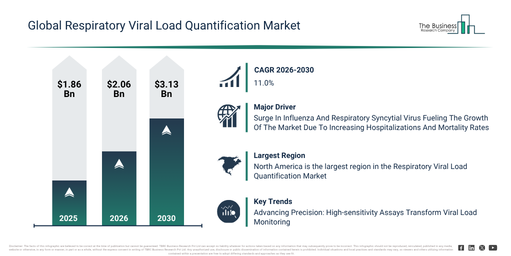
    Respiratory Viral Load Quantification Market Reaches $3.13 Billion In 2026: Key Developments Shaping Expansion

    Backed by market attractiveness analysis, total addressable market sizing, company benchmarking matrices, interactive Excel dashboards, wider supply chain intelligence, emerging startup coverage, and detailed product-level insights, The Business Research Company’s 2026 market reports are designed to offer research that is more actionable and strategically valuable than ever.

    Respiratory Viral Load Quantification Market Revenue Growth On Track For A 11% CAGR Through 2030

    The size of the respiratory viral load quantification market has expanded considerably in recent years. It is projected to grow from $1.86 billion in 2025 to $2.06 billion in 2026, at a compound annual growth rate (CAGR) of 10.8%. This historical expansion can be attributed to factors such as the rising prevalence of respiratory infections, the widespread adoption of PCR-based diagnostics, increasing demand for laboratory automation, government-funded disease surveillance programs, and the broadening of clinical research activities.

    The respiratory viral load quantification market is projected to experience swift expansion over the coming years. Its valuation is anticipated to reach $3.13 billion by 2030, demonstrating a compound annual growth rate (CAGR) of 11.0%. This anticipated growth during the forecast period is primarily driven by factors such as the incorporation of next-generation sequencing, the increasing adoption of AI-enabled diagnostic platforms, the rising demand for multiplex assays, the expansion in epidemiology and outbreak monitoring efforts, and increased investment in rapid diagnostic technologies. Key trends identified for the forecast timeframe encompass real-time viral load monitoring, enhanced integration with laboratory information systems, advancements in automated sample processing, the development of high-sensitivity diagnostic assays, and the application of predictive disease progression modeling.

    Get A Free Sample Report With In-Depth Market Insights:

    https://thebusinessresearchcompany.com/sample_request?id=22435376&type=smp&name=Respiratory%20Viral%20Load%20Quantification%20Market%20Report%202026&utm_source=Blogs&utm_medium=Paid&utm_campaign=Oct_PR

    Respiratory Viral Load Quantification Market Opportunity Drivers: What’s Unlocking New Revenue Potential?

    An increasing occurrence of influenza and respiratory syncytial virus (RSV) is projected to fuel expansion within the respiratory viral load quantification market during the forecast timeframe. These infections, influenza and RSV, are highly transmissible respiratory diseases stemming from viral agents, impacting the lungs and airways, leading to health consequences from minor sickness to serious respiratory issues. The growing widespread nature of these infections is heightening the need for precise viral load assessment to facilitate prompt diagnosis, track treatment effectiveness, and aid infection management strategies. Measuring respiratory viral load precisely allows for accurate identification and continuous evaluation of the viral presence, assisting medical professionals in making well-informed choices and enhancing patient care. For example, data from February 2026, provided by the Centers for Disease Control and Prevention (CDC), a US-based government department, showed that in 2026, influenza was responsible for around 290,000–450,000 hospitalizations and 34,000–53,000 deaths each year in the United States, whereas RSV contributed to an estimated 190,000–350,000 hospitalizations and 10,000–23,000 deaths. Consequently, the increased occurrence of influenza and respiratory syncytial virus is propelling the expansion of the respiratory viral load quantification market.

    Respiratory Viral Load Quantification Market Segment Breakdown: Which Categories Lead On Revenue?

    The respiratory viral load quantification market covered in this report is segmented –

    1) By Technology: Polymerase Chain Reaction, Next-Generation Sequencing, Immunoassays, Other Technologies

    2) By Product Type: Instruments, Assays And Kits, Software

    3) By Pathogen: Influenza A And B, Respiratory Syncytial Virus, Human Metapneumovirus, Parainfluenza Viruses

    4) By Application: Clinical Diagnostics, Research, Epidemiology, Other Applications

    5) By End-User: Hospitals And Clinics, Diagnostic Laboratories, Research Institutes, Other End Users

    Subsegments:

    1) By Polymerase Chain Reaction: Real Time Polymerase Chain Reaction, Digital Polymerase Chain Reaction, Reverse Transcription Polymerase Chain Reaction, Multiplex Polymerase Chain Reaction

    2) By Next Generation Sequencing: Whole Genome Sequencing, Targeted Sequencing, RNA Sequencing, Metagenomic Sequencing

    3) By Immunoassays: Enzyme Linked Immunosorbent Assay, Chemiluminescent Immunoassay, Fluorescent Immunoassay, Lateral Flow Immunoassay

    4) By Other Technologies: Mass Spectrometry Based Quantification, Microarray Based Detection, Biosensor Based Analysis, Hybridization Based Assays

    Respiratory Viral Load Quantification Market Innovation Trends Shaping Future Development

    Leading companies in the respiratory viral load quantification market are developing innovative solutions, such as high-sensitivity quantitative assays, to enable precise measurement of viral loads and support improved patient monitoring and therapeutic decision-making. These high-sensitivity quantitative assays are molecular- or immunoassay-based platforms designed to detect and quantify viral RNA or antigens with high accuracy, speed, and reproducibility across respiratory pathogens like respiratory syncytial virus (RSV), influenza, and SARS-CoV-2. For instance, in January 2025, Shionogi & Co., Ltd., a Japan-based pharmaceutical company, reported positive Phase 2 trial results for its oral antiviral candidate S-337395, where respiratory viral load quantification was used as a key endpoint to evaluate treatment efficacy and viral suppression. By leveraging advanced molecular detection technologies and optimized assay workflows, these diagnostic solutions facilitate rapid, reliable, and reproducible viral load measurements, supporting clinical trials, therapeutic monitoring, and public health interventions across hospital and laboratory settings.

    Respiratory Viral Load Quantification Market Competitive Landscape: Which Companies Lead The Industry?

    Major companies operating in the respiratory viral load quantification market are Cardinal Health, Johnson & Johnson Services Inc, Roche Diagnostics, Thermo Fisher Scientific, Abbott Laboratories, Siemens Healthineers AG, Danaher Corporation (Cepheid), Becton Dickinson Company (BD), Laboratory Corporation Of America Holdings (LabCorp), Quest Diagnostics Incorporated, Agilent Technologies, Illumina Inc, bioMérieux SA, Hologic Inc, PerkinElmer Inc, Sysmex Corporation, Bio-Rad Laboratories Inc, Qiagen NV, DiaSorin SpA, Seegene Inc, GC Diagnostics Corporation.

    View The Full Respiratory Viral Load Quantification Market Report:

    https://thebusinessresearchcompany.com/report/respiratory-viral-load-quantification-market-report?utm_source=Blogs&utm_medium=Paid&utm_campaign=Oct_PR

    Respiratory Viral Load Quantification Market Regional Outlook: Where Is Opportunity Concentrated?

    North America was the largest region in the respiratory viral load quantification market in 2025. Asia-Pacific is expected to be the fastest-growing region in the forecast period. The regions covered in the respiratory viral load quantification market report are Asia-Pacific, South East Asia, Western Europe, Eastern Europe, North America, South America, Middle East, Africa.

    Reach Out To Our Team:

    The Business Research Company: https://www.thebusinessresearchcompany.com/

    Americas: +1 310-496-7795

    Asia: +44 7882 955267 & +91 8897263534

    Europe: +44 7882 955267

    Email us at: marketing@tbrc.info

    Follow us on:

    LinkedIn: https://in.linkedin.com/company/the-business-research-company

    YouTube: https://www.youtube.com/channel/UC24_fI0rV8cR5DxlCpgmyFQ

    Global Market Model: https://www.thebusinessresearchcompany.com/global-market-model
  • Recurrent Implantation Failure Panels Market Size And Growth In 2026: Key Factors Shaping Future Demand

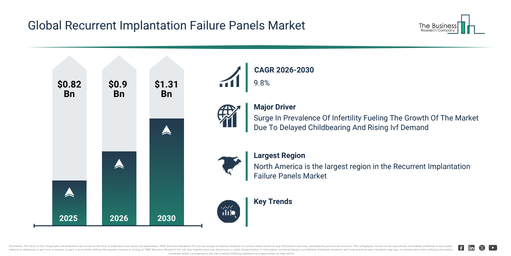
    Recurrent Implantation Failure Panels Market Size And Growth In 2026: Key Factors Shaping Future Demand

    Built to provide research that’s more actionable and strategically valuable, The Business Research Company’s 2026 market reports include market attractiveness analysis, total addressable market sizing, company benchmarking matrices, interactive Excel dashboards, broader supply chain intelligence, emerging startup tracking, and in-depth product insights.

    Recurrent Implantation Failure Panels Market Expansion Outlook: What Revenue Opportunities Are Ahead?

    The recurrent implantation failure panels market has shown robust expansion in its size over recent years. Its expansion is projected to proceed from $0.82 billion in 2025 to reach $0.9 billion by 2026, demonstrating a compound annual growth rate (CAGR) of 9.5%. Historically, this growth has been driven by factors such as increasing awareness of infertility, the widespread adoption of conventional IVF protocols, the proliferation of diagnostic laboratories, the rising application of genetic testing, and the growing demand for endometrial evaluation.

    The recurrent implantation failure panels market is anticipated to experience substantial expansion in the coming years. It will grow to $1.31 billion in 2030 at a compound annual growth rate (CAGR) of 9.8%. This projected growth is driven by factors such as the incorporation of AI and machine learning technologies, the increasing number of fertility clinics, the embracing of multi-omics methodologies, the creation of automated testing systems, and a rising patient preference for tailored fertility solutions. Key developments anticipated during this period involve customized assessment of implantation risk, the consolidation of multi-omics data, AI-driven models for predicting fertility, continuous monitoring of endometrial receptivity, and the automation of genetic and immunological tests.

    Get A Free Sample Report With In-Depth Market Insights:

    https://thebusinessresearchcompany.com/sample_request?id=72874072&type=smp&name=Recurrent%20Implantation%20Failure%20Panels%20Market%20Report%202026&utm_source=Blogs&utm_medium=Paid&utm_campaign=Oct_PR

    Recurrent Implantation Failure Panels Market Growth Factors: What’s Supporting Expansion?

    The global rise in infertility cases is projected to fuel the expansion of the recurrent implantation failure (RIF) panels market throughout the forecast period. Infertility refers to the inability to achieve conception after a year of consistent, unprotected sexual activity. The growing incidence of infertility is largely linked to factors like delaying parenthood, shifts in lifestyle, and the natural decline in reproductive capabilities with age, all of which raise the chances of conception difficulties and unsuccessful outcomes from assisted reproductive procedures. Recurrent implantation failure panels are instrumental in managing infertility by pinpointing genetic, immunological, and hormonal elements that might impede successful embryo implantation, thereby allowing clinicians to devise more customized treatment plans and enhance in vitro fertilization (IVF) success rates. As an illustration, in June 2025, figures from the Human Fertilisation and Embryology Authority (HFEA), a UK-based statutory regulator of fertility treatment, indicated that approximately 52,400 patients underwent more than 77,500 IVF cycles at licensed fertility clinics during 2023. Consequently, the increasing worldwide prevalence of infertility is propelling the growth of the recurrent implantation failure panels market.

    Recurrent Implantation Failure Panels Market Segment Landscape And Growth Outlook

    The recurrent implantation failure panels market covered in this report is segmented –

    1) By Product Type: Genetic Panels, Immunological Panels, Endometrial Receptivity Panels, Combined Panels, Other Product Types

    2) By Technology: Polymerase Chain Reaction (PCR), Next-Generation Sequencing, Microarray, Immunoassay, Other Technologies

    3) By Sample Type: Blood, Tissue, Other Sample Types

    4) By End User: Hospitals And Clinics, Diagnostic Laboratories, Fertility Centers, Other End Users

    Subsegments:

    1) By Genetic Panels: Chromosomal Abnormality Panels, Gene Mutation Panels, Single Nucleotide Variation Panels, Epigenetic Marker Panels

    2) By Immunological Panels: Cytokine Profile Panels, Autoantibody Detection Panels, Natural Killer Cell Activity Panels, T Cell Subset Panels

    3) By Endometrial Receptivity Panels: Gene Expression Profiling Panels, Protein Marker Panels, Microbiome Analysis Panels, Histological Assessment Panels

    4) By Combined Panels: Genetic And Immunological Panels, Genetic And Endometrial Panels, Immunological And Endometrial Panels, Multi Parameter Comprehensive Panels

    5) By Other Product Types: Hormonal Assay Panels, Metabolic Function Panels, Inflammatory Marker Panels, Customized Research Panels

    Recurrent Implantation Failure Panels Market Leading Companies And Competitive Benchmarking

    Major companies operating in the recurrent implantation failure panels market are Thermo Fisher Scientific Inc., Laboratory Corporation of America Holdings (LabCorp), Quest Diagnostics Incorporated, Illumina Inc., Natera Inc., Redcliffe Labs, MedGenome Labs Ltd., Mayo Clinic Laboratories, Fulgent Genetics Inc., LifeCell International, Kindbody Genetics, MapmyGenome, DNA Labs India, Shree IVF Clinic, Inti Labs, Vida Fertility Genetics, Cleveland Clinic, ReceptivaDx (CicloMed), MatriceLab, Reproductive Genetic Innovations (RGI), BGI Genomics Co. Ltd., Embryolab Next Gen IVF, Aksigen IVF, Progenesis IVF, Vani IVF.

    View The Full Recurrent Implantation Failure Panels Market Report:

    https://thebusinessresearchcompany.com/report/recurrent-implantation-failure-panels-market-report?utm_source=Blogs&utm_medium=Paid&utm_campaign=Oct_PR

    Recurrent Implantation Failure Panels Market Top Region By Revenue And Market Share

    North America was the largest region in the recurrent implantation failure panels market in 2025. Asia-Pacific is expected to be the fastest-growing region in the forecast period. The regions covered in the recurrent implantation failure panels market report are Asia-Pacific, South East Asia, Western Europe, Eastern Europe, North America, South America, Middle East, Africa.

    Reach Out To Our Team:

    The Business Research Company: https://www.thebusinessresearchcompany.com/

    Americas: +1 310-496-7795

    Asia: +44 7882 955267 & +91 8897263534

    Europe: +44 7882 955267

    Email us at: marketing@tbrc.info

    Follow us on:

    LinkedIn: https://in.linkedin.com/company/the-business-research-company

    YouTube: https://www.youtube.com/channel/UC24_fI0rV8cR5DxlCpgmyFQ

    Global Market Model: https://www.thebusinessresearchcompany.com/global-market-model
  • Rare Disease Registries Market Size Reaches $1.82 Billion In 2026: What Is Driving Growth?

    Rare Disease Registries Market Size Reaches $1.82 Billion In 2026: What Is Driving Growth?

    Featuring market attractiveness scoring, total addressable market sizing, company benchmarking matrices, interactive Excel dashboards, deeper supply chain intelligence, emerging startup tracking, and granular product-level insights, The Business Research Company’s 2026 market reports are built to deliver research that is both more actionable and more strategically valuable.

    Rare Disease Registries Market Value Analysis: What Growth Lies Ahead Over The Forecast Period?

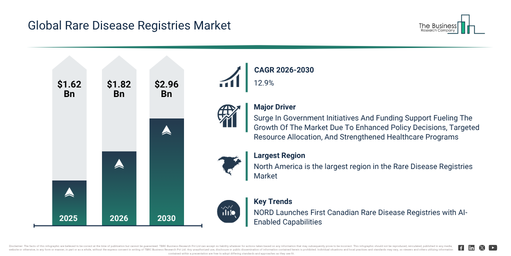
    The rare disease registries market size has seen swift expansion in recent years. It will grow from $1.62 billion in 2025 to $1.82 billion in 2026 at a compound annual growth rate (CAGR) of 12.6%. The expansion observed historically stems from factors such as increasing awareness of rare diseases, a rise in clinical research activities, the development of hospital and population-based registries, regulatory frameworks supporting patient data collection, and the limited availability of structured patient data.

    The rare disease registries market size is anticipated to undergo significant expansion in the coming years. It will grow to $2.96 billion in 2030 at a compound annual growth rate (CAGR) of 12.9%. This growth during the forecast period is propelled by factors such as the adoption of AI-driven registry solutions, the integration of genomic and omics data, the expansion of personalized medicine initiatives, investment in cloud-based interoperable platforms, and enhanced patient engagement and data sharing. Prominent trends for the forecast period encompass real-time patient data collection, integration with electronic health records (EHR), advanced data analytics specific to rare diseases, optimization of patient recruitment and retention, and the implementation of interoperable registry platforms.

    Get A Free Sample Report With In-Depth Market Insights:

    https://thebusinessresearchcompany.com/sample_request?id=94515903&type=smp&name=Rare%20Disease%20Registries%20Market%20Report%202026&utm_source=Blogs&utm_medium=Paid&utm_campaign=Oct_PR

    Rare Disease Registries Market Growth Drivers: What’s Behind The Acceleration?

    The rare disease registries market is anticipated to expand over the forecast period, primarily driven by increasing government initiatives and financial assistance. Such government initiatives and funding support encompass public-sector endeavors and investments aimed at strengthening healthcare infrastructure, fostering innovation, and improving service delivery. The rising public funding signifies efforts to enhance data-informed policymaking, optimize resource distribution, and improve outcomes for underserved patient populations, including individuals affected by rare diseases. Rare disease registries play a crucial role in achieving these objectives by aggregating comprehensive patient data that guides policy decisions, facilitates targeted funding allocation, and enables the development and evaluation of effective healthcare and research programs. For instance, in February 2025, the UK government’s central executive authority allocated approximately £26 billion ($35 billion) over two years to bolster the health and care system, reinforcing investment in data infrastructure and population health initiatives. Thus, the growing government initiatives and funding support are propelling the expansion of the rare disease registries market.

    Rare Disease Registries Market Segment Analysis And Revenue Potential

    The rare disease registries market covered in this report is segmented –

    1) By Type: Product Registries, Health Services Registries, Disease Registries

    2) By Database Type: Population-based, Hospital-based

    3) By Software: Standalone, Integrated

    4) By Function: Data Collection, Data Analysis, Patient Recruitment, Other Functions

    5) By End-User: Pharmaceutical Companies, Research Organizations, Hospitals, Government Agencies, Other End-Users

    Subsegments:

    1) By Product Registries: Drug Product Registries, Biologic Product Registries, Medical Device Registries, Gene Therapy Product Registries

    2) By Health Services Registries: Hospital Based Registries, Clinic Based Registries, National Health Program Registries, Insurance Claims Registries

    3) By Disease Registries: Genetic Disorder Registries, Metabolic Disorder Registries, Neurological Disorder Registries, Oncology Rare Disease Registries

    Rare Disease Registries Market Trends: What’s Defining The Industry’s Next Phase?

    Major companies operating within the rare disease registries market are concentrating on developing sophisticated products, such as an AI-enabled patient registry infrastructure, to enhance real-time data capture, patient monitoring, and research insights across rare diseases. An AI-enabled patient registry infrastructure denotes registry systems that utilize artificial intelligence to efficiently process, analyze, and interpret large-scale patient and clinical data, thereby facilitating predictive analytics, natural history modeling, and real-world evidence generation. For instance, in May 2024, the National Organization for Rare Disorders (NORD), a US-based non-profit advocacy organization dedicated to individuals with rare diseases and the organizations that serve them, introduced the inaugural Canadian rare disease patient registries on its IAMRARE platform for phenylketonuria (PKU) and mucopolysaccharidoses (MPS). This initiative enables real-time cooperative data collection, supports multiple languages and regional consent requirements, and provides valuable insights for clinical trial eligibility, tracking disease progression, and evaluating treatments.

    Rare Disease Registries Market Key Participants And Competitive Landscape

    Major companies operating in the rare disease registries market are disease registries market are Deloitte Touche Tohmatsu Limited, International Business Machines Corporation, Oracle Corporation, BC Platforms Ltd., IQVIA Holdings Inc., ICON plc, Veeva Systems Inc., Alira Health Inc., Phastar Ltd., HealthVerity Inc., OM1 Inc., Synapse Laboratory, Castor EDC, RedCap Cloud, Within3 Inc., Sage Bionetworks, National Organization for Rare Disorders Inc., RTI Health Solutions, ArborMetrix Inc., Evado Clinical Systems Ltd., ClinCapture LLC, Global Vision Technologies Inc., Genetic Alliance UK, Pulse Infoframe.

    View The Full Rare Disease Registries Market Report:

    https://thebusinessresearchcompany.com/report/rare-disease-registries-market-report?utm_source=Blogs&utm_medium=Paid&utm_campaign=Oct_PR

    Rare Disease Registries Market Geographic Analysis: Where Is Demand Rising Fastest?

    North America was the largest region in the rare disease registries market in 2025. Asia-Pacific is expected to be the fastest-growing region in the forecast period. The regions covered in the rare disease registries market report are Asia-Pacific, South East Asia, Western Europe, Eastern Europe, North America, South America, Middle East, Africa.

    Reach Out To Our Team:

    The Business Research Company: https://www.thebusinessresearchcompany.com/

    Americas: +1 310-496-7795

    Asia: +44 7882 955267 & +91 8897263534

    Europe: +44 7882 955267

    Email us at: marketing@tbrc.info

    Follow us on:

    LinkedIn: https://in.linkedin.com/company/the-business-research-company

    YouTube: https://www.youtube.com/channel/UC24_fI0rV8cR5DxlCpgmyFQ

    Global Market Model: https://www.thebusinessresearchcompany.com/global-market-model
  • Rapid Molecular Flu Testing Platforms Market Valued At $4.47 Billion In 2026: Key Trends And Growth Drivers

    Rapid Molecular Flu Testing Platforms Market Valued At $4.47 Billion In 2026: Key Trends And Growth Drivers

    Built to provide research that’s more actionable and strategically valuable, The Business Research Company’s 2026 market reports include market attractiveness analysis, total addressable market sizing, company benchmarking matrices, interactive Excel dashboards, broader supply chain intelligence, emerging startup tracking, and in-depth product insights.

    Rapid Molecular Flu Testing Platforms Market Size Forecast: How Big Could The Market Get By 2030?

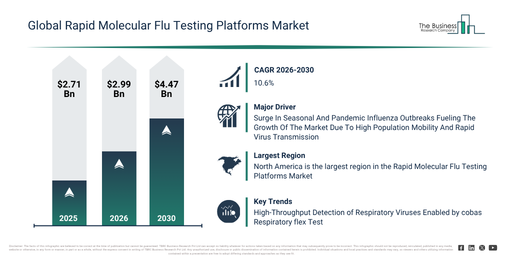
    The rapid molecular flu testing platforms market size has seen substantial expansion in recent years. It is anticipated to increase from $2.71 billion in 2025 to $2.99 billion in 2026, exhibiting a compound annual growth rate (CAGR) of 10.3%. The market’s historical growth can be attributed to factors like the rising prevalence of influenza, the demand for rapid diagnostic results, the adoption of rt-pcr technologies, the development of hospital and clinical testing infrastructure, and increasing awareness of infectious disease management.

    The rapid molecular flu testing platforms market is projected for significant expansion over the next few years. It is predicted to reach $4.47 billion in 2030, exhibiting a compound annual growth rate (CAGR) of 10.6%. This growth during the forecast period is attributable to factors such as the integration of AI and IoT for swift diagnostics, the proliferation of portable and point-of-care platforms, the creation of multiplex and high-throughput testing systems, increased investment in molecular diagnostic technologies, and the expansion of home-based and decentralized testing options. Key trends anticipated during this period encompass the widespread adoption of rapid point-of-care testing, advanced multiplex molecular diagnostics, seamless integration with laboratory information systems, automated sample processing capabilities, and the emergence of high-throughput testing platforms.

    Get A Free Sample Report With In-Depth Market Insights:

    https://thebusinessresearchcompany.com/sample_request?id=60652655&type=smp&name=Rapid%20Molecular%20Flu%20Testing%20Platforms%20Market%20Report%202026&utm_source=Blogs&utm_medium=Paid&utm_campaign=Oct_PR

    Rapid Molecular Flu Testing Platforms Market Growth Factors Behind Sustained Expansion

    The rising occurrence of seasonal and pandemic influenza outbreaks is projected to drive the expansion of the rapid molecular flu testing platforms market. These outbreaks are characterized by the recurrent or extensive spread of influenza infections, stemming from existing or new influenza viruses. The escalating frequency and severity of these outbreaks are fueled by elements like significant population movement, regular international journeys, dense urban populations, viral genetic changes, and inadequate vaccination rates, all contributing to swift virus transmission. Rapid molecular flu testing platforms are essential for handling seasonal and pandemic influenza outbreaks, as they facilitate quick and very precise identification of influenza viruses, aiding prompt clinical choices, early commencement of treatment, and robust infection prevention strategies. For example, data from February 2026, provided by the Centers for Disease Control and Prevention (CDC), a US-based government agency, indicated that during the 2025–2026 influenza season, influenza infections in the United States led to an estimated 290,000–450,000 hospitalizations and 34,000–53,000 deaths, highlighting the considerable public health and financial impact of the illness. Consequently, the rising global occurrence of seasonal and pandemic influenza outbreaks is propelling the expansion of the rapid molecular flu testing platforms market.

    Rapid Molecular Flu Testing Platforms Market Segmentation And Category Overview

    The rapid molecular flu testing platforms market covered in this report is segmented –

    1) By Product Type: Benchtop Platforms, Portable Platforms, Other Product Types

    2) By Sample Type: Nasopharyngeal Swabs, Throat Swabs, Saliva, Other Sample Types

    3) By Technology: Reverse Transcription Polymerase Chain Reaction (RT-PCR), Isothermal Nucleic Acid Amplification, Clustered Regularly Interspaced Short Palindromic Repeats (CRISPR) Based, Other Technologies

    4) By Distribution Channel: Direct Sales, Distributors, Online Sales, Other Distribution Channels

    5) By End User: Hospitals And Clinics, Diagnostic Laboratories, Research Institutes, Other End Users

    Subsegments:

    1) By Benchtop Platforms: Multiplex Testing Platform, High Throughput Platform, Automated Sample Processing Platform, Standard Laboratory Platform

    2) By Portable Platforms: Handheld Testing Platform, Point Of Care Testing Platform, Battery Operated Portable Platform, Field Deployable Platform

    3) By Other Product Types: Integrated Workflow Platform, Compact Diagnostic Platform, Rapid Screening Platform, Custom Configured Platform

    Rapid Molecular Flu Testing Platforms Market Industry Trends Fueling Future Revenue Growth

    Major companies within the rapid molecular flu testing platforms market are increasingly prioritizing the development of sophisticated multiplex molecular solutions, such as temperature-activated generation of signal (TAGS) technology. This focus aims to achieve high-throughput and concurrent detection of multiple respiratory pathogens, including influenza A and B, from a single patient sample. TAGS technology is an advanced PCR innovation that allows for the differentiation of various genetic targets within a singular fluorescence channel, making possible up to 15 diagnostic results in one test well. For example, in September 2024, F. Hoffmann-La Roche Ltd., a Switzerland-based healthcare company, introduced the cobas Respiratory flex test. This test enables the swift identification of up to 12 respiratory viruses, including influenza A and B, when processed on Roche’s cobas 5800, 6800, and 8800 high-throughput molecular systems. Such a solution supports flexible, syndromic panel testing with high throughput, thereby streamlining laboratory workflows and resources while facilitating accurate and timely diagnosis of respiratory infections.

    Rapid Molecular Flu Testing Platforms Market Top Companies Driving Competitive Growth

    Major companies operating in the rapid molecular flu testing platforms market are Roche Diagnostics, Thermo Fisher Scientific, Abbott Laboratories, Siemens Healthineers, Becton Dickinson (BD), bioMérieux, Bio-Rad Laboratories, Qiagen N.V., Seegene Inc., BioPerfectus, Fapon Biotech, Visby Medical, Vircell S.L., QuantuMDx Group, Altona Diagnostics, Creative Diagnostics, Princeton BioMeditech Corporation, Credo Diagnostics, Genetic Signatures Ltd, AccuBioTech, Kogene Co. Ltd., Ameritek Inc., Alpha Diagnostic Intl, Medlere Ltd, ProtonDx Ltd.

    View The Full Rapid Molecular Flu Testing Platforms Market Report:

    https://thebusinessresearchcompany.com/report/rapid-molecular-flu-testing-platforms-market-report?utm_source=Blogs&utm_medium=Paid&utm_campaign=Oct_PR

    Rapid Molecular Flu Testing Platforms Market Global Footprint: Which Region Leads The Market?

    North America was the largest region in the rapid molecular flu testing platforms market in 2025. Asia-Pacific is expected to be the fastest-growing region in the forecast period. The regions covered in the rapid molecular flu testing platforms market report are Asia-Pacific, South East Asia, Western Europe, Eastern Europe, North America, South America, Middle East, Africa.

    Reach Out To Our Team:

    The Business Research Company: https://www.thebusinessresearchcompany.com/

    Americas: +1 310-496-7795

    Asia: +44 7882 955267 & +91 8897263534

    Europe: +44 7882 955267

    Email us at: marketing@tbrc.info

    Follow us on:

    LinkedIn: https://in.linkedin.com/company/the-business-research-company

    YouTube: https://www.youtube.com/channel/UC24_fI0rV8cR5DxlCpgmyFQ

    Global Market Model: https://www.thebusinessresearchcompany.com/global-market-model