Month: October 2026

  • Zabdeno Market 2026: Market Size, Growth Drivers And Emerging Opportunities

    Zabdeno Market 2026: Market Size, Growth Drivers And Emerging Opportunities

    Built to provide research that’s more actionable and strategically valuable, The Business Research Company’s 2026 market reports include market attractiveness analysis, total addressable market sizing, company benchmarking matrices, interactive Excel dashboards, broader supply chain intelligence, emerging startup tracking, and in-depth product insights.

    Zabdeno Market Size, Value And Growth Trajectory Through 2030

    The growth experienced historically stemmed from several factors, namely frequent Ebola outbreaks in high-risk areas, global emergency vaccination drives, enhanced funding for the prevention of infectious diseases, the early adoption of combined vaccine platforms, and the expansion of humanitarian immunization programs.

    The expansion observed throughout the forecast period is propelled by factors such as augmented investments in readiness for outbreaks, a heightened concentration on innovative viral vaccines, broader global vaccination coverage, the increasing application of genomic monitoring for virus mutations, and strengthened international collaborations for health security. Simultaneously, prominent trends in the projected timeframe include the broadening of Ebola pre-exposure vaccination initiatives, an intensified focus on adherence to two-dose vaccine schedules, increasing reserves for outbreak preparedness, a growing emphasis on vaccines tailored for cold-chain efficiency, and the reinforcement of public-private collaborations concerning vaccines.

    Get A Free Sample Report With In-Depth Market Insights:

    https://thebusinessresearchcompany.com/sample_request?id=16488474&type=smp&name=Zabdeno%20Market%20Report%202026&utm_source=Blogs&utm_medium=Paid&utm_campaign=Oct_PR

    Zabdeno Market Development Factors: What’s Supporting Demand?

    The rising occurrences of ebola viral disease are projected to stimulate the expansion of the zabdeno market in the coming years. Ebola viral disease (EVD), commonly known as Ebola, is a severe, often deadly illness stemming from the Ebola virus, part of the Filoviridae family. This surge in cases is attributed to heightened human-wildlife interactions and inadequate monitoring and control mechanisms in vulnerable areas, which aids the virus’s transmission and spread. Zabdeno, a vaccine designed to combat ebola viral disease, works by activating the immune system to identify and neutralize the virus, thus lowering infection risk and potentially averting the serious, life-threatening symptoms linked to the condition. For example, in January 2023, the World Health Organization, a Switzerland-based health organization, reported approximately 164 ebola cases (142 confirmed, 22 probable), alongside 77 deaths (55 among confirmed cases and 22 among probable cases) and 87 recovered patients. Consequently, the growing prevalence of ebola viral disease fuels the zabdeno market. The expansion of immunization programs is anticipated to drive the zabdeno market’s growth in the foreseeable future. Immunization programs represent organized public health efforts aimed at safeguarding individuals and communities from infectious illnesses through vaccine administration. Their increase stems from a heightened awareness of their success in preventing contagious disease transmission and the broadening of global vaccination access. These programs boost the efficacy and reach of zabdeno by offering extensive protection against infectious diseases, thereby diminishing the disease burden, augmenting herd immunity, and cultivating healthier populations, which in turn allows zabdeno to contribute more significantly to public health. For instance, in April 2024, the Centers for Disease Control and Prevention, a US-based government agency, reported that the International Coordinating Group (ICG) Ebola vaccine stockpile, which totaled 500,000 doses in 2022, had expanded to 518,890 doses by December 2023, marking a 3.8% increase within a single year. Thus, the growth in immunization programs propels the zabdeno market.

    Zabdeno Market Segments: Where Is Growth Concentrated?

    The zabdeno market covered in this report is segmented –

    1) By Vaccine Type: Single-Dose Vaccines, Two-Dose Vaccines

    2) By Indication: Ebola Virus Disease

    3) By Distribution Channel: Hospitals And Clinics, Retail Pharmacies, Online Pharmacies, Wholesale Distribution

    4) By End-User: Adult, Geriatric

    Zabdeno Market Key Participants And Competitive Landscape

    Major companies operating in the zabdeno market are Johnson & Johnson Inc.

    View The Full Zabdeno Market Report:

    https://thebusinessresearchcompany.com/report/zabdeno-global-market-report?utm_source=Blogs&utm_medium=Paid&utm_campaign=Oct_PR

    Zabdeno Market Leading Geography: Which Region Contributes The Most Revenue?

    North America was the largest region in the zabdeno market in 2025. The regions covered in the zabdeno market report are Asia-Pacific, Western Europe, Eastern Europe, North America, South America, Middle East, Africa.

    Reach Out To Our Team:

    The Business Research Company: https://www.thebusinessresearchcompany.com/

    Americas: +1 310-496-7795

    Asia: +44 7882 955267 & +91 8897263534

    Europe: +44 7882 955267

    Email us at: marketing@tbrc.info

    Follow us on:

    LinkedIn: https://in.linkedin.com/company/the-business-research-company

    YouTube: https://www.youtube.com/channel/UC24_fI0rV8cR5DxlCpgmyFQ

    Global Market Model: https://www.thebusinessresearchcompany.com/global-market-model
  • Single Use Medical Devices Market Growth To $42.43 Billion Creates New Opportunities Across The Industry

    Single Use Medical Devices Market Growth To $42.43 Billion Creates New Opportunities Across The Industry

    Featuring market attractiveness scoring, total addressable market sizing, company benchmarking matrices, interactive Excel dashboards, deeper supply chain intelligence, emerging startup tracking, and granular product-level insights, The Business Research Company’s 2026 market reports are built to deliver research that is both more actionable and more strategically valuable.

    Single Use Medical Devices Market Expansion Outlook: What Revenue Opportunities Are Ahead?

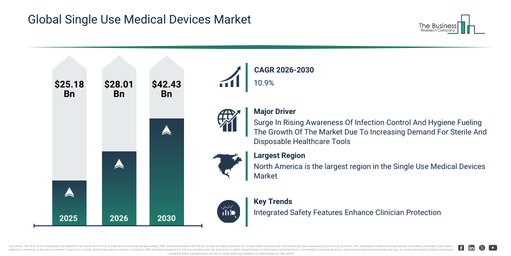
    The single-use medical devices market has experienced rapid expansion in recent years. This market is expected to expand from $25.18 billion in 2025 to $28.01 billion in 2026, achieving a compound annual growth rate (CAGR) of 11.2%. The historical growth of this market can be attributed to several factors, including an escalating demand for infection control measures, a global increase in surgical procedures, the rising prevalence of chronic diseases, an uptick in hospital admissions and emergency cases, and the greater adoption of disposable equipment for safety purposes.

    The single-use medical devices market size is forecast to experience significant expansion over the next few years. It is projected to achieve a value of $42.43 billion by 2030, expanding at a compound annual growth rate (CAGR) of 10.9%. This anticipated growth during the forecast period stems from developments in biodegradable materials, innovations in smart disposable devices, the integration of automation into manufacturing processes, improvements in sterile barrier packaging, and novel lightweight designs. Prominent trends expected in the forecast period include advances in biodegradable disposable materials, innovation in smart single-use devices, the adoption of automation in manufacturing, developments in sterile packaging technology, and creative lightweight device designs.

    Get A Free Sample Report With In-Depth Market Insights:

    https://thebusinessresearchcompany.com/sample_request?id=83130856&type=smp&name=Single%20Use%20Medical%20Devices%20Market%20Report%202026&utm_source=Blogs&utm_medium=Paid&utm_campaign=Oct_PR

    Single Use Medical Devices Market Growth Backed By Core Demand Fundamentals

    The heightened recognition of infection control and hygiene practices is projected to drive the expansion of the single-use medical devices market in the future. Upholding infection control and hygiene is vital in healthcare facilities to prevent hospital-acquired infections (HAIs) and cross-contamination, which can lead to extended patient stays, higher treatment expenditures, and increased illness and mortality rates. This heightened awareness of infection control and hygiene primarily stems from more rigorous regulatory guidelines that emphasize patient safety and the prevention of hospital-acquired infections. The single-use medical devices market contributes to this trend by supplying sterile, disposable instruments that reduce contamination risks and ensure adherence to hygiene standards. For instance, in May 2023, the World Health Organization (WHO), a Switzerland-based United Nations (UN) specialized agency, reported that approximately 1 in 10 patients in acute care hospitals acquire at least one health care associated infection (HAI) during their stay, with rates notably higher in low and middle income countries compared to high income ones, indicating a widespread infection risk in clinical environments. Therefore, the increasing focus on infection prevention and hygiene is fueling the adoption of single-use medical devices across hospitals and clinics.

    Single Use Medical Devices Market Segment Outlook: Which Categories Are Growing Fastest?

    The single use medical devices market covered in this report is segmented –

    1) By Product Type: Syringes, Catheters, Surgical Instruments, Diagnostic Devices, Other Product Types

    2) By Material: Plastic, Metal, Glass, Other Materials

    3) By Application: Hospitals, Clinics, Ambulatory Surgical Centers, Home Healthcare, Other Applications

    4) By End-User: Healthcare Providers, Diagnostic Centers, Other End-Users

    Subsegments:

    1) By Syringes: Insulin Syringes, Tuberculin Syringes, Prefilled Syringes, Safety Syringes, Oral Syringes, Auto-Disable Syringes

    2) By Catheters: Intravenous (IV) Catheters, Urinary (Foley) Catheters, Central Venous Catheters, Peripheral Arterial Catheters, Dialysis Catheters, Cardiovascular (Angiography) Catheters

    3) By Surgical Instruments: Disposable Scalpels, Disposable Forceps, Disposable Scissors, Disposable Needle Holders, Disposable Retractors, Disposable Trocar Sets

    4) By Diagnostic Devices: Blood Glucose Test Strips, Rapid Diagnostic Test Kits, Single-Use Endoscopic Accessories, Specimen Collection Swabs, Disposable ECG Electrodes, Disposable Ultrasound Probe Covers

    5) By Other Product Types: Infusion Sets, Wound Dressings, Gloves And Gowns, Suction And Drainage Sets, Oxygen Masks And Cannulas, Disposable Dental Supplies

    Single Use Medical Devices Market Growth Trends Reshaping The Competitive Landscape

    Leading companies within the single-use medical devices market are concentrating on creating advanced solutions, such as blood control safety IV catheters that integrate automatic pathogen exposure reduction and vessel entry verification, to achieve a competitive advantage. These blood control safety IV catheters are defined as single-use intravenous (IV) instruments specifically engineered to lessen blood exposure and avert needlestick accidents during the process of catheter insertion and subsequent usage. For instance, in May 2024, MedSource Labs, a US-based medical device firm, introduced its ClearSafe Comfort and TrueSafe Comfort Blood Control Safety IV Catheters. These products incorporate active blood control check valve technology, substantially lowering the risk of bloodborne pathogen exposure, along with a translucent flashback chamber for precise vessel entry confirmation, and an ergonomic non-slip grip for convenient handling. While this approach improves procedural safety and overall efficiency, it might lead to higher procurement expenses and necessitate training for effective deployment.

    Single Use Medical Devices Market Competitive Landscape: Which Companies Lead The Industry?

    Major companies operating in the single use medical devices market are Cardinal Health Inc., Medtronic plc, 3M Health Care, Medline Industries LP, Fresenius Medical Care AG, Becton Dickinson and Company, Boston Scientific Corporation, Baxter International Inc., Shandong Weigao Group Medical Polymer Company Limited, B. Braun Melsungen Aktiengesellschaft, Terumo Corporation, Nipro Corporation, Coloplast A/S, Teleflex Incorporated, West Pharmaceutical Services Inc., Paul Hartmann Aktiengesellschaft, ConvaTec Group plc, Ambu A/S, Mercator Medical S.A., Bio-Med HealthCare Products Pvt. Ltd., HLL Lifecare Limited

    View The Full Single Use Medical Devices Market Report:

    https://thebusinessresearchcompany.com/report/single-use-medical-devices-market-report?utm_source=Blogs&utm_medium=Paid&utm_campaign=Oct_PR

    Single Use Medical Devices Market Regional Outlook: Where Is Opportunity Concentrated?

    North America was the largest region in the single use medical devices market in 2025. Asia-Pacific is expected to be the fastest-growing region in the forecast period. The regions covered in the single use medical devices market report are Asia-Pacific, South East Asia, Western Europe, Eastern Europe, North America, South America, Middle East, Africa.

    Reach Out To Our Team:

    The Business Research Company: https://www.thebusinessresearchcompany.com/

    Americas: +1 310-496-7795

    Asia: +44 7882 955267 & +91 8897263534

    Europe: +44 7882 955267

    Email us at: marketing@tbrc.info

    Follow us on:

    LinkedIn: https://in.linkedin.com/company/the-business-research-company

    YouTube: https://www.youtube.com/channel/UC24_fI0rV8cR5DxlCpgmyFQ

    Global Market Model: https://www.thebusinessresearchcompany.com/global-market-model
  • Yf-Vax Market Set To Expand From $ Billion In 2026: Growth Outlook Through 2030

    Yf-Vax Market Set To Expand From $ Billion In 2026: Growth Outlook Through 2030

    Backed by market attractiveness analysis, total addressable market sizing, company benchmarking matrices, interactive Excel dashboards, wider supply chain intelligence, emerging startup coverage, and detailed product-level insights, The Business Research Company’s 2026 market reports are designed to offer research that is more actionable and strategically valuable than ever.

    Yf-Vax Market CAGR Outlook And Future Development

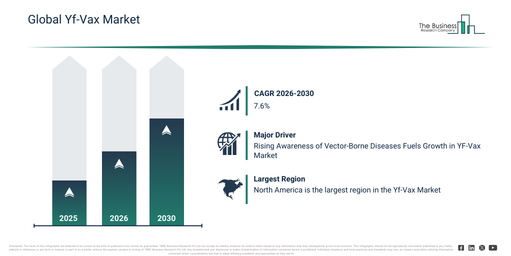
    The market size for yf-vax has shown significant expansion in recent times. It is anticipated to increase from $6.78 million in 2025 to $7.32 million in 2026, achieving a compound annual growth rate (CAGR) of 7.9%. Key contributors to its historical growth include yellow fever endemic regions, international travel requirements, proven long term immunity, government vaccination mandates, and public health initiatives.

    The yf-vax market size is anticipated to experience significant expansion over the coming years. It is projected to reach **$9.81 million in 2030, exhibiting a compound annual growth rate (CAGR) of 7.6%**. This projected increase during the forecast period stems from factors such as increasing global travel, mosquito spread driven by climate change, broader immunization coverage, enhanced funding for outbreak preparedness, and growth in public health surveillance. Key developments expected in the forecast period encompass a growing demand for travel vaccinations, government-initiated immunization programs, ongoing utilization of live attenuated vaccines, a focus on preventing endemic diseases, and the stockpiling of resources for outbreak readiness.

    Get A Free Sample Report With In-Depth Market Insights:

    https://thebusinessresearchcompany.com/sample_request?id=23424836&type=smp&name=Yf-Vax%20Market%20Report%202026&utm_source=Blogs&utm_medium=Paid&utm_campaign=Oct_PR

    Yf-Vax Market Industry Drivers: What’s Behind The Revenue Growth?

    The YF-Vax market is set to expand due to growing awareness of vector-borne diseases. These infectious illnesses are passed to humans and animals by bites from infected arthropods like mosquitoes, ticks, and fleas, which carry pathogens causing conditions such as malaria, dengue, and Lyme disease. The increase in vector-borne disease prevalence is linked to climate change, urbanization, more global travel, and expanding mosquito populations, resulting in a higher number of reported outbreaks. YF-Vax provides effective prevention for yellow fever, a vector-borne disease, by boosting the immune system to create antibodies, offering long-lasting immunity against the mosquito-transmitted virus. For example, data from the World Organization for Animal Health in March 2024 showed that between 2023 and March 2024, vector-borne diseases were responsible for 2,422 outbreaks across 28 countries, with Europe accounting for 697 outbreaks. Thus, heightened awareness of vector-borne diseases is stimulating growth in the YF-Vax market.

    Yf-Vax Market Driver: Impact Of Rising Healthcare Spending On The Yf-Vax Market

    Yf-Vax Market Segment Analysis: What Are The Core Market Categories?

    The yf-vax market covered in this report is segmented –

    1) By Vaccine Type: Live Attenuated Vaccines, Fractional Dose Vaccine

    2) By Transmission Type: Sylvatic Yellow Fever, Intermediate Yellow Fever, Urban Yellow Fever

    3) By Distribution Channel: Hospitals, Retail Pharmacies, Government Health Programs

    4) By End User: Adult, Geriatric, Pediatric

    Yf-Vax Market Top Companies Driving Competitive Growth

    Major companies operating in the yf-vax market are Sanofi S.A.

    View The Full Yf-Vax Market Report:

    https://thebusinessresearchcompany.com/report/yf-vax-global-market-report?utm_source=Blogs&utm_medium=Paid&utm_campaign=Oct_PR

    Yf-Vax Market Regional Outlook: Where Is Opportunity Concentrated?

    North America was the largest region in the yf-vax market in 2025. Asia Pacific is expected to be the fastest-growing region in the forecast period. The regions covered in the yf-vax market report are Asia-Pacific, Western Europe, Eastern Europe, North America, South America, Middle East, Africa.

    Reach Out To Our Team:

    The Business Research Company: https://www.thebusinessresearchcompany.com/

    Americas: +1 310-496-7795

    Asia: +44 7882 955267 & +91 8897263534

    Europe: +44 7882 955267

    Email us at: marketing@tbrc.info

    Follow us on:

    LinkedIn: https://in.linkedin.com/company/the-business-research-company

    YouTube: https://www.youtube.com/channel/UC24_fI0rV8cR5DxlCpgmyFQ

    Global Market Model: https://www.thebusinessresearchcompany.com/global-market-model
  • Sensorimotor Neuropathy Market Forecast: Breaking Down The Numbers Behind Future Expansion

    Sensorimotor Neuropathy Market Forecast: Breaking Down The Numbers Behind Future Expansion

    Built to provide research that’s more actionable and strategically valuable, The Business Research Company’s 2026 market reports include market attractiveness analysis, total addressable market sizing, company benchmarking matrices, interactive Excel dashboards, broader supply chain intelligence, emerging startup tracking, and in-depth product insights.

    Sensorimotor Neuropathy Market Growth Potential: How Will Market Size Shift Through 2030?

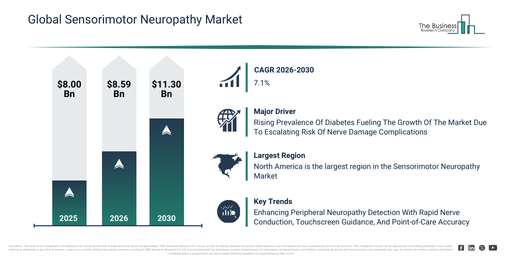
    The sensorimotor neuropathy market has experienced substantial growth in recent years. It is anticipated to expand from $8.00 billion in 2025 to $8.59 billion by 2026, achieving a compound annual growth rate (CAGR) of 7.4%. This historical growth can be attributed to factors such as the increasing prevalence of diabetes, an expanding geriatric population, heightened awareness of neuropathy complications, the development of hospital and clinical infrastructure, and the rising adoption of diagnostic technologies.

    The sensorimotor neuropathy market is projected to experience robust expansion over the coming years, reaching $11.30 billion in 2030, exhibiting a compound annual growth rate (CAGR) of 7.1%. This anticipated growth during the forecast period is primarily driven by escalating research and development efforts, increased investment in neurotherapeutics, greater integration of genetic testing, the expansion of personalized medicine solutions, and the rising adoption of digital and remote monitoring technologies. Key trends influencing the market in this timeframe include advancements in molecular genetic testing, the development of minimally invasive therapies, innovations in neuroprotective drug design, the increasing utilization of artificial intelligence in diagnostics, and the broadening of patient-centric and telemedicine solutions.

    Get A Free Sample Report With In-Depth Market Insights:

    https://thebusinessresearchcompany.com/sample_request?id=45932717&type=smp&name=Sensorimotor%20Neuropathy%20Market%20Report%202026&utm_source=Blogs&utm_medium=Paid&utm_campaign=Oct_PR

    Sensorimotor Neuropathy Market Growth Catalysts And Demand Drivers

    The increasing occurrence of diabetes is anticipated to propel the growth of the sensorimotor neuropathy market in the future. Diabetes is defined as a chronic health condition that affects how the body converts food into energy, characterized by elevated blood sugar levels resulting from defects in insulin production or action. The prevalence of diabetes is rising due to a surge in obesity rates, which are driven by sedentary lifestyles and increased consumption of processed high-sugar and high-fat foods, consequently reducing physical activity levels. Sensorimotor neuropathy aids diabetic patients by facilitating targeted sensorimotor training, which improves gait stability, ankle proprioception, and overall quality of life through enhanced balance and reduced fall risk. For instance, in 2025, according to the International Diabetes Federation, a Belgium-based health organization, in 2024, approximately 589 million adults aged 20-79 were living with diabetes. This total number is projected to reach 853 million by 2050, with more than 4 in 5 adults with diabetes residing in low and middle-income countries. Therefore, the rising prevalence of diabetes is driving the growth of the sensorimotor neuropathy market.

    Sensorimotor Neuropathy Market Segment Landscape: Which Areas Lead Development?

    The sensorimotor neuropathy market covered in this report is segmented –

    1) By Type: Diabetic Neuropathy, Hereditary Neuropathy, Charcot-Marie-Tooth Disease, Guillain-Barré Syndrome, Chronic Inflammatory Demyelinating Polyneuropathy (CIDP), Toxic Neuropathy, Infectious Neuropathy

    2) By Treatment: Medications, Physical Therapy, Occupational Therapy, Transcutaneous Electrical Nerve Stimulation (TENS), Surgery

    3) By Diagnosis: Electromyography And Motor Nerve Conduction Test, Specialized Deoxyribonucleic Acid Blood Tests, Molecular Genetic Testing, Other Diagnosis

    4) By Distribution Channel: Hospital Pharmacies, Retail And Online Pharmacies

    Subsegments:

    1) By Diabetic Neuropathy: Insulin Related Neuropathy, Glucose Induced Neuropathy, Chronic Diabetes Induced Neuropathy, Peripheral Neuropathy, Autonomic Neuropathy

    2) By Hereditary Neuropathy: Charcot Marie Tooth Disease, Hereditary Sensory Neuropathy, Familial Amyloid Polyneuropathy, Genetic Peripheral Neuropathy, Hereditary Motor Neuropathy

    3) By Charcot-Marie-Tooth Disease: Type One Demyelinating, Type Two Axonal, Intermediate Form, Dominant Form, Recessive Form

    4) By Guillain-Barré Syndrome: Acute Inflammatory Demyelinating Polyneuropathy, Acute Motor Axonal Neuropathy, Acute Motor Sensory Axonal Neuropathy, Miller Fisher Syndrome, Other Variants

    5) By Chronic Inflammatory Demyelinating Polyneuropathy: Typical Chronic Inflammatory Demyelinating Polyneuropathy, Multifocal Acquired Demyelinating Sensory And Motor Neuropathy, Distal Acquired Demyelinating Symmetric Neuropathy, Other Forms, Treatment Responsive Type

    6) By Toxic Neuropathy: Alcohol Induced Neuropathy, Drug Induced Neuropathy, Heavy Metal Induced Neuropathy, Chemical Exposure Neuropathy, Other Toxin Related Neuropathy

    7) By Infectious Neuropathy: Viral Induced Neuropathy, Bacterial Induced Neuropathy, Fungal Induced Neuropathy, Parasitic Induced Neuropathy, Other Infection Related Neuropathy

    Sensorimotor Neuropathy Market Trends Shaping Long-Term Demand

    Leading companies active in the sensorimotor neuropathy market are concentrating on developing sophisticated diagnostic technology, particularly enhanced nerve conduction devices with improved user interfaces. The aim is to advance early detection, objective assessment, and monitoring of nerve damage linked to peripheral neuropathy. Nerve conduction devices with better user interfaces refer to systems that merge quantitative nerve signal measurement with intuitive displays and guided operational processes, enabling clinicians to perform accurate evaluations efficiently at the point of care. For instance, in January 2023, NeuroMetrix Inc., a US-based medical device company, introduced the DPNCheck 2.0 peripheral neuropathy testing device, which is an enhanced nerve conduction device equipped with an improved user interface. This updated system measures sural nerve conduction velocity and response amplitude, both recognized biomarkers of peripheral neuropathy, and features an easy-to-use, large touchscreen display that guides clinicians through the test while presenting real-time results more clearly than earlier models. The device also includes enhanced temperature compensation to ensure consistent performance across various clinical environments.

    Sensorimotor Neuropathy Market Competitive Landscape: Who Leads The Industry?

    Major companies operating in the sensorimotor neuropathy market are Johnson & Johnson, Merck & Co Inc., Pfizer Inc., Abbvie Inc., Sanofi S.A, Novartis AG, Astrazeneca plc, Abbott Laboratories, Glaxosmithkline plc, Eli Lilly Company, Takeda Pharmaceutical Company Ltd., Teva Pharmaceutical Industries Ltd., Viatris Inc., Biogen Inc., Intas Pharmaceutical Limited, Ucb S.A., Sun Pharmaceutical Industries Ltd., Aurobindo Pharma Limited, Dr.Reddy’s Laboratories Limited, Cipla Limited, Lupin Limited, Torrent Pharmaceuticals Ltd., Alembic Pharmaceutical Limited, Boehringer Ingelheim International GmbH, Otuska Pharmaceutical Co. Ltd.

    View The Full Sensorimotor Neuropathy Market Report:

    https://thebusinessresearchcompany.com/report/sensorimotor-neuropathy-market-report?utm_source=Blogs&utm_medium=Paid&utm_campaign=Oct_PR

    Sensorimotor Neuropathy Market Geographic Landscape: Which Region Leads Industry Growth?

    North America was the largest region in the sensorimotor neuropathy market in 2025. Asia-Pacific is expected to be the fastest-growing region in the forecast period. The regions covered in the sensorimotor neuropathy market report are Asia-Pacific, South East Asia, Western Europe, Eastern Europe, North America, South America, Middle East, Africa.

    Reach Out To Our Team:

    The Business Research Company: https://www.thebusinessresearchcompany.com/

    Americas: +1 310-496-7795

    Asia: +44 7882 955267 & +91 8897263534

    Europe: +44 7882 955267

    Email us at: marketing@tbrc.info

    Follow us on:

    LinkedIn: https://in.linkedin.com/company/the-business-research-company

    YouTube: https://www.youtube.com/channel/UC24_fI0rV8cR5DxlCpgmyFQ

    Global Market Model: https://www.thebusinessresearchcompany.com/global-market-model

  • Robotic Endoluminal Surgery Market Outlook 2026–2030: Growth Trends, Market Dynamics And Emerging Opportunities

    Robotic Endoluminal Surgery Market Outlook 2026–2030: Growth Trends, Market Dynamics And Emerging Opportunities

    Backed by market attractiveness analysis, total addressable market sizing, company benchmarking matrices, interactive Excel dashboards, wider supply chain intelligence, emerging startup coverage, and detailed product-level insights, The Business Research Company’s 2026 market reports are designed to offer research that is more actionable and strategically valuable than ever.

    Robotic Endoluminal Surgery Market Set To Climb From $1.71 Billion In 2026 To $3.33 Billion By 2030

    The robotic endoluminal surgery market has witnessed rapid growth in recent years. It is anticipated to increase from $1.45 billion in 2025 to $1.71 billion in 2026, demonstrating a compound annual growth rate (CAGR) of 18.4%. The expansion observed in the past can be ascribed to several factors, including the rising demand for minimally invasive procedures, the increased adoption of endoscopic technologies, a growing preference for shorter hospital stays, the expanding application of robotic-assisted surgeries, and the need for greater precision in hard-to-reach anatomies.

    The robotic endoluminal surgery market is projected to experience swift expansion over the coming years. This market is predicted to reach $3.33 billion by 2030, exhibiting a compound annual growth rate (CAGR) of 18.1%. This anticipated growth during the forecast timeframe is attributable to increased capital allocated to surgical robotics investigations, the deepening incorporation of AI and machine learning into surgical platforms, the expanding market presence of flexible robotic apparatus, a broader spectrum of clinical uses in gastrointestinal and vascular interventions, and patients’ increasing desire for quicker convalescence and less invasive treatment. Key developments expected within this period encompass technological enhancements in adaptable robotic endoscopes, novelties in capsule and micro-robotic instruments, progress in AI-powered navigation technologies, ongoing research and development efforts in self-operating robotic surgery, and improvements in live imaging and robotic visual feedback systems.

    Get A Free Sample Report With In-Depth Market Insights:

    https://thebusinessresearchcompany.com/sample_request?id=78407715&type=smp&name=Robotic%20Endoluminal%20Surgery%20Market%20Report%202026&utm_source=Blogs&utm_medium=Paid&utm_campaign=Oct_PR

    Robotic Endoluminal Surgery Market Growth Factors Behind Sustained Expansion

    The robotic endoluminal surgery market is anticipated to expand due to the growing embrace of minimally invasive surgical techniques. These procedures involve operations through small incisions or a single entry point, which lessens patient trauma, shortens recovery periods, and reduces complication risks. The increased preference for minimally invasive surgeries stems from hospitals and patients prioritizing quicker recovery, less post-operative pain, lower chances of complications, and minimal scarring compared to traditional open operations. Robotic endoluminal surgery plays a crucial role in these procedures by facilitating precise navigation and manipulation within internal lumens, such as the gastrointestinal or respiratory tracts, thereby improving patient outcomes through reduced tissue trauma, faster recovery, and enhanced procedural accuracy. For example, Intuitive Surgical Inc., a US-based medical technology firm, reported in January 2025 that worldwide da Vinci procedures, a form of minimally invasive robotic-assisted surgery, saw an approximate growth of 18% in the fourth quarter of 2024 compared to the fourth quarter of 2023. Furthermore, full year 2024 procedures increased by approximately 17% relative to 2023, with the company forecasting a 13% to 16% rise in worldwide da Vinci procedures for 2025 compared to 2024. Consequently, the rising adoption of minimally invasive and single-port surgeries is a key factor propelling the expansion of the robotic endoluminal surgery market.

    Robotic Endoluminal Surgery Market Breakdown By Product Type And Application

    The robotic endoluminal surgery market covered in this report is segmented –

    1) By Product Type: Surgical Systems, Accessories And Instruments, Services

    2) By Application: Gastrointestinal Surgery, Urological Surgery, Pulmonary Surgery, Gynecological Surgery, Others

    3) By End-User: Hospitals, Ambulatory Surgical Centers, Specialty Clinics, Others

    Subsegments:

    1) By Surgical Systems: Flexible Endoscopic Robots, Bronchoscopy Robots, Gastrointestinal Navigation Robots, Colorectal Endoluminal Robots, Esophageal Endoscopic Robots

    2) By Accessories And Instruments: Robotic Endoscopic Tools, Robotic Catheters, Robotic Endoscopic Cameras, Robotic Biopsy Devices, Robotic Graspers And Scissors

    3) By Services: Installation And Integration Services, Maintenance And Repair Services, Training And Education Services, Software Upgrade Services, Technical Support Services

    Robotic Endoluminal Surgery Market Industry Trends Fueling Future Revenue Growth

    Leading companies in the robotic endoluminal surgery market are concentrating on developing advanced technologies, such as integrated artificial intelligence and real-time imaging systems, with the goal of increasing procedural accuracy, elevating patient safety, and enhancing diagnostic efficiency. These integrated AI and advanced imaging systems denote software enhancements that combine machine learning with live procedure data to assist physicians in navigating complex anatomy and locating tissue targets with greater precision. For example, in October 2025, Intuitive Surgical Inc., a US-based medical technology company, obtained U.S. Food & Drug Administration (FDA) clearance for software advancements intended for its Ion endoluminal system. The approved innovations encompass improved 3D visualization of the lung airway tree and the incorporation of AI-based imaging functionality, which assists in identifying suspicious lung lesions during biopsy procedures. This integration is designed to offer more intuitive navigation and information, thereby supporting physician decision-making for more precise tissue sampling. Its objective is to boost the system’s utility in the early diagnosis of lung cancer, potentially leading to improved patient outcomes.

    Robotic Endoluminal Surgery Market Competitive Overview And Top Companies

    Major companies operating in the robotic endoluminal surgery market are Medtronic plc, Fujifilm Holdings Corporation, Intuitive Surgical Inc., Olympus Corporation, CMR Surgical Ltd., Noah Medical Inc., Distalmotion SA, Ronovo Surgical Inc., Stereotaxis Inc., Neocis Inc., MicroPort MedBot Co. Ltd., Virtual Incision Corporation, Asensus Surgical Inc., EndoQuest Robotics Inc., SS Innovations International Inc., Edge Medical Robotics, Moon Surgical, Robocath SAS, SurgEase Innovations, EndoTools Therapeutics SA, Microbot Medical Inc.

    View The Full Robotic Endoluminal Surgery Market Report:

    https://thebusinessresearchcompany.com/report/robotic-endoluminal-surgery-market-report?utm_source=Blogs&utm_medium=Paid&utm_campaign=Oct_PR

    Robotic Endoluminal Surgery Market Top Region: Where Does Most Revenue Come From?

    North America was the largest region in the robotic endoluminal surgery market in 2025. Asia-Pacific is expected to be the fastest-growing region in the forecast period. The regions covered in the robotic endoluminal surgery market report are Asia-Pacific, South East Asia, Western Europe, Eastern Europe, North America, South America, Middle East, Africa.

    Reach Out To Our Team:

    The Business Research Company: https://www.thebusinessresearchcompany.com/

    Americas: +1 310-496-7795

    Asia: +44 7882 955267 & +91 8897263534

    Europe: +44 7882 955267

    Email us at: marketing@tbrc.info

    Follow us on:

    LinkedIn: https://in.linkedin.com/company/the-business-research-company

    YouTube: https://www.youtube.com/channel/UC24_fI0rV8cR5DxlCpgmyFQ

    Global Market Model: https://www.thebusinessresearchcompany.com/global-market-model
  • Yescarta Market Size And Growth In 2026: Key Factors Shaping Future Demand

    Yescarta Market Size And Growth In 2026: Key Factors Shaping Future Demand

    Featuring market attractiveness scoring, total addressable market sizing, company benchmarking matrices, interactive Excel dashboards, deeper supply chain intelligence, emerging startup tracking, and granular product-level insights, The Business Research Company’s 2026 market reports are built to deliver research that is both more actionable and more strategically valuable.

    Yescarta Market Value Growth And Long-Term Outlook

    The historical growth can be attributed to developments in genetic engineering technologies, the rising occurrence of hematologic malignancies, the regulatory authorization of CAR-T therapies, the increasing availability of specialized cancer treatment centers, and initial positive results in treating refractory lymphoma.

    The anticipated growth during the forecast period is due to several factors, including the extension into more cancer indications, increased funding for advanced CAR constructs, a stronger emphasis on manufacturing at scale, greater acceptance in earlier stages of treatment, and the creation of more cost-effective cell therapy procedures.

    Key trends anticipated in the forecast period involve the broadening use of CAR-T cell therapies in oncology, a heightened emphasis on individualized cancer treatments, increased financial input into cell and gene therapy technologies, a rise in the application of autologous immunotherapies, and a more pronounced focus on achieving lasting remission.

    Get A Free Sample Report With In-Depth Market Insights:

    https://thebusinessresearchcompany.com/sample_request?id=29890876&type=smp&name=Yescarta%20Market%20Report%202026&utm_source=Blogs&utm_medium=Paid&utm_campaign=Oct_PR

    Yescarta Market Growth Factors: What’s Supporting Expansion?

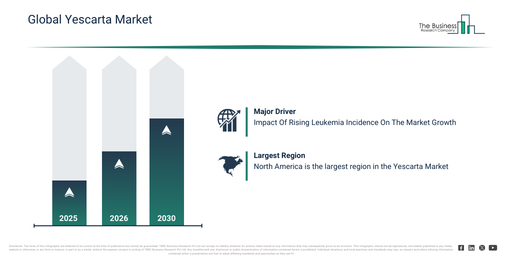
    The rising occurrence of leukemia is anticipated to fuel the expansion of the yescarta market. Leukemia, a form of cancer, affects the blood and bone marrow, resulting in the abnormal proliferation of white blood cells. This surge in leukemia cases can be linked to various elements, including environmental exposures, genetic mutations, shifts in lifestyle, and enhanced diagnostic methods. Yescarta, an advanced CAR T-cell therapy, revolutionizes the approach to leukemia treatment by retraining a patient’s own immune cells to specifically target and eliminate cancerous cells, thereby providing renewed optimism for improved patient outcomes in combating the illness. For instance, data from the American Cancer Society, a US-based non-profit cancer advocacy organization, revealed that the number of leukemia cases climbed to 62,770 in 2024, an increase from the 59,610 cases recorded in 2023. Consequently, the growing incidence of leukemia is a significant factor driving the yescarta market.

    Yescarta Market Segment Breakdown: Which Categories Lead On Revenue?

    The yescarta market covered in this report is segmented –

    1) By Indication: Large B-Cell Lymphoma, Mantle Cell Lymphoma, Acute Lymphoblastic Leukemia, Follicular Lymphoma

    2) By Distribution Channel: Hospitals, Specialty Clinics, Online Pharmacies

    3) By End User: Adult, Geriatric

    Yescarta Market Leading Players And Competitive Positioning

    Major companies operating in the yescarta market are Kite Pharma Inc. ( a subsidiary of Gilead Sciences Inc.)

    View The Full Yescarta Market Report:

    https://thebusinessresearchcompany.com/report/yescarta-global-market-report?utm_source=Blogs&utm_medium=Paid&utm_campaign=Oct_PR

    Yescarta Market Geographic Landscape: Which Region Leads Industry Growth?

    North America was the largest region in the yescarta market in 2025. The regions covered in the yescarta market report are Asia-Pacific, Western Europe, Eastern Europe, North America, South America, Middle East, Africa.

    Reach Out To Our Team:

    The Business Research Company: https://www.thebusinessresearchcompany.com/

    Americas: +1 310-496-7795

    Asia: +44 7882 955267 & +91 8897263534

    Europe: +44 7882 955267

    Email us at: marketing@tbrc.info

    Follow us on:

    LinkedIn: https://in.linkedin.com/company/the-business-research-company

    YouTube: https://www.youtube.com/channel/UC24_fI0rV8cR5DxlCpgmyFQ

    Global Market Model: https://www.thebusinessresearchcompany.com/global-market-model
  • Robotic Catheter Navigation Systems Market Growth Outlook From $1.42 Billion In 2026 To $2.22 Billion By 2030

    Robotic Catheter Navigation Systems Market Growth Outlook From $1.42 Billion In 2026 To $2.22 Billion By 2030

    Featuring market attractiveness scoring, total addressable market sizing, company benchmarking matrices, interactive Excel dashboards, deeper supply chain intelligence, emerging startup tracking, and granular product-level insights, The Business Research Company’s 2026 market reports are built to deliver research that is both more actionable and more strategically valuable.

    Robotic Catheter Navigation Systems Market Forecast: Value Set To Climb From $1.42 Billion To $2.22 Billion

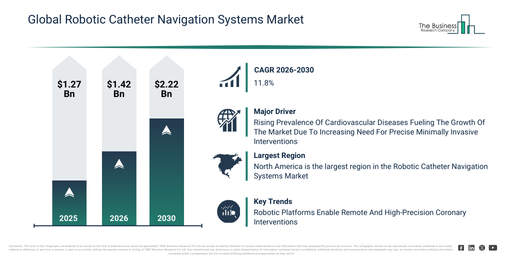
    The robotic catheter navigation systems market size has seen rapid expansion in recent years. It is anticipated to increase from $1.27 billion in 2025 to $1.42 billion in 2026, exhibiting a compound annual growth rate (CAGR) of 12.0%. The growth observed in the past can be credited to factors such as the increasing prevalence of cardiovascular diseases, a rising demand for minimally invasive procedures, the growing adoption of robotic-assisted surgeries, the expansion of cardiac catheterization labs, and an increase in healthcare expenditure.

    The robotic catheter navigation systems market size is projected to experience substantial growth over the next few years. This market is anticipated to reach $2.22 billion by 2030, exhibiting a compound annual growth rate (CAGR) of 11.8%. The expansion during the forecast period is largely due to an intensified focus on precision medicine, increased uptake of hybrid robotic systems, heightened investments in research and development, a broader range of applications in neurovascular interventions, and a growing patient desire for quicker recovery. Significant trends expected in the forecast period include advancements in robotic navigation technology, the integration of this technology with imaging and mapping systems, breakthroughs in catheter design and materials, dedicated research and development in artificial intelligence and machine learning, and the incorporation of robotic systems with telemedicine platforms.

    Get A Free Sample Report With In-Depth Market Insights:

    https://thebusinessresearchcompany.com/sample_request?id=45012383&type=smp&name=Robotic%20Catheter%20Navigation%20Systems%20Market%20Report%202026&utm_source=Blogs&utm_medium=Paid&utm_campaign=Oct_PR

    Robotic Catheter Navigation Systems Market Demand Drivers Opening New Revenue Streams

    The increasing incidence of heart and blood vessel conditions is anticipated to drive the expansion of the robotic catheter navigation systems market in the future. These conditions encompass ailments impacting the heart and blood vessels, such as heart attacks, strokes, and high blood pressure. The rise in cardiovascular diseases is linked to unhealthy lifestyle choices, including inadequate nutrition, insufficient physical activity, and tobacco use. Robotic catheter navigation systems assist in managing cardiovascular ailments by allowing for accurate, less invasive guidance inside blood vessels during both diagnostic and therapeutic interventions. These systems improve patient results through greater procedural precision, fewer complications, and quicker recuperation periods. For example, data from October 2024, provided by the Centers for Disease Control, a US-based government agency, showed that in 2023, around 919,032 people succumbed to cardiovascular disease, representing 1 in every 3 deaths. Consequently, the growing occurrence of cardiovascular diseases is fueling the development of the robotic catheter navigation systems market.

    Robotic Catheter Navigation Systems Market Segment Analysis And Revenue Potential

    The robotic catheter navigation systems market covered in this report is segmented –

    1) By Product Type: Magnetic Navigation Systems, Electromechanical Navigation Systems, Other Product Types

    2) By Application: Cardiology, Neurology, Urology, Gastroenterology, Other Application

    3) By End-User: Hospitals, Ambulatory Surgical Centers, Specialty Clinics, Other End-Users

    Subsegments:

    1) By Magnetic Navigation Systems: Magnetic Field Generators, Catheter Steering Units, Imaging And Visualization Tools, Navigation Software Platforms, Sensor Modules

    2) By Electromechanical Navigation Systems: Motorized Catheter Devices, Control Consoles, Imaging Integration Modules, Position Sensors, Monitoring Software

    3) By Other Product Types: Accessories And Consumables, Support And Maintenance Tools, Data Management Software, Calibration Equipment, Connectivity Modules

    Robotic Catheter Navigation Systems Market Trends Powering Strategic Industry Growth

    Major companies operating in the robotic catheter navigation systems market are concentrating on developing advanced solutions, such as robotic platforms featuring integrated control command units, to elevate procedural precision and safety in interventional cardiology. Such robotic platforms with integrated control command units empower physicians to manage coronary angioplasty devices remotely from a shielded cockpit, leading to a significant reduction in radiation exposure for the medical team while simultaneously improving the stability and accuracy of catheter positioning through robotic assistance, which supports complex vascular interventions with millimeter-level precision. For instance, in May 2023, ROBOCATH SAS, a France-based medical robotics company dedicated to creating smart solutions for cardiovascular treatments, unveiled its R-One+ robotic platform. This particular robotic platform with integrated control command units is engineered to conduct coronary angioplasties by allowing cardiologists to operate devices from either a control room or a cath lab cockpit, incorporating advanced hand gesture controls and superior ergonomic conditions. The solution additionally provides improved visibility through radioscopy and hemodynamic monitoring screens to hasten the adoption of robotic percutaneous coronary interventions (PCI) and ensure safer working environments for healthcare professionals.

    Robotic Catheter Navigation Systems Market Competitive Landscape: Which Companies Lead The Industry?

    Major companies operating in the robotic catheter navigation systems market are Johnson & Johnson., Abbott Laboratories, Medtronic plc., Siemens Healthineers Inc, Boston Scientific Corporation, Intuitive Surgical, Terumo Corporation, Springer Nature Link, Biotronik SE & Co. KG, LivaNova PLC, MicroPort Scientific Corporation, ClearPoint Neuro Inc, Imricor Medical Systems Inc., Stereotaxis Inc., Acutus Medical Inc., John Wiley & Sons Inc., Arxiv, Auris Health, Catheter Precision Inc., Robocath S.A.

    View The Full Robotic Catheter Navigation Systems Market Report:

    https://thebusinessresearchcompany.com/report/robotic-catheter-navigation-systems-market-report?utm_source=Blogs&utm_medium=Paid&utm_campaign=Oct_PR

    Robotic Catheter Navigation Systems Market Regional Breakdown: Where Is Demand Concentrated?

    North America was the largest region in the robotic catheter navigation systems market in 2025. Asia-Pacific is expected to be the fastest-growing region in the forecast period. The regions covered in the robotic catheter navigation systems market report are Asia-Pacific, South East Asia, Western Europe, Eastern Europe, North America, South America, Middle East, Africa.

    Reach Out To Our Team:

    The Business Research Company: https://www.thebusinessresearchcompany.com/

    Americas: +1 310-496-7795

    Asia: +44 7882 955267 & +91 8897263534

    Europe: +44 7882 955267

    Email us at: marketing@tbrc.info

    Follow us on:

    LinkedIn: https://in.linkedin.com/company/the-business-research-company

    YouTube: https://www.youtube.com/channel/UC24_fI0rV8cR5DxlCpgmyFQ

    Global Market Model: https://www.thebusinessresearchcompany.com/global-market-model
  • Yervoy Market Forecast 2026–2030: Market Size, Trends And Growth Opportunities

    Yervoy Market Forecast 2026–2030: Market Size, Trends And Growth Opportunities

    Built to provide research that’s more actionable and strategically valuable, The Business Research Company’s 2026 market reports include market attractiveness analysis, total addressable market sizing, company benchmarking matrices, interactive Excel dashboards, broader supply chain intelligence, emerging startup tracking, and in-depth product insights.

    Yervoy Market Value Growth And Long-Term Outlook

    The yervoy market has experienced substantial growth in recent years. Its valuation is set to increase from $6.01 million in 2025 to $6.66 million in 2026, reflecting a compound annual growth rate (CAGR) of 10.8%. This historical expansion can be attributed to factors such as its approval for melanoma and solid tumors, the efficacy of CTLA-4 inhibition, its adoption within oncology centers, the persistent unmet needs in advanced cancer care, and the notable improvements in survival outcomes.

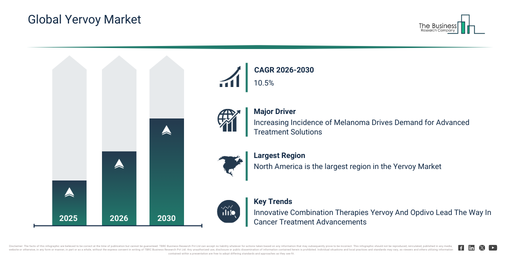
    The yervoy market size is projected to experience substantial expansion in the coming years. By 2030, its value is forecast to reach $9.93 million, achieving a compound annual growth rate (CAGR) of 10.5%. This anticipated growth during the forecast period stems from factors such as the broadening of immunotherapy pipelines, the increased adoption of combination regimens, the rising incidence of cancer, growing investments in oncology, and advancements in immune profiling. Key trends for the forecast period encompass the proliferation of immune checkpoint inhibitors, the wider application of combination immunotherapy, increased utilization in advanced oncology settings, the provision of hospital-based immuno-oncology care, and a heightened emphasis on long-term cancer survival.

    Get A Free Sample Report With In-Depth Market Insights:

    https://thebusinessresearchcompany.com/sample_request?id=42514970&type=smp&name=Yervoy%20Market%20Report%202026&utm_source=Blogs&utm_medium=Paid&utm_campaign=Oct_PR

    Yervoy Market Demand Drivers: What’s Powering Industry Growth?

    The increasing occurrence of melanoma is projected to drive the expansion of the yervoy market in the foreseeable future. Melanoma refers to a kind of skin cancer that develops in the melanocytes, cells responsible for producing the pigment melanin, which determines skin color. The growing rate of melanoma is linked to factors such as elevated sun exposure, shifts in lifestyle, and increased UV radiation due to ozone depletion. Additionally, improved public awareness and advanced diagnostic methods contribute to a higher number of detected cases. Yervoy, by targeting the CTLA-4 protein to enhance the immune system’s ability to identify and eliminate cancer cells, has demonstrated particular efficacy for melanoma patients, offering improved survival rates and enduring responses, even in advanced stages of the illness. For instance, in January 2024, the American Cancer Society, a US-based non-profit organization dedicated to eliminating cancer, reported an estimated 100,640 new melanoma cases expected to be diagnosed in the United States in 2024, with 59,170 cases in men and 41,470 cases in women. Furthermore, the organization forecasts that 8,290 individuals will die from melanoma in 2024, affecting 5,430 men and 2,860 women. Thus, the rising incidence of melanoma directly fuels the yervoy market.

    Yervoy Market Segmentation: How Does The Market Break Down By Category?

    The yervoy market covered in this report is segmented –

    1) By Type: 40 ml, 10 ml

    2) By Clinical Indication: Melanoma, Non-Small Cell Lung Cancer (NSCLC), Renal Cell Carcinoma (RCC), Colorectal Cancer (CRC)

    3) By Distribution Channel: Hospitals, Oncology Clinics, Retail Pharmacies, Online Pharmacies

    4) By End User: Adult, Geriatric

    Yervoy Market Innovation Trends: What Developments Are Reshaping The Industry?

    Major entities in the yervoy market are prioritizing the creation of innovative combination therapies, such as the pairing of Opdivo (nivolumab) and yervoy (ipilimumab), aiming to bolster treatment efficacy and broaden the scope of cancer indications. The combined administration of Opdivo (nivolumab) and Yervoy (ipilimumab) collaboratively enhances the immune response by targeting complementary immune checkpoint pathways, thereby improving effectiveness in treating various cancers like melanoma and renal cell carcinoma. For instance, in June 2024, Bristol Myers Squibb, a US-based pharmaceutical manufacturing company, disclosed notable results from the CheckMate-9DW trial. This trial evaluated the Opdivo (nivolumab) and Yervoy (ipilimumab) combination as a frontline treatment for patients suffering from advanced hepatocellular carcinoma (HCC). The study revealed that this dual immunotherapy regimen led to a statistically significant improvement in overall survival (OS) for patients with advanced HCC when compared to standard treatments such as lenvatinib or sorafenib.

    Yervoy Market Competitive Overview And Top Companies

    Major companies operating in the yervoy market are Bristol-Myers Squibb, Merck & Co., Ono Pharmaceutical

    View The Full Yervoy Market Report:

    https://thebusinessresearchcompany.com/report/yervoy-global-market-report?utm_source=Blogs&utm_medium=Paid&utm_campaign=Oct_PR

    Yervoy Market Largest Region: Which Geography Holds The Biggest Share?

    North America was the largest region in the yervoy market in 2025. The regions covered in the yervoy market report are Asia-Pacific, Western Europe, Eastern Europe, North America, South America, Middle East, Africa.

    Reach Out To Our Team:

    The Business Research Company: https://www.thebusinessresearchcompany.com/

    Americas: +1 310-496-7795

    Asia: +44 7882 955267 & +91 8897263534

    Europe: +44 7882 955267

    Email us at: marketing@tbrc.info

    Follow us on:

    LinkedIn: https://in.linkedin.com/company/the-business-research-company

    YouTube: https://www.youtube.com/channel/UC24_fI0rV8cR5DxlCpgmyFQ

    Global Market Model: https://www.thebusinessresearchcompany.com/global-market-model

  • Robotic Balance Training Systems Market Forecast To Reach $3.25 Billion By 2030: Key Growth Drivers And Industry Trends

    Robotic Balance Training Systems Market Forecast To Reach $3.25 Billion By 2030: Key Growth Drivers And Industry Trends

    Built to provide research that’s more actionable and strategically valuable, The Business Research Company’s 2026 market reports include market attractiveness analysis, total addressable market sizing, company benchmarking matrices, interactive Excel dashboards, broader supply chain intelligence, emerging startup tracking, and in-depth product insights.

    Robotic Balance Training Systems Market Revenue Growth On Track For A 16.7% CAGR Through 2030

    The market size for robotic balance training systems has experienced rapid expansion in recent years. It is anticipated to increase from $1.50 billion in 2025 to $1.75 billion in 2026, achieving a compound annual growth rate (CAGR) of 17.0%. The historical growth in this sector is largely due to factors such as the rising occurrence of balance and mobility disorders, the wider adoption of robotic rehabilitation technologies, an escalating demand for measurable therapy outcomes, the expansion of rehabilitation infrastructure investments, and a greater emphasis on fall-prevention programs.

    The robotic balance training systems market is anticipated to experience significant expansion over the next few years. Its valuation is predicted to reach $3.25 billion in 2030, demonstrating a compound annual growth rate (CAGR) of 16.7%. This growth during the forecast period is propelled by a globally increasing aging population, the rising adoption of AI-enabled rehabilitation systems, the growing integration of robotics into clinical procedures, the expanding availability of service and support networks, and an increasing demand for sophisticated post-acute rehabilitation solutions. Key trends influencing this period include advancements in AI-driven adaptive training algorithms, innovations in virtual and augmented reality-based immersive rehabilitation, developments in multi-sensor fusion technologies, ongoing research and development for compact robotic system designs, and progress in cloud-connected rehabilitation platforms.

    Get A Free Sample Report With In-Depth Market Insights:

    https://thebusinessresearchcompany.com/sample_request?id=75611979&type=smp&name=Robotic%20Balance%20Training%20Systems%20Market%20Report%202026&utm_source=Blogs&utm_medium=Paid&utm_campaign=Oct_PR

    Robotic Balance Training Systems Market Growth Backed By Core Demand Fundamentals

    The escalating incidence of neurological disorders is set to drive the expansion of the robotic balance training systems market moving forward. These medical conditions affect the brain, spinal cord, and nerves, disrupting normal nervous system function and causing impairments in movement, cognition, sensation, behavior, or overall bodily control. This rising prevalence of neurological disorders is attributed to unhealthy lifestyle habits, including poor diet, physical inactivity, smoking, excessive alcohol consumption, and chronic stress. Robotic balance training systems assist in managing neurological disorders by offering guided, repetitive, and controlled exercises designed to enhance stability, coordination, and motor function. They also improve patient recovery by supporting neuroplasticity, diminishing the risk of falls, and accelerating rehabilitation outcomes. For instance, in June 2025, Brain Research UK, a United Kingdom-based neurological charity, observed that the prevalence of neurological conditions rose from 10.5 million people in 2024 to an estimated 11 million in 2025, indicating a 4.8 % increase year over year. Therefore, the growing demand for targeted CNS drug delivery is propelling the growth of the robotic balance training systems market.

    Robotic Balance Training Systems Market Segmentation And Category Overview

    The robotic balance training systems market covered in this report is segmented –

    1) By Product Type: Treadmill-Based Systems, Platform-Based Systems, Wearable Systems, Others Product Types

    2) By Technology: Sensor-Based, AI-Enabled, Virtual Reality Integrated, Others Technology

    3) By Distribution Or Channel Type: Direct Sales, Distributor-Based Sales, Online Or Partner-Based Procurement Channels

    4) By Application: Rehabilitation Centers, Hospitals And Clinics, Home Care Settings, Others Application

    5) By End User: Hospitals, Physical Therapy Clinics, Sports Facilities, Home Care

    Subsegments:

    1) By Treadmill-Based Systems: Body Weight Support Treadmill, Fixed Speed Treadmill, Adjustable Speed Treadmill, Split Belt Treadmill

    2) By Platform-Based Systems: Static Platform Systems, Dynamic Platform Systems, Force Plate Systems, Multi-Axis Balance Platforms

    3) By Wearable Systems: Lower Limb Exoskeleton, Full Body Exoskeleton, Ankle And Foot Orthosis, Hip And Knee Support Devices

    4) By Other Product Types: Robotic Walker Systems, Hybrid Balance Training Devices, Multi-Modal Rehabilitation Devices, Assistive Balance Robots

    Robotic Balance Training Systems Market Growth Trends Reshaping The Competitive Landscape

    Leading companies in the robotic balance training systems market are concentrating on creating advanced robotic systems, such as 3D robotic body-weight support systems, to ensure unrestricted mobility during rehabilitation exercises. 3D Robotic Body-Weight Support Systems are rehabilitation devices that assist patients in walking or performing motor exercises by partially supporting their body weight across three dimensions. For instance, in March 2023, Aretech LLC, a US-based developer of advanced rehabilitation technologies, introduced ZeroG 3D. This platform is engineered to support patients up to 450 pounds while enabling free movement in any direction, incorporating customizable boundaries and multi-directional tracking. The solution further offers dynamic body-weight support of up to 200 pounds and adaptable workspaces for training on treadmills or stairs, thereby accelerating the effectiveness of gait and balance therapy in clinical settings.

    Robotic Balance Training Systems Market Competitive Landscape: Who Leads The Industry?

    Major companies operating in the robotic balance training systems market are Yaskawa Electric Corporation, Fourier Intelligence Co. Ltd., Reha Technology AG, Stereotaxis Inc., Cyberdyne Inc., Genrobotics Medical & Mobility Co. Ltd., Neofect Co. Ltd., Ekso Bionics Holdings Inc., Tyromotion GmbH, ReWalk Robotics Ltd., Bertec Corporation, DIH Medical Group, Rex Bionics Ltd., Bionik Laboratories Corp., Aretech LLC, Kinestica d.o.o., Shenzhen Milebot Robotics Co. Ltd., Guangzhou Yikang Medical Equipment Co. Ltd., Balance International Innovations GmbH, Motorika USA Inc.

    View The Full Robotic Balance Training Systems Market Report:

    https://thebusinessresearchcompany.com/report/robotic-balance-training-systems-market-report?utm_source=Blogs&utm_medium=Paid&utm_campaign=Oct_PR

    Robotic Balance Training Systems Market Geographic Landscape: Which Region Dominates Industry Growth?

    North America was the largest region in the robotic balance training systems market in 2025. Asia-Pacific is expected to be the fastest-growing region in the forecast period. The regions covered in the robotic balance training systems market report are Asia-Pacific, South East Asia, Western Europe, Eastern Europe, North America, South America, Middle East, Africa.

    Reach Out To Our Team:

    The Business Research Company: https://www.thebusinessresearchcompany.com/

    Americas: +1 310-496-7795

    Asia: +44 7882 955267 & +91 8897263534

    Europe: +44 7882 955267

    Email us at: marketing@tbrc.info

    Follow us on:

    LinkedIn: https://in.linkedin.com/company/the-business-research-company

    YouTube: https://www.youtube.com/channel/UC24_fI0rV8cR5DxlCpgmyFQ

    Global Market Model: https://www.thebusinessresearchcompany.com/global-market-model

  • Xyntha,Xyntha Solofuse Market Size Reaches $ Billion In 2026: What Is Driving Growth?

    Xyntha,Xyntha Solofuse Market Size Reaches $ Billion In 2026: What Is Driving Growth?

    Backed by market attractiveness analysis, total addressable market sizing, company benchmarking matrices, interactive Excel dashboards, wider supply chain intelligence, emerging startup coverage, and detailed product-level insights, The Business Research Company’s 2026 market reports are designed to offer research that is more actionable and strategically valuable than ever.

    Xyntha,Xyntha Solofuse Market Size And Revenue Outlook Through 2030

    Historic growth is attributable to an increase in hemophilia A diagnosis rates, a shift from plasma-derived to recombinant therapies, the wider availability of factor VIII replacement products, an enhanced understanding of prophylactic treatment benefits, and improved patient access to specialty care.

    The anticipated growth during the forecast period is driven by the wider acceptance of sustained preventive treatment approaches, a greater emphasis on patient self-management solutions, the development of individualized hemophilia care plans, continuous innovation in genetically engineered therapies, and an increasing demand for products with prolonged effectiveness. Concurrently, major developments expected in this period include the expanding utilization of recombinant factor treatments, a heightened demand for preventive hemophilia care, a growing preference for pre-prepared administration methods, the broadening of hemophilia treatment services offered in home settings, and an intensified focus on enhancing treatment convenience and patient compliance.

    Get A Free Sample Report With In-Depth Market Insights:

    https://thebusinessresearchcompany.com/sample_request?id=57484313&type=smp&name=Xyntha%2CXyntha%20Solofuse%20Market%20Report%202026&utm_source=Blogs&utm_medium=Paid&utm_campaign=Oct_PR

    Xyntha,Xyntha Solofuse Market Growth Drivers: What’s Behind The Acceleration?

    The increasing occurrence of hemophilia is anticipated to fuel the expansion of the Xyntha/Xyntha SoloFUSE market in the future. Hemophilia is a hereditary bleeding condition resulting from inadequate clotting factors, which causes uncontrolled bleeding episodes that necessitate consistent prophylactic or as-needed factor replacement therapy. The rise in hemophilia cases is attributed to enhanced diagnostic methods, greater awareness of the disease, and expanded newborn screening initiatives. The Xyntha/Xyntha SoloFUSE market facilitates this trend by supplying recombinant factor VIII products and intuitive delivery systems that boost treatment adherence and clinical results. For instance, in Aoril 2025, according to Pfizer Inc a US-based pharmaceutical and biotechnology corporation, the UK haemophilia A and B patient population surpassed 11,800 individuals during the 2023 to 24 period, highlighting a significant and medically relevant treated demographic. Consequently, the growing prevalence of hemophilia is a key driver for the Xyntha/Xyntha SoloFUSE market. An increase in healthcare spending is anticipated to propel the xyntha, xyntha solofuse market forward. Healthcare expenditure represents the cumulative amount disbursed for healthcare products and services, encompassing personal health care, preventive care, and public health initiatives, all aimed at enhancing health outcomes within a specified timeframe. The escalation in healthcare spending stems from factors such as an aging demographic, the prevalence of chronic illnesses, sophisticated medical technologies, elevated drug costs, suboptimal payment frameworks, and heightened demand for services. Financial outlay on xyntha and xyntha solofuse facilitates access to cutting-edge hemophilia A treatments, thereby mitigating bleeding complications and enhancing patient well-being. For instance, in May 2024, according to a report published by the Office for National Statistics, a UK-based government agency, overall healthcare expenditure experienced a 5.6% increase in nominal terms from 2022 to 2023, which contrasts with a 0.9% growth rate observed in 2022. Therefore, growing healthcare expenditure is fueling the xyntha, xyntha solofuse market.

    Xyntha,Xyntha Solofuse Market Segment Trends And Revenue Contributors

    The xyntha,xyntha solofuse market covered in this report is segmented –

    1) By Application: Hemophilia A Treatment, Prophylaxis Therapy

    2) By Distribution: Hospital Pharmacies, Retail Pharmacies, Online Pharmacies

    3) By End User: Adults, Pediatrics, Geriatric

    Xyntha,Xyntha Solofuse Market Competitive Landscape: Which Companies Lead The Industry?

    Major companies operating in the xyntha,xyntha solofuse market are Pfizer Inc.

    View The Full Xyntha,Xyntha Solofuse Market Report:

    https://thebusinessresearchcompany.com/report/xyntha-xyntha-solofuse-global-market-report?utm_source=Blogs&utm_medium=Paid&utm_campaign=Oct_PR

    Xyntha,Xyntha Solofuse Market Regional Analysis: Which Geography Leads On Revenue?

    North America was the largest region in the xyntha, xyntha solofuse market in 2025. The regions covered in the xyntha,xyntha solofuse market report are Asia-Pacific, Western Europe, Eastern Europe, North America, South America, Middle East, Africa.

    Reach Out To Our Team:

    The Business Research Company: https://www.thebusinessresearchcompany.com/

    Americas: +1 310-496-7795

    Asia: +44 7882 955267 & +91 8897263534

    Europe: +44 7882 955267

    Email us at: marketing@tbrc.info

    Follow us on:

    LinkedIn: https://in.linkedin.com/company/the-business-research-company

    YouTube: https://www.youtube.com/channel/UC24_fI0rV8cR5DxlCpgmyFQ

    Global Market Model: https://www.thebusinessresearchcompany.com/global-market-model