Author: Marketing Posting

  • Artificial Intelligence (AI) Radiology Tool Market Growth Rate Explained: 15.8% CAGR Projected Through 2030

    Artificial Intelligence (AI) Radiology Tool Market Growth Rate Explained: 15.8% CAGR Projected Through 2030

    The Business Research Company’s 2026 market reports are designed to deliver research that is more actionable and strategically valuable. Key offerings include market attractiveness scoring, total addressable market sizing, company benchmarking matrices, interactive Excel dashboards, deeper supply chain intelligence, emerging startup tracking, and granular product-level insights.

    Which Factors Will Shape The Artificial Intelligence (AI) Radiology Tool Market Size Through 2030?

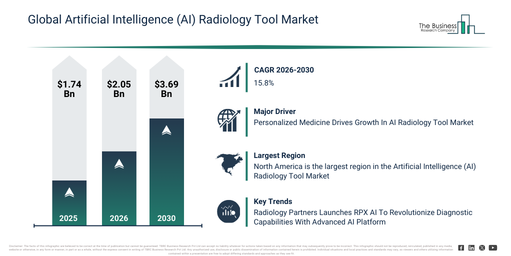
    The artificial intelligence (AI) radiology tool market has seen rapid growth in recent years. Its size is expected to expand from $1.74 billion in 2025 to $2.05 billion in 2026, achieving a compound annual growth rate (CAGR) of 17.8%. Historically, this market expansion can be attributed to factors such as increasing medical imaging volumes, a rising shortage of radiologists, the early adoption of computer-aided detection systems, the expansion of digital radiology infrastructure, and growing healthcare imaging demand.

    The artificial intelligence (AI) radiology tool market is projected for significant expansion in the coming years, reaching $3.69 billion by 2030, demonstrating a compound annual growth rate (CAGR) of 15.8%. This anticipated growth during the forecast period is driven by several factors, including the increasing implementation of cloud-based AI radiology platforms, a heightened emphasis on precision diagnostics, the expansion of AI into interventional radiology, increased investments in automated reporting systems, and a rise in regulatory approvals for AI imaging solutions. Key trends expected over this period involve the growing adoption of AI-powered image interpretation tools, increased integration of workflow automation in radiology, expanded application of AI for early anomaly detection, the development of AI-assisted solutions to improve diagnostic accuracy, and a greater focus on alleviating the workload for radiologists.

    Request A Free Artificial Intelligence (AI) Radiology Tool Market Sample To Support Your Strategic Planning:

    https://thebusinessresearchcompany.com/sample_request?id=18573248&type=smp&name=Artificial%20Intelligence%20%28AI%29%20Radiology%20Tool%20Market%20Report%202026&utm_source=Blogs&utm_medium=Paid&utm_campaign=Nov_PR

    What Is Propelling The Artificial Intelligence (AI) Radiology Tool Market Toward $3.69 Billion By 2030?

    The growing adoption of personalized medicine is expected to propel the artificial intelligence (AI) radiology tool market forward. Personalized medicine, also referred to as precision medicine, is an innovative medical method that customizes treatment and healthcare strategies according to the individual characteristics of each patient. This increasing shift toward personalized medicine is driven by a combination of crucial elements, including progress in genomics and molecular biology. AI radiology tools enhance personalized medicine by providing precise diagnostics, predictive analytics, real-time treatment response monitoring, integration with genomic data, and improved patient stratification, thereby enabling individualized and effective healthcare interventions. Therefore, the increasing shift toward personalized medicine is a key driver for the artificial intelligence (AI) radiology tool market.

    What Are The Key Segments And Subsegments In The Artificial Intelligence (AI) Radiology Tool Market?

    The artificial intelligence (AI) radiology tool market covered in this report is segmented –

    1) By Type: Diagnostic Radiology, Interventional Radiology

    2) By Application: Eye Care, Oncology, Radiology, Cardiovascular, Pathology, Other Applications

    3) By End-User: Clinics, Hospitals, Diagnostic Centers, Other End-Users

    Subsegments:

    1) By Diagnostic Radiology: AI For Image Interpretation (Detecting Fractures, Tumors, Or Abnormalities), Ai In Ct (Computed Tomography) Scanning, Ai In Mri (Magnetic Resonance Imaging) Scanning, Ai For X-Ray Imaging And Analysis, Ai In Ultrasound Imaging, Ai-Based Computer-Aided Detection (Cad) Systems, Ai For Radiology Workflow Automation (Prioritizing Cases, Report Generation)

    2) By Interventional Radiology: AI For Image-Guided Procedures (Guiding Catheter Placement), Ai In Minimally Invasive Surgery (Tumor Ablation, Biopsies), Ai For Real-Time Decision Support In Interventional Procedures, Ai In Radiation Dose Optimization For Interventional Radiology, Ai-Assisted Navigation Systems For Procedures Like Angioplasty, Ai In Post-Procedure Monitoring And Outcome Prediction

    Artificial Intelligence (AI) Radiology Tool Market Trends Behind The 15.8% CAGR Forecast

    Leading companies operating within the artificial intelligence (AI) radiology tool market are actively developing sophisticated solutions, such as artificial intelligence platforms, aimed at enhancing the diagnostic capabilities of radiologists. An advanced artificial intelligence platform integrates AI algorithms to meticulously analyze medical imaging data, thereby furnishing radiologists with augmented insights and assisting in the accurate identification and diagnosis of a multitude of medical conditions.

    Major Companies Profiled In The Artificial Intelligence (AI) Radiology Tool Market Report

    Major companies operating in the artificial intelligence (AI) radiology tool market are Google LLC, Microsoft Corporation, NVIDIA Corporation, Siemens Healthcare Private Limited, Koninklijke Philips N.V., GE HealthCare, Nuance Communications Inc., Aidoc Medical, Subtle Medical Inc., Enlitic Inc., Arterys Inc., Aidence.com, Oxipit.ai, Zebra Medical Vision

    Explore The Business Research Company’s Complete Artificial Intelligence (AI) Radiology Tool Market Report:

    https://thebusinessresearchcompany.com/report/artificial-intelligence-ai-radiology-tool-global-market-report?utm_source=Blogs&utm_medium=Paid&utm_campaign=Nov_PR

    Where Does The Artificial Intelligence (AI) Radiology Tool Market Generate The Most Revenue?

    North America was the largest region in the artificial intelligence (AI) radiology tool market in 2025. The regions covered in the artificial intelligence (AI) radiology tool market report are Asia-Pacific, South East Asia, Western Europe, Eastern Europe, North America, South America, Middle East, Africa.

    Reach Out To Our Team:

    The Business Research Company: https://www.thebusinessresearchcompany.com/

    Americas: +1 310-496-7795

    Asia: +44 7882 955267 & +91 8897263534

    Europe: +44 7882 955267

    Email us at: marketing@tbrc.info

    Follow us on:

    LinkedIn: https://in.linkedin.com/company/the-business-research-company

    YouTube: https://www.youtube.com/channel/UC24_fI0rV8cR5DxlCpgmyFQ

    Global Market Model: https://www.thebusinessresearchcompany.com/global-market-model
  • Artificial Intelligence (AI) Pathology Quality Control Market Projected To Be Worth $4.65 Billion By 2030: Industry Outlook And Analysis

    Artificial Intelligence (AI) Pathology Quality Control Market Projected To Be Worth $4.65 Billion By 2030: Industry Outlook And Analysis

    With a focus on actionable insights and strategic value, The Business Research Company’s 2026 market reports include market attractiveness scoring, total addressable market sizing, company benchmarking matrices, interactive Excel dashboards, deeper supply chain intelligence, emerging startup tracking, and granular product-level insights.

    Artificial Intelligence (AI) Pathology Quality Control Market Size Snapshot: 2026 Valuation, 2030 Projection And Key Growth Factors

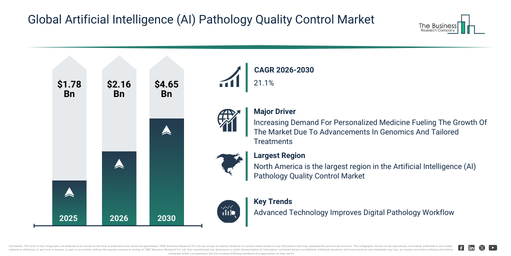
    The artificial intelligence (AI) pathology quality control market has experienced significant expansion recently. Projections indicate its value will increase from $1.78 billion in 2025 to $2.16 billion by 2026, demonstrating a compound annual growth rate (CAGR) of 21.4%. Historically, this expansion has been driven by factors such as a rise in pathology workload volumes, the early move towards digitizing pathology slides, the increasing intricacy of cancer diagnostics, the need for consistent reporting, and the initial integration of AI-assisted pathology tools.

    The artificial intelligence (AI) pathology quality control market is projected to experience rapid expansion in the coming years. This market is anticipated to reach a valuation of $4.65 billion by 2030, demonstrating a compound annual growth rate (CAGR) of 21.1%. Several factors are contributing to this projected growth, including greater investments in digital pathology platforms, an increasing need for precision diagnostics, the expansion of AI validation within clinical workflows, the growing integration of pathology data analytics, and a heightened regulatory focus on diagnostic quality control. Key trends expected during this forecast period involve the expanded deployment of AI-based slide quality assessment, the increasing adoption of automated tools for error detection, greater standardization of pathology workflows, broader integration of digital pathology, and an intensified focus on ensuring diagnostic accuracy.

    Get A No-Cost Sample Of The Artificial Intelligence (AI) Pathology Quality Control Market Study:

    https://thebusinessresearchcompany.com/sample_request?id=51517586&type=smp&name=Artificial%20Intelligence%20%28AI%29%20Pathology%20Quality%20Control%20Market%20Report%202026&utm_source=Blogs&utm_medium=Paid&utm_campaign=Nov_PR

    Major Factor Fueling The Artificial Intelligence (AI) Pathology Quality Control Market Through 2030

    The expanding need for personalized medicine is projected to drive the expansion of the artificial intelligence (AI) pathology quality control market in the future. Personalized medicine is defined as a healthcare method that customizes treatment and prevention plans based on an individual’s distinct genetic profile, lifestyle choices, and environmental factors. The growing embrace of personalized medicine largely stems from progress in genomics, allowing for accurate identification of genetic differences and customized therapies for patients. Artificial intelligence (AI) pathology quality control improves personalized medicine by providing accurate and uniform diagnostic information, thereby facilitating customized treatment approaches. This technology minimizes diagnostic mistakes through automated quality assessments, boosting precision and dependability, which ultimately furthers care specific to each patient. Consequently, the rising demand for personalized medicine will be a key driver for the artificial intelligence (AI) pathology quality control market.

    Artificial Intelligence (AI) Pathology Quality Control Market Segment Landscape: Main Categories And Subcategories Covered

    The artificial intelligence (AI) pathology quality control market covered in this report is segmented –

    1) By Component: Software, Hardware, Services

    2) By Deployment Mode: On-Premises, Cloud-Based

    3) By Application: Cancer Diagnostics, Infectious Disease Diagnostics, Digital Pathology, Research, Other Applications

    4) By End-User: Hospitals, Diagnostic Laboratories, Research Institutes, Pharmaceutical And Biotechnology Companies, Other End Users

    Subsegments:

    1) By Software: Image Analysis Software, Diagnostic Decision Support Software, Workflow Management Software, Reporting And Visualization Software

    2) By Hardware: Digital Pathology Scanners, Imaging Devices, Servers And Storage Systems, Laboratory Equipment

    3) By Services: Implementation Services, Training And Support Services, Maintenance And Upgrade Services, Consulting Services

    How Are Emerging Trends Influencing The Artificial Intelligence (AI) Pathology Quality Control Market’s Growth Path?

    Leading firms within the artificial intelligence (AI) pathology quality control market are concentrating on creating sophisticated offerings, including advanced AI-driven solutions, aimed at improving diagnostic precision, optimizing laboratory operations, and guaranteeing the dependability of pathology information. These advanced AI-powered solutions represent cutting-edge technologies that leverage artificial intelligence for executing intricate tasks with superior accuracy, pace, and effectiveness.

    Artificial Intelligence (AI) Pathology Quality Control Market Leading Players And Key Industry Participants In 2026

    Major companies operating in the artificial intelligence (AI) pathology quality control market are Roche Diagnostics GmbH, Danaher Corporation, Philips Healthcare, Agilent Technologies Inc., Hologic Inc., Clinisys Group Ltd., Sectra AB, PathAI Inc., OptraSCAN Inc., Paige.AI Inc., Proscia Inc., Quibim S.L., 3DHISTECH Ltd., Visiopharm A/S, Indica Labs Inc., Ibex Medical Analytics Ltd., Aiosyn B.V., DeepBio Inc., Nucleai Ltd., Gestalt Diagnostics LLC

    Check Out The Full Artificial Intelligence (AI) Pathology Quality Control Market Report 2026:

    https://thebusinessresearchcompany.com/report/artificial-intelligence-ai-pathology-quality-control-global-market-report?utm_source=Blogs&utm_medium=Paid&utm_campaign=Nov_PR

    Artificial Intelligence (AI) Pathology Quality Control Market By Geography: Revenue Leaders Among Global Regions

    North America was the largest region in the artificial intelligence (AI) pathology quality control market in 2025. Asia-Pacific is expected to be the fastest-growing region in the forecast period. The regions covered in the artificial intelligence (AI) pathology quality control market report are Asia-Pacific, South East Asia, Western Europe, Eastern Europe, North America, South America, Middle East, Africa.

    Reach Out To Our Team:

    The Business Research Company: https://www.thebusinessresearchcompany.com/

    Americas: +1 310-496-7795

    Asia: +44 7882 955267 & +91 8897263534

    Europe: +44 7882 955267

    Email us at: marketing@tbrc.info

    Follow us on:

    LinkedIn: https://in.linkedin.com/company/the-business-research-company

    YouTube: https://www.youtube.com/channel/UC24_fI0rV8cR5DxlCpgmyFQ

    Global Market Model: https://www.thebusinessresearchcompany.com/global-market-model
  • Zika Virus Therapeutics Market Size Forecast From 2026 To 2030: Key Industry Trends

    Zika Virus Therapeutics Market Size Forecast From 2026 To 2030: Key Industry Trends

    Featuring market attractiveness scoring, total addressable market sizing, company benchmarking matrices, interactive Excel dashboards, deeper supply chain intelligence, emerging startup tracking, and granular product-level insights, The Business Research Company’s 2026 market reports are built to deliver research that is both more actionable and more strategically valuable.

    Zika Virus Therapeutics Market Set To Climb From $34 Billion In 2026 To $42.49 Billion By 2030

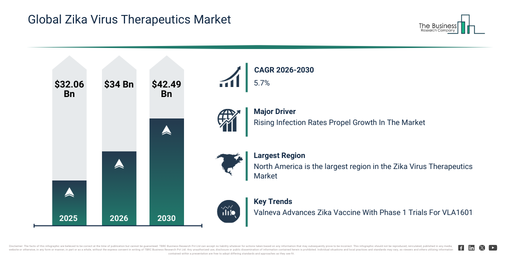
    The zika virus therapeutics market has demonstrated substantial growth in recent years. This market is projected to expand from $32.06 billion in 2025 to $34 billion by 2026, achieving a compound annual growth rate (CAGR) of 6.0%. Historically, this expansion has been driven by factors such as past outbreaks in endemic areas, a reliance on symptomatic treatment methods, the broadening of public health monitoring systems, the creation of fundamental diagnostic instruments, and a heightened understanding of congenital zika complications.

    The zika virus therapeutics market size is projected to experience substantial expansion in the coming years, with expectations to reach $42.49 billion by 2030, driven by a compound annual growth rate (CAGR) of 5.7%. The anticipated growth during this period stems from factors such as increased investments in infectious disease research, a rising demand for preventive vaccines, the expansion of global disease surveillance networks, a growing focus on protecting maternal health, and enhanced collaboration among public health agencies. Significant trends anticipated during the forecast period include a heightened focus on the development of antiviral drugs, increased investment in vaccine research programs, the broadening of supportive care therapeutics, more rigorous surveillance of vector-borne diseases, and improved public health preparedness.

    Get A Free Sample Report With In-Depth Market Insights:

    https://thebusinessresearchcompany.com/sample_request?id=18295672&type=smp&name=Zika%20Virus%20Therapeutics%20Market%20Report%202026&utm_source=Blogs&utm_medium=Paid&utm_campaign=Nov_PR

    Zika Virus Therapeutics Market Expansion Drivers: What’s Shaping Future Growth?

    The increasing frequency of infection is anticipated to boost the Zika virus therapeutics market in the future. An infection rate signifies the likelihood or danger of an infection appearing within a particular group over a set duration. This heightened infection occurrence stems from elements like insufficient vector management, environmental factors conducive to mosquito reproduction, and restricted availability of preventative healthcare in affected areas. The prevalence of infection necessitates potent Zika virus therapeutics, fostering the creation and investment in vaccinations and treatments to counter the escalating public health danger. Consequently, the escalating rate of infection will fuel the expansion of the Zika virus therapeutics market.

    Zika Virus Therapeutics Market Segment Performance And Emerging Opportunities

    The zika virus therapeutics market covered in this report is segmented –

    1) By Product: Acetaminophen, Other Non-Steroidal Anti-Inflammatory Drugs (NSAIDs)

    2) By Vaccine Type: Inactivated Vaccine, Subunit Vaccine, Live-Attenuated Vaccine, Other Vaccine Types

    3) By End User: Hospitals, Clinics, Other End Users

    Subsegments:

    1) By Acetaminophen: Oral Tablets, Oral Suspensions, Intravenous Formulations

    2) By Other Non-Steroidal Anti-Inflammatory Drugs (NSAIDs): Ibuprofen, Aspirin, Naproxen, Celecoxib

    Zika Virus Therapeutics Market Strategic Trends: What Defines The Next Growth Phase?

    Companies prominent in the zika virus therapeutics market are prioritizing the development of innovative technologies, such as second-generation adjuvanted inactivated vaccines, to improve immune response, enhance vaccine efficacy, and ensure longer-lasting protection against the virus. A second-generation adjuvanted inactivated vaccine is defined as a vaccine that combines a deactivated virus with an immune-stimulating adjuvant to boost the body’s immune response for greater protection against the target disease.

    Zika Virus Therapeutics Market Key Players: Which Companies Lead Industry Competition?

    Major companies operating in the zika virus therapeutics market are Johnson & Johnson, Merck & Co Inc, Sanofi S A, Takeda Pharmaceutical Company Limited, Moderna Inc, Emergent BioSolutions Inc, Valneva SE, Bharat Biotech International Limited, Inovio Pharmaceuticals Inc, GeoVax Labs Inc, GlaxoSmithKline plc, Novavax Inc, Pfizer Inc, GeneOne Life Science Inc, Zydus Cadila, Indian Immunologicals Limited, Enesi Pharma, Protein Sciences Corporation, Sementis Ltd, Hawaii Biotech Inc, GeneOne Life Science

    View The Full Zika Virus Therapeutics Market Report:

    https://thebusinessresearchcompany.com/report/zika-virus-therapeutics-global-market-report?utm_source=Blogs&utm_medium=Paid&utm_campaign=Nov_PR

    Zika Virus Therapeutics Market Largest Region: Which Geography Holds The Biggest Share?

    North America was the largest region in the zika virus therapeutics market in 2025. Asia-Pacific is expected to be the fastest-growing region in the forecast period. The regions covered in the zika virus therapeutics market report are Asia-Pacific, South East Asia, Western Europe, Eastern Europe, North America, South America, Middle East, Africa.

    Reach Out To Our Team:

    The Business Research Company: https://www.thebusinessresearchcompany.com/

    Americas: +1 310-496-7795

    Asia: +44 7882 955267 & +91 8897263534

    Europe: +44 7882 955267

    Email us at: marketing@tbrc.info

    Follow us on:

    LinkedIn: https://in.linkedin.com/company/the-business-research-company

    YouTube: https://www.youtube.com/channel/UC24_fI0rV8cR5DxlCpgmyFQ

    Global Market Model: https://www.thebusinessresearchcompany.com/global-market-model
  • From $0.84 Billion To $1.8 Billion: Artificial Intelligence (AI) Oral Health App Market Forecast 2026–2030

    From $0.84 Billion To $1.8 Billion: Artificial Intelligence (AI) Oral Health App Market Forecast 2026–2030

    The Business Research Company’s 2026 market reports combine market attractiveness scoring, total addressable market sizing, company benchmarking matrices, interactive Excel dashboards, deeper supply chain intelligence, emerging startup tracking, and granular product-level insights to deliver research that is more actionable and strategically valuable.

    Artificial Intelligence (AI) Oral Health App Market Value Projected To Grow At A 21.1% Compound Annual Growth Rate Through 2030

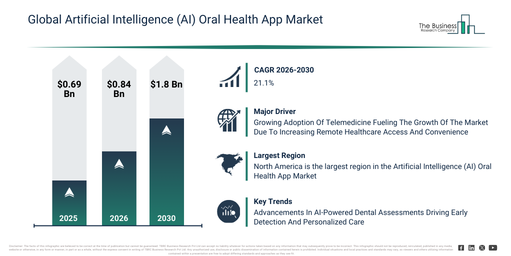
    The artificial intelligence (AI) oral health app market size has witnessed significant expansion in recent years. This market is projected to increase from $0.69 billion in 2025 to $0.84 billion in 2026, exhibiting a compound annual growth rate (CAGR) of 21.4%. Historically, the growth can be ascribed to factors such as increased smartphone adoption in healthcare, a growing emphasis on oral hygiene awareness, the early integration of digital dental diagnostics, the expansion of telehealth platforms, and the availability of dental imaging data.

    The artificial intelligence (AI) oral health app market size is anticipated to experience substantial growth in the next few years. It is projected to expand to $1.8 billion in 2030, exhibiting a compound annual growth rate (CAGR) of 21.1%. This expansion during the forecast period can be attributed to an increasing demand for remote dental care solutions, the rising adoption of AI-driven preventive healthcare, the broadening of cloud-based health applications, a growing emphasis on personalized patient engagement, and increasing investments within digital health ecosystems. Major trends expected in the forecast period include the increasing adoption of AI-based dental image analysis, a rising use of personalized oral health monitoring tools, the growing integration of remote dental diagnostics, the expansion of preventive dental care applications, and an enhanced focus on the early detection of oral diseases.

    Evaluate The Artificial Intelligence (AI) Oral Health App Market Report Before You Buy With A Free Sample:

    https://thebusinessresearchcompany.com/sample_request?id=26548813&type=smp&name=Artificial%20Intelligence%20%28AI%29%20Oral%20Health%20App%20Market%20Report%202026&utm_source=Blogs&utm_medium=Paid&utm_campaign=Nov_PR

    Artificial Intelligence (AI) Oral Health App Market Growth Driver Analysis For The 2026–2030 Forecast Period

    The increasing use of telemedicine is anticipated to drive the expansion of the artificial intelligence (AI) oral health app market moving ahead. Telemedicine involves utilizing digital communication tools to deliver clinical healthcare services from a distance. This enables patients to consult healthcare professionals, obtain diagnoses, and oversee their treatments without the necessity of an in-person visit to a medical facility. The uptake of telemedicine is rising because of its enhanced convenience, providing patients with remote access to healthcare services, thereby saving time and removing travel requirements, which boosts overall accessibility and efficiency. Artificial intelligence (AI) oral health apps augment telemedicine ecosystems by providing distant dental monitoring, proving highly suitable for individuals who have restricted access to in-person care. These applications minimize diagnostic effort through immediate analysis of oral images, thereby boosting healthcare convenience and facilitating the early detection of dental problems. Consequently, the increasing adoption of telemedicine is fueling the expansion of the artificial intelligence (AI) oral health app market.

    Artificial Intelligence (AI) Oral Health App Market Segmentation Breakdown: Primary And Secondary Categories

    The artificial intelligence (AI) oral health app market covered in this report is segmented –

    1) By Component: Software, Services

    2) By Deployment Mode: Cloud-Based, On-Premises

    3) By Application: Dental Diagnostics, Oral Health Monitoring, Patient Education, Other Applications

    4) By End User: Dental Clinics, Hospitals, Individual Users, Other End-Users

    Subsegments:

    1) By Software: Diagnostic Software, Monitoring Software, Treatment Planning Software, Imaging Software

    2) By Services: Consultation Services, Data Analytics Services, Maintenance And Support Services, Integration Services

    Artificial Intelligence (AI) Oral Health App Market Industry Trends: New Developments From Leading Companies

    Major companies operating within the artificial intelligence (AI) oral health app market are concentrating on developing sophisticated solutions, including AI-powered dental assessments, to enhance early detection, improve personalized care, increase patient engagement, and provide accessible oral healthcare. AI-powered dental assessments utilize artificial intelligence algorithms to analyze images of teeth and gums, identifying potential oral health issues and delivering instant, actionable recommendations to users. For instance, in May 2025, Mars Inc., a US-based global pet nutrition and healthcare company, launched GREENIES Canine Dental Check, an AI-powered dental assessment tool that analyzes photos of dogs’ teeth and gums to detect tartar buildup and gum irritation, providing results within seconds along with follow-up recommendations. The tool also connects users to licensed veterinary technicians through the PETconnect by GREENIES service, representing a modern approach to leveraging AI for continuous, at-home oral health monitoring and support. This innovation allows pet owners to identify dental problems early, reducing the likelihood of severe oral diseases and costly veterinary treatments.

    Who Are The Top Competitors In The Artificial Intelligence (AI) Oral Health App Market?

    Major companies operating in the artificial intelligence (AI) oral health app market are Dentsply Sirona Inc., Align Technology Inc., Straumann Group, Planmeca Oy, 3Shape A/S, Dexis Corp., Dandy Inc., Carestream Health Inc., Dental Monitoring SAS, Pearl Inc., Overjet Inc., VideaHealth Inc., Zenyum Pte. Ltd., Candid Care Co., MouthWatch LLC, Dentem Inc., Denti.AI Technology Inc., OraQ AI Inc., Oryx Dental Software LLC, SOTA Imaging, Denota Ltd.

    Access The Artificial Intelligence (AI) Oral Health App Market Report For Complete Segment-Level Analysis:

    https://thebusinessresearchcompany.com/report/artificial-intelligence-ai-oral-health-app-global-market-report?utm_source=Blogs&utm_medium=Paid&utm_campaign=Nov_PR

    Which Region Leads The Artificial Intelligence (AI) Oral Health App Market, And Which Regions Are Covered?

    North America was the largest region in the artificial intelligence (AI) oral health app market in 2025. Asia-Pacific is expected to be the fastest-growing region in the forecast period. The regions covered in the artificial intelligence (AI) oral health app market report are Asia-Pacific, South East Asia, Western Europe, Eastern Europe, North America, South America, Middle East, Africa.

    Reach Out To Our Team:

    The Business Research Company: https://www.thebusinessresearchcompany.com/

    Americas: +1 310-496-7795

    Asia: +44 7882 955267 & +91 8897263534

    Europe: +44 7882 955267

    Email us at: marketing@tbrc.info

    Follow us on:

    LinkedIn: https://in.linkedin.com/company/the-business-research-company

    YouTube: https://www.youtube.com/channel/UC24_fI0rV8cR5DxlCpgmyFQ

    Global Market Model: https://www.thebusinessresearchcompany.com/global-market-model
  • Latest Artificial Intelligence (AI) In Wound Care Market Size Estimate For 2026 And The Road Ahead To 2030

    Latest Artificial Intelligence (AI) In Wound Care Market Size Estimate For 2026 And The Road Ahead To 2030

    Market attractiveness scoring, total addressable market sizing, company benchmarking matrices, interactive Excel dashboards, deeper supply chain intelligence, emerging startup tracking, and granular product-level insights are among the key offerings featured in The Business Research Company’s 2026 market reports, designed to deliver more actionable and strategically valuable research.

    Artificial Intelligence (AI) In Wound Care Market Size Estimate For 2026 And Revenue Forecast Through 2030

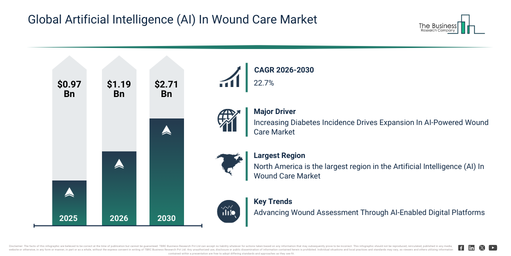
    The artificial intelligence (AI) in wound care market size has expanded significantly in recent years. This market is expected to grow from $0.97 billion in 2025 to $1.19 billion in 2026, achieving a compound annual growth rate (CAGR) of 23.0%. The past growth can be attributed to factors including the increasing prevalence of chronic wounds, a rising incidence of diabetes-related ulcers, the adoption of digital wound documentation, the expansion of hospital-based wound care programs, and the availability of imaging-based assessment tools.

    The artificial intelligence (AI) in wound care market is anticipated to experience substantial growth over the next few years. It is forecast to expand to $2.71 billion by 2030, demonstrating a compound annual growth rate (CAGR) of 22.7%. This projected expansion can be attributed to several factors including an increasing need for customized wound treatment, the growing adoption of remote patient monitoring, the wider availability of AI-enabled clinical decision support, an increased focus on cost-effective wound management, and enhanced integration of AI with telehealth platforms. Significant trends for the forecast period include the expanding use of AI-based tools for wound assessment, a rising embrace of predictive healing analytics, deeper integration of remote wound monitoring solutions, the development of personalized wound care algorithms, and improved automation for clinical documentation.

    Free Artificial Intelligence (AI) In Wound Care Market Report Sample Available For Download:

    https://thebusinessresearchcompany.com/sample_request?id=34013536&type=smp&name=Artificial%20Intelligence%20%28AI%29%20In%20Wound%20Care%20Market%20Report%202026&utm_source=Blogs&utm_medium=Paid&utm_campaign=Nov_PR

    Why Is Demand In The Artificial Intelligence (AI) In Wound Care Market Expected To Keep Rising?

    The increasing occurrence of diabetes is projected to fuel the expansion of the artificial intelligence (AI) in wound care market moving ahead. Diabetes is a long-term condition marked by elevated blood glucose levels, resulting in severe health issues including cardiac problems, renal failure, nerve damage, and loss of sight. The growing prevalence of diabetes is largely influenced by rising obesity rates, which elevate the risk of type 2 diabetes, and by an aging demographic, as the likelihood of developing diabetes increases with age. AI in wound care assists in managing diabetes by offering precise wound evaluations and customized treatment strategies, thereby improving the speed and success of diabetic ulcer treatment. Consequently, the rising incidence of diabetes is a key factor driving the growth of the artificial intelligence (AI) in wound care market.

    How Is The Artificial Intelligence (AI) In Wound Care Market Divided Across Segments And Subsegments?

    The artificial intelligence (AI) in wound care market covered in this report is segmented –

    1) By Type Of Wound: Acute Wounds, Chronic Wounds

    2) By Technology: Deep Learning, Machine Learning, Other Technologies

    3) By End User: Clinical Trials And Research Centers, Home Health Agencies, Hospitals, Nursing Facilities, Other End Users

    Subsegments:

    1) By Acute Wounds: Surgical Wounds, Traumatic Wounds, Burns

    2) By Chronic Wounds: Diabetic Foot Ulcers, Pressure Ulcers (Bedsores), Venous Leg Ulcers, Arterial Ulcers

    Artificial Intelligence (AI) In Wound Care Market Trends Reshaping Customer Demand And Business Strategies

    Leading firms in the artificial intelligence (AI) in wound care market are prioritizing the integration of advanced technologies like AI-powered digital wound management solutions to improve clinical effectiveness, monitor wounds, ensure precise documentation, and forecast healing outcomes. These artificial intelligence (AI)-driven digital wound management solutions are software platforms utilizing computer vision and machine-learning capabilities to analyze wound imagery and clinical information, thereby facilitating instantaneous wound measurement, automatic record-keeping, and tracking of healing advancement.

    Artificial Intelligence (AI) In Wound Care Market Major Players: Companies At The Forefront Of The Industry

    Major companies operating in the artificial intelligence (AI) in wound care market are Medtronic plc, Stryker Corporation, Smith & Nephew plc, Convatec Group plc, Mölnlycke Health Care AB, Derma Sciences Inc., Implicity Inc., Cecelia Health, Swift Medical Inc., Spectral MD Inc., PolarityTE Inc., eKare Inc., KroniKare Pte Ltd, Perceptive Solutions Inc., Tissue Analytics Inc., WoundZoom Inc., Intellicure Inc., WoundMatrix Inc., WoundVision LLC, The Wound Pros LLC

    Read More About The Artificial Intelligence (AI) In Wound Care Market In The Full Report:

    https://thebusinessresearchcompany.com/report/artificial-intelligence-ai-in-wound-care-global-market-report?utm_source=Blogs&utm_medium=Paid&utm_campaign=Nov_PR

    Artificial Intelligence (AI) In Wound Care Market Regional Share Analysis For 2025

    North America was the largest region in the artificial intelligence (AI) in wound care market in 2025. The regions covered in the artificial intelligence (AI) in wound care market report are Asia-Pacific, South East Asia, Western Europe, Eastern Europe, North America, South America, Middle East, Africa.

    Reach Out To Our Team:

    The Business Research Company: https://www.thebusinessresearchcompany.com/

    Americas: +1 310-496-7795

    Asia: +44 7882 955267 & +91 8897263534

    Europe: +44 7882 955267

    Email us at: marketing@tbrc.info

    Follow us on:

    LinkedIn: https://in.linkedin.com/company/the-business-research-company

    YouTube: https://www.youtube.com/channel/UC24_fI0rV8cR5DxlCpgmyFQ

    Global Market Model: https://www.thebusinessresearchcompany.com/global-market-model
  • Yeast Infection Treatment Market 2026: Market Size, Growth Drivers And Emerging Opportunities

    Yeast Infection Treatment Market 2026: Market Size, Growth Drivers And Emerging Opportunities

    Built to provide research that’s more actionable and strategically valuable, The Business Research Company’s 2026 market reports include market attractiveness analysis, total addressable market sizing, company benchmarking matrices, interactive Excel dashboards, broader supply chain intelligence, emerging startup tracking, and in-depth product insights.

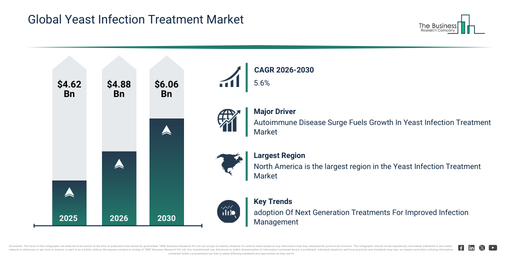
    Yeast Infection Treatment Market Forecast: Value Set To Climb From $4.88 Billion To $6.06 Billion

    The yeast infection treatment market has experienced robust growth in recent years. It is projected to expand from $4.62 billion in 2025 to $4.88 billion in 2026, achieving a compound annual growth rate (CAGR) of 5.6%. This historical expansion is attributable to various factors, including the rising prevalence of fungal infections, the broad accessibility of antifungal medications, the proliferation of retail pharmacy distribution, heightened awareness concerning genital and oral candidiasis, and the broader availability of topical antifungal formulations.

    The yeast infection treatment market size is anticipated to demonstrate robust expansion in the coming years, with expectations to reach $6.06 billion by 2030, progressing at a compound annual growth rate (CAGR) of 5.6%. This projected growth throughout the forecast period can be attributed to several factors, including an increasing emphasis on resistant candida strains, a rising need for long-term management solutions, the expansion of online pharmacy channels, the ongoing development of novel antifungal agents, and a greater focus on patient-centric treatment approaches. Major trends predicted for this period involve the increasing adoption of combination antifungal therapies, a growing demand for over-the-counter treatment options, the expansion of probiotic-based adjunct therapies, a heightened focus on strategies for recurrence prevention, and improved patient awareness and diagnosis.

    Get A Free Sample Report With In-Depth Market Insights:

    https://thebusinessresearchcompany.com/sample_request?id=19752304&type=smp&name=Yeast%20Infection%20Treatment%20Market%20Report%202026&utm_source=Blogs&utm_medium=Paid&utm_campaign=Nov_PR

    Yeast Infection Treatment Market Development Factors: What’s Supporting Demand?

    The increasing prevalence of autoimmune diseases is projected to drive the expansion of the yeast infection treatment market in the future. An autoimmune disease occurs when the immune system erroneously attacks healthy cells, tissues, and organs, leading to a decline in bodily function and potentially life-threatening outcomes. Yeast infection treatments play a role in managing and averting complications associated with autoimmune diseases. This is achieved by targeting recurring yeast infections, which are connected to specific autoimmune syndromes, and by potentially influencing the immune response through the effective management of fungal infections in individuals suffering from autoimmune conditions. Consequently, the escalating prevalence of autoimmune diseases is a key factor propelling the expansion of the yeast infection treatment market.

    Yeast Infection Treatment Market Segment Landscape And Growth Outlook

    The yeast infection treatment market covered in this report is segmented –

    1) By Type: Powders, Creams Or Ointments, Tablets Or Capsules, Other Types

    2) By Treatment: Medical Treatment, Surgery

    3) By Indication: Genital Candidiasis, Invasive Candidiasis, Oropharyngeal Or Esophageal Candidiasis (Thrush), Other Indications

    4) By Route Of Administration: Oral, Topical, IV (Intravenous) Or IM (Intramuscular), Other Routes Of Administration

    5) By Application: Retail Pharmacies Or Drug Stores, Hospital Pharmacies, Specialty Stores, Online Sales, Other Applications

    Subsegments:

    1) By Powders: Antifungal Powders, Medicated Body Powders

    2) By Creams Or Ointments: Antifungal Creams, Vaginal Ointments, Topical Creams

    3) By Tablets Or Capsules: Oral Antifungal Tablets, Probiotic Capsules, Vaginal Tablets

    4) By Other Types: Suppositories, Sprays, Gels

    Yeast Infection Treatment Market Transformation Trends: What Innovations Are Driving Change?

    Leading companies within the yeast infection treatment market are prioritizing the integration of next generation antifungal therapies, representing an advanced pharmaceutical innovation designed to boost treatment effectiveness, patient outcomes, and control long-term recurrence. These advanced antifungal therapies are drugs engineered to precisely target specific fungal mechanisms, such as enzyme inhibition, with greater selectivity and potency than older broad-spectrum drugs. This results in advantages like elevated cure rates, diminished recurrence, and fewer adverse reactions. Consequently, VIVJOA improves treatment efficacy, facilitates quick symptom alleviation, and lowers the probability of recurrence, thus reinforcing the attractiveness and benefit of prescription-grade yeast infection therapies.

    Yeast Infection Treatment Market Competitive Landscape: Who Leads The Industry?

    Major companies operating in the yeast infection treatment market are Pfizer Inc., Merck & Co. Inc., AbbVie Inc., Novartis International AG, Sanofi SA, Abbott Laboratories, AstraZeneca PLC, Bayer AG, Astellas Pharma Inc., Torrent Pharmaceuticals, Cipla, Glenmark Pharmaceuticals Ltd, Zydus Lifesciences, Brundavan Laboratories Private Limited, Prestige Consumer Healthcare Inc., Synmedic Laboratories, Basilea Pharmaceutica AG, Jubilant Pharmova Limited, Johnson & Johnson, GlaxoSmithKline plc, Gilead Sciences Inc., SCYNEXIS Inc., Leadiant Biosciences Inc.

    View The Full Yeast Infection Treatment Market Report:

    https://thebusinessresearchcompany.com/report/yeast-infection-treatment-global-market-report?utm_source=Blogs&utm_medium=Paid&utm_campaign=Nov_PR

    Yeast Infection Treatment Market Regional Analysis: Which Geography Leads On Revenue?

    North America was the largest region in the yeast infection treatment market in 2025. Asia-Pacific is expected to be the fastest-growing region in the forecast period. The regions covered in the yeast infection treatment market report are Asia-Pacific, South East Asia, Western Europe, Eastern Europe, North America, South America, Middle East, Africa.

    Reach Out To Our Team:

    The Business Research Company: https://www.thebusinessresearchcompany.com/

    Americas: +1 310-496-7795

    Asia: +44 7882 955267 & +91 8897263534

    Europe: +44 7882 955267

    Email us at: marketing@tbrc.info

    Follow us on:

    LinkedIn: https://in.linkedin.com/company/the-business-research-company

    YouTube: https://www.youtube.com/channel/UC24_fI0rV8cR5DxlCpgmyFQ

    Global Market Model: https://www.thebusinessresearchcompany.com/global-market-model
  • Artificial Intelligence (AI) In Respiratory Diseases Market Outlook 2026–2030: Everything You Need To Know

    Artificial Intelligence (AI) In Respiratory Diseases Market Outlook 2026–2030: Everything You Need To Know

    Designed to make market research more actionable and strategically valuable, The Business Research Company’s 2026 market reports feature market attractiveness scoring, total addressable market sizing, company benchmarking matrices, interactive Excel dashboards, deeper supply chain intelligence, emerging startup tracking, and granular product-level insights.

    How Fast Is The Artificial Intelligence (AI) In Respiratory Diseases Market Growing? Market Size, CAGR And Forecast Insights

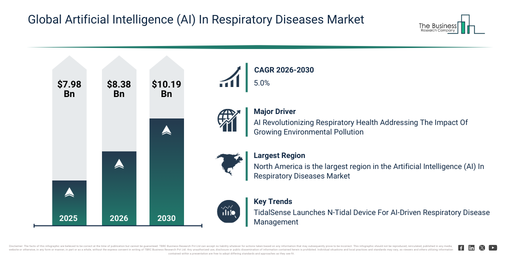
    The artificial intelligence (AI) in respiratory diseases market has experienced steady expansion over recent years. This market is projected to grow from $7.98 billion in 2025 to $8.38 billion in 2026, at a compound annual growth rate (CAGR) of 4.9%. Historically, the growth can be attributed to factors such as the rising incidence of respiratory diseases, increased use of CT and MRI imaging, growing digitalization of healthcare records, early adoption of AI-assisted diagnostics, and the expansion of hospital diagnostic capabilities.

    The artificial intelligence (AI) in respiratory diseases market size is anticipated to demonstrate robust expansion in the coming years, with projections indicating it will reach $10.19 billion by 2030, exhibiting a compound annual growth rate (CAGR) of 5.0%. This forecasted growth is attributable to several factors, including an escalating demand for personalized respiratory care, the increasing integration of AI with clinical decision support systems, the broader implementation of remote monitoring for chronic respiratory patients, a heightened focus on preventive pulmonology, and advancements in medical imaging AI. Furthermore, significant trends expected during this forecast period encompass the increasing use of AI-based imaging analysis, a rising adoption of predictive disease progression models, deeper integration of AI in pulmonary diagnostics, the expansion of remote respiratory monitoring solutions, and an enhanced emphasis on early disease detection.

    Unlock Artificial Intelligence (AI) In Respiratory Diseases Market Insights With A Free Sample Report:

    https://thebusinessresearchcompany.com/sample_request?id=72429865&type=smp&name=Artificial%20Intelligence%20%28AI%29%20In%20Respiratory%20Diseases%20Market%20Report%202026&utm_source=Blogs&utm_medium=Paid&utm_campaign=Nov_PR

    Artificial Intelligence (AI) In Respiratory Diseases Market Momentum: Key Driver Expected To Boost Growth Through 2030

    The respiratory disease market going forward is significantly impacted by environmental pollution, which describes the introduction of any substance or form of energy into the environment at a rate faster than it can be dispersed or stored in a harmless form. Artificial intelligence (AI) applied to respiratory diseases offers a substantial capability to lessen the effects of environmental pollution on respiratory health by providing real-time monitoring, personalized risk assessments, informed decision-making, and innovative solutions for both individuals and communities. Therefore, increasing environmental pollution acts as a primary catalyst for the expansion of artificial intelligence (AI) in the respiratory disease market.

    Artificial Intelligence (AI) In Respiratory Diseases Market Segments: A Category-By-Category Overview

    The artificial intelligence (AI) in respiratory diseases market covered in this report is segmented –

    1) By Imaging Type: Magnetic Resonance Imaging (MRI), Computed Tomography (CT) Scan, Electronic Patient-Reported Outcomes (ePRO)

    2) By Indication: Chronic Obstructive Pulmonary Disease, Interstitial Lung Disease, Pulmonary Infection

    3) By End Use: Hospital, Diagnostic Centers, Ambulatory Surgical Centers, Other End-Users

    Subsegments:

    1) By Magnetic Resonance Imaging (MRI): Lung Imaging, Thoracic Imaging, Cardiopulmonary Imaging

    2) By Computed Tomography (CT) Scan: High-Resolution CT (HRCT), Low-Dose CT, Thoracic CT

    3) By Electronic Patient-Reported Outcomes (ePRO): Symptom Tracking, Medication Adherence Monitoring, Quality Of Life Assessments

    Which Emerging Trends Are Gaining Traction In The Artificial Intelligence (AI) In Respiratory Diseases Market?

    Leading firms active in artificial intelligence (AI) in the respiratory diseases market are creating advanced solutions, including N-Tidal devices, designed to track patients’ tidal breathing. This N-Tidal device quantifies the amount of air moved during typical respiration, offering crucial insights into lung performance.

    Artificial Intelligence (AI) In Respiratory Diseases Market Key Participants: Prominent Companies At A Glance

    Major companies operating in the artificial intelligence (AI) in respiratory diseases market are Siemens Healthineers, Philips Healthcare, GE Healthcare, Verily Life Sciences LLC, DeepMind Health, Merative L.P., Aidoc Medical, Butterfly Network, Infervision, Imagen Technologies, Caption Health, Swaasa AI, VIDA Diagnostics Inc., Enlitic, Thirona B.V., ArtiQ, Icometrix, Aidence, Arterys, PneumoWave Ltd

    Get Detailed Artificial Intelligence (AI) In Respiratory Diseases Market Forecasts In The Complete Report:

    https://thebusinessresearchcompany.com/report/artificial-intelligence-ai-in-respiratory-diseases-global-market-report?utm_source=Blogs&utm_medium=Paid&utm_campaign=Nov_PR

    Top Region In The Artificial Intelligence (AI) In Respiratory Diseases Market: A Global Perspective

    North America was the largest region in the artificial Intelligence (AI) in respiratory diseases market in 2025. Asia-Pacific is expected to be the fastest-growing region in the forecast period. The regions covered in the artificial intelligence (AI) in respiratory diseases market report are Asia-Pacific, South East Asia, Western Europe, Eastern Europe, North America, South America, Middle East, Africa.

    Reach Out To Our Team:

    The Business Research Company: https://www.thebusinessresearchcompany.com/

    Americas: +1 310-496-7795

    Asia: +44 7882 955267 & +91 8897263534

    Europe: +44 7882 955267

    Email us at: marketing@tbrc.info

    Follow us on:

    LinkedIn: https://in.linkedin.com/company/the-business-research-company

    YouTube: https://www.youtube.com/channel/UC24_fI0rV8cR5DxlCpgmyFQ

    Global Market Model: https://www.thebusinessresearchcompany.com/global-market-model
  • Xenotransplantation Market Set To Expand From $23.51 Billion In 2026: Growth Outlook Through 2030

    Xenotransplantation Market Set To Expand From $23.51 Billion In 2026: Growth Outlook Through 2030

    Backed by market attractiveness analysis, total addressable market sizing, company benchmarking matrices, interactive Excel dashboards, wider supply chain intelligence, emerging startup coverage, and detailed product-level insights, The Business Research Company’s 2026 market reports are designed to offer research that is more actionable and strategically valuable than ever.

    Xenotransplantation Market Revenue Growth On Track For A 8.2% CAGR Through 2030

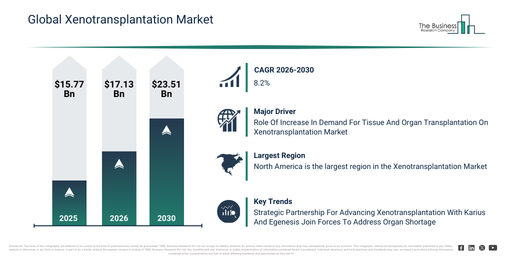
    The xenotransplantation market has experienced robust expansion over recent years. This market is projected to expand from $15.77 billion in 2025 to $17.13 billion in 2026, demonstrating a compound annual growth rate (CAGR) of 8.6%. Factors contributing to its historical growth include advances in organ preservation science, the scarcity of human donor organs, developments in immunosuppressive therapies, nascent xenograft research initiatives, and the evolution of transplant diagnostic technologies.

    Significant growth is anticipated for the xenotransplantation market, with its size forecast to reach $23.51 billion in 2030, demonstrating a compound annual growth rate (CAGR) of 8.2%. Factors contributing to this growth in the forecast period include increased xenotransplantation clinical trials, greater investment in gene-editing technologies, expanding partnerships between biotech firms and hospitals, broader ethical and regulatory acceptance, and a rising demand for alternative organ sources. Prominent trends expected during this period involve more research into genetically modified donor organs, a sharper focus on reducing immune rejection, advancements in organ preservation technologies, increased investment in translational transplant research, and improved regulatory frameworks governing clinical trials.

    Get A Free Sample Report With In-Depth Market Insights:

    https://thebusinessresearchcompany.com/sample_request?id=92159539&type=smp&name=Xenotransplantation%20Market%20Report%202026&utm_source=Blogs&utm_medium=Paid&utm_campaign=Nov_PR

    Xenotransplantation Market Industry Drivers: What’s Behind The Revenue Growth?

    The rising need for tissue and organ transplants is anticipated to boost the xenotransplantation market. Many individuals may require an organ transplant due to hereditary conditions such as polycystic kidney disease, cystic fibrosis, or cardiac issues. This significant requirement for organ transplants has resulted in an organ deficit. Xenotransplantation provides a solution to this scarcity by utilizing nonhuman organs as alternatives to human ones. Consequently, the growing necessity for tissue and organ transplantation is set to propel the xenotransplantation market.

    Xenotransplantation Market Breakdown By Product Type And Application

    The xenotransplantation market covered in this report is segmented –

    1) By Product: Organ Preservation Solutions, Transplant Diagnostics, Tissue Products

    2) By Treatment: Analgesic, Immunosuppressant, Other Treatments

    3) By Applications: Heart, Kidney, Other Organs

    4) By End-User: Hospitals, Transplant Centers, Other End-Users

    Subsegments:

    1) By Organ Preservation Solutions: Hypothermic Preservation Solutions, Normothermic Preservation Solutions, Organ Storage Solutions

    2) By Transplant Diagnostics: Pre-Transplant Compatibility Testing, Post-Transplant Monitoring, Molecular Diagnostics

    3) By Tissue Products: Xenograft Tissue Products, Tissue Engineered Products, Biological Scaffolds

    #Xenotransplantation Market Growth Trends: What’s Shaping The Future Outlook?

    Leading companies active in the xenotransplantation market are concentrating on strategic alliances to offer reliable services to customers. A strategic partnership involves an arrangement between two or more companies or organizations collaborating or assisting each other to fulfill their respective objectives.

    Xenotransplantation Market Company Landscape And Competitive Strategy

    Major companies operating in the xenotransplantation market are United Therapeutics, Preservation Solutions, OrganOX Limited, Talaris Therapeutics, TransMedic Inc., Sernova Corp, Nova Lung, Recombinetics, Tissue Regenix, TissueGene, SAB Biotherapeutics, eGenesis, Revivicor, Organ Recovery Systems, CRISPR Therapeutics, Qihan Biotech, Sino-Clone Organ Biotechnology, Xenothera, Lung Biotechnology.

    View The Full Xenotransplantation Market Report:

    https://thebusinessresearchcompany.com/report/xenotransplantation-global-market-report?utm_source=Blogs&utm_medium=Paid&utm_campaign=Nov_PR

    Xenotransplantation Market Geographic Spread And Regional Opportunities

    North America was the largest region in the xenotransplantation market in 2025. The regions covered in the xenotransplantation market report are Asia-Pacific, South East Asia, Western Europe, Eastern Europe, North America, South America, Middle East, Africa.

    Reach Out To Our Team:

    The Business Research Company: https://www.thebusinessresearchcompany.com/

    Americas: +1 310-496-7795

    Asia: +44 7882 955267 & +91 8897263534

    Europe: +44 7882 955267

    Email us at: marketing@tbrc.info

    Follow us on:

    LinkedIn: https://in.linkedin.com/company/the-business-research-company

    YouTube: https://www.youtube.com/channel/UC24_fI0rV8cR5DxlCpgmyFQ

    Global Market Model: https://www.thebusinessresearchcompany.com/global-market-model
  • Artificial Intelligence (AI) In Remote Patient Monitoring Market Forecast To 2030: Growth Outlook For Key Players Such As Medtronic plc

    Artificial Intelligence (AI) In Remote Patient Monitoring Market Forecast To 2030: Growth Outlook For Key Players Such As Medtronic plc

    The Business Research Company’s 2026 market reports are designed to deliver research that is more actionable and strategically valuable. Key offerings include market attractiveness scoring, total addressable market sizing, company benchmarking matrices, interactive Excel dashboards, deeper supply chain intelligence, emerging startup tracking, and granular product-level insights.

    Artificial Intelligence (AI) In Remote Patient Monitoring Market Historical Growth Vs. Forecast Growth: How Do The Numbers Compare?

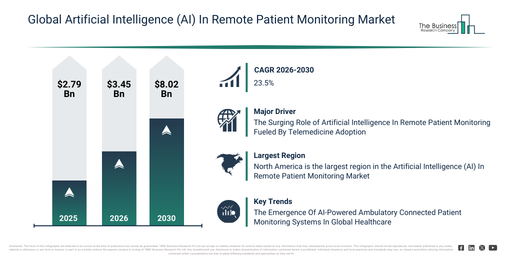
    The market size for artificial intelligence (AI) in remote patient monitoring has experienced substantial expansion in recent years. It is anticipated to grow from $2.79 billion in 2025 to $3.45 billion in 2026, achieving a compound annual growth rate (CAGR) of 23.4%. The historical development of this market can be linked to the increasing occurrence of chronic diseases, wider adoption of telehealth services, the proliferation of connected medical devices, growing initiatives in healthcare digitization, and the initial implementation of remote monitoring platforms.

    The artificial intelligence (AI) in remote patient monitoring market size is projected to undergo significant expansion in the coming years. It is expected to attain a value of $8.02 billion by 2030, growing at a compound annual growth rate (CAGR) of 23.5%. This anticipated growth is driven by the escalating demand for home-based care models, increasing investments in AI-powered healthcare analytics, the expansion of personalized care pathways, enhanced integration of RPM with electronic health records, and a greater emphasis on preventive healthcare. Noteworthy trends for the forecast period include the increasing deployment of AI-enabled predictive monitoring systems, the rising adoption of wearable health sensors, broader integration of real-time health analytics platforms, the proliferation of automated alert and decision support tools, and an elevated focus on continuous patient monitoring.

    Start With A Free Sample Of The Artificial Intelligence (AI) In Remote Patient Monitoring Market Research Report:

    https://thebusinessresearchcompany.com/sample_request?id=51501437&type=smp&name=Artificial%20Intelligence%20%28AI%29%20In%20Remote%20Patient%20Monitoring%20Market%20Report%202026&utm_source=Blogs&utm_medium=Paid&utm_campaign=Nov_PR

    The Leading Growth Driver In The Artificial Intelligence (AI) In Remote Patient Monitoring Market Explained

    The increased use of telemedicine is anticipated to drive the expansion of artificial intelligence (AI) within the remote patient monitoring market in upcoming years. Telemedicine involves utilizing telecommunications technology, including video calls, phone calls, and online messaging, for the remote delivery of medical services. When integrated with telemedicine, AI in remote patient monitoring processes this data in real time, identifying subtle variations and notifying healthcare professionals of potential problems prior to them escalating into emergencies. Consequently, the widespread embrace of telemedicine will fuel the growth of artificial intelligence (AI) in the remote patient monitoring market.

    Key Segments Shaping The Artificial Intelligence (AI) In Remote Patient Monitoring Market Landscape

    The artificial intelligence (AI) in remote patient monitoring market covered in this report is segmented –

    1) By Solution: Software, Hardware, Services

    2) By Product: Vital Monitors, Special Monitors, Other Products

    3) By Technology: Natural Language Processing, Machine Learning, Speech Recognition

    4) By Application: Diabetes, Respiratory Issues, Cardiovascular Diseases, Sleep Disorder

    Subsegments:

    1) By Software: Predictive Analytics, Data Management, Monitoring Platforms, Mobile Applications

    2) By Hardware: Wearable Devices, Sensors, Medical Devices

    3) By Services: Implementation Services, Training And Education Services, Support And Maintenance Services

    Artificial Intelligence (AI) In Remote Patient Monitoring Market Trend Spotlight: Key Shifts Shaping Future Demand

    Leading companies within the artificial intelligence (AI) in remote patient monitoring market are concentrating on merging AI with wearable devices, such as an AI-powered ambulatory connected patient monitoring system, to achieve a competitive edge and enhance healthcare provision. Such a system represents a healthcare solution that combines artificial intelligence (AI) with mobile monitoring capabilities to persistently observe and interpret a patient’s vital signs and health data instantly.

    Artificial Intelligence (AI) In Remote Patient Monitoring Market Competitive Analysis: Who Are The Main Competitors?

    Major companies operating in the artificial intelligence (AI) in remote patient monitoring market are Medtronic plc, Siemens Healthineers, Koninklijke Philips N.V., GE Healthcare, DexCom Inc, Cerner Corporation, Tunstall Healthcare, Connect America LLC, American Well, Biofourmis, Merative L.P., Vivify Health, Current Health, BioIntelliSense, Preventice Solutions, AiCure LLC, Orbita, MobileHelp, EarlySense, Gyant, Myia Labs, Sentrian, Biobeat, ChroniSense Medical Ltd., Somatix Inc., Twistle, HealthWatch Technologies

    Find The Complete Artificial Intelligence (AI) In Remote Patient Monitoring Market Outlook In The Full Report:

    https://thebusinessresearchcompany.com/report/artificial-intelligence-ai-in-remote-patient-monitoring-global-market-report?utm_source=Blogs&utm_medium=Paid&utm_campaign=Nov_PR

    Mapping The Artificial Intelligence (AI) In Remote Patient Monitoring Market: Regional Leadership And Global Reach

    North America was the largest region in the artificial intelligence (AI) in remote patient monitoring market in 2025. Asia-Pacific is expected to be the fastest-growing region in the forecast period. The regions covered in the artificial intelligence (AI) in remote patient monitoring market report are Asia-Pacific, South East Asia, Western Europe, Eastern Europe, North America, South America, Middle East, Africa.

    Reach Out To Our Team:

    The Business Research Company: https://www.thebusinessresearchcompany.com/

    Americas: +1 310-496-7795

    Asia: +44 7882 955267 & +91 8897263534

    Europe: +44 7882 955267

    Email us at: marketing@tbrc.info

    Follow us on:

    LinkedIn: https://in.linkedin.com/company/the-business-research-company

    YouTube: https://www.youtube.com/channel/UC24_fI0rV8cR5DxlCpgmyFQ

    Global Market Model: https://www.thebusinessresearchcompany.com/global-market-model
  • X Linked Hypophosphatemia Market Size And Growth In 2026: Key Factors Shaping Future Demand

    X Linked Hypophosphatemia Market Size And Growth In 2026: Key Factors Shaping Future Demand

    Featuring market attractiveness scoring, total addressable market sizing, company benchmarking matrices, interactive Excel dashboards, deeper supply chain intelligence, emerging startup tracking, and granular product-level insights, The Business Research Company’s 2026 market reports are built to deliver research that is both more actionable and more strategically valuable.

    X Linked Hypophosphatemia Market Value Growth And Long-Term Outlook

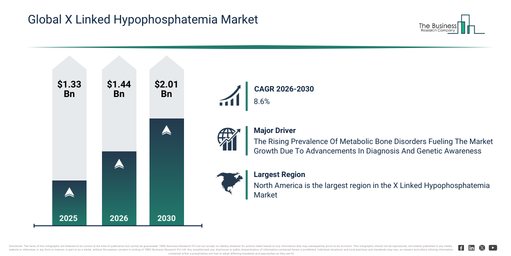
    The x linked hypophosphatemia market size has observed significant expansion in recent years. It is anticipated to increase from $1.33 billion in 2025 to $1.44 billion in 2026, progressing at a compound annual growth rate (CAGR) of 8.9%. The development witnessed in previous periods stemmed from a enhanced understanding of phosphate metabolism disorders, the availability of standard phosphate and vitamin D treatments, a rise in the identification of rare bone disorders, the establishment of more specialty endocrine clinics, and an increased scope of pediatric metabolic disease care.

    The x linked hypophosphatemia market is anticipated to experience substantial growth over the next few years. It is projected to expand to $2.01 billion by 2030, exhibiting a compound annual growth rate (CAGR) of 8.6%. This expansion during the forecast period can be attributed to several factors, including the increasing adoption of biologic therapies, rising investments in rare disease research, the expansion of genetic screening programs, a growing focus on managing long-term disease outcomes, and improved access to specialty biologic treatments. Furthermore, significant trends expected in this period involve the increasing uptake of targeted FGF23 inhibitor therapies, a heightened focus on early genetic diagnosis, the broadening of personalized treatment approaches, a rising use of long-acting injectable therapies, and enhanced multidisciplinary disease management.

    Get A Free Sample Report With In-Depth Market Insights:

    https://thebusinessresearchcompany.com/sample_request?id=99836598&type=smp&name=X%20Linked%20Hypophosphatemia%20Market%20Report%202026&utm_source=Blogs&utm_medium=Paid&utm_campaign=Nov_PR

    X Linked Hypophosphatemia Market Growth Factors: What’s Supporting Expansion?

    The increasing occurrence of metabolic bone disorders is projected to boost the expansion of the X-linked hypophosphatemia market. These disorders, which disrupt bone strength, structure, or mineral balance due to imbalances in calcium, phosphate, vitamin D, or hormones, are becoming more common, largely due to an aging global population and various lifestyle choices. The natural decrease in bone density that accompanies aging, alongside a greater susceptibility to conditions such as osteoporosis and rickets, contributes to this trend. This rising prevalence of metabolic bone disorders fosters enhanced awareness, research, and earlier detection of conditions like X-linked hypophosphatemia (XLH), subsequently leading to improved screening processes, better therapeutic solutions, and innovations for more effective XLH management. Consequently, the growing incidence of metabolic bone disorders is a significant factor driving the X-linked hypophosphatemia market.

    X Linked Hypophosphatemia Market Driver: Rising Focus On Personalized Medicine Fueling The Market Growth Due To Advancements In Targeted Therapies

    X Linked Hypophosphatemia Market Segment Analysis And Revenue Potential

    The x linked hypophosphatemia market covered in this report is segmented –

    1) By Treatment Type: Conventional Therapy, Phosphate Supplements, Active Vitamin D Analogs, Novel Therapies, FGF23 inhibitors, Other Treatment Types

    2) By Route Of Administration: Oral, Intravenous

    3) By Distribution Channel: Hospital Pharmacies, Retail Pharmacies, Online Pharmacies, Other Distribution Channels

    4) By End-User: Hospitals, Specialty Clinics, Homecare, Other End-Users

    Subsegments:

    1) By Conventional Therapy: Pain Management, Physical Therapy, Orthopedic Surgery

    2) By Phosphate Supplements: Oral Phosphate Formulations, Intravenous Phosphate Therapy

    3) By Active Vitamin D Analogs: Calcitriol, Alfacalcidol, Paricalcitol

    4) By Novel Therapies: Gene Therapy, Monoclonal Antibodies

    5) By FGF23 Inhibitors: Burosumab (Crysvita), Other Investigational FGF23 Inhibitors

    6) By Other Treatment Types: Growth Hormone Therapy, Calcium Supplements, Bisphosphonates

    X Linked Hypophosphatemia Market Key Players Shaping Industry Direction

    Major companies operating in the x linked hypophosphatemia market are Mayo Foundation for Medical Education and Research, Seattle Children’s Hospital, Kyowa Kirin Co. Ltd., Boston Children’s Hospital, Apollo Hospitals, Medicover Hospitals, Arkansas Childrens Hospital, Swixx Biopharma SA, King’s College Hospital, Alder Hey Children’s Hospital, Invitae Corp., Ultragenyx Pharmaceutical Inc., Childrens Hospital of Philadelpia, Nanavati Max Super Specialty Hospital, Ascendis Pharma A/S, Inozyme Pharma Inc., Yale School of Medicine, Mitsubishi Tanabe Pharma Corporation, Lurie Children’s Hospital

    View The Full X Linked Hypophosphatemia Market Report:

    https://thebusinessresearchcompany.com/report/x-linked-hypophosphatemia-global-market-report?utm_source=Blogs&utm_medium=Paid&utm_campaign=Nov_PR

    X Linked Hypophosphatemia Market Top Region By Revenue And Market Share

    North America was the largest region in the X-linked hypophosphatemia market in 2025. Asia-Pacific region is expected to be the fastest-growing region in the forecast period. The regions covered in the x linked hypophosphatemia market report are Asia-Pacific, South East Asia, Western Europe, Eastern Europe, North America, South America, Middle East, Africa.

    Reach Out To Our Team:

    The Business Research Company: https://www.thebusinessresearchcompany.com/

    Americas: +1 310-496-7795

    Asia: +44 7882 955267 & +91 8897263534

    Europe: +44 7882 955267

    Email us at: marketing@tbrc.info

    Follow us on:

    LinkedIn: https://in.linkedin.com/company/the-business-research-company

    YouTube: https://www.youtube.com/channel/UC24_fI0rV8cR5DxlCpgmyFQ

    Global Market Model: https://www.thebusinessresearchcompany.com/global-market-model