Author: Marketing Posting

  • Therapeutic Plasma Exchange Market Forecast To Reach $2.4 Billion By 2030: Key Growth Drivers And Industry Trends

    Therapeutic Plasma Exchange Market Forecast To Reach $2.4 Billion By 2030: Key Growth Drivers And Industry Trends

    Backed by market attractiveness analysis, total addressable market sizing, company benchmarking matrices, interactive Excel dashboards, wider supply chain intelligence, emerging startup coverage, and detailed product-level insights, The Business Research Company’s 2026 market reports are designed to offer research that is more actionable and strategically valuable than ever.

    Therapeutic Plasma Exchange Market Size, Value And Growth Trajectory Through 2030

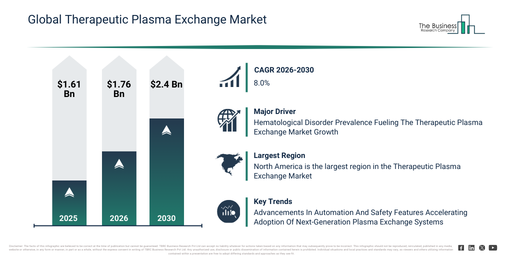
    The therapeutic plasma exchange market has demonstrated substantial growth in recent years. Forecasts indicate it will expand from $1.61 billion in 2025 to $1.76 billion in 2026, achieving a compound annual growth rate (CAGR) of 9.4%. The market’s historical development is largely due to factors such as increased diagnosis of autoimmune disorders, the expansion of hospital transfusion services, the availability of centrifugation-based technologies, growing clinician familiarity with apheresis procedures, and the adoption of standardized treatment protocols.

    The therapeutic plasma exchange market is projected to experience substantial expansion in the coming years. This market is set to reach a valuation of $2.4 billion by 2030, exhibiting a compound annual growth rate (CAGR) of 8.0%. The anticipated growth during this period can be ascribed to several factors, including an escalating demand for sophisticated autoimmune treatments, the wider uptake of membrane separation technology, the increase in outpatient apheresis service availability, greater investment in blood purification innovations, and a stronger emphasis on individualized immunological approaches. Key developments expected over the forecast horizon involve the expanding implementation of automated plasma exchange systems, the increasing application of TPE in treating neurological conditions, a heightened requirement for highly efficient separation technologies, the growth of apheresis units within hospitals, and an intensified commitment to ensuring treatment safety and continuous monitoring.

    Get A Free Sample Report With In-Depth Market Insights:

    https://thebusinessresearchcompany.com/sample_request?id=38439408&type=smp&name=Therapeutic%20Plasma%20Exchange%20Market%20Report%202026&utm_source=Blogs&utm_medium=Paid&utm_campaign=Nov_PR

    Therapeutic Plasma Exchange Market Growth Backed By Core Demand Fundamentals

    The increasing occurrence of blood-related conditions is anticipated to drive the expansion of the therapeutic plasma exchange market in the future. Hematological disorders, also known as blood disorders, are medical conditions impacting blood and its formative tissues, such as bone marrow, lymph nodes, and the spleen. The rise in hematological disorders can be attributed to elements like genetic predispositions, environmental influences, and evolving lifestyle choices. Therapeutic plasma exchange (TPE) serves to eliminate disease-causing substances from the plasma in hematological disorders, for instance, autoantibodies in autoimmune hemolytic anemia or immune complexes in thrombotic thrombocytopenic purpura, thus lessening the severity of the illness and enhancing patient results. The widespread occurrence of hematological disorders is fueling the expansion of the therapeutic plasma exchange market.

    Therapeutic Plasma Exchange Market Segment Landscape And Growth Outlook

    The therapeutic plasma exchange market covered in this report is segmented –

    1) By Type: Therapeutic Plasma Exchange (TPE), Double Filtered Plasmapheresis (DFPP)

    2) By Indication: Neurological Disorders, Hematological Disorders, Renal Disorders, Metabolic Disorders, Other Indications

    3) By Technology: Centrifugation, Membrane Separation

    4) By End User: Blood Collection Centers, Hospitals And Clinics, Transfusion Centers, Other End Users

    Subsegments:

    1) By Therapeutic Plasma Exchange (TPE): Manual TPE, Automated TPE

    2) By Double Filtered Plasmapheresis (DFPP): Single-Stage DFPP, Multi-Stage DFPP

    #Therapeutic Plasma Exchange Market Growth Trends: What’s Shaping The Future Outlook?

    Leading companies operating within the therapeutic plasma exchange market are concentrating on advancing automation, enhancing device safety, and boosting system efficiency to increase clinical adoption and streamline operational processes. Automation refers to the reliance on systems and technology to perform tasks automatically without consistent human control.

    Therapeutic Plasma Exchange Market Competitive Landscape: Who Leads The Industry?

    Major companies operating in the therapeutic plasma exchange market are Medica S.p.A., Fresenius SE and Co. KGaA, Medtronic Plc., Asahi Kasei Corporation, Toray Industries Inc., Baxter International Inc., B Braun Melsungen AG, Terumo Corporation, Kaneka Corporation, Octapharma AG, Haemonetics Corporation, Miltenyi Biotec Technology And Trading Co. Ltd., Macopharma SA, Cerus Corporation, Apellis Pharmaceuticals Inc., ImmunoTek Bio Centers LLC, CytoSorbents Corporation, Kawasumi Laboratories America Inc.

    View The Full Therapeutic Plasma Exchange Market Report:

    https://thebusinessresearchcompany.com/report/therapeutic-plasma-exchange-global-market-report?utm_source=Blogs&utm_medium=Paid&utm_campaign=Nov_PR

    Therapeutic Plasma Exchange Market Regional Breakdown: Where Is Demand Concentrated?

    North America was the largest region in the therapeutic plasma exchange market in 2025. Asia-Pacific is expected to be the fastest-growing region in the forecast period. The regions covered in the therapeutic plasma exchange market report are Asia-Pacific, South East Asia, Western Europe, Eastern Europe, North America, South America, Middle East, Africa.

    Reach Out To Our Team:

    The Business Research Company: https://www.thebusinessresearchcompany.com/

    Americas: +1 310-496-7795

    Asia: +44 7882 955267 & +91 8897263534

    Europe: +44 7882 955267

    Email us at: marketing@tbrc.info

    Follow us on:

    LinkedIn: https://in.linkedin.com/company/the-business-research-company

    YouTube: https://www.youtube.com/channel/UC24_fI0rV8cR5DxlCpgmyFQ

    Global Market Model: https://www.thebusinessresearchcompany.com/global-market-model
  • Theranostics Market Research 2026: Market Size, Trends, Segments And Growth Forecast

    Theranostics Market Research 2026: Market Size, Trends, Segments And Growth Forecast

    Featuring market attractiveness scoring, total addressable market sizing, company benchmarking matrices, interactive Excel dashboards, deeper supply chain intelligence, emerging startup tracking, and granular product-level insights, The Business Research Company’s 2026 market reports are built to deliver research that is both more actionable and more strategically valuable.

    Theranostics Market CAGR Outlook And Future Development

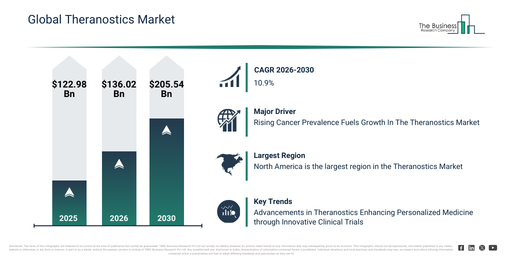
    The theranostics market size has witnessed rapid expansion in recent years. Projections indicate it will increase from $122.98 billion in 2025 to $136.02 billion in 2026, demonstrating a compound annual growth rate (CAGR) of 10.6%. This historical expansion is primarily due to advancements in molecular diagnostics, the increased prevalence of chronic diseases, the growth of oncology-focused research programs, the availability of targeted therapeutics, and the expansion of diagnostic laboratory infrastructure.

    The theranostics market is projected to experience substantial expansion over the upcoming years. This market is anticipated to reach a valuation of $205.54 billion by 2030, exhibiting a compound annual growth rate (CAGR) of 10.9%. This anticipated growth during the forecast period stems from several factors, including increasing investments in precision medicine, the growing embrace of AI-powered diagnostic tools, the broadening of theranostic uses in oncology, the expanding incorporation of genomics into clinical settings, and a greater need for individualized treatment results. Key trends during this period are expected to encompass greater integration of diagnostic methods with targeted therapeutic approaches, an uptick in the adoption of personalized medicine platforms, increased application of molecular imaging techniques, the proliferation of companion diagnostic development, and a heightened emphasis on treatment pathways tailored to individual patients.

    Get A Free Sample Report With In-Depth Market Insights:

    https://thebusinessresearchcompany.com/sample_request?id=16810577&type=smp&name=Theranostics%20Market%20Report%202026&utm_source=Blogs&utm_medium=Paid&utm_campaign=Nov_PR

    Theranostics Market Growth Catalysts And Demand Drivers

    The projected increase in cancer cases is expected to fuel the growth of the theranostics market. Cancer is characterized by uncontrolled cell multiplication, affecting diverse organs and contributing to significant global morbidity and mortality. Theranostics, which combines therapeutics and diagnostics, presents substantial potential in managing cancer and other chronic diseases. This method enables tailored and targeted treatments through its integrated diagnostic and therapeutic capabilities, creating opportunities for innovation in the healthcare industry. Therefore, the rising number of cancer patients will drive the expansion of the theranostics market. The increasing prevalence of cancer is a significant factor propelling the theranostics market.

    Theranostics Market Breakdown By Product Type And Application

    The theranostics market covered in this report is segmented –

    1) By Disease Type: Neurological Disorders, Cardiovascular Diseases, Immunological Disorders, Oncology Diseases, Other Diseases

    2) By Technology: Polymerase Chain Reaction, Immunohistochemistry, In-Situ Hybridization, Sequencing, Other Technologies

    3) By End User: Hospitals And Clinics, Diagnostic Laboratories, Other End Users

    Subsegments:

    1) By Neurological Disorders: Alzheimer’s Disease, Parkinson’s Disease, Multiple Sclerosis, Epilepsy

    2) By Cardiovascular Diseases: Coronary Artery Disease, Heart Failure, Atrial Fibrillation, Hypertension

    3) By Immunological Disorders: Rheumatoid Arthritis, Systemic Lupus Erythematosus, Inflammatory Bowel Disease, Psoriasis

    4) By Oncology Diseases: Breast Cancer, Lung Cancer, Colorectal Cancer, Prostate Cancer

    5) By Other Diseases: Infectious Diseases, Metabolic Disorders, Genetic Disorders

    Theranostics Market Industry Trends: What’s Reshaping Demand?

    Leading companies in the theranostics market are concentrating on developing advanced technological solutions, such as theranostics clinical trials, to enhance personalized medicine and improve patient outcomes by integrating diagnostics and therapeutics into a unified treatment approach. Theranostics clinical trials are research studies designed to evaluate the combined application of diagnostic tests and targeted therapies to customize treatment strategies for individual patients. These trials aim to ascertain the effectiveness of specific treatments based on patient-specific biomarkers, thereby advancing personalized medicine.

    Theranostics Market Company Landscape And Competitive Strategy

    Major companies operating in the theranostics market are Abbott Laboratories, Agilent Technologies Inc., Beckman Coulter Inc., Thermo Fisher Scientific Inc, Astellas Pharma, Radiopharm Theranostics Ltd, Alpha-Theranostics, Cardio-Theranostics LLC, Curium, Theradiag, Cell Theranostics, F. Hoffmann-La Roche AG, GE HealthCare Technologies Inc, Qiagen NV, Foundation Medicine Inc., Leica Biosystems Nussloch GmBH, Pfizer Inc., Siemens Healthineers, Advanced Accelerator Applications, AstraZeneca plc, Bayer AG, Bio-Rad Laboratories, Bristol-Myers Squibb Company, Danaher Corporation, Illumina Inc., Merck KGaA, Roche Diagnostics Corporation, PerkinElmer Inc.

    View The Full Theranostics Market Report:

    https://thebusinessresearchcompany.com/report/theranostics-global-market-report?utm_source=Blogs&utm_medium=Paid&utm_campaign=Nov_PR

    Theranostics Market Geographic Landscape: Which Region Leads Industry Growth?

    North America was the largest region in the global theranostics market in 2025.Asia-Pacific is expected to be the fastest-growing region in the forecast period. The regions covered in the theranostics market report are Asia-Pacific, South East Asia, Western Europe, Eastern Europe, North America, South America, Middle East, Africa.

    Reach Out To Our Team:

    The Business Research Company: https://www.thebusinessresearchcompany.com/

    Americas: +1 310-496-7795

    Asia: +44 7882 955267 & +91 8897263534

    Europe: +44 7882 955267

    Email us at: marketing@tbrc.info

    Follow us on:

    LinkedIn: https://in.linkedin.com/company/the-business-research-company

    YouTube: https://www.youtube.com/channel/UC24_fI0rV8cR5DxlCpgmyFQ

    Global Market Model: https://www.thebusinessresearchcompany.com/global-market-model
  • Testicular Cancer Market Forecast 2026: Market Size, Competitive Landscape And Growth Drivers

    Testicular Cancer Market Forecast 2026: Market Size, Competitive Landscape And Growth Drivers

    Built to provide research that’s more actionable and strategically valuable, The Business Research Company’s 2026 market reports include market attractiveness analysis, total addressable market sizing, company benchmarking matrices, interactive Excel dashboards, broader supply chain intelligence, emerging startup tracking, and in-depth product insights.

    Testicular Cancer Market Set To Climb From $3.98 Billion In 2026 To $5.28 Billion By 2030

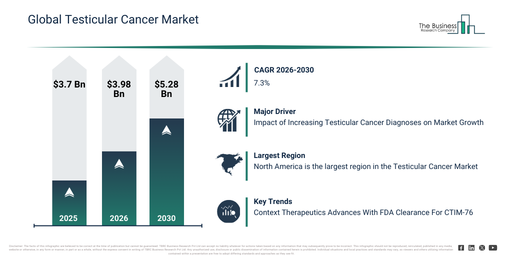
    The testicular cancer market size has experienced substantial growth in recent years. It is forecast to increase from $3.7 billion in 2025 to $3.98 billion in 2026, demonstrating a compound annual growth rate (CAGR) of 7.6%. This historical expansion can be attributed to improvements in cancer diagnostic accuracy, the expansion of oncology treatment centers, increasing awareness of testicular cancer symptoms, the availability of effective chemotherapy protocols, and the adoption of standardized treatment guidelines.

    The market size for testicular cancer is projected to experience substantial growth in the coming years, with an anticipated rise to $5.28 billion by 2030, demonstrating a compound annual growth rate (CAGR) of 7.3%. This expansion during the forecast period can be attributed to various factors, including growing investments in personalized cancer medicine, an increasing adoption of immunotherapy and targeted therapy, the expansion of early screening initiatives, wider implementation of digital oncology platforms, and an elevated focus on survivorship and long-term care. Prominent trends expected in the same period involve the increasing uptake of precision oncology treatments, a rising application of biomarker-based diagnostics, the growing integration of personalized chemotherapy regimens, the development of advanced surgical techniques, and an enhanced emphasis on early detection and screening.

    Get A Free Sample Report With In-Depth Market Insights:

    https://thebusinessresearchcompany.com/sample_request?id=55307799&type=smp&name=Testicular%20Cancer%20Market%20Report%202026&utm_source=Blogs&utm_medium=Paid&utm_campaign=Nov_PR

    Testicular Cancer Market Opportunity Drivers: What’s Unlocking New Revenue Potential?

    The rising number of testicular cancer diagnoses is anticipated to fuel the expansion of the testicular cancer market in the future. This condition involves cancer developing in the male testicles, often characterized by lumps or swelling that do not cause pain. The growth in diagnoses of testicular cancer can be attributed to enhanced public awareness, more advanced diagnostic methods, and a rise in self-examinations, in addition to possible environmental and lifestyle influences. The testicular cancer market contributes to higher diagnosis rates by investing in research, refining diagnostic instruments, and backing campaigns to promote early identification. The growing rate of testicular cancer diagnoses is propelling the expansion of the testicular cancer market.

    Testicular Cancer Market Segment Analysis And Revenue Potential

    The testicular cancer market covered in this report is segmented –

    1) By Treatment Type: Surgery, Chemotherapy, Radiotherapy, Immunotherapy, Targeted Therapy

    2) By Histology: Seminoma, Non-Seminoma, Mixed

    3) By Dosage Form: Tablet, Capsule, Creams

    4) By Route Of Administration: Oral, Topical

    5) By End-use: Hospitals, Clinics

    Subsegments:

    1) By Surgery: Orchiectomy, Retroperitoneal Lymph Node Dissection (RPLND)

    2) By Chemotherapy: Platinum-Based Chemotherapy, Chemotherapy Regimens (BEP regimen)

    3) By Radiotherapy: External Beam Radiation, Retroperitoneal Radiation

    4) By Immunotherapy: Immune Checkpoint Inhibitors, Cancer Vaccines

    5) By Targeted Therapy: Tyrosine Kinase Inhibitors, Monoclonal Antibodies

    Testicular Cancer Market Innovation Trends: What Developments Are Reshaping The Industry?

    Leading companies within the testicular cancer market are concentrating on developing innovative products, such as cell-engaging bispecific antibodies, to specifically target CLDN6-positive gynecologic and testicular cancers. A cell-engaging bispecific antibody functions by binding to two distinct targets, thereby facilitating the activation of immune cells to identify and eliminate cancer or diseased cells.

    Testicular Cancer Market Key Players Shaping Industry Direction

    Major companies operating in the testicular cancer market are Pfizer Inc., Merck & Co. Inc., Bristol-Myers Squibb Company, Fresenius Kabi, BioNTech SE, Teva Pharmaceuticals Industries Ltd., Mount Sinai Health System, UCLA Medical Center, Duke University Medical Center, Accord Healthcare Limited, UC San Diego Health, Venus Remedies Limited, Hirslanden Group, Ziopharm Oncology Inc., Beijing Biostar Pharmaceuticals Co. Ltd., Scripps Health, Roche Holding AG, Novartis AG, AstraZeneca PLC, Eli Lilly and Company, Gilead Sciences Inc.

    View The Full Testicular Cancer Market Report:

    https://thebusinessresearchcompany.com/report/testicular-cancer-global-market-report?utm_source=Blogs&utm_medium=Paid&utm_campaign=Nov_PR

    Testicular Cancer Market Largest Region: Which Geography Holds The Biggest Share?

    North America was the largest region in the testicular cancer market in 2025. Asia-Pacific is expected to be the fastest-growing region in the forecast period. The regions covered in the testicular cancer market report are Asia-Pacific, South East Asia, Western Europe, Eastern Europe, North America, South America, Middle East, Africa.

    Reach Out To Our Team:

    The Business Research Company: https://www.thebusinessresearchcompany.com/

    Americas: +1 310-496-7795

    Asia: +44 7882 955267 & +91 8897263534

    Europe: +44 7882 955267

    Email us at: marketing@tbrc.info

    Follow us on:

    LinkedIn: https://in.linkedin.com/company/the-business-research-company

    YouTube: https://www.youtube.com/channel/UC24_fI0rV8cR5DxlCpgmyFQ

    Global Market Model: https://www.thebusinessresearchcompany.com/global-market-model
  • Tendonitis Treatment Market Size In 2026: Regional Growth, Key Segments And Future Outlook

    Tendonitis Treatment Market Size In 2026: Regional Growth, Key Segments And Future Outlook

    Backed by market attractiveness analysis, total addressable market sizing, company benchmarking matrices, interactive Excel dashboards, wider supply chain intelligence, emerging startup coverage, and detailed product-level insights, The Business Research Company’s 2026 market reports are designed to offer research that is more actionable and strategically valuable than ever.

    Tendonitis Treatment Market Forecast: Value Set To Climb From $239.12 Billion To $293.76 Billion

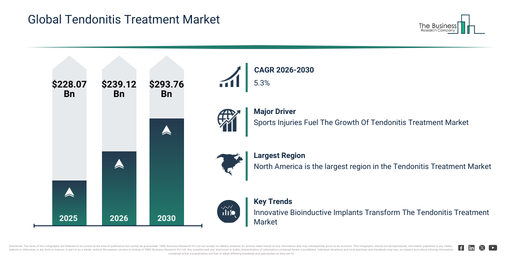
    The tendonitis treatment market size has consistently expanded in recent years. It is anticipated to grow from $228.07 billion in 2025 to $239.12 billion in 2026, reflecting a compound annual growth rate (CAGR) of 4.8%. This historical growth can be attributed to several factors, including an increase in sports-related injuries, the growing commonness of repetitive strain conditions, heightened awareness of musculoskeletal disorders, expanded availability of physical therapy services, and the embrace of non-invasive pain relief techniques.

    The tendonitis treatment market is projected to experience robust expansion over the coming years. This market is set to reach $293.76 billion by 2030, exhibiting a compound annual growth rate (CAGR) of 5.3%. Factors contributing to this growth during the forecast period include an escalating demand for biologic therapies, a heightened emphasis on personalized musculoskeletal care, an increase in the uptake of home-based rehabilitation solutions, the broadening of advanced imaging-guided treatments, and greater investment in outpatient orthopedic services. Key trends anticipated during this period encompass a rise in the adoption of regenerative therapies, increased utilization of minimally invasive treatment approaches, a developing preference for non-surgical pain management, the extension of personalized rehabilitation programs, and an amplified focus on early intervention strategies.

    Get A Free Sample Report With In-Depth Market Insights:

    https://thebusinessresearchcompany.com/sample_request?id=25725810&type=smp&name=Tendonitis%20Treatment%20Market%20Report%202026&utm_source=Blogs&utm_medium=Paid&utm_campaign=Nov_PR

    Tendonitis Treatment Market Growth Momentum: What Factors Are Shaping Demand?

    The increasing occurrence of sports-related injuries is anticipated to drive expansion in the tendonitis treatment market in the future. Defined as any harm or trauma sustained during athletic pursuits or other physical exertion, a sports injury impacts muscles, tendons, ligaments, bones, and joints. Treating tendonitis resulting from sports injuries typically involves a blend of rest, pain relief strategies, and physical therapy, aimed at enabling the injured tendon’s recovery, diminishing swelling, and providing support to the affected region. The rising incidence of sports injuries is a significant factor propelling the expansion of the tendonitis treatment market.

    Tendonitis Treatment Market Segmentation And Category Overview

    The tendonitis treatment market covered in this report is segmented –

    1) By Treatment Type: Therapeutic Treatment, Hot And Cold Therapy, Physical Therapy, Shockwave Therapy, Surgical Treatment

    2) By Condition Type: Tennis Elbow, Golfer’s Elbow, Pitcher’s Elbow, Jumper’s Knee, Swimmer’s Shoulder, Achilles Tendonitis

    3) By End-Users: Hospitals, Specialty Clinics, Home Healthcare, Other End-Users

    Subsegments:

    1) By Therapeutic Treatment: Nonsteroidal Anti-Inflammatory Drugs (NSAIDs), Corticosteroid Injections, Platelet-Rich Plasma (PRP) Therapy

    2) By Hot And Cold Therapy: Heat Packs, Ice Packs, Contrast Therapy

    3) By Physical Therapy: Stretching Exercises, Strengthening Exercises, Manual Therapy

    4) By Shockwave Therapy: Radial Shockwave Therapy, Focused Shockwave Therapy

    5) By Surgical Treatment: Tendon Repair Surgery, Tenotomy, Arthroscopy

    Tendonitis Treatment Market Trends: What’s Defining The Industry’s Next Phase?

    Leading firms within the tendonitis treatment market are intensifying their efforts to introduce cutting-edge implants, like bioinductive implants, to secure a competitive advantage. Such an implant is a medical device engineered to encourage the body’s inherent healing mechanisms by offering a structural support that aids in tissue regrowth.

    Tendonitis Treatment Market Competitive Analysis Of Leading Industry Participants

    Major companies operating in the tendonitis treatment market are Merck & Co. Inc., Bayer AG, Boehringer Ingelheim GmbH, Pfizer Inc., Almatica Pharma Inc., Teva Pharmaceutical Industries Ltd., Smith & Nephew plc, Stryker Corporation, Zimmer Biomet Holdings Inc., Össur hf, Tynor India Ltd., Arthrex Inc., CONMED Corporation, TendoMed Inc., BioPro Inc., AstraZeneca plc, GlaxoSmithKline plc, Johnson & Johnson, Medtronic plc, Wright Medical Group N.V., Breg Inc., Mueller Sports Medicine Inc., Bauerfeind AG, BSN medical GmbH

    View The Full Tendonitis Treatment Market Report:

    https://thebusinessresearchcompany.com/report/tendonitis-treatment-global-market-report?utm_source=Blogs&utm_medium=Paid&utm_campaign=Nov_PR

    Tendonitis Treatment Market Regional Analysis: Which Geography Leads On Revenue?

    North America was the largest region in the tendonitis treatment market in 2025.Asia-Pacific is expected to be the fastest-growing region in the global tendonitis treatment market report during the forecast period. The regions covered in the tendonitis treatment market report are Asia-Pacific, South East Asia, Western Europe, Eastern Europe, North America, South America, Middle East, Africa.

    Reach Out To Our Team:

    The Business Research Company: https://www.thebusinessresearchcompany.com/

    Americas: +1 310-496-7795

    Asia: +44 7882 955267 & +91 8897263534

    Europe: +44 7882 955267

    Email us at: marketing@tbrc.info

    Follow us on:

    LinkedIn: https://in.linkedin.com/company/the-business-research-company

    YouTube: https://www.youtube.com/channel/UC24_fI0rV8cR5DxlCpgmyFQ

    Global Market Model: https://www.thebusinessresearchcompany.com/global-market-model
  • Tendinopathy Market Growth Forecast Through 2030: Market Size And Trends In 2026

    Tendinopathy Market Growth Forecast Through 2030: Market Size And Trends In 2026

    Featuring market attractiveness scoring, total addressable market sizing, company benchmarking matrices, interactive Excel dashboards, deeper supply chain intelligence, emerging startup tracking, and granular product-level insights, The Business Research Company’s 2026 market reports are built to deliver research that is both more actionable and more strategically valuable.

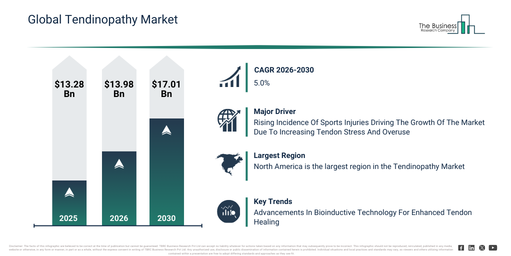
    Tendinopathy Market Revenue Growth On Track For A 5% CAGR Through 2030

    The tendinopathy market has experienced robust expansion over the past few years. Projections indicate it will expand from $13.28 billion in 2025 to $13.98 billion in 2026, demonstrating a compound annual growth rate (CAGR) of 5.3%. This historical growth is linked to factors such as a greater occurrence of sports-related injuries, an expanding elderly demographic, heightened understanding of musculoskeletal conditions, the proliferation of orthopedic care facilities, and the accessibility of various physical therapy solutions.

    The tendinopathy market is poised for substantial expansion in the coming years. This sector is forecast to attain a value of $17.01 billion by 2030, growing at a compound annual growth rate (CAGR) of 5.0%. The projected increase during this period is driven by factors such as rising investments in regenerative medicine research, an escalating demand for minimally invasive treatments, the broadening of personalized orthopedic care, a greater emphasis on long-term pain management solutions, and the growing integration of digital rehabilitation monitoring. Significant developments anticipated in the forecast period include a greater embrace of regenerative treatment approaches, an increase in the utilization of non-invasive therapy solutions, the expanding incorporation of imaging-guided diagnosis, the spread of personalized rehabilitation programs, and an intensified focus on early detection of conditions.

    Get A Free Sample Report With In-Depth Market Insights:

    https://thebusinessresearchcompany.com/sample_request?id=64271011&type=smp&name=Tendinopathy%20Market%20Report%202026&utm_source=Blogs&utm_medium=Paid&utm_campaign=Nov_PR

    Tendinopathy Market Expansion Drivers: What’s Shaping Future Growth?

    The rising occurrence of sports injuries is projected to stimulate the growth of the tendinopathy market in the future. Sports injuries refer to physical harm sustained during athletic endeavors or exercise, ranging from minor sprains and strains to more severe fractures or dislocations. The increasing frequency of sports injuries is attributed to intensified training and competition at younger ages, which places excessive stress on developing muscles and joints before they are fully mature. Sports injuries can induce tendinopathy by subjecting tendons to repetitive stress or sudden overload, resulting in microscopic tears, inflammation, and degeneration over time. The growing incidence of sports injuries is driving the expansion of the tendinopathy market.

    Tendinopathy Market Segment Outlook: Which Categories Are Growing Fastest?

    The tendinopathy market covered in this report is segmented –

    1) By Type: Achilles Tendinopathy, Rotator Cuff Tendinopathy, Lateral Epicondylitis (Tennis Elbow), Patellar Tendinopathy, Other Types

    2) By Treatment Type: Therapy, Medication, Surgical Treatment, Regenerative Medicine

    3) By Route Of Administration: Oral, Topical, Injectable

    4) By End User: Hospitals, Clinics, Ambulatory Surgical Centers, Rehabilitation Centers

    Subsegments:

    1) By Achilles Tendinopathy: Insertional Achilles Tendinopathy, Non-insertional Achilles Tendinopathy

    2) By Rotator Cuff Tendinopathy: Supraspinatus Tendinopathy, Infraspinatus Tendinopathy, Subscapularis Tendinopathy, Teres Minor Tendinopathy

    3) By Lateral Epicondylitis (Tennis Elbow): Tendon Overuse Injuries, Tendon Degeneration Injuries

    4) By Patellar Tendinopathy: Proximal Patellar Tendinopathy, Distal Patellar Tendinopathy

    5) By Other Types: De Quervain’s Tenosynovitis, Peroneal Tendinopathy, Flexor Tendinopathy, Extensor Tendinopathy

    Tendinopathy Market Industry Trends Fueling Future Revenue Growth

    Major companies in the tendinopathy market are concentrating on developing technologically advanced products, such as bioinductive implants, to speed up healing, improve tendon regeneration, and shorten recovery times. A bioinductive implant is a sophisticated medical device that stimulates the body’s natural healing process by prompting the growth of new tendon-like tissue, thereby enhancing clinical outcomes in tendon repair.

    Tendinopathy Market Leading Companies And Competitive Benchmarking

    Major companies operating in the tendinopathy market are Pfizer Inc., Johnson and Johnson, Merck & Co. Inc., AbbVie Inc., Bayer AG, Sanofi SA, Bristol-Myers Squibb Company, Novartis AG, GSK plc, Medtronic Plc, Stryker Corporation, Zimmer Biomet, Smith & Nephew plc, Arthrex, Bioventus, MIMEDX, Amniotics AB, BioPro Inc., TendoMend Ltd., Alafair Biosciences, Amniox Medical Inc., CONMED Corporation, Aevumed Inc., Parcus Medical LLC, Orthocell Ltd., CollPlant Biotechnologies Ltd., Tissue Regenix Group plc, Biorez Inc.

    View The Full Tendinopathy Market Report:

    https://thebusinessresearchcompany.com/report/tendinopathy-global-market-report?utm_source=Blogs&utm_medium=Paid&utm_campaign=Nov_PR

    Tendinopathy Market Geographic Spread And Regional Opportunities

    North America was the largest region in the tendinopathy market in 2025. The regions covered in the tendinopathy market report are Asia-Pacific, South East Asia, Western Europe, Eastern Europe, North America, South America, Middle East, Africa.

    Reach Out To Our Team:

    The Business Research Company: https://www.thebusinessresearchcompany.com/

    Americas: +1 310-496-7795

    Asia: +44 7882 955267 & +91 8897263534

    Europe: +44 7882 955267

    Email us at: marketing@tbrc.info

    Follow us on:

    LinkedIn: https://in.linkedin.com/company/the-business-research-company

    YouTube: https://www.youtube.com/channel/UC24_fI0rV8cR5DxlCpgmyFQ

    Global Market Model: https://www.thebusinessresearchcompany.com/global-market-model
  • Temporary Healthcare Staffing Market Analysis: $52.05 Billion Market Size In 2026 And Future Growth Prospects

    Temporary Healthcare Staffing Market Analysis: $52.05 Billion Market Size In 2026 And Future Growth Prospects

    Built to provide research that’s more actionable and strategically valuable, The Business Research Company’s 2026 market reports include market attractiveness analysis, total addressable market sizing, company benchmarking matrices, interactive Excel dashboards, broader supply chain intelligence, emerging startup tracking, and in-depth product insights.

    Temporary Healthcare Staffing Market Value Growth And Long-Term Outlook

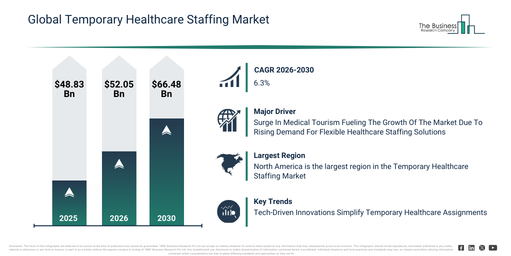
    The temporary healthcare staffing market has experienced significant expansion in recent years. It is anticipated to grow from $48.83 billion in 2025 to $52.05 billion in 2026, achieving a compound annual growth rate (CAGR) of 6.6%. This historical growth can be attributed to various factors, including an increase in patient admission volumes, persistent shortages of healthcare staff, the necessity of a temporary workforce to cover gaps, the broadening of specialized medical services, and mounting operational demands on hospitals.

    The temporary healthcare staffing market is projected to experience substantial expansion over the upcoming years. This market is anticipated to reach a valuation of $66.48 billion by 2030, demonstrating a compound annual growth rate (CAGR) of 6.3%. This forecasted growth is largely driven by factors such as the increasing integration of AI-enabled workforce matching, a heightened emphasis on adaptable staffing approaches, a greater need for specialized temporary clinicians, the proliferation of remote and telehealth support positions, and increased financial commitments to healthcare workforce platforms. Key trends identified for this period encompass the wider utilization of digital staffing platforms, an escalating requirement for on-demand nursing personnel, the increased uptake of credential verification systems, the broadening of travel nurse staffing frameworks, and a heightened priority on workforce adaptability.

    Get A Free Sample Report With In-Depth Market Insights:

    https://thebusinessresearchcompany.com/sample_request?id=33043424&type=smp&name=Temporary%20Healthcare%20Staffing%20Market%20Report%202026&utm_source=Blogs&utm_medium=Paid&utm_campaign=Nov_PR

    Temporary Healthcare Staffing Market Development Factors: What’s Supporting Demand?

    The expansion of medical tourism is anticipated to fuel the growth of the temporary healthcare staffing market in the future. Medical tourism involves individuals traveling to another country for medical care, often to access more affordable, superior, or specialized treatment. This increase in medical tourism stems from the escalating healthcare costs in developed nations, prompting patients to seek more economical yet quality medical options abroad. Temporary healthcare staffing plays a crucial role in supporting medical tourism by ensuring a readily available pool of skilled professionals, capable of handling sudden increases in patient inflow and thereby maintaining high-quality care without delays. The rising trend of medical tourism is a significant catalyst for the temporary healthcare staffing market’s expansion.

    Temporary Healthcare Staffing Market Segment Landscape: Which Areas Lead Development?

    The temporary healthcare staffing market covered in this report is segmented –

    1) By Service Type: Nursing, Allied Health, Physicians, Administrative, Other Service Types

    2) By Duration Of Staffing Needs: Short-Term Assignments, Long-Term Assignments, Per Diem Staffing, Seasonal Staffing

    3) By Skill Level Of Healthcare Professionals: Entry-Level Professionals, Mid-Level Professionals, Highly Experienced Professionals, Specialized Medical Practitioners

    4) By End-User: Hospitals, Clinics, Nursing Homes, Home Care, Other End-Users

    Subsegments:

    1) By Nursing: Registered Nurse, Licensed Practical Nurse, Certified Nursing Assistant, Travel Nurse, Clinical Nurse Specialist

    2) By Allied Health: Physical Therapist, Occupational Therapist, Respiratory Therapist, Radiologic Technologist, Medical Laboratory Technician

    3) By Physicians: General Practitioner, Surgeon, Anesthesiologist, Psychiatrist, Emergency Medicine Physician

    4) By Administrative: Medical Receptionist, Medical Billing Specialist, Health Information Technician, Scheduler, Medical Office Assistant

    5) By Other Service Types: Pharmacist, Dietitian, Social Worker, Case Manager, Medical Interpreter

    Temporary Healthcare Staffing Market Trends Powering Strategic Industry Growth

    Leading companies within the temporary healthcare staffing market are prioritizing the creation of sophisticated solutions, such as biometric-enabled locum tenens management, to boost operational effectiveness and alleviate administrative burdens for healthcare practitioners on temporary assignments. This biometric-enabled locum tenens management functions as a secure, mobile-first platform, leveraging biometric authentication to streamline administrative processes and optimize the oversight of temporary healthcare professionals undertaking locum tenens roles.

    Temporary Healthcare Staffing Market Industry Leaders And Competitive Landscape

    Major companies operating in the temporary healthcare staffing market are The Adecco Group AG, AMN Healthcare Services Inc., Jackson Healthcare Co., Aya Healthcare Inc., ProLink Services LLC, FlexCare LLC, A-Line Staffing Solutions LLC, Atlas MedStaff LLC, Nomad Health Inc., Anders Group LLC, Globe Locums Limited, Marvel Medical Staffing Inc., Interact Medical Ltd., 22nd Century Technologies Inc., Ambe International, Soliant Health, Supplemental Health Care Inc., Cross Country Healthcare Inc., MedPro Healthcare Staffing, CHG Healthcare Services, Maxim Healthcare Services,

    View The Full Temporary Healthcare Staffing Market Report:

    https://thebusinessresearchcompany.com/report/temporary-healthcare-staffing-global-market-report?utm_source=Blogs&utm_medium=Paid&utm_campaign=Nov_PR

    Temporary Healthcare Staffing Market Top Region By Revenue And Market Share

    North America was the largest region in the temporary healthcare staffing market in 2025. Asia-Pacific is expected to be the fastest-growing region in the forecast period. The regions covered in the temporary healthcare staffing market report are Asia-Pacific, South East Asia, Western Europe, Eastern Europe, North America, South America, Middle East, Africa.

    Reach Out To Our Team:

    The Business Research Company: https://www.thebusinessresearchcompany.com/

    Americas: +1 310-496-7795

    Asia: +44 7882 955267 & +91 8897263534

    Europe: +44 7882 955267

    Email us at: marketing@tbrc.info

    Follow us on:

    LinkedIn: https://in.linkedin.com/company/the-business-research-company

    YouTube: https://www.youtube.com/channel/UC24_fI0rV8cR5DxlCpgmyFQ

    Global Market Model: https://www.thebusinessresearchcompany.com/global-market-model
  • Telestroke Services Market 2026 Market Size And Growth Forecast: Key Trends To Watch

    Telestroke Services Market 2026 Market Size And Growth Forecast: Key Trends To Watch

    Backed by market attractiveness analysis, total addressable market sizing, company benchmarking matrices, interactive Excel dashboards, wider supply chain intelligence, emerging startup coverage, and detailed product-level insights, The Business Research Company’s 2026 market reports are designed to offer research that is more actionable and strategically valuable than ever.

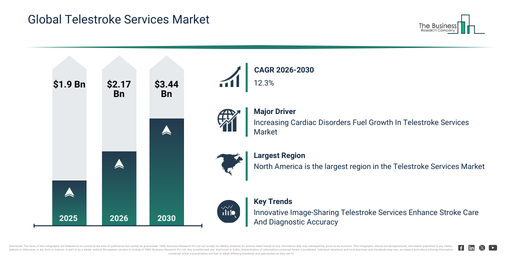
    Telestroke Services Market Poised To Hit $3.44 Billion By 2030 With A 12.3% CAGR

    The telestroke services market has experienced substantial growth in recent years. Its valuation is expected to climb from $1.9 billion in 2025 to $2.17 billion in 2026, reflecting a compound annual growth rate (CAGR) of 13.9%. In the past, this market’s expansion was influenced by an increase in stroke occurrences, constrained access to neurologists on-site, the enlargement of emergency care systems, the integration of digital imaging technologies, and an escalating requirement for prompt stroke treatments.

    The telestroke services market is anticipated to experience significant expansion in the coming years. This market is projected to reach $3.44 billion by 2030, driven by a compound annual growth rate (CAGR) of 12.3%. Key factors contributing to this growth during the projected timeframe include augmented investments in emergency telehealth infrastructure, a surging need for stroke care accessibility in rural areas, the broadening of AI-enabled diagnostic assistance, an amplified emphasis on minimizing treatment delays, and the enhanced incorporation of telemedicine within emergency response frameworks. Significant trends expected in the forecast period involve a greater deployment of remote stroke assessment solutions, increased embrace of real-time neurological consultation platforms, an expanding application of AI-assisted imaging for stroke detection, the enlargement of emergency teleconsultation networks, and a heightened focus on supporting swift treatment decisions.

    Get A Free Sample Report With In-Depth Market Insights:

    https://thebusinessresearchcompany.com/sample_request?id=15037105&type=smp&name=Telestroke%20Services%20Market%20Report%202026&utm_source=Blogs&utm_medium=Paid&utm_campaign=Nov_PR

    Telestroke Services Market Industry Drivers: What’s Behind The Revenue Growth?

    The increasing number of patients suffering from cardiac disorders is expected to fuel the growth of the telestroke services market moving forward. Cardiac disorders describe a spectrum of ailments that impact the heart’s anatomy and function. Telestroke services contribute to the management of cardiac disorders by making specialized care accessible remotely. Cardiologists can swiftly diagnose and treat cardiac conditions utilizing real-time video consultations and secure data transmission, particularly in rural or underserved areas. The growing population of patients with cardiac disorders is a key factor driving the expansion of the telestroke services market.

    Telestroke Services Market Segments: Where Is Growth Concentrated?

    The telestroke services market covered in this report is segmented –

    1) By Stroke Type: Ischemic Stroke, Hemorrhagic Stroke, Transient Ischemic Attack

    2) By Application: Counseling, Treatment, Emergency Service, Other Applications

    3) By End User: Hospitals, Specialty Clinics, Home Healthcare Settings, Other End Users

    Subsegments:

    1) By Ischemic Stroke: Acute Ischemic Stroke, Chronic Ischemic Stroke

    2) By Hemorrhagic Stroke: Intracerebral Hemorrhage, Subarachnoid Hemorrhage

    3) By Transient Ischemic Attack: Low-Risk TIA, High-Risk TIA

    Telestroke Services Market Growth Trends Reshaping The Competitive Landscape

    Leading companies within the telestroke services market are concentrating their efforts on rolling out advanced technologies, such as telestroke services incorporating image-sharing capabilities, to enhance the precision of diagnoses, improve patient recovery, and ensure swift treatment for individuals experiencing a stroke. These image-sharing telestroke services involve a system that utilizes digital instruments for high-resolution, bidirectional video teleconferencing.

    Telestroke Services Market Key Participants And Competitive Landscape

    Major companies operating in the telestroke services market are Providence Health & Services, Teladoc Health Inc, Vituity, DispatchHealth, American Well Corporation, Access TeleCare LLC, Eagle Telemedicine, Caregility, TeleSpecialists LLC, RapidAI, American TelePhysicians ATP, RemoteICU, Alina TeleHealth, Blue Sky Telehealth, SOC Telemed, Mercy Virtual, Viz.ai, Teledigm Health, Specialist TeleMed

    View The Full Telestroke Services Market Report:

    https://thebusinessresearchcompany.com/report/telestroke-services-global-market-report?utm_source=Blogs&utm_medium=Paid&utm_campaign=Nov_PR

    Telestroke Services Market Regional Analysis And Top Geography

    North America was the largest region in the telestroke market in 2025. Asia Pacific is expected to be the fastest-growing region in the forecast period. The regions covered in the telestroke services market report are Asia-Pacific, South East Asia, Western Europe, Eastern Europe, North America, South America, Middle East, Africa.

    Reach Out To Our Team:

    The Business Research Company: https://www.thebusinessresearchcompany.com/

    Americas: +1 310-496-7795

    Asia: +44 7882 955267 & +91 8897263534

    Europe: +44 7882 955267

    Email us at: marketing@tbrc.info

    Follow us on:

    LinkedIn: https://in.linkedin.com/company/the-business-research-company

    YouTube: https://www.youtube.com/channel/UC24_fI0rV8cR5DxlCpgmyFQ

    Global Market Model: https://www.thebusinessresearchcompany.com/global-market-model
  • Teleradiology Software Market Size Forecast: How The Industry Is Expected To Grow From 2026 To 2030

    Teleradiology Software Market Size Forecast: How The Industry Is Expected To Grow From 2026 To 2030

    Featuring market attractiveness scoring, total addressable market sizing, company benchmarking matrices, interactive Excel dashboards, deeper supply chain intelligence, emerging startup tracking, and granular product-level insights, The Business Research Company’s 2026 market reports are built to deliver research that is both more actionable and more strategically valuable.

    Teleradiology Software Market Size And Revenue Outlook Through 2030

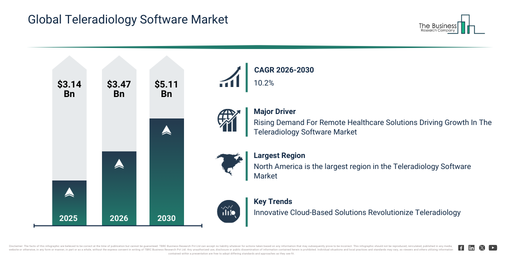
    The market for teleradiology software has seen rapid growth in recent years. A substantial increase is anticipated, with its value rising from $3.14 billion in 2025 to $3.47 billion in 2026, at a compound annual growth rate (CAGR) of 10.5%. The market’s past expansion is due to factors such as growth in medical imaging procedure volumes, shortage of radiologists in many regions, expansion of hospital digital infrastructure, increased adoption of pacs solutions, and the rising need for after-hours radiology services.

    The teleradiology software market is projected for significant expansion over the coming years. By 2030, its value is anticipated to reach $5.11 billion, exhibiting a compound annual growth rate (CAGR) of 10.2%. This anticipated growth during the forecast period stems from factors such as the rising need for quick diagnostic results, the proliferation of telehealth and remote diagnostic services, increased capital expenditure in AI-powered imaging analytics, a heightened emphasis on interoperability across various healthcare platforms, and the wider acceptance of cloud-native radiology platforms. Key trends for the same period encompass a greater uptake of AI-assisted image interpretation tools, an increase in the utilization of cloud-based teleradiology platforms, the expanding integration of PACS and RIS systems, the broadening of cross-border radiology services, and a strengthened commitment to workflow automation and precision in reporting.

    Get A Free Sample Report With In-Depth Market Insights:

    https://thebusinessresearchcompany.com/sample_request?id=80475224&type=smp&name=Teleradiology%20Software%20Market%20Report%202026&utm_source=Blogs&utm_medium=Paid&utm_campaign=Nov_PR

    Teleradiology Software Market Growth Factors: What’s Supporting Expansion?

    The increasing adoption of remote healthcare solutions is anticipated to propel the expansion of the teleradiology software market in the future. Remote healthcare solutions refer to various technologies and services that allow medical professionals to deliver care from a distance. The growing need for these solutions is driven by factors such as improved access to care, responses to pandemics, and enhanced patient involvement. Teleradiology software supports the advancement of remote healthcare by improving the accessibility of radiological services, boosting diagnostic efficiency, and fostering better collaboration among healthcare providers. The growing preference for remote healthcare solutions is a key factor driving the growth of the teleradiology software market.

    Teleradiology Software Market Segment Analysis: What Are The Core Market Categories?

    The teleradiology software market covered in this report is segmented –

    1) By Type: Radiology Information System, Picture Archiving And Communication System (PACS), Vendor Neutral Archive (VNA)

    2) By Deployment: Web-Based, Cloud-Based, On-Premises

    3) By Imaging Technique: X-Ray, Computed Tomography (CT), Magnetic Resonance Imaging (MRI), Ultrasound, Nuclear Imaging, Other Imaging Techniques

    4) By End User: Hospitals, Clinics, Other End Users

    Subsegments:

    1) By Radiology Information System (RIS): Workflow Management In RIS, Scheduling And Reporting Features, Integration With Electronic Health Records (EHR), Patient Management And Communication Tools

    2) By Picture Archiving And Communication System (PACS): Imaging Storage Solutions, Advanced Image Retrieval Features, Integration With Modalities (e.g., MRI, CT), 3D Visualization And Analysis Tools

    3) By Vendor Neutral Archive (VNA): Data Management And Storage Solutions, Interoperability Features For Multiple Systems, Long-Term Data Retention Solutions, Secure Access And Sharing Capabilities

    Teleradiology Software Market Trends Shaping Long-Term Demand

    Leading companies within the teleradiology software market are actively developing sophisticated solutions, including cloud-based teleradiology offerings, to provide greater flexibility, scalability, and remote accessibility. These cloud-based teleradiology solutions represent digital platforms that empower radiologists to remotely access, interpret, and share medical imaging via internet-based systems, thereby enhancing adaptability and collaboration in healthcare.

    Teleradiology Software Market Top Companies Driving Competitive Growth

    Major companies operating in the teleradiology software market are McKesson Corporation, Siemens Healthineers AG, Fujifilm Holdings Corporation, Koninklijke Philips N.V., Cerner Corporation, Carestream Health, VRad (Virtual Radiologic), Evertech Corp., Medsynaptic Pvt. Ltd., NucleusHealth LLC, RamSoft Inc., ONRAD Inc., Teleradiology Solutions, MedWeb, USARAD Holdings Inc., Telerad Tech Private Limited, Radical Imaging LLC, Agfa-Gevaert Group, Impose Technologies Pvt Ltd., OpenRad, Infinitt Healthcare Co. Ltd., Dicom Systems Inc

    View The Full Teleradiology Software Market Report:

    https://thebusinessresearchcompany.com/report/teleradiology-software-global-market-report?utm_source=Blogs&utm_medium=Paid&utm_campaign=Nov_PR

    Teleradiology Software Market Geographic Analysis: Where Is Demand Rising Fastest?

    North America was the largest region in the teleradiology Software market in 2025. Asia-Pacific is expected to be the fastest-growing region in the forecast period. The regions covered in the teleradiology software market report are Asia-Pacific, South East Asia, Western Europe, Eastern Europe, North America, South America, Middle East, Africa.

    Reach Out To Our Team:

    The Business Research Company: https://www.thebusinessresearchcompany.com/

    Americas: +1 310-496-7795

    Asia: +44 7882 955267 & +91 8897263534

    Europe: +44 7882 955267

    Email us at: marketing@tbrc.info

    Follow us on:

    LinkedIn: https://in.linkedin.com/company/the-business-research-company

    YouTube: https://www.youtube.com/channel/UC24_fI0rV8cR5DxlCpgmyFQ

    Global Market Model: https://www.thebusinessresearchcompany.com/global-market-model
  • Teleradiology Market Reaches $16.72 Billion In 2026: Forecast And Growth Opportunities

    Teleradiology Market Reaches $16.72 Billion In 2026: Forecast And Growth Opportunities

    Built to provide research that’s more actionable and strategically valuable, The Business Research Company’s 2026 market reports include market attractiveness analysis, total addressable market sizing, company benchmarking matrices, interactive Excel dashboards, broader supply chain intelligence, emerging startup tracking, and in-depth product insights.

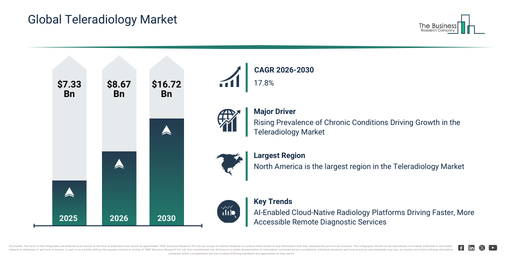
    Teleradiology Market Growth From $8.67 Billion In 2026 To $16.72 Billion By 2030 At A CAGR Of 17.8%

    The teleradiology market has seen significant expansion over recent years. It is projected to increase from $7.33 billion in 2025 to $8.67 billion in 2026, achieving a compound annual growth rate (CAGR) of 18.3%. Historically, this growth can be attributed to an uplift in imaging procedure volumes, a deficit of on-site radiologists, the proliferation of diagnostic imaging centers, enhanced uptake of digital imaging systems, and the development of hospital outsourcing models.

    The teleradiology market is projected to experience substantial expansion in the coming years. It is forecast to achieve a size of $16.72 billion by 2030, with a compound annual growth rate (CAGR) of 17.8%. The projected growth is driven by escalating investments in AI-powered diagnostic tools, an increasing need for immediate imaging interpretation, the expansion of cloud-based radiology networks, a stronger emphasis on workflow automation, and the rising integration of multi-modality imaging services. Significant trends for this forecast period involve the wider adoption of cloud-based image interpretation platforms, a surge in the use of remote radiology reporting services, the growing integration of AI-assisted image analysis, the extension of 24/7 radiology coverage models, and a heightened focus on diagnostic accuracy and turnaround time.

    Get A Free Sample Report With In-Depth Market Insights:

    https://thebusinessresearchcompany.com/sample_request?id=33184068&type=smp&name=Teleradiology%20Market%20Report%202026&utm_source=Blogs&utm_medium=Paid&utm_campaign=Nov_PR

    Teleradiology Market Demand Drivers: What’s Powering Industry Growth?

    The escalating demand for radiological services, driven by the increasing prevalence of chronic conditions, is poised to stimulate the growth of the tele-radiology industry in the coming period. Radiological services, a medical discipline utilizing imaging technology for disease diagnosis and treatment, are vital for bolstering the teleradiology market by facilitating the transmission of radiological images across various locations for diagnostic or consultative purposes. The global increase in chronic diseases is a significant driver for teleradiology during the forecast period.

    Teleradiology Market Segment Breakdown: Which Categories Lead On Revenue?

    The teleradiology market covered in this report is segmented –

    1) By Modality: X-Ray, Magnetic Resonance Imaging (MRI), Computed Tomography (CT) Scan, Ultrasound Systems

    2) By Technology: Web Based, Cloud Based

    3) By Component: Hardware, Software

    4) By End User: Hospitals, Diagnostic Centers, Other End Users

    Subsegments:

    1) By X-Ray: Digital X-Ray, Computed Radiography (CR), Fluoroscopy

    2) By Magnetic Resonance Imaging (MRI): Closed MRI Systems, Open MRI Systems, Functional MRI (fMRI)

    3) By Computed Tomography (CT) Scan: Standard CT Scans, Spiral Or Helical CT Scans, Cone Beam CT Scans

    4) By Ultrasound Systems: Diagnostic Ultrasound, 3D Or 4D Ultrasound, Doppler Ultrasound

    Teleradiology Market Innovation Trends Shaping Future Development

    Leading companies within the Global Teleradiology Services Market are prioritizing AI-enabled cloud-native radiology informatics platforms, such as integrated diagnostic workspaces and remote scanning systems, to achieve a competitive edge.

    Teleradiology Market Leading Players And Competitive Positioning

    Major companies operating in the teleradiology market are 4ways Healthcare Ltd., Agfa-Gevaert Group, Everlight Radiology Limited, Onrad Inc., RamSoft Inc., RadNet Inc., Virtual Radiologic Corporation, Teleradiology Solutions LLC, NightRays LLC, MEDNAX Inc., USARAD Holdings Inc., StatRad LLC, Argus Radiology, Direct Radiology LLC, Imaging Advantage LLC, InHealth Group Inc., Imaging On Call Inc., National Teleradiology LLC, Medica Reporting Ltd., Radisphere National Radiology Group, MedWeb, Franklin & Seidelmann Subspecialty Radiology, Telemedicine Clinic, Aris Radiology, NightShift Radiology, Vision Radiology, Envision Healthcare Corporation

    View The Full Teleradiology Market Report:

    https://thebusinessresearchcompany.com/report/teleradiology-global-market-report?utm_source=Blogs&utm_medium=Paid&utm_campaign=Nov_PR

    Teleradiology Market Global Footprint: Which Region Leads The Market?

    North America was the largest region in the teleradiology market in 2025. The regions covered in the teleradiology market report are Asia-Pacific, South East Asia, Western Europe, Eastern Europe, North America, South America, Middle East, Africa.

    Reach Out To Our Team:

    The Business Research Company: https://www.thebusinessresearchcompany.com/

    Americas: +1 310-496-7795

    Asia: +44 7882 955267 & +91 8897263534

    Europe: +44 7882 955267

    Email us at: marketing@tbrc.info

    Follow us on:

    LinkedIn: https://in.linkedin.com/company/the-business-research-company

    YouTube: https://www.youtube.com/channel/UC24_fI0rV8cR5DxlCpgmyFQ

    Global Market Model: https://www.thebusinessresearchcompany.com/global-market-model
  • Telepsychiatry Market Growth In 2026: Market Size, Key Drivers And Future Outlook

    Telepsychiatry Market Growth In 2026: Market Size, Key Drivers And Future Outlook

    Backed by market attractiveness analysis, total addressable market sizing, company benchmarking matrices, interactive Excel dashboards, wider supply chain intelligence, emerging startup coverage, and detailed product-level insights, The Business Research Company’s 2026 market reports are designed to offer research that is more actionable and strategically valuable than ever.

    Telepsychiatry Market Expansion Outlook: What Revenue Opportunities Are Ahead?

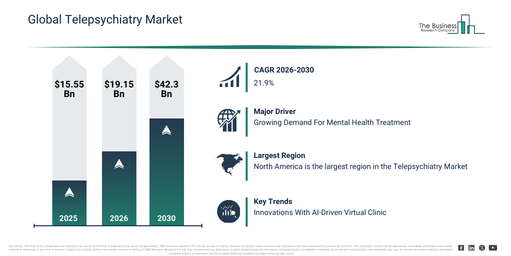
    The telepsychiatry market size has experienced rapid growth in recent years. It is projected to increase from $15.55 billion in 2025 to $19.15 billion in 2026, demonstrating a compound annual growth rate (CAGR) of 23.1%. This historical expansion can be attributed to several factors, including the rising prevalence of mental health disorders, restricted access to on-site psychiatric specialists, the increasing acceptance of virtual behavioral health services, the expansion of community mental health programs, and a growing demand for continuous psychiatric follow-up.

    The telepsychiatry market is set to experience substantial expansion in the coming years. It is projected to achieve a size of $42.3 billion by 2030, demonstrating a compound annual growth rate (CAGR) of 21.9%. This anticipated growth throughout the forecast period can be attributed to several factors, including a heightened focus on ensuring mental health accessibility, increasing investments directed towards digital behavioral health platforms, the broadening of telepsychiatry reimbursement coverage, a growing need for remote crisis intervention services, and the increasing integration of AI-assisted mental health assessments. Dominant trends during this forecast period are expected to involve a greater adoption of virtual mental health consultations, a rising demand for crisis telepsychiatry services, the expanded use of remote medication management, the development of in-home psychiatric care models, and an intensified emphasis on confidential digital care delivery.

    Get A Free Sample Report With In-Depth Market Insights:

    https://thebusinessresearchcompany.com/sample_request?id=87109912&type=smp&name=Telepsychiatry%20Market%20Report%202026&utm_source=Blogs&utm_medium=Paid&utm_campaign=Nov_PR

    Telepsychiatry Market Growth Drivers: What’s Behind The Acceleration?

    The growing demand for mental health treatment is anticipated to propel the expansion of the telepsychiatry market going forward. Mental health pertains to an individual’s cognitive, behavioral, and emotional well-being. Psychologists are noting a substantial rise in the need for anxiety and depression treatment. The increasing need for mental health treatment is driving the growth of the telepsychiatry market.

    Telepsychiatry Market Segmentation: How Does The Market Break Down By Category?

    The telepsychiatry market covered in this report is segmented –

    1) By Type: Routine Telepsychiatry, Forensic Telepsychiatry, Crisis Telepsychiatry, In-Home Telepsychiatry

    2) By Age Group: Adult, Pediatric and Adolescent, Geriatric

    3) By End-Use: Community Mental Health Centers, Specialty Care Settings, Skilled Nursing Facilities, Homecare, Other End-Users

    Subsegments:

    1) By Routine Telepsychiatry: Outpatient Services, Follow-Up Appointments, Medication Management

    2) By Forensic Telepsychiatry: Competency Evaluations, Risk Assessments, Court-Ordered Evaluations

    3) By Crisis Telepsychiatry: Emergency Consultations, Crisis Intervention Services, 24/7 Telehealth Hotlines

    4) By In-Home Telepsychiatry: Home-Based Assessments, Personalized Treatment Plans, Family Therapy Sessions

    Telepsychiatry Market Trends Redefining Industry Growth

    Major companies in the telepsychiatry market are advancing technologies such as artificial intelligence to improve patient care, enhance diagnostic accuracy, and streamline the delivery of mental health services, ultimately making treatment more accessible and efficient for individuals. Artificial Intelligence (AI) involves the simulation of human intelligence processes by computer systems.

    Telepsychiatry Market Competitive Overview And Top Companies

    Major companies operating in the telepsychiatry market are Alere Emotional Health LLC, Advanced Telemed Services, American Telepsychiatrists, Encounter Telehealth LLC, InnovaTel Telepsychiatry, SOC Telemed Inc., Telemynd, American Well Corp, Teladoc Health Inc., MDLive Inc., Talkspace Inc., MeMD Inc., PlushCare, Cerebral Inc., Brightside Group Ltd., BetterHelp, AbleTo Inc., Spring Health Inc., Quartet Health Inc., Meru Health Inc., Lyra Health Inc., MindBeacon Holdings Inc., iCouch Inc., LMND Medical Group Inc.

    View The Full Telepsychiatry Market Report:

    https://thebusinessresearchcompany.com/report/telepsychiatry-global-market-report?utm_source=Blogs&utm_medium=Paid&utm_campaign=Nov_PR

    Telepsychiatry Market Regional Split: Which Areas Are Fueling Growth?

    North America was the largest region in the telepsychiatry market in 2025. The regions covered in the telepsychiatry market report are Asia-Pacific, South East Asia, Western Europe, Eastern Europe, North America, South America, Middle East, Africa.

    Reach Out To Our Team:

    The Business Research Company: https://www.thebusinessresearchcompany.com/

    Americas: +1 310-496-7795

    Asia: +44 7882 955267 & +91 8897263534

    Europe: +44 7882 955267

    Email us at: marketing@tbrc.info

    Follow us on:

    LinkedIn: https://in.linkedin.com/company/the-business-research-company

    YouTube: https://www.youtube.com/channel/UC24_fI0rV8cR5DxlCpgmyFQ

    Global Market Model: https://www.thebusinessresearchcompany.com/global-market-model