Author: Marketing Posting

  • Tuberculosis Therapeutics Market Size And Forecast 2026–2030: Trends Driving Industry Expansion

    Tuberculosis Therapeutics Market Size And Forecast 2026–2030: Trends Driving Industry Expansion

    Built to provide research that’s more actionable and strategically valuable, The Business Research Company’s 2026 market reports include market attractiveness analysis, total addressable market sizing, company benchmarking matrices, interactive Excel dashboards, broader supply chain intelligence, emerging startup tracking, and in-depth product insights.

    Tuberculosis Therapeutics Market Value Analysis: What Growth Lies Ahead Over The Forecast Period?

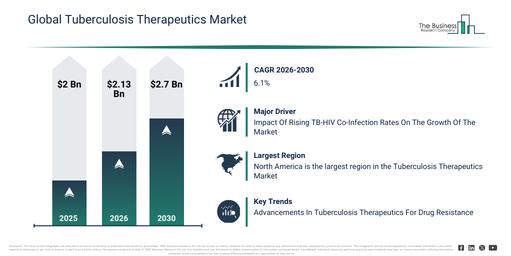
    The tuberculosis therapeutics market has experienced significant growth in recent years. This market is anticipated to expand from $2 billion in 2025 to $2.13 billion in 2026, exhibiting a compound annual growth rate (CAGR) of 6.3%. The historical increase can be attributed to the global burden of TB disease, the widespread application of first-line TB drugs, the broadening of government TB control initiatives, the accessibility of generic TB medications, and international financial backing for TB programs.

    The tuberculosis therapeutics market is anticipated to experience robust expansion over the coming years. This market is projected to reach $2.7 billion by 2030, demonstrating a compound annual growth rate (CAGR) of 6.1%. This projected growth during the forecast period is primarily driven by factors such as the increasing occurrence of multidrug-resistant tuberculosis, progress in the development of new TB drugs, a rise in global health funding, the spread of digital adherence technologies, and a heightened emphasis on preventive TB treatment. Key trends anticipated for the forecast period encompass the escalating creation of therapies for drug-resistant TB, an uptick in the adoption of combination treatment approaches, a greater emphasis on reducing treatment lengths, the broadening of public health TB initiatives, and enhanced monitoring of patient adherence.

    Get A Free Sample Report With In-Depth Market Insights:

    https://thebusinessresearchcompany.com/sample_request?id=49619698&type=smp&name=Tuberculosis%20Therapeutics%20Market%20Report%202026&utm_source=Blogs&utm_medium=Paid&utm_campaign=Nov_PR

    Tuberculosis Therapeutics Market Demand Drivers: What’s Powering Industry Growth?

    The escalating incidence of simultaneous tuberculosis (TB) and human immunodeficiency virus (HIV) infections is projected to stimulate expansion within the tuberculosis therapeutics market. These TB-HIV co-infection rates denote the frequency of individuals concurrently afflicted by both diseases, creating difficulties in diagnosis, therapeutic management, and patient prognosis owing to compromised immune systems and convergent outbreaks. The surge in such co-infections fuels the necessity for integrated therapeutic strategies aimed at addressing TB in HIV-positive groups, thereby enhancing overall patient results and alleviating the strain imposed by both conditions. The increasing prevalence of TB-HIV co-infections is a primary impetus for the expansion of the tuberculosis therapeutics market.

    Tuberculosis Therapeutics Market Segment Performance And Emerging Opportunities

    The tuberculosis therapeutics market covered in this report is segmented –

    1) By Type: Active Tuberculosis (TB), Latent Tuberculosis (TB)

    2) By Drug Type: Isoniazid, Rifampin, Pyrazinamide, Hydrazine derivatives, Miscellaneous anti-tubercular drugs, Ethambutol

    3) By Route of Administration: Oral, Parenteral, Other route of administration

    4) By Distribution Channel: Hospital Pharmacy, Retail Pharmacy, Online Pharmacy

    5) By End-User: Hospitals, Clinics, Ambulatory Surgical Centers, Other End-Users

    Subsegments:

    1) By Active Tuberculosis (TB): First-Line Drugs (Rifampicin, Isoniazid, Pyrazinamide, Ethambutol), Second-Line Drugs (Fluoroquinolones, Aminoglycosides), Combination Therapies, Drug-Resistant TB Treatments (MDR-TB, XDR-TB)

    2) By Latent Tuberculosis (TB): Isoniazid Prophylaxis, Rifampicin-Based Regimens, Rifapentine-Based Regimens, Combination Prophylactic Therapies

    Tuberculosis Therapeutics Market Innovation Trends Shaping Future Development

    Leading firms within the tuberculosis therapeutics market are concentrating on creating novel solutions, including combination therapy, to enhance the effectiveness of treatment, shorten therapy duration, and counter drug-resistant tuberculosis strains. This approach, known as combination therapy, involves administering multiple medications from distinct categories to address a disease, with the goals of boosting treatment efficacy, diminishing resistance, and bettering patient results.

    Tuberculosis Therapeutics Market Key Players: Which Companies Lead Industry Competition?

    Major companies operating in the tuberculosis therapeutics market are Pfizer Inc, Johnson & Johnson, Roche Holding AG, Merck & Co. Inc, Sanofi S.A, Novartis AG, GlaxoSmithKline plc, Viatris Inc, Cipla Limited, Lupin Limited, Alkem Laboratories Limited, Emcure Pharmaceuticals Limited, Sequella Inc, AstraZeneca plc, Eli Lilly and Company, Biofabri S L, LegoChem Biosciences, BioVersys AG, SENTAN Pharma Inc, ViChem Pharmaceuticals Inc, PDS Biotechnology Corporation, BioNTech SE, Qurient Co Ltd

    View The Full Tuberculosis Therapeutics Market Report:

    https://thebusinessresearchcompany.com/report/tuberculosis-therapeutics-global-market-report?utm_source=Blogs&utm_medium=Paid&utm_campaign=Nov_PR

    Tuberculosis Therapeutics Market Geographic Spread And Regional Opportunities

    North America was the largest region in the tuberculosis therapeutics market in 2025. Asia-Pacific is expected to be the fastest-growing region in the forecast period. The regions covered in the tuberculosis therapeutics market report are Asia-Pacific, South East Asia, Western Europe, Eastern Europe, North America, South America, Middle East, Africa.

    Reach Out To Our Team:

    The Business Research Company: https://www.thebusinessresearchcompany.com/

    Americas: +1 310-496-7795

    Asia: +44 7882 955267 & +91 8897263534

    Europe: +44 7882 955267

    Email us at: marketing@tbrc.info

    Follow us on:

    LinkedIn: https://in.linkedin.com/company/the-business-research-company

    YouTube: https://www.youtube.com/channel/UC24_fI0rV8cR5DxlCpgmyFQ

    Global Market Model: https://www.thebusinessresearchcompany.com/global-market-model
  • Trypsin-EDTA Solution For Cell Dissociation Market 2026 Outlook: Market Size, CAGR And Key Growth Opportunities

    Trypsin-EDTA Solution For Cell Dissociation Market 2026 Outlook: Market Size, CAGR And Key Growth Opportunities

    Backed by market attractiveness analysis, total addressable market sizing, company benchmarking matrices, interactive Excel dashboards, wider supply chain intelligence, emerging startup coverage, and detailed product-level insights, The Business Research Company’s 2026 market reports are designed to offer research that is more actionable and strategically valuable than ever.

    Trypsin-EDTA Solution For Cell Dissociation Market Size Forecast: How Big Could The Market Get By 2030?

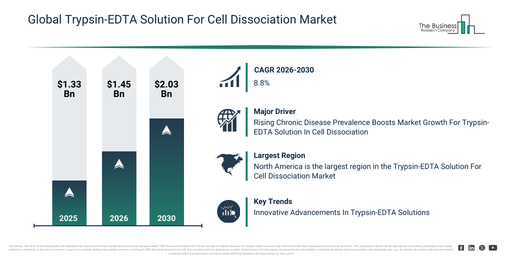
    The market for trypsin-edta solution, used in cell dissociation, has experienced robust growth over recent years. This market is projected to expand from $1.33 billion in 2025 to $1.45 billion in 2026, demonstrating a compound annual growth rate (CAGR) of 9.1%. Historically, this expansion has been driven by factors such as the rise in cell culture-based research, increased output of biologics and vaccines, greater uptake of adherent cell lines, the proliferation of academic and clinical research facilities, and enhanced access to standardized reagents.

    The market size for trypsin-edta solution for cell dissociation is projected to witness significant expansion in the coming years. It is anticipated to reach $2.03 billion by 2030, growing at a compound annual growth rate (CAGR) of 8.8%. This growth during the forecast period is attributable to the increasing demand for cell-based therapies, the expanding scale-up of biopharmaceutical manufacturing, a heightened focus on automation in cell processing, the widening scope of regenerative medicine research, and a stronger regulatory emphasis on process consistency. Prominent trends expected in the forecast period include the rising adoption of serum-free cell dissociation reagents, an escalating demand for consistent cell harvesting solutions, their growing application in large-scale biomanufacturing, the broader utilization in stem cell and primary cell applications, and an intensified focus on reproducibility and cell viability.

    Get A Free Sample Report With In-Depth Market Insights:

    https://thebusinessresearchcompany.com/sample_request?id=25109024&type=smp&name=Trypsin-EDTA%20Solution%20For%20Cell%20Dissociation%20Market%20Report%202026&utm_source=Blogs&utm_medium=Paid&utm_campaign=Nov_PR

    Trypsin-EDTA Solution For Cell Dissociation Market Growth Drivers: What’s Behind The Acceleration?

    The increasing incidence of chronic diseases is anticipated to boost the trypsin-EDTA solution for cell dissociation market in the coming years. These long-term health conditions, such as diabetes, heart disease, and chronic respiratory ailments, often last a lifetime and demand continuous medical care. The growth in chronic diseases is attributed to an aging global population, a rise in risk factors like poor diet and lack of physical activity, and medical advancements that improve their detection and management. Trypsin-EDTA solution is vital in chronic disease research for detaching and collecting cells from tissues or cultures, facilitating further analysis or therapeutic uses. The growing prevalence of chronic diseases is propelling the expansion of the trypsin-EDTA solution for cell dissociation market.

    Trypsin-EDTA Solution For Cell Dissociation Market Segment Landscape And Growth Outlook

    The trypsin-edta solution for cell dissociation market covered in this report is segmented –

    1) By Type: 0.25% Solution, 0.05% Solution

    2) By Distribution Channel: Online Sales, Direct Sales, Retail

    3) By Application: Insulin Manufacturing, Vaccines Manufacturing, Cell Culture, Other Applications

    Subsegments:

    1) By 0.25% Solution: General Cell Culture, Adherent Cell Lines, Suspension Cell Lines, Tissue-Derived Cells

    2) By 0.05% Solution: Gentler Dissociation for Sensitive Cells, Primary Cell Cultures, Stem Cell Cultures, Short-Term Cell Cultures

    Trypsin-EDTA Solution For Cell Dissociation Market Trends Redefining Industry Growth

    Leading firms in the trypsin-EDTA solution sector, crucial for cell dissociation, are introducing novel offerings like animal-based ECM dissociation solutions to enhance their market position. These animal-based ECM dissociation solutions are chemical or enzymatic mixtures originating from animal sources, designed to dismantle extracellular matrix elements and aid in detaching cells from tissues or culture surfaces.

    Trypsin-EDTA Solution For Cell Dissociation Market Competitive Landscape: Who Leads The Industry?

    Major companies operating in the trypsin-edta solution for cell dissociation market are Thermo Fisher Scientific Inc., Merck KGaA, GE Healthcare, Corning Incorporated, Lonza Group AG, VWR International LLC, Sartorius AG, STEMCELL Technologies Inc., Miltenyi Biotec B.V. & Co. KG, MP Biomedicals LLC, American Type Culture Collection (ATCC), Cyagen Biosciences Inc., HiMedia Laboratories Private Limited, FUJIFILM Irvine Scientific Inc., Nacalai Tesque Inc., Creative Dynamics Inc., PromoCell GmbH, Biological Industries Israel Beit Haemek Ltd., Worthington Biochemical Corporation, Capricorn Scientific GmbH, PAN-Biotech GmbH, Cell Applications Inc., Innovative Cell Technologies Inc., Wisent Bioproducts Inc., ZenBio Inc

    View The Full Trypsin-EDTA Solution For Cell Dissociation Market Report:

    https://thebusinessresearchcompany.com/report/trypsin-edta-solution-for-cell-dissociation-global-market-report?utm_source=Blogs&utm_medium=Paid&utm_campaign=Nov_PR

    Trypsin-EDTA Solution For Cell Dissociation Market Top Region By Revenue And Market Share

    North America was the largest region in the trypsin-EDTA solution for cell dissociation market in 2025. Asia-Pacific is expected to be the fastest-growing region in the forecast period. The regions covered in the trypsin-edta solution for cell dissociation market report are Asia-Pacific, South East Asia, Western Europe, Eastern Europe, North America, South America, Middle East, Africa.

    Reach Out To Our Team:

    The Business Research Company: https://www.thebusinessresearchcompany.com/

    Americas: +1 310-496-7795

    Asia: +44 7882 955267 & +91 8897263534

    Europe: +44 7882 955267

    Email us at: marketing@tbrc.info

    Follow us on:

    LinkedIn: https://in.linkedin.com/company/the-business-research-company

    YouTube: https://www.youtube.com/channel/UC24_fI0rV8cR5DxlCpgmyFQ

    Global Market Model: https://www.thebusinessresearchcompany.com/global-market-model
  • Tropomyosin Receptor Kinase C (TrkC) Antibody Market Size Growth: From $1.82 Billion In 2026 To $2.87 Billion By 2030

    Tropomyosin Receptor Kinase C (TrkC) Antibody Market Size Growth: From $1.82 Billion In 2026 To $2.87 Billion By 2030

    Featuring market attractiveness scoring, total addressable market sizing, company benchmarking matrices, interactive Excel dashboards, deeper supply chain intelligence, emerging startup tracking, and granular product-level insights, The Business Research Company’s 2026 market reports are built to deliver research that is both more actionable and more strategically valuable.

    Tropomyosin Receptor Kinase C (TrkC) Antibody Market Revenue Outlook: What CAGR Lies Ahead Through 2030?

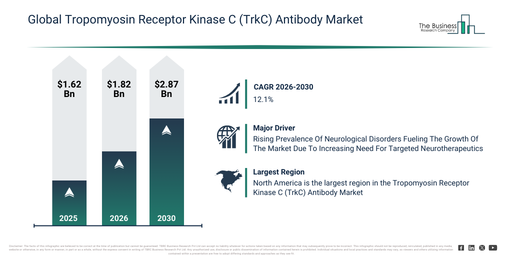
    The market size for tropomyosin receptor kinase c (trkc) antibodies has expanded quickly in recent years. It is anticipated to increase from $1.62 billion in 2025 to $1.82 billion in 2026, achieving a compound annual growth rate (CAGR) of 12.4%. This past growth can be attributed to a heightened research focus on neurotrophin signaling pathways, the expansion of academic neuroscience research, the increasing availability of advanced antibody engineering techniques, growth in molecular biology research funding, and the rising utilization of antibodies in diagnostic research.

    The market for tropomyosin receptor kinase c (trkc) antibodies is projected to experience substantial growth over the coming years. This market is anticipated to reach a valuation of $2.87 billion by 2030, exhibiting a compound annual growth rate (CAGR) of 12.1%. Factors contributing to this growth during the forecast period include the increasing incorporation of antibodies in targeted drug discovery, greater investments in research on neurological disorders, the expansion of precision medicine programs, a rising uptake of sophisticated immunoassay techniques, and a growing need for highly selective research antibodies. Key trends expected during the forecast period involve the increasing use of highly specific trkc antibodies, a surge in the application of recombinant antibody formats, an escalating demand for neurobiology research instruments, the broadening of studies focused on targeted signaling pathways, and a heightened emphasis on standards for antibody validation.

    Get A Free Sample Report With In-Depth Market Insights:

    https://thebusinessresearchcompany.com/sample_request?id=84471177&type=smp&name=Tropomyosin%20Receptor%20Kinase%20C%20%28TrkC%29%20Antibody%20Market%20Report%202026&utm_source=Blogs&utm_medium=Paid&utm_campaign=Nov_PR

    Tropomyosin Receptor Kinase C (TrkC) Antibody Market Growth Factors Behind Sustained Expansion

    The increasing need for customized medical treatments is projected to fuel the expansion of the tropomyosin receptor kinase C (TrkC) antibody market in the future. This medical strategy focuses on adapting therapies for each patient, considering their unique genetic makeup, environmental influences, and lifestyle choices to achieve better results and enhance healthcare. Growing sophistication in genomic technologies, allowing for exact identification of genetic differences and customized therapies, is boosting the uptake of personalized medicine. The tropomyosin receptor kinase C (TrkC) antibody improves personalized medicine through its ability to accurately identify and target TrkC receptors, making it well-suited for developing patient-specific therapies. This antibody enhances treatment precision by facilitating the creation of focused interventions and improving results in conditions affecting the nervous system and those linked to cancer. The escalating demand for personalized medicine is propelling the expansion of the tropomyosin receptor kinase C (TrkC) antibody market.

    Tropomyosin Receptor Kinase C (TrkC) Antibody Market Breakdown By Product Type And Application

    The tropomyosin receptor kinase c (trkc) antibody market covered in this report is segmented –

    1) By Product Type: Monoclonal Antibodies, Polyclonal Antibodies, Recombinant Antibodies

    2) By Application: Basic Research, Drug Discovery

    3) By End-User: Pharmaceutical And Biotechnology Companies, Academic And Research Institutes, Diagnostic Laboratories, Other End-Users

    Subsegments:

    1) By Monoclonal Antibodies: Human Monoclonal Antibodies, Humanized Monoclonal Antibodies, Chimeric Monoclonal Antibodies, Murine Monoclonal Antibodies

    2) By Polyclonal Antibodies: Animal-Derived Polyclonal Antibodies, Recombinant Polyclonal Antibodies, Serum-Based Polyclonal Antibodies, Plant-Derived Polyclonal Antibodies

    3) By Recombinant Antibodies: Single Chain Variable Fragment Antibodies, Fragment Antigen Binding Antibodies, Full-Length Recombinant Antibodies, Engineered Recombinant Antibodies

    Tropomyosin Receptor Kinase C (TrkC) Antibody Market Company Landscape And Competitive Strategy

    Major companies operating in the tropomyosin receptor kinase c (trkc) antibody market are Merck & Co. Inc., Thermo Fisher Scientific Inc., Becton Dickinson and Company, GeneTex Inc., Bio-Techne Corporation, GenScript Biotech Corporation, Cell Signaling Technology Inc, Sino Biological Inc., ACROBiosystems Inc., Proteintech Group Inc., Abclonal Inc., OriGene Technologies Inc., Santa Cruz Biotechnology Inc., Rockland Immunochemicals Inc., Novus Biologicals LLC, Abnova Corporation, Aviva Systems Biology Corporation, MyBioSource Inc., Alomone Labs, LifeSpan BioSciences Inc.

    View The Full Tropomyosin Receptor Kinase C (TrkC) Antibody Market Report:

    https://thebusinessresearchcompany.com/report/global-tropomyosin-receptor-kinase-c-trkc-antibody-market-report?utm_source=Blogs&utm_medium=Paid&utm_campaign=Nov_PR

    Tropomyosin Receptor Kinase C (TrkC) Antibody Market Regional Analysis And Top Geography

    North America was the largest region in the tropomyosin receptor kinase C (TrkC) antibody market in 2025. Asia-Pacific is expected to be the fastest-growing region in the forecast period. The regions covered in the tropomyosin receptor kinase c (trkc) antibody market report are Asia-Pacific, South East Asia, Western Europe, Eastern Europe, North America, South America, Middle East, Africa.

    Reach Out To Our Team:

    The Business Research Company: https://www.thebusinessresearchcompany.com/

    Americas: +1 310-496-7795

    Asia: +44 7882 955267 & +91 8897263534

    Europe: +44 7882 955267

    Email us at: marketing@tbrc.info

    Follow us on:

    LinkedIn: https://in.linkedin.com/company/the-business-research-company

    YouTube: https://www.youtube.com/channel/UC24_fI0rV8cR5DxlCpgmyFQ

    Global Market Model: https://www.thebusinessresearchcompany.com/global-market-model
  • Stem Cell/Cord Blood Banking Market Analysis 2026: Market Size, Growth Trends And Industry Outlook

    Stem Cell/Cord Blood Banking Market Analysis 2026: Market Size, Growth Trends And Industry Outlook

    Backed by market attractiveness analysis, total addressable market sizing, company benchmarking matrices, interactive Excel dashboards, wider supply chain intelligence, emerging startup coverage, and detailed product-level insights, The Business Research Company’s 2026 market reports are designed to offer research that is more actionable and strategically valuable than ever.

    Stem Cell/Cord Blood Banking Market Size Forecast: How Big Could The Market Get By 2030?

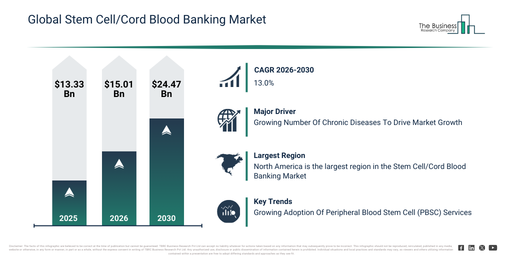
    The stem cell/cord blood banking market has observed rapid expansion in recent years. Its value is expected to rise from $13.33 billion in 2025 to $15.01 billion in 2026, achieving a compound annual growth rate (CAGR) of 12.7%. The historical progression of this market is linked to an increase in private banking adoption, greater medical awareness, advancements in storage technologies, supportive regulatory frameworks, and effective marketing initiatives.

    The stem cell/cord blood banking market is predicted to expand quickly in the coming years. It is projected to reach $24.47 billion by 2030, with a compound annual growth rate (CAGR) of 13.0%. This growth during the forecast period is primarily driven by expanded therapeutic uses, improvements in affordability, penetration into emerging markets, partnerships with hospitals, and increased demand for long-term storage. Key developments anticipated in the forecast period involve the rise of private cord blood storage, the adoption of hybrid public-private banking models, broadening stem cell applications, enhanced cryogenic storage techniques, and consumer awareness campaigns.

    Get A Free Sample Report With In-Depth Market Insights:

    https://thebusinessresearchcompany.com/sample_request?id=73942411&type=smp&name=Stem%20Cell%2FCord%20Blood%20Banking%20Market%20Report%202026&utm_source=Blogs&utm_medium=Paid&utm_campaign=Nov_PR

    Stem Cell/Cord Blood Banking Market Growth Momentum: What Factors Are Shaping Demand?

    The increasing incidence of chronic diseases is anticipated to accelerate the expansion of the stem cell/cord blood banking market moving forward. A chronic disease is characterized as an illness that endures for three months or longer and has the potential to worsen over time. As effective treatments for chronic conditions are often limited, the regenerative potential of stem cells and cord blood is increasingly being explored for therapeutic applications. The growth in stem cell transplants, personalized medicine, and clinical research focusing on novel therapies for chronic ailments is consequently boosting the demand for banking services. The escalating prevalence of chronic diseases is driving the development of the stem cell or cord blood banking market.

    Stem Cell/Cord Blood Banking Market Segment Analysis Spotlighting Growth Areas

    The stem cell/cord blood banking market covered in this report is segmented –

    1) By Cell Type: Adult Stem Cells, Umbilical Cord Blood Stem Cells, Embryonic Stem Cells

    2) By Service: Collection, Processing, Analysis, Storage

    3) By Bank Type: Public, Private

    4) By Application: Leukemia, Anemia, Thalassemia, Autism, Cerebral Palsy, Diabetes, Other Applications

    Subsegments:

    1) By Adult Stem Cells: Hematopoietic Stem Cells (HSC), Mesenchymal Stem Cells (MSC), Neural Stem Cells (NSC), Induced Pluripotent Stem Cells (iPSCs)

    2) By Umbilical Cord Blood Stem Cells: Hematopoietic Stem Cells (HSC) From Cord Blood, Mesenchymal Stem Cells (MSC) From Cord Blood

    3) By Embryonic Stem Cells: Embryonic Stem Cells (ESCs) From Human Embryos, Stem Cells Derived From Human Embryonic Germ Cells

    Stem Cell/Cord Blood Banking Market Trends: What’s Defining The Industry’s Next Phase?

    Leading companies operating within the stemcell/cord blood banking market are developing peripheral blood stem cell processing and storage services to gain a competitive advantage in the sector. Peripheral blood stem cell processing and storage refer to the collection, processing, testing, and cryopreservation of haematopoietic stem cells (HSCs) obtained from a patient’s peripheral blood.

    Stem Cell/Cord Blood Banking Market Leading Companies: Who Holds The Strongest Market Presence?

    Major companies operating in the stem cell/cord blood banking market are Cryo-Cell International Inc, Esperite NV, Americord Registry LLC, China Cord Blood Corporation, Cordlife Group Ltd, CordVida, Cryo Stemcell, ReeLabs Pvt Ltd, Smart Cells International Ltd, Stemade Biotech Pvt Ltd, ViaCord Inc, LifeCell International, Cryoviva Biotech Pvt Ltd, Cord Blood America Inc, StemCyte Inc, Cord Blood Registry Systems Inc, Healthbanks Biotech Usa Inc, Cryo-save Private Ltd, New York Cord Blood Center, CryoHoldco, Vita 34 International AG, Reliance Life Sciences Pvt Ltd, Maze Cord Blood Laboratories, Cells4Life Group LLP

    View The Full Stem Cell/Cord Blood Banking Market Report:

    https://thebusinessresearchcompany.com/report/Stem-Cell-Cord-Blood-Banking-Global-Market-Report?utm_source=Blogs&utm_medium=Paid&utm_campaign=Nov_PR

    Stem Cell/Cord Blood Banking Market Global Footprint: Which Region Leads The Market?

    North America was the largest region in the stem cell/cord blood banking market in 2025. Western Europe was the second largest region in the stem cell/cord blood banking market analysis. The regions covered in the stem cell/cord blood banking market report are Asia-Pacific, South East Asia, Western Europe, Eastern Europe, North America, South America, Middle East, Africa.

    Reach Out To Our Team:

    The Business Research Company: https://www.thebusinessresearchcompany.com/

    Americas: +1 310-496-7795

    Asia: +44 7882 955267 & +91 8897263534

    Europe: +44 7882 955267

    Email us at: marketing@tbrc.info

    Follow us on:

    LinkedIn: https://in.linkedin.com/company/the-business-research-company

    YouTube: https://www.youtube.com/channel/UC24_fI0rV8cR5DxlCpgmyFQ

    Global Market Model: https://www.thebusinessresearchcompany.com/global-market-model
  • Stem Cell Wounds Therapy Market Growth To $7.51 Billion Creates New Opportunities Across The Industry

    Stem Cell Wounds Therapy Market Growth To $7.51 Billion Creates New Opportunities Across The Industry

    Featuring market attractiveness scoring, total addressable market sizing, company benchmarking matrices, interactive Excel dashboards, deeper supply chain intelligence, emerging startup tracking, and granular product-level insights, The Business Research Company’s 2026 market reports are built to deliver research that is both more actionable and more strategically valuable.

    Stem Cell Wounds Therapy Market Revenue Outlook: What CAGR Lies Ahead Through 2030?

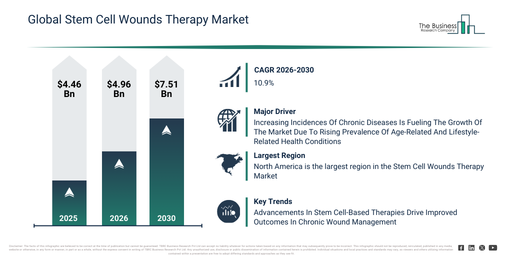
    The stem cell wounds therapy market size has seen substantial growth in recent years. It is projected to expand from $4.46 billion in 2025 to $4.96 billion in 2026, achieving a compound annual growth rate (CAGR) of 11.2%. This historical expansion can be attributed to the rising prevalence of chronic wounds and diabetic ulcers, the increasing geriatric population, advancements in skin regeneration research, the growing adoption of advanced wound care solutions, and the expansion of hospital wound care units.

    The stem cell wounds therapy market is projected to experience substantial expansion in the upcoming years. It is foreseen to climb to $7.51 billion by 2030, demonstrating a compound annual growth rate (CAGR) of 10.9%. This anticipated growth during the forecast period stems from an escalating demand for regenerative wound treatments, increased capital allocated to bioengineered skin products, the widening availability of home-based wound care solutions, mounting clinical data supporting the effectiveness of stem cells, and the greater incorporation of regenerative medicine into wound management. Significant trends for the forecast period include the increasing uptake of stem cell-based therapies for chronic wounds, a rise in the application of autologous cell therapies, the growing integration of advanced wound care products, the broadening scope of regenerative skin repair applications, and a sharpened focus on achieving quicker healing outcomes.

    Get A Free Sample Report With In-Depth Market Insights:

    https://thebusinessresearchcompany.com/sample_request?id=64446667&type=smp&name=Stem%20Cell%20Wounds%20Therapy%20Market%20Report%202026&utm_source=Blogs&utm_medium=Paid&utm_campaign=Nov_PR

    Stem Cell Wounds Therapy Market Expansion Drivers: What’s Shaping Future Growth?

    The expansion of the stem cell wounds therapy market is anticipated to be fueled by the growing occurrence of chronic diseases. A chronic disease is defined as a persistent condition that typically advances gradually and frequently necessitates continuous medical attention or restricts daily activities. The prevalence of chronic diseases is on the rise, primarily attributed to an aging global population, as older individuals exhibit heightened susceptibility to health problems due to compromised immune systems and prolonged exposure to various risk factors. Stem cell wound therapy provides regenerative solutions for wounds resistant to conventional treatments, thereby addressing the increasing burden of chronic diseases. The rising frequency of chronic diseases is a significant impetus for the growth of the stem cell wounds therapy market.

    Stem Cell Wounds Therapy Market Segment Performance And Emerging Opportunities

    The stem cell wounds therapy market covered in this report is segmented –

    1) By Treatment Type: Autologous, Allogeneic

    2) By Cell Type: Mesenchymal Stem Cells, Hematopoietic Stem Cells, Adipose-Derived Stem Cells, Embryonic Stem Cells, Induced Pluripotent Stem Cells

    3) By Wound Types: Chronic Wounds, Surgical Wound, Diabetic Foot Ulcer

    4) By Application: Skin Regeneration, Tissue Repair, Vascularization

    5) By End User: Hospitals, Clinics, Research Institutes, Home Care Settings, Pharmaceutical Companies

    Subsegments:

    1) By Autologous: Peripheral Blood Stem Cells, Bone Marrow Stem Cells, Adipose Tissue Stem Cells, Platelet Rich Plasma Derived Stem Cells

    2) By Allogeneic: Umbilical Cord Stem Cells, Bone Marrow Stem Cells, Placental Stem Cells, Induced Pluripotent Stem Cells

    Stem Cell Wounds Therapy Market Industry Trends Fueling Future Revenue Growth

    Leading companies within the stem cell wounds therapy market are prioritizing the creation of novel allogeneic stem cell therapies to hasten wound recovery, enhance tissue repair, and lessen issues linked with chronic wounds. These allogeneic stem cell treatments utilize donor-sourced or laboratory-engineered stem cells, which can be prepared beforehand, stored, and given to various patients without requiring cells to be harvested individually from each patient. As an example, in April 2025, Cytora Limited, a UK-based clinical-stage biotechnology firm, announced positive outcomes from its Phase 1/2a clinical trial for hOMSC200, an allogeneic ready-to-use stem cell therapy targeting diabetic foot ulcers. This therapy exhibited three distinct qualities: it produced no immune reaction in those who received it, achieved a 53% complete wound closure rate among the intent-to-treat group, and recorded a 100% closure rate in the per-protocol group, thus underscoring its safety, effectiveness, and capacity for widespread application. Such progress supports the stem cell wound therapy market as firms keep advancing convenient, off-the-shelf products that shorten treatment durations and elevate patient results.

    Stem Cell Wounds Therapy Market Key Players: Which Companies Lead Industry Competition?

    Major companies operating in the stem cell wounds therapy market are Smith & Nephew plc, Organogenesis Holdings Inc., Avita Medical Inc., Aroa Biosurgery Ltd., VIVEX Biologics Inc., Stempeutics Research Pvt. Ltd., CellResearch Corporation, Histocell S.L., RHEACELL GmbH & Co. KG, BioXcellerator, InGeneron Inc., BioLab Holdings, Healiva AG, PolarityBio Inc., Aposcience AG, StemiGenn Therapeutics Pte. Ltd., OCT Therapies & Research, Corestem Chemon, Blue Cell Therapeutics, Chiron Therapeutics Inc.

    View The Full Stem Cell Wounds Therapy Market Report:

    https://thebusinessresearchcompany.com/report/global-stem-cell-wounds-therapy-market-report?utm_source=Blogs&utm_medium=Paid&utm_campaign=Nov_PR

    Stem Cell Wounds Therapy Market Regional Split: Which Areas Are Fueling Growth?

    North America was the largest region in the stem cell wounds therapy market in 2025. Asia-Pacific is expected to be the fastest-growing region in the forecast period. The regions covered in the stem cell wounds therapy market report are Asia-Pacific, South East Asia, Western Europe, Eastern Europe, North America, South America, Middle East, Africa.

    Reach Out To Our Team:

    The Business Research Company: https://www.thebusinessresearchcompany.com/

    Americas: +1 310-496-7795

    Asia: +44 7882 955267 & +91 8897263534

    Europe: +44 7882 955267

    Email us at: marketing@tbrc.info

    Follow us on:

    LinkedIn: https://in.linkedin.com/company/the-business-research-company

    YouTube: https://www.youtube.com/channel/UC24_fI0rV8cR5DxlCpgmyFQ

    Global Market Model: https://www.thebusinessresearchcompany.com/global-market-model
  • Stem Cell Umbilical Cord Blood Market Forecast: Breaking Down The Numbers Behind Future Expansion

    Stem Cell Umbilical Cord Blood Market Forecast: Breaking Down The Numbers Behind Future Expansion

    Built to provide research that’s more actionable and strategically valuable, The Business Research Company’s 2026 market reports include market attractiveness analysis, total addressable market sizing, company benchmarking matrices, interactive Excel dashboards, broader supply chain intelligence, emerging startup tracking, and in-depth product insights.

    Stem Cell Umbilical Cord Blood Market Growth Analysis: How Will Revenue Trend Over The Forecast Period?

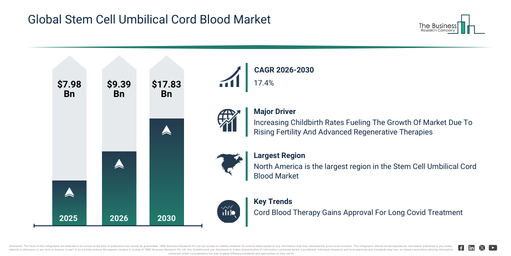
    The stem cell umbilical cord blood market has seen significant expansion in recent years. It is forecast to increase from $7.98 billion in 2025 to $9.39 billion in 2026, achieving a compound annual growth rate (CAGR) of 17.7%. This historical expansion can be ascribed to several factors, including the increased utilization of stem cell transplants, the enlargement of public cord blood banks, developments in hematological treatments, escalating awareness of stem cell therapies, and improvements in neonatal healthcare infrastructure.

    The stem cell umbilical cord blood market is projected to experience substantial expansion in the coming years. This market is anticipated to reach $17.83 billion by 2030, demonstrating a compound annual growth rate (CAGR) of 17.4%. The growth during the forecast period is attributed to several factors, including the increasing demand for personalized regenerative therapies, rising investments in cell therapy research, the expansion of neurological and immune disorder treatments, the growing adoption of hybrid banking models, and advancements in stem cell expansion technologies. Additionally, major trends during this period encompass the increasing adoption of advanced cryopreservation technologies, the rising utilization of stem cells in regenerative medicine, the growing expansion of private cord blood banking services, an enhanced focus on cell quality and viability preservation, and the expansion of hybrid cord blood storage models.

    Get A Free Sample Report With In-Depth Market Insights:

    https://thebusinessresearchcompany.com/sample_request?id=55052897&type=smp&name=Stem%20Cell%20Umbilical%20Cord%20Blood%20Market%20Report%202026&utm_source=Blogs&utm_medium=Paid&utm_campaign=Nov_PR

    Stem Cell Umbilical Cord Blood Market Development Factors: What’s Supporting Demand?

    A projected increase in childbirth rates is anticipated to fuel the expansion of the stem cell umbilical cord blood market in the coming years. Childbirth rates are defined as the count of live births per 1,000 individuals within a particular population over a specified timeframe, typically one year. This rise in childbirth rates stems from enhanced availability and reduced costs of fertility treatments, allowing a greater number of families to have children. Umbilical cord blood stem cells offer significant value for newborns because they possess hematopoietic stem cells, capable of addressing diverse blood, immune, and genetic conditions. These cells constitute an ideal genetic match for the infant and can potentially assist siblings or other family members. The climbing childbirth rates are propelling the development of the stem cell umbilical cord blood market.

    Stem Cell Umbilical Cord Blood Market Segment Landscape And Growth Outlook

    The stem cell umbilical cord blood market covered in this report is segmented –

    1) By Product Type: Cord Blood Stem Cells, Cord Tissue Stem Cells

    2) By Technology: Cryopreservation, Stem Cell Expansion, Cell Separation

    3) By Storage Services: Public Cord Blood Banks, Private Cord Blood Banks, Hybrid Cord Blood Banks

    4) By Application: Hematological Disorders, Metabolic Diseases, Immune System Disorders, Neurological Disorders, Other Applications

    5) By End-User: Hospitals, Research Institutes, Biotechnology Companies, Other End-Users

    Subsegments:

    1) By Cord Blood Stem Cells: Hematopoietic Stem Cells, Mesenchymal Stem Cells, Endothelial Progenitor Cells, Regulatory T Cells, Natural Killer Cells, Dendritic Cells

    2) By Cord Tissue Stem Cells: Mesenchymal Stem Cells, Epithelial Cells, Fibroblasts, Neural Progenitor Cells

    Stem Cell Umbilical Cord Blood Market Trends Powering Strategic Industry Growth

    Key companies operating within the stem cell umbilical cord blood market are prioritizing the creation of innovative therapies and obtaining necessary approvals. Such therapies include cord blood cell treatments designed to address rare genetic disorders, enhance immune system recovery, and support regenerative medicine applications. Cord blood cell therapy entails utilizing stem cells sourced from umbilical cord blood to treat various ailments by regenerating or repairing compromised blood, immune, and other tissue systems.

    Stem Cell Umbilical Cord Blood Market Competitive Landscape: Who Leads The Industry?

    Major companies operating in the stem cell umbilical cord blood market are Global Cord Blood Corporation, Vita 34 AG, Cordlife Group Limited, StemLife Berhad, MediPost Co Ltd, Smart Cells International Ltd, StemCyte Inc, Celularity Inc, Next Biosciences Pty Ltd, Esperite NV, Cryo Cell International Inc, FamiCord Group, Cells4Life Group LLP, Cryoviva Biotech Pvt Ltd, Americord Registry LLC, ViaCord LLC, China Cord Blood Corporation, CBR Systems Inc, Cord Blood Registry, LifeCell International Pvt Ltd, CryoSave India Pvt Ltd

    View The Full Stem Cell Umbilical Cord Blood Market Report:

    https://thebusinessresearchcompany.com/report/stem-cell-umbilical-cord-blood-global-market-report?utm_source=Blogs&utm_medium=Paid&utm_campaign=Nov_PR

    Stem Cell Umbilical Cord Blood Market Top Region: Where Does Most Revenue Come From?

    North America was the largest region in the stem cell umbilical cord blood market in 2025. Europe is expected to be the fastest-growing region in the forecast period. The regions covered in the stem cell umbilical cord blood market report are Asia-Pacific, South East Asia, Western Europe, Eastern Europe, North America, South America, Middle East, Africa.

    Reach Out To Our Team:

    The Business Research Company: https://www.thebusinessresearchcompany.com/

    Americas: +1 310-496-7795

    Asia: +44 7882 955267 & +91 8897263534

    Europe: +44 7882 955267

    Email us at: marketing@tbrc.info

    Follow us on:

    LinkedIn: https://in.linkedin.com/company/the-business-research-company

    YouTube: https://www.youtube.com/channel/UC24_fI0rV8cR5DxlCpgmyFQ

    Global Market Model: https://www.thebusinessresearchcompany.com/global-market-model
  • Stem Cell Therapy For Multiple Sclerosis Market Expected To Grow At 12.2% CAGR Through 2030: What Businesses Need To Know

    Stem Cell Therapy For Multiple Sclerosis Market Expected To Grow At 12.2% CAGR Through 2030: What Businesses Need To Know

    Backed by market attractiveness analysis, total addressable market sizing, company benchmarking matrices, interactive Excel dashboards, wider supply chain intelligence, emerging startup coverage, and detailed product-level insights, The Business Research Company’s 2026 market reports are designed to offer research that is more actionable and strategically valuable than ever.

    Stem Cell Therapy For Multiple Sclerosis Market Forecast: What Value Will The Market Reach By 2030?

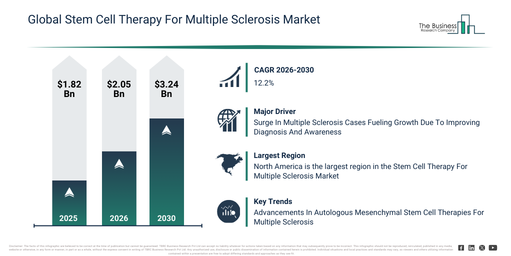
    The stem cell therapy for multiple sclerosis market has seen substantial growth in recent years. It is anticipated to expand from $1.82 billion in 2025 to $2.05 billion in 2026, achieving a compound annual growth rate (CAGR) of 12.4%. Historically, this growth has been fueled by advancements in multiple sclerosis treatment research, an increase in the diagnosis rates of autoimmune disorders, the expansion of stem cell clinical trials, improved patient selection protocols, and the growing availability of specialized neurology centers.

    The stem cell therapy for multiple sclerosis market is projected to experience substantial expansion in the coming years. This market is anticipated to reach $3.24 billion by 2030, growing at a compound annual growth rate (CAGR) of 12.2%. The increase during the forecast period is attributable to factors such as increasing long-term efficacy data for stem cell therapies, rising demand for disease-modifying treatments, the expansion of personalized neurology care, growing investments in neuro-regenerative research, and increasing collaboration between hospitals and research institutes. Prominent trends expected in this period include the increasing adoption of autologous hematopoietic stem cell transplants, a growing focus on immune system reset therapies, rising adoption of mesenchymal stem cell applications, increasing use of targeted delivery methods, and enhanced clinical monitoring and outcome tracking.

    Get A Free Sample Report With In-Depth Market Insights:

    https://thebusinessresearchcompany.com/sample_request?id=72836824&type=smp&name=Stem%20Cell%20Therapy%20For%20Multiple%20Sclerosis%20Market%20Report%202026&utm_source=Blogs&utm_medium=Paid&utm_campaign=Nov_PR

    Stem Cell Therapy For Multiple Sclerosis Market Industry Drivers: What’s Behind The Revenue Growth?

    The rising occurrence of multiple sclerosis (MS) is anticipated to substantially fuel the expansion of the stem cell therapy for multiple sclerosis market in the future. MS is a long-term autoimmune condition characterized by damage to the central nervous system, specifically impacting the protective myelin sheath around nerve fibers. This damage disrupts communication between the brain and body, resulting in symptoms like fatigue, muscle weakness, and issues with vision. This increase in MS prevalence is mainly due to enhanced diagnostic methods; progress in medical imaging and greater public awareness allow for more precise and earlier diagnosis of cases, thereby leading to a higher count of reported instances. Stem cell therapy for multiple sclerosis offers benefits by assisting in the repair of damaged myelin, regulating irregular immune responses, and fostering the regeneration of nerve cells, which in turn helps alleviate symptoms and may decelerate the disease’s progression. The growing occurrence of multiple sclerosis is projected to propel the growth of the stem cell therapy for multiple sclerosis market.

    Stem Cell Therapy For Multiple Sclerosis Market Breakdown By Product Type And Application

    The stem cell therapy for multiple sclerosis market covered in this report is segmented –

    1) By Type Of Stem Cell: Embryonic Stem Cells, Adult Stem Cells, Induced Pluripotent Stem Cells, Mesenchymal Stem Cells, Hematopoietic Stem Cells

    2) By Treatment Approach: Autologous Stem Cell Therapy, Allogeneic Stem Cell Therapy

    3) By Delivery Method: Intravenous Injection, Intrathecal Injection, Direct Intraspinal Administration

    4) By Application: Relapsing-Remitting Multiple Sclerosis (RRMS), Primary Progressive Multiple Sclerosis (PPMS), Secondary Progressive Multiple Sclerosis (SPMS), Progressive Relapsing Multiple Sclerosis (PRMS)

    5) By End-User: Hospitals, Specialty Clinics, Research Institutes, Other End-Users

    Subsegments:

    1) By Embryonic Stem Cells: Inner Cell Mass Cells, Blastocyst Derived Cells, Totipotent Stem Cells

    2) By Adult Stem Cells: Bone Marrow Stem Cells, Neural Stem Cells, Tissue Specific Stem Cells

    3) By Induced Pluripotent Stem Cells: Reprogrammed Somatic Cells, Patient Derived Cells

    4) By Mesenchymal Stem Cells: Adipose Derived Stem Cells, Umbilical Cord Derived Stem Cells, Bone Marrow Derived Stem Cells

    5) By Hematopoietic Stem Cells: Peripheral Blood Stem Cells, Bone Marrow Stem Cells, Umbilical Cord Blood Stem Cells

    Stem Cell Therapy For Multiple Sclerosis Market Growth Trends Reshaping The Competitive Landscape

    Leading firms within the stem cell therapy for multiple sclerosis market are prioritizing the creation of novel products, like adipose-derived mesenchymal stem cells, to improve the effectiveness, safety, and regenerative capabilities of therapies for individuals suffering from both relapsing-remitting and progressive forms of multiple sclerosis. Adipose-derived mesenchymal stem cells (ADMSCs) are multipotent cells sourced from fat tissue, capable of differentiating into various cell types and possessing regenerative and immunomodulatory characteristics that prove advantageous in addressing autoimmune and neurodegenerative conditions like multiple sclerosis. As an example, during August 2025, Hope Biosciences, LLC, a biopharmaceutical company based in the US, unveiled its HB-adMSCs therapy. This treatment employs adipose-derived mesenchymal stem cells, delivered via high-dose infusions and repeated administrations across a 32-week period. This therapy integrates immunomodulatory and neuroregenerative mechanisms, providing the prospect of decelerating disease advancement and mending myelin damage, thereby setting it apart from standard immunosuppressive treatments.

    Stem Cell Therapy For Multiple Sclerosis Market Company Landscape And Competitive Strategy

    Major companies operating in the stem cell therapy for multiple sclerosis market are Sana Biotechnology Inc., Century Therapeutics Inc., Reelabs Private Limited, PlacidWay LLC, MedAccess Guarantee Ltd, Celltex Therapeutics Corporation, CELLTEX THERAPEUTICS CORP, BrainStorm Cell Therapeutics Ltd., Athersys Inc., Advancells Dermaceuticals Private Limited, ImStem Biotechnology Inc., NeuroGenesis Bio Inc., Stem Cell Medicine Ltd., Biotherapy International, R3 Stem Cell, Hope Biosciences LLC, FibroBiologics Inc., Global Institute of Stem Cell Therapy and Research Inc., ProgenCell, Stemwell

    View The Full Stem Cell Therapy For Multiple Sclerosis Market Report:

    https://thebusinessresearchcompany.com/report/global-stem-cell-therapy-for-multiple-sclerosis-market-report?utm_source=Blogs&utm_medium=Paid&utm_campaign=Nov_PR

    Stem Cell Therapy For Multiple Sclerosis Market Regional Breakdown: Where Is Demand Concentrated?

    North America was the largest region in the stem cell therapy for multiple sclerosis market in 2025. Asia-Pacific is expected to be the fastest-growing region in the forecast period. The regions covered in the stem cell therapy for multiple sclerosis market report are Asia-Pacific, South East Asia, Western Europe, Eastern Europe, North America, South America, Middle East, Africa.

    Reach Out To Our Team:

    The Business Research Company: https://www.thebusinessresearchcompany.com/

    Americas: +1 310-496-7795

    Asia: +44 7882 955267 & +91 8897263534

    Europe: +44 7882 955267

    Email us at: marketing@tbrc.info

    Follow us on:

    LinkedIn: https://in.linkedin.com/company/the-business-research-company

    YouTube: https://www.youtube.com/channel/UC24_fI0rV8cR5DxlCpgmyFQ

    Global Market Model: https://www.thebusinessresearchcompany.com/global-market-model
  • Stem Cell Therapy For Infertility Market Forecast To Reach $3.99 Billion By 2030: Key Trends Explained

    Stem Cell Therapy For Infertility Market Forecast To Reach $3.99 Billion By 2030: Key Trends Explained

    Featuring market attractiveness scoring, total addressable market sizing, company benchmarking matrices, interactive Excel dashboards, deeper supply chain intelligence, emerging startup tracking, and granular product-level insights, The Business Research Company’s 2026 market reports are built to deliver research that is both more actionable and more strategically valuable.

    Stem Cell Therapy For Infertility Market Size Outlook: How Quickly Will Revenue Expand Through 2030?

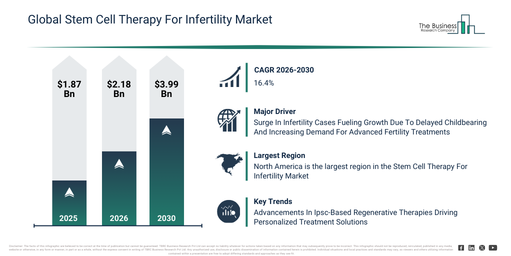
    The stem cell therapy for infertility market size has seen rapid expansion in recent years. Projections indicate that this market will expand from $1.87 billion in 2025 to $2.18 billion in 2026, demonstrating a compound annual growth rate (CAGR) of 16.6%. Historically, this growth has been driven by several factors, including the rising incidence of infertility conditions, the global proliferation of fertility clinics, strides in reproductive biology research, an increased need for alternative infertility treatments, and the wider availability of assisted reproductive procedures.

    The stem cell therapy for infertility market is projected to experience swift expansion over the coming years. By 2030, this market is anticipated to reach $3.99 billion, demonstrating a compound annual growth rate (CAGR) of 16.4%. This projected growth during the forecast period is attributable to several factors, including the increasing clinical validation of stem cell treatments for infertility, greater investments in regenerative medicine for reproduction, broader adoption of tailored fertility solutions, an increase in clinical trials focused on reproductive health, and enhanced cooperation between fertility clinics and research bodies. Key trends anticipated during the forecast timeframe encompass a heightened emphasis on therapies for ovarian and testicular regeneration, a rise in the application of autologous stem cell treatments, increasing incorporation with assisted reproductive technologies, an broadening of personalized fertility treatment methodologies, and more intensive clinical research in reproductive regeneration.

    Get A Free Sample Report With In-Depth Market Insights:

    https://thebusinessresearchcompany.com/sample_request?id=86229728&type=smp&name=Stem%20Cell%20Therapy%20For%20Infertility%20Market%20Report%202026&utm_source=Blogs&utm_medium=Paid&utm_campaign=Nov_PR

    Stem Cell Therapy For Infertility Market Growth Factors: What’s Supporting Expansion?

    An anticipated substantial driver for the expansion of the stem cell therapy for infertility market is the increasing incidence of infertility. Infertility is defined as a couple’s inability to achieve pregnancy following 12 months or more of consistent unprotected sexual activity. This growing prevalence of infertility is primarily linked to individuals postponing parenthood, leading to a natural decrease in reproductive capability with advancing age, especially in women, thereby diminishing fertility. Promising solutions for infertility are provided by stem cell therapy through its capacity to regenerate impaired reproductive tissues, enhance both ovarian and testicular function, and thereby boost the likelihood of conception. The growing number of infertility cases is projected to propel the growth of the stem cell therapy for infertility market.

    Stem Cell Therapy For Infertility Market Segment Analysis And Revenue Potential

    The stem cell therapy for infertility market covered in this report is segmented –

    1) By Type: Male Infertility Treatment, Female Infertility Treatment

    2) By Treatment Type: Autologous Stem Cell Therapy, Allogeneic Stem Cell Therapy, Combination Therapy

    3) By Cell Source: Embryonic Stem Cells, Adult Stem Cells, Induced Pluripotent Stem Cells

    4) By Application: Ovarian Insufficiency, Uterine Infertility, Genetic Disorders

    5) By End User: Hospitals, Specialty Clinics, Research Institutes

    Subsegments:

    1) By Male Infertility Treatment: Surgical Sperm Retrieval, Hormonal Therapy, Stem Cell Transplantation, Assisted Reproductive Techniques

    2) By Female Infertility Treatment: Ovarian Stem Cell Therapy, Endometrial Regeneration Therapy, Hormonal Therapy, In Vitro Fertilization Enhancement

    Stem Cell Therapy For Infertility Market Trends Shaping Long-Term Demand

    Leading companies in the stem cell therapy for infertility market are focusing on advancements in stem cell technologies, particularly induced pluripotent stem cells (iPSCs), to improve personalized regenerative treatments, enhance patient-specific outcomes, and expand the variety of treatable reproductive conditions. Induced pluripotent stem cells are adult somatic cells that have been genetically reprogrammed to an embryonic-like pluripotent state, allowing them to differentiate into almost any cell type in the body. For example, in January 2025, Gameto Inc., a US-based biotechnology company, launched a significant Phase III clinical trial for its iPSC-derived fertility therapy, Fertilo, after receiving Investigational New Drug (IND) clearance from the U.S. Food and Drug Administration (FDA). This trial, involving approximately 15 sites across the U.S., aims to assess egg maturation outside the body using engineered ovarian support cells, which could potentially shorten IVF cycles and decrease hormonal stimulation by up to 80%. If successful, this will be the first late-stage clinical program for an in-vitro matured egg therapy, derived from induced pluripotent stem cells, targeting the treatment of infertility.

    Stem Cell Therapy For Infertility Market Key Players Shaping Industry Direction

    Major companies operating in the stem cell therapy for infertility market are PlacidWay LLC, New Life India Fertility Clinic Private Limited, Jeevan Mithra Fertility Centre Private Limited, Equipo IVI S.L., Hope Fertility & Stem Cell Centre Pvt. Ltd., Bioscience Institute SpA, Advancells Dermaceuticals Private Limited, GIOSTAR INDIA PRIVATE LIMITED, Shree IVF Clinic Private Limited, Stem Cells Care (india) Private Limited, GenCell Ltd., StemRx BioScience Solutions Private Limited., Kiran Infertility Centre Private Limited, R3 Stem Cell LLC., Bavishi Fertility Institute Private Limited, Seragen Biotherapeutics Private Limited, Esha IVF Fertility Centre Private Limited, Embryonic Tissue Center EmCell, InoCells B.V., Vega Stem Cell Clinic Co. Ltd.

    View The Full Stem Cell Therapy For Infertility Market Report:

    https://thebusinessresearchcompany.com/report/global-stem-cell-therapy-for-infertility-market-report?utm_source=Blogs&utm_medium=Paid&utm_campaign=Nov_PR

    Stem Cell Therapy For Infertility Market Geographic Landscape: Which Region Leads Industry Growth?

    North America was the largest region in the stem cell therapy for infertility market in 2025. Asia-Pacific is expected to be the fastest-growing region in the forecast period. The regions covered in the stem cell therapy for infertility market report are Asia-Pacific, South East Asia, Western Europe, Eastern Europe, North America, South America, Middle East, Africa.

    Reach Out To Our Team:

    The Business Research Company: https://www.thebusinessresearchcompany.com/

    Americas: +1 310-496-7795

    Asia: +44 7882 955267 & +91 8897263534

    Europe: +44 7882 955267

    Email us at: marketing@tbrc.info

    Follow us on:

    LinkedIn: https://in.linkedin.com/company/the-business-research-company

    YouTube: https://www.youtube.com/channel/UC24_fI0rV8cR5DxlCpgmyFQ

    Global Market Model: https://www.thebusinessresearchcompany.com/global-market-model
  • Stem Cell Services Market Size Forecast From 2026 To 2030: Key Industry Trends

    Stem Cell Services Market Size Forecast From 2026 To 2030: Key Industry Trends

    Built to provide research that’s more actionable and strategically valuable, The Business Research Company’s 2026 market reports include market attractiveness analysis, total addressable market sizing, company benchmarking matrices, interactive Excel dashboards, broader supply chain intelligence, emerging startup tracking, and in-depth product insights.

    Stem Cell Services Market Size, Value And Growth Trajectory Through 2030

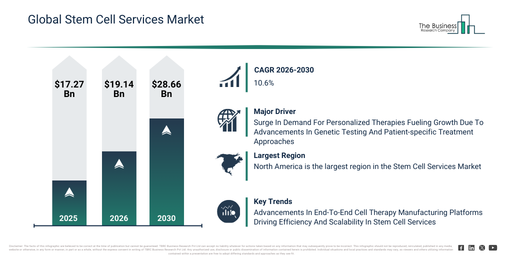
    The stem cell services market has witnessed rapid expansion over recent years. This market is projected to expand from $17.27 billion in 2025 to $19.14 billion in 2026, demonstrating a compound annual growth rate (CAGR) of 10.8%. Factors contributing to its historical growth include the broadening of stem cell research activities, the increased application of cell-based assays in drug development, a heightened demand for long-term stem cell storage, the expansion of biopharmaceutical R&D pipelines, and greater regulatory standardization.

    The stem cell services market is poised for significant expansion in the coming years. This market is projected to reach a valuation of $28.66 billion by 2030, exhibiting a compound annual growth rate (CAGR) of 10.6%. This anticipated growth over the forecast period stems from factors such as heightened investments in personalized medicine services, an escalating demand for IPSC-based research solutions, the broadening scope of regenerative medicine applications, an uptick in the outsourcing of stem cell services by pharmaceutical firms, and greater integration of digital laboratory platforms. Key trends during this period encompass the wider embrace of advanced stem cell banking services, a surging demand for customized stem cell processing, the increasing uptake of high-throughput cell screening services, enhanced integration of data-driven cell analytics, and a heightened emphasis on quality and regulatory compliance.

    Get A Free Sample Report With In-Depth Market Insights:

    https://thebusinessresearchcompany.com/sample_request?id=83735956&type=smp&name=Stem%20Cell%20Services%20Market%20Report%202026&utm_source=Blogs&utm_medium=Paid&utm_campaign=Nov_PR

    Stem Cell Services Market Demand Drivers: What’s Powering Industry Growth?

    The increasing requirement for tailored medical treatments is projected to significantly contribute to the expansion of the stem cell services market in the future. Personalized therapies involve medical interventions specifically designed for an individual’s genetic makeup, lifestyle, and unique disease characteristics, aiming to optimize efficacy and reduce adverse reactions by addressing each patient’s distinct biological profile. The rising need for personalized therapies is fueled by progress in genetic testing and molecular diagnostics, which enable treatments to be customized to an individual’s specific biological and genetic attributes, thereby enhancing therapeutic results and lessening negative impacts. Stem cell services facilitate the development of personalized therapies through the provision of patient-specific stem cells and customized regenerative solutions, allowing for precise and targeted treatment approaches that align with each person’s biological characteristics. The growing demand for personalized therapies is anticipated to propel the growth of the stem cell services market.

    Stem Cell Services Market Segmentation And Category Overview

    The stem cell services market covered in this report is segmented –

    1) By Type: Customize Service, Stem Cell Differentiation, Assay Development, Screening, Other Types

    2) By Type Of Stem Cells: Embryonic Stem Cells, Adult Stem Cells, Induced Pluripotent Stem Cells (iPSCs)

    3) By Therapy Type: Autologous Stem Cell Therapy, Allogenic Stem Cell Therapy

    4) By Application: Regenerative Medicine, Stem Cell Banking, Cell-Based Assays, Drug Discovery And Development

    5) By End User: Hospitals, Research Institutes, Pharmaceutical Companies, Biotechnology Companies

    Subsegments:

    1) By Customize Service: Personalized Protocol Design, Tailored Culture Conditions, Patient Specific Cell Processing, Custom Analytical Reporting

    2) By Stem Cell Differentiation: Mesenchymal Lineage Differentiation, Neural Lineage Differentiation, Hematopoietic Lineage Differentiation, Cardiac Lineage Differentiation

    3) By Assay Development: Functional Assay Design, Cellular Assay Optimization, Biomarker Assay Development, High Throughput Assay Design

    4) By Screening: Small Molecule Screening, Drug Candidate Screening, Gene Editing Screening, Toxicity Screening

    5) By Other Types: Cell Banking Services, Quality Control Testing, Process Development Support, Bioinformatics Analysis

    Stem Cell Services Market Innovation Trends Shaping Future Development

    Leading companies in the stem cell services market are prioritizing innovations such as single-use consumable systems to enhance operational efficiency, diminish contamination risks, and streamline the complete end-to-end cell therapy manufacturing process. A single-use consumable system refers to a production approach where equipment contacting biological materials is intended for one-time use, consequently minimizing contamination potential and boosting overall manufacturing effectiveness. For instance, in March 2025, Limula SA, a Switzerland-based life science tools company, launched LimONE, an inventive platform for end-to-end cell therapy manufacturing, designed to automate and integrate intricate, disconnected processes into a single continuous workflow. This system unifies multiple unit operations into one closed consumable, thereby reducing labor, equipment, and infrastructure needs, while also ensuring process consistency, scalability, and faster production timelines for highly personalized cell therapies.

    Stem Cell Services Market Competitive Analysis Of Leading Industry Participants

    Major companies operating in the stem cell services market are Thermo Fisher Scientific Inc., FUJIFILM Holdings Corporation, Lonza Group AG, WuXi AppTec Co. Ltd., Charles River Laboratories International Inc., Miltenyi Biotec B.V. & Co. KG, AGC Biologics Inc., GenScript Biotech Corporation, Vericel Corporation, LifeCell International Private Limited, Cryo-Cell International Inc., Reelabs Private Limited, Medipost Co. Ltd., Celltex Therapeutics Corporation, Kangstem Biotech Co. Ltd., CellThera Ltd., Anterogen Co. Ltd., Healios K.K., Sanpower Group Co. Ltd., InoCells Co. Ltd.

    View The Full Stem Cell Services Market Report:

    https://thebusinessresearchcompany.com/report/global-stem-cell-services-market-report?utm_source=Blogs&utm_medium=Paid&utm_campaign=Nov_PR

    Stem Cell Services Market Largest Region: Which Geography Holds The Biggest Share?

    North America was the largest region in the stem cell services market in 2025. Asia-Pacific is expected to be the fastest-growing region in the forecast period. The regions covered in the stem cell services market report are Asia-Pacific, South East Asia, Western Europe, Eastern Europe, North America, South America, Middle East, Africa.

    Reach Out To Our Team:

    The Business Research Company: https://www.thebusinessresearchcompany.com/

    Americas: +1 310-496-7795

    Asia: +44 7882 955267 & +91 8897263534

    Europe: +44 7882 955267

    Email us at: marketing@tbrc.info

    Follow us on:

    LinkedIn: https://in.linkedin.com/company/the-business-research-company

    YouTube: https://www.youtube.com/channel/UC24_fI0rV8cR5DxlCpgmyFQ

    Global Market Model: https://www.thebusinessresearchcompany.com/global-market-model
  • Stem Cell Reconstructive Market 2026: Market Size, Growth Drivers And Emerging Opportunities

    Stem Cell Reconstructive Market 2026: Market Size, Growth Drivers And Emerging Opportunities

    Backed by market attractiveness analysis, total addressable market sizing, company benchmarking matrices, interactive Excel dashboards, wider supply chain intelligence, emerging startup coverage, and detailed product-level insights, The Business Research Company’s 2026 market reports are designed to offer research that is more actionable and strategically valuable than ever.

    Stem Cell Reconstructive Market CAGR Outlook And Future Development

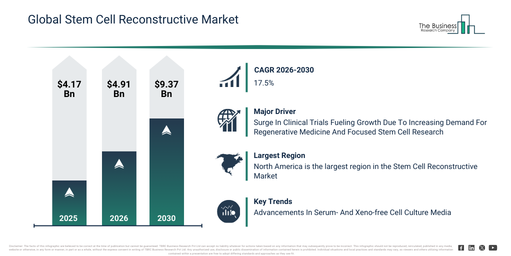
    The stem cell reconstructive market has seen substantial growth in recent years. It is anticipated to increase from $4.17 billion in 2025 to $4.91 billion in 2026, achieving a compound annual growth rate (CAGR) of 17.7%. The historical growth trajectory can be attributed to advancements in regenerative medicine research, a rise in the occurrence of traumatic injuries and degenerative conditions, the growing adoption of minimally invasive reconstruction procedures, an increase in clinical stem cell trials, and the expanding accessibility of cell processing technologies.

    The stem cell reconstructive market is anticipated to experience significant expansion in the coming years. Its valuation is projected to reach $9.37 billion by 2030, demonstrating a compound annual growth rate (CAGR) of 17.5%. This projected growth during the forecast period stems from several factors, including a heightened demand for tailored regenerative treatments, increased capital flowing into sophisticated cell manufacturing facilities, broader clinical adoption of stem cell reconstruction, the widening scope of regenerative applications in both cosmetic and orthopedic procedures, and ongoing advancements in scaffold and delivery technologies. Key trends anticipated over this period encompass a greater uptake of autologous stem cell interventions, an increased reliance on biomaterial-supported cell delivery methods, an intensified emphasis on customized reconstructive approaches, the proliferation of 3D cell culture and bioreactor systems, and a more robust incorporation of regenerative surgical methodologies.

    Get A Free Sample Report With In-Depth Market Insights:

    https://thebusinessresearchcompany.com/sample_request?id=52218760&type=smp&name=Stem%20Cell%20Reconstructive%20Market%20Report%202026&utm_source=Blogs&utm_medium=Paid&utm_campaign=Nov_PR

    Stem Cell Reconstructive Market Growth Drivers: What’s Behind The Acceleration?

    The future growth of the stem cell reconstructive market is significantly anticipated to be boosted by the increasing prevalence of clinical trials for stem cell therapies. These trials are structured research studies specifically designed to assess the safety, efficacy, and therapeutic potential of stem cell-based treatments in human subjects. The rising volume of such trials is propelled by the growing demand for regenerative medicine to treat chronic and degenerative conditions, which in turn leads to intensified research aimed at exploring stem cells’ capacity to repair or replace damaged tissues and organs. The stem cell reconstructive segment supports these clinical trials by providing advanced cell processing solutions, regenerative products, and standardized treatment platforms that enhance safety, efficacy, and reproducibility in clinical investigations. The expanding number of clinical trials for stem cell therapies is expected to propel the growth of the stem cell reconstructive market.

    Stem Cell Reconstructive Market Segment Outlook: Which Categories Are Growing Fastest?

    The stem cell reconstructive market covered in this report is segmented –

    1) By Product Type: Stem Cell Therapies, Stem Cell Storage Services, Stem Cell Media And Reagents, Stem Cell Culture Systems

    2) By Mode Of Administration: Surgical Implantation, Injection-Based, Topical Application, Scaffold Or Biomaterial-Assisted Delivery

    3) By Source: Bone Marrow, Adipose Tissue, Umbilical Cord Blood, Other Sources

    4) By Application: Orthopedic Reconstruction, Plastic And Cosmetic Surgery, Wound And Burn Healing, Soft Tissue Regeneration, Other Applications

    5) By End Use: Hospitals And Surgical Centers, Cosmetic Clinics, Orthopedic And Sports Medicine Centers, Burn And Trauma Care Centers, Academic And Research Institutions, Other End Uses

    Subsegments:

    1) By Stem Cell Therapies: Autologous Stem Cell Therapy, Allogeneic Stem Cell Therapy, Induced Pluripotent Stem Cell Therapy, Embryonic Stem Cell Therapy

    2) By Stem Cell Storage Services: Cord Blood Storage, Cord Tissue Storage, Bone Marrow Storage, Peripheral Blood Stem Cell Storage

    3) By Stem Cell Media And Reagents: Growth Factors, Cytokines, Culture Media, Supplements

    4) By Stem Cell Culture Systems: Two Dimensional Culture Systems, Three Dimensional Culture Systems, Bioreactors, Microcarrier Based Culture Systems

    Stem Cell Reconstructive Market Trends Redefining Industry Growth

    Companies operating in the stem cell reconstructive market are increasingly concentrating on advancements like serum- and xeno-free cell culture medium to bolster the safety, effectiveness, and scalability of stem cell therapies for regenerative applications. This kind of cell culture medium is defined as a formulation completely free of animal- and human-derived components, crafted to support cell growth and maintenance under defined, reproducible conditions.

    Stem Cell Reconstructive Market Leading Companies And Competitive Benchmarking

    Major companies operating in the stem cell reconstructive market are Bayer Aktiengesellschaft, Astellas Pharma Inc., Globus Medical Inc., Organogenesis Holdings Inc., Vericel Corporation, BioTissue Technologies GmbH, AVITA Medical Inc., SanBio Company Limited, MEDIPOST Co. Ltd., CUTISS AG, Novadip Biosciences SA, Pandorum Technologies Pvt. Ltd., Mesoblast Limited, EmCyte Corporation, Pluri Inc., HEALIOS K.K., Anterogen Co. Ltd., AcceGen, Orthocell Ltd., Gamida Cell Ltd.

    View The Full Stem Cell Reconstructive Market Report:

    https://thebusinessresearchcompany.com/report/global-stem-cell-reconstructive-market-report?utm_source=Blogs&utm_medium=Paid&utm_campaign=Nov_PR

    Stem Cell Reconstructive Market Regional Analysis: Which Geography Leads On Revenue?

    North America was the largest region in the stem cell reconstructive market in 2025. Asia-Pacific is expected to be the fastest-growing region in the forecast period. The regions covered in the stem cell reconstructive market report are Asia-Pacific, South East Asia, Western Europe, Eastern Europe, North America, South America, Middle East, Africa.

    Reach Out To Our Team:

    The Business Research Company: https://www.thebusinessresearchcompany.com/

    Americas: +1 310-496-7795

    Asia: +44 7882 955267 & +91 8897263534

    Europe: +44 7882 955267

    Email us at: marketing@tbrc.info

    Follow us on:

    LinkedIn: https://in.linkedin.com/company/the-business-research-company

    YouTube: https://www.youtube.com/channel/UC24_fI0rV8cR5DxlCpgmyFQ

    Global Market Model: https://www.thebusinessresearchcompany.com/global-market-model