Author: Marketing Posting

  • Single-Cell Genome Sequencing Market Expected To Grow At 15.7% CAGR Through 2030: What Businesses Need To Know

    Single-Cell Genome Sequencing Market Expected To Grow At 15.7% CAGR Through 2030: What Businesses Need To Know

    Built to provide research that’s more actionable and strategically valuable, The Business Research Company’s 2026 market reports include market attractiveness analysis, total addressable market sizing, company benchmarking matrices, interactive Excel dashboards, broader supply chain intelligence, emerging startup tracking, and in-depth product insights.

    Single-Cell Genome Sequencing Market Revenue Growth On Track For A 15.7% CAGR Through 2030

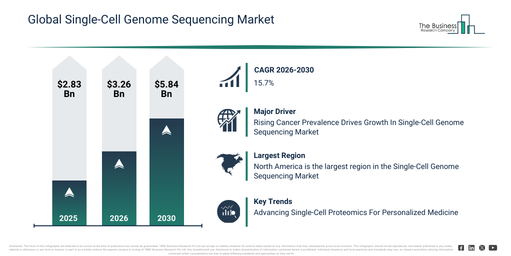
    The single-cell genome sequencing market size has seen swift expansion in recent years. It is anticipated to increase from $2.83 billion in 2025 to $3.26 billion in 2026, achieving a compound annual growth rate (CAGR) of 15.2%. The contributing factors to its historical growth include early adoption in research settings, constraints in sequencing resolution, the considerable expense of single-cell analysis, an expanding demand for personalized medicine research, and a rise in genomic collaborations.

    The single-cell genome sequencing market is poised for significant expansion over the coming years. It is projected to reach $5.84 billion by 2030, demonstrating a compound annual growth rate (CAGR) of 15.7%. This anticipated growth is driven by factors such as the advancement of high-throughput single-cell platforms, increased application in clinical diagnostics, its fusion with artificial intelligence and bioinformatics, wider incorporation into multi-omics research, and an uptick in its use for drug discovery. Key trends anticipated during this period encompass its rising utilization in cancer research, further integration with multi-omics investigations, its continued adoption in drug discovery processes, the creation of automated sequencing platforms, and expanding applications within clinical diagnostics.

    Get A Free Sample Report With In-Depth Market Insights:

    https://thebusinessresearchcompany.com/sample_request?id=35034778&type=smp&name=Single-Cell%20Genome%20Sequencing%20Market%20Report%202026&utm_source=Blogs&utm_medium=Paid&utm_campaign=Nov_PR

    Single-Cell Genome Sequencing Market Demand Drivers: What’s Powering Industry Growth?

    The escalating incidence of cancer is projected to stimulate the expansion of the single-cell genome sequencing market in the foreseeable future. Cancer encompasses a range of diseases where abnormal cells emerge and divide without regulation. These conditions arise from alterations in genes responsible for controlling cell division and maintaining normal cellular functions. As cancer is fundamentally characterized by genetic changes, single-cell genome sequencing provides a tool to identify the specific genetic alterations occurring within individual cancer cells. The rising prevalence of cancer is set to drive the growth of the single-cell genome sequencing market.

    Single-Cell Genome Sequencing Market Segment Trends And Revenue Contributors

    The single-cell genome sequencing market covered in this report is segmented –

    1) By Type: Instruments, Reagents

    2) By Technology: Next-Generation Sequencing (NGS), Polymerase Chain Reaction (PCR), Quantitative Polymerase Chain Reaction (qPCR), Microarray, Multiple Displacement Amplification (MDA)

    3) By Disease Area: Cancer, Immunology, Prenatal Diagnosis, Neurobiology, Microbiology, Other Disease Areas

    4) By Application: Circulating Cells, Cell Differentiation Or Reprogramming, Genomic Variation, Subpopulation Characterization, Other Applications

    5) By End User: Academic Research Laboratories, Biotechnology Biopharmaceutical Companies, Clinics, Other End Users

    Subsegments:

    1) By Instruments: Single-Cell Isolation Systems, Sequencing Platforms, Automation And Robotic Systems

    2) By Reagents: Library Preparation Kits, Amplification Reagents, DNA Extraction Kits, Quality Control Reagents

    Single-Cell Genome Sequencing Market Innovation Trends Shaping Future Development

    Leading companies active in the single-cell genome sequencing market are prioritizing the development of single cell proteomics. Single cell proteomics is an emerging field dedicated to comprehending the varied protein expression observed within individual cells. This involves combining single-cell genomics with proteomics techniques to analyze the relationship between genomic information and protein expression at a single-cell level.

    Single-Cell Genome Sequencing Market Competitive Landscape: Which Companies Lead The Industry?

    Major companies operating in the single-cell genome sequencing market are F Hoffmann-La Roche Ltd., Thermo Fisher Scientific Inc., DH Life Sciences LLC., Becton Dickinson And Company (BD), Agilent Technologies Inc., Illumina Inc., Bio-Rad Laboratories Inc., QIAGEN GmbH, Bio-Techne Corporation, BGI Genomics Co. Ltd., Fulgent Genetics Inc., 10x Genomics Inc., Promega Corporation, Takara Bio Inc., Oxford Nanopore Technologies PLC, Pacific Biosciences of California Inc., Standard BioTools Inc., Singleron Biotechnologies, MGI Tech Co. Ltd, GENEWIZ Inc., Mission Bio Inc., Zymo Research Corporation, Menarini Silicon Biosystems SpA, Novogene Co. Ltd., RareCyte Inc., Fluxion Biosciences Inc., Single Cell Discoveries B.V., Parse Biosciences Inc., BioSpyder Technologies Inc., SeqWell Inc.

    View The Full Single-Cell Genome Sequencing Market Report:

    https://thebusinessresearchcompany.com/report/single-cell-genome-sequencing-global-market-report?utm_source=Blogs&utm_medium=Paid&utm_campaign=Nov_PR

    Single-Cell Genome Sequencing Market Global Footprint: Which Region Leads The Market?

    North America was the largest region in the single-cell genome sequencing market in 2025. Asia-Pacific is expected to be the fastest-growing region in the forecast period. The regions covered in the single-cell genome sequencing market report are Asia-Pacific, South East Asia, Western Europe, Eastern Europe, North America, South America, Middle East, Africa.

    Reach Out To Our Team:

    The Business Research Company: https://www.thebusinessresearchcompany.com/

    Americas: +1 310-496-7795

    Asia: +44 7882 955267 & +91 8897263534

    Europe: +44 7882 955267

    Email us at: marketing@tbrc.info

    Follow us on:

    LinkedIn: https://in.linkedin.com/company/the-business-research-company

    YouTube: https://www.youtube.com/channel/UC24_fI0rV8cR5DxlCpgmyFQ

    Global Market Model: https://www.thebusinessresearchcompany.com/global-market-model
  • Single Use Bioprocessing Market Forecast To Reach $81.97 Billion By 2030: Key Trends Explained

    Single Use Bioprocessing Market Forecast To Reach $81.97 Billion By 2030: Key Trends Explained

    Backed by market attractiveness analysis, total addressable market sizing, company benchmarking matrices, interactive Excel dashboards, wider supply chain intelligence, emerging startup coverage, and detailed product-level insights, The Business Research Company’s 2026 market reports are designed to offer research that is more actionable and strategically valuable than ever.

    Single Use Bioprocessing Market Value Growth And Long-Term Outlook

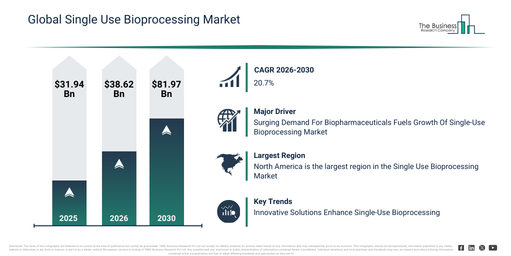
    The single use bioprocessing market size has experienced rapid expansion over recent years. This market is projected to expand from $31.94 billion in 2025 to $38.62 billion in 2026, exhibiting a compound annual growth rate (CAGR) of 20.9%. Historically, this increase can be attributed to factors such as the constraints of traditional stainless steel systems, the substantial capital outlay required, a rising demand for biologics, its early uptake in pilot-scale production, and the imperative for sterile manufacturing environments.

    The single use bioprocessing market is poised for significant expansion in the coming years. This market is projected to reach $81.97 billion by 2030, exhibiting a compound annual growth rate (CAGR) of 20.7%. Factors driving this growth during the forecast period include the increasing scale of biologics manufacturing, the widespread use in gene and cell therapy, the incorporation of automation and digital monitoring, the development of modular and adaptable systems, and a rising need for economical single-use options. Key trends anticipated during this period encompass the integration with continuous manufacturing processes, its application in vaccine production, the emergence of modular bioprocessing setups, its deployment in clinical trial manufacturing, and stricter regulatory adherence for single-use technologies.

    Get A Free Sample Report With In-Depth Market Insights:

    https://thebusinessresearchcompany.com/sample_request?id=81989591&type=smp&name=Single%20Use%20Bioprocessing%20Market%20Report%202026&utm_source=Blogs&utm_medium=Paid&utm_campaign=Nov_PR

    Single Use Bioprocessing Market Growth Drivers: What’s Behind The Acceleration?

    The escalating demand for biopharmaceuticals is projected to fuel the expansion of the single-use bioprocessing market moving forward. Biopharmaceuticals are medications created from living cells or organisms. Single-use bioprocessing systems are extensively utilized in biopharmaceutical manufacturing to boost productivity, cut costs, and ensure safe waste disposal. The growing need for biopharmaceuticals is propelling the single-use bioprocessing market’s growth.

    Single Use Bioprocessing Market Segment Analysis Spotlighting Growth Areas

    The single use bioprocessing market covered in this report is segmented –

    1) By Product: Single-Use Media Bags And Containers, Single-Use Assemblies, Single-Use Bioreactors, Disposable Mixers, Other Products

    2) By Workflow: Upstream, Fermentation, Downstream

    3) By Application: Filtration, Storage, Cell Culture, Mixing, Purification

    4) By End User: Biopharmaceutical And Pharmaceutical companies, Contract Research Organizations And Contract Manufacturing Organizations (CROs and CMOs), Academic And Research institutes

    Subsegments:

    1) By Single-Use Media Bags And Containers: Media Bags, Storage Containers, Transport Bags

    2) By Single-Use Assemblies: Preassembled Kits, Tubing Sets, Connector Assemblies

    3) By Single-Use Bioreactors: Stirred-Tank Bioreactors, Wave-Mixed Bioreactors, Other Bioreactor Types

    4) By Disposable Mixers: Single-Use Stirring Devices, Single-Use Agitators

    5) By Other Products: Filtration Devices, Sampling Devices, Accessories

    Single Use Bioprocessing Market Trends Redefining Industry Growth

    Leading companies in the single-use bioprocessing market are concentrating on innovative products such as single-use process container film to gain a competitive advantage and enhance their technological offerings. A significant innovation, Ultimus single-use process container film, is integrated into Mobius 3D process containers, providing a remarkable tenfold increase in abrasion resistance compared to other single-use bioprocessing films.

    Single Use Bioprocessing Market Leading Companies: Who Holds The Strongest Market Presence?

    Major companies operating in the single use bioprocessing market are GE Healthcare Technologies Ltd, Eppendorf AG, Corning Incorporated, Thermo Fisher Scientific Inc, Sartorius AG, JM BioConnect BV, Merck KGaA, Pall Corporation, PBS Biotech Inc, Entegris Inc, DistriCell Inc, ABEC Inc, Solida Biotech GmbH, OmniBRx Biotechnologies Pvt Ltd, Celltainer Biotech BV, Cellexus BV, Danaher Corporation, Repligen Corporation, Lonza Group Ltd, Meissner Filtration Products Inc, MilliporeSigma, Avantor Performance Materials India Limited, Saint-Gobain Performance Plastics Corp, Rentschler Biopharma SE, Charter Medical Inc, Sollesis Medical Plc, Catalent Inc, Patheon Inc

    View The Full Single Use Bioprocessing Market Report:

    https://thebusinessresearchcompany.com/report/single-use-bioprocessing-global-market-report?utm_source=Blogs&utm_medium=Paid&utm_campaign=Nov_PR

    Single Use Bioprocessing Market Regional Split: Which Areas Are Fueling Growth?

    North America was the largest region in the single-use bioprocessing market in 2025. Asia-Pacific is expected to be the fastest-growing region in the forecast period. The regions covered in the single use bioprocessing market report are Asia-Pacific, South East Asia, Western Europe, Eastern Europe, North America, South America, Middle East, Africa.

    Reach Out To Our Team:

    The Business Research Company: https://www.thebusinessresearchcompany.com/

    Americas: +1 310-496-7795

    Asia: +44 7882 955267 & +91 8897263534

    Europe: +44 7882 955267

    Email us at: marketing@tbrc.info

    Follow us on:

    LinkedIn: https://in.linkedin.com/company/the-business-research-company

    YouTube: https://www.youtube.com/channel/UC24_fI0rV8cR5DxlCpgmyFQ

    Global Market Model: https://www.thebusinessresearchcompany.com/global-market-model
  • Single Tooth Implants And Dental Bridges Market Analysis Through 2030: Market Size, Growth Trends And Industry Outlook

    Single Tooth Implants And Dental Bridges Market Analysis Through 2030: Market Size, Growth Trends And Industry Outlook

    Featuring market attractiveness scoring, total addressable market sizing, company benchmarking matrices, interactive Excel dashboards, deeper supply chain intelligence, emerging startup tracking, and granular product-level insights, The Business Research Company’s 2026 market reports are built to deliver research that is both more actionable and more strategically valuable.

    Single Tooth Implants And Dental Bridges Market Poised To Hit $10.22 Billion By 2030 With A 8.6% CAGR

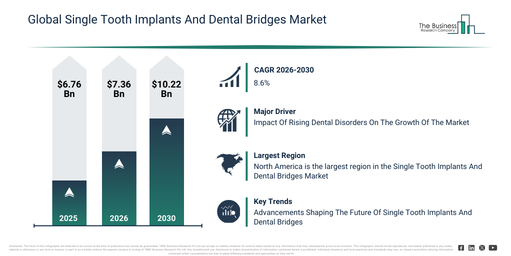
    The single tooth implants and dental bridges market has experienced substantial growth in recent years. This market is projected to expand from $6.76 billion in 2025 to $7.36 billion by 2026, demonstrating a compound annual growth rate (CAGR) of 8.8%. Historically, this expansion has been driven by factors such as a high incidence of tooth loss, restricted availability of advanced implants, the widespread acceptance of dental bridges early on, an increase in dental clinics, and heightened patient awareness.

    The market size for single tooth implants and dental bridges is projected to experience substantial expansion over the coming years. This market is anticipated to reach $10.22 billion by 2030, demonstrating a compound annual growth rate (CAGR) of 8.6%. The growth throughout the forecast period can be attributed to the advancement of digital dentistry solutions, the uptake of minimally invasive implantology, the diversification of dental implant materials, greater dental insurance coverage, and the rise of dental tourism. Key trends anticipated during the same period encompass the emergence of 3D-printed dental implants, a growing reliance on biocompatible materials, an increase in minimally invasive implant procedures, the implementation of guided surgery techniques, and broader dental insurance coverage for restorative care.

    Get A Free Sample Report With In-Depth Market Insights:

    https://thebusinessresearchcompany.com/sample_request?id=12104352&type=smp&name=Single%20Tooth%20Implants%20And%20Dental%20Bridges%20Market%20Report%202026&utm_source=Blogs&utm_medium=Paid&utm_campaign=Nov_PR

    Single Tooth Implants And Dental Bridges Market Growth Factors Behind Sustained Expansion

    The increasing occurrence of dental disorders is projected to fuel the expansion of the single tooth implants and dental bridges market moving forward. Dental disorders refer to a variety of conditions affecting the teeth, gums, jaw, or oral cavity, which impair oral health and function. The rise in these disorders is attributed to factors such as increased consumption of sugary diets, inadequate oral hygiene, an aging population, and the growing prevalence of lifestyle-related diseases like diabetes. Single tooth implants and dental bridges present effective solutions for patients with dental disorders by restoring missing or damaged teeth, enhancing oral functionality, improving aesthetic appeal, and boosting overall confidence, while also preventing complications such as shifting teeth and jawbone deterioration. The increasing prevalence of dental disorders is driving the growth of the single tooth implants and dental bridges market.

    Single Tooth Implants And Dental Bridges Market Segment Performance And Emerging Opportunities

    The single tooth implants and dental bridges market covered in this report is segmented –

    1) By Type: 3-Unit Bridges, 4-Unit Bridges, Titanium Bridges, Silicone Bridges, Maryland Bridges, Cantilever Bridges, Partial Bridges

    2) By Material: Porcelain-Fused-To-Metal (PFM), All Ceramics, Metal Alloys

    3) By Application: Hospitals, Ambulatory Surgical Centers, Organ Transplant Centers, Orthopedic And Traumas Centers

    Subsegments:

    1) By 3-Unit Bridges: Fixed 3-Unit Bridges, Resin-Bonded 3-Unit Bridges

    2) By 4-Unit Bridges: Fixed 4-Unit Bridges, Cantilever 4-Unit Bridges

    3) By Titanium Bridges: Titanium-Alloy Bridges, Titanium-Based Fixed Bridges

    4) By Silicone Bridges: Flexible Silicone Bridges, Temporary Silicone Bridges

    5) By Maryland Bridges: Resin-Bonded Maryland Bridges, Metallic Framework Maryland Bridges

    6) By Cantilever Bridges: Single Cantilever Bridges, Multiple Cantilever Bridges

    7) By Partial Bridges: Partial Fixed Bridges, Removable Partial Bridges

    Single Tooth Implants And Dental Bridges Market Strategic Trends: What Defines The Next Growth Phase?

    Leading companies operating within the single tooth implants and dental bridges market are prioritizing the creation of innovative solutions, such as advanced dental implant technologies, to enhance osseointegration, long-term stability, and treatment outcomes for individuals undergoing restorative dental procedures. These contemporary implant systems are engineered to improve surgical precision, facilitate quicker healing, and deliver superior biomechanical performance in both anterior and posterior restorations.

    Single Tooth Implants And Dental Bridges Market Key Players: Which Companies Lead Industry Competition?

    Major companies operating in the single tooth implants and dental bridges market are Henry Schein Inc., Zimmer Biomet Holdings Inc., Straumann Group, Envista Holdings Corporation, Nobel BioCare Services AG, Zim Vie Inc., Osstem Implant Co. Ltd., Bio Horizons IPH Inc., Keystone Dental Inc., Zest Dental Solutions, Neoss Limited, Thommen Medical AG, Southern Implants Pty Ltd, Meagan Implant Co. Ltd., AVINENT Implant System S.L., CAMLOG Biotechnologies AG, Dentsply Sirona, TBR Dental, MegaGen Implant Co. Ltd, Dentium Co. Ltd, Alpha Bio Tec, Implant Direct, Biomet 3i, Anthogyr, Straumann Neodent, Ossean Implant System

    View The Full Single Tooth Implants And Dental Bridges Market Report:

    https://thebusinessresearchcompany.com/report/single-tooth-implants-and-dental-bridges-global-market-report?utm_source=Blogs&utm_medium=Paid&utm_campaign=Nov_PR

    Single Tooth Implants And Dental Bridges Market Top Region: Where Does Most Revenue Come From?

    North America was the largest region in the single tooth implants and dental bridges market in 2025. Asia-Pacific is expected to be the fastest-growing region in the forecast period. The regions covered in the single tooth implants and dental bridges market report are Asia-Pacific, South East Asia, Western Europe, Eastern Europe, North America, South America, Middle East, Africa.

    Reach Out To Our Team:

    The Business Research Company: https://www.thebusinessresearchcompany.com/

    Americas: +1 310-496-7795

    Asia: +44 7882 955267 & +91 8897263534

    Europe: +44 7882 955267

    Email us at: marketing@tbrc.info

    Follow us on:

    LinkedIn: https://in.linkedin.com/company/the-business-research-company

    YouTube: https://www.youtube.com/channel/UC24_fI0rV8cR5DxlCpgmyFQ

    Global Market Model: https://www.thebusinessresearchcompany.com/global-market-model
  • Single Nucleotide Polymorphism (SNP) Genotyping Market Outlook From 2026 To 2030: Key Growth Factors And Future Opportunities

    Single Nucleotide Polymorphism (SNP) Genotyping Market Outlook From 2026 To 2030: Key Growth Factors And Future Opportunities

    Built to provide research that’s more actionable and strategically valuable, The Business Research Company’s 2026 market reports include market attractiveness analysis, total addressable market sizing, company benchmarking matrices, interactive Excel dashboards, broader supply chain intelligence, emerging startup tracking, and in-depth product insights.

    Single Nucleotide Polymorphism (SNP) Genotyping Market Size And Revenue Outlook Through 2030

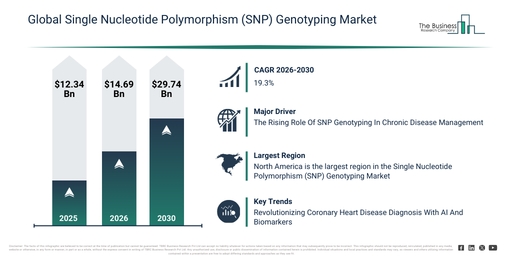
    The single nucleotide polymorphism (snp) genotyping market has experienced rapid expansion recently. Projections indicate that this market will expand from $12.34 billion in 2025 to reach $14.69 billion by 2026, demonstrating a compound annual growth rate (CAGR) of 19.1%. Historically, this growth was influenced by factors such as limited early-stage genotyping capabilities, an increasing demand in research, the high cost associated with genomic analysis, growing collaboration among research laboratories, and its early integration into pharmacogenomics.

    The single nucleotide polymorphism (snp) genotyping market is projected for swift expansion in the coming years. By 2030, this market is anticipated to reach $29.74 billion, exhibiting a compound annual growth rate (CAGR) of 19.3%. This projected growth stems from factors such as the advancement of high-throughput SNP platforms, broader adoption in personalized medicine, the incorporation of AI for predictive analysis, its expansion into clinical diagnostics, and the rise in agricultural genomics applications. Key trends driving this market during the forecast period encompass its integration with pharmacogenomics, increased focus on disease risk prediction, expanded utility in agriculture and animal breeding, the embracing of microarray-based genotyping, and an uptick in point-of-care SNP testing.

    Get A Free Sample Report With In-Depth Market Insights:

    https://thebusinessresearchcompany.com/sample_request?id=59919567&type=smp&name=Single%20Nucleotide%20Polymorphism%20%28SNP%29%20Genotyping%20Market%20Report%202026&utm_source=Blogs&utm_medium=Paid&utm_campaign=Nov_PR

    Single Nucleotide Polymorphism (SNP) Genotyping Market Demand Drivers Opening New Revenue Streams

    The expansion of the single nucleotide polymorphism (SNP) genotyping market is anticipated to be propelled by the rising burden of chronic conditions. These conditions are defined as health issues persisting for at least a year, demanding ongoing medical attention, limiting daily functions, or a combination of these factors. Given the heightened incidence of chronic ailments, single-nucleotide polymorphism (SNP) genotyping plays a crucial role in pinpointing genetic predispositions and advancing personalized medical approaches. The growing impact of chronic conditions serves as a key driver for the expansion of the single nucleotide polymorphism (SNP) genotyping systems market.

    Single Nucleotide Polymorphism (SNP) Genotyping Market Segment Landscape And Growth Outlook

    The single nucleotide polymorphism (snp) genotyping market covered in this report is segmented –

    1) By Product: Consumables, Instruments, Services

    2) By Technology: TaqMan SNP Genotyping, Mass Array SNP Genotyping, SNP Gene Chip Arrays, Other Technologies

    3) By Application: Animal Genetics, Plant Improvement, Diagnostic Research, Pharmaceuticals And Pharmacogenomics, Agricultural Biotechnology, Other Applications

    Subsegments:

    1) By Consumables: Reagents And Kits, DNA Probes, Microarrays

    2) By Instruments: SNP Genotyping Platforms, Sequencers, PCR Machines

    3) By Services: SNP Genotyping Services, Data Analysis Services, Consultation Services

    Single Nucleotide Polymorphism (SNP) Genotyping Market Transformation Trends: What Innovations Are Driving Change?

    Leading companies within the single nucleotide polymorphism (SNP) genotyping market are innovating by developing biomarkers instrumental for coronary heart disease detection, thereby aiming to enhance their market profitability. Single nucleotide polymorphism (SNP) biomarkers relevant to coronary heart disease (CHD) detection are distinct genetic variations identified through genomic studies, which are linked to an elevated risk or susceptibility to coronary heart disease.

    Single Nucleotide Polymorphism (SNP) Genotyping Market Competitive Landscape: Who Leads The Industry?

    Major companies operating in the single nucleotide polymorphism (snp) genotyping market are Thermo Fischer Scientific Inc, Danaher Corporation, Roche Diagnostics Corporation, GE HealthCare Technologies Inc, Eurofins Genomics LLC, Beckman Coulter Inc, Bio-Rad Laboratories Inc, Qiagen N.V, Sigma-Aldrich Corporation, Agilent Technologies Inc, PerkinElmer Inc, Illumina Inc, Promega Corporation, GenScript Biotech Corporation, Integrated DNA Technologies Inc, LGC Ltd, Sequenom Inc, Fluidigm Corporation, Oxford Gene Technology, Affymetrix Inc, PREMIER Biosoft International Inc, Rubicon Genomics, Xcelris Genomics, Douglas Scientific LLC, Golden Helix Inc

    View The Full Single Nucleotide Polymorphism (SNP) Genotyping Market Report:

    https://thebusinessresearchcompany.com/report/single-nucleotide-polymorphism-snp-genotyping-global-market-report?utm_source=Blogs&utm_medium=Paid&utm_campaign=Nov_PR

    Single Nucleotide Polymorphism (SNP) Genotyping Market Regional Breakdown: Where Is Demand Concentrated?

    North America was the largest region in the single nucleotide polymorphism (SNP) genotyping market in 2025. Asia-Pacific is expected to be the fastest-growing region in the forecast period. The regions covered in the single nucleotide polymorphism (snp) genotyping market report are Asia-Pacific, South East Asia, Western Europe, Eastern Europe, North America, South America, Middle East, Africa.

    Reach Out To Our Team:

    The Business Research Company: https://www.thebusinessresearchcompany.com/

    Americas: +1 310-496-7795

    Asia: +44 7882 955267 & +91 8897263534

    Europe: +44 7882 955267

    Email us at: marketing@tbrc.info

    Follow us on:

    LinkedIn: https://in.linkedin.com/company/the-business-research-company

    YouTube: https://www.youtube.com/channel/UC24_fI0rV8cR5DxlCpgmyFQ

    Global Market Model: https://www.thebusinessresearchcompany.com/global-market-model
  • Single Molecule Real Time Sequencing Market Growth Forecast: Market Size, Key Trends And Emerging Opportunities Through 2030

    Single Molecule Real Time Sequencing Market Growth Forecast: Market Size, Key Trends And Emerging Opportunities Through 2030

    Backed by market attractiveness analysis, total addressable market sizing, company benchmarking matrices, interactive Excel dashboards, wider supply chain intelligence, emerging startup coverage, and detailed product-level insights, The Business Research Company’s 2026 market reports are designed to offer research that is more actionable and strategically valuable than ever.

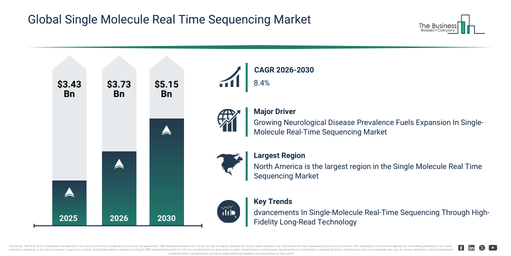
    Single Molecule Real Time Sequencing Market Growth From $3.73 Billion In 2026 To $5.15 Billion By 2030 At A CAGR Of 8.4%

    The single molecule real time sequencing market size has seen substantial growth in recent years. It is projected to increase from $3.43 billion in 2025 to $3.73 billion in 2026, demonstrating a compound annual growth rate (CAGR) of 8.7%. The expansion observed in the historic period can be attributed to advancements in dna sequencing chemistry, expansion of genomic research programs, rising adoption of next-generation sequencing platforms, increased funding for genetic studies, and the growing use of long-read data in research.

    The single molecule real time sequencing market size is projected to experience substantial expansion in the coming years. It is anticipated to reach $5.15 billion by 2030, demonstrating a compound annual growth rate (CAGR) of 8.4%. This growth during the forecast period is fueled by factors such as an escalating demand for comprehensive genome analysis, the increasing clinical acceptance of long-read sequencing, the broadening scope of epigenetics research applications, the growing integration of AI-driven genomic analytics, and the continuous improvement in reducing sequencing error rates. Significant trends anticipated in the forecast period encompass the increasing adoption of long-read sequencing technologies, a rising requirement for real-time DNA analysis, the expanding integration of cloud-based bioinformatics tools, the development of high-accuracy genome assembly applications, and an enhanced focus on identifying structural variants.

    Get A Free Sample Report With In-Depth Market Insights:

    https://thebusinessresearchcompany.com/sample_request?id=43168209&type=smp&name=Single%20Molecule%20Real%20Time%20Sequencing%20Market%20Report%202026&utm_source=Blogs&utm_medium=Paid&utm_campaign=Nov_PR

    Single Molecule Real Time Sequencing Market Growth Backed By Core Demand Fundamentals

    The escalating occurrence of neurological disorders is anticipated to significantly advance the single molecule real time sequencing market. These conditions, which impact the nervous system – encompassing the brain, spinal cord, and peripheral nerves – can result in various symptoms like compromised movement, sensation, cognitive function, and coordination. Well-known examples of neurological illnesses include Alzheimer’s, Parkinson’s disease, stroke, and epilepsy, among others. The surge in neurological ailments stems from factors such as an aging demographic, heightened public awareness, enhancements in diagnostic methodologies, and environmental influences. Single-molecule real-time (SMRT) sequencing offers critical comprehensive genetic data essential for comprehending and managing these neurological conditions. The growing prevalence of neurological conditions will be a key driver for the expansion of the single molecule real time sequencing market.

    Single Molecule Real Time Sequencing Market Breakdown By Product Type And Application

    The single molecule real time sequencing market covered in this report is segmented –

    1) By Workflow Stage: Pre-Sequencing, Sequencing, Data Analysis

    2) By Product: Consumable, Instrument, Services

    3) By Application: DNA Sequencing, RNA Sequencing, Epigenetics, Whole Genome Sequencing, Other Applications

    4) By End-Users: Hospitals, Diagnostic Laboratories, Biopharmaceutical Companies, Academic Institutes And Research Centers, Other End Users

    Subsegments:

    1) By Pre-Sequencing: Library Preparation Kits, DNA/RNA Extraction And Purification Products, Quality Control And Quantification Tools

    2) By Sequencing: Real-Time Sequencing Systems, Portable Sequencing Devices, High-Throughput Sequencing Platforms

    3) By Data Analysis: Software For Data Processing, Bioinformatics Tools, Cloud-Based Data Analysis Solutions

    #Single Molecule Real Time Sequencing Market Growth Trends: What’s Shaping The Future Outlook?

    Major companies operating in the single-molecule real-time sequencing market are concentrating on developing advanced solutions, such as benchtop long-read sequencers with high-fidelity read output, to achieve a competitive advantage. A benchtop long-read sequencer describes a compact laboratory instrument that facilitates long-read DNA sequencing with high accuracy and reasonable throughput, thus making advanced sequencing available beyond large genome centers.

    Single Molecule Real Time Sequencing Market Company Landscape And Competitive Strategy

    Major companies operating in the single molecule real time sequencing market are F. Hoffmann-La Roche Ltd, Thermo Fisher Scientific Inc., Agilent Technologies Inc., Bio-Rad Laboratories Inc., Qiagen N.V., Pacific Biosciences of California Inc., Oxford Nanopore Technologies Limited, Illumina Inc., BGI Genomics Co. Ltd., Novogene Corporation, New England Biolabs Inc., Zymo Research Corporation, GENEWIZ Inc., Dovetail Genomics LLC, Singular Genomics Systems Inc., Horizon Discovery Group plc, Asuragen Inc., LGC Limited, Tecan Group Ltd, 10x Genomics Inc.

    View The Full Single Molecule Real Time Sequencing Market Report:

    https://thebusinessresearchcompany.com/report/single-molecule-real-time-sequencing-global-market-report?utm_source=Blogs&utm_medium=Paid&utm_campaign=Nov_PR

    Single Molecule Real Time Sequencing Market Geographic Landscape: Which Region Leads Industry Growth?

    North America was the largest region in the single molecule real time sequencing market in 2025. Asia-Pacific is expected to be the fastest-growing region in the forecast period. The regions covered in the single molecule real time sequencing market report are Asia-Pacific, South East Asia, Western Europe, Eastern Europe, North America, South America, Middle East, Africa.

    Reach Out To Our Team:

    The Business Research Company: https://www.thebusinessresearchcompany.com/

    Americas: +1 310-496-7795

    Asia: +44 7882 955267 & +91 8897263534

    Europe: +44 7882 955267

    Email us at: marketing@tbrc.info

    Follow us on:

    LinkedIn: https://in.linkedin.com/company/the-business-research-company

    YouTube: https://www.youtube.com/channel/UC24_fI0rV8cR5DxlCpgmyFQ

    Global Market Model: https://www.thebusinessresearchcompany.com/global-market-model
  • Single Dose Radiotherapy Services Market CAGR Forecast Through 2030: Key Trends Shaping Industry Expansion

    Single Dose Radiotherapy Services Market CAGR Forecast Through 2030: Key Trends Shaping Industry Expansion

    Featuring market attractiveness scoring, total addressable market sizing, company benchmarking matrices, interactive Excel dashboards, deeper supply chain intelligence, emerging startup tracking, and granular product-level insights, The Business Research Company’s 2026 market reports are built to deliver research that is both more actionable and more strategically valuable.

    Single Dose Radiotherapy Services Market Expansion Outlook: What Revenue Opportunities Are Ahead?

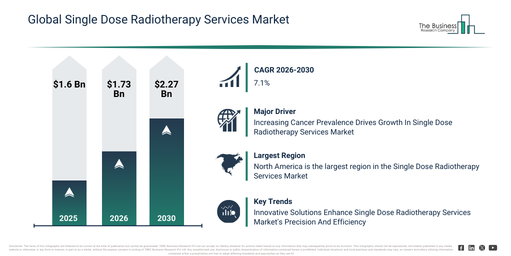
    The market size for single dose radiotherapy services has experienced robust growth in recent years. It is forecast to expand from $1.6 billion in 2025 to $1.73 billion in 2026, achieving a compound annual growth rate (CAGR) of 8.1%. The expansion witnessed in the historic period can be attributed to factors such as limited access to conventional radiotherapy, rising cancer incidence, a strong patient preference for outpatient care, an increase in radiotherapy equipment availability, and the early adoption of single dose protocols.

    The single dose radiotherapy services market is anticipated to experience robust expansion in the coming years. It is projected to grow to $2.27 billion by 2030, demonstrating a compound annual growth rate (CAGR) of 7.1%. This projected growth can be attributed to several factors, including ongoing advancements in precision radiotherapy technology, the integration of AI and robotics, expanding reimbursement coverage, an increase in oncology-focused healthcare centers, and the rising adoption of these services in emerging economies. Key trends expected during this period encompass a growing uptake of hypofractionated radiotherapy, the increasing adoption of image-guided radiotherapy, the expansion of mobile and remote radiotherapy units, the incorporation of AI into treatment planning, and an broader emphasis on patient-centric oncology care.

    Get A Free Sample Report With In-Depth Market Insights:

    https://thebusinessresearchcompany.com/sample_request?id=34060832&type=smp&name=Single%20Dose%20Radiotherapy%20Services%20Market%20Report%202026&utm_source=Blogs&utm_medium=Paid&utm_campaign=Nov_PR

    Single Dose Radiotherapy Services Market Growth Catalysts And Demand Drivers

    The market for single-dose radiotherapy services is projected to expand due to the escalating incidence of cancer. Cancer is a group of diseases marked by unchecked cell proliferation, often forming tumors that can invade and metastasize, disrupting normal bodily functions. This rise in cancer cases is attributed to an aging global population, evolving lifestyles, environmental exposures, and improvements in detection and diagnosis. Single-dose radiotherapy services play a role in addressing this increasing cancer prevalence by offering rapid and effective treatment that targets and eradicates cancer cells, potentially leading to better patient outcomes and a reduction in disease severity. The increasing prevalence of cancer is a key driver for the growth of the single-dose radiotherapy services market.

    Single Dose Radiotherapy Services Market Segment Analysis And Revenue Potential

    The single dose radiotherapy services market covered in this report is segmented –

    1) By Type: Internal Beam Radiotherapy, External Beam Radiotherapy

    2) By Application: Prostate Cancer, Breast Cancer

    3) By Service Provider: Specialized Cancer Institutes, Radiotherapy Centers

    Subsegments:

    1) By Internal Beam Radiotherapy: Brachytherapy, Intraoperative Radiotherapy (IORT)

    2) By External Beam Radiotherapy: Stereotactic Radiosurgery (SRS), Stereotactic Body Radiotherapy (SBRT), Intensity-Modulated Radiotherapy (IMRT)

    Single Dose Radiotherapy Services Market Industry Trends: What’s Reshaping Demand?

    Leading companies in the single-dose radiotherapy services market are intensifying their efforts to develop innovative solutions, such as radiation therapy computed tomography (CT) solutions, aiming to improve imaging accuracy and simplify simulation workflows for cancer care. A new radiation therapy computed tomography (CT) solution serves as an advanced imaging system designed to boost the precision of radiation treatment, while the AI-enhanced intelligent radiation therapy (iRT) platform incorporates artificial intelligence to optimize and customize radiation therapy plans.

    Single Dose Radiotherapy Services Market Key Players Shaping Industry Direction

    Major companies operating in the single dose radiotherapy services market are Hitachi Ltd, Varian Medical Systems Inc, Boston Scientific Corporation, Elekta AB, GenesisCare, Accuray Incorporated, IBA Dosimetry GmbH, ViewRay Inc, RaySearch Laboratories AB, RefleXion Medical Inc, Sensus Healthcare Inc, C-RAD AB, Panacea Medical Technologies Pvt Ltd, Advanced Oncotherapy Plc, ProTom International Inc, Isoray Inc, IntraOp Medical Corporation, Alliance Oncology, Nanobiotix, Xcision Medical Systems LLC, Oraya Therapeutics Inc, Mevion Medical Systems, Theragenics Corporation, Oncology Imaging Systems

    View The Full Single Dose Radiotherapy Services Market Report:

    https://thebusinessresearchcompany.com/report/single-dose-radiotherapy-services-global-market-report?utm_source=Blogs&utm_medium=Paid&utm_campaign=Nov_PR

    Single Dose Radiotherapy Services Market Largest Region: Which Geography Holds The Biggest Share?

    North America was the largest region in the single dose radiotherapy services market in 2025. Asia-Pacific is expected to be the fastest-growing region in the forecast period. The regions covered in the single dose radiotherapy services market report are Asia-Pacific, South East Asia, Western Europe, Eastern Europe, North America, South America, Middle East, Africa.

    Reach Out To Our Team:

    The Business Research Company: https://www.thebusinessresearchcompany.com/

    Americas: +1 310-496-7795

    Asia: +44 7882 955267 & +91 8897263534

    Europe: +44 7882 955267

    Email us at: marketing@tbrc.info

    Follow us on:

    LinkedIn: https://in.linkedin.com/company/the-business-research-company

    YouTube: https://www.youtube.com/channel/UC24_fI0rV8cR5DxlCpgmyFQ

    Global Market Model: https://www.thebusinessresearchcompany.com/global-market-model
  • Single Cell Multiomics Market To Witness 21.7% CAGR Growth Through 2030: Key Industry Drivers

    Single Cell Multiomics Market To Witness 21.7% CAGR Growth Through 2030: Key Industry Drivers

    Built to provide research that’s more actionable and strategically valuable, The Business Research Company’s 2026 market reports include market attractiveness analysis, total addressable market sizing, company benchmarking matrices, interactive Excel dashboards, broader supply chain intelligence, emerging startup tracking, and in-depth product insights.

    Single Cell Multiomics Market Growth Potential: How Will Market Size Shift Through 2030?

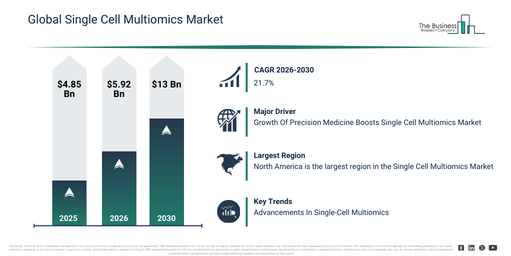
    The single cell multiomics market has experienced substantial growth in recent years. Its value is projected to rise from $4.85 billion in 2025 to $5.92 billion in 2026, exhibiting a compound annual growth rate (CAGR) of 22.1%. This historical expansion can be attributed to various factors, including advancements in single-cell sequencing technologies, the broadening of cancer research initiatives, increasing investments in life sciences research, the greater availability of high-throughput analysis tools, and growing academic research funding.

    The single cell multiomics market size is poised for substantial expansion over the next few years. It is projected to achieve a valuation of $13 billion by 2030, advancing at a compound annual growth rate (CAGR) of 21.7%. This anticipated growth throughout the forecast period stems from factors such as increasing demand for precision medicine applications, wider integration into clinical research workflows, the proliferation of multiomics data integration platforms, expanding pharmaceutical research investments, and ongoing advancements in analytical sensitivity. Key trends shaping this period encompass the increasing adoption of integrated multiomics platforms, a heightened demand for high-resolution single-cell analysis, the growing utilization of AI-driven data interpretation tools, the broadening of multi-modal cellular profiling techniques, and an intensified focus on insights into cellular heterogeneity.

    Get A Free Sample Report With In-Depth Market Insights:

    https://thebusinessresearchcompany.com/sample_request?id=55628227&type=smp&name=Single%20Cell%20Multiomics%20Market%20Report%202026&utm_source=Blogs&utm_medium=Paid&utm_campaign=Nov_PR

    Single Cell Multiomics Market Opportunity Drivers: What’s Unlocking New Revenue Potential?

    The rising requirement for precision medicine is anticipated to fuel the expansion of the single cell multiomics market moving forward. Precision medicine defines a medical strategy that customizes treatment and healthcare plans to the specific attributes of each patient. The growth of precision medicine is driven by breakthroughs in genomic research, superior data analysis capacities, and an increased understanding of the benefits of personalized healthcare. Single-cell multiomics delivers in-depth information on cellular diversity and molecular mechanisms, thereby allowing for the formulation of highly individualized treatments designed for the unique cellular profiles of individual patients. The increasing need for precision medicine is propelling the development of the single cell multiomics market.

    Single Cell Multiomics Market Segmentation And Category Overview

    The single cell multiomics market covered in this report is segmented –

    1) By Type: Single Cell Genomics, Single Cell Proteomics, Single Cell Transcriptomics, Single Cell Metabolomics

    2) By Technique: Single Cell Isolation And Dispensing, Single Cell Analysis

    3) By Application: Oncology, Cell Biology, Neurology, Immunology, Stem Cell Research

    4) By End User: Academic Institutes, Contract Research Organizations, Pharmaceutical And Biotech Companies

    Subsegments:

    1) By Single Cell Genomics: Whole Genome Sequencing (WGS), Targeted Sequencing, Single Cell DNA Amplification Techniques, Genomic Analysis Platforms

    2) By Single Cell Proteomics: Mass Spectrometry-Based Techniques, Protein Microarrays, Enzyme-Linked Immunosorbent Assays (ELISA), Single Cell Protein Analysis Platforms

    3) By Single Cell Transcriptomics: Single Cell RNA Sequencing (scRNA-seq), RNA Amplification Techniques, Microfluidics-Based Transcriptomics, Transcriptome Analysis Tools

    4) By Single Cell Metabolomics: Mass Spectrometry For Metabolite Analysis, Nuclear Magnetic Resonance (NMR) Techniques, Liquid Chromatography For Metabolomics, Metabolite Profiling Tools

    Single Cell Multiomics Market Innovation Trends: What Developments Are Reshaping The Industry?

    Leading companies within the single cell multiomics market are developing single-cell multiomics tests to enhance the precision and resolution of cellular analysis. These tests enable researchers to better comprehend complex biological processes, identify rare cell populations, and customize precision medicine approaches by integrating comprehensive molecular data from individual cells.

    Single Cell Multiomics Market Competitive Analysis Of Leading Industry Participants

    Major companies operating in the single cell multiomics market are Thermo Fisher Scientific Inc., Danaher Corporation, Becton Dickinson and Company, Illumina Inc., BioRad Laboratories Inc., QIAGEN N.V., BioTechne Corporation, Miltenyi Biotec BV & Co KG, BGI Genomics Co Ltd, 10x Genomics Inc., Molecular Devices LLC, NanoString Technologies Inc., Standard BioTools Inc., Akoya Biosciences Inc., Takara Bio Inc., Synthego Corporation, Mission Bio Inc., DeepCell Inc., RareCyte Inc., Parse Biosciences Inc., Dolomite Bio Ltd, Stilla Technologies SAS, NanoCellect Biomedical Inc., Epicypher Inc., Scipio Biosciences SAS

    View The Full Single Cell Multiomics Market Report:

    https://thebusinessresearchcompany.com/report/single-cell-multiomics-global-market-report?utm_source=Blogs&utm_medium=Paid&utm_campaign=Nov_PR

    Single Cell Multiomics Market Regional Analysis: Which Geography Leads On Revenue?

    North America was the largest region in the single cell multiomics market in 2025. Asia-Pacific is expected to be the fastest-growing region in the forecast period. The regions covered in the single cell multiomics market report are Asia-Pacific, South East Asia, Western Europe, Eastern Europe, North America, South America, Middle East, Africa.

    Reach Out To Our Team:

    The Business Research Company: https://www.thebusinessresearchcompany.com/

    Americas: +1 310-496-7795

    Asia: +44 7882 955267 & +91 8897263534

    Europe: +44 7882 955267

    Email us at: marketing@tbrc.info

    Follow us on:

    LinkedIn: https://in.linkedin.com/company/the-business-research-company

    YouTube: https://www.youtube.com/channel/UC24_fI0rV8cR5DxlCpgmyFQ

    Global Market Model: https://www.thebusinessresearchcompany.com/global-market-model
  • Silver Wound Dressing Market Projected For Strong Expansion Through 2030: Key Trends And Future Outlook

    Silver Wound Dressing Market Projected For Strong Expansion Through 2030: Key Trends And Future Outlook

    Backed by market attractiveness analysis, total addressable market sizing, company benchmarking matrices, interactive Excel dashboards, wider supply chain intelligence, emerging startup coverage, and detailed product-level insights, The Business Research Company’s 2026 market reports are designed to offer research that is more actionable and strategically valuable than ever.

    Silver Wound Dressing Market Value Analysis: What Growth Lies Ahead Over The Forecast Period?

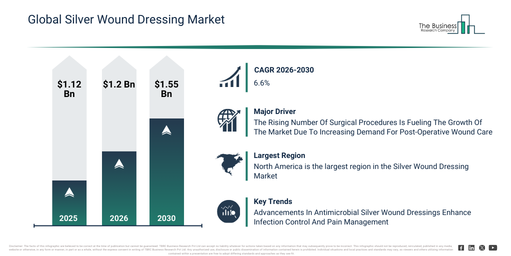
    The market size for silver wound dressings has exhibited strong growth in recent years. It is projected to increase from $1.12 billion in 2025 to $1.2 billion in 2026, at a compound annual growth rate (CAGR) of 6.8%. This historical growth can be attributed to factors such as a rise in chronic wound prevalence, limited access to advanced dressings, increasing awareness of hospital infection control, the cost-effectiveness of silver dressings, and expanding clinical evidence.

    The silver wound dressing market size is projected to experience robust growth over the next few years. This market is anticipated to reach $1.55 billion in 2030, demonstrating a compound annual growth rate (CAGR) of 6.6%. The expansion in the forecast period can be attributed to the advancement of nanotech and hybrid dressings, the increasing prevalence of homecare wound management, the adoption of smart and biosensing dressings, enhanced insurance coverage for advanced dressings, and market penetration in emerging regions. Significant trends during this period include the development of nanotechnology-based silver dressings, their growing application in diabetic foot ulcers, the rise of antimicrobial combination dressings, the uptake of flexible and conformable wound care products, and the ongoing growth in homecare wound management.

    Get A Free Sample Report With In-Depth Market Insights:

    https://thebusinessresearchcompany.com/sample_request?id=99795074&type=smp&name=Silver%20Wound%20Dressing%20Market%20Report%202026&utm_source=Blogs&utm_medium=Paid&utm_campaign=Nov_PR

    Silver Wound Dressing Market Growth Momentum: What Factors Are Shaping Demand?

    The increasing volume of surgical interventions is anticipated to fuel the expansion of the silver wound dressing market in the future. These procedures involve medical treatments employing manual techniques or specialized instruments to treat injuries, diseases, or physical anomalies. The surge in surgical procedures can be attributed to an aging global demographic, which experiences more long-term health issues, thereby boosting the need for operations. Silver wound dressings assist in surgical recuperation by leveraging silver’s antimicrobial properties to ward off infections. They promote recovery and reduce swelling, thus improving care for post-operative wounds. The growing frequency of surgical procedures is stimulating the advancement of the silver wound dressing market.

    Silver Wound Dressing Market Segment Outlook: Which Categories Are Growing Fastest?

    The silver wound dressing market covered in this report is segmented –

    1) By Product Type: Hydrofiber Silver Dressings, Nanocrystalline Silver Dressing, Silver Plated Nylon Fiber Dressing, Silver Nitrate Dressing, Silver Alginate Dressing, Other Product Types

    2) By Form: Sheet, Bandage, Powder, Gel, Ointment

    3) By Treatment: Surgical Wounds, Burns, Ulcers, Lacerations And Cuts, Skin Grafts, Other Treatments

    4) By Distribution Channel: Online, Offline

    5) By End-Use: Hospitals, Clinics, Ambulatory Surgery Centers, Home Healthcare, Nursing Homes

    Subsegments:

    1) By Hydrofiber Silver Dressings: Adhesive Hydrofiber Silver Dressings, Non-Adhesive Hydrofiber Silver Dressings, Antibacterial Hydrofiber Pads

    2) By Nanocrystalline Silver Dressing: Film Dressings, Foam Dressings, Mesh Dressings

    3) By Silver Plated Nylon Fiber Dressing: Antimicrobial Sheets, Wound Contact Layers, Composite Dressings

    4) By Silver Nitrate Dressing: Silver Nitrate-Impregnated Gauze, Silver Nitrate Cream Dressings, Silver Nitrate Stick Dressings

    5) By Silver Alginate Dressing: Calcium Alginate Dressings, Non-Adhesive Alginate Dressings, Rope Alginate Dressings

    6) By Other Product Types: Silver Collagen Dressings, Silver Hydrocolloid Dressings, Silver-Impregnated Charcoal Dressings

    Silver Wound Dressing Market Trends: What’s Defining The Industry’s Next Phase?

    Leading companies in the silver wound dressing market are prioritizing the development of advanced products, such as antimicrobial wound dressings, to meet the increasing demand for more effective and sustainable wound care solutions. Antimicrobial wound dressings are sophisticated wound care items infused with antimicrobial agents to prevent or minimize infections.

    Silver Wound Dressing Market Leading Companies And Competitive Benchmarking

    Major companies operating in the silver wound dressing market are Cardinal Health, Johnson & Johnson, 3M Company, Medline Industries LP, B. Braun SE, EBOS Group Limited, Smith & Nephew plc, Coloplast A/S, PAUL HARTMANN AG, Convatec Group PLC, Mölnlycke AB, Hollister Incorporated, Advanced Medical Solutions Group plc, Datt Mediproducts Private Limited, DermaRite Industries LLC, Eucare Pharmaceuticals Ltd, Argentum Medical LLC, URGO MEDICAL, Dynamed Pharmaceuticals (Pty) Ltd, Bravida Medical, Anziam Bio Private Limited

    View The Full Silver Wound Dressing Market Report:

    https://thebusinessresearchcompany.com/report/silver-wound-dressing-global-market-report?utm_source=Blogs&utm_medium=Paid&utm_campaign=Nov_PR

    Silver Wound Dressing Market Geographic Spread And Regional Opportunities

    North America was the largest region in the silver wound dressing market in 2025. Asia-Pacific is expected to be the fastest-growing region in the forecast period. The regions covered in the silver wound dressing market report are Asia-Pacific, South East Asia, Western Europe, Eastern Europe, North America, South America, Middle East, Africa.

    Reach Out To Our Team:

    The Business Research Company: https://www.thebusinessresearchcompany.com/

    Americas: +1 310-496-7795

    Asia: +44 7882 955267 & +91 8897263534

    Europe: +44 7882 955267

    Email us at: marketing@tbrc.info

    Follow us on:

    LinkedIn: https://in.linkedin.com/company/the-business-research-company

    YouTube: https://www.youtube.com/channel/UC24_fI0rV8cR5DxlCpgmyFQ

    Global Market Model: https://www.thebusinessresearchcompany.com/global-market-model
  • Sickle Cell Disease Treatment Market Outlook 2026–2030: Growth Trends, Market Dynamics And Emerging Opportunities

    Sickle Cell Disease Treatment Market Outlook 2026–2030: Growth Trends, Market Dynamics And Emerging Opportunities

    Featuring market attractiveness scoring, total addressable market sizing, company benchmarking matrices, interactive Excel dashboards, deeper supply chain intelligence, emerging startup tracking, and granular product-level insights, The Business Research Company’s 2026 market reports are built to deliver research that is both more actionable and more strategically valuable.

    Sickle Cell Disease Treatment Market Size Forecast: How Big Could The Market Get By 2030?

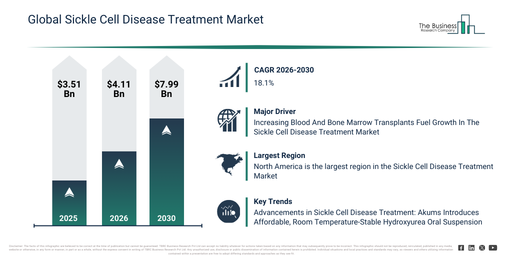
    The market size for sickle cell disease treatment has seen rapid expansion in recent years. This market is expected to expand from $3.51 billion in 2025 to $4.11 billion in 2026, achieving a compound annual growth rate (CAGR) of 17.3%. The growth observed historically can be credited to several factors, including the high occurrence of the disease in Africa and the Americas, restricted treatment options, the necessity of blood transfusions, increased research in hematology, and insufficient awareness regarding early diagnosis.

    The sickle cell disease treatment market size is anticipated to experience substantial growth in the upcoming years. It is projected to expand to $7.99 billion by 2030, demonstrating a compound annual growth rate (CAGR) of 18.1%. The expansion during this forecast period can be attributed to the emergence of gene therapy solutions, the broadening availability of biologics and targeted drugs, the integration of predictive diagnostics, an increase in global healthcare initiatives, and the development of personalized treatment plans for patients. Significant trends foreseen for this period include the progression of gene-editing therapies, the rising accessibility of hydroxyurea, the enhancement of blood transfusion management, the adoption of advanced diagnostics for early detection, and the growth in patient support and disease management programs.

    Get A Free Sample Report With In-Depth Market Insights:

    https://thebusinessresearchcompany.com/sample_request?id=36391690&type=smp&name=Sickle%20Cell%20Disease%20Treatment%20Market%20Report%202026&utm_source=Blogs&utm_medium=Paid&utm_campaign=Nov_PR

    Sickle Cell Disease Treatment Market Expansion Drivers: What’s Shaping Future Growth?

    The increasing number of blood and bone marrow transplants is anticipated to fuel the expansion of the sickle cell disease treatment market moving forward. This medical procedure involves replacing unhealthy blood-forming cells with healthy ones. The goal of a bone marrow transplant is to address sickle cell diseases and cancers by infusing healthy bone marrow cells into an individual after their diseased bone marrow has been treated to eliminate abnormal cells. These replacement cells can originate from the patient’s own body (an autologous transplant) or from a donor’s body (an allogeneic transplant). The growth in blood and bone marrow transplants will significantly propel the sickle cell disease treatment market.

    Sickle Cell Disease Treatment Market Segment Landscape: Which Areas Lead Development?

    The sickle cell disease treatment market covered in this report is segmented –

    1) By Treatment Modality: Blood Transfusion, Pharmacotherapy, Bone Marrow Transplant

    2) By Disease Type: Sickle Cell Anemia, Hemoglobin Sickle C Disease (HbSC), Other Disease Types

    3) By Route Of Administration: Oral, Parenteral

    4) By End-User: Hospitals, Specialty Clinics, Other End-Users

    Subsegments:

    1) By Blood Transfusion: Regular Blood Transfusion, Exchange Transfusion

    2) By Pharmacotherapy: Hydroxyurea, L-Glutamine, Voxelotor, Crizanlizumab

    3) By Bone Marrow Transplant: Allogeneic Transplant, Autologous Transplant

    Sickle Cell Disease Treatment Market Industry Trends Fueling Future Revenue Growth

    Major companies operating in the sickle cell disease treatment market are concentrating on developing novel oral suspension drugs. This initiative aims to improve patient compliance, enhance drug efficacy, and provide more convenient treatment options, particularly for pediatric and elderly patients. Oral suspension drugs are liquid medications containing solid particles mixed in a liquid, designed to make swallowing easier for patients, especially children or individuals who have difficulty with pills.

    Sickle Cell Disease Treatment Market Industry Leaders And Competitive Landscape

    Major companies operating in the sickle cell disease treatment market are Sun Pharmaceutical Industries Ltd., Pfizer Inc., Johnson & Johnson Private Limited, Merck & Co Inc., Novartis AG, Sanofi S.A., Bristol-Myers Squibb Company, AstraZeneca plc, Eli Lilly and Company, Gilead Sciences Inc., Amgen Inc., Baxter International Inc., Teva Pharmaceutical Industries Ltd., Vertex Pharmaceuticals Incorporated, Global Blood Therapeutics Inc., Acceleron Pharma Inc., Sangamo Therapeutics Inc., Medunik USA Inc., Zydus Cadila Healthcare Ltd., Graphite Bio Inc., Addmedica, Emmaus Medical Inc., Bluebird bio Inc., CRISPR Therapeutics AG, GlycoMimetics Inc., Mast Therapeutics Inc.

    View The Full Sickle Cell Disease Treatment Market Report:

    https://thebusinessresearchcompany.com/report/sickle-cell-disease-treatment-global-market-report?utm_source=Blogs&utm_medium=Paid&utm_campaign=Nov_PR

    Sickle Cell Disease Treatment Market Top Region By Revenue And Market Share

    North America was the largest region in the sickle cell disease treatment market in 2025. The regions covered in the sickle cell disease treatment market report are Asia-Pacific, South East Asia, Western Europe, Eastern Europe, North America, South America, Middle East, Africa.

    Reach Out To Our Team:

    The Business Research Company: https://www.thebusinessresearchcompany.com/

    Americas: +1 310-496-7795

    Asia: +44 7882 955267 & +91 8897263534

    Europe: +44 7882 955267

    Email us at: marketing@tbrc.info

    Follow us on:

    LinkedIn: https://in.linkedin.com/company/the-business-research-company

    YouTube: https://www.youtube.com/channel/UC24_fI0rV8cR5DxlCpgmyFQ

    Global Market Model: https://www.thebusinessresearchcompany.com/global-market-model
  • Short Bowel Syndrome Market Growth Outlook From $3.53 Billion In 2026 To $6.02 Billion By 2030

    Short Bowel Syndrome Market Growth Outlook From $3.53 Billion In 2026 To $6.02 Billion By 2030

    Built to provide research that’s more actionable and strategically valuable, The Business Research Company’s 2026 market reports include market attractiveness analysis, total addressable market sizing, company benchmarking matrices, interactive Excel dashboards, broader supply chain intelligence, emerging startup tracking, and in-depth product insights.

    Short Bowel Syndrome Market Revenue Outlook: What CAGR Lies Ahead Through 2030?

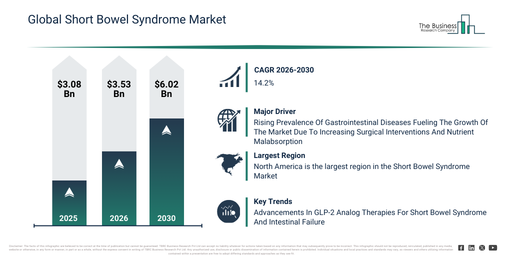
    The market for short bowel syndrome has experienced rapid expansion in recent years. It is anticipated to grow from $3.08 billion in 2025 to $3.53 billion in 2026, exhibiting a compound annual growth rate (CAGR) of 14.6%. This historical growth can be attributed to factors such as the increasing prevalence of short bowel syndrome, limited treatment options historically, reliance on parenteral nutrition, a rise in gastrointestinal surgeries, and growing hospital awareness.

    The short bowel syndrome market size is anticipated to experience substantial growth in the coming years. It is projected to expand to $6.02 billion by 2030, achieving a compound annual growth rate (CAGR) of 14.2%. This expected growth during the forecast period is attributable to the emergence of novel therapeutics, enhanced access to home infusion services, customized treatment approaches, the integration of microbiome therapies, and a rise in clinical trials for SBS interventions. Significant trends over the forecast period encompass an increase in parenteral nutrition solutions, the ongoing development of intestinal rehabilitation therapies, the implementation of innovative surgical interventions, a heightened focus on gut microbiome modulation, and the expansion of patient support programs.

    Get A Free Sample Report With In-Depth Market Insights:

    https://thebusinessresearchcompany.com/sample_request?id=60717031&type=smp&name=Short%20Bowel%20Syndrome%20Market%20Report%202026&utm_source=Blogs&utm_medium=Paid&utm_campaign=Nov_PR

    Short Bowel Syndrome Market Development Factors: What’s Supporting Demand?

    The rising occurrence of gastrointestinal diseases is anticipated to drive the expansion of the short bowel syndrome market moving ahead. Gastrointestinal diseases encompass a wide spectrum of conditions affecting the digestive system, including those impacting the stomach, intestines, liver, and pancreas, frequently resulting in compromised digestion and nutrient uptake. The increasing incidence of these diseases is primarily fueled by poor eating patterns that negatively affect gut health and foster inflammation. Gastrointestinal diseases can contribute to short bowel syndrome when surgical removal of damaged intestinal portions becomes necessary, which then diminishes the intestine’s capacity to absorb nutrients. The increasing prevalence of gastrointestinal diseases is fueling the growth of the short bowel syndrome market.

    Short Bowel Syndrome Market Segments: Where Is Growth Concentrated?

    The short bowel syndrome market covered in this report is segmented –

    1) By Type: Glucagon-Like Peptide (GLP-2), Growth Hormone, Glutamine

    2) By Diagnosis: Physical Exam, Blood Tests, Fecal Fat Tests, Imaging Procedures, Other Diagnosis

    3) By Treatment: Nutritional Therapy, Medications, Surgery, Transplant

    4) By Distribution Channel: Hospital Pharmacies, Specialty Pharmacies, Other Distribution Channels

    Subsegments:

    1) By Glucagon-Like Peptide (GLP-2): Teduglutide, Other GLP-2 Analogues

    2) By Growth Hormone: Somatropin, Other Growth Hormone Therapies

    3) By Glutamine: Oral Glutamine, Intravenous Glutamine

    Short Bowel Syndrome Market Trends Powering Strategic Industry Growth

    Leading companies in the short bowel syndrome market are concentrating on developing innovative medical advancements, such as therapies for intestinal failure, to offer an advanced therapeutic option that improves patient outcomes for those with gastrointestinal disorders. Intestinal failure is a critical condition where the small intestine cannot absorb sufficient nutrients, fluids, and electrolytes necessary for proper hydration and nutrition.

    Short Bowel Syndrome Market Key Participants And Competitive Landscape

    Major companies operating in the short bowel syndrome market are Nestlé SA, Pfizer Inc, Johnson & Johnson, Sanofi SA, Nutrinia, GlaxoSmithKline plc, Takeda Pharmaceutical Company Limited, Zealand Pharma, Baxter International Inc., OPKO Health Inc, Ironwood Pharmaceuticals Inc., Hanmi Pharm Co Ltd, Emmaus Life Sciences Inc, Jaguar Health, 9 Meters Biopharma Inc, OxThera Inc, EnteraBio Ltd, GLyPharma Therapeutic Inc, Fresenius Kabi AG, Danone S A, B Braun Melsungen AG, Medtronic plc

    View The Full Short Bowel Syndrome Market Report:

    https://thebusinessresearchcompany.com/report/short-bowel-syndrome-global-market-report?utm_source=Blogs&utm_medium=Paid&utm_campaign=Nov_PR

    Short Bowel Syndrome Market Regional Analysis And Top Geography

    North America was the largest region in the short bowel syndrome market in 2025. Asia-Pacific is expected to be the fastest-growing region in the forecast period. The regions covered in the short bowel syndrome market report are Asia-Pacific, South East Asia, Western Europe, Eastern Europe, North America, South America, Middle East, Africa.

    Reach Out To Our Team:

    The Business Research Company: https://www.thebusinessresearchcompany.com/

    Americas: +1 310-496-7795

    Asia: +44 7882 955267 & +91 8897263534

    Europe: +44 7882 955267

    Email us at: marketing@tbrc.info

    Follow us on:

    LinkedIn: https://in.linkedin.com/company/the-business-research-company

    YouTube: https://www.youtube.com/channel/UC24_fI0rV8cR5DxlCpgmyFQ

    Global Market Model: https://www.thebusinessresearchcompany.com/global-market-model