Author: Marketing Posting

  • Senior Care Technologies Market Size And Forecast 2026–2030: Trends Driving Industry Expansion

    Senior Care Technologies Market Size And Forecast 2026–2030: Trends Driving Industry Expansion

    Featuring market attractiveness scoring, total addressable market sizing, company benchmarking matrices, interactive Excel dashboards, deeper supply chain intelligence, emerging startup tracking, and granular product-level insights, The Business Research Company’s 2026 market reports are built to deliver research that is both more actionable and more strategically valuable.

    Senior Care Technologies Market Size And Revenue Outlook Through 2030

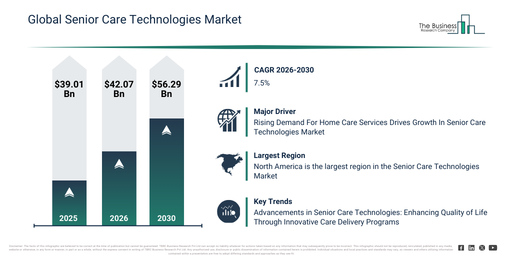
    The senior care technologies market size has experienced significant growth in recent years. It is anticipated to expand from $39.01 billion in 2025 to $42.07 billion in 2026, achieving a compound annual growth rate (CAGR) of 7.9%. This historical expansion can be attributed to an aging global population, the rising occurrence of chronic health conditions among seniors, the expansion of services providing care at home, an increased requirement for assisted living support, and the wider adoption of basic health monitoring devices.

    The senior care technologies market is projected to experience substantial growth over the coming years. This market is set to reach $56.29 billion by 2030, exhibiting a compound annual growth rate (CAGR) of 7.5%. Factors driving this growth during the forecast period include an increasing demand for solutions supporting independent aging, greater investments in smart technologies for senior care, wider adoption of telehealth among older adults, an amplified emphasis on preventive senior healthcare, and continuous innovation within connected care ecosystems. Key trends anticipated in the forecast period encompass the increasing uptake of remote monitoring systems for seniors, the growing integration of smart home care technologies, an expansion of telehealth services tailored for elderly care, a heightened focus on fall detection and other safety solutions, and a more extensive utilization of data-driven care platforms.

    Get A Free Sample Report With In-Depth Market Insights:

    https://thebusinessresearchcompany.com/sample_request?id=35292633&type=smp&name=Senior%20Care%20Technologies%20Market%20Report%202026&utm_source=Blogs&utm_medium=Paid&utm_campaign=Nov_PR

    Senior Care Technologies Market Expansion Drivers: What’s Shaping Future Growth?

    The increasing inclination towards home care services is expected to propel the growth of the senior care technologies market. Home care, also known as domiciliary care, encompasses various health and support services delivered within a home setting to assist individuals in preserving their independence and quality of life. This preference is driven by the desire for personalized care, the comfort of familiar surroundings, and technological advancements that enable effective home-based health management. Senior care technologies facilitate home care by allowing remote health monitoring, enhancing safety through fall detection systems, providing virtual consultations, and improving medication management, thereby enabling seniors to receive comprehensive and efficient care in their homes. The growing preference for home care services drives the senior care technologies market.

    Senior Care Technologies Market Segment Outlook: Which Categories Are Growing Fastest?

    The senior care technologies market covered in this report is segmented –

    1) By Product Type: Safety And Security Systems, Fall Detection And Prevention Systems, Remote Health Monitoring Systems, Medication Management Systems, Socialization And Mental Stimulation Systems, Telehealthcare Systems, Other Products

    2) By Service Type: Home Care Services, Assisted Living Services, Skilled Nursing Services, Memory Care Services, Rehabilitation Services, Other Services

    3) By End-User: Home Care Settings, Senior Living Facilities, Hospitals And Clinics, Rehabilitation Centers, Other End-Users

    Subsegments:

    1) By Safety And Security Systems: Emergency Response Systems, Surveillance Systems, Access Control Systems

    2) By Fall Detection And Prevention Systems: Wearable Fall Detectors, Smart Home Fall Prevention Solutions, Alarm Systems

    3) By Remote Health Monitoring Systems: Vital Sign Monitoring Devices, Chronic Disease Management Systems, Telemonitoring Solutions

    4) By Medication Management Systems: Pill Dispensers, Medication Reminders, Digital Prescription Management

    5) By Socialization And Mental Stimulation Systems: Cognitive Training Tools, Social Engagement Platforms, Virtual Reality Experiences

    6) By Telehealthcare Systems: Video Consultation Platforms, Remote Diagnostics Tools, Integrated Health Management Systems

    7) By Other Products: Mobility Aids, Environmental Monitoring Systems, Assistive Technology Devices

    Senior Care Technologies Market Industry Trends Fueling Future Revenue Growth

    Leading companies within the senior care technologies market are developing care delivery programs. These initiatives are focused on elevating the quality of life for seniors, improving health outcomes, and enhancing the efficiency of care services.

    Care delivery programs facilitate the integration of advanced tools and systems into coordinated care plans. This aids in better health monitoring, enables remote consultations, refines medication management, and delivers personalized, proactive care for older adults.

    This solution aims to enhance senior care by improving safety, promoting independence, and boosting overall well-being. It represents a significant advancement in the senior care technologies market.

    Senior Care Technologies Market Leading Companies And Competitive Benchmarking

    Major companies operating in the senior care technologies market are McKesson Corporation, Medtronic plc, Koninklijke Philips N.V., Essity AB, OMRON Healthcare Co. Ltd., Demant A/S, GN Store Nord A/S, Cochlear Ltd, Alarm.com Inc., Invacare Corporation, Tunstall Healthcare Ltd., Permobil AB, Sunrise Medical LLC, Drive DeVilbiss Healthcare, Advanced Monitored Caregiving Inc., GrandPad Inc., MobileHelp LLC, GrandCare Systems LLC, Livongo Health Inc., VitalTech Affiliates LLC, Independa Inc., CarePredict Inc., BioSensics LLC

    View The Full Senior Care Technologies Market Report:

    https://thebusinessresearchcompany.com/report/senior-care-technologies-global-market-report?utm_source=Blogs&utm_medium=Paid&utm_campaign=Nov_PR

    Senior Care Technologies Market Regional Analysis And Top Geography

    North America was the largest region in the senior care technologies market in 2025. The regions covered in the senior care technologies market report are Asia-Pacific, South East Asia, Western Europe, Eastern Europe, North America, South America, Middle East, Africa.

    Reach Out To Our Team:

    The Business Research Company: https://www.thebusinessresearchcompany.com/

    Americas: +1 310-496-7795

    Asia: +44 7882 955267 & +91 8897263534

    Europe: +44 7882 955267

    Email us at: marketing@tbrc.info

    Follow us on:

    LinkedIn: https://in.linkedin.com/company/the-business-research-company

    YouTube: https://www.youtube.com/channel/UC24_fI0rV8cR5DxlCpgmyFQ

    Global Market Model: https://www.thebusinessresearchcompany.com/global-market-model
  • Semi-Solid Dosage Contract Manufacturing Market 2026 Outlook: Market Size, CAGR And Key Growth Opportunities

    Semi-Solid Dosage Contract Manufacturing Market 2026 Outlook: Market Size, CAGR And Key Growth Opportunities

    Built to provide research that’s more actionable and strategically valuable, The Business Research Company’s 2026 market reports include market attractiveness analysis, total addressable market sizing, company benchmarking matrices, interactive Excel dashboards, broader supply chain intelligence, emerging startup tracking, and in-depth product insights.

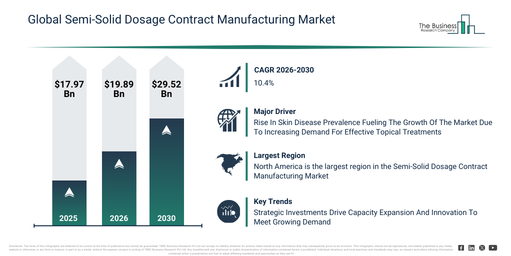
    Semi-Solid Dosage Contract Manufacturing Market Growth From $19.89 Billion In 2026 To $29.52 Billion By 2030 At A CAGR Of 10.4%

    The semi-solid dosage contract manufacturing market has experienced rapid expansion in its size over recent years. Projections indicate that its value will ascend from $17.97 billion in 2025 to $19.89 billion in 2026, demonstrating a compound annual growth rate (CAGR) of 10.7%. Historically, this expansion can be linked to factors such as the increasing intricacy of pharmaceutical pipelines, mounting cost pressures faced by in-house manufacturing operations, the broader adoption of topical and transdermal drugs, an escalating need for contract manufacturing services, and the presence of specialized cmo capabilities.

    The semi-solid dosage contract manufacturing market is projected for significant expansion over the coming years. By 2030, this market is anticipated to reach $29.52 billion, exhibiting a compound annual growth rate (CAGR) of 10.4%. This expansion during the projected period stems from several factors, including the rising demand for customized topical treatments, increased investment in sophisticated formulation technologies, the broadening scope of cosmeceutical outsourcing, a greater emphasis on sustainable excipient use, and heightened regulatory oversight of manufacturing standards. Key trends expected over the forecast period encompass a surge in the outsourcing of semi-solid drug production, a heightened need for specialized dermatological products, wider implementation of adaptable manufacturing processes, the proliferation of bio-based and natural formulations, and a stronger commitment to production that adheres to regulatory requirements.

    Get A Free Sample Report With In-Depth Market Insights:

    https://thebusinessresearchcompany.com/sample_request?id=67365777&type=smp&name=Semi-Solid%20Dosage%20Contract%20Manufacturing%20Market%20Report%202026&utm_source=Blogs&utm_medium=Paid&utm_campaign=Nov_PR

    Semi-Solid Dosage Contract Manufacturing Market Development Factors: What’s Supporting Demand?

    The increasing incidence of skin conditions is projected to drive the expansion of the semi-solid dosage contract manufacturing market in the future. Skin conditions are defined as ailments impacting the skin’s look or operation, frequently presenting symptoms like irritation, inflammation, or atypical skin growths. An uptick in environmental pollution contributes to the rise in skin diseases, as it compromises the skin’s natural defenses, leading to heightened sensitivity, allergic responses, and ongoing dermatological issues. The contract manufacturing of semi-solid dosage forms aids in preventing skin diseases by providing dependable, high-quality topical treatments designed to effectively preserve and enhance skin well-being. The widespread occurrence of skin ailments is propelling the expansion of the semi-solid dosage contract manufacturing market.

    Semi-Solid Dosage Contract Manufacturing Market Segment Landscape: Which Areas Lead Development?

    The semi-solid dosage contract manufacturing market covered in this report is segmented –

    1) By Type: Topical, Transdermal, Oral

    2) By Material Type: Synthetic, Natural, Bio-Based

    3) By Company Size: Large Size Companies, Medium And Small Size Companies

    4) By Therapeutic Application: Dermatology, Pain Management, Hormonal Therapy, Wound Care, Ophthalmic Disorders, Other Therapeutic Applications

    5) By End Use: Pharmaceutical Companies, Cosmeceutical Companies, Other End Uses

    Subsegments:

    1) By Topical: Creams, Ointments, Gels, Lotions, Pastes, Foams

    2) By Transdermal: Transdermal Gels, Transdermal Creams, Transdermal Sprays, Transdermal Emulsions, Medicated Patches

    3) By Oral: Oral Gels, Oral Pastes, Oral Suspensions, Oral Emulsions, Oral Jellies

    Semi-Solid Dosage Contract Manufacturing Market Trends Powering Strategic Industry Growth

    Leading companies in the semi-solid dosage contract manufacturing market are concentrating on strategic investments to access new markets and stimulate innovation. Strategic investments are defined as long-term financial decisions made to support and bolster a company’s primary goals, future growth, or market competitiveness. For example, in March 2025, LGM Pharma, a US-based provider of semi-solid dosage contract manufacturing services, revealed an investment surpassing $6 million to expand its manufacturing facility in Rosenberg, Texas. This investment is intended to boost the production capacity for liquid, suspension, semi-solid, and suppository drug formulations to meet the increasing need for domestic pharmaceutical manufacturing. It aligns with LGM Pharma’s continued expansion in prescription drug development, covering 505(b)(2) and ANDA programs. The enhancements at the Rosenberg site will enable higher output while ensuring complete adherence to FDA requirements and current good manufacturing practices. The facility is set to continue operations without interruption throughout the expansion.

    Semi-Solid Dosage Contract Manufacturing Market Industry Leaders And Competitive Landscape

    Major companies operating in the semi-solid dosage contract manufacturing market are The Lubrizol Corporation, Recipharm AB, Piramal Pharma Solutions Inc., Cambrex Corporation, ANI Pharmaceuticals, Aurigene Pharmaceutical Services Limited, DPT Laboratories Ltd., Douglas Pharmaceuticals Ltd., Mission Pharmacal Co., Bora Pharmaceuticals Co. Ltd., Ascendia Pharmaceuticals Inc., Fermion Oy, Ferndale Pharma Group, Sterling Pharmaceutical Services LLC, Aphena Pharma Solutions Inc., Eubioco LLC, Madras Pharmaceuticals, Quality CDMO, Axxelent Pharma Science, Tergus Pharma, MedPharm Ltd., Alcami Corporation

    View The Full Semi-Solid Dosage Contract Manufacturing Market Report:

    https://thebusinessresearchcompany.com/report/semi-solid-dosage-contract-manufacturing-global-market-report?utm_source=Blogs&utm_medium=Paid&utm_campaign=Nov_PR

    Semi-Solid Dosage Contract Manufacturing Market Geographic Analysis: Where Is Demand Rising Fastest?

    North America was the largest region in the semi-solid dosage contract manufacturing market in 2025. Asia-Pacific is expected to be the fastest-growing region in the forecast period. The regions covered in the semi-solid dosage contract manufacturing market report are Asia-Pacific, South East Asia, Western Europe, Eastern Europe, North America, South America, Middle East, Africa.

    Reach Out To Our Team:

    The Business Research Company: https://www.thebusinessresearchcompany.com/

    Americas: +1 310-496-7795

    Asia: +44 7882 955267 & +91 8897263534

    Europe: +44 7882 955267

    Email us at: marketing@tbrc.info

    Follow us on:

    LinkedIn: https://in.linkedin.com/company/the-business-research-company

    YouTube: https://www.youtube.com/channel/UC24_fI0rV8cR5DxlCpgmyFQ

    Global Market Model: https://www.thebusinessresearchcompany.com/global-market-model
  • Self-Testing Market Size Growth: From $18.61 Billion In 2026 To $25.99 Billion By 2030

    Self-Testing Market Size Growth: From $18.61 Billion In 2026 To $25.99 Billion By 2030

    Backed by market attractiveness analysis, total addressable market sizing, company benchmarking matrices, interactive Excel dashboards, wider supply chain intelligence, emerging startup coverage, and detailed product-level insights, The Business Research Company’s 2026 market reports are designed to offer research that is more actionable and strategically valuable than ever.

    Self-Testing Market Expansion Outlook: What Revenue Opportunities Are Ahead?

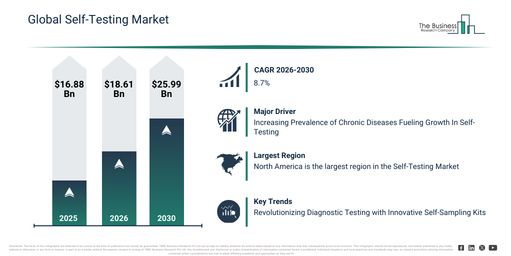
    The self-testing market size has seen rapid expansion in recent years. It is forecast to grow from $16.88 billion in 2025 to $18.61 billion in 2026, at a compound annual growth rate (CAGR) of 10.3%. The market’s past growth is attributable to an increasing awareness of early disease detection, innovations in diagnostics technology, the adoption of home-based testing, the broadened scope of chronic disease monitoring, and regulatory clearances for over-the-counter tests.

    The self-testing market size is projected for significant expansion in the coming years. It is anticipated to grow to $25.99 billion by 2030, demonstrating a compound annual growth rate (CAGR) of 8.7%. This growth during the forecast period is propelled by advancements such as AI-integrated test interpretation, smartphone-compatible diagnostics, an increase in infectious disease self-tests, telemedicine-linked testing, and personalized testing solutions. Noteworthy trends throughout this period involve rapid diagnostic kits, AI-powered test analysis, at-home lab testing, mobile-connected health tests, and disease-specific test kits.

    Get A Free Sample Report With In-Depth Market Insights:

    https://thebusinessresearchcompany.com/sample_request?id=49621122&type=smp&name=Self-Testing%20Market%20Report%202026&utm_source=Blogs&utm_medium=Paid&utm_campaign=Nov_PR

    Self-Testing Market Industry Drivers: What’s Behind The Revenue Growth?

    The escalating incidence of chronic diseases is anticipated to spur the advancement of the self-testing market moving forward. Chronic diseases are defined as long-term health conditions that generally progress gradually and persist over a prolonged period. These conditions stem from demographic shifts, lifestyle habits, environmental influences, and improvements in healthcare. Self-testing is employed in the context of chronic diseases to enable individuals to actively manage their health, improve adherence to treatment regimens, and facilitate the early detection of any complications or changes in their health status. The increasing prevalence of chronic diseases is significantly driving the expansion of the self-testing market.

    Self-Testing Market Segments: Where Is Growth Concentrated?

    The self-testing market covered in this report is segmented –

    1) By Product: Kits, Devices, Strips

    2) By Sample Type: Blood, Urine, Stool, Other Sample Types

    3) By Distribution Channel: Online, Offline

    4) By Application: Blood Glucose Testing, Pregnancy And Fertility Testing, Cancer Testing, Drug Abuse Testing, Sexually Transmitted Disease Or Sexually Transmitted Infection Testing, Cholesterol Testing, HIV Testing, Thyroid Testing, Other Applications

    Subsegments:

    1) By Kits: Blood Glucose Testing Kits, Pregnancy Test Kits, Ovulation Test Kits, HIV Test Kits, COVID-19 Test Kits, Allergy Test Kits, Cholesterol Test Kits

    2) By Devices: Blood Glucose Meters, Thermometers (Digital, Infrared), Blood Pressure Monitors, Pulse Oximeters, ECG Or EKG Monitors, Pregnancy Test Devices (Electronic), Home Hearing Test Devices

    3) By Strips: Blood Glucose Test Strips, Urine Test Strips, Pregnancy Test Strips, Ovulation Test Strips, Cholesterol Test Strips, Urinary Tract Infection (UTI) Test Strips, Ketone Test Strips

    Self-Testing Market Growth Trends Reshaping The Competitive Landscape

    Leading companies operating in the self-testing market are concentrating on developing innovative solutions, such as Cervicheck self-sampling kits, to offer users enhanced convenience, accessibility, and accuracy. This type of medical device enables individuals to gather biological samples, including blood, saliva, urine, or tissue, for diagnostic testing or analysis.

    Self-Testing Market Key Participants And Competitive Landscape

    Major companies operating in the self-testing market are Roche Diagnostics, Abbott Laboratories, Quidel Corporation, OraSure Technologies, Meridian Bioscience, iHealth Labs, Everly Health, Helix OpCo, BioIQ, 23andMe, Pathway Genomics, Vitagene, Orig3n, LetsGetChecked, Cue Health, Ellume Health, OraQuick, Atomo Diagnostics, ACON Laboratories, SD Biosensor, OraSure Diagnostics

    View The Full Self-Testing Market Report:

    https://thebusinessresearchcompany.com/report/self-testing-global-market-report?utm_source=Blogs&utm_medium=Paid&utm_campaign=Nov_PR

    Self-Testing Market Global Footprint: Which Region Leads The Market?

    North America was the largest region in the self-testing market in 2025. Asia-Pacific is expected to be the fastest-growing region in the forecast period. The regions covered in the self-testing market report are Asia-Pacific, South East Asia, Western Europe, Eastern Europe, North America, South America, Middle East, Africa.

    Reach Out To Our Team:

    The Business Research Company: https://www.thebusinessresearchcompany.com/

    Americas: +1 310-496-7795

    Asia: +44 7882 955267 & +91 8897263534

    Europe: +44 7882 955267

    Email us at: marketing@tbrc.info

    Follow us on:

    LinkedIn: https://in.linkedin.com/company/the-business-research-company

    YouTube: https://www.youtube.com/channel/UC24_fI0rV8cR5DxlCpgmyFQ

    Global Market Model: https://www.thebusinessresearchcompany.com/global-market-model
  • Rare Neurological Disease Treatment Market Analysis 2026: Market Size, Growth Trends And Industry Outlook

    Rare Neurological Disease Treatment Market Analysis 2026: Market Size, Growth Trends And Industry Outlook

    Built to provide research that’s more actionable and strategically valuable, The Business Research Company’s 2026 market reports include market attractiveness analysis, total addressable market sizing, company benchmarking matrices, interactive Excel dashboards, broader supply chain intelligence, emerging startup tracking, and in-depth product insights.

    Rare Neurological Disease Treatment Market Growth From $11.54 Billion In 2026 To $16.05 Billion By 2030 At A CAGR Of 8.6%

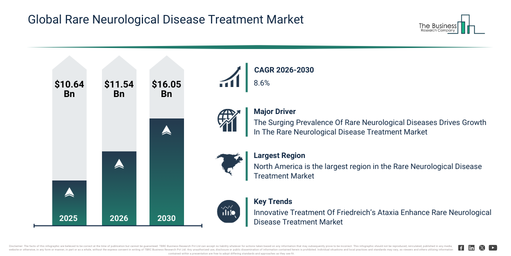
    The rare neurological disease treatment market has shown considerable expansion in recent years. It is anticipated to increase from $10.64 billion in 2025 to $11.54 billion in 2026, exhibiting a compound annual growth rate (CAGR) of 8.4%. The historical growth can be linked to the expansion of neuroscience research funding, a rise in the diagnosis of rare neurological disorders, the establishment of more specialty neurology centers, improved availability of neuroimaging technologies, and advancements in biologic drug development.

    The rare neurological disease treatment market is projected to experience substantial growth over the next few years. Its valuation is anticipated to reach $16.05 billion by 2030, expanding at a compound annual growth rate (CAGR) of 8.6%. This expected growth can be attributed to various factors, including the broadening of gene therapy pipelines, a rising demand for personalized neurological treatments, increasing investments in neurodegenerative research, the growing use of digital therapeutics, and the expansion of rare neurology clinical trials. Furthermore, major trends in the forecast period encompass the increasing development of gene and cell therapies, a rising adoption of targeted neurological drugs, the growing application of advanced neuroimaging techniques, the expansion of multidisciplinary treatment approaches, and an enhanced focus on symptom management solutions.

    Get A Free Sample Report With In-Depth Market Insights:

    https://thebusinessresearchcompany.com/sample_request?id=63665254&type=smp&name=Rare%20Neurological%20Disease%20Treatment%20Market%20Report%202026&utm_source=Blogs&utm_medium=Paid&utm_campaign=Nov_PR

    Rare Neurological Disease Treatment Market Demand Drivers Opening New Revenue Streams

    The anticipated rise in the occurrence of rare neurological diseases is projected to boost the rare neurological disease treatment market going forward. Rare neurological diseases are defined as neurological disorders with low prevalence, encompassing conditions like Huntington’s disease, ALS (amyotrophic lateral sclerosis), Rett syndrome, and various types of muscular dystrophy. Treating these conditions involves multiple approaches to manage symptoms, slow disease progression, and enhance the quality of life for affected individuals.

    Rare Neurological Disease Treatment Market Segmentation And Category Overview

    The rare neurological disease treatment market covered in this report is segmented –

    1) By Drug Type: Biologics, Small Molecules

    2) By Therapy: Cognitive Behavioral Therapy, Interpersonal Psychotherapy, Disease-Modifying Neurological Therapies, Other Therapies

    3) By Mode Of Administration: Oral, Injectable, Other Modes Of Administration

    4) By Disorders: Aicardi Syndrome, Aicardi-Goutières Syndrome, Reflex Sympathetic Dystrophy Syndrome, Battaglia-Neri Syndrome, Creutzfeldt Jakob Disease, Agnosia, Other Disorders

    5) By Distribution Channel: Hospital Pharmacies, Retail Pharmacies And Drug Store, Online Pharmacies

    Subsegments:

    1) By Biologics: Monoclonal Antibodies, Gene Therapies, Recombinant Proteins

    2) By Small Molecules: Targeted Small Molecules, Neuroprotective Agents, Anti-inflammatory Small Molecules

    Rare Neurological Disease Treatment Market Transformation Trends: What Innovations Are Driving Change?

    Leading enterprises within the rare neurological disease treatment market are concentrating on developing novel products, such as innovative solutions for rare disease drug development, to push forward therapeutic advancements and elevate the life quality for individuals afflicted by rare neurological conditions. The creation of treatments for these diseases demands targeted investigation into specific illness pathways and the exploration of cutting-edge therapeutic strategies, including gene therapies or customized medicine, to address the intricate nature of these ailments.

    Rare Neurological Disease Treatment Market Competitive Analysis Of Leading Industry Participants

    Major companies operating in the rare neurological disease treatment market are Pfizer Inc., Johnson And Johnson Services Inc., F Hoffmann La Roche Ltd, Bayer AG, Merck And Co Inc., AbbVie Inc., Novartis AG, Sanofi Aventis SA, Bristol Myers Squibb Company, AstraZeneca PLC, GlaxoSmithKline PLC, Takeda Pharmaceutical Company Limited, Teva Pharmaceutical Industries Ltd., CSL Limited, Biogen Inc., UCB S.A., Eisai Co. Ltd., Otsuka Pharmaceutical Co. Ltd., Mitsubishi Tanabe Pharma Corporation, Neurocrine Biosciences Inc., Kedrion Biopharma Inc., Merz Pharma GmbH And Co. KGaA, Harmony Biosciences Holdings Inc., Amicus Therapeutics Inc., Aquestive Therapeutics Inc., US WorldMeds LLC, Stoke Therapeutics Inc., Retrotope Inc.

    View The Full Rare Neurological Disease Treatment Market Report:

    https://thebusinessresearchcompany.com/report/rare-neurological-disease-treatment-global-market-report?utm_source=Blogs&utm_medium=Paid&utm_campaign=Nov_PR

    Rare Neurological Disease Treatment Market Top Region: Where Does Most Revenue Come From?

    North America was the largest region in the rare neurological diseases treatment market in 2025. Asia-Pacific is expected to be the fastest-growing region in the forecast period. The regions covered in the rare neurological disease treatment market report are Asia-Pacific, South East Asia, Western Europe, Eastern Europe, North America, South America, Middle East, Africa.

    Reach Out To Our Team:

    The Business Research Company: https://www.thebusinessresearchcompany.com/

    Americas: +1 310-496-7795

    Asia: +44 7882 955267 & +91 8897263534

    Europe: +44 7882 955267

    Email us at: marketing@tbrc.info

    Follow us on:

    LinkedIn: https://in.linkedin.com/company/the-business-research-company

    YouTube: https://www.youtube.com/channel/UC24_fI0rV8cR5DxlCpgmyFQ

    Global Market Model: https://www.thebusinessresearchcompany.com/global-market-model
  • Rare Inflammatory Disease Treatment Market Growth To $18.98 Billion Creates New Opportunities Across The Industry

    Rare Inflammatory Disease Treatment Market Growth To $18.98 Billion Creates New Opportunities Across The Industry

    Backed by market attractiveness analysis, total addressable market sizing, company benchmarking matrices, interactive Excel dashboards, wider supply chain intelligence, emerging startup coverage, and detailed product-level insights, The Business Research Company’s 2026 market reports are designed to offer research that is more actionable and strategically valuable than ever.

    Rare Inflammatory Disease Treatment Market Expansion Outlook: What Revenue Opportunities Are Ahead?

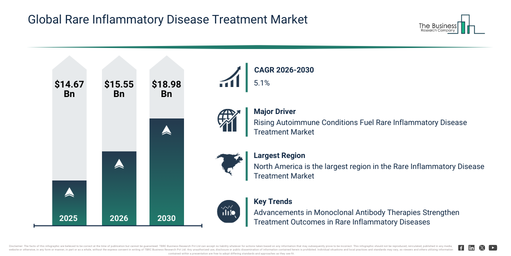
    The rare inflammatory disease treatment market size has experienced significant growth in recent years. It is projected to expand from $14.67 billion in 2025 to $15.55 billion in 2026, achieving a compound annual growth rate (CAGR) of 6.0%. This historical growth can be attributed to factors such as the expansion of biologics development pipelines, increasing diagnosis rates for rare inflammatory conditions, advancements in specialty pharmaceutical research, a growing utilization of immunomodulatory therapies, and enhanced access to specialty care centers.

    The rare inflammatory disease treatment market size is anticipated to undergo significant growth over the next few years. It is forecast to reach $18.98 billion in 2030, exhibiting a compound annual growth rate (CAGR) of 5.1%. The expansion during this forecast period can be attributed to the broadening of precision immunology approaches, rising investments in orphan drug development, the increasing adoption of advanced biologics, a heightened focus on disease-modifying therapies, and the proliferation of digital patient monitoring platforms. Noteworthy trends expected in the forecast period include the increasing development of targeted biologic therapies, a rise in personalized treatment approaches, the growing use of combination drug regimens, the expansion of clinical trial-based treatment access, and an enhanced emphasis on long-term disease management.

    Get A Free Sample Report With In-Depth Market Insights:

    https://thebusinessresearchcompany.com/sample_request?id=10151239&type=smp&name=Rare%20Inflammatory%20Disease%20Treatment%20Market%20Report%202026&utm_source=Blogs&utm_medium=Paid&utm_campaign=Nov_PR

    Rare Inflammatory Disease Treatment Market Growth Backed By Core Demand Fundamentals

    A growing incidence of autoimmune disorders is projected to propel the expansion of the rare inflammatory disease treatment market going forward. Autoimmune conditions arise when the body’s immune system erroneously targets its own healthy cells and tissues, leading to inflammation and tissue damage. The escalation in autoimmune conditions is attributed to factors such as genetic predisposition, environmental triggers, lifestyle changes, and enhanced diagnostic capabilities, which enable earlier detection and improved disease recognition. Treatments for rare inflammatory diseases help manage these ailments by alleviating inflammation and preventing the immune system from harming healthy tissues.

    Rare Inflammatory Disease Treatment Market Segment Outlook: Which Categories Are Growing Fastest?

    The rare inflammatory disease treatment market covered in this report is segmented –

    1) By Drug Class: Biologics, Organic Compounds

    2) By Mode Of Administration: Injectables, Oral, Other Administration Modes

    3) By Indication: Ulcerative Colitis, Juvenile Rheumatoid Arthritis, Psoriatic Arthritis, Other Indications

    4) By Distribution Channel: Hospital Pharmacies, Retail Pharmacies, Online Pharmacies

    Subsegments:

    1) By Biologics: Monoclonal Antibodies, Cytokine Inhibitors, Growth Factors, Enzyme Replacement Therapies

    2) By Organic Compounds: Non-Steroidal Anti-Inflammatory Drugs (Nsaids), Immunosuppressants, Corticosteroids, Disease-Modifying Antirheumatic Drugs (Dmards)

    #Rare Inflammatory Disease Treatment Market Growth Trends: What’s Shaping The Future Outlook?

    Major companies operating in the rare inflammatory disease treatment market are focusing on developing advanced solutions, such as precision-targeted monoclonal antibodies, to improve disease control, reduce immune-mediated damage, and enhance patient outcomes. These precision-targeted monoclonal antibodies are therapies engineered to selectively bind and eliminate specific immune cell populations involved in disease progression, helping to minimize systemic inflammation while preserving healthy immune function.

    Rare Inflammatory Disease Treatment Market Leading Companies And Competitive Benchmarking

    Major companies operating in the rare inflammatory disease treatment market are Pfizer Inc., Johnson And Johnson, Roche Holding AG, Merck And Co Inc., AbbVie Inc., Bayer AG, Sanofi S.A., Bristol Myers Squibb, AstraZeneca Plc, Novartis AG, GlaxoSmithKline plc, Eli Lilly And Company, Gilead Sciences Inc., Amgen Inc., Regeneron Pharmaceuticals Inc., Biogen Inc., UCB S.A., Horizon Therapeutics plc, Kyowa Kirin Co. Ltd., Mallinckrodt Pharmaceuticals, Takeda Pharmaceutical Company Limited, Boehringer Ingelheim International GmbH, CSL Behring GmbH, Sobi Swedish Orphan Biovitrum AB

    View The Full Rare Inflammatory Disease Treatment Market Report:

    https://thebusinessresearchcompany.com/report/rare-inflammatory-disease-treatment-global-market-report?utm_source=Blogs&utm_medium=Paid&utm_campaign=Nov_PR

    Rare Inflammatory Disease Treatment Market Regional Breakdown: Where Is Demand Concentrated?

    North America was the largest region in the rare inflammatory disease treatment market in 2025. Asia-Pacific is expected to be the fastest-growing region in the forecast period. The regions covered in the rare inflammatory disease treatment market report are Asia-Pacific, South East Asia, Western Europe, Eastern Europe, North America, South America, Middle East, Africa.

    Reach Out To Our Team:

    The Business Research Company: https://www.thebusinessresearchcompany.com/

    Americas: +1 310-496-7795

    Asia: +44 7882 955267 & +91 8897263534

    Europe: +44 7882 955267

    Email us at: marketing@tbrc.info

    Follow us on:

    LinkedIn: https://in.linkedin.com/company/the-business-research-company

    YouTube: https://www.youtube.com/channel/UC24_fI0rV8cR5DxlCpgmyFQ

    Global Market Model: https://www.thebusinessresearchcompany.com/global-market-model
  • Rare Hematology Market Forecast: Breaking Down The Numbers Behind Future Expansion

    Rare Hematology Market Forecast: Breaking Down The Numbers Behind Future Expansion

    Featuring market attractiveness scoring, total addressable market sizing, company benchmarking matrices, interactive Excel dashboards, deeper supply chain intelligence, emerging startup tracking, and granular product-level insights, The Business Research Company’s 2026 market reports are built to deliver research that is both more actionable and more strategically valuable.

    Rare Hematology Market Growth Potential: How Will Market Size Shift Through 2030?

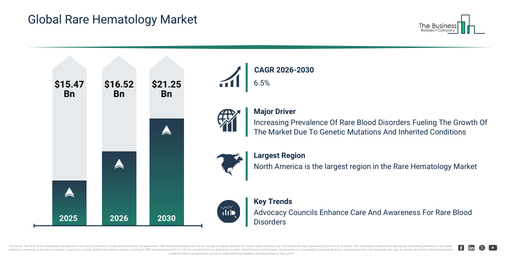
    The rare hematology market size has experienced robust expansion over recent years. This market is projected to increase from $15.47 billion in 2025 to $16.52 billion in 2026, with a compound annual growth rate (CAGR) of 6.8%. Factors contributing to this historical growth include the limited availability of effective therapies, expansion of rare disease research initiatives, increasing awareness of rare blood disorders, improvements in diagnostic laboratory capabilities, and growth in specialized hematology clinics.

    The rare hematology market is projected to experience substantial expansion over the coming years. It is anticipated to reach a valuation of $21.25 billion by 2030, exhibiting a compound annual growth rate (CAGR) of 6.5%. This growth during the projection period stems from factors such as increasing investments in gene therapy development, a greater emphasis on precision medicine for uncommon diseases, the broadening of newborn and carrier screening programs, intensified collaboration between research institutions and pharmaceutical firms, and advancements in genomic sequencing technologies. Key trends anticipated during the forecast period include the rising adoption of gene and cell therapies, increased utilization of advanced genetic diagnostics, a heightened focus on individualized treatment approaches, the expansion of specialized centers for rare diseases, and improved integration of digital patient monitoring.

    Get A Free Sample Report With In-Depth Market Insights:

    https://thebusinessresearchcompany.com/sample_request?id=65952651&type=smp&name=Rare%20Hematology%20Market%20Report%202026&utm_source=Blogs&utm_medium=Paid&utm_campaign=Nov_PR

    Rare Hematology Market Growth Catalysts And Demand Drivers

    The rising occurrence of rare blood conditions is anticipated to fuel the expansion of the rare hematology market moving forward. Rare blood disorders are defined as uncommon medical conditions impacting the formation, function, or longevity of blood cells or clotting factors, leading to issues such as anemia, bleeding complications, or hemolysis. The escalating incidence of these disorders is attributed to genetic mutations and inherited traits passed down through generations. The rare hematology market addresses this trend by offering specialized diagnostic tools and targeted therapies that assist in managing complex and unusual blood ailments, thereby mitigating complications and enhancing long-term patient outcomes.

    Rare Hematology Market Segment Landscape: Which Areas Lead Development?

    The rare hematology market covered in this report is segmented –

    1) By Disease Type: Hemophilia, Sickle Cell Disease, Thalassemia, Myelodysplastic Syndromes, Other Disease Types

    2) By Treatment Type: Gene Therapy, Stem Cell Transplantation, Blood Transfusion, Pharmacotherapy

    3) By Diagnostic Technique: Laboratory Tests, Blood Tests, Bone Marrow Biopsies, Imaging Techniques, Magnetic Resonance Imaging (MRI) Scans, Ultrasounds, Genetic Testing, Carrier Screening, Whole Genome Sequencing

    4) By Application: Pediatric, Adult

    5) By End-User: Hospitals, Specialty Clinics, Research Institutes

    Subsegments:

    1) By Hemophilia: Hemophilia A, Hemophilia B, Hemophilia C, Acquired Hemophilia

    2) By Sickle Cell Disease: Sickle Cell Anemia, Sickle Hemoglobin C Disease, Sickle Beta Thalassemia

    3) By Thalassemia: Alpha Thalassemia, Beta Thalassemia

    4) By Myelodysplastic Syndromes: Refractory Anemia (RA), Refractory Anemia With Ring Sideroblasts (RARS), Refractory Cytopenia With Multilineage Dysplasia (RCMD), Refractory Anemia With Excess Blasts (RAEB), Myelodysplastic Syndrome With Isolated Del(5Q), Unclassified Myelodysplastic Syndromes

    5) By Other Disease Types: Aplastic Anemia, Paroxysmal Nocturnal Hemoglobinuria, Rare Coagulation Disorders

    Rare Hematology Market Industry Trends: What’s Reshaping Demand?

    Leading companies in the rare hematology market are concentrating on developing innovative treatments and strategic initiatives, such as multi-stakeholder advocacy councils, to tackle unmet medical needs, improve patient support, and drive solutions across various indications. Multi-stakeholder advocacy councils are groups consisting of patients, caregivers, and experts who collaborate to enhance care, awareness, and solutions for specific health conditions.

    Rare Hematology Market Industry Leaders And Competitive Landscape

    Major companies operating in the rare hematology market are F. Hoffmann-La Roche Ltd, Pfizer Inc., Abbvie Inc., Bayer AG, Sanofi S.A., Novartis AG, Astrazeneca Plc, Bristol-Myers Squibb Company, Takeda Pharmaceutical Company Limited, Amgen Inc., CSL Behring LLC, Biogen Inc., Jazz Pharmaceuticals Plc, Octapharma AG, PharmaEssentia Corporation, Disc Medicine Inc., BioInvent International AB, Mustang Bio Inc., BlueSphere Bio Inc., Rallybio LLC

    View The Full Rare Hematology Market Report:

    https://thebusinessresearchcompany.com/report/rare-hematology-global-market-report?utm_source=Blogs&utm_medium=Paid&utm_campaign=Nov_PR

    Rare Hematology Market Geographic Landscape: Which Region Leads Industry Growth?

    North America was the largest region in the rare hematology market in 2025. Asia-Pacific is expected to be the fastest-growing region in the forecast period. The regions covered in the rare hematology market report are Asia-Pacific, South East Asia, Western Europe, Eastern Europe, North America, South America, Middle East, Africa.

    Reach Out To Our Team:

    The Business Research Company: https://www.thebusinessresearchcompany.com/

    Americas: +1 310-496-7795

    Asia: +44 7882 955267 & +91 8897263534

    Europe: +44 7882 955267

    Email us at: marketing@tbrc.info

    Follow us on:

    LinkedIn: https://in.linkedin.com/company/the-business-research-company

    YouTube: https://www.youtube.com/channel/UC24_fI0rV8cR5DxlCpgmyFQ

    Global Market Model: https://www.thebusinessresearchcompany.com/global-market-model
  • Rare Endocrine Disease Treatment Market Expected To Grow At 6.7% CAGR Through 2030: What Businesses Need To Know

    Rare Endocrine Disease Treatment Market Expected To Grow At 6.7% CAGR Through 2030: What Businesses Need To Know

    Built to provide research that’s more actionable and strategically valuable, The Business Research Company’s 2026 market reports include market attractiveness analysis, total addressable market sizing, company benchmarking matrices, interactive Excel dashboards, broader supply chain intelligence, emerging startup tracking, and in-depth product insights.

    Rare Endocrine Disease Treatment Market Value Analysis: What Growth Lies Ahead Over The Forecast Period?

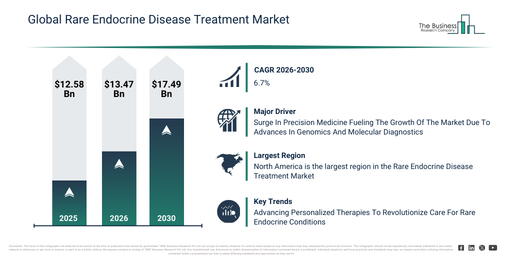
    The rare endocrine disease treatment market has experienced robust expansion in recent years. It is projected to grow from $12.58 billion in 2025 to $13.47 billion in 2026, achieving a compound annual growth rate (CAGR) of 7.1%. Historically, this growth can be attributed to factors such as improved diagnostic capabilities for endocrine disorders, the expansion of specialty endocrine clinics, increased availability of hormone replacement therapies, advancements in endocrinology research, and a rising awareness of rare endocrine conditions.

    The rare endocrine disease treatment market size is anticipated to experience substantial expansion in the upcoming years, with projections indicating it will reach $17.49 billion by 2030, demonstrating a compound annual growth rate (CAGR) of 6.7%. This growth over the forecast period is attributed to increasing investment in precision hormone therapies, the rising adoption of biologics and immunotherapies, the expansion of personalized treatment approaches, a growing demand for long-term disease management solutions, and increasing regulatory support for orphan endocrine drugs. Key trends identified for the forecast period include the increasing development of targeted hormonal therapies, a rising adoption of biologic and recombinant treatments, a growing focus on precision endocrinology, the expansion of rare hormonal disorder diagnostics, and enhanced integration of multidisciplinary care models.

    Get A Free Sample Report With In-Depth Market Insights:

    https://thebusinessresearchcompany.com/sample_request?id=14996198&type=smp&name=Rare%20Endocrine%20Disease%20Treatment%20Market%20Report%202026&utm_source=Blogs&utm_medium=Paid&utm_campaign=Nov_PR

    Rare Endocrine Disease Treatment Market Opportunity Drivers: What’s Unlocking New Revenue Potential?

    The expansion of the rare endocrine disease treatment market is anticipated to be driven by an increasing emphasis on precision medicine. This medical approach involves tailoring prevention, diagnosis, and treatment strategies to an individual’s genetic makeup, lifestyle, and environment. The heightened focus on precision medicine is a result of advancements in genomics, which enable more accurate identification of disease mechanisms and the creation of customized treatment plans for individual patients. Precision medicine aids in the treatment of rare endocrine diseases by customizing therapies based on a patient’s genetic, molecular, and hormonal profile, facilitating precise diagnoses and targeted interventions that boost effectiveness and minimize side effects.

    Rare Endocrine Disease Treatment Market Segments: Where Is Growth Concentrated?

    The rare endocrine disease treatment market covered in this report is segmented –

    1) By Type: Biologics, Organic Compounds

    2) By Treatment: Hormone Replacement Therapy, Radiotherapy, Surgery, Targeted Therapy, Immunotherapy

    3) By Disease: Cushing’s Syndrome, Addison’s Disease, Acromegaly, Other Diseases

    4) By Distribution Channel: Hospital Pharmacies, Retail Pharmacies, Online Pharmacies, Direct Sales, Other Distribution Channels

    5) By End-User: Hospitals, Specialty Clinics, Research Institutes, Other End-Users

    Subsegments:

    1) By Biologics: Monoclonal Antibodies, Recombinant Proteins, Enzyme Replacement Therapies, Vaccines

    2) By Organic Compounds: Small Molecule Drugs, Peptide-Based Drugs, Steroidal Compounds, Non-Steroidal Compounds

    Rare Endocrine Disease Treatment Market Innovation Trends: What Developments Are Reshaping The Industry?

    Leading companies in the rare endocrine disease treatment market are focusing on developing advanced therapies, such as parathyroid hormone (PTH) prodrugs, to improve therapeutic efficacy and extend the duration of treatment for patients with hormone-deficiency disorders. Parathyroid hormone (PTH) prodrugs are long-acting hormone treatments where polyethylene glycol (PEG) is attached to PTH to enhance molecular stability, prolong its circulation time, and sustain its pharmacological activity for continuous endocrine replacement.

    Rare Endocrine Disease Treatment Market Key Participants And Competitive Landscape

    Major companies operating in the rare endocrine disease treatment market are Pfizer Inc., Bayer AG, AstraZeneca PLC, Eli Lilly and Company, Novo Nordisk A/S, Sandoz Group AG, Alexion Pharmaceuticals Inc., Ipsen S.A., Kyowa Kirin Co. Ltd., BioMarin Pharmaceutical Inc., Recordati S.p.A., Camurus AB, EMD Serono Inc., Corcept Therapeutics Inc., Ascendis Pharma A/S, Inozyme Pharma Inc., Spruce Biosciences Inc., MBX Biosciences Inc., Crinetics Pharmaceuticals Inc., Tiburio Therapeutics Inc.

    View The Full Rare Endocrine Disease Treatment Market Report:

    https://thebusinessresearchcompany.com/report/rare-endocrine-disease-treatment-global-market-report?utm_source=Blogs&utm_medium=Paid&utm_campaign=Nov_PR

    Rare Endocrine Disease Treatment Market Largest Region: Which Geography Holds The Biggest Share?

    North America was the largest region in the rare endocrine disease treatment market in 2025. Asia-Pacific is expected to be the fastest-growing region in the forecast period. The regions covered in the rare endocrine disease treatment market report are Asia-Pacific, South East Asia, Western Europe, Eastern Europe, North America, South America, Middle East, Africa.

    Reach Out To Our Team:

    The Business Research Company: https://www.thebusinessresearchcompany.com/

    Americas: +1 310-496-7795

    Asia: +44 7882 955267 & +91 8897263534

    Europe: +44 7882 955267

    Email us at: marketing@tbrc.info

    Follow us on:

    LinkedIn: https://in.linkedin.com/company/the-business-research-company

    YouTube: https://www.youtube.com/channel/UC24_fI0rV8cR5DxlCpgmyFQ

    Global Market Model: https://www.thebusinessresearchcompany.com/global-market-model
  • Rare Disease Genetic Testing Market Forecast To Reach $2.18 Billion By 2030: Key Trends Explained

    Rare Disease Genetic Testing Market Forecast To Reach $2.18 Billion By 2030: Key Trends Explained

    Backed by market attractiveness analysis, total addressable market sizing, company benchmarking matrices, interactive Excel dashboards, wider supply chain intelligence, emerging startup coverage, and detailed product-level insights, The Business Research Company’s 2026 market reports are designed to offer research that is more actionable and strategically valuable than ever.

    Rare Disease Genetic Testing Market Size Forecast: How Big Could The Market Get By 2030?

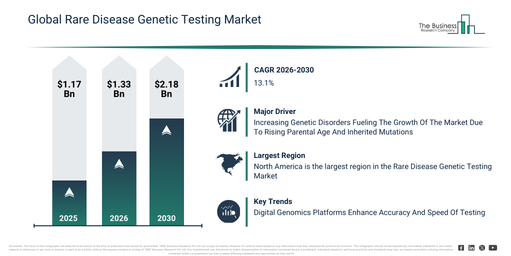
    The rare disease genetic testing market size has expanded significantly and swiftly in recent years. The market is forecast to expand, reaching $1.33 billion in 2026 from $1.17 billion in 2025, driven by a compound annual growth rate (CAGR) of 13.7%. Historically, this growth has been fueled by advancements in genomic sequencing technologies, an increase in rare disease research initiatives, heightened public awareness of genetic disorders, the establishment of specialized diagnostic laboratories, and the development of clinical genetics programs.

    The rare disease genetic testing market size is anticipated to experience substantial growth over the next few years. It is forecast to expand to $2.18 billion by 2030, achieving a compound annual growth rate (CAGR) of 13.1%. This projected growth is primarily fueled by the increasing demand for personalized medicine, rising investments in genomic data analytics, the expansion of population-scale genetic screening, the growing integration of genetics into routine clinical care, and advancements in bioinformatics platforms. Significant trends expected during this forecast period include the increasing adoption of next-generation sequencing for rare diseases, the growing use of AI-driven variant interpretation, the expansion of comprehensive genetic testing panels, the rising integration of genetic data with clinical decision systems, and an enhanced focus on early and accurate diagnosis.

    Get A Free Sample Report With In-Depth Market Insights:

    https://thebusinessresearchcompany.com/sample_request?id=39625990&type=smp&name=Rare%20Disease%20Genetic%20Testing%20Market%20Report%202026&utm_source=Blogs&utm_medium=Paid&utm_campaign=Nov_PR

    Rare Disease Genetic Testing Market Growth Momentum: What Factors Are Shaping Demand?

    The rare disease genetic testing market is expected to expand, propelled by the rising prevalence of genetic disorders. These medical conditions are characterized by abnormalities in an individual’s deoxyribonucleic acid, which can be inherited from one or both parents or arise from novel mutations. The increase in genetic disorders is partly attributed to rising parental age, as older parents face a greater risk of transmitting genetic mutations to their offspring. Rare disease genetic testing is instrumental in diagnosing these disorders by pinpointing specific mutations, thereby enabling precise and early detection. Furthermore, it supports personalized treatment planning, which enhances patient care and improves long-term health outcomes.

    Rare Disease Genetic Testing Market Segment Analysis: What Are The Core Market Categories?

    The rare disease genetic testing market covered in this report is segmented –

    1) By Disease Type: Immunological Disorders, Cardiovascular Disorders, Neurological Disease, Endocrine And Metabolism Disorders Diseases, Hematological Diseases, Dermatological Disease, Other Disease Types

    2) By Technology: Next-Generation Sequencing, Sanger Sequencing, Polymerase Chain Reaction Based Testing, Array Based Testing, Fluorescence In Situ Hybridization, Other Technologies

    3) By Specialty: Molecular Genetic Tests, Chromosomal Genetic Tests, Biochemical Genetic Tests

    4) By End-User: Hospitals And Clinics, Research Laboratories And Contract Research Organizations, Diagnostic Laboratories, Other End Users

    Subsegments:

    1) By Immunological Disorders: Autoimmune Disorders, Allergic Conditions, Primary Immunodeficiency Disorders, Inflammatory Disorders

    2) By Cardiovascular Disorders: Congenital Heart Defects, Cardiomyopathies, Aortic Aneurysms, Pulmonary Hypertension

    3) By Neurological Disease: Neurodegenerative Disorders, Neuromuscular Disorders, Epileptic Syndromes, Movement Disorders

    4) By Endocrine And Metabolism Disorders Diseases: Inherited Metabolic Disorders, Thyroid Disorders, Adrenal Disorders, Diabetes Related Genetic Conditions

    5) By Hematological Diseases: Hemophilia, Thalassemia, Sickle Cell Disease, Clotting Disorders

    6) By Dermatological Disease: Genetic Skin Disorders, Connective Tissue Disorders, Pigmentary Disorders, Keratinization Disorders

    7) By Other Disease Types: Skeletal Dysplasia, Renal Genetic Disorders, Ophthalmic Genetic Conditions, Gastrointestinal Genetic Conditions

    Rare Disease Genetic Testing Market Trends: What’s Defining The Industry’s Next Phase?

    Key players within the rare disease genetic testing market are focusing on creating advanced technological solutions, notably digital genomics platforms, to improve the speed, accuracy, and scalability of rare disease diagnosis. These platforms are sophisticated software systems that integrate genomic data analysis, interpretation, and reporting to streamline and accelerate genetic testing and diagnosis. For instance, in March 2025, Strand Life Sciences Private Limited, an India-based computer software company, introduced StrandOmics Portal, a digital platform designed to enhance the efficiency and accuracy of rare disease diagnosis. The portal provides clinicians with detailed insights into genetic variants, leading to quicker and more precise diagnoses. It supports advanced variant interpretation, including prenatal diagnostics, and allows for independent reviews of genetic data. This launch demonstrates a strong commitment to advancing precision medicine and equipping healthcare professionals with effective tools to improve patient outcomes.

    Rare Disease Genetic Testing Market Top Companies Driving Competitive Growth

    Major companies operating in the rare disease genetic testing market are Thermo Fisher Scientific Inc., Quest Diagnostics Inc., Eurofins Scientific SE, Agilent Technologies Inc., Illumina Inc., QIAGEN N.V., Natera Inc., OPKO Health Inc., Myriad Genetics Inc., Fulgent Genetics Inc., BioReference Laboratories Inc., Invitae Corporation, Ambry Genetics Corporation, Centogene N.V., Baylor Genetics Company, PreventionGenetics, Blueprint Genetics Oy, Artemis DNA Inc., BGI Genomics Co. Ltd., GeneDx Inc., Genomics England Ltd.

    View The Full Rare Disease Genetic Testing Market Report:

    https://thebusinessresearchcompany.com/report/rare-disease-genetic-testing-global-market-report?utm_source=Blogs&utm_medium=Paid&utm_campaign=Nov_PR

    Rare Disease Genetic Testing Market Regional Analysis: Which Geography Leads On Revenue?

    North America was the largest region in the rare disease genetic testing market in 2025. Asia-Pacific is expected to be the fastest-growing region in the forecast period. The regions covered in the rare disease genetic testing market report are Asia-Pacific, South East Asia, Western Europe, Eastern Europe, North America, South America, Middle East, Africa.

    Reach Out To Our Team:

    The Business Research Company: https://www.thebusinessresearchcompany.com/

    Americas: +1 310-496-7795

    Asia: +44 7882 955267 & +91 8897263534

    Europe: +44 7882 955267

    Email us at: marketing@tbrc.info

    Follow us on:

    LinkedIn: https://in.linkedin.com/company/the-business-research-company

    YouTube: https://www.youtube.com/channel/UC24_fI0rV8cR5DxlCpgmyFQ

    Global Market Model: https://www.thebusinessresearchcompany.com/global-market-model
  • Rare Disease Diagnostics Market Size Forecast From 2026 To 2030: Key Industry Trends

    Rare Disease Diagnostics Market Size Forecast From 2026 To 2030: Key Industry Trends

    Featuring market attractiveness scoring, total addressable market sizing, company benchmarking matrices, interactive Excel dashboards, deeper supply chain intelligence, emerging startup tracking, and granular product-level insights, The Business Research Company’s 2026 market reports are built to deliver research that is both more actionable and more strategically valuable.

    Rare Disease Diagnostics Market Revenue Outlook: What CAGR Lies Ahead Through 2030?

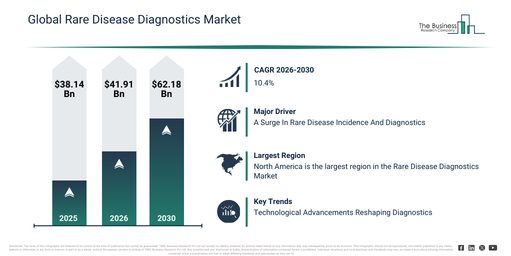
    The rare disease diagnostics market size has shown significant growth in recent years. It is anticipated to increase from $38.14 billion in 2025 to $41.91 billion in 2026, achieving a compound annual growth rate (CAGR) of 9.9%. The market’s historical expansion is attributable to factors such as the wider availability of genetic testing, heightened awareness of rare diseases among medical professionals, the increasing application of molecular diagnostics, the proliferation of specialized diagnostic laboratories, and improved access to advanced imaging technologies.

    The rare disease diagnostics market size is projected to experience rapid growth over the next few years, reaching $62.18 billion by 2030, with a compound annual growth rate (CAGR) of 10.4%. The expansion during the forecast period is attributed to several factors, including the increasing adoption of personalized medicine, rising investments in genomics research, a growing demand for early-stage rare disease detection, the greater integration of AI-driven diagnostic tools, and the proliferation of rare disease screening programs. Major trends anticipated during this period include the increased uptake of next-generation sequencing diagnostics, the expanding use of multi-gene panel testing, the growing integration of advanced imaging in rare disease diagnosis, the expansion of centralized rare disease testing centers, and an enhanced focus on early and accurate diagnosis.

    Get A Free Sample Report With In-Depth Market Insights:

    https://thebusinessresearchcompany.com/sample_request?id=18608554&type=smp&name=Rare%20Disease%20Diagnostics%20Market%20Report%202026&utm_source=Blogs&utm_medium=Paid&utm_campaign=Nov_PR

    Rare Disease Diagnostics Market Expansion Drivers: What’s Shaping Future Growth?

    The growing occurrence of rare diseases is projected to propel the expansion of the rare disease diagnostics market in the future. Rare diseases are medical conditions that affect a small portion of the population compared to more common ailments, often requiring specialized diagnostic tools for early and accurate detection. Rare disease diagnostics help enhance disease management, enable the identification of potential therapeutics, and reduce unnecessary or harmful treatments, thereby supporting more effective patient care. For instance, in March 2025, according to Kidney Research UK, an UK-based kidney disease charity, currently, the rare kidney disease landscape includes over 150 distinct conditions, affecting an estimated 70 per 100,000 people, predominantly arising from genetic alterations. Therefore, the surge in rare disease incidence is driving the growth of the rare disease diagnostics market.

    Rare Disease Diagnostics Market Segment Breakdown: Which Categories Lead On Revenue?

    The rare disease diagnostics market covered in this report is segmented –

    1) By Test Type: Genetic Test, General Lab Test, Imaging Test

    2) By Technology: Capillary Sequencing, Whole Genome Sequencing, Whole Exome Sequencing, Microarrays

    3) By Sample Type: Deoxyribonucleic Acid (DNA) Sample, Buccal Swab Sample, Blood, Saliva

    4) By Disease Type: Gastroenterology Disease, Endocrine And Metabolism Disorders Disease, Hematology And Oncology Disease, Dermatology Disease, Cardiovascular Disorders, Neurology Disease

    5) By End User: Hospital Laboratories, Diagnostics Laboratories, Genetic Testing Laboratories, Cancer Research Laboratories

    Subsegments:

    1) By Genetic Test: Whole Genome Sequencing, Targeted Gene Panels, Exome Sequencing, Carrier Testing

    2) By General Lab Test: Blood Tests, Biochemical Assays, Urine Tests, Cytogenetic Tests

    3) By Imaging Test: MRI (Magnetic Resonance Imaging), CT (Computed Tomography) Scans, Ultrasound, X-Rays

    Rare Disease Diagnostics Market Industry Trends Fueling Future Revenue Growth

    Leading companies in the rare disease diagnostics market are concentrating on developing advanced solutions, such as high-sensitivity whole genome sequencing (WGS) platforms, to enhance diagnostic precision, broaden variant detection, and accelerate the identification of complex rare disorders. These high-sensitivity WGS platforms enable a comprehensive analysis of nearly all disease-causing genetic variants in a single test, supporting earlier and more accurate diagnoses.

    Rare Disease Diagnostics Market Leading Players And Competitive Positioning

    Major companies operating in the rare disease diagnostics market are Thermo Fisher Scientific Inc., Roche Diagnostics, Laboratory Corporation of America Holdings, Quest Diagnostics Incorporated, Eurofins Scientific SE, Agilent Technologies Inc., PerkinElmer Inc., Sanofi Genzyme, Illumina Inc., Bio Rad Laboratories Inc., Qiagen NV, OPKO Health Inc., Natera Inc., Invitae Corporation, BGI Genomics Co. Ltd., 23andMe Holding Co., Ambry Genetics Corporation, Centogene N.V., GENEWIZ Inc., Blueprint Genetics Inc., Oxford Gene Technology Limited, Strand Life Sciences Pvt. Ltd., RareCyte Inc., Sophia Genetics SA, Foundation Medicine Inc.

    View The Full Rare Disease Diagnostics Market Report:

    https://thebusinessresearchcompany.com/report/rare-disease-diagnostics-global-market-report?utm_source=Blogs&utm_medium=Paid&utm_campaign=Nov_PR

    Rare Disease Diagnostics Market Geographic Spread And Regional Opportunities

    North America was the largest region in the rare disease diagnostics market in 2025. Asia-Pacific is expected to be the fastest-growing region in the forecast period. The regions covered in the rare disease diagnostics market report are Asia-Pacific, South East Asia, Western Europe, Eastern Europe, North America, South America, Middle East, Africa.

    Reach Out To Our Team:

    The Business Research Company: https://www.thebusinessresearchcompany.com/

    Americas: +1 310-496-7795

    Asia: +44 7882 955267 & +91 8897263534

    Europe: +44 7882 955267

    Email us at: marketing@tbrc.info

    Follow us on:

    LinkedIn: https://in.linkedin.com/company/the-business-research-company

    YouTube: https://www.youtube.com/channel/UC24_fI0rV8cR5DxlCpgmyFQ

    Global Market Model: https://www.thebusinessresearchcompany.com/global-market-model
  • Rare Disease Community App Market 2026: Market Size, Growth Drivers And Emerging Opportunities

    Rare Disease Community App Market 2026: Market Size, Growth Drivers And Emerging Opportunities

    Built to provide research that’s more actionable and strategically valuable, The Business Research Company’s 2026 market reports include market attractiveness analysis, total addressable market sizing, company benchmarking matrices, interactive Excel dashboards, broader supply chain intelligence, emerging startup tracking, and in-depth product insights.

    Rare Disease Community App Market Growth Analysis: How Will Revenue Trend Over The Forecast Period?

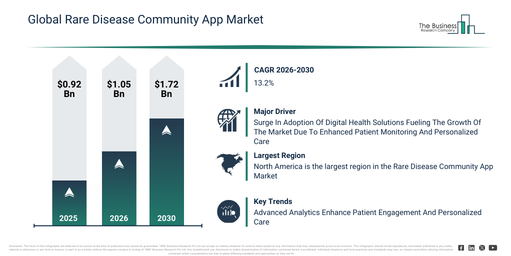
    The market size for rare disease community applications has experienced swift expansion recently. This market is projected to expand from $0.92 billion in 2025 to $1.05 billion in 2026, demonstrating a compound annual growth rate (CAGR) of 13.5%. Factors contributing to its historical growth include greater smartphone adoption in healthcare settings, heightened recognition of rare diseases, the proliferation of digital health platforms, an escalating need for peer-to-peer patient assistance, and enhancements in connectivity infrastructure.

    The rare disease community app market size is anticipated to undergo rapid expansion over the next few years. It is projected to achieve a value of $1.72 billion by 2030, growing at a compound annual growth rate (CAGR) of 13.2%. This expected growth during the forecast period stems from factors such as heightened integration with electronic health records, a rise in the adoption of personalized digital health tools, the broadening of virtual patient communities, an intensifying focus on data privacy and compliance, and enhanced collaboration with healthcare providers. Significant trends identified for this period include the increased embrace of digital patient support platforms, the rising deployment of AI-driven community engagement tools, a stronger emphasis on secure health data sharing, the development of integrated care coordination features, and a greater prioritization of user-centric app design.

    Get A Free Sample Report With In-Depth Market Insights:

    https://thebusinessresearchcompany.com/sample_request?id=48732647&type=smp&name=Rare%20Disease%20Community%20App%20Market%20Report%202026&utm_source=Blogs&utm_medium=Paid&utm_campaign=Nov_PR

    Rare Disease Community App Market Development Factors: What’s Supporting Demand?

    The expanding uptake of digital health solutions is anticipated to fuel the future development of the rare disease community app market. These solutions involve leveraging technology, software, and digital platforms to enhance healthcare provision, administration, and patient outcomes. This increase in digital health solution implementation is primarily propelled by enhanced patient monitoring, facilitating real-time data analysis and tailored health approaches. The rare disease community app market supports this impetus by providing virtual care accessibility, immediate health data, and customized digital instruments designed for the specific requirements of rare disease patients.

    Rare Disease Community App Market Segmentation: How Does The Market Break Down By Category?

    The rare disease community app market covered in this report is segmented –

    1) By Platform: iPhone Operating System, Android, Web-Based

    2) By Deployment Mode: Cloud-Based, On-Premises

    3) By Application: Patient Support, Disease Management, Clinical Trial Recruitment, Information Sharing, Other Applications

    4) By End-User: Patients, Caregivers, Healthcare Professionals, Researchers, Other End-Users

    Subsegments:

    1) By iPhone Operating System: iPhone App Store Apps, iPad Optimized Apps, Universal iOS Apps

    2) By Android: Google Play Store Apps, Android Tablet Apps, Hybrid Android Apps

    3) By Web-Based: Browser-Based Platforms, Progressive Web Apps (PWAs), Cloud-Hosted Web Portals

    Rare Disease Community App Market Trends Powering Strategic Industry Growth

    Leading firms within the rare disease app sector are prioritizing the creation of sophisticated tools, including natural language processing (NLP) analytics, aiming to boost patient involvement, simplify interactions with medical professionals, and strengthen support for disease management. Natural language processing (NLP) analytics involves artificial intelligence-powered techniques designed to analyze, understand, and condense human language, producing practical health information for both patients and healthcare providers.

    Rare Disease Community App Market Competitive Overview And Top Companies

    Major companies operating in the rare disease community app market are The Mighty Networks, Inc., PicnicHealth, Inc., FDNA, Inc., RareConnect, Carenity SAS, MyHealthTeam, Inc., CureDuchenne, Inc., Aparito Limited, ThinkGenetic, Inc., Know Rare, Inc., Rare Patient Voice, LLC, Inspire, Inc., RareGuru, LLC, Xperiome Ltd., PatientsLikeMe, Inc., Rare Disease Connect, Inc., Cochrane Rare Diseases, Global Genes, Inc., EURORDIS – Rare Diseases Europe, StuffThatWorks Health Ltd., and HealthUnlocked Ltd.

    View The Full Rare Disease Community App Market Report:

    https://thebusinessresearchcompany.com/report/rare-disease-community-app-global-market-report?utm_source=Blogs&utm_medium=Paid&utm_campaign=Nov_PR

    Rare Disease Community App Market Top Region By Revenue And Market Share

    North America was the largest region in the rare disease community app market in 2025. Asia-Pacific is expected to be the fastest-growing region in the forecast period. The regions covered in the rare disease community app market report are Asia-Pacific, South East Asia, Western Europe, Eastern Europe, North America, South America, Middle East, Africa.

    Reach Out To Our Team:

    The Business Research Company: https://www.thebusinessresearchcompany.com/

    Americas: +1 310-496-7795

    Asia: +44 7882 955267 & +91 8897263534

    Europe: +44 7882 955267

    Email us at: marketing@tbrc.info

    Follow us on:

    LinkedIn: https://in.linkedin.com/company/the-business-research-company

    YouTube: https://www.youtube.com/channel/UC24_fI0rV8cR5DxlCpgmyFQ

    Global Market Model: https://www.thebusinessresearchcompany.com/global-market-model