Author: Marketing Posting

  • Rare Disease Clinical Trials Market Set To Expand From $21.34 Billion In 2026: Growth Outlook Through 2030

    Rare Disease Clinical Trials Market Set To Expand From $21.34 Billion In 2026: Growth Outlook Through 2030

    Backed by market attractiveness analysis, total addressable market sizing, company benchmarking matrices, interactive Excel dashboards, wider supply chain intelligence, emerging startup coverage, and detailed product-level insights, The Business Research Company’s 2026 market reports are designed to offer research that is more actionable and strategically valuable than ever.

    Rare Disease Clinical Trials Market Forecast: What Value Will The Market Reach By 2030?

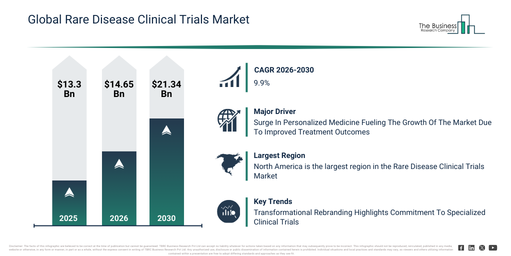
    The rare disease clinical trials market size has seen rapid expansion in recent years. This market is projected to grow from $13.3 billion in 2025 to $14.65 billion in 2026, demonstrating a compound annual growth rate (CAGR) of 10.1%. The historical growth can be attributed to the expansion of orphan drug development programs, increasing regulatory incentives for rare disease research, the growth of specialized clinical research organizations, rising collaboration between academia and industry, and improved diagnostic identification of rare diseases.

    The rare disease clinical trials market size is anticipated to experience substantial growth in the upcoming years. It is projected to expand to $21.34 billion by 2030, achieving a compound annual growth rate (CAGR) of 9.9%. This growth throughout the forecast period can be attributed to the increasing adoption of virtual and hybrid trials, the rising utilization of AI-driven trial optimization, the expansion of global rare disease trial networks, the growing demand for faster regulatory approvals, and increasing investment in rare disease research and development. Prominent trends expected during the forecast period include the increasing use of decentralized clinical trial models, a rising adoption of adaptive trial designs, the growing integration of digital patient recruitment tools, the expansion of real-world evidence collection, and an enhanced focus on patient-centric trial protocols.

    Get A Free Sample Report With In-Depth Market Insights:

    https://thebusinessresearchcompany.com/sample_request?id=67753496&type=smp&name=Rare%20Disease%20Clinical%20Trials%20Market%20Report%202026&utm_source=Blogs&utm_medium=Paid&utm_campaign=Nov_PR

    Rare Disease Clinical Trials Market Industry Drivers: What’s Behind The Revenue Growth?

    The growth of the rare disease clinical trials market moving forward is anticipated to be driven by the emergence of personalized medicine. Personalized medicine involves customizing medical treatments to suit each patient’s unique attributes, such as their genetic makeup, lifestyle, and environment. The increasing prominence of personalized medicine is attributed to enhanced treatment outcomes, as it tailors therapies to individual patient profiles for greater effectiveness and safety. Rare disease clinical trials play a role in advancing personalized medicine by generating patient-specific insights that guide the creation of targeted therapies, precisely adapted to each individual’s distinct genetic and molecular profile.

    Rare Disease Clinical Trials Market Segment Trends And Revenue Contributors

    The rare disease clinical trials market covered in this report is segmented –

    1) By Phase: Phase I, Phase II, Phase III, Phase IV

    2) By Therapeutic Area: Oncology, Cardiovascular Disorders, Neurological Disorders, Infectious Disease, Genetic Disorders, Autoimmune And Inflammation, Hematologic Disorders, Musculoskeletal Disorders, Other Therapeutic Areas

    3) By Study Design: Interventional, Observational, Expanded Access

    4) By End-User: Pharmaceutical Companies, Biotechnology Companies, Research Institutes, Other End-Users

    Subsegments:

    1) By Phase I: First In Human Trials, Dose Escalation Studies, Safety And Tolerability Studies

    2) By Phase II: Proof Of Concept Studies, Dose Response Studies, Efficacy And Safety Studies

    3) By Phase III: Randomized Controlled Trials, Comparative Effectiveness Studies, Large Scale Multicenter Trials

    4) By Phase IV: Post Marketing Surveillance, Long Term Safety Studies, Real World Evidence Studies

    Rare Disease Clinical Trials Market Growth Trends Reshaping The Competitive Landscape

    Leading companies in the rare disease clinical trials market are concentrating on driving innovations, such as implementing a client-focused strategy to deliver customized trial designs, enhancing patient participation, and accelerating the development of targeted therapies for uncommon conditions. A client-centric approach involves prioritizing the needs, goals, and preferences of biotech and pharmaceutical clients to provide tailored and effective clinical trial solutions. For instance, in March 2025, Evestia Clinical Limited, a US-based pharmaceutical research company, was introduced as the new brand identity for EMAS Pharma. This rebranding signifies a strategic move to accelerate the company’s global expansion. The company is committed to speeding up the development of therapies for rare diseases by offering expert-driven, personalized clinical trial solutions that are tailored to the unique challenges presented by these conditions. This focus is a crucial part of its brand identity and service offering.

    Rare Disease Clinical Trials Market Competitive Landscape: Which Companies Lead The Industry?

    Major companies operating in the rare disease clinical trials market are F. Hoffmann-La Roche AG, Pfizer Inc., Novartis AG, AstraZeneca plc, Takeda Pharmaceutical Company Limited, IQVIA Holdings Inc., Laboratory Corporation of America Holdings, ICON plc, Moderna Inc., Charles River Laboratories International Inc., Parexel International Corporation, Revvity Inc., Sarepta Therapeutics Inc., TFS HealthScience, Inventiva S.A., Tonix Pharmaceuticals Holding Corp., SpringWorks Therapeutics Inc., OrphAI Therapeutics Inc., BBCR Consulting LLC, Credevo Inc.

    View The Full Rare Disease Clinical Trials Market Report:

    https://thebusinessresearchcompany.com/report/rare-disease-clinical-trials-global-market-report?utm_source=Blogs&utm_medium=Paid&utm_campaign=Nov_PR

    Rare Disease Clinical Trials Market Regional Analysis And Top Geography

    North America was the largest region in the rare disease clinical trials market in 2025. The regions covered in the rare disease clinical trials market report are Asia-Pacific, South East Asia, Western Europe, Eastern Europe, North America, South America, Middle East, Africa.

    Reach Out To Our Team:

    The Business Research Company: https://www.thebusinessresearchcompany.com/

    Americas: +1 310-496-7795

    Asia: +44 7882 955267 & +91 8897263534

    Europe: +44 7882 955267

    Email us at: marketing@tbrc.info

    Follow us on:

    LinkedIn: https://in.linkedin.com/company/the-business-research-company

    YouTube: https://www.youtube.com/channel/UC24_fI0rV8cR5DxlCpgmyFQ

    Global Market Model: https://www.thebusinessresearchcompany.com/global-market-model
  • Rare Dermatological Disease Treatment Market Size And Growth In 2026: Key Factors Shaping Future Demand

    Rare Dermatological Disease Treatment Market Size And Growth In 2026: Key Factors Shaping Future Demand

    Featuring market attractiveness scoring, total addressable market sizing, company benchmarking matrices, interactive Excel dashboards, deeper supply chain intelligence, emerging startup tracking, and granular product-level insights, The Business Research Company’s 2026 market reports are built to deliver research that is both more actionable and more strategically valuable.

    Rare Dermatological Disease Treatment Market Size Outlook: How Quickly Will Revenue Expand Through 2030?

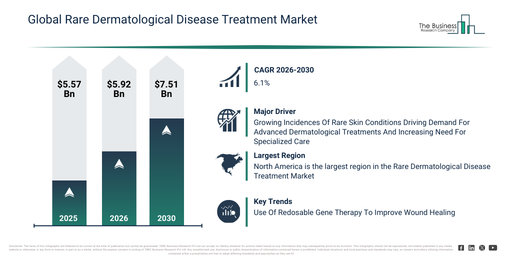
    The market size for rare dermatological disease treatments has experienced substantial growth in recent years. This market is anticipated to expand from $5.57 billion in 2025 to $5.92 billion in 2026, at a compound annual growth rate (CAGR) of 6.3%. The growth observed in the past can be attributed to an improved grasp of the pathophysiology of rare skin diseases, the expansion of orphan drug regulations, increasing research in specialist dermatology, advancements in biologics manufacturing capabilities, and a rising awareness of rare dermatological conditions.

    The rare dermatological disease treatment market is projected for substantial expansion over the coming years. By 2030, its valuation is anticipated to reach $7.51 billion, exhibiting a compound annual growth rate (CAGR) of 6.1%. This projected increase during the forecast period stems from factors such as heightened investments in gene therapy platforms, a greater emphasis on personalized treatment approaches, an uptick in clinical research for rare skin conditions, the increasing application of advanced biologics, and augmented regulatory backing for orphan therapies. Key developments expected during this period involve the increasing creation of targeted biologic treatments, a rise in the uptake of gene and cell-based therapies, an intensified focus on individualized dermatology care, the broadening of orphan drug pipelines, and the improved deployment of sophisticated diagnostic techniques.

    Get A Free Sample Report With In-Depth Market Insights:

    https://thebusinessresearchcompany.com/sample_request?id=81638085&type=smp&name=Rare%20Dermatological%20Disease%20Treatment%20Market%20Report%202026&utm_source=Blogs&utm_medium=Paid&utm_campaign=Nov_PR

    Rare Dermatological Disease Treatment Market Growth Factors: What’s Supporting Expansion?

    A rising count of identified rare dermatological disorders is projected to fuel expansion within the rare dermatological disease treatment market. Seldom-seen skin ailments, including epidermolysis bullosa, pemphigus vulgaris, and cutaneous lupus erythematosus, impact a minor segment of individuals yet necessitate expert attention and specific treatments. Progress in genetic screening, enhanced understanding of these conditions, and prompt diagnosis have led to a greater global incidence of recognized cases. Such increased acknowledgment is generating a need for novel therapeutic approaches, encompassing gene therapies, sophisticated biologics, and supportive care options, aimed at symptom control, fostering wound recovery, and bettering patient results. As an example, in January 2025, according to a CDC, a US-based public health agency, Vyjuvek (beremagene geperpavec-svdt), a redosable gene therapy designed for dystrophic epidermolysis bullosa, showed notable wound healing in trials, underscoring how pioneering treatments influence patient management. Consequently, the expanding occurrence of rare skin disorders is propelling the expansion of the rare dermatological disease treatment market.

    Rare Dermatological Disease Treatment Market Segment Analysis Spotlighting Growth Areas

    The rare dermatological disease treatment market covered in this report is segmented –

    1) By Indication: Systemic Sclerosis, Epidermolysis Bullosa, Pemphigus Vulgaris, Cutaneous Lupus Erythematosus

    2) By Treatment: Corticosteroid, Immunosuppressants, Anti-Inflammatory Agents, Other Treatments

    3) By Distribution Channel: Hospital Pharmacies, Retail Pharmacies, Online Pharmacies

    4) By Technology: Gene Therapy, Stem Cell Therapy, Nanotechnology

    5) By Application: Epidermolysis Bullosa, Ichthyosis, Other Applications

    Subsegments:

    1) By Systemic Sclerosis: Limited Cutaneous Systemic Sclerosis, Diffuse Cutaneous Systemic Sclerosis, Sine Scleroderma

    2) By Epidermolysis Bullosa: Epidermolysis Bullosa Simplex, Junctional Epidermolysis Bullosa, Dystrophic Epidermolysis Bullosa, Kindler Syndrome

    3) By Pemphigus Vulgaris: Mucosal Pemphigus Vulgaris, Mucocutaneous Pemphigus Vulgaris, Cutaneous Pemphigus Vulgaris

    4) By Cutaneous Lupus Erythematosus: Acute Cutaneous Lupus Erythematosus, Subacute Cutaneous Lupus Erythematosus, Chronic Cutaneous Lupus Erythematosus (Discoid Lupus)

    Rare Dermatological Disease Treatment Market Trends Shaping Long-Term Demand

    Within the rare dermatological disease treatment market, prominent companies are concentrated on advancing sophisticated gene therapy technologies, notably redosable gene therapy, to better patient outcomes, streamline treatment, and elevate the quality of life. This type of gene therapy works by delivering functional COL7A1 genes directly to affected skin areas, facilitating repeated, noninvasive applications, sustained protein restoration, and accelerated wound closure.

    Rare Dermatological Disease Treatment Market Leading Companies: Who Holds The Strongest Market Presence?

    Major companies operating in the rare dermatological disease treatment market are Kyowa Kirin, Johnson and Johnson company, F. Hoffmann-La Roche Limited, Merck KGaA, Arcutis Biotherapeutics, Pfizer Inc., Abbvie, Sanofi, Novartis AG, AstraZeneca, Eli lilly and company, Amgen, Bristol Myers Squibb Company, Pierre Fabre Laboratories, LEO Pharma, Almirall, Castle Creek Biosciences, Inc., Azitra, Krystal Biotech, Inc., Avita Medical, NS Pharma, Replay, Eloxx Pharmaceuticals, Kamari Pharma, BPGbio

    View The Full Rare Dermatological Disease Treatment Market Report:

    https://thebusinessresearchcompany.com/report/rare-dermatological-disease-treatment-global-market-report?utm_source=Blogs&utm_medium=Paid&utm_campaign=Nov_PR

    Rare Dermatological Disease Treatment Market Geographic Analysis: Where Is Demand Rising Fastest?

    North America was the largest region in the personalized genomics market in 2025. Asia-Pacific is expected to be the fastest-growing region in the forecast period. The regions covered in the rare dermatological disease treatment market report are Asia-Pacific, South East Asia, Western Europe, Eastern Europe, North America, South America, Middle East, Africa.

    Reach Out To Our Team:

    The Business Research Company: https://www.thebusinessresearchcompany.com/

    Americas: +1 310-496-7795

    Asia: +44 7882 955267 & +91 8897263534

    Europe: +44 7882 955267

    Email us at: marketing@tbrc.info

    Follow us on:

    LinkedIn: https://in.linkedin.com/company/the-business-research-company

    YouTube: https://www.youtube.com/channel/UC24_fI0rV8cR5DxlCpgmyFQ

    Global Market Model: https://www.thebusinessresearchcompany.com/global-market-model
  • Rare Biomarkers Specimen Collection And Stabilization Market Forecast 2026–2030: Market Size, Trends And Growth Opportunities

    Rare Biomarkers Specimen Collection And Stabilization Market Forecast 2026–2030: Market Size, Trends And Growth Opportunities

    Built to provide research that’s more actionable and strategically valuable, The Business Research Company’s 2026 market reports include market attractiveness analysis, total addressable market sizing, company benchmarking matrices, interactive Excel dashboards, broader supply chain intelligence, emerging startup tracking, and in-depth product insights.

    Rare Biomarkers Specimen Collection And Stabilization Market Size, Value And Growth Trajectory Through 2030

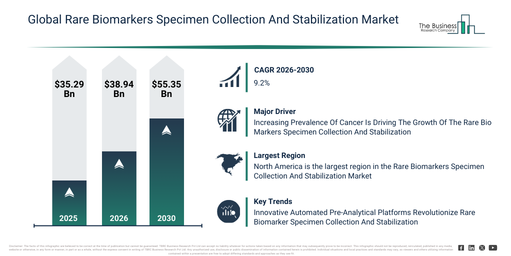
    The rare biomarkers specimen collection and stabilization market size has recently seen rapid growth. It is projected to expand from $35.29 billion in 2025 to $38.94 billion in 2026, demonstrating a compound annual growth rate (CAGR) of 10.3%. The market’s historic growth can be attributed to the growth in molecular diagnostics research, expansion of oncology biomarker studies, availability of plasma-based testing methods, increasing clinical trial activity, and the rising use of biobanking practices.

    The rare biomarkers specimen collection and stabilization market is projected to experience substantial expansion in the coming years. This market is anticipated to reach $55.35 billion by 2030, exhibiting a compound annual growth rate (CAGR) of 9.2%. Factors contributing to this growth over the forecast period include the increasing uptake of precision diagnostics, a heightened demand for early disease detection, the expansion of genomic and transcriptomic testing, rising investments in drug development guided by biomarkers, and the growing incorporation of AI into biomarker analysis. Key trends anticipated during the same period encompass the growing adoption of liquid biopsy collection methods, increased utilization of advanced stabilization reagents, a surging need for high-sensitivity biomarker preservation, the broadening of non-invasive diagnostic applications, and an intensified emphasis on sample integrity and traceability.

    Get A Free Sample Report With In-Depth Market Insights:

    https://thebusinessresearchcompany.com/sample_request?id=45911661&type=smp&name=Rare%20Biomarkers%20Specimen%20Collection%20And%20Stabilization%20Market%20Report%202026&utm_source=Blogs&utm_medium=Paid&utm_campaign=Nov_PR

    Rare Biomarkers Specimen Collection And Stabilization Market Demand Drivers: What’s Powering Industry Growth?

    A rising incidence of cancer is anticipated to drive the expansion of the rare biomarker specimen collection and stabilization market in the future. Cancer encompasses a wide range of illnesses marked by the unregulated proliferation and dissemination of atypical cells. This increase in cancer cases stems from elements like environmental factors, lifestyle choices such as smoking and unhealthy eating, and genetic predispositions, collectively fostering a greater demand for accurate diagnostic and monitoring instruments. The collection and stabilization of rare biomarker specimens are crucial for ensuring the precise preservation of blood- and tissue-derived biomarkers utilized in oncology for initial diagnosis, molecular characterization, and therapeutic decision-making.

    Rare Biomarkers Specimen Collection And Stabilization Market Segment Performance And Emerging Opportunities

    The rare biomarkers specimen collection and stabilization market covered in this report is segmented –

    1) By Type: Circulating Cell Free Deoxyribonucleic Acid (CCFDNA), Circulating Tumor Cells (CTCs), Exosomes or Extracellular Vesicles

    2) By Specimen: Serum Or Plasma, Other Specimens

    3) By Application: Non-Invasive Prenatal Testing (NIPT), Oncology, Transcriptomics, Pharmacogenomics, Transplant Rejection, Population Screening, Cardiovascular Diseases, Other Applications

    4) By End-User: Hospitals, Perinatal Clinics, Public Health Labs, Private Or Commercial Labs, Physician Labs, Research Institutes, Other End-Users

    Subsegments:

    1) By Circulating Cell Free Deoxyribonucleic Acid (CCFDNA): Plasma CCFDNA, Serum CCFDNA

    2) By Circulating Tumor Cells (CTCs): CTCs In Blood, CTCs In Bone Marrow

    3) By Exosomes Or Extracellular Vesicles: Exosomes From Plasma, Exosomes From Serum

    Rare Biomarkers Specimen Collection And Stabilization Market Innovation Trends Shaping Future Development

    Major companies operating in the rare biomarkers specimen collection and stabilization market are focusing on developing sophisticated solutions, such as automated plasma and cell sample preparation, to maintain biomarker integrity and enable extensive multiomics analysis. Automated pre-analytical platforms encompass technologies that standardize blood sample processing, including plasma separation, cell fixation, and slide preparation at the point of collection, thereby ensuring consistent specimen quality without manual handling or specialized tubes.

    Rare Biomarkers Specimen Collection And Stabilization Market Key Players: Which Companies Lead Industry Competition?

    Major companies operating in the rare biomarkers specimen collection and stabilization market are F. Hoffmann-La Roche AG, Thermo Fisher Scientific Inc., Abbott Laboratories, Merck KGaA, Becton Dickinson and Company, Eurofins Scientific SE, Agilent Technologies Inc., PerkinElmer Inc., Illumina Inc., Charles River Laboratories International Inc., Bio-Rad Laboratories Inc., Bruker Corporation, QIAGEN N.V., Miltenyi Biotec GmbH, Natera Inc., Promega Corporation, Myriad Genetics, Hamilton Company, OraSure Technologies Inc., Fluidigm Corporation, Streck Inc., SeraCare, Enzo Biochem Inc., Epigenomics AG, Veridex LLC

    View The Full Rare Biomarkers Specimen Collection And Stabilization Market Report:

    https://thebusinessresearchcompany.com/report/rare-biomarkers-specimen-collection-and-stabilization-global-market-report?utm_source=Blogs&utm_medium=Paid&utm_campaign=Nov_PR

    Rare Biomarkers Specimen Collection And Stabilization Market Global Footprint: Which Region Leads The Market?

    North America was the largest region in the rare biomarkers specimen collection and stabilization market in 2025. Asia-Pacific is expected to be the fastest-growing region in the forecast period. The regions covered in the rare biomarkers specimen collection and stabilization market report are Asia-Pacific, South East Asia, Western Europe, Eastern Europe, North America, South America, Middle East, Africa.

    Reach Out To Our Team:

    The Business Research Company: https://www.thebusinessresearchcompany.com/

    Americas: +1 310-496-7795

    Asia: +44 7882 955267 & +91 8897263534

    Europe: +44 7882 955267

    Email us at: marketing@tbrc.info

    Follow us on:

    LinkedIn: https://in.linkedin.com/company/the-business-research-company

    YouTube: https://www.youtube.com/channel/UC24_fI0rV8cR5DxlCpgmyFQ

    Global Market Model: https://www.thebusinessresearchcompany.com/global-market-model
  • Rapid Diagnostics Market Size Reaches $40.66 Billion In 2026: What Is Driving Growth?

    Rapid Diagnostics Market Size Reaches $40.66 Billion In 2026: What Is Driving Growth?

    Backed by market attractiveness analysis, total addressable market sizing, company benchmarking matrices, interactive Excel dashboards, wider supply chain intelligence, emerging startup coverage, and detailed product-level insights, The Business Research Company’s 2026 market reports are designed to offer research that is more actionable and strategically valuable than ever.

    Rapid Diagnostics Market CAGR Outlook And Future Development

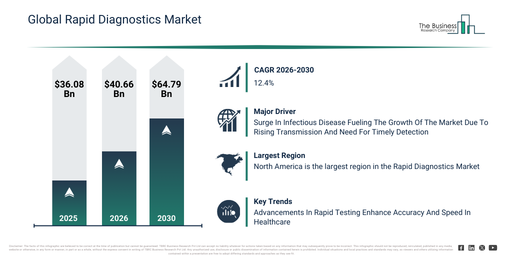
    The rapid diagnostics market has seen significant expansion in recent years. It is forecast to increase from $36.08 billion in 2025 to $40.66 billion in 2026, achieving a compound annual growth rate (CAGR) of 12.7%. This historical development can be credited to a heightened demand for quicker clinical diagnostics, the proliferation of decentralized healthcare settings, an uptick in the incidence of chronic and infectious diseases, enhanced availability of diagnostic tools, and the progression of outpatient diagnostic services.

    The rapid diagnostics market is projected for substantial expansion in the coming years, set to achieve a valuation of $64.79 billion by 2030, demonstrating a compound annual growth rate (CAGR) of 12.4%. This anticipated growth stems from several factors, including escalating investments in molecular diagnostics, the increasing uptake of connected diagnostic tools, the broadening availability of home-based testing solutions, a heightened emphasis on personalized diagnostics, and the expanded implementation of data-driven clinical workflows. Key trends during this projection period involve the expanding utilization of point-of-care diagnostic platforms, the surging adoption of molecular rapid testing, the growing incorporation of digital result interpretation, the proliferation of portable diagnostic instruments, and an increased focus on providing early clinical decision support.

    Get A Free Sample Report With In-Depth Market Insights:

    https://thebusinessresearchcompany.com/sample_request?id=34039763&type=smp&name=Rapid%20Diagnostics%20Market%20Report%202026&utm_source=Blogs&utm_medium=Paid&utm_campaign=Nov_PR

    Rapid Diagnostics Market Growth Drivers: What’s Behind The Acceleration?

    The increasing occurrence of infectious diseases is anticipated to propel the growth of the rapid diagnostics market going forward. Infectious disease refers to health conditions originating from pathogenic microorganisms like bacteria, viruses, parasites, or fungi, capable of spreading directly or indirectly between individuals. The rise in the prevalence of these diseases is influenced by increased global travel, which contributes to more rapid transmission and elevated infection rates. Rapid diagnostics support the management of infectious diseases by allowing for quick and precise identification of pathogens, thereby enabling prompt treatment choices, reduced transmission, and enhanced patient outcomes.

    Rapid Diagnostics Market Segment Landscape And Growth Outlook

    The rapid diagnostics market covered in this report is segmented –

    1) By Product Type: Kits, Reagents, Instruments, Other Product Types

    2) By Platform: Immunoassays, Molecular Detection, Other Rapid Diagnostic Platforms

    3) By Application: Blood Glucose Testing, Infectious Disease Testing, Cardiometabolic Testing, Pregnancy and Fertility Testing, Fecal Occult Blood Testing, Coagulation Testing, Toxicology Testing

    4) By Distribution Channel: Hospital Pharmacies, Brick and Mortar, E-Commerce, Other Distribution Channels

    5) By End Use: Diagnostic Centers, Homecare Settings, Hospital Pharmacies, Other End Users

    Subsegments:

    1) By Kits: Lateral Flow Assay Kits, PCR Kits, Immunoassay Kits, Microfluidic Kits, Molecular Diagnostic Kits, Multiplex Kits

    2) By Reagents: Enzymes, Buffers, Probes and Primers, Stains and Dyes, Antibodies, Calibration and Control Reagents

    3) By Instruments: PCR Machines, Lateral Flow Readers, Immunoassay Analyzers, Microfluidic Analyzers, Automated Sample Processors, Biosensors

    4) By Other Product Types: Software and Data Management Tools, Sample Collection Devices, Accessories and Consumables, Calibration Standards, Point-of-Care Devices

    Rapid Diagnostics Market Trends Redefining Industry Growth

    Leading companies in the rapid diagnostics market are prioritizing advancements and innovation, including rapid diagnostic testing instruments, to enhance diagnostic accuracy, reduce turnaround times, and improve patient outcomes within point-of-care settings. Rapid diagnostic testing tools are defined as medical devices that swiftly detect the presence of specific diseases or conditions, typically delivering results within minutes at the point of care. For instance, in May 2025, SEKISUI Diagnostics, a US-based medical diagnostics manufacturer, introduced the OSOM RSV Test, a rapid diagnostic tool for identifying respiratory syncytial virus (RSV). This test is designed for use in professional healthcare environments and yields results in a mere 15 minutes. It employs a rapid immunochromatographic assay to qualitatively detect the RSV nucleoprotein antigen. The test utilizes anterior nasal swab specimens collected from patients showing symptoms of respiratory infection. Its quick turnaround time supports timely and effective clinical decision-making.

    Rapid Diagnostics Market Competitive Landscape: Who Leads The Industry?

    Major companies operating in the rapid diagnostics market are Johnson And Johnson Services Inc, F Hoffmann La Roche Ltd, Thermo Fisher Scientific Inc, Abbott Laboratories, Danaher Corporation, Siemens Healthineers AG, Becton Dickinson And Company, Hologic Inc, bioMerieux SA, QuidelOrtho Corporation, Bio Rad Laboratories Inc, QIAGEN NV, Cepheid Inc, OraSure Technologies Inc, Nova Biomedical Corporation, Fujirebio Holdings Inc, Sekisui Diagnostics LLC, EKF Diagnostics Holdings plc, Trinity Biotech plc, Abingdon Health plc, Abionic SA, LumiraDx Ltd

    View The Full Rapid Diagnostics Market Report:

    https://thebusinessresearchcompany.com/report/rapid-diagnostics-global-market-report?utm_source=Blogs&utm_medium=Paid&utm_campaign=Nov_PR

    Rapid Diagnostics Market Regional Split: Which Areas Are Fueling Growth?

    North America was the largest region in the rapid diagnostics market in 2025. Asia-Pacific is expected to be the fastest-growing region in the forecast period. The regions covered in the rapid diagnostics market report are Asia-Pacific, South East Asia, Western Europe, Eastern Europe, North America, South America, Middle East, Africa.

    Reach Out To Our Team:

    The Business Research Company: https://www.thebusinessresearchcompany.com/

    Americas: +1 310-496-7795

    Asia: +44 7882 955267 & +91 8897263534

    Europe: +44 7882 955267

    Email us at: marketing@tbrc.info

    Follow us on:

    LinkedIn: https://in.linkedin.com/company/the-business-research-company

    YouTube: https://www.youtube.com/channel/UC24_fI0rV8cR5DxlCpgmyFQ

    Global Market Model: https://www.thebusinessresearchcompany.com/global-market-model
  • Rapid Diagnostic Test Kits Market Valued At $32.22 Billion In 2026: Key Trends And Growth Drivers

    Rapid Diagnostic Test Kits Market Valued At $32.22 Billion In 2026: Key Trends And Growth Drivers

    Featuring market attractiveness scoring, total addressable market sizing, company benchmarking matrices, interactive Excel dashboards, deeper supply chain intelligence, emerging startup tracking, and granular product-level insights, The Business Research Company’s 2026 market reports are built to deliver research that is both more actionable and more strategically valuable.

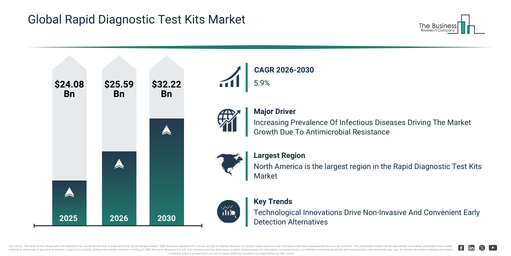
    Rapid Diagnostic Test Kits Market Set To Climb From $25.59 Billion In 2026 To $32.22 Billion By 2030

    The rapid diagnostic test kits market has experienced significant growth in recent years. This market is projected to expand from $24.08 billion in 2025 to $25.59 billion in 2026, at a compound annual growth rate (CAGR) of 6.3%. Historically, this growth can be attributed to the increasing prevalence of infectious diseases, the expansion of decentralized healthcare delivery, a rising demand for quick diagnostic results, the growth in outpatient and homecare testing, and the availability of lateral flow and immunoassay technologies.

    The rapid diagnostic test kits market size is projected to experience robust expansion in the upcoming years. This market is anticipated to reach $32.22 billion by 2030, exhibiting a compound annual growth rate (CAGR) of 5.9%. Factors contributing to this growth during the forecast period include greater investments in rapid diagnostic advancements, a surge in the use of self-testing kits, the broadening of infectious disease surveillance initiatives, an increasing need for economical diagnostics in developing markets, and the enhanced incorporation of digital readout technologies. Key trends for the forecast duration encompass the heightened embrace of point-of-care testing methods, an escalating demand for multiplex rapid test kits, the expanded application of home-based diagnostic testing, the proliferation of portable and disposable test formats, and an intensified emphasis on discovering diseases sooner.

    Get A Free Sample Report With In-Depth Market Insights:

    https://thebusinessresearchcompany.com/sample_request?id=55977526&type=smp&name=Rapid%20Diagnostic%20Test%20Kits%20Market%20Report%202026&utm_source=Blogs&utm_medium=Paid&utm_campaign=Nov_PR

    Rapid Diagnostic Test Kits Market Growth Factors Behind Sustained Expansion

    The rapid diagnostic test kits market is expected to grow due to the increasing occurrence of infectious diseases. These illnesses are caused by pathogenic microorganisms such as bacteria, viruses, fungi, or parasites, which can spread from person to person directly or indirectly. The rising prevalence of infectious diseases is driven by factors like antimicrobial resistance and evolving pathogen strains, as widespread antibiotic use has led to drug-resistant bacterial infections, while viruses continue to mutate, forming new variants that evade existing immunity and require updated detection methods. This growing prevalence supports the increased use of point-of-care testing devices for rapid pathogen identification, enabling healthcare providers to quickly diagnose infections, initiate appropriate treatment, and implement timely infection control measures.

    Rapid Diagnostic Test Kits Market Breakdown By Product Type And Application

    The rapid diagnostic test kits market covered in this report is segmented –

    1) By Product Type: Antigen Test Kits, Antibody Test Kits, Nucleic Acid Test Kits, Multi-Analyte Test Kits

    2) By Technology: Fluorescent Immunoassay, Enzyme-Linked Immunosorbent Assay (ELISA), Colloidal Gold-Based Test, Lateral Flow Assays

    3) By Application: Infectious Disease Testing, Cardiology Testing, Oncology Testing, Pregnancy And Fertility Testing, Toxicology Testing, Glucose Monitoring, Other Applications

    4) By End-User: Hospitals, Diagnostic Laboratories, Home Care Settings, Pharmacies

    Subsegments:

    1) By Antigen Test Kits: COVID-19 Antigen Test Kits, Influenza Antigen Test Kits, Malaria Antigen Test Kits, Respiratory Syncytial Virus Antigen Test Kits, Streptococcus Antigen Test Kits

    2) By Antibody Test Kits: HIV Antibody Test Kits, Hepatitis Antibody Test Kits, COVID-19 Antibody Test Kits, Dengue Antibody Test Kits, Syphilis Antibody Test Kits

    3) By Nucleic Acid Test Kits: HIV Nucleic Acid Test Kits, Hepatitis B And C Nucleic Acid Test Kits, Human Papillomavirus Nucleic Acid Test Kits, Tuberculosis Nucleic Acid Test Kits, COVID-19 Nucleic Acid Test Kits

    4) By Multi-Analyte Test Kits: Respiratory Panel Test Kits, Sexually Transmitted Infections Panel Test Kits, Gastrointestinal Panel Test Kits, Febrile Illness Panel Test Kits, Sepsis Marker Panel Test Kits

    Rapid Diagnostic Test Kits Market Strategic Trends: What Defines The Next Growth Phase?

    Leading companies in the rapid diagnostic test kits market are prioritizing the development of innovative solutions, such as saliva-based pregnancy test kits, to secure a competitive advantage. These saliva-based pregnancy test kits are diagnostic instruments crafted to detect pregnancy by examining a woman’s saliva for hormonal alterations, especially human chorionic gonadotropin (hCG), which is produced during gestation.

    Rapid Diagnostic Test Kits Market Company Landscape And Competitive Strategy

    Major companies operating in the rapid diagnostic test kits market are F Hoffmann La Roche Ltd, Thermo Fisher Scientific Inc, Abbott Laboratories, Danaher Corporation, Siemens Healthineers AG, Becton Dickinson and Company, Hologic Inc, bioMerieux SA, QuidelOrtho Corporation, Bio Rad Laboratories Inc, QIAGEN NV, Cepheid Inc, OraSure Technologies Inc, Nova Biomedical Corporation, Sekisui Diagnostics LLC, EKF Diagnostics Holdings plc, Trinity Biotech plc, ACON Laboratories Inc, Fluxergy LLC, Lumos Diagnostics Holdings Limited, Abingdon Health plc, Abionic SA

    View The Full Rapid Diagnostic Test Kits Market Report:

    https://thebusinessresearchcompany.com/report/rapid-diagnostic-test-kits-global-market-report?utm_source=Blogs&utm_medium=Paid&utm_campaign=Nov_PR

    Rapid Diagnostic Test Kits Market Top Region: Where Does Most Revenue Come From?

    North America was the largest region in the rapid diagnostic test kits market in 2025. Asia-Pacific is expected to be the fastest-growing region in the forecast period. The regions covered in the rapid diagnostic test kits market report are Asia-Pacific, South East Asia, Western Europe, Eastern Europe, North America, South America, Middle East, Africa.

    Reach Out To Our Team:

    The Business Research Company: https://www.thebusinessresearchcompany.com/

    Americas: +1 310-496-7795

    Asia: +44 7882 955267 & +91 8897263534

    Europe: +44 7882 955267

    Email us at: marketing@tbrc.info

    Follow us on:

    LinkedIn: https://in.linkedin.com/company/the-business-research-company

    YouTube: https://www.youtube.com/channel/UC24_fI0rV8cR5DxlCpgmyFQ

    Global Market Model: https://www.thebusinessresearchcompany.com/global-market-model
  • Radiotherapy Induced Oral Mucositis Treatment Market Size In 2026: Growth Outlook And Forecast Through 2030

    Radiotherapy Induced Oral Mucositis Treatment Market Size In 2026: Growth Outlook And Forecast Through 2030

    Built to provide research that’s more actionable and strategically valuable, The Business Research Company’s 2026 market reports include market attractiveness analysis, total addressable market sizing, company benchmarking matrices, interactive Excel dashboards, broader supply chain intelligence, emerging startup tracking, and in-depth product insights.

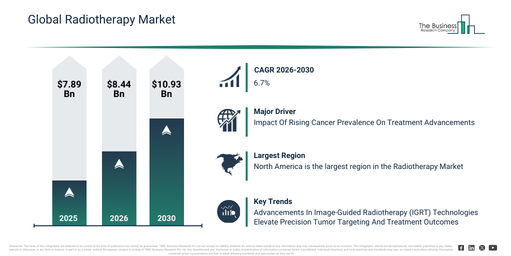
    Radiotherapy Induced Oral Mucositis Treatment Market Forecast: Value Set To Climb From $1.94 Billion To $2.36 Billion

    The radiotherapy induced oral mucositis treatment market has experienced significant growth in recent years. Projections show it will increase from $1.85 billion in 2025 to $1.94 billion in 2026, exhibiting a compound annual growth rate (CAGR) of 5.2%. The expansion observed historically is linked to the increased application of radiotherapy for head and neck cancers, greater understanding of treatment side effects, the availability of supportive oncology drugs, the development of more oncology care centers, and the growing engagement of dental specialists in cancer care.

    The radiotherapy induced oral mucositis treatment market size is anticipated to demonstrate steady expansion in the coming years. It is forecast to grow to $2.36 billion in 2030, achieving a compound annual growth rate (CAGR) of 5.0%. The projected increase can be attributed to factors such as the greater adoption of advanced mucosal protection therapies, rising investments in supportive oncology research, a growing demand for non-invasive pain management, the expansion of hospital-based supportive care programs, and an increasing emphasis on early intervention strategies. Notable trends during this period are expected to include the increasing development of targeted supportive care therapies, a growing utilization of topical and device-based treatments, an elevated focus on patient quality of life management, the expansion of preventive oral care protocols, and enhanced integration of multidisciplinary cancer care.

    Get A Free Sample Report With In-Depth Market Insights:

    https://thebusinessresearchcompany.com/sample_request?id=87254389&type=smp&name=Radiotherapy%20Induced%20Oral%20Mucositis%20Treatment%20Market%20Report%202026&utm_source=Blogs&utm_medium=Paid&utm_campaign=Nov_PR

    Radiotherapy Induced Oral Mucositis Treatment Market Demand Drivers Opening New Revenue Streams

    The rising worldwide incidence of cancer is anticipated to fuel the expansion of the radiotherapy induced oral mucositis treatment market in the future. Cancer is defined by the unrestrained proliferation and dissemination of atypical cells that can penetrate adjacent tissues and organs, stemming from genetic alterations shaped by environmental and lifestyle elements. This growing global occurrence of cancer is mainly propelled by factors including an aging population, lifestyle choices like tobacco usage, obesity, and alcohol intake, alongside environmental impacts such as air pollution. Radiotherapy Induced Oral Mucositis Treatment assists cancer patients by easing the painful consequences of mucosal injury resulting from radiotherapy, allowing them to better endure therapy and sustain their nutritional consumption, thereby enhancing their quality of life throughout cancer treatment.

    Radiotherapy Induced Oral Mucositis Treatment Market Segment Analysis And Revenue Potential

    The radiotherapy induced oral mucositis treatment market covered in this report is segmented –

    1) By Drug Class: Antibiotics, Antifungal, Anti-Inflammatory, Anti-Neoplastic

    2) By Treatment Type: Topical Agents, Systemic Agents, Medical Devices

    3) By Radiotherapy Type: External Beam Radiation Therapy (EBRT), Intensity-Modulated Radiation Therapy (IMRT), Brachytherapy, Proton Therapy, Stereotactic Radiosurgery (SRS), Other Radiotherapy Type

    4) By Severity Type: Mild Oral Mucositis, Moderate Oral Mucositis, Severe Oral Mucositis (SOM)

    5) By End User: Hospitals, Oncology Centres, Research Institutes, Dental Clinics

    Subsegments:

    1) By Antibiotics: Topical Antibiotics, Oral Antibiotics

    2) By Antifungal: Topical Antifungals, Oral Antifungals

    3) By Anti-inflammatory: Corticosteroids, Non-steroidal Anti-inflammatory Drugs (NSAIDs)

    4) By Anti-neoplastic: Chemotherapy Agents, Targeted Therapy Agents

    Radiotherapy Induced Oral Mucositis Treatment Market Transformation Trends: What Innovations Are Driving Change?

    Key companies operating in the radiotherapy induced oral mucositis treatment market are focusing on developing innovative products, such as low-level laser therapy, to enhance healing, reduce pain, and improve patient outcomes during cancer treatment. Low-level laser therapy, also known as cold laser therapy or photobiomodulation, is a non-invasive treatment that uses low-power lasers or light-emitting diodes (LEDs) to stimulate healing and reduce pain and inflammation.

    Radiotherapy Induced Oral Mucositis Treatment Market Key Players Shaping Industry Direction

    Major companies operating in the radiotherapy induced oral mucositis treatment market are Bausch Health Companies Inc., Sun Pharmaceutical Industries Ltd., Cipla Limited, Dr Reddys Laboratories Ltd., Zydus Cadila Health Care Limited, Leo Pharma A S, Glenmark Pharmaceuticals Ltd., Almirall S.A., Fagron Group BV, Sage Products LLC, Soligenix Inc., EUSA Pharma Ltd., Galera Therapeutics Inc., Enzychem Lifesciences Corp., Jaguar Health Inc., EpicentRx Inc., MONOPAR Therapeutics Inc., Solasia Pharma KK, Pfizer Inc., Novartis AG, Sanofi S.A., Merck And Co Inc., Bristol Myers Squibb Company, AstraZeneca PLC

    View The Full Radiotherapy Induced Oral Mucositis Treatment Market Report:

    https://thebusinessresearchcompany.com/report/radiotherapy-induced-oral-mucositis-treatment-global-market-report?utm_source=Blogs&utm_medium=Paid&utm_campaign=Nov_PR

    Radiotherapy Induced Oral Mucositis Treatment Market Regional Breakdown: Where Is Demand Concentrated?

    North America was the largest region in the radiotherapy induced oral mucositis treatment market in 2025. The regions covered in the radiotherapy induced oral mucositis treatment market report are Asia-Pacific, South East Asia, Western Europe, Eastern Europe, North America, South America, Middle East, Africa.

    Reach Out To Our Team:

    The Business Research Company: https://www.thebusinessresearchcompany.com/

    Americas: +1 310-496-7795

    Asia: +44 7882 955267 & +91 8897263534

    Europe: +44 7882 955267

    Email us at: marketing@tbrc.info

    Follow us on:

    LinkedIn: https://in.linkedin.com/company/the-business-research-company

    YouTube: https://www.youtube.com/channel/UC24_fI0rV8cR5DxlCpgmyFQ

    Global Market Model: https://www.thebusinessresearchcompany.com/global-market-model
  • Radiotherapy Market Trends Supporting 6.7% CAGR Growth Through 2030

    Radiotherapy Market Trends Supporting 6.7% CAGR Growth Through 2030

    Backed by market attractiveness analysis, total addressable market sizing, company benchmarking matrices, interactive Excel dashboards, wider supply chain intelligence, emerging startup coverage, and detailed product-level insights, The Business Research Company’s 2026 market reports are designed to offer research that is more actionable and strategically valuable than ever.

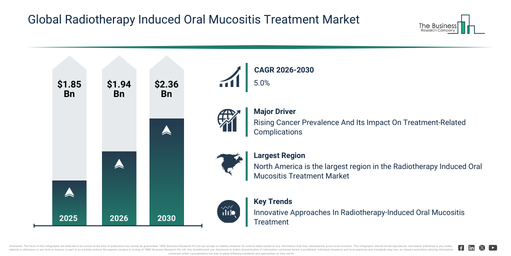
    Radiotherapy Market Revenue Growth On Track For A 6.7% CAGR Through 2030

    The radiotherapy market size has experienced substantial growth in recent years. It is anticipated to increase from $7.89 billion in 2025 to $8.44 billion in 2026, achieving a compound annual growth rate (CAGR) of 6.9%. This historical expansion can be attributed to the development of hospital radiotherapy infrastructure, a rising global prevalence of cancer, the adoption of linear accelerator technologies, enhancements in diagnostic imaging, and a greater supply of trained radiation oncologists.

    The radiotherapy market size is anticipated to experience robust expansion over the next few years. It is projected to climb to $10.93 billion by 2030, achieving a compound annual growth rate (CAGR) of 6.7%. The increase during the forecast period stems from factors such as greater investments in proton therapy facilities, a heightened emphasis on personalized radiation dosing, the proliferation of outpatient radiotherapy centers, the increasing incorporation of AI-based planning systems, and a rising need for high-precision cancer therapies. Significant developments expected within this period encompass the growing uptake of advanced external beam techniques, wider application of image-guided and adaptive radiotherapy, a surge in demand for proton and particle therapy, the expansion of multimodal cancer treatment methodologies, and an intensified focus on the precision of treatment planning.

    Get A Free Sample Report With In-Depth Market Insights:

    https://thebusinessresearchcompany.com/sample_request?id=37449285&type=smp&name=Radiotherapy%20Market%20Report%202026&utm_source=Blogs&utm_medium=Paid&utm_campaign=Nov_PR

    Radiotherapy Market Growth Backed By Core Demand Fundamentals

    The expanding occurrence of cancer is anticipated to fuel the future growth of the radiotherapy market. Cancer is defined as a condition where abnormal cells proliferate uncontrollably, capable of invading and spreading throughout the body, emerging in various tissues and organs and leading to a range of types and symptoms. The increasing incidence of cancer can be linked to factors such as an aging population, shifts in lifestyle including poor dietary habits and sedentary behavior, significant tobacco and alcohol use, environmental pollution, and improved diagnostic tools that lead to more detected cases. Radiotherapy plays an essential role in cancer therapy by precisely targeting and eradicating cancerous cells, helping to diminish tumor size and enhance patient outcomes.

    Radiotherapy Market Segmentation And Category Overview

    The radiotherapy market covered in this report is segmented –

    1) By Therapy Type: External Beam Radiation Therapy, Internal Beam Radiation Therapy, Systemic Radiation Therapy

    2) By Application: Prostate Cancer, Breast Cancer, Lung Cancer, Head And Neck Cancer, Colorectal Cancer, Gynecological Cancer, Cervical Cancer, Penile Cancer, Other Applications

    3) By End-User: Hospitals And Diagnostic Laboratories, Cancer Treatment And Research Centers, Academic Research Organizations, Ambulatory Surgery Centers, Other End-Users

    Subsegments:

    1) By External Beam Radiation Therapy: Intensity-Modulated Radiation Therapy (IMRT), Stereotactic Body Radiation Therapy (SBRT), 3D Conformal Radiation Therapy (3D-CRT), Proton Beam Therapy, Image-Guided Radiation Therapy (IGRT), Volumetric Modulated Arc Therapy (VMAT)

    2) By Internal Beam Radiation Therapy: Brachytherapy (High-Dose Rate), Brachytherapy (Low-Dose Rate), Intraoperative Radiation Therapy (IORT), Permanent Seed Implants

    3) By Systemic Radiation Therapy: Radioisotope Therapy, Targeted Radionuclide Therapy, Radioimmunotherapy, Peptide Receptor Radionuclide Therapy (PRRT)

    #Radiotherapy Market Growth Trends: What’s Shaping The Future Outlook?

    Leading companies in the radiotherapy market are concentrating on developing sophisticated solutions, including image-guided radiotherapy (IGRT), to enhance treatment accuracy, minimize exposure to healthy tissues, and improve patient outcomes. Image-guided radiotherapy (IGRT) involves utilizing advanced imaging systems, such as onboard CT or MRI, combined with adaptive software to continuously monitor and adjust radiation delivery in real time based on the tumor’s position and movement.

    Radiotherapy Market Competitive Analysis Of Leading Industry Participants

    Major companies operating in the radiotherapy market are Hitachi Ltd., GE Healthcare Technologies Inc., Sumitomo Heavy Industries Ltd., Varian Medical Systems Inc., Elekta AB, Accuray Incorporated, Ion Beam Applications S.A, Canon Medical Systems Corporation, RefleXion Medical Inc., Mevion Medical Systems Inc., Nordion Inc., Theragenics Corporation, RaySearch Laboratories AB, MIM Software Inc., Vision RT Ltd., Sun Nuclear Corporation, Provision Healthcare LLC, Panacea Medical Technologies Pvt. Ltd., Optivus Proton Therapy Inc., Perspective Therapeutics Inc., GT Medical Technologies Inc., ProTom International Inc.

    View The Full Radiotherapy Market Report:

    https://thebusinessresearchcompany.com/report/radiotherapy-global-market-report?utm_source=Blogs&utm_medium=Paid&utm_campaign=Nov_PR

    Radiotherapy Market Geographic Landscape: Which Region Leads Industry Growth?

    North America was the largest region in the radiotherapy market in 2025. Asia-Pacific is expected to be the fastest-growing region in the forecast period. The regions covered in the radiotherapy market report are Asia-Pacific, South East Asia, Western Europe, Eastern Europe, North America, South America, Middle East, Africa.

    Reach Out To Our Team:

    The Business Research Company: https://www.thebusinessresearchcompany.com/

    Americas: +1 310-496-7795

    Asia: +44 7882 955267 & +91 8897263534

    Europe: +44 7882 955267

    Email us at: marketing@tbrc.info

    Follow us on:

    LinkedIn: https://in.linkedin.com/company/the-business-research-company

    YouTube: https://www.youtube.com/channel/UC24_fI0rV8cR5DxlCpgmyFQ

    Global Market Model: https://www.thebusinessresearchcompany.com/global-market-model
  • Radiotheranostics Market Forecast Highlights A $19.24 Billion Opportunity For Industry Participants

    Radiotheranostics Market Forecast Highlights A $19.24 Billion Opportunity For Industry Participants

    Featuring market attractiveness scoring, total addressable market sizing, company benchmarking matrices, interactive Excel dashboards, deeper supply chain intelligence, emerging startup tracking, and granular product-level insights, The Business Research Company’s 2026 market reports are built to deliver research that is both more actionable and more strategically valuable.

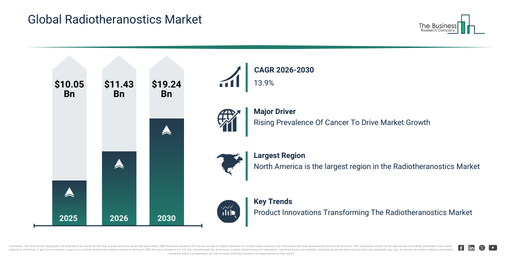
    Radiotheranostics Market Value Growth And Long-Term Outlook

    The radiotheranostics market size has experienced rapid growth in recent years. It is anticipated to expand from $10.05 billion in 2025 to $11.43 billion in 2026, exhibiting a compound annual growth rate (CAGR) of 13.7%. The growth observed in the historic period is attributable to the increasing use of nuclear medicine diagnostics, the expansion of oncology-focused clinical research, the availability of therapeutic radioisotopes, the rising adoption of PET and SPECT imaging, and growing collaboration between pharma and imaging providers.

    The radiotheranostics market size is anticipated to undergo significant growth over the next few years. This market is forecast to reach a value of $19.24 billion by 2030, exhibiting a compound annual growth rate (CAGR) of 13.9%. This expansion during the projected timeframe stems from several factors, including the increasing number of approvals for radiotheranostic drugs, higher investments directed towards precision oncology, an enlarged isotope production infrastructure, the escalating need for tailored cancer care, and the greater incorporation of AI into treatment selection processes. Key developments expected over the forecast period encompass a greater uptake of targeted radioligand therapies, an increase in the utilization of paired diagnostic and therapeutic isotopes, the evolving integration of precision imaging with therapy, the broadening scope of personalized oncology applications, and a heightened emphasis on targeting cancer at a molecular level.

    Get A Free Sample Report With In-Depth Market Insights:

    https://thebusinessresearchcompany.com/sample_request?id=89977725&type=smp&name=Radiotheranostics%20Market%20Report%202026&utm_source=Blogs&utm_medium=Paid&utm_campaign=Nov_PR

    Radiotheranostics Market Growth Catalysts And Demand Drivers

    The rising occurrence of cancer is projected to boost the expansion of the radiotheranostics market in the coming years. Cancer is characterized by the uncontrolled proliferation and dissemination of certain cells throughout the body. Radiotheranostics medications are frequently utilized in oncology to embody personalized medicine, leveraging coupled diagnostic and therapeutic radionuclide agents for precise identification and treatment of particular (often cancerous) cells, each tailored to the patient’s specific health status to improve therapeutic effectiveness and clinical outcomes.

    Radiotheranostics Market Segment Outlook: Which Categories Are Growing Fastest?

    The radiotheranostics market covered in this report is segmented –

    1) By Radioisotope: Technetium-99, Gallium-68, Iodine-131, Iodine-123, Fludeoxyglucose-18F, Yttrium-90, Lutetium (Lu) 177, Copper (Cu) 67, Copper (Cu) 64, Other Radioisotopes

    2) By Approach: Targeted Therapeutic, Targeted Diagnostic

    3) By Application: Oncology, Non-Oncology

    4) By End-Users: Hospitals And Clinics, Pharmaceutical And Biotechnology Companies, Other End-Users

    Subsegments:

    1) By Technetium-99: Technetium-99m, Technetium-99 Pertechnetate

    2) By Gallium-68: Gallium-68 DOTATATE, Gallium-68 PSMA

    3) By Iodine-131: Iodine-131 For Thyroid Cancer Treatment, Iodine-131 For Hyperthyroidism Treatment

    4) By Iodine-123: Iodine-123 For Thyroid Scans, Iodine-123 For Cardiac Imaging

    5) By Fludeoxyglucose-18F (FDG): FDG For Oncology Imaging, FDG For Brain Imaging

    6) By Yttrium-90: Yttrium-90 Microspheres For Liver Cancer, Yttrium-90 For Radioimmunotherapy

    7) By Lutetium (Lu) 177: Lutetium-177 PSMA For Prostate Cancer, Lutetium-177 DOTATATE For Neuroendocrine Tumors

    8) By Copper (Cu) 67: Copper-67 For Targeted Radiotherapy, Copper-67 In Clinical Trials

    9) By Copper (Cu) 64: Copper-64 For PET Imaging, Copper-64 For Radiotherapy

    10) By Other Radioisotopes: Radium-223, Samarium-153, Other Emerging Radioisotopes In Theranostics

    Radiotheranostics Market Industry Trends: What’s Reshaping Demand?

    Major companies within the radiotheranostics market are prioritizing the development of innovative products to bolster the production and availability of therapeutic radioisotopes, enhance treatment precision, and cater to the rising demand for targeted cancer therapies.

    Radiotheranostics Market Leading Companies And Competitive Benchmarking

    Major companies operating in the radiotheranostics market are Lantheus Holdings Inc., Cardinal Health Inc., GE Healthcare Inc., Bayer AG, Novartis AG, Siemens Healthineers, Orano Med, Curium SAS, IBA Molecular, The Eckert & Ziegler Group, Advanced Accelerator Applications (AAA), Telix Pharmaceuticals Limited., Abdera Therapeutics, Blue Earth Diagnostics, Sirtex Medical Limited, Y-mAbs Therapeutics Inc., ITM Radiopharma, NorthStar Medical Radioisotopes LLC, Trasis S.A., Molecular Targeting Technologies Inc., RadioMedix Inc, Clarity Pharmaceuticals, Actinium Pharmaceuticals Inc., Navidea Biopharmaceuticals Inc.

    View The Full Radiotheranostics Market Report:

    https://thebusinessresearchcompany.com/report/radiotheranostics-global-market-report?utm_source=Blogs&utm_medium=Paid&utm_campaign=Nov_PR

    Radiotheranostics Market Largest Region: Which Geography Holds The Biggest Share?

    North America was the largest region in the radiotheranostics market in 2025. The regions covered in the radiotheranostics market report are Asia-Pacific, South East Asia, Western Europe, Eastern Europe, North America, South America, Middle East, Africa.

    Reach Out To Our Team:

    The Business Research Company: https://www.thebusinessresearchcompany.com/

    Americas: +1 310-496-7795

    Asia: +44 7882 955267 & +91 8897263534

    Europe: +44 7882 955267

    Email us at: marketing@tbrc.info

    Follow us on:

    LinkedIn: https://in.linkedin.com/company/the-business-research-company

    YouTube: https://www.youtube.com/channel/UC24_fI0rV8cR5DxlCpgmyFQ

    Global Market Model: https://www.thebusinessresearchcompany.com/global-market-model
  • Radiosurgery And Radiotherapy Robotics Market Analysis: How The Industry Is Evolving Toward A $6.17 Billion Future

    Radiosurgery And Radiotherapy Robotics Market Analysis: How The Industry Is Evolving Toward A $6.17 Billion Future

    Built to provide research that’s more actionable and strategically valuable, The Business Research Company’s 2026 market reports include market attractiveness analysis, total addressable market sizing, company benchmarking matrices, interactive Excel dashboards, broader supply chain intelligence, emerging startup tracking, and in-depth product insights.

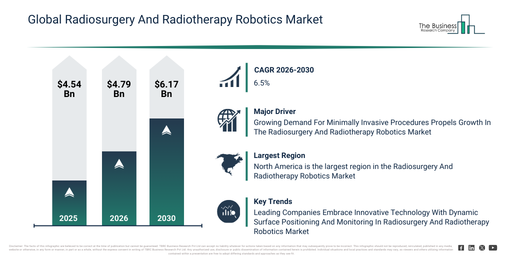
    Radiosurgery And Radiotherapy Robotics Market Poised To Hit $6.17 Billion By 2030 With A 6.5% CAGR

    The radiosurgery and radiotherapy robotics market has experienced substantial growth in recent years. This market is set to expand from $4.54 billion in 2025 to $4.79 billion in 2026, achieving a compound annual growth rate (CAGR) of 5.4%. Historically, the expansion of this market can be attributed to several factors including increasing cancer incidence rates, the expansion of hospital-based oncology infrastructure, the adoption of advanced linear accelerator systems, growing acceptance of minimally invasive cancer treatments, and improvements in radiation delivery accuracy.

    The radiosurgery and radiotherapy robotics market size is poised for significant expansion in the coming years, with projections indicating it will reach $6.17 billion by 2030, driven by a compound annual growth rate (CAGR) of 6.5%. This growth within the forecast period is attributable to factors such as increased investments in robotic oncology platforms, a rising demand for personalized cancer treatment, the expansion of proton therapy centers, the growing integration of AI-driven treatment planning, and an increasing focus on reducing radiation exposure to healthy tissues. Major trends expected during this period include a wider adoption of robotic-assisted precision radiation systems, greater integration of image-guided treatment platforms, an increased use of adaptive radiotherapy technologies, the expansion of proton and stereotactic radiosurgery systems, and an enhanced emphasis on treatment accuracy and patient safety.

    Get A Free Sample Report With In-Depth Market Insights:

    https://thebusinessresearchcompany.com/sample_request?id=32016385&type=smp&name=Radiosurgery%20And%20Radiotherapy%20Robotics%20Market%20Report%202026&utm_source=Blogs&utm_medium=Paid&utm_campaign=Nov_PR

    Radiosurgery And Radiotherapy Robotics Market Opportunity Drivers: What’s Unlocking New Revenue Potential?

    An increasing need for minimally invasive procedures is anticipated to fuel expansion in the radiosurgery and radiotherapy robotics market. Minimally invasive procedures (MIPs) are defined as surgical interventions carried out via minor bodily incisions, commonly involving specialized tools and cameras introduced through these small cuts. Radiosurgery and radiotherapy robots are utilized in these treatments to deliver radiation to cancerous growths with enhanced accuracy and precision compared to conventional techniques, as their movements are more precise and consistent than human operators.

    Radiosurgery And Radiotherapy Robotics Market Segment Landscape: Which Areas Lead Development?

    The radiosurgery and radiotherapy robotics market covered in this report is segmented –

    1) By Product: X-ray Based, Gamma-ray Based, Proton-beam Based

    2) By Application: External Beam Radiotherapy, Internal Beam Radiotherapy Or Brachytherapy

    3) By End Use: Hospitals, Clinics, Other End Users

    Subsegments:

    1) By X-ray Based: Linear Accelerators (LINAC), Stereotactic X-Ray Systems, Image-Guided Radiation Therapy (IGRT) Systems

    2) By Gamma-Ray Based: Gamma Knife Systems, Stereotactic Radiosurgery (SRS) Systems, Radioactive Isotope Systems

    3) By Proton-Beam Based: Proton Therapy Systems, Pencil Beam Scanning Systems, Fixed Beam Proton Systems

    Radiosurgery And Radiotherapy Robotics Market Innovation Trends: What Developments Are Reshaping The Industry?

    Leading companies in the radiosurgery and radiotherapy robotics market are prioritizing the adoption of innovative technological solutions, such as dynamic surface positioning and monitoring systems, to maintain their market presence. This technology functions as a patient tracking system for surface-guided radiation therapy (SGRT), utilizing a thermal-surface camera to observe patient positioning and detect movement during treatment.

    Radiosurgery And Radiotherapy Robotics Market Industry Leaders And Competitive Landscape

    Major companies operating in the radiosurgery and radiotherapy robotics market are Mitsubishi Electric Corporation, Hitachi Ltd., Siemens Healthineers AG, Elekta AB, Shinva Medical Instrument Co. Ltd., Neusoft Medical Systems Co. Ltd., Accuray Incorporated, Sumitomo Heavy Industries Ltd., Ion Beam Applications SA, Brainlab AG, ViewRay Inc., Zhuhai Hokai Medical Instruments Co. Ltd., RaySearch Laboratories AB, Mevion Medical Systems Inc., Vision Rt Limited, Sun Nuclear Corporation, Panacea Medical Technologies Pvt. Ltd., C-Rad AB, Radiadyne LLC, ProTom International Holding Corporation, CIVCO Radiotherapy, Standard Imaging Inc., Intraop Medical Corporation, Best Medical International Inc., Modus Medical Devices Inc., Mirada Medical Ltd.

    View The Full Radiosurgery And Radiotherapy Robotics Market Report:

    https://thebusinessresearchcompany.com/report/radiosurgery-and-radiotherapy-robotics-global-market-report?utm_source=Blogs&utm_medium=Paid&utm_campaign=Nov_PR

    Radiosurgery And Radiotherapy Robotics Market Regional Analysis: Which Geography Leads On Revenue?

    North America was the largest region in the radiosurgery and radiotherapy robotics market in 2025. The regions covered in the radiosurgery and radiotherapy robotics market report are Asia-Pacific, South East Asia, Western Europe, Eastern Europe, North America, South America, Middle East, Africa.

    Reach Out To Our Team:

    The Business Research Company: https://www.thebusinessresearchcompany.com/

    Americas: +1 310-496-7795

    Asia: +44 7882 955267 & +91 8897263534

    Europe: +44 7882 955267

    Email us at: marketing@tbrc.info

    Follow us on:

    LinkedIn: https://in.linkedin.com/company/the-business-research-company

    YouTube: https://www.youtube.com/channel/UC24_fI0rV8cR5DxlCpgmyFQ

    Global Market Model: https://www.thebusinessresearchcompany.com/global-market-model
  • Radiopharmaceutical Theranostics Market Outlook Through 2030: Understanding The Growth Opportunity

    Radiopharmaceutical Theranostics Market Outlook Through 2030: Understanding The Growth Opportunity

    Backed by market attractiveness analysis, total addressable market sizing, company benchmarking matrices, interactive Excel dashboards, wider supply chain intelligence, emerging startup coverage, and detailed product-level insights, The Business Research Company’s 2026 market reports are designed to offer research that is more actionable and strategically valuable than ever.

    Radiopharmaceutical Theranostics Market Size And Revenue Outlook Through 2030

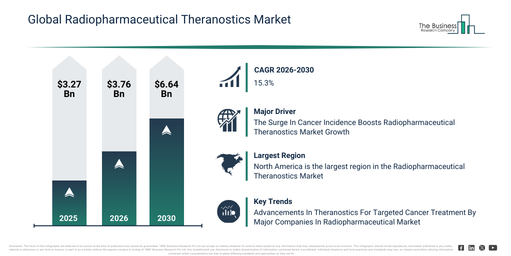
    The radiopharmaceutical theranostics market has shown rapid expansion in its size over recent years. It is anticipated to grow from $3.27 billion in 2025 to $3.76 billion in 2026, reflecting a compound annual growth rate (CAGR) of 15.0%. This historical growth can be attributed to the increased application of nuclear medicine, a rise in cancer incidence rates, advancements in radioisotope production techniques, the growing integration of diagnostic imaging, and the early adoption of theranostic treatment models.

    The radiopharmaceutical theranostics market is anticipated to experience substantial growth in the upcoming years. Its valuation is projected to reach $6.64 billion by 2030, expanding at a compound annual growth rate (CAGR) of 15.3%. This expansion during the forecast period is attributable to increasing investments in precision oncology, a rising demand for personalized radiopharmaceutical therapies, the broadening of clinical trials for novel isotopes, escalating collaboration between diagnostics and therapeutics, and continuous innovation within isotope supply chains. Significant trends expected in the forecast period include the expanding development of targeted theranostic radiopharmaceuticals, an increasing utilization of PET-based personalized therapies, the growing adoption of alpha and beta emitters in oncology, the extension of cyclotron-based isotope production, and a heightened focus on precision oncology applications.

    Get A Free Sample Report With In-Depth Market Insights:

    https://thebusinessresearchcompany.com/sample_request?id=81976667&type=smp&name=Radiopharmaceutical%20Theranostics%20Market%20Report%202026&utm_source=Blogs&utm_medium=Paid&utm_campaign=Nov_PR

    Radiopharmaceutical Theranostics Market Growth Momentum: What Factors Are Shaping Demand?

    The increasing occurrence of cancer is projected to drive the expansion of the radiopharmaceutical theranostics market in the future. Cancer is defined as a health condition characterized by the intricate and uncontrolled proliferation of cells, which possess the capability to invade and metastasize to other bodily regions. Radiopharmaceutical theranostics aids in combating cancer by offering highly targeted and individualized treatment strategies.

    Radiopharmaceutical Theranostics Market Segments: Where Is Growth Concentrated?

    The radiopharmaceutical theranostics market covered in this report is segmented –

    1) By Product Type: Alpha Emitters, Beta Emitters, Positron Emission Tomography (PET) Tracers

    2) By Source: Nuclear Reactors, Cyclotrons

    3) By Radioisotope: Technetium-99, Gallium-68, Iodine-131, Iodine-123, 18F, Y-90, Lutetium (Lu) 177, Copper (Cu) 67, Copper (Cu) 64, Other Radioscopes

    4) By Indication: Oncology, Cardiology, Neurology, Other Indications

    5) By End User: Hospitals, Diagnostic Imaging Centers, Academic And Research Institutes, Other End Users

    Subsegments:

    1) By Alpha Emitters: Actinium-225, Radium-223, Bismuth-213, Other Alpha-Emitting Radiopharmaceuticals

    2) By Beta Emitters: Iodine-131, Lutetium-177, Yttrium-90, Other Beta-Emitting Radiopharmaceuticals

    3) By Positron Emission Tomography (PET) Tracers: Fluorodeoxyglucose (FDG), Gallium-68, Carbon-11, Other PET Tracers

    Radiopharmaceutical Theranostics Market Trends: What’s Defining The Industry’s Next Phase?

    Major companies in the radiopharmaceutical theranostics market are primarily concentrating on developing theranostics aimed at treating cancer. These theranostic strategies are also being investigated for managing rare diseases, with efforts focused on delivering precise therapies and diagnostic answers for patients who have limited treatment choices, including those with cancer.

    Radiopharmaceutical Theranostics Market Key Participants And Competitive Landscape

    Major companies operating in the radiopharmaceutical theranostics market are Cardinal Health Inc., GE HealthCare Technologies Inc., Bayer AG, China Grand Pharmaceutical & Healthcare., Lantheus Medical Imaging Inc., Curium Pharma, Advanced Accelerator Applications, Telix Pharmaceuticals Ltd., Bracco Imaging S.p.A, NTP Radioisotopes SOC Ltd., Navidea Biopharmaceuticals Inc., Jubilant DraxImage Inc., NorthStar Medical Radioisotopes LLC, Blue Earth Diagnostics Ltd., Precirix NV, SpectronRx, Viewpoint Molecular Targeting Inc., NuView Life Sciences, Alpha-9 Theranostics Inc., RadioMedix Inc, RayzeBio Inc, Fusion Pharmaceuticals Inc, Actinium Pharmaceuticals Inc., Eckert & Ziegler Strahlen- und Medizintechnik AG, Ariceum Therapeutics GmbH, Radiopharm Theranostics Ltd, Ratio Therapeutics Inc, Primo Biotechnology, Bivision Biomedical Technology (Nanjing) Co. Ltd.

    View The Full Radiopharmaceutical Theranostics Market Report:

    https://thebusinessresearchcompany.com/report/radiopharmaceutical-theranostics-global-market-report?utm_source=Blogs&utm_medium=Paid&utm_campaign=Nov_PR

    Radiopharmaceutical Theranostics Market Geographic Spread And Regional Opportunities

    North America was the largest region in the radiopharmaceutical theranostics market in 2025. The regions covered in the radiopharmaceutical theranostics market report are Asia-Pacific, South East Asia, Western Europe, Eastern Europe, North America, South America, Middle East, Africa.

    Reach Out To Our Team:

    The Business Research Company: https://www.thebusinessresearchcompany.com/

    Americas: +1 310-496-7795

    Asia: +44 7882 955267 & +91 8897263534

    Europe: +44 7882 955267

    Email us at: marketing@tbrc.info

    Follow us on:

    LinkedIn: https://in.linkedin.com/company/the-business-research-company

    YouTube: https://www.youtube.com/channel/UC24_fI0rV8cR5DxlCpgmyFQ

    Global Market Model: https://www.thebusinessresearchcompany.com/global-market-model