Author: Marketing Posting

  • Radiology Services Market Growth Potential: What The Latest Forecast Reveals

    Radiology Services Market Growth Potential: What The Latest Forecast Reveals

    Featuring market attractiveness scoring, total addressable market sizing, company benchmarking matrices, interactive Excel dashboards, deeper supply chain intelligence, emerging startup tracking, and granular product-level insights, The Business Research Company’s 2026 market reports are built to deliver research that is both more actionable and more strategically valuable.

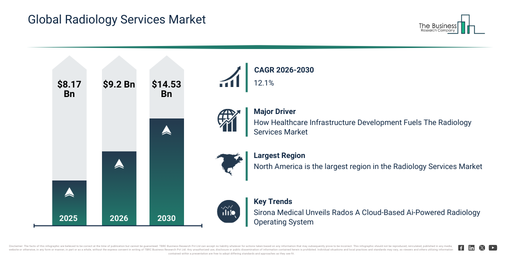
    Radiology Services Market Growth From $9.2 Billion In 2026 To $14.53 Billion By 2030 At A CAGR Of 12.1%

    The radiology services market has witnessed substantial growth in recent years. It is anticipated to increase from $8.17 billion in 2025 to $9.2 billion in 2026, achieving a compound annual growth rate (CAGR) of 12.6%. This historical expansion can be attributed to the enlargement of hospital imaging departments, a rise in chronic disease diagnoses, increased access to diagnostic imaging technologies, growing demand for early disease detection, and wider utilization of x-ray based diagnostics.

    The market for radiology services is projected to experience swift expansion in the coming years. This market is anticipated to reach $14.53 billion by 2030, demonstrating a compound annual growth rate (CAGR) of 12.1%. Factors contributing to this growth during the forecast period include increased investments in sophisticated imaging technologies, the rising integration of AI-driven diagnostic tools, the broadening availability of ambulatory imaging services, a heightened emphasis on accurate diagnostics, and continuous upgrades to healthcare imaging facilities. Key trends for the forecast period encompass a wider embrace of digital radiology systems, escalating demand for mobile imaging options, the increasing application of AI in interpreting images, the expansion of niche diagnostic imaging procedures, and a stronger commitment to patient-focused imaging services.

    Get A Free Sample Report With In-Depth Market Insights:

    https://thebusinessresearchcompany.com/sample_request?id=62509417&type=smp&name=Radiology%20Services%20Market%20Report%202026&utm_source=Blogs&utm_medium=Paid&utm_campaign=Nov_PR

    Radiology Services Market Expansion Drivers: What’s Shaping Future Growth?

    The continued enhancement of healthcare infrastructure is projected to fuel the expansion of the radiology services market moving forward. Healthcare infrastructure encompasses the necessary physical facilities, diagnostic equipment, information systems, and personnel required to deliver quality medical care across communities. Investments in modern hospital amenities and advanced imaging services improve diagnostic precision, increase access to radiology, and support integrated care, thereby improving patient outcomes.

    Radiology Services Market Segment Analysis: What Are The Core Market Categories?

    The radiology services market covered in this report is segmented –

    1) By Type: Stationary Digital Radiology Systems, Portable Digital Radiology Systems

    2) By Procedure: Conventional, Digital

    3) By Patient Age: Adults, Pediatric

    4) By Application: Cardiovascular Imaging, Chest Imaging, Dental Imaging, Mammography Imaging, Orthopedic Imaging

    5) By End User: Hospitals, Ambulatory Centers, Diagnostic Centers, Clinics, Other End Users

    Subsegments:

    1) By Stationary Digital Radiology Systems: Fixed Digital X-ray Systems, Ceiling-Mounted Systems, Floor-Mounted Systems

    2) By Portable Digital Radiology Systems: Mobile X-ray Units, Wireless Portable X-ray Systems, Battery-Operated Portable Systems

    Radiology Services Market Industry Trends Fueling Future Revenue Growth

    Leading companies operating within the radiology services market are concentrating on developing advanced products to elevate diagnostic accuracy, improve the efficiency of workflows, and expand their service offerings. These innovative products feature cloud-based platforms, AI-powered imaging solutions, and integrated radiology operating systems designed to streamline the management of images, reporting processes, and overall patient care.

    Radiology Services Market Top Companies Driving Competitive Growth

    Major companies operating in the radiology services market are Radisphere National Radiology Group Inc., GE HealthCare, TeleDiagnostic Solutions Pvt. Ltd., 4ways Healthcare Limited, Medica Reporting Ltd., Koninklijke Philips N.V., Onrad Inc., Aspect Imaging Ltd., Aurora Healthcare US Corp., FONAR Corporation, ESAOTE SPA, Neusoft Corporation, Toshiba Corporation, FUJIFILM Holdings Corporation, Hologic Inc., Everlight Radiology, Global Diagnostics, RamSoft Inc., Siemens Healthineers, Telemedicine Clinic, Teleradiology Solutions Inc., Virtual Radiology, Hitachi Ltd., CANON MEDICAL SYSTEMS CORPORATION, Sanrad Medical Systems Private Limited, henzhen Anke High-tech Co. Ltd.

    View The Full Radiology Services Market Report:

    https://thebusinessresearchcompany.com/report/radiology-services-global-market-report?utm_source=Blogs&utm_medium=Paid&utm_campaign=Nov_PR

    Radiology Services Market Top Region By Revenue And Market Share

    North America was the largest region in the radiology services market in 2025. The regions covered in the radiology services market report are Asia-Pacific, South East Asia, Western Europe, Eastern Europe, North America, South America, Middle East, Africa.

    Reach Out To Our Team:

    The Business Research Company: https://www.thebusinessresearchcompany.com/

    Americas: +1 310-496-7795

    Asia: +44 7882 955267 & +91 8897263534

    Europe: +44 7882 955267

    Email us at: marketing@tbrc.info

    Follow us on:

    LinkedIn: https://in.linkedin.com/company/the-business-research-company

    YouTube: https://www.youtube.com/channel/UC24_fI0rV8cR5DxlCpgmyFQ

    Global Market Model: https://www.thebusinessresearchcompany.com/global-market-model
  • Radiology Information Systems Market Growth Outlook: Why Analysts Expect Continued Expansion

    Radiology Information Systems Market Growth Outlook: Why Analysts Expect Continued Expansion

    Built to provide research that’s more actionable and strategically valuable, The Business Research Company’s 2026 market reports include market attractiveness analysis, total addressable market sizing, company benchmarking matrices, interactive Excel dashboards, broader supply chain intelligence, emerging startup tracking, and in-depth product insights.

    Radiology Information Systems Market Expansion Outlook: What Revenue Opportunities Are Ahead?

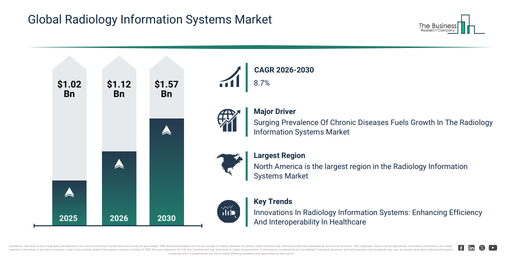
    The radiology information systems market size has seen rapid growth in recent years. It is forecast to grow from $1.02 billion in 2025 to $1.12 billion in 2026, exhibiting a compound annual growth rate (CAGR) of 10.1%. This historical growth can be attributed to an increasing digitalization of radiology departments, an expansion in imaging procedure volumes, a rise in administrative complexity within healthcare, the adoption of PACS and EHR systems, and a demand for efficient reporting workflows.

    The radiology information systems market size is anticipated to undergo significant growth in the coming years. It is projected to expand to $1.57 billion by 2030, achieving a compound annual growth rate (CAGR) of 8.7%. This expansion during the forecast period can be attributed to increasing investments in cloud-native RIS solutions, a rising demand for AI-assisted workflow tools, the broadening of integrated hospital information systems, a growing focus on cybersecurity compliance, and the ongoing modernization of diagnostic IT infrastructure. Prominent trends for the forecast period include the expanding deployment of integrated RIS platforms, an increasing adoption of cloud-based radiology systems, a heightened focus on workflow automation and scheduling, the development of interoperable imaging data management, and an enhanced emphasis on regulatory-compliant reporting.

    Get A Free Sample Report With In-Depth Market Insights:

    https://thebusinessresearchcompany.com/sample_request?id=78549444&type=smp&name=Radiology%20Information%20Systems%20Market%20Report%202026&utm_source=Blogs&utm_medium=Paid&utm_campaign=Nov_PR

    Radiology Information Systems Market Development Factors: What’s Supporting Demand?

    The increasing occurrence of chronic illnesses is anticipated to boost the expansion of the radiology information systems market in the future. These long-term health conditions, also referred to as non-communicable diseases (NCDs), typically evolve slowly and last for a prolonged duration. Factors contributing to their emergence include an aging population, inactive lifestyles, inadequate nutrition, lack of physical activity, and environmental influences. Radiology information systems play a crucial role in diagnosing, managing, and tracking chronic diseases by enabling effective storage, retrieval, and analysis of medical imaging data.

    Radiology Information Systems Market Segment Breakdown: Which Categories Lead On Revenue?

    The radiology information systems market covered in this report is segmented –

    1) By Product: Integrated Radiology Information System, Standalone Radiology Information System

    2) By Deployment: Web-Based, Cloud-Based, On-Premise

    3) By End-User: Hospitals And Clinics, Outpatient Department, Office Based Physicians, Emergency Healthcare Service Providers, Research And Academic Institute

    Subsegments:

    1) By Integrated Radiology Information System: Picture Archiving And Communication System (PACS) Integration, Electronic Health Record (EHR) Integration, Laboratory Information System (LIS) Integration, Hospital Information System (HIS) Integration

    2) By Standalone Radiology Information System: Radiology Scheduling Software, Radiology Reporting Software, Radiology Workflow Management Software

    Radiology Information Systems Market Trends Powering Strategic Industry Growth

    Prominent companies in the radiology information systems market are integrating advanced features into their healthcare application suites, like networked software systems, to boost interoperability and optimize workflows. A networked software system involves multiple software components that interact over a network to collaboratively perform tasks. This arrangement supports distributed operations, offers scalability, and ensures smooth communication across various devices and applications.

    Radiology Information Systems Market Leading Players And Competitive Positioning

    Major companies operating in the radiology information systems market are McKesson Corporation, General Electric Company, Oracle Corporation, Siemens Healthineers AG, FUJIFILM Holdings Corporation, Koninklijke Philips NV, Cerner Corporation, Epic Systems Corporation, Agfa Gevaert Group, Veradigm LLC, Carestream Health, Allscripts Healthcare LLC, Esaote S.p.A., Sectra AB, Canon Medical Systems Corporation, Pro Medicus Limited, eRAD, MedInformatix Inc., RamSoft Inc., Novarad Corporation, INFINITT Healthcare Co. Ltd., Dedalus S.p.A., Change Healthcare, Merge Healthcare, Vital Images

    View The Full Radiology Information Systems Market Report:

    https://thebusinessresearchcompany.com/report/radiology-information-systems-global-market-report?utm_source=Blogs&utm_medium=Paid&utm_campaign=Nov_PR

    Radiology Information Systems Market Regional Analysis And Top Geography

    North America was the largest region in the radiology information systems market in 2025. Asia-Pacific is expected to be the fastest-growing region in the forecast period. The regions covered in the radiology information systems market report are Asia-Pacific, South East Asia, Western Europe, Eastern Europe, North America, South America, Middle East, Africa.

    Reach Out To Our Team:

    The Business Research Company: https://www.thebusinessresearchcompany.com/

    Americas: +1 310-496-7795

    Asia: +44 7882 955267 & +91 8897263534

    Europe: +44 7882 955267

    Email us at: marketing@tbrc.info

    Follow us on:

    LinkedIn: https://in.linkedin.com/company/the-business-research-company

    YouTube: https://www.youtube.com/channel/UC24_fI0rV8cR5DxlCpgmyFQ

    Global Market Model: https://www.thebusinessresearchcompany.com/global-market-model
  • Radiology As A Service Market Forecast Insights: The Road To $6.38 Billion By 2030

    Radiology As A Service Market Forecast Insights: The Road To $6.38 Billion By 2030

    Backed by market attractiveness analysis, total addressable market sizing, company benchmarking matrices, interactive Excel dashboards, wider supply chain intelligence, emerging startup coverage, and detailed product-level insights, The Business Research Company’s 2026 market reports are designed to offer research that is more actionable and strategically valuable than ever.

    Radiology As A Service Market Growth Potential: How Will Market Size Shift Through 2030?

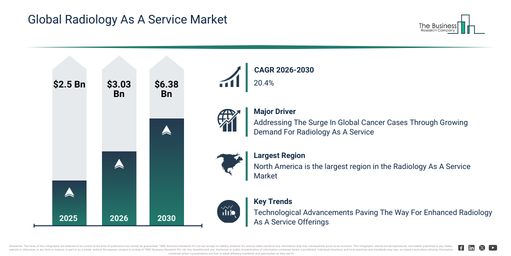
    The radiology as a service market size has seen substantial growth in recent times. This market is anticipated to expand from $2.5 billion in 2025 to $3.03 billion in 2026, achieving a compound annual growth rate (CAGR) of 21.3%. Historically, this expansion has been driven by several factors, including an increase in diagnostic imaging volumes, a lack of in-house radiologists, the development of digital imaging infrastructure, growing healthcare cost pressures, and wider acceptance of remote diagnostics.

    The radiology as a service market is anticipated to undergo significant expansion over the next few years. It is projected to reach $6.38 billion by 2030, exhibiting a compound annual growth rate (CAGR) of 20.4%. This expected growth during the forecast period stems from increasing investments in AI-enabled radiology platforms, a rising need for scalable imaging services, the expansion of cloud-native healthcare IT, a heightened focus on value-based healthcare delivery, and the continuous digital transformation of diagnostic services. Notable trends in the forecast period encompass the increasing adoption of teleradiology services, a growing demand for cloud-based imaging platforms, the expanding outsourcing of radiology operations, the proliferation of AI-assisted image interpretation services, and an enhanced emphasis on cost-efficient diagnostic delivery.

    Get A Free Sample Report With In-Depth Market Insights:

    https://thebusinessresearchcompany.com/sample_request?id=13050185&type=smp&name=Radiology%20As%20A%20Service%20Market%20Report%202026&utm_source=Blogs&utm_medium=Paid&utm_campaign=Nov_PR

    Radiology As A Service Market Industry Drivers: What’s Behind The Revenue Growth?

    The rising global incidence of cancer is anticipated to drive the expansion of the radiology as a service market going forward. Cancer is a condition where the body’s cells grow uncontrollably and spread to other regions. Medical imaging technology has significantly improved healthcare by enabling earlier cancer detection and better patient outcomes. Consequently, an increase in cancer cases will lead to a higher demand for radiology imaging services, which is expected to propel the growth of radiology as a service.

    Radiology As A Service Market Segmentation: How Does The Market Break Down By Category?

    The radiology as a service market covered in this report is segmented –

    1) By Service Type: Teleradiology, Cloud-based Imaging IT Services, Consulting Services, Technology Management Services

    2) By Technology: Computed Radiology, Direct Digital Radiology

    3) By End-User: Hospitals, Diagnostic Imaging Centers, Radiology Clinics, Physician Offices, Nursing Homes

    Subsegments:

    1) By Teleradiology: Remote Image Interpretation, Remote Reporting Services

    2) By Cloud-Based Imaging IT Services: Cloud Storage Solutions, Cloud-Based Image Management

    3) By Consulting Services: Workflow Optimization, Regulatory Compliance Consulting

    4) By Technology Management Services: Equipment Maintenance, Imaging Software Support

    Radiology As A Service Market Growth Trends Reshaping The Competitive Landscape

    Major companies operating in the radiology-as-a-service market are focusing on introducing advanced remote care technologies to enhance diagnostic capabilities, address radiologist shortages, and improve service delivery across healthcare settings. These innovations aim to streamline radiology workflows, expand access to specialty diagnostics, and support healthcare providers in delivering high-quality imaging services.

    Radiology As A Service Market Competitive Overview And Top Companies

    Major companies operating in the radiology as a service market are Siemens Healthineers AG, Fujifilm Holdings Corporation, Koninklijke Philips NV, GE HealthCare Technologies Inc., Agfa Gevaert NV, Mednax Inc., RadNet Inc., National Diagnostic Imaging Teleradiology, Alliance HealthCare Services Inc., US Radiology Specialists Inc., Nines Inc., Virtual Radiologic, Everlight Radiology, Telemedicine Clinic Ltd., Medica Group plc, Onrad Inc., RamSoft Inc., Real Radiology LLC, Vesta Teleradiology, Radiology Partners Inc., Ambra Health Company, Nano X Imaging Ltd., NightShift Radiology Inc., USARAD Holdings Inc., Telediagnostic Solutions Private Limited, Teleradiology Solutions Pvt Ltd., Imaging Advantage LLC, Imaging On Call LLC

    View The Full Radiology As A Service Market Report:

    https://thebusinessresearchcompany.com/report/radiology-as-a-service-global-market-report?utm_source=Blogs&utm_medium=Paid&utm_campaign=Nov_PR

    Radiology As A Service Market Geographic Analysis: Where Is Demand Rising Fastest?

    North America was the largest region in the radiology as a service market in 2025. Asia-Pacific is expected to be the fastest-growing region in the radiology as a service market share during the forecast period. The regions covered in the radiology as a service market report are Asia-Pacific, South East Asia, Western Europe, Eastern Europe, North America, South America, Middle East, Africa.

    Reach Out To Our Team:

    The Business Research Company: https://www.thebusinessresearchcompany.com/

    Americas: +1 310-496-7795

    Asia: +44 7882 955267 & +91 8897263534

    Europe: +44 7882 955267

    Email us at: marketing@tbrc.info

    Follow us on:

    LinkedIn: https://in.linkedin.com/company/the-business-research-company

    YouTube: https://www.youtube.com/channel/UC24_fI0rV8cR5DxlCpgmyFQ

    Global Market Model: https://www.thebusinessresearchcompany.com/global-market-model
  • Radio Frequency Identification (RFID) In Pharmaceuticals Market Explained: What Is Fueling Growth To $10.07 Billion By 2030?

    Radio Frequency Identification (RFID) In Pharmaceuticals Market Explained: What Is Fueling Growth To $10.07 Billion By 2030?

    Featuring market attractiveness scoring, total addressable market sizing, company benchmarking matrices, interactive Excel dashboards, deeper supply chain intelligence, emerging startup tracking, and granular product-level insights, The Business Research Company’s 2026 market reports are built to deliver research that is both more actionable and more strategically valuable.

    Radio Frequency Identification (RFID) In Pharmaceuticals Market Value Analysis: What Growth Lies Ahead Over The Forecast Period?

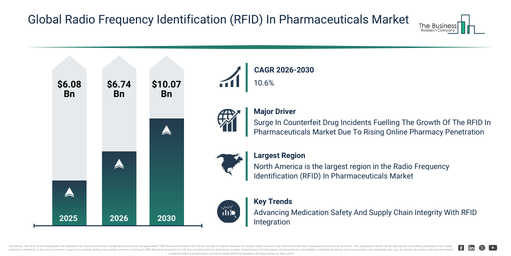
    The market size for radio frequency identification (rfid) in pharmaceuticals has expanded quickly in recent years. It is anticipated to increase from $6.08 billion in 2025 to $6.74 billion in 2026, exhibiting a compound annual growth rate (CAGR) of 10.9%. This historical growth can be linked to a greater regulatory focus on tracing drugs, an uptick in incidents involving fake medicines, the broadening of global pharmaceutical supply chains, the adoption of serialization requirements, and the increasing intricacy of hospital inventory.

    The market for radio frequency identification (rfid) in pharmaceuticals is projected to experience substantial expansion over the upcoming years, with forecasts indicating it will reach $10.07 billion by 2030, exhibiting a compound annual growth rate (CAGR) of 10.6%. Factors driving this projected growth include greater financial commitments to digital pharmaceutical logistics, a heightened need for immediate supply chain insights, the proliferation of rfid-enabled smart hospital facilities, an uptick in the implementation of blockchain-integrated traceability mechanisms, and enhanced regulatory alignment across various geographies. Key developments anticipated during this timeframe involve the broader uptake of comprehensive drug track and trace solutions, increased application of rfid in combating counterfeiting, stronger incorporation of rfid with serialization systems, improved real-time oversight of pharmaceutical inventories, and a sharpened emphasis on precision in cold chain surveillance.

    Get A Free Sample Report With In-Depth Market Insights:

    https://thebusinessresearchcompany.com/sample_request?id=15952344&type=smp&name=Radio%20Frequency%20Identification%20%28RFID%29%20In%20Pharmaceuticals%20Market%20Report%202026&utm_source=Blogs&utm_medium=Paid&utm_campaign=Nov_PR

    Radio Frequency Identification (RFID) In Pharmaceuticals Market Growth Factors: What’s Supporting Expansion?

    The increasing prevalence of counterfeit drugs is projected to boost the growth of the radio frequency identification (RFID) in pharmaceuticals market going forward. Counterfeit drugs, which are pharmaceutical items intentionally and fraudulently mislabeled regarding their source or identity, are becoming more common due to the swift expansion of online pharmacies. This makes it easier for counterfeiters to distribute fake medicines directly to consumers, bypassing traditional regulatory safeguards and making detection harder. Radio frequency identification (RFID) in pharmaceuticals systems support the fight against these illicit products by providing secure, traceable data that verifies product authenticity at every stage of the supply chain.

    Radio Frequency Identification (RFID) In Pharmaceuticals Market Segment Trends And Revenue Contributors

    The radio frequency identification (rfid) in pharmaceuticals market covered in this report is segmented –

    1) By Type: Chipped Radio Frequency Identification, Chipless Radio Frequency Identification

    2) By Component: Radio Frequency Identification Tags, Radio Frequency Identification Readers, Middleware Software, Integration Services, Data Management Software

    3) By Regulatory Compliance: Food And Drug Administration Compliance Standards, European Union Falsified Medicines Directive, Good Distribution Practices, Serialization Requirements, Tracking And Tracing Regulations

    4) By Application: Drug Track And Trace System, Asset Tracking, Patient Safety, Other Applications

    5) By End-User: Pharmaceutical Manufacturers, Hospitals And Healthcare Providers, Pharmacies And Drug Wholesalers, Research And Development Laboratories, Logistics And Supply Chain Companies

    Subsegments:

    1) By Chipped Radio Frequency Identification: Low Frequency Radio Frequency Identification, High Frequency Radio Frequency Identification, Ultra High Frequency Radio Frequency Identification, Active Radio Frequency Identification, Passive Radio Frequency Identification, Semi-Passive Radio Frequency Identification

    2) By Chipless Radio Frequency Identification: Time Domain Reflectometry, Frequency Domain Reflectometry, Magnetic Resonance-Based Tags, Surface Acoustic Wave Tags, Printed Conductive Polymer Tags, Photonic Band Gap Structures

    Radio Frequency Identification (RFID) In Pharmaceuticals Market Trends Shaping Long-Term Demand

    Major companies operating in the radio frequency identification (RFID) in pharmaceuticals market are concentrating on creating advanced RFID-enabled labels to enhance product traceability, improve inventory management, and counter the increasing threat of counterfeit drugs. These RFID-enabled labels are smart tags that utilize radio frequency technology to wirelessly identify, track, and verify pharmaceutical products throughout the supply chain.

    Radio Frequency Identification (RFID) In Pharmaceuticals Market Competitive Landscape: Which Companies Lead The Industry?

    Major companies operating in the radio frequency identification (rfid) in pharmaceuticals market are Fujitsu Limited, NXP Semiconductors NV, Avery Dennison Corporation, Zebra Technologies Corporation, CCL Industries Inc., HID Global Corporation, Checkpoint Systems Inc, Datalogic SpA, Impinj Inc, Schreiner Group GmbH & Co KG, Invengo Information Technology Co Ltd, GAO RFID Inc., Lowry Solutions Inc., Terso Solutions Inc., Xerafy Singapore Pte Ltd., Tageos SAS, SML Group Limited, Syrma SGS Technology Limited, Omnia Technologies Private Limited, identytag GmbH & Co KG

    View The Full Radio Frequency Identification (RFID) In Pharmaceuticals Market Report:

    https://thebusinessresearchcompany.com/report/radio-frequency-identification-rfid-in-pharmaceuticals-global-market-report?utm_source=Blogs&utm_medium=Paid&utm_campaign=Nov_PR

    Radio Frequency Identification (RFID) In Pharmaceuticals Market Global Footprint: Which Region Leads The Market?

    North America was the largest region in the radio frequency identification (RFID) in pharmaceuticals market in 2025. Asia-Pacific is expected to be the fastest-growing region in the forecast period. The regions covered in the radio frequency identification (rfid) in pharmaceuticals market report are Asia-Pacific, South East Asia, Western Europe, Eastern Europe, North America, South America, Middle East, Africa.

    Reach Out To Our Team:

    The Business Research Company: https://www.thebusinessresearchcompany.com/

    Americas: +1 310-496-7795

    Asia: +44 7882 955267 & +91 8897263534

    Europe: +44 7882 955267

    Email us at: marketing@tbrc.info

    Follow us on:

    LinkedIn: https://in.linkedin.com/company/the-business-research-company

    YouTube: https://www.youtube.com/channel/UC24_fI0rV8cR5DxlCpgmyFQ

    Global Market Model: https://www.thebusinessresearchcompany.com/global-market-model
  • Radiation Toxicity Treatment Market Forecast To Reach $5.37 Billion By 2030: Key Trends Explained

    Radiation Toxicity Treatment Market Forecast To Reach $5.37 Billion By 2030: Key Trends Explained

    Built to provide research that’s more actionable and strategically valuable, The Business Research Company’s 2026 market reports include market attractiveness analysis, total addressable market sizing, company benchmarking matrices, interactive Excel dashboards, broader supply chain intelligence, emerging startup tracking, and in-depth product insights.

    Radiation Toxicity Treatment Market Size Forecast: How Big Could The Market Get By 2030?

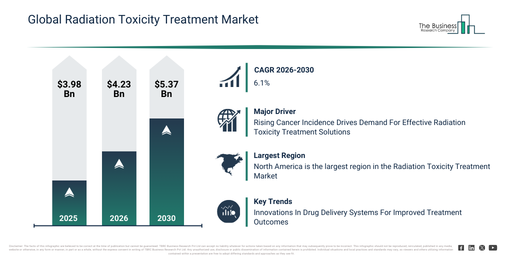
    The radiation toxicity treatment market has experienced robust expansion in recent years. It is projected to expand from $3.98 billion in 2025 to $4.23 billion in 2026, demonstrating a compound annual growth rate (CAGR) of 6.4%. The historical growth was driven by several factors, including the increased use of radiation in medical treatments, a rising incidence of nuclear and radiation exposure risks, government stockpiling of radiation countermeasures, the expansion of oncology radiotherapy applications, and advancements in hematopoietic support therapies.

    The radiation toxicity treatment market size is anticipated to experience robust expansion over the coming years. By 2030, this market is projected to reach $5.37 billion, achieving a compound annual growth rate (CAGR) of 6.1%. Key factors driving this growth during the forecast period include increasing investments in sophisticated radiation countermeasures, a growing need for swift-response radiation therapies, the broadening scope of personalized radiation toxicity management, a heightened emphasis on long-term survivorship support, and continuous clinical investigations into new radioprotective substances. Significant trends emerging in the forecast period involve the rising creation of targeted radioprotective treatments, an increased application of colony stimulating factors in therapeutic regimens, a growing concentration on remedies for bone marrow recovery, the broadening of emergency radiation preparedness interventions, and improved clinical handling of acute radiation syndrome.

    Get A Free Sample Report With In-Depth Market Insights:

    https://thebusinessresearchcompany.com/sample_request?id=75644474&type=smp&name=Radiation%20Toxicity%20Treatment%20Market%20Report%202026&utm_source=Blogs&utm_medium=Paid&utm_campaign=Nov_PR

    Radiation Toxicity Treatment Market Demand Drivers: What’s Powering Industry Growth?

    The rising incidence of cancer is anticipated to drive the expansion of the radiation toxicity treatment market moving ahead. Cancer refers to a collection of illnesses marked by the uncontrolled multiplication and spread of abnormal cells, capable of invading adjacent tissues and metastasizing throughout the body. This escalating prevalence of cancer can be attributed to several factors including shifts in lifestyle, environmental contaminants, genetic predispositions, and enhanced diagnostic methods facilitating earlier identification. Treating radiation toxicity is crucial for managing adverse effects from radiation therapy during cancer treatment, aiding patient recuperation, and reducing lasting harm.

    Radiation Toxicity Treatment Market Segment Analysis Spotlighting Growth Areas

    The radiation toxicity treatment market covered in this report is segmented –

    1) By Product: Colony Stimulating Factors, Potassium Iodide, Prussian Blue, Diethylenetriamine Pentaacetic Acid, Others Products

    2) By Indication: Acute Radiation Syndrome, Chronic Radiation Syndrome

    3) By Radiation Type: Ionizing Radiation, Accidental And Therapeutic Radiation Exposure

    4) By End-User: Hospitals, Research And Academic Institutes

    Subsegments:

    1) By Colony Stimulating Factors: Granulocyte Colony-Stimulating Factor (G-CSF), Granulocyte-Macrophage Colony-Stimulating Factor (GM-CSF)

    2) By Potassium Iodide: Oral Potassium Iodide Tablets, Liquid Potassium Iodide Solution

    3) By Prussian Blue: Capsules Of Prussian Blue, Prussian Blue Resin

    4) By Diethylenetriamine Pentaacetic Acid (DTPA): Calcium DTPA Injection, Zinc DTPA Injection

    5) By Other Products: Amifostine, Sodium Bicarbonate, Doxycycline, Activated Charcoal

    Radiation Toxicity Treatment Market Innovation Trends Shaping Future Development

    Key companies operating within the radiation toxicity treatment market are increasingly focusing on technological breakthroughs, specifically advanced drug delivery systems, to refine the accuracy and efficacy of treatments, boost patient adherence, and mitigate side effects. This ultimately contributes to better therapeutic results and quicker recovery times. A drug delivery system functions as a mechanism that guides medication to precise areas of the body, guaranteeing correct dosage and effectiveness while minimizing undesired reactions.

    Radiation Toxicity Treatment Market Leading Companies: Who Holds The Strongest Market Presence?

    Major companies operating in the radiation toxicity treatment market are Pfizer Inc., Merck And Co Inc., Bayer AG, Sanofi S.A., Bristol Myers Squibb Company, AstraZeneca PLC, Novartis AG, Amgen Inc., Recipharm AB, Coherus BioSciences Inc., Eckert And Ziegler Strahlen Und Medizintechnik AG, Theragenics Corp., NorthStar Medical Radioisotopes LLC, Fusion Pharmaceuticals Inc., Partner Therapeutics Inc., Heyl Chemisch pharmazeutische Fabrik GmbH And Co KG, Humanetics Corporation, Actinium Pharmaceuticals Inc., Clarity Pharmaceuticals Ltd., Emergent BioSolutions Inc., Bavarian Nordic A S, BTG International Ltd., Jubilant Radiopharma, Cardinal Health Inc.

    View The Full Radiation Toxicity Treatment Market Report:

    https://thebusinessresearchcompany.com/report/radiation-toxicity-treatment-global-market-report?utm_source=Blogs&utm_medium=Paid&utm_campaign=Nov_PR

    Radiation Toxicity Treatment Market Regional Split: Which Areas Are Fueling Growth?

    North America was the largest region in the radiation toxicity treatment market in 2025. Asia-Pacific is expected to be the fastest-growing region in the forecast period. The regions covered in the radiation toxicity treatment market report are Asia-Pacific, South East Asia, Western Europe, Eastern Europe, North America, South America, Middle East, Africa.

    Reach Out To Our Team:

    The Business Research Company: https://www.thebusinessresearchcompany.com/

    Americas: +1 310-496-7795

    Asia: +44 7882 955267 & +91 8897263534

    Europe: +44 7882 955267

    Email us at: marketing@tbrc.info

    Follow us on:

    LinkedIn: https://in.linkedin.com/company/the-business-research-company

    YouTube: https://www.youtube.com/channel/UC24_fI0rV8cR5DxlCpgmyFQ

    Global Market Model: https://www.thebusinessresearchcompany.com/global-market-model
  • Radiation Shielding Material Market Analysis: Understanding The Drivers Behind 6.2% CAGR Through 2030 Growth

    Radiation Shielding Material Market Analysis: Understanding The Drivers Behind 6.2% CAGR Through 2030 Growth

    Backed by market attractiveness analysis, total addressable market sizing, company benchmarking matrices, interactive Excel dashboards, wider supply chain intelligence, emerging startup coverage, and detailed product-level insights, The Business Research Company’s 2026 market reports are designed to offer research that is more actionable and strategically valuable than ever.

    Radiation Shielding Material Market Revenue Outlook: What CAGR Lies Ahead Through 2030?

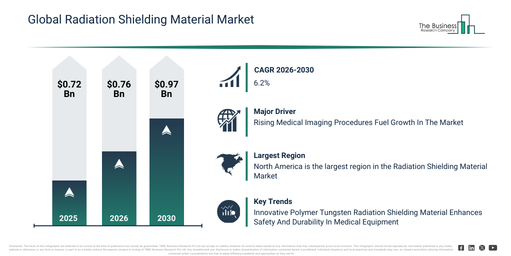
    The radiation shielding material market has experienced robust expansion in recent years. It is projected to increase from $0.72 billion in 2025 to $0.76 billion by 2026, achieving a compound annual growth rate (CAGR) of 6.5%. Historically, this growth has been influenced by factors such as the expansion of diagnostic imaging facilities, a heightened use of radiation-based medical procedures, the ongoing dependence on traditional lead shielding, a rise in nuclear research activities, and the establishment of fundamental radiation safety standards.

    The radiation shielding material market size is projected to experience substantial expansion in the coming years, predicted to reach $0.97 billion by 2030, demonstrating a compound annual growth rate (CAGR) of 6.2%. Factors driving this growth during the forecast period include the increasing uptake of sustainable shielding materials, higher investments in modernizing healthcare infrastructure, the expansion of radiotherapy and nuclear medicine facilities, a growing emphasis on lightweight and flexible shielding designs, and stricter regulatory focus on radiation safety. Key trends anticipated during this period involve the increasing use of lead-free shielding materials, a rising demand for lightweight composite shielding solutions, the expanding application of modular and prefabricated shielding systems, enhanced radiation protection within healthcare infrastructure, and a heightened focus on occupational safety compliance.

    Get A Free Sample Report With In-Depth Market Insights:

    https://thebusinessresearchcompany.com/sample_request?id=38383403&type=smp&name=Radiation%20Shielding%20Material%20Market%20Report%202026&utm_source=Blogs&utm_medium=Paid&utm_campaign=Nov_PR

    Radiation Shielding Material Market Growth Drivers: What’s Behind The Acceleration?

    The expanding volume of medical imaging procedures is anticipated to propel the growth of the radiation shielding material market. Medical imaging procedures are diagnostic methods that utilize various technologies like X-rays, magnetic resonance imaging (MRI), or ultrasound to visualize internal body structures for detecting and monitoring health conditions. The rise in these procedures stems from advancements in imaging technology, an increasing prevalence of chronic diseases, enhanced awareness and accessibility, and supportive regulatory frameworks for advanced healthcare technologies. Radiation shielding materials, including lead and lead-free alloys, are essential in medical imaging to protect patients and healthcare workers from harmful radiation exposure while enabling the capture of high-quality images.

    Radiation Shielding Material Market Segment Performance And Emerging Opportunities

    The radiation shielding material market covered in this report is segmented –

    1) By Type: Electromagnetic Radiation, Particle Radiation

    2) By Material: Lead Shielding, Lead Composite Shielding, Non-Lead And Lead Free Shielding

    3) By Form: Sheets, Blocks, Bricks, Panels, Castings

    4) By Application: Diagnostic X-Ray Room Shielding, CT Scanner Shielding Facility, MRI Room Shielding, Nuclear Medicine Imaging shielding, Radiotherapy Shielding, Radiation Protection Safety Aprons And Apparel And Equipments

    5) By End User: Healthcare, Manufacturing, Construction, Energy, Research

    Subsegments:

    1) By Electromagnetic Radiation: X-Rays, Gamma Rays, Ultraviolet (UV) Radiation, Microwaves, Radiofrequency (RF) Radiation

    2) By Particle Radiation: Neutron Radiation, Alpha Particles, Beta Particles, Heavy Ions

    Radiation Shielding Material Market Trends Redefining Industry Growth

    Major companies operating in the radiation shielding material market are primarily focused on developing innovative products, such as polymer tungsten for radiation shielding, to improve radiation protection while simultaneously reducing weight and increasing durability for various industrial applications. Polymer tungsten for radiation shielding is defined as a composite material created by combining tungsten with a polymer matrix, presenting an effective, lightweight alternative to traditional lead-based shielding.

    Radiation Shielding Material Market Key Players: Which Companies Lead Industry Competition?

    Major companies operating in the radiation shielding material market are General Electric Healthcare, L3Harris Technologies Inc., ESCO Technologies Inc., Mirion Technologies Inc., Ultraray Group Inc., ETS-Lindgren Inc., Berthold Technologies GmbH And Co.KG, Nelco Worldwide, Wardray Premise Ltd., Dynalab Corp., Techno-Aide Inc., Alimed Inc., Universal Shielding Corporation, MarShield Radiation Protection Services Inc, Veritas Medical Solutions, Plastic Design Inc, Tungsten Heavy Powder And Parts Inc., Amray Medical Limited, Ray-Bar Engineering Corporation, A And L Shielding Inc, MWT Materials Inc., Nuclear Lead Co. Inc, Protech Medical Inc, Radiation Shielding Technologies Inc., XrayCurtains.com

    View The Full Radiation Shielding Material Market Report:

    https://thebusinessresearchcompany.com/report/radiation-shielding-material-global-market-report?utm_source=Blogs&utm_medium=Paid&utm_campaign=Nov_PR

    Radiation Shielding Material Market Top Region: Where Does Most Revenue Come From?

    North America was the largest region in the radiation shielding material market in 2025. Asia-Pacific is expected to be the fastest-growing region in the forecast period. The regions covered in the radiation shielding material market report are Asia-Pacific, South East Asia, Western Europe, Eastern Europe, North America, South America, Middle East, Africa.

    Reach Out To Our Team:

    The Business Research Company: https://www.thebusinessresearchcompany.com/

    Americas: +1 310-496-7795

    Asia: +44 7882 955267 & +91 8897263534

    Europe: +44 7882 955267

    Email us at: marketing@tbrc.info

    Follow us on:

    LinkedIn: https://in.linkedin.com/company/the-business-research-company

    YouTube: https://www.youtube.com/channel/UC24_fI0rV8cR5DxlCpgmyFQ

    Global Market Model: https://www.thebusinessresearchcompany.com/global-market-model
  • Radiation Oncology Market Growth To $13.5 Billion By 2030: What’s Driving The Expansion?

    Radiation Oncology Market Growth To $13.5 Billion By 2030: What’s Driving The Expansion?

    Featuring market attractiveness scoring, total addressable market sizing, company benchmarking matrices, interactive Excel dashboards, deeper supply chain intelligence, emerging startup tracking, and granular product-level insights, The Business Research Company’s 2026 market reports are built to deliver research that is both more actionable and more strategically valuable.

    Radiation Oncology Market Growth Analysis: How Will Revenue Trend Over The Forecast Period?

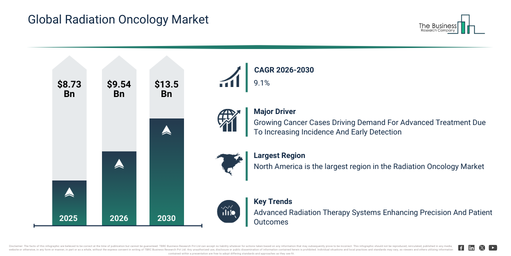
    The radiation oncology market has demonstrated significant growth in recent years. It is projected to expand from $8.73 billion in 2025 to $9.54 billion in 2026, at a compound annual growth rate (CAGR) of 9.3%. Historically, this market’s expansion can be attributed to factors such as increasing cancer incidence rates, the expansion of oncology treatment centers, the adoption of external beam radiation therapy, the availability of standardized radiotherapy protocols, and growing investment in cancer care infrastructure.

    The radiation oncology market is anticipated to experience substantial expansion in the next few years. It is projected to attain a size of $13.5 billion by 2030, exhibiting a compound annual growth rate (CAGR) of 9.1%. This growth during the forecast period can be attributed to the rising adoption of personalized oncology treatments, an increasing demand for stereotactic and proton therapies, the broadening scope of AI-assisted treatment planning, a heightened focus on outpatient cancer care, and greater investments in advanced oncology equipment. Significant trends anticipated for this period include the wider use of image-guided radiation therapy, an increased application of precision and targeted treatment techniques, the growing integration of AI in treatment planning, the expansion of advanced linear accelerator installations, and an enhanced commitment to minimizing radiation exposure to healthy tissue.

    Get A Free Sample Report With In-Depth Market Insights:

    https://thebusinessresearchcompany.com/sample_request?id=45107720&type=smp&name=Radiation%20Oncology%20Market%20Report%202026&utm_source=Blogs&utm_medium=Paid&utm_campaign=Nov_PR

    Radiation Oncology Market Growth Factors Behind Sustained Expansion

    The global increase in cancer diagnoses is anticipated to significantly boost the expansion of the radiation oncology market. The incidence of cancer is growing due to elements such as aging populations, lifestyle-associated risk factors, and enhanced early detection. The rise in cancer cases is linked to increased exposure to risk factors like unhealthy lifestyles and environmental pollutants, which contribute to higher mutation rates and the eventual development of malignant cells. Radiation oncology utilizes high-energy radiation to eradicate cancer cells, reduce tumor size, and support surgical and chemotherapy interventions, with cutting-edge techniques improving precision and patient outcomes.

    Radiation Oncology Market Segment Landscape And Growth Outlook

    The radiation oncology market covered in this report is segmented –

    1) By Type: External Beam Radiation Therapy, Internal Beam Radiation Therapy

    2) By Application: Prostate Cancer, Breast Cancer, Lung Cancer, Head And Neck Cancer, Colorectal Cancer, Cervical Cancer, Gynecological Cancer, Other Applications

    3) By End-User: Hospitals, Cancer Research Institutes, Other End-Users

    Subsegments:

    1) By Internal Beam Radiation Therapy: Brachytherapy, Endocavitary Brachytherapy, Interstitial Brachytherapy, Intraluminal Brachytherapy

    2) By External Beam Radiation Therapy: 3D Conformal Radiation Therapy (3DCRT), Intensity-Modulated Radiation Therapy (IMRT), Stereotactic Radiosurgery (SRS), Stereotactic Body Radiation Therapy (SBRT), Image-Guided Radiation Therapy (IGRT)

    Radiation Oncology Market Strategic Trends: What Defines The Next Growth Phase?

    Major companies engaged in the radiation oncology market are directing their efforts towards the creation of advanced radiation therapy systems that integrate AI-powered imaging and adaptive technologies. These developments aim to improve treatment precision, lessen side effects, and enhance patient outcomes for a variety of cancer treatment scenarios. AI-powered radiotherapy specifically refers to the application of artificial intelligence technologies to elevate various components of radiation therapy, encompassing treatment planning, imaging, delivery, and monitoring.

    Radiation Oncology Market Competitive Landscape: Who Leads The Industry?

    Major companies operating in the radiation oncology market are Hitachi Ltd., Siemens Healthineers, Philips Healthcare, GE Healthcare Technologies Inc., Varian Medical Systems, Shimadzu Corporation, Elekta AB, Mirion Technologies, Ion Beam Applications (IBA), Accuray Incorporated, Canon Medical Systems, Eckert & Ziegler BEBIG, ViewRay Inc., MDS Nordion, Mevion Medical Systems, PTW-Freiburg, Toshiba Medical Systems, CivaTech Oncology, ProTom International, Radcal Corporation, ScandiDos.

    View The Full Radiation Oncology Market Report:

    https://thebusinessresearchcompany.com/report/radiation-oncology-global-market-report?utm_source=Blogs&utm_medium=Paid&utm_campaign=Nov_PR

    Radiation Oncology Market Regional Breakdown: Where Is Demand Concentrated?

    North America was the largest region in the radiation oncology market in 2025. Asia-Pacific is expected to be the fastest-growing region in the forecast period. The regions covered in the radiation oncology market report are Asia-Pacific, South East Asia, Western Europe, Eastern Europe, North America, South America, Middle East, Africa.

    Reach Out To Our Team:

    The Business Research Company: https://www.thebusinessresearchcompany.com/

    Americas: +1 310-496-7795

    Asia: +44 7882 955267 & +91 8897263534

    Europe: +44 7882 955267

    Email us at: marketing@tbrc.info

    Follow us on:

    LinkedIn: https://in.linkedin.com/company/the-business-research-company

    YouTube: https://www.youtube.com/channel/UC24_fI0rV8cR5DxlCpgmyFQ

    Global Market Model: https://www.thebusinessresearchcompany.com/global-market-model
  • Radiation Dose Management Market Trends Reshaping Industry Growth Through 2030

    Radiation Dose Management Market Trends Reshaping Industry Growth Through 2030

    Built to provide research that’s more actionable and strategically valuable, The Business Research Company’s 2026 market reports include market attractiveness analysis, total addressable market sizing, company benchmarking matrices, interactive Excel dashboards, broader supply chain intelligence, emerging startup tracking, and in-depth product insights.

    Radiation Dose Management Market Forecast: What Value Will The Market Reach By 2030?

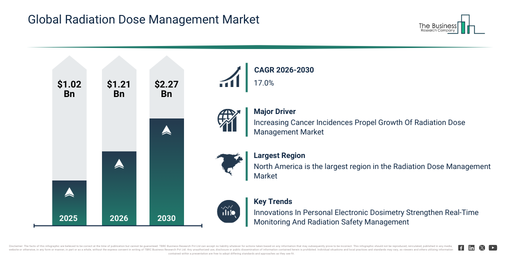
    The radiation dose management market size has experienced significant expansion in recent years. This market is projected to grow from $1.02 billion in 2025 to $1.21 billion in 2026, exhibiting a compound annual growth rate (CAGR) of 19.3%. Historically, this growth can be attributed to the expanding application of advanced diagnostic imaging, increased understanding of radiation safety, the proliferation of CT and fluoroscopy procedures, the enforcement of radiation dose regulations, and the adoption of basic dose monitoring instruments.

    The radiation dose management market is anticipated to experience significant expansion over the coming years. This market is projected to reach $2.27 billion by 2030, exhibiting a compound annual growth rate (CAGR) of 17.0%. This anticipated growth within the forecast timeframe is driven by factors such as greater investments in intelligent imaging systems, a heightened demand for patient-centric radiation safety, the broadening of integrated hospital IT infrastructure, the increasing embrace of predictive analytics in imaging, and a stronger emphasis on value-based healthcare. Key trends expected during this period involve the rising uptake of AI-based dose optimization software, enhanced integration of real-time dose monitoring systems, a growing utilization of cloud-based radiation analytics platforms, the broadening of multi-modality dose management solutions, and an increased commitment to regulatory dose reporting compliance.

    Get A Free Sample Report With In-Depth Market Insights:

    https://thebusinessresearchcompany.com/sample_request?id=38582511&type=smp&name=Radiation%20Dose%20Management%20Market%20Report%202026&utm_source=Blogs&utm_medium=Paid&utm_campaign=Nov_PR

    Radiation Dose Management Market Demand Drivers Opening New Revenue Streams

    The expansion of the radiation dose management market is anticipated to be fueled by the growing incidence of cancer cases. Cancer, a collection of diseases characterized by the uncontrolled proliferation of abnormal cells that can form a tumor, has seen an increase in cases due to a combination of factors, including family history, lifestyle choices, genetic predispositions, environmental exposures, and an aging demographic. Radiation dose management solutions play a crucial role in cancer care by enabling accurate diagnosis and effective treatment while minimizing the potential hazards associated with radiation exposure.

    Radiation Dose Management Market Breakdown By Product Type And Application

    The radiation dose management market covered in this report is segmented –

    1) By Component: Software, Services

    2) By Modality: Computed Tomography, Fluoroscopy And Interventional Imaging, Radiography And Mammography, Nuclear Medicine

    3) By Application: Oncology, Cardiology, Orthopedic Applications, Other Applications

    4) By End-User: Hospitals, Ambulatory Care Setting, Other End-Users

    Subsegments:

    1) By Software: Dose Monitoring Software, Dose Calculation Software, Reporting And Analytics Software

    2) By Services: Consulting Services, Implementation And Integration Services, Training And Support Services

    Radiation Dose Management Market Transformation Trends: What Innovations Are Driving Change?

    Prominent companies within the radiation dose management market are enhancing their technological capacities by unveiling cutting-edge solutions, including personal electronic dosimeters, to improve real-time tracking and elevate radiation safety. Personal electronic dosimeters are compact, portable instruments that provide immediate information regarding the type and level of radiation exposure during operational tasks, empowering responders to implement protective actions promptly.

    Radiation Dose Management Market Company Landscape And Competitive Strategy

    Major companies operating in the radiation dose management market are INFINITT Healthcare Co. Ltd., Bayer AG, Canon Inc., Siemens Healthcare, FUJIFILM Holdings Corporation, Philips Healthcare, GE Healthcare, Fortive Corporation, Mindray Medical International Limited, Sectra AB, Bracco Imaging S.P.A., Neusoft Medical Systems, United Imaging Healthcare, Agfa Gevaert Group, Dedalus S.P.A, Guerbet, Mirion Technologies Inc., Landauer, Novarad Corporation, Volpara Health Limited, Medic Vision, PACSHealth LLC, Medsquare, Nanjing Perlove Medical Equipment Co. Ltd., Carestream Health, Konica Minolta Healthcare, Hitachi Healthcare, Esaote S.p.A., Shimadzu Corporation, Toshiba Medical Systems

    View The Full Radiation Dose Management Market Report:

    https://thebusinessresearchcompany.com/report/radiation-dose-management-global-market-report?utm_source=Blogs&utm_medium=Paid&utm_campaign=Nov_PR

    Radiation Dose Management Market Geographic Landscape: Which Region Leads Industry Growth?

    North America was the largest region in the radiation dose management market in 2025. Asia-Pacific is expected to be the fastest-growing region in the forecast period. The regions covered in the radiation dose management market report are Asia-Pacific, South East Asia, Western Europe, Eastern Europe, North America, South America, Middle East, Africa.

    Reach Out To Our Team:

    The Business Research Company: https://www.thebusinessresearchcompany.com/

    Americas: +1 310-496-7795

    Asia: +44 7882 955267 & +91 8897263534

    Europe: +44 7882 955267

    Email us at: marketing@tbrc.info

    Follow us on:

    LinkedIn: https://in.linkedin.com/company/the-business-research-company

    YouTube: https://www.youtube.com/channel/UC24_fI0rV8cR5DxlCpgmyFQ

    Global Market Model: https://www.thebusinessresearchcompany.com/global-market-model
  • Rabbit Monoclonal Antibody Market Growth To $1.46 Billion Creates New Opportunities Across The Industry

    Rabbit Monoclonal Antibody Market Growth To $1.46 Billion Creates New Opportunities Across The Industry

    Backed by market attractiveness analysis, total addressable market sizing, company benchmarking matrices, interactive Excel dashboards, wider supply chain intelligence, emerging startup coverage, and detailed product-level insights, The Business Research Company’s 2026 market reports are designed to offer research that is more actionable and strategically valuable than ever.

    Rabbit Monoclonal Antibody Market Size Outlook: How Quickly Will Revenue Expand Through 2030?

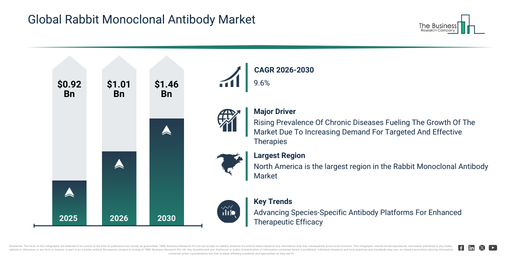
    In recent years, the rabbit monoclonal antibody market has experienced robust growth. The market is set to expand from $0.92 billion in 2025 to $1.01 billion in 2026, achieving a compound annual growth rate (CAGR) of 9.9%. Historically, this growth has been driven by factors such as the widening scope of protein research applications, an escalating need for sensitive detection reagents, increased adoption of immunohistochemistry, augmented biomedical research funding, and the presence of hybridoma technologies.

    The rabbit monoclonal antibody market is anticipated to experience robust expansion over the coming years. By 2030, its valuation is projected to reach $1.46 billion, advancing at a compound annual growth rate (CAGR) of 9.6%. This anticipated growth throughout the forecast period stems from factors such as the escalating need for precision diagnostics, the expanding application of antibodies in drug discovery, the broadening scope of personalized medicine research, the increasing embrace of recombinant antibody platforms, and an intensified emphasis on optimizing assay sensitivity. Key trends characterizing the forecast period encompass the augmented utilization of rabbit antibodies for challenging epitopes, their increased integration into advanced diagnostics, a discernible preference for high-affinity antibodies, the expansion of recombinant rabbit antibody production, and a heightened focus on analytical sensitivity.

    Get A Free Sample Report With In-Depth Market Insights:

    https://thebusinessresearchcompany.com/sample_request?id=58734078&type=smp&name=Rabbit%20Monoclonal%20Antibody%20Market%20Report%202026&utm_source=Blogs&utm_medium=Paid&utm_campaign=Nov_PR

    Rabbit Monoclonal Antibody Market Growth Backed By Core Demand Fundamentals

    The escalating incidence of chronic diseases is projected to drive the expansion of the rabbit monoclonal antibody market moving forward. Chronic diseases are persistent medical conditions that develop slowly and persist for prolonged durations, often demanding continuous healthcare. The increasing occurrence of chronic diseases is partly attributed to inactive lifestyles, as extended sitting and limited physical activity heighten the risk of conditions such as heart ailments and diabetes. Rabbit monoclonal antibodies contribute to chronic disease treatment by offering highly specific and high-affinity targeting of disease-associated proteins. They enhance therapeutic precision, reduce off-target effects, and improve treatment efficacy, fostering better patient outcomes and streamlined drug development.

    Rabbit Monoclonal Antibody Market Segment Analysis And Revenue Potential

    The rabbit monoclonal antibody market covered in this report is segmented –

    1) By Type: Immunoglobulin G (IgG), Immunoglobulin M (IgM), Immunoglobulin A (IgA), Immunoglobulin E (IgE), Immunoglobulin D (IgD)

    2) By Application: Diagnostics, Therapeutics, Research, Drug Discovery, Immunohistochemistry

    3) By End User: Pharmaceutical Companies, Academic And Research Institutions, Diagnostic Laboratories, Contract Research Organizations, Biotechnology Companies

    Subsegments:

    1) By Immunoglobulin G (IgG): Subclass 1 Immunoglobulin G, Subclass 2 Immunoglobulin G, Subclass 3 Immunoglobulin G, Subclass 4 Immunoglobulin G

    2) By Immunoglobulin M (IgM): Pentameric Immunoglobulin M, Monomeric Immunoglobulin M

    3) By Immunoglobulin A (IgA): Serum Immunoglobulin A, Secretory Immunoglobulin A

    4) By Immunoglobulin E (IgE): Allergen Specific Immunoglobulin E, Total Immunoglobulin E

    5) By Immunoglobulin D (IgD): Membrane Bound Immunoglobulin D, Secreted Immunoglobulin D

    #Rabbit Monoclonal Antibody Market Growth Trends: What’s Shaping The Future Outlook?

    Major companies in the rabbit monoclonal antibody market are concentrating on developing advanced platforms, such as species-specific antibody development, to enhance therapeutic effectiveness, improve target specificity, and decrease immunogenicity. Species-specific antibody development involves the strategic use of distinct animal immune systems to generate antibodies with unique binding properties and high affinity for challenging drug targets.

    Rabbit Monoclonal Antibody Market Key Players Shaping Industry Direction

    Major companies operating in the rabbit monoclonal antibody market are F. Hoffmann-La Roche Ltd., Merck KGaA, Thermo Fisher Scientific Inc., Bio-Rad Laboratories Inc., Bio-Techne Corporation, Elabscience Biotechnology Inc., GenScript Biotech Corporation, Takara Bio Inc., Rockland Immunochemicals Inc., Creative Biolabs Inc., Bioss Antibodies Inc., Cell Signaling Technology Inc., MyBioSource Inc., Boster Biological Technology Co. Ltd., GeneTex Inc., Proteintech Group Inc., Santa Cruz Biotechnology Inc., AvantGen Inc., ImmunoWay Biotechnology Company, Abcam plc

    View The Full Rabbit Monoclonal Antibody Market Report:

    https://thebusinessresearchcompany.com/report/global-rabbit-monoclonal-antibody-market-report?utm_source=Blogs&utm_medium=Paid&utm_campaign=Nov_PR

    Rabbit Monoclonal Antibody Market Largest Region: Which Geography Holds The Biggest Share?

    North America was the largest region in the rabbit monoclonal antibody market in 2025. Asia-Pacific is expected to be the fastest-growing region in the forecast period. The regions covered in the rabbit monoclonal antibody market report are Asia-Pacific, South East Asia, Western Europe, Eastern Europe, North America, South America, Middle East, Africa.

    Reach Out To Our Team:

    The Business Research Company: https://www.thebusinessresearchcompany.com/

    Americas: +1 310-496-7795

    Asia: +44 7882 955267 & +91 8897263534

    Europe: +44 7882 955267

    Email us at: marketing@tbrc.info

    Follow us on:

    LinkedIn: https://in.linkedin.com/company/the-business-research-company

    YouTube: https://www.youtube.com/channel/UC24_fI0rV8cR5DxlCpgmyFQ

    Global Market Model: https://www.thebusinessresearchcompany.com/global-market-model
  • Quantum-Enhanced Predictive Genomics Market Forecast: Breaking Down The Numbers Behind Future Expansion

    Quantum-Enhanced Predictive Genomics Market Forecast: Breaking Down The Numbers Behind Future Expansion

    Featuring market attractiveness scoring, total addressable market sizing, company benchmarking matrices, interactive Excel dashboards, deeper supply chain intelligence, emerging startup tracking, and granular product-level insights, The Business Research Company’s 2026 market reports are built to deliver research that is both more actionable and more strategically valuable.

    Quantum-Enhanced Predictive Genomics Market Size, Value And Growth Trajectory Through 2030

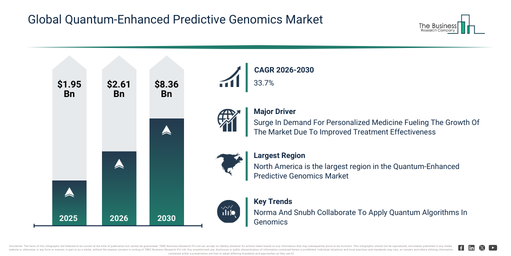
    The quantum-enhanced predictive genomics market has seen significant expansion in recent years. This market is set to increase from $1.95 billion in 2025 to $2.61 billion in 2026, achieving a compound annual growth rate (CAGR) of 34.0%. The past growth in this sector was influenced by advancements in genomic sequencing technologies, the proliferation of large-scale genomic datasets, the early integration of quantum computing in research, a growing emphasis on personalized medicine, and the enhanced capabilities in bioinformatics.

    The quantum-enhanced predictive genomics market is projected to experience rapid expansion in the coming years. This market is set to reach $8.36 billion by 2030, exhibiting a compound annual growth rate (CAGR) of 33.7%. Factors contributing to this growth include the wider availability of commercial quantum computing platforms, heightened investment in precision medicine research, increasing need for predictive healthcare analytics, the spread of quantum machine learning applications, and stronger partnerships between genomics and quantum technology companies. Key trends during the forecast period involve a greater embrace of quantum-based genomic modeling, an increase in hybrid quantum-classical analytics utilization, a sharper focus on high-dimensional biomarker discovery, the broadening of cloud-based quantum genomics platforms, and a strengthened emphasis on modeling predictive disease risk.

    Get A Free Sample Report With In-Depth Market Insights:

    https://thebusinessresearchcompany.com/sample_request?id=26611782&type=smp&name=Quantum-Enhanced%20Predictive%20Genomics%20Market%20Report%202026&utm_source=Blogs&utm_medium=Paid&utm_campaign=Nov_PR

    Quantum-Enhanced Predictive Genomics Market Growth Catalysts And Demand Drivers

    The increasing need for individualized medical approaches is projected to boost the expansion of the quantum-enhanced predictive genomics market in the future. Personalized medicine involves customizing healthcare, therapies, and preventive measures based on a person’s distinct genetic makeup, biological characteristics, and clinical information. This heightened demand for personalized medicine stems from enhanced treatment efficacy, where specific therapies designed for an individual’s genetic profile have resulted in superior outcomes and reduced negative reactions. Quantum-enhanced predictive genomics aids personalized medicine by facilitating very rapid analysis of intricate genomic data, empowering healthcare providers to formulate extremely accurate, customized treatment and prevention plans.

    Quantum-Enhanced Predictive Genomics Market Segmentation And Category Overview

    The quantum-enhanced predictive genomics market covered in this report is segmented –

    1) By Technology: Quantum Computing, Quantum Machine Learning, Quantum Cryptography, Other Technologies

    2) By Deployment Mode: On-Premises, Cloud-Based

    3) By Application: Disease Risk Assessment, Drug Discovery, Personalized Medicine, Genomic Data Analysis, Other Applications

    4) By End-User: Pharmaceutical And Biotechnology Companies, Research Institutes, Healthcare Providers, Other End-Users

    Subsegments:

    1) By Quantum Computing: Gate Based Quantum Computing, Quantum Annealing, Topological Quantum Computing, Photonic Quantum Computing

    2) By Quantum Machine Learning: Supervised Learning, Unsupervised Learning, Reinforcement Learning, Deep Learning

    3) By Quantum Cryptography: Quantum Key Distribution, Quantum Random Number Generation, Quantum Secure Communication, Post Quantum Cryptography

    4) By Other Technologies: Quantum Sensors, Quantum Simulation, Quantum Networking, Hybrid Quantum Classical Systems

    Quantum-Enhanced Predictive Genomics Market Industry Trends: What’s Reshaping Demand?

    Leading companies in the quantum-enhanced predictive genomics market are concentrating on innovations such as high-throughput genomic data processing. This focus aims to accelerate the identification of genetic variations, enhance predictive accuracy in personalized medicine, and enable faster, more precise analysis of complex genomic datasets. High-throughput genomic data processing refers to the rapid, large-scale analysis of genomic sequences using advanced computational methods. For instance, in June 2025, Norma Group, a Germany-based developer and manufacturer of engineered and standardized joining and fluid-handling technology, partnered with Seoul National University Bundang Hospital (SNUBH) to apply quantum algorithms to large-scale genomic analysis. The project endeavors to accelerate the detection of genetic mutations through quantum-enhanced combinatorial optimization, improving both the speed and accuracy of genomic data processing beyond classical computing methods. Key applications include precision diagnostics, personalized treatment planning, and genetic risk assessment for diseases such as cancer and neurological disorders.

    Quantum-Enhanced Predictive Genomics Market Competitive Analysis Of Leading Industry Participants

    Major companies operating in the quantum-enhanced predictive genomics market are Google LLC, Microsoft Corporation, Alibaba Group Holding Limited, Amazon Web Services, Inc., F. Hoffmann-La Roche AG, Accenture plc, IBM Corporation, Honeywell International Inc., Fujitsu Limited, Eviden, Xanadu Quantum Technologies Inc., Pasqal SA, Rigetti Computing, Inc., IonQ, Inc., D-Wave Systems Inc., Quantinuum, Atom Computing, Inc., Alice & Bob, QC Ware Corp., PsiQuantum, Inc., QuEra Computing, Inc., Quandela, Quantum Motion Ltd., Amazon.com, Inc., Intel Corporation, Cambridge Quantum Computing Ltd., Atos SE, NEC Corporation

    View The Full Quantum-Enhanced Predictive Genomics Market Report:

    https://thebusinessresearchcompany.com/report/quantum-enhanced-predictive-genomics-global-market-report?utm_source=Blogs&utm_medium=Paid&utm_campaign=Nov_PR

    Quantum-Enhanced Predictive Genomics Market Regional Analysis: Which Geography Leads On Revenue?

    North America was the largest region in the quantum-enhanced predictive genomics market in 2025. Asia-Pacific is expected to be the fastest-growing region in the forecast period. The regions covered in the quantum-enhanced predictive genomics market report are Asia-Pacific, South East Asia, Western Europe, Eastern Europe, North America, South America, Middle East, Africa.

    Reach Out To Our Team:

    The Business Research Company: https://www.thebusinessresearchcompany.com/

    Americas: +1 310-496-7795

    Asia: +44 7882 955267 & +91 8897263534

    Europe: +44 7882 955267

    Email us at: marketing@tbrc.info

    Follow us on:

    LinkedIn: https://in.linkedin.com/company/the-business-research-company

    YouTube: https://www.youtube.com/channel/UC24_fI0rV8cR5DxlCpgmyFQ

    Global Market Model: https://www.thebusinessresearchcompany.com/global-market-model