Category: Healthcare Services

  • A Significant Growth Driver for the Artificial Intelligence (AI)-Enhanced Remote Patient Intravenous (IV) Monitoring Market Is the Expansion Of Telehealth Services Driving The Market Growth Due To Increasing Remote Patient Care Needs

    A Significant Growth Driver for the Artificial Intelligence (AI)-Enhanced Remote Patient Intravenous (IV) Monitoring Market Is the Expansion Of Telehealth Services Driving The Market Growth Due To Increasing Remote Patient Care Needs

    The Business Research Company’s 2026 market reports include new capabilities such as market attractiveness scoring and analysis, total addressable market analysis, company scoring matrix, interactive excel data dashboard, improved supply chain analysis, upcoming startups in the market, and overview of key products, aimed at improving the depth, usability, and strategic value of the insights delivered.

    What Is The Market Size Of The Artificial Intelligence (AI)-Enhanced Remote Patient Intravenous (IV) Monitoring Market In 2026 And What Value Is Projected For 2030?

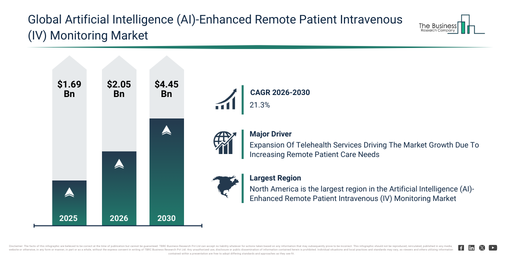
    The artificial intelligence (AI)-enhanced remote patient intravenous (iv) monitoring market has experienced significant expansion in recent years. Its valuation is set to climb from $1.69 billion in 2025 to $2.05 billion in 2026, reflecting a compound annual growth rate (CAGR) of 21.6%. The historical growth of this market can be attributed to several factors, including the increasing use of intravenous therapies in clinical care, a rising incidence of infusion-related complications, the expansion of hospital patient monitoring systems, the growing adoption of smart infusion devices, and an increased emphasis on medication safety protocols.

    The market for artificial intelligence (AI)-enhanced remote patient intravenous (iv) monitoring is projected to experience substantial expansion in the coming years. This sector is anticipated to reach a valuation of $4.45 billion by 2030, exhibiting a compound annual growth rate (CAGR) of 21.3%. Several factors are driving this projected growth, including the rising implementation of AI-enabled infusion monitoring systems, an increasing need for IV therapy solutions delivered at home, the broadening scope of predictive patient safety analytics, the expanding integration of networked infusion devices, and a heightened focus on remote clinical oversight. Key developments expected during this forecast period involve a greater uptake of real-time IV flow analytics, increased application of AI for detecting infusion errors, deeper incorporation of intelligent infusion sensors, wider availability of remote IV therapy management, and a stronger emphasis on ensuring patient safety and regulatory adherence.

    Download the Free Sample Report to Explore Key Market Insights:

    https://www.thebusinessresearchcompany.com/sample.aspx?id=28921&type=smp

    What Key Drivers Are Influencing The Growth Of The Artificial Intelligence (AI)-Enhanced Remote Patient Intravenous (IV) Monitoring Market?

    The growing adoption of telehealth services is anticipated to fuel the expansion of the artificial intelligence (AI)-enhanced remote patient intravenous (IV) monitoring market. These services involve delivering healthcare remotely through digital communication tools, encompassing virtual consultations, patient monitoring, and treatment. Its prevalence has increased, spurred by shifts in regulations and reimbursement frameworks established during the COVID-19 pandemic, which improved the accessibility and economic feasibility of virtual healthcare for both medical professionals and patients. The artificial intelligence (AI)-enhanced remote patient intravenous (IV) monitoring solution complements telehealth by allowing continuous, off-site tracking of patients’ IV treatments, proactively identifying issues, offering practical data to clinicians, and connecting smoothly with virtual care systems. This ensures prompt medical responses, enhances patient well-being, and optimizes the handling of care in home and outpatient environments. For instance, an April 2023 report from FAIR Health Inc., a US-based non-profit organization, indicated that national telehealth utilization in 2023 grew by 7.3%, moving from 5.5% of medical claim lines in December 2022 to 5.9% in January 2023. Consequently, the increasing adoption of telehealth services is a key factor propelling the expansion of the artificial intelligence (AI)-enhanced remote patient intravenous (IV) monitoring market.

    What Are The Key Segments Of The Artificial Intelligence (AI)-Enhanced Remote Patient Intravenous (IV) Monitoring Market?

    The artificial intelligence (AI)-enhanced remote patient intravenous (iv) monitoring market covered in this report is segmented –

    1) By Component: Hardware, Software, Services

    2) By Deployment Mode: On-Premises, Cloud-Based

    3) By Application: Hospitals, Clinics, Homecare Settings, Ambulatory Surgical Centers, Other Applications

    4) By End-User: Healthcare Providers, Patients

    Subsegments:

    1) By Hardware: Patient Monitoring Devices, Sensors And Infusion Pumps, Communication Devices, Data Storage Systems

    2) By Software: Predictive Analytics Software, Clinical Decision Support Software, Remote Monitoring Software, Data Management Software

    3) By Services: Implementation And Integration Services, Maintenance And Support Services, Training And Education Services, Remote Monitoring Services

    Who Are The Leading Companies Operating In The Artificial Intelligence (AI)-Enhanced Remote Patient Intravenous (IV) Monitoring Market?

    Major companies operating in the artificial intelligence (AI)-enhanced remote patient intravenous (iv) monitoring market are Medtronic plc, Siemens Healthineers AG, GE HealthCare Technologies Inc., Koninklijke Philips N.V., Baxter International Inc., B. Braun Melsungen AG, Terumo Corporation, Nipro Corporation, Epic Systems Corporation, ICU Medical Inc., InfuSystem Holdings Inc., AlayaCare Inc., Huma Therapeutics Ltd., Health Recovery Solutions Inc., Arcomed AG, VitalConnect Inc., Cloud DX Inc., Empatica S.r.l., AccuHealth Inc., Serum Tracker Inc.

    Read the full artificial intelligence (ai)-enhanced remote patient intravenous (iv) monitoring market report here:

    https://www.thebusinessresearchcompany.com/report/artificial-intelligence-ai-enhanced-remote-patient-intravenous-iv-monitoring-global-market-report

    Which Region Is Expected To Register The Fastest Growth In The Artificial Intelligence (AI)-Enhanced Remote Patient Intravenous (IV) Monitoring Market?

    North America was the largest region in the artificial intelligence (AI)-enhanced remote patient intravenous (IV) monitoring market in 2025. Asia-Pacific is expected to be the fastest-growing region in the forecast period. The regions covered in the artificial intelligence (AI)-enhanced remote patient intravenous (iv) monitoring market report are Asia-Pacific, South East Asia, Western Europe, Eastern Europe, North America, South America, Middle East, Africa.

    Request A Tailored Artificial Intelligence (AI)-Enhanced Remote Patient Intravenous (IV) Monitoring Market Research Report For Competitive Advantage:

    https://www.thebusinessresearchcompany.com/customise?id=28921&type=smp

    Browse Through More Reports Similar to the Global Artificial Intelligence (AI)-Enhanced Remote Patient Intravenous (IV) Monitoring Market 2026, By The Business Research Company

    Ai In Medical Devices Global Market Report

    https://www.thebusinessresearchcompany.com/report/ai-in-medical-devices-global-market-report

    Artificial Intelligence Or Machine Learning Ai Or Ml Medical Device Global Market Report

    https://www.thebusinessresearchcompany.com/report/artificial-intelligence-or-machine-learning-ai-or-ml-medical-device-global-market-report

    Artificial Intelligence In Healthcare Global Market Report

    https://www.thebusinessresearchcompany.com/report/artificial-intelligence-in-healthcare-global-market-report

    Get in touch with us:

    The Business Research Company: https://www.thebusinessresearchcompany.com/

    Americas +1 310-496-7795

    Asia +44 7882 955267 & +91 8897263534

    Europe +44 7882 955267

    Email us at info@tbrc.info

    Follow us on:

    LinkedIn: https://in.linkedin.com/company/the-business-research-company

    YouTube: https://www.youtube.com/channel/UC24_fI0rV8cR5DxlCpgmyFQ

    Global Market Model: https://www.thebusinessresearchcompany.com/global-market-model
  • Global Artificial Intelligence (AI)-Enhanced Remote Neonatal Monitoring Industry Trends and Market Growth Forecast for 2026–2030

    Global Artificial Intelligence (AI)-Enhanced Remote Neonatal Monitoring Industry Trends and Market Growth Forecast for 2026–2030

    The Business Research Company’s 2026 market reports include new capabilities such as market attractiveness scoring and analysis, total addressable market analysis, company scoring matrix, interactive excel data dashboard, improved supply chain analysis, upcoming startups in the market, and overview of key products, aimed at improving the depth, usability, and strategic value of the insights delivered.

    What Will Be The Estimated Market Valuation Of The Artificial Intelligence (AI)-Enhanced Remote Neonatal Monitoring Market By The End Of 2030?

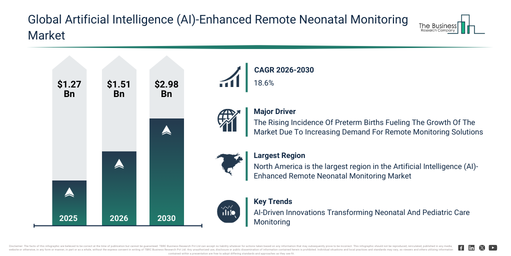
    The artificial intelligence (AI)-enhanced remote neonatal monitoring market has experienced substantial expansion in recent years. This market is projected to increase from $1.27 billion in 2025 to $1.51 billion in 2026, demonstrating a compound annual growth rate (CAGR) of 18.9%. The historical growth of the market can be linked to factors such as rising premature birth rates, the expansion of neonatal intensive care services, a greater uptake of remote patient monitoring technologies, an intensified emphasis on early intervention in neonatal care, and improvements in neonatal sensor technologies.

    The artificial intelligence (AI)-enhanced remote neonatal monitoring market is projected for substantial expansion in the coming years, reaching $2.98 billion by 2030, driven by a compound annual growth rate (CAGR) of 18.6%. This anticipated growth during the forecast period stems from factors such as the greater acceptance of AI-driven neonatal monitoring, the increasing need for home-based neonatal care solutions, the broadening of predictive health analytics, the expanding incorporation of cloud-based monitoring platforms, and a heightened emphasis on preventive neonatal healthcare. Key trends expected over the forecast period encompass the greater uptake of continuous neonatal vital monitoring, the increasing utilization of AI-based early warning systems, the expanding implementation of wearable neonatal sensors, the development of remote neonatal care models, and a stronger emphasis on predictive neonatal analytics.

    Download the Free Sample Report to Explore Key Market Insights:

    https://www.thebusinessresearchcompany.com/sample.aspx?id=28920&type=smp

    What Major Growth Drivers Are Shaping The Outlook Of The Artificial Intelligence (AI)-Enhanced Remote Neonatal Monitoring Market?

    The increasing occurrence of preterm births is anticipated to boost the growth of the artificial intelligence (AI)-enhanced remote neonatal monitoring market. Preterm birth refers to infants born before 37 completed weeks of gestation, often requiring specialized medical care due to underdeveloped organs, and significantly influences neonatal health outcomes. The incidence of preterm births is escalating as more women are having children at an older age, which heightens the risk of pregnancy complications and early delivery. Artificial intelligence (AI)-enhanced remote neonatal monitoring aids in managing preterm births by continuously analyzing vital signs to detect early signs of complications, thus enabling timely interventions and safer post-discharge care. For instance, in March 2025, a report published by the Centers for Disease Control and Prevention (CDC), a US-based nonprofit organization, revealed that the U.S. preterm birth rate rose to 10.41% in 2023, a marginal increase from 10.38% in 2022. Therefore, the expanding incidence of preterm births is propelling the growth of the artificial intelligence (AI)-enhanced remote neonatal monitoring market.

    Which Segment Classifications Shape The Artificial Intelligence (AI)-Enhanced Remote Neonatal Monitoring Market?

    The artificial intelligence (AI)-enhanced remote neonatal monitoring market covered in this report is segmented –

    1) By Component: Hardware, Software, Services

    2) By Monitoring Type: Vital Signs Monitoring, Respiratory Monitoring, Cardiac Monitoring, Other Monitoring Types

    3) By Deployment Mode: Cloud-Based, On-Premises

    4) By End User: Hospitals, Neonatal Intensive Care Units, Homecare Settings, Clinics, Other End Users

    Subsegments:

    1) By Hardware: Monitoring Devices, Wearable Sensors, Imaging Equipment, Communication Modules, Data Storage Units

    2) By Software: Analytics Platforms, Patient Management Systems, Predictive Algorithms, Visualization Tools, Alert And Notification Systems

    3) By Services: Remote Monitoring Support, Technical Maintenance, Training And Education, Consulting Services, Integration Services

    What Trends Are Projected To Affect The Artificial Intelligence (AI)-Enhanced Remote Neonatal Monitoring Market?

    Major companies engaged in the artificial intelligence (AI)-enhanced remote neonatal monitoring market are concentrating on developing advanced solutions, such as AI-driven neonatal and pediatric care monitoring platforms. These efforts aim to enhance the early detection of health complications, improve clinical decision-making processes, and support continuous, real-time tracking of newborns. AI-driven neonatal and pediatric care monitoring platforms are systems that employ artificial intelligence to continuously track and analyze the health data of newborns and children, identify anomalies, and provide actionable insights for timely medical intervention. For instance, in April 2025, AngelEye Health, a US-based provider of neonatal and pediatric family engagement technology, launched AIVision. This was a groundbreaking enhancement, integrating artificial intelligence (AI) and computer vision into neonatal intensive care units (NICUs) and pediatric units. This platform transforms existing bedside cameras into intelligent clinical tools that deliver proactive, data-driven insights to clinical teams. Key features include AI-powered motion analysis for the early detection of neuromotor risks, video EEG synchronization, respiratory status monitoring to detect early signs of distress, AI-assisted pain and sedation assessment, and crash/coding event recording to support clinical training.

    Which Companies Are Expanding Their Footprint In The Artificial Intelligence (AI)-Enhanced Remote Neonatal Monitoring Market?

    Major companies operating in the artificial intelligence (AI)-enhanced remote neonatal monitoring market are Philips Healthcare, GE HealthCare Technologies Inc., Mount Sinai Health System Inc., Mindray Medical International Limited, Drägerwerk AG & Co. KGaA, Hill-Rom Company Inc., Masimo Corporation, Sheba Medical Center, Natus Medical Incorporated, Spacelabs Healthcare Inc., Aver Information Inc., Owlet Inc., Nanit Inc., AngelEye Health Inc., Raybaby Inc., Zoundream Inc., Sempulse Inc., Kriba Inc., Luscii B.V., Bloomlife Inc.

    Read the full artificial intelligence (ai)-enhanced remote neonatal monitoring market report here:

    https://www.thebusinessresearchcompany.com/report/artificial-intelligence-ai-enhanced-remote-neonatal-monitoring-global-market-report

    Which Regions Are Projected To Dominate The Artificial Intelligence (AI)-Enhanced Remote Neonatal Monitoring Market In The Coming Years?

    North America was the largest region in the artificial intelligence (AI)-enhanced remote neonatal monitoring market in 2025. Asia-Pacific is expected to be the fastest-growing region in the forecast period. The regions covered in the artificial intelligence (AI)-enhanced remote neonatal monitoring market report are Asia-Pacific, South East Asia, Western Europe, Eastern Europe, North America, South America, Middle East, Africa.

    Request A Tailored Artificial Intelligence (AI)-Enhanced Remote Neonatal Monitoring Market Research Report For Competitive Advantage:

    https://www.thebusinessresearchcompany.com/customise?id=28920&type=smp

    Browse Through More Reports Similar to the Global Artificial Intelligence (AI)-Enhanced Remote Neonatal Monitoring Market 2026, By The Business Research Company

    Fetal And Neonatal Monitoring Devices Global Market Report

    https://www.thebusinessresearchcompany.com/report/fetal-and-neonatal-monitoring-devices-global-market-report

    Baby Monitoring Devices Global Market Report

    https://www.thebusinessresearchcompany.com/report/baby-monitoring-devices-global-market-report

    Fetal And Neonatal Monitoring Devices Global Market Report

    https://www.thebusinessresearchcompany.com/report/fetal-and-neonatal-monitoring-devices-global-market-report

    Get in touch with us:

    The Business Research Company: https://www.thebusinessresearchcompany.com/

    Americas +1 310-496-7795

    Asia +44 7882 955267 & +91 8897263534

    Europe +44 7882 955267

    Email us at info@tbrc.info

    Follow us on:

    LinkedIn: https://in.linkedin.com/company/the-business-research-company

    YouTube: https://www.youtube.com/channel/UC24_fI0rV8cR5DxlCpgmyFQ

    Global Market Model: https://www.thebusinessresearchcompany.com/global-market-model
  • Autoimmune Treatment Market Outlook 2026–2030 with Major Growth Drivers and Emerging Industry Trends

    Autoimmune Treatment Market Outlook 2026–2030 with Major Growth Drivers and Emerging Industry Trends

    The Business Research Company’s 2026 market reports include new capabilities such as market attractiveness scoring and analysis, total addressable market analysis, company scoring matrix, interactive excel data dashboard, improved supply chain analysis, upcoming startups in the market, and overview of key products, aimed at improving the depth, usability, and strategic value of the insights delivered.

    What Is The Market Size Of The Autoimmune Treatment Market In 2026 And What Value Is Projected For 2030?

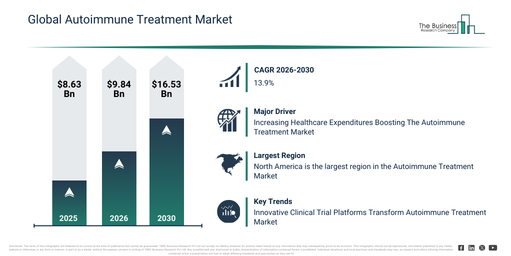
    The autoimmune treatment market size has seen rapid growth in recent years. It is anticipated to expand from $8.63 billion in 2025 to $9.84 billion in 2026, achieving a compound annual growth rate (CAGR) of 14.0%. The expansion observed in prior periods can be attributed to improved accessibility of immunosuppressive drugs, the development of rheumatology and immunology services, an increase in clinical experience concerning autoimmune care, higher rates of patient diagnosis, and more extensive access to specialty medications.

    The autoimmune treatment market size is anticipated to experience swift expansion in the upcoming years. It is projected to reach $16.53 billion by 2030, demonstrating a compound annual growth rate (CAGR) of 13.9%. This projected growth can be attributed to increased investment in developing novel biologics, a rising demand for tailored autoimmune therapies, the broadening of digital monitoring and follow-up care services, an intensified focus on reducing long-term disease complications, and augmented research into immune system modulation. Significant trends expected during this forecast period involve a greater adoption of biologic therapies, an increasing utilization of targeted immunomodulators, the growing integration of long-term disease management programs, an expansion of personalized treatment regimens, and an enhanced focus on combination drug therapies.

    Download the Free Sample Report to Explore Key Market Insights:

    https://www.thebusinessresearchcompany.com/sample.aspx?id=7863&type=smp

    What Key Drivers Are Influencing The Growth Of The Autoimmune Treatment Market?

    The anticipated increase in healthcare spending is set to stimulate expansion within the autoimmune treatment market in the future. Healthcare expenditures encompass all expenses linked to delivering health services, family planning initiatives, nutritional schemes, and health-focused emergency assistance. An uptick in healthcare spending is projected to foster the creation of improved therapies and advanced medical technologies specifically for autoimmune conditions. For example, projections from the Office for Budget Responsibility (OBR) and Treasury indicate that the UK’s planned health expenditure is forecasted to climb to £192 billion ($244.43 billion) in 2024/25, rising from £182 billion ($231.70 billion) recorded in 2022/23. Likewise, data from the National Health Expenditures Accounts (NHEA) by KFF, an independent health policy research organization based in the US, suggests that health spending in the United States is expected to expand by 5% from 2023 to 2024, eventually reaching $4.9 trillion. Consequently, the increase in healthcare expenditures is a key impetus behind the expansion of the autoimmune treatment market.

    What Are The Key Segments Of The Autoimmune Treatment Market?

    The autoimmune treatment market covered in this report is segmented –

    1) By Service Type: Consultation And Diagnosis, Therapy And Monitoring, Drug development

    2) By Disease: Rheumatoid Arthritis, Systemic Lupus Erythematosus, Sjögren’s Syndrome, Thyroiditis, Scleroderma, Other Diseases

    3) By Application: Disease Management and Symptom Control, Disease Diagnosis and Monitoring, Immune Modulation and Targeted Therapy, Long-Term Care and Relapse Prevention

    Subsegments:

    1) By Consultation and Diagnosis: Clinical Evaluation and Medical Consultation, Autoimmune Biomarker Testing and Serological Assays, Imaging and Functional Diagnostic Services, Disease Severity Assessment and Risk Stratification

    2) By Therapy and Monitoring: Pharmacological Treatment Management, Biologic and Immunotherapy Administration, Disease Activity Monitoring and Follow-Up Services, Adverse Event and Safety Monitoring, Patient Support and Adherence Programs

    3) By Drug Development: Preclinical Research and Target Identification, Clinical Trial Services (Phase I–IV), Regulatory Affairs and Compliance Services, Pharmacovigilance and Post-Marketing Surveillance

    Which Market Trends Are Creating New Opportunities In The Autoimmune Treatment Market?

    Major companies operating in the autoimmune treatment market are increasing their emphasis on introducing innovative clinical trial platforms to gain a competitive advantage. These novel clinical trial platforms in autoimmune treatment leverage advanced technologies and personalized methods to enhance efficacy, safety, and patient outcomes. For instance, in August 2023, the Scleroderma Research Foundation, a US-based non-profit organization, launched the CONQUEST trial platform. The CONQUEST program aims to advance research and treatments for scleroderma, a rare autoimmune disease that affects connective tissues. It addresses critical issues in clinical development and facilitates advancements in scleroderma therapeutics. The CONQUEST platform clinical trial is the first of its kind in rare autoimmune diseases, designed to quickly evaluate potential treatments for interstitial lung disease associated with systemic sclerosis (SSc-ILD), as well as global SSc outcomes, including those focused on skin and other aspects of the disease.

    Who Are The Leading Companies Operating In The Autoimmune Treatment Market?

    Major companies operating in the autoimmune treatment market are Abbott Laboratories, Amgen Inc., Eli Lilly and Company, Pfizer Inc., F Hoffmann-La Roche AG, AstraZeneca PLC, Bristol-Myers Squibb Company, Thermo Fisher Scientific Inc., Biogen Idec Inc., GSK PLC, Genentech Inc., AbbVie Inc., Celgene Corporation, Gilead Sciences Inc., Merck & Co. Inc., Novartis International AG, Sanofi SA, Takeda Pharmaceutical Company Limited, Teva Pharmaceutical Industries Ltd., UCB SA, Alexion Pharmaceuticals Inc., AnaptysBio Inc., Apellis Pharmaceuticals Inc., Arena Pharmaceuticals Inc., Aurinia Pharmaceuticals Inc., BioCryst Pharmaceuticals Inc., Cabaletta Bio Inc., ChemoCentryx Inc., Corbus Pharmaceuticals Holdings Inc., CSL Limited

    Read the full autoimmune treatment market report here:

    https://www.thebusinessresearchcompany.com/report/autoimmune-treatment-global-market-report

    Which Region Is Expected To Register The Fastest Growth In The Autoimmune Treatment Market?

    North America was the largest region in the autoimmune treatment market in 2025. The regions covered in the autoimmune treatment market report are Asia-Pacific, South East Asia, Western Europe, Eastern Europe, North America, South America, Middle East, Africa.

    Request A Tailored Autoimmune Treatment Market Research Report For Competitive Advantage:

    https://www.thebusinessresearchcompany.com/customise?id=7863&type=smp

    Browse Through More Reports Similar to the Global Autoimmune Treatment Market 2026, By The Business Research Company

    Autoimmune Disease Diagnosis Global Market Report

    https://www.thebusinessresearchcompany.com/report/autoimmune-disease-diagnosis-global-market-report

    Veterinary Autoimmune Disease Therapeutics Global Market Report

    https://www.thebusinessresearchcompany.com/report/veterinary-autoimmune-disease-therapeutics-global-market-report

    Systemic Lupus Erythematosus Treatment Global Market Report

    https://www.thebusinessresearchcompany.com/report/systemic-lupus-erythematosus-treatment-global-market-report

    Get in touch with us:

    The Business Research Company: https://www.thebusinessresearchcompany.com/

    Americas +1 310-496-7795

    Asia +44 7882 955267 & +91 8897263534

    Europe +44 7882 955267

    Email us at info@tbrc.info

    Follow us on:

    LinkedIn: https://in.linkedin.com/company/the-business-research-company

    YouTube: https://www.youtube.com/channel/UC24_fI0rV8cR5DxlCpgmyFQ

    Global Market Model: https://www.thebusinessresearchcompany.com/global-market-model
  • Artificial Intelligence (AI)-Enhanced Intensive Care Unit (ICU) Ventilation Weaning Market Size Outlook and Demand Growth Across 2026–2030

    Artificial Intelligence (AI)-Enhanced Intensive Care Unit (ICU) Ventilation Weaning Market Size Outlook and Demand Growth Across 2026–2030

    The Business Research Company’s 2026 market reports include new capabilities such as market attractiveness scoring and analysis, total addressable market analysis, company scoring matrix, interactive excel data dashboard, improved supply chain analysis, upcoming startups in the market, and overview of key products, aimed at improving the depth, usability, and strategic value of the insights delivered.

    What Market Size Growth Is Projected For The Artificial Intelligence (AI)-Enhanced Intensive Care Unit (ICU) Ventilation Weaning Market During The Forecast Period 2026–2030?

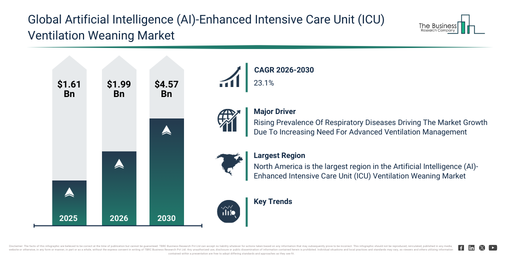
    The artificial intelligence (AI)-enhanced intensive care unit (icu) ventilation weaning market has experienced significant expansion in recent years. This market is expected to increase from $1.61 billion in 2025 to $1.99 billion in 2026, exhibiting a compound annual growth rate (CAGR) of 23.3%. The growth observed in the past can be attributed to several factors, including the increasing application of mechanical ventilation in critical care, a rise in icu patient numbers, the growing clinical complexity associated with respiratory management, the expansion of critical care monitoring technologies, and the heightened adoption of data-driven icu protocols.

    The artificial intelligence (AI)-enhanced intensive care unit (icu) ventilation weaning market is anticipated to show significant expansion over the next few years, projected to reach $4.57 billion by 2030 with a compound annual growth rate (CAGR) of 23.1%. This growth during the forecast period can be attributed to the increasing uptake of AI-driven critical care solutions, a rising demand for outcome-based ICU management, the expansion of smart ventilator ecosystems, the growing integration of predictive analytics in intensive care, and a heightened focus on reducing ICU length of stay. Prominent trends expected in this period include the increased utilization of predictive weaning algorithms, the rising incorporation of real-time ventilator analytics, the growing adoption of AI-assisted ICU decision support, the expansion of automated ventilation management, and an enhanced focus on decreasing ventilation duration.

    Download the Free Sample Report to Explore Key Market Insights:

    https://www.thebusinessresearchcompany.com/sample.aspx?id=28916&type=smp

    What Drivers Are Expected To Influence The Artificial Intelligence (AI)-Enhanced Intensive Care Unit (ICU) Ventilation Weaning Market During The Forecast Period?

    The anticipated expansion of the artificial intelligence (AI)-enhanced intensive care unit (ICU) ventilation weaning market is linked to the increasing occurrence of respiratory illnesses. These conditions impact the lungs and airways, hindering normal breathing and oxygen exchange. The rise in respiratory diseases is largely attributed to aging populations in developed nations, as older individuals are more prone to chronic respiratory issues due to weaker immune systems and environmental exposures. AI-enhanced ICU ventilation weaning aids in managing these diseases by continuously analyzing patient data, predicting ideal weaning times, shortening mechanical ventilation duration, reducing complications, and enabling customized, efficient, and timely clinical interventions that improve patient outcomes. For example, the Australian Institute of Health and Welfare, an Australia-based government agency, reported in June 2024 that chronic obstructive pulmonary disease (COPD) constituted 3.6% of Australia’s total disease burden in 2023, representing 50% of the overall burden from respiratory conditions. Consequently, the increasing prevalence of respiratory diseases is fueling the growth of the artificial intelligence (AI)-enhanced intensive care unit (ICU) ventilation weaning market. The artificial intelligence (AI)-enhanced intensive care unit (ICU) ventilation weaning market is projected to grow due to a rising emphasis on personalized medicine. This medical approach customizes treatment and healthcare decisions for individual patients based on their genetic makeup, lifestyle, and environmental factors. The increasing focus on personalized medicine stems from advancements in genomic technologies and data analytics, which allow for more precise and individualized patient care in critical healthcare settings. AI-enhanced ventilation weaning systems support personalized medicine by analyzing specific patient data to determine the optimal timing for mechanical ventilation removal, thereby improving patient outcomes through tailored treatment protocols. For instance, according to the US-based non-profit organization Personalized Medicine Coalition, in February 2024, the FDA approved 16 new personalized treatments for rare disease patients in 2023, an increase from 6 approvals in 2022. Thus, the growing importance of personalized medicine is a key driver for the artificial intelligence (AI)-enhanced intensive care unit (ICU) ventilation weaning market.

    What Market Segments Are Evaluated Within The Artificial Intelligence (AI)-Enhanced Intensive Care Unit (ICU) Ventilation Weaning Market?

    The artificial intelligence (AI)-enhanced intensive care unit (icu) ventilation weaning market covered in this report is segmented –

    1) By Component: Software, Hardware, Services

    2) By Deployment Mode: On-Premises, Cloud-Based

    3) By Application: Adult Intensive Care Unit (ICU), Pediatric Intensive Care Unit (ICU), Neonatal Intensive Care Unit (ICU)

    4) By End-User: Hospitals, Specialty Clinics, Other End-Users

    Subsegments:

    1) By Software: Ventilation Management Software, Predictive Weaning Algorithms, Patient Monitoring Software, Data Analytics And Visualization Software

    2) By Hardware: Ventilators, Sensors And Monitors, Computing Systems, Connectivity Devices

    3) By Services: Implementation And Integration Services, Training And Education Services, Maintenance And Support Services, Remote Monitoring Services

    Who Are The Top Market Participants Influencing The Artificial Intelligence (AI)-Enhanced Intensive Care Unit (ICU) Ventilation Weaning Market?

    Major companies operating in the artificial intelligence (AI)-enhanced intensive care unit (icu) ventilation weaning market are Medtronic plc, Koninklijke Philips N.V., GE HealthCare Technologies Inc., Drägerwerk AG & Co. KGaA, Getinge AB, Hamilton Medical AG, Hicuity Health Inc., Etiometry Inc., Clew Medical Ltd., Ambient Clinical Analytics Inc., ResMed Inc., Vyaire Medical, Inc., Mindray Medical International Limited, Zoll Medical Corporation, Baxter International Inc., Siemens Healthineers AG, Smiths Medical (ICU Medical, Inc.), Masimo Corporation, Aeonmed, Timpel S.A

    Read the full artificial intelligence (ai)-enhanced intensive care unit (icu) ventilation weaning market report here:

    https://www.thebusinessresearchcompany.com/report/artificial-intelligence-ai-enhanced-intensive-care-unit-icu-ventilation-weaning-global-market-report

    Which Region Is Forecast To Lead The Artificial Intelligence (AI)-Enhanced Intensive Care Unit (ICU) Ventilation Weaning Market In Terms Of Market Size?

    North America was the largest region in the artificial intelligence (AI)-enhanced intensive care unit (ICU) ventilation weaning market in 2025. Asia-Pacific is expected to be the fastest-growing region in the forecast period. The regions covered in the artificial intelligence (AI)-enhanced intensive care unit (icu) ventilation weaning market report are Asia-Pacific, South East Asia, Western Europe, Eastern Europe, North America, South America, Middle East, Africa.

    Request A Tailored Artificial Intelligence (AI)-Enhanced Intensive Care Unit (ICU) Ventilation Weaning Market Research Report For Competitive Advantage:

    https://www.thebusinessresearchcompany.com/customise?id=28916&type=smp

    Browse Through More Reports Similar to the Global Artificial Intelligence (AI)-Enhanced Intensive Care Unit (ICU) Ventilation Weaning Market 2026, By The Business Research Company

    Artificial Intelligence Ai In Operating Room Global Market Report

    https://www.thebusinessresearchcompany.com/report/artificial-intelligence-ai-in-operating-room-global-market-report

    Ai In Medical Devices Global Market Report

    https://www.thebusinessresearchcompany.com/report/ai-in-medical-devices-global-market-report

    Artificial Intelligence In Healthcare Global Market Report

    https://www.thebusinessresearchcompany.com/report/artificial-intelligence-in-healthcare-global-market-report

    Get in touch with us:

    The Business Research Company: https://www.thebusinessresearchcompany.com/

    Americas +1 310-496-7795

    Asia +44 7882 955267 & +91 8897263534

    Europe +44 7882 955267

    Email us at info@tbrc.info

    Follow us on:

    LinkedIn: https://in.linkedin.com/company/the-business-research-company

    YouTube: https://www.youtube.com/channel/UC24_fI0rV8cR5DxlCpgmyFQ

    Global Market Model: https://www.thebusinessresearchcompany.com/global-market-model
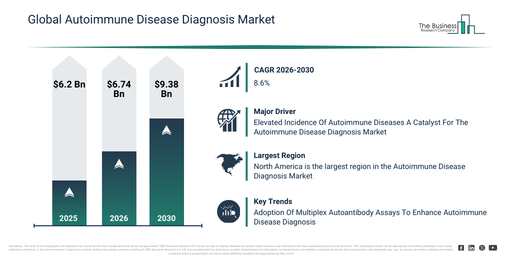
  • One of the Major Drivers of the Autoimmune Disease Diagnosis Market Is the Elevated Incidence Of Autoimmune Diseases A Catalyst For The Autoimmune Disease Diagnosis Market

    One of the Major Drivers of the Autoimmune Disease Diagnosis Market Is the Elevated Incidence Of Autoimmune Diseases A Catalyst For The Autoimmune Disease Diagnosis Market

    The Business Research Company’s 2026 market reports include new capabilities such as market attractiveness scoring and analysis, total addressable market analysis, company scoring matrix, interactive excel data dashboard, improved supply chain analysis, upcoming startups in the market, and overview of key products, aimed at improving the depth, usability, and strategic value of the insights delivered.

    What Will Be The Estimated Market Valuation Of The Autoimmune Disease Diagnosis Market By The End Of 2030?

    The autoimmune disease diagnosis market has shown robust expansion in recent years. This market is anticipated to increase from $6.2 billion in 2025 to $6.74 billion in 2026, registering a compound annual growth rate (CAGR) of 8.8%. The growth observed in previous periods is attributable to factors such as the rising incidence of autoimmune diseases, better access to immunoassay technologies, the broadening of clinical laboratory networks, heightened physician awareness of autoimmune conditions, and the widespread adoption of routine screening tests.

    The autoimmune disease diagnosis market is projected to experience substantial expansion in the coming years. This market is anticipated to reach $9.38 billion by 2030, exhibiting a compound annual growth rate (CAGR) of 8.6%. Factors contributing to this growth during the forecast period include a heightened need for prompt and precise diagnosis, the increasing application of AI-assisted diagnostic analytics, the development of tailored diagnostic methods, expanding investments in autoimmune research, and greater integration of point-of-care testing. Key trends expected during this period involve the wider adoption of sophisticated immunological testing, increased utilization of autoantibody panels, enhanced integration of multiplex diagnostic platforms, the expansion of laboratory automation, and a greater emphasis on detecting diseases at an early stage.

    Download the Free Sample Report to Explore Key Market Insights:

    https://www.thebusinessresearchcompany.com/sample.aspx?id=3231&type=smp

    What Major Growth Drivers Are Shaping The Outlook Of The Autoimmune Disease Diagnosis Market?

    The high occurrence of autoimmune diseases has fueled the expansion of the autoimmune disease diagnosis market. Autoimmune diseases are conditions where the body’s immune system mistakenly attacks its own healthy cells, tissues, or organs. The rise in autoimmune diseases is linked to increased exposure to environmental triggers such as pollution and infections, as well as lifestyle changes that can disrupt immune regulation. Accurate diagnosis of these diseases is essential for identifying the specific immune disorder, allowing for appropriate treatment to commence and better management of disease progression. For example, in March 2023, the Society for Women’s Health Research, a U.S-based non-profit organisation, reported that autoimmune diseases are estimated to affect 23.5 million to 50 million individuals. Furthermore, the global rates of autoimmune diseases are observed to be increasing by 3-9 percent each year. Therefore, the growing incidence of autoimmune diseases worldwide is a key factor driving the autoimmune disease diagnosis market.

    Which Segment Classifications Shape The Autoimmune Disease Diagnosis Market?

    The autoimmune disease diagnosis market covered in this report is segmented –

    1) By Product: Consumables And Assay Kits, Instruments

    2) By Test Type: Routine Laboratory Tests, Autoantibodies Tests, Immunologic Tests, Other Tests

    3) By End User: Clinical Laboratories, Hospitals, Other End Users

    Subsegments:

    1) By Consumables And Assay Kits: ELISA Kits, Reagents And Test Kits, Sample Collection And Preservation Devices, Control And Calibration Materials

    2) By Instruments: Immunoassay Analyzers, Flow Cytometers, Luminometers, Microscopes

    What Trends Are Affecting The Expansion Of The Autoimmune Disease Diagnosis Market?

    Leading companies in the autoimmune disease diagnosis market are concentrating on technological breakthroughs, particularly multiplex autoantibody assay platforms. These platforms aim for thorough, early, and accurate identification of autoimmune conditions, thereby enhancing diagnostic precision and patient care. A multiplex autoantibody assay platform facilitates the concurrent detection of numerous disease-specific autoantibodies from a single patient sample. This approach elevates sensitivity and specificity beyond conventional single-analyte ELISA or immunofluorescence methods, concurrently decreasing the required sample volume and processing duration. As an illustration, in January 2025, Exagen Inc., a U.S.-based diagnostics firm, introduced its AVISE CTD platform, which incorporates novel biomarker assays for systemic lupus erythematosus (SLE) and rheumatoid arthritis (RA). This platform identifies new biomarkers like TIgG, TIgM, and TC4d, allowing medical professionals to more precisely differentiate between overlapping autoimmune conditions and simplify patient diagnosis, all while integrating smoothly with existing testing procedures.

    Which Companies Are Expanding Their Footprint In The Autoimmune Disease Diagnosis Market?

    Major companies operating in the autoimmune disease diagnosis market are Siemens Healthineers AG, Abbott Laboratories, Thermo Fisher Scientific Inc, Bio-Rad Laboratories Inc, F. Hoffmann-La Roche Ltd, Danaher Corporation, AESKU Diagnostics GmbH & Co. KG, Trinity Biotech plc, bioMérieux SA, SQI Diagnostics, Philips Healthcare India, Agappe Diagnostics Ltd, Lepu Medical Technology Company (Beijing) Co., Ltd, Shanghai Runda Medical Technology Co., Ltd, GE Healthcare China Co., Ltd, Roche Holding AG, Koninklijke Philips, Theradiag, Becton Dickinson and Company, Ortho Clinical Diagnostics

    Read the full autoimmune disease diagnosis market report here:

    https://www.thebusinessresearchcompany.com/report/autoimmune-disease-diagnosis-global-market-report

    Which Regions Are Projected To Dominate The Autoimmune Disease Diagnosis Market In The Coming Years?

    North America was the largest region in the autoimmune disease diagnosis market in 2025. Western Europe was the second largest region in the autoimmune disease diagnosis market share. The regions covered in the autoimmune disease diagnosis market report are Asia-Pacific, South East Asia, Western Europe, Eastern Europe, North America, South America, Middle East, Africa.

    Request A Tailored Autoimmune Disease Diagnosis Market Research Report For Competitive Advantage:

    https://www.thebusinessresearchcompany.com/customise?id=3231&type=smp

    Browse Through More Reports Similar to the Global Autoimmune Disease Diagnosis Market 2026, By The Business Research Company

    Autoimmune Treatment Global Market Report

    https://www.thebusinessresearchcompany.com/report/autoimmune-treatment-global-market-report

    Immunodiagnostics Global Market Report

    https://www.thebusinessresearchcompany.com/report/immunodiagnostics-global-market-report

    Veterinary Autoimmune Disease Therapeutics Global Market Report

    https://www.thebusinessresearchcompany.com/report/veterinary-autoimmune-disease-therapeutics-global-market-report

    Get in touch with us:

    The Business Research Company: https://www.thebusinessresearchcompany.com/

    Americas +1 310-496-7795

    Asia +44 7882 955267 & +91 8897263534

    Europe +44 7882 955267

    Email us at info@tbrc.info

    Follow us on:

    LinkedIn: https://in.linkedin.com/company/the-business-research-company

    YouTube: https://www.youtube.com/channel/UC24_fI0rV8cR5DxlCpgmyFQ

    Global Market Model: https://www.thebusinessresearchcompany.com/global-market-model
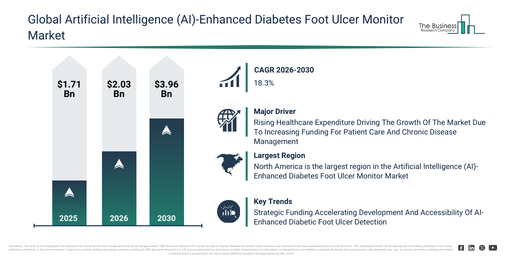
  • Artificial Intelligence (AI)-Enhanced Diabetes Foot Ulcer Monitor Market Insights Highlighting Opportunities and Drivers Supporting Growth to 2030

    Artificial Intelligence (AI)-Enhanced Diabetes Foot Ulcer Monitor Market Insights Highlighting Opportunities and Drivers Supporting Growth to 2030

    The Business Research Company’s 2026 market reports include new capabilities such as market attractiveness scoring and analysis, total addressable market analysis, company scoring matrix, interactive excel data dashboard, improved supply chain analysis, upcoming startups in the market, and overview of key products, aimed at improving the depth, usability, and strategic value of the insights delivered.

    How Will The Market Size Of The Artificial Intelligence (AI)-Enhanced Diabetes Foot Ulcer Monitor Market Evolve From 2026 To 2030?

    The artificial intelligence (AI)-enhanced diabetes foot ulcer monitor market has seen rapid expansion in recent years. This market is expected to expand from $1.71 billion in 2025 to $2.03 billion by 2026, registering a compound annual growth rate (CAGR) of 18.5%. Historically, this growth can be ascribed to a worldwide increase in diabetes prevalence, a higher incidence of diabetic foot complications, the spread of telehealth monitoring solutions, a rising clinical focus on preventative wound care, and advancements in medical imaging technologies.

    The artificial intelligence (AI)-enhanced diabetes foot ulcer monitor market size is projected to experience substantial growth in the upcoming years. It is expected to reach $3.96 billion by 2030, demonstrating a compound annual growth rate (CAGR) of 18.3%. The expansion during this forecast period can be attributed to factors such as the increasing adoption of AI-powered diagnostic tools, the rising demand for homecare monitoring solutions, the broadening application of predictive healthcare analytics, the growing integration of imaging and sensor technologies, and a heightened emphasis on preventive diabetic care. Key trends anticipated in the forecast period encompass the greater embrace of AI-based foot ulcer risk assessment, the surging use of computer vision for wound analysis, the expanded deployment of smart wearable foot sensors, the proliferation of home-based diabetic foot monitoring, and an intensified focus on early ulcer detection.

    Download the Free Sample Report to Explore Key Market Insights:

    https://www.thebusinessresearchcompany.com/sample.aspx?id=28915&type=smp

    What Drivers Are Influencing The Artificial Intelligence (AI)-Enhanced Diabetes Foot Ulcer Monitor Market?

    The market for artificial intelligence (AI)-enhanced diabetes foot ulcer monitors is anticipated to expand due to increasing healthcare expenditure. This expenditure encompasses total spending by individuals, organizations, and governmental bodies on services and initiatives designed to preserve or improve health. The upward trend in healthcare spending stems from the rising occurrence of chronic illnesses, which necessitates ongoing medical attention, prolonged treatment, and extensive management resources. Such increased funding enables healthcare facilities, including hospitals and clinics, to acquire AI-enhanced diabetes foot ulcer monitors. These devices facilitate more efficient patient management and contribute to reducing long-term treatment costs. As an illustration, data from April 2025 by the UK’s Office for National Statistics indicates that government-funded healthcare comprises the majority of healthcare spending in the UK. This reached $344 billion (£258 billion) in 2024, marking a 2.5% increase in real terms compared to 2023. Consequently, the expansion of healthcare expenditure is a key factor propelling the growth of the artificial intelligence (AI)-enhanced diabetes foot ulcer monitor market.

    Which Segment Areas Are Covered In The Artificial Intelligence (AI)-Enhanced Diabetes Foot Ulcer Monitor Market Analysis?

    The artificial intelligence (AI)-enhanced diabetes foot ulcer monitor market covered in this report is segmented –

    1) By Product Type: Wearable Devices, Non-Wearable Devices, Smart Sensors, Imaging Systems

    2) By Technology: Machine Learning, Deep Learning, Computer Vision, Other Technologies

    3) By Application: Hospitals And Clinics, Homecare, Ambulatory Surgical Centers, Research Institutes, Other Applications

    4) By End-User: Healthcare Providers, Patients, Research Organizations, Other End-Users

    Subsegments:

    1) By Wearable Devices: Smart Watches, Smart Boots, Smart Insoles, Smart Socks

    2) By Non-Wearable Devices: Digital Cameras, Mobile Scanners, Handheld Imaging Devices, Pressure Mapping Platforms

    3) By Smart Sensors: Temperature Sensors, Pressure Sensors, Moisture Sensors, Motion Sensors

    4) By Imaging Systems: Thermal Imaging Systems, Hyperspectral Imaging Systems, Optical Imaging Systems, Ultrasonic Imaging Systems

    How Are Trends Shaping The Direction Of The Artificial Intelligence (AI)-Enhanced Diabetes Foot Ulcer Monitor Market?

    Leading companies within the artificial intelligence (AI)-enhanced diabetes foot ulcer monitor market are prioritizing the establishment of funds to allow for expanded production, broader market reach, and enhanced patient accessibility. Funds are defined as a sum of money specifically allocated or pooled for a particular objective, investment, or expenditure. As an illustration, in July 2024, IR-MED Inc., an Israel-based medical device developer, announced it had received a grant of $500,000 to back the development of its device for the early detection of diabetic foot ulcers. This funding will enable IR-MED to accelerate the development and commercialization of its AI-enhanced DiaSafe device for diabetes foot ulcer monitoring in the second half of 2025, through a 13-month program. The DiaSafe device, built upon the PressureSafe platform scheduled for a late 2024 launch, integrates AI data analysis with infra-red sensing to facilitate the early identification of diabetic foot ulcers. This technology is capable of recognizing conditions that are otherwise concealed or invisible to the naked eye, particularly in individuals with darker skin tones. Moreover, the platform features an AI-powered decision support system that analyzes bioinformation against condition-specific biomarker profiles to determine if tissue is healthy or at risk.

    Which Global Companies Are Actively Competing In The Artificial Intelligence (AI)-Enhanced Diabetes Foot Ulcer Monitor Market?

    Major companies operating in the artificial intelligence (AI)-enhanced diabetes foot ulcer monitor market are Net Health Systems Inc., Podimetrics Inc., Orpyx Medical Technologies Inc., Spectral AI Inc., Siren Care Inc., Calceus Health Pty Ltd., WoundVision LLC., Bluedrop Medical Inc., Moticon GmbH., eKare Inc., Sensoria Health Inc., Baliston Limited., Empo Health Inc., MolecuLight Inc., MIMOSA Diagnostics Inc., Thermology Health Ltd., IR-MED Inc., DiabSense Private Limited, HeloCare Inc., SmartDiabetes Tech Ltd.

    Read the full artificial intelligence (ai)-enhanced diabetes foot ulcer monitor market report here:

    https://www.thebusinessresearchcompany.com/report/artificial-intelligence-ai-enhanced-diabetes-foot-ulcer-monitor-global-market-report

    Which Regions Are Expected To Experience Rapid Expansion In The Artificial Intelligence (AI)-Enhanced Diabetes Foot Ulcer Monitor Market?

    North America was the largest region in the artificial intelligence (AI)-enhanced diabetes foot ulcer monitor market in 2025. Asia-Pacific is expected to be the fastest-growing region in the forecast period. The regions covered in the artificial intelligence (AI)-enhanced diabetes foot ulcer monitor market report are Asia-Pacific, South East Asia, Western Europe, Eastern Europe, North America, South America, Middle East, Africa.

    Request A Tailored Artificial Intelligence (AI)-Enhanced Diabetes Foot Ulcer Monitor Market Research Report For Competitive Advantage:

    https://www.thebusinessresearchcompany.com/customise?id=28915&type=smp

    Browse Through More Reports Similar to the Global Artificial Intelligence (AI)-Enhanced Diabetes Foot Ulcer Monitor Market 2026, By The Business Research Company

    Artificial Intelligence In Healthcare Diagnosis Global Market Report

    https://www.thebusinessresearchcompany.com/report/artificial-intelligence-in-healthcare-diagnosis-global-market-report

    Ai In Medical Devices Global Market Report

    https://www.thebusinessresearchcompany.com/report/ai-in-medical-devices-global-market-report

    Artificial Intelligence Or Machine Learning Ai Or Ml Medical Device Global Market Report

    https://www.thebusinessresearchcompany.com/report/artificial-intelligence-or-machine-learning-ai-or-ml-medical-device-global-market-report

    Get in touch with us:

    The Business Research Company: https://www.thebusinessresearchcompany.com/

    Americas +1 310-496-7795

    Asia +44 7882 955267 & +91 8897263534

    Europe +44 7882 955267

    Email us at info@tbrc.info

    Follow us on:

    LinkedIn: https://in.linkedin.com/company/the-business-research-company

    YouTube: https://www.youtube.com/channel/UC24_fI0rV8cR5DxlCpgmyFQ

    Global Market Model: https://www.thebusinessresearchcompany.com/global-market-model
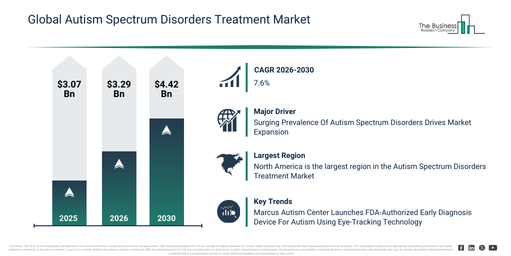
  • A key trend shaping the Autism Spectrum Disorders Treatment Market involves the Marcus Autism Center Launches FDA-Authorized Early Diagnosis Device For Autism Using Eye-Tracking Technology

    A key trend shaping the Autism Spectrum Disorders Treatment Market involves the Marcus Autism Center Launches FDA-Authorized Early Diagnosis Device For Autism Using Eye-Tracking Technology

    The Business Research Company’s 2026 market reports include new capabilities such as market attractiveness scoring and analysis, total addressable market analysis, company scoring matrix, interactive excel data dashboard, improved supply chain analysis, upcoming startups in the market, and overview of key products, aimed at improving the depth, usability, and strategic value of the insights delivered.

    What Market Size Growth Is Projected For The Autism Spectrum Disorders Treatment Market During The Forecast Period 2026–2030?

    The autism spectrum disorders treatment market has experienced robust growth recently. This market is projected to expand from $3.07 billion in 2025 to reach $3.29 billion by 2026, exhibiting a compound annual growth rate (CAGR) of 7.1%. Historically, this expansion has been driven by factors such as an enhanced understanding of autism treatment pathways, the wider availability of behavioral therapy services, the introduction of approved pharmacological options, increased participation from caregivers, and the proliferation of specialized treatment centers.

    The autism spectrum disorders treatment market is set to experience substantial growth in the upcoming years. Its valuation is expected to climb to $4.42 billion by 2030, exhibiting a compound annual growth rate (CAGR) of 7.6%. This expansion during the forecast period is propelled by factors such as an increasing demand for personalized autism therapies, the wider adoption of digital and remote therapy tools, the expansion of integrated care models, an intensifying focus on lifelong autism management, and heightened investment in therapy innovation. Key trends anticipated in this period include the rising application of multimodal therapy approaches, greater implementation of early intervention programs, the growing integration of behavioral and pharmacological treatments, the broadening of personalized therapy plans, and an enhanced emphasis on managing long-term outcomes.

    Download the Free Sample Report to Explore Key Market Insights:

    https://www.thebusinessresearchcompany.com/sample.aspx?id=11925&type=smp

    What Drivers Are Expected To Influence The Autism Spectrum Disorders Treatment Market During The Forecast Period?

    The rising incidence of autism spectrum disorders (ASD) is anticipated to drive expansion in the autism spectrum disorders market moving ahead. These conditions are characterized by different levels of difficulty with social interaction and communication abilities. An increasing count of children diagnosed with ASDs is vital for creating diverse treatment approaches for them. For example, the National Health Service, a UK-based government department, reported in August 2025 that as of June 2024, 193,203 patients had an active referral for suspected autism. Out of this total, 168,399 (87.2%) had a referral open for a minimum of 13 weeks. In the identical timeframe, only 5.1% (8,519) of patients whose referrals had been open for over 13 weeks received their first appointment within the advised 13 weeks. Consequently, the expanding occurrence of ASDs will stimulate the expansion of the autism spectrum disorders treatment market.

    What Market Segments Are Evaluated Within The Autism Spectrum Disorders Treatment Market?

    The autism spectrum disorders treatment market covered in this report is segmented –

    1) By Drug Therapy: Antipsychotic Drugs, SSRIs Or Antidepressants, Stimulants, Sleep Medications

    2) By Treatment Approach: Behavioral Approaches, Early Intervention, Medication

    3) By Application: Autistic Disorder, Asperger Syndrome, Pervasive Developmental Disorder, Other Applications

    4) By Distribution Channel: Hospital Pharmacies, Drug Stores And Retail Pharmacies, Online Pharmacies

    Subsegments:

    1) By Antipsychotic Drugs: Atypical Antipsychotics, Typical Antipsychotics

    2) By SSRIs Or Antidepressants: Selective Serotonin Reuptake Inhibitors, Serotonin–Norepinephrine Reuptake Inhibitors, Atypical Antidepressants

    3) By Stimulants: Methylphenidate, Amphetamines

    4) By Sleep Medications: Melatonin, Benzodiazepines

    Which Trends Are Influencing The Autism Spectrum Disorders Treatment Market?

    Leading companies in the autism spectrum disorder treatment market are concentrating on developing innovative solutions, such as early diagnosis of autism spectrum disorder devices, to identify initial signs of autism in children. An early diagnosis device for Autism Spectrum Disorder (ASD) refers to a tool or technology designed to pinpoint the early indicators of autism in children, typically before the age of three. For instance, in September 2023, Marcus Autism Center, a US-based corporation, introduced EarliPoint Evaluation, an FDA-authorized device employing advanced eye-tracking technology for the early, objective diagnosis of autism spectrum disorder in children aged 16 to 30 months. This novel tool measures children’s social engagement using objective biomarkers, allowing for a rapid assessment that takes about 12 minutes. By enhancing the speed and accuracy of autism diagnoses, the EarliPoint Evaluation aims to facilitate earlier interventions, ultimately improving developmental outcomes for children with ASD.

    Who Are The Top Market Participants Influencing The Autism Spectrum Disorders Treatment Market?

    Major companies operating in the autism spectrum disorders treatment market are PaxMedica, Otsuka Pharmaceutical Co. Ltd., Curemark LLC, Zynerba Pharmaceuticals Inc., Axial Therapeutics, Novartis AG, STALICLA, H. Lundbeck A/S, Janssen Pharmaceuticals Inc., Yamo Pharmaceuticals, F. Hoffmann-La Roche Ltd, Q BioMed Inc., Bristol-Myers Squibb Company, Merck & Co. Inc., Eli Lilly and Company, Pfizer Inc., Johnson & Johnson Services Inc., AbbVie Inc., NeuroRx Inc., Intra-Cellular Therapies Inc., MedinCell, Sorrento Therapeutics Inc., Aytu BioPharma Inc., Harmony Biosciences, Acadia Pharmaceuticals, Aeglea BioTherapeutics

    Read the full autism spectrum disorders treatment market report here:

    https://www.thebusinessresearchcompany.com/report/autism-spectrum-disorders-treatment-global-market-report

    Which Region Is Forecast To Lead The Autism Spectrum Disorders Treatment Market In Terms Of Market Size?

    North America was the largest region in the autism spectrum disorders treatment market in 2025. The regions covered in the autism spectrum disorders treatment market report are Asia-Pacific, South East Asia, Western Europe, Eastern Europe, North America, South America, Middle East, Africa.

    Request A Tailored Autism Spectrum Disorders Treatment Market Research Report For Competitive Advantage:

    https://www.thebusinessresearchcompany.com/customise?id=11925&type=smp

    Browse Through More Reports Similar to the Global Autism Spectrum Disorders Treatment Market 2026, By The Business Research Company

    Autism Spectrum Disorder Diagnostics Global Market Report

    https://www.thebusinessresearchcompany.com/report/autism-spectrum-disorder-diagnostics-global-market-report

    Tourette Syndrome Treatment Global Market Report

    https://www.thebusinessresearchcompany.com/report/tourette-syndrome-treatment-global-market-report

    Behavioral Therapy Global Market Report

    https://www.thebusinessresearchcompany.com/report/behavioral-therapy-global-market-report

    Get in touch with us:

    The Business Research Company: https://www.thebusinessresearchcompany.com/

    Americas +1 310-496-7795

    Asia +44 7882 955267 & +91 8897263534

    Europe +44 7882 955267

    Email us at info@tbrc.info

    Follow us on:

    LinkedIn: https://in.linkedin.com/company/the-business-research-company

    YouTube: https://www.youtube.com/channel/UC24_fI0rV8cR5DxlCpgmyFQ

    Global Market Model: https://www.thebusinessresearchcompany.com/global-market-model
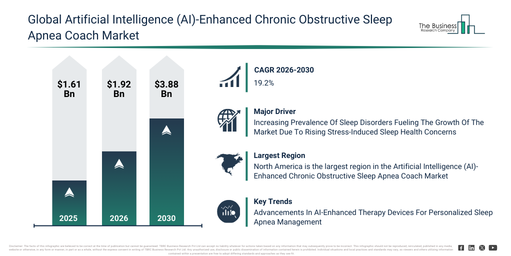
  • Global Artificial Intelligence (AI)-Enhanced Chronic Obstructive Sleep Apnea Coach Market Expected to Reach $3.87 Billion by 2030 with 19.2% CAGR

    Global Artificial Intelligence (AI)-Enhanced Chronic Obstructive Sleep Apnea Coach Market Expected to Reach $3.87 Billion by 2030 with 19.2% CAGR

    The Business Research Company’s 2026 market reports include new capabilities such as market attractiveness scoring and analysis, total addressable market analysis, company scoring matrix, interactive excel data dashboard, improved supply chain analysis, upcoming startups in the market, and overview of key products, aimed at improving the depth, usability, and strategic value of the insights delivered.

    What Is The Forecasted Market Value Of The Artificial Intelligence (AI)-Enhanced Chronic Obstructive Sleep Apnea Coach Market Across 2026–2030?

    The artificial intelligence (AI)-enhanced chronic obstructive sleep apnea coach market has seen rapid expansion in recent years. It is projected to increase from $1.61 billion in 2025 to $1.92 billion in 2026, at a compound annual growth rate (CAGR) of 19.5%. This past growth can be attributed to the rising prevalence of sleep apnea and respiratory disorders, enhanced awareness of sleep health management, the development of home-based sleep monitoring solutions, the proliferation of digital health platforms, and a greater clinical emphasis on therapy compliance.

    The market for artificial intelligence (AI)-enhanced chronic obstructive sleep apnea coaches is projected to experience substantial growth in the upcoming years. It is forecast to reach $3.88 billion by 2030, advancing at a compound annual growth rate (CAGR) of 19.2%. This projected expansion can be attributed to several factors during the forecast period, including the increasing integration of AI-enabled tools for chronic disease management, a rising need for remote patient monitoring solutions, the broader availability of personalized digital therapeutics, greater synergy with connected medical devices, and the healthcare system’s evolving emphasis on preventive care models. Significant trends anticipated over this period encompass the wider acceptance of continuous sleep and respiratory monitoring, an increased reliance on AI-driven coaching for therapy adherence, the growing incorporation of wearable sleep diagnostics, the development of personalized sleep health platforms, and a heightened focus on proactive disease management strategies.

    Download the Free Sample Report to Explore Key Market Insights:

    https://www.thebusinessresearchcompany.com/sample.aspx?id=28914&type=smp

    What Drivers Are Shaping The Future Growth Of The Artificial Intelligence (AI)-Enhanced Chronic Obstructive Sleep Apnea Coach Market?

    The growing incidence of sleep disorders is anticipated to stimulate the expansion of the artificial intelligence (AI)-enhanced chronic obstructive sleep apnea coach market in the future. Sleep disorders are health conditions that disrupt normal sleep, adversely affecting sleep quality, general well-being, and daily functioning. The primary cause for the increase in sleep disorders is elevated stress, as contemporary work demands, educational pressures, and extensive screen usage contribute to heightened worry and disturbed sleep cycles. An artificial intelligence (AI)-enhanced chronic obstructive sleep apnea coach addresses these conditions by monitoring breathing and sleep patterns, providing tailored advice and therapeutic assistance, which aids in the early identification of issues and fosters improved sleep quality and overall health. For example, in November 2023, the National Health Service, a UK-based government health statistics body, reported a slight increase in the percentage of young individuals aged 17 to 23 years experiencing sleep problems three or more times weekly, reaching 64.9% from 64.0% in 2022. Consequently, the rising occurrence of sleep disorders is fueling the growth of the artificial intelligence (AI)-enhanced chronic obstructive sleep apnea coach market.

    What Segmentation Levels Are Considered In The Artificial Intelligence (AI)-Enhanced Chronic Obstructive Sleep Apnea Coach Market?

    The artificial intelligence (AI)-enhanced chronic obstructive sleep apnea coach market covered in this report is segmented –

    1) By Component: Software, Hardware, Services

    2) By Deployment Mode: Cloud-Based, On-Premises

    3) By Application: Home Care, Sleep Clinics, Hospitals, Research Institutes, Other Applications

    4) By End-User: Patients, Healthcare Providers, Sleep Specialists, Other End-Users

    Subsegments:

    1) By Software: Cloud-Based Platforms, Mobile Applications, Patient Monitoring Dashboards, Sleep Data Analytics Tools, Therapeutic Guidance Systems, Compliance Management Software

    2) By Hardware: Wearable Sleep Trackers, Respiratory Monitoring Devices, Pulse Oximeters, Smart Sleep Masks, Connected Airflow Sensors, Portable Sleep Diagnostic Units

    3) By Services: Remote Patient Monitoring Services, Sleep Coaching Programs, Data Integration And Management Services, Technical Support And Maintenance, Clinical Consultation Services, Training And Education Services

    Which Market Trends Are Creating New Opportunities In The Artificial Intelligence (AI)-Enhanced Chronic Obstructive Sleep Apnea Coach Market?

    Companies operating within the artificial intelligence (AI)-enhanced chronic obstructive sleep apnea coach market are concentrating on developing advanced products, including positive airway pressure (PAP) devices, to provide personalized therapy and facilitate remote monitoring through AI-driven insights. Positive airway pressure (PAP) devices function by delivering a consistent or adjustable flow of air via a mask, maintaining open airways during sleep and preventing their collapse in patients with obstructive sleep apnea, thereby improving breathing and sleep quality. For instance, in February 2024, ResMed Inc., a US-based medical device and digital health company, launched its AirCurve 11 series bilevel devices. These devices offer two levels of support, featuring higher pressure during inhalation and lower pressure during exhalation, which simplifies the treatment of sleep apnea for healthcare providers and helps patients remain compliant with their therapy. The AirCurve 11 devices, built on the AirSense 11 platform, incorporate digital features such as secure data transfer through cellular communication, automatic software updates, and tools designed to engage patients, like the myAir app. This series includes models specifically designed for both obstructive and central sleep apnea, with the objective of enhancing comfort and adherence through customized therapy support. These devices are currently available in the U.S., with a global rollout planned.

    Which Leading Firms Are Contributing To The Growth Of The Artificial Intelligence (AI)-Enhanced Chronic Obstructive Sleep Apnea Coach Market?

    Major companies operating in the artificial intelligence (AI)-enhanced chronic obstructive sleep apnea coach market are Koninklijke Philips N.V., ResMed Inc., Sleep Number Corporation, Nihon Kohden Corporation, Fisher & Paykel Healthcare Corporation Limited, Verily Life Sciences LLC, Natus Medical Incorporated, SomnoMed Limited, BMC Medical Co.,Ltd., Eight Sleep,Inc., Sleepiz AG, Sleep.ai B.V. (SleepScore Labs), EnsoData,Inc., SovaSage,Inc., Somnics Inc., Sleep Doctor,LLC, Sommetrics,Inc., Nyxoah S.A., Neru Health Inc., Apnea-Tech Limited.

    Read the full artificial intelligence (ai)-enhanced chronic obstructive sleep apnea coach market report here:

    https://www.thebusinessresearchcompany.com/report/artificial-intelligence-ai-enhanced-chronic-obstructive-sleep-apnea-coach-global-market-report

    Which Geographic Regions Are Influencing Demand In The Artificial Intelligence (AI)-Enhanced Chronic Obstructive Sleep Apnea Coach Market?

    North America was the largest region in the artificial intelligence (AI)-enhanced chronic obstructive sleep apnea coach market in 2025. Asia-Pacific is expected to be the fastest-growing region in the forecast period. The regions covered in the artificial intelligence (AI)-enhanced chronic obstructive sleep apnea coach market report are Asia-Pacific, South East Asia, Western Europe, Eastern Europe, North America, South America, Middle East, Africa.

    Request A Tailored Artificial Intelligence (AI)-Enhanced Chronic Obstructive Sleep Apnea Coach Market Research Report For Competitive Advantage:

    https://www.thebusinessresearchcompany.com/customise?id=28914&type=smp

    Browse Through More Reports Similar to the Global Artificial Intelligence (AI)-Enhanced Chronic Obstructive Sleep Apnea Coach Market 2026, By The Business Research Company

    Sleep Apnea Devices Global Market Report

    https://www.thebusinessresearchcompany.com/report/sleep-apnea-devices-global-market-report

    Artificial Intelligence In Diabetes Management Global Market Report

    https://www.thebusinessresearchcompany.com/report/artificial-intelligence-in-diabetes-management-global-market-report

    Wearable Ai Global Market Report

    https://www.thebusinessresearchcompany.com/report/wearable-ai-global-market-report

    Get in touch with us:

    The Business Research Company: https://www.thebusinessresearchcompany.com/

    Americas +1 310-496-7795

    Asia +44 7882 955267 & +91 8897263534

    Europe +44 7882 955267

    Email us at info@tbrc.info

    Follow us on:

    LinkedIn: https://in.linkedin.com/company/the-business-research-company

    YouTube: https://www.youtube.com/channel/UC24_fI0rV8cR5DxlCpgmyFQ

    Global Market Model: https://www.thebusinessresearchcompany.com/global-market-model
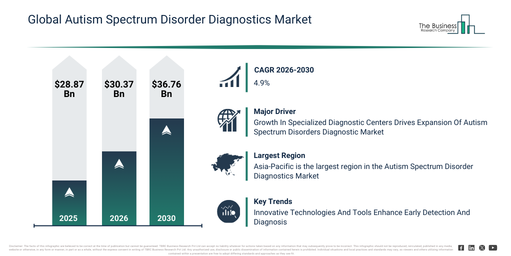
  • A significant industry trend in the Autism Spectrum Disorder Diagnostics Market includes the Innovative Technologies And Tools Enhance Early Detection And Diagnosis

    A significant industry trend in the Autism Spectrum Disorder Diagnostics Market includes the Innovative Technologies And Tools Enhance Early Detection And Diagnosis

    The Business Research Company’s 2026 market reports include new capabilities such as market attractiveness scoring and analysis, total addressable market analysis, company scoring matrix, interactive excel data dashboard, improved supply chain analysis, upcoming startups in the market, and overview of key products, aimed at improving the depth, usability, and strategic value of the insights delivered.

    How Will The Market Size Of The Autism Spectrum Disorder Diagnostics Market Evolve From 2026 To 2030?

    The autism spectrum disorder diagnostics market size has experienced robust growth in recent years. It is anticipated to increase from $28.87 billion in 2025 to $30.37 billion in 2026, achieving a compound annual growth rate (CAGR) of 5.2%. This historical growth can be attributed to factors such as increased awareness of autism spectrum disorders, the expansion of pediatric developmental screening programs, the availability of trained diagnostic professionals, the growing use of behavioral assessment frameworks, and improved access to diagnostic services.

    The market size for autism spectrum disorder diagnostics is projected to experience consistent expansion over the upcoming years. This market is anticipated to reach $36.76 billion by 2030, driven by a compound annual growth rate (CAGR) of 4.9%. The expansion during this forecast timeframe stems from factors such as increasing demand for early intervention services, the rising application of AI-assisted diagnostic tools, the broadening of tele-diagnostics platforms, heightened investment in neurodevelopmental research, and refined standardization of diagnostic criteria. Key trends anticipated within the forecast period encompass a greater adoption of digital screening tools, an expanding utilization of standardized behavioral assessment scales, the proliferation of early childhood diagnostic programs, an increasing integration of multidisciplinary diagnostic approaches, and an intensified focus on timely and precise detection.

    Download the Free Sample Report to Explore Key Market Insights:

    https://www.thebusinessresearchcompany.com/sample.aspx?id=16593&type=smp

    What Drivers Are Influencing The Autism Spectrum Disorder Diagnostics Market?

    The autism spectrum disorders diagnostic market is projected to expand due to the increasing establishment of specialized diagnostic centers. These centers are facilities equipped with healthcare professionals, psychologists, and various specialists, dedicated to performing extensive evaluations and assessments for the diagnosis of autism spectrum disorder. The proliferation of specialized diagnostic centers can be attributed to progress in diagnostic methods, a rising need for comprehensive care, enhanced professional training, ongoing research, and the increasing acknowledgment of autism as a critical public health concern. Such centers are crucial for boosting diagnostic accuracy, enabling early intervention, and bettering outcomes for individuals with ASD, achieved through their specialized knowledge, cutting-edge diagnostic instruments, thorough assessments, customized treatment strategies, family assistance, and collaborative research prospects. For example, NHS England, the U.K.-based government agency responsible for healthcare services, announced in July 2025 that its national Community Diagnostic Centre (CDC) Programme has approved 170 CDC sites throughout England. By August 2024, 165 of these sites were already functional in diverse locations; notably, 135 are operating from their designated permanent CDC buildings, while the remainder are using temporary facilities until their permanent structures are finalized. Consequently, the expansion of specialized diagnostic centers is propelling the growth of the autism spectrum disorders diagnostic market.

    Which Segment Areas Are Covered In The Autism Spectrum Disorder Diagnostics Market Analysis?

    The autism spectrum disorder diagnostics market covered in this report is segmented –

    1) By Diagnostic Method: Behavioral And Developmental Screening Tools, Standardized Diagnostic Assessments, Genetic And Molecular Testing, Digital And AI-Based Diagnostic Tools

    2) By Test Type: Observational And Questionnaire-Based Tests, Cognitive And Neurodevelopmental Assessments, Biomarker And Genetic Tests, Eye-Tracking And Sensor-Based Tests

    3) By Age Group: Infants And Toddlers (0–3 years), Children (4–12 years), Adolescents And Adults

    4) By End User: Hospitals And Specialty Clinics, Diagnostic And Reference Laboratories, Academic And Research Institutes

    Subsegments:

    1) By Behavioral And Developmental Screening Tools: Parent-Reported Screening Questionnaires, Clinician-Administered Developmental Checklists

    2) By Standardized Diagnostic Assessments: Structured Behavioral Observation Assessments, Standardized Diagnostic Interviews

    3) By Genetic And Molecular Testing: Chromosomal Microarray Analysis (CMA), Next-Generation Sequencing (NGS) Panels

    4) By Digital And AI-Based Diagnostic Tools: AI-Driven Behavioral Analysis Platforms, Digital Biomarker & Eye-Tracking Systems

    What Trends Are Advancing Progress In The Autism Spectrum Disorder Diagnostics Market?

    Leading companies within the autism spectrum disorder diagnostics market are creating sophisticated solutions, including devices that employ Dynamic Quantification of Social-Visual Engagement (DQSVE), to achieve a competitive advantage. This technology records and examines a child’s minute-by-minute visual attention at a frequency of 120 times per second. A notable example is the September 2023 introduction of the EarliPoint™ Evaluation by Marcus Autism Center, a US-based nonprofit healthcare and research entity. This groundbreaking FDA-authorized device is intended for the early identification of autism spectrum disorder (ASD) in children between 16 and 30 months old. The innovative tool utilizes eye-tracking technology to evaluate children’s social engagement, dramatically cutting down the diagnostic process from hours to roughly 12 minutes.

    Which Global Companies Are Actively Competing In The Autism Spectrum Disorder Diagnostics Market?

    Major companies operating in the autism spectrum disorder diagnostics market are Quest Diagnostics, Laboratory Corporation of America LabCorp, ARUP Laboratories, Invitae, Natera, Fulgent Genetics, Myriad Genetics, Sema4, PreventionGenetics, Color Genomics, Cognoa, EarliTec Diagnostics, Eurofins Scientific, Sonic Healthcare, Cerba HealthCare, Baylor Genetics, Mayo Clinic Laboratories, Bionano Genomics, Genomind, Blueprint Genetics

    Read the full autism spectrum disorder diagnostics market report here:

    https://www.thebusinessresearchcompany.com/report/autism-spectrum-disorder-diagnostics-global-market-report

    Which Regions Are Expected To Experience Rapid Expansion In The Autism Spectrum Disorder Diagnostics Market?

    Asia-Pacific was the largest region in the autism spectrum disorder diagnostics market in 2025. The regions covered in the autism spectrum disorder diagnostics market report are Asia-Pacific, South East Asia, Western Europe, Eastern Europe, North America, South America, Middle East, Africa.

    Request A Tailored Autism Spectrum Disorder Diagnostics Market Research Report For Competitive Advantage:

    https://www.thebusinessresearchcompany.com/customise?id=16593&type=smp

    Browse Through More Reports Similar to the Global Autism Spectrum Disorder Diagnostics Market 2026, By The Business Research Company

    Autism Spectrum Disorders Treatment Global Market Report

    https://www.thebusinessresearchcompany.com/report/autism-spectrum-disorders-treatment-global-market-report

    Clinical Diagnostics Global Market Report

    https://www.thebusinessresearchcompany.com/report/clinical-diagnostics-global-market-report

    Rare Disease Diagnostics Global Market Report

    https://www.thebusinessresearchcompany.com/report/rare-disease-diagnostics-global-market-report

    Get in touch with us:

    The Business Research Company: https://www.thebusinessresearchcompany.com/

    Americas +1 310-496-7795

    Asia +44 7882 955267 & +91 8897263534

    Europe +44 7882 955267

    Email us at info@tbrc.info

    Follow us on:

    LinkedIn: https://in.linkedin.com/company/the-business-research-company

    YouTube: https://www.youtube.com/channel/UC24_fI0rV8cR5DxlCpgmyFQ

    Global Market Model: https://www.thebusinessresearchcompany.com/global-market-model
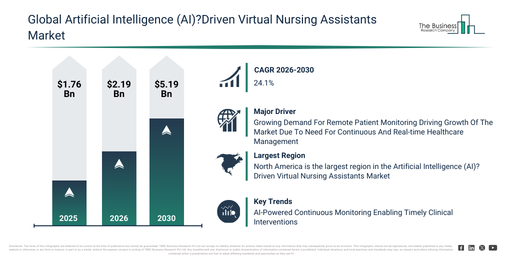
  • Artificial Intelligence (AI)-Driven Virtual Nursing Assistants Market Future Outlook Showing Expansion Toward $5.19 Billion by 2030

    Artificial Intelligence (AI)-Driven Virtual Nursing Assistants Market Future Outlook Showing Expansion Toward $5.19 Billion by 2030

    The Business Research Company’s 2026 market reports include new capabilities such as market attractiveness scoring and analysis, total addressable market analysis, company scoring matrix, interactive excel data dashboard, improved supply chain analysis, upcoming startups in the market, and overview of key products, aimed at improving the depth, usability, and strategic value of the insights delivered.

    What Market Size Increase Is Anticipated For The Artificial Intelligence (AI)-Driven Virtual Nursing Assistants Market Over The 2026–2030 Period?

    The artificial intelligence (AI)-driven virtual nursing assistants market has experienced substantial growth in recent years. It is anticipated to expand from $1.76 billion in 2025 to $2.19 billion in 2026, at a compound annual growth rate (CAGR) of 24.4%. This historical growth can be attributed to several factors, including increasing healthcare staff shortages, the early adoption of telehealth services, a growing demand for patient self-management tools, the expansion of digital health platforms, and the availability of conversational AI technologies.

    The artificial intelligence (AI)-driven virtual nursing assistants market is anticipated to show significant expansion in the upcoming years, with its size expected to reach $5.19 billion by 2030, demonstrating a compound annual growth rate (CAGR) of 24.1%. This projected growth throughout the forecast period stems from factors such as increasing investments in virtual care infrastructure, a rising demand for continuous patient support, the expansion of AI-assisted clinical workflows, a growing focus on cost-efficient healthcare delivery, and the increasing adoption of remote patient monitoring solutions. Additionally, major trends during this period include the increasing adoption of virtual nursing support tools, the rising use of AI-powered patient engagement platforms, the growing integration of remote monitoring capabilities, the expansion of 24/7 digital care assistance, and an enhanced focus on care coordination automation.

    Download the Free Sample Report to Explore Key Market Insights:

    https://www.thebusinessresearchcompany.com/sample.aspx?id=28131&type=smp

    Which Economic Or Industry Drivers Are Impacting The Artificial Intelligence (AI)-Driven Virtual Nursing Assistants Market?

    The increasing requirement for remote patient monitoring is anticipated to propel the expansion of the artificial intelligence (AI)-driven virtual nursing assistants market going forward. Remote patient monitoring (RPM) involves the application of digital technologies to collect patients’ health data from outside conventional healthcare environments and transmit it to healthcare providers for assessment and care management. The rising demand for remote patient monitoring stems from the escalating need for continuous, real-time healthcare management beyond traditional clinical settings. Artificial intelligence (AI)-driven virtual nursing assistants, in the context of remote patient monitoring, aid in tracking patients’ health data in real time, delivering timely alerts, and supporting personalized care, thereby reducing the burden on healthcare staff. For instance, in August 2025, data from the US Department of Health and Human Services, a US-based government administration, revealed that in 2024, nearly 1 million enrollees received remote patient monitoring, marking a 27% increase compared to 2023. Consequently, the growing demand for remote patient monitoring is driving the growth of the artificial intelligence (AI)-driven virtual nursing assistants market.

    How Is The Artificial Intelligence (AI)-Driven Virtual Nursing Assistants Market Segmented Across Key Categories?

    The artificial intelligence (AI)-driven virtual nursing assistants market covered in this report is segmented –

    1) By Component: Software, Services

    2) By Technology: Automatic Speech Recognition(ASR), Text-To-Speech(TTS), Text-Based Interface, Natural Language Processing (NLP), Other Technologies

    3) By Deployment: Cloud Based, On-Premise, Hybrid

    4) By Application: Symptom Checking And Virtual Triage, Appointment Scheduling And Reminders, Medication Management, Medical Information Retrieval, Patient Engagement And Education, Clinical Decision Support, Administrative Support, Remote Monitoring

    5) By End User: Hospitals And Clinics, Patients, Healthcare Payers Pharmaceutical And Life Sciences Companies, Other End Users

    Subsegments:

    1) By Software: Clinical Decision Support, Patient Monitoring And Engagement, Workflow And Care Coordination, Medication Management, Predictive Analytics And Risk Assessment, Communication And Chat Interfaces

    2) By Services: Training And Education, Consulting And Advisory, Support And Maintenance, Managed Services, Data Management And Security, Implementation And Integration

    What Trends Are Affecting The Expansion Of The Artificial Intelligence (AI)-Driven Virtual Nursing Assistants Market?

    Major companies operating in the artificial intelligence (AI)-driven virtual nursing assistants market are developing new technologies, such as LIDAR-based spatial intelligence, to facilitate real-time patient monitoring, improve safety through early detection of risks like falls or sudden health deterioration, and support virtual nursing models. Light detection and ranging (LIDAR) is an advanced remote sensing technology that uses laser light pulses to measure distances with exceptional accuracy. For instance, in March 2025, Emory Healthcare, a US-based healthcare system, launched a virtual nursing initiative employing AI-driven technology to enhance patient care. This initiative utilizes Llght detection and ranging (LIDAR) technology in patient rooms to track movements and detect falls up to 30 seconds before they happen, complemented by automated voice alerts that prompt patients to stay in bed. It enables nurses located in a central control room to remotely conduct admissions paperwork, manage medications, provide patient education, and oversee discharge activities, thereby allowing bedside nurses to dedicate more attention to direct patient care. Furthermore, it continuously analyzes patient data to identify early indicators of clinical decline or emergencies, facilitating timely alerts to bedside care teams.

    Who Are The Dominant Players Shaping The Artificial Intelligence (AI)-Driven Virtual Nursing Assistants Market Landscape?

    Major companies operating in the artificial intelligence (AI)-driven virtual nursing assistants market are Microsoft Corporation, HealthTap Inc., Artera Inc., Caregility LLC, Luma Health Inc., Infermedica Sp. z o.o., Memora Health Inc., Buoy Health Inc., Hyro AI Ltd., Care Angel Inc., Sensely Inc., Artisight Inc., K Health Inc., Mediktor International S.L., Corti ApS, AvaSure LLC, Care.AI Inc., Tap Health Inc., GetWellNetwork Inc., Biofourmis Inc.

    Read the full artificial intelligence (ai)-driven virtual nursing assistants market report here:

    https://www.thebusinessresearchcompany.com/report/artificial-intelligence-ai-driven-virtual-nursing-assistants-global-market-report

    What Are The Top-Performing Regions Within The Artificial Intelligence (AI)-Driven Virtual Nursing Assistants Market?

    North America was the largest region in the artificial intelligence (AI)-driven virtual nursing assistants market in 2025. Asia-Pacific is expected to be the fastest-growing region in the forecast period. The regions covered in the artificial intelligence (AI)-driven virtual nursing assistants market report are Asia-Pacific, South East Asia, Western Europe, Eastern Europe, North America, South America, Middle East, Africa.

    Request A Tailored Artificial Intelligence (AI)-Driven Virtual Nursing Assistants Market Research Report For Competitive Advantage:

    https://www.thebusinessresearchcompany.com/customise?id=28131&type=smp

    Browse Through More Reports Similar to the Global Artificial Intelligence (AI)-Driven Virtual Nursing Assistants Market 2026, By The Business Research Company

    Intelligent Virtual Assistant Global Market Report

    https://www.thebusinessresearchcompany.com/report/intelligent-virtual-assistant-global-market-report

    Virtual Assistant Global Market Report

    https://www.thebusinessresearchcompany.com/report/virtual-assistant-global-market-report

    Ai As A Service Global Market Report

    https://www.thebusinessresearchcompany.com/report/ai-as-a-service-global-market-report

    Get in touch with us:

    The Business Research Company: https://www.thebusinessresearchcompany.com/

    Americas +1 310-496-7795

    Asia +44 7882 955267 & +91 8897263534

    Europe +44 7882 955267

    Email us at info@tbrc.info

    Follow us on:

    LinkedIn: https://in.linkedin.com/company/the-business-research-company

    YouTube: https://www.youtube.com/channel/UC24_fI0rV8cR5DxlCpgmyFQ

    Global Market Model: https://www.thebusinessresearchcompany.com/global-market-model