Category: Healthcare Services

  • GI Stool Testing Market Growth Outlook From $1.51 Billion In 2026 To $1.99 Billion By 2030

    GI Stool Testing Market Growth Outlook From $1.51 Billion In 2026 To $1.99 Billion By 2030

    Featuring market attractiveness scoring, total addressable market sizing, company benchmarking matrices, interactive Excel dashboards, deeper supply chain intelligence, emerging startup tracking, and granular product-level insights, The Business Research Company’s 2026 market reports are built to deliver research that is both more actionable and more strategically valuable.

    GI Stool Testing Market Growth Analysis: How Will Revenue Trend Over The Forecast Period?

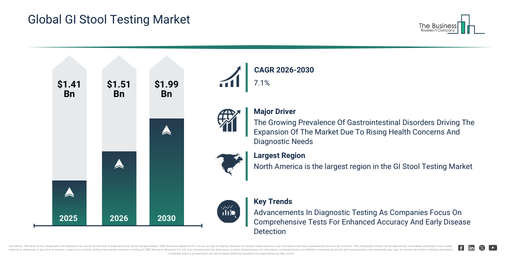
    The gi stool testing market has demonstrated substantial growth in recent years. It is anticipated to increase from $1.41 billion in 2025 to $1.51 billion in 2026, achieving a compound annual growth rate (CAGR) of 7.4%. Historically, this expansion was fueled by factors including the rise in gastrointestinal disorders, progress in diagnostic laboratories, the implementation of early microbiology testing, an uptick in colorectal cancer screening, and improved healthcare awareness.

    The gi stool testing market size is projected to experience substantial expansion over the upcoming years. Its value is anticipated to reach $1.99 billion by 2030, exhibiting a compound annual growth rate (CAGR) of 7.1%. This expansion during the forecast period is primarily driven by factors such as the increasing availability of personalized gut health testing, the rise of home diagnostics, the incorporation of AI-based analysis, the growing acceptance of preventive healthcare, and heightened awareness regarding digestive health. Key trends shaping the market during this period encompass an increasing preference for non-invasive diagnostic tools, a surge in the adoption of microbiome-based testing, greater utilization of molecular diagnostic techniques, the proliferation of home-based stool testing kits, and enhanced capabilities for the early detection of gastrointestinal disorders.

    Get A Free Sample Report With In-Depth Market Insights:

    https://thebusinessresearchcompany.com/sample_request?id=96165026&type=smp&name=GI%20Stool%20Testing%20Market%20Report%202026&utm_source=Blogs&utm_medium=Paid&utm_campaign=Nov_PR

    GI Stool Testing Market Growth Catalysts And Demand Drivers

    The growing occurrence of gastrointestinal conditions is anticipated to boost the GI stool testing market’s expansion in the future. These disorders encompass illnesses impacting the digestive tract, such as the stomach, intestines, and associated organs, leading to symptoms like nausea, diarrhea, constipation, and abdominal discomfort. The uptick in gastrointestinal ailments stems mainly from unhealthy eating patterns; consuming more processed foods, excessive sugar, and diets low in fiber upsets gut flora, diminishes digestive well-being, and fosters conditions like acid reflux, irritable bowel syndrome (IBS), and inflammatory bowel disease (IBD). GI stool testing is essential for gastrointestinal conditions to uncover infections, inflammation, or digestive system imbalances, as it aids in detecting pathogens (like bacteria, viruses, and parasites), indicators of gut inflammation, and deficiencies in digestive enzymes, thereby facilitating precise diagnosis and tailored treatment. An illustration of this trend is seen in September 2024, when the Centers for Disease Control and Prevention, a US government agency, disclosed that from 2024 to 2025, states involved in NoroSTAT documented 1,676 norovirus outbreaks, representing a notable increase from the 729 outbreaks noted in the corresponding period the previous season. Consequently, the expanding incidence of gastrointestinal disorders fuels the growth of the GI stool testing market.

    GI Stool Testing Market Segmentation And Category Overview

    The gi stool testing market covered in this report is segmented –

    1) By Type: Immunoassay Test, Molecular Diagnostic Test, Chromatography-Based Test, Microbiological Culture Test, Enzyme-Linked Immunosorbent Assay (ELISA)

    2) By Sample Type: Fecal Samples, Serum Samples

    3) By Equipment: Automated Analyzers, Benchtop Instruments, Portable Devices

    4) By Application: Diagnosis Of Gastrointestinal Disorders, Screening For Colorectal Cancer, Monitoring Of Inflammatory Bowel Disease (IBD), Detection Of Gastrointestinal Infections, Evaluation Of Digestive Health

    5) By End User: Hospital, Diagnostic Centre And Laboratory, Academic Institution, Research Centre Organization, Homecare, Other End Users

    Subsegments:

    1) By Immunoassay Test: Rapid Immunoassay, Lateral Flow Assay, Fluorescent Immunoassay

    2) By Molecular Diagnostic Test: Polymerase Chain Reaction (PCR), Nucleic Acid Amplification Test (NAAT), Next-Generation Sequencing (NGS)

    3) By Chromatography-Based Test: Gas Chromatography (GC), Liquid Chromatography (LC), Thin-Layer Chromatography (TLC)

    4) By Microbiological Culture Test: Aerobic Culture, Anaerobic Culture, Selective Media Culture

    5) By Enzyme-Linked Immunosorbent Assay (ELISA): Direct ELISA, Indirect ELISA, Sandwich ELISA, Competitive ELISA

    GI Stool Testing Market Industry Trends: What’s Reshaping Demand?

    Leading companies in the GI stool testing market are prioritizing advanced testing technologies, such as comprehensive diagnostic tests, to enhance precision, speed, and early disease detection. A comprehensive diagnostic test serves as an advanced medical tool, evaluating multiple health parameters simultaneously to offer a thorough assessment of a patient’s condition. An illustration of this trend is seen in November 2024, when EmeritusDX, a US-based diagnostics company, introduced GI Detect. This comprehensive diagnostic test was developed to support healthcare providers in identifying gastrointestinal disorders, utilizing a single stool swab to detect 26 bacteria, viruses, and parasites linked to digestive system disruptions. With a 24-hour turnaround time, GI Detect enables swift and informed clinical decision-making. In addition to broad pathogen identification, the test also screens for Helicobacter pylori and its virulence factors VacA, cagA, and babA, as well as common gastrointestinal parasites like Cryptosporidium, Entamoeba histolytica, and Giardia lamblia. This extensive approach guarantees accurate and timely diagnosis of gastrointestinal infections.

    GI Stool Testing Market Competitive Analysis Of Leading Industry Participants

    Major companies operating in the gi stool testing market are Thermo Fisher Scientific Inc., Abbott Laboratories Inc., Hologic Inc., Biomerieux SA, Bio-Rad Laboratories Inc., Meridian BioScience Inc., Diasorin SPA, ELITechGroup, Genova Diagnostics Inc., US BioTek Laboratories LLC, Doctor’s Data Inc., Diagnostic Solutions Laboratory LLC, Functional Medical Institute Pvt. Ltd., Walk-In Lab LLC, ScheBo Biotech AG, Qiagen NV, Roche Diagnostics, Siemens Healthineers, QuidelOrtho Corporation, Biohit Oyj, Exact Sciences Corporation

    View The Full GI Stool Testing Market Report:

    https://thebusinessresearchcompany.com/report/gi-stool-testing-global-market-report?utm_source=Blogs&utm_medium=Paid&utm_campaign=Nov_PR

    GI Stool Testing Market Geographic Landscape: Which Region Leads Industry Growth?

    North America was the largest region in the GI stool testing market in 2025. Asia-Pacific is expected to be the fastest-growing region in the forecast period. The regions covered in the gi stool testing market report are Asia-Pacific, South East Asia, Western Europe, Eastern Europe, North America, South America, Middle East, Africa.

    Reach Out To Our Team:

    The Business Research Company: https://www.thebusinessresearchcompany.com/

    Americas: +1 310-496-7795

    Asia: +44 7882 955267 & +91 8897263534

    Europe: +44 7882 955267

    Email us at: marketing@tbrc.info

    Follow us on:

    LinkedIn: https://in.linkedin.com/company/the-business-research-company

    YouTube: https://www.youtube.com/channel/UC24_fI0rV8cR5DxlCpgmyFQ

    Global Market Model: https://www.thebusinessresearchcompany.com/global-market-model
  • Gestational Trophoblastic Disease Market Forecast To Reach $2.81 Billion By 2030: Key Growth Drivers And Industry Trends

    Gestational Trophoblastic Disease Market Forecast To Reach $2.81 Billion By 2030: Key Growth Drivers And Industry Trends

    Built to provide research that’s more actionable and strategically valuable, The Business Research Company’s 2026 market reports include market attractiveness analysis, total addressable market sizing, company benchmarking matrices, interactive Excel dashboards, broader supply chain intelligence, emerging startup tracking, and in-depth product insights.

    Gestational Trophoblastic Disease Market Forecast: What Value Will The Market Reach By 2030?

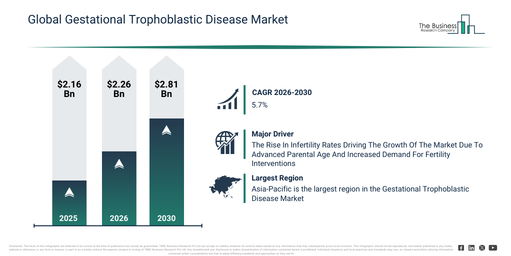
    The gestational trophoblastic disease market has experienced consistent expansion in recent years. This market is projected to expand from $2.16 billion in 2025 to $2.26 billion in 2026, demonstrating a compound annual growth rate (CAGR) of 4.6%. Historically, this expansion has been driven by progress in gynecologic oncology, the accessibility of hcg testing, wider acceptance of surgical treatments, heightened understanding of uncommon pregnancy-related conditions, and the implementation of clinical oncology protocols.

    The market for gestational trophoblastic disease is projected to experience substantial growth in the upcoming years. It is anticipated to reach a valuation of $2.81 billion by 2030, exhibiting a compound annual growth rate (CAGR) of 5.7%. This expansion during the projection period can be attributed to several factors, including enhanced diagnostic precision, the proliferation of oncology centers, the establishment of standardized treatment protocols, greater accessibility to healthcare, and a heightened emphasis on managing rare diseases. Key developments expected during the forecast timeframe encompass more effective hcg-based disease monitoring, an increasing adoption of chemotherapy for gtd management, a stronger emphasis on prompt diagnosis, the expansion of specialized women’s oncology services, and enhanced post-treatment follow-up.

    Get A Free Sample Report With In-Depth Market Insights:

    https://thebusinessresearchcompany.com/sample_request?id=44816133&type=smp&name=Gestational%20Trophoblastic%20Disease%20Market%20Report%202026&utm_source=Blogs&utm_medium=Paid&utm_campaign=Nov_PR

    Gestational Trophoblastic Disease Market Opportunity Drivers: What’s Unlocking New Revenue Potential?

    A future increase in infertility rates is anticipated to drive expansion in the gestational trophoblastic disease market. Infertility rates quantify the percentage of a population (couples or individuals) unable to achieve natural conception following 12 months of consistent, unprotected sexual activity. The rise in infertility is largely attributed to older maternal and paternal ages, since advanced reproductive age links to diminished egg and sperm quality, lower fertility, and increased conception complications. While usually a disease, gestational trophoblastic disease can offer unexpected understanding for infertility therapies by revealing the functions of trophoblastic tissue in implantation and hormone control, thus informing strategies to enhance conception success. For example, in April 2023, the World Health Organization (WHO), a Switzerland-based intergovernmental organization, reported that around 17.5% of adults worldwide, or approximately 1 in 6 individuals, experience infertility, underscoring the urgent necessity for better access to cost-effective, high-quality fertility treatment for impacted persons. Consequently, the increasing incidence of infertility is fueling the gestational trophoblastic disease market. A future increase in cigarette smoking is projected to boost the expansion of the gestational trophoblastic disease market. Cigarette smoking involves igniting tobacco and breathing in the smoke, which holds numerous chemicals and toxins capable of harming various bodily structures. This habit could damage the DNA within trophoblastic cells, vital for placenta formation, potentially causing their abnormal growth and division, thus leading to gestational trophoblastic disease. For example, in October 2024, the European Respiratory Society’s (ERS), a Switzerland-based non-profit organization, published a study on youth smoking trends, indicating a substantial increase in rates, from 22.5% of respondents smoking in 2022 to 40.1% in 2024. Hence, the rise in cigarette smoking is stimulating the gestational trophoblastic disease market.

    Gestational Trophoblastic Disease Market Segment Outlook: Which Categories Are Growing Fastest?

    The gestational trophoblastic disease market covered in this report is segmented –

    1) By Type: Hydatidiform Mole, Choriocarcinoma, Placental-Site Trophoblastic Tumor, Epithelioid Trophoblastic Tumor, Other Types

    2) By Treatment: Surgery, Chemotherapy, Suction Dilation And Curettage (D&C), Radiation Therapy

    3) By End User: Hospital And Clinics, Diagnostic Centers, Other End Users

    Subsegments:

    1) By Hydatidiform Mole: Complete Hydatidiform Mole, Partial Hydatidiform Mole

    2) By Choriocarcinoma: Non-Metastatic Choriocarcinoma, Metastatic Choriocarcinoma

    3) By Placental-Site Trophoblastic Tumor: PSTT With Normal Placentation, PSTT With Abnormal Placentation

    4) By Epithelioid Trophoblastic Tumor: Epithelioid Trophoblastic Tumor With No Evidence Of Metastasis, Epithelioid Trophoblastic Tumor With Metastasis

    5) By Other Types: Trophoblastic Tumor Of Unknown Origin, Non-Gestational Trophoblastic Neoplasia

    Gestational Trophoblastic Disease Market Leading Companies And Competitive Benchmarking

    Major companies operating in the gestational trophoblastic disease market are Pfizer Inc., F. Hoffmann-La Roche AG, AbbVie Inc., Bayer AG, Novartis AG, Merck And Co. Inc., Sun Pharmaceutical Industries Ltd., GSK plc, Bristol-Myers Squibb Company, Sanofi S.A., AstraZeneca plc, Eli Lilly and Company, Daiichi Sankyo Co. Ltd., Eisai Co. Ltd.

    View The Full Gestational Trophoblastic Disease Market Report:

    https://thebusinessresearchcompany.com/report/gestational-trophoblastic-disease-global-market-report?utm_source=Blogs&utm_medium=Paid&utm_campaign=Nov_PR

    Gestational Trophoblastic Disease Market Largest Region: Which Geography Holds The Biggest Share?

    Asia-Pacific was the largest region in the gestational trophoblastic disease market in 2025, and is expected to be the fastest-growing region in the forecast period. The regions covered in the gestational trophoblastic disease market report are Asia-Pacific, South East Asia, Western Europe, Eastern Europe, North America, South America, Middle East, Africa.

    Reach Out To Our Team:

    The Business Research Company: https://www.thebusinessresearchcompany.com/

    Americas: +1 310-496-7795

    Asia: +44 7882 955267 & +91 8897263534

    Europe: +44 7882 955267

    Email us at: marketing@tbrc.info

    Follow us on:

    LinkedIn: https://in.linkedin.com/company/the-business-research-company

    YouTube: https://www.youtube.com/channel/UC24_fI0rV8cR5DxlCpgmyFQ

    Global Market Model: https://www.thebusinessresearchcompany.com/global-market-model
  • Gestational Diabetes Market Research 2026: Market Size, Trends, Segments And Growth Forecast

    Gestational Diabetes Market Research 2026: Market Size, Trends, Segments And Growth Forecast

    Backed by market attractiveness analysis, total addressable market sizing, company benchmarking matrices, interactive Excel dashboards, wider supply chain intelligence, emerging startup coverage, and detailed product-level insights, The Business Research Company’s 2026 market reports are designed to offer research that is more actionable and strategically valuable than ever.

    Gestational Diabetes Market Size Outlook: How Quickly Will Revenue Expand Through 2030?

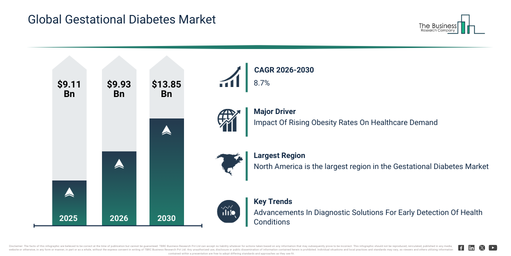
    The gestational diabetes market size has demonstrated significant expansion over recent years. Its valuation is projected to increase from $9.11 billion in 2025 to $9.93 billion in 2026, advancing at a compound annual growth rate (CAGR) of 8.9%. Historically, this growth has been driven by increasing obesity rates, higher maternal age pregnancies, early diabetes screening programs, growth in prenatal care services, and heightened awareness of pregnancy complications.

    The gestational diabetes market is projected to experience substantial expansion over the upcoming years. Its valuation is anticipated to reach $13.85 billion by 2030, exhibiting a compound annual growth rate (CAGR) of 8.7%. This anticipated growth during the forecast timeframe is primarily driven by factors such as an increase in the prevalence of gestational diabetes, the broadening scope of digital health monitoring, advancements in prenatal diagnostics, a heightened emphasis on preventive maternal care, and supportive healthcare policies. Key trends expected to shape this period encompass the increasing uptake of blood glucose monitoring, a rise in the application of insulin therapy during pregnancy, an evolving focus on lifestyle-centric disease management, the expansion of prenatal screening initiatives, and enhanced awareness regarding maternal health.

    Get A Free Sample Report With In-Depth Market Insights:

    https://thebusinessresearchcompany.com/sample_request?id=45703036&type=smp&name=Gestational%20Diabetes%20Market%20Report%202026&utm_source=Blogs&utm_medium=Paid&utm_campaign=Nov_PR

    Gestational Diabetes Market Growth Momentum: What Factors Are Shaping Demand?

    The expanding obese population is anticipated to fuel the growth of the gestational diabetes market in the future. This population consists of individuals with a body mass index (BMI) of 30 or above, signifying excess body fat that could present considerable health dangers. The rise in the obese population is attributed to a combination of inactive lifestyles, increased intake of high-calorie, processed foods, genetic predispositions, and restricted availability of healthy dietary and exercise choices. Managing gestational diabetes is vital for the obese population due to their elevated risk of insulin resistance and substantial weight gain during pregnancy, which, if not controlled, can result in health issues for both the mother and the infant. For example, in May 2025, data from the Office for Health Improvement and Disparities, a UK-based government organization, showed that between 2023 and 2024, approximately 64.5% of adults aged 18 and above in England were classified as overweight or living with obesity, an increase from 64.0% recorded in 2022 to 2023. Consequently, the growing obese population is a significant factor propelling the gestational diabetes market.

    Gestational Diabetes Market Segment Landscape: Which Areas Lead Development?

    The gestational diabetes market covered in this report is segmented –

    1) By Type: Type A1, Type A2, Other Types

    2) By Treatment: Monitoring, Drug Treatment, Non-pharmacological Treatment

    3) By Administration: Oral, Intravenous, Other Administrations

    4) By End User: Hospitals, Clinics, Home Care Settings, Diagnostic Centers

    Subsegments:

    1) By Type A1: Diet-Controlled Gestational Diabetes, Exercise-Controlled Gestational Diabetes

    2) By Type A2: Insulin-Controlled Gestational Diabetes, Oral Medication-Controlled Gestational Diabetes

    3) By Other Types: Pre-Gestational Diabetes, Gestational Diabetes With Complications

    Gestational Diabetes Market Trends: What’s Defining The Industry’s Next Phase?

    Leading companies within the gestational diabetes market are prioritizing the creation of technologically advanced products, such as diagnostic kits specifically for gestational diabetes, to facilitate quick, accurate, and convenient methods for early detection. A diagnostic kit for gestational diabetes functions as a medical instrument employed to assess blood glucose levels and identify atypical glucose tolerance in expectant mothers, thereby aiding in the condition’s prompt identification and management. For instance, in August 2024, DirectSens GmbH, an Austria-based biotechnology firm, introduced the XpressGT RUO kit, a diagnostic solution designed for the diagnosis of gestational diabetes, endometriosis, insulin resistance, and liver disease. This kit accurately quantifies 2-hydroxybutyrate (2-HB) levels found in venous blood, a compound naturally produced by the liver during its normal activities. Elevated 2-HB concentrations are linked to increased reductive stress, which is associated with various endocrine and obesity-related disorders, including insulin resistance. The XpressGT RUO kit works with any available clinical analyzer and provides results in just 8 minutes, offering a rapid and efficient diagnostic solution.

    Gestational Diabetes Market Industry Leaders And Competitive Landscape

    Major companies operating in the gestational diabetes market are Sanofi S.A., Abbott Laboratories, Eli Lilly and Company, Novo Nordisk A/S, Becton Dickinson and Company, Dexcom Inc, Biocon Limited, Ascensia Diabetes Care Holdings AG, Roche Diabetes Care, Medtronic plc, Insulet Corporation, Tandem Diabetes Care Inc, Ypsomed Holding AG, Beta Bionics Inc, Bigfoot Biomedical Inc, Glooko Inc, Philips Healthcare, Sun Pharmaceutical Industries Ltd, Takeda Pharmaceutical Company Ltd, Pfizer Inc, Novartis AG, Adocia SA, Daiichi Sankyo Company Ltd

    View The Full Gestational Diabetes Market Report:

    https://thebusinessresearchcompany.com/report/gestational-diabetes-global-market-report?utm_source=Blogs&utm_medium=Paid&utm_campaign=Nov_PR

    Gestational Diabetes Market Regional Analysis: Which Geography Leads On Revenue?

    North America was the largest region in the gestational diabetes market in 2025. Asia-Pacific is expected to be the fastest-growing region in the forecast period. The regions covered in the gestational diabetes market report are Asia-Pacific, South East Asia, Western Europe, Eastern Europe, North America, South America, Middle East, Africa.

    Reach Out To Our Team:

    The Business Research Company: https://www.thebusinessresearchcompany.com/

    Americas: +1 310-496-7795

    Asia: +44 7882 955267 & +91 8897263534

    Europe: +44 7882 955267

    Email us at: marketing@tbrc.info

    Follow us on:

    LinkedIn: https://in.linkedin.com/company/the-business-research-company

    YouTube: https://www.youtube.com/channel/UC24_fI0rV8cR5DxlCpgmyFQ

    Global Market Model: https://www.thebusinessresearchcompany.com/global-market-model

  • Germ Cell Tumor Market Forecast 2026: Market Size, Competitive Landscape And Growth Drivers

    Germ Cell Tumor Market Forecast 2026: Market Size, Competitive Landscape And Growth Drivers

    Featuring market attractiveness scoring, total addressable market sizing, company benchmarking matrices, interactive Excel dashboards, deeper supply chain intelligence, emerging startup tracking, and granular product-level insights, The Business Research Company’s 2026 market reports are built to deliver research that is both more actionable and more strategically valuable.

    Germ Cell Tumor Market Size, Value And Growth Trajectory Through 2030

    The market size for germ cell tumors has observed rapid expansion in recent years. It is projected to expand from $11.61 billion in 2025 to $13.18 billion in 2026, reflecting a compound annual growth rate (CAGR) of 13.5%. The historic period’s growth is attributable to advancements in oncology chemotherapy, improved cancer diagnostics, the establishment of oncology centers, heightened testicular cancer awareness, and the broadening of clinical trials.

    The market for germ cell tumors is projected to experience substantial expansion in the coming years. This market is anticipated to reach a valuation of $22.55 billion by 2030, exhibiting a compound annual growth rate (CAGR) of 14.4%. Key factors contributing to this anticipated growth include advancements in targeted therapies, increased embrace of immunotherapy, ongoing research in precision oncology, the broadening of cancer treatment infrastructure, and enhancements in screening protocols. Prominent trends expected during this period encompass the escalating utilization of combination chemotherapy regimens, wider acceptance of immunotherapy methods, a heightened emphasis on diagnosing tumors early, the extension of treatment options for pediatric germ cell tumors, and better survival rates resulting from multimodal care.

    Get A Free Sample Report With In-Depth Market Insights:

    https://thebusinessresearchcompany.com/sample_request?id=25365202&type=smp&name=Germ%20Cell%20Tumor%20Market%20Report%202026&utm_source=Blogs&utm_medium=Paid&utm_campaign=Nov_PR

    Germ Cell Tumor Market Expansion Drivers: What’s Shaping Future Growth?

    The rising volume of clinical trials is projected to fuel the expansion of the germ cell tumor market in the coming years. These trials are meticulously structured research investigations involving human subjects, designed to assess the safety, effectiveness, and potential advantages of emerging medical interventions, therapies, or procedures. Clinical trials are crucial in the examination of germ-cell cancers, assisting in the evaluation of new drug efficacy and safety, while also providing valuable information on current treatment approaches. For instance, in May 2023, a report from Xtalks, a Canada-based digital health company, indicated that as of May 2023, 452,604 clinical trials were registered worldwide on ClinicalTrials.gov, with 64,838 of these currently seeking participants. Consequently, the growing number of clinical trials is a key driver for the germ cell tumor market. The rising incidence of cancer is anticipated to boost the expansion of the germ cell tumor market moving forward. Cancer describes a collection of illnesses marked by the unregulated proliferation and dissemination of abnormal cells, frequently forming growths that can infiltrate nearby tissues and spread to other areas of the body. The principal approach to treating germ cell tumors involves surgically removing the tumor, succeeded by chemotherapy aimed at eradicating any residual cancer cells. For instance, in 2023, the American Cancer Society Inc., a US-based non-profit health group, projected 1,958,310 new cancer diagnoses in the US, an increase from 1,918,030 new cancer cases in 2022. Thus, the escalating prevalence of cancer is propelling the growth of the germ cell tumor market.

    Germ Cell Tumor Market Segments: Where Is Growth Concentrated?

    The germ cell tumor market covered in this report is segmented –

    1) By Disease: Testicular, Ovarian, Other Diseases

    2) By Treatment Type: Chemotherapy, Immunotherapy

    3) By Route Of Administration: Oral, Intravenous, Intraperitoneal

    4) By End User: Hospitals And Clinics, Research Institutes, Other End Users

    Subsegments:

    1) By Testicular: Seminomas, Non-Seminomas

    2) By Ovarian: Dysgerminoma, Non-Dysgerminomatous Germ Cell Tumors

    3) By Other Diseases: Extragonadal Germ Cell Tumors, Germ Cell Tumors In Children

    Germ Cell Tumor Market Industry Trends Fueling Future Revenue Growth

    Companies operating within the germ cell tumor market are placing significant emphasis on advancements such as CAR T cell therapies. CAR T cell therapy represents an advanced form of immunotherapy where a patient’s own T cells (a type of immune cell) are genetically modified to express chimeric antigen receptors (CARs), enabling them to specifically identify and bind to cancer cells. Once these modified T cells are reintroduced into the patient’s body, they actively seek out and destroy targeted tumor cells. For instance, in March 2025, BioNTech SE, a German biotechnology company developing innovative immunotherapies, initiated a collaboration with Autolus Therapeutics plc, a UK-based biopharmaceutical company. This partnership aims to advance BNT211, a CAR T therapy designed to target CLDN6-positive solid tumors, which include germ cell tumors. The collaboration’s goal is to accelerate the development of personalized CAR T treatments for patients with germ cell malignancies by leveraging BioNTech’s expertise in RNA-based and cell therapies. This partnership merges cutting-edge cellular therapy technology with targeted oncology research, potentially offering new therapeutic options for patients who currently have limited treatment choices.

    Germ Cell Tumor Market Key Participants And Competitive Landscape

    Major companies operating in the germ cell tumor market are Johnson & Johnson, Pfizer Inc., F. Hoffmann-La Roche AG, AbbVie Inc., Bayer AG, Novartis AG, Merck & Co. Inc., Bristol-Myers Squibb Company, Fresenius Kabi Oncology Limited, Sanofi S.A., AstraZeneca plc, Ipsen Pharma, Takeda Pharmaceutical Company Limited, Eli Lilly and Company, Regeneron Pharmaceuticals Inc., Sandoz International GmbH, Daiichi Sankyo Co. Ltd., Jazz Pharmaceuticals plc, Ono Pharmaceutical Co. Ltd., Kyowa Hakko Kirin Co. Ltd., Mallinckrodt Pharmaceuticals, Taiho Pharmaceutical Co. Ltd., Accord Healthcare Limited, Spectrum Pharmaceuticals Inc., Ziopharm Oncology Inc.

    View The Full Germ Cell Tumor Market Report:

    https://thebusinessresearchcompany.com/report/germ-cell-tumor-global-market-report?utm_source=Blogs&utm_medium=Paid&utm_campaign=Nov_PR

    Germ Cell Tumor Market Geographic Spread And Regional Opportunities

    North America was the largest region in the germ cell tumors market in 2025. Asia-Pacific is expected to be the fastest-growing region in the forecast period. The regions covered in the germ cell tumor market report are Asia-Pacific, South East Asia, Western Europe, Eastern Europe, North America, South America, Middle East, Africa.

    Reach Out To Our Team:

    The Business Research Company: https://www.thebusinessresearchcompany.com/

    Americas: +1 310-496-7795

    Asia: +44 7882 955267 & +91 8897263534

    Europe: +44 7882 955267

    Email us at: marketing@tbrc.info

    Follow us on:

    LinkedIn: https://in.linkedin.com/company/the-business-research-company

    YouTube: https://www.youtube.com/channel/UC24_fI0rV8cR5DxlCpgmyFQ

    Global Market Model: https://www.thebusinessresearchcompany.com/global-market-model
  • Geriatric Medicines Market Size In 2026: Regional Growth, Key Segments And Future Outlook

    Geriatric Medicines Market Size In 2026: Regional Growth, Key Segments And Future Outlook

    Built to provide research that’s more actionable and strategically valuable, The Business Research Company’s 2026 market reports include market attractiveness analysis, total addressable market sizing, company benchmarking matrices, interactive Excel dashboards, broader supply chain intelligence, emerging startup tracking, and in-depth product insights.

    Geriatric Medicines Market CAGR Outlook And Future Development

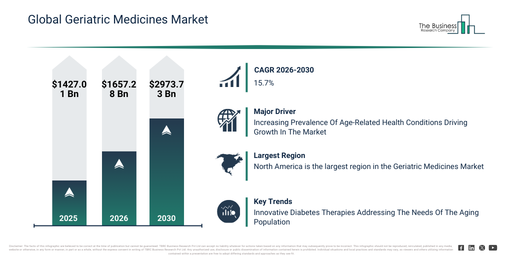
    The geriatric medicines market size has experienced rapid expansion in recent years. Projections indicate it will increase from $1427.01 billion in 2025 to $1657.28 billion in 2026, demonstrating a compound annual growth rate (CAGR) of 16.1%. Historically, this growth can be linked to factors such as an aging global populace, an uptick in chronic illnesses, the proliferation of hospital pharmacies, advancements in early geriatric drug creation, and extended life expectancies.

    The geriatric medicines market size is projected to experience swift expansion in the coming years. This market is anticipated to reach $2973.73 billion by 2030, exhibiting a compound annual growth rate (CAGR) of 15.7%. This projected growth can be attributed to several factors including the increasing elderly population, the creation of safer drug formulations, the broadening reach of online pharmacies, an emphasis on tailored geriatric care, and increasing healthcare spending. Key trends predicted for this period encompass an escalating need for polypharmacy management, a greater focus on drug formulations specific to age, an uptick in the utilization of cognitive health drugs, the extension of chronic disease drug treatments, and enhanced solutions for medication adherence.

    Get A Free Sample Report With In-Depth Market Insights:

    https://thebusinessresearchcompany.com/sample_request?id=19377914&type=smp&name=Geriatric%20Medicines%20Market%20Report%202026&utm_source=Blogs&utm_medium=Paid&utm_campaign=Nov_PR

    Geriatric Medicines Market Development Factors: What’s Supporting Demand?

    The increasing occurrence of health issues linked to aging is projected to boost the growth of the geriatric medicines market moving forward. Age-related health conditions are health complications that become more frequent or intense with advancing age, stemming from the aging process itself. Longer life expectancies, advancements in healthcare, and an aging population are the main contributors to this rising prevalence of age-related health conditions. Geriatric medicines assist in managing these conditions by providing specialized treatments for older adults, thereby improving their quality of life and healthcare outcomes. For instance, in April 2025, the Centers for Disease Control and Prevention, a US-based government public health agency, reported that in 2023, approximately 194 million American adults, including 6 in 10 young adults, 8 in 10 midlife adults, and 9 in 10 older adults, reported experiencing 1 or more conditions. The prevalence of chronic conditions saw an increase of 7.0 percentage points among young adults. Therefore, the growing prevalence of age-related health conditions drives the expansion of the geriatric medicines market.

    Geriatric Medicines Market Segment Analysis: What Are The Core Market Categories?

    The geriatric medicines market covered in this report is segmented –

    1) By Therapeutics: Analgesics, Antihypertensive, Statins, Proton Pump Inhibitors, Anticoagulant, Antipsychotic, Other Therapeutics

    2) By Condition: Cardiovascular, Arthritis, Neurological, Cancer, Osteoporosis, Respiratory, Other Conditions

    3) By Route Of Administration: Oral, Parenteral, Other Routes Of Administration

    4) By Distribution Channel: Hospital Pharmacy, Retail Pharmacy, Online Pharmacy

    Subsegments:

    1) By Analgesics: Non-Opioid Analgesics (Acetaminophen, NSAIDs), Opioid Analgesics (Morphine, Oxycodone), Topical Analgesics (Lidocaine Patches)

    2) By Antihypertensive: Angiotensin-Converting Enzyme (ACE) Inhibitors, Angiotensin II Receptor Blockers (ARBs), Beta-Blockers, Calcium Channel Blockers, Diuretics, Alpha-Blockers

    3) By Statins: Atorvastatin, Simvastatin, Rosuvastatin, Pravastatin, Lovastatin

    4) By Proton Pump Inhibitors: Omeprazole, Esomeprazole, Lansoprazole, Pantoprazole, Rabeprazole

    5) By Anticoagulant: Warfarin, Direct Oral Anticoagulants (DOACs): Dabigatran, Rivaroxaban, Apixaban, Heparin

    6) By Antipsychotic: Atypical Antipsychotics, Typical Antipsychotics

    7) By Other Therapeutics: Antidepressants (SSRIs, SNRIs), Antidiabetic Medications (Insulin, Metformin), Anticonvulsants, Anti-Inflammatory Drugs (Corticosteroids), Cognitive Enhancers (Donepezil, Memantine)

    Geriatric Medicines Market Trends Powering Strategic Industry Growth

    Leading companies operating in the geriatric medicines market are concentrating on developing advanced diabetes therapies to address the increasing need for effective treatments in the aging population. This diabetes therapy involves innovative solutions that enhance diabetes management or provide potential cures, surpassing traditional approaches to improve efficacy, safety, and patient outcomes. For instance, in August 2023, Akums Drugs & Pharmaceuticals Ltd., an India-based contract manufacturing pharmaceutical company, announced the launch of a new combination therapy featuring Vildagliptin SR and Metformin SR. This sophisticated formulation is specifically developed for the management of Type 2 diabetes in elderly patients. It aims to deliver effective glycemic control, and the therapy minimizes critical concerns such as hypoglycemia and weight gain, which are particularly important for this demographic. By synergizing the mechanisms of both drugs, the combination improves insulin secretion and effectively reduces blood sugar levels, ensuring safety and efficacy. The product has received regulatory approval from the Drug Controller General of India (DCGI).

    Geriatric Medicines Market Top Companies Driving Competitive Growth

    Major companies operating in the geriatric medicines market are Pfizer Inc., Merck & Co. Inc., AbbVie Inc., Sanofi S.A., Bristol-Myers Squibb Company, Novartis AG, F. Hoffmann-La Roche AG, GlaxoSmithKline plc, Eli Lilly and Company, Viatris Inc., Teva Pharmaceutical Industries Ltd., Boehringer Ingelheim GmbH, Regeneron Pharmaceuticals Inc., Macleods Pharmaceuticals Ltd., Apotex Inc., Intas Pharmaceuticals Limited, Dr. Reddy’s Laboratories, Lupin Limited, Biocon Limited, Torrent Pharmaceuticals Ltd., Endo Pharmaceuticals Inc.

    View The Full Geriatric Medicines Market Report:

    https://thebusinessresearchcompany.com/report/geriatric-medicines-global-market-report?utm_source=Blogs&utm_medium=Paid&utm_campaign=Nov_PR

    Geriatric Medicines Market Top Region By Revenue And Market Share

    North America was the largest region in the geriatric medicines market in 2025. Asia-Pacific is expected to be the fastest-growing region in the forecast period. The regions covered in the geriatric medicines market report are Asia-Pacific, South East Asia, Western Europe, Eastern Europe, North America, South America, Middle East, Africa.

    Reach Out To Our Team:

    The Business Research Company: https://www.thebusinessresearchcompany.com/

    Americas: +1 310-496-7795

    Asia: +44 7882 955267 & +91 8897263534

    Europe: +44 7882 955267

    Email us at: marketing@tbrc.info

    Follow us on:

    LinkedIn: https://in.linkedin.com/company/the-business-research-company

    YouTube: https://www.youtube.com/channel/UC24_fI0rV8cR5DxlCpgmyFQ

    Global Market Model: https://www.thebusinessresearchcompany.com/global-market-model

  • Geriatric Care Services Market Growth Forecast Through 2030: Market Size And Trends In 2026

    Geriatric Care Services Market Growth Forecast Through 2030: Market Size And Trends In 2026

    Backed by market attractiveness analysis, total addressable market sizing, company benchmarking matrices, interactive Excel dashboards, wider supply chain intelligence, emerging startup coverage, and detailed product-level insights, The Business Research Company’s 2026 market reports are designed to offer research that is more actionable and strategically valuable than ever.

    Geriatric Care Services Market Set To Climb From $1234.29 Billion In 2026 To $1618.04 Billion By 2030

    The geriatric care services market size has demonstrated strong growth in recent years. It is anticipated to expand from $1153.19 billion in 2025 to $1234.29 billion in 2026, achieving a compound annual growth rate (CAGR) of 7.0%. The expansion observed in the past can be ascribed to several factors, including the increasing aging population, longer life expectancy, transformations in family structures, the early adoption of homecare services, and the enhancement of healthcare infrastructure.

    The geriatric care services market is projected for significant expansion over the coming years, with its valuation anticipated to reach $1618.04 billion by 2030, exhibiting a compound annual growth rate (CAGR) of 7.0%. This expansion during the forecast period can be attributed to factors such as an increasing elderly demographic, the incorporation of digital health solutions, a growing need for tailored elderly care, the proliferation of assisted living communities, and various governmental initiatives supporting senior care. Key developments expected during this timeframe encompass an escalating preference for home-based senior care, wider availability of telehealth services for older adults, an enhanced emphasis on managing chronic conditions, a greater uptake of assisted living facilities, and the incorporation of robust caregiver support services.

    Get A Free Sample Report With In-Depth Market Insights:

    https://thebusinessresearchcompany.com/sample_request?id=13552151&type=smp&name=Geriatric%20Care%20Services%20Market%20Report%202026&utm_source=Blogs&utm_medium=Paid&utm_campaign=Nov_PR

    Geriatric Care Services Market Industry Drivers: What’s Behind The Revenue Growth?

    The rising occurrence of chronic illnesses is anticipated to drive the expansion of the geriatric care services market in the future. These are defined as long-duration health issues that persist for significant periods, frequently needing continuous management and treatment because they are typically incurable. The increase in chronic disease rates stems from multiple interconnected elements, including an aging population, lifestyle choices, and the availability and structure of healthcare. Geriatric care services play a vital role in enhancing the quality of life for elderly individuals suffering from long-term medical conditions by providing holistic, patient-focused care that addresses their functional, psychological, and medical needs. As an illustration, in April 2025, the Centers for Disease Control and Prevention, a US-based government public health agency, reported that during 2023, around 194 million American adults, comprising 6 in 10 young adults, 8 in 10 midlife adults, and 9 in 10 older adults, indicated having 1 or more conditions. The prevalence of chronic conditions saw an increase of 7.0 percentage points among young adults. Consequently, the growing occurrence of chronic diseases is propelling the geriatric care services market.

    Geriatric Care Services Market Segment Breakdown: Which Categories Lead On Revenue?

    The geriatric care services market covered in this report is segmented –

    1) By Type: Homecare, Healthcare, Institutional Care Centers, Non-Medical Health Care, Hospital Based Care, Assisted Living, Independent Senior Living, Rehabilitative Care Services

    2) By Age Group: 65 To 70 Years, 70 To 75 Years, 75 To 80 Years, More Than 80 Years

    3) By Application: Respiratory Diseases, Diabetes, Osteoporosis, Other Applications

    4) By End User: Institutional Care Services, Nursing Homes, Rehabilitation Centers, Hospitals

    Subsegments:

    1) By Homecare: Personal Care Services ( Bathing, Dressing), Companionship Services, Home Health Aide Services, Nursing Care Services At Home, Physical Therapy And Rehabilitation At Home, Chronic Disease Management At Home

    2) By Healthcare: In-Home Medical Care ( Physician Visits), Telehealth And Telemedicine For Seniors, Geriatric Nursing Services, Palliative And Hospice Care, Elderly Vaccination And Preventive Health Services, Geriatric Health Screenings And Assessments

    3) By Institutional Care Centers: Nursing Homes, Long-Term Care Facilities, Memory Care Units (For Alzheimer’s Or Dementia Patients), Skilled Nursing Facilities (Snfs), Rehabilitation Centers, Geriatric Psychiatric Care Institutions

    4) By Non-Medical Health Care: Assistance With Daily Living Activities ( Meal Preparation, Housekeeping), Elderly Transportation Services, Companion Care Services, Caregiver Support And Respite Care, Home Safety And Accessibility Modifications

    5) By Hospital-Based Care: Acute Geriatric Care, Geriatric Emergency Care Services, Geriatric Surgery Services, Inpatient Rehabilitation Services, Palliative Care And Pain Management In Hospitals

    6) By Assisted Living: Independent Living With Assistance, Memory Care Assisted Living, 24/7 Supervision And Personal Care Assistance, Community-Based Assisted Living Centers, Medication Management And Assistance

    7) By Independent Senior Living: Senior Apartments And Housing Communities, Age-Restricted Independent Living Communities, Senior Retirement Communities, Community Socialization And Recreation Services, Maintenance-free Living For Seniors, Active Lifestyle Programs For Seniors

    8) By Rehabilitative Care Services: Physical Therapy And Occupational Therapy, Post-Surgery Recovery Services, Speech And Language Therapy, Cardiac And Stroke Rehabilitation, Inpatient And Outpatient Rehabilitation Services, Sports Medicine And Injury Recovery

    Geriatric Care Services Market Growth Trends Reshaping The Competitive Landscape

    Leading companies within the geriatric care services market are prioritizing the development of cutting-edge technologies, such as AI-driven assistant services, to empower users in providing effective eldercare. AI-powered assistants for senior care are technology-based solutions leveraging artificial intelligence to aid and enhance the health, well-being, and daily routines of older individuals. As an illustration, in February 2024, Intuition Robotics, an American AI robotics firm, unveiled ElliQ 3 at CES. This next-generation eldercare companion robot is powered by generative AI, specifically large language models. Through this introduction, the company intends to scale its interactive companion for seniors, offering more authentic, context-aware interactions while retaining memory and emotional understanding. ElliQ 3 operates on a more compact hardware platform featuring an octa-core processor and an AI chip, and its software upgrade is compatible with previous ElliQ devices, allowing existing users to access the generative AI enhancements.

    Geriatric Care Services Market Leading Players And Competitive Positioning

    Major companies operating in the geriatric care services market are Home Instead Senior Care Incorporated, Genesis HealthCare Corporation, Kindred Healthcare Incorporated, Benesse Holdings Inc., Brookdale Senior Living Incorporated, Amedisys Incorporated, Sunrise Senior Living Incorporated, Active Day Inc., Living Assistance Services Inc., Rosewood Care Group Inc., St Luke’s ElderCare Ltd., Epoch Elder Care Private Limited, LivHOME, GGNSC Holdings LLC, Maxim Healthcare Services, SavaSeniorCare, Senior Lifestyle Corporation, Comfort Keepers, Visiting Angels, Life Care Services, Atria Senior Living

    View The Full Geriatric Care Services Market Report:

    https://thebusinessresearchcompany.com/report/geriatric-care-services-global-market-report?utm_source=Blogs&utm_medium=Paid&utm_campaign=Nov_PR

    Geriatric Care Services Market Regional Analysis And Top Geography

    North America was the largest region in the geriatric care services market in 2025. Asia-Pacific is expected to be the fastest-growing region in the forecast period. The regions covered in the geriatric care services market report are Asia-Pacific, South East Asia, Western Europe, Eastern Europe, North America, South America, Middle East, Africa.

    Reach Out To Our Team:

    The Business Research Company: https://www.thebusinessresearchcompany.com/

    Americas: +1 310-496-7795

    Asia: +44 7882 955267 & +91 8897263534

    Europe: +44 7882 955267

    Email us at: marketing@tbrc.info

    Follow us on:

    LinkedIn: https://in.linkedin.com/company/the-business-research-company

    YouTube: https://www.youtube.com/channel/UC24_fI0rV8cR5DxlCpgmyFQ

    Global Market Model: https://www.thebusinessresearchcompany.com/global-market-model
  • Geographic Atrophy Market Analysis: $2.4 Billion Market Size In 2026 And Future Growth Prospects

    Geographic Atrophy Market Analysis: $2.4 Billion Market Size In 2026 And Future Growth Prospects

    Featuring market attractiveness scoring, total addressable market sizing, company benchmarking matrices, interactive Excel dashboards, deeper supply chain intelligence, emerging startup tracking, and granular product-level insights, The Business Research Company’s 2026 market reports are built to deliver research that is both more actionable and more strategically valuable.

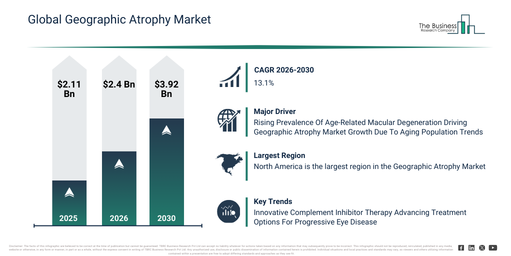
    Geographic Atrophy Market Forecast: Value Set To Climb From $2.4 Billion To $3.92 Billion

    The market for geographic atrophy has experienced rapid growth in recent years. It is projected to expand from $2.11 billion in 2025 to $2.4 billion in 2026, reflecting a compound annual growth rate (CAGR) of 13.3%. Historically, this expansion has been attributed to factors including an increasing aging population, the prevalence of age-related macular degeneration, advancements in retinal imaging, early ophthalmic drug development, and funding for clinical research.

    The geographic atrophy market is anticipated to experience significant expansion over the coming years. This market is projected to reach $3.92 billion by 2030, exhibiting a compound annual growth rate (CAGR) of 13.1%. This expansion during the forecast period is propelled by factors such as the introduction of new therapies, broader screening initiatives, the incorporation of AI-powered imaging, heightened patient awareness, and the advancement of specialized eye care services. Key trends anticipated during this period encompass the increasing development of complement inhibitor treatments, a stronger emphasis on the early detection of retinal conditions, greater investment in innovative ophthalmic medications, the widespread use of imaging technologies for disease surveillance, and an increase in clinical trials for AMD treatments.

    Get A Free Sample Report With In-Depth Market Insights:

    https://thebusinessresearchcompany.com/sample_request?id=71754057&type=smp&name=Geographic%20Atrophy%20Market%20Report%202026&utm_source=Blogs&utm_medium=Paid&utm_campaign=Nov_PR

    Geographic Atrophy Market Growth Factors: What’s Supporting Expansion?

    The geographic atrophy market is anticipated to expand due to the escalating incidence of age-related macular degeneration. Age-related macular degeneration (AMD) is an ocular ailment that impairs the central retina in older adults, hindering their perception of fine details. The aging demographic is a primary contributor to the widespread occurrence of AMD, as extended lifespans lead to gradual ocular damage through natural aging, making eyes more susceptible to the condition over time. Geographic atrophy treatments offer assistance to age-related macular degeneration (AMD) patients by retarding the advancement of retinal damage and preserving residual vision. For instance, in January 2024, a report released by Medical News Today, a US-based digital media company, projected that global instances of age-related macular degeneration would increase from 196 million to 288 million by 2040. Thus, the rising prevalence of age-related macular degeneration is a significant impetus for the growth of the geographic atrophy market.

    Geographic Atrophy Market Segmentation: How Does The Market Break Down By Category?

    The geographic atrophy market covered in this report is segmented –

    1) By Drug Type: Anti-Vascular Endothelial Growth Factor (VEGF) Therapy, Complement Inhibitors, Neuroprotective Agents, Other Drug Types

    2) By Diagnosis: Fundus Autofluorescence (FAF), Optical Coherence Tomography Angiography (OCT-A), Multifocal Electroretinography (mfERG)

    3) By Route Of Administration: Intravitreal, Oral, Other Routes Of Administration

    4) By Distribution Channel: Hospital Pharmacies, Retail Pharmacies, Online Pharmacies, Other Distribution Channels

    Subsegments:

    1) By Anti-Vascular Endothelial Growth Factor (VEGF) Therapy: Ranibizumab, Aflibercept, Bevacizumab

    2) By Complement Inhibitors: Pegcetacoplan, Lfg316

    3) By Neuroprotective Agents: Latanoprost, Brimonidine

    4) By Other Drug Types: Steroids, Retinoids, Combination Therapy

    Geographic Atrophy Market Trends Shaping Long-Term Demand

    Leading companies active in the geographic atrophy market are concentrating on pioneering therapies like complement inhibitor therapy to create enhanced treatments for geographic atrophy. Complement inhibitor therapy is a method that decelerates an overly active immune response connected to specific diseases, helping to shield healthy cells from harm and diminish the progression of the disease. For instance, in February 2025, Astellas Pharma Inc., a Japan-based pharmaceutical company, announced that IZERVAY (avacincaptad pegol intravitreal solution) for geographic atrophy received approval from the Food and Drug Administration, a US-based government agency. This approval permits IZERVAY to be utilized without any restrictions on the dosing duration for addressing geographic atrophy (GA) secondary to age-related macular degeneration (AMD). This ruling offers increased adaptability for GA management, presenting longer-duration treatment alternatives for both patients and healthcare providers.

    Geographic Atrophy Market Competitive Overview And Top Companies

    Major companies operating in the geographic atrophy market are Regeneron Pharmaceuticals Inc, Ocugen Inc, Kodiak Sciences Inc, Apellis Pharmaceuticals Inc, Iveric Bio, Graybug Vision, SparingVision, Alkeus Pharmaceuticals, Kiora Pharmaceuticals, Nanoscope Therapeutics, 4D Molecular Therapeutics, Gensight Biologics, BioMarin Pharmaceutical Inc, Nightstar Therapeutics, MeiraGTx, Retinagenix Inc, Adverum Biotechnologies, AGTC Inc, Editas Therapeutics

    View The Full Geographic Atrophy Market Report:

    https://thebusinessresearchcompany.com/report/geographic-atrophy-global-market-report?utm_source=Blogs&utm_medium=Paid&utm_campaign=Nov_PR

    Geographic Atrophy Market Geographic Analysis: Where Is Demand Rising Fastest?

    North America was the largest region in the geographic atrophy market in 2025. Asia-Pacific is expected to be the fastest-growing region in the forecast period. The regions covered in the geographic atrophy market report are Asia-Pacific, South East Asia, Western Europe, Eastern Europe, North America, South America, Middle East, Africa.

    Reach Out To Our Team:

    The Business Research Company: https://www.thebusinessresearchcompany.com/

    Americas: +1 310-496-7795

    Asia: +44 7882 955267 & +91 8897263534

    Europe: +44 7882 955267

    Email us at: marketing@tbrc.info

    Follow us on:

    LinkedIn: https://in.linkedin.com/company/the-business-research-company

    YouTube: https://www.youtube.com/channel/UC24_fI0rV8cR5DxlCpgmyFQ

    Global Market Model: https://www.thebusinessresearchcompany.com/global-market-model
  • Genu Recurvatum Market 2026 Market Size And Growth Forecast: Key Trends To Watch

    Genu Recurvatum Market 2026 Market Size And Growth Forecast: Key Trends To Watch

    Built to provide research that’s more actionable and strategically valuable, The Business Research Company’s 2026 market reports include market attractiveness analysis, total addressable market sizing, company benchmarking matrices, interactive Excel dashboards, broader supply chain intelligence, emerging startup tracking, and in-depth product insights.

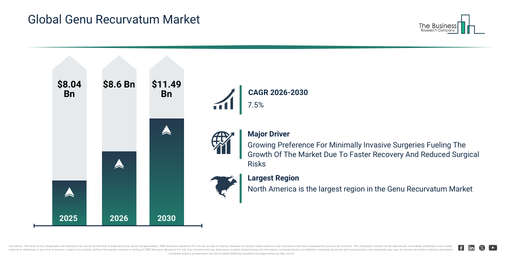
    Genu Recurvatum Market Revenue Growth On Track For A 7.5% CAGR Through 2030

    The genu recurvatum market has experienced substantial expansion in recent years. It is projected to expand from $8.04 billion in 2025 to $8.6 billion in 2026, achieving a compound annual growth rate (CAGR) of 6.9%. This historical expansion can be linked to factors such as greater awareness of orthopedic conditions, improved early rehabilitation methods, the accessibility of bracing solutions, the common occurrence of sports injuries, and ongoing progress in orthopedic surgery.

    The genu recurvatum market size is projected to experience substantial expansion over the upcoming years. This market is set to reach a valuation of $11.49 billion by 2030, demonstrating a compound annual growth rate (CAGR) of 7.5%. Key drivers for this anticipated growth include enhancements in orthopedic devices, tailored bracing options, the expansion of physiotherapy services, an increasing elderly population, and better diagnostic imaging techniques. Significant trends emerging during the forecast period involve a greater embrace of non-surgical treatments, the expanding application of custom orthotic bracing, an escalating need for physical therapy-driven management, the proliferation of minimally invasive surgical methods, and an intensified emphasis on prompt diagnosis and intervention.

    Get A Free Sample Report With In-Depth Market Insights:

    https://thebusinessresearchcompany.com/sample_request?id=75801761&type=smp&name=Genu%20Recurvatum%20Market%20Report%202026&utm_source=Blogs&utm_medium=Paid&utm_campaign=Nov_PR

    Genu Recurvatum Market Demand Drivers: What’s Powering Industry Growth?

    The increasing adoption of minimally invasive surgical techniques is anticipated to fuel the expansion of the genu recurvatum market in the future. These procedures are defined as medical interventions utilizing advanced instruments like cameras and specialized tools to perform operations through minor or no incisions, thereby decreasing tissue damage, accelerating recovery, and reducing scar formation in contrast to conventional open surgeries. The rising demand for minimally invasive surgeries stems from their advantages, which include quicker patient recovery, a decreased likelihood of infection, minimal scarring, and shorter durations of hospitalization. Genu recurvatum aids these minimally invasive procedures by enhancing knee stability and alignment, enabling surgeons to operate with improved precision and less tissue interference. For example, reports from the American Society of Plastic Surgeons, a US-based non-profit body, indicated in June 2024 that minimally invasive procedures grew by 7 percent in 2023, surpassing the growth of surgical procedures by 2 percent. Consequently, the increasing inclination towards minimally invasive surgeries is a key factor propelling the expansion of the genu recurvatum market.

    Genu Recurvatum Market Segment Trends And Revenue Contributors

    The genu recurvatum market covered in this report is segmented –

    1) By Type: External Rotatory Deformity (ERD), Internal Rotatory Deformity (IRD), Non-Rotatory Deformity (NRD)

    2) By Diagnosis: Magnetic Resonance Imaging (MRI), X-Rays, Other Diagnosis

    3) By Treatment: Physical Therapy, Orthoses, Bracing, Surgery

    4) By End-Users: Hospital, Clinics, Other End-Users

    Subsegments:

    1) By External Rotatory Deformity (ERD): Mild ERD, Moderate ERD, Severe ERD

    2) By Internal Rotatory Deformity (IRD): Mild IRD, Moderate IRD, Severe IRD

    3) By Non-Rotatory Deformity (NRD): Fixed NRD, Flexible NRD

    Genu Recurvatum Market Competitive Landscape: Which Companies Lead The Industry?

    Major companies operating in the genu recurvatum market are Johnson & Johnson MedTech, Stryker Corporation, DePuy Synthes Inc., Zimmer Inc., Smith & Nephew plc, Arthrex, DJO Global Inc., Össur hf, AliMed Inc., Thuasne Ltd., OrthoPro Inc., Performance Health, Trulife Group Limited, Breg Inc., Allard USA, Capstone Orthopedic Inc., BraceAbility, Globus Medical, Medtronic plc, ConMed Corporation, Bioventus, Medacta International, Ottobock SE & Co. KGaA, Exactech Inc.

    View The Full Genu Recurvatum Market Report:

    https://thebusinessresearchcompany.com/report/genu-recurvatum-global-market-report?utm_source=Blogs&utm_medium=Paid&utm_campaign=Nov_PR

    Genu Recurvatum Market Global Footprint: Which Region Leads The Market?

    North America was the largest region in the genu recurvatum market in 2025. Asia-Pacific is expected to be the fastest-growing region in the forecast period. The regions covered in the genu recurvatum market report are Asia-Pacific, South East Asia, Western Europe, Eastern Europe, North America, South America, Middle East, Africa.

    Reach Out To Our Team:

    The Business Research Company: https://www.thebusinessresearchcompany.com/

    Americas: +1 310-496-7795

    Asia: +44 7882 955267 & +91 8897263534

    Europe: +44 7882 955267

    Email us at: marketing@tbrc.info

    Follow us on:

    LinkedIn: https://in.linkedin.com/company/the-business-research-company

    YouTube: https://www.youtube.com/channel/UC24_fI0rV8cR5DxlCpgmyFQ

    Global Market Model: https://www.thebusinessresearchcompany.com/global-market-model
  • Genotyping Assay Market Size Forecast: How The Industry Is Expected To Grow From 2026 To 2030

    Genotyping Assay Market Size Forecast: How The Industry Is Expected To Grow From 2026 To 2030

    Backed by market attractiveness analysis, total addressable market sizing, company benchmarking matrices, interactive Excel dashboards, wider supply chain intelligence, emerging startup coverage, and detailed product-level insights, The Business Research Company’s 2026 market reports are designed to offer research that is more actionable and strategically valuable than ever.

    Genotyping Assay Market Value Growth And Long-Term Outlook

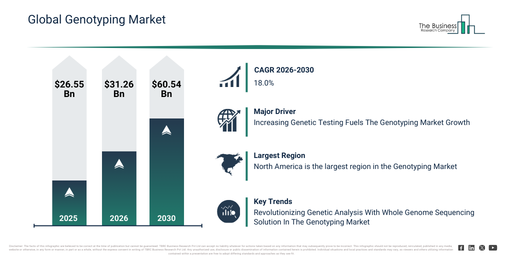
    The genotyping assay market size has experienced substantial expansion in recent years. It is projected to climb from $41.31 billion in 2025 to $50.86 billion in 2026, demonstrating a compound annual growth rate (CAGR) of 23.1%. The increase observed historically is attributable to elements such as the advancement of PCR techniques, the expansion of molecular diagnostics, requirements for pharmaceutical safety testing, the initial commercialization of assays, and the impetus from academic research.

    The genotyping assay market is projected to experience substantial expansion in the coming years. Its value is anticipated to reach $116.09 billion by 2030, exhibiting a compound annual growth rate (CAGR) of 22.9%. This growth during the forecast period is primarily driven by factors such as a rise in biomarker-driven drug development, enhanced laboratory automation, wider adoption of companion diagnostics, the need for rapid assays, and regulatory validation. Key trends expected over the forecast period encompass a growing preference for SNP-based assays, a higher uptake of PCR-based genotyping, the development of high-sensitivity genotyping assays, increased use of genotyping assays in drug development, and the incorporation of automation into assay processing.

    Get A Free Sample Report With In-Depth Market Insights:

    https://thebusinessresearchcompany.com/sample_request?id=99877717&type=smp&name=Genotyping%20Assay%20Market%20Report%202026&utm_source=Blogs&utm_medium=Paid&utm_campaign=Nov_PR

    Genotyping Assay Market Growth Drivers: What’s Behind The Acceleration?

    The future expansion of the genotyping assay market is anticipated to be propelled by the rising occurrence of genetic disorders. These medical conditions stem from abnormalities or mutations in an individual’s deoxyribonucleic acid (DNA). Genotyping assays work by comparing the DNA of affected individuals to that of healthy individuals to detect changes, thereby revealing specific genetic mutations or variations linked to a particular genetic disorder. For instance, in June 2023, Gene People, a UK-based registered charity organization dedicated to supporting individuals with genetic conditions, reported that one in every 25 children in the UK had a genetic disorder, impacting approximately 30,000 newborns and young children in the country, alongside more than 2.4 million children and adults annually. Consequently, the increasing prevalence of genetic disorders is a key factor driving the growth of the genotyping assay market.

    Genotyping Assay Market Segment Analysis Spotlighting Growth Areas

    The genotyping assay market covered in this report is segmented –

    1) By Product And Service: Reagents And Kits, Genotyping Services, Instruments, Bioinformatics

    2) By Technology: Microarrays, Polymerase Chain Reaction, Sequencing, Capillary Electrophoresis, Matrix-assisted Laser Desorption Or Ionization-Time Of Flight Mass Spectrometry, Other Technologies

    3) By End-User: Pharmacogenomics, Personalized Medicine And Diagnostics, Animal Genetics, Agricultural Biotechnology, Research And Diagnostic Laboratories, Academic Institutes

    Subsegments:

    1) By Reagents And Kits: DNA Extraction Kits, PCR Reagents, SNP Genotyping Kits

    2) By Genotyping Services: Genotyping by PCR, Whole Genome Sequencing Services, SNP Genotyping Services

    3) By Instruments: PCR Machines, Sequencing Instruments, Microarrays

    4) By Bioinformatics: Data Analysis Software, Genotyping Data Management Tools

    Genotyping Assay Market Trends Redefining Industry Growth

    Companies operating in the genotyping assay market are making significant strides in genomic research, notably by developing CE-IVD marked assays for detecting treatment-resistant strains of HIV-1. An example is the CE-IVD marked Applied Biosystems TaqPath Seq HIV-1 Genotyping Kit, a Sanger sequencing-based assay designed to analyze positive human immunodeficiency virus (HIV) samples and identify genetic variants that may exhibit resistance to common antiretroviral treatments. Thermo Fisher Scientific, a US-based company, introduced this kit in January 2023. This system is capable of identifying treatment-resistant HIV-1 strains and offers distinct features such as the evaluation of genomic mutations, utilization of HIV RNA, detection of drug resistance mutations, application of gold-standard Sanger sequencing technology, and its suitability for clinical applications. The introduction of the Applied Biosystems TaqPath Seq HIV-1 Genotyping Kit has enhanced capabilities by improving the identification of treatment-resistant HIV-1 strains, offering pre-prepared reagents and controls, adhering to regulatory standards, demonstrating strong performance, and ensuring compatibility with current sequencing platforms and laboratory procedures.

    Genotyping Assay Market Leading Companies: Who Holds The Strongest Market Presence?

    Major companies operating in the genotyping assay market are F. Hoffmann-La Roche Ltd., Thermo Fisher Scientific, Danaher Corporation, Eurofins Scientific SE, Agilent Technologies Inc., PerkinElmer Inc., Illumina Inc., Bio-Rad Laboratories Inc., Qiagen NV, BGI Genomics, LGC Biosearch Technologies, GenScript Biotech, Promega Corporation, Luminex Corporation, Integrated DNA Technologies Inc., 23andMe Inc., Novogene Corporation, Oxford Nanopore Technologies plc, GenMark Diagnostics Inc., Macrogen Inc., Pacific Biosciences of California Inc., Standard BioTools Inc., Genewiz Inc., New England Biolabs

    View The Full Genotyping Assay Market Report:

    https://thebusinessresearchcompany.com/report/genotyping-assay-global-market-report?utm_source=Blogs&utm_medium=Paid&utm_campaign=Nov_PR

    Genotyping Assay Market Regional Split: Which Areas Are Fueling Growth?

    North America was the largest region in the genotyping assay market in 2025. Asia-Pacific is expected to be the fastest-growing region in the forecast period. The regions covered in the genotyping assay market report are Asia-Pacific, South East Asia, Western Europe, Eastern Europe, North America, South America, Middle East, Africa.

    Reach Out To Our Team:

    The Business Research Company: https://www.thebusinessresearchcompany.com/

    Americas: +1 310-496-7795

    Asia: +44 7882 955267 & +91 8897263534

    Europe: +44 7882 955267

    Email us at: marketing@tbrc.info

    Follow us on:

    LinkedIn: https://in.linkedin.com/company/the-business-research-company

    YouTube: https://www.youtube.com/channel/UC24_fI0rV8cR5DxlCpgmyFQ

    Global Market Model: https://www.thebusinessresearchcompany.com/global-market-model
  • Genotyping Market Reaches $60.54 Billion In 2026: Forecast And Growth Opportunities

    Genotyping Market Reaches $60.54 Billion In 2026: Forecast And Growth Opportunities

    Featuring market attractiveness scoring, total addressable market sizing, company benchmarking matrices, interactive Excel dashboards, deeper supply chain intelligence, emerging startup tracking, and granular product-level insights, The Business Research Company’s 2026 market reports are built to deliver research that is both more actionable and more strategically valuable.

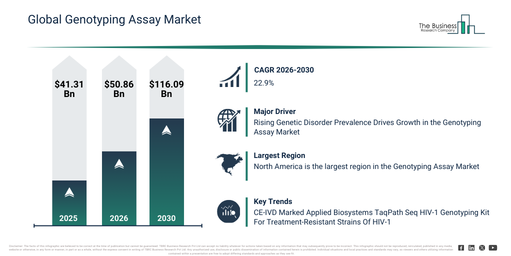
    Genotyping Market Poised To Hit $60.54 Billion By 2030 With A 18% CAGR

    The genotyping market size has experienced swift expansion in recent years. It is projected to increase from $26.55 billion in 2025 to $31.26 billion in 2026, achieving a compound annual growth rate (CAGR) of 17.7%. The historical growth of this market can be attributed to advances in molecular biology, early genetic variation studies, the growth of diagnostic laboratories, academic research adoption, and the development of microarray technologies.

    The genotyping market size is anticipated to experience substantial growth in the upcoming years, with projections indicating an expansion to $60.54 billion by 2030, achieving a compound annual growth rate (CAGR) of 18.0%. This projected increase is driven by factors such as the broader application of precision medicine, advancements in crop genetics research, decreasing genotyping costs, augmented investment from biopharmaceutical firms, and its incorporation into clinical diagnostics. Notable trends foreseen during this period include the expanding utilization of genotyping in personalized medicine, its increased deployment in agricultural biotechnology, the rising uptake of high-throughput genotyping platforms, a heightened need for pharmacogenomics applications, and the integration of bioinformatics within genotyping workflows.

    Get A Free Sample Report With In-Depth Market Insights:

    https://thebusinessresearchcompany.com/sample_request?id=63193292&type=smp&name=Genotyping%20Market%20Report%202026&utm_source=Blogs&utm_medium=Paid&utm_campaign=Nov_PR

    Genotyping Market Growth Factors Behind Sustained Expansion

    The increasing need for genetic testing is projected to drive the expansion of the genotyping market in the future. Genetic testing, also referred to as DNA testing or molecular testing, entails examining an individual’s deoxyribonucleic acid (DNA) to detect variations, mutations, or changes within their genetic code. Genotyping is employed in genetic testing to offer precise details regarding an individual’s genetic variations or discrepancies in their DNA. As an illustration, in February 2025, the NHS England, a UK government healthcare agency, reported that its NHS Genomic Medicine Service performed over 810,000 genomic tests for patients throughout England in 2024. This figure has shown a continuous year-on-year rise since the inception of the NHS Genomic Medicine Service, demonstrating an 8% increase when compared to 2023. Consequently, the growing requirement for genetic testing is fueling the expansion of the genotyping market.

    Genotyping Market Segment Performance And Emerging Opportunities

    The genotyping market covered in this report is segmented –

    1) By Product And Services: Instruments, Reagents And Kits, Bioinformatics, Genotyping Service

    2) By Technology: Microarrays, Capillary Electrophoresis, Sequencing, Polymerase Chain Reaction, Matrix-Assisted Laser Desorption Or Ionization (Maldi-Tof) Mass Spectrometry, Other Technologies

    3) By Application: Pharmacogenomics, Diagnostics And Personalized Medicine, Animal Genetics, Agricultural Biotechnology, Other Applications

    4) By End-User: Pharmaceutical And Biopharmaceutical Companies, Diagnostics And Research Laboratories, Academic Institutes, Other End-Users

    Subsegments:

    1) By Instruments: Sequencers, PCR Machines, Microarrays, Genotyping Platforms

    2) By Reagents And Kits: DNA Extraction Kits, PCR Reagents, SNP Genotyping Kits, Next-Generation Sequencing (NGS) Kits

    3) By Bioinformatics: Data Analysis Software, Genomic Data Management Tools, Cloud-based Solutions

    4) By Genotyping Services: Contract Research Organizations (CRO) Services, Custom Genotyping Services, Sample Preparation Services

    Genotyping Market Strategic Trends: What Defines The Next Growth Phase?

    Major companies operating in the genotyping market are directing their efforts toward creating advanced solutions, including high-coverage whole genome sequencing. High-coverage whole genome sequencing (WGS) is an extensive and sophisticated genetic sequencing technique that involves analyzing an individual’s complete genome with a significant level of coverage. For instance, in September 2023, CD Genomics, a U.S.-based provider of genomics, transcriptomics, and bioinformatics services, introduced its Genotyping by Sequencing (GBS) service. This service employs next-generation sequencing combined with restriction enzyme digestion to provide high-throughput, cost-effective genome-wide SNP genotyping for large sample sets. The launch of CD Genomics’ Genotyping by Sequencing (GBS) offers high-throughput, cost-efficient variant detection, along with streamlined library preparation, to accelerate genomic discovery. The platform provides dense genome-wide marker coverage and scalable multiplexing, which enables rapid, accurate genotyping across diverse species.

    Genotyping Market Key Players: Which Companies Lead Industry Competition?

    Major companies operating in the genotyping market are F. Hoffmann-La Roche Ltd., Thermo Fisher Scientific Inc., Laboratory Corporation of America Holdings, Eurofins Scientific SE, Agilent Technologies, PerkinElmer Inc., Illumina Inc., Bio-Rad Laboratories Inc., QIAGEN NV, BGI Genomics, LGC Biosearch Technologies, GenScript Biotech, Inotiv, Takara Bio Inc., Integrated DNA Technologies Ltd., 23andMe Inc., Novogene Corporation, Oxford Nanopore Technologies, Macrogen Inc., Pacific Biosciences of California, Standard BioTools Inc., GENEWIZ, Transnetyx, Agena Bioscience Inc., Genotypic Technology Pvt Ltd., BMG LABTECH GmbH, Bioline, Biofortuna Limited, Xcelris Genomics

    View The Full Genotyping Market Report:

    https://thebusinessresearchcompany.com/report/genotyping-global-market-report?utm_source=Blogs&utm_medium=Paid&utm_campaign=Nov_PR

    Genotyping Market Top Region: Where Does Most Revenue Come From?

    North America was the largest region in genotyping market in 2025. The regions covered in the genotyping market report are Asia-Pacific, South East Asia, Western Europe, Eastern Europe, North America, South America, Middle East, Africa.

    Reach Out To Our Team:

    The Business Research Company: https://www.thebusinessresearchcompany.com/

    Americas: +1 310-496-7795

    Asia: +44 7882 955267 & +91 8897263534

    Europe: +44 7882 955267

    Email us at: marketing@tbrc.info

    Follow us on:

    LinkedIn: https://in.linkedin.com/company/the-business-research-company

    YouTube: https://www.youtube.com/channel/UC24_fI0rV8cR5DxlCpgmyFQ

    Global Market Model: https://www.thebusinessresearchcompany.com/global-market-model