Category: Healthcare Services

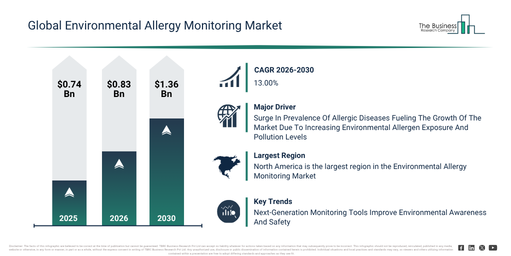
  • Environmental Allergy Monitoring Market Size Projected To Increase From $0.83 Billion To $1.36 Billion During The Forecast Period

    Environmental Allergy Monitoring Market Size Projected To Increase From $0.83 Billion To $1.36 Billion During The Forecast Period

    Delivering more actionable and strategically valuable research, The Business Research Company’s 2026 market reports feature market attractiveness analysis, total addressable market evaluation, company benchmarking matrices, interactive Excel dashboards, expanded supply chain intelligence, emerging startup coverage, and detailed product insights.

    Environmental Allergy Monitoring Market Growth From $0.83 Billion In 2026 To $1.36 Billion By 2030 At A CAGR Of 13%

    The environmental allergy monitoring market size has experienced rapid growth in recent years. Its size is projected to increase from $0.74 billion in 2025 to $0.83 billion in 2026, achieving a compound annual growth rate (CAGR) of 12.7%. Historically, the market’s expansion was driven by factors such as basic manual pollen count reporting systems, limited awareness of environmental allergy triggers, the development of basic air quality monitoring stations, the broadening of respiratory health surveillance programs, and the early adoption of digital weather forecasting tools.

    The environmental allergy monitoring market is poised for substantial expansion over the next several years. It is forecast to achieve a size of $1.36 billion by 2030, demonstrating a compound annual growth rate (CAGR) of 13.0%. This anticipated growth can be linked to the adoption of AI-based allergen prediction models, the increasing worldwide incidence of respiratory allergies, the expansion of smart city environmental surveillance networks, a growing call for tailored health risk notifications, and the proliferation of IoT-enabled wearable health monitoring technologies. Significant developments expected during this timeframe include hyperlocal allergen forecasting systems, personal environmental exposure tracking wearables, allergy alert systems integrated into smart homes, predictive modeling for air quality health risks, and platforms for real-time mapping of urban pollution and allergens.

    Download A Free Sample Report For Comprehensive Market Insights:

    https://www.thebusinessresearchcompany.com/sample_request?id=62768657&type=smp

    Environmental Allergy Monitoring Market Opportunity Drivers: What Is Creating New Revenue Potential?

    The increasing occurrence of allergic conditions is projected to boost the expansion of the environmental allergy monitoring market in the coming years. Allergic diseases involve immune system disorders where the body reacts excessively to substances in the environment that are usually harmless, such as pollen, dust, or specific foods. The frequency of these diseases is growing due to greater exposure to environmental contaminants and allergens, which elevates immune responsiveness in people. Environmental allergy monitoring facilitates the management of allergic diseases by providing real-time identification and tracking of environmental allergens such as pollen, dust, and pollutants, thereby assisting individuals and medical professionals in controlling exposure and minimizing health dangers linked to allergies. For instance, in January 2026, according to the Centers for Disease Control and Prevention, a US-based public health agency, in 2024, 31.7% of adults had a diagnosed seasonal allergy, eczema, or food allergy, compared to lower historical levels, with 25.2% experiencing seasonal allergies, 7.7% experiencing eczema, and 6.7% experiencing food allergies. Consequently, the growing incidence of allergic diseases is propelling the environmental allergy monitoring market forward.

    Environmental Allergy Monitoring Market Segment Performance And Strategic Opportunities

    The environmental allergy monitoring market covered in this report is segmented –

    1) By Type: Wearable Pollen Monitors, Internet Of Things Air Allergen Sensors, Real Time Air Quality Platforms

    2) By Allergen Type: Pollen Allergens, Dust Mites, Mold Spores, Pet Dander, Air Pollutants, Other Allergen Types

    3) By Distribution Channel: Direct Sales, Online Retail, Offline Retail, System Integrators And Solution Providers

    4) By Application: Outdoor Pollen Monitoring, Indoor Allergen Tracking, Workplace Allergy Risk, Smart Home Allergy Alerts

    5) By End User: Government Agencies, Healthcare Providers And Payers, Employers And Facility Managers, Consumers And Individuals, Universities And Research Institutes

    Subsegments:

    1) By Wearable Pollen Monitors: Personal Wearable Pollen Detection Devices, Clip On Pollen Monitoring Devices, Wrist Based Pollen Monitoring Devices, Portable Handheld Pollen Monitoring Devices, Smart Clothing Integrated Pollen Sensors

    2) By Internet Of Things Air Allergen Sensors: Indoor Air Allergen Monitoring Sensors, Outdoor Air Allergen Monitoring Sensors, Smart Home Integrated Allergen Sensors, Industrial Air Allergen Detection Sensors, Wireless Connected Allergen Sensor Networks

    3) By Real Time Air Quality Platforms: Cloud Based Air Quality Monitoring Platforms, Mobile Application Based Air Quality Platforms, Web Based Air Quality Analytics Platforms, Integrated Environmental Data Visualization Platforms, Predictive Air Quality Forecasting Platforms

    Environmental Allergy Monitoring Market Innovation Trends Driving Future Development

    Key players within the environmental allergy monitoring market are concentrating on creating advanced solutions, including AI-powered real-time air quality sensors. These innovations aim to improve the identification of airborne allergens, offer hyperlocal data, enable individuals to make well-informed choices, and support citizen science projects. AI-powered real-time air quality sensors are devices that employ artificial intelligence to automatically identify, categorize, and report airborne particles such as pollen, mold, and dust as they manifest. For example, in November 2024, Pollen Sense LLC, a US-based air quality monitoring company, revealed the release of its APS400 sensor for the consumer market. The APS400 uses imaging and AI capabilities to continually sample and classify airborne particles, delivering real-time allergen information accessible through the ParticleSense app. Designed for both indoor and outdoor settings, the sensor provides highly localized air quality insights, smooth app integration, and intuitive visualization, assisting allergy sufferers in controlling their exposure and contributing to a larger automated monitoring network.

    Environmental Allergy Monitoring Market Key Players: Which Companies Shape Industry Competition?

    Major companies operating in the environmental allergy monitoring market are Samsung Electronics Co. Ltd., Siemens AG, Thermo Fisher Scientific Inc., Honeywell International Inc., ABB Ltd., Merck KGaA, Danaher Corporation, Agilent Technologies Inc., AMETEK Inc., Sartorius AG, Waters Corporation, HORIBA Ltd., Sensirion AG, ACOEM Group, Bosch Sensortec GmbH, IQAir AG, Airthings ASA, Awair Inc., Kaiterra Inc., Clarity Movement Co. Inc.

    Access The Complete Environmental Allergy Monitoring Market Report:

    https://www.thebusinessresearchcompany.com/report/environmental-allergy-monitoring-market-report

    Environmental Allergy Monitoring Market Global Footprint: Which Region Holds Market Leadership?

    North America was the largest region in the environmental allergy monitoring market in 2025. Asia-Pacific is expected to be the fastest-growing region in the forecast period. The regions covered in the environmental allergy monitoring market report are Asia-Pacific, South East Asia, Western Europe, Eastern Europe, North America, South America, Middle East and Africa.

    Get in touch with us:

    The Business Research Company: https://www.thebusinessresearchcompany.com/

    Americas: +1 310-496-7795

    Asia: +44 7882 955267 & +91 8897263534

    Europe: +44 7882 955267

    Email us at: marketing@tbrc.info

    Follow us on:

    LinkedIn: https://in.linkedin.com/company/the-business-research-company

    YouTube: https://www.youtube.com/channel/UC24_fI0rV8cR5DxlCpgmyFQ

    Global Market Model: https://www.thebusinessresearchcompany.com/global-market-model
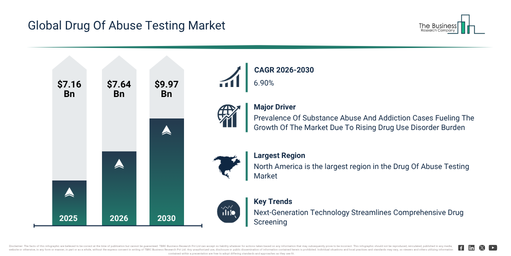
  • Drug Of Abuse Testing Market Growth Outlook Reveals A CAGR Of 6.9% And A Market Value Of $9.97 Billion By 2030

    Drug Of Abuse Testing Market Growth Outlook Reveals A CAGR Of 6.9% And A Market Value Of $9.97 Billion By 2030

    Through market attractiveness analysis, total addressable market evaluation, company benchmarking matrices, interactive Excel dashboards, expanded supply chain intelligence, emerging startup coverage, and detailed product insights, The Business Research Company’s 2026 market reports provide more actionable and strategically valuable research.

    Drug Of Abuse Testing Market Growth From $7.64 Billion In 2026 To $9.97 Billion By 2030 At A CAGR Of 6.9%

    The drug of abuse testing market size has shown robust growth in recent years. It is forecast to expand from $7.16 billion in 2025 to $7.64 billion in 2026, at a compound annual growth rate (CAGR) of 6.7%. The market’s past growth is attributable to factors including reliance on manual laboratory confirmation methods, the expansion of workplace drug screening regulations, an increase in forensic toxicology laboratories, the introduction of immunoassay testing techniques, and growing awareness programs regarding the opioid crisis.

    The drug of abuse testing market is projected to experience substantial growth over the coming years, reaching $9.97 billion by 2030, exhibiting a compound annual growth rate (CAGR) of 6.9%. This anticipated growth during the forecast period is driven by factors such as an increase in substance abuse monitoring initiatives, the broadening of mandatory workplace testing policies, greater uptake of rapid point-of-care testing kits, a surge in demand from forensic and criminal investigations, and the expansion of global rehabilitation and treatment programs. Key trends identified for this period encompass the adoption of point-of-care rapid drug screening, the widening scope of workplace drug testing compliance, enhanced specialization within forensic toxicology laboratories, the proliferation of sports and athletic anti-doping testing programs, and the implementation of toxicology screening protocols in emergency departments.

    Download A Free Sample Report For Comprehensive Market Insights:

    https://www.thebusinessresearchcompany.com/sample_request?id=28214873&type=smp

    #Drug Of Abuse Testing Market Growth Factors: Which Forces Are Supporting Market Expansion?

    The increasing incidence of substance abuse and addiction is projected to fuel the expansion of the drug of abuse testing market in the future. Substance abuse and addiction describe the detrimental or dangerous consumption of psychoactive substances, encompassing illegal drugs and prescribed medicines, which can negatively affect an individual’s health, safety, and societal or legal capabilities. The occurrence of substance abuse and addiction is expanding because of more readily available drugs and evolving social behaviors that either normalize or boost drug consumption. Drug of abuse testing aids in confronting substance abuse and addiction through facilitating prompt identification of drug usage, directing appropriate medical interventions, tracking advancements in recovery, and bolstering public health initiatives aimed at lessening the detrimental effects of drug misuse. As an illustration, in December 2025, data from the Addiction Policy Forum, a US-based non-profit organization, indicated that among the 48.4 million individuals suffering from a substance use disorder, 27.9 million were affected by an alcohol use disorder and 28.2 million by a drug use disorder in 2024. Consequently, the escalating incidence of substance abuse and addiction is a key driver for the growth of the drug of abuse testing market.

    Drug Of Abuse Testing Market Segmentation And Category Breakdown

    The drug of abuse testing market covered in this report is segmented –

    1) By Product And Service: Rapid Testing Devices, Urine Testing Devices, Oral Fluid Saliva Testing Devices, Analyzers, Consumables, Laboratory Services

    2) By Sample Type: Urine, Oral Fluid Saliva, Hair, Breath, Blood, Sweat

    3) By Drug Type: Psychostimulants, Narcotics, Cannabinoids, Sedatives, Other Drug Types

    4) By Technique Type: Immunoassay, Chromatography

    5) By End User: Hospitals, Diagnostic Laboratories, Forensic Laboratories, Other End Users

    Subsegments:

    1) By Rapid Testing Devices: Point Of Care Testing Kits, Home Testing Kits, Immunoassay Rapid Test Strips, Portable Screening Devices

    2) By Urine Testing Devices: Urine Collection Kits, Urine Screening Test Strips, Cup Based Testing Devices, Laboratory Urine Test Kits

    3) By Oral Fluid Saliva Testing Devices: Saliva Collection Kits, Oral Fluid Screening Devices, Disposable Oral Swab Kits, Portable Saliva Analyzers

    4) By Analyzers: Immunoassay Analyzers, Chromatography Analyzers, Mass Spectrometry Analyzers, Point Of Care Analyzers

    5) By Consumables: Test Strips And Reagents, Sample Collection Tubes, Control And Calibration Kits, Disposable Pipettes And Swabs

    6) By Laboratory Services: Drug Screening Services, Confirmatory Testing Services, Sample Collection And Processing Services, Data Reporting And Analysis Services

    Drug Of Abuse Testing Market Industry Trends: What Changes Are Reshaping Demand?

    Major companies engaged in the drug of abuse testing market are focused on developing advanced solutions, such as multi-analyte clinical drug testing panels, to allow for faster, more accurate, and comprehensive simultaneous detection of various drugs. Multi-analyte clinical drug testing panels are instruments that concurrently identify multiple drugs of abuse from a single sample, assisting healthcare and forensic professionals in quickly determining substance use with high precision and efficiency when compared to standard single-drug tests. As an illustration, in February 2026, Randox USA, a U.S.-based diagnostics company, secured 510(k) clearance from the U.S. Food and Drug Administration (FDA) for its Evidence MultiSTAT, an innovative multi-analyte clinical drug testing panel. This device is a fully automated, cartridge-based analyzer that utilizes patented Biochip Technology to simultaneously detect 15 drugs of abuse from urine in merely 21 minutes. It incorporates a simple three-step testing process, pre-filled reagent cartridges, and delivers results with accuracy comparable to confirmatory laboratory methods. The Evidence MultiSTAT covers a wide array of drug classes, including opioids, fentanyl, methamphetamine, cocaine, benzodiazepines, and cannabinoids, rendering it suitable for application in hospital laboratories, emergency departments, pain management clinics, behavioral health centers, and forensic settings. This technology improves efficiency, reduces human error, and provides rapid, reliable results compared to traditional single-analyte tests.

    Drug Of Abuse Testing Market Competitive Analysis Of Major Industry Participants

    Major companies operating in the drug of abuse testing market are F. Hoffmann-La Roche Ltd, Thermo Fisher Scientific Inc., Abbott Laboratories, Siemens Healthineers, Danaher Corporation, Laboratory Corporation of America Holdings (LabCorp), Quest Diagnostics Incorporated, Drägerwerk AG & Co. KGaA, Shimadzu Corporation, Bio-Rad Laboratories Inc., OraSure Technologies, Clinical Reference Laboratory (CRL) Inc., Legacy Medical Services, Intoximeters Inc., Cordant Health Solutions, DrugScan, Premier Biotech Inc., UCP Biosciences, American Screening Corporation Inc., SureHire Inc.

    Access The Complete Drug Of Abuse Testing Market Report:

    https://www.thebusinessresearchcompany.com/report/drug-of-abuse-testing-market-report

    Drug Of Abuse Testing Market Regional Analysis: Which Region Leads By Revenue?

    North America was the largest region in the drug of abuse testing market in 2025. Asia-Pacific is expected to be the fastest-growing region in the forecast period. The regions covered in the drug of abuse testing market report are Asia-Pacific, South East Asia, Western Europe, Eastern Europe, North America, South America, Middle East and Africa.

    Get in touch with us:

    The Business Research Company: https://www.thebusinessresearchcompany.com/

    Americas: +1 310-496-7795

    Asia: +44 7882 955267 & +91 8897263534

    Europe: +44 7882 955267

    Email us at: marketing@tbrc.info

    Follow us on:

    LinkedIn: https://in.linkedin.com/company/the-business-research-company

    YouTube: https://www.youtube.com/channel/UC24_fI0rV8cR5DxlCpgmyFQ

    Global Market Model: https://www.thebusinessresearchcompany.com/global-market-model

  • Computed Tomography (CT)-Guided Biopsy Market Outlook Highlights The Next Major Growth Opportunities

    Enhanced with market attractiveness analysis, total addressable market evaluation, company benchmarking matrices, interactive Excel dashboards, expanded supply chain intelligence, emerging startup coverage, and detailed product insights, The Business Research Company’s 2026 market reports deliver more actionable and strategically valuable research.

    Computed Tomography (CT)-Guided Biopsy Market Size, Value And Growth Trends Through 2030

    The computed tomography (CT)-guided biopsy market size has seen robust growth in recent years. Forecasts indicate it will increase from $0.77 billion in 2025 to $0.82 billion in 2026, achieving a compound annual growth rate (CAGR) of 6.4%. During prior periods, this growth was primarily influenced by the escalating global incidence of cancer, the increasing embrace of imaging-based diagnostic methods, the expansion of radiology infrastructure within hospitals, a heightened preference for procedures that are minimally invasive, and the improved availability of CT imaging systems.

    The computed tomography (CT)-guided biopsy market size is anticipated to experience substantial growth over the next few years, reaching $1.06 billion by 2030 at a compound annual growth rate (CAGR) of 6.6%. This expansion during the forecast period is fueled by several factors, including the escalating demand for early-stage cancer detection, the rising adoption of precision medicine-based diagnostics, the proliferation of outpatient diagnostic centers, a growing aging population requiring diagnostic interventions, and advancements in biopsy needle technologies and procedural safety. Key trends expected in the forecast period encompass the increasing embrace of minimally invasive diagnostic procedures for early and accurate disease detection, a rising demand for image-guided precision interventions in oncology and infection diagnosis, a growing preference for outpatient and ambulatory biopsy procedures to alleviate hospital burden, the expansion of interventional radiology departments improving access to CT-guided procedures, and an increasing focus on early cancer screening and tissue-based diagnostics in clinical workflows.

    Download A Free Sample Report For Comprehensive Market Insights:

    https://www.thebusinessresearchcompany.com/sample_request?id=59321528&type=smp

    Computed Tomography (CT)-Guided Biopsy Market Growth Drivers: What Factors Are Accelerating Expansion?

    The growing occurrence of cancer is projected to stimulate the expansion of the CT-guided biopsy market. This rise in cancer cases is primarily attributed to an increasing elderly population, as older individuals face a greater likelihood of developing solid tumors necessitating accurate and timely diagnostic confirmation. CT-guided biopsy addresses this requirement by allowing for precise tissue collection from deeply located or anatomically intricate lesions, especially in organs such as the lung, liver, pancreas, kidney, and bone, where solely imaging methods are often insufficient for a definitive diagnosis and treatment strategy. For instance, in April 2024, data from the International Agency for Research on Cancer, a France-based intergovernmental organization that is part of the World Health Organization, indicated that there were approximately 20 million new cancer cases and nearly 10 million cancer-related deaths globally in 2022. Future demographic analyses suggest that the yearly count of new cancer cases is anticipated to reach 35 million by 2050, signifying a 77% rise compared to 2022. Consequently, the increasing incidence of cancer is propelling the growth of the CT-guided biopsy market.

    Computed Tomography (CT)-Guided Biopsy Market Segmentation And Category Breakdown

    The computed tomography (ct)-guided biopsy market covered in this report is segmented –

    1) By Biopsy Technique: Core Needle Biopsy, Fine Needle Aspiration, Vacuum-Assisted, Trephine Or Bone

    2) By Target Organ: Lung, Liver, Kidney, Bone, Pancreas, Other Target Organs

    3) By CT Modality: Conventional CT, CT-Fluoroscopy, Cone-Beam CT, Spectral Or Dual-Energy CT

    4) By Needle System: Coaxial Systems, Non-Coaxial, Semi-Automated, Fully Automated

    5) By End User: Hospitals, Imaging Centers, Ambulatory Surgical Centers

    Subsegments:

    1) By Core Needle Biopsy: Automated Core Needle Biopsy, Image Guided Core Needle Biopsy, Coaxial Core Needle Biopsy, Single Use Core Needle Biopsy

    2) By Fine Needle Aspiration: Image Guided Fine Needle Aspiration, Endoscopic Fine Needle Aspiration, Percutaneous Fine Needle Aspiration, Ultrasound Assisted Fine Needle Aspiration

    3) By Vacuum-Assisted: Image Guided Vacuum-Assisted Biopsy, Stereotactic Vacuum-Assisted Biopsy, Ultrasound Guided Vacuum-Assisted Biopsy, High Volume Vacuum-Assisted Biopsy

    4) By Trephine Or Bone: Bone Marrow Trephine Biopsy, Image Guided Bone Biopsy, Percutaneous Bone Biopsy, Orthopedic Bone Biopsy

    Computed Tomography (CT)-Guided Biopsy Market Trends: What Is Shaping Future Industry Growth?

    Major companies engaged in the CT-guided biopsy market are focusing on creating advanced navigation technologies, including real-time CT navigation systems, to improve procedural accuracy, lessen radiation exposure, and enhance workflow efficiency. Real-time CT navigation systems are integrated platforms for imaging and guidance that use 3D visualization and electromagnetic tracking to aid clinicians in precisely guiding biopsy needles to designated lesions, thereby minimizing the need for repeated imaging. For example, in April 2023, GE HealthCare, a US-based medical technology enterprise, launched its CT-Navigation solution. This system offers real-time 3D CT imaging for stereotactic needle guidance across various procedures such as biopsies, ablations, and drainage. It integrates electromagnetic navigation technology, which allows for complex needle trajectories, enabling clinicians to avoid critical anatomical structures. Moreover, the solution reduces radiation dose and procedure time by decreasing the necessity for multiple control scans while simultaneously improving targeting accuracy, thus boosting safety and efficiency in interventional procedures.

    Computed Tomography (CT)-Guided Biopsy Market Competitive Analysis Of Major Industry Participants

    Major companies operating in the computed tomography (ct)-guided biopsy market are Samsung Electronics, F. Hoffmann-La Roche AG, Thermo Fisher Scientific Inc., Stryker Corporation, Medtronic PLC, Boston Scientific Inc., Becton Dickinson and Company, Siemens Healthineers, Agilent Technologies Inc., GE HealthCare Technologies, Canon Inc., Zimmer Biomet Holdings Inc., Terumo Corporation, Fujifilm Corporation, Illumina Inc., Koninklijke Philips N. V., Olympus Corporation, Hologic Inc., Teleflex Incorporated, Sysmex Corporation, QIAGEN N. V., Bio-Rad Laboratories Inc., Shimadzu Corporation, Merit Medical Systems Inc., Guerbet (GBT. PA)

    Access The Complete Computed Tomography (CT)-Guided Biopsy Market Report:

    https://www.thebusinessresearchcompany.com/report/computed-tomography-ct-guided-biopsy-market-report

    Computed Tomography (CT)-Guided Biopsy Market Geographic Analysis: Where Is Demand Growing The Fastest?

    North America was the largest region in the CT-guided biopsy market in 2025. Asia-Pacific is expected to be the fastest-growing region in the forecast period. The regions covered in the computed tomography (CT)-guided biopsy market report are Asia-Pacific, South East Asia, Western Europe, Eastern Europe, North America, South America, Middle East and Africa.

    Get in touch with us:

    The Business Research Company: https://www.thebusinessresearchcompany.com/

    Americas: +1 310-496-7795

    Asia: +44 7882 955267 & +91 8897263534

    Europe: +44 7882 955267

    Email us at: marketing@tbrc.info

    Follow us on:

    LinkedIn: https://in.linkedin.com/company/the-business-research-company

    YouTube: https://www.youtube.com/channel/UC24_fI0rV8cR5DxlCpgmyFQ

    Global Market Model: https://www.thebusinessresearchcompany.com/global-market-model

  • Biomarker-Based Immunoassays Market Size Projected To Increase From $7.37 Billion To $11.55 Billion During The Forecast Period

    Through market attractiveness analysis, total addressable market evaluation, company benchmarking matrices, interactive Excel dashboards, expanded supply chain intelligence, emerging startup coverage, and detailed product insights, The Business Research Company’s 2026 market reports provide more actionable and strategically valuable research.

    Biomarker-Based Immunoassays Market Forecast Highlighting Growth From $7.37 Billion To $11.55 Billion

    The biomarker-based immunoassays market has experienced considerable expansion in recent years. This market is expected to increase from $6.6 billion in 2025 to $7.37 billion in 2026, demonstrating a compound annual growth rate (CAGR) of 11.6%. The historical growth of this market can be attributed to factors such as the rising incidence of chronic diseases, which has intensified the demand for early diagnostic testing, the expanded application of enzyme linked immunosorbent assay in clinical laboratories, improvements in hospital diagnostic infrastructure and laboratory networks, the increasing use of antibody based detection techniques in research applications, and the formulation of standardized biomarker identification methods in biomedical research.

    The biomarker-based immunoassays market is projected to experience substantial expansion in the coming years, reaching a valuation of $11.55 billion by 2030, exhibiting a compound annual growth rate (CAGR) of 11.9%. This projected growth during the forecast period is fueled by several factors, including the escalating demand for personalized medicine and precise diagnostics, the greater incorporation of AI and machine learning into biomarker analysis, the wider embrace of multiplex and high-throughput immunoassay techniques, the broader deployment of point-of-care diagnostic testing in distant healthcare environments, and increased financial commitments to pharmaceutical research and drug discovery initiatives. Key trends anticipated in this period encompass AI-powered biomarker interpretation alongside predictive disease modeling to improve diagnostic precision, multiplex immunoassay platforms allowing for the concurrent identification of numerous biomarkers, cloud-based immunoassay systems for consolidated management of diagnostic data, laboratory automation combined with robotic sample handling for efficient high-throughput immunoassay analysis, and advanced point-of-care immunoassay devices for swift clinical diagnoses.

    Download A Free Sample Report For Comprehensive Market Insights:

    https://www.thebusinessresearchcompany.com/sample_request?id=11186796&type=smp

    Biomarker-Based Immunoassays Market Growth Factors Supporting Long-Term Expansion

    The escalating number of oncology cases is anticipated to fuel the expansion of the biomarker-based immunoassays market. Oncology cases, defined as the occurrence of cancers stemming from abnormal and uncontrolled cellular growth that can disseminate to various body parts, are on the rise primarily due to aging populations. The risk of developing cancer increases substantially with age, and longer life expectancies lead to a greater number of diagnosed cases. Biomarker-based immunoassays are instrumental in managing oncology cases by enabling early detection, meticulous monitoring of disease progression, and guiding personalized treatment decisions through the accurate identification of cancer-specific biomarkers. For example, in February 2024, the World Health Organization projected over 35 million new cancer cases by 2050, marking a 77% increase from the estimated 20 million cases in 2022. Therefore, the increasing incidence of oncology cases is a significant driver for the growth of the biomarker-based immunoassays market.

    Biomarker-Based Immunoassays Market Categorization By Product Type And Application

    The biomarker-based immunoassays market covered in this report is segmented –

    1) By Product: Consumables, Instruments And Analyzers, Reagents And Kits, Services

    2) By Biomarker Type: Protein Biomarkers, Hormone Biomarkers, Cardiac Biomarkers, Cancer Biomarkers, Infectious Disease Biomarkers, Neurological Biomarkers, Autoimmune Disease Biomarkers

    3) By Technology: Chemiluminescence, Enzyme Linked Immunosorbent Assay, Fluorescence, Multiplex, Radioimmunoassay, Other Technologies

    4) By Application: Oncology Diagnostics, Cardiology Diagnostics, Infectious Disease Testing, Endocrinology Testing, Autoimmune Disease Testing, Neurology Diagnostics, Drug Discovery And Development

    5) By End-User: Clinical Diagnostic Laboratories, Pharmaceutical Research And Development, Contract Research Organizations, Hospitals And Clinics, Academic Research Institutes

    Subsegments:

    1) By Consumables: Pipette Tips, Microplates, Sample Containers, Microcentrifuge Tubes, Reagent Reservoirs, Disposable Pipettes

    2) By Instruments And Analyzers: Enzyme Linked Immunosorbent Assay Analyzers, Chemiluminescence Immunoassay Analyzers, Fluorescence Immunoassay Systems, Multiplex Assay Platforms, Radioimmunoassay Instruments, Automated Immunoassay Analyzers

    3) By Reagents And Kits: Enzyme Linked Immunosorbent Assay Kits, Chemiluminescence Immunoassay Reagents, Fluorescence Immunoassay Reagents, Multiplex Assay Kits, Radioimmunoassay Kits, Controls And Standards

    4) By Services: Assay Development Services, Sample Testing Services, Data Analysis Services, Technical Support Services, Clinical Trial Support Services, Training And Consultation Services

    Biomarker-Based Immunoassays Market Industry Trends Shaping Future Revenue Growth

    Key companies operating within the biomarker-based immunoassays market are prioritizing the development of innovative solutions, such as ultrasensitive immunoassay platforms, to facilitate the early and precise detection of low-abundance biomarkers. These ultrasensitive immunoassay platforms represent advanced diagnostic systems engineered to identify exceptionally low concentrations of biomarkers with high accuracy and specificity, thereby enabling earlier disease detection, enhanced diagnostic precision, and improved monitoring of disease progression compared to traditional assays. For instance, in July 2025, Spear Bio Inc., a US-based biotechnology company, launched SPEAR UltraDetect, a next-generation ultrasensitive immunoassay solution specifically designed to improve biomarker detection in neurodegenerative disease research. This platform employs proprietary homogeneous assay technology that eliminates the need for wash steps, a departure from traditional heterogeneous immunoassays, thus allowing for faster and more streamlined workflows. It possesses the capability to detect protein biomarkers at attomolar concentrations using as little as 1 µL of sample, significantly enhancing sensitivity and efficiency. The solution incorporates assays targeting critical neurological biomarkers including pTau217, pTau231, GFAP, and NfL, which support early and accurate disease analysis.

    Biomarker-Based Immunoassays Market Company Landscape And Strategic Competition

    Major companies operating in the biomarker-based immunoassays market are Thermo Fisher Scientific Inc., Abbott Laboratories, Merck KGaA, Eurofins Scientific SE, Bio-Rad Laboratories Inc., QIAGEN N. V., Tecan Trading AG, Autobio Diagnostics Co. Ltd., Promega Corporation, Sekisui Diagnostics LLC, Boditech Med Inc., Dynex Technologies Inc., NanoEntek Inc., J. Mitra & Co. Pvt. Ltd., ALPCO Diagnostics LLC, Micropoint Bioscience Inc., Coris BioConcept, MiCo BioMed Co. Ltd., Abionic SA, ANP Technologies Inc., Axela Inc., Epitope Diagnostics Inc., MedMira Inc., Nanomix Inc.

    Access The Complete Biomarker-Based Immunoassays Market Report:

    https://www.thebusinessresearchcompany.com/report/biomarker-based-immunoassays-market-report

    Biomarker-Based Immunoassays Market Regional Outlook: Where Are The Largest Opportunities Located?

    North America was the largest region in the biomarker-based immunoassays market in 2025. Asia-Pacific is expected to be the fastest-growing region in the forecast period. The regions covered in the biomarker-based immunoassays market report are Asia-Pacific, South East Asia, Western Europe, Eastern Europe, North America, South America, Middle East and Africa.

    Get in touch with us:

    The Business Research Company: https://www.thebusinessresearchcompany.com/

    Americas: +1 310-496-7795

    Asia: +44 7882 955267 & +91 8897263534

    Europe: +44 7882 955267

    Email us at: marketing@tbrc.info

    Follow us on:

    LinkedIn: https://in.linkedin.com/company/the-business-research-company

    YouTube: https://www.youtube.com/channel/UC24_fI0rV8cR5DxlCpgmyFQ

    Global Market Model: https://www.thebusinessresearchcompany.com/global-market-model
  • At-Home Sexually Transmitted Infection (STI) Testing Market Forecast Highlights Expansion From $2.17 Billion To $3.55 Billion Through 2030

    Through market attractiveness analysis, total addressable market evaluation, company benchmarking matrices, interactive Excel dashboards, expanded supply chain intelligence, emerging startup coverage, and detailed product insights, The Business Research Company’s 2026 market reports provide more actionable and strategically valuable research.

    At-Home Sexually Transmitted Infection (STI) Testing Market Revenue Growth Supported By A CAGR Of 3.55% Through 2030

    The size of the at-home sexually transmitted infection (STI) testing market has seen rapid expansion over recent years. It is projected to grow from $1.93 billion in 2025 to $2.17 billion in 2026, exhibiting a compound annual growth rate (CAGR) of 12.8%. The growth observed in the past can be attributed to factors such as the increasing global prevalence of sexually transmitted infections, enhanced awareness regarding timely STI diagnosis and treatment, the growing adoption of online healthcare and telemedicine services, expanding public health initiatives focused on HIV and STI screening, and a heightened consumer preference for confidential home healthcare solutions.

    The at-home sexually transmitted infection (STI) testing market is projected to experience substantial expansion in the coming years, with its value expected to reach $3.55 billion by 2030, demonstrating a compound annual growth rate (CAGR) of 13.0%. This growth during the forecast period is primarily attributed to factors such as the increasing integration of AI-enabled digital sexual health platforms, a heightened demand for versatile and quick at-home STI diagnostic kits, the expanding use of connected and app-driven testing ecosystems, broader access to direct-to-consumer (D2C) healthcare distribution networks, and an enhanced emphasis on proactive sexual wellness and routine screening protocols. Significant trends anticipated during this period encompass a greater uptake of discreet self-collection STI screening kits for private, home-based testing; an increasing need for rapid-turnaround sexually transmitted infection diagnostic solutions; a growing inclination among younger adults towards mail-in laboratory sexual health testing services; the broader availability of multi-infection at-home sexual wellness testing panels; and the continuous growth of online pharmacy and direct-to-consumer channels for sexual health testing.

    Download A Free Sample Report For Comprehensive Market Insights:

    https://www.thebusinessresearchcompany.com/sample_request?id=43345945&type=smp

    At-Home Sexually Transmitted Infection (STI) Testing Market Expansion Drivers: What Is Shaping Future Growth?

    The increasing understanding of sexual health is projected to accelerate the expansion of the at-home sexually transmitted infection (STI) testing market in the future. This awareness encompasses an individual’s comprehension of STIs, how they are transmitted, strategies for prevention, and the significance of consistent testing for prompt diagnosis and intervention. A greater emphasis on sexual health education is primarily fueled by widespread public health initiatives and the removal of stigma associated with STI testing, prompting more people to actively look for information and available testing solutions. The heightened awareness regarding sexual health subsequently fuels the demand for at-home STI testing, as it encourages individuals to pursue discreet, user-friendly, and readily available testing alternatives beyond conventional medical environments. An illustrative example is seen in December 2025, where the UK Health Security Agency, a government entity in the UK, reported an increase of 1.7% in infectious syphilis diagnoses, climbing from 9,375 cases in 2023 to 9,535 cases in 2024. Consequently, the expanding recognition of sexual health is a key factor propelling the expansion of the at-home sexually transmitted infection (STI) testing market.

    At-Home Sexually Transmitted Infection (STI) Testing Market Segments: Where Are The Largest Growth Opportunities?

    The at-home sexually transmitted infection (sti) testing market covered in this report is segmented –

    1) By Type: Rapid Lateral Flow Immunoassays, Molecular Or Nucleic Acid Amplification Technology (NAAT)-Based Kits, Multiplex Panel Testing, Other Types

    2) By Infection: Human Immunodeficiency Virus (HIV), Chlamydia Trachomatis (CT), Neisseria Gonorrhoeae (NG), Syphilis, Trichomoniasis, Human Papillomavirus (HPV), Hepatitis B And C, Other Infections

    3) By Sample: Blood Samples, Urine Samples, Swab Samples

    4) By Distribution: Online Pharmacies And D2C Platforms, Retail Pharmacies, Public Health Distribution Programs, Other Distributions

    5) By End User: Individual Consumers, Healthcare Providers, Public Health Programs

    Subsegments:

    1) By Rapid Lateral Flow Immunoassays: Of Human Immunodeficiency Virus Antibody Detection, Of Syphilis Antibody Detection, Of Chlamydia Antigen Detection, Of Gonorrhea Antigen Detection, Of Hepatitis B Surface Antigen Detection

    2) By Molecular Or Nucleic Acid Amplification Technology (NAAT) Based Kits: Of Human Immunodeficiency Virus Nucleic Acid Detection, Of Chlamydia Trachomatis Nucleic Acid Detection, Of Neisseria Gonorrhoeae Nucleic Acid Detection, Of Trichomonas Vaginalis Nucleic Acid Detection, Of Mycoplasma Genitalium Nucleic Acid Detection

    3) By Multiplex Panel Testing: Of Combined Human Immunodeficiency Virus And Syphilis Detection, Of Combined Chlamydia And Gonorrhea Detection, Of Comprehensive Bacterial Sexually Transmitted Infection Panel, Of Comprehensive Viral Sexually Transmitted Infection Panel, Of Multi Pathogen Sexual Health Screening Panel

    4) By Other Types: Self-Collection Sample Kits, Mail-In Laboratory Testing Kits, Digital Or Connected At-Home Testing Kits, Microfluidic Lab-On-Chip Testing Kits

    At-Home Sexually Transmitted Infection (STI) Testing Market Strategic Trends: What Is Defining The Next Phase Of Growth?

    Leading firms within the at-home STI testing sector are prioritizing the creation of sophisticated diagnostic methods, specifically instrument-free polymerase chain reaction platforms, to boost detection precision, shorten processing periods, and broaden the availability of professional-grade test outcomes in a home setting. These instrument-free PCR platforms are self-contained molecular diagnostic tools, allowing individuals to collect samples remotely and receive highly accurate pathogen detection results without needing conventional lab apparatus, all while incorporating digital interfaces for safe result transmission and remote healthcare assistance. An example is Visby Medical, a US-based medical diagnostics firm, which introduced its FDA-authorized at-home PCR test for sexually transmitted infections in November 2025. This test identifies chlamydia, gonorrhea, and trichomoniasis, provides results in about 30 minutes, functions as a single-use instrument-free device, and connects with digital platforms for secure result communication and virtual follow-up care. Its design aims to facilitate direct consumer access, elevate molecular accuracy, enhance testing convenience, and allow for effortless treatment guidance through telehealth.

    At-Home Sexually Transmitted Infection (STI) Testing Market Major Participants And Competitive Dynamics

    Major companies operating in the at-home sexually transmitted infection (sti) testing market are Becton Dickinson and Company (BD), Laboratory Corporation of America Holdings, Randox Laboratories Ltd, LetsGetChecked, Everly Health Inc, myLAB Box LLC, Preventx Ltd, MySTDTestKits, RapidTest. co. uk Ltd, Got Lucky Labs Inc, Biopanda Reagents Ltd, Rapid Labs Ltd, Walk-In Lab LLC, Any Lab Test Now Inc, 4U Health Ltd, Quest Diagnostics Incorporated, ACON Biotech (Hangzhou) Co. Ltd, UroSure Inc, Yoxly Ltd, Genedia Co. Ltd

    Access The Complete At-Home Sexually Transmitted Infection (STI) Testing Market Report:

    https://www.thebusinessresearchcompany.com/report/at-home-sexually-transmitted-infection-sti-testing-market-report

    At-Home Sexually Transmitted Infection (STI) Testing Market Geographic Analysis: Where Is Demand Growing The Fastest?

    North America was the largest region in the at-home sexually transmitted infection (STI) testing market in 2025. Asia-Pacific is expected to be the fastest-growing region in the forecast period. The regions covered in the at-home sexually transmitted infection (STI) testing market report are Asia-Pacific, South East Asia, Western Europe, Eastern Europe, North America, South America, Middle East and Africa.

    Get in touch with us:

    The Business Research Company: https://www.thebusinessresearchcompany.com/

    Americas: +1 310-496-7795

    Asia: +44 7882 955267 & +91 8897263534

    Europe: +44 7882 955267

    Email us at: marketing@tbrc.info

    Follow us on:

    LinkedIn: https://in.linkedin.com/company/the-business-research-company

    YouTube: https://www.youtube.com/channel/UC24_fI0rV8cR5DxlCpgmyFQ

    Global Market Model: https://www.thebusinessresearchcompany.com/global-market-model

  • Asthma-Chronic Obstructive Pulmonary Disease (COPD) Overlap Treatment Market Expected To Reach $14.27 Billion By 2030 As Growth Accelerates At 8.7% CAGR

    Delivering more actionable and strategically valuable research, The Business Research Company’s 2026 market reports feature market attractiveness analysis, total addressable market evaluation, company benchmarking matrices, interactive Excel dashboards, expanded supply chain intelligence, emerging startup coverage, and detailed product insights.

    Asthma-Chronic Obstructive Pulmonary Disease (COPD) Overlap Treatment Market Value Expansion And Long-Term Growth Outlook

    The asthma-chronic obstructive pulmonary disease (COPD) overlap treatment market size has experienced significant expansion in recent years. It is projected to increase from $9.44 billion in 2025 to $10.23 billion in 2026, achieving a compound annual growth rate (CAGR) of 8.4%. Historically, this growth has been driven by factors including the escalating prevalence of smoking-related respiratory disorders, the increasing misdiagnosis of asthma and COPD overlap conditions, limitations in treatment personalization within respiratory care, a rise in hospital admissions due to exacerbations, and a continued reliance on conventional inhalation therapies.

    The asthma-chronic obstructive pulmonary disease (COPD) overlap treatment market size is projected to experience substantial expansion in the coming years. Its value is anticipated to reach $14.27 billion by the year 2030, demonstrating a compound annual growth rate (CAGR) of 8.7%. This projected increase during the forecast period is fueled by several factors, including the wider application of biologics in managing respiratory conditions, the growing embrace of digital devices for respiratory monitoring, an increased need for tailored treatment plans, the expansion of home-based chronic disease care, and improvements in anti-inflammatory therapies that are more targeted. Key developments expected throughout this period encompass personalized precision therapies designed for asthma-COPD overlap phenotypes, enhanced digital monitoring for inhaler adherence alongside integrated respiratory care, a surge in biologic-based treatments addressing eosinophilic airway inflammation, the incorporation of remote patient monitoring into chronic respiratory disease management, and a move towards combination inhalation therapies for superior airway control.

    Download A Free Sample Report For Comprehensive Market Insights:

    https://www.thebusinessresearchcompany.com/sample_request?id=38698593&type=smp

    Asthma-Chronic Obstructive Pulmonary Disease (COPD) Overlap Treatment Market Development Factors: Which Trends Are Supporting Demand?

    An increase in cases linked to smoking is projected to fuel the expansion of the asthma chronic obstructive pulmonary disease (COPD) overlap treatment market in the coming years. These smoking-driven cases denote respiratory illnesses, like asthma or COPD, predominantly caused by tobacco consumption. The rise in such cases stems from a growing population of tobacco users, leading to lung inflammation, damage to airways, and an elevated risk of severe respiratory conditions. Asthma-COPD overlap treatment tackles these smoking-induced conditions by offering specialized therapies that concurrently manage the associated symptoms, restricted airflow, and lung deterioration from tobacco use, thereby enhancing lung function and patient well-being for individuals with both asthma and COPD. For example, in February 2026, the Australian Institute of Health and Welfare, an Australia-based government agency, reported that chronic obstructive pulmonary disease (COPD) accounted for 3.7% of Australia’s overall disease burden in 2024 and was responsible for 7,437 deaths in 2023, equating to 28 deaths per 100,000 people and making up 4.1% of all deaths. Consequently, the surge in smoking-related cases is anticipated to drive the growth of the asthma COPD overlap treatment market.

    Asthma-Chronic Obstructive Pulmonary Disease (COPD) Overlap Treatment Market Segment Analysis: What Are The Major Market Categories?

    The asthma-chronic obstructive pulmonary disease (copd) overlap treatment market covered in this report is segmented –

    1) By Drug Class: Triple Therapy, Dual Therapy, Biologics, Systemic Therapies

    2) By Treatment Use Case: Exacerbation Prevention In Asthma Chronic Obstructive Pulmonary Disease Overlap Phenotypes, Severe Asthma With Fixed Airflow Limitation, Chronic Obstructive Pulmonary Disease With Eosinophilic Inflammation, Post Hospital Discharge Optimization, Comorbidity Driven Management

    3) By Route Of Administration: Inhalation, Oral

    4) By Patient Age Group: Pediatric, Adult, Geriatric

    5) By End User: Retail Pharmacy Channel, Hospitals, Pulmonology Clinics, Primary Care Centers, Other End Users

    Subsegments:

    1) By Triple Therapy: Inhaled Corticosteroid Long Acting Beta Agonist Long Acting Muscarinic Antagonist Combinations, Fixed Dose Combination Inhalers, Maintenance Therapy Combinations

    2) By Dual Therapy: Inhaled Corticosteroid Long Acting Beta Agonist Combinations, Long Acting Beta Agonist Long Acting Muscarinic Antagonist Combinations, Add On Bronchodilator Combinations

    3) By Biologics: Interleukin Five Inhibitors, Interleukin Four And Interleukin Thirteen Pathway Inhibitors, Immunoglobulin E Targeting Therapies, Monoclonal Antibody Treatments

    4) By Systemic Therapies: Oral Corticosteroids, Systemic Bronchodilators, Anti Inflammatory Agents, Immune Modulating Therapies

    Asthma-Chronic Obstructive Pulmonary Disease (COPD) Overlap Treatment Market Leading Companies Driving Competitive Growth

    Major companies operating in the asthma-chronic obstructive pulmonary disease (copd) overlap treatment market are Pfizer Inc., Sanofi S. A., Novartis AG, AstraZeneca PLC, GlaxoSmithKline plc, Amgen Inc., Boehringer Ingelheim International GmbH, Teva Pharmaceutical Industries Ltd., Regeneron Pharmaceuticals Inc., Grifols S. A., Sun Pharmaceutical Industries Limited, Chiesi Farmaceutici S. p. A., Kyowa Kirin Co. Ltd., Cipla Limited, Hikma Pharmaceuticals PLC, Lupin Limited, Zydus Lifesciences Limited, Glenmark Pharmaceuticals Limited, Theravance Biopharma Inc., Orion Corporation

    Access The Complete Asthma-Chronic Obstructive Pulmonary Disease (COPD) Overlap Treatment Market Report:

    https://www.thebusinessresearchcompany.com/report/asthma-chronic-obstructive-pulmonary-disease-copd-overlap-treatment-market-report

    Asthma-Chronic Obstructive Pulmonary Disease (COPD) Overlap Treatment Market Global Footprint: Which Region Holds Market Leadership?

    North America was the largest region in the asthma-chronic obstructive pulmonary disease (COPD) overlap treatment market in 2025. Asia-Pacific is expected to be the fastest-growing region in the forecast period. The regions covered in the asthma-chronic obstructive pulmonary disease (COPD) overlap treatment market report are Asia-Pacific, South East Asia, Western Europe, Eastern Europe, North America, South America, Middle East and Africa.

    Get in touch with us:

    The Business Research Company: https://www.thebusinessresearchcompany.com/

    Americas: +1 310-496-7795

    Asia: +44 7882 955267 & +91 8897263534

    Europe: +44 7882 955267

    Email us at: marketing@tbrc.info

    Follow us on:

    LinkedIn: https://in.linkedin.com/company/the-business-research-company

    YouTube: https://www.youtube.com/channel/UC24_fI0rV8cR5DxlCpgmyFQ

    Global Market Model: https://www.thebusinessresearchcompany.com/global-market-model

  • Artificial Intelligence (AI)-Enabled Wound Analysis Market Trends Are Creating New Opportunities For Industry Leaders

    Enhanced with market attractiveness analysis, total addressable market evaluation, company benchmarking matrices, interactive Excel dashboards, expanded supply chain intelligence, emerging startup coverage, and detailed product insights, The Business Research Company’s 2026 market reports deliver more actionable and strategically valuable research.

    Artificial Intelligence (AI)-Enabled Wound Analysis Market Expansion Outlook: What Revenue Opportunities Lie Ahead?

    The artificial intelligence (AI)-enabled wound analysis market has witnessed rapid expansion in recent years. This market is set to expand from $1.17 billion in 2025 to $1.34 billion in 2026, reflecting a compound annual growth rate (CAGR) of 14.1%. Historically, this growth can be attributed to several factors including the rising prevalence of chronic wounds and diabetic ulcers, the limited accuracy inherent in manual wound assessment, an increasing workload on hospitals for wound care management, the growing adoption of digital imaging in clinical settings, and the ongoing need for standardized wound documentation practices.

    The artificial intelligence (AI)-enabled wound analysis market is projected to experience substantial expansion over the coming years, reaching $2.28 billion by 2030, with a compound annual growth rate (CAGR) of 14.3%. This expansion during the forecast period is fueled by several factors, including the proliferation of remote patient monitoring and home healthcare services, the growing acceptance of AI-powered diagnostic imaging tools, the deepening integration of telemedicine into wound management practices, an increasing need for predictive clinical analytics in devising treatment plans, and continuous developments in computer vision for analyzing medical images. Key developments anticipated in this period encompass the broadening of remote wound monitoring and telehealth integration, the emergence of AI-based systems for grading and classifying wound severity, a heightened uptake of automated platforms for managing chronic wounds, the incorporation of clinical decision support systems within wound care processes, and the expanded application of analytics for predicting healing trajectories.

    Download A Free Sample Report For Comprehensive Market Insights:

    https://www.thebusinessresearchcompany.com/sample_request?id=67420080&type=smp

    Artificial Intelligence (AI)-Enabled Wound Analysis Market Growth Drivers: What Factors Are Accelerating Expansion?

    The increasing embrace of personalized medical strategies is projected to propel the expansion of the artificial intelligence (AI)-enabled wound analysis market in the future. Personalized medicine is defined as a healthcare method that customizes treatment plans according to unique patient attributes such as genetic makeup, biomarker condition, lifestyle choices, and specific disease elements, aiming to enhance treatment effectiveness and lessen negative reactions. A primary catalyst behind the growing acceptance of personalized medicine involves the greater incorporation of genomic understanding into medical practice, since progress in genetic profiling allows healthcare professionals to pinpoint disease susceptibilities and treatment efficacy with higher accuracy, leading to more focused and successful treatment choices. AI-powered wound analysis assists personalized medicine through the real-time examination of distinct wound features (like size, depth, tissue classification, and infection potential), which enables clinicians to customize treatment regimens precisely for a patient’s wound profile, thereby enhancing recovery results and lowering complications. For example, a report from February 2024 by the Personalized Medicine Coalition (PMC), a US-based nonprofit, revealed that over one-third of novel drug approvals by the U. S. Food and Drug Administration have consistently been personalized treatments over four consecutive years through 2023; in 2023 alone, these approvals encompassed 16 rare disease treatments (an increase from six in 2022), along with seven oncology drugs and three therapies addressing other ailments. Consequently, the expanding use of personalized medicine strategies is fueling the growth of the artificial intelligence (AI)-enabled wound analysis market.

    Artificial Intelligence (AI)-Enabled Wound Analysis Market Segment Analysis Highlighting Growth Areas

    The artificial intelligence (AI)-enabled wound analysis market covered in this report is segmented –

    1) By Product Type: Smartphone Based Applications, Telemedicine Platforms, Electronic Medical Record Integration Software, Artificial Intelligence Enabled Imaging Hardware

    2) By Technology: Machine Learning, Deep Learning, Computer Vision

    3) By Application: Diabetic Foot Ulcers, Pressure Ulcers, Venous Leg Ulcers, Surgical Wounds, Burns

    4) By End User: Hospitals, Home Healthcare Agencies, Long Term Care Facilities, Specialty Clinics

    Subsegments:

    1) By Smartphone Based Applications: Chronic Wound Monitoring Applications, Post Surgical Wound Tracking Applications, Diabetic Ulcer Assessment Applications, Burn Wound Monitoring Applications, Infection Detection Applications

    2) By Telemedicine Platforms: Video Consultation Platforms, Remote Patient Monitoring Platforms, Cloud Based Wound Management Platforms, Mobile Health Teleconsultation Platforms, Virtual Care Coordination Platforms

    3) By Electronic Medical Record Integration Software: Hospital Information System Integration Software, Clinical Data Management Software, Interoperability And Data Exchange Software, Patient Record Management Software, Workflow Automation Software

    4) By Artificial Intelligence Enabled Imaging Hardware: Handheld Wound Imaging Devices, Three Dimensional Wound Imaging Systems, Thermal Imaging Devices For Wound Assessment, Optical Imaging Devices, Portable Diagnostic Imaging Devices

    Artificial Intelligence (AI)-Enabled Wound Analysis Market Trends: What Is Shaping Future Industry Growth?

    Leading companies within the artificial intelligence (AI)-enabled wound analysis market are prioritizing the creation of sophisticated offerings, such as AI-driven digital wound assessment platforms. These innovations aim to boost accuracy, standardize documentation, refine clinical decision-making, and accelerate the healing of wounds across home health, ambulatory, acute, and skilled nursing environments. Such platforms employ advanced imaging, generative AI algorithms, and interoperability standards to deliver impartial diagnostics, precise measurements, and actionable clinical insights. As an illustration, in October 2024, Swift Medical, a digital wound care company based in Canada, introduced its Skin & Wound 2 platform. This AI-based digital wound care solution is engineered to assist patient assessments across various care settings. The platform embraces FHIR standards, integrates seamlessly with EMR systems like Homecare Homebase, and utilizes AI to guarantee accurate and fair wound evaluations for all skin tones. Skin & Wound 2 has been implemented in over 4,800 facilities, providing support to more than 21,000 clinicians and enabling over 600,000 wound care evaluations within a single month, with the goal of improving healing rates and enhancing patient outcomes.

    Artificial Intelligence (AI)-Enabled Wound Analysis Market Leading Companies: Who Holds Significant Market Presence?

    Major companies operating in the artificial intelligence (AI)-enabled wound analysis market are Smith + Nephew plc, Healthy. io Ltd., Spectral AI Inc., Swift Medical Inc., cureVision GmbH, ARANZ Medical Ltd., Entec Health Ltd., WoundVision LLC, eKare Inc., Intellicure LLC, MolecuLight Corp., Kent Imaging Inc., Mimosa Diagnostics Inc., CutoSense, WoundMatrix Inc., imito AG, KroniKare Pte Ltd., WoundZoom Inc., The Wound Pros Inc., Urgo Group

    Access The Complete Artificial Intelligence (AI)-Enabled Wound Analysis Market Report:

    https://www.thebusinessresearchcompany.com/report/artificial-intelligence-ai-enabled-wound-analysis-market-report

    Artificial Intelligence (AI)-Enabled Wound Analysis Market Geographic Landscape: Which Region Dominates Industry Growth?

    North America was the largest region in the artificial intelligence (AI)-enabled wound analysis market in 2025. Asia-Pacific is expected to be the fastest-growing region in the forecast period. The regions covered in the artificial intelligence (AI)-enabled wound analysis market report are Asia-Pacific, South East Asia, Western Europe, Eastern Europe, North America, South America, Middle East and Africa.

    Get in touch with us:

    The Business Research Company: https://www.thebusinessresearchcompany.com/

    Americas: +1 310-496-7795

    Asia: +44 7882 955267 & +91 8897263534

    Europe: +44 7882 955267

    Email us at: marketing@tbrc.info

    Follow us on:

    LinkedIn: https://in.linkedin.com/company/the-business-research-company

    YouTube: https://www.youtube.com/channel/UC24_fI0rV8cR5DxlCpgmyFQ

    Global Market Model: https://www.thebusinessresearchcompany.com/global-market-model

  • Wastewater Biothreat Genomics  Market Forecast Reveals Where Future Industry Value Will Be Created

    Wastewater Biothreat Genomics Market Forecast Reveals Where Future Industry Value Will Be Created

    Through market attractiveness analysis, total addressable market evaluation, company benchmarking matrices, interactive Excel dashboards, expanded supply chain intelligence, emerging startup coverage, and detailed product insights, The Business Research Company’s 2026 market reports provide more actionable and strategically valuable research.

    Wastewater Biothreat Genomics Market Forecast Highlighting Growth From $1.79 Billion To $3.01 Billion

    The wastewater biothreat genomics market size has experienced swift expansion in recent years. This market is projected to expand from $1.57 billion in 2025 to $1.79 billion in 2026, demonstrating a compound annual growth rate (CAGR) of 13.7%. Historically, the market’s growth can be attributed to covid era wastewater surveillance, an increase in genomic sequencing labs, broader public health monitoring, a rise in pathogen tracking programs, and an uptick in molecular diagnostics.

    The market for wastewater biothreat genomics is projected to experience swift expansion over the coming years, anticipated to reach $3.01 billion by 2030, exhibiting a compound annual growth rate (CAGR) of 14.0%. This projected growth during the forecast period stems from increased biosecurity investments, the broadening of early outbreak detection systems, advancements in automated sample processing, a rise in government surveillance initiatives, and the growing application of AI genomic analytics. Key trends foreseen for the same period encompass the expansion of sewage-based pathogen surveillance, an increase in metagenomic wastewater testing, the uptake of rapid field sequencing kits, the integration of bioinformatics threat dashboards, and heightened community-level pathogen monitoring.

    Download A Free Sample Report For Comprehensive Market Insights:

    https://www.thebusinessresearchcompany.com/sample.aspx?id=33358&type=smp&utm_source=Blogs&utm_medium=Paid&utm_campaign=Jul_PR

    Wastewater Biothreat Genomics Market Expansion Drivers: What Is Shaping Future Growth?

    The anticipated expansion of global genomic surveillance partnerships is poised to drive the growth of the wastewater biothreat genomics market in the future. These partnerships represent collaborative frameworks involving governments, international health organizations, and research institutions that unite to share genomic data and enhance the early detection of biological threats. The rise in genomic surveillance partnerships stems from a growing recognition among governments and health organizations regarding the necessity for coordinated, cross-border monitoring to identify emerging biological threats promptly. Wastewater biothreat genomics facilitates global genomic surveillance by enabling standardized detection and comparison of pathogens in wastewater samples, thereby improving cross-border data integration and bolstering early warning capabilities. For instance, in July 2025, the World Health Organization (WHO), a Switzerland-based intergovernmental organization, reported a substantial expansion of the International Pathogen Surveillance Network, which grew from around 35 partner organizations in 18 countries to nearly 350 partners spanning over 100 countries. Consequently, the broadening of global genomic surveillance partnerships is a significant driver for the growth of the wastewater biothreat genomics market.

    Wastewater Biothreat Genomics Market Segment Analysis: What Are The Major Market Categories?

    The wastewater biothreat genomics market covered in this report is segmented –

    1) By Product Type: Portable Genomic Detection Devices; Laboratory Based Sequencing Instruments; Sample Collection and Preparation Kits; Consumables and Reagents; Software and Analytical Platforms

    2) By Technology: Polymerase Chain Reaction Systems; Next Generation Sequencing Systems; Microarray Based Detection Systems; Biosensor Based Detection Systems; Other Molecular Detection Technologies

    3) By Application: Pathogen Detection; Antimicrobial Resistance Surveillance; Environmental Monitoring; Other Applications

    4) By End-User: Municipal Utilities; Industrial Facilities; Academic and Research Institutes; Government Agencies; Other End-Users

    Subsegments:

    1) By Portable Genomic Detection Devices: Handheld Nucleic Acid Sequencers; Field Deployable Polymerase Chain Reaction Systems; Portable Isothermal Amplification Devices; Mobile Biosensor Based Genomic Detectors

    2) By Laboratory Based Sequencing Instruments: Next Generation Sequencing Systems; High Throughput Whole Genome Sequencers; Targeted Gene Sequencing Platforms; Metagenomic Sequencing Instruments

    3) By Sample Collection and Preparation Kits: Wastewater Sampling Kits; Nucleic Acid Extraction Kits; Pathogen Enrichment and Concentration Kits; Library Preparation Kits

    4) By Consumables and Reagents: Enzymes for Nucleic Acid Amplification; Sequencing Reagent Cartridges; Primers and Probes; Buffers and Chemical Solutions

    5) By Software and Analytical Platforms: Bioinformatics Data Analysis Software; Pathogen Identification and Surveillance Platforms; Genomic Data Management Systems; Artificial Intelligence Based Threat Detection Tools

    Wastewater Biothreat Genomics Market Strategic Trends: What Is Defining The Next Phase Of Growth?

    Major companies operating in the wastewater biothreat genomics market are focusing on creating sophisticated solutions, including genomic-based pathogen surveillance systems, to improve the prompt identification of biological dangers, elevate public health responses, and support environmental oversight. Genomic-based pathogen surveillance systems refer to technologies that scrutinize wastewater samples through genomic sequencing and bioinformatics to pinpoint viruses, bacteria, and other microbial threats, thereby enabling continuous monitoring of health risks at a population level. For instance, in January 2023, Fusion Genomics Corporation, a Canada-based biotechnology company, launched a pioneering wastewater surveillance pilot study at Toronto Pearson International Airport. This system integrates high-throughput genomic sequencing with advanced analytics to identify and quantify potential biothreats present in wastewater streams. This approach facilitates swifter detection of emerging pathogens, underpins data-driven public health interventions, and offers practical insights for mitigating biological risks, particularly when contrasted with traditional monitoring methods. By combining genomics, bioinformatics, and environmental sampling, the solution helps enhance situational awareness, strengthen biosecurity protocols, and improve early warning capacities for communities and critical infrastructure.

    Wastewater Biothreat Genomics Market Leading Companies Driving Competitive Growth

    Major companies operating in the wastewater biothreat genomics market are Miniature Brain Stimulator, Danaher Corporation, Thermo Fisher Scientific Inc., Eurofins Scientific SE, Illumina Inc., IDEXX Laboratories Inc., Bio-Rad Laboratories Inc., QIAGEN N.V., Randox Laboratories Ltd., Promega Corporation, OraSure Technologies Inc., Verily Life Sciences LLC, Twist Bioscience Corporation, Ginkgo Bioworks Holdings Inc., Oxford Nanopore Technologies plc, Pacific Biosciences of California Inc., New England Biolabs Inc., LuminUltra Technologies Ltd., BaseClear B.V., Biobot Analytics Inc., GT Molecular Inc., Ceres Nanosciences Inc.

    Access The Complete Wastewater Biothreat Genomics Market Report:

    https://www.thebusinessresearchcompany.com/report/wastewater-biothreat-genomics-market-report?utm_source=Blogs&utm_medium=Paid&utm_campaign=Jul_PR

    #Wastewater Biothreat Genomics Market Largest Region: Which Geography Holds The Highest Market Share?

    North America was the largest region in the wastewater biothreat genomics market in 2025. Asia-Pacific is expected to be the fastest-growing region in the forecast period. The regions covered in the wastewater biothreat genomics market report are Asia-Pacific, South East Asia, Western Europe, Eastern Europe, North America, South America, Middle East, Africa.

    Get in touch with us:

    The Business Research Company: https://www.thebusinessresearchcompany.com/

    Americas: +1 310-496-7795

    Asia: +44 7882 955267 & +91 8897263534

    Europe: +44 7882 955267

    Email us at: marketing@tbrc.info

    Follow us on:

    LinkedIn: https://in.linkedin.com/company/the-business-research-company

    YouTube: https://www.youtube.com/channel/UC24_fI0rV8cR5DxlCpgmyFQ

    Global Market Model: https://www.thebusinessresearchcompany.com/global-market-model

  • Virtual Ward  Market Forecast Highlights Expansion From $2.84 Billion To $5 Billion Through 2030

    Virtual Ward Market Forecast Highlights Expansion From $2.84 Billion To $5 Billion Through 2030

    Delivering more actionable and strategically valuable research, The Business Research Company’s 2026 market reports feature market attractiveness analysis, total addressable market evaluation, company benchmarking matrices, interactive Excel dashboards, expanded supply chain intelligence, emerging startup coverage, and detailed product insights.

    #Virtual Ward Market Size And Revenue Forecast Through 2030

    The virtual ward market has experienced significant expansion in recent years. Its valuation is projected to increase from $2.47 billion in 2025 to $2.84 billion in 2026, demonstrating a compound annual growth rate (CAGR) of 14.9%. This historical progression can be linked to factors such as limitations in hospital capacity, the emergence of remote monitoring pilot programs, an uptick in telehealth services, a rise in admissions for chronic diseases, and the early adoption of digital solutions in home care.

    The virtual ward market is projected to experience substantial expansion over the upcoming years, reaching $5 billion by 2030, demonstrating a compound annual growth rate (CAGR) of 15.2%. This anticipated growth during the forecast period is driven by factors such as escalating healthcare cost pressures, an expanding aging population, broader reimbursement policies for home care, increased uptake of connected medical devices, and enhanced government backing for home-based treatment approaches. Key developments expected during this period involve a rise in hospital at home models, greater utilization of continuous remote patient monitoring, the evolution of virtual nursing services, more extensive integration of clinical decision support tools, and increased implementation of home-based acute care programs.

    Download A Free Sample Report For Comprehensive Market Insights:

    https://www.thebusinessresearchcompany.com/sample.aspx?id=33354&type=smp&utm_source=Blogs&utm_medium=Paid&utm_campaign=Jul_PR

    Virtual Ward Market Demand Drivers: What Is Fueling Industry Growth?

    The expansion of the virtual ward market is anticipated to be fueled by increasing hospital capacity limitations and a lack of available beds in the coming years. Hospital capacity issues arise when healthcare infrastructure, including beds, staff, and facilities, is insufficient to meet patient requirements. An aging demographic, needing more extended hospital stays and intricate care, is a primary factor behind these pressures, leading to slower bed turnover and a heightened need for inpatient services. Virtual wards offer a solution to these challenges by allowing patients to receive hospital-level treatment in their homes, which in turn frees up physical beds, enhances patient movement, and eases the burden on hospital resources. For instance, in January 2026, according to the Australian Institute of Health and Welfare (AIHW), an Australian-based government agency, an average of 67,300 public hospital beds were available in 2023–24, representing 2.5 beds per 1,000 people. This scarcity of beds, coupled with increasing demand for healthcare, underscores the persistent capacity challenges within the hospital system. Consequently, the growing constraints on hospital capacity and bed availability are projected to stimulate the growth of the virtual ward market.

    Virtual Ward Market Segment Analysis Highlighting Growth Areas

    The virtual ward market covered in this report is segmented –

    1) By Component: Hardware; Software; Services

    2) By Service Type: Chronic Disease Management; Post-Operative Care; Preventive Care; Acute Care at Home; Virtual Nursing Services; Care Coordination Services

    3) By Patient Demographics: Children; Adults; Senior Citizens

    4) By Application: Cardiology; Neurology; Pulmonology; Oncology; Orthopedics; General Medicine; Geriatric Care

    5) By End User: Patients; Hospitals; Clinics; Home Healthcare Providers; Insurance Companies; Government Healthcare Agencies

    Subsegments:

    1) By Hardware: Remote Patient Monitoring Devices; Wearable Health Sensors; Vital Sign Monitoring Equipment; Mobile Medical Tablets; Home Diagnostic Devices

    2) By Software: Virtual Ward Management Platforms; Remote Monitoring Software; Patient Data Management Systems; Clinical Decision Support Software; Telehealth Integration Software

    3) By Services: Remote Patient Monitoring Services; Virtual Clinical Care Services; Technical Support Services; Data Management Services; Care Coordination Services

    Virtual Ward Market Innovation Trends: Which Developments Are Transforming The Industry?

    Major companies within the virtual ward market are concentrating on developing advanced products, such as digital platforms, to enhance remote patient monitoring, facilitate real-time clinical decision-making, improve care coordination among healthcare teams, and decrease hospital admissions by delivering continuous, hospital-level care in home settings. A digital platform functions as a technology-based system, typically provided over the internet, that enables interactions, transactions, or the exchange of value between two or more interconnected groups, including users, businesses, developers, or service providers. For example, in June 2025, Medway NHS Foundation Trust, a public healthcare provider based in the UK, launched a new digital platform in collaboration with health tech firm Feebris to expand its virtual hospital and virtual ward services, extending digital care beyond pilot programmes. This platform incorporates configurable technology that supports virtual monitoring and hospital-at-home services across all clinical specialties, allows for the remote capture of patient data, and significantly lowers hospital bed days and costs by enabling recovery at home; it also supports the submission of pseudonymised data to national health data systems, aiding in broader adoption and evidence generation for virtual care models. This solution improves traditional models by moving care delivery from physical wards into digitally enabled patient environments, enhancing efficiency and patient experience.

    Virtual Ward Market Leading Companies: Who Holds Significant Market Presence?

    Major companies operating in the virtual ward market are Amazon.com Inc., UnitedHealth Group Incorporated, CVS Health Corporation, The Cigna Group Inc., Elevance Health Inc., Siemens AG, Roche Holding AG, HCA Healthcare Inc., Best Buy Co. Inc., Abbott Laboratories, Medtronic plc, Stryker Corporation, Koninklijke Philips N.V, GE Healthcare Technologies Inc., Boston Scientific Corporation, Baxter International Inc., ResMed Inc., DexCom Inc., Teladoc Health Inc., Masimo Corporation, iRhythm Technologies Inc.

    Access The Complete Virtual Ward Market Report:

    https://www.thebusinessresearchcompany.com/report/virtual-ward-market-report?utm_source=Blogs&utm_medium=Paid&utm_campaign=Jul_PR

    Virtual Ward Market Regional Analysis And Leading Geography

    North America was the largest region in the virtual ward market in 2025. Asia-Pacific is expected to be the fastest-growing region in the forecast period. The regions covered in the virtual ward market report are Asia-Pacific, South East Asia, Western Europe, Eastern Europe, North America, South America, Middle East, Africa.

    Get in touch with us:

    The Business Research Company: https://www.thebusinessresearchcompany.com/

    Americas: +1 310-496-7795

    Asia: +44 7882 955267 & +91 8897263534

    Europe: +44 7882 955267

    Email us at: marketing@tbrc.info

    Follow us on:

    LinkedIn: https://in.linkedin.com/company/the-business-research-company

    YouTube: https://www.youtube.com/channel/UC24_fI0rV8cR5DxlCpgmyFQ

    Global Market Model: https://www.thebusinessresearchcompany.com/global-market-model

  • Virtual Clinics  Market Opportunities Are Emerging Beyond Traditional Growth Areas

    Virtual Clinics Market Opportunities Are Emerging Beyond Traditional Growth Areas

    Delivering more actionable and strategically valuable research, The Business Research Company’s 2026 market reports feature market attractiveness analysis, total addressable market evaluation, company benchmarking matrices, interactive Excel dashboards, expanded supply chain intelligence, emerging startup coverage, and detailed product insights.

    Virtual Clinics Market Growth Potential: How Will Market Size Change Through 2030?

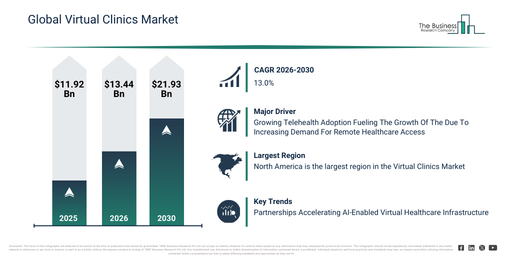
    The virtual clinics market size has seen rapid growth over recent years. It is anticipated to expand from $11.92 billion in 2025 to $13.44 billion in 2026, exhibiting a compound annual growth rate (CAGR) of 12.8%. This historical expansion can be linked to an increase in telemedicine usage, the growth of broadband access, the proliferation of digital health apps, a rising demand for patient convenience, and virtual visits initially driven by the pandemic.

    The virtual clinics market size is projected to experience swift expansion over the coming years. This market is set to reach $21.93 billion by 2030, advancing at a compound annual growth rate (CAGR) of 13.0%. The anticipated growth during this period stems from several factors, such as the increasing prevalence of hybrid care models, the emergence of digital-first healthcare policies, the broadening scope of remote diagnostics, enhanced insurer coverage for virtual appointments, and the rise in cross-border teleconsultations. Key developments projected for the forecast period encompass a greater uptake of video consultation platforms, an increase in the utilization of virtual follow-up services, the widespread integration of EHR teleclinic systems, a surge in the deployment of remote diagnostic kiosks, and a higher preference for mobile-first virtual clinics.

    Download A Free Sample Report For Comprehensive Market Insights:

    https://www.thebusinessresearchcompany.com/sample.aspx?id=33351&type=smp&utm_source=Blogs&utm_medium=Paid&utm_campaign=Jul_PR

    #Virtual Clinics Market Demand Drivers Creating New Revenue Opportunities

    The increasing integration of telehealth is anticipated to spur the expansion of the virtual clinics market moving forward. Telehealth adoption refers to the degree to which patients, providers, and healthcare systems implement and regularly utilize digital technologies for the remote delivery of clinical care and health services. This rise in telehealth adoption is largely due to the growing demand for convenient access to healthcare, eliminating the need for in-person visits. Virtual clinics, serving as a primary delivery model within telehealth, furnish structured platforms that enable patients to access consultations, diagnoses, and follow-up care entirely online. For instance, in July 2025, the International Trade Administration (ITA) reported that digital treatment penetration in the U.S. was 18.1% in 2024 and is expected to grow to 28.08% by 2029, demonstrating the widening use of digital and remote healthcare services. Thus, the escalating adoption of telehealth is propelling the growth of the virtual clinics market.

    Virtual Clinics Market Categorization By Product Type And Application

    The virtual clinics market covered in this report is segmented –

    1) By Type: Teleconsultation Platforms; Virtual Primary Care; Specialty E-Clinics; Artificial Intelligence-Based Symptom Checkers; Mobile Health Services

    2) By Application: Primary Care; Mental Health; Dermatology; Pediatrics; Chronic Care

    3) By End Users: Healthcare Providers; Patients; Pharmaceutical Companies; Insurance Companies; Employers

    Subsegments:

    1) By Teleconsultation Platforms: Video Consultation Platforms; Audio Consultation Platforms; Chat-Based Consultation Platforms; Integrated Scheduling and Consultation Platforms

    2) By Virtual Primary Care: Preventive Care Platforms; Routine Checkup Platforms; Family Medicine Virtual Platforms; General Practice Virtual Platforms

    3) By Specialty E-Clinics: Cardiology Virtual Clinics; Dermatology Virtual Clinics; Endocrinology Virtual Clinics; Orthopedic Virtual Clinics; Neurology Virtual Clinics

    4) By Artificial Intelligence-Based Symptom Checkers: Rule Based Symptom Assessment Tools; Machine Learning Driven Symptom Analysis Tools; Natural Language Processing Based Triage Tools; Predictive Diagnostic Support Tools

    5) By Mobile Health Services: Mobile Consultation Applications; Remote Health Monitoring Applications; Medication Management Applications; Wellness and Preventive Care Applications

    Virtual Clinics Market Trends Driving Strategic Industry Expansion

    Major companies active in the virtual clinics market are adopting a strategic partnership approach to enhance the integration of technology and expand their market reach. A strategic partnership typically describes a collaborative relationship between two or more organizations, where they combine their resources, expertise, and efforts to achieve common goals or objectives. For instance, in January 2026, VSee Health, Inc., a US-based telehealth technology company, forged a strategic partnership with DocBox, a US-based augmented intelligence platform for critical care, aimed at developing a next-generation virtual ICU operating system for hospitals globally. This collaboration integrates VSee’s telehealth and AI-driven workflows with DocBox’s vendor-agnostic bedside data infrastructure, enabling hospitals to leverage real-time, structured clinical data from ICU devices and monitoring systems. This integrated solution functions as an AI-native, reimbursement-compliant virtual ICU platform. It is built to facilitate scalable remote critical care, improve revenue generation via automated billing, permit the use of AI decision-support tools on live physiological data, guarantee hospital ownership of clinical data, and integrate VSee’s functionalities into essential clinical operations.

    Virtual Clinics Market Company Landscape And Strategic Competition

    Major companies operating in the virtual clinics market are Optum Inc., The Cigna Group, Siemens Healthineers AG, Koninklijke Philips N.V., SSM Health Care Group, Teladoc Health Inc., Babylon Healthcare Services Limited, Hims & Hers Health Inc., Ping An Healthcare and Technology Company Limited, Kry International AB, American Well Corporation, MDLIVE Inc., Doctor On Demand Inc., CallHealth Services Private Limited, HealthTap Inc., Ada Health GmbH, Virinchi Hospitals Private Limited, Practo Technologies Private Limited, 98point6 Inc., PlushCare Inc.

    Access The Complete Virtual Clinics Market Report:

    https://www.thebusinessresearchcompany.com/report/virtual-clinics-market-report?utm_source=Blogs&utm_medium=Paid&utm_campaign=Jul_PR

    Virtual Clinics Market Regional Distribution: Which Areas Drive Market Expansion?

    North America was the largest region in the virtual clinics market in 2025. Asia-Pacific is expected to be the fastest-growing region in the forecast period. The regions covered in the virtual clinics market report are Asia-Pacific, South East Asia, Western Europe, Eastern Europe, North America, South America, Middle East, Africa.

    Get in touch with us:

    The Business Research Company: https://www.thebusinessresearchcompany.com/

    Americas: +1 310-496-7795

    Asia: +44 7882 955267 & +91 8897263534

    Europe: +44 7882 955267

    Email us at: marketing@tbrc.info

    Follow us on:

    LinkedIn: https://in.linkedin.com/company/the-business-research-company

    YouTube: https://www.youtube.com/channel/UC24_fI0rV8cR5DxlCpgmyFQ

    Global Market Model: https://www.thebusinessresearchcompany.com/global-market-model