Category: Healthcare Services

  • Personal Genome Services  Market Forecast Highlights Expansion From $7.85 Billion To $13.69 Billion Through 2030

    Personal Genome Services Market Forecast Highlights Expansion From $7.85 Billion To $13.69 Billion Through 2030

    Delivering more actionable and strategically valuable research, The Business Research Company’s 2026 market reports feature market attractiveness analysis, total addressable market evaluation, company benchmarking matrices, interactive Excel dashboards, expanded supply chain intelligence, emerging startup coverage, and detailed product insights.

    Personal Genome Services Market CAGR Analysis And Future Market Development

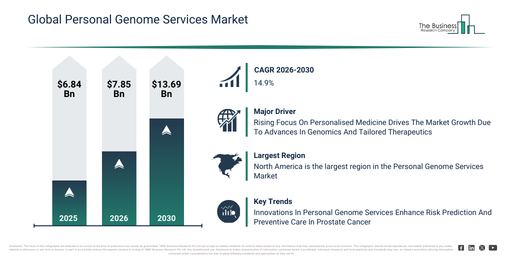
    The personal genome services market has experienced rapid growth in recent years. It is anticipated to expand from $6.84 billion in 2025 to $7.85 billion in 2026, exhibiting a compound annual growth rate (CAGR) of 14.7%. Historically, this market’s expansion can be attributed to several factors: declining sequencing costs, an increase in ancestry testing demand, a rise in consumer genetics awareness, the proliferation of genomics startups, and enhanced sequencing accuracy.

    The personal genome services market is projected for significant expansion in the coming years. This market is set to reach $13.69 billion by 2030, exhibiting a compound annual growth rate (CAGR) of 14.9%. Factors driving this growth during the forecast period include the increasing adoption of preventive genomics, wider use of pharmacogenomics, growing consumer demand for personalized wellness, more extensive insurance coverage for testing, and the integration of these services with digital health platforms. Key trends anticipated for this period encompass direct-to-consumer genome testing, comprehensive health risk genomic reports, bundled pharmacogenomic services, preventive genome screening packages, and digital platforms for genetic counseling.

    Download A Free Sample Report For Comprehensive Market Insights:

    https://www.thebusinessresearchcompany.com/sample.aspx?id=33258&type=smp&utm_source=Blogs&utm_medium=Paid&utm_campaign=Jul_PR

    Personal Genome Services Market Demand Drivers: What Is Fueling Industry Growth?

    A heightened focus on personalized medicine is projected to propel the expansion of the personal genome services market moving forward. This medical approach customizes treatment and prevention strategies based on an individual’s genetic, biological, and lifestyle characteristics. The adoption of personalized medicine is escalating due to progress in genomics and molecular diagnostics, which enable treatments to be tailored to an individual’s genetic profile for superior outcomes. Personal genome services support personalized medicine by analyzing an individual’s genetic makeup to forecast disease risk, inform drug selection, and customize prevention and treatment approaches. For instance, in February 2024, the Personalized Medicine Coalition, a US-based non-profit organization, indicated that in 2023, the FDA approved 16 new personalized treatments for rare disease patients, marking an increase from six in 2022. The newly approved personalized treatments for 2023 further included seven cancer drugs and three for other diseases and conditions. As a result, the increasing emphasis on personalized medicine is fueling the growth of the personal genome services market.

    Personal Genome Services Market Segmentation And Category Breakdown

    The personal genome services market covered in this report is segmented –

    1) By Service Type: Genetic Testing; Whole Genome Sequencing; Carrier Testing; Ancestry Testing; Other Service Types

    2) By Application: Healthcare; Research; Ancestry; Other Applications

    3) By End-User: Hospitals and Clinics; Research Centers; Direct-to-Consumer; Other End-Users

    Subsegments:

    1) By Genetic Testing: Health Risk Assessment Testing; Pharmacogenomic Testing; Nutritional Genetic Testing; Lifestyle Genetic Testing; Wellness Genetic Screening

    2) By Whole Genome Sequencing: Clinical Whole Genome Sequencing; Research Whole Genome Sequencing; Preventive Health Genome Sequencing; Rare Disease Genome Sequencing; Population Based Genome Sequencing

    3) By Carrier Testing: Inherited Disease Carrier Screening; Preconception Carrier Testing; Prenatal Carrier Testing; Reproductive Health Carrier Screening; Family Planning Carrier Testing

    4) By Ancestry Testing: Ethnicity Estimation Testing; Genealogical Lineage Testing; Migration Pattern Analysis; Regional Ancestry Breakdown; Family Relationship Discovery

    5) By Other Service Types: Newborn Genetic Screening; Predictive Genetic Testing; Sports Performance Genetic Analysis; Personalized Health Reporting; Custom Genetic Consulting Services

    Personal Genome Services Market Innovation Trends: Which Developments Are Transforming The Industry?

    Major companies in the personal genome services market are concentrating on creating sophisticated solutions like genome-wide risk stratification to deliver personalized health insights, forecast disease susceptibility, and guide preventive and lifestyle interventions. Genome-wide risk stratification involves analyzing an individual’s entire genome to identify genetic variations contributing to the risk of developing specific diseases or conditions, thereby enabling customized health risk predictions and targeted preventive strategies. For example, in November 2025, MyOme Inc., a US-based biotechnology company, introduced the first integrated polygenic risk score (iPRS) test for prostate cancer. This test combines approximately 7 million genetic markers with clinical factors to provide personalized 10-year and lifetime risk estimates, validated in 140,000+ diverse men. Its objective is early detection and prevention for 95% of cases without rare variants such as BRCA2, guiding PSA or MRI or biopsies for high-risk individuals (those with 3-4x elevated odds in the top decile) while reducing false positives and overtreatment. The benefits include precise stratification, equitable performance across ancestries, and lifelong AI-updated insights from one whole-genome sample.

    Personal Genome Services Market Competitive Analysis Of Major Industry Participants

    Major companies operating in the personal genome services market are Thermo Fisher Scientific Inc, Illumina Inc, Helix OpCo LLC, Ancestry.com Operations Inc, Fulgent Genetics Inc, 23andMe Holding Co, Prenetics Global Limited, MyHeritage Ltd, Color Health Inc, Genomics plc, GenoPalate Inc, Living DNA Ltd, Mapmygenome India Pvt Ltd, Nebula Genomics Inc, Xcode Life Sciences Pvt Ltd, Sema4 Holdings Corp, Gene by Gene Ltd, TellmeGen SL, CRI Genetics LLC, African Ancestry Inc, and DNAFit Limited.

    Access The Complete Personal Genome Services Market Report:

    https://www.thebusinessresearchcompany.com/report/personal-genome-services-market-report?utm_source=Blogs&utm_medium=Paid&utm_campaign=Jul_PR

    Personal Genome Services Market Regional Analysis: Which Region Leads By Revenue?

    North America was the largest region in the personal genome services market in 2025. Asia-Pacific is expected to be the fastest-growing region in the forecast period. The regions covered in the personal genome services market report are Asia-Pacific, South East Asia, Western Europe, Eastern Europe, North America, South America, Middle East, Africa.

    Get in touch with us:

    The Business Research Company: https://www.thebusinessresearchcompany.com/

    Americas: +1 310-496-7795

    Asia: +44 7882 955267 & +91 8897263534

    Europe: +44 7882 955267

    Email us at: marketing@tbrc.info

    Follow us on:

    LinkedIn: https://in.linkedin.com/company/the-business-research-company

    YouTube: https://www.youtube.com/channel/UC24_fI0rV8cR5DxlCpgmyFQ

    Global Market Model: https://www.thebusinessresearchcompany.com/global-market-model
  • Orthostatic Hypotension  Market Trends Are Creating New Opportunities For Industry Leaders

    Orthostatic Hypotension Market Trends Are Creating New Opportunities For Industry Leaders

    Through market attractiveness analysis, total addressable market evaluation, company benchmarking matrices, interactive Excel dashboards, expanded supply chain intelligence, emerging startup coverage, and detailed product insights, The Business Research Company’s 2026 market reports provide more actionable and strategically valuable research.

    Orthostatic Hypotension Market Expected To Reach $1.62 Billion By 2030 At 8.6% CAGR

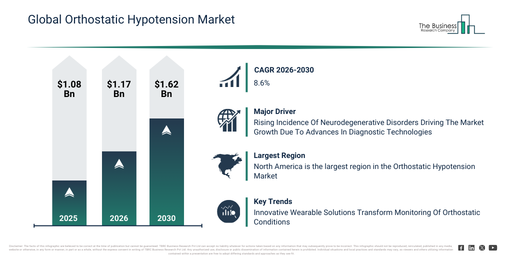
    The orthostatic hypotension market size has demonstrated significant growth in recent years. It is projected to expand from $1.08 billion in 2025 to $1.17 billion in 2026, advancing at a compound annual growth rate (CAGR) of 8.4%. This historical growth can be attributed to factors such as aging population growth, an increase in neurological disorders, a higher prevalence of cardiovascular disease, the broadening of diagnostic testing, and enhanced clinical awareness.

    The orthostatic hypotension market size is forecast to demonstrate significant expansion in the upcoming years. It is predicted to attain a value of $1.62 billion by 2030, progressing at a compound annual growth rate (CAGR) of 8.6%. The expansion during the forecast period can be ascribed to an increase in remote monitoring adoption, the growing prevalence of chronic diseases, the broadening of specialty neurology care, a rise in screening initiatives, and the escalating integration of telehealth. Prominent trends expected in this period encompass wearable blood pressure monitoring, digital testing of autonomic function, the development of remote patient monitoring programs, the use of combination drug therapy protocols, and the establishment of home-based hypotension care models.

    Download A Free Sample Report For Comprehensive Market Insights:

    https://www.thebusinessresearchcompany.com/sample.aspx?id=33253&type=smp&utm_source=Blogs&utm_medium=Paid&utm_campaign=Jul_PR

    #Orthostatic Hypotension Market Growth Drivers And Industry Catalysts

    The increasing occurrence of neurodegenerative conditions is anticipated to stimulate the expansion of the orthostatic hypotension market in the future. These are progressive ailments marked by the decline of nerve cells in the brain and nervous system, resulting in motor and cognitive impairments. The rise in neurodegenerative disorders is linked to aging demographics, as more individuals reach older ages when illnesses like Alzheimer’s and Parkinson’s disease are more probable. A surge in neurodegenerative conditions, such as Parkinson’s disease and multiple system atrophy, contributes to the onset of orthostatic hypotension by hindering the regulation of the autonomic nervous system, disrupting baroreceptor reflexes, and diminishing vascular tone, thus compromising the body’s capacity to sustain blood pressure when upright. For example, the Alzheimer’s Association reported in March 2023 that approximately 6.7 million Americans aged 65 and older are living with Alzheimer’s dementia, a figure expected to climb to 13.8 million by 2060. Consequently, the rising frequency of neurodegenerative disorders is propelling the growth of the orthostatic hypotension market. The growing occurrence of cardiovascular diseases is expected to boost the expansion of the orthostatic hypotension market in the coming years. These diseases involve conditions affecting the heart and its blood vessels, such as coronary heart disease, stroke, heart failure, and arrhythmias. The increase in cardiovascular diseases is primarily due to an aging population, as advanced age significantly elevates the risk of developing heart and vascular problems, particularly for individuals over 65 years. The rise in cardiovascular diseases fuels the demand for solutions to manage orthostatic hypotension because people with heart conditions are at a considerably higher risk of experiencing abnormalities in postural blood pressure, which require specialized observation and treatment. For instance, the Centers for Disease Control and Prevention indicated in October 2024 that cardiovascular disease was responsible for 919,032 deaths in 2023, representing roughly one-third of all fatalities. Coronary heart disease remained the most common form, with approximately one in six cardiovascular deaths occurring in adults younger than 65. Therefore, the increasing prevalence of cardiovascular diseases is a key factor driving the orthostatic hypotension market.

    Orthostatic Hypotension Market Segment Breakdown: Which Categories Generate The Most Revenue?

    The orthostatic hypotension market covered in this report is segmented –

    1) By Drug Type: Fludrocortisone; Midodrine Hydrochloride; Droxidopa; Pyridostigmine; Indomethacin; Caffeine; Epoetin; Oxilofrine Potassium Chloride; Non Steroidal Anti Inflammatory Drugs

    2) By Test Type: ECG; Blood Tests; Stress Test; Echocardiogram

    3) By Route Of Administration: Oral; Parenteral

    4) By Distribution Channel: Hospital Pharmacies; Retail Pharmacies; Online Pharmacies

    5) By End User: Hospitals; Diagnostic Centers; Clinics; Ambulatory Surgical Centers

    Subsegments:

    1) By Fludrocortisone: Fludrocortisone Tablets; Fludrocortisone Oral Solutions

    2) By Midodrine Hydrochloride: Midodrine Immediate Release Tablets; Midodrine Extended Release Formulations

    3) By Droxidopa: Droxidopa Capsules; Droxidopa Oral Formulations

    4) By Pyridostigmine: Pyridostigmine Bromide Tablets; Pyridostigmine Extended Release Tablets

    5) By Indomethacin: Indomethacin Capsules; Indomethacin Sustained Release Tablets

    6) By Caffeine: Caffeine Oral Tablets; Caffeine Oral Solutions

    7) By Epoetin: Epoetin Alfa Injections; Epoetin Beta Injections

    8) By Oxilofrine Potassium Chloride: Oxilofrine Oral Formulations; Oxilofrine Combination Formulations

    9) By Non Steroidal Anti Inflammatory Drugs: Ibuprofen Based Drugs; Naproxen Based Drugs; Aspirin Based Drugs; Other Non Steroidal Anti Inflammatory Drug Formulations

    #Orthostatic Hypotension Market Trends Influencing Long-Term Demand

    Major companies operating in the orthostatic hypotension market are concentrating on developing innovative products like wearable cerebral blood flow monitors to enhance real-time symptom tracking and personalized patient care. A wearable cerebral blood flow monitor is a device worn on the body, such as in the ear, that measures brain blood flow in real time, aiding in the detection of orthostatic changes, prediction of fainting, and direction for symptom management. For instance, in June 2023, STAT Health, a US-based digital health startup, launched its ear-worn wearable device specifically designed for orthostatic conditions. This device captures cerebral blood flow through a shallow ear artery, detects postural changes, and generates trend scores, helping users monitor their time spent upright and blood flow abnormalities. Its unique features include predictive fainting alerts, integration with a companion app, and long-term wearability along with clinical-grade signal quality, enabling patients with conditions such as POTS, long COVID, and chronic fatigue syndrome to better manage their symptoms.

    Orthostatic Hypotension Market Key Players And Strategic Industry Positioning

    Major companies operating in the orthostatic hypotension market are Pfizer Inc., Novartis AG, Takeda Pharmaceutical Company Limited, Teva Pharmaceutical Industries Ltd., Baxter International Inc., Sandoz International GmbH, Sun Pharmaceutical Industries Ltd., Apotex Inc., Dr. Reddy’s Laboratories Ltd., Cipla Limited, H. Lundbeck A/S, Hikma Pharmaceuticals PLC, Amneal Pharmaceuticals Inc., Lupin Limited, Alembic Pharmaceuticals Ltd., Theravance Biopharma Inc., Avadel Pharmaceuticals plc, Civica Rx Inc., Alterity Therapeutics Limited, and STAT Health Services LLC.

    Access The Complete Orthostatic Hypotension Market Report:

    https://www.thebusinessresearchcompany.com/report/orthostatic-hypotension-market-report?utm_source=Blogs&utm_medium=Paid&utm_campaign=Jul_PR

    Orthostatic Hypotension Market Global Footprint: Which Region Holds Market Leadership?

    North America was the largest region in the orthostatic hypotension market in 2025. Asia-Pacific is expected to be the fastest-growing region in the forecast period. The regions covered in the orthostatic hypotension market report are Asia-Pacific, South East Asia, Western Europe, Eastern Europe, North America, South America, Middle East, Africa.

    Get in touch with us:

    The Business Research Company: https://www.thebusinessresearchcompany.com/

    Americas: +1 310-496-7795

    Asia: +44 7882 955267 & +91 8897263534

    Europe: +44 7882 955267

    Email us at: marketing@tbrc.info

    Follow us on:

    LinkedIn: https://in.linkedin.com/company/the-business-research-company

    YouTube: https://www.youtube.com/channel/UC24_fI0rV8cR5DxlCpgmyFQ

    Global Market Model: https://www.thebusinessresearchcompany.com/global-market-model
  • Oligonucleotide Synthesis Services  Market Growth Through 2030 Creates New Strategic Opportunities

    Oligonucleotide Synthesis Services Market Growth Through 2030 Creates New Strategic Opportunities

    Enhanced with market attractiveness analysis, total addressable market evaluation, company benchmarking matrices, interactive Excel dashboards, expanded supply chain intelligence, emerging startup coverage, and detailed product insights, The Business Research Company’s 2026 market reports deliver more actionable and strategically valuable research.

    Oligonucleotide Synthesis Services Market Growth Analysis: How Will Revenue Expand During The Forecast Period?

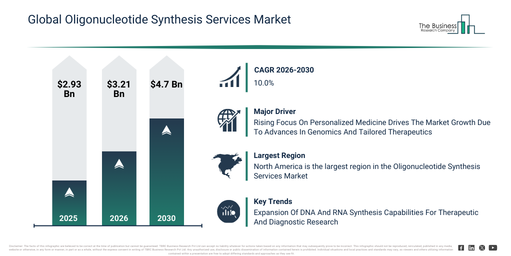
    The oligonucleotide synthesis services market has experienced substantial growth over recent years. Its valuation is predicted to climb from $2.93 billion in 2025 to $3.21 billion by 2026, advancing at a compound annual growth rate (CAGR) of 9.7%. This historical expansion can be primarily attributed to factors including the escalating use of PCR and sequencing, the broadening of molecular biology research, an increase in genomic testing, greater academic genomics funding, and intensified biotech R&D activities.

    The oligonucleotide synthesis services market is projected to experience substantial expansion over the upcoming years. This market is forecast to reach a size of $4.7 billion by 2030, exhibiting a compound annual growth rate (CAGR) of 10.0%. The anticipated growth during this period is primarily driven by the increasing development of gene and cell therapy pipelines, the growing need for CRISPR and gene editing technologies, the broadening application of nucleic acid therapeutics, the expanded adoption of precision diagnostics, and the scaling up of clinical oligonucleotide production. Key trends anticipated for the forecast timeframe encompass high-throughput customized oligonucleotide manufacturing, services for modified and labeled oligonucleotides, GMP-grade oligonucleotide production, quickly delivered gene editing oligonucleotides, and sophisticated oligonucleotide purification processes.

    Download A Free Sample Report For Comprehensive Market Insights:

    https://www.thebusinessresearchcompany.com/sample.aspx?id=33245&type=smp&utm_source=Blogs&utm_medium=Paid&utm_campaign=Jul_PR

    Oligonucleotide Synthesis Services Market Growth Drivers: What Factors Are Accelerating Expansion?

    A rising emphasis on personalized medicine is anticipated to drive the expansion of the oligonucleotide synthesis services market in the future. This medical approach involves tailoring treatment and prevention plans to an individual’s unique genetic, biological, and lifestyle attributes. Its adoption is growing thanks to developments in genomics and molecular diagnostics, which enable treatments to be specifically adjusted to a person’s genetic makeup for improved results. Oligonucleotide synthesis services support personalized medicine by facilitating the quick and accurate creation of bespoke DNA or RNA sequences. These are crucial for patient-specific diagnostics, targeted therapies, and gene-based treatments, thereby enabling interventions precisely matched to an individual’s genetic profile. For example, in February 2024, the Personalized Medicine Coalition, a US-based non-profit organization, reported that the FDA approved 16 new personalized treatments for rare disease patients in 2023, an increase from six in 2022. The personalized treatments newly approved in 2023 also comprised seven cancer drugs and three for other diseases and conditions. Consequently, the heightened focus on personalized medicine is propelling the growth of the oligonucleotide synthesis services market.

    Oligonucleotide Synthesis Services Market Segmentation And Category Breakdown

    The oligonucleotide synthesis services market covered in this report is segmented –

    1) By Type Of Oligonucleotide: Deoxyribonucleic Acid Oligonucleotides; Ribonucleic Acid Oligonucleotides; Peptide Nucleic Acids (PNAs); Locked Nucleic Acids (LNAs); Other Synthetic Nucleotides

    2) By Synthesis Method: Solid Phase Synthesis; Liquid Phase Synthesis; Microarray Based Synthesis; Oligonucleotide Synthesis Via Automated Synthesizers; Enzymatic Synthesis

    3) By Purity Level: Standard Purity; High Purity; Ultra High Purity; Custom Purity Solutions; Quality Control Measures

    4) By Application: Diagnostics; Therapeutics; Research And Development; Gene Editing; Vaccine Development

    5) By End User: Academic And Research Institutions; Pharmaceutical And Biotechnology Companies; Diagnostic Laboratories; Contract Research Organizations (CROs); Clinical Laboratories

    Subsegments:

    1) By Deoxyribonucleic Acid Oligonucleotides: Standard Deoxyribonucleic Acid Oligonucleotides; Modified Deoxyribonucleic Acid Oligonucleotides; Phosphorothioate Deoxyribonucleic Acid Oligonucleotides; Methylated Deoxyribonucleic Acid Oligonucleotides

    2) By Ribonucleic Acid Oligonucleotides: Standard Ribonucleic Acid Oligonucleotides; Modified Ribonucleic Acid Oligonucleotides; Small Interfering Ribonucleic Acid Oligonucleotides; Micro Ribonucleic Acid Oligonucleotides

    3) By Peptide Nucleic Acids: Standard Peptide Nucleic Acids; Modified Peptide Nucleic Acids; Functionalized Peptide Nucleic Acids

    4) By Locked Nucleic Acids: Standard Locked Nucleic Acids; 2′-O-Methyl Locked Nucleic Acids; Gapmer Locked Nucleic Acids

    5) By Other Synthetic Nucleotides: Morpholino Oligonucleotides; Phosphoramidite Oligonucleotides; Xeno Nucleic Acid Oligonucleotides; Synthetic Aptamers

    Oligonucleotide Synthesis Services Market Trends: What Is Shaping Future Industry Growth?

    Major companies engaged in the oligonucleotide synthesis services market are concentrating on developing their DNA and RNA production capacities to bolster therapeutic and diagnostic research efforts. These DNA and RNA production capabilities involve advanced techniques for generating and scaling high-quality genetic material, which are essential for enabling research, diagnostics, and the creation of biopharmaceutical therapies. As an illustration, in May 2025, Oligo Factory Inc., a US-based manufacturing enterprise, launched a low-scale oligo synthesis capability with the aim of broadening its support for therapeutic and diagnostic researchers and developers. This initiative facilitates the custom production of small batches of DNA/RNA, commencing at 50 nmol, for early-stage research and development across therapeutics, diagnostics, qPCR, NGS, and preclinical studies. It contributes to reducing costs and waste, ensures a swift turnaround (4 weeks or less) with GMP or ISO 13485 quality, and supports smooth scaling without necessitating vendor changes through portfolios such as FactorTx. This flexibility proves beneficial for researchers who require prototypes rather than extensive minimum orders.

    Oligonucleotide Synthesis Services Market Competitive Analysis Of Major Industry Participants

    Major companies operating in the oligonucleotide synthesis services market are Thermo Fisher Scientific Inc., Agilent Technologies Inc., QIAGEN N.V., Integrated DNA Technologies Inc., Sangon Biotech (Shanghai) Co. Ltd., Ajinomoto Co. Inc., Twist Bioscience Corporation, Sigma-Aldrich Co. LLC, Aldevron LLC, Bioneer Corporation, GenScript Biotech Corporation, BBI Life Sciences Ltd., Takara Bio Inc., BioServe Biotechnologies Ltd., Eurofins Genomics Germany GmbH, Bio-Synthesis Inc., TriLink BioTechnologies LLC, BioBasic Inc., Biosearch Technologies Inc., JenaBioscience GmbH, Geneworks Pty Ltd., HUWEL Life Science Co. Ltd., and SynoLigo Pvt. Ltd.

    Access The Complete Oligonucleotide Synthesis Services Market Report:

    https://www.thebusinessresearchcompany.com/report/oligonucleotide-synthesis-services-market-report?utm_source=Blogs&utm_medium=Paid&utm_campaign=Jul_PR

    Oligonucleotide Synthesis Services Market Largest Region By Revenue And Market Share

    North America was the largest region in the oligonucleotide synthesis services market in 2025. Asia-Pacific is expected to be the fastest-growing region in the forecast period. The regions covered in the oligonucleotide synthesis services market report are Asia-Pacific, South East Asia, Western Europe, Eastern Europe, North America, South America, Middle East, Africa.

    Get in touch with us:

    The Business Research Company: https://www.thebusinessresearchcompany.com/

    Americas: +1 310-496-7795

    Asia: +44 7882 955267 & +91 8897263534

    Europe: +44 7882 955267

    Email us at: marketing@tbrc.info

    Follow us on:

    LinkedIn: https://in.linkedin.com/company/the-business-research-company

    YouTube: https://www.youtube.com/channel/UC24_fI0rV8cR5DxlCpgmyFQ

    Global Market Model: https://www.thebusinessresearchcompany.com/global-market-model
  • Medical Imaging Outsourcing  Market Forecast Highlights Expansion From $19.68 Billion To $27.88 Billion Through 2030

    Medical Imaging Outsourcing Market Forecast Highlights Expansion From $19.68 Billion To $27.88 Billion Through 2030

    Delivering more actionable and strategically valuable research, The Business Research Company’s 2026 market reports feature market attractiveness analysis, total addressable market evaluation, company benchmarking matrices, interactive Excel dashboards, expanded supply chain intelligence, emerging startup coverage, and detailed product insights.

    Medical Imaging Outsourcing Market Forecast: What Market Value Is Expected By 2030?

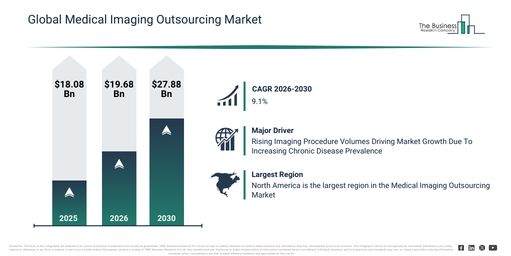
    The medical imaging outsourcing market has experienced robust expansion recently. It is projected to increase from $18.08 billion in 2025 to $19.68 billion in 2026, achieving a compound annual growth rate (CAGR) of 8.9%. Historically, this growth has been fueled by a scarcity of radiologists, rising volumes of diagnostic imaging, hospital cost reduction initiatives, the early integration of teleradiology, and the expansion of digital imaging systems.

    The medical imaging outsourcing market is poised for significant expansion over the next several years. It is projected to reach $27.88 billion by 2030, growing at a compound annual growth rate (CAGR) of 9.1%. This anticipated growth during the forecast period is driven by factors such as an increasing demand for cross-border reporting, accumulating imaging backlogs, the development of remote diagnostics models, a rise in outsourcing by hospitals, and the necessity for quicker report turnaround times. Prominent trends expected in this period include the establishment of global teleradiology reporting networks, continuous remote image interpretation services, centralized management of imaging workflows, cloud-based solutions for image archiving, and specialized subspecialty radiology outsourcing.

    Download A Free Sample Report For Comprehensive Market Insights:

    https://www.thebusinessresearchcompany.com/sample.aspx?id=33210&type=smp&utm_source=Blogs&utm_medium=Paid&utm_campaign=Jul_PR

    Medical Imaging Outsourcing Market Demand Drivers: What Is Fueling Industry Growth?

    The growth of the medical imaging outsourcing market is anticipated to be driven by increasing imaging procedure volumes. These volumes represent the total diagnostic imaging tests conducted by healthcare providers over a specific period. The rise in these volumes stems from the escalating incidence of chronic diseases, which necessitates frequent diagnostic imaging for early identification, tracking disease progression, and informing treatment decisions. Medical imaging outsourcing facilitates handling these increased demands by offering healthcare providers efficient access to remote radiology specialists, adaptable resources, quicker report delivery, and a reduced operational load, all without the need for expanding internal infrastructure. For example, in November 2023, the National Health Service, a UK-based government department, reported that in the year ending March 2023, England performed 45.0 million imaging tests, a 2.2% increase from the 44.0 million in the previous year. This included 10.3 million diagnostic ultrasound tests, which rose by 1.8%; 7.1 million CT scans, up by 5.5%; and 4.1 million MRI scans, showing a 6.2% increase. Consequently, the escalating imaging procedure volumes are propelling the expansion of the medical imaging outsourcing market. The growth of the medical imaging outsourcing market is projected to be advanced by the ongoing expansion of healthcare infrastructure. This infrastructure covers the necessary facilities, equipment, and personnel required for effective medical service delivery to a population. The expansion of healthcare infrastructure is occurring due to population growth, which necessitates a greater number of hospitals, clinics, medical devices, and skilled healthcare professionals to adequately serve the public and maintain well-being. This growth in infrastructure fuels the need for advanced diagnostic services, allowing medical imaging outsourcing to offer specialized knowledge, quicker service delivery, and economical options that enhance the expanding network of healthcare facilities. For instance, in May 2023, the American Health Care Association, a US-based nonprofit organization, reported that the number of hospitals in the United States grew by 0.591% from the prior year, increasing from 6,093 to 6,129. Thus, the expansion of healthcare infrastructure is a key driver for the medical imaging outsourcing market.

    Medical Imaging Outsourcing Market Segment Performance And Strategic Opportunities

    The medical imaging outsourcing market covered in this report is segmented –

    1) By Product Type: Computed Tomography (CT); Magnetic Resonance Imaging (MRI); Ultrasound; X-Ray; Nuclear Medicine; Other Modalities

    2) By Delivery Mode: Onsite Outsourcing Services; Offsite Outsourcing Services; Hybrid Outsourcing Services

    3) By Application: Cardiology; Diagnostic Imaging; Orthopedic; Diagnostic Testing Systems; Drug Delivery; Diabetes Care; Other Application

    4) By End Use: Hospitals And Clinics; Interventional Imaging Centers; Other End Uses

    Subsegments:

    1) By Computed Tomography: High Resolution Computed Tomography; Low Dose Computed Tomography; Contrast Enhanced Computed Tomography; Cardiac Computed Tomography; Whole Body Computed Tomography

    2) By Magnetic Resonance Imaging: Functional Magnetic Resonance Imaging; Diffusion Weighted Imaging; Magnetic Resonance Angiography; Magnetic Resonance Spectroscopy; Cardiac Magnetic Resonance Imaging

    3) By Ultrasound: Diagnostic Ultrasound Imaging; Doppler Ultrasound Imaging; Three Dimensional Ultrasound Imaging; Four Dimensional Ultrasound Imaging; Point Of Care Ultrasound

    4) By X-Ray: Digital Radiography; Computed Radiography; Mobile X-Ray Imaging; Fluoroscopy Imaging; Dental X-Ray Imaging

    5) By Nuclear Medicine: Positron Emission Tomography; Single Photon Emission Computed Tomography; Hybrid Nuclear Imaging; Radionuclide Imaging; Molecular Imaging

    6) By Other Modalities: Optical Imaging; Thermal Imaging; Elastography Imaging; Photoacoustic Imaging; Molecular Diagnostic Imaging

    Medical Imaging Outsourcing Market Key Players: Which Companies Shape Industry Competition?

    Major companies operating in the medical imaging outsourcing market are Sonic Healthcare Limited, RadNet Inc., Agfa HealthCare NV, Flatworld Solutions Pvt. Ltd., Radiology Partners Inc., Envision Radiology, ProScan Imaging, Alliance Medical Limited, Teleradiology Solutions, Everlight Radiology Limited, ONRAD Inc., RamSoft Inc., StatRad LLC, Sirona Medical Inc., Candelis Inc., MedWeb LLC, MetaMed, Shields Health Care Group, Diagnostic Imaging Services, MEDNAX Services Inc., 3DR Laboratories Inc., and American Imaging Consultants.

    Access The Complete Medical Imaging Outsourcing Market Report:

    https://www.thebusinessresearchcompany.com/report/medical-imaging-outsourcing-market-report?utm_source=Blogs&utm_medium=Paid&utm_campaign=Jul_PR

    Medical Imaging Outsourcing Market Geographic Analysis: Where Is Demand Growing The Fastest?

    North America was the largest region in the medical imaging outsourcing market in 2025. Asia-Pacific is expected to be the fastest-growing region in the forecast period. The regions covered in the medical imaging outsourcing market report are Asia-Pacific, South East Asia, Western Europe, Eastern Europe, North America, South America, Middle East, Africa.

    Get in touch with us:

    The Business Research Company: https://www.thebusinessresearchcompany.com/

    Americas: +1 310-496-7795

    Asia: +44 7882 955267 & +91 8897263534

    Europe: +44 7882 955267

    Email us at: marketing@tbrc.info

    Follow us on:

    LinkedIn: https://in.linkedin.com/company/the-business-research-company

    YouTube: https://www.youtube.com/channel/UC24_fI0rV8cR5DxlCpgmyFQ

    Global Market Model: https://www.thebusinessresearchcompany.com/global-market-model
  • Kidney Transplant Rejection  Market Expansion Is Opening New Pathways For Strategic Investment

    Kidney Transplant Rejection Market Expansion Is Opening New Pathways For Strategic Investment

    Through market attractiveness analysis, total addressable market evaluation, company benchmarking matrices, interactive Excel dashboards, expanded supply chain intelligence, emerging startup coverage, and detailed product insights, The Business Research Company’s 2026 market reports provide more actionable and strategically valuable research.

    Kidney Transplant Rejection Market CAGR Analysis And Future Market Development

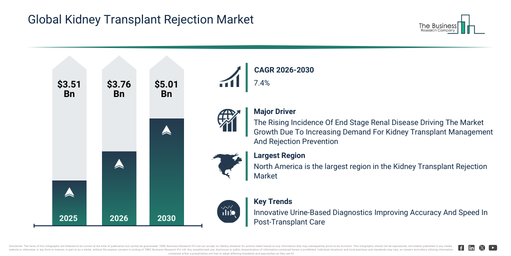
    The kidney transplant rejection market size has experienced substantial expansion in recent times. It is projected to increase from $3.51 billion in 2025 to $3.76 billion in 2026, achieving a compound annual growth rate (CAGR) of 7.2%. This historical expansion can be attributed to several factors: a rise in kidney transplant procedures, progress in histopathological assessment techniques, broader access to immunosuppressive drugs, the proliferation of transplant center networks, and enhanced post-transplant patient survival rates.

    The kidney transplant rejection market size is anticipated to experience robust expansion over the next few years. It is projected to increase to $5.01 billion by 2030, achieving a compound annual growth rate (CAGR) of 7.4%. The expected growth during this forecast period can be attributed to an escalating demand for personalized immunosuppression strategies, the increasing adoption of molecular diagnostics, the broadening scope of precision medicine in transplant care, a heightened focus on long-term graft survival, and growing investments in transplant monitoring technologies. Notable trends within the forecast period include the expanding use of biomarker-based rejection monitoring, the rising application of genomics-based diagnostic approaches, ongoing optimization of immunosuppressive therapy protocols, the proliferation of non-invasive rejection surveillance methods, and an intensified focus on the early detection of chronic rejection.

    Download A Free Sample Report For Comprehensive Market Insights:

    https://www.thebusinessresearchcompany.com/sample.aspx?id=33190&type=smp&utm_source=Blogs&utm_medium=Paid&utm_campaign=Jul_PR

    Kidney Transplant Rejection Market Expansion Drivers: What Is Shaping Future Growth?

    The increasing occurrence of end-stage renal disease is projected to fuel the expansion of the kidney transplant rejection market in the future. End-stage renal disease (ESRD) is defined as the last, irreversible phase of chronic kidney disease where kidneys are unable to perform their functions sufficiently without interventions like dialysis or a kidney transplant. The occurrence of end-stage renal disease is growing because of the widespread increase in chronic conditions such as diabetes and hypertension, which gradually impair kidney function, resulting in kidney failure. Kidney transplant rejection necessitates sophisticated monitoring and treatment strategies, thereby directly aiding in managing end-stage renal disease by helping transplanted kidneys stay viable and patients preserve their renal health. For example, as reported in September 2024 by the National Institute of Diabetes and Digestive and Kidney Diseases, a US-based government institute, over 808,000 individuals in the United States were living with end-stage kidney disease (ESKD), also known as end-stage renal disease (ESRD), in 2023, with 68% undergoing dialysis and 32% having received a kidney transplant. Consequently, the increasing prevalence of end-stage renal disease is propelling the expansion of the kidney transplant rejection market.

    Kidney Transplant Rejection Market Segments: Where Are The Largest Growth Opportunities?

    The kidney transplant rejection market covered in this report is segmented –

    1) By Rejection Type: Chronic Rejection; Acute Rejection

    2) By Treatment: Immunosuppressive Drugs; Antibody-Mediated Rejection Therapies

    3) By Diagnostic Approach: Biomarker-Based Diagnostics; Genomics-Based Diagnostics

    4) By Therapeutics: Small Molecule Inhibitors; Biologic Therapies

    5) By End-Users: Transplant Centers Or Hospitals; Diagnostic Laboratories; Pharmacies

    Subsegments:

    1) By Chronic Rejection: Antibody Mediated Chronic Rejection; Chronic Allograft Nephropathy; Interstitial Fibrosis And Tubular Atrophy; Vascular Chronic Rejection; Mixed Chronic Rejection

    2) By Acute Rejection: Cellular Acute Rejection; Antibody Mediated Acute Rejection; Hyperacute Rejection; Mixed Acute Rejection; Vascular Acute Rejection

    Kidney Transplant Rejection Market Strategic Trends: What Is Defining The Next Phase Of Growth?

    Companies operating within the kidney transplant rejection market are prioritizing the creation of advanced diagnostic solutions, such as noninvasive urinary biomarker testing, to facilitate more rapid, secure, and precise detection of transplant rejection. This noninvasive urinary biomarker testing method involves analyzing urine samples to identify molecular indicators of kidney inflammation or rejection, thereby assisting clinicians in quickly and safely pinpointing transplant complications without requiring invasive biopsies. For instance, in May 2024, Thermo Fisher Scientific Inc., a US-based biotechnology company, introduced the CXCL10 testing service, an innovative diagnostic tool specifically for kidney transplant recipients. The CXCL10 test detects the CXCL10 chemokine in urine, which is associated with early transplant rejection and inflammation. It delivers results within 24 hours, allowing for quicker clinical decisions, reducing the need for unnecessary biopsies, and enhancing patient convenience by utilizing noninvasive sample collection. Developed and validated by Thermo Fisher’s One Lambda Laboratories, this assay merges high sensitivity and specificity with practical ease of use in clinical settings, ultimately supporting improved post-transplant care and patient outcomes.

    Kidney Transplant Rejection Market Major Participants And Competitive Dynamics

    Major companies operating in the kidney transplant rejection market are F. Hoffmann-La Roche AG, Merck & Co. Inc., Sanofi SA, Novartis AG, Bristol-Myers Squibb Company, Thermo Fisher Scientific Inc., Takeda Pharmaceutical Company Limited, Amgen Inc., Asahi Kasei Corporation, Teva Pharmaceutical Industries Ltd., Astellas Pharma Inc., Biogen Inc., ChugAI Pharmaceutical Co. Ltd., Eurofins Scientific SE, Illumina Inc., Natera Inc., CareDx Inc., Azurity Pharmaceuticals Inc., Insight Molecular Diagnostics, and RenalytixAI plc.

    Access The Complete Kidney Transplant Rejection Market Report:

    https://www.thebusinessresearchcompany.com/report/kidney-transplant-rejection-market-report?utm_source=Blogs&utm_medium=Paid&utm_campaign=Jul_PR

    Kidney Transplant Rejection Market Largest Region By Revenue And Market Share

    North America was the largest region in the kidney transplant rejection market in 2025. Asia-Pacific is expected to be the fastest-growing region in the forecast period. The regions covered in the kidney transplant rejection market report are Asia-Pacific, South East Asia, Western Europe, Eastern Europe, North America, South America, Middle East, Africa.

    Get in touch with us:

    The Business Research Company: https://www.thebusinessresearchcompany.com/

    Americas: +1 310-496-7795

    Asia: +44 7882 955267 & +91 8897263534

    Europe: +44 7882 955267

    Email us at: marketing@tbrc.info

    Follow us on:

    LinkedIn: https://in.linkedin.com/company/the-business-research-company

    YouTube: https://www.youtube.com/channel/UC24_fI0rV8cR5DxlCpgmyFQ

    Global Market Model: https://www.thebusinessresearchcompany.com/global-market-model
  • Homozygous Familial Hypercholesterolemia  Market Forecast Signals New Revenue Opportunities Through 2030

    Homozygous Familial Hypercholesterolemia Market Forecast Signals New Revenue Opportunities Through 2030

    Delivering more actionable and strategically valuable research, The Business Research Company’s 2026 market reports feature market attractiveness analysis, total addressable market evaluation, company benchmarking matrices, interactive Excel dashboards, expanded supply chain intelligence, emerging startup coverage, and detailed product insights.

    Homozygous Familial Hypercholesterolemia Market Forecast Highlighting Growth From $0.4 Billion To $0.53 Billion

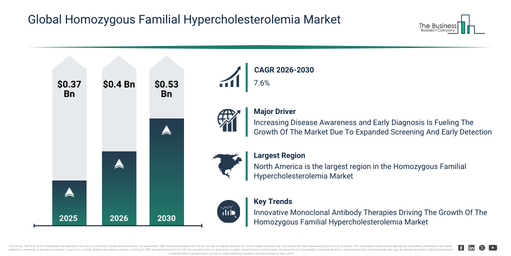
    The homozygous familial hypercholesterolemia market size has seen substantial growth over recent years. It is anticipated to expand from $0.37 billion in 2025 to $0.4 billion in 2026, demonstrating a compound annual growth rate (CAGR) of 7.4%. This historical expansion is primarily due to increased awareness of rare lipid disorders, the establishment of more specialty lipid clinics, the availability of advanced lipid-lowering drugs, a rise in cardiovascular risk screening, and enhanced diagnostic capabilities for genetic diseases.

    The homozygous familial hypercholesterolemia market size is projected to experience substantial growth in the upcoming years. It is expected to expand to $0.53 billion by 2030, achieving a compound annual growth rate (CAGR) of 7.6%. This anticipated growth during the forecast period is attributable to the increasing embrace of gene and RNA-based therapies, a sharpened focus on early pediatric intervention, the broadening of reimbursement coverage for rare diseases, rising investments in personalized cardiovascular medicine, and an uptick in clinical trials for innovative treatments. Significant trends during this period encompass the growing adoption of genetic testing for early diagnosis, the rising utilization of PCSK9 inhibitors in treatment regimens, the increased integration of personalized lipid management plans, the expansion of advanced lipoprotein apheresis services, and an enhanced emphasis on long-term patient monitoring.

    Download A Free Sample Report For Comprehensive Market Insights:

    https://www.thebusinessresearchcompany.com/sample.aspx?id=33171&type=smp&utm_source=Blogs&utm_medium=Paid&utm_campaign=Jul_PR

    #Homozygous Familial Hypercholesterolemia Market Demand Drivers Creating New Revenue Opportunities

    Enhanced understanding of the disease and timely detection are projected to boost the expansion of the homozygous familial hypercholesterolemia market in the future. This encompasses informing medical professionals, government bodies, and the general population about genetic conditions involving exceptionally high cholesterol levels, and refining the recognition of afflicted persons via organized screening and diagnostic initiatives. The rise in disease awareness and early diagnosis stems from worldwide campaigns and advocacy endeavors advocating for comprehensive cholesterol checks, screening in children, and cascade screening approaches to identify undiagnosed cases earlier. The homozygous familial hypercholesterolemia market facilitates prompt identification by providing availability to sophisticated diagnostic instruments, expert lipid centers, and specific treatments, thereby reinforcing early detection and sustained management of the condition. As an illustration, in March 2025, the Korean Hospital Association, a national healthcare body located in South Korea, reported that the cancer screening rate in 2024 reached 70.2%, signifying an approximate increase of 3.8% from the preceding year (2023). Consequently, improved disease recognition and prompt diagnosis are stimulating the expansion of the homozygous familial hypercholesterolemia market.

    Homozygous Familial Hypercholesterolemia Market Segment Performance And Strategic Opportunities

    The homozygous familial hypercholesterolemia market covered in this report is segmented –

    1) By Drug Class: Statins; Proprotein Convertase Subtilisin Kexin Type Nine (PCSK9) Inhibitors; Lomitapide; Gene Therapy; Ribonucleic Acid (RNA) Based Therapeutics

    2) By Treatment Modality: Pharmacologic And Small Molecule Therapies; Biologic And Monoclonal Antibody Therapies; Advanced Lipoprotein Apheresis Procedures; Investigational Gene And RNAI-Based Therapies

    3) By Route Of Administration: Oral; Subcutaneous; Intravenous

    4) By Patient Age Group: Pediatric; Adult

    5) By End User: Specialty Lipid Clinics; Academic Hospitals; General Hospitals; Payers Or Managed Care

    Subsegments:

    1) By Statins: Hydroxymethylglutaryl-Coenzyme A Reductase Inhibitors; Atorvastatin; Rosuvastatin; Simvastatin; Pravastatin

    2) By Proprotein Convertase Subtilisin Kexin Type Nine (PCSK9) Inhibitors: Monoclonal Antibodies; Alirocumab; Evolocumab; Inclisiran; Bococizumab

    3) By Lomitapide: Microsomal Triglyceride Transfer Protein Inhibitors; Oral Lipid Lowering Agents; Combination Lipid Therapy

    4) By Gene Therapy: Adeno-Associated Virus Mediated Therapy; Ex Vivo Gene Editing Therapy; In Vivo Gene Transfer Therapy

    5) By Ribonucleic Acid (RNA)-Based Therapeutics: Small Interfering Ribonucleic Acid Therapy; Antisense Oligonucleotide Therapy; Messenger Ribonucleic Acid Therapy; Short Hairpin Ribonucleic Acid Therapy

    Homozygous Familial Hypercholesterolemia Market Trends Driving Strategic Industry Expansion

    Major companies operating within the homozygous familial hypercholesterolemia market are increasingly directing their efforts towards creating innovative biologic remedies, such as ANGPTL3-targeted monoclonal antibodies, to address the outstanding needs of patients suffering from this extremely rare and severe genetic lipid disorder. ANGPTL3-targeted monoclonal antibody therapies are classified as biologic drugs crafted to inhibit angiopoietin-like 3, an essential modulator of lipid metabolism that suppresses the enzymes responsible for lipid breakdown. By impeding ANGPTL3, these therapeutic approaches lower LDL-C levels through mechanisms independent of LDL receptor function, which is often compromised in homozygous familial hypercholesterolemia patients. For example, in March 2023, Regeneron Pharmaceuticals Inc., a U.S.-based biotechnology company, secured an expanded approval from the U.S. Food and Drug Administration for Evkeeza (evinacumab-dgnb) for managing children aged 5 to 11 years with homozygous familial hypercholesterolemia, to be used alongside other lipid-lowering treatments. Evkeeza functions as a fully human monoclonal antibody that inhibits ANGPTL3, leading to notable reductions in LDL-C levels in patients who typically exhibit inadequate responses to standard therapies. Clinical research demonstrated an average LDL-C reduction of nearly 48% after 24 weeks in pediatric patients, emphasizing the growing influence of inventive monoclonal antibody therapies in fostering the expansion of the homozygous familial hypercholesterolemia market.

    Homozygous Familial Hypercholesterolemia Market Key Players: Which Companies Shape Industry Competition?

    Major companies operating in the homozygous familial hypercholesterolemia market are Merck & Co. Inc., Pfizer Inc., Sanofi S.A., Novartis AG, Amgen, Teva Pharmaceutical Ltd., Viatris Inc., Regeneron Pharmaceuticals Inc., Organon & Co., Alnylam Pharmaceuticals, Ionis Pharmaceuticals, AstraZeneca Ionis Pharmaceuticals, CRISPR Therapeutics AG, Arrowhead Pharmaceuticals, Akcea Therapeutics, Esperion Therapeutics, Accord Healthcare, Verve Therapeutics Inc., Aegerion Pharmaceuticals, LIB Therapeutics Inc., and Changzhou Pharmaceutical Factory Co. Ltd.

    Access The Complete Homozygous Familial Hypercholesterolemia Market Report:

    https://www.thebusinessresearchcompany.com/report/homozygous-familial-hypercholesterolemia-market-report?utm_source=Blogs&utm_medium=Paid&utm_campaign=Jul_PR

    #Homozygous Familial Hypercholesterolemia Market Largest Region: Which Geography Holds The Highest Market Share?

    North America was the largest region in the Homozygous Familial Hypercholesterolemia market in 2025. Asia-Pacific is expected to be the fastest-growing region in the forecast period. The regions covered in the homozygous familial hypercholesterolemia market report are Asia-Pacific, South East Asia, Western Europe, Eastern Europe, North America, South America, Middle East, Africa.

    Get in touch with us:

    The Business Research Company: https://www.thebusinessresearchcompany.com/

    Americas: +1 310-496-7795

    Asia: +44 7882 955267 & +91 8897263534

    Europe: +44 7882 955267

    Email us at: marketing@tbrc.info

    Follow us on:

    LinkedIn: https://in.linkedin.com/company/the-business-research-company

    YouTube: https://www.youtube.com/channel/UC24_fI0rV8cR5DxlCpgmyFQ

    Global Market Model: https://www.thebusinessresearchcompany.com/global-market-model
  • Gynecomastia Treatment  Market Growth Outlook Reveals A CAGR Of 8.6% And A Market Value Of $4.49 Billion By 2030

    Gynecomastia Treatment Market Growth Outlook Reveals A CAGR Of 8.6% And A Market Value Of $4.49 Billion By 2030

    Delivering more actionable and strategically valuable research, The Business Research Company’s 2026 market reports feature market attractiveness analysis, total addressable market evaluation, company benchmarking matrices, interactive Excel dashboards, expanded supply chain intelligence, emerging startup coverage, and detailed product insights.

    Gynecomastia Treatment Market Growth Potential: How Will Market Size Change Through 2030?

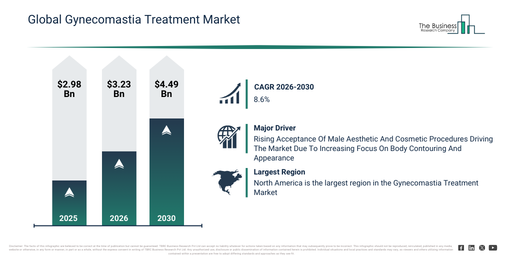
    The gynecomastia treatment market has demonstrated robust expansion over recent years. Projections indicate its value will escalate from $2.98 billion in 2025 to $3.23 billion in 2026, advancing at a compound annual growth rate (CAGR) of 8.4%. This historical growth can be linked to factors such as higher diagnosis rates for gynecomastia, increased public awareness regarding male health conditions, the availability of advanced surgical interventions, the broadening scope of aesthetic medicine services, and a greater willingness to embrace corrective treatments.

    The gynecomastia treatment market is projected to experience substantial expansion in the coming years, with its size expected to reach $4.49 billion by 2030, driven by a compound annual growth rate (CAGR) of 8.6%. This growth during the forecast period is fueled by several factors, including an escalating demand for personalized treatment plans, the increasing integration of advanced liposuction technologies, the proliferation of outpatient surgical facilities, a heightened focus on psychological well-being, and greater investment in male health services. Prominent trends anticipated in the forecast period involve the rising adoption of minimally invasive surgical techniques, an increasing need for hormone-based medical therapies, a growing preference for combined treatment approaches, the expansion of specialized aesthetic clinics, and an intensified commitment to patient counseling and post-treatment support.

    Download A Free Sample Report For Comprehensive Market Insights:

    https://www.thebusinessresearchcompany.com/sample.aspx?id=33147&type=smp&utm_source=Blogs&utm_medium=Paid&utm_campaign=Jul_PR

    #Gynecomastia Treatment Market Demand Drivers Creating New Revenue Opportunities

    The expanding adoption of male aesthetic and cosmetic procedures is projected to fuel the expansion of the gynecomastia treatment market moving ahead. These procedures involve medical or surgical interventions aimed at improving men’s physical appearance, addressing areas like body shape, facial features, skin condition, and hair. This growing acceptance stems from evolving societal perspectives on male grooming and body image, influenced by media and increased understanding of available aesthetic treatments. The rise in men undergoing aesthetic and cosmetic procedures has consequently prompted them to pursue gynecomastia treatment for a more defined, masculine chest. For instance, in June 2024, data from the American Society of Plastic Surgeons (ASPS), a US-based professional body, indicated that men represented a 6 % share of all cosmetic procedures carried out in 2023, with male body-focused procedures seeing an 18 % increase and face and neck procedures a 15 % increase compared to the prior year. Thus, the increasing embrace of male aesthetic and cosmetic procedures is propelling the growth of the gynecomastia treatment market.

    Gynecomastia Treatment Market Segmentation Trends And Revenue Drivers

    The gynecomastia treatment market covered in this report is segmented –

    1) By Treatment Type: Medications; Surgical Treatments; Alternative Therapies

    2) By Age Group: Adolescents; Adults; Middle Aged And Older

    3) By Distribution Channel: Direct Sales; Distributor Sales; Online Sales

    4) By End User: Hospitals; Aesthetic Clinics; Ambulatory Surgical Centers; Endocrinology Clinics

    Subsegments:

    1) By Medications: Hormone Regulating Drug Therapies; Estrogen Blocking Drug Therapies; Testosterone Modulating Drug Therapies

    2) By Surgical Treatments: Liposuction Based Breast Reduction Procedures; Glandular Tissue Excision Procedures; Combined Liposuction And Excision Procedures

    3) By Alternative Therapies: Lifestyle And Weight Management Programs; Dietary And Nutritional Support Therapies; Herbal And Natural Supplement Therapies

    #Gynecomastia Treatment Market Industry Leaders: Which Organizations Are Driving Competition?

    Major companies operating in the gynecomastia treatment market are Spire Healthcare Group Plc, Max Healthcare Institute, InMode Ltd., Cynosure Inc., Pristyn Care Private Limited, Sterling Hospital, Paras Hospital, Prettislim Clinic, Allure Medspa, Lux Hospitals, Florida Plastic Surgery Group, Dermawear, DermaVue, AK Clinics Pvt. Ltd., BioZen, Medifyhome, PinkApple Aesthetics, The Aesthetica, Austin Gynecomastia Center, and Carely Clinic.

    Access The Complete Gynecomastia Treatment Market Report:

    https://www.thebusinessresearchcompany.com/report/gynecomastia-treatment-market-report?utm_source=Blogs&utm_medium=Paid&utm_campaign=Jul_PR

    Gynecomastia Treatment Market Geographic Distribution And Regional Opportunities

    North America was the largest region in the gynecomastia treatment market in 2025. Asia-Pacific is expected to be the fastest-growing region in the forecast period. The regions covered in the gynecomastia treatment market report are Asia-Pacific, South East Asia, Western Europe, Eastern Europe, North America, South America, Middle East, Africa.

    Get in touch with us:

    The Business Research Company: https://www.thebusinessresearchcompany.com/

    Americas: +1 310-496-7795

    Asia: +44 7882 955267 & +91 8897263534

    Europe: +44 7882 955267

    Email us at: marketing@tbrc.info

    Follow us on:

    LinkedIn: https://in.linkedin.com/company/the-business-research-company

    YouTube: https://www.youtube.com/channel/UC24_fI0rV8cR5DxlCpgmyFQ

    Global Market Model: https://www.thebusinessresearchcompany.com/global-market-model
  • Giant Papillary Conjunctivitis  Market Forecast Signals New Revenue Opportunities Through 2030

    Giant Papillary Conjunctivitis Market Forecast Signals New Revenue Opportunities Through 2030

    Delivering more actionable and strategically valuable research, The Business Research Company’s 2026 market reports feature market attractiveness analysis, total addressable market evaluation, company benchmarking matrices, interactive Excel dashboards, expanded supply chain intelligence, emerging startup coverage, and detailed product insights.

    Giant Papillary Conjunctivitis Market Size, Value And Growth Trends Through 2030

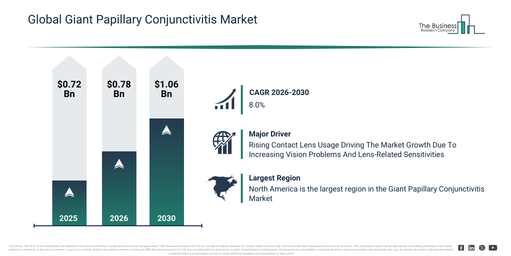
    The giant papillary conjunctivitis market has experienced robust expansion in recent years. It is projected to increase in value from $0.72 billion in 2025 to $0.78 billion in 2026, demonstrating a compound annual growth rate (CAGR) of 7.8%. This historical growth can be attributed to several factors, including the increasing prevalence of contact lens usage, a rising incidence of ocular allergies, improved diagnostic awareness among medical professionals, the availability of topical antihistamine treatments, and the expansion of outpatient ophthalmology services.

    The giant papillary conjunctivitis market size is anticipated to experience robust growth in the upcoming years, projected to reach $1.06 billion by 2030, demonstrating a compound annual growth rate (CAGR) of 8.0%. This expansion during the forecast period can be attributed to factors such as the increasing development of targeted anti-inflammatory therapies, a rising demand for non-steroidal treatment options, the expansion of tele-ophthalmology services, a growing focus on early diagnosis, and increasing investment in ophthalmic drug development. Major trends anticipated in this period include the increasing use of combination ocular therapies, a rising adoption of preservative-free eye drops, an intensifying focus on long-term disease management, the expansion of allergy-related ophthalmic treatments, and an enhanced emphasis on patient-centric care.

    Download A Free Sample Report For Comprehensive Market Insights:

    https://www.thebusinessresearchcompany.com/sample.aspx?id=33123&type=smp&utm_source=Blogs&utm_medium=Paid&utm_campaign=Jul_PR

    #Giant Papillary Conjunctivitis Market Demand Drivers Creating New Revenue Opportunities

    The growing adoption of contact lenses is projected to boost the allergic papillary conjunctivitis market in the coming years. Contact lenses are slender, curved optical devices applied directly to the eye’s surface (cornea) to correct vision, safeguard the eye, or improve cosmetic appearance. Their usage is escalating due to a rise in vision issues like myopia, largely influenced by increased screen time and digital device use. Allergic papillary conjunctivitis (APC) assists contact lens wearers by pinpointing sensitivity issues, enabling them to select suitable lenses or treatments to lessen irritation and enhance comfort. For instance, in January 2025, the Contact Lens Spectrum, a US-based professional publication, reported that practitioners estimate 59% of their patients purchase contact lenses directly from their practices (an increase from 56% in 2023), while 23% acquire them online, consistent with 2023 figures. Consequently, the expanding use of contact lenses is propelling the growth of the allergic papillary conjunctivitis market. The rising healthcare expenditures are expected to stimulate the growth of the giant papillary conjunctivitis market moving forward. Healthcare expenditures encompass the total costs incurred for the delivery, management, and consumption of health services, products, and preventive care. These expenditures are increasing because an aging demographic necessitates more medical attention and extended treatment for chronic conditions. Healthcare expenditures contribute to managing giant papillary conjunctivitis by covering expenses for medical consultations, medications, therapeutic contact lenses, and follow-up care aimed at reducing inflammation and averting vision problems. For example, in December 2024, the Centers for Medicare & Medicaid Services, a US-based agency, stated that in 2023, U.S. healthcare expenditures saw a 7.5% increase, reaching $4.9 trillion, which is approximately $14,570 per individual. Therefore, the escalation in healthcare expenditures is driving the growth of the giant papillary conjunctivitis market.

    Giant Papillary Conjunctivitis Market Segment Breakdown: Which Categories Generate The Most Revenue?

    The giant papillary conjunctivitis market covered in this report is segmented –

    1) By Drug Class: Antihistamines; Mast Cell Stabilizers; Corticosteroids

    2) By Treatment: Medications; Surgical Interventions

    3) By Route of Administration: Topical Eye Drops; Ophthalmic Inserts; Systemic Therapy

    4) By Distribution Channel: Hospital Pharmacies; Retail Pharmacies; Online Pharmacies

    Subsegments:

    1) By Antihistamines: Topical Antihistamine Drops; Dual Action Antihistamine Agents; Oral Antihistamine Medications

    2) By Mast Cell Stabilizers: Sodium Cromoglycate Preparations; Lodoxamide Based Formulations; Nedocromil Based Treatments

    3) By Corticosteroids: Topical Steroid Eye Drops; Low Potency Corticosteroids; Short Term Corticosteroid Therapy

    Giant Papillary Conjunctivitis Market Key Players And Strategic Industry Positioning

    Major companies operating in the giant papillary conjunctivitis market are Johnson & Johnson Vision Care Inc., AbbVie Inc., Novartis AG, Teva Pharmaceutical Industries Ltd., Bausch Health Companies Inc., Alcon Inc., Cleveland Clinic, Sun Pharmaceutical Industries Ltd., CooperVision Inc., Cipla Limited, Lupin Limited, Santen Pharmaceutical Co. Ltd., Mankind Pharma Pvt. Ltd., Eton Pharmaceuticals Inc., Micro Labs Limited, Specsavers Optical Group Ltd., Harrow Health Inc., Ocular Therapeutix Inc., Eyevance Pharmaceuticals LLC, Iskon Remedies Pvt. Ltd., The Eye Practice Ltd.

    Access The Complete Giant Papillary Conjunctivitis Market Report:

    https://www.thebusinessresearchcompany.com/report/giant-papillary-conjunctivitis-market-report?utm_source=Blogs&utm_medium=Paid&utm_campaign=Jul_PR

    Giant Papillary Conjunctivitis Market Regional Analysis And Leading Geography

    North America was the largest region in the giant papillary conjunctivitis market in 2025. Asia-Pacific is expected to be the fastest-growing region in the forecast period. The regions covered in the giant papillary conjunctivitis market report are Asia-Pacific, South East Asia, Western Europe, Eastern Europe, North America, South America, Middle East, Africa.

    Get in touch with us:

    The Business Research Company: https://www.thebusinessresearchcompany.com/

    Americas: +1 310-496-7795

    Asia: +44 7882 955267 & +91 8897263534

    Europe: +44 7882 955267

    Email us at: marketing@tbrc.info

    Follow us on:

    LinkedIn: https://in.linkedin.com/company/the-business-research-company

    YouTube: https://www.youtube.com/channel/UC24_fI0rV8cR5DxlCpgmyFQ

    Global Market Model: https://www.thebusinessresearchcompany.com/global-market-model
  • Frontotemporal Dementia  Market Forecast Highlights Expansion From $3.53 Billion To $4.99 Billion Through 2030

    Frontotemporal Dementia Market Forecast Highlights Expansion From $3.53 Billion To $4.99 Billion Through 2030

    Delivering more actionable and strategically valuable research, The Business Research Company’s 2026 market reports feature market attractiveness analysis, total addressable market evaluation, company benchmarking matrices, interactive Excel dashboards, expanded supply chain intelligence, emerging startup coverage, and detailed product insights.

    Frontotemporal Dementia Market Expansion Outlook: What Revenue Opportunities Lie Ahead?

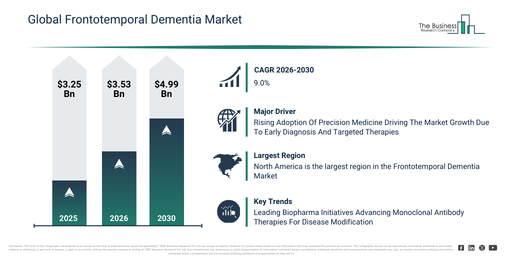
    The frontotemporal dementia market size has observed strong growth in recent years. It is projected to expand from $3.25 billion in 2025 to $3.53 billion in 2026, at a compound annual growth rate (CAGR) of 8.8%. The historical growth can be attributed to improved clinical recognition of frontotemporal dementia, the expansion of specialized neurology clinics, increased availability of neuroimaging technologies, rising awareness among healthcare professionals, and the development of standardized diagnostic criteria.

    The frontotemporal dementia market is projected to experience substantial growth in the upcoming years, with its size expected to reach $4.99 billion by 2030, exhibiting a compound annual growth rate (CAGR) of 9.0%. This anticipated expansion during the forecast period is driven by factors such as increasing investments in neurodegenerative disease research, a rising adoption of precision medicine approaches, the broadening availability of digital health tools for cognitive assessment, a growing emphasis on disease-modifying therapies, and the proliferation of caregiver support and management programs. Furthermore, significant trends foreseen in this period include the increased utilization of advanced neuroimaging diagnostics, a rising embrace of genetic and biomarker testing, a heightened focus on early and accurate disease differentiation, the expansion of multidisciplinary care models, and the enhanced integration of digital cognitive assessment tools.

    Download A Free Sample Report For Comprehensive Market Insights:

    https://www.thebusinessresearchcompany.com/sample.aspx?id=33114&type=smp&utm_source=Blogs&utm_medium=Paid&utm_campaign=Jul_PR

    Frontotemporal Dementia Market Demand Drivers: What Is Fueling Industry Growth?

    The expanding field of precision medicine is anticipated to propel the future growth of the frontotemporal dementia market. This approach involves tailoring medical treatment to an individual’s distinct biological and lifestyle characteristics. Its adoption is on the rise, spurred by progress in genomics and biotechnology, which enable more precise identification of disease origins and focused therapies, thereby enhancing patient outcomes. For frontotemporal dementia (FTD), precision medicine facilitates early and accurate diagnosis via genetic and biomarker analysis, and it also directs the creation of targeted treatments that address specific molecular pathways implicated in the condition, leading to improved treatment efficacy and slower disease progression. For instance, according to the Personalized Medicine Coalition, a US-based non-profit organization, the US Food and Drug Administration (FDA) sanctioned 16 new personalized treatments for rare disease patients, an increase from six in 2022. Among the new personalized treatments approved for 2023 were also seven cancer drugs and three for various other diseases and conditions. Consequently, the expansion of precision medicine is acting as a key driver for the frontotemporal dementia market’s growth.

    Frontotemporal Dementia Market Segment Outlook: Which Categories Are Expanding The Fastest?

    The frontotemporal dementia market covered in this report is segmented –

    1) By Disease Type: Behavioral Variant Frontotemporal Dementia (bvFTD); Primary Progressive Aphasia (PPA); Frontotemporal Dementia With Motor Neuron Disease (FTD-MND)

    2) By Drug Class: Cholinesterase Inhibitors; N-Methyl-D-Aspartate (NMDA) Receptor Antagonists; Antidepressants; Antipsychotics

    3) By Diagnostic Methods: Clinical Evaluation; Neuroimaging; Genetic Testing

    4) By Treatment Approach: Symptom Management; Medications; Speech And Occupational Therapy

    5) By End User: Hospitals; Specialty Clinics; Long-Term Care Facilities

    Subsegments:

    1) By Behavioral Variant Frontotemporal Dementia (bvFTD): Disinhibited Type; Apathetic Type; Stereotypic Type; Hyperorality Type

    2) By Primary Progressive Aphasia (PPA): Nonfluent Variant; Semantic Variant; Logopenic Variant

    3) By Frontotemporal Dementia With Motor Neuron Disease (FTD-MND): Amyotrophic Lateral Sclerosis Associated; Progressive Muscular Atrophy Associated; Primary Lateral Sclerosis Associated

    Frontotemporal Dementia Market Innovation Trends: Which Developments Are Transforming The Industry?

    Leading companies operating within the frontotemporal dementia market are concentrating on developing innovative solutions like monoclonal antibody therapy to slow disease progression and address underlying pathological mechanisms. Monoclonal antibody therapy involves a treatment that uses laboratory-made antibodies, specifically designed to target particular proteins or cells in the body, aiding in disease treatment by blocking, neutralizing, or marking harmful cells for destruction. For instance, in February 2024, Alector Inc., a US-based clinical-stage biotechnology company, partnered with GSK Plc., a UK-based biopharma company, and received the FDA Breakthrough Therapy Designation for latozinemab (AL001). This therapy is engineered to treat frontotemporal dementia due to progranulin gene mutation (FTD-GRN) by inhibiting the sortilin receptor and elevating progranulin (PGRN) levels in the brain to tackle lysosomal dysfunction and neurodegeneration. Phase 2 trials indicated safe, sustained PGRN increases (over 2-fold in plasma/CSF) with trends suggesting a slowing of clinical progression.

    Frontotemporal Dementia Market Key Companies And Competitive Benchmarking

    Major companies operating in the frontotemporal dementia market are Novartis AG, Eli Lilly and Company, Siemens Healthineers AG, Alector Inc., Denali Therapeutics Inc., Sangamo Therapeutics Inc., QurAlis Inc., TauRx Pharmaceuticals Ltd., AC Immune SA, AviadoBio Ltd., Passage Bio Inc., Muna Therapeutics Inc., Neurimmune Therapeutics Inc., Coya Therapeutics Inc., Aquinnah Pharmaceuticals Inc., Asceneuron SA, CAMP4 Therapeutics Inc., Libra Therapeutics Inc., SOLA Biosciences Inc., Transposon Therapeutics Inc.

    Access The Complete Frontotemporal Dementia Market Report:

    https://www.thebusinessresearchcompany.com/report/frontotemporal-dementia-market-report?utm_source=Blogs&utm_medium=Paid&utm_campaign=Jul_PR

    Frontotemporal Dementia Market Geographic Distribution And Regional Opportunities

    North America was the largest region in the frontotemporal dementia market in 2025. Asia-Pacific is expected to be the fastest-growing region in the forecast period. The regions covered in the frontotemporal dementia market report are Asia-Pacific, South East Asia, Western Europe, Eastern Europe, North America, South America, Middle East, Africa.

    Get in touch with us:

    The Business Research Company: https://www.thebusinessresearchcompany.com/

    Americas: +1 310-496-7795

    Asia: +44 7882 955267 & +91 8897263534

    Europe: +44 7882 955267

    Email us at: marketing@tbrc.info

    Follow us on:

    LinkedIn: https://in.linkedin.com/company/the-business-research-company

    YouTube: https://www.youtube.com/channel/UC24_fI0rV8cR5DxlCpgmyFQ

    Global Market Model: https://www.thebusinessresearchcompany.com/global-market-model

  • Frontotemporal Dementia Market Forecast Highlights Expansion From $3.53 Billion To $4.99 Billion Through 2030

    Delivering more actionable and strategically valuable research, The Business Research Company’s 2026 market reports feature market attractiveness analysis, total addressable market evaluation, company benchmarking matrices, interactive Excel dashboards, expanded supply chain intelligence, emerging startup coverage, and detailed product insights.

    Frontotemporal Dementia Market Expansion Outlook: What Revenue Opportunities Lie Ahead?

    The frontotemporal dementia market size has observed strong growth in recent years. It is projected to expand from $3.25 billion in 2025 to $3.53 billion in 2026, at a compound annual growth rate (CAGR) of 8.8%. The historical growth can be attributed to improved clinical recognition of frontotemporal dementia, the expansion of specialized neurology clinics, increased availability of neuroimaging technologies, rising awareness among healthcare professionals, and the development of standardized diagnostic criteria.

    The frontotemporal dementia market is projected to experience substantial growth in the upcoming years, with its size expected to reach $4.99 billion by 2030, exhibiting a compound annual growth rate (CAGR) of 9.0%. This anticipated expansion during the forecast period is driven by factors such as increasing investments in neurodegenerative disease research, a rising adoption of precision medicine approaches, the broadening availability of digital health tools for cognitive assessment, a growing emphasis on disease-modifying therapies, and the proliferation of caregiver support and management programs. Furthermore, significant trends foreseen in this period include the increased utilization of advanced neuroimaging diagnostics, a rising embrace of genetic and biomarker testing, a heightened focus on early and accurate disease differentiation, the expansion of multidisciplinary care models, and the enhanced integration of digital cognitive assessment tools.

    Download A Free Sample Report For Comprehensive Market Insights:

    https://www.thebusinessresearchcompany.com/sample.aspx?id=33114&type=smp&utm_source=Blogs&utm_medium=Paid&utm_campaign=Jul_PR

    Frontotemporal Dementia Market Demand Drivers: What Is Fueling Industry Growth?

    The expanding field of precision medicine is anticipated to propel the future growth of the frontotemporal dementia market. This approach involves tailoring medical treatment to an individual’s distinct biological and lifestyle characteristics. Its adoption is on the rise, spurred by progress in genomics and biotechnology, which enable more precise identification of disease origins and focused therapies, thereby enhancing patient outcomes. For frontotemporal dementia (FTD), precision medicine facilitates early and accurate diagnosis via genetic and biomarker analysis, and it also directs the creation of targeted treatments that address specific molecular pathways implicated in the condition, leading to improved treatment efficacy and slower disease progression. For instance, according to the Personalized Medicine Coalition, a US-based non-profit organization, the US Food and Drug Administration (FDA) sanctioned 16 new personalized treatments for rare disease patients, an increase from six in 2022. Among the new personalized treatments approved for 2023 were also seven cancer drugs and three for various other diseases and conditions. Consequently, the expansion of precision medicine is acting as a key driver for the frontotemporal dementia market’s growth.

    Frontotemporal Dementia Market Segment Outlook: Which Categories Are Expanding The Fastest?

    The frontotemporal dementia market covered in this report is segmented –

    1) By Disease Type: Behavioral Variant Frontotemporal Dementia (bvFTD); Primary Progressive Aphasia (PPA); Frontotemporal Dementia With Motor Neuron Disease (FTD-MND)

    2) By Drug Class: Cholinesterase Inhibitors; N-Methyl-D-Aspartate (NMDA) Receptor Antagonists; Antidepressants; Antipsychotics

    3) By Diagnostic Methods: Clinical Evaluation; Neuroimaging; Genetic Testing

    4) By Treatment Approach: Symptom Management; Medications; Speech And Occupational Therapy

    5) By End User: Hospitals; Specialty Clinics; Long-Term Care Facilities

    Subsegments:

    1) By Behavioral Variant Frontotemporal Dementia (bvFTD): Disinhibited Type; Apathetic Type; Stereotypic Type; Hyperorality Type

    2) By Primary Progressive Aphasia (PPA): Nonfluent Variant; Semantic Variant; Logopenic Variant

    3) By Frontotemporal Dementia With Motor Neuron Disease (FTD-MND): Amyotrophic Lateral Sclerosis Associated; Progressive Muscular Atrophy Associated; Primary Lateral Sclerosis Associated

    Frontotemporal Dementia Market Innovation Trends: Which Developments Are Transforming The Industry?

    Leading companies operating within the frontotemporal dementia market are concentrating on developing innovative solutions like monoclonal antibody therapy to slow disease progression and address underlying pathological mechanisms. Monoclonal antibody therapy involves a treatment that uses laboratory-made antibodies, specifically designed to target particular proteins or cells in the body, aiding in disease treatment by blocking, neutralizing, or marking harmful cells for destruction. For instance, in February 2024, Alector Inc., a US-based clinical-stage biotechnology company, partnered with GSK Plc., a UK-based biopharma company, and received the FDA Breakthrough Therapy Designation for latozinemab (AL001). This therapy is engineered to treat frontotemporal dementia due to progranulin gene mutation (FTD-GRN) by inhibiting the sortilin receptor and elevating progranulin (PGRN) levels in the brain to tackle lysosomal dysfunction and neurodegeneration. Phase 2 trials indicated safe, sustained PGRN increases (over 2-fold in plasma/CSF) with trends suggesting a slowing of clinical progression.

    Frontotemporal Dementia Market Key Companies And Competitive Benchmarking

    Major companies operating in the frontotemporal dementia market are Novartis AG, Eli Lilly and Company, Siemens Healthineers AG, Alector Inc., Denali Therapeutics Inc., Sangamo Therapeutics Inc., QurAlis Inc., TauRx Pharmaceuticals Ltd., AC Immune SA, AviadoBio Ltd., Passage Bio Inc., Muna Therapeutics Inc., Neurimmune Therapeutics Inc., Coya Therapeutics Inc., Aquinnah Pharmaceuticals Inc., Asceneuron SA, CAMP4 Therapeutics Inc., Libra Therapeutics Inc., SOLA Biosciences Inc., Transposon Therapeutics Inc.

    Access The Complete Frontotemporal Dementia Market Report:

    https://www.thebusinessresearchcompany.com/report/frontotemporal-dementia-market-report?utm_source=Blogs&utm_medium=Paid&utm_campaign=Jul_PR

    Frontotemporal Dementia Market Geographic Distribution And Regional Opportunities

    North America was the largest region in the frontotemporal dementia market in 2025. Asia-Pacific is expected to be the fastest-growing region in the forecast period. The regions covered in the frontotemporal dementia market report are Asia-Pacific, South East Asia, Western Europe, Eastern Europe, North America, South America, Middle East, Africa.

    Get in touch with us:

    The Business Research Company: https://www.thebusinessresearchcompany.com/

    Americas: +1 310-496-7795

    Asia: +44 7882 955267 & +91 8897263534

    Europe: +44 7882 955267

    Email us at: marketing@tbrc.info

    Follow us on:

    LinkedIn: https://in.linkedin.com/company/the-business-research-company

    YouTube: https://www.youtube.com/channel/UC24_fI0rV8cR5DxlCpgmyFQ

    Global Market Model: https://www.thebusinessresearchcompany.com/global-market-model