Category: Healthcare Services

  • Pediatric Electronic Medical Record (EMR) Software Market Outlook Highlights The Next Major Growth Opportunities

    Pediatric Electronic Medical Record (EMR) Software Market Outlook Highlights The Next Major Growth Opportunities

    Through market attractiveness analysis, total addressable market evaluation, company benchmarking matrices, interactive Excel dashboards, expanded supply chain intelligence, emerging startup coverage, and detailed product insights, The Business Research Company’s 2026 market reports provide more actionable and strategically valuable research.

    Pediatric Electronic Medical Record (EMR) Software Market Size, Value And Growth Trends Through 2030

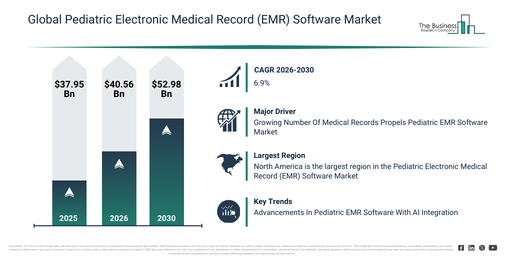
    The pediatric electronic medical record (EMR) software market has witnessed robust expansion, projected to increase from $37.95 billion in 2025 to $40.56 billion in 2026, reflecting a compound annual growth rate of 6.9%. Previously, this growth was fueled by factors such as the limited adoption of digital record-keeping in pediatrics, the prevalent use of paper-based systems, disconnected health information, a lack of understanding regarding EMR advantages, and a scarcity of features tailored for pediatric care.

    The pediatric electronic medical record (EMR) software market is projected for substantial expansion over the coming years, with an anticipated reach of $52.98 billion by 2030, reflecting a compound annual growth rate (CAGR) of 6.9%. This projected increase stems from several key factors including the escalating embrace of cloud-based and interconnected EMR systems, a heightened demand for artificial intelligence-driven analytical capabilities, a growing emphasis on seamless data exchange and the robust protection of patient information, the increasing necessity for specialized templates and functionalities tailored for pediatrics, and the burgeoning governmental encouragement for digital health innovations. Dominant trends anticipated during this projection period involve a greater uptake of cloud-based EMR solutions for pediatric practices, a more profound integration of AI and machine learning techniques for analyzing pediatric data, an expanded utilization of big data and digital instruments in managing pediatric healthcare, a persistent focus on developing secure and interoperable EMR platforms, and a wider implementation of precision medicine functionalities within pediatric EMR software.

    Download A Free Sample Report For Comprehensive Market Insights:

    https://www.thebusinessresearchcompany.com/sample.aspx?id=14451&type=smp

    Pediatric Electronic Medical Record (EMR) Software Market Growth Drivers: What Factors Are Accelerating Expansion?

    The increasing volume of pediatric medical documentation is anticipated to be a significant catalyst for the expanding pediatric electronic medical record (EMR) software industry. Medical records, which encompass a comprehensive collection of patient health data such as history, examinations, test outcomes, treatment plans, progress notes, and prescribed medications, are seeing a surge in pediatric cases. This upward trend in pediatric medical records can be attributed to various contributing factors, including the rising incidence of chronic illnesses among children, a greater focus on preventative healthcare for young individuals, and enhanced access to and utilization of medical services for the pediatric population. EMR software plays a crucial role in streamlining the management and dissemination of these records, thereby expediting diagnostic processes and treatment interventions for young patients. Evidence supporting this trend is found in a November 2025 report by the Organisation for Economic Co-operation and Development, which highlighted advancements in electronic health record (EHR) accessibility across OECD member nations. The report indicated that in 2024, the average availability of digital health services accessible online reached 82%, marking an improvement from the 79% recorded in 2023 among nations with comparable data. Consequently, the proliferation of medical records is a key driver behind the market’s expansion for pediatric EMR software.

    Pediatric Electronic Medical Record (EMR) Software Market Segmentation: How Is The Market Structured Across Key Categories?

    The pediatric electronic medical record (emr) software market covered in this report is segmented –

    1) By Type: Cloud Based Electronic Medical Record (EMR), On Premises Electronic Medical Record (EMR)

    2) By Components: Software Services, Consulting

    3) By Functionality: Clinical Documentation, Patient Management, Reporting And Analytics

    4) By Application: Large Enterprise, Small And Medium-sized Enterprises (SMEs)

    5) By End User: Hospitals, Diagnostic Centers, Other End Users

    Subsegments:

    1) By Cloud Based Electronic Medical Record (EMR): Web-Based Pediatric Electronic Medical Record (EMR) Platforms, Subscription-Based Cloud Pediatric Electronic Medical Record (EMR), Mobile-Accessible Cloud Pediatric Electronic Medical Record (EMR), Cloud Pediatric Electronic Medical Record (EMR) With Telehealth Integration

    2) By On Premises Electronic Medical Record (EMR): Server-Based Pediatric Electronic Medical Record (EMR) Systems, Locally Hosted Pediatric Electronic Medical Record (EMR), Customizable On Premises Pediatric Electronic Medical Record (EMR), On Premises Pediatric Electronic Medical Record (EMR) With In-House Data Control

    Pediatric Electronic Medical Record (EMR) Software Market Trends: What Is Shaping Future Industry Growth?

    Leading players within the pediatric EMR software sector are actively pursuing the incorporation of sophisticated AI-powered functionalities into their electronic medical record systems for pediatrics, aiming to secure a more dominant market position. The integration of AI within these pediatric EMR platforms significantly enhances both the precision of clinical judgments and the provision of tailored patient care, ultimately leading to improved outcomes for young patients and their families. As an illustration, consider the deployment in December 2023 by Pieces Technologies, a prominent US entity specializing in healthcare artificial intelligence and technology, of its Children’s Health platform, a generative AI solution designed for pediatric healthcare settings, at the North Texas Pediatric Health System. This innovative technology seamlessly integrates with the pediatric health system’s existing Epic EMR, a system frequently employed by physicians, nursing staff, and care coordinators for critical functions such as clinical transitions, managing patient stay durations, overcoming discharge obstacles, facilitating team collaboration, and conducting interdisciplinary team meetings. Pieces has achieved a remarkable reduction in significant errors through its strategic combination of contextual modeling, collaborative and adversarial AI approaches, direct human oversight, and automated clinical engineering processes.

    Pediatric Electronic Medical Record (EMR) Software Market Competitive Landscape And Leading Companies

    Major companies operating in the pediatric electronic medical record (emr) software market are Meta Platforms Inc., Oracle Corporation, SAP SE, Cognizant Technology Solutions Corporation, Koninklijke Philips N.V., Optum Inc., Goodwill Industries International, Epic Systems Corporation, Change Healthcare Inc., Infor Inc., eClinicalWorks, Athenahealth Inc., Allscripts Healthcare Solutions Inc., NextGen Healthcare Inc., Meditech, Computer Programs and Systems Inc., GroupOne Health Source Inc., Greenway Health LLC, Bizmatics Inc., Kareo Inc., AdvancedMD Inc., Connexin Software Inc., Elinext Group, Duchang Information Technology, Kaaspro Enterprises, MedicalMine Inc., JAG Products LLC, AllegianceMD Software Inc.

    Access The Complete Pediatric Electronic Medical Record (EMR) Software Market Report:

    https://www.thebusinessresearchcompany.com/report/pediatric-electronic-medical-record-emr-software-global-market-report

    Pediatric Electronic Medical Record (EMR) Software Market Regional Analysis: Which Region Leads By Revenue?

    North Americawas the largest region in the pediatric electronic medical record (EMR) software market in 2025. Asia-Pacificis expected to be the fastest-growing region in the forecast period. The regions covered in the pediatric electronic medical record (emr) software market report are Asia-Pacific, South East Asia, Western Europe, Eastern Europe, North America, South America, Middle East, Africa.

    Get in touch with us:

    The Business Research Company: https://www.thebusinessresearchcompany.com/

    Americas: +1 310-496-7795

    Asia: +44 7882 955267 & +91 8897263534

    Europe: +44 7882 955267

    Email us at: marketing@tbrc.info

    Follow us on:

    LinkedIn: https://in.linkedin.com/company/the-business-research-company

    YouTube: https://www.youtube.com/channel/UC24_fI0rV8cR5DxlCpgmyFQ

    Global Market Model: https://www.thebusinessresearchcompany.com/global-market-model
  • Pediatric Dental Market Trends And Growth Drivers Point To Strong Future Potential

    Pediatric Dental Market Trends And Growth Drivers Point To Strong Future Potential

    Delivering more actionable and strategically valuable research, The Business Research Company’s 2026 market reports feature market attractiveness analysis, total addressable market evaluation, company benchmarking matrices, interactive Excel dashboards, expanded supply chain intelligence, emerging startup coverage, and detailed product insights.

    Pediatric Dental Market CAGR Analysis And Future Market Development

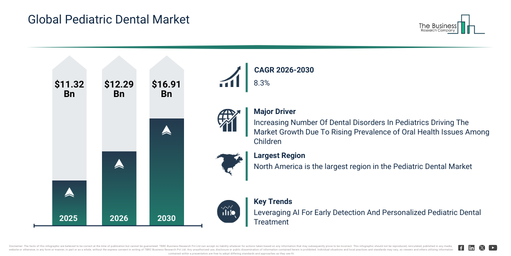
    The pediatric dental sector experienced robust expansion recently, with projections indicating a rise from $11.32 billion in 2025 to $12.29 billion in 2026, reflecting a compound annual growth rate of 8.6%. This upward trajectory during the preceding period was influenced by several factors, including heightened consciousness regarding children’s oral well-being, the proliferation of dental initiatives within educational institutions, a growing incidence of cavities among youngsters, enhanced availability of specialized dental care for minors, and the increasing establishment of dedicated pediatric dental practices.

    Anticipate a robust expansion within the pediatric dental sector over the forthcoming years, with projections indicating a market valuation of $16.91 billion by the year 2030, propelled by an 8.3% compound annual growth rate. This projected upswing is underpinned by a confluence of factors including a heightened demand for early orthodontic corrections, a greater emphasis on proactive dental hygiene, the broadening scope of insurance plans for pediatric dental services, the increasing utilization of cutting-edge restorative materials, and a growing commitment to ensuring patient comfort and cooperation. Key developments expected to shape the market during this period involve an intensified concentration on preventive oral health measures for children, a rise in the application of minimally invasive dental techniques, an escalating need for dental treatments tailored to a child’s preferences, the proliferation of specialized clinics dedicated to pediatric dental care, and a more extensive incorporation of sophisticated dental materials.

    Download A Free Sample Report For Comprehensive Market Insights:

    https://www.thebusinessresearchcompany.com/sample.aspx?id=25869&type=smp

    Pediatric Dental Market Growth Factors Supporting Long-Term Expansion

    The pediatric dental market is poised for expansion, largely influenced by the escalating prevalence of oral health issues among children. These pediatric dental afflictions encompass conditions like cavities, gingivitis, and improper bite alignment affecting young individuals. A significant contributor to this surge in childhood dental problems is the heightened intake of high-sugar foods and drinks, which foster the proliferation of detrimental oral bacteria, ultimately leading to decay and cavities. Pediatric dental services play a crucial role in preempting and addressing these disorders through early detection, prompt intervention, and continuous oral hygiene instruction specifically designed for children’s developmental stages, thereby mitigating the likelihood of complications such as decay, gum disease, and orthodontic concerns as they mature. For example, data from the Office for Health Improvement and Disparities in the UK indicated that during the 2023-2024 period, 5-year-olds in the country’s most disadvantaged areas were over twice as prone to have suffered from dentinal decay (32.2%) compared to their counterparts in the least deprived areas (13.6%), as reported in March 2025. Consequently, the rising incidence of dental problems in children is a key driver for the growth of the pediatric dental sector.

    Pediatric Dental Market Segmentation Trends And Revenue Drivers

    The pediatric dental market covered in this report is segmented –

    1) By Type: Primary, Permanent

    2) By Disease Type: Dental Caries, Enamel Disorders, Other Diseases

    3) By Procedure Type: Pulpotomies, Stainless Steel Crowns (SSCs), Tooth Colored Fillings, Dental Cleaning (Prophylaxis), Other Procedures

    Subsegments:

    1) By Primary: Anterior Crowns, Posterior Crowns, Space Maintainers, Pulp Therapy Products

    2) By Permanent: Dental Sealants, Orthodontic Brackets, Restorative Materials, Fluoride Treatments

    Pediatric Dental Market Industry Trends Shaping Future Revenue Growth

    Leading entities within the pediatric dental sector are actively integrating cutting-edge technologies, particularly artificial intelligence, to elevate diagnostic precision, tailor therapeutic interventions, and ultimately improve the oral health results for young patients. Artificial intelligence, characterized by machines replicating cognitive functions akin to human learning and judgment, significantly aids pediatric dental practitioners by scrutinizing radiographic imagery to facilitate prompt identification of potential problems, thereby bolstering diagnostic reliability and refining strategic treatment approaches. Illustrating this advancement, in March 2024, Overjet Inc., a software firm headquartered in the United States, introduced Overjet for Kids, an artificial intelligence application certified by the FDA, engineered to identify, delineate, and measure the extent of tooth decay in children aged four years and older; this technology empowers pediatric dentists to detect cavities sooner, refine their diagnostic capabilities, and more effectively convey necessary treatments to guardians. This artificial intelligence solution meticulously examines dental radiographs, discerning conditions affecting both deciduous and permanent dentition with remarkable accuracy, resulting in a 57% reduction in overlooked cavities and a 25% increase in treatment plan acceptance, attributed to the lucid visual representations provided to families.

    Pediatric Dental Market Industry Leaders: Which Organizations Are Driving Competition?

    Major companies operating in the pediatric dental market are 3M Company, Henry Schein Inc., Dentsply Sirona Inc., Ultradent Products Inc., Dentaurum GmbH & Co. KG, VOCO America Inc., Shinhung Co. Ltd., GC America Inc., NuSmile Ltd., BISCO Inc., Pulpdent Corporation, Young Innovations Inc., Space Maintainers Laboratories Inc., Sprig Oral Health Technologies Inc., Acero Crowns Inc., Cheng Crowns, Kinder Krowns, Denovo Dental Inc., Kids Crown, Ivoclar Vivadent AG

    Access The Complete Pediatric Dental Market Report:

    https://www.thebusinessresearchcompany.com/report/pediatric-dental-global-market-report

    Pediatric Dental Market Geographic Distribution And Regional Opportunities

    North Americawas the largest region in the pediatric dental market in 2025. Asia-Pacificis expected to be the fastest-growing region in the forecast period. The regions covered in the pediatric dental market report are Asia-Pacific, South East Asia, Western Europe, Eastern Europe, North America, South America, Middle East, Africa.

    Get in touch with us:

    The Business Research Company: https://www.thebusinessresearchcompany.com/

    Americas: +1 310-496-7795

    Asia: +44 7882 955267 & +91 8897263534

    Europe: +44 7882 955267

    Email us at: marketing@tbrc.info

    Follow us on:

    LinkedIn: https://in.linkedin.com/company/the-business-research-company

    YouTube: https://www.youtube.com/channel/UC24_fI0rV8cR5DxlCpgmyFQ

    Global Market Model: https://www.thebusinessresearchcompany.com/global-market-model

  • Pediatric Clinical Trials Market Expansion Is Reshaping Competitive Dynamics Across The Industry

    Pediatric Clinical Trials Market Expansion Is Reshaping Competitive Dynamics Across The Industry

    Enhanced with market attractiveness analysis, total addressable market evaluation, company benchmarking matrices, interactive Excel dashboards, expanded supply chain intelligence, emerging startup coverage, and detailed product insights, The Business Research Company’s 2026 market reports deliver more actionable and strategically valuable research.

    Pediatric Clinical Trials Market Expansion From $19.74 Billion In 2026 To $26.66 Billion In 2030

    The market for pediatric clinical trials has experienced robust expansion lately, projecting a rise from $18.38 billion in 2025 to $19.75 billion in 2026, marking a compound annual growth rate (CAGR) of 7.4%. Historical growth drivers included a scarcity of research focused on children, the frequent use of data derived from adult studies, the complexities of ethical and regulatory frameworks, difficulties in enrolling sufficient patients, and a limited adoption of sophisticated analytical methods in trial planning.

    The pediatric clinical trials market is poised for significant expansion, projected to reach $26.67 billion by 2030, reflecting a compound annual growth rate of 7.8% throughout the forecast period. This upward trajectory is fueled by several key factors, including a heightened need for treatments tailored to children, the increasing integration of artificial intelligence and digital technologies, a rise in governmental incentives encouraging pediatric research, enhanced partnerships between pharmaceutical companies and research organizations, and a strategic shift towards patient-centered and customized trial methodologies. Furthermore, the coming years will likely witness a greater incorporation of precision medicine approaches within pediatric trials, augmented utilization of AI and digital tools for optimizing trial design and interpreting data, a more substantial integration of real-world evidence into pediatric study designs, amplified investments in the development of pediatric medications, and a continued emphasis on personalized and age-appropriate therapeutic solutions.

    Download A Free Sample Report For Comprehensive Market Insights:

    https://www.thebusinessresearchcompany.com/sample.aspx?id=10350&type=smp

    Pediatric Clinical Trials Market Demand Drivers Creating New Revenue Opportunities

    The increasing incidence of pediatric cancer is anticipated to be a primary catalyst for the growth of the pediatric clinical trials market. Malignancies occurring in children and individuals up to adolescence, specifically under fourteen years of age, are termed pediatric cancers. These cancers are exceptionally rare, and their progression and spread can differ significantly from adult tumors. Pediatric clinical trials remain crucial for improving both the outlook and therapeutic strategies for these conditions. For example, data from the American Cancer Society, a non-profit health organization in the United States, indicated in January 2023 that approximately 9,910 children younger than 15 years in the US would receive a cancer diagnosis in 2023, with an estimated 1,040 deaths from cancer among children under 15 in the same year. Consequently, augmented spending on healthcare is fueling expansion within the pediatric clinical trials sector.

    Pediatric Clinical Trials Market Segment Analysis Highlighting Growth Areas

    The pediatric clinical trials market covered in this report is segmented –

    1) By Phase: Phase I, Phase II, Phase III, Phase IV

    2) By Study Design: Treatment Studies, Observational Studies

    3) By Therapeutic Areas: Infectious Diseases, Oncology, Autoimmune Or Inflammatory Diseases, Respiratory Disorders, Mental Health Disorders, Other Therapeutic Areas

    Subsegments:

    1) By Phase I: First-in-Pediatrics Trials, Dose Escalation Studies, Safety And Tolerability Assessments

    2) By Phase II: Efficacy Studies, Dose Optimization Trials, Pharmacokinetic Studies

    3) By Phase III: Large-Scale Efficacy Trials, Comparative Studies, Long-Term Safety Studies

    4) By Phase IV: Post-Marketing Surveillance, Long-Term Safety Monitoring, Effectiveness Studies In Real-World Settings

    Pediatric Clinical Trials Market Trends Driving Strategic Industry Expansion

    In the realm of pediatric clinical trials, leading companies are prioritizing collaborative efforts and strategic alliances to deliver dependable services. Such an alliance signifies a formal connection between two or more businesses, often cemented through contractual agreements. Illustrating this approach, Strados Labs, a developer of intelligent biosensors for respiratory health monitoring from the United States, joined forces in September 2023 with Ann & Robert H. Lurie Children’s Hospital, also situated in the US, for a clinical study involving their RESP Biosensor. This RESP Biosensor is a wearable gadget equipped with acoustic sensors designed to track lung sounds, identifying indicators of asthma like coughing and wheezing. The primary objective of this clinical investigation is to ascertain the RESP Biosensor’s capability in precisely identifying and overseeing asthma flare-ups among children.

    Pediatric Clinical Trials Market Leading Companies: Who Holds Significant Market Presence?

    Major companies operating in the pediatric clinical trials market are Medpac Inc., Pharmaceutical Product Development Inc., ICON plc, Syneos Health Inc., QPS Holdings LLC, Pfizer Inc., IQVIA Inc., Premier Research, Labcorp – Laboratory Corporation of America Holdings, The Emmes Company LLC, Synteract Inc., Charles River Laboratories International Inc., Covance Inc., Bristol-Myers Squibb Company, GlaxoSmithKline plc, BioNTech SE, Moderna Inc., Parexel International Corporation, PRA Health Sciences, Wuxi AppTec, Merck & Co. Inc., AstraZeneca plc, Sanofi S.A., Johnson & Johnson, Eli Lilly and Company, Takeda Pharmaceutical Company Limited, C.H. Boehringer Sohn AG & Co. KG, AbbVie Inc., Teva Pharmaceutical Industries Ltd., Oracle Health sciences

    Access The Complete Pediatric Clinical Trials Market Report:

    https://www.thebusinessresearchcompany.com/report/pediatric-clinical-trials-global-market-report

    Pediatric Clinical Trials Market Largest Region By Revenue And Market Share

    North Americawas the largest region in the pediatric clinical trials market in 2025. The regions covered in the pediatric clinical trials market report are Asia-Pacific, South East Asia, Western Europe, Eastern Europe, North America, South America, Middle East, Africa.

    Get in touch with us:

    The Business Research Company: https://www.thebusinessresearchcompany.com/

    Americas: +1 310-496-7795

    Asia: +44 7882 955267 & +91 8897263534

    Europe: +44 7882 955267

    Email us at: marketing@tbrc.info

    Follow us on:

    LinkedIn: https://in.linkedin.com/company/the-business-research-company

    YouTube: https://www.youtube.com/channel/UC24_fI0rV8cR5DxlCpgmyFQ

    Global Market Model: https://www.thebusinessresearchcompany.com/global-market-model

  • Pediatric Brain Tumors Market Forecast Reveals Where Future Industry Value Will Be Created

    Pediatric Brain Tumors Market Forecast Reveals Where Future Industry Value Will Be Created

    Through market attractiveness analysis, total addressable market evaluation, company benchmarking matrices, interactive Excel dashboards, expanded supply chain intelligence, emerging startup coverage, and detailed product insights, The Business Research Company’s 2026 market reports provide more actionable and strategically valuable research.

    Pediatric Brain Tumors Market Forecast Highlighting Growth From $1.49 Billion To $1.92 Billion

    The market for pediatric brain tumors has experienced robust expansion recently, projecting a rise from $1.4 billion in 2025 to $1.49 billion in 2026, reflecting a compound annual growth rate of 6.9%. This historical progression was influenced by factors including insufficient awareness surrounding pediatric brain tumors, a prevalent dependence on traditional treatment methods, minimal utilization of sophisticated imaging technologies, a deficit in dedicated pediatric neuro-oncology facilities, and restricted access to targeted therapies and immunotherapies.

    The pediatric brain tumor market is poised for considerable expansion in the upcoming years, projecting a rise to $1.93 billion by 2030, driven by a compound annual growth rate of 6.6%. This projected growth stems from several key factors: an increase in the occurrence of pediatric brain tumors, a greater embrace of precision medicine approaches, the expanded use of artificial intelligence and digital imaging in diagnostic processes, a heightened emphasis on individualized treatment strategies, and escalating financial support for research in pediatric neuro-oncology. Furthermore, significant trends shaping this market during the forecast period involve the growing adoption of precision medicine specifically for pediatric brain tumors, the increasing integration of digital imaging and AI-powered diagnostics, a broader application of targeted therapies and immunotherapies, a greater focus on less invasive surgical methods, and a steady rise in investments allocated to pediatric neuro-oncology research.

    Download A Free Sample Report For Comprehensive Market Insights:

    https://www.thebusinessresearchcompany.com/sample.aspx?id=21248&type=smp

    Pediatric Brain Tumors Market Expansion Supported By Key Demand Factors

    The pediatric brain tumor market’s expansion is anticipated to be significantly driven by the increasing preference for personalized medicine. This approach involves tailoring medical decisions and treatments to an individual’s genetic profile, lifestyle, and specific health needs. Key factors contributing to the heightened demand for personalized medicine include progress in genetic investigations, enhanced diagnostic capabilities, and the promise of treatments that are both more efficacious and precisely targeted. By customizing therapies to a child’s unique tumor characteristics, genetic mutations, and anticipated responses, personalized medicine facilitates the use of targeted treatments that offer greater effectiveness while minimizing harm to healthy cells, thereby improving patient results and lessening adverse effects. An illustrative example from February 2024, as reported by the Personalized Medicine Coalition, a US healthcare organization, shows that the FDA authorized 16 new personalized therapies for individuals with rare conditions in 2023, a notable increase from the six approvals seen in 2022. Consequently, this escalating demand for personalized medical strategies is a primary factor fueling the growth of the pediatric brain tumor sector.

    Pediatric Brain Tumors Market Segment Performance And Strategic Opportunities

    The pediatric brain tumors market covered in this report is segmented –

    1) By Type: Gliomas, Mixed Neuronal-Glial Tumors, Embryonal Tumors, Choroid Plexus Papilloma Or Carcinoma, Tumors Arising From Non-Neuroepithelial Tissue, Meningeal Tumors

    2) By Treatment Type: Surgery, Radiation Therapy, Chemotherapy, Targeted Therapy, Immunotherapy

    3) By Diagnosis Method: Imaging Techniques, Biopsy, Neurological Exam, Lumbar Puncture

    4) By Age Group: Infants, Toddlers, Children, Adolescents

    5) By Application: Hospitals And Clinics, Medical Research Centers, Academic Institutes, Other Applications

    Subsegments:

    1) By Gliomas: Low-Grade Gliomas, High-Grade Gliomas

    2) By Mixed Neuronal-Glial Tumors: Gangliogliomas, Dysembryoplastic Neuroepithelial Tumors (DNET)

    3) By Embryonal Tumors: Medulloblastoma, Atypical Teratoid Rhabdoid Tumor (ATRT), Primitive Neuroectodermal Tumors (PNET)

    4) By Choroid Plexus Papilloma Or Carcinoma: Choroid Plexus Papilloma, Choroid Plexus Carcinoma

    5) By Tumors Arising From Non-Neuroepithelial Tissue: Rhabdomyosarcoma, Ewing’s Sarcoma

    6) By Meningeal Tumors: Meningiomas, Hemangiopericytomas

    Pediatric Brain Tumors Market Growth Trends Influencing Competitive Dynamics

    Within the pediatric brain tumor sector, prominent firms are concentrating their efforts on creating sophisticated therapeutic approaches, notably type II RAF inhibitors, with the aim of refining targeted treatments and elevating patient prognoses. These specific inhibitors function by suppressing RAF kinases, particularly those altered by mutations that fuel tumor proliferation. Their design is centered on targeting aberrant RAF protein configurations identified in certain categories of pediatric low-grade glioma (pLGG), thereby effectively impeding the aberrant signaling cascades responsible for tumor cell multiplication and longevity. Illustratively, in April 2024, Day One Biopharmaceuticals, a biotechnology enterprise based in the United States, disclosed the U.S. Food and Drug Administration’s (FDA) expedited approval of OJEMDA (tovorafenib) for the management of pediatric low-grade glioma (pLGG) that has relapsed or is refractory in individuals aged six months and older exhibiting particular BRAF alterations. This marks OJEMDA as the inaugural FDA-sanctioned treatment aimed at BRAF fusions or mutations within this demographic. The authorization stems from the observed 51% overall response rate documented in the FIREFLY-1 clinical study, which evaluated the therapeutic’s effectiveness for this particular context, specifically addressing children whose brain tumors have proven unresponsive to prior interventions.

    Pediatric Brain Tumors Market Key Players: Which Companies Shape Industry Competition?

    Major companies operating in the pediatric brain tumors market are Bayer AG, Novartis AG, Roche Holding AG, Takeda Pharmaceutical Company, UCLA Health, Novocure, Blueprint Medicines, Oncoheroes Biosciences, Plus Therapeutics Inc., Stemline Therapeutics Inc., BrainChild Bio Inc., Seattle Children’s Therapeutics, Pfizer Inc., Merck & Co Inc., Bristol Myers Squibb Company, Sanofi, Amgen Inc., Gilead Sciences Inc., Regeneron Pharmaceuticals Inc., Eli Lilly and Company, Day One Biopharmaceuticals Inc., Biodexa Pharmaceuticals, Cellectar Biosciences Inc., ZIOPHARM Oncology Inc., Y‑mAbs Therapeutics Inc., Neonc Technologies Inc.

    Access The Complete Pediatric Brain Tumors Market Report:

    https://www.thebusinessresearchcompany.com/report/pediatric-brain-tumors-global-market-report

    Pediatric Brain Tumors Market Regional Analysis And Leading Geography

    North Americawas the largest region in the pediatric brain tumors market in 2025. The regions covered in the pediatric brain tumors market report are Asia-Pacific, South East Asia, Western Europe, Eastern Europe, North America, South America, Middle East, Africa.

    Get in touch with us:

    The Business Research Company: https://www.thebusinessresearchcompany.com/

    Americas: +1 310-496-7795

    Asia: +44 7882 955267 & +91 8897263534

    Europe: +44 7882 955267

    Email us at: marketing@tbrc.info

    Follow us on:

    LinkedIn: https://in.linkedin.com/company/the-business-research-company

    YouTube: https://www.youtube.com/channel/UC24_fI0rV8cR5DxlCpgmyFQ

    Global Market Model: https://www.thebusinessresearchcompany.com/global-market-model

  • Pediatric Bladder Treatment Market Growth Through 2030 Creates New Strategic Opportunities

    Pediatric Bladder Treatment Market Growth Through 2030 Creates New Strategic Opportunities

    Delivering more actionable and strategically valuable research, The Business Research Company’s 2026 market reports feature market attractiveness analysis, total addressable market evaluation, company benchmarking matrices, interactive Excel dashboards, expanded supply chain intelligence, emerging startup coverage, and detailed product insights.

    Pediatric Bladder Treatment Market Revenue Growth Supported By A CAGR Of 4.74% Through 2030

    The market for pediatric bladder treatments has seen consistent expansion, projected to increase from its 2025 valuation of $3.72 billion to $3.87 billion by 2026, reflecting a compound annual growth rate of 4.3%. This historical growth trajectory was influenced by factors such as insufficient awareness regarding pediatric bladder conditions, a traditional approach to treatment, a scarcity of dedicated pediatric urology facilities, restricted availability of cutting-edge pharmaceuticals, and a low uptake of digital health monitoring technologies.

    The market for pediatric bladder treatments anticipates a robust expansion in the upcoming period, projecting a rise to USD 4.74 billion by the year 2030 with a compounded annual growth rate of 5.2%. This projected growth is bolstered by several key factors including a greater prevalence of bladder conditions in children, a wider acceptance of sophisticated therapeutic methods, escalated investments directed towards pediatric healthcare facilities, the increasing incorporation of digital health and monitoring systems, and a heightened emphasis on individualized treatment strategies for young patients. Within this forecast timeframe, notable developments include a greater uptake of cutting-edge urotherapy solutions, a more frequent utilization of surgical techniques that involve minimal invasiveness, the enhanced integration of digital health monitoring within pediatric care settings, a growing need for specialized medications tailored for children, and a continuous focus on crafting personalized treatment regimens for pediatric bladder ailments.

    Download A Free Sample Report For Comprehensive Market Insights:

    https://www.thebusinessresearchcompany.com/sample.aspx?id=12943&type=smp

    Pediatric Bladder Treatment Market Growth Drivers And Industry Catalysts

    Ascending spending on healthcare is anticipated to be a key factor in advancing the pediatric bladder treatment market. Healthcare spending encompasses the aggregate financial resources allocated by individuals, entities, and governments to healthcare services, products, and facilities, covering elements such as hospital stays, medical consultations, nursing support, and other health-related services. This upward trend in healthcare expenditure is influenced by various determinants, including an aging demographic, innovations in medical technology, a growing incidence of long-term illnesses, and escalating costs associated with medical services and pharmaceuticals. Enhanced commitment of financial resources to healthcare consequently facilitates advancements in pediatric bladder treatments through the backing of research initiatives, improved accessibility to cutting-edge interventions, and the provision of specialized training for medical professionals, collectively boosting treatment efficacy and reach. Illustratively, data from the Office for National Statistics in the UK shows that overall healthcare expenditure saw a notable rise of 5.6% in current prices between 2022 and 2023, a marked acceleration from the 0.9% growth observed in the prior year. During 2023, government allocations constituted $309 billion (£239 billion), representing 81.9% of the country’s total health spending, underscoring its central role in funding healthcare. Consequently, the augmenting levels of healthcare expenditure are serving as a significant impetus for the expansion of the pediatric bladder treatment market.

    Pediatric Bladder Treatment Market Segment Landscape And Growth Potential

    The pediatric bladder treatment market covered in this report is segmented –

    1) By Type: Diurnal Incontinence, Enuresis, Other Types

    2) By Treatment: Urotherapy, Medication, Surgical Reconstruction, Other Treatments

    3) By Route Of Administration: Oral, Parenteral, Other Route Of Administrations

    4) By Distribution Channel: Hospital Pharmacy, Online Pharmacy, Retail Pharmacy

    5) By End User: Hospitals, Homecare, Specialty Clinics, Other End-Users

    Subsegments:

    1) By Diurnal Incontinence: Overactive Bladder, Urge Incontinence

    2) By Enuresis: Primary Enuresis, Secondary Enuresis, Nocturnal Enuresis

    3) By Other Types: Neurogenic Bladder, Structural Abnormalities

    Pediatric Bladder Treatment Market Competitive Landscape: Who Are The Leading Companies?

    Major companies operating in the pediatric bladder treatment market are Pfizer Inc., F. Hoffmann‑La Roche Ltd, AbbVie Inc., Novartis AG, Sanofi S.A., AstraZeneca Plc, Takeda Pharmaceutical Company Limited, Medtronic Plc, Teva Pharmaceutical Industries Ltd., Boston Scientific Corporation, Astellas Pharma Inc, Cook Medical Inc., Laborie Medical Technologies Corp., Coloplast AIS, UroGen Pharma, Johnson & Johnson, Olympus Corporation, Stryker Corporation, Teleflex Incorporated, B Braun Melsungen AG, Intuitive Surgical Inc, Richard Wolf GmbH, Nipro Corporation, Dornier MedTech, Fresenius Medical Care AG & Co KGaA, Ambu A S, Neuspera Medical, UroMems, Zenflow, Siemens Healthineers, Procter & Gamble

    Access The Complete Pediatric Bladder Treatment Market Report:

    https://www.thebusinessresearchcompany.com/report/pediatric-bladder-treatment-global-market-report

    Pediatric Bladder Treatment Market Geographic Analysis: Where Is Demand Growing The Fastest?

    North Americawas the largest region in the pediatric bladder treatment market in 2025. Asia-Pacificis expected to be the fastest-growing region in the forecast period. The regions covered in the pediatric bladder treatment market report are Asia-Pacific, South East Asia, Western Europe, Eastern Europe, North America, South America, Middle East, Africa.

    Get in touch with us:

    The Business Research Company: https://www.thebusinessresearchcompany.com/

    Americas: +1 310-496-7795

    Asia: +44 7882 955267 & +91 8897263534

    Europe: +44 7882 955267

    Email us at: marketing@tbrc.info

    Follow us on:

    LinkedIn: https://in.linkedin.com/company/the-business-research-company

    YouTube: https://www.youtube.com/channel/UC24_fI0rV8cR5DxlCpgmyFQ

    Global Market Model: https://www.thebusinessresearchcompany.com/global-market-model
  • Pectinases Market Size Projected To Increase From $22.33 Billion To $30.96 Billion During The Forecast Period

    Pectinases Market Size Projected To Increase From $22.33 Billion To $30.96 Billion During The Forecast Period

    Enhanced with market attractiveness analysis, total addressable market evaluation, company benchmarking matrices, interactive Excel dashboards, expanded supply chain intelligence, emerging startup coverage, and detailed product insights, The Business Research Company’s 2026 market reports deliver more actionable and strategically valuable research.

    Pectinases Market Value Expansion And Long-Term Growth Outlook

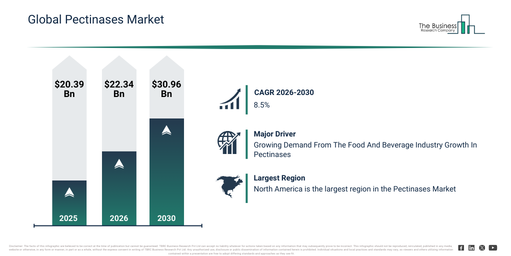
    The pectinases sector has experienced substantial expansion recently, projecting a rise from 20.39 billion in 2025 to 22.34 billion in 2026, fueled by an anticipated compound annual growth rate of 9.5%. Factors contributing to this expansion in the past include a limited understanding of enzyme advantages, a continued dependence on conventional clarification techniques, minimal uptake in developing economies, the elevated expense associated with purified enzymes, and a scarcity of research and development efforts dedicated to specialized pectinases.

    The global pectinases industry is poised for substantial expansion, projecting a market value of $30.96 billion by 2030, driven by a compound annual growth rate (CAGR) of 8.5%. This anticipated surge is fueled by several key factors: a heightened consumer preference for both natural and processed food options, augmented investments directed towards research and development in enzyme technologies, escalating industrial integration within the beverage and textile sectors, a prevailing emphasis on environmentally sound food processing methods, and the broadening scope of pectinase applications in the pharmaceutical and nutraceutical fields. Key developments shaping the market’s trajectory encompass the expanding utilization of enzyme-assisted processing in food and drink production, the increased adoption of pectinases for clarifying wine and juices, a heightened demand for sophisticated fruit juice extraction methodologies, greater deployment of pectinases in textile manufacturing processes, and a growing trend of incorporating pectinases into pharmaceutical product formulations.

    Download A Free Sample Report For Comprehensive Market Insights:

    https://www.thebusinessresearchcompany.com/sample.aspx?id=16505&type=smp

    Pectinases Market Opportunity Drivers: What Is Creating New Revenue Potential?

    The expanding food and beverage sector is poised to fuel the advancement of the pectinases market; this sector encompasses businesses transforming raw agricultural goods and intermediate food items into consumable food and drink products, with heightened demand for pectinases stemming from amplified fruit juice and wine creation, improved flavor profiles and textures, and an increasing preference for plant-derived beverages, as pectinases considerably enhance product quality, streamline operational workflows, and reduce expenditures, ultimately ensuring the consistent delivery of superior, appealing, and stable food and beverage offerings; for illustration, a December 2024 report from the Food and Agriculture Organization (FAO), a United Nations agency headquartered in Italy, indicated that global primary crop production reached 9.9 billion tonnes in 2023, marking a 3 percent increase from 2022, underscoring the food and beverage industry’s growing needs as a key impetus for the pectinases market’s expansion.

    The escalating prevalence of digestive ailments is anticipated to accelerate the pectinases market’s expansion; digestive diseases, often referred to as gastrointestinal (GI) conditions, encompass a spectrum of health issues affecting the digestive tract’s organs and structures, such as GERD, peptic ulcer disease, IBD, and celiac disease, with their rising incidence linked to dietary patterns favoring processed items, high-fat consumption, and inadequate fiber intake, whereas pectinase enzymes bolster digestive well-being by facilitating the breakdown and assimilation of dietary fibers, fostering a balanced gut microbiome, alleviating digestive discomfort, assisting in the management of various GI disorders, and promoting overall digestive health, as exemplified by a September 2023 publication from the National Center for Biotechnology Information, a US-based medical library, which noted that approximately 320,000 Canadians were affected by IBD in 2023, a figure projected to rise to 470,000 by 2035, thus demonstrating that the surge in digestive diseases is a significant driver for the pectinases market.

    The upswing in the dairy and bakery industries is expected to provide momentum for the pectinases market; these sectors, responsible for products like milk, cheese, yogurt, bread, and pastries, are experiencing increased demand due to evolving dietary habits, urbanization, and a growing preference for convenience, with pectinase enzymes playing a crucial role in enhancing fruit juice clarity, texture, yield, and processing efficiency, consequently supporting the production of higher-quality dairy and bakery goods; to illustrate, projections from the Food and Agriculture Organization (FAO), an international body based in Italy, indicated in June 2025 that global milk production for that year was forecasted to reach 992.7 million tonnes, representing a 1.0% increase over the prior year and continuing a trend of moderate growth for the second consecutive year, thereby highlighting the expansion of the dairy and bakery sectors as a key factor propelling the pectinases market forward.

    Pectinases Market Categorization By Product Type And Application

    The pectinases market covered in this report is segmented –

    1) By Type: Pectin Lyases, Protopectinases, Polygalacturonases, Pectinesterase, Other Types

    2) By Source: Bacterial Pectinase, Fungal Pectinase, Plant-Derived Pectinase, Other Sources

    3) By Form: Powder, Liquid, Granules

    4) By Application: Fruit Juice Extraction, Wine Production, Food Processing, Other Applications

    5) By End User: Food And Beverage, Pharmaceutical, Textile, Agriculture, Other End Users

    Subsegments:

    1) By Pectin Lyases: Endo-Pectin Lyases, Exo-Pectin Lyases

    2) By Protopectinases: Acidic Protopectinases, Alkaline Protopectinases

    3) By Polygalacturonases: Endo-Polygalacturonases, Exo-Polygalacturonases

    4) By Pectinesterase: Acidic Pectinesterases, Alkaline Pectinesterases

    5) By Other Types: Xyloglucanase, Cellulase-Related Enzymes

    Pectinases Market Company Landscape And Strategic Competition

    Major companies operating in the pectinases market are Cargill Incorporated, DuPont de Nemours Inc., Novozymes BioAg Limited, Koninklijke DSM N.V., Chr. Hansen Holding A/S, AB Enzymes GmbH, Biocatalysts Ltd., BIO‑CAT Inc., Genencor International Inc., Advanced Enzyme Technologies Ltd., Amano Enzyme Inc., Jiangsu Boli Bioproducts Co Ltd, Antozyme Biotech Pvt Ltd, Enmex S A de C V, Creative Enzymes, Shandong Longda Bio‑Products Co Ltd, Qingdao Vland Biotech Group Co Ltd, Hunan Lerkam Biology Co Ltd, Sunson Industry Group Co Ltd, Enzyme Development Corporation, CJ Youtell, Sukahan Bio‑Technology, Doing‑Higher, VTR Bio‑Tech, SternEnzym GmbH & Co KG, Bioven Ingredients

    Access The Complete Pectinases Market Report:

    https://www.thebusinessresearchcompany.com/report/pectinases-global-market-report

    Pectinases Market Global Footprint: Which Region Holds Market Leadership?

    North Americawas the largest region in the pectinase market in 2025. Asia-Pacificis expected to be the fastest-growing region in the forecast period. The regions covered in the pectinases market report are Asia-Pacific, South East Asia, Western Europe, Eastern Europe, North America, South America, Middle East, Africa.

    Get in touch with us:

    The Business Research Company: https://www.thebusinessresearchcompany.com/

    Americas: +1 310-496-7795

    Asia: +44 7882 955267 & +91 8897263534

    Europe: +44 7882 955267

    Email us at: marketing@tbrc.info

    Follow us on:

    LinkedIn: https://in.linkedin.com/company/the-business-research-company

    YouTube: https://www.youtube.com/channel/UC24_fI0rV8cR5DxlCpgmyFQ

    Global Market Model: https://www.thebusinessresearchcompany.com/global-market-model

  • PD-1 Resistant Head And Neck Cancer Market Growth Outlook Reveals A CAGR Of 11% And A Market Value Of $2.4 Billion By 2030

    PD-1 Resistant Head And Neck Cancer Market Growth Outlook Reveals A CAGR Of 11% And A Market Value Of $2.4 Billion By 2030

    Through market attractiveness analysis, total addressable market evaluation, company benchmarking matrices, interactive Excel dashboards, expanded supply chain intelligence, emerging startup coverage, and detailed product insights, The Business Research Company’s 2026 market reports provide more actionable and strategically valuable research.

    PD-1 Resistant Head And Neck Cancer Market Expected To Reach $2.4 Billion By 2030 At 11% CAGR

    Expanding briskly, the market for pd-1 resistant head and neck cancer is projected to increase from $1.43 billion in 2025 to $1.59 billion in 2026, demonstrating a compound annual growth rate (CAGR) of 11.2%. During the historical period, this expansion was influenced by factors such as a nascent comprehension of pd-1 resistance mechanisms, a predominant reliance on conventional chemotherapy and radiation modalities, the suboptimal utilization of biomarker testing, challenges in accumulating sufficient clinical trial participants, and a more gradual stride in the development of targeted therapeutic options.

    The market for pd-1 resistant head and neck cancer is poised for significant expansion over the upcoming years, projecting a surge to $2.41 billion by 2030, fueled by a compound annual growth rate of 11.0%. This projected growth trajectory is largely underpinned by escalating investments in immuno-oncology research, a heightened embrace of combined therapeutic approaches, the expanding application of genomic profiling for tailored patient care, burgeoning partnerships between pharmaceutical and biotechnology firms, and a heightened emphasis on identifying resistant head and neck squamous cell carcinoma (hnscc) in its early stages. Key developments anticipated within this forecast period encompass intensified research into the mechanisms of immunotherapy resistance, a greater adoption of precision medicine strategies, the increasing utilization of artificial intelligence and big data analytics for patient segmentation, advancements in the development of targeted combination therapies, and the broader implementation of sophisticated genomic and biomarker assessments.

    Download A Free Sample Report For Comprehensive Market Insights:

    https://www.thebusinessresearchcompany.com/sample.aspx?id=22092&type=smp

    PD-1 Resistant Head And Neck Cancer Market Growth Momentum: Which Factors Are Influencing Demand?

    Anticipated advancements in the PD-1-resistant head and neck cancer market are strongly linked to heightened public knowledge and the earlier identification of the disease. This rise in awareness and early detection is facilitated by enhanced screening efforts, supportive healthcare policies, and progress in diagnostic tools, all contributing to prompt identification and management. When PD-1-resistant head and neck cancer is diagnosed early, it allows for prompt initiation of alternative treatment strategies, which in turn leads to better patient prognoses and increased survival rates. A compelling example comes from January 2025, where data from the UK’s National Health Service (NHS) revealed that among 206,038 common cancer diagnoses between September 2023 and August 2024, a significant 120,958, or 58.7%, were identified at an early stage; this represents a 2.7% increase compared to the period before the pandemic, signifying approximately 7,000 more individuals receiving early-stage diagnoses. Consequently, the expansion of the PD-1-resistant head and neck cancer market is stimulated by the growing trends of increased awareness and earlier diagnosis.

    PD-1 Resistant Head And Neck Cancer Market Segment Analysis And Revenue Opportunities

    The pd-1 resistant head and neck cancer market covered in this report is segmented –

    1) By Treatment Type: Chemotherapy, Radiation Therapy, Surgery, Targeted Therapy

    2) By Stage Of Cancer: Early Stage, Locally Advanced Stage, Metastatic Stage

    3) By Application: Squamous Cell Carcinoma, Adenocarcinoma, Nasopharyngeal Carcinoma, Throat Cancer

    4) By End User: Hospitals, Cancer Research Centers, Clinics

    Subsegments:

    1) By Chemotherapy: Platinum-Based Chemotherapy, Taxanes, Antimetabolites, Topoisomerase Inhibitors

    2) By Radiation Therapy: Intensity-Modulated Radiation Therapy (IMRT), Stereotactic Body Radiation Therapy (SBRT), Proton Beam Therapy, Brachytherapy

    3) By Surgery: Tumor Resection, Neck Dissection, Reconstructive Surgery, Laser Surgery

    4) By Targeted Therapy: EGFR Inhibitors, Angiogenesis Inhibitors, Cyclin-Dependent Kinase Inhibitors

    PD-1 Resistant Head And Neck Cancer Market Trends Reshaping Industry Growth

    In the landscape of the PD-1 resistant head and neck cancer market, leading entities are concentrating their efforts on cutting-edge advancements, notably individualized cancer therapies, with the objective of magnifying treatment effectiveness and surmounting resistance challenges. This approach to personalized cancer treatment involves tailoring therapeutic interventions to an individual’s unique genetic makeup, specific tumor attributes, and the body’s immune system response, thereby facilitating more accurate and beneficial patient care. Illustratively, in November of 2024, CEL-SCI Corporation, a biotechnology firm headquartered in the United States, secured FDA clearance to employ the PD-L1 biomarker within a study targeting head and neck cancer. This clinical trial, slated to commence in early 2025, will specifically enroll newly diagnosed individuals exhibiting low PD-L1 expression and lacking lymph node involvement, aiming to assess the safety and therapeutic value of Multikine (Leukocyte Interleukin, Injection). Building upon the favorable outcomes of a preceding Phase 3 investigation, this new research signifies a crucial progression in personalized cancer care, introducing renewed optimism for more successful management strategies against PD-1 resistant malignancies.

    PD-1 Resistant Head And Neck Cancer Market Leading Players Shaping Industry Direction

    Major companies operating in the pd-1 resistant head and neck cancer market are Pfizer Inc., Roche Holding AG, Merck & Co. Inc., Bristol‑Myers Squibb Company, AstraZeneca PLC, Regeneron Pharmaceuticals Inc., Incyte Corporation, Coherus BioSciences Inc., Akeso Biopharma, PDS Biotechnology Corporation, ALX Oncology Holdings Inc., RAPT Therapeutics Inc., Immutep Limited, Agenus Inc., Sotio Biotech, BioNTech SE, Imugene Ltd, Adaptimmune Therapeutics PLC, Replimune, Curis Inc., MacroGenics, Innate Pharma, Eli Lilly and Company, Gilead Sciences, Celldex Therapeutics, Juno Therapeutics, Bluebird Bio, IO Biosciences

    Access The Complete PD-1 Resistant Head And Neck Cancer Market Report:

    https://www.thebusinessresearchcompany.com/report/pd-1-resistant-head-and-neck-cancer-global-market-report

    PD-1 Resistant Head And Neck Cancer Market Regional Distribution: Which Areas Drive Market Expansion?

    North Americawas the largest region in the PD-1 resistant head and neck cancer market 2025. The regions covered in the pd-1 resistant head and neck cancer market report are Asia-Pacific, South East Asia, Western Europe, Eastern Europe, North America, South America, Middle East, Africa.

    Get in touch with us:

    The Business Research Company: https://www.thebusinessresearchcompany.com/

    Americas: +1 310-496-7795

    Asia: +44 7882 955267 & +91 8897263534

    Europe: +44 7882 955267

    Email us at: marketing@tbrc.info

    Follow us on:

    LinkedIn: https://in.linkedin.com/company/the-business-research-company

    YouTube: https://www.youtube.com/channel/UC24_fI0rV8cR5DxlCpgmyFQ

    Global Market Model: https://www.thebusinessresearchcompany.com/global-market-model
  • Payer Services Market Forecast Highlights Expansion From $91.7 Billion To $131.14 Billion Through 2030

    Payer Services Market Forecast Highlights Expansion From $91.7 Billion To $131.14 Billion Through 2030

    Delivering more actionable and strategically valuable research, The Business Research Company’s 2026 market reports feature market attractiveness analysis, total addressable market evaluation, company benchmarking matrices, interactive Excel dashboards, expanded supply chain intelligence, emerging startup coverage, and detailed product insights.

    Payer Services Market Size And Revenue Forecast Through 2030

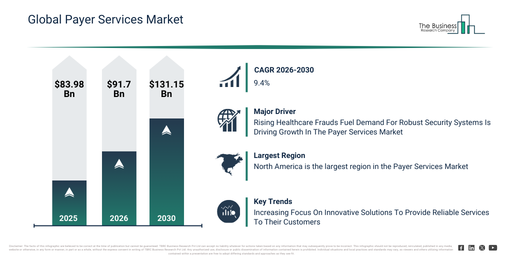
    The market for payer services experienced robust expansion in recent times, projecting a rise from $83.98 billion in 2025 to $91.7 billion by 2026, indicating a compound annual growth rate (CAGR) of 9.2%. This past growth was largely driven by factors such as the prevalence of manual claims handling, disparate payer systems, a dependence on internal billing units, constrained data analysis capacities, and a slower integration of digital payment solutions.

    The payer services sector is poised for substantial expansion over the forthcoming years, with projections indicating a market valuation of $131.15 billion by 2030, driven by a compound annual growth rate of 9.4%. This upward trajectory is anticipated to be fueled by a confluence of factors including the increasing embrace of cloud computing infrastructure, the escalating utilization of artificial intelligence for automating claims processing, the expanding deployment of blockchain technology to ensure transaction security, a heightened demand for outsourced payer solutions, and a sustained emphasis on adhering to compliance mandates and regulatory reporting requirements. Key developments expected within this timeframe encompass a greater adoption of cloud-native payer platforms, enhanced application of AI and data analytics in managing claims, broader implementation of blockchain for secure payment and information exchange, a deeper integration of financial technology solutions within healthcare payment frameworks, and a significant surge in the automation of both revenue cycle management and medical billing processes.

    Download A Free Sample Report For Comprehensive Market Insights:

    https://www.thebusinessresearchcompany.com/sample.aspx?id=3374&type=smp

    Payer Services Market Expansion Drivers: What Is Shaping Future Growth?

    The escalating prevalence of healthcare fraud is anticipated to compel the payer services market to enhance its security infrastructure. Such fraudulent activities encompass a range of illicit practices, including individuals acquiring prescription medications at subsidized or full coverage rates, only to resell them illegally for financial gain, healthcare providers submitting claims for services they did not provide, presenting multiple claims for a single treatment, or intentionally manipulating dates and patient records. The healthcare sector consistently grapples with financial setbacks stemming from both fraudulent actions and administrative errors. For illustration, in October 2025, data released by the U.S. Sentencing Commission (USSC), an independent federal agency, indicated that during Fiscal Year 2024, healthcare fraud accounted for 395 of the 61,678 total federal criminal cases documented. Consequently, the rise in fraudulent activities within the healthcare landscape is intensifying the need for robust security measures, thereby fueling the expansion of the payer services market.

    Payer Services Market Segmentation And Category Breakdown

    The payer services market covered in this report is segmented –

    1) By Outsourcing Services: Business Process Outsourcing Services, Knowledge Process Outsourcing Services, Information Technology Outsourcing Services

    2) By Application: Revenue Cycle Management, Healthcare Reimbursement, Medical Billing Outsourcing, Other Applications

    3) By End-User: Public Payers, Private Payers

    Subsegments:

    1) By Business Process Outsourcing Services: Claims Management, Customer Service, Payment Processing, Enrollment Services, Provider Network Management, Billing And Coding

    2) By Knowledge Process Outsourcing Services: Data Analytics And Reporting, Research And Analysis, Risk Management, Compliance And Regulatory Services, Medical Transcription And Documentation

    3) By Information Technology Outsourcing Services: IT Infrastructure Management, Software Development And Maintenance, Cloud Computing Services, Cybersecurity And Data Protection, IT Support Services, Enterprise Resource Planning (ERP) Solutions

    Payer Services Market Strategic Trends: What Is Defining The Next Phase Of Growth?

    Leading entities within the payer services sector are concentrating their efforts on pioneering advancements, specifically the automation of vendor integrations, as a means to enhance their market revenue streams. This automation entails employing technological and software-driven approaches to optimize and simplify the establishment of connections between an organization and its supply chain partners. As an illustration, in March of 2023, Flume Health, a company situated in the United States specializing in healthcare technology and insurance, introduced Flume Relay, a product designed to automate these vital vendor connections. The Flume Relay functions internationally as a data translation interface, facilitating the exchange of information between payers and their vendors. Flume asserts that the inherent ease of use of their solution allows for straightforward setup and ongoing management of data exchanges by any user. Consequently, payers may find it more feasible to adapt to the diverse settings necessitated by consumers who are self-insured.

    Payer Services Market Competitive Analysis Of Major Industry Participants

    Major companies operating in the payer services market are United Health Group, Anthem Insurance Companies Inc., Aetna Inc., CIGNA Corp., HealthPartners, Blue Cross Blue Shield of Massachusetts, Group Health Cooperative, Humana Inc., Concentrix Corporation, Accenture plc, Cognizant Technology Solutions Corp., Tata Consultancy Services Limited, Xerox Holdings Corporation, WNS (Holdings) Limited, NTT Data Corporation, IQVIA Holdings Inc., Mphasis Limited, Genpact Limited, Wipro Limited, Infosys BPM Limited, Firstsource Solutions Limited, International Business Machines Corporation, HCL Technologies Limited, Invensis Technologies Pvt Ltd., R1 RCM Inc., Optum Inc., Conifer Health Solutions LLC, Change Healthcare Inc., Experian Health Inc.

    Access The Complete Payer Services Market Report:

    https://www.thebusinessresearchcompany.com/report/payer-services-global-market-report

    Payer Services Market Leading Geography: Which Region Generates The Most Revenue?

    North Americawas the largest region in the payer services market in 2025. Western Europewas the second-largest region in the global payer services market share. The regions covered in the payer services market report are Asia-Pacific, South East Asia, Western Europe, Eastern Europe, North America, South America, Middle East, Africa.

    Get in touch with us:

    The Business Research Company: https://www.thebusinessresearchcompany.com/

    Americas: +1 310-496-7795

    Asia: +44 7882 955267 & +91 8897263534

    Europe: +44 7882 955267

    Email us at: marketing@tbrc.info

    Follow us on:

    LinkedIn: https://in.linkedin.com/company/the-business-research-company

    YouTube: https://www.youtube.com/channel/UC24_fI0rV8cR5DxlCpgmyFQ

    Global Market Model: https://www.thebusinessresearchcompany.com/global-market-model
  • Patient Transport Services Market Expected To Reach $75.49 Billion By 2030 As Growth Accelerates At 11.4% CAGR

    Patient Transport Services Market Expected To Reach $75.49 Billion By 2030 As Growth Accelerates At 11.4% CAGR

    Enhanced with market attractiveness analysis, total addressable market evaluation, company benchmarking matrices, interactive Excel dashboards, expanded supply chain intelligence, emerging startup coverage, and detailed product insights, The Business Research Company’s 2026 market reports deliver more actionable and strategically valuable research.

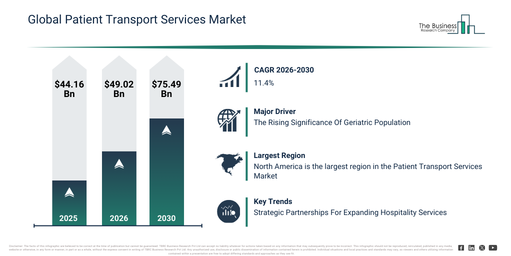
    Patient Transport Services Market Growth From $49.01 Billion In 2026 To $75.49 Billion By 2030 At A CAGR Of 11.4%

    The patient transport services sector has experienced significant expansion lately, with its market value projected to increase from $44.16 billion in 2025 to $49.02 billion in 2026, demonstrating a compound annual growth rate (CAGR) of 11.0%. This uptrend throughout the historical period can be linked to several key factors, including the prevailing utilization of conventional ground ambulances, the employment of manual methods for dispatch and scheduling, insufficient coordination between facilities for patient transfers, a considerable reliance on human drivers and personnel, and the absence of sophisticated systems for monitoring patient transportation.

    The patient transport services sector is poised for significant expansion over the coming years, projecting an increase to $75.49 billion by 2030 with a compound annual growth rate of 11.4%. This anticipated expansion is fueled by several key factors: the increasing utilization of electric and hybrid ambulances, a heightened demand for non-emergency medical transport (NEMT) solutions, the growing integration of telemedicine and hospital management systems, the deployment of AI for predictive route planning, and an intensified emphasis on patient safety coupled with continuous real-time monitoring. Within this forecast period, prominent trends include the expanded incorporation of IoT-enabled ambulance tracking, a greater adoption of electric and hybrid vehicles for patient conveyance, the growing application of AI in optimizing routes and scheduling, a wider uptake of cloud-based management platforms for patient transport, and an increase in the automation of patient handover and documentation procedures.

    Download A Free Sample Report For Comprehensive Market Insights:

    https://www.thebusinessresearchcompany.com/sample.aspx?id=10214&type=smp

    Patient Transport Services Market Development Factors: Which Trends Are Supporting Demand?

    A growing elderly demographic is anticipated to be a key driver for the expansion of the patient transport services sector. This demographic segment, comprising individuals aged 65 and above, typically encounters distinct healthcare requirements and social considerations linked to the aging process. Patient transport services are instrumental in offering effective and prompt logistical support, thereby enhancing accessibility to medical establishments and fostering better health outcomes within an aging populace. Illustratively, data from the Population Reference Bureau, a U.S. non-profit entity focused on statistical data, indicated in January 2024 that the American population aged 65 and older is forecast to rise from 58 million in 2022 to 82 million by 2050, representing a substantial 47% increment. Consequently, the upward trend in the elder population directly fuels the growth trajectory of the patient transport services market.

    Patient Transport Services Market Segment Outlook: Which Categories Are Expanding The Fastest?

    The patient transport services market covered in this report is segmented –

    1) By Transport Vehicle: Ground Ambulance, Air Ambulance, Water Ambulance

    2) By Equipment Type: Advanced Life Support (ALS) Patient Transport Service, Basic Life Support (ALS) Patient Transport Service

    3) By Application: Emergency, Non-Emergency

    4) By End-Users: Hospitals, Medical Centers, Retirement Communities, Hospice Care Facilities, Private Paying Customers, Nursing Care Facilities

    Subsegments:

    1) By Ground Ambulance: Basic Life Support (BLS) Ambulance, Advanced Life Support (ALS) Ambulance, Non-Emergency Medical Transport (NEMT)

    2) By Air Ambulance: Helicopter Ambulance, Fixed-Wing Air Ambulance

    3) By Water Ambulance: Coastal Water Ambulance, Inland Water Ambulance

    Patient Transport Services Market Transformation Trends: Which Innovations Are Driving Change?

    Key players within the patient transport services sector are actively pursuing collaborative initiatives to broaden their hospitality service offerings. These strategic alliances allow businesses to capitalize on one another’s capabilities and assets, fostering shared growth and achievement. For illustration, in May of 2023, Advantus Health Partners, an American entity specializing in healthcare solutions encompassing supply chain management, medical logistics, and pharmacy services, joined forces with HHS, a US-based support services firm focused on improving customer experiences. This alliance is of considerable importance to the patient transport services landscape, promising enhanced productivity and more sophisticated analytical tools that will advance a patient-focused hospitality strategy. This collaboration, structured as an eight-year agreement valued at $1.2 billion, is designed to optimize transport operations, improve patient well-being, and significantly propel the expansion of the healthcare transportation services market.

    Patient Transport Services Market Key Companies And Competitive Benchmarking

    Major companies operating in the patient transport services market are Envision Healthcare, Acadian Ambulance Service, Falck A/S, American Ambulance Service Inc., First Ambulance, National Patient Transport Pty. Ltd., Express Medical Transporters, North West Ambulance Service, RNR Patient Transfer Services Inc., South Central Ambulance Service, London Ambulance Service, America Patient Transport Services Inc., ATS Healthcare Solutions, Xpress Non‑Emergency Medical Transportation, AeroCare Medical Transport System, ModivCare, Southeastrans Inc, ERS Medical, Lyft Inc, MTM Inc, EgyCross, SafeRide Health, American Medical Response, EMED Patient Care, United Care Transport

    Access The Complete Patient Transport Services Market Report:

    https://www.thebusinessresearchcompany.com/report/patient-transport-services-global-market-report

    Patient Transport Services Market Regional Outlook: Where Are The Largest Opportunities Located?

    North Americawas the largest region in the patient transport services market in 2025. Asia-Pacific is expected to be the fastest-growing region in the forecast period. The regions covered in the patient transport services market report are Asia-Pacific, South East Asia, Western Europe, Eastern Europe, North America, South America, Middle East, Africa.

    Get in touch with us:

    The Business Research Company: https://www.thebusinessresearchcompany.com/

    Americas: +1 310-496-7795

    Asia: +44 7882 955267 & +91 8897263534

    Europe: +44 7882 955267

    Email us at: marketing@tbrc.info

    Follow us on:

    LinkedIn: https://in.linkedin.com/company/the-business-research-company

    YouTube: https://www.youtube.com/channel/UC24_fI0rV8cR5DxlCpgmyFQ

    Global Market Model: https://www.thebusinessresearchcompany.com/global-market-model
  • Patient Temperature Monitoring Market Set To Grow From $5.62 Billion In 2026 To $8.08 Billion By 2030 At A CAGR Of 9.5%

    Patient Temperature Monitoring Market Set To Grow From $5.62 Billion In 2026 To $8.08 Billion By 2030 At A CAGR Of 9.5%

    Through market attractiveness analysis, total addressable market evaluation, company benchmarking matrices, interactive Excel dashboards, expanded supply chain intelligence, emerging startup coverage, and detailed product insights, The Business Research Company’s 2026 market reports provide more actionable and strategically valuable research.

    Patient Temperature Monitoring Market Expansion Outlook: What Revenue Opportunities Lie Ahead?

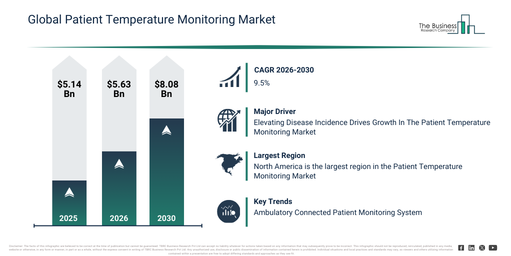
    The market for patient temperature monitoring systems has experienced robust expansion recently. Projections indicate a rise from $5.14 billion in 2025 to $5.63 billion in 2026, reflecting a compound annual growth rate of 9.6%. This historical growth trajectory was shaped by factors such as the prevalence of manual temperature checks with conventional thermometers, dependency on periodic patient assessments, the utilization of paper for record-keeping, a scarcity in the adoption of wearable temperature sensors, and a deficiency in connectivity with hospital information systems.

    A significant expansion is anticipated within the patient temperature monitoring sector over the forthcoming years, with projections indicating a market valuation reaching $8.08 billion by 2030, fueled by a compound annual growth rate of 9.5%. This anticipated expansion during the projected timeframe is largely attributable to an escalating need for continuous and remote patient surveillance, a greater uptake of non-invasive temperature measurement devices, seamless integration with telehealth services, an elevated emphasis on postoperative and critical care monitoring, and the ongoing development of sophisticated wearable and disposable temperature sensors. Key developments shaping the forecast period encompass a growing acceptance of AI-driven temperature monitoring solutions, the incorporation of IoT-enabled wearable temperature sensors, augmented utilization of cloud-based patient monitoring platforms, the automation of temperature data collection and reporting processes, and advancements in precision medicine tailored for temperature-dependent care.

    Download A Free Sample Report For Comprehensive Market Insights:

    https://www.thebusinessresearchcompany.com/sample.aspx?id=7856&type=smp

    Patient Temperature Monitoring Market Industry Drivers: What Is Driving Revenue Growth?

    The increasing occurrence of illnesses is poised to significantly boost the patient temperature monitoring market in the future. Illnesses, defined as conditions stemming from microorganisms like bacteria, viruses, fungi, or parasites, can spread between individuals or be transmitted via vectors such as insects or animals. Monitoring body temperature serves as a vital indicator in assessing an individual’s health status, and the recognized link between temperature fluctuations and the onset of sickness is expected to accelerate the uptake of monitoring devices. For example, the World Health Organization, a United Nations agency operating out of Switzerland and focused on global public health, noted in April 2025 a decline in vaccination rates across numerous communities during and following the COVID-19 pandemic. Specifically, measles cases saw an approximate 20% surge in 2023 compared to the previous year, reaching an estimated 10.3 million, thus underscoring how the growing incidence of diseases will persist as a key driver for the patient temperature monitoring sector.

    Patient Temperature Monitoring Market Segment Landscape: Which Areas Lead Market Development?

    The patient temperature monitoring market covered in this report is segmented –

    1) By Type: Contact-Based Temperature Monitoring Systems, Non-Contact-Based Temperature Monitoring System

    2) By Site: Non Invasive Temperature Monitoring, Invasive Temperature Monitoring

    3) By Application: Pyrexia Or Fever, Hypothermia, Blood Transfusion, Anesthesia, Other Applications

    4) By End User: Hospital And Surgical Centers, Nursing Facilities, Ambulatory Care Centers, Home Care, Other End Users

    Subsegments:

    1) By Contact-Based Temperature Monitoring Systems: Digital Thermometers, Infrared Ear Thermometers, Glass Thermometers, Disposable Thermometers

    2) By Non-Contact-Based Temperature Monitoring Systems: Forehead (Temporal) Thermometers, Infrared Non-Contact Thermometers, Wearable Temperature Sensors

    #Patient Temperature Monitoring Market Growth Trends: What Is Influencing The Future Outlook?

    To maintain their competitive edge, key players within the patient temperature monitoring sector are introducing innovative solutions like ambulatory-connected patient monitoring systems. These advanced systems represent wearable technology designed for the wireless collection and transmission of patient health information in real-time, facilitating remote oversight of vital signs and health indicators beyond conventional medical facilities. As an illustration, in October 2023, Dozee, an Indian firm specializing in remote patient monitoring, unveiled its Dozee Pro Ex. This device offers continuous surveillance of crucial patient metrics such as ECG rhythm, blood pressure, heart rate/pulse rate, oxygen saturation, respiration rate, and temperature. Furthermore, the system incorporates an artificial intelligence-driven early warning mechanism that analyzes vital parameter trends, issuing prompt notifications for potential clinical decline.

    Patient Temperature Monitoring Market Industry Leaders And Market Competition

    Major companies operating in the patient temperature monitoring market are Cardinal Health Inc., 3M Company, Koninklijke Philips NV, Drägerwerk AG & Co., Microlife Corporation, Becton Dickinson and Company, Omron Healthcare Inc., Masimo Corporation, Braun GmbH, Terumo Corporation, Paul Hartmann AG, Beurer GmbH, Easytem Co. Ltd., Omega Engineering Inc., iHealth Lab Inc., DeltaTrak Inc., Exergen Corporation, Medisana GmbH, Geratherm Medical AG, Nureca Healthcare Private Limited, A&D Company Ltd., Actherm Inc., Cosinuss GmbH, Vandelay Brands Limited, Kinsa Inc., Abbott Laboratories, American Diagnostic Corporation, CAS Medical Systems Inc., C.R. Bard Inc., Edwards Lifesciences Corporation, GE HealthCare Technologies Inc., Hill-Rom Holdings Inc., Honeywell International Inc., ICU Medical Inc., Medtronic PLC, Natus Medical Incorporated, Nonin Medical Inc., Procter & Gamble Co., Quest Products Inc., Riester GmbH & Co. KG, Rossmax International Ltd., Smiths Medical International Ltd., Spacelabs Healthcare LLC, SunTech Medical Inc., Thermomedics Inc., Tyco Healthcare Group Canada Inc., Vital Signs Inc., Vyaire Medical Inc., Welch Allyn Inc., ZOLL Medical Corporation

    Access The Complete Patient Temperature Monitoring Market Report:

    https://www.thebusinessresearchcompany.com/report/patient-temperature-monitoring-global-market-report

    Patient Temperature Monitoring Market Geographic Landscape: Which Region Dominates Industry Growth?

    North Americawas the largest region in the patient temperature monitoring market in 2025. Asia-Pacificis expected to be the fastest-growing region in the patient temperature monitoring market report forecast period. The regions covered in the patient temperature monitoring market report are Asia-Pacific, South East Asia, Western Europe, Eastern Europe, North America, South America, Middle East, Africa.

    Get in touch with us:

    The Business Research Company: https://www.thebusinessresearchcompany.com/

    Americas: +1 310-496-7795

    Asia: +44 7882 955267 & +91 8897263534

    Europe: +44 7882 955267

    Email us at: marketing@tbrc.info

    Follow us on:

    LinkedIn: https://in.linkedin.com/company/the-business-research-company

    YouTube: https://www.youtube.com/channel/UC24_fI0rV8cR5DxlCpgmyFQ

    Global Market Model: https://www.thebusinessresearchcompany.com/global-market-model