Category: Healthcare Services

  • Unresectable Hepatocellular Carcinoma Market Expansion Forecast

    Unresectable Hepatocellular Carcinoma Market Expansion Forecast

    The Business Research Company’s 2026 market reports feature enhanced tools like market attractiveness analysis, TAM assessment, and company scoring matrices, along with interactive dashboards, deeper supply chain insights, and startup coverage strengthening the depth, usability, and strategic value of insights.

    How Is The Market Size Of The Unresectable Hepatocellular Carcinoma Market Expected To Change From 2026 To 2030?

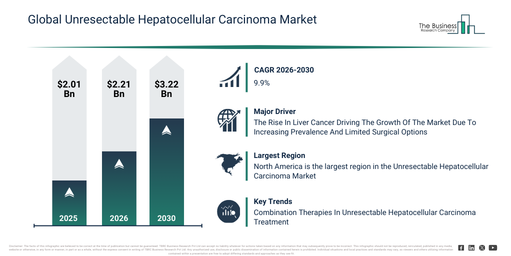
    The market size for unresectable hepatocellular carcinoma has experienced strong expansion in recent years. It is forecasted to increase from $2.01 billion in 2025 to $2.21 billion in 2026, with a compound annual growth rate (CAGR) of 9.9%. The historical growth can be linked to a higher incidence of chronic liver disease, an increase in cirrhosis-related cancer prevalence, the proliferation of oncology treatment centers, the availability of systemic therapy alternatives, and enhancements in diagnostic capabilities.

    The market for unresectable hepatocellular carcinoma is projected to experience robust expansion over the coming years. This market is anticipated to reach a valuation of $3.22 billion by 2030, demonstrating a compound annual growth rate (CAGR) of 9.9%. Factors contributing to this growth during the forecast timeframe include the escalating development of next-generation immunotherapies, a heightened emphasis on biomarker-driven treatment selection, the broadening of precision oncology programs, increasing financial commitments to liver cancer research, and the greater uptake of minimally invasive therapeutic approaches. Key trends anticipated for the forecast period encompass a wider acceptance of immunotherapy-based treatments, an increase in the application of molecularly targeted therapies, an intensifying focus on combined treatment strategies, the proliferation of personalized oncology care, and improved utilization of advanced diagnostic imaging techniques.

    Access Your Free Sample Report For In-Depth Market Analysis:

    https://www.thebusinessresearchcompany.com/sample.aspx?id=12079&type=smp

    Which Strong Drivers Are Impacting The Unresectable Hepatocellular Carcinoma Market Growth?

    The rising incidence of liver cancer is projected to propel the unresectable hepatocellular carcinoma market’s expansion. This condition involves healthy liver cells being overtaken by rapidly multiplying tumor cells, leading to cancerous growths that impair typical liver function. A growing number of metabolic disorders, viral hepatitis infections, liver disease linked to alcohol consumption, and complications from obesity are contributing to this increase in liver cancer cases. The market for unresectable hepatocellular carcinoma helps address this trend by offering treatments like systemic therapies, immunotherapies, radiofrequency ablation, and liver-directed procedures for individuals unable to have surgical tumor removal. For example, data from May 2025 by the Cancer Council Victoria, an Australia-based not-for-profit organization, indicated that in 2023, 667 people in Victoria received a liver cancer diagnosis, with 469 males (70.3%) and 198 females (29.7%). The current diagnostic rates for liver cancer are 11.8 per 100,000 males and 4.4 per 100,000 females. Consequently, the expanding occurrence of liver cancer is fueling the growth of the unresectable hepatocellular carcinoma market.

    Which Segment Types Are Examined In The Unresectable Hepatocellular Carcinoma Market Segment Study?

    The unresectable hepatocellular carcinoma market covered in this report is segmented –

    1) By Type: Primary, Secondary, Benign Liver Growth

    2) By Treatment Type: Chemotherapy, Molecularly Targeted Therapy, Immunotherapy, Other Treatments

    3) By End-Users: Hospitals, Specialty Clinics, Cancer Centers

    Subsegments:

    1) By Primary: Hepatocellular Carcinoma (HCC), Fibrolamellar Carcinoma, Hepatoblastoma

    2) By Secondary: Metastatic Liver Cancer, Intrahepatic Cholangiocarcinoma

    3) By Benign Liver Growth: Hepatic Adenoma, Focal Nodular Hyperplasia, Hemangiomas

    Which Trends Are Contributing To Changes In The Unresectable Hepatocellular Carcinoma Market?

    Leading firms within the unresectable hepatocellular carcinoma market are prioritizing the creation of novel treatments, including combination therapies, for unresectable hepatocellular carcinoma conditions. These combination approaches involve administering two or more treatments concurrently to enhance effectiveness, address various disease mechanisms, or minimize resistance in disease management. An example of this is the launch in March 2023 by Ono Pharmaceutical Co. Ltd., a Japanese pharmaceutical company, of Opdivo (nivolumab) Intravenous Infusion, a human anti-human PD-1 monoclonal antibody, when used together with Yervoy. Opdivo functions by inhibiting the connection between PD-1, a protein found on T cells (immune cells), and its corresponding ligands (PD-L1 and PD-L2) present on cancer cells. Typically, this interaction impedes the T cells’ capacity to target cancer cells. By interrupting this interaction, Opdivo assists T cells in more effectively identifying and removing cancer cells.

    Which Players Are Part Of The Competitive Landscape Of The Unresectable Hepatocellular Carcinoma Market?

    Major companies operating in the unresectable hepatocellular carcinoma market are Pfizer Inc., Johnson & Johnson Private Limited, F Hoffmann-La Roche Ltd., Merck & Co Inc., Bayer AG, Bristol-Myers-Squibb Company, AstraZeneca PLC, Takeda Pharmaceutical Company Limited, Eli Lilly and Company, Amgen Inc., Regeneron Pharmaceuticals Inc., Chugai Pharmaceutical Co Ltd., Eisai Co. Ltd., Ipsen S.A., Jiangsu HengRui Medicine Co. Ltd., Exelixis Inc., BeiGene Ltd., Innovent Biologics Inc., Sirtex Medical Limited, Genentech Inc., CStone Pharmaceuticals, Delcath Systems Inc., Celsion Corporation

    Get The Full Unresectable Hepatocellular Carcinoma Market Report:

    https://www.thebusinessresearchcompany.com/report/unresectable-hepatocellular-carcinoma-global-market-report

    Which Region Is The Top Contributor To The Unresectable Hepatocellular Carcinoma Market By Share?

    North America was the largest region in the unresectable hepatocellular carcinoma market in 2025. The regions covered in the unresectable hepatocellular carcinoma market report are Asia-Pacific, South East Asia, Western Europe, Eastern Europe, North America, South America, Middle East, Africa.

    Request A Customized Unresectable Hepatocellular Carcinoma Market Report For Competitive Insights:

    https://www.thebusinessresearchcompany.com/report/unresectable-hepatocellular-carcinoma-global-market-report

    Browse Through More Reports Similar to the Global Unresectable Hepatocellular Carcinoma Market 2026, By The Business Research Company

    Hepatocellular Carcinoma Drugs Market Report 2026

    https://www.thebusinessresearchcompany.com/report/hepatocellular-carcinoma-drugs-global-market-report

    Liver Cancer Diagnostics Market Report

    https://www.thebusinessresearchcompany.com/report/liver-cancer-diagnostics-global-market-report

    Liver Metastases Treatment Market Report

    https://www.thebusinessresearchcompany.com/report/liver-metastases-treatment-global-market-report

    Get in touch with us:

    The Business Research Company: https://www.thebusinessresearchcompany.com/

    Americas +1 310-496-7795

    Asia +44 7882 955267 & +91 8897263534

    Europe +44 7882 955267

    Email us at info@tbrc.info

    Follow us on:

    LinkedIn: https://in.linkedin.com/company/the-business-research-company

    YouTube: https://www.youtube.com/channel/UC24_fI0rV8cR5DxlCpgmyFQ

    Global Market Model: https://www.thebusinessresearchcompany.com/global-market-model
  • Unified Communications as a Service in Healthcare Market Strategic Analysis

    Unified Communications as a Service in Healthcare Market Strategic Analysis

    The Business Research Company’s 2026 market reports feature enhanced tools like market attractiveness analysis, TAM assessment, and company scoring matrices, along with interactive dashboards, deeper supply chain insights, and startup coverage strengthening the depth, usability, and strategic value of insights.

    From Its 2026 Market Size, What Value Is The Unified Communications As A Service In Healthcare Market Projected To Reach By 2030?

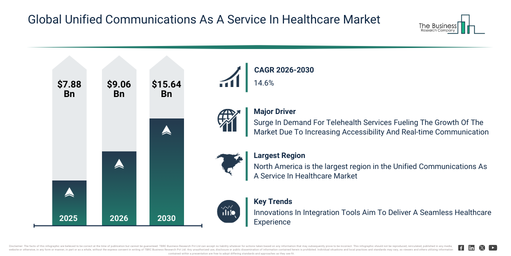
    The market size for unified communications as a service in healthcare has expanded significantly in recent years. It is projected to grow from $7.88 billion in 2025 to $9.06 billion in 2026, demonstrating a compound annual growth rate (CAGR) of 14.9%. The expansion observed in prior periods can be attributed to factors such as the increasing digital transformation of healthcare operations, the wider availability of telemedicine services, a growing imperative for care coordination, the uptake of electronic health records, and the development of remote healthcare delivery models.

    The unified communications as a service in healthcare market is projected for swift expansion in the coming years. This market is anticipated to reach $15.64 billion by 2030, exhibiting a compound annual growth rate (CAGR) of 14.6%. Key drivers for this projected growth include heightened capital allocation for digital care infrastructure, an escalating need for real-time clinical teamwork, the broadening of hybrid healthcare provision models, an intensified concentration on patient involvement instruments, and a growing regulatory push for secure healthcare exchanges. Significant developments expected during this timeframe encompass the wider embrace of cloud-centric healthcare communication platforms, the deepening integration of secure messaging and cooperative instruments, a surge in the utilization of video-based virtual medical appointments, the proliferation of interoperable communication frameworks, and a heightened commitment to data protection and adherence to regulations.

    Access Your Free Sample Report For In-Depth Market Analysis:

    https://www.thebusinessresearchcompany.com/sample.aspx?id=28347&type=smp

    What Key Factors Are Shaping The Unified Communications As A Service In Healthcare Market Landscape?

    The growing adoption of telehealth services is anticipated to fuel the expansion of the unified communications as a service in healthcare market in the future. Telehealth services encompass the provision of medical care, consultations, and health-related support from a distance, leveraging digital communication platforms. This escalating demand for telehealth is attributed to its enhanced accessibility, enabling patients to engage with healthcare professionals from afar, which conserves time and lessens travel requirements. Furthermore, the need for telehealth facilitates smooth, secure, and instantaneous interaction between patients and providers, thereby enhancing care coordination and patient participation. An illustrative example shows that in December 2023, data from the National Health Service, a government body in the UK, revealed 33.6 million individuals utilizing telehealth apps, with monthly login figures climbing 54% in the last year, moving from 16.8 million in November 2022 to 25.8 million in November 2023. Consequently, the heightened requirement for immediate communication is a significant catalyst for the expansion of the Unified Communications as a Service in Healthcare market.

    How Are Different Segments Classified In The Unified Communications As A Service In Healthcare Market Segment Analysis?

    The unified communications as a service in healthcare market covered in this report is segmented –

    1) By Service Type: Voice Over Internet Protocol, Video Conferencing, Messaging Services, Contact Center Services, Call Management

    2) By Component: Telephony, Unified Messaging, Collaboration Platforms, Conferencing, Other Components

    3) By Deployment Mode: Cloud-Based, On-Premises, Hybrid

    4) By Application: Telemedicine, Remote Patient Monitoring, Virtual Consultations, Care Coordination, Patient Engagement

    5) By End-User: Hospitals And Clinics, Health Insurance Providers, Diagnostic Laboratories

    Subsegments:

    1) By Voice Over Internet Protocol: Hosted Voice Solutions, Cloud Private Branch Exchange, Managed Voice Services, Session Initiation Protocol Trunking

    2) By Video Conferencing: Cloud-Based Video Conferencing, Web-Based Video Conferencing, Virtual Meeting Platforms, Telepresence System

    3) By Messaging Services: Instant Messaging Platforms, Secure Healthcare Messaging, Group Collaboration Tools, Patient Engagement Messaging

    4) By Contact Center Services: Cloud-Based Contact Centers, Virtual Assistance Services, Omni Channel Communication Solutions, Interactive Voice Response Systems

    5) By Call Management: Automated Call Distribution, Call Recording And Monitoring, Interactive Call Routing, Voicemail To Email Integration

    What Market Trends Are Affecting The Unified Communications As A Service In Healthcare Market?

    Leading companies operating within the unified communications as a service (UCaaS) in the healthcare market are concentrating on developing advanced solutions, such as sophisticated API integrations, to enhance interoperability between digital health tools, streamline workflow automation, and improve real-time communication among care teams. These advanced API integrations refer to complex software connection frameworks that allow multiple healthcare applications to securely exchange data, automate intricate operational tasks, and support unified communication workflows within cloud-based environments. For instance, in April 2025, First Light Fiber Inc., a US-based provider of fiber-optic data, internet, cloud, and voice services, launched the next phase of its Unified Communications (UC) platform, featuring enhanced integration capabilities for seamless connectivity across healthcare systems, advanced administrative tools for centralized management, and an improved user experience designed to support reliable, secure, real-time communication essential for clinical environments.

    Who Are The Companies Driving Activity In The Unified Communications As A Service In Healthcare Market?

    Major companies operating in the unified communications as a service in healthcare market are Google LLC, Microsoft Corporation, Verizon Communications Incorporated, IBM Corporation, Cisco Systems Incorporated, BT Group Public Limited Company, NEC Corporation, Orange Business Services India Network Private Limited, Zoom Video Communications Incorporated, RingCentral Incorporated, Alcatel-Lucent Enterprise International Société par Actions Simplifiée, Mitel Networks Corporation, 8×8 Incorporated, GoTo Technologies Incorporated, Nextiva Incorporated, Intrado Incorporated, Dialpad Incorporated, Windstream Holdings Incorporated, Salesforce.com, Inc., Avaya Holdings Corp.

    Get The Full Unified Communications As A Service In Healthcare Market Report:

    https://www.thebusinessresearchcompany.com/report/unified-communications-as-a-service-in-healthcare-global-market-report

    Which Region Represents The Largest Share Of The Unified Communications As A Service In Healthcare Market?

    North America was the largest region in the unified communications as a service in healthcare market in 2025. Asia-Pacific is expected to be the fastest-growing region in the forecast period. The regions covered in the unified communications as a service in healthcare market report are Asia-Pacific, South East Asia, Western Europe, Eastern Europe, North America, South America, Middle East, Africa.

    Request A Customized Unified Communications As A Service In Healthcare Market Report For Competitive Insights:

    https://www.thebusinessresearchcompany.com/report/unified-communications-as-a-service-in-healthcare-global-market-report

    Browse Through More Reports Similar to the Global Unified Communications As A Service In Healthcare Market 2026, By The Business Research Company

    Unified Communication As A Service Ucaas Market Report 2026

    https://www.thebusinessresearchcompany.com/report/unified-communication-as-a-service-ucaas-global-market-report

    Unified Communication Market Report

    https://www.thebusinessresearchcompany.com/report/unified-communication-global-market-report

    Connected Healthcare Market Report

    https://www.thebusinessresearchcompany.com/report/connected-healthcare-global-market-report

    Get in touch with us:

    The Business Research Company: https://www.thebusinessresearchcompany.com/

    Americas +1 310-496-7795

    Asia +44 7882 955267 & +91 8897263534

    Europe +44 7882 955267

    Email us at info@tbrc.info

    Follow us on:

    LinkedIn: https://in.linkedin.com/company/the-business-research-company

    YouTube: https://www.youtube.com/channel/UC24_fI0rV8cR5DxlCpgmyFQ

    Global Market Model: https://www.thebusinessresearchcompany.com/global-market-model
  • UTI Treatment Market Outlook Driven by Growth Factors

    UTI Treatment Market Outlook Driven by Growth Factors

    The Business Research Company’s 2026 market reports feature enhanced tools like market attractiveness analysis, TAM assessment, and company scoring matrices, along with interactive dashboards, deeper supply chain insights, and startup coverage strengthening the depth, usability, and strategic value of insights.

    How Much Growth In Market Value Is Expected For The Uncomplicated Urinary Tract Infection Treatment Market Between 2026 And 2030?

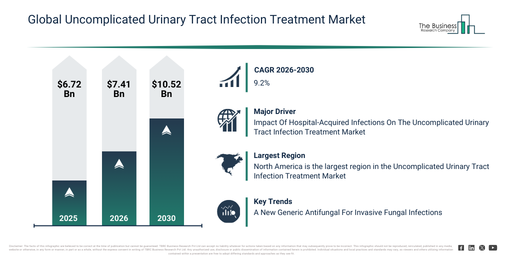
    The uncomplicated urinary tract infection treatment market size has experienced substantial growth in recent years. It is anticipated to expand from $6.72 billion in 2025 to $7.41 billion in 2026, demonstrating a compound annual growth rate (CAGR) of 10.2%. This past growth can be ascribed to the extensive use of antibiotics for UTI management, the presence of proven antimicrobial drugs, the development of outpatient treatment options, a rise in diagnosis rates, and enhanced access to pharmacy distribution networks.

    The uncomplicated urinary tract infection treatment market is projected to experience substantial expansion in the coming years. This market is anticipated to reach $10.52 billion by 2030, exhibiting a compound annual growth rate (CAGR) of 9.2%. This forecasted growth is largely driven by factors such as the increasing development of novel antibiotic classes, a heightened emphasis on mitigating antimicrobial resistance, the broader adoption of personalized treatment strategies, the expanding utilization of digital prescription platforms, and the greater availability of new oral therapies. Key trends during this period are expected to encompass a wider embrace of short-course antibiotic regimens, a growing inclination towards targeted antimicrobial treatments, increased application of oral small molecule drugs, the extension of community-based UTI treatment models, and a stronger focus on ensuring treatment compliance.

    Access Your Free Sample Report For In-Depth Market Analysis:

    https://www.thebusinessresearchcompany.com/sample.aspx?id=17288&type=smp

    Which Factors Are Influencing The Growth Of The Uncomplicated Urinary Tract Infection Treatment Market?

    The projected expansion of the uncomplicated urinary tract infection treatment market is significantly influenced by the rising incidence of hospital-acquired infections. These infections are defined as conditions patients develop while receiving care in hospitals or other medical settings, rather than being present upon their admission. Several factors contribute to this increase, including the prevalence of antibiotic-resistant bacteria, deficiencies in infection control measures, prolonged hospitalizations, and patients’ weakened immune systems. This growing number highlights the urgent necessity for effective urinary tract infection treatment approaches in healthcare environments, thereby stimulating innovation and investment to address increasing clinical requirements efficiently. For example, data from June 2024, provided by the Australian Institute of Health and Welfare, an Australia-based governmental department, indicated 1,668 cases of staphylococcus aureus bloodstream infections (SABSI) occurred over 22.5 million patient care days in public hospitals, equating to a rate of 0.74 SABSI cases per 10,000 patient days. Consequently, the escalating number of hospital-acquired infections is a key driver for the expansion of the uncomplicated urinary tract infection treatment market.

    How Is The Uncomplicated Urinary Tract Infection Treatment Market Categorized Across Its Segment Groups?

    The uncomplicated urinary tract infection treatment market covered in this report is segmented –

    1) By Drug Class: Gepotidacin, Sulfonamide, Tetracycline, Nitrofuran

    2) By Source Of Infection: Hospital-Acquired Urinary Tract Infection (UTI), Community-Acquired Urinary Tract Infection (UTI)

    3) By Gender: Male, Female

    4) By Distribution Channel: Hospital Pharmacies, Gynecology And Urology Clinics, Retail Pharmacies, Online Drug Stores

    Subsegments:

    1) By Gepotidacin: Oral Formulation, Injectable Formulation

    2) By Sulfonamide: Trimethoprim-Sulfamethoxazole (TMP-SMX)

    3) By Tetracycline: Doxycycline, Minocycline

    4) By Nitrofuran: Nitrofurantoin, Macrocrystals, Monohydrate/Macrocrystals

    Which Trends Are Influencing Demand In The Uncomplicated Urinary Tract Infection Treatment Market?

    Leading firms within the uncomplicated urinary tract infection treatment market are engaged in the development of aminopenicillin antibiotics, aiming to combat rising antibiotic resistance and improve the effectiveness of treatments for prevalent bacterial infections. These antibiotics are instrumental in managing uncomplicated UTIs by specifically targeting and eliminating the pathogenic bacteria causing them. Their mechanism involves disrupting bacterial cell wall synthesis, a process crucial for the bacteria’s proliferation and existence. As an illustration, in April 2024, Utility Therapeutics Ltd., a UK-based biotechnology research company, obtained FDA approval for Pivya (pivmecillinam) to treat uncomplicated urinary tract infections (UTIs) in adult females resulting from susceptible strains of Escherichia coli, Proteus mirabilis, and Staphylococcus saprophyticus. Pivmecillinam itself is an aminopenicillin antibiotic, functioning through the inhibition of bacterial cell wall synthesis.

    Which Firms Are Influencing Competition In The Uncomplicated Urinary Tract Infection Treatment Market?

    Major companies operating in the uncomplicated urinary tract infection treatment market are Pfizer Inc., F. Hoffmann-La Roche Ltd., Merck & Co. Inc., Bayer AG, GlaxoSmithKline PLC, Abbott Laboratories, Daiichi Sankyo Company Limited, Dr. Reddy’s Laboratories Ltd., Cipla Ltd., Lupin Limited, Iterum Therapeutics PLC, Fimbrion Therapeutics Inc., Utility Therapeutics Ltd., Astellas Pharma Inc., Shionogi & Co. Ltd., Sandoz AG, Sun Pharmaceutical Industries Ltd., Teva Pharmaceutical Industries Ltd., Viatris Inc., Hikma Pharmaceuticals PLC, Alvogen Pharma, Meiji Seika Pharma Co. Ltd., Basilea Pharmaceutica AG

    Get The Full Uncomplicated Urinary Tract Infection Treatment Market Report:

    https://www.thebusinessresearchcompany.com/report/uncomplicated-urinary-tract-infection-treatment-global-market-report

    Which Geographic Region Dominates The Uncomplicated Urinary Tract Infection Treatment Market?

    North America was the largest region in the uncomplicated urinary tract infection treatment market in 2025. Asia-Pacific is expected to be the fastest-growing region in the forecast period. The regions covered in the uncomplicated urinary tract infection treatment market report are Asia-Pacific, South East Asia, Western Europe, Eastern Europe, North America, South America, Middle East, Africa.

    Request A Customized Uncomplicated Urinary Tract Infection Treatment Market Report For Competitive Insights:

    https://www.thebusinessresearchcompany.com/report/uncomplicated-urinary-tract-infection-treatment-global-market-report

    Browse Through More Reports Similar to the Global Uncomplicated Urinary Tract Infection Treatment Market 2026, By The Business Research Company

    Urinary Tract Infection Treatment Market Report 2026

    https://www.thebusinessresearchcompany.com/report/urinary-tract-infection-treatment-global-market-report

    Pediatric Bladder Treatment Market Report

    https://www.thebusinessresearchcompany.com/report/pediatric-bladder-treatment-global-market-report

    Chlamydia Infection Treatment Market Report

    https://www.thebusinessresearchcompany.com/report/chlamydia-infection-treatment-global-market-report

    Get in touch with us:

    The Business Research Company: https://www.thebusinessresearchcompany.com/

    Americas +1 310-496-7795

    Asia +44 7882 955267 & +91 8897263534

    Europe +44 7882 955267

    Email us at info@tbrc.info

    Follow us on:

    LinkedIn: https://in.linkedin.com/company/the-business-research-company

    YouTube: https://www.youtube.com/channel/UC24_fI0rV8cR5DxlCpgmyFQ

    Global Market Model: https://www.thebusinessresearchcompany.com/global-market-model
  • Uncomplicated Urinary Tract Infection Market Developments and Opportunities

    Uncomplicated Urinary Tract Infection Market Developments and Opportunities

    The Business Research Company’s 2026 market reports feature enhanced tools like market attractiveness analysis, TAM assessment, and company scoring matrices, along with interactive dashboards, deeper supply chain insights, and startup coverage strengthening the depth, usability, and strategic value of insights.

    What Is The Estimated Market Size Of The Uncomplicated Urinary Tract Infection Market In 2026, And How Will Its Value Evolve By 2030?

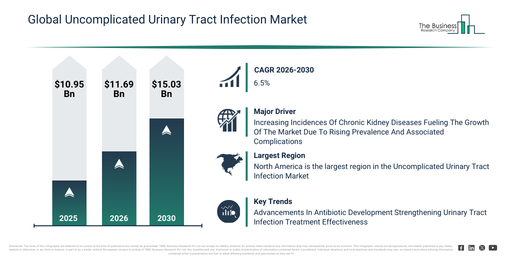
    The market size for uncomplicated urinary tract infections has demonstrated significant growth over recent years. It is anticipated to expand from $10.95 billion in 2025 to $11.69 billion in 2026, registering a compound annual growth rate (CAGR) of 6.8%. The observed growth in prior periods can be attributed to several factors, including an increased occurrence of urinary tract infections, widespread adoption of laboratory-based diagnostic tools, the provision of broad-spectrum antibiotics, the development of hospital diagnostic infrastructure, and enhanced public awareness concerning infection management.

    The uncomplicated urinary tract infection market size is projected to demonstrate significant expansion over the next few years. This market is set to grow to $15.03 billion by 2030, achieving a compound annual growth rate (CAGR) of 6.5%. This anticipated growth during the forecast period stems from the increasing requirement for swift and accurate diagnostic tools, a rising concentration on decreasing antibiotic resistance, the proliferation of molecular diagnostic approaches, the expanding uptake of point-of-care testing solutions, and growing capital allocation in laboratory automation. Prominent trends expected in the forecast period include the increasing application of rapid diagnostic testing protocols, the rising acceptance of automated urinalysis systems, a heightened focus on antimicrobial stewardship programs, the broadening of point-of-care UTI diagnostics, and an intensified emphasis on detecting infections early.

    Access Your Free Sample Report For In-Depth Market Analysis:

    https://www.thebusinessresearchcompany.com/sample.aspx?id=23550&type=smp

    What Leading Drivers Are Supporting The Uncomplicated Urinary Tract Infection Market Expansion?

    The rising occurrence of chronic kidney diseases is projected to stimulate the uncomplicated urinary tract infection market moving forward. Chronic kidney disease (CKD) is a persistent ailment where the kidneys gradually diminish their function, leading to the buildup of waste and fluids in the body. The increasing instances of chronic kidney diseases are linked to the expanding prevalence of diabetes, as sustained high blood sugar levels can damage the kidneys, thereby reducing their efficiency in filtering waste. Chronic kidney disease weakens the body’s immune system, making individuals more vulnerable to urinary tract infections. Additionally, compromised kidney function can result in urine retention, creating an environment favorable for bacterial growth. As an illustration, in June 2023, a report published by Kidney Research UK, a UK-based non-profit organization, indicated that around 7.2 million people in the UK are presently afflicted with chronic kidney disease, representing over 10% of the population. Of this number, 3.25 million are in advanced stages of the condition, while an additional 3.9 million are in its early phases. By 2033, the total number of individuals impacted by chronic kidney disease is expected to reach 7.61 million. Therefore, the growing incidence of chronic kidney diseases will propel the uncomplicated urinary tract infection market.

    How Are Segments Identified Within The Uncomplicated Urinary Tract Infection Market Segment Framework?

    The uncomplicated urinary tract infection market covered in this report is segmented –

    1) By Test Type: Urinalysis, Urine Cultures, Susceptibility Testing

    2) By Drug: Penicillin And Combinations, Quinolones, Cephalosporin, Azoles And Amphotericin B, Nitrofurans, Other Drugs

    3) By End-Users: Hospitals, Diagnostic Labs, Research Institutes

    Subsegments:

    1) By Urinalysis: Dipstick Tests, Microscopic Examination, Automated Urinalysis

    2) By Urine Cultures: Agar Plate Culture, Broth Culture, Chromogenic Media

    3) By Susceptibility Testing: Disk Diffusion Method, Automated Susceptibility Testing, Molecular Susceptibility Testing

    What Emerging Trends Are Seen In The Uncomplicated Urinary Tract Infection Market?

    Major companies operating in the uncomplicated urinary tract infection market are prioritizing the development of antibiotics to boost treatment effectiveness and combat bacteria resistant to current medications. Antibiotics serve as drugs that address bacterial infections by eradicating or inhibiting bacterial proliferation within the body. For instance, in April 2024, the Food and Drug Administration, a federal agency situated in the US, gave its approval to Pivya (pivmecillinam) tablets for the management of uncomplicated urinary tract infections in adult females. This tablet is formulated for uncomplicated urinary tract infections stemming from susceptible Escherichia coli, Proteus mirabilis, and Staphylococcus saprophyticus isolates. Pivmecillinam is a prodrug that converts into mecillinam, a beta-lactam antibiotic that targets gram-negative bacteria by interfering with bacterial cell wall synthesis.

    Who Are The Companies Competing Within The Uncomplicated Urinary Tract Infection Market?

    Major companies operating in the uncomplicated urinary tract infection market are Pfizer Inc., Bayer AG, GSK plc, Shionogi & Co. Ltd., Cipla Inc., Orchid Pharma Limited, Iterum Therapeutics PLC, UTILITY Therapeutics Ltd., Siemens AG, Sysmex Corporation, Bio-Rad Laboratories Inc., ACON Labs, Novartis AG, Sanofi SA, AbbVie Inc., Takeda Pharmaceutical Company Limited, Astellas Pharma Inc., Boehringer Ingelheim International GmbH, Roche Holding AG, F. Hoffmann-La Roche Ltd, Johnson & Johnson, Teva Pharmaceutical Industries Ltd

    Get The Full Uncomplicated Urinary Tract Infection Market Report:

    https://www.thebusinessresearchcompany.com/report/uncomplicated-urinary-tract-infection-global-market-report

    Which Region Is The Leading Market For The Uncomplicated Urinary Tract Infection Market?

    North America was the largest region in the uncomplicated urinary tract infection market in 2025. The regions covered in the uncomplicated urinary tract infection market report are Asia-Pacific, South East Asia, Western Europe, Eastern Europe, North America, South America, Middle East, Africa.

    Request A Customized Uncomplicated Urinary Tract Infection Market Report For Competitive Insights:

    https://www.thebusinessresearchcompany.com/report/uncomplicated-urinary-tract-infection-global-market-report

    Browse Through More Reports Similar to the Global Uncomplicated Urinary Tract Infection Market 2026, By The Business Research Company

    Urinary Tract Infection Treatment Market Report 2026

    https://www.thebusinessresearchcompany.com/report/urinary-tract-infection-treatment-global-market-report

    Urinary Tract Cancer Market Report

    https://www.thebusinessresearchcompany.com/report/urinary-tract-cancer-global-market-report

    Urinary Incontinence Market Report

    https://www.thebusinessresearchcompany.com/report/urinary-incontinence-global-market-report

    Get in touch with us:

    The Business Research Company: https://www.thebusinessresearchcompany.com/

    Americas +1 310-496-7795

    Asia +44 7882 955267 & +91 8897263534

    Europe +44 7882 955267

    Email us at info@tbrc.info

    Follow us on:

    LinkedIn: https://in.linkedin.com/company/the-business-research-company

    YouTube: https://www.youtube.com/channel/UC24_fI0rV8cR5DxlCpgmyFQ

    Global Market Model: https://www.thebusinessresearchcompany.com/global-market-model
  • Ultrasonic Technology Market Long-Term Industry Forecast

    Ultrasonic Technology Market Long-Term Industry Forecast

    The Business Research Company’s 2026 market reports feature enhanced tools like market attractiveness analysis, TAM assessment, and company scoring matrices, along with interactive dashboards, deeper supply chain insights, and startup coverage strengthening the depth, usability, and strategic value of insights.

    How Does The Market Size Of The Ultrasonic Technology Market Compare Between 2026 And 2030?

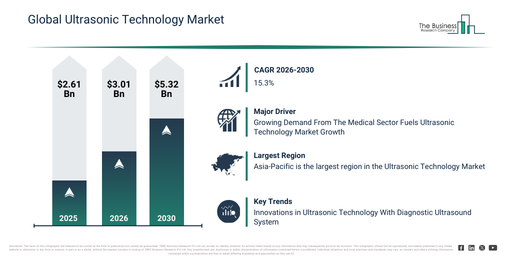
    The ultrasonic technology market has recently shown rapid expansion. It is anticipated to increase from $2.61 billion in 2025 to $3.01 billion in 2026, reflecting a compound annual growth rate (CAGR) of 15.3%. The historical growth of this market can be attributed to several factors, including the increasing adoption of industrial automation, a rising demand for non-invasive diagnostic tools, the expansion of automotive safety systems, the growing use of ultrasonic inspection methods, and the availability of cost-effective sensor technologies.

    The ultrasonic technology market is projected to experience substantial expansion over the coming years. By 2030, its value is anticipated to reach $5.32 billion, demonstrating a compound annual growth rate (CAGR) of 15.3%. This projected growth during the forecast period is driven by factors such as the expanding implementation of smart manufacturing systems, an increasing need for sophisticated medical imaging technologies, the wider application of sensing in autonomous vehicles, the growing incorporation of ultrasonic sensors into IoT platforms, and a heightened emphasis on solutions for precision monitoring. Key trends identified for this period encompass the increased deployment of ultrasonic sensors in industrial automation, a greater reliance on ultrasonic technology for non-contact measurements, the expanding incorporation of ultrasonic systems into medical diagnostics, the broadening scope of ultrasonic applications in quality inspection, and a stronger emphasis on high-precision distance sensing.

    Access Your Free Sample Report For In-Depth Market Analysis:

    https://www.thebusinessresearchcompany.com/sample.aspx?id=6063&type=smp

    Which Key Factors Are Driving The Ultrasonic Technology Market Growth?

    The escalating demand from the medical sector is projected to fuel the future expansion of the ultrasonic technology market. This medical sector encompasses organizations providing healthcare services, manufacturing medical devices, distributing pharmaceuticals, or supporting patient-care infrastructure. The surge in medical sector demand is attributed to greater healthcare utilization, an increase in chronic diseases, and a growing reliance on advanced diagnostic technologies. The ultrasonic technology market facilitates this growth by enabling high-precision imaging, surgical guidance, and non-destructive evaluation, which are vital for modern clinical workflows. For instance, in December 2024, the Centers for Medicare & Medicaid Services, a US-based agency overseeing Medicare and Medicaid programs, reported that U.S. health care expenditures increased by 7.5% in 2023, reaching $4.9 trillion, or approximately $14,570 per individual. Therefore, the heightened demand from the medical sector is a significant impetus for the ultrasonic technology market’s growth.

    What Are The Key Segment Divisions In The Ultrasonic Technology Market Segment Structure?

    The ultrasonic technology market covered in this report is segmented –

    1) By Type: Ultrasonic Proximity Sensor, Ultrasonic Retro-Reflective Sensor, Ultrasonic Through-Beam Sensor, Other Types

    2) By Technology: Ultrasonic Medical Technology, Ultrasonic Processing Technology, Ultrasonic Testing Technology, Other Technologies

    3) By Application: Welding, Cleaning, Inspections, Other Applications

    4) By End User: Automotive, Food and beverage, Medical and healthcare, Aerospace and defense, Industrial, Other End Users

    Subsegments:

    1) By Ultrasonic Proximity Sensor: Non-Contact Ultrasonic Proximity Sensors, Short-Range Ultrasonic Proximity Sensors

    2) By Ultrasonic Retro-Reflective Sensor: Fixed Ultrasonic Retro-Reflective Sensors, Adjustable Ultrasonic Retro-Reflective Sensors

    3) By Ultrasonic Through-Beam Sensor: Transmitter-Receiver Through-Beam Sensors, Reflective Through-Beam Sensors

    4) By Other Types: Ultrasonic Flow Meters, Ultrasonic Cleaning Equipment, Ultrasonic Thickness Gauges

    Which Trends Are Guiding The Direction Of The Ultrasonic Technology Market?

    Major companies active in the ultrasonic technology market are concentrating on developing novel diagnostic ultrasound system solutions to improve imaging quality, enhance patient safety, and optimize workflow efficiency. These diagnostic ultrasound system solutions are medical imaging technologies that use high-frequency sound waves to create visuals of internal body structures. For example, in February 2024, FUJIFILM, a Japan-based imaging and information technology company, unveiled the ALOKA ARIETTA 850 Diagnostic Ultrasound System, an advanced endoscopic ultrasound technology, which became available at Fortis Hospital in Bengaluru. This system boosts diagnostic accuracy for gastrointestinal diseases, providing high-definition imaging and enabling minimally invasive procedures for treatments such as pancreatic cyst drainage. The launch emphasizes FUJIFILM’s dedication to progressing healthcare outcomes with pioneering medical technologies, particularly in cancer staging and critical diagnoses.

    Which Organizations Are Engaged In The Ultrasonic Technology Market?

    Major companies operating in the ultrasonic technology market are Emerson Electric, Siemens AG, Olympus Corporation, General Electric Company, Crest Ultrasonics Corp., Honeywell International Inc., Rockwell Automation Inc., Pepperl+Fuchs AG, Omron Corporation, Telsonic AG, Sonotec, Contrinex, Canon Medical Systems Corporation, Fujifilm Holdings Corporation, Mindray Medical International Limited, Balluff, Baumer, Sick AG, ifm electronic, Leuze electronic, Migatron, Banner Engineering, KEYENCE, Waycon Positionsmesstechnik, Massa Products

    Get The Full Ultrasonic Technology Market Report:

    https://www.thebusinessresearchcompany.com/report/ultrasonic-technology-global-market-report

    Where Is The Ultrasonic Technology Market Primarily Concentrated By Region?

    Asia-Pacific was the largest region in the ultrasonic technology market in 2025. The regions covered in the ultrasonic technology market report are Asia-Pacific, South East Asia, Western Europe, Eastern Europe, North America, South America, Middle East, Africa.

    Request A Customized Ultrasonic Technology Market Report For Competitive Insights:

    https://www.thebusinessresearchcompany.com/report/ultrasonic-technology-global-market-report

    Browse Through More Reports Similar to the Global Ultrasonic Technology Market 2026, By The Business Research Company

    Ultrasonic Sensors Market Report 2026

    https://www.thebusinessresearchcompany.com/report/ultrasonic-sensors-global-market-report

    Ultrasound Systems Devices And Equipment Market Report

    https://www.thebusinessresearchcompany.com/report/ultrasound-systems-devices-and-equipment-global-market-report

    Ultrasonic Scalpel Market Report

    https://www.thebusinessresearchcompany.com/report/ultrasonic-scalpel-global-market-report

    Get in touch with us:

    The Business Research Company: https://www.thebusinessresearchcompany.com/

    Americas +1 310-496-7795

    Asia +44 7882 955267 & +91 8897263534

    Europe +44 7882 955267

    Email us at info@tbrc.info

    Follow us on:

    LinkedIn: https://in.linkedin.com/company/the-business-research-company

    YouTube: https://www.youtube.com/channel/UC24_fI0rV8cR5DxlCpgmyFQ

    Global Market Model: https://www.thebusinessresearchcompany.com/global-market-model
  • Ulcerative Colitis Market Growth Analysis Highlighting Innovation

    Ulcerative Colitis Market Growth Analysis Highlighting Innovation

    The Business Research Company’s 2026 market reports feature enhanced tools like market attractiveness analysis, TAM assessment, and company scoring matrices, along with interactive dashboards, deeper supply chain insights, and startup coverage strengthening the depth, usability, and strategic value of insights.

    What Is The Forecasted Market Size Trajectory Of The Ulcerative Colitis Market From 2026 To 2030?

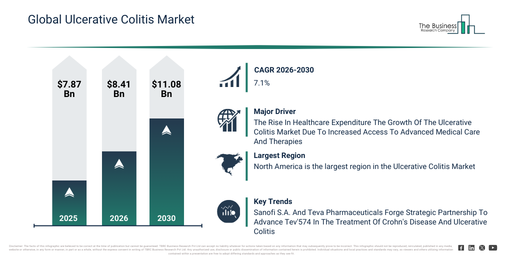
    The ulcerative colitis market has shown substantial growth in recent years. It is anticipated to expand from $7.87 billion in 2025 to $8.41 billion in 2026, exhibiting a compound annual growth rate (CAGR) of 6.9%. This historical growth can be linked to several contributing factors, including the enhanced availability of anti-inflammatory medications, a rise in the diagnosis of inflammatory bowel diseases, the expansion of gastroenterology specialty care, increasing awareness of autoimmune disorders, and advancements in endoscopic diagnostics.

    The ulcerative colitis market is projected to experience substantial expansion over the upcoming years. By 2030, this market is anticipated to reach a valuation of $11.08 billion, exhibiting a compound annual growth rate (CAGR) of 7.1%. This anticipated growth during the forecast period is fueled by several factors, including the escalating development of advanced biologics, a heightened emphasis on therapies that reduce steroid dependence, the broadening of targeted immune modulation treatments, the increasing incorporation of digital tools for patient monitoring, and greater investments in IBD research and innovation. Key trends characterizing the forecast period encompass a wider acceptance of biologic therapies, an increase in the utilization of small molecule treatments, a stronger emphasis on individualized treatment plans, the expansion of long-term disease management approaches, and an improved focus on timely and precise diagnosis.

    Access Your Free Sample Report For In-Depth Market Analysis:

    https://www.thebusinessresearchcompany.com/sample.aspx?id=10328&type=smp

    What Primary Drivers Are Shaping The Ulcerative Colitis Market?

    Rising healthcare spending is anticipated to propel the growth of the ulcerative colitis market going forward. Health expenditure refers to all spending for health-related services, family planning activities, nutrition activities, and emergency help, but excludes expenses for drinking water and sanitation. Healthcare expenditure is increasing due to advancements in medical technology, as new diagnostic tools, treatments, and innovative therapies often come at higher costs, leading to greater overall spending in healthcare. Increased healthcare spending can benefit ulcerative colitis sufferers by improving access to medical care and therapies. For instance, in December 2024, according to the Centers for Medicare & Medicaid Services, a US-based agency responsible for administering the Medicare and Medicaid programs, in 2023, U.S. health care expenditures increased by 7.5%, climbing to $4.9 trillion, or roughly $14,570 for each individual. Therefore, increasing healthcare expenditures are driving the growth of the ulcerative colitis industry.

    Which Segment Categories Are Included In The Ulcerative Colitis Market Segment Analysis?

    The ulcerative colitis market covered in this report is segmented –

    1) By Drug Type: Anti-Inflammatory Drugs, Anti-TNF Biologics, Immunosuppressant, Calcineurin Inhibitors, Other Drug Types

    2) By Disease Type: Ulcerative Proctitis, Proctosigmoiditis, Left-sided Colitis, Pancolitis or Universal Colitis, Fulminant Colitis

    3) By Molecule Type: Biologics, Small Molecules

    4) By Route Of Administration: Oral, Injectables

    5) By End-User: Hospital Pharmacies, Retail Pharmacies, Drug Stores, Other End-User

    Subsegments:

    1) By Anti-Inflammatory Drugs: Aminosalicylates, Corticosteroids

    2) By Anti-TNF Biologics: Infliximab, Adalimumab, Golimumab

    3) By Immunosuppressant: Azathioprine, Mercaptopurine

    4) By Calcineurin Inhibitors: Tacrolimus, Cyclosporine

    5) By Other Drug Types: JAK Inhibitors, Monoclonal Antibodies, Other Novel Therapies

    What Trends Are Affecting The Growth Of The Ulcerative Colitis Market?

    Leading companies operating in the ulcerative colitis market are concentrating on forging collaborative solutions, such as strategic co-development partnerships, to expedite late-stage biologic advancement and broaden global commercialization capabilities. These strategic co-development partnerships involve agreements where two pharmaceutical entities integrate their scientific resources, clinical trial expertise, and commercial infrastructure to collectively progress and market a therapeutic candidate, under shared financial and operational responsibilities. For example, in 2023, Sanofi S.A., a France-based healthcare and pharmaceutical company, established a strategic partnership with Teva Pharmaceuticals, a US-based subsidiary of Teva Pharmaceutical Industries Ltd., aiming to jointly develop and commercialize TEV’574, a Phase 2b biologic candidate for Crohn’s disease and ulcerative colitis. This agreement included an upfront payment of €0.469 billion (USD 0.50 billion), potential eligibility for up to €0.94 billion (USD 1.0 billion) in developmental and commercialization milestones, and a cost- and profit-sharing model. Under this model, Sanofi leads commercialization in North America, Japan, and Asia, while Teva takes the lead in Europe, Israel, and select regions.

    Who Are The Active Companies Shaping The Ulcerative Colitis Market?

    Major companies operating in the ulcerative colitis market are AbbVie Inc., AstraZeneca plc, Bausch Health Companies Inc., Eli Lilly and Co., Johnson & Johnson, GlaxoSmithKline plc, Merck & Co. Inc., Novartis AG, Pfizer Inc., Sanofi S.A., Allergan plc, Bayer AG, Celgene Corporation, Bristol Myers Squibb Company, Takeda Pharmaceutical Company Limited, Genentech Inc., UCB S.A., Shire plc, Ferring Pharmaceuticals Inc., Salix Pharmaceuticals Inc., Dr. Falk Pharma GmbH, Tillotts Pharma AG, Cosmo Pharmaceuticals

    Get The Full Ulcerative Colitis Market Report:

    https://www.thebusinessresearchcompany.com/report/ulcerative-colitis-global-market-report

    Which Region Has The Greatest Market Share In The Ulcerative Colitis Market?

    North America was the largest region in the ulcerative colitis market in 2025. The regions covered in the ulcerative colitis market report are Asia-Pacific, South East Asia, Western Europe, Eastern Europe, North America, South America, Middle East, Africa.

    Request A Customized Ulcerative Colitis Market Report For Competitive Insights:

    https://www.thebusinessresearchcompany.com/report/ulcerative-colitis-global-market-report

    Browse Through More Reports Similar to the Global Ulcerative Colitis Market 2026, By The Business Research Company

    Inflammatory Bowel Disease Treatment Market Report 2026

    https://www.thebusinessresearchcompany.com/report/inflammatory-bowel-disease-treatment-global-market-report

    Gastric Ulcers Market Report

    https://www.thebusinessresearchcompany.com/report/gastric-ulcers-global-market-report

    Peptic Ulcer Market Report

    https://www.thebusinessresearchcompany.com/report/peptic-ulcer-global-market-report

    Get in touch with us:

    The Business Research Company: https://www.thebusinessresearchcompany.com/

    Americas +1 310-496-7795

    Asia +44 7882 955267 & +91 8897263534

    Europe +44 7882 955267

    Email us at info@tbrc.info

    Follow us on:

    LinkedIn: https://in.linkedin.com/company/the-business-research-company

    YouTube: https://www.youtube.com/channel/UC24_fI0rV8cR5DxlCpgmyFQ

    Global Market Model: https://www.thebusinessresearchcompany.com/global-market-model
  • Typhoid Vi Polysaccharide Vaccine Market Forecast with Key Trends

    Typhoid Vi Polysaccharide Vaccine Market Forecast with Key Trends

    The Business Research Company’s 2026 market reports feature enhanced tools like market attractiveness analysis, TAM assessment, and company scoring matrices, along with interactive dashboards, deeper supply chain insights, and startup coverage strengthening the depth, usability, and strategic value of insights.

    How Much Will The Market Value Of The Typhoid Vi Polysaccharide Vaccine Market Grow Between 2026 And 2030?

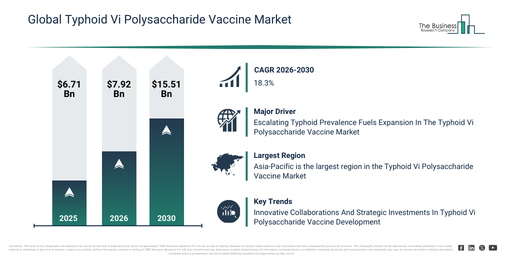
    The typhoid vi polysaccharide vaccine market has experienced substantial expansion in recent times. Projections indicate it will increase from $6.71 billion in 2025 to $7.92 billion by 2026, advancing at a compound annual growth rate (CAGR) of 18.1%. The market’s historical growth can be attributed to the broader implementation of national immunization schedules, a heightened understanding of typhoid prevention, the accessibility of polysaccharide vaccine formulations, an increase in public vaccination initiatives, and assistance from global health organizations.

    The typhoid vi polysaccharide vaccine market is projected to experience substantial expansion over the upcoming years. This market is anticipated to reach a valuation of $15.51 billion by 2030, demonstrating a compound annual growth rate (CAGR) of 18.3%. This projected growth during the forecast period stems from several factors, including an intensified focus on widespread immunization in areas where the disease is prevalent, an uptick in investments dedicated to vaccine production capabilities, the broader implementation of vaccination initiatives for adults, an increasing emphasis on vaccinations pertinent to travel, and the wider integration of enhanced vaccine storage solutions. Key trends foreseen for the forecast period encompass a rise in government-backed immunization initiatives, a heightened need for comprehensive pediatric vaccination coverage, a greater concentration on proactive healthcare strategies, the diversification of vaccine distribution through public-private partnerships, and a strengthened commitment to optimizing cold chain logistics.

    Access Your Free Sample Report For In-Depth Market Analysis:

    https://www.thebusinessresearchcompany.com/sample.aspx?id=8313&type=smp

    Which Major Drivers Are Influencing The Expansion Of The Typhoid Vi Polysaccharide Vaccine Market?

    The increasing incidence of typhoid is anticipated to drive the expansion of the typhoid Vi polysaccharide vaccine market moving forward. Typhoid, a potentially fatal infection caused by *Salmonella Typhi* bacteria, typically spreads through tainted food or drinks. Factors contributing to this rise in typhoid cases include inadequate sanitation, unsafe water sources, rapid urban development, and heightened exposure to contaminated food and water. The typhoid Vi polysaccharide vaccine market addresses this issue by offering immunization to adults and children aged two years and older, thereby providing protective immunity against *Salmonella enterica* serovar Typhi and lessening the impact of typhoid fever in endemic areas. For instance, data released by the UK Health Security Agency in August 2024 indicated an increase in laboratory-confirmed symptomatic enteric fever cases across England, Wales, and Northern Ireland, with S. Typhi cases reaching 313, S. Paratyphi A reaching 135 cases, and S. Paratyphi B reaching 18 cases. Consequently, the escalating prevalence of typhoid is a key factor propelling the growth of the typhoid Vi polysaccharide vaccine market. The expansion of immunization initiatives is expected to stimulate the growth of the typhoid Vi polysaccharide vaccine market in the coming years. Immunization campaigns are defined as strategies for delivering one or more vaccines quickly to a large number of individuals at either a national or sub-national level. The surge in these campaigns is primarily fueled by an intensified public health focus on preventing typhoid in regions with high disease burden, alongside the imperative to reduce antimicrobial resistance through widespread vaccination. These growing immunization campaigns contribute to the typhoid Vi polysaccharide vaccine by enhancing vaccine awareness, improving accessibility, and increasing coverage, ultimately leading to a reduction in the incidence and transmission of typhoid fever. For example, in June 2023, the UK Health Security Agency, a government body based in the UK, reported that a total of 3,502,566 children, from Reception to Year 9, were vaccinated as part of the school-aged vaccination program during 2022–2023. Therefore, the increasing number of immunization campaigns is a significant driver for the growth of the typhoid Vi polysaccharide vaccine market.

    How Is The Typhoid Vi Polysaccharide Vaccine Market Broken Down By Segment Categories?

    The typhoid vi polysaccharide vaccine market covered in this report is segmented –

    1) By Type: Child, Adult

    2) By Route Of Administration: Oral, Parenteral

    3) By Application: Government Institution, Private Sector, Other Applications

    Subsegments:

    1) By Child: Pediatric Formulations, Age-Specific Dosages

    2) By Adult: Standard Adult Formulations, High-Risk Population Formulations

    Which Trends Are Shaping The Typhoid Vi Polysaccharide Vaccine Market?

    Major companies operating in the typhoid Vi polysaccharide vaccine market are strengthening their position through strategic investments, notably funding partnerships for next-generation vaccine delivery platforms, to accelerate innovation and expand global immunization reach. These collaborative investment initiatives, defining funding partnerships for advanced vaccine delivery platforms, aim to develop improved typhoid vaccination technologies, specifically needle-free, thermostable, and easy-to-administer formats. Such advancements are crucial for enhancing accessibility, coverage, and compliance in low-resource settings. For example, in August 2023, South Korea-based biotech company SK Bioscience, in collaboration with Australia-based Vaxxas, a specialist in needle-free vaccine delivery, secured AUD 0.0054 billion (USD 0.00367 billion) in funding from Wellcome, a UK-based charitable foundation. This funding is dedicated to developing a typhoid conjugate vaccine delivered via a needle-free high-density microarray patch (HD-MAP). This innovative solution features a micro-projection patch that obviates the need for traditional needles, offers thermostability crucial for distribution in regions with limited infrastructure, and holds the potential for simplified, pain-free administration, ultimately targeting improved global uptake of typhoid vaccination.

    Which Players Are Present In The Typhoid Vi Polysaccharide Vaccine Market Space?

    Major companies operating in the typhoid vi polysaccharide vaccine market are Sanofi S.A., Merck & Co. Inc., PT Bio Farma, Bharat Biotech International Limited, Bio-Med Pvt. Ltd., Hualan Biological Engineering Inc., Indian Immunologicals Limited, Serum Institute of India Limited, Biological E Limited, Panacea Biotec Limited, Zydus Lifesciences Limited, Beijing Minhai Biotechnology Co. Ltd., Lanzhou Institute of Biological Products Co. Ltd., Chengdu Institute of Biological Products Co. Ltd., Wuhan Institute of Biological Products Co. Ltd., Eubiologics Co. Ltd., Incepta Vaccine Limited, GC Pharma, KM Biologics Inc., Bharat Immunologicals and Biologicals Corporation Limited, Sinovac Biotech Ltd., Bio Farma Indonesia

    Get The Full Typhoid Vi Polysaccharide Vaccine Market Report:

    https://www.thebusinessresearchcompany.com/report/typhoid-vi-polysaccharide-vaccine-global-market-report

    Which Region Accounts For The Largest Portion Of The Typhoid Vi Polysaccharide Vaccine Market?

    Asia-Pacific was the largest region in the typhoid Vi polysaccharide vaccine market share in 2025. The regions covered in the typhoid vi polysaccharide vaccine market report are Asia-Pacific, South East Asia, Western Europe, Eastern Europe, North America, South America, Middle East, Africa.

    Request A Customized Typhoid Vi Polysaccharide Vaccine Market Report For Competitive Insights:

    https://www.thebusinessresearchcompany.com/report/typhoid-vi-polysaccharide-vaccine-global-market-report

    Browse Through More Reports Similar to the Global Typhoid Vi Polysaccharide Vaccine Market 2026, By The Business Research Company

    Preventive Vaccines Market Report 2026

    https://www.thebusinessresearchcompany.com/report/preventive-vaccines-global-market-report

    Vaccines Market Report

    https://www.thebusinessresearchcompany.com/report/vaccines-global-market-report

    Chickenpox Vaccine Market Report

    https://www.thebusinessresearchcompany.com/report/chickenpox-vaccine-global-market-report

    Get in touch with us:

    The Business Research Company: https://www.thebusinessresearchcompany.com/

    Americas +1 310-496-7795

    Asia +44 7882 955267 & +91 8897263534

    Europe +44 7882 955267

    Email us at info@tbrc.info

    Follow us on:

    LinkedIn: https://in.linkedin.com/company/the-business-research-company

    YouTube: https://www.youtube.com/channel/UC24_fI0rV8cR5DxlCpgmyFQ

    Global Market Model: https://www.thebusinessresearchcompany.com/global-market-model
  • Typhoid Antibody Testing Market Outlook 2026–2030 with Growth Drivers

    Typhoid Antibody Testing Market Outlook 2026–2030 with Growth Drivers

    The Business Research Company’s 2026 market reports feature enhanced tools like market attractiveness analysis, TAM assessment, and company scoring matrices, along with interactive dashboards, deeper supply chain insights, and startup coverage strengthening the depth, usability, and strategic value of insights.

    What Changes In Market Value Are Expected For The Typhoid Antibody Testing Market Over The 2026–2030 Period?

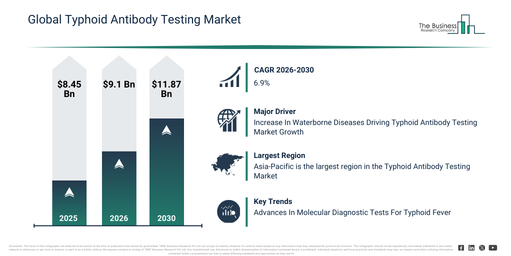
    The market for typhoid antibody testing has experienced robust expansion over recent years. This market is projected to expand from $8.45 billion in 2025 to reach $9.1 billion by 2026, demonstrating a compound annual growth rate (CAGR) of 7.8%. Factors contributing to its historical growth include the escalating incidence of typhoid fever in areas where it is common, the broadening scope of public health screening initiatives, greater access to serological testing techniques, the development of diagnostic laboratory infrastructure, and increased understanding of how to manage infectious diseases.

    The typhoid antibody testing market size is anticipated to experience robust expansion over the next several years. Projections indicate it will reach $11.87 billion by 2030, achieving a compound annual growth rate (CAGR) of 6.9%. This projected growth during the forecast period is driven by factors such as the escalating demand for swift and precise diagnostic tools, the broadening of decentralized testing infrastructures, a surge in investments towards cutting-edge immunoassay technologies, an intensified emphasis on preparedness for disease outbreaks, and the increasing integration of digital laboratory systems. Significant trends expected during this period include the wider adoption of rapid diagnostic test kits, a heightened requirement for point-of-care typhoid testing, the expanding utilization of ELISA-based assays, further development in laboratory automation within diagnostics, and a reinforced commitment to detecting diseases at an early stage.

    Access Your Free Sample Report For In-Depth Market Analysis:

    https://www.thebusinessresearchcompany.com/sample.aspx?id=16815&type=smp

    What Key Drivers Are Fueling The Growth Of The Typhoid Antibody Testing Market?

    The increasing incidence of waterborne diseases is anticipated to drive the expansion of the typhoid antibody testing market in the future. These diseases are defined as ailments resulting from pathogenic microorganisms spread via tainted water. Factors contributing to the rise in waterborne diseases include inadequate sanitation and hygiene, limited access to potable water, swift urbanization, evolving climatic conditions, and agricultural discharge. Typhoid antibody testing supports this trend by facilitating early detection, confirmation, and ongoing assessment of treatment effectiveness, which in turn helps identify individuals carrying typhoid fever and supports preventative actions against waterborne infections. As an illustration, information from the Coalition against Typhoid (a US-based organization dedicated to preventing typhoid and other invasive salmonellosis) revealed that in May 2023, the Philippines documented 4,440 typhoid cases between January 1 and April 15 2023, representing a 77 % surge compared to the corresponding timeframe in 2022. Consequently, the escalation in waterborne diseases is fueling the expansion of the typhoid antibody testing market.

    What Are The Different Segment Types In The Typhoid Antibody Testing Market Segment Breakdown?

    The typhoid antibody testing market covered in this report is segmented –

    1) By Product Type: Rapid Serological Tests, Hem-agglutination And Co-agglutination, Counter Immunoelectrophoresis, Typhidot Test, Widal Test

    2) By Paratyphi Type: Paratyphi A, Paratyphi B, Paratyphi C

    3) By End-User: Hospitals, Serological Testing Centers, Clinics, Diagnostic Centers, Other End Users

    Subsegments:

    1) By Rapid Serological Tests: Lateral Flow Immunoassays (LFIA), Immunochromatographic Tests (ICT), Enzyme-Linked Immunosorbent Assays (ELISA)

    2) By Hem-agglutination And Co-agglutination: Hemagglutination Assay, Co-agglutination Assay

    3) By Counter Immunoelectrophoresis: Gel-Based Counter Immunoelectrophoresis, Paper-Based Counter Immunoelectrophoresis

    4) By Typhidot Test: Typhidot-M (IgM) Test, Typhidot-G (IgG) Test

    5) By Widal Test: Tube Widal Test, Slide Widal Test

    What Trends Are Influencing The Typhoid Antibody Testing Market?

    Key companies operating in the typhoid antibody testing market are focusing on developing innovative solutions, such as molecular diagnostic tests, to enhance the accuracy and speed of typhoid fever diagnosis. Molecular diagnostic tests provide high sensitivity and specificity, enabling precise and rapid detection of pathogens like Salmonella Typhi in instances of typhoid fever. As an illustration, in April 2023, Vanguard Diagnostics, an India-based developer of diagnostic reagents, introduced the VANSCAN typhoid RT PCR test, a molecular diagnostic test utilizing its patented technology. This test is designed to detect and diagnose typhoid fever through a real-time PCR (RT-PCR) testing approach, which offers greater accuracy and sensitivity compared to traditional serological tests. The VANSCAN Typhoid RT PCR Test signifies a major advancement in typhoid diagnostics, establishing a new gold standard for early, accurate, and reliable disease detection across India and worldwide.

    Who Are The Well-Known Companies In The Typhoid Antibody Testing Market?

    Major companies operating in the typhoid antibody testing market are Thermo Fisher Scientific Inc., Abbott Laboratories, Siemens Healthineers AG, Quest Diagnostics Inc., bioMerieux SA, Bio-Rad Laboratories Inc., DiaSorin S.p.A., Meridian Bioscience Inc., Sekisui Diagnostics, CTK Biotech Inc., Creative Diagnostics, Fortress Diagnostics Ltd., CerTest Biotec S.L, InBios International Inc., J. Mitra & Co. Pvt. Ltd, AccuBioTech Co. Ltd, Vanguard Diagnostics Pvt. Ltd., Suburban Diagnostics India Private Limited, Biorex Diagnostics, Genebio Healthcare Private Limited, ICT Diagnostics

    Get The Full Typhoid Antibody Testing Market Report:

    https://www.thebusinessresearchcompany.com/report/typhoid-antibody-testing-global-market-report

    Which Region Holds The Highest Market Share In The Typhoid Antibody Testing Market?

    Asia-Pacific was the largest region in the typhoid antibody testing market in 2025. The regions covered in the typhoid antibody testing market report are Asia-Pacific, South East Asia, Western Europe, Eastern Europe, North America, South America, Middle East, Africa.

    Request A Customized Typhoid Antibody Testing Market Report For Competitive Insights:

    https://www.thebusinessresearchcompany.com/report/typhoid-antibody-testing-global-market-report

    Browse Through More Reports Similar to the Global Typhoid Antibody Testing Market 2026, By The Business Research Company

    Preventive Vaccines Market Report 2026

    https://www.thebusinessresearchcompany.com/report/preventive-vaccines-global-market-report

    Typhoid Vi Polysaccharide Vaccine Market Report

    https://www.thebusinessresearchcompany.com/report/typhoid-vi-polysaccharide-vaccine-global-market-report

    Infectious Disease Diagnostics Testing Market Report

    https://www.thebusinessresearchcompany.com/report/infectious-disease-diagnostics-testing-global-market-report

    Get in touch with us:

    The Business Research Company: https://www.thebusinessresearchcompany.com/

    Americas +1 310-496-7795

    Asia +44 7882 955267 & +91 8897263534

    Europe +44 7882 955267

    Email us at info@tbrc.info

    Follow us on:

    LinkedIn: https://in.linkedin.com/company/the-business-research-company

    YouTube: https://www.youtube.com/channel/UC24_fI0rV8cR5DxlCpgmyFQ

    Global Market Model: https://www.thebusinessresearchcompany.com/global-market-model
  • Rising Lifestyle Disorders Supporting Expansion in Type 2 Diabetes Market

    Rising Lifestyle Disorders Supporting Expansion in Type 2 Diabetes Market

    The Business Research Company’s 2026 market reports feature enhanced tools like market attractiveness analysis, TAM assessment, and company scoring matrices, along with interactive dashboards, deeper supply chain insights, and startup coverage strengthening the depth, usability, and strategic value of insights.

    By 2030, What Market Size Is The Type 2 Diabetes Market Expected To Reach Based On Its 2026 Value?

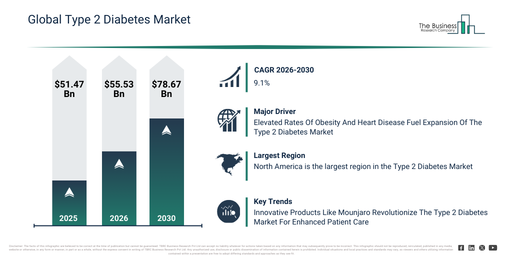
    The type 2 diabetes market size has seen robust growth in recent years. It is projected to expand from $51.47 billion in 2025 to $55.53 billion in 2026, at a compound annual growth rate (CAGR) of 7.9%. The market’s historical growth can be attributed to the escalating global prevalence of obesity, increased sedentary lifestyles, the expansion of oral antidiabetic drug availability, growing screening for metabolic disorders, and improved access to primary diabetes care.

    The type 2 diabetes market is anticipated to show significant expansion over the next few years. It will grow to $78.67 billion in 2030 at a compound annual growth rate (CAGR) of 9.1%. This growth during the forecast period is driven by factors such as an increasing demand for therapies focused on weight management, a rising embrace of personalized diabetes treatment approaches, the expansion of digital therapeutic platforms, a growing emphasis on preventive diabetes management, and increased investments in next-generation antidiabetic drugs. Notable trends expected in this period include the increasing adoption of GLP-1 receptor agonists, a heightened focus on cardiometabolic risk management, the growing application of combination drug therapies, the expansion of lifestyle-integrated treatment strategies, and an enhanced emphasis on achieving long-term glycemic control.

    Access Your Free Sample Report For In-Depth Market Analysis:

    https://www.thebusinessresearchcompany.com/sample.aspx?id=13050&type=smp

    Which Drivers Are Supporting The Type 2 Diabetes Market Growth?

    The escalating incidence of obesity and heart disease is projected to fuel the growth of the type 2 diabetes market moving forward. Obesity is defined as a medical state where excessive body fat has accumulated to an unhealthy degree, while heart disease refers to various conditions that impact the heart and its blood vessels. Elevated body weight increases the probability of insulin resistance, leading to high blood sugar levels and the subsequent development of type 2 diabetes. Conversely, high blood sugar levels can damage the blood vessels and nerves that regulate the heart and its vessels, contributing to heart disease. For example, in March 2024, the World Health Organization (WHO), a Switzerland-based intergovernmental entity, reported that approximately one in eight people globally were struggling with obesity. This included 2.5 billion adults (aged 18 years and older) who were overweight, with 890 million of them living with obesity. Among adults, 43% were overweight, and 16% were classified as obese. Additionally, the number of overweight children under the age of 5 reached 37 million. Therefore, the rising rates of obesity and heart disease are driving the expansion of the type 2 diabetes market.

    Which Segment Classifications Are Used In The Type 2 Diabetes Market Segment Analysis?

    The type 2 diabetes market covered in this report is segmented –

    1) By Drug Class: Dipeptidyl Peptidase-4 (DPP-4) Inhibitors, Glucagon-Like Peptide-1 (GLP-1) Receptor Agonists, Thiazolidinediones, Alpha-Glucosidase Inhibitors, Sulfonylureas And Insulin Secretagogues, Biguanides, SodiumGlucose Cotransporter 2 Inhibitors, Other Drug Classes

    2) By Application: Glycemic Control, Cardiovascular Safety, Hypoglycemia Avoidance, Other Applications

    3) By End-User: Children, Adults

    Subsegments:

    1) By Dipeptidyl Peptidase-4 (DPP-4) Inhibitors: Sitagliptin, Saxagliptin, Linagliptin, Alogliptin

    2) By Glucagon-Like Peptide-1 (GLP-1) Receptor Agonists: Liraglutide, Semaglutide, Dulaglutide, Exenatide

    3) By Thiazolidinediones: Pioglitazone, Rosiglitazone

    4) By Alpha-Glucosidase Inhibitors: Acarbose, Miglitol

    5) By Sulfonylureas And Insulin Secretagogues: Glimepiride, Glipizide, Glyburide

    6) By Biguanides: Metformin, Buformin, Phenformin

    7) By Sodium-Glucose Cotransporter 2 Inhibitors: Canagliflozin, Dapagliflozin, Empagliflozin

    8) By Other Drug Classes: Amylin Analogues, Bile Acid Sequestrants, Dopamine Agonists

    Which Trends Are Expected To Impact The Type 2 Diabetes Market?

    Leading companies in the type 2 diabetes market are concentrating on developing advanced solutions, such as extended-indication SGLT2/GLP-1 combination therapies, to achieve improved glycemic control, mitigate comorbidities, and enhance patient adherence. These extended-indication SGLT2/GLP-1 combination therapies are pharmaceutical regimens combining sodium-glucose co-transporter-2 (SGLT2) inhibitors and glucagon-like peptide-1 (GLP-1) receptor agonists (or their fixed-dose combinations) to concurrently address blood glucose regulation, obesity, and cardiovascular and renal outcomes in type 2 diabetes patients. For instance, in June 2024, AstraZeneca, a UK-based pharmaceutical company, obtained U.S. FDA approval for Farxiga (dapagliflozin) for the paediatric type 2 diabetes indication (age 10 years and older), extending its usage beyond adult populations and signifying a strategy for a broader patient base. This particular innovation provides once-daily oral dosing for younger patients, incorporates cardiometabolic and renal protection data, and enables market expansion into paediatric and early-stage type 2 diabetes segments, consequently stimulating growth in the global type 2 diabetes market.

    Which Firms Are Contributing To The Type 2 Diabetes Market Ecosystem?

    Major companies operating in the type 2 diabetes market are F. Hoffmann-La Roche AG, Merck and Co. Inc, Novartis AG, AstraZeneca plc, Abbott Laboratories, Sanofi SA, Medtronic plc, Takeda Pharmaceutical Company, GlaxoSmithKline plc, Eli Lilly and Company, Novo Nordisk A/S, Johnson And Johnson Private Limited, Daiichi Sankyo Co. Ltd, Boehringer Ingelheim International GmbH, Dexcom Inc, Amgen Inc., Insulet Corporation, Ascensia Diabetes Care, Beta Bionics, Onduo LLC, DarioHealth, One Drop, Bigfoot Biomedical Inc., Digbi Health, MySugr GmbH, Senseonics Holdings Inc., Provention Bio Inc., Vida Health Inc., Diathrive Health

    Get The Full Type 2 Diabetes Market Report:

    https://www.thebusinessresearchcompany.com/report/type-2-diabetes-global-market-report

    Where Is The Type 2 Diabetes Market Most Concentrated Geographically?

    North America was the largest region in the type 2 diabetes market in 2025. Europe is expected to be the fastest-growing region in the forecast period. The regions covered in the type 2 diabetes market report are Asia-Pacific, South East Asia, Western Europe, Eastern Europe, North America, South America, Middle East, Africa.

    Request A Customized Type 2 Diabetes Market Report For Competitive Insights:

    https://www.thebusinessresearchcompany.com/report/type-2-diabetes-global-market-report

    Browse Through More Reports Similar to the Global Type 2 Diabetes Market 2026, By The Business Research Company

    Type 1 Diabetes Market Report 2026

    https://www.thebusinessresearchcompany.com/report/type-1-diabetes-global-market-report

    Antidiabetics Market Report

    https://www.thebusinessresearchcompany.com/report/antidiabetics-global-market-report

    Diabetes Care Devices Market

    https://www.thebusinessresearchcompany.com/report/diabetes-care-devices-market

    Get in touch with us:

    The Business Research Company: https://www.thebusinessresearchcompany.com/

    Americas +1 310-496-7795

    Asia +44 7882 955267 & +91 8897263534

    Europe +44 7882 955267

    Email us at info@tbrc.info

    Follow us on:

    LinkedIn: https://in.linkedin.com/company/the-business-research-company

    YouTube: https://www.youtube.com/channel/UC24_fI0rV8cR5DxlCpgmyFQ

    Global Market Model: https://www.thebusinessresearchcompany.com/global-market-model
  • Increasing Obesity and Heart Disease Driving Growth in Type 1 Diabetes Market

    Increasing Obesity and Heart Disease Driving Growth in Type 1 Diabetes Market

    The Business Research Company’s 2026 market reports feature enhanced tools like market attractiveness analysis, TAM assessment, and company scoring matrices, along with interactive dashboards, deeper supply chain insights, and startup coverage strengthening the depth, usability, and strategic value of insights.

    What Is The Anticipated Rise In Market Value Of The Type 1 Diabetes Market During The Forecast Period?

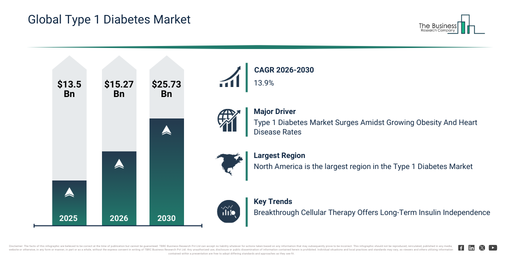
    The market size for type 1 diabetes has seen rapid growth in recent years. Its value is projected to expand from $13.5 billion in 2025 to $15.27 billion in 2026, achieving a compound annual growth rate (CAGR) of 13.1%. During previous periods, this growth was primarily fueled by the enhanced availability of insulin analogs, increasing diagnosis rates within pediatric groups, the establishment of more diabetes specialty care centers, greater awareness regarding autoimmune diabetes, and developments in glucose monitoring technologies.

    The type 1 diabetes market is projected to experience swift expansion over the coming years. By 2030, this market is anticipated to reach $25.73 billion, demonstrating a compound annual growth rate (CAGR) of 13.9%. This expansion during the projection period stems from factors such as the increasing integration of closed-loop insulin delivery systems, increased funding for immunotherapy research, a heightened emphasis on treatments that modify the disease, the broadening of digital diabetes management platforms, and a growing call for patient-focused care approaches. Key developments expected within the forecast timeframe encompass the wider acceptance of continuous glucose monitoring systems, the increasing deployment of insulin pump technologies, a greater concentration on individualized insulin therapy, the broadening application of combination therapy strategies, and an intensified focus on early detection and effective disease management.

    Access Your Free Sample Report For In-Depth Market Analysis:

    https://www.thebusinessresearchcompany.com/sample.aspx?id=12872&type=smp

    What Key Factors Are Affecting The Type 1 Diabetes Market Demand?

    The expanding female population is projected to fuel the advancement of the Turner syndrome market in the coming years. This demographic refers to the total count of females present in a specific geographic area or globally at any given time. The rise in the female population is primarily attributed to a longer female life expectancy, bolstered by improved healthcare systems and shifts in demographics. The Turner syndrome market offers support to the female population through growth hormone therapy, estrogen replacement, and comprehensive multidisciplinary care, all of which enhance physical development, reproductive health, and overall long-term well-being. For example, in March 2024, the U.S. Census Bureau, a U.S.-based federal government agency, reported that the United States had 0.168 billion females as of July 2022. Moreover, in 2023, Statistics Canada, a Canada-based national statistics agency, indicated that the number of females aged 15–64 grew to 0.01304 billion in 2023. Thus, the growing female population is a significant driver for the expansion of the Turner syndrome market.

    How Is The Type 1 Diabetes Market Organized By Segment Classification?

    The type 1 diabetes market covered in this report is segmented –

    1) By Product Type: Rapid Acting Insulin Analogs, Long-Acting Insulin Analogs, Premix Insulin Analogs, Others Product Types

    2) By Device: Insulin Pump, Insulin Pen, Blood Glucose Meter

    3) By Application: Childrens, Adults

    4) By End-User: Hospital, Research Institutes, Home Care

    Subsegments:

    1) By Rapid Acting Insulin Analogs: Insulin Lispro, Insulin Aspart, Insulin Glulisine

    2) By Long-Acting Insulin Analogs: Insulin Detemir, Insulin Glargine, Insulin Degludec

    3) By Premix Insulin Analogs: Premixed Insulin Lispro, Premixed Insulin Aspart, Premixed Insulin Glargine

    4) By Other Product Types: Insulin Pumps, Continuous Glucose Monitoring Systems, Non-Insulin Medications, Combination Therapies

    What Trends Are Influencing Changes In The Type 1 Diabetes Market?

    Leading companies within the type 1 diabetes market are concentrating on developing advanced treatments, such as allogeneic islet cell transplantation, to provide functional beta-cell replacement and lessen insulin reliance in patients affected by type 1 diabetes. Allogeneic islet cell transplantation involves the infusion of pancreatic islet cells from a donor into the patient’s hepatic portal vein, with the goal of restoring the body’s own insulin production and decreasing the frequency of hypoglycemic episodes and insulin injections. For example, in June 2023, CellTrans Inc., a US-based biotechnology company, secured approval from the U.S. Food and Drug Administration (FDA) for Lantidra (donislecel), marking it as the first cellular therapy specifically for treating patients with type 1 diabetes. This clearance signifies a considerable achievement in regenerative medicine, offering a prospective long-term treatment choice for type 1 diabetes patients who contend with insulin dependence. Lantidra operates by replacing the insulin-producing cells obliterated by the immune system, thereby aiming to reinstate the body’s inherent capacity to regulate blood glucose levels.

    Who Are The Industry Participants Involved In The Type 1 Diabetes Market?

    Major companies operating in the type 1 diabetes market are Johnson and Johnson Limited, Merck and Co. Inc., Sanofi-Aventis LLC, Abbott Laboratories, Medtronic Plc, Eli Lilly and Co Ltd, Novo Nordisk A/S, Dexcom Inc, Insulet Corporation, Tandem Diabetes Care Inc, Adaptive Biotechnologies Corporation, Xeris Pharmaceuticals Inc, MannKind Corporation, Biocon Ltd, Virta Health Corp, Bigfoot Biomedical Inc, ViaCyte Inc, Beta Bionics Inc, Adocia SA, Senseonics Holdings Inc, Zealand Pharmaceuticals A/S, Provention Bio Inc

    Get The Full Type 1 Diabetes Market Report:

    https://www.thebusinessresearchcompany.com/report/type-1-diabetes-global-market-report

    Which Region Dominates The Type 1 Diabetes Market By Market Share?

    North America was the largest region in the type 1 diabetes market in 2025. The regions covered in the type 1 diabetes market report are Asia-Pacific, South East Asia, Western Europe, Eastern Europe, North America, South America, Middle East, Africa.

    Request A Customized Type 1 Diabetes Market Report For Competitive Insights:

    https://www.thebusinessresearchcompany.com/report/type-1-diabetes-global-market-report

    Browse Through More Reports Similar to the Global Type 1 Diabetes Market 2026, By The Business Research Company

    Type 2 Diabetes Market Report 2026

    https://www.thebusinessresearchcompany.com/report/type-2-diabetes-global-market-report

    Diabetes Care Devices Market

    https://www.thebusinessresearchcompany.com/report/diabetes-care-devices-market

    Digital Diabetes Management Market Report

    https://www.thebusinessresearchcompany.com/report/digital-diabetes-management-global-market-report

    Get in touch with us:

    The Business Research Company: https://www.thebusinessresearchcompany.com/

    Americas +1 310-496-7795

    Asia +44 7882 955267 & +91 8897263534

    Europe +44 7882 955267

    Email us at info@tbrc.info

    Follow us on:

    LinkedIn: https://in.linkedin.com/company/the-business-research-company

    YouTube: https://www.youtube.com/channel/UC24_fI0rV8cR5DxlCpgmyFQ

    Global Market Model: https://www.thebusinessresearchcompany.com/global-market-model