Category: Healthcare Services

  • Rising Multiple Pregnancies Boosting Growth in Twin-Twin Transfusion Syndrome Treatment Market

    Rising Multiple Pregnancies Boosting Growth in Twin-Twin Transfusion Syndrome Treatment Market

    The Business Research Company’s 2026 market reports feature enhanced tools like market attractiveness analysis, TAM assessment, and company scoring matrices, along with interactive dashboards, deeper supply chain insights, and startup coverage strengthening the depth, usability, and strategic value of insights.

    How Is The Market Size Of The Twin-Twin Transfusion Syndrome Treatment Market Expected To Scale Between 2026 And 2030?

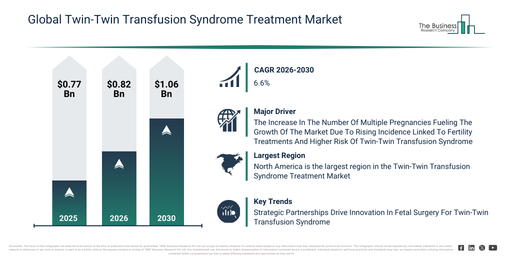
    The twin-twin transfusion syndrome treatment market has demonstrated strong growth in recent years. This market is set to expand from $0.77 billion in 2025 to $0.82 billion in 2026, at a compound annual growth rate (CAGR) of 6.8%. The historical expansion of the market can be linked to the increased utilization of prenatal ultrasound screening, advancements in fetal medicine techniques, a rising awareness of monochorionic twin risks, the availability of laser photocoagulation procedures, and the expansion of maternal healthcare services.

    The twin-twin transfusion syndrome treatment market is projected to experience robust expansion over the next few years. It is expected to reach a value of $1.06 billion by 2030, exhibiting a compound annual growth rate (CAGR) of 6.6%. This anticipated growth during the forecast period is driven by factors such as advancements in minimally invasive fetal surgery, increasing investments in maternal-fetal medicine, the expansion of specialized prenatal care centers, a rising demand for early intervention therapies, and improved survival outcomes for affected twins. Prominent trends for the forecast period include the increasing adoption of fetoscopic laser therapies, a growing utilization of advanced prenatal imaging, a heightened emphasis on early TTTS diagnosis, the expansion of specialized fetal surgery centers, and enhanced multidisciplinary maternal-fetal care.

    Access Your Free Sample Report For In-Depth Market Analysis:

    https://www.thebusinessresearchcompany.com/sample.aspx?id=23549&type=smp

    Which Primary Drivers Are Impacting The Twin-Twin Transfusion Syndrome Treatment Market Growth?

    A projected increase in multiple pregnancies is set to drive the growth of the twin-twin transfusion syndrome treatment market. Multiple pregnancies occur when a woman carries more than one fetus simultaneously, such as twins, triplets, or higher-order multiples. The primary reason for this rise in multiple pregnancies is fertility treatments, which stimulate the ovaries to release multiple eggs. Twin-twin transfusion syndrome treatment in these pregnancies addresses abnormal blood vessel connections in the shared placenta, aiming to restore balanced blood flow between the fetuses. This greatly enhances survival prospects and reduces the risk of complications for both twins. For instance, in September 2023, Twins Research Australia, an Australia-based research institute, reported that Australia recorded 4,118 multiple births, making up 1.5% of the country’s total 286,998 births. Among these, twins accounted for the vast majority with 4,073 cases (approximately 99 %), while only 45 births (1 %) involved triplets or higher-order multiples. Thus, the growing number of multiple pregnancies is fueling the twin-twin transfusion syndrome treatment market.

    Which Segments Define The Twin-Twin Transfusion Syndrome Treatment Market Segment Structure?

    The twin-twin transfusion syndrome treatment market covered in this report is segmented –

    1) By Treatment Type: Laser Therapy, Surgery, Blood Transfusion, Medication

    2) By Diagnosis Method: Ultrasound, Blood Tests, Amniocentesis

    3) By Mode Of Administration: Injectable, Oral, Other Modes Of Administration

    4) By Symptoms: Breathlessness, Tightness In The Abdomen, Rapid Expansion Of Abdomen, Rapid Weight Gain, Pressure On The Stomach, Premature Contractions

    5) By End-User: Hospitals, Homecare, Specialty Clinics, Other End-Users

    Subsegments:-

    1) By Laser Therapy: Fetoscopic Laser Photocoagulation, Selective Laser Ablation, Solomon Technique

    2) By Surgery: Amnioreduction Surgery, Septostomy, Fetoscopic Cord Coagulation

    3) By Blood Transfusion: Intrauterine Transfusion (IUT), Intraperitoneal Transfusion, Intravascular Transfusion

    4) By Medication: Tocolytics, Corticosteroids, Anti-Inflammatory Drugs, Antibiotics

    Which Trends Are Shaping Growth In The Twin-Twin Transfusion Syndrome Treatment Market?

    Leading companies operating within the twin-twin transfusion syndrome treatment market are prioritizing strategic collaborations to expedite the development and market introduction of advanced therapeutic solutions. A strategic partnership is an enduring alliance formed between independent organizations with the goal of achieving shared business objectives. This structure enables each participant to harness collective strengths, resources, or market access for mutual advantage. For example, in January 2023, CHA Hollywood Presbyterian Medical Center, a US-based provider offering a full array of dynamic healthcare services, collaborated with Los Angeles Fetal Surgery, a US-based medical clinic, to inaugurate a pioneering life-saving fetal surgery program. This initiative, one of the limited programs available in the U.S., delivers minimally invasive treatments for unborn babies afflicted with severe conditions, including spina bifida and twin-twin transfusion syndrome.

    Who Are The Established Players Within The Twin-Twin Transfusion Syndrome Treatment Market?

    Major companies operating in the twin-twin transfusion syndrome treatment market are Mayo Foundation for Medical Education and Research, USF Health, Johns Hopkins Medicine, University Hospitals, Seattle Children’s Hospital, Texas Children’s Hospital, Cincinnati Children’s Hospital Medical Center, Apollo Hospitals, Tampa General Hospital, Children’s Hospital Colorado, UCSF Health, King’s College Hospital, The Children’s Hospital of Philadelphia, Riley Children’s Health, Yale School of Medicine, Lurie Children’s Hospital, Rainbow Children’s Hospital, UNC Department of Obstetrics & Gynecology, UC Davis Fetal Care and Treatment Center, SJD Barcelona Children’s Hospital, Children’s Minnesota Midwest Fetal Care Center, Boston Children’s Hospital, Nationwide Children’s Hospital Fetal Center

    Get The Full Twin-Twin Transfusion Syndrome Treatment Market Report:

    https://www.thebusinessresearchcompany.com/report/twin-twin-transfusion-syndrome-treatment-global-market-report

    Which Region Is The Largest In The Twin-Twin Transfusion Syndrome Treatment Market?

    North America was the largest region in the twin-twin transfusion syndrome treatment market in 2025. The regions covered in the twin-twin transfusion syndrome treatment market report are Asia-Pacific, South East Asia, Western Europe, Eastern Europe, North America, South America, Middle East, Africa.

    Request A Customized Twin-Twin Transfusion Syndrome Treatment Market Report For Competitive Insights:

    https://www.thebusinessresearchcompany.com/report/twin-twin-transfusion-syndrome-treatment-global-market-report

    Browse Through More Reports Similar to the Global Twin-Twin Transfusion Syndrome Treatment Market 2026, By The Business Research Company

    Pediatric Perfusion Market Report 2026

    https://www.thebusinessresearchcompany.com/report/pediatric-perfusion-global-market-report

    Bleeding Disorders Treatment Market Report

    https://www.thebusinessresearchcompany.com/report/bleeding-disorders-treatment-global-market-report

    Infusion Pump Market Report

    https://www.thebusinessresearchcompany.com/report/infusion-pump-global-market-report

    Get in touch with us:

    The Business Research Company: https://www.thebusinessresearchcompany.com/

    Americas +1 310-496-7795

    Asia +44 7882 955267 & +91 8897263534

    Europe +44 7882 955267

    Email us at info@tbrc.info

    Follow us on:

    LinkedIn: https://in.linkedin.com/company/the-business-research-company

    YouTube: https://www.youtube.com/channel/UC24_fI0rV8cR5DxlCpgmyFQ

    Global Market Model: https://www.thebusinessresearchcompany.com/global-market-model
  • Telemedicine Equipment Market to Reach $15.42 Billion by 2030 at 17.5% CAGR

    Telemedicine Equipment Market to Reach $15.42 Billion by 2030 at 17.5% CAGR

    The Business Research Company’s 2026 market reports feature enhanced tools like market attractiveness analysis, TAM assessment, and company scoring matrices, along with interactive dashboards, deeper supply chain insights, and startup coverage strengthening the depth, usability, and strategic value of insights.

    From Its 2026 Market Size, What Value Is The Telemedicine Equipment Market Projected To Reach By 2030?

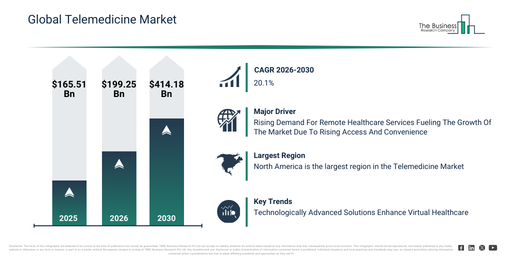
    The telemedicine equipment market has experienced rapid expansion in its size over recent years. This market is projected to expand from $6.9 billion in 2025 to reach $8.1 billion in 2026, demonstrating a compound annual growth rate (CAGR) of 17.3%. Historically, this expansion has been driven by increasing demand for remote healthcare delivery, the expansion of hospital telemedicine programs, rising adoption of digital diagnostic tools, the growth of outpatient care settings, and improvements in medical device connectivity.

    The telemedicine equipment market size is anticipated to undergo substantial expansion over the next few years. It is projected to climb to $15.42 billion by 2030, demonstrating a compound annual growth rate (CAGR) of 17.5%. This growth during the forecast period is fueled by several factors, such as increased investments in connected medical devices, the rising acceptance of home-based care models, the widening of telemedicine infrastructure in emerging regions, a growing need for portable diagnostic equipment, and an intensified focus on device interoperability standards. Prominent trends for this period include a greater adoption of integrated telemedicine hardware solutions, an escalating demand for mobile telemedicine carts, a broader deployment of remote diagnostic peripherals, the expansion of home-based telemedicine equipment, and an increased emphasis on interoperable medical devices.

    Access Your Free Sample Report For In-Depth Market Analysis:

    https://www.thebusinessresearchcompany.com/sample.aspx?id=14213&type=smp

    What Primary Drivers Are Shaping The Telemedicine Equipment Market?

    The increasing incidence of infectious diseases is poised to drive the telemedicine equipment market’s growth. These illnesses are ailments resulting from pathogenic microorganisms, including bacteria, viruses, fungi, or parasites, which can spread between people or from animals to humans. Through telemedicine, healthcare providers offer remote consultations, allowing patients to get medical advice and guidance without needing to visit a physical facility. As an illustration, a report from the UK Health Security Agency in August 2024 indicated that in 2023, the West Midlands region recorded the highest number of measles cases, totaling 160 cases (44%), with London following at 122 cases (33%). It was observed that children under 10 accounted for 63% of all cases, amounting to 232 instances. Measles activity notably surged late in the year, with 157 new cases in December, contrasting with only 45 cases in November. This escalating prevalence of infectious diseases is thus propelling the growth within the telemedicine equipment market.

    How Is The Telemedicine Equipment Market Organized By Segment Classification?

    The telemedicine equipment market covered in this report is segmented –

    1) By Product: Telemedicine Cart, Telemedicine Kit, Telemedicine Kiosk, Peripherals

    2) By Application: Teleradiology, Telepsychiatry, Telepathology, Teledermatology, Telecardiology, Other Applications

    3) By End User: Hospitals, Clinics, Specialty Centers, Home Care Settings, Other End Users

    Subsegments:

    1) By Telemedicine Cart: Mobile Telemedicine Carts, Stationary Telemedicine Carts

    2) By Telemedicine Kit: Basic Telemedicine Kits, Advanced Telemedicine Kits

    3) By Telemedicine Kiosk: Self-Service Kiosks, Staff-Assisted Kiosks

    4) By Peripherals: Diagnostic Cameras, Vital Signs Monitors, Stethoscopes, Otoscopes

    What Trends Are Affecting The Growth Of The Telemedicine Equipment Market?

    Major companies operating in the telemedicine equipment market are concentrating on developing innovative solutions, such as AI-powered telemedicine devices, to enhance the delivery of remote healthcare and improve patient outcomes. AI-powered telemedicine equipment refers to advanced healthcare devices and systems that integrate artificial intelligence to facilitate remote diagnosis, monitoring, and treatment of patients. For instance, in June 2024, C3 Med-Tech Private Limited, an India-based company manufacturing affordable and portable smartphone ophthalmic screening devices, secured an undisclosed investment from Industrial Metal Powders. This funding aims to launch innovative portable telemedicine and AI-enabled equipment designed for efficient eye checkups and real-time detection of eye diseases. This integration of telemedicine and AI technology enables immediate and accurate diagnoses, thereby enhancing the potential for timely interventions to prevent visual impairment and blindness. This strategic funding represents a significant milestone for C3 Med-Tech, allowing the company to expand its presence in India and globally through enhanced marketing, team development, and research and development efforts for future product innovations.

    Who Are The Industry Participants Involved In The Telemedicine Equipment Market?

    Major companies operating in the telemedicine equipment market are Medtronic plc, Koninklijke Philips N.V., Omron Healthcare Inc., TytoCare Inc., Butterfly Network Inc., AliveCor Inc., AMD Global Telemedicine Inc., iHealth Labs Inc., InTouch Technologies Inc., Visionary Medical Devices Inc., Eko Devices Inc., MedWand Technologies Inc., Welch Allyn Inc., BioIntelliSense Inc., Parsys Medical Inc., BioTel Systems Inc, Cloud DX Inc, GlobalMed, Thinklabs, Nonin Medical, Masimo

    Get The Full Telemedicine Equipment Market Report:

    https://www.thebusinessresearchcompany.com/report/telemedicine-equipment-global-market-report

    Where Is The Telemedicine Equipment Market Primarily Concentrated By Region?

    North America was the largest region in the telemedicine equipment market in 2025. The regions covered in the telemedicine equipment market report are Asia-Pacific, South East Asia, Western Europe, Eastern Europe, North America, South America, Middle East, Africa.

    Request A Customized Telemedicine Equipment Market Report For Competitive Insights:

    https://www.thebusinessresearchcompany.com/report/telemedicine-equipment-global-market-report

    Browse Through More Reports Similar to the Global Telemedicine Equipment Market 2026, By The Business Research Company

    Telemedicine Services Market

    https://www.thebusinessresearchcompany.com/report/telemedicine-services-market

    Telemetry Market Report

    https://www.thebusinessresearchcompany.com/report/telemetry-global-market-report

    Network Telemetry Market Report

    https://www.thebusinessresearchcompany.com/report/network-telemetry-global-market-report

    Get in touch with us:

    The Business Research Company: https://www.thebusinessresearchcompany.com/

    Americas +1 310-496-7795

    Asia +44 7882 955267 & +91 8897263534

    Europe +44 7882 955267

    Email us at info@tbrc.info

    Follow us on:

    LinkedIn: https://in.linkedin.com/company/the-business-research-company

    YouTube: https://www.youtube.com/channel/UC24_fI0rV8cR5DxlCpgmyFQ

    Global Market Model: https://www.thebusinessresearchcompany.com/global-market-model
  • Telemedicine Market Forecast Highlighting Expansion Across Sectors

    Telemedicine Market Forecast Highlighting Expansion Across Sectors

    The Business Research Company’s 2026 market reports feature enhanced tools like market attractiveness analysis, TAM assessment, and company scoring matrices, along with interactive dashboards, deeper supply chain insights, and startup coverage strengthening the depth, usability, and strategic value of insights.

    How Much Growth In Market Value Is Expected For The Telemedicine Market Between 2026 And 2030?

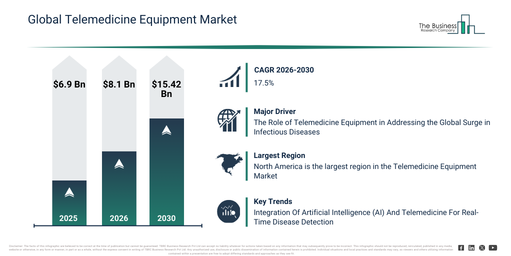
    The telemedicine market has experienced exponential expansion in recent years. It is projected to expand from $165.51 billion in 2025 to $199.25 billion in 2026, demonstrating a compound annual growth rate (CAGR) of 20.4%. The historical growth can be attributed to the broader reach of broadband connectivity, increasing disparities in healthcare access for rural populations, higher adoption of digital healthcare services, an increase in chronic disease prevalence, and improvements in video conferencing technologies.

    The telemedicine market is projected to experience substantial expansion over the upcoming years. Its valuation is anticipated to reach $414.18 billion by 2030, demonstrating a robust compound annual growth rate (CAGR) of 20.1%. This projected increase during the forecast period is primarily driven by a surging need for economical healthcare services, escalating capital expenditure in digital health frameworks, the broadening of value-based care approaches, increasing incorporation of AI-powered clinical assistance, and a heightened emphasis on patient-centered care strategies. Prominent developments expected in this period encompass a rise in virtual medical consultations, increased deployment of platforms for remote patient monitoring, greater incorporation of wearable health gadgets, the proliferation of mobile health applications, and a strengthened commitment to data security and regulatory adherence.

    Access Your Free Sample Report For In-Depth Market Analysis:

    https://www.thebusinessresearchcompany.com/sample.aspx?id=24720&type=smp

    Which Major Drivers Are Influencing The Expansion Of The Telemedicine Market?

    The anticipated expansion of the telemedicine market is fueled by an escalating need for remote healthcare provisions. Remote healthcare services encompass the provision of medical care, consultations, monitoring, and support remotely, utilizing digital communication tools. This includes offerings such as virtual consultations, telehealth services, digital prescriptions, mental health assistance, and web-based health education. The growing uptake of these services is primarily driven by enhanced healthcare accessibility, enabling individuals in geographically isolated or underserved regions to obtain prompt medical attention without physical travel. Telemedicine facilitates remote healthcare by allowing real-time virtual interactions between patients and medical professionals, thereby lessening the necessity for physical appointments and boosting care availability, particularly in distant locations. An illustrative example comes from FAIR Health Inc., a US-based non-profit organization, which reported in April 2023 that national telehealth utilization in 2023 saw a 7.3% increase, climbing from 5.5% of medical claim lines in December 2022 to 5.9% in January 2023. Consequently, the increasing requirement for remote healthcare services is propelling the expansion of the telemedicine market.

    Which Segments Define The Telemedicine Market Segment Structure?

    The telemedicine market covered in this report is segmented –

    1) By Type: Telehospital, Telehome

    2) By Service Type: Real-Time Consultation, Remote Patient Monitoring, Store-And-Forward Telemedicine, Mobile Health Applications

    3) By Technology: Video Conferencing, Mobile Health Applications, Web-based Platforms, Wearable Devices

    4) By Application: Teleradiology, Telepathology, Teledermatology, Telepsychiatry, Telecardiology, Other Applications

    5) By End User: Providers, Payers, Patients, Other End Users

    Subsegments:

    1) By Telehospital: Tele- Intensive Care Unit (ICU), Telepsychiatry, Teleradiology, Telecardiology, Telepathology

    2) By Telehome: Remote Patient Monitoring (RPM), Chronic Disease Management, Mobile Health (mHealth) Applications, Home-Based Tele-Rehabilitation, Virtual Consultations

    Which Trends Are Shaping The Telemedicine Market?

    Leading companies within the telemedicine market are concentrating on developing technologically advanced solutions, such as telemedicine platforms, to improve virtual healthcare services, encompassing consultations, mental health support, and remote monitoring. A telemedicine platform serves as a digital system facilitating remote healthcare, enabling patients to engage with healthcare providers, access medical advice, and manage their health conditions online. For instance, in June 2024, VS Digital Health Inc., a Canada-based company, unveiled VSDHOne. This telemedicine platform empowers businesses to swiftly launch compliant, nationwide telemedicine brands, thereby offering convenient and accessible healthcare across all 50 states. It further streamlines virtual consultations, prescriptions, and delivery, enhancing both patient access and provider efficiency.

    Who Are The Established Players Within The Telemedicine Market?

    Major companies operating in the telemedicine market are Cisco Systems Inc., Oracle Corporation, Siemens Healthineers AG, Koninklijke Philips NV, GE HealthCare Technologies Inc., Resideo Technologies Inc., Zoom Video Communications Inc., Teladoc Health Inc., Ping An Healthcare and Technology Company Limited, Veradigm LLC, Practo Technologies Private Limited, American Well Corporation, MDlive Inc., Doctor On Demand Inc., AMC Health LLC, SOC Telemed Inc., Eagle Telemedicine LLC, VSee Lab Inc., AMD Global Telemedicine Inc., NXGN Management LLC, Specialist Telemed LLC.

    Get The Full Telemedicine Market Report:

    https://www.thebusinessresearchcompany.com/report/telemedicine-global-market-report

    Which Region Has The Greatest Market Share In The Telemedicine Market?

    North America was the largest region in the telemedicine market in 2025. Asia-Pacific is expected to be the fastest-growing region in the forecast period. The regions covered in the telemedicine market report are Asia-Pacific, South East Asia, Western Europe, Eastern Europe, North America, South America, Middle East, Africa.

    Request A Customized Telemedicine Market Report For Competitive Insights:

    https://www.thebusinessresearchcompany.com/report/telemedicine-global-market-report

    Browse Through More Reports Similar to the Global Telemedicine Market 2026, By The Business Research Company

    Video Telemedicine Market Report 2026

    https://www.thebusinessresearchcompany.com/report/video-telemedicine-global-market-report

    Telemedicine Equipment Market Report

    https://www.thebusinessresearchcompany.com/report/telemedicine-equipment-global-market-report

    Telehealth Market Report

    https://www.thebusinessresearchcompany.com/report/telehealth-global-market-report

    Get in touch with us:

    The Business Research Company: https://www.thebusinessresearchcompany.com/

    Americas +1 310-496-7795

    Asia +44 7882 955267 & +91 8897263534

    Europe +44 7882 955267

    Email us at info@tbrc.info

    Follow us on:

    LinkedIn: https://in.linkedin.com/company/the-business-research-company

    YouTube: https://www.youtube.com/channel/UC24_fI0rV8cR5DxlCpgmyFQ

    Global Market Model: https://www.thebusinessresearchcompany.com/global-market-model
  • Innovative Clinical Trials Driving Growth in Turner Syndrome Market

    Innovative Clinical Trials Driving Growth in Turner Syndrome Market

    The Business Research Company’s 2026 market reports feature enhanced tools like market attractiveness analysis, TAM assessment, and company scoring matrices, along with interactive dashboards, deeper supply chain insights, and startup coverage strengthening the depth, usability, and strategic value of insights.

    What Level Of Market Value Growth Is Predicted For The Turner Syndrome Market From 2026 To 2030?

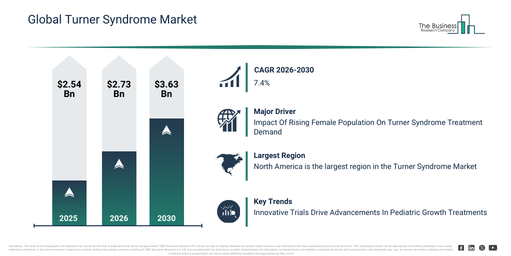
    The turner syndrome market has shown significant expansion in recent years. It is anticipated to increase from $2.54 billion in 2025 to $2.73 billion in 2026, reflecting a compound annual growth rate (CAGR) of 7.6%. This past growth can be attributed to enhanced awareness of genetic disorders, the accessibility of recombinant growth hormones, the broadening of pediatric endocrinology services, refined diagnostic karyotyping methods, and a rise in patient advocacy initiatives.

    The market for Turner Syndrome treatments is projected to experience substantial expansion in the coming years. This market is forecast to reach $3.63 billion by 2030, exhibiting a compound annual growth rate (CAGR) of 7.4%. This anticipated growth is primarily driven by progress in genetic screening technologies, wider implementation of personalized hormone therapies, the proliferation of home-based care options, increasing financial commitments to rare disease research, and enhanced long-term patient results. Key developments during this forecast period involve a heightened focus on early genetic diagnosis, the increasing use of growth hormone therapies, a stronger emphasis on continuous disease management throughout life, the development of comprehensive multidisciplinary care approaches, and more effective patient monitoring initiatives.

    Access Your Free Sample Report For In-Depth Market Analysis:

    https://www.thebusinessresearchcompany.com/sample.aspx?id=21310&type=smp

    What Significant Factors Are Influencing The Turner Syndrome Market Expansion?

    The rising number of females is projected to drive the expansion of the Turner syndrome market moving forward. The female population refers to the total count of women living in a specific region or worldwide at a particular point in time. This increase in the female population is fueled by higher female life expectancy, supported by enhancements in healthcare and demographic shifts. The Turner syndrome market supports the female population by offering growth hormone therapy, estrogen replacement, and multidisciplinary care, which collectively improve physical development, reproductive health, and overall long-term well-being. For instance, in March 2024, data from the U.S. Census Bureau, a U.S.-based federal government agency, showed that the United States recorded 0.168 billion females as of July 2022. Additionally, in 2023, according to Statistics Canada, a Canada-based national statistics agency, the number of females aged 15–64 rose to 0.01304 billion in 2023, up from 0.01296 billion in 2022. Consequently, the growing female population is propelling the growth of the Turner syndrome market.

    How Is The Turner Syndrome Market Segmented Across Different Segment Categories?

    The turner syndrome market covered in this report is segmented –

    1) By Type: Classical Turner Syndrome, Mosaic Turner syndrome

    2) By Therapy Type: Growth Hormone Therapy, Estrogen And Progesteron, Replacement Therapy, Other Therapy Types

    3) By Drug Type: Norditropin, Oxandrolone, Humatrope, Somatropin, Oxandrin, Genotropin, Nutropin, Zomacton

    4) By End-User: Hospitals, Homecare, Specialty Clinics, Surgical Centres, Other End-Users

    Subsegments:

    1) By Classical Turner Syndrome: Complete Monosomy X, X Chromosome Deletion

    2) By Mosaic Turner Syndrome: Mosaicism With 45,X/46,XX Karyotype, Mosaicism With 45,X/46,XY Karyotype

    What Trends Are Affecting The Direction Of The Turner Syndrome Market?

    Leading companies operating within the Turner syndrome market are prioritizing clinical trials to develop innovative products, such as pediatric growth hormone medications, aiming to effectively stimulate growth, enhance height outcomes, and support overall development in children experiencing growth hormone deficiencies or related growth disorders. Pediatric growth hormone medications are synthetic or recombinant hormone treatments utilized to promote growth and development in children diagnosed with growth hormone deficiency (GHD) or other medical conditions that impact their height and growth. For example, in December 2024, Ascendis Pharma A/S, a biopharmaceutical company based in Denmark, announced favorable results from the Phase 2 New InsiGHTS trial of TransCon hGH (lonapegsomatropin) in children with Turner syndrome. The trial involved 49 prepubertal children aged 1-10 years who had Turner syndrome. TransCon hGH demonstrated improved growth across all three initial dose cohorts, performing on par with daily somatropin. The outcomes from this trial support the potential market expansion of TransCon hGH into the Turner syndrome treatment area, offering a comparable safety profile and efficacy to daily treatment regimens.

    Which Organizations Play A Role In The Turner Syndrome Market Landscape?

    Major companies operating in the turner syndrome market are Pfizer Inc., Novartis AG, Eli Lilly and Company, Novo Nordisk, Merck KGaA, Teva Pharmaceutical Industries Ltd., Sandoz International GmbH, Genentech Inc., Ipsen Pharma, Ferring Pharmaceutical, BioMarin Pharmaceutical Inc., Ascendis Pharma, CRISPR Therapeutics AG, Alnylam Pharmaceuticals Inc., Sangamo Therapeutics Inc., Ultragenyx Pharmaceutical Inc., BridgeBio Pharma Inc., Travere Therapeutics Inc., REGENXBIO Inc., Avalo Therapeutics Inc., Taysha Gene Therapies Inc., Asklepion Therapeutics Inc.

    Get The Full Turner Syndrome Market Report:

    https://www.thebusinessresearchcompany.com/report/turner-syndrome-global-market-report

    Which Region Leads The Turner Syndrome Market In Terms Of Market Share?

    North America was the largest region in the turner syndrome market in 2025. Asia-Pacific is expected to be the fastest-growing region in the forecast period. The regions covered in the turner syndrome market report are Asia-Pacific, South East Asia, Western Europe, Eastern Europe, North America, South America, Middle East, Africa.

    Request A Customized Turner Syndrome Market Report For Competitive Insights:

    https://www.thebusinessresearchcompany.com/report/turner-syndrome-global-market-report

    Browse Through More Reports Similar to the Global Turner Syndrome Market 2026, By The Business Research Company

    Progressive Ataxia And Weakness Disorders Market Report 2026

    https://www.thebusinessresearchcompany.com/report/progressive-ataxia-and-weakness-disorders-global-market-report

    Tourette Syndrome Treatment Market Report

    https://www.thebusinessresearchcompany.com/report/tourette-syndrome-treatment-global-market-report

    Lysosomal Disease Treatment Market Report

    https://www.thebusinessresearchcompany.com/report/lysosomal-disease-treatment-global-market-report

    Get in touch with us:

    The Business Research Company: https://www.thebusinessresearchcompany.com/

    Americas +1 310-496-7795

    Asia +44 7882 955267 & +91 8897263534

    Europe +44 7882 955267

    Email us at info@tbrc.info

    Follow us on:

    LinkedIn: https://in.linkedin.com/company/the-business-research-company

    YouTube: https://www.youtube.com/channel/UC24_fI0rV8cR5DxlCpgmyFQ

    Global Market Model: https://www.thebusinessresearchcompany.com/global-market-model
  • AI-Powered Diagnostics Advancing Growth in Tumor Profiling Market

    AI-Powered Diagnostics Advancing Growth in Tumor Profiling Market

    The Business Research Company’s 2026 market reports feature enhanced tools like market attractiveness analysis, TAM assessment, and company scoring matrices, along with interactive dashboards, deeper supply chain insights, and startup coverage strengthening the depth, usability, and strategic value of insights.

    How Will The Market Value Of The Tumor Profiling Market Progress Between 2026 And 2030?

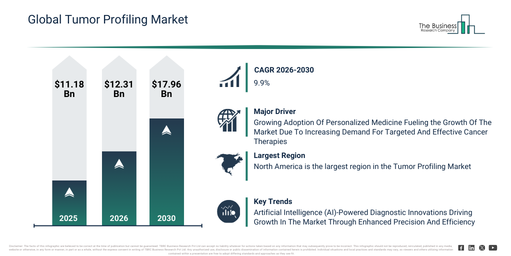
    The tumor profiling market has seen swift growth in recent years. Its value is anticipated to rise from $11.18 billion in 2025 to $12.31 billion in 2026, exhibiting a compound annual growth rate (CAGR) of 10.1%. This expansion in prior periods can be attributed to several factors including an increase in cancer incidence rates, the proliferation of molecular diagnostics laboratories, enhanced application of targeted cancer therapies, continuous advancements in sequencing technologies, and a boost in oncology research funding.

    The tumor profiling market is projected to undergo significant expansion in the coming years. It is forecasted to reach a size of $17.96 billion by 2030, expanding at a compound annual growth rate (CAGR) of 9.9%. This growth throughout the forecast period is driven by factors such as the increasing implementation of precision oncology, the escalating demand for individualized cancer treatments, improvements in bioinformatics platforms, the wider availability of companion diagnostics, and rising investments in translational cancer research. Prominent trends for the forecast period include the broader uptake of next-generation sequencing, an increased reliance on multi-omics profiling strategies, the growing incorporation of AI-powered data interpretation, the expansion of personalized oncology applications, and a reinforced emphasis on biomarker discovery.

    Access Your Free Sample Report For In-Depth Market Analysis:

    https://www.thebusinessresearchcompany.com/sample.aspx?id=24420&type=smp

    Which Important Drivers Are Guiding The Tumor Profiling Market Growth?

    The expanding requirement for personalized medicine is projected to propel the development of the tumor profiling market moving ahead. Personalized medicine denotes a strategy that customizes medical treatments according to the unique traits of each patient. This upsurge stems from patients’ pursuit of more accurate therapies that deliver enhanced results and fewer adverse reactions compared to conventional treatments. Tumor profiling supports personalized medicine by detecting particular genetic mutations and biomarkers within a patient’s tumor, thus facilitating targeted therapies and minimizing side effects. For instance, in February 2024, a report from the Personalized Medicine Coalition, a US-based organization committed to advancing personalized medicine, indicated that personalized medicines constituted over one-third of all new drug approvals in 2023, marking the fourth consecutive year of this pattern. Consequently, the increasing need for personalized medicine is stimulating expansion in the tumor profiling market.

    What Are The Main Segments Within The Tumor Profiling Market Segment Structure?

    The tumor profiling market covered in this report is segmented –

    1) By Technique: Genomics, Proteomics, Epigenetics, Metabolomics

    2) By Technology: Sequencing Techniques, Quantitative Polymerase Chain Reaction (qPCR), Immunohistochemistry, In Situ Hybridization (ISH), Microarray

    3) By Application: Personalized Cancer Medicine, Oncological Diagnostics, Research

    Subsegments:

    1) By Genomics: Next-Generation Sequencing (NGS), Polymerase Chain Reaction (PCR), Microarrays, Sanger sequencing

    2) By Proteomics: Mass Spectrometry (MS), Protein Microarrays, Immunohistochemistry (IHC), Western Blotting

    3) By Epigenetics: DNA Methylation Analysis, Chromatin Immunoprecipitation Sequencing (ChIP-seq), Histone Modification Profiling, Non-Coding RNA Analysis

    4) By Metabolomics: Nuclear Magnetic Resonance (NMR) Spectroscopy, Gas Chromatography-Mass Spectrometry (GC-MS), Liquid Chromatography-Mass Spectrometry (LC-MS), Capillary Electrophoresis-Mass Spectrometry (CE-MS)

    What Trends Are Influencing The Evolution Of The Tumor Profiling Market?

    Leading firms in the tumor profiling sector are concentrating on creating sophisticated solutions, including AI-driven diagnostic tools, aimed at improving precision and speed in cancer therapy. AI, or artificial intelligence, involves employing sophisticated computational techniques to scrutinize intricate genomic, proteomic, and clinical information, thereby facilitating quicker diagnoses, tailored treatment plans, and improved oversight of disease evolution. As an illustration, in January 2025, Panakeia Technologies LTD, a UK firm focused on AI-powered software for cancer diagnosis and therapy, introduced PANProfiler Colon. This AI-driven software is specifically designed to identify critical molecular biomarkers like microsatellite instability (MSI) and mismatch repair deficiency (dMMR) using H and E-stained images from colon cancer tissue samples. This digital instrument allows for swift and precise molecular profiling of tumors, a crucial capability for diagnosing colorectal cancer, detecting instances of Lynch syndrome, and guiding individualized treatment choices.

    Who Are The Companies Participating In The Tumor Profiling Market?

    Major companies operating in the tumor profiling market are F. Hoffmann-La Roche AG, Thermo Fisher Scientific Inc., Agilent Technologies Inc., Hologic Inc., Illumina Inc., Sysmex Corporation, QIAGEN N.V., Exact Sciences Corporation, Guardant Health Inc., GenScript Biotech Corporation, NeoGenomics Inc., Caris Life Sciences Inc., Tempus Inc., Foundation Medicine Inc., NanoString Technologies Inc., Personalis Inc., Boreal Genomics Inc., Strand Life Sciences Pvt. Ltd., HTG Molecular Diagnostics Inc., Lucence Health Inc., Predictive Oncology Inc.

    Get The Full Tumor Profiling Market Report:

    https://www.thebusinessresearchcompany.com/report/tumor-profiling-global-market-report

    Which Region Leads The Tumor Profiling Market In Overall Market Size?

    North America was the largest region in the tumor profiling market in 2025. Asia-Pacific is expected to be the fastest-growing region in the forecast period. The regions covered in the tumor profiling market report are Asia-Pacific, South East Asia, Western Europe, Eastern Europe, North America, South America, Middle East, Africa.

    Request A Customized Tumor Profiling Market Report For Competitive Insights:

    https://www.thebusinessresearchcompany.com/report/tumor-profiling-global-market-report

    Browse Through More Reports Similar to the Global Tumor Profiling Market 2026, By The Business Research Company

    Cancer Profiling Market Report 2026

    https://www.thebusinessresearchcompany.com/report/cancer-profiling-global-market-report

    Cancer Diagnostics Market Report

    https://www.thebusinessresearchcompany.com/report/cancer-diagnostics-global-market-report

    Cancer Biomarker Market Report

    https://www.thebusinessresearchcompany.com/report/cancer-biomarker-global-market-report

    Get in touch with us:

    The Business Research Company: https://www.thebusinessresearchcompany.com/

    Americas +1 310-496-7795

    Asia +44 7882 955267 & +91 8897263534

    Europe +44 7882 955267

    Email us at info@tbrc.info

    Follow us on:

    LinkedIn: https://in.linkedin.com/company/the-business-research-company

    YouTube: https://www.youtube.com/channel/UC24_fI0rV8cR5DxlCpgmyFQ

    Global Market Model: https://www.thebusinessresearchcompany.com/global-market-model
  • Increasing Cancer Incidence Fueling Expansion in Tumor Microenvironment Market

    Increasing Cancer Incidence Fueling Expansion in Tumor Microenvironment Market

    The Business Research Company’s 2026 market reports feature enhanced tools like market attractiveness analysis, TAM assessment, and company scoring matrices, along with interactive dashboards, deeper supply chain insights, and startup coverage strengthening the depth, usability, and strategic value of insights.

    What Are The Market Size Estimates For The Tumor Microenvironment Market In 2026 And 2030?

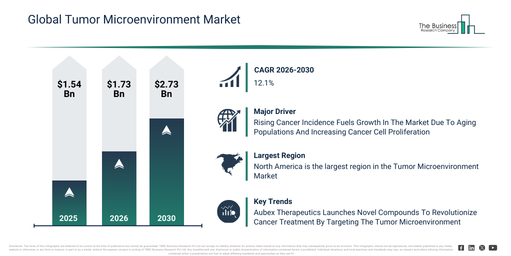
    The tumor microenvironment market has experienced rapid expansion in recent years. This market is anticipated to grow from $1.54 billion in 2025 to $1.73 billion by 2026, exhibiting a compound annual growth rate (CAGR) of 12.4%. The growth observed in the past can be attributed to advancements in cancer biology research, a heightened understanding of tumor-immune interactions, the expansion of immuno-oncology pipelines, an increase in academic and clinical cancer research, and the availability of advanced laboratory technologies.

    The tumor microenvironment market is anticipated to experience significant growth in the coming years. It is projected to reach $2.73 billion by 2030, demonstrating a compound annual growth rate (CAGR) of 12.1%. This projected growth can be attributed to factors such as increased investments in personalized oncology therapies, a rising demand for next-generation immunotherapies, the expansion of translational cancer research, growing collaborations between pharmaceutical companies and research institutions, and an increase in oncology clinical trial activities. Key trends during the forecast period involve a heightened focus on immune cell modulation strategies, the expanding development of TME-targeted therapies, increasing adoption of biomarker-based patient stratification, the broadening of combination immunotherapy approaches, and enhanced application of advanced molecular profiling.

    Access Your Free Sample Report For In-Depth Market Analysis:

    https://www.thebusinessresearchcompany.com/sample.aspx?id=24732&type=smp

    What Major Factors Are Driving The Tumor Microenvironment Market Forward?

    The increasing occurrence of cancer is projected to propel the expansion of the tumor microenvironment market moving forward. Cancer refers to a collection of illnesses defined by the uncontrolled proliferation and dissemination of atypical cells within the body. The escalating incidence of cancer is linked to aging populations, given that the likelihood of developing cancer increases with age due to prolonged exposure to environmental elements and a decline in the body’s capacity to repair cellular damage. The tumor microenvironment (TME) supports cancer by supplying vital nutrients, facilitating immune evasion, and boosting the proliferation and metastasis of cancer cells through signaling pathways and interactions with surrounding cells and the extracellular matrix. For example, in July 2024, the Australian Institute of Health and Welfare, an Australia-based government agency, stated that in Australia, the number of cancer cases diagnosed rose from 160,570 in 2022 to 164,694 in 2023, reflecting a notable increase over the year. Consequently, the rising incidence of cancer is a key driver for the growth of the tumor microenvironment market.

    How Is Segmentation Applied In The Tumor Microenvironment Market Segment Analysis?

    The tumor microenvironment market covered in this report is segmented –

    1) By Cancer Type: Lung Cancer, Colorectal Cancer, Breast Cancer, Prostate Cancer, Bladder Cancer, Kidney Cancer, Other Cancer Types

    2) By Target: T Cells, Tumor-Associated Macrophages (TAMs), Myeloid-Derived Suppressor Cells (MDSCs), Cancer-Associated Fibroblasts (CAFs), Regulatory T Cells (Tregs), Other Targets

    3) By Therapy: Monoclonal Antibodies, Cytokines, Cancer Vaccines, Oncolytic Viruses, Adoptive Cell Therapies, Other Therapies

    4) By End User: Biopharmaceutical Companies, Hospitals, Diagnostic Laboratories, Research Institutes, Contract Research Organizations, Other End Users

    Subsegments:

    1) By Lung Cancer: Non-Small Cell Lung Cancer (NSCLC), Small Cell Lung Cancer (SCLC)

    2) By Colorectal Cancer: Colon Cancer, Rectal Cancer

    3) By Breast Cancer: Hormone Receptor Positive Breast Cancer, Triple-Negative Breast Cancer, HER2-Positive Breast Cancer

    4) By Prostate Cancer: Hormone-Sensitive Prostate Cancer, Castration-Resistant Prostate Cancer

    5) By Bladder Cancer: Non-Muscle Invasive Bladder Cancer (NMIBC), Muscle Invasive Bladder Cancer (MIBC)

    6) By Kidney Cancer: Renal Cell Carcinoma (RCC), Urothelial Carcinoma of the Renal Pelvis

    7) By Other Cancer Types: Pancreatic Cancer, Head and Neck Cancer, Ovarian Cancer

    Which Trends Are Impacting The Progress Of The Tumor Microenvironment Market?

    Companies operating within the tumor microenvironment market are concentrating on developing innovative treatment options, such as targeted therapies, to boost treatment efficacy and overcome resistance mechanisms. Targeted treatments are therapeutic approaches designed to specifically identify and attack cancer cells based on unique molecular markers, without impacting most normal cells. For instance, in April 2024, Aubex Therapeutics Inc., a US-based biotechnology company, introduced a new class of substances aimed at revolutionizing cancer treatment by precisely targeting the tumor microenvironment (TME). These innovative compounds are engineered to interact with the complex network within the TME, which comprises cancer cells, immune cells, blood vessels, and stromal components. By modulating these interactions, Aubex’s approach strengthens the immune system’s ability to combat tumors and disrupts the processes that facilitate tumor growth and metastasis. This strategy intends to overcome resistance to conventional therapies, providing a promising alternative for patients who have not responded to existing treatment options.

    Who Are The Companies Participating In The Tumor Microenvironment Market Environment?

    Major companies operating in the tumor microenvironment market are Pfizer Inc., Johnson & Johnson, Merck & Co. Inc., AbbVie Inc., Bayer AG, Sanofi S.A., AstraZeneca plc, Novartis International AG, GlaxoSmithKline plc, Takeda Pharmaceutical Company Limited, Eli Lilly and Company, Gilead Sciences Inc., Amgen Inc., Boehringer Ingelheim GmbH, Regeneron Pharmaceuticals Inc., Genentech Inc., BeiGene Ltd., MacroGenics Inc., Arcus Biosciences Inc., Adaptimmune Therapeutics plc

    Get The Full Tumor Microenvironment Market Report:

    https://www.thebusinessresearchcompany.com/report/tumor-microenvironment-global-market-report

    Which Region Is The Top Contributor To The Tumor Microenvironment Market By Share?

    North America was the largest region in the tumor microenvironment market in 2025. Asia-Pacific is expected to be the fastest-growing region in the forecast period. The regions covered in the tumor microenvironment market report are Asia-Pacific, South East Asia, Western Europe, Eastern Europe, North America, South America, Middle East, Africa.

    Request A Customized Tumor Microenvironment Market Report For Competitive Insights:

    https://www.thebusinessresearchcompany.com/report/tumor-microenvironment-global-market-report

    Browse Through More Reports Similar to the Global Tumor Microenvironment Market 2026, By The Business Research Company

    Circulating Tumor Cells Market Report 2026

    https://www.thebusinessresearchcompany.com/report/circulating-tumor-cells-global-market-report

    Tumor Necrosis Factor Inhibitor Drugs Market Report

    https://www.thebusinessresearchcompany.com/report/tumor-necrosis-factor-inhibitor-drugs-global-market-report

    Tumor Infiltrating Lymphocytes Market Report

    https://www.thebusinessresearchcompany.com/report/tumor-infiltrating-lymphocytes-global-market-report

    Get in touch with us:

    The Business Research Company: https://www.thebusinessresearchcompany.com/

    Americas +1 310-496-7795

    Asia +44 7882 955267 & +91 8897263534

    Europe +44 7882 955267

    Email us at info@tbrc.info

    Follow us on:

    LinkedIn: https://in.linkedin.com/company/the-business-research-company

    YouTube: https://www.youtube.com/channel/UC24_fI0rV8cR5DxlCpgmyFQ

    Global Market Model: https://www.thebusinessresearchcompany.com/global-market-model
  • Rising Cancer Prevalence Driving Growth in Tumor Marker Testing Market

    Rising Cancer Prevalence Driving Growth in Tumor Marker Testing Market

    The Business Research Company’s 2026 market reports feature enhanced tools like market attractiveness analysis, TAM assessment, and company scoring matrices, along with interactive dashboards, deeper supply chain insights, and startup coverage strengthening the depth, usability, and strategic value of insights.

    What Expansion In Market Value Is Forecasted For The Tumor Marker Testing Market Between 2026 And 2030?

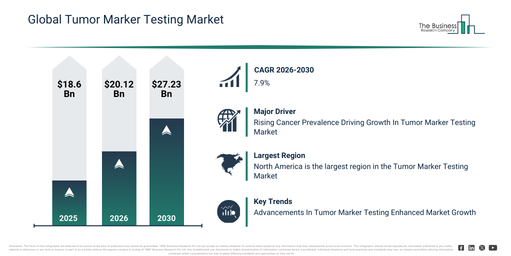
    The tumor marker testing market has shown considerable growth in recent years. This market is anticipated to expand from $18.6 billion in 2025 to $20.12 billion in 2026, exhibiting a compound annual growth rate (CAGR) of 8.2%. The increase observed in the past can be ascribed to several factors, including the rising incidence of cancer, the more extensive application of laboratory diagnostics within oncology, the expansion of cancer testing services offered by hospitals, the presence of established biochemical markers, and the development of diagnostic laboratory networks.

    The tumor marker testing market size is projected to experience substantial growth in the upcoming years. It is anticipated to reach $27.23 billion by 2030, at a compound annual growth rate (CAGR) of 7.9%. This growth throughout the forecast period can be attributed to an increasing demand for early cancer detection, the rising adoption of precision oncology methods, the expansion of companion diagnostics, the growing application of biomarkers in therapy selection, and ongoing advancements in cancer biomarker research. Major trends expected during the forecast period include the increasing adoption of multiplex tumor marker panels, the rising use of blood-based cancer diagnostics, the deeper integration of tumor markers in treatment monitoring, the wider expansion of early cancer screening programs, and an enhanced focus on personalized oncology care.

    Access Your Free Sample Report For In-Depth Market Analysis:

    https://www.thebusinessresearchcompany.com/sample.aspx?id=20668&type=smp

    Which Key Drivers Are Affecting The Tumor Marker Testing Market Development?

    The growing incidence of cancer is anticipated to propel the expansion of the tumor marker testing market in the future. Cancer is a condition characterized by the unrestrained proliferation of abnormal cells within the body. These cells have the capacity to invade adjacent tissues and spread to other bodily regions through the bloodstream and lymphatic systems. The escalation in cancer rates is influenced by factors such as aging populations, increased environmental exposures, changes in lifestyle, and enhancements in detection and diagnosis. Tumor marker testing is employed to diagnose, monitor treatment efficacy, and detect recurrence in various cancers by measuring specific substances produced by cancer cells. For instance, in October 2025, according to the National Health Service, a Uk-based government agency, in 2023, there were 354,820 new cancer diagnoses, or 972 per day on average, 8,605 higher than in 2022. Thus, the increasing cancer prevalence is fostering the growth of the tumor marker testing market.

    What Segment Categories Shape The Tumor Marker Testing Market Segment Landscape?

    The tumor marker testing market covered in this report is segmented –

    1) By Product: Biochemical Markers, Oncogenes, Growth Factors, Hormones, Colony Stimulating Factors, Lymphokines

    2) By Methods: Screening, Imaging, Theranostics, Other Methods

    3) By Application: Hospitals, Commercial Or Private Laboratories, Physician Offices Or Group Practices, Cancer Clinics, Ambulatory Care Centers

    Subsegments:

    1) By Biochemical Markers: Alpha-fetoprotein (AFP), Prostate-Specific Antigen (PSA), Carcinoembryonic Antigen (CEA), Cancer Antigen 125 (CA 125), Cancer Antigen 19-9 (CA 19-9), Human Chorionic Gonadotropin (hCG)

    2) By Oncogenes: HER2 Or neu, KRAS, BRAF, EGFR (Epidermal Growth Factor Receptor), c-MYC, p53

    3) By Growth Factors: Vascular Endothelial Growth Factor (VEGF), Platelet-Derived Growth Factor (PDGF), Transforming Growth Factor-beta (TGF-ß), Fibroblast Growth Factor (FGF), Insulin-like Growth Factor (IGF)

    4) By Hormones: Estrogen Receptors (ER), Progesterone Receptors (PR), Thyroglobulin, Calcitonin, Adrenocorticotropic Hormone (ACTH), Gastrin

    5) By Colony Stimulating Factors: Granulocyte Colony-Stimulating Factor (G-CSF), Granulocyte-Macrophage Colony-Stimulating Factor (GM-CSF), Macrophage Colony-Stimulating Factor (M-CSF)

    6) By Lymphokines: Interleukin-2 (IL-2), Interferon-gamma (IFN-?), Tumor Necrosis Factor-alpha (TNF-a), Interleukin-6 (IL-6)

    What Trends Are Transforming The Tumor Marker Testing Market?

    Entities engaged in the tumor marker testing market are increasingly prioritizing the development of advanced diagnostic tools, such as molecular testing solutions, to enhance their competitive standing. Molecular testing solutions refer to sophisticated diagnostic techniques that analyze genetic material (DNA or RNA) to identify mutations, pathogens, or specific biomarkers at a molecular level. As an illustration, in April 2024, RGCC International GmbH, a company based in Switzerland specializing in personalized cancer treatment, launched Onco-D-clare, a revolutionary cancer detection test. This innovative test empowers individuals to detect cancer prior to the onset of symptoms by combining molecular biology and artificial neural networks. Onco-D-clare operates by isolating peripheral blood mononuclear cells from blood samples, subsequently conducting a comprehensive analysis of gene expression across more than 90 genes.

    Who Are The Companies Operating Across The Tumor Marker Testing Market Value Chain?

    Major companies operating in the tumor marker testing market are Thermo Fisher Scientific Inc., Abbott Laboratories, F. Hoffmann-La Roche AG, Danaher Corporation, Siemens Healthineers AG, Becton Dickinson and Company (BD), Quest Diagnostics Inc., Agilent Technologies Inc, Hologic Inc., Illumina Inc., bioMérieux SA, Bio-Rad Laboratories Inc., Qiagen N.V., DiaSorin S.p.A., Myriad Genetics, Ortho Clinical Diagnostics PLC, Veracyte Inc., Biodesix Inc., Biocept Inc., Proteomedix AG, OncoCyte Corporation, Biocartis NV

    Get The Full Tumor Marker Testing Market Report:

    https://www.thebusinessresearchcompany.com/report/tumor-marker-testing-global-market-report

    Which Region Represents The Largest Share Of The Tumor Marker Testing Market?

    North America was the largest region in the tumor marker testing market in 2025. The regions covered in the tumor marker testing market report are Asia-Pacific, South East Asia, Western Europe, Eastern Europe, North America, South America, Middle East, Africa.

    Request A Customized Tumor Marker Testing Market Report For Competitive Insights:

    https://www.thebusinessresearchcompany.com/report/tumor-marker-testing-global-market-report

    Browse Through More Reports Similar to the Global Tumor Marker Testing Market 2026, By The Business Research Company

    Circulating Tumor Cells Market Report 2026

    https://www.thebusinessresearchcompany.com/report/circulating-tumor-cells-global-market-report

    Tumor Necrosis Factor Inhibitor Drugs Market Report

    https://www.thebusinessresearchcompany.com/report/tumor-necrosis-factor-inhibitor-drugs-global-market-report

    Tumor Infiltrating Lymphocytes Market Report

    https://www.thebusinessresearchcompany.com/report/tumor-infiltrating-lymphocytes-global-market-report

    Get in touch with us:

    The Business Research Company: https://www.thebusinessresearchcompany.com/

    Americas +1 310-496-7795

    Asia +44 7882 955267 & +91 8897263534

    Europe +44 7882 955267

    Email us at info@tbrc.info

    Follow us on:

    LinkedIn: https://in.linkedin.com/company/the-business-research-company

    YouTube: https://www.youtube.com/channel/UC24_fI0rV8cR5DxlCpgmyFQ

    Global Market Model: https://www.thebusinessresearchcompany.com/global-market-model
  • Tubular External Fixation System Market Analysis with Growth Potential

    Tubular External Fixation System Market Analysis with Growth Potential

    The Business Research Company’s 2026 market reports feature enhanced tools like market attractiveness analysis, TAM assessment, and company scoring matrices, along with interactive dashboards, deeper supply chain insights, and startup coverage strengthening the depth, usability, and strategic value of insights.

    How Large Will The Tubular External Fixation System Market Be By 2030 Compared To Its 2026 Market Size?

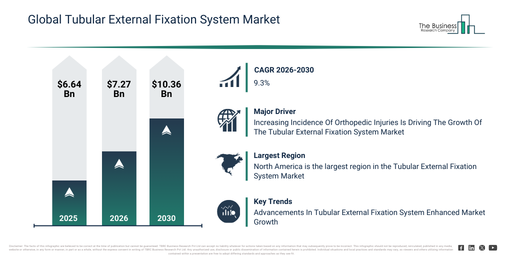
    The tubular external fixation system market size has experienced robust expansion in recent years. It is projected to grow from $6.64 billion in 2025 to $7.27 billion in 2026, with a compound annual growth rate (CAGR) of 9.6%. The market’s growth in the past can be attributed to factors such as the increasing occurrence of road traffic accidents, a rising prevalence of complex fractures, the proliferation of trauma care centers, broader acceptance of external fixation techniques in orthopedics, and the development of advanced fixation materials.

    The tubular external fixation system market is poised for significant expansion in the coming years, with projections indicating a rise to $10.36 billion by 2030, exhibiting a compound annual growth rate (CAGR) of 9.3%. This growth during the forecast period is fueled by factors such as the increasing need for rapid fracture stabilization, a surge in orthopedic surgical volumes, a heightened emphasis on patient-centric recovery solutions, the development of healthcare infrastructure in emerging markets, and continuous innovation in fixation system design. Prominent trends expected in this period include the wider adoption of modular external fixation systems, an escalating demand for lightweight fixation materials, a growing inclination towards minimally invasive orthopedic solutions, the broadening application of trauma and emergency care, and an enhanced focus on fixation stability and patient mobility.

    Access Your Free Sample Report For In-Depth Market Analysis:

    https://www.thebusinessresearchcompany.com/sample.aspx?id=19736&type=smp

    What Factors Are Contributing To The Growth Of The Tubular External Fixation System Market?

    The expanding occurrence of orthopedic injuries is projected to fuel the expansion of the tubular external fixation system market in the future. Orthopedic injuries are defined as harm or trauma impacting the musculoskeletal system, encompassing bones, joints, ligaments, tendons, and muscles. The rise in orthopedic injuries stems from multiple factors, such as greater involvement in sports and physical pursuits, an older demographic more susceptible to falls and fractures, and inactive lifestyles contributing to weaker muscles and joints. A tubular external fixation system offers benefits for orthopedic injuries by supplying steady and adaptable support to broken or damaged bones, all while causing minimal disturbance to adjacent tissues. For example, data from January 2024, published by the National Institutes of Health, a US-based governmental organization, indicates that the yearly count of hip fractures will hit 10,311 by 2029, with an incidence rate of 463 per 100,000 people, representing a 32% increase from 2021. Consequently, the escalating incidence of orthopedic injuries is a key driver for the growth of the tubular external fixation system market.

    Which Segment Types Are Examined In The Tubular External Fixation System Market Segment Study?

    The tubular external fixation system market covered in this report is segmented –

    1) By Type: Tibia External Fixation System, Knee External Fixation System, Femur External Fixation System, Ankle External Fixation System, Pelvis External Fixation System, Elbow External Fixation System, Other Types

    2) By Fixation Type: Unilateral And Bilateral, Circular, Hybrid And Other Fixation Types

    3) By Application: Hospitals And Clinics, Rehabilitation Center, Other Applications

    Subsegments:

    1) By Tibia External Fixation System: Unilateral Tibia Fixation, Bilateral Tibia Fixation

    2) By Knee External Fixation System: Unilateral Knee Fixation, Bilateral Knee Fixation

    3) By Femur External Fixation System: Unilateral Femur Fixation, Bilateral Femur Fixation

    4) By Ankle External Fixation System: Unilateral Ankle Fixation, Bilateral Ankle Fixation

    5) By Pelvis External Fixation System: Unilateral Pelvis Fixation, Bilateral Pelvis Fixation

    6) By Elbow External Fixation System: Unilateral Elbow Fixation, Bilateral Elbow Fixation

    7) By Other Types: Shoulder External Fixation System, Wrist External Fixation System

    What Trends Are Shaping The Future Of The Tubular External Fixation System Market?

    Leading firms within the tubular external fixation system market are concentrating on creating sophisticated solutions, like stable external fixation systems, to improve patient results and streamline orthopedic treatment efficacy. Such a system functions as a medical device designed to externally immobilize and stabilize fractures, thereby guaranteeing correct bone alignment throughout the recovery phase. As an illustration, in September 2023, Orthofix Medical Inc., a US-based spine and orthopedics company, introduced the Galaxy Fixation Gemini system. This new stable external fixation system is intended for addressing trauma-induced fractures in both lower and upper limbs. This particular system stands out due to its availability in various sterile procedure kit configurations, offering medical practitioners a rapid, ready-to-use solution. Its innovative design incorporates sterile procedure kits, which remove the necessity for tray sterilization, leading to substantial cost savings and fewer delays in operating rooms. Consequently, the system boosts operational efficiency and is well-suited for rapid deployment in trauma environments, thereby becoming a valuable asset in Orthofix’s collection of procedural solutions.

    Which Players Are Part Of The Competitive Landscape Of The Tubular External Fixation System Market?

    Major companies operating in the tubular external fixation system market are Johnson & Johnson, Zimmer Biomet Holdings Inc., NuVasive Inc., Globus Medical Inc., Lepu Medical Technology Co Ltd., Wright Medical Group N.V., Orthofix Medical Inc., Aesculap Inc., Medartis Holding AG, Acumed LLC, KLS Martin Group GmbH & Co. KG, OrthoPediatrics Corp., OsteoMed LLC, Narang Medical Limited, Citieffe S.r.l., GPC Medical Limited, WishBone Medical Inc., Siora Surgicals Pvt. Ltd., Spinamer Health Products Inc., HankilTech Medical Co Ltd., TAEYEON Medical Co Ltd., TASARIMMED Medical Devices Ltd., Zimed Medical Co Ltd., Selaz Medical Devices S.A.

    Get The Full Tubular External Fixation System Market Report:

    https://www.thebusinessresearchcompany.com/report/tubular-external-fixation-system-global-market-report

    Which Geographic Region Dominates The Tubular External Fixation System Market?

    North America was the largest region in the tubular external fixation system market in 2025. The regions covered in the tubular external fixation system market report are Asia-Pacific, South East Asia, Western Europe, Eastern Europe, North America, South America, Middle East, Africa.

    Request A Customized Tubular External Fixation System Market Report For Competitive Insights:

    https://www.thebusinessresearchcompany.com/report/tubular-external-fixation-system-global-market-report

    Browse Through More Reports Similar to the Global Tubular External Fixation System Market 2026, By The Business Research Company

    External Storage Market Report 2026

    https://www.thebusinessresearchcompany.com/report/external-storage-global-market-report

    External Disk System Market Report

    https://www.thebusinessresearchcompany.com/report/external-disk-system-global-market-report

    Automated External Defibrillators Aed Market Report

    https://www.thebusinessresearchcompany.com/report/automated-external-defibrillators-aed-global-market-report

    Get in touch with us:

    The Business Research Company: https://www.thebusinessresearchcompany.com/

    Americas +1 310-496-7795

    Asia +44 7882 955267 & +91 8897263534

    Europe +44 7882 955267

    Email us at info@tbrc.info

    Follow us on:

    LinkedIn: https://in.linkedin.com/company/the-business-research-company

    YouTube: https://www.youtube.com/channel/UC24_fI0rV8cR5DxlCpgmyFQ

    Global Market Model: https://www.thebusinessresearchcompany.com/global-market-model
  • Tuberculosis Therapeutics Market Industry Progress and Growth Forecast

    Tuberculosis Therapeutics Market Industry Progress and Growth Forecast

    The Business Research Company’s 2026 market reports feature enhanced tools like market attractiveness analysis, TAM assessment, and company scoring matrices, along with interactive dashboards, deeper supply chain insights, and startup coverage strengthening the depth, usability, and strategic value of insights.

    What Is The Projected Increase In Market Value Of The Tuberculosis Therapeutics Market During 2026–2030?

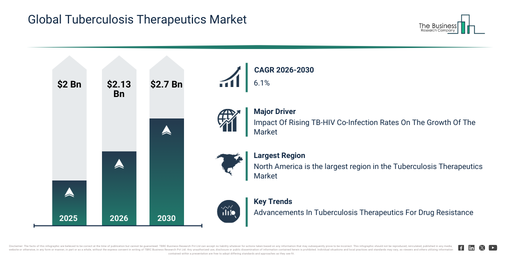
    The tuberculosis therapeutics market has witnessed significant growth in recent years. Its valuation is set to rise from $2 billion in 2025 to $2.13 billion in 2026, advancing at a compound annual growth rate (CAGR) of 6.3%. The market’s expansion in the past can be ascribed to the global burden of tuberculosis disease, the widespread application of first-line tuberculosis drugs, the expansion of government-led tuberculosis control efforts, the availability of generic tuberculosis medications, and international financial assistance for tuberculosis initiatives.

    The tuberculosis therapeutics market is anticipated to experience robust expansion over the coming years, projected to reach $2.7 billion by 2030, exhibiting a compound annual growth rate (CAGR) of 6.1%. This projected growth is driven by the increasing prevalence of multidrug-resistant TB, advancements in the creation of novel TB drugs, augmented global health funding, the expansion of digital adherence technologies, and a rising emphasis on preventive TB treatment. Significant trends for the forecast period include the escalated development of drug-resistant TB therapies, a greater adoption of combination treatment regimens, an intensified focus on shorter treatment durations, the broadening of public health TB programs, and enhanced patient adherence monitoring.

    Access Your Free Sample Report For In-Depth Market Analysis:

    https://www.thebusinessresearchcompany.com/sample.aspx?id=20983&type=smp

    Which Strong Drivers Are Impacting The Tuberculosis Therapeutics Market Growth?

    The tuberculosis therapeutics market is anticipated to expand due to the escalating co-infection rates of tuberculosis (TB) and human immunodeficiency virus (HIV). TB-HIV co-infection rates specifically refer to the prevalence of individuals simultaneously affected by both TB and HIV, an interaction that complicates diagnosis, treatment, and patient outcomes because of immune system suppression and the overlap of these epidemics. This rise in co-infections fuels the demand for integrated therapeutic approaches aimed at addressing TB infection within HIV-positive populations, thereby enhancing overall health outcomes and reducing the burden of both diseases. For example, in March 2024, data from the US-based government agency, the Centers for Disease Control and Prevention, indicated that the number of tuberculosis cases rose from 8,320 in 2022 to 9,615 in 2023, signifying an increase of 1,295 cases. Consequently, the growing rates of TB-HIV co-infection are a primary driver behind the expansion of the tuberculosis therapeutics market.

    How Are Different Segments Classified In The Tuberculosis Therapeutics Market Segment Analysis?

    The tuberculosis therapeutics market covered in this report is segmented –

    1) By Type: Active Tuberculosis (TB), Latent Tuberculosis (TB)

    2) By Drug Type: Isoniazid, Rifampin, Pyrazinamide, Hydrazine derivatives, Miscellaneous anti-tubercular drugs, Ethambutol

    3) By Route of Administration: Oral, Parenteral, Other route of administration

    4) By Distribution Channel: Hospital Pharmacy, Retail Pharmacy, Online Pharmacy

    5) By End-User: Hospitals, Clinics, Ambulatory Surgical Centers, Other End-Users

    Subsegments:

    1) By Active Tuberculosis (TB): First-Line Drugs (Rifampicin, Isoniazid, Pyrazinamide, Ethambutol), Second-Line Drugs (Fluoroquinolones, Aminoglycosides), Combination Therapies, Drug-Resistant TB Treatments (MDR-TB, XDR-TB)

    2) By Latent Tuberculosis (TB): Isoniazid Prophylaxis, Rifampicin-Based Regimens, Rifapentine-Based Regimens, Combination Prophylactic Therapies

    Which Trends Are Contributing To Changes In The Tuberculosis Therapeutics Market?

    Leading firms within the tuberculosis therapeutics market are prioritizing the creation of novel approaches, including combination therapy, to enhance treatment effectiveness, shorten therapy duration, and address drug-resistant tuberculosis strains. Combination therapy involves administering multiple medications from distinct categories to treat a disease, with goals of boosting treatment efficacy, decreasing resistance, and bettering patient results. An example of this is when, in July 2024, Johnson & Johnson, a US-based pharmaceutical company, reached a crucial achievement in tuberculosis treatment through the approval of SIRTURO (bedaquiline) by both the U.S. FDA and the European Commission. This groundbreaking medication marks the first in over four decades specifically created to combat multidrug-resistant tuberculosis (MDR-TB). Its distinct mechanism, which involves inhibiting the ATP synthase enzyme vital for the energy production of TB bacteria, provides a precise and potent therapeutic strategy. Incorporating it into combination therapies boosts the overall effectiveness of MDR-TB regimens, leading to shorter treatment times and better patient adherence.

    Who Are The Companies Driving Activity In The Tuberculosis Therapeutics Market?

    Major companies operating in the tuberculosis therapeutics market are Pfizer Inc, Johnson & Johnson, Roche Holding AG, Merck & Co. Inc, Sanofi S.A, Novartis AG, GlaxoSmithKline plc, Viatris Inc, Cipla Limited, Lupin Limited, Alkem Laboratories Limited, Emcure Pharmaceuticals Limited, Sequella Inc, AstraZeneca plc, Eli Lilly and Company, Biofabri S L, LegoChem Biosciences, BioVersys AG, SENTAN Pharma Inc, ViChem Pharmaceuticals Inc, PDS Biotechnology Corporation, BioNTech SE, Qurient Co Ltd

    Get The Full Tuberculosis Therapeutics Market Report:

    https://www.thebusinessresearchcompany.com/report/tuberculosis-therapeutics-global-market-report

    Which Region Is The Leading Market For The Tuberculosis Therapeutics Market?

    North America was the largest region in the tuberculosis therapeutics market in 2025. Asia-Pacific is expected to be the fastest-growing region in the forecast period. The regions covered in the tuberculosis therapeutics market report are Asia-Pacific, South East Asia, Western Europe, Eastern Europe, North America, South America, Middle East, Africa.

    Request A Customized Tuberculosis Therapeutics Market Report For Competitive Insights:

    https://www.thebusinessresearchcompany.com/report/tuberculosis-therapeutics-global-market-report

    Browse Through More Reports Similar to the Global Tuberculosis Therapeutics Market 2026, By The Business Research Company

    Hepatitis Therapeutics Market Report 2026

    https://www.thebusinessresearchcompany.com/report/hepatitis-therapeutics-global-market-report

    Anti Infective Drugs Market Report

    https://www.thebusinessresearchcompany.com/report/anti-infective-drugs-global-market-report

    Therapeutic Bcg Vaccines Market Report

    https://www.thebusinessresearchcompany.com/report/therapeutic-bcg-vaccines-global-market-report

    Get in touch with us:

    The Business Research Company: https://www.thebusinessresearchcompany.com/

    Americas +1 310-496-7795

    Asia +44 7882 955267 & +91 8897263534

    Europe +44 7882 955267

    Email us at info@tbrc.info

    Follow us on:

    LinkedIn: https://in.linkedin.com/company/the-business-research-company

    YouTube: https://www.youtube.com/channel/UC24_fI0rV8cR5DxlCpgmyFQ

    Global Market Model: https://www.thebusinessresearchcompany.com/global-market-model
  • Trypsin-EDTA Solution Market Emerging Trends Influencing Growth

    Trypsin-EDTA Solution Market Emerging Trends Influencing Growth

    The Business Research Company’s 2026 market reports feature enhanced tools like market attractiveness analysis, TAM assessment, and company scoring matrices, along with interactive dashboards, deeper supply chain insights, and startup coverage strengthening the depth, usability, and strategic value of insights.

    How Is The Market Size Of The Trypsin-EDTA Solution For Cell Dissociation Market Expected To Change From 2026 To 2030?

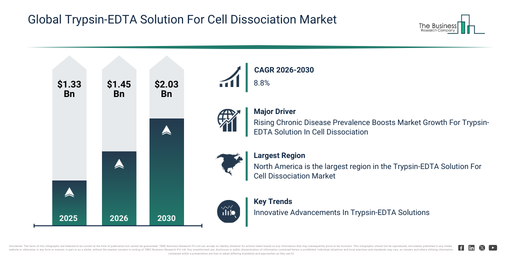
    The trypsin-edta solution for cell dissociation market has seen significant expansion in recent years. Its value is projected to climb from $1.33 billion in 2025 to $1.45 billion in 2026, achieving a compound annual growth rate (CAGR) of 9.1%. This growth witnessed in the past period is attributable to the broadening of cell culture based research activities, increased production of biologics and vaccines, more widespread use of adherent cell lines, the expansion of academic and clinical research laboratories, and better availability of standardized reagents.

    The market for trypsin-edta solution for cell dissociation is anticipated to show significant expansion over the next few years, projecting an increase to $2.03 billion by 2030, with a compound annual growth rate (CAGR) of 8.8%. This expansion during the forecast period is fueled by elements such as the growing need for cell-based therapies, the scaling up of biopharmaceutical manufacturing, an increased emphasis on automation in cell processing, the broadening scope of regenerative medicine research, and stricter regulatory focus on process consistency. Noteworthy trends in this timeframe include a rise in the adoption of serum-free cell dissociation reagents, a greater requirement for consistent cell harvesting solutions, an expanding application in large-scale biomanufacturing, the widespread use in stem cell and primary cell applications, and a stronger focus on both reproducibility and cell viability.

    Access Your Free Sample Report For In-Depth Market Analysis:

    https://www.thebusinessresearchcompany.com/sample.aspx?id=20667&type=smp

    What Key Factors Are Shaping The Trypsin-EDTA Solution For Cell Dissociation Market Landscape?

    The increasing incidence of chronic illnesses is anticipated to boost the expansion of the trypsin-EDTA solution for cell dissociation market in the future. These are enduring health conditions that last for prolonged durations, frequently for an entire life, generally necessitating continuous medical attention, including diabetes, heart disease, and chronic respiratory conditions. Their increase is attributed to elements such as an aging global population, a higher occurrence of risk factors like unhealthy eating habits and lack of physical activity, and medical technological progress enabling earlier identification and treatment. In chronic disease research, trypsin-EDTA solution facilitates cell dissociation, allowing for the efficient separation and collection of cells from tissues or cultures for subsequent examination or therapeutic uses. For example, a February 2024 report by the World Health Organization (WHO), a Switzerland-based intergovernmental body, indicated approximately 20 million new cancer cases in 2022, alongside 9.7 million deaths. By 2050, new cancer cases are expected to rise to over 35 million, showing a 77% surge from the 2022 figures. Consequently, the growing occurrence of chronic diseases is propelling the expansion of the trypsin-EDTA solution for cell dissociation market.

    How Is The Trypsin-EDTA Solution For Cell Dissociation Market Categorized Across Its Segment Groups?

    The trypsin-edta solution for cell dissociation market covered in this report is segmented –

    1) By Type: 0.25% Solution, 0.05% Solution

    2) By Distribution Channel: Online Sales, Direct Sales, Retail

    3) By Application: Insulin Manufacturing, Vaccines Manufacturing, Cell Culture, Other Applications

    Subsegments:

    1) By 0.25% Solution: General Cell Culture, Adherent Cell Lines, Suspension Cell Lines, Tissue-Derived Cells

    2) By 0.05% Solution: Gentler Dissociation for Sensitive Cells, Primary Cell Cultures, Stem Cell Cultures, Short-Term Cell Cultures

    What Market Trends Are Affecting The Trypsin-EDTA Solution For Cell Dissociation Market?

    Major companies engaged in the trypsin-EDTA solution for cell dissociation are developing cutting-edge products, including animal-based ECM dissociation solutions, to secure a competitive edge in the market. Animal-based ECM dissociation solutions are enzymatic or chemical compounds originating from animal sources, employed to dismantle extracellular matrix components and facilitate the release of cells from tissue or culture surfaces. As an illustration, in February 2023, TheWell Bioscience, a US-based biomedical technology firm, launched the VitroGel Organoid Recovery Solution. This VitroGel Organoid Recovery Solution provides a pivotal advancement by enabling the rapid and efficient recovery of organoids from both animal-based extracellular matrix (ECM) and synthetic VitroGel hydrogels. It achieves full dissociation of animal-based ECM in just 2 minutes, with the entire cell harvesting procedure completed in only 15 minutes, representing a significant improvement over the leading solution that takes more than 60 minutes. Designed for high-quality, intact organoid recovery, this solution ensures superior yields, cell viability, and quality for purposes such as passaging, cryopreservation, or biochemical analysis. Additionally, it operates at room temperature, eliminating the necessity for heat or cooling equipment and supporting full lab automation for high-throughput organoid production.

    Which Firms Are Influencing Competition In The Trypsin-EDTA Solution For Cell Dissociation Market?

    Major companies operating in the trypsin-edta solution for cell dissociation market are Thermo Fisher Scientific Inc., Merck KGaA, GE Healthcare, Corning Incorporated, Lonza Group AG, VWR International LLC, Sartorius AG, STEMCELL Technologies Inc., Miltenyi Biotec B.V. & Co. KG, MP Biomedicals LLC, American Type Culture Collection (ATCC), Cyagen Biosciences Inc., HiMedia Laboratories Private Limited, FUJIFILM Irvine Scientific Inc., Nacalai Tesque Inc., Creative Dynamics Inc., PromoCell GmbH, Biological Industries Israel Beit Haemek Ltd., Worthington Biochemical Corporation, Capricorn Scientific GmbH, PAN-Biotech GmbH, Cell Applications Inc., Innovative Cell Technologies Inc., Wisent Bioproducts Inc., ZenBio Inc

    Get The Full Trypsin-EDTA Solution For Cell Dissociation Market Report:

    https://www.thebusinessresearchcompany.com/report/trypsin-edta-solution-for-cell-dissociation-global-market-report

    Where Is The Trypsin-EDTA Solution For Cell Dissociation Market Primarily Concentrated By Region?

    North America was the largest region in the trypsin-EDTA solution for cell dissociation market in 2025. Asia-Pacific is expected to be the fastest-growing region in the forecast period. The regions covered in the trypsin-edta solution for cell dissociation market report are Asia-Pacific, South East Asia, Western Europe, Eastern Europe, North America, South America, Middle East, Africa.

    Request A Customized Trypsin-EDTA Solution For Cell Dissociation Market Report For Competitive Insights:

    https://www.thebusinessresearchcompany.com/report/trypsin-edta-solution-for-cell-dissociation-global-market-report

    Browse Through More Reports Similar to the Global Trypsin-EDTA Solution For Cell Dissociation Market 2026, By The Business Research Company

    Cellular Telephone Market Report 2026

    https://www.thebusinessresearchcompany.com/report/cellular-telephone-global-market-report

    Cell Cultures Market Report

    https://www.thebusinessresearchcompany.com/report/cell-cultures-global-market-report

    Cells Therapy Market Report

    https://www.thebusinessresearchcompany.com/report/cells-therapy-global-market-report

    Get in touch with us:

    The Business Research Company: https://www.thebusinessresearchcompany.com/

    Americas +1 310-496-7795

    Asia +44 7882 955267 & +91 8897263534

    Europe +44 7882 955267

    Email us at info@tbrc.info

    Follow us on:

    LinkedIn: https://in.linkedin.com/company/the-business-research-company

    YouTube: https://www.youtube.com/channel/UC24_fI0rV8cR5DxlCpgmyFQ

    Global Market Model: https://www.thebusinessresearchcompany.com/global-market-model