Category: Healthcare Services

  • AI in drug discovery market forecast with demand insights

    AI in drug discovery market forecast with demand insights

    The Business Research Company’s 2026 market reports feature enhanced tools like market attractiveness analysis, TAM assessment, and company scoring matrices, along with interactive dashboards, deeper supply chain insights, and startup coverage strengthening the depth, usability, and strategic value of insights.

    How Will The Market Value Of The Artificial Intelligence (AI) In Drug Discovery Market Progress Between 2026 And 2030?

    The artificial intelligence (AI) in drug discovery market has seen substantial expansion in recent years. Its value is projected to grow from $2.33 billion in 2025 to $2.93 billion in 2026, at a compound annual growth rate (CAGR) of 25.9%. Historically, this growth has been driven by increasing pharmaceutical R&D spending, the growing complexity of drug discovery pipelines, rising availability of biological and chemical datasets, early adoption of machine learning in bioinformatics, and increasing collaboration between pharma and tech firms.

    The artificial intelligence (AI) in drug discovery market size is anticipated to experience significant growth in the coming years. It is projected to expand to $7.42 billion by 2030, demonstrating a compound annual growth rate (CAGR) of 26.2%. This growth during the forecast period is driven by factors such as the increasing adoption of generative AI models, a rising demand for precision therapeutics, the expansion of AI-enabled clinical trial design, growing investments in cloud-based discovery platforms, and regulatory acceptance of AI-assisted drug development. Noteworthy trends in the forecast period include the increasing use of AI-driven target identification, a rising adoption of deep learning for molecule screening, the growing integration of virtual drug screening platforms, the expansion of AI-based lead optimization tools, and an enhanced focus on reducing drug development timelines.

    Access Your Free Sample Report For In-Depth Market Analysis:

    https://www.thebusinessresearchcompany.com/report/artificial-intelligence-in-drug-discovery-global-market-report

    Which Major Drivers Are Influencing The Expansion Of The Artificial Intelligence (AI) In Drug Discovery Market?

    The increasing need for personalized medicine is projected to drive the expansion of artificial intelligence (AI) within the drug discovery market. Personalized medicine involves a focused strategy for preventing, diagnosing, and treating diseases, utilizing an individual’s genetic, proteomic, or biological information to inform medical choices. The increasing uptake of personalized medicine is fueled by the growing requirement for exact, patient-tailored treatments that enhance therapeutic efficacy and minimize negative reactions. AI facilitates this transition by speeding up the discovery of molecular targets, refining potential drugs, and improving clinical judgments across the entire development process. For example, in February 2024, the Personalized Medicine Coalition, a US-based advocacy and research entity, reported that the U.S. FDA cleared 26 novel personalized therapies in 2023, comprising 20 new molecular entities and 6 therapies based on genes or cells. Consequently, the escalating demand for personalized medicine is propelling the advancement of artificial intelligence (AI) in the drug discovery market.

    How Are Different Segments Classified In The Artificial Intelligence (AI) In Drug Discovery Market Segment Analysis?

    The artificial intelligence (AI) in drug discovery market covered in this report is segmented –

    1) By Technology: Context-Aware Processing, Natural Language Processing, Deep Learning

    2) By Drug Type: Small Molecules, Large Molecules

    3) By Therapeutic Type: Metabolic Disease, Cardiovascular Disease, Oncology, Neurodegenerative Diseases, Anti-Infective Diseases, Respiratory Diseases, Other Therapeutics

    4) By End User: Pharmaceutical Companies, Biopharmaceutical Companies, Academic And Research Institutes, Other End-Users

    Subsegments:

    1) By Context-Aware Processing: Contextual Data Integration, Predictive Modeling, Adaptive Learning Systems

    2) By Natural Language Processing (NLP): Text Mining And Analysis, Drug Interaction Extraction, Clinical Trial Data Analysis

    3) By Deep Learning: Neural Networks, Convolutional Neural Networks (CNNs), Recurrent Neural Networks (RNNs), Reinforcement Learning Applications

    Which Trends Are Shaping The Artificial Intelligence (AI) In Drug Discovery Market?

    Leading corporations are allocating capital to firms involved in artificial intelligence (AI) within the drug discovery sector, aiming to pinpoint and develop novel treatments and subsequently provide these methodologies to other pharmaceutical manufacturers. Such strategic financial backing is crucial for supporting the research and development of novel pharmaceuticals, an endeavor known for being both expensive and protracted. This capital infusion enables companies to accelerate their drug discovery initiatives and introduce innovative therapies to the market. An example of this trend is Nvidia, a software firm based in the US, which in July 2023 committed $50 million to Recursion Pharmaceuticals, a US-based biotechnology company that leverages artificial intelligence (AI) for drug discovery purposes. This particular investment is intended to empower Recursion in expediting the creation of its foundational AI models for biological and chemical applications, utilizing Nvidia’s suite of cloud services.

    Who Are The Companies Driving Activity In The Artificial Intelligence (AI) In Drug Discovery Market?

    Major companies operating in the artificial intelligence (AI) in drug discovery market are Exscientia, Insilico Medicine, Owkin Inc., XtalPi Inc., Standigm Inc., Innoplexus AG, Atomwise, Inc., BenevolentAI, Deep Genomics Inc., NuMedii, Inc., Verge Genomics, Inc., Berg LLC, Cyclica Inc., Iktos, Quris, Adagene Inc., Gero Pte. Ltd., IBM Corporation, Microsoft Corporation, NVIDIA Corporation, Alphabet Inc., DeepMind Technologies Limited, IQVIA Holdings Inc., GNS Healthcare, Inc., GE HealthCare Technologies Inc., Novartis AG, Pfizer Inc., F. Hoffmann-La Roche Ltd., Merck & Co., Inc., AbbVie Inc., AstraZeneca PLC, Amgen Inc., GlaxoSmithKline plc, Johnson & Johnson, Takeda Pharmaceutical Company Limited, Ipsen S.A., Galderma S.A.

    Get The Full Artificial Intelligence (AI) In Drug Discovery Market Report:

    https://www.thebusinessresearchcompany.com/report/artificial-intelligence-in-drug-discovery-global-market-report

    Which Region Accounts For The Largest Portion Of The Artificial Intelligence (AI) In Drug Discovery Market?

    North America was the largest region in the artificial intelligence (AI) in drug discovery market in 2025. Western Europe was the second largest region in the global artificial intelligence (AI) in drug discovery market share. The regions covered in the artificial intelligence (AI) in drug discovery market report are Asia-Pacific, South East Asia, Western Europe, Eastern Europe, North America, South America, Middle East, Africa.

    Request A Customized Artificial Intelligence (AI) In Drug Discovery Market Report For Competitive Insights:

    https://www.thebusinessresearchcompany.com/report/artificial-intelligence-in-drug-discovery-global-market-report

    Browse Through More Reports Similar to the Global Artificial Intelligence (AI) In Drug Discovery Market 2026, By The Business Research Company

    Artificial Intelligence Ai In Predictive Toxicology Market Report 2026

    https://www.thebusinessresearchcompany.com/report/artificial-intelligence-ai-in-predictive-toxicology-global-market-report

    Generative Artificial Intelligence Ai In Drug Discovery Market Report 2026

    https://www.thebusinessresearchcompany.com/report/generative-artificial-intelligence-ai-in-drug-discovery-global-market-report

    Artificial Intelligence Ai In Biopharmaceuticals Market Report 2026

    https://www.thebusinessresearchcompany.com/report/artificial-intelligence-ai-in-biopharmaceuticals-global-market-report

    Get in touch with us:

    The Business Research Company: https://www.thebusinessresearchcompany.com/

    Americas +1 310-496-7795

    Asia +44 7882 955267 & +91 8897263534

    Europe +44 7882 955267

    Email us at info@tbrc.info

    Follow us on:

    LinkedIn: https://in.linkedin.com/company/the-business-research-company

    YouTube: https://www.youtube.com/channel/UC24_fI0rV8cR5DxlCpgmyFQ

    Global Market Model: https://www.thebusinessresearchcompany.com/global-market-model

  • Alcoholic Hepatitis Treatment Market (2026–2030): Industry Developments

    Alcoholic Hepatitis Treatment Market (2026–2030): Industry Developments

    The Business Research Company’s 2026 market reports feature enhanced tools like market attractiveness analysis, TAM assessment, and company scoring matrices, along with interactive dashboards, deeper supply chain insights, and startup coverage strengthening the depth, usability, and strategic value of insights.

    What Is The Projected Increase In Market Value Of The Alcoholic Hepatitis Treatment Market During 2026–2030?

    The alcoholic hepatitis treatment market size has experienced robust growth in recent years. It is projected to expand from $3.43 billion in 2025 to $3.72 billion in 2026, demonstrating a compound annual growth rate (CAGR) of 8.5%. The historical growth in this market can be attributed to the increasing prevalence of alcoholic liver disease, growing awareness about alcohol-related health issues, the adoption of corticosteroids and other drug therapies, the expansion of hospital-based treatment programs, and the limited availability of stem cell therapies.

    The alcoholic hepatitis treatment market size is anticipated to undergo significant expansion over the next few years, with projections indicating it will reach $5.26 billion by 2030, exhibiting a compound annual growth rate (CAGR) of 9.1%. This expansion during the forecast period is primarily driven by advancements in regenerative medicine and stem cell therapies, increasing investment in private treatment centers, the rising adoption of personalized medicine approaches, escalating government initiatives for liver disease management, and the development of novel biologics for liver protection. Furthermore, major trends expected in this period include the increased uptake of corticosteroid and hemorheologic therapies, a growing reliance on stem cell therapy for liver regeneration, the broadening reach of private treatment centers and clinics, an intensifying focus on personalized treatment plans for alcoholic hepatitis, and improvements in awareness and early diagnosis programs.

    Access Your Free Sample Report For In-Depth Market Analysis:

    https://www.thebusinessresearchcompany.com/report/alcoholic-hepatitis-treatment-global-market-report

    Which Key Drivers Are Affecting The Alcoholic Hepatitis Treatment Market Development?

    The rising occurrence of alcohol-induced liver conditions is anticipated to fuel the expansion of the alcoholic hepatitis treatment market in the coming years. Alcoholic liver disease arises from damage to the liver’s functionality. The liver carries out various vital bodily processes, including blood detoxification and bile production for digestion assistance. Treatment for alcoholic hepatitis addresses liver inflammation in certain individuals afflicted by this ailment. Patients experiencing severe alcoholic hepatitis might necessitate hospital-based therapy. For example, data released in April 2024 by the Office for Health Improvement and Disparities, a government body based in the UK, indicated that premature liver disease fatalities in 2022 reached 10,593, with males accounting for 6,664 and females for 3,929. Concurrently, the financial year ending in 2023 recorded 85,665 hospital admissions for liver disease across England, a rate of 155.2 per 100,000 population. This figure encompassed 27,085 admissions specifically for alcoholic liver disease, representing a rate of 49.4 per 100,000 population. Consequently, the heightened incidence of alcohol-related liver diseases is stimulating the expansion of the alcoholic hepatitis treatment market.

    How Is Segmentation Applied In The Alcoholic Hepatitis Treatment Market Segment Analysis?

    The alcoholic hepatitis treatment market covered in this report is segmented –

    1) By Treatment Type: Drug Therapy, Supportive And Nutritional Therapy

    2) By Route Of Administration: Oral, Injectable

    3) By Severity Of Disease: Mild Alcoholic Hepatitis, Moderate Alcoholic Hepatitis, Severe Alcoholic Hepatitis

    4) By End-User: Hospitals, Specialty Clinics, Rehabilitation And De-Addiction Centers

    Subsegments:

    1) By Drug Therapy: Corticosteroid Therapy, Hemorheologic Therapy, Immunomodulatory And Anti-Inflammatory Therapy, Antioxidant And Hepatoprotective Therapy, Adjunctive Pharmacological Therapy

    2) By Supportive And Nutritional Therapy: Alcohol Abstinence And Detoxification Support, Nutritional Supplementation (Protein Vitamins And Minerals), Enteral Nutrition Support, Electrolyte And Fluid Management, Management Of Alcohol Withdrawal Symptoms

    What Trends Are Transforming The Alcoholic Hepatitis Treatment Market?

    Major companies in the alcoholic hepatitis treatment market are focusing their efforts on product development, including immunoassays, to boost their revenues within the sector. Immunoassays represent a type of biochemical test that leverages the specific binding of antibodies to antigens to identify and measure the presence or concentration of a target molecule (analyte) in a given sample. As an illustration, in November 2023, F. Hoffmann-La Roche Ltd., a Switzerland-based healthcare company, launched Elecsys HBeAg quant. This immunoassay determines the quantity of hepatitis B e antigen (HBeAg) in human serum and plasma, offering both qualitative and quantitative measurements. It is capable of predicting chronic active hepatitis and providing an early indication of acute hepatitis B infection. The test aids in the diagnosis and ongoing monitoring of individuals with hepatitis B virus infection when integrated with other laboratory findings and clinical data. The Elecsys HBeAg quant is compatible with Roche’s Cobas e analyzers and is engineered for use with samples from patients who have previously tested positive, as well as those whose HBeAg status remains unknown.

    Who Are The Companies Participating In The Alcoholic Hepatitis Treatment Market Environment?

    Major companies operating in the alcoholic hepatitis treatment market are Mallinckrodt Pharmaceuticals, Intercept Pharmaceuticals Inc., DURECT Corporation, BioVie Inc., Conatus Pharmaceuticals Inc., AbbVie Inc., Gilead Sciences Inc., Pfizer Inc., Merck And Co Inc., Bristol Myers Squibb Company, Johnson And Johnson, Sanofi SA, Novartis AG, Takeda Pharmaceutical Company Limited, Bayer AG, Boehringer Ingelheim International GmbH, Madrigal Pharmaceuticals Inc., Genfit SA, CymaBay Therapeutics Inc., Zydus Cadila, Dr Reddys Laboratories Ltd

    Get The Full Alcoholic Hepatitis Treatment Market Report:

    https://www.thebusinessresearchcompany.com/report/alcoholic-hepatitis-treatment-global-market-report

    Which Region Is The Top Contributor To The Alcoholic Hepatitis Treatment Market By Share?

    North America was the largest region in the alcoholic hepatitis treatment market in 2025. It is expected to be the fastest-growing region in the forecast period. The regions covered in the alcoholic hepatitis treatment market report are Asia-Pacific, South East Asia, Western Europe, Eastern Europe, North America, South America, Middle East, Africa.

    Request A Customized Alcoholic Hepatitis Treatment Market Report For Competitive Insights:

    https://www.thebusinessresearchcompany.com/report/alcoholic-hepatitis-treatment-global-market-report

    Browse Through More Reports Similar to the Global Alcoholic Hepatitis Treatment Market 2026, By The Business Research Company

    Nicotine Addiction Treatment Market Report 2026

    https://www.thebusinessresearchcompany.com/report/nicotine-addiction-treatment-global-market-report

    Hepatitis Therapeutics Market Report 2026

    https://www.thebusinessresearchcompany.com/report/hepatitis-therapeutics-global-market-report

    Hepatitis Drugs Market Report 2026

    https://www.thebusinessresearchcompany.com/report/hepatitis-drugs-global-market-report

    Get in touch with us:

    The Business Research Company: https://www.thebusinessresearchcompany.com/

    Americas +1 310-496-7795

    Asia +44 7882 955267 & +91 8897263534

    Europe +44 7882 955267

    Email us at info@tbrc.info

    Follow us on:

    LinkedIn: https://in.linkedin.com/company/the-business-research-company

    YouTube: https://www.youtube.com/channel/UC24_fI0rV8cR5DxlCpgmyFQ

    Global Market Model: https://www.thebusinessresearchcompany.com/global-market-model

  • AI in elderly care market outlook with growth drivers

    AI in elderly care market outlook with growth drivers

    The Business Research Company’s 2026 market reports feature enhanced tools like market attractiveness analysis, TAM assessment, and company scoring matrices, along with interactive dashboards, deeper supply chain insights, and startup coverage strengthening the depth, usability, and strategic value of insights.

    What Are The Market Size Estimates For The Artificial Intelligence (AI) In Aging And Elderly Care Market In 2026 And 2030?

    The market size for artificial intelligence (AI) in aging and elderly care has seen substantial growth over recent years. It is projected to expand from $54.36 billion in 2025 to $67.56 billion by 2026, exhibiting a compound annual growth rate (CAGR) of 24.3%. The historical increase in this market can be attributed to an aging global population, the increasing prevalence of chronic conditions, the expansion of remote healthcare services, the growing adoption of digital health tools, and a rising demand for assisted living solutions.

    The artificial intelligence (AI) in aging and elderly care market is projected to experience substantial expansion over the coming years. By 2030, this market is anticipated to reach a valuation of $158.49 billion, demonstrating a compound annual growth rate (CAGR) of 23.8%. This growth during the forecast period is fueled by several factors, including escalating investments in AI-driven healthcare platforms, a rising need for personalized elderly care solutions, wider adoption of smart home healthcare technologies, an increased focus on preventive healthcare, and the progressive integration of robotics into eldercare services. Prominent trends for the forecast period include the expanding deployment of AI-enabled health monitoring systems, increased use of wearable devices for elderly care, the growing application of predictive analytics for health risk management, the broadening of robotic assistance solutions, and a heightened emphasis on remote care models.

    Access Your Free Sample Report For In-Depth Market Analysis:

    https://www.thebusinessresearchcompany.com/report/artificial-intelligence-ai-in-aging-and-elderly-care-global-market-report

    What Key Drivers Are Fueling The Growth Of The Artificial Intelligence (AI) In Aging And Elderly Care Market?

    The increasing number of elderly individuals is anticipated to stimulate the expansion of artificial intelligence (AI) in the aging and elderly care market in the coming years. This demographic, comprising people aged 60 or 65 and older, requires specialized care and services due to health and lifestyle challenges linked to aging. The growth in the elderly population is a result of longer life spans, achieved through advances in healthcare, and declining birth rates, which reduce the proportion of younger individuals in the population. Artificial intelligence (AI) is revolutionizing aging and elderly care by enhancing healthcare provisions, improving accessibility, and fostering greater independence for the older population. For instance, in January 2024, a report from the US-based non-profit organization, the Population Reference Bureau, indicated that the number of Americans aged 65 and older is projected to climb from 58 million in 2022 to 82 million by 2050, representing a 47% increase. Consequently, this age group’s proportion of the total U.S. population will grow from 17% to 23% during this period. Therefore, the rise in the elderly population is driving the growth of artificial intelligence (AI) in the aging and elderly care market.

    How Is The Artificial Intelligence (AI) In Aging And Elderly Care Market Categorized Across Its Segment Groups?

    The artificial intelligence (AI) in aging and elderly care market covered in this report is segmented –

    1) By Type: Natural Language Processing (NLP) Systems, Robotics And Robotic Assistance, Smart Home Devices And IoT Solutions, Machine Learning And Predictive Analytics, Virtual Health Assistants

    2) By Technology: Wearable Devices, Smart Home Systems, Mobile Apps, Cloud Computing, Internet Of Things (IoT)

    3) By Applications: Fall Detection And Prevention, Medication Management, Remote Health Monitoring, Social Engagement And Companion AI, Cognitive Stimulation And Brain Training

    4) By End User: Home Care Settings, Assisted Living Facilities, Nursing Homes And Long-Term Care Centers, Hospitals And Healthcare Institutions

    Subsegments:

    1) By Natural Language Processing (NLP) Systems: Voice-Activated Assistants, AI-Powered Speech Recognition Systems, NLP for Cognitive Health Monitoring

    2) By Robotics And Robotic Assistance: Elderly Care Robots, Robotic Mobility Assistance Devices, Robotic Companions For Seniors

    3) By Smart Home Devices And IoT Solutions: Smart Sensors (Fall Detection, Monitoring), AI-Enabled Smart Home Automation Systems, Wearable IoT Devices For Health Monitoring

    4) By Machine Learning And Predictive Analytics: AI-Based Health Risk Prediction Models, Machine Learning For Personalized Care Plans, Predictive Analytics For Medication Management

    5) By Virtual Health Assistants: AI-Powered Virtual Care Assistants, Telemedicine Virtual Assistants, Virtual Health Coaching And Support Systems

    What Trends Are Influencing The Artificial Intelligence (AI) In Aging And Elderly Care Market?

    Major companies in the artificial intelligence (AI) in aging and elderly care market are concentrating on developing innovative technologies like AI-driven virtual caregivers to deliver personalized care solutions, enhance monitoring capabilities, and improve the overall quality of life for the elderly. An AI virtual caregiver acts as a smart digital assistant, aiding with health monitoring, medication reminders, companionship, and emergency responses, thereby primarily helping elderly individuals maintain their independence and well-being. For instance, in November 2024, Electronic Caregiver Inc., a US-based medical equipment supplier, launched Addison Care+ in the AWS marketplace. Addison Care+ is an advanced AI-driven virtual caregiver designed to revolutionize senior care by improving health management, engagement, and independence for aging adults and patients with chronic illnesses. It provides 24/7 activity monitoring, early detection of health issues, and comprehensive care insights such as medication management and emergency response. Integrated with AI-driven telecare operations, it simplifies nationwide implementation, supporting caregivers with proactive tools for managing client health and optimizing care delivery.

    Which Firms Are Influencing Competition In The Artificial Intelligence (AI) In Aging And Elderly Care Market?

    Major companies operating in the artificial intelligence (AI) in aging and elderly care market are Amazon.com Inc., Google LLC, Samsung Electronics Co. Ltd., Microsoft Corporation, Intel Corporation, General Electric Company, International Business Machines Corporation, Oracle Corporation, Medtronic plc, NVIDIA Corporation, Siemens Healthineers AG, Koninklijke Philips N.V., AARP Services Inc., Suki AI Inc., AiCure LLC, Sensi.AI, Orbita Inc., Sensely Inc., CarePredict Inc., Cognivue Corporation, Reemo Health Inc., Canary Health Technologies Inc., Somatix Inc.

    Get The Full Artificial Intelligence (AI) In Aging And Elderly Care Market Report:

    https://www.thebusinessresearchcompany.com/report/artificial-intelligence-ai-in-aging-and-elderly-care-global-market-report

    Which Region Holds The Highest Market Share In The Artificial Intelligence (AI) In Aging And Elderly Care Market?

    North America was the largest region in the artificial intelligence (AI) in aging and elderly care market in 2025. Asia-Pacific is expected to be the fastest-growing region in the forecast period. The regions covered in the artificial intelligence (AI) in aging and elderly care market report are Asia-Pacific, South East Asia, Western Europe, Eastern Europe, North America, South America, Middle East, Africa.

    Request A Customized Artificial Intelligence (AI) In Aging And Elderly Care Market Report For Competitive Insights:

    https://www.thebusinessresearchcompany.com/report/artificial-intelligence-ai-in-aging-and-elderly-care-global-market-report

    Browse Through More Reports Similar to the Global Artificial Intelligence (AI) In Aging And Elderly Care Market 2026, By The Business Research Company

    Artificial Intelligence Ai In Precision Medicine Market Report 2026

    https://www.thebusinessresearchcompany.com/report/artificial-intelligence-ai-in-precision-medicine-global-market-report

    Artificial Intelligence In Healthcare Diagnosis Market Report 2026

    https://www.thebusinessresearchcompany.com/report/artificial-intelligence-in-healthcare-diagnosis-global-market-report

    Artificial Intelligence In Diabetes Management Market Report 2026

    https://www.thebusinessresearchcompany.com/report/artificial-intelligence-in-diabetes-management-global-market-report

    Get in touch with us:

    The Business Research Company: https://www.thebusinessresearchcompany.com/

    Americas +1 310-496-7795

    Asia +44 7882 955267 & +91 8897263534

    Europe +44 7882 955267

    Email us at info@tbrc.info

    Follow us on:

    LinkedIn: https://in.linkedin.com/company/the-business-research-company

    YouTube: https://www.youtube.com/channel/UC24_fI0rV8cR5DxlCpgmyFQ

    Global Market Model: https://www.thebusinessresearchcompany.com/global-market-model

  • Alcohol Wipes Market: Trends and Expansion Outlook

    Alcohol Wipes Market: Trends and Expansion Outlook

    The Business Research Company’s 2026 market reports feature enhanced tools like market attractiveness analysis, TAM assessment, and company scoring matrices, along with interactive dashboards, deeper supply chain insights, and startup coverage strengthening the depth, usability, and strategic value of insights.

    How Is The Market Size Of The Alcohol Wipes Market Expected To Change From 2026 To 2030?

    The alcohol wipes market has shown robust expansion in recent years. Its value is anticipated to rise from $0.99 billion in 2025 to $1.08 billion in 2026, achieving a compound annual growth rate (CAGR) of 9.3%. The historic growth is primarily due to a heightened understanding of infection control measures, the widespread application of disinfectants in healthcare, the broadening of personal hygiene practices, the expansion of hospital and clinical facilities, and the increasing acceptance of pre-moistened wipes.

    The alcohol wipes market size is anticipated to undergo significant expansion in the next few years. It is expected to reach $1.53 billion by 2030, exhibiting a compound annual growth rate (CAGR) of 9.0%. The projected growth is attributable to an escalating demand for preventive healthcare hygiene products, an amplified focus on surface disinfection standards, the expansion of home healthcare services, a rising preference for convenient hygiene solutions, and the increasing creation of eco-friendly wipe materials. Prominent trends for this period encompass a growing demand for single-use hygiene products, the increasing adoption of medical-grade disinfectant wipes, broader utilization of alcohol wipes in healthcare environments, the proliferation of portable and travel hygiene solutions, and an intensified focus on skin-safe disinfectant formulations.

    Access Your Free Sample Report For In-Depth Market Analysis:

    https://www.thebusinessresearchcompany.com/report/alcohol-wipes-global-market-report

    What Factors Are Contributing To The Growth Of The Alcohol Wipes Market?

    The anticipated expansion of the alcohol wipes market is closely linked to the rising occurrence of infectious diseases. These diseases are health conditions resulting from pathogenic microorganisms, capable of spreading among individuals or via environmental contact. Urbanization significantly contributes to the increased spread of infectious diseases, given that crowded urban environments foster greater proximity among people, thus quickening communal transmission. Alcohol wipes play a crucial role in preventing infectious diseases by effectively eradicating or neutralizing detrimental microorganisms like bacteria, viruses, and fungi. Their high concentration of isopropyl or ethyl alcohol (typically 60–90%) works by disrupting microbial cell membranes, thereby leading to the destruction of these pathogens. As an illustration, data from the Centers for Disease Control and Prevention, a US-based government agency, indicated in March 2024 that tuberculosis, an infectious disease, saw its case count climb from 8,320 in 2022 to 9,615 in 2023, representing an increase of 1,295 cases. Consequently, the growing frequency of infectious diseases is a key factor propelling the expansion of the alcohol wipes market.

    What Segment Categories Shape The Alcohol Wipes Market Segment Landscape?

    The alcohol wipes market covered in this report is segmented –

    1) By Product Form: Pre-Moistened Wipes, Dry Wipes

    2) By Fabric Material: Natural, Synthetic

    3) By Formulation Type: Isopropyl Alcohol Wipes, Ethyl Alcohol Wipes, Hydrogen Peroxide Wipe

    4) By Distribution Channels: Supermarkets And Hypermarkets, Convenience Stores, Specialty Stores, Online, Other Distribution Channels

    5) By End-Use: Personal And Household, Commercial

    Subsegments:

    1) By Pre-Moistened Wipes: Isopropyl Alcohol Wipes, Ethanol-Based Wipes, Benzalkonium Chloride Wipes, Multi-Surface Disinfecting Wipes, Skin Antiseptic Wipes, Equipment Cleaning Wipes, Medical Use Wipes, Personal Hygiene Wipes

    2) By Dry Wipes: Nonwoven Fabric Dry Wipes, Cotton-Based Dry Wipes, Spunlace Dry Wipes, Airlaid Dry Wipes, Refillable Alcohol Dry Wipes, Multipurpose Dry Sheets, Industrial Cleaning Dry Wipes, Medical-Grade Dry Wipes

    What Trends Are Shaping The Future Of The Alcohol Wipes Market?

    Leading companies in the alcohol wipes market are concentrating on integrating skin-friendly, clean, and wellness-focused innovations, such as botanical infused sanitizing wipes, to enhance user comfort, skin safety, and convenience, alongside effective disinfection. These botanical infused sanitizing wipes merge alcohol-based germ protection with skincare ingredients to offer both sanitization and hydration. For instance, in July 2025, Noshinku, Inc., a US-based personal care brand, launched noshinku nourishing travel hand sanitizing wipes. These botanical infused wipes are designed to sanitize hands while simultaneously moisturizing and soothing the skin during travel or daily activities, featuring pharma grade sugar cane alcohol as the antiseptic agent combined with hydrating aloe, green tea, and oat extracts. This formulation is free from dyes, parabens, artificial fragrances, and harsh antiseptics, provided in compact, travel friendly packaging for on-the-go hygiene. This product significantly improves user experience by providing effective germ protection together with gentle skincare benefits, thereby expanding the appeal of the alcohol wipes market among wellness-oriented consumers.

    Who Are The Companies Operating Across The Alcohol Wipes Market Value Chain?

    Major companies operating in the alcohol wipes market are Cardinal Health Inc., Medline Industries, Kimberly-Clark Worldwide Inc., Reckitt Benckiser, The Clorox Company, Unicharm, Diversey Holdings, Hartmann Group, Gojo Industries, Kirkland Signature, GAMA Healthcare Ltd., Diamond Wipes International Inc., Pal International Ltd., Zogics, High-Tech Conversions, GermX, Robinson Healthcare Ltd., Clarisan Ltd., Hocleans

    Get The Full Alcohol Wipes Market Report:

    https://www.thebusinessresearchcompany.com/report/alcohol-wipes-global-market-report

    Which Region Represents The Largest Share Of The Alcohol Wipes Market?

    North America was the largest region in the alcohol wipes market in 2025. Asia-Pacific is expected to be the fastest-growing region in the forecast period. The regions covered in the alcohol wipes market report are Asia-Pacific, South East Asia, Western Europe, Eastern Europe, North America, South America, Middle East, Africa.

    Request A Customized Alcohol Wipes Market Report For Competitive Insights:

    https://www.thebusinessresearchcompany.com/report/alcohol-wipes-global-market-report

    Browse Through More Reports Similar to the Global Alcohol Wipes Market 2026, By The Business Research Company

    Alcoholic Beverage Packaging Market Report 2026

    https://www.thebusinessresearchcompany.com/report/alcoholic-beverage-packaging-global-market-report

    Isopropyl Alcohol Market Report 2026

    https://www.thebusinessresearchcompany.com/report/isopropyl-alcohol-global-market-report

    Alcohol Excipients Market Report 2026

    https://www.thebusinessresearchcompany.com/report/alcohol-excipients-global-market-report

    Get in touch with us:

    The Business Research Company: https://www.thebusinessresearchcompany.com/

    Americas +1 310-496-7795

    Asia +44 7882 955267 & +91 8897263534

    Europe +44 7882 955267

    Email us at info@tbrc.info

    Follow us on:

    LinkedIn: https://in.linkedin.com/company/the-business-research-company

    YouTube: https://www.youtube.com/channel/UC24_fI0rV8cR5DxlCpgmyFQ

    Global Market Model: https://www.thebusinessresearchcompany.com/global-market-model

  • AI heart sound digital twin analytics market overview (2026–2030)

    AI heart sound digital twin analytics market overview (2026–2030)

    The Business Research Company’s 2026 market reports feature enhanced tools like market attractiveness analysis, TAM assessment, and company scoring matrices, along with interactive dashboards, deeper supply chain insights, and startup coverage strengthening the depth, usability, and strategic value of insights.

    What Expansion In Market Value Is Forecasted For The Artificial Intelligence (AI) Heart Sound Digital Twin Analytics Market Between 2026 And 2030?

    The market for artificial intelligence (AI) heart sound digital twin analytics has experienced rapid expansion over recent years. This market is projected to expand from $0.68 billion in 2025 to $0.84 billion by 2026, demonstrating a compound annual growth rate (CAGR) of 23.3%. Historically, this expansion has been driven by factors such as the rising prevalence of cardiovascular diseases, innovations in digital auscultation devices, the broader application of AI in clinical diagnostics, the wider adoption of remote patient monitoring, and the accessibility of extensive cardiac datasets.

    The artificial intelligence (AI) heart sound digital twin analytics market is poised for significant expansion in the coming years. This sector is forecast to achieve a size of $1.91 billion by 2030, demonstrating a compound annual growth rate (CAGR) of 23.0%. The anticipated growth within this period stems from several factors, including a greater need for early cardiac risk identification, the increasing uptake of personalized cardiology solutions, the broadening availability of cloud-based clinical analytics, a stronger emphasis on continuous cardiac surveillance, and the enhanced integration of AI into clinical procedures. Noteworthy trends for the forecast duration encompass a rising adoption of digital twin cardiac models, expanded utilization of AI-driven heart sound analytics, the proliferation of remote cardiac monitoring applications, increased incorporation of wearable cardiac sensors, and an intensified focus on predictive cardiovascular diagnostics.

    Access Your Free Sample Report For In-Depth Market Analysis:

    https://www.thebusinessresearchcompany.com/report/artificial-intelligence-ai-heart-sound-digital-twin-analytics-global-market-report

    Which Drivers Are Supporting The Artificial Intelligence (AI) Heart Sound Digital Twin Analytics Market Growth?

    The increasing occurrence of cardiovascular diseases is projected to boost the expansion of the artificial intelligence (AI) heart sound digital twin analytics market moving forward. Cardiovascular diseases encompass various conditions affecting the heart and blood vessels, such as coronary heart disease, heart failure, stroke, and hypertension. The growing incidence of these diseases primarily stems from poor dietary habits, where excessive intake of saturated fats, trans fats, added sugars, and sodium contributes to high blood pressure, obesity, and elevated cholesterol, all significant risk factors for heart-related ailments. Artificial intelligence (AI) heart sound digital twin analytics assists in diagnosing cardiovascular diseases by creating customized digital heart models for patients, making them optimal for early detection and continuous monitoring. They alleviate clinical burdens through real-time analysis of heart sounds, thereby enhancing diagnostic precision and individualized treatment. For example, in September 2025, the American College of Cardiology (ACC), a US-based non-profit medical professional society, reported that CVD remains the leading cause of disability-adjusted life years (DALYs) and deaths globally, as estimated in the GBD. There were 437 million CVD DALYs in 2023. Consequently, the rising prevalence of cardiovascular diseases is a key factor driving the growth of the artificial intelligence (AI) heart sound digital twin analytics market.

    How Are Segments Identified Within The Artificial Intelligence (AI) Heart Sound Digital Twin Analytics Market Segment Framework?

    The artificial intelligence (AI) heart sound digital twin analytics market covered in this report is segmented –

    1) By Component: Software, Hardware, Services

    2) By Deployment Mode: On-Premises, Cloud

    3) By Application: Cardiology, Remote Patient Monitoring, Clinical Diagnostics, Research, Other Applications

    4) By End-User: Hospitals, Clinics, Research Institutes, Diagnostic Centers, Other End-Users

    Subsegments:

    1) By Software: AI Algorithms And Models, Predictive Analytics Platforms, Simulation And Modeling Tools, Data Integration And Management Software, Visualization And Reporting Dashboards

    2) By Hardware: Sensors, Digital Stethoscopes, Wearable Devices, Edge Devices Or Processing Units, Cloud Or Server Infrastructure

    3) By Services: Implementation And Integration Services, Consulting And Advisory Services, Training And Education Services, Support And Maintenance Services, Data-As-A-Service (DaaS)

    Which Trends Are Expected To Impact The Artificial Intelligence (AI) Heart Sound Digital Twin Analytics Market?

    Leading companies active in the artificial intelligence (AI) heart sound digital twin analytics market are concentrating on creating sophisticated products, such as digital stethoscopes, to analyze heart sounds, enable swift diagnosis, and support individualized patient care. A digital stethoscope is an electronic instrument designed to amplify and record body sounds, offering features like noise reduction and connectivity with applications for better diagnosis and data sharing. As an example, in April 2025, Eko Health Inc., a US-based digital health company, introduced the CORE 500 digital stethoscope and Eko+ membership in Canada. The CORE 500 digital stethoscope stands as a highly advanced device, featuring patented audio technology with three listening modes, visualization for ECG and heart sounds, and active noise cancellation for accurate auscultation, alongside enabling effortless data capture, sharing, and monitoring. The Eko+ membership further augments functionality with AI-powered detection of murmurs and arrhythmias, waveform visualization, guided examination workflows, and secure sharing. This launch equips Canadian medical professionals with advanced AI-driven tools to improve cardiac and pulmonary care, ultimately enhancing patient outcomes.

    Who Are The Companies Competing Within The Artificial Intelligence (AI) Heart Sound Digital Twin Analytics Market?

    Major companies operating in the artificial intelligence (AI) heart sound digital twin analytics market are Medtronic plc, Tata Consultancy Services Limited (TCS), Siemens Healthineers AG, Fujifilm Healthcare Corporation, GE Healthcare Technologies Inc., Dassault Systemes SE, Synopsys Inc., Tempus Labs Inc., Biofourmis Inc., HeartFlow Inc., Viz.ai Inc., Aidoc Medical Ltd., Butterfly Network Inc., Eko Health Inc., Shenzhen Minttihealth Co. Ltd., Ultromics Limited, Thinklabs Medical LLC, Acorai AB, Sensydia Corporation, CardioSignal, Cardionics Inc., Ayu Devices Pvt. Ltd., Ai Health Highway India Pvt Ltd., Aevice Health Pte Ltd., CSD Labs, Sanolla Ltd., HeartTronics AI

    Get The Full Artificial Intelligence (AI) Heart Sound Digital Twin Analytics Market Report:

    https://www.thebusinessresearchcompany.com/report/artificial-intelligence-ai-heart-sound-digital-twin-analytics-global-market-report

    Where Is The Artificial Intelligence (AI) Heart Sound Digital Twin Analytics Market Most Concentrated Geographically?

    North America was the largest region in the artificial intelligence (AI) heart sound digital twin analytics market in 2025. The regions covered in the artificial intelligence (AI) heart sound digital twin analytics market report are Asia-Pacific, South East Asia, Western Europe, Eastern Europe, North America, South America, Middle East, Africa.

    Request A Customized Artificial Intelligence (AI) Heart Sound Digital Twin Analytics Market Report For Competitive Insights:

    https://www.thebusinessresearchcompany.com/report/artificial-intelligence-ai-heart-sound-digital-twin-analytics-global-market-report

    Browse Through More Reports Similar to the Global Artificial Intelligence (AI) Heart Sound Digital Twin Analytics Market 2026, By The Business Research Company

    Digital Twins In Healthcare Market Report 2026

    https://www.thebusinessresearchcompany.com/report/digital-twins-in-healthcare-global-market-report

    Artificial Intelligence In Cardiology Market Report 2026

    https://www.thebusinessresearchcompany.com/report/artificial-intelligence-in-cardiology-global-market-report

    Ai In Life Science Analytics Market Report 2026

    https://www.thebusinessresearchcompany.com/report/ai-in-life-science-analytics-global-market-report

    Get in touch with us:

    The Business Research Company: https://www.thebusinessresearchcompany.com/

    Americas +1 310-496-7795

    Asia +44 7882 955267 & +91 8897263534

    Europe +44 7882 955267

    Email us at info@tbrc.info

    Follow us on:

    LinkedIn: https://in.linkedin.com/company/the-business-research-company

    YouTube: https://www.youtube.com/channel/UC24_fI0rV8cR5DxlCpgmyFQ

    Global Market Model: https://www.thebusinessresearchcompany.com/global-market-model

  • Albumin & Creatinine Tests Market: Drivers and Future Outlook

    Albumin & Creatinine Tests Market: Drivers and Future Outlook

    The Business Research Company’s 2026 market reports feature enhanced tools like market attractiveness analysis, TAM assessment, and company scoring matrices, along with interactive dashboards, deeper supply chain insights, and startup coverage strengthening the depth, usability, and strategic value of insights.

    From Its 2026 Market Size, What Value Is The Albumin And Creatinine Tests Market Projected To Reach By 2030?

    The market size for albumin and creatinine tests has experienced substantial growth in recent years. This market is set to expand from $3.6 billion in 2025 to $4.4 billion in 2026, achieving a compound annual growth rate (CAGR) of 22.2%. Historically, this expansion can be linked to the limited availability of point-of-care testing devices, the continued use of manual urine dipstick tests, the rising prevalence of kidney-related disorders, the expanding infrastructure of hospitals and diagnostic laboratories, and increased awareness of kidney disease screening.

    The market for albumin and creatinine tests is projected to experience substantial expansion in the coming years. This market is anticipated to reach $9.65 billion by 2030, exhibiting a compound annual growth rate (CAGR) of 21.7%. This projected increase is fueled by several factors, including ongoing technological progress in urine analyzers and cartridges, the wider deployment of automated laboratory solutions, a rise in the uptake of glycated albumin testing, increased capital allocated to diagnostic reagent innovation, and the incorporation of data analytics for prompt identification of kidney disease. Key developments expected during this period encompass a greater acceptance of point-of-care albumin and creatinine tests, an escalating need for automated urine analyzers, the broader application of microalbumin test kits for early kidney disease screening, an expanded utilization of colorimetric and immunoassay reagents, and improved precision achieved via standardized calibration and control solutions.

    Access Your Free Sample Report For In-Depth Market Analysis:

    https://www.thebusinessresearchcompany.com/report/albumin-and-creatinine-tests-global-market-report

    Which Strong Drivers Are Impacting The Albumin And Creatinine Tests Market Growth?

    The increasing prevalence of chronic kidney diseases is anticipated to propel the growth of the albumin and creatinine tests market in the future. Chronic kidney disease (CKD) refers to a progressive decline in kidney function over time, where the kidneys become less effective at filtering waste and excess fluids from the blood, resulting in a buildup of toxins and potential complications throughout the body. The growing incidence of chronic kidney diseases is driven by a rise in contributing factors such as diabetes, hypertension, and obesity. Albumin and creatinine tests assist in diagnosing and monitoring chronic kidney diseases by quantifying protein levels, like albumin, in the urine and assessing kidney function through creatinine levels, thus enabling prompt detection and management of kidney damage. For instance, in June 2023, a report published by Kidney Research UK, a UK-based non-profit organization, revealed that around 7.2 million people in the UK, accounting for over 10% of the population, are presently living with chronic kidney disease. This total includes 3.25 million in advanced stages and 3.9 million in early stages. By 2033, the number of affected individuals is projected to rise to 7.61 million. Therefore, the escalating incidence of chronic kidney disease is a primary factor driving the expansion of the albumin and creatinine tests market.

    Which Segment Types Are Examined In The Albumin And Creatinine Tests Market Segment Study?

    The albumin and creatinine tests market covered in this report is segmented –

    1) By Product: Dipsticks And Kits, Analyzers, Cartridges, Reagents, Other Products

    2) By Test Parameter: Blood And Urine Creatinine, Urine Albumin

    3) By End-User: Hospital And Clinics, Diagnostic Laboratories, Research Laboratories And Institutes, Other End-User

    Subsegments:

    1) By Dipsticks And Kits: Urine Dipstick Tests, Microalbumin Test Kits, Point-of-Care Test Kits

    2) By Analyzers: Automated Urine Analyzers, Benchtop Analyzers, Handheld Analyzers

    3) By Cartridges: Single-Use Cartridges, Multi-Parameter Cartridges

    4) By Reagents: Colorimetric Reagents, Enzymatic Reagents, Immunoassay Reagents

    5) By Other Products: Control Solutions, Calibration Standards, Accessories And Consumables

    Which Trends Are Contributing To Changes In The Albumin And Creatinine Tests Market?

    Leading companies in the albumin and creatinine tests market are concentrating on creating sophisticated digital diagnostic tools, such as smartphone-enabled uACR testing, to enhance the timely identification of chronic kidney disease and broaden patient opportunities for home-based examinations. This smartphone-enabled uACR testing method employs mobile device cameras, analysis powered by artificial intelligence, and specialized test strips to ascertain the urine albumin-to-creatinine ratio, thus delivering swift and dependable outcomes without the necessity of clinic appointments. As an illustration, in November 2024, Healthy.io, a digital diagnostics company headquartered in Israel, unveiled recent clinical study results at ASN Kidney Week 2024, which indicated that its smartphone-powered Minuteful Kidney test offers precision equivalent to laboratory analyzers for uACR measurement. The research further revealed that this AI-driven test successfully identified elevated albumin levels with consistency and aided in the early detection of CKD, thereby contributing to fewer testing obstacles and fostering proactive management of kidney health.

    Which Players Are Part Of The Competitive Landscape Of The Albumin And Creatinine Tests Market?

    Major companies operating in the albumin and creatinine tests market are Siemens Healthineers Company, Roche Diagnostics GmbH, Thermo Fisher Scientific Inc., Abbott Laboratories, FUJIFILM Corporation, Laboratory Corporation of America Holdings, Sysmex Corporation, Ortho Clinical Diagnostics Inc., Randox Laboratories Ltd., Nova Biomedical Corporation, Eagle Biosciences Inc., Sekisui Diagnostics LLC, BTNX Inc., RayBiotech Life Inc., ARKRAY Inc., PromoCell GmbH, Arbor Assays Inc., Teco Diagnostics Inc., J. Mitra & Co. Pvt. Ltd., Anamol Laboratories Pvt. Ltd.

    Get The Full Albumin And Creatinine Tests Market Report:

    https://www.thebusinessresearchcompany.com/report/albumin-and-creatinine-tests-global-market-report

    Which Geographic Region Dominates The Albumin And Creatinine Tests Market?

    North America was the largest region in the albumin and creatinine tests market in 2025. Asia-Pacific is expected to be the fastest-growing region in the forecast period. The regions covered in the albumin and creatinine tests market report are Asia-Pacific, South East Asia, Western Europe, Eastern Europe, North America, South America, Middle East, Africa.

    Request A Customized Albumin And Creatinine Tests Market Report For Competitive Insights:

    https://www.thebusinessresearchcompany.com/report/albumin-and-creatinine-tests-global-market-report

    Browse Through More Reports Similar to the Global Albumin And Creatinine Tests Market 2026, By The Business Research Company

    Protein Assays Market Report 2026

    https://www.thebusinessresearchcompany.com/report/protein-assays-global-market-report

    Albumin Excipient Market Report 2026

    https://www.thebusinessresearchcompany.com/report/albumin-excipient-global-market-report

    C Reactive Protein Testing Market Report 2026

    https://www.thebusinessresearchcompany.com/report/c-reactive-protein-testing-global-market-report

    Get in touch with us:

    The Business Research Company: https://www.thebusinessresearchcompany.com/

    Americas +1 310-496-7795

    Asia +44 7882 955267 & +91 8897263534

    Europe +44 7882 955267

    Email us at info@tbrc.info

    Follow us on:

    LinkedIn: https://in.linkedin.com/company/the-business-research-company

    YouTube: https://www.youtube.com/channel/UC24_fI0rV8cR5DxlCpgmyFQ

    Global Market Model: https://www.thebusinessresearchcompany.com/global-market-model

  • AI facial skin analyzer market forecast with key trends

    AI facial skin analyzer market forecast with key trends

    The Business Research Company’s 2026 market reports feature enhanced tools like market attractiveness analysis, TAM assessment, and company scoring matrices, along with interactive dashboards, deeper supply chain insights, and startup coverage strengthening the depth, usability, and strategic value of insights.

    How Large Will The Artificial Intelligence (AI) Facial Skin Analyzer Market Be By 2030 Compared To Its 2026 Market Size?

    The artificial intelligence (AI) facial skin analyzer market has seen substantial growth in recent years. It is anticipated to expand from $0.81 billion in 2025 to $0.9 billion in 2026, demonstrating a compound annual growth rate (CAGR) of 11.2%. This historical growth can be ascribed to an increased consumer focus on skincare analysis, the expansion of digital dermatology tools, greater adoption of cosmetic technology, the availability of high-resolution imaging devices, and a rising demand for personalized beauty solutions.

    The artificial intelligence (AI) facial skin analyzer market size is projected to experience swift expansion in the coming years. This market is anticipated to reach $1.35 billion by 2030, exhibiting a compound annual growth rate (CAGR) of 10.8%. Factors driving this growth during the forecast period include the increasing incorporation of AI in aesthetic medicine, a rise in virtual skincare consultations, the broadening of data-driven cosmetic formulation, greater adoption in clinical dermatology environments, and a growing need for real-time skin monitoring solutions. Key trends anticipated over this period encompass a rise in the use of AI-driven skin diagnostics, increasing integration of mobile skin analysis platforms, expanding utilization of 3D facial imaging technologies, the development of personalized skincare recommendation systems, and improved precision in multi-parameter skin evaluations.

    Access Your Free Sample Report For In-Depth Market Analysis:

    https://www.thebusinessresearchcompany.com/report/artificial-intelligence-ai-facial-skin-analyzer-global-market-report

    What Key Factors Are Affecting The Artificial Intelligence (AI) Facial Skin Analyzer Market Demand?

    The artificial intelligence (AI) facial skin analyzer market is projected to grow, driven by an increasing demand for personalized skincare solutions. These solutions involve customizing products and regimens to suit an individual’s distinct skin characteristics and concerns. The rise in personalized skincare is attributed to the expanding use of AI and skin analysis technologies, which facilitate tailored product recommendations based on specific skin needs. Artificial Intelligence (AI) facial skin analyzers are instrumental in achieving personalized skincare by accurately assessing individual skin conditions and subsequently generating data-driven, customized product and treatment recommendations. For example, figures released in December 2024 by the Bureau of Labor Statistics, a US-based government agency, revealed that consumer spending on personal care products and services rose from USD 866 in 2022 to USD 950 in 2023. This change reflects a 9.7% year-over-year increase, following a 12.3% rise in 2022. Thus, the growing preference for personalized skincare solutions is propelling the expansion of the artificial intelligence (AI) facial skin analyzer market.

    What Are The Key Segment Divisions In The Artificial Intelligence (AI) Facial Skin Analyzer Market Segment Structure?

    The artificial intelligence (AI) facial skin analyzer market covered in this report is segmented –

    1) By Product Type: Portable, Desktop

    2) By Device Type: Mobile App, Web-Based Platform, Standalone Device

    3) By Technology: Artificial intelligence (AI)-Based, Machine Learning, Deep Learning

    4) By Application: Skincare, Aesthetic Treatments, Cosmetics, Medical Diagnosis

    5) By End User: Healthcare, Personal Care, Other End-Users

    Subsegments:

    1) By Portable: Handheld Skin Analyzers, Smartphone-Compatible Devices, Wearable Skin Analyzers

    2) By Desktop: Multi-Parameter Skin Analyzers, 3D Imaging Skin Analyzers, Clinical-Grade Skin Analyzers

    What Trends Are Influencing Changes In The Artificial Intelligence (AI) Facial Skin Analyzer Market?

    Leading companies in the artificial intelligence (AI) facial skin analyzer market are concentrating on developing advanced solutions, such as AI and augmented reality (AR)-enabled skin analyzers. Their goal is to deliver real-time, personalized skincare evaluations, enhance user engagement, and broaden accessibility across both consumer and professional segments. These AI and AR skin analyzers utilize intelligent algorithms and augmented visuals to assess skin condition and display immediate skincare effects, thereby assisting users in making informed choices through interactive, customized analysis. For example, in January 2024, Flipkart Private Limited, an India-based e-commerce company, introduced the ModiFace Powered Skin Analyzer. This AI-driven tool integrates smoothly into Flipkart’s mobile platform, allowing users to conduct a facial skin analysis simply by taking a selfie and answering a few basic questions. The technology evaluates critical skin parameters including pores, wrinkles, pigmentation, acne, and firmness using sophisticated artificial intelligence and augmented reality. It then provides customized skincare recommendations tailored to each user’s specific skin profile, spanning seven stages: cleanse, prepare, treat, moisturize, care, targeted, and protect.

    Which Organizations Are Engaged In The Artificial Intelligence (AI) Facial Skin Analyzer Market?

    Major companies operating in the artificial intelligence (AI) facial skin analyzer market are JANUS Pro, LUMINI LLC, FotoFinder Systems Inc., Revieve Inc., Canfield Scientific Inc., DermaCompare, HiMirror, SkinVision B.V., Haut.AI, Skintelligent, Perfect Corp, Quantificare, BeautyAI, SkinAI, Syensqo, OKKAMI, UVisio, Meicet Technology Co LTD, Coralai, Zemits, Aram Huvis Co Ltd, Courage + Khazaka Electronic GmbH, Microderm GLO, Pixience, BeautyBio

    Get The Full Artificial Intelligence (AI) Facial Skin Analyzer Market Report:

    https://www.thebusinessresearchcompany.com/report/artificial-intelligence-ai-facial-skin-analyzer-global-market-report

    Which Region Dominates The Artificial Intelligence (AI) Facial Skin Analyzer Market By Market Share?

    North America was the largest region in the artificial intelligence (AI) facial skin analyzer market in 2025. Asia-Pacific is expected to be the fastest-growing region in the forecast period. The regions covered in the artificial intelligence (AI) facial skin analyzer market report are Asia-Pacific, South East Asia, Western Europe, Eastern Europe, North America, South America, Middle East, Africa.

    Request A Customized Artificial Intelligence (AI) Facial Skin Analyzer Market Report For Competitive Insights:

    https://www.thebusinessresearchcompany.com/report/artificial-intelligence-ai-facial-skin-analyzer-global-market-report

    Browse Through More Reports Similar to the Global Artificial Intelligence (AI) Facial Skin Analyzer Market 2026, By The Business Research Company

    Artificial Intelligence In Medicine Market Report 2026

    https://www.thebusinessresearchcompany.com/report/artificial-intelligence-in-medicine-global-market-report

    Artificial Intelligence Server Market Report 2026

    https://www.thebusinessresearchcompany.com/report/artificial-intelligence-server-global-market-report

    Edge Ai Software Market Report 2026

    https://www.thebusinessresearchcompany.com/report/edge-ai-software-global-market-report

    Get in touch with us:

    The Business Research Company: https://www.thebusinessresearchcompany.com/

    Americas +1 310-496-7795

    Asia +44 7882 955267 & +91 8897263534

    Europe +44 7882 955267

    Email us at info@tbrc.info

    Follow us on:

    LinkedIn: https://in.linkedin.com/company/the-business-research-company

    YouTube: https://www.youtube.com/channel/UC24_fI0rV8cR5DxlCpgmyFQ

    Global Market Model: https://www.thebusinessresearchcompany.com/global-market-model

  • Albumin Market: Growth Opportunities Through 2030

    Albumin Market: Growth Opportunities Through 2030

    The Business Research Company’s 2026 market reports feature enhanced tools like market attractiveness analysis, TAM assessment, and company scoring matrices, along with interactive dashboards, deeper supply chain insights, and startup coverage strengthening the depth, usability, and strategic value of insights.

    How Much Growth In Market Value Is Expected For The Albumin Market Between 2026 And 2030?

    The albumin market has experienced robust expansion in recent times. It is projected to expand from $7.16 billion in 2025 to $7.81 billion in 2026, demonstrating a compound annual growth rate (CAGR) of 9.1%. This historical expansion was fueled by elements such as the constrained supply of plasma-derived albumin, the increasing prevalence of liver diseases and burns, its heightened application in diagnostic kits, an uptick in biopharmaceutical R&D activities, and its early integration into laboratory and research uses.

    The albumin market is anticipated to experience robust expansion over the next few years. It is projected to achieve a value of $10.62 billion by 2030, demonstrating a compound annual growth rate (CAGR) of 8.0%. This anticipated growth can be attributed to advancements in recombinant albumin technology, the increasing demand for personalized medicine, broader application of albumin in drug delivery systems, an upsurge in biopharmaceutical manufacturing, and escalating investment in therapeutic and cosmetic applications. Key developments expected during this period include a rising demand for human serum albumin in therapeutic contexts, the expanding utilization of albumin in drug formulations and vaccines, wider integration of recombinant albumin applications within biopharma, increased adoption of albumin in cell culture and diagnostic kits, and a strong focus on albumin-based research and personalized medicine.

    Access Your Free Sample Report For In-Depth Market Analysis:

    https://www.thebusinessresearchcompany.com/report/albumin-global-market-report

    What Key Factors Are Shaping The Albumin Market Landscape?

    The escalating occurrence of diabetes is projected to fuel the expansion of the albumin market in the future. Diabetes is a persistent metabolic condition marked by high blood glucose, which can eventually lead to kidney issues like diabetic nephropathy. A primary contributor to the increasing prevalence of diabetes is growing obesity rates, supported by significant epidemiological data that highlights a strong link between higher body mass index values and a considerably increased risk of diabetes. Albumin aids in patient care through assisting with kidney function monitoring and directing treatment strategies for individuals with diabetes. As an illustration, in April 2025, data from the International Diabetes Federation (IDF), a non-profit organization based in Belgium, indicated that diabetes impacted an estimated 589 million adults and 9.5 million people with type 1 diabetes in 2024, a figure that included 1.9 million children and adolescents. The overall number of individuals living with this condition is anticipated to reach 853 million by 2050. Consequently, the growing occurrence of diabetes is a key impetus for the expansion of the albumin market.

    How Are Different Segments Classified In The Albumin Market Segment Analysis?

    The albumin market covered in this report is segmented –

    1) By Type: Human Serum Albumin, Bovine Serum Albumin, Recombinant Albumin

    2) By Application: Therapeutics, Drug Formulation And Vaccines, Component Of Media, Other Applications

    3) By End-User: Hospitals And Clinics, Pharmaceutical And Biotechnology Companies, Research Institutes

    Subsegments:

    1) By Human Serum Albumin: Plasma-Derived Human Serum Albumin, Recombinant Human Serum Albumin, Human Serum Albumin For Therapeutic Use (In Liver Disease, Burns), Human Serum Albumin For Drug Delivery And Research Applications

    2) By Bovine Serum Albumin: Bovine Serum Albumin For Laboratory Use (In Cell Culture), Bovine Serum Albumin For Diagnostic Kits, Bovine Serum Albumin As A Stabilizer In Vaccines And Biopharmaceuticals

    3) By Recombinant Albumin: Recombinant Human Albumin For Therapeutic Applications, Recombinant Albumin For Biopharmaceutical Formulation, Recombinant Albumin For Cosmetic And Personal Care Applications, Recombinant Albumin For Research And Diagnostic Applications

    What Market Trends Are Affecting The Albumin Market?

    Companies operating in the albumin market are prioritizing the development of advanced products, such as animal- and human-origin-free recombinant albumin, to better serve customers with enhanced capabilities. An animal- and human-origin-free recombinant albumin signifies an albumin type manufactured using a non-mammalian expression system, like yeast, thereby containing no components derived from animals or humans. For instance, in March 2023, Albumedix, a UK-based manufacturer of recombinant human albumin (rHA), formed a partnership with Heartseed Inc., a Japan-based clinical-stage biotech company, to launch Recombin. Recombin is a crucial excipient intended for use in the production of Heartseed’s investigational cell therapy, HS-001, as its initial first-in-human clinical trial commences. This collaboration marks a significant progression in the development of HS-001, which is anticipated to revolutionize the treatment landscape for various diseases. The incorporation of Recombin into the manufacturing process ensures the cell therapy’s optimal functionality and stability, further solidifying its potential for therapeutic triumph.

    Who Are The Companies Driving Activity In The Albumin Market?

    Major companies operating in the albumin market are Bristol-Myers Squibb Company, Thermo Fisher Scientific Inc., Takeda Pharmaceutical Company Limited, Merck KGaA, Baxter International Inc., CSL Limited, Grifols SA, Mitsubishi Tanabe Pharma Corporation, Octapharma AG, Kedrion S.p.A., Biotest AG, Jiangxi Boya Bio-Pharmaceutical Co. Ltd., BPL (Bio Products Laboratory), Kamada Ltd., Proliant Biologicals, SeraCare Life Sciences Inc., HiMedia Laboratories, Albumedix Ltd., Medxbio Pte Ltd., Ventria Bioscience Inc., China Biologic Products Holdings Inc.

    Get The Full Albumin Market Report:

    https://www.thebusinessresearchcompany.com/report/albumin-global-market-report

    Which Region Is The Leading Market For The Albumin Market?

    North America was the largest region in the albumin market in 2025. Asia-Pacific is expected to be the fastest-growing region in the forecast period. The regions covered in the albumin market report are Asia-Pacific, South East Asia, Western Europe, Eastern Europe, North America, South America, Middle East, Africa.

    Request A Customized Albumin Market Report For Competitive Insights:

    https://www.thebusinessresearchcompany.com/report/albumin-global-market-report

    Browse Through More Reports Similar to the Global Albumin Market 2026, By The Business Research Company

    Catalogue Market Report 2026

    https://www.thebusinessresearchcompany.com/report/catalogue-global-market-report

    Albumin Excipient Market Report 2026

    https://www.thebusinessresearchcompany.com/report/albumin-excipient-global-market-report

    Music Recording Market Report 2026

    https://www.thebusinessresearchcompany.com/report/music-recording-global-market-report

    Get in touch with us:

    The Business Research Company: https://www.thebusinessresearchcompany.com/

    Americas +1 310-496-7795

    Asia +44 7882 955267 & +91 8897263534

    Europe +44 7882 955267

    Email us at info@tbrc.info

    Follow us on:

    LinkedIn: https://in.linkedin.com/company/the-business-research-company

    YouTube: https://www.youtube.com/channel/UC24_fI0rV8cR5DxlCpgmyFQ

    Global Market Model: https://www.thebusinessresearchcompany.com/global-market-model

  • AI-driven remote physiotherapy market analysis with growth outlook

    AI-driven remote physiotherapy market analysis with growth outlook

    The Business Research Company’s 2026 market reports feature enhanced tools like market attractiveness analysis, TAM assessment, and company scoring matrices, along with interactive dashboards, deeper supply chain insights, and startup coverage strengthening the depth, usability, and strategic value of insights.

    What Is The Projected Increase In Market Value Of The Artificial Intelligence (AI) Enhanced Remote Physiotherapy Market During 2026–2030?

    The artificial intelligence (AI) enhanced remote physiotherapy market size has experienced substantial expansion in recent years. It is projected to grow from $2.12 billion in 2025 to $2.65 billion in 2026, demonstrating a compound annual growth rate (CAGR) of 25.1%. The market’s historical growth can be attributed to several factors, including the expansion of telehealth services, the increasing prevalence of musculoskeletal disorders, a higher adoption rate of wearable health devices, the development of home-based care models, and advancements in remote monitoring technologies.

    The artificial intelligence (AI) enhanced remote physiotherapy market is projected to experience rapid expansion in the coming years. This market is anticipated to reach a valuation of $6.44 billion by 2030, demonstrating a compound annual growth rate (CAGR) of 24.8%. Key drivers for this growth during the projected period include greater investments in AI-powered rehabilitation solutions, a heightened need for ongoing therapy supervision, the broadening of initiatives for geriatric and chronic care, the increasing incorporation of physiotherapy into digital health frameworks, and an amplified emphasis on preventative rehabilitation. Significant trends expected during this forecast timeframe encompass the expanding utilization of AI-driven motion tracking, an uptick in the adoption of wearable physiotherapy tools, a surging requirement for customized exercise regimens, the proliferation of remote rehabilitation platforms, and a strengthened commitment to therapy focused on specific outcomes.

    Access Your Free Sample Report For In-Depth Market Analysis:

    https://www.thebusinessresearchcompany.com/report/artificial-intelligence-ai-enhanced-remote-physiotherapy-global-market-report

    Which Primary Drivers Are Impacting The Artificial Intelligence (AI) Enhanced Remote Physiotherapy Market Growth?

    The future expansion of the artificial intelligence (AI) enhanced remote physiotherapy market is anticipated to be fueled by increasing healthcare spending. Healthcare expenditure encompasses the overall financial outlay on healthcare services, covering medical treatments, equipment, infrastructure, and staff, made by governments, individuals, and private organizations. This expenditure is on the rise, primarily attributed to the growing incidence of chronic conditions that necessitate prolonged and expensive care. Such spending facilitates the integration of artificial intelligence (AI)–enhanced remote physiotherapy by allowing for increased investments in cutting-edge technologies, digital frameworks, and customized rehabilitation approaches. For instance, as reported by the Office for National Statistics, a UK-based government department, in May 2024, total healthcare expenditure climbed by 5.6% in nominal terms from 2022 to 2023. This represents a substantial acceleration when contrasted with the 0.9% growth recorded in 2022. Consequently, the expansion of the artificial intelligence (AI) enhanced remote physiotherapy market is being propelled by increasing healthcare expenditure.

    Which Segment Categories Are Included In The Artificial Intelligence (AI) Enhanced Remote Physiotherapy Market Segment Analysis?

    The artificial intelligence (AI) enhanced remote physiotherapy market covered in this report is segmented –

    1) By Component: Software, Hardware, Services

    2) By Therapy Type: Musculoskeletal, Neurological, Cardiopulmonary, Pediatric, Geriatric, Other Therapy Types

    3) By Deployment Mode: Cloud-Based, On-Premises

    4) By Application: Rehabilitation, Pain Management, Preventive Care, Other Applications

    5) By End-User: Hospitals And Clinics, Homecare Settings, Rehabilitation Centers, Other End-Users

    Subsegments:

    1) By Software: Virtual Therapy Platforms, Artificial Intelligence Analytics Software, Exercise Prescription Software, Patient Monitoring Software

    2) By Hardware: Wearable Devices, Motion Sensors, Rehabilitation Robotics, Mobile Devices

    3) By Services: Remote Consultation Services, Data Analysis Services, Therapy Session Management Services, Training And Support Services

    Which Trends Are Shaping Growth In The Artificial Intelligence (AI) Enhanced Remote Physiotherapy Market?

    Leading companies in the artificial intelligence (AI) enhanced remote physiotherapy market are concentrating on developing advanced solutions, such as AI-powered digital care assistants, to boost patient engagement and recovery results. An AI-powered digital care assistant is defined as an intelligent virtual companion that leverages artificial intelligence to deliver immediate guidance, encouragement, and customized feedback during physical therapy sessions. For instance, in June 2023, Kaia Health, a US-based digital therapeutics company, introduced Angela, the industry’s first AI-powered voice-based digital care assistant designed to support patients with at-home physiotherapy. This pioneering tool assists users through voice interaction by offering real-time encouragement, exercise instructions, and educational insights specifically adapted to individual needs. Integrated into Kaia Health’s AI-based musculoskeletal (MSK) platform, it facilitates continuous remote support and monitors progress, while the digital care assistant ultimately improves therapy adherence, enhances rehabilitation outcomes, and delivers a more captivating, human-like digital physiotherapy experience.

    Who Are The Active Companies Shaping The Artificial Intelligence (AI) Enhanced Remote Physiotherapy Market?

    Major companies operating in the artificial intelligence (AI) enhanced remote physiotherapy market are Hinge Health Inc., Sword Health, SPRY Inc., Kaia Health Technologies GmbH, XRHealth Inc., Moterum Technologies Inc., Physitrack Group AB., MIRA REHAB LIMITED, Band Connect Inc., CUREosity GmbH, BlueJay Mobile Health Inc., Kinomatic Pty Ltd., Vitrue Health Inc., BioSensics Inc., Wizecare Inc., Limber Health Inc., Akina Inc., Zerapy Inc., Preve Inc., Flok Health Inc.

    Get The Full Artificial Intelligence (AI) Enhanced Remote Physiotherapy Market Report:

    https://www.thebusinessresearchcompany.com/report/artificial-intelligence-ai-enhanced-remote-physiotherapy-global-market-report

    Which Region Is The Largest In The Artificial Intelligence (AI) Enhanced Remote Physiotherapy Market?

    North America was the largest region in the artificial intelligence (AI) enhanced remote physiotherapy market in 2025. Asia-Pacific is expected to be the fastest-growing region in the forecast period. The regions covered in the artificial intelligence (AI) enhanced remote physiotherapy market report are Asia-Pacific, South East Asia, Western Europe, Eastern Europe, North America, South America, Middle East, Africa.

    Request A Customized Artificial Intelligence (AI) Enhanced Remote Physiotherapy Market Report For Competitive Insights:

    https://www.thebusinessresearchcompany.com/report/artificial-intelligence-ai-enhanced-remote-physiotherapy-global-market-report

    Browse Through More Reports Similar to the Global Artificial Intelligence (AI) Enhanced Remote Physiotherapy Market 2026, By The Business Research Company

    Physiotherapy Equipment And Accessories Market Report 2026

    https://www.thebusinessresearchcompany.com/report/physiotherapy-equipment-and-accessories-global-market-report

    Physiotherapy Services Market Report 2026

    https://www.thebusinessresearchcompany.com/report/physiotherapy-services-global-market-report

    Ai In Medical Devices Market Report 2026

    https://www.thebusinessresearchcompany.com/report/ai-in-medical-devices-global-market-report

    Get in touch with us:

    The Business Research Company: https://www.thebusinessresearchcompany.com/

    Americas +1 310-496-7795

    Asia +44 7882 955267 & +91 8897263534

    Europe +44 7882 955267

    Email us at info@tbrc.info

    Follow us on:

    LinkedIn: https://in.linkedin.com/company/the-business-research-company

    YouTube: https://www.youtube.com/channel/UC24_fI0rV8cR5DxlCpgmyFQ

    Global Market Model: https://www.thebusinessresearchcompany.com/global-market-model
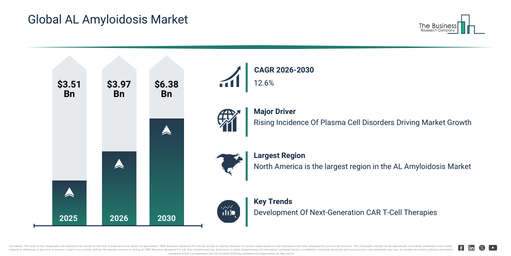
  • Global AL Amyloidosis Market to Reach $6.37B by 2030 at 12.6% CAGR

    Global AL Amyloidosis Market to Reach $6.37B by 2030 at 12.6% CAGR

    The Business Research Company’s 2026 market reports feature enhanced tools like market attractiveness analysis, TAM assessment, and company scoring matrices, along with interactive dashboards, deeper supply chain insights, and startup coverage strengthening the depth, usability, and strategic value of insights.

    What Is The Estimated Market Size Of The AL Amyloidosis Market In 2026, And How Will Its Value Evolve By 2030?

    The al amyloidosis market has experienced rapid expansion in recent times. This market is predicted to increase from $3.51 billion in 2025 to $3.97 billion in 2026, achieving a compound annual growth rate (CAGR) of 13.0%. Driving this past growth were factors including a scarcity of treatment options, a dependency on conventional chemotherapy, reduced disease awareness, insufficient organ-specific supportive care, and limited entry to specialized treatment centers.

    The market for al amyloidosis is projected to experience swift expansion in the coming years. This market is anticipated to reach $6.38 billion by 2030, demonstrating a compound annual growth rate (CAGR) of 12.6%. Several factors are expected to drive this growth during the forecast period, including the creation of new targeted treatments, the wider use of monoclonal antibodies and proteasome inhibitors, the broadening of stem cell transplant initiatives, enhanced healthcare infrastructure for rare conditions, and more sophisticated diagnostic tools for prompt identification. Key trends for this period encompass the growing uptake of targeted therapies for al amyloidosis, increased application of monoclonal antibodies and proteasome inhibitors, the extension of stem cell transplant operations, a heightened emphasis on organ-specific supportive care, and greater public awareness leading to earlier diagnosis of al amyloidosis.

    Access Your Free Sample Report For In-Depth Market Analysis:

    https://www.thebusinessresearchcompany.com/report/al-amyloidosis-global-market-report

    Which Factors Are Influencing The Growth Of The AL Amyloidosis Market?

    The increasing occurrence of plasma cell disorders is anticipated to fuel the expansion of the AL amyloidosis market in the future. These disorders involve abnormal plasma cells generating an abundance of unusual antibodies, which can lead to organ harm. This surge in plasma cell disorder cases is linked to an aging global population, longer lifespans, and improved diagnostic methods. AL amyloidosis itself stems from plasma cell disorders, particularly the excessive production of abnormal light chain proteins. This can result in amyloid deposits forming in various organs and tissues, intensifying the impact of plasma cell dyscrasias. An example illustrates this trend: reports from The American Cancer Society (ACS), a US-based nonprofit, indicated in August 2024 that approximately 35,780 new multiple myeloma cases are projected for diagnosis in 2024 (comprising 19,520 men and 16,260 women). Additionally, around 12,540 deaths are anticipated, with 7,020 occurring in men and 5,520 in women. Consequently, the increasing prevalence of plasma cell disorders is a significant factor propelling the expansion of the AL amyloidosis market.

    How Is The AL Amyloidosis Market Categorized Across Its Segment Groups?

    The al amyloidosis market covered in this report is segmented –

    1) By Treatment: Chemotherapy, Supportive Care, Stem Cell Transplant, Targeted Therapy

    2) By Drugs: Immunomodulatory Drugs, Monoclonal Antibodies, Proteasome Inhibitors, Other Drugs

    3) By Route Of Administration: Intravenous, Oral

    4) By Distribution Channel: Hospital Pharmacies, Retail Pharmacies

    Subsegments:

    1) By Chemotherapy: Conventional Chemotherapy Agents, High-Dose Chemotherapy

    2) By Supportive Care: Pain Management, Organ-specific Supportive Care (Cardiac, Renal)

    3) By Stem Cell Transplant: Autologous Stem Cell Transplant, Allogeneic Stem Cell Transplant

    4) By Targeted Therapy: Monoclonal Antibodies, Proteasome Inhibitors, Kinase Inhibitors

    Which Trends Are Influencing Demand In The AL Amyloidosis Market?

    Leading companies in the AL amyloidosis market are prioritizing the creation of innovative treatments, such as next-generation B-cell maturation antigen (BCMA)-directed CAR T-cell therapy, to enhance therapeutic effectiveness and patient outcomes. This advanced form of immunotherapy, next-generation BCMA-directed CAR T-cell therapy, involves modifying a patient’s T cells to specifically target and eliminate BCMA on the surface of cancer cells, particularly in multiple myeloma. For example, in September 2023, Immix Biopharma Inc., a US-based biopharmaceutical company, obtained approval from the U.S. Food and Drug Administration (FDA) for NXC-201, intended for the treatment of the severe blood condition, Amyloid Light Chain (AL) Amyloidosis. NXC-201 is a next-generation CAR-T cell therapy currently undergoing clinical trials for amyloid light chain (AL) amyloidosis, exhibiting encouraging results such as a 100% hematologic response rate and improvements in organ health for patients who had previously failed other therapies.

    Which Firms Are Influencing Competition In The AL Amyloidosis Market?

    Major companies operating in the al amyloidosis market are Johnson & Johnson, Bristol-Myers Squibb Company, Takeda Pharmaceutical Company Limited, Pfizer Inc., Amgen Inc., AbbVie Inc., Sanofi S.A., AstraZeneca PLC, Roche Holding AG, Novartis AG, Merck & Co. Inc., Eli Lilly and Company, GlaxoSmithKline plc, Genmab A/S, Prothena Corporation plc, BridgeBio Pharma Inc., Oncopeptides AB, Ionis Pharmaceuticals Inc., Neurimmune AG, Immix Biopharma Inc., Attralus Inc.

    Get The Full AL Amyloidosis Market Report:

    https://www.thebusinessresearchcompany.com/report/al-amyloidosis-global-market-report

    Where Is The AL Amyloidosis Market Primarily Concentrated By Region?

    North America was the largest region in the AL amyloidosis market in 2025. The regions covered in the al amyloidosis market report are Asia-Pacific, South East Asia, Western Europe, Eastern Europe, North America, South America, Middle East, Africa.

    Request A Customized AL Amyloidosis Market Report For Competitive Insights:

    https://www.thebusinessresearchcompany.com/report/al-amyloidosis-global-market-report

    Browse Through More Reports Similar to the Global AL Amyloidosis Market 2026, By The Business Research Company

    Keloids Treatment Market Report 2026

    https://www.thebusinessresearchcompany.com/report/keloids-treatment-global-market-report

    Transthyretin Amyloidosis Treatment Market Report 2026

    https://www.thebusinessresearchcompany.com/report/transthyretin-amyloidosis-treatment-global-market-report

    Alzheimers Drugs Market Report 2026

    https://www.thebusinessresearchcompany.com/report/alzheimers-drugs-global-market-report

    Get in touch with us:

    The Business Research Company: https://www.thebusinessresearchcompany.com/

    Americas +1 310-496-7795

    Asia +44 7882 955267 & +91 8897263534

    Europe +44 7882 955267

    Email us at info@tbrc.info

    Follow us on:

    LinkedIn: https://in.linkedin.com/company/the-business-research-company

    YouTube: https://www.youtube.com/channel/UC24_fI0rV8cR5DxlCpgmyFQ

    Global Market Model: https://www.thebusinessresearchcompany.com/global-market-model