Category: HealthcareServices

  • Diagnostic Biomarkers Forecast Report – Designed for Decision Makers and Product Teams

    Diagnostic Biomarkers Forecast Report – Designed for Decision Makers and Product Teams

    Claim your 30% discount on Global Market Reports with code ONLINE30. Limited time only.

    What Is the Growth Rate of the Diagnostic Biomarkers Market?

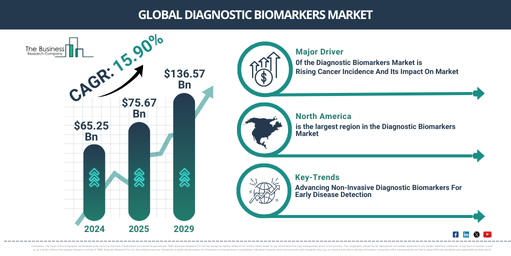
    The market size for diagnostic biomarkers has witnessed fast-paced expansion in the past few years. Its growth is projected to rise from $65.25 billion in 2024 to $75.67 billion in 2025, showcasing a compound annual growth rate (CAGR) of 16.0%. The growth during the historical timeframe is largely due to the increasing occurrence of chronic diseases, advancements made in omics technologies, mounting demand for personalized treatment, amplified knowledge about early disease detection, and the rise of non-invasive diagnostic techniques.

    What Growth Rate Is Forecasted for the Diagnostic Biomarkers Market by 2029?

    The size of the diagnostic biomarkers market is predicted to experience substantial growth in the coming years, expanding to $136.57 billion by 2029 with a compound annual growth rate (CAGR) of 15.9%. The growth during this forecasted period may be influenced by factors like the rising implementation of liquid biopsy techniques, the increase in investments made in biomarker research, an escalated emphasis on precision medicine, and their growing usage in the treatment of neurodegenerative diseases. In terms of trends during this period, we may see noteworthy progress in artificial intelligence and machine learning, the incorporation of multi-omics approaches, advancements in the creation of point-of-care diagnostic tools, a transition towards digital biomarkers, an uptake in the usage of wearable health monitoring devices, and a heightened focus on the validation and standardization of biomarkers.

    Download The Free Sample Report Here:

    https://www.thebusinessresearchcompany.com/sample.aspx?id=21171&type=smp

    Which Key Companies Are Shaping the Future of the Diagnostic Biomarkers Market?

    Major companies operating in the diagnostic biomarkers market are Johnson & Johnson Services Inc., F. Hoffmann-La Roche AG, Thermo Fisher Scientific Inc., Abbott Laboratories, PerkinElmer Inc., Siemens Healthineers AG, Merck KGaA, Agilent Technologies Inc., Charles River Laboratories International Inc., Bio-Rad Laboratories Inc., Bruker Corporation, Qiagen N.V., Myriad Genetics Inc., Meso Scale Diagnostics LLC, EKF Diagnostics Holdings Plc, Sino Biological Inc., Enzo Biochem Inc., Biomarker Technologies Inc., Cisbio Bioassays, Signosis Inc., Epigenomics AG, LifeSign LLC, Banyan Biomarkers Inc., Biosims Technologies SAS

    Which Factors Are Driving Demand in the Diagnostic Biomarkers Industry?

    The upward trend in cancer incidences fuels the expansion of the diagnostic biomarkers market in the future. The rise in cancer cases is attributed to various elements such as older demographics, changes in lifestyle and environment, and enhanced diagnostic skills. Diagnostic biomarkers have an integral part in cancer by facilitating early discovery, accurate diagnosis, and individualized treatment plans, thus enhancing the prognosis for patients. As an illustration, the American Cancer Society, a US-based nonprofit cancer advocacy group, reported in January 2024 that cancer cases escalated from 1,958,310 in 2023 to 2,001,140, implying a 2.19% increase. This surge in cancer prevalence is propelling the diagnostic biomarkers market’s growth.

    Request For A Customized Report:

    https://www.thebusinessresearchcompany.com/customise?id=21171&type=smp

    How Is the Diagnostic Biomarkers Market Segmented by Several Divisions?

    The diagnostic biomarkers market covered in this report is segmented –

    1) By Product: Safety Biomarkers, Efficacy Biomarkers, Validation Biomarkers

    2) By Application: Oncology, Metabolic Disease, Neurological Disease

    3) By End User: Hospitals, Cancer Research Institutes, Diagnostic Labs

    Subsegments:

    1) By Safety Biomarkers: Toxicity Biomarkers, Organ-Specific Safety Biomarkers, Drug-Induced Injury Biomarkers

    2) By Efficacy Biomarkers: Predictive Biomarkers, Prognostic Biomarkers, Pharmacodynamic Biomarkers

    3) By Validation Biomarkers: Genomic Biomarkers, Proteomic Biomarkers, Metabolomic Biomarkers

    What are the Emerging Market Trends Driving the Growth of the Diagnostic Biomarkers Industry?

    Leading firms in the diagnostic biomarkers market, such as Quanterix Corporation, are concentrating on developing non-invasive testing techniques like blood-based biomarker tests in an effort to improve accessibility and patient comfort through personalized treatment strategies. Blood-based biomarker tests serve as diagnostic tools, testing specific biological markers in the body fluids to detect or keep track of diseases like Alzheimer’s in a less invasive way. For instance, in July 2023, LucentAD, a blood-based biomarker test designed to support healthcare professionals in diagnosing Alzheimer’s disease in patients experiencing early cognitive symptoms was introduced by Quanterix Corporation, a US life sciences company. This test gauges plasma concentrations of p-Tau 181, a biomarker attributed to amyloid pathology in the brain, a principal mark of Alzheimer’s disease. LucentAD aspires to simplify the evaluation process for potential Alzheimer’s patients by providing a diagnostic tool that is more accessible and less intrusive than traditional methods such as cerebrospinal fluid analysis or amyloid positron emission tomography.

    Access The Full Report Here:

    https://www.thebusinessresearchcompany.com/report/diagnostic-biomarkers-global-market-report

    Which Regions Are Driving Growth in the Diagnostic Biomarkers Market?

    North America was the largest region in the diagnostic biomarkers market in 2024. The regions covered in the diagnostic biomarkers market report are Asia-Pacific, Western Europe, Eastern Europe, North America, South America, Middle East, Africa.

    Purchase The Full Report Today:

    https://www.thebusinessresearchcompany.com/purchaseoptions.aspx?id=21171

    This Report Delivers Insight On:

    1. How big is the diagnostic biomarkers market, and how is it changing globally?

    2. Who are the major companies in the diagnostic biomarkers market, and how are they performing?

    3. What are the key opportunities and risks in the diagnostic biomarkers market right now?

    4. Which products or customer segments are growing the most in the diagnostic biomarkers market?

    5. What factors are helping or slowing down the growth of the diagnostic biomarkers market?

    About The Business Research Company:

    With over 15000+ reports from 27 industries covering 60+ geographies, The Business Research Company has built a reputation for offering comprehensive, data-rich research and insights. Armed with 1,500,000 datasets, the optimistic contribution of in-depth secondary research, and unique insights from industry leaders, you can get the information you need to stay ahead in the game.

    Get in touch with us:

    The Business Research Company: https://www.thebusinessresearchcompany.com/

    Americas +1 310-496-7795

    Asia +44 2071930708

    Europe +44 7882 955267

    Email us at info@tbrc.info

    Follow us on:

    LinkedIn: https://in.linkedin.com/company/the-business-research-company

    YouTube: https://www.youtube.com/channel/UC24_fI0rV8cR5DxlCpgmyFQ

    Global Market Model: https://www.thebusinessresearchcompany.com/global-market-model
  • Diabetic Peripheral Neuropathy  Market Outlook 2025 – Insights for Executive and Strategic Planning

    Diabetic Peripheral Neuropathy Market Outlook 2025 – Insights for Executive and Strategic Planning

    Claim your 30% discount on Global Market Reports with code ONLINE30. Limited time only.

    How Has the Diabetic Peripheral Neuropathy Market Grown from 2024 to 2025?

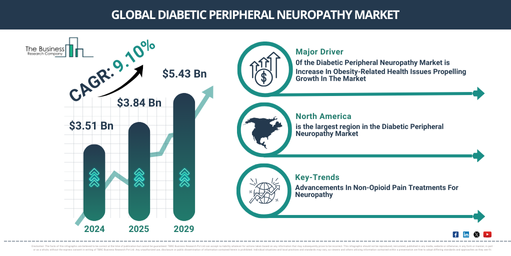
    The market size for diabetic peripheral neuropathy has seen a robust growth in past few years. The projections suggest that it will expand from a size of $3.51 billion in 2024 to touch $3.84 billion in 2025, registering a compound annual growth rate (CAGR) of 9.4%. This positive trend during the historic period can be credited to factors like a growing elderly population, increasing cases of diabetes, a rise in healthcare spending, heightened awareness about complications related to diabetes, and a growth in healthcare infrastructure.

    What Growth Rate Is Anticipated for the Diabetic Peripheral Neuropathy Market in the Coming Years?

    Anticipations are high for robust expansion of the diabetic peripheral neuropathy market size in the ensuing years. The projection is a growth to $5.43 billion by 2029, increasing at a compound annual growth rate (CAGR) of 9.1%. Factors contributing to the growth in the forecast period range from the rising sedentary lifestyles, escalated government involvement and funding, augmented prevalence of neuropathy risk factors, enhanced diagnostic precision, and intensified support for early diagnosis and prevention. Key trends for the forecast period encompass progress in diagnostic technologies, evolution in treatment methodologies, increased funds for research and development, emergence of minimally invasive procedures, and an increased emphasis on collaborative research and development.

    Download The Free Sample Report Here:

    https://www.thebusinessresearchcompany.com/sample.aspx?id=21170&type=smp

    Who Are the Leading Companies in the Diabetic Peripheral Neuropathy Market?

    Major companies operating in the diabetic peripheral neuropathy market are Pfizer Inc., Merck & Co. Inc., GlaxoSmithKline plc., Eli Lilly and Company, Astellas Pharma Inc., Biogen Inc., Vertex Pharmaceuticals Incorporated, Sun Pharmaceutical Industries Limited, Lupin Pharmaceuticals Inc., Chemie Grünenthal GmbH, Alkem Laboratories Limited, Acorda Therapeutics Inc., Mitsubishi Tanabe Pharma Corporation, NeuroMetrix Inc., Regenacy Pharmaceuticals Inc., Helixmith Co. Ltd., Aptinyx Inc., WinSanTor Inc., Sonnet BioTherapeutics Holdings Inc., OLYS Pharma Inc.

    What Are the Key Drivers of the Diabetic Peripheral Neuropathy Market?

    The rise in health problems related to obesity is anticipated to drive the expansion of the diabetic peripheral neuropathy market. Obesity, defined as excessive accumulation of body fat that can harm health, raises the risk of multiple chronic diseases. The uptick in obesity-associated health issues stems from heightened awareness, lifestyle modifications, and an escalating need for preventative and curative strategies, leading to a surge in healthcare demand. Diabetic peripheral neuropathy is beneficial for managing obesity. It offers crucial insights into nerve damage resulting from obesity-linked conditions, directing personalized interventions to enhance patient wellness and life quality. For example, in March 2024, the World Health Organization (WHO), a Switzerland-based branch of the United Nations responsible for worldwide public health, reported that in 2022, 43% of adults aged over 18 years were categorised as overweight, and 16% were living with obesity. In addition, 37 million children under five were overweight. Among children and adolescents aged between 5 and 19 years, over 390 million were overweight, including 160 million struggling with obesity. Accordingly, the escalation in obesity-associated health problems is fuelling the growth in the diabetic peripheral neuropathy market.

    Request For A Customized Report:

    https://www.thebusinessresearchcompany.com/customise?id=21170&type=smp

    What Are the Key Market Segments in the Diabetic Peripheral Neuropathy Industry?

    The diabetic peripheral neuropathy market covered in this report is segmented –

    1) By Disease: Type 2 Diabetic Peripheral Neuropathy, Type 1 Diabetic Peripheral Neuropathy

    2) By Treatment: Pain Management Drugs, Gene Therapies

    3) By Therapy: Antidepressants, Anticonvulsants

    4) By Patient Population: Adult Patients, Geriatric Patients

    Subsegments:

    1) By Type 2 Diabetic Peripheral Neuropathy: Sensory Neuropathy, Motor Neuropathy, Autonomic Neuropathy

    2) By Type 1 Diabetic Peripheral Neuropathy: Distal Symmetric Neuropathy, Mononeuropathy, Polyradiculopathy

    What Are the Latest Trends in the Diabetic Peripheral Neuropathy Market?

    Significant players in the diabetic peripheral neuropathy market, like Vertex Pharmaceuticals Incorporated, are concentrating on technological advancement through products like NaV1.8 pain signal inhibitors. These offer a sophisticated, non-opioid alternative enhancing pain regulation and overall wellbeing for patients. A NaV1.8 pain signal inhibitor is a unique drug that interrupts the NaV1.8 sodium channel, crucial for transmitting pain signals in sensory neurons, providing respite from acute and neuropathic pain without use of opioids. In April 2024, Vertex Pharmaceuticals Incorporated, a US biotech firm, declared progress in its suzetrigine pain venture, starting a critical Phase 3 program aimed at mitigating pain linked with diabetic peripheral neuropathy (DPN). Suzetrigine, a targeted NaV1.8 pain signal inhibitor, shown to be hopeful in previous investigations, recently gained the Breakthrough Therapy Designation from the FDA for managing DPN related pain.

    Access The Full Report Here:

    https://www.thebusinessresearchcompany.com/report/diabetic-peripheral-neuropathy-global-market-report

    What Are the Key Regional Markets in the Diabetic Peripheral Neuropathy Industry?

    North America was the largest region in the diabetic peripheral neuropathy market in 2024. Asia-Pacific is expected to be the fastest-growing region in the forecast period. The regions covered in the diabetic peripheral neuropathy market report are Asia-Pacific, Western Europe, Eastern Europe, North America, South America, Middle East, Africa.

    Purchase The Full Report Today:

    https://www.thebusinessresearchcompany.com/purchaseoptions.aspx?id=21170

    This Report Delivers Insight On:

    1. How big is the diabetic peripheral neuropathy market, and how is it changing globally?

    2. Who are the major companies in the diabetic peripheral neuropathy market, and how are they performing?

    3. What are the key opportunities and risks in the diabetic peripheral neuropathy market right now?

    4. Which products or customer segments are growing the most in the diabetic peripheral neuropathy market?

    5. What factors are helping or slowing down the growth of the diabetic peripheral neuropathy market?

    About The Business Research Company:

    With over 15000+ reports from 27 industries covering 60+ geographies, The Business Research Company has built a reputation for offering comprehensive, data-rich research and insights. Armed with 1,500,000 datasets, the optimistic contribution of in-depth secondary research, and unique insights from industry leaders, you can get the information you need to stay ahead in the game.

    Get in touch with us:

    The Business Research Company: https://www.thebusinessresearchcompany.com/

    Americas +1 310-496-7795

    Asia +44 2071930708

    Europe +44 7882 955267

    Email us at info@tbrc.info

    Follow us on:

    LinkedIn: https://in.linkedin.com/company/the-business-research-company

    YouTube: https://www.youtube.com/channel/UC24_fI0rV8cR5DxlCpgmyFQ

    Global Market Model: https://www.thebusinessresearchcompany.com/global-market-model
  • Diabetic Macular Edema (DME) Market Projected at $5.81 Billion by 2029 | Strategic Insights and Forecast Data

    Diabetic Macular Edema (DME) Market Projected at $5.81 Billion by 2029 | Strategic Insights and Forecast Data

    Claim your 30% discount on Global Market Reports with code ONLINE30. Limited time only.

    How Has the Diabetic Macular Edema (DME) Market Size Changed, over the years?

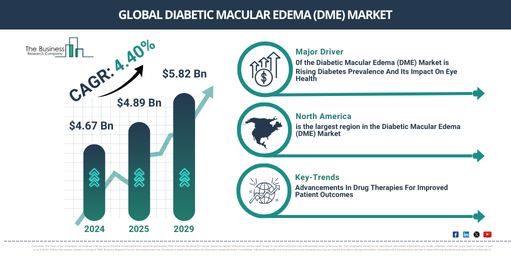
    The steady expansion of the diabetic macular edema (DME) market has been evident in recent times. The forecast shows an anticipated growth from $4.67 billion in 2024 to $4.89 billion in 2025, with a compound annual growth rate (CAGR) of 4.7%. Factors such as the escalating incidence of diabetes, the rise in disorders related to edema, an increase in diabetic eye diseases, an aging population, and a surge in reported cases of blindness have all been instrumental in the growth observed during the historic period.

    How Much Will the Diabetic Macular Edema (DME) Market Be Worth in 2029?

    The market for Diabetic Macular Edema (DME) is projected to experience sustained growth in the coming years, with projections setting it at $5.82 billion by 2029, boasting a compound annual growth rate (CAGR) of 4.4%. The anticipated growth within this projection period can be correlated to factors such as enhanced access to healthcare services, escalated government spending on healthcare, heightened awareness concerning diabetic complications, increased reliance on telemedicine for ocular care, and the proliferation of dedicated diabetic eye care centers. Prominent trends foreseen in this prediction interval encompass the evolution of anti-VEGF treatments, the integration of corticosteroid implants, advancements in drug delivery frameworks, technological progression in retinal laser procedures, the implementation of AI-enabled diagnostic devices, and the embracement of minimally invasive surgical methodologies.

    Download The Free Sample Report Here:

    https://www.thebusinessresearchcompany.com/sample.aspx?id=21169&type=smp

    Which is the Largest Company in the Diabetic Macular Edema (DME) Market?

    Major companies operating in the diabetic macular edema (DME) market are Pfizer Inc., Johnson & Johnson, F. Hoffmann-La Roche AG, Merck & Co. Inc., Bayer AG, Novartis AG, Boehringer Ingelheim International GmbH, Regeneron Pharmaceuticals, Carl Zeiss Meditec AG, Bausch & Lomb, Santen Pharmaceutical Co. Ltd., Carl Zeiss AG, Topcon Corporation, Ypsomed AG, ARKRAY Inc, Hugel Inc., Optos plc, Noven Pharmaceuticals Inc., Alimera Sciences Inc., Allergan plc.

    What Are the Main Market Drivers in the Diabetic Macular Edema (DME) Industry?

    The diabetic macular edema (DME) market is predicted to surge, driven by the growing incidence of diabetes. This rise can be linked to inactive behaviors, poor eating patterns, escalating rates of obesity, aging society, and hereditary factors. Diabetes leads to diabetic macular edema by impacting the retinal blood vessels, causing fluid leakage into the macula which in turn results in edema. A report generated by the Institute for Health Metrics and Evaluation, a US-based public health research center, stated in June 2023 that over half a billion people globally were dealing with diabetes. This figure is anticipated to more than double by accommodating 1.3 billion people by 2050. As a result, the expanding occurrence of diabetes is propelling the growth of the DME market.

    Request For A Customized Report:

    https://www.thebusinessresearchcompany.com/customise?id=21169&type=smp

    How Is the Diabetic Macular Edema (DME) Market Segments Structured?

    The diabetic macular edema (DME) market covered in this report is segmented –

    1) By Treatment: Anti-VEGF Therapy, Corticosteroids, Laser Therapy, Surgical Intervention

    2) By Disease Stage: Early Stage, Moderate Stage, Advanced Stage

    3) By Patient Demographics: Adults, Elderly, Children

    4) By Route Of Administration: Intravitreal Injection, Topical, Systemic

    5) By Distribution Channel: Hospital Pharmacies, Retail Pharmacies, Online Pharmacies

    Subsegments:

    1) By Anti-VEGF Therapy: Monoclonal Antibodies, Recombinant Protein-Based Therapies

    2) By Corticosteroids: Intravitreal Steroid Injections, Injectable Sustained-Release Corticosteroids

    3) By Laser Therapy: Focal Laser Photocoagulation, Panretinal Photocoagulation

    4) By Surgical Intervention: Vitrectomy, Membrane Peeling

    What Strategic Trends Are Transforming the Diabetic Macular Edema (DME) Market?

    Leading companies in the diabetic macular edema (DME) treatment market are concentrating on technological enhancements, particularly in advanced drug therapies, to boost patient management and treatment results. Such therapies, considered as state-of-the-art treatments, apply new research and technology to enhance the treatment of complex health issues. They seek to increase efficacy, minimize side effects, and provide improved patient outcomes. For example, Novartis AG, a pharmaceutical firm based in Switzerland, proclaimed in March 2022 that the European Commission approved Beovu to treat visual impairment caused by DME. The approval resonated with the outcomes of the Phase III KESTREL and KITE studies, which evidenced Beovu’s effectiveness, comparable to aflibercept, in improving vision within one year. Remarkably, more than half of the patients treated with Beovu retained a 12-week treatment regimen, encountering fewer episodes of retinal fluid compared to those treated with aflibercept.

    Access The Full Report Here:

    https://www.thebusinessresearchcompany.com/report/diabetic-macular-edema-dme-global-market-report

    Which Global Regions Offer the Highest Growth in the Diabetic Macular Edema (DME) Market?

    North America was the largest region in the diabetic macular edema (DME) market in 2024. Europe is expected to be the fastest-growing region in the forecast period. The regions covered in the diabetic macular edema (DME) market report are Asia-Pacific, Western Europe, Eastern Europe, North America, South America, Middle East, Africa.

    Purchase The Full Report Today:

    https://www.thebusinessresearchcompany.com/purchaseoptions.aspx?id=21169

    This Report Delivers Insight On:

    1. How big is the diabetic macular edema (dme) market, and how is it changing globally?

    2. Who are the major companies in the diabetic macular edema (dme) market, and how are they performing?

    3. What are the key opportunities and risks in the diabetic macular edema (dme) market right now?

    4. Which products or customer segments are growing the most in the diabetic macular edema (dme) market?

    5. What factors are helping or slowing down the growth of the diabetic macular edema (dme) market?

    About The Business Research Company:

    With over 15000+ reports from 27 industries covering 60+ geographies, The Business Research Company has built a reputation for offering comprehensive, data-rich research and insights. Armed with 1,500,000 datasets, the optimistic contribution of in-depth secondary research, and unique insights from industry leaders, you can get the information you need to stay ahead in the game.

    Get in touch with us:

    The Business Research Company: https://www.thebusinessresearchcompany.com/

    Americas +1 310-496-7795

    Asia +44 2071930708

    Europe +44 7882 955267

    Email us at info@tbrc.info

    Follow us on:

    LinkedIn: https://in.linkedin.com/company/the-business-research-company

    YouTube: https://www.youtube.com/channel/UC24_fI0rV8cR5DxlCpgmyFQ

    Global Market Model: https://www.thebusinessresearchcompany.com/global-market-model
  • Diabetic Ketoacidosis (DKA) Industry Growth Expected to Reach $4.37 Billion by 2029 at a CAGR of 8.5% | Segmentation and Growth Opportunities

    Diabetic Ketoacidosis (DKA) Industry Growth Expected to Reach $4.37 Billion by 2029 at a CAGR of 8.5% | Segmentation and Growth Opportunities

    Claim your 30% discount on Global Market Reports with code ONLINE30. Limited time only.

    What Is the Forecast for the Diabetic Ketoacidosis (DKA) Market Growth in 2025?

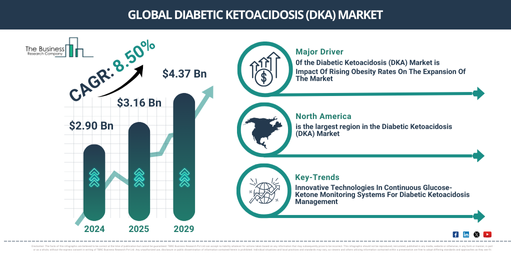
    The market size for diabetic ketoacidosis (DKA) has witnessed significant expansion in the past years. It is projected to elevate from $2.90 billion in 2024 to $3.16 billion in 2025, exhibiting a compound annual growth rate (CAGR) of 8.8%. The growth in the previous period can be credited to the rise in diabetes cases, delayed detection of type 1 diabetes, inadequate adherence to insulin therapy, heightened obesity rates, and a deficiency in diabetes awareness programs.

    What Is the Forecast for the Diabetic Ketoacidosis (DKA) Market Size Through 2029?

    Predicted growth in the diabetic ketoacidosis (DKA) market is robust, with estimations indicating an increase up to $4.37 billion by 2029, at a compound annual growth rate (CAGR) of 8.5%. This growth trajectory can be traced back to improvement in insulin delivery systems, higher prevalence of continuous glucose monitoring, rise in the awareness of diabetes-related complications, the expansion of telemedicine in diabetes care, and the growth in healthcare expenditure. The upcoming trends within this period include the incorporation of artificial intelligence in managing diabetes, the creation of closed-loop insulin delivery systems, personalized healthcare, advanced technological tools, and innovative therapeutic approaches.

    Download The Free Sample Report Here:

    https://www.thebusinessresearchcompany.com/sample.aspx?id=21168&type=smp

    What are the Key Market Players in Diabetic Ketoacidosis (DKA) Market and How They’re Evolving?

    Major companies operating in the diabetic ketoacidosis (DKA) market are Merck And Co. Inc., Pfizer Inc., Sanofi S.A., Bristol Myers Squibb, Novartis AG, Roche Holding AG, GlaxoSmithKline plc, Eli Lilly and Company, Boehringer Ingelheim International GmbH, Novo Nordisk A/S, Teva Pharmaceutical Industries Ltd., Regeneron Pharmaceuticals Inc., B. Braun Medical Inc., Fresenius Kabi, Merit Pharmaceutical, Oramed Pharmaceuticals Inc., ICU Medical Inc., Tonghua Dongbao Pharmaceutical Co. Ltd., Wockhardt Ltd., Biocon Limited

    What Are the Primary Growth Drivers in the Diabetic Ketoacidosis (DKA) Market?

    The expansion of the diabetic ketoacidosis (DKA) market is being fuelled by the growing epidemic of obesity. Defined as a health condition marked by an over accumulation of body fat, obesity can detrimentally affect health and escalate the likelihood of numerous diseases. The escalating rates of obesity can be attributed to a cocktail of factors that include unhealthy diet patterns, packed with processed foods, sugars, and fat, physical inactivity due to sedentary lifestyle, excessive screen time, and sociodemographic factors like the availability of economically accessible healthy food and healthcare services. The surge in obesity enhances the risk of developing diabetic ketoacidosis (DKA) as it fosters insulin resistance and aids the onset of type 2 diabetes, which can lead to inadequate blood sugar regulation and successive incidents of DKA. For example, the Switzerland-based World Health Organization (WHO) disclosed in March 2024 that approximately one in eight individuals globally were grappling with obesity. The figure encompassed 2.5 billion adults (those 18 years and above) considered overweight, with 890 million among them living with obesity. Within the adult demographic, 43% were overweight, and 16% were classified as obese. In addition to this, the count of overweight children under five years stood at 37 million. Thus, the escalating trend of obesity is propelling the diabetic ketoacidosis market.

    Request For A Customized Report:

    https://www.thebusinessresearchcompany.com/customise?id=21168&type=smp

    What Are the Leading Segments in the Global Diabetic Ketoacidosis (DKA) Industry?

    The diabetic ketoacidosis (DKA) market covered in this report is segmented –

    1) By Type: Pediatric Diabetic Ketoacidosis, Adult Diabetic Ketoacidosis

    2) By Treatment Type: Fluid Replacement, Electrolyte Replacement, Insulin Therapy, Intermediate-Acting Insulin, Long-Acting Insulin

    3) By Route of Administration: Oral, Parenteral, Other

    4) By Distribution Channel: Online Channel, Offline Channel

    5) By End Use: Hospitals, Ambulatory Care Center, Specialty Clinics

    Subsegments:

    1) By Pediatric Diabetic Ketoacidosis: Mild Pediatric DKA, Moderate Pediatric DKA, Severe Pediatric DKA

    2) By Adult Diabetic Ketoacidosis: Mild Adult DKA, Moderate Adult DKA, Severe Adult DKA

    What Are the Key Market Trends in the Diabetic Ketoacidosis (DKA) Industry?

    The focus of leading businesses in the diabetic ketoacidosis market is now on the creation of cutting-edge technologies such as continual glucose monitoring devices. These tools are aimed at enhancing early recognition, managing blood sugar and ketone levels more efficiently, and ultimately decreasing the occurrence and seriousness of DKA episodes among people with diabetes. A continual glucose monitor (CGM) is a device that tracks glucose levels in the body constantly, offering up-to-the-minute data to aid people with diabetes in managing their blood sugar levels. For example, Abbott Laboratories, an American medical device firm, released a novel glucose-ketone monitoring system in June 2022 to simultaneously track both glucose and ketone levels in real-time. This system provides a comprehensive picture of a patient’s metabolic status by tracking both glucose and ketones, allowing for the early identification of potential diabetic problems such as diabetic ketoacidosis (DKA) before they escalate. The system is designed for continual monitoring, providing users with regular data updates without needing manual testing.

    Access The Full Report Here:

    https://www.thebusinessresearchcompany.com/report/diabetic-ketoacidosis-dka-global-market-report

    What Is the Regional Outlook for the Diabetic Ketoacidosis (DKA) Market?

    North America was the largest region in the diabetic ketoacidosis (DKA) market in 2024. Asia-Pacific is expected to be the fastest-growing region in the forecast period. The regions covered in the diabetic ketoacidosis (DKA) market report are Asia-Pacific, Western Europe, Eastern Europe, North America, South America, Middle East, Africa.

    Purchase The Full Report Today:

    https://www.thebusinessresearchcompany.com/purchaseoptions.aspx?id=21168

    This Report Delivers Insight On:

    1. How big is the diabetic ketoacidosis (dka) market, and how is it changing globally?

    2. Who are the major companies in the diabetic ketoacidosis (dka) market, and how are they performing?

    3. What are the key opportunities and risks in the diabetic ketoacidosis (dka) market right now?

    4. Which products or customer segments are growing the most in the diabetic ketoacidosis (dka) market?

    5. What factors are helping or slowing down the growth of the diabetic ketoacidosis (dka) market?

    About The Business Research Company:

    With over 15000+ reports from 27 industries covering 60+ geographies, The Business Research Company has built a reputation for offering comprehensive, data-rich research and insights. Armed with 1,500,000 datasets, the optimistic contribution of in-depth secondary research, and unique insights from industry leaders, you can get the information you need to stay ahead in the game.

    Get in touch with us:

    The Business Research Company: https://www.thebusinessresearchcompany.com/

    Americas +1 310-496-7795

    Asia +44 2071930708

    Europe +44 7882 955267

    Email us at info@tbrc.info

    Follow us on:

    LinkedIn: https://in.linkedin.com/company/the-business-research-company

    YouTube: https://www.youtube.com/channel/UC24_fI0rV8cR5DxlCpgmyFQ

    Global Market Model: https://www.thebusinessresearchcompany.com/global-market-model
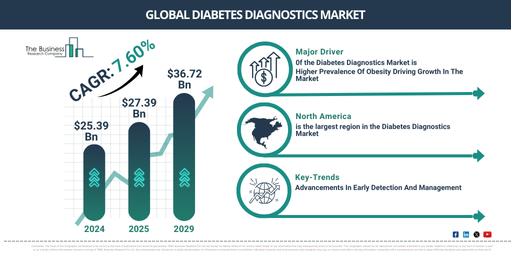
  • Diabetes Diagnostics Industry Valued at $36.71 Billion by 2029 With CAGR of 7.6% | Size and Share Insights

    Diabetes Diagnostics Industry Valued at $36.71 Billion by 2029 With CAGR of 7.6% | Size and Share Insights

    Claim your 30% discount on Global Market Reports with code ONLINE30. Limited time only.

    What Is the Forecast for the Diabetes Diagnostics Market from 2024 to 2025?

    The market for diabetes diagnostics has seen robust growth in the recent past. It is projected to expand from $25.39 billion in 2024 to $27.39 billion in 2025, growing at a compound annual growth rate (CAGR) of 7.9%. Factors such as an increase in diabetes cases, a growing elderly population, a rise in sedentary behaviors, escalated use of less invasive diagnostic procedures, and an uptick in obesity rates have all contributed to the growth witnessed during the historic period.

    What Is the Projected Market Size of the Diabetes Diagnostics Market?

    The market size of diabetes diagnostics is predicted to witness robust growth in the coming years, reaching a valuation of $36.72 billion by 2029, accelerating at a Compound Annual Growth Rate (CAGR) of 7.6%. The progression in the prediction period can be associated with numerous factors including the increased usage of insulin pumps, advancements in diabetes-related technology, adoption of unhealthy lifestyle habits, heightening instances of type 1 and type 2 diabetes, and a growing healthcare infrastructure. Major trends expected during the forecast period encompass improvements in biosensor technology, technological advancements, developments in diagnostic technologies, the rise of personalized medicine and targeted therapies, and the introduction of advanced technologies in in vitro diagnostic products.

    Download The Free Sample Report Here:

    https://www.thebusinessresearchcompany.com/sample.aspx?id=21167&type=smp

    Who are the Major Competitors in the Diabetes Diagnostics Market Outlook?

    Major companies operating in the diabetes diagnostics market are Pfizer Inc., F. Hoffmann-La Roche AG, Merck & Co. Inc., Bayer AG, Abbott Laboratories, Novartis AG, 3M Company, Medtronic plc, Regeneron Pharmaceuticals Inc., Carl Zeiss Meditec AG, Bausch & Lomb Incorporated, DexCom Inc, Santen Pharmaceutical Co. Ltd., Topcon Corporation, Tandem Diabetes Care Inc, Ypsomed AG, LifeScan Inc, Nova Biomedical Corporation, Ascensia Diabetes Care Holdings AG, ARKRAY Inc, Optos plc, Bioland Technology Ltd, PTS Diagnostics Inc, AgaMatrix Inc, Senseonics Holdings Inc, DarioHealth Corp.

    What Is Fueling Growth in the Diabetes Diagnostics Market?

    The rise in obesity rates is anticipated to accelerate the expansion of the diabetes diagnostics market. Obesity is characterized by the excessive accumulation of body fat, which poses a higher risk of various diseases, including diabetes and heart disease. The surge in obesity prevalence can be linked to sedentary lifestyles, high intake of processed and calorie-dense foods, genetic factors, and lack of physical activity. Diabetes diagnostics aid in managing obesity, detecting issues such as insulin resistance and glucose metabolism problems at an early stage and allowing for prompt interventions to avoid weight gain and associated health risks. For instance, the Centers for Disease Control and Prevention, a US government agency, reported in September 2023 that in 2022, the adult obesity rate was 35% or greater in 22 states, up from 19 states in 2021. Hence, the growing prevalence of obesity constitutes a major factor propelling the growth of the diabetes diagnostics market.

    Request For A Customized Report:

    https://www.thebusinessresearchcompany.com/customise?id=21167&type=smp

    Which Diabetes Diagnostics Market Segments Are Growing the Fastest?

    The diabetes diagnostics market covered in this report is segmented –

    1) By Product Type: Blood Glucose Meters, Continuous Glucose Monitoring Devices, Lancets, Test Strips, Other Product Types

    2) By Diabetes Type: Diabetes I, Diabetes II, Gestational Diabetes

    3) By End-User: Hospitals, Diagnostic Centers, Homecare Settings, Other End-Users

    Subsegments:

    1) By Blood Glucose Meters: Traditional Blood Glucose Meters, Smart Blood Glucose Meters, Bluetooth-enabled Blood Glucose Meters

    2) By Continuous Glucose Monitoring Devices: Wearable CGM Systems, Implantable CGM Systems, Flash Glucose Monitoring Devices

    3) By Lancets: Single-use Lancets, Multi-use Lancets

    4) By Test Strips: Standard Test Strips, Smart Test Strips

    5) By Other Product Types: Hemoglobin A1c Testing Kits, Urine Glucose Test Strips, Blood Ketone Meters

    Which Industry Trends Are Shaping the Future of the Diabetes Diagnostics Market?

    Key businesses in the diabetes diagnostics industry are concentrating their efforts on creating novel products, such as tools for diagnosing gestational diabetes, in an attempt to broaden their product range and meet the rising need for early detection and management of diabetes during pregnancy. Medically, a gestational diabetes diagnostic tool pertains to medical instruments or tests used for identifying and tracking gestational diabetes in expectant mothers. This often incorporates blood glucose testing methods like the oral glucose tolerance test (OGTT) to evaluate how well their body manages sugar during gestation. For instance, Austria’s biotech firm DirectSens GmbH, released an innovative biosensor apparatus called the XpressGT RUO kit, in August 2024. This product has been created for identifying insulin resistance-related issues such as gestational diabetes, endometriosis, and liver disease. The kit facilitates swift results by measuring 2-hydroxybutyrate (2-HB) levels in the blood from veins, and it can be used with ordinary clinical analyzers. The objective of this innovative solution is to facilitate early diagnosis, with the potential to enhance the health outcomes for millions of patients across the globe.

    Access The Full Report Here:

    https://www.thebusinessresearchcompany.com/report/diabetes-diagnostics-global-market-report

    Which Countries Are Leading the Diabetes Diagnostics Market?

    North America was the largest region in the diabetes diagnostics market in 2024. The regions covered in the diabetes diagnostics market report are Asia-Pacific, Western Europe, Eastern Europe, North America, South America, Middle East, Africa.

    Purchase The Full Report Today:

    https://www.thebusinessresearchcompany.com/purchaseoptions.aspx?id=21167

    This Report Delivers Insight On:

    1. How big is the diabetes diagnostics market, and how is it changing globally?

    2. Who are the major companies in the diabetes diagnostics market, and how are they performing?

    3. What are the key opportunities and risks in the diabetes diagnostics market right now?

    4. Which products or customer segments are growing the most in the diabetes diagnostics market?

    5. What factors are helping or slowing down the growth of the diabetes diagnostics market?

    About The Business Research Company:

    With over 15000+ reports from 27 industries covering 60+ geographies, The Business Research Company has built a reputation for offering comprehensive, data-rich research and insights. Armed with 1,500,000 datasets, the optimistic contribution of in-depth secondary research, and unique insights from industry leaders, you can get the information you need to stay ahead in the game.

    Get in touch with us:

    The Business Research Company: https://www.thebusinessresearchcompany.com/

    Americas +1 310-496-7795

    Asia +44 2071930708

    Europe +44 7882 955267

    Email us at info@tbrc.info

    Follow us on:

    LinkedIn: https://in.linkedin.com/company/the-business-research-company

    YouTube: https://www.youtube.com/channel/UC24_fI0rV8cR5DxlCpgmyFQ

    Global Market Model: https://www.thebusinessresearchcompany.com/global-market-model
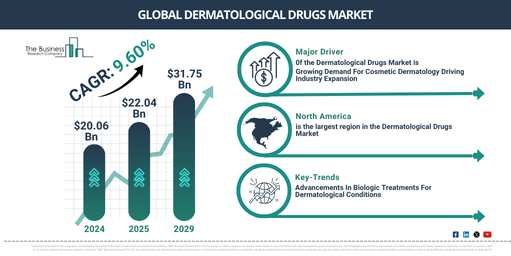
  • Dermatological Drugs Market to Reach $31.75 Billion by 2029 | Key Drivers and Future Outlook

    Dermatological Drugs Market to Reach $31.75 Billion by 2029 | Key Drivers and Future Outlook

    Claim your 30% discount on Global Market Reports with code ONLINE30. Limited time only.

    What Is the Growth Rate of the Dermatological Drugs Market?

    In recent times, there has been substantial growth in the market size of dermatological drugs. This market is set to expand from $20.06 billion in 2024 to $22.04 billion in 2025, showcasing a compound annual growth rate (CAGR) of 9.8%. The expansion experienced in the historic period is traceable to the increased occurrence of skin disorders, progress in the formulation and delivery of drugs, heightened awareness of skincare and aesthetics, the growth of the elderly population, and increased interest in over-the-counter dermatological products.

    What Growth Rate Is Forecasted for the Dermatological Drugs Market by 2029?

    The market for dermatological drugs is predicted to experience considerable growth in the coming years, expanding to a sizable $31.75 billion by 2029 with a compound annual growth rate (CAGR) of 9.6%. This anticipated growth in the forecasted time frame can be credited to the advancement in biologics and targeted treatment approaches, escalating adoption of teledermatology and digital health services, the growth in the occurrence of skin conditions tied to lifestyle habits, increased demand for customised and regenerative medications, and extensive research in the realm of microbiome-related dermatological therapies. Key trends to watch out for during the forecast period encompass drug delivery based on nanotechnology, AI-powered dermatological diagnostic tools, therapies focused on microbiome, skin regeneration through 3D bioprinting, as well as treatments utilising gene editing and RNA.

    Download The Free Sample Report Here:

    https://www.thebusinessresearchcompany.com/sample.aspx?id=21166&type=smp

    Which Key Companies Are Shaping the Future of the Dermatological Drugs Market?

    Major companies operating in the dermatological drugs market are Pfizer Inc., Johnson & Johnson Services Inc., AbbVie Inc., Bayer AG, AstraZeneca plc, Novartis AG, GlaxoSmithKline Plc, Eli Lilly and Company, Amgen Inc., Bausch Health Companies Inc., Organon International, Galderma, Incyte Corporation, Glenmark Pharmaceuticals Ltd., Mayne Pharma Group Limited, Dermavant Sciences Inc., Taro Pharmaceutical Industries Ltd., Biofrontera AG, Almirall SA, UCB SA, LEO Pharma A/S, Dermira Inc.

    Which Factors Are Driving Demand in the Dermatological Drugs Industry?

    The increasing prominence of cosmetic dermatology procedures is poised to boost the dermatological drugs market’s expansion. Cosmetic dermatology, a specialized subsection of dermatology, aims to improve an individual’s physical appeal through numerous non-invasive treatments and regimens. There is a growing demand for these aesthetic treatments due to improved consumer consciousness, advancements in skincare methodologies, and a heightened inclination towards non-surgical procedures to enhance beauty and fight signs of aging. This amplified requisition for procedures like anti-aging and skin rejuvenation fuels the creation of cutting-edge dermatological medications that provide safe, efficient, and least invasive answers. For example, in January 2023, the International Society of Aesthetic Plastic Surgery, a professional institution based in the US, reported over 12.8 million surgical and 17.5 million non-surgical procedures performed globally, marking a 19.3% increase from the last recorded period. It is also projected that over 14.9 million surgical and 18.8 million non-surgical treatments will be executed worldwide by plastic surgeons in 2022, indicating an 11.2% surge in total procedures. Therefore, the escalation in cosmetic dermatology processes is propelling the dermatological drugs market’s growth.

    Request For A Customized Report:

    https://www.thebusinessresearchcompany.com/customise?id=21166&type=smp

    How Is the Dermatological Drugs Market Segmented by Several Divisions?

    The dermatological drugs market covered in this report is segmented –

    1) By Drug Class: Corticosteroids, Retinoids, Antibiotics, Antifungals, Calcineurin Inhibitors, Other Drug Classes

    2) By Administration: Topical Administration, Oral Administration, Parenteral Administration

    3) By Indication: Acne, Psoriasis, Rosacea, Alopecia, Other Indications

    4) By Distribution Channel: Hospital Pharmacies, Retail Pharmacies, Other Distribution Channels

    Subsegments:

    1) By Corticosteroids: Topical Corticosteroids, Oral Corticosteroids, Injectable Corticosteroids

    2) By Retinoids: Topical Retinoids, Oral Retinoids

    3) By Antibiotics: Topical Antibiotics, Oral Antibiotics

    4) By Antifungals: Topical Antifungals, Oral Antifungals

    5) By Calcineurin Inhibitors: Topical Calcineurin Inhibitors, Systemic Calcineurin Inhibitors

    6) By Other Drug Classes: Biologics, JAK Inhibitors, Antihistamines, Photodynamic Therapy Agents

    What are the Emerging Market Trends Driving the Growth of the Dermatological Drugs Industry?

    Focusing on the creation of biologic treatments for chronic skin conditions such as psoriasis, atopic dermatitis, and hidradenitis suppurativa is a key priority for leading players in the dermatological drugs market. These biologics are designed to interact with specific immune pathways, providing a more sustained and effective solution than conventional treatments. As an example, in September 2024, the American pharmaceutical firm, Eli Lilly and Company, secured approval for Ebglyss (lebrikizumab), a specialty interleukin-13 (IL-13) inhibitor. This drug is designed to treat moderate-to-severe atopic dermatitis in adults and children aged 12 and above. This approval signified a considerable progression in the field by presenting a new biologic treatment avenue for patients who fail to achieve sufficient symptom control with topical therapies. Ebglyss is intended to enhance patient quality of life by decreasing the severe itching and skin inflammation typically associated with moderate-to-severe atopic dermatitis.

    Access The Full Report Here:

    https://www.thebusinessresearchcompany.com/report/dermatological-drugs-global-market-report

    Which Regions Are Driving Growth in the Dermatological Drugs Market?

    North America was the largest region in the dermatological drugs market in 2024. Asia-Pacific is expected to be the fastest-growing region in the forecast period. The regions covered in the dermatological drugs market report are Asia-Pacific, Western Europe, Eastern Europe, North America, South America, Middle East, Africa.

    Purchase The Full Report Today:

    https://www.thebusinessresearchcompany.com/purchaseoptions.aspx?id=21166

    This Report Delivers Insight On:

    1. How big is the dermatological drugs market, and how is it changing globally?

    2. Who are the major companies in the dermatological drugs market, and how are they performing?

    3. What are the key opportunities and risks in the dermatological drugs market right now?

    4. Which products or customer segments are growing the most in the dermatological drugs market?

    5. What factors are helping or slowing down the growth of the dermatological drugs market?

    About The Business Research Company:

    With over 15000+ reports from 27 industries covering 60+ geographies, The Business Research Company has built a reputation for offering comprehensive, data-rich research and insights. Armed with 1,500,000 datasets, the optimistic contribution of in-depth secondary research, and unique insights from industry leaders, you can get the information you need to stay ahead in the game.

    Get in touch with us:

    The Business Research Company: https://www.thebusinessresearchcompany.com/

    Americas +1 310-496-7795

    Asia +44 2071930708

    Europe +44 7882 955267

    Email us at info@tbrc.info

    Follow us on:

    LinkedIn: https://in.linkedin.com/company/the-business-research-company

    YouTube: https://www.youtube.com/channel/UC24_fI0rV8cR5DxlCpgmyFQ

    Global Market Model: https://www.thebusinessresearchcompany.com/global-market-model
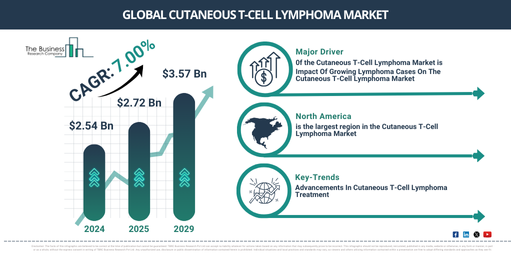
  • Cutaneous T-Cell Lymphoma Industry Insights 2025 – Market Forecast for Executives and Planners

    Cutaneous T-Cell Lymphoma Industry Insights 2025 – Market Forecast for Executives and Planners

    Claim your 30% discount on Global Market Reports with code ONLINE30. Limited time only.

    How Has the Cutaneous T-Cell Lymphoma Market Size Changed, over the years?

    Recent years have seen substantial growth in the cutaneous T-cell lymphoma market size. It is projected to expand from $2.54 billion in 2024 to $2.72 billion in 2025, exhibiting a compound annual growth rate (CAGR) of 7.4%. Factors contributing to this growth during the historical period include the rising incidence of cutaneous T-cell lymphoma, increased awareness about uncommon types of cancer, an aging population, the provision of targeted therapies, and access to supportive care.

    How Much Will the Cutaneous T-Cell Lymphoma Market Be Worth in 2029?

    In the coming years, the market size for cutaneous T-cell lymphoma is forecast to experience robust growth, achieving $3.57 billion by 2029 with a compound annual growth rate (CAGR) of 7.0%. The predicted growth during the forecast period can be linked to factors such as elevated healthcare spending, a focus on the development of orphan drugs, improved diagnostic ability, an increase in patient assistance initiatives, and an upsurge in combination therapy approvals. The period is also set to see notable trends, including a shift towards personalized medicine, the advent of biosimilars, expansion in clinical trials, a rise in collaborations between market participants, and increased uptake of telemedicine platforms.

    Download The Free Sample Report Here:

    https://www.thebusinessresearchcompany.com/sample.aspx?id=21164&type=smp

    Which is the Largest Company in the Cutaneous T-Cell Lymphoma Market?

    Major companies operating in the cutaneous T-cell lymphoma market are Merck & Co. Inc., Pfizer Inc., Bristol Myers Squibb Company, Novartis AG, Takeda Pharmaceutical Company Limited, GlaxoSmithKline plc, Bausch Health Companies Inc., Eisai Co. Ltd., Galderma S.A., Kyowa Hakko Kirin Co. Ltd., Cipla Inc., Actelion Pharmaceuticals Ltd., Soligenix Inc., Helsinn Healthcare SA, Innate Pharma SA, 4SC AG, Equillium Inc., Avik Pharma Inc., Citius Pharmaceuticals Inc., Medivir AB

    What Are the Main Market Drivers in the Cutaneous T-Cell Lymphoma Industry?

    The escalating case loads of lymphoma is anticipated to catalyze the expansion of the cutaneous T-cell lymphoma market. Lymphoma, a cancer type that originates from lymphocytes, a variety of white blood cell in the lymphatic system, is increasing due to factors like older age groups, environmental exposures, and genetic factors. Cutaneous T-cell lymphoma plays an integral role in lymphoma cases, offering a specialized diagnosis and treatment pathway for patients whose lymphoma chiefly occurs in the skin, setting it apart from other types of lymphoma and facilitating targeted treatments. To illustrate, an article by the American Cancer Society, a US-based philanthropic organization with a sole mission to eradicate cancer, stated that in April 2024, around 553,000 new cases of non-Hodgkin lymphoma and about 250,000 relevant deaths were reported in 2022, as well as 84,000 fresh cases of Hodgkin lymphoma with approximately 22,000 linked deaths. Non-Hodgkin lymphoma is the 10th most regularly diagnosed cancer and holds 11th place as a cause of cancer-related deaths globally. Consequentially, the escalating cases of lymphoma are propelling the growth of the cutaneous T-cell lymphoma market.

    Request For A Customized Report:

    https://www.thebusinessresearchcompany.com/customise?id=21164&type=smp

    How Is the Cutaneous T-Cell Lymphoma Market Segments Structured?

    The cutaneous T-cell lymphoma market covered in this report is segmented –

    1) By Type: Mycosis Fungoides, Sezary Syndrome

    2) By Treatment: Radiation Therapy, Chemotherapy, Immunotherapy, Targeted Therapy, Other Treatments

    3) By End-User: Hospitals, Diagnostic Centres, Clinics

    Subsegments:

    1) By Mycosis Fungoides: Patch-Stage Mycosis Fungoides, Plaque-Stage Mycosis Fungoides, Tumor-Stage Mycosis Fungoides, Erythrodermic Mycosis Fungoides

    2) By Sezary Syndrome: Classic Sezary Syndrome, Atypical Sezary Syndrome

    What Strategic Trends Are Transforming the Cutaneous T-Cell Lymphoma Market?

    Leading firms in the cutaneous T-cell lymphoma market are advancing their bid for a competitive advantage by zeroing in on the creation of sophisticated treatments. These treatments like targeted action mechanisms aim at both malignant T-cells and immunosuppressive regulatory T-cells (Tregs) at the same time. This two-fold assault enables LYMPHIR not only to exterminate tumour cells directly, but also to temporarily deplete Tregs, which can boost the body’s immune system’s fight against tumors. A case in point occurred in August 2024 when a pharmaceutical organization based in the United States secured FDA endorsement for LYMPHIR (denileukin diftitox-cxdl), marking a major leap in the therapy for relapsed or refractory cutaneous T-cell lymphoma (CTCL). This groundbreaking method sets LYMPHIR apart from other treatments, giving a new treatment alternative for those diagnosed with relapsed or refractory cutaneous T-cell lymphoma (CTCL).

    Access The Full Report Here:

    https://www.thebusinessresearchcompany.com/report/cutaneous-t-cell-lymphoma-global-market-report

    Which Global Regions Offer the Highest Growth in the Cutaneous T-Cell Lymphoma Market?

    North America was the largest region in the cutaneous T-cell lymphoma market in 2024. Asia-Pacific is expected to be the fastest-growing region in the forecast period. The regions covered in the cutaneous T-cell lymphoma market report are Asia-Pacific, Western Europe, Eastern Europe, North America, South America, Middle East, Africa.

    Purchase The Full Report Today:

    https://www.thebusinessresearchcompany.com/purchaseoptions.aspx?id=21164

    This Report Delivers Insight On:

    1. How big is the cutaneous t-cell lymphoma market, and how is it changing globally?

    2. Who are the major companies in the cutaneous t-cell lymphoma market, and how are they performing?

    3. What are the key opportunities and risks in the cutaneous t-cell lymphoma market right now?

    4. Which products or customer segments are growing the most in the cutaneous t-cell lymphoma market?

    5. What factors are helping or slowing down the growth of the cutaneous t-cell lymphoma market?

    About The Business Research Company:

    With over 15000+ reports from 27 industries covering 60+ geographies, The Business Research Company has built a reputation for offering comprehensive, data-rich research and insights. Armed with 1,500,000 datasets, the optimistic contribution of in-depth secondary research, and unique insights from industry leaders, you can get the information you need to stay ahead in the game.

    Get in touch with us:

    The Business Research Company: https://www.thebusinessresearchcompany.com/

    Americas +1 310-496-7795

    Asia +44 2071930708

    Europe +44 7882 955267

    Email us at info@tbrc.info

    Follow us on:

    LinkedIn: https://in.linkedin.com/company/the-business-research-company

    YouTube: https://www.youtube.com/channel/UC24_fI0rV8cR5DxlCpgmyFQ

    Global Market Model: https://www.thebusinessresearchcompany.com/global-market-model

  • Cutaneous Squamous Cell Carcinoma (CSCC) Market Trends Report 2025 – For Business Development and Strategy Teams

    Cutaneous Squamous Cell Carcinoma (CSCC) Market Trends Report 2025 – For Business Development and Strategy Teams

    Claim your 30% discount on Global Market Reports with code ONLINE30. Limited time only.

    What Is the Forecast for the Cutaneous Squamous Cell Carcinoma (CSCC) Market Growth in 2025?

    In recent times, the market size for cutaneous squamous cell carcinoma (cSCC) has witnessed substantial growth. It is projected to expand from $7.45 billion in 2024 to $7.90 billion in 2025, demonstrating a compound annual growth rate (CAGR) of 6.1%. The growth observed in the past years is due to factors such as increased instances of non-melanoma skin cancers, a burgeoning elderly population, higher exposure to ultraviolet radiation, enhancement in healthcare facilities, and a burgeoning application of immunotherapy in the field of oncology.

    What Is the Forecast for the Cutaneous Squamous Cell Carcinoma (CSCC) Market Size Through 2029?

    The market size for cutaneous squamous cell carcinoma (cSCC) is anticipated to experience robust expansion in the coming years. It is predicted to escalate to $9.90 billion by 2029, with a compound annual growth rate (CAGR) of 5.8%. The expansion during the forecast timeline can be credited to enhanced availability of target-specific therapies, increased awareness about skin cancer prevention, growth of medical tourism for cancer procedures, rising uptake of minimally invasive surgical procedures and encouraging governmental initiatives towards cancer care. The period of forecast will witness significant advancement in dermatology diagnostics, the evolution of sophisticated radiotherapy techniques, technological fusion in dermatology, breakthroughs in immunotherapy treatments, and progression in photodynamic therapy.

    Download The Free Sample Report Here:

    https://www.thebusinessresearchcompany.com/sample.aspx?id=21163&type=smp

    What are the Key Market Players in Cutaneous Squamous Cell Carcinoma (CSCC) Market and How They’re Evolving?

    Major companies operating in the cutaneous squamous cell carcinoma (CSCC) market are F. Hoffmann-La Roche AG, Merck & Co. Inc., Sanofi S.A., Bristol-Myers Squibb Company, Novartis AG, GSK plc, 3M Company, Eli Lilly and Company, Amgen Inc., Boehringer Ingelheim, Regeneron Pharmaceuticals Inc., Astellas Pharma Inc., Incyte Corporation, Hikma Pharmaceuticals plc, Shanghai Henlius Biotech Inc., Fortress Biotech Inc., Rakuten Medical Inc., Morphogenesis Inc., CureVac N.V., Vidac Pharma Inc.

    What Are the Primary Growth Drivers in the Cutaneous Squamous Cell Carcinoma (CSCC) Market?

    The rise in awareness about skin cancer is expected to drive the expansion of the cutaneous squamous cell carcinoma (cSCC) market in future. Skin cancer, which results from the abnormal proliferation of skin cells usually brought on by excessive UV exposure, can be either benign or life-threatening. Enhanced public health initiatives, better availability of information and a focus on early detection and prevention are resulting in heightened awareness about skin cancer. This, in turn, is leading to an increased demand for diagnostic and treatment options. Cutaneous squamous cell carcinoma (cSCC) plays a crucial role in providing superior skin cancer care as it aids in targeted treatments, boosts the diagnostic process, and contributes to better patient outcomes, thereby facilitating more effective management of the disease. For example, the American Cancer Society, a US-based non-profit organization committed to cancer eradication, reported that in January 2024, there were 104,930 confirmed skin cancer cases in 2023, signifying a 3.2% rise from the 108,270 cases noted in 2022. As such, the escalating awareness about skin cancer is likely to invigorate the cutaneous squamous cell carcinoma (cSCC) market.

    Request For A Customized Report:

    https://www.thebusinessresearchcompany.com/customise?id=21163&type=smp

    What Are the Leading Segments in the Global Cutaneous Squamous Cell Carcinoma (CSCC) Industry?

    The cutaneous squamous cell carcinoma (CSCC) market covered in this report is segmented –

    1) By Treatment: Surgical Treatment, Non-Surgical Treatment

    2) By Diagnosis: Computed Tomography (CT), Magnetic Resonance Imaging (MRI), Biopsy

    3) By Application: Hospitals, Cancer Institutes, Ambulatory Surgical Centers, Other Applications

    Subsegments:

    1) By Surgical Treatment: Excisional Surgery, Mohs Micrographic Surgery, Curettage And Electrodessication

    2) By Non-Surgical Treatment: Radiation Therapy, Cryotherapy, Photodynamic Therapy, Topical Therapies, Systemic Therapies

    What Are the Key Market Trends in the Cutaneous Squamous Cell Carcinoma (CSCC) Industry?

    Leading firms engaged in the cutaneous squamous cell carcinoma (cSCC) market are prioritizing advancements in immuno-oncology therapies, such as PD-L1 inhibitors and targeted treatments, to enhance the prognosis of patients and offer efficacious solutions for severe skin cancer management. PD-L1, also known as programmed death-ligand 1, is an immune-suppressing protein that connects to PD-1 receptors on T-cells, thus assisting cancer cells to dodge immune detection. For instance, in December 2024, Checkpoint Therapeutics Inc., an American biotech firm, obtained FDA consent for Unloxcyt (cosibelimab-ipdl). The breakthrough feature of this treatment is its capacity to obstruct PD-L1, thereby amplifying the immune system’s combat against cancer and introducing a safer and more potent treatment alternative. Moreover, its dual modes of operation signify a hopeful strategy for handling progressive cutaneous squamous cell carcinoma (cSCC). The endorsement was driven by outcomes from the CK-301-101 trial, which indicated clinically significant objective response rates and sustainable responses in advanced cSCC patients.

    Access The Full Report Here:

    https://www.thebusinessresearchcompany.com/report/cutaneous-squamous-cell-carcinoma-cscc-global-market-report

    What Is the Regional Outlook for the Cutaneous Squamous Cell Carcinoma (CSCC) Market?

    North America was the largest region in the cutaneous squamous cell carcinoma (CSCC) market in 2024. Asia-Pacific is expected to be the fastest-growing region in the forecast period. The regions covered in the cutaneous squamous cell carcinoma (CSCC) market report are Asia-Pacific, Western Europe, Eastern Europe, North America, South America, Middle East, Africa.

    Purchase The Full Report Today:

    https://www.thebusinessresearchcompany.com/purchaseoptions.aspx?id=21163

    This Report Delivers Insight On:

    1. How big is the cutaneous squamous cell carcinoma (cscc) market, and how is it changing globally?

    2. Who are the major companies in the cutaneous squamous cell carcinoma (cscc) market, and how are they performing?

    3. What are the key opportunities and risks in the cutaneous squamous cell carcinoma (cscc) market right now?

    4. Which products or customer segments are growing the most in the cutaneous squamous cell carcinoma (cscc) market?

    5. What factors are helping or slowing down the growth of the cutaneous squamous cell carcinoma (cscc) market?

    About The Business Research Company:

    With over 15000+ reports from 27 industries covering 60+ geographies, The Business Research Company has built a reputation for offering comprehensive, data-rich research and insights. Armed with 1,500,000 datasets, the optimistic contribution of in-depth secondary research, and unique insights from industry leaders, you can get the information you need to stay ahead in the game.

    Get in touch with us:

    The Business Research Company: https://www.thebusinessresearchcompany.com/

    Americas +1 310-496-7795

    Asia +44 2071930708

    Europe +44 7882 955267

    Email us at info@tbrc.info

    Follow us on:

    LinkedIn: https://in.linkedin.com/company/the-business-research-company

    YouTube: https://www.youtube.com/channel/UC24_fI0rV8cR5DxlCpgmyFQ

    Global Market Model: https://www.thebusinessresearchcompany.com/global-market-model
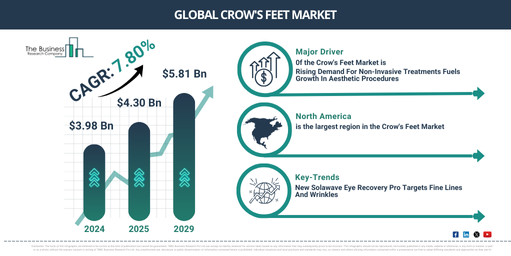
  • Crow’s Feet Forecast Report – Designed for Decision Makers and Product Teams

    Crow’s Feet Forecast Report – Designed for Decision Makers and Product Teams

    Claim your 30% discount on Global Market Reports with code ONLINE30. Limited time only.

    What Is the Growth Rate of the Crow’s Feet Market?

    The market for crow’s feet has seen significant growth in recent years. It’s predicted to rise from $3.98 billion in 2024 to $4.30 billion in 2025, with a CAGR of 8.0%. This historical growth is largely due to a rise in the aging population, increased beauty awareness, growth in disposable income and social media influence. Furthermore, the surge in demand for non-invasive treatments, the broader acceptance of aesthetic procedures, increased consciousness of dermatology worldwide, and the cultural inclination towards youthfulness have all contributed to this growth.

    What Growth Rate Is Forecasted for the Crow’s Feet Market by 2029?

    The market for crow’s feet is set for robust expansion in the coming years, with an anticipated value of $5.81 billion by 2029, boasting a compound annual growth rate (CAGR) of 7.8%. The predicted growth over this period is due to factors such as a surge in the use of at-home beauty gadgets, personalized skincare adoption, increasing demand for natural and organic anti-aging solutions, a boom in medical tourism for cosmetic procedures, a growing emphasis on preventative skincare, a boost in the men’s skincare market, and the development of minimally invasive cosmetic practices. Upcoming trends for the forecast period encompass AI-assisted skincare analysis, intelligent skincare tools equipped with biometric tracking, home-based anti-aging equipment featuring state-of-the-art technology, 3D skin imaging for customized therapies, micro-needling with automated systems, advanced laser tech for skin rejuvenation, wrinkle treatments based on ultrasonic and radiofrequency, nanotech for precise anti-aging ingredient delivery, wearable skin monitoring devices, and gene therapy and stem cell advancements for skin regeneration.

    Download The Free Sample Report Here:

    https://www.thebusinessresearchcompany.com/sample.aspx?id=21161&type=smp

    Which Key Companies Are Shaping the Future of the Crow’s Feet Market?

    Major companies operating in the crow’s feet market are Procter & Gamble, Johnson & Johnson, AbbVie Inc., L’Oréal S.A., Hologic Inc., Sinclair Pharma plc, Ipsen Pharma, Clarins, Merz Pharma GmbH & Co. KGaA., Vichy Laboratoires, Obagi Cosmeceuticals LLC, Isdin, Hugel Inc., Evolus Inc., Revance Therapeutics Inc., Solta Medical Inc., Peter Thomas Roth Labs LLC, Ortho Dermatologics, SkinMedica Inc., Oxygenetix, Algenist, Lumenis Be Ltd., SkinCeuticals, Solawave.

    Which Factors Are Driving Demand in the Crow’s Feet Industry?

    The crow’s feet market is predicted to flourish in response to the increasing inclination of consumers towards non-invasive procedures. These aesthetic treatments enhance the look of the skin without surgical intervention or extended healing periods. The growing public demand for efficient and fast treatments, technological progression, shorter recovery spans, affordability, and heightened awareness of aesthetic treatments all contribute to the surge of non-invasive procedures. Treatment methods such as botulinum toxin injections, laser resurfacing, microneedling, radiofrequency therapy, chemical peels, and LED light treatments are beneficial in decreasing crow’s feet by relaxing the muscles of the face, promoting collagen synthesis, refining skin texture, and augmenting elasticity without resorting to surgical means. To illustrate, data from the International Society of Aesthetic Plastic Surgery (ISAPS), an organization based in the U.S., showed that in September 2023, 9,221,419 Botox procedures were executed worldwide in 2022, indicating a 26.1% surge from the 7.3 million procedures carried out in 2021. Therefore, the escalating consumer inclination for non-invasive procedures is stimulating the expansion of the crow’s feet market.

    Request For A Customized Report:

    https://www.thebusinessresearchcompany.com/customise?id=21161&type=smp

    How Is the Crow’s Feet Market Segmented by Several Divisions?

    The crow’s feet market covered in this report is segmented –

    1) By Treatment Type: Topical Creams, Botulinum Toxin (Botox), Chemical Peels, Dermal Fillers, Other Treatment Types

    2) By Application: Hospitals And Clinics, Dermatology Centers, Homecare, Other Applications

    3) By Distribution Channel: Hospital Pharmacy, Retail Pharmacy, Online Pharmacy

    Subsegments:

    1) By Topical Creams: Retinoids, Peptides, Antioxidants, Hyaluronic Acid-based Creams, Alpha Hydroxy Acids (AHAs) And Beta Hydroxy Acids (BHAs)

    2) By Botulinum Toxin (Botox): OnabotulinumtoxinA, AbobotulinumtoxinA (Dysport), IncobotulinumtoxinA (Xeomin), PrabotulinumtoxinA (Jeuveau)

    3) Chemical Peels: Superficial Peels, Medium Peels, Deep Peels

    4) Dermal Fillers: Hyaluronic Acid Fillers, Collagen-based Fillers, Poly-L-Lactic Acid Fillers (Sculptra), Calcium Hydroxylapatite Fillers (Radiesse)

    5) Other Treatment Types: Laser Resurfacing, Microneedling, Radiofrequency Treatments, Ultrasound Therapy (Ultherapy), Surgical Interventions

    What are the Emerging Market Trends Driving the Growth of the Crow’s Feet Industry?

    Key players in the crow’s feet market are centring their efforts on the creation of red and infrared light therapy masks. These masks are non-invasive and convenient, offering in-home solutions to diminish fine lines and wrinkles around the eyes. Both red and infrared light therapy masks are cosmetic devices that expose the skin to specific light wavelengths, enhancing collagen synthesis and mitigating fine lines, wrinkles, and other aging symptoms. A pertinent example is Solawave, an American skincare tech firm, which in October 2024 introduced its Eye Recovery Pro, incorporating a red and infrared light therapy mask. This mask was engineered to combat early signs of aging in the eye region, including fine lines, wrinkles, crow’s feet, puffiness, 11s, dark circles, lid sagging, uneven complexion, among others, through a mix of red, deep red, near-infrared, and amber light therapies. Each therapy collectively yields significant results within several weeks, given the mask’s regular use for just three minutes thrice a week for noticeable improvements.

    Access The Full Report Here:

    https://www.thebusinessresearchcompany.com/report/crows-feet-global-market-report

    Which Regions Are Driving Growth in the Crow’s Feet Market?

    North America was the largest region in the crow’s feet market in 2024. Asia-Pacific is expected to be the fastest-growing region in the forecast period. The regions covered in the crow’s feet market report are Asia-Pacific, Western Europe, Eastern Europe, North America, South America, Middle East, Africa.

    Purchase The Full Report Today:

    https://www.thebusinessresearchcompany.com/purchaseoptions.aspx?id=21161

    This Report Delivers Insight On:

    1. How big is the crow’s feet market, and how is it changing globally?

    2. Who are the major companies in the crow’s feet market, and how are they performing?

    3. What are the key opportunities and risks in the crow’s feet market right now?

    4. Which products or customer segments are growing the most in the crow’s feet market?

    5. What factors are helping or slowing down the growth of the crow’s feet market?

    About The Business Research Company:

    With over 15000+ reports from 27 industries covering 60+ geographies, The Business Research Company has built a reputation for offering comprehensive, data-rich research and insights. Armed with 1,500,000 datasets, the optimistic contribution of in-depth secondary research, and unique insights from industry leaders, you can get the information you need to stay ahead in the game.

    Get in touch with us:

    The Business Research Company: https://www.thebusinessresearchcompany.com/

    Americas +1 310-496-7795

    Asia +44 2071930708

    Europe +44 7882 955267

    Email us at info@tbrc.info

    Follow us on:

    LinkedIn: https://in.linkedin.com/company/the-business-research-company

    YouTube: https://www.youtube.com/channel/UC24_fI0rV8cR5DxlCpgmyFQ

    Global Market Model: https://www.thebusinessresearchcompany.com/global-market-model
  • Cranial Fixation System Market Outlook 2025 – Insights for Executive and Strategic Planning

    Cranial Fixation System Market Outlook 2025 – Insights for Executive and Strategic Planning

    Claim your 30% discount on Global Market Reports with code ONLINE30. Limited time only.

    How Has the Cranial Fixation System Market Grown from 2024 to 2025?

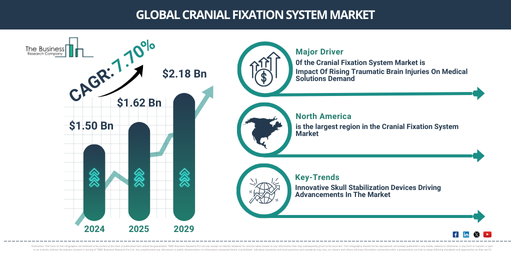
    The market size for cranial fixation systems has experienced significant growth over the past few years. The market is expected to expand from $1.50 billion in 2024 to $1.62 billion in 2025, with a compound annual growth rate (CAGR) of 8.0%. The growth observed during the historic period is largely a result of the increased rates of traumatic brain injuries and neurological disorders, the growing need for neurosurgeries, a surge in road accidents, and an increase in orthopedic disease occurrence.

    What Growth Rate Is Anticipated for the Cranial Fixation System Market in the Coming Years?

    The market for cranial fixation systems is projected to experience substantial growth in the coming years, reaching $2.18 billion in 2029 with a compound annual growth rate (CAGR) of 7.7%. The projected growth during this forecast period can be linked to factors such as the increasing number of robotic-assisted surgeries, the growing preference for minimally invasive surgical methods, an increase in trauma and spinal conditions, an uptick in medical tourism, and the increased utilization of deep brain stimulation procedures. Key trends anticipated for the duration of the forecast period include improvements in product development, a noticeable shift towards patient-specific implants, advancements in surgical techniques and materials, the offering of customizable and patient-oriented solutions, as well as an emphasis on personalized medicine.

    Download The Free Sample Report Here:

    https://www.thebusinessresearchcompany.com/sample.aspx?id=21160&type=smp

    Who Are the Leading Companies in the Cranial Fixation System Market?

    Major companies operating in the cranial fixation system market are Medtronic plc, Stryker Corporation, Zimmer Biomet Holdings Inc, Integra LifeSciences Holdings Corporation, Orthofix Medical Inc, 3D Systems Corporation, KLS Martin LP, Aesculap AG, Brainlab AG, B Braun Melsungen AG, Acumed LLC, Fin-ceramica Faenza SpA, Medyssey Co. Ltd, Micromar Indústria e Comércio Ltda, Medicon eG, Evonos GmbH & Co KG, DePuy Synthes Companies of Johnson & Johnson, Bioplate Inc, Jeil Medical Corporation, Adeor Medical AG, Changzhou Huida Medical Instrument Co. Ltd, NEOS Surgery SL, Osteopore International Pty Ltd, Xilloc Medical BV, Kelyniam Global Inc

    What Are the Key Drivers of the Cranial Fixation System Market?

    The escalation in the number of traumatic brain injuries (TBI) is anticipated to drive the future expansion of the cranial fixation system market. TBIs are defined as injuries that happen when there is an external force, such as a sudden strike or shake to the head, which harms the brain. The surge in the incidence of TBIs is mainly due to a rise in road traffic incidents, sports-induced injuries, falls among the older population, and injuries related to military combat. The cranial Fixation System is designed to stabilize skull fractures and secure bone fragments, facilitating proper healing and diminishing complications for patients suffering from traumatic brain injuries. For example, based on the report released by the State of Alaska in November 2023, a US-government official website mentioned that in 2022, around 3,263 Alaskan residents suffered from traumatic brain injuries (including both fatal and non-fatal cases leading hospital or emergency department emissions). Out of these, 264 individuals (which is 36 per 100,000 population) passed away, with TBI being reported as the death cause. Consequently, the escalating occurrence of traumatic brain injuries (TBI) leads to the expansion of the cranial fixation system market.

    Request For A Customized Report:

    https://www.thebusinessresearchcompany.com/customise?id=21160&type=smp

    What Are the Key Market Segments in the Cranial Fixation System Industry?

    The cranial fixation system market covered in this report is segmented –

    1) By Product Type: Implants, Mesh, Plates And Screws, Other Product Types

    2) By Indications: Brain Aneurysm, Brain Cancer, Hydrocephalous, Other Indications

    3) By Absorbability: Non Absorbable, Absorbable

    4) By End-User: Hospitals, Ambulatory Surgical Centers, Other End-Users

    Subsegments:

    1) By Implants: Cranial Implants, Biocompatible Implants, Custom Implants

    2) By Mesh: Titanium Mesh, Polymer Mesh, PEEK Mesh

    3) By Plates and Screws: Titanium Plates and Screws, Stainless Steel Plates and Screws, Absorbable Plates and Screws

    4) By Other Product Types: Cranial Staplers, Cranial Drills, Cranial Fixation Accessories

    What Are the Latest Trends in the Cranial Fixation System Market?

    Leading companies in the cranial fixation system market are directing their efforts towards the creation of innovative products, such as advanced skull stabilization tools, to enhance the accuracy and safety of neurological surgeries. Products like skull stabilization devices are unique medical instruments made to firmly hold and stabilize the skull during neurosurgical processes. For example, in July 2023, Stryker Corporation, a US pharmaceutical company, presented their Q guidance system equipped with cranial guidance software. This system notably enhances cranial surgeries by offering accurate navigation and advanced imaging capabilities, thus improving surgical planning and precision. With its easy-to-use interface and high-speed functionality, it streamlines the workflow and ultimately leads to improved patient results.

    Access The Full Report Here:

    https://www.thebusinessresearchcompany.com/report/cranial-fixation-system-global-market-report

    What Are the Key Regional Markets in the Cranial Fixation System Industry?

    North America was the largest region in the cranial fixation system market in 2024. The regions covered in the cranial fixation system market report are Asia-Pacific, Western Europe, Eastern Europe, North America, South America, Middle East, Africa.

    Purchase The Full Report Today:

    https://www.thebusinessresearchcompany.com/purchaseoptions.aspx?id=21160

    This Report Delivers Insight On:

    1. How big is the cranial fixation system market, and how is it changing globally?

    2. Who are the major companies in the cranial fixation system market, and how are they performing?

    3. What are the key opportunities and risks in the cranial fixation system market right now?

    4. Which products or customer segments are growing the most in the cranial fixation system market?

    5. What factors are helping or slowing down the growth of the cranial fixation system market?

    About The Business Research Company:

    With over 15000+ reports from 27 industries covering 60+ geographies, The Business Research Company has built a reputation for offering comprehensive, data-rich research and insights. Armed with 1,500,000 datasets, the optimistic contribution of in-depth secondary research, and unique insights from industry leaders, you can get the information you need to stay ahead in the game.

    Get in touch with us:

    The Business Research Company: https://www.thebusinessresearchcompany.com/

    Americas +1 310-496-7795

    Asia +44 2071930708

    Europe +44 7882 955267

    Email us at info@tbrc.info

    Follow us on:

    LinkedIn: https://in.linkedin.com/company/the-business-research-company

    YouTube: https://www.youtube.com/channel/UC24_fI0rV8cR5DxlCpgmyFQ

    Global Market Model: https://www.thebusinessresearchcompany.com/global-market-model