Category: HealthcareServices

  • Coxsackievirus Infections Treatment Market Projected at $4.23 Billion by 2029 | Strategic Insights and Forecast Data

    Coxsackievirus Infections Treatment Market Projected at $4.23 Billion by 2029 | Strategic Insights and Forecast Data

    Claim your 30% discount on Global Market Reports with code ONLINE30. Limited time only.

    How Has the Coxsackievirus Infections Treatment Market Size Changed, over the years?

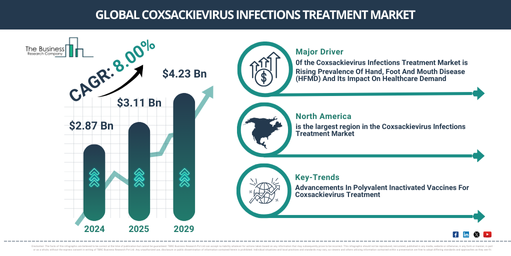
    The market for the treatment of coxsackievirus infections has seen robust expansion in recent times. Forecasts predict a swell from $2.87 billion in 2024 to $3.11 billion in 2025, indicating a Compound Annual Growth Rate (CAGR) of 8.3%. Various factors have contributed to this progression in the historic period. These include a higher incidence of hand, foot, and mouth disease, greater awareness of viral infections, enhancements in healthcare infrastructure, an increased demand for pediatric care, rising healthcare expenditures, regular epidemics in countries within the Asia-Pacific region, amplified governmental initiatives related to health care, and more accessible over-the-counter treatments.

    How Much Will the Coxsackievirus Infections Treatment Market Be Worth in 2029?

    Strong growth is anticipated in the coxsackievirus infections treatment market in the subsequent years, with projections estimating a rise to $4.23 billion in 2029, at a compound annual growth rate (CAGR) of 8.0%. The driving factors behind the surging growth in the forecast period include a surge in coxsackievirus infections, an increased emphasis on preventive healthcare, expanded access to healthcare in burgeoning regions, rising uptake of supportive care products, augmented demand for antiviral treatments, and refinements in treatment protocols. Furthermore, the increases in research and development funding, heightened awareness of viral illnesses, and the rise in healthcare spending in developing economies also contribute to this growth. Noteworthy trends in the forecast period include advancements in quick diagnostic tools, utilization of artificial intelligence for predicting treatments, telemedicine integration for remote care, advancements in molecular diagnostics, targeted antiviral drugs development, wearable health monitoring devices usage, the rise of individualized medicine, digital health solutions integration, advances in vaccine delivery systems, and the development of combined therapies for greater effectiveness.

    Download The Free Sample Report Here:

    https://www.thebusinessresearchcompany.com/sample.aspx?id=21159&type=smp

    Which is the Largest Company in the Coxsackievirus Infections Treatment Market?

    Major companies operating in the coxsackievirus infections treatment market are Pfizer Inc., Johnson & Johnson, F. Hoffmann-La Roche AG, Merck & Co. Inc., AbbVie Inc., Bayer AG, Sanofi S.A., Bristol-Myers Squibb, Thermo Fisher Scientific Inc., AstraZeneca plc, Abbott Laboratories, Novartis AG, GSK plc, Teva Pharmaceutical Industries Ltd., CSL Behring, Grifols S.A., Aurobindo Pharma USA Inc., Dr. Reddy’s Laboratories, Octapharma AG, Rochem International Inc, AdvaCare Pharma, LGM Pharma.

    What Are the Main Market Drivers in the Coxsackievirus Infections Treatment Industry?

    The coxsackievirus infections treatment market is expected to grow due to the increasing incidence of viral infections which cause Hand, Foot, and Mouth Disease (HFMD). HFMD is a viral disease common in children, presenting symptoms such as fever, mouth sores, and a rash appearing on the hands and feet. It is primarily caused by coxsackievirus A16 and enterovirus 71. The spread of the virus is often attributed to close interaction with infected people, unsanitary habits, and exposure to respiratory droplets or unclean surfaces. Treatment for coxsackievirus infection involves managing the symptoms of viral infections like HFMD. This includes offering supportive care like pain alleviation, maintaining hydration, and controlling fever. For example, Indonesia’s Ministry of Health reported in April 2024, that over the first quarter of the year, the number of HFMD cases rose to 6,500 – over half of the 11,000 cases reported the previous year, 2023. Therefore, the increasing occurrence of viral infections inducing HFMD is stimulating the growth of the coxsackievirus infections treatment market.

    Request For A Customized Report:

    https://www.thebusinessresearchcompany.com/customise?id=21159&type=smp

    How Is the Coxsackievirus Infections Treatment Market Segments Structured?

    The coxsackievirus infections treatment market covered in this report is segmented –

    1) By Treatment Type: Antiviral Medications, Non-Steroidal Anti-Inflammatory Drugs (NSAIDs), Corticosteroids, Supportive Care

    2) By Route Of Administration: Oral, Intravenous (IV), Topical, Inhalation

    3) By Age Group: Pediatric Patients, Adult Patients, Geriatric Patients

    4) By Distribution Channel: Hospital Pharmacies, Retail Pharmacies, Online Pharmacies

    5) By End-User: Hospitals, Outpatient Clinics, Home Care Settings, Educational Institutions (Daycare, Schools)

    Subsegments:

    1) By Antiviral Medications: Nucleoside Analogues, Protease Inhibitors, Polymerase Inhibitors

    2) By Non-Steroidal Anti-Inflammatory Drugs (NSAIDs): Ibuprofen, Aspirin, Naproxen, Diclofenac

    3) By Corticosteroids: Prednisone, Hydrocortisone, Methylprednisolone, Dexamethasone

    4) By Supportive Care: Fluid Replacement Therapy, Pain Management, Fever Management, Rest and Nutrition

    What Strategic Trends Are Transforming the Coxsackievirus Infections Treatment Market?

    Leading businesses in the coxsackievirus infections treatment market are focusing on the creation of polyvalent inactivated vaccines. These vaccines aim to increase protection, lower infection rates, and enhance overall public health. These types of vaccines work by containing multiple inactivated forms of various pathogens, designed to defend against numerous diseases. For example, Provention Bio Inc., an American biopharmaceutical company, announced in March 2022 positive outcomes from its first human PROVENT study of PRV-101. This is a prospective polyvalent inactivated coxsackievirus B (CVB) vaccine targeting strains associated with type 1 diabetes (T1D) autoimmunity. PRV-101 introduces inactivated coxsackievirus B (CVB) serotypes to the immune system, helping the body recognize and build immunity against various strains without provoking infection.

    Access The Full Report Here:

    https://www.thebusinessresearchcompany.com/report/coxsackievirus-infections-treatment-global-market-report

    Which Global Regions Offer the Highest Growth in the Coxsackievirus Infections Treatment Market?

    North America was the largest region in the coxsackievirus infections treatment market in 2024. Asia-Pacific is expected to be the fastest-growing region in the forecast period. The regions covered in the coxsackievirus infections treatment market report are Asia-Pacific, Western Europe, Eastern Europe, North America, South America, Middle East, Africa.

    Purchase The Full Report Today:

    https://www.thebusinessresearchcompany.com/purchaseoptions.aspx?id=21159

    This Report Delivers Insight On:

    1. How big is the coxsackievirus infections treatment market, and how is it changing globally?

    2. Who are the major companies in the coxsackievirus infections treatment market, and how are they performing?

    3. What are the key opportunities and risks in the coxsackievirus infections treatment market right now?

    4. Which products or customer segments are growing the most in the coxsackievirus infections treatment market?

    5. What factors are helping or slowing down the growth of the coxsackievirus infections treatment market?

    About The Business Research Company:

    With over 15000+ reports from 27 industries covering 60+ geographies, The Business Research Company has built a reputation for offering comprehensive, data-rich research and insights. Armed with 1,500,000 datasets, the optimistic contribution of in-depth secondary research, and unique insights from industry leaders, you can get the information you need to stay ahead in the game.

    Get in touch with us:

    The Business Research Company: https://www.thebusinessresearchcompany.com/

    Americas +1 310-496-7795

    Asia +44 2071930708

    Europe +44 7882 955267

    Email us at info@tbrc.info

    Follow us on:

    LinkedIn: https://in.linkedin.com/company/the-business-research-company

    YouTube: https://www.youtube.com/channel/UC24_fI0rV8cR5DxlCpgmyFQ

    Global Market Model: https://www.thebusinessresearchcompany.com/global-market-model

  • Corneal Endothelial Dystrophy Industry Growth Expected to Reach $252.87 Billion by 2029 at a CAGR of 8.1% | Segmentation and Growth Opportunities

    Corneal Endothelial Dystrophy Industry Growth Expected to Reach $252.87 Billion by 2029 at a CAGR of 8.1% | Segmentation and Growth Opportunities

    Claim your 30% discount on Global Market Reports with code ONLINE30. Limited time only.

    What Is the Forecast for the Corneal Endothelial Dystrophy Market Growth in 2025?

    The market size of corneal endothelial dystrophy has witnessed substantial growth lately. It is projected to escalate from $170.96 billion in 2024 to $185.38 billion in 2025, marking a compound annual growth rate (CAGR) of 8.4%. The growth recorded in the historic period can be credited to the surge in healthcare expenses, an increase in the occurrence of this particular type of corneal dystrophy, a rising aging population, the growing rate of eye diseases, and the rising prevalence of corneal disorders.

    What Is the Forecast for the Corneal Endothelial Dystrophy Market Size Through 2029?

    The market size of corneal endothelial dystrophy is predicted to undergo significant growth in the forthcoming years, reaching $252.88 billion by 2029 with a compound annual growth rate (CAGR) of 8.1%. This notable growth during the predicted period is ascribed to the escalation of corneal blindness in developing economies, augmented awareness concerning eye healthcare, the necessity for corneal transplants, advancements in healthcare facilities and an increased rate of chronic diseases. The forecast period also is expected to witness immense trends such as the progress in regenerative treatments, innovative upgrades in medical technology, developments in diagnostic methods, evolution in ophthalmic laser technology, and state-of-the-art technologies.

    Download The Free Sample Report Here:

    https://www.thebusinessresearchcompany.com/sample.aspx?id=21158&type=smp

    What are the Key Market Players in Corneal Endothelial Dystrophy Market and How They’re Evolving?

    Major companies operating in the corneal endothelial dystrophy market are F. Hoffmann-La Roche AG, Abbvie (Allergan plc), Teva Pharmaceutical Industries Ltd, Fujifilm Holdings Corporation, Alcon Inc., Bausch Health+Lomb, Santen Pharmaceutical Co., Ltd., AGC Biologics Inc, Lumenis Ltd, Aurion Biotech Inc, Carl Zeiss Meditec AG, Keeler Limited, Kowa Company Ltd., ProQR Therapeutics N.V., Cellusion Inc., OptoTech GmbH, ActualEyes Inc., Arctic Vision Inc., Aurion Biotech LLC, Emmecell S.R.L

    What Are the Primary Growth Drivers in the Corneal Endothelial Dystrophy Market?

    The upward trend in corneal transplant requirements is poised to fuel the advancement of the corneal endothelial dystrophy market. Corneal transplant is a medical operation aimed at substituting a worn-out or sickly cornea with a fit donor cornea to enhance vision and boost ocular wellbeing. The elevation in the demand for corneal transplants comes as a result of the growing occurrence of corneal ailments, the ongoing advancement in surgical methodologies, and better rates of organ donations. The treatment for corneal endothelial dystrophy includes a corneal transplant procedure, substituting the unhealthy endothelium with a healthy donor equivalent so as to restore the cornea’s transparency, decrease edema, and enhance vision. For instance, the year 2023 saw an increase by 2.7% in domestic keratoplasty (a type of corneal transplant) procedures in America according to the Eye Bank Association of America. The figure rose from 49,597 in 2022 to 50,925 in 2023. Consequently, the corneal endothelial dystrophy market is experiencing growth due to the surge in corneal transplant needs.

    Request For A Customized Report:

    https://www.thebusinessresearchcompany.com/customise?id=21158&type=smp

    What Are the Leading Segments in the Global Corneal Endothelial Dystrophy Industry?

    The corneal endothelial dystrophy market covered in this report is segmented –

    1) By Treatment: Phototherapeutic Keratectomy, Amniotic Membrane Transplants, Anterior Stromal Puncture, Conjunctival Flaps

    2) By Disease Type: Congenital Hereditary Endothelial Dystrophy 1, Congenital Hereditary Endothelial Dystrophy 2, Posterior Polymorphous Corneal Dystrophy, Fuchs Endothelial Corneal Dystrophy

    3) By Diagnosis: Cornea Examination And Grading, Corneal Tomography, Corneal Pachymetry, Corneal Cell Count

    4) By End-User: Hospitals, Clinics, Other End Users

    Subsegments:

    1) By Phototherapeutic Keratectomy: Excimer Laser Therapy, Corneal Reshaping

    2) By Amniotic Membrane Transplants: Fresh Amniotic Membrane Transplant, Cryopreserved Amniotic Membrane Transplant

    3) By Anterior Stromal Puncture: Manual Technique, Laser-Assisted Technique

    4) By Conjunctival Flaps: Partial Flap Technique, Full Flap Technique

    What Are the Key Market Trends in the Corneal Endothelial Dystrophy Industry?

    Significant players in the corneal endothelial dystrophy market are concentrating on the creation of novel treatments, such as allogeneic cell therapy, to meet unrealized health demands by providing innovative, less invasive treatment solutions that enhance patient results. Allogeneic cell therapy entails the usage of cells from a genetically distinctive donor of the same species to treat a recipient. Aurion Biotech Inc., a clinical-stage biotech firm from the United States for instance, launched Vyznova (neltependocel) in Japan for the treatment of bullous keratopathy, a type of corneal endothelial disease, in September 2024. Aurion Biotech developed Vyznova (neltependocel), a cell therapy to treat bullous keratopathy, which impairs corneal endothelial cells resulting in vision issues. It is the first cell treatment approved in Japan for corneal endothelial disease. Vyznova involves corneal endothelial cells that are cultivated in a lab that can produce up to 1,000 doses from just a single donor. This groundbreaking treatment provides a non-invasive alternative to corneal transplantation, addressing the dearth of corneal donors and providing a novel method to recover vision for those afflicted with corneal diseases.

    Access The Full Report Here:

    https://www.thebusinessresearchcompany.com/report/corneal-endothelial-dystrophy-global-market-report

    What Is the Regional Outlook for the Corneal Endothelial Dystrophy Market?

    North America was the largest region in the corneal endothelial dystrophy market in 2024. Asia-Pacific is expected to be the fastest-growing region in the forecast period. The regions covered in the corneal endothelial dystrophy market report are Asia-Pacific, Western Europe, Eastern Europe, North America, South America, Middle East, Africa.

    Purchase The Full Report Today:

    https://www.thebusinessresearchcompany.com/purchaseoptions.aspx?id=21158

    This Report Delivers Insight On:

    1. How big is the corneal endothelial dystrophy market, and how is it changing globally?

    2. Who are the major companies in the corneal endothelial dystrophy market, and how are they performing?

    3. What are the key opportunities and risks in the corneal endothelial dystrophy market right now?

    4. Which products or customer segments are growing the most in the corneal endothelial dystrophy market?

    5. What factors are helping or slowing down the growth of the corneal endothelial dystrophy market?

    About The Business Research Company:

    With over 15000+ reports from 27 industries covering 60+ geographies, The Business Research Company has built a reputation for offering comprehensive, data-rich research and insights. Armed with 1,500,000 datasets, the optimistic contribution of in-depth secondary research, and unique insights from industry leaders, you can get the information you need to stay ahead in the game.

    Get in touch with us:

    The Business Research Company: https://www.thebusinessresearchcompany.com/

    Americas +1 310-496-7795

    Asia +44 2071930708

    Europe +44 7882 955267

    Email us at info@tbrc.info

    Follow us on:

    LinkedIn: https://in.linkedin.com/company/the-business-research-company

    YouTube: https://www.youtube.com/channel/UC24_fI0rV8cR5DxlCpgmyFQ

    Global Market Model: https://www.thebusinessresearchcompany.com/global-market-model
  • Congenital Adrenal Hyperplasia Industry Valued at $0.65 Billion by 2029 With CAGR of 7.1% | Size and Share Insights

    Congenital Adrenal Hyperplasia Industry Valued at $0.65 Billion by 2029 With CAGR of 7.1% | Size and Share Insights

    Claim your 30% discount on Global Market Reports with code ONLINE30. Limited time only.

    What Is the Forecast for the Congenital Adrenal Hyperplasia Market from 2024 to 2025?

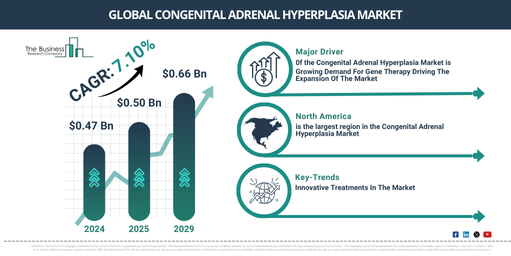
    In recent years, the market size for congenital adrenal hyperplasia has experienced robust growth. It is projected to expand from $0.47 billion in 2024 to $0.50 billion in 2025, marking a compound annual growth rate (CAGR) of 7.3%. The growth during the historical period can be attributed to factors like a surge in the incidence of congenital adrenal hyperplasia, increased uptake of corticosteroid therapies, an upward trend in healthcare spending, a heightened emphasis on pediatric care, and the expansion of government initiatives and reimbursement policies.

    What Is the Projected Market Size of the Congenital Adrenal Hyperplasia Market?

    In the upcoming years, the congenital adrenal hyperplasia market is projected to experience robust growth. It is estimated to expand to $0.66 billion by the year 2029 with a compound annual growth rate (CAGR) of 7.1%. The forecasted growth can be attributed to factors such as rising demand for individualized medicine, increase in genetic disorders, enhanced research on congenital adrenal hyperplasia treatments, an upsurge in healthcare investments, and a growing application of telemedicine in managing congenital adrenal hyperplasia. Expected trends over the forecast period include improvements in healthcare infrastructure, progress in molecular diagnostics, innovation in enzyme replacement therapies, and the formulation of long-acting corticosteroids, alongside advances in genetic screening processes.

    Download The Free Sample Report Here:

    https://www.thebusinessresearchcompany.com/sample.aspx?id=21157&type=smp

    Who are the Major Competitors in the Congenital Adrenal Hyperplasia Market Outlook?

    Major companies operating in the congenital adrenal hyperplasia market are Pfizer Inc., Sanofi S.A., Thermo Fisher Scientific Inc., Takeda Pharmaceutical Company Limited, Eli Lilly and Company, Eton Pharmaceuticals Inc, Teva Pharmaceutical Industries, Macleods Pharmaceuticals, H. Lundbeck A/S, Neurocrine Biosciences Inc., BridgeBio Pharma Inc, Regenxbio Inc., Millendo Therapeutics Inc., Applied Therapeutics, Inc., OMass Therapeutics Limited, ViennaLab Diagnostics GmbH, EffRx Pharmaceuticals SA, Adrenas Therapeutics Inc, HBM Alpha Therapeutics, Spruce Biosciences Inc., Crinetics Pharmaceuticals Inc.

    What Is Fueling Growth in the Congenital Adrenal Hyperplasia Market?

    An increasing demand for gene therapy is projected to fuel the expansion of the congenital adrenal hyperplasia market. Gene therapy is a medical procedure that involves altering or manipulating an individual’s genes as a means to treat or stave off disease. This growing demand can be credited to progress in genetic research and biotechnology, enabling more accurate and focused treatments for genetic conditions, cancers, and various chronic ailments. The disorder of congenital adrenal hyperplasia (CAH), which is triggered by gene mutations that impact adrenal hormone production, is a key area of interest in gene therapy. This offers the prospects for targeted genetic interventions to repair the root genetic flaws and re-establish regular hormone function. For example, as per the American Society of Gene and Cell Therapy (ASGCT) in April 2024, out of the 1,023 gene therapies being developed for rare ailments, eight of the top 10 were related to oncology. The second quarter of 2024 witnessed the start of 76 new gene therapy trials, showing a 25% rise from the prior quarter. Hence, the mounting demand for gene therapy is propelling growth in the congenital adrenal hyperplasia market.

    Request For A Customized Report:

    https://www.thebusinessresearchcompany.com/customise?id=21157&type=smp

    Which Congenital Adrenal Hyperplasia Market Segments Are Growing the Fastest?

    The congenital adrenal hyperplasia market covered in this report is segmented –

    1) By Type: Classic Congenital Adrenal Hyperplasia, Non-Classic Congenital Adrenal Hyperplasia

    2) By Treatment And Diagnosis: Diagnosis, Treatment

    3) By End-Use: Hospitals, Specialty Clinics, Ambulatory Surgical Centers, Research Institutes

    Subsegments:

    1) By Classic Congenital Adrenal Hyperplasia: Salt-Wasting Classic Congenital Adrenal Hyperplasia, Simple Virilizing Classic Congenital Adrenal Hyperplasia

    2) By Non-Classic Congenital Adrenal Hyperplasia: Late-Onset Non-Classic Congenital Adrenal Hyperplasia, Mild Non-Classic Congenital Adrenal Hyperplasia

    Which Industry Trends Are Shaping the Future of the Congenital Adrenal Hyperplasia Market?

    In the congenital adrenal hyperplasia market, key players are concentrating on the creation of advanced treatments such as CRF1 receptor antagonists. This treatment aims to control cortisol production and decrease excessive adrenal androgen. The CRF1 receptor antagonist is a type of medication that restrains the corticotropin-releasing factor 1 (CRF1) receptor to manage the body’s response to stress and curb overproduction of adrenal androgen persistent in congenital adrenal hyperplasia conditions. For example, Neurocrine Biosciences, Inc., a biopharmaceutical firm based in the US, gained FDA authorization for crenessity (crinecerfont) in December 2024. It is the first innovative treatment for congenital adrenal hyperplasia (CAH) in seven decades. This new drug serves as a specific antagonist of corticotropin-releasing factor type 1 receptors, aiding in the moderation of high ACTH levels and adrenal androgens, enabling a decrease in glucocorticoid dosages. The approval came on the bases of the CAHtalyst Phase 3 trials, which demonstrated significant effectiveness in reducing androgen levels. Crenessity is anticipated to be available shortly, which signifies a significant leap in CAH treatment.

    Access The Full Report Here:

    https://www.thebusinessresearchcompany.com/report/congenital-adrenal-hyperplasia-global-market-report

    Which Countries Are Leading the Congenital Adrenal Hyperplasia Market?

    North America was the largest region in the congenital adrenal hyperplasia market in 2024. Asia-Pacific is expected to be the fastest-growing region in the forecast period. The regions covered in the congenital adrenal hyperplasia market report are Asia-Pacific, Western Europe, Eastern Europe, North America, South America, Middle East, Africa.

    Purchase The Full Report Today:

    https://www.thebusinessresearchcompany.com/purchaseoptions.aspx?id=21157

    This Report Delivers Insight On:

    1. How big is the congenital adrenal hyperplasia market, and how is it changing globally?

    2. Who are the major companies in the congenital adrenal hyperplasia market, and how are they performing?

    3. What are the key opportunities and risks in the congenital adrenal hyperplasia market right now?

    4. Which products or customer segments are growing the most in the congenital adrenal hyperplasia market?

    5. What factors are helping or slowing down the growth of the congenital adrenal hyperplasia market?

    About The Business Research Company:

    With over 15000+ reports from 27 industries covering 60+ geographies, The Business Research Company has built a reputation for offering comprehensive, data-rich research and insights. Armed with 1,500,000 datasets, the optimistic contribution of in-depth secondary research, and unique insights from industry leaders, you can get the information you need to stay ahead in the game.

    Get in touch with us:

    The Business Research Company: https://www.thebusinessresearchcompany.com/

    Americas +1 310-496-7795

    Asia +44 2071930708

    Europe +44 7882 955267

    Email us at info@tbrc.info

    Follow us on:

    LinkedIn: https://in.linkedin.com/company/the-business-research-company

    YouTube: https://www.youtube.com/channel/UC24_fI0rV8cR5DxlCpgmyFQ

    Global Market Model: https://www.thebusinessresearchcompany.com/global-market-model

  • Complicated Urinary Tract Infection Treatment Market to Reach $12.13 Billion by 2029 | Key Drivers and Future Outlook

    Complicated Urinary Tract Infection Treatment Market to Reach $12.13 Billion by 2029 | Key Drivers and Future Outlook

    Claim your 30% discount on Global Market Reports with code ONLINE30. Limited time only.

    What Is the Growth Rate of the Complicated Urinary Tract Infection Treatment Market?

    Over the past few years, the intricate market for urinary tract infection treatment has seen robust growth. The market, which is projected to evolve from $8.87 billion in 2024 to $9.47 billion in 2025, is expected to experience a compound annual growth rate (CAGR) of 6.8%. The surge in growth during the historical period can be ascribed to factors such as a surge in urinary tract infection cases, an uptick in antibiotic resistance, an aging population, higher hospitalization rates, and heightened awareness about urinary tract infections.

    What Growth Rate Is Forecasted for the Complicated Urinary Tract Infection Treatment Market by 2029?

    Expectations are high for robust expansion in the complex urinary tract infection treatment market over the coming years. With a compound annual growth rate (CAGR) of 6.4%, predictions place the market value at $12.13 billion by 2029. This growth in the forecast period is primarily driven by factors such as increased incidences of multidrug-resistant bacteria, improved emphasis on precision medicine, growing healthcare expenditure, wider use of rapid diagnostic tests, as well as government-driven initiatives and funding for research. The period under the forecast also foresees major trends like the creation of novel antibiotics, diagnostic technique enhancements, broadening healthcare access in developing markets, advancements in diagnostic tool technology, and a surge in the adoption of combination therapies.

    Download The Free Sample Report Here:

    https://www.thebusinessresearchcompany.com/sample.aspx?id=21156&type=smp

    Which Key Companies Are Shaping the Future of the Complicated Urinary Tract Infection Treatment Market?

    Major companies operating in the complicated urinary tract infection treatment market are Pfizer Inc., Merck & Co. Inc., AbbVie Inc., AstraZeneca PLC, Fresenius Kabi AG, GlaxoSmithKline plc, bioMérieux SA, Shionogi & Co. Ltd., Cipla Limited, Santen Pharmaceutical Co. Ltd., Orchid Pharma Limited, Melinta Therapeutics Inc., Spero Therapeutics Inc., Nabriva Therapeutics AG, Venatorx Pharmaceuticals Inc., Recce Pharmaceuticals Ltd, MerLion Pharmaceuticals Pte. Ltd., Entasis Therapeutics Holdings Inc., Allecra Therapeutics GmbH, Allergan Inc.

    Which Factors Are Driving Demand in the Complicated Urinary Tract Infection Treatment Industry?

    The complicated urinary tract infection treatment market is set to expand due to the increasing prevalence of chronic kidney diseases. Chronic kidney disease, or CKD, is a progressive condition marked by a slow deterioration of kidney function. The surge in CKD cases is mainly attributed to the escalating frequency of diabetes and hypertension, coupled with an aging population and lifestyle elements like obesity and smoking. Complicated urinary tract infection treatment aids CKD patients by combating severe infections like pyelonephritis, which can intensify kidney damage, impair renal function, and escalate the advancement of chronic kidney disease, thereby minimising the risk of further complications and hospital visits. For instance, data from the Australian Institute of Health and Welfare in December 2024 showed that CKD was accountable for about 21,800 deaths in Australia back in 2022. Moreover, Kidney Care UK, a non-profit organization based in the UK, indicated in May 2024 that there are 40-45,000 premature deaths caused by CKD in the UK each year. Consequently, the escalating prevalence of chronic kidney diseases propels the complicated urinary tract infection treatment market.

    Request For A Customized Report:

    https://www.thebusinessresearchcompany.com/customise?id=21156&type=smp

    How Is the Complicated Urinary Tract Infection Treatment Market Segmented by Several Divisions?

    The complicated urinary tract infection treatment market covered in this report is segmented –

    1) By Drug Class: Penicillin And combinations, Quinolones, Cephalosporin, Azoles And Amphotericin B, Nitro furans

    2) By Distribution Channel: Hospital Pharmacies, Gynecology And Urology Clinics, Drug stores

    3) By Application: Urethritis, Cystitis, Pyelonephritis

    Subsegments:

    1) By Penicillin And Combinations: Aminopenicillins, Beta-Lactamase Inhibitor Combinations

    2) By Quinolones: Fluoroquinolones, Non-Fluoroquinolones

    3) By Cephalosporin: First-Generation Cephalosporins, Second-Generation Cephalosporins, Third-Generation Cephalosporins, Fourth-Generation Cephalosporins, Fifth-Generation Cephalosporins

    4) By Azoles And Amphotericin B: Triazoles, Imidazoles, Polyene Antifungals

    5) By Nitrofurans: Nitrofurantoin, Furazolidone

    What are the Emerging Market Trends Driving the Growth of the Complicated Urinary Tract Infection Treatment Industry?

    Leading enterprises in the complex urinary tract infection treatment market are concentrating on tackling antibiotic resistance by developing innovative antibiotics to boost treatment effectiveness and counteract emerging multidrug-resistant organisms. The approach towards treatment of complicated urinary tract infections involves using specific antibiotics or antimicrobial agents to eradicate or manage infections, especially in extreme scenarios where kidneys are affected. For example, Allecra Therapeutics, a biopharmaceutical firm based in Germany, received approval from the U.S. Food and Drug Administration (FDA) in February 2024 for using EXBLIFEP (cefepime/enmetazobactam) to treat complicated urinary tract infections (cUTIs) in adults. The firm also received a five-year extension on its marketing exclusivity thanks to the GAIN Act, encouraging the creation of fresh anti-infective treatments. The research revealed that 79.1% of patients given cefepime/enmetazobactam had a combined reaction (clinical cure and microbiological removal), as opposed to the 58.9% of patients treated with piperacillin/tazobactam.

    Access The Full Report Here:

    https://www.thebusinessresearchcompany.com/report/complicated-urinary-tract-infection-treatment-global-market-report

    Which Regions Are Driving Growth in the Complicated Urinary Tract Infection Treatment Market?

    North America was the largest region in the complicated urinary tract infection treatment market in 2024. Asia-Pacific is expected to be the fastest-growing region in the forecast period. The regions covered in the complicated urinary tract infection treatment market report are Asia-Pacific, Western Europe, Eastern Europe, North America, South America, Middle East, Africa.

    Purchase The Full Report Today:

    https://www.thebusinessresearchcompany.com/purchaseoptions.aspx?id=21156

    This Report Delivers Insight On:

    1. How big is the complicated urinary tract infection treatment market, and how is it changing globally?

    2. Who are the major companies in the complicated urinary tract infection treatment market, and how are they performing?

    3. What are the key opportunities and risks in the complicated urinary tract infection treatment market right now?

    4. Which products or customer segments are growing the most in the complicated urinary tract infection treatment market?

    5. What factors are helping or slowing down the growth of the complicated urinary tract infection treatment market?

    About The Business Research Company:

    With over 15000+ reports from 27 industries covering 60+ geographies, The Business Research Company has built a reputation for offering comprehensive, data-rich research and insights. Armed with 1,500,000 datasets, the optimistic contribution of in-depth secondary research, and unique insights from industry leaders, you can get the information you need to stay ahead in the game.

    Get in touch with us:

    The Business Research Company: https://www.thebusinessresearchcompany.com/

    Americas +1 310-496-7795

    Asia +44 2071930708

    Europe +44 7882 955267

    Email us at info@tbrc.info

    Follow us on:

    LinkedIn: https://in.linkedin.com/company/the-business-research-company

    YouTube: https://www.youtube.com/channel/UC24_fI0rV8cR5DxlCpgmyFQ

    Global Market Model: https://www.thebusinessresearchcompany.com/global-market-model
  • Common Warts Industry Insights 2025 – Market Forecast for Executives and Planners

    Common Warts Industry Insights 2025 – Market Forecast for Executives and Planners

    Claim your 30% discount on Global Market Reports with code ONLINE30. Limited time only.

    How Has the Common Warts Market Size Changed, over the years?

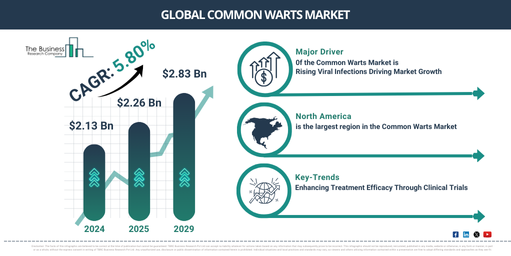
    The market size for common warts has seen robust growth in the past few years. It is projected to rise from $2.13 billion in 2024 to $2.26 billion in 2025, with a compound annual growth rate (CAGR) of 6.2%. The historical growth can be correlated with the heightened awareness of skin health, a surge in the prevalence of warts, an escalating demand for non-invasive procedures, an increased uptake of cryotherapy, and the expansion of dermatology clinics.

    How Much Will the Common Warts Market Be Worth in 2029?

    The market for common warts is projected to experience substantial growth in the near future, expected to surge to $2.83 billion in 2029, advancing at a compound annual growth rate (CAGR) of 5.8%. This anticipated growth during the forecast period is primarily due to reasons such as the growing elderly population, increasing instances of viral infections, higher uptake of progressive dermatological therapies, burgeoning demand for customized treatments, and a rising inclination towards homecare solutions among consumers. Key trends set to shape the market in the forecast timeframe encompass advancements in dermatological treatments, a burgeoning healthcare infrastructure, technological innovation in wart elimination therapies, improved awareness regarding treatment alternatives, and a transition towards minimally invasive treatments.

    Download The Free Sample Report Here:

    https://www.thebusinessresearchcompany.com/sample.aspx?id=21154&type=smp

    Which is the Largest Company in the Common Warts Market?

    Major companies operating in the common warts market are Major players in the market are AbbVie Inc., GlaxoSmithKline plc, Sun Pharmaceutical Industries Limited, Perrigo Company plc, Holland & Barrett International Limited, Prestige Consumer Healthcare Inc., Maruho Co. Ltd., Novan Inc., X4 Pharmaceuticals Inc., Aclaris Therapeutics Inc., Verrica Pharmaceuticals Inc., RXi Pharmaceuticals Corporation, Scholl’s Wellness Company, Nielsen BioSciences Inc., Cassiopea S.p.A., Orgenesis Inc., KinoPharma Inc., Naturasil, Veradermics Inc., KinoPharma Co. Ltd.

    What Are the Main Market Drivers in the Common Warts Industry?

    The prevalence of viral infections is anticipated to boost the expansion of the common warts market. Viral infections denote diseases brought about by the invasion, propagation, and dissemination of viruses within the human body, which affects cells and the immune system. Factors like globalization, urbanization, climate change, deforestation, and impaired immune responses contribute to the rise of these infections. Targeted treatment for common warts focuses on the human papillomavirus (HPV), the virus that causes wart development, and brings critical relief to patients with viral infections by mitigating virus transmission, alleviating discomfort, and facilitating healing, thereby averting potential issues like secondary infections or scarring and enhancing the patient’s life quality. To exemplify, the Centers for Disease Control and Prevention, a legislated agency in the US, reported that between 2019 and 2024, PCR-confirmed varicella cases surged by 62% from 29% to 47%. Additionally, as per the data from the National Foundation for Infectious Diseases, another health-related organization in the US, it’s estimated that there are approximately 14 million new instances of HPV infection every year in the United States. Thus, the escalating prevalence of viral infections is fuelling the growth of the common warts market.

    Request For A Customized Report:

    https://www.thebusinessresearchcompany.com/customise?id=21154&type=smp

    How Is the Common Warts Market Segments Structured?

    The common warts market covered in this report is segmented –

    1) By Treatment Method: Cryotherapy, Laser Treatment, Electrosurgery, Topical Medications

    2) By Patient Demographics: Children, Adults, Elderly

    3) By Disease Stage: Initial Stage, Moderate Stage, Severe Stage

    4) By End User: Hospitals, Dermatology Clinics, Home Care

    Subsegments:

    1) By Cryotherapy: Liquid Nitrogen Therapy, Carbon Dioxide Therapy

    2) By Laser Treatment: Pulsed-Dye Laser Therapy, Carbon Dioxide (CO2) Laser Therapy

    3) By Electrosurgery: Curettage And Electrosurgical Removal, High-Frequency Electrosurgical Ablation

    4) By Topical Medications: Salicylic Acid-Based Therapy, Immunotherapy-Based Topicals, Retinoid-Based Therapy

    What Strategic Trends Are Transforming the Common Warts Market?

    Leading firms in the common warts market are zeroing in on progressive cutting-edge treatments like dermatological therapies to answer to the escalating needs for effective and readily available solutions. These efforts are aimed at improving patient results and broadening their market footprint in the dermatology sector. Dermatological solutions are treatments targeting skin conditions that include infections, inflammations, and disorders. For example, in May 2024, a US-based company, Verrica Pharmaceuticals, struck a licensing deal with Torii Pharmaceutical Co. Ltd., which is located in Japan. The partnership is geared toward financing a global Phase 3 clinical trial for YCANTH, a common warts treatment. This deal propels the late-stage development of YCANTH, broadening its possible global impact. Torii Pharmaceuticals will provide the financial backing needed to drive the study forward. This allows both corporations to strengthen their dermatology offerings and boost their global market presence.

    Access The Full Report Here:

    https://www.thebusinessresearchcompany.com/report/common-warts-global-market-report

    Which Global Regions Offer the Highest Growth in the Common Warts Market?

    North America was the largest region in the common warts market in 2024. Asia-Pacific is expected to be the fastest-growing region in the forecast period. The regions covered in the common warts market report are Asia-Pacific, Western Europe, Eastern Europe, North America, South America, Middle East, Africa.

    Purchase The Full Report Today:

    https://www.thebusinessresearchcompany.com/purchaseoptions.aspx?id=21154

    This Report Delivers Insight On:

    1. How big is the common warts market, and how is it changing globally?

    2. Who are the major companies in the common warts market, and how are they performing?

    3. What are the key opportunities and risks in the common warts market right now?

    4. Which products or customer segments are growing the most in the common warts market?

    5. What factors are helping or slowing down the growth of the common warts market?

    About The Business Research Company:

    With over 15000+ reports from 27 industries covering 60+ geographies, The Business Research Company has built a reputation for offering comprehensive, data-rich research and insights. Armed with 1,500,000 datasets, the optimistic contribution of in-depth secondary research, and unique insights from industry leaders, you can get the information you need to stay ahead in the game.

    Get in touch with us:

    The Business Research Company: https://www.thebusinessresearchcompany.com/

    Americas +1 310-496-7795

    Asia +44 2071930708

    Europe +44 7882 955267

    Email us at info@tbrc.info

    Follow us on:

    LinkedIn: https://in.linkedin.com/company/the-business-research-company

    YouTube: https://www.youtube.com/channel/UC24_fI0rV8cR5DxlCpgmyFQ

    Global Market Model: https://www.thebusinessresearchcompany.com/global-market-model
  • Market Analysis on Coagulation Factor Deficiency Industry – Insights for Corporate Strategy and R&D

    Market Analysis on Coagulation Factor Deficiency Industry – Insights for Corporate Strategy and R&D

    Claim your 30% discount on Global Market Reports with code ONLINE30. Limited time only.

    What Is the Forecast for the Coagulation Factor Deficiency Market from 2024 to 2025?

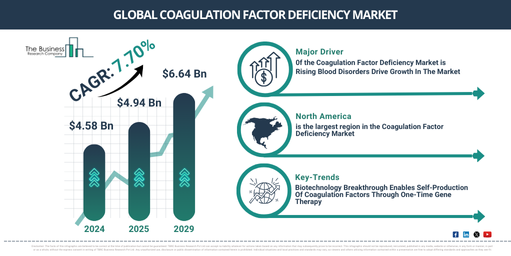
    The market for deficiency in coagulation factors has been experiencing robust growth over the last few years. It is projected to expand from $4.58 billion in 2024 to $4.94 billion in 2025, with a compound annual growth rate (CAGR) of 8.0%. Factors that drove this expansion in the past include the increasing visibility of hemophilia, the development of recombinant factors, heightened awareness regarding coagulation disorders, improved diagnostic capabilities, governmental support for rare disease treatment, the advent of prophylactic treatments, the broadening of patient registries, and escalated investments into biotechnology.

    What Is the Projected Market Size of the Coagulation Factor Deficiency Market?

    The market for coagulation factor deficiency is predicted to witness robust expansion in the forthcoming years. The market size is projected to reach $6.64 billion by 2029, with a compound annual growth rate (CAGR) of 7.7%. The hike in the projected period is due to the increasing trend of gene therapies, enhanced focus on personalized medicine, escalating cases of coagulation disorders, increased penetration in newly emerging markets, and the convergence of digital health solutions and ongoing innovation in biomanufacturing technologies. Noteworthy trends during the forecast period encompass gene editing technologies like CRISPR, creation of long-lasting recombinant factors, progress in gene therapy delivery systems, wearable devices for coagulation monitoring, utilization of artificial intelligence for optimizing treatment, point-of-care diagnostic instruments, drug delivery via nanoparticles, development of recombinant products without plasma, innovation in biosimilars, and the harmony of precision medicine methodologies.

    Download The Free Sample Report Here:

    https://www.thebusinessresearchcompany.com/sample.aspx?id=21152&type=smp

    Who are the Major Competitors in the Coagulation Factor Deficiency Market Outlook?

    Major companies operating in the coagulation factor deficiency market are Pfizer Inc., F Hoffmann-La Roche Ltd., Bayer HealthCare Pharmaceuticals, Sanofi Genzyme, Novo Nordisk A/S, Baxter International Inc., CSL Behring LLC, Grifols S.A., Octapharma AG, Takeda Pharmaceutical Company Limited, Swedish Orphan Biovitrum AB, GC Biopharma Co. Ltd., Alnylam Pharmaceuticals Inc., Opko Health Inc., Kedrion Biopharma Inc., Shanghai RAAS Blood Products Co. Ltd., LFB S.A., Biotest AG, Spark Therapeutics Inc., Biogen Inc., Sangamo Therapeutics Inc., Centessa Pharmaceuticals Inc.

    What Is Fueling Growth in the Coagulation Factor Deficiency Market?

    The rise in blood-related disorders is anticipated to spur the growth of the coagulation factor deficiency market. These disorders are a collection of conditions impacting the production, functionality, or makeup of blood cells, plasma, or platelets. They can result in complications such as anemia, clotting issues, or immune system deficiencies. The surge in these disorders can be attributed to factors like aging populations, genetic predispositions, heightened awareness, environmental factors, lifestyle alterations, the increasing load of chronic illnesses, and innovations in diagnostic technologies enabling early detection. Coagulation factor deficiency plays a significant role in managing these disorders as it provides vital clotting factors necessary to prevent or manage excessive bleeding, particularly in conditions like hemophilia where the natural clotting ability is diminished. In September 2024, the Leukemia and Lymphoma Society, reported that every three minutes, one person in the U.S. is diagnosed with leukemia, lymphoma, or myeloma. In the same year, an estimated 187,740 individuals were diagnosed with such cancers, which made up 9.4% of the anticipated 2,001,140 new cancer cases in the U.S. Furthermore, in May 2024, as per the National Health Service (NHS) England, around 17,000 individuals in England are living with sickle cell disease, a genetically inherited blood disorder, with approximately 250 new cases appearing annually. Consequently, the mounting incidence of blood-related disorders is fueling the growth of the coagulation factor deficiency market.

    Request For A Customized Report:

    https://www.thebusinessresearchcompany.com/customise?id=21152&type=smp

    Which Coagulation Factor Deficiency Market Segments Are Growing the Fastest?

    The coagulation factor deficiency market covered in this report is segmented –

    1) By Product: Recombinant Coagulation Factor Concentrates, Plasma-derived Coagulation Factor Concentrates, Biologics, Desmopressin, Other Product Types

    2) By Deficiency Type: Haemophilia A, Hemophilia B, Von Willebrand Disease, Factor XI Deficiency, Factor XIII Deficiency, Other Treatment Types

    3) By End Users: Hospitals, Clinics, Home Care, Other End Users

    Subsegments:

    1) By Recombinant Coagulation Factor Concentrates: Recombinant Factor VIII, Recombinant Factor IX, Recombinant Factor VIIa, Other Recombinant Factors

    2) By Plasma-derived Coagulation Factor Concentrates: Plasma-derived Factor VIII, Plasma-derived Factor IX, Plasma-derived Factor VII, Other Plasma-derived Factors

    3) By Biologics: Monoclonal Antibodies, Gene Therapy Products

    4) By Desmopressin: Intravenous Desmopressin, Intranasal Desmopressin

    5) By Other Product Types: Fresh Frozen Plasma (FFP), Prothrombin Complex Concentrates (PCC)

    Which Industry Trends Are Shaping the Future of the Coagulation Factor Deficiency Market?

    Leading entities in the coagulation factor deficiency market are channeling their efforts into crafting revolutionary treatments such as one-time gene therapy, which offers enduring, if not permanent, solutions for individuals suffering from bleeding complications such as hemophilia, thus decreasing the necessity for persistent infusions of clotting factors. One-time gene therapy is a medical intervention that entails the modification or infusion of genetic information inside a patient’s cells for the purpose of treating or potentially eradicating a disease, aiming to provide durable or permanent benefits after a singular administration. For example, in April 2024, Pfizer Inc., a pharmaceutical and biotechnology firm based in the USA, declared that BEQVEZ (fidanacogene elaparvovec-dzkt) received approval from the U.S. Food and Drug Administration (FDA) intended for the treatment of adults suffering from moderate to severe Hemophilia B currently on factor IX (FIX) prophylaxis therapy. This one-time adeno-associated virus (AAV)-based gene therapy is designed to implant a functional version of the FIX gene encoding a high-activity FIX variant in the transduced cells. This gene therapy allows Hemophilia B patients to generate FIX on their own through this one-time treatment as opposed to requiring regular infusions of FIX.

    Access The Full Report Here:

    https://www.thebusinessresearchcompany.com/report/coagulation-factor-deficiency-global-market-report

    Which Countries Are Leading the Coagulation Factor Deficiency Market?

    North America was the largest region in the coagulation factor deficiency market in 2024. Asia-Pacific is expected to be the fastest-growing region in the forecast period. The regions covered in the coagulation factor deficiency market report are Asia-Pacific, Western Europe, Eastern Europe, North America, South America, Middle East, Africa.

    Purchase The Full Report Today:

    https://www.thebusinessresearchcompany.com/purchaseoptions.aspx?id=21152

    This Report Delivers Insight On:

    1. How big is the coagulation factor deficiency market, and how is it changing globally?

    2. Who are the major companies in the coagulation factor deficiency market, and how are they performing?

    3. What are the key opportunities and risks in the coagulation factor deficiency market right now?

    4. Which products or customer segments are growing the most in the coagulation factor deficiency market?

    5. What factors are helping or slowing down the growth of the coagulation factor deficiency market?

    About The Business Research Company:

    With over 15000+ reports from 27 industries covering 60+ geographies, The Business Research Company has built a reputation for offering comprehensive, data-rich research and insights. Armed with 1,500,000 datasets, the optimistic contribution of in-depth secondary research, and unique insights from industry leaders, you can get the information you need to stay ahead in the game.

    Get in touch with us:

    The Business Research Company: https://www.thebusinessresearchcompany.com/

    Americas +1 310-496-7795

    Asia +44 2071930708

    Europe +44 7882 955267

    Email us at info@tbrc.info

    Follow us on:

    LinkedIn: https://in.linkedin.com/company/the-business-research-company

    YouTube: https://www.youtube.com/channel/UC24_fI0rV8cR5DxlCpgmyFQ

    Global Market Model: https://www.thebusinessresearchcompany.com/global-market-model

  • Clinical Trial Support Services Forecast Report – Designed for Decision Makers and Product Teams

    Clinical Trial Support Services Forecast Report – Designed for Decision Makers and Product Teams

    Claim your 30% discount on Global Market Reports with code ONLINE30. Limited time only.

    What Is the Growth Rate of the Clinical Trial Support Services Market?

    The market size for clinical trial support services has seen a robust growth in the last few years. It is projected to surge from $22.62 billion in 2024 to $24.55 billion in 2025, recording a compound annual growth rate (CAGR) of 8.5%. This growth during the historic period can be linked to various factors such as the increased outsourcing of clinical trials, hike in healthcare expenditure, expansion of the pharmaceutical and biotech sectors, regulatory alterations and reforms, globalization of clinical trials, rising disease prevalence, increase in clinical research funding, and the need for expedited drug development.

    What Growth Rate Is Forecasted for the Clinical Trial Support Services Market by 2029?

    The market size for clinical trial support services is predicted to experience significant growth in the coming years, swelling to a value of $33.68 billion in 2029, with a compound annual growth rate (CAGR) of 10.5%. Factors contributing to the growth during the projected period include a rising demand for personalized medicine, increased instances of chronic illnesses, heightened investment in R&D, regulatory approvals for clinical trials, a growth in outsourcing clinical trials, a greater emphasis on patient-focused trials, an increase in the complexity of clinical trials, and the emergence of new therapeutic sectors. Prominent trends during the forecast period are projected to be artificial intelligence, machine learning, blockchain technologies, big data analytics, wearable technologies, decentralized clinical trials, electronic data capture, clinical trial management systems, remote patient monitoring and virtual clinical trials.

    Download The Free Sample Report Here:

    https://www.thebusinessresearchcompany.com/sample.aspx?id=21151&type=smp

    Which Key Companies Are Shaping the Future of the Clinical Trial Support Services Market?

    Major companies operating in the clinical trial support services market are Pfizer Inc., F. Hoffmann-La Roche AG, Sanofi S.A., Thermo Fisher Scientific Inc., Eli Lilly and Company, Novo Nordisk A/S, Iqvia Inc., Laboratory Corporation of America Holdings (Labcorp), ICON plc, SGS S.A., Eurofins Scientific SE, WuXi AppTec, Syneos Health, Catalent Inc., Charles River Laboratories International Inc., Medpace Holdings Inc., Pharmaron, MARKEN Ltd., Novotech, ClinChoice Private Limited, Medidata Solutions Inc., Premier Research, Quotient Sciences Ltd., Caidya, MMS Holdings Inc., Celerion Inc., Parexel International (MA) Corporation, Alcura Health, Almac Group, Brighter Health Network LLC

    Which Factors Are Driving Demand in the Clinical Trial Support Services Industry?

    The clinical trial support services market is set for expansion, driven by the growing field of personalized medicine. This field focuses on customizing treatments for each patient, taking into account their genetics, environment, and lifestyle to enhance results and care quality. The prevalence of personalized medicine has surged due to progress in genomics, the rising presence of biomarker-based diagnostics, superior data analytics technologies, and increasing demand for specific and effective therapies. Clinical trial support services play a crucial role in personalized medicine, improving patient enrolment, adopting biomarker-influenced trial strategies, and maintaining regulatory compliance, which all contribute to the creation of therapies suited to individual genetic compositions and disease conditions. For instance, the Personalized Medicine Coalition (PMC), a non-profit entity based in the U.S., reported in February 2024 that the U.S. Food and Drug Administration (FDA) sanctioned 26 new personalized treatments in 2023, a notable rise from the 12 approvals in 2022. As a result, the clinical trial support services market is experiencing growth fuelled by the rise of personalized medicine.

    Request For A Customized Report:

    https://www.thebusinessresearchcompany.com/customise?id=21151&type=smp

    How Is the Clinical Trial Support Services Market Segmented by Several Divisions?

    The clinical trial support services market covered in this report is segmented –

    1) By Service: Clinical Trial Site Management, Data Management, Patient Recruitment Management, Administrative Staff, Institutional Review Board (IRB), Other Services

    2) By Phases: Preclinical Studies, Phase I, Phase II, Phase III, Phase IV

    3) By Application: Oncology, Central Nervous System (CNS) And Mental Disorders, Cardiovascular Diseases, Infectious Diseases, Bood Disorders, Other Applications

    Subsegments:

    1) By Clinical Trial Site Management: Site Selection, Site Initiation, Site Monitoring, Site Close-out

    2) By Data Management: Data Collection, Data Validation, Electronic Data Capture (EDC), Statistical Analysis

    3) By Patient Recruitment Management: Patient Screening, Enrollment Strategy, Retention Services

    4) By Administrative Staff: Clinical Research Coordinators, Project Managers, Regulatory Affairs Specialists

    5) By Institutional Review Board (IRB): Ethical Review, Protocol Review, Compliance Monitoring

    6) By Other Services: Regulatory Consulting, Quality Assurance, Medical Writing, Investigator Training

    What are the Emerging Market Trends Driving the Growth of the Clinical Trial Support Services Industry?

    Dominant players within the clinical trial support services market are concentrating on creating patient-centered trials. These trials are aimed at enhancing enrollment, bolstering retention, lessening patient stress, and guaranteeing a more comprehensive positive experience for a variety of patient groups. This focus on patient-centric trials stems from their design, which centers around the needs, desires, and experiences of patients with the goal of increasing accessibility, fostering engagement, and enhancing satisfaction throughout the trial journey. For example, in March 2023, Leal Health, an American digital health organization that places the patient first, introduced an innovative analytics platform on a program level that is patient-centered. This platform is crafted to perfectly blend with pharmaceutical firms’ online clinical trial websites enabling the creation and implementation of effective programs centered around patients. This ensures first-rate patient candidates and streamlines recruitment timelines, leading to operational efficiencies and ultimately a superior patient experience from start to finish. The primary focus of this platform is on creating effective programs centered around patients, which will guarantee the selection of high-caliber candidates for clinical trials.

    Access The Full Report Here:

    https://www.thebusinessresearchcompany.com/report/clinical-trial-support-services-global-market-report

    Which Regions Are Driving Growth in the Clinical Trial Support Services Market?

    North America was the largest region in the clinical trial support services market in 2024. Asia-Pacific is expected to be the fastest-growing region in the forecast period. The regions covered in the clinical trial support services market report are Asia-Pacific, Western Europe, Eastern Europe, North America, South America, Middle East, Africa.

    Purchase The Full Report Today:

    https://www.thebusinessresearchcompany.com/purchaseoptions.aspx?id=21151

    This Report Delivers Insight On:

    1. How big is the clinical trial support services market, and how is it changing globally?

    2. Who are the major companies in the clinical trial support services market, and how are they performing?

    3. What are the key opportunities and risks in the clinical trial support services market right now?

    4. Which products or customer segments are growing the most in the clinical trial support services market?

    5. What factors are helping or slowing down the growth of the clinical trial support services market?

    About The Business Research Company:

    With over 15000+ reports from 27 industries covering 60+ geographies, The Business Research Company has built a reputation for offering comprehensive, data-rich research and insights. Armed with 1,500,000 datasets, the optimistic contribution of in-depth secondary research, and unique insights from industry leaders, you can get the information you need to stay ahead in the game.

    Get in touch with us:

    The Business Research Company: https://www.thebusinessresearchcompany.com/

    Americas +1 310-496-7795

    Asia +44 2071930708

    Europe +44 7882 955267

    Email us at info@tbrc.info

    Follow us on:

    LinkedIn: https://in.linkedin.com/company/the-business-research-company

    YouTube: https://www.youtube.com/channel/UC24_fI0rV8cR5DxlCpgmyFQ

    Global Market Model: https://www.thebusinessresearchcompany.com/global-market-model
  • Clinical Trial Software Market Outlook 2025 – Insights for Executive and Strategic Planning

    Clinical Trial Software Market Outlook 2025 – Insights for Executive and Strategic Planning

    Claim your 30% discount on Global Market Reports with code ONLINE30. Limited time only.

    How Has the Clinical Trial Software Market Grown from 2024 to 2025?

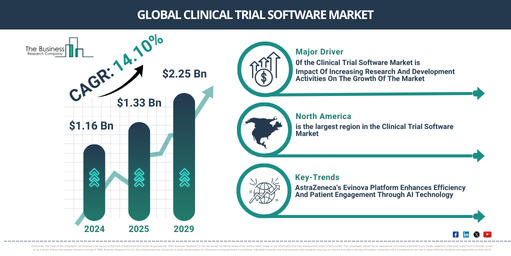
    Recent years have seen a swift expansion in the clinical trial software market size. The market, which stood at $1.16 billion in 2024, is forecasted to climb to $1.33 billion in 2025, marking a compound annual growth rate (CAGR) of 14.4%. This growth surge in the historical period was propelled by factors such as the growing demand for fresh software, more extensive adoption of emerging technologies, increased digitalization of clinical trials, rising prevalence of cloud computing, and a higher number of small and midsize biopharmaceutical firms.

    What Growth Rate Is Anticipated for the Clinical Trial Software Market in the Coming Years?

    The market size of clinical trial software is projected to experience a robust expansion in the upcoming years, reaching $2.25 billion in 2029 with a compound annual growth rate (CAGR) of 14.1%. The prosperity of this market during the forecast period is associated with the surge in clinical research activities, the recognition of the benefits of virtual trials, the growing demand for consumer-focused clinical trial solutions, the increased need for specialty medicines, and the escalating occurrence of venous diseases. Notable trends anticipated over the forecast period consist of the evolution of technology, the rise of artificial intelligence (AI), technological breakthroughs and innovation, the advent of AI and machine learning, and the assimilation with real-world data resources.

    Download The Free Sample Report Here:

    https://www.thebusinessresearchcompany.com/sample.aspx?id=21150&type=smp

    Who Are the Leading Companies in the Clinical Trial Software Market?

    Major companies operating in the clinical trial software market are International Business Machines Corporation, Oracle Corporation, Wipro Limited, Veeva Systems, Medpace Holdings Inc., Medidata Solutions, Signant Health Inc., Clario Inc., Advarra Inc., Celerion Inc., Veristat LLC, Greenphire Inc., Medrio Inc., Arisglobal LLC, Anju Software Inc., ClinCapture Inc., Palleos Healthcare GmbH, OpenClinica LLC, Pharmaseal International Limited, SoftFormance

    What Are the Key Drivers of the Clinical Trial Software Market?

    The augmentation in research and development activities is projected to spur the expansion of the clinical trial software market. These activities consist of a methodical process that involves the exploration, formulation, and evaluation of new products or technologies to enhance existing solutions or introduce entirely novel services. The surge in these activities can be attributed to the escalating demand for innovation across various sectors. This demand is accelerated by technological advancements, competitiveness in the markets, and the requirement for sustainable methods, prompting organizations to allocate more resources towards the creation of new products, procedures, and services. Clinical trial software plays a vital role in these activities by simplifying the planning, execution, and administration of clinical trials vital for the assessment of new medicines and therapies. For example, the Office for National Statistics, a government department in the UK, revealed in April 2024 that the UK government’s research and development expenditure rose to £15.5 ($19.67) billion in 2022 from £14.0 ($17.77) billion in 2021, which is a 10.5% growth. Consequently, the upswing in research and development activities fuels the rise of the clinical trial software market.

    Request For A Customized Report:

    https://www.thebusinessresearchcompany.com/customise?id=21150&type=smp

    What Are the Key Market Segments in the Clinical Trial Software Industry?

    The clinical trial software market covered in this report is segmented –

    1) By Deployment: On-Premises, Web-Based Clinical Trial Software, Cloud-Based Clinical Trial Software, Other Deployments

    2) By Software: Electronic Data Capture (EDC), Electronic Clinical Outcome Assessment (eCOA) Or Electronic Patient-Reported Outcome (ePRO), Electronic Informed Consent

    3) By End-User: Pharmaceutical And Biotechnology Companies, Contract Research Organizations (CROs), Medical Device Manufacturers, Other End-Users

    Subsegments:

    1) By On-Premises: Enterprise Clinical Trial Management Systems, Site-Based Clinical Trial Solutions

    2) By Web-Based Clinical Trial Software: Electronic Data Capture (EDC) Systems, Clinical Trial Management Systems (CTMS), Randomization And Trial Supply Management (RTSM)

    3) By Cloud-Based Clinical Trial Software: Software-as-a-Service (SaaS) Platforms, AI-Powered Clinical Trial Solutions, Remote Monitoring And Decentralized Trial Systems

    4) By Other Deployments: Hybrid Clinical Trial Solutions, Custom-Built Clinical Trial Software

    What Are the Latest Trends in the Clinical Trial Software Market?

    Key players within the clinical trial software market are prioritizing the development of groundbreaking technologies such as integrated trial solutions. These are intended to enhance the quality of data collection and integration, elevate levels of patient involvement, optimize trial procedures, lessen expenses, and hasten the overall timeline for drug development. The integrated trial solution is a comprehensive virtual platform engineered to streamline and augment the clinical trial workflow. For example, in November 2023, AstraZeneca plc, a pharmaceutical firm based in the UK, launched Evinova, an innovative platform designed to incorporate AI into clinical research. Evinova is equipped with exclusive features like automated patient recruitment that uses AI algorithms to rapidly match candidate profiles with trial requirements, thus remarkably decreasing enrollment durations. It further incorporates predictive modeling tools that scrutinize past and present data to predict patient reactions, thereby augmenting the structure and efficacy of trials. The platform’s accessible interface engenders a more effective patient participation by supplying digital platforms for correspondence and feedback, thereby enabling trial participants to more comfortably share their experiences.

    Access The Full Report Here:

    https://www.thebusinessresearchcompany.com/report/clinical-trial-software-global-market-report

    What Are the Key Regional Markets in the Clinical Trial Software Industry?

    North America was the largest region in the clinical trial software market in 2024. Europe is expected to be the fastest-growing region in the forecast period. The regions covered in the clinical trial software market report are Asia-Pacific, Western Europe, Eastern Europe, North America, South America, Middle East, Africa.

    Purchase The Full Report Today:

    https://www.thebusinessresearchcompany.com/purchaseoptions.aspx?id=21150

    This Report Delivers Insight On:

    1. How big is the clinical trial software market, and how is it changing globally?

    2. Who are the major companies in the clinical trial software market, and how are they performing?

    3. What are the key opportunities and risks in the clinical trial software market right now?

    4. Which products or customer segments are growing the most in the clinical trial software market?

    5. What factors are helping or slowing down the growth of the clinical trial software market?

    About The Business Research Company:

    With over 15000+ reports from 27 industries covering 60+ geographies, The Business Research Company has built a reputation for offering comprehensive, data-rich research and insights. Armed with 1,500,000 datasets, the optimistic contribution of in-depth secondary research, and unique insights from industry leaders, you can get the information you need to stay ahead in the game.

    Get in touch with us:

    The Business Research Company: https://www.thebusinessresearchcompany.com/

    Americas +1 310-496-7795

    Asia +44 2071930708

    Europe +44 7882 955267

    Email us at info@tbrc.info

    Follow us on:

    LinkedIn: https://in.linkedin.com/company/the-business-research-company

    YouTube: https://www.youtube.com/channel/UC24_fI0rV8cR5DxlCpgmyFQ

    Global Market Model: https://www.thebusinessresearchcompany.com/global-market-model
  • Chronic Sialorrhea Market Projected at $0.97 Billion by 2029 | Strategic Insights and Forecast Data

    Chronic Sialorrhea Market Projected at $0.97 Billion by 2029 | Strategic Insights and Forecast Data

    Claim your 30% discount on Global Market Reports with code ONLINE30. Limited time only.

    How Has the Chronic Sialorrhea Market Size Changed, over the years?

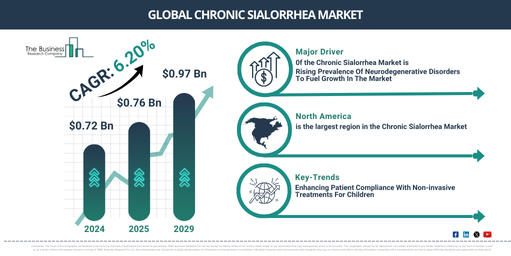
    There has been robust growth in the market size of chronic sialorrhea in the past years. The market is projected to expand from a worth of $0.72 billion in 2024 to an estimated $0.76 billion in 2025, boasting a compound annual growth rate (CAGR) of 6.5%. The previous period’s growth can be accredited to factors such as the escalating incidence rate of neurological disorders, a rise in global population, enhanced awareness and diagnosis, and a growing preference for non-invasive medical treatment methods.

    How Much Will the Chronic Sialorrhea Market Be Worth in 2029?

    Significant expansion is anticipated in the chronic sialorrhea market over the coming years. The market is projected to reach $0.97 billion by 2029, growing at a CAGR of 6.2%. This growth is primarily due to an increasing awareness about available treatments, a growing need for more effective treatment methods, an increase in healthcare spending, an increase in pediatric cases, and an increasing demand for oral gels and liquids. Future trends to watch out for include the rise of telemedicine for remote patient monitoring, the implementation of patient-focused care models, innovations in pharmacology, the integration of speech and occupational therapies, and the creation of longer-lasting pharmaceuticals.

    Download The Free Sample Report Here:

    https://www.thebusinessresearchcompany.com/sample.aspx?id=21149&type=smp

    Which is the Largest Company in the Chronic Sialorrhea Market?

    Major companies operating in the chronic sialorrhea market are Pfizer Inc., Eisai Co. Ltd., Ipsen Pharmaceuticals Inc., Aurobindo Pharma Limited, Shionogi Inc., Supernus Pharmaceuticals Inc., Granules India Limited, Hugel Inc., Medy-Tox Inc., Gufic Biosciences Limited, US WorldMeds LLC, Proveca Limited, Neos Therapeutics Inc., Merz Therapeutics GmbH, Taj Pharma India Limited, Meitheal Pharmaceuticals, Clini Experts Services Private Limited, NeuroHealing Pharmaceuticals Inc., ExCEEd Orphan Pharmaceuticals AG, Solstice Neurosciences Inc.

    What Are the Main Market Drivers in the Chronic Sialorrhea Industry?

    The burgeoning number of individuals plagued with neurodegenerative diseases is projected to stimulate the expansion of the chronic sialorrhea market in the future. Neurodegenerative diseases denote a class of conditions typified by the progressive destruction or demise of neurons in the brain and spinal cord. The escalation in these diseases stems from genetics and family histories, environment, a more profound comprehension of disease mechanisms, chronic health problems, and social and psychological influences. Chronic sialorrhea frequently accompanies neurodegenerative diseases like Parkinson’s and ALS, thereby necessitating treatments tailored to prevent aspiration, enhance overall oral functioning, and bolster patient comfort. For example, in September 2023, Parkinson’s UK, a charitable organization based in the UK, reported approximately 153,000 individuals in the UK presently grappling with Parkinson’s. As the population continues to age, this number is expected to see a rise of 20%, escalating to an estimated 172,000 individuals by 2030. Hence, the escalating occurrences of neurodegenerative diseases will act as a catalyst for the growth of the chronic sialorrhea market.

    Request For A Customized Report:

    https://www.thebusinessresearchcompany.com/customise?id=21149&type=smp

    How Is the Chronic Sialorrhea Market Segments Structured?

    The chronic sialorrhea market covered in this report is segmented –

    1) By Treatment Type: Pharmacological Treatments, Botulinum Toxin Injections, Surgical Interventions, Medical Devices And Assistive Therapies

    2) By Route Of Administration: Oral Medications, Injectable Treatments, Topical Applications

    3) By Patient Population: Pediatric Patients, Adult Patients

    4) By End-User: Hospitals And Specialty Clinics, Rehabilitation Centers, Homecare Settings

    Subsegments:

    1) By Pharmacological Treatments: Anticholinergic Medications, Antidepressants, Alpha-adrenergic Agonists, Salivary Gland Modulators

    2) By Botulinum Toxin Injections: Botulinum Toxin Type A (Botox), Botulinum Toxin Type B (Myobloc), Localized Salivary Gland Injections

    3) By Surgical Interventions: Sialendoscopy, Salivary Gland Duct Dilation or Stenting, Parotid Duct Surgery, Submandibular Gland Removal (Sialadenectomy)

    4) By Medical Devices And Assistive Therapies: Oral Dryness Devices, Salivary Stimulation Devices, Lip and Mouth Exercises, Artificial Salivary Glands

    What Strategic Trends Are Transforming the Chronic Sialorrhea Market?

    Primary businesses in the chronic sialorrhea market are striving to formulate innovative therapies such as oral solutions. These interventions aim to enhance patient adherence, offer less invasive alternatives, and promote more efficient and safer methods to manage chronic sialorrhea in children, while minimizing adverse effects. An oral solution refers to a liquid drug intended for oral consumption, incorporating an active ingredient suspended in a liquid medium, and made for effortless intake. For example, the UK-based Proveca Pharma Ltd. launched Sialanar (glycopyrronium bromide) in France in February 2023. This product aims to treat severe chronic sialorrhea in children suffering from neurological disorders. A unique feature of Sialanar is its liquid-based form intended for easy administration and precise dosages, which is particularly beneficial for children who find it challenging to take solid medications. Its efficacy and safety credentials are well documented, and it enables improved life quality by mitigating excessive drooling, a typical issue in neurodevelopmental disorders such as cerebral palsy.

    Access The Full Report Here:

    https://www.thebusinessresearchcompany.com/report/chronic-sialorrhea-global-market-report

    Which Global Regions Offer the Highest Growth in the Chronic Sialorrhea Market?

    North America was the largest region in the chronic sialorrhea market in 2024. Asia-Pacific is expected to be the fastest-growing region in the forecast period. The regions covered in the chronic sialorrhea market report are Asia-Pacific, Western Europe, Eastern Europe, North America, South America, Middle East, Africa.

    Purchase The Full Report Today:

    https://www.thebusinessresearchcompany.com/purchaseoptions.aspx?id=21149

    This Report Delivers Insight On:

    1. How big is the chronic sialorrhea market, and how is it changing globally?

    2. Who are the major companies in the chronic sialorrhea market, and how are they performing?

    3. What are the key opportunities and risks in the chronic sialorrhea market right now?

    4. Which products or customer segments are growing the most in the chronic sialorrhea market?

    5. What factors are helping or slowing down the growth of the chronic sialorrhea market?

    About The Business Research Company:

    With over 15000+ reports from 27 industries covering 60+ geographies, The Business Research Company has built a reputation for offering comprehensive, data-rich research and insights. Armed with 1,500,000 datasets, the optimistic contribution of in-depth secondary research, and unique insights from industry leaders, you can get the information you need to stay ahead in the game.

    Get in touch with us:

    The Business Research Company: https://www.thebusinessresearchcompany.com/

    Americas +1 310-496-7795

    Asia +44 2071930708

    Europe +44 7882 955267

    Email us at info@tbrc.info

    Follow us on:

    LinkedIn: https://in.linkedin.com/company/the-business-research-company

    YouTube: https://www.youtube.com/channel/UC24_fI0rV8cR5DxlCpgmyFQ

    Global Market Model: https://www.thebusinessresearchcompany.com/global-market-model
  • Chronic Pulmonary Hypertension Treatment Industry Growth Expected to Reach $8.95 Billion by 2029 at a CAGR of 5.6% | Segmentation and Growth Opportunities

    Chronic Pulmonary Hypertension Treatment Industry Growth Expected to Reach $8.95 Billion by 2029 at a CAGR of 5.6% | Segmentation and Growth Opportunities

    Claim your 30% discount on Global Market Reports with code ONLINE30. Limited time only.

    What Is the Forecast for the Chronic Pulmonary Hypertension Treatment Market Growth in 2025?

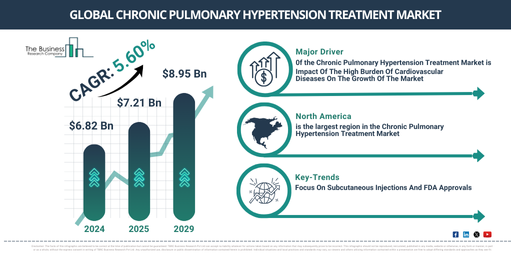
    Over the past few years, the market for chronic pulmonary hypertension treatment has been expanding robustly. The projection indicates an enlargement from $6.82 billion in 2024 to $7.21 billion in 2025 at a compound annual growth rate (CAGR) of 5.8%. This significant historic growth is mainly due to factors such as the rising incidence of chronic pulmonary hypertension, an increase in the approval of drugs, beneficial reimbursement policies, escalating healthcare expenditure, and an aging population.

    What Is the Forecast for the Chronic Pulmonary Hypertension Treatment Market Size Through 2029?

    In the coming years, it is anticipated that the market size for chronic pulmonary hypertension treatment will experience robust growth. The market is projected to expand to a value of $8.95 billion by 2029, reflecting a compound annual growth rate (CAGR) of 5.6%. The predicted surge throughout this period is mainly due to the escalating demand for efficient treatments, magnified investments, a rise in government backing for drug invention, growing necessity for progressive therapeutics, enhanced awareness, and an increased occurrence of chronic brain injuries. The forecast period is also expected to see considerable trends such as new drug and therapy developments, technological improvements, collaborations with pharmaceutical corporations, research establishments, and healthcare institutions, discovery of new molecular pathways, investments from governments and healthcare bodies, and innovation of fresh therapies.

    Download The Free Sample Report Here:

    https://www.thebusinessresearchcompany.com/sample.aspx?id=21148&type=smp

    What are the Key Market Players in Chronic Pulmonary Hypertension Treatment Market and How They’re Evolving?

    Major companies operating in the chronic pulmonary hypertension treatment market are Pfizer Inc., Johnson & Johnson, Merck & Co. Inc., Bayer AG, Sanofi SA, AstraZeneca PLC, Novartis AG, GSK (GlaxoSmithKline), Eli Lilly and Company, Amgen Inc., Gilead Sciences Inc., Boehringer Ingelheim, Viatris Inc., Teva Pharmaceutical Industries Ltd., Regeneron Pharmaceuticals Inc., Sumitomo Pharma Co. Ltd., Insmed, Cereno Scientific, Roivant Sciences, LGM Pharma, Liquidia Technologies

    What Are the Primary Growth Drivers in the Chronic Pulmonary Hypertension Treatment Market?

    The chronic pulmonary hypertension treatment market’s growth is expected to be driven by the high prevalence of cardiovascular diseases. These diseases, which include conditions such as coronary artery disease, stroke, and heart failure, correspond to various illnesses affecting the heart and blood vessels. Factors contributing to the high prevalence of cardiovascular diseases include unhealthy eating habits, lack of physical activity, tobacco usage, excessive drinking, obesity, high blood pressure, diabetes, and an aging population. By reducing pulmonary artery pressure, improving heart function, and minimising the risk of heart failure and its associated complications, chronic pulmonary hypertension treatment contributes to cardiovascular wellbeing. For example, as reported by the Australian Institute of Health and Welfare, a governmental agency in Australia, in December 2023, there were 14,100 deaths confirmed by doctors due to coronary heart disease (CHD) in 2021, which escalated to 14,900 in 2022. Consequently, the growth of the chronic pulmonary hypertension treatment market is spurred by the high prevalence of cardiovascular diseases.

    Request For A Customized Report:

    https://www.thebusinessresearchcompany.com/customise?id=21148&type=smp

    What Are the Leading Segments in the Global Chronic Pulmonary Hypertension Treatment Industry?

    The chronic pulmonary hypertension treatment market covered in this report is segmented –

    1) By Drug Type: Endothelin Receptor Antagonists, Phosphodiesterase (PDE-5) Inhibitors, Prostacyclin Analogs, Soluble Guanylate Cyclase (SGC) Stimulators

    2) By Route Of Administration: Oral, Intravenous Or Subcutaneous, Inhalational

    3) By Distribution Channel: Hospital Pharmacies, Retail Pharmacies, Online Pharmacies

    Subsegments:

    1) By Endothelin Receptor Antagonists: Bosentan, Ambrisentan, Macitentan

    2) By Phosphodiesterase (PDE-5) Inhibitors: Sildenafil, Tadalafil, Vardenafil

    3) By Prostacyclin Analogs: Epoprostenol, Treprostinil, Iloprost

    4) By Soluble Guanylate Cyclase (SGC) Stimulators: Riociguat

    What Are the Key Market Trends in the Chronic Pulmonary Hypertension Treatment Industry?

    Major firms within the chronic pulmonary hypertension therapy business are concentrating their efforts on creating innovative solutions like subcutaneous injections which aim to advance patient conformity, offer more specialized treatment options, and promote convenience. By delivering continuous medication under the patient’s skin, subcutaneous injections help decrease the pulmonary artery pressure and enhance pulmonary hypertension patients’ blood flow. For example, Merck & Co Inc., a pharmaceutical company based in the US, stated in March 2024 that Winrevair (sotatercept-csrk) had received approval from the U.S. Food and Drug Administration (FDA). This marks a notable progress in pulmonary arterial hypertension (PAH) therapy. The breakthrough therapy segregates itself through its unique benefits. Clinical trials displayed an improvement in the WHO functional class in 29% of patients, a significant increase compared to the 14% in the placebo group, thus greatly improving their quality of life.

    Access The Full Report Here:

    https://www.thebusinessresearchcompany.com/report/chronic-pulmonary-hypertension-treatment-global-market-report

    What Is the Regional Outlook for the Chronic Pulmonary Hypertension Treatment Market?

    North America was the largest region in the chronic pulmonary hypertension treatment market in 2024. The regions covered in the chronic pulmonary hypertension treatment market report are Asia-Pacific, Western Europe, Eastern Europe, North America, South America, Middle East, Africa.

    Purchase The Full Report Today:

    https://www.thebusinessresearchcompany.com/purchaseoptions.aspx?id=21148

    This Report Delivers Insight On:

    1. How big is the chronic pulmonary hypertension treatment market, and how is it changing globally?

    2. Who are the major companies in the chronic pulmonary hypertension treatment market, and how are they performing?

    3. What are the key opportunities and risks in the chronic pulmonary hypertension treatment market right now?

    4. Which products or customer segments are growing the most in the chronic pulmonary hypertension treatment market?

    5. What factors are helping or slowing down the growth of the chronic pulmonary hypertension treatment market?

    About The Business Research Company:

    With over 15000+ reports from 27 industries covering 60+ geographies, The Business Research Company has built a reputation for offering comprehensive, data-rich research and insights. Armed with 1,500,000 datasets, the optimistic contribution of in-depth secondary research, and unique insights from industry leaders, you can get the information you need to stay ahead in the game.

    Get in touch with us:

    The Business Research Company: https://www.thebusinessresearchcompany.com/

    Americas +1 310-496-7795

    Asia +44 2071930708

    Europe +44 7882 955267

    Email us at info@tbrc.info

    Follow us on:

    LinkedIn: https://in.linkedin.com/company/the-business-research-company

    YouTube: https://www.youtube.com/channel/UC24_fI0rV8cR5DxlCpgmyFQ

    Global Market Model: https://www.thebusinessresearchcompany.com/global-market-model