Category: HealthcareServices

  • Vulvar Cancer Market Valuation Expected To Reach $0.89 Billion By 2029, Growing At A Rate Of 9.3%

    Vulvar Cancer Market Valuation Expected To Reach $0.89 Billion By 2029, Growing At A Rate Of 9.3%

    Our market reports now include the latest updates on global tariffs, trade impacts, and evolving supply chain dynamics.

    What Is the Estimated Market Size of the Vulvar Cancer Market In 2029?

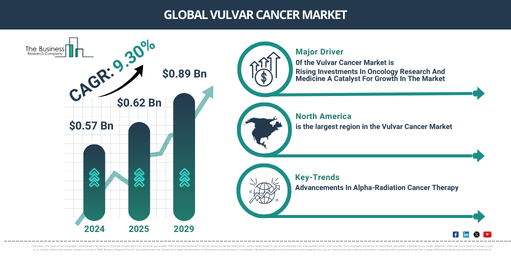
    The vulvar cancer sector has seen a significant expansion in its market in the last few years. The size is projected to increase from $0.57 billion in 2024 to $0.62 billion in 2025, representing a compound annual growth rate (CAGR) of 9.7%. The acceleration in growth during this historic period is due to factors such as the widespread adoption of immunotherapy, a rising incidence of vulvar cancer, enhanced investment in research and development, increased government involvement, and the escalating use of HPV vaccines.

    In the upcoming years, the market size for vulvar cancer is projected to witness a significant increase, reaching $0.89 billion in 2029 with a compound annual growth rate (CAGR) of 9.3%. This predicted growth during the forecast period can be associated with a rise in the need for therapeutic treatments, higher use of target-oriented therapies, amplified concentration on cancer’s early detection, increasing emphasis on individualized medicine, and an expansion of screening programs. The major trends forecasted for this period encompass targeted therapies, combined treatments, individualized medicine, strategic collaboration, and robotic-aided operations.

    Download a free sample to assess the report’s scope and structure:

    https://www.thebusinessresearchcompany.com/sample.aspx?id=21318&type=smp

    Which Factors and External Forces Are Driving Demand in the Vulvar Cancer Market?

    The surge in funding for oncology research and medicine is set to fuel the expansion of the vulvar cancer market. Such investments, made by governmental bodies, pharmaceutical firms, research entities, and private investors, aim to boost understanding, prevention, diagnosis, and treatment of cancer. The escalation of these investments can be attributed to the growing global cancer toll, advancements in precision medicine, increasing demand for innovative treatment solutions, proliferation of clinical trials, initiatives of government and private funding, and emergence of targeted and immunotherapy treatments. These investments streamline the vulvar cancer landscape by prompting advancements in early diagnostic methods, amplifying treatment alternatives like targeted therapies and immunotherapy, underwriting clinical trials for more potent drugs, refining infrastructure for pediatric cancer care, and promoting novel research to comprehend the biology and progression of the disease better. Specifically, in May 2024, as per IQVIA, an Indian IT firm that provides superior analytics, expenditure on cancer medicine worldwide escalated to $223 billion in 2023, indicating a $25 billion hike from 2022 and is projected to hit $409 billion by 2028. Hence, the intensified investment in oncology research and medicine catalyzes the vulvar cancer market. The Influence of Personalized Medicine on Market Expansion

    Which Segments in the Vulvar Cancer Offer the Most Growth?

    The vulvar cancer market covered in this report is segmented –

    1) By Cancer Type: Vulvar Squamous Cell Carcinoma, Vulvar Melanoma, Adenocarcinoma, Basal Cell Carcinoma

    2) By Treatment Type: Chemotherapy, Surgery, Laser Surgery, Excision, Skinning Vulvectomy, Radical Vulvectomy, Radiation Therapy, Biologic Therapy

    3) By Distribution Channel: Online Channel, Offline Channel

    4) By End Users: Hospitals And Clinics, Research And Academic Institutes, Other End Users

    Subsegments:

    1) By Vulvar Squamous Cell Carcinoma: Keratinizing Squamous Cell Carcinoma, Non-Keratinizing Squamous Cell Carcinoma, Verrucous Carcinoma

    2) By Vulvar Melanoma: Mucosal Melanoma, Acral Lentiginous Melanoma, Nodular Melanoma

    3) By Adenocarcinoma: Bartholin Gland Adenocarcinoma, Extramammary Paget’s Disease-Associated Adenocarcinoma, Sweat Gland Adenocarcinoma

    4) By Basal Cell Carcinoma: Superficial Basal Cell Carcinoma, Nodular Basal Cell Carcinoma, Morpheaform (Sclerosing) Basal Cell Carcinoma

    Request customized data on this market:

    https://www.thebusinessresearchcompany.com/customise?id=21318&type=smp

    What Are the Fastest-Growing Geographies in the #Which Factors and External Forces Are Driving Demand in the Vulvar Cancer Market?# Market?

    North America was the largest region in the vulvar cancer market in 2024. Asia-Pacific is expected to be the fastest-growing region in the forecast period. The regions covered in the vulvar cancer market report are Asia-Pacific, Western Europe, Eastern Europe, North America, South America, Middle East, Africa.

    Which Cutting-Edge Market Trends Are Expected to Drive theVulvar Cancer Market’s Growth?

    Major firms active in the vulvar cancer market are concentrating on innovative cancer treatments like alpha-radiation cancer therapy to improve both treatment efficiency and patient results. Alpha-radiation cancer therapy is a treatment method that delivers alpha particles directly to tumor cells, inflicting localized damage to cancer cells while sparing the surrounding healthy cells from harm. For example, in May 2023, Alpha Tau Medical Ltd., a company from Israel, revealed the inaugural use of its Alpha DaRT alpha-radiation cancer therapy for managing squamous cell carcinoma of the vulva. The research, carried out at Addenbrooke’s Hospital under the supervision of Cambridge University Hospitals NHS Foundation Trust, is aiming to bring in 10 participants to examine the safety and effectiveness of the treatment. Alpha DaRT offers a targeted and minimally invasive strategy, demonstrating its potential as a non-surgical alternative for treating vulvar cancer.

    View the full report here:

    https://www.thebusinessresearchcompany.com/report/vulvar-cancer-global-market-report

    What Are the Key Elements That Define the Vulvar Cancer Market?

    Vulvar cancer refers to cancer that develops in the vulva, the external part of the female genitalia. It typically begins in the skin or tissues of the vulva and can involve the labia, clitoris, or vaginal opening. The most common type is squamous cell carcinoma, often linked to human papillomavirus (HPV) infection. Symptoms may include itching, pain, and visible growths or sores on the vulva.

    Purchase the full report and get a swift delivery:

    https://www.thebusinessresearchcompany.com/purchaseoptions.aspx?id=21318

    About The Business Research Company:

    With over 15000+ reports from 27 industries covering 60+ geographies, The Business Research Company has built a reputation for offering comprehensive, data-rich research and insights. Armed with 1,500,000 datasets, the optimistic contribution of in-depth secondary research, and unique insights from industry leaders, you can get the information you need to stay ahead in the game.

    Get in touch with us:

    The Business Research Company: https://www.thebusinessresearchcompany.com/

    Americas +1 3156230293

    Asia +44 2071930708

    Europe +44 2071930708

    Email us at info@tbrc.info

    Follow us on:

    LinkedIn: https://in.linkedin.com/company/the-business-research-company

    YouTube: https://www.youtube.com/channel/UC24_fI0rV8cR5DxlCpgmyFQ

    Global Market Model: https://www.thebusinessresearchcompany.com/global-market-model
  • $2.1 Billion Forecast for Vertigo Treatment Market by 2029, Backed by Demand and Innovation

    $2.1 Billion Forecast for Vertigo Treatment Market by 2029, Backed by Demand and Innovation

    Our market reports now include the latest updates on global tariffs, trade impacts, and evolving supply chain dynamics.

    What Are the Key Projections for the CAGR of the Vertigo Treatment Market Size From 2025 to 2034?

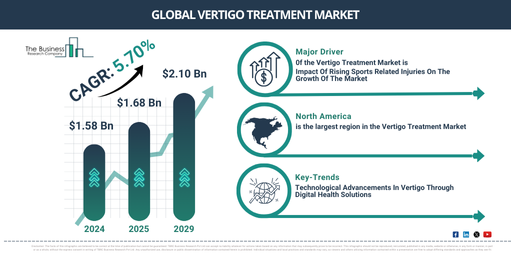
    The market for vertigo treatment has seen significant expansion in the past few years. The market value is projected to increase from $1.58 billion in 2024 to $1.68 billion in 2025, boasting a compound annual growth rate (CAGR) of 6.1%. This growth during the prior period can be credited to factors like a rising elderly population, climbing healthcare costs, increased funding towards research and development, a growing number of reported vertigo incidents, and heightened awareness regarding ear-related issues.

    In the coming years, the market for vertigo treatment is predicted to see a robust expansion. The expected growth will bring the market value up to $2.10 billion by 2029, with a compound annual growth rate (CAGR) of 5.7%. The propelling factors for this growth during the forecast period are primarily due to an increase in clinical trials, the development of new drugs, government initiatives, the wider accessibility of medications, and rising issues linked to the brain stem. Key trends likely to be seen during this period include innovative therapeutics for vertigo, the rise of telehealth services, therapies centered around medical devices, technology advancements, and strategic collaborations.

    Download a free sample to assess the report’s scope and structure:

    https://www.thebusinessresearchcompany.com/sample.aspx?id=21316&type=smp

    What Are the Core Growth Drivers Propelling the Vertigo Treatment Market Forward?

    The growth of the vertigo treatment market is anticipated to be fuelled by the increasing incidence of sports-related injuries. These sorts of physical damages are commonly associated with sports or recreational activities. The frequency of such injuries is escalating owing to the augmented participation in high-impact sports, rigorous training routines, and the absence of adequate injury prevention tactics. Vertigo management aids patients with sports-incurred injuries by reducing dizziness, enhancing balance, and reinstating vestibular function through a mix of medications, vestibular rehabilitation therapy, and adjustments in lifestyle. This allows athletes to recuperate quickly, restore coordination, and resume their sports activities safely. For example, in July 2024, data from the National Highway Traffic Safety Administration, a government agency in the U.S, revealed a 13% surge in the number of fatalities among pedal cyclists in 2022, recording 1,105 deaths as opposed to 976 in 2021. Furthermore, the estimated injuries among pedal cyclists in 2022 were 46,195, marking an 11% increase from the 41,615 injuries cited in 2021. Hence, the escalating incidence of sports-related injuries is fuelling the growth of the vertigo treatment market.

    What Segment Types Define the Vertigo Treatment Market Structure?

    The vertigo treatment market covered in this report is segmented –

    1) By Type: Peripheral Vertigo, Central Vertigo

    2) By Treatment: Medication, Surgery, Therapy

    3) By Route Of Administration: Oral, Topical, Parenteral, Other Routes Of Administration

    4) By End User: Hospitals, Clinics, Other End Users

    Subsegments:

    1) By Peripheral Vertigo: Benign Paroxysmal Positional Vertigo (BPPV), Meniere’s Disease, Vestibular Neuritis, Labyrinthitis

    2) By Central Vertigo: Vestibular Migraine, Stroke-Related Vertigo, Multiple Sclerosis-Associated Vertigo, Brain Tumor-Related Vertigo

    Request customized data on this market:

    https://www.thebusinessresearchcompany.com/customise?id=21316&type=smp

    Which Geographic Areas Hold the Strongest Growth Potential in the Vertigo Treatment Market?

    North America was the largest region in the vertigo treatment market in 2024. Asia-Pacific is expected to be the fastest-growing region in the forecast period. The regions covered in the vertigo treatment market report are Asia-Pacific, Western Europe, Eastern Europe, North America, South America, Middle East, Africa.

    Which Emerging Trends that Are Influencing theVertigo Treatment Industry Evolution?

    Leading corporations within the vertigo treatment market are honing in on technological breakthroughs, including digital health applications, to enhance patient care and ensure adherence to treatment regimens. Digital health applications denote tech-powered instruments and systems developed to enhance health management, diagnosis, therapies, and patient assistance. For instance, Abbott Laboratories, a healthcare organization based in the United States, released the Vertigo Coach app in India in August 2023. This digital health application aims to assist individuals in managing their vertigo symptoms by offering around-the-clock information and resources. The app provides support regarding lifestyle decisions, exercises, and prevalent triggers of vertigo, serving as a user’s companion. It acts as an all-encompassing platform for symptom management, fostering better patient-physician communication, and monitoring medication schedules. The application facilitates automated notifications and pill reminders to guarantee patients take their medication as prescribed.

    View the full report here:

    https://www.thebusinessresearchcompany.com/report/vertigo-treatment-global-market-report

    What Is the Definition of the Vertigo Treatment Market?

    Vertigo treatment refers to medical interventions aimed at alleviating the symptoms of vertigo, such as dizziness and balance issues. It includes medications, physical therapy, and lifestyle changes to manage the underlying causes of vertigo. The treatment helps improve balance, reduce dizziness, and prevent vertigo episodes. It is used to address conditions like benign paroxysmal positional vertigo (BPPV), vestibular disorders, and other related conditions.

    Purchase the full report and get a swift delivery:

    https://www.thebusinessresearchcompany.com/purchaseoptions.aspx?id=21316

    About The Business Research Company:

    With over 15000+ reports from 27 industries covering 60+ geographies, The Business Research Company has built a reputation for offering comprehensive, data-rich research and insights. Armed with 1,500,000 datasets, the optimistic contribution of in-depth secondary research, and unique insights from industry leaders, you can get the information you need to stay ahead in the game.

    Get in touch with us:

    The Business Research Company: https://www.thebusinessresearchcompany.com/

    Americas +1 3156230293

    Asia +44 2071930708

    Europe +44 2071930708

    Email us at info@tbrc.info

    Follow us on:

    LinkedIn: https://in.linkedin.com/company/the-business-research-company

    YouTube: https://www.youtube.com/channel/UC24_fI0rV8cR5DxlCpgmyFQ

    Global Market Model: https://www.thebusinessresearchcompany.com/global-market-model

  • Global Ventral Hernia Treatment Market Projected to Reach $6.9 Billion by 2029 at a CAGR of 7.2%

    Global Ventral Hernia Treatment Market Projected to Reach $6.9 Billion by 2029 at a CAGR of 7.2%

    Our market reports now include the latest updates on global tariffs, trade impacts, and evolving supply chain dynamics.

    How Has The Ventral Hernia Treatment Market Growth Evolved From 2024 To 2025, And What’s Ahead?

    In the past few years, the ventral hernia treatment market has expanded rapidly. The market size is expected to increase from $4.87 billion in 2024 to $5.23 billion in 2025, reflecting a compound annual growth rate (CAGR) of 7.5%. Several factors have contributed to the historical growth of this market, including the rise in obesity rates, enhanced awareness about ventral hernias, an aging population, higher disposable income, and a growing preference for minimally invasive surgical treatments.

    Expectations are high for significant growth in the ventral hernia treatment market in the coming years. By the year 2029, it’s projected to escalate to $6.90 billion, with a compound annual growth rate (CAGR) of 7.2%. This predicted growth trajectory during the forecast period can be linked to an increased demand for outpatient procedures, a rise in healthcare expenditure, increasing government initiatives, a surge in demand for hernia repair surgeries, and sizable investments in research and development. The major trends anticipated for the forecast period encompass advanced hernia repair devices, the use of bioabsorbable materials, strategic partnerships, robotic-assisted surgical devices, and remote monitoring.

    Download a free sample to assess the report’s scope and structure:

    https://www.thebusinessresearchcompany.com/sample.aspx?id=21315&type=smp

    What are the Fundamental Drivers and Innovations Shaping the Ventral Hernia Treatment Market?

    The ventral hernia treatment market is expected to expand due to the growing incidence of obesity. Characterized by an excessive accumulation of body fat that seriously affects an individual’s health, obesity is becoming more prevalent due to factors such as poor diet, lack of physical activity, sedentary lifestyle, genetic inclinations, environmental stimuli, and emotional stress. By addressing the issues arising from excessive weight, ventral hernia treatment aids obese patients as it helps take the pressure off the abdominal wall, decreases the possibility of hernia reappearance, and strengthens overall abdominal muscles, which are necessary for enabling mobility and supporting healthier lifestyle habits for those dealing with obesity. For example, in March 2024, the World Health Organization (WHO), based in Switzerland, revealed that approximately an eighth of the global population were battling obesity, including 2.5 billion adults aged over 18, of which 890 million people were living with obesity. Of the adult population, 43% were overweight, and 16% were categorized as obese. Furthermore, about 37 million children under the age of five were overweight. Hence, the escalating prevalence of obesity is fueling the growth of the ventral hernia treatment market.

    How Is the Ventral Hernia Treatment Market Segmented?

    The ventral hernia treatment market covered in this report is segmented –

    1) By Type: Epigastric (Stomach Area) Hernia, Umbilical (Belly Button) Hernia, Incisional Hernia

    2) By Diagnosis: Ultrasound, Computed Tomography (CT) Scan, Magnetic Resonance Imaging (MRI)

    3) By Surgery: Open Hernia Surgery, Laparoscopic Surgery, Robotic Hernia Surgery

    4) By End Users: Hospitals, Ambulatory Surgical Centres, Clinics

    Subsegments:

    1) By Epigastric (Stomach Area) Hernia: Small Epigastric Hernia, Large Epigastric Hernia

    2) By Umbilical (Belly Button) Hernia: Congenital Umbilical Hernia, Acquired Umbilical Hernia

    3) By Incisional Hernia: Primary Incisional Hernia, Recurrent Incisional Hernia

    Request customized data on this market:

    https://www.thebusinessresearchcompany.com/customise?id=21315&type=smp

    Which Regions Are Driving the Next Phase of the Ventral Hernia Treatment Market Growth?

    North America was the largest region in the ventral hernia treatment market in 2024. Europe is expected to be the fastest-growing region in the forecast period. The regions covered in the ventral hernia treatment market report are Asia-Pacific, Western Europe, Eastern Europe, North America, South America, Middle East, Africa.

    What Key Trends Are Shaping the Future of the Ventral Hernia Treatment Market?

    Leading companies in the ventral hernia treatment market are prioritizing technological advancement, with a focus on laparoscopic and open hernia mesh fixation devices. Their aim is to elevate surgical results, minimize risks, and make patient recovery more efficient. These devices are used in hernia repair procedures, either through a minimally invasive laparoscopic approach or through traditional open surgery. TELA Bio Inc., a medical technology firm based in the U.S., launched two such devices – LIQUIFIX FIX8 and LIQUIFIX precision in the U.S. in March 2024. LIQUIFIX FIX8 is intended for minimally invasive procedures, whereas LIQUIFIX precision is designed for open femoral and inguinal hernia repairs. Both devices, approved by the FDA, employ liquid anchors to secure the mesh without tissue penetration, thus reducing trauma and possible complications. Given the high frequency of hernia operations in the U.S., with over 1.2 million annually, the LIQUIFIX devices ensure accuracy and safety, mitigating the risk of vascular or nerve damage.

    View the full report here:

    https://www.thebusinessresearchcompany.com/report/ventral-hernia-treatment-global-market-report

    How Is the Ventral Hernia Treatment Market Defined and What Are Its Core Parameters?

    Ventral hernia treatment refers to the medical procedures and interventions used to repair hernias that occur in the abdominal wall. It typically involves the use of robotic-assisted surgery, tension-free mesh repair, and laparoscopic intraperitoneal. The treatment aims to reposition displaced tissues, strengthen the abdominal wall, and prevent recurrence. These treatments are used to relieve pain, restore normal function, and reduce the risk of complications such as bowel obstruction or strangulation.

    Purchase the full report and get a swift delivery:

    https://www.thebusinessresearchcompany.com/purchaseoptions.aspx?id=21315

    About The Business Research Company:

    With over 15000+ reports from 27 industries covering 60+ geographies, The Business Research Company has built a reputation for offering comprehensive, data-rich research and insights. Armed with 1,500,000 datasets, the optimistic contribution of in-depth secondary research, and unique insights from industry leaders, you can get the information you need to stay ahead in the game.

    Get in touch with us:

    The Business Research Company: https://www.thebusinessresearchcompany.com/

    Americas +1 3156230293

    Asia +44 2071930708

    Europe +44 2071930708

    Email us at info@tbrc.info

    Follow us on:

    LinkedIn: https://in.linkedin.com/company/the-business-research-company

    YouTube: https://www.youtube.com/channel/UC24_fI0rV8cR5DxlCpgmyFQ

    Global Market Model: https://www.thebusinessresearchcompany.com/global-market-model
  • Uveitis Treatment Market 2025-2034: Key Highlights, Growth Dynamics, and Emerging Trends

    Uveitis Treatment Market 2025-2034: Key Highlights, Growth Dynamics, and Emerging Trends

    Our market reports now include the latest updates on global tariffs, trade impacts, and evolving supply chain dynamics.

    What Is the Current and Projected Market Size of the Uveitis Treatment Market Through 2034?

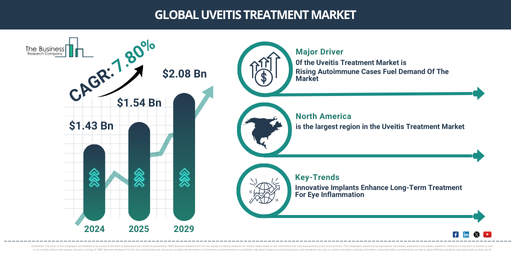
    The market size for uveitis treatment has seen a robust expansion in the last few years. The market is predicted to rise from $1.43 billion in 2024 to $1.54 billion in 2025, exhibiting a compound annual growth rate (CAGR) of 8.1%. The increase in the historical period can be ascribed to factors such as a higher incidence of autoimmune disorders, a growing elderly population, an increased prevalence of uveitis, and a greater understanding among healthcare professionals about the necessity of early detection and intervention. The growth is also due to a rising number of infectious disease cases.

    The market for uveitis treatment is set to experience significant growth in the coming years, with its size predicted to reach 2.08 billion by 2029, growing at a compounded annual growth rate (CAGR) of 7.8%. The anticipated growth during this forecast period is linked to several factors including the growing accessibility of healthcare services, a spike in age-related eye conditions, an increase in the elderly demographic, more research initiatives, and heightened eye health consciousness across the global population. Notable trends for this period also encompass the emergence of targeted therapies, progress in laser surgery techniques, the introduction of innovative drug delivery systems, advancements in the tools used for eye diagnosis, and the rising use of sustained-release drug delivery systems.

    Download a free sample to assess the report’s scope and structure:

    https://www.thebusinessresearchcompany.com/sample.aspx?id=21313&type=smp

    How Are Key Drivers in the Industry Acting as Catalysts for the Growth of the Uveitis Treatment Market?

    The escalating occurrence of autoimmune disorders is speculated to boost the advancement of the uveitis treatment market in the future. Autoimmune disorders are classified as a series of diseases where the body’s healthy cells, tissues, or organs are attacked and damaged by its own immune system. The gradual spikes in the prevalence of these conditions are caused by elements like predisposition due to genetics, triggers from the environment, changes in lifestyle, and altered immune system behavior. Uveitis treatment contributes to the management of these autoimmune disorders by diminishing inflammation, curtailing excessive immune system activity, and thwarting vision impairment tied to inflammation of the eye due to autoimmune reactions. For example, as reported by Versorgungsatlas, a healthcare data analytics enterprise based in Germany, in November 2024, out of 73,241,305 insured individuals in 2022, 6,304,340 of them were identified with at least one autoimmune illness, bringing about a crude prevalence rate of 8.61%. Hence, the escalating occurrence of autoimmune disorders is steering the growth of the uveitis treatment market.

    Which Segments in the Uveitis Treatment Offer the Most Growth?

    The uveitis treatment market covered in this report is segmented –

    1) By Indication: Anterior Uveitis, Intermediate Uveitis, Posterior Uveitis, Panuveitis

    2) By Route Of Administration: Topical, Systemic, Injectable

    3) By Cause: Infectious, Non-infectious

    4) By Treatment: Corticosteroids, Immunosuppressant, Monoclonal Antibodies, Cycloplegic Agents, Antibiotics, Antivirals, Antifungal, Analgesics

    5) By Distribution Channel: Hospital Pharmacies, Retail Pharmacies, Online Pharmacies, Other Distribution Channels

    Subsegments:

    1) By Anterior Uveitis: Infectious Anterior Uveitis, Non-Infectious Anterior Uveitis

    2) By Intermediate Uveitis: Infectious Intermediate Uveitis, Non-Infectious Intermediate Uveitis

    3) By Posterior Uveitis: Infectious Posterior Uveitis, Non-Infectious Posterior Uveitis

    4) By Panuveitis: Infectious Panuveitis, Non-Infectious Panuveitis

    Request customized data on this market:

    https://www.thebusinessresearchcompany.com/customise?id=21313&type=smp

    What Are the Fastest-Growing Geographies in the #How Are Key Drivers in the Industry Acting as Catalysts for the Growth of the Uveitis Treatment Market?# Market?

    North America was the largest region in the uveitis treatment market in 2024. Asia-Pacific is expected to be the fastest-growing region in the forecast period. The regions covered in the uveitis treatment market report are Asia-Pacific, Western Europe, Eastern Europe, North America, South America, Middle East, Africa.

    What Are the Current Market Growth and Trends in the Uveitis Treatment Industry?

    Leading firms in the uveitis treatment market are investing their efforts in creating novel devices like sustained-release intravitreal implants to enhance patient adherence. These implants serve as durable drug delivery methods installed in the eye to facilitate a regulated, extended release of medication. To illustrate, Alimera Sciences, an American biopharmaceutical enterprise, unveiled ILUVIEN in Spain in February 2022. ILUVIEN was developed as a sustained-release intravitreal implant for the treatment of non-infectious posterior uveitis (NIPU). The implant sends the medication fluocinolone acetonide straight to the eye, where it gradually disseminates over a maximum of 36 months, affording lasting management to mitigate inflammation and avert recurrences in relentless NIPU. It stands as the inaugural and sole treatment of its type for this condition, purposed to minimize the number of injections, whilst bettering patient results through a more dependable, enduring impact.

    View the full report here:

    https://www.thebusinessresearchcompany.com/report/uveitis-treatment-global-market-report

    What Are the Key Elements That Define the Uveitis Treatment Market?

    Uveitis treatment refers to medical interventions aimed at reducing inflammation inside the eye to alleviate symptoms and prevent vision loss. Depending on the underlying cause, treatments may include corticosteroids, immunosuppressive drugs, or antimicrobial medications. These can be administered as eye drops, oral medications, injections, or implants, tailored to the specific type and severity of uveitis.

    Purchase the full report and get a swift delivery:

    https://www.thebusinessresearchcompany.com/purchaseoptions.aspx?id=21313

    About The Business Research Company:

    With over 15000+ reports from 27 industries covering 60+ geographies, The Business Research Company has built a reputation for offering comprehensive, data-rich research and insights. Armed with 1,500,000 datasets, the optimistic contribution of in-depth secondary research, and unique insights from industry leaders, you can get the information you need to stay ahead in the game.

    Get in touch with us:

    The Business Research Company: https://www.thebusinessresearchcompany.com/

    Americas +1 3156230293

    Asia +44 2071930708

    Europe +44 2071930708

    Email us at info@tbrc.info

    Follow us on:

    LinkedIn: https://in.linkedin.com/company/the-business-research-company

    YouTube: https://www.youtube.com/channel/UC24_fI0rV8cR5DxlCpgmyFQ

    Global Market Model: https://www.thebusinessresearchcompany.com/global-market-model
  • Uveal Neoplasms Market Trends 2025-2034: Growth, Strategic Insights, and Opportunities Ahead

    Uveal Neoplasms Market Trends 2025-2034: Growth, Strategic Insights, and Opportunities Ahead

    Our market reports now include the latest updates on global tariffs, trade impacts, and evolving supply chain dynamics.

    What is the Anticipated CAGR of the Uveal Neoplasms Market, and What Factors Will Drive It?

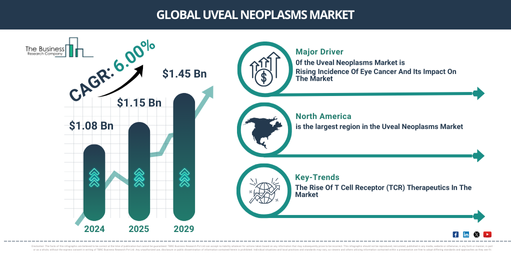
    Recently, there has been a significant increase in the uveal neoplasms market size. The market is projected to increase from a worth of $1.08 billion in 2024 to $1.15 billion in 2025, indicating a compound annual growth rate (CAGR) of 6.3%. The ascension in the historical period is due to factors such as the heightened incidence of uveal neoplasms, augmented funding for personalized therapies, a rise in the number of older people, growing consciousness and early diagnosis, and an uptick in genetic disorder occurrences.

    Anticipations are high for a robust growth in the uveal neoplasms market over the upcoming years. By 2029, this market is projected to surge to $1.45 billion, boasting a compound annual growth rate (CAGR) of 6.0%. This predicted expansion during the forecast span may be linked to multiple factors such as heightened research and development activities, a growing number of clinical trials, enhanced government funding in the realm of global disease eradication, escalating occurrences of ocular cancer, and mounting healthcare expenditures. Notable trends anticipated throughout this forecast timeframe encompass the progress in immunotherapy, evolution in targeted therapies, intensifying focus on precursory diagnoses, increased clinical trials, and innovation within therapy methodologies.

    Download a free sample to assess the report’s scope and structure:

    https://www.thebusinessresearchcompany.com/sample.aspx?id=21312&type=smp

    What Are the Major Market Drivers Behind the Rising Adoption of Uveal Neoplasms Market?

    The growth of the uveal neoplasms market is believed to be driven by the escalating prevalence of eye cancer. Eye cancer, characterized by the proliferation of abnormal cells in different regions of the eye, including the retina, iris, or optic nerve, has seen a consistent increase due to various factors such as improved detection methods, exposure to harmful environmental elements, and ageing populations. Uveal neoplasms, primarily uveal melanoma, are a less common type of eye cancer that can metastasize to other parts of the body, especially the liver, thereby profoundly affecting health. For instance, Cancer Research UK, a renowned cancer research organization based in the UK, forecasts that eye cancer incidence rates will experience a 50% surge in the UK from 2023-2025 and 2038-2040. This would equate to an average of 3 cases per 100,000 people annually by 2038. Consequently, the growing prevalence of eye cancer is fueling the expansion of the uveal neoplasms market.

    Which Key Market Segments Comprise the Uveal Neoplasms Market and Drive Its Revenue Growth?

    The uveal neoplasms market covered in this report is segmented –

    1) By Treatment Type: Drugs, Therapy

    2) By Route Of Administration: Oral, Injectable, Other Route Administration

    3) By Distribution Channel: Hospitals Pharmacies, Online Pharmacies, Retail Pharmacies

    Subsegments:

    1) By Drugs: Chemotherapeutic Agents, Targeted Therapy Drugs, Immunotherapy Drugs

    2) By Therapy: Radiation Therapy, Laser Therapy, Photodynamic Therapy

    Request customized data on this market:

    https://www.thebusinessresearchcompany.com/customise?id=21312&type=smp

    Which Areas Are Leading Regions in the Uveal Neoplasms Market Expansion Across the Globe?

    North America was the largest region in the uveal neoplasms market in 2024. The regions covered in the uveal neoplasms market report are Asia-Pacific, Western Europe, Eastern Europe, North America, South America, Middle East, Africa.

    What Are the Strategic Trends Steering theUveal Neoplasms Market Direction?

    Main players in the uveal neoplasms market are focusing on advancing new therapies like T cell receptor (TCR) treatments to improve efficiency and offer more precise solutions for patients. T cell receptors (TCR), proteins located on the surface of T cells, are instrumental in identifying and binding to certain antigens, thereby assisting the immune system in recognizing and combating infected or malignant cells. For example, in January 2022, a major breakthrough was achieved when Immunocore, a UK-based biotech firm, gained US FDA approval for KIMMTRAK (tebentafusp-tebn), the inaugural TCR-based therapy ever approved for use in managing unresectable or metastatic uveal melanoma. This landmark move signals significant progress in managing this rare and aggressive form of cancer. This groundbreaking therapy operates by binding to both tumor cells and T cells, thereby enhancing the immune system’s ability to identify and target the cancer.

    View the full report here:

    https://www.thebusinessresearchcompany.com/report/uveal-neoplasms-global-market-report

    How Is the Uveal Neoplasms Market Conceptually Defined?

    Uveal neoplasms are tumors that develop in the uveal tract of the eye, which includes the iris, ciliary body, and choroid. They can be benign (nevus) or malignant (uveal melanoma), affecting vision and potentially spreading to other organs.

    Purchase the full report and get a swift delivery:

    https://www.thebusinessresearchcompany.com/purchaseoptions.aspx?id=21312

    About The Business Research Company:

    With over 15000+ reports from 27 industries covering 60+ geographies, The Business Research Company has built a reputation for offering comprehensive, data-rich research and insights. Armed with 1,500,000 datasets, the optimistic contribution of in-depth secondary research, and unique insights from industry leaders, you can get the information you need to stay ahead in the game.

    Get in touch with us:

    The Business Research Company: https://www.thebusinessresearchcompany.com/

    Americas +1 3156230293

    Asia +44 2071930708

    Europe +44 2071930708

    Email us at info@tbrc.info

    Follow us on:

    LinkedIn: https://in.linkedin.com/company/the-business-research-company

    YouTube: https://www.youtube.com/channel/UC24_fI0rV8cR5DxlCpgmyFQ

    Global Market Model: https://www.thebusinessresearchcompany.com/global-market-model
  • Upadacitinib Market Insights: In-Depth Look at Growth Trends, Market Size, and Opportunities for 2025-2034

    Upadacitinib Market Insights: In-Depth Look at Growth Trends, Market Size, and Opportunities for 2025-2034

    Our market reports now include the latest updates on global tariffs, trade impacts, and evolving supply chain dynamics.

    What Are the Key Milestones in the Upadacitinib Market’s Growth Trajectory From 2025 To 2034?

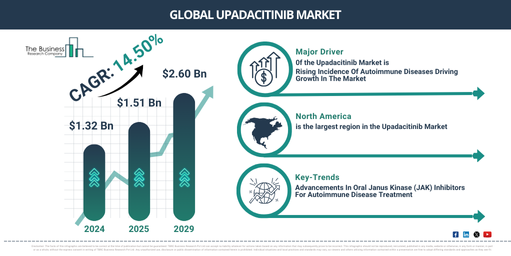
    The market size for upadacitinib has seen significant expansion recently. A spike from $1.32 billion in 2024 to $1.51 billion in 2025, corresponding to a compound annual growth rate (CAGR) of 14.8%, is anticipated. Several factors account for this growth during the previous period, including an increase in autoimmune disease cases, initiatives for patient support, a surge in favorable regulatory approvals across different countries, growth in disposable income, and an enhancement in healthcare infrastructure.

    The market for upadacitinib is set to experience a swift expansion in the coming years, with projections indicating a growth to $2.60 billion by 2029 at a Compound Annual Growth Rate (CAGR) of 14.5%. This surge during the forecast period can be tied to an increase in rheumatoid arthritis cases, patient assistance initiatives, the growing adoption of traditional DMARDs, government-led disease awareness campaigns, and an increase in FDA approvals for its treatment. Key trends predicted for the forecast period include an embrace of targeted therapies and biomarkers, the use of real-world data for analysis, a focus on value-based care, the creation of specific JAK inhibitors, and heightened innovation in biologics.

    Download a free sample to assess the report’s scope and structure:

    https://www.thebusinessresearchcompany.com/sample.aspx?id=21311&type=smp

    What External and Internal Drivers Are Contributing to the Growth of the Upadacitinib Market?

    The upadacitinib market is projected to expand due to an increasing prevalence of autoimmune diseases. These diseases occur when the immune system erroneously attacks the body’s own healthy cells as if they were harmful intruders. Factors such as genetic predisposition, environmental catalysts and lifestyle changes, together with shifts in immune system activities, contribute to the surge in autoimmune diseases. Upadacitinib tackles these diseases by aimed obstruction of JAK1, effectively decreasing inflammation and regulating the immune response, especially beneficial in ailments like rheumatoid arthritis and psoriatic arthritis. The Versorgungsatlas de, a German healthcare data analytics firm disclosed in November 2024, that in the year 2022, a staggering 6,304,340 people were diagnosed with at least one autoimmune disorder, recording a raw prevalence rate of 8.61%. Consequently, the escalating occurrence of autoimmune diseases is enhancing the growth trajectory of the upadacitinib market.

    What Segment Types Define the Upadacitinib Market Structure?

    The upadacitinib market covered in this report is segmented –

    1) By Product: Janus Kinase Inhibitors, Antirheumatic Agents, Small Molecule Drugs

    2) By Application: Rheumatoid Arthritis, Psoriatic Arthritis, Crohn’s Disease

    3) By End-User: Hospitals, Homecare, Specialty Clinics, Other End-Users

    Subsegments:

    1) By Janus Kinase Inhibitors: JAK1 Inhibitors, JAK2 Inhibitors, JAK3 Inhibitors, TYK2 Inhibitors

    2) By Antirheumatic Agents: Disease-Modifying Antirheumatic Drugs (DMARDs), Biologic DMARDs, Conventional Synthetic DMARDs

    3) By Small Molecule Drugs: Oral Small Molecule Drugs, Topical Small Molecule Drugs

    Request customized data on this market:

    https://www.thebusinessresearchcompany.com/customise?id=21311&type=smp

    Which Geographic Areas Hold the Strongest Growth Potential in the Upadacitinib Market?

    North America was the largest region in the upadacitinib market in 2024. Asia-Pacific is expected to be the fastest-growing region in the forecast period. The regions covered in the upadacitinib market report are Asia-Pacific, Western Europe, Eastern Europe, North America, South America, Middle East, Africa.

    What Long-Term Trends Are Transforming the Competitive Landscape of the Upadacitinib Market?

    Significant entities in the Upadacitinib market are channeling their efforts towards crafting novel products such as oral Janus kinase (JAK) inhibitors to broaden the scope of remedies for autoimmune diseases. These inhibitors, which are small-molecule drugs, impede Janus kinase enzymes, thus inhibiting overactive immune system and inflammation to effectively manage autoimmune and inflammatory diseases. To illustrate, in April 2023, AbbVie Inc., a pharmaceutical firm headquartered in the US, revealed RINVOQ (upadacitinib), having obtained European Commission approval for the treatment of moderately to critically active Crohn’s disease. The oral formulation which allows for once-daily administration, enhances convenience and compliance for patients. The oral administration mode offers a faster onset of benefits compared to traditional methods of treatment, thereby facilitating adherence to patients’ prescribed therapy regimen.

    View the full report here:

    https://www.thebusinessresearchcompany.com/report/upadacitinib-global-market-report

    What Is the Definition of the Upadacitinib Market?

    Upadacitinib is a Janus kinase (JAK) inhibitor used to treat several inflammatory conditions by targeting and inhibiting specific enzymes involved in the inflammatory process. It is prescribed for moderate to severe rheumatoid arthritis (RA) and other autoimmune diseases. Upadacitinib provides an alternative to traditional disease-modifying anti-rheumatic drugs (DMARDs) and biologics, offering targeted therapy with the convenience of oral administration.

    Purchase the full report and get a swift delivery:

    https://www.thebusinessresearchcompany.com/purchaseoptions.aspx?id=21311

    About The Business Research Company:

    With over 15000+ reports from 27 industries covering 60+ geographies, The Business Research Company has built a reputation for offering comprehensive, data-rich research and insights. Armed with 1,500,000 datasets, the optimistic contribution of in-depth secondary research, and unique insights from industry leaders, you can get the information you need to stay ahead in the game.

    Get in touch with us:

    The Business Research Company: https://www.thebusinessresearchcompany.com/

    Americas +1 3156230293

    Asia +44 2071930708

    Europe +44 2071930708

    Email us at info@tbrc.info

    Follow us on:

    LinkedIn: https://in.linkedin.com/company/the-business-research-company

    YouTube: https://www.youtube.com/channel/UC24_fI0rV8cR5DxlCpgmyFQ

    Global Market Model: https://www.thebusinessresearchcompany.com/global-market-model

  • Turner Syndrome Market Outlook 2025–2034: Identifying Growth Drivers, Technology Trends, and Policy Impact

    Turner Syndrome Market Outlook 2025–2034: Identifying Growth Drivers, Technology Trends, and Policy Impact

    Our market reports now include the latest updates on global tariffs, trade impacts, and evolving supply chain dynamics.

    How Has The Turner Syndrome Market Size Shifted, And What Is the Outlook Through 2034?

    The market scale for Turner Syndrome has seen robust growth in recent times. A rise from $2.36 billion in 2024 to $2.55 billion in 2025, representing a Compound Annual Growth Rate (CAGR) of 8.0%, is projected. The historic period growth is attributable to enhanced awareness about women’s health, increased spending on healthcare, the expansion of the healthcare sector, heightened consciousness and early detection of Turner Syndrome, as well as initiatives promoting public awareness.

    The market for Turner Syndrome is poised for robust expansion in the upcoming years, with a projection to reach $3.42 billion by 2029 at a Compound Annual Growth Rate (CAGR) of 7.7%. The market growth in the predicted period can be linked to an increase in incidences of X chromosome structural abnormalities, the general acceptance of estrogen replacement therapy, intensifying use of Chromosomal Microarray Analysis (CMA) for disease detection, ascending female population, and expanded research and development initiatives. The anticipation for the forecast period includes the embracing of novel technologies, product introductions, advancements in growth hormone treatment, a surge in hormonal therapies, and the formulation of innovative therapies.

    Download a free sample to assess the report’s scope and structure:

    https://www.thebusinessresearchcompany.com/sample.aspx?id=21310&type=smp

    What Are the Core Market Drivers Propelling Growth in the Turner Syndrome Industry?

    The rise in the female population is predicted to enhance the expansion of the turner syndrome market. The definition of the female population encompasses all females residing in a certain region or globally at a fixed point in time. The escalation in the female population is influenced by elements like prolonged life expectancy, advanced healthcare, and demographic transitions. Turner syndrome treatment contributes to the female population by offering growth hormone therapy for stature enhancement, estrogen replacement for puberty initiation and bone health maintenance, and comprehensive medical care to deal with associated conditions, thereby improving physical growth, reproductive health, and overall health. For example, as per the Census Bureau, a government agency based in the US, there were roughly 168 million females in the United States as of July 2022, as reported in March 2024. In addition, about 1.9 million females were aged 85 and older. Moreover, as per a report by CEIC Data, a financial service company based in the UK, the count of females aged between 15 and 64 was recorded at 2,951,856 in 2022, demonstrating an increase from 2,940,645 in 2021 as reported in December 2022. Therefore, the escalating female population is fueling the expansion of the turner syndrome market.

    How Is the Turner Syndrome Market Segmented?

    The turner syndrome market covered in this report is segmented –

    1) By Type: Classical Turner Syndrome, Mosaic Turner syndrome

    2) By Therapy Type: Growth Hormone Therapy, Estrogen And Progesteron, Replacement Therapy, Other Therapy Types

    3) By Drug Type: Norditropin, Oxandrolone, Humatrope, Somatropin, Oxandrin, Genotropin, Nutropin, Zomacton

    4) By End-User: Hospitals, Homecare, Specialty Clinics, Surgical Centres, Other End-Users

    Subsegments:

    1) By Classical Turner Syndrome: Complete Monosomy X, X Chromosome Deletion

    2) By Mosaic Turner Syndrome: Mosaicism With 45,X/46,XX Karyotype, Mosaicism With 45,X/46,XY Karyotype

    Request customized data on this market:

    https://www.thebusinessresearchcompany.com/customise?id=21310&type=smp

    Which Regions Are Driving the Next Phase of the Turner Syndrome Market Growth?

    North America was the largest region in the turner syndrome market in 2024. Asia-Pacific is expected to be the fastest-growing region in the forecast period. The regions covered in the turner syndrome market report are Asia-Pacific, Western Europe, Eastern Europe, North America, South America, Middle East, Africa.

    What Key Market Trends and Innovations Are Shaping the Future of the Turner Syndrome Industry?

    Prominent corporations in the turner syndrome industry are honing in on clinical trials to create unique products, such as pediatric growth hormone treatments, with the aim to enhance growth, raise height outcomes, and assist with holistic development in children experiencing growth hormone deficiencies or growth-linked disorders. Pediatric growth hormone treatments are artificial or recombinant hormone regimes that aim to boost growth and development in children suffering from growth hormone deficiency (GHD) or other medical conditions impacting height and growth. For example, in December 2024, Ascendis Pharma A/S, a biopharmaceutical corporation based in Denmark, declared positive outcomes from the Phase 2 New InsiGHTS trial of TransCon hGH (lonapegsomatropin) in children with Turner syndrome. The trial incorporated 49 prepubescent children aged between 1-10 years suffering from Turner syndrome. The trial indicated that TransCon hGH enhanced growth across all three starting dose groups, equalling the output of daily somatropin. The trial outcomes reinforce the potential market proliferation of TransCon hGH into Turner syndrome, providing a comparable safety profile and effectiveness to daily treatment.

    View the full report here:

    https://www.thebusinessresearchcompany.com/report/turner-syndrome-global-market-report

    How Is the Turner Syndrome Market Defined and What Are Its Core Parameters?

    Turner syndrome is a genetic condition that affects females and results from the partial or complete absence of one X chromosome. This condition can lead to a range of developmental and medical challenges, including short stature, delayed puberty, infertility, heart defects, and certain learning difficulties. Turner syndrome is typically diagnosed through karyotype testing and managed with treatments such as specialized medical care to address associated health concerns.

    Purchase the full report and get a swift delivery:

    https://www.thebusinessresearchcompany.com/purchaseoptions.aspx?id=21310

    About The Business Research Company:

    With over 15000+ reports from 27 industries covering 60+ geographies, The Business Research Company has built a reputation for offering comprehensive, data-rich research and insights. Armed with 1,500,000 datasets, the optimistic contribution of in-depth secondary research, and unique insights from industry leaders, you can get the information you need to stay ahead in the game.

    Get in touch with us:

    The Business Research Company: https://www.thebusinessresearchcompany.com/

    Americas +1 3156230293

    Asia +44 2071930708

    Europe +44 2071930708

    Email us at info@tbrc.info

    Follow us on:

    LinkedIn: https://in.linkedin.com/company/the-business-research-company

    YouTube: https://www.youtube.com/channel/UC24_fI0rV8cR5DxlCpgmyFQ

    Global Market Model: https://www.thebusinessresearchcompany.com/global-market-model
  • Tropical Spastic Paraparesis Market Insights: In-Depth Look at Growth Trends, Market Size, and Opportunities for 2025-2034

    Tropical Spastic Paraparesis Market Insights: In-Depth Look at Growth Trends, Market Size, and Opportunities for 2025-2034

    Our market reports now include the latest updates on global tariffs, trade impacts, and evolving supply chain dynamics.

    How Has the Tropical Spastic Paraparesis Market Growth Performance Trended Historically, And What Lies Ahead?

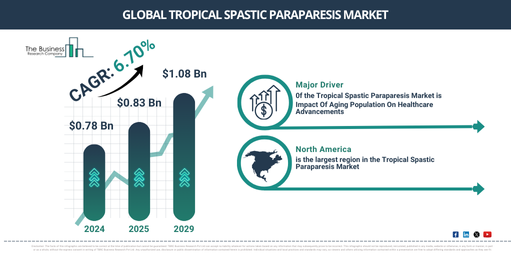
    The market size for tropical spastic paraparesis has demonstrated robust growth in the past years. It is projected to experience an increase from $0.78 billion in 2024 to $0.83 billion in 2025, with an annual growth rate of 7.0%. Reasons behind this growth in the previous period include the rising cases of tropical diseases, government interventions and funding, increasing understanding of neurological issues, heightened awareness programs, and a boost in healthcare expenditure.

    The market for tropical spastic paraparesis is projected to experience significant expansion in the impending years. The market size is predicted to increase to $1.08 billion by 2029, advancing at a compound annual growth rate (CAGR) of 6.7%. This pronounced growth within the forecast period can be accredited to factors such as the heightened transmission of the HTLV-1 virus, a rising number of HTLV-1 seropositive carriers, an increased use of cytokine, the escalating acceptance of cytokine as biomarkers and the development of health-care facilities. Key trends in the forecast period encompass technological increments, improved diagnostic equipment, escalated investment in R&D, progress in immunotherapy and biotechnology, as well as an increase in gene editing technologies.

    Download a free sample to assess the report’s scope and structure:

    https://www.thebusinessresearchcompany.com/sample.aspx?id=21309&type=smp

    Which Primay Drivers Are Accelerating Growth in the Tropical Spastic Paraparesis Market?

    The anticipated rise in the elderly population is predicted to stimulate the growth of the tropical spastic paraparesis market. The term elderly encompasses individuals who are generally 65 years and older and are frequently linked to additional healthcare needs due to ageing, chronic diseases, and functional limitations. The expansion of this demographic can be attributed to longer lifespans, healthcare improvements, decreased birth rates, enhanced living conditions, more effective disease control, lower infant mortality rates, improved nutrition, and access to medical advancements. As a chronic neurodegenerative disorder affecting motor function, Tropical spastic paraparesis reinforces the need for robust geriatric healthcare, showcasing the relevance of early detection, expert rehabilitation and long-term care strategies that foster mobility, independence, and a high quality of life for the ageing populace. For example, in October 2024, the World Health Organization, a Switzerland-based intergovernmental organization, projected that by 2030, the worldwide population of individuals aged 60 and older will reach 1.4 billion, accounting for one in every six people globally. This number is foreseen to double to 2.1 billion by 2050, with the 80 and older age group expected to triple, reaching 426 million. Therefore, the increasing aged populace is fuelling the growth of the tropical spastic paraparesis market. The upward trend of healthcare expenditure is predicted to spur the growth of the tropical spastic paraparesis market. Healthcare expenditure refers to the collective amount of money that individuals, governments, and organizations allocate for medical services, treatments, medications, and healthcare facilities to maintain and improve health. The causes for the rise in healthcare spending include an ageing population, increased incidence of chronic illnesses, advancements in medical technology, elevated drug prices, and broader access to healthcare services. Healthcare spending enriches tropical spastic paraparesis treatment by financing research for novel therapies, refining diagnostic implements, and broadening access to specialized care. It also furthers the progression of superior healthcare infrastructure, which in turn leads to early detection, effective disease management, and better patient outcomes. For example, in May 2023, the UK’s Office for National Statistics, a government department, reported that the UK’s healthcare expenditure hit approximately $352 billion (£283 billion) in 2022, indicating a 0.7% increase from 2021. Non-government healthcare spending observed a nominal growth of roughly 9.5% and a real-term increase of 3.9% in the same range. Therefore, the escalation in healthcare expenditure is fuelling the growth of the tropical spastic paraparesis market.

    Which Primary Segments of the Tropical Spastic Paraparesis Market Are Driving Growth and Industry Transformations?

    The tropical spastic paraparesis market covered in this report is segmented –

    1) By Disease Type: Tropical Spastic Paraparesis, HIV Associated Myelopathy, Multiple Sclerosis

    2) By Treatment Modality: Pharmaceuticals, Physiotherapy, Surgical Interventions

    3) By Patient Demographics: Pediatric Patients, Adult Patients, Geriatric Patients

    4) By Diagnostic Technique: Magnetic Resonance Imaging (MRI), Lumbar Puncture

    5) By End Use Industry: Hospitals, Clinics, Diagnostic Centers, Other End Use Industries

    Subsegments:

    1) By Tropical Spastic Paraparesis: Early Stage Tropical Spastic Paraparesis, Late Stage Tropical Spastic Paraparesis

    2) By HIV Associated Myelopathy: Acute HIV Associated Myelopathy, Chronic HIV Associated Myelopathy

    3) By Multiple Sclerosis: Relapsing-Remitting Multiple Sclerosis, Primary Progressive Multiple Sclerosis, Secondary Progressive Multiple Sclerosis

    Request customized data on this market:

    https://www.thebusinessresearchcompany.com/customise?id=21309&type=smp

    Which Regions Are Key Players in the Growth of the #Which Primay Drivers Are Accelerating Growth in the Tropical Spastic Paraparesis Market?# Market?

    North America was the largest region in the tropical spastic paraparesis market in 2024. Asia-Pacific is expected to be the fastest-growing region in the forecast period. The regions covered in the tropical spastic paraparesis market report are Asia-Pacific, Western Europe, Eastern Europe, North America, South America, Middle East, Africa.

    View the full report here:

    https://www.thebusinessresearchcompany.com/report/tropical-spastic-paraparesis-global-market-report

    What Parameters Are Used to Define the Tropical Spastic Paraparesis Market?

    Tropical spastic paraparesis is a chronic, progressive neurological disorder primarily affecting the spinal cord, leading to weakness, stiffness (spasticity), and difficulty in movement, particularly in the lower limbs. It is most commonly associated with infection by the human T-lymphotropic virus type 1 (HTLV-1) and is also referred to as HTLV-1-Associated Myelopathy (HAM/TSP). Symptoms develop gradually, often over years, and may include bladder dysfunction, sensory disturbances, and mild cognitive impairment.

    Purchase the full report and get a swift delivery:

    https://www.thebusinessresearchcompany.com/purchaseoptions.aspx?id=21309

    About The Business Research Company:

    With over 15000+ reports from 27 industries covering 60+ geographies, The Business Research Company has built a reputation for offering comprehensive, data-rich research and insights. Armed with 1,500,000 datasets, the optimistic contribution of in-depth secondary research, and unique insights from industry leaders, you can get the information you need to stay ahead in the game.

    Get in touch with us:

    The Business Research Company: https://www.thebusinessresearchcompany.com/

    Americas +1 3156230293

    Asia +44 2071930708

    Europe +44 2071930708

    Email us at info@tbrc.info

    Follow us on:

    LinkedIn: https://in.linkedin.com/company/the-business-research-company

    YouTube: https://www.youtube.com/channel/UC24_fI0rV8cR5DxlCpgmyFQ

    Global Market Model: https://www.thebusinessresearchcompany.com/global-market-model
  • Strategic Growth Drivers Shaping the Triple Negative Breast Cancer Market Outlook 2025- 2034:Improvement In Healthcare Facilities Drives Growth Of The Market

    Strategic Growth Drivers Shaping the Triple Negative Breast Cancer Market Outlook 2025- 2034:Improvement In Healthcare Facilities Drives Growth Of The Market

    Our market reports now include the latest updates on global tariffs, trade impacts, and evolving supply chain dynamics.

    What Are the Projected Market Size and Growth Rates for the Triple Negative Breast Cancer Market From 2025 To 2029?

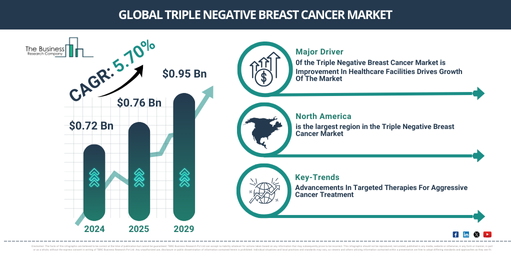
    In recent times, the market size for triple negative breast cancer has seen substantial growth. It is projected to escalate from $0.72 billion in 2024 to around $0.76 billion in 2025, at a compound annual growth rate (CAGR) of 6.1%. Factors driving this growth during the historical period include a rise in female population, heightened demand for TNBC remedies, increasing cognizance about the importance of early breast cancer detection, a growing number of patients, and an uptick in healthcare expenditure.

    Expectations are high for robust expansion in the triple negative breast cancer market in the coming years, with the market value projected to reach $0.95 billion in 2029 at a compound annual growth rate (CAGR) of 5.7%. Factors such as rising instances of breast cancer, an upward trend in triple-negative breast cancer cases, advancements in healthcare infrastructure, escalated research and exploratory strides, coupled with an increase in her2-positive breast cancer, contribute to this forecasted growth. The period is likely to witness significant trends including, but not limited to, novel tnbc treatments, enhancements and advancements in radiation techniques, technological breakthroughs in diagnosis, a rising demand for personalised medicine, and product innovation.

    Download a free sample to assess the report’s scope and structure:

    https://www.thebusinessresearchcompany.com/sample.aspx?id=21308&type=smp

    Which Factors and External Forces Are Driving Demand in the Triple Negative Breast Cancer Market?

    The advancement in healthcare facilities is anticipated to boost the expansion of the triple negative breast cancer market in the future. These facilities encompass entities like hospitals, clinics, diagnostic centres that provide medical care, support and services to patients. The betterment of healthcare facilities chalks up to factors like uplifted investment in healthcare infrastructure, emphasis on care centred around patients, population boost, and aging. Enhanced healthcare facilities buttress the fight against triple-negative breast cancer through the provision of access to cutting-edge diagnostic technologies, personalised therapy options, teams that entail a variety of medical disciplines, and superior patient education. This ultimately elevates the early detection rates, effectiveness of treatment, and overall survival rates of patients. Citing an example, in May 2023, as per the data released by the American Health Care Association, a non-profit organisation based in the US, the number of hospitals in the United States stood at 6,129, exhibiting an uptick of 0.591% compared to the previous year, when the tally was 6,093. Hence, the enhancement of healthcare facilities is fueling the growth of the triple negative breast cancer market.

    Which Segments in the Triple Negative Breast Cancer Offer the Most Growth?

    The triple negative breast cancer market covered in this report is segmented –

    1) By Treatment Type: Chemotherapy, Immunotherapy, Targeted Therapy, Surgery, Radiation Therapy, Other Treatment Types

    2) By Type Of Test: Imaging Techniques, Assays, Breast Biopsy

    3) By End-User: Hospitals, Specialty Clinics, Ambulatory Surgical Centers, Other End-Users

    Subsegments:

    1) By Chemotherapy: Anthracyclines-based Chemotherapy, Taxane-based Chemotherapy, Platinum-based Chemotherapy

    2) By Immunotherapy: Checkpoint Inhibitors, Cancer Vaccines

    3) By Targeted Therapy: PARP Inhibitors, VEGF Inhibitors, CDK4 Or CDK6 Inhibitors

    4) By Surgery: Mastectomy, Lumpectomy, Lymph Node Dissection

    5) By Radiation Therapy: External Beam Radiation, Brachytherapy

    6) By Other Treatment Types: Hormone Therapy, Hyperthermia Therapy, Stem Cell Therapy

    Request customized data on this market:

    https://www.thebusinessresearchcompany.com/customise?id=21308&type=smp

    What Are the Fastest-Growing Geographies in the #Which Factors and External Forces Are Driving Demand in the Triple Negative Breast Cancer Market?# Market?

    North America was the largest region in the triple negative breast cancer market in 2024. Asia-Pacific is expected to be the fastest-growing region in the forecast period. The regions covered in the triple negative breast cancer market report are Asia-Pacific, Western Europe, Eastern Europe, North America, South America, Middle East, Africa.

    Which Cutting-Edge Market Trends Are Expected to Drive theTriple Negative Breast Cancer Market’s Growth?

    Major businesses in the triple-negative breast cancer market are putting their efforts into creating new products like small molecule drugs. These drugs can effectively target a variety of diseases with precision and efficacy. With their low molecular weight, small molecule drugs can efficiently penetrate cells and alter biological processes, making them potent in targeting specific illnesses, including cancer and infectious diseases. In December 2024, for example, Lantern Pharma Inc., a US-based clinical biotechnology firm, presented its investigational drug LP-184 for Triple Negative Breast Cancer treatment, which has received Fast Track Category approval from the Food and Drug Administration (FDA), a US government agency. LP-184, a next-generation acylfulvene and small molecule drug, is designed to inflict selective DNA damage in cancer cells that overly express specific biomarkers or carry mutations in DNA damage repair pathways. LP-184, used alongside Lantern’s RADR AI platform, can effectively identify patient populations and cancer types that are most likely to respond to treatment. Not only is it being tested on several solid tumors with nanomolar potency, but LP-184 has also shown potential in treating drug-resistant cancers, making it a possible groundbreaking development in targeted cancer therapy.

    View the full report here:

    https://www.thebusinessresearchcompany.com/report/triple-negative-breast-cancer-global-market-report

    What Are the Key Elements That Define the Triple Negative Breast Cancer Market?

    Triple-negative breast cancer is an aggressive and fast-growing subtype of breast cancer that lacks estrogen receptors (ER), progesterone receptors (PR), and human epidermal growth factor receptor 2 (HER2), making it unresponsive to hormonal therapies or HER2-targeted treatments. Compared to other forms of breast cancer, it is more aggressive and more difficult to cure. TNBC doesn’t respond to hormonal therapy or targeted treatments like HER2 inhibitors. TNBC is more common in younger women, African American women, and those with BRCA1 mutations, confirming the genetic predisposition link.

    Purchase the full report and get a swift delivery:

    https://www.thebusinessresearchcompany.com/purchaseoptions.aspx?id=21308

    About The Business Research Company:

    With over 15000+ reports from 27 industries covering 60+ geographies, The Business Research Company has built a reputation for offering comprehensive, data-rich research and insights. Armed with 1,500,000 datasets, the optimistic contribution of in-depth secondary research, and unique insights from industry leaders, you can get the information you need to stay ahead in the game.

    Get in touch with us:

    The Business Research Company: https://www.thebusinessresearchcompany.com/

    Americas +1 3156230293

    Asia +44 2071930708

    Europe +44 2071930708

    Email us at info@tbrc.info

    Follow us on:

    LinkedIn: https://in.linkedin.com/company/the-business-research-company

    YouTube: https://www.youtube.com/channel/UC24_fI0rV8cR5DxlCpgmyFQ

    Global Market Model: https://www.thebusinessresearchcompany.com/global-market-model

  • Major Drivers Propelling the Growth oh theTrigeminal Neuralgia Treatment Market Forward: Rising Prevalence Of Neurological Disorders Fuels Demand For Market

    Major Drivers Propelling the Growth oh theTrigeminal Neuralgia Treatment Market Forward: Rising Prevalence Of Neurological Disorders Fuels Demand For Market

    Our market reports now include the latest updates on global tariffs, trade impacts, and evolving supply chain dynamics.

    What Is the Estimated Market Size of the Trigeminal Neuralgia Treatment Market In 2029?

    In the recent past, the market for trigeminal neuralgia treatment has seen significant growth. The market size is projected to increase from $0.68 billion in 2024 to $0.73 billion in 2025, experiencing a compound annual growth rate (CAGR) of 7.1%. The surge during the historic period can be linked to the mounting occurrence of chronic illnesses, rising instances of neurological disorders and trigeminal neuralgia, escalating demand for treatments that are minimally invasive, and a heightened need for surgeries that follow the same principle.

    The market size of treatments for trigeminal neuralgia is predicted to experience considerable expansion in the coming years, reaching a value of $0.95 billion in 2029 with a compound annual growth rate (CAGR) of 6.7%. This rise during the projected period can be credited to the enhanced comprehension of trigeminal neuralgia among medical staff and ordinary citizens, a surge in TN cases, an expanding elderly population, escalating healthcare spending, and a growth in identified cases. Predominant trends in the predicted period comprise of developments in neuromodulation procedures, progress in TENS technology, enhancements in medicinal exploration and technology, embracement of minimally invasive surgical methods, and progresses in digital health technologies.

    Download a free sample to assess the report’s scope and structure:

    https://www.thebusinessresearchcompany.com/sample.aspx?id=21307&type=smp

    Which Major Market Drivers Are Expected to Boost the Growth Potential of the Trigeminal Neuralgia Treatment Market?

    The surge in instances of neurological conditions is predicted to fuel the expansion of the market for trigeminal neuralgia treatments. Neurological conditions are those that impact the nervous system, encompassing the brain, spinal cord, and nerves. The surging incidence of such disorders can be linked to several causes such as genetic susceptibility, infection, trauma, toxic substances, autoimmune reactions, and deterioration. The treatment of trigeminal neuralgia aids patients with neurological diseases by alleviating intense facial discomfort, minimizing nerve inflammation, improving life quality, assisting in pain management, and averting additional neurological damage. For example, in April 2022, the Belgium-based non-profit organization, the European Brain Council, stated that more than 600 neurological diseases and approximately 300 psychiatric conditions afflict millions worldwide, including 65 million individuals with epilepsy. In Europe, there are 10.5 million people suffering from dementia, and this figure is predicted to increase to 18.7 million by 2050. Hence, the escalating occurrence of neurological disorders is projected to spur the growth of the trigeminal neuralgia treatment market.

    Which Key Market Segments Comprise the Trigeminal Neuralgia Treatment Market and Drive Its Revenue Growth?

    The trigeminal neuralgia treatment market covered in this report is segmented –

    1) By Treatment Type: Medications, Surgery, Other Treatment Types

    2) By Distribution Channel: Hospital Pharmacies, Retail Pharmacies, Online Pharmacies

    3) By End-User: Hospitals, Specialty Clinics, Ambulatory Surgical Centers, Other End-Users

    Subsegments:

    1) By Medications: Anticonvulsants, Muscle Relaxants, Antidepressants

    2) By Surgery: Microvascular Decompression Surgery, Gamma Knife Radiosurgery, Rhizotomy

    3) By Other Treatment Types: Nerve Blocks, Stereotactic Radiosurgery, Physical Therapy

    Request customized data on this market:

    https://www.thebusinessresearchcompany.com/customise?id=21307&type=smp

    Which Areas Are Leading Regions in the Trigeminal Neuralgia Treatment Market Expansion Across the Globe?

    North America was the largest region in the trigeminal neuralgia treatment market in 2024. Asia-Pacific is expected to be the fastest-growing region in the forecast period. The regions covered in the trigeminal neuralgia treatment market report are Asia-Pacific, Western Europe, Eastern Europe, North America, South America, Middle East, Africa.

    What Are the Key Market Trends in theTrigeminal Neuralgia Treatment Market Over the Coming Years?

    Leading corporations in the trigeminal neuralgia treatment market are concentrating on submitting new drug (IND) applications to gain approval from relevant authorities and subsequently enlarge their market presence. The submission of an investigational new drug (IND) application is a request by a pharmaceutical firm to regulatory bodies for clearance to commence human trials of a new drug, with the intended purpose of determining its safety, efficacy, and proper dosage. For example, Noema Pharma, a Swiss-based biotech firm in its clinical stage, obtained an Investigational New Drug (IND) application in February 2022 from the US government’s Food and Drug Administration (FDA) for the commencement of a Phase 2b clinical trial of the mGluR5 inhibitor NOE-101 in trigeminal neuralgia (TN), using LibraTN. The LibraTN is a twenty-four-week, multicentre, placebo-controlled study aiming to evaluate the effectiveness and safety of NOE-101 in adults with TN-associated pain. The findings of this study are projected to be available in the first half of 2024. Furthermore, the FDA has granted a fast track designation to basimglurant (NOE-101) to fast-track its development and evaluation.

    View the full report here:

    https://www.thebusinessresearchcompany.com/report/trigeminal-neuralgia-treatment-global-market-report

    How Is the Trigeminal Neuralgia Treatment Market Conceptually Defined?

    Trigeminal neuralgia treatment involves medical strategies to manage the severe, sharp facial pain caused by trigeminal neuralgia, which affects the trigeminal nerve. The main goal of trigeminal neuralgia treatment is to alleviate pain, reduce the frequency and intensity of episodes, and address the underlying nerve irritation, ultimately enhancing the patient’s quality of life.

    Purchase the full report and get a swift delivery:

    https://www.thebusinessresearchcompany.com/purchaseoptions.aspx?id=21307

    About The Business Research Company:

    With over 15000+ reports from 27 industries covering 60+ geographies, The Business Research Company has built a reputation for offering comprehensive, data-rich research and insights. Armed with 1,500,000 datasets, the optimistic contribution of in-depth secondary research, and unique insights from industry leaders, you can get the information you need to stay ahead in the game.

    Get in touch with us:

    The Business Research Company: https://www.thebusinessresearchcompany.com/

    Americas +1 3156230293

    Asia +44 2071930708

    Europe +44 2071930708

    Email us at info@tbrc.info

    Follow us on:

    LinkedIn: https://in.linkedin.com/company/the-business-research-company

    YouTube: https://www.youtube.com/channel/UC24_fI0rV8cR5DxlCpgmyFQ

    Global Market Model: https://www.thebusinessresearchcompany.com/global-market-model