Category: HealthcareServices

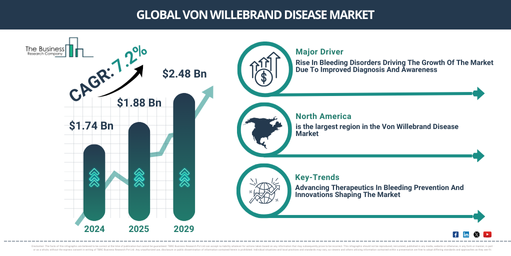
  • Critical Market Drivers Shaping the Outlook for Von Willebrand Disease Market from 2025-2034: Rise In Bleeding Disorders Driving The Growth Of The Market Due To Improved Diagnosis And Awareness

    Critical Market Drivers Shaping the Outlook for Von Willebrand Disease Market from 2025-2034: Rise In Bleeding Disorders Driving The Growth Of The Market Due To Improved Diagnosis And Awareness

    Discover trends, market shifts, and competitive outlooks for the von willebrand disease industry through 2025-2034 with The Business Research Company’s reliable data and in-depth research

    What Are the Key Milestones in the Von Willebrand Disease Market’s Growth Trajectory From 2025 To 2034?

    In the past few years, the von Willebrand disease market has significantly expanded. It is projected to increase from $1.74 billion in 2024 to $1.88 billion in 2025, experiencing a compound annual growth rate (CAGR) of 7.6%. This growth during the historical period is credited to factors like greater awareness of uncommon bleeding disorders, increase in the diagnosis of von Willebrand disease, enhancement in research funding for blood-related disorders, improved healthcare accessibility and the growing use of preventive treatments in managing hemophilia.

    The market size for von willebrand disease is predicted to experience robust expansion in the forthcoming years, potentially reaching $2.48 billion by 2029 with a 7.2% compound annual growth rate (CAGR). A myriad of factors underpins this projected increase including enhancements in gene therapy for hemorrhagic conditions, an escalation in funding for biotech research, a surge in demand for non-invasive diagnostic methods, a rise in utilization of digital health aids for disease tracking, and expansion in telemedicine services for uncommon diseases. Key trends within this forecast period encompass progressions in gene therapy methodologies, the employment of artificial intelligence in diagnosis, breakthroughs in non-invasive diagnostic devices, the debut of unique drug delivery systems, and digital health platforms aimed at educating patients.

    Download a free sample to assess the report’s scope and structure:

    https://www.thebusinessresearchcompany.com/sample.aspx?id=22168&type=smp

    What Are the Core Growth Drivers Propelling the Von Willebrand Disease Market Forward?

    Increased instances of bleeding disorders are anticipated to boost the von willebrand disease market’s growth. Bleeding disorders are a set of medical conditions which pose difficulties in forming blood clots, causing severe or prolonged bleeding. The surge in the diagnosis of these disorders can be attributed to progressive medical knowledge and refined diagnostic tools, enabling healthcare professionals to detect cases previously unnoticed. The treatment for von willebrand disease assists patients with bleeding disorders by enhancing blood clotting, minimizing severe bleeding, and improving their overall quality of life. For example, a report from November 2022 by the United Kingdom Haemophilia Centre Doctors’ Organization, a medical association based in the UK, revealed that new Hemophilia A registrations in the UK grew from 16 in 2021 to 19 in 2022. Consequently, the rising prevalence of blood disorders is bolstering the growth of the von willebrand disease market.

    What Segment Types Define the Von Willebrand Disease Market Structure?

    The von willebrand disease market covered in this report is segmented –

    1) By Type: Type 1, Type 2, Type 3

    2) By Drugs: Antihemophilic Factor, Coagulation Factor VIII Complex, Von Willebrand Factor, Desmopressin Acetate, Other Drugs

    3) By Severity: Mild, Moderate, Severe

    4) By Distribution Channel: Hospital Pharmacy, Retail Pharmacy, Online Pharmacy, Other Distribution Channels

    5) By End Users: Hospitals, Speciality Clinics, Homecare, Other End Users

    Subsegmentss:

    1) By Type 1: Mild Von Willebrand Disease, Moderate Von Willebrand Disease, Severe Von Willebrand Disease

    2) By Type 2: Type 2A, Type 2B, Type 2M, Type 2N

    3) By Type 3: Congenital Type 3, Acquired Type 3

    Request customized data on this market:

    https://www.thebusinessresearchcompany.com/customise?id=22168&type=smp

    Which Geographic Areas Hold the Strongest Growth Potential in the Von Willebrand Disease Market?

    North America was the largest region in the von willebrand disease market in 2024. Asia-Pacific is expected to be the fastest-growing region in the forecast period. The regions covered in the von willebrand disease market report are Asia-Pacific, Western Europe, Eastern Europe, North America, South America, Middle East, Africa.

    Which Emerging Trends that Are Influencing theVon Willebrand Disease Industry Evolution?

    Leading firms in the von willebrand disease market are concentrating on creating innovative treatments such as von willebrand factor concentrate to increase the effectiveness of treatment, lower the incidence of bleeding, and improve patient results. Von willebrand factor (VWF) concentrate is a tool used to manage and prevent bleeding among patients with von willebrand disease (VWD), a genetically linked disorder causing bleeding due to a lack or poor function of the von willebrand factor. For example, Wilate, a von willebrand factor concentrate with lyophilized powder solution for intravenous injection for routine prophylaxis was introduced in the market with FDA approval in April 2024 by a US-based pharmaceutical company, Octapharma USA Inc. Designed to lower the number of bleeding incidents in adults and children aged 6 and older, Wilate received the FDA’s orphan drug designation that provides it with a market exclusivity of up to seven years, aiming to stimulate the development of treatments for uncommon diseases.

    View the full report here:

    https://www.thebusinessresearchcompany.com/report/von-willebrand-disease-global-market-report

    What Is the Definition of the Von Willebrand Disease Market?

    Von willebrand disease (VWD) is a genetic bleeding disorder caused by a deficiency or dysfunction of von willebrand factor (VWF), a protein that helps blood clot. The severity of the disorder depends on the amount and functionality of von willebrand factor in the blood.

    Purchase the full report and get a swift delivery:

    https://www.thebusinessresearchcompany.com/purchaseoptions.aspx?id=22168

    About The Business Research Company:

    With over 15000+ reports from 27 industries covering 60+ geographies, The Business Research Company has built a reputation for offering comprehensive, data-rich research and insights. Armed with 1,500,000 datasets, the optimistic contribution of in-depth secondary research, and unique insights from industry leaders, you can get the information you need to stay ahead in the game.

    Get in touch with us:

    The Business Research Company: https://www.thebusinessresearchcompany.com/

    Americas +1 3156230293

    Asia +44 2071930708

    Europe +44 2071930708

    Email us at info@tbrc.info

    Follow us on:

    LinkedIn: https://in.linkedin.com/company/the-business-research-company

    YouTube: https://www.youtube.com/channel/UC24_fI0rV8cR5DxlCpgmyFQ

    Global Market Model: https://www.thebusinessresearchcompany.com/global-market-model
  • Key Factors Fueling the Growth of the Venous Leg Ulcer Treatment Market in 2025: Expansion Of Healthcare Facilities Driving The Growth Of The Market Due To Advancements In Medical Technology

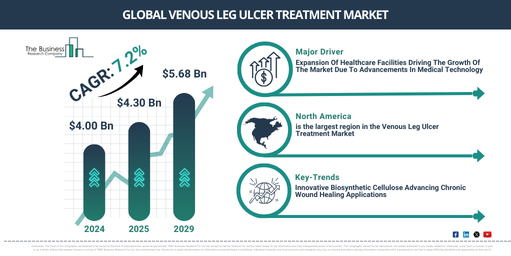
    Key Factors Fueling the Growth of the Venous Leg Ulcer Treatment Market in 2025: Expansion Of Healthcare Facilities Driving The Growth Of The Market Due To Advancements In Medical Technology

    Discover trends, market shifts, and competitive outlooks for the venous leg ulcer treatment industry through 2025-2034 with The Business Research Company’s reliable data and in-depth research

    How Has The Venous Leg Ulcer Treatment Market Size Shifted, And What Is the Outlook Through 2034?

    The market for venous leg ulcer treatments has seen substantial growth recently. It is expected to expand from $4.00 billion in 2024 to $4.30 billion in 2025, with a Compound Annual Growth Rate (CAGR) of 7.5%. The historical growth in this market can be traced back to factors such as the rising occurrence of venous leg ulcers, enhanced knowledge of advanced wound care therapies, a growing preference for minimally invasive treatment procedures, an increase in the utilization of antimicrobial dressings, and an escalated adoption of bioengineered skin substitutes.

    Anticipations indicate a robust expansion in the venous leg ulcer treatment market in the upcoming years. It is projected to escalate to $5.68 billion by 2029, with a compound annual growth rate (CAGR) of 7.2%. The projected growth during this period is associated with factors such as enhanced healthcare spending, increased research and development activities, a spike in diabetes cases, growing demand for compression therapy products, and an uptick in the need for personalized wound care solutions. The forecast period also suggests prominent trends such as the emergence of advanced wound dressings, innovative compression therapy, the incorporation of telemedicine, the application of artificial intelligence (AI) in wound assessment, and wider health insurance coverage.

    Download a free sample to assess the report’s scope and structure:

    https://www.thebusinessresearchcompany.com/sample.aspx?id=22167&type=smp

    What are the Fundamental Drivers and Innovations Shaping the Venous Leg Ulcer Treatment Market?

    The evolution and growth of healthcare facilities are projected to stimulate the expansion of the venous leg ulcer treatment market. These facilities, crucial for the implementation of effective healthcare services, encompass necessary physical facilities, resources, and systems. The enlargement of healthcare infrastructure is driven by the progression in medical technology, with revolutionary innovations such as AI-driven diagnostics, robotic surgery, and telemedicine necessitating enhanced facilities, advanced delivery systems, and specialized equipment, all in a bid to optimize patient outcomes and efficiency. These healthcare facilities bolster venous leg ulcer treatment by guaranteeing access to modern wound care facilities, proven treatment modalities, professional medical staff, and novel treatment avenues thereby fostering improved healing outcomes and a higher quality of life for patients. For example, data from the American Hospital Association, a non-profit organization in the US, reveals that the count of hospitals in the United States grew from 6,093 in 2022 to 6,120 in 2024. Thus, the growth in healthcare infrastructure is fuelling the venous leg ulcer treatment market’s development.

    How Is the Venous Leg Ulcer Treatment Market Segmented?

    The venous leg ulcer treatment market covered in this report is segmented –

    1) By Treatment Type: Compression Therapy, Debridement, Medication, Surgery

    2) By Etiology: Venous Insufficiency, Arterial Insufficiency, Mixed Insufficiency, Other Etiologies

    3) By Mechnaism Of Action: Oxygenation Enhancers, Growth Factor Stimulators, Anti-inflammatory Agents, Antimicrobial Treatments

    4) By End Users: Hospitals, Clinics, Home Healthcare, Other End-Users

    Subsegmentss:

    1) By Compression Therapy Type: Short-Stretch Bandages, Long-Stretch Bandages, Multi-Layer Compression Bandages, Compression Stockings, Intermittent Pneumatic Compression (IPC) Devices

    2) By Debridement Type: Surgical Debridement, Autolytic Debridement, Enzymatic Debridement, Mechanical Debridement, Biological Debridement

    3) By Medication Type: Topical Antibiotics, Oral Antibiotics, Growth Factors, Anti-Inflammatory Agents, Wound Healing Agents

    4) By Surgery Type: Skin Grafting, Vein Ablation, Subfascial Endoscopic Perforator Surgery (SEPS), Sclerotherapy, Vein Bypass Surgery

    Request customized data on this market:

    https://www.thebusinessresearchcompany.com/customise?id=22167&type=smp

    Which Regions Are Driving the Next Phase of the Venous Leg Ulcer Treatment Market Growth?

    North America was the largest region in the venous leg ulcer treatment market in 2024. Asia-Pacific is expected to be the fastest-growing region in the forecast period. The regions covered in the venous leg ulcer treatment market report are Asia-Pacific, Western Europe, Eastern Europe, North America, South America, Middle East, Africa.

    What Key Trends Are Shaping the Future of the Venous Leg Ulcer Treatment Market?

    Leading organizations in the venous leg ulcer treatment market are prioritizing the creation of cutting-edge wound dressings, using biosynthetic cellulose to bolster healing and facilitate the management of chronic wounds. Biosynthetic cellulose, a bio fabricated material created by microorganisms via fermentation, presents exceptional purity, compatibility with living tissues, and superior strength for numerous uses. To illustrate, Evonik Industries AG, a specialty chemical corporation based in Germany, in June 2023, introduced Epicite Balance. This is a wound dressing crafted from biosynthetic cellulose for the remedy of chronic wounds like venous leg ulcers, diabetic foot ulcers, and bed sores. The dressing accelerates wound recuperation by retaining a moist wound atmosphere, soaking up wound exudate, and enabling exceptional cleansing, thus making it apt for both hospital and homecare utilization.

    View the full report here:

    https://www.thebusinessresearchcompany.com/report/venous-leg-ulcer-treatment-global-market-report

    How Is the Venous Leg Ulcer Treatment Market Defined and What Are Its Core Parameters?

    Venous leg ulcer treatment refers to a comprehensive approach aimed at managing and healing open sores that develop on the legs due to poor blood circulation in the veins. This treatment typically involves compression therapy to improve blood flow, wound care to prevent infection, and lifestyle adjustments or medical interventions to address underlying venous conditions.

    Purchase the full report and get a swift delivery:

    https://www.thebusinessresearchcompany.com/purchaseoptions.aspx?id=22167

    About The Business Research Company:

    With over 15000+ reports from 27 industries covering 60+ geographies, The Business Research Company has built a reputation for offering comprehensive, data-rich research and insights. Armed with 1,500,000 datasets, the optimistic contribution of in-depth secondary research, and unique insights from industry leaders, you can get the information you need to stay ahead in the game.

    Get in touch with us:

    The Business Research Company: https://www.thebusinessresearchcompany.com/

    Americas +1 3156230293

    Asia +44 2071930708

    Europe +44 2071930708

    Email us at info@tbrc.info

    Follow us on:

    LinkedIn: https://in.linkedin.com/company/the-business-research-company

    YouTube: https://www.youtube.com/channel/UC24_fI0rV8cR5DxlCpgmyFQ

    Global Market Model: https://www.thebusinessresearchcompany.com/global-market-model
  • Major Trends and Emerging Patterns in the Valley Fever Market: Innovative Vaccine Development Advancing Protection Against Fungal Infections

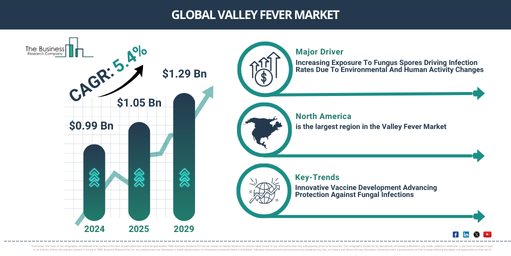
    Major Trends and Emerging Patterns in the Valley Fever Market: Innovative Vaccine Development Advancing Protection Against Fungal Infections

    Discover trends, market shifts, and competitive outlooks for the valley fever industry through 2025-2034 with The Business Research Company’s reliable data and in-depth research

    How Has the Valley Fever Market Growth Performance Trended Historically, And What Lies Ahead?

    The market size for valley fever has exhibited strong growth in the recent past. It is anticipated to surge from $0.99 billion in 2024 to $1.05 billion in 2025, with a compound annual growth rate (CAGR) of 5.8%. The historical growth can be ascribed to the escalating effects of climate change, which drive the dispersal of fungi, enhanced research funding for Valley Fever therapies, increased investment in healthcare, a growing need for specialized diagnostic labs, and a surging incidence rate of Valley Fever in non-endemic regions.

    In the upcoming years, the market size of valley fever is predicted to encounter substantial growth, projecting to reach $1.29 billion by 2029, with a 5.4% compound annual growth rate (CAGR). This anticipated expansion in the forecast period is influenced by multiple factors such as the amplified adoption of telemedicine, escalation in antifungal resistance research, increase in funding dedicated to vaccine development, population migration across areas of high risk, and the escalating availability of antifungal treatments. Key trends to watch during this forecast period encompass technological advancements, demand for antifungal drugs, development of vaccines, application of telemedicine, and international teamwork.

    Download a free sample to assess the report’s scope and structure:

    https://www.thebusinessresearchcompany.com/sample.aspx?id=22166&type=smp

    What Are the Primary Drivers Supporting the Market Growth of the Valley Fever Market?

    An increase in exposure to fungus spores is anticipated to be a key driver in the growth of the valley fever market. These microscopic spores, released by fungi, have the ability to disperse through air, water, or surfaces, facilitating growth and reproduction in new areas. Activities such as deforestation and shift in weather patterns are causing heightened exposure to these spores, disturbing soil and stimulating spore release. This raises infection risks like valley fever, specifically in dry areas favorable to the coccidioides fungus. Therapies for valley fever lessen symptoms, avert complications, and manage fungal development, substantially helping those exposed and enhancing their quality of life and recovery. For instance, the International Society for Infectious Diseases indicated that around 6.5 million people are impacted by invasive fungal infections annually as of September 2024, resulting in nearly 3.8 million deaths, with about 2.5 million directly associated with these infections. Thus, the increasing exposure to fungal spores significantly fuels the valley fever market’s growth. Growth in healthcare facilities, as a result of medical technology advancements, is also contributing to the growth of the valley fever market. Healthcare facilities, essential for delivering effective healthcare services, are expanding owing to the advancement in medical technology. Innovations such as telemedicine, robotic surgical procedures, and AI-powered diagnostics necessitate improved facilities, specialist equipment, and superior healthcare delivery systems, enhancing patient outcomes and efficiency. These facilities aid in the early diagnosis of valley fever, provide antifungal treatments, educate patients, and offer continual care to manage symptoms and prevent complications. For example, the American Hospital Association reported an increase in the total number of hospitals in the United States from 6,093 in 2022 to 6,120 in 2024. Therefore, the growing healthcare infrastructure significantly propels the expansion of the valley fever market.

    Which Primary Segments of the Valley Fever Market Are Driving Growth and Industry Transformations?

    The valley fever market covered in this report is segmented –

    1) By Types Of Treatment: Fluconazole, Itraconazole, Voriconazole, Posaconazole, Others Types Of Treatment

    2) By Site Of Infection: Skin, Lungs, Liver, Bones, Heart, Brain, Membranes That Surround The Brain And Spinal Cord, Other Sites Of Infection

    3) By End-Users: Human, Cattle, Sheep And Goats, Camel, Other End-Users

    Subsegmentss:

    1) By Fluconazole Type: Oral Fluconazole, Intravenous Fluconazole

    2) By Itraconazole Type: Capsule Itraconazole, Oral Solution Itraconazole

    3) By Voriconazole Type: Oral Voriconazole, Intravenous Voriconazole

    4) By Posaconazole Type: Oral Suspension Posaconazole, Delayed-Release Tablets Posaconazole, Intravenous Posaconazole

    5) By Other Treatment Types: Combination Therapy, Adjunctive Therapy

    Request customized data on this market:

    https://www.thebusinessresearchcompany.com/customise?id=22166&type=smp

    Which Regions Are Key Players in the Growth of the #What Are the Primary Drivers Supporting the Market Growth of the Valley Fever Market?# Market?

    North America was the largest region in the valley fever market in 2024. The regions covered in the valley fever market report are Asia-Pacific, Western Europe, Eastern Europe, North America, South America, Middle East, Africa.

    What Are the Most Significant Market Trends in the Valley Fever Market?

    Leading firms in the valley fever market are concentrating on the creation of novel vaccines for valley fever in response to the escalating menace of fungal infections. These vaccines, developed using cutting-edge scientific and manufacturing processes, are designed to enhance public health and safety. For example, Anivive Lifesciences Inc., a US-based pet pharmaceutical firm, secured a contract in August 2024 valued at up to $33 million from the National Institute of Allergy and Infectious Diseases (NIAID), a government agency in the US, geared towards the development of a human Valley Fever vaccine. This financial backing will aid additional production, formulation, comprehensive safety evaluations, and a Phase 1 clinical trial, with the goal of delivering the first-ever vaccine to counter a severe systemic fungal infection.

    View the full report here:

    https://www.thebusinessresearchcompany.com/report/valley-fever-global-market-report

    What Parameters Are Used to Define the Valley Fever Market?

    Valley fever, also called coccidioidomycosis, is a fungal infection that primarily affects the lungs and can cause symptoms such as cough, fever, fatigue, and chest pain, with some cases resulting in severe complications. It is caused by inhaling airborne spores of the coccidioides fungi, which are commonly present in dry, dusty soil and can become airborne when the soil is disturbed.

    Purchase the full report and get a swift delivery:

    https://www.thebusinessresearchcompany.com/purchaseoptions.aspx?id=22166

    About The Business Research Company:

    With over 15000+ reports from 27 industries covering 60+ geographies, The Business Research Company has built a reputation for offering comprehensive, data-rich research and insights. Armed with 1,500,000 datasets, the optimistic contribution of in-depth secondary research, and unique insights from industry leaders, you can get the information you need to stay ahead in the game.

    Get in touch with us:

    The Business Research Company: https://www.thebusinessresearchcompany.com/

    Americas +1 3156230293

    Asia +44 2071930708

    Europe +44 2071930708

    Email us at info@tbrc.info

    Follow us on:

    LinkedIn: https://in.linkedin.com/company/the-business-research-company

    YouTube: https://www.youtube.com/channel/UC24_fI0rV8cR5DxlCpgmyFQ

    Global Market Model: https://www.thebusinessresearchcompany.com/global-market-model
  • Spina Bifida In-Utero Market Valuation Expected To Reach $3.77 Billion By 2029, Growing At A Rate Of 9.2%

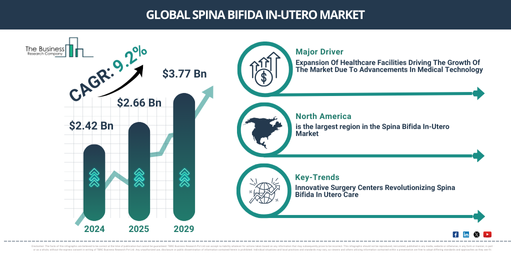
    Spina Bifida In-Utero Market Valuation Expected To Reach $3.77 Billion By 2029, Growing At A Rate Of 9.2%

    Discover trends, market shifts, and competitive outlooks for the spina bifida in-utero industry through 2025-2034 with The Business Research Company’s reliable data and in-depth research

    How Has The Spina Bifida In-Utero Market Growth Evolved From 2024 To 2025, And What’s Ahead?

    In recent years, the market size for in utero spina bifida has experienced robust growth. It is projected that the market will increase from $2.42 billion in 2024 to $2.66 billion in 2025, with a compound annual growth rate (CAGR) of 9.5%. The historical growth can be traced back to factors such as the escalating prevalence of spina bifida, increased consciousness about fetal surgery, a rise in maternal age and corresponding pregnancy risks, heightened healthcare spending, and advancing research and development in the field of fetal medicine.

    Growth projections for the in utero spina bifida market are highly robust for the forthcoming years, with it expanding to hit $3.77 billion by 2029, boosted by a Compound Annual Growth Rate (CAGR) of 9.2%. This escalate during the predicted period is linked to a variety of factors such as increased understanding of prenatal diagnosis and treatment, the surge in the use of minimally invasive procedures, rising government support and initiatives, the expansion of healthcare infrastructure in developing markets, and an increase in dedicated fetal surgery centers. Key trends for the forecast period includes progress in prenatal screening and diagnostics, technological evolutions in minimally invasive surgical methods, advancements in the creation of biomaterials used in fetal surgical procedures, breakthroughs in therapies based on amniotic fluid, and the implementation of artificial womb technology to assist fetal development.

    Download a free sample to assess the report’s scope and structure:

    https://www.thebusinessresearchcompany.com/sample.aspx?id=22150&type=smp

    Which Factors and External Forces Are Driving Demand in the Spina Bifida In-Utero Market?

    The anticipated growth of the spina bifida in-utero market is associated with the improvement and expansion of healthcare facilities. These facilities, crucial for the provision of effective healthcare services, encompass physical structures, systems, and resources. The growth of the healthcare infrastructure primarily stems from the progression of medical technology. Pioneering developments such as telemedicine, AI-enabled diagnostics, and robotic surgery necessitate the enhancement of facilities, specialized tools, and superior healthcare delivery systems to optimize patient outcomes. Such healthcare facilities play an instrumental role in spina bifida in-utero treatment by endorsing access to researched therapies, trained healthcare professionals, and cutting-edge treatment alternatives. These factors collectively result in superior healing outcomes and an improved patient quality of life. For example, data from the American Hospital Association, a non-profit organization based in the US, indicate that the number of hospitals in the US rose from 6,093 in 2022 to 6,120 in 2024. Consequently, the growth and improvement of healthcare infrastructure contribute significantly to the progression of the spina bifida in-utero market.

    Which Segments in the Spina Bifida In-Utero Offer the Most Growth?

    The spina bifida in-utero market covered in this report is segmented –

    1) By Type: Myelomeningocele, Meningocele, Occulta

    2) By Diagnosis: Ultrasound, Magnetic Resonance Imaging (MRI), Amniocentesis

    3) By Treatment: Surgery, Postnatal Surgery, Medication Management

    4) By End-User: Hospitals, Specialty Clinics, Ambulatory Surgical Centers

    Subsegmentss:

    1) By Myelomeningocele Type: Open Myelomeningocele, Closed Myelomeningocele, Lumbosacral Myelomeningocele, Thoracic Myelomeningocele, Cervical Myelomeningocele

    2) By Meningocele Type: Cranial Meningocele, Spinal Meningocele, Occipital Meningocele, Frontal Meningocele, Parietal Meningocele

    3) By Occulta Type: Lumbosacral Spina Bifida Occulta, Sacral Spina Bifida Occulta, Isolated Spina Bifida Occulta, Complex Spina Bifida Occulta, Tethered Cord Syndrome Associated Occulta

    Request customized data on this market:

    https://www.thebusinessresearchcompany.com/customise?id=22150&type=smp

    What Are the Fastest-Growing Geographies in the Spina Bifida In-Utero Market?

    North America was the largest region in the spina bifida in utero market in 2024. Asia-Pacific is expected to be the fastest-growing region in the forecast period. The regions covered in the spina bifida in-utero market report are Asia-Pacific, Western Europe, Eastern Europe, North America, South America, Middle East, Africa.

    Which Cutting-Edge Market Trends Are Expected to Drive theSpina Bifida In-Utero Market’s Growth?

    Leading firms in the spina bifida in utero market are developing inventive centers like surgery centers to incorporate advanced imaging and minimally invasive methods for fetal interventions. These surgery centers are specialized facilities that conduct surgical operations on an outpatient basis, mitigating the need for hospital stays. For example, in January 2025, an innovative center was launched by Wadia Hospital, a health institution based in India, offering fetal surgery for open spina bifida. The avant-garde facility amalgamates cutting-edge surgical techniques with a multifaceted approach, supporting early interventions which can lessen complications and enhance long-term outcomes for affected babies. The center emphasizes refining surgical accuracy and patient care, providing hope for families dealing with the complexities of open spina bifida.

    View the full report here:

    https://www.thebusinessresearchcompany.com/report/spina-bifida-in-utero-global-market-report

    What Are the Key Elements That Define the Spina Bifida In-Utero Market?

    Spina bifida in-utero refers to a prenatal surgical procedure performed to repair spina bifida, a neural tube defect where the spine and spinal cord don’t develop properly. The surgery, done before birth, aims to reduce complications such as hydrocephalus and improve mobility and neurological outcomes. It helps protect the exposed spinal cord from further damage by closing the defect earlier. This intervention can enhance the child’s quality of life compared to postnatal repair.

    Purchase the full report and get a swift delivery:

    https://www.thebusinessresearchcompany.com/purchaseoptions.aspx?id=22150

    About The Business Research Company:

    With over 15000+ reports from 27 industries covering 60+ geographies, The Business Research Company has built a reputation for offering comprehensive, data-rich research and insights. Armed with 1,500,000 datasets, the optimistic contribution of in-depth secondary research, and unique insights from industry leaders, you can get the information you need to stay ahead in the game.

    Get in touch with us:

    The Business Research Company: https://www.thebusinessresearchcompany.com/

    Americas +1 3156230293

    Asia +44 2071930708

    Europe +44 2071930708

    Email us at info@tbrc.info

    Follow us on:

    LinkedIn: https://in.linkedin.com/company/the-business-research-company

    YouTube: https://www.youtube.com/channel/UC24_fI0rV8cR5DxlCpgmyFQ

    Global Market Model: https://www.thebusinessresearchcompany.com/global-market-model
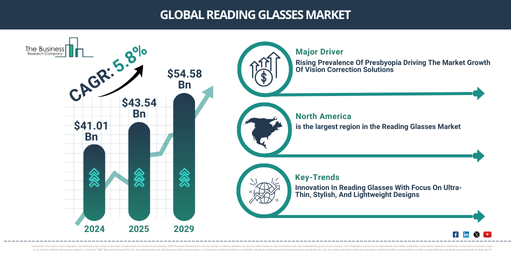
  • Reading Glasses Market in Focus: Forecasting Growth Drivers, Scaling Potential, and Global Opportunities

    Reading Glasses Market in Focus: Forecasting Growth Drivers, Scaling Potential, and Global Opportunities

    Discover trends, market shifts, and competitive outlooks for the reading glasses industry through 2025-2034 with The Business Research Company’s reliable data and in-depth research

    How Has the Reading Glasses Market Growth Performance Trended Historically, And What Lies Ahead?

    The market size of reading glasses has shown a significant increase over the past few years. It is projected to rise from $41.01 billion in 2024 to $43.54 billion in 2025, with a compound annual growth rate (CAGR) of 6.2%. The factors contributing to the growth during the historical period include an aging population, increasing urbanization, growing occurrence of presbyopia, heightened demand for vision correction, and an increase in ocular diseases.

    In the upcoming years, the reading glasses market is anticipated to experience robust growth, projected to escalate to $54.58 billion by 2029 with a 5.8% CAGR. The projected growth during the predicted timeframe can be ascribed to various factors such as the proliferation of online sales channels, increased preference for high-end branded products, growing demand for reading glasses, elevated consumer disposable income, increased use of mobile devices, computers, and other technologies, a rising demand for fashionable designs and branded items among the younger demographic, and the expansion of e-commerce platforms. The forecast period will also witness certain key trends like the utilization of digital devices, evolving consumer buying behaviors, technological progress, improvements in eyeglass frame materials, and the incorporation of AI in reading glasses.

    Download a free sample to assess the report’s scope and structure:

    https://www.thebusinessresearchcompany.com/sample.aspx?id=22122&type=smp

    What Are the Core Market Drivers Propelling Growth in the Reading Glasses Industry?

    The heightened occurrence of presbyopia is projected to fuel the expansion of the reading glasses market in the future. Presbyopia, an age-associated vision disorder, causes difficulty in concentrating on close items, typically impacting people over 40. This growing frequency is attributed to the natural aging process which gradually lessens the flexibility of the eye lens, thus impairing its ability to concentrate on close items. The shift in modern lifestyles, such as escalating screen time and restricted outdoor activities, may initiate an earlier onset or magnify symptoms. Reading glasses assist individuals with presbyopia by offsetting the eye’s diminished focus capacity, providing required magnification to boost clarity and alleviate strain. For example, in September 2023, Ophthalmology Times Europe, a UK-based periodical, stated that approximately 1.8 billion people were afflicted with presbyopia globally in 2022. Additionally, the occurrence of presbyopia is estimated to increase to approximately 2.1 billion by 2030. Thus, the escalating occurrence of presbyopia is steering the growth of the reading glasses market.

    How Is the Reading Glasses Market Segmented?

    The reading glasses market covered in this report is segmented –

    1) By Type: Prescription Reading Glasses, Over-The-Counter (OTC) Reading Glasses

    2) By Material: Plastic, Metal, Hybrid, Other Materials

    3) By Age Group: Less Than 18 Years, 65 Years And Greater, 18-64 Years

    4) By Distribution Channel: Online Retail, Optical Stores, Supermarkets, Pharmacies, Other Distribution Channels

    Subsegmentss:

    1) By Prescription Reading Glasses: Single Vision Prescription Reading Glasses, Bifocal Prescription Reading Glasses, Progressive Prescription Reading Glasses, Blue Light Blocking Prescription Reading Glasses, Custom-Tinted Prescription Reading Glasses

    2) By Over-The-Counter (OTC) Reading Glasses: Full-Frame OTC Reading Glasses, Half-Frame OTC Reading Glasses, Rimless OTC Reading Glasses, Foldable OTC Reading Glasses, Multi-Strength OTC Reading Glasses

    Request customized data on this market:

    https://www.thebusinessresearchcompany.com/customise?id=22122&type=smp

    Which Regions Are Driving the Next Phase of the Reading Glasses Market Growth?

    North America was the largest region in the reading glasses market in 2024. Asia-Pacific is expected to be the fastest-growing region in the forecast period. The regions covered in the reading glasses market report are Asia-Pacific, Western Europe, Eastern Europe, North America, South America, Middle East, Africa.

    What Key Market Trends and Innovations Are Shaping the Future of the Reading Glasses Industry?

    Big players in the reading glasses market are centering their efforts on the creation of advanced products such as ultra-thin reading glasses to fulfill the consumer’s need for light, comfortable, and stylish eyewear solutions. Ultra-thin reading glasses are specialized for close-vision tasks, leveraging cutting-edge materials and technologies to reduce weight and thickness whilst maintaining superior optical clarity and durability. To illustrate, Read On, an eyewear firm based in Switzerland, introduced Read On Light in February 2024 – a highly flexible, lightweight reading glasses model. The glasses are crafted from TR90, a top-tier eyewear material, for optimal comfort and style. Available in five trendy colors, the glasses come with a coordinating hard case. They possess extra-long temples for easy customization and can be easily stored due to their fold-flat design. This innovation quenches the consumer thirst for functional yet aesthetically pleasing reading glasses, eliminating the need to incorporate them into a smartphone case, which was a feature of their prior products.

    View the full report here:

    https://www.thebusinessresearchcompany.com/report/reading-glasses-global-market-report

    How Is the Reading Glasses Market Defined and What Are Its Core Parameters?

    Reading glasses are non-prescription, over-the-counter eyewear designed to temporarily enhance near vision for individuals experiencing presbyopia. These glasses work by magnifying close-up objects, allowing users to read, write, or perform other near-vision tasks with improved clarity.

    Purchase the full report and get a swift delivery:

    https://www.thebusinessresearchcompany.com/purchaseoptions.aspx?id=22122

    About The Business Research Company:

    With over 15000+ reports from 27 industries covering 60+ geographies, The Business Research Company has built a reputation for offering comprehensive, data-rich research and insights. Armed with 1,500,000 datasets, the optimistic contribution of in-depth secondary research, and unique insights from industry leaders, you can get the information you need to stay ahead in the game.

    Get in touch with us:

    The Business Research Company: https://www.thebusinessresearchcompany.com/

    Americas +1 3156230293

    Asia +44 2071930708

    Europe +44 2071930708

    Email us at info@tbrc.info

    Follow us on:

    LinkedIn: https://in.linkedin.com/company/the-business-research-company

    YouTube: https://www.youtube.com/channel/UC24_fI0rV8cR5DxlCpgmyFQ

    Global Market Model: https://www.thebusinessresearchcompany.com/global-market-model
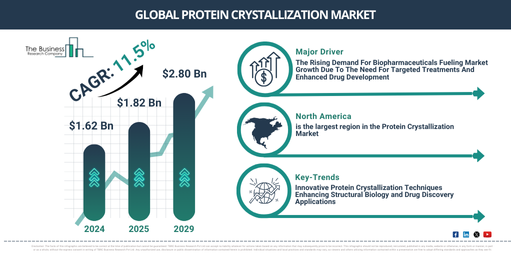
  • Global Protein Crystallization Market Projected to Reach $2.8 Billion by 2029 at a CAGR of 11.5%

    Global Protein Crystallization Market Projected to Reach $2.8 Billion by 2029 at a CAGR of 11.5%

    Discover trends, market shifts, and competitive outlooks for the protein crystallization industry through 2025-2034 with The Business Research Company’s reliable data and in-depth research

    How Has The Protein Crystallization Market Growth Evolved From 2024 To 2025, And What’s Ahead?

    The size of the protein crystallization market has been rapidly expanding in the recent past. It is projected to increase from a worth of $1.62 billion in 2024 to $1.82 billion in 2025, boasting a compound annual growth rate (CAGR) of 11.8%. This significant growth over the historical period is linked to various key factors such as the growing demand for personalized healthcare, increased need for biologics, advancements in structural proteomics, increased academic research activities, and the escalating requirement for the development of biologics.

    In the upcoming years, the market size of protein crystallization is predicted to experience accelerated growth, reaching $2.80 billion in 2029 with a compound annual growth rate (CAGR) of 11.5%. This increase in the projection period is attributed to the rising demand for protein-centric drug formulation, the increasing occurrence of chronic diseases, and profound research into protein-ligand interactions. Other factors include an increased focus on high-throughput screening methods and a growing requirement for specific software in crystallography. Major tendencies within the forecast period encompass technological advancements, the incorporation of AI in crystallization, laboratory workflow automation, the development of hybrid methodologies, and emerging x-ray technologies.

    Download a free sample to assess the report’s scope and structure:

    https://www.thebusinessresearchcompany.com/sample.aspx?id=22117&type=smp

    What are the Fundamental Drivers and Innovations Shaping the Protein Crystallization Market?

    The protein crystallization market’s expansion is anticipated to be driven by the burgeoning demand for biopharmaceuticals. Biopharmaceuticals are therapeutic drugs created from biological sources or processes, such as proteins, vaccines, and gene therapies, to combat a variety of illnesses and conditions. The growing demand for these biopharmaceuticals stems from their ability to deliver targeted treatments, improve patient prognosis, and address a wide array of chronic and complex diseases with personalized solutions more effective than conventional therapies. Protein crystallization amplifies the effectiveness of biopharmaceuticals by facilitating the precise identification of protein structures, which boosts the creation of targeted treatments and enhances efficacy and stability in biopharmaceutical products. For example, in June 2024, the Australian Bureau of Statistics reported that during 2022-23, Australian government agencies devoted $4,344 million to research and development, marking a rise of $726 million from 2020-21. Concurrently, private non-profit organizations allocated $1,595 million, a surge of $196 million from the previous year. Thus, the escalating demand for biopharmaceuticals is fueling the growth of the protein crystallization market.

    How Is the Protein Crystallization Market Segmented?

    The protein crystallization market covered in this report is segmented –

    1) By Product: Instruments, Consumables, Software And Services

    2) By Technology: X-Ray Crystallography, Cryo-electron Microscopy, NMR Spectroscopy, Other Technologies

    3) By End-User: Pharmaceutical And Biotechnology Companies, Academic And Research Institutes

    Subsegmentss:

    1) By Instruments Type: X-ray Diffractometers, Liquid Handling Systems, Crystallization Imaging Systems, Microfluidic Systems, Incubators & Temperature Control Devices

    2) By Consumables Type: Crystallization Reagents, Microplates & Crystallization Plates, Screens & Buffers, Cryoprotectants, Protein Purification Kits

    3) By Software and Services Type: Crystallography Data Analysis Software, Molecular Modeling Software, AI-Based Structure Prediction Tools, Custom Crystallization Services, Training & Consulting Services

    Request customized data on this market:

    https://www.thebusinessresearchcompany.com/customise?id=22117&type=smp

    Which Regions Are Driving the Next Phase of the Protein Crystallization Market Growth?

    North America was the largest region in the protein crystallization market in 2024. Asia-Pacific is expected to be the fastest-growing region in the forecast period. The regions covered in the protein crystallization market report are Asia-Pacific, Western Europe, Eastern Europe, North America, South America, Middle East, Africa.

    What Key Trends Are Shaping the Future of the Protein Crystallization Market?

    The protein crystallization market is heavily influenced by large corporations that prioritize the development of innovative techniques aimed at improving efficiency and resolution in protein crystallization. These techniques include the use of advanced cell-free protein crystallization methods for the analysis of unstable proteins crucial in structural biology and drug discovery. Specifically, cell-free protein crystallization facilitates the formation of crystallized proteins without the need for living cells, optimizing both crystallization and protein analysis processes. To illustrate this point, Tokyo Institute of Technology, a public university located in Japan, introduced an innovative cell-free protein crystallization technique in October 2022. This revolutionary technique boosts efficiency and resolution in protein crystallization, thus enabling more effective analysis of unstable proteins that were previously challenging to study via conventional methods. Consequently, this technique is poised to substantially improve knowledge about intricate cellular activities and play a key role in creating innovative therapeutic strategies.

    View the full report here:

    https://www.thebusinessresearchcompany.com/report/protein-crystallization-global-market-report

    How Is the Protein Crystallization Market Defined and What Are Its Core Parameters?

    Protein crystallization refers to the process in which proteins are induced to form well-ordered, three-dimensional crystals through a controlled environment, typically by altering conditions such as temperature, pH, and the presence of specific solvents or salts. This method plays a critical role in structural biology by enabling researchers to study the atomic structure of proteins in detail, most commonly through techniques like X-ray diffraction, which can provide insights into protein functions and interactions.

    Purchase the full report and get a swift delivery:

    https://www.thebusinessresearchcompany.com/purchaseoptions.aspx?id=22117

    About The Business Research Company:

    With over 15000+ reports from 27 industries covering 60+ geographies, The Business Research Company has built a reputation for offering comprehensive, data-rich research and insights. Armed with 1,500,000 datasets, the optimistic contribution of in-depth secondary research, and unique insights from industry leaders, you can get the information you need to stay ahead in the game.

    Get in touch with us:

    The Business Research Company: https://www.thebusinessresearchcompany.com/

    Americas +1 3156230293

    Asia +44 2071930708

    Europe +44 2071930708

    Email us at info@tbrc.info

    Follow us on:

    LinkedIn: https://in.linkedin.com/company/the-business-research-company

    YouTube: https://www.youtube.com/channel/UC24_fI0rV8cR5DxlCpgmyFQ

    Global Market Model: https://www.thebusinessresearchcompany.com/global-market-model
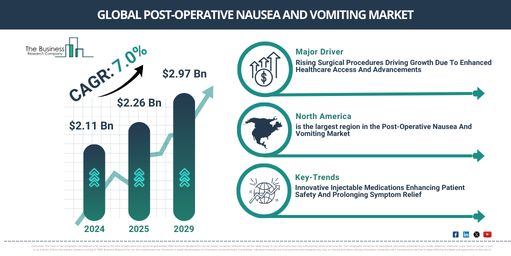
  • Major Drivers Propelling the Growth oh thePost-Operative Nausea And Vomiting Market Forward: Rising Surgical Procedures Driving Growth Due To Enhanced Healthcare Access And Advancements

    Major Drivers Propelling the Growth oh thePost-Operative Nausea And Vomiting Market Forward: Rising Surgical Procedures Driving Growth Due To Enhanced Healthcare Access And Advancements

    Discover trends, market shifts, and competitive outlooks for the post-operative nausea and vomiting industry through 2025-2034 with The Business Research Company’s reliable data and in-depth research

    What Is the Estimated Market Size of the Post-Operative Nausea And Vomiting Market In 2029?

    The market size for post-operative nausea and vomiting has experienced considerable growth in the recent past. Predictions indicate an increase from $2.11 billion in 2024 to $2.26 billion in 2025, reflecting a compound annual growth rate (CAGR) of 7.4%. The historic growth period was influenced by factors such as increased research and development activities, a higher demand for advanced therapeutic methods, an uptick in healthcare spending, a greater emphasis on personalized medicine, and the increased uptake of digital health technologies.

    Predictions point towards a steady expansion of the post-operative nausea and vomiting market over the upcoming years. The market is forecasted to reach $2.97 billion by 2029, maintaining a compound annual growth rate (CAGR) of 7.0%. Factors contributing to this projected growth include the escalating demand for pharmaceuticals, the uptake in combination therapy, heightened awareness, investments in healthcare, an expanding geriatric population, and an increasing incidence of cancer cases. The period under forecast can expect to see trends such as progressive antiemetic therapies, strategic alliances, inventive pharmaceutical formulations, the deployment of cutting-edge diagnostic tools, and the incorporation of electronic simulation devices.

    Download a free sample to assess the report’s scope and structure:

    https://www.thebusinessresearchcompany.com/sample.aspx?id=22109&type=smp

    Which Major Market Drivers Are Expected to Boost the Growth Potential of the Post-Operative Nausea And Vomiting Market?

    The growth of the post-operative nausea and vomiting market is expected to be driven by the increasing number of surgical procedures. Surgical operations, which involve the use of tools to identify, cure, or eliminate malfunctioning tissues or organs through cutting or manipulation, are on the rise. This surge is a result of advancements in medical technology that have made procedures safer, more effective, and less invasive, thereby increasing patient approval and broader usage. Post-operative nausea and vomiting management enhances surgical procedures by enhancing patient comfort, reducing recovery periods, lessening the likelihood of complications, ensuring more effective post-operative care, and ultimately improving overall surgical results. For example, the Australian Institute of Health and Welfare reported in November 2024 that in 2023-24, admissions for surgery from public hospital elective surgery waiting lists increased by 4.9% compared to 2022-23, with a total of 771,600 patients. Consequently, the growing number of surgical procedures is fuelling the expansion of the post-operative nausea and vomiting market.

    Which Key Market Segments Comprise the Post-Operative Nausea And Vomiting Market and Drive Its Revenue Growth?

    The post-operative nausea and vomiting market covered in this report is segmented –

    1) By Treatment Type: Serotonin Antagonists, Steroids, Dopamine Antagonists, Neurokinin NK-1 Receptor Antagonists, Non-pharmacological Treatment, Other Treatment Types

    2) By Route Of Administration: Oral, Intravenous, Transdermal, Other Route Of Administrations

    3) By Patient Demographics: Pediatric Patients, Adult Patients, Geriatric Patients

    4) By Surgical Procedure Type: Orthopedic Surgery, Gynecological Surgery, General Surgery, Cardiac Surgery, Ophthalmic Surgery

    5) By End-User: Hospitals, Ambulatory Surgical Centers, Specialty Clinics, Other End-Users

    Subsegmentss:

    1) By Serotonin Antagonists Type: Ondansetron, Granisetron, Palonosetron, Dolasetron, Tropisetron

    2) By Steroids Type: Dexamethasone, Methylprednisolone, Hydrocortisone, Prednisolone, Betamethasone

    3) By Dopamine Antagonists Type: Metoclopramide, Droperidol, Prochlorperazine, Domperidone, Chlorpromazine

    4) By Neurokinin NK-1 Receptor Antagonists Type: Aprepitant, Fosaprepitant, Rolapitant, Netupitant, Casopitant

    5) By Non-Pharmacological Treatment Type: Acupressure, Aromatherapy, Hypnotherapy, Electroacupuncture, Ginger Supplements

    6) By Other Treatment Types: Antihistamines, Anticholinergics, Cannabinoids, Combination Therapy, Herbal & Natural Remedies

    Request customized data on this market:

    https://www.thebusinessresearchcompany.com/customise?id=22109&type=smp

    Which Areas Are Leading Regions in the Post-Operative Nausea And Vomiting Market Expansion Across the Globe?

    North America was the largest region in the post-operative nausea and vomiting market in 2024. Asia-Pacific is expected to be the fastest-growing region in the forecast period. The regions covered in the post-operative nausea and vomiting market report are Asia-Pacific, Western Europe, Eastern Europe, North America, South America, Middle East, Africa.

    What Are the Key Market Trends in thePost-Operative Nausea And Vomiting Market Over the Coming Years?

    Leading corporations operating within the post-operative nausea and vomiting Market are concentrating on creating crucial injectable drugs with the use of advanced emulsion formulations and extended-release technology to enhance the effectiveness and extend symptom aid for patients after surgery. The term ‘critical injectable medications’ refers to vital drugs administered through injection intended to offer immediate and potent treatment for severe or critical medical situations. For instance, in July 2024, Avenacy, an American speciality pharmaceutical company, introduced Palonosetron Hydrochloride Injection in 0.25 mg/5 ml single-dose vials, aimed at assisting healthcare professionals to minimize dosage mistakes and upgrade patient safety. This injection is used for the prevention of nausea and vomiting resulting from chemotherapy and to control postoperative nausea and vomiting (PONV) for approximately 24 hours following surgery, making it a trustworthy treatment choice for patients vulnerable to these conditions.

    View the full report here:

    https://www.thebusinessresearchcompany.com/report/post-operative-nausea-and-vomiting-global-market-report

    How Is the Post-Operative Nausea And Vomiting Market Conceptually Defined?

    Post-operative nausea and vomiting (PONV) is a common complication that occurs within 24 to 48 hours after surgery, often resulting from anesthesia, pain medications, or the body’s response to surgical stress. It can significantly affect a patient’s recovery, causing discomfort, delayed healing, and an increased risk of complications like dehydration or electrolyte imbalance.

    Purchase the full report and get a swift delivery:

    https://www.thebusinessresearchcompany.com/purchaseoptions.aspx?id=22109

    About The Business Research Company:

    With over 15000+ reports from 27 industries covering 60+ geographies, The Business Research Company has built a reputation for offering comprehensive, data-rich research and insights. Armed with 1,500,000 datasets, the optimistic contribution of in-depth secondary research, and unique insights from industry leaders, you can get the information you need to stay ahead in the game.

    Get in touch with us:

    The Business Research Company: https://www.thebusinessresearchcompany.com/

    Americas +1 3156230293

    Asia +44 2071930708

    Europe +44 2071930708

    Email us at info@tbrc.info

    Follow us on:

    LinkedIn: https://in.linkedin.com/company/the-business-research-company

    YouTube: https://www.youtube.com/channel/UC24_fI0rV8cR5DxlCpgmyFQ

    Global Market Model: https://www.thebusinessresearchcompany.com/global-market-model
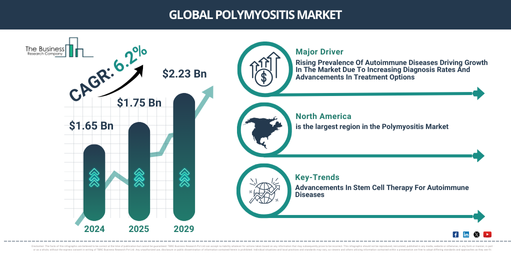
  • Market Trends Influencing Strategic Decisions in the Polymyositis Industry: Advancements In Stem Cell Therapy For Autoimmune Diseases

    Market Trends Influencing Strategic Decisions in the Polymyositis Industry: Advancements In Stem Cell Therapy For Autoimmune Diseases

    Discover trends, market shifts, and competitive outlooks for the polymyositis industry through 2025-2034 with The Business Research Company’s reliable data and in-depth research

    What Is the Current and Projected Market Size of the Polymyositis Market Through 2034?

    The market for polymyositis has experienced robust growth in the recent past. Starting from a $1.65 billion valuation in 2024, it is expected to reach $1.75 billion by 2025, marking a compound annual growth rate (CAGR) of 6.4%. This upward trend during the historic period was likely due to improved access in emerging regions, a rise in prednisone application, an increase in acceptance of methotrexate for symptom management, enlargement in the usage of TNF inhibitors, and a surge in antibody testing application.

    The market size for polymyositis is anticipated to experience robust expansion in the upcoming years, with a projection to reach $2.23 billion by 2029, along with a compound annual growth rate (CAGR) of 6.2%. The anticipated growth within this forecast period can be credited to the expansion of telemedicine, increased use of remote patient monitoring, a surge in the employment of immunosuppressants, growth in stem cell therapy applications, and an upsurge in the use of biosimilars. Key trends expected to emerge during this forecast period comprise the incorporation of artificial intelligence in drug discovery, advancements in specific therapeutics, development of new immunomodulators, amplified research in the regenerative medicine sphere, and the assimilation of substantial data.

    Download a free sample to assess the report’s scope and structure:

    https://www.thebusinessresearchcompany.com/sample.aspx?id=22104&type=smp

    What Are the Major Market Drivers Behind the Rising Adoption of Polymyositis Market?

    The growing occurrence of autoimmune diseases is anticipated to spur the expansion of the polymyositis market. Autoimmune diseases are medical situations in which the immune system erroneously attacks healthy cells, tissues, or organs in the body, resulting in inflammation and harm. The escalating rate of autoimmune diseases hinges on certain genetic variants that overstimulate immune responses, rendering individuals vulnerable to mistakenly attacking their own tissues. Hence, this genetic predisposition, alongside environmentally instigated factors like infections, stress, and lifestyle aspects, play a part in the escalating incidents of autoimmune conditions. Polymyositis acts as a lens to comprehend autoimmune diseases by showcasing how immune system malfunction leads to muscular inflammation, thus presenting an understanding of root mechanisms and potential remedies for related conditions. For example, in November 2024, Versorgungsatlas.de, based in Germany, stated that in 2022, out of 73,241,305 insured citizens, 6,304,340 were diagnosed with at least one autoimmune disease, indicating a raw prevalence rate of 8.61%. Thus, the increasing prevalence of autoimmune diseases propels the Polymyositis market. A surge in demand for oral drugs is projected to drive the growth of the polymyositis market. Oral drugs, as consumables—tablets, capsules or liquids—are taken by mouth and digested through the alimentary canal. This heightened demand is linked to their ease of use, simple administration and patient choice for non-intrusive treatments over injections or other means. Polymyositis leverages oral drugs to lessen muscular inflammation, modify immune responses and improve muscle function, thereby alleviating symptoms and preventing further progress of the disease. As an example, the Centers for Disease Control and Prevention in the US reported in October 2022 that disbursement of oral antivirals witnessed an increase of 57% from 643 per 100,000 people from April 24 to May 21, 2022, to 1,012 per 100,000 during July 31 and August 28, 2022. Consequently, the escalating demand for oral drugs is fostering the expansion of the polymyositis market.

    Which Key Market Segments Comprise the Polymyositis Market and Drive Its Revenue Growth?

    The polymyositis market covered in this report is segmented –

    1) By Type: Idiopathic Polymyositis, Dermatomyositis, Inclusion Body Myositis, Overlapping Myositis Syndromes

    2) By Diagnosis: Physical Examination, Muscle Biopsy, Electromyography (EMG), Blood Tests, Magnetic Resonance Imaging (MRI)

    3) By Treatment: Immunosuppressant, Immunoglobulins, Corticosteroids, Alkylating agents, Monoclonal Antibodies

    4) By Distribution Channel: Offline, Online

    5) By End User: Hospital pharmacy, Online pharmacy, Retail pharmacy

    Subsegmentss:

    1) By Idiopathic Polymyositis: Immune-Mediated Polymyositis, Virus-Associated Polymyositis

    2) By Dermatomyositis: Classic Dermatomyositis, Amyopathic Dermatomyositis, Juvenile Dermatomyositis

    3) By Inclusion Body Myositis: Sporadic Inclusion Body Myositis, Hereditary Inclusion Body Myopathy

    4) By Overlapping Myositis Syndromes:Polymyositis with Systemic Lupus Erythematosus (SLE), Polymyositis with Rheumatoid Arthritis (RA), Polymyositis with Systemic Sclerosis, Polymyositis with Mixed Connective Tissue Disease (MCTD)

    Request customized data on this market:

    https://www.thebusinessresearchcompany.com/customise?id=22104&type=smp

    Which Areas Are Leading Regions in the Polymyositis Market Expansion Across the Globe?

    North America was the largest region in the polymyositis market in 2024. Asia-Pacific is expected to be the fastest-growing region in the forecast period. The regions covered in the polymyositis market report are Asia-Pacific, Western Europe, Eastern Europe, North America, South America, Middle East, Africa.

    What Are the Strategic Trends Steering thePolymyositis Market Direction?

    Key players within the polymyositis market are focusing on the development of novel treatments, such as stem cell therapy, to heighten treatment effectiveness and slow the progression of the disease. The basis of the stem cell therapy is the usage of stem cells derived from the umbilical cord as a means of regenerative treatment. These cells possess robust immunomodulatory and anti-inflammatory characteristics, implying that they could be useful in treating autoimmune disorders such as polymyositis. As an example, RESTEM, an American clinical-stage biotech firm, was granted Orphan Drug Designation (ODD) by the U.S. Food and Drug Administration (FDA) for its program which uses umbilical cord outer lining stem cells (ULSCs) in December 2024. This program is helping in the treatment of polymyositis and Dermatomyositis by modulating the immune system and reducing muscle inflammation. The potential to reduce steroid dependence was evidenced by the promising safety and efficacy results of early trials of the treatment.

    View the full report here:

    https://www.thebusinessresearchcompany.com/report/polymyositis-global-market-report

    How Is the Polymyositis Market Conceptually Defined?

    Polymyositis is a chronic inflammatory myopathy characterized by progressive muscle weakness, primarily affecting the skeletal muscles. It results from an autoimmune response where the body’s immune system mistakenly attacks muscle fibers, leading to inflammation, degeneration, and weakness.

    Purchase the full report and get a swift delivery:

    https://www.thebusinessresearchcompany.com/purchaseoptions.aspx?id=22104

    About The Business Research Company:

    With over 15000+ reports from 27 industries covering 60+ geographies, The Business Research Company has built a reputation for offering comprehensive, data-rich research and insights. Armed with 1,500,000 datasets, the optimistic contribution of in-depth secondary research, and unique insights from industry leaders, you can get the information you need to stay ahead in the game.

    Get in touch with us:

    The Business Research Company: https://www.thebusinessresearchcompany.com/

    Americas +1 3156230293

    Asia +44 2071930708

    Europe +44 2071930708

    Email us at info@tbrc.info

    Follow us on:

    LinkedIn: https://in.linkedin.com/company/the-business-research-company

    YouTube: https://www.youtube.com/channel/UC24_fI0rV8cR5DxlCpgmyFQ

    Global Market Model: https://www.thebusinessresearchcompany.com/global-market-model
  • Top Trends Driving Innovation and Change in the Polymyalgia Rheumatica Market: FDA Approval Of Advanced IL-6 Receptor Blocker Offers New Treatment For Polymyalgia Rheumatica

    Top Trends Driving Innovation and Change in the Polymyalgia Rheumatica Market: FDA Approval Of Advanced IL-6 Receptor Blocker Offers New Treatment For Polymyalgia Rheumatica

    Discover trends, market shifts, and competitive outlooks for the polymyalgia rheumatica industry through 2025-2034 with The Business Research Company’s reliable data and in-depth research

    What is the Anticipated CAGR of the Polymyalgia Rheumatica Market, and What Factors Will Drive It?

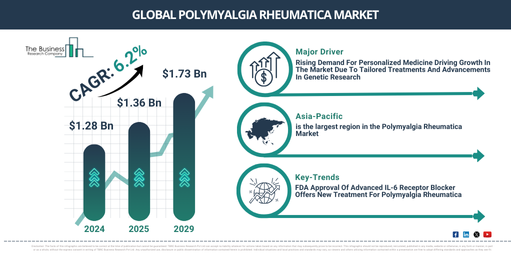
    In the past few years, the polymyalgia rheumatica market size has witnessed significant growth. The projection is that it will expand from $1.28 billion in 2024 to $1.36 billion in 2025 with a compound annual growth rate (CAGR) of 6.6%. Factors that contributed to this historical growth include heightened awareness among healthcare professionals, increased utilization of corticosteroids, proliferation of specialty clinics, the advent of biologic therapies, and boosted healthcare budgets.

    Strong expansion is anticipated in the polymyalgia rheumatica market in the coming years, with predictions estimating its value will reach $1.73 billion in 2029, stemming from a compound annual growth rate (CAGR) of 6.2%. This predicted increases are mainly due to the increased use of biologics, the broadening of precision medicine, an acceleration in drug approvals, more comprehensive reimbursements, and an enlargement in clinical trials. During the forecast period, key trends are expected to be the creation of combination therapies, breakthroughs in personalized medicine, precision medicine development, the inclusion of electronic health records, as well as progress in biomarkers.

    Download a free sample to assess the report’s scope and structure:

    https://www.thebusinessresearchcompany.com/sample.aspx?id=22103&type=smp

    What External and Internal Drivers Are Contributing to the Growth of the Polymyalgia Rheumatica Market?

    The ascension in demand for tailored medical treatment, known as personalized medicine, is anticipated to boost the expansion of the polymyalgia rheumatica market. This individual-oriented medicine approach, influenced by an individual’s unique genetic makeup, lifestyle, and personal health state, brings more effective results. This personalized medical revolution has been propelled by progressive genetic studies, rising patient desires for bespoke treatment plans, and technological improvements in diagnostics. Understanding individual genetic variations through genetic studies has allowed for the creation of customized treatments targeting specific genetic markers. This individualized approach to medicine aids in drug selection, based on patient’s unique characteristics for a safer and more effective treatment agenda. For instance, the Personalised Medicine Coalition, a health care organisation based in the US, reported that in February 2024, the Food and Drug Administration approved 16 new bespoke treatments for rare disease patients in 2023, as compared to six in 2022. This surge in personalized medicine subsequently maneuvering the growth of the polymyalgia rheumatica market. As the ascension in telemedicine services is anticipated to encourage the expansion of the polymyalgia rheumatica market. Telemedicine services utilize digital communicative technologies, such as video and phone calls and online chatting, to extend remote medical consultations, diagnoses, treatment, and patients’ post-treatment care without the requirement of physical appointments. This ascension in telemedicine services is a response to rising demand for convenient and economical healthcare solutions. Telemedicine eradicates the necessity for physical appointments, offering convenience particularly for non-urgent consultations. The growth of these remote healthcare services is beneficial for managing polymyalgia rheumatica (PMR) as it enables distant symptom tracking, medication supervision, and regular patient follow-ups, all essential for managing long-lasting pain and inflammation. For example, the Australian Bureau of Statistics, a governmental agency based in Australia, reported in November 2024 that the proportion of individuals using telehealth consultations rose from 87.7% in 2022-23 to 89.2% in 2023-24. The escalating use of telemedicine services subsequently contributes to the expansion of the polymyalgia rheumatica market.

    What Segment Types Define the Polymyalgia Rheumatica Market Structure?

    The polymyalgia rheumatica market covered in this report is segmented –

    1) By Treatment: Corticosteroids, Nonsteroidal Anti-Inflammatory Drugs, Disease-Modifying Antirheumatic Drugs, Biologics

    2) By Route Of Administration: Oral, Intravenous, Subcutaneous

    3) By Patient Type: Adult, Geriatric, Periatric

    4) By Distribution Channel: Hospital Pharmacies, Retail Pharmacies, Online Pharmacies

    Subsegments:

    1) By Corticosteroids: Prednisone, Methylprednisolone, Hydrocortisone, Dexamethasone

    2) By Nonsteroidal Anti-Inflammatory Drugs (NSAIDs): Ibuprofen, Naproxen, Aspirin, Celecoxib

    3) By Disease-Modifying Antirheumatic Drugs (DMARDs): Methotrexate, Leflunomide, Sulfasalazine, Hydroxychloroquine

    4) By Biologics: Tumor Necrosis Factor (TNF) Inhibitors, Interleukin-6 (IL-6) Inhibitors, B-Cell Inhibitors, Janus Kinase (JAK) Inhibitors

    Request customized data on this market:

    https://www.thebusinessresearchcompany.com/customise?id=22103&type=smp

    Which Geographic Areas Hold the Strongest Growth Potential in the Polymyalgia Rheumatica Market?

    Asia-Pacific was the largest region in the polymyalgia rheumatica market in 2024. The regions covered in the polymyalgia rheumatica market report are Asia-Pacific, Western Europe, Eastern Europe, North America, South America, Middle East, Africa.

    What Long-Term Trends Are Transforming the Competitive Landscape of the Polymyalgia Rheumatica Market?

    Notable companies navigating the polymyalgia rheumatica market are prioritizing the creation of advanced medicinal treatments, particularly interleukin-6 (IL-6) receptor blockers, which offer a more precise, effective mode of action. These biological therapeutics function by inhibiting IL-6, an integral pro-inflammatory cytokine in the context of autoimmune diseases. By obstructing IL-6, these interventions create a cascade of effects that decrease inflammation and ameliorate symptoms, improving life quality for those suffering from PMR. As an example, Regeneron Pharmaceuticals Inc., originating from the U.S., and Sanofi, a healthcare enterprise based in France, publicly stated in February 2023 that the FDA had approved their joint product, Kevzara (sarilumab), for the treatment of polymyalgia rheumatica in adults who are not optimally responsive to corticosteroids or who have trouble easing off them. Kevzara is singular in its status as the first and only biological agent approved for this condition, and it accomplishes its therapeutic goal by interfering with IL-6-mediated signaling. This approval was fueled by the results of a trial where 28.3% of patients under sarilumab obtained sustained remission by the 52nd week, as opposed to only the 10.3% who were given a placebo. The treatment protocol for Kevzara involves a subcutaneous injection every fortnight, and it carries an additional approval for the management of moderately to severely active rheumatoid arthritis. Sanofi’s shares (SNY) are presently valued at $54.13 on the NASDAQ market.

    View the full report here:

    https://www.thebusinessresearchcompany.com/report/polymyalgia-rheumatica-global-market-report

    What Is the Definition of the Polymyalgia Rheumatica Market?

    Polymyalgia rheumatica (PMR) is an inflammatory disorder that primarily affects older adults, causing muscle pain and stiffness, particularly in the shoulders, hips, and neck. It is characterized by aching and swelling in the muscles around the shoulders and hips, leading to difficulty in movement and daily activities.

    Purchase the full report and get a swift delivery:

    https://www.thebusinessresearchcompany.com/purchaseoptions.aspx?id=22103

    About The Business Research Company:

    With over 15000+ reports from 27 industries covering 60+ geographies, The Business Research Company has built a reputation for offering comprehensive, data-rich research and insights. Armed with 1,500,000 datasets, the optimistic contribution of in-depth secondary research, and unique insights from industry leaders, you can get the information you need to stay ahead in the game.

    Get in touch with us:

    The Business Research Company: https://www.thebusinessresearchcompany.com/

    Americas +1 3156230293

    Asia +44 2071930708

    Europe +44 2071930708

    Email us at info@tbrc.info

    Follow us on:

    LinkedIn: https://in.linkedin.com/company/the-business-research-company

    YouTube: https://www.youtube.com/channel/UC24_fI0rV8cR5DxlCpgmyFQ

    Global Market Model: https://www.thebusinessresearchcompany.com/global-market-model
  • Emerging Trends Redefining the Poly(ADP-Ribose) Polymerase (PARP) Inhibitors Market Landscape: Advancements In Targeted Cancer Therapies Driving Innovation In PARP Inhibitors

    Emerging Trends Redefining the Poly(ADP-Ribose) Polymerase (PARP) Inhibitors Market Landscape: Advancements In Targeted Cancer Therapies Driving Innovation In PARP Inhibitors

    Discover trends, market shifts, and competitive outlooks for the poly(adp-ribose) polymerase (parp) inhibitors industry through 2025-2034 with The Business Research Company’s reliable data and in-depth research

    What Are the Key Milestones in the Poly(ADP-Ribose) Polymerase (PARP) Inhibitors Market’s Growth Trajectory From 2025 To 2034?

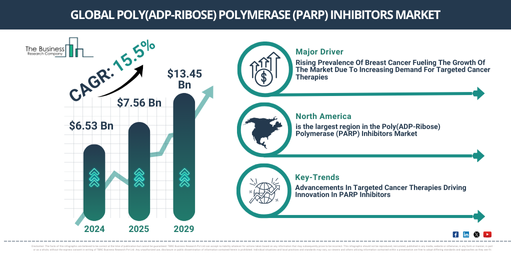
    The market size for poly(ADP-ribose) polymerase (PARP) inhibitors has been on a swift upward trend in the past few years. This market is projected to expand from $6.53 billion in 2024 to $7.56 billion in 2025, signaling a compound annual growth rate (CAGR) of 15.7%. The historic growth pattern can be traced back to factors such as a surge in cancer cases, an increase in genetic testing, successful clinical trials, broader insurance coverage, and a boom in cancer research.

    In the forthcoming years, the market size of poly(ADP-ribose) polymerase (PARP) inhibitors is set to experience substantial growth, estimated to reach a value of $13.45 billion in 2029, with an impressive compound annual growth rate (CAGR) of 15.5%. This growth is primarily driven by factors like an increase in the production and distribution of drugs, heightened incidences of BRCA-mutated cancers and breast cancer, the escalating use of monoclonal antibodies, and a hike in healthcare spending. Key trends during the forecast period encompass improvements in biomarker research, the advent of combination therapies, the incorporation of artificial intelligence in drug creation, progression in biomarker-guided therapy, and the creation of next-generation PARP inhibitors.

    Download a free sample to assess the report’s scope and structure:

    https://www.thebusinessresearchcompany.com/sample.aspx?id=22102&type=smp

    What Are the Core Market Drivers Propelling Growth in the Poly(ADP-Ribose) Polymerase (PARP) Inhibitors Industry?

    The escalating incidence rates of breast cancer are set to catalyze the expansion of the poly(ADP-ribose) polymerase (PARP) inhibitors market. Breast cancer is typified by unregulated cell proliferation in the breast, eventually forming a malignant growth capable of metastasizing to various body parts. The uptick in breast cancer incidences is traced back to aging demographics, alterations in lifestyle, hereditary predisposition, hormonal imbalances, obesity, consumption of alcohol and enhanced susceptibility to environmental risks. PARP inhibitors aid in the treatment of breast cancer by thwarting the DNA repair function of the PARP enzyme in cancerous cells, which induces cell death, specifically in tumours possessing BRCA1 or BRCA2 mutations. For instance, the National Breast Cancer Foundation, a US-centric organization, stated in January 2025, that one in every eight women in the United States will be diagnosed with breast cancer at some point in her lifetime. Stats from 2024 revealed 310,720 women and 2,800 men diagnosed with invasive forms of breast cancer. Consequently, this surge in breast cancer incidences is stimulating the growth of the poly(ADP-ribose) polymerase (PARP) inhibitors market.

    How Is the Poly(ADP-Ribose) Polymerase (PARP) Inhibitors Market Segmented?

    The poly(ADP-ribose) polymerase (PARP) inhibitors market covered in this report is segmented –

    1) By Type: Olaparib, Rucaparib, Niraparib, Talazoparib, Other Types

    2) By Indication: Ovarian Cancer, Breast Cancer, Prostate Cancer, Pancreatic Cancer

    3) By Distribution Channel: Hospital Pharmacies, Retail Pharmacies, Online Pharmacies

    4) By End-User: Hospitals, Specialty Clinics, Research Institutions, Other End-Users

    Subsegments:

    1) By Olaparib: BRCA-Mutated Cancers, HRD-Positive Cancers, Maintenance Therapy

    2) By Rucaparib: Ovarian Cancer, Prostate Cancer, Pancreatic Cancer

    3) By Niraparib: First-Line Treatment, Recurrent Cancer Treatment, Late-Stage Cancer

    4) By Talazoparib: Breast Cancer, Germline BRCA-Mutated Tumors, Neoadjuvant Or Adjuvant Therapy

    5) By Other Types: Emerging PARP Inhibitors, Investigational Therapies, Novel Combinations

    Request customized data on this market:

    https://www.thebusinessresearchcompany.com/customise?id=22102&type=smp

    Which Regions Are Driving the Next Phase of the Poly(ADP-Ribose) Polymerase (PARP) Inhibitors Market Growth?

    North America was the largest region in the poly(ADP-ribose) polymerase (PARP) inhibitors market in 2024. Asia-Pacific is expected to be the fastest-growing region in the forecast period. The regions covered in the poly(ADP-ribose) polymerase (PARP) inhibitors market report are Asia-Pacific, Western Europe, Eastern Europe, North America, South America, Middle East, Africa.

    What Key Market Trends and Innovations Are Shaping the Future of the Poly(ADP-Ribose) Polymerase (PARP) Inhibitors Industry?

    Prominent firms in the poly(ADP-ribose) polymerase (PARP) inhibitors market are concentrating their efforts on creating innovative cancer therapies, such as anticancer drugs, aimed at specific genetic mutations found in certain types of cancer. These anticancer drugs are designed to combat cancer by inhibiting cancer cell growth, hindering their expansion, or annihilating them. They function in a variety of ways, such as disrupting cell division, obstructing vital proteins necessary for tumor growth, or boosting the immune system’s capacity to resist cancer. For example, Zydus Lifesciences Limited, a pharmaceutical entity based in India, introduced IBYRA, a generic form of the PARP inhibitor olaparib, to the Indian market in March 2024. This medication offers a cost-effective and targeted treatment alternative for HRD-positive and BRCA-positive cancer patients, drastically reducing treatment expenses compared to the original drug.

    View the full report here:

    https://www.thebusinessresearchcompany.com/report/polyadp-ribose-polymerase-parp-inhibitors-global-market-report

    How Is the Poly(ADP-Ribose) Polymerase (PARP) Inhibitors Market Defined and What Are Its Core Parameters?

    PARP inhibitors (poly(ADP-ribose) polymerase inhibitors) are a group of drugs mainly used in cancer therapy. These medications work by blocking DNA repair in cancer cells, particularly in cancers with BRCA mutations. They are commonly used to treat ovarian and breast cancer and are usually taken orally. PARP inhibitors help reduce the risk of cancer returning after chemotherapy and can cause side effects such as fatigue and low blood cell counts.

    Purchase the full report and get a swift delivery:

    https://www.thebusinessresearchcompany.com/purchaseoptions.aspx?id=22102

    About The Business Research Company:

    With over 15000+ reports from 27 industries covering 60+ geographies, The Business Research Company has built a reputation for offering comprehensive, data-rich research and insights. Armed with 1,500,000 datasets, the optimistic contribution of in-depth secondary research, and unique insights from industry leaders, you can get the information you need to stay ahead in the game.

    Get in touch with us:

    The Business Research Company: https://www.thebusinessresearchcompany.com/

    Americas +1 3156230293

    Asia +44 2071930708

    Europe +44 2071930708

    Email us at info@tbrc.info

    Follow us on:

    LinkedIn: https://in.linkedin.com/company/the-business-research-company

    YouTube: https://www.youtube.com/channel/UC24_fI0rV8cR5DxlCpgmyFQ

    Global Market Model: https://www.thebusinessresearchcompany.com/global-market-model