Category: HealthcareServices

  • Acute Repetitive Seizures Market Valuation Expected To Reach $5.44 Billion By 2029, Growing At A Rate Of 11.6%

    Acute Repetitive Seizures Market Valuation Expected To Reach $5.44 Billion By 2029, Growing At A Rate Of 11.6%

    Get 30% off on our Global Market Reports with code ONLINE30 – Hurry, limited time offer!

    How Has the Acute Repetitive Seizures Market Growth Performance Trended Historically, And What Lies Ahead?

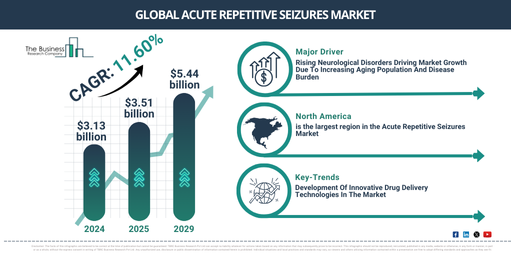
    The market size for acute repetitive seizures has seen a swift expansion in recent times and is projected to rise from $3.13 billion in 2024 to $3.51 billion in 2025, marking a compound annual growth rate (CAGR) of 12.0%. The expansion observed historically can be linked to the increasing prevalence of epilepsy, heightened consciousness about seizure management, the growing utilization of rescue medications, enhanced diagnostic proficiencies, and wider access to healthcare services.

    In the upcoming years, the market size for acute repetitive seizures is predicted to experience a fast-paced expansion, growing to a value of $5.44 billion in 2029 at a compound annual growth rate (CAGR) of 11.6%. This predicted growth during the forecast period is influenced by factors such as the escalating demand for non-invasive therapeutic methods, increased funding towards epilepsy research, the widespread usage of wearable seizure detection devices, the broadening scope of telemedicine in neurology, and governmental efforts toward epilepsy management. Key market trends foreseen during this period are the application of artificial intelligence in predicting seizures, the inclusion of digital healthcare solutions, the growth of clinical trials exploring innovative therapies, the emergence of gene treatments for epilepsy, and the creation of new drug formulations.

    Download a free sample to assess the report’s scope and structure:

    https://www.thebusinessresearchcompany.com/sample.aspx?id=23292&type=smp

    Which Factors and External Forces Are Driving Demand in the Acute Repetitive Seizures Market?

    The growing incidence of neurological ailments is anticipated to fuel the expansion of the acute repetitive seizures market. Neurological disorders, which impact the brain, nerves, or spinal cord and cause issues with motion, speech, cognition, or bodily functions, are increasing. This increase is primarily attributed to the aging population, as the elderly are more prone to brain degeneration, augmenting the risk of diseases like Alzheimer’s, Parkinson’s, and stroke. Acute repetitive seizures accelerate the progression of neurological issues by enhancing the risk of neuronal injury, cognitive deterioration, and long-term complications, thereby requiring prompt intervention to avert further detrimental outcomes. To illustrate, the Alzheimer’s Association, a US non-profit health organization, stated in March 2023 that approximately 6.7 million Americans aged 65 and above are living with Alzheimer’s dementia in 2023, with projections of this number increasing to 13.8 million by 2060. As a result, the escalating incidence of neurological disorders is stimulating the expansion of the acute repetitive seizures market.

    Which Segments in the Acute Repetitive Seizures Offer the Most Growth?

    The acute repetitive seizures market covered in this report is segmented –

    1) By Drug Type: Benzodiazepines, Antiepileptic Drugs, Barbiturates, Other Drug Types

    2) By Route Of Administration: Intranasal, Rectal, Oral, Other Routes Of Administrations

    3) By End User: Hospitals, Clinics, Home Care Settings

    Subsegments:

    1) By Benzodiazepines: Diazepam, Lorazepam, Midazolam, Clonazepam, Alprazolam

    2) By Antiepileptic Drugs: Levetiracetam, Phenytoin, Valproate, Carbamazepine, Lamotrigine

    3) By Barbiturates: Phenobarbital, Primidone

    4) By Other Drug Types: Corticosteroids, Intravenous Immunoglobulins (IVIG), Cannabinoids

    Request customized data on this market:

    https://www.thebusinessresearchcompany.com/customise?id=23292&type=smp

    What Are the Fastest-Growing Geographies in the Acute Repetitive Seizures Market?

    North America was the largest region in the acute repetitive seizures market in 2024. Asia-Pacific is expected to be the fastest-growing region in the forecast period. The regions covered in the acute repetitive seizures market report are Asia-Pacific, Western Europe, Eastern Europe, North America, South America, Middle East, Africa.

    Which Cutting-Edge Market Trends Are Expected to Drive the Acute Repetitive Seizures Market’s Growth?

    Key players in the acute repetitive seizures market are concentrating their efforts on creating new formulations, such as benzodiazepine buccal films. These innovative products aim to enhance drug absorption, provide quick relief from seizures, and improve the patient experience. The benzodiazepine buccal film is a thin, soluble film that contains a benzodiazepine medication and is placed inside the cheek for fast absorption through the oral mucosa. This method helps control acute repetitive seizures by rapidly introducing the drug into the bloodstream, subsequently decreasing the length and number of seizures. For instance, in December 2024, Aquestive Therapeutics Inc., a pharmaceutical company based in the U.S., announced that its product, Libervant (diazepam) buccal film, had been granted seven years of orphan drug exclusivity (ODE) by the U.S. Food and Drug Administration (FDA). Libervant is deployed in treating acute, recurrent seizure episodes, such as seizure clusters and acute repetitive seizures. The diazepam-based, buccally administered dissolvable film works by enhancing the impact of gamma-aminobutyric acid (GABA), which functions as a central nervous system depressant to limit seizure activity.

    View the full report here:

    https://www.thebusinessresearchcompany.com/report/acute-repetitive-seizures-global-market-report

    What Are the Key Elements That Define the Acute Repetitive Seizures Market?

    Acute repetitive seizures refer to a condition where a person experiences multiple seizures in a short period, typically within a 24-hour window. These seizures occur repeatedly, often without a return to normal consciousness or baseline neurological function between episodes. Various factors, including brain injury, infections, metabolic disturbances, or underlying neurological disorders, may trigger acute repetitive seizures.

    Purchase the full report and get a swift delivery:

    https://www.thebusinessresearchcompany.com/purchaseoptions.aspx?id=23292

    About The Business Research Company:

    With over 15000+ reports from 27 industries covering 60+ geographies, The Business Research Company has built a reputation for offering comprehensive, data-rich research and insights. Armed with 1,500,000 datasets, the optimistic contribution of in-depth secondary research, and unique insights from industry leaders, you can get the information you need to stay ahead in the game.

    Get in touch with us:

    The Business Research Company: https://www.thebusinessresearchcompany.com/

    Americas +1 3156230293

    Asia +44 2071930708

    Europe +44 2071930708

    Email us at info@tbrc.info

    Follow us on:

    LinkedIn: https://in.linkedin.com/company/the-business-research-company

    YouTube: https://www.youtube.com/channel/UC24_fI0rV8cR5DxlCpgmyFQ

    Global Market Model: https://www.thebusinessresearchcompany.com/global-market-model
  • Key Factors Fueling the Growth of the Low-Grade Glioma Market in 2025: Rising Incidence Of Brain Tumours Influences The Market Growth

    Key Factors Fueling the Growth of the Low-Grade Glioma Market in 2025: Rising Incidence Of Brain Tumours Influences The Market Growth

    Our market reports now include the latest updates on global tariffs, trade impacts, and evolving supply chain dynamics.

    What is the Projected CAGR for the Low-Grade Glioma Market Size from 2025 to 2034?

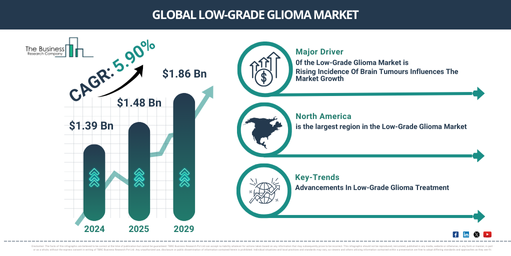
    In recent years, there has been significant growth in the market size of low-grade glioma. An increase from $1.39 billion in 2024 to $1.48 billion in 2025 is projected, implying a compound annual growth rate (CAGR) of 6.1%. The growth witnessed in the past can be credited to the heightened awareness of brain tumors, the rise in oncology-centered funding which promotes research, the surge in the designation of orphan drugs, the broadening scope of telemedicine, and heightened healthcare accessibility.

    Expectations are high for a robust expansion of the low-grade glioma market in the coming years. The market’s projected rise to $1.86 billion in 2029, representing a compound annual growth rate (CAGR) of 5.9%, signals this. A number of factors will contribute to this growth over the forecast period including an increase in the elderly population, heightened spending on healthcare, a surge in brain tumor cases, escalating government interventions, and an uptick in the incidence and prevalence of high-grade gliomas. The prediction period will also see significant trends such as advancements in imaging technologies, the evolution of radiation therapies, debut of new chemotherapy regimens, proliferation of clinical trials, and the inclusion of immunotherapy.

    Download a free sample to assess the report’s scope and structure:

    https://www.thebusinessresearchcompany.com/sample.aspx?id=21215&type=smp

    What are the Fundamental Drivers and Innovations Shaping the Low-Grade Glioma Market?

    The surge in brain tumor cases is anticipated to spur the expansion of the low-grade glioma market in the future. Brain tumors, categorized as benign or malignant, emerge from unusual cell growth in the brain or its nearby regions. Exposure to radiation, environmental contaminants, genetic susceptibility, and aging are primary factors contributing to the rising incidence of brain tumors. Low-grade glioma plays a crucial role in treating brain tumors by employing innovative diagnostic methods and specific therapies including surgery, radiation, and chemotherapy. These methods slow tumor growth, conserve neurological function, and enhance patient outcomes, underscoring the importance of early detection and individualized treatment in managing other brain tumors with similar growth patterns. For example, in 2023, The Central Brain Tumor Registry of the United States (CBTRUS), reported that the global incidence rate of primary malignant brain tumors in 2022 was about 3.5 per 100,000. The prevalence was higher in high-income countries (4.9 per 100,000) compared to middle-low income (2.4 per 100,000) and low-income countries. As a result of the increasing incidence of brain tumors, there has been substantial growth in the low-grade glioma market.

    How Is the Low-Grade Glioma Market Segmented?

    The low-grade glioma market covered in this report is segmented –

    1) By Drug Type: Trametinib, Dabrafenib, Ivosidenib, Mirdametinib

    2) By Treatment: Surgery, Chemotherapy, Radiation

    3) By Route Of Administration: Topical, Oral

    4) By Distribution Channel: Online Pharmacies, Hospital Pharmacies, Retail Pharmacies

    Request customized data on this market:

    https://www.thebusinessresearchcompany.com/customise?id=21215&type=smp

    Which Regions Are Driving the Next Phase of the Low-Grade Glioma Market Growth?

    North America was the largest region in the low-grade glioma market in 2024. Asia-Pacific is expected to be the fastest-growing region in the forecast period. The regions covered in the low-grade glioma market report are Asia-Pacific, Western Europe, Eastern Europe, North America, South America, Middle East, Africa.

    What Key Trends Are Shaping the Future of the Low-Grade Glioma Market?

    Leading corporations in the low-grade glioma market are now directing their focus towards the incorporation of both combination therapies and targeted treatment, including drugs tailored to genetic alterations, with the goal of maintaining their competitiveness and improving treatment options for children suffering from low-grade glioma. Drugs designed to alter genetics are targeted treatments created to either modify or suppress specific genetic mutations or cell abnormalities, thus effectively treating illnesses such as cancer by halting the mechanisms that trigger unchecked cell growth. For example, in May 2024, Day One Biopharmaceuticals, a firm based in the United States, introduced Tovorafenib (Ojemda) after receiving accelerated approval from the FDA. Formulated to cater to children who are at least six months old and who have unresectable or recurring low-grade glioma (LGG) with BRAF gene alterations, this targeted treatment offers a convenient weekly oral medication, thus meeting a critical need for pediatric LGG patients who had fewer prior treatment choices.

    View the full report here:

    https://www.thebusinessresearchcompany.com/report/low-grade-glioma-global-market-report

    How Is the Low-Grade Glioma Market Defined and What Are Its Core Parameters?

    Low-grade gliomas are a type of brain tumor that develops from glial cells, which provide support and insulation to nerve cells in the brain, characterized by slow growth and generally less aggressive behavior compared to high-grade gliomas, though they can still cause significant neurological symptoms and may require treatments.

    Purchase the full report and get a swift delivery:

    https://www.thebusinessresearchcompany.com/purchaseoptions.aspx?id=21215

    About The Business Research Company:

    With over 15000+ reports from 27 industries covering 60+ geographies, The Business Research Company has built a reputation for offering comprehensive, data-rich research and insights. Armed with 1,500,000 datasets, the optimistic contribution of in-depth secondary research, and unique insights from industry leaders, you can get the information you need to stay ahead in the game.

    Get in touch with us:

    The Business Research Company: https://www.thebusinessresearchcompany.com/

    Americas +1 3156230293

    Asia +44 2071930708

    Europe +44 2071930708

    Email us at info@tbrc.info

    Follow us on:

    LinkedIn: https://in.linkedin.com/company/the-business-research-company

    YouTube: https://www.youtube.com/channel/UC24_fI0rV8cR5DxlCpgmyFQ

    Global Market Model: https://www.thebusinessresearchcompany.com/global-market-model
  • Acute Myocardial Infarction Market Forecast Reaching $1.97 Billion by 2029 at 6% CAGR

    Acute Myocardial Infarction Market Forecast Reaching $1.97 Billion by 2029 at 6% CAGR

    Get 30% off on our Global Market Reports with code ONLINE30 – Hurry, limited time offer!

    What Are the Projected Market Size and Growth Rates for the Acute Myocardial Infarction Market From 2025 To 2029?

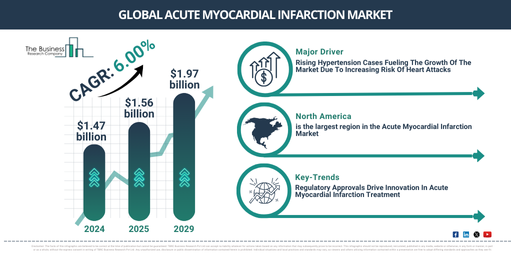
    In recent times, the market size for acute myocardial infarction has seen robust growth. The market is projected to escalate from $1.47 billion in 2024 to $1.56 billion in 2025 at a compound annual growth rate (CAGR) of 6.2%. Factors such as an increase in heart diseases related to smoking, a rising incidence of hypertension, enhanced emergency medical services, heightened consciousness of risk factors related to heart disease, and the preliminary application of aspirin in cardiovascular care have contributed to the growth during the historic period.

    In the coming years, a robust growth is forecasted in the market size for acute myocardial infarction. It’s projected to rise to $1.97 billion by 2029, with a compound annual growth rate (CAGR) of 6.0%. This anticipated growth within the forecast period can be linked to the increasing demand for less invasive heart procedures, enhanced investments in heart repair regenerative medicine, a surge in obesity and diabetes, and a heightened concentration on customised heart disease treatments. Notable trends for the forecast period encompass AI-powered early detection systems, wearable ECG monitoring devices, drug delivery using nanotechnology, 3D bioprinting of heart tissues, and state-of-the-art robotic-assisted heart surgeries.

    Download a free sample to assess the report’s scope and structure:

    https://www.thebusinessresearchcompany.com/sample.aspx?id=23291&type=smp

    Which Major Market Drivers Are Expected to Boost the Growth Potential of the Acute Myocardial Infarction Market?

    The acute myocardial infarction market is likely to grow due to the escalating cases of hypertension. Hypertension, a medical condition marked by consistently high blood pressure, enhances the possibilities of heart diseases, strokes, and other health issues. The rise in hypertension cases can be attributed to the proliferation of sedentary lifestyles, which includes desk jobs, extended screen viewing, and lack of physical activity. The role of hypertension in acute myocardial infarction is through arterial damage, plaque accumulation, and an escalated risk of blood clots that could obstruct coronary arteries. For example, in October 2024, a report by the Australian Bureau of Statistics, a government agency based in Australia, revealed that the rate of hypertension spiked to 11.6% (3.0 million people) in 2022. Hence, the ascending cases of hypertension are fueling the expansion of the acute myocardial infarction market.

    Which Key Market Segments Comprise the Acute Myocardial Infarction Market and Drive Its Revenue Growth?

    The acute myocardial infarction market covered in this report is segmented –

    1) By Type: ST-Elevation Myocardial Infarction (STEMI), Non-ST-Elevation Myocardial Infarction (NSTEMI)

    2) By Treatment Type: Thrombolytic Therapy, Percutaneous Coronary Intervention (PCI), Coronary Artery Bypass Grafting (CABG), Medications

    3) By Diagnosis Method: Electrocardiogram, Cardiac Biomarkers, Echocardiography, Coronary Angiography, Magnetic Resonance Imaging (MRI), Computed Tomography (CT) Scan

    4) By Route Of Administration: Oral Route, Intravenous (IV) Route, Subcutaneous Route, Transdermal Route, Sublingual Route

    5) By End User: Hospitals And Clinics, Ambulatory Surgical Centers, Specialty Cardiac Centers, Research Institutes

    Subsegments:

    1) ST-Elevation Myocardial Infarction (STEMI): Anterior ST-Elevation Myocardial Infarction (STEMI), Inferior ST-Elevation Myocardial Infarction (STEMI), Posterior ST-Elevation Myocardial Infarction (STEMI), Lateral ST-Elevation Myocardial Infarction (STEMI), Right Ventricular ST-Elevation Myocardial Infarction (STEMI), Extensive (Large) ST-Elevation Myocardial Infarction (STEMI)

    2) Non-ST-Elevation Myocardial Infarction (NSTEMI): Subendocardial Non-ST-Elevation Myocardial Infarction (NSTEMI), Partial Thickness Non-ST-Elevation Myocardial Infarction (NSTEMI), Multi-Vessel Non-ST-Elevation Myocardial Infarction (NSTEMI), Silent Non-ST-Elevation Myocardial Infarction (NSTEMI), Recurrent Non-ST-Elevation Myocardial Infarction (NSTEMI)

    Request customized data on this market:

    https://www.thebusinessresearchcompany.com/customise?id=23291&type=smp

    Which Areas Are Leading Regions in the Acute Myocardial Infarction Market Expansion Across the Globe?

    North America was the largest region in the acute myocardial infarction market in 2024. Asia-Pacific is expected to be the fastest-growing region in the forecast period. The regions covered in the acute myocardial infarction market report are Asia-Pacific, Western Europe, Eastern Europe, North America, South America, Middle East, Africa.

    What Are the Key Market Trends in the Acute Myocardial Infarction Market Over the Coming Years?

    Key players in the acute myocardial infarction market are prioritizing gaining regulatory approvals as a strategy to increase their product range, boost treatment effectiveness, and solidify their standing in the market. Regulatory approvals denote formal permissions from health authorities like the FDA and EMA, validating that drugs and medical devices comply with safety, effectiveness, and quality benchmarks prior to market introduction. For instance, Sungen Biomedical, a Chinese biopharmaceutical firm, achieved an FDA Fast Track Designation for its monoclonal antibody drug, SGC001, the first-ever developed worldwide to manage acute myocardial infarction (AMI) emergencies, in March 2025. This designation validates the potential of SGC001 to lower cardiomyocyte apoptosis and enhance blood circulation in ischemic regions. Given the encouraging preclinical outcomes showing recovery benefits and mortality reduction, the Fast Track status allows for accelerated FDA interactions, speeding up the approval procedure and guaranteeing faster patient access to this groundbreaking AMI treatment.

    View the full report here:

    https://www.thebusinessresearchcompany.com/report/acute-myocardial-infarction-global-market-report

    How Is the Acute Myocardial Infarction Market Conceptually Defined?

    Acute myocardial infarction (MI), commonly referred to as a heart attack, is characterized by the death of heart muscle tissue due to a sudden decrease or cessation of blood flow in one or more coronary arteries. This condition leads to myocardial necrosis, primarily caused by the rupture of atherosclerotic plaques, which results in acute obstruction of blood flow.

    Purchase the full report and get a swift delivery:

    https://www.thebusinessresearchcompany.com/purchaseoptions.aspx?id=23291

    About The Business Research Company:

    With over 15000+ reports from 27 industries covering 60+ geographies, The Business Research Company has built a reputation for offering comprehensive, data-rich research and insights. Armed with 1,500,000 datasets, the optimistic contribution of in-depth secondary research, and unique insights from industry leaders, you can get the information you need to stay ahead in the game.

    Get in touch with us:

    The Business Research Company: https://www.thebusinessresearchcompany.com/

    Americas +1 3156230293

    Asia +44 2071930708

    Europe +44 2071930708

    Email us at info@tbrc.info

    Follow us on:

    LinkedIn: https://in.linkedin.com/company/the-business-research-company

    YouTube: https://www.youtube.com/channel/UC24_fI0rV8cR5DxlCpgmyFQ

    Global Market Model: https://www.thebusinessresearchcompany.com/global-market-model
  • Major Trends and Emerging Patterns in the Locally Advanced Pancreatic Cancer Market: Innovative Approaches In Treating Rare Cancers With Orphan Drugs

    Major Trends and Emerging Patterns in the Locally Advanced Pancreatic Cancer Market: Innovative Approaches In Treating Rare Cancers With Orphan Drugs

    Our market reports now include the latest updates on global tariffs, trade impacts, and evolving supply chain dynamics.

    What Is the Current and Projected Market Size of the Locally Advanced Pancreatic Cancer Market Through 2034?

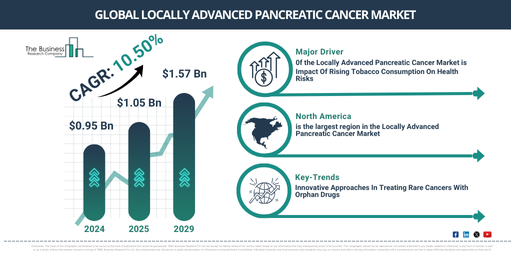
    The market for locally advanced pancreatic cancer has experienced significant expansion in the past few years. It is projected to escalate from $0.95 billion in 2024 to $1.05 billion in 2025, boasting a compound annual growth rate (CAGR) of 10.9%. Factors contributing to the growth during the historic period include heightened awareness of pancreatic cancer, improved chemotherapy treatment plans, an uptick in the use of targeted therapies, an increase in pancreatic cancer incidence rates, the creation of more effective combination treatment protocols, and greater options for supportive care.

    The market size of locally advanced pancreatic cancer is set to experience a significant spike in growth in the coming years, blooming to a market value of $1.57 billion by 2029 with a CAGR of 10.5%. This surge within the forecast period can be associated with the rising awareness towards pancreatic cancer, refinement of chemotherapy courses, the increased usage of targeted therapies, escalation in pancreatic cancer occurrences, the progression of combination treatment plans, and the improvement of supportive care alternatives. The forecast period will also witness vital trends such as breakthroughs in immunotherapy, the establishment of targeted therapies, enhancement in precision radiation methodologies, betterment in diagnostic imaging, the adoption of non-invasive surgical techniques, the inclusion of artificial intelligence in devising treatment plans, and advancements in combination therapy.

    Download a free sample to assess the report’s scope and structure:

    https://www.thebusinessresearchcompany.com/sample.aspx?id=21214&type=smp

    What Are the Primary Drivers Supporting the Market Growth of the Locally Advanced Pancreatic Cancer Market?

    The growth of the market for locally advanced pancreatic cancer is expected to be propelled by the rising tobacco usage. Tobacco – a plant utilized in products such as cigars and cigarettes – contains nicotine, an addictive substance proven to cause severe health problems like cancer and cardiovascular disease. Factors like easy accessibility, affordability, promotion of tobacco products, social acceptance in certain areas, and smoking due to stress are contributing to the increased use of tobacco. This increase is directly related to the significant risk it poses for developing locally advanced pancreatic cancer due to its contribution to the heightened incidence of pancreatic malignancies. The US-based non-profit organization, Global Action to End Smoking, reported in January 2024 that approximately 62.9 million U.S. adults used tobacco in 2022, giving the U.S. a global ranking of 4th and 1st in the Americas. Furthermore, about 11.5% of U.S. adults (28.3 million) were cigarette smokers, with a higher proportion of males (13.1%) than females (10.1%) indulging in smoking. Therefore, the surge in tobacco usage is fueling the expansion of the locally advanced pancreatic cancer market.

    Which Primary Segments of the Locally Advanced Pancreatic Cancer Market Are Driving Growth and Industry Transformations?

    The locally advanced pancreatic cancer market covered in this report is segmented –

    1) By Therapy: Chemotherapy, Immunotherapy, Radiation Therapy, Surgery

    2) By Route Of Administration: Oral, Injectables, Other Route Of Administrations

    3) By End-User: Hospital, Specialty Clinics, Research Institutions, Other End-Users

    Subsegments:

    1) By Chemotherapy: Gemcitabine-based Chemotherapy, FOLFIRINOX Chemotherapy

    2) By Immunotherapy: Immune Checkpoint Inhibitors, Cancer Vaccines

    3) By Radiation Therapy: External Beam Radiation Therapy, Stereotactic Body Radiation Therapy (SBRT)

    4) By Surgery: Pancreaticoduodenectomy (Whipple Procedure), Distal Pancreatectomy, Total Pancreatectomy

    Request customized data on this market:

    https://www.thebusinessresearchcompany.com/customise?id=21214&type=smp

    Which Regions Are Key Players in the Growth of the What Are the Primary Drivers Supporting the Market Growth of the Locally Advanced Pancreatic Cancer Market? Market?

    North America was the largest region in the locally advanced pancreatic cancer market in 2024. Asia-Pacific is expected to be the fastest-growing region in the forecast period. The regions covered in the locally advanced pancreatic cancer market report are Asia-Pacific, Western Europe, Eastern Europe, North America, South America, Middle East, Africa.

    What Are the Most Significant Market Trends in the Locally Advanced Pancreatic Cancer Market?

    Key players in the locally advanced pancreatic cancer market are concentrating on the creation of novel products such as orphan drugs, with the aim of expanding treatment choices, improving patient outcomes, and meeting the unresolved healthcare needs related to this serious condition. Orphan drugs, designed to address rare diseases impacting a small populace, receive support from regulatory bodies through tax cuts and assured market exclusivity to encourage their creation. For example, in January 2025, Actuate Therapeutics Inc., a biopharmaceutical firm based in the United States, reported that Elraglusib, its new GSK-3ß inhibitor, had been granted Orphan Drug Designation by both the European Medicines Agency (EMA) and US Food and Drug Administration (FDA) for the treatment of pancreatic ductal adenocarcinoma (PDAC) – a potential type of locally advanced pancreatic cancer. This designation underscores its potential to address a crucial gap in the treatment of this extreme form of cancer, primarily following promising results from Phase 2 trials demonstrating significant clinical progress and anti-cancer effects in patients with metastatic PDAC.

    View the full report here:

    https://www.thebusinessresearchcompany.com/report/locally-advanced-pancreatic-cancer-global-market-report

    What Parameters Are Used to Define the Locally Advanced Pancreatic Cancer Market?

    Locally advanced pancreatic cancer (LAPC) refers to a stage of pancreatic cancer where the tumor is confined to the pancreas and surrounding tissues but has not spread to distant organs. This cancer is usually not suitable for surgical removal due to its involvement with vital blood vessels or nearby structures.

    Purchase the full report and get a swift delivery:

    https://www.thebusinessresearchcompany.com/purchaseoptions.aspx?id=21214

    About The Business Research Company:

    With over 15000+ reports from 27 industries covering 60+ geographies, The Business Research Company has built a reputation for offering comprehensive, data-rich research and insights. Armed with 1,500,000 datasets, the optimistic contribution of in-depth secondary research, and unique insights from industry leaders, you can get the information you need to stay ahead in the game.

    Get in touch with us:

    The Business Research Company: https://www.thebusinessresearchcompany.com/

    Americas +1 3156230293

    Asia +44 2071930708

    Europe +44 2071930708

    Email us at info@tbrc.info

    Follow us on:

    LinkedIn: https://in.linkedin.com/company/the-business-research-company

    YouTube: https://www.youtube.com/channel/UC24_fI0rV8cR5DxlCpgmyFQ

    Global Market Model: https://www.thebusinessresearchcompany.com/global-market-model
  • $0.67 Billion Forecast for Abetalipoproteinemia Management Market by 2029, Backed by Demand and Innovation

    $0.67 Billion Forecast for Abetalipoproteinemia Management Market by 2029, Backed by Demand and Innovation

    Get 30% off on our Global Market Reports with code ONLINE30 – Hurry, limited time offer!

    What Is the Estimated Market Size of the Abetalipoproteinemia Management Market In 2029?

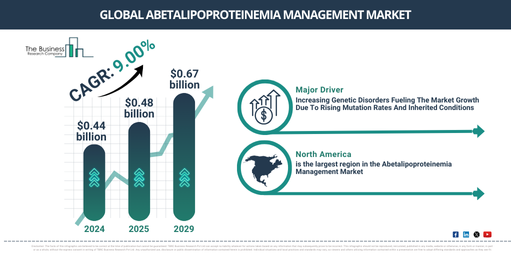
    The abetalipoproteinemia management market has experienced robust growth in the past few years. This market is projected to expand from $0.44 billion in 2024 to $0.48 billion in 2025, with a compound annual growth rate (CAGR) of 9.3%. Factors contributing to this growth include heightened awareness of rare genetic disorders, amplified patient advocacy initiatives, increased usage of lipid supplements, growing demand for preliminary screening, and an upsurge in research concerning vitamin E therapy.

    In the coming years, robust growth is anticipated in the abetalipoproteinemia management market. The market value is projected to reach $0.67 billion in 2029, displaying a compound annual growth rate (CAGR) of 9.0%. The growth during this forecast period can be credited to factors such as the rising occurrence of inherited metabolic disorders, the escalating focus on therapies centered around nutrition, the surge in genetic screening programs, the burgeoning number of biotechnology startups, and increased awareness about carrier screening. The key trends during this period are expected to be the expansion of newborn screening programs, research in gene therapy, personalized dietary plans, high-dose vitamin therapies and developments in monitoring patients.

    Download a free sample to assess the report’s scope and structure:

    https://www.thebusinessresearchcompany.com/sample.aspx?id=23290&type=smp

    What Are the Core Growth Drivers Propelling the Abetalipoproteinemia Management Market Forward?

    The increasing occurrence of genetic disorders is expected to fuel the expansion of the abetalipoproteinemia management market. Genetic disorders involve conditions resulting from DNA mutations or abnormalities in a person, either inherited or spontaneous, impacting their health and development. The rising occurrence of these disorders can be tied to improved survival rates owing to better medical treatments and interventions. Abetalipoproteinemia management aims to prevent complications from these disorders by focusing on high-dose fat-soluble vitamins and a low fat diet. Early intervention can mitigate neurological and vision issues and enhance quality of life. For instance, in July 2022, the US-based Cystic Fibrosis (CF) Foundation reported that CF’s prevalence has increased, impacting approximately 40,000 children and adults in the United States and over 105,000 people globally. Thus, the increasing prevalence of genetic conditions is stimulating the abetalipoproteinemia management market’s growth. The Growth Of The Personalized Medicine Demand Is Fuelling The Market Due To The Preference For Tailored Healthcare Solutions

    What Segment Types Define the Abetalipoproteinemia Management Market Structure?

    The abetalipoproteinemia management market covered in this report is segmented –

    1) By Treatment: Molecular Genetic Testing Treatment, Blood Testing Treatment, Fat-Soluble Vitamins Supplementation, Other Treatments

    2) By Route Of Administration: Oral, Parenteral, Topical

    3) By Patient Population: Pediatric Patients, Adult Patients, Geriatric Patients

    4) By Application: Hospitals And Clinics, Diagnostics labs, Other Applications

    Subsegment:

    1) By Molecular Genetic Testing Treatment:

    3) By Deoxyribonucleic Acid (DNA) Sequencing, Polymerase Chain Reaction (PCR) Testing, Microarray Analysis, Next-Generation Sequencing (NGS), Southern Blotting

    2) By Blood Testing Treatment: Lipid Panel Testing, Apolipoprotein B (ApoB) Testing, Complete Blood Count (CBC), Liver Function Tests (LFTs), Other Blood Biomarkers

    3) By Fat-Soluble Vitamins Supplementation: Vitamin A, Vitamin D, Vitamin E, Vitamin K, Multivitamin Combinations

    4) By Other Treatments: Dietary Modifications, Medium-Chain Triglycerides (MCT) Therapy, Supportive Care, Gene Therapy Research, Emerging Experimental Therapies

    Request customized data on this market:

    https://www.thebusinessresearchcompany.com/customise?id=23290&type=smp

    Which Geographic Areas Hold the Strongest Growth Potential in the Abetalipoproteinemia Management Market?

    North America was the largest region in the abetalipoproteinemia management market in 2024. Asia-Pacific is expected to be the fastest-growing region in the forecast period. The regions covered in the abetalipoproteinemia management market report are Asia-Pacific, Western Europe, Eastern Europe, North America, South America, Middle East, Africa.

    View the full report here:

    https://www.thebusinessresearchcompany.com/report/abetalipoproteinemia-management-global-market-report

    What Is the Definition of the Abetalipoproteinemia Management Market?

    Abetalipoproteinemia management refers to the clinical approach to treating and managing a rare inherited disorder characterized by the inability to produce apoB-containing lipoproteins necessary for fat and fat-soluble vitamin transport. This condition leads to malabsorption of fat and fat-soluble vitamins and causes various symptoms, including failure to thrive, developmental delay, vision problems, and neurological issues.

    Purchase the full report and get a swift delivery:

    https://www.thebusinessresearchcompany.com/purchaseoptions.aspx?id=23290

    About The Business Research Company:

    With over 15000+ reports from 27 industries covering 60+ geographies, The Business Research Company has built a reputation for offering comprehensive, data-rich research and insights. Armed with 1,500,000 datasets, the optimistic contribution of in-depth secondary research, and unique insights from industry leaders, you can get the information you need to stay ahead in the game.

    Get in touch with us:

    The Business Research Company: https://www.thebusinessresearchcompany.com/

    Americas +1 3156230293

    Asia +44 2071930708

    Europe +44 2071930708

    Email us at info@tbrc.info

    Follow us on:

    LinkedIn: https://in.linkedin.com/company/the-business-research-company

    YouTube: https://www.youtube.com/channel/UC24_fI0rV8cR5DxlCpgmyFQ

    Global Market Model: https://www.thebusinessresearchcompany.com/global-market-model
  • Key Developments and Trends Steering the Lewy Body Dementia Market Forward: Research Investments Driving Advancements In Lewy Body Dementia Treatment

    Key Developments and Trends Steering the Lewy Body Dementia Market Forward: Research Investments Driving Advancements In Lewy Body Dementia Treatment

    Our market reports now include the latest updates on global tariffs, trade impacts, and evolving supply chain dynamics.

    What is the Anticipated CAGR of the Lewy Body Dementia Market, and What Factors Will Drive It?

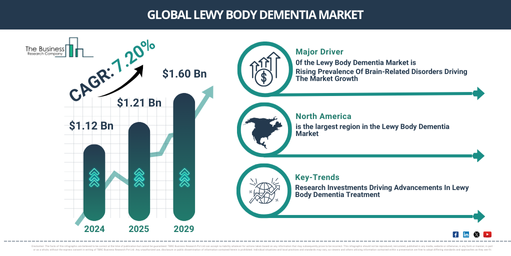
    The market for lewy body dementia has experienced substantial growth in the past few years. The market, which is projected to expand from $1.12 billion in 2024 to $1.21 billion in 2025, will do so at a compound annual growth rate (CAGR) of 7.5%. Factors such as the increase in the aging population, heightened knowledge of neurodegenerative diseases, escalated healthcare spending, enhanced diagnostic standards, and the authorization of drugs used to treat dementia are to credit for the growth witnessed during the historic period.

    Over the coming years, the market size of Lewy body dementia is set to experience robust growth. It’s projected to reach up to $1.60 billion by 2029, with a 7.2% compound annual growth rate (CAGR). This growth can be linked to the rising incidence of dementia, increasing investment in R&D, a growing preference for early diagnosis, the proliferation of telemedicine, and a dedication to personalized medicine. The forecast period is expected to witness a series of major trends including the evolution of targeted therapies, the escalation of clinical trials, advancements in diagnostic techniques, technological breakthroughs, and a priority on innovative therapeutics.

    Download a free sample to assess the report’s scope and structure:

    https://www.thebusinessresearchcompany.com/sample.aspx?id=21213&type=smp

    How Are Key Drivers in the Industry Acting as Catalysts for the Growth of the Lewy Body Dementia Market?

    The increasing occurrence of brain-related disorders is anticipated to drive the growth of the lewy body dementia market. Brain-related disorders encompass a variety of conditions that impact the structure and function of the brain, leading to cognitive decline, memory loss, and behavioral changes. Factors such as aging, genetic predisposition, and environmental influences contribute to the growing prevalence of such disorders. As a consequence, there is a heightened demand for improved treatments and early detection of lewy body dementia. This, in turn, fuels research, funding, and innovation, resulting in rapid progress in LBD diagnosis and therapy. For instance, in October 2023, the World Federation of Neurology reported that over 40% of the global population suffers from neurological conditions; a figure expected to nearly double by 2050 – as per the UK-based association of national neurological societies. Hence, the growing occurrence of brain-related disorders will spur the lewy body dementia market’s growth.

    Which Segments in the Lewy Body Dementia Offer the Most Growth?

    The lewy body dementia market covered in this report is segmented –

    1) By Diagnosis: Clinical Diagnosis, Biomarker-Based Diagnosis

    2) By Medication: Cholinesterase Inhibitors, Antipsychotics, Antidepressants, Other Medications

    3) By End-User: Hospitals, Specialty Clinics, Long-Term Care Facilities, Other End-Users

    Subsegments:

    1) By Clinical Diagnosis: Neuropsychological Testing, Neurological Examination, Medical History Review, Cognitive Function Assessment

    2) By Biomarker-Based Diagnosis: Cerebrospinal Fluid (CSF) Biomarkers, Imaging Biomarkers (PET, MRI), Genetic Biomarkers, Blood-Based Biomarkers

    Request customized data on this market:

    https://www.thebusinessresearchcompany.com/customise?id=21213&type=smp

    What Are the Fastest-Growing Geographies in the How Are Key Drivers in the Industry Acting as Catalysts for the Growth of the Lewy Body Dementia Market? Market?

    North America was the largest region in the lewy body dementia market in 2024. Asia-Pacific is expected to be the fastest-growing region in the forecast period. The regions covered in the lewy body dementia market report are Asia-Pacific, Western Europe, Eastern Europe, North America, South America, Middle East, Africa.

    What Are the Current Market Growth and Trends in the Lewy Body Dementia Industry?

    Prominent businesses in the lewy body dementia market are placing a strong emphasis on research investment with the aim to innovate more efficacious treatments for neurodegenerative diseases. This entails the commitment of financial assets, time, and hard work to conduct in-depth scientific and technological research which aims to shed new light on unknown areas, create pioneering solutions, or improve existing methods. Through this, it aids in expanding knowledge about diseases and in creating new medications, with the primary focus being on enhancing patient results. For example, in March 2023, the National Institute on Aging, a governmental agency in the US, granted a substantial sum of $21 million to aid research related to drug development for Lewy Body Dementia (LBD). Fueled by positive preliminary results, researchers at the University of Miami Miller School of Medicine are now beginning a phase 2b study of neflamapimod.

    View the full report here:

    https://www.thebusinessresearchcompany.com/report/lewy-body-dementia-global-market-report

    What Are the Key Elements That Define the Lewy Body Dementia Market?

    Lewy body dementia (LBD) is a neurodegenerative condition caused by abnormal protein deposits in the brain, impacting cognition, movement, and behavior. This results in a gradual decline in both mental and physical abilities, with symptoms including memory loss, hallucinations, tremors, and motor difficulties. Effective management is essential to address the cognitive and physical challenges associated with the disorder.

    Purchase the full report and get a swift delivery:

    https://www.thebusinessresearchcompany.com/purchaseoptions.aspx?id=21213

    About The Business Research Company:

    With over 15000+ reports from 27 industries covering 60+ geographies, The Business Research Company has built a reputation for offering comprehensive, data-rich research and insights. Armed with 1,500,000 datasets, the optimistic contribution of in-depth secondary research, and unique insights from industry leaders, you can get the information you need to stay ahead in the game.

    Get in touch with us:

    The Business Research Company: https://www.thebusinessresearchcompany.com/

    Americas +1 3156230293

    Asia +44 2071930708

    Europe +44 2071930708

    Email us at info@tbrc.info

    Follow us on:

    LinkedIn: https://in.linkedin.com/company/the-business-research-company

    YouTube: https://www.youtube.com/channel/UC24_fI0rV8cR5DxlCpgmyFQ

    Global Market Model: https://www.thebusinessresearchcompany.com/global-market-model
  • Market Trends Influencing Strategic Decisions in the Iron Deficiency Anemia Industry: Innovative Iron Supplements Transforming The Market

    Market Trends Influencing Strategic Decisions in the Iron Deficiency Anemia Industry: Innovative Iron Supplements Transforming The Market

    Our market reports now include the latest updates on global tariffs, trade impacts, and evolving supply chain dynamics.

    What Are the Key Milestones in the Iron Deficiency Anemia Market’s Growth Trajectory From 2025 To 2034?

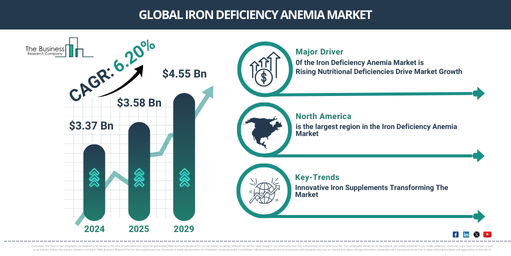
    Over the past years, the market size for iron deficiency anemia has witnessed robust growth. Its evolution from $3.37 billion in 2024 to $3.58 billion in 2025, with a compound annual growth rate (CAGR) of 6.3%, reflects this upward trend. Factors contributing to growth during this historical period include efforts from non-governmental organizations, an increase in chronic disease instances, heightened attention toward parent care, campaigns aimed at addressing nutritional deficiency, and the expansion of telemedicine services.

    Expectations are high for a significant expansion in the iron deficiency anemia market in the coming years. Predictions are that it will surge to $4.55 billion by 2029, with a compound annual growth rate (CAGR) of 6.2%. This predicted growth can be accredited to the rising attention given to women’s health, the increasing preference for minimally invasive treatments, the availability of over-the-counter options, growth of distribution networks, and the growing acceptance of personalized medicine. The forecast period is also expected to unveil various trends such as the invention of innovative drug delivery systems, advancements in diagnostic and monitoring devices, the creation of combination therapies, and the application of nanotechnology in drug delivery.

    Download a free sample to assess the report’s scope and structure:

    https://www.thebusinessresearchcompany.com/sample.aspx?id=21212&type=smp

    What Are the Major Market Drivers Behind the Rising Adoption of Iron Deficiency Anemia Market?

    The rise in nutritional deficiency cases is projected to stimulate growth in the iron deficiency anemia market. It’s important to understand that nutritional deficiencies occur when the body doesn’t get enough essential nutrients required for good health. These crucial nutrients can include vitamins, minerals, proteins, or fats. An increase in poor dietary decisions, like the heavy intake of processed foods and food insecurity, are contributing factors. This issue is considerably prominent amongst lower-income individuals who oftentimes lack access to nutrient-dense food options. Iron deficiency anemia, a common type of nutritional deficiency resulting from inadequate iron in one’s diet, causes a drop in red blood cell count, making efficient oxygen transportation in the body a challenge. In December 2023, a report by the UK’s National Health Services recorded that the total hospital admissions in United Kingdom due to nutritional deficiencies were 250,000 in 2021/22. This number doubled to 500,000 in 2022/23. Hence, the increasing prevalence of nutritional deficiencies bolsters the iron deficiency anemia market.

    Which Key Market Segments Comprise the Iron Deficiency Anemia Market and Drive Its Revenue Growth?

    The iron deficiency anemia market covered in this report is segmented –

    1) By Therapy Type: Oral Iron Therapy, Parenteral Iron Therapy, Red Blood Cell Transfusion

    2) By Distribution Channel: Hospital Pharmacy, Drug Stores and Retail Pharmacies, Online Pharmacies

    3) By End Users: Hospitals, Clinics, Home Healthcare

    Subsegments:

    1) By Oral Iron Therapy: Ferrous Sulfate, Ferrous Gluconate, Ferrous Fumarate, Polysaccharide-Iron Complex, Carbonyl Iron

    2) By Parenteral Iron Therapy: Iron Sucrose, Ferric Carboxymaltose, Iron Dextran, Ferumoxytol, Ferric Gluconate

    3) By Red Blood Cell Transfusion: Leukocyte-Reduced Red Blood Cell Transfusion, Washed Red Blood Cell Transfusion, Irradiated Red Blood Cell Transfusion

    Request customized data on this market:

    https://www.thebusinessresearchcompany.com/customise?id=21212&type=smp

    Which Areas Are Leading Regions in the Iron Deficiency Anemia Market Expansion Across the Globe?

    North America was the largest region in the iron deficiency anemia market in 2024. Asia-Pacific is expected to be the fastest-growing region in the forecast period. The regions covered in the iron deficiency anemia market report are Asia-Pacific, Western Europe, Eastern Europe, North America, South America, Middle East, Africa.

    What Are the Strategic Trends Steering theIron Deficiency Anemia Market Direction?

    In the iron deficiency anemia market, top firms are placing emphasis on the evolution of inventive treatments, like intravenous iron injections, tailored to deliver the perfect blend of nutrients for optimum absorption and improved compatibility, thereby effectively tackling iron deficiency. The intravenous iron injection is a medical treatment specially designed to transmit iron directly into the bloodstream as a remedy for iron deficiency or anemia when oral supplements have proven to be deficient or inefficient. For instance, Cadila Pharmaceuticals, a India-based pharmaceutical firm, introduced Redshot FCM, an intravenous iron dose infused with ferric carboxymaltose in March 2024, which is strategically designed to treat iron deficiency anemia (IDA) efficiently. This groundbreaking product is appropriate for adults and children above one year of age who are unable to tolerate oral iron supplements. Due to its robust safety features and reduced anaphylaxis threats, Redshot FCM can facilitate the delivery of high doses of iron in one session, leading to quick enhancements in hemoglobin counts. It is particularly useful for vulnerable demographics like expectant women, senior citizens, and individuals with cancer.

    View the full report here:

    https://www.thebusinessresearchcompany.com/report/iron-deficiency-anemia-global-market-report

    How Is the Iron Deficiency Anemia Market Conceptually Defined?

    Iron deficiency anemia is a condition in which the body lacks enough iron to produce an adequate amount of hemoglobin, a protein in red blood cells that carries oxygen throughout the body. Iron deficiency can occur due to insufficient dietary intake, poor absorption of iron, blood loss, or increased iron needs (such as during pregnancy).

    Purchase the full report and get a swift delivery:

    https://www.thebusinessresearchcompany.com/purchaseoptions.aspx?id=21212

    About The Business Research Company:

    With over 15000+ reports from 27 industries covering 60+ geographies, The Business Research Company has built a reputation for offering comprehensive, data-rich research and insights. Armed with 1,500,000 datasets, the optimistic contribution of in-depth secondary research, and unique insights from industry leaders, you can get the information you need to stay ahead in the game.

    Get in touch with us:

    The Business Research Company: https://www.thebusinessresearchcompany.com/

    Americas +1 3156230293

    Asia +44 2071930708

    Europe +44 2071930708

    Email us at info@tbrc.info

    Follow us on:

    LinkedIn: https://in.linkedin.com/company/the-business-research-company

    YouTube: https://www.youtube.com/channel/UC24_fI0rV8cR5DxlCpgmyFQ

    Global Market Model: https://www.thebusinessresearchcompany.com/global-market-model
  • Top Trends Driving Innovation and Change in the Invasive Aspergillosis Therapeutics Market: Cost-Effective Solutions In Fungal Infections

    Our market reports now include the latest updates on global tariffs, trade impacts, and evolving supply chain dynamics.

    How Has The Invasive Aspergillosis Therapeutics Market Size Shifted, And What Is the Outlook Through 2034?

    The market size of therapeutics for invasive aspergillosis has seen significant growth in the past years. It’s predicted to expand from $1.08 billion in 2024 to $1.14 billion in 2025, showing a compound annual growth rate (CAGR) of 5.1%. Factors contributing to this consistent growth in the past include increasing cases of conditions compromising the immune system, a rise in fungal infections acquired in hospitals, a higher rate of diagnoses, the development of azole resistance, and greater healthcare expenditure.

    Expectations are for a stable expansion of the invasive aspergillosis therapeutics market in the coming years, with it likely to reach $1.37 billion by 2029, marking a compound annual growth rate (CAGR) of 4.8%. Several factors are credited for this expected growth during the forecast period which encompass the increased frequency of chronic illnesses, upgrades in healthcare infrastructure in developing economies, growing utilization of immunosuppressants, enhanced awareness amongst healthcare professionals and the extension of diagnostics into rural markets. Observing the trend predictions for the forecast period, there seems to be a move towards combination therapies, advancements in fungal vaccines, the use of monoclonal antibody therapies, the application of telemedicine in treatment plans, and the incorporation of genomics in treatment.

    Download a free sample to assess the report’s scope and structure:

    https://www.thebusinessresearchcompany.com/sample.aspx?id=21211&type=smp

    What External and Internal Drivers Are Contributing to the Growth of the Invasive Aspergillosis Therapeutics Market?

    The invasive aspergillosis therapeutics market is forecasted to expand due to the growing incidence of fungal infections. These infections are diseases initiated by fungi invading tissues, commonly affecting skin, nails, or internal organs. The expansion of fungal infections is spurred by factors like the rise in immunocompromised individuals, climate change, resistance to antimicrobials, and increased exposure due to worldwide travel. Antifungal medications such as triazoles, echinocandins, and polyenes are instrumental in combating fungal infections, as they curb fungal proliferation, slow down the disease’s advancement, and enhance survival rates. This makes early detection paramount in managing other comparable invasive fungal conditions. For example, the Center for Infectious Disease Research and Policy, a public health organization based in the US, stated in January 2024 that in 2023, more than 6.55 million people were annually affected by invasive fungal infections, resulting in over 3.75 million deaths. Out of these, 2.55 million were directly linked to these diseases, a considerable increase from the previous year’s estimates. Hence, the escalating incidence of fungal infections is fueling the growth of the invasive aspergillosis therapeutics market.

    What Segment Types Define the Invasive Aspergillosis Therapeutics Market Structure?

    The invasive aspergillosis therapeutics market covered in this report is segmented –

    1) By Drug Class: Azoles, Echinocandins, Polyenes, Other Drug class

    2) By Route Of Administration: Oral, Intravenous

    3) By Distribution Channel: Hospital Pharmacies, Retail Pharmacies, Online Pharmacies, Specialty Pharmacies

    Subsegments:

    1) By Azoles: Triazoles, Imidazoles

    2) By Echinocandins: Caspofungin, Micafungin, Anidulafungin

    3) By Polyenes: Amphotericin B, Lipid Formulations Of Amphotericin B

    4) By Other Drug Class: Allylamines, Pyrimidine Analogs

    Request customized data on this market:

    https://www.thebusinessresearchcompany.com/customise?id=21211&type=smp

    Which Geographic Areas Hold the Strongest Growth Potential in the Invasive Aspergillosis Therapeutics Market?

    North America was the largest region in the invasive aspergillosis therapeutics market in 2024. The regions covered in the invasive aspergillosis therapeutics market report are Asia-Pacific, Western Europe, Eastern Europe, North America, South America, Middle East, Africa.

    What Long-Term Trends Are Transforming the Competitive Landscape of the Invasive Aspergillosis Therapeutics Market?

    Leading corporations in the invasive aspergillosis therapeutics market are focusing on effective treatment strategies, including the use of generic drugs, to enhance patient outcomes, improve accessibility, and reduce expenses. Generic medicines, which are generally more budget-friendly, have the same active components, dosage, safety precautions, strength, administration method, and efficacy as their branded equivalents. For example, BDR Pharmaceutical, a pharmaceutical firm from India, unveiled its breakthrough generic product, Zisavel capsules, in September 2023. This product, part of the isavuconazole class of azole antifungals, offers a significant treatment solution for invasive aspergillosis and mucormycosis. Available in a dosage of 100 mg, Zisavel is touted as the primary treatment for both conditions. Zisavel, costing Rs. 7,992 for a seven-capsule pack, is about a third of the price of the existing innovator therapy, making it a financially viable option for patients.

    View the full report here:

    https://www.thebusinessresearchcompany.com/report/invasive-aspergillosis-therapeutics-global-market-report

    What Is the Definition of the Invasive Aspergillosis Therapeutics Market?

    Invasive aspergillosis therapeutics refers to treatments used to manage severe Aspergillus infections, primarily in immunocompromised patients. These include antifungal medications such as voriconazole, amphotericin B, and echinocandins, which target fungal growth and infection spread. Adjunctive therapies, such as immunomodulators and surgical interventions, may be considered in refractory cases.

    Purchase the full report and get a swift delivery:

    https://www.thebusinessresearchcompany.com/purchaseoptions.aspx?id=21211

    About The Business Research Company:

    With over 15000+ reports from 27 industries covering 60+ geographies, The Business Research Company has built a reputation for offering comprehensive, data-rich research and insights. Armed with 1,500,000 datasets, the optimistic contribution of in-depth secondary research, and unique insights from industry leaders, you can get the information you need to stay ahead in the game.

    Get in touch with us:

    The Business Research Company: https://www.thebusinessresearchcompany.com/

    Americas +1 3156230293

    Asia +44 2071930708

    Europe +44 2071930708

    Email us at info@tbrc.info

    Follow us on:

    LinkedIn: https://in.linkedin.com/company/the-business-research-company

    YouTube: https://www.youtube.com/channel/UC24_fI0rV8cR5DxlCpgmyFQ

    Global Market Model: https://www.thebusinessresearchcompany.com/global-market-model
  • Emerging Trends Redefining the Impetigo Market Landscape: Innovative Therapeutic Approaches for Fistula Treatment

    Emerging Trends Redefining the Impetigo Market Landscape: Innovative Therapeutic Approaches for Fistula Treatment

    Our market reports now include the latest updates on global tariffs, trade impacts, and evolving supply chain dynamics.

    How Has the Intestinal Fistula Treatment Market Growth Performance Trended Historically, And What Lies Ahead?

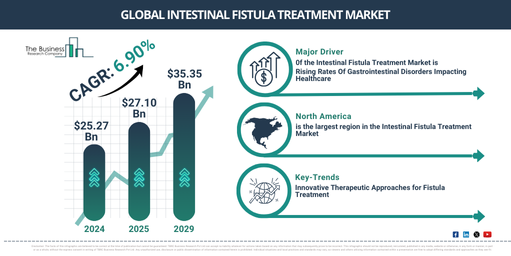
    Recent years have seen a robust expansion in the intestinal fistula treatment market, increasing from a worth of $25.27 billion in 2024 and projected to hit $27.10 billion in 2025, growing at a compound annual growth rate (CAGR) of 7.2%. The notable growth during the historical period is due to a higher occurrence of gastrointestinal problems, an escalation in malnutrition cases, an enlarging elderly population, improvements in healthcare facilities, and an increase in healthcare expenditure.

    The market for intestinal fistula treatment is anticipated to experience robust growth in the coming years, expecting to reach $35.35 billion in 2029 with a CAGR of 6.9%. This growth over the forecast period could be due to factors such as the increased use of telemedicine, higher disposal income, a rise in cases of Crohn’s disease, an older population, and a growing focus on personalized medicine. The upcoming trends during the forecast period are AI-based diagnostic instruments, progress in biologics, the use of 3D printing in medical operations, comprehensive care models, and the embracement of wearable health tracking gadgets.

    Download a free sample to assess the report’s scope and structure:

    https://www.thebusinessresearchcompany.com/sample.aspx?id=21210&type=smp

    What Are the Core Market Drivers Propelling Growth in the Intestinal Fistula Treatment Industry?

    The projected growth of the intestinal fistula treatment market is anticipated to be driven by the escalating occurrence of gastrointestinal disorders. These conditions, which impact the digestive tract and can cause symptoms like pain, bloating, diarrhea, or constipation, necessitate medical examination and treatment. An upward trend in gastrointestinal disorders is attributed to factors like unbalanced diet, stress, and mental health issues. To address these conditions, intestinal fistula treatment is employed. This intervention seals abnormal intestinal connections, prevents infections, restores gut function, and mitigates complications like malnutrition and sepsis. In accordance, in September 2023, the Centers for Disease Control and Prevention noted that about 14.8 million adults were suffering from ulcers, accounting for 5.9% of the populace, with 35.4 million doctor visits due to digestive issues. Thus the escalating occurrence of gastrointestinal disorders is boosting the growth of the intestinal fistula treatment market. Moreover, the continued enhancement in healthcare facilities is also projected to drive the growth of the intestinal fistula treatment market. These facilities, which include hospitals, clinics, and diagnostic centers, offer medical care and services to patients. Improvements in healthcare facilities come as a result of increased healthcare infrastructure investment, a focus on patient-centered care, population growth, and aging. The different aspects of intestinal fistula treatment, including medical, surgical, and nutritional interventions, aid this improvement through bettering patient outcomes, minimizing complications, and optimizing resource allocation. This leads to greater efficiency in care provision, shorter hospital stays, and better chronic condition management, contributing to a more sustainable and effective healthcare system. For example, the American Health Care Association reported that there were 6,129 hospitals in the US in May 2023, marking a 0.591% increase from the previous year’s 6,093 hospitals. Hence, the continued enhancement of healthcare facilities is propelling the growth of the intestinal fistula treatment market.

    How Is the Intestinal Fistula Treatment Market Segmented?

    The intestinal fistula treatment market covered in this report is segmented –

    1) By Treatment Type: Medications, Surgery, Nutritional Support, Other Treatment Type

    2) By Route Of Administration: Oral, Rectal, Parenteral

    3) By Distribution Channel: Hospital Pharmacy, Retail Pharmacy, Online Pharmacy

    4) By End-User: Hospitals, Ambulatory Surgical Centers, Specialty Clinics, Other End-User

    Subsegments:

    1) By Medications: Antibiotics, Immunosuppressants, Antisecretory Agents, Pain Management Medications

    2) By Surgery: Fistula Closure Surgery, Bowel Resection Surgery, Stoma Formation Surgery

    3) By Nutritional Support: Parenteral Nutrition, Enteral Nutrition

    4) By Other Treatment Type: Hyperbaric Oxygen Therapy, Endoscopic Fistula Closure

    Request customized data on this market:

    https://www.thebusinessresearchcompany.com/customise?id=21210&type=smp

    Which Regions Are Driving the Next Phase of the Intestinal Fistula Treatment Market Growth?

    North America was the largest region in the Intestinal Fistula Treatment market in 2024. Asia-Pacific is expected to be the fastest-growing region in the forecast period. The regions covered in the intestinal fistula treatment market report are Asia-Pacific, Western Europe, Eastern Europe, North America, South America, Middle East, Africa.

    What Key Market Trends and Innovations Are Shaping the Future of the Intestinal Fistula Treatment Industry?

    Leading firms in the intestinal fistula treatment market are concentrating on innovating new therapeutic strategies, such as mesenchymal stem cell (MSC) therapy specifically for refractory perianal fistulas treatment. MSC therapy leverages stem cells in aiding recovery and encouraging tissue regeneration, thus providing relief in conditions such as autoimmune diseases, osteoarthritis, as well as gastrointestinal disorders. For instance, Ossium Health Inc., an American bioengineering firm, in March 2022, received an Investigational New Drug (IND) application for their MSC product, OSSM-001 from the US Food and Drug Administration. This significant development permits the company to commence a multi-center Phase 1 clinical trial to assess the safety and feasibility of the treatment. The trial will adopt a double-blind, randomized, placebo-controlled design and will prioritize safety as well as fistula healing results.

    View the full report here:

    https://www.thebusinessresearchcompany.com/report/intestinal-fistula-treatment-global-market-report

    How Is the Intestinal Fistula Treatment Market Defined and What Are Its Core Parameters?

    Intestinal fistula treatment refers to the medical and surgical management of abnormal connections (fistulas) that form between the intestine and other organs or the skin. Intestinal fistula treatment is utilized based on the specific type, location, and severity of the fistula, as well as the patient’s overall health and the underlying condition that caused the fistula.

    Purchase the full report and get a swift delivery:

    https://www.thebusinessresearchcompany.com/purchaseoptions.aspx?id=21210

    About The Business Research Company:

    With over 15000+ reports from 27 industries covering 60+ geographies, The Business Research Company has built a reputation for offering comprehensive, data-rich research and insights. Armed with 1,500,000 datasets, the optimistic contribution of in-depth secondary research, and unique insights from industry leaders, you can get the information you need to stay ahead in the game.

    Get in touch with us:

    The Business Research Company: https://www.thebusinessresearchcompany.com/

    Americas +1 3156230293

    Asia +44 2071930708

    Europe +44 2071930708

    Email us at info@tbrc.info

    Follow us on:

    LinkedIn: https://in.linkedin.com/company/the-business-research-company

    YouTube: https://www.youtube.com/channel/UC24_fI0rV8cR5DxlCpgmyFQ

    Global Market Model: https://www.thebusinessresearchcompany.com/global-market-model

  • Impetigo Market 2025-2034: Key Highlights, Growth Dynamics, and Emerging Trends

    Impetigo Market 2025-2034: Key Highlights, Growth Dynamics, and Emerging Trends

    Our market reports now include the latest updates on global tariffs, trade impacts, and evolving supply chain dynamics.

    What Are the Projected Market Size and Growth Rates for the Impetigo Market From 2025 To 2029?

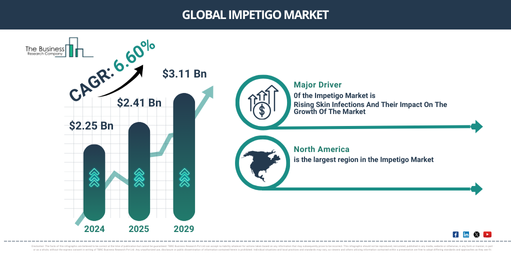
    The market dimension for impetigo has seen significant expansion in recent times. The projection is that it would expand from $2.25 billion in 2024 to $2.41 billion in 2025, with a compound annual growth rate (CAGR) of 7.0%. This acceleration from the past is due to several factors such as a surge in skin infection cases, advancements in healthcare infrastructures, enhanced access to telemedicine services, an upsurge in public finances directed towards infectious diseases, and a booming demand for topical treatments.

    Anticipated to witness significant growth in the coming years, the impetigo market is forecasted to expand to $3.11 billion by 2029, with a compound annual growth rate (CAGR) of 6.6%. The predicted expansion during this period can be attributed to several factors, such as the rise in telemedicine and E-pharmacy, governmental and private sector initiatives, an increase in skin infection cases, pediatric population expansion, and a growing demand for dermatology clinics. Noteworthy trends during this forecast period encompass advancements in topical treatments, the launch of innovative antimicrobial agents, strategical collaborations and partnerships, regulatory authorizations, and pipeline improvements.

    Download a free sample to assess the report’s scope and structure:

    https://www.thebusinessresearchcompany.com/sample.aspx?id=21209&type=smp

    Which Primay Drivers Are Accelerating Growth in the Impetigo Market?

    The escalation in the incidence of skin infections is set to fuel the growth of the impetigo market. Skin infections are conditions caused by harmful microorganisms, such as bacteria, viruses, fungi, or parasites that penetrate the skin and result in irritation, inflammation, among other symptoms. The surge in skin infections can be attributed to increased antibiotic resistance, poor sanitation, climate variations, compromised immune defenses, and escalated levels of international travel. Impetigo treatments focus on the resolution and management of the infection by aiming at the causative bacterial pathogens, typically the species of Streptococcus or Staphylococcus, through the application of topical or oral antibiotics. These treatments help to alleviate symptoms such as discomfort and itching, hinder the spread of the infection, and hasten the process of healing, ultimately reducing the chances of unforeseen complications and recurrence. For instance, in September 2024, a government agency based in the UK, GOV.UK, reported 13,912 Staphylococcus aureus bacteremia cases in the financial year 2022-2023. These numbers denote a 7.2% surge in bacteremia’s caused by S. aureus from the prior financial year 2021-2022. Hence, the escalation in the incidence of skin infections is driving the growth of the impetigo market. The augmentation of healthcare facilities is set to fuel the growth of the impetigo market. Healthcare facilities, which include establishments like hospitals, clinics, and diagnostic centers, provide health services and medical care to patients. The improvements in healthcare facilities can be attributed to increased investment in health infrastructure, emphasis on patient-oriented care, population growth, and aging. The augmentation of these facilities facilitates the treatment and management of impetigo by enhancing access to specialized dermatological care, making effective treatment options readily available, promoting better hygiene in healthcare environments to hinder the spread of infections, and enabling timely interventions and early diagnosis. This ultimately yields improved patient outcomes and reduces the burden of skin infections. For instance, in May 2023, as reported by the American Health Care Association, a non-profit organization based in the US, there were 6,129 hospitals in the United States which was 0.591% more than the preceding year when there were 6,093 hospitals. Hence, the augmentation in healthcare facilities is driving impetigo market growth.

    Which Primary Segments of the Impetigo Market Are Driving Growth and Industry Transformations?

    The impetigo market covered in this report is segmented –

    1) By Treatment Type: Topical Antibiotics, Oral Antibiotics, Antiseptic Soaks

    2) By Causative Pathogen: Staphylococcus aureus, Streptococcus pyogenes, Other Bacteria

    3) By Severity: Mild, Moderate, Severe

    4) By Patient Age: Children, Adults, Elderly

    Subsegments:

    1) By Topical Antibiotics: Mupirocin, Retapamulin, Fusidic Acid

    2) By Oral Antibiotics: Cephalexin, Dicloxacillin, Clindamycin

    3) By Antiseptic Soaks: Chlorhexidine, Hydrogen Peroxide, Potassium Permanganate

    Request customized data on this market:

    https://www.thebusinessresearchcompany.com/customise?id=21209&type=smp

    Which Regions Are Key Players in the Growth of the Which Primay Drivers Are Accelerating Growth in the Impetigo Market? Market?

    North America was the largest region in the impetigo market in 2024. Asia-Pacific is expected to be the fastest-growing region in the forecast period. The regions covered in the impetigo market report are Asia-Pacific, Western Europe, Eastern Europe, North America, South America, Middle East, Africa.

    View the full report here:

    https://www.thebusinessresearchcompany.com/report/impetigo-global-market-report

    What Parameters Are Used to Define the Impetigo Market?

    Impetigo is a highly contagious bacterial skin infection primarily caused by streptococcus pyogenes. It typically presents as red sores or blisters that break open, ooze, and form a yellowish-brown crust. The infection spreads easily through direct skin-to-skin contact or by touching contaminated surfaces.

    Purchase the full report and get a swift delivery:

    https://www.thebusinessresearchcompany.com/purchaseoptions.aspx?id=21209

    About The Business Research Company:

    With over 15000+ reports from 27 industries covering 60+ geographies, The Business Research Company has built a reputation for offering comprehensive, data-rich research and insights. Armed with 1,500,000 datasets, the optimistic contribution of in-depth secondary research, and unique insights from industry leaders, you can get the information you need to stay ahead in the game.

    Get in touch with us:

    The Business Research Company: https://www.thebusinessresearchcompany.com/

    Americas +1 3156230293

    Asia +44 2071930708

    Europe +44 2071930708

    Email us at info@tbrc.info

    Follow us on:

    LinkedIn: https://in.linkedin.com/company/the-business-research-company

    YouTube: https://www.youtube.com/channel/UC24_fI0rV8cR5DxlCpgmyFQ

    Global Market Model: https://www.thebusinessresearchcompany.com/global-market-model