Category: HealthcareServices

  • Key Factors Fueling the Growth of the Stroke Diagnostic And Therapeutic Market in 2025: Rising Stroke Prevalence Drive Growth In The Stroke Diagnostic And Therapeutic Market

    Key Factors Fueling the Growth of the Stroke Diagnostic And Therapeutic Market in 2025: Rising Stroke Prevalence Drive Growth In The Stroke Diagnostic And Therapeutic Market

    Discover trends, market shifts, and competitive outlooks for the stroke diagnostic and therapeutic industry through 2025-2034 with The Business Research Company’s reliable data and in-depth research

    What Are the Projected Market Size and Growth Rates for the Stroke Diagnostic And Therapeutic Market From 2025 To 2029?

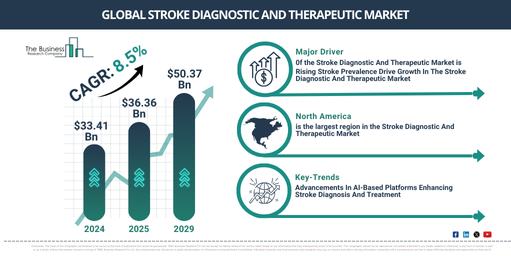
    The market size of stroke diagnostics and treatments has seen significant growth lately. It is projected to increase from $33.41 billion in 2024 to $36.36 billion in 2025, with a compound annual growth rate (CAGR) of 8.9%. This growth during the historical period is due to factors such as increased government funding and initiatives, improved access to healthcare services, fast-paced urbanization, enhanced healthcare facilities, as well as the swift growth of telemedicine and tele-stroke services.

    There is a projected robust expansion for the stroke diagnostic and therapeutic market within the next few years. The industry is set to reach $50.37 billion by 2029, boasting a compound annual growth rate (CAGR) of around 8.5%. Several factors contributing to the predicted growth during this period include an increase in diabetes cases, elevated numbers of patients with hypertension, a growing population potentially susceptible to strokes, increased knowledge about stroke prevention, and a rise in the incident and prevalence of stroke cases. Key trends within the forecast period consist of the growing employment of artificial intelligence (AI) and machine-learning (ML) algorithms, improvements in power instruments, continuous technological advancements in healthcare, progress in quick and precise diagnostic tools, and advancements in telemedicine and tele-stroke services.

    Download a free sample to assess the report’s scope and structure:

    https://www.thebusinessresearchcompany.com/sample.aspx?id=20654&type=smp

    What are the Fundamental Drivers and Innovations Shaping the Stroke Diagnostic And Therapeutic Market?

    The rising number of stroke occurrences is likely to spur the expansion of the market for stroke diagnostics and treatments. Stroke is a medical crisis caused by an interruption or decrease in the blood supply to a part of the brain, which deprives brain cells of vital oxygen and nutrients, leading to impairment or death of these cells. High blood pressure exacerbates stroke risk by impairing blood vessels and making them more likely to rupture or get blocked. The efficacy of stroke diagnostic procedures and treatment methods profoundly influences the outcomes for patients – swift identification and prompt treatment are key in reducing cerebral damage, disability, and death rate. For example, a report issued in January 2024 by the American Heart Association, a nonprofit organization based in the US, stated that stroke caused 7.44 million global deaths, with 3.71 million resulting from ischemic stroke, 3.38 million from intracerebral hemorrhage, and 0.36 million from subarachnoid hemorrhage in 2021. In addition, in January 2023, another report from the same organization accounted for 7.08 million stroke-related deaths, including 3.48 million from ischemic stroke, 3.25 million from intracerebral hemorrhage, and 0.35 million from subarachnoid hemorrhage. Consequently, because of the rising incidences of stroke, the market for stroke diagnostics and treatments is witnessing growth.

    How Is the Stroke Diagnostic And Therapeutic Market Segmented?

    The stroke diagnostic and therapeutic market covered in this report is segmented –

    1) By Type: Diagnostics, Therapeutics

    2) By Stroke Prevention Strategies: Medication Management, Lifestyle Modifications, Surgical Interventions

    3) By Application: Hemorrhagic Stroke, Ischemic Stroke

    Subsegments:

    1) By Diagnostics: Imaging Techniques, Blood Tests And Biomarker Analysis, Ultrasound Imaging, Neuroimaging Devices, Stroke Risk Assessment Tools

    2) By Therapeutics: Thrombolytic Medications, Antiplatelet Agents, Anticoagulants, Surgical Interventions, Rehabilitation Devices And Therapy Solutions, Neuromodulation Therapies

    Request customized data on this market:

    https://www.thebusinessresearchcompany.com/customise?id=20654&type=smp

    Which Regions Are Driving the Next Phase of the Stroke Diagnostic And Therapeutic Market Growth?

    North America was the largest region in the stroke diagnostic and therapeutic market in 2024. Asia-Pacific is expected to be the fastest-growing region in the forecast period. The regions covered in the stroke diagnostic and therapeutic market report are Asia-Pacific, Western Europe, Eastern Europe, North America, South America, Middle East, Africa.

    What Are the Strategic Trends Steering the Stroke Diagnostic And Therapeutic Market Direction?

    Leading firms in the stroke diagnostic and therapeutic market are working to create innovative AI-based healthcare platforms, intended to enhance the precision and effectiveness of stroke diagnosis and treatment. These platforms use artificial intelligence to scrutinize vast amounts of patient information, identify patterns, and provide insights, all aimed towards enhancing diagnosis precision, treatment effectiveness, and personalized healthcare. For instance, in November 2023, RapidAI, an American AI and technology provider unveiled Rapid Edge Cloud. This platform is a hybrid system blending cloud and on-premise technologies to heighten speed, security, and versatility. It effortlessly integrates with hospital and external applications and has acquired Class III Shonin clearance in Japan, which houses the world’s second-largest stroke market. It is Japan’s first high-end stroke imaging platform to support mechanical thrombectomy determination, and it delivers exclusive MR-based perfusion capabilities. RapidAI’s AI-enabled non-contrast CT solutions, including Rapid NCCT Stroke, Rapid ASPECTS, Rapid Hypodensity, Rapid Hyperdensity, and Rapid SDH, are unparalleled in their ability to detect potential stroke cases during the preliminary CT scan, dramatically reducing decision and treatment times and enhancing patient outcomes.

    View the full report here:

    https://www.thebusinessresearchcompany.com/report/stroke-diagnostic-and-therapeutic-global-market-report

    How Is the Stroke Diagnostic And Therapeutic Market Defined and What Are Its Core Parameters?

    Stroke diagnostics and therapeutics encompass the tools and techniques used to detect and address strokes. Diagnostic methods help visualize brain damage and determine the stroke type. Therapeutic strategies focus on medical treatments and procedures to restore blood flow, minimize brain injury, and aid in patient rehabilitation. The primary aim is to promptly identify strokes and provide effective treatment to reduce long-term disability and enhance patient recovery.

    Purchase the full report and get a swift delivery:

    https://www.thebusinessresearchcompany.com/purchaseoptions.aspx?id=20654

    About The Business Research Company:

    With over 15000+ reports from 27 industries covering 60+ geographies, The Business Research Company has built a reputation for offering comprehensive, data-rich research and insights. Armed with 1,500,000 datasets, the optimistic contribution of in-depth secondary research, and unique insights from industry leaders, you can get the information you need to stay ahead in the game.

    Get in touch with us:

    The Business Research Company: https://www.thebusinessresearchcompany.com/

    Americas +1 3156230293

    Asia +44 2071930708

    Europe +44 2071930708

    Email us at info@tbrc.info

    Follow us on:

    LinkedIn: https://in.linkedin.com/company/the-business-research-company

    YouTube: https://www.youtube.com/channel/UC24_fI0rV8cR5DxlCpgmyFQ

    Global Market Model: https://www.thebusinessresearchcompany.com/global-market-model
  • Next-Gen Hypercholesterolemia : Market Forecast, Transformation, and Long-Term Trajectories

    Our market reports now include the latest updates on global tariffs, trade impacts, and evolving supply chain dynamics.

    How Fast Is The Hypercholesterolemia Market Expected to Grow Between 2025 And 2029?

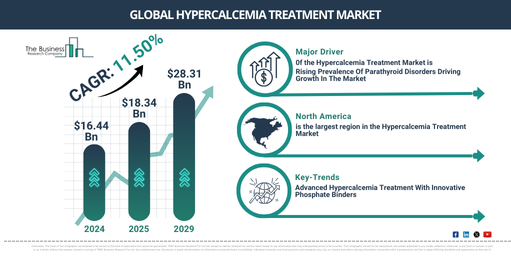
    The market size for hypercholesterolemia has experienced fast-paced growth recently. It is anticipated to expand from $16.30 billion in 2024 to $18.66 billion in 2025, reflecting a compound annual growth rate (CAGR) of 14.5%. The growth observed in the historical period is credited to intensifying health campaigns, amplified research and development, increasing emphasis on preventive healthcare, and the enlargement of preventive health screenings along with lifestyle corrections.

    It is anticipated that the hypercholesterolemia market will experience swift expansion in the upcoming years, escalating to a worth of $31.70 billion in 2029, with a 14.2% compound annual growth rate (CAGR). Factors contributing to this predicted growth during the forecast period include enhancements in diagnosis and screening, government-led initiatives and health policies, a rising number of risk factors, increased access to over-the-counter (OTC) products designed to lower cholesterol, and heightened understanding of cholesterol risks. Key trends for the forecast period encompass advanced lipid profiling, the use of robots in surgeries, the application of nanotechnology in drug delivery, the advent of telemedicine platforms, and targeting lipoprotein.

    Download a free sample to assess the report’s scope and structure:

    https://www.thebusinessresearchcompany.com/sample.aspx?id=21207&type=smp

    Which Major Market Drivers Are Expected to Boost the Growth Potential of the Hypercholesterolemia Market?

    The rise in cardiovascular diseases is anticipated to fuel the hypercholesterolemia market’s expansion. Cardiovascular diseases, or CVDs, are a collection of disorders impacting the heart and blood vessels. This uptick in cardiovascular diseases is spurred by factors like unhealthy eating habits, lack of physical activity, growing obesity figures, chronic stress, aging demographics, and the prevalence of conditions such as hypertension and diabetes. Hypercholesterolemia treatments assist patients with cardiovascular diseases by reducing LDL cholesterol levels, diminishing the buildup of arterial plaque, enhancing blood circulation, and lowering the chances of heart attacks, strokes, and other cardiovascular complications. For example, in October 2024, the Centers for Disease Control and Prevention, a governmental agency in the USA, reported that around 805,000 people in the United States have a heart attack each year, with 605,000 being first-time incidents and 200,000 occurring in people who have previously experienced heart attacks. Consequently, the escalation in cardiovascular diseases is projected to spur the growth of the hypercholesterolemia market.

    Which Key Market Segments Comprise the Hypercholesterolemia Market and Drive Its Revenue Growth?

    The hypercholesterolemia market covered in this report is segmented –

    1) By Disease Type: Genetic, Acquired

    2) By Treatment: Statins, Bile Acid Resins, Niacin, PCSK9 Inhibitors, Cholesterol Absorption Inhibitors, Fibric Acid Derivatives, Other Treatments

    3) By Route Of Administration: Oral, Injectable

    4) By Distribution Channel: Hospital Pharmacies, Retail Pharmacies, Others Distribution Channel

    5) By End User: Hospitals, Specialty Clinics, Home Healthcare, Others End Users

    Subsegments:

    1) By Genetic: Heterozygous Familial Hypercholesterolemia, Homozygous Familial Hypercholesterolemia

    2) By Acquired: Primary Hypercholesterolemia, Secondary Hypercholesterolemia

    Request customized data on this market:

    https://www.thebusinessresearchcompany.com/customise?id=21207&type=smp

    Which Areas Are Leading Regions in the Hypercholesterolemia Market Expansion Across the Globe?

    North America was the largest region in the hypercholesterolemia market in 2024. Asia-Pacific is expected to be the fastest-growing region in the forecast period. The regions covered in the hypercholesterolemia market report are Asia-Pacific, Western Europe, Eastern Europe, North America, South America, Middle East, Africa.

    What Are the Key Market Trends in theHypercholesterolemia Market Over the Coming Years?

    Leading firms in the hypercholesterolemia market are working on innovative developments like triple-combination drugs, to improve the effectiveness of treatment and ensure patient adherence. Triple-combination drug refers to a medicinal formulation which consists of three active components consolidated into a single dose form, for instance, a pill or a capsule. For example, in February 2025, a pharmaceutical corporation from South Korea, Celltrion Pharm, Inc., introduced a hypertension-hyperlipidemia medicine named Amrozet Tablet. The drug amalgamates three active constituents such as amlodipine, a calcium channel inhibitor for hypertension, rosuvastatin, a cholesterol-lowering statin, and ezetimibe, a component that aids in reducing the absorption of cholesterol in the intestines. The medication is provided in four dosage options including 5/5/10 mg, 5/10/10 mg, 10/5/10 mg, and 10/10/10 mg. The drug is prescribed for hypertension, myocardial ischemia under amlodipine, and primary hypercholesterolemia under the combination of rosuvastatin and ezetimibe. It is additionally utilised to manage chronic stable angina or vasospastic angina and to diminish the risk of hospitalisation for angina and heart surgery for patients with diagnosed coronary artery disease.

    View the full report here:

    https://www.thebusinessresearchcompany.com/report/hypercholesterolemia-global-market-report

    How Is the Hypercholesterolemia Market Conceptually Defined?

    Hypercholesterolemia refers to an abnormally high level of cholesterol in the blood, particularly low-density lipoprotein (LDL) cholesterol, which increases the risk of atherosclerosis and cardiovascular diseases such as heart attacks and strokes. It is often influenced by genetic factors, poor diet, lack of physical activity, and underlying health conditions like diabetes or hypothyroidism.

    Purchase the full report and get a swift delivery:

    https://www.thebusinessresearchcompany.com/purchaseoptions.aspx?id=21207

    About The Business Research Company:

    With over 15000+ reports from 27 industries covering 60+ geographies, The Business Research Company has built a reputation for offering comprehensive, data-rich research and insights. Armed with 1,500,000 datasets, the optimistic contribution of in-depth secondary research, and unique insights from industry leaders, you can get the information you need to stay ahead in the game.

    Get in touch with us:

    The Business Research Company: https://www.thebusinessresearchcompany.com/

    Americas +1 3156230293

    Asia +44 2071930708

    Europe +44 2071930708

    Email us at info@tbrc.info

    Follow us on:

    LinkedIn: https://in.linkedin.com/company/the-business-research-company

    YouTube: https://www.youtube.com/channel/UC24_fI0rV8cR5DxlCpgmyFQ

    Global Market Model: https://www.thebusinessresearchcompany.com/global-market-model
  • Hypercalcemia Treatment Market Overview 2025: Competitive Shifts, Forecast Models, and Emerging Opportunities

    Hypercalcemia Treatment Market Overview 2025: Competitive Shifts, Forecast Models, and Emerging Opportunities

    Our market reports now include the latest updates on global tariffs, trade impacts, and evolving supply chain dynamics.

    What Are the Key Projections for the CAGR of the Hypercalcemia Treatment Market Size From 2025 to 2034?

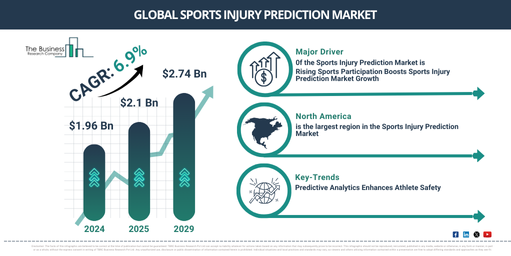
    Over the past few years, the hypercalcemia treatment market has witnessed significant growth. The market is set to rise from 16.44 billion dollars in 2024 to 18.34 billion dollars in 2025, with a compound annual growth rate of 11.5%. The surge during the historical period can be primarily attributed to the increased knowledge and awareness of hypercalcemia, an ageing population, a rise in cancer cases, growing awareness of diseases, and an increase in the prevalence of parathyroid disorders.

    In the coming years, the market size of hypercalcemia treatment is predicted to witness swift expansion. The market is projected to reach a valuation of $28.31 billion by 2029, growing at a compound annual growth rate (CAGR) of 11.5%. Factors contributing to the growth during the forecast time include the growing incidence of chronic kidney diseases, a higher number of hypertension patients, augmented spending on the creation of innovative medications, increased patient awareness and self-determination, as well as government initiatives. The forecast period is expected to experience significant trends such as enhancements in diagnostic tools and methods, progress in treatment procedures, the introduction of innovative medicines, and cooperation between healthcare providers.

    Download a free sample to assess the report’s scope and structure:

    https://www.thebusinessresearchcompany.com/sample.aspx?id=21206&type=smp

    What Are the Core Growth Drivers Propelling the Hypercalcemia Treatment Market Forward?

    The increase in incidents of parathyroid disorders is anticipated to spark the expansion of the hypercalcemia treatment market. Parathyroid disorders are ailments that impair the parathyroid glands’ ability to maintain calcium levels in the body due to parathyroid hormone (PTH) production issues. The escalation in parathyroid disorders can be attributed to an aging population, heightened awareness, superior diagnostics, and the uptick of health conditions like primary hyperparathyroidism and chronic kidney disease. Hypercalcemia treatment plays a vital role in overseeing parathyroid disorders as it helps regulate high calcium levels, averts complications like kidney stones and bone deterioration, and enhances the overall metabolic equilibrium. As an example, data from the National Institute of Health (NIH), a US government entity, showed that in February 2024, in the United States, Hypoparathyroidism is projected to impact 6.4 to 37 per 100,000 person-years, with 75% of cases stemming from the aftermath of thyroidectomy or head and neck surgeries. Consequently, the growth of the hypercalcemia treatment market is being propelled by the amplified prevalence of parathyroid disorders.

    What Segment Types Define the Hypercalcemia Treatment Market Structure?

    The hypercalcemia treatment market covered in this report is segmented –

    1) By Drug Type: Bisphosphonates, Calcitonin, Glucocorticoids, Denosumab, Calcimimetics, Other Drug Types

    2) By Indication: Primary Hyperthyroidism, Hypercalcemia Of Malignancy, Other Indications

    3) By Distribution Channel: Hospitals Pharmacies, Retail Pharmacies, Online Pharmacies

    4) By End-Users: Hospitals, Clinics

    Subsegments:

    1) By Bisphosphonates: Zoledronic Acid, Pamidronate, Alendronate

    2) By Calcitonin: Salmon Calcitonin, Synthetic Calcitonin

    3) By Glucocorticoids: Prednisone, Dexamethasone, Hydrocortisone

    4) By Denosumab: Denosumab (Monotherapy), Denosumab Combination Therapy

    5) By Calcimimetics: Cinacalcet, Etelcalcetide

    6) By Other Drug Types: Gallium Nitrate, Mithramycin

    Request customized data on this market:

    https://www.thebusinessresearchcompany.com/customise?id=21206&type=smp

    Which Geographic Areas Hold the Strongest Growth Potential in the Hypercalcemia Treatment Market?

    North America was the largest region in the hypercalcemia treatment market in 2024. The regions covered in the hypercalcemia treatment market report are Asia-Pacific, Western Europe, Eastern Europe, North America, South America, Middle East, Africa.

    Which Emerging Trends that Are Influencing theHypercalcemia Treatment Industry Evolution?

    Prominent corporations in the hypercalcemia treatment market are concentrating on devising novel products, such as phosphate binders to enhance the regulation of calcium and phosphorus equilibrium, thus improving treatment results. Phosphate binders, common treatment options for managing elevated phosphate levels in patients suffering from kidney disease or hypercalcemia, are drugs that attach to phosphate in the digestive system, blocking its absorption into the blood. For instance, Strides Pharma Science Limited, a pharmaceutical company based out of India, received a green signal from the United States Food and Drug Administration (FDA) for its Sevelamer Carbonate Tablets, 800 mg, in May 2024. By attaching to dietary phosphate and blocking its absorption, these tablets effectively manage hyperphosphatemia in patients suffering from chronic kidney diseases. Moreover, they aid in preserving bone health and mitigate cardiovascular risks linked with high phosphate levels.

    View the full report here:

    https://www.thebusinessresearchcompany.com/report/hypercalcemia-treatment-global-market-report

    What Is the Definition of the Hypercalcemia Treatment Market?

    Hypercalcemia treatment is the medical management of elevated calcium levels in the blood resulting from conditions such as hyperparathyroidism or malignancies. Treatment includes hydration, diuretics, bisphosphonates, or calcitonin to lower calcium levels and prevent complications. It is applied in emergency and long-term care settings to prevent kidney damage, neurological issues, and cardiac dysfunction.

    Purchase the full report and get a swift delivery:

    https://www.thebusinessresearchcompany.com/purchaseoptions.aspx?id=21206

    About The Business Research Company:

    With over 15000+ reports from 27 industries covering 60+ geographies, The Business Research Company has built a reputation for offering comprehensive, data-rich research and insights. Armed with 1,500,000 datasets, the optimistic contribution of in-depth secondary research, and unique insights from industry leaders, you can get the information you need to stay ahead in the game.

    Get in touch with us:

    The Business Research Company: https://www.thebusinessresearchcompany.com/

    Americas +1 3156230293

    Asia +44 2071930708

    Europe +44 2071930708

    Email us at info@tbrc.info

    Follow us on:

    LinkedIn: https://in.linkedin.com/company/the-business-research-company

    YouTube: https://www.youtube.com/channel/UC24_fI0rV8cR5DxlCpgmyFQ

    Global Market Model: https://www.thebusinessresearchcompany.com/global-market-model

  • Emerging Trends Redefining the Spinal Fusion Devices Market Landscape: Predictive Analytics Enhances Athlete Safety

    Emerging Trends Redefining the Spinal Fusion Devices Market Landscape: Predictive Analytics Enhances Athlete Safety

    Discover trends, market shifts, and competitive outlooks for the sports injury prediction industry through 2025-2034 with The Business Research Company’s reliable data and in-depth research

    What is the Projected CAGR for the Sports Injury Prediction Market Size from 2025 to 2034?

    There has been significant growth in the sports injury prediction market size over recent years. The market, which was worth $1.96 billion in 2024, is projected to reach a valuation of $2.1 billion in 2025, marking a compound annual growth rate (CAGR) of 7.2%. Factors contributing to this growth during the historic period include heightened awareness about injury prevention, the introduction of cutting-edge tracking technology, an increase in sports activity across both established and developing regions, and a rise in the number of athletes.

    Anticipated to experience a significant surge in the coming years, the sports injury prediction market is projected to expand to $2.74 billion by 2029, with a compound annual growth rate (CAGR) of 6.9%. This predicted expansion during the forecast period can be linked to heightened awareness of sports-related injuries, growing enlightenment among athletes, increased capital infusion in sports technology, wearable devices for immediate monitoring, rising government funds in sports injury prediction systems, and an increasing global population. Noteworthy trends projecting during the forecast period are technological improvements, progression in predictive analytics technology, product enhancements in both software and hardware with up-to-date technologies, speedy evolution in wearable technology and groundbreaking technologies.

    Download a free sample to assess the report’s scope and structure:

    https://www.thebusinessresearchcompany.com/sample.aspx?id=20649&type=smp

    What Are the Core Market Drivers Propelling Growth in the Sports Injury Prediction Industry?

    The observed increase in engagement in sports and leisure activities is likely to stimulate the expansion of the sports injury prediction market. Sports and recreation involve engaging in physical activities for pleasure and exercise, encompassing both competitive sports and leisure pastimes. The upswing in sports and leisure activities can be attributed to growing health consciousness, improved access to facilities, and the quest for stress relief and enjoyment. Sports injury prediction is useful in preventing injuries, enhancing training, and guaranteeing safer and quicker recovery, thereby rendering activities safer and more enjoyable. For example, the Outdoor Industry Association, a U.S-based entity, reported in January 2022 that in 2021, 164.2 million Americans, which accounts for 54% of the population aged six and above, participated in outdoor recreation at least once, setting a record for the highest participation rate ever. Since March 2020, the outdoor participation rate has seen a rise of about 6.9%, with an additional 2.2% increase in 2021, culminating in 164.2 million participants. Therefore, the growing engagement in sports and recreational activities is fueling the expansion of the sports injury prediction market.

    How Is the Sports Injury Prediction Market Segmented?

    The sports injury prediction market covered in this report is segmented –

    1) By Systems: Hardware, Software

    2) By Technology: Motion Capture, Player Activity Tracking, Vital Sign Monitoring, Sensor Based Technology, Image Based Technology, Machine Learning, Others Technologies

    3) By Sports Type: Cricket, Football, Soccer, Rugby, Basket Ball, Baseball, Racing, Other Sport Types

    4) By Application: Performance Assessment, Injury Risk Analysis, Activity Monitoring, Recovery And Post Injury Care, Biomechanics, Others Applications

    Subsegments:

    1) By Hardware: Wearable Sensors And Devices, Smart Clothing With Embedded Sensors, Monitoring Devices (e.g., Heart Rate Monitors, Motion Sensors), Video Analysis Systems, Biomechanical Measurement Tools

    2) By Software: Injury Prediction Analytics Platforms, Machine Learning And AI-Based Solutions, Data Management Software For Athlete Monitoring, Mobile Applications For Injury Tracking, Performance Analysis And Risk Assessment Tools

    Request customized data on this market:

    https://www.thebusinessresearchcompany.com/customise?id=20649&type=smp

    Which Regions Are Driving the Next Phase of the Sports Injury Prediction Market Growth?

    North America was the largest region in the sports injury prediction market in 2024. Asia-Pacific is expected to be the fastest-growing region in the forecast period. The regions covered in the sports injury prediction market report are Asia-Pacific, Western Europe, Eastern Europe, North America, South America, Middle East, Africa.

    What Are the Key Market Trends in the Sports Injury Prediction Market Over the Coming Years?

    Major players in sports injury prediction market are leveraging technological progress like predictive analytics and machine learning algorithms to stay ahead in competition. These innovations use data-driven strategies to envisage future scenarios using past data. As an example, in February 2024, a sports tech and healthcare firm from the United States, Players Health, introduced NIL Insurance for Collectives. This service utilizes predictive analytics to gauge risk factors and supplies customized insurance solutions for athletes. This forward-thinking service is designed to guard athletes from financial hit due to injuries, representing a burgeoning trend of preventive injury management in sports. These technologies’ incorporation not only improves athlete safety but also maximizes team performance by lessening interruptions caused by injuries, though it also calls attention to issues around data security and prediction accuracy.

    View the full report here:

    https://www.thebusinessresearchcompany.com/report/sports-injury-prediction-global-market-report

    How Is the Sports Injury Prediction Market Defined and What Are Its Core Parameters?

    Sports injury prediction refers to the process of using data-driven techniques, often involving advanced technologies such as artificial intelligence (AI), machine learning (ML), and wearable sensors, to anticipate and prevent injuries in athletes. Sports injury prediction is used to prevent injuries, optimize training, customize athlete programs, monitor health in real-time, support recovery, manage teams effectively, and reduce costs.

    Purchase the full report and get a swift delivery:

    https://www.thebusinessresearchcompany.com/purchaseoptions.aspx?id=20649

    About The Business Research Company:

    With over 15000+ reports from 27 industries covering 60+ geographies, The Business Research Company has built a reputation for offering comprehensive, data-rich research and insights. Armed with 1,500,000 datasets, the optimistic contribution of in-depth secondary research, and unique insights from industry leaders, you can get the information you need to stay ahead in the game.

    Get in touch with us:

    The Business Research Company: https://www.thebusinessresearchcompany.com/

    Americas +1 3156230293

    Asia +44 2071930708

    Europe +44 2071930708

    Email us at info@tbrc.info

    Follow us on:

    LinkedIn: https://in.linkedin.com/company/the-business-research-company

    YouTube: https://www.youtube.com/channel/UC24_fI0rV8cR5DxlCpgmyFQ

    Global Market Model: https://www.thebusinessresearchcompany.com/global-market-model
  • From Insight to Impact: Strategic Growth Mapping in the Hutchinson-Gilford Progeria Syndrome (HGPS) Market

    From Insight to Impact: Strategic Growth Mapping in the Hutchinson-Gilford Progeria Syndrome (HGPS) Market

    Our market reports now include the latest updates on global tariffs, trade impacts, and evolving supply chain dynamics.

    How Has The Hutchinson-Gilford Progeria Syndrome (HGPS) Market Growth Evolved From 2024 To 2025, And What’s Ahead?

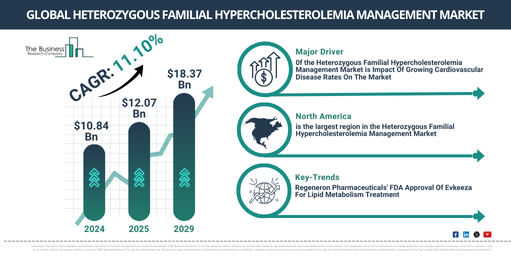
    The market size of Hutchinson-Gilford Progeria Syndrome (HGPS) has seen significant growth in the past few years and is projected to rise from $97.63 billion in 2024 to $106.56 billion in 2025, with a compound annual growth rate (CAGR) of 9.1%. This growth during the previous period can be identified with the increasing awareness about uncommon genetic anomalies, rise in financial aid for progeria studies, increased accessibility of genetic testing, government-initiated steps for mitigating rare diseases, and the global surge in the frequency of genetic disorders.

    Predictions indicate that the market size of Hutchinson-Gilford Progeria Syndrome (HGPS) is likely to experience substantial expansion in the upcoming years, escalating to $149.22 billion by 2029 with a Compound Annual Growth Rate (CAGR) of 8.8%. The augmentation during the forecast period is attributable to factors such as an upswing in the funds allocated for research and new therapy development, an escalating incidence of progeria, an increase in global healthcare expenditure, a growing tendency towards adopting innovative therapeutic strategies, and an upsurge in the demand for early detection. Key trends to monitor during this forecast period include technological progress, the development of targeted treatments, enhancements in next-generation sequencing (NGS) technologies, the emergence of biomarkers, and advancements in medication delivery systems.

    Download a free sample to assess the report’s scope and structure:

    https://www.thebusinessresearchcompany.com/sample.aspx?id=21205&type=smp

    What are the Fundamental Drivers and Innovations Shaping the Hutchinson-Gilford Progeria Syndrome (HGPS) Market?

    The expansion of the hutchinson-gilford progeria syndrome (HGPS) market is anticipated to be fueled by escalated funding for the research and development of novel treatments. The term ‘Funding for Research and Development’ signifies financial assistance directed towards innovation, refinement, and the progression of scientific insight and technological answers. The surge in such funding can be credited to factors like the growing necessity for innovative medical solutions and governmental aid for breakthroughs in healthcare. Heightened funding for research and development spurs the evolution of remedies for hutchinson-gilford Progeria Syndrome, backing clinical tests and encouraging the creation of pioneering therapies. It promotes progress in decoding the genetic sources of the disorder and aids in forging tailored resolutions. For example, Statistics from the Office for National Statistics, a government agency based in the UK, reveal that in 2022, there was a 10.5% augmentation in the net expenses of the UK government on research and development (R&D), escalating to £15.5 billion ($17.59) from £14.0 billion ($15.88) in 2021. Consequently, the enlargement in funding for the research and development of fresh therapies is propelling the growth of the hutchinson-gilford progeria syndrome (HGPS) market.

    How Is the Hutchinson-Gilford Progeria Syndrome (HGPS) Market Segmented?

    The hutchinson-gilford progeria syndrome (HGPS) market covered in this report is segmented –

    1) By Treatment Type: Farnesyltransferase Inhibitors (Zokinvy (Lonafarnib)), Low-dose Aspirin, Physical And Occupational Therapy, Hearing Aids, Genetic Counseling, Other Treatment Types

    2) By Route Of Administration: Oral, Injectable, Intravenous, Transdermal

    3) By Mechanism Of Action: Antisense Oligonucleotides, Crispr-cas9 Gene Editing, Rna Interference, Targeted Drug Delivery Systems

    4) By End-User: Hospitals, Specialty Clinics, Academic And Research Institutes, Other End-Users

    Subsegments:

    1) By Farnesyltransferase Inhibitors (Zokinvy (Lonafarnib)): Monotherapy With Lonafarnib, Combination Therapy With Other Drugs

    2) By Low-dose Aspirin: Cardiovascular Protection, Anti-inflammatory Therapy

    3) By Physical And Occupational Therapy: Mobility Support And Rehabilitation, Joint And Bone Health Management, Adaptive Equipment For Daily Activities

    4) By Hearing Aids: Conventional Hearing Aids, Bone-Anchored Hearing Aids (BAHA), Cochlear Implants

    5) By Genetic Counseling: Family Genetic Testing, Genetic Risk Assessment, Prenatal Counseling And Guidance

    6) By Other Treatment Types: Stem Cell Therapy, Gene Editing and Therapy, Nutritional Support And Management

    Request customized data on this market:

    https://www.thebusinessresearchcompany.com/customise?id=21205&type=smp

    Which Regions Are Driving the Next Phase of the Hutchinson-Gilford Progeria Syndrome (HGPS) Market Growth?

    North America was the largest region in the hutchinson-gilford progeria syndrome (HGPS) market in 2024. Asia-Pacific is expected to be the fastest-growing region in the forecast period. The regions covered in the hutchinson-gilford progeria syndrome (HGPS) market report are Asia-Pacific, Western Europe, Eastern Europe, North America, South America, Middle East, Africa.

    What Key Trends Are Shaping the Future of the Hutchinson-Gilford Progeria Syndrome (HGPS) Market?

    Leading enterprises in the hutchinson-gilford progeria syndrome (HGPS) market are concentrating on the development of innovative farnesyltransferase inhibitors to enhance the effectiveness of treatments and decelerate the progression of the disease in patients. These inhibitors combat an enzyme tied to protein modification, thwarting irregular cell expansion and slowing the aging process. For example, Eiger BioPharmaceuticals, a biopharmaceutical corporation based in the US, attained marketing authorization from the European Commission in July 2022 for Zokinvy. It is the inaugural and exclusive treatment approved in Europe for hutchinson-gilford progeria syndrome (HGPS) and processing-deficient progeroid laminopathies (PL) in children and young adults. Clinical trials demonstrated that Zokinvy, an oral agent that modifies the disease, reduced the mortality risk by 72% in children, and extended their life span by approximately 4.3 years. This marketing authorization granted by the European Commission is accepted in all the 27 member nations of the EU, alongside Iceland, Liechtenstein, and Norway.

    View the full report here:

    https://www.thebusinessresearchcompany.com/report/hutchinson-gilford-progeria-syndrome-hgps-global-market-report

    How Is the Hutchinson-Gilford Progeria Syndrome (HGPS) Market Defined and What Are Its Core Parameters?

    Hutchinson-Gilford Progeria Syndrome (HGPS), commonly known as progeria, is an extremely rare and fatal genetic disorder that causes accelerated aging in children. It is caused by mutations in the LMNA gene, leading to symptoms such as growth delays, hair loss, premature wrinkling of the skin, and cardiovascular issues. The average life expectancy for individuals with progeria is approximately 14.5 years.

    Purchase the full report and get a swift delivery:

    https://www.thebusinessresearchcompany.com/purchaseoptions.aspx?id=21205

    About The Business Research Company:

    With over 15000+ reports from 27 industries covering 60+ geographies, The Business Research Company has built a reputation for offering comprehensive, data-rich research and insights. Armed with 1,500,000 datasets, the optimistic contribution of in-depth secondary research, and unique insights from industry leaders, you can get the information you need to stay ahead in the game.

    Get in touch with us:

    The Business Research Company: https://www.thebusinessresearchcompany.com/

    Americas +1 3156230293

    Asia +44 2071930708

    Europe +44 2071930708

    Email us at info@tbrc.info

    Follow us on:

    LinkedIn: https://in.linkedin.com/company/the-business-research-company

    YouTube: https://www.youtube.com/channel/UC24_fI0rV8cR5DxlCpgmyFQ

    Global Market Model: https://www.thebusinessresearchcompany.com/global-market-model
  • Heterozygous Familial Hypercholesterolemia ManagementMarket Overview 2025–2034: CAGR Trends, Long-Term Growth Paths, and Business Implications

    Heterozygous Familial Hypercholesterolemia ManagementMarket Overview 2025–2034: CAGR Trends, Long-Term Growth Paths, and Business Implications

    Our market reports now include the latest updates on global tariffs, trade impacts, and evolving supply chain dynamics.

    What is the Projected CAGR for the Heterozygous Familial Hypercholesterolemia Management Market Size from 2025 to 2034?

    The market for managing heterozygous familial hypercholesterolemia has seen rapid expansion in recent times. It’s projected to inflate from $10.84 billion in 2024 to $12.07 billion in 2025 with a compound annual growth rate (CAGR) of 11.3%. This notable growth observed in the historical timeframe is credited to the surge in cardiovascular ailment incidences, government-led initiatives, escalating investments geared towards research and development activities, heightened consciousness and identification of Hefh, along with the burgeoning demand for individualized therapies.

    The market for managing heterozygous familial hypercholesterolemia is projected to experience significant expansion in the coming years, reaching an estimated value of $18.37 billion by 2029 with a compound annual growth rate (CAGR) of 11.1%. The anticipated growth during this forecasted period can be ascribed to factors such as the rise in telehealth services, chronic disease prevalence, clinical trial enhancement, demographic shifts towards an aging population, and an expanding drug pipeline. Key trends throughout this period include digital health solution integration, cutting-edge therapeutic options, introduction of combination therapies, technological progress, and the creation of innovative treatments.

    Download a free sample to assess the report’s scope and structure:

    https://www.thebusinessresearchcompany.com/sample.aspx?id=21204&type=smp

    What Are the Primary Drivers Supporting the Market Growth of the Heterozygous Familial Hypercholesterolemia Management Market?

    The escalating incidence of cardiovascular diseases (CVDs) is projected to drive the expansion of the heterozygous familial hypercholesterolemia management market in the future. CVDs encompass a variety of conditions impacting the heart and blood vessels such as heart failure, stroke, and coronary artery disease. Worldwide, the prevalence of CVDs is increasing due to various risk factors like unhealthy lifestyles, poor dietary habits, physical inactivity, obesity, and an aging population. Heterozygous familial hypercholesterolemia management is vital in the prevention of cardiovascular diseases as it aids in the regulation of high cholesterol levels – a significant contributing factor for atherosclerosis and heart-related disorders. For example, as reported by the US-based government agency, the Centers for Disease Control and Prevention, 805,000 people in the United States had a heart attack in 2022 of which 605,000 were first-time heart attacks and 200,000 recurred in those who had previously suffered a heart attack. Due to these reasons, the surging incidence of cardiovascular diseases is fueling the growth of the heterozygous familial hypercholesterolemia management market.

    Which Primary Segments of the Heterozygous Familial Hypercholesterolemia Management Market Are Driving Growth and Industry Transformations?

    The heterozygous familial hypercholesterolemia management market covered in this report is segmented –

    1) By Treatment Type: Statins, Ezetimibe, PCSK9 Inhibitors, Lomitapide, Mipomersen

    2) By Route Of Administration: Oral, Injectable, Intravenous

    3) By Patient Demographics: Children, Adults, Elderly

    4) By Application: Hospitals, Medical Centers, Clinics, Other Applications

    Subsegments:

    1) By Statins: Atorvastatin, Simvastatin, Rosuvastatin, Pravastatin

    2) By Ezetimibe: Ezetimibe (Monotherapy), Ezetimibe Combination Therapy (With Statins)

    3) By PCSK9 Inhibitors: Alirocumab, Evolocumab

    4) By Lomitapide: Lomitapide (Monotherapy), Lomitapide Combination Therapy

    5) By Mipomersen: Mipomersen (Monotherapy), Mipomersen Combination Therapy

    Request customized data on this market:

    https://www.thebusinessresearchcompany.com/customise?id=21204&type=smp

    Which Regions Are Key Players in the Growth of the What Are the Primary Drivers Supporting the Market Growth of the Heterozygous Familial Hypercholesterolemia Management Market? Market?

    North America was the largest region in the heterozygous familial hypercholesterolemia management market in 2024. The regions covered in the heterozygous familial hypercholesterolemia management market report are Asia-Pacific, Western Europe, Eastern Europe, North America, South America, Middle East, Africa.

    What Are the Most Significant Market Trends in the Heterozygous Familial Hypercholesterolemia Management Market?

    Leading businesses in the heterozygous familial hypercholesterolemia management market are concentrating on creating novel products like angiopoietin to handle lipid metabolism and diminish cholesterol levels. Angiopoietin is a group of proteins instrumental in controlling the formation of blood vessels and their stability. For example, Regeneron Pharmaceuticals Inc., a biotechnology firm based in the US, was granted approval by the U.S. Food and Drug Administration (FDA) for their product Evkeeza (evinacumab-dgnb) in March 2023. This product is intended for children between 5 and 11 years old with homozygous familial hypercholesterolemia (HoFH). This groundbreaking monoclonal antibody operates by inhibiting ANGPTL3, a protein that hinders lipid metabolism, thus decreasing low-density lipoprotein (LDL) cholesterol and triglyceride levels. This authorization presents a new treatment alternative for children with limited options and a high cardiovascular risk.

    View the full report here:

    https://www.thebusinessresearchcompany.com/report/heterozygous-familial-hypercholesterolemia-management-global-market-report

    What Parameters Are Used to Define the Heterozygous Familial Hypercholesterolemia Management Market?

    Heterozygous familial hypercholesterolemia (HeFH) management is the comprehensive approach to control elevated low-density lipoprotein cholesterol (LDL-C) levels in individuals with a genetic predisposition to high cholesterol. It is used to reduce the risk of premature cardiovascular disease (CVD) by implementing lifestyle modifications, lipid-lowering medications, and, in some cases, advanced therapies such as lipoprotein apheresis.

    Purchase the full report and get a swift delivery:

    https://www.thebusinessresearchcompany.com/purchaseoptions.aspx?id=21204

    About The Business Research Company:

    With over 15000+ reports from 27 industries covering 60+ geographies, The Business Research Company has built a reputation for offering comprehensive, data-rich research and insights. Armed with 1,500,000 datasets, the optimistic contribution of in-depth secondary research, and unique insights from industry leaders, you can get the information you need to stay ahead in the game.

    Get in touch with us:

    The Business Research Company: https://www.thebusinessresearchcompany.com/

    Americas +1 3156230293

    Asia +44 2071930708

    Europe +44 2071930708

    Email us at info@tbrc.info

    Follow us on:

    LinkedIn: https://in.linkedin.com/company/the-business-research-company

    YouTube: https://www.youtube.com/channel/UC24_fI0rV8cR5DxlCpgmyFQ

    Global Market Model: https://www.thebusinessresearchcompany.com/global-market-model

  • HER2-Negative Breast Cancer Outlook 2034: Key Drivers, Trends, and Market Frontiers

    HER2-Negative Breast Cancer Outlook 2034: Key Drivers, Trends, and Market Frontiers

    Our market reports now include the latest updates on global tariffs, trade impacts, and evolving supply chain dynamics.

    What Is the Current and Projected Market Size of the HER2-Negative Breast Cancer Market Through 2034?

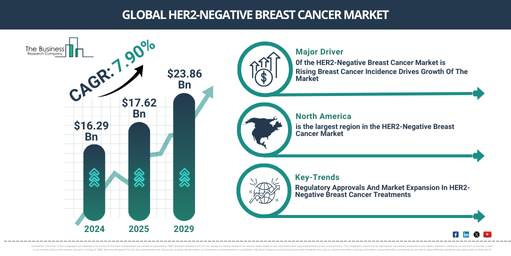
    The market size for HER2-negative breast cancer has witnessed significant growth over the past few years. It is projected to rise from $16.29 billion in 2024 to $17.62 billion in 2025, registering a compound annual growth rate (CAGR) of 8.1%. Factors contributing to this surge during the historic period include a rise in breast cancer incidences, a greater understanding of breast cancer, heightened healthcare expenditure, an increasing aging population, and growth in healthcare facilities.

    There is an expectation of significant expansion in the market size for HER2-negative breast cancer in the upcoming years. By 2029, the market is projected to reach $23.86 billion, with a compound annual growth rate (CAGR) of 7.9%. This predicted surge in the forecast period can be credited to factors such as rising levels of alcohol and tobacco use, escalation in adoption of detrimental lifestyle habits, augmented incidence of obesity, and a mounting need for efficient treatment methodologies. The forecast period is also likely to witness major trends such as advancements in diagnostic technologies, the introduction of target-specific therapies, the incorporation of immunotherapies, FDA validations, and breakthroughs in technology.

    Download a free sample to assess the report’s scope and structure:

    https://www.thebusinessresearchcompany.com/sample.aspx?id=21203&type=smp

    How Are Key Drivers in the Industry Acting as Catalysts for the Growth of the HER2-Negative Breast Cancer Market?

    The surge in incidences of breast cancer is projected to fuel the expansion of the HER2-negative breast cancer market. Breast cancer, typified by erratic growth of abnormal cells in the breast tissue, often originating from the ducts or lobules, is becoming more prevalent. The escalation in breast cancer cases is attributable to several aspects, including heightened awareness and advancements in screening methods, resulting in more common and earlier detection. The vital role that HER2-negative breast cancer plays in expediting breast cancer research through insights into diverse tumor biology and treatment approaches significantly aids the development of more personalized therapies for patients. For instance, data from the Centers for Disease Control and Prevention, a US-based public agency, indicated that there were 272,454 newly diagnosed breast cancer cases among females in 2021 and 42,211 female deaths in 2022 in the United States. Consequently, the surge in breast cancer incidence serves as the drive behind the growth of the HER2-negative breast cancer market.

    Which Segments in the HER2-Negative Breast Cancer Offer the Most Growth?

    The HER2-negative breast cancer market covered in this report is segmented –

    1) By Treatment Type: Chemotherapy, Hormone Therapy, Targeted Therapy, Immunotherapy

    2) By Cancer Stage: Early Stage, Locally Advanced Stage, Metastatic Stage

    3) By Distribution Channel: Hospital Pharmacy, Retail Pharmacy, Online Pharmacy

    Subsegments:

    1) By Chemotherapy: Anthracyclines, Taxanes, Platinum-Based Chemotherapy, Alkylating Agents, Antimetabolites

    2) By Hormone Therapy: Selective Estrogen Receptor Modulators (SERMs), Aromatase Inhibitors, Selective Estrogen Receptor Degraders (SERDs)

    3) By Targeted Therapy: CDK4/6 Inhibitors, PI3K Inhibitors, PARP Inhibitors

    4) By Immunotherapy: Immune Checkpoint Inhibitors, Tumor-Infiltrating Lymphocyte (TIL) Therapy

    Request customized data on this market:

    https://www.thebusinessresearchcompany.com/customise?id=21203&type=smp

    What Are the Fastest-Growing Geographies in the How Are Key Drivers in the Industry Acting as Catalysts for the Growth of the HER2-Negative Breast Cancer Market? Market?

    North America was the largest region in the HER2-negative breast cancer market in 2024. Asia-Pacific is expected to be the fastest-growing region in the forecast period. The regions covered in the HER2-negative breast cancer market report are Asia-Pacific, Western Europe, Eastern Europe, North America, South America, Middle East, Africa.

    What Are the Current Market Growth and Trends in the HER2-Negative Breast Cancer Industry?

    Major firms active in the HER2-negative breast cancer market are striving to secure regulatory consent to launch fresh treatment methods, broaden their product lines, and increase their market visibility. Regulatory consent is the formal permission given by government bodies that enables firms to sell and distribute medications or treatments after they have satisfied safety, efficacy, and quality criteria. For instance, in October 2024, Genentech Inc., a biotechnology firm based in the United States, secured FDA clearance for Itovebi (inavolisib), aimed at treating advanced hormone receptor-positive (HR+), HER2-negative breast cancer with a PIK3CA mutation. This permission permits the use of Itovebi together with palbociclib and fulvestrant, markedly enhancing the progression-free survival of patients in contrast to traditional treatments. This novel regimen offers a crucial alternative for patients with limited therapy options, underlining the significance of biomarker testing in determining those who would reap the greatest benefit from this treatment.

    View the full report here:

    https://www.thebusinessresearchcompany.com/report/her2-negative-breast-cancer-global-market-report

    What Are the Key Elements That Define the HER2-Negative Breast Cancer Market?

    HER2-negative breast cancer refers to a type of breast cancer where the cancer cells do not have high levels of the HER2 protein, which promotes tumour growth. This type of cancer tends to grow more slowly than HER2-positive breast cancer and is treated with targeted therapies and chemotherapy.

    Purchase the full report and get a swift delivery:

    https://www.thebusinessresearchcompany.com/purchaseoptions.aspx?id=21203

    About The Business Research Company:

    With over 15000+ reports from 27 industries covering 60+ geographies, The Business Research Company has built a reputation for offering comprehensive, data-rich research and insights. Armed with 1,500,000 datasets, the optimistic contribution of in-depth secondary research, and unique insights from industry leaders, you can get the information you need to stay ahead in the game.

    Get in touch with us:

    The Business Research Company: https://www.thebusinessresearchcompany.com/

    Americas +1 3156230293

    Asia +44 2071930708

    Europe +44 2071930708

    Email us at info@tbrc.info

    Follow us on:

    LinkedIn: https://in.linkedin.com/company/the-business-research-company

    YouTube: https://www.youtube.com/channel/UC24_fI0rV8cR5DxlCpgmyFQ

    Global Market Model: https://www.thebusinessresearchcompany.com/global-market-model

  • Global Hepatitis D Market Trends: Regional Breakdowns and Strategic Insights

    Global Hepatitis D Market Trends: Regional Breakdowns and Strategic Insights

    Our market reports now include the latest updates on global tariffs, trade impacts, and evolving supply chain dynamics.

    What is the Anticipated CAGR of the Hepatitis D Market, and What Factors Will Drive It?

    The market size for hepatitis D has seen consistent growth in the past few years. Its growth is projected to increase from $0.72 billion in 2024 to $0.76 billion in 2025, with a compound annual growth rate (CAGR) of 4.6%. The historical growth of this market has been due to factors such as limited treatment choices, high occurrence in regions where the disease is endemic, co-infection with hepatitis B, low levels of awareness and diagnosis, as well as governmental vaccination initiatives.

    The market size for hepatitis D is projected to expand consistently over the next several years, reaching $0.90 billion in 2029 with a 4.4% Compound Annual Growth Rate (CAGR). The predicted development over the forecast period is largely due to expanded coverage of reimbursement policies for new therapies, increased healthcare investments, policy changes favoring combined treatments, growth in hepatitis B vaccine uptake, and amplified public health initiatives. Several anticipated trends for the forecast period encompass progress in molecular diagnostic techniques, a move towards customised liver disease treatment, the exploration of new RNA-based therapies, extended clinical trials for hepatitis D solutions, and the adoption of telemedicine for managing hepatitis.

    Download a free sample to assess the report’s scope and structure:

    https://www.thebusinessresearchcompany.com/sample.aspx?id=21202&type=smp

    What Are the Major Market Drivers Behind the Rising Adoption of Hepatitis D Market?

    The escalating incidence of hepatitis B is anticipated to drive the expansion of the hepatitis D market in the near future. Hepatitis B is a viral infection that impacts the liver, resulting in symptoms such as jaundice, fatigue, and abdominal discomfort, and can develop into chronic liver conditions or liver cancer if not treated. The rise in hepatitis B infections is linked to unprotected intercourse, needle sharing, transmission from mother to child during birth, and inadequate immunization coverage in some areas. Hepatitis D depends on the Hepatitis B virus for its replication, utilizing the surface antigen of Hepatitis B to infect the liver cells, emphasizing the crucial role of dual infection of both viruses in the development of liver diseases. As an example, in November 2023, the Department of Health and Human Services, a US-based governmental department, reported that in 2022, cases of chronic hepatitis B had increased by 11% from 2021. Thus, the growing prevalence of hepatitis B is fueling the expansion of the hepatitis D market.

    Which Key Market Segments Comprise the Hepatitis D Market and Drive Its Revenue Growth?

    The hepatitis d market covered in this report is segmented –

    1) By Type: Acute, Chronic

    2) By Diagnosis: Blood Tests, Elastography, Liver Biopsy, Serologic Testing, Other Diagnosis

    3) By Distribution Channel: Hospital pharmacies, Retail pharmacies, Online Pharmacies

    4) By End-Users: Clinic, Hospital, Other End Users

    Subsegments:

    1) By Acute: Self-limiting Acute Hepatitis D, Severe Acute Hepatitis D

    2) By Chronic: Compensated Chronic Hepatitis D, Decompensated Chronic Hepatitis D

    Request customized data on this market:

    https://www.thebusinessresearchcompany.com/customise?id=21202&type=smp

    Which Areas Are Leading Regions in the Hepatitis D Market Expansion Across the Globe?

    North America was the largest region in the hepatitis D market in 2024. Asia-Pacific is expected to be the fastest-growing region in the forecast period. The regions covered in the hepatitis d market report are Asia-Pacific, Western Europe, Eastern Europe, North America, South America, Middle East, Africa.

    What Are the Strategic Trends Steering theHepatitis D Market Direction?

    Prominent corporations in the hepatitis D market are striving to introduce novel formulations such as recombinant vaccines to improve immunity efficacy and provide prolonged defense against the virus. Recombinant vaccines are those created by implanting a gene encoding a viral protein into a host organism, like bacteria or yeast, to produce the protein. This protein is subsequently used to prompt an immune response without triggering the disease. For example, in December 2022, VBI Vaccines Inc., a biotech firm from the United States, obtained approval from Health Canada for PreHevbrio [3-antigen Hepatitis B Vaccine (Recombinant)], an adult vaccine for active immunization against all known subtypes of hepatitis B aged 18 and over. The authorization also covers prevention of hepatitis D, as it stems from the delta agent, that cannot occur without a hepatitis B infection. The approval stems from positive outcomes from two crucial Phase 3 clinical trials, protect and constant, which showed higher seroprotection rates with PreHevbrio compared to the single-antigen engerix-B vaccine.

    View the full report here:

    https://www.thebusinessresearchcompany.com/report/hepatitis-d-global-market-report

    How Is the Hepatitis D Market Conceptually Defined?

    Hepatitis D, also known as hepatitis delta, is a liver infection caused by the hepatitis D virus (HDV). It is considered the most severe form of viral hepatitis and occurs only in individuals who are already infected with the hepatitis B virus (HBV). Hepatitis D virus depends on hepatitis B virus for its replication and survival, making it a co-infection or superinfection.

    Purchase the full report and get a swift delivery:

    https://www.thebusinessresearchcompany.com/purchaseoptions.aspx?id=21202

    About The Business Research Company:

    With over 15000+ reports from 27 industries covering 60+ geographies, The Business Research Company has built a reputation for offering comprehensive, data-rich research and insights. Armed with 1,500,000 datasets, the optimistic contribution of in-depth secondary research, and unique insights from industry leaders, you can get the information you need to stay ahead in the game.

    Get in touch with us:

    The Business Research Company: https://www.thebusinessresearchcompany.com/

    Americas +1 3156230293

    Asia +44 2071930708

    Europe +44 2071930708

    Email us at info@tbrc.info

    Follow us on:

    LinkedIn: https://in.linkedin.com/company/the-business-research-company

    YouTube: https://www.youtube.com/channel/UC24_fI0rV8cR5DxlCpgmyFQ

    Global Market Model: https://www.thebusinessresearchcompany.com/global-market-model

  • Hemorrhage Control System Market Outlook 2025: Mapping Growth, Innovation, and Regional Shifts

    Hemorrhage Control System Market Outlook 2025: Mapping Growth, Innovation, and Regional Shifts

    Our market reports now include the latest updates on global tariffs, trade impacts, and evolving supply chain dynamics.

    What Are the Key Milestones in the Hemorrhage Control System Market’s Growth Trajectory From 2025 To 2034?

    There has been remarkable growth in the hemorrhage control systems market in recent times. The market, valued at $3.26 billion in 2024, is projected to increase to $3.48 billion in 2025, with a compound annual growth rate (CAGR) of 6.7%. The historic period saw substantial growth due to factors such as the rise in traumatic injuries in the battlefield, higher demand for emergency care, expanded usage in military operations, growing older population, and enhanced awareness about hemorrhage control methodologies.

    The market for hemorrhage control systems is anticipated to experience substantial growth in the coming years, expanding to a worth of $4.45 billion by 2029, with a compound annual growth rate (CAGR) of 6.4%. The escalation predicted within this timeframe can be credited to factors such as the increased frequency of trauma incidents, a rise in surgical procedures, the rise in the implementation of minimally invasive methods, augmented expenditure on healthcare, and an uptick in serious injuries sustained in warfare. Notable trends to watch during this forecast timeframe include the creation of advanced hemostatic agents, the advent of portable and user-friendly hemorrhage control apparatuses, the incorporation of intelligent technology, progress in bioactive dressings, and enhancements in personalized and precision medicine methodologies.

    Download a free sample to assess the report’s scope and structure:

    https://www.thebusinessresearchcompany.com/sample.aspx?id=21201&type=smp

    What External and Internal Drivers Are Contributing to the Growth of the Hemorrhage Control System Market?

    The growth of the hemorrhage control systems market is being fuelled by the increasing number of trauma instances. Trauma cases, which pertain to medical emergencies caused by physical injuries from external sources such as accidents, falls, and violence, are on the rise. The increasing number of such cases can be credited to various elements, including road accidents, work-related accidents, sports injuries, and natural disasters. Hemorrhage control systems tackle trauma situations by managing severe bleeding efficiently, enhancing the chances of patient survival, and minimizing complications in emergency treatment. For instance, data from the UK’s Department for Transport, in September 2024, revealed that in 2022, police forces’ injury-based reporting system recorded 73,920 casualties, a significant increase from the 66,236 cases reported in 2021. As a result, the escalating frequency of trauma instances is contributing to the expansion of the hemorrhage control systems market.

    What Segment Types Define the Hemorrhage Control System Market Structure?

    The hemorrhage control system market covered in this report is segmented –

    1) By Product Type: Dressings, Hemostatic Agents, Clamps And Tourniquets, Surgical Sealants, Blood Products

    2) By Application: Cardiovascular Surgery, General Surgery, Plastic Surgery, Orthopedic Surgery, Neurosurgery, Other Applications

    3) By Distribution Channel: Direct Sales, Distributors, Online Retail, Pharmacies

    4) By End-User: Hospital And Ambulatory Surgery Centers (ASCs), Specialty Clinics, Other End-Users

    Subsegments:

    1) By Dressings: Gauze Dressings, Hydrogel Dressings, Alginate Dressings, Foam Dressings

    2) By Hemostatic Agents: Thrombin-Based Hemostats, Fibrin Sealants, Gelatin-Based Hemostats, Oxidized Regenerated Cellulose (ORC) Hemostats

    3) By Clamps And Tourniquets: Surgical Clamps, Pneumatic Tourniquets, Non-Pneumatic Tourniquets

    4) By Surgical Sealants: Synthetic Sealants, Collagen-Based Sealants, Cyanoacrylate-Based Sealants

    5) By Blood Products: Platelet Concentrates, Fresh Frozen Plasma (FFP), Cryoprecipitate, Packed Red Blood Cells

    Request customized data on this market:

    https://www.thebusinessresearchcompany.com/customise?id=21201&type=smp

    Which Geographic Areas Hold the Strongest Growth Potential in the Hemorrhage Control System Market?

    North America was the largest region in the hemorrhage control system market in 2024. Asia-Pacific is expected to be the fastest-growing region in the forecast period. The regions covered in the hemorrhage control system market report are Asia-Pacific, Western Europe, Eastern Europe, North America, South America, Middle East, Africa.

    What Long-Term Trends Are Transforming the Competitive Landscape of the Hemorrhage Control System Market?

    Major market players in hemorrhage control systems industry are putting effort into the advancement of their products like devices for controlling postpartum hemorrhage. These medical tools’ main objective is to control and stop serious bleeding post childbirth by either facilitating clot formation or compressing the blood vessels to regulate blood flow during postpartum hemorrhage (PPH). For instance, Organon Canada, a healthcare firm based in Canada, introduced the JADA System in September 2024, specially designed to handle and treat PPH. It utilizes a low-level vacuum technology to stimulate regular uterine contractions to control and treat abnormal postpartum uterine bleeding. This progressive method provides an effective, non-invasive solution when PPH needs conservative management, addressing a pressing need in the field of maternal healthcare.

    View the full report here:

    https://www.thebusinessresearchcompany.com/report/hemorrhage-control-system-global-market-report

    What Is the Definition of the Hemorrhage Control System Market?

    A hemorrhage control system is a medical device designed to manage severe bleeding in trauma situations, preventing life-threatening blood loss. It helps stabilize patients by controlling blood loss and preventing hypovolemic shock, ensuring critical care can be provided during transport to medical facilities. These systems are vital in emergency settings, offering immediate stabilization before further treatment.

    Purchase the full report and get a swift delivery:

    https://www.thebusinessresearchcompany.com/purchaseoptions.aspx?id=21201

    About The Business Research Company:

    With over 15000+ reports from 27 industries covering 60+ geographies, The Business Research Company has built a reputation for offering comprehensive, data-rich research and insights. Armed with 1,500,000 datasets, the optimistic contribution of in-depth secondary research, and unique insights from industry leaders, you can get the information you need to stay ahead in the game.

    Get in touch with us:

    The Business Research Company: https://www.thebusinessresearchcompany.com/

    Americas +1 3156230293

    Asia +44 2071930708

    Europe +44 2071930708

    Email us at info@tbrc.info

    Follow us on:

    LinkedIn: https://in.linkedin.com/company/the-business-research-company

    YouTube: https://www.youtube.com/channel/UC24_fI0rV8cR5DxlCpgmyFQ

    Global Market Model: https://www.thebusinessresearchcompany.com/global-market-model

  • Urticaria Market Outlook 2025–2034: Identifying Growth Drivers, Technology Trends, and Policy Impact

    Urticaria Market Outlook 2025–2034: Identifying Growth Drivers, Technology Trends, and Policy Impact

    Get 30% off on our Global Market Reports with code ONLINE30 – Hurry, limited time offer!

    What Is the Estimated Market Size of the Urticaria Market In 2029?

    The quick expansion of the urticaria market in recent years is noteworthy. Forecasted to advance from $4.03 billion in 2024 to $4.77 billion in 2025, it exhibits a compound annual growth rate (CAGR) of 18.2%. The growth observed in the historic period is due to factors such as an increase in allergy incidences, heightened awareness about skin disorders, progressive advancements in immunology and biologics, a rising demand for antihistamines, and enhanced diagnostic methods.

    The urticaria market is predicted to undergo speedy expansion in the coming years. The market is forecasted to increase to $9.23 billion by 2029, boasting a compound annual growth rate (CAGR) of 18.0%. This growth in the prophecy period is due to increasing instances of chronic urticaria, enhanced application of biologic treatments, escalated funding in dermatology research, greater access to superior allergy diagnostic methods, and a rise in the creation of personalized medicine. Key trends for the forecast period involve AI-operated diagnostic tools, the creation of new biologics, improvements in personalized immunotherapy, wearable devices for skin monitoring, and the use of telemedicine for allergy management.

    Download a free sample to assess the report’s scope and structure:

    https://www.thebusinessresearchcompany.com/sample.aspx?id=23554&type=smp

    What Are the Core Market Drivers Propelling Growth in the Urticaria Industry?

    The escalation in comprehension and management of skin diseases is forecasted to stimulate the expansion of the urticaria market in the future. The rise in pollution is causing a higher prevalence of skin allergies and conditions, hence increasing the need for awareness and developed treatments. Urticaria facilitates the understanding and treatment of skin diseases by illuminating immune system reactions, promoting research, improving diagnostics, and advancing specialized therapies. For example, The Skin Cancer Foundation, a nonprofit based in the US, stated in February 2024 that 1 in 5 Americans are diagnosed with skin cancer by the age of 70, along with over 2 fatalities every hour within the U.S. This underscores the pressing requirement for preventive approaches, as experiencing five or more sunburns doubles the risk of melanoma. Consequently, the growth in awareness and management of skin diseases is propelling the expansion of the urticaria market.

    How Is the Urticaria Market Segmented?

    The urticaria market covered in this report is segmented –

    1) By Type: Acute Urticaria, Chronic Urticaria

    2) By Drug Class: Antihistamines, Anti-inflammation Medications, Antidepressants, Monoclonal Antibodies, Other Drug Classes

    3) By Route of Administration: Oral, Parenteral, Other Routes Of Administration

    4) By Distribution Channel: Hospital Pharmacy, Online Pharmacy, Retail Pharmacy

    5) By End-Users: Hospitals, Homecare, Specialty Clinics, Other End-Users

    Subsegments:

    1) By Acute Urticaria: Allergic Urticaria, Infectious Urticaria, Drug-Induced Urticaria, Contact Urticaria

    2) By Chronic Urticaria: Chronic Spontaneous Urticaria (CSU), Chronic Inducible Urticaria (CIndU)

    Request customized data on this market:

    https://www.thebusinessresearchcompany.com/customise?id=23554&type=smp

    Which Regions Are Driving the Next Phase of the Urticaria Market Growth?

    North America was the largest region in the urticaria market in 2024. Asia-Pacific is expected to be the fastest-growing region in the forecast period. The regions covered in the urticaria market report are Asia-Pacific, Western Europe, Eastern Europe, North America, South America, Middle East, Africa.

    What Are the Key Market Trends in the Urticaria Market Over the Coming Years?

    Major organizations in the urticaria market are striving to create innovative solutions like mast cell inhibitor antibodies. These solutions aim to manage chronic spontaneous urticaria by focusing on mast cell activation. Mast cell inhibitor antibody is a specific monoclonal antibody designed to prevent the activation or release of mast cells by blocking specific receptors or signaling pathways. Consequently, this reduces allergic reactions, inflammation, and other disorders mediated by mast cells. For instance, Allakos Inc., a biotechnology firm based in the United States, in May 2024 initiated a Phase 1 clinical trial for AK006, a therapeutic solution for chronic spontaneous urticaria (CSU). This novel therapy targets both IgE-dependent and independent mast cell activation pathways, presenting a potential for wider efficacy in patients who do not respond to antihistamines or previous biologic treatments. By specifically inhibiting mast cell activity via the Siglec-6 receptor, AK006 aims to offer a more comprehensive and long-lasting solution for CSU management. This breakthrough marks an important step forward in urticaria treatment and immunotherapy research.

    View the full report here:

    https://www.thebusinessresearchcompany.com/report/urticaria-global-market-report

    How Is the Urticaria Market Defined and What Are Its Core Parameters?

    Urticaria, commonly known as hives, is a skin condition characterized by red, itchy, and raised welts. It occurs due to an allergic reaction, stress, or unknown triggers, leading to histamine release. The condition can be acute (lasting less than six weeks) or chronic (persisting longer). Treatment includes antihistamines, avoiding triggers, and, in severe cases, corticosteroids or immunotherapy.

    Purchase the full report and get a swift delivery:

    https://www.thebusinessresearchcompany.com/purchaseoptions.aspx?id=23554

    About The Business Research Company:

    With over 15000+ reports from 27 industries covering 60+ geographies, The Business Research Company has built a reputation for offering comprehensive, data-rich research and insights. Armed with 1,500,000 datasets, the optimistic contribution of in-depth secondary research, and unique insights from industry leaders, you can get the information you need to stay ahead in the game.

    Get in touch with us:

    The Business Research Company: https://www.thebusinessresearchcompany.com/

    Americas +1 3156230293

    Asia +44 2071930708

    Europe +44 2071930708

    Email us at info@tbrc.info

    Follow us on:

    LinkedIn: https://in.linkedin.com/company/the-business-research-company

    YouTube: https://www.youtube.com/channel/UC24_fI0rV8cR5DxlCpgmyFQ

    Global Market Model: https://www.thebusinessresearchcompany.com/global-market-model