Category: HealthcareServices

  • Global Nanotechnology In Cancer Treatment Market 2026–2030: Forecast Insights for Business Planning

    Global Nanotechnology In Cancer Treatment Market 2026–2030: Forecast Insights for Business Planning

    Uncover key drivers, emerging technologies, and competitive movements shaping the nanotechnology in cancer treatment market from 2026–2035 with trusted insights from The Business Research Company

    What growth pattern is forecast for the Nanotechnology In Cancer Treatment Market size between 2026 and 2035?

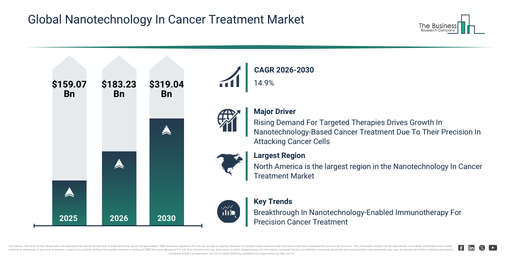
    The nanotechnology in cancer treatment market size has experienced significant expansion in recent years. It is projected to increase from $159.07 billion in 2025 to $183.23 billion in 2026, reflecting a compound annual growth rate (CAGR) of 15.2%. This growth observed in the past can be ascribed to factors such as rising cancer incidence rates, continuous progress in nanomaterial engineering, increased funding for oncology research, stronger collaboration between pharmaceutical firms and research bodies, and the initial clinical triumphs of nano-based therapies.

    The market for nanotechnology in cancer treatment is projected to experience substantial expansion over the upcoming years. This market is anticipated to reach $319.04 billion by 2030, exhibiting a compound annual growth rate (CAGR) of 14.9%. This growth during the projection period is driven by factors such as the increasing embrace of personalized cancer treatment methods, growing investments in nanomedicine research, the widening scope of clinical trials incorporating nanotechnology, an escalating emphasis on minimally invasive cancer therapies, and innovations in nano-enabled diagnostics. Key trends expected during this period involve the increasing creation of nanoparticle-based drug delivery systems, the greater acceptance of targeted cancer therapies, an expanding utilization of multifunctional nanomaterials, the broadening of personalized oncology treatments, and a heightened emphasis on mitigating the adverse effects of chemotherapy.

    Access Your Free Sample Report for In-Depth Market Insights:

    https://www.thebusinessresearchcompany.com/sample.aspx?id=27357&type=smp

    Which Drivers Are Impacting Market Performance In The Nanotechnology In Cancer Treatment Market?

    An increasing need for targeted therapies is anticipated to fuel the expansion of nanotechnology in the cancer treatment market. These therapies are defined as cancer treatments designed to pinpoint and act on specific molecular markers or biological pathways crucial for tumor development. The heightened demand for targeted therapies stems from their capacity to accurately target cancer cells, thereby limiting harm to healthy tissues and mitigating adverse effects. In cancer treatment, nanotechnology boosts targeted therapies by facilitating the accurate delivery of medications straight to malignant cells, thereby boosting their efficacy and safeguarding healthy tissues. For example, a report from the American Society of Gene & Cell Therapy (ASGCT), a professional membership organization based in the US, indicated in July 2023 that while 247 gene therapies were in Phase II at the close of Q1 2023, this figure saw a 5% increase, reaching 260 by the end of Q2 2023. Consequently, the expanding requirement for targeted therapies is propelling the growth of nanotechnology in the cancer treatment market.

    What Segment Types Are Examined In The Nanotechnology In Cancer Treatment Market?

    The nanotechnology in cancer treatment market covered in this report is segmented –

    1) By Nanotechnology Type: Liposomes, Dendrimers, Nanoparticles

    2) By Treatment Type: Chemotherapy, Immunotherapy, Targeted Therapy, Combined Therapy Approaches, Surgery Assistance

    3) By Cancer Type: Breast Cancer, Lung Cancer, Prostate Cancer, Colorectal Cancer, Blood Cancer, Other Cancer Types

    4) By Application: Targeted Drug Delivery, Photothermal Therapy, Radiation Therapy Enhancement, Diagnostics And Imaging, Gene Delivery Systems

    5) By End-User: Hospitals, Research Institutions, Diagnostics Laboratories, Pharmaceutical Companies, Contract Research Organizations (CROs)

    Subsegments:

    1) By Liposomes: Conventional Liposomes, Stealth Liposomes, Cationic Liposomes, Immunoliposomes

    2) By Dendrimers: Polyamidoamine Dendrimers, Polypropyleneimine Dendrimers, Peptide-Based Dendrimers, Carbosilane Dendrimers

    3) By Nanoparticles: Gold Nanoparticles, Magnetic Nanoparticles, Polymeric Nanoparticles, Quantum Dots, Lipid Nanoparticles

    Which Trends Are Influencing The Performance And Direction Of The Nanotechnology In Cancer Treatment Market?

    Major companies within the nanotechnology in cancer treatment market are concentrating on developing sophisticated therapies, such as immunotherapy nano formulations, to improve immune system targeting and minimize adverse effects for cancer patients. This method employs nanotechnology to deliver immune-based treatments directly to specific target sites, thereby boosting treatment precision while also enhancing drug stability, bioavailability, and the activation of the immune response. As an illustration, in December 2023, Cello Therapeutics, a US-based biotechnology company, launched CE120, a broad-spectrum therapeutic cancer nano vaccine that successfully obtained Food and Drug Administration clearance. This therapy marks the first clinical use of platelet membrane-coated nanoparticles for treating solid tumors. CE120 integrates targeted drug delivery with immune system activation, aiming to destroy tumors and prevent recurrence. Its distinctive nanotechnology platform significantly improves both therapeutic precision and the immune response, positioning CE120 as a pioneering nanomedicine in cancer treatment.

    Who Are The Primary Competitors In The Global Nanotechnology In Cancer Treatment Market?

    Major companies operating in the nanotechnology in cancer treatment market are Pfizer Inc., AstraZeneca PLC, Novartis AG, Amgen Inc., GE Healthcare Technologies Inc., Eisai Co. Ltd., Jazz Pharmaceuticals plc, Arrowhead Pharmaceuticals Inc., Nanobiotix S.A., EnGeneIC Ltd., Nanospectra Biosciences Inc., Sona Nanotech Inc., Immix Biopharma Inc., DNA Nanobots LLC, Nanovery Limited, CytImmune Sciences Inc., NanOlogy LLC, NanoApps Medical Inc., Selecta Biosciences Inc., Bind Therapeutics Inc., BlueWillow Biologics Inc., Nanobiomed Inc.

    Access The Complete Report For Deeper Market Insights:

    https://www.thebusinessresearchcompany.com/report/nanotechnology-in-cancer-treatment-global-market-report

    Which Regions Are Poised For Strategic Growth In The Nanotechnology In Cancer Treatment Market?

    North America was the largest region in the nanotechnology in cancer treatment market in 2025. Asia-Pacific is expected to be the fastest-growing region in the forecast period. The regions covered in the nanotechnology in cancer treatment market report are Asia-Pacific, South East Asia, Western Europe, Eastern Europe, North America, South America, Middle East, Africa.

    Request Your Customized Nanotechnology In Cancer Treatment Market Research Report for Competitive Advantage:

    https://www.thebusinessresearchcompany.com/customise?id=27357&type=smp

    Browse Through More Reports Similar to the Global Nanotechnology In Cancer Treatment Market 2026, By The Business Research Company

    Biosurgery Market Report 2026

    https://www.thebusinessresearchcompany.com/report/biosurgery-global-market-report

    Core Materials Market Report 2026

    https://www.thebusinessresearchcompany.com/report/core-materials-global-market-report

    Biomaterials Market Report 2026

    https://www.thebusinessresearchcompany.com/report/biomaterials-global-market-report

    Get in touch with us:

    The Business Research Company: https://www.thebusinessresearchcompany.com/

    Americas +1 310-496-7795

    Asia +44 7882 955267 & +91 8897263534

    Europe +44 7882 955267

    Email us at info@tbrc.info

    Follow us on:

    LinkedIn: https://in.linkedin.com/company/the-business-research-company

    YouTube: https://www.youtube.com/channel/UC24_fI0rV8cR5DxlCpgmyFQ

    Global Market Model: https://www.thebusinessresearchcompany.com/global-market-model
  • Nanoparticles Contract Manufacturing Market Outlook 2026–2035: Growth Drivers and Industry Forecast

    Nanoparticles Contract Manufacturing Market Outlook 2026–2035: Growth Drivers and Industry Forecast

    Uncover key drivers, emerging technologies, and competitive movements shaping the nanoparticles contract manufacturing market from 2026–2035 with trusted insights from The Business Research Company

    How much larger will the Nanoparticles Contract Manufacturing Market be in 2030 compared with 2026?

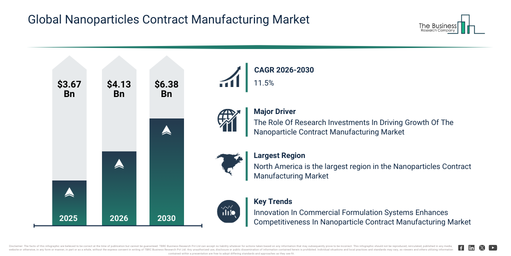
    The nanoparticles contract manufacturing market has experienced rapid expansion in recent years. Its value is projected to increase from $3.67 billion in 2025 to $4.13 billion in 2026, demonstrating a compound annual growth rate (CAGR) of 12.7%. Factors contributing to its historical growth include the early adoption of nanomedicine, a constrained in-house manufacturing capacity, an increase in research collaborations, the initial development of lipid nanoparticles, and the expansion of pre-clinical nanotechnology studies.

    The nanoparticles contract manufacturing market is projected for substantial expansion in the coming years, with its value set to reach $6.38 billion by 2030, exhibiting a compound annual growth rate (CAGR) of 11.5%. This anticipated growth during the forecast period is driven by factors such as the expansion of mRNA vaccine manufacturing, increased demand for biotech outsourcing, progress in nanoparticle engineering, heightened investments in nanotechnology infrastructure, and the proliferation of precision medicine applications. Key trends expected in the same period encompass a surge in outsourcing for nanoparticle production, the increasing use of lipid nanoparticles in drug delivery systems, the broadening of clinical-scale manufacturing capabilities, an escalating need for customized nanoparticle formulations, and an intensified emphasis on adherence to quality and regulatory standards.

    Access Your Free Sample Report for In-Depth Market Insights:

    https://www.thebusinessresearchcompany.com/sample.aspx?id=15869&type=smp

    What Drivers Are Guiding Growth Patterns In The Nanoparticles Contract Manufacturing Market?

    Elevated research funding is projected to stimulate the expansion of the nanoparticle contract manufacturing market. These investments represent monetary allocations for research endeavors focused on producing new knowledge, enhancing scientific comprehension, devising cutting-edge technologies, or addressing particular issues. Their rise stems from various elements, including a strong emphasis on innovation and technology, growing recognition of global challenges, backing for nascent technologies, strategic policy reinforcement and foresight, alongside governmental financial programs. Such investments are crucial for progressing nanoparticle contract manufacturing as they foster technological breakthroughs, tailored solutions, stringent quality assurance, capacity scaling, interdisciplinary collaboration, market penetration, and overall economic prosperity. As an illustration, in April 2023, the House of Commons, a UK governing entity, reported that the Chancellor announced a significant boost in public Research and Development (R&D) spending. The goal is to elevate the budget to £22 billion ($27.64 billion) by fiscal year 2024–2025, up from about £9 billion ($11.30 billion) in the prior year, making up 0.8% of GDP, thereby signaling a dedication to strengthening R&D initiatives and fostering domestic innovation. Consequently, the uptick in research funding is propelling the growth of the nanoparticle contract manufacturing market.

    Which Segments Are Driving Activity In The Nanoparticles Contract Manufacturing Market?

    The nanoparticles contract manufacturing market covered in this report is segmented –

    1) By Type Of Nanoparticle: Metal Nanoparticles, Lipid Nanoparticles, Other Types Of Nanoparticles

    2) By Manufacturing Scale: Commercial, Clinical, Pre-Clinical

    3) By Application: Therapeutics, Diagnostics, Vaccines

    4) By End-User: Pharmaceutical Companies, Biotechnology Companies

    Subsegments:

    1) By Metal Nanoparticles: Gold Nanoparticles, Silver Nanoparticles, Copper Nanoparticles, Iron Nanoparticles

    2) By Lipid Nanoparticles: Solid Lipid Nanoparticles (SLNs), Nanostructured Lipid Carriers (NLCs), Lipid-Core Micelles

    3) By Other Types of Nanoparticles: Polymeric Nanoparticles, Carbon Nanotubes, Quantum Dots, Dendrimers

    What Long-Term Trends Are Expected To Shape The Future Of The Nanoparticles Contract Manufacturing Market?

    Key companies within the nanoparticle contract manufacturing market are developing innovative technologies, including commercial formulation systems, to produce medicines for clinical and commercial applications and secure a competitive position. A commercial formulation system is an all-encompassing platform designed for the efficient development and manufacturing of nanoparticle-based products. For instance, in July 2023, Cytiva, a US-based provider of life sciences products and solutions, launched its NanoAssemblr commercial formulation system. This system is engineered to reduce the risk of cross-contamination, which is especially vital for genomic medicines. It utilizes a single-use fluid path, which helps boost production by minimizing downtime for sanitization and cleaning, allowing for the manufacture of multiple lipid nanoparticle products within the same facility. The system is powered by 21 CFR Part 11-compliant software that supports electronic batch records, captures in-process monitoring of flow rates, and automates the processes of priming, calibrating, formulating, and in-line dilution.

    Which Key Market Players Are Investing In Expansion And Innovation Within The Nanoparticles Contract Manufacturing Market?

    Major companies operating in the nanoparticles contract manufacturing market are Evonik Industries AG, CordenPharma International GmbH, Ajinomoto Bio-Pharma Services, BioVectra Inc., Fortis Life Sciences, LSNE Contract Manufacturing, Precision NanoSystems Inc., Ardena Holding NV, American Elements, Polymun Scientific Immunbiologische Forschung GmbH, Hitachi Chemical Advanced Therapeutics Solutions LLC, Axolabs GmbH, Cytodiagnostics Inc., Encapsula NanoSciences LLC, Nanochemazone, TechNano India, Lonza, Phosphorex, TRANSFERRA Nanosciences Inc, DIANT Pharma, Nano Labs Corporation, Nanoscale Corporation

    Access The Complete Report For Deeper Market Insights:

    https://www.thebusinessresearchcompany.com/report/nanoparticles-contract-manufacturing-global-market-report

    Which Regions Are Projected To Dominate The Nanoparticles Contract Manufacturing Market In The Coming Years?

    North America was the largest region in the nanoparticles contract manufacturing market in 2025. The regions covered in the nanoparticles contract manufacturing market report are Asia-Pacific, South East Asia, Western Europe, Eastern Europe, North America, South America, Middle East, Africa.

    Request Your Customized Nanoparticles Contract Manufacturing Market Research Report for Competitive Advantage:

    https://www.thebusinessresearchcompany.com/customise?id=15869&type=smp

    Browse Through More Reports Similar to the Global Nanoparticles Contract Manufacturing Market 2026, By The Business Research Company

    Nanoparticle Analysis Market Report 2026

    https://www.thebusinessresearchcompany.com/report/nanoparticle-analysis-global-market-report

    Metal Nanoparticles Market Report 2026

    https://www.thebusinessresearchcompany.com/report/metal-nanoparticles-global-market-report

    Nanomaterials Market Report 2026

    https://www.thebusinessresearchcompany.com/report/nanomaterials-global-market-report

    Get in touch with us:

    The Business Research Company: https://www.thebusinessresearchcompany.com/

    Americas +1 310-496-7795

    Asia +44 7882 955267 & +91 8897263534

    Europe +44 7882 955267

    Email us at info@tbrc.info

    Follow us on:

    LinkedIn: https://in.linkedin.com/company/the-business-research-company

    YouTube: https://www.youtube.com/channel/UC24_fI0rV8cR5DxlCpgmyFQ

    Global Market Model: https://www.thebusinessresearchcompany.com/global-market-model
  • Nano Antibodies Market 2026–2030: Emerging Trends and Forecast Opportunities

    Nano Antibodies Market 2026–2030: Emerging Trends and Forecast Opportunities

    Uncover key drivers, emerging technologies, and competitive movements shaping the nano antibodies market from 2026–2035 with trusted insights from The Business Research Company

    Starting from its 2026 valuation, what market size is the Nano Antibodies Market expected to reach by 2030?

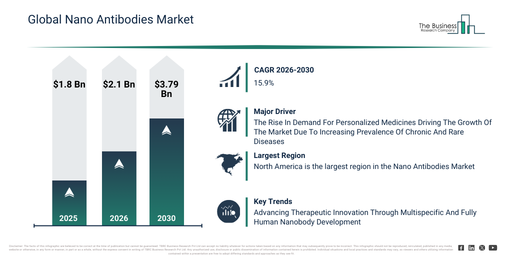
    The nano antibodies market has experienced rapid expansion in recent years. It is projected to grow from $1.8 billion in 2025 to $2.1 billion in 2026, demonstrating a compound annual growth rate (CAGR) of 16.2%. This historical growth can be attributed to advancements in antibody engineering research, the discovery of camelid antibody structures, early clinical validation studies, an expansion of biotechnology research funding, and improvements in recombinant expression systems.

    The nano antibodies market is projected for substantial expansion over the next few years, with its size anticipated to reach $3.79 billion by 2030, demonstrating a compound annual growth rate (CAGR) of 15.9%. This forecast growth is primarily attributable to the escalating demand for precision therapeutics, increased investments in biologics development, the expansion of oncology and infectious disease pipelines, advancements in molecular targeting technologies, and a rising interest in next-generation antibody formats. Prominent trends within this forecast period include the intensified development of target-specific nano antibodies, their growing utilization in diagnostic and imaging applications, increased adoption in targeted cancer therapies, the enlargement of recombinant production platforms, and an enhanced focus on multispecific antibody engineering.

    Access Your Free Sample Report for In-Depth Market Insights:

    https://www.thebusinessresearchcompany.com/sample.aspx?id=30332&type=smp

    What Drivers Are Driving Adoption Within The Nano Antibodies Market?

    The expanding requirement for personalized medicines is anticipated to boost the growth of the nano antibodies market in the future. Personalized medicines are medical treatments specifically crafted for an individual’s genetic makeup, lifestyle, and environment to ensure the most effective therapy for that particular patient. The heightened demand for personalized medicines is attributed to the increasing prevalence of chronic and rare diseases, which necessitate targeted, patient-specific therapies for more effective treatment outcomes. Nano antibodies facilitate personalized medicine by providing highly specific, customizable, and targeted therapeutic solutions designed for individual patient profiles and disease mechanisms. For instance, in February 2024, the Personalized Medicine Coalition, a US-based non-profit organization, stated that in 2023, the FDA approved 16 new personalized therapies for patients with rare diseases, a notable increase from the six approvals documented in 2022. Therefore, the rising demand for personalized medicines is propelling the expansion of the nano antibodies market.

    How Is The Nano Antibodies Market Organized Into Various Segments?

    The nano antibodies market covered in this report is segmented –

    1) By Product: Single-Domain Antibodies, Heavy-Chain Antibodies, Recombinant Nano Antibodies, Conjugated Nano Antibodies, Bispecific And Multispecific Nano Antibodies

    2) By Technology: Phage Display Technology, Recombinant Deoxyribonucleic Acid (DNA) Technology, Molecular Cloning

    3) By Source: Animal-Derived, Recombinant, Plant-Derived

    4) By Application: Disease Detection In Vitro, Non-Invasive Diagnosis In Vivo, Tumor Targeted Therapy, Nervous System Disease, Circulatory Disease, Infectious Disease, Other Applications

    5) By End-User: Pharmaceutical Companies, Biotechnology Firms, Academic And Research Institutions, Hospitals And Diagnostic Laboratories

    Subsegments:

    1) By Single-Domain Antibodies: Human Single-Domain Antibodies, Camelid Single-Domain Antibodies, Synthetic Single-Domain Antibodies, Shark-Derived Single-Domain Antibodies

    2) By Heavy-Chain Antibodies: Camelid Heavy-Chain Antibodies, Shark Heavy-Chain Antibodies, Engineered Heavy-Chain Antibodies, Chimeric Heavy-Chain Antibodies

    3) By Recombinant Nano Antibodies: Bacterial Expression Nano Antibodies, Yeast Expression Nano Antibodies, Mammalian Expression Nano Antibodies, Cell-Free Expression Nano Antibodies

    4) By Conjugated Nano Antibodies: Drug-Conjugated Nano Antibodies, Fluorescent-Conjugated Nano Antibodies, Enzyme-Conjugated Nano Antibodies, Radiolabeled Nano Antibodies

    5) By Bispecific And Multispecific Nano Antibodies: Dual-Target Nano Antibodies, Tri-Specific Nano Antibodies, Tetravalent Nano Antibodies, Multifunctional Nano Antibodies

    Which Market Trends Are Opening Growth Opportunities In The Nano Antibodies Market?

    Leading companies in the nanoantibodies market are concentrating on developing innovative solutions, such as fully multispecific therapeutics, to improve disease targeting and treatment efficacy. These advanced biologic drugs are designed to simultaneously bind to two or more different targets, enabling a more precise and effective approach to treating complex diseases. For instance, in February 2023, Biocytogen Pharmaceuticals (Beijing) Co., Ltd., a China-based biopharmaceutical company, initiated the Nano 100 Project with the aim of developing fully human nanobody therapeutics for more than 100 targets. This undertaking utilizes Biocytogen’s proprietary RenNan mouse platform, which generates fully human nanobodies without the need for humanization. By incorporating high-throughput in vitro and in vivo screening technologies, the project seeks to accelerate target coverage and the discovery of nanobody drugs. These nanobodies are characterized by strong tissue penetration, stability, and engineering flexibility, making them highly suitable for advanced therapeutic modalities like cell therapies, bispecific antibodies, antibody-drug conjugates (ADCs), and radionuclide antibody conjugates. The Nano 100 Project ultimately aims to streamline the development of novel therapeutics and provide a broad spectrum of high-affinity nanobody candidates for addressing cancer, immune disorders, and neurological diseases.

    Who Are The Core Companies Influencing Trends In The Nano Antibodies Market?

    Major companies operating in the nano antibodies market are Sanofi S.A., AstraZeneca plc, Bio-Rad Laboratories Inc., Bio-Techne Corporation, Innovent Biologics Inc., GenScript Biotech Corporation, Biocytogen Pharmaceuticals Co. Ltd., Beroni Group Limited., Cusabio Technology LLC, Harbour BioMed Co. Ltd., MoonLake Immunotherapeutics Co. Ltd., Alphamab Oncology Co. Ltd., Santa Cruz Biotechnology Inc., Rockland Immunochemicals Inc., Creative Biolabs Inc., Promab Biotechnologies Inc., ExeVir Bio N.V., Isogenica Ltd., Allele Biotechnology And Pharmaceuticals Inc., Gulliver Biomed Inc., Capralogics Inc.

    Access The Complete Report For Deeper Market Insights:

    https://www.thebusinessresearchcompany.com/report/global-nano-antibodies-market-report

    Which Region Is Expected To Experience The Fastest Growth In The Nano Antibodies Market?

    North America was the largest region in the nano antibodies market in 2025. Asia-Pacific is expected to be the fastest-growing region in the forecast period. The regions covered in the nano antibodies market report are Asia-Pacific, South East Asia, Western Europe, Eastern Europe, North America, South America, Middle East, Africa.

    Request Your Customized Nano Antibodies Market Research Report for Competitive Advantage:

    https://www.thebusinessresearchcompany.com/customise?id=30332&type=smp

    Browse Through More Reports Similar to the Global Nano Antibodies Market 2026, By The Business Research Company

    Next Generation Antibody Therapeutics Market Report 2026

    https://www.thebusinessresearchcompany.com/report/next-generation-antibody-therapeutics-global-market-report

    Antibody Discovery Market Report 2026

    https://www.thebusinessresearchcompany.com/report/antibody-discovery-global-market-report

    Healthcare Nanotechnology Market Report 2026

    https://www.thebusinessresearchcompany.com/report/healthcare-nanotechnology-global-market-report

    Get in touch with us:

    The Business Research Company: https://www.thebusinessresearchcompany.com/

    Americas +1 310-496-7795

    Asia +44 7882 955267 & +91 8897263534

    Europe +44 7882 955267

    Email us at info@tbrc.info

    Follow us on:

    LinkedIn: https://in.linkedin.com/company/the-business-research-company

    YouTube: https://www.youtube.com/channel/UC24_fI0rV8cR5DxlCpgmyFQ

    Global Market Model: https://www.thebusinessresearchcompany.com/global-market-model
  • Global Myopia Treatment Market Forecast 2026–2035: Long-Term Growth Insights

    Global Myopia Treatment Market Forecast 2026–2035: Long-Term Growth Insights

    Uncover key drivers, emerging technologies, and competitive movements shaping the myopia treatment market from 2026–2035 with trusted insights from The Business Research Company

    Across 2026–2030, what is the expected market valuation path of the Myopia Treatment Market?

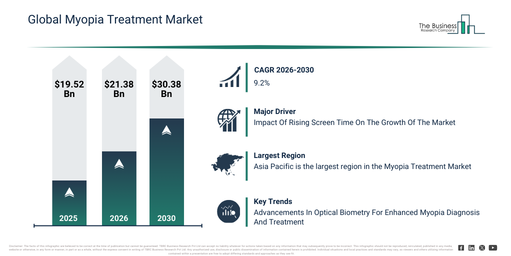
    The myopia treatment market has experienced substantial expansion in recent years. This market is forecasted to increase from $19.52 billion in 2025 to $21.38 billion in 2026, demonstrating a compound annual growth rate (CAGR) of 9.5%. Historically, the market’s growth has been fueled by factors such as an escalation in screen time exposure, a greater prevalence of myopia in children, limited access to preventative eye care, the early advancements in refractive surgery techniques, and the initial adoption of corrective eyewear solutions.

    The myopia treatment market is projected for significant expansion in the coming years, anticipated to reach $30.38 billion by 2030 with a compound annual growth rate (CAGR) of 9.2%. This growth during the forecast period can be attributed to factors such as increased awareness of myopia control therapies, the broader use of laser treatment technologies, a surge in demand for orthokeratology, heightened investment in ophthalmic research, and the implementation of advanced diagnostic instruments. Key trends expected throughout this period encompass the growing acceptance of orthokeratology (ortho-k), a rising inclination towards minimally invasive refractive surgeries, an expanding need for myopia control lenses for children, the increased incidence of myopia caused by digital eye strain, and the proliferation of preventive eye care awareness initiatives.

    Access Your Free Sample Report for In-Depth Market Insights:

    https://www.thebusinessresearchcompany.com/sample.aspx?id=20892&type=smp

    Which Drivers Are Supporting The Rise Of The Myopia Treatment Market?

    Elevated screen time is projected to drive expansion within the myopia treatment market in the future. This term denotes the duration individuals devote to using screen-equipped devices like smartphones, tablets, computers, or televisions. This rise in screen time stems from the growing popularity of streaming services, increased social media engagement, the prevalence of remote work, and frequent virtual meetings. Myopia treatment solutions are beneficial in alleviating eye strain and discomfort associated with extended screen exposure, thereby enhancing focus, comfort, and overall visual clarity. As an illustration, data from October 2024, published by the US-based government agency, the Centers for Disease Control and Prevention, indicated that from July 2021 to December 2023, 50.4% of teenagers aged 12–17 used screens for 4 or more hours daily. During the same period, 22.8% spent 3 hours, 17.8% spent 2 hours, 6.1% spent 1 hour, and 3.0% spent less than 1 hour on screens each day. Consequently, the expanding amount of time spent on screens is a significant catalyst for the growth of the myopia treatment market.

    What Segments Are Identified Within The Structure Of The Myopia Treatment Market?

    The myopia treatment market covered in this report is segmented –

    1) By Type: Simple Myopia, High Myopia, Pathological Myopia

    2) By Treatment: Eyeglasses, Contact Lenses, Refractive Surgery, Laser-Assisted In Situ Keratomileusis (LASIK), Photorefractive Keratectomy (PRK), Orthokeratology (Ortho-K)

    3) By Route Of Administration: Oral, Parenteral, Other Routes Of Administration

    4) By Distribution Channel: Direct Tender, Retail Sales, Other Distribution Channels

    5) By End-User: Physician Offices, Reference Laboratories, Other End-Users

    Subsegments:

    1) By Simple Myopia: Mild Myopia, Moderate Myopia

    2) By High Myopia: Severe Myopia, Very Severe Myopia

    3) By Pathological Myopia: Degenerative Myopia, Malignant Myopia

    How Are Emerging Trends Affecting The Progression Of The Myopia Treatment Market?

    Leading companies in the myopia treatment market are concentrating on developing advanced products like optical biometers to improve diagnostic accuracy and customize effective, personalized treatments. Optical biometers employ light to measure eye parameters, including axial length and corneal curvature, for diagnosing and monitoring various eye conditions. For example, in February 2023, NIDEK Co., Ltd., a Japan-based manufacturer of ophthalmic products, introduced an AL-Scan M and MV-1. This AL-Scan M device incorporates 3D auto-tracking and auto-shot functions, enabling efficient and user-friendly measurements akin to an autorefractor’s, thereby enhancing patient throughput, particularly for younger patients. The AL-Scan M is precisely engineered to provide accurate axial length measurements, a crucial element in monitoring myopia progression. Additionally, it seamlessly integrates with the MV-1 Myopia Viewer software, which assists in tracking treatment history and patient behavior.

    Which Major Industry Participants Are Leading The Myopia Treatment Market Growth?

    Major companies operating in the myopia treatment market are Regeneron Pharmaceuticals Inc., Alcon Inc., Bausch Health Companies Inc., Hoya Corporation, Johnson & Johnson Vision Care Inc., CooperVision Inc., Menicon Co. Ltd., Topcon Healthcare Inc., Essilor Ltd., NIDEK CO. LTD., SightGlass Vision Inc., SCHWIND eye-tech-solutions GmbH, Visioneering Technologies Inc., MEDMONT INTERNATIONAL PTY LTD., Vyluma Inc., Haag-Streit Holding AG, NovaSight Ltd., Euclid Vision Corporation, Treehouse Eyes LLC, Sydnexis Inc., Neurobit Technologies Co. Ltd., Kubota Pharmaceutical Holdings Co. Ltd.

    Access The Complete Report For Deeper Market Insights:

    https://www.thebusinessresearchcompany.com/report/myopia-treatment-global-market-report

    Which Geographic Areas Are Emerging As Strong Markets For The Myopia Treatment Market?

    Asia Pacific was the largest region in the myopia treatment market in 2025. Asia-Pacific is expected to be the fastest-growing region in the forecast period. The regions covered in the myopia treatment market report are Asia-Pacific, South East Asia, Western Europe, Eastern Europe, North America, South America, Middle East, Africa.

    Request Your Customized Myopia Treatment Market Research Report for Competitive Advantage:

    https://www.thebusinessresearchcompany.com/customise?id=20892&type=smp

    Browse Through More Reports Similar to the Global Myopia Treatment Market 2026, By The Business Research Company

    Hyperpigmentation Disorder Treatment Market Report 2026

    https://www.thebusinessresearchcompany.com/report/hyperpigmentation-disorder-treatment-global-market-report

    Amblyopia Market Report 2026

    https://www.thebusinessresearchcompany.com/report/amblyopia-global-market-report

    Ocular Hypertension Treatment Market Report 2026

    https://www.thebusinessresearchcompany.com/report/ocular-hypertension-treatment-global-market-report

    Get in touch with us:

    The Business Research Company: https://www.thebusinessresearchcompany.com/

    Americas +1 310-496-7795

    Asia +44 7882 955267 & +91 8897263534

    Europe +44 7882 955267

    Email us at info@tbrc.info

    Follow us on:

    LinkedIn: https://in.linkedin.com/company/the-business-research-company

    YouTube: https://www.youtube.com/channel/UC24_fI0rV8cR5DxlCpgmyFQ

    Global Market Model: https://www.thebusinessresearchcompany.com/global-market-model
  • Myopia and Presbyopia Treatment Market 2026–2030: Forecasting Business Opportunities Ahead

    Myopia and Presbyopia Treatment Market 2026–2030: Forecasting Business Opportunities Ahead

    Uncover key drivers, emerging technologies, and competitive movements shaping the myopia and presbyopia treatment market from 2026–2035 with trusted insights from The Business Research Company

    What size range is anticipated for the Myopia and Presbyopia Treatment Market from 2026 to 2030?

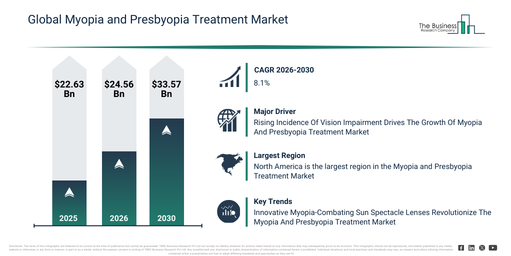
    The myopia and presbyopia treatment market size has demonstrated robust expansion in recent years. This market is projected to increase from $22.63 billion in 2025 to $24.56 billion in 2026, at a compound annual growth rate (CAGR) of 8.6%. Historically, this growth can be ascribed to an expanding aging population, the widespread adoption of corrective lenses, a rise in screen-induced myopia, early advancements in refractive surgery, and limited public awareness of preventive eye care.

    The myopia and presbyopia treatment market size is anticipated to experience robust expansion in the coming years. This market is projected to reach $33.57 billion by 2030, exhibiting a compound annual growth rate (CAGR) of 8.1%. During the forecast period, this expansion is driven by several factors, including the increasing need for sophisticated surgical options, the greater uptake of lenses designed to correct presbyopia, the growing application of pharmacological therapies, advancements in eye care diagnostic technologies, and the broadening of preventive screening initiatives. Key developments expected in this period encompass the wider acceptance of multifocal and advanced contact lenses, an escalating call for laser and refractive surgical interventions, a rising inclination towards orthokeratology (ortho-k) for managing myopia, increased application of pharmacological eye drops specifically for presbyopia, and the broadening of early vision checks and preventative care strategies.

    Access Your Free Sample Report for In-Depth Market Insights:

    https://www.thebusinessresearchcompany.com/sample.aspx?id=7892&type=smp

    What Drivers Are Affecting Demand In The Myopia and Presbyopia Treatment Market?

    The increasing incidence of vision impairment is anticipated to stimulate the expansion of the myopia and presbyopia treatment market moving forward. Vision impairment describes a state where an individual’s capacity to see and interpret visual information is considerably diminished, leading to difficulties in perceiving and understanding their surroundings. The growing prevalence of vision impairment has the potential to accelerate the development of myopia and presbyopia treatments, fostering heightened awareness, promoting innovation, attracting investments, improving access to therapies, and ultimately yielding better outcomes for those seeking remedies for their visual issues. For instance, in August 2023, according to the World Health Organization (WHO), a Switzerland-based United Nations agency, global estimates indicate that 2.2 billion people have near or distance vision impairment, including 1 billion cases that are preventable or untreated. Refractive errors and cataracts remain the leading global causes of vision loss, yet only 36% of individuals with refractive-error–related distance impairment and merely 17% of those with cataract-related impairment have received appropriate care. Consequently, the escalating rate of vision impairment is propelling the growth of the myopia and presbyopia treatment market.

    Which Segments Are Gaining Traction In The Myopia and Presbyopia Treatment Market?

    The myopia and presbyopia treatment market covered in this report is segmented –

    1) By Type: Myopia, Presbyopia

    2) By Age Group: Children And Young Adults, Adults, Geriatrics

    3) By End-Use: Hospitals, Eye Care Clinics Or Ophthalmic Centers

    Subsegments:

    1) By Myopia: Pharmacological Treatments, Orthokeratology Lenses, Refractive Surgery, Spectacles And Contact Lenses

    2) By Presbyopia: Multifocal Lenses, Monovision Contact Lenses, Corneal Inlays, Presbyopia-Correcting Surgery

    Which Innovation Trends Are Advancing Developments Within The Myopia and Presbyopia Treatment Market?

    Leading companies within the myopia and presbyopia treatment market are innovating products, such as myopia combating sun spectacle lenses, to serve larger customer bases, boost sales, and increase revenue. Myopia-combating sun spectacle lenses are specific eyeglass lenses crafted to help slow the progression of myopia, also known as near-sightedness, when worn in outdoor or bright sunlight conditions. For instance, in May 2023, HOYA, an optical technology company based in Thailand, launched MiYOSMART sun spectacle lenses aimed at combating myopia in children. A distinctive feature of MiYOSMART is its innovative strategy to decelerate myopia progression in children alongside offering protection from intense sunlight. This goal is achieved via two specialized lens options: the photochromic spectacle lenses, MiYOSMART Chameleon, and the polarized spectacle lenses, MiYOSMART Sunbird, both integrating DIMS Technology (Defocus Incorporated Multiple Segments). Developed jointly with the Hong Kong Polytechnic University, DIMS Technology functions on the principle of generating simultaneous defocus for both distance and near vision. This mechanism establishes one plane on the retina from the lens’s single vision zone(s), while a second plane produces myopic defocus through the incorporation of +3.50D defocus lenslets.

    Who Are The Prominent Global Companies Shaping The Myopia and Presbyopia Treatment Market Landscape?

    Major companies operating in the myopia and presbyopia treatment market are ALCON Inc., Bausch & Lomb Incorporated, Carl Zeiss AG, Essilor Ltd., Johnson & Johnson Vision Inc., Nidek Corporation, Topcon Corporation, Zimmer Ophthalmic Systems AG, AbbVie Inc., Orasis Pharmaceuticals Ltd., The Cooper Companies Inc., Staar Surgical Co., Eyenovia Inc., Allergan PLC, Hoya Corporation, Menicon Co. Ltd., CooperVision Inc., Visioneering Technologies Inc., AcuFocus Inc., Ocular Therapeutix Inc., SightGlass Vision Inc., Presbia PLC, LensGen Inc., RxSight Inc., Perfect Lens LLC

    Access The Complete Report For Deeper Market Insights:

    https://www.thebusinessresearchcompany.com/report/myopia-and-presbyopia-treatment-global-market-report

    Which Region Is Projected To Lead The Myopia and Presbyopia Treatment Market During The Forecast Period?

    North America was the largest region in the myopia and presbyopia treatment market share in 2025. Asia-Pacific is expected to be the fastest-growing region in the forecast period. The regions covered in the myopia and presbyopia treatment market report are Asia-Pacific, South East Asia, Western Europe, Eastern Europe, North America, South America, Middle East, Africa.

    Request Your Customized Myopia and Presbyopia Treatment Market Research Report for Competitive Advantage:

    https://www.thebusinessresearchcompany.com/customise?id=7892&type=smp

    Browse Through More Reports Similar to the Global Myopia and Presbyopia Treatment Market 2026, By The Business Research Company

    Retinal Disorder Treatment Market Report 2026

    https://www.thebusinessresearchcompany.com/report/retinal-disorder-treatment-global-market-report

    Amblyopia Market Report 2026

    https://www.thebusinessresearchcompany.com/report/amblyopia-global-market-report

    Ocular Hypertension Treatment Market Report 2026

    https://www.thebusinessresearchcompany.com/report/ocular-hypertension-treatment-global-market-report

    Get in touch with us:

    The Business Research Company: https://www.thebusinessresearchcompany.com/

    Americas +1 310-496-7795

    Asia +44 7882 955267 & +91 8897263534

    Europe +44 7882 955267

    Email us at info@tbrc.info

    Follow us on:

    LinkedIn: https://in.linkedin.com/company/the-business-research-company

    YouTube: https://www.youtube.com/channel/UC24_fI0rV8cR5DxlCpgmyFQ

    Global Market Model: https://www.thebusinessresearchcompany.com/global-market-model
  • Global Myomectomy Market Report 2026–2035: Key Forecasts and Growth Areas

    Global Myomectomy Market Report 2026–2035: Key Forecasts and Growth Areas

    Uncover key drivers, emerging technologies, and competitive movements shaping the myomectomy market from 2026–2035 with trusted insights from The Business Research Company

    How is the Myomectomy Market size predicted to change over the forecast window of 2026–2035?

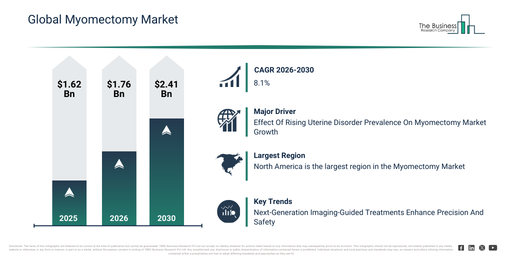
    The myomectomy market size has demonstrated significant growth over recent years. It is anticipated to increase from $1.62 billion in 2025 to $1.76 billion in 2026, progressing at a compound annual growth rate (CAGR) of 8.5%. This historical expansion can be attributed to several factors including the rising prevalence of uterine fibroids, increased awareness regarding fertility preservation options, a general growth in gynecological surgical procedures, the expansion of hospital surgical infrastructure, and the enhanced availability of advanced laparoscopic tools.

    The myomectomy market size is anticipated to experience substantial growth in the upcoming years, with projections indicating an increase to $2.41 billion by 2030, achieving a compound annual growth rate (CAGR) of 8.1%. This expansion during the forecast period is propelled by factors such as the greater embrace of robotic gynecologic surgeries, increased capital allocation towards minimally invasive technologies, a surge in demand for patient-focused treatment alternatives, the proliferation of specialized women’s health facilities, and an intensified emphasis on quicker recovery post-surgery. Furthermore, major trends anticipated within this period encompass the widespread adoption of minimally invasive surgical approaches, a rise in the utilization of robotic-assisted myomectomy procedures, an escalating desire for fertility-preserving interventions, the broadening availability of sophisticated surgical instruments, and a heightened commitment to achieving precise surgical results.

    Access Your Free Sample Report for In-Depth Market Insights:

    https://www.thebusinessresearchcompany.com/sample.aspx?id=20576&type=smp

    Which Drivers Are Contributing To The Expansion Of The Myomectomy Market?

    The increasing occurrence of uterine conditions is anticipated to drive the expansion of the myomectomy market in the coming years. Uterine disorders encompass a variety of medical issues impacting the uterus, including fibroids, endometriosis, and uterine cancer, which can manifest as pain, unusual bleeding, and difficulty conceiving. The surge in uterine disorder cases stems from factors like heightened awareness, postponement of childbirth, hormonal fluctuations, and evolving lifestyles. Myomectomy serves as a treatment for uterine disorders by surgically excising fibroids, thereby reducing symptoms such as pain, excessive bleeding, and reproductive challenges, all while maintaining the uterus. As an illustration, data from May 2025, provided by Cancer Council Victoria, an Australia-based government organization, indicates that in 2023, 926 women received a diagnosis of uterine cancer. This represented an incidence rate of 22.3 per 100,000 females, comprising 2.4% of all cancer diagnoses and 1.2% of all cancer-related fatalities in 2023, positioning uterine cancer as the 5th most frequently diagnosed cancer among females in that area for the year. Consequently, the rising prevalence of uterine disorders is fueling the expansion of the myomectomy market.

    What Segment Categories Are Covered In The Myomectomy Market?

    The myomectomy market covered in this report is segmented –

    1) By Surgical Approach: Abdominal Myomectomy, Hysteroscopic Myomectomy, Laparoscopic Myomectomy

    2) By Product: Laparoscopic Power Morcellators, Harmonic Scalpel, Laparoscopic Sealer, Other Products

    3) By End-User: Hospitals And Clinics, Surgical Centers, Other End-Users

    Subsegments:

    1) By Abdominal Myomectomy: Open Abdominal Myomectomy (Laparotomy), Mini-Laparotomy Myomectomy

    2) By Hysteroscopic Myomectomy: Resectoscopic Myomectomy, Non-Resectoscopic Techniques

    3) By Laparoscopic Myomectomy: Conventional Laparoscopic Myomectomy, Robotic-Assisted Laparoscopic Myomectomy

    Which Competitive Trends Are Impacting The Structure Of The Myomectomy Market?

    Leading firms in the myomectomy market are concentrating on creating cutting-edge solutions, such as advanced robotic-assisted surgical systems, to satisfy the growing need for less invasive procedures, greater surgical accuracy, and quicker patient recuperation. These robotic systems represent sophisticated surgical platforms, improving a surgeon’s abilities with high-definition 3D imaging, articulating tools, and exact motion scaling, which marks a considerable advancement compared to conventional open or laparoscopic operations. As an illustration, in March 2023, Intuitive Surgical Inc., a U.S.-based medical technology company, introduced the da Vinci Xi fifth-generation robotic surgical system, an inventive platform specifically developed to aid intricate gynecological procedures, such as myomectomy. This system incorporates advanced imaging, controls built for ergonomic comfort, and multi-quadrant entry, enabling surgeons to conduct accurate dissections while minimizing damage to tissue. Its uses encompass the removal of uterine fibroids, hysterectomies, and other gynecologic operations, resulting in less post-operative discomfort, briefer hospitalizations, and quicker healing for patients.

    Which Key Players Are Driving Competition In The Myomectomy Market?

    Major companies operating in the myomectomy market are Medtronic plc, Stryker Corporation, Boston Scientific Corporation, B. Braun Melsungen AG, Olympus Corporation, Intuitive Surgical Inc., Smith & Nephew plc, Hologic Inc., CooperSurgical Inc., Teleflex Incorporated, Karl Storz SE & Co. KG, CONMED Corporation, Richard Wolf GmbH, ERBE Elektromedizin GmbH, LiNA Medical ApS, KLS Martin Group, Aspen Surgical, BOWA Medical, Aesculap AG, Mindray Medical International Limited

    Access The Complete Report For Deeper Market Insights:

    https://www.thebusinessresearchcompany.com/report/myomectomy-global-market-report

    Which Region Currently Holds The Largest Share Of The Myomectomy Market?

    North America was the largest region in the myomectomy market in 2025. Asia-Pacific is expected to be the fastest-growing region in the forecast period. The regions covered in the myomectomy market report are Asia-Pacific, South East Asia, Western Europe, Eastern Europe, North America, South America, Middle East, Africa.

    Request Your Customized Myomectomy Market Research Report for Competitive Advantage:

    https://www.thebusinessresearchcompany.com/customise?id=20576&type=smp

    Browse Through More Reports Similar to the Global Myomectomy Market 2026, By The Business Research Company

    Urology Surgical Instruments Market Report 2026

    https://www.thebusinessresearchcompany.com/report/urology-surgical-instruments-global-market-report

    Surgical Stapling Devices Market Report 2026

    https://www.thebusinessresearchcompany.com/report/surgical-stapling-devices-global-market-report

    Powered Surgical Instruments Market Report 2026

    https://www.thebusinessresearchcompany.com/report/powered-surgical-instruments-global-market-report

    Get in touch with us:

    The Business Research Company: https://www.thebusinessresearchcompany.com/

    Americas +1 310-496-7795

    Asia +44 7882 955267 & +91 8897263534

    Europe +44 7882 955267

    Email us at info@tbrc.info

    Follow us on:

    LinkedIn: https://in.linkedin.com/company/the-business-research-company

    YouTube: https://www.youtube.com/channel/UC24_fI0rV8cR5DxlCpgmyFQ

    Global Market Model: https://www.thebusinessresearchcompany.com/global-market-model
  • Myocarditis Disease Market 2026–2030: Forecast, Innovation, and Competitive Trends

    Myocarditis Disease Market 2026–2030: Forecast, Innovation, and Competitive Trends

    Uncover key drivers, emerging technologies, and competitive movements shaping the myocarditis disease market from 2026–2035 with trusted insights from The Business Research Company

    What market expansion outlook does the Myocarditis Disease Market show for the 2026–2030 period?

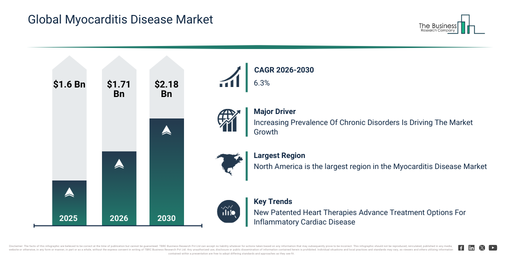
    The myocarditis disease market size has shown robust expansion in recent years. It is anticipated to grow from $1.6 billion in 2025 to $1.71 billion in 2026, demonstrating a compound annual growth rate (CAGR) of 6.5%. This historical growth can be linked to a rise in viral infection cases, limitations in diagnostic capabilities, a reliance on traditional inflammation treatments, insufficient public awareness, and an increasing incidence of drug-induced myocarditis.

    The myocarditis disease market size is projected for substantial expansion in the coming years. It is anticipated to reach $2.18 billion by 2030, exhibiting a compound annual growth rate (CAGR) of 6.3%. This anticipated growth during the forecast period is fueled by several factors, including advances in imaging technologies, heightened investment in cardiac research, a growing need for targeted immunotherapy, enhanced diagnostic screening initiatives, and the broader availability of telecardiology services. Key trends projected for this period encompass the wider embrace of biomarker-driven diagnostic methods, increased utilization of sophisticated imaging techniques for prompt detection, escalating demand for anti-inflammatory and immunomodulatory treatments, the scaling up of awareness campaigns regarding early symptoms and prevention, and a greater emphasis on management approaches for myocarditis associated with infections.

    Access Your Free Sample Report for In-Depth Market Insights:

    https://www.thebusinessresearchcompany.com/sample.aspx?id=21227&type=smp

    What Drivers Are Shaping The Development Of The Myocarditis Disease Market?

    The future expansion of the myocarditis disease market is anticipated to be propelled by the rising occurrence of chronic health conditions. Chronic disorders are defined as enduring health issues that last for a minimum of a year, frequently necessitating continuous medical care, management strategies, or adjustments to one’s way of life. This escalating prevalence of chronic disorders stems from factors such as aging demographics, inactive lifestyles, inadequate nutritional practices, a surge in obesity, and heightened exposure to environmental contaminants. Myocarditis disease, a condition marked by heart muscle inflammation, plays a role in chronic disorders through its potential to cause long-term complications like heart failure, irregular heartbeats (arrhythmias), and weakened heart muscle (cardiomyopathy). These complications demand continuous management and have a substantial cumulative effect on cardiovascular well-being. For example, in September 2024, figures released by the British Heart Foundation, a UK-based cardiovascular research charity, indicated that approximately 7.6 million individuals in the UK are afflicted with heart and circulatory diseases, comprising about 4 million males and 3.6 million females. These ailments account for approximately 27% of all fatalities across the UK, amounting to over 170,000 deaths per year, or roughly 480 deaths daily, which translates to one death every three minutes. Consequently, the expanding occurrence of chronic disorders is fueling the expansion of the myocarditis disease market.

    Which Segments Are Contributing To The Growth Of The Myocarditis Disease Market?

    The myocarditis disease market covered in this report is segmented –

    1) By Type: Acute Myocarditis, Chronic Myocarditis, Lymphocytic Myocarditis

    2) By Treatment: Medication, Surgery, Other Treatments

    3) By Diagnosis: Blood Tests, Imaging Tests, Cardiac Catheterization, Heart Muscle Biopsy, Other Diagnostic Methods

    4) By Distribution Channel: Hospital Pharmacy, Retail Pharmacy, Online Pharmacy, Other Distribution Channels

    5) By End-Users: Hospitals, Specialty Clinics, Homecare, Other End-Users

    Subsegments:

    1) By Acute Myocarditis: Viral Myocarditis, Bacterial Myocarditis, Fungal Myocarditis

    2) By Chronic Myocarditis: Autoimmune Myocarditis, Chronic Active Myocarditis, Chronic Inflammatory Myocarditis

    3) By Lymphocytic Myocarditis: Idiopathic Lymphocytic Myocarditis, Drug-Induced Lymphocytic Myocarditis, Lymphocytic Myocarditis Associated With Viral Infections

    What Industry Trends Are Transforming The Myocarditis Disease Market?

    Leading companies in the myocarditis disease market are concentrating on developing advanced anti-inflammatory and anti-fibrotic therapies with the goal of enhancing long-term cardiac health and preventing the progression of the illness. These anti-inflammatory and anti-fibrotic treatments operate by modulating key cellular pathways, which helps to reduce inflammation and scarring in the heart, thereby preserving cardiac function and lowering the risk of chronic disease. For instance, in November 2025, Cardiol Therapeutics, a Canada-based clinical-stage life sciences company, secured a U.S. patent allowance for its heart drug candidates CardiolRx and CRD-38, which extends intellectual property protection through October 2040. This allowance covers their application in a broad array of cardiac disorders, including acute myocarditis, inflammatory cardiomyopathy, heart failure, and pericarditis. CardiolRx is a small-molecule therapy that modulates the inflammasome pathway, known to be linked to inflammation and fibrosis in myocarditis, while CRD-38 represents a novel subcutaneous formulation currently under development. The new patent significantly strengthens Cardiol’s long-term market position and provides support for its late-stage clinical programs, encompassing a Phase II trial of CardiolRx in acute myocarditis (ARCHER) and forthcoming first-in-human evaluation of CRD-38.

    Who Are The Top-Performing Companies In The Myocarditis Disease Market In Recent Years?

    Major companies operating in the myocarditis disease market are Pfizer Inc., Merck & Co Inc., Bristol-Myers Squibb Company, AstraZeneca PLC, Novartis AG, Eli Lilly and Company, Gilead Sciences Inc., Teva Pharmaceutical Industries Ltd., Regeneron Pharmaceuticals Inc., Sun Pharmaceutical Industries Ltd., Cipla Limited, Cardiol Therapeutics Inc., Amgen Inc., Sanofi, Bayer AG, Johnson & Johnson, AbbVie Inc., Acticor Biotech, Cardurion Pharmaceuticals, Serca Pharmaceuticals, Verve Therapeutics, Biohaven Pharmaceuticals, Tenaya Therapeutics, Berlin Cures, Acesion Pharma, Apitope, Amarin Corporation

    Access The Complete Report For Deeper Market Insights:

    https://www.thebusinessresearchcompany.com/report/myocarditis-disease-global-market-report

    How Does The Myocarditis Disease Market Perform Across Major Global Regions?

    North America was the largest region in the myocarditis disease market in 2025. The regions covered in the myocarditis disease market report are Asia-Pacific, South East Asia, Western Europe, Eastern Europe, North America, South America, Middle East, Africa.

    Request Your Customized Myocarditis Disease Market Research Report for Competitive Advantage:

    https://www.thebusinessresearchcompany.com/customise?id=21227&type=smp

    Browse Through More Reports Similar to the Global Myocarditis Disease Market 2026, By The Business Research Company

    Heart Attack Diagnostic Market Report 2026

    https://www.thebusinessresearchcompany.com/report/heart-attack-diagnostic-global-market-report

    Myocardial Infarction Market Report 2026

    https://www.thebusinessresearchcompany.com/report/myocardial-infarction-global-market-report

    Cardiometabolic Diseases Market Report 2026

    https://www.thebusinessresearchcompany.com/report/cardiometabolic-diseases-global-market-report

    Get in touch with us:

    The Business Research Company: https://www.thebusinessresearchcompany.com/

    Americas +1 310-496-7795

    Asia +44 7882 955267 & +91 8897263534

    Europe +44 7882 955267

    Email us at info@tbrc.info

    Follow us on:

    LinkedIn: https://in.linkedin.com/company/the-business-research-company

    YouTube: https://www.youtube.com/channel/UC24_fI0rV8cR5DxlCpgmyFQ

    Global Market Model: https://www.thebusinessresearchcompany.com/global-market-model
  • Myocardial Ischemia Market Forecast 2026–2035: Data Trends and Industry Insights

    Myocardial Ischemia Market Forecast 2026–2035: Data Trends and Industry Insights

    Uncover key drivers, emerging technologies, and competitive movements shaping the myocardial ischemia market from 2026–2035 with trusted insights from The Business Research Company

    What level of growth is expected in the Myocardial Ischemia Market between 2026 and 2030?

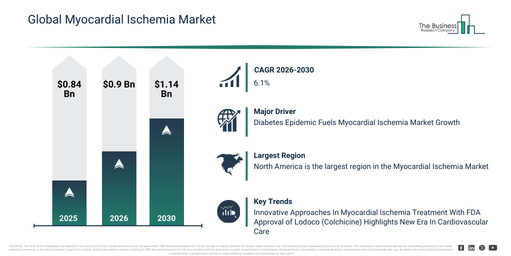
    The myocardial ischemia market has experienced robust growth over recent years. It is anticipated to expand from $0.84 billion in 2025 to $0.9 billion in 2026, demonstrating a compound annual growth rate (CAGR) of 6.8%. The drivers behind its historical growth include an uptick in coronary artery disease cases, inadequate early screening programs, the growing prevalence of hypertension, reliance on traditional diagnostic techniques, and various lifestyle-related risk factors.

    The market for myocardial ischemia is projected to experience substantial expansion in the coming years, with its size expected to reach $1.14 billion by 2030, exhibiting a compound annual growth rate (CAGR) of 6.1%. This anticipated growth during the forecast period is primarily attributed to several factors, including significant progress in imaging technologies, the increasing embrace of precision medicine, the broadening scope of preventive cardiology initiatives, heightened investment in cardiac research and development, and a growing call for less invasive treatment options. Key developments expected during this timeframe encompass a wider adoption of sophisticated cardiac imaging methods, a growing inclination towards minimally invasive cardiac procedures, an expanded application of combination drug regimens, an intensified emphasis on preventive cardiology and initial risk assessment, and a strong need for individualized cardiac care strategies.

    Access Your Free Sample Report for In-Depth Market Insights:

    https://www.thebusinessresearchcompany.com/sample.aspx?id=16488&type=smp

    Which Drivers Are Expected To Impact The Myocardial Ischemia Market During The Forecast Period?

    The increasing occurrence of diabetes is projected to fuel the expansion of the myocardial ischemia market in the future. Diabetes is defined as a collection of metabolic conditions characterized by the body’s inability to produce or properly utilize insulin, a hormone from the pancreas essential for regulating blood sugar levels. The growing number of diabetes cases stems from factors such as obesity, severe obesity, insufficient physical activity, and genetic predispositions. The expanding prevalence of diabetes, in turn, contributes to a greater incidence of myocardial ischemia, thereby boosting the need for diagnostic, therapeutic, and management interventions for myocardial ischemia. For example, a report released in April 2023 by The British Diabetic Association, a UK-based diabetes charity, indicated that 4.3 million individuals in the UK had been diagnosed with diabetes. Furthermore, registration data for 2021-22 revealed an increase of 148,951 cases compared to the 2020-21 period. Additionally, more than 2.4 million people in the UK face a high risk of developing type 2 diabetes. Consequently, the rising incidence of diabetes is stimulating the growth of the myocardial ischemia market.

    How Is The Myocardial Ischemia Market Divided Into Segments?

    The myocardial ischemia market covered in this report is segmented –

    1) By Type: Symptomatic, Asymptomatic

    2) By Treatment And Diagnosis: Diagnosis, Treatment

    3) By End User: Hospitals And Clinics, Diagnostic Centers, Ambulatory Surgery Centers

    Subsegments:

    1) By Symptomatic: Acute Myocardial Ischemia, Chronic Myocardial Ischemia, Stable Angina, Unstable Angina

    2) By Asymptomatic: Silent Myocardial Ischemia, Exercise-Induced Asymptomatic Ischemia

    What Trends Are Reshaping The Dynamics Of The Myocardial Ischemia Market?

    Major companies operating in the myocardial ischemia market are engaged in developing innovative drugs, such as Lodoco (colchicine), to reduce inflammation and lower the risk of cardiovascular events for patients with coronary artery disease. Lodoco is indicated to decrease the risk of myocardial infarction (MI), stroke, coronary revascularization, and cardiovascular death in adult patients who have established atherosclerotic disease or multiple risk factors for cardiovascular disease. For instance, in June 2023, Agepha Pharma, a US-based pharmaceutical company, launched Lodoco (colchicine) after receiving approval from the Food and Drug Administration, a US-based government agency. This approval signifies the first FDA-approved treatment specifically targeting cardiovascular inflammation. Its basis comes from data from the LoDoCo2 trial, which demonstrated a 31% relative reduction in the risk of cardiovascular events when 0.5 mg of colchicine was administered once daily, as compared to placebo. Lodoco is prescribed to lower the risk of myocardial infarction (MI), stroke, coronary revascularization, and cardiovascular death in adult patients with established atherosclerotic disease or multiple cardiovascular risk factors.

    Which Leading Companies Dominate The Myocardial Ischemia Market Share?

    Major companies operating in the myocardial ischemia market are Cardinal Health Inc., Pfizer Inc., Roche Holding AG, Bayer AG, Sanofi SA, Novartis AG, Bristol-Myers Squibb Company, AstraZeneca Plc, Abbott Laboratories Inc., Eli Lilly and Company, Medtronic Plc, Boehringer Ingelheim International GmbH, Siemens Healthineers AG, Merck KGaA, GE HealthCare Technologies Inc., Fujifilm Holdings Corporation, Boston Scientific Corporation, Daiichi Sankyo Company Limited, Canon Medical Systems Corporation, Johnson & Johnson, Koninklijke Philips NV, Biotronik SE & Co KG, Edwards Lifesciences Corporation, Teva Pharmaceutical Industries Ltd, Schiller AG, AliveCor Inc.

    Access The Complete Report For Deeper Market Insights:

    https://www.thebusinessresearchcompany.com/report/myocardial-ischemia-global-market-report

    Which Region Is Anticipated To See The Fastest Growth In The Myocardial Ischemia Market?

    North America was the largest region in the myocardial ischemia market in 2025. Europe is expected to be the fastest-growing region in the forecast period. The regions covered in the myocardial ischemia market report are Asia-Pacific, South East Asia, Western Europe, Eastern Europe, North America, South America, Middle East, Africa.

    Request Your Customized Myocardial Ischemia Market Research Report for Competitive Advantage:

    https://www.thebusinessresearchcompany.com/customise?id=16488&type=smp

    Browse Through More Reports Similar to the Global Myocardial Ischemia Market 2026, By The Business Research Company

    Coronary Artery Disease Market Report 2026

    https://www.thebusinessresearchcompany.com/report/coronary-artery-disease-global-market-report

    Myocardial Infarction Market Report 2026

    https://www.thebusinessresearchcompany.com/report/myocardial-infarction-global-market-report

    Ischemic Heart Disease Ihd Drugs Market Report 2026

    https://www.thebusinessresearchcompany.com/report/ischemic-heart-disease-ihd-drugs-global-market-report

    Get in touch with us:

    The Business Research Company: https://www.thebusinessresearchcompany.com/

    Americas +1 310-496-7795

    Asia +44 7882 955267 & +91 8897263534

    Europe +44 7882 955267

    Email us at info@tbrc.info

    Follow us on:

    LinkedIn: https://in.linkedin.com/company/the-business-research-company

    YouTube: https://www.youtube.com/channel/UC24_fI0rV8cR5DxlCpgmyFQ

    Global Market Model: https://www.thebusinessresearchcompany.com/global-market-model
  • Myocardial Infarction Market Outlook 2026–2030: Key Business Drivers and Trends

    Myocardial Infarction Market Outlook 2026–2030: Key Business Drivers and Trends

    Uncover key drivers, emerging technologies, and competitive movements shaping the myocardial infarction market from 2026–2035 with trusted insights from The Business Research Company

    How much is the Myocardial Infarction Market valued at in 2026, and what valuation is forecast for 2030?

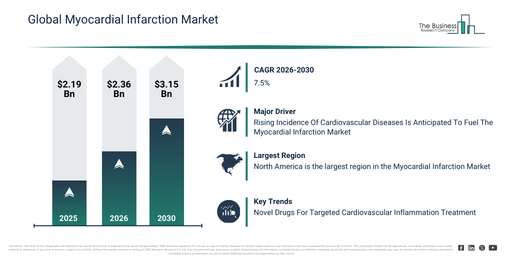
    The myocardial infarction market has seen robust expansion in recent years. It is projected to increase from $2.19 billion in 2025 to $2.36 billion in 2026, demonstrating a compound annual growth rate (CAGR) of 7.3%. The historical expansion of this market can be linked to a rise in smoking prevalence, increasing cases of hypertension, high ldl levels in population, limited access to early cardiac screening, and sedentary lifestyle habits.

    The myocardial infarction market is projected to experience substantial expansion in the coming years, with its size anticipated to reach $3.15 billion by 2030, exhibiting a compound annual growth rate (CAGR) of 7.5%. This growth throughout the forecast period is fueled by advancements in cardiac drug formulations, the increasing adoption of telecardiology, rising investment in cardiology research and development, the expanding use of AI for cardiac diagnosis, and the strategic enhancement of emergency cardiac care infrastructure. Furthermore, key trends for the projected timeframe involve the wider implementation of advanced cardiac rehabilitation programs, the growing application of combination drug therapies for post-myocardial infarction care, a heightened emphasis on the early detection and prevention of heart attacks, the broadening use of minimally invasive procedures in acute myocardial infarction management, and an increased focus on lifestyle modification and long-term risk reduction strategies.

    Access Your Free Sample Report for In-Depth Market Insights:

    https://www.thebusinessresearchcompany.com/sample.aspx?id=12164&type=smp

    What Drivers Are Influencing The Growth Of The Myocardial Infarction Market?

    An anticipated increase in cardiovascular disease cases is set to boost the expansion of the myocardial infarction market in the future. These diseases encompass various conditions impacting the heart and its associated blood vessels. Medications for myocardial infarction are utilized to handle and alleviate cardiovascular ailments, especially focusing on recovery post-heart attack. For example, data released by the British Heart Foundation, a cardiovascular research charity based in the UK, indicated that in September 2024, approximately 7.6 million individuals in the UK suffer from heart and circulatory diseases, including roughly 4 million males and 3.6 million females. Such conditions account for about 27% of all fatalities in the UK, which means more than 170,000 deaths every year, or approximately 480 deaths daily, signifying one death every three minutes. Consequently, the growing occurrence of cardiovascular diseases is a key driver for the myocardial infarction market.

    What Segments Are Included Within The Myocardial Infarction Market?

    The myocardial infarction market covered in this report is segmented –

    1) By Drug Class: Antiplatelet Agents, Glycoprotein IIb Or IIIa Inhibitors, Antithrombotic Agents, Beta-Adrenergic Blockers, Vasodilators, Angiotensin-Converting Enzyme (ACE) Inhibitors, Angiotensin-Receptor Blockers, Analgesics, Thrombolytics

    2) By Route Of Administration: Oral, Injectable

    3) By Distribution Channel: Hospital Pharmacies, Retail Pharmacies, Online Pharmacies

    Subsegments:

    1) By Antiplatelet Agents: Aspirin, Clopidogrel, Ticagrelor

    2) By Glycoprotein IIb Or IIIa Inhibitors: Abciximab, Eptifibatide, Tirofiban

    3) By Antithrombotic Agents: Heparins, Direct Oral Anticoagulants (DOACs)

    4) By Beta-Adrenergic Blockers: Metoprolol, Carvedilol

    5) By Vasodilators: Nitroglycerin, Isosorbide Dinitrate

    6) By Angiotensin-Converting Enzyme (ACE) Inhibitors: Lisinopril, Enalapril

    7) By Angiotensin-Receptor Blockers: Losartan, Valsartan

    8) By Analgesics: Morphine, Non-Steroidal Anti-Inflammatory Drugs (NSAIDs)

    9) By Thrombolytics: Alteplase, Reteplase

    How Are New Market Trends Shaping The Landscape Of The Myocardial Infarction Market?

    Leading companies in the myocardial infarction market are concentrating on creating innovative drugs, such as anti-inflammatory drugs, for precise cardiovascular inflammation treatment and to gain a competitive advantage. Anti-inflammatory drugs are medicines that lessen inflammation, easing pain and swelling by acting on the body’s immune response. For instance, in June 2023, Agepha Pharma, a Slovakia-based maker of medical products, secured FDA approval for its developed drug, Lodoco (colchicine), marking it as the first anti-inflammatory medication designed to target the underlying reason for atherosclerotic cardiovascular disease. Lodoco seeks to diminish the likelihood of myocardial infarction, stroke, coronary revascularization, and cardiovascular death in adult patients. It can be administered independently or alongside cholesterol-lowering medications. Lodoco, a re-engineered low-dose colchicine, exhibited a 31% decrease in the comprehensive risk of cardiovascular death, myocardial infarction, stroke, or coronary revascularization during a clinical trial.

    Who Are The Major Companies Operating In The Myocardial Infarction Market?

    Major companies operating in the myocardial infarction market are Pfizer Inc, Johnson & Johnson Services Inc, Bayer AG, Novartis AG, Sanofi SA, Bristol Myers Squibb Company, AstraZeneca PLC, Boehringer Ingelheim GmbH, Daiichi Sankyo Co Ltd, Apotex Inc, Par Pharmaceutical Companies Inc, Amgen Inc, Merck & Co Inc, Takeda Pharmaceutical Company Ltd, Gilead Sciences Inc, Eli Lilly and Company, Teva Pharmaceutical Industries Ltd, Sun Pharmaceutical Industries Ltd, Dr Reddy’s Laboratories Ltd, Lupin Ltd, United Therapeutics Corporation, CSPC Pharmaceutical Group Ltd, Zhejiang Huahai Pharmaceutical Co Ltd, Qilu Pharmaceutical Co Ltd, Chia Tai Tianqing Pharmaceutical Group Co Ltd.

    Access The Complete Report For Deeper Market Insights:

    https://www.thebusinessresearchcompany.com/report/myocardial-infarction-global-market-report

    Which Region Is Anticipated To See The Fastest Growth In The Myocardial Infarction Market?

    North America was the largest region in the myocardial infarction market in 2025. Europe is expected to be the fastest-growing region in the forecast period. The regions covered in the myocardial infarction market report are Asia-Pacific, South East Asia, Western Europe, Eastern Europe, North America, South America, Middle East, Africa.

    Request Your Customized Myocardial Infarction Market Research Report for Competitive Advantage:

    https://www.thebusinessresearchcompany.com/customise?id=12164&type=smp

    Browse Through More Reports Similar to the Global Myocardial Infarction Market 2026, By The Business Research Company

    Acute Coronary Syndrome Market Report 2026

    https://www.thebusinessresearchcompany.com/report/acute-coronary-syndrome-global-market-report

    Myocardial Ischemia Market Report 2026

    https://www.thebusinessresearchcompany.com/report/myocardial-ischemia-global-market-report

    Coronary Artery Disease Market Report 2026

    https://www.thebusinessresearchcompany.com/report/coronary-artery-disease-global-market-report

    Get in touch with us:

    The Business Research Company: https://www.thebusinessresearchcompany.com/

    Americas +1 310-496-7795

    Asia +44 7882 955267 & +91 8897263534

    Europe +44 7882 955267

    Email us at info@tbrc.info

    Follow us on:

    LinkedIn: https://in.linkedin.com/company/the-business-research-company

    YouTube: https://www.youtube.com/channel/UC24_fI0rV8cR5DxlCpgmyFQ

    Global Market Model: https://www.thebusinessresearchcompany.com/global-market-model
  • Myelofibrosis (MF) Market Forecast 2026–2035: Data Trends and Industry Insights

    Myelofibrosis (MF) Market Forecast 2026–2035: Data Trends and Industry Insights

    Uncover key drivers, emerging technologies, and competitive movements shaping the myelofibrosis (mf) market from 2026–2035 with trusted insights from The Business Research Company

    What was the valuation of the Myelofibrosis (MF) Market in 2026, and what figure is it projected to hit by 2030?

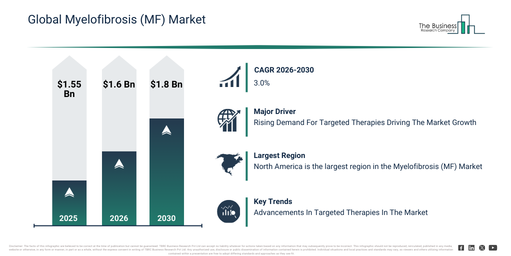
    The myelofibrosis (mf) market has shown steady expansion in recent years. It is anticipated to grow from $1.55 billion in 2025 to $1.6 billion in 2026, achieving a compound annual growth rate (CAGR) of 3.2%. The increase observed in the historic period is attributable to the limited availability of treatment options, a high prevalence of anemia among mf patients, a rise in autoimmune-related conditions, mounting diagnostic complexities, and a dependence on corticosteroid-based management.

    The myelofibrosis (mf) market is projected to experience consistent expansion in the coming years. It is anticipated to reach $1.8 billion by 2030, exhibiting a compound annual growth rate (CAGR) of 3.0%. This anticipated growth during the forecast period is driven by progress in JAK inhibitor development, the increasing embrace of precision medicine, heightened investment in hematology R&D, continuous advancements in stem-cell therapy, and the expanding availability of targeted oral treatments. Key trends for the forecast period encompass a rising uptake of JAK inhibitor-based therapies, a greater emphasis on combination treatment strategies, an increased focus on early diagnosis and screening initiatives, broadened research into stem-cell transplantation and regenerative care, and a more extensive application of supportive care to alleviate symptom load.

    Access Your Free Sample Report for In-Depth Market Insights:

    https://www.thebusinessresearchcompany.com/sample.aspx?id=21226&type=smp

    Which Drivers Are Affecting Market Participation In The Myelofibrosis (MF) Market?

    The increasing need for targeted therapies is anticipated to drive the expansion of the myelofibrosis (MF) market in the future. This medical approach, known as targeted therapies, customizes treatments and healthcare choices according to a person’s unique genetic, environmental, and lifestyle attributes. The surge in demand for these therapies stems from progress in genomics, biotechnology, and data analytics, which facilitates more accurate, potent, and personalized treatment options. Myelofibrosis (MF) offers an essential foundation for creating targeted therapies by pinpointing crucial molecular pathways, including JAK-STAT signaling, thereby allowing for the formulation of precision treatments such as JAK inhibitors (Ruxolitinib, Fedratinib, and Pacritinib) to alleviate symptoms and impede disease progression. As an illustration, in May 2024, the American Cancer Society, a US-based non-profit organization, projected around 81,610 new kidney cancer cases (52,380 men and 29,230 women) in the United States for 2024, alongside an estimated 14,390 deaths (9,450 men and 4,940 women). Consequently, the escalating demand for targeted therapies is propelling the expansion of the myelofibrosis (MF) market.

    What Segment Classifications Make Up The Myelofibrosis (MF) Market?

    The myelofibrosis (mf) market covered in this report is segmented –

    1) By Drug Type: Jak Inhibitor, Immunomodulators, Hydroxyurea, Other Drug Types

    2) By Treatment Type: Chemotherapy, Targeted Therapy, Other Treatment Types

    3) By Route Of Administration: Oral, Parenteral, Other Routes Of Administration

    4) By Distribution Channel: Hospital Pharmacy, Online Pharmacy, Retail Pharmacy

    5) By End-User: Hospitals, Homecare, Specialty Clinics, Other End-Users

    Subsegments:

    1) By Jak Inhibitor: Ruxolitinib, Fedratinib, Momelotinib, Itacitinib

    2) By Immunomodulators: Thalidomide, Lenalidomide, Pomalidomide

    3) By Hydroxyurea: Oral Hydroxyurea, Injectable Hydroxyurea

    4) By Other Drug Types: Erythropoiesis-Stimulating Agents (ESAs), Danazol, Monoclonal Antibodies, Chemotherapy Agents

    Which Trends Are Expected To Influence The Myelofibrosis (MF) Market In The Upcoming Years?

    Leading companies within the myelofibrosis (MF) market are concentrating on expanding targeted therapies, such as JAK1/JAK2 and ACVR1 inhibitors, to enhance treatment effectiveness, address disease progression, and improve patient outcomes in myelofibrosis (MF). JAK1/JAK2 inhibitors function by targeting the Janus kinase pathway to lessen inflammation and abnormal blood cell production in myelofibrosis, while ACVR1 inhibitors work by impeding activin receptor-like kinase 2 (ALK2) to regulate bone marrow fibrosis and disease advancement. For instance, in September 2023, GSK plc, a UK-based pharmaceutical company, obtained US Food and Drug Administration (FDA) approval for Ojjaara (momelotinib), indicated for the treatment of intermediate- or high-risk myelofibrosis. Its dual mechanism of action, targeting both JAK1/JAK2 and ACVR1, helps manage inflammatory pathways while also boosting hemoglobin levels, thereby reducing the need for transfusions. This approval not only broadens treatment choices but also establishes a new standard in MF management for patients struggling with anemia, a major unmet need in the disease landscape.

    Which Leading Companies Dominate The Myelofibrosis (MF) Market Share?

    Major companies operating in the myelofibrosis (mf) market are Pfizer Inc, Novartis AG, Incyte Corporation, CTI BioPharma Corp, Karyopharm Therapeutics Inc, Sierra Oncology Inc, Kartos Therapeutics Inc, NS Pharma Inc, Keros Therapeutics Inc, Pharmaxis Ltd, Sumitomo Pharma Oncology, Galecto Biotech AB, Actuate Therapeutics Inc, AbbVie Inc, Bristol-Myers Squibb Company, Chia Tai Tianqing Pharmaceutical Group Co Ltd, Taiga Biotechnologies Inc, Rigel Pharmaceuticals Inc, Imago BioSciences Inc, Samus Therapeutics Inc.

    Access The Complete Report For Deeper Market Insights:

    https://www.thebusinessresearchcompany.com/report/myelofibrosis-mf-global-market-report

    Which Global Regions Are Shaping The Competitive Landscape Of The Myelofibrosis (MF) Market?

    North America was the largest region in the myelofibrosis (MF) market in 2025. Asia-Pacific is expected to be the fastest-growing region in the forecast period. The regions covered in the myelofibrosis (mf) market report are Asia-Pacific, South East Asia, Western Europe, Eastern Europe, North America, South America, Middle East, Africa.

    Request Your Customized Myelofibrosis (MF) Market Research Report for Competitive Advantage:

    https://www.thebusinessresearchcompany.com/customise?id=21226&type=smp

    Browse Through More Reports Similar to the Global Myelofibrosis (MF) Market 2026, By The Business Research Company

    Idiopathic Pulmonary Fibrosis Market Report 2026

    https://www.thebusinessresearchcompany.com/report/idiopathic-pulmonary-fibrosis-global-market-report

    Multiple Myeloma Market Report 2026

    https://www.thebusinessresearchcompany.com/report/multiple-myeloma-global-market-report

    Myeloproliferative Disorders Drugs Market Report 2026

    https://www.thebusinessresearchcompany.com/report/myeloproliferative-disorders-drugs-global-market-report

    Get in touch with us:

    The Business Research Company: https://www.thebusinessresearchcompany.com/

    Americas +1 310-496-7795

    Asia +44 7882 955267 & +91 8897263534

    Europe +44 7882 955267

    Email us at info@tbrc.info

    Follow us on:

    LinkedIn: https://in.linkedin.com/company/the-business-research-company

    YouTube: https://www.youtube.com/channel/UC24_fI0rV8cR5DxlCpgmyFQ

    Global Market Model: https://www.thebusinessresearchcompany.com/global-market-model