Category: HealthcareServices

  • Myelodysplastic Syndrome Market Outlook 2026–2030: Key Business Drivers and Trends

    Myelodysplastic Syndrome Market Outlook 2026–2030: Key Business Drivers and Trends

    Uncover key drivers, emerging technologies, and competitive movements shaping the myelodysplastic syndrome market from 2026–2035 with trusted insights from The Business Research Company

    What are the forecasted starting (2026) and ending (2030) market sizes for the Myelodysplastic Syndrome Market?

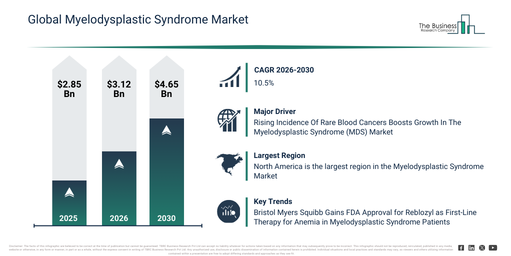
    The myelodysplastic syndrome market has experienced substantial expansion over recent years. Its valuation is anticipated to climb from $2.85 billion in 2025 to $3.12 billion in 2026, at a compound annual growth rate (CAGR) of 9.8%. The historical growth of this market was largely influenced by factors including a scarcity of treatment alternatives, an increasing incidence of hematologic disorders, a greater likelihood of progression to AML, a reliance on supportive care, and inherent difficulties in early diagnosis.

    The myelodysplastic syndrome market size is anticipated to experience substantial expansion over the coming years. This market is projected to reach a valuation of $4.65 billion by 2030, demonstrating a compound annual growth rate (CAGR) of 10.5%. Several factors are expected to drive this growth during the forecast period, including the development of targeted therapies, the broader availability of precision medicine solutions, increased financial commitments to oncology research and development, progress in stem cell transplantation techniques, and the greater uptake of oral hypomethylating medications. Key trends identified for the forecast timeframe encompass the expanding use of hypomethylating agents, an uptick in the application of combination therapy strategies, a heightened emphasis on early diagnosis and precise detection, an increase in stem cell transplantation and regenerative treatment alternatives, and a growing need for supportive care and growth factor-based treatments.

    Access Your Free Sample Report for In-Depth Market Insights:

    https://www.thebusinessresearchcompany.com/sample.aspx?id=12920&type=smp

    What Drivers Are Supporting Technological Adoption In The Myelodysplastic Syndrome Market?

    The myelodysplastic syndrome (MDS) market is anticipated to expand in the future due to the rising occurrence of rare blood cancers. Blood cancers are classified as hematologic malignancies, which have a low incidence rate within the population and originate from cells in the bone marrow, lymph nodes, and other parts of the blood and immune system. The goal of Myelodysplastic syndrome (MDS) treatment is to manage the condition by enhancing blood cell production and addressing related symptoms, thereby preventing the progression of blood cancer in the bone marrow. For instance, in September 2024, data from the Leukemia and Lymphoma Society, a US-based professional organization, revealed that Every 3 minutes, one person in the US receives a diagnosis of leukemia, lymphoma, or myeloma. In 2024, an estimated 187,740 individuals are projected to be affected by these cancers, constituting 9.4% of the expected 2,001,140 new cancer cases in the US. Consequently, the increasing prevalence of blood cancer is a primary driver for the growth of the myelodysplastic syndrome (MDS) market.

    What Segment Types Are Examined In The Myelodysplastic Syndrome Market?

    The myelodysplastic syndrome market covered in this report is segmented –

    1) By Type: Myelodysplastic Syndrome With Unilineage Dysplasia, Myelodysplastic Syndrome With Multilineage Dysplasia, Myelodysplastic Syndrome With Ring Sideroblasts, Other Types

    2) By Drug: Azacitidine, Lenalidomide, Decitabine, Deferasirox

    3) By Treatment: Supportive Therapy, Growth Factors, Chemotherapy, Stem Cell Transplant, Other Treatments

    4) By Route Of Administration: Oral, Injectable, Other Routes Of Administrations

    5) By End-Users: Hospitals, Homecare, Specialty Centers, Other End-Users

    Subsegments:

    1) By Myelodysplastic Syndrome With Unilineage Dysplasia: Type Of Dysplasia, Patient Demographics

    2) By Myelodysplastic Syndrome With Multilineage Dysplasia: Severity Of Dysplasia, Patient Demographics

    3) By Myelodysplastic Syndrome With Ring Sideroblasts: Percentage Of Ring Sideroblasts, Treatment Options

    4) By Other Types: Specific Types, Treatment Options

    What Trends Are Driving The Growth Trajectory Of The Myelodysplastic Syndrome Market?

    Major companies operating in the myelodysplastic syndrome (MDS) market are concentrating on developing innovative advancements, such as first-line erythroid maturation therapies, to enhance anemia management and lessen the dependence on recurring red blood cell transfusions. These first-line erythroid maturation therapies are targeted treatments designed to improve late-stage red blood cell development, allowing for an earlier and more lasting correction of anemia in patients who have not yet received erythropoiesis-stimulating agents. For instance, in August 2023, Bristol Myers Squibb, a US-based pharmaceutical industry company, obtained FDA approval for Reblozyl (luspatercept-aamt) as a primary treatment for anemia in ESA-naïve adults with low- to intermediate-risk myelodysplastic syndromes (MDS) who might require regular RBC transfusions. In the Phase 3 COMMANDS trial, Reblozyl exhibited superior efficacy in achieving RBC transfusion independence and a rise in hemoglobin compared to epoetin alfa, addressing anemia sooner in a broader spectrum of patients.

    Who Are The Major Companies Operating In The Myelodysplastic Syndrome Market?

    Major companies operating in the myelodysplastic syndrome market are Pfizer Inc., Johnson and Johnson Limited, AbbVie Inc., Bayer AG, Novartis AG, Merck & Co., Sanofi S.A., Bristol-Myers Squibb Company, AstraZeneca Plc., Takeda Pharmaceutical Company Limited, Eli Lilly and Company, Amgen Inc., Boehringer Ingelheim International GmbH, Otsuka Pharmaceutical Co. Ltd., Teva Pharmaceutical Industries Ltd., Astellas Pharma Inc., Daiichi Sankyo Company Ltd., Jazz Pharmaceuticals, Dr. Reddy’s Laboratories Ltd., Lupin Limited, BeiGene, Janssen Biotech, Accord Healthcare, Acceleron Pharma Inc.

    Access The Complete Report For Deeper Market Insights:

    https://www.thebusinessresearchcompany.com/report/myelodysplastic-syndrome-global-market-report

    Which Regions Are Poised For Strategic Growth In The Myelodysplastic Syndrome Market?

    North America was the largest region in the myelodysplastic syndrome market in 2025. The regions covered in the myelodysplastic syndrome market report are Asia-Pacific, South East Asia, Western Europe, Eastern Europe, North America, South America, Middle East, Africa.

    Request Your Customized Myelodysplastic Syndrome Market Research Report for Competitive Advantage:

    https://www.thebusinessresearchcompany.com/customise?id=12920&type=smp

    Browse Through More Reports Similar to the Global Myelodysplastic Syndrome Market 2026, By The Business Research Company

    Myeloproliferative Disorders Drugs Market Report 2026

    https://www.thebusinessresearchcompany.com/report/myeloproliferative-disorders-drugs-global-market-report

    Myelodysplastic Syndrome Drugs Market Report 2026

    https://www.thebusinessresearchcompany.com/report/myelodysplastic-syndrome-drugs-global-market-report

    Myelodysplastic Syndrome Drugs Market Report 2026

    https://www.thebusinessresearchcompany.com/report/myelodysplastic-syndrome-drugs-global-market-report

    Get in touch with us:

    The Business Research Company: https://www.thebusinessresearchcompany.com/

    Americas +1 310-496-7795

    Asia +44 7882 955267 & +91 8897263534

    Europe +44 7882 955267

    Email us at info@tbrc.info

    Follow us on:

    LinkedIn: https://in.linkedin.com/company/the-business-research-company

    YouTube: https://www.youtube.com/channel/UC24_fI0rV8cR5DxlCpgmyFQ

    Global Market Model: https://www.thebusinessresearchcompany.com/global-market-model
  • Global Mycosis Fungoides Treatment Market Report 2026: Emerging Trends and Growth Scenarios

    Global Mycosis Fungoides Treatment Market Report 2026: Emerging Trends and Growth Scenarios

    Uncover key drivers, emerging technologies, and competitive movements shaping the mycosis fungoides treatment market from 2026–2035 with trusted insights from The Business Research Company

    What upper market value could the Mycosis Fungoides Treatment Market reach by 2030 starting from 2026 levels?

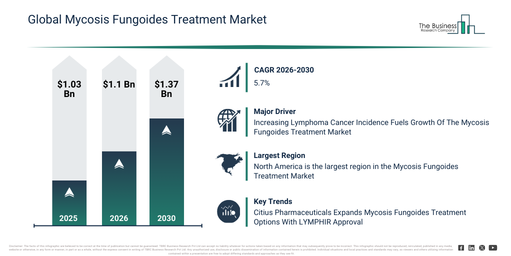
    The mycosis fungoides treatment market size has demonstrated significant expansion in recent times. This market is projected to expand from $1.03 billion in 2025 to $1.1 billion in 2026, exhibiting a compound annual growth rate (CAGR) of 6.7%. Factors contributing to its historical growth include the scarcity of treatment alternatives, the rising incidence of cutaneous t-cell lymphoma, prevalent use of radiation therapy, postponed diagnosis rates, and reliance on topical steroids.

    The mycosis fungoides treatment market is projected to experience substantial expansion over the upcoming years. This market is anticipated to reach a valuation of $1.37 billion by 2030, exhibiting a compound annual growth rate (CAGR) of 5.7%. This anticipated growth during the forecast period stems from factors such as the development of targeted therapies, an increasing application of immunotherapy, the proliferation of dermatology oncology centers, enhanced diagnostic methods, and greater investment in research for rare cancers. Key trends anticipated for the forecast period encompass a wider embrace of combination therapy strategies, a rise in the utilization of topical steroids for managing early stages, a growing inclination towards targeted therapies and immunotherapy, the broadening of photodynamic and radiation therapy choices, and an elevated demand for specialized dermatology and oncology clinics.

    Access Your Free Sample Report for In-Depth Market Insights:

    https://www.thebusinessresearchcompany.com/sample.aspx?id=15613&type=smp

    Which Drivers Are Influencing Long-Term Growth In The Mycosis Fungoides Treatment Market?

    The increasing occurrence of lymphoma cancer is anticipated to boost the expansion of the mycosis fungoides treatment market in the future. Lymphoma is characterized as a malignancy of the lymphatic system, encompassing lymph nodes, the spleen, thymus gland, and bone marrow. The increasing incidence of lymphoma cancer is attributed to a combination of factors such as environmental exposures, a rise in viral infections, an aging demographic, and various lifestyle elements. Mycosis fungoides treatments, including topical corticosteroids, phototherapy, and systemic therapies, are applied in the management of cutaneous T-cell lymphomas. The objective of these treatments is to control skin lesions, alleviate symptoms, and manage the progression of the disease in individuals with lymphoma. For example, in January 2024, the American Cancer Society, a US-based non-profit organization, reported that non-Hodgkin lymphoma (NHL) was among the most prevalent cancers in the United States, constituting approximately 4% of all cancer cases. Projections indicated that around 80,620 people (comprising 44,590 males and 36,030 females) would receive an NHL diagnosis, and approximately 20,140 individuals (11,780 males and 8,360 females) would succumb to this cancer in 2024. Consequently, the escalating incidence of lymphoma cancer is propelling the growth of the mycosis fungoides treatment market.

    Which Segments Are Driving Activity In The Mycosis Fungoides Treatment Market?

    The mycosis fungoides treatment market covered in this report is segmented –

    1) By Drug Type: Topical Steroids, Mechlorethamine

    2) By Treatment Type: Photodynamic Therapy, Radiation Therapy, Targeted Therapy, Chemotherapy

    3) By End-user: Hospitals, Private Clinics, Specialty Clinics

    Subsegments:

    1) By Topical Steroids: Corticosteroid Creams Or Ointments ( Hydrocortisone, Clobetasol), Topical Steroid Lotions

    2) By Mechlorethamine: Topical Mechlorethamine ( Nitrogen Mustard Cream), Injectable Mechlorethamine

    What Upcoming Trends Are Likely To Define The Future Path Of The Mycosis Fungoides Treatment Market?

    Companies active in the mycosis fungoides treatment market are focusing on developing advanced solutions like targeted immunotherapy to improve treatment effectiveness and patient quality of life. This targeted immunotherapy is designed to selectively attack malignant T-cells and regulatory T-cells while preserving healthy tissue, offering faster disease control and reducing adverse effects. For instance, in August 2024, Citius Pharmaceuticals, a US-based biopharmaceutical company, announced that the U.S. Food and Drug Administration (FDA) approved LYMPHIR (denileukin diftitox-cxdl), which features IL-2 receptor-targeted immunotherapy. The therapy is approved for adults with relapsed or refractory cutaneous T-cell lymphoma, including mycosis fungoides, after at least one prior systemic treatment. LYMPHIR provides a novel mechanism of action that directly kills malignant T-cells and depletes Tregs to boost the immune response. Clinical data demonstrated a 36% objective response rate with a rapid median time to response of 1.4 months. The treatment reduced skin disease in 84% of patients and improved pruritus without cumulative toxicity. LYMPHIR offers a unique systemic option for Stage I-III patients and addresses the need for effective therapies in a population with limited treatment alternatives.

    Which Major Firms Are Strengthening Their Position In The Mycosis Fungoides Treatment Market?

    Major companies operating in the mycosis fungoides treatment market are Pfizer Inc., Merck & Co. Inc., Bristol Myers Squibb, Abbott Laboratories, Novartis AG, GlaxoSmithKline plc, Tocris Bioscience, Viatris Inc., Astellas Pharma Inc., Daiichi Sankyo Company, Takeda Pharmaceutical Company Limited, Bausch Health, Eisai Co. Ltd., Horizon Therapeutics plc, Varian Medical Systems, Kyowa Kirin Co. Ltd., Seattle Genetics Inc., Azurity Pharmaceuticals Inc., Innate Pharma S.A., Helsinn Therapeutics, Jubilant Cadista Pharmaceuticals Inc., Elorac Inc., Soligenix Inc., Ceptaris Therapeutics Inc.

    Access The Complete Report For Deeper Market Insights:

    https://www.thebusinessresearchcompany.com/report/mycosis-fungoides-treatment-global-market-report

    Which Regions Are Projected To Dominate The Mycosis Fungoides Treatment Market In The Coming Years?

    North America was the largest region in the mycosis fungoides treatment market in 2025. Asia-Pacific is expected to be the fastest-growing region in the forecast period. The regions covered in the mycosis fungoides treatment market report are Asia-Pacific, South East Asia, Western Europe, Eastern Europe, North America, South America, Middle East, Africa.

    Request Your Customized Mycosis Fungoides Treatment Market Research Report for Competitive Advantage:

    https://www.thebusinessresearchcompany.com/customise?id=15613&type=smp

    Browse Through More Reports Similar to the Global Mycosis Fungoides Treatment Market 2026, By The Business Research Company

    Vitiligo Treatment Market Report 2026

    https://www.thebusinessresearchcompany.com/report/vitiligo-treatment-global-market-report

    Histoplasmosis Treatment Market Report 2026

    https://www.thebusinessresearchcompany.com/report/histoplasmosis-treatment-global-market-report

    Onychomycosis Treatment Market Report 2026

    https://www.thebusinessresearchcompany.com/report/onychomycosis-treatment-global-market-report

    Get in touch with us:

    The Business Research Company: https://www.thebusinessresearchcompany.com/

    Americas +1 310-496-7795

    Asia +44 7882 955267 & +91 8897263534

    Europe +44 7882 955267

    Email us at info@tbrc.info

    Follow us on:

    LinkedIn: https://in.linkedin.com/company/the-business-research-company

    YouTube: https://www.youtube.com/channel/UC24_fI0rV8cR5DxlCpgmyFQ

    Global Market Model: https://www.thebusinessresearchcompany.com/global-market-model
  • Mycoplasma Testing Market Forecast 2026: Where the Industry Is Headed

    Mycoplasma Testing Market Forecast 2026: Where the Industry Is Headed

    Uncover key drivers, emerging technologies, and competitive movements shaping the mycoplasma testing market from 2026–2035 with trusted insights from The Business Research Company

    What level of CAGR-driven expansion is anticipated in the Mycoplasma Testing Market between 2026 and 2030?

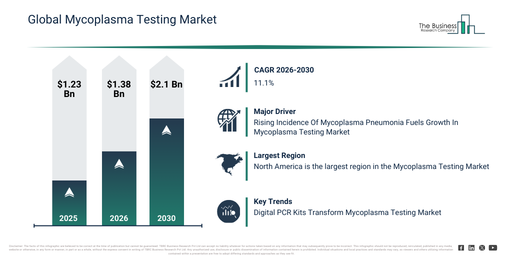
    The mycoplasma testing market has witnessed significant expansion in recent years. This market is anticipated to escalate from $1.23 billion in 2025 to $1.38 billion in 2026, exhibiting a compound annual growth rate (CAGR) of 12.1%. The historical surge in growth is primarily due to a high prevalence of mycoplasma contamination, increased reliance on cell culture testing, a rise in diagnostic testing demand, the early adoption of PCR methods, and the growing use of ELISA techniques.

    The mycoplasma testing market size is anticipated to experience significant expansion over the coming years. By 2030, this market is projected to reach $2.1 billion, demonstrating a compound annual growth rate (CAGR) of 11.1%. This projected growth is driven by several factors including the increasing scale of biopharmaceutical production, the rise in CRO outsourcing activities, greater investment in genomic testing, a heightened regulatory focus on controlling contamination, and the integration of automated testing platforms. Key trends anticipated during this period involve the wider acceptance of pcr-based mycoplasma detection methods, the expanded deployment of rapid test kits for screening cell cultures, an escalating demand for automated mycoplasma detection systems, the broader application of assays and reagents in biopharmaceutical manufacturing, and a greater necessity for mycoplasma testing in both research and CRO environments.

    Access Your Free Sample Report for In-Depth Market Insights:

    https://www.thebusinessresearchcompany.com/sample.aspx?id=4103&type=smp

    What Drivers Are Affecting Demand-Supply Dynamics In The Mycoplasma Testing Market?

    The growing occurrence of mycoplasma pneumonia is projected to boost expansion within the mycoplasma testing market in the future. This condition is defined as a respiratory infection resulting from the bacterium Mycoplasma pneumoniae. Mycoplasma testing is vital for diagnosing Mycoplasma pneumonia, as it identifies Mycoplasma pneumoniae bacteria in respiratory samples, thereby facilitating prompt and precise infection detection essential for effective medical treatment and management. Illustratively, data from December 2023, provided by the Centers for Disease Control and Prevention, a US-based government agency, indicates approximately 2 million Mycoplasma pneumoniae infections are recorded annually in the United States. Consequently, the rising incidence of mycoplasma pneumonia is a key factor propelling the expansion of the mycoplasma testing market.

    How Is The Mycoplasma Testing Market Organized Into Various Segments?

    The mycoplasma testing market covered in this report is segmented –

    1) By Product: Instruments, Assay, Kits, Reagents

    2) By Technology: PCR, Elisa, Enzymatic Methods, DNA Staining, Other Technologies

    3) By Application: Cell Line Testing, Virus Testing, End- Of- Production Cell Testing

    4) By End User: Pharmaceutical & Biotechnology Companies, Cell Banks And Laboratories, Contract Research Organizations, Academic Research Institutes

    Subsegments:

    1) By Instruments: Mycoplasma Detection Systems, Automated Test Equipment, PCR Equipment

    2) By Assay: Mycoplasma Assays, Qualitative Assays, Quantitative Assays

    3) By Kits: Mycoplasma Detection Kits, Mycoplasma Testing Kits For Cell Cultures, Sample Preparation Kits

    4) By Reagents: Nucleic Acid Reagents, Cell Culture Reagents, Staining Reagents

    Which Trends Are Shaping Activity Within The Mycoplasma Testing Market?

    Major companies operating in the mycoplasma testing market are increasingly concentrating on introducing digital PCR kits to gain a competitive advantage. Digital PCR kits are sophisticated molecular biology instruments that enable the accurate measurement and examination of nucleic acids, such as DNA or RNA, through a digital methodology. For example, in November 2023, QIAGEN, a diagnostics firm based in Germany, unveiled three new QIAcuity digital PCR kits along with updated software, aiming to expand digital PCR applications in biopharmaceutical studies and food safety. These new QIAcuity kits are engineered for precise quantification and come in one, four, and eight-plate versions; the one-plate version has the capacity to process up to 384 samples within an eight-hour shift. Among these newly introduced kits is the QIAcuity Mycoplasma Quant Kit, which offers researchers a highly accurate and precise solution for identifying mycoplasma contaminants at every stage of their research.

    Who Are The Primary Competitors In The Global Mycoplasma Testing Market?

    Major companies operating in the mycoplasma testing market are Merck KGaA, Thermo Fisher Scientific Inc., Agilent Technologies Inc., Lonza Group AG, Roche Diagnostics International AG, Charles River Laboratories International Inc., Nelson Laboratories Fairfield Inc., Creative Bioarray, Biological Industries Israel Beit Haemek Ltd., Biotools B & M Labs S.A, PromoCell GmbH, American Type Culture Collection, Bionique Testing Laboratories Inc., InvivoGen, Clongen Laboratories LLC, Norgen Biotek Corporation, Gen Bio Sciences (P) Ltd., GeneCopoeia Inc., Minerva Biolabs GmbH, Mycoplasma Experience, Savyon Diagnostics, ScienCell Research Laboratories Inc.

    Access The Complete Report For Deeper Market Insights:

    https://www.thebusinessresearchcompany.com/report/mycoplasma-testing-global-market-report

    Which Region Is Expected To Experience The Fastest Growth In The Mycoplasma Testing Market?

    North America was the largest region in the mycoplasma testing market in 2025. Asia-Pacific is expected to be the fastest growing region in the forecast period. The regions covered in the mycoplasma testing market report are Asia-Pacific, South East Asia, Western Europe, Eastern Europe, North America, South America, Middle East, Africa.

    Request Your Customized Mycoplasma Testing Market Research Report for Competitive Advantage:

    https://www.thebusinessresearchcompany.com/customise?id=4103&type=smp

    Browse Through More Reports Similar to the Global Mycoplasma Testing Market 2026, By The Business Research Company

    Immunodiagnostics Market Report 2026

    https://www.thebusinessresearchcompany.com/report/immunodiagnostics-global-market-report

    In Vitro Diagnostics Market Report 2026

    https://www.thebusinessresearchcompany.com/report/in-vitro-diagnostics-global-market-report

    Immunoglobulin E Ige Allergy Blood Tests Market Report 2026

    https://www.thebusinessresearchcompany.com/report/immunoglobulin-e-ige-allergy-blood-tests-global-market-report

    Get in touch with us:

    The Business Research Company: https://www.thebusinessresearchcompany.com/

    Americas +1 310-496-7795

    Asia +44 7882 955267 & +91 8897263534

    Europe +44 7882 955267

    Email us at info@tbrc.info

    Follow us on:

    LinkedIn: https://in.linkedin.com/company/the-business-research-company

    YouTube: https://www.youtube.com/channel/UC24_fI0rV8cR5DxlCpgmyFQ

    Global Market Model: https://www.thebusinessresearchcompany.com/global-market-model

  • Mycobacterium Tuberculosis Industry Growth Insights: Revenue Forecast to 2030

    Mycobacterium Tuberculosis Industry Growth Insights: Revenue Forecast to 2030

    Uncover key drivers, emerging technologies, and competitive movements shaping the mycobacterium tuberculosis market from 2026–2035 with trusted insights from The Business Research Company

    What long-term size projections exist for the Mycobacterium Tuberculosis Market covering 2026–2035?

    The mycobacterium tuberculosis market size has experienced robust growth in recent years. It is projected to expand from $3.73 billion in 2025 to $3.92 billion in 2026, demonstrating a compound annual growth rate (CAGR) of 5.1%. This historic growth can be attributed to factors such as high TB incidence in developing regions, widespread adoption of culture-based testing, increased investment in public health programs, a rise in global disease surveillance, and the early development of PCR-based methods.

    The mycobacterium tuberculosis market size is anticipated to experience consistent expansion over the upcoming period, projected to reach $4.75 billion by 2030, exhibiting a compound annual growth rate (CAGR) of 4.9%. This growth in the forecast period is primarily driven by factors such as the increasing use of molecular diagnostics, the broadening of telemedicine-based TB screening, a rising demand for rapid detection kits, increased government funding for TB elimination efforts, and advancements in automated detection systems. Major trends expected during this period include the growing adoption of molecular TB diagnostic technologies, a wider deployment of rapid antigen and antibody test kits, the expansion of culture-based testing in regions with a high disease burden, a surging demand for TB screening in research and public health programs, and a higher utilization of reagents and consumables for routine TB testing.

    Access Your Free Sample Report for In-Depth Market Insights:

    https://www.thebusinessresearchcompany.com/sample.aspx?id=24325&type=smp

    Which Drivers Are Impacting The Competitive Landscape Of The Mycobacterium Tuberculosis Market?

    Increased funding into research and development is expected to drive the expansion of the mycobacterium tuberculosis market in the future. Research and development involves the systematic investigation and experimentation aimed at generating new knowledge or enhancing current products, services, or technologies. The growth in R&D is attributed to swift technological progress, which necessitates ongoing innovation for market competitiveness globally. R&D aids mycobacterium tuberculosis treatment by facilitating the identification of new drug candidates capable of overcoming resistance to existing therapies, thus enhancing treatment efficacy and patient results. For instance, in March 2024, a report from the Foreign, Commonwealth, and Development Office, a UK government department, indicated that the UK government committed a $5 million (£4 million) funding increase to the TB REACH program. This initiative aims to bolster innovative approaches for better tuberculosis diagnosis and treatment in low- and middle-income nations. This assistance is projected to provide healthcare to 500,000 individuals, lead to TB detection in 37,000 people, and potentially save over 15,000 lives. Consequently, the uptick in research and development investments will stimulate the growth of the mycobacterium tuberculosis market.

    What Segments Are Identified Within The Structure Of The Mycobacterium Tuberculosis Market?

    The mycobacterium tuberculosis market covered in this report is segmented –

    1) By Product Type: Instruments, Reagents And Consumables, Software Solutions

    2) By Diagnostic Method: Culture-Based Methods, Molecular Diagnosis, Immunological Tests

    3) By Route Of Administration: Oral, Injectable

    4) By End User: Hospitals, Diagnostic Laboratories, Research Institutions

    Subsegments:

    1) By Instruments: Diagnostic Instruments, Detection Instruments, Molecular Diagnostic Instruments, Tuberculosis Culture Systems

    2) By Reagents And Consumables: Polymerase Chain Reaction Reagents, Tuberculosis Culture Media, Antigen Kits, Test Strips, Tuberculosis Diagnostic Kits

    3) By Software Solutions: Laboratory Information Management Systems (LIMS), Diagnostic Software, Data Management Software, Telemedicine Solutions For TB Diagnosis

    Which Trends Are Influencing The Development Of The Mycobacterium Tuberculosis Market?

    Leading firms within the mycobacterium tuberculosis market are concentrating on creating sophisticated solutions, including automated tuberculosis tests, to provide quicker and more precise outcomes. These automated tests represent diagnostic instruments employing automated systems and cutting-edge technology for the swift and accurate identification of Mycobacterium tuberculosis and its drug resistance, requiring minimal human involvement. For example, in April 2025, Revvity Inc., a biotechnology company based in the US, declared that the U.S. Food and Drug Administration (FDA) had approved its Auto-Pure 2400 liquid handling platform in conjunction with the T-SPOT TB test. The integration of the Auto-Pure 2400 platform with the T-SPOT.TB test enhances automated tuberculosis testing by allowing for greater sample volume processing while maintaining accuracy. This system combines liquid handling and magnetic cell isolation technology, facilitating the testing of up to 24 samples per run and concluding Day 1 of testing in less than 3.5 hours, with very little user interaction. The T-SPOT.TB test, acknowledged by the WHO as the sole ELISPOT-based IGRA, guarantees consistent results with fewer ambiguous outcomes, decreases the necessity for repeat testing, and performs dependably in individuals with compromised immune systems.

    Which Key Market Players Are Investing In Expansion And Innovation Within The Mycobacterium Tuberculosis Market?

    Major companies operating in the mycobacterium tuberculosis market are F. Hoffmann-La Roche Ltd., Thermo Fisher Scientific Inc., Abbott Laboratories, Novartis AG, Becton Dickinson and Company, Viatris Inc., Macleods Pharmaceuticals Limited, bioMérieux SA, Bio-Rad Laboratories Inc., Bruker Corporation, QIAGEN N.V., Lupin Limited, Zydus Cadila Healthcare Limited, Cepheid Inc., Serum Institute of India Pvt. Ltd., Oxford Immunotec USA Inc., Panacea Biotec Limited, International AIDS Vaccine Initiative Inc., HiMedia Laboratories Private Limited, Akonni Biosystems Inc.

    Access The Complete Report For Deeper Market Insights:

    https://www.thebusinessresearchcompany.com/report/mycobacterium-tuberculosis-global-market-report

    Which Geographic Areas Are Emerging As Strong Markets For The Mycobacterium Tuberculosis Market?

    North America was the largest region in the mycobacterium tuberculosis market in 2025. Asia-Pacific is expected to be the fastest-growing region in the forecast period. The regions covered in the mycobacterium tuberculosis market report are Asia-Pacific, South East Asia, Western Europe, Eastern Europe, North America, South America, Middle East, Africa.

    Request Your Customized Mycobacterium Tuberculosis Market Research Report for Competitive Advantage:

    https://www.thebusinessresearchcompany.com/customise?id=24325&type=smp

    Browse Through More Reports Similar to the Global Mycobacterium Tuberculosis Market 2026, By The Business Research Company

    Amoxicillin Market Report 2026

    https://www.thebusinessresearchcompany.com/report/amoxicillin-global-market-report

    Tuberculosis Diagnostics Market Report 2026

    https://www.thebusinessresearchcompany.com/report/tuberculosis-diagnostics-global-market-report

    Bactericide Market Report 2026

    https://www.thebusinessresearchcompany.com/report/bactericide-global-market-report

    Get in touch with us:

    The Business Research Company: https://www.thebusinessresearchcompany.com/

    Americas +1 310-496-7795

    Asia +44 7882 955267 & +91 8897263534

    Europe +44 7882 955267

    Email us at info@tbrc.info

    Follow us on:

    LinkedIn: https://in.linkedin.com/company/the-business-research-company

    YouTube: https://www.youtube.com/channel/UC24_fI0rV8cR5DxlCpgmyFQ

    Global Market Model: https://www.thebusinessresearchcompany.com/global-market-model
  • Global Myasthenia Gravis Treatment Market Performance Report: Global Trends 2026–2030

    Global Myasthenia Gravis Treatment Market Performance Report: Global Trends 2026–2030

    Uncover key drivers, emerging technologies, and competitive movements shaping the myasthenia gravis treatment market from 2026–2035 with trusted insights from The Business Research Company

    What total market size is anticipated for the Myasthenia Gravis Treatment Market in 2030?

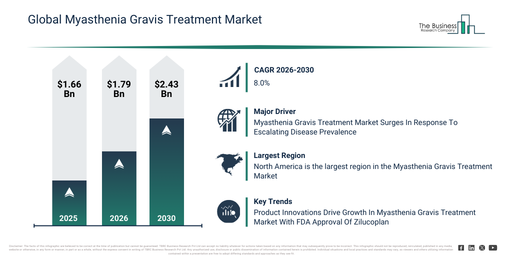
    The myasthenia gravis treatment market size has witnessed strong expansion over recent years. It is anticipated to increase from $1.66 billion in 2025 to $1.79 billion in 2026, reflecting a compound annual growth rate (CAGR) of 7.8%. This historical growth can be linked to factors including the escalating prevalence of autoimmune disorders, the swift embrace of corticosteroids, the extensive clinical deployment of cholinesterase inhibitors, the proliferation of hospital-based MG treatment initiatives, and a heightened recognition of neuromuscular diseases.

    The myasthenia gravis treatment market is anticipated to experience substantial expansion over the coming years. This market is projected to reach $2.43 billion by 2030, exhibiting a compound annual growth rate (CAGR) of 8.0%. This projected growth during the forecast period is fueled by advancements in monoclonal antibody development, a heightened demand for minimally invasive surgical procedures, the expansion of specialized clinics, the increasing application of IVIG and cutting-edge immunotherapies, and improved diagnostic capabilities facilitated by AI-based tools. Key trends anticipated within this forecast timeframe encompass the growing embrace of immunosuppressive therapies, the expanded utilization of monoclonal antibodies for MG treatment, a rising preference for minimally invasive thymectomy procedures, increased demand for IVIG and plasmapheresis in critical situations, and the broadening of supportive and combination therapy strategies.

    Access Your Free Sample Report for In-Depth Market Insights:

    https://www.thebusinessresearchcompany.com/sample.aspx?id=11980&type=smp

    What Drivers Are Influencing Production Trends In The Myasthenia Gravis Treatment Market?

    The increasing incidence of myasthenia gravis is projected to drive the expansion of the myasthenia gravis treatment market in the future. Myasthenia gravis is an autoimmune neuromuscular disorder characterized by fatigue and weakness in the skeletal muscles. Treating myasthenia gravis involves delivering healthcare services and patient care aimed at managing the condition. Consequently, the rising occurrence of myasthenia gravis is enhancing sales within the myasthenia gravis treatment market. For example, data from January 2024, provided by Myaware, a UK-based charity, indicates that out of an approximate United Kingdom population of 67,817,100, around 22,855 people are currently affected by myasthenia gravis, 204 by Lambert-Eaton myasthenic syndrome, and 2,103 by congenital myopathies. This demonstrates that the increased prevalence of myasthenia gravis is fueling the expansion of the myasthenia gravis treatment market.

    Which Segments Are Gaining Traction In The Myasthenia Gravis Treatment Market?

    The myasthenia gravis treatment market covered in this report is segmented –

    1) By Treatment: Anticholinesterase Agents, Immunosuppressants, Monoclonal Antibodies, Plasmapheresis Or Intravenous Immunoglobulin (IVIg), Thymectomy Or Surgical Options, Other Treatments

    2) By Route Of Administration: Oral, Intravenous, Subcutaneous

    3) By Distribution Channel: Hospital Pharmacies, Retail Pharmacies, Online Pharmacies Or E-commerce

    4) By End User: Hospitals, Clinics, Other End-Users

    Subsegments:

    1) By Anticholinesterase Agents: Pyridostigmine, Neostigmine, Ambenonium

    2) By Immunosuppressants: Corticosteroids, Azathioprine, Mycophenolate Mofetil, Cyclosporine, Tacrolimus

    3) By Monoclonal Antibodies: Eculizumab, Rituximab

    4) By Plasmapheresis Or Intravenous Immunoglobulin (IVIg): Plasma Exchange Therapy, IVIg Infusions

    5) By Thymectomy Or Surgical Options: Transsternal Thymectomy, Minimally Invasive Thymectomy, Robot-Assisted Thymectomy

    6) By Other Treatments: Symptomatic Therapy, Complement Inhibitors, Experimental Therapies

    What Trends Are Expected To Impact The Competitive Landscape Of The Myasthenia Gravis Treatment Market?

    Major companies in the myasthenia gravis treatment market are prioritizing the development of innovative products, such as self-administered complement C5 inhibitors, with the goal of enhancing treatment convenience, promoting patient autonomy, and reducing dependence on infusion-based care. These self-administered complement C5 inhibitors are targeted autoimmune therapies specifically formulated for subcutaneous use, enabling patients to manage excessive complement activation by independently administering their treatment at home rather than in clinical infusion settings. For example, in October 2023, UCB Pharma, a Belgium-based pharmaceutical company, announced that the US Food and Drug Administration (FDA) had approved Zilucoplan. This medication is prescribed for adults with generalized myasthenia gravis (gMG) who test positive for anti-acetylcholine receptor (AChR) antibodies. This approval provides a new management option for gMG, a condition defined by muscle weakness stemming from an autoimmune response. ZILBRYSQ stands out as a self-administered, once-daily subcutaneous complement C5 inhibitor, offering a convenient alternative to the traditional intravenous therapies that have long been the standard for treating gMG.

    Who Are The Core Companies Influencing Trends In The Myasthenia Gravis Treatment Market?

    Major companies operating in the myasthenia gravis treatment market are Pfizer Inc., F. Hoffmann-La Roche Ltd., AbbVie Inc., Novartis AG, Takeda Pharmaceutical Company Limited, Baxter International Inc., Biogen Idec, CSL Limited, Chugai Pharmaceutical Co. Ltd., Grifols S.A, UCB Inc., Mitsubishi Tanabe Pharma Corp., Genentech Inc., Horizon Therapeutics plc, Amneal Pharmaceuticals Inc., Argenx SE, Immunovant Inc., Cabaletta Bio Inc., RemeGen Co. Ltd., Kedrion SpA

    Access The Complete Report For Deeper Market Insights:

    https://www.thebusinessresearchcompany.com/report/myasthenia-gravis-treatment-global-market-report

    Which Region Is Projected To Lead The Myasthenia Gravis Treatment Market During The Forecast Period?

    North America was the largest region in the myasthenia gravis treatment market in 2025. Asia-Pacific is expected to be the fastest-growing region in the forecast period. The regions covered in the myasthenia gravis treatment market report are Asia-Pacific, South East Asia, Western Europe, Eastern Europe, North America, South America, Middle East, Africa.

    Request Your Customized Myasthenia Gravis Treatment Market Research Report for Competitive Advantage:

    https://www.thebusinessresearchcompany.com/customise?id=11980&type=smp

    Browse Through More Reports Similar to the Global Myasthenia Gravis Treatment Market 2026, By The Business Research Company

    Musculoskeletal Disorder Drugs Market Report 2026

    https://www.thebusinessresearchcompany.com/report/musculoskeletal-disorder-drugs-global-market-report

    Muscle Pain Treatment Market Report 2026

    https://www.thebusinessresearchcompany.com/report/muscle-pain-treatment-global-market-report

    Muscle Tension Dysphonia Treatment Market Report 2026

    https://www.thebusinessresearchcompany.com/report/muscle-tension-dysphonia-treatment-global-market-report

    Get in touch with us:

    The Business Research Company: https://www.thebusinessresearchcompany.com/

    Americas +1 310-496-7795

    Asia +44 7882 955267 & +91 8897263534

    Europe +44 7882 955267

    Email us at info@tbrc.info

    Follow us on:

    LinkedIn: https://in.linkedin.com/company/the-business-research-company

    YouTube: https://www.youtube.com/channel/UC24_fI0rV8cR5DxlCpgmyFQ

    Global Market Model: https://www.thebusinessresearchcompany.com/global-market-model
  • Muscle Wasting Disorders Market Future Outlook 2026: Key Drivers and Growth Potential

    Muscle Wasting Disorders Market Future Outlook 2026: Key Drivers and Growth Potential

    Uncover key drivers, emerging technologies, and competitive movements shaping the muscle wasting disorders market from 2026–2035 with trusted insights from The Business Research Company

    What is the expected shift in the Muscle Wasting Disorders Market’s size between 2026 and 2030?

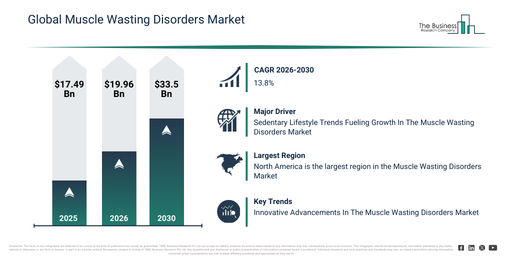
    Recently, the market size for muscle wasting disorders has expanded considerably. Projections show it will expand from $17.49 billion in 2025 to $19.96 billion in 2026, achieving a compound annual growth rate (CAGR) of 14.2%. Key factors contributing to this historical growth include the prevalence of muscular dystrophy and als, the increased use of physical therapy, a rise in nutritional supplement usage, the early adoption of anti-inflammatory treatments, and the growth in hospital-based rehabilitation services.

    The muscle wasting disorders market is projected to experience significant expansion shortly. By 2030, this market is anticipated to reach a valuation of $33.5 billion, demonstrating a compound annual growth rate (CAGR) of 13.8%. This projected growth is driven by several factors, including progress in gene therapy techniques, increasing financial commitment to regenerative medicine, the proliferation of specialized rehabilitation facilities, a heightened need for customized treatment approaches, and an elevated emphasis on dietary interventions. Key trends during this period are expected to encompass the growing uptake of gene therapy for muscle regeneration, an increasing reliance on nutritional and protein supplements, a surge in demand for physical rehabilitation programs, the development of more targeted treatments for muscular dystrophy, and a greater application of hormonal and and anti-inflammatory drugs.

    Access Your Free Sample Report for In-Depth Market Insights:

    https://www.thebusinessresearchcompany.com/sample.aspx?id=13706&type=smp

    Which Drivers Are Shaping Strategic Decisions In The Muscle Wasting Disorders Market?

    The increasing adoption of a sedentary lifestyle is anticipated to drive the expansion of the muscle wasting disorders market in the future. This lifestyle is characterized by physical inactivity, with individuals engaging in minimal or no physical movement or exercise. Such behavior negatively affects muscle function, resulting in reduced muscle strength and endurance, thereby contributing to muscle wasting disorders and hindering individuals’ ability to preserve muscle mass and overall function. For instance, in March 2025, as per NHS England, a UK-based executive non-departmental public body, over one-quarter of adults were categorized as inactive, concurrently, in 2023, nearly one-third of children and young people (30.2 percent) performed less than 30 minutes of physical activity each day. Consequently, the increasing adherence to a sedentary lifestyle is propelling the growth of the muscle wasting disorders market.

    What Segment Categories Are Covered In The Muscle Wasting Disorders Market?

    The muscle wasting disorders market covered in this report is segmented –

    1) By Treatment Type: Medications, Physical Therapy, Nutritional Therapy, Surgery, Gene Therapy, Other Treatment Types

    2) By Disorder Type: Muscular Dystrophy, Amyotrophic Lateral Sclerosis (ALS), Other Disorder Types

    3) By End-User: Hospitals, Rehab Centers, Specialty Clinics, Other End-Users

    Subsegments:

    1) By Medications: Anabolic Steroids, Hormonal Treatments, Anti-Inflammatory Drugs, Immunomodulatory Agents

    2) By Physical Therapy: Resistance Training, Stretching Exercises, Aerobic Conditioning, Rehabilitation Programs

    3) By Nutritional Therapy: Protein Supplements, Nutritional Counseling, Dietary Modifications, Micronutrient Supplements

    4) By Surgery: Surgical Interventions For Muscle Repair, Orthopedic Surgeries, Procedures For Underlying Conditions

    5) By Gene Therapy: Gene Replacement Therapy, CRISPR-Based Approaches, RNA Interference Techniques

    6) By Other Treatment Types: Complementary Therapies, Psychological Support, Assistive Devices

    Which Trends Are Guiding The Evolution Of The Muscle Wasting Disorders Market?

    Leading companies active in the muscle wasting disorders market are developing innovative offerings, such as novel gene therapy, to better serve affected patients. Novel gene therapy refers to a medical technology designed to achieve a therapeutic impact by manipulating gene expression or altering the biological characteristics of living cells. As an illustration, in June 2023, Sarepta Therapeutics, a US-based biotechnology company, introduced Elevidys, which represents the first gene therapy sanctioned by the U.S. Food and Drug Administration (FDA) for addressing Duchenne muscular dystrophy (DMD) in pediatric patients between the ages of 4 and 5 years old. Elevidys is a recombinant gene therapy engineered to deliver a gene into the body that results in a truncated protein containing selected domains of the dystrophin protein found in normal muscle cells. This product is administered through a single intravenous infusion.

    Which Major Industry Participants Are Leading The Muscle Wasting Disorders Market Growth?

    Major companies operating in the muscle wasting disorders market are Pfizer Inc., F. Hoffmann-La Roche Ltd., Roche Holding AG, Novartis AG, Sanofi, GlaxoSmithKline (GSK), Regeneron Pharmaceuticals, Acceleron Pharma Inc., Biogen Inc., Santhera Pharmaceuticals Holding AG, Mitsubishi Tanabe Pharma, Sarepta Therapeutics Inc., PTC Therapeutics Inc., Ionis Pharmaceuticals Inc., Cytokinetics Incorporated, Scholar Rock, Akashi Therapeutics, aTyr Pharma, MyoTherix Inc., Pephexia Therapeutics, Biophytis SA, TNF Pharmaceuticals Inc., Rejuvenate Biomed, Edgewise Therapeutics

    Access The Complete Report For Deeper Market Insights:

    https://www.thebusinessresearchcompany.com/report/muscle-wasting-disorders-global-market-report

    Which Region Currently Holds The Largest Share Of The Muscle Wasting Disorders Market?

    North America was the largest region in the muscle wasting disorder market in 2025. Asia-Pacific is expected to be the fastest-growing region in the forecast period. The regions covered in the muscle wasting disorders market report are Asia-Pacific, South East Asia, Western Europe, Eastern Europe, North America, South America, Middle East, Africa.

    Request Your Customized Muscle Wasting Disorders Market Research Report for Competitive Advantage:

    https://www.thebusinessresearchcompany.com/customise?id=13706&type=smp

    Browse Through More Reports Similar to the Global Muscle Wasting Disorders Market 2026, By The Business Research Company

    Muscle Pain Treatment Market Report 2026

    https://www.thebusinessresearchcompany.com/report/muscle-pain-treatment-global-market-report

    Muscle Spasticity Market Report 2026

    https://www.thebusinessresearchcompany.com/report/muscle-spasticity-global-market-report

    Duchenne Muscular Dystrophy Market Report 2026

    https://www.thebusinessresearchcompany.com/report/duchenne-muscular-dystrophy-global-market-report

    Get in touch with us:

    The Business Research Company: https://www.thebusinessresearchcompany.com/

    Americas +1 310-496-7795

    Asia +44 7882 955267 & +91 8897263534

    Europe +44 7882 955267

    Email us at info@tbrc.info

    Follow us on:

    LinkedIn: https://in.linkedin.com/company/the-business-research-company

    YouTube: https://www.youtube.com/channel/UC24_fI0rV8cR5DxlCpgmyFQ

    Global Market Model: https://www.thebusinessresearchcompany.com/global-market-model
  • Muscle Tension Dysphonia Treatment Market Trends and Insights: Global Forecast to 2030

    Muscle Tension Dysphonia Treatment Market Trends and Insights: Global Forecast to 2030

    Uncover key drivers, emerging technologies, and competitive movements shaping the muscle tension dysphonia treatment market from 2026–2035 with trusted insights from The Business Research Company

    What growth pattern is forecast for the Muscle Tension Dysphonia Treatment Market size between 2026 and 2035?

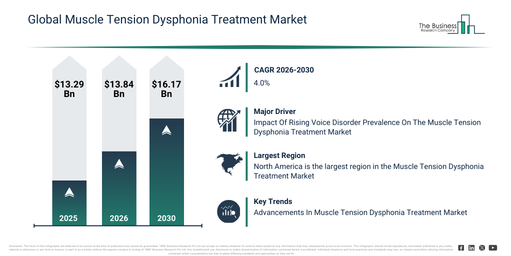
    The muscle tension dysphonia treatment market has demonstrated consistent expansion over recent years. This market is anticipated to expand from $13.29 billion in 2025 to $13.84 billion in 2026, registering a compound annual growth rate (CAGR) of 4.1%. Historically, this upward trend has been propelled by factors such as an increase in vocal strain cases, enhanced awareness regarding speech therapy, a rise in ear, nose, and throat (ENT) clinical visits, the early adoption of NSAIDs for voice disorders, and the widespread prevalence of vocal issues associated with chronic stress.

    The muscle tension dysphonia treatment market size is anticipated to show consistent growth over the coming years, with projections indicating an expansion to $16.17 billion by 2030, maintaining a compound annual growth rate (CAGR) of 4.0%. This forecasted increase is driven by advancements in digital voice therapy tools, the growing adoption of telehealth services for vocal treatment, an escalating demand for personalized vocal rehabilitation, the increasing integration of behavioral therapy, and the expansion of home-based therapeutic programs. Significant trends within this forecast period are expected to include a rise in the adoption of voice therapy programs, an increased demand for behavioral counseling, a greater use of anti-inflammatory medications, expanding utilization of proton-pump inhibitors, and an enhanced focus on stress and anxiety management.

    Access Your Free Sample Report for In-Depth Market Insights:

    https://www.thebusinessresearchcompany.com/sample.aspx?id=18683&type=smp

    Which Drivers Are Impacting Market Performance In The Muscle Tension Dysphonia Treatment Market?

    The muscle tension dysphonia treatment market is projected to expand due to the rising occurrence of voice disorders. These conditions, which influence the pitch, volume, tone, and overall quality of a person’s voice, are seeing an increase in prevalence. This rise is attributed to various factors, including increased vocal strain from extensive speaking, exposure to loud environments, and the growing demand from professions that heavily rely on voice. Treatment for muscle tension dysphonia effectively addresses voice disorders by mitigating excessive muscle tension around the larynx through interventions such as voice therapy, physical exercises, and stress management techniques. For instance, in March 2024, data from the National Institutes of Health, a US-based government agency, revealed that in the preceding year, approximately 17.9 million U.S. adults aged 18 or older, constituting 7.6% of the population, reported experiencing voice problems, with about 9.4 million (4.0%) facing issues lasting a week or more. Therefore, the increasing prevalence of voice disorders is a significant factor driving the growth of the muscle tension dysphonia treatment market.

    Which Segments Are Contributing To The Growth Of The Muscle Tension Dysphonia Treatment Market?

    The muscle tension dysphonia treatment market covered in this report is segmented –

    1) By Treatment Type: Nonsteroidal Anti-Inflammatory Drugs (NSAIDs), Analgesics, Voice Therapy, Behavioral Counseling

    2) By Age Group: Pediatrics, Adults, Elderly

    3) By Cause: Muscle Tension, Vocal Cord Damage, Other Causes

    4) By Distribution Channel: Institutional Sales, Hospitals, Clinics, Specialized Centers, Retail Sales, Retail Pharmacies, Online Pharmacies, Drug Store

    Subsegments:

    1) By Nonsteroidal Anti-Inflammatory Drugs (NSAIDs): Ibuprofen, Naproxen, Aspirin

    2) By Analgesics: Acetaminophen, Opioid Analgesics, Combination Analgesics

    3) By Voice Therapy: Resonant Voice Therapy, Semi-Occluded Vocal Tract Exercises, Lee Silverman Voice Treatment (LSVT)

    4) By Behavioral Counseling: Stress Management Techniques, Cognitive Behavioral Therapy (CBT), Relaxation Training

    What Trends Are Projected To Support The Growth Of The Muscle Tension Dysphonia Treatment Market?

    Leading companies within the muscle tension dysphonia treatment market are concentrating on developing advanced medical solutions, such as medications for cervical dystonia, with the goal of enhancing treatment effectiveness and patient outcomes for conditions like cervical dystonia. Cervical dystonia is characterized as a neurological condition where involuntary muscle contractions in the neck result in abnormal movements and postures. As an illustration, in August 2023, Daxxify, a US-based pharmaceutical company, secured FDA approval for its initial therapeutic indication to treat cervical dystonia in adults. This approval stems from data collected during phase 3 clinical trials, specifically ASPEN-1 and ASPEN-OLS. In ASPEN-1, which involved 382 participants, the primary endpoint was successfully met, demonstrating significant improvement in the Toronto Western Spasmodic Torticollis Rating Scale (TWSTRS) at weeks 4 and 6. The median duration of effect was recorded as 20.3 weeks for the high-dose group and 24.0 weeks for the low-dose group. Common treatment-related adverse events noted were dysphagia, muscular weakness, and injection site pain. Similarly, in ASPEN-OLS, 357 participants were administered up to 4 sequential doses of Daxxify, showing improvements in TWSTRS with a median duration of 19.9 to 26.0 weeks. The common adverse events observed in this study included injection site pain, headache, and injection site erythema.

    Who Are The Prominent Global Companies Shaping The Muscle Tension Dysphonia Treatment Market Landscape?

    Major companies operating in the muscle tension dysphonia treatment market are Mayo Clinic, Cleveland Clinic, Mount Sinai Health System, Johns Hopkins Medicine, NYU Langone Hospitals, University of Michigan Health System, UCLA Health, Children’s Hospital of Philadelphia, Emory Healthcare, Massachusetts General Hospital, American Laryngological Association, Weill Cornell Medicine, Duke University Health System, The Center for Voice Northwestern Medicine, UT Southwestern Medical Center Voice Care, IU Health Voice Disorders, Lions Voice Clinic University of Minnesota, Royal National ENT and Eastman Dental Hospitals, UCL Ear Institute, Medical Voice Center Russia, British Voice Association, The Voice Foundation, Karnataka ENT Hospital Voice Clinic

    Access The Complete Report For Deeper Market Insights:

    https://www.thebusinessresearchcompany.com/report/muscle-tension-dysphonia-treatment-global-market-report

    How Does The Muscle Tension Dysphonia Treatment Market Perform Across Major Global Regions?

    North America was the largest region in the muscle tension dysphonia treatment market in 2025. Europe is expected to be the fastest-growing region in the forecast period. The regions covered in the muscle tension dysphonia treatment market report are Asia-Pacific, South East Asia, Western Europe, Eastern Europe, North America, South America, Middle East, Africa.

    Request Your Customized Muscle Tension Dysphonia Treatment Market Research Report for Competitive Advantage:

    https://www.thebusinessresearchcompany.com/customise?id=18683&type=smp

    Browse Through More Reports Similar to the Global Muscle Tension Dysphonia Treatment Market 2026, By The Business Research Company

    Muscle Spasticity Market Report 2026

    https://www.thebusinessresearchcompany.com/report/muscle-spasticity-global-market-report

    Spasmodic Dysphonia Treatment Market Report 2026

    https://www.thebusinessresearchcompany.com/report/spasmodic-dysphonia-treatment-global-market-report

    Muscle Pain Treatment Market Report 2026

    https://www.thebusinessresearchcompany.com/report/muscle-pain-treatment-global-market-report

    Get in touch with us:

    The Business Research Company: https://www.thebusinessresearchcompany.com/

    Americas +1 310-496-7795

    Asia +44 7882 955267 & +91 8897263534

    Europe +44 7882 955267

    Email us at info@tbrc.info

    Follow us on:

    LinkedIn: https://in.linkedin.com/company/the-business-research-company

    YouTube: https://www.youtube.com/channel/UC24_fI0rV8cR5DxlCpgmyFQ

    Global Market Model: https://www.thebusinessresearchcompany.com/global-market-model
  • Global Muscle Spasticity Market Report 2026–2030: Data-Driven Growth Insights

    Global Muscle Spasticity Market Report 2026–2030: Data-Driven Growth Insights

    Uncover key drivers, emerging technologies, and competitive movements shaping the muscle spasticity market from 2026–2035 with trusted insights from The Business Research Company

    How much larger will the Muscle Spasticity Market be in 2030 compared with 2026?

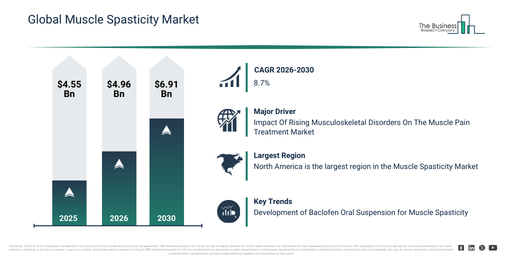
    The muscle spasticity market has experienced significant expansion recently. Projections indicate its value will increase from $4.55 billion in 2025 to $4.96 billion in 2026, demonstrating a compound annual growth rate (CAGR) of 8.8%. This historical growth is attributable to several factors, including an increase in neurological injury cases, a higher prevalence of spinal cord disorders, more post-stroke complications, the early adoption of oral muscle relaxants, and restricted access to specific targeted therapies.

    The muscle spasticity market size is anticipated to experience substantial growth in the coming years. It is projected to expand to $6.91 billion by 2030, at a compound annual growth rate (CAGR) of 8.7%. The expansion throughout the forecast period is primarily driven by advancements in drug delivery systems, a rising adoption of botox-based treatments, an increase in home-based rehabilitation solutions, growing investment in neurological care, and broadening clinical research in spasticity therapies. Notable trends during this forecast period encompass a rising preference for botulinum toxin treatments, increased adoption of intrathecal baclofen therapy, burgeoning demand for oral muscle relaxants, the expansion of rehabilitation and physical therapy programs, and an amplified focus on personalized spasticity management.

    Access Your Free Sample Report for In-Depth Market Insights:

    https://www.thebusinessresearchcompany.com/sample.aspx?id=18411&type=smp

    What Drivers Are Guiding Growth Patterns In The Muscle Spasticity Market?

    The expanding occurrence of musculoskeletal disorders is projected to propel the growth of the muscle spasticity market in the future. Musculoskeletal disorders are defined as ailments impacting the body’s muscles, bones, and joints, frequently leading to discomfort, rigidity, and reduced mobility. The growing number of musculoskeletal instances stems from factors like older populations, inactive lifestyles, and the rising incidence of chronic illnesses. The muscle spasticity market’s offerings seek to mitigate the effects of musculoskeletal disorders through pain reduction, improved movement, complication prevention, and an uplift in patients’ general quality of life and functional capacities. To illustrate, data from January 2024, provided by the Office for Health Improvement and Disparities, a UK-based government department, revealed that in 2023, 18.4% of individuals aged 16 and over stated they had a long-term musculoskeletal condition. This marked a slight increase from 17.6% in 2022. Such conditions were reported less often by males (15.8%) when contrasted with females (20.9%). Consequently, the expanding occurrence of musculoskeletal disorders is a key driver for the muscle spasticity market.

    How Is The Muscle Spasticity Market Divided Into Segments?

    The muscle spasticity market covered in this report is segmented –

    1) By Drug Type: Baclofen, Botulinum Toxin, Diazepam, Dantrolene Sodium, Other Drugs

    2) By Route Of Administration: Oral, Intramuscular, Other Routes Of Administrations

    3) By Distribution Channel: Hospital Pharmacies, Retail Pharmacies, Online Pharmacies

    Subsegments:

    1) By Baclofen: Oral Baclofen, Intrathecal Baclofen (Pump)

    2) By Botulinum Toxin: Botox (Botulinum Toxin Type A), Dysport (Botulinum Toxin Type A), Xeomin (Botulinum Toxin Type A), Myobloc (Botulinum Toxin Type B)

    3) By Diazepam: Oral Diazepam, Injectable Diazepam

    4) By Dantrolene Sodium: Oral Dantrolene, Injectable Dantrolene

    5) By Other Drugs: Tizanidine, Clonidine, Gabapentin

    Which Trends Are Influencing The Performance And Direction Of The Muscle Spasticity Market?

    Major companies operating in the muscle spasticity market are concentrating on developing innovative oral muscle-relaxant formulations to enhance dosing flexibility, improve patient adherence, and address the requirements of individuals who have difficulty swallowing conventional solid-dose treatments. Novel oral muscle-relaxant formulations encompass liquid or otherwise altered oral dosage forms designed to deliver established antispasmodic agents in a more accessible, patient-centric format that supports precise dosing and improved tolerability. For instance, in April 2024, ANI Pharmaceuticals, a US-based pharmaceutical manufacturing company, launched baclofen oral suspension. This baclofen oral suspension, a generic version of fleqsuvy, is employed to alleviate muscle spasms caused by conditions such as multiple sclerosis and spinal cord injuries by aiding in muscle relaxation.

    Which Key Players Are Driving Competition In The Muscle Spasticity Market?

    Major companies operating in the muscle spasticity market are F. Hoffmann-La Roche AG, AbbVie Inc., Abbott Laboratories, Novartis AG, Teva Pharmaceutical Industries Ltd., Ipsen Pharma, Endo Pharmaceuticals Inc., Neurocrine Biosciences Inc., Merz Pharmaceuticals GmbH, Revance Therapeutics Inc., Acorda Therapeutics Inc., Zydus Cadila, Pfizer Inc., Merck & Co. Inc., Sanofi S.A., UCB Pharma S.A., Jazz Pharmaceuticals plc, Daiichi Sankyo Company Limited, GlaxoSmithKline plc, InMed Pharmaceuticals Inc., MediciNova Inc., Genentech Inc., Beximco Pharmaceuticals Ltd., Sun Pharmaceutical Industries Ltd., Taj Pharmaceuticals Limited

    Access The Complete Report For Deeper Market Insights:

    https://www.thebusinessresearchcompany.com/report/muscle-spasticity-global-market-report

    Which Region Is Anticipated To See The Fastest Growth In The Muscle Spasticity Market?

    North America was the largest region in the muscle spasticity market in 2025. Asia-Pacific is expected to be the fastest-growing region in the forecast period. The regions covered in the muscle spasticity market report are Asia-Pacific, South East Asia, Western Europe, Eastern Europe, North America, South America, Middle East, Africa.

    Request Your Customized Muscle Spasticity Market Research Report for Competitive Advantage:

    https://www.thebusinessresearchcompany.com/customise?id=18411&type=smp

    Browse Through More Reports Similar to the Global Muscle Spasticity Market 2026, By The Business Research Company

    Muscle Pain Treatment Market Report 2026

    https://www.thebusinessresearchcompany.com/report/muscle-pain-treatment-global-market-report

    Muscle Wasting Disorders Market Report 2026

    https://www.thebusinessresearchcompany.com/report/muscle-wasting-disorders-global-market-report

    Muscle Tension Dysphonia Treatment Market Report 2026

    https://www.thebusinessresearchcompany.com/report/muscle-tension-dysphonia-treatment-global-market-report

    Get in touch with us:

    The Business Research Company: https://www.thebusinessresearchcompany.com/

    Americas +1 310-496-7795

    Asia +44 7882 955267 & +91 8897263534

    Europe +44 7882 955267

    Email us at info@tbrc.info

    Follow us on:

    LinkedIn: https://in.linkedin.com/company/the-business-research-company

    YouTube: https://www.youtube.com/channel/UC24_fI0rV8cR5DxlCpgmyFQ

    Global Market Model: https://www.thebusinessresearchcompany.com/global-market-model
  • Muscle Pain Treatment Market Dynamics 2026: Future Outlook and Key Insights

    Muscle Pain Treatment Market Dynamics 2026: Future Outlook and Key Insights

    Uncover key drivers, emerging technologies, and competitive movements shaping the muscle pain treatment market from 2026–2035 with trusted insights from The Business Research Company

    Starting from its 2026 valuation, what market size is the Muscle Pain Treatment Market expected to reach by 2030?

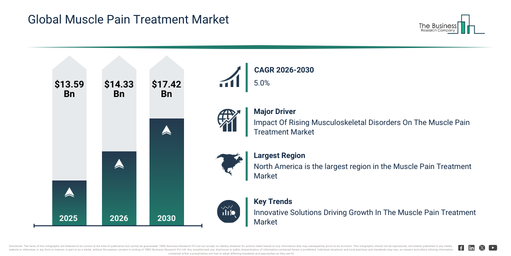
    The muscle pain treatment market size has experienced robust growth in recent years. It is anticipated to increase from $13.59 billion in 2025 to $14.33 billion in 2026, demonstrating a compound annual growth rate (CAGR) of 5.4%. This historical expansion can be linked to a rise in physical injuries, the growing occurrence of strenuous work conditions, the early adoption of over-the-counter pain relievers, an increase in sports-related muscle strain cases, and limited public awareness of non-pharmacological therapies.

    The muscle pain treatment market is projected to experience substantial expansion in the coming years. This market is set to reach $17.42 billion by 2030, exhibiting a compound annual growth rate (CAGR) of 5.0%. Factors contributing to this anticipated growth include advancements in topical formulations, a growing demand for personalized pain management solutions, the expanding application of muscle relaxants in clinical settings, the proliferation of physiotherapy centers, and increased investment in alternative pain therapies. Key trends observed during the forecast period encompass an increasing demand for topical analgesic products, the rising application of muscle relaxants to address acute pain, wider acceptance of physical and massage therapy, the expansion of available over-the-counter pain relief options, and a heightened emphasis on combination therapy for persistent muscle pain.

    Access Your Free Sample Report for In-Depth Market Insights:

    https://www.thebusinessresearchcompany.com/sample.aspx?id=17206&type=smp

    What Drivers Are Driving Adoption Within The Muscle Pain Treatment Market?

    A rising occurrence of musculoskeletal conditions is projected to propel the muscle pain treatment market in the future. These disorders encompass ailments impacting the body’s muscles, bones, and joints, frequently leading to discomfort, rigidity, and restricted mobility. The surge in such cases stems from influences like an aging demographic, inactive routines, and a rise in chronic illnesses. The objective of muscle pain treatment is to mitigate the symptoms of musculoskeletal disorders through pain reduction, enhanced mobility, complication prevention, and an improvement in patients’ general well-being and functional capacity. For example, data from January 2024, released by the Office for Health Improvement and Disparities, a UK government body, indicated that in 2023, 18.4% of individuals aged 16 and over reported a long-term musculoskeletal condition, marking a slight increase from 17.6% in 2022. Males reported these conditions less often, at 15.8%, compared to females, at 20.9%. Consequently, the rising occurrence of musculoskeletal disorders is a key driver for the muscle pain treatment market.

    What Segments Are Included Within The Muscle Pain Treatment Market?

    The muscle pain treatment market covered in this report is segmented –

    1) By Pharmacological Treatment: Analgesics, Muscle Relaxants, Topical Analgesics, Other Pharmacological Treatments

    2) By Non-Pharmacological Treatment: Physical Therapy, Massage Therapy, Acupuncture, Heat And Cold Therapy, Exercise And Stretching, Other Non-Pharmacological Treatments

    3) By Type Of Pain: Acute Muscle Pain, Chronic Muscle Pain

    4) By Cause Of Muscle Pain: Overuse And Strain, Injury Or Trauma, Inflammatory Conditions, Neurological Conditions, Infections, Other Cause Of Muscle Pains

    5) By Application: Hospital, Clinic, Other Applications

    Subsegments:

    1) By Analgesics: Nonsteroidal Anti-Inflammatory Drugs (NSAIDs), Acetaminophen

    2) By Muscle Relaxants: Centrally Acting Muscle Relaxants, Peripherally Acting Muscle Relaxants

    3) By Topical Analgesics: Creams & Ointments, Gels & Sprays, Patches

    4) By Other Pharmacological Treatments: Corticosteroids, Antidepressants, Anticonvulsants

    What Long-Term Trends Are Expected To Shape The Future Of The Muscle Pain Treatment Market?

    Major companies within the muscle pain treatment market are concentrating on developing innovative solutions, such as topical analgesic products, to boost their effectiveness and user convenience. These topical analgesic products are medications applied directly to the skin to alleviate pain by targeting the specific affected area and are commonly utilized for conditions including muscle aches, arthritis, and minor injuries. For instance, in July 2024, Wellness Formulations LLC, a US-based company providing health and wellness products, launched Ralli Rapid Pain Relief, a new offering that combines menthol’s pain-relieving benefits with advanced penetration enhancers and skin conditioners. It delivers efficient pain relief without leaving a greasy residue, providing fast and enduring comfort for muscle aches, joint pain, arthritis, strains, and sprains. Available in gel, spray, and roll-on formats, it ensures convenient application directly to the painful spot, removing the need for rubbing or massaging.

    Who Are The Top-Performing Companies In The Muscle Pain Treatment Market In Recent Years?

    Major companies operating in the muscle pain treatment market are Pfizer Inc., Johnson & Johnson, Roche Holding AG, Merck & Co. Inc., AbbVie Inc., Bayer AG, Sanofi SA, Bristol Myers Squibb Company, AstraZeneca PLC, Novartis International AG, GlaxoSmithKline plc (GSK), Eli Lilly and Company, Amgen Inc., Teva Pharmaceutical Industries Ltd., Baxter International Inc., Haleon Plc, Select Medical Holdings Corporation, Purdue Pharma, Endo Pharmaceuticals Inc., Concentra Inc., Athletico Physical Therapy, ATI Physical Therapy Inc., Physiotherapy Associates Inc, NovaCare Rehabilitation Inc, CORA Health Services Inc., Select Physical Therapy Holdings Inc., ProActive Physical Therapy

    Access The Complete Report For Deeper Market Insights:

    https://www.thebusinessresearchcompany.com/report/muscle-pain-treatment-global-market-report

    Which Region Is Anticipated To See The Fastest Growth In The Muscle Pain Treatment Market?

    North America was the largest region in the muscle pain treatment market in 2025. Asia-Pacific is expected to be the fastest-growing region in the forecast period. The regions covered in the muscle pain treatment market report are Asia-Pacific, South East Asia, Western Europe, Eastern Europe, North America, South America, Middle East, Africa.

    Request Your Customized Muscle Pain Treatment Market Research Report for Competitive Advantage:

    https://www.thebusinessresearchcompany.com/customise?id=17206&type=smp

    Browse Through More Reports Similar to the Global Muscle Pain Treatment Market 2026, By The Business Research Company

    Fibromyalgia Treatment Market Report 2026

    https://www.thebusinessresearchcompany.com/report/fibromyalgia-treatment-global-market-report

    Neuralgia Treatment Market Report 2026

    https://www.thebusinessresearchcompany.com/report/neuralgia-treatment-global-market-report

    Pain Management Drugs Market Report 2026

    https://www.thebusinessresearchcompany.com/report/pain-management-drugs-global-market-report

    Get in touch with us:

    The Business Research Company: https://www.thebusinessresearchcompany.com/

    Americas +1 310-496-7795

    Asia +44 7882 955267 & +91 8897263534

    Europe +44 7882 955267

    Email us at info@tbrc.info

    Follow us on:

    LinkedIn: https://in.linkedin.com/company/the-business-research-company

    YouTube: https://www.youtube.com/channel/UC24_fI0rV8cR5DxlCpgmyFQ

    Global Market Model: https://www.thebusinessresearchcompany.com/global-market-model
  • Muscarinic Acetylcholine Receptor Market Research: Growth Projections and Trends 2030

    Muscarinic Acetylcholine Receptor Market Research: Growth Projections and Trends 2030

    Uncover key drivers, emerging technologies, and competitive movements shaping the muscarinic acetylcholine receptor market from 2026–2035 with trusted insights from The Business Research Company

    Across 2026–2030, what is the expected market valuation path of the Muscarinic Acetylcholine Receptor Market?

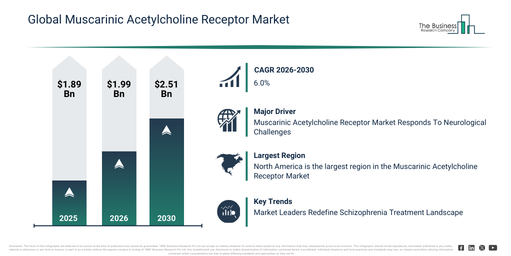
    The muscarinic acetylcholine receptor market size has seen significant expansion in recent years. It is projected to increase from $1.89 billion in 2025 to $1.99 billion in 2026, with a compound annual growth rate (CAGR) of 5.5%. This growth observed in the past can be ascribed to several factors, including the increased prevalence of nervous system disorders, early investigations into G protein pathways, a rising demand for respiratory condition treatments, advancements in pharmaceutical research and development, and the limited availability of selective receptor targeting options.

    The muscarinic acetylcholine receptor market is projected to experience substantial expansion in the coming years, with expectations to reach $2.51 billion by 2030, exhibiting a compound annual growth rate (CAGR) of 6.0%. Factors driving this growth during the projection period include advancements in receptor-specific drug discovery, increased investment in therapies for neurodegenerative diseases, the broadening scope of personalized medicine, the creation of combination receptor products, and a growing emphasis on targeted molecular modulation. Key trends expected within this period encompass a heightened focus on selective receptor targeting, an escalating demand for neurological disorder treatments, increased research into G protein-coupled receptor modulation, the expansion of drug development efforts for memory impairment, and a rising interest in combination receptor modulators.

    Access Your Free Sample Report for In-Depth Market Insights:

    https://www.thebusinessresearchcompany.com/sample.aspx?id=10861&type=smp

    Which Drivers Are Supporting The Rise Of The Muscarinic Acetylcholine Receptor Market?

    The escalating prevalence of neurological disorders is projected to drive the expansion of the muscarinic acetylcholine receptor market moving forward. These medical conditions impact the nervous system, encompassing the brain, spinal cord, and peripheral nerves. Muscarinic acetylcholine receptors (mAChR) are crucial for regulating complex behaviors, including cognition, locomotion, and reward, making them appropriate therapeutic targets for a range of neurological illnesses. As an illustration, in October 2023, the World Federation of Neurology, a UK-based charity, highlighted that, indicative of a rapidly increasing global health burden, neurological disorders now constitute the second-leading cause of death and the primary cause of disability worldwide. More than 40 percent of the global population was affected in 2023, and the number of individuals living with brain disease is anticipated to nearly double by 2050. This surge in neurological disorders is consequently fueling the growth of the muscarinic acetylcholine receptor market.

    What Leading Segments Are Studied In The Muscarinic Acetylcholine Receptor Market?

    The muscarinic acetylcholine receptor market covered in this report is segmented –

    1) By Type: M1 Receptor, M4 Receptor, M5 Receptor, Other Types

    2) By Distribution Channel: Hospitals, Clinics, Retail Pharmacies, Online Pharmacies, Specialty Centers

    3) By Application: Chronic Obstructive Pulmonary Disease, Attention Deficit Hyperactivity Disorder, Alzheimer’s Disease, Memory Impairment, Psychiatric Disorders, Other Applications

    Subsegments:

    1) By M1 Receptor: Centrally Acting Antagonists, Centrally Acting Agonists, Peripherally Acting Compounds

    2) By M4 Receptor: Selective Agonists, Selective Antagonists, Non-Selective Agents

    3) By M5 Receptor: Agonists, Antagonists

    4) By Other Types: M2 Receptor, M3 Receptor, Combination Receptor Products

    Which Market Trends Are Opening Growth Opportunities In The Muscarinic Acetylcholine Receptor Market?

    Leading companies operating in the muscarinic acetylcholine receptor market are concentrating on creating innovative products to enhance their market presence and obtain regulatory clearance for addressing schizophrenia. Schizophrenia is a severe mental illness that impacts an individual’s thoughts, emotions, and conduct. Individuals suffering from schizophrenia might appear to be out of touch with reality, which can be distressing for both them and their families. For example, in September 2023, Karuna Therapeutics, Inc., a US-based clinical-stage biopharmaceutical company, disclosed the submission of a New Drug Application (NDA) to the FDA for KarXT (xanomeline-trospium), which is purposed for the treatment of schizophrenia. The company is dedicated to identifying, developing, and providing novel therapeutic options for people with neurological and psychiatric conditions.

    Which Leading Companies Dominate The Muscarinic Acetylcholine Receptor Market Share?

    Major companies operating in the muscarinic acetylcholine receptor market are Heptares Therapeutics Ltd., Sumitomo Dainippon Pharma Co. Ltd., Anavex Life Sciences Corp., NeuroHealing Pharmaceuticals Inc., AstraZeneca plc, Karuna Pharmaceuticals Inc., Anven AlzDx Inc., Merck & Co Inc., Eli Lilly and Co., GlaxoSmithKline plc, Johnson & Johnson, Pfizer Inc., Novartis AG, AbbVie Inc., Boehringer Ingelheim International GmbH, Takeda Pharmaceutical Company Limited, Teva Pharmaceutical Industries Ltd., F. Hoffmann-La Roche Ltd., Eisai Co. Ltd., Astellas Pharma Inc., Sanofi SA, Sun Pharmaceutical Industries Ltd.

    Access The Complete Report For Deeper Market Insights:

    https://www.thebusinessresearchcompany.com/report/muscarinic-acetylcholine-receptor-global-market-report

    Which Global Regions Are Shaping The Competitive Landscape Of The Muscarinic Acetylcholine Receptor Market?

    North America was the largest region in the muscarinic acetylcholine receptor market in 2025.Asia-Pacific is expected to be the fastest-growing region in the global muscarinic acetylcholine receptor market during the forecast period. The regions covered in the muscarinic acetylcholine receptor market report are Asia-Pacific, South East Asia, Western Europe, Eastern Europe, North America, South America, Middle East, Africa.

    Request Your Customized Muscarinic Acetylcholine Receptor Market Research Report for Competitive Advantage:

    https://www.thebusinessresearchcompany.com/customise?id=10861&type=smp

    Browse Through More Reports Similar to the Global Muscarinic Acetylcholine Receptor Market 2026, By The Business Research Company

    Glp 1 Receptor Agonist Market Report 2026

    https://www.thebusinessresearchcompany.com/report/glp-1-receptor-agonist-global-market-report

    Muscarinic Acetylcholine Receptor Market Report 2026

    https://www.thebusinessresearchcompany.com/report/muscarinic-acetylcholine-receptor-global-market-report

    Cholinergic Drugs Market Report 2026

    https://www.thebusinessresearchcompany.com/report/cholinergic-drugs-global-market-report

    Get in touch with us:

    The Business Research Company: https://www.thebusinessresearchcompany.com/

    Americas +1 310-496-7795

    Asia +44 7882 955267 & +91 8897263534

    Europe +44 7882 955267

    Email us at info@tbrc.info

    Follow us on:

    LinkedIn: https://in.linkedin.com/company/the-business-research-company

    YouTube: https://www.youtube.com/channel/UC24_fI0rV8cR5DxlCpgmyFQ

    Global Market Model: https://www.thebusinessresearchcompany.com/global-market-model