Category: HealthcareServices

  • Global Multiplex Biomarker Imaging Industry Insights: Key Trends and Growth Estimates

    Global Multiplex Biomarker Imaging Industry Insights: Key Trends and Growth Estimates

    Uncover key drivers, emerging technologies, and competitive movements shaping the multiplex biomarker imaging market from 2026–2035 with trusted insights from The Business Research Company

    What size range is anticipated for the Multiplex Biomarker Imaging Market from 2026 to 2030?

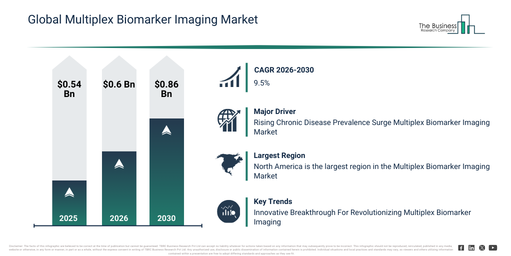
    The multiplex biomarker imaging market size has seen swift expansion in recent years. It is forecast to increase from $0.54 billion in 2025 to $0.6 billion in 2026, demonstrating a compound annual growth rate (CAGR) of 10.8%. The historic period’s growth can be attributed to a rise in cancer research studies, an increased necessity for biomarker-based analysis, the early adoption of fluorescence imaging, the limitations of single-marker analysis capabilities, and the growth of molecular pathology testing.

    The multiplex biomarker imaging market is anticipated to experience substantial expansion over the upcoming years. This market is projected to reach $0.86 billion by 2030, exhibiting a compound annual growth rate (CAGR) of 9.5%. Several factors will drive this growth during the forecast period, including innovations in imaging platforms, an increasing need for personalized medicine, broader applications of multiplex assays, the expansion of pharmaceutical biomarker programs, and greater investment in spatial biology research. Key trends anticipated during this period encompass the expanded application of multiplex imaging in oncology research, a growing requirement for high-resolution tissue mapping, wider adoption of advanced immunofluorescence techniques, the proliferation of automated image analysis solutions, and the incorporation of multiplex imaging into drug discovery platforms.

    Access Your Free Sample Report for In-Depth Market Insights:

    https://www.thebusinessresearchcompany.com/sample.aspx?id=16127&type=smp

    What Drivers Are Affecting Demand In The Multiplex Biomarker Imaging Market?

    The escalating incidence of chronic illnesses is anticipated to boost the expansion of the multiplex biomarker imaging market moving forward. These conditions represent enduring health challenges that persist or reoccur, often stemming from intricate causes, multiple risk factors, and extended latency periods. The heightened occurrence of chronic diseases can be attributed to several factors, including the swift aging of the population, improved methods for identifying and detecting cases, advancements in disease treatment and management, and evolving lifestyle and environmental risk factors. Multiplex biomarker imaging finds application in the management of chronic diseases by facilitating comprehensive analysis and characterization of how diseases progress and how patients respond to treatment. For instance, in January 2023, a report from the National Institutes of Health (NIH), a US-based biomedical research agency, projected that the number of people aged 50 and older with at least one chronic illness is expected to increase by 99.5%, from 71.52 million in 2020 to 142.66 million in 2050. Therefore, the rising prevalence of chronic diseases is significantly driving the growth of the multiplex biomarker imaging market.

    Which Segment Groups Are Influencing The Multiplex Biomarker Imaging Market?

    The multiplex biomarker imaging market covered in this report is segmented –

    1) By Component Type: Instruments, Software, Services

    2) By Imaging Techniques: Immunofluorescence (IF) Assay, Tissue Microarray (TMA) Assay, Immunohistochemistry (IHC) Assay, Fluorescent In Situ Hybridization (FISH) Assay, Toponome Imaging System (TIS)

    3) By Application: Drug Safety, Oncology Studies, Genetic Characterization Studies

    4) By End User: Research Institutes, Government And Private, Clinical Labs, Pharmaceutical And Biotechnology

    Subsegments:

    1) By Instruments: Imaging Systems (Microscopes, Scanners), Detection Devices, Reagents And Kits

    2) By Software: Image Analysis Software, Data Management Software, Visualization And Interpretation Software

    3) By Services: Technical Support And Maintenance, Consultation And Training, Imaging And Analysis Services

    How Are Emerging Trends Affecting The Progression Of The Multiplex Biomarker Imaging Market?

    Leading companies in the multiplex biomarker imaging market are concentrating on offering innovative slides, such as automated slide loaders, to provide advanced imaging solutions and better serve customers. Automated slide loaders streamline sample handling, reducing hands-on time and enhancing throughput, which is crucial for high-volume multiplex biomarker imaging experiments. For instance, in April 2024, Standard BioTools Inc., a US-based provider of analytical systems and instruments, launched a Hyperion XTi Imaging System with a new high-throughput multiplexed whole slide to add automation and flexibility. It has three modes for rapid analysis, including preview, tissue, and cell modes, enabling researchers to quickly visualize tissue heterogeneity and conduct deeper analysis. This novel whole slide imaging method using imaging mass cytometry (IMC) offers up to 10 times higher throughput than cyclic immunofluorescent imaging. Additionally, a new automated slide loader facilitates high-throughput imaging, reducing manual effort and enabling standardization. These innovations are aimed at accelerating breakthroughs in spatial proteomics, providing reliable insights into health and disease.

    Who Are The Major Companies Operating In The Multiplex Biomarker Imaging Market?

    Major companies operating in the multiplex biomarker imaging market are Merck KGaA, Thermo Fisher Scientific Inc., Danaher Corporation, Becton Dickinson and Company (BD), Carl Zeiss AG, Illumina Inc, PerkinElmer Inc., Bio-Rad Laboratories Inc, Bruker Corporation, Bio-Techne Corporation, Leica Biosystems Nussloch GmbH, Abcam Plc, Meso Scale Diagnostics LLC, Fluidigm Corporation, NanoString Technologies, Quanterix Corporation, Akoya Biosciences, Enzo Biochem Inc, Cisbio Bioassays, Flagship Biosciences, Aushon BioSystems Ltd, Ionpath Inc., Biosims Technologies

    Access The Complete Report For Deeper Market Insights:

    https://www.thebusinessresearchcompany.com/report/multiplex-biomarker-imaging-global-market-report

    Which Regions Are Poised For Strategic Growth In The Multiplex Biomarker Imaging Market?

    North America was the largest region in the multiplex biomarker imaging market in 2025. Asia-Pacific is expected to be the fastest-growing region in the forecast period. The regions covered in the multiplex biomarker imaging market report are Asia-Pacific, South East Asia, Western Europe, Eastern Europe, North America, South America, Middle East, Africa.

    Request Your Customized Multiplex Biomarker Imaging Market Research Report for Competitive Advantage:

    https://www.thebusinessresearchcompany.com/customise?id=16127&type=smp

    Browse Through More Reports Similar to the Global Multiplex Biomarker Imaging Market 2026, By The Business Research Company

    Biomarkers Market Report 2026

    https://www.thebusinessresearchcompany.com/report/biomarkers-global-market-report

    Clinical Biomarkers Market Report 2026

    https://www.thebusinessresearchcompany.com/report/clinical-biomarkers-global-market-report

    Multiplex Assays Market 2026

    https://www.thebusinessresearchcompany.com/report/multiplex-assays-market

    Get in touch with us:

    The Business Research Company: https://www.thebusinessresearchcompany.com/

    Americas +1 310-496-7795

    Asia +44 7882 955267 & +91 8897263534

    Europe +44 7882 955267

    Email us at info@tbrc.info

    Follow us on:

    LinkedIn: https://in.linkedin.com/company/the-business-research-company

    YouTube: https://www.youtube.com/channel/UC24_fI0rV8cR5DxlCpgmyFQ

    Global Market Model: https://www.thebusinessresearchcompany.com/global-market-model
  • Paraganglioma Market Trends and Insights: Global Forecast to 2030

    Paraganglioma Market Trends and Insights: Global Forecast to 2030

    Uncover key drivers, emerging technologies, and competitive movements shaping the paraganglioma market from 2026–2035 with trusted insights from The Business Research Company

    What long-term size projections exist for the Paraganglioma Market covering 2026–2035?

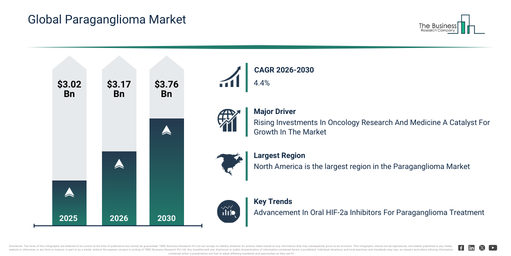
    The paraganglioma market has experienced consistent expansion in recent years. Its valuation is anticipated to increase from $3.02 billion in 2025 to $3.17 billion in 2026, achieving a compound annual growth rate (CAGR) of 4.7%. Historically, this growth has been driven by elements such as restricted access to ophthalmology specialists, reliance on corticosteroid treatments, a shortage of advanced diagnostic instruments, low understanding of panuveitis complications, and a fragmented infrastructure for treatment.

    The paraganglioma market size is projected to experience consistent growth over the next few years. It is forecast to expand to $3.76 billion by 2030, achieving a compound annual growth rate (CAGR) of 4.4%. This anticipated growth during the forecast period is driven by advancements in biologic and immunotherapy drugs, the increasing occurrence of autoimmune and infectious eye disorders, the rise of teleophthalmology and digital monitoring, growing investments in AI-based diagnostics, and the expansion of hospital and specialty clinic distribution channels. Significant trends expected in this period include the rising adoption of biologic and targeted therapies, the integration of teleophthalmology and remote monitoring, the development of AI-assisted diagnostic tools for uveitis, the expansion of personalized eye care solutions, and the growth of specialized ophthalmology centers.

    Access Your Free Sample Report for In-Depth Market Insights:

    https://www.thebusinessresearchcompany.com/sample.aspx?id=21245&type=smp

    Which Drivers Are Impacting The Competitive Landscape Of The Paraganglioma Market?

    Expected to boost the paraganglioma market, growing financial commitments to oncology research and medicine encompass funds from governments, pharmaceutical firms, research bodies, and private investors aimed at advancing cancer understanding, prevention, diagnosis, and treatment. This surge in investment is driven by the escalating worldwide cancer burden, progress in precision medicine, a rising need for novel therapies, expanding clinical trials, various funding programs, and the creation of targeted and immunotherapy options. Such investments aid paraganglioma through promoting earlier detection, improving therapeutic choices like targeted and immunotherapies, financing clinical studies for superior medications, enhancing infrastructure for pediatric cancer care, and fostering innovative studies to better grasp the disease’s biology and progression. For example, IQVIA, an India-based advanced analytics firm, reported in May 2024 that global expenditure on cancer drugs reached $223 billion in 2023, an increase of $25 billion from 2022, with projections indicating it will hit $409 billion by 2028. Consequently, the expanding investments in oncology research and medicine are a key driver for the paraganglioma market. The paraganglioma market is anticipated to grow due to increasing focus on personalized medicine strategies. Personalized medicine customizes treatment and monitoring based on unique genetic, molecular, or clinical characteristics of an individual. The heightened interest in these approaches stems from their ability to adapt treatments to a person’s genetic makeup, thereby boosting effectiveness and minimizing side effects. Paraganglioma is especially well-suited for this, given that numerous cases involve germline pathogenic variations in genes like SDHB, SDHD, RET, and VHL. An illustration of this trend is the report from the US-based Personalized Medicine Coalition in February 2024, stating that in 2023, the FDA sanctioned 16 novel personalized treatments for patients with rare diseases, a significant rise from six in 2022. Of these approvals, seven were cancer medications, while three addressed other medical conditions. Consequently, the increasing emphasis on personalized medicine approaches is projected to stimulate growth in the paraganglioma market.

    What Segments Are Identified Within The Structure Of The Paraganglioma Market?

    The paraganglioma market covered in this report is segmented –

    1) By Type: Sympathetic Paragangliomas, Parasympathetic Paragangliomas, Carotid Paragangliomas, Cervical Paragangliomas, Jugular Paragangliomas, Secretory Paragangliomas, Temporal Paragangliomas

    2) By Origin: Head And Neck, Abdomen, Pelvis, Other Origins

    3) By Treatment Type: Peptide Receptor Radionuclide Therapy, Surgery, Chemotherapy, Radiation Therapy, Other Treatment Types

    4) By Distribution Channel: Hospital Pharmacies, Drug Stores And Retail Pharmacies, Online Pharmacies

    5) By End-User: Hospitals, Specialty Clinics, Cancer Research Institutes, Other End-Users

    Subsegments:

    1) By Sympathetic Paragangliomas: Adrenal Sympathetic Paragangliomas, Extra-Adrenal Sympathetic Paragangliomas

    2) By Parasympathetic Paragangliomas: Head And Neck Parasympathetic Paragangliomas, Thoracic Parasympathetic Paragangliomas

    3) By Carotid Paragangliomas: Unilateral Carotid Paragangliomas, Bilateral Carotid Paragangliomas

    4) By Cervical Paragangliomas: Vagal Paragangliomas, Hypoglossal Paragangliomas

    5) By Jugular Paragangliomas: Type A, Type B, Type C, Type D

    6) By Secretory Paragangliomas: Catecholamine-Secreting Paragangliomas, Non-Catecholamine-Secreting Paragangliomas

    7) By Temporal Paragangliomas: Tympanic Paragangliomas, Mastoid Paragangliomas

    How Are Emerging Trends Affecting The Progression Of The Paraganglioma Market?

    Companies operating in the paraganglioma market are primarily focused on the development of advanced therapies, such as oral hypoxia-inducible factor-2 alpha (HIF-2a) inhibitors, to provide targeted treatment options for individuals with paraganglioma. These oral HIF-2a inhibitors represent a specific therapeutic approach that works by suppressing HIF-2a activity, a critical element in tumor growth under low-oxygen conditions, thereby helping to slow the progression of cancers like paraganglioma. For example, in January 2025, Merck, a biopharmaceutical company based in the U.S., announced that its supplemental new drug application for Welireg (belzutifan) had received a priority review status from the U.S. Food and Drug Administration (FDA), a U.S. government agency. This treatment is intended for adult and pediatric patients (12 years and older) who have advanced, unresectable, or metastatic pheochromocytoma and paraganglioma (PPGL). The sNDA’s foundation rests on the objective response rate (ORR) and duration of response (DOR) data collected from the Phase 2 LITESPARK-015 trial.

    Which Major Firms Are Strengthening Their Position In The Paraganglioma Market?

    Major companies operating in the paraganglioma market are F. Hoffmann-La Roche Ltd., Merck & Co. Inc. , Mount Sinai, Penn Medicine, Stanford Health Care, St. Jude Children’s Research Hospital, UT Health San Antonio, The University of Chicago Medical Center, Fred Hutchinson Cancer Center, Florida Cancer Specialists & Research Institute, Invitae Corp., Clinigen Group plc, Fulgent Genetics, Dana-Farber Cancer Institute Inc., Oncology Hematology Care Inc., Enterome , National Institutes of Health Clinical Center, Progenics Pharmaceuticals Inc., Pheo Para Alliance, Saint John’s Cancer Institute

    Access The Complete Report For Deeper Market Insights:

    https://www.thebusinessresearchcompany.com/report/paraganglioma-global-market-report

    Which Regions Are Projected To Dominate The Paraganglioma Market In The Coming Years?

    North America was the largest region in the paraganglioma market in 2025. Asia-Pacific is expected to be the fastest-growing region in the forecast period. The regions covered in the paraganglioma market report are Asia-Pacific, South East Asia, Western Europe, Eastern Europe, North America, South America, Middle East, Africa.

    Request Your Customized Paraganglioma Market Research Report for Competitive Advantage:

    https://www.thebusinessresearchcompany.com/customise?id=21245&type=smp

    Browse Through More Reports Similar to the Global Paraganglioma Market 2026, By The Business Research Company

    Anaplastic Astrocytoma Market Report 2026

    https://www.thebusinessresearchcompany.com/report/anaplastic-astrocytoma-global-market-report

    Paraganglioma Market Report 2026

    https://www.thebusinessresearchcompany.com/report/paraganglioma-global-market-report

    Anaplastic Astrocytoma Market Report 2026

    https://www.thebusinessresearchcompany.com/report/anaplastic-astrocytoma-global-market-report

    Get in touch with us:

    The Business Research Company: https://www.thebusinessresearchcompany.com/

    Americas +1 310-496-7795

    Asia +44 7882 955267 & +91 8897263534

    Europe +44 7882 955267

    Email us at info@tbrc.info

    Follow us on:

    LinkedIn: https://in.linkedin.com/company/the-business-research-company

    YouTube: https://www.youtube.com/channel/UC24_fI0rV8cR5DxlCpgmyFQ

    Global Market Model: https://www.thebusinessresearchcompany.com/global-market-model
  • Global Panuveitis Treatment Market Report 2026–2030: Data-Driven Growth Insights

    Global Panuveitis Treatment Market Report 2026–2030: Data-Driven Growth Insights

    Uncover key drivers, emerging technologies, and competitive movements shaping the panuveitis treatment market from 2026–2035 with trusted insights from The Business Research Company

    What total market size is anticipated for the Panuveitis Treatment Market in 2030?

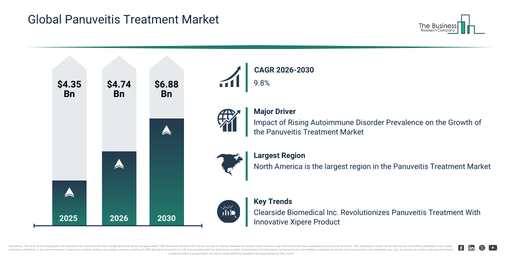
    The panuveitis treatment market has experienced robust expansion in recent years. It is projected to grow from $4.35 billion in 2025 to $4.74 billion in 2026, at a compound annual growth rate (CAGR) of 8.8%. The historical growth can be ascribed to factors such as limited access to ophthalmology specialists, a reliance on corticosteroid therapies, the absence of advanced diagnostic tools, low awareness of panuveitis complications, and a fragmented treatment infrastructure.

    The panuveitis treatment market is projected to experience substantial expansion over the coming years. This market is anticipated to reach $6.88 billion by 2030, exhibiting a compound annual growth rate (CAGR) of 9.8%. Factors contributing to this growth during the projection period include progress in biologic and immunotherapy medications, a rising incidence of autoimmune and infectious eye conditions, the expansion of teleophthalmology and digital observation methods, increased funding for AI-driven diagnostics, and the widening reach of hospital and specialty clinic distribution networks. Key trends anticipated for this forecast period encompass the increasing acceptance of biologic and targeted treatments, the incorporation of teleophthalmology and remote patient surveillance, AI-powered diagnostic instruments for uveitis, the development of customized eye care services, and an increase in specialized ophthalmology facilities.

    Access Your Free Sample Report for In-Depth Market Insights:

    https://www.thebusinessresearchcompany.com/sample.aspx?id=13157&type=smp

    What Drivers Are Influencing Production Trends In The Panuveitis Treatment Market?

    The increasing occurrence of autoimmune disorders is projected to fuel expansion within the panuveitis treatment market. The ascent of autoimmune conditions can be attributed to a confluence of genetic susceptibilities, environmental elements such as pollution and shifts in diet, alongside heightened exposure to specific infections and stressors potentially inducing immune system imbalance. These disorders play a role in advancing panuveitis treatment through stimulating investigation into immune system modulation, given that a significant number of panuveitis instances are linked to autoimmune processes. To illustrate, data from May 2023, supplied by the University of Oxford, a research institution located in the UK, indicates that autoimmune disorders impact 10% of the global populace, specifically affecting 13% of women and 7% of men. Consequently, the growing incidence of autoimmune disorders is a primary catalyst for the expansion of the panuveitis treatment market.

    Which Segments Are Gaining Traction In The Panuveitis Treatment Market?

    The panuveitis treatment market covered in this report is segmented –

    1) By Drug Class: Anti-Inflammatory, Antimicrobial Drugs, Immunotherapy And Targeted Therapies

    2) By Route Of Administration: Oral, Topical

    3) By End Users: Hospitals, Home Care, Specialty Clinics, Other End Users

    Subsegments:

    1) By Anti-Inflammatory: Corticosteroids, Non-Steroidal Anti-Inflammatory Drugs (NSAIDs)

    2) By Antimicrobial Drugs: Antibiotics, Antifungal Agents, Antiviral Medications

    3) By Immunotherapy And Targeted Therapies: Biologic Agents, Janus Kinase (JAK) Inhibitors, Cytokine Modulators

    Which Innovation Trends Are Advancing Developments Within The Panuveitis Treatment Market?

    Major companies in the panuveitis treatment market are prioritizing the development of innovative products, such as oral dual TYK2/JAK1 inhibitors, to achieve a competitive edge. This category of small-molecule immunomodulators works by suppressing multiple pro-inflammatory cytokine pathways, thereby alleviating intraocular inflammation while offering the convenience of oral administration. For example, in April 2024, Priovant Therapeutics, a US-based biotech, revealed that its oral medication brepocitinib, which targets TYK2 and JAK1, exhibited considerable efficacy in a mid-stage clinical study for non-infectious uveitis, leading to a reduction in macular edema for several patients. The primary advantages include broad cytokine inhibition, daily oral consumption, and a decreased dependence on intravitreal injections. However, potential risks involve systemic immunosuppression and off-target effects, demanding meticulous long-term monitoring.

    Who Are The Primary Competitors In The Global Panuveitis Treatment Market?

    Major companies operating in the panuveitis treatment market are Pfizer Inc., Johnson and Johnson Pvt. Ltd., Bausch Health Companies Inc., AbbVie Inc., Novartis AG, Allergan Inc., Regeneron Pharmaceuticals Inc., Santen Pharmaceutical Co. Ltd., Ocular Therapeutix Inc., EyeGate Pharmaceuticals Inc., Eyepoint Pharmaceuticals Inc., Graybug Vision Inc., Aciont Inc., Clearside Biomedical Inc., Aldeyra Therapeutics Inc., UCB S.A., Amgen Inc., Sanofi S.A., Galapagos NV, Kiora Pharmaceuticals Inc., ONL Therapeutics, Eyevensys, Nicox S.A., Abbott Laboratories

    Access The Complete Report For Deeper Market Insights:

    https://www.thebusinessresearchcompany.com/report/panuveitis-treatment-global-market-report

    Which Region Is Expected To Experience The Fastest Growth In The Panuveitis Treatment Market?

    North America was the largest region in the panuveitis treatment market in 2025. The regions covered in the panuveitis treatment market report are Asia-Pacific, South East Asia, Western Europe, Eastern Europe, North America, South America, Middle East, Africa.

    Request Your Customized Panuveitis Treatment Market Research Report for Competitive Advantage:

    https://www.thebusinessresearchcompany.com/customise?id=13157&type=smp

    Browse Through More Reports Similar to the Global Panuveitis Treatment Market 2026, By The Business Research Company

    Ocular Inflammation Treatment Market Report 2026

    https://www.thebusinessresearchcompany.com/report/ocular-inflammation-treatment-global-market-report

    Sinusitis Treatment Market Report 2026

    https://www.thebusinessresearchcompany.com/report/sinusitis-treatment-global-market-report

    Pharyngitis Treatment Market Report 2026

    https://www.thebusinessresearchcompany.com/report/pharyngitis-treatment-global-market-report

    Get in touch with us:

    The Business Research Company: https://www.thebusinessresearchcompany.com/

    Americas +1 310-496-7795

    Asia +44 7882 955267 & +91 8897263534

    Europe +44 7882 955267

    Email us at info@tbrc.info

    Follow us on:

    LinkedIn: https://in.linkedin.com/company/the-business-research-company

    YouTube: https://www.youtube.com/channel/UC24_fI0rV8cR5DxlCpgmyFQ

    Global Market Model: https://www.thebusinessresearchcompany.com/global-market-model
  • Panuveitis Market Dynamics 2026: Future Outlook and Key Insights

    Panuveitis Market Dynamics 2026: Future Outlook and Key Insights

    Uncover key drivers, emerging technologies, and competitive movements shaping the panuveitis market from 2026–2035 with trusted insights from The Business Research Company

    What is the expected shift in the Panuveitis Market’s size between 2026 and 2030?

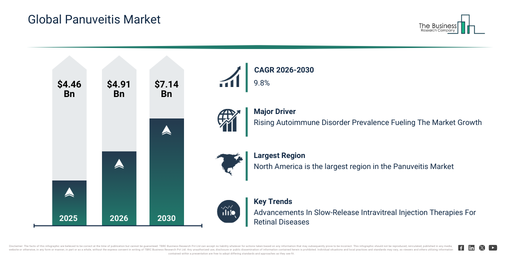
    The market for panuveitis has experienced rapid expansion over recent years. Its valuation is projected to increase from $4.46 billion in 2025 to $4.91 billion in 2026, demonstrating a compound annual growth rate (CAGR) of 10.1%. Historically, this growth has been influenced by factors such as a restricted understanding of panuveitis, a dependency on traditional corticosteroid treatments, scarce availability of ophthalmology specialists, a disorganized treatment system, and a gradual acceptance of diagnostic imaging technologies.

    The panuveitis market is projected to experience substantial expansion, reaching $7.14 billion by 2030, driven by a compound annual growth rate (CAGR) of 9.8%. This anticipated growth is attributable to several factors, including developments in biologic and immunomodulatory treatments, a rise in autoimmune and infectious eye conditions, the expansion of teleophthalmology services, increased capital allocation for AI-driven diagnostics, and the broadening of hospital and retail pharmacy distribution networks. Key trends foreseen over the forecast horizon encompass a greater uptake of specific biologic therapies, an increase in teleophthalmology and remote patient monitoring, the incorporation of AI-powered diagnostic tools for ocular inflammation, an evolution toward customized treatment strategies, and the proliferation of specialized eye care facilities.

    Access Your Free Sample Report for In-Depth Market Insights:

    https://www.thebusinessresearchcompany.com/sample.aspx?id=21244&type=smp

    Which Drivers Are Shaping Strategic Decisions In The Panuveitis Market?

    The increasing occurrence of autoimmune conditions is anticipated to drive expansion in the panuveitis market. These diseases develop when the immune system mistakenly attacks healthy cells and tissues within the body. The growing prevalence of autoimmune diseases stems from various factors, including genetic susceptibility, environmental elements like pollution and dietary shifts, and heightened exposure to infections and stressors that can cause immune system imbalance. Autoimmune disorders also foster progress in panuveitis treatment by encouraging research into immune system regulation, given that numerous panuveitis instances are linked to autoimmune activity. For example, data from May 2023, reported by the University of Oxford, a UK-based research university, indicates that autoimmune disorders impact 10% of the global populace, specifically affecting 13% of women and 7% of men. Consequently, the increasing incidence of autoimmune disorders is fueling the expansion of the panuveitis market.

    What Segment Categories Are Covered In The Panuveitis Market?

    The panuveitis market covered in this report is segmented –

    1) By Type: Infectious Panuveitis, Non-Infectious Panuveitis

    2) By Treatment: Pharmacological, Surgical, Phototherapy

    3) By Route Of Administration: Oral, Intravitreal, Topical

    4) By Distribution Channel: Hospital Pharmacies, Retail Pharmacies, Online Pharmacies

    Subsegments:

    1) By Infectious Panuveitis: Bacterial Panuveitis, Viral Panuveitis, Fungal Panuveitis, Parasitic Panuveitis

    2) By Non-Infectious Panuveitis: Autoimmune-Related Panuveitis, Idiopathic Panuveitis, Drug-Induced Panuveitis

    Which Competitive Trends Are Impacting The Structure Of The Panuveitis Market?

    Companies operating in the panuveitis market are strategically focusing on developing innovative products, such as oral TYK2/JAK-1 inhibitors, to achieve a competitive advantage. These small-molecule immunomodulators work by blocking inflammatory signaling pathways through the inhibition of both TYK2 and JAK-1 kinases, thereby reducing cytokine-driven inflammation in the eye. For example, in April 2024, Roivant Sciences, a US-based biopharma company, announced positive mid-stage clinical data for brepocitinib from its NEPTUNE study in non-infectious uveitis (including panuveitis). The drug showed efficacy in lessening inflammation and macular edema and was well tolerated, with no new safety signals identified. In parallel, Alumis, a US biotherapeutic company, initiated dosing in June 2023 for its Phase 2 proof-of-concept ESK-001 trial for non-infectious uveitis, including panuveitis; this specific molecule is highly selective, orally bioavailable, and designed to minimize off-target effects via allosteric TYK2 inhibition.

    Which Key Market Players Are Investing In Expansion And Innovation Within The Panuveitis Market?

    Major companies operating in the panuveitis market are Pfizer Inc., AbbVie, Amgen, Mallinckrodt plc, EyePoint Pharmaceuticals Inc., Clearside Biomedical Inc., pSivida Corp., Santen Pharmaceutical Co Ltd, Alimera Sciences Inc, Novartis AG, F Hoffmann-La Roche AG, Regeneron Pharmaceuticals Inc, Sanofi S A, Bausch Health Companies Inc, Johnson & Johnson, UCB SA, Aldeyra Therapeutics Inc, Kiora Pharmaceuticals Inc, Lux Biosciences Inc, Aciont Inc, Sirion Therapeutics Inc, EyeGate Pharmaceuticals Inc, Oculis Pharma AG, Alcon Inc, Sun Pharmaceutical Industries Ltd, Aerie Pharmaceuticals Inc.

    Access The Complete Report For Deeper Market Insights:

    https://www.thebusinessresearchcompany.com/report/panuveitis-global-market-report

    Which Geographic Areas Are Emerging As Strong Markets For The Panuveitis Market?

    North America was the largest region in the panuveitis market in 2025. The regions covered in the panuveitis market report are Asia-Pacific, South East Asia, Western Europe, Eastern Europe, North America, South America, Middle East, Africa.

    Request Your Customized Panuveitis Market Research Report for Competitive Advantage:

    https://www.thebusinessresearchcompany.com/customise?id=21244&type=smp

    Browse Through More Reports Similar to the Global Panuveitis Market 2026, By The Business Research Company

    Scleroderma Market Report 2026

    https://www.thebusinessresearchcompany.com/report/scleroderma-global-market-report

    Dermatitis Drugs Market Report 2026

    https://www.thebusinessresearchcompany.com/report/dermatitis-drugs-global-market-report

    Acute Pancreatitis Market Report 2026

    https://www.thebusinessresearchcompany.com/report/acute-pancreatitis-global-market-report

    Get in touch with us:

    The Business Research Company: https://www.thebusinessresearchcompany.com/

    Americas +1 310-496-7795

    Asia +44 7882 955267 & +91 8897263534

    Europe +44 7882 955267

    Email us at info@tbrc.info

    Follow us on:

    LinkedIn: https://in.linkedin.com/company/the-business-research-company

    YouTube: https://www.youtube.com/channel/UC24_fI0rV8cR5DxlCpgmyFQ

    Global Market Model: https://www.thebusinessresearchcompany.com/global-market-model
  • Panic Disorders Market Research: Growth Projections and Trends 2030

    Panic Disorders Market Research: Growth Projections and Trends 2030

    Uncover key drivers, emerging technologies, and competitive movements shaping the panic disorders market from 2026–2035 with trusted insights from The Business Research Company

    What growth pattern is forecast for the Panic Disorders Market size between 2026 and 2035?

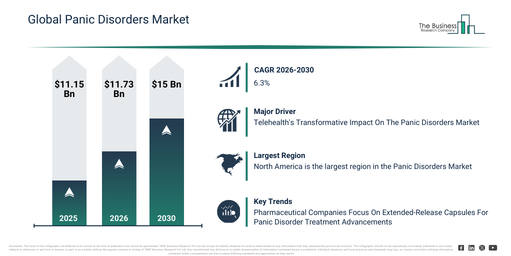
    The panic disorders market has shown considerable expansion in recent years. Its size is forecast to increase from $11.15 billion in 2025 to $11.73 billion in 2026, achieving a compound annual growth rate (CAGR) of 5.3%. The market’s historical development was characterized by limited awareness of panic disorders, a reliance on traditional in-person therapy, the high cost of medications, a fragmented mental healthcare infrastructure, and low adoption of digital therapy tools.

    The panic disorders market is anticipated to show significant expansion over the next few years. Its valuation is projected to reach $15 billion by 2030, driven by a compound annual growth rate (CAGR) of 6.3%. This expansion during the forecast period is attributed to several factors, including the increasing occurrence of anxiety and panic conditions, the growing adoption of telepsychiatry, breakthroughs in virtual reality and neurofeedback treatments, the broadening of online pharmacy and hospital distribution networks, and a heightened demand for customized mental healthcare plans. Prominent trends observed in this period encompass the rising embrace of telepsychiatry and mobile mental health applications, the integration of virtual reality therapy for anxiety disorders, a greater reliance on biofeedback and neurofeedback techniques, the development of personalized medication strategies for panic disorders, and the overall expansion of mental healthcare facilities and hospital services.

    Access Your Free Sample Report for In-Depth Market Insights:

    https://www.thebusinessresearchcompany.com/sample.aspx?id=13191&type=smp

    Which Drivers Are Impacting Market Performance In The Panic Disorders Market?

    The expanding adoption of telehealth is projected to boost the expansion of the panic disorders market in the future. Telehealth involves the use of electronic communication methods, including videoconferencing, phone calls, and secure messaging, to deliver remote healthcare and medical advice. It enables psychotherapy and counseling services for those affected by panic disorders. Through secure videoconferencing platforms, therapists can lead individual sessions, group therapy, or support groups. An example is seen in April 2023, when FAIR Health Inc., a US-based non-profit, reported a 7.3% nationwide increase in telehealth utilization, moving from 5.5% of medical claim lines in December 2022 to 5.9% in January 2023. Consequently, the rising use of telehealth is fueling the development of the panic disorders market.

    Which Segments Are Contributing To The Growth Of The Panic Disorders Market?

    The panic disorders market covered in this report is segmented –

    1) By Treatment Type: Pharmacotherapies, Psychotherapeutic Interventions, Digital Or Tech-Enabled Therapies

    2) By Disorder Type: Panic Disorder Without Agoraphobia, Panic Disorder With Agoraphobia, Mild Panic Disorder, Moderate Panic Disorder, Severe Panic Disorder, Panic Disorder With Comorbidities

    3) By Age Group: Children And Adolescents, Adults, Elderly

    4) By End User: Hospitals, Specialty Mental Health Clinics, Primary Care Clinics, Telehealth And Digital Platforms, Home Healthcare Services

    Subsegments:

    1) By Pharmacotherapies: Antidepressants, Benzodiazepines, Beta-Blockers

    2) By Psychotherapeutic Interventions: Cognitive Behavioral Therapy (CBT), Exposure Therapy, Psychodynamic Therapy, Group And Family Therapy

    3) By Digital Or Tech-Enabled Therapies: Mental Health Apps, Telepsychiatry Or Teletherapy, Virtual CBT Programs

    What Industry Trends Are Transforming The Panic Disorders Market?

    Major companies operating in the panic disorder market are focusing on developing advanced medicines, such as extended-release capsules, to sustain their position. Extended-release capsules are pharmaceutical formulations that release the active ingredient slowly over a period, typically 12 or 24 hours, to treat conditions requiring medication to be taken for an extended duration. For instance, in May 2023, Granules India Ltd., an India-based pharmaceutical company, obtained abbreviated new drug application (ANDA) approval from the US Food & Drug Administration (USFDA) for venlafaxine hydrochloride extended-release capsules. This product demonstrates bioequivalence with the reference-listed drug product (RLD), Effexor XR Extended-Release Capsules, which is manufactured by Upjohn US 2 LLC. Venlafaxine HCl extended-release capsules are prescribed for the management of conditions including generalized anxiety disorder (GAD), major depressive disorder (MDD), panic disorder (PD), and social anxiety disorder (SAD). They work by increasing the levels of serotonin and norepinephrine in the brain, with the dosage usually started at 75 mg per day and potentially increased by the doctor as needed.

    Who Are The Core Companies Influencing Trends In The Panic Disorders Market?

    Major companies operating in the panic disorders market are F. Hoffmann-La Roche Ltd, Sanofi S.A, Bristol-Myers Squibb Company, AstraZeneca plc, Abbott Laboratories, GlaxoSmithKline plc, Eli Lilly and Company, Boehringer Ingelheim International GmbH, Teva Pharmaceutical Industries Ltd, Mylan N.V., Pfizer Inc, Sun Pharmaceutical Industries Ltd, H. Lundbeck A/S, Neurocrine Biosciences Inc, Neuraxpharm, Actavis Plc, Sumitomo Pharma Co Ltd, LIFECARE NEURO PRODUCTS LTD, Merck & Co Inc, Johnson & Johnson, Novartis AG, Otsuka Pharmaceutical Co Ltd.

    Access The Complete Report For Deeper Market Insights:

    https://www.thebusinessresearchcompany.com/report/panic-disorders-global-market-report

    Which Region Is Projected To Lead The Panic Disorders Market During The Forecast Period?

    North America was the largest region in the panic disorders market in 2025. Asia Pacific is expected to be the fastest-growing region in the forecast period. The regions covered in the panic disorders market report are Asia-Pacific, South East Asia, Western Europe, Eastern Europe, North America, South America, Middle East, Africa.

    Request Your Customized Panic Disorders Market Research Report for Competitive Advantage:

    https://www.thebusinessresearchcompany.com/customise?id=13191&type=smp

    Browse Through More Reports Similar to the Global Panic Disorders Market 2026, By The Business Research Company

    Mental Health Market Report 2026

    https://www.thebusinessresearchcompany.com/report/mental-health-global-market-report

    Generalized Anxiety Disorder Market Report 2026

    https://www.thebusinessresearchcompany.com/report/generalized-anxiety-disorder-global-market-report

    Major Depressive Disorder Market Report 2026

    https://www.thebusinessresearchcompany.com/report/major-depressive-disorder-global-market-report

    Get in touch with us:

    The Business Research Company: https://www.thebusinessresearchcompany.com/

    Americas +1 310-496-7795

    Asia +44 7882 955267 & +91 8897263534

    Europe +44 7882 955267

    Email us at info@tbrc.info

    Follow us on:

    LinkedIn: https://in.linkedin.com/company/the-business-research-company

    YouTube: https://www.youtube.com/channel/UC24_fI0rV8cR5DxlCpgmyFQ

    Global Market Model: https://www.thebusinessresearchcompany.com/global-market-model
  • Global Panic Attack Treatment Industry Insights: Key Trends and Growth Estimates

    Global Panic Attack Treatment Industry Insights: Key Trends and Growth Estimates

    Uncover key drivers, emerging technologies, and competitive movements shaping the panic attack treatment market from 2026–2035 with trusted insights from The Business Research Company

    How much larger will the Panic Attack Treatment Market be in 2030 compared with 2026?

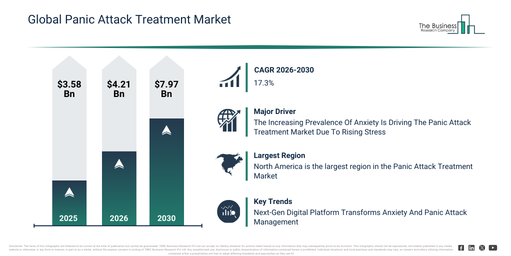
    The panic attack treatment market size has seen rapid growth in recent years. It is expected to grow from $3.58 billion in 2025 to $4.21 billion in 2026, exhibiting a compound annual growth rate (CAGR) of 17.6%. The expansion observed in the historic period can be attributed to factors such as limited awareness surrounding panic attack treatments, a strong reliance on in-person therapy, the high cost associated with specialized medications, a fragmented mental healthcare infrastructure, and the low adoption rate of digital therapy tools.

    The panic attack treatment market size is poised for substantial growth in the upcoming years. It is forecast to reach $7.97 billion by 2030, driven by a compound annual growth rate (CAGR) of 17.3%. This anticipated growth throughout the forecast period stems from factors such as the increasing adoption of telehealth platforms, the advancement of virtual reality and digital therapeutics, the rising prevalence of anxiety and panic disorders, innovations in personalized medicine, and the expansion of online pharmacy and hospital distribution channels. Prominent trends observed during the forecast period involve the rising adoption of telepsychiatry and mobile health applications, the integration of virtual reality therapy for panic disorders, an increasing application of neurofeedback and biofeedback techniques, the development of personalized medication plans, and the expansion of mental healthcare centers and hospital services.

    Access Your Free Sample Report for In-Depth Market Insights:

    https://www.thebusinessresearchcompany.com/sample.aspx?id=24356&type=smp

    What Drivers Are Guiding Growth Patterns In The Panic Attack Treatment Market?

    The rising incidence of anxiety is anticipated to boost expansion within the panic attack treatment market in the future. Anxiety is defined as a mental health disorder marked by ongoing feelings of apprehension, unease, and dread, frequently presenting with physical signs like agitation, accelerated heart rate, and impaired focus. Contemporary societal pressures contribute to elevated anxiety levels, imposing continuous requirements for output, economic security, and social achievement, thereby limiting opportunities for relaxation or emotional recuperation. Treatment for panic attacks tackles anxiety through providing efficacious remedies to ease symptoms, enhance emotional health, and assist individuals in reclaiming mastery over their lives via tailored and prompt interventions. To illustrate, in May 2024, data from the American Psychiatric Association (APA), a US-based medical specialty organization representing psychiatrists across the nation, indicated that a rising proportion of U.S. adults are reporting increased anxiety, with 43% in 2024 noting higher anxiety levels, an increase from 37% in 2023 and 32% in 2022. Consequently, the growing occurrence of anxiety is fueling the panic attack treatment market.

    How Is The Panic Attack Treatment Market Divided Into Segments?

    The panic attack treatment market covered in this report is segmented –

    1) By Treatment Type: Cognitive Behavioral Therapy (CBT), Medications, Other Treatment Types

    2) By Drug Class: Antidepressants, Anti-Anxiety Drugs, Calcitonin Gene-Related Peptide (CGRP) Antagonists, Other Drug Classes

    3) By Route Of Administration: Oral, Sublingual, Other Routes Of Administration

    4) By Distribution Channel: Hospital Pharmacies, Retail Pharmacies, Online Pharmacies

    5) By Application: Hospitals, Mental Healthcare Centers, Other Applications

    Subsegments:

    1) By Cognitive Behavioral Therapy (CBT): Exposure Therapy, Dialectical Behavior Therapy (DBT), Acceptance And Commitment Therapy (ACT), Mindfulness-Based Cognitive Therapy (MBCT), Rational Emotive Behavior Therapy (REBT)

    2) By Medications: Beta Blockers, Buspirone, Anticonvulsants, Atypical Antipsychotics, Herbal And Natural Supplements

    3) By Other Treatment Types: Telepsychiatry, Biofeedback And Neurofeedback, Virtual Reality Therapy, Mobile Health Applications, Support Groups And Counseling Services

    What Trends Are Reshaping The Dynamics Of The Panic Attack Treatment Market?

    Companies operating within the panic attack treatment market are prioritizing advancements in medical technology, such as digital anxiety relief platforms, to improve the management of anxiety and panic attacks through readily available, technology-driven methods. Digital anxiety relief platforms are technology-based applications or services designed to assist individuals in managing and diminishing anxiety via tools like guided meditation, cognitive behavioral therapy modules, mood tracking, and relaxation exercises. For example, in October 2024, CalmiGo, a US-based mental health startup, introduced CalmiGo Plus, an advanced digital platform created to help users more effectively manage anxiety and panic attacks. This platform features a patented, sensor-based exhaler device and a supplementary mobile application that employs gamification and personalized therapeutic strategies to enhance mental health outcomes. This innovation allows users to experience immediate, drug-free relief while simultaneously monitoring their progress, indicating a substantial leap forward in accessible and data-driven anxiety treatment solutions.

    Which Major Industry Participants Are Leading The Panic Attack Treatment Market Growth?

    Major companies operating in the panic attack treatment market are Pfizer Inc., Johnson & Johnson Services Inc., F. Hoffmann-La Roche Ltd., Sanofi S.A., AstraZeneca Plc, Novartis AG, GlaxoSmithKline plc, Takeda Pharmaceutical Company Limited, Eli Lilly and Company, Viatris Inc., Teva Pharmaceutical Industries Ltd., Sun Pharmaceutical Industries Ltd., Sumitomo Dainippon Pharma, Lundbeck A/S, Torrent Pharmaceuticals Ltd., Merck & Co Inc., Bristol-Myers Squibb Company, Otsuka Pharmaceutical Co Ltd, Boehringer Ingelheim International GmbH, Allergan plc, Alkermes plc, Jazz Pharmaceuticals plc, Bayer AG, Amgen Inc., Cipla Limited

    Access The Complete Report For Deeper Market Insights:

    https://www.thebusinessresearchcompany.com/report/panic-attack-treatment-global-market-report

    Which Region Currently Holds The Largest Share Of The Panic Attack Treatment Market?

    North America was the largest region in the panic attack treatment market in 2025. Asia-Pacific is expected to be the fastest-growing region in the forecast period. The regions covered in the panic attack treatment market report are Asia-Pacific, South East Asia, Western Europe, Eastern Europe, North America, South America, Middle East, Africa.

    Request Your Customized Panic Attack Treatment Market Research Report for Competitive Advantage:

    https://www.thebusinessresearchcompany.com/customise?id=24356&type=smp

    Browse Through More Reports Similar to the Global Panic Attack Treatment Market 2026, By The Business Research Company

    Catalepsy Treatment Market Report 2026

    https://www.thebusinessresearchcompany.com/report/catalepsy-treatment-global-market-report

    Generalized Anxiety Disorder Market Report 2026

    https://www.thebusinessresearchcompany.com/report/generalized-anxiety-disorder-global-market-report

    Migraine Treatment Market Report 2026

    https://www.thebusinessresearchcompany.com/report/migraine-treatment-global-market-report

    Get in touch with us:

    The Business Research Company: https://www.thebusinessresearchcompany.com/

    Americas +1 310-496-7795

    Asia +44 7882 955267 & +91 8897263534

    Europe +44 7882 955267

    Email us at info@tbrc.info

    Follow us on:

    LinkedIn: https://in.linkedin.com/company/the-business-research-company

    YouTube: https://www.youtube.com/channel/UC24_fI0rV8cR5DxlCpgmyFQ

    Global Market Model: https://www.thebusinessresearchcompany.com/global-market-model
  • Pancreatic Enzyme Replacement Market Forecast: How Big Will It Be by 2030?

    Pancreatic Enzyme Replacement Market Forecast: How Big Will It Be by 2030?

    Uncover key drivers, emerging technologies, and competitive movements shaping the pancreatic enzyme replacement market from 2026–2035 with trusted insights from The Business Research Company

    Starting from its 2026 valuation, what market size is the Pancreatic Enzyme Replacement Market expected to reach by 2030?

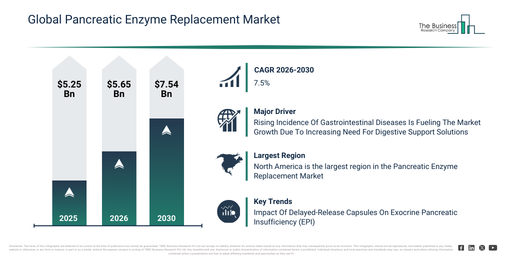
    The pancreatic enzyme replacement market size has shown strong growth in recent years. It is forecast to increase from $5.25 billion in 2025 to $5.65 billion in 2026, at a compound annual growth rate (CAGR) of 7.7%. This historic growth can be attributed to elements such as the limited availability of synthetic enzyme formulations, a reliance on porcine-derived enzymes, low awareness of enzyme replacement therapy, a hospital-centric treatment distribution model, and fragmented supply chains.

    The pancreatic enzyme replacement market is projected to experience substantial expansion over the coming years. Its valuation is anticipated to reach $7.54 billion by 2030, exhibiting a compound annual growth rate (CAGR) of 7.5%. This projected increase is driven by several factors, including the rising application of microbial and recombinant-derived enzymes, an expanding patient population with chronic pancreatitis and cystic fibrosis, the broadened scope of home healthcare services, an uptick in oral and delayed-release formulations, and the incorporation of digital monitoring and dosage optimization. Furthermore, significant developments expected during this period encompass the growing acceptance of personalized enzyme therapy, the integration of ai for dosage optimization, a surge in oral powder and capsule formulations, increasing consumer need for home healthcare enzyme solutions, and the broadening of hospital and clinic distribution channels.

    Access Your Free Sample Report for In-Depth Market Insights:

    https://www.thebusinessresearchcompany.com/sample.aspx?id=24355&type=smp

    What Drivers Are Driving Adoption Within The Pancreatic Enzyme Replacement Market?

    The increasing occurrence of gastrointestinal illnesses is anticipated to drive the expansion of the pancreatic enzyme replacement market in the future. These conditions, known as gastrointestinal diseases, involve ailments impacting the digestive system, such as the esophagus, stomach, intestines, liver, pancreas, and gallbladder, manifesting in symptoms like abdominal discomfort, distension, loose stools, and infrequent bowel movements. A primary cause for the increasing prevalence of gastrointestinal diseases is subpar dietary practices, given that higher intake of processed items, inadequate fiber, and diets rich in fats can compromise gut well-being and result in issues like acid reflux, irritable bowel syndrome, and inflammatory bowel disease. Pancreatic enzyme replacement therapy offers assistance for gastrointestinal diseases by enhancing nutrient uptake and digestive processes, consequently easing signs like malnourishment, abdominal bloating, and steatorrhea, which are frequently linked with pancreatic insufficiency. As an illustration, in December 2023, data from the IBD Registry, a UK-based non-profit entity, indicated that the count of individuals suffering from inflammatory bowel disease (IBD) exceeded 5,300, marking a growth of more than 3,000 members compared to 2022. Consequently, the growing occurrence of gastrointestinal disorders is propelling the expansion of the pancreatic enzyme replacement market.

    What Segments Are Included Within The Pancreatic Enzyme Replacement Market?

    The pancreatic enzyme replacement market covered in this report is segmented –

    1) By Product Type: Tablets, Capsules, Powders, Other Product Types

    2) By Source Of Enzymes: Porcine-Derived Enzymes, Microbial-Derived Enzymes, Recombinant-Derived Enzymes

    3) By Application: Chronic Pancreatitis, Cystic Fibrosis, Pancreatic Cancer, Other Applications

    4) By Distribution Channel: Hospital Pharmacies, Retail Pharmacies, Online Pharmacies, Other Distribution Channels

    5) By End-User: Hospitals, Clinics, Home Healthcare

    Subsegments:

    1) By Tablets: Film-Coated Tablets, Chewable Tablets, Extended-Release Tablets

    2) By Capsules: Gel Capsules, Liquid-Filled Capsules, Delayed-Release Capsules

    3) By Powders: Oral Powder, Sachets

    4) By Other Product Types: Enzyme Suspensions, Oral Solutions

    How Are New Market Trends Shaping The Landscape Of The Pancreatic Enzyme Replacement Market?

    Leading companies within the pancreatic enzyme replacement market are concentrating on creating advanced formulations, like delayed-release capsules, to boost enzyme stability and improve treatment effectiveness for individuals with pancreatic insufficiency. These capsules are engineered to release their contents precisely within the digestive tract, facilitating pancreatic enzyme replacement by ensuring enzymes reach the small intestine to assist digestion, circumventing the stomach’s destructive acidic conditions. As an illustration, in March 2025, Adalvo Limited, a pharmaceutical manufacturer based in Malta, introduced its Pancreatin Delayed-Release Capsules. These were developed to enhance enzyme stability and elevate therapeutic efficacy for patients suffering from exocrine pancreatic insufficiency (EPI). The specific design of these capsules allows for the release of their contents directly in the small intestine, enabling pancreatic enzymes to effectively aid digestion, while simultaneously protecting them from the stomach’s acidic environment that would otherwise degrade them. This advancement seeks to fulfill a vital requirement for patients affected by conditions such as chronic pancreatitis, cystic fibrosis, and pancreatectomy.

    Who Are The Prominent Global Companies Shaping The Pancreatic Enzyme Replacement Market Landscape?

    Major companies operating in the pancreatic enzyme replacement market are Johnson & Johnson, Abbott Laboratories, Viatris Inc., Nestlé Health Science S.A., Chiesi Farmaceutici S.p.A., Now Health Group Inc., AzurRx BioPharma Inc., Nordmark Arzneimittel GmbH & Co. KG, Alcresta Therapeutics Inc., Perseo Pharma AG, Digestive Care Inc., Anagram Therapeutics Inc., Entero Therapeutics Inc., Sun Pharmaceutical Industries Ltd, Laboratoires Mayoly Spindler, Recordati S.p.A., Synmosa Biopharma Corporation, Dr Falk Pharma GmbH, Enzymedica Inc., VIVUS Inc., Pharming Group NV, Dr Reddy’s Laboratories, Teva Pharmaceutical Industries Ltd, AstraZeneca plc, Bausch Health Companies Inc

    Access The Complete Report For Deeper Market Insights:

    https://www.thebusinessresearchcompany.com/report/pancreatic-enzyme-replacement-global-market-report

    How Does The Pancreatic Enzyme Replacement Market Perform Across Major Global Regions?

    North America was the largest region in the pancreatic enzyme replacement market in 2025. Asia-Pacific is expected to be the fastest-growing region in the forecast period. The regions covered in the pancreatic enzyme replacement market report are Asia-Pacific, South East Asia, Western Europe, Eastern Europe, North America, South America, Middle East, Africa.

    Request Your Customized Pancreatic Enzyme Replacement Market Research Report for Competitive Advantage:

    https://www.thebusinessresearchcompany.com/customise?id=24355&type=smp

    Browse Through More Reports Similar to the Global Pancreatic Enzyme Replacement Market 2026, By The Business Research Company

    Pancreatic Cancer Diagnostic Market Report 2026

    https://www.thebusinessresearchcompany.com/report/pancreatic-cancer-diagnostic-global-market-report

    Pancreatic Cancer Drugs Market Report 2026

    https://www.thebusinessresearchcompany.com/report/pancreatic-cancer-drugs-global-market-report

    Digestive Enzyme Market Report 2026

    https://www.thebusinessresearchcompany.com/report/digestive-enzyme-global-market-report

    Get in touch with us:

    The Business Research Company: https://www.thebusinessresearchcompany.com/

    Americas +1 310-496-7795

    Asia +44 7882 955267 & +91 8897263534

    Europe +44 7882 955267

    Email us at info@tbrc.info

    Follow us on:

    LinkedIn: https://in.linkedin.com/company/the-business-research-company

    YouTube: https://www.youtube.com/channel/UC24_fI0rV8cR5DxlCpgmyFQ

    Global Market Model: https://www.thebusinessresearchcompany.com/global-market-model
  • Pancreatic Cancer Diagnostic Market Report 2026: Strategic Insights and Revenue Outlook

    Pancreatic Cancer Diagnostic Market Report 2026: Strategic Insights and Revenue Outlook

    Uncover key drivers, emerging technologies, and competitive movements shaping the pancreatic cancer diagnostic market from 2026–2035 with trusted insights from The Business Research Company

    Across 2026–2030, what is the expected market valuation path of the Pancreatic Cancer Diagnostic Market?

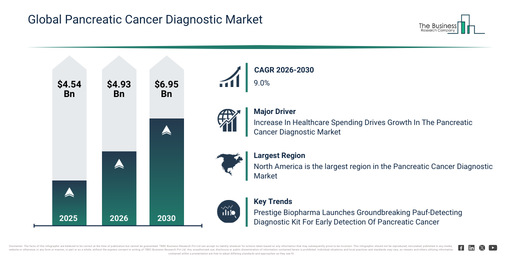
    The pancreatic cancer diagnostic market has experienced substantial growth recently. This market is projected to expand from $4.54 billion in 2025 to reach $4.93 billion in 2026, demonstrating a compound annual growth rate (CAGR) of 8.6%. Historically, factors contributing to its expansion include the scarcity of sophisticated diagnostic instruments, a reliance on traditional imaging and biopsy methods, low rates of early detection, fragmented diagnostic service provision, and a diagnostic approach primarily centered around hospitals.

    The pancreatic cancer diagnostic market size is projected to experience substantial growth over the next few years. It is set to expand to $6.95 billion by 2030, achieving a compound annual growth rate (CAGR) of 9.0%. This anticipated growth during the forecast period can be attributed to the expanding use of genomic and biomarker-based tests, the adoption of AI and machine learning in diagnostic procedures, the advancement of minimally invasive liquid biopsy techniques, the enlargement of diagnostic services offered in hospitals and cancer centers, and an increase in integrated laboratory and consulting services. Key trends expected in the forecast period include the uptake of sophisticated genomic testing for pancreatic cancer, the integration of AI-powered diagnostic imaging solutions, a rise in liquid biopsy and other minimally invasive tests, the development of precision medicine diagnostics, and the broadening of services provided by hospitals and diagnostic centers.

    Access Your Free Sample Report for In-Depth Market Insights:

    https://www.thebusinessresearchcompany.com/sample.aspx?id=11981&type=smp

    Which Drivers Are Supporting The Rise Of The Pancreatic Cancer Diagnostic Market?

    Rising healthcare expenditure is propelling the expansion of the pancreatic cancer diagnostic market into the future. This expenditure encompasses the overall financial resources dedicated to the health sector across a given region, nation, or entity. Such spending directs funds towards pancreatic cancer diagnostics, enabling early detection, precise staging, and prompt treatment, ultimately seeking to enhance patient results and survival rates. For example, in November 2023, data from the Canadian Institute for Health Information, a health information institute based in Canada, indicated that total health spending in Canada is anticipated to hit $344 billion in 2023, which translates to $8,740 per individual. This represents a 2.8% rise from the preceding year, where health spending in 2022 grew by just 1.5%, signifying a substantial recovery in healthcare investments. Consequently, the augmentation of healthcare spending is fostering the expansion of the pancreatic cancer diagnostic market moving ahead.

    What Leading Segments Are Studied In The Pancreatic Cancer Diagnostic Market?

    The pancreatic cancer diagnostic market covered in this report is segmented –

    1) By Product: Instruments, Consumables, Services

    2) By Treatment: Surgery, Chemotherapy, Radiation Therapy, Targeted Therapy

    3) By Cancer Type: Exocrine, Adenocarcinoma, Squamous Cell Carcinoma, Adenosquamous Carcinoma, Colloid Carcinoma, Endocrine

    4) By Test Type: Imaging Test, Biopsy, Blood Test, Genomic Test, Other Test Types

    5) By End-User: Hospitals, Diagnostic Centers, Cancer Research Centers, Academic Institutes, Ambulatory Surgical Centers, Other End-Users

    Subsegments:

    1) By Instruments: Imaging Systems, Biopsy Devices, Endoscopy Equipment

    2) By Consumables: Reagents, Biopsy Needles, Assay Kits

    3) By Services: Diagnostic Testing Services, Laboratory Services, Consulting Services

    Which Trends Are Expected To Influence The Pancreatic Cancer Diagnostic Market In The Upcoming Years?

    Leading firms within the pancreatic cancer diagnostic market are concentrating on creating novel solutions, including biomarker-based diagnostic kits, to address the growing need for early detection, enhanced diagnostic accuracy, and improved patient survival prospects. These biomarker-driven diagnostic methods pinpoint tumor-associated proteins or genetic markers in blood or tissue samples, providing a more sensitive and specific methodology when contrasted with traditional imaging-led diagnosis, which frequently identifies pancreatic cancer solely in its advanced stages. As an illustration, in March 2023, Prestige Biopharma Limited, a biopharmaceutical firm headquartered in Singapore, introduced its pioneering PAUF-detecting diagnostic kit, serving as a potent tool for the early identification of pancreatic cancer. PAUF (Pancreatic Adenocarcinoma Upregulated Factor) stands as a distinctive tumor-specific biomarker linked to early metastasis and found in elevated levels in approximately 80% of pancreatic cancer instances. This inventive diagnostic approach exhibits high sensitivity and specificity in detecting PAUF. Initial research indicated that the concentration of PAUF in the blood plasma of pancreatic cancer patients is nearly 1.9 times greater than that observed in healthy individuals, as reported by Prestige Biopharma’s IDC (Innovative Discovery Center).

    Which Key Players Are Driving Competition In The Pancreatic Cancer Diagnostic Market?

    Major companies operating in the pancreatic cancer diagnostic market are Hitachi Medical Corporation, F. Hoffmann-La Roche AG, Thermo Fisher Scientific Inc., Abbott Laboratories Inc., Danaher Corporation, Siemens Healthcare GmbH, FUJIFILM Corporation, Becton Dickinson and Company, Koninklijke Philips N.V., GE Healthcare Bio Sciences AB, Laboratory Corporation of America Holdings, Agilent Technologies Inc., Illumina Inc., Qiagen Inc., Myriad Genetics Inc., Canon Medical Systems Corporation, Biological Dynamics Inc., Berg LLC, Abcodia Ltd., Acobiom, Amplified Sciences LLC, Avant Diagnostics Inc., Axim Biotechnologies Inc., Alaunus Biosciences Inc., Advanced Marker Discovery SL, Anixa Diagnostics Corporation

    Access The Complete Report For Deeper Market Insights:

    https://www.thebusinessresearchcompany.com/report/pancreatic-cancer-diagnostic-global-market-report

    Which Region Is Anticipated To See The Fastest Growth In The Pancreatic Cancer Diagnostic Market?

    North America was the largest region in the pancreatic cancer diagnostic market in 2025. Asia-Pacific is expected to be the fastest-growing region in the forecast period. The regions covered in the pancreatic cancer diagnostic market report are Asia-Pacific, South East Asia, Western Europe, Eastern Europe, North America, South America, Middle East, Africa.

    Request Your Customized Pancreatic Cancer Diagnostic Market Research Report for Competitive Advantage:

    https://www.thebusinessresearchcompany.com/customise?id=11981&type=smp

    Browse Through More Reports Similar to the Global Pancreatic Cancer Diagnostic Market 2026, By The Business Research Company

    Cancer Diagnostics Market Report 2026

    https://www.thebusinessresearchcompany.com/report/cancer-diagnostics-global-market-report

    Invasive Ductal Carcinoma Therapeutics Market Report 2026

    https://www.thebusinessresearchcompany.com/report/invasive-ductal-carcinoma-therapeutics-global-market-report

    Pancreatic Cancer Drugs Market Report 2026

    https://www.thebusinessresearchcompany.com/report/pancreatic-cancer-drugs-global-market-report

    Get in touch with us:

    The Business Research Company: https://www.thebusinessresearchcompany.com/

    Americas +1 310-496-7795

    Asia +44 7882 955267 & +91 8897263534

    Europe +44 7882 955267

    Email us at info@tbrc.info

    Follow us on:

    LinkedIn: https://in.linkedin.com/company/the-business-research-company

    YouTube: https://www.youtube.com/channel/UC24_fI0rV8cR5DxlCpgmyFQ

    Global Market Model: https://www.thebusinessresearchcompany.com/global-market-model
  • Global Pancreatic Adenocarcinoma Treatment Industry Trends and Market Forecast 2026–2030

    Global Pancreatic Adenocarcinoma Treatment Industry Trends and Market Forecast 2026–2030

    Uncover key drivers, emerging technologies, and competitive movements shaping the pancreatic adenocarcinoma treatment market from 2026–2035 with trusted insights from The Business Research Company

    What size range is anticipated for the Pancreatic Adenocarcinoma Treatment Market from 2026 to 2030?

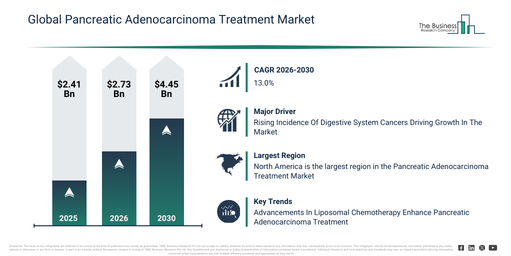
    The market for pancreatic adenocarcinoma treatment has experienced rapid expansion in recent years. It is projected to increase from $2.41 billion in 2025 to $2.73 billion in 2026, with a compound annual growth rate (CAGR) of 13.3%. This historic growth can be attributed to a combination of limited treatment options for pancreatic adenocarcinoma, a reliance on conventional chemotherapy, low early-stage diagnosis rates, high mortality and poor prognosis, and hospital-centric treatment delivery.

    The market for pancreatic adenocarcinoma treatments is projected to experience substantial expansion in the coming years. This market is set to reach $4.45 billion by 2030, exhibiting a compound annual growth rate (CAGR) of 13.0%. Factors contributing to this growth during the forecast period include the rise of personalized targeted therapies, a greater embrace of monoclonal antibodies and immunotherapies, the expansion of digital health monitoring solutions, the broadening of combination therapy protocols, and enhanced accessibility through both hospital and retail pharmacies. Key trends anticipated during the same period involve a growing reliance on targeted therapies and small molecule inhibitors, increased uptake of monoclonal antibody treatments, wider applications of immunotherapy, the incorporation of digital platforms for tracking patient health, and an increase in the distribution of cancer drugs via hospital pharmacies.

    Access Your Free Sample Report for In-Depth Market Insights:

    https://www.thebusinessresearchcompany.com/sample.aspx?id=21243&type=smp

    What Drivers Are Affecting Demand In The Pancreatic Adenocarcinoma Treatment Market?

    The growth of the pancreatic adenocarcinoma treatment market is anticipated to be significantly propelled by the rising occurrence of cancers impacting the digestive system. These malignancies manifest in various organs essential for digestion, including the stomach, liver, pancreas, intestines, esophagus, and colon. The escalation in digestive system cancer cases is primarily attributed to detrimental lifestyle habits such as inadequate diet, alcohol intake, and smoking. Pancreatic adenocarcinoma treatment holds a critical position in combating this particularly aggressive form of digestive system cancer, with the objective of enhancing survival rates and the overall well-being of patients. Illustratively, in January 2023, the American Cancer Society, a US-based non-profit entity, estimated that 64,050 individuals in the United States would receive a diagnosis of pancreatic cancer, concurrently forecasting 50,550 deaths from the illness. Consequently, the increasing prevalence of cancers related to the digestive system is a key driver for the expansion of the pancreatic adenocarcinoma treatment market.

    Which Segment Groups Are Influencing The Pancreatic Adenocarcinoma Treatment Market?

    The pancreatic adenocarcinoma treatment market covered in this report is segmented –

    1) By Type: Chemotherapy, Targeted Therapy, Other Types

    2) By Affected Area: Exocrine, Endocrine

    3) By Distribution Channel: Hospital Pharmacies, Retail Pharmacies, Other Distribution Channels

    Subsegments:

    1) By Chemotherapy: Monotherapy, Combination Therapy

    2) By Targeted Therapy: Small Molecule Inhibitors, Monoclonal Antibodies

    3) By Other Types: Immunotherapy, Radiation Therapy

    What Trends Are Driving The Growth Trajectory Of The Pancreatic Adenocarcinoma Treatment Market?

    Key companies in the pancreatic adenocarcinoma treatment market are prioritizing the development of innovative solutions, such as irinotecan liposome injection, to enhance treatment efficacy, minimize side effects, and address challenges related to tumor resistance. Irinotecan liposome injection is a chemotherapy drug encapsulated in liposomes, specifically designed to improve drug delivery to cancer cells, boost its effectiveness, and reduce adverse effects in the treatment of pancreatic adenocarcinoma. For instance, in February 2024, Ipsen SA, a France-based biopharmaceutical company, announced that the U.S. Food and Drug Administration (FDA) approved the supplemental new drug application for Onivyde (irinotecan liposome injection) in combination with oxaliplatin. This combination of Onivyde (irinotecan liposome injection) with oxaliplatin provides enhanced tumor targeting through improved drug delivery, leading to fewer side effects compared to traditional therapies. The regimen leverages a liposomal formulation that increases the bioavailability and sustained release of irinotecan, while oxaliplatin contributes additional efficacy against pancreatic cancer cells. This approval underscores the regimen’s potential to address the unmet need for more effective treatment options for this aggressive cancer.

    Who Are The Top-Performing Companies In The Pancreatic Adenocarcinoma Treatment Market In Recent Years?

    Major companies operating in the pancreatic adenocarcinoma treatment market are Pfizer Inc., Roche AG, Merck & Co Inc., Sanofi, Bristol-Myers Squibb Company, AstraZeneca plc, Novartis AG, GlaxoSmithKline plc, Takeda Pharmaceutical Company Limited, Eli Lilly and Company, Amgen Inc., Teva Pharmaceutical Industries Ltd, Mylan N.V., Astellas Pharma Inc., Sun Pharmaceutical Industries Ltd., Ipsen SA, Clovis Oncology Inc., Oncolytics Biotech Inc., Zydus Cadila, PharmaCyte Biotech Inc., Infinity Pharmaceuticals Inc.

    Access The Complete Report For Deeper Market Insights:

    https://www.thebusinessresearchcompany.com/report/pancreatic-adenocarcinoma-treatment-global-market-report

    Which Region Is Anticipated To See The Fastest Growth In The Pancreatic Adenocarcinoma Treatment Market?

    North America was the largest region in the pancreatic adenocarcinoma treatment market in 2025. The regions covered in the pancreatic adenocarcinoma treatment market report are Asia-Pacific, South East Asia, Western Europe, Eastern Europe, North America, South America, Middle East, Africa.

    Request Your Customized Pancreatic Adenocarcinoma Treatment Market Research Report for Competitive Advantage:

    https://www.thebusinessresearchcompany.com/customise?id=21243&type=smp

    Browse Through More Reports Similar to the Global Pancreatic Adenocarcinoma Treatment Market 2026, By The Business Research Company

    Acute Pancreatitis Market Report 2026

    https://www.thebusinessresearchcompany.com/report/acute-pancreatitis-global-market-report

    Invasive Ductal Carcinoma Therapeutics Market Report 2026

    https://www.thebusinessresearchcompany.com/report/invasive-ductal-carcinoma-therapeutics-global-market-report

    Pancreatic Cancer Diagnostic Market Report 2026

    https://www.thebusinessresearchcompany.com/report/pancreatic-cancer-diagnostic-global-market-report

    Get in touch with us:

    The Business Research Company: https://www.thebusinessresearchcompany.com/

    Americas +1 310-496-7795

    Asia +44 7882 955267 & +91 8897263534

    Europe +44 7882 955267

    Email us at info@tbrc.info

    Follow us on:

    LinkedIn: https://in.linkedin.com/company/the-business-research-company

    YouTube: https://www.youtube.com/channel/UC24_fI0rV8cR5DxlCpgmyFQ

    Global Market Model: https://www.thebusinessresearchcompany.com/global-market-model
  • Palmoplantar Pustulosis Market Size and Demand Forecast 2026–2030

    Palmoplantar Pustulosis Market Size and Demand Forecast 2026–2030

    Uncover key drivers, emerging technologies, and competitive movements shaping the palmoplantar pustulosis market from 2026–2035 with trusted insights from The Business Research Company

    How is the Palmoplantar Pustulosis Market size predicted to change over the forecast window of 2026–2035?

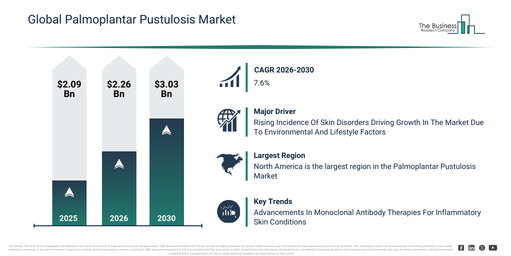
    The palmoplantar pustulosis market size has demonstrated strong expansion in recent years. It is anticipated to increase from $2.09 billion in 2025 to $2.26 billion in 2026, achieving a compound annual growth rate (CAGR) of 7.8%. The growth observed historically is attributable to a scarcity of treatment options for chronic skin conditions, a reliance on corticosteroids and topical agents, prolonged diagnosis of pustular psoriasis, inadequate patient awareness concerning disease management, and a healthcare delivery model focused on hospitals.

    The market for palmoplantar pustulosis is anticipated to experience robust expansion in the coming years. This market is projected to reach $3.03 billion by 2030, exhibiting a compound annual growth rate (CAGR) of 7.6%. This expansion throughout the forecast period stems from factors such as the development of new biologics and systemic treatments, a rise in the uptake of targeted immunomodulators, the proliferation of teledermatology and digital health solutions, wider acceptance of home-based phototherapy, and enhanced access through online and retail pharmacies. Key trends anticipated during this period involve a surge in the embrace of biologic therapies, greater utilization of targeted immunomodulators, the broadening of home-based phototherapy options, the incorporation of teledermatology for managing chronic skin conditions, and improved availability of treatments via online pharmacies.

    Access Your Free Sample Report for In-Depth Market Insights:

    https://www.thebusinessresearchcompany.com/sample.aspx?id=22090&type=smp

    Which Drivers Are Contributing To The Expansion Of The Palmoplantar Pustulosis Market?

    The rising occurrence of skin conditions is anticipated to fuel the expansion of the palmoplantar pustulosis market in the foreseeable future. These disorders encompass ailments impacting the skin’s architecture, operational capabilities, or visual state. The growing prevalence of such skin issues stems from shifts in environmental factors, personal lifestyle choices, and inherent genetic predispositions. Specific environmental elements, including atmospheric contamination, severe climatic patterns, and contact with detrimental substances, can irritate the skin, precipitating conditions such as eczema or acne. Palmoplantar pustulosis itself is a persistent dermal ailment, notably impacting the skin of the palms and soles, manifesting as pustules, erythema, and desquamation, though it is treatable with diverse therapies aimed at enhancing skin well-being and mitigating distress. A relevant example is observed in December 2023, where data from the National Institutes of Health (NIH), a U.S.-based entity serving as the principal medical research agency of the U.S. government, indicated that atopic dermatitis had a global prevalence of 2.6%, impacting approximately 204 million individuals globally. Consequently, the escalating incidence of skin disorders acts as a key catalyst for market expansion in the palmoplantar pustulosis sector.

    What Segment Classifications Make Up The Palmoplantar Pustulosis Market?

    The palmoplantar pustulosis market covered in this report is segmented –

    1) By Treatment Type: Topical Treatments, Systemic Treatments, Biologics, Phototherapy

    2) By Distribution Channel: Online Pharmacies, Retail Pharmacies

    3) By Application: Hospitals, Dermatology Clinics, Homecare Settings

    Subsegments:

    1) By Topical Treatments: Corticosteroids, Vitamin D Analogues, Calcineurin Inhibitors, Keratolytics

    2) By Systemic Treatments: Retinoids, Immunosuppressants, Phosphodiesterase-4 (PDE4) Inhibitors, Corticosteroids

    3) By Biologics: Tumor Necrosis Factor (TNF) Inhibitors, Interleukin-17 (IL-17) Inhibitors, Interleukin-23 (IL-23) Inhibitors, Interleukin-12/23 (IL-12/23) Inhibitors

    4) By Phototherapy: Narrowband UVB Therapy (NB-UVB), Psoralen plus Ultraviolet A (PUVA) Therapy, Excimer Laser Therapy, Targeted Phototherapy

    What Upcoming Trends Are Likely To Define The Future Path Of The Palmoplantar Pustulosis Market?

    Companies operating in the palmoplantar pustulosis market are increasingly focusing on the development of novel treatments, such as monoclonal antibodies designed to target inflammatory pathways, to enhance patient outcomes. A monoclonal antibody (mAb) is an identical antibody type, generated from a single B cell clone, which targets a specific antigen for either therapeutic or diagnostic purposes. As an illustration, in August 2023, Kyowa Kirin Co., Ltd., a pharmaceutical company from Japan, secured a partial change approval for LUMICEF for palmoplantar pustulosis in Japan. LUMICEF is a targeted therapeutic agent that blocks IL-17, delivering rapid and sustained relief for inflammatory ailments like psoriasis and palmoplantar pustulosis. Its objective is to diminish inflammation and improve the quality of life for patients experiencing these chronic conditions.

    Which Leading Companies Dominate The Palmoplantar Pustulosis Market Share?

    Major companies operating in the palmoplantar pustulosis market are Pfizer Inc., AbbVie Inc., Sanofi S.A., Bristol-Myers Squibb Company, Novartis International AG, GlaxoSmithKline PLC (GSK), Amgen Inc., Chugai Pharmaceutical Co. Ltd., Janssen Pharmaceuticals Inc., Kyowa Kirin Co. Ltd., Almirall S.A., MorphoSys AG, MoonLake Immunotherapeutics AG, Aristea Therapeutics Inc., AnaptysBio Inc., Kamari Pharma Ltd., Johnson & Johnson, AstraZeneca, Eli Lilly and Company, Bayer AG, Merck & Co. Inc., UCB S.A., Boehringer Ingelheim International GmbH, Arcutis Biotherapeutics, Affibody AB, LEO Pharma A/S, Galderma, Incyte Corporation, Takeda Pharmaceutical Company Ltd., Roivant Sciences

    Access The Complete Report For Deeper Market Insights:

    https://www.thebusinessresearchcompany.com/report/palmoplantar-pustulosis-global-market-report

    Which Global Regions Are Shaping The Competitive Landscape Of The Palmoplantar Pustulosis Market?

    North America was the largest region in the palmoplantar pustulosis market in 2025. The regions covered in the palmoplantar pustulosis market report are Asia-Pacific, South East Asia, Western Europe, Eastern Europe, North America, South America, Middle East, Africa.

    Request Your Customized Palmoplantar Pustulosis Market Research Report for Competitive Advantage:

    https://www.thebusinessresearchcompany.com/customise?id=22090&type=smp

    Browse Through More Reports Similar to the Global Palmoplantar Pustulosis Market 2026, By The Business Research Company

    Plantar Fasciitis Treatment Market Report 2026

    https://www.thebusinessresearchcompany.com/report/plantar-fasciitis-treatment-global-market-report

    Scleroderma Market Report 2026

    https://www.thebusinessresearchcompany.com/report/scleroderma-global-market-report

    Ankylosing Spondylitis Market Report 2026

    https://www.thebusinessresearchcompany.com/report/ankylosing-spondylitis-global-market-report

    Get in touch with us:

    The Business Research Company: https://www.thebusinessresearchcompany.com/

    Americas +1 310-496-7795

    Asia +44 7882 955267 & +91 8897263534

    Europe +44 7882 955267

    Email us at info@tbrc.info

    Follow us on:

    LinkedIn: https://in.linkedin.com/company/the-business-research-company

    YouTube: https://www.youtube.com/channel/UC24_fI0rV8cR5DxlCpgmyFQ

    Global Market Model: https://www.thebusinessresearchcompany.com/global-market-model