Category: HealthcareServices

  • Noonan Syndrome Market Performance Outlook 2026–2030: Revenue to Hit $1.23 Billion at 8.2% CAGR

    Noonan Syndrome Market Performance Outlook 2026–2030: Revenue to Hit $1.23 Billion at 8.2% CAGR

    Uncover key drivers, emerging technologies, and competitive movements shaping the noonan syndrome market from 2026–2035 with trusted insights from The Business Research Company

    What total market size is anticipated for the Noonan Syndrome Market in 2030?_x000D_

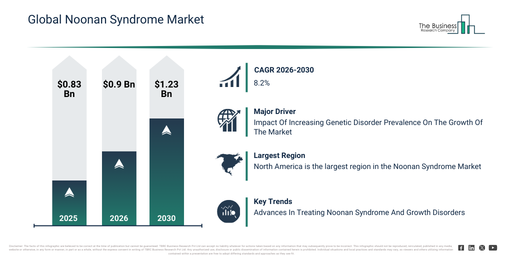
    The noonan syndrome market has experienced substantial growth in recent years. It is anticipated to increase from $0.83 billion in 2025 to $0.9 billion in 2026, achieving a compound annual growth rate (CAGR) of 8.5%. The historical growth of this market can be ascribed to factors like limited awareness of noonan syndrome, delayed genetic diagnosis, a lack of standardized treatment protocols, poor accessibility to specialized clinics, and a dependence on traditional diagnostic tests._x000D_

    _x000D_

    The Noonan syndrome market is anticipated to experience substantial growth in the upcoming years, with a projected value of $1.23 billion by 2030, growing at a compound annual growth rate (CAGR) of 8.2%. This expansion during the forecast period is fueled by the increasing adoption of DNA sequencing and chromosomal analysis, improved access to personalized therapies, the rise of early intervention programs, the broadening of hospital and home healthcare services, and advancements in AI-based diagnostic support. Prominent trends for this period include the growing embrace of genetic testing and DNA sequencing, a rise in the use of advanced ultrasound diagnostics, greater integration of personalized treatment plans, the expanded implementation of early intervention therapies, and the advancing availability of remote and home healthcare services._x000D_

    _x000D_

    #Access Your Free Sample Report for In-Depth Market Insights:#_x000D_

    https://www.thebusinessresearchcompany.com/sample.aspx?id=20905&type=smp_x000D_

    _x000D_

    What Drivers Are Influencing Production Trends In The Noonan Syndrome Market?_x000D_

    The expanding occurrence of genetic conditions is anticipated to fuel the expansion of the noonan syndrome market in the future. Genetic conditions are illnesses stemming from alterations or defects in an individual’s DNA, which may be inherited or arise spontaneously. The rising incidence of genetic disorders can be linked to multiple elements such as enhanced diagnostic methods, increased longevity, and the effects of environmental elements. Noonan syndrome is vital for comprehending genetic disorders by demonstrating how particular gene mutations affect physical development, cardiac function, and overall well-being, thereby furthering genetic research and refining diagnostic and treatment strategies for associated ailments. As an illustration, in May 2024, the Centers for Disease Control and Prevention (CDC), a US-based public health agency, reported that sickle cell disease (SCD) impacts approximately 100,000 people in the United States. Over 90% of those affected are non-Hispanic Black or African American, while an estimated 3%–9% are Hispanic or Latino. Consequently, the growing frequency of genetic disorders is stimulating the growth of the noonan syndrome market. The advancement of personalized medicine is anticipated to stimulate the expansion of the Noonan Syndrome market moving forward. Personalized medicine involves medical interventions customized for individual patients, taking into account their unique genetic makeup and biological attributes. The emergence of personalized medicine is fueled by swift progress in genomic sequencing technologies and molecular diagnostics, which have substantially lowered expenses and enhanced the capacity to pinpoint specific genetic mutations behind various conditions. Personalized medicine directly fosters market growth by facilitating the creation of targeted treatments that address the core genetic mutations in affected individuals, rather than merely alleviating symptoms. For example, in February 2024, the Personalized Medicine Coalition, a US-based non-profit organization comprising healthcare stakeholders advocating for personalized medicine adoption, reported that the count of FDA-approved personalized therapies for rare disease patients grew from 6 in 2022 to 16 in 2023, indicating an addition of 10 new approvals. Consequently, the development of personalized medicine is propelling the growth of the Noonan Syndrome market._x000D_

    _x000D_

    Which Segment Groups Are Influencing The Noonan Syndrome Market?_x000D_

    The noonan syndrome market covered in this report is segmented –_x000D_

    _x000D_

    1) By Diagnosis: Ultrasound Test, Genetic Test, Other Diagnosis_x000D_

    2) By Treatment: Heart Treatment, Learning Disabilities Treatment, Low Growth Treatment, Vision And Hearing Treatment, Bleeding And Bruising Treatment, Genital Problem Treatment, Lymphatic Problem Treatment, Other Treatments_x000D_

    3) By Route Of Administration: Oral, Parenteral, Other Routes Of Administration_x000D_

    4) By Distribution Channel: Direct Tenders, Retail Sales, Hospital Pharmacy, Retail Pharmacy, Online Pharmacy, Other Distribution Channels_x000D_

    5) By End-User: Clinics, Hospitals, Home Healthcare, Other End-Users_x000D_

    _x000D_

    Subsegments:_x000D_

    1) By Ultrasound Test: Cardiac Ultrasound (Echocardiogram), Abdominal Ultrasound_x000D_

    2) By Genetic Test: DNA Sequencing, Chromosomal Analysis_x000D_

    3) By Other Diagnosis: Physical Examination, Clinical Assessment, Imaging Tests (MRI, CT scans), Electrocardiogram (ECG)_x000D_

    _x000D_

    What Upcoming Trends Are Likely To Define The Future Path Of The Noonan Syndrome Market?_x000D_

    Leading companies within the noonan syndrome market are focusing on creating therapies for various growth-related conditions to improve health and manage diseases in pediatric patients. These disorders encompass diverse ailments that affect typical physical growth, frequently stemming from genetic, hormonal, or nutritional causes. For example, in May 2024, BioMarin Pharmaceutical Inc., a US-based biopharmaceutical firm, unveiled encouraging new data for VOXZOGO (vosoritide) during the 2024 Pediatric Endocrine Society Annual Meeting. This presentation highlighted its efficacy in addressing several growth-related conditions in children, specifically mentioning idiopathic short stature (ISS), Noonan syndrome, and achondroplasia. The findings from the Phase 2 study revealed substantial improvements in growth velocity and height among children suffering from various genetic conditions, such as ACAN deficiency and NPR2 mutations. These encouraging outcomes underscore VOXZOGO’s capacity to assist a wider spectrum of growth disorders, extending beyond its current approved application for achondroplasia._x000D_

    _x000D_

    Who Are The Top-Performing Companies In The Noonan Syndrome Market In Recent Years?_x000D_

    Major companies operating in the noonan syndrome market are Blueprint Genetics Inc., Prevention Genetics Inc., Mayo Clinic Laboratories, Labcorp Holdings Inc., Quest Diagnostics Inc., EasyDNA Limited, Illumina Inc., The Children’s Hospital of Philadelphia, BioMarin Pharmaceutical Incorporated, Children’s Hospital Colorado, Natera Incorporated, Fulgent Genetics Incorporated, Invitae Corporation, GeneDx Incorporated, Ambry Genetics Corporation, Baylor Genetics LLC, Dante Labs Inc., NIMGenetics S.L., 3billion Inc._x000D_

    _x000D_

    #Access The Complete Report For Deeper Market Insights:#_x000D_

    https://www.thebusinessresearchcompany.com/report/noonan-syndrome-global-market-report_x000D_

    _x000D_

    How Does The Noonan Syndrome Market Perform Across Major Global Regions?_x000D_

    North America was the largest region in the noonan syndrome market in 2025. The regions covered in the noonan syndrome market report are Asia-Pacific, South East Asia, Western Europe, Eastern Europe, North America, South America, Middle East, Africa._x000D_

    _x000D_

    #Request Your Customized Noonan Syndrome Market Research Report for Competitive Advantage:#_x000D_

    https://www.thebusinessresearchcompany.com/customise?id=20905&type=smp_x000D_

    _x000D_

    #Browse Through More Reports Similar to the Global Noonan Syndrome Market 2026, By The Business Research Company#_x000D_

    _x000D_

    Hyperpigmentation Disorder Treatment Market Report 2026_x000D_

    https://www.thebusinessresearchcompany.com/report/hyperpigmentation-disorder-treatment-global-market-report_x000D_

    _x000D_

    Hepatorenal Syndrome Treatment Market Report 2026_x000D_

    https://www.thebusinessresearchcompany.com/report/hepatorenal-syndrome-treatment-global-market-report_x000D_

    _x000D_

    Diverticulitis Disease Market Report 2026_x000D_

    https://www.thebusinessresearchcompany.com/report/diverticulitis-disease-global-market-report_x000D_

    _x000D_

    #Get in touch with us:#_x000D_

    _x000D_

    The Business Research Company: https://www.thebusinessresearchcompany.com/_x000D_

    Americas +1 310-496-7795_x000D_

    Asia +44 7882 955267 & +91 8897263534_x000D_

    Europe +44 7882 955267_x000D_

    Email us at info@tbrc.info_x000D_

    _x000D_

    #Follow us on:#_x000D_

    _x000D_

    LinkedIn: https://in.linkedin.com/company/the-business-research-company_x000D_

    YouTube: https://www.youtube.com/channel/UC24_fI0rV8cR5DxlCpgmyFQ_x000D_

    Global Market Model: https://www.thebusinessresearchcompany.com/global-market-model
  • GM1 Gangliosidosis Market Outlook: Growth and Forecast Highlights 2030

    GM1 Gangliosidosis Market Outlook: Growth and Forecast Highlights 2030

    Uncover key drivers, emerging technologies, and competitive movements shaping the gm1 gangliosidosis market from 2026–2035 with trusted insights from The Business Research Company

    What level of growth is expected in the GM1 Gangliosidosis Market between 2026 and 2030?

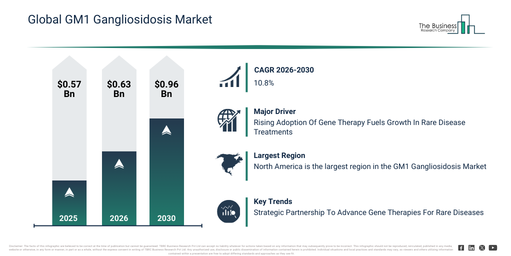
    The gm1 gangliosidosis market has experienced substantial expansion in recent years. Its valuation is predicted to increase from $0.57 billion in 2025 to $0.63 billion in 2026, achieving a compound annual growth rate (CAGR) of 11.1%. This historical growth can be attributed to elements such as rare disease research initiatives, the identification of enzyme deficiencies, progress in genetic diagnostics, hospital-based pediatric care, and early clinical studies.

    The gm1 gangliosidosis market is set for significant expansion in the coming years. It is projected to reach $0.96 billion by 2030, growing at a compound annual growth rate (CAGR) of 10.8%. This anticipated growth during the forecast period is driven by factors such as the development of gene therapy pipelines, incentives for orphan drugs, enhancements in diagnostic screening, increased patient advocacy, and expanded biotechnology funding. Prominent trends for this period include a heightened focus on rare disease drug development, more extensive research into gene therapy, increasing adoption of enzyme replacement therapies, the broadening of newborn genetic screening, and a surge in clinical trial activity.

    Access Your Free Sample Report for In-Depth Market Insights:

    https://www.thebusinessresearchcompany.com/sample.aspx?id=21194&type=smp

    Which Drivers Are Expected To Impact The GM1 Gangliosidosis Market During The Forecast Period?

    The expanding use of gene therapy is projected to boost the GM1 gangliosidosis market’s expansion in the future. This medical approach entails modifying or substituting genes within an individual’s cells to either treat existing conditions or prevent their occurrence. Its rising uptake stems from progress in genetic research, better patient results for conditions that were previously without effective treatments, and increasing regulatory backing for novel therapeutic methods. Specifically for GM1 gangliosidosis, gene therapy entails introducing a working version of the impaired gene (GLB1) into a patient’s cells, aiming to re-establish ß-galactosidase enzyme function and decrease the accumulation of harmful substances. An example is that in January 2024, data from the American Society of Gene & Cell Therapy, a US-based organization dedicated to gene and cell therapy, indicated a 10% rise in the count of gene therapies in Phase III during Q4 2023 relative to the preceding quarter. This marked the initial increase observed since Q3 2022. Consequently, the expanding use of gene therapy is propelling the growth of the GM1 gangliosidosis market.

    Which Segments Are Driving Activity In The GM1 Gangliosidosis Market?

    The gm1 gangliosidosis market covered in this report is segmented –

    1) By Disease Type: Type 1 GM1 Gangliosidosis, Type 2 GMT Gangliosidosis, Type 3 GMT Gangliosidosis

    2) By Treatment: Anticonvulsants, Bone Marrow Transplantation, Cord-Blood Hematopoietic Stem-Cell Transplantation, Enzyme Replacement, Gene Therapy

    3) By End-User: Research Institutes, Hospitals, Other End-Users

    Subsegments:

    1) By Type 1 GM1 Gangliosidosis: Classic Infantile Onset, Atypical Infantile Onset

    2) By Type 2 GM1 Gangliosidosis: Classic Juvenile Onset, Atypical Juvenile Onset

    3) By Type 3 GM1 Gangliosidosis: Classic Adult Onset, Atypical Adult Onset

    Which Competitive Trends Are Impacting The Structure Of The GM1 Gangliosidosis Market?

    Companies operating in the GM1 gangliosidosis market are prioritizing strategic partnerships to maintain their market position. These alliances are critical for advancing gene therapy development by integrating expertise, resources, and technologies to accelerate research, clinical trials, and commercialization. As an illustration, in October 2024, GEMMA Biotherapeutics Inc., a US-based biotechnology company, collaborated with the Oswaldo Cruz Foundation (Fiocruz), a Brazil-based health research institution, to create gene therapies for rare diseases, including GM1 gangliosidosis. This agreement includes up to $100 million in funding from Fiocruz for clinical research and manufacturing, with the aim of making these advanced therapies available through Brazil’s public healthcare system. The collaboration emphasizes technology transfer and seeks to democratize access to treatments that were formerly limited to higher-income populations.

    Which Major Industry Participants Are Leading The GM1 Gangliosidosis Market Growth?

    Major companies operating in the gm1 gangliosidosis market are Pfizer Inc, Sanofi S A, Novartis AG, Takeda Pharmaceutical Company Limited, Sarepta Therapeutics Inc, CRISPR Therapeutics AG, REGENXBIO Inc, Passage Bio Inc, Orchard Therapeutics plc, AVROBIO Inc, uniQure N V, Lysogene S A, Sio Gene Therapies Inc, bluebird bio Inc, Axovant Gene Therapies Ltd, Lysosomal Therapeutics Inc, Encoded Therapeutics Inc, Abeona Therapeutics Inc, JCR Pharmaceuticals Co Ltd, Sangamo Therapeutics Inc

    Access The Complete Report For Deeper Market Insights:

    https://www.thebusinessresearchcompany.com/report/gm1-gangliosidosis-global-market-report

    Which Geographic Areas Are Emerging As Strong Markets For The GM1 Gangliosidosis Market?

    North America was the largest region in the GM1 gangliosidosis market in 2025. The regions covered in the gm1 gangliosidosis market report are Asia-Pacific, South East Asia, Western Europe, Eastern Europe, North America, South America, Middle East, Africa.

    Request Your Customized GM1 Gangliosidosis Market Research Report for Competitive Advantage:

    https://www.thebusinessresearchcompany.com/customise?id=21194&type=smp

    Browse Through More Reports Similar to the Global GM1 Gangliosidosis Market 2026, By The Business Research Company

    Glycol Market Report 2026

    https://www.thebusinessresearchcompany.com/report/glycol-global-market-report

    Alpha Mannosidosis Market 2026

    https://www.thebusinessresearchcompany.com/report/alpha-mannosidosis-global-market

    Paraganglioma Market Report 2026

    https://www.thebusinessresearchcompany.com/report/paraganglioma-global-market-report

    Get in touch with us:

    The Business Research Company: https://www.thebusinessresearchcompany.com/

    Americas +1 310-496-7795

    Asia +44 7882 955267 & +91 8897263534

    Europe +44 7882 955267

    Email us at info@tbrc.info

    Follow us on:

    LinkedIn: https://in.linkedin.com/company/the-business-research-company

    YouTube: https://www.youtube.com/channel/UC24_fI0rV8cR5DxlCpgmyFQ

    Global Market Model: https://www.thebusinessresearchcompany.com/global-market-model

  • Glycomics or Glycobiology Market Insights Report: Opportunities and Drivers 2030

    Glycomics or Glycobiology Market Insights Report: Opportunities and Drivers 2030

    Uncover key drivers, emerging technologies, and competitive movements shaping the glycomics or glycobiology market from 2026–2035 with trusted insights from The Business Research Company

    How much is the Glycomics or Glycobiology Market valued at in 2026, and what valuation is forecast for 2030?

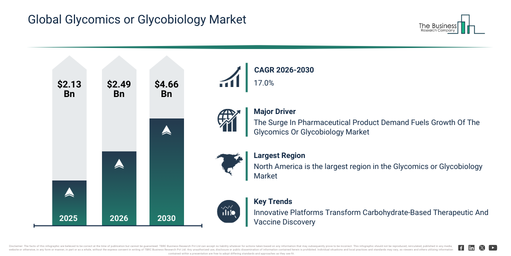
    The scale of the glycomics or glycobiology market has seen rapid growth over recent years. This market is anticipated to expand from $2.13 billion in 2025 to $2.49 billion in 2026, achieving a compound annual growth rate (CAGR) of 17.1%. Factors contributing to this historical growth include advancements in carbohydrate chemistry, an uptick in life sciences research, increased academic research funding, initial biomolecule characterization efforts, and the progression of analytical instruments.

    The glycomics or glycobiology market is projected to undergo substantial expansion in the upcoming years. Its valuation is anticipated to climb to $4.66 billion by 2030, demonstrating a compound annual growth rate (CAGR) of 17.0%. This growth during the forecast interval can be attributed to the proliferation of precision medicine, heightened pharmaceutical research and development investments, the necessity for biomarker discovery, technological improvements in mass spectrometry, and an increase in translational research. Noteworthy trends for this period encompass the broadening of glycan-based biological investigations, greater utilization of glycomics in drug discovery processes, an escalating demand for advanced glycan analysis tools, the increasing incorporation of glycobiology into diagnostic applications, and expanded collaborations between academic institutions and industrial entities.

    Access Your Free Sample Report for In-Depth Market Insights:

    https://www.thebusinessresearchcompany.com/sample.aspx?id=8749&type=smp

    What Drivers Are Influencing The Growth Of The Glycomics or Glycobiology Market?

    The anticipated expansion of the glycomics or glycobiology market is fueled by a rising need for pharmaceutical products. These products encompass medications and drugs designed for the diagnosis, prevention, treatment, or cure of illnesses and health conditions in both humans and animals. Glycomics and glycobiology play a crucial role in pharmaceutical advancement, offering understanding into disease processes, pinpointing therapeutic targets, and refining drug design and effectiveness across diverse medical ailments. As an illustration, in February 2024, the US-based non-profit organization, Personalized Medicine Coalition, reported that in 2023, the FDA sanctioned 16 novel personalized treatments for rare disease patients, an increase from six in 2022. Among these recently approved personalized treatments for 2023 were also seven cancer drugs and three for various other diseases and conditions. Consequently, the escalating demand for pharmaceutical products is significantly contributing to the expansion of the glycomics or glycobiology market.

    How Is The Glycomics or Glycobiology Market Organized Into Various Segments?

    The glycomics or glycobiology market covered in this report is segmented –

    1) By Product: Enzymes, Kits, Reagents And Chemicals, Instruments, Carbohydrates

    2) By Application: Drug Discovery And Development, Disease Diagnostics, Other Applications

    3) By End-User: Academic Research Institutes, Pharmaceutical And Biotechnology Companies, Clinical Laboratories

    Subsegments:

    1) By Enzymes: Glycosidases, Glycosyltransferases, Sialidases

    2) By Kits: Glycan Analysis Kits, Glycobiology Research Kits

    3) By Reagents And Chemicals: Monosaccharides, Oligosaccharides, Chemical Modifiers

    4) By Instruments: Mass Spectrometers, Chromatography Systems, Imaging Systems

    5) By Carbohydrates: Natural Carbohydrates, Synthetic Carbohydrates

    What Industry Trends Are Transforming The Glycomics or Glycobiology Market?

    Leading companies within the glycobiology market are prioritizing the development of innovative solutions, such as glycan-display platforms, to accelerate the discovery of carbohydrate-based therapeutics and vaccines. Glycan-display platforms are technologies that present diverse sugar molecules (glycans) on surfaces or scaffolds to investigate their interactions with proteins, cells, or pathogens for the purpose of drug and vaccine development. For instance, in October 2024, CD BioGlyco, a US-based biotechnology company, launched its Glycan Display Platform. This advanced, integrated glycan-display technology offers multiple modalities, including traditional glycan arrays, cell-based glycan display, neoglycolipid (NGL) display, liquid glycan arrays (LiGA), glyco-phage display, and de novo glycan display, supporting a wide range of glycobiology research applications such as drug discovery and glycan-protein interaction studies. The platform utilizes synthesized or natural glycans, immobilizing or presenting them on carriers like lipids, phage particles, or engineered cells, thereby enabling researchers to explore glycan binding properties in varied contexts (e.g., fluid versus immobilized, monovalent versus multivalent). These features allow for high-throughput screening, fine-tuned control over glycan density or presentation format, and offer greater physiological relevance when contrasted with traditional glycan microarrays, which typically immobilize glycans on rigid surfaces.

    Who Are The Prominent Global Companies Shaping The Glycomics or Glycobiology Market Landscape?

    Major companies operating in the glycomics or glycobiology market are Aligent Technologies Inc., Bruker Corporation, Merck Co. & KgaA, New England Biolabs Inc., Danaher Corporation, Shimadzu Corporation, ProZyme Inc., Takara Bio Inc., Asparia Glycomics SL, Lectenz Bio, Chemily Glycoscience LLC, Z Biotech LLC, RayBiotech Inc., Thermo Fisher Scientific Inc., Promega Corporation, Bio-Techne Corp., AMS Bio LLC, Ludger Ltd., CD BioGlyco Ltd., GlycoDiag SAS, Kode Biotech Limited, Glyxera GmBH, Glycomix Ltd., R&D Systems Inc.

    Access The Complete Report For Deeper Market Insights:

    https://www.thebusinessresearchcompany.com/report/glycomics-or-glycobiology-global-market-report

    Which Region Is Projected To Lead The Glycomics or Glycobiology Market During The Forecast Period?

    North America was the largest region in the glycomics or glycobiology market share in 2025. Asia-Pacific is expected to be the fastest-growing region in the forecast period. The regions covered in the glycomics or glycobiology market report are Asia-Pacific, South East Asia, Western Europe, Eastern Europe, North America, South America, Middle East, Africa.

    Request Your Customized Glycomics or Glycobiology Market Research Report for Competitive Advantage:

    https://www.thebusinessresearchcompany.com/customise?id=8749&type=smp

    Browse Through More Reports Similar to the Global Glycomics or Glycobiology Market 2026, By The Business Research Company

    Glyphosate Market Report 2026

    https://www.thebusinessresearchcompany.com/report/glyphosate-global-market-report

    Glycomic Therapeutics Market Report 2026

    https://www.thebusinessresearchcompany.com/report/glycomic-therapeutics-global-market-report

    Glycol Market Report 2026

    https://www.thebusinessresearchcompany.com/report/glycol-global-market-report

    Get in touch with us:

    The Business Research Company: https://www.thebusinessresearchcompany.com/

    Americas +1 310-496-7795

    Asia +44 7882 955267 & +91 8897263534

    Europe +44 7882 955267

    Email us at info@tbrc.info

    Follow us on:

    LinkedIn: https://in.linkedin.com/company/the-business-research-company

    YouTube: https://www.youtube.com/channel/UC24_fI0rV8cR5DxlCpgmyFQ

    Global Market Model: https://www.thebusinessresearchcompany.com/global-market-model

  • Global Nontuberculous Mycobacterial Infection Market Set for Strong Expansion, Reaching $21.01 Billion With 7.3% CAGR by 2030

    Global Nontuberculous Mycobacterial Infection Market Set for Strong Expansion, Reaching $21.01 Billion With 7.3% CAGR by 2030

    Uncover key drivers, emerging technologies, and competitive movements shaping the nontuberculous mycobacterial infection market from 2026–2035 with trusted insights from The Business Research Company

    What is the expected shift in the Nontuberculous Mycobacterial Infection Market’s size between 2026 and 2030?_x000D_

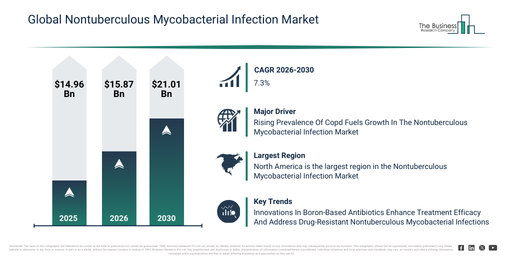
    The nontuberculous mycobacterial infection market size has experienced strong growth in recent years. This market is set to expand from $14.96 billion in 2025 to $15.87 billion in 2026, achieving a compound annual growth rate (CAGR) of 6.1%. The historical increase in the market can be ascribed to a high incidence of pulmonary infections, limited effective therapies, delayed diagnosis of nontuberculous mycobacteria, reliance on conventional antibiotic regimens, and low awareness among clinicians._x000D_

    _x000D_

    The nontuberculous mycobacterial infection market is anticipated to experience substantial growth in the upcoming years, with its size projected to reach $21.01 billion by 2030, demonstrating a compound annual growth rate (CAGR) of 7.3%. This expansion over the forecast period is driven by the escalating adoption of macrolide and rifampin combination therapies, greater availability of aminoglycosides, the proliferation of personalized treatment strategies, the widening reach of hospital and specialty pharmacy networks, and the innovation of AI-enabled monitoring and diagnostic instruments. Noteworthy trends during this period also comprise the increased uptake of macrolide and rifampin treatments, more extensive use of aminoglycoside-based regimens, the broader implementation of multi-drug protocols, the expanding utilization of sophisticated diagnostic tools, and the progressing incorporation of AI-powered treatment oversight._x000D_

    _x000D_

    #Access Your Free Sample Report for In-Depth Market Insights:#_x000D_

    https://www.thebusinessresearchcompany.com/sample.aspx?id=13020&type=smp_x000D_

    _x000D_

    Which Drivers Are Shaping Strategic Decisions In The Nontuberculous Mycobacterial Infection Market?_x000D_

    The growing occurrence of chronic obstructive pulmonary disease (COPD) is projected to stimulate the expansion of the nontuberculous mycobacterial infection market in the future. COPD itself is a long-term respiratory ailment marked by ongoing and frequently worsening restrictions in lung airflow. When nontuberculous mycobacterial (NTM) infections affect individuals with COPD, they are linked to a more pronounced reduction in forced expiratory volume in one second (FEV1) and an elevated frequency of exacerbations. COPD can compromise the immune system and harm lung tissue, thereby facilitating NTM bacterial colonization of the lungs. As an illustration, in September 2024, data from Public Health Scotland, a government health agency based in Scotland, indicated that during 2022/23 in Scotland, the incidence of COPD, determined by hospital admissions and death records, stood at 112.4 cases per 100,000 for females and 109.7 cases per 100,000 for males. Consequently, the increasing occurrence of chronic obstructive pulmonary disease (COPD) is a key factor stimulating the expansion of the nontuberculous mycobacterial infection market._x000D_

    _x000D_

    What Segment Classifications Make Up The Nontuberculous Mycobacterial Infection Market?_x000D_

    The nontuberculous mycobacterial infection market covered in this report is segmented –_x000D_

    _x000D_

    1) By Drug Class: Macrolides, Rifampin, Aminoglycoside, Other Drug Classes_x000D_

    2) By Route Of Administration: Oral, Parenteral, Other Routes Of Administration_x000D_

    3) By Distribution Channel: Hospital Pharmacies, Retail Pharmacies, Online Pharmacies_x000D_

    _x000D_

    Subsegments:_x000D_

    1) By Macrolides: Azithromycin, Clarithromycin, Erythromycin_x000D_

    2) By Rifampin: Rifampin Monotherapy, Rifampin Combination Therapy, Extended-Duration Rifampin Therapy_x000D_

    3) By Aminoglycoside: Amikacin, Streptomycin, Tobramycin_x000D_

    4) By Other Drug Classes: Fluoroquinolones, Ethambutol, Linezolid, Clofazimine_x000D_

    _x000D_

    Which Trends Are Shaping Activity Within The Nontuberculous Mycobacterial Infection Market?_x000D_

    Companies operating within the nontuberculous mycobacterial infection market are concentrating on developing advanced solutions, such as boron-based antibiotics, to boost treatment effectiveness, overcome drug resistance, and improve patient outcomes. These boron-based antibiotics are small-molecule therapies formulated to inhibit bacterial protein synthesis, providing powerful and safer options for persistent infections. For example, in September 2023, AN2 Therapeutics, a US-based biopharmaceutical company, started enrolling patients in the Phase 3 part of its pivotal Phase 2/3 clinical trial for epetraborole in treatment-refractory Mycobacterium avium complex lung disease, after having completed Phase 2 enrolments. Designed for oral administration, epetraborole demonstrated potential in preclinical studies to treat Mycobacterium abscessus infections, with the aim of reducing treatment duration, enhancing tolerability, and addressing unmet medical needs in rare and serious infectious lung diseases, thereby contributing to better patient outcomes and disease management._x000D_

    _x000D_

    Which Leading Companies Dominate The Nontuberculous Mycobacterial Infection Market Share?_x000D_

    Major companies operating in the nontuberculous mycobacterial infection market are Teva Pharmaceutical Industries Ltd., Mylan N.V., Sun Pharmaceutical Industries Ltd., Lupin Limited, Insmed Incorporated, Paratek Pharmaceuticals Inc., Spero Therapeutics Inc., Aradigm Corporation, Dauntless Pharmaceuticals Inc., Validus Pharmaceuticals LLC, Savara Inc, Mannkind Corporation, Matinas BioPharma Holdings Inc, Vast Therapeutics Inc, Crestone Inc, AN2 Therapeutics Inc, Revimmune Inc, Shionogi Co Ltd, Summit Therapeutics plc, BioVersys AG, RedHill Biopharma Ltd, Shanghai MicuRx Pharmaceutical Co Ltd, Otsuka Pharmaceutical Co Ltd, Cipla Limited, Daiichi Sankyo Company Ltd._x000D_

    _x000D_

    #Access The Complete Report For Deeper Market Insights:#_x000D_

    https://www.thebusinessresearchcompany.com/report/nontuberculous-mycobacterial-infection-global-market-report_x000D_

    _x000D_

    Which Region Is Anticipated To See The Fastest Growth In The Nontuberculous Mycobacterial Infection Market?_x000D_

    North America was the largest region in the nontuberculous mycobacterial infection market in 2025. North America is expected to be the fastest-growing region in the forecast period. The regions covered in the nontuberculous mycobacterial infection market report are Asia-Pacific, South East Asia, Western Europe, Eastern Europe, North America, South America, Middle East, Africa._x000D_

    _x000D_

    #Request Your Customized Nontuberculous Mycobacterial Infection Market Research Report for Competitive Advantage:#_x000D_

    https://www.thebusinessresearchcompany.com/customise?id=13020&type=smp_x000D_

    _x000D_

    #Browse Through More Reports Similar to the Global Nontuberculous Mycobacterial Infection Market 2026, By The Business Research Company#_x000D_

    _x000D_

    Rare Disease Diagnostics Market Report 2026_x000D_

    https://www.thebusinessresearchcompany.com/report/rare-disease-diagnostics-global-market-report_x000D_

    _x000D_

    Tuberculosis Diagnostics Market Report 2026_x000D_

    https://www.thebusinessresearchcompany.com/report/tuberculosis-diagnostics-global-market-report_x000D_

    _x000D_

    Clinical Microbiology Market Report 2026_x000D_

    https://www.thebusinessresearchcompany.com/report/clinical-microbiology-global-market-report_x000D_

    _x000D_

    #Get in touch with us:#_x000D_

    _x000D_

    The Business Research Company: https://www.thebusinessresearchcompany.com/_x000D_

    Americas +1 310-496-7795_x000D_

    Asia +44 7882 955267 & +91 8897263534_x000D_

    Europe +44 7882 955267_x000D_

    Email us at info@tbrc.info_x000D_

    _x000D_

    #Follow us on:#_x000D_

    _x000D_

    LinkedIn: https://in.linkedin.com/company/the-business-research-company_x000D_

    YouTube: https://www.youtube.com/channel/UC24_fI0rV8cR5DxlCpgmyFQ_x000D_

    Global Market Model: https://www.thebusinessresearchcompany.com/global-market-model
  • Glycomic Therapeutics Global Forecast: Market to Scale Up to $424.67 Billion by 2030 at 17.6% CAGR

    Glycomic Therapeutics Global Forecast: Market to Scale Up to $424.67 Billion by 2030 at 17.6% CAGR

    Uncover key drivers, emerging technologies, and competitive movements shaping the glycomic therapeutics market from 2026–2035 with trusted insights from The Business Research Company

    By how much is the Glycomic Therapeutics Market expected to grow between 2026 and 2030?

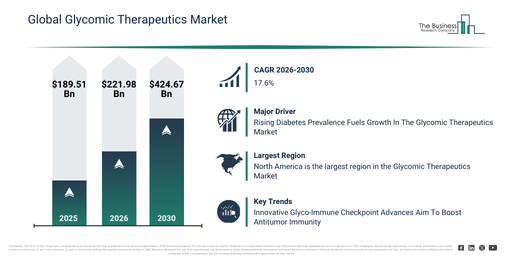
    The glycomic therapeutics market has experienced significant expansion recently. Its size is projected to increase from $189.51 billion in 2025 to $221.98 billion in 2026, showing a compound annual growth rate (CAGR) of 17.1%. This historical growth can be attributed to progress in glycobiology studies, the development of enzyme therapies, approvals for rare disease medications, financial support for academic research, and the expansion of biologics production.

    The glycomic therapeutics market is projected to undergo significant expansion in the coming years. By 2030, its valuation is anticipated to reach $424.67 billion, achieving this with a compound annual growth rate (CAGR) of 17.6%. This expected increase can be primarily attributed to the widespread adoption of precision medicine, breakthroughs in glycan biomarker discovery, the expansion of orphan drug pipelines, continuous innovation in synthetic biology, and heightened investment in pharmaceutical research. Key developments during this period are expected to include the broader advancement of glycan-based drug development, an escalating focus on immune modulation therapies, the increasing utilization of enzyme replacement therapies, rising research efforts dedicated to rare and metabolic diseases, and the overall growth of synthetic glycan technologies.

    Access Your Free Sample Report for In-Depth Market Insights:

    https://www.thebusinessresearchcompany.com/sample.aspx?id=11894&type=smp

    Which Drivers Are Influencing Market Acceleration In The Glycomic Therapeutics Market?

    The growing incidence of diabetes is anticipated to stimulate expansion within the glycomic therapeutics market. This chronic medical condition impairs the body’s ability to regulate blood sugar levels. Alterations in glycans are noted in diabetes, contributing to insulin resistance and other metabolic issues, with specific glycan patterns functioning as biomarkers for diagnosis, progression prediction, and treatment monitoring. As an illustration, in March 2025, GOV.UK, a UK-based non-profit government organization, reported that the prevalence of type 2 diabetes in adults aged **17** and over in **England**, as recorded by GPs, stood at **7.0%** in **March 2024**, which marked an increase from **6.8%** in **March 2023**. Thus, the rising occurrence of diabetes is acting as a catalyst for the glycomic therapeutics market’s growth.

    What Segments Are Identified Within The Structure Of The Glycomic Therapeutics Market?

    The glycomic therapeutics market covered in this report is segmented –

    1) By Class: Isolated, Synthetic

    2) By Structures: Glycoproteins, Targeting Sialic Acid, Proteoglycans, Targeting Glycosaminoglycans, Glycosylphosphatidylinositol (GPI)-Anchored Proteins And Heparin Based Glycans, Targeting Glycosphingolipids, Other Structures

    3) By Mode Of Action: Inhibits Neuraminidase, Inhibits Heparanase And Selectins And Blocks Interactions Between Growth Factors And Heparan Sulfate, Erythropoietin And Enzyme Replacement Therapy (ERT), Tissue Plasminogen Activator, Inhibits Glucosylceramide Synthase, Interleukin 1, 2 And 3, Beta And Gamma Interferons, Other Mode Of Action

    4) By Indications: Thrombosis And Chemoprophylaxis, Anemia, Anti-Adhesive And Anti-Inflammatory, Cataracts, Gaucher’s Disease, Mps-1 And IV, Cancer, Alzheimer’s Disease, Influenza Type A And B, Other Indications

    Subsegments:

    1) By Isolated: Natural Glycans, Glycan Derivatives, Glycoproteins

    2) By Synthetic: Chemically Synthesized Glycans, Recombinant Glycans, Glycopeptides

    What Trends Are Reshaping The Dynamics Of The Glycomic Therapeutics Market?

    Companies active in the glycomic therapeutics market are concentrating on creating novel solutions, including glyco-immune checkpoint inhibitors, to combat tumor immune evasion and improve treatment effectiveness. These inhibitors are treatments intended to obstruct immunosuppressive sugar molecules present on cancer cells, thereby assisting the immune system in more effectively identifying and targeting tumors. As an example, Palleon Pharmaceuticals Inc., a US-based biopharmaceutical company, reported in June 2023 that the initial patient received treatment within the combination therapy group of the Phase 1/2 GLIMMER-01 clinical trial, which is assessing their primary glyco-immunology candidate E-602 combined with cemiplimab (Libtayo®) for individuals with advanced cancers. The study investigates E-602 both alone and alongside cemiplimab to determine its safety, pharmacodynamics, and ability to fight tumors. E-602 functions as a pioneering glyco-immune checkpoint inhibitor engineered to enzymatically break down immunosuppressive sialoglycans on tumor and immune cells, with the goal of re-establishing antitumor immunity.

    Which Key Players Are Driving Competition In The Glycomic Therapeutics Market?

    Major companies operating in the glycomic therapeutics market are F Hoffmann-La Roche Ltd., Sanofi SA, Thermo Fisher Scientific Inc., GlaxoSmithKline plc, Merck KGaA, Agilent Technologies Inc., AMS Bio, Shimadzu Corporation, Waters Corporation, Bruker Corporation, BioMarin Pharmaceutical Inc., Bio Techne Corp., Halozyme Therapeutics Inc., Takara Bio Inc., Vector Laboratories, New England Biolabs Inc., Protalix Biotherapeutics Inc., Genovis AB, Ludger Ltd, GlycoMar Limited

    Access The Complete Report For Deeper Market Insights:

    https://www.thebusinessresearchcompany.com/report/glycomic-therapeutics-global-market-report

    Which Region Currently Holds The Largest Share Of The Glycomic Therapeutics Market?

    North America was the largest region in the glycomic therapeutics in 2025. Asia-Pacific is expected to be the fastest-growing region in the forecast period. The regions covered in the glycomic therapeutics market report are Asia-Pacific, South East Asia, Western Europe, Eastern Europe, North America, South America, Middle East, Africa.

    Request Your Customized Glycomic Therapeutics Market Research Report for Competitive Advantage:

    https://www.thebusinessresearchcompany.com/customise?id=11894&type=smp

    Browse Through More Reports Similar to the Global Glycomic Therapeutics Market 2026, By The Business Research Company

    Glycol Market Report 2026

    https://www.thebusinessresearchcompany.com/report/glycol-global-market-report

    Glycomics Or Glycobiology Market Report 2026

    https://www.thebusinessresearchcompany.com/report/glycomics-or-glycobiology-global-market-report

    Glycopeptide Antibiotics Market Report 2026

    https://www.thebusinessresearchcompany.com/report/glycopeptide-antibiotics-global-market-report

    Get in touch with us:

    The Business Research Company: https://www.thebusinessresearchcompany.com/

    Americas +1 310-496-7795

    Asia +44 7882 955267 & +91 8897263534

    Europe +44 7882 955267

    Email us at info@tbrc.info

    Follow us on:

    LinkedIn: https://in.linkedin.com/company/the-business-research-company

    YouTube: https://www.youtube.com/channel/UC24_fI0rV8cR5DxlCpgmyFQ

    Global Market Model: https://www.thebusinessresearchcompany.com/global-market-model

  • Non-Surgical Cosmetic Procedures Market Growth Projection: Expected to Surpass $47.36 Billion by 2030 at 10.5% CAGR

    Non-Surgical Cosmetic Procedures Market Growth Projection: Expected to Surpass $47.36 Billion by 2030 at 10.5% CAGR

    Uncover key drivers, emerging technologies, and competitive movements shaping the non-surgical cosmetic procedures market from 2026–2035 with trusted insights from The Business Research Company

    What growth pattern is forecast for the Non-Surgical Cosmetic Procedures Market size between 2026 and 2035?_x000D_

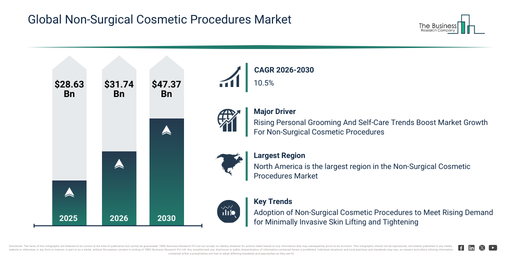
    The non-surgical cosmetic procedures market has experienced significant expansion recently. It is projected to grow from $28.63 billion in 2025 to $31.74 billion in 2026, demonstrating a compound annual growth rate (CAGR) of 10.9%. This historical increase can be linked to heightened aesthetic awareness among individuals, the spread of outpatient cosmetic clinics, the growing impact of social media on looks, increasing adoption of cosmetic procedures, and better access to qualified practitioners._x000D_

    _x000D_

    The non-surgical cosmetic procedures market is projected to experience substantial expansion in the coming years, with an anticipated growth to $47.37 billion by 2030 at a compound annual growth rate (CAGR) of 10.5%. This expansion throughout the forecast period stems from several factors, including the rising desire for individualized aesthetic solutions, the increasing use of sophisticated laser and energy-based equipment, the wider acceptance of cosmetic treatments among men, a heightened emphasis on preventive beauty measures, and breakthroughs in minimally invasive techniques. Key developments expected during this time frame encompass a heightened preference for injectable aesthetic procedures, the increasing integration of non-invasive skin rejuvenation methods, the expanding application of tailored cosmetic processes, the proliferation of energy-based aesthetic devices, and a stronger emphasis on less invasive approaches._x000D_

    _x000D_

    #Access Your Free Sample Report for In-Depth Market Insights:#_x000D_

    https://www.thebusinessresearchcompany.com/sample.aspx?id=20581&type=smp_x000D_

    _x000D_

    Which Drivers Are Impacting Market Performance In The Non-Surgical Cosmetic Procedures Market?_x000D_

    The expanding focus on personal grooming and self-care is anticipated to fuel the expansion of the non-surgical cosmetic procedures market in the future. These terms encompass the routines and actions people undertake to preserve their physical appearance, cleanliness, and general wellness. This increase in personal grooming and self-care is propelled by heightened beauty consciousness, the impact of social media, and a greater focus on wellness and self-assurance. Non-surgical cosmetic procedures complement personal grooming and self-care by providing rapid, less invasive alternatives to enhance looks and uplift self-esteem. For example, a July 2024 report from the British Beauty Council, a UK-based organization, indicated that in 2023, the personal care sector’s contribution to GDP reached £27.2 billion ($30.44 billion), showing an 11% increase over 2022. This rise was attributed to a 10% increase in household expenditure on personal care products and services across the UK. Consequently, the increasing desire for personal grooming and self-care is stimulating the growth of the non-surgical cosmetic procedures market._x000D_

    _x000D_

    What Segment Types Are Examined In The Non-Surgical Cosmetic Procedures Market?_x000D_

    The non-surgical cosmetic procedures market covered in this report is segmented –_x000D_

    _x000D_

    1) By Technique: Botulinum Toxins, Hyaluronic Acid-Based Derma Fillers, Hair Removal, Other Techniques_x000D_

    2) By Gender: Women, Men_x000D_

    3) By End User: Hospitals Or Surgery Centers, MedSpas, Healthcare Professionals-Owned Clinics_x000D_

    _x000D_

    Subsegments:_x000D_

    1) By Botulinum Toxins: Botox, Dysport, Xeomin, Jeuveau_x000D_

    2) By Hyaluronic Acid-Based Derma Fillers: Juvederm, Restylane, Belotero, Teosyal, Captique_x000D_

    3) By Hair Removal: Laser Hair Removal, Intense Pulsed Light (IPL) Hair Removal, Radiofrequency-Based Hair Removal, Electrolysis_x000D_

    4) By Other Techniques: Chemical Peels, Microdermabrasion, Non-Surgical Fat Reduction, Skin Tightening, Non-Surgical Facelift, Lip Augmentation, Cellulite Treatment, Dermal Micro-Needling_x000D_

    _x000D_

    Which Trends Are Influencing The Development Of The Non-Surgical Cosmetic Procedures Market?_x000D_

    Leading firms within the non-surgical cosmetic procedures market are actively pursuing technological innovations, like micro-focused ultrasound skin-lifting platforms, to address the growing need for efficient, non-invasive solutions for facial rejuvenation, skin tightening, and treatments for age-related skin laxity. Such micro-focused ultrasound systems precisely deliver ultrasonic energy to the deeper dermal and sub-dermal tissue layers, thereby encouraging the natural production of collagen and elastin without requiring incisions, anesthesia, or recovery periods, thus presenting a non-surgical substitute for conventional facelifts. As an example, in September 2024, Merz Aesthetics, a medical aesthetics company based in the U.S., introduced Ultherapy PRIME, which is an advanced non-invasive platform for skin lifting. This product offers customizable energy delivery complemented by real-time imaging, enhances collagen stimulation, and yields noticeable lifting and firming effects in just one session, all while significantly reducing recovery time when contrasted with surgical options._x000D_

    _x000D_

    Who Are The Major Companies Operating In The Non-Surgical Cosmetic Procedures Market?_x000D_

    Major companies operating in the non-surgical cosmetic procedures market are AbbVie Inc., Galderma S.A., Merz Pharma GmbH and Co KGaA, Revance Therapeutics Inc., Cynosure Inc., BTL Industries, InMode Ltd, Lumenis Be Ltd., Sisram Medical Ltd, Cutera Inc., Lutronic Corporation, Candela Corporation, Fotona d.o.o., Alma Lasers Ltd, Sciton Inc., EndyMed Medical Ltd, Johnson and Johnson, Shiseido Company Limited, Sientra Inc., Strata Skin Sciences_x000D_

    _x000D_

    #Access The Complete Report For Deeper Market Insights:#_x000D_

    https://www.thebusinessresearchcompany.com/report/non-surgical-cosmetic-procedures-global-market-report_x000D_

    _x000D_

    Which Region Is Anticipated To See The Fastest Growth In The Non-Surgical Cosmetic Procedures Market?_x000D_

    North America was the largest region in the non-surgical cosmetic procedures market in 2025. The regions covered in the non-surgical cosmetic procedures market report are Asia-Pacific, South East Asia, Western Europe, Eastern Europe, North America, South America, Middle East, Africa._x000D_

    _x000D_

    #Request Your Customized Non-Surgical Cosmetic Procedures Market Research Report for Competitive Advantage:#_x000D_

    https://www.thebusinessresearchcompany.com/customise?id=20581&type=smp_x000D_

    _x000D_

    #Browse Through More Reports Similar to the Global Non-Surgical Cosmetic Procedures Market 2026, By The Business Research Company#_x000D_

    _x000D_

    Vegan Cosmetics Market Report 2026_x000D_

    https://www.thebusinessresearchcompany.com/report/vegan-cosmetics-global-market-report_x000D_

    _x000D_

    Waterless Cosmetics Market Report 2026_x000D_

    https://www.thebusinessresearchcompany.com/report/waterless-cosmetics-global-market-report_x000D_

    _x000D_

    Mineral Cosmetics Market Report 2026_x000D_

    https://www.thebusinessresearchcompany.com/report/mineral-cosmetics-global-market-report_x000D_

    _x000D_

    #Get in touch with us:#_x000D_

    _x000D_

    The Business Research Company: https://www.thebusinessresearchcompany.com/_x000D_

    Americas +1 310-496-7795_x000D_

    Asia +44 7882 955267 & +91 8897263534_x000D_

    Europe +44 7882 955267_x000D_

    Email us at info@tbrc.info_x000D_

    _x000D_

    #Follow us on:#_x000D_

    _x000D_

    LinkedIn: https://in.linkedin.com/company/the-business-research-company_x000D_

    YouTube: https://www.youtube.com/channel/UC24_fI0rV8cR5DxlCpgmyFQ_x000D_

    Global Market Model: https://www.thebusinessresearchcompany.com/global-market-model
  • Glucagon-Like Peptide (GLP)-1 Agonists Weight Loss Drugs Market Future Outlook: Strong Growth Expected Toward $32.86 Billion by 2030

    Glucagon-Like Peptide (GLP)-1 Agonists Weight Loss Drugs Market Future Outlook: Strong Growth Expected Toward $32.86 Billion by 2030

    Uncover key drivers, emerging technologies, and competitive movements shaping the glucagon-like peptide (glp)-1 agonists weight loss drugs market from 2026–2035 with trusted insights from The Business Research Company

    What is the estimated market size of the Glucagon-Like Peptide (GLP)-1 Agonists Weight Loss Drugs Market by the end of 2030?

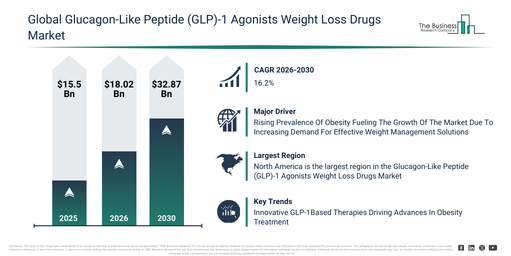
    The market size for glucagon-like peptide (glp)-1 agonists weight loss drugs has experienced rapid expansion in recent years. This market is projected to expand from $15.5 billion in 2025 to $18.02 billion in 2026, demonstrating a compound annual growth rate (CAGR) of 16.3%. Historically, this expansion has been driven by factors such as an increase in obesity prevalence, advancements in diabetes medications, the burden of lifestyle diseases, the initial application of GLP-1 in diabetes, and various healthcare awareness initiatives.

    The market size for glucagon-like peptide (glp)-1 agonists weight loss drugs is poised for significant expansion in the coming years. It is forecast to attain $32.87 billion by 2030, demonstrating a compound annual growth rate (CAGR) of 16.2%. This growth during the forecast period can be attributed to factors such as the approval of new glp-1 medications, an increase in obesity clinics, broader insurance coverage, a focus on long-term weight management, and rising global obesity rates. Prominent trends anticipated in this period include an escalating demand for pharmacological weight management, increased utilization of injectable weight loss drugs, the wider adoption of glp-1 therapies beyond diabetes, the growth of obesity treatment programs, and improved patient adherence to extended therapy.

    Access Your Free Sample Report for In-Depth Market Insights:

    https://www.thebusinessresearchcompany.com/sample.aspx?id=24226&type=smp

    What Drivers Are Shaping Future Opportunities In The Glucagon-Like Peptide (GLP)-1 Agonists Weight Loss Drugs Market?

    The growing occurrence of obesity is projected to drive the glucagon-like peptide (GLP)-1 agonist weight loss drugs market forward. This medical condition is characterized by an excessive accumulation of body fat, posing health risks. Rates of obesity are increasing as a result of unhealthy eating habits, including consuming more fast food and sugary beverages, which often lack proper nutrition and balance. With a continuous increase in individuals affected by obesity and its complications, the need for effective treatment options is escalating, consequently boosting the utilization of glucagon-like peptide (GLP)-1 agonist weight loss drugs due to their established effectiveness in promoting weight loss and improving metabolic health. For instance, in May 2025, the Office for Health Improvement and Disparities, a UK-based government body, reported that an estimated 64.5% of adults aged 18 and over in England were overweight or living with obesity from 2023 to 2024, marking an increase from 64.0% in 2022 to 2023. Thus, the increasing prevalence of obesity is a key driver for the expansion of the glucagon-like peptide (GLP)-1 agonist weight loss drugs market.

    Which Segments Are Gaining Traction In The Glucagon-Like Peptide (GLP)-1 Agonists Weight Loss Drugs Market?

    The glucagon-like peptide (glp)-1 agonists weight loss drugs market covered in this report is segmented –

    1) By Drugs: Semaglutide, Liraglutide, Tirzepatide, Other Drugs

    2) By Route of Administration: Parenteral, Oral

    3) By Distribution Channel: Hospital Pharmacies, Retail Pharmacies, Other Pharmacies

    Subsegments:

    1) By Semaglutide: Ozempic, Wegovy, Rybelsus

    2) By Liraglutide: Saxenda, Victoza

    3) By Tirzepatide: Mounjaro, Zepbound

    4) By Other Drugs: Exenatide, Dulaglutide, Albiglutide, Efpeglenatide

    How Are New Market Trends Shaping The Landscape Of The Glucagon-Like Peptide (GLP)-1 Agonists Weight Loss Drugs Market?

    Leading companies within the glucagon-like peptide (GLP)-1 agonist weight loss drugs market are developing advanced obesity treatment solutions to enhance efficacy and improve patient outcomes. Obesity treatment solutions encompass therapies that replicate the GLP-1 hormone’s action to regulate appetite, increase satiety, and facilitate weight reduction. These medications assist in managing obesity by improving metabolic function and supporting sustained weight control. For instance, in November 2023, Eli Lilly and Company, a US-based pharmaceutical company, obtained US Food and Drug Administration approval for Zepbound, a drug for chronic weight management in adults with obesity or overweight who have related health conditions such as type 2 diabetes or sleep apnea. The medication operates by activating GIP and GLP-1 hormone receptors to curb appetite and boost metabolic function.

    Who Are The Top-Performing Companies In The Glucagon-Like Peptide (GLP)-1 Agonists Weight Loss Drugs Market In Recent Years?

    Major companies operating in the glucagon-like peptide (glp)-1 agonists weight loss drugs market are Novo Nordisk A/S, Eli Lilly and Company, Pfizer Inc., Merck & Co Inc, Boehringer Ingelheim, Hanmi Pharmaceutical, Jiangsu Hengrui Medicine Co Ltd, Zealand Pharma A/S, I-Mab Biopharma Shanghai Co Ltd, Altimmune Inc, BioAge Labs, Innovent Biologics Inc, Viking Therapeutics Inc, Structure Therapeutics Inc, Regor Therapeutics Inc, TheracosBio LLC, Oramed Pharmaceuticals, Amgen Inc, Roche Holding AG, Teva Pharmaceutical Industries Ltd

    Access The Complete Report For Deeper Market Insights:

    https://www.thebusinessresearchcompany.com/report/glucagon-like-peptide-glp-1-agonists-weight-loss-drugs-global-market-report

    How Does The Glucagon-Like Peptide (GLP)-1 Agonists Weight Loss Drugs Market Perform Across Major Global Regions?

    North America was the largest region in the glucagon-like peptide (GLP) -1 agonists weight loss drugs market in 2025. The regions covered in the glucagon-like peptide (glp)-1 agonists weight loss drugs market report are Asia-Pacific, South East Asia, Western Europe, Eastern Europe, North America, South America, Middle East, Africa.

    Request Your Customized Glucagon-Like Peptide (GLP)-1 Agonists Weight Loss Drugs Market Research Report for Competitive Advantage:

    https://www.thebusinessresearchcompany.com/customise?id=24226&type=smp

    Browse Through More Reports Similar to the Global Glucagon-Like Peptide (GLP)-1 Agonists Weight Loss Drugs Market 2026, By The Business Research Company

    Peptide Based Metabolic Disorders Therapeutics Market Report 2026

    https://www.thebusinessresearchcompany.com/report/peptide-based-metabolic-disorders-therapeutics-global-market-report

    Glucagon Like Peptide 1 Market Report 2026

    https://www.thebusinessresearchcompany.com/report/glucagon-like-peptide-1-global-market-report

    Weight Loss Drugs Market Report 2026

    https://www.thebusinessresearchcompany.com/report/weight-loss-drugs-global-market-report

    Get in touch with us:

    The Business Research Company: https://www.thebusinessresearchcompany.com/

    Americas +1 310-496-7795

    Asia +44 7882 955267 & +91 8897263534

    Europe +44 7882 955267

    Email us at info@tbrc.info

    Follow us on:

    LinkedIn: https://in.linkedin.com/company/the-business-research-company

    YouTube: https://www.youtube.com/channel/UC24_fI0rV8cR5DxlCpgmyFQ

    Global Market Model: https://www.thebusinessresearchcompany.com/global-market-model

  • Revenue of the Glomerulonephritis Market Predicted to Achieve $14.66 Billion by 2030, Driven by 4.7% CAGR

    Revenue of the Glomerulonephritis Market Predicted to Achieve $14.66 Billion by 2030, Driven by 4.7% CAGR

    Uncover key drivers, emerging technologies, and competitive movements shaping the glomerulonephritis market from 2026–2035 with trusted insights from The Business Research Company

    What was the valuation of the Glomerulonephritis Market in 2026, and what figure is it projected to hit by 2030?

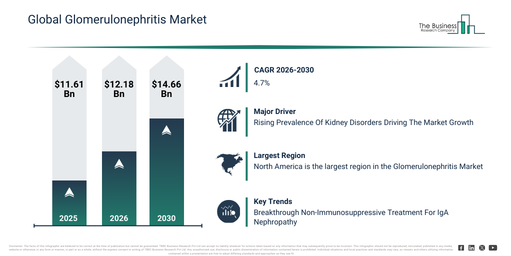
    The glomerulonephritis market size has experienced consistent expansion in recent years. It is projected to increase from $11.61 billion in 2025 to $12.18 billion in 2026, demonstrating a compound annual growth rate (CAGR) of 5.0%. The growth observed in the past period can be linked to the prevalence of autoimmune disorders, the adoption of kidney biopsy, the expansion of nephrology clinics, the availability of immunosuppressive drugs, and the enlargement of diagnostic laboratories.

    The glomerulonephritis market is projected to experience sustained expansion over the coming years. By 2030, this market is anticipated to reach $14.66 billion, demonstrating a compound annual growth rate (CAGR) of 4.7%. This forecasted growth is attributable to several factors, including advancements in renal diagnostics, the evolution of precision nephrology, a rise in the prevalence of chronic kidney disease, the broadening of specialty nephrology care, and enhanced treatment adherence. Key trends identified for the forecast period encompass an intensified focus on early diagnosis of kidney disease, the increasing application of immunosuppressive therapies, a growing embrace of biomarker-based testing, the expansion of dialysis support services, and better management of chronic diseases.

    Access Your Free Sample Report for In-Depth Market Insights:

    https://www.thebusinessresearchcompany.com/sample.aspx?id=21193&type=smp

    Which Drivers Are Affecting Market Participation In The Glomerulonephritis Market?

    The escalating occurrence of kidney ailments is poised to stimulate the expansion of the glomerulonephritis market. Kidney disorders encompass a spectrum of conditions that impact the kidneys’ structure or function, leading to compromised filtration, inefficient waste removal, and fluid imbalance. The increasing prevalence of these disorders is attributed to elements such as an aging demographic, a surge in chronic diseases like diabetes and hypertension, and lifestyle factors. These disorders foster glomerulonephritis by triggering immune system dysregulation, chronic inflammatory responses, or structural damage, thereby impeding renal filtration and function. For example, as reported by Kidney Research UK in June 2023, an estimated 7.19 million people in the UK were affected by chronic kidney disease in 2023, representing more than 10% of the UK population, a figure anticipated to rise to 7.61 million people by 2033. Therefore, the rising prevalence of kidney disorders will propel the growth of the glomerulonephritis market.

    What Segment Categories Are Covered In The Glomerulonephritis Market?

    The glomerulonephritis market covered in this report is segmented –

    1) By Type: Acute Glomerulonephritis, Chronic Glomerulonephritis

    2) By Diagnosis: Urine And Blood Tests, Imaging Tests, Kidney Biopsy, Other Diagnosis

    3) By Treatment: Medication, Surgery, Dialysis, Other Treatments

    4) By Distribution Channel: Hospital Pharmacy, Retail Pharmacy, Other Distribution Channels

    5) By End-User: Hospitals, Specialty Clinics, Other End-Users

    Subsegments:

    1) By Acute Glomerulonephritis: Post-infectious Glomerulonephritis, IgA Nephropathy, Lupus Nephritis, Rapidly Progressive Glomerulonephritis (RPGN), Goodpasture Syndrome

    2) By Chronic Glomerulonephritis: Focal Segmental Glomerulosclerosis (FSGS), Membranous Nephropathy, Minimal Change Disease, Alport Syndrome, Diabetic Nephropathy, Hypertensive Nephrosclerosis

    Which Trends Are Expected To Influence The Glomerulonephritis Market In The Upcoming Years?

    Major companies in the glomerulonephritis market are prioritizing the development of advanced non-immunosuppressive treatments to address unmet medical needs and improve patient outcomes. Non-immunosuppressive treatments are therapies designed to treat conditions without weakening or suppressing the immune system, thereby preserving immune function. For instance, in September 2024, Travere Therapeutics Inc., a US-based biopharmaceutical company, launched FILSPARI (sparsentan), which was approved by the Food and Drug Administration (FDA) for treating IgA nephropathy, a kidney disease. This drug is currently the only non-immunosuppressive treatment demonstrated to significantly slow the decline of kidney function in these patients. FILSPARI’s approval marks a substantial breakthrough in the management of IgA nephropathy, which is identified as the most common type of primary glomerulonephritis. The therapy offers a novel choice for patients who previously had limited options. This approval underscores Travere’s commitment to improving patient outcomes in kidney disease.

    Which Leading Companies Dominate The Glomerulonephritis Market Share?

    Major companies operating in the glomerulonephritis market are Pfizer Inc., F. Hoffmann-La Roche Ltd., AstraZeneca PLC, Novartis International AG, Eli Lilly and Company, Boehringer Ingelheim International GmbH, Apellis Pharmaceuticals Inc., MorphoSys AG, Travere Therapeutics Inc., Vera Therapeutics Inc., Calliditas Therapeutics AB, Omeros Corporation, Otsuka Pharmaceutical Co. Ltd., Aurinia Pharmaceuticals Inc., Alexion Pharmaceuticals Inc., Anthera Pharmaceuticals Inc., Chinook Therapeutics, Purespring Therapeutics, Walden Biosciences, Visterra Inc.

    Access The Complete Report For Deeper Market Insights:

    https://www.thebusinessresearchcompany.com/report/glomerulonephritis-global-market-report

    Which Region Is Anticipated To See The Fastest Growth In The Glomerulonephritis Market?

    North America was the largest region in the glomerulonephritis market in 2025. The regions covered in the glomerulonephritis market report are Asia-Pacific, South East Asia, Western Europe, Eastern Europe, North America, South America, Middle East, Africa.

    Request Your Customized Glomerulonephritis Market Research Report for Competitive Advantage:

    https://www.thebusinessresearchcompany.com/customise?id=21193&type=smp

    Browse Through More Reports Similar to the Global Glomerulonephritis Market 2026, By The Business Research Company

    Diabetic Kidney Disease Market Report 2026

    https://www.thebusinessresearchcompany.com/report/diabetic-kidney-disease-global-market-report

    Kidney Disease Market Report 2026

    https://www.thebusinessresearchcompany.com/report/kidney-disease-global-market-report

    Chronic Kidney Disease Market Report 2026

    https://www.thebusinessresearchcompany.com/report/chronic-kidney-disease-global-market-report

    Get in touch with us:

    The Business Research Company: https://www.thebusinessresearchcompany.com/

    Americas +1 310-496-7795

    Asia +44 7882 955267 & +91 8897263534

    Europe +44 7882 955267

    Email us at info@tbrc.info

    Follow us on:

    LinkedIn: https://in.linkedin.com/company/the-business-research-company

    YouTube: https://www.youtube.com/channel/UC24_fI0rV8cR5DxlCpgmyFQ

    Global Market Model: https://www.thebusinessresearchcompany.com/global-market-model

  • Non-Small Cell Lung Cancer (NSCLC) Market Forecast 2026–2035: How to Leverage Market Growth

    Non-Small Cell Lung Cancer (NSCLC) Market Forecast 2026–2035: How to Leverage Market Growth

    Uncover key drivers, emerging technologies, and competitive movements shaping the non-small cell lung cancer (nsclc) market from 2026–2035 with trusted insights from The Business Research Company

    How much larger will the Non-Small Cell Lung Cancer (NSCLC) Market be in 2030 compared with 2026?_x000D_

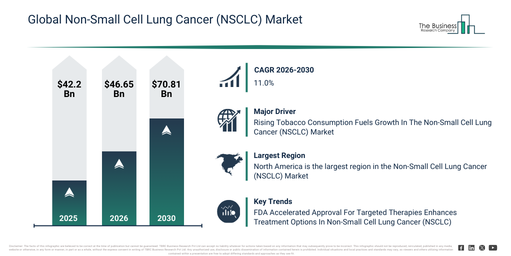
    The non-small cell lung cancer (nsclc) market has seen swift expansion in recent years. Its valuation is set to rise from $42.2 billion in 2025 to $46.65 billion in 2026, exhibiting a compound annual growth rate (CAGR) of 10.5%. This historical growth can be linked to factors such as the widespread incidence of smoking, exposure to airborne pollutants, diagnoses at later stages, the scarcity of specific targeted therapy solutions, and a sustained dependence on traditional chemotherapy methods._x000D_

    _x000D_

    The market for non-small cell lung cancer (nsclc) is projected to experience swift expansion in the coming years. This market is set to reach $70.81 billion by 2030, demonstrating a compound annual growth rate (CAGR) of 11.0%. During the forecast period, this expansion can be linked to the increasing uptake of targeted therapies and immunotherapy, augmented investment in lung cancer diagnostic tools, the evolution of personalized medicine, a broader presence of oncology centers and specialized clinics, and the creation of AI-driven predictive models and imaging solutions. Key trends anticipated within the forecast timeframe encompass the growing embrace of targeted therapy and immunotherapy, an uptick in the application of sophisticated radiotherapy methods, wider utilization of laser therapy and photodynamic therapy, an expansion in the rollout of early diagnosis and screening initiatives, and the progressive integration of AI-powered imaging and predictive oncology._x000D_

    _x000D_

    #Access Your Free Sample Report for In-Depth Market Insights:#_x000D_

    https://www.thebusinessresearchcompany.com/sample.aspx?id=13232&type=smp_x000D_

    _x000D_

    What Drivers Are Guiding Growth Patterns In The Non-Small Cell Lung Cancer (NSCLC) Market?_x000D_

    The escalating rate of tobacco consumption is anticipated to propel the future growth of the non-small cell lung cancer (NSCLC) market. Tobacco consumption refers to individuals’ utilization of tobacco products, typically through smoking, chewing, or snuffing, which introduces nicotine and other chemicals into the body. Tobacco smoke contains several carcinogens capable of damaging the DNA (deoxyribonucleic acid) in lung cells, leading to mutations and the uncontrolled proliferation of cancerous cells, including non-small-cell lung cancer (NSCLC). For instance, in October 2024, the 2024 National Youth Tobacco Survey, published by the US Food and Drug Administration (USFDA), a US-based federal agency, indicated that 1.1% of all students (approximately 2.25 million) reported current use of tobacco products. This included 10.1% of high school students (about 1.58 million) and 5.4% of middle school students (around 640,000) using tobacco; additionally, 2.8% of students (about 760,000) reported current use of any combustible tobacco product, while 3.0% (approximately 840,000) reported using multiple tobacco products. Therefore, the increasing rate of tobacco consumption is driving the growth of the non-small cell lung cancer (NSCLC) market._x000D_

    _x000D_

    Which Segments Are Driving Activity In The Non-Small Cell Lung Cancer (NSCLC) Market?_x000D_

    The non-small cell lung cancer (nsclc) market covered in this report is segmented –_x000D_

    _x000D_

    1) By Type: Squamous Cell Carcinoma, Large Cell Carcinoma, Adenocarcinoma, Other Types_x000D_

    2) By Therapy: Radiotherapy, Laser Therapy, Photodynamic Therapy (PDT), Other Therapies_x000D_

    3) By Distribution Channel: Hospital Pharmacy, Online Pharmacy, Other Distribution Channels_x000D_

    _x000D_

    Subsegments:_x000D_

    1) By Squamous Cell Carcinoma: Keratinizing Squamous Cell Carcinoma, Non-Keratinizing Squamous Cell Carcinoma_x000D_

    2) By Large Cell Carcinoma: Undifferentiated Large Cell Carcinoma, Large Cell Neuroendocrine Carcinoma_x000D_

    3) By Adenocarcinoma: Invasive Adenocarcinoma, Bronchioloalveolar Carcinoma_x000D_

    4) By Other Types: Mixed Cell Type Carcinoma, Sarcomatoid Carcinoma_x000D_

    _x000D_

    What Trends Are Expected To Impact The Competitive Landscape Of The Non-Small Cell Lung Cancer (NSCLC) Market?_x000D_

    Leading companies within the non-small cell lung cancer market are prioritizing the development of targeted therapies. These initiatives often involve securing FDA accelerated approval for drugs designed to address specific genetic mutations, thereby improving available treatment options for patients. FDA accelerated approval signifies a regulatory pathway through which the U.S. Food and Drug Administration grants earlier clearance to therapies that specifically target a molecular or genetic abnormality within a disease, based on surrogate or intermediate clinical endpoints that are deemed reasonably likely to predict a clinical benefit. As an illustration, in July 2025, Dizal (Jiangsu) Pharmaceutical Co., Ltd., a research-based biotechnology firm based in China, launched sunvozertinib (Zegfrovy) for adult patients diagnosed with locally advanced or metastatic NSCLC harboring EGFR exon 20 insertion mutations who have experienced disease progression following platinum-based chemotherapy. Zegfrovy is prescribed for oral administration at 200 mg once daily with food, to be continued until either disease progression or unacceptable toxicity is observed. Clinical data from the WU-KONG1B trial showed that the therapy achieved a confirmed overall response rate of 46% and a duration of response lasting 11.1 months. The FDA’s approval additionally incorporated the Oncomine Dx Express Test to serve as a companion diagnostic for identifying eligible patients. Sunvozertinib includes warnings regarding potential side effects such as interstitial lung disease, gastrointestinal and dermatologic reactions, ocular toxicity, and embryo-fetal toxicity, collectively outlining its comprehensive safety profile._x000D_

    _x000D_

    Which Major Firms Are Strengthening Their Position In The Non-Small Cell Lung Cancer (NSCLC) Market?_x000D_

    Major companies operating in the non-small cell lung cancer (nsclc) market are Pfizer Inc., F. Hoffmann-La Roche AG, Merck & Co. Inc., AbbVie Inc., Novartis AG, Sanofi S.A., Bristol-Myers Squibb Company, AstraZeneca plc, GlaxoSmithKline Plc, Takeda Pharmaceutical Company Limited, Eli Lilly and Company, Amgen Inc., Regeneron Pharmaceuticals Inc., Astellas Pharma Inc., Clovis Oncology, Revolution Medicines, Boehringer Ingelheim GmbH, Johnson & Johnson, Daiichi Sankyo Company Limited, BeiGene Ltd., DualityBio, Gilead Sciences Inc., Mirati Therapeutics Inc., Arcus Biosciences Inc., NeoImmuneTech_x000D_

    _x000D_

    #Access The Complete Report For Deeper Market Insights:#_x000D_

    https://www.thebusinessresearchcompany.com/report/non-small-cell-lung-cancer-nsclc-global-market-report_x000D_

    _x000D_

    Which Global Regions Are Shaping The Competitive Landscape Of The Non-Small Cell Lung Cancer (NSCLC) Market?_x000D_

    North America was the largest region in the non-small cell lung cancer (NSCLC) market in 2025. Asia-Pacific is expected to be the fastest-growing region in the forecast period. The regions covered in the non-small cell lung cancer (nsclc) market report are Asia-Pacific, South East Asia, Western Europe, Eastern Europe, North America, South America, Middle East, Africa._x000D_

    _x000D_

    #Request Your Customized Non-Small Cell Lung Cancer (NSCLC) Market Research Report for Competitive Advantage:#_x000D_

    https://www.thebusinessresearchcompany.com/customise?id=13232&type=smp_x000D_

    _x000D_

    #Browse Through More Reports Similar to the Global Non-Small Cell Lung Cancer (NSCLC) Market 2026, By The Business Research Company#_x000D_

    _x000D_

    Non Small Cell Lung Cancer Nsclc Market Report 2026_x000D_

    https://www.thebusinessresearchcompany.com/report/non-small-cell-lung-cancer-nsclc-global-market-report_x000D_

    _x000D_

    Non Small Cell Lung Cancer Nsclc Market Report 2026_x000D_

    https://www.thebusinessresearchcompany.com/report/non-small-cell-lung-cancer-nsclc-global-market-report_x000D_

    _x000D_

    Non Small Cell Lung Cancer Nsclc Market Report 2026_x000D_

    https://www.thebusinessresearchcompany.com/report/non-small-cell-lung-cancer-nsclc-global-market-report_x000D_

    _x000D_

    #Get in touch with us:#_x000D_

    _x000D_

    The Business Research Company: https://www.thebusinessresearchcompany.com/_x000D_

    Americas +1 310-496-7795_x000D_

    Asia +44 7882 955267 & +91 8897263534_x000D_

    Europe +44 7882 955267_x000D_

    Email us at info@tbrc.info_x000D_

    _x000D_

    #Follow us on:#_x000D_

    _x000D_

    LinkedIn: https://in.linkedin.com/company/the-business-research-company_x000D_

    YouTube: https://www.youtube.com/channel/UC24_fI0rV8cR5DxlCpgmyFQ_x000D_

    Global Market Model: https://www.thebusinessresearchcompany.com/global-market-model
  • Gliosarcoma Sector Forecast Shows Robust Momentum, Climbing to $1.6 Billion With 5% CAGR

    Gliosarcoma Sector Forecast Shows Robust Momentum, Climbing to $1.6 Billion With 5% CAGR

    Uncover key drivers, emerging technologies, and competitive movements shaping the gliosarcoma market from 2026–2035 with trusted insights from The Business Research Company

    What are the forecasted starting (2026) and ending (2030) market sizes for the Gliosarcoma Market?

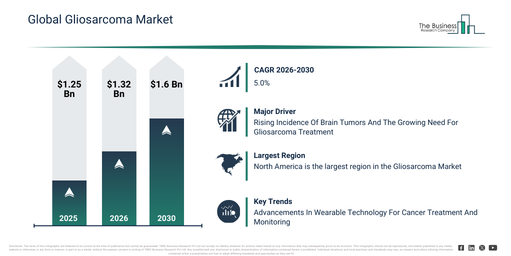
    The gliosarcoma market has experienced robust expansion recently. Projections indicate a rise from $1.25 billion in 2025 to $1.32 billion in 2026, demonstrating a compound annual growth rate (CAGR) of 5.3%. Historically, this expansion has been driven by factors such as a restricted clinical comprehension, breakthroughs in neuropathology, the proliferation of oncology research institutions, enhanced imaging techniques, and a surge in academic research interest.

    The gliosarcoma market is anticipated to experience robust expansion over the forthcoming years, with projections indicating it will reach $1.6 billion by 2030, demonstrating a compound annual growth rate (CAGR) of 5.0%. This growth during the forecast period is propelled by factors such as augmented funding for rare cancer research, advancements in precision diagnostics, refined treatment protocols, the wider implementation of molecular testing, and strengthened collaboration among research centers. Prominent trends emerging in this period include intensified research into rare brain tumors, the increasing adoption of molecular diagnostics, the broadening of multimodal treatment strategies, a heightened focus on tumor biology studies, and improvements in diagnostic accuracy.

    Access Your Free Sample Report for In-Depth Market Insights:

    https://www.thebusinessresearchcompany.com/sample.aspx?id=21192&type=smp

    What Drivers Are Supporting Technological Adoption In The Gliosarcoma Market?

    The escalating occurrence of brain tumors is projected to advance the expansion of the gliosarcoma market in the coming years. Brain tumors represent an unusual proliferation of cells within the brain, which can be either benign or malignant, potentially leading to symptoms such as headaches, seizures, and vision disturbances. The rise in brain tumor incidence stems from advancements in diagnostic technologies, heightened public awareness, and various environmental and lifestyle aspects that might increase exposure to associated risk factors. Gliosarcoma treatment holds significant importance for brain tumors, as it targets this aggressive and rare form of cancer, aiming to manage symptoms, prolong survival, and improve patients’ quality of life. For instance, data from Dementia Australia, an Australia-based non-profit organization, revealed that in February 2025, approximately 433,300 Australians were living with dementia, a figure anticipated to climb to 812,500 by 2054. Moreover, younger-onset dementia affects around 29,000 people in 2025, with projections indicating an increase to 41,000 by 2054. Thus, the growing incidence of brain tumors is a significant driver for the growth of the gliosarcoma market.

    Which Segments Are Contributing To The Growth Of The Gliosarcoma Market?

    The gliosarcoma market covered in this report is segmented –

    1) By Diagnosis Method: Imaging Techniques, Histopathological Examination, Biomarker Testing

    2) By Treatment Type: Surgery, Radiation Therapy, Chemotherapy, Targeted Therapy, Immunotherapy

    3) By End-User: Hospitals, Cancer Research Institutes, Specialty Clinics

    Subsegments:

    1) By Imaging Techniques: Magnetic Resonance Imaging (MRI), Computed Tomography (CT) Scan, Positron Emission Tomography (PET) Scan

    2) By Histopathological Examination: Hematoxylin and Eosin (H&E) Staining, Immunohistochemistry (IHC), Electron Microscopy

    3) By Biomarker Testing: IDH Mutation Testing, MGMT Promoter Methylation Testing, ATRX Mutation Testing, TP53 Mutation Analysis

    What Trends Are Driving The Growth Trajectory Of The Gliosarcoma Market?

    Leading companies in the gliosarcoma market are concentrating on developing technologically advanced products, such as wearable devices, designed to offer convenient and continuous monitoring of health and activity data. These innovations provide real-time insights and enhance user engagement with their wellness goals. Wearable devices are electronic gadgets meant to be worn on the body that track, monitor, or improve various aspects of an individual’s health, fitness, or daily activities. For example, in November 2024, Novocure Ltd., a UK-based oncology company, announced that the U.S. Food and Drug Administration (FDA) had approved the use of Head Flexible Electrode (HFE) transducer arrays in conjunction with Optune Gio for treating adult patients diagnosed with glioblastoma multiforme (GBM). The Optune Gio is a portable, wearable device that utilizes non-invasive wearable arrays to deliver tumor-treating fields (TTFields), which apply physical forces to the electrically charged parts of dividing cancer cells to stop their rapid proliferation. The new HFE arrays are crafted from a flexible polymer substance, making them 50% thinner and one-third lighter than the ceramic discs found in the existing Optune Gio arrays, which ultimately improves patient comfort and ease of use.

    Who Are The Major Companies Operating In The Gliosarcoma Market?

    Major companies operating in the gliosarcoma market are Pfizer Inc., F. Hoffmann-La Roche Ltd., Merck & Co. Inc., AbbVie Inc., Bayer AG, Bristol-Myers Squibb Company, Novartis AG, Eli Lilly and Company, Regeneron Pharmaceuticals Inc., Bio-Rad Laboratories Inc., Carl Zeiss AG, Elekta AB, Novocure Ltd., ImmunityBio Inc., Immatics Biotechnologies, Karyopharm Therapeutics Inc., Kintara Therapeutics Inc., Aveta Biomics Inc., Vigeo Therapeutics Inc.

    Access The Complete Report For Deeper Market Insights:

    https://www.thebusinessresearchcompany.com/report/gliosarcoma-global-market-report

    Which Region Is Anticipated To See The Fastest Growth In The Gliosarcoma Market?

    North America was the largest region in the gliosarcoma market in 2025. Asia-Pacific is expected to be the fastest-growing region in the forecast period. The regions covered in the gliosarcoma market report are Asia-Pacific, South East Asia, Western Europe, Eastern Europe, North America, South America, Middle East, Africa.

    Request Your Customized Gliosarcoma Market Research Report for Competitive Advantage:

    https://www.thebusinessresearchcompany.com/customise?id=21192&type=smp

    Browse Through More Reports Similar to the Global Gliosarcoma Market 2026, By The Business Research Company

    Adult Malignant Glioma Therapeutics Market Report 2026

    https://www.thebusinessresearchcompany.com/report/adult-malignant-glioma-therapeutics-global-market-report

    Glioma Treatment Market Report 2026

    https://www.thebusinessresearchcompany.com/report/glioma-treatment-global-market-report

    Sarcoma Drugs Market Report 2026

    https://www.thebusinessresearchcompany.com/report/sarcoma-drugs-global-market-report

    Get in touch with us:

    The Business Research Company: https://www.thebusinessresearchcompany.com/

    Americas +1 310-496-7795

    Asia +44 7882 955267 & +91 8897263534

    Europe +44 7882 955267

    Email us at info@tbrc.info

    Follow us on:

    LinkedIn: https://in.linkedin.com/company/the-business-research-company

    YouTube: https://www.youtube.com/channel/UC24_fI0rV8cR5DxlCpgmyFQ

    Global Market Model: https://www.thebusinessresearchcompany.com/global-market-model