Category: HealthcareServices

  • Global Non-Radiographic Axial Spondyloarthritis Therapeutic Market 2026–2030: Forecast Insights for Business Planning

    Global Non-Radiographic Axial Spondyloarthritis Therapeutic Market 2026–2030: Forecast Insights for Business Planning

    Uncover key drivers, emerging technologies, and competitive movements shaping the non-radiographic axial spondyloarthritis therapeutic market from 2026–2035 with trusted insights from The Business Research Company

    Starting from its 2026 valuation, what market size is the Non-Radiographic Axial Spondyloarthritis Therapeutic Market expected to reach by 2030?_x000D_

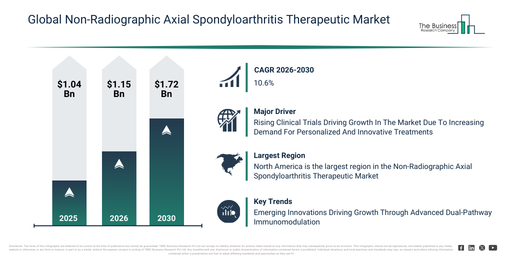
    The non-radiographic axial spondyloarthritis therapeutic market has experienced substantial expansion in recent times. Its valuation is projected to increase from $1.04 billion in 2025 to $1.15 billion in 2026, demonstrating a compound annual growth rate (CAGR) of 10.9%. This historical growth can be linked to factors such as a heightened awareness of non-radiographic axial spondyloarthritis, the shortcomings of traditional NSAID treatments, the implementation of better diagnostic standards, broader access to rheumatology specialized care, and a wider availability of biologic medications._x000D_

    _x000D_

    The market for therapies addressing non-radiographic axial spondyloarthritis is projected to experience swift expansion over the coming years, with its size anticipated to reach $1.72 billion by 2030, reflecting a compound annual growth rate (CAGR) of 10.6%. This growth during the forecast period is primarily driven by the accelerated development of next-generation biologics, the increasing adoption of JAK inhibitor therapies, a growing focus on personalized rheumatology care, the expansion of early-stage intervention protocols, and improvements in patient awareness and diagnosis rates. Major trends expected within this period include the rising adoption of biologic disease-modifying therapies, increased utilization of IL-17 and TNF inhibitors, a stronger emphasis on early disease intervention, the expansion of targeted small molecule treatments, and an enhanced focus on long-term disease control._x000D_

    _x000D_

    #Access Your Free Sample Report for In-Depth Market Insights:#_x000D_

    https://www.thebusinessresearchcompany.com/sample.aspx?id=24627&type=smp_x000D_

    _x000D_

    What Drivers Are Driving Adoption Within The Non-Radiographic Axial Spondyloarthritis Therapeutic Market?_x000D_

    The non-radiographic axial spondyloarthritis therapeutic market is anticipated to expand, driven by the rising number of clinical trials. These trials involve human research to assess the safety, efficacy, and adverse reactions of medical therapies or interventions. The rise in clinical trials stems from a heightened need for tailored and novel treatments, which necessitate thorough safety and effectiveness evaluations. For non-radiographic axial spondyloarthritis therapeutics, clinical trials offer evidence-based confirmation of treatment effectiveness and safety during early disease stages, facilitating regulatory acceptance and widespread clinical use. An example of this trend is seen in the UK, where the Association of the British Pharmaceutical Industry, a government and NHS organization focused on enhancing patient access to new treatments, stated in December 2024 that the total number of industry-initiated clinical trials increased from 411 trials in 2022 to 426 in 2023. Consequently, the expansion of clinical trials is a key factor boosting the non-radiographic axial spondyloarthritis therapeutic market._x000D_

    _x000D_

    How Is The Non-Radiographic Axial Spondyloarthritis Therapeutic Market Organized Into Various Segments?_x000D_

    The non-radiographic axial spondyloarthritis therapeutic market covered in this report is segmented –_x000D_

    _x000D_

    1) By Type: Non-Steroidal Anti-Inflammatory Drugs, Biologics, Small Molecule Therapies, Corticosteroids_x000D_

    2) By Application: Oral, Injectable, Parenteral_x000D_

    3) By End User: Hospitals, Ambulatory Surgical Centers, Homecare Settings_x000D_

    _x000D_

    Subsegments:_x000D_

    1) By Non-Steroidal Anti-Inflammatory Drugs: COX-2 Inhibitors, Non-Selective NSAIDs_x000D_

    2) By Biologics: Tumor Necrosis Factor (TNF) Inhibitors, Interleukin-17 (IL-17) Inhibitors_x000D_

    3) By Small Molecule Therapies: Janus Kinase (JAK) Inhibitors, TYK2 Inhibitors_x000D_

    4) By Corticosteroids: Oral Corticosteroids, Intra-Articular Corticosteroid Injections_x000D_

    _x000D_

    Which Trends Are Guiding The Evolution Of The Non-Radiographic Axial Spondyloarthritis Therapeutic Market?_x000D_

    Leading firms within the non-radiographic axial spondyloarthritis (nr-axSpA) therapeutic market are prioritizing the creation of novel approaches like dual IL-17A/IL-17F biologic inhibitors and highly convenient delivery methods. This focus responds to increasing diagnosis rates, earlier disease identification, the necessity for swift and profound inflammatory control, and patient preference for less frequent or more accessible dosing. Dual IL-17A/IL-17F biologic inhibitors consist of monoclonal antibodies that specifically and concurrently inhibit the cytokines IL-17A and IL-17F, which contributes to the management of nr-axSpA by alleviating inflammation, pain, stiffness, and structural progression. As an illustration, in September 2024, UCB S.A. (Union Chimique Belge Société Anonyme), a Belgium-based global biopharmaceutical company, introduced BIMZELX in the U.S. for adults experiencing active nr-axSpA, following FDA approval. BIMZELX is a humanized IgG monoclonal antibody engineered to neutralize both IL-17A and IL-17F, offering more extensive suppression of IL-17-mediated pathways compared with conventional TNF inhibitors or single-target IL-17 treatments. Beyond its use in nr-axSpA, BIMZELX also holds indications for moderate-to-severe plaque psoriasis, psoriatic arthritis, and ankylosing spondylitis, thereby catering to the changing therapeutic requirements of patients with inflammatory conditions._x000D_

    _x000D_

    Who Are The Primary Competitors In The Global Non-Radiographic Axial Spondyloarthritis Therapeutic Market?_x000D_

    Major companies operating in the non-radiographic axial spondyloarthritis therapeutic market are Pfizer Inc, Johnson and Johnson, AbbVie Inc, Sanofi SA, Bristol Myers Squibb Company, AstraZeneca PLC, Novartis AG, Eli Lilly and Company, Gilead Sciences Inc, Amgen Inc, Biogen Inc, Daiichi Sankyo Company Limited, UCB SA, Mochida Pharmaceutical Co Ltd, Mereo BioPharma Group plc, Suzhou Zelgen Biopharmaceuticals Co Ltd, Qyuns Therapeutics Co Ltd, Sandoz Group AG, Boehringer Ingelheim GmbH, Roche Holding AG_x000D_

    _x000D_

    #Access The Complete Report For Deeper Market Insights:#_x000D_

    https://www.thebusinessresearchcompany.com/report/non-radiographic-axial-spondyloarthritis-therapeutic-global-market-report_x000D_

    _x000D_

    Which Regions Are Poised For Strategic Growth In The Non-Radiographic Axial Spondyloarthritis Therapeutic Market?_x000D_

    North America was the largest region in the non-radiographic axial spondyloarthritis therapeutics market in 2025. The regions covered in the non-radiographic axial spondyloarthritis therapeutic market report are Asia-Pacific, South East Asia, Western Europe, Eastern Europe, North America, South America, Middle East, Africa._x000D_

    _x000D_

    #Request Your Customized Non-Radiographic Axial Spondyloarthritis Therapeutic Market Research Report for Competitive Advantage:#_x000D_

    https://www.thebusinessresearchcompany.com/customise?id=24627&type=smp_x000D_

    _x000D_

    #Browse Through More Reports Similar to the Global Non-Radiographic Axial Spondyloarthritis Therapeutic Market 2026, By The Business Research Company#_x000D_

    _x000D_

    Ankylosing Spondylitis Market Report 2026_x000D_

    https://www.thebusinessresearchcompany.com/report/ankylosing-spondylitis-global-market-report_x000D_

    _x000D_

    Cervical Spondylosis Treatment Market Report 2026_x000D_

    https://www.thebusinessresearchcompany.com/report/cervical-spondylosis-treatment-global-market-report_x000D_

    _x000D_

    Osteoarthritis Market Report 2026_x000D_

    https://www.thebusinessresearchcompany.com/report/osteoarthritis-global-market-report_x000D_

    _x000D_

    #Get in touch with us:#_x000D_

    _x000D_

    The Business Research Company: https://www.thebusinessresearchcompany.com/_x000D_

    Americas +1 310-496-7795_x000D_

    Asia +44 7882 955267 & +91 8897263534_x000D_

    Europe +44 7882 955267_x000D_

    Email us at info@tbrc.info_x000D_

    _x000D_

    #Follow us on:#_x000D_

    _x000D_

    LinkedIn: https://in.linkedin.com/company/the-business-research-company_x000D_

    YouTube: https://www.youtube.com/channel/UC24_fI0rV8cR5DxlCpgmyFQ_x000D_

    Global Market Model: https://www.thebusinessresearchcompany.com/global-market-model
  • Glioma Treatment Market Anticipated to Record Steady Gains, Advancing to $7.44 Billion by 2030

    Glioma Treatment Market Anticipated to Record Steady Gains, Advancing to $7.44 Billion by 2030

    Uncover key drivers, emerging technologies, and competitive movements shaping the glioma treatment market from 2026–2035 with trusted insights from The Business Research Company

    What upper market value could the Glioma Treatment Market reach by 2030 starting from 2026 levels?

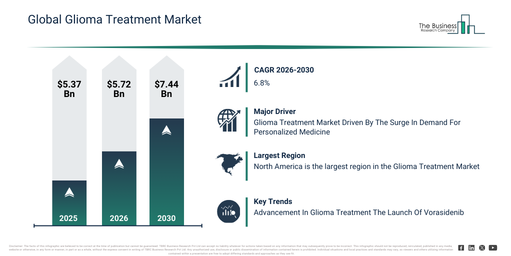
    The glioma treatment market size has experienced strong growth in recent years. It is projected to expand from $5.37 billion in 2025 to $5.72 billion in 2026, at a compound annual growth rate (CAGR) of 6.4%. The expansion observed in the past can be linked to advances in neurosurgery, the development of radiation oncology, the adoption of chemotherapy, improvements in diagnostic imaging, and the increased availability of cancer care facilities.

    The glioma treatment market is projected to experience substantial expansion in the coming years. By 2030, this market is anticipated to reach $7.44 billion, exhibiting a compound annual growth rate (CAGR) of 6.8%. This expansion throughout the forecast period stems from factors such as precision oncology integration, development of novel targeted drugs, improved survival outcome focus, expansion of specialty oncology clinics, and personalized treatment protocols. Key developments expected during this time frame involve increased use of combination therapy approaches, rising focus on early surgical intervention, expansion of targeted drug therapies, growing role of radiation therapy optimization, and improved long-term disease management.

    Access Your Free Sample Report for In-Depth Market Insights:

    https://www.thebusinessresearchcompany.com/sample.aspx?id=10689&type=smp

    Which Drivers Are Influencing Long-Term Growth In The Glioma Treatment Market?

    The increasing need for personalized medicine is anticipated to fuel the expansion of the glioma treatment market in the future. This approach involves tailored healthcare strategies that consider distinct patient characteristics such as genetics, environmental factors, and lifestyle choices, aiming to improve the efficacy and results of treatments. A multitude of elements, including progress in genomics, increased patient autonomy, and enhanced treatment effectiveness, are contributing to the rising demand for personalized medicine. Discovering biomarkers associated with gliomas facilitates the prediction of treatment responses and outcomes, thereby allowing for the creation of individualized treatment plans specifically designed for each patient’s unique profile. As an example, in February 2024, data from the Personalized Medicine Coalition, a US-based non-profit organization, indicated that the FDA sanctioned 16 novel personalized therapies for patients with rare diseases in 2023, an increase from six in 2022. Consequently, the escalating need for personalized medicine is a key driver for the growth of the glioma treatment market.

    How Is The Glioma Treatment Market Divided Into Segments?

    The glioma treatment market covered in this report is segmented –

    1) By Type: Low-Grade, High-Grade

    2) By Disease: Glioblastoma Multiforme, Anaplastic Astrocytoma, Anaplastic Oligodendroglioma, Other Diseases

    3) By Route Of Administration: Oral, Parenteral, Other Routes

    4) By Treatment: Surgery, Radiation Therapy, Chemotherapy, Targeted Drug Therapy, Other Treatments

    5) By End-User: Hospitals, Specialty Clinics, Other End Users

    Subsegments:

    1) By Low-Grade: Astrocytoma, Oligodendroglioma, Mixed Glioma

    2) By High-Grade: Glioblastoma Multiforme, Anaplastic Astrocytoma, Anaplastic Oligodendroglioma

    What Upcoming Trends Are Likely To Define The Future Path Of The Glioma Treatment Market?

    Leading companies in the glioma treatment market are adopting new, innovative products like immunotherapies to enhance patient outcomes and more effectively target tumors. Immunotherapies are treatments designed to stimulate or utilize the body’s immune system to recognize and attack cancer cells. For instance, in June 2024, Servier Pharmaceuticals, a France-based pharmaceutical company, secured FDA approval for VORANIGO (vorasidenib) tablets, marking a significant milestone as the first targeted therapy specifically for Grade 2 IDH-mutant glioma. Vorasidenib acts as a dual inhibitor, targeting isocitrate dehydrogenase (IDH) 1 and 2 mutations, which are frequently observed in gliomas. These mutations lead to the production of 2-hydroxyglutarate (2-HG), a metabolite that promotes the growth and survival of tumors. By inhibiting these enzymes, vorasidenib lowers 2-HG levels, potentially slowing down tumor progression.

    Which Major Firms Are Strengthening Their Position In The Glioma Treatment Market?

    Major companies operating in the glioma treatment market are Merck & Co Inc., Amgen Inc., F Hoffmann-La Roche AG, Pfizer Inc., Teva Pharmaceutical Industries Ltd., Sun Pharmaceutical Industries Ltd., Arbor Pharmaceuticals LLC, Amneal Pharmaceuticals Inc., Karyopharm Therapeutics Inc., Bristol-Myers Squibb Co., Rigel Pharmaceuticals Inc., Sumitomo Dainippon Pharma Oncology Inc., Emcure Pharmaceuticals Ltd., Novartis AG, AstraZeneca plc, Eli Lilly and Company, Sanofi S.A., Johnson & Johnson, AbbVie Inc., Takeda Pharmaceutical Company Limited, GlaxoSmithKline plc, Bayer AG, Gilead Sciences Inc., Ipsen Pharma, Eisai Co. Ltd., Genentech Inc., Iovance Biotherapeutics Inc., Agios Pharmaceuticals Inc.

    Access The Complete Report For Deeper Market Insights:

    https://www.thebusinessresearchcompany.com/report/glioma-treatment-global-market-report

    Which Global Regions Are Shaping The Competitive Landscape Of The Glioma Treatment Market?

    North America was the largest region in the glioma treatment market in 2025.Asia-Pacific is expected to be the fastest-growing region in the global glioma treatment market report during the forecast period. The regions covered in the glioma treatment market report are Asia-Pacific, South East Asia, Western Europe, Eastern Europe, North America, South America, Middle East, Africa.

    Request Your Customized Glioma Treatment Market Research Report for Competitive Advantage:

    https://www.thebusinessresearchcompany.com/customise?id=10689&type=smp

    Browse Through More Reports Similar to the Global Glioma Treatment Market 2026, By The Business Research Company

    Glioblastoma Multiforme Gbm Treatment Market Report 2026

    https://www.thebusinessresearchcompany.com/report/glioblastoma-multiforme-gbm-treatment-global-market-report

    Adult Malignant Glioma Therapeutics Market Report 2026

    https://www.thebusinessresearchcompany.com/report/adult-malignant-glioma-therapeutics-global-market-report

    Pontine Glioma Drugs Market Report 2026

    https://www.thebusinessresearchcompany.com/report/pontine-glioma-drugs-global-market-report

    Get in touch with us:

    The Business Research Company: https://www.thebusinessresearchcompany.com/

    Americas +1 310-496-7795

    Asia +44 7882 955267 & +91 8897263534

    Europe +44 7882 955267

    Email us at info@tbrc.info

    Follow us on:

    LinkedIn: https://in.linkedin.com/company/the-business-research-company

    YouTube: https://www.youtube.com/channel/UC24_fI0rV8cR5DxlCpgmyFQ

    Global Market Model: https://www.thebusinessresearchcompany.com/global-market-model

  • Non-Proliferative Diabetic Retinopathy Market Outlook 2026–2035: Growth Drivers and Industry Forecast

    Non-Proliferative Diabetic Retinopathy Market Outlook 2026–2035: Growth Drivers and Industry Forecast

    Uncover key drivers, emerging technologies, and competitive movements shaping the non-proliferative diabetic retinopathy market from 2026–2035 with trusted insights from The Business Research Company

    Across 2026–2030, what is the expected market valuation path of the Non-Proliferative Diabetic Retinopathy Market?_x000D_

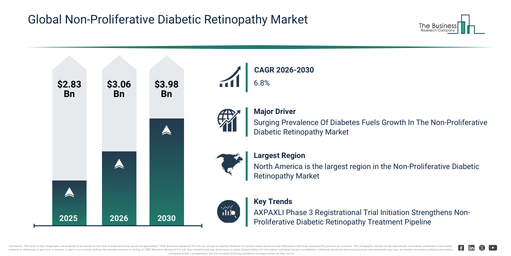
    The non-proliferative diabetic retinopathy market has witnessed substantial growth in recent years. It is anticipated to expand from $2.83 billion in 2025 to $3.06 billion in 2026, exhibiting a compound annual growth rate (CAGR) of 8.0%. This historical growth can be attributed to the widespread occurrence of diabetes, insufficient understanding of retinal complications, a reliance on traditional laser treatments, infrequent use of intravitreal injections, and inadequate screening facilities._x000D_

    _x000D_

    The market for non-proliferative diabetic retinopathy is projected to experience substantial expansion over the upcoming years. This market is anticipated to reach a valuation of $3.98 billion by 2030, driven by a compound annual growth rate (CAGR) of 6.8%. Several factors are contributing to this projected growth, including the increasing occurrence of diabetic retinopathy, wider acceptance of anti-VEGF and steroid treatments, the proliferation of ophthalmology clinics and specialized centers, advancements in retinal imaging technologies, and enhanced patient education and early detection initiatives. Key trends anticipated during the forecast period encompass the increasing application of anti-VEGF therapy in npdr, greater utilization of intraocular steroid injections, the rising implementation of sophisticated laser surgery methods, wider adoption of vitrectomy procedures, and the progressing incorporation of AI-powered retinal imaging and diagnostic tools._x000D_

    _x000D_

    #Access Your Free Sample Report for In-Depth Market Insights:#_x000D_

    https://www.thebusinessresearchcompany.com/sample.aspx?id=15620&type=smp_x000D_

    _x000D_

    Which Drivers Are Supporting The Rise Of The Non-Proliferative Diabetic Retinopathy Market?_x000D_

    The expanding occurrence of diabetes is projected to fuel the expansion of the non-proliferative diabetic retinopathy market moving ahead. This condition is a persistent metabolic ailment marked by high blood glucose levels, resulting from either insufficient insulin production by the pancreas or the body’s cells developing resistance to insulin’s effects. Contributing factors to diabetes include inactive lifestyles, poor eating habits, and hereditary inclinations. Diabetes leads to non-proliferative diabetic retinopathy through damage to the retinal blood vessels, predominantly from extended periods of high blood glucose, which can cause vision problems and eventual blindness. As an illustration, the National Health Service (NHS), a UK government body, reported in June 2024 that in 2023, more than 549,000 new individuals in England were identified as being at risk of type 2 diabetes. This increased the total number of people with non-diabetic hyperglycemia, or pre-diabetes, registered with a GP to 3,615,330. This figure shows a notable increase from 3,065,825 in 2022, indicating an almost 20% surge. Consequently, the growing incidence of diabetes is a key driver for the expansion of the non-proliferative diabetic retinopathy market._x000D_

    _x000D_

    What Segments Are Identified Within The Structure Of The Non-Proliferative Diabetic Retinopathy Market?_x000D_

    The non-proliferative diabetic retinopathy market covered in this report is segmented –_x000D_

    _x000D_

    1) By Treatment Type: Anti-Vascular Endothelial Growth Factor (VEGF) Therapy, Intraocular Steroid Injection, Laser Surgery, Vitrectomy_x000D_

    2) By Disease Severity Level: Mild Non-Proliferative Diabetic Retinopathy, Moderate Non-Proliferative Diabetic Retinopathy, Severe Non-Proliferative Diabetic Retinopathy_x000D_

    3) By End-User: Hospitals, Specialty Clinics, Ambulatory Surgical Centers, Other End-Users_x000D_

    _x000D_

    Subsegments:_x000D_

    1) By Anti-Vascular Endothelial Growth Factor (VEGF) Therapy: Bevacizumab (Avastin), Ranibizumab (Lucentis), Aflibercept (Eylea), Pegaptanib (Macugen)_x000D_

    2) By Intraocular Steroid Injection: Triamcinolone Acetonide, Dexamethasone Implant (Ozurdex), Fluocinolone Acetonide Implant (Iluvien)_x000D_

    3) By Laser Surgery: Focal Laser Photocoagulation, Panretinal Photocoagulation_x000D_

    4) By Vitrectomy: Pars Plana Vitrectomy (PPV), Membrane Peeling Vitrectomy, Phaco-Vitrectomy (Combined Cataract And Vitrectomy Surgery)_x000D_

    _x000D_

    What Trends Are Projected To Support The Growth Of The Non-Proliferative Diabetic Retinopathy Market?_x000D_

    Leading companies in the non-proliferative diabetic retinopathy (NPDR) market are prioritizing the development of advanced clinical solutions, such as Phase 3 registrational trial enrollment, to enhance therapeutic validation, generate robust evidence, and support regulatory approval for emerging NPDR treatments. This type of enrollment involves the formal initiation and randomization of patients into a pivotal late-stage clinical trial, specifically designed to produce comprehensive efficacy and safety data essential for market authorization of a therapeutic intervention. For instance, in November 2025, Ocular Therapeutix, a US-based biopharmaceutical company specializing in retinal diseases, announced the first patient randomization in the HELIOS-3 Phase 3 registrational program assessing AXPAXLI (OTX-TKI) for NPDR. AXPAXLI is an investigational bioresorbable intravitreal hydrogel that contains axitinib, a tyrosine kinase inhibitor with anti-angiogenic activity, engineered to deliver sustained therapy with fewer injections. The HELIOS-3 trial, along with HELIOS-2, employs a novel ordinal =2-step Diabetic Retinopathy Severity Score (DRSS) improvement as the primary endpoint and includes patients with non-center-involved diabetic macular edema (non-CI-DME), thereby positioning AXPAXLI as a potentially transformative option for durable and effective NPDR management._x000D_

    _x000D_

    Which Key Market Players Are Investing In Expansion And Innovation Within The Non-Proliferative Diabetic Retinopathy Market?_x000D_

    Major companies operating in the non-proliferative diabetic retinopathy market are Pfizer Inc., Johnson & Johnson, F. Hoffmann-La Roche AG, AbbVie Inc., Bayer AG, Abbott Laboratories, Novartis AG, Regeneron Pharmaceuticals Inc., Bausch Health Companies Inc., Genentech Inc., Carl Zeiss Meditec AG, ZEISS Group, Santen Pharmaceutical Co. Ltd., Santen Inc., Topcon Corporation, Lumenis Ltd., Alimera Science, Ocular Therapeutix Inc., Acucela Inc., Kowa Company Ltd._x000D_

    _x000D_

    #Access The Complete Report For Deeper Market Insights:#_x000D_

    https://www.thebusinessresearchcompany.com/report/non-proliferative-diabetic-retinopathy-global-market-report_x000D_

    _x000D_

    Which Regions Are Projected To Dominate The Non-Proliferative Diabetic Retinopathy Market In The Coming Years?_x000D_

    North America was the largest region in the non-proliferative diabetic retinopathy market in 2025. Asia-Pacific is expected to be the fastest-growing region in the forecast period. The regions covered in the non-proliferative diabetic retinopathy market report are Asia-Pacific, South East Asia, Western Europe, Eastern Europe, North America, South America, Middle East, Africa._x000D_

    _x000D_

    #Request Your Customized Non-Proliferative Diabetic Retinopathy Market Research Report for Competitive Advantage:#_x000D_

    https://www.thebusinessresearchcompany.com/customise?id=15620&type=smp_x000D_

    _x000D_

    #Browse Through More Reports Similar to the Global Non-Proliferative Diabetic Retinopathy Market 2026, By The Business Research Company#_x000D_

    _x000D_

    Diabetic Neuropathy Market Report 2026_x000D_

    https://www.thebusinessresearchcompany.com/report/diabetic-neuropathy-global-market-report_x000D_

    _x000D_

    Diabetic Retinopathy Market Report 2026_x000D_

    https://www.thebusinessresearchcompany.com/report/diabetic-retinopathy-global-market-report_x000D_

    _x000D_

    Proliferative Diabetic Retinopathy Pdr Market Report 2026_x000D_

    https://www.thebusinessresearchcompany.com/report/proliferative-diabetic-retinopathy-pdr-global-market-report_x000D_

    _x000D_

    #Get in touch with us:#_x000D_

    _x000D_

    The Business Research Company: https://www.thebusinessresearchcompany.com/_x000D_

    Americas +1 310-496-7795_x000D_

    Asia +44 7882 955267 & +91 8897263534_x000D_

    Europe +44 7882 955267_x000D_

    Email us at info@tbrc.info_x000D_

    _x000D_

    #Follow us on:#_x000D_

    _x000D_

    LinkedIn: https://in.linkedin.com/company/the-business-research-company_x000D_

    YouTube: https://www.youtube.com/channel/UC24_fI0rV8cR5DxlCpgmyFQ_x000D_

    Global Market Model: https://www.thebusinessresearchcompany.com/global-market-model
  • Glioblastoma Multiforme (GBM) Treatment Industry Poised for Rapid Growth, Forecast to Touch $4.45 Billion by 2030 at 10.2% CAGR

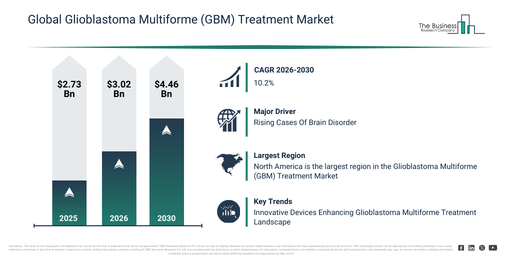
    Glioblastoma Multiforme (GBM) Treatment Industry Poised for Rapid Growth, Forecast to Touch $4.45 Billion by 2030 at 10.2% CAGR

    Uncover key drivers, emerging technologies, and competitive movements shaping the glioblastoma multiforme (gbm) treatment market from 2026–2035 with trusted insights from The Business Research Company

    What level of CAGR-driven expansion is anticipated in the Glioblastoma Multiforme (GBM) Treatment Market between 2026 and 2030?

    The market for glioblastoma multiforme (gbm) treatment has experienced rapid expansion in recent years. This market is set to increase from $2.73 billion in 2025 to $3.02 billion by 2026, achieving a compound annual growth rate (CAGR) of 10.7%. Historically, this growth can be ascribed to factors including limited survival outcomes, a primary reliance on surgery and radiation, the standardization of chemotherapy protocols, the expansion of neuro-oncology centers, and an increase in the diagnosis of brain tumors.

    The glioblastoma multiforme (gbm) treatment market size is anticipated to expand significantly in the forthcoming years. It is projected to achieve $4.46 billion by 2030, exhibiting a compound annual growth rate (CAGR) of 10.2%. This growth during the forecast period is attributable to the progression of targeted therapies, the expansion of immunotherapy pipelines, the adoption of precision medicine, heightened clinical trial activity, and an increase in research funding. Prominent trends throughout this period encompass the escalating embrace of multimodal treatment regimens, more widespread application of tumor treating field therapy, a magnified focus on personalized gbm therapies, the diversification of immunotherapy approaches, and refined post-surgical treatment protocols.

    Access Your Free Sample Report for In-Depth Market Insights:

    https://www.thebusinessresearchcompany.com/sample.aspx?id=8803&type=smp

    What Drivers Are Affecting Demand-Supply Dynamics In The Glioblastoma Multiforme (GBM) Treatment Market?

    The expanding occurrence of brain disorders is projected to fuel the advancement of the glioblastoma multiforme (GBM) treatment market in the future. These disorders encompass irregularities in the brain’s function, along with issues affecting nerves located throughout the human body and the spinal cord. The rising incidence of brain disorders, including glioblastoma multiforme (GBM), stems from multiple factors like an aging population, weakened immune systems, excessive diagnoses, exposure to ionizing radiation, and air pollution, among others. Such factors necessitate the treatment of these conditions to enhance overall well-being. For example, data from Dementia Australia, an Australian non-profit organization, indicates that in February 2025, around 433,300 Australians are afflicted with dementia, a figure anticipated to reach 812,500 by 2054. Furthermore, younger-onset dementia impacts approximately 29,000 individuals in 2025, with forecasts suggesting this number will grow to 41,000 by 2054. Consequently, the growing occurrence of brain disorders is a key driver for the expansion of the glioblastoma multiforme (GBM) treatment market.

    What Segments Are Included Within The Glioblastoma Multiforme (GBM) Treatment Market?

    The glioblastoma multiforme (gbm) treatment market covered in this report is segmented –

    1) By Treatment: Surgery, Radiation Therapy, Chemotherapy, R Immunotherapy

    2) By Drug Class: Temozolomide, Bevacizumab, Lomustine, Carmustine Wafers, Other Drug Classes

    3) By Route Of Administration: Oral, Parenteral, Other Route Of Administrations

    4) By End-Use: Hospitals, Clinics, Ambulatory Surgical Centers

    Subsegments:

    1) By Surgery: Tumor Resection, Biopsy Procedures

    2) By Radiation Therapy: External Beam Radiation Therapy (EBRT), Stereotactic Radiation Therapy

    3) By Chemotherapy: Standard Chemotherapy, Combination Chemotherapy Regimens

    4) By Immunotherapy: Checkpoint Inhibitors, Vaccine-Based Therapies

    Which Trends Are Shaping Activity Within The Glioblastoma Multiforme (GBM) Treatment Market?

    Leading companies within the market are prioritizing the creation of innovative wearable and portable devices to uphold their market presence. These developments aim to furnish users with superior functionality, convenience, and comfort, addressing the increasing demand for accessible and efficient healthcare solutions. For instance, in 2023, Novocure, a Jersey-based oncology company, unveiled Optune Gio, an FDA-approved wearable and portable treatment system for patients with newly diagnosed glioblastoma (GBM). This system applies Tumor Treating Fields (TTFields), which are alternating electric fields that impede cancer cell division, potentially enhancing patient survival. Weighing only 2.7 pounds, Optune Gio is engineered for user comfort, permitting patients to wear it throughout their daily activities.

    Who Are The Primary Competitors In The Global Glioblastoma Multiforme (GBM) Treatment Market?

    Major companies operating in the glioblastoma multiforme (gbm) treatment market are Pfizer Inc., F. Hoffmann-La Roche AG, Merck & Co. Inc., AbbVie Inc., Novartis AG, AstraZeneca PLC, Amgen Inc., Teva Pharmaceutical Industries Ltd., Sun Pharmaceutical Industries Limited, Jazz Pharmaceuticals Inc., Sumitomo Dainippon Pharma Oncology Inc., Varian Medical Systems Inc., Amneal Pharmaceuticals Inc., Elekta AB, Loxo Oncology Inc., Karyopharm Therapeutics Inc., EnGeneIC Ltd., Genenta Science S.r.l., Cantex Pharmaceuticals Inc., Vascular Biogenics Ltd., Seelos Therapeutics Inc, Angiochem Inc., Diffusion Pharmaceuticals Inc

    Access The Complete Report For Deeper Market Insights:

    https://www.thebusinessresearchcompany.com/report/glioblastoma-multiforme-gbm-treatment-global-market-report

    Which Regions Are Poised For Strategic Growth In The Glioblastoma Multiforme (GBM) Treatment Market?

    North America was the largest region in the glioblastoma multiforme (GBM) treatment market share in 2025. Asia-Pacific is expected to be the fastest-growing region in the forecast period. The regions covered in the glioblastoma multiforme (gbm) treatment market report are Asia-Pacific, South East Asia, Western Europe, Eastern Europe, North America, South America, Middle East, Africa.

    Request Your Customized Glioblastoma Multiforme (GBM) Treatment Market Research Report for Competitive Advantage:

    https://www.thebusinessresearchcompany.com/customise?id=8803&type=smp

    Browse Through More Reports Similar to the Global Glioblastoma Multiforme (GBM) Treatment Market 2026, By The Business Research Company

    Adult Malignant Glioma Therapeutics Market Report 2026

    https://www.thebusinessresearchcompany.com/report/adult-malignant-glioma-therapeutics-global-market-report

    Glioblastoma Multiforme Market Report 2026

    https://www.thebusinessresearchcompany.com/report/glioblastoma-multiforme-global-market-report

    Glioma Treatment Market Report 2026

    https://www.thebusinessresearchcompany.com/report/glioma-treatment-global-market-report

    Get in touch with us:

    The Business Research Company: https://www.thebusinessresearchcompany.com/

    Americas +1 310-496-7795

    Asia +44 7882 955267 & +91 8897263534

    Europe +44 7882 955267

    Email us at info@tbrc.info

    Follow us on:

    LinkedIn: https://in.linkedin.com/company/the-business-research-company

    YouTube: https://www.youtube.com/channel/UC24_fI0rV8cR5DxlCpgmyFQ

    Global Market Model: https://www.thebusinessresearchcompany.com/global-market-model

  • Glioblastoma Multiforme Market Performance Outlook 2026–2030: Revenue to Hit $3.93 Billion at 7.8% CAGR

    Glioblastoma Multiforme Market Performance Outlook 2026–2030: Revenue to Hit $3.93 Billion at 7.8% CAGR

    Uncover key drivers, emerging technologies, and competitive movements shaping the glioblastoma multiforme market from 2026–2035 with trusted insights from The Business Research Company

    What long-term size projections exist for the Glioblastoma Multiforme Market covering 2026–2035?

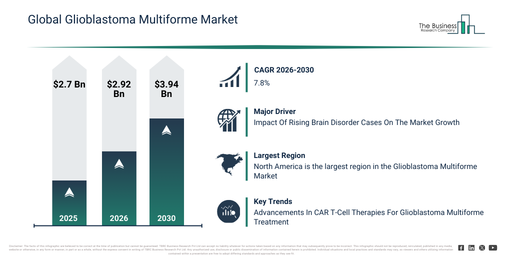
    The glioblastoma multiforme market has experienced strong growth in recent years. It is forecast to expand from $2.7 billion in 2025 to $2.92 billion in 2026, demonstrating a compound annual growth rate (CAGR) of 8.1%. The market’s historic period growth stemmed from various elements such as limited treatment options, progress in neuro-oncology, chemotherapy standardization, an increase in cancer research centers, and improved imaging technologies.

    The glioblastoma multiforme market is projected to witness significant expansion over the next few years. It is expected to grow to $3.94 billion by 2030, achieving a compound annual growth rate (CAGR) of 7.8%. The anticipated growth during this period is largely driven by the creation of innovative targeted drugs, the broadening scope of immunotherapy research, the adoption of personalized cancer treatments, increased financial backing for brain cancer studies, and a greater focus on improving survival rates. Furthermore, prominent trends for the forecast period include a heightened emphasis on targeted cancer therapies, a growing reliance on multimodal treatment strategies, the expansion of precision oncology research, wider acceptance of advanced imaging diagnostics, and enhanced participation in clinical trials.

    Access Your Free Sample Report for In-Depth Market Insights:

    https://www.thebusinessresearchcompany.com/sample.aspx?id=21191&type=smp

    Which Drivers Are Impacting The Competitive Landscape Of The Glioblastoma Multiforme Market?

    The future expansion of the glioblastoma multiforme market is anticipated to be fueled by the growing prevalence of brain disorder cases. A brain disorder refers to any condition impacting the brain’s structure or function, resulting in cognitive, emotional, or physical deficits. The increase in these cases is attributable to several factors, including an aging global populace, extended life expectancies, various lifestyle elements, and enhancements in diagnostic tools. Gaining insights into brain disorders facilitates progress in research concerning glioblastoma multiforme (GBM), leading to improved early detection, novel therapeutic approaches, and better patient results. Through the examination of neurological conditions, researchers can identify genetic and molecular connections crucial to the development of GBM. For example, in February 2025, Dementia Australia, an Australia-based non-profit organization, reported that around 433,300 Australians are currently living with dementia, a figure projected to reach 812,500 by 2054. Furthermore, younger-onset dementia affects approximately 29,000 individuals in 2025, with forecasts suggesting this number will climb to 41,000 by 2054. Consequently, the escalating number of brain disorder cases is poised to propel the growth of the glioblastoma multiforme market.

    What Leading Segments Are Studied In The Glioblastoma Multiforme Market?

    The glioblastoma multiforme market covered in this report is segmented –

    1) By Drug Class: Chemotherapy Agents, Temozolomide, Carmustine, Lomustine, Other Drug Classes

    2) By Diagnostic Tools: Magnetic Resonance Imaging (MRI), Computed Tomography Scan (CT Scan), Biopsy, Other Diagnostic Tools

    3) By Treatment Type: Surgery, Radiation Therapy, Chemotherapy, Immunotherapy, Tumor Treating Field Therapy, Other Treatment Types

    4) By End-User: Hospitals, Cancer Research Institutes, Ambulatory Surgical Centers, Other End-Users

    Subsegments:

    1) By Chemotherapy Agents: Alkylating Agents, Platinum-Based Agents, Antimetabolites

    2) By Temozolomide: Branded (Temodar), Generic Temozolomide

    3) By Carmustine: Injectable Carmustine, Carmustine Wafers (Gliadel)

    4) By Lomustine: Branded (Gleostine), Generic Lomustine

    5) By Other Drug Classes: Targeted Therapy, Immunotherapy, Tumor-Treating Fields (TTF) Therapy

    Which Trends Are Influencing The Development Of The Glioblastoma Multiforme Market?

    Key companies operating within the glioblastoma multiforme market are concentrating on advancing therapies, such as CAR T-cell treatments, to address the unmet medical requirements of this aggressive cancer. CAR T-cell therapies represent an immunological approach that involves modifying a patient’s T-cells to more effectively target and eliminate cancer cells. For instance, in June 2023, Chimeric Therapeutics Limited, an Australian biotech company, commenced a Phase IB clinical trial of CHM 1101 (CLXT CAR T) therapy for recurrent or progressive glioblastoma multiforme (GBM). This multi-center trial is designed to assess the therapy’s safety and efficacy, while also identifying the recommended Phase 2 dose. Initial Phase 1a results demonstrated disease stability, and the trial aims to build upon these findings to support subsequent development. The company intends to utilize the data collected to design a registration trial and seek feedback from regulatory authorities.

    Which Key Market Players Are Investing In Expansion And Innovation Within The Glioblastoma Multiforme Market?

    Major companies operating in the glioblastoma multiforme market are Pfizer Inc., F. Hoffmann-La Roche Ltd., AbbVie Inc., Bristol Myers Squibb Company, AstraZeneca PLC, Novartis International AG, Eli Lilly and Company, Amgen Inc., Merck KGaA, Teva Pharmaceutical Industries Ltd., Sun Pharmaceutical Industries Ltd., Zydus Pharmaceuticals (USA) Inc., Accord Healthcare Inc., Sumitomo Dainippon Pharma Oncology Inc., Karyopharm Therapeutics Inc., ITM Isotope Technologies Munich SE, Azurity Pharmaceuticals Inc., Genenta Science S.p.A., Chimeric Therapeutics Limited, VBI Vaccines Inc.

    Access The Complete Report For Deeper Market Insights:

    https://www.thebusinessresearchcompany.com/report/glioblastoma-multiforme-global-market-report

    Which Regions Are Projected To Dominate The Glioblastoma Multiforme Market In The Coming Years?

    North America was the largest region in the glioblastoma multiforme market in 2025. Asia-Pacific is expected to be the fastest-growing region in the forecast period. The regions covered in the glioblastoma multiforme market report are Asia-Pacific, South East Asia, Western Europe, Eastern Europe, North America, South America, Middle East, Africa.

    Request Your Customized Glioblastoma Multiforme Market Research Report for Competitive Advantage:

    https://www.thebusinessresearchcompany.com/customise?id=21191&type=smp

    Browse Through More Reports Similar to the Global Glioblastoma Multiforme Market 2026, By The Business Research Company

    Adult Malignant Glioma Therapeutics Market Report 2026

    https://www.thebusinessresearchcompany.com/report/adult-malignant-glioma-therapeutics-global-market-report

    Glioblastoma Multiforme Gbm Treatment Market Report 2026

    https://www.thebusinessresearchcompany.com/report/glioblastoma-multiforme-gbm-treatment-global-market-report

    Glioma Treatment Market Report 2026

    https://www.thebusinessresearchcompany.com/report/glioma-treatment-global-market-report

    Get in touch with us:

    The Business Research Company: https://www.thebusinessresearchcompany.com/

    Americas +1 310-496-7795

    Asia +44 7882 955267 & +91 8897263534

    Europe +44 7882 955267

    Email us at info@tbrc.info

    Follow us on:

    LinkedIn: https://in.linkedin.com/company/the-business-research-company

    YouTube: https://www.youtube.com/channel/UC24_fI0rV8cR5DxlCpgmyFQ

    Global Market Model: https://www.thebusinessresearchcompany.com/global-market-model

  • Non-Muscle Invasive Bladder Cancer Market 2026–2030: Emerging Trends and Forecast Opportunities

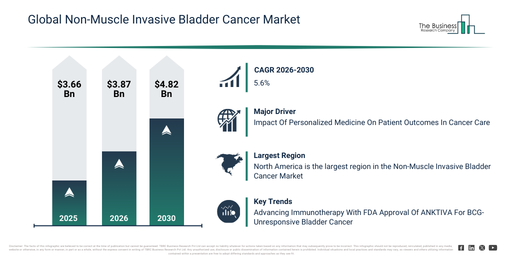
    Non-Muscle Invasive Bladder Cancer Market 2026–2030: Emerging Trends and Forecast Opportunities

    Uncover key drivers, emerging technologies, and competitive movements shaping the non-muscle invasive bladder cancer market from 2026–2035 with trusted insights from The Business Research Company

    What size range is anticipated for the Non-Muscle Invasive Bladder Cancer Market from 2026 to 2030?_x000D_

    The non-muscle invasive bladder cancer market has experienced significant expansion recently. This market is projected to expand from $3.66 billion in 2025 to $3.87 billion in 2026, demonstrating a compound annual growth rate (CAGR) of 5.9%. Key factors contributing to its historical growth include the early detection of bladder cancer, the continued use of transurethral resection, the limited uptake of intravesical therapy, improvements in hospital pharmacy infrastructure, and a lack of awareness regarding nmibc staging._x000D_

    _x000D_

    The market for non-muscle invasive bladder cancer is projected to experience substantial expansion in the coming years. This market is anticipated to reach $4.82 billion by 2030, demonstrating a compound annual growth rate (CAGR) of 5.6%. This projected growth is driven by several factors including the rising incidence of bladder cancer, a greater uptake of immunotherapy and chemotherapy, the expansion of online and retail pharmacy distribution channels, broader application of sophisticated diagnostic imaging, and the progression of personalized treatment strategies. Key trends during this period are expected to encompass the growing acceptance of AI-powered diagnostic instruments, a surge in the application of genomics and precision medicine methodologies, the increasing integration of data-driven clinical decision support systems, the wider utilization of minimally invasive therapeutic procedures, and the enhanced incorporation of connected health monitoring solutions._x000D_

    _x000D_

    #Access Your Free Sample Report for In-Depth Market Insights:#_x000D_

    https://www.thebusinessresearchcompany.com/sample.aspx?id=20904&type=smp_x000D_

    _x000D_

    What Drivers Are Affecting Demand In The Non-Muscle Invasive Bladder Cancer Market?_x000D_

    An increasing emphasis on personalized medicine is anticipated to drive the expansion of the non-muscle invasive bladder cancer market in the future. This medical approach tailors treatments according to a person’s genetic makeup, daily habits, and surroundings to achieve superior results. The heightened attention on personalized medicine stems from multiple elements, including progress in genomic studies, enhanced diagnostic instruments, and a rising need for more specific and efficacious therapies. The non-muscle invasive bladder cancer market facilitates personalized medicine by allowing for customized treatment strategies, which are developed considering unique tumor attributes, genetic indicators, and individual patient information. As an illustration, in February 2024, the Personalized Medicine Coalition, a US-based non-profit organization, reported that the FDA cleared 16 novel personalized therapies for rare disease patients in 2023, an increase from six in 2022. Consequently, this trend is boosting the growth of the non-muscle invasive bladder cancer market._x000D_

    _x000D_

    Which Segments Are Gaining Traction In The Non-Muscle Invasive Bladder Cancer Market?_x000D_

    The non-muscle invasive bladder cancer market covered in this report is segmented –_x000D_

    _x000D_

    1) By Stage: Carcinoma In Situ (CIS), T1 Stage, Ta Stage_x000D_

    2) By Treatment: Immunotherapy, Chemotherapy, Surgery, Intravesical Therapy, Other Treatments_x000D_

    3) By Tumor: Low-Grade Tumours, High-Grade Tumours_x000D_

    4) By End-User: Hospital Pharmacy, Retail Pharmacy, Online Pharmacy_x000D_

    _x000D_

    Subsegments:_x000D_

    1) By Carcinoma In Situ (CIS): High-Grade CIS, Low-Grade CIS_x000D_

    2) By T1 Stage: T1a Stage (Superficial Tumors), T1b Stage (Invasive Into Lamina Propria)_x000D_

    3) By Ta Stage: Low-Grade Ta Stage, High-Grade Ta Stage_x000D_

    _x000D_

    Which Trends Are Influencing The Performance And Direction Of The Non-Muscle Invasive Bladder Cancer Market?_x000D_

    Key companies involved in the non-muscle invasive bladder cancer market are concentrating on creating novel products, like immunotherapy, aimed at enhancing treatment alternatives and patient results. This therapeutic approach leverages the body’s own immune system to identify and fight cancer cells by either strengthening or initiating immune responses. A relevant example is the March 2024 approval granted by the Food and Drug Administration (FDA) to ImmunityBio Inc., a US-based biotechnology firm, for ANKTIVA (N-803). This approval is for the treatment of patients suffering from BCG-unresponsive non-muscle invasive bladder cancer (NMIBC) that includes carcinoma in situ (CIS), regardless of the presence of papillary tumors. The basis for this approval lies in promising clinical trial data, which demonstrates ANKTIVA, when administered alongside Bacillus Calmette-Guérin (BCG), presents a feasible treatment alternative for individuals who have not responded to conventional BCG therapy. ANKTIVA functions as a groundbreaking IL-15 agonist immunotherapy, operating by bolstering the immune system, particularly by activating natural killer (NK) cells and CD8+ killer T cells to pinpoint and eliminate cancer cells._x000D_

    _x000D_

    Who Are The Core Companies Influencing Trends In The Non-Muscle Invasive Bladder Cancer Market?_x000D_

    Major companies operating in the non-muscle invasive bladder cancer market are Johnson & Johnson, Janssen Research & Development LLC, Merck & Co Inc, AstraZeneca plc, Astellas Pharma US Inc, EMD Serono Inc, Genentech Inc, Aura Biosciences Inc, UroGen Pharma Ltd, Protara Therapeutics Inc, Istari Oncology Inc, Heat Biologics Inc, Viventia Bio Inc, ImmunityBio Inc, Altor BioScience Corporation, SURGE Therapeutics Inc, Pfizer Inc, Hoffmann-La Roche Ltd, CG Oncology Inc, Tyra Biosciences Inc, Prokarium Ltd, ImmVira Pharma Co Ltd, Trigone Pharma Ltd, enGene Holdings Inc, Atonco Pharma Ltd._x000D_

    _x000D_

    #Access The Complete Report For Deeper Market Insights:#_x000D_

    https://www.thebusinessresearchcompany.com/report/non-muscle-invasive-bladder-cancer-global-market-report_x000D_

    _x000D_

    Which Region Is Expected To Experience The Fastest Growth In The Non-Muscle Invasive Bladder Cancer Market?_x000D_

    North America was the largest region in the non-muscle invasive bladder cancer market in 2025. Asia-Pacific is expected to be the fastest-growing region in the forecast period. The regions covered in the non-muscle invasive bladder cancer market report are Asia-Pacific, South East Asia, Western Europe, Eastern Europe, North America, South America, Middle East, Africa._x000D_

    _x000D_

    #Request Your Customized Non-Muscle Invasive Bladder Cancer Market Research Report for Competitive Advantage:#_x000D_

    https://www.thebusinessresearchcompany.com/customise?id=20904&type=smp_x000D_

    _x000D_

    #Browse Through More Reports Similar to the Global Non-Muscle Invasive Bladder Cancer Market 2026, By The Business Research Company#_x000D_

    _x000D_

    Urothelial Carcinoma Treatment Market Report 2026_x000D_

    https://www.thebusinessresearchcompany.com/report/urothelial-carcinoma-treatment-global-market-report_x000D_

    _x000D_

    Bladder Cancer Drugs Market Report 2026_x000D_

    https://www.thebusinessresearchcompany.com/report/bladder-cancer-drugs-global-market-report_x000D_

    _x000D_

    Adrenocortical Carcinoma Market Report 2026_x000D_

    https://www.thebusinessresearchcompany.com/report/adrenocortical-carcinoma-global-market-report_x000D_

    _x000D_

    #Get in touch with us:#_x000D_

    _x000D_

    The Business Research Company: https://www.thebusinessresearchcompany.com/_x000D_

    Americas +1 310-496-7795_x000D_

    Asia +44 7882 955267 & +91 8897263534_x000D_

    Europe +44 7882 955267_x000D_

    Email us at info@tbrc.info_x000D_

    _x000D_

    #Follow us on:#_x000D_

    _x000D_

    LinkedIn: https://in.linkedin.com/company/the-business-research-company_x000D_

    YouTube: https://www.youtube.com/channel/UC24_fI0rV8cR5DxlCpgmyFQ_x000D_

    Global Market Model: https://www.thebusinessresearchcompany.com/global-market-model
  • Global Glaucoma Market Set for Strong Expansion, Reaching $10.62 Billion With 5.3% CAGR by 2030

    Global Glaucoma Market Set for Strong Expansion, Reaching $10.62 Billion With 5.3% CAGR by 2030

    Uncover key drivers, emerging technologies, and competitive movements shaping the glaucoma market from 2026–2035 with trusted insights from The Business Research Company

    What total market size is anticipated for the Glaucoma Market in 2030?

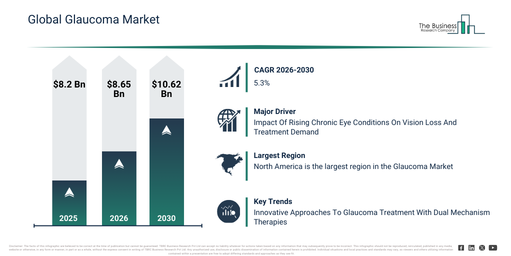
    The glaucoma market has experienced strong growth in recent years. It is anticipated to expand from $8.2 billion in 2025 to $8.65 billion in 2026, demonstrating a compound annual growth rate (CAGR) of 5.5%. The historic growth can be linked to factors such as an aging population, increased eye disease prevalence, advancements in ophthalmic diagnostics, early drug therapy adoption, and the growth of eye clinics.

    The glaucoma market is projected to experience substantial expansion in the coming years, with its size set to reach $10.62 billion by 2030, demonstrating a compound annual growth rate (CAGR) of 5.3%. This growth during the forecast period is primarily driven by technological advancements in imaging, an increase in surgical innovations, the implementation of digital eye health monitoring, various early detection initiatives, and rising investments in ophthalmology. Significant trends expected during this period include a greater adoption of early diagnostic screening, enhanced utilization of combination drug therapies, the expansion of minimally invasive glaucoma surgery, increased availability of home-based eye monitoring, and improved patient awareness programs.

    Access Your Free Sample Report for In-Depth Market Insights:

    https://www.thebusinessresearchcompany.com/sample.aspx?id=20820&type=smp

    What Drivers Are Influencing Production Trends In The Glaucoma Market?

    The increasing occurrence of chronic eye conditions is anticipated to fuel the expansion of the glaucoma market in the future. These conditions are defined as enduring ailments impacting the eyes, frequently resulting in lasting vision issues or unease, necessitating continuous care or therapy. The increase in chronic eye conditions can be attributed to an aging global demographic, extended periods of screen usage, specific lifestyle choices, and a greater incidence of co-existing conditions such as diabetes and hypertension. Treatment for glaucoma becomes essential in chronic eye conditions to reduce intraocular pressure, avert additional damage to the optic nerve, and safeguard vision, considering that unaddressed glaucoma may result in permanent blindness. As an illustration, figures from December 2024, released by the National Health Service (NHS), a public healthcare system in the UK, indicate that more than 2 million individuals in the UK are experiencing sight loss as of 2024. Furthermore, projections suggest that the population affected by sight loss will rise by 27%, reaching roughly 2.8 million by the year 2035. Consequently, the growing incidence of chronic eye conditions is a key driver for the glaucoma market.

    Which Segment Groups Are Influencing The Glaucoma Market?

    The glaucoma market covered in this report is segmented –

    1) By Disease Type: Open Angle Glaucoma, Angle Closure Glaucoma, Other Disease Types

    2) By Diagnosis: Tonometry, Ophthalmoscopy, Perimetry, Gonioscopy

    3) By Drug Class: Beta Blockers, Prostaglandins, Alpha Adrenergic Agonist, Carbonic Anhydrase Inhibitors, Combination Drugs, Other Drug Classes

    4) By Administration: Oral, Injections, Intravitreal, Other Administrations

    5) By End-User: Hospitals, Ophthalmic Clinics, Ambulatory Surgical Centers

    Subsegments:

    1) By Open Angle Glaucoma: Primary Open Angle Glaucoma (POAG), Secondary Open Angle Glaucoma

    2) By Angle Closure Glaucoma: Primary Angle Closure Glaucoma, Secondary Angle Closure Glaucoma

    3) By Other Disease Types: Normal-Tension Glaucoma, Pigmentary Glaucoma, Pseudoexfoliative Glaucoma, Congenital Glaucoma

    What Trends Are Expected To Impact The Competitive Landscape Of The Glaucoma Market?

    Major companies within the glaucoma market are concentrating on the creation of advanced treatments, such as Rho-kinase (ROCK) inhibitors. These inhibitors offer a dual mechanism of action, which involves both improving the outflow of aqueous humor and relaxing trabecular meshwork cells, thereby effectively lowering intraocular pressure and treating glaucoma. Rho-kinase (ROCK) inhibitors are a group of medications designed to specifically target and inhibit the function of Rho-kinase enzymes, which are responsible for regulating cell contraction and are used to treat glaucoma by reducing intraocular pressure. An illustration of this trend is Santen Pharmaceutical Co. Ltd., a Japan-based eye care products firm, which introduced Roclanda in the UK in July 2023. Roclanda is a fixed-dose combination (FDC) medication comprising latanoprost and netarsudil, with the latter being a new Rho-kinase (ROCK) inhibitor. This combination effectively lowers intraocular pressure (IOP) by addressing trabecular meshwork dysfunction. It is prescribed for adult patients suffering from primary open-angle glaucoma or ocular hypertension whose IOP has not been sufficiently reduced by monotherapy with a prostaglandin or netarsudil. The launch of Roclanda in Europe represents the first new category of glaucoma medication in 25 years, marking a significant advancement in treatment. By merging netarsudil and latanoprost, Roclanda functions synergistically to enhance outflow through both the conventional (trabecular) and unconventional (uveoscleral) pathways, providing a comprehensive strategy for managing elevated IOP.

    Who Are The Core Companies Influencing Trends In The Glaucoma Market?

    Major companies operating in the glaucoma market are Roche Holding AG, Merck & Co. Inc., AbbVie Inc., Novartis AG, Teva Pharmaceuticals Industries Ltd., Otsuka Pharmaceutical Co. Ltd., Sun Pharmaceutical Industries Ltd., Cipla Limited, Bausch & Lomb Corp., Carl Zeiss Meditec, Santen Pharmaceuticals Co. Ltd., Topcon Corporation, Thea Laboratoires, Corza Ophthalmology, Lumenis Ltd., Alcon Inc., Glaukos Corporation, Iridex Corporation, Nova Eye Medical Ltd., Nidek Co. Ltd., Haag-Streit AG

    Access The Complete Report For Deeper Market Insights:

    https://www.thebusinessresearchcompany.com/report/glaucoma-global-market-report

    Which Region Is Expected To Experience The Fastest Growth In The Glaucoma Market?

    North America was the largest region in the glaucoma market in 2025. Asia-Pacific is expected to be the fastest-growing region in the forecast period. The regions covered in the glaucoma market report are Asia-Pacific, South East Asia, Western Europe, Eastern Europe, North America, South America, Middle East, Africa.

    Request Your Customized Glaucoma Market Research Report for Competitive Advantage:

    https://www.thebusinessresearchcompany.com/customise?id=20820&type=smp

    Browse Through More Reports Similar to the Global Glaucoma Market 2026, By The Business Research Company

    Optic Atrophy Management Market Report 2026

    https://www.thebusinessresearchcompany.com/report/optic-atrophy-management-global-market-report

    Minimally Invasive Glaucoma Surgery Migs Devices Market Report 2026

    https://www.thebusinessresearchcompany.com/report/minimally-invasive-glaucoma-surgery-migs-devices-global-market-report

    Eye Melanoma Market Report 2026

    https://www.thebusinessresearchcompany.com/report/eye-melanoma-global-market-report

    Get in touch with us:

    The Business Research Company: https://www.thebusinessresearchcompany.com/

    Americas +1 310-496-7795

    Asia +44 7882 955267 & +91 8897263534

    Europe +44 7882 955267

    Email us at info@tbrc.info

    Follow us on:

    LinkedIn: https://in.linkedin.com/company/the-business-research-company

    YouTube: https://www.youtube.com/channel/UC24_fI0rV8cR5DxlCpgmyFQ

    Global Market Model: https://www.thebusinessresearchcompany.com/global-market-model

  • Global Non-invasive Prenatal Testing Market Forecast 2026–2035: Long-Term Growth Insights

    Global Non-invasive Prenatal Testing Market Forecast 2026–2035: Long-Term Growth Insights

    Uncover key drivers, emerging technologies, and competitive movements shaping the non-invasive prenatal testing market from 2026–2035 with trusted insights from The Business Research Company

    How is the Non-invasive Prenatal Testing Market size predicted to change over the forecast window of 2026–2035?_x000D_

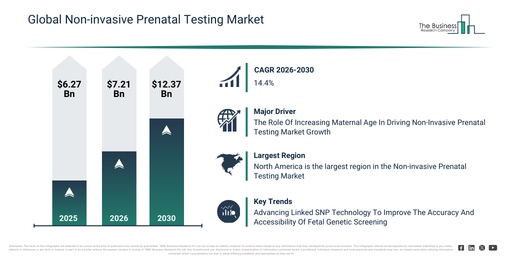
    The market size for non-invasive prenatal testing has expanded quickly over recent years. This market is anticipated to expand from $6.27 billion in 2025 to $7.21 billion by 2026, achieving a compound annual growth rate (CAGR) of 15.0%. Factors contributing to its historical growth include heightened awareness of prenatal screening, the dependence on invasive diagnostic approaches, a rise in the application of assay kits and reagents, the integration of next-generation sequencing in lab settings, and the necessity for promptly identifying chromosomal abnormalities._x000D_

    _x000D_

    The non-invasive prenatal testing market is projected to experience substantial expansion in the coming years. This market is anticipated to reach $12.37 billion by 2030, demonstrating a compound annual growth rate (CAGR) of 14.4%. Factors contributing to this growth over the forecast period include the worldwide increase in the uptake of non-invasive prenatal testing, greater investment in sophisticated sequencing technologies, the broadening of hospital and diagnostic laboratory infrastructures, a heightened need for early genetic screening, and the progressive incorporation of AI and data analytics into prenatal diagnostics. Key trends anticipated during this period encompass the growing adoption of AI-driven genetic analysis, an expanding application of NGS and PCR systems for prenatal testing, the increasing establishment of cloud-based data management solutions in diagnostics, wider deployment of high-throughput screening technologies, and the progressive integration of personalized prenatal risk assessment methodologies._x000D_

    _x000D_

    #Access Your Free Sample Report for In-Depth Market Insights:#_x000D_

    https://www.thebusinessresearchcompany.com/sample.aspx?id=2492&type=smp_x000D_

    _x000D_

    Which Drivers Are Contributing To The Expansion Of The Non-invasive Prenatal Testing Market?_x000D_

    The non-invasive prenatal testing market is projected to expand due to the rising maternal age. This increase in maternal age is influenced by various factors, including the pursuit of education and careers, achieving financial stability, personal preferences, delayed marriage, advancements in contraception, and evolving societal norms, which empower women to make more deliberate choices regarding family planning. As women postpone childbirth, the likelihood of chromosomal abnormalities increases, prompting more pregnant individuals to opt for NIPT to evaluate the well-being of their pregnancies. For instance, in March 2025, according to the Centers for Disease Control and Prevention, a US-based government agency, the average age of mothers at their first birth rose to 27.5 years in 2023, up from 27.4 in 2022, marking yet another record high for the nation. Consequently, the growing maternal age will continue to stimulate the expansion of the non-invasive prenatal testing market._x000D_

    _x000D_

    What Segment Categories Are Covered In The Non-invasive Prenatal Testing Market?_x000D_

    The non-invasive prenatal testing market covered in this report is segmented –_x000D_

    _x000D_

    1) By Type: Consumables, Instruments_x000D_

    2) By Application: Trisomy, Microdeletion, Genetics, Rh factor_x000D_

    3) By End User: Hospital, Diagnostic Labs_x000D_

    _x000D_

    Subsegments:_x000D_

    1) By Consumables: Assay Kits, Reagents, Disposables_x000D_

    2) By Instruments: Next-Generation Sequencers (NGS), Polymerase Chain Reaction (PCR) Systems, Ultrasound Devices_x000D_

    _x000D_

    What Long-Term Trends Are Expected To Shape The Future Of The Non-invasive Prenatal Testing Market?_x000D_

    Companies operating within the non-invasive prenatal testing (NIPT) market are prioritizing the creation of advanced solutions, specifically linked-SNP (single nucleotide polymorphism) technology, to boost diagnostic accuracy, enhance the detection of complex genetic cases, and reduce dependence on paternal samples. This linked-SNP technology functions by assessing single-gene variants through the analysis of genetically linked markers across the genome to deduce inheritance patterns, facilitating more precise identification of challenging conditions such as homozygous mutations. As an illustration, in August 2025, Natera, a US-based cell-free DNA (cfDNA) testing and precision medicine firm, unveiled Fetal Focus, an NIPT for inherited single-gene disorders that directly screens the fetus using only maternal blood when the biological father is not available. The test targets five genes: CFTR, SMN1, HBA1/HBA2, and HBB, and is backed by data from the EXPAND clinical trial. Its initial findings (n=101) indicated 91% sensitivity and successfully identified all five homozygous variant fetuses, highlighting the efficacy of its linked-SNP–based methodology in providing noninvasive and clinically relevant risk assessment._x000D_

    _x000D_

    Which Major Industry Participants Are Leading The Non-invasive Prenatal Testing Market Growth?_x000D_

    Major companies operating in the non-invasive prenatal testing market are F. Hoffmann-La Roche AG, Illumina Inc., Laboratory Corporation of America Holdings, Natera Inc., PerkinElmer Inc., Quest Diagnostics Inc., Agilent Technologies Inc., BGI Diagnosis Co Ltd., Berry Genomics Co, LifeCodexx AG, Myriad Genetics Inc., NIPD Genetics Co Ltd., Sequenom Inc., Annoroad Gene Technology Co Ltd., Centogene AG, Counsyl Inc., EUROFINS Genoma Group, Eurofins Scientific SE, Next Biosciences, Premaitha Health Plc, Ariosa Diagnostics Inc., Yourgene Health PLC, GE Healthcare Technologies Inc., Koninklijke Philips NV, Thermo Fisher Scientific Inc., Pacific Biosciences of California Inc., QIAGEN NV, MedGenome Labs Ltd., Progenity Inc., Beijing Genomics Institute_x000D_

    _x000D_

    #Access The Complete Report For Deeper Market Insights:#_x000D_

    https://www.thebusinessresearchcompany.com/report/non-invasive-prenatal-testing-global-market-report_x000D_

    _x000D_

    Which Geographic Areas Are Emerging As Strong Markets For The Non-invasive Prenatal Testing Market?_x000D_

    North America was the largest region in the non-invasive prenatal testing market in 2025. Western Europe was the second largest region in the non-invasive prenatal testing market. The regions covered in the non-invasive prenatal testing market report are Asia-Pacific, South East Asia, Western Europe, Eastern Europe, North America, South America, Middle East, Africa._x000D_

    _x000D_

    #Request Your Customized Non-invasive Prenatal Testing Market Research Report for Competitive Advantage:#_x000D_

    https://www.thebusinessresearchcompany.com/customise?id=2492&type=smp_x000D_

    _x000D_

    #Browse Through More Reports Similar to the Global Non-invasive Prenatal Testing Market 2026, By The Business Research Company#_x000D_

    _x000D_

    Pregnancy Test Kits Market Report 2026_x000D_

    https://www.thebusinessresearchcompany.com/report/pregnancy-test-kits-global-market-report_x000D_

    _x000D_

    Prenatal Testing And Newborn Screening Market Report 2026_x000D_

    https://www.thebusinessresearchcompany.com/report/prenatal-testing-and-newborn-screening-global-market-report_x000D_

    _x000D_

    Prenatal And Newborn Genetic Testing Market Report 2026_x000D_

    https://www.thebusinessresearchcompany.com/report/prenatal-and-newborn-genetic-testing-global-market-report_x000D_

    _x000D_

    #Get in touch with us:#_x000D_

    _x000D_

    The Business Research Company: https://www.thebusinessresearchcompany.com/_x000D_

    Americas +1 310-496-7795_x000D_

    Asia +44 7882 955267 & +91 8897263534_x000D_

    Europe +44 7882 955267_x000D_

    Email us at info@tbrc.info_x000D_

    _x000D_

    #Follow us on:#_x000D_

    _x000D_

    LinkedIn: https://in.linkedin.com/company/the-business-research-company_x000D_

    YouTube: https://www.youtube.com/channel/UC24_fI0rV8cR5DxlCpgmyFQ_x000D_

    Global Market Model: https://www.thebusinessresearchcompany.com/global-market-model
  • Gingivitis Market Growth Projection: Expected to Surpass $9.3 Billion by 2030 at 4.5% CAGR

    Gingivitis Market Growth Projection: Expected to Surpass $9.3 Billion by 2030 at 4.5% CAGR

    Uncover key drivers, emerging technologies, and competitive movements shaping the gingivitis market from 2026–2035 with trusted insights from The Business Research Company

    What is the expected shift in the Gingivitis Market’s size between 2026 and 2030?

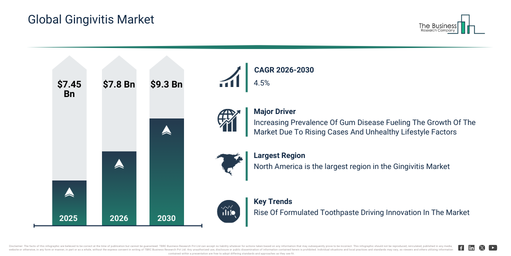
    The gingivitis market has experienced consistent expansion in recent years. It is anticipated to expand from $7.45 billion in 2025 to $7.8 billion in 2026, demonstrating a compound annual growth rate (CAGR) of 4.7%. The historical growth of this market can be attributed to several factors including poor oral hygiene habits, an increase in dental consultations, the early adoption of antiseptic treatments, various public health dental programs, and rising sugar consumption.

    The gingivitis market is projected to experience consistent expansion in the coming years. This market is predicted to reach a valuation of $9.3 billion by 2030, demonstrating a compound annual growth rate (CAGR) of 4.5%. This anticipated growth during the forecast timeframe is attributable to factors such as the increasing embrace of preventive dentistry, the proliferation of oral care products, the availability of digital dental consultations, the implementation of school-based oral health initiatives, and enhanced healthcare literacy. Key trends identified for the forecast period encompass a heightened emphasis on preventive oral care, a growing reliance on non-surgical interventions, an increase in antibacterial oral care products, the broader availability of home-based oral hygiene options, and greater public understanding of gum health.

    Access Your Free Sample Report for In-Depth Market Insights:

    https://www.thebusinessresearchcompany.com/sample.aspx?id=21987&type=smp

    Which Drivers Are Shaping Strategic Decisions In The Gingivitis Market?

    The growing occurrence of gum disease is anticipated to drive expansion in the gingivitis market. This common oral ailment involves inflammation, infection, or damage to the gums and adjacent tissues, mainly stemming from plaque buildup and insufficient oral hygiene. The increase in gum disease cases is largely attributable to inadequate oral hygiene, which results in plaque accumulation and bacterial infections. Furthermore, diets rich in sugar and processed items contribute to gum inflammation, and smoking compromises the immune system, rendering gums more prone to infection. Gingivitis, being the initial phase of gum disease, plays a major role in its escalating prevalence by potentially advancing to more serious conditions like periodontitis if not addressed, underscoring the importance of early treatment and prevention. For example, a report from the Office for Health Improvement & Disparities (OHID) in January 2024 indicated that the proportion of adults with gum disease rose from 4% in the 16–24 age bracket to 28% for those aged 55–64, demonstrating a clear link between higher prevalence and increasing age. Consequently, the expanding occurrence of gum disease is a key factor propelling the expansion of the gingivitis market.

    What Segment Classifications Make Up The Gingivitis Market?

    The gingivitis market covered in this report is segmented –

    1) By Treatment Type: Medication, Surgical Procedures, Non-Surgical Treatments

    2) By Route Of Administration: Oral, Topical

    3) By Distribution Channel: Retail Pharmacies, Hospital Pharmacies, Online Pharmacies

    4) By End-User: Hospitals, Dental Clinics, Homecare Settings

    Subsegments:

    1) By Medication: Antibiotics, Antiseptic Mouthwashes, Anti-Inflammatory Drugs, Pain Relievers

    2) By Surgical Procedures: Flap Surgery, Gingivectomy, Gingivoplasty, Laser Therapy

    3) By Non-Surgical Treatments: Scaling and Root Planing, Professional Dental Cleaning, Local Drug Delivery, Lifestyle and Dietary Modifications

    Which Trends Are Guiding The Evolution Of The Gingivitis Market?

    Leading companies operating in the gingivitis market are developing innovative products, such as formulated toothpaste, to effectively target gum inflammation, reduce plaque buildup, and promote overall oral health. Formulated toothpaste is a specially designed toothpaste containing specific active ingredients intended to address targeted oral health concerns like cavities, gingivitis, or sensitivity. For instance, in February 2023, Frimline Private Limited, an India-based healthcare and personal care company, introduced Dente91 She toothpaste. This innovative toothpaste is formulated with lactoferrin, a potent antimicrobial protein that protects against oral infections and inflammation. Unlike conventional toothpaste, Dente91 She is specially enriched with folic acid (vitamin B9) and pyridoxine (vitamin B6) to support women’s oral health through various hormonal changes, from puberty to menopause.

    Which Major Industry Participants Are Leading The Gingivitis Market Growth?

    Major companies operating in the gingivitis market are Procter & Gamble, Colgate-Palmolive Company, Haleon group, Bausch Health Companies Inc., Kivonyx Healthcare Pvt Ltd., ICPA Health Products Limited, Alarsin Pharmaceuticals, Laboratorios KIN, Ikon remedies pvt ltd., Perio Protect LLC, Algen Healthcare Ltd, Neuracle Lifesciences Private Limited, Dental Herb Company, Shreeji Pharma International, Pfizer Inc., Johnson & Johnson, 3M Company, Dentsply Sirona Inc., Sunstar Group, GC Corporation, Ivoclar Vivadent AG, Straumann Group, Ultradent Products Inc, Nobel Biocare Holdings AG

    Access The Complete Report For Deeper Market Insights:

    https://www.thebusinessresearchcompany.com/report/gingivitis-global-market-report

    Which Geographic Areas Are Emerging As Strong Markets For The Gingivitis Market?

    North America was the largest region in the gingivitis market in 2025. The regions covered in the gingivitis market report are Asia-Pacific, South East Asia, Western Europe, Eastern Europe, North America, South America, Middle East, Africa.

    Request Your Customized Gingivitis Market Research Report for Competitive Advantage:

    https://www.thebusinessresearchcompany.com/customise?id=21987&type=smp

    Browse Through More Reports Similar to the Global Gingivitis Market 2026, By The Business Research Company

    Oral Care Market Report 2026

    https://www.thebusinessresearchcompany.com/report/oral-care-global-market-report

    Periodontal Market Report 2026

    https://www.thebusinessresearchcompany.com/report/periodontal-global-market-report

    Cotton Ginning Machinery Market Report 2026

    https://www.thebusinessresearchcompany.com/report/cotton-ginning-machinery-global-market-report

    Get in touch with us:

    The Business Research Company: https://www.thebusinessresearchcompany.com/

    Americas +1 310-496-7795

    Asia +44 7882 955267 & +91 8897263534

    Europe +44 7882 955267

    Email us at info@tbrc.info

    Follow us on:

    LinkedIn: https://in.linkedin.com/company/the-business-research-company

    YouTube: https://www.youtube.com/channel/UC24_fI0rV8cR5DxlCpgmyFQ

    Global Market Model: https://www.thebusinessresearchcompany.com/global-market-model
  • Non-Insulin Therapies For Diabetes Market 2026–2030: Forecasting Business Opportunities Ahead

    Non-Insulin Therapies For Diabetes Market 2026–2030: Forecasting Business Opportunities Ahead

    Uncover key drivers, emerging technologies, and competitive movements shaping the non-insulin therapies for diabetes market from 2026–2035 with trusted insights from The Business Research Company

    What market expansion outlook does the Non-Insulin Therapies For Diabetes Market show for the 2026–2030 period?_x000D_

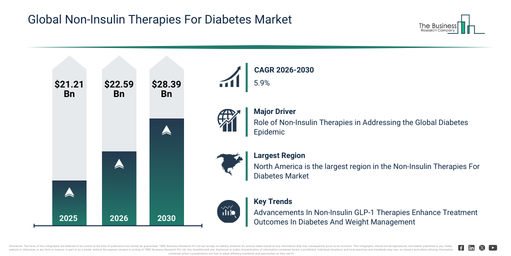
    The non-insulin therapies for diabetes market size has experienced strong growth in recent years. It is projected to expand from $21.21 billion in 2025 to $22.59 billion in 2026, at a compound annual growth rate (CAGR) of 6.5%. Historically, this market expansion can be ascribed to factors such as the high prevalence of type 2 diabetes, the continued reliance on oral hypoglycemic agents, challenges with patient adherence to insulin therapy, the expansion of hospital and retail pharmacy distribution networks, and the introduction of various new drug classes._x000D_

    _x000D_

    The market for non-insulin therapies for diabetes is projected to experience substantial growth in the coming years. It is expected to expand to $28.39 billion by 2030, exhibiting a compound annual growth rate (CAGR) of 5.9%. This anticipated growth throughout the forecast period stems from factors such as the increased adoption of non-insulin drug combinations, a rise in the utilization of GLP-1 and SGLT2 inhibitors, the expansion of online pharmacy channels, the evolution of personalized and precision medicine approaches, and the advancement in integrating digital health and remote monitoring. Significant trends during this period include a growing embrace of personalized diabetes management, the increasing application of AI-driven glucose monitoring systems, the broadening integration of telemedicine-linked therapy solutions, the expanding implementation of data-driven clinical decision support, and the progressive deployment of connected devices for remote patient care._x000D_

    _x000D_

    #Access Your Free Sample Report for In-Depth Market Insights:#_x000D_

    https://www.thebusinessresearchcompany.com/sample.aspx?id=16494&type=smp_x000D_

    _x000D_

    What Drivers Are Shaping The Development Of The Non-Insulin Therapies For Diabetes Market?_x000D_

    The rising occurrence of diabetes is anticipated to propel the growth of non-insulin therapies for the diabetes market going forward. Diabetes is a chronic medical condition characterized by elevated blood glucose (sugar) levels, occurring when the body either cannot produce enough insulin or effectively use the insulin it makes. The number of diabetes cases is increasing due to sedentary lifestyles, unhealthy diets, genetic predisposition, aging populations, obesity, ethnicity, lack of awareness, limited access to healthcare, and environmental factors. Non-insulin therapies for diabetes help manage the condition by improving insulin sensitivity, reducing glucose production in the liver, increasing glucose uptake in muscle cells, and enhancing overall glycemic control. For instance, in March 2024, according to the Office for Health Improvement & Disparities, a UK-based government agency, the GP-recorded prevalence of type 2 diabetes among adults aged 17 and over rose to 7.0%, up from 6.8% in March 2023. Therefore, the increase in the prevalence of diabetes is driving the growth of non-insulin therapies for the diabetes market._x000D_

    _x000D_

    Which Segments Are Contributing To The Growth Of The Non-Insulin Therapies For Diabetes Market?_x000D_

    The non-insulin therapies for diabetes market covered in this report is segmented –_x000D_

    _x000D_

    1) By Type: Biguanides, Sulfonylureas, Thiazolidinediones (TZDs), DPP 4 Inhibitors, GLP 1 Analogs Or Agonists, SGLT2 Inhibitors_x000D_

    2) By Route Of Administration: Oral, Injectable_x000D_

    3) By Application: Type 1 Diabetes, Type 2 Diabetes, Gestational Diabetes_x000D_

    4) By Distribution Channel: Hospital Pharmacies, Retail Pharmacies, Online Pharmacies_x000D_

    5) By End User: Hospitals Or Clinics, Homecare Or Patients, Other End-Users_x000D_

    _x000D_

    Subsegments:_x000D_

    1) By Biguanides: Metformin, Combination Of Metformin With Other Drugs_x000D_

    2) By Sulfonylureas: Glimepiride, Glipizide, Glyburide_x000D_

    3) By Thiazolidinediones (TZDs): Pioglitazone, Rosiglitazone_x000D_

    4) By DPP 4 Inhibitors: Sitagliptin, Saxagliptin, Linagliptin_x000D_

    5) By GLP 1 Analogs Or Agonists: Exenatide, Liraglutide, Dulaglutide_x000D_

    6) By SGLT2 Inhibitors: Canagliflozin, Dapagliflozin, Empagliflozin_x000D_

    _x000D_

    Which Market Trends Are Opening Growth Opportunities In The Non-Insulin Therapies For Diabetes Market?_x000D_

    Major companies operating in the non-insulin therapies for diabetes market are focusing on developing advanced solutions, such as non-insulin GLP-1 receptor agonist, with the aim of expanding treatment options, improving glycemic control, and strengthening their competitive position in the diabetes and obesity care landscape. A non-insulin GLP-1 receptor agonist launch refers to the introduction of therapies that target GLP-1 receptors to support blood glucose regulation and weight reduction independently of insulin. For instance, in March 2025, Eli Lilly and Company, a US-based pharmaceutical company specializing in diabetes and metabolic therapies, introduced Mounjaro (tirzepatide) in India, subsequent to approval from the Central Drugs Standard Control Organisation. Designed as a dual GIP and GLP-1 receptor agonist, Mounjaro addresses key challenges in type 2 diabetes and obesity management by offering once-weekly subcutaneous administration, enhancing glycemic control, reducing appetite, slowing gastric emptying, and supporting significant weight reduction, with dosing options commencing at 2.5 mg and 5 mg to improve patient adherence and long-term outcomes._x000D_

    _x000D_

    Who Are The Prominent Global Companies Shaping The Non-Insulin Therapies For Diabetes Market Landscape?_x000D_

    Major companies operating in the non-insulin therapies for diabetes market are Pfizer Inc., F. Hoffmann-La Roche AG, Merck & Co. Inc., Sanofi, The Bristol-Myers Squibb Company, AstraZeneca plc, Novartis AG, GSK plc, Takeda Pharmaceutical Company Limited, Eli Lilly and Company, Novo Nordisk A/S, Boehringer Ingelheim International GmbH, Les Servier Laboratories, Sumitomo Dainippon Pharma Co. Ltd., Jiangsu Hansoh Pharmaceutical Group Co. Ltd., Uni-Bio Science Group Ltd., Intarcia Therapeutics, Janssen Pharmaceuticals, Boan Biotech, SatRx LLC_x000D_

    _x000D_

    #Access The Complete Report For Deeper Market Insights:#_x000D_

    https://www.thebusinessresearchcompany.com/report/non-insulin-therapies-for-diabetes-global-market-report_x000D_

    _x000D_

    Which Region Is Projected To Lead The Non-Insulin Therapies For Diabetes Market During The Forecast Period?_x000D_

    North America was the largest region in the non-insulin therapies for diabetes market in 2025. The regions covered in the non-insulin therapies for diabetes market report are Asia-Pacific, South East Asia, Western Europe, Eastern Europe, North America, South America, Middle East, Africa._x000D_

    _x000D_

    #Request Your Customized Non-Insulin Therapies For Diabetes Market Research Report for Competitive Advantage:#_x000D_

    https://www.thebusinessresearchcompany.com/customise?id=16494&type=smp_x000D_

    _x000D_

    #Browse Through More Reports Similar to the Global Non-Insulin Therapies For Diabetes Market 2026, By The Business Research Company#_x000D_

    _x000D_

    Antidiabetics Market Report 2026_x000D_

    https://www.thebusinessresearchcompany.com/report/antidiabetics-global-market-report_x000D_

    _x000D_

    Non Injectable Insulin Market Report 2026_x000D_

    https://www.thebusinessresearchcompany.com/report/non-injectable-insulin-global-market-report_x000D_

    _x000D_

    Oem Insulation Market Report 2026_x000D_

    https://www.thebusinessresearchcompany.com/report/oem-insulation-global-market-report_x000D_

    _x000D_

    #Get in touch with us:#_x000D_

    _x000D_

    The Business Research Company: https://www.thebusinessresearchcompany.com/_x000D_

    Americas +1 310-496-7795_x000D_

    Asia +44 7882 955267 & +91 8897263534_x000D_

    Europe +44 7882 955267_x000D_

    Email us at info@tbrc.info_x000D_

    _x000D_

    #Follow us on:#_x000D_

    _x000D_

    LinkedIn: https://in.linkedin.com/company/the-business-research-company_x000D_

    YouTube: https://www.youtube.com/channel/UC24_fI0rV8cR5DxlCpgmyFQ_x000D_

    Global Market Model: https://www.thebusinessresearchcompany.com/global-market-model