Category: HealthcareServices

  • Gingival Recession Market Forecast 2026–2035: How to Leverage Market Growth

    Gingival Recession Market Forecast 2026–2035: How to Leverage Market Growth

    Uncover key drivers, emerging technologies, and competitive movements shaping the gingival recession market from 2026–2035 with trusted insights from The Business Research Company

    What growth pattern is forecast for the Gingival Recession Market size between 2026 and 2035?

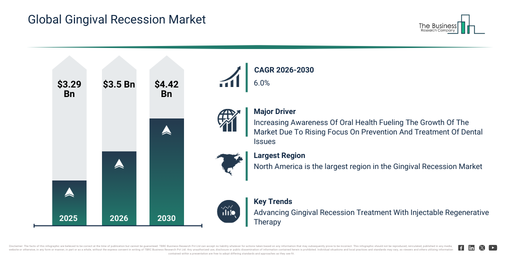
    The gingival recession market has observed substantial growth in recent years. It is anticipated to expand from $3.29 billion in 2025 to $3.5 billion in 2026, at a compound annual growth rate (CAGR) of 6.3%. The expansion seen in the past can be attributed to the prevalence of periodontal disease, the increasing number of dental clinics, the early adoption of grafting techniques, the demand for cosmetic dentistry, and growing awareness of oral hygiene.

    The market for gingival recession is projected to experience substantial expansion in the coming years. This market is forecast to reach $4.42 billion by 2030, exhibiting a compound annual growth rate (CAGR) of 6.0%. Key drivers for this anticipated growth include innovations in regenerative dentistry, the rise of laser-based treatments, an increase in dental tourism, patients’ preference for less invasive care, and growing dental spending. Significant trends during this period are expected to encompass a heightened demand for minimally invasive interventions, greater application of regenerative dental substances, wider acceptance of the pinhole surgical technique, enhanced cosmetic dental results, and the broadening of preventive dental services.

    Access Your Free Sample Report for In-Depth Market Insights:

    https://www.thebusinessresearchcompany.com/sample.aspx?id=21986&type=smp

    Which Drivers Are Impacting Market Performance In The Gingival Recession Market?

    A heightened understanding of oral health is anticipated to stimulate the expansion of the gingival recession market in the future. Oral health encompasses the state of teeth, gums, and the entire mouth, ensuring freedom from ailments, discomfort, or infection, thereby enabling proper functionality and overall wellness. This heightened awareness stems from greater access to information via digital platforms and health campaigns, which underscore its significance for overall well-being. As gingival recession is an evident and frequently painful indicator of inadequate oral health, it prompts people to investigate its origins, preventive measures, and therapeutic options, consequently improving knowledge of appropriate oral hygiene. For example, in January 2024, a report from the Manchester Health and Wellbeing Board, a UK partnership, indicated that from July 2022 to June 2023, 78,230 children under 18 in Manchester were treated by an NHS dentist, marking an increase of 13,488 children (20.8%) from the prior year. Consequently, the growing recognition of oral health is propelling the expansion of the gingival recession market.

    What Segment Types Are Examined In The Gingival Recession Market?

    The gingival recession market covered in this report is segmented –

    1) By Treatment Method: Soft Tissue Grafting, Regenerative Procedures, Pinhole Surgical Technique (PST)

    2) By Product Type: Tissue Regenerative Materials, Bone Grafting Materials

    3) By End-User: Hospitals, Dental Clinics, Research Institutes

    Subsegments:

    1) By Soft Tissue Grafting: Free Gingival Graft, Connective Tissue Graft, Pedicle Graft, Allograft

    2) By Regenerative Procedures: Guided Tissue Regeneration (GTR), Enamel Matrix Derivatives (EMD), Platelet-Rich Fibrin (PRF), Bone Grafting

    3) By Pinhole Surgical Technique (PST): Minimally Invasive Recession Coverage, Collagen Membrane Application, Scalpel-Free Gum Rejuvenation

    What Trends Are Projected To Support The Growth Of The Gingival Recession Market?

    Major companies operating in the gingival recession market are developing innovative treatments, such as injectable regenerative tissue advancement therapy, with the goal of enhancing soft and hard tissue regeneration, improving treatment outcomes, and addressing unmet needs in oral healthcare. This type of injectable regenerative tissue therapy offers a minimally invasive approach that stimulates natural healing and restores both soft and hard tissues by promoting their regeneration. For instance, in February 2025, BioCellgraft, Inc., a US-based biotechnology and regenerative medicine company, introduced OraFyl. OraFyl’s injectable formulation distinguishes it from traditional grafting techniques utilized in oral tissue regeneration. Unlike conventional surgical procedures that necessitate extensive intervention and prolonged recovery, OraFyl provides a minimally invasive solution for managing gum recession, papilla loss, and alveolar socket management. By utilizing a human connective tissue matrix (HCTM), it supports the body’s natural healing process, potentially speeding up recovery, reducing patient discomfort, lowering treatment costs, and improving clinical outcomes.

    Who Are The Prominent Global Companies Shaping The Gingival Recession Market Landscape?

    Major companies operating in the gingival recession market are Alfa-Perio Ltd, Zimmer Biomet Dental, Institut Straumann AG, LifeNet Health, BioHorizons, Geistlich Pharma AG, osteocom, Dentevim Dental Clinic, Uniqa Dental LTD, Focus Dental, Premiere Dental Care Center, Dentsply Sirona, ZimVie Inc, Tissue Regenix, Septodont Holding, Medical Consult Implants GmbH, Regedent AG, Regenity Biosciences, Nobel Biocare Services AG, Bioteck S.p.A, Maxigen Biotech Inc

    Access The Complete Report For Deeper Market Insights:

    https://www.thebusinessresearchcompany.com/report/gingival-recession-global-market-report

    Which Region Is Projected To Lead The Gingival Recession Market During The Forecast Period?

    North America was the largest region in the gingival recession market in 2025. The regions covered in the gingival recession market report are Asia-Pacific, South East Asia, Western Europe, Eastern Europe, North America, South America, Middle East, Africa.

    Request Your Customized Gingival Recession Market Research Report for Competitive Advantage:

    https://www.thebusinessresearchcompany.com/customise?id=21986&type=smp

    Browse Through More Reports Similar to the Global Gingival Recession Market 2026, By The Business Research Company

    Oral Care Market Report 2026

    https://www.thebusinessresearchcompany.com/report/oral-care-global-market-report

    Cotton Ginning Machinery Market Report 2026

    https://www.thebusinessresearchcompany.com/report/cotton-ginning-machinery-global-market-report

    Periodontal Market Report 2026

    https://www.thebusinessresearchcompany.com/report/periodontal-global-market-report

    Get in touch with us:

    The Business Research Company: https://www.thebusinessresearchcompany.com/

    Americas +1 310-496-7795

    Asia +44 7882 955267 & +91 8897263534

    Europe +44 7882 955267

    Email us at info@tbrc.info

    Follow us on:

    LinkedIn: https://in.linkedin.com/company/the-business-research-company

    YouTube: https://www.youtube.com/channel/UC24_fI0rV8cR5DxlCpgmyFQ

    Global Market Model: https://www.thebusinessresearchcompany.com/global-market-model
  • Global Non-Emergency Medical Transportation Market Report 2026–2035: Key Forecasts and Growth Areas

    Global Non-Emergency Medical Transportation Market Report 2026–2035: Key Forecasts and Growth Areas

    Uncover key drivers, emerging technologies, and competitive movements shaping the non-emergency medical transportation market from 2026–2035 with trusted insights from The Business Research Company

    What level of growth is expected in the Non-Emergency Medical Transportation Market between 2026 and 2030?_x000D_

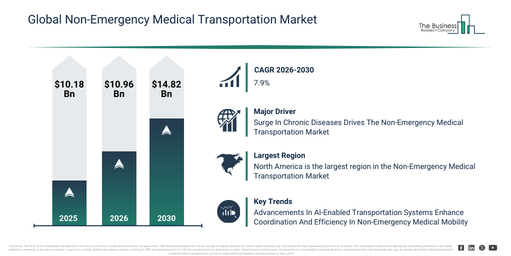
    The non-emergency medical transportation market has experienced significant growth in recent years. It is projected to expand from $10.18 billion in 2025 to $10.96 billion in 2026, achieving a compound annual growth rate (CAGR) of 7.6%. Historically, this market’s expansion was influenced by the restricted availability of non-emergency medical transport, a high reliance on private pay services, fragmented courier and patient transport systems, a rising demand for dialysis and routine doctor visits, and a continued dependence on traditional transportation methods._x000D_

    _x000D_

    The non-emergency medical transportation market size is set for substantial expansion in the coming years. This sector is projected to swell to $14.82 billion by 2030, demonstrating a compound annual growth rate (CAGR) of 7.9%. The impetus for this growth during the forecast period can be ascribed to the escalation of telehealth services, the uptake of electric and smart vehicles, augmented governmental and insurance backing for NEMT, the broadening of subscription-based and ride-hailing medical transport solutions, and the incorporation of AI and IoT for route optimization and ensuring patient safety. Prominent trends anticipated in this period encompass the increasing adoption of AI-based transportation scheduling, a greater integration of telehealth-linked patient transport, the expanding implementation of fleet electrification and green mobility solutions, wider deployment of smart vehicle tracking and routing systems, and the progressive application of data-driven operational efficiency solutions._x000D_

    _x000D_

    #Access Your Free Sample Report for In-Depth Market Insights:#_x000D_

    https://www.thebusinessresearchcompany.com/sample.aspx?id=13715&type=smp_x000D_

    _x000D_

    Which Drivers Are Expected To Impact The Non-Emergency Medical Transportation Market During The Forecast Period?_x000D_

    The increasing occurrence of chronic diseases is anticipated to boost the growth of the non-emergency medical transportation market in the future. These conditions are defined as problems that last for a year or more, necessitating ongoing medical treatment, disrupting daily activities, or both. Non-emergency medical transportation for individuals with chronic diseases guarantees continuous access to medical appointments, treatments, and support services, thereby facilitating consistent medical care management and improving overall health outcomes. In January 2023, the National Institutes of Health, a US-based government agency, reported that by 2035, it is projected that 35.66% (range: 33.36–36.04) of adults aged 50 and older will have at least one chronic condition, with this figure expected to reach 47.81% (range: 46.09–49.71) by 2050. Hence, the rising incidence of chronic diseases is a significant driver for the non-emergency medical transportation market._x000D_

    _x000D_

    How Is The Non-Emergency Medical Transportation Market Divided Into Segments?_x000D_

    The non-emergency medical transportation market covered in this report is segmented –_x000D_

    _x000D_

    1) By Type: Courier Services, Insurance Backed Patient Transportation, Private Pay Patient Transportation_x000D_

    2) By Vehicle Type: Ambulatory Vans, Minivans, Wheelchair-Lift-Equipped Vehicles, Stretcher Vans_x000D_

    3) By Application: Dialysis, Routine Doctor Visits, Mental Health Related Appointments, Rehabilitation, Other Applications_x000D_

    4) By End User: Airport Shuttle, Hospital Medical Laboratories, Nursing Care Facilities_x000D_

    _x000D_

    Subsegments:_x000D_

    1) By Courier Services: Medical Supply Delivery, Prescription Delivery, Laboratory Specimen Transport_x000D_

    2) By Insurance Backed Patient Transportation: Medicaid Funded Transportation, Medicare Funded Transportation, Private Insurance Transportation_x000D_

    3) By Private Pay Patient Transportation: Individual Out-Of-Pocket Payments, Subscription-Based Services, Ride-Hailing Services For Medical Appointments_x000D_

    _x000D_

    How Are Emerging Trends Affecting The Progression Of The Non-Emergency Medical Transportation Market?_x000D_

    Leading entities within the non-emergency medical transportation market are prioritizing the creation of sophisticated tools, like an AI-powered transportation management system, aimed at improving scheduling efficiency, optimizing routes, and boosting operational effectiveness when moving patients for healthcare appointments. Such a system represents a digital platform utilizing artificial intelligence to automate and refine the processes of scheduling, routing, and allocating resources for transportation activities, thereby increasing efficiency via real-time decision-making and minimizing delays, concurrently elevating total fleet performance. As an illustration, in September 2024, MediDrive, a US-based supplier of non-emergency medical transportation services, unveiled its Healthcare-Focused Intelligent Patient Transportation Coordination Platform, a Transportation Management System (TMS) designed to tackle significant hurdles in patient movement and access to medical attention. This system empowers hospitals, health plans, and care coordinators to arrange and oversee rides via a single interface, providing features like real-time dispatch, AI-powered route optimization, the ability to choose vehicles suited for various mobility requirements (ambulatory, wheelchair, stretcher, VIP), cost management, and live tracking, all contributing to better on-time performance, patient adherence, and uninterrupted care._x000D_

    _x000D_

    Which Key Players Are Driving Competition In The Non-Emergency Medical Transportation Market?_x000D_

    Major companies operating in the non-emergency medical transportation market are Transdev, FirstGroup plc, ModivCare Inc, Falck A/S, LogistiCare Solutions LLC, Kinetik, American Medical Response Inc., MTM Inc., Global Medical Response Inc, Crothall Healthcare Inc., Southeastrans Inc, Secure Transportation Company Inc, Acadian Ambulance Service Inc, Express Medical Transporters Inc, ERS Transition Ltd, Veyo LLC, ATS Healthcare Solutions, Ride Health, Wingz Inc, ERS Medical, Coastal Medical Transportation Systems LLC, Ambulnz, CareSafe Transportation, Elite Medical Transport, Lifeline VMT, ABC Non-Emergency Medical Transportation LLC, MediTrans_x000D_

    _x000D_

    #Access The Complete Report For Deeper Market Insights:#_x000D_

    https://www.thebusinessresearchcompany.com/report/non-emergency-medical-transportation-global-market-report_x000D_

    _x000D_

    Which Region Currently Holds The Largest Share Of The Non-Emergency Medical Transportation Market?_x000D_

    North America was the largest region in the non-emergency medical transportation market in 2025. The regions covered in the non-emergency medical transportation market report are Asia-Pacific, South East Asia, Western Europe, Eastern Europe, North America, South America, Middle East, Africa._x000D_

    _x000D_

    #Request Your Customized Non-Emergency Medical Transportation Market Research Report for Competitive Advantage:#_x000D_

    https://www.thebusinessresearchcompany.com/customise?id=13715&type=smp_x000D_

    _x000D_

    #Browse Through More Reports Similar to the Global Non-Emergency Medical Transportation Market 2026, By The Business Research Company#_x000D_

    _x000D_

    Alternate Transportation Market Report 2026_x000D_

    https://www.thebusinessresearchcompany.com/report/alternate-transportation-global-market-report_x000D_

    _x000D_

    Patient Transport Services Market Report 2026_x000D_

    https://www.thebusinessresearchcompany.com/report/patient-transport-services-global-market-report_x000D_

    _x000D_

    Healthcare Transportation Service Market Report 2026_x000D_

    https://www.thebusinessresearchcompany.com/report/healthcare-transportation-service-global-market-report_x000D_

    _x000D_

    #Get in touch with us:#_x000D_

    _x000D_

    The Business Research Company: https://www.thebusinessresearchcompany.com/_x000D_

    Americas +1 310-496-7795_x000D_

    Asia +44 7882 955267 & +91 8897263534_x000D_

    Europe +44 7882 955267_x000D_

    Email us at info@tbrc.info_x000D_

    _x000D_

    #Follow us on:#_x000D_

    _x000D_

    LinkedIn: https://in.linkedin.com/company/the-business-research-company_x000D_

    YouTube: https://www.youtube.com/channel/UC24_fI0rV8cR5DxlCpgmyFQ_x000D_

    Global Market Model: https://www.thebusinessresearchcompany.com/global-market-model

  • Global Giant-Cell Arteritis Market 2026–2030: Forecast Insights for Business Planning

    Global Giant-Cell Arteritis Market 2026–2030: Forecast Insights for Business Planning

    Uncover key drivers, emerging technologies, and competitive movements shaping the giant-cell arteritis market from 2026–2035 with trusted insights from The Business Research Company

    How much larger will the Giant-Cell Arteritis Market be in 2030 compared with 2026?

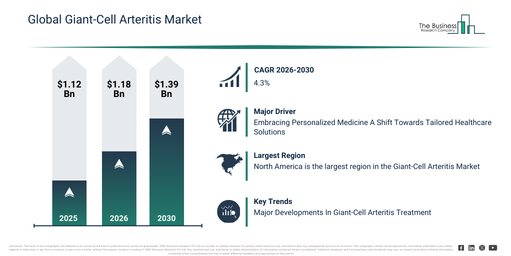
    The giant-cell arteritis market has shown steady expansion over recent years. It is anticipated to increase from $1.12 billion in 2025 to $1.18 billion in 2026, achieving a compound annual growth rate (CAGR) of 4.9%. This past growth can be ascribed to factors such as the rise in the aging population, the continued use of corticosteroid therapy, better rheumatology care, the expansion of hospital-based treatment options, and heightened awareness of the disease.

    The market for giant-cell arteritis is projected to experience consistent expansion over the upcoming years. This market is anticipated to reach a valuation of $1.39 billion by 2030, demonstrating a compound annual growth rate (CAGR) of 4.3%. Factors contributing to this growth during the projection period include the approval of new biologic drugs, advancements in immunology research, enhanced diagnostic procedures, tailored vasculitis treatments, and an increase in specialized clinics. Key trends identified for the forecast timeframe encompass a greater uptake of biologic therapies, a heightened emphasis on prompt and precise diagnosis, broader application of corticosteroid-sparing treatments, enhanced long-term disease surveillance, and increasing recognition of methods to prevent vision loss.

    Access Your Free Sample Report for In-Depth Market Insights:

    https://www.thebusinessresearchcompany.com/sample.aspx?id=17162&type=smp

    What Drivers Are Guiding Growth Patterns In The Giant-Cell Arteritis Market?

    The giant-cell arteritis market is expected to grow due to a rising focus on personalized medicine. This approach customizes medical treatments according to individual characteristics, such as genetics, lifestyle, and environment. The expansion of personalized medicine is driven by advances in genomics, biotechnology, and data analytics, which enable targeted therapies that boost treatment effectiveness and minimize adverse effects for patients. In the context of giant-cell arteritis (GCA), personalized medicine can facilitate specific therapies based on individual patient factors like genetic predispositions, immune profiles, and disease manifestations. For example, in February 2024, the Personalized Medicine Coalition (PMC), a U.S.-based non-profit organization, stated that personalized medicines accounted for over one-third of new drug approvals by the U.S. Food and Drug Administration (FDA) for the fourth consecutive year in 2023. During 2023, the FDA approved 16 new personalized treatments specifically for rare diseases, marking a significant increase from six approvals in 2022. Furthermore, the 2023 approvals also covered seven cancer medications and three treatments for various other diseases and conditions. Therefore, the growing emphasis on personalized medicine is a key factor driving the growth of the giant-cell arteritis market.

    Which Segments Are Driving Activity In The Giant-Cell Arteritis Market?

    The giant-cell arteritis market covered in this report is segmented –

    1) By Therapeutics: Prednisone, Methotrexate, Tocilizumab, Aspirin

    2) By Mechanism Of Action: Corticosteroids, Immunosuppressive Agents, Anticoagulants, Other Mechanisms Of Action

    3) By Route Of Administration: Oral, Intravenous, Subcutaneous, Other Routes Of Administration

    Subsegments:

    1) By Prednisone: Oral Prednisone, Intravenous (IV) Prednisone, Low-Dose Prednisone Therapy, High-Dose Prednisone Therapy

    2) By Methotrexate: Oral Methotrexate, Subcutaneous Methotrexate, Methotrexate Monotherapy, Methotrexate Combination Therapy

    3) By Tocilizumab: Intravenous Tocilizumab, Subcutaneous Tocilizumab, Tocilizumab Monotherapy, Tocilizumab In Combination With Corticosteroids

    4) By Aspirin: Low-Dose Aspirin Therapy, Aspirin For Cardiovascular Risk Management, Aspirin In Combination Therapy, Enteric-Coated Aspirin

    Which Trends Are Influencing The Performance And Direction Of The Giant-Cell Arteritis Market?

    Leading companies involved in giant-cell arteritis are creating novel products, including biosimilars, to broaden available treatments and cater to patients’ outstanding medical requirements. A biosimilar is a biological medicine that closely resembles an existing approved biological product, demonstrating no significant clinical variations in its safety, purity, or potency. For example, Fresenius SE & Co. KGaA, a healthcare firm based in Germany, introduced Tocilizumab-aazg in the US in April 2024 for the management of chronic autoimmune conditions. This particular biosimilar has received approval for treating conditions like rheumatoid arthritis (RA), systemic juvenile idiopathic arthritis (JIA), polyarticular juvenile idiopathic arthritis (PJIA), and giant cell arteritis. The approval was granted following data from a randomized, double-blind, single-dose, parallel phase 1 trial that assessed its pharmacokinetics, safety, and immunogenicity against both US and EU reference tocilizumab across three distinct patient cohorts.

    Which Key Players Are Driving Competition In The Giant-Cell Arteritis Market?

    Major companies operating in the giant-cell arteritis market are Roche, AbbVie, Novartis, Pfizer, Sanofi, GlaxoSmithKline, Takeda Pharmaceutical Company Limited, Eli Lilly and Company, Amgen, Bristol-Myers Squibb, Johnson & Johnson, UCB S.A., Kiniksa Pharmaceuticals Ltd., Teva Pharmaceutical Industries Ltd., Fresenius SE & Co KGaA, CSL Limited, Dr Reddy’s Laboratories, Tianjin Tianyao Pharmaceutical Co Ltd, Gilead Sciences Inc, Sobi AB

    Access The Complete Report For Deeper Market Insights:

    https://www.thebusinessresearchcompany.com/report/giant-cell-arteritis-global-market-report

    Which Region Currently Holds The Largest Share Of The Giant-Cell Arteritis Market?

    North America was the largest region in the giant-cell arteritis market in 2025. Asia-Pacific is expected to be the fastest-growing region in the forecast period. The regions covered in the giant-cell arteritis market report are Asia-Pacific, South East Asia, Western Europe, Eastern Europe, North America, South America, Middle East, Africa.

    Request Your Customized Giant-Cell Arteritis Market Research Report for Competitive Advantage:

    https://www.thebusinessresearchcompany.com/customise?id=17162&type=smp

    Browse Through More Reports Similar to the Global Giant-Cell Arteritis Market 2026, By The Business Research Company

    Rare Inflammatory Disease Treatment Market Report 2026

    https://www.thebusinessresearchcompany.com/report/rare-inflammatory-disease-treatment-global-market-report

    Small Cell Backhaul Market Report 2026

    https://www.thebusinessresearchcompany.com/report/small-cell-backhaul-global-market-report

    Rare Kidney Diseases Market Report 2026

    https://www.thebusinessresearchcompany.com/report/rare-kidney-diseases-global-market-report

    Get in touch with us:

    The Business Research Company: https://www.thebusinessresearchcompany.com/

    Americas +1 310-496-7795

    Asia +44 7882 955267 & +91 8897263534

    Europe +44 7882 955267

    Email us at info@tbrc.info

    Follow us on:

    LinkedIn: https://in.linkedin.com/company/the-business-research-company

    YouTube: https://www.youtube.com/channel/UC24_fI0rV8cR5DxlCpgmyFQ

    Global Market Model: https://www.thebusinessresearchcompany.com/global-market-model
  • GI Stool Testing Market Outlook 2026–2035: Growth Drivers and Industry Forecast

    GI Stool Testing Market Outlook 2026–2035: Growth Drivers and Industry Forecast

    Uncover key drivers, emerging technologies, and competitive movements shaping the gi stool testing market from 2026–2035 with trusted insights from The Business Research Company

    Starting from its 2026 valuation, what market size is the GI Stool Testing Market expected to reach by 2030?

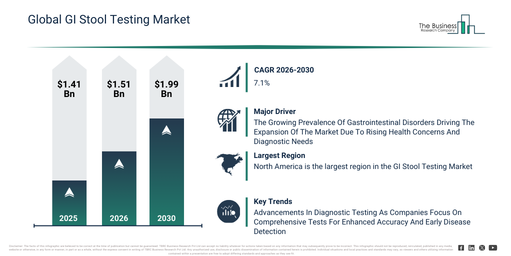
    The gi stool testing market size has demonstrated robust expansion in recent years. It is projected to expand from $1.41 billion in 2025 to $1.51 billion in 2026, registering a compound annual growth rate (CAGR) of 7.4%. Historically, this expansion can be attributed to factors such as an increase in gastrointestinal disorders, developments in diagnostic laboratories, the introduction of early microbiology testing, an uptick in colorectal cancer screening, and greater healthcare awareness.

    The gi stool testing market is projected for robust expansion over the coming years, with its valuation expected to reach $1.99 billion by 2030, demonstrating a compound annual growth rate (CAGR) of 7.1%. This anticipated growth is driven by factors such as the increasing availability of personalized gut health testing, the rise of home diagnostics, the incorporation of AI-based analysis, wider adoption of preventive healthcare practices, and greater public understanding of digestive health. Key developments anticipated during this period involve a rising preference for non-invasive diagnostic tools, increasing acceptance of microbiome-focused testing, enhanced application of molecular diagnostic techniques, the proliferation of home-based stool testing kits, and better initial identification of GI disorders.

    Access Your Free Sample Report for In-Depth Market Insights:

    https://www.thebusinessresearchcompany.com/sample.aspx?id=23410&type=smp

    What Drivers Are Driving Adoption Within The GI Stool Testing Market?

    The anticipated expansion of the GI stool testing market is linked to the growing incidence of gastrointestinal disorders. These disorders encompass conditions impacting the digestive system, such as the stomach, intestines, and associated organs, manifesting symptoms like nausea, diarrhea, constipation, and abdominal pain. A primary factor behind the increase in these conditions is inadequate dietary practices, as greater consumption of processed foods, high sugar intake, and diets low in fiber disrupt gut microbiota, compromise digestive well-being, and contribute to ailments like acid reflux, irritable bowel syndrome (IBS), and inflammatory bowel disease (IBD). For an accurate diagnosis and targeted treatment of gastrointestinal disorders, GI stool testing is crucial. It aids in identifying pathogens (bacteria, viruses, parasites), indicators of gut inflammation, and digestive enzyme insufficiencies. An example of this trend is the report issued in September 2024 by the Centers for Disease Control and Prevention, a US-based government agency, stating that between 2024 and 2025, NoroSTAT-participating states reported 1,676 norovirus outbreaks, which was a substantial increase from the 729 outbreaks recorded during the same period last season. Consequently, the rising occurrence of gastrointestinal disorders fuels the growth of the GI stool testing market.

    How Is The GI Stool Testing Market Organized Into Various Segments?

    The gi stool testing market covered in this report is segmented –

    1) By Type: Immunoassay Test, Molecular Diagnostic Test, Chromatography-Based Test, Microbiological Culture Test, Enzyme-Linked Immunosorbent Assay (ELISA)

    2) By Sample Type: Fecal Samples, Serum Samples

    3) By Equipment: Automated Analyzers, Benchtop Instruments, Portable Devices

    4) By Application: Diagnosis Of Gastrointestinal Disorders, Screening For Colorectal Cancer, Monitoring Of Inflammatory Bowel Disease (IBD), Detection Of Gastrointestinal Infections, Evaluation Of Digestive Health

    5) By End User: Hospital, Diagnostic Centre And Laboratory, Academic Institution, Research Centre Organization, Homecare, Other End Users

    Subsegments:

    1) By Immunoassay Test: Rapid Immunoassay, Lateral Flow Assay, Fluorescent Immunoassay

    2) By Molecular Diagnostic Test: Polymerase Chain Reaction (PCR), Nucleic Acid Amplification Test (NAAT), Next-Generation Sequencing (NGS)

    3) By Chromatography-Based Test: Gas Chromatography (GC), Liquid Chromatography (LC), Thin-Layer Chromatography (TLC)

    4) By Microbiological Culture Test: Aerobic Culture, Anaerobic Culture, Selective Media Culture

    5) By Enzyme-Linked Immunosorbent Assay (ELISA): Direct ELISA, Indirect ELISA, Sandwich ELISA, Competitive ELISA

    What Long-Term Trends Are Expected To Shape The Future Of The GI Stool Testing Market?

    Major entities operating in the GI stool testing market are prioritizing sophisticated testing methodologies, such as extensive diagnostic evaluations, to enhance precision, speed, and timely disease identification. An extensive diagnostic evaluation serves as an advanced medical instrument that simultaneously assesses various health indicators, thereby providing a comprehensive understanding of a condition. For instance, in November 2024, EmeritusDX, a US-based diagnostics company, introduced GI Detect, a thorough diagnostic examination designed to aid healthcare professionals in detecting gastrointestinal disorders. This innovative test employs a single stool swab to identify 26 bacteria, viruses, and parasites linked to disruptions in the digestive system. With a 24-hour turnaround time, GI Detect supports rapid and well-informed clinical decision-making. Beyond its capacity for broad pathogen detection, the test also screens for Helicobacter pylori and its virulence factors VacA, cagA, and babA, along with typical gastrointestinal parasites such as Cryptosporidium, Entamoeba histolytica, and Giardia lamblia. This all-encompassing method guarantees accurate and prompt diagnosis of gastrointestinal infections.

    Who Are The Top-Performing Companies In The GI Stool Testing Market In Recent Years?

    Major companies operating in the gi stool testing market are Thermo Fisher Scientific Inc., Abbott Laboratories Inc., Hologic Inc., Biomerieux SA, Bio-Rad Laboratories Inc., Meridian BioScience Inc., Diasorin SPA, ELITechGroup, Genova Diagnostics Inc., US BioTek Laboratories LLC, Doctor’s Data Inc., Diagnostic Solutions Laboratory LLC, Functional Medical Institute Pvt. Ltd., Walk-In Lab LLC, ScheBo Biotech AG, Qiagen NV, Roche Diagnostics, Siemens Healthineers, QuidelOrtho Corporation, Biohit Oyj, Exact Sciences Corporation

    Access The Complete Report For Deeper Market Insights:

    https://www.thebusinessresearchcompany.com/report/gi-stool-testing-global-market-report

    How Does The GI Stool Testing Market Perform Across Major Global Regions?

    North America was the largest region in the GI stool testing market in 2025. Asia-Pacific is expected to be the fastest-growing region in the forecast period. The regions covered in the gi stool testing market report are Asia-Pacific, South East Asia, Western Europe, Eastern Europe, North America, South America, Middle East, Africa.

    Request Your Customized GI Stool Testing Market Research Report for Competitive Advantage:

    https://www.thebusinessresearchcompany.com/customise?id=23410&type=smp

    Browse Through More Reports Similar to the Global GI Stool Testing Market 2026, By The Business Research Company

    Bowel Management Systems Market Report 2026

    https://www.thebusinessresearchcompany.com/report/bowel-management-systems-global-market-report

    Monkey Pox Testing Market Report 2026

    https://www.thebusinessresearchcompany.com/report/monkey-pox-testing-global-market-report

    Enteric Disease Testing Market Report 2026

    https://www.thebusinessresearchcompany.com/report/enteric-disease-testing-global-market-report

    Get in touch with us:

    The Business Research Company: https://www.thebusinessresearchcompany.com/

    Americas +1 310-496-7795

    Asia +44 7882 955267 & +91 8897263534

    Europe +44 7882 955267

    Email us at info@tbrc.info

    Follow us on:

    LinkedIn: https://in.linkedin.com/company/the-business-research-company

    YouTube: https://www.youtube.com/channel/UC24_fI0rV8cR5DxlCpgmyFQ

    Global Market Model: https://www.thebusinessresearchcompany.com/global-market-model
  • Non-Cystic Fibrosis Bronchiectasis Market 2026–2030: Forecast, Innovation, and Competitive Trends

    Non-Cystic Fibrosis Bronchiectasis Market 2026–2030: Forecast, Innovation, and Competitive Trends

    Uncover key drivers, emerging technologies, and competitive movements shaping the non-cystic fibrosis bronchiectasis market from 2026–2035 with trusted insights from The Business Research Company

    How much is the Non-Cystic Fibrosis Bronchiectasis Market valued at in 2026, and what valuation is forecast for 2030?_x000D_

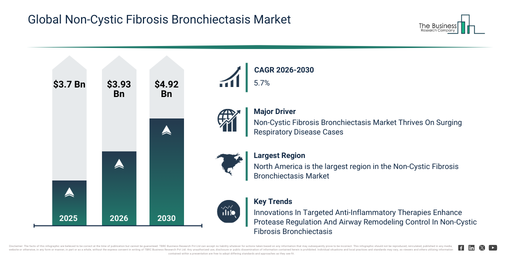
    The non-cystic fibrosis bronchiectasis market has experienced substantial expansion in recent years. Its valuation is anticipated to rise from $3.7 billion in 2025 to $3.93 billion in 2026, progressing at a compound annual growth rate (CAGR) of 6.4%. This historic growth is largely due to factors including recurrent respiratory infections, restricted understanding of non-CF bronchiectasis, a dependence on established diagnostic techniques, insufficient hospital infrastructure, and the limited embrace of advanced imaging technologies._x000D_

    _x000D_

    The non-cystic fibrosis bronchiectasis market is projected to experience substantial expansion in the coming years. By 2030, its value is forecast to reach $4.92 billion, growing at a compound annual growth rate (CAGR) of 5.7%. This anticipated growth during the forecast period is primarily driven by factors such as the increasing incidence of chronic respiratory conditions, the wider adoption of AI and precision medicine, the expansion of home healthcare and telemedicine services, progress in minimally invasive treatment options, and the enhancement of healthcare infrastructure within developing economies. Key trends anticipated during this period involve the increasing embrace of personalized treatment strategies, greater integration of remote patient monitoring and telehealth solutions, a rise in the application of AI-powered diagnostic instruments, broader deployment of connected health devices and smart lung monitoring systems, and the progressive integration of data-driven tools for clinical decision support._x000D_

    _x000D_

    #Access Your Free Sample Report for In-Depth Market Insights:#_x000D_

    https://www.thebusinessresearchcompany.com/sample.aspx?id=17209&type=smp_x000D_

    _x000D_

    What Drivers Are Influencing The Growth Of The Non-Cystic Fibrosis Bronchiectasis Market?_x000D_

    An increasing incidence of respiratory illnesses is projected to fuel expansion in the non-cystic fibrosis bronchiectasis market moving ahead. These diseases encompass various ailments that target the lungs and respiratory tract, thereby impairing respiration and general respiratory performance. The growing occurrence of respiratory conditions is chiefly propelled by escalating environmental contamination, involving both external pollutants and internal irritants like tobacco smoke. This surge in respiratory infections offers prospects for enhancing the comprehension, identification, and treatment of non-cystic fibrosis bronchiectasis via focused initiatives and public health campaigns. As an illustration, in June 2023, data from a report by the Office for Health Improvement and Disparities, a UK government agency, indicated that a total of 4,622 notifications of scarlet fever Group A Streptococcus bacteria were recorded from week 37 to week 46 in the 2022-2023 season in England, with 851 notifications specifically in week 46 alone. This figure represents a considerable increase when contrasted with an average of 1,294 notifications (ranging from 258 to 2,008) for the identical period (weeks 37 to week 46) over the preceding five years. Consequently, the increasing occurrence of respiratory ailments is set to boost the expansion of the non-cystic fibrosis bronchiectasis market._x000D_

    _x000D_

    What Segments Are Included Within The Non-Cystic Fibrosis Bronchiectasis Market?_x000D_

    The non-cystic fibrosis bronchiectasis market covered in this report is segmented –_x000D_

    _x000D_

    1) By Diagnosis: Computed Tomography (CT) Scan, Bronchoscopy, Chest X Ray, Lung Function, Sputum Culture Test, Blood Tests, Other Diagnosis Types_x000D_

    2) By Treatment: Surgery, Physiotherapy, Vaccination, Airway Pharmacotherapy, Antibiotics, Other Treatments_x000D_

    3) By End Use: Hospitals And Clinics, Ambulatory Care Centers, Other End Uses_x000D_

    _x000D_

    Subsegments:_x000D_

    1) By Computed Tomography (CT) Scan: High-Resolution CT (HRCT), Standard CT_x000D_

    2) By Bronchoscopy: Flexible Bronchoscopy, Rigid Bronchoscopy_x000D_

    3) By Chest X-Ray: Standard Chest X-Ray, Digital Chest X-Ray_x000D_

    4) By Lung Function: Spirometry, Peak Flow Measurement_x000D_

    5) By Sputum Culture Test: Bacterial Culture, Fungal Culture, Viral Culture_x000D_

    6) By Blood Tests: Complete Blood Count (CBC), C-Reactive Protein (CRP), Immunoglobulin Levels_x000D_

    7) By Other Diagnosis Types: Sweat Test, Genetic Testing, Exhaled Nitric Oxide Test_x000D_

    _x000D_

    Which Innovation Trends Are Advancing Developments Within The Non-Cystic Fibrosis Bronchiectasis Market?_x000D_

    Key companies operating in the non-cystic fibrosis bronchiectasis (NCFB) market are concentrating on developing advanced solutions, such as novel pharmacologic interventions that regulate neutrophil elastase, to enhance protease–antiprotease balance, alleviate chronic tissue damage, and support ongoing control of airway remodeling. This type of novel neutrophil elastase–regulating pharmacologic intervention for chronic airway inflammation represents a targeted therapeutic approach designed to modify excessive neutrophil elastase activity, which is a fundamental contributor to airway injury and persistent inflammation in NCFB. As an illustration, in November 2025, Insmed, a US-based biopharmaceutical company, secured European Commission approval for BRINSUPRI (brensocatib), a groundbreaking, once-daily oral DPP1 inhibitor. The 25 mg formulation, demonstrated in the Phase 3 ASPEN trial, led to a 19.4% reduction in annual exacerbation rate compared to placebo, extended the duration to the first exacerbation, and showed a greater proportion of patients staying exacerbation-free. Moreover, it significantly mitigated the decline in lung function (FEV1) at week 52 and presented a favorable safety profile, with common adverse effects reported including headache, hyperkeratosis, dermatitis, rash, upper respiratory tract infections, and dry skin._x000D_

    _x000D_

    Who Are The Top-Performing Companies In The Non-Cystic Fibrosis Bronchiectasis Market In Recent Years?_x000D_

    Major companies operating in the non-cystic fibrosis bronchiectasis market are Pfizer Inc., Merck & Co. Inc., Sanofi SA, AstraZeneca plc, GlaxoSmithKline plc (GSK), Boehringer Ingelheim International GmbH, Viatris Inc., Teva Pharmaceutical Industries Ltd., Sun Pharmaceutical Industries Ltd., Aurobindo Pharma Ltd., Dr Reddys Laboratories Ltd., Chiesi Farmaceutici SpA, Lupin Limited, Zambon Company SpA, Sunovion Pharmaceuticals Inc., Insmed Incorporated, Armata Pharmaceuticals Inc., Renovion Inc., SolAeroMed Inc., CSL Behring, Haisco Pharmaceutical Group Co Ltd., NovaBiotics Ltd., Synspira Therapeutics, Parion Sciences, Regeneron Pharmaceuticals Inc., Gilead Sciences Inc., Infex Therapeutics_x000D_

    _x000D_

    #Access The Complete Report For Deeper Market Insights:#_x000D_

    https://www.thebusinessresearchcompany.com/report/non-cystic-fibrosis-bronchiectasis-global-market-report_x000D_

    _x000D_

    How Does The Non-Cystic Fibrosis Bronchiectasis Market Perform Across Major Global Regions?_x000D_

    North America was the largest region in the non-cystic fibrosis bronchiectasis market in 2025. The regions covered in the non-cystic fibrosis bronchiectasis market report are Asia-Pacific, South East Asia, Western Europe, Eastern Europe, North America, South America, Middle East, Africa._x000D_

    _x000D_

    #Request Your Customized Non-Cystic Fibrosis Bronchiectasis Market Research Report for Competitive Advantage:#_x000D_

    https://www.thebusinessresearchcompany.com/customise?id=17209&type=smp_x000D_

    _x000D_

    #Browse Through More Reports Similar to the Global Non-Cystic Fibrosis Bronchiectasis Market 2026, By The Business Research Company#_x000D_

    _x000D_

    Bronchoscope Market Report 2026_x000D_

    https://www.thebusinessresearchcompany.com/report/bronchoscope-global-market-report_x000D_

    _x000D_

    Idiopathic Pulmonary Fibrosis Market Report 2026_x000D_

    https://www.thebusinessresearchcompany.com/report/idiopathic-pulmonary-fibrosis-global-market-report_x000D_

    _x000D_

    Cystic Fibrosis Cf Therapeutics Market Report 2026_x000D_

    https://www.thebusinessresearchcompany.com/report/cystic-fibrosis-cf-therapeutics-global-market-report_x000D_

    _x000D_

    #Get in touch with us:#_x000D_

    _x000D_

    The Business Research Company: https://www.thebusinessresearchcompany.com/_x000D_

    Americas +1 310-496-7795_x000D_

    Asia +44 7882 955267 & +91 8897263534_x000D_

    Europe +44 7882 955267_x000D_

    Email us at info@tbrc.info_x000D_

    _x000D_

    #Follow us on:#_x000D_

    _x000D_

    LinkedIn: https://in.linkedin.com/company/the-business-research-company_x000D_

    YouTube: https://www.youtube.com/channel/UC24_fI0rV8cR5DxlCpgmyFQ_x000D_

    Global Market Model: https://www.thebusinessresearchcompany.com/global-market-model

  • Gestational Trophoblastic Disease Market 2026–2030: Emerging Trends and Forecast Opportunities

    Gestational Trophoblastic Disease Market 2026–2030: Emerging Trends and Forecast Opportunities

    Uncover key drivers, emerging technologies, and competitive movements shaping the gestational trophoblastic disease market from 2026–2035 with trusted insights from The Business Research Company

    Across 2026–2030, what is the expected market valuation path of the Gestational Trophoblastic Disease Market?

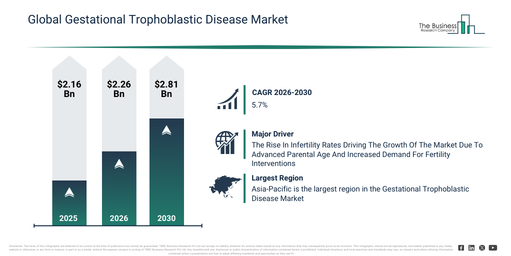
    The market size for gestational trophoblastic disease has experienced consistent growth over recent years. It is anticipated to increase from $2.16 billion in 2025 to $2.26 billion in 2026, exhibiting a compound annual growth rate (CAGR) of 4.6%. The historical expansion in this market can be attributed to progress in gynecologic oncology, the widespread availability of hcg testing, the adoption of surgical treatments, a rise in awareness concerning rare pregnancy disorders, and established clinical oncology protocols.

    The market for gestational trophoblastic disease is projected to experience substantial expansion over the upcoming years. This market is anticipated to reach a valuation of $2.81 billion by 2030, exhibiting a compound annual growth rate (CAGR) of 5.7%. This projected growth during the forecast period stems from factors such as enhanced diagnostic precision, the proliferation of oncology centers, the establishment of standardized treatment protocols, greater access to healthcare services, and a heightened emphasis on managing rare diseases. Key trends observed within the forecast period encompass advancements in HCG-based disease monitoring, a growing application of chemotherapy in GTD management, a stronger emphasis on prompt diagnosis, the broadening of specialized oncology care for women, and more effective post-treatment surveillance.

    Access Your Free Sample Report for In-Depth Market Insights:

    https://www.thebusinessresearchcompany.com/sample.aspx?id=13271&type=smp

    Which Drivers Are Supporting The Rise Of The Gestational Trophoblastic Disease Market?

    The gestational trophoblastic disease market is anticipated to expand due to increasing rates of infertility. Infertility is defined as the inability of couples or individuals to conceive naturally after 12 months of consistent, unprotected sexual activity. The primary factors contributing to this rise in infertility are advanced maternal and paternal age, which correlate with diminished egg and sperm quality, lower fertility, and increased risks during conception. Although gestational trophoblastic disease is typically a pathological state, it can unexpectedly offer valuable insights into infertility treatments by illuminating the functions of trophoblastic tissue in implantation and hormonal regulation, thus informing strategies to enhance conception rates. For example, in April 2023, the World Health Organization (WHO), a Switzerland-based intergovernmental organization, reported that around 17.5% of adults, or approximately 1 in 6 individuals worldwide, experience infertility, underscoring the critical demand for better access to affordable, high-quality fertility care. Consequently, the escalating infertility rates are a key driver for the gestational trophoblastic disease market. The gestational trophoblastic disease market is projected to grow as cigarette smoking becomes more prevalent. Cigarette smoking involves igniting tobacco and inhaling the produced smoke, which carries numerous chemicals and toxins that can harm various bodily structures. This habit has the potential to damage the DNA of trophoblastic cells, which are vital for placenta formation, possibly leading to their irregular growth and division, and subsequently, gestational trophoblastic disease. An illustration of this trend is found in October 2024, when the European Respiratory Society’s (ERS), a Switzerland-based non-profit organization, published a study on youth smoking patterns showing a notable increase in smoking rates, from 22.5% of participants smoking in 2022 to 40.1% in 2024. Hence, the rising incidence of cigarette smoking is a significant factor propelling the gestational trophoblastic disease market.

    What Segments Are Identified Within The Structure Of The Gestational Trophoblastic Disease Market?

    The gestational trophoblastic disease market covered in this report is segmented –

    1) By Type: Hydatidiform Mole, Choriocarcinoma, Placental-Site Trophoblastic Tumor, Epithelioid Trophoblastic Tumor, Other Types

    2) By Treatment: Surgery, Chemotherapy, Suction Dilation And Curettage (D&C), Radiation Therapy

    3) By End User: Hospital And Clinics, Diagnostic Centers, Other End Users

    Subsegments:

    1) By Hydatidiform Mole: Complete Hydatidiform Mole, Partial Hydatidiform Mole

    2) By Choriocarcinoma: Non-Metastatic Choriocarcinoma, Metastatic Choriocarcinoma

    3) By Placental-Site Trophoblastic Tumor: PSTT With Normal Placentation, PSTT With Abnormal Placentation

    4) By Epithelioid Trophoblastic Tumor: Epithelioid Trophoblastic Tumor With No Evidence Of Metastasis, Epithelioid Trophoblastic Tumor With Metastasis

    5) By Other Types: Trophoblastic Tumor Of Unknown Origin, Non-Gestational Trophoblastic Neoplasia

    Which Leading Companies Dominate The Gestational Trophoblastic Disease Market Share?

    Major companies operating in the gestational trophoblastic disease market are Pfizer Inc., F. Hoffmann-La Roche AG, AbbVie Inc., Bayer AG, Novartis AG, Merck And Co. Inc., Sun Pharmaceutical Industries Ltd., GSK plc, Bristol-Myers Squibb Company, Sanofi S.A., AstraZeneca plc, Eli Lilly and Company, Daiichi Sankyo Co. Ltd., Eisai Co. Ltd.

    Access The Complete Report For Deeper Market Insights:

    https://www.thebusinessresearchcompany.com/report/gestational-trophoblastic-disease-global-market-report

    Which Region Is Anticipated To See The Fastest Growth In The Gestational Trophoblastic Disease Market?

    Asia-Pacific was the largest region in the gestational trophoblastic disease market in 2025, and is expected to be the fastest-growing region in the forecast period. The regions covered in the gestational trophoblastic disease market report are Asia-Pacific, South East Asia, Western Europe, Eastern Europe, North America, South America, Middle East, Africa.

    Request Your Customized Gestational Trophoblastic Disease Market Research Report for Competitive Advantage:

    https://www.thebusinessresearchcompany.com/customise?id=13271&type=smp

    Browse Through More Reports Similar to the Global Gestational Trophoblastic Disease Market 2026, By The Business Research Company

    Human Chorionic Gonadotropin Market Report 2026

    https://www.thebusinessresearchcompany.com/report/human-chorionic-gonadotropin-global-market-report

    Pompe Disease Market Report 2026

    https://www.thebusinessresearchcompany.com/report/pompe-disease-global-market-report

    Ectopic Pregnancy Market Report 2026

    https://www.thebusinessresearchcompany.com/report/ectopic-pregnancy-global-market-report

    Get in touch with us:

    The Business Research Company: https://www.thebusinessresearchcompany.com/

    Americas +1 310-496-7795

    Asia +44 7882 955267 & +91 8897263534

    Europe +44 7882 955267

    Email us at info@tbrc.info

    Follow us on:

    LinkedIn: https://in.linkedin.com/company/the-business-research-company

    YouTube: https://www.youtube.com/channel/UC24_fI0rV8cR5DxlCpgmyFQ

    Global Market Model: https://www.thebusinessresearchcompany.com/global-market-model
  • Non Invasive Fat Reduction Market Forecast 2026–2035: Data Trends and Industry Insights

    Non Invasive Fat Reduction Market Forecast 2026–2035: Data Trends and Industry Insights

    Uncover key drivers, emerging technologies, and competitive movements shaping the non invasive fat reduction market from 2026–2035 with trusted insights from The Business Research Company

    By how much is the Non Invasive Fat Reduction Market expected to grow between 2026 and 2030?_x000D_

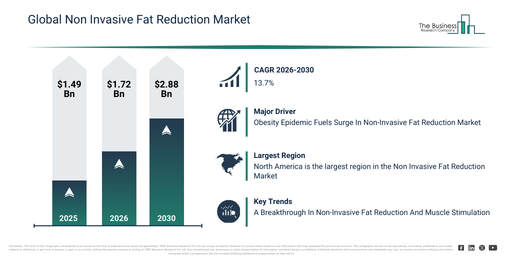
    The non invasive fat reduction market size has seen significant expansion in recent years. It is anticipated to increase from $1.49 billion in 2025 to $1.72 billion in 2026, at a compound annual growth rate (CAGR) of 15.5%. The historical growth of this market can be attributed to heightened aesthetic awareness, escalating obesity rates, a rise in disposable income, the expansion of cosmetic clinics, and the early adoption of cryolipolysis._x000D_

    _x000D_

    The non invasive fat reduction market is anticipated to experience substantial expansion in the coming years. Its valuation is projected to reach $2.88 billion by 2030, driven by a compound annual growth rate (CAGR) of 13.7%. This projected increase during the forecast period is fueled by factors such as AI-driven personalization of treatments, a rise in demand for male aesthetic procedures, a surge in medical tourism, ongoing advancements in devices, and broader regulatory clearances. Key trends expected during this period involve the increasing adoption of AI-powered body contouring technologies, an expansion in precise aesthetic remedies, a heightened inclination towards non-surgical cosmetic interventions, a greater need for procedures with minimal recovery time, and technological progress in energy-based methods for fat reduction._x000D_

    _x000D_

    #Access Your Free Sample Report for In-Depth Market Insights:#_x000D_

    https://www.thebusinessresearchcompany.com/sample.aspx?id=15872&type=smp_x000D_

    _x000D_

    Which Drivers Are Influencing Market Acceleration In The Non Invasive Fat Reduction Market?_x000D_

    The increasing prevalence of obesity is anticipated to stimulate the expansion of the non-invasive fat reduction market in the future. An obese population includes those individuals whose body mass index (BMI) is 30 or above, signifying a body fat level that substantially elevates the likelihood of various health issues. This surge in obesity is attributable to multiple contributing elements such as higher intake of calorie-dense, processed diets, inactive routines, inherited tendencies, and societal economic conditions that restrict availability of nutritious food and opportunities for exercise. Non-surgical fat reduction methods, including cryolipolysis and laser lipolysis, assist obese individuals in decreasing localized fat accumulation without surgical intervention, presenting a safer option compared to more invasive treatments. As an illustration, a report released in March 2024 by the World Obesity Federation, a UK-headquartered body dedicated to fighting obesity via research, advocacy, and policy endorsement, projected that the count of adults affected by obesity would climb from 0.81 billion in 2020 to 1.53 billion by 2035. Consequently, the growing number of obese individuals is fueling the expansion of the non-invasive fat reduction market._x000D_

    _x000D_

    What Leading Segments Are Studied In The Non Invasive Fat Reduction Market?_x000D_

    The non invasive fat reduction market covered in this report is segmented –_x000D_

    _x000D_

    1) By Technology: Cryolipolysis, Ultrasound, Low Level Lasers_x000D_

    2) By Gender: Female, Male_x000D_

    3) By End Users: Hospitals, Stand Alone Practices, Multispecialty Clinic_x000D_

    _x000D_

    Subsegments:_x000D_

    1) By Cryolipolysis: CoolSculpting, Cryolipolysis With Vacuum-Assisted Technology_x000D_

    2) By Ultrasound: High-Intensity Focused Ultrasound (HIFU), Low-Intensity Ultrasound_x000D_

    3) By Low Level Lasers: Red Light Therapy, Diode Laser Systems_x000D_

    _x000D_

    Which Competitive Trends Are Impacting The Structure Of The Non Invasive Fat Reduction Market?_x000D_

    Major companies within the non-invasive fat reduction market are emphasizing the advancement of sophisticated solutions, such as muscle-stimulating technologies, to intensify fat reduction and elevate treatment results. Muscle-stimulating technologies describe a non-surgical method of fat reduction that utilizes electrical impulses to induce muscle contractions, thereby boosting fat burning and body toning. For example, in April 2024, Cartessa Aesthetics, a US-based supplier of innovative aesthetic medical devices, unveiled PHYSIQ 360, a state-of-the-art body contouring system. PHYSIQ 360 provides superior, customizable fat reduction and muscle-building procedures suitable for various skin and body types. It incorporates exclusive sequential thermal and electrical pulse (STEP) technology, which combines laser energy (LZR) with proprietary pure beam technology for uniform fat reduction and electrical muscle stimulation (EMS) for effective muscle contractions. The device comes with up to four independently programmable applicators, allowing for simultaneous targeting of multiple areas of the body._x000D_

    _x000D_

    Which Leading Companies Dominate The Non Invasive Fat Reduction Market Share?_x000D_

    Major companies operating in the non invasive fat reduction market are Cynosure LLC, Alma Lasers, Lumenis Ltd., BTL Industries, ZELTIQ Aesthetics Inc., Sono Bello, Solta Medical, Cutera Inc., Merz Pharma GmbH & Co. KGaA, Sciton Inc., Venus Concept, Syneron Candela, Zimmer MedizinSysteme GmbH (Zimmer Aesthetics), Fotona d.o.o., Apyx Medical Corporation, Erchonia Corporation, Aesthetics Biomedical Inc., Lynton Lasers Ltd., INDIBA S.A., InMode Ltd., Lutronic Corporation, Viora, Aesthetic Solutions, Cocoon Medical, Sound Surgical Technologies LLC, Chongqing Haifu (HIFU) Technology Co Ltd._x000D_

    _x000D_

    #Access The Complete Report For Deeper Market Insights:#_x000D_

    https://www.thebusinessresearchcompany.com/report/non-invasive-fat-reduction-global-market-report_x000D_

    _x000D_

    Which Region Is Anticipated To See The Fastest Growth In The Non Invasive Fat Reduction Market?_x000D_

    North America was the largest region in the non invasive fat reduction market in 2025. The regions covered in the non invasive fat reduction market report are Asia-Pacific, South East Asia, Western Europe, Eastern Europe, North America, South America, Middle East, Africa._x000D_

    _x000D_

    #Request Your Customized Non Invasive Fat Reduction Market Research Report for Competitive Advantage:#_x000D_

    https://www.thebusinessresearchcompany.com/customise?id=15872&type=smp_x000D_

    _x000D_

    #Browse Through More Reports Similar to the Global Non Invasive Fat Reduction Market 2026, By The Business Research Company#_x000D_

    _x000D_

    Lung Cancer Diagnostic And Screening Market Report 2026_x000D_

    https://www.thebusinessresearchcompany.com/report/lung-cancer-diagnostic-and-screening-global-market-report_x000D_

    _x000D_

    Body Fat Reduction Market Report 2026_x000D_

    https://www.thebusinessresearchcompany.com/report/body-fat-reduction-global-market-report_x000D_

    _x000D_

    Fat Replacers Market Report 2026_x000D_

    https://www.thebusinessresearchcompany.com/report/fat-replacers-global-market-report_x000D_

    _x000D_

    #Get in touch with us:#_x000D_

    _x000D_

    The Business Research Company: https://www.thebusinessresearchcompany.com/_x000D_

    Americas +1 310-496-7795_x000D_

    Asia +44 7882 955267 & +91 8897263534_x000D_

    Europe +44 7882 955267_x000D_

    Email us at info@tbrc.info_x000D_

    _x000D_

    #Follow us on:#_x000D_

    _x000D_

    LinkedIn: https://in.linkedin.com/company/the-business-research-company_x000D_

    YouTube: https://www.youtube.com/channel/UC24_fI0rV8cR5DxlCpgmyFQ_x000D_

    Global Market Model: https://www.thebusinessresearchcompany.com/global-market-model

  • Global Gestational Diabetes Market Forecast 2026–2035: Long-Term Growth Insights

    Global Gestational Diabetes Market Forecast 2026–2035: Long-Term Growth Insights

    Uncover key drivers, emerging technologies, and competitive movements shaping the gestational diabetes market from 2026–2035 with trusted insights from The Business Research Company

    What size range is anticipated for the Gestational Diabetes Market from 2026 to 2030?

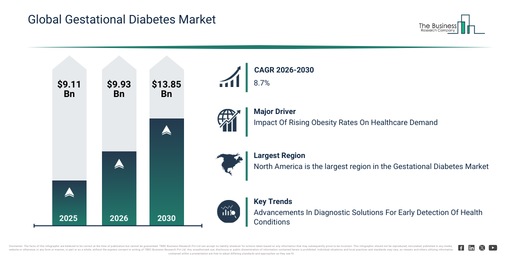
    The gestational diabetes market has experienced substantial growth in recent years. This market is anticipated to expand from $9.11 billion in 2025 to $9.93 billion in 2026, achieving a compound annual growth rate (CAGR) of 8.9%. Historically, this growth has been fueled by factors such as increasing obesity rates, a rise in pregnancies among older mothers, the availability of early diabetes screening programs, the expansion of prenatal care services, and a greater awareness of pregnancy complications.

    The gestational diabetes market is projected to experience substantial expansion in the coming years, reaching a valuation of $13.85 billion by 2030, driven by a compound annual growth rate (CAGR) of 8.7%. This anticipated growth throughout the forecast period is primarily due to factors such as an increase in gestational diabetes prevalence, broader adoption of digital health monitoring, advancements in prenatal diagnostics, a greater emphasis on preventive maternal care, and supportive healthcare policies. Key developments anticipated during this timeframe include an uptick in the use of blood glucose monitoring, a rise in insulin therapy for pregnant individuals, an increasing focus on managing the disease through lifestyle modifications, the expansion of prenatal screening initiatives, and heightened awareness regarding maternal health.

    Access Your Free Sample Report for In-Depth Market Insights:

    https://www.thebusinessresearchcompany.com/sample.aspx?id=20818&type=smp

    What Drivers Are Affecting Demand In The Gestational Diabetes Market?

    The increasing obese population is anticipated to propel the growth of the gestational diabetes market in the future. This population consists of individuals with a body mass index (BMI) of 30 or higher, indicating excess body fat that poses considerable health risks. The rise in the obese population is attributed to a combination of sedentary lifestyles, increased consumption of high-calorie, processed foods, genetic predispositions, and limited access to healthy food and exercise options. Gestational diabetes treatment is critical for the obese population because their heightened risk of insulin resistance and significant weight gain during pregnancy can lead to complications for both mother and baby if not managed. For instance, in May 2025, according to the Office for Health Improvement and Disparities, a UK-based government body, an estimated 64.5% of adults aged 18 and over in England were overweight or living with obesity from 2023 to 2024, an increase from 64.0% in 2022 to 2023. Therefore, the expanding obese population is driving the gestational diabetes market.

    Which Segments Are Gaining Traction In The Gestational Diabetes Market?

    The gestational diabetes market covered in this report is segmented –

    1) By Type: Type A1, Type A2, Other Types

    2) By Treatment: Monitoring, Drug Treatment, Non-pharmacological Treatment

    3) By Administration: Oral, Intravenous, Other Administrations

    4) By End User: Hospitals, Clinics, Home Care Settings, Diagnostic Centers

    Subsegments:

    1) By Type A1: Diet-Controlled Gestational Diabetes, Exercise-Controlled Gestational Diabetes

    2) By Type A2: Insulin-Controlled Gestational Diabetes, Oral Medication-Controlled Gestational Diabetes

    3) By Other Types: Pre-Gestational Diabetes, Gestational Diabetes With Complications

    How Are Emerging Trends Affecting The Progression Of The Gestational Diabetes Market?

    Key players within the gestational diabetes market are prioritizing the development of technologically advanced products, including diagnostic kits for gestational diabetes, aiming to offer swift, accurate, and user-friendly approaches for early detection. A diagnostic kit for gestational diabetes functions as a medical device employed to gauge blood glucose levels and pinpoint atypical glucose tolerance in pregnant women, thereby aiding in the early identification and management of the condition. As an illustration, in August 2024, DirectSens GmbH, an Austria-based biotechnology company, launched the XpressGT RUO kit, a diagnostic solution specifically created to diagnose gestational diabetes, endometriosis, insulin resistance, and liver disease. It precisely measures 2-hydroxybutyrate (2-HB) levels present in venous blood, which the liver naturally produces during its normal operations. Elevated 2-HB levels are connected to increased reductive stress, which is associated with various endocrine and obesity-related disorders, such as insulin resistance. This kit is compatible with any existing clinical analyzer and delivers results in merely 8 minutes, offering a rapid and effective diagnostic alternative.

    Who Are The Major Companies Operating In The Gestational Diabetes Market?

    Major companies operating in the gestational diabetes market are Sanofi S.A., Abbott Laboratories, Eli Lilly and Company, Novo Nordisk A/S, Becton Dickinson and Company, Dexcom Inc, Biocon Limited, Ascensia Diabetes Care Holdings AG, Roche Diabetes Care, Medtronic plc, Insulet Corporation, Tandem Diabetes Care Inc, Ypsomed Holding AG, Beta Bionics Inc, Bigfoot Biomedical Inc, Glooko Inc, Philips Healthcare, Sun Pharmaceutical Industries Ltd, Takeda Pharmaceutical Company Ltd, Pfizer Inc, Novartis AG, Adocia SA, Daiichi Sankyo Company Ltd

    Access The Complete Report For Deeper Market Insights:

    https://www.thebusinessresearchcompany.com/report/gestational-diabetes-global-market-report

    Which Region Is Anticipated To See The Fastest Growth In The Gestational Diabetes Market?

    North America was the largest region in the gestational diabetes market in 2025. Asia-Pacific is expected to be the fastest-growing region in the forecast period. The regions covered in the gestational diabetes market report are Asia-Pacific, South East Asia, Western Europe, Eastern Europe, North America, South America, Middle East, Africa.

    Request Your Customized Gestational Diabetes Market Research Report for Competitive Advantage:

    https://www.thebusinessresearchcompany.com/customise?id=20818&type=smp

    Browse Through More Reports Similar to the Global Gestational Diabetes Market 2026, By The Business Research Company

    Diabetes Care Devices Market 2026

    https://www.thebusinessresearchcompany.com/report/diabetes-care-devices-market

    Type 1 Diabetes Market Report 2026

    https://www.thebusinessresearchcompany.com/report/type-1-diabetes-global-market-report

    Insuman Market Report 2026

    https://www.thebusinessresearchcompany.com/report/insuman-global-market-report

    Get in touch with us:

    The Business Research Company: https://www.thebusinessresearchcompany.com/

    Americas +1 310-496-7795

    Asia +44 7882 955267 & +91 8897263534

    Europe +44 7882 955267

    Email us at info@tbrc.info

    Follow us on:

    LinkedIn: https://in.linkedin.com/company/the-business-research-company

    YouTube: https://www.youtube.com/channel/UC24_fI0rV8cR5DxlCpgmyFQ

    Global Market Model: https://www.thebusinessresearchcompany.com/global-market-model
  • Nodular Prurigo Market Outlook 2026–2030: Key Business Drivers and Trends

    Nodular Prurigo Market Outlook 2026–2030: Key Business Drivers and Trends

    Uncover key drivers, emerging technologies, and competitive movements shaping the nodular prurigo market from 2026–2035 with trusted insights from The Business Research Company

    What is the estimated market size of the Nodular Prurigo Market by the end of 2030?_x000D_

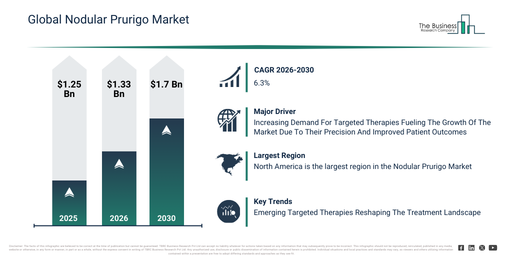
    The market size for nodular prurigo has experienced robust expansion over recent years. This market is projected to expand from $1.25 billion in 2025 to reach $1.33 billion by 2026, demonstrating a compound annual growth rate (CAGR) of 6.6%. Historically, this growth can be ascribed to several factors, including the rising incidence of chronic dermatological conditions, the insufficient efficacy of traditional topical treatments, increasing public understanding of itchy skin disorders, the proliferation of specialized dermatology clinics, and enhanced diagnostic identification of nodular prurigo._x000D_

    _x000D_

    The market for nodular prurigo is projected to experience substantial expansion over the upcoming years. By 2030, this market is anticipated to reach a valuation of $1.7 billion, demonstrating a compound annual growth rate (CAGR) of 6.3%. This anticipated growth during the forecast period stems from several factors, including the increasing development of innovative biologics and monoclonal antibodies, a heightened emphasis on individualized dermatology treatments, rising investments in research concerning inflammatory skin diseases, the expansion of advanced immunotherapy pipelines, and a growing need for long-term solutions for itch control. Key trends expected during this period involve the increasing embrace of targeted immunomodulatory therapies, a rise in the application of biologic treatments for chronic pruritus, a heightened focus on managing neuropathic itch, the broader implementation of long-term disease management protocols, and an intensified commitment to patient-focused dermatology care._x000D_

    _x000D_

    #Access Your Free Sample Report for In-Depth Market Insights:#_x000D_

    https://www.thebusinessresearchcompany.com/sample.aspx?id=24624&type=smp_x000D_

    _x000D_

    What Drivers Are Shaping Future Opportunities In The Nodular Prurigo Market?_x000D_

    The projected expansion of the nodular prurigo market is anticipated to be fueled by the growing requirement for targeted therapies. These therapies are defined as medical interventions designed to precisely act upon and disrupt molecular pathways implicated in disease progression and dissemination. The heightened call for targeted therapies stems from their capacity to deliver more exact treatments, resulting in fewer adverse effects, better patient results, and presenting alternatives to conventional, less focused treatments. Nodular prurigo contributes to advancing targeted therapies by demonstrating an evident unaddressed medical requirement linked to distinct immune pathways like IL-4, IL-13, and IL-31, thereby facilitating the application of biologics that accurately inhibit these inflammatory indicators for enhanced therapeutic efficacy. As an illustration, data from January 2024, provided by the American Society of Gene & Cell Therapy, a US-based organization focused on gene and cell therapy, indicated that the count of gene therapies in Phase III grew by 10% in Q4 2023 compared to the preceding quarter, representing the initial increase since Q3 2022. Consequently, the escalating demand for targeted therapies is stimulating expansion within the nodular prurigo market._x000D_

    _x000D_

    Which Segment Groups Are Influencing The Nodular Prurigo Market?_x000D_

    The nodular prurigo market covered in this report is segmented –_x000D_

    _x000D_

    1) By Type: Chronic Nodular Prurigo, Acute Nodular Prurigo, Subacute Nodular Prurigo_x000D_

    2) By Treatment Type: Topical Treatments, Systemic Treatments, Phototherapy, Immunosuppressants_x000D_

    3) By Patient Demographics: Adults, Children, Elderly_x000D_

    4) By End-User: Hospitals, Homecare, Specialty Clinics, Other End-Users_x000D_

    _x000D_

    Subsegments:_x000D_

    1) By Chronic Nodular Prurigo: Idiopathic Chronic Nodular Prurigo, Secondary To Dermatologic Conditions, Neuropathic Causes, Systemic Disease-Associated, Psychogenic Prurigo_x000D_

    2) By Acute Nodular Prurigo: Insect Bite-Induced, Allergic Reactions, Drug-Induced Prurigo, Infectious Triggers_x000D_

    3) By Subacute Nodular Prurigo: Healing Phase Of Chronic Prurigo, Post-Inflammatory Prurigo, Transient Dermatoses, Reaction To Environmental Irritants_x000D_

    _x000D_

    What Industry Trends Are Transforming The Nodular Prurigo Market?_x000D_

    Leading companies operating in the nodular prurigo market are prioritizing the creation of novel solutions, such as anti-IL-31 receptor biologics, to address the increasing demand for disease-modifying therapies that can lessen severe chronic itching, aid in the resolution of nodules, and decrease reliance on prolonged use of topical corticosteroids and broad immunosuppressants. An anti-IL-31 receptor monoclonal antibody is a biologic treatment composed of engineered humanized antibodies that attach to the IL-31 receptor A on both sensory and immune cells, thereby inhibiting IL-31 signaling, which is known to be involved in chronic pruritus. For instance, in August 2024, Galderma S.A., a dermatology pharmaceutical company based in Switzerland, launched Nemluvio (nemolizumab), a pioneering anti-IL-31 receptor monoclonal antibody for adults living with prurigo nodularis. Nemluvio (nemolizumab) is a humanized monoclonal antibody developed for subcutaneous injection, which works by binding IL-31 receptor A to interrupt itch signaling and downstream inflammatory pathways; it was designed to diminish intense chronic itch and promote the healing of pruritic nodules, and is supplied as an autoinjector for convenient outpatient use. Its distinctive attributes include a targeted mechanism, systemic activity effective for widespread disease, and a dosing format intended to enhance patient adherence compared with infusions administered exclusively in clinics._x000D_

    _x000D_

    Who Are The Major Companies Operating In The Nodular Prurigo Market?_x000D_

    Major companies operating in the nodular prurigo market are Merck and Co Inc, Sanofi SA, GlaxoSmithKline plc, Amgen Inc, Regeneron Pharmaceuticals Inc, Astellas Pharma Inc, Sun Pharmaceutical Industries Limited, Galderma SA, Incyte Corporation, Kyowa Kirin Co Ltd, LEO Pharma AS, Maruho Co Ltd, Kiniksa Pharmaceuticals Ltd, Keymed Biosciences Co Ltd, Trevi Therapeutics Inc, Menlo Therapeutics Inc, VYNE Therapeutics Inc, Celldex Therapeutics Inc, AbbVie Inc, Pfizer Inc, Novartis AG, Eli Lilly and Company_x000D_

    _x000D_

    #Access The Complete Report For Deeper Market Insights:#_x000D_

    https://www.thebusinessresearchcompany.com/report/nodular-prurigo-global-market-report_x000D_

    _x000D_

    Which Region Is Anticipated To See The Fastest Growth In The Nodular Prurigo Market?_x000D_

    North America was the largest region in the nodular prurigo market in 2025. Asia-Pacific is expected to be the fastest-growing region in the forecast period. The regions covered in the nodular prurigo market report are Asia-Pacific, South East Asia, Western Europe, Eastern Europe, North America, South America, Middle East, Africa._x000D_

    _x000D_

    #Request Your Customized Nodular Prurigo Market Research Report for Competitive Advantage:#_x000D_

    https://www.thebusinessresearchcompany.com/customise?id=24624&type=smp_x000D_

    _x000D_

    #Browse Through More Reports Similar to the Global Nodular Prurigo Market 2026, By The Business Research Company#_x000D_

    _x000D_

    Neem Extract Market Report 2026_x000D_

    https://www.thebusinessresearchcompany.com/report/neem-extract-global-market-report_x000D_

    _x000D_

    Pruritus Therapeutics Market Report 2026_x000D_

    https://www.thebusinessresearchcompany.com/report/pruritus-therapeutics-global-market-report_x000D_

    _x000D_

    Caprolactam Market Report 2026_x000D_

    https://www.thebusinessresearchcompany.com/report/caprolactam-global-market-report_x000D_

    _x000D_

    #Get in touch with us:#_x000D_

    _x000D_

    The Business Research Company: https://www.thebusinessresearchcompany.com/_x000D_

    Americas +1 310-496-7795_x000D_

    Asia +44 7882 955267 & +91 8897263534_x000D_

    Europe +44 7882 955267_x000D_

    Email us at info@tbrc.info_x000D_

    _x000D_

    #Follow us on:#_x000D_

    _x000D_

    LinkedIn: https://in.linkedin.com/company/the-business-research-company_x000D_

    YouTube: https://www.youtube.com/channel/UC24_fI0rV8cR5DxlCpgmyFQ_x000D_

    Global Market Model: https://www.thebusinessresearchcompany.com/global-market-model
  • Germ Cell Tumor Market 2026–2030: Forecasting Business Opportunities Ahead

    Germ Cell Tumor Market 2026–2030: Forecasting Business Opportunities Ahead

    Uncover key drivers, emerging technologies, and competitive movements shaping the germ cell tumor market from 2026–2035 with trusted insights from The Business Research Company

    How is the Germ Cell Tumor Market size predicted to change over the forecast window of 2026–2035?

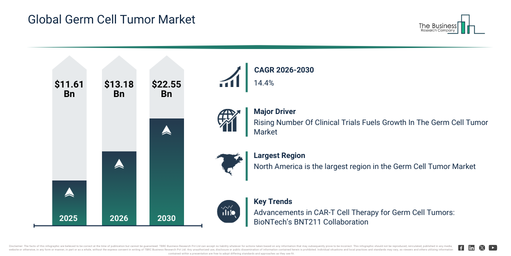
    The germ cell tumor market has seen significant expansion in recent years. Its valuation is set to climb from $11.61 billion in 2025 to $13.18 billion in 2026, at a compound annual growth rate (CAGR) of 13.5%. This historical growth can be linked to factors such as advancements in oncology chemotherapy, more effective cancer diagnostics, the creation of oncology centers, heightened testicular cancer awareness, and an increase in clinical trial activities.

    The germ cell tumor market is anticipated to experience substantial expansion over the upcoming years. Its valuation is projected to reach $22.55 billion by 2030, demonstrating a compound annual growth rate (CAGR) of 14.4%. This projected growth during the forecast period can be primarily attributed to several factors, including the advancement of targeted therapies, increased uptake of immunotherapy, dedicated research in precision oncology, the broadening of cancer treatment infrastructure, and enhanced screening protocols. Key trends anticipated within the same period encompass an escalating reliance on combination chemotherapy regimens, a greater embrace of immunotherapy approaches, an intensified focus on early tumor diagnosis, the expansion of treatment options for pediatric germ cell tumors, and better survival outcomes achieved through multimodal care.

    Access Your Free Sample Report for In-Depth Market Insights:

    https://www.thebusinessresearchcompany.com/sample.aspx?id=13249&type=smp

    Which Drivers Are Contributing To The Expansion Of The Germ Cell Tumor Market?

    The germ cell tumor market is anticipated to expand due to the rising count of clinical trials. These trials are carefully structured research studies involving human participants, designed to assess the safety, effectiveness, and potential benefits of new medical treatments, therapies, or procedures. They are crucial for studying germ-cell cancers, helping to evaluate the efficacy and safety of new medications, and providing valuable insights into current treatment approaches. For example, a report from Xtalks, a Canada-based digital health company, indicated that as of May 2023, there were 452,604 registered clinical trials globally on ClinicalTrials.gov, with 64,838 trials actively seeking participants. This growing number of clinical trials is consequently fueling the growth of the germ cell tumor market.

    Germ Cell Tumor Market Driver: Increasing Prevalence Of Cancer Fuels Growth In The Germ Cell Tumor Market

    The rising occurrence of cancer is projected to stimulate the growth of the germ cell tumor market moving forward. Cancer refers to a collection of diseases marked by the unregulated proliferation and spread of abnormal cells, frequently forming tumors that can invade adjacent tissues and metastasize to other parts of the body. For germ cell tumors, the main treatment involves surgically removing the tumor, followed by chemotherapy to target any remaining cancerous cells. As an illustration, the American Cancer Society Inc., a US-based non-profit health group, reported that in 2023, 1,958,310 new cancer cases are anticipated to be diagnosed in the US, an increase from 1,918,030 new cancer cases in 2022. Thus, the increasing prevalence of cancer is propelling the growth of the germ cell tumor market.

    What Segment Categories Are Covered In The Germ Cell Tumor Market?

    The germ cell tumor market covered in this report is segmented –

    1) By Disease: Testicular, Ovarian, Other Diseases

    2) By Treatment Type: Chemotherapy, Immunotherapy

    3) By Route Of Administration: Oral, Intravenous, Intraperitoneal

    4) By End User: Hospitals And Clinics, Research Institutes, Other End Users

    Subsegments:

    1) By Testicular: Seminomas, Non-Seminomas

    2) By Ovarian: Dysgerminoma, Non-Dysgerminomatous Germ Cell Tumors

    3) By Other Diseases: Extragonadal Germ Cell Tumors, Germ Cell Tumors In Children

    Which Innovation Trends Are Advancing Developments Within The Germ Cell Tumor Market?

    Companies operating in the germ cell tumor market are increasingly focusing on advancements such as CAR T cell therapies. CAR T cell therapy represents a sophisticated form of immunotherapy, involving the genetic modification of a patient’s own T cells, a type of immune cell, to express chimeric antigen receptors (CARs) designed to specifically recognize and bind to cancer cells. Upon reintroduction into the patient’s body, these modified T cells actively seek out and eliminate targeted tumor cells. For instance, in March 2025, BioNTech SE, a Germany-based biotechnology firm specializing in innovative immunotherapies, initiated a partnership with Autolus Therapeutics plc, a UK-based biopharmaceutical company. This collaboration aims to advance BNT211, a CAR T therapy directed at CLDN6-positive solid tumors, a category that includes germ cell tumors. The objective of this collaboration is to accelerate the development of personalized CAR T treatments for individuals with germ cell malignancies by leveraging BioNTech’s expertise in RNA-based and cell therapies. This alliance merges cutting-edge cellular therapy technology with focused oncology research, with the potential to introduce new therapeutic alternatives for patients facing limited treatment choices.

    Which Major Firms Are Strengthening Their Position In The Germ Cell Tumor Market?

    Major companies operating in the germ cell tumor market are Johnson & Johnson, Pfizer Inc., F. Hoffmann-La Roche AG, AbbVie Inc., Bayer AG, Novartis AG, Merck & Co. Inc., Bristol-Myers Squibb Company, Fresenius Kabi Oncology Limited, Sanofi S.A., AstraZeneca plc, Ipsen Pharma, Takeda Pharmaceutical Company Limited, Eli Lilly and Company, Regeneron Pharmaceuticals Inc., Sandoz International GmbH, Daiichi Sankyo Co. Ltd., Jazz Pharmaceuticals plc, Ono Pharmaceutical Co. Ltd., Kyowa Hakko Kirin Co. Ltd., Mallinckrodt Pharmaceuticals, Taiho Pharmaceutical Co. Ltd., Accord Healthcare Limited, Spectrum Pharmaceuticals Inc., Ziopharm Oncology Inc.

    Access The Complete Report For Deeper Market Insights:

    https://www.thebusinessresearchcompany.com/report/germ-cell-tumor-global-market-report

    Which Global Regions Are Shaping The Competitive Landscape Of The Germ Cell Tumor Market?

    North America was the largest region in the germ cell tumors market in 2025. Asia-Pacific is expected to be the fastest-growing region in the forecast period. The regions covered in the germ cell tumor market report are Asia-Pacific, South East Asia, Western Europe, Eastern Europe, North America, South America, Middle East, Africa.

    Request Your Customized Germ Cell Tumor Market Research Report for Competitive Advantage:

    https://www.thebusinessresearchcompany.com/customise?id=13249&type=smp

    Browse Through More Reports Similar to the Global Germ Cell Tumor Market 2026, By The Business Research Company

    Non Hodgkin Lymphoma Nhl Market Report 2026

    https://www.thebusinessresearchcompany.com/report/non-hodgkin-lymphoma-nhl-global-market-report

    Tumor Infiltrating Lymphocytes Market Report 2026

    https://www.thebusinessresearchcompany.com/report/tumor-infiltrating-lymphocytes-global-market-report

    Emphysema Market Report 2026

    https://www.thebusinessresearchcompany.com/report/emphysema-global-market-report

    Get in touch with us:

    The Business Research Company: https://www.thebusinessresearchcompany.com/

    Americas +1 310-496-7795

    Asia +44 7882 955267 & +91 8897263534

    Europe +44 7882 955267

    Email us at info@tbrc.info

    Follow us on:

    LinkedIn: https://in.linkedin.com/company/the-business-research-company

    YouTube: https://www.youtube.com/channel/UC24_fI0rV8cR5DxlCpgmyFQ

    Global Market Model: https://www.thebusinessresearchcompany.com/global-market-model