Category: HealthcareServices

  • Understand How The Mobile Imaging Services Market Is Poised To Grow Through 2024-2033

    Understand How The Mobile Imaging Services Market Is Poised To Grow Through 2024-2033

    The Business Research Company’s global market reports are now updated with the latest market sizing information for the year 2024 and forecasted to 2033

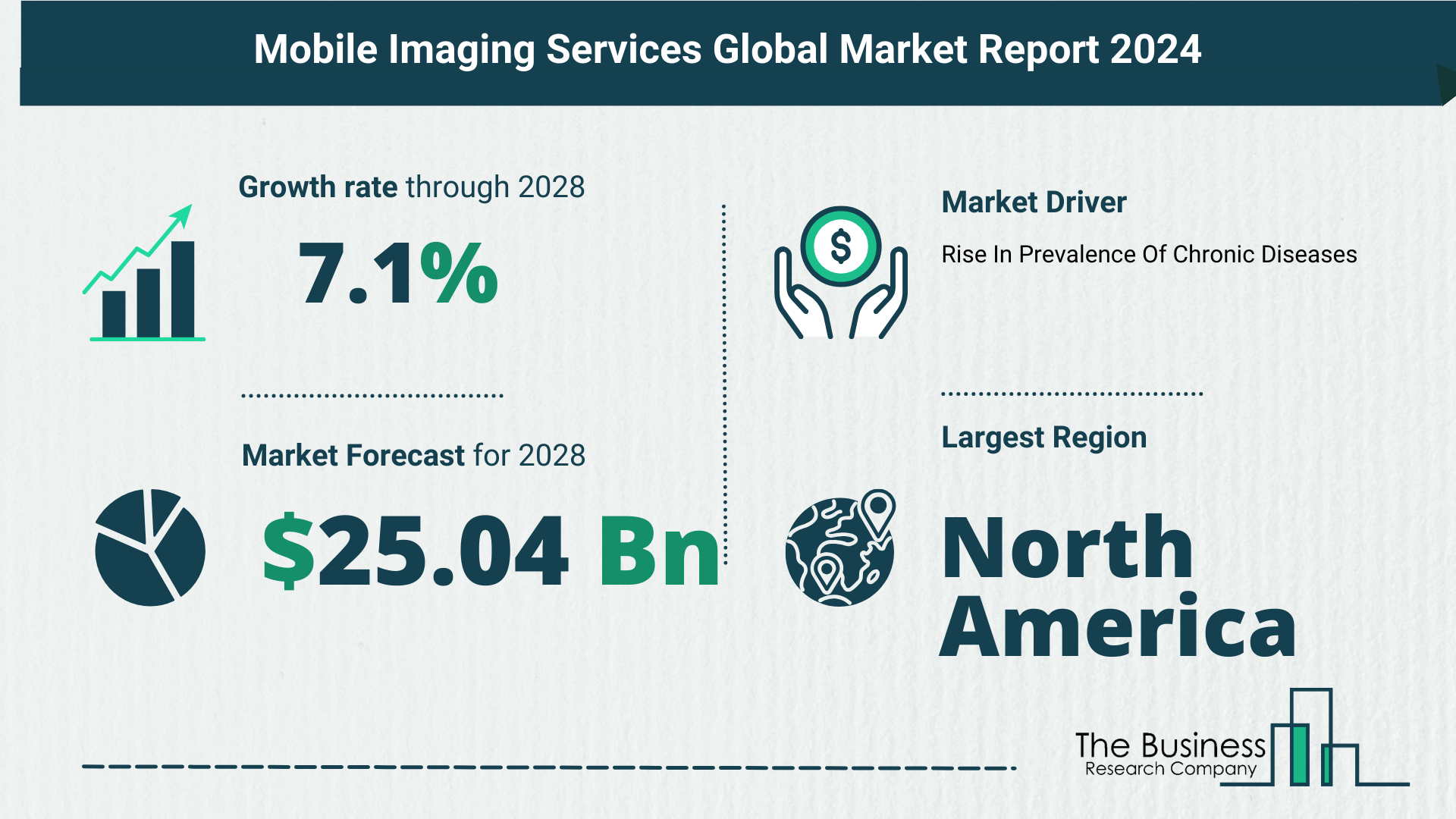
    As per The Business Research Company’s Mobile Imaging Services Global Market Report 2024, the mobile imaging services market is expected to show significant growth in the forecast period.

    The mobile imaging services market has witnessed substantial growth, with the market size increasing from $17.93 billion in 2023 to a projected $19.01 billion in 2024, reflecting a Compound Annual Growth Rate (CAGR) of 6.0%. The growth in the historic period is attributed to factors such as the aging population, cost-efficiency, emergency medical services, disease screening programs, chronic disease management, and regulatory frameworks.

    • Global Impact of Chronic Diseases:Chronic diseases, including cancer, neurological disorders, and cardiovascular diseases, are on the rise, driving the demand for mobile imaging services. These long-term health issues require continuous medical attention and contribute significantly to global mortality rates. Mobile imaging services play a crucial role in disease management, offering screenings through technologies like X-Ray, EKG, and ultrasound.
    • Chronic Disease as a Global Health Challenge:The United Nations predicts that chronic diseases will contribute to 70% of total global deaths by 2030. This underscores the urgent need for advanced imaging solutions to aid in early detection, monitoring, and management of chronic conditions.
    • Market Players:Key companies contributing to the mobile imaging services market include Accurate Imaging Inc., Alliance HealthCare Services Inc., Axiom Mobile Imaging, and Carestream Health, among others. These entities are at the forefront of providing innovative solutions to meet the growing demand for mobile imaging services.

    View More On The Mobile Imaging Services Market Report 2024 – https://www.thebusinessresearchcompany.com/report/mobile-imaging-services-global-market-report

    Photonis And Telops Merger: Advancing Imaging Solutions

    Strategic collaborations and acquisitions are emerging as a key trend in the mobile imaging services market. In April 2023, Photonis, a France-based electro-optical detection and imaging systems manufacturer, announced its definitive agreement to acquire Telops, a Canadian developer of high-performance imaging systems. This merger aims to deliver advanced imaging products to Business-to-Business (B2B) customers, leveraging component manufacturing mastery, expansive geographical reach, and advanced technological capabilities.

    • Innovation through Collaboration:The merger of Photonis and Telops exemplifies the industry’s focus on innovation through strategic partnerships. Combining expertise and resources allows for the development of cutting-edge imaging solutions that meet the evolving needs of B2B customers.

    Dispatch Health’s Acquisition Expands In-Home Medical Care Services

    In April 2021, DispatchHealth, a US-based provider of in-home medical care services, acquired Professional Portable X-ray (PPX) to enhance its services and expand its home care system. PPX, a mobile radiology service provider, contributes to DispatchHealth’s goal of building the largest home care system.

    • Meeting the Demand for In-Home Services:The acquisition of PPX reflects the growing trend of in-home medical care services. DispatchHealth aims to meet the rising demand for convenient and accessible healthcare solutions, further emphasizing the importance of mobile imaging services in the evolving healthcare landscape.

    Market Segmentation: Understanding Diverse Needs

    The mobile imaging services market is segmented based on product type and end user, offering a comprehensive understanding of the diverse needs within the industry.

    1. Product Type:The market includes X-ray, Ultrasound, CT, MRI, Mammography, and Bone Densitometry.
    2. End User:Segmentation by end user encompasses Hospitals and Private Clinics, Home Healthcare Providers, Rehabilitation Centers, Geriatric Care and Hospice Agencies, Sports Organizations, and Other End Users.
    • Regional Dominance:In 2023, North America emerged as the largest region in the mobile imaging services market, highlighting the region’s significant contribution to the overall market dynamics.

    In conclusion, the mobile imaging services market’s growth trajectory is marked by its crucial role in addressing the rising prevalence of chronic diseases, strategic collaborations for advanced imaging solutions, and the expansion of in-home medical care services. As the market continues to evolve, these trends will shape its future landscape, emphasizing the importance of accessible and innovative healthcare solutions.

    Request A Sample Of The Global Mobile Imaging Services Market Report 2024:
    https://www.thebusinessresearchcompany.com/sample_request?id=5145&type=smp
  • Top 5 Insights From The Medical Imaging Workstations Market Report 2024

    Top 5 Insights From The Medical Imaging Workstations Market Report 2024

    The Business Research Company’s global market reports are now updated with the latest market sizing information for the year 2024 and forecasted to 2033

    According to The Business Research Company’s Medical Imaging Workstations Global Market Report 2024, the medical imaging workstations market is expected to show promising growth in the forecast period.

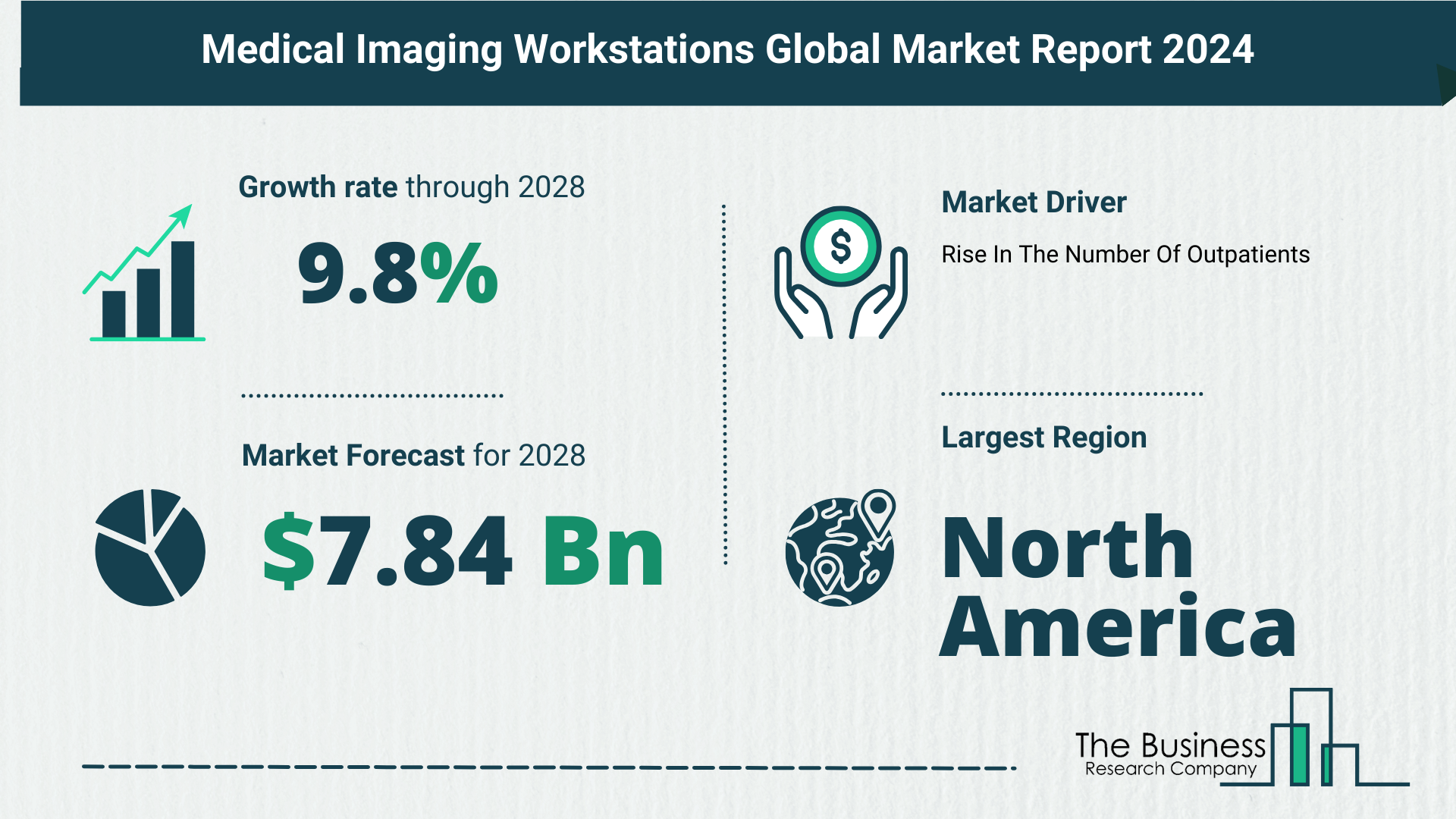
    The medical imaging workstations market has witnessed robust growth in recent years, with a significant surge expected in the coming ones. From $4.96 billion in 2023, the market is projected to reach $5.4 billion in 2024 at a Compound Annual Growth Rate (CAGR) of 8.7%. Looking ahead to 2028, the forecast predicts a more substantial growth to $7.84 billion at a CAGR of 9.8%. This expansion is fueled by various factors, including the rising prevalence of chronic diseases and ongoing technological advancements.

    Factors Driving Growth

    Rising Prevalence of Chronic Diseases Fuels Expansion of the Medical Imaging Workstations

    • Scope of Chronic Diseases: Chronic diseases, often spanning a person’s lifetime, are on the rise globally, leading to increased demand for effective diagnostic and monitoring tools.
    • Global Impact: According to the World Health Organization, non-communicable diseases (NCDs) or chronic conditions contributed to 74% of global fatalities in September 2023, emphasizing the urgency for advanced medical imaging solutions.
    • Market Players: Major companies driving growth include General Electric Company, Koninklijke Philips NV, Siemens Medical Systems Inc., and others, demonstrating the industry’s commitment to addressing healthcare challenges.

    View More On The Medical Imaging Workstations Market Report 2024 – https://www.thebusinessresearchcompany.com/report/medical-imaging-workstations-global-market-report

    Advancements in Medical Imaging Workstations

    Technology Advancements Propel Growth

    • Focus on Technology: Major companies in the medical imaging workstation market are concentrating on developing advanced technologies to enhance diagnostic capabilities and visualization.
    • Philips’ Ultrasound Workspace: In March 2022, Royal Philips launched Ultrasound Workspace, offering vendor-neutral echocardiography image processing and reporting technology with remote, browser-based accessibility and AI-powered analysis tools.
    • Strategic Acquisitions: Canon Medical Systems Corporation’s acquisition of Nordisk Røntgen Teknik A/S in March 2022 exemplifies how companies are strategically expanding to access innovative technologies.

    Market Segmentation and Trends

    The Medical Imaging Workstations Market – Segmentation and Noteworthy Trends

    1. By Modality: Magnetic Resonance Imaging, Computed Tomography, Ultrasound, Mammography, Other Modalities
    2. By Component: Visualization Software, Display Units, Display Controller Cards, Central Processing Units
    3. By Usage: Thick Client Workstations, Thin Client Workstations
    4. By Application: Diagnostic Imaging, Clinical Review, Advanced Imaging
    5. By End-User: Hospitals, Diagnostic Centers, Ambulatory Centers, Other End-user
    • Regional Dominance: North America claimed the largest share in the medical imaging workstations market in 2023, with Asia-Pacific anticipated to be the fastest-growing region in the forecast period.
    • Forecasted Trends: Anticipated trends include artificial intelligence (AI)-enhanced automation, data security and privacy, interoperability, and data exchange, along with integration with electronic health records (EHR) and continuous advancements in medical imaging technologies.

    Conclusion
    As we navigate through the evolving landscape of healthcare, the medical imaging workstations market stands at the forefront, driven by the imperative need for enhanced diagnostic capabilities and the growing prevalence of chronic diseases. The industry’s commitment to technological advancements and strategic acquisitions underscores its dedication to providing innovative solutions. With the segmentation reflecting diverse applications and end-users, coupled with the projected trends, the market is poised for transformative growth. The integration of artificial intelligence, coupled with a focus on data security and interoperability, will play a pivotal role in shaping the future of medical imaging workstations. As we look towards 2028, the stage is set for a revolution in healthcare diagnostics and patient care, making strides in precision medicine and global health preparedness.

    Request A Sample Of The Global Medical Imaging Workstations Market Report 2024:
    https://www.thebusinessresearchcompany.com/sample_request?id=7778&type=smp

  • Global Medical Image Analysis Software Market Analysis: Estimated Market Size And Growth Rate

    Global Medical Image Analysis Software Market Analysis: Estimated Market Size And Growth Rate

    The Business Research Company’s global market reports are now updated with the latest market sizing information for the year 2024 and forecasted to 2033

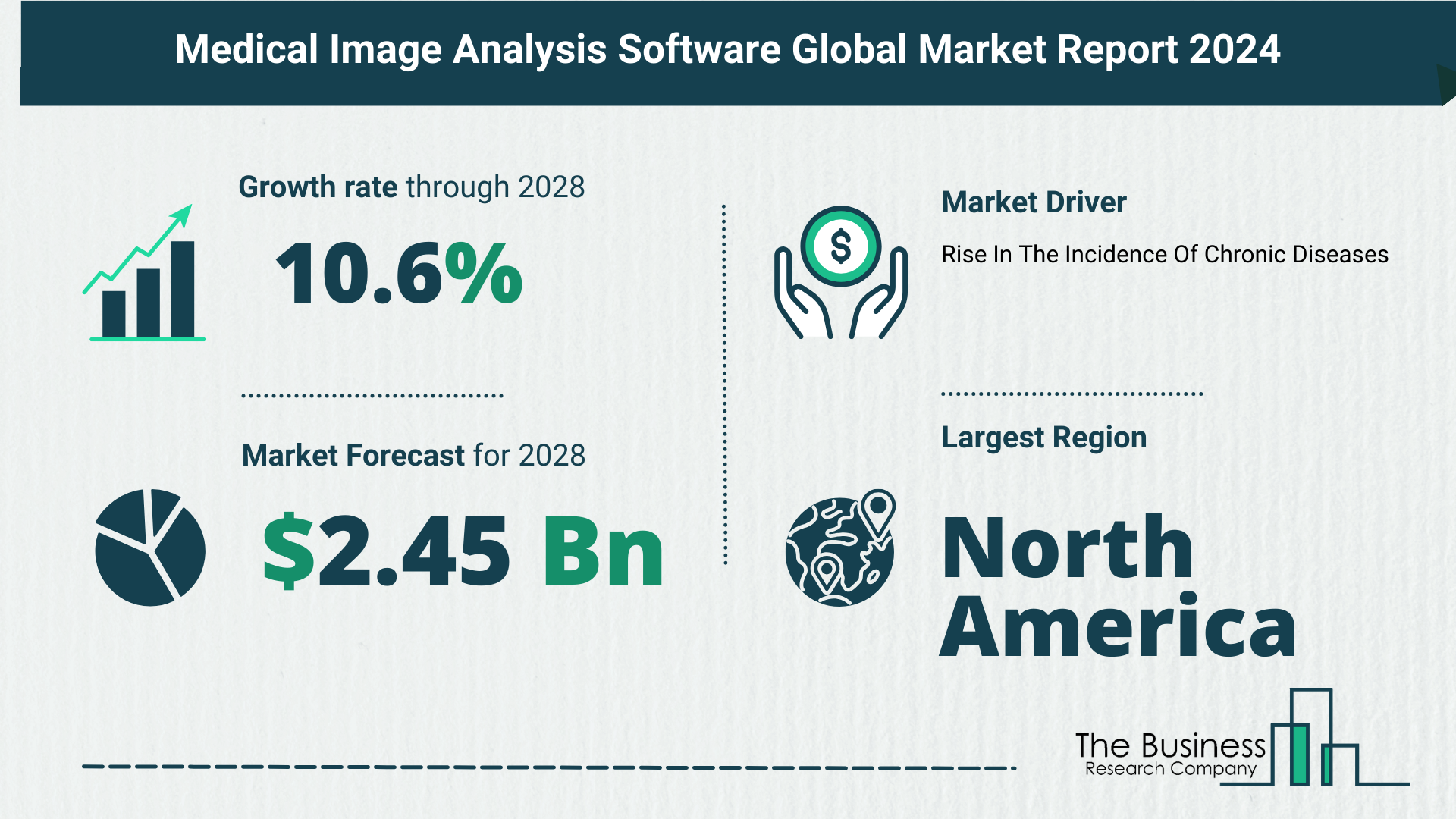
    The medical image analysis software market has experienced remarkable growth in recent years, with substantial expansion projected in the coming ones. In 2023, the market size was $3.66 billion, and by 2024, it is expected to reach $4.05 billion, showcasing a Compound Annual Growth Rate (CAGR) of 10.8%. Looking ahead to 2028, the forecast predicts an even more substantial growth to $5.96 billion at a CAGR of 10.1%. This surge can be attributed to various factors, including technological advancements, increasing healthcare needs, and the rise of chronic diseases.

    Factors Driving Growth

    Rising Incidence of Chronic Diseases Fuels Growth in Medical Image Analysis Software Market

    • Chronic Diseases on the Rise: The prevalence of chronic diseases is escalating globally, with conditions like cancer and diabetes becoming increasingly common.
    • Early Detection Through Imaging: Medical imaging plays a crucial role in the early identification of diseases, improving patient outcomes and making them more manageable.
    • Projected Increase in Chronic Diseases: According to the National Center for Biotechnology Information, the number of people with chronic diseases is estimated to reach 142.66 million by 2050, emphasizing the need for advanced medical imaging solutions.
    • Market Players: Key companies driving growth include Aquilab SAS, Carestream Health Inc., Siemens AG, Philips Healthcare, and others.

    View More On The Medical Image Analysis Software Market Report 2024 – https://www.thebusinessresearchcompany.com/report/medical-image-analysis-software-global-market-report

    Technology Advancements

    Product Innovation Drives Advancements in Medical Image Analysis Software Market

    • Focus on Innovation: Major market players are concentrating on developing technologically advanced solutions to strengthen their market position.
    • Philips’ Cloud-Enabled Solutions: In March 2022, Koninklijke Philips N.V. launched cloud-enabled enterprise imaging informatics and analytics solutions, aiming to enhance workflow efficiency and patient and staff satisfaction.
    • Nano X Imaging’s Acquisition: In October 2021, Nano X Imaging acquired Zebra Medical Vision for $200 million, showcasing the importance of collaboration and acquisitions in advancing AI-enabled medical imaging solutions.

    Segmentation and Trends

    The Medical Image Analysis Software Market – Segmentation and Major Trends

    1. By Type: Integrated Software, Standalone Software
    2. By Image Type: 2D Image, 3D Image, 4D Image
    3. By Modality: Tomography, Ultrasound Imaging, Radiographic Imaging, X-ray Imaging, MRI, Other Modalities
    4. By Application: Orthopedics, Dental Application, Neurology, Cardiology, Oncology, Obstetrics and Gynecology, Mammography, Other Applications
    5. By End User: Hospital, Diagnostic Center, Research Center, Other End Users
    • Market Dominance: North America emerged as the largest region in the medical image analysis software market in 2023.
    • Forecasted Trends: Anticipated trends include 3D and 4D imaging, sustainable imaging solutions, AI-enhanced automation, data security and privacy, and continuous advancements in medical imaging technologies.

    Conclusion
    As we move forward into the next decade, the medical image analysis software market is poised for substantial growth, driven by factors like the increasing incidence of chronic diseases and ongoing technological innovations. The integration of artificial intelligence, coupled with constant product innovations, is reshaping the landscape of medical imaging. The market’s segmentation and regional dominance in North America further underscore the transformative impact of medical image analysis software in the healthcare industry. As we stand at the intersection of healthcare and technology, the future holds promising developments that will undoubtedly revolutionize the way we approach medical diagnostics and patient care.

    Request A Sample Of The Global Medical Image Analysis Software Market Report 2024:
    https://www.thebusinessresearchcompany.com/sample_request?id=7329&type=smp

  • Growth Trajectory Of The Medical Aesthetics Market 2024-2033

    Growth Trajectory Of The Medical Aesthetics Market 2024-2033

    The Business Research Company’s global market reports are now updated with the latest market sizing information for the year 2024 and forecasted to 2033

    The medical aesthetics market has witnessed a remarkable surge in recent years, marked by substantial growth in market size and a promising compound annual growth rate (CAGR). As we delve into the dynamics of this thriving industry, we explore the key factors driving this growth, the evolving trends, and the major players shaping the future of medical aesthetics.

    Market Growth and Projections
    Current and Future Growth
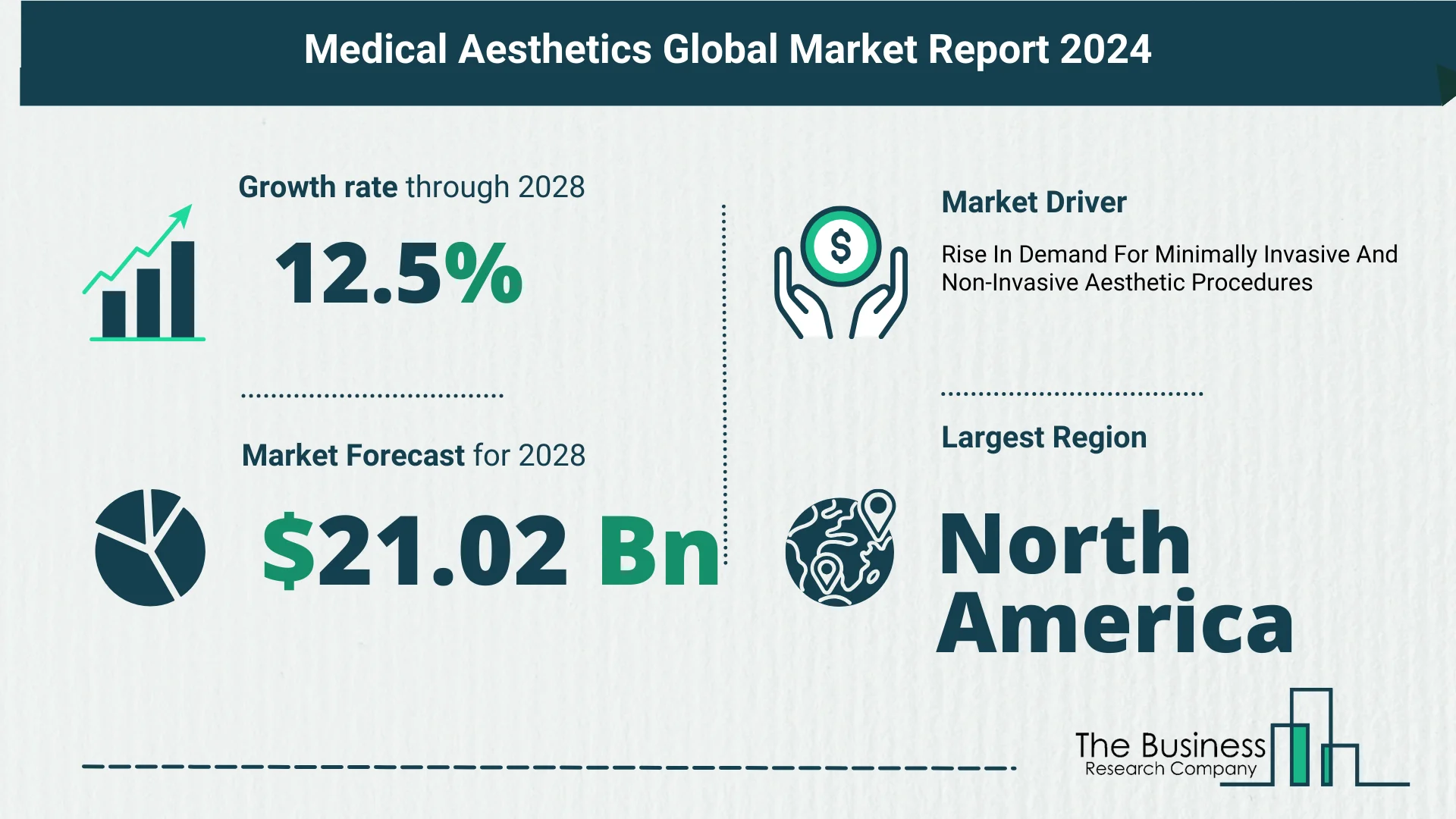
    The medical aesthetics market is on a trajectory of robust expansion. From $11.5 billion in 2023, it is set to reach $13.11 billion in 2024, boasting a notable CAGR of 14.0%. Looking ahead, the market is projected to achieve even greater heights, anticipating a surge to $21.02 billion by 2028, with a CAGR of 12.5%. This growth is attributed to a variety of factors, including an aging population, the flourishing cosmetic industry, increased consumer awareness, medical tourism, and regulatory approvals.

    Rising Demand For Minimally Invasive And Non-Invasive Aesthetic Procedures Fuels Medical Aesthetics Market Growth
    Shift Towards Minimally Invasive Procedures
    The increasing adoption of minimally invasive and non-invasive aesthetic procedures is a pivotal driver of the market’s expansion. These procedures, characterized by limited incisions or injections, are preferred for their quick, safe, and effective nature, requiring minimal downtime. Liposuction, for instance, experienced a surge with over 1.9 million cases in January 2023, indicating a 24.8% increase and underscoring the growing popularity of minimally invasive techniques.

    Key Players in the Market
    Major companies contributing to the growth of the medical aesthetics market include AbbVie Inc., Medytox Inc., Galderma S.A., and various others. Their innovations and contributions align with the rising demand for minimally invasive procedures, fostering market growth.

    View More On The Medical Aesthetics Market Report 2024 – https://www.thebusinessresearchcompany.com/report/medical-aesthetics-global-market-report

    Rising Adoption Of Robot-Based Surgery And Advanced Technology Innovations In The Medical Aesthetics Market
    Adoption of Robot-Based Surgery
    A significant trend in the medical aesthetics market is the adoption of robot-based surgery, showcasing the industry’s commitment to technological advancements. Companies like Smith-Nephew have launched advanced robotic tools like CORI, providing surgeons with a digital operating room experience. This technology enhances precision, reduces pain, and increases patient satisfaction post-surgery.

    Strategic Acquisitions for Portfolio Enhancement
    Crown Laboratories’ acquisition of Eclipse Med Corp. LLC in May 2022 exemplifies strategic moves within the industry. This acquisition expanded Crown’s aesthetics portfolio, aligning with the global mission to drive innovation and offer superior products and services. Such strategic moves contribute to the dynamic and evolving nature of the medical aesthetics market.

    Market Segmentation and Regional Dynamics
    Comprehensive Market Segmentation
    The medical aesthetics market is segmented based on product, technology, distribution channel, application, and end-user. Products range from facial aesthetic products to hair removal devices, while technology includes invasive, non-invasive, and minimally invasive options. This comprehensive segmentation reflects the diverse offerings within the market.

    Regional Insights
    North America is expected to lead the medical aesthetics market in 2023, while Asia-Pacific is poised to be the fastest-growing region in the forecast period. These regional dynamics underscore the global nature of the market, with varying trends and opportunities across different parts of the world.

    Conclusion
    In conclusion, the medical aesthetics market is thriving, fueled by a combination of technological advancements, consumer preferences for minimally invasive procedures, and strategic industry moves. As the industry continues to evolve, stakeholders need to stay attuned to emerging trends such as combination therapies, regenerative aesthetics, and the integration of artificial intelligence and virtual reality. The medical aesthetics market isn’t just about enhancing appearances; it’s about embracing innovation to redefine the future of aesthetic healthcare.

    Request A Sample Of The Global Medical Aesthetics Market Report 2024:
    https://www.thebusinessresearchcompany.com/sample_request?id=7646&type=smp

  • 5 Key Insights On The Intraoperative Imaging Market 2024

    5 Key Insights On The Intraoperative Imaging Market 2024

    The Business Research Company’s global market reports are now updated with the latest market sizing information for the year 2024 and forecasted to 2033

    As per The Business Research Company’s Intraoperative Imaging Global Market Report 2024, the intraoperative imaging market is expected to show significant growth in the forecast period.

    The intraoperative imaging market has witnessed robust growth, surging from $2.52 billion in 2023 to a projected $2.74 billion in 2024, marking a substantial compound annual growth rate (CAGR) of 8.7%. This expansion is attributed to a range of factors, including the increased aging population, a rise in cancer surgeries, augmented orthopedic procedures, heightened cardiovascular surgeries, and an upswing in neurological surgeries.

    1. Historical Momentum and Growth Drivers
    • Strong growth in 2023, reaching $2.52 billion.
    • CAGR of 8.7% fueled by increased aging population and a surge in various surgical procedures.
    • Notable contributors: Rise in cancer surgery, increased orthopedic procedures, cardiovascular surgery, and neurological surgery.

    Future Trajectory: Projecting Strong Growth

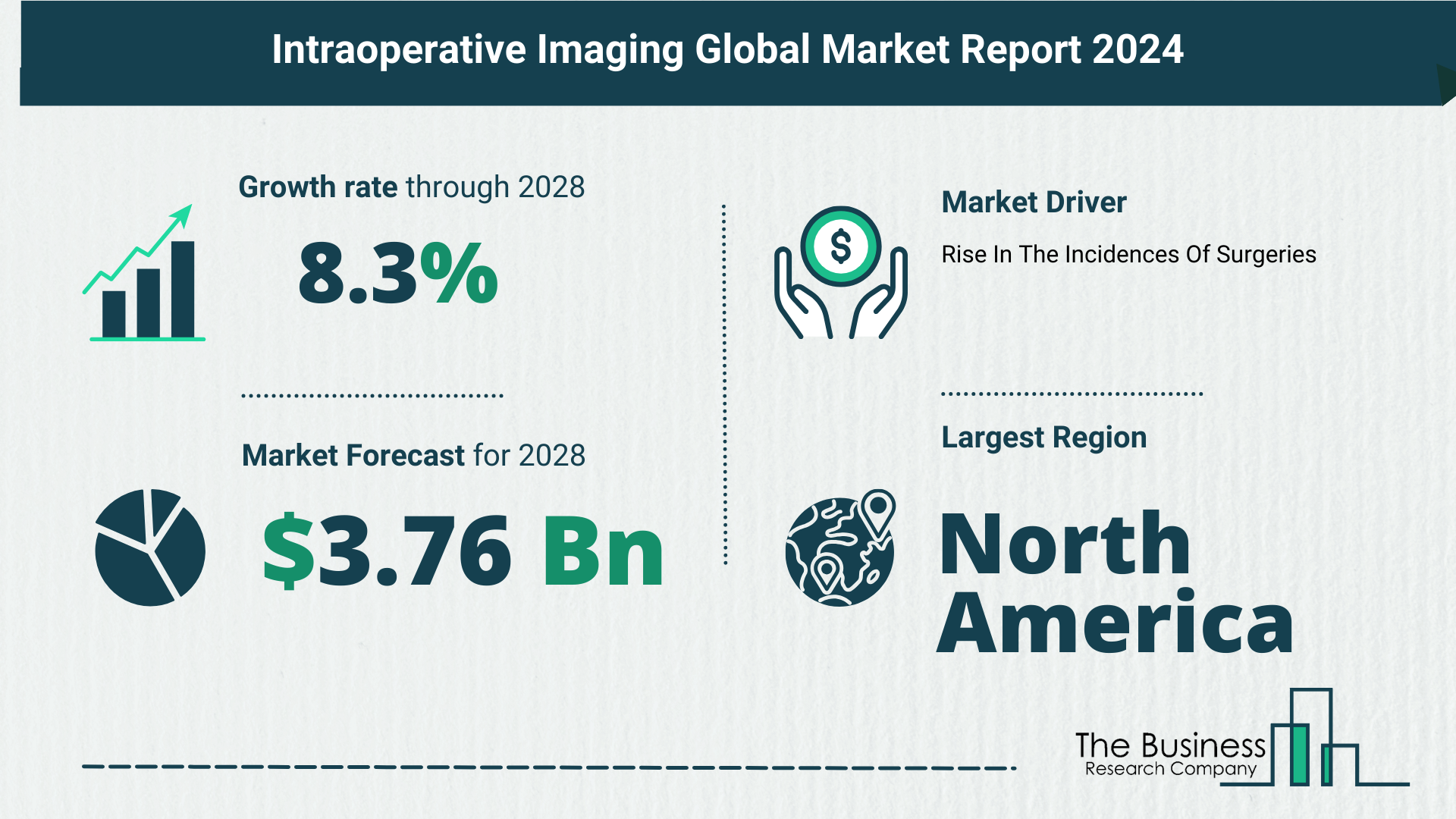
    The intraoperative imaging market is poised for continued growth, projecting an increase to $3.76 billion by 2028, with a slightly reduced CAGR of 8.3%. Anticipated factors driving this growth include the escalating use of personalized medicines, increased global healthcare access, rising medical tourism, global health initiatives, and a heightened focus on radiation safety measures.

    1. Key Trends in the Forecast Period
    • Integration of augmented reality (AR) and virtual reality (VR).
    • Emergence of portable intraoperative imaging solutions.
    • Advancements in enhanced 3D imaging technologies.
    • Surge in robot-assisted surgery.
    • Adoption of advanced navigation systems.
    • Growing prominence of image-guided radiation therapy (IGRT).

    Aging Population: A Catalyst for Expansion

    1. Rising Aging Population
    • Aging population as a significant growth driver for the intraoperative imaging market.
    • Aging individuals necessitate orthopedic surgeries, and intraoperative imaging ensures precise implant placement and surgical success.
    • Example: The UK is expected to see a 24% population over 65 by 2043, driving the senior population and the demand for intraoperative imaging.
    1. Industry Leaders Shaping the Market
    • Major companies influencing the market include Canon Medical Systems Corporation, Carl Zeiss Meditec AG, General Electric Company, Siemens AG, and Stryker Corporation.
    • These players contribute to the market’s dynamics and technological advancements.

    View More On The Intraoperative Imaging Market Report 2024 – https://www.thebusinessresearchcompany.com/report/intraoperative-imaging-global-market-report

    Innovations Transforming the Landscape

    1. Q Guidance System: Pioneering Surgical Navigation
    • Major companies innovate with products like the Q Guidance System to boost profitability.
    • The Q Guidance System, launched by Stryker Corporation in September 2022, enhances surgical navigation and planning for cranial and spine surgeries.
    • Real-time imaging aids in locating anatomical features and surgical targets, leading to improved decision-making and surgical outcomes.
    1. Strategic Acquisitions: GE Healthcare’s Move
    • In December 2021, GE Healthcare acquired BK Medical for $1.45 billion, expanding its surgical imaging portfolio.
    • The acquisition positioned GE Healthcare to offer end-to-end services, from diagnosis to therapy, through real-time surgical imaging.

    Market Segmentation: Understanding the Landscape

    The intraoperative imaging market is segmented based on product types, applications, and end-users, providing a comprehensive view of the diverse landscape.

    1. Market Segmentation
    • By Product:
      • Intraoperative Ultrasound System
      • Intraoperative Computed Tomography System
      • C-Arms System
      • Intraoperative Magnetic Resonance Imaging Systems
      • Other Products
    • By Application:
      • Neurology Surgery
      • Oncology Surgery
      • ENT Surgery
      • Orthopedic Surgery
      • Other Applications
    • By End-User:
      • Hospitals
      • Ambulatory Surgical Centers
      • Clinics
      • Other End-Users

    Regional Dynamics: North America Leading, Asia-Pacific Rising

    North America took the lead in the intraoperative imaging market in 2023, while Asia-Pacific is expected to emerge as the fastest-growing region in the forecast period. This shift highlights the global nature of the market and the increasing demand for intraoperative imaging solutions across diverse geographical regions.

    In conclusion, the intraoperative imaging market is on a trajectory of sustained growth, fueled by demographic shifts, technological innovations, and strategic industry moves. Companies operating in this space must stay agile, embracing emerging trends and technologies to navigate this dynamic landscape successfully.

    Request A Sample Of The Global Intraoperative Imaging Market Report 2024:
    https://www.thebusinessresearchcompany.com/sample_request?id=7078&type=smp

  • Medical Disinfectant Wipes Market Forecast 2024: Forecast Market Size, Drivers And Key Segments

    Medical Disinfectant Wipes Market Forecast 2024: Forecast Market Size, Drivers And Key Segments

    The Business Research Company’s global market reports are now updated with the latest market sizing information for the year 2024 and forecasted to 2033

    The medical disinfectant wipes market has witnessed robust growth in recent years, with the market size reaching $6.21 billion in 2023 and projected to grow to $6.73 billion in 2024 at a CAGR of 8.4%. The forecast for the coming years is equally promising, anticipating a market size of $9.5 billion by 2028, with a CAGR of 9.0%. This growth can be attributed to various factors such as infection control, hospital-acquired infections, regulatory compliance, healthcare worker safety, and global health preparedness.

    Hospital Acquired Infections: A Driving Force for Market Growth

    • Prevalence Surge: The escalating prevalence of hospital-acquired infections (HAIs) is a significant driver for market expansion. Patients acquiring infections during medical treatment necessitate preventive measures, contributing to heightened demand for medical disinfectant wipes.
    • Regulatory Compliance: Increasing regulatory requirements and patient safety concerns underline the importance of HAIs prevention, propelling the market forward.
    • Health Crisis Impact: Notably, during health crises, the efficiency and cost-effectiveness of preventive measures gain prominence, emphasizing the critical role of medical disinfectant wipes.

    Key Market Players: Powerhouses in the Industry A multitude of companies operates in the medical disinfectant wipes market, each contributing to its growth. Major players include CleanWell LLC, Crosstex International Inc., DrDeppe GmbH, Kimberly-Clark Corporation, and others. Their role is pivotal in meeting the rising demand for high-quality disinfectant wipes globally.

    View More On The Medical Disinfectant Wipes Market Report 2024 – https://www.thebusinessresearchcompany.com/report/medical-disinfectant-wipes-global-market-report

    Product Innovation: Transforming the Landscape

    • Advanced Products: Key industry players are actively engaged in product innovation to enhance their market standing. PDI Healthcare, for instance, introduced the Sani-Cloth Bleach Clinical Size Wipe, showcasing the industry’s commitment to developing advanced and effective disinfecting solutions.
    • Reduced Waste: Innovations like the clinical wipe not only address the need for efficacy but also contribute to environmental sustainability by reducing unnecessary waste in the healthcare sector.

    Strategic Acquisitions: Shaping Market Dynamics

    • Essity AB’s Expansion: In February 2022, Essity AB made a strategic move by acquiring Legacy Converting, Inc. for $40 million. This acquisition aims to broaden Essity AB’s portfolio in wiping and cleaning products, specifically strengthening its presence in the North American market.
    • Market Diversification: Companies are strategically diversifying their offerings through acquisitions, ensuring a resilient supply chain and meeting evolving market demands.

    Segmentation Insights: Understanding Market Dynamics The medical disinfectant wipes market is segmented based on type, material, distribution, and application.

    • Type: Surface Disinfectant Wipes, Germicidal Disposable Wipes, Hydrogen Peroxide Disinfectant Wipes, Other Types.
    • Material: Textile Fiber Wipes, Virgin Fibers, Advanced Fibers.
    • Distribution: Supermarkets or Hypermarkets, Convenience Stores, Specialty Stores, Online Channels, Shopping Complexes, Other Distribution Channels.
    • Application: Hospitals and Clinics, Dental Clinic, Nursing Home, Other Applications.

    Regional Dynamics: North America Leading, Asia-Pacific Surging Ahead

    • North America: Emerged as the largest region in the medical disinfectant wipes market in 2023, driven by a mature healthcare sector and stringent hygiene standards.
    • Asia-Pacific: Expected to be the fastest-growing region, propelled by the adoption of advanced healthcare practices, growing awareness, and increasing demand for infection control measures.

    Future Trends: Sustainability and Technological Advancements

    • Sustainability Focus: Future trends in the market include a shift towards sustainable and eco-friendly products, aligning with global efforts to reduce environmental impact.
    • Technological Advancements: Anticipated advancements in disinfectant wipes technology, including smart packaging and formulations targeting emerging pathogens, will play a pivotal role in shaping the industry’s future.

    Conclusion: Navigating Towards a Hygienic Tomorrow The medical disinfectant wipes market is on a trajectory of steady growth, driven by factors such as the rising prevalence of hospital-acquired infections, product innovations, strategic acquisitions, and evolving market dynamics. As the industry embraces sustainability and technological advancements, it stands poised to meet the increasing demand for effective and environmentally conscious infection control solutions, ensuring a hygienic tomorrow.

    Request A Sample Of The Global Medical Disinfectant Wipes Market Report 2024:
    https://www.thebusinessresearchcompany.com/sample_request?id=7255&type=smp

  • Healthcare Supply Chain Management Market Report 2024: Market Size, Drivers, And Trends

    Healthcare Supply Chain Management Market Report 2024: Market Size, Drivers, And Trends

    The Business Research Company’s global market reports are now updated with the latest market sizing information for the year 2024 and forecasted to 2033

    Market Growth Trajectory
    The healthcare supply chain management market has witnessed rapid expansion, reaching $2.69 billion in 2023, and is poised to surge to $3.07 billion in 2024, boasting a robust Compound Annual Growth Rate (CAGR) of 14.1%. The growth in the historic period is attributed to various factors such as cost control, regulatory compliance, inventory management needs, vendor collaboration, and demand forecasting.

    1. Projected Momentum

    Looking ahead, the market is projected to continue its upward trajectory, expected to reach $4.97 billion in 2028 with a CAGR of 12.8%. Anticipated drivers for this growth include telehealth expansion, value-based care, increasing sustainability, regulatory changes, and supply chain resilience. Key trends in the forecast period encompass digitalization, automation, predictive analytics, IoT, RFID tracking, blockchain for transparency, and the adoption of lean and agile supply chains.

    1. Catalyst: Expanding Pharmaceutical Markets
    • Pharmaceutical Industry Growth: The pharmaceutical sector’s robust expansion is a major impetus for the healthcare supply chain management market.
    • Projected Spending: Global spending on medicines is expected to soar to $1.9 trillion by 2027, with specialty medicines comprising 43% of global spending.
    • Geriatric Population Impact: The increase in the geriatric population is identified as a key factor propelling the growth of healthcare mobility solutions.
    1. Industry Players

    Major companies shaping the healthcare supply chain management landscape include Advocate Health Care, Banner Medical Innovations Inc., SAP AG Group, Oracle Corporation, and McKesson Corporation, among others.

    View More On The Healthcare Supply Chain Management Market Report 2024 – https://www.thebusinessresearchcompany.com/report/healthcare-supply-chain-management-global-market-report

    1. Innovation and Diversification Strategies
    • Product Development: Leading companies are innovating and diversifying their product offerings. Cardinal Health, for instance, introduced Velocare, a supply chain network for hospital-level care at home.
    • Comprehensive Solutions: Velocare leverages Cardinal Health’s logistical expertise, supplier network management, and access to home-based care providers.
    • Pilot Program: Initiatives like pilot programs assess the use of new technology and order-handling processes to ensure the consistent provision of hospital-level care at home.
    1. Notable Acquisition: Symplr and Greenlight Medical
    • Symplr’s Move: In March 2022, Symplr, a healthcare operations solutions provider, acquired GreenLight Medical to enhance expenditure management and financial and clinical outcomes.
    • GreenLight Medical’s Role: GreenLight Medical specializes in healthcare supply chain management software, aligning with Symplr’s vision for a comprehensive platform.
    1. Market Segmentation

    The healthcare supply chain management market is segmented based on:

    • Component: Software Application, Hardware Type
    • Delivery Mode: On-Premise, Cloud-Based
    • End-User: Healthcare Providers, Healthcare Manufacturers, Other End-Users
    1. Regional Dynamics
    • Dominance of North America: In 2023, North America is anticipated to lead the healthcare supply chain management market.
    • Asia-Pacific’s Growth: Asia-Pacific is poised to be the fastest-growing region in the forecast period.

    Request A Sample Of The Global Healthcare Supply Chain Management Market Report 2024:
    https://www.thebusinessresearchcompany.com/sample_request?id=6937&type=smp

  • Global Healthcare Electronic Data Interchange Market Analysis: Estimated Market Size And Growth Rate

    Global Healthcare Electronic Data Interchange Market Analysis: Estimated Market Size And Growth Rate

    The Business Research Company’s global market reports are now updated with the latest market sizing information for the year 2024 and forecasted to 2033

    The healthcare electronic data interchange (EDI) market has witnessed significant expansion, surging from $4.8 billion in 2023 to an estimated $5.36 billion in 2024, boasting a commendable compound annual growth rate (CAGR) of 11.6%. This growth is fueled by various factors, including regulatory compliance, administrative efficiency, cost reduction, error reduction, and streamlined claims processing.

    Projected Growth and Key Drivers

    Current Scenario

    • The market is set to further burgeon, reaching an impressive $8.38 billion in 2028, with a CAGR of 11.8%.
    • Key drivers in the forecast period include the adoption of value-based care models, data standardization, emphasis on data privacy and security, inter-organizational data sharing, and enhanced pandemic preparedness.
    • Major trends shaping the market include real-time claims processing, prior authorization automation, blockchain for secure data exchange, data analytics, and predictive modeling, as well as AI for claim scrutiny.

    Addressing Chronic Diseases through EDI

    Rising Prevalence of Chronic Diseases

    • Chronic diseases, persisting for three months or more, are a global health concern.
    • In Australia alone, over 46.6% of the population, equivalent to 11.6 million people, suffer from at least one chronic illness.
    • Healthcare EDI plays a pivotal role in treating chronic illnesses by facilitating efficient data sharing, enhancing administrative procedures, and improving communication between healthcare practitioners and patients.

    View More On The Healthcare Electronic Data Interchange Market Report 2024 – https://www.thebusinessresearchcompany.com/report/healthcare-electronic-data-interchange-global-market-report

    Technological Integration: Transforming the Landscape

    Advanced Technologies in EDI Systems

    • Key trend: Integration of advanced technologies such as APIs, AI, and blockchain into EDI systems.
    • NextGen Healthcare Inc. exemplifies this trend with the launch of NextGen Health Data Hub Insights, a platform designed to simplify data acquisition, analytics, and report generation, providing a comprehensive picture of community and patient health.

    Mergers and Acquisitions Shaping the Market

    ImagineSoftware’s Strategic Acquisition

    • In July 2022, ImagineSoftware acquired Exchange EDI LLC, a move aimed at expanding services and enhancing patient collection and billing processes.
    • The integration of Exchange EDI’s capabilities positions ImagineSoftware to foster improved communication between physicians and patients.

    Market Segmentation and Regional Dynamics

    Segment Breakdown

    • The healthcare electronic data interchange market is segmented by component (services, solution), delivery mode (web and cloud-based EDI, EDI Value Added Network, direct EDI, mobile EDI), and end-use (healthcare payers, providers, pharmaceutical and medical device industries, and other end-uses).

    Regional Overview

    • In 2023, North America dominated the healthcare EDI market, while Asia-Pacific is anticipated to be the fastest-growing region in the forecast period.

    Conclusion

    The healthcare EDI market is undergoing a transformative phase, driven by the urgent need for improved efficiency, compliance, and communication in the healthcare sector. As the prevalence of chronic diseases rises, and technological advancements redefine EDI systems, the industry is poised for substantial growth. Mergers and acquisitions, such as ImagineSoftware’s strategic move, further shape the landscape. With a focus on integration and innovation, the healthcare EDI market is set to play a crucial role in shaping the future of healthcare administration and patient care.

    Request A Sample Of The Global Healthcare Electronic Data Interchange Market Report 2024:
    https://www.thebusinessresearchcompany.com/sample_request?id=6940&type=smp

  • Key Trends And Drivers In The Healthcare Mobility Solutions Market 2024

    Key Trends And Drivers In The Healthcare Mobility Solutions Market 2024

    The Business Research Company’s market reports offer an in-depth analysis on the market’s growth potential, major drivers, key trends and more.

    The healthcare mobility solutions market has witnessed exponential growth in recent years, evolving from a $148.7 billion industry in 2023 to an anticipated $187.39 billion in 2024, with a remarkable compound annual growth rate (CAGR) of 26.0%. This surge can be attributed to various factors such as improved patient care, enhanced efficiency and productivity, increased accessibility to Electronic Health Records (EHR), better care coordination, and heightened patient engagement.

    Digitalization and Smart Device Adoption Driving Momentum

    • The healthcare sector’s increasing digitalization and the widespread adoption of smart devices are pivotal drivers propelling the growth of healthcare mobility solutions.
    • mHealth technologies, including smartphone health apps, wearable and wireless devices, and handheld imaging platforms, are transforming the patient experience and healthcare management.
    • Notably, a report from the National Library of Medicine highlights the U.S. medical industry leveraging smart devices with sensors for disease diagnosis, contributing to a total market value of $143.6 billion.

    Major Players Shaping the Landscape

    • Key companies playing a significant role in the healthcare mobility solutions market include Oracle Corporation, SAP SE, McKesson Corporation, Cerner Corporation, Zebra Technologies, and more.
    • These industry leaders contribute to the sector’s growth through innovation and product diversification strategies, continually developing solutions to meet evolving customer needs.

    Read More On The Healthcare Mobility Solutions Market Report 2024 – https://www.thebusinessresearchcompany.com/report/healthcare-mobility-solutions-global-market-report

    Innovation and Product Diversification Strategies

    • Major companies are investing in developing new products like Remote Patient Monitoring (RPM) solutions to expand their customer bases and increase revenue.
    • Withings Health Solutions, for instance, launched Withings RPM, streamlining remote patient monitoring programs for both physicians and patients.
    • These solutions allow efficient management of patient data, automated alerts, and reminders, enhancing the overall patient care experience.

    Philips’ Strategic Acquisition: A Game-Changer

    • In February 2021, Philips made a significant move by acquiring BioTelemetry Inc., a provider of remote cardiac diagnostics and monitoring devices.
    • This acquisition aligns with Philips’ strategy to revolutionize healthcare delivery through integrated solutions, strengthening its cardiac care portfolio.
    • The collaboration positions Philips as a global leader in patient care management, catering to both hospital and home-based cardiac patients.

    Market Segmentation and Regional Dynamics

    • The healthcare mobility solutions market is segmented by product type (Mobile Devices, Mobile Applications, Enterprise mobility platforms), applications (Enterprise Solutions, mHealth Applications), and end-users (Payers, Providers, Hospitals, Laboratories, Patients, Other End-Users).
    • North America dominated the market in 2023, while Asia-Pacific is projected to be the fastest-growing region in the forecast period.

    Future Trends: Mobile Health Apps, Wearables, and More

    • The forecast period brings promising trends such as the rise of mobile health apps, wearable health devices, remote patient monitoring, mobile EHR access, AI, predictive analytics, and IoT integration in healthcare.
    • These trends are instrumental in shaping the future of healthcare mobility solutions, emphasizing patient-centric care, data privacy, and interoperability. 

    Request for A Sample Of The Global Healthcare Mobility Solutions Market Report:
    https://www.thebusinessresearchcompany.com/sample_request?id=7077&type=smp

  • Top 5 Insights From The Healthcare ERP Consulting Services Market Report 2024

    Top 5 Insights From The Healthcare ERP Consulting Services Market Report 2024

    The Business Research Company’s global market reports are now updated with the latest market sizing information for the year 2024 and forecasted to 2033

    According to The Business Research Company’s Healthcare ERP Consulting Services Global Market Report 2024, the healthcare ERP consulting services market is expected to show promising growth in the forecast period.

    The healthcare ERP consulting services market has witnessed significant growth, reaching $4.96 billion in 2023 and projecting an increase to $5.54 billion in 2024 at a Compound Annual Growth Rate (CAGR) of 11.6%. This expansion is primarily attributed to the integration of data, enhanced cost control, administrative efficiency, workflow automation, and the integration of electronic health records.

    Future Projections

    Steady Growth in the Horizon

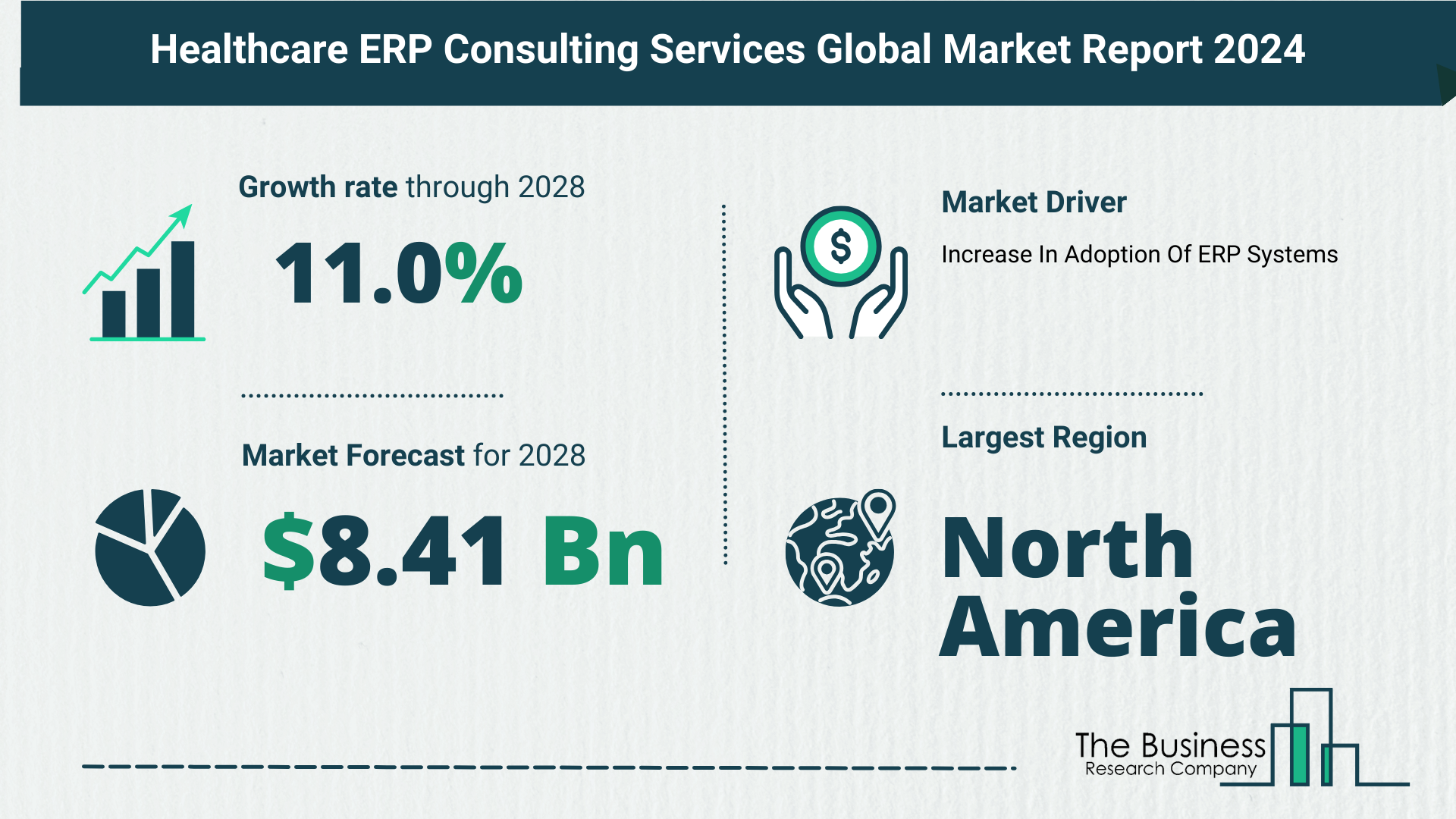
    Anticipated growth in the healthcare ERP consulting services market remains robust, with a forecasted leap to $8.41 billion in 2028, showcasing a CAGR of 11.0%. The future landscape is shaped by emerging factors, including value-based care models, telehealth expansion, cybersecurity, data protection, sustainability, environmental impact, and pandemic preparedness.

    View More On The Healthcare ERP Consulting Services Market Report 2024 – https://www.thebusinessresearchcompany.com/report/healthcare-erp-consulting-services-global-market-report

    Emerging Trends

    In the forecast period, notable trends are expected to drive the market forward, encompassing digital transformation roadmaps, adoption of cloud-based ERP solutions, integration of data analytics, patient engagement solutions, and the infusion of AI and machine learning into ERP systems.

    Catalysts for Growth

    1. Adoption of ERP Systems in Healthcare

    The surge in the adoption of ERP systems is a pivotal driver for the healthcare ERP consulting services market. These systems play a crucial role in planning and managing an organization’s core functions. Notably, the interest in cloud-based ERP systems spiked to 42% in 2022, as reported by Software Connect. The adoption is primarily driven by company owners and C-suite executives, initiating the software purchasing process in more than half of the cases.

    1. Leading Companies in the Market

    Major players contributing to the growth of the healthcare ERP consulting services market include Accenture PLC, Deloitte Touche Tohmatsu, PricewaterhouseCoopers, and many others. These companies are at the forefront, providing essential consulting services to healthcare organizations.

    Strategies for Evolution

    Innovation and Product Diversification

    Major companies operating in this market are actively engaged in developing new products and expanding their offerings. Deloitte, for instance, launched the Oracle MyCloud ERP offering in October 2022. This innovative product aims to expedite business transformation for fast-growing and private clients by leveraging Oracle’s state-of-the-art integrated SaaS Cloud platform. It not only provides access to Oracle Cloud products but also includes Deloitte’s implementation and support services, consolidating everything into a fixed monthly fee. This approach allows growth-focused companies to manage financial resources efficiently.

    Strategic Acquisitions: Oracle-Cerner Deal

    In June 2022, Oracle Corporation made a significant move by acquiring Cerner for $28.3 billion. This strategic acquisition aims to enhance healthcare delivery by providing better information to medical practitioners, ultimately leading to improved treatment decisions and better patient outcomes. Cerner, a healthcare company specializing in ERP consulting services, adds substantial value to Oracle’s portfolio.

    Market Segmentation

    The healthcare ERP consulting services market is segmented based on functionality, deployment, and end-user:

    1. Functionality:Includes Implementation, Training and Education, and Other Functionality.
    2. Deployment:Encompasses On-Premise and Cloud solutions.
    3. End-User:Targets Life Science Companies, Healthcare Providers, and Other End-Users.

    Regional Dominance

    North America took the lead as the largest region in the healthcare ERP consulting services market in 2023, underscoring the region’s pivotal role in steering the market’s trajectory.

    In conclusion, the healthcare ERP consulting services market is poised for remarkable growth, driven by technological advancements, innovative solutions, and strategic collaborations. As the healthcare industry continues to evolve, the integration of ERP systems and consulting services will play an instrumental role in shaping a more efficient, data-driven, and patient-centric future.

    Request A Sample Of The Global Healthcare ERP Consulting Services Market Report 2024:
    https://www.thebusinessresearchcompany.com/sample_request?id=6931&type=smp