Category: HealthcareServices

  • Key Trends And Drivers In The Healthcare Claims Management Solutions Market 2024

    Key Trends And Drivers In The Healthcare Claims Management Solutions Market 2024

    The Business Research Company’s market reports offer an in-depth analysis on the market’s growth potential, major drivers, key trends and more.

    The healthcare claims management solutions market has experienced robust growth in recent years, with the market size surging from $15.32 billion in 2023 to $16.34 billion in 2024, exhibiting a substantial Compound Annual Growth Rate (CAGR) of 6.7%. This growth is attributed to various factors, including increased healthcare costs, regulatory compliance, the shift to paperless claims processing, improved accuracy, and enhanced collaboration between providers and payers.

    Future Trajectory: Strong Growth Anticipated
    Forward Momentum
    The healthcare claims management solutions market is poised for continued growth, expecting to reach $21.24 billion in 2028 at a CAGR of 6.8%. This anticipated growth in the forecast period can be attributed to key factors such as the expansion of telehealth, the adoption of value-based care, emphasis on interoperability, cybersecurity measures, and improved pandemic preparedness.

    Chronic Disease Surge: A Driving Force
    Impact on Market Dynamics
    The surge in chronic diseases is expected to be a significant driver for the healthcare claims management solutions market. Chronic diseases, necessitating ongoing medical management, underscore the importance of efficient claims processing for timely reimbursement of services. The National Center for Biotechnology Information projects a 99.5% surge in individuals aged 50 years and older with at least one chronic illness by 2050. This surge, from 71.522 million in 2020 to 142.66 million, emphasizes the critical role of claims management in addressing the challenges posed by chronic diseases.

    Key Market Players: Industry Giants Shaping the Landscape
    Major Companies at the Helm
    Prominent companies driving the healthcare claims management solutions market include Allscripts Healthcare Solutions Inc., Athenahealth, McKesson Corporation, Oracle Corporation, and others. These industry giants play a pivotal role in shaping the market dynamics and contributing to the seamless functioning of healthcare claims management.

    Read More On The Healthcare Claims Management Solutions Market Report 2024 – https://www.thebusinessresearchcompany.com/report/healthcare-claims-management-solutions-global-market-report

    Technological Advancements: Revolutionizing the Landscape
    Innovations for Sustainability
    Major companies are channeling efforts into product innovation to maintain their market position. An example of this is Google LLC’s launch of an AI-enabled claims data activator suite in April 2023. This solution utilizes Document AI, the Healthcare Natural Language API, and the Healthcare API to convert unstructured data into structured data, facilitating data interoperability, intelligent analytics, and smart reporting. Such technological advancements are revolutionizing the healthcare claims management solutions market.

    Strategic Acquisitions: Athenahealth Under New Ownership
    Market Consolidation
    In a significant move, Hellman & Friedman and Bain Capital acquired Athenahealth in February 2022 for a deal amount of $17 billion. This acquisition positions Hellman & Friedman and Bain Capital as leaders in cloud-based electronic medical records and physician practice solutions. Athenahealth, a key player in the healthcare claims management solutions market, is set to contribute to the innovative landscape under its new ownership.

    Market Segmentation: Understanding Dynamics
    Breaking Down the Components
    The healthcare claims management solutions market is segmented based on type, deployment mode, and end-user. Notable segments include Software and Services under type, Web-Based, Cloud-Based, and On-Premise under deployment mode, and Healthcare Payers, Healthcare Providers, and Other End-Users. This segmentation offers a comprehensive understanding of the diverse dynamics within the healthcare claims management solutions landscape.

    Regional Leadership and Growth: North America and Asia-Pacific
    Market Dynamics Across Regions
    In 2023, North America emerged as the largest region in the healthcare claims management solutions market, showcasing its robust healthcare infrastructure and advanced technology adoption. Looking ahead, Asia-Pacific is expected to be the fastest-growing region in the forecast period, reflecting the global shift in market dynamics and the potential for substantial growth in diverse geographical areas.

    Future Trends: Shaping the Landscape Ahead
    Innovations on the Horizon
    As the healthcare claims management solutions market evolves, several trends are anticipated in the forecast period. Noteworthy trends include the integration of blockchain for claims processing, AI-powered claims analytics, predictive analytics for fraud detection, mobile claims submission, and automated claims adjudication. These trends highlight the industry’s commitment to innovation and efficiency.

    In conclusion, the healthcare claims management solutions market is navigating a dynamic landscape marked by technological advancements, strategic acquisitions, and a focus on addressing the challenges posed by chronic diseases. Stakeholders in this space must remain agile, innovative, and collaborative to harness the full potential of this evolving market.

    Request for A Sample Of The Global Healthcare Claims Management Solutions Market Report:
    https://www.thebusinessresearchcompany.com/sample_request?id=7298&type=smp

  • Healthcare Business Intelligence Market Report 2024: Market Size, Drivers, And Trends

    Healthcare Business Intelligence Market Report 2024: Market Size, Drivers, And Trends

    The Business Research Company’s global market reports are now updated with the latest market sizing information for the year 2024 and forecasted to 2033

    The healthcare business intelligence (BI) market is on a remarkable growth trajectory, reflecting a surge from $8.92 billion in 2023 to an estimated $10.32 billion in 2024, with a robust compound annual growth rate (CAGR) of 15.7%. This growth, observed in the historic period, is attributed to crucial factors such as regulatory compliance, increased data integration, cost control, population health management, and quality improvement.

    Continued Momentum: Forecasts and Influencing Factors
    The momentum is set to continue, with the market projected to witness rapid growth in the upcoming years, reaching an impressive $18.49 billion by 2028, supported by a CAGR of 15.7%. Key drivers in the forecast period include telehealth and remote monitoring, interoperability, cybersecurity concerns, pandemic preparedness, and the advancement of precision medicine. Notable trends shaping the future include real-time data analytics, predictive analytics, data security and privacy, the prevalence of cloud-based BI solutions, and the integration of artificial intelligence (AI) and machine learning.

    Healthcare Spending Surge: A Catalyst for BI Market Growth

    1. Defining Healthcare Spending: It encompasses all expenditures for health services, family planning, nutrition, and emergency aid designated for healthcare.
    2. Benefits of BI in Healthcare Spending: Healthcare BI provides benefits for patient safety and healthcare improvements.
    3. UK’s Exemplary Case: In the UK, healthcare spending increased by 9.4% in nominal terms and 9.7% in real terms between 2020 and 2021.
    4. Market Demand: The rise in healthcare spending intensifies the demand for healthcare business intelligence solutions.

    Key Players Steering the Landscape

    1. Major Companies: Microsoft Corporation, Oracle Corporation, Tableau Software, SAP SE, IBM Corporation, and more.
    2. Market Impact: These companies contribute significantly to the growth and innovation in the healthcare BI market.
    3. Industry Dominance: Inclusion of global leaders like Microsoft, Oracle, and IBM underscores the market’s substantial presence.

    View More On The Healthcare Business Intelligence Market Report 2024 – https://www.thebusinessresearchcompany.com/report/healthcare-business-intelligence-global-market-report

    Technological Advancements: A Driving Trend

    1. Innovative Solutions: Companies are developing cutting-edge solutions to fortify their positions in the healthcare BI market.
    2. Experity’s Launch: In July 2022, Experity launched Experity Business Intelligence, featuring pre-built dashboards for urgent care.
    3. Brazil’s Contribution: Experity, a Brazil-based company, adds to the global trend of leveraging technology in healthcare BI.

    Strategic Acquisition: Azalea Health’s Move

    1. Azalea Health’s Acquisition: Acquired DashboardMD in September 2021, enhancing their BI portfolio.
    2. Cloud-Based Solutions: DashboardMD offers cloud-based software solutions, providing actionable insights from electronic health records.
    3. Improving Patient Outcomes: The acquisition emphasizes technology and data-augmented care for better patient outcomes.

    Market Segmentation: Understanding the Dynamics

    1. Component Segmentation: Platforms, Software, Services
    2. Function Segmentation: Query and Reporting, OLAP and Visualization, Performance Management, Hybrid Model, Cloud-Based Model
    3. Mode of Delivery Segmentation: On-Premise Model, Hybrid Model, Cloud-Based Model
    4. Application Segmentation: Financial Analysis, Clinical Data Analysis, Patient Care Analysis, Other Applications
    5. End-User Segmentation: Payers, Healthcare Providers, Other End-Users

    Regional Insights: North America Leads, Asia-Pacific Emerges

    1. North America’s Dominance: The largest region in the healthcare business intelligence market in 2023.
    2. Asia-Pacific’s Growth: Expected to be the fastest-growing region in the forecast period, highlighting the global spread of healthcare BI solutions.

    Conclusion: Navigating the Future of Healthcare BI
    As healthcare business intelligence continues to evolve, driven by technological advancements, strategic acquisitions, and a global increase in healthcare spending, stakeholders must navigate a landscape marked by innovation and dynamic trends. The future promises not only substantial market growth but also a transformative impact on patient care and healthcare outcomes.

    Request A Sample Of The Global Healthcare Business Intelligence Market Report 2024:
    https://www.thebusinessresearchcompany.com/sample_request?id=6928&type=smp

  • Global Healthcare Automation Market Key Insights 2024-2033

    Global Healthcare Automation Market Key Insights 2024-2033

    The Business Research Company’s global market reports are now updated with the latest market sizing information for the year 2024 and forecasted to 2033

    According to The Business Research Company’s Healthcare Automation Global Market Report 2024, the healthcare automation market is expected to show promising growth in the forecast period.

    The healthcare automation market has witnessed substantial growth in recent years, with the market size projected to increase from $64.93 billion in 2023 to $72.14 billion in 2024, boasting a compound annual growth rate (CAGR) of 11.1%. This growth is attributed to various factors, including regulatory compliance, patient safety, increased adoption of electronic health records (EHR), operational efficiency, and the integration of medical devices.

    Driving Forces Behind Automation Adoption

    • Regulatory Compliance and Patient Safety: Automation supports adherence to regulatory standards and enhances patient safety measures.
    • Increased EHR Adoption: The rising use of electronic health records contributes to the demand for automation in healthcare facilities.
    • Operational Efficiency: Automation streamlines activities, leading to improved overall work efficiency.
    • Medical Device Integration: Integration of medical devices enhances the effectiveness of healthcare automation solutions.

    Cost Savings Through Automation

    • According to Dignity Health, the healthcare industry has saved $122 billion in administrative expenses through automation.
    • Continued adoption of Robotic Process Automation (RPA) solutions is considered by 30% of healthcare industry players, potentially leading to additional savings.

    Key Players in Healthcare Automation

    • Major companies operating in the healthcare automation market include 3M Company, Cerner Corporation, General Electric Company, McKesson Corporation, Siemens Healthineers, and many others.
    • These companies play a vital role in shaping the landscape of healthcare automation, offering innovative solutions and driving market growth.

    View More On The Healthcare Automation Market Report 2024 – https://www.thebusinessresearchcompany.com/report/healthcare-automation-global-market-report

    Artificial Intelligence Revolutionizes Healthcare Automation Market
    One of the significant trends shaping the healthcare automation market is the adoption of artificial intelligence (AI). Major players in the sector are focusing on integrating AI to enhance patient care and streamline administrative operations. Innovaccer Inc., a US-based healthcare data platform company, launched the AI Automation Suite, Sara for Healthcare, in August 2023, providing solutions for population health management, customer relationship management, value-based care, self-serve analytics, and care management and coordination.

    AI’s Impact on Patient Care and Operations

    • The use of AI in healthcare automation aids healthcare providers in various aspects of patient care and administrative tasks.
    • Innovaccer’s AI Automation Suite, Sara for Healthcare, ensures safety, accuracy, security, compliance, and scalability specific to healthcare information technology (IT) needs.

    Siemens Healthineers Expands Healthcare Automation Portfolio
    In April 2021, Siemens Healthineers AG acquired Varian Medical Systems Inc., a US-based radiation oncology treatment and software company, for an undisclosed amount. This strategic acquisition aimed to strengthen the partnership between Varian and Siemens Healthineers, creating a comprehensive digital, diagnostic, and therapeutic ecosystem, including treatment management.

    Varian Medical Systems’ Role in Healthcare Automation

    • Varian Medical Systems specializes in radiation oncology treatment and software, contributing to Siemens Healthineers’ healthcare automation portfolio.
    • The acquisition underscores the industry’s commitment to advancing digital solutions for improved patient outcomes.

    Healthcare Automation Market Segmentation
    The healthcare automation market is segmented based on components, applications, and end-users.

    Market Segments

    1. Components: Equipment, Software, Services
    2. Applications: Therapeutic Automation, Lab And Pharmacy Automation, Logistics And Training Automation, Diagnostics And Monitoring Automation, Other Applications
    3. End-Users: Pharmacies, Research Institutes And Labs, Home Care, Other End-Users

    North America’s Leadership in Healthcare Automation
    In 2023, North America emerged as the largest region in the healthcare automation market, highlighting the region’s advanced healthcare infrastructure and extensive adoption of automation technologies. The dominance of North America is expected to persist, further shaping the global landscape of healthcare automation.

    In conclusion, the surge in automation adoption, integration of artificial intelligence, strategic acquisitions, and market segmentation are driving the rapid growth of the healthcare automation market. As the industry continues to evolve, stakeholders should stay abreast of emerging trends to harness the full potential of automation for improved healthcare outcomes.

    Request A Sample Of The Global Healthcare Automation Market Report 2024:
    https://www.thebusinessresearchcompany.com/sample_request?id=7323&type=smp

  • Healthcare Analytical Testing Services Global Market Outlook 2024-2033: Size And Growth Rate Analysis

    Healthcare Analytical Testing Services Global Market Outlook 2024-2033: Size And Growth Rate Analysis

    The Business Research Company’s global market reports provide comprehensive analysis on the various markets in 27 industries across 60 geographies.

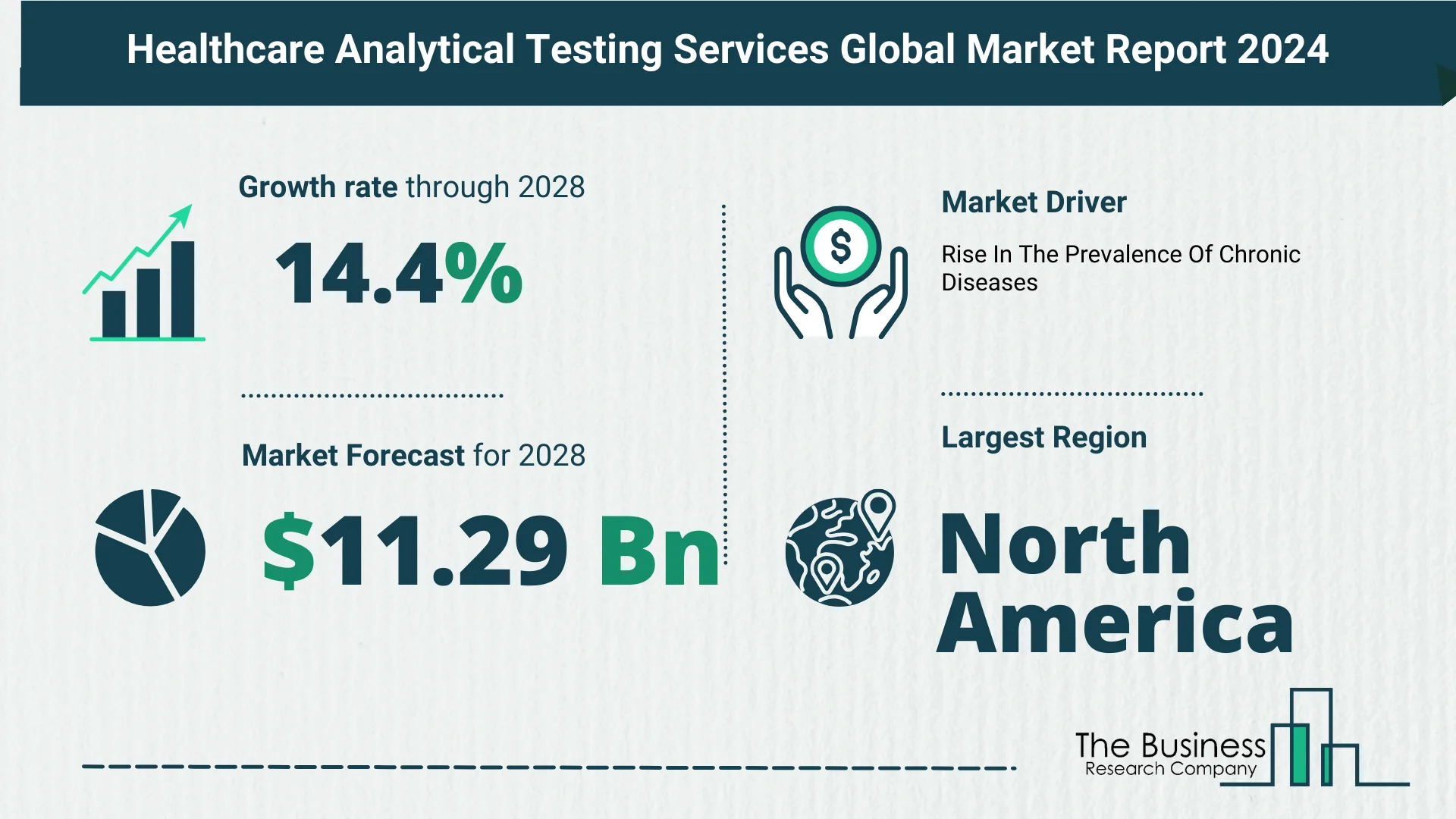
    The healthcare analytical testing services market has experienced substantial growth in recent years, evolving from $5.72 billion in 2023 to $6.59 billion in 2024, boasting an impressive Compound Annual Growth Rate (CAGR) of 15.3%. This surge is attributed to factors such as regulatory compliance, drug development, clinical trials expansion, the rise of the aging population, and increased prevalence of chronic diseases. Looking forward, the market is poised for even more rapid growth, reaching $11.29 billion by 2028 at a CAGR of 14.4%.

    Clinical Trials Surge Propels Market Growth

    • The escalating number of clinical trials is a significant driver for the healthcare analytical testing services market.
    • Clinical trials, assessing safety and efficacy of medical treatments, contribute to increased demand for analytical testing services.
    • According to ClinicalTrials.gov, the number of registered studies surged from 437,523 in 2022 to 468,457 globally by October 2023.

    Key Players and Market Segmentation

    • Major companies driving the market include Almac Group, Charles River Laboratories International Inc., Thermo Fisher Scientific Inc., and WuXi AppTec.
    • Market segmentation involves types of services (Bioanalytical Testing, Physical Characterization, Method Development, Stability Testing, etc.) and end-users (Pharmaceutical Companies, Medical Device Companies, Contract Research Organizations).

    View More On The Healthcare Analytical Testing Services Market Report 2024 – https://www.thebusinessresearchcompany.com/report/healthcare-analytical-testing-services-global-market-report

    Innovative Analytical Services Redefine the Market

    • Companies are focusing on innovative services to gain a competitive edge.
    • LGM Pharma LLC launched new analytical services in July 2021, providing testing and stability services to pharmaceutical developers and manufacturers, including compounding pharmacies.

    Strategic Acquisitions Reshape the Landscape

    • Laboratory Corporation’s acquisition of Toxikon Corporation in December 2021 expanded its non-clinical analytical services.
    • This strategic move aimed to enhance Laboratory Corporation’s product portfolio in non-clinical analytical drug development and medical device testing services.

    Market Trends Shaping the Future

    • Advanced analytical techniques, data security, personalized medicine testing, AI and machine learning applications, and environmental contaminant testing are prominent trends in the forecast period.
    • These trends signify the industry’s response to evolving challenges and opportunities.

    Regional Dynamics: North America Leads, Asia-Pacific Emerges

    • North America held the largest share in the healthcare analytical testing services market in 2023.
    • Asia-Pacific is anticipated to be the fastest-growing region in the forecast period, reflecting evolving healthcare needs and increasing demand for analytical testing services.

    Conclusion
    The healthcare analytical testing services market stands at the intersection of technological innovation, regulatory demands, and the dynamic landscape of healthcare. With an ever-increasing number of clinical trials, strategic acquisitions, and a focus on innovative analytical services, the market is not just growing but evolving. As we venture into the future, the integration of advanced analytical techniques, coupled with a robust response to market trends, positions this sector as a vital player in ensuring the quality, safety, and efficacy of pharmaceutical products. The trajectory of growth appears promising, promising a healthcare landscape where analytical testing services play an indispensable role in shaping the future of medicine.

    Request A Sample Of The Global Healthcare Analytical Testing Services Market Report 2024:
    https://www.thebusinessresearchcompany.com/sample_request?id=7448&type=smp

  • What’s The Growth Forecast For E-Prescribing Market Through 2024-2033?

    What’s The Growth Forecast For E-Prescribing Market Through 2024-2033?

    The Business Research Company’s global market reports provide comprehensive analysis on the various markets in 27 industries across 60 geographies.

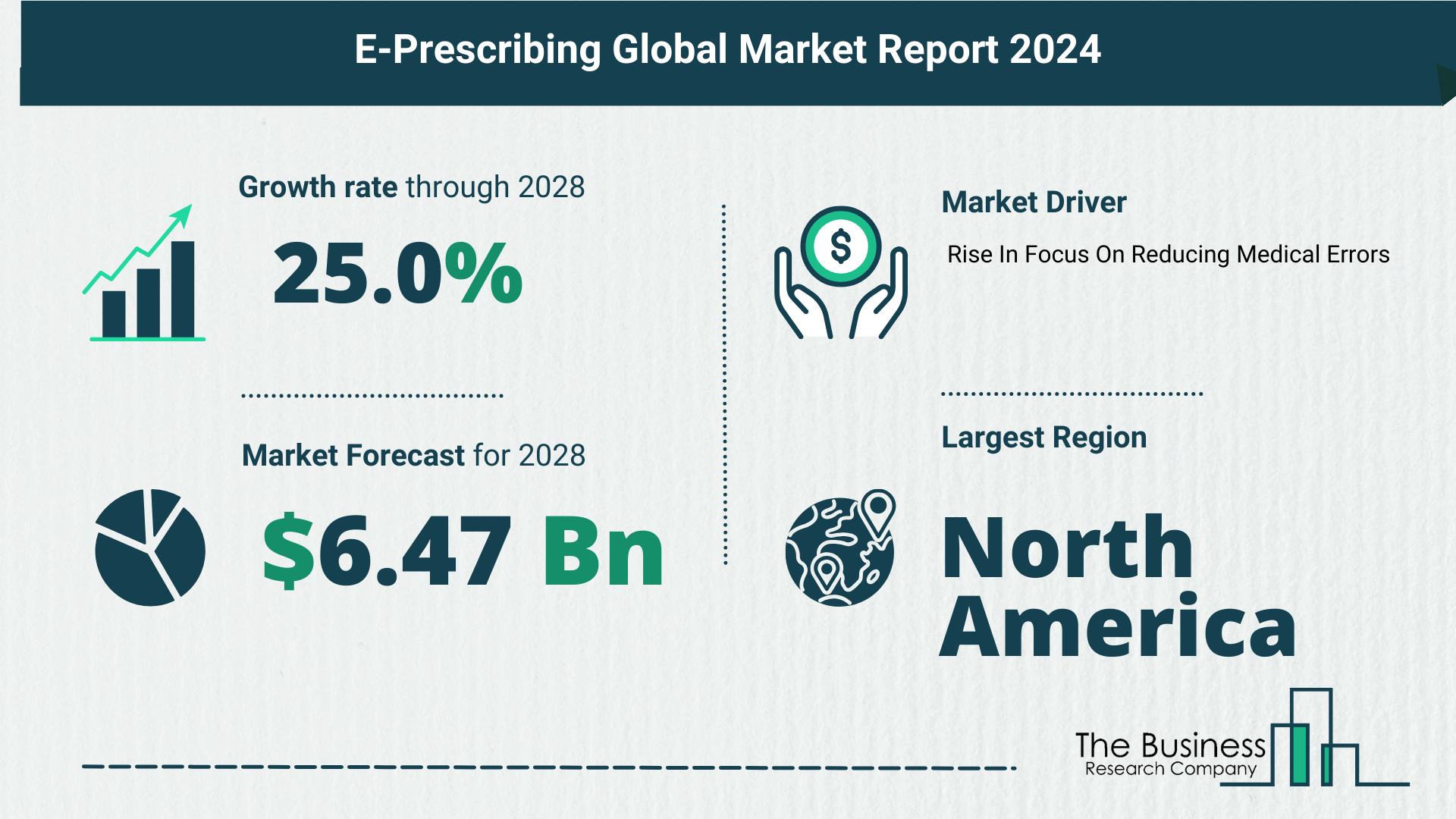
    The e-prescribing market has witnessed exponential growth in recent years, with the market size surging from $2.12 billion in 2023 to $2.65 billion in 2024, showcasing a remarkable compound annual growth rate (CAGR) of 25.0%. The historical growth can be attributed to regulatory mandates, medication errors reduction, improved patient safety, enhanced prescription workflow, and increased prescriber efficiency.

    Key Figures:

    • Market Size in 2023: $2.12 billion
    • Projected Growth Rate (CAGR): 25.0%
    • Forecasted Market Size in 2024: $2.65 billion

    The Future Landscape: Projected Growth and Influencing Factors

    Looking ahead, the e-prescribing market is expected to continue its upward trajectory, reaching an impressive $6.47 billion in 2028, again at a CAGR of 25.0%. This forecasted growth is underpinned by factors such as the expanding telehealth sector, personalized medicine, prescription drug monitoring programs, medication therapy management, and global e-prescribing initiatives. Key trends in the forecast period encompass interoperability, health information exchange, medication reconciliation, electronic prior authorization, medication adherence tools, erx for controlled substances, and AI-driven alerts and decision support.

    Projected Market Size in 2028: $6.47 billion

    Driving Forces: Increase in Telehealth and Telemedicine

    The burgeoning expansion of telehealth and telemedicine is set to be a major catalyst for the e-prescribing market’s growth. Telehealth, leveraging telecommunications technology for remote healthcare services, and telemedicine, specifically remote clinical consultations, contribute by streamlining prescription processes, enhancing efficiency, and fostering patient engagement. The integration of e-prescribing with telehealth platforms facilitates direct transmission of electronic prescriptions to pharmacies, reducing errors, enhancing patient safety, and ensuring convenient access to medications.

    Supporting Data:

    • In 2021, telemedicine was utilized by 37.0% of adults (CDC, October 2022)

    Market Players: Dominant Companies in E-Prescribing

    Several major players operate in the e-prescribing market, each contributing to its evolution and growth. Notable companies include Epic Systems Corporation, Allscripts Healthcare Solutions Inc., NextGen Healthcare Inc., Athenahealth, Relay Health, Henry Schein Inc., GE Healthcare, and many others. These entities play a crucial role in shaping the market landscape and driving innovation.

    Key Companies:

    • Epic Systems Corporation
    • Allscripts Healthcare Solutions Inc.
    • NextGen Healthcare Inc.
    • Athenahealth
    • Relay Health
    • Henry Schein Inc.
    • GE Healthcare

    Cloud-Native E-Prescribing Networks: Facilitating Healthcare Collaboration

    Innovative solutions in the form of cloud-native e-prescribing networks are gaining prominence as major companies strive to gain a competitive edge. These networks serve as digital platforms facilitating electronic exchange of prescription information among healthcare professionals, pharmacies, and payers. For instance, First Databank Inc. introduced FDB Vela, a cloud-native ePrescribing network designed to enhance collaboration and streamline critical medication prescription information, benefits verification, and clinical decision support among stakeholders.

    Example:

    • FDB Vela by First Databank Inc. (March 2022)

    Oracle’s Strategic Move: A Game-Changing Acquisition

    Oracle’s acquisition of Cerner in December 2021 for $28.3 billion signals a significant expansion in the healthcare sector. Cerner, a health information technology company, plays a crucial role in the e-prescribing domain. This acquisition underscores Oracle’s commitment to investing heavily in healthcare, marking a strategic move to strengthen its global footprint.

    Key Acquisition:

    • Oracle acquires Cerner for $28.3 billion (December 2021)

    Market Segmentation: Understanding the Dynamics

    The e-prescribing market is segmented based on various factors, providing a nuanced understanding of its dynamics. Key segments include components (solutions, services), deployment methods (web and cloud-based, on-premise), and end-users (hospitals, office-based physicians, pharmaceuticals).

    Market Segmentation:

    1. By Component:
      • Solutions
      • Services
    2. By Deployment:
      • Web and Cloud-Based
      • On-Premise
    3. By End-User:
      • Hospitals
      • Office-Based Physicians
      • Pharmaceuticals

    Regional Dynamics: North America Leading, Asia-Pacific Emerging

    In 2023, North America held the largest share in the e-prescribing market. Looking forward, Asia-Pacific is anticipated to be the fastest-growing region during the forecast period, highlighting the global nature of the e-prescribing market’s expansion.

    Regional Insights:

    • North America (2023): Largest market
    • Asia-Pacific: Fastest-growing region

    In conclusion, the e-prescribing market is on a robust growth trajectory, driven by factors like telehealth expansion, strategic acquisitions, and innovative solutions. As technology continues to revolutionize healthcare, the landscape of e-prescribing is set to evolve, promising better patient outcomes and enhanced healthcare collaboration.

    Request A Sample Of The Global E-Prescribing Market Report 2024:
    https://www.thebusinessresearchcompany.com/sample_request?id=6938&type=smp

  • Global Epigenetics Market Key Insights 2024-2033

    Global Epigenetics Market Key Insights 2024-2033

    The Business Research Company’s global market reports are now updated with the latest market sizing information for the year 2024 and forecasted to 2033

    According to The Business Research Company’s Epigenetics Global Market Report 2024, the epigenetics market is expected to show promising growth in the forecast period.

    The epigenetics market has experienced exponential growth, with the market size surging from $9 billion in 2023 to $10.91 billion in 2024, demonstrating an impressive compound annual growth rate (CAGR) of 21.2%. This growth in the historic period is attributed to increased research funding, a rise in the incidence of chronic diseases, personalized medicine, cancer research, and the aging population.

    Key Figures:

    • Market Size in 2023: $9 billion
    • Projected Growth Rate (CAGR): 21.2%
    • Forecasted Market Size in 2024: $10.91 billion

    Future Landscape: Exponential Growth on the Horizon
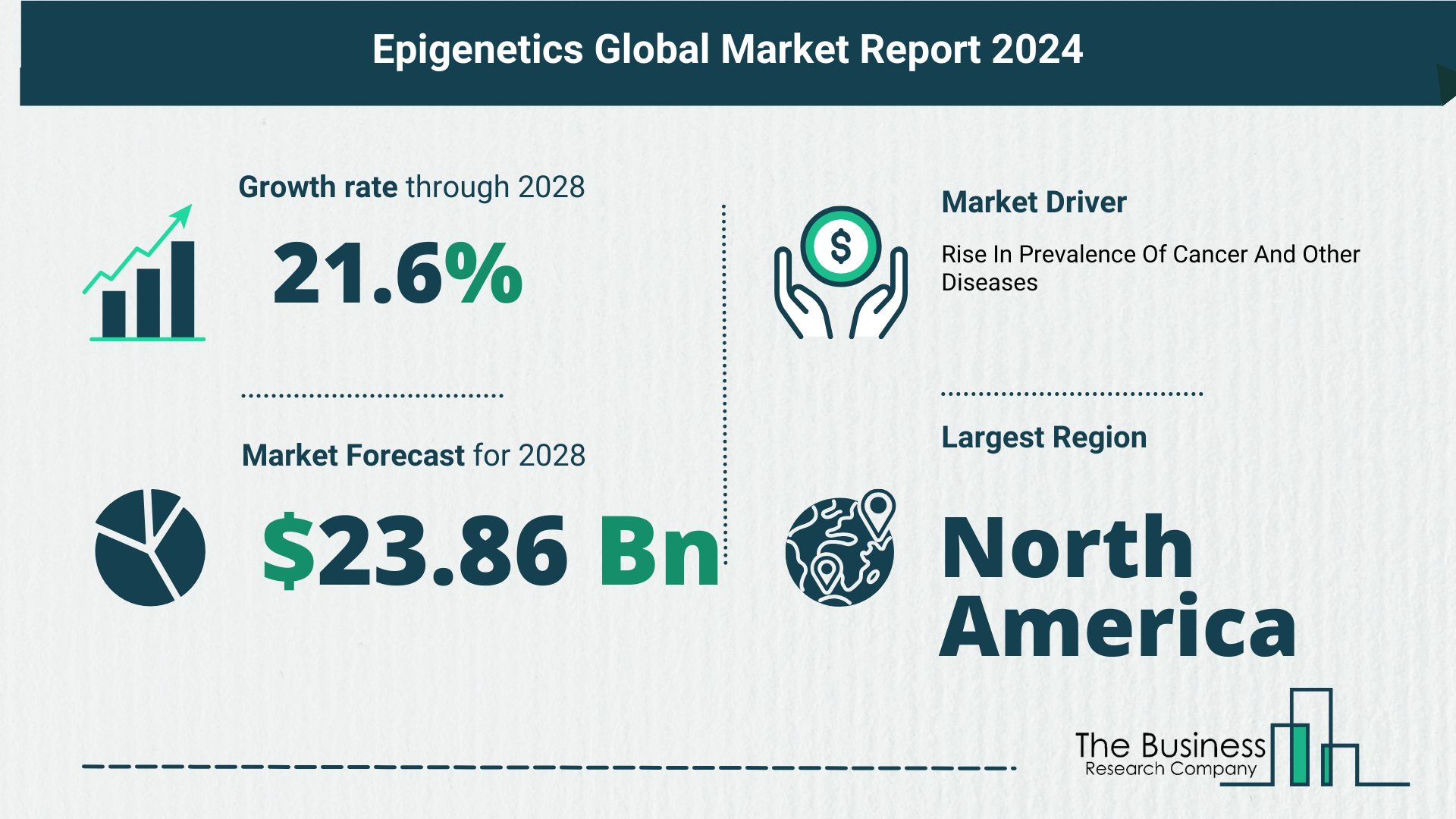
    The epigenetics market is poised for exponential growth in the next few years, reaching $23.86 billion in 2028, with a projected CAGR of 21.6%. Anticipated growth drivers in the forecast period include epigenetic drug development, epigenetics in environmental health, precision agriculture, regulatory support, and increased patient awareness and advocacy. Major trends in this period encompass epitranscriptomics, single-cell epigenomics, epigenetic editing, biomarkers, and research in aging and longevity, along with intriguing microbiome-epigenome interactions.

    Projected Market Size in 2028: $23.86 billion

    A Health Odyssey: Demand Propelled by Rising Diseases

    The surge in cancer prevalence and other diseases is a primary catalyst for the growing demand in the epigenetics market. As per the European Commission’s Joint Research Centre, new cancer cases in the European Union and European Free Trade Association countries are expected to rise by 21.4%, from 2.8 million in 2020 to 3.4 million in 2040. Additionally, in the United States, approximately 659,000 people die of heart disease each year. The increasing prevalence of such diseases emphasizes the need for testing and understanding genetic modifications, driving the demand for epigenetics.

    Key Data:

    • European cancer cases expected to rise by 21.4%
    • 659,000 deaths in the U.S. annually due to heart disease

    Industry Leaders: Pioneering Companies in Epigenetics
    Major companies operating in the epigenetics market play a pivotal role in driving innovation and research. Notable entities include Illumina Inc., Thermo Fisher Scientific, Merck Millipore, Abcam, Active Motif, Hologic Inc., Qiagen NV, and others. These companies contribute significantly to the advancement of the epigenetics field.

    Key Companies:

    • Illumina Inc.
    • Thermo Fisher Scientific
    • Merck Millipore
    • Abcam
    • Active Motif
    • Hologic Inc.
    • Qiagen NV

    View More On The Epigenetics Market Report 2024 – https://www.thebusinessresearchcompany.com/report/epigenetics-global-market-report

    AI’s Role: Analytics Revolutionizing Epigenetics Research
    Artificial intelligence (AI)-driven analytics are becoming integral to the epigenetics market, offering a competitive edge. Notably, FOXO Technologies launched Bioinformatics Services in July 2023, revolutionizing epigenetic data analysis. Using innovative bioinformatic tools, FOXO aims to accelerate discoveries and enhance understanding of complex diseases through rapid and accurate data processing and interpretation.

    Example:

    • FOXO Technologies’ Bioinformatics Services

    Strategic Moves: Chroma Medicine’s Acquisition for Epigenetic Editing

    Chroma Medicine Inc., a U.S.-based biotechnology company, made strategic strides in November 2021 by acquiring Epsilen Bio for $125 billion. This acquisition bolsters Chroma Medicine’s epigenetic editing capabilities, enhancing its position in the market. Epsilen Bio, an Italy-based biotechnology company, specializes in transformative therapies through targeted epigenetic silencing of genes.

    Key Acquisition:

    • Chroma Medicine Inc. acquires Epsilen Bio for $125 billion (November 2021)

    Market Segmentation: Decoding the Epigenetics Landscape
    Understanding the epigenetics market requires insights into its segmentation. The market is categorized based on product types (reagents, enzymes, instruments, kits), technologies (DNA methylation, histone methylation, histone acetylation, large noncoding RNA, microRNA modification, chromatin structures), applications (oncology, metabolic diseases, developmental biology, immunology, cardiovascular diseases, and others), and end-users (academic and research institutes, pharmaceutical and biotechnology companies, contract research organizations, and others).

    Market Segmentation:

    1. By Product:
      • Reagents
      • Enzymes
      • Instruments
      • Kits
    2. By Technology:
      • DNA Methylation
      • Histone Methylation
      • Histone Acetylation
      • Large Noncoding RNA
      • MicroRNA Modification
      • Chromatin Structures
    3. By Application:
      • Oncology
      • Metabolic Diseases
      • Developmental Biology
      • Immunology
      • Cardiovascular Diseases
      • Other Applications
    4. By End-User:
      • Academic and Research Institutes
      • Pharmaceutical and Biotechnology Companies
      • Contract Research Organizations
      • Other End Users

    Regional Dynamics: North America Leads, Asia-Pacific Grows
    In 2023, North America emerged as the largest region in the epigenetics market. Looking ahead, Asia-Pacific is expected to be the fastest-growing region during the forecast period, showcasing the global nature of the market’s evolution.

    Regional Insights:

    • North America (2023): Largest market
    • Asia-Pacific: Fastest-growing region

    In conclusion, the epigenetics market’s exponential growth is fueled by an increased understanding of diseases, technological advancements, and strategic acquisitions. As the field evolves, it holds the promise of transforming healthcare and our understanding of genetic and epigenetic influences on health and diseases.

    Request A Sample Of The Global Epigenetics Market Report 2024:
    https://www.thebusinessresearchcompany.com/sample_request?id=7070&type=smp

  • 5 Takeaways From The Enteric Disease Testing Market Overview 2024

    5 Takeaways From The Enteric Disease Testing Market Overview 2024

    The Business Research Company’s global market reports are now updated with the latest market sizing information for the year 2024 and forecasted to 2033

    According to The Business Research Company’s Enteric Disease Testing Global Market Report 2024, the enteric disease testing market is expected to show promising growth in the forecast period.

    The enteric disease testing market has witnessed robust growth in recent years, with a significant rise from $4.33 billion in 2023 to $4.59 billion in 2024, marking a compound annual growth rate (CAGR) of 5.8%. This surge can be attributed to various factors, including water and food safety concerns, increased outbreaks and epidemics, globalization of food supply, heightened travel-related infections, and evolving regulatory standards.

    Projections for Future Growth
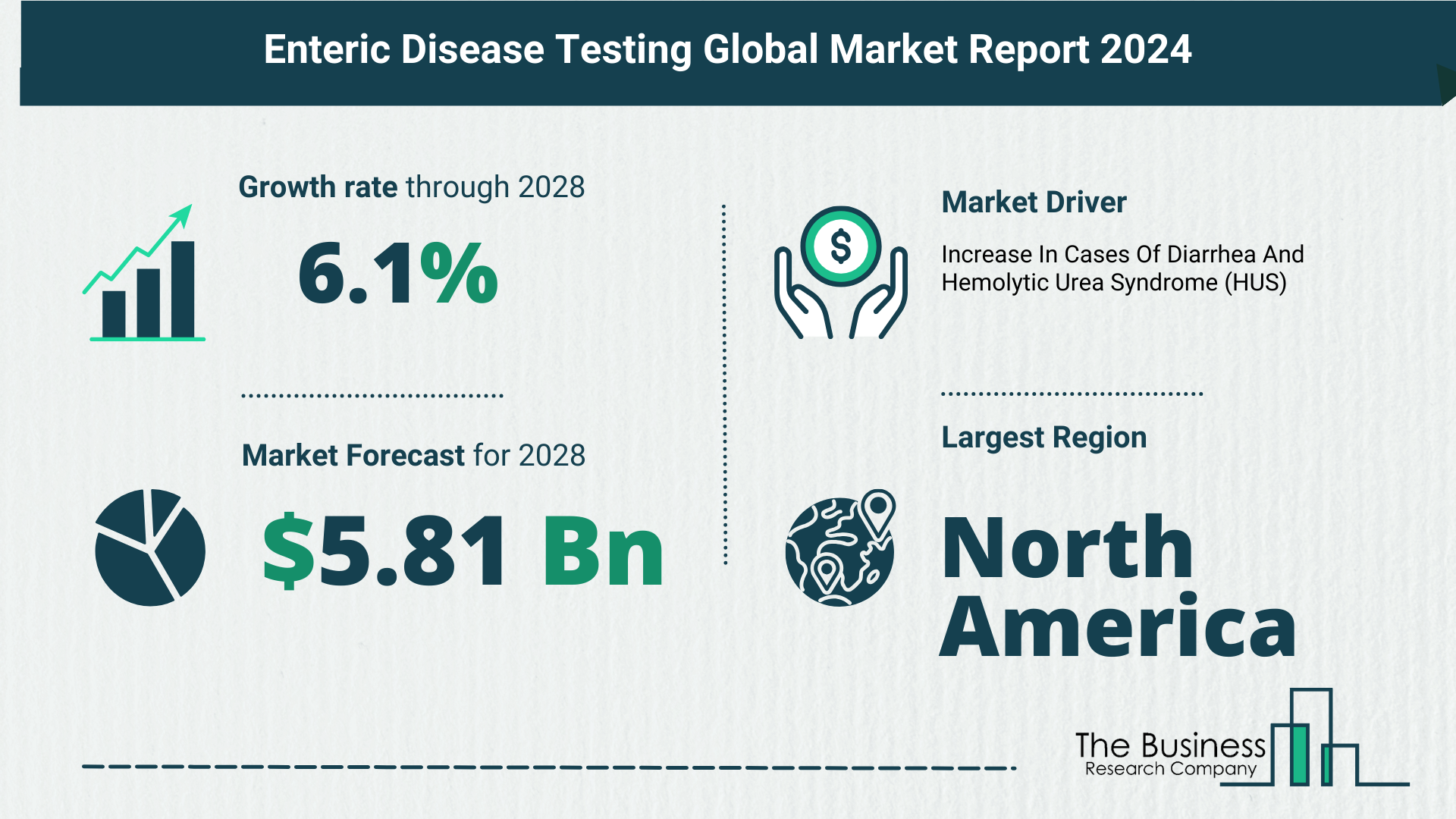
    Anticipating a continued upward trajectory, the enteric disease testing market is expected to reach $5.81 billion in 2028, exhibiting a CAGR of 6.1%. The forecasted growth hinges on factors like the integration of telemedicine and remote monitoring, the impact of climate change, cross-sector collaboration, challenges posed by antimicrobial resistance, and the emergence of new enteric pathogens. Notable trends in this period include the rise of molecular diagnostics, seamless integration of digital health, the incorporation of AI and machine learning, adoption of syndromic testing, and the prevalence of point-of-care testing.

    The Surge In Frozen Food Consumption Fuels Enteric Disease Testing Market Growth

    Growing Consumption of Frozen Food

    The burgeoning consumption of frozen food is poised to drive the growth of the enteric disease testing market. Frozen food, preserved by lowering its temperature, can become a source of foodborne illnesses, including enteric diseases, if mishandled. In 2022, frozen food sales surged by 8.6%, reaching $72.2 billion, as reported by the American Frozen Food Institute. This escalating trend highlights the need for rigorous enteric disease testing due to potential hazards associated with improper handling, storage, or cooking of frozen food products.

    Key Players in the Enteric Disease Testing Market
    A myriad of companies plays a pivotal role in shaping the landscape of the enteric disease testing market. Some noteworthy names include Becton Dickinson and Company, Biomerica Inc., bioMérieux SA, Bio-Rad Laboratories Inc., and many others. The competitive edge in this market is often sought through the development of products capable of concurrently measuring multiple biomarkers, thereby enhancing the diagnosis and monitoring of gastrointestinal conditions.

    View More On The Enteric Disease Testing Market Report 2024 – https://www.thebusinessresearchcompany.com/report/enteric-disease-testing-global-market-report

    Increasing Focus on Concurrent Biomarker Measurement
    Major players in the market are concentrating on introducing products with the ability to simultaneously measure multiple biomarkers, aiming to gain a competitive edge. An example is the Q-Plex Human Environmental Enteric Dysfunction (11-Plex) diagnostic tool, launched by Quansys Biosciences Inc. in collaboration with PATH. This tool, capable of assessing eleven biomarkers simultaneously, aids in comprehending and tackling conditions like Environmental Enteric Dysfunction (EED) prevalent in resource-limited areas.

    Noteworthy Acquisitions: Thermo Fisher Scientific and Mesa Biotech
    In February 2021, Thermo Fisher Scientific made a significant move by acquiring Mesa Biotech, a point-of-care molecular diagnostic company. This strategic acquisition combines Thermo Fisher’s expertise with Mesa’s innovative platform, promising cost-efficient and optimal solutions for patients. Such acquisitions contribute to the dynamism and advancements in the enteric disease testing market.

    Market Segmentation

    The enteric disease testing market is segmented based on:

    1. Disease Type:
      • Bacterial Enteric Disease
      • Parasitic Enteric Disease
      • Viral Enteric Disease
      • Other Disease Types
    2. Technology:
      • Traditional
      • Rapid
      • Convenience-Based
      • Polymerase Chain Reaction (PCR)
      • Immunoassay
      • Chromatography And Spectrometry
      • Other Technologies
    3. Application:
      • Hospitals
      • Research Centers
      • Clinics
      • Other Applications

    Regional Dynamics
    In 2023, North America emerged as the largest region in the enteric disease testing market. However, the forecast indicates that Europe will outpace other regions in terms of growth in the coming years.

    In conclusion, the enteric disease testing market is undergoing a transformative phase, driven by a confluence of factors. The intersection of technological advancements, changing consumer behaviors, and the emphasis on comprehensive testing solutions positions the market for sustained growth and innovation.

    Request A Sample Of The Global Enteric Disease Testing Market Report 2024:
    https://www.thebusinessresearchcompany.com/sample_request?id=6118&type=smp

  • How Is The Fitness Tracker Market Expected To Grow Through 2024-2033

    How Is The Fitness Tracker Market Expected To Grow Through 2024-2033

    The Business Research Company’s global market reports are now updated with the latest market sizing information for the year 2024 and forecasted to 2033

    According to The Business Research Company’s Fitness Tracker Global Market Report 2024, the fitness tracker market is expected to show promising growth in the forecast period.

    The fitness tracker market has experienced remarkable growth, with the market size catapulting from $47.65 billion in 2023 to $57.77 billion in 2024, showcasing a commendable compound annual growth rate (CAGR) of 21.2%. This growth in the historic period can be attributed to the increased awareness of health and fitness, a shift towards wellness and preventive health, the demand for weight management, health insurance, corporate wellness, and the surge in sports and athletic trends.

    Key Figures:

    • Market Size in 2023: $47.65 billion
    • Projected Growth Rate (CAGR): 21.2%
    • Forecasted Market Size in 2024: $57.77 billion

    Upcoming Horizon: Anticipated Growth and Influencing Factors
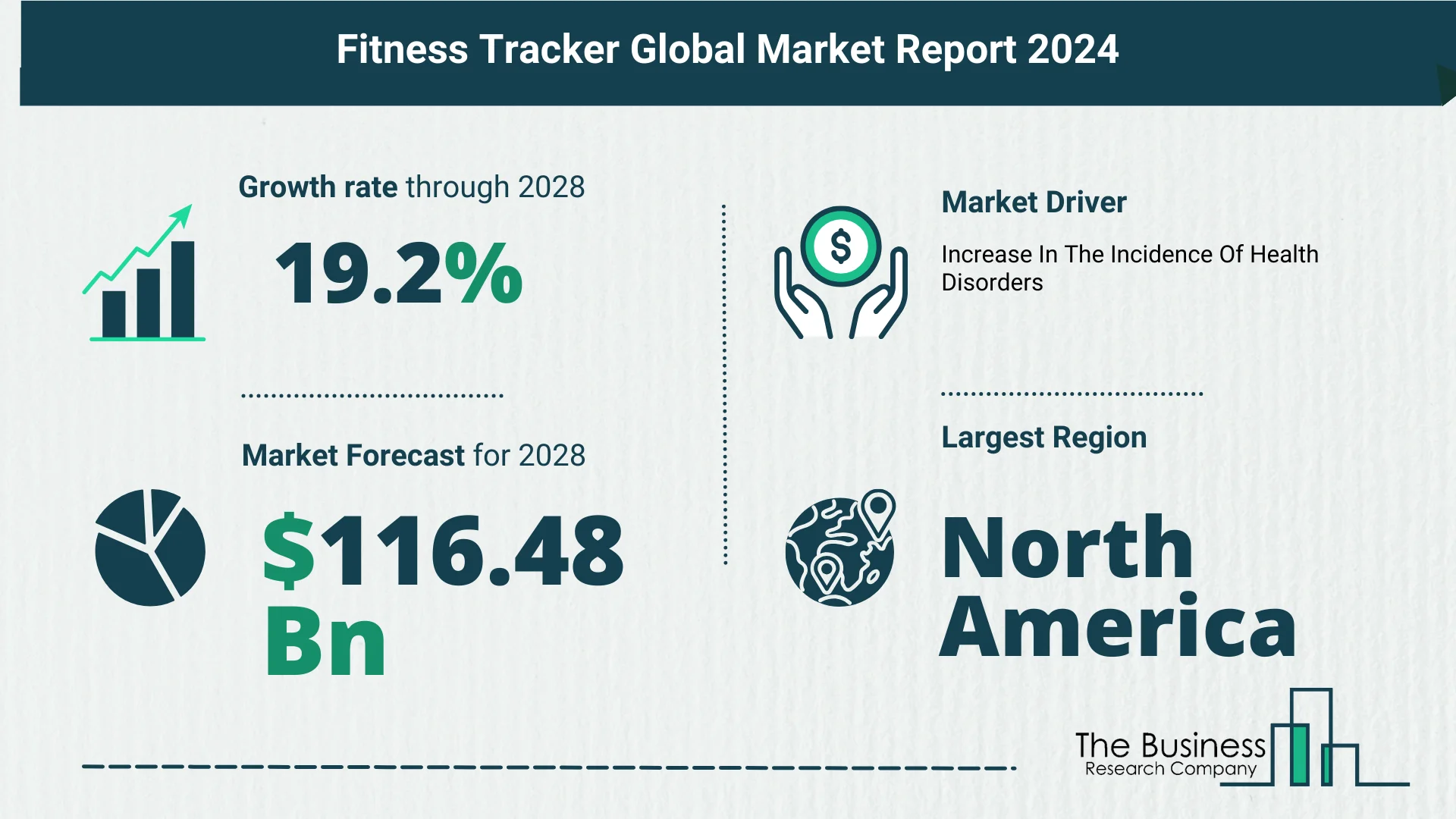
    The fitness tracker market is poised for rapid expansion in the next few years, with a projected size of $116.48 billion in 2028, reflecting a CAGR of 19.2%. The growth in the forecast period is driven by factors such as sleep tracking and wellness, senior and elderly fitness, pediatric fitness trackers, ecosystem integration, and mental health monitoring. Notable trends in this period encompass wearable ECG and health tracking, remote health monitoring, AI, and data analytics, customization and personalization, and an increased emphasis on fashion and design.

    Projected Market Size in 2028: $116.48 billion
    Health Disorders Propel Fitness Tracker Adoption
    The rising incidence of health disorders is a significant factor fueling the growth of the fitness tracker market. Health disorders, with known physical causes and visible psychopathology, contribute to 74% of 41 million global deaths annually, as highlighted by the World Health Organization. Fitness trackers play a pivotal role in daily physical activity, aiding in the prevention of various health disorders, making them an essential tool in the pursuit of a healthier lifestyle.

    Key Data:

    • 74% of global deaths caused by non-communicable diseases (NCDs) or chronic diseases
    • Major causes: Cardiovascular diseases, cancer, chronic respiratory diseases, diabetes

    Market Players: Dominance in the Fitness Tracker Arena
    Several major companies operate in the fitness tracker market, each playing a crucial role in shaping its trajectory. Prominent players include Fitbit Inc., Apple Inc., Garmin Ltd., Google LLC, Huawei Technologies Co. Ltd., NIKE Inc., Samsung Electronics Co. Ltd., and many others. These industry leaders contribute to innovation and drive the market forward.

    Key Companies:

    • Fitbit Inc.
    • Apple Inc.
    • Garmin Ltd.
    • Google LLC
    • Huawei Technologies Co. Ltd.
    • NIKE Inc.
    • Samsung Electronics Co. Ltd.

    View More On The Fitness Tracker Market Report 2024 – https://www.thebusinessresearchcompany.com/report/fitness-tracker-global-market-report

    Technological Marvels: Advancements in Fitness Tracking
    Technological innovation stands out as a key trend propelling the fitness tracker market forward. Companies are actively engaging in advancements to maintain their market positions. An illustrative example is Fitbit’s launch of Fitbit Luxe, a fashion-forward health and wellness tracker with features like heart and sleep tracking, stress management, and a touch of luxury with stainless-steel casing and color AMOLED display technology.

    Example:

    • Fitbit Luxe launched in April 2021

    Google’s Strategic Move: Acquisition of Fitbit
    In January 2021, Google acquired Fitbit for $2.1 billion, marking a strategic move to enhance its presence in the fitness platform domain. Fitbit, known for its consumer electronics and fitness trackers, became a valuable addition to Google’s portfolio, aligning with the company’s vision of making health and wellness more accessible to a broader audience.

    Key Acquisition:

    • Google acquires Fitbit for $2.1 billion (January 2021)

    Market Segmentation: Understanding the Landscape
    The fitness tracker market is segmented based on device types, applications, and distribution channels, providing insights into its nuanced dynamics. Key segments include device types (smart watches, fitness bands, smart glasses, smart clothing, and other device types), applications (heart rate tracking, sleep measurement, glucose measurement, sports, running, cycling tracking), and distribution channels (online, retail, and other distribution channels).

    Market Segmentation:

    1. By Device Type:
      • Smart Watches
      • Fitness Bands
      • Smart Glasses
      • Smart Clothing
      • Other Device Types
    2. By Application:
      • Heart Rate Tracking
      • Sleep Measurement
      • Glucose Measurement
      • Sports
      • Running
      • Cycling Tracking
    3. By Distribution Channel:
      • Online
      • Retail
      • Other Distribution Channel

    Regional Dynamics: North America Leads, Asia-Pacific Emerges
    In 2023, North America dominated the fitness tracker market, while Asia-Pacific is anticipated to emerge as the fastest-growing region during the forecast period, emphasizing the global nature of the fitness tracker market’s evolution.

    Regional Insights:

    • North America (2023): Largest market
    • Asia-Pacific: Fastest-growing region

    In conclusion, the fitness tracker market’s robust growth is fueled by health awareness, technological innovations, and strategic acquisitions. As these trends continue to shape the industry, fitness trackers will not only monitor physical activity but also become integral in addressing broader health and wellness concerns, fostering a healthier global population.

    Request A Sample Of The Global Fitness Tracker Market Report 2024:
    https://www.thebusinessresearchcompany.com/sample_request?id=6933&type=smp

  • Key Trends And Drivers In The Endoscope Reprocessing Market 2024

    Key Trends And Drivers In The Endoscope Reprocessing Market 2024

    The Business Research Company’s market reports offer an in-depth analysis on the market’s growth potential, major drivers, key trends and more.

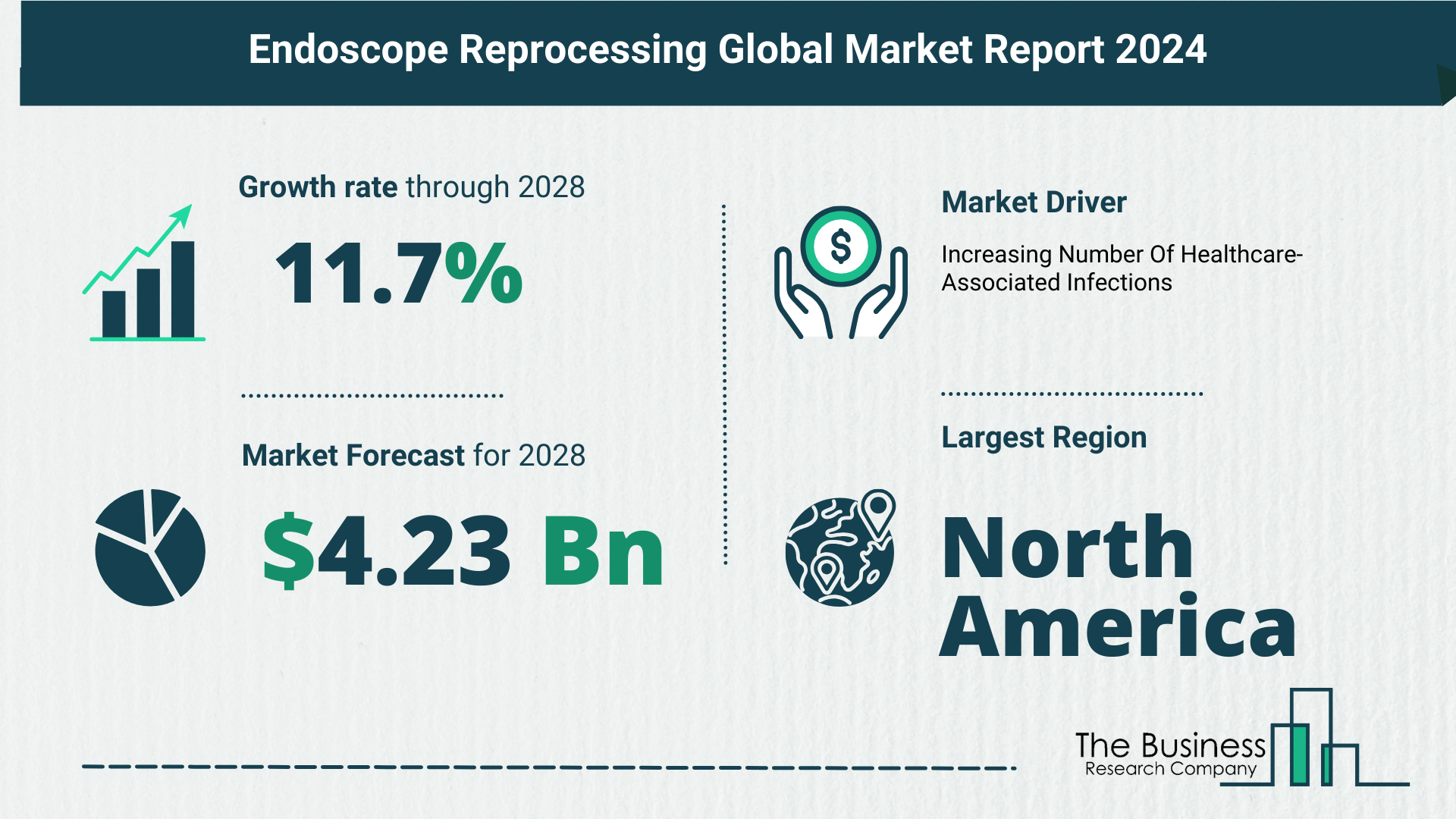
    The endoscope reprocessing market has witnessed remarkable growth in recent years, evolving into a critical sector within the healthcare industry. The market size surged from $2.44 billion in 2023 to $2.72 billion in 2024, with a compound annual growth rate (CAGR) of 11.3%. Looking ahead, the forecast predicts even more robust growth, reaching $4.23 billion by 2028 at a CAGR of 11.7%. This expansion can be attributed to various factors, including technological advancements, global pandemics, and a shift towards value-based healthcare.

    The Surge In Healthcare-Associated Infections Fuels Endoscope Reprocessing Market Growth:

    • Rising Healthcare-Associated Infections:
      • Nosocomial infections pose a significant threat, occurring during medical care and often linked to contaminated equipment.
      • Rigorous testing is crucial to ensure patient safety, with endoscope reprocessing playing a vital role in preventing infections.
    • Statistics Highlighting the Impact:
      • According to the World Health Organization, a substantial percentage of patients in intensive care units and those with sepsis-related healthcare face severe consequences.
      • UNICEF reports a staggering number of children succumbing to pneumonia each year, emphasizing the urgent need for infection control measures.
    • Driving Factors:
      • The increasing incidence of healthcare-associated infections is a primary driver behind the growth of the endoscope reprocessing market.

    Major Players in the Endoscope Reprocessing Market:

    • Prominent Companies:
      • Custom Ultrasonics Inc., Advanced Sterilization Products Inc., Olympus Corporation, and others dominate the endoscope reprocessing market.
      • These companies play a crucial role in providing solutions for infection prevention and control.
    • Strategic Acquisitions:
      • In a significant move, Steris Corporation acquired Cantel Medical Corporation in February 2021, enhancing product offerings and global reach.
      • Such strategic acquisitions contribute to the overall development and expansion of the market.

    Read More On The Endoscope Reprocessing Market Report 2024 – https://www.thebusinessresearchcompany.com/report/endoscope-reprocessing-global-market-report

    Technological Advancements Transforming The Endoscope Reprocessing Market:

    • Key Trend:
      • Technological advancements stand out as a key trend, driving innovation and shaping the endoscope reprocessing market.
      • Companies focus on developing advanced products to meet customer demands and improve safety and effectiveness.
    • Innovative Products:
      • Steelco spa’s launch of EW 1 S MAXI in September 2021 exemplifies the industry’s commitment to innovation.
      • The automated endoscope reprocessor sets new standards, enhancing safety, effectiveness, and usability.
    • Significant Acquisition:
      • Steris Corporation’s acquisition of Cantel Medical Corporation also underscores the importance of staying at the forefront of technological advancements.

    Market Segmentation:

    • Segmentation Overview:
      • The endoscope reprocessing market is segmented based on type, product, and end-users.
      • Types include flexible and rigid endoscopes, while products range from high-level disinfectants to various other solutions.
    • End-User Categories:
      • Hospitals, ambulatory surgical centers, and clinics form the primary end-user categories, highlighting the diverse applications of endoscope reprocessing.

    Regional Dominance:

    • North America’s Lead:
      • North America emerged as the largest region in the endoscope reprocessing market in 2023.
      • The region’s prominence underscores the critical role it plays in driving market dynamics.

    Conclusion:
    The endoscope reprocessing market’s remarkable growth is driven by a confluence of factors, ranging from the surge in healthcare-associated infections to strategic acquisitions and technological advancements. As the market continues to evolve, it remains crucial for industry players to stay at the forefront of innovation, meeting the growing demand for advanced solutions in infection prevention and control. With a forecasted CAGR of 11.7% leading to a market size of $4.23 billion by 2028, the endoscope reprocessing market is poised for sustained expansion and transformation.

    Request for A Sample Of The Global Endoscope Reprocessing Market Report:
    https://www.thebusinessresearchcompany.com/sample_request?id=7845&type=smp

  • What’s The Growth Forecast For EClinical Solutions Market Through 2024-2033?

    What’s The Growth Forecast For EClinical Solutions Market Through 2024-2033?

    The Business Research Company’s global market reports provide comprehensive analysis on the various markets in 27 industries across 60 geographies.

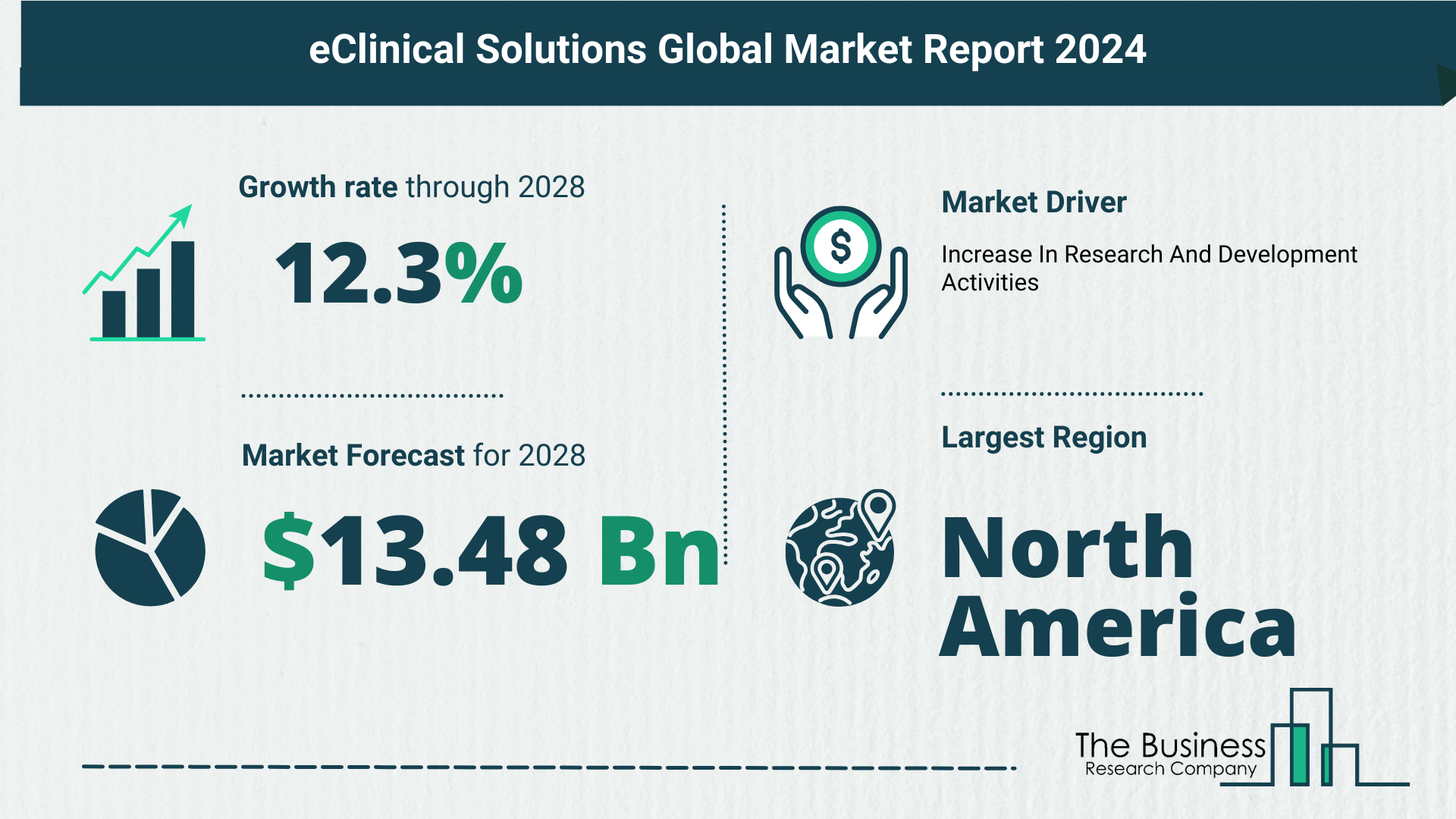
     The eclinical solutions market has experienced rapid growth, with a market size projected to reach $8.47 billion in 2024, boasting a Compound Annual Growth Rate (CAGR) of 11.6%. Looking ahead, the market is expected to continue its ascent, reaching $13.48 billion by 2028 at a CAGR of 12.3%. This surge is fueled by various factors, including increasing healthcare digitalization, the rise of electronic health records (EHR), enhanced regulatory compliance, and a growing need for efficiency and productivity. The historic and forecasted growth is also attributed to heightened healthcare integration.

    Forecasted Trends and Influences
    The forecasted period brings with it a host of trends and influences that will shape the eclinical solutions market. Notable factors include increasing interoperability and data exchange, the proliferation of telehealth and remote care, the adoption of value-based care models, a rising demand for population health management, and the increased incorporation of precision medicine. Major trends to watch out for encompass the integration of artificial intelligence (AI) in healthcare, continuous technological advancements, the emergence of innovative solutions, strategic collaborations among industry players, and a sustained focus on healthcare integration solutions.

    Driving Forces: Research and Development
    One of the primary driving forces behind the burgeoning eclinical solutions market is the surge in research and development activities. Companies are investing significantly in innovation, introducing new clinical products and services to meet evolving healthcare needs. Electronic clinical outcome assessment solutions play a crucial role by capturing outcomes data electronically in clinical trials. Notably, Statistics NZ reported a 5% increase in research and development expenditure in the business sector, reaching $2.8 billion in 2021. This upward trajectory, representing an 18% increase from 2019, underscores the pivotal role of research and development activities in propelling the eclinical solutions market forward.

    View More On The EClinical Solutions Market Report 2024 – https://www.thebusinessresearchcompany.com/report/eclinical-solutions-global-market-report

    Innovations in Eclinical Technologies
    Major players in the eclinical solutions market are actively innovating to maintain a competitive edge. The focus is on introducing electronic clinical outcome assessment (eCOA) platforms, pivotal digital tools in clinical trials for capturing outcomes data electronically. For instance, YPrime LLC launched its 5th generation eCOA platform in January 2021, designed to streamline the clinical trial data collection and approval process. This platform intelligently integrates with other eClinical technologies and provides a customizable solution, ensuring accurate data collection from specification to submission.

    Industry Consolidation: Advarra Inc.’s Acquisition
    In March 2021, Advarra Inc., a leading player in integrated research compliance solutions, completed the acquisition of Bio-Optronics Inc. This strategic move enhances Advarra’s capabilities, providing comprehensive solutions for research institutions, sponsors, and Contract Research Organizations (CROs). Bio-Optronics Inc., known for its specialization in eclinical systems, adds significant value to Advarra’s portfolio, further optimizing the clinical research process.

    Market Segmentation

    The eclinical solutions market is diverse, with segmentation across multiple dimensions:

    1. By Product:
      • Electronic Data Capture (EDC) and Clinical Data Management Systems (CDMS)
      • Clinical Trial Management Systems (CTMS)
      • Clinical Analytics Platforms
      • Randomization and Trial Supply Management (RTSM)
      • Clinical Data Integration Platforms
      • Electronic Clinical Outcome Assessment (eCOA)
      • Safety Solutions
      • Electronic Trial Master File (eTMF)
    2. By Development Phase:
      • Phase I
      • Phase II
      • Phase III
      • Phase IV
    3. By Delivery Mode:
      • Web-Based and Cloud-Based
      • Enterprise-Based
    4. By End User:
      • Pharmaceutical and Biopharmaceutical Companies
      • Contract Research Organizations
      • Consulting Service Companies
      • Medical Device Manufacturers
      • Hospitals
      • Academic Research Institutions

    Regional Dominance
    North America stood out as the largest region in the eclinical solutions market in 2023, further emphasizing the robust growth and widespread adoption of eclinical solutions in this region.

    In conclusion, the eclinical solutions market is poised for continuous expansion, driven by factors such as research and development activities, innovative technologies, strategic acquisitions, and an evolving healthcare landscape. The industry’s ability to adapt to emerging trends and technological advancements will play a pivotal role in shaping its trajectory in the coming years.

    Request A Sample Of The Global EClinical Solutions Market Report 2024:
    https://www.thebusinessresearchcompany.com/sample_request?id=6451&type=smp