Category: HealthcareServices

  • Understand How The Feminine Hygiene Products Market Is Poised To Grow Through 2024-2033

    Understand How The Feminine Hygiene Products Market Is Poised To Grow Through 2024-2033

    The Business Research Company’s global market reports are now updated with the latest market sizing information for the year 2024 and forecasted to 2033

    As per The Business Research Company’s Feminine Hygiene Products Global Market Report 2024, the feminine hygiene products market is expected to show significant growth in the forecast period.

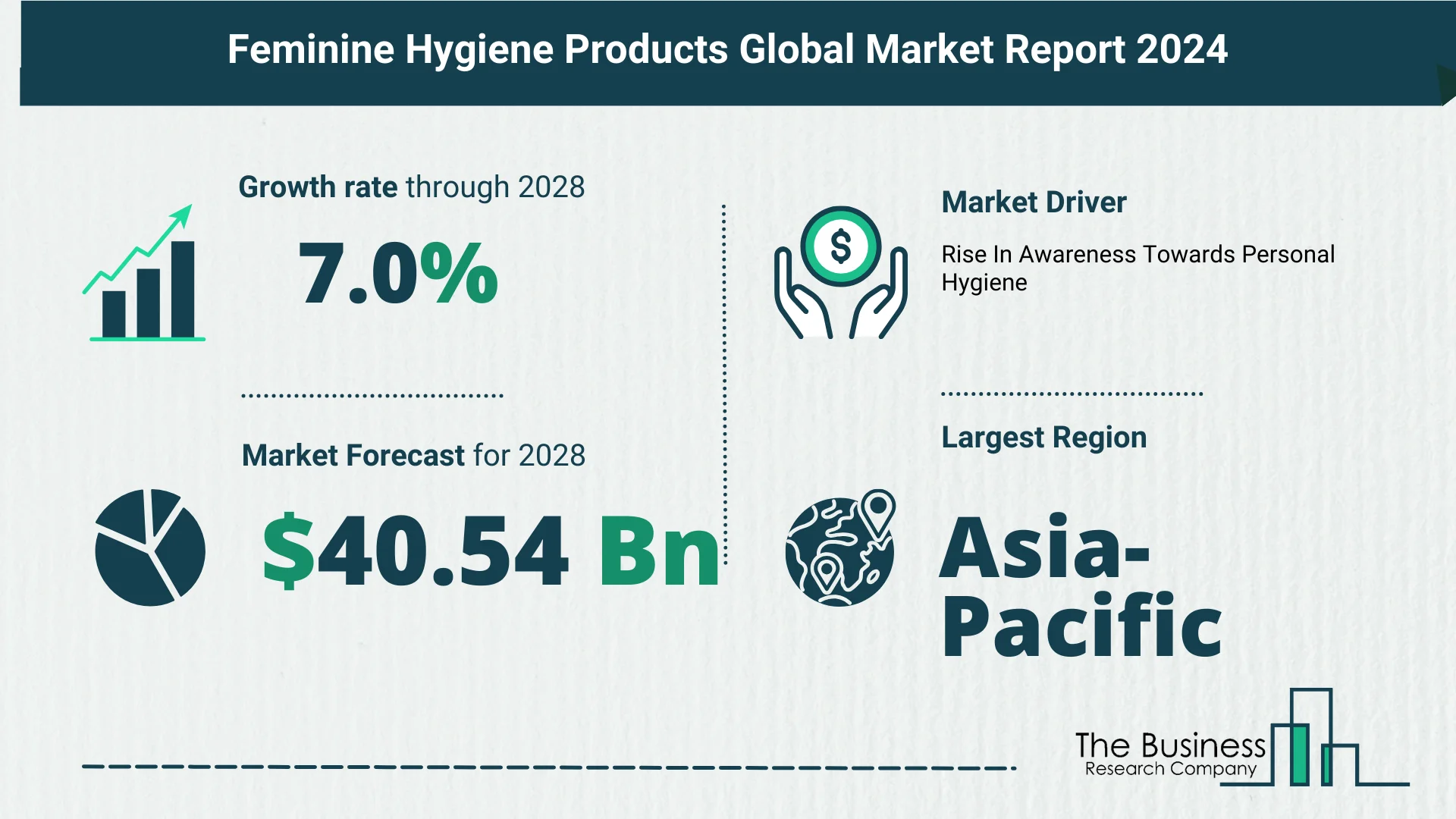
    The feminine hygiene products market has witnessed robust growth, catapulting from $28.92 billion in 2023 to an estimated $30.92 billion in 2024. This surge is propelled by a Compound Annual Growth Rate (CAGR) of 6.9%. The forecast is equally promising, with an anticipated growth to $40.54 billion by 2028, boasting a CAGR of 7.0%. The driving forces behind this upward trajectory in both historic and forecast periods encompass a myriad of factors.

    Historical Forces: Women’s Health Awareness and Societal Shifts

    1. Women’s Health Awareness: A rising consciousness towards women’s health has been a pivotal factor, prompting an increased demand for feminine hygiene products.
    2. Increased Urbanization: The steady pace of urbanization has played a role, influencing lifestyle changes and product preferences.
    3. Cultural and Social Norms: Evolving cultural and social norms have contributed to a more open dialogue surrounding feminine hygiene, destigmatizing the use of related products.
    4. Women in the Workforce: With an increasing number of women in the workforce, the demand for convenient and reliable feminine hygiene products has surged.
    5. Marketing and Advertising: Strategic marketing and advertising campaigns have further propelled product visibility and acceptance.

    View More On The Feminine Hygiene Products Market Report 2024 – https://www.thebusinessresearchcompany.com/report/feminine-hygiene-products-global-market-report

    Future Trajectory: E-commerce, Aging Population, and Trends

    1. E-commerce and Online Sales: The growing prominence of e-commerce and online sales channels is anticipated to be a major driver in the forecast period.
    2. Health and Wellness: The rising focus on health and wellness will continue to influence consumer choices in the feminine hygiene products market.
    3. Menstrual Equity Initiatives: Initiatives addressing menstrual equity will contribute to a more inclusive and accessible market.
    4. Increasing Aging Population: As the global population ages, there is an expected surge in demand for feminine hygiene products catering to specific needs.

    Growing Awareness of Personal Hygiene Driving Market
    The emphasis on personal hygiene, a fundamental aspect of overall well-being, is significantly contributing to the burgeoning feminine hygiene products market. The importance of maintaining cleanliness and comfort, especially during menstruation, has become a focal point. Notably, a report by the United Nations International Children’s Emergency Fund (UNICEF) highlighted that 3 out of 4 people had access to basic hygiene services in 2022. This growing awareness is a key driver for the market’s expansion.

    Pioneering Companies Shaping the Market Landscape

    1. Major Players: Notable companies driving the market include Johnson & Johnson Pvt. Ltd., Procter & Gamble, Kimberly-Clark Corporation, and more.
    2. Innovative Products: The market is witnessing a surge in innovative products, such as Cleanic Naturals Organic Cotton, emphasizing sustainability and reduced chemical exposure.
    3. Strategic Acquisitions: Kimberly-Clark Corporation’s acquisition of a majority stake in Thinx Inc. in 2022 exemplifies strategic moves within the industry, fostering collaborative growth.

    Market Segmentation: Understanding Consumer Preferences

    1. By Type: The market is segmented into Sanitary Napkins/Pads, Tampons, Panty Liners, and Menstrual Cups, catering to diverse consumer needs.
    2. By Nature: Disposable and Reusable products offer choices aligned with environmental consciousness.
    3. Distribution Channels: Online Stores, Retail Outlets, and Specialty Stores provide diverse avenues for product accessibility.

    Regional Dynamics: Asia-Pacific Leading the Way

    1. Asia-Pacific Dominance: In 2023, Asia-Pacific emerged as the largest region in the feminine hygiene products market.
    2. Fastest-Growing Region: The forecast indicates that Asia-Pacific will continue to be the fastest-growing region, underscoring the region’s significance in market dynamics.

    In conclusion, the feminine hygiene products market is on an upward trajectory, fueled by a combination of historical factors and emerging trends. The industry’s future holds promise, with innovative products, strategic collaborations, and a growing awareness of personal hygiene steering its course. As consumer preferences evolve and societal attitudes continue to shift, the feminine hygiene products market is poised for sustained growth and transformative change.

    Request A Sample Of The Global Feminine Hygiene Products Market Report 2024:
    https://www.thebusinessresearchcompany.com/sample_request?id=6529&type=smp

  • Global Clinical Workflow Solutions Market Overview 2024: Size, Drivers, And Trends

    Global Clinical Workflow Solutions Market Overview 2024: Size, Drivers, And Trends

    The Business Research Company’s global market reports provide comprehensive analysis on the various markets in 27 industries across 60 geographies.

    The clinical workflow solutions market has experienced a rapid upswing in recent years, catapulting from $9.49 billion in 2023 to $11.02 billion in 2024, showcasing an impressive Compound Annual Growth Rate (CAGR) of 16.1%. The surge in the historic period can be attributed to the proliferation of healthcare digitalization, the widespread adoption of electronic health records (EHR), increased regulatory compliance, a growing need for efficiency and productivity, and intensified healthcare integration efforts.

    Charting Future Success: Projected Expansion
    Anticipated Growth Drivers
    The clinical workflow solutions market is poised for robust growth, with projections reaching $18.82 billion by 2028, demonstrating a CAGR of 14.3%. The forecasted expansion in the coming years can be attributed to increasing interoperability and data exchange, the surge in telehealth and remote care, the adoption of value-based care models, a rising demand for population health management, and the increasing uptake of precision medicine. Key trends in the forecast period include the integration of artificial intelligence (AI) in healthcare, technological advancements, innovative solutions, strategic collaborations, and heightened focus on healthcare integration solutions.

    Fueling Growth: Clinical Trials on the Rise
    The Impact of Clinical Trials
    The clinical workflow solutions market is set to be propelled by the escalating number of clinical trials. These scientific studies evaluate the safety, efficacy, and potential benefits of new medical treatments, interventions, drugs, medical devices, or procedures in humans. The growth in clinical trials necessitates the adoption of clinical workflow solutions to address challenges related to data management, patient recruitment, regulatory compliance, and overall trial efficiency.

    • The number of registered clinical trials increased from 399,499 in 2022 to 437,533 in 2023.
    • 31% of studies (141,513) are registered in the U.S., and 53% (244,707) are registered in non-U.S. locations.

    Industry Leaders: Driving Market Dynamics
    Key Players Shaping the Market
    Major companies influencing the clinical workflow solutions market landscape include Allscripts Healthcare Solutions Inc., Cerner Corporation, GE Healthcare, McKesson Corporation, Koninklijke Philips NV, and many others. These industry giants play a pivotal role in steering the market and shaping its trajectory.

    View More On The Clinical Workflow Solutions Market Report 2024 – https://www.thebusinessresearchcompany.com/report/clinical-workflow-solutions-global-market-report

    Cloud-Based Revolution: Automation Platforms Gain Momentum
    Embracing Cloud-Based Solutions
    Major players are shifting focus towards introducing cloud-based platforms for clinical workflow automation, seeking a competitive edge. Cloud-based platforms automate repetitive tasks in clinical workflows, converting manual processes into web-based digital workflows. In a notable example, CenTrak Inc. launched WorkflowRT, a scalable and cloud-based platform optimizing clinical workflows. Leveraging real-time location systems (RTLS) and location sensors, it ensures seamless communication and efficiency in various care settings.

    • CenTrak Inc. introduced WorkflowRT, a cloud-based platform for clinical workflow automation.
    • The platform utilizes RTLS and location sensors to enhance communication and efficiency.

    Strategic Acquisitions: A Catalyst for Growth
    Transformative Acquisition of Athenahealth
    In February 2022, Bain Capital and Hellman & Friedman acquired Athenahealth for a staggering $17 billion. This strategic move aims to propel Athenahealth into the next phase of its growth journey. Athenahealth, a provider of clinical workflow solutions, is now poised for transformative developments under the umbrella of these private investment and equity firms.

    • Athenahealth’s acquisition for $17 billion by Bain Capital and Hellman & Friedman signifies a transformative phase for the company.

    Market Segmentation: Unveiling the Landscape
    Diverse Segmentation
    The clinical workflow solutions market is segmented based on:

    1. Type: Real-Time Communication Solutions, Data Integration Solutions, Workflow Automation Solutions, Enterprise Reporting and Analytics Solutions, Care Collaboration Solutions
    2. Application: Diagnostic Applications, Research Applications, Therapeutic Applications
    3. End-User: Ambulatory Care Centers, Long-Term Care Facilities, Hospitals
    • Comprehensive segmentation offers insights into the varied facets of the clinical workflow solutions market.

    Regional Dynamics: Leading the Charge
    Market Dominance and Growth Forecasts
    In 2023, North America emerged as the largest region in the clinical workflow solutions market, showcasing its significant influence. Looking ahead, Asia-Pacific is expected to be the fastest-growing region in the forecast period, underlining the global nature of the market’s transformative journey.

    • North America holds the title of the largest region in the clinical workflow solutions market.
    • Asia-Pacific is projected to be the fastest-growing region in the forecast period.

    Conclusion: A Healthier Tomorrow through Clinical Workflow Solutions
    The clinical workflow solutions market’s trajectory reflects a dynamic landscape, driven by factors such as the surge in clinical trials, the adoption of cloud-based automation platforms, strategic acquisitions, and the collaborative efforts of industry leaders. As the industry continues its evolution, staying abreast of emerging trends, technological advancements, and strategic collaborations will be imperative for stakeholders aiming to capitalize on the market’s substantial growth potential. The future of clinical workflow solutions promises innovative solutions, enhanced efficiency, and a transformative impact on the landscape of healthcare delivery.

    Request A Sample Of The Global Clinical Workflow Solutions Market Report 2024:
    https://www.thebusinessresearchcompany.com/sample_request?id=6932&type=smp

  • Key Takeaways From The Global Clinical Chemistry Market Forecast 2024

    Key Takeaways From The Global Clinical Chemistry Market Forecast 2024

    The Business Research Company’s global market reports are now updated with the latest market sizing information for the year 2024 and forecasted to 2033

    As per The Business Research Company’s Clinical Chemistry Global Market Report 2024, the clinical chemistry market is expected to show significant growth in the forecast period.

    The clinical chemistry market has witnessed robust growth, with the market size surging from $14.04 billion in 2023 to a projected $15.02 billion in 2024, showcasing a commendable Compound Annual Growth Rate (CAGR) of 7.0%. This upward trajectory in recent years can be attributed to increased demand for diagnostic testing, the expansion of the healthcare industry, a growing aging population, elevated disease diagnosis and management, and significant research and development activities.

    **Future Prospects: Forecast and Driving Forces
    Continued Expansion on the Horizon
    The clinical chemistry market is poised for sustained growth, projected to reach $20.06 billion in 2028, with a robust CAGR of 7.5%. Anticipated drivers for this expansion include an escalating demand for precision medicine, the imperative need for biomarker discovery, a rising demand for personalized healthcare solutions, the emergence of infectious diseases, and the increasing adoption of telemedicine and remote monitoring.

    Paving the Way for Trends
    The forecast period introduces major trends that will shape the clinical chemistry landscape. These encompass advanced analytical techniques, the integration of AI and machine learning, ongoing technological innovations, laboratory automation, and the introduction of cutting-edge solutions.

    **Chronic Diseases’ Impact: Catalyst for Market Growth
    Rising Chronic Disease Burden
    The clinical chemistry market is set to thrive due to the escalating prevalence of chronic diseases. Conditions such as diabetes, cancer, and heart disease, which endure for a year or longer, necessitate continuous medical care and can restrict daily activities. Chronic diseases are a global concern, responsible for a significant portion of deaths and disabilities worldwide. Clinical chemistry plays a vital role in determining and managing various chronic diseases, including cardiovascular disease, diabetes, and hormone disorders. The World Health Organization (WHO) reported in September 2023 that chronic diseases claim 41 million lives annually, constituting 74% of global deaths. This underscores the pivotal role of clinical chemistry in addressing healthcare challenges.

    Industry Leaders in Action
    Key players in the clinical chemistry market, including Abbott Laboratories, Roche Ltd., and Siemens AG, are actively contributing to the industry’s growth. These companies are crucial in developing and advancing technologies that play a pivotal role in the diagnosis and management of chronic diseases.

    View More On The Clinical Chemistry Market Report 2024 – https://www.thebusinessresearchcompany.com/report/clinical-chemistry-global-market-report

    **Technological Marvels: Transforming the Clinical Chemistry Landscape
    Technological Advancements Take Center Stage
    Technological advancements emerge as a central trend in the clinical chemistry market, with major players consistently adopting innovative solutions to bolster their market positions. A notable example is the Core Clinical Chemistry Lab at Vanderbilt University Medical Center, which, in July 2021, launched a faster and higher-volume automated chemistry line, doubling the daily capacity for crucial tests of patient blood samples. This signifies a broader industry shift towards embracing cutting-edge technologies to enhance efficiency and capacity.

    **Strategic Acquisitions: Roche Expands Its Footprint
    Roche’s Acquisition of GenMark Diagnostics
    In May 2021, Roche, a Swiss-based pharmaceutical and diagnostics company, made a significant move by acquiring GenMark Diagnostics for $1.8 million. This strategic acquisition broadens Roche’s molecular diagnostic portfolio, adding techniques that provide swift and critical information for patients and healthcare professionals. GenMark’s expertise in syndromic testing and clinical chemistry enhances Roche’s capabilities in managing infectious diseases and antibiotic resistance.

    **Segmentation Insights: Diverse Offerings in the Market
    Delineating Market Segments
    The clinical chemistry market is segmented based on products, applications, and end-users. Products include Analyzers and Reagents & Consumables. Applications span a spectrum, including General Chemistry Tests, Liver Function Tests, Kidney Function Tests, Urinalysis, Electrolyte Panels, Lipid Profiles, Specialty Chemical Tests, and various other applications. End-users encompass Hospitals, Diagnostic or Pathology Centers, Ambulatory Surgery Centers, and other diverse end-users.

    **Regional Dynamics: North America Leading, Asia-Pacific Rising
    Market Leadership and Growth Hubs
    In 2023, North America emerged as the largest region in the clinical chemistry market, a trend expected to continue. Meanwhile, the Asia-Pacific region is poised to be the fastest-growing hub in the forecast period, signaling the global nature of the clinical chemistry market’s expansion.

    Conclusion: The Future of Precision Healthcare
    Charting a Path to Precision Healthcare
    As the clinical chemistry market propels forward, driven by the surge in chronic diseases, technological advancements, and strategic acquisitions, the industry is poised to redefine precision healthcare. Major trends, coupled with the efforts of industry leaders and innovative solutions, position clinical chemistry as a cornerstone in healthcare diagnostics and management. The road ahead is one of continual growth, with technology at the forefront, paving the way for a future where healthcare is not only personalized but also efficient, accessible, and transformative.

    Request A Sample Of The Global Clinical Chemistry Market Report 2024:
    https://www.thebusinessresearchcompany.com/sample_request?id=7630&type=smp

  • Global Central Lab Market Report 2024 – Top Market Trends And Opportunities

    Global Central Lab Market Report 2024 – Top Market Trends And Opportunities

    The Business Research Company’s market reports offer an in-depth analysis on the market’s growth potential, major drivers, key trends and more.

    Market Momentum
    The central lab market has experienced substantial growth, surging from $2.8 billion in 2023 to an anticipated $3.04 billion in 2024, boasting a commendable compound annual growth rate (CAGR) of 8.6%. Historical growth drivers include increased clinical trials, growth in drug development activities, regulatory compliance, expansion in healthcare research, and the surge in diagnostic testing.

    Projected Growth
    The trajectory continues upwards, with expectations to reach $4.15 billion by 2028, reflecting a robust CAGR of 8.1%. Key factors driving this growth include the rise of personalized healthcare, increasing biomarker research, the growing demand for telemedicine and remote monitoring, global health challenges, and a burgeoning need for precision diagnostics.

    Major Trends in the Forecast Period

    • Technological advancements
    • Innovative solutions
    • Strategic collaborations

    Chronic Disease Prevalence Fuels Market Expansion
    The prevalence of chronic diseases is a significant catalyst for the burgeoning central lab market. Chronic diseases, with their long-lasting nature, necessitate continuous testing and monitoring, leading to an increased demand for central lab services. For instance, in the US alone, an anticipated 1.9 million new cancer cases in 2022 underscore the critical role of central labs in managing chronic conditions.

    Key Players in the Market
    Major companies contributing to the growth of the central lab market include Celerion Inc., Cerba Research, Eurofins Central Laboratory LLC, Labcorp Drug Development India Private Limited, Sonic Healthcare Limited, Quest Diagnostics, and many more. These entities play a vital role in shaping the industry landscape and driving innovations.

    Read More On The Central Lab Market Report 2024 – https://www.thebusinessresearchcompany.com/report/central-lab-global-market-report

    Innovative Offerings Driving Market Dynamics
    To meet the demands of a dynamic market, major companies are developing innovative products, such as self-service advanced analytics solutions. An example is LabVantage Solutions Inc., which introduced LabVantage Analytics, a self-service advanced analytics platform enabling users to delve into complex data sets for actionable business insights. This innovative offering enhances accessibility, analysis, and visualization of data, fostering informed decision-making.

    Strategic Acquisitions: Thermo Fisher Scientific Case Study
    In December 2021, Thermo Fisher Scientific acquired PPD Inc. for $17.4 billion, fortifying its position in clinical research services. PPD Inc., a renowned contract research organization, provides comprehensive drug development, laboratory, and lifecycle management services. This strategic move showcases the industry’s evolution through collaborations and acquisitions.

    Market Segmentation
    The central lab market is segmented based on:
    1) Service Type

    • Genetic Services
    • Biomarker Services
    • Microbiology Services
    • Anatomic Pathology or Histology
    • Specimen Management And Storage
    • Special Chemistry Services
    • Other Service Types

    2) Test Type

    • Human And Tumor Genetics
    • Clinical Chemistry
    • Medical Microbiology And Cytology
    • Other Esoteric Tests

    3) End-User

    • Pharmaceutical Companies
    • Academic And Research Institutes
    • Biotechnology Companies

    Regional Dynamics
    In 2023, North America emerged as the largest region in the central lab market, while Asia-Pacific is projected to be the fastest-growing region in the forecast period. This geographical shift underscores the global nature of the central lab market and its potential impact on healthcare worldwide.

    In conclusion, the central lab market is at the forefront of transforming healthcare. With a focus on innovation, strategic collaborations, and addressing the rising prevalence of chronic diseases, the market is poised for continued growth and evolution.

    Request for A Sample Of The Global Central Lab Market Report:
    https://www.thebusinessresearchcompany.com/sample_request?id=7317&type=smp

  • Key Trends And Drivers In The Connected Healthcare Market 2024

    Key Trends And Drivers In The Connected Healthcare Market 2024

    The Business Research Company’s market reports offer an in-depth analysis on the market’s growth potential, major drivers, key trends and more.

    Market Overview

    The connected healthcare market has witnessed exponential growth, surging from $124.39 billion in 2023 to an estimated $158.37 billion in 2024 at an impressive CAGR of 27.3%. Historical growth can be attributed to factors like an aging population, the rise of chronic diseases, digital health adoption, efficiency in healthcare costs, the surge in remote patient monitoring, and the heightened demand spurred by the pandemic.

    Future Projections

    The growth trajectory for the connected healthcare market continues to ascend, with expectations to reach a staggering $424.8 billion in 2028 at an even higher CAGR of 28.0%. Key drivers in the forecast period include the increasing adoption of personalized medicine, health data interoperability, value-based care models, a growing focus on mental health and well-being, efforts towards healthcare access and equity, the rising importance of cybersecurity and data protection, and a burgeoning demand for population health management.

    Major Trends in the Forecast Period

    • Expansion of IoT devices and sensors
    • Integration of artificial intelligence in healthcare
    • Rise of wearable health technology
    • Continuous technological advancements
    • Focus on product innovations

    Rising Healthcare Expenditure Fuels Growth

    The connected healthcare market is set to benefit from the escalating global healthcare expenditure. As countries allocate more financial resources to healthcare services, technology, and infrastructure, demand for connected healthcare solutions will soar. For instance, the UK witnessed a 9.4% increase in healthcare spending between 2020 and 2021, contributing significantly to the growth of the connected healthcare market.

    Read More On The Connected Healthcare Market Report 2024 – https://www.thebusinessresearchcompany.com/report/connected-healthcare-global-market-report

    Key Players in the Market

    The market is dominated by major companies like Allscripts Healthcare Solutions, Cerner Corporation, Koninklijke Philips, IBM, Apple, GE Healthcare, and many more. These players play a pivotal role in driving innovations and expanding the market with diverse products and services.

    Revolutionary Advancements Enhance Market Competitiveness

    Major companies are focusing on technological advancements to gain a competitive edge. An example is ZS Associates Group, Inc., which launched the AI-powered ZAIDYN Connected Health solution. This innovative product aids pharmaceutical firms, healthcare providers, and payers in recognizing unmet needs, engaging patients, and enhancing health outcomes. The solution offers three product suites – health insights, patient engagement, and connected research.

    Strategic Acquisitions: Baxter International Inc. Case Study

    In December 2021, Baxter International Inc. acquired Hill-Rom Holdings Inc. for $15 billion, signaling a strategic move to diversify its product portfolio and strengthen its presence in the connected care market, especially in critical care segments. Hill-Rom Holdings Inc., known for its medical communication apps, complements Baxter’s objective of offering a wider array of products to its customers.

    Market Segmentation

    The connected healthcare market is segmented based on:

    1) Type

    • e-Prescription
    • mHealth Services
    • mHealth Devices

    2) Function

    • Remote Patient Monitoring
    • Clinical Monitoring
    • Telemedicine
    • Other Functions

    3) Application

    • Monitoring Applications
    • Diagnosis and Treatment
    • Education and Awareness
    • Healthcare Management
    • Wellness and Prevention

    4) End Users

    • Hospitals and Clinics
    • Home Monitoring

    Regional Dynamics

    In 2023, North America emerged as the largest region in the connected healthcare market, with Asia-Pacific projected to be the fastest-growing region in the forecast period. This shift indicates a global trend towards the integration of connected healthcare solutions.

    In conclusion, the connected healthcare market is on an upward trajectory, driven by a confluence of factors such as technological advancements, rising healthcare expenditure, and strategic innovations by major players. The future holds promising opportunities for healthcare transformation through connected technologies.

    Request for A Sample Of The Global Connected Healthcare Market Report:
    https://www.thebusinessresearchcompany.com/sample_request?id=5693&type=smp

  • Key Trends And Drivers In The Body Fat Reduction Market 2024

    Key Trends And Drivers In The Body Fat Reduction Market 2024

    The Business Research Company’s market reports offer an in-depth analysis on the market’s growth potential, major drivers, key trends and more.

    The body fat reduction market has witnessed robust growth in recent years, with the market size increasing from $11.84 billion in 2023 to $12.96 billion in 2024 at a Compound Annual Growth Rate (CAGR) of 9.5%. This expansion is attributed to several factors, including concerns about obesity, the fitness and wellness industry’s growth, the medical tourism sector’s expansion, and increased healthcare spending.

    Future Projections: A Promising Outlook

    The positive trajectory is expected to continue in the coming years, projecting a market size of $18.87 billion in 2028 at a CAGR of 9.8%. Key drivers for this forecasted growth include rising disposable income, evolving cultural norms and beauty standards, increased adoption of minimally invasive procedures, and growing healthcare infrastructure. Notable trends in the forecast period include targeted fat reduction, integration of AI and personalization, combination therapies, sustainable practices, and strategic partnerships.

    The Obesity Epidemic: Catalyst for Market Surge

    – Global Obesity Tripled Since 1975

    The escalating obesity rates globally, with a threefold increase since 1975 according to WHO, have become a significant driver for the body fat reduction market. In the USA, 16 states reported obesity rates of 35% or higher in 2021. This alarming rise in the obese population is a primary factor fueling the demand for body fat reduction solutions.

    – Leading Players in the Market

    Major companies capitalizing on this surge include AbbVie Inc., Apollo Hospitals Enterprise Limited, Cutera Inc., and others. These companies are at the forefront, addressing the growing demand for effective body fat reduction solutions.

    Read More On The Body Fat Reduction Market Report 2024 – https://www.thebusinessresearchcompany.com/report/body-fat-reduction-global-market-report

    Innovative Solutions: Paving the Way Forward

    – AirSculpt Smooth Gen Cellulite Removal Technology

    Major players are investing in cutting-edge technologies to meet evolving consumer needs. For instance, AirSculpt Technologies introduced AirSculpt Smooth Gen, an FDA-cleared, non-surgical, one-time treatment designed for cellulite removal. This innovation offers a needle-free, scalpel-free, and suture-free procedure with quick recovery, aligning with the modern consumer’s preferences.

    – Xponential Fitness Acquisition: Boosting Functional Training

    In 2021, Xponential Fitness expanded its portfolio by acquiring Body Fit Training (BFT), a fitness franchise based in Australia. This strategic move allows Xponential Fitness to enhance its functional training and strength-based offerings, aligning with the demand for effective fat reduction solutions.

    Market Segmentation: Understanding the Dynamics

    – Segments in Focus

    The body fat reduction market is segmented based on procedures (surgical and non-surgical), gender (male and female), and service providers (medical spas, hospitals, clinics). This segmentation provides a comprehensive understanding of the market dynamics, catering to diverse consumer needs.

    – Regional Insights

    In 2023, North America dominated the body fat reduction market, while Asia-Pacific is anticipated to be the fastest-growing region in the forecast period. This geographical shift underscores the global nature of the industry, with emerging markets gaining prominence.

    Conclusion: Navigating the Path Ahead

    The body fat reduction market is experiencing a transformative phase, driven by the obesity epidemic, technological innovations, and strategic business moves. As the market continues to expand, both consumers and industry players must stay attuned to evolving trends and advancements, ensuring a healthier and more aesthetically conscious future.

    Request for A Sample Of The Global Body Fat Reduction Market Report:
    https://www.thebusinessresearchcompany.com/sample_request?id=5661&type=smp

  • Global Brain Computer Interface Market Key Insights 2024-2033

    Global Brain Computer Interface Market Key Insights 2024-2033

    The Business Research Company’s global market reports are now updated with the latest market sizing information for the year 2024 and forecasted to 2033

    According to The Business Research Company’s Brain Computer Interface Global Market Report 2024, the brain computer interface market is expected to show promising growth in the forecast period.

    The brain-computer interface (BCI) market has undergone a remarkable transformation, witnessing rapid growth from $1.76 billion in 2023 to $2.04 billion in 2024, boasting a compound annual growth rate (CAGR) of 15.9%. This surge can be attributed to the increasing demand for assistive technologies, applications in healthcare and rehabilitation, gaming and entertainment advancements, government support, and enhanced signal processing and machine learning algorithms.

    Future Projections

    1. Continued Growth:The BCI market is poised for further expansion, with a projected size of $3.56 billion in 2028, driven by a CAGR of 15.0%.
    2. Investment and Innovation:Future growth is fueled by increasing investment in BCI startups, innovative applications in education and skill enhancement, enhanced data privacy measures, regulatory developments, and growing interest in human augmentation and AI augmentation.
    3. Dominant Trends:Anticipated trends in the forecast period include the integration of BCIs and artificial intelligence, miniaturization of wearable BCIs, brain-to-cloud connectivity, considerations of neuroethics and data privacy, and the use of BCIs in education.

    Elderly Population Boosting BCI Adoption

    1. Global Geriatric Population:The surge in the aging global population is a key catalyst for the expansion of BCIs.
    2. Applications in Aging Population:BCIs play a crucial role in training motor and cognitive abilities, controlling home appliances, communication, and even enhancing physical strength in the elderly.
    3. WHO Statistics:The World Health Organization reports that the global population aged 60 and over is expected to reach 1.4 billion by 2030, emphasizing the significant impact of an aging population on the demand for BCIs.

    View More On The Brain Computer Interface Market Report 2024 – https://www.thebusinessresearchcompany.com/report/brain-computer-interface-global-market-report

    Innovations Shaping the Industry

    1. Holographic BCIs:Major companies are driving market revenues through the development of innovative systems, such as holographic BCIs.
    2. MicroCloud Hologram:In January 2023, MicroCloud Hologram launched a holographic BCI data acquisition system, creating a platform based on holographic AR for more natural human-computer interaction.
    3. Strategic Acquisitions:Blackrock Neurotech’s acquisition of MindX in May 2022 is a testament to the industry’s commitment to expanding neurocomputing technology for improved patient interaction.

    Market Segmentation and Dominance

    1. Segmentation Overview:The BCI market is segmented by type, component, application, and end-user.
    2. Market Leaders:Key players in the industry include Natus Medical Incorporated, NextMind SAS, Compumedics Neuroscan, Brain Products GmbH, and others.
    3. Regional Dynamics:North America emerged as the largest region in the BCI market in 2023, with Asia-Pacific expected to be the fastest-growing region in the forecast period.

    Conclusion: Bridging Minds and Technology

    The rapid evolution of the brain-computer interface market signifies a transformative era in neurotechnology. With the convergence of innovation, increased investment, and a growing aging population, BCIs are not only becoming integral to healthcare but are also carving a niche in education, entertainment, and human augmentation. As we navigate this neurotech revolution, the fusion of minds and technology holds the key to unlocking new dimensions in human-computer interaction and improving the quality of life for individuals across diverse demographics.

    Request A Sample Of The Global Brain Computer Interface Market Report 2024:
    https://www.thebusinessresearchcompany.com/sample_request?id=7785&type=smp

  • What Is The Forecast Growth Rate For The Care Management Solutions Market?

    What Is The Forecast Growth Rate For The Care Management Solutions Market?

    The Business Research Company’s market reports offer an in-depth analysis on the market’s growth potential, major drivers, key trends and more.

    The care management solutions market has witnessed rapid growth, soaring from $16.88 billion in 2023 to a projected $19.77 billion in 2024, boasting a commendable compound annual growth rate (CAGR) of 17.1%. This upward trajectory is attributed to several key factors in the historic period, such as the aging population, increased prevalence of chronic diseases, adoption of electronic health records (EHR), a focus on population health management, and the drive towards healthcare data interoperability.

    Anticipating Future Heights
    The growth story continues in the forecast period, with the market expected to burgeon to $35.7 billion in 2028 at a CAGR of 15.9%. What fuels this growth? The forecasted surge is underpinned by an increased emphasis on healthcare data security, the rising use of remote patient monitoring technologies, widespread adoption of mobile health apps, expanding care management solutions in emerging healthcare markets, and a growing spotlight on preventive care.

    Driving Forces of Growth
    Telemedicine Services as Growth Catalysts
    Telemedicine services emerge as a crucial driver for the care management solutions market’s expansion. The remote delivery of healthcare services through telecommunications technology, including the Internet and video conferencing tools, has become increasingly prevalent. Integrating care management solutions into telehealth platforms ensures consistent and comprehensive care, irrespective of the patient’s location. Recent data from the Centers for Disease Control and Prevention reveals a significant 37.0% of adults utilizing telemedicine services in 2021, underlining the profound impact of this trend.

    Key Players Shaping the Landscape
    Major companies dominating the care management solutions market include stalwarts like EXL Service Holdings Ltd., Allscripts Healthcare Solutions Inc., and International Business Machines Corporation. This landscape also features innovators such as ZeOmega Inc. and Health Catalyst Inc. The market is characterized by a diverse range of players, each contributing to the sector’s growth and evolution.

    Read More On The Care Management Solutions Market Report 2024 – https://www.thebusinessresearchcompany.com/report/care-management-solutions-global-market-report

    Innovative Cloud-Based Care Management Platforms
    To cater to a larger customer base and increase revenue, major companies are investing in cloud-based care management platforms. Somnoware Healthcare Systems, for instance, launched its Care Management platform in March 2023. This cloud-based solution consolidates patient therapy data, automates interventions, and simplifies the clinical triage process, providing a comprehensive tool for healthcare management.

    Strategic Acquisitions: Philips and Capsule Technologies
    The strategic acquisition of Capsule Technologies Inc. by Royal Philips in January 2021 for $635 million exemplifies the industry’s dynamism. Philips aimed to enhance its patient care management offering through Capsule’s vendor-neutral medical device integration, clinical surveillance, and patient monitoring solutions. Such acquisitions underline the sector’s focus on collaboration and integration to fortify its offerings.

    Segmentation and Regional Dynamics
    Segmentation for Precision
    The care management solutions market is intricately segmented based on components (software, services), delivery modes (on-premise, cloud-based), applications (disease management, case management, utilization management), and end-users (hospitals and clinics, accountable care organizations, health insurance providers, and other end-users). This segmentation enables a more nuanced understanding of the market dynamics.

    Regional Dynamics: North America Leading, Asia-Pacific Surging
    In 2023, North America dominated the care management solutions market, and the baton is expected to pass to Asia-Pacific as the fastest-growing region in the forecast period. This shift highlights the global nature of the market and the varying pace of adoption in different regions.

    Conclusion: Navigating the Future of Care Management Solutions
    In conclusion, the care management solutions market is witnessing an era of unprecedented growth. Factors such as the integration of AI, sustainability practices, and collaboration for community health integration are set to shape the sector’s future. As technology continues to evolve, the care management solutions market remains at the forefront of healthcare innovation, ensuring a more connected, efficient, and patient-centric approach to healthcare management.

    Request for A Sample Of The Global Care Management Solutions Market Report:
    https://www.thebusinessresearchcompany.com/sample_request?id=7264&type=smp

  • 5 Key Insights On The Cancer Tumor Profiling Market 2024

    5 Key Insights On The Cancer Tumor Profiling Market 2024

     The Business Research Company’s global market reports are now updated with the latest market sizing information for the year 2024 and forecasted to 2033

    As per The Business Research Company’s Cancer Tumor Profiling Global Market Report 2024, the cancer tumor profiling market is expected to show significant growth in the forecast period.

    The cancer tumor profiling market has witnessed substantial growth in recent years, with the market size reaching $11.17 billion in 2023. This growth is projected to continue, reaching $12.93 billion in 2024 at a notable compound annual growth rate (CAGR) of 15.7%. The drivers for this expansion in the historic period include:

    • Increasing cancer incidence
    • Growth in precision medicine initiatives and research collaborations
    • Improved cancer diagnostics and early detection methods
    • Availability of a wide range of targeted therapy options
    • Supportive regulatory frameworks for cancer profiling tests

    A Glimpse into the Future
    Looking ahead, the market is expected to experience even more robust growth, reaching $22.06 billion in 2028 at a CAGR of 14.3%. The forecasted growth is attributed to:

    • Expansion of immunotherapy and immunoprofiling in cancer treatment
    • Development of liquid biopsy and non-invasive tumor profiling methods
    • Adoption of single-cell sequencing for more detailed tumor characterization
    • Expansion of cancer screening and early detection programs
    • Increasing demand for rare and orphan cancer subtype profiling

    Major Trends Shaping the Future Landscape
    The forecast period brings forth significant trends that will shape the cancer tumor profiling market:

    • Integration of tumor profiling into routine clinical practice
    • Advances in multi-omics approaches
    • Integration of artificial intelligence (AI) and machine learning in data analysis
    • Personalized medicine and targeted therapy development
    • Advances in genomics and next-generation sequencing (NGS) technologies

    Key Drivers of Market Growth
    Rising Incidences of Cancer Across the Globe
    The surge in cancer cases globally is a primary driver of the growth in the cancer and tumor profiling market. As the number of cancer cases continues to rise, there is a proportional increase in the demand for tumor profiling to assess disease severity. For instance:

    • According to the American Cancer Society, 1.8 million new cancer cases were diagnosed in 2020.
    • Increasing incidences of cancer worldwide contribute significantly to the growth of the cancer and tumor profiling market.

    Companies Powering the Market
    Major players driving the market forward include:

    • F. Hoffmann-La Roche Ltd.
    • Caris Life Sciences
    • Thermo Fisher Scientific Inc.
    • Illumina Inc.
    • Qiagen
    • Ribomed Biotechnologies Inc.
    • HTG Molecular Diagnostics Inc.
    • NanoString Technologies Inc.
    • NeoGenomics Laboratories Inc.
    • Lucence Health Inc.

    View More On The Cancer Tumor Profiling Market Report 2024 – https://www.thebusinessresearchcompany.com/report/cancer-tumor-profiling-global-market-report

    Research and Development Fueling Innovation
    Increasing Research and Development Activities
    A prominent trend in the cancer and tumor profiling market is the emphasis on research and development activities by major companies. These activities are aimed at meeting consumer demands and reinforcing market positions. For example:

    • QIAGEN N.V., a German company, announced the CE-marking and commercialization of therascreen PIK3CA RGQ PCR Kit in Europe, aiding in the identification of breast cancer patients with PIK3CA mutations.
    • The therascreen PIK3CA test is a diagnostic assay for detecting activating mutations in the PIK3CA gene, allowing testing of both DNA from plasma specimens or FFPE tissue.

    Strategic Acquisitions Boosting Market Dynamics
    In June 2023, Quest Diagnostics, a leading US-based medical laboratory company, acquired Haystack Oncology Inc. for $450 million. This strategic move aims to:

    • Expand access to liquid biopsy technology
    • Increase market share in cancer diagnostics
    • Enhance research and development capabilities

    Market Segmentation for Precision Targeting
    The cancer tumor profiling market is segmented based on various criteria:

    1. By Cancer Type:
      • Lung Cancer
      • Breast Cancer
      • Colorectal Cancer
      • Prostate Cancer
      • Melanoma
      • Ovarian Cancer
      • Stomach Cancer
      • Pancreatic Cancer
      • Thyroid Cancer
      • Other Cancer Types
    2. By Technology:
      • Next-Generation Sequencing (NGS)
      • Polymerase Chain Reaction (PCR)
      • Immunohistochemistry (IHC)
      • In Situ Hybridization (ISH)
      • Microarray
      • Other Technologies
    3. By Process Type:
      • Genomics
      • Proteomics
      • Epigenetics
      • Metabolomics
      • Other Types
    4. By Application:
      • Personalized Medicine
      • Diagnostics
      • Biomarker Discovery
      • Prognostics
      • Research Applications

    Geographical Dynamics
    North America led the cancer and tumor profiling market in 2023, with Asia-Pacific anticipated to be the fastest-growing region in the forecast period.

    In conclusion, the cancer tumor profiling market is set to witness remarkable growth, driven by factors such as rising cancer incidences, innovative research and development activities, strategic acquisitions, and advancements in technologies. The market’s evolution promises a future where precision medicine and targeted therapies become increasingly integral to cancer diagnosis and treatment.

    Request A Sample Of The Global Cancer Tumor Profiling Market Report 2024:
    https://www.thebusinessresearchcompany.com/sample_request?id=6053&type=smp

  • Global Bleeding Disorders Treatment Market Analysis 2024: Size, Share, And Key Trends

    Global Bleeding Disorders Treatment Market Analysis 2024: Size, Share, And Key Trends

    The Business Research Company’s global market reports are now updated with the latest market sizing information for the year 2024 and forecasted to 2033

    As per The Business Research Company’s Bleeding Disorders Treatment Global Market Report 2024, the bleeding disorders treatment market is expected to show significant growth in the forecast period.

    The bleeding disorders treatment market has witnessed robust growth in recent years, with a substantial increase from $15.37 billion in 2023 to an anticipated $16.84 billion in 2024, boasting a commendable Compound Annual Growth Rate (CAGR) of 9.6%. Looking ahead, the market is poised for even more significant expansion, projecting a climb to $23.71 billion by 2028, fueled by various factors such as an aging population, personalized medicine, and increased healthcare expenditure.

    Key Drivers of Market Growth

    • Increased Patient Awareness and Access to Healthcare
    • Advancements in Hemophilia Therapies
    • Global Market Expansion

    Diagnosed Hemophilia Patients Fueling Market Surge
    One of the primary catalysts propelling the bleeding disorders treatment market is the escalating number of diagnosed hemophilia patients globally. Hemophilia, an inherited bleeding disorder affecting blood clotting, has witnessed a surge in diagnosed cases. In 2021 alone, the World Federation of Hemophilia reported nearly 234,000 confirmed cases worldwide. This uptick in diagnoses is a key driver behind the market’s upward trajectory.

    Major Players Shaping the Landscape
    Leading companies contributing to the market’s growth include AbbVie Inc., Bayer AG, Novo Nordisk A/S, Pfizer Inc., Biogen Inc., CSL Behring Company, Grifols SA, and more. These industry giants play a crucial role in developing and providing cutting-edge bleeding disorder treatments.

    View More On The Bleeding Disorders Treatment Market Report 2024 – https://www.thebusinessresearchcompany.com/report/bleeding-disorders-treatment-global-market-report

    Innovations in Treatment Transforming Care

    Breakthroughs in Bleeding Disorder Treatments

    Major companies are pioneering breakthroughs in bleeding disorder treatments, revolutionizing on-demand care and surgical management. Innovations such as on-demand treatment for bleeding episodes and advanced clotting factor therapies are enhancing the quality of life for individuals with bleeding disorders. Notable collaborations, like Sanofi and Swedish Orphan Biovitrum AB, exemplify this commitment, with their FDA-approved ALTUVIIIO factor VIII replacement therapy offering substantial bleed protection.

    Strategic Moves: Pfizer’s Acquisition
    In a strategic move, Pfizer Inc. acquired Global Blood Therapeutics, Inc. (GBT) in October 2022. This acquisition aimed to leverage GBT’s portfolio for accelerated discovery and the development of best-in-class medicines for sickle cell disease patients. This strategic maneuver strengthens Pfizer’s presence in rare hematology, marking a significant milestone in the company’s commitment to advancing treatments for blood disorders.

    Market Segmentation: Understanding the Dynamics

    Segmentation Overview

    The bleeding disorders treatment market is segmented based on treatment, disease type, and end-user categories. Notable segments include Desmopressin (DDAVP), Hormone Replacement Therapy, Contraceptives, Anti-Fibrinolytic or Clot-Stabilizing Drugs, Fibrin Sealants, and Drugs Applied To Cuts. Disease types encompass Hemophilia A, Hemophilia B, Von Willebrand disease, Liver disease, and other disease types. End users include hospitals, clinics, specialty clinics, research institutes, and other end users.

    Geographical Landscape: North America Leading, Asia-Pacific Rising
    North America took the lead in the bleeding disorders treatment market in 2023, while Asia-Pacific emerges as the fastest-growing region in the forecast period. The global market expansion signifies a shift in healthcare dynamics, with regions like Asia-Pacific becoming pivotal players in shaping the market landscape.

    Conclusion: A Promising Future Ahead
    The bleeding disorders treatment market is on an upward trajectory, driven by a confluence of factors such as increased patient awareness, innovative treatment approaches, and strategic industry collaborations. As the market continues to evolve, it holds the promise of offering better and more personalized solutions for individuals grappling with bleeding disorders, marking a positive stride towards improved healthcare outcomes. The journey ahead promises further growth, innovation, and enhanced patient care in the realm of bleeding disorders treatment.

    Request A Sample Of The Global Bleeding Disorders Treatment Market Report 2024:
    https://www.thebusinessresearchcompany.com/sample_request?id=7843&type=smp