Category: HealthcareServices

  • Infection Control Market Forecast 2026–2035: How to Leverage Market Growth

    Infection Control Market Forecast 2026–2035: How to Leverage Market Growth

    Uncover key drivers, emerging technologies, and competitive movements shaping the infection control market from 2026–2035 with trusted insights from The Business Research Company

    Starting from its 2026 valuation, what market size is the Infection Control Market expected to reach by 2030?

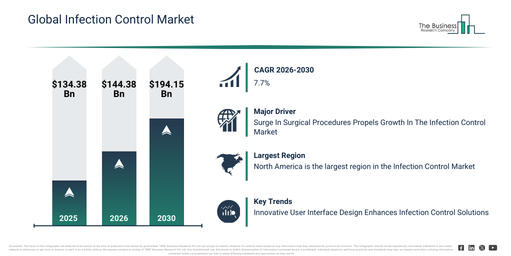
    The infection control market has demonstrated strong growth over recent years. It is anticipated to expand from $134.38 billion in 2025 to $144.38 billion in 2026, at a compound annual growth rate (CAGR) of 7.4%. The historical increase can be attributed to several factors including a rise in hospital-acquired infections, an increasing volume of surgical procedures, the expansion of healthcare infrastructure, regulatory requirements for hygiene standards, and greater awareness of cross-contamination risks.

    The infection control market is anticipated to experience robust growth in the coming years. Its valuation is set to reach $194.15 billion by 2030, exhibiting a compound annual growth rate (CAGR) of 7.7%. This expansion during the projection period stems from factors such as the persistent danger of infectious disease outbreaks, the enlargement of healthcare infrastructure in developing economies, increasing calls for preventative health measures, more stringent infection control rules, and the proliferation of outpatient and ambulatory care environments. Key trends anticipated during the forecast encompass a heightened emphasis on preventing hospital-acquired infections, an escalating need for single-use and disposable items, broader implementation of sophisticated sterilization methods, the extension of infection control guidelines beyond hospital settings, and greater investment in personnel training and adherence.

    Access Your Free Sample Report for In-Depth Market Insights:

    https://www.thebusinessresearchcompany.com/sample.aspx?id=10061&type=smp

    What Drivers Are Driving Adoption Within The Infection Control Market?

    An anticipated rise in surgical operations is projected to stimulate the expansion of the infection control market going forward. A surgical procedure refers to a medical intervention or operation performed by a skilled surgeon or medical professional aimed at treating a disease, alleviating a health condition, or repairing a bodily structure. The increasing volume of surgical procedures amplifies the necessity for thorough sterilization and disinfection methods for surgical instruments, equipment, and operating rooms, thereby encouraging the utilization of infection control products and services. For example, in August 2023, The Aesthetic Society, a US-based organization focusing on plastic surgery and cosmetic medicine, reported that Americans collectively spent more than $11.8 billion on aesthetic procedures, an increase of 2% from the previous year. Thus, the growing number of surgical procedures is a significant force behind the growth of the infection control market.

    How Is The Infection Control Market Organized Into Various Segments?

    The infection control market covered in this report is segmented –

    1) By Type: Disinfectors, Sterilization, Equipment, Consumables And Accessories, Services

    2) By Distribution Channel: Direct Tender, Retail Sales, Third Party Distributors

    3) By Application: Surgical Instruments, Endoscopes, Ultrasound Probes, Other Applications

    4) By End User: Hospitals And Clinics, Medical Device Companies, Pharmaceutical Companies, Life Science Industry, Food Industry, Other End Users

    Subsegments:

    1) By Disinfectors: Surface Disinfectors, Automated Disinfectors, Chemical Disinfectors

    2) By Sterilization: Steam Sterilizers, Ethylene Oxide Sterilizers, Hydrogen Peroxide Sterilizers

    3) By Equipment: Autoclaves, Washer-Disinfectors, Ultraviolet (UV) Sterilizers

    4) By Consumables and Accessories: Sterilization Pouches, Disinfection Wipes, Cleaning Agents

    5) By Services: Equipment Maintenance, Consulting Services, Training And Education Services

    What Trends Are Expected To Impact The Competitive Landscape Of The Infection Control Market?

    Leading companies in the infection control market are developing intuitive user interface designs, enabling healthcare professionals to easily access tools for monitoring cleanliness and tracking infection rates, thereby enhancing patient safety and operational efficiency. Intuitive design involves creating products or interfaces that are user-friendly and easy to understand, minimizing the need for instructions or prior knowledge. For instance, in January 2024, ICP Medical, a US-based infection prevention company, launched a new website that improves the user experience while embodying its mission, Helping Those Who Help Others. This updated platform unifies ICP Medical’s infection control offerings, such as Rapid Refresh quick-change privacy curtains and the BootieButler automatic shoe cover system, creating a convenient “one-stop shop” for customers. Aligned with TEAM Technologies’ branding, the website is tailored for healthcare, industrial, and government sectors, featuring a user-friendly design. Key functionalities include seamless e-commerce, detailed product displays, FAQs, downloadable resources, and engaging instructional videos to simplify the purchasing process. Additionally, a dedicated privacy curtain sample page highlights various patterns and styles, underscoring ICP Medical’s dedication to accessible and effective infection prevention solutions.

    Who Are The Prominent Global Companies Shaping The Infection Control Market Landscape?

    Major companies operating in the infection control market are Belimed AG, 3M Company, Ecolab Inc., Advanced Sterilization Products Services Inc., Getinge AB, Matachana Group, Sotera Health Inc., Steris plc., Reckitt Benckiser Group plc., Pal International, Metrex Research LLC, Stryker Corporation, B. Braun Melsungen AG, Olympus Corporation, Cantel Medical Corporation, MELAG Medizintechnik GmbH & Co. KG, Becton Dickinson and Company, Sterigenics International LLC, Bioquell Inc., Sterilmed Inc., Conmed Corporation, Johnson & Johnson

    Access The Complete Report For Deeper Market Insights:

    https://www.thebusinessresearchcompany.com/report/infection-control-global-market-report

    Which Region Is Projected To Lead The Infection Control Market During The Forecast Period?

    North America was the largest region in the infection control market in 2025.Asia-Pacific is expected to be the fastest-growing region in the global infection control market report during the forecast period. The regions covered in the infection control market report are Asia-Pacific, South East Asia, Western Europe, Eastern Europe, North America, South America, Middle East, Africa.

    Request Your Customized Infection Control Market Research Report for Competitive Advantage:

    https://www.thebusinessresearchcompany.com/customise?id=10061&type=smp

    Browse Through More Reports Similar to the Global Infection Control Market 2026, By The Business Research Company

    Infection Control Supplies Market Report 2026

    https://www.thebusinessresearchcompany.com/report/infection-control-supplies-global-market-report

    Hospital Acquired Infection Control Market Report 2026

    https://www.thebusinessresearchcompany.com/report/hospital-acquired-infection-control-global-market-report

    Infection Prevention Market Report 2026

    https://www.thebusinessresearchcompany.com/report/infection-prevention-global-market-report

    Get in touch with us:

    The Business Research Company: https://www.thebusinessresearchcompany.com/

    Americas +1 310-496-7795

    Asia +44 7882 955267 & +91 8897263534

    Europe +44 7882 955267

    Email us at info@tbrc.info

    Follow us on:

    LinkedIn: https://in.linkedin.com/company/the-business-research-company

    YouTube: https://www.youtube.com/channel/UC24_fI0rV8cR5DxlCpgmyFQ

    Global Market Model: https://www.thebusinessresearchcompany.com/global-market-model
  • Global Indwelling Catheters Market 2026–2030: Forecast Insights for Business Planning

    Global Indwelling Catheters Market 2026–2030: Forecast Insights for Business Planning

    Uncover key drivers, emerging technologies, and competitive movements shaping the indwelling catheters market from 2026–2035 with trusted insights from The Business Research Company

    Across 2026–2030, what is the expected market valuation path of the Indwelling Catheters Market?

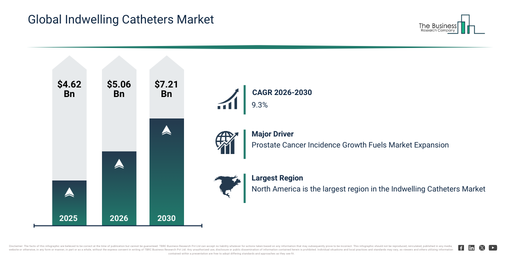
    The indwelling catheters market size has demonstrated significant growth in recent years. This market is anticipated to expand from $4.62 billion in 2025 to $5.06 billion in 2026, achieving a compound annual growth rate (CAGR) of 9.6%. The expansion observed historically is largely due to factors such as the increasing prevalence of urinary disorders, a rising number of surgical procedures, an increase in the hospitalized patient population, the wider adoption of foley catheters, and advancements in basic catheter materials.

    The indwelling catheters market is projected to witness significant expansion in the upcoming years. Its size is expected to climb to $7.21 billion by 2030, achieving a compound annual growth rate (CAGR) of 9.3%. This expansion over the forecast period is influenced by factors such as an aging demographic, a heightened need for chronic care management, the increasing acceptance of home healthcare services, ongoing technological improvements in catheter materials, and a growing understanding of preventing catheter-associated infections. Prominent trends anticipated during this period encompass a surging demand for long-term urinary care, increased adoption of silicone-based catheters, a stronger emphasis on infection prevention and patient safety, the wider application of catheters in home healthcare, and product advancements aimed at improving patient comfort.

    Access Your Free Sample Report for In-Depth Market Insights:

    https://www.thebusinessresearchcompany.com/sample.aspx?id=20845&type=smp

    Which Drivers Are Supporting The Rise Of The Indwelling Catheters Market?

    The rising occurrence of prostate cancer is anticipated to fuel the expansion of the indwelling catheters market in the coming years. Prostate cancer is characterized by the unchecked proliferation of cells within the prostate gland, which can potentially spread beyond it. The growing incidence of this cancer stems from elements like an aging demographic, enhanced diagnostic methods, environmental exposures, dietary impacts, and genetic predispositions observed in particular ethnic groups. Indwelling catheters are vital for managing prostate cancer, offering an effective means for urinary drainage in individuals facing urinary retention or obstruction caused by the tumor’s impact on the prostate. For instance, in January 2023, the American Cancer Society, a US-based non-profit organization, reported that new prostate cancer cases in the US climbed from 268,490 in 2022 to 288,300 in 2023. Additionally, prostate cancer-related fatalities saw a slight rise, moving from 34,500 in 2022 to 34,700 in 2023. Consequently, the increasing incidence of prostate cancer is a key driver for the growth of the indwelling catheters market.

    What Segments Are Identified Within The Structure Of The Indwelling Catheters Market?

    The indwelling catheters market covered in this report is segmented –

    1) By Type: Transurethral Catheters, Suprapubic Catheters

    2) By Material: Latex, Silicone, Polyvinyl Chloride (Pvc)

    3) By Application: Urinary Retention, Urinary Incontinence, Post Surgery, Other Applications

    4) By End-User: Hospitals And Clinics, Ambulatory Surgical Centers (ASCs)

    Subsegments:

    1) By Transurethral Catheters: Foley Catheters, External Male Catheters, Internal Male Catheters, Pediatric Transurethral Catheters

    2) By Suprapubic Catheters: Disposable Suprapubic Catheters, Reusable Suprapubic Catheters, Pediatric Suprapubic Catheters

    Which Key Players Are Driving Competition In The Indwelling Catheters Market?

    Major companies operating in the indwelling catheters market are Cardinal Health Inc., Medline Industries Inc., Becton, Dickinson, and Company, Coloplast Corp., Teleflex Incorporated, Cook Medical LLC, B. Braun Medical Inc., ConvaTec Inc., Amsino International Inc., Sterimed Medical Devices Pvt. Ltd., Angiplast Pvt. Ltd., Mais India Medical Devices, Bactiguard AB, GPC Medical Ltd., Rocket Medical plc, Nikotech Pvt. Ltd., Ribbel International Ltd., Poiesis Medical LLC, Manish Medi Innovation

    Access The Complete Report For Deeper Market Insights:

    https://www.thebusinessresearchcompany.com/report/indwelling-catheters-global-market-report

    Which Region Currently Holds The Largest Share Of The Indwelling Catheters Market?

    North America was the largest region in the indwelling catheters market in 2025. The regions covered in the indwelling catheters market report are Asia-Pacific, South East Asia, Western Europe, Eastern Europe, North America, South America, Middle East, Africa.

    Request Your Customized Indwelling Catheters Market Research Report for Competitive Advantage:

    https://www.thebusinessresearchcompany.com/customise?id=20845&type=smp

    Browse Through More Reports Similar to the Global Indwelling Catheters Market 2026, By The Business Research Company

    Dialysis Catheters Market Report 2026

    https://www.thebusinessresearchcompany.com/report/dialysis-catheters-global-market-report

    Urinary Catheters Market Report 2026

    https://www.thebusinessresearchcompany.com/report/urinary-catheters-global-market-report

    Intravascular Catheters Market Report 2026

    https://www.thebusinessresearchcompany.com/report/intravascular-catheters-global-market-report

    Get in touch with us:

    The Business Research Company: https://www.thebusinessresearchcompany.com/

    Americas +1 310-496-7795

    Asia +44 7882 955267 & +91 8897263534

    Europe +44 7882 955267

    Email us at info@tbrc.info

    Follow us on:

    LinkedIn: https://in.linkedin.com/company/the-business-research-company

    YouTube: https://www.youtube.com/channel/UC24_fI0rV8cR5DxlCpgmyFQ

    Global Market Model: https://www.thebusinessresearchcompany.com/global-market-model
  • Induced Pluripotent Stem Cell (iPSC) Market Outlook 2026–2035: Growth Drivers and Industry Forecast

    Induced Pluripotent Stem Cell (iPSC) Market Outlook 2026–2035: Growth Drivers and Industry Forecast

    Uncover key drivers, emerging technologies, and competitive movements shaping the induced pluripotent stem cell (ipsc) market from 2026–2035 with trusted insights from The Business Research Company

    What size range is anticipated for the Induced Pluripotent Stem Cell (iPSC) Market from 2026 to 2030?

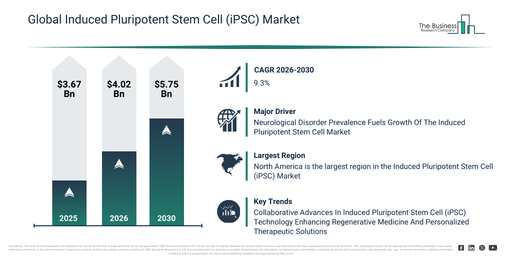
    The market for induced pluripotent stem cells (ipsc) has experienced significant expansion in recent years. This market is expected to increase from $3.67 billion in 2025 to $4.02 billion in 2026, achieving a compound annual growth rate (CAGR) of 9.5%. The historical growth trajectory is primarily driven by advancements in cellular reprogramming research, ethical considerations concerning embryonic stem cells, enhanced funding for stem cell research, an uptick in academic research collaborations, and the rising occurrence of chronic and degenerative diseases.

    The induced pluripotent stem cell (ipsc) market is anticipated to experience robust growth in the coming years. It is projected to achieve a size of $5.75 billion by 2030, demonstrating a compound annual growth rate (CAGR) of 9.3%. This expansion during the forecast period can be attributed to the broadening of regenerative medicine applications, increasing demand for personalized therapies, rising investment in cell and gene therapy, greater adoption of ipscs in neurological and cardiac research, and favorable regulatory support for advanced therapies. Notable trends expected in this period include the expanding utilization of ipscs in disease modeling, their increasing integration into drug discovery and toxicity testing, the development of more patient-specific cell lines, a growing focus on ethical alternatives to embryonic stem cells, and advancements in reprogramming efficiency and cell stability.

    Access Your Free Sample Report for In-Depth Market Insights:

    https://www.thebusinessresearchcompany.com/sample.aspx?id=2515&type=smp

    What Drivers Are Affecting Demand In The Induced Pluripotent Stem Cell (iPSC) Market?

    The rising incidence of neurological conditions is anticipated to drive expansion in the induced pluripotent stem cell market in the foreseeable future. A neurological disorder is defined as a health ailment impacting the nervous system, which encompasses the brain, spinal cord, and nerves. Frequently encountered neurological disorders include acute spinal cord injury, Alzheimer’s disease, Amyotrophic Lateral Sclerosis (ALS), among others. Pluripotent stem cells present an opportunity for investigating disease mechanisms and performing drug tests, thereby offering understanding into the origins of neurological disorders and assisting in creating regenerative treatments for ailments like Parkinson’s and Alzheimer’s disease. As an illustration, figures from October 2023, released by the World Federation of Neurology (WFN), a UK-based international nonprofit neurological organization, indicated that over 40% of the world’s population was afflicted by a neurological condition, with the total neurological disease burden forecast to almost double by 2050. Consequently, the growing occurrence of neurological disorders is fueling the expansion of the induced pluripotent stem cell market.

    Which Segments Are Gaining Traction In The Induced Pluripotent Stem Cell (iPSC) Market?

    The induced pluripotent stem cell (ipsc) market covered in this report is segmented –

    1) By Derived Cell Type: Hepatocytes, Fibroblasts, Keratinocytes, Amniotic Cells, Other Derived Cell Types

    2) By Application: Academic Research, Drug Discovery And Toxicity Studies, Regenerative Medicine, Cell And Gene Therapy

    3) By End-User: Hospitals, Research Laboratories

    Subsegments:

    1) By Hepatocytes: iPSC-Derived Liver Cells For Drug Toxicity Testing, Disease Modeling And Regenerative Therapies

    2) By Fibroblasts: iPSC-Derived Skin Cells For Wound Healing And Tissue Repair, Fibroblast-Based Disease Research

    3) By Keratinocytes: iPSC-Derived Skin Cells For Dermatological Research, Skin Regeneration Therapies

    4) By Amniotic Cells: iPSC-Derived Cells For Prenatal Research, Amniotic Fluid-Based Regenerative Applications

    5) By Other Derived Cell Types: Neurons For Neurological Disease Modeling, Cardiomyocytes For Heart Disease Studies, Endothelial Cells For Vascular Research

    What Trends Are Projected To Support The Growth Of The Induced Pluripotent Stem Cell (iPSC) Market?

    Leading companies in the Induced Pluripotent Stem Cell (IPSC) market are engaging in collaborations to further develop iPSC Technology, aiming to enhance regenerative medicine applications, refine disease modeling, accelerate drug discovery, and create personalized therapeutic solutions. Induced Pluripotent Stem Cell (iPSC) technology describes the scientific procedures and methods used to revert adult somatic cells, such as those from skin or blood, back into a pluripotent state, enabling them to differentiate into any cell type within the body. For example, in April 2024, SCG Cell Therapy Pte Ltd, a biotechnology company based in Singapore, and the Agency for Science, Technology and Research, a Singapore-based Statutory board, initiated joint laboratories with the objective of advancing cellular immunotherapies. This initiative, supported by close to S$30 million, highlights Singapore’s commitment to progress in biotechnology and healthcare solutions. The collaboration intends to establish scalable manufacturing processes for GMP-grade iPSC products, thereby addressing the challenges of transitioning laboratory innovations into clinically viable therapies.

    Who Are The Top-Performing Companies In The Induced Pluripotent Stem Cell (iPSC) Market In Recent Years?

    Major companies operating in the induced pluripotent stem cell (ipsc) market are FUJIFILM Holdings Corporation (FUJIFILM Cellular Dynamics, Inc), Thermo Fisher Scientific, Inc, Takara Bio Inc, Lonza Group AG, Astellas Pharma Inc, ViaCyte, Inc, Ncardia, REPROCELL USA, Inc, Japan Tissue Engineering Co., Ltd, Merck KGaA, Cynata Therapeutics Limited, Dainippon Sumitomo Pharma, Shenzhen Bioscience, Shanghai Cell Therapy Group, Car-T Bio, JW therapeutics, Fosun Kite Biotechnology, Shanghai UniCar Therapy, SEED Biosciences SA, Cellerix, CellGenix, NsGene, TiGenix, Renuron Group, Smart Cells, Genenta Science, Biocad Rf, Selvita, Mabion, Pure Biologics, OncoArendi Therapeutics, Proteon Pharmaceuticals, Parexel, BrainStorm Cell Therapeutics, Cellular Biomedicine Group, Pluristem Therapeutics, Gamida Cell, Caladrius Biosciences, BioCanRx, CellCAN, CCRM, C3i, BioCells Argentina, Stem Cells, Royan Stem Cell Technology Co., Next BioSciences, CryoSave, BioHeart

    Access The Complete Report For Deeper Market Insights:

    https://www.thebusinessresearchcompany.com/report/induced-pluripotent-stem-cell-global-market-report

    How Does The Induced Pluripotent Stem Cell (iPSC) Market Perform Across Major Global Regions?

    North America was the largest region in the induced pluripotent stem cell (IPSC) market in 2025. Western Europe was the second largest region in the global induced pluripotent stem cell (IPSC) market share. The regions covered in the induced pluripotent stem cell (ipsc) market report are Asia-Pacific, South East Asia, Western Europe, Eastern Europe, North America, South America, Middle East, Africa.

    Request Your Customized Induced Pluripotent Stem Cell (iPSC) Market Research Report for Competitive Advantage:

    https://www.thebusinessresearchcompany.com/customise?id=2515&type=smp

    Browse Through More Reports Similar to the Global Induced Pluripotent Stem Cell (iPSC) Market 2026, By The Business Research Company

    Stem Cell Assay Market Report 2026

    https://www.thebusinessresearchcompany.com/report/stem-cell-assay-global-market-report

    Human Embryonic Stem Cells Market Report 2026

    https://www.thebusinessresearchcompany.com/report/human-embryonic-stem-cells-global-market-report

    Stem Cells Therapy Market Report 2026

    https://www.thebusinessresearchcompany.com/report/stem-cells-therapy-global-market-report

    Get in touch with us:

    The Business Research Company: https://www.thebusinessresearchcompany.com/

    Americas +1 310-496-7795

    Asia +44 7882 955267 & +91 8897263534

    Europe +44 7882 955267

    Email us at info@tbrc.info

    Follow us on:

    LinkedIn: https://in.linkedin.com/company/the-business-research-company

    YouTube: https://www.youtube.com/channel/UC24_fI0rV8cR5DxlCpgmyFQ

    Global Market Model: https://www.thebusinessresearchcompany.com/global-market-model
  • Inadequately Controlled Type-II Diabetes Treatment Market 2026–2030: Emerging Trends and Forecast Opportunities

    Inadequately Controlled Type-II Diabetes Treatment Market 2026–2030: Emerging Trends and Forecast Opportunities

    Uncover key drivers, emerging technologies, and competitive movements shaping the inadequately controlled type-ii diabetes treatment market from 2026–2035 with trusted insights from The Business Research Company

    How is the Inadequately Controlled Type-II Diabetes Treatment Market size predicted to change over the forecast window of 2026–2035?

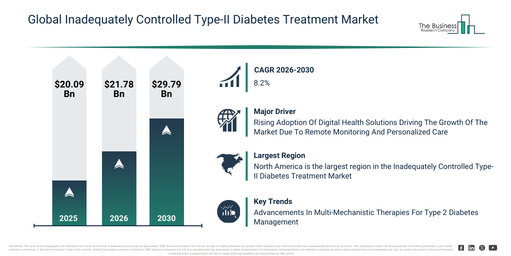
    The market size for inadequately controlled type-ii diabetes treatment has experienced substantial growth over recent years. It is anticipated to increase from $20.09 billion in 2025 to $21.78 billion in 2026, exhibiting a compound annual growth rate (CAGR) of 8.4%. This historical growth can be linked to the rising global prevalence of type-ii diabetes, the widespread adoption of first-line oral therapies, heightened awareness regarding diabetes complications, the expansion of endocrinology care services, and the availability of multiple classes of drugs.

    The market for inadequately controlled type-ii diabetes treatments is projected to experience robust expansion over the coming years, anticipated to reach $29.79 billion by 2030, exhibiting a compound annual growth rate (CAGR) of 8.2%. Factors contributing to this anticipated growth include an escalating demand for sophisticated glucose control treatments, the increasing uptake of glp-1 and sglt2 inhibitors, the broadening application of personalized medicine strategies, the expanding utilization of digital health solutions in managing diabetes, and a heightened emphasis on mitigating long-term complications. Key trends expected during this period involve the greater adoption of combination drug therapies, an increase in the use of long-acting injectable treatments, the developing integration of digital glucose monitoring tools, the wider implementation of personalized diabetes treatment regimens, and an intensified focus on solutions that improve patient adherence.

    Access Your Free Sample Report for In-Depth Market Insights:

    https://www.thebusinessresearchcompany.com/sample.aspx?id=28249&type=smp

    Which Drivers Are Contributing To The Expansion Of The Inadequately Controlled Type-II Diabetes Treatment Market?

    The anticipated expansion of the inadequately controlled type-II diabetes treatment market going forward is linked to the growing embrace of digital health solutions. These solutions encompass digital technologies utilized to enhance healthcare provision, patient results, and general health oversight. Their uptake is increasing because they offer accessible, remote healthcare services, boosting patient participation and optimizing care efficiency. A notable example is FAIR Health Inc., a US non-profit organization, which reported a 7.3% national surge in telehealth usage in April 2023. Consequently, the rising prevalence of digital health solutions is fostering expansion within the inadequately controlled type-II diabetes treatment market.

    What Segment Categories Are Covered In The Inadequately Controlled Type-II Diabetes Treatment Market?

    The inadequately controlled type-ii diabetes treatment market covered in this report is segmented –

    1) By Treatment Type: Oral Medications, Insulin Therapy, Lifestyle Modifications, Combination Therapy, Alternative Therapies

    2) By Drug Class: Insulin, GLP-1 Receptor Agonists, SGLT2 Inhibitors, DPP-4 Inhibitors, Sulfonylureas, Thiazolidinediones, Other Drug Classes

    3) By Route Of Administration: Oral, Subcutaneous, Intravenous, Transdermal, Inhalation

    4) By Patient Demographics: Adults, Elderly, Pediatric

    5) By Distribution Channel: Retail Pharmacies, Online Pharmacies, Hospitals And Clinics, Direct-To-Consumer (DTC) Services

    Subsegments:

    1) By Oral Medications: Metformin, Sulfonylureas, DPP-4 Inhibitors, SGLT2 Inhibitors, Thiazolidinediones, Meglitinides, Alpha-Glucosidase Inhibitors

    2) By Insulin Therapy: Rapid-Acting Insulin, Short-Acting Insulin, Intermediate-Acting Insulin, Long-Acting Insulin, Ultra-Long-Acting Insulin, Premixed Insulin

    3) By Lifestyle Modifications: Dietary Management, Physical Activity Programs, Weight Management, Behavioral Therapy, Patient Education And Counseling

    4) By Combination Therapy: Oral–Oral Combinations, Oral–Insulin Combinations, Oral–Injectable Combinations

    5) By Alternative Therapies: Herbal Supplements, Nutraceuticals, Acupuncture, Yoga And Mind-Body Practices, Other Complementary Approaches

    Which Trends Are Influencing The Performance And Direction Of The Inadequately Controlled Type-II Diabetes Treatment Market?

    Leading companies are engaged in the inadequately controlled type-II diabetes treatment market, concentrating on developing innovative therapies. These include triple-drug fixed-dose combinations, which permit once-daily dosing to address various pathophysiologic mechanisms of type 2 diabetes and enhance patient adherence through a reduced pill burden. A triple-drug fixed-dose combination (FDC) signifies a singular pharmaceutical capsule containing three active drugs combined in predetermined doses, intended for concurrent intake due to their complementary mechanism of action for patients whose condition is inadequately managed on monotherapy or dual therapy. For example, in October 2023, Glenmark Pharmaceuticals Limited, an India-based pharmaceutical firm specializing in specialty and generic medicines, launched Zita DM. This product is a triple-drug fixed-dose combination (FDC) comprising teneligliptin, dapagliflozin, and metformin, designed for adults with type 2 diabetes and comorbidities, which integrates three complementary mechanisms of action: metformin works by reducing hepatic glucose production and improving insulin sensitivity, while teneligliptin functions by enhancing glucose-dependent insulin secretion. Furthermore, this offers improved early therapy intensification for inadequately controlled type 2 diabetes and contributes to overall better treatment adherence and cost-effectiveness by combining three drugs in a single tablet.

    Which Leading Companies Dominate The Inadequately Controlled Type-II Diabetes Treatment Market Share?

    Major companies operating in the inadequately controlled type-ii diabetes treatment market are Johnson & Johnson, Merck & Co. Inc., Pfizer Inc., Bayer AG, Sanofi S.A., Novartis AG, AstraZeneca PLC, Bristol Myers Squibb Company, GSK plc, Eli Lilly and Company, Novo Nordisk A/S, Takeda Pharmaceutical Company Limited, Amgen Inc., Gilead Sciences Inc., Teva Pharmaceutical Industries Ltd., Regeneron Pharmaceuticals, Inc., Incyte Corporation, Zylig Lifesciences, Boehringer Ingelheim GmbH, Oramed Pharmaceuticals Inc.

    Access The Complete Report For Deeper Market Insights:

    https://www.thebusinessresearchcompany.com/report/inadequately-controlled-type-ii-diabetes-treatment-global-market-report

    Which Region Is Anticipated To See The Fastest Growth In The Inadequately Controlled Type-II Diabetes Treatment Market?

    North America was the largest region in inadequately controlled type-II diabetes treatment market in 2025. Asia-Pacific is expected to be the fastest-growing region in the forecast period. The regions covered in the inadequately controlled type-ii diabetes treatment market report are Asia-Pacific, South East Asia, Western Europe, Eastern Europe, North America, South America, Middle East, Africa.

    Request Your Customized Inadequately Controlled Type-II Diabetes Treatment Market Research Report for Competitive Advantage:

    https://www.thebusinessresearchcompany.com/customise?id=28249&type=smp

    Browse Through More Reports Similar to the Global Inadequately Controlled Type-II Diabetes Treatment Market 2026, By The Business Research Company

    Antidiabetics Market Report 2026

    https://www.thebusinessresearchcompany.com/report/antidiabetics-global-market-report

    Non Insulin Therapies For Diabetes Market Report 2026

    https://www.thebusinessresearchcompany.com/report/non-insulin-therapies-for-diabetes-global-market-report

    Diabetic Gastroparesis Treatment Market Report 2026

    https://www.thebusinessresearchcompany.com/report/diabetic-gastroparesis-treatment-global-market-report

    Get in touch with us:

    The Business Research Company: https://www.thebusinessresearchcompany.com/

    Americas +1 310-496-7795

    Asia +44 7882 955267 & +91 8897263534

    Europe +44 7882 955267

    Email us at info@tbrc.info

    Follow us on:

    LinkedIn: https://in.linkedin.com/company/the-business-research-company

    YouTube: https://www.youtube.com/channel/UC24_fI0rV8cR5DxlCpgmyFQ

    Global Market Model: https://www.thebusinessresearchcompany.com/global-market-model
  • Global In Vivo Contract Research Organization Market Forecast 2026–2035: Long-Term Growth Insights

    Global In Vivo Contract Research Organization Market Forecast 2026–2035: Long-Term Growth Insights

    Uncover key drivers, emerging technologies, and competitive movements shaping the in vivo contract research organization market from 2026–2035 with trusted insights from The Business Research Company

    What market expansion outlook does the In Vivo Contract Research Organization Market show for the 2026–2030 period?

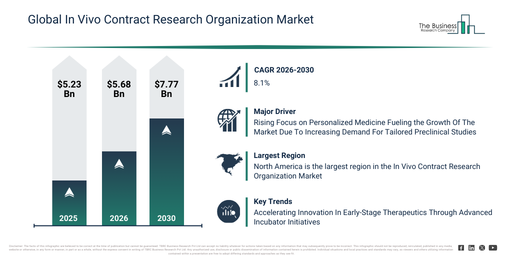
    The in vivo contract research organization market size has experienced substantial growth in recent years. This market is projected to expand from $5.23 billion in 2025 to $5.68 billion in 2026, achieving a compound annual growth rate (CAGR) of 8.6%. Historically, this expansion has been driven by increasing pharmaceutical research and development spending, the broadening of biotechnology pipelines, the rising complexity of drug development, stricter regulatory requirements for preclinical data, and the availability of advanced animal models.

    The in vivo contract research organization market size is projected to experience robust expansion over the coming years. By 2030, its valuation is anticipated to reach $7.77 billion, demonstrating a compound annual growth rate (CAGR) of 8.1%. This anticipated growth during the forecast period stems from factors such as a heightened demand for expedited drug development, the expanding application of sophisticated in vivo disease models, the widening scope of oncology and rare disease investigations, the increasing integration of AI-powered preclinical analytics, and more stringent regulatory oversight concerning safety data. Key trends emerging within the forecast timeframe encompass the rising propensity to outsource preclinical research, a greater need for specialized disease models, an increase in GLP-compliant toxicology studies, the broadening of integrated preclinical service portfolios, and a reinforced emphasis on the quality and replicability of data.

    Access Your Free Sample Report for In-Depth Market Insights:

    https://www.thebusinessresearchcompany.com/sample.aspx?id=25790&type=smp

    What Drivers Are Shaping The Development Of The In Vivo Contract Research Organization Market?

    The increasing emphasis on personalized medicine is anticipated to fuel the expansion of the in vivo contract research organization market in the future. Personalized medicine represents a medical strategy that customizes treatment and prevention approaches according to an individual’s genetic makeup, lifestyle, and environment to optimize health outcomes. This heightened focus on personalized medicine is driven by the improved accessibility and affordability of genomic sequencing technologies, as these advancements enable more accurate identification of genetic mutations, which in turn leads to tailored therapies that enhance patient results and minimize trial-and-error in treatment. Consequently, the growing attention to personalized medicine is stimulating demand in the in vivo CRO market, given the necessity for customized preclinical studies using specific animal models to evaluate targeted therapies and their effects on distinct genetic profiles. For instance, in February 2024, the Personalized Medicine Coalition (PMC), a US-based nonprofit organization, reported that the FDA approved 16 new personalized treatments in 2023, an increase from six in 2022. Personalized medicines accounted for more than one-third of all new drug approvals by the U.S. Food and Drug Administration (FDA) for the fourth consecutive year. Therefore, the expanding focus on personalized medicine is a key driver for the growth of the in vivo contract research organization market.

    Which Segments Are Contributing To The Growth Of The In Vivo Contract Research Organization Market?

    The in vivo contract research organization market covered in this report is segmented –

    1) By Type: Rodent Based, Non-Rodent Based

    2) By Type Of Service: Translational And IND-Enabling In Vivo Studies, Preclinical Services, Post-Approval Nonclinical Safety And Mechanistic Studies

    3) By Good Laboratory Practice Type: Good Laboratory Practice Toxicology, Non Good Laboratory Practice

    4) By Applications: Oncology, Cardiovascular Diseases, Infectious Diseases, Neurological Disorders, Other Applications

    5) By End User: Pharmaceutical Companies, Biotechnology Companies, Contract Research Organizations (CROs), Academic And Research Institutes, Government And Regulatory Bodies

    Subsegments:

    1) By Rodent-Based: Mice Models, Rat Models, Genetically Engineered Rodents, Immunodeficient Rodents, Humanized Rodents

    2) By Non-Rodent-Based: Canine Models, Non-Human Primate Models, Swine Models, Rabbit Models, Zebrafish Models

    What Long-Term Trends Are Expected To Shape The Future Of The In Vivo Contract Research Organization Market?

    Major companies within the in vivo contract research organization market are prioritizing the creation of novel solutions, including advanced therapy incubator programs, to hasten the progression of next-generation therapeutics and support early-phase clinical investigations. An advanced therapy incubator program serves as a specialized endeavor designed to assist early-stage biotechnology companies by offering resources, mentorship, and infrastructure to accelerate the development of advanced therapies such as gene, cell, and RNA-based treatments. For instance, in April 2025, Charles River Laboratories International Inc., a US-based pharmaceutical company, introduced its inaugural advanced therapy incubator program cohort. This innovative undertaking is crafted to support nascent biotech companies focused on advancing next-generation therapies. Through this program, participants gain access to Charles River’s scientific knowledge, state-of-the-art laboratory infrastructure, and customized in vivo models, empowering them to rapidly produce proof-of-concept data. The program additionally furnishes a real-world preclinical setting for validating therapeutic candidates, thereby helping to reduce time-to-clinic and improve the prospects of regulatory success. By bridging the divide between academic innovation and clinical development, the initiative plays a vital role in advancing the field of advanced therapies.

    Who Are The Major Companies Operating In The In Vivo Contract Research Organization Market?

    Major companies operating in the in vivo contract research organization market are Thermo Fisher Scientific Inc, Labcorp Drug Development Inc, Eurofins Scientific SE, WuXi AppTec, Charles River Laboratories International Inc, Evotec SE, GemPharmatech Co Ltd, BIOQUAL Inc, Crown Bioscience Inc, PsychoGenics Inc, Janvier Labs SAS, Taconic Bioscience Inc, Xentech SAS, Altogen Labs Inc, AniLocus Inc, Pharmaron Beijing Co Ltd, Southern Research Institute, SRI International, Envigo RMS LLC, Horizon Discovery Group plc, Inotiv Inc, GenScript ProBio

    Access The Complete Report For Deeper Market Insights:

    https://www.thebusinessresearchcompany.com/report/in-vivo-contract-research-organization-global-market-report

    Which Region Is Anticipated To See The Fastest Growth In The In Vivo Contract Research Organization Market?

    North America was the largest region in the in vivo contract research organization market in 2025. Asia-Pacific is expected to be the fastest-growing region in the forecast period. The regions covered in the in vivo contract research organization market report are Asia-Pacific, South East Asia, Western Europe, Eastern Europe, North America, South America, Middle East, Africa.

    Request Your Customized In Vivo Contract Research Organization Market Research Report for Competitive Advantage:

    https://www.thebusinessresearchcompany.com/customise?id=25790&type=smp

    Browse Through More Reports Similar to the Global In Vivo Contract Research Organization Market 2026, By The Business Research Company

    Contract Development Manufacturing Organizations Market Report 2026

    https://www.thebusinessresearchcompany.com/report/contract-development-manufacturing-organizations-global-market-report

    Biologics Contract Development Market Report 2026

    https://www.thebusinessresearchcompany.com/report/biologics-contract-development-global-market-report

    Medical Device Contract Manufacturing Market Report 2026

    https://www.thebusinessresearchcompany.com/report/medical-device-contract-manufacturing-global-market-report

    Get in touch with us:

    The Business Research Company: https://www.thebusinessresearchcompany.com/

    Americas +1 310-496-7795

    Asia +44 7882 955267 & +91 8897263534

    Europe +44 7882 955267

    Email us at info@tbrc.info

    Follow us on:

    LinkedIn: https://in.linkedin.com/company/the-business-research-company

    YouTube: https://www.youtube.com/channel/UC24_fI0rV8cR5DxlCpgmyFQ

    Global Market Model: https://www.thebusinessresearchcompany.com/global-market-model
  • In Vitro Diagnostic (IVD) In Cardiology And Neurology Market 2026–2030: Forecasting Business Opportunities Ahead

    In Vitro Diagnostic (IVD) In Cardiology And Neurology Market 2026–2030: Forecasting Business Opportunities Ahead

    Uncover key drivers, emerging technologies, and competitive movements shaping the in vitro diagnostic (ivd) in cardiology and neurology market from 2026–2035 with trusted insights from The Business Research Company

    What level of growth is expected in the In Vitro Diagnostic (IVD) In Cardiology And Neurology Market between 2026 and 2030?

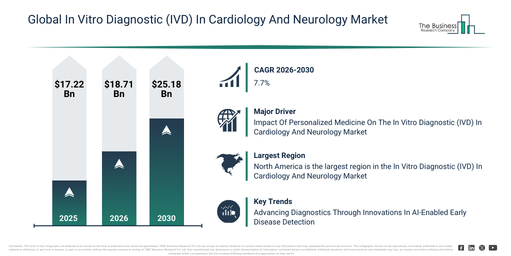
    The market for in vitro diagnostics (ivd) in cardiology and neurology has demonstrated substantial growth over recent years. This market is projected to expand from $17.22 billion in 2025 to $18.71 billion in 2026, exhibiting a compound annual growth rate (CAGR) of 8.7%. The historical growth can be linked to several factors, including the rising prevalence of cardiovascular diseases, an increase in neurological disorders, the expansion of hospital diagnostic infrastructure, progress in immunoassay technologies, and greater clinical awareness regarding early diagnosis.

    The in vitro diagnostic (ivd) in cardiology and neurology market size is anticipated to experience substantial growth in the upcoming years. It is projected to expand to $25.18 billion by 2030, achieving a compound annual growth rate (CAGR) of 7.7%. This expansion over the forecast period is largely attributed to factors such as the global aging population, an increasing need for personalized diagnostics, the growth of point-of-care testing facilities, rising healthcare expenditure in emerging markets, and the increasing adoption of molecular diagnostics. Prominent trends for the forecast period include a growing demand for early disease detection, wider use of point-of-care cardiac and neuro tests, the proliferation of biomarker-based diagnostics, a stronger emphasis on preventive and predictive testing, and the integration of multi-parameter diagnostic panels.

    Access Your Free Sample Report for In-Depth Market Insights:

    https://www.thebusinessresearchcompany.com/sample.aspx?id=15829&type=smp

    Which Drivers Are Expected To Impact The In Vitro Diagnostic (IVD) In Cardiology And Neurology Market During The Forecast Period?

    The expansion of personalized medicine is projected to stimulate the growth of the in vitro diagnostic (IVD) in cardiology and neurology market moving forward. Personalized medicine defines a medical strategy that customizes healthcare choices, practices, interventions, and treatments to the distinct characteristics of each patient. This medical approach is growing due to advancements in genomics, an enhanced understanding of disease mechanisms, patient demand for tailored therapies, and regulatory support, among other aspects. In vitro diagnostic (IVD) tests in cardiology and neurology aid personalized medicine by delivering essential details regarding an individual’s genetic composition and disease status, thereby guiding customized treatment plans for improved effectiveness and reduced risks. For instance, in February 2024, according to the Personalized Medicine Coalition (PMC), a US-based nonprofit research organization, the U.S. Food and Drug Administration approved 16 new personalized treatments for rare disease patients in 2023, an increase from six approvals in 2022, with the 2023 approvals additionally including seven oncology therapies and three treatments addressing various other conditions. Thus, the increasing number of personalized medicines is fueling the growth of the in vitro diagnostic (IVD) in cardiology and neurology market.

    How Is The In Vitro Diagnostic (IVD) In Cardiology And Neurology Market Divided Into Segments?

    The in vitro diagnostic (ivd) in cardiology and neurology market covered in this report is segmented –

    1) By Product Type: Instruments, Reagents And Consumables, Software And Services

    2) By Technology: Immunoassays, Molecular Diagnostics, Hematology, Other Technologies

    3) By End-User: Hospitals, Clinical Laboratories, Other End-Users

    Subsegments:

    1) By Instruments: Diagnostic Analyzers, Point-Of-Care Devices

    2) By Reagents And Consumables: Diagnostic Reagents, Test Kits, Assay Consumables

    3) By Software And Services: Diagnostic Software, Data Management Software, IVD Consulting And Support Services

    Which Market Trends Are Opening Growth Opportunities In The In Vitro Diagnostic (IVD) In Cardiology And Neurology Market?

    Leading companies operating within the in vitro diagnostic (IVD) in cardiology and neurology market are engaged in creating AI-enabled integrated epigenetic engines designed for the early identification of diseases and risk assessment. These AI-enabled integrated epigenetic engines leverage machine-learning models and advanced biomarker analysis methods to improve the sensitivity and accuracy in diagnosing and overseeing cardiovascular diseases, thus addressing key elements of disease progression. For instance, in February 2023, Cardio Diagnostics Holdings Inc., a US-based biotechnology company, introduced PrecisionCHD, an AI-based blood test, intended for the prompt detection of coronary heart disease (CHD). Utilizing the company’s integrated epigenetic-genetic engine, this test evaluates CHD risk and aims to prevent and detect the most common type of cardiovascular disease. The new test combines epigenetic and genetic biomarkers with machine-learning algorithms, offering over 75% sensitivity for both men and women. It connects a patient’s biomarker profile to modifiable risk factors, which are major contributors to CHD, including smoking, diabetes, hypertension, and high cholesterol. PrecisionCHD represents a non-invasive option compared to exercise stress tests or angiograms, with blood samples drawn either in-office or at home.

    Which Major Firms Are Strengthening Their Position In The In Vitro Diagnostic (IVD) In Cardiology And Neurology Market?

    Major companies operating in the in vitro diagnostic (ivd) in cardiology and neurology market are F. Hoffmann-La Roche Ltd., Thermo Fisher Scientific Inc., Abbott Laboratories, Danaher Corporation, Siemens Healthineers AG, Becton Dickinson And Company, Quest Diagnostics Incorporated, Hologic Inc., Illumina Inc., Beckman Coulter Inc., Quidel Corporation, Sysmex Corporation, Bio-Rad Laboratories Inc., QIAGEN N.V., Instrumentation Laboratory, bioMérieux SA, Natera, Inc., Randox Laboratories Ltd., Fulgent Genetics Inc., DiaSorin S.p.A., Oxford Nanopore Technologies, Fujirebio Diagnostics Inc., Adaptive Biotechnologies, Biocartis Group NV, Agena Bioscience

    Access The Complete Report For Deeper Market Insights:

    https://www.thebusinessresearchcompany.com/report/in-vitro-diagnostic-ivd-in-cardiology-and-neurology-global-market-report

    Which Global Regions Are Shaping The Competitive Landscape Of The In Vitro Diagnostic (IVD) In Cardiology And Neurology Market?

    North America was the largest region in the in vitro diagnostic (IVD) in cardiology and neurology market in 2025. Asia-Pacific is expected to be the fastest-growing region in the forecast period. The regions covered in the in vitro diagnostic (ivd) in cardiology and neurology market report are Asia-Pacific, South East Asia, Western Europe, Eastern Europe, North America, South America, Middle East, Africa.

    Request Your Customized In Vitro Diagnostic (IVD) In Cardiology And Neurology Market Research Report for Competitive Advantage:

    https://www.thebusinessresearchcompany.com/customise?id=15829&type=smp

    Browse Through More Reports Similar to the Global In Vitro Diagnostic (IVD) In Cardiology And Neurology Market 2026, By The Business Research Company

    Bioinformatics In In Vitro Diagnostics Ivd Testing Market Report 2026

    https://www.thebusinessresearchcompany.com/report/bioinformatics-in-in-vitro-diagnostics-ivd-testing-global-market-report

    In Vitro Diagnostics Market Report 2026

    https://www.thebusinessresearchcompany.com/report/in-vitro-diagnostics-global-market-report

    In Vitro Diagnostics Ivd Quality Control Market Report 2026

    https://www.thebusinessresearchcompany.com/report/in-vitro-diagnostics-ivd-quality-control-global-market-report

    Get in touch with us:

    The Business Research Company: https://www.thebusinessresearchcompany.com/

    Americas +1 310-496-7795

    Asia +44 7882 955267 & +91 8897263534

    Europe +44 7882 955267

    Email us at info@tbrc.info

    Follow us on:

    LinkedIn: https://in.linkedin.com/company/the-business-research-company

    YouTube: https://www.youtube.com/channel/UC24_fI0rV8cR5DxlCpgmyFQ

    Global Market Model: https://www.thebusinessresearchcompany.com/global-market-model
  • Global In The Canal (ITC) Hearing Aids Market Report 2026–2035: Key Forecasts and Growth Areas

    Global In The Canal (ITC) Hearing Aids Market Report 2026–2035: Key Forecasts and Growth Areas

    Uncover key drivers, emerging technologies, and competitive movements shaping the in the canal (itc) hearing aids market from 2026–2035 with trusted insights from The Business Research Company

    How much is the In The Canal (ITC) Hearing Aids Market valued at in 2026, and what valuation is forecast for 2030?

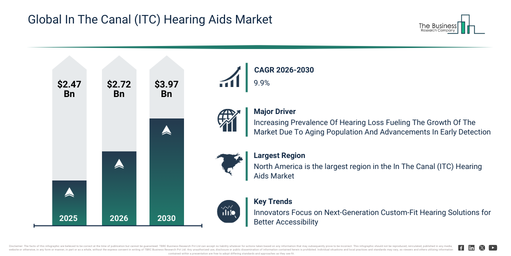
    The in the canal (itc) hearing aids market has experienced substantial expansion in recent years. It is projected to increase from $2.47 billion in 2025 to $2.72 billion in 2026, achieving a compound annual growth rate (CAGR) of 10.0%. This past growth can be attributed to an expanding aging population, heightened awareness of hearing health, advancements in digital sound processing, a rise in disposable income within urban regions, and the proliferation of audiology clinics.

    The in the canal (itc) hearing aids market size is projected to experience substantial expansion in the coming years. This market is set to reach $3.97 billion by 2030, demonstrating a compound annual growth rate (CAGR) of 9.9%. The drivers behind this growth in the forecast period include the increasing demand for discreet hearing solutions, advancements in Bluetooth-enabled ITC devices, the expansion of online hearing aid sales platforms, a rising prevalence of noise-induced hearing loss, and technological innovations in battery efficiency. Major trends expected during this period encompass miniaturization and enhanced discreet design, optimization for custom-fit personalization and comfort, the growing adoption of rechargeable ITC devices, the proliferation of direct-to-consumer hearing solutions, and an expanding acceptance of treatment for mild hearing loss.

    Access Your Free Sample Report for In-Depth Market Insights:

    https://www.thebusinessresearchcompany.com/sample.aspx?id=24249&type=smp

    What Drivers Are Influencing The Growth Of The In The Canal (ITC) Hearing Aids Market?

    A projected increase in the occurrence of hearing loss is anticipated to propel the expansion of the in-the-canal (ITC) hearing aids market in the future. Hearing loss is defined as the partial or complete inability to perceive sounds in one or both ears, often resulting from damage to the ear or auditory pathways. This rising prevalence of hearing loss is primarily linked to the aging population, as age-related alterations within the auditory system lead to a greater incidence of hearing impairments among older adults. In-the-canal (ITC) hearing aids assist in managing hearing loss by providing discreet, custom-fit designs, making them ideal for daily wear. These devices enhance sound clarity through advanced technology, reducing listening effort and improving communication in various environments. For instance, in February 2025, according to the World Health Organization (WHO), a Switzerland headquartered international public health agency of the United Nations, more than 5 percent of the global population, about 430 million people including 34 million children, were living with disabling hearing loss, and this number was projected to rise to over 700 million people by 2050. Hence, the increasing prevalence of hearing loss significantly drives the growth of the in-the-canal (ITC) hearing aids market.

    What Segments Are Included Within The In The Canal (ITC) Hearing Aids Market?

    The in the canal (itc) hearing aids market covered in this report is segmented –

    1) By Product Type: Full-Shell In The Canal Hearing Aids, Half-Shell In The Canal Hearing Aids, Custom In The Canal Hearing Aids, Programmable In The Canal Hearing Aids

    2) By Technology: Analog In The Canal Hearing Aids, Digital In The Canal Hearing Aids, Bluetooth-Enabled In The Canal Hearing Aids, Rechargeable In The Canal Hearing Aids

    3) By Price Range: Economical In The Canal Hearing Aids, Mid-Range In The Canal Hearing Aids, Premium In The Canal Hearing Aids

    4) By Distribution Channel: Online Stores, Pharmacies, Specialty Stores, Direct Sales

    5) By End User: Children, Adults

    Subsegments:

    1) By Full-Shell In The Canal Hearing Aids: Custom-Fit For The Ear Canal, Offers Maximum Amplification

    2) By Half-Shell In The Canal Hearing Aids: Smaller Than Full-Shell Models, Partially Fills The Ear Canal

    3) By Custom In The Canal Hearing Aids: Single Custom Mold, Multi-Mold Custom Options

    4) By Programmable In The Canal Hearing Aids: Digital Programmable, Analog Programmable

    How Are Emerging Trends Affecting The Progression Of The In The Canal (ITC) Hearing Aids Market?

    Leading companies engaged in the in-the-canal (ITC) hearing aids market are concentrating on creating sophisticated custom-fit solutions, such as entirely personalized canal-style devices, with the goal of elevating comfort, discretion, and acoustic performance for people with hearing difficulties. These fully custom canal-style devices are meticulously fashioned to correspond with the distinct internal structure of each wearer’s ear canal, thereby guaranteeing a snug fit and improving sound clarity while upholding a remarkably inconspicuous profile. For example, in February 2024, Starkey Hearing Technologies, a US-based hearing technology firm, unveiled its Signature Series, a novel collection of custom hearing aids notable for presenting the world’s first fully custom rechargeable canal-style device. This series encompasses ultra-miniaturized designs like completely-in-canal (CIC) and IIC models and integrates Starkey’s advanced Neuro Sound Technology to provide enhanced speech comprehension, excellent noise reduction, and superior listening comfort in diverse surroundings.

    Who Are The Primary Competitors In The Global In The Canal (ITC) Hearing Aids Market?

    Major companies operating in the in the canal (itc) hearing aids market are Siemens Healthineers AG, Sonova Holding AG, Demant A/S, ?Amplifon, GN Store Nord A/S, WS Audiology A/S, Sivantos, Argosy Hearing, Coselgi, Interton, Hansaton, MicroTech Hearing, Audina Hearing Instruments, Beltone, JINGHAO Medical Technology Co. Ltd., Banglijian Hearing Aids, Unitron, Zounds Hearing Inc., Eargo.

    Access The Complete Report For Deeper Market Insights:

    https://www.thebusinessresearchcompany.com/report/in-the-canal-itc-hearing-aids-global-market-report

    Which Regions Are Poised For Strategic Growth In The In The Canal (ITC) Hearing Aids Market?

    North America was the largest region in the in-the-canal (ITC) hearing aids market in 2025. Asia-Pacific is expected to be the fastest-growing region in the forecast period. The regions covered in the in the canal (itc) hearing aids market report are Asia-Pacific, South East Asia, Western Europe, Eastern Europe, North America, South America, Middle East, Africa.

    Request Your Customized In The Canal (ITC) Hearing Aids Market Research Report for Competitive Advantage:

    https://www.thebusinessresearchcompany.com/customise?id=24249&type=smp

    Browse Through More Reports Similar to the Global In The Canal (ITC) Hearing Aids Market 2026, By The Business Research Company

    Hearing Diagnostic Devices And Equipment Market Report 2026

    https://www.thebusinessresearchcompany.com/report/hearing-diagnostic-devices-and-equipment-global-market-report

    Hearing Implants Market Report 2026

    https://www.thebusinessresearchcompany.com/report/hearing-implants-global-market-report

    Ear Health Market Report 2026

    https://www.thebusinessresearchcompany.com/report/ear-health-global-market-report

    Get in touch with us:

    The Business Research Company: https://www.thebusinessresearchcompany.com/

    Americas +1 310-496-7795

    Asia +44 7882 955267 & +91 8897263534

    Europe +44 7882 955267

    Email us at info@tbrc.info

    Follow us on:

    LinkedIn: https://in.linkedin.com/company/the-business-research-company

    YouTube: https://www.youtube.com/channel/UC24_fI0rV8cR5DxlCpgmyFQ

    Global Market Model: https://www.thebusinessresearchcompany.com/global-market-model
  • Implantable Cardioverter Defibrillators (ICDs) Market 2026–2030: Forecast, Innovation, and Competitive Trends

    Implantable Cardioverter Defibrillators (ICDs) Market 2026–2030: Forecast, Innovation, and Competitive Trends

    Uncover key drivers, emerging technologies, and competitive movements shaping the implantable cardioverter defibrillators (icds) market from 2026–2035 with trusted insights from The Business Research Company

    By how much is the Implantable Cardioverter Defibrillators (ICDs) Market expected to grow between 2026 and 2030?

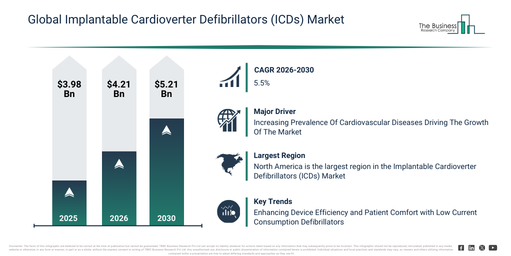
    The market for implantable cardioverter defibrillators (icds) has experienced robust expansion in recent years. Projections indicate an increase from $3.98 billion in 2025 to $4.21 billion by 2026, achieving a compound annual growth rate (CAGR) of 5.7%. The historical growth in this sector was propelled by factors such as the rising incidence of sudden cardiac arrest, the increasing prevalence of ventricular arrhythmias, the clinical validation of icd efficacy, growing adoption in high-risk cardiac patients, and the expansion of cardiac care infrastructure.

    The market size for implantable cardioverter defibrillators (ICDs) is predicted to experience robust expansion in the upcoming years. It is expected to reach $5.21 billion by 2030, demonstrating a compound annual growth rate (CAGR) of 5.5%. This growth throughout the forecast period can be attributed to several factors, including technological innovations in smart ICDs, an escalating demand for remote patient monitoring, an increasing elderly population affected by cardiac disorders, rising public awareness of preventive cardiac therapies, and broader reimbursement coverage for implantable devices. Prominent trends observed during this forecast period include the expanding adoption of remote monitoring-enabled ICDs, a growing preference for minimally invasive and wireless ICD systems, increased deployment of MRI-compatible implantable devices, the broadening indications of ICDs in heart failure management, and the enhanced integration of predictive analytics in arrhythmia management.

    Access Your Free Sample Report for In-Depth Market Insights:

    https://www.thebusinessresearchcompany.com/sample.aspx?id=20839&type=smp

    Which Drivers Are Influencing Market Acceleration In The Implantable Cardioverter Defibrillators (ICDs) Market?

    The projected expansion of the implantable cardioverter defibrillators (ICDs) market is linked to the rising occurrence of cardiovascular diseases (CVDs). CVDs encompass various ailments impacting the heart and blood vessels, such as heart attacks, strokes, and hypertension, frequently resulting from elements like unhealthy eating habits, insufficient physical activity, tobacco use, and hereditary predispositions. This growing incidence of cardiovascular diseases is mainly fueled by an older demographic, detrimental lifestyle decisions, and an uptick in risk factors including obesity, diabetes, and high blood pressure. ICDs play a role in managing CVDs by delivering critical electrical impulses to normalize heartbeats in individuals susceptible to sudden cardiac arrest. To illustrate, in October 2024, data from the Centers for Disease Control and Prevention (CDC), a US-based public health agency, indicated that 919,032 individuals succumbed to cardiovascular disease in 2023, representing roughly 1 in every 3 deaths across the United States. Consequently, the expanding occurrence of cardiovascular diseases (CVDs) is stimulating the development of the implantable cardioverter defibrillators (ICDs) market.

    What Leading Segments Are Studied In The Implantable Cardioverter Defibrillators (ICDs) Market?

    The implantable cardioverter defibrillators (icds) market covered in this report is segmented –

    1) By Type: Single Chamber Implantable Cardioverter Defibrillators (ICDs), Dual Chamber Implantable Cardioverter Defibrillators (ICDs), Biventricular Devices

    2) By Application: Bradycardia, Tachycardia, Heart Failure, Other Applications

    3) By End User: Hospitals, Specialty Clinics, Ambulatory Surgical Centers, Other End Users

    Subsegments:

    1) By Single Chamber Implantable Cardioverter Defibrillators (ICDs): Standard Single Chamber ICDs, MRI-Compatible Single Chamber ICDs, Wireless Single Chamber ICDs

    2) By Dual Chamber Implantable Cardioverter Defibrillators (ICDs): Standard Dual Chamber ICDs, MRI-Compatible Dual Chamber ICDs, Wireless Dual Chamber ICDs

    3) By Biventricular Devices: CRT-D (Cardiac Resynchronization Therapy Defibrillator), Biventricular ICDs With Advanced Features (Remote Monitoring, Wireless Capabilities)

    Which Innovation Trends Are Advancing Developments Within The Implantable Cardioverter Defibrillators (ICDs) Market?

    Leading companies in the implantable cardioverter defibrillators (ICDs) market are concentrating on technological improvements, such as low current consumption defibrillators, to boost device efficiency, extend battery lifespan, and enhance patient comfort. These low current consumption defibrillators are engineered to deliver electrical impulses to the heart with less energy, thereby extending battery life while maintaining effective treatment for arrhythmias. For example, in October 2023, MicroPort CRM, a France-based medical devices company, introduced the ULYS implantable cardioverter defibrillator (ICD) and the INVICTA defibrillation lead in Japan, signifying a notable progression in cardiac care technology. These devices are equipped with innovative features like low current consumption for prolonged battery life and MRI compatibility, making them suitable for patients requiring imaging procedures. The ULYS ICD incorporates the PARAD+ arrhythmia discrimination algorithm and AutoMRI functionality, improving patient safety during MRI scans. Additionally, the INVICTA lead demonstrated a 100% implantation success rate and a 97.4% complication-free rate in clinical trials, emphasizing its dependability and effectiveness.

    Which Key Market Players Are Investing In Expansion And Innovation Within The Implantable Cardioverter Defibrillators (ICDs) Market?

    Major companies operating in the implantable cardioverter defibrillators (icds) market are Abbott Laboratories, Medtronic Inc., Boston Scientific Corporation, St. Jude Medical Inc., BIOTRONIK SE & Co. KG, LivaNova PLC, MicroPort Scientific Corporation, Intermedics Inc., Sorin Group S.p.A.

    Access The Complete Report For Deeper Market Insights:

    https://www.thebusinessresearchcompany.com/report/implantable-cardioverter-defibrillators-icds-global-market-report

    Which Regions Are Projected To Dominate The Implantable Cardioverter Defibrillators (ICDs) Market In The Coming Years?

    North America was the largest region in the implantable cardioverter defibrillators market in 2025. Asia-Pacific is expected to be the fastest-growing region in the forecast period. The regions covered in the implantable cardioverter defibrillators (icds) market report are Asia-Pacific, South East Asia, Western Europe, Eastern Europe, North America, South America, Middle East, Africa.

    Request Your Customized Implantable Cardioverter Defibrillators (ICDs) Market Research Report for Competitive Advantage:

    https://www.thebusinessresearchcompany.com/customise?id=20839&type=smp

    Browse Through More Reports Similar to the Global Implantable Cardioverter Defibrillators (ICDs) Market 2026, By The Business Research Company

    Cardiac Prosthetic Devices Market Report 2026

    https://www.thebusinessresearchcompany.com/report/cardiac-prosthetic-devices-global-market-report

    Defibrillator Devices And Equipment Market Report 2026

    https://www.thebusinessresearchcompany.com/report/defibrillator-devices-and-equipment-global-market-report

    Automated External Defibrillators Aed Market Report 2026

    https://www.thebusinessresearchcompany.com/report/automated-external-defibrillators-aed-global-market-report

    Get in touch with us:

    The Business Research Company: https://www.thebusinessresearchcompany.com/

    Americas +1 310-496-7795

    Asia +44 7882 955267 & +91 8897263534

    Europe +44 7882 955267

    Email us at info@tbrc.info

    Follow us on:

    LinkedIn: https://in.linkedin.com/company/the-business-research-company

    YouTube: https://www.youtube.com/channel/UC24_fI0rV8cR5DxlCpgmyFQ

    Global Market Model: https://www.thebusinessresearchcompany.com/global-market-model
  • Impetigo Market Forecast 2026–2035: Data Trends and Industry Insights

    Impetigo Market Forecast 2026–2035: Data Trends and Industry Insights

    Uncover key drivers, emerging technologies, and competitive movements shaping the impetigo market from 2026–2035 with trusted insights from The Business Research Company

    What is the estimated market size of the Impetigo Market by the end of 2030?

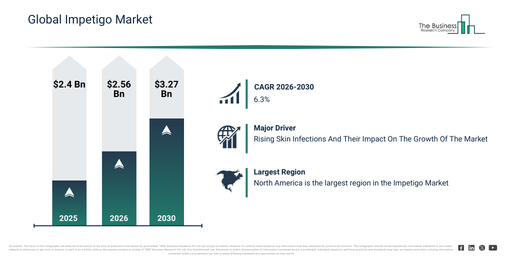
    The impetigo market has demonstrated robust growth in recent years. It is anticipated to expand from $2.4 billion in 2025 to $2.56 billion in 2026, progressing at a compound annual growth rate (CAGR) of 6.6%. This historical growth can be attributed to factors such as a high prevalence of pediatric skin infections, the widespread application of topical antibiotics, issues like poor hygiene and overcrowding, a heightened awareness of contagious skin diseases, and the accessibility of low-cost antibiotic treatments.

    The impetigo market size is projected to experience strong growth in the coming years, with an anticipated expansion to $3.27 billion by 2030, at a compound annual growth rate (CAGR) of 6.3%. This growth during the forecast period is driven by factors such as increasing concerns about antibiotic resistance, the development of new topical formulations, enhanced healthcare access in emerging regions, a rising focus on preventive dermatology, and improved public health education regarding skin infections. Notable trends expected in the forecast period include a growing preference for topical antibiotics over systemic therapy, a heightened emphasis on early diagnosis and rapid treatment initiation, an increasing demand for pediatric-specific impetigo treatments, a stronger focus on infection prevention and hygiene awareness, and the wider adoption of over-the-counter and outpatient treatment approaches.

    Access Your Free Sample Report for In-Depth Market Insights:

    https://www.thebusinessresearchcompany.com/sample.aspx?id=21209&type=smp

    What Drivers Are Shaping Future Opportunities In The Impetigo Market?

    The increasing occurrence of skin infections is anticipated to propel the growth of the impetigo market in the coming period. Skin infections are conditions where detrimental microorganisms such as bacteria, viruses, fungi, or parasites invade the skin, leading to irritation, inflammation, or other symptoms. The rise in skin infections is attributed to factors like high antibiotic resistance, poor hygiene, climate change, compromised immune systems, and increased international travel. Impetigo treatment aids in managing and resolving the infection by targeting bacterial pathogens, typically Streptococcus or Staphylococcus species, using topical or oral antibiotics. These treatments help alleviate symptoms such as itching and discomfort, prevent the infection’s spread, and accelerate the healing process, thereby minimizing the risk of complications and recurrence. For example, in October 2023, the European Academy of Dermatology and Venereology (EADV) reported that approximately 43% of EU citizens had experienced at least one skin disease in the preceding 12 months, with fungal skin infections being among the most common. Consequently, the growing prevalence of skin infections is a key driver for the impetigo market. The enhancement of healthcare facilities is expected to drive the expansion of the impetigo market moving forward. Healthcare facilities are establishments, including hospitals, clinics, and diagnostic centers, that provide medical care and services to treat and support patients. Improvements in these facilities are driven by increased investment in healthcare infrastructure, a focus on patient-centered care, population growth, and an aging demographic. Better healthcare facilities aid in the management and treatment of impetigo by improving access to specialized dermatological care, increasing the availability of effective treatment options, fostering superior hygiene practices within healthcare settings to prevent infection transmission, and facilitating early diagnosis and timely interventions. This ultimately contributes to improved patient outcomes and reduces the burden of skin infections. For instance, in May 2023, according to the American Health Care Association, the United States had 6,129 hospitals, marking a 0.591% increase from the 6,093 hospitals recorded in the previous year. Thus, the improvement of healthcare facilities is a significant factor driving the impetigo market’s growth.

    Which Segment Groups Are Influencing The Impetigo Market?

    The impetigo market covered in this report is segmented –

    1) By Treatment Type: Topical Antibiotics, Oral Antibiotics, Antiseptic Soaks

    2) By Causative Pathogen: Staphylococcus aureus, Streptococcus pyogenes, Other Bacteria

    3) By Severity: Mild, Moderate, Severe

    4) By Patient Age: Children, Adults, Elderly

    Subsegments:

    1) By Topical Antibiotics: Mupirocin, Retapamulin, Fusidic Acid

    2) By Oral Antibiotics: Cephalexin, Dicloxacillin, Clindamycin

    3) By Antiseptic Soaks: Chlorhexidine, Hydrogen Peroxide, Potassium Permanganate

    Who Are The Core Companies Influencing Trends In The Impetigo Market?

    Major companies operating in the impetigo market are Teva Pharmaceutical Industries Ltd., Bausch Health Companies Inc., Sun Pharmaceutical Industries Ltd., Galderma SA, Dr. Reddy’s Laboratories Ltd., Leo Pharma A/S, Torrent Pharmaceuticals Ltd., Almirall S.A, Taro Pharmaceutical Industries Ltd., Cutanea Life Sciences Inc., InfectoPharm Arzneimittel und Consilium GmbH, NovaBay Pharmaceuticals Inc.

    Access The Complete Report For Deeper Market Insights:

    https://www.thebusinessresearchcompany.com/report/impetigo-global-market-report

    Which Region Is Expected To Experience The Fastest Growth In The Impetigo Market?

    North America was the largest region in the impetigo market in 2025. Asia-Pacific is expected to be the fastest-growing region in the forecast period. The regions covered in the impetigo market report are Asia-Pacific, South East Asia, Western Europe, Eastern Europe, North America, South America, Middle East, Africa.

    Request Your Customized Impetigo Market Research Report for Competitive Advantage:

    https://www.thebusinessresearchcompany.com/customise?id=21209&type=smp

    Browse Through More Reports Similar to the Global Impetigo Market 2026, By The Business Research Company

    Clopidogrel Market Report 2026

    https://www.thebusinessresearchcompany.com/report/clopidogrel-global-market-report

    Mushroom Market 2026

    https://www.thebusinessresearchcompany.com/report/mushroom-market

    Reishi Mushroom Market Report 2026

    https://www.thebusinessresearchcompany.com/report/reishi-mushroom-global-market-report

    Get in touch with us:

    The Business Research Company: https://www.thebusinessresearchcompany.com/

    Americas +1 310-496-7795

    Asia +44 7882 955267 & +91 8897263534

    Europe +44 7882 955267

    Email us at info@tbrc.info

    Follow us on:

    LinkedIn: https://in.linkedin.com/company/the-business-research-company

    YouTube: https://www.youtube.com/channel/UC24_fI0rV8cR5DxlCpgmyFQ

    Global Market Model: https://www.thebusinessresearchcompany.com/global-market-model
  • Immunomodulator Market Outlook 2026–2030: Key Business Drivers and Trends

    Immunomodulator Market Outlook 2026–2030: Key Business Drivers and Trends

    Uncover key drivers, emerging technologies, and competitive movements shaping the immunomodulator market from 2026–2035 with trusted insights from The Business Research Company

    What was the valuation of the Immunomodulator Market in 2026, and what figure is it projected to hit by 2030?

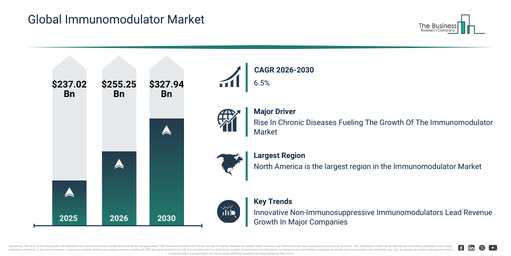
    The immunomodulator market size has demonstrated robust growth in recent years. It is anticipated to expand from $237.02 billion in 2025 to reach $255.25 billion in 2026, exhibiting a compound annual growth rate (CAGR) of 7.7%. Historically, this expansion has been driven by several factors, including the rising prevalence of autoimmune disorders, the broader application of oncology and transplant procedures, increased utilization of corticosteroids and traditional immunosuppressants, the growing acceptance of hospital-based immunotherapy, and an improved clinical understanding of immune pathways.

    The immunomodulator market is expected to demonstrate robust growth over the next few years. This market is projected to expand to $327.94 billion in 2030, achieving a compound annual growth rate (CAGR) of 6.5%. This expansion during the forecast period can be attributed to the development of innovative biologics and small molecule agents, increasing demand for immuno-oncology therapies, a heightened focus on targeted and safer immunomodulators, the rise of home-based and outpatient treatments, and the expanding applications in emerging infectious and inflammatory diseases. Prominent trends anticipated in this period include the increasing adoption of biologic and targeted immunotherapies, a growing reliance on combination immunomodulatory treatments, a rising emphasis on personalized and precision immunotherapy, the broadening application of immunomodulators in chronic and autoimmune diseases, and a noticeable shift toward outpatient and long-term immune management.

    Access Your Free Sample Report for In-Depth Market Insights:

    https://www.thebusinessresearchcompany.com/sample.aspx?id=15591&type=smp

    Which Drivers Are Affecting Market Participation In The Immunomodulator Market?

    The increasing prevalence of chronic conditions is anticipated to boost the expansion of the immunomodulator market. These are enduring health issues that commonly emerge progressively and continue for prolonged durations, frequently spanning years or an entire lifespan. The growing incidence of chronic ailments is attributable to numerous interrelated factors, including an older demographic, lifestyle choices, inherited susceptibilities, and the availability and structure of medical services. Immunomodulators offer crucial treatment alternatives for addressing chronic illnesses through their ability to adjust immune reactions, lessen inflammation, avert organ rejection, bolster immune oversight, and alleviate symptoms. For example, data from September 2023, provided by the World Health Organization, a specialized United Nations agency based in Switzerland, indicated that 41 million deaths annually worldwide, representing 74% of total fatalities, were attributed to non-communicable diseases (NCDs), also known as chronic diseases. Specifically, 17.9 million deaths resulted from cardiovascular diseases, 9.3 million from cancer, 4.1 million from chronic respiratory diseases, and 2.0 million from diabetes. Consequently, the increased occurrence of chronic diseases is fueling the expansion of the immunomodulator market.

    What Segment Classifications Make Up The Immunomodulator Market?

    The immunomodulator market covered in this report is segmented –

    1) By Product Type: Immunosuppressants, Immunostimulants, Other Product Types

    2) By Distribution Channel: Hospital Pharmacy, Online Pharmacy, Retail Pharmacy, Other Distribution Channels

    3) By Application: Oncology, Respiratory, Human Immunodeficiency Virus, Other Applications

    4) By End-User: Hospitals, Clinics, Other End Users

    Subsegments:

    1) By Immunosuppressants: Corticosteroids, Calcineurin Inhibitors (Tacrolimus, Cyclosporine), Mtor Inhibitors (Sirolimus, Everolimus), Antimetabolites ( Azathioprine, Methotrexate), Biologic Immunosuppressants (Monoclonal Antibodies Like Rituximab), Janus Kinase (Jak) Inhibitors, T-Cell Inhibitors, Other Immunosuppressive Agents

    2) By Immunostimulants: Cytokine And Growth Factor-Based Immunostimulants ( Interferons, Interleukins), Monoclonal Antibodies For Immune Stimulation, Vaccines ( Cancer Vaccines, Preventive Vaccines), Adjuvants And Immune Modulatory Agents, Immunostimulatory Agents For Autoimmune Diseases, Toll-Like Receptor (Tlr) Agonists, Nucleic Acid-Based Immunostimulants ( Dna Or Rna Vaccines)

    3) By Other Product Types: Biologics ( Fusion Proteins, Immune Checkpoint Inhibitors), Small Molecule Immunomodulators, Immunotherapy Drugs, Stem Cell-Based Immunomodulators, Immuno-Oncology Drugs, Probiotics And Other Natural Immunomodulatory Agents

    What Industry Trends Are Transforming The Immunomodulator Market?

    Leading companies within the immunomodulator market are concentrating on developing non-immunosuppressive products. This strategic direction addresses the escalating demand for therapies that offer precise immune modulation without compromising the body’s entire immune function. Non-immunosuppressive refers to treatments or compounds that do not weaken or suppress the immune system’s capabilities. As an illustration, in February 2024, Nuvig Therapeutics, Inc., a US-based biotechnology company, began early-stage clinical trials for NVG-2089, identified as a next-generation immune modulator. NVG-2089 is a proprietary product specifically formulated for individuals with inflammatory myopathies and severe dermatologic autoimmune diseases. Furthermore, the FDA has granted fast-track designation for NVG-2089’s development concerning bullous pemphigoid. This innovative, recombinant, non-immunosuppressive immunomodulator operates by targeting type II Fc receptors, which in turn activates an endogenous regulatory mechanism to mitigate autoimmune dysregulation. The principal aim of the ongoing study is to determine the safety and tolerability of NVG-2089, with secondary objectives focusing on its pharmacokinetics and pharmacodynamics.

    Which Major Industry Participants Are Leading The Immunomodulator Market Growth?

    Major companies operating in the immunomodulator market are Pfizer Inc., Johnson & Johnson, F. Hoffmann-La Roche AG, AbbVie Inc., Sanofi S.A, Bristol Myers Squibb Company, AstraZeneca plc, Novartis AG, GlaxoSmithKline plc, Takeda Pharmaceutical Company Limited, Eli Lilly and Company, Gilead Sciences Inc., Regeneron Pharmaceuticals Inc., Biogen Inc., UCB S.A., Horizon Therapeutics plc, Incyte Corporation, Kyowa Kirin Co. Ltd.

    Access The Complete Report For Deeper Market Insights:

    https://www.thebusinessresearchcompany.com/report/immunomodulator-global-market-report

    Which Geographic Areas Are Emerging As Strong Markets For The Immunomodulator Market?

    North America was the largest region in the immunomodulator market in 2025. Asia-Pacific is expected to be the fastest-growing region in the forecast period. The regions covered in the immunomodulator market report are Asia-Pacific, South East Asia, Western Europe, Eastern Europe, North America, South America, Middle East, Africa.

    Request Your Customized Immunomodulator Market Research Report for Competitive Advantage:

    https://www.thebusinessresearchcompany.com/customise?id=15591&type=smp

    Browse Through More Reports Similar to the Global Immunomodulator Market 2026, By The Business Research Company

    Immunohematology Market Report 2026

    https://www.thebusinessresearchcompany.com/report/immunohematology-global-market-report

    Immunoassay Market Report 2026

    https://www.thebusinessresearchcompany.com/report/immunoassay-global-market-report

    Immunotoxin Market Report 2026

    https://www.thebusinessresearchcompany.com/report/immunotoxin-global-market-report

    Get in touch with us:

    The Business Research Company: https://www.thebusinessresearchcompany.com/

    Americas +1 310-496-7795

    Asia +44 7882 955267 & +91 8897263534

    Europe +44 7882 955267

    Email us at info@tbrc.info

    Follow us on:

    LinkedIn: https://in.linkedin.com/company/the-business-research-company

    YouTube: https://www.youtube.com/channel/UC24_fI0rV8cR5DxlCpgmyFQ

    Global Market Model: https://www.thebusinessresearchcompany.com/global-market-model