Category: HealthcareServices

  • Hysteroscopy Procedures Market Forecast: How Big Will It Be by 2030?

    Hysteroscopy Procedures Market Forecast: How Big Will It Be by 2030?

    Uncover key drivers, emerging technologies, and competitive movements shaping the hysteroscopy procedures market from 2026–2035 with trusted insights from The Business Research Company

    What size range is anticipated for the Hysteroscopy Procedures Market from 2026 to 2030?

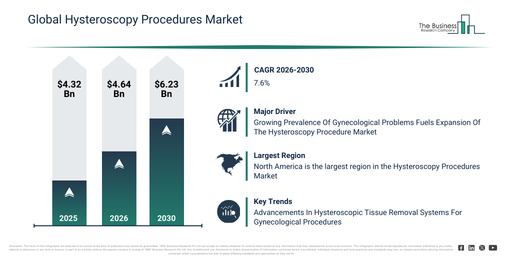
    The hysteroscopy procedures market has demonstrated significant expansion over recent years. It is anticipated to increase from $4.32 billion in 2025 to $4.64 billion in 2026, achieving a compound annual growth rate (CAGR) of 7.4%. This market’s past growth is primarily due to factors such as the rising incidence of abnormal uterine bleeding, greater public knowledge of minimally invasive diagnostic methods, enhanced availability of gynecological services, an increase in hospital-based surgical operations, and progress in optical and imaging technologies.

    The hysteroscopy procedures market is projected to experience substantial expansion over the upcoming years. This market is set to reach $6.23 billion by 2030, demonstrating a compound annual growth rate (CAGR) of 7.6%. This anticipated growth is largely driven by factors such as the increasing need for fertility assessment procedures, the proliferation of ambulatory surgery centers, a growing inclination towards outpatient diagnostic methods, advancements in flexible hysteroscopy technology, and heightened healthcare spending on women’s well-being. Key trends anticipated during the forecast period encompass a greater embrace of minimally invasive gynecological techniques, a noticeable shift towards hysteroscopy conducted in office settings and outpatient facilities, an escalating requirement for diagnostic hysteroscopy in addressing infertility, ongoing technological improvements in hysteroscopic imaging and tools, and the broadening application of hysteroscopy for prompt identification of uterine conditions.

    Access Your Free Sample Report for In-Depth Market Insights:

    https://www.thebusinessresearchcompany.com/sample.aspx?id=10710&type=smp

    What Drivers Are Affecting Demand In The Hysteroscopy Procedures Market?

    The escalating occurrence of gynecological conditions is anticipated to fuel the expansion of the hysteroscopy procedure market in the future. Gynecological disorders are defined as ailments that disrupt the typical operation of the female reproductive system, encompassing conditions like uterine fibroids, menstrual irregularities, or polycystic ovarian syndrome. Hysteroscopy methods are effective in preventing the heightened incidence of gynecological diseases by enabling the diagnosis and treatment of issues leading to atypical uterine bleeding, heavy menstrual flow, inconsistent spotting between cycles, and post-menopausal bleeding. For example, in January 2023, an article from the National Center for Biotechnology Information reported that over 70% of women develop uterine fibroids by the onset of menopause, with 25% of women of reproductive age experiencing clinically significant uterine fibroids. Moreover, in March 2023, as per an article released by the World Health Organization, a Switzerland-based entity dedicated to global public health, endometriosis impacts nearly 10% (190 million) of women and girls globally who are of reproductive age. Consequently, the increasing prevalence of gynecological problems is stimulating the growth of the hysteroscopy procedure market.

    Which Segment Groups Are Influencing The Hysteroscopy Procedures Market?

    The hysteroscopy procedures market covered in this report is segmented –

    1) By Product Type: Flexible Hysteroscopes, Forceps, Rigid Hysteroscopes, Scissors

    2) By Application: Hysteroscopy, Endometrial Ablation, Myomectomy, Polypectomy, Other Applications

    3) By End-User: Hospitals, Clinics, Ambulatory Surgery Centers, Other End-Users

    Subsegments:

    1) By Flexible Hysteroscopes: Diagnostic Flexible Hysteroscopes, Operative Flexible Hysteroscopes

    2) By Forceps: Biopsy Forceps, Grasping Forceps

    3) By Rigid Hysteroscopes: Diagnostic Rigid Hysteroscopes, Operative Rigid Hysteroscopes

    4) By Scissors: Curved Scissors, Straight Scissors

    Which Trends Are Influencing The Performance And Direction Of The Hysteroscopy Procedures Market?

    Leading companies within the hysteroscopy procedures market are concentrating on developing innovative solutions, such as hysteroscopic tissue removal systems, to render hysteroscopic procedures less invasive and entirely straightforward. A hysteroscopic tissue removal system is a minimally invasive medical device utilized for the resection or removal of abnormal tissues inside the uterus, leveraging hysteroscopy to offer real-time visualization and precise treatment. For instance, in July 2023, GenWorks Health Private Limited, an India-based equipment and technology solutions company, launched the mechanical hysteroscopic tissue removal system. This mechanical hysteroscopic tissue removal system is a medical device specifically designed to enable the minimally invasive extraction of intrauterine tissues during hysteroscopic procedures. The system employs a straightforward mechanical methodology, permitting the insertion of the hysteroscope into the uterus, where soft tissue shavers simultaneously cut and aspirate abnormal tissues, including endometrial fibroids and polyps. Its design facilitates direct visualization of the intrauterine cavity, thereby ensuring precise targeting of the abnormalities while also aiding in the capture of tissue for pathological analysis. By reducing reliance on energy discharge and minimizing fluid usage, the system enhances both safety and efficiency, culminating in shorter procedure times and improved patient outcomes. With a streamlined process that demands fewer steps and only a single insertion, it demonstrates itself as a valuable instrument in gynecological practice.

    Who Are The Prominent Global Companies Shaping The Hysteroscopy Procedures Market Landscape?

    Major companies operating in the hysteroscopy procedures market are Hologic Inc., CooperSurgical Inc., Stryker Corp., Karl Storz SE & Co. KG, Medtronic plc, Johnson & Johnson Services Inc., Olympus Corporation, B. Braun SE, Richard Wolf GmbH, Erbe Elektromedizin GmbH, Boston Scientific Corporation, MedGyn Products Inc., LiNA Medical ApS, LUMINELLE, Meditrina Inc., Maxer Endoscopy GmbH, Smith & Nephew plc, Cook Medical LLC, Fujifilm Holdings Corporation, ConMed Corporation, Silex Medical LLC, Endo Optiks Inc.

    Access The Complete Report For Deeper Market Insights:

    https://www.thebusinessresearchcompany.com/report/hysteroscopy-procedures-global-market-report

    Which Region Is Projected To Lead The Hysteroscopy Procedures Market During The Forecast Period?

    North America was the largest region in the hysteroscopy procedure market in 2025.Asia-Pacific is expected to be the fastest-growing region in the global hysteroscopy procedure market report during the forecast period. The regions covered in the hysteroscopy procedures market report are Asia-Pacific, South East Asia, Western Europe, Eastern Europe, North America, South America, Middle East, Africa.

    Request Your Customized Hysteroscopy Procedures Market Research Report for Competitive Advantage:

    https://www.thebusinessresearchcompany.com/customise?id=10710&type=smp

    Browse Through More Reports Similar to the Global Hysteroscopy Procedures Market 2026, By The Business Research Company

    Laparoscopy Devices Market Report 2026

    https://www.thebusinessresearchcompany.com/report/laparoscopy-devices-global-market-report

    Laparoscopic Gynecological Procedures Market Report 2026

    https://www.thebusinessresearchcompany.com/report/laparoscopic-gynecological-procedures-global-market-report

    Non Surgical Cosmetic Procedures Market Report 2026

    https://www.thebusinessresearchcompany.com/report/non-surgical-cosmetic-procedures-global-market-report

    Get in touch with us:

    The Business Research Company: https://www.thebusinessresearchcompany.com/

    Americas +1 310-496-7795

    Asia +44 7882 955267 & +91 8897263534

    Europe +44 7882 955267

    Email us at info@tbrc.info

    Follow us on:

    LinkedIn: https://in.linkedin.com/company/the-business-research-company

    YouTube: https://www.youtube.com/channel/UC24_fI0rV8cR5DxlCpgmyFQ

    Global Market Model: https://www.thebusinessresearchcompany.com/global-market-model
  • Hypophosphatasia Treatment Market Report 2026: Strategic Insights and Revenue Outlook

    Hypophosphatasia Treatment Market Report 2026: Strategic Insights and Revenue Outlook

    Uncover key drivers, emerging technologies, and competitive movements shaping the hypophosphatasia treatment market from 2026–2035 with trusted insights from The Business Research Company

    How is the Hypophosphatasia Treatment Market size predicted to change over the forecast window of 2026–2035?

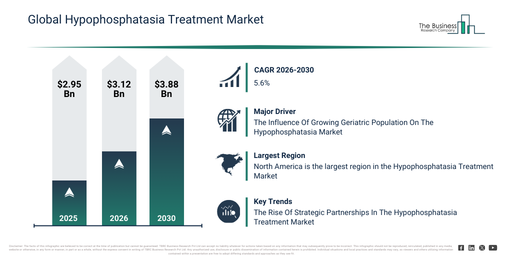
    The hypophosphatasia treatment market has experienced robust expansion in recent times. This market is projected to expand from $2.95 billion in 2025 to $3.12 billion in 2026, exhibiting a compound annual growth rate (CAGR) of 5.9%. Historically, this growth can be ascribed to several factors, including the constrained availability of targeted therapies, a rising awareness of rare metabolic bone disorders, advancements in diagnostic imaging and laboratory testing, management of severe instances predominantly in hospitals, and the progressive integration of enzyme replacement therapy.

    The hypophosphatasia treatment market size is anticipated to experience robust expansion over the coming years. By 2030, this market is projected to reach $3.88 billion, demonstrating a compound annual growth rate (CAGR) of 5.6%. This projected growth is driven by several factors, including the expansion of genetic testing and newborn screening programs, increased investment in the development of drugs for rare diseases, broader availability of advanced enzyme replacement therapies, enhanced patient awareness and advocacy efforts, and improved access to specialized medical clinics. Key trends anticipated during the forecast period involve the wider uptake of enzyme replacement therapy, a heightened emphasis on early genetic diagnosis and screening, an escalating demand for customized treatment plans, the spread of multidisciplinary care approaches for rare bone conditions, and advancements in long-term disease monitoring and supportive care.

    Access Your Free Sample Report for In-Depth Market Insights:

    https://www.thebusinessresearchcompany.com/sample.aspx?id=9424&type=smp

    Which Drivers Are Contributing To The Expansion Of The Hypophosphatasia Treatment Market?

    The expanding geriatric population is anticipated to stimulate the growth of the hypophosphatasia treatment market moving forward. The geriatric population, also recognized as the elderly or seniors, refers to individuals within the older age bracket, typically aged 65 years and above. The increasing number of older adults contributes significantly to the demand for healthcare services associated with hypophosphatasia, spanning from initial diagnosis to long-term care, and fosters advancements in understanding and treating this condition among the aging demographic. For example, in January 2024, the Population Reference Bureau, a US-based non-profit organization, reported that the count of Americans aged 65 and older is expected to climb from 58 million in 2022 to 82 million by 2050, marking a 47% increase. As a result, this age group’s proportion of the total U.S. population will rise from 17% to 23% during this timeframe. Therefore, the growing geriatric population is a key factor driving the expansion of the hypophosphatasia treatment market.

    What Segment Classifications Make Up The Hypophosphatasia Treatment Market?

    The hypophosphatasia treatment market covered in this report is segmented –

    1) By Type: Odontohypophosphatasia, Pseudohypophosphatasia

    2) By Route Of Administration: Oral, Injectable

    3) By Distribution Channel: Hospital Pharmacy, Online Pharmacy, Retail Pharmacy

    4) By End User: Hospitals, Homecare, Specialty Clinics, Other End Users

    Subsegments:

    1) By Odontohypophosphatasia: Childhood Odontohypophosphatasia, Adult Odontohypophosphatasia

    2) By Pseudohypophosphatasia: Genetically Confirmed Pseudohypophosphatasia, Clinically Diagnosed Pseudohypophosphatasia

    What Long-Term Trends Are Expected To Shape The Future Of The Hypophosphatasia Treatment Market?

    Leading companies in the Hypophosphatasia treatment market are concentrating on the creation of innovative therapies, such as engineered B Cell Medicines and enzyme replacement treatments, to improve patient outcomes and better manage this rare genetic disorder. B Cell Medicines (BCMs) are advanced therapeutic methods that employ modified B cells to produce and secrete therapeutic proteins, offering potential treatments for various conditions, including genetic disorders and cancers. For example, in June 2024, Be Biopharma, Inc., a US-based company focused on developing B cell medicines for severe diseases, revealed promising preclinical data for a novel B Cell Medicine (BCM) intended for treating Hypophosphatasia (HPP), a rare genetic disorder defined by a deficiency in tissue-nonspecific alkaline phosphatase (ALP). This research underscores the innovative application of CRISPR/Cas9-based precision gene engineering combined with artificial intelligence-guided protein design to boost the therapeutic capabilities of BCMs.

    Which Key Players Are Driving Competition In The Hypophosphatasia Treatment Market?

    Major companies operating in the hypophosphatasia treatment market are Ultragenyx Pharmaceutical Inc, Alexion Pharmaceuticals Inc, BioMarin Pharmaceutical Inc, Inozyme Pharma Inc, Kyowa Kirin Co. Ltd., Shire plc, Takeda Pharmaceutical Company Limited, AstraZeneca plc, Pfizer Inc, Novartis AG, Sanofi S.A., Roche Holding AG, Amgen Inc, Eli Lilly and Company, Regeneron Pharmaceuticals Inc, Bristol Myers Squibb Company, Gilead Sciences Inc, AbbVie Inc, Merck & Co Inc, Johnson & Johnson

    Access The Complete Report For Deeper Market Insights:

    https://www.thebusinessresearchcompany.com/report/hypophosphatasia-treatment-global-market-report

    Which Region Currently Holds The Largest Share Of The Hypophosphatasia Treatment Market?

    North America was the largest region in the hypophosphatasia treatment market in 2025. The regions covered in the hypophosphatasia treatment market report are Asia-Pacific, South East Asia, Western Europe, Eastern Europe, North America, South America, Middle East, Africa.

    Request Your Customized Hypophosphatasia Treatment Market Research Report for Competitive Advantage:

    https://www.thebusinessresearchcompany.com/customise?id=9424&type=smp

    Browse Through More Reports Similar to the Global Hypophosphatasia Treatment Market 2026, By The Business Research Company

    Encephalitis Treatment Market Report 2026

    https://www.thebusinessresearchcompany.com/report/encephalitis-treatment-global-market-report

    Hypolipidemics Market Report 2026

    https://www.thebusinessresearchcompany.com/report/hypolipidemics-global-market-report

    Hydrocephalus Market Report 2026

    https://www.thebusinessresearchcompany.com/report/hydrocephalus-global-market-report

    Get in touch with us:

    The Business Research Company: https://www.thebusinessresearchcompany.com/

    Americas +1 310-496-7795

    Asia +44 7882 955267 & +91 8897263534

    Europe +44 7882 955267

    Email us at info@tbrc.info

    Follow us on:

    LinkedIn: https://in.linkedin.com/company/the-business-research-company

    YouTube: https://www.youtube.com/channel/UC24_fI0rV8cR5DxlCpgmyFQ

    Global Market Model: https://www.thebusinessresearchcompany.com/global-market-model
  • Global Hypertrophic Cardiomyopathy Treatment Industry Trends and Market Forecast 2026–2030

    Global Hypertrophic Cardiomyopathy Treatment Industry Trends and Market Forecast 2026–2030

    Uncover key drivers, emerging technologies, and competitive movements shaping the hypertrophic cardiomyopathy treatment market from 2026–2035 with trusted insights from The Business Research Company

    What market expansion outlook does the Hypertrophic Cardiomyopathy Treatment Market show for the 2026–2030 period?

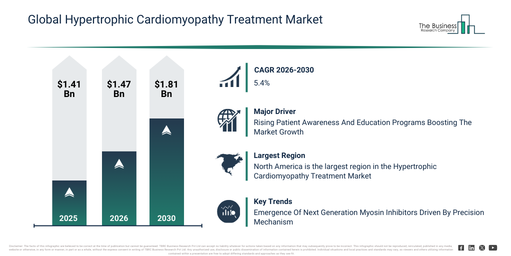
    The hypertrophic cardiomyopathy treatment market size has seen steady expansion in recent years. It is anticipated to increase from $1.41 billion in 2025 to $1.47 billion in 2026, at a compound annual growth rate (CAGR) of 4.2%. The past growth in this market can be attributed to several factors including improved awareness of hypertrophic cardiomyopathy, the widespread application of beta blockers and calcium channel blockers, enhanced availability of echocardiography diagnostics, hospital-based care for symptomatic patients, and the rising identification of familial hcm cases.

    The hypertrophic cardiomyopathy treatment market size is projected to experience substantial growth in the upcoming years, with expectations to reach $1.81 billion by 2030, at a compound annual growth rate (CAGR) of 5.4%. This expansion during the forecast period can be primarily attributed to factors such as the increasing adoption of genetic testing and screening, a rising demand for implantable cardioverter defibrillators, the growing application of targeted pharmacological therapies, the expansion of specialized cardiology centers, and improvements in long-term patient monitoring and follow-up care. Furthermore, significant trends anticipated in this period include the growing embrace of precision medicine in HCM treatment, increased utilization of advanced cardiac imaging for treatment planning, a rising preference for minimally invasive septal reduction therapies, the expansion of implantable cardiac devices for sudden cardiac death prevention, and an enhanced focus on personalized long-term disease management.

    Access Your Free Sample Report for In-Depth Market Insights:

    https://www.thebusinessresearchcompany.com/sample.aspx?id=13017&type=smp

    What Drivers Are Shaping The Development Of The Hypertrophic Cardiomyopathy Treatment Market?

    The hypertrophic cardiomyopathy treatment market is anticipated to expand in the coming years, driven by growing patient awareness and education programs. These initiatives aim to influence patient behavior by providing data and knowledge, thereby modifying their understanding, mindset, and abilities necessary to maintain or improve health. Hypertrophic cardiomyopathy, a rare and often unrecognized genetic disorder, frequently leads to undiagnosed cases due to a lack of awareness about the condition. Launching related awareness and education programs can help minimize disease risks through early diagnosis and treatment. For instance, according to GOV.UK, a UK-based government department, adult participation in further education and skills in the UK reached 1,627,320 by September 2024, marking a 0.9% rise from 2022/23. Additionally, participation in adult education and training increased by 4.6% to 863,790. Consequently, increasing patient awareness and education programs are fueling the hypertrophic cardiomyopathy treatment market.

    What Segment Types Are Examined In The Hypertrophic Cardiomyopathy Treatment Market?

    The hypertrophic cardiomyopathy treatment market covered in this report is segmented –

    1) By Disease Type: Obstructive Hypertrophic Cardiomyopathy Treatment, Non-Obstructive Hypertrophic Cardiomyopathy Treatment

    2) By Diagnosis: Chest X-Ray, Echocardiogram, Electrocardiogram (ECG), Treadmill Stress Test, Cardiac Catheterization, Cardiac MRI, Cardiac CT Scan, Blood Tests, Genetic Testing Or Screening

    3) By Treatment: Medication, Surgically Implanted Devices, Nonsurgical Procedures, Surgery

    4) By End-User: Hospitals, Research Institutes, Specialty Clinics

    Subsegments:

    1) By Obstructive Hypertrophic Cardiomyopathy Treatment: Medications, Surgical Procedures, Alcohol Septal Ablation, Implantable Cardioverter Defibrillators (ICDs)

    2) By Non-Obstructive Hypertrophic Cardiomyopathy Treatment: Medications, Lifestyle Modifications, Genetic Counseling And Testing, Monitoring And Follow-Up Care

    Which Market Trends Are Opening Growth Opportunities In The Hypertrophic Cardiomyopathy Treatment Market?

    Major companies operating in the Hypertrophic Cardiomyopathy Treatment market are prioritizing selective cardiac myosin inhibition, such as small molecule allosteric myosin inhibitors, to gain a competitive advantage. These agents directly target hypercontractility in HCM by reducing the number of active actin-myosin cross bridges. For instance, in December 2024, Cytokinetics, a US-based biotechnology company, announced that the FDA accepted its New Drug Application for aficamten, a next generation cardiac myosin inhibitor, with a target action date of September 2025; aficamten demonstrated statistically significant improvement in exercise capacity (peak VO2), reductions in left ventricular outflow tract gradients, and favorable safety in the SEQUOIA HCM Phase III trial. This trend strengthens disease modifying approaches beyond symptom control, but long term safety and label competition (e.g., non obstructive HCM) remain hurdles.

    Who Are The Top-Performing Companies In The Hypertrophic Cardiomyopathy Treatment Market In Recent Years?

    Major companies operating in the hypertrophic cardiomyopathy treatment market are Pfizer Inc., F. Hoffmann-La Roche AG, Merck & Co. Inc., Novartis AG, Sanofi S.A., Bristol-Myers Squibb Company, AstraZeneca plc, Abbott Laboratories Ltd., GlaxoSmithKline plc, Takeda Pharmaceutical Company Limited, Teva Pharmaceutical Industries Ltd., Boston Scientific Corporation, Mylan N.V., Sun Pharmaceutical Industries Ltd., Cipla Ltd., Aurobindo Pharma Ltd., Hikma Pharmaceuticals plc, Lupin Limited, Zydus Lifesciences Limited, XyloCor Therapeutics Inc., Cytokinetics Inc., Santhera Pharmaceuticals Holding AG, DiNAQOR AG, Correvio Pharma Corp, Cardurion Pharmaceuticals Inc.

    Access The Complete Report For Deeper Market Insights:

    https://www.thebusinessresearchcompany.com/report/hypertrophic-cardiomyopathy-treatment-global-market-report

    How Does The Hypertrophic Cardiomyopathy Treatment Market Perform Across Major Global Regions?

    North America was the largest region in the hypertrophic cardiomyopathy treatment market in 2025. The regions covered in the hypertrophic cardiomyopathy treatment market report are Asia-Pacific, South East Asia, Western Europe, Eastern Europe, North America, South America, Middle East, Africa.

    Request Your Customized Hypertrophic Cardiomyopathy Treatment Market Research Report for Competitive Advantage:

    https://www.thebusinessresearchcompany.com/customise?id=13017&type=smp

    Browse Through More Reports Similar to the Global Hypertrophic Cardiomyopathy Treatment Market 2026, By The Business Research Company

    Hypertrophic And Keloid Scar Treatment Market Report 2026

    https://www.thebusinessresearchcompany.com/report/hypertrophic-and-keloid-scar-treatment-global-market-report

    Hypertrophic Cardiomyopathy Hcm Therapeutics Market Report 2026

    https://www.thebusinessresearchcompany.com/report/hypertrophic-cardiomyopathy-hcm-therapeutics-global-market-report

    Cardiometabolic Diseases Market Report 2026

    https://www.thebusinessresearchcompany.com/report/cardiometabolic-diseases-global-market-report

    Get in touch with us:

    The Business Research Company: https://www.thebusinessresearchcompany.com/

    Americas +1 310-496-7795

    Asia +44 7882 955267 & +91 8897263534

    Europe +44 7882 955267

    Email us at info@tbrc.info

    Follow us on:

    LinkedIn: https://in.linkedin.com/company/the-business-research-company

    YouTube: https://www.youtube.com/channel/UC24_fI0rV8cR5DxlCpgmyFQ

    Global Market Model: https://www.thebusinessresearchcompany.com/global-market-model
  • Hypertrophic Cardiomyopathy (HCM) Therapeutics Market Size and Demand Forecast 2026–2030

    Hypertrophic Cardiomyopathy (HCM) Therapeutics Market Size and Demand Forecast 2026–2030

    Uncover key drivers, emerging technologies, and competitive movements shaping the hypertrophic cardiomyopathy (hcm) therapeutics market from 2026–2035 with trusted insights from The Business Research Company

    What level of growth is expected in the Hypertrophic Cardiomyopathy (HCM) Therapeutics Market between 2026 and 2030?

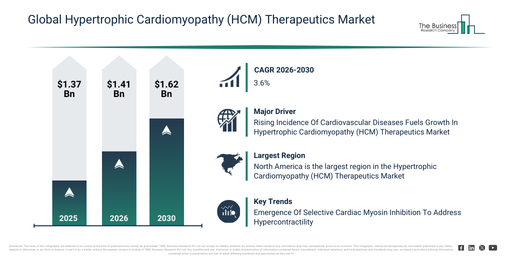
    The market size for hypertrophic cardiomyopathy (hcm) therapeutics has shown consistent expansion in recent years. This market is anticipated to expand from $1.37 billion in 2025 to $1.41 billion in 2026, achieving a compound annual growth rate (CAGR) of 3.2%. Throughout the historical period, this growth can be ascribed to several factors including improved awareness of inherited cardiomyopathies, the widespread adoption of beta blockers and calcium channel blockers, enhanced availability of diagnostic imaging, a rising incidence of genetic cardiac disorders, and hospital-based management strategies for high-risk patients.

    The hypertrophic cardiomyopathy (hcm) therapeutics market size is projected for consistent expansion in the coming years, anticipated to reach $1.62 billion by 2030, demonstrating a compound annual growth rate (CAGR) of 3.6%. This growth over the forecast period is fueled by factors such as the increasing uptake of innovative myosin inhibitors, the broadening of genetic screening initiatives, the heightened application of implantable defibrillators, a greater emphasis on personalized cardiology services, and enhancements in long-term disease management results. Key trends predicted for this period encompass a wider acceptance of targeted myosin inhibitors, a reinforced focus on prompt diagnosis and risk assessment, an uptick in the deployment of implantable cardiac devices to avert sudden fatalities, the proliferation of integrated drug and device-based therapeutic methods, and an amplified concentration on sustained symptom control and enhancing patient quality of life.

    Access Your Free Sample Report for In-Depth Market Insights:

    https://www.thebusinessresearchcompany.com/sample.aspx?id=9914&type=smp

    Which Drivers Are Expected To Impact The Hypertrophic Cardiomyopathy (HCM) Therapeutics Market During The Forecast Period?

    The rising prevalence of cardiovascular diseases (CVD) is projected to boost the expansion of the hypertrophic cardiomyopathy (HCM) therapeutics market. CVD encompasses conditions impacting the heart or blood vessels. These ailments involve heart irregularities like atrial fibrillation, ventricular fibrillation, and atrioventricular block, necessitating continuous observation. The main goal of therapeutic interventions for hypertrophic cardiomyopathy is to relieve symptoms and prevent sudden cardiac death in vulnerable patients. As an illustration, the American Heart Association, a US-based non-profit organization, reported in January 2024 that the age-adjusted death rate from cardiovascular disease rose to 233.3 per 100,000 in 2024, marking a 4.0% increase from 224.4 per 100,000 in 2023. Consequently, the growing occurrence of cardiovascular diseases (CVD) is a key driver for the hypertrophic cardiomyopathy (HCM) therapeutics market.

    Which Segments Are Driving Activity In The Hypertrophic Cardiomyopathy (HCM) Therapeutics Market?

    The hypertrophic cardiomyopathy (hcm) therapeutics market covered in this report is segmented –

    1) By Drug Type: Antiarrhythmic Agents, Anticoagulants, Beta Adrenergic Blocking Agents, Calcium Channel Blockers, Other Drug Types

    2) By Device Type: Defibrillators, Pacemakers, Other Device Types

    3) By End User: Hospitals, Clinics

    Subsegments:

    1) By Antiarrhythmic Agents: Class I Agents, Class II Agents, Class III Agents, Class IV Agents

    2) By Anticoagulants: Vitamin K Antagonists, Direct Oral Anticoagulants (DOACs), Low Molecular Weight Heparins (LMWH)

    3) By Beta Adrenergic Blocking Agents: Non-Selective Beta Blockers, Selective Beta Blockers

    4) By Calcium Channel Blockers: Dihydropyridines, Non-Dihydropyridines

    5) By Other Drug Types: Myosin Inhibitors, Antimetabolites

    How Are Emerging Trends Affecting The Progression Of The Hypertrophic Cardiomyopathy (HCM) Therapeutics Market?

    Leading companies in the hypertrophic cardiomyopathy therapeutics market are concentrating on small molecule allosteric cardiac myosin inhibitors, such as selective myosin modulation, to achieve a competitive advantage. These agents function by restricting actin–myosin cross bridge formation, which in turn reduces excessive contractile force within the myocardium. For example, in December 2024, Cytokinetics, a U.S.-based biopharmaceutical company, received FDA acceptance for its New Drug Application for aficamten, a next-generation myosin inhibitor, following its demonstration of significant improvements in peak VO2, reductions in outflow tract gradients, and favorable safety during the pivotal SEQUOIA HCM Phase III trial. This strategy presents a disease-modifying alternative to symptom relief treatments but introduces regulatory intricacies, as demonstrated by the submission of a risk mitigation plan (REMS) with the NDA.

    Which Leading Companies Dominate The Hypertrophic Cardiomyopathy (HCM) Therapeutics Market Share?

    Major companies operating in the hypertrophic cardiomyopathy (hcm) therapeutics market are Merck & Co. Inc., Pfizer Inc., Sanofi SA, Teva Pharmaceutical Industries Ltd., Novartis AG, AstraZeneca plc, Gilead Sciences Inc., Bayer AG, Correvio Pharma Corp., Advanz Pharma Corp., Lupin Limited, Boston Scientific Corporation, Bristol-Myers Squibb Company, Johnson & Johnson, Medtronic plc, Cardiome Pharma Corp., Cytokinetics Inc., Daiichi Sankyo Company Limited, GlaxoSmithKline plc., HUYA Bioscience International LLC, Ionis Pharmaceuticals Inc., Kowa Company Ltd., Luitpold Pharmaceuticals Inc., Menarini Group, Mitsubishi Tanabe Pharma Corporation, Nippon Shinyaku Co. Ltd., Otsuka Holdings Co. Ltd., Servier Laboratories

    Access The Complete Report For Deeper Market Insights:

    https://www.thebusinessresearchcompany.com/report/hypertrophic-cardiomyopathy-hcm-therapeutics-global-market-report

    Which Region Is Anticipated To See The Fastest Growth In The Hypertrophic Cardiomyopathy (HCM) Therapeutics Market?

    North America was the largest region in the hypertrophic cardiomyopathy (HCM) therapeutics market in 2025. Asia-Pacific is expected to be the fastest-growing region in the hypertrophic cardiomyopathy (HCM) therapeutics market report during the forecast period. The regions covered in the hypertrophic cardiomyopathy (hcm) therapeutics market report are Asia-Pacific, South East Asia, Western Europe, Eastern Europe, North America, South America, Middle East, Africa.

    Request Your Customized Hypertrophic Cardiomyopathy (HCM) Therapeutics Market Research Report for Competitive Advantage:

    https://www.thebusinessresearchcompany.com/customise?id=9914&type=smp

    Browse Through More Reports Similar to the Global Hypertrophic Cardiomyopathy (HCM) Therapeutics Market 2026, By The Business Research Company

    Cardiovascular Monitoring And Diagnostic Devices And Equipment Market Report 2026

    https://www.thebusinessresearchcompany.com/report/cardiovascular-monitoring-and-diagnostic-devices-and-equipment-global-market-report

    Hypertrophic Cardiomyopathy Treatment Market Report 2026

    https://www.thebusinessresearchcompany.com/report/hypertrophic-cardiomyopathy-treatment-global-market-report

    Cardiometabolic Diseases Market Report 2026

    https://www.thebusinessresearchcompany.com/report/cardiometabolic-diseases-global-market-report

    Get in touch with us:

    The Business Research Company: https://www.thebusinessresearchcompany.com/

    Americas +1 310-496-7795

    Asia +44 7882 955267 & +91 8897263534

    Europe +44 7882 955267

    Email us at info@tbrc.info

    Follow us on:

    LinkedIn: https://in.linkedin.com/company/the-business-research-company

    YouTube: https://www.youtube.com/channel/UC24_fI0rV8cR5DxlCpgmyFQ

    Global Market Model: https://www.thebusinessresearchcompany.com/global-market-model
  • Hypertrophic And Keloid Scar Treatment Market Outlook: Growth and Forecast Highlights 2030

    Hypertrophic And Keloid Scar Treatment Market Outlook: Growth and Forecast Highlights 2030

    Uncover key drivers, emerging technologies, and competitive movements shaping the hypertrophic and keloid scar treatment market from 2026–2035 with trusted insights from The Business Research Company

    How much is the Hypertrophic And Keloid Scar Treatment Market valued at in 2026, and what valuation is forecast for 2030?

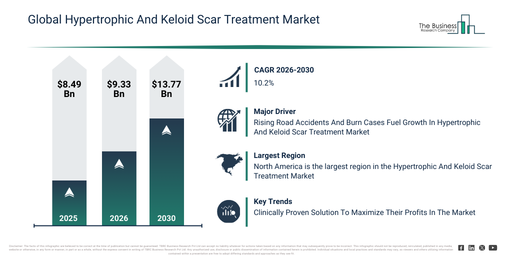
    The hypertrophic and keloid scar treatment market has experienced robust growth in recent years. It is anticipated to expand from $8.49 billion in 2025 to $9.33 billion in 2026, achieving a compound annual growth rate (CAGR) of 9.9%. The market’s past growth can be attributed to several factors including an increasing volume of surgical procedures, a rise in the incidence of trauma and burns, the extensive use of corticosteroid injections, the proliferation of dermatology and cosmetic clinics, and the undeniable aesthetic impact of scars.

    The hypertrophic and keloid scar treatment market size is expected to experience substantial growth in the upcoming years, projected to reach $13.77 billion in 2030, exhibiting a compound annual growth rate (CAGR) of 10.2%. This growth over the forecast period is attributed to an increasing inclination towards non-invasive scar treatments, the expanding adoption of laser and radiotherapy techniques, heightened awareness regarding timely scar management, the proliferation of combination treatment protocols, and enhanced accessibility to advanced dermatology services. Prominent trends for the forecast period include a greater embrace of combination scar management therapies, a rising demand for minimally invasive and non-surgical treatments, the growing application of laser and energy-based scar revision techniques, the expansion of post-surgical and preventive scar care solutions, and an intensified focus on early intervention and long-term scar control.

    Access Your Free Sample Report for In-Depth Market Insights:

    https://www.thebusinessresearchcompany.com/sample.aspx?id=10692&type=smp

    What Drivers Are Influencing The Growth Of The Hypertrophic And Keloid Scar Treatment Market?

    The hypertrophic and keloid scar treatment market is projected to expand due to a rise in road accidents and burn incidents. Road accidents are defined as occurrences on roads involving at least one vehicle and individuals. Both road accidents and burn cases necessitate immediate care and suitable interventions for prevention and effective recovery. Hypertrophic and keloid scar treatments are utilized for individuals injured in road accidents to diminish scar height and restrictiveness. Consequently, an uptick in road accidents and burn cases contributes to the expansion of the hypertrophic and keloid scar treatment market. For example, in January 2025, The Health Foundation, a UK-based independent organization, reported that in 2023, there were 43 serious or fatal casualties per billion miles traveled by car, alongside 1,032 for cyclists and 1,914 for motorcyclists, while 92 pedestrians per million residents were killed or seriously injured. Thus, the escalating number of road accidents and burn cases is set to propel the hypertrophic and keloid scar treatment market. The hypertrophic and keloid scar treatment market is anticipated to grow due to the increasing number of aesthetic procedures. Aesthetic procedures are defined as non-invasive or minimally invasive cosmetic treatments carried out to enhance an individual’s appearance and address specific cosmetic concerns. Hypertrophic and keloid scar treatments are utilized in aesthetic procedures to reduce and improve the look of raised scars, contributing to a smoother, more appealing result. For instance, in June 2024, The International Society of Aesthetic Plastic Surgery (ISAPS), a US-based organization for plastic surgeons, reported that in 2023, liposuction remained the most common surgical procedure, with over 2.2 million procedures performed, maintaining its leading position from 2022. Breast augmentation and eyelid surgery followed closely, showing significant increases. Eyelid surgery notably rose by 24% to exceed 1.7 million procedures, while rhinoplasty saw a 21.6% increase, reaching a total of 1.1 million procedures compared to the prior year. Therefore, the expansion of aesthetic procedures is a key driver for the hypertrophic and keloid scar treatment market.

    How Is The Hypertrophic And Keloid Scar Treatment Market Organized Into Various Segments?

    The hypertrophic and keloid scar treatment market covered in this report is segmented –

    1) By Treatment: Cryotherapy, Surgical Excision, Pressure Dressings, Intralesional 5-Fluorouracil, Superficial X-Ray, Intralesional Corticosteroid Injection, Other Treatments

    2) By Products: Topical Products, Laser Products, Injectables, Other Products

    3) By Scar: Hypertrophic Scars, Keloid Scars

    4) By End-Use: Hospitals, Clinics, Other End-Users

    Subsegments:

    1) By Cryotherapy: Liquid Nitrogen Cryotherapy, Intralesional Cryotherapy

    2) By Surgical Excision: Simple Excision, Excision With Skin Grafting

    3) By Pressure Dressings: Elastic Bandage Pressure Dressings, Silicone Gel Pressure Dressings

    4) By Intralesional 5-Fluorouracil: Standalone 5-FU Treatment, Combination With Corticosteroids

    5) By Superficial X-Ray: Low-Dose X-Ray Therapy, Combination X-Ray With Other Treatments

    6) By Intralesional Corticosteroid Injection: Triamcinolone Acetonide Injection, Combination With 5-Fluorouracil

    7) By Other Treatments: Laser Therapy, Radiotherapy, Interferon Therapy

    Which Innovation Trends Are Advancing Developments Within The Hypertrophic And Keloid Scar Treatment Market?

    Leading companies within the hypertrophic and keloid scar treatment market are concentrating on developing clinically validated silicon-based products, such as medical-grade silicone strips, to maximize their earnings. These medical-grade silicone strips are therapeutic items produced from high-quality silicone, specifically designed to aid in scar healing and reduction. For example, in April 2023, Scar Erase, a UK-based firm offering silicone-based scar reduction therapy, introduced its Scar Erase silicone strips, which are a clinically tested and budget-friendly option for scar recovery. Formulated with 3mm of medical-grade silicone, these strips are beneficial for treating various scar categories, including hypertrophic, keloid, post-surgery, and stretch marks. This particular silicone technology envelops the scar site, encouraging hydration and an optimal healing atmosphere, thereby leading to substantial improvements in scar texture, color, and height. The product is crafted for both comfort and discreet application, offering an accessible solution for at-home scar treatment.

    Who Are The Major Companies Operating In The Hypertrophic And Keloid Scar Treatment Market?

    Major companies operating in the hypertrophic and keloid scar treatment market are Smith & Nephew plc, Merz Pharmaceutical LLC, Lumenis Ltd., Enaltus LLC, Sonoma Pharmaceuticals Inc., Molnlycke Health Care AB, Suneva Medical Inc., Pacific World Corporation, Perrigo Company plc, Cynosure Inc., Alliance Pharma plc, Newmedical Technology Inc., HRA Pharma, Scar Heal Inc., McKesson Medical Surgical Inc., Johnson & Johnson Private Limited, Medtronic plc, 3M Company, Sinclair Pharma plc, Avita Medical, Stratpharma AG, Biodermis, Mederma, Silagen

    Access The Complete Report For Deeper Market Insights:

    https://www.thebusinessresearchcompany.com/report/hypertrophic-and-keloid-scar-treatment-global-market-report

    Which Region Is Anticipated To See The Fastest Growth In The Hypertrophic And Keloid Scar Treatment Market?

    North America was the largest region in the hypertrophic and keloid scar treatment market in 2025. Asia-Pacific is expected to be the fastest-growing region in the global hypertrophic and keloid scar treatment market report during the forecast period. The regions covered in the hypertrophic and keloid scar treatment market report are Asia-Pacific, South East Asia, Western Europe, Eastern Europe, North America, South America, Middle East, Africa.

    Request Your Customized Hypertrophic And Keloid Scar Treatment Market Research Report for Competitive Advantage:

    https://www.thebusinessresearchcompany.com/customise?id=10692&type=smp

    Browse Through More Reports Similar to the Global Hypertrophic And Keloid Scar Treatment Market 2026, By The Business Research Company

    Neurotrophic Keratitis Treatment Market Report 2026

    https://www.thebusinessresearchcompany.com/report/neurotrophic-keratitis-treatment-global-market-report

    Scar Treatment Market Report 2026

    https://www.thebusinessresearchcompany.com/report/scar-treatment-global-market-report

    Keloids Treatment Market Report 2026

    https://www.thebusinessresearchcompany.com/report/keloids-treatment-global-market-report

    Get in touch with us:

    The Business Research Company: https://www.thebusinessresearchcompany.com/

    Americas +1 310-496-7795

    Asia +44 7882 955267 & +91 8897263534

    Europe +44 7882 955267

    Email us at info@tbrc.info

    Follow us on:

    LinkedIn: https://in.linkedin.com/company/the-business-research-company

    YouTube: https://www.youtube.com/channel/UC24_fI0rV8cR5DxlCpgmyFQ

    Global Market Model: https://www.thebusinessresearchcompany.com/global-market-model
  • Hyperpigmentation Disorder Treatment Market Insights Report: Opportunities and Drivers 2030

    Hyperpigmentation Disorder Treatment Market Insights Report: Opportunities and Drivers 2030

    Uncover key drivers, emerging technologies, and competitive movements shaping the hyperpigmentation disorder treatment market from 2026–2035 with trusted insights from The Business Research Company

    By how much is the Hyperpigmentation Disorder Treatment Market expected to grow between 2026 and 2030?

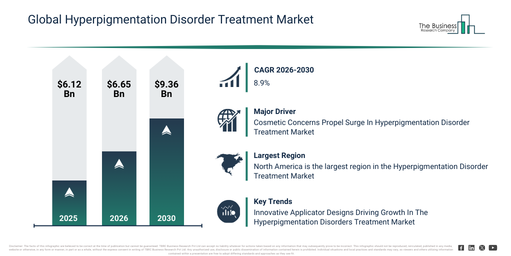
    The hyperpigmentation disorder treatment market size has shown significant growth in recent years. It is projected to increase from $6.12 billion in 2025 to $6.65 billion in 2026, advancing at a compound annual growth rate (CAGR) of 8.5%. This historical upward trend can be attributed to the increasing prevalence of melasma and PIH, rising aesthetic awareness, the expansion of dermatology clinics, the widespread use of topical depigmenting agents, and increased sun exposure.

    The hyperpigmentation disorder treatment market is anticipated to witness substantial growth over the next few years, with its size projected to reach $9.36 billion in 2030, achieving a compound annual growth rate (CAGR) of 8.9%. This projected expansion is driven by various factors including the increasing demand for laser and energy-based devices, the spread of personalized skincare treatments, a rise in disposable income, the greater adoption of combination therapies, and the growing impact of aesthetic medicine. Throughout the forecast period, significant trends are expected to include a rising demand for non-invasive aesthetic treatments, an escalating preference for combination therapy approaches, increased use of preventive and maintenance skincare regimens, the expansion of medical-grade cosmeceuticals, and a higher embrace of clinic-based advanced procedures.

    Access Your Free Sample Report for In-Depth Market Insights:

    https://www.thebusinessresearchcompany.com/sample.aspx?id=10709&type=smp

    Which Drivers Are Influencing Market Acceleration In The Hyperpigmentation Disorder Treatment Market?

    The hyperpigmentation disorder treatment market is expected to grow, propelled by increasing cosmetic concerns. These concerns refer to worries or considerations related to an individual’s appearance, beauty, or aesthetics. Growing cosmetic concerns encourage individuals to seek and engage in hyperpigmentation disorder treatments, thereby driving innovation within the cosmetic and dermatological industries and enhancing the overall patient experience. For instance, in March 2025, according to the Yellow Bus ABA, a US-based therapy group, in 2023, the global plastic surgery sector saw notable activity, with around 34.9 million aesthetic procedures performed worldwide, marking a 3.4% rise compared to 2022. Therefore, rising cosmetic concerns are fostering the growth of the hyperpigmentation disorder treatment market.

    What Segments Are Identified Within The Structure Of The Hyperpigmentation Disorder Treatment Market?

    The hyperpigmentation disorder treatment market covered in this report is segmented –

    1) By Treatment Type: Cosmeceuticals, Laser Therapy, Chemical Peels, Microdermabrasion

    2) By Disease Indication: Melasma, Post-Inflammatory Hyperpigmentation, Solar Lentigines

    3) By End-Users: Hospitals, Esthetic Clinics And Dermatology Centers

    Subsegments:

    1) By Cosmeceuticals: Topical Creams and Gels, Serums and Lotions

    2) By Laser Therapy: Fractional Laser Resurfacing, Intense Pulsed Light (IPL) Therapy

    3) By Chemical Peels: Superficial Peels, Medium Depth Peels

    4) By Microdermabrasion: Crystal Microdermabrasion, Diamond Microdermabrasion

    Which Competitive Trends Are Impacting The Structure Of The Hyperpigmentation Disorder Treatment Market?

    Leading firms within the hyperpigmentation disorders treatment sector are concentrating on creating glycolic acid solutions to bolster their standing and achieve a competitive edge. These solutions are skincare products that include glycolic acid, an alpha hydroxy acid (AHA) recognized for its exfoliating capabilities, which enhance skin texture, radiance, and overall look by stimulating cell renewal. As an illustration, L’Oréal SA, a personal care company headquartered in France, introduced the Glycolic Bright Dark Circle Eye Serum in February 2024, designed to address dark circles and a lack of luminosity around the eyes. This novel serum incorporates glycolic acid for its exfoliating benefits, fostering brighter skin and a refined texture. It is probable that the formulation also contains moisturizing components to nurture the sensitive skin around the eyes.

    Which Major Firms Are Strengthening Their Position In The Hyperpigmentation Disorder Treatment Market?

    Major companies operating in the hyperpigmentation disorder treatment market are Vivier Pharma, Obagi Cosmeceuticals LLC, EpiPharm AG, Laboratories Pierre Fabre, SkinCeuticals, Galderma S.A., Allergan PLC., Lumenis Be Ltd., Aerolase Corporation, Candela Corporation, Cynosure, PCA Skin, La Roche-Posay, L’Oréal S.A., Pierre Fabre Laboratories, Clinuvel Pharmaceuticals Ltd., Clarify Medical Inc., Dr. Reddy’s Laboratories Ltd., Glenmark Pharmaceuticals Ltd., SkinMedica Inc., Neutrogena Corporation, Paula’s Choice Inc., ZO Skin Health Inc., Estée Lauder Companies Inc.

    Access The Complete Report For Deeper Market Insights:

    https://www.thebusinessresearchcompany.com/report/hyperpigmentation-disorder-treatment-global-market-report

    Which Global Regions Are Shaping The Competitive Landscape Of The Hyperpigmentation Disorder Treatment Market?

    North America was the largest region in the hyperpigmentation disorders treatment market in 2025.Asia-Pacific is expected to be the fastest-growing region in the global hyperpigmentation disorder treatment market report during the forecast period. The regions covered in the hyperpigmentation disorder treatment market report are Asia-Pacific, South East Asia, Western Europe, Eastern Europe, North America, South America, Middle East, Africa.

    Request Your Customized Hyperpigmentation Disorder Treatment Market Research Report for Competitive Advantage:

    https://www.thebusinessresearchcompany.com/customise?id=10709&type=smp

    Browse Through More Reports Similar to the Global Hyperpigmentation Disorder Treatment Market 2026, By The Business Research Company

    Pigmentation Disorders Treatment Market Report 2026

    https://www.thebusinessresearchcompany.com/report/pigmentation-disorders-treatment-global-market-report

    Retinal Disorder Treatment Market Report 2026

    https://www.thebusinessresearchcompany.com/report/retinal-disorder-treatment-global-market-report

    Ocular Hypertension Treatment Market Report 2026

    https://www.thebusinessresearchcompany.com/report/ocular-hypertension-treatment-global-market-report

    Get in touch with us:

    The Business Research Company: https://www.thebusinessresearchcompany.com/

    Americas +1 310-496-7795

    Asia +44 7882 955267 & +91 8897263534

    Europe +44 7882 955267

    Email us at info@tbrc.info

    Follow us on:

    LinkedIn: https://in.linkedin.com/company/the-business-research-company

    YouTube: https://www.youtube.com/channel/UC24_fI0rV8cR5DxlCpgmyFQ

    Global Market Model: https://www.thebusinessresearchcompany.com/global-market-model
  • Hyperlipidemia Global Forecast: Market to Scale Up to $25.54 Billion by 2030 at 4.3% CAGR

    Hyperlipidemia Global Forecast: Market to Scale Up to $25.54 Billion by 2030 at 4.3% CAGR

    Uncover key drivers, emerging technologies, and competitive movements shaping the hyperlipidemia market from 2026–2035 with trusted insights from The Business Research Company

    What is the estimated market size of the Hyperlipidemia Market by the end of 2030?

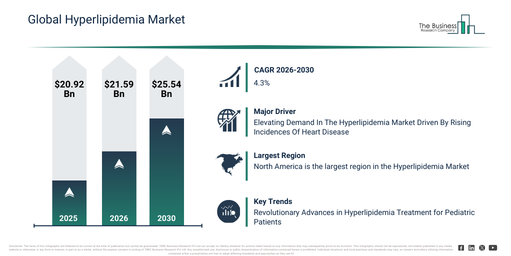
    The hyperlipidemia market has shown consistent expansion in recent years. Its value is anticipated to rise from $20.92 billion in 2025 to $21.59 billion in 2026, achieving a compound annual growth rate (CAGR) of 3.2%. The historical increase can be ascribed to several factors, including rising prevalence of cardiovascular diseases, widespread use of statins, increased awareness of cholesterol management, sedentary lifestyles and dietary changes, and aging population growth.

    The hyperlipidemia market is anticipated to show consistent growth in the coming years, with its size expanding to $25.54 billion by 2030, exhibiting a compound annual growth rate (CAGR) of 4.3%. This expansion during the forecast period can be attributed to several factors, including the increasing integration of PCSK9 inhibitors, a rise in familial hyperlipidemia diagnoses, the spread of personalized lipid therapies, a growing need for preventive cardiology, and improved accessibility to advanced treatments. Significant trends expected in the forecast period involve a greater adoption of combination lipid-lowering therapies, an enhanced emphasis on early screening and preventive care, the increasing application of injectable biologics for high-risk patients, the broadening of home-based and long-term lipid management solutions, and a stronger focus on treatment approaches integrated with lifestyle modifications.

    Access Your Free Sample Report for In-Depth Market Insights:

    https://www.thebusinessresearchcompany.com/sample.aspx?id=12873&type=smp

    What Drivers Are Shaping Future Opportunities In The Hyperlipidemia Market?

    The hyperlipidemia market is anticipated to expand due to the rising occurrence of chronic conditions, particularly heart disease. These are conditions that impact the heart’s function and overall health. Treatments for hyperlipidemia offer benefits to individuals with heart disease by reducing heart attack risk, preventing strokes, enhancing endothelial function, and decreasing the necessity for invasive procedures. A relevant example comes from the Centers for Disease Control and Prevention (CDC), a US federal agency, which reported in April 2025 that roughly 194 million U.S. adults, representing 76.4%, had at least one chronic condition in 2023. Specifically, the prevalence was 59.5% for young adults, 78.4% for midlife adults, and a significant 93.0% for older adults. Consequently, the rising instances of chronic illnesses, including heart disease, are a key factor propelling the expansion of the hyperlipidemia market.

    Which Segments Are Gaining Traction In The Hyperlipidemia Market?

    The hyperlipidemia market covered in this report is segmented –

    1) By Type: Familial Hyperlipidemia, Acquired Hyperlipidemia

    2) By Treatment: Statins, PCSK9 Inhibitors, Bile Acid Sequestrants, Cholesterol Absorption Inhibitors, Fibric Acid Derivatives, Combination, Other Treatments

    3) By Route of Administration: Oral, Parenteral

    4) By End-Users: Hospitals, Specialty Clinics, Homecare, Other End Users

    Subsegments:

    1) By Familial Hyperlipidemia: Familial Hypercholesterolemia (FH), Familial Combined Hyperlipidemia, Familial Dysbetalipoproteinemia

    2) By Acquired Hyperlipidemia: Diet-Related Hyperlipidemia, Secondary Hyperlipidemia, Drug-Induced Hyperlipidemia

    What Industry Trends Are Transforming The Hyperlipidemia Market?

    Leading companies in the hyperlipidemia market are concentrating on the development of innovative products, such as advanced therapies for lowering low-density lipoprotein cholesterol, to maintain their market presence. For instance, in March 2024, Regeneron Pharmaceuticals, Inc., a US-based biotechnology company, announced the U.S. Food & Drug Administration (FDA) approval of Praluent (alirocumab) Injection. This signifies a considerable stride in addressing heterozygous familial hypercholesterolemia (HeFH) in pediatric patients aged 8 and older, providing a focused method to control dangerously elevated low-density lipoprotein cholesterol (LDL-C) levels. The recent FDA authorization is supported by Phase 3 trial outcomes, indicating a 31% reduction in LDL-C levels with consistent dosing. Its established safety profile, similar to that in adults, offers comfort to families and healthcare providers, while its status as the first therapy targeting the genetically-validated PCSK9 protein represents a significant benchmark in heart disease treatment. Collectively, these characteristics position Praluent as a vital alternative for managing high cholesterol in children with HeFH.

    Who Are The Primary Competitors In The Global Hyperlipidemia Market?

    Major companies operating in the hyperlipidemia market are Pfizer Inc., Johnson and Johnson Limited, Merck and Co. Inc., AbbVie Inc., Bayer AG, Novartis AG, Sanofi-Aventis LLC., Bristol-Myers Squibb Company, GlaxoSmithKline plc., Eli Lilly and Co. Ltd., Boehringer Ingelheim International GmbH, Teva Pharmaceutical Industries Ltd., Daiichi Sankyo Company Limited, Sun Pharmaceutical Industries Limited, Otsuka Pharmaceutical Co. Ltd., Menarini Group, Dr. Reddy’s Laboratories Ltd., Apotex Inc., Hikma Pharmaceuticals PLC, Cipla Inc., Aspen Pharmacare Holdings Limited, Zydus Lifesciences Ltd.

    Access The Complete Report For Deeper Market Insights:

    https://www.thebusinessresearchcompany.com/report/hyperlipidemia-global-market-report

    Which Regions Are Poised For Strategic Growth In The Hyperlipidemia Market?

    North America was the largest region in the hyperlipidemia market in 2025. The regions covered in the hyperlipidemia market report are Asia-Pacific, South East Asia, Western Europe, Eastern Europe, North America, South America, Middle East, Africa.

    Request Your Customized Hyperlipidemia Market Research Report for Competitive Advantage:

    https://www.thebusinessresearchcompany.com/customise?id=12873&type=smp

    Browse Through More Reports Similar to the Global Hyperlipidemia Market 2026, By The Business Research Company

    Phospholipid Market Report 2026

    https://www.thebusinessresearchcompany.com/report/phospholipid-global-market-report

    Anosmia Market Report 2026

    https://www.thebusinessresearchcompany.com/report/anosmia-global-market-report

    Hyperphosphatemia Treatment Market Report 2026

    https://www.thebusinessresearchcompany.com/report/hyperphosphatemia-treatment-global-market-report

    Get in touch with us:

    The Business Research Company: https://www.thebusinessresearchcompany.com/

    Americas +1 310-496-7795

    Asia +44 7882 955267 & +91 8897263534

    Europe +44 7882 955267

    Email us at info@tbrc.info

    Follow us on:

    LinkedIn: https://in.linkedin.com/company/the-business-research-company

    YouTube: https://www.youtube.com/channel/UC24_fI0rV8cR5DxlCpgmyFQ

    Global Market Model: https://www.thebusinessresearchcompany.com/global-market-model
  • Hyperimmune Globulins Market Future Outlook: Strong Growth Expected Toward $2.86 Billion by 2030

    Hyperimmune Globulins Market Future Outlook: Strong Growth Expected Toward $2.86 Billion by 2030

    Uncover key drivers, emerging technologies, and competitive movements shaping the hyperimmune globulins market from 2026–2035 with trusted insights from The Business Research Company

    What was the valuation of the Hyperimmune Globulins Market in 2026, and what figure is it projected to hit by 2030?

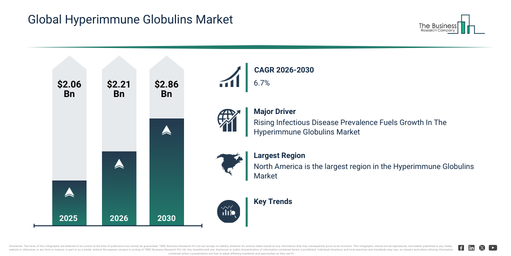
    The hyperimmune globulins market size has demonstrated robust expansion in recent years. It is forecast to increase from $2.06 billion in 2025 to $2.21 billion in 2026, progressing at a compound annual growth rate (CAGR) of 7.6%. In the historic period, this growth was primarily driven by the established use in rabies and tetanus prophylaxis, an increasing incidence of infectious diseases, a reliance on plasma-derived therapies, government immunization programs, and the growth of hospital-based emergency care.

    The hyperimmune globulins market is expected to experience robust growth in the upcoming years. It is predicted to expand to $2.86 billion by 2030, demonstrating a compound annual growth rate (CAGR) of 6.7%. This anticipated expansion during the forecast period can be attributed to several factors including an increase in organ transplantation rates, a rise in viral infection outbreaks, the expansion of plasma donation infrastructure, ongoing advancements in purification technologies, and a heightened emphasis on achieving rapid immune protection. Key trends foreseen in this period encompass a growing demand for passive immunization therapies, broader application in post-exposure prophylaxis, increased utilization in transplant and immunocompromised patient care, the enlargement of plasma collection and fractionation capacities, and the reinforcement of regulatory oversight and quality standards.

    Access Your Free Sample Report for In-Depth Market Insights:

    https://www.thebusinessresearchcompany.com/sample.aspx?id=16448&type=smp

    Which Drivers Are Affecting Market Participation In The Hyperimmune Globulins Market?

    The projected expansion of the hyperimmune globulin market is linked to the growing occurrence of infectious diseases. These illnesses stem from harmful agents or pathogens, such as viruses, bacteria, fungi, and parasites, entering the body. The rise in infectious diseases can be attributed to factors like antimicrobial resistance, climate change, and population growth. Hyperimmune globulins are employed in managing infectious diseases to deliver immediate passive immunity through concentrated antibodies targeting specific pathogens, thereby aiding in the prevention or treatment of conditions such as rabies, hepatitis B, or tetanus. For example, a report from the UK Health Security Agency in August 2024 indicated that in 2023, the West Midlands region accounted for the highest number of measles cases, with 160 cases (44%), closely followed by London with 122 cases (33%). It was noted that children under the age of 10 comprised 63% of the total cases, amounting to 232 cases. Measles activity saw a notable increase towards the end of the year, with 157 new cases registered in December, compared to just 45 cases in November. Consequently, the increasing prevalence of infectious diseases is a key factor driving the growth of the hyperimmune globulin market. Government-led initiatives for research and development within the healthcare sector are anticipated to fuel the expansion of the hyperimmune globulins market moving forward. Such initiatives are increasing due to the heightened demand for innovative medical solutions and the necessity to address evolving health challenges. These governmental efforts facilitate the creation and accessibility of hyperimmune globulins, enabling effective combat against particular infectious diseases. As an illustration, the Office for National Statistics, a UK government department, reported in May 2024 that total healthcare expenditure experienced a 5.6% increase in nominal terms between 2022 and 2023, marking a significant acceleration when compared to the 0.9% growth observed in 2022. Hence, the escalating government initiatives for healthcare research and development are propelling the hyperimmune globulins market.

    What Segment Categories Are Covered In The Hyperimmune Globulins Market?

    The hyperimmune globulins market covered in this report is segmented –

    1) By Type: Hepatitis B Hyperimmune Globulin, Rabies Hyperimmune Globulin, Tetanus Hyperimmune Globulin, Cytomegalovirus (CMV) Hyperimmune Globulin, Varicella-Zoster Virus (VZV) Hyperimmune Globulin, Respiratory Syncytial Virus (RSV) Hyperimmune Globulin, Other Types

    2) By Route Of Administration: Intramuscular, Intravenous

    3) By Application: Government Institution, Private Sector, Other Applications

    Subsegments:

    1) By Hepatitis B Hyperimmune Globulin: Intramuscular Hepatitis B Hyperimmune Globulin, Intravenous Hepatitis B Hyperimmune Globulin

    2) By Rabies Hyperimmune Globulin: Rabies Immune Globulin (Human), Rabies Immune Globulin (Equine)

    3) By Tetanus Hyperimmune Globulin: Tetanus Immune Globulin (Human), Tetanus Immune Globulin (Equine)

    4) By Cytomegalovirus (Cmv) Hyperimmune Globulin: Cmv Immune Globulin For Organ Transplantation, Cmv Immune Globulin For Neonatal Infection

    5) By Varicella-Zoster Virus (Vzv) Hyperimmune Globulin: Vzv Immune Globulin For Post-Exposure Prophylaxis, Vzv Immune Globulin For Immunocompromised Patients

    6) By Respiratory Syncytial Virus (Rsv) Hyperimmune Globulin: Rsv Immune Globulin For Infants And Children, Rsv Immune Globulin For Adults With Respiratory Conditions

    7) By Other Types: Diphtheria Hyperimmune Globulin, Botulism Hyperimmune Globulin, Other Specialized Hyperimmune Globulins

    Which Key Market Players Are Investing In Expansion And Innovation Within The Hyperimmune Globulins Market?

    Major companies operating in the hyperimmune globulins market are Bayer AG, Takeda Pharmaceutical Company Limited, Baxter International Inc., CSL Ltd., Fresenius Kabi AG, Grifols SA, Octapharma AG, Shanghai RAAS Blood Products Co. Ltd., Emergent BioSolutions Inc., Kedrion Biopharma Inc., LFB SA, Hualan Biological Engineering Inc., Taibang Biologic Group, Bio Products Laboratory (BPL) Ltd., ADMA Biologics, Cangene Corporation, Kamada Ltd., Saol Therapeutics Inc., Shire, Sichuan Yuanda Shuyang Pharmaceutical Co. Ltd.

    Access The Complete Report For Deeper Market Insights:

    https://www.thebusinessresearchcompany.com/report/hyperimmune-globulins-global-market-report

    Which Regions Are Projected To Dominate The Hyperimmune Globulins Market In The Coming Years?

    North America was the largest region in the hyperimmune globulins market in 2025. Asia-Pacific is expected to be the fastest-growing region in the forecast period. The regions covered in the hyperimmune globulins market report are Asia-Pacific, South East Asia, Western Europe, Eastern Europe, North America, South America, Middle East, Africa.

    Request Your Customized Hyperimmune Globulins Market Research Report for Competitive Advantage:

    https://www.thebusinessresearchcompany.com/customise?id=16448&type=smp

    Browse Through More Reports Similar to the Global Hyperimmune Globulins Market 2026, By The Business Research Company

    Subcutaneous Immunoglobulin Scig Market Report 2026

    https://www.thebusinessresearchcompany.com/report/subcutaneous-immunoglobulin-scig-global-market-report

    Immunoglobulins Market Report 2026

    https://www.thebusinessresearchcompany.com/report/immunoglobulins-global-market-report

    Mammalian Polyclonal Immunoglobulin G Igg Antibody Market Report 2026

    https://www.thebusinessresearchcompany.com/report/mammalian-polyclonal-immunoglobulin-g-igg-antibody-global-market-report

    Get in touch with us:

    The Business Research Company: https://www.thebusinessresearchcompany.com/

    Americas +1 310-496-7795

    Asia +44 7882 955267 & +91 8897263534

    Europe +44 7882 955267

    Email us at info@tbrc.info

    Follow us on:

    LinkedIn: https://in.linkedin.com/company/the-business-research-company

    YouTube: https://www.youtube.com/channel/UC24_fI0rV8cR5DxlCpgmyFQ

    Global Market Model: https://www.thebusinessresearchcompany.com/global-market-model
  • Revenue of the Hyperhidrosis Treatment Market Predicted to Achieve $2.29 Billion by 2030, Driven by 6.7% CAGR

    Revenue of the Hyperhidrosis Treatment Market Predicted to Achieve $2.29 Billion by 2030, Driven by 6.7% CAGR

    Uncover key drivers, emerging technologies, and competitive movements shaping the hyperhidrosis treatment market from 2026–2035 with trusted insights from The Business Research Company

    What are the forecasted starting (2026) and ending (2030) market sizes for the Hyperhidrosis Treatment Market?

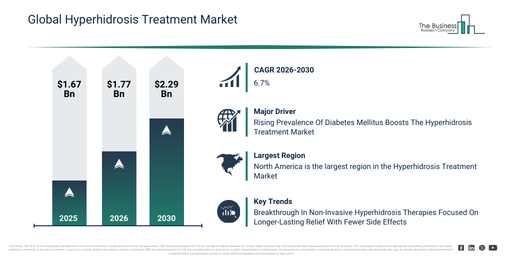
    The hyperhidrosis treatment market size has shown substantial growth in recent years. It is forecast to increase from $1.67 billion in 2025 to $1.77 billion in 2026, achieving a compound annual growth rate (CAGR) of 5.9%. This historical expansion can be attributed to factors like heightened awareness of hyperhidrosis as a medical condition, the widespread adoption of aluminum chloride topical treatments, an increasing presence of dermatology clinics, growing social discomfort related to excessive sweating, and well-established surgical intervention practices.

    The hyperhidrosis treatment market size is anticipated to demonstrate robust expansion over the next few years. It is projected to achieve a value of $2.29 billion by 2030, progressing at a compound annual growth rate (CAGR) of 6.7%. This expansion during the forecast period is attributable to an escalating demand for non-surgical treatments, technological breakthroughs in laser therapies, the increasing uptake of botulinum toxin A injections, the rise of home-use medical devices, and broadening healthcare access in developing markets. Significant trends expected during this period include the wider acceptance of botulinum toxin treatments, a growing preference for minimally invasive procedures, the surging demand for home-based iontophoresis devices, the diversification of laser and energy-based therapies, and an increased emphasis on therapies designed to enhance quality of life.

    Access Your Free Sample Report for In-Depth Market Insights:

    https://www.thebusinessresearchcompany.com/sample.aspx?id=13171&type=smp

    What Drivers Are Supporting Technological Adoption In The Hyperhidrosis Treatment Market?

    The rising incidence of diabetes mellitus is anticipated to drive the expansion of the hyperhidrosis treatment market in the future. Diabetes mellitus is a medical condition characterized by the body’s inability to produce sufficient insulin or its improper response to insulin, leading to elevated blood sugar (glucose) levels. This condition can potentially harm the nerves responsible for regulating sweat glands, leading to excessive perspiration, known as hyperhidrosis. Moreover, diabetes can impair the body’s ability to regulate its temperature effectively and generate the appropriate amount of sweat for cooling. For example, in June 2023, the Institute for Health Metrics and Evaluation, a US-based public health research institute, stated that over half a billion individuals globally were living with diabetes. Projections indicate this figure will more than double, reaching 1.3 billion people by 2050. Consequently, the growing occurrence of diabetes mellitus is fueling the hyperhidrosis treatment market.

    Which Segments Are Contributing To The Growth Of The Hyperhidrosis Treatment Market?

    The hyperhidrosis treatment market covered in this report is segmented –

    1) By Treatment Type: Topical Treatments, Surgical Treatments, Botulin Toxin A, Iontophoresis, Laser Treatments, Other Treatments

    2) By Route Of Administration: Oral, Injectable

    3) By Disease Type: Axillary Hyperhidrosis, Palmar Hyperhidrosis, Plantar Hyperhidrosis, Other Diseases

    4) By Distribution Channel: Hospitals, Ambulatory Surgical Centers, Retail Pharmacies, Online

    Subsegments:

    1) By Topical Treatments: Aluminum Chloride Solutions, Antiperspirants

    2) By Surgical Treatments: Sympathectomy, Excision

    3) By Botulin Toxin A: Injection Treatments, Combination Therapies

    4) By Iontophoresis: Home Devices, Clinical Devices

    5) By Laser Treatments: Microwave Therapy, Laser Ablation

    6) By Other Treatments: Oral Medications, Alternative Therapies

    How Are New Market Trends Shaping The Landscape Of The Hyperhidrosis Treatment Market?

    Key companies operating within the hyperhidrosis treatment market are concentrating on developing safer, non-invasive therapies that offer improved effectiveness. Their focus also extends to advancing topical and targeted drug formulations and undertaking clinical trials to deliver more sustained symptom relief with fewer side effects. For instance, in March 2025, a newly approved topical therapy, sofpironium gel, brought a significant advancement to the treatment of primary axillary hyperhidrosis, a condition affecting millions in the U.S. This gel functions as a retrometabolic drug, targeting M3 muscarinic receptors in sweat glands to reduce perspiration, while its rapid metabolism helps to minimize systemic side effects. Phase 3 trials revealed notable symptom improvement, with relief commencing within one week and persisting throughout the six-week study. Compared with existing topical anticholinergics, sofpironium demonstrated a better safety profile and a reduced incidence of adverse reactions. Long-term data also confirmed its sustained efficacy and tolerability, positioning the gel as an effective, non-invasive alternative for patients who are dissatisfied with current treatments.

    Who Are The Core Companies Influencing Trends In The Hyperhidrosis Treatment Market?

    Major companies operating in the hyperhidrosis treatment market are Pfizer Inc., AbbVie Inc., Sanofi S.A., AstraZeneca Plc, GSK plc, Teva Pharmaceutical Industries Ltd., Mylan N.V., Cynosure LLC, Ipsen SA, Galderma S.A., Merz Pharma GmbH & Co. KGaA, Daewoong Pharmaceutical Co. Ltd., Supernus Pharmaceuticals Inc, Kaken Pharmaceutical Co Ltd, Avanor Healthcare Ltd., HUGEL Inc., Evolus Inc., Revance Therapeutics Inc., Dermira Inc., Sesderma SL, Miramar Labs Inc., Dermavant Sciences Inc., Theravida Inc., SweatBlock, Brickell Biotech Inc., Fresh Tracks Therapeutics Inc., Advin Health Care Inc, Dermadry Laboratories Inc., Ulthera Inc., Dermata Therapeutics Inc.

    Access The Complete Report For Deeper Market Insights:

    https://www.thebusinessresearchcompany.com/report/hyperhidrosis-treatment-global-market-report

    Which Region Is Expected To Experience The Fastest Growth In The Hyperhidrosis Treatment Market?

    North America was the largest region in the hyperhidrosis treatment market in 2025. Asia-Pacific is expected to be the fastest-growing region in the forecast period. The regions covered in the hyperhidrosis treatment market report are Asia-Pacific, South East Asia, Western Europe, Eastern Europe, North America, South America, Middle East, Africa.

    Request Your Customized Hyperhidrosis Treatment Market Research Report for Competitive Advantage:

    https://www.thebusinessresearchcompany.com/customise?id=13171&type=smp

    Browse Through More Reports Similar to the Global Hyperhidrosis Treatment Market 2026, By The Business Research Company

    Allergy Treatment Market Report 2026

    https://www.thebusinessresearchcompany.com/report/allergy-treatment-global-market-report

    Hyperpigmentation Disorder Treatment Market Report 2026

    https://www.thebusinessresearchcompany.com/report/hyperpigmentation-disorder-treatment-global-market-report

    Pigmentation Disorders Treatment Market Report 2026

    https://www.thebusinessresearchcompany.com/report/pigmentation-disorders-treatment-global-market-report

    Get in touch with us:

    The Business Research Company: https://www.thebusinessresearchcompany.com/

    Americas +1 310-496-7795

    Asia +44 7882 955267 & +91 8897263534

    Europe +44 7882 955267

    Email us at info@tbrc.info

    Follow us on:

    LinkedIn: https://in.linkedin.com/company/the-business-research-company

    YouTube: https://www.youtube.com/channel/UC24_fI0rV8cR5DxlCpgmyFQ

    Global Market Model: https://www.thebusinessresearchcompany.com/global-market-model
  • Hypercholesterolemia Sector Forecast Shows Robust Momentum, Climbing to $35.58 Billion With 13.8% CAGR

    Hypercholesterolemia Sector Forecast Shows Robust Momentum, Climbing to $35.58 Billion With 13.8% CAGR

    Uncover key drivers, emerging technologies, and competitive movements shaping the hypercholesterolemia market from 2026–2035 with trusted insights from The Business Research Company

    What upper market value could the Hypercholesterolemia Market reach by 2030 starting from 2026 levels?

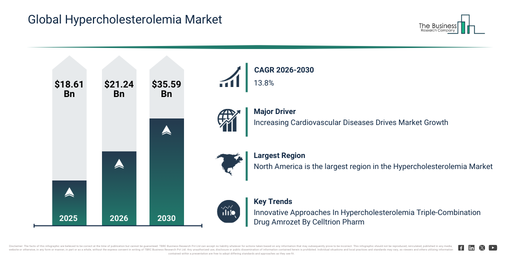
    The hypercholesterolemia market has experienced rapid expansion in its size over recent years. It is projected to grow from $18.61 billion in 2025 to $21.24 billion by 2026, exhibiting a compound annual growth rate (CAGR) of 14.1%. The market’s historical growth can be attributed to factors such as the increasing prevalence of cardiovascular diseases, the widespread use of statins as a first-line therapy, the rise in sedentary lifestyles, high consumption of unhealthy diets, and established clinical guidelines for cholesterol management.

    The hypercholesterolemia market is set for substantial expansion in the coming years, with its size expected to reach $35.59 billion by 2030, growing at a compound annual growth rate (CAGR) of 13.8%. This increase throughout the forecast period stems from factors such as heightened awareness of familial hypercholesterolemia, the rising adoption of biologic therapies, an aging global population, advancements in lipid profiling diagnostics, and the expansion of preventive healthcare initiatives. Significant trends anticipated during this period include a greater embrace of PCSK9 inhibitors, an increased emphasis on early screening and diagnosis, growing demand for combination lipid-lowering therapies, a shift towards injectable long-acting treatments, and an expanding role for preventive cardiovascular care.

    Access Your Free Sample Report for In-Depth Market Insights:

    https://www.thebusinessresearchcompany.com/sample.aspx?id=21207&type=smp

    Which Drivers Are Influencing Long-Term Growth In The Hypercholesterolemia Market?

    The escalating prevalence of cardiovascular diseases is anticipated to spur the expansion of the hypercholesterolemia market in the coming years. Cardiovascular diseases (CVDs) encompass various conditions affecting the heart and blood vessels. The increase in these diseases stems from factors such as unhealthy dietary habits, insufficient physical activity, increasing obesity rates, persistent stress, an aging global population, and the widespread occurrence of conditions like hypertension and diabetes. Treatments for hypercholesterolemia play a crucial role in supporting cardiovascular disease patients by lowering LDL cholesterol levels, decreasing arterial plaque formation, enhancing blood flow, and consequently reducing the risk of heart attacks, strokes, and other cardiovascular complications. For instance, in October 2024, the Centers for Disease Control and Prevention, a US-based government agency, reported that approximately 805,000 people in the United States experience a heart attack each year; among these, 605,000 are first-time events, while 200,000 occur in individuals with a prior history of heart attacks. This increasing burden of cardiovascular diseases is thus projected to drive the growth of the hypercholesterolemia market.

    How Is The Hypercholesterolemia Market Divided Into Segments?

    The hypercholesterolemia market covered in this report is segmented –

    1) By Disease Type: Genetic, Acquired

    2) By Treatment: Statins, Bile Acid Resins, Niacin, PCSK9 Inhibitors, Cholesterol Absorption Inhibitors, Fibric Acid Derivatives, Other Treatments

    3) By Route Of Administration: Oral, Injectable

    4) By Distribution Channel: Hospital Pharmacies, Retail Pharmacies, Other Distribution Channels

    5) By End User: Hospitals, Specialty Clinics, Home Healthcare, Other End Users

    Subsegments:

    1) By Genetic: Heterozygous Familial Hypercholesterolemia, Homozygous Familial Hypercholesterolemia

    2) By Acquired: Primary Hypercholesterolemia, Secondary Hypercholesterolemia

    Which Trends Are Expected To Influence The Hypercholesterolemia Market In The Upcoming Years?

    Leading companies in the hypercholesterolemia market are developing advanced products, such as a triple-combination drug, to improve treatment effectiveness and patient adherence. A triple-combination drug is a pharmaceutical formula that integrates three active components into a single dosage form, like a tablet or capsule. For instance, in February 2025, Celltrion Pharm, Inc., a South Korea-based pharmaceutical firm, introduced Amrozet Tablet, a medication for hypertension and hyperlipidemia. This drug incorporates three active ingredients: amlodipine, a calcium channel blocker for hypertension; rosuvastatin, a statin for cholesterol reduction; and ezetimibe, which aids in decreasing cholesterol absorption in the intestines. The medication is offered in four dosage combinations: 5/5/10 mg, 5/10/10 mg, 10/5/10 mg, and 10/10/10 mg. Its indications include hypertension and myocardial ischemia under the amlodipine component, and primary hypercholesterolemia under the rosuvastatin-ezetimibe combination. It is also utilized for relieving chronic stable angina (chest pain) or vasospastic angina, and to reduce the risk of hospitalization for angina and heart surgery in patients with confirmed coronary artery disease.

    Which Major Industry Participants Are Leading The Hypercholesterolemia Market Growth?

    Major companies operating in the hypercholesterolemia market are Pfizer Inc., Merck & Co Inc., Abbvie Inc., Bayer AG, Sanofi S.A., AstraZeneca PLC, Novartis AG, GlaxoSmithKline plc (GSK), Eli Lilly and Company, Amgen Inc., Viatris Inc., Aegerion Pharmaceuticals Inc., Fresenius Kabi AG, Sun Pharmaceutical Industries Ltd., Chiesi Farmaceutici S.p.A., Aurobindo Pharma Limited, Dr. Reddy’s Laboratories Ltd., Lupin Limited, Ionis Pharmaceuticals Inc., NewAmsterdam Pharma N.V., HDL Therapeutics Inc.

    Access The Complete Report For Deeper Market Insights:

    https://www.thebusinessresearchcompany.com/report/hypercholesterolemia-global-market-report

    Which Geographic Areas Are Emerging As Strong Markets For The Hypercholesterolemia Market?

    North America was the largest region in the hypercholesterolemia market in 2025. Asia-Pacific is expected to be the fastest-growing region in the forecast period. The regions covered in the hypercholesterolemia market report are Asia-Pacific, South East Asia, Western Europe, Eastern Europe, North America, South America, Middle East, Africa.

    Request Your Customized Hypercholesterolemia Market Research Report for Competitive Advantage:

    https://www.thebusinessresearchcompany.com/customise?id=21207&type=smp

    Browse Through More Reports Similar to the Global Hypercholesterolemia Market 2026, By The Business Research Company

    Poc Cholesterol Test Market 2026

    https://www.thebusinessresearchcompany.com/report/poc-cholesterol-test-market

    Cholesterol Test Market Report 2026

    https://www.thebusinessresearchcompany.com/report/cholesterol-test-global-market-report

    Low Density Lipoprotein Test Market Report 2026

    https://www.thebusinessresearchcompany.com/report/low-density-lipoprotein-test-global-market-report

    Get in touch with us:

    The Business Research Company: https://www.thebusinessresearchcompany.com/

    Americas +1 310-496-7795

    Asia +44 7882 955267 & +91 8897263534

    Europe +44 7882 955267

    Email us at info@tbrc.info

    Follow us on:

    LinkedIn: https://in.linkedin.com/company/the-business-research-company

    YouTube: https://www.youtube.com/channel/UC24_fI0rV8cR5DxlCpgmyFQ

    Global Market Model: https://www.thebusinessresearchcompany.com/global-market-model