Category: HealthcareServices

  • Global Immunoglobulin E (IgE) Allergy Blood Tests Market Report 2026: Emerging Trends and Growth Scenarios

    Global Immunoglobulin E (IgE) Allergy Blood Tests Market Report 2026: Emerging Trends and Growth Scenarios

    Uncover key drivers, emerging technologies, and competitive movements shaping the immunoglobulin e (ige) allergy blood tests market from 2026–2035 with trusted insights from The Business Research Company

    What are the forecasted starting (2026) and ending (2030) market sizes for the Immunoglobulin E (IgE) Allergy Blood Tests Market?

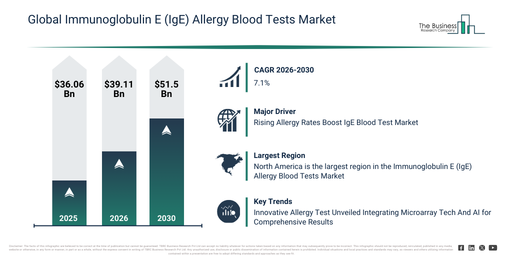
    The immunoglobulin e (ige) allergy blood tests market size has demonstrated substantial growth in recent years. It is anticipated to increase from $36.06 billion in 2025 to $39.11 billion in 2026, at a compound annual growth rate (CAGR) of 8.4%. This historical expansion can be attributed to several factors, including the rising prevalence of allergic diseases, enhanced awareness of food and environmental allergies, the wider availability of ELISA-based IgE tests, the growth of diagnostic laboratory infrastructure, and improved clinical guidelines for allergy diagnosis.

    The immunoglobulin e (ige) allergy blood tests market size is poised for robust expansion in the coming years, with projections indicating it will reach $51.5 billion by 2030, driven by a compound annual growth rate (CAGR) of 7.1%. This growth during the forecast period is attributable to several factors, including an escalating demand for precise allergy diagnostics, the increasing adoption of automated and digital immunoassay platforms, a rising burden of allergies among pediatric and geriatric populations, the expansion of allergy testing services in emerging markets, and the integration of AI-driven diagnostic interpretation. Significant trends anticipated in this period encompass the growing uptake of allergy-specific blood diagnostics, an increasing need for multiplex and high-throughput allergy testing, a notable shift from skin prick tests to blood-based ige testing, the proliferation of point-of-care and automated allergy testing systems, and an expanded utilization of allergy profiling for personalized treatment strategies.

    Access Your Free Sample Report for In-Depth Market Insights:

    https://www.thebusinessresearchcompany.com/sample.aspx?id=15590&type=smp

    What Drivers Are Supporting Technological Adoption In The Immunoglobulin E (IgE) Allergy Blood Tests Market?

    The escalating prevalence of allergies is anticipated to fuel the IgE allergy blood tests market moving forward. Allergies are defined as an overreactive immune system response to substances generally harmless to most individuals, leading to various symptoms such as sneezing, itching, or breathing difficulties. The surge in allergy cases is linked to evolving lifestyles, environmental pollution, and inherent genetic predispositions. IgE allergy blood tests are utilized in these conditions to identify specific allergens by evaluating the levels of Immunoglobulin E (IgE) antibodies in the bloodstream, thereby assisting in the diagnosis and management of allergic ailments like asthma, allergic rhinitis, and food allergies. For example, in May 2024, according to the Food Standards Agency, a UK government body overseeing food safety and public health, an estimated 6% of the UK adult population, which is roughly 2.4 million adults, were confirmed to have a clinically diagnosed food allergy. Consequently, the rising incidence of allergies is propelling the expansion of the IgE allergy blood tests market.

    What Segment Types Are Examined In The Immunoglobulin E (IgE) Allergy Blood Tests Market?

    The immunoglobulin e (ige) allergy blood tests market covered in this report is segmented –

    1) By Product Type: Assays And Kits, Enzyme-Linked Immunosorbent Assay (ELISA) Testing Kits, Fluorescent Enzyme Immunoassays (FEIA) Testing Kits, Chemiluminescent Immunoassays (CLIA), Reagents, Consumables, Analyzers

    2) By Application: Aero Allergies, Indoor Allergies, Outdoor Allergies, Food Allergies, Venoms, Medicine Allergies, Latex/Metal Allergies

    3) By End User: Diagnostic Laboratories, Specialty Clinics, Hospitals, Research And Academic Centers

    Subsegments:

    1) By Assays And Kits: Total IgE Assays, Specific IgE Assays, Allergen-Specific IgE Kits, Rapid IgE Allergy Test Kits, Allergy Profile Test Kits

    2) By Enzyme-Linked Immunosorbent Assay (Elisa) Testing Kits: Standard Elisa Kits For IgE Detection, Elisa Kits For Specific IgE Allergy Testing, Microplate Elisa Kits For High-Throughput Screening, Single-Step Elisa Allergy Testing Kits, Multiplexed Elisa Assay Kits

    3) By Fluorescent Enzyme Immunoassays (Feia) Testing Kits: Automated Feia IgE Testing Kits, Fluorescence-Based Allergy Test Kits, Feia Assays For Specific IgE Detection, High-Sensitivity Feia Testing Kits, Point-Of-Care Feia Kits

    4) By Chemiluminescent Immunoassays (Clia): Clia Kits For IgE Allergy Testing, Automated Clia Testing Platforms, High-Precision Clia Allergy Test Kits, Chemiluminescence Immunoassays For Specific IgE, Clia-Based Allergy Panels

    5) By Reagents: IgE Reagents For Allergy Tests, Allergen-Specific Reagents, Reagents For Immunoassay Platforms, IgE Detection Reagents, Reagents For Elisa And Clia Testing

    6) By Consumables: Test Plates And Microplates, Pipettes And Pipette Tips, Sample Collection Devices, Sample Vials And Tubes For IgE Testing, Washing Buffers And Dilution Fluids

    7) By Analyzers: Elisa Analyzers For IgE Testing, Fluorescent Immunoassay Analyzers, Chemiluminescent Analyzers For IgE Detection, Automated Allergy Testing Analyzers, High-Throughput Allergy Test Analyzers, Point-Of-Care Allergy Analyzers

    What Trends Are Reshaping The Dynamics Of The Immunoglobulin E (IgE) Allergy Blood Tests Market?

    Leading firms within the immunoglobulin E (IgE) allergy blood tests market are concentrating on creating innovative AI-driven allergy tests, aiming to boost precision, operational effectiveness, and broad applicability in allergy diagnosis. This initiative seeks to transform allergy assessment by refining how test outcomes are understood, uncovering specific patterns, and more reliably forecasting allergic responses. Such AI-powered allergy tests are defined as diagnostic instruments employing artificial intelligence (AI) algorithms and machine learning methodologies to process allergy data and deliver understanding into a person’s specific allergic sensitivities. A notable illustration occurred in May 2023, when Dr. Dangs Lab, an Indian diagnostic facility, introduced ‘Allergynius Dx,’ a groundbreaking allergy test. This molecular diagnostic test for allergies utilizes Microarray with Nano Particles and delivers findings for 163 food and respiratory allergens. The introduction of this innovative test marks a substantial step forward in allergy testing, presenting an exhaustive method for detecting and handling allergies associated with a diverse array of allergens.

    Who Are The Prominent Global Companies Shaping The Immunoglobulin E (IgE) Allergy Blood Tests Market Landscape?

    Major companies operating in the immunoglobulin e (ige) allergy blood tests market are Roche Holdings Inc., Thermo Fisher Scientific Inc, Abbott Laboratories, Siemens Healthineers Pvt Ltd, Laboratory Corporation of America Holdings, Quest Diagnostics Incorporated, Eurofins Scientific SE, Beckman Coulter Inc., Bio-Rad Laboratories Inc., Randox Laboratories Ltd, Omega Diagnostics Plc, AESKU Group GmbH, HYCOR Biomedical LLC.

    Access The Complete Report For Deeper Market Insights:

    https://www.thebusinessresearchcompany.com/report/immunoglobulin-e-ige-allergy-blood-tests-global-market-report

    Which Region Is Projected To Lead The Immunoglobulin E (IgE) Allergy Blood Tests Market During The Forecast Period?

    North America was the largest region in the immunoglobulin E (IgE) allergy blood tests market in 2025. Asia-Pacific is expected to be the fastest-growing region in the forecast period. The regions covered in the immunoglobulin e (ige) allergy blood tests market report are Asia-Pacific, South East Asia, Western Europe, Eastern Europe, North America, South America, Middle East, Africa.

    Request Your Customized Immunoglobulin E (IgE) Allergy Blood Tests Market Research Report for Competitive Advantage:

    https://www.thebusinessresearchcompany.com/customise?id=15590&type=smp

    Browse Through More Reports Similar to the Global Immunoglobulin E (IgE) Allergy Blood Tests Market 2026, By The Business Research Company

    Immunoglobulins Market Report 2026

    https://www.thebusinessresearchcompany.com/report/immunoglobulins-global-market-report

    Allergy Diagnostics Market Report 2026

    https://www.thebusinessresearchcompany.com/report/allergy-diagnostics-global-market-report

    Allergy Immunotherapy Market Report 2026

    https://www.thebusinessresearchcompany.com/report/allergy-immunotherapy-global-market-report

    Get in touch with us:

    The Business Research Company: https://www.thebusinessresearchcompany.com/

    Americas +1 310-496-7795

    Asia +44 7882 955267 & +91 8897263534

    Europe +44 7882 955267

    Email us at info@tbrc.info

    Follow us on:

    LinkedIn: https://in.linkedin.com/company/the-business-research-company

    YouTube: https://www.youtube.com/channel/UC24_fI0rV8cR5DxlCpgmyFQ

    Global Market Model: https://www.thebusinessresearchcompany.com/global-market-model
  • Immunoglobulin A IgA Vasculitis Market Forecast 2026: Where the Industry Is Headed

    Immunoglobulin A IgA Vasculitis Market Forecast 2026: Where the Industry Is Headed

    Uncover key drivers, emerging technologies, and competitive movements shaping the immunoglobulin a iga vasculitis market from 2026–2035 with trusted insights from The Business Research Company

    What upper market value could the Immunoglobulin A IgA Vasculitis Market reach by 2030 starting from 2026 levels?

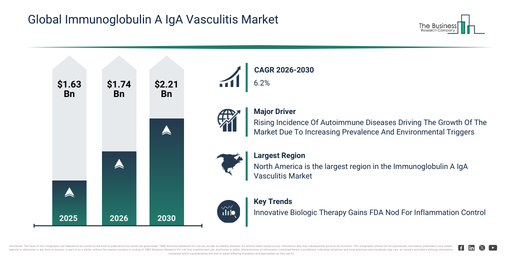
    The immunoglobulin a iga vasculitis market has experienced robust expansion in recent years. Projections indicate it will expand from $1.63 billion in 2025 to $1.74 billion in 2026, demonstrating a compound annual growth rate (CAGR) of 6.5%. Historically, this growth can be ascribed to several factors, including an enhanced clinical comprehension of IgA-mediated autoimmune disorders, a rise in the diagnosis of pediatric vasculitis cases, more widespread application of corticosteroids and immunosuppressants, the proliferation of hospital-based autoimmune care services, and the broadening of nephrology clinical expertise.

    The market for immunoglobulin A (IgA) vasculitis is projected to experience substantial expansion over the upcoming years. This market is anticipated to reach a valuation of $2.21 billion by 2030, exhibiting a compound annual growth rate (CAGR) of 6.2%. This projected growth is attributable to several factors, including heightened research into new immunomodulatory drugs, the increasing embrace of personalized autoimmune treatments, a greater emphasis on long-term kidney protection, the broadening of biologic treatment options, and advancements in diagnostic imaging and biopsy methods. Key trends anticipated during the forecast period involve an increased focus on prompt and precise disease diagnosis, the rising use of targeted immunosuppressive treatments, the expanding application of biomarker-driven disease monitoring, the growth of personalized therapeutic strategies, and an intensified concentration on managing renal outcomes.

    Access Your Free Sample Report for In-Depth Market Insights:

    https://www.thebusinessresearchcompany.com/sample.aspx?id=24567&type=smp

    Which Drivers Are Influencing Long-Term Growth In The Immunoglobulin A IgA Vasculitis Market?

    An increase in the prevalence of autoimmune diseases is projected to fuel the expansion of the immunoglobulin A (IgA) vasculitis market moving forward. Autoimmune diseases are conditions where the body’s immune system incorrectly attacks its own healthy cells, tissues, or organs instead of safeguarding the body from infections and foreign substances. The growing incidence of autoimmune disorders is primarily attributed to increased exposure to pollutants, which can disrupt immune regulation and trigger abnormal responses. Immunoglobulin A (IgA) vasculitis assists in addressing autoimmune diseases by initiating an immune response that results in inflammation within small blood vessels, thereby aiding in the understanding and potential treatment of various autoimmune conditions. For example, in February 2024, according to the Vasculitis Foundation, a US-based non-profit organization, the annual incidence of IgA vasculitis in U.S. adults is approximately 2 cases per 100,000, although global rates vary considerably, ranging from roughly 60 to 550 cases per million. Consequently, the rising occurrence of autoimmune diseases is driving the growth of the immunoglobulin A (IgA) vasculitis market. The increasing focus on targeted therapies is anticipated to stimulate the growth of immunoglobulin A (IgA) vasculitis. Targeted therapies are treatments that specifically identify and inhibit molecular abnormalities in cancer or other diseases to enhance treatment precision and minimize harm to healthy cells. This growing emphasis on targeted therapies is primarily driven by advancements in precision medicine, which facilitates personalized, more effective treatments based on individual genetic profiles. Targeted therapies aid immunoglobulin A (IgA) vasculitis treatment by concentrating on specific immune pathways, thereby minimizing systemic side effects. They improve disease management by reducing inflammation and preventing organ damage, which enhances patient outcomes and quality of life. For instance, in December 2024, as reported by the American Society of Gene and Cell Therapy (ASGCT), a US-based non-profit medical and scientific organization, the Food and Drug Administration (FDA) approved six gene therapy products in 2023, an increase from five approvals in 2022. Therefore, the rising focus on targeted therapies is propelling the growth of the immunoglobulin A (IgA) vasculitis market.

    Which Segments Are Driving Activity In The Immunoglobulin A IgA Vasculitis Market?

    The immunoglobulin a iga vasculitis market covered in this report is segmented –

    1) By Treatment Type: Medications, Plasma Exchange, Supportive Care, Immunosuppressive Therapy

    2) By Diagnosis Method: Blood Tests, Urinalysis, Imaging Studies, Biopsy

    3) By Route Of Administration: Oral, Injectables

    4) By End User: Hospitals, Specialty Clinics, Homecare Settings

    Subsegments:

    1) By Medications: Corticosteroids, Immunosuppressants, Cyclophosphamide, Azathioprine, Mycophenolate Mofetil

    2) By Plasma Exchange: Therapeutic Plasma Exchange, Plasma Filtration

    3) By Supportive Care: Pain Management, Kidney Function Support, Blood Pressure Management

    4) By Immunosuppressive Therapy: Methotrexate, Rituximab

    How Are New Market Trends Shaping The Landscape Of The Immunoglobulin A IgA Vasculitis Market?

    Companies operating in the immunoglobulin A (IgA) vasculitis market are concentrating on creating innovative therapies, including targeted biologics and immunomodulators, to alleviate inflammation and avert renal complications. These advanced therapies modulate specific immune pathways to lessen inflammation and prevent immune-mediated damage in IgA vasculitis. For instance, in April 2025, Novartis AG, a Switzerland-based pharmaceutical company, obtained approval from the U.S. Food and Drug Administration (FDA) for Vanrafia (atrasentan) for the treatment of primary immunoglobulin A nephropathy (IgAN). Vanrafia is an oral, once-daily, selective endothelin A receptor antagonist designed to reduce proteinuria in adults with primary IgAN who are at risk of rapid disease progression. It can be integrated into existing supportive care regimens without needing a risk evaluation and mitigation strategy (REMS).

    Which Key Players Are Driving Competition In The Immunoglobulin A IgA Vasculitis Market?

    Major companies operating in the immunoglobulin a iga vasculitis market are Pfizer Inc, F. Hoffmann-La Roche Ltd, Novartis AG, Takeda Pharmaceutical Company Limited, Amgen Inc, Intas Pharmaceuticals Ltd, Zydus Lifesciences Limited, Biogen Inc, Chugai Pharmaceutical Co Ltd, CSL Behring, AbbVie Inc, Johnson & Johnson, Bristol-Myers Squibb Company, UCB SA, Sanofi, GSK plc, Astellas Pharma Inc, Teva Pharmaceuticals USA Inc, Chinook Therapeutics, Guangdong Hengrui Pharmaceutical Co Ltd, Visterra Inc, Selecta Biosciences, Jiangsu HengRui Medicine Co Ltd, Travere Therapeutics Inc, Everest Medicines Ltd

    Access The Complete Report For Deeper Market Insights:

    https://www.thebusinessresearchcompany.com/report/immunoglobulin-a-iga-vasculitis-global-market-report

    Which Region Currently Holds The Largest Share Of The Immunoglobulin A IgA Vasculitis Market?

    North America was the largest region in the immunoglobulin A (IgA) vasculitis market in 2025. Asia-Pacific is expected to be the fastest-growing region in the forecast period. The regions covered in the immunoglobulin a iga vasculitis market report are Asia-Pacific, South East Asia, Western Europe, Eastern Europe, North America, South America, Middle East, Africa.

    Request Your Customized Immunoglobulin A IgA Vasculitis Market Research Report for Competitive Advantage:

    https://www.thebusinessresearchcompany.com/customise?id=24567&type=smp

    Browse Through More Reports Similar to the Global Immunoglobulin A IgA Vasculitis Market 2026, By The Business Research Company

    Intravenous Immunoglobulin Market Report 2026

    https://www.thebusinessresearchcompany.com/report/intravenous-immunoglobulin-global-market-report

    Immunodiagnostics Market Report 2026

    https://www.thebusinessresearchcompany.com/report/immunodiagnostics-global-market-report

    Veterinary Autoimmune Disease Therapeutics Market Report 2026

    https://www.thebusinessresearchcompany.com/report/veterinary-autoimmune-disease-therapeutics-global-market-report

    Get in touch with us:

    The Business Research Company: https://www.thebusinessresearchcompany.com/

    Americas +1 310-496-7795

    Asia +44 7882 955267 & +91 8897263534

    Europe +44 7882 955267

    Email us at info@tbrc.info

    Follow us on:

    LinkedIn: https://in.linkedin.com/company/the-business-research-company

    YouTube: https://www.youtube.com/channel/UC24_fI0rV8cR5DxlCpgmyFQ

    Global Market Model: https://www.thebusinessresearchcompany.com/global-market-model
  • Immunogenomics Industry Growth Insights: Revenue Forecast to 2030

    Immunogenomics Industry Growth Insights: Revenue Forecast to 2030

    Uncover key drivers, emerging technologies, and competitive movements shaping the immunogenomics market from 2026–2035 with trusted insights from The Business Research Company

    What level of CAGR-driven expansion is anticipated in the Immunogenomics Market between 2026 and 2030?

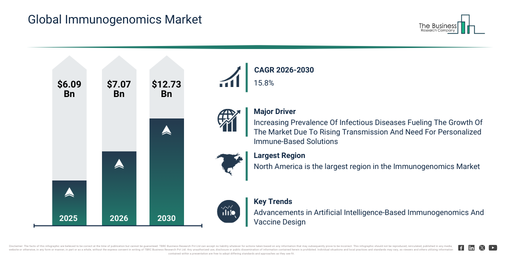
    The immunogenomics market size has experienced rapid expansion in recent years. This market is projected to expand from $6.09 billion in 2025 to reach $7.07 billion in 2026, demonstrating a compound annual growth rate (CAGR) of 16.1%. Historically, this growth has been fueled by several factors, including advancements in genomic sequencing technologies, an increasing comprehension of immune-related genetic variations, the broadening scope of oncology and infectious disease research, a rise in research funding, and the accessibility of high-throughput genomic tools.

    The immunogenomics market size is projected to experience substantial expansion in the coming years. This market is anticipated to reach $12.73 billion by 2030, demonstrating a compound annual growth rate (CAGR) of 15.8%. This projected growth throughout the forecast period stems from several factors, including the escalating demand for precision medicine solutions, the advancement of personalized vaccines and immunotherapies, the broadening of translational immunogenomics research, the increasing incorporation of multi-omics data, and a higher uptake of cloud-based genomic analytics. Key trends expected during this period encompass the growing adoption of next-generation sequencing for immune profiling, an increased application of bioinformatics tools in immune data analysis, an amplified emphasis on personalized immunotherapies, the expansion of genomic databases pertinent to immune research, and a greater integration of AI within immunogenomic studies.

    Access Your Free Sample Report for In-Depth Market Insights:

    https://www.thebusinessresearchcompany.com/sample.aspx?id=28247&type=smp

    What Drivers Are Affecting Demand-Supply Dynamics In The Immunogenomics Market?

    The anticipated expansion of the immunogenomics market is linked to the growing incidence of infectious diseases. These conditions are caused by detrimental microorganisms, such as bacteria, viruses, fungi, or parasites, which can spread directly or indirectly between individuals. The rising occurrence of infectious diseases is attributed to increased global travel, which enables the swift transmission of pathogens across borders. Immunogenomics significantly improves the management of infectious diseases by allowing for precise examination of host immune responses and genetic susceptibility. It minimizes exploratory treatment approaches by pinpointing patient-specific immune determinants, thereby advancing diagnostic methods, vaccine creation, and tailored therapeutic plans. For instance, in February 2024, the UK Health Security Agency, a UK-based government agency, reported that tuberculosis cases in England, a contagious bacterial infection primarily affecting the lungs, climbed to 4,850 in 2023, marking an increase of 10.7% from 4,380 cases in 2022. Consequently, the escalating occurrence of infectious diseases is a primary catalyst for the growth of the immunogenomics market.

    How Is The Immunogenomics Market Organized Into Various Segments?

    The immunogenomics market covered in this report is segmented –

    1) By Product Type: Instruments, Consumables, Software, Services

    2) By Technology: Next-Generation Sequencing, Microarray, Polymerase Chain Reaction, Other Technologies

    3) By Application: Oncology, Infectious Diseases, Autoimmune Disorders, Transplantation, Other Applications

    4) By End-User: Hospitals And Clinics, Research Institutes, Pharmaceutical And Biotechnology Companies, Other End-Users

    Subsegments:

    1) By Instruments: Sequencers, Microarray scanners, Flow cytometers

    2) By Consumables: Reagents, Kits, Assay panels

    3) By Software: Data analysis software, Bioinformatics tools, Visualization platforms

    4) By Services: Sequencing services, Genomic profiling, Bioinformatics support

    Which Trends Are Expected To Influence The Immunogenomics Market In The Upcoming Years?

    Major companies operating in the immunogenomics market are concentrating on developing advanced solutions, such as a vaccine target prediction system, which facilitates automated end-to-end vaccine design and optimizes vaccine constructs by ensuring an optimal antigen sequence. This vaccine target prediction system operates as a computational platform, utilizing bioinformatics algorithms alongside genomic and immunomic data to pinpoint putative antigen molecules from pathogens or cancer cells. It then analyzes their structural properties to prioritize and select the most effective vaccine candidates with the highest potential to evoke protective immune responses. For instance, in September 2024, Evaxion Biotech A/S, a Denmark-based biotechnology company specializing in artificial intelligence-driven immunotherapy and vaccine development, launched its clinically validated AI-Immunology platform. This platform is an upgraded EDEN artificial intelligence prediction model, now including a novel toxin antigen predictor that enhances the accuracy and reliability of bacterial toxin antigen identification for next-generation bacterial vaccine development. Additionally, the platform simulates the immune system to create personalized and future-generation immunotherapies, having demonstrated strong correlations between its artificial intelligence-generated predictions and clinical outcomes.

    Who Are The Top-Performing Companies In The Immunogenomics Market In Recent Years?

    Major companies operating in the immunogenomics market are F. Hoffmann-La Roche AG, Thermo Fisher Scientific Inc., Illumina Inc., BGI Group, GenScript Biotech Corporation, CareDx Inc., Oxford Nanopore Technologies plc, Genewiz LLC, Adaptive Biotechnologies Corporation, GenomOncology LLC, Personalis Inc., Variantyx Inc., CD Genomics Inc., Sengenics Corporation, GeneCentric Therapeutics Inc., Immunogenomics Inc., ImmuQuad Biotechnologies Inc., Neomics Pharmaceuticals LLC, Yemaachi Biotech Ltd., BioAnalytica Biotechnology Systems Inc.

    Access The Complete Report For Deeper Market Insights:

    https://www.thebusinessresearchcompany.com/report/immunogenomics-global-market-report

    How Does The Immunogenomics Market Perform Across Major Global Regions?

    North America was the largest region in the immunogenomics market in 2025. The regions covered in the immunogenomics market report are Asia-Pacific, South East Asia, Western Europe, Eastern Europe, North America, South America, Middle East, Africa.

    Request Your Customized Immunogenomics Market Research Report for Competitive Advantage:

    https://www.thebusinessresearchcompany.com/customise?id=28247&type=smp

    Browse Through More Reports Similar to the Global Immunogenomics Market 2026, By The Business Research Company

    Immunomodulator Market Report 2026

    https://www.thebusinessresearchcompany.com/report/immunomodulator-global-market-report

    Immunoassay Market Report 2026

    https://www.thebusinessresearchcompany.com/report/immunoassay-global-market-report

    Automated Immunoassay Analyzers Market Report 2026

    https://www.thebusinessresearchcompany.com/report/automated-immunoassay-analyzers-global-market-report

    Get in touch with us:

    The Business Research Company: https://www.thebusinessresearchcompany.com/

    Americas +1 310-496-7795

    Asia +44 7882 955267 & +91 8897263534

    Europe +44 7882 955267

    Email us at info@tbrc.info

    Follow us on:

    LinkedIn: https://in.linkedin.com/company/the-business-research-company

    YouTube: https://www.youtube.com/channel/UC24_fI0rV8cR5DxlCpgmyFQ

    Global Market Model: https://www.thebusinessresearchcompany.com/global-market-model
  • Global Immune Thrombocytopenia Market Performance Report: Global Trends 2026–2030

    Global Immune Thrombocytopenia Market Performance Report: Global Trends 2026–2030

    Uncover key drivers, emerging technologies, and competitive movements shaping the immune thrombocytopenia market from 2026–2035 with trusted insights from The Business Research Company

    What long-term size projections exist for the Immune Thrombocytopenia Market covering 2026–2035?

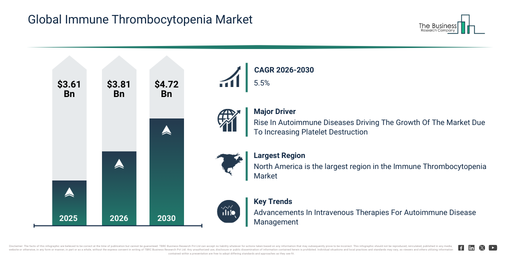
    The immune thrombocytopenia market size has experienced substantial growth in recent years. It is forecast to expand from $3.61 billion in 2025 to $3.81 billion in 2026, achieving a compound annual growth rate (CAGR) of 5.6%. This historical growth can be ascribed to an enhanced understanding of autoimmune platelet disorders, greater availability of intravenous immunoglobulin therapy, increasing diagnosis rates for chronic itp, advancements within hematology clinical practices, and the broadening of hospital-based hematology care.

    The immune thrombocytopenia market is projected to experience robust expansion over the coming years, reaching a valuation of $4.72 billion by 2030, driven by a compound annual growth rate (CAGR) of 5.5%. This anticipated growth during the forecast period stems from factors such as the creation of new biologics and oral medications, an intensified emphasis on managing the disease over extended periods, greater uptake of outpatient and home-based care options, the broadening application of precision medicine in autoimmune conditions, and enhanced healthcare accessibility in developing economies. Key developments expected in this period encompass a wider acceptance of targeted immunotherapies, increased utilization of thrombopoietin receptor agonists, a heightened emphasis on individualized treatment methods, the broadening of chronic ITP management protocols, and improved awareness leading to earlier diagnosis of ITP.

    Access Your Free Sample Report for In-Depth Market Insights:

    https://www.thebusinessresearchcompany.com/sample.aspx?id=22012&type=smp

    Which Drivers Are Impacting The Competitive Landscape Of The Immune Thrombocytopenia Market?

    The increasing prevalence of autoimmune diseases is expected to propel the growth of the immune thrombocytopenia market going forward. Autoimmune diseases occur when the immune system mistakenly attacks the body’s healthy cells and tissues, treating them as foreign threats. This abnormal response leads to inflammation and damage in various organs and systems. The rise in autoimmune diseases is linked to genetic predispositions, environmental factors, lifestyle changes, and increasing awareness leading to better diagnosis. Autoimmune diseases cause immune thrombocytopenia by triggering the immune system to attack and destroy the body’s platelets or impair their production in the bone marrow. For instance, in November 2023, according to the Multiple Sclerosis International Federation (MSIF), a UK-based international nonprofit organization, an estimated 2.9 million people worldwide were living with multiple sclerosis, a type of autoimmune disease in 2023. Therefore, the growing prevalence of autoimmune diseases is driving the growth of the immune thrombocytopenia market.

    What Segments Are Identified Within The Structure Of The Immune Thrombocytopenia Market?

    The immune thrombocytopenia market covered in this report is segmented –

    1) By Type: Primary Immune Thrombocytopenia, Secondary Immune Thrombocytopenia, Acquired Immune Thrombocytopenia

    2) By Treatment Type: Intravenous Immunoglobulin, Thrombopoietin Receptor Agonists, Immunosuppressive Therapy

    3) By Distribution Channel: Hospital Pharmacies, Retail Pharmacies, Online Pharmacies

    Subsegments:

    1) By Primary Immune Thrombocytopenia: Acute Primary ITP, Chronic Primary ITP, Persistent Primary ITP

    2) By Secondary Immune Thrombocytopenia: Drug-Induced ITP, Infection-Associated ITP, Autoimmune Disorder-Related ITP

    3) By Acquired Immune Thrombocytopenia: Immune-Mediated Acquired ITP, Non-Immune Acquired ITP

    What Trends Are Driving The Growth Trajectory Of The Immune Thrombocytopenia Market?

    Leading firms within the immune thrombocytopenia sector are focusing on developing improved therapies, especially those delivered intravenously, with the goals of boosting treatment efficacy, speeding up patient responses, increasing compliance, and fulfilling overlooked medical requirements for managing thrombocytopenia. Intravenous (IV) therapy, as a medical procedure, entails administering liquids, drugs, or essential nutrients straight into a patient’s vein via an IV drip. For example, in March 2024, Argenx SE, a biotechnology company headquartered in the Netherlands, disclosed that the Japan Ministry of Health, Labor, and Welfare (MHLW) had granted approval for VYVGART to be given intravenously to adults suffering from primary immune thrombocytopenia (ITP). This endorsement marks a significant leap forward in therapeutic choices, providing a precise method that delivers quick results and a lasting platelet count, thereby addressing vital unfulfilled demands in the treatment of autoimmune diseases.

    Which Leading Companies Dominate The Immune Thrombocytopenia Market Share?

    Major companies operating in the immune thrombocytopenia market are Pfizer Inc., Merck & Co. Inc., Sanofi S.A., Novartis AG, Amgen Inc., Takeda Pharmaceutical Company Limited, Eli Lilly and Company, Intas Pharmaceuticals Ltd., CSL Behring, Grifols, UCB Pharma, Kyowa Kirin, Sobi (Swedish Orphan Biovitrum), 3SBio Inc., Biotest AG, Shionogi & Co. Ltd., Ligand Pharmaceuticals, Rigel Pharmaceuticals, Symphogen, Hansa Biopharma, Argenx.

    Access The Complete Report For Deeper Market Insights:

    https://www.thebusinessresearchcompany.com/report/immune-thrombocytopenia-global-market-report

    Which Region Is Anticipated To See The Fastest Growth In The Immune Thrombocytopenia Market?

    North America was the largest region in the immune thrombocytopenia market in 2025. Asia-Pacific is expected to be the fastest-growing region in the forecast period. The regions covered in the immune thrombocytopenia market report are Asia-Pacific, South East Asia, Western Europe, Eastern Europe, North America, South America, Middle East, Africa.

    Request Your Customized Immune Thrombocytopenia Market Research Report for Competitive Advantage:

    https://www.thebusinessresearchcompany.com/customise?id=22012&type=smp

    Browse Through More Reports Similar to the Global Immune Thrombocytopenia Market 2026, By The Business Research Company

    Platelet Rich Plasma Market Report 2026

    https://www.thebusinessresearchcompany.com/report/platelet-rich-plasma-global-market-report

    Venous Thromboembolism Market Report 2026

    https://www.thebusinessresearchcompany.com/report/venous-thromboembolism-global-market-report

    Antithrombotic Drugs Market 2026

    https://www.thebusinessresearchcompany.com/report/antithrombotic-drugs-market

    Get in touch with us:

    The Business Research Company: https://www.thebusinessresearchcompany.com/

    Americas +1 310-496-7795

    Asia +44 7882 955267 & +91 8897263534

    Europe +44 7882 955267

    Email us at info@tbrc.info

    Follow us on:

    LinkedIn: https://in.linkedin.com/company/the-business-research-company

    YouTube: https://www.youtube.com/channel/UC24_fI0rV8cR5DxlCpgmyFQ

    Global Market Model: https://www.thebusinessresearchcompany.com/global-market-model
  • Immune Response Testing Market Future Outlook 2026: Key Drivers and Growth Potential

    Immune Response Testing Market Future Outlook 2026: Key Drivers and Growth Potential

    Uncover key drivers, emerging technologies, and competitive movements shaping the immune response testing market from 2026–2035 with trusted insights from The Business Research Company

    What total market size is anticipated for the Immune Response Testing Market in 2030?

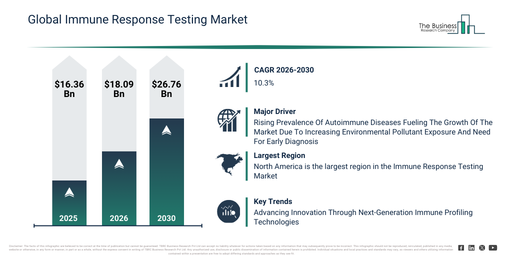
    The immune response testing market has experienced substantial growth in its size over recent years. It is anticipated to expand from $16.36 billion in 2025 to $18.09 billion in 2026, driven by a compound annual growth rate (CAGR) of 10.6%. The historical expansion of this market can be attributed to several factors, including the increasing prevalence of immune-related disorders, the broader application of antibody-based diagnostics, the growth in clinical immunology laboratories, the rising adoption of ELISA testing methods, and more extensive vaccine response monitoring.

    The immune response testing market is projected to experience substantial expansion in the coming years. This market is forecast to reach $26.76 billion by 2030, exhibiting a compound annual growth rate (CAGR) of 10.3%. This projected growth is driven by factors such as the rising demand for personalized immune profiling, the increasing application of immune monitoring in oncology and vaccine development, the broadening availability of point-of-care immune testing, the expanding integration of AI in interpreting diagnostics, and a heightened emphasis on detecting immune dysfunction early. Key trends anticipated during this period involve the increasing uptake of multiplex immune assays, the growing utilization of cellular immune response analysis, the broader incorporation of automated testing platforms, the development of more high-sensitivity diagnostic panels, and a concentrated focus on immune monitoring.

    Access Your Free Sample Report for In-Depth Market Insights:

    https://www.thebusinessresearchcompany.com/sample.aspx?id=27314&type=smp

    What Drivers Are Influencing Production Trends In The Immune Response Testing Market?

    The increasing incidence of autoimmune diseases is anticipated to fuel the expansion of the immune response testing market in the future. These diseases are characterized by the body’s immune system erroneously targeting its own healthy cells and tissues. The rising occurrence of autoimmune diseases largely stems from greater exposure to environmental contaminants, which can impair immune function and provoke immune attacks on the body’s tissues. Immune response testing improves the management of autoimmune conditions by offering accurate insights into immune activity, facilitating early detection and customized treatment strategies. This testing aids in enhanced disease monitoring and contributes to better patient outcomes via adjustments to targeted therapies. For example, data from February 2024, provided by Arthritis Australia, a non-profit organization based in Australia, projects that 562,378 Australians will have RA by 2025, constituting 14% of all arthritis cases during that year. This figure is expected to climb by 33% to 748,721 people by 2040, indicating an additional 186,343 Australians affected by RA compared to 2025. Consequently, the increasing prevalence of autoimmune diseases is driving the growth of the immune response testing market.

    Which Segments Are Gaining Traction In The Immune Response Testing Market?

    The immune response testing market covered in this report is segmented –

    1) By Type Of Testing: Antibody Testing, Cytokine Testing, Cellular Testing, Complement System Testing

    2) By Application: Allergy Testing, Human Immunodeficiency Virus (HIV) Disease, Cancer, Rheumatoid Arthritis, Systemic Lupus Erythematosus, Other Applications

    3) By End-User: Hospitals And Clinics, Diagnostic Laboratories, Research Institutes, Home Care Settings

    Subsegments:

    1) By Antibody Testing: Immunoglobulin G (IgG) Testing, Immunoglobulin A (IgA) Testing, Immunoglobulin M (IgM) Testing, Neutralizing Antibody Testing, Rapid Antibody Testing

    2) By Cytokine Testing: Enzyme-Linked Immunosorbent Assay (ELISA)-Based Cytokine Assays, Multiplex Cytokine Assays, Flow Cytometry-Based Cytokine Assays, Cytometric Bead Array, Quantitative Polymerase Chain Reaction (qPCR)-Based Cytokine Analysis

    3) By Cellular Testing: T-Cell Response Assays, B-Cell Response Assays, Natural Killer (NK) Cell Assays, Lymphocyte Proliferation Assays, ELISpot Assays

    4) By Complement System Testing: Total Hemolytic Complement (CH50) Assay, Alternative Pathway Hemolytic Complement (AH50) Assay, Complement Component 3 And 4 (C3 And C4) Complement Testing, Mannose-Binding Lectin (MBL) Testing, Complement Activity Assays

    What Upcoming Trends Are Likely To Define The Future Path Of The Immune Response Testing Market?

    Major companies within the Immune Response Testing market are concentrating on developing innovative solutions, such as immune profiling technologies, to address the increasing demand for advanced diagnostics in post-viral syndromes and for assessing adaptive immunity. These immune profiling technologies are specifically designed to analyze the immune system comprehensively, evaluating both cellular and humoral responses, thereby offering more detailed insights compared to traditional serological tests that primarily detect antibody levels. For instance, in April 2024, Virax Biolabs Group Limited, a UK-based biotechnology company, launched its portfolio of immune profiling solutions at ESCMID Global 2024, specifically targeting the evaluation of adaptive immunity in post-viral conditions. These solutions incorporate advanced assays, including multi-parametric flow cytometry and targeted biomarker panels, facilitating precise characterization of immune cell subsets and their functional responses. Notable features include high sensitivity, customizable panels suitable for various post-viral syndromes, and integration with digital reporting platforms to streamline data interpretation. Their applications extend from clinical research to personalized patient monitoring, providing benefits such as the early detection of immune dysfunction and support for informed therapeutic decision-making.

    Who Are The Major Companies Operating In The Immune Response Testing Market?

    Major companies operating in the immune response testing market are F. Hoffmann-La Roche Ltd., Thermo Fisher Scientific Inc., Abbott Laboratories, Danaher Corporation, Siemens Healthcare GmbH, Becton Dickinson and Company, Quest Diagnostics Incorporated, Eurofins Scientific SE, PerkinElmer Inc., bioMérieux SA, Bruker Corporation, Beckman Coulter Inc., Bio-Rad Laboratories Inc., Qiagen N.V., DiaSorin S.p.A., EUROIMMUN Medizinische Labor diagnostika AG, NanoString Technologies Inc., GenScript Biotech Corporation, Cell Signaling Technology Inc., Sysmex Corporation, Ortho Clinical Diagnostics, Randox Laboratories Ltd., Merck KGaA

    Access The Complete Report For Deeper Market Insights:

    https://www.thebusinessresearchcompany.com/report/immune-response-testing-global-market-report

    Which Region Is Anticipated To See The Fastest Growth In The Immune Response Testing Market?

    North America was the largest region in the immune response testing market in 2025. Asia-Pacific is expected to be the fastest-growing region in the forecast period. The regions covered in the immune response testing market report are Asia-Pacific, South East Asia, Western Europe, Eastern Europe, North America, South America, Middle East, Africa.

    Request Your Customized Immune Response Testing Market Research Report for Competitive Advantage:

    https://www.thebusinessresearchcompany.com/customise?id=27314&type=smp

    Browse Through More Reports Similar to the Global Immune Response Testing Market 2026, By The Business Research Company

    Nanofibers Market Report 2026

    https://www.thebusinessresearchcompany.com/report/nanofibers-global-market-report

    Nanomaterials Market Report 2026

    https://www.thebusinessresearchcompany.com/report/nanomaterials-global-market-report

    Nanosilica Market Report 2026

    https://www.thebusinessresearchcompany.com/report/nanosilica-global-market-report

    Get in touch with us:

    The Business Research Company: https://www.thebusinessresearchcompany.com/

    Americas +1 310-496-7795

    Asia +44 7882 955267 & +91 8897263534

    Europe +44 7882 955267

    Email us at info@tbrc.info

    Follow us on:

    LinkedIn: https://in.linkedin.com/company/the-business-research-company

    YouTube: https://www.youtube.com/channel/UC24_fI0rV8cR5DxlCpgmyFQ

    Global Market Model: https://www.thebusinessresearchcompany.com/global-market-model

  • Image-Guided Radiation Therapy Market Trends and Insights: Global Forecast to 2030

    Image-Guided Radiation Therapy Market Trends and Insights: Global Forecast to 2030

    Uncover key drivers, emerging technologies, and competitive movements shaping the image-guided radiation therapy market from 2026–2035 with trusted insights from The Business Research Company

    What is the expected shift in the Image-Guided Radiation Therapy Market’s size between 2026 and 2030?

    The image-guided radiation therapy market has experienced steady expansion in recent years. This market is expected to expand from $1.99 billion in 2025 to $2.08 billion in 2026, exhibiting a compound annual growth rate (CAGR) of 4.5%. The historical growth of this market can be attributed to several factors including an increase in global cancer incidence, ongoing advancements in imaging technologies for oncology, the rising adoption of linac-based radiotherapy systems, improved clinical outcomes facilitated by image guidance, and the expansion of radiotherapy infrastructure in developed regions.

    The image-guided radiation therapy market size is anticipated to demonstrate consistent growth in the coming years, with expectations to reach $2.48 billion in 2030 at a compound annual growth rate (CAGR) of 4.4%. This expansion during the forecast period can be attributed to the integration of AI in treatment planning and imaging, an increasing demand for non-invasive cancer treatments, rising investments in advanced radiotherapy centers, the increasing adoption of proton and particle therapy, and expanding access to cancer care in emerging markets. Key trends expected over the forecast period include the increasing adoption of precision radiation delivery, growing integration of real-time imaging in radiotherapy, a rising demand for personalized cancer treatment planning, the expansion of stereotactic and proton-based therapies, and an increasing focus on reducing radiation-induced toxicity.

    Access Your Free Sample Report for In-Depth Market Insights:

    https://www.thebusinessresearchcompany.com/sample.aspx?id=13458&type=smp

    Which Drivers Are Shaping Strategic Decisions In The Image-Guided Radiation Therapy Market?

    The anticipated rise in cancer cases is set to boost the image-guided radiation therapy market in the future. Cancer is characterized by the uncontrolled growth and spread of abnormal cells throughout the body. Image-guided radiation therapy (IGRT) is employed for treating cancer because it allows for precise and accurate delivery of radiation to cancer cells, thereby minimizing harm to healthy tissues and reducing adverse effects. For example, in August 2024, Macmillan Cancer Support, a UK-based organization, indicated that over 3 million individuals in the UK were living with cancer in 2024, with this number expected to climb to 3.5 million by 2025, 4 million by 2030, and 5.3 million by 2040. Consequently, the growing occurrence of cancer is a key factor propelling the expansion of the image-guided radiation therapy market moving forward.

    What Segment Categories Are Covered In The Image-Guided Radiation Therapy Market?

    The image-guided radiation therapy market covered in this report is segmented –

    1) By Product Type: 4D Gating And 4D RT, Linear Accelerator (LINAC), PET And MRI Guided Radiation Therapy, Portal Imaging, CT Scanning

    2) By Procedure: Intensity-Modulation Radiation Therapy, 3D Conformal Radiation Therapy, Stereotactic Therapy, Proton Beam Therapy, Particle Therapy

    3) By Application: Lung Cancer, Prostate Cancer, Head And Neck Cancer, Gynecological Cancer, Gastrointestinal Cancer, Other Applications

    4) By End User: Hospitals, Independent Radiotherapy Centers

    Subsegments:

    1) By 4D Gating and 4D RT: 4D Gating Systems, 4D Radiation Therapy Systems

    2) By Linear Accelerator (LINAC): Conventional LINAC Systems, Advanced LINAC Systems

    3) By PET And MRI Guided Radiation Therapy: PET/CT Guided Radiation Therapy, MRI Guided Radiation Therapy

    4) By Portal Imaging: Electronic Portal Imaging, Conventional Portal Imaging

    5) By CT Scanning: CT Imaging For Radiation Therapy Planning, Cone Beam CT For Radiation Therapy

    Which Trends Are Shaping Activity Within The Image-Guided Radiation Therapy Market?

    Leading companies in the image-guided radiation therapy market are concentrating on technological advancements like Cenos, which represents an online adaptive therapy solution for radiotherapy treatments. Cenos provides healthcare professionals with the capacity to quickly and effectively alter a radiation therapy treatment plan if necessary while the patient is still undergoing the procedure. For example, in October 2023, Accuray Incorporated, a US-based producer of radiation therapy systems, in collaboration with Limbus AI, a Canada-based artificial intelligence company, released the Cenos platform for its Radixact System. This sophisticated treatment delivery system offers uncompromised capabilities for managing a broad spectrum of cancer cases, including breast, prostate, lung, and head and neck cancers, as well as complex therapies such as total marrow irradiation. It incorporates distinct features, including a high-speed multileaf collimator, a fully integrated platform, and the Tomo C platform. Additionally, this therapy option allows healthcare providers to implement online adjustments to their treatment plan to account for any changes that might emerge between treatment sessions.

    Which Major Firms Are Strengthening Their Position In The Image-Guided Radiation Therapy Market?

    Major companies operating in the image-guided radiation therapy market are Hitachi Ltd., Toshiba Corporation, Siemens Healthcare GmbH, Koninklijke Philips N.V., GE Healthcare Company, Varian Medical Systems Inc., Elekta AB, Canon Medical Systems R&D (Dalian) Co. Ltd., Accuray Incorporated, Ion Beam Applications S.A., Brainlab AG, ViewRay Technologies Inc., Mevion Medical Systems Inc., RaySearch Laboratories AB, Vision RT Ltd., Sun Nuclear Corporation, IZI Medical Products LLC, Eckert & Ziegler BEBIG GmbH, C-RAD AB, Standard Imaging Inc., CIVCO Radiotherapy Inc., RTsafe Solutions Ltd., ASG Superconductors S.p.A., Mirada Medical Corporation, RefleXion Medical Inc.

    Access The Complete Report For Deeper Market Insights:

    https://www.thebusinessresearchcompany.com/report/image-guided-radiation-therapy-global-market-report

    Which Global Regions Are Shaping The Competitive Landscape Of The Image-Guided Radiation Therapy Market?

    North America was the largest region in the image-guided radiation therapy market in 2025. The regions covered in the image-guided radiation therapy market report are Asia-Pacific, South East Asia, Western Europe, Eastern Europe, North America, South America, Middle East, Africa.

    Request Your Customized Image-Guided Radiation Therapy Market Research Report for Competitive Advantage:

    https://www.thebusinessresearchcompany.com/customise?id=13458&type=smp

    Browse Through More Reports Similar to the Global Image-Guided Radiation Therapy Market 2026, By The Business Research Company

    Single Dose Radiotherapy Services Market Report 2026

    https://www.thebusinessresearchcompany.com/report/single-dose-radiotherapy-services-global-market-report

    Radiotherapy Devices Market Report 2026

    https://www.thebusinessresearchcompany.com/report/radiotherapy-devices-global-market-report

    Image Guided Surgery Devices Market Report 2026

    https://www.thebusinessresearchcompany.com/report/image-guided-surgery-devices-global-market-report

    Get in touch with us:

    The Business Research Company: https://www.thebusinessresearchcompany.com/

    Americas +1 310-496-7795

    Asia +44 7882 955267 & +91 8897263534

    Europe +44 7882 955267

    Email us at info@tbrc.info

    Follow us on:

    LinkedIn: https://in.linkedin.com/company/the-business-research-company

    YouTube: https://www.youtube.com/channel/UC24_fI0rV8cR5DxlCpgmyFQ

    Global Market Model: https://www.thebusinessresearchcompany.com/global-market-model
  • Global Image Guided And Robotic Assisted Procedures Market Report 2026–2030: Data-Driven Growth Insights

    Global Image Guided And Robotic Assisted Procedures Market Report 2026–2030: Data-Driven Growth Insights

    Uncover key drivers, emerging technologies, and competitive movements shaping the image guided and robotic assisted procedures market from 2026–2035 with trusted insights from The Business Research Company

    What growth pattern is forecast for the Image Guided And Robotic Assisted Procedures Market size between 2026 and 2035?

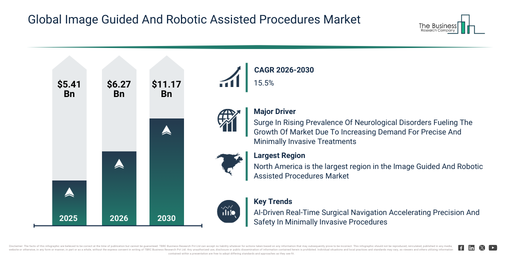
    The image guided and robotic assisted procedures market size has experienced rapid growth in recent years. This market is forecast to expand from $5.41 billion in 2025 to $6.27 billion in 2026, demonstrating a compound annual growth rate (CAGR) of 15.9%. The expansion observed in past periods can be attributed to progress in medical imaging technologies, a rising preference among surgeons for minimally invasive procedures, the initial deployment of robotic surgery systems in tertiary hospitals, enhanced patient outcomes and quicker recovery times, and an increasing prevalence of complex surgical conditions.

    The image guided and robotic assisted procedures market is projected to experience significant expansion in the coming years. Its valuation is anticipated to reach $11.17 billion by 2030, demonstrating a compound annual growth rate (CAGR) of 15.5%. This growth during the forecast period is attributed to swift advancements in surgical robotics, increased investments in intelligent operating rooms, wider adoption in outpatient and ambulatory settings, the incorporation of AI-powered surgical decision support, and the expansion of training initiatives for robotic-assisted surgery. Furthermore, prominent trends for this period include the rising acceptance of minimally invasive robotic surgeries, enhanced integration of real-time imaging with surgical navigation, a heightened need for precision and accuracy in intricate medical operations, the broader application of robot-assisted procedures across various medical fields, and an increased reliance on simulation-based surgical education.

    Access Your Free Sample Report for In-Depth Market Insights:

    https://www.thebusinessresearchcompany.com/sample.aspx?id=23426&type=smp

    Which Drivers Are Impacting Market Performance In The Image Guided And Robotic Assisted Procedures Market?

    The growing incidence of neurological disorders is anticipated to spur the expansion of the image-guided and robotic-assisted procedures market in the future. Neurological disorders are health conditions impacting the nervous system, including the brain, spinal cord, and nerves, leading to impairments in movement, cognitive functions, and other bodily processes. Lifestyle factors such as poor diet, physical inactivity, and chronic stress are primary contributors to the escalating prevalence of neurological disorders by negatively affecting brain health and function. Image-guided and robotic-assisted procedures enhance neurological care by boosting surgical precision, reducing invasiveness, and shortening recovery periods, making them crucial for managing complex cases. For instance, in February 2024, Dementia Australia, an Australia-based non-profit origination, reported that dementia prevalence in the country is projected to increase by 93% by 2054, with 812,500 people expected to be living with dementia, up from 421,000 in 2024. Therefore, the rising prevalence of neurological disorders is fueling the growth of the image-guided and robotic-assisted procedures market.

    Which Segments Are Contributing To The Growth Of The Image Guided And Robotic Assisted Procedures Market?

    The image guided and robotic assisted procedures market covered in this report is segmented –

    1) By Product Type: MRI Guided Robot, X-Ray Computed Tomography Guided Robot, X-Ray Mammography Guided Robot, Optical Imaging Guided Robot, Ultrasound Imaging Guided Robot

    2) By Technology: Image-Guided Surgery, Robotic-Assisted Surgery, Augmented Reality (AR) Surgery, Virtual Reality (VR) Simulation

    3) By Specialty: Orthopedic Surgery, Neurology, Urology, Gynecology, Cardiothoracic Surgery

    4) By Application: Diagnostic Applications, Minimally Invasive Procedures

    5) By End User: Hospitals, Outpatient Facilities

    Subsegments:

    1) By MRI Guided Robot: Neurosurgery Robots, Prostate Biopsy Robots, Cardiac Catheterization Robots, Tumor Ablation Systems

    2) By X-Ray Computed Tomography (CT) Guided Robot: Interventional Radiology Robots, Spine Surgery Assistance Systems, Biopsy And Ablation Robots, Orthopedic Robotic Systems

    3) By X-Ray Mammography Guided Robot: Breast Biopsy Assistance Robots, Lesion Localization Systems, Automated Breast Imaging Robots

    4) By Optical Imaging Guided Robot: Robotic Endoscopy Systems, Robotic Fluorescence-Guided Surgery Tools, Ophthalmic Surgical Robots, Robotic Systems For Dental Imaging

    5) By Ultrasound Imaging Guided Robot: Robotic-Assisted Fetal Procedures, Liver And Kidney Biopsy Robots, Robotic Prostate Interventions, Needle Guidance Systems

    Which Trends Are Influencing The Development Of The Image Guided And Robotic Assisted Procedures Market?

    Leading companies in the image guided & robotic assisted procedures market are focusing on real-time navigation, utilizing AI and computer vision technologies such as light field surgical guidance, to achieve a competitive advantage. This real-time AI and computer vision navigation interprets the environment through live image processing, delivering immediate directional guidance or actions. For example, in November 2024, Globus Medical, a US-based musculoskeletal-device company, introduced its ExcelsiusHub navigation platform, specifically developed to boost surgical precision and safety. The system offers surgeons three flexible workflow choices: automatic 3D registration, CT–fluoroscopy image merging, and 2D intraoperative navigation, providing enhanced adaptability during intricate operations. It also integrates real-time patient array monitoring to ensure accuracy throughout the surgery. Additionally, the platform incorporates tissue-sparing drills aimed at minimizing anatomical disruption and reducing procedural risks. By decreasing the need for continuous X-ray imaging, ExcelsiusHub promotes a safer operating environment for both surgeons and patients, while simultaneously improving efficiency and overall clinical outcomes.

    Who Are The Primary Competitors In The Global Image Guided And Robotic Assisted Procedures Market?

    Major companies operating in the image guided and robotic assisted procedures market are Intuitive Surgical Inc., Medtronic plc, Johnson & Johnson, Stryker Corporation, Zimmer Biomet Holdings Inc., GE Healthcare, Siemens Healthineers AG, Koninklijke Philips N.V., Boston Scientific Corporation, Asensus Surgical Inc., Brainlab AG, Carl Zeiss Meditec AG, Karl Storz SE & Co. KG, Globus Medical Inc., Renishaw plc, Synaptive Medical Inc., MicroPort Scientific Corporation, CMR Surgical Ltd., THINK Surgical Inc., Auris Health Inc.

    Access The Complete Report For Deeper Market Insights:

    https://www.thebusinessresearchcompany.com/report/image-guided-and-robotic-assisted-procedures-global-market-report

    Which Regions Are Poised For Strategic Growth In The Image Guided And Robotic Assisted Procedures Market?

    North America was the largest region in the image-guided and robot-assisted surgical procedures market in 2025. Asia-Pacific is expected to be the fastest-growing region in the forecast period. The regions covered in the image guided and robotic assisted procedures market report are Asia-Pacific, South East Asia, Western Europe, Eastern Europe, North America, South America, Middle East, Africa.

    Request Your Customized Image Guided And Robotic Assisted Procedures Market Research Report for Competitive Advantage:

    https://www.thebusinessresearchcompany.com/customise?id=23426&type=smp

    Browse Through More Reports Similar to the Global Image Guided And Robotic Assisted Procedures Market 2026, By The Business Research Company

    Automated Guided Vehicle Market Report 2026

    https://www.thebusinessresearchcompany.com/report/automated-guided-vehicle-global-market-report

    Vision Guided Robotics Software Market Report 2026

    https://www.thebusinessresearchcompany.com/report/vision-guided-robotics-software-global-market-report

    Automated Guided Vehicle Market Report 2026

    https://www.thebusinessresearchcompany.com/report/automated-guided-vehicle-global-market-report

    Get in touch with us:

    The Business Research Company: https://www.thebusinessresearchcompany.com/

    Americas +1 310-496-7795

    Asia +44 7882 955267 & +91 8897263534

    Europe +44 7882 955267

    Email us at info@tbrc.info

    Follow us on:

    LinkedIn: https://in.linkedin.com/company/the-business-research-company

    YouTube: https://www.youtube.com/channel/UC24_fI0rV8cR5DxlCpgmyFQ

    Global Market Model: https://www.thebusinessresearchcompany.com/global-market-model
  • Idiopathic Pulmonary Fibrosis Market Dynamics 2026: Future Outlook and Key Insights

    Idiopathic Pulmonary Fibrosis Market Dynamics 2026: Future Outlook and Key Insights

    Uncover key drivers, emerging technologies, and competitive movements shaping the idiopathic pulmonary fibrosis market from 2026–2035 with trusted insights from The Business Research Company

    How much larger will the Idiopathic Pulmonary Fibrosis Market be in 2030 compared with 2026?

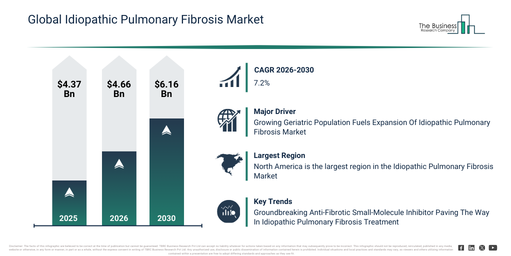
    The idiopathic pulmonary fibrosis market has experienced robust expansion over recent years. Projections indicate an increase in its size from $4.37 billion in 2025 to $4.66 billion in 2026, demonstrating a compound annual growth rate (CAGR) of 6.7%. Factors contributing to its historical growth include the scarcity of treatment options for fibrotic lung conditions, an expanding aging demographic, enhanced clinical identification of IPF, the introduction of nintedanib and pirfenidone, and a rise in hospital-based care for persistent lung ailments.

    The idiopathic pulmonary fibrosis market size is projected to experience substantial expansion over the upcoming years. This market is anticipated to reach $6.16 billion by 2030, demonstrating a compound annual growth rate (CAGR) of 7.2%. This projected growth during the forecast period stems from factors such as increasing research investment directed towards pulmonary fibrosis, the emergence of next-generation antifibrotic medications, a greater reliance on real-world evidence for informing treatment choices, the widening reach of online and specialty pharmacy avenues, and enhanced public awareness concerning rare respiratory conditions. Key trends anticipated within this period encompass a broader uptake of antifibrotic treatments, a heightened emphasis on prompt and precise diagnosis, an expanding utilization of combination drug regimens, the growth of home-based and extended disease management programs, and greater involvement in clinical trials for new therapeutic options.

    Access Your Free Sample Report for In-Depth Market Insights:

    https://www.thebusinessresearchcompany.com/sample.aspx?id=12579&type=smp

    What Drivers Are Guiding Growth Patterns In The Idiopathic Pulmonary Fibrosis Market?

    The idiopathic pulmonary fibrosis market is expected to see increased growth due to a rising geriatric population. This geriatric demographic specifically refers to the elderly or senior citizens within a given society or group. Aging is associated with both structural and functional changes in the lungs, which makes older individuals more prone to respiratory diseases like IPF. This susceptibility related to age contributes to the overall need for IPF treatments. For instance, in January 2024, the Population Reference Bureau, a US-based non-profit organization, indicated that the number of Americans aged 65 and older is projected to climb from 58 million in 2022 to 82 million by 2050, representing a 47% increase. Consequently, this age group’s share of the total U.S. population will expand from 17% to 23% during this period. Therefore, the expanding geriatric population is propelling the growth of the idiopathic pulmonary fibrosis market.

    How Is The Idiopathic Pulmonary Fibrosis Market Divided Into Segments?

    The idiopathic pulmonary fibrosis market covered in this report is segmented –

    1) By Drug Type: Nintedanib, Pirfenidone, Other Drug Types

    2) By Mode Of Action: Antifibrotic Agents, Tyrosine Kinase Inhibitors, Other Modes Of Action

    3) By Route Of Administration: Oral, Parenteral

    4) By Distribution Channel: Hospital Pharmacies, Retail Pharmacies, Online Providers

    5) By End Users: Hospitals And Clinics, Other End Users

    Subsegments:

    1) By Nintedanib: Indications, Dosage Forms, Administration Routes

    2) By Pirfenidone: Indications, Dosage Forms, Administration Routes

    3) By Other Drug Types: Specific Agents Or Classes, Emerging Therapies, Combination Therapies

    What Trends Are Expected To Impact The Competitive Landscape Of The Idiopathic Pulmonary Fibrosis Market?

    Key players within the idiopathic pulmonary fibrosis (IPF) market are prioritizing innovative offerings, such as anti-fibrotic small-molecule inhibitors, to maintain their competitive standing. Anti-fibrotic small-molecule inhibitors are pharmaceutical compounds specifically formulated to target and impede the body’s fibrotic processes. For example, in June 2023, Insilico Medicine, a US-based clinical-stage biotechnology company that utilizes generative artificial intelligence (AI), revealed the start of Phase II clinical trials for INS018_055. This compound is notable as the world’s first anti-fibrotic small molecule inhibitor created using generative AI. This significant event involved the initial administration of a dose to patients participating in the trial, which is a randomized, double-blind, placebo-controlled study designed to evaluate the safety, tolerability, pharmacokinetics, and preliminary efficacy of a 12-week oral dosage of INS018_055 in individuals with idiopathic pulmonary fibrosis (IPF). This novel application of AI in discovering drugs demonstrates a promising progression in the therapeutic landscape for idiopathic pulmonary fibrosis (IPF) diseases.

    Which Key Market Players Are Investing In Expansion And Innovation Within The Idiopathic Pulmonary Fibrosis Market?

    Major companies operating in the idiopathic pulmonary fibrosis market are F. Hoffmann-La Roche Ltd., Merck & Co. Inc., Novartis AG, Bristol-Myers Squibb Company, AstraZeneca PLC, Sanofi S.A., Gilead Sciences Inc., Toray Industries Inc., Boehringer Ingelheim International GmbH, Viatris Inc., Sun Pharmaceutical Industries Limited, Shionogi and Co. Ltd., Cipla Inc., Zydus Lifesciences Ltd., Chong Kun Dang Pharmaceutical Corp., Kyorin Pharmaceutical Co. Ltd., Galapagos NV, Veracyte Inc., Genentech Inc., FibroGen Inc., GNI Group Ltd., Pliant Therapeutics Inc., Pulmatrix Inc., Galimedix Therapeutics Inc., Avalyn Pharma Inc., MediciNova Inc., Liminal BioSciences Inc., Beijing Continent Pharmaceuticals Company, Galecto Inc.

    Access The Complete Report For Deeper Market Insights:

    https://www.thebusinessresearchcompany.com/report/idiopathic-pulmonary-fibrosis-global-market-report

    Which Regions Are Projected To Dominate The Idiopathic Pulmonary Fibrosis Market In The Coming Years?

    North America was the largest region in the idiopathic pulmonary fibrosis market in 2025. Asia Pacific is expected to be the fastest-growing region in the forecast period. The regions covered in the idiopathic pulmonary fibrosis market report are Asia-Pacific, South East Asia, Western Europe, Eastern Europe, North America, South America, Middle East, Africa.

    Request Your Customized Idiopathic Pulmonary Fibrosis Market Research Report for Competitive Advantage:

    https://www.thebusinessresearchcompany.com/customise?id=12579&type=smp

    Browse Through More Reports Similar to the Global Idiopathic Pulmonary Fibrosis Market 2026, By The Business Research Company

    Cystic Fibrosis Cf Therapeutics Market Report 2026

    https://www.thebusinessresearchcompany.com/report/cystic-fibrosis-cf-therapeutics-global-market-report

    Non Cystic Fibrosis Bronchiectasis Market Report 2026

    https://www.thebusinessresearchcompany.com/report/non-cystic-fibrosis-bronchiectasis-global-market-report

    Interstitial Lung Disease Market Report 2026

    https://www.thebusinessresearchcompany.com/report/interstitial-lung-disease-global-market-report

    Get in touch with us:

    The Business Research Company: https://www.thebusinessresearchcompany.com/

    Americas +1 310-496-7795

    Asia +44 7882 955267 & +91 8897263534

    Europe +44 7882 955267

    Email us at info@tbrc.info

    Follow us on:

    LinkedIn: https://in.linkedin.com/company/the-business-research-company

    YouTube: https://www.youtube.com/channel/UC24_fI0rV8cR5DxlCpgmyFQ

    Global Market Model: https://www.thebusinessresearchcompany.com/global-market-model
  • Idiopathic Intracranial Hypertension Treatment Market Research: Growth Projections and Trends 2030

    Idiopathic Intracranial Hypertension Treatment Market Research: Growth Projections and Trends 2030

    Uncover key drivers, emerging technologies, and competitive movements shaping the idiopathic intracranial hypertension treatment market from 2026–2035 with trusted insights from The Business Research Company

    Starting from its 2026 valuation, what market size is the Idiopathic Intracranial Hypertension Treatment Market expected to reach by 2030?

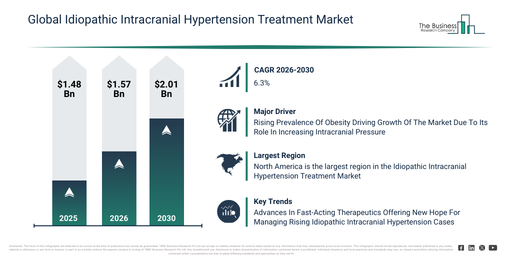
    The idiopathic intracranial hypertension treatment market has seen significant expansion in recent years. Its valuation is forecast to climb from $1.48 billion in 2025 to $1.57 billion in 2026, representing a compound annual growth rate (CAGR) of 6.5%. This historical upward trend can be ascribed to a rising prevalence of obesity-related neurological conditions, enhanced availability of neuroimaging techniques, increased understanding of vision-related complications, hospital-based care for severe situations, and the established use of acetazolamide therapy.

    The idiopathic intracranial hypertension treatment market is projected to experience substantial expansion over the upcoming years, reaching a valuation of $2.01 billion by 2030, demonstrating a compound annual growth rate (CAGR) of 6.3%. This anticipated growth during the forecast period is primarily driven by factors such as the increasing global incidence of obesity, continued advancements in minimally invasive neurosurgical procedures, the proliferation of specialized neurology clinics, a heightened emphasis on early screening and precise diagnosis, and the introduction of innovative therapeutic strategies. Key trends anticipated in the same forecast period include the increasing adoption of pharmacological management as a primary treatment approach, a stronger focus on early detection to prevent vision impairment, a rise in the utilization of minimally invasive surgical interventions, the expansion of comprehensive multidisciplinary care models for IIH management, and a greater emphasis on lifestyle and weight management initiatives.

    Access Your Free Sample Report for In-Depth Market Insights:

    https://www.thebusinessresearchcompany.com/sample.aspx?id=23425&type=smp

    What Drivers Are Driving Adoption Within The Idiopathic Intracranial Hypertension Treatment Market?

    The rising incidence of obesity is projected to boost expansion in the idiopathic intracranial hypertension treatment market moving forward. Obesity is defined as a medical state characterized by an individual possessing an excessive amount of body fat, potentially detrimental to health. The escalation of obesity is attributed to increasingly inactive lifestyles coupled with a rise in the intake of high-calorie processed foods. This condition elevates intracranial pressure by fostering an overproduction of cerebrospinal fluid and hindering its absorption, thereby contributing to idiopathic intracranial hypertension. A relevant example illustrates this trend: in 2024, a report from the Office for Health Improvement and Disparities, a UK-based government department responsible for maintaining public health policies, indicated that from 2022 to 2023, 64.0% of adults aged 18 and over in England were identified as either overweight or living with obesity. Consequently, the expanding occurrence of obesity is fueling the advancement of the idiopathic intracranial hypertension treatment market.

    What Segments Are Included Within The Idiopathic Intracranial Hypertension Treatment Market?

    The idiopathic intracranial hypertension treatment market covered in this report is segmented –

    1) By Treatment Type: Medications, Surgeries, Therapies

    2) By Treatment Administration: Oral Administration, Intrathecal Administration

    3) By Diagnostic Type: Neuroimaging, Lumbar Puncture, Visual Field Tests

    4) By End User: Hospitals, Specialty Clinics, Ambulatory Surgical Centres

    Subsegments:

    1) By Medications: Diuretics, Corticosteroids, Acetazolamide

    2) By Surgeries: Shunt Surgery, Optic Nerve Sheath Fenestration, Stenting

    3) By Therapies: Weight Management Programs, Lifestyle Modifications, Physical Therapy

    Which Trends Are Guiding The Evolution Of The Idiopathic Intracranial Hypertension Treatment Market?

    Leading companies in the idiopathic intracranial hypertension treatment market are concentrating on creating innovative, rapid-acting treatments designed to safely lower brain pressure and enhance headache relief. This effort is bolstered by emerging clinical data, including encouraging phase two outcomes for exenatide. For example, in March 2023, the University of Birmingham (UK), a UK institute, revealed that a phase two trial identified exenatide, an injectable GLP-1 receptor agonist currently prescribed for type 2 diabetes, as a prospective new therapy for idiopathic intracranial hypertension (IIH). This study, spearheaded by neurologists at the University of Birmingham, demonstrated that individuals treated with exenatide saw a notable reduction in brain pressure within hours, maintaining this improvement over a 12-week period. Furthermore, participants reported almost eight fewer headache days each month, in stark contrast to the negligible changes observed in the placebo group. Given the increasing incidence of IIH concurrently with global obesity rates, this encouraging evidence represents a significant stride towards developing a much-required licensed treatment for a condition capable of inducing severe headaches and vision impairment.

    Who Are The Core Companies Influencing Trends In The Idiopathic Intracranial Hypertension Treatment Market?

    Major companies operating in the idiopathic intracranial hypertension treatment market are Siemens AG, Medtronic plc, Becton Dickinson and Company, Philips Healthcare, GE HealthCare Technologies Inc., Teva Pharmaceuticals, Boston Scientific Corporation, Henry Schein, Sun Pharmaceutical Industries, Zydus LifeSciences, Topcon Corporation, Natus Medical Incorporated, Canon Medical Systems Corporation, Carl Zeiss Meditec AG, Optopol Technology, Strides Pharma, NIDEK Co., Haag-Streit AG, Invex Therapeutics, Metrovision

    Access The Complete Report For Deeper Market Insights:

    https://www.thebusinessresearchcompany.com/report/idiopathic-intracranial-hypertension-treatment-global-market-report

    Which Region Is Expected To Experience The Fastest Growth In The Idiopathic Intracranial Hypertension Treatment Market?

    North America was the largest region in the idiopathic intracranial hypertension treatment market in 2025. Asia-Pacific is expected to be the fastest-growing region in the forecast period. The regions covered in the idiopathic intracranial hypertension treatment market report are Asia-Pacific, South East Asia, Western Europe, Eastern Europe, North America, South America, Middle East, Africa.

    Request Your Customized Idiopathic Intracranial Hypertension Treatment Market Research Report for Competitive Advantage:

    https://www.thebusinessresearchcompany.com/customise?id=23425&type=smp

    Browse Through More Reports Similar to the Global Idiopathic Intracranial Hypertension Treatment Market 2026, By The Business Research Company

    Cerebral Palsy Treatment Market Report 2026

    https://www.thebusinessresearchcompany.com/report/cerebral-palsy-treatment-global-market-report

    Anti Hypertensive Drugs Market Report 2026

    https://www.thebusinessresearchcompany.com/report/anti-hypertensive-drugs-global-market-report

    Intracranial Pressure Icp Monitoring Devices Market Report 2026

    https://www.thebusinessresearchcompany.com/report/intracranial-pressure-icp-monitoring-devices-global-market-report

    Get in touch with us:

    The Business Research Company: https://www.thebusinessresearchcompany.com/

    Americas +1 310-496-7795

    Asia +44 7882 955267 & +91 8897263534

    Europe +44 7882 955267

    Email us at info@tbrc.info

    Follow us on:

    LinkedIn: https://in.linkedin.com/company/the-business-research-company

    YouTube: https://www.youtube.com/channel/UC24_fI0rV8cR5DxlCpgmyFQ

    Global Market Model: https://www.thebusinessresearchcompany.com/global-market-model
  • Global ICU Beds Industry Insights: Key Trends and Growth Estimates

    Global ICU Beds Industry Insights: Key Trends and Growth Estimates

    Uncover key drivers, emerging technologies, and competitive movements shaping the icu beds market from 2026–2035 with trusted insights from The Business Research Company

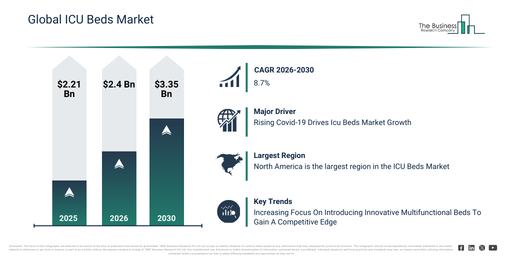
    Across 2026–2030, what is the expected market valuation path of the ICU Beds Market?

    The icu beds market has experienced robust expansion over recent years. Projections indicate it will rise from $2.21 billion in 2025 to $2.4 billion in 2026, achieving a compound annual growth rate (CAGR) of 8.7%. This growth witnessed in the past can be linked to a heightened incidence of critical illnesses and trauma cases, advancements in hospital infrastructure, elevated healthcare spending, an aging demographic resulting in increased ICU admissions, and insights gained from the pandemic’s influence on ICU demand.

    The icu beds market is projected to experience substantial expansion in the coming years. This market is anticipated to reach $3.35 billion by 2030, demonstrating a compound annual growth rate (CAGR) of 8.7%. Factors contributing to this growth during the projected period include the proliferation of smart hospital programs, increased integration of connected medical devices, higher capital allocation for critical care infrastructure, escalating need for neonatal and pediatric ICU services, and an emphasis on eco-friendly and power-saving hospital equipment. Key trends shaping the forecast period involve a greater uptake of intelligent and networked ICU beds, a surge in the requirement for electrically adjustable and bariatric ICU beds, enhanced attention to patient safety and ergonomic bed construction, the expansion of ICU facilities in developing countries, and a stronger inclination towards adaptable and modular ICU bed setups.

    Access Your Free Sample Report for In-Depth Market Insights:

    https://www.thebusinessresearchcompany.com/sample.aspx?id=2882&type=smp

    Which Drivers Are Supporting The Rise Of The ICU Beds Market?

    The ICU beds market is currently experiencing rapid growth. The global increase in COVID-19 cases is placing pressure on governments in both developing and developed nations to enhance their intensive care capabilities. Public health systems are therefore releasing funds to acquire essential hospital infrastructure, with ICU beds being a crucial requirement. The expanding number of hospitals is anticipated to stimulate the ICU beds market’s growth. Hospitals serve as healthcare facilities, housing medical experts and resources for diverse medical services such as diagnosis, treatment, surgery, and emergency care for individuals with various health conditions. Within these establishments, ICU beds deliver crucial care for critically ill or injured patients, providing advanced monitoring, life support, and specialized medical attention to improve recovery and survival rates. For example, data from the American Hospital Association, a US-based professional body, showed that in May 2023, the United States contained 6,129 hospitals, indicating a 0.591% rise from the 6,093 hospitals recorded the year prior. Thus, the proliferation of hospitals is a significant impetus behind the growth of the ICU beds market.

    What Leading Segments Are Studied In The ICU Beds Market?

    The icu beds market covered in this report is segmented –

    1) By Type: Electric Beds, Semi-Electric Beds

    2) By Application: Pediatric Intensive Care Unit, Neonatal Intensive Care Unit, Cardiac Intensive Care Unit, Neurological Intensive Care Unit, Trauma Intensive Care Unit, Surgical Intensive Care Unit

    3) By End Use: General And Acute Care Hospitals, Specialized Hospitals, Multi-Specialty Hospitals

    Subsegments:

    1) By Electric Beds: Full Electric ICU Beds, Bariatric Electric ICU Beds

    2) By Semi-Electric Beds: Manual Head/Foot Control ICU Beds, Electric Height Adjustment ICU Beds

    What Trends Are Projected To Support The Growth Of The ICU Beds Market?

    Leading companies in the ICU beds market are increasingly concentrating on launching multifunctional ICU beds, such as the Hillrom Progressa+, to secure a competitive advantage. The Hillrom Progressa+ ICU bed is a next-generation unit featuring novel technology and capabilities designed to simplify patient care for nurses and aid in patient recovery. For instance, in June 2023, Baxter International Inc., a US-based healthcare company, introduced the Hillrom Progressa+ bed for ICU environments. The Progressa+ bed incorporates technologies aimed at supporting pulmonary health, protecting skin, and facilitating early mobility protocols. It delivers in-bed percussion, vibration, and continuous lateral rotation therapies, intended to reduce pulmonary complications associated with immobility. Additionally, the bed provides flexible frame choices for safely and easily repositioning patients, including one-button FullChair positioning with chair egress and an integrated 3-mode bed exit alarm to detect movement and help ensure patient safety while in bed.

    Which Major Industry Participants Are Leading The ICU Beds Market Growth?

    Major companies operating in the icu beds market are Stryker Corporation, Hill-Rom Holdings Inc., Getinge AB, Invacare Corporation, Paramount Bed Holdings Co. Ltd., Joerns Healthcare LLC, LINET Group SE, Stiegelmeyer GmbH & Co. KG, Hebei Pukang Medical Instruments Co. Ltd., Malvestio SpA, Umano Medical Inc., Favero Health Projects Ltd., Graham-Field Health Products Inc., Drive Medical Limited, Medline Industries Inc., Merivaara Corp, Span-America Medical Systems Inc., Savion Industries Ltd., Nitrocare Medical Bed, Haelvoet NV, Nexus Medical LLC, Proma Reha Ltd., Jiangsu Saikang Medical Equipment Co. Ltd., Zhangjiagang Medi Medical Equipment Co. Ltd., Novum Medical Products Inc., Integrity Medical Solutions Inc., Missaglia SpA, Besco Medical Limited

    Access The Complete Report For Deeper Market Insights:

    https://www.thebusinessresearchcompany.com/report/icu-beds-global-market-report

    Which Geographic Areas Are Emerging As Strong Markets For The ICU Beds Market?

    North America was the largest region in the ICU beds market in 2025. Western Europe was the second largest region in the ICU beds market. The regions covered in the icu beds market report are Asia-Pacific, South East Asia, Western Europe, Eastern Europe, North America, South America, Middle East, Africa.

    Request Your Customized ICU Beds Market Research Report for Competitive Advantage:

    https://www.thebusinessresearchcompany.com/customise?id=2882&type=smp

    Browse Through More Reports Similar to the Global ICU Beds Market 2026, By The Business Research Company

    Hospital Bed Management Systems Market Report 2026

    https://www.thebusinessresearchcompany.com/report/hospital-bed-management-systems-global-market-report

    Hospital Beds Market Report 2026

    https://www.thebusinessresearchcompany.com/report/hospital-beds-global-market-report

    Medical Bed Market Report 2026

    https://www.thebusinessresearchcompany.com/report/medical-bed-global-market-report

    Get in touch with us:

    The Business Research Company: https://www.thebusinessresearchcompany.com/

    Americas +1 310-496-7795

    Asia +44 7882 955267 & +91 8897263534

    Europe +44 7882 955267

    Email us at info@tbrc.info

    Follow us on:

    LinkedIn: https://in.linkedin.com/company/the-business-research-company

    YouTube: https://www.youtube.com/channel/UC24_fI0rV8cR5DxlCpgmyFQ

    Global Market Model: https://www.thebusinessresearchcompany.com/global-market-model