Category: HealthcareServices

  • Trauma Care Centers Market to Reach $30.95 Billion by 2029, Growing at a CAGR of 6%

    Trauma Care Centers Market to Reach $30.95 Billion by 2029, Growing at a CAGR of 6%

    Unlock Global Insights – Save 20% on Market Reports with Code ONLINE20

    What Is The Global Market Value Of The Trauma Care Centers Industry In 2025?

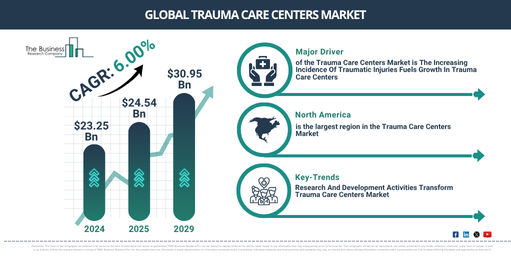
    The trauma care centers market size has experienced substantial growth in recent years. It is anticipated to increase from $23.25 billion in 2024 to $24.54 billion in 2025, achieving a compound annual growth rate (CAGR) of 5.5%. This historical expansion can be attributed to several factors, including advancements in emergency medical services (EMS), the implementation of triage protocols and the development of trauma centers, dedicated trauma training programs, innovations in trauma surgery, and enhanced collaboration with law enforcement.

    The trauma care centers market size is anticipated to undergo significant growth in the forthcoming years, with projections indicating it will expand to $30.95 billion by 2029, achieving a compound annual growth rate (CAGR) of 6.0%. This growth during the forecast period is primarily attributed to factors like geriatric trauma care, pediatric trauma services, advanced diagnostic tools, public health initiatives, and the global expansion of trauma centers. Noteworthy trends expected in the forecast period include advanced imaging technologies, the integration of telemedicine, trauma training and simulation, the establishment of multidisciplinary trauma teams, and the implementation of data-driven care.

    Unlock Your Free Sample Report for Exclusive Market Data:

    https://www.thebusinessresearchcompany.com/sample.aspx?id=7540&type=smp

    Which Factors And Drivers Are Influencing The Trauma Care Centers Market In 2025?

    An increasing volume of emergency department visits stemming from traumatic injuries is projected to fuel the expansion of the trauma care centre market in the future. Traumatic injuries are defined as sudden, severe physical ailments necessitating immediate medical intervention. This rise in traumatic injury-related emergency department visits necessitates the trauma care centres market to enhance service quality for patients, consequently driving up the demand for these centres. For example, data released in December 2023 by the U.S. Bureau of Labor Statistics, a US-based government agency, indicated that the United States recorded 5,486 fatal work injuries in 2022, representing a 5.7% increase from the 5,190 reported in 2021. Consequently, the escalating frequency of emergency department visits due to traumatic injuries is a key driver for the growth of the trauma care centre market.

    How Is The Trauma Care Centers Market Classified Into Different Segments?

    The trauma care centersmarket covered in this report is segmented –

    1) By Facility: In-house; Standalone

    2) By Trauma: Falls; Traffic-Related Injuries; Stab or Wound or Cut; Burn Injury; Brain Injury; Other Injuries

    3) By Service: Inpatient; Outpatient; Rehabilitation

    Subsegments:

    1) By In-house: Hospital-Based Trauma Units; Emergency departments With Trauma Services; Specialized Trauma Surgical Centers

    2) By Standalone: Independent Trauma Care Clinics; Urgent Care Facilities With Trauma Capabilities; Freestanding Emergency Medical Centers

    What Are The Major Trends Driving The Growth Of The Trauma Care Centers Market?

    Research and Development Activities represent a prominent and expanding trend within the trauma care centers market. Numerous companies and hospitals operating in the trauma care centers market are increasingly concentrating on R&D initiatives to bolster their market standing and deliver the highest quality care to trauma patients. Illustratively, in April 2023, the Boston University School of Public Health established the Center for Trauma and Mental Health (CTMH), specifically tasked with researching and developing public health strategies to address the health consequences of trauma. Its fundamental mission is to comprehensively understand the various stressful and traumatic events and their associated repercussions. This center functions as a cross-disciplinary hub for scholarly work, fostering collaboration across the school to tackle the considerable societal challenges posed by trauma, and seeks to build a community of researchers, educators, and practitioners dedicated to confronting trauma in all its diverse forms.

    Who Are The Primary Competitors In The Global Trauma Care Centers Market?

    Major companies operating in the trauma care centers market include University of Alabama at Birmingham, Banner Good Samaritan Medical Center, St. Joseph’s Hospital and Medical Center, Albany Medical Center, Ascension St. John Hospital, Baylor University Medical Center, Bellevue Hospital Center, China Medical University Hospital, Boston Medical Center, Brigham and Women’s Hospital, Cedars-Sinai Medical Center, Children’s Hospital of Philadelphia, Cleveland Clinic Foundation, Duke University Hospital, Emory University Hospital, Harborview Medical Center, Hospital of the University of Pennsylvania, Indiana University Health, Johns Hopkins Hospital, Massachusetts General Hospital, Mayo Clinic, Memorial Hermann-Texas Medical Center, Mount Sinai Hospital, New York-Presbyterian Hospital, Northwestern Memorial Hospital, Ohio State University Wexner Medical Center, Oregon Health & Science University Hospital, Parkland Memorial Hospital, Penn State Health Milton S. Hershey Medical Center, Ronald Reagan UCLA Medical Center, Stanford Health Care

    Download The Full Report For Exclusive Market Findings:

    https://www.thebusinessresearchcompany.com/report/trauma-care-centers-global-market-report

    Which Region Is Expected To Witness The Fastest Growth In The Trauma Care Centers Market?

    North America was the largest region in the trauma care centers market in 2024. Asia-Pacific is expected to be the fastest-growing region in the forecast period. The regions covered in the trauma care centers market report include Asia-Pacific, Western Europe, Eastern Europe, North America, South America, Middle East and Africa.

    Request A Customized Version Of The Trauma Care Centers Market Report:

    https://www.thebusinessresearchcompany.com/customise?id=7540&type=smp

    Browse Through More Reports Similar to the Global Trauma Care Centers Market 2025, By The Business Research Company

    Face Creams Global Market Report 2025

    https://www.thebusinessresearchcompany.com/report/face-creams-global-market-report

    Hand Cream And Hand Lotions Global Market Report 2025

    https://www.thebusinessresearchcompany.com/report/hand-cream-and-hand-lotions-global-market-report

    Luxury Bath And Body Products Global Market Report 2025

    https://www.thebusinessresearchcompany.com/report/luxury-bath-and-body-products-global-market-report

    Get in touch with us:

    The Business Research Company: https://www.thebusinessresearchcompany.com/

    Americas +1 310-496-7795

    Asia +44 7882 955267 & +91 8897263534

    Europe +44 7882 955267

    Email us at info@tbrc.info

    Follow us on:

    LinkedIn: https://in.linkedin.com/company/the-business-research-company

    YouTube: https://www.youtube.com/channel/UC24_fI0rV8cR5DxlCpgmyFQ

    Global Market Model: https://www.thebusinessresearchcompany.com/global-market-model
  • Virology Specimen Collection Industry Forecast to Hit $8.77 Billion by 2029 With a Strong 5.9% CAGR

    Virology Specimen Collection Industry Forecast to Hit $8.77 Billion by 2029 With a Strong 5.9% CAGR

    Unlock Global Insights – Save 20% on Market Reports with Code ONLINE20

    What Are The Growth Projections For The Virology Specimen Collection Market Size During 2025–2029?

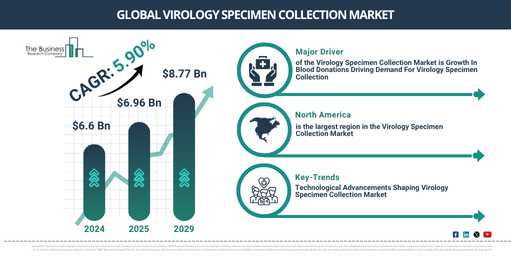
    The virology specimen collection market size has grown strongly in recent years. It will grow from $6.6 billion in 2024 to $6.96 billion in 2025 at a compound annual growth rate (CAGR) of 5.5%. The growth in the historic period can be attributed to disease outbreaks and pandemics, infectious disease research, public health initiatives, quality assurance and regulation, remote and home testing.

    The virology specimen collection market is projected to experience substantial expansion in the coming years. By 2029, its value is set to reach $8.77 billion, demonstrating a compound annual growth rate (CAGR) of 5.9%. This projected growth during the forecast period stems from factors such as global health preparedness, pandemic response infrastructure, surveillance and monitoring programs, government funding and grants, and the proliferation of rapid diagnostic tests. Significant trends emerging in the forecast period encompass self-collection kits, point-of-care specimen collection, integrated specimen collection devices: digital health platforms, telemedicine and e-health.

    Unlock Your Free Sample Report for Exclusive Market Data:

    https://www.thebusinessresearchcompany.com/sample.aspx?id=6642&type=smp

    What Are The Main Drivers Boosting The Virology Specimen Collection Industry’s Expansion?

    The growth of the virology specimen collection market is driven by the increasing number of blood donations. A greater volume of blood samples leads to an escalation in the examination and detection of viruses in the blood through the virology specimen collection method. For instance, in June 2023, the World Health Organization (WHO), a Switzerland-based specialized agency of the United Nations responsible for international public health, reported that approximately 118.54 million blood donations were gathered globally. High-income countries, which constitute about 16% of the world’s population, accounted for 40% of these donations. Furthermore, around 13,300 blood centers across 169 countries reported collecting a total of 106 million donations. Consequently, demand for virology specimen collection is projected to rise with the growing prevalence of blood donations.

    Which Key Segments Fueling The Virology Specimen Collection Market?

    The virology specimen collectionmarket covered in this report is segmented –

    1) By Product Type: Blood Collection Kits; Specimen Collection Tubes; Viral Transport Media; Swabs

    2) By Sample: Blood Samples; Nasopharyngeal Samples; Throat Samples; Nasal Samples; Cervical Samples; Oral Samples; Other Samples

    3) Method: Manual; Automated

    4) Application: Diagnostic; Therapeutic

    Subsegments:

    1) By Blood Collection Kits: Vacuum Blood Collection Tubes; Syringe Blood Collection Kits

    2) By Specimen Collection Tubes: EDTA Tubes; Serum Separation Tubes; Heparin Tubes

    3) By Viral Transport Media: Liquid Media; Dry Media

    4) By Swabs: Nasopharyngeal Swabs; Oropharyngeal Swabs; Urethral Swabs

    Which Key Trends Are Expected To Influence The Virology Specimen Collection Market In The Coming Years?

    The virology specimen collection market is being reshaped by advancements in technology. These technological progresses, ranging from automated sample isolation to real-time amplification technology, have enabled the creation and implementation of systems for most clinically relevant viruses, alongside obtaining crucial information for optimal antiviral treatment choices. For example, in August 2023, Nightingale Health Plc, a health technology company based in Finland, launched a remote blood collection kit for its medical research and clinical trial customers. Utilizing the Nightingale Kit and its self-collection tool, research participants can prick their own finger to get their own blood sample. This considerably boosts flexibility and makes available study options that were previously constrained by logistical and geographical barriers. Moreover, remote blood collection can be seamlessly and affordably integrated into research because Nightingale Health provides both sample collection and sample analysis services.

    Which Major Firms Are Strengthening Their Position In The Virology Specimen Collection Industry?

    Major companies operating in the virology specimen collection market include Puritan Medical Products Co. LLC, Becton Dickinson and Company, Quidel Corporation, Thermo Fisher Scientific Inc., Trinity Biotech plc, DiaSorin S.p.A., Vircell S.L., Copan Italia S.p.A., Hardy Diagnostics, Laboratory Corporation of America Holdings, ZeptoMetrix Corporation, Copan Diagnostics Inc., Bionote Inc., F. Hoffmann-La Roche Ltd, Meridian Bioscience Inc., Hologic Inc., Cepheid Inc., Bio-Rad Laboratories Inc., GenMark Diagnostics Inc., Luminex Corporation, Abbott Laboratories, BioFire Diagnostics LLC, Randox Laboratories Ltd., Savyon Diagnostics Ltd., Seegene Inc., Serosep Ltd., SolGent Co. Ltd., TECOmedical AG, Vela Diagnostics, Zybio Inc.

    Download The Full Report For Exclusive Market Findings:

    https://www.thebusinessresearchcompany.com/report/virology-specimen-collection-global-market-report

    How Does The Virology Specimen Collection Market Perform Across Key Geographic Regions?

    North America was the largest region in the virology specimen collection market share in 2024. Asia-Pacific is expected to be the fastest-growing region in the forecast period. The regions covered in the virology specimen collection market report include Asia-Pacific, Western Europe, Eastern Europe, North America, South America, Middle East and Africa.

    Request A Customized Version Of The Virology Specimen Collection Market Report:

    https://www.thebusinessresearchcompany.com/customise?id=6642&type=smp

    Browse Through More Reports Similar to the Global Virology Specimen Collection Market 2025, By The Business Research Company

    Covid 19 Detection Test Kits And Consumables Global Market Report 2025

    https://www.thebusinessresearchcompany.com/report/covid-19-detection-test-kits-and-consumables-global-market-report

    Covid 19 Rapid Test Kits Market 2025

    https://www.thebusinessresearchcompany.com/report/covid-19-rapid-test-kits-market

    Central Lab Global Market Report 2025

    https://www.thebusinessresearchcompany.com/report/central-lab-global-market-report

    Get in touch with us:

    The Business Research Company: https://www.thebusinessresearchcompany.com/

    Americas +1 310-496-7795

    Asia +44 7882 955267 & +91 8897263534

    Europe +44 7882 955267

    Email us at info@tbrc.info

    Follow us on:

    LinkedIn: https://in.linkedin.com/company/the-business-research-company

    YouTube: https://www.youtube.com/channel/UC24_fI0rV8cR5DxlCpgmyFQ

    Global Market Model: https://www.thebusinessresearchcompany.com/global-market-model
  • Global Omics Lab Services Market Size Projected to Reach $194.52 Billion During the Forecast Period

    Global Omics Lab Services Market Size Projected to Reach $194.52 Billion During the Forecast Period

    Unlock Global Insights – Save 20% on Market Reports with Code ONLINE20

    By How Much Is The Omics Lab Services Market Expected To Expand Between 2025 And 2029?

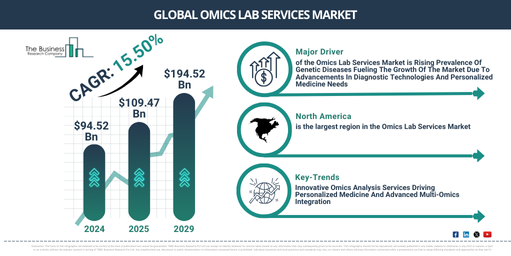
    The omics lab services market has seen rapid expansion in recent years. Its size is anticipated to grow from $94.52 billion in 2024 to $109.47 billion in 2025, achieving a compound annual growth rate (CAGR) of 15.8%. Historically, this market’s growth can be linked to increasing government funding, the development of personalized medicine, the high prevalence of chronic diseases, the expansion of precision oncology, and the rise of biotechnology and pharma sectors.

    The omics lab services market is anticipated to experience substantial expansion in the coming years. It is projected to reach $194.52 billion by 2029, exhibiting a compound annual growth rate (CAGR) of 15.5%. This growth during the forecast period can be linked to factors such as the rise of companion diagnostics, the expanding application of liquid biopsies, the worldwide reach of clinical trials, the growing incidence of chronic diseases, and augmented investments in biotechnology. Key trends expected within this period encompass swift technological progress, the creation of products for human genome sequencing, the incorporation of cloud analytics and big-data platforms, multi-omics integration, and partnerships among pharmaceutical firms.

    Unlock Your Free Sample Report for Exclusive Market Data:

    https://www.thebusinessresearchcompany.com/sample.aspx?id=28284&type=smp

    Which Drivers Are Impacting The Omics Lab Services Market?

    The increasing occurrence of genetic diseases is set to advance the omics lab services market. Genetic diseases are conditions arising from abnormalities or mutations in an individual’s DNA, which can be inherited or emerge spontaneously. The rise in their prevalence stems from improvements in diagnostic technologies, particularly next-generation sequencing and other genomic tools, which have greatly enhanced the detection and identification of various genetic disorders previously overlooked or misclassified. Omics lab services contribute to managing genetic diseases by scrutinizing complex biological data to pinpoint mutations and molecular alterations, thereby enabling early diagnosis and customized treatment. For instance, in October 2024, data from the Cystic Fibrosis Trust, a UK-based charity, indicated that 11,148 cystic fibrosis patients were registered in 2022, a figure that climbed to 11,318 in 2023, representing a 1.5% increase in patient registrations year-over-year. Thus, the growing prevalence of genetic diseases is a primary catalyst for the expansion of the omics lab services market.

    What Are The Major Segments Identified In The Omics Lab Services Market?

    The omics lab services market covered in this report is segmented as

    1) By Type Of Omics Services: Genomics, Transcriptomics, Proteomics, Metabolomics, Epigenomics

    2) By Service Model: Contract Services, In-House Services, Consultative Services, Collaborative Research, Custom Solutions

    3) By Technology Platform: Next-Generation Sequencing (NGS), Microarray Technology, Mass Spectrometry, Chromatography, Bioinformatics Tools

    4) By Application: Drug Discovery, Diagnostics, Personalized Medicine, Other Applications

    5) By End Users: Research Institutions, Pharmaceutical Companies, Biotechnology Firms, Academic Institutions, Clinical Laboratories

    Subsegments:

    1) By Genomics: Whole Genome Sequencing, Whole Exome Sequencing, Targeted Gene Sequencing, Single-Cell Genomics, Comparative Genomic Hybridization

    2) By Transcriptomics: Messenger Ribonucleic Acid (RNA) Sequencing, Non-Coding Ribonucleic Acid (RNA) Sequencing, Expression Profiling, Ribonucleic Acid (RNA) Microarrays, Single-Cell Transcriptomics

    3) By Proteomics: Protein Identification, Protein Quantification, Post-Translational Modifications Analysis, Protein-Protein Interaction Mapping, Structural Proteomics

    4) By Metabolomics: Targeted Metabolomics, Untargeted Metabolomics, Lipidomics, Fluxomics, Metabolic Fingerprinting

    5) By Epigenomics: Deoxyribonucleic Acid (DNA) Methylation Analysis, Histone Modification Profiling, Chromatin Accessibility Assays, Chromatin Immunoprecipitation Sequencing, Non-Coding Ribonucleic Acid (RNA) Epigenetic Regulation

    Which Competitive Trends Are Defining The Omics Lab Services Market Structure?

    Major companies operating in the omics lab services market are concentrating on introducing advanced solutions, such as omics analysis services, to aid the development of personalized medicine through comprehensive multi-omics integration and sophisticated data analytics. Omics analysis services involve extensive, data-driven studies of genes, ribonucleic acid (RNA), proteins, metabolites, and epigenetic modifications, aiming to comprehend complex biological systems and support diverse applications. For instance, in May 2022, Bertis Inc., a South Korea-based biotechnology firm, introduced Pan-omics Analysis Service & Solution (PASS), an integrated platform for analyzing pan-omics data. PASS is designed to facilitate clinical research and drug development by integrating mass spectrometry-based proteomics with its proprietary bioinformatics and AI technologies. It provides services such as protein identification, biomarker discovery, support for drug development, and clinical research analytics. This introduction signifies Bertis’s deliberate expansion from diagnostics into advanced analytics, allowing for more profound insights into disease mechanisms and personalized medicine.

    Which Key Players Are Driving Competition In The Omics Lab Services Market?

    Major companies operating in the omics lab services market are Thermo Fisher Scientific Inc., Eurofins Scientific SE, Agilent Technologies Inc., Illumina Inc., Revvity Inc., QIAGEN N.V., Novogene Co. Ltd., Oxford Nanopore Technologies plc, Pacific Biosciences of California Inc., Macrogen Inc., MedGenome Labs Ltd., Metabolon Inc., Zymo Research Corporation, CD Genomics, BaseClear B.V., Strand Life Sciences Pvt. Ltd., Sengenics Corporation Pte Ltd., Psomagen Inc., Biocrates Life Sciences AG, Creative Proteomics.

    Download The Full Report For Exclusive Market Findings:

    https://www.thebusinessresearchcompany.com/report/omics-lab-services-global-market-report

    Which Region Currently Holds The Largest Share Of The Omics Lab Services Market?

    North America was the largest region in the omics lab services market in 2024. Asia-Pacific is expected to be the fastest-growing region in the forecast period. The regions covered in this report are Asia-Pacific, Western Europe, Eastern Europe, North America, South America, Middle East and Africa.

    Request A Customized Version Of The Omics Lab Services Market Report:

    https://www.thebusinessresearchcompany.com/customise?id=28284&type=smp

    Browse Through More Reports Similar to the Global Omics Lab Services Market 2025, By The Business Research Company

    Laboratory Testing Services Global Market Report 2025

    https://www.thebusinessresearchcompany.com/report/laboratory-testing-services-global-market-report

    Medical And Diagnostic Laboratory Services Global Market Report 2025

    https://www.thebusinessresearchcompany.com/report/medical-and-diagnostic-laboratory-services-global-market-report

    Medical And Diagnostic Laboratory Services Global Market Report 2025

    https://www.thebusinessresearchcompany.com/report/medical-and-diagnostic-laboratory-services-global-market-report

    Get in touch with us:

    The Business Research Company: https://www.thebusinessresearchcompany.com/

    Americas +1 310-496-7795

    Asia +44 7882 955267 & +91 8897263534

    Europe +44 7882 955267

    Email us at info@tbrc.info

    Follow us on:

    LinkedIn: https://in.linkedin.com/company/the-business-research-company

    YouTube: https://www.youtube.com/channel/UC24_fI0rV8cR5DxlCpgmyFQ

    Global Market Model: https://www.thebusinessresearchcompany.com/global-market-model
  • Ocular Genetic Diagnostic Industry Anticipated to Expand at 9.4% CAGR During the Forecast Period

    Ocular Genetic Diagnostic Industry Anticipated to Expand at 9.4% CAGR During the Forecast Period

    Unlock Global Insights – Save 20% on Market Reports with Code ONLINE20

    #What Is The Projected Market Size Of The Ocular Genetic Diagnostic Market By 2029?

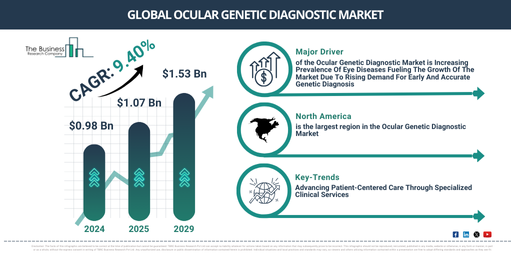
    The ocular genetic diagnostics market has experienced robust expansion in recent years. It is projected to increase from $0.98 billion in 2024 to $1.07 billion by 2025, at a compound annual growth rate (CAGR) of 9.7%. This growth over the historic period can be ascribed to factors such as the early adoption of molecular diagnostic techniques, a heightened awareness of inherited eye disorders, the expansion of academic and clinical research, an escalating incidence of retinal dystrophies, and a significant rise in demand for pediatric genetic testing.

    The ocular genetic diagnostics market size is anticipated to undergo significant expansion in the coming years. By 2029, it is projected to reach $1.53 billion, demonstrating a compound annual growth rate (CAGR) of 9.4%. This projected growth during the forecast period is fueled by several factors, including the increasing need for personalized ophthalmic care, the wider availability of direct-to-consumer genetic tests, greater investment in gene therapy trials, the advancement of precision medicine initiatives, and the incorporation of artificial intelligence in interpreting genetic data. Noteworthy trends expected during this period encompass the rising utilization of artificial intelligence-powered genetic analysis, the proliferation of at-home genetic testing kits, an escalating demand for prenatal ocular genetic screening, the creation of gene-specific diagnostic platforms, and progress in cloud-based genetic data storage.

    Unlock Your Free Sample Report for Exclusive Market Data:

    https://www.thebusinessresearchcompany.com/sample.aspx?id=28283&type=smp

    Which Industry Drivers Are Expected To Accelerate The Ocular Genetic Diagnostic Market From 2025 To 2029?

    The future expansion of the ocular genetic diagnostic market is anticipated to be driven by the rising incidence of eye diseases. These diseases are various medical conditions impacting the eye’s structure or how it functions, which can result in impaired vision or blindness if left unaddressed. The increase in eye diseases is largely attributable to greater screen time and digital device usage, contributing to eye strain, dry eye, and other vision problems. Ocular genetic diagnostics offers advantages for eye diseases by enabling early detection of inherited genetic factors, providing better understanding of disease origins, and assisting in more accurate diagnosis and treatment. For example, a survey conducted in February 2025 by the American Foundation for the Blind, a US-based organization dedicated to individuals with vision loss, revealed that 51.9 million American adults aged 18 and older reported experiencing some degree of vision difficulty. Of these, 3.7 million faced significant challenges seeing even with corrective lenses, and 307,000 were entirely blind. The remaining 47.9 million indicated mild vision issues despite wearing glasses. Consequently, the growing prevalence of eye diseases is fueling the development of the ocular genetic diagnostic market.

    What Are The Emerging Segments Gaining Attention In The Ocular Genetic Diagnostic Market?

    The ocular genetic diagnostic market covered in this report is segmented as

    1) By Test Type: Single Gene Testing, Panel Testing, Whole Exome Sequencing, Whole Genome Sequencing

    2) By Technology Type: Sequencing Technology, Polymerase Chain Reaction (PCR), Microarray Technology, Next-Generation Sequencing (NGS)

    3) By Application: Retinal Disorders, Cataract Diagnosis, Inherited Ocular Disorders, Age-Related Macular Degeneration

    4) By End User: Hospitals, Diagnostic Laboratories, Academic And Research Institutes, Other End Users

    Subsegments:

    1) By Single Gene Testing: Retinoblastoma Gene Testing (RB1), RPE65 Gene Mutation Testing, MYOC Gene Testing (Glaucoma), OPA1 Gene Testing (Optic Atrophy), BEST1 Gene Testing (Best Disease)

    2) By Panel Testing: Inherited Retinal Disease (IRD) Panels, Glaucoma Genetic Panels, Macular Dystrophy Panels, Optic Neuropathy Panels, Syndromic Ocular Disorder Panels

    3) By Whole Exome Sequencing (WES): Trio Exome Sequencing, Diagnostic Exome Sequencing, Exome Reanalysis Services, Rapid Exome Testing, Prenatal Exome Sequencing

    4) By Whole Genome Sequencing (WGS): Clinical Whole Genome Sequencing, Rapid Whole Genome Sequencing, Pediatric Genome Sequencing, Prenatal Whole Genome Sequencing, Ultra-Rare Eye Disease Genome Sequencing

    What Are The Latest Industry Trends Transforming The Ocular Genetic Diagnostic Market?

    Leading companies operating within the ocular genetic diagnostic market are concentrating on developing advanced offerings, such as clinical services, to improve early identification, diagnostic accuracy, and personalized treatment for inherited eye diseases. A clinical service is a healthcare activity provided by professionals to evaluate, diagnose, treat, and manage the health conditions of patients. For instance, in October 2024, the Singapore National Eye Centre (SNEC), a Singapore-based public-sector specialty eye hospital, launched the Ocular Genetics Service (OGS), a clinical service intended to provide specialized care for patients with hereditary eye conditions. This dedicated service consolidates genetic testing, counselling, and tailored clinical management under one roof, ensuring timely diagnosis and intervention for rare genetic eye conditions. By integrating multidisciplinary expertise, the OGS boosts diagnostic precision and allows patients to access personalized care plans based on their genetic profile. Such introductions of clinical services demonstrate a broader trend in the ocular genetic diagnostics market favoring precision medicine and comprehensive, patient-centered care models.

    Who Are The Top Performing Companies In The Ocular Genetic Diagnostic Market In Recent Years?

    Major companies operating in the ocular genetic diagnostic market are Thermo Fisher Scientific Inc., Quest Diagnostics Inc., Illumina Inc., The Children’s Hospital of Philadelphia, University of Iowa Hospitals and Clinics, PerkinElmer Inc., Natera Inc., Myriad Genetics Inc., Fulgent Genetics Inc., ARUP Laboratories Inc., Invitae Corporation, Spark Therapeutics Inc., GeneDx LLC, Blueprint Genetics Oy, Medgenome Labs Inc., Centogene NV, PreventionGenetics LLC, Molecular Vision Laboratory LLC, Casey Eye Institute, and Moorfields Eye Hospital & UCL Institute of Ophthalmology.

    Download The Full Report For Exclusive Market Findings:

    https://www.thebusinessresearchcompany.com/report/ocular-genetic-diagnostic-global-market-report

    What Regional Growth Trends Are Shaping The Ocular Genetic Diagnostic Market Outlook?

    North America was the largest region in the ocular genetic diagnostics market in 2024. Asia-Pacific is expected to be the fastest-growing region in the forecast period. The regions covered in ocular genetic diagnostic report are Asia-Pacific, Western Europe, Eastern Europe, North America, South America, Middle East and Africa.

    Request A Customized Version Of The Ocular Genetic Diagnostic Market Report:

    https://www.thebusinessresearchcompany.com/customise?id=28283&type=smp

    Browse Through More Reports Similar to the Global Ocular Genetic Diagnostic Market 2025, By The Business Research Company

    Genetic Testing Global Market Report 2025

    https://www.thebusinessresearchcompany.com/report/genetic-testing-global-market-report

    Dry Eye Syndrome Global Market Report 2025

    https://www.thebusinessresearchcompany.com/report/dry-eye-syndrome-global-market-report

    Ocular Implants Global Market Report 2025

    https://www.thebusinessresearchcompany.com/report/ocular-implants-global-market-report

    Get in touch with us:

    The Business Research Company: https://www.thebusinessresearchcompany.com/

    Americas +1 310-496-7795

    Asia +44 7882 955267 & +91 8897263534

    Europe +44 7882 955267

    Email us at info@tbrc.info

    Follow us on:

    LinkedIn: https://in.linkedin.com/company/the-business-research-company

    YouTube: https://www.youtube.com/channel/UC24_fI0rV8cR5DxlCpgmyFQ

    Global Market Model: https://www.thebusinessresearchcompany.com/global-market-model
  • Neurocutaneous Disorder Market Forecast 2025–2034: Where Businesses Should Invest Next

    Neurocutaneous Disorder Market Forecast 2025–2034: Where Businesses Should Invest Next

    Unlock Global Insights – Save 20% on Market Reports with Code ONLINE20

    What Is The Predicted Market Size Trajectory For The Neurocutaneous Disorder Market From 2025 To 2034?

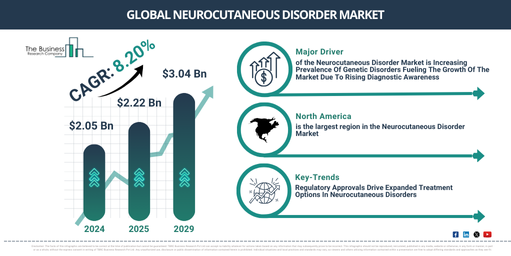
    The neurocutaneous disorder market size has shown substantial expansion in recent years. It is anticipated to increase from $2.05 billion in 2024 to $2.22 billion in 2025, exhibiting a compound annual growth rate (CAGR) of 8.5%. The growth observed in prior periods is attributable to the rising prevalence of genetic disorders, heightened awareness of rare neurological conditions, increased adoption of diagnostic imaging, a greater number of patient visits to specialty clinics, and an intensifying clinical focus on pediatric neurology.

    The neurocutaneous disorder market is expected to demonstrate substantial growth in the upcoming years. It is projected to expand to $3.04 billion by 2029, achieving a compound annual growth rate (CAGR) of 8.2%. This anticipated growth is driven by factors such as the increasing demand for targeted drug therapies, a rise in clinical trial activities for rare diseases, growing collaborations between research institutes, the expanding adoption of genetic testing services, and increasing healthcare expenditure on neurological care. Significant trends for this period include technological progress in genomic sequencing, advancements in gene therapy applications, greater investment in research and development for novel treatments, the development of digital health monitoring tools, and innovations in biomarker-based diagnostics.

    Unlock Your Free Sample Report for Exclusive Market Data:

    https://www.thebusinessresearchcompany.com/sample.aspx?id=28278&type=smp

    What Are The Key Drivers Of Growth In The Neurocutaneous Disorder Market?

    The expanding occurrence of genetic disorders is projected to fuel the expansion of the neurocutaneous disorder market in the future. Genetic disorders are conditions that stem from anomalies in an individual’s DNA, which can be inherited or develop spontaneously. Neurocutaneous disorders, exemplified by tuberous sclerosis complex and neurofibromatosis, result from specific genetic mutations impacting both the nervous system and the skin, manifesting as neurological symptoms alongside distinctive skin irregularities. Progress in genetic testing and heightened awareness are facilitating earlier detection, thus contributing to an elevated reported prevalence. For instance, in November 2024, the Centers for Disease Control and Prevention (CDC), a US-based government agency, reported that approximately 1 in every 33 newborns in the US is born with a birth defect, many of which have genetic origins. Consequently, the rising prevalence of genetic disorders is boosting the growth of the neurocutaneous disorder market.

    What Are The Leading Segments Analyzed In The Neurocutaneous Disorder Market?

    The neurocutaneous disorder market covered in this report is segmented as

    1) By Type Of Neurocutaneous Disorder: Neurofibromatosis, Tuberous Sclerosis Complex, Sturge-Weber Syndrome, Angiomatosis, Hypomelanosis Of Ito

    2) By Treatment Type: Pharmacological Treatment, Surgical Intervention, Laser Therapy, Physical Therapy, Psychosocial Support

    3) By Age Group: Pediatric Patients (0-18 Years), Adult Patients (19-65 Years), Geriatric Patients (65 Years And Above)

    4) By Severity Of Condition: Mild Cases, Moderate Cases, Severe Cases, Critical Cases

    5) By End User: Hospitals, Specialist Clinics, Homecare Settings, Research Organizations, Pharmaceutical Companies

    Subsegments:

    1) By Neurofibromatosis: Peripheral Neurofibromatosis, Central Neurofibromatosis, Plexiform Neurofibromatosis

    2) By Tuberous Sclerosis Complex: Classic Tuberous Sclerosis, Infantile-Onset Tuberous Sclerosis, Adult-Onset Tuberous Sclerosis

    3) By Sturge-Weber Syndrome: Facial Sturge-Weber Syndrome, Cerebral Sturge-Weber Syndrome, Ophthalmic Sturge-Weber Syndrome

    4) By Angiomatosis: Generalized Angiomatosis, Localized Angiomatosis, Mixed Angiomatosis

    5) By Hypomelanosis Of Ito: Linear Hypomelanosis, Segmental Hypomelanosis, Whorled Hypomelanosis

    What Are The Major Trends Driving The Growth Of The Neurocutaneous Disorder Market?

    Leading firms within the neurocutaneous disorder market are prioritizing securing regulatory permissions to broaden their range of treatments, improve patient results, and leverage the increasing need for novel medical solutions. These approvals represent formal authorizations issued by governmental bodies, enabling a company to lawfully market, distribute, or evaluate a drug or treatment once its safety and efficacy have been validated. An example of this is in September 2025, when AstraZeneca plc, a pharmaceutical and biotechnology firm based in the UK, obtained Food and Drug Administration (FDA) approval for selumetinib (marketed as Koselugo). This approval is for the treatment of pediatric patients aged 1 year and older diagnosed with neurofibromatosis type 1 (NF1) presenting with symptomatic, inoperable plexiform neurofibromas (PNs). This particular approval broadens the prior indication, which had applied to children aged 2 years and older. Selumetinib, classified as a MEK inhibitor, functions by inhibiting the MAPK pathway, which is instrumental in the growth of tumors in NF1. Patients are administered oral selumetinib twice daily, continuing until either the disease advances or intolerable side effects emerge; frequently reported adverse effects encompass gastrointestinal, skin, cardiac, and ocular toxicities. Consequently, this approval provides a vital treatment alternative for young children afflicted by these difficult and often disfiguring tumors, which are often problematic to address through surgery.

    Who Are The Key Multinational Companies Dominating The Neurocutaneous Disorder Market?

    Major companies operating in the neurocutaneous disorder market are Merck KGaA, AbbVie Inc., Sanofi S.A., Novartis AG, Recursion Pharmaceuticals Inc., Takeda Pharmaceutical Company Limited, Labcorp Holdings Inc., Quest Diagnostics Incorporated, Eurofins Scientific SE, Fosun Pharmaceutical Group Co. Ltd., ioMarin Pharmaceutical Inc., Simcere Pharmaceutical Group, Marinus Pharmaceuticals Inc., Inhibikase Therapeutics Inc., Healx Limited, NF2 Therapeutics Inc., NFlection Therapeutics Inc., Ovid Therapeutics Inc., CureAge Therapeutics, GW Pharmaceuticals plc.

    Download The Full Report For Exclusive Market Findings:

    https://www.thebusinessresearchcompany.com/report/neurocutaneous-disorder-global-market-report

    What Are The Regional Market Dynamics Impacting The Neurocutaneous Disorder Industry?

    North America was the largest region in the neurocutaneous disorder market in 2024. Asia-Pacific is expected to be the fastest-growing region in the forecast period. The regions covered in neurocutaneous disorder report are Asia-Pacific, Western Europe, Eastern Europe, North America, South America, Middle East and Africa.

    Request A Customized Version Of The Neurocutaneous Disorder Market Report:

    https://www.thebusinessresearchcompany.com/customise?id=28278&type=smp

    Browse Through More Reports Similar to the Global Neurocutaneous Disorder Market 2025, By The Business Research Company

    Cutaneous Lupus Erythematosus Global Market Report 2025

    https://www.thebusinessresearchcompany.com/report/cutaneous-lupus-erythematosus-global-market-report

    Nephrologists Market Global Report 2020 2030 Covid 19 Implications And Growth 2025

    https://www.thebusinessresearchcompany.com/report/nephrologists-market-global-report-2020-2030-covid-19-implications-and-growth

    Scleroderma Global Market Report 2025

    https://www.thebusinessresearchcompany.com/report/scleroderma-global-market-report

    Get in touch with us:

    The Business Research Company: https://www.thebusinessresearchcompany.com/

    Americas +1 310-496-7795

    Asia +44 7882 955267 & +91 8897263534

    Europe +44 7882 955267

    Email us at info@tbrc.info

    Follow us on:

    LinkedIn: https://in.linkedin.com/company/the-business-research-company

    YouTube: https://www.youtube.com/channel/UC24_fI0rV8cR5DxlCpgmyFQ

    Global Market Model: https://www.thebusinessresearchcompany.com/global-market-model
  • Global Molecular Tumor Board Solutions Market Trends and Growth Analysis 2025–2029

    Global Molecular Tumor Board Solutions Market Trends and Growth Analysis 2025–2029

    Unlock Global Insights – Save 20% on Market Reports with Code ONLINE20

    What Is The Anticipated Size Of The Molecular Tumor Board Solutions Market Over The Five-Year Period 2025–2029?

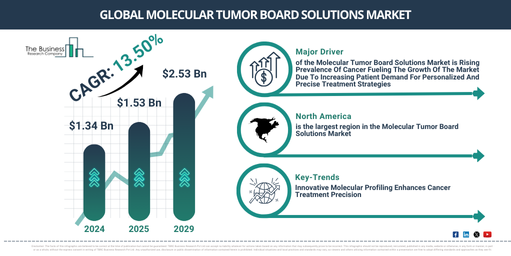
    The molecular tumor board solutions market has experienced swift expansion recently. Projections indicate its size will expand from $1.34 billion in 2024 to $1.53 billion in 2025, showing a compound annual growth rate (CAGR) of 13.9%. Historically, this expansion has been driven by factors such as the greater uptake of genomic profiling, a heightened need for precision oncology, increased understanding of molecular diagnostics, the broadening of cancer research efforts, and enhanced partnerships between hospitals and biotechnology companies.

    The molecular tumor board solutions market size is anticipated to expand rapidly over the next few years, projecting an increase to $2.53 billion by 2029, achieving a compound annual growth rate (CAGR) of 13.5%. This growth during the forecast period is primarily driven by the increasing demand for multidisciplinary tumor boards, the expansion of cloud-based molecular data platforms, growing regulatory support for genomic testing, a heightened focus on patient-centric oncology care, and the rising incidence of cancer cases. Prominent trends for the same forecast period include ongoing developments in genomic sequencing tools, substantial investment in research and development for molecular solutions, innovation in clinical decision support software, advancements in data analytics and visualization, and the integration of machine learning for refining treatment recommendations.

    Unlock Your Free Sample Report for Exclusive Market Data:

    https://www.thebusinessresearchcompany.com/sample.aspx?id=28274&type=smp

    What Are The Emerging Market Drivers Creating New Opportunities In The Molecular Tumor Board Solutions Industry?

    The expanding occurrence of cancer is projected to fuel the advancement of the molecular tumor board solutions market moving ahead. Cancer, a collection of illnesses, is defined by the unrestrained multiplication and dissemination of atypical cells within the body. This growing incidence of cancer stems from lifestyle decisions like inadequate nutrition, tobacco use, sedentary habits, and excessive drinking of alcohol. Molecular tumor board solutions contribute to cancer management by offering an expert, diverse review of patients’ genetic and clinical information, thus facilitating tailored treatment approaches. These solutions improve clinical judgments through the incorporation of molecular profiling and insights generated by AI, which in turn enhances patient results and the accuracy of treatments. An illustrative example is that in October 2024, data from the National Health Service, a UK-based government department, showed new cancer diagnoses increased by 5% from 329,664 in 2021 to 346,217 in 2022, amounting to an average of 948 cases daily. Consequently, the escalating occurrence of cancer is a key factor propelling the expansion of the molecular tumor board solutions market.

    Which Key Segments Fueling The Molecular Tumor Board Solutions Market?

    The molecular tumor board solutions market covered in this report is segmented as

    1) By Component: Software, Services

    2) By Deployment Mode: On-Premises, Cloud-Based

    3) By Application: Clinical Decision Support, Genomic Data Interpretation, Patient Management, Other Applications

    4) By End-User: Hospitals, Cancer Centers, Research Institutes, Other End-Users

    Subsegments:

    1) By Software: Clinical Decision Support, Data Analytics, Reporting And Visualization, Integration Platforms

    2) By Services: Consulting, Implementation, Training And Support, Maintenance And Upgrades

    Which Market Trends Are Creating New Opportunities In The Molecular Tumor Board Solutions Industry?

    Major companies operating in the molecular tumor board solutions market are focusing on developing innovative solutions, such as molecular profiling tests, to enhance the precision and effectiveness of cancer diagnostics and treatment planning. Molecular profiling tests are diagnostic tools that analyze a tumor’s genetic and molecular characteristics to inform personalized cancer treatment decisions. For instance, in April 2025, Guardant Health Inc., a US-based biotechnology and precision oncology company, launched Guardant360 Tissue, an innovative molecular profiling test for tumor tissue that integrates comprehensive multiomic analysis, including DNA, RNA, AI-powered PD-L1, and genome-wide methylation data. This advanced test, powered by the Guardant Infinity smart liquid biopsy platform, provides a more complete and multidimensional view of cancer, enabling higher resolution tumor classification and subtyping. Guardant360 Tissue delivers results in under two weeks, is covered by Medicare for eligible patients, and aims to enhance precision oncology by providing deeper insights to guide treatment decisions, including for therapies such as poly (ADP-ribose) polymerase (PARP) inhibitors and immunotherapies.

    Which Key Market Players Are Investing In Expansion And Innovation Of Molecular Tumor Board Solutions Market?

    Major companies operating in the molecular tumor board solutions market are F. Hoffmann-La Roche Ltd, Thermo Fisher Scientific Inc., Siemens Healthineers AG, Koninklijke Philips N.V., Illumina Inc., Novogene Co. Ltd., QIAGEN N.V., Myriad Genetics Inc., BGI Genomics Co. Ltd., Guardant Health Inc., Caris Life Sciences Inc., Mayo Clinic Laboratories, Sectra AB, GenomOncology LLC, MedGenome Labs Ltd., Burning Rock Biotech Limited, NantHealth Inc., SOPHiA GENETICS SA, Variantyx Inc., Baylor Genetics, Molecular Health GmbH, PierianDx Inc., Oncompass Medicine, and CureMatch Inc.

    Download The Full Report For Exclusive Market Findings:

    https://www.thebusinessresearchcompany.com/report/molecular-tumor-board-solutions-global-market-report

    Which Region Is Projected To Lead The Molecular Tumor Board Solutions Market During The Forecast Period?

    North America was the largest region in the molecular tumor board solutions market in 2024. Asia-Pacific is expected to be the fastest-growing region in the forecast period. The regions covered in molecular tumor board solutions report are Asia-Pacific, Western Europe, Eastern Europe, North America, South America, Middle East and Africa.

    Request A Customized Version Of The Molecular Tumor Board Solutions Market Report:

    https://www.thebusinessresearchcompany.com/customise?id=28274&type=smp

    Browse Through More Reports Similar to the Global Molecular Tumor Board Solutions Market 2025, By The Business Research Company

    Circulating Tumor Cells Global Market Report 2025

    https://www.thebusinessresearchcompany.com/report/circulating-tumor-cells-global-market-report

    Anti Cancer Mabs Global Market Report 2025

    https://www.thebusinessresearchcompany.com/report/anti-cancer-mabs-global-market-report

    Oncology Devices Global Market Report 2025

    https://www.thebusinessresearchcompany.com/report/oncology-devices-global-market-report

    Get in touch with us:

    The Business Research Company: https://www.thebusinessresearchcompany.com/

    Americas +1 310-496-7795

    Asia +44 7882 955267 & +91 8897263534

    Europe +44 7882 955267

    Email us at info@tbrc.info

    Follow us on:

    LinkedIn: https://in.linkedin.com/company/the-business-research-company

    YouTube: https://www.youtube.com/channel/UC24_fI0rV8cR5DxlCpgmyFQ

    Global Market Model: https://www.thebusinessresearchcompany.com/global-market-model
  • Mobile Health (mHealth) Adverse-Event Reporting Apps Market Forecast: What to Expect by 2029

    Mobile Health (mHealth) Adverse-Event Reporting Apps Market Forecast: What to Expect by 2029

    Unlock Global Insights – Save 20% on Market Reports with Code ONLINE20

    What Are The Forecasted Market Size Estimates For The Mobile Health (mHealth) Adverse-Event Reporting Apps Market Between 2025 And 2029?

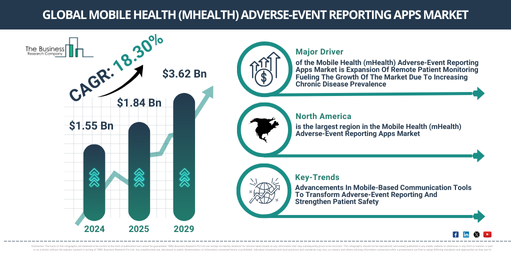
    The mobile health (mHealth) adverse-event reporting apps market has experienced rapid expansion recently. Projections indicate its size will increase from $1.55 billion in 2024 to $1.84 billion in 2025, demonstrating a compound annual growth rate (CAGR) of 18.7%. Historically, this growth was driven by factors such as regulatory initiatives promoting pharmacovigilance compliance, increasing adoption of smartphones and internet, greater patient involvement in healthcare, heightened awareness of adverse drug reactions, and the broadening of digital health ecosystems.

    The mobile health (mHealth) adverse-event reporting apps market size is anticipated to experience substantial growth over the next few years. It is projected to expand to $3.62 billion by 2029, achieving a compound annual growth rate (CAGR) of 18.3%. This expansion during the forecast period is attributable to the integration with electronic health records (EHR/EMR), rising adoption of remote patient monitoring, supportive government digital health initiatives, an increased focus on real-time drug safety surveillance, and the growing demand for personalized and patient-centric healthcare. Significant trends expected in the forecast period include artificial intelligence-driven adverse event detection, blockchain-enabled data security, cloud-based reporting platforms, integration with wearable devices, and natural language processing for patient feedback.

    Unlock Your Free Sample Report for Exclusive Market Data:

    https://www.thebusinessresearchcompany.com/sample.aspx?id=28273&type=smp

    Which Drivers Are Impacting The Mobile Health (mHealth) Adverse-Event Reporting Apps Market?

    The projected expansion of remote patient monitoring is anticipated to fuel the growth of the mobile health (mHealth) adverse-event reporting apps market in the future. Remote patient monitoring (RPM) involves using digital technologies to gather medical and health-related data from patients outside traditional healthcare environments. The increase in RPM is largely attributed to the rising prevalence of chronic diseases, which creates a demand for continuous, real-time patient monitoring beyond conventional healthcare settings to enhance outcomes and reduce hospital visits. Remote patient monitoring supports the advancement of mobile health (mHealth) adverse-event reporting apps by enabling ongoing collection of patient health data, facilitating prompt reporting and tracking of adverse drug reactions or treatment side effects through mobile platforms. For instance, in August 2023, according to Vivalink, a US-based healthcare technology company, 81% of clinicians now utilize remote patient monitoring (RPM), a significant jump from just 20% in 2021, representing a 305% increase. Furthermore, 84% of current RPM users intend to expand their use of the technology in 2024. Consequently, the expansion of remote patient monitoring is a key driver for the growth of the mobile health (mHealth) adverse-event reporting apps market.

    How Is The Mobile Health (mHealth) Adverse-Event Reporting Apps Market Classified Into Different Segments?

    The mobile health (mhealth) adverse-event reporting apps market covered in this report is segmented as

    1) By App Type: Standalone Adverse-Event Reporting Apps, Integrated mHealth Platforms

    2) By Platform: Android, iPhone Operating System (IOS), Web-Based

    3) By Application: Pharmacovigilance, Clinical Trials, Patient Safety Monitoring, Other Applications

    4) By End-User: Hospitals And Clinics, Pharmaceutical Companies, Research Organizations, Patients, Other End Users

    Subsegments:

    1) By Standalone Adverse-Event Reporting Apps: Patient-Centric Reporting Apps, Healthcare Provider Reporting Apps, Regulator-Focused Reporting Apps, Pharmacovigilance Reporting Apps

    2) By Integrated mHealth Platforms: Electronic Health Record or Electronic Medical Record Integrated Reporting Modules, Telemedicine Platform-Integrated Reporting, Clinical Trial and Research Platform Integration, Hospital and Pharmacy Management System Integration

    How Are Trends Influencing The Mobile Health (mHealth) Adverse-Event Reporting Apps Market?

    Leading companies in the mobile health (mHealth) adverse-event reporting apps market are concentrating on developing advanced solutions, such as mobile-based communication tools, to speed up adverse-event detection and improve overall drug safety monitoring. Mobile-based communication tools are digital platforms or applications that facilitate seamless interaction, reporting, and information sharing through smartphones or tablets, allowing real-time connectivity between patients, healthcare providers, and regulators for quicker decision-making and better healthcare outcomes. For instance, in September 2023, Bharat Serums and Vaccines Limited (BSV), an India-based biopharmaceutical company, introduced the BSV AER, a new mobile-based communication application. This app permits healthcare professionals, consumers, and company personnel to electronically report potential adverse events from BSV products using smartphones or tablets anywhere in India, at no cost. BSV AER is directly integrated with BSV’s pharmacovigilance system, thereby streamlining the timely reporting and evaluation of adverse events to support patient safety through efficient management and swift responses.

    Who Are The Core Companies Influencing The Mobile Health (mHealth) Adverse-Event Reporting Apps Market Landscape?

    Major companies operating in the mobile health (mhealth) adverse-event reporting apps market are IQVIA Holdings Inc., Veeva Systems Inc., Itransition Group Inc., Bharat Serums and Vaccines Limited, ArisGlobal LLC, Saama Technologies Inc., Optimal Strategix Group Inc., OSP Labs Private Limited, K Health Inc., SafetyCall International PLLC, Medwatcher, Healthy.io Ltd., InPhase Technologies Ltd., Tiga Healthcare Technologies Inc., Qualityze Inc., iVigee Services AS, Advera Health Analytics Inc., Preventice Solutions Inc., Luscii Healthtech BV, and My Mhealth Limited.

    Download The Full Report For Exclusive Market Findings:

    https://www.thebusinessresearchcompany.com/report/mobile-health-mhealth-adverse-event-reporting-apps-global-market-report

    What Are The Key Regional Factors Influencing The Mobile Health (mHealth) Adverse-Event Reporting Apps Market Growth?

    North America was the largest region in the mobile health (mHealth) adverse event reporting apps market in 2024. The regions covered in mobile health (mHealth) adverse event reporting apps report are Asia-Pacific, Western Europe, Eastern Europe, North America, South America, Middle East and Africa.

    Request A Customized Version Of The Mobile Health (mHealth) Adverse-Event Reporting Apps Market Report:

    https://www.thebusinessresearchcompany.com/customise?id=28273&type=smp

    Browse Through More Reports Similar to the Global Mobile Health (mHealth) Adverse-Event Reporting Apps Market 2025, By The Business Research Company

    Mhealth Apps Global Market Report 2025

    https://www.thebusinessresearchcompany.com/report/mhealth-apps-global-market-report

    Disease Management Apps Global Market Report 2025

    https://www.thebusinessresearchcompany.com/report/disease-management-apps-global-market-report

    Womens Health App Global Market Report 2025

    https://www.thebusinessresearchcompany.com/report/womens-health-app-global-market-report

    Get in touch with us:

    The Business Research Company: https://www.thebusinessresearchcompany.com/

    Americas +1 310-496-7795

    Asia +44 7882 955267 & +91 8897263534

    Europe +44 7882 955267

    Email us at info@tbrc.info

    Follow us on:

    LinkedIn: https://in.linkedin.com/company/the-business-research-company

    YouTube: https://www.youtube.com/channel/UC24_fI0rV8cR5DxlCpgmyFQ

    Global Market Model: https://www.thebusinessresearchcompany.com/global-market-model
  • Global Microbiome Sequencing Service Market Overview: Trends Shaping Growth to 2029

    Global Microbiome Sequencing Service Market Overview: Trends Shaping Growth to 2029

    Unlock Global Insights – Save 20% on Market Reports with Code ONLINE20

    What Is The Global Market Value Of The Microbiome Sequencing Service Industry In 2025?

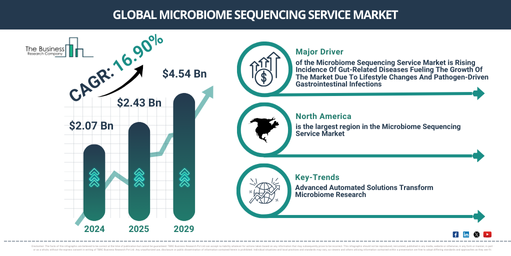
    The market for microbiome sequencing services has experienced substantial growth in recent times. This market is projected to expand from $2.07 billion in 2024 to $2.43 billion by 2025, demonstrating a compound annual growth rate (CAGR) of 17.3%. Historically, this expansion has been driven by several factors, including increasing interest in human microbiota studies, the rising prevalence of gastrointestinal disorders, growing antibiotic resistance concerns, expanding applications in disease diagnostics, and an increase in collaborations among research institutions.

    The microbiome sequencing service market size is anticipated to experience significant expansion in the coming years. This market is projected to reach $4.54 billion by 2029, growing at a compound annual growth rate (CAGR) of 16.9%. The expansion during this forecast period stems from factors such as a growing move towards precision nutrition, increasing demand for microbiome-based treatments, heightened consumer emphasis on preventive healthcare, more extensive utilization of microbiome data in drug discovery processes, and wider integration of microbiome testing in clinical settings. Key trends expected within the forecast timeframe encompass progress in metagenomic sequencing methodologies, the creation of microbiome-based diagnostic instruments, innovations in bioinformatics platforms designed for data analysis, improvements in integrating multi-omics research, and the evolution of personalized microbiome-based therapies.

    Unlock Your Free Sample Report for Exclusive Market Data:

    https://www.thebusinessresearchcompany.com/sample.aspx?id=28270&type=smp

    Which Major Market Drivers Are Shaping The Future Of The Microbiome Sequencing Service Market?

    The increasing occurrence of gut-related illnesses is anticipated to boost the expansion of the microbiome sequencing service market moving forward. Gut-related diseases are defined as medical conditions impacting the gastrointestinal (GI) tract, which includes the stomach, intestines, and associated organs like the liver, pancreas, and gallbladder. The escalating frequency of these diseases is attributed to shifts in lifestyle and dietary patterns, such as significant consumption of processed foods and insufficient fiber intake, which disrupts the balance of gut microbiota. The microbiome sequencing service supports the management of gut-related diseases by providing detailed insights into gut microbial composition, making it highly effective for diagnosing and monitoring gastrointestinal conditions. This service enables targeted interventions by identifying microbial imbalances, thus improving personalized treatment and overall gut health management. For instance, in June 2025, the UK Health Security Agency, a UK-based government agency, indicated that laboratory reports for Campylobacter increased by 27.0% from 96.1 to 122.0 per 100,000 population between 2022 and 2024. Therefore, the rising incidence of gut-related diseases is propelling the growth of the microbiome sequencing service market.

    What Are The Major Segment Types Covered In The Microbiome Sequencing Service Market?

    The microbiome sequencing service market covered in this report is segmented as

    1) By Service: Sample Preparation, Sequencing And Library Preparation, Data Analysis

    2) By Technology: Sequencing By Litigation (SBL), Sequencing By Synthesis (SBS), Short Gun Sequencing, Targeted Gene Sequencing, RNA Sequencing, Other Technologies

    3) By Application: Autoimmune Disorder, Cancer, Gastrointestinal Disorders, Other Applications

    4) By End-User: Pharmaceutical And Biotechnology Companies, Academic Research Institutes, Other End-Users

    Subsegments:

    1) By Sample Preparation: Deoxyribonucleic Acid (DNA) Extraction, Ribonucleic Acid (RNA) Extraction, Protein Extraction, Cell Lysis, Library Construction

    2) By Sequencing And Library Preparation: Whole Genome Sequencing, Metagenomic Sequencing, Amplicon Sequencing, Shotgun Sequencing, Targeted Sequencing

    3) By Data Analysis: Taxonomic Profiling, Functional Profiling, Comparative Analysis, Statistical Analysis, Pathway Analysis

    Which Competitive Trends Are Defining The Microbiome Sequencing Service Market Structure?

    Leading companies in the microbiome sequencing service market are concentrating on developing sophisticated solutions, including automated metagenomics sequencing solutions, aimed at enhancing efficiency, accuracy, and scalability within microbiome research and analysis. An automated metagenomics sequencing solution functions as a comprehensive system, enabling the sequencing and analysis of microbial communities with minimal manual involvement, thus ensuring high accuracy, reproducibility, and scalable throughput. For instance, in July 2024, MGI Tech Co. Ltd., a China-based biotechnology company, introduced its Human Microbiome Metagenomics Sequencing Package. This offering provides a fully integrated workflow, encompassing automated sample pretreatment, nucleic acid extraction, library preparation, sequencing, and data analysis, designed to support high-throughput and cost-efficient microbiome research. Its validated performance on a substantial number of human stool samples confirms its reproducibility and accuracy, thereby setting a new benchmark for large-scale human microbiome studies.

    Which Key Players Are Driving Competition In The Microbiome Sequencing Service Market?

    Major companies operating in the microbiome sequencing service market are Eurofins Scientific LLC, Illumina Inc., Charles River Laboratories, QIAGEN N.V., Mérieux NutriSciences Corporation, OraSure Technologies Inc., Zifo RnD Solutions, Novogene Co. Ltd., Oxford Nanopore Technologies Plc, Macrogen Inc., Zymo Research Corporation, CD Genomics, Molzym GmbH & Co. KG (Gradian Diagnostics), Baseclear BV, Psomagen Inc., Mapmygenome, Rancho Biosciences LLC, Boster Biological Technology Ltd., Clinical Microbiomics, and Microba Life Sciences Limited.

    Download The Full Report For Exclusive Market Findings:

    https://www.thebusinessresearchcompany.com/report/microbiome-sequencing-service-global-market-report

    What Regional Growth Trends Are Shaping The Microbiome Sequencing Service Market Outlook?

    North America was the largest region in the microbiome sequencing service market in 2024. Asia-Pacific is expected to be the fastest-growing region in the forecast period. The regions covered in microbiome sequencing service report are Asia-Pacific, Western Europe, Eastern Europe, North America, South America, Middle East and Africa.

    Request A Customized Version Of The Microbiome Sequencing Service Market Report:

    https://www.thebusinessresearchcompany.com/customise?id=28270&type=smp

    Browse Through More Reports Similar to the Global Microbiome Sequencing Service Market 2025, By The Business Research Company

    Rna Sequencing Services Global Market Report 2025

    https://www.thebusinessresearchcompany.com/report/rna-sequencing-services-global-market-report

    Genomics Services Global Market Report 2025

    https://www.thebusinessresearchcompany.com/report/genomics-services-global-market-report

    Microbiomes Global Market Report 2025

    https://www.thebusinessresearchcompany.com/report/microbiomes-global-market-report

    Get in touch with us:

    The Business Research Company: https://www.thebusinessresearchcompany.com/

    Americas +1 310-496-7795

    Asia +44 7882 955267 & +91 8897263534

    Europe +44 7882 955267

    Email us at info@tbrc.info

    Follow us on:

    LinkedIn: https://in.linkedin.com/company/the-business-research-company

    YouTube: https://www.youtube.com/channel/UC24_fI0rV8cR5DxlCpgmyFQ

    Global Market Model: https://www.thebusinessresearchcompany.com/global-market-model
  • Global Metagenomics In Healthcare Industry Trends: Where the Market Is Headed by 2029

    Global Metagenomics In Healthcare Industry Trends: Where the Market Is Headed by 2029

    Unlock Global Insights – Save 20% on Market Reports with Code ONLINE20

    How Much Was The Metagenomics In Healthcare Market Worth In 2025, And What Is Its Anticipated Value By 2029?

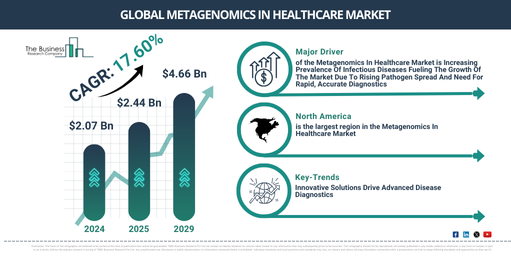
    The metagenomics in healthcare market has experienced rapid expansion in recent years. It is anticipated to grow from $2.07 billion in 2024 to $2.44 billion in 2025, achieving a compound annual growth rate (CAGR) of 17.9%. This historical growth can be attributed to several factors, including the increasing adoption of bioinformatics tools for analyzing complex metagenomic data, the escalating need for rapid and accurate pathogen detection methods, and the growing application of metagenomics in drug discovery and biomarker identification.

    The metagenomics in healthcare market is set to experience substantial growth in the coming years, with its size projected to reach $4.66 billion by 2029, demonstrating a compound annual growth rate (CAGR) of 17.6%. This anticipated expansion is driven by factors such as the rising prevalence of infectious diseases, an increasing demand for precision medicine, a heightened focus on antimicrobial resistance surveillance utilizing metagenomics, the expanding applications of metagenomics in oncology research and diagnostics, and growing awareness regarding microbiome-based therapies and interventions. Key trends in this period are expected to include technological advancements in sequencing platforms, innovations within bioinformatics pipelines, developments in single-cell metagenomics, ongoing research and development in microbiome therapeutics, and the integration of artificial intelligence into data analysis.

    Unlock Your Free Sample Report for Exclusive Market Data:

    https://www.thebusinessresearchcompany.com/sample.aspx?id=28267&type=smp

    What Are The Key Drivers Of Growth In The Metagenomics In Healthcare Market?

    The rising incidence of infectious diseases is projected to stimulate expansion within the metagenomics in healthcare market. These ailments are characterized by their origin in detrimental microorganisms—such as bacteria, viruses, fungi, or parasites—and their capacity to transmit between individuals. A key factor contributing to this growing prevalence is increased global travel, which accelerates the cross-border dissemination of pathogens. Within healthcare, metagenomics aids in confronting infectious diseases through its ability to quickly and accurately identify pathogens, which is vital for managing disease outbreaks. It also diminishes diagnostic ambiguity by scrutinizing intricate microbial communities, thus enhancing patient recovery and informing specific treatment approaches. As an illustration, the UK Health Security Agency reported in February 2024 that cases of tuberculosis—a contagious bacterial infection predominantly affecting the lungs—in England increased to 4,850 in 2023, marking a 10.7% rise from 4,380 cases in 2022. Consequently, the expanding prevalence of infectious diseases acts as a primary catalyst for the growth of the metagenomics in healthcare market.

    What Are The Key Segments In The Metagenomics In Healthcare Market?

    The metagenomics in healthcare market covered in this report is segmented as

    1) By Types: Sample Extraction Kits, Metagenomics Kits

    2) By Technology: Next-Generation Sequencing, Polymerase Chain Reaction, Microarray

    3) By Workflow: Sample Collection, Deoxyribonucleic Acid Extraction, Library Preparation, Sequencing

    4) By Application: Infectious Disease Diagnosis, Genomic Epidemiology, Personalized Medicine, Microbiome Analysis, Drug Discovery

    5) By End User: Hospitals, Diagnostic Laboratories, Research Institutes, Pharmaceutical Companies, Biotechnology Companies

    Subsegments:

    1) By Sample Extraction Kits: Deoxyribonucleic Acid Extraction Kits, Ribonucleic Acid Extraction Kits, Protein Extraction Kits

    2) By Metagenomics Kits: Library Preparation Kits, Sequencing Kits, Target Enrichment Kits

    How Are Emerging Market Trends Shaping The Metagenomics In Healthcare Industry Landscape?

    Leading companies operating in the metagenomics in healthcare market are focusing on developing innovative solutions, such as microbial community profiling, to improve disease diagnostics, enable personalized therapies, and advance precision medicine. Microbial community profiling refers to the comprehensive analysis and characterization of diverse microbial populations within a specific environment or sample, utilizing sequencing and bioinformatics tools to identify their composition, diversity, and functional roles. For instance, in August 2024, MGI Tech Co. Ltd., a China-based biotechnology company, launched a Human Microbiome Metagenomics Sequencing Package to advance microbial research and healthcare applications. This package provides an automated, end-to-end microbial community profiling workflow for efficiently analyzing human microbiome diversity, function, and disease links using validated high-throughput platforms. It minimizes manual labor, enhances reproducibility, and reduces costs, thereby making large-scale and clinical microbiome research more accessible. Researchers benefit from fast and precise microbial identification, along with adaptable throughput, facilitating biomarker discovery and advancing translational health research.

    Who Are The Major Companies Operating In The Metagenomics In Healthcare Market?

    Major companies operating in the metagenomics in healthcare market are F. Hoffmann-La Roche AG, Eurofins Scientific, Agilent Technologies Inc., Illumina Inc., Bio-Rad Laboratories Inc., QIAGEN N.V., BGI Genomics Co. Ltd., Novogene Corporation, Oxford Nanopore Technologies Limited, Pacific Biosciences of California Inc., MedGenome Labs Limited, Zymo Research Corporation, BaseClear B.V., Psomagen Inc., Karius Inc., Microsynth AG, Macrogen Inc., Norgen Biotek Corp., Tiny Health Inc., CosmosID Inc., Kanvas Biosciences Inc., Phase Genomics Inc., and Wobble Genomics Inc.

    Download The Full Report For Exclusive Market Findings:

    https://www.thebusinessresearchcompany.com/report/metagenomics-in-healthcare-global-market-report

    Which Region Is Expected To Witness The Fastest Growth In The Metagenomics In Healthcare Market?

    North America was the largest region in the metagenomics in healthcare market in 2024. Asia-Pacific is expected to be the fastest-growing region in the forecast period. The regions covered in metagenomics in healthcare report are Asia-Pacific, Western Europe, Eastern Europe, North America, South America, Middle East and Africa.

    Request A Customized Version Of The Metagenomics In Healthcare Market Report:

    https://www.thebusinessresearchcompany.com/customise?id=28267&type=smp

    Browse Through More Reports Similar to the Global Metagenomics In Healthcare Market 2025, By The Business Research Company

    Metagenomics Global Market Report 2025

    https://www.thebusinessresearchcompany.com/report/metagenomics-global-market-report

    Metagenomic Sequencing Global Market Report 2025

    https://www.thebusinessresearchcompany.com/report/metagenomic-sequencing-global-market-report

    Metabolomics Global Market Report 2025

    https://www.thebusinessresearchcompany.com/report/metabolomics-global-market-report

    Get in touch with us:

    The Business Research Company: https://www.thebusinessresearchcompany.com/

    Americas +1 310-496-7795

    Asia +44 7882 955267 & +91 8897263534

    Europe +44 7882 955267

    Email us at info@tbrc.info

    Follow us on:

    LinkedIn: https://in.linkedin.com/company/the-business-research-company

    YouTube: https://www.youtube.com/channel/UC24_fI0rV8cR5DxlCpgmyFQ

    Global Market Model: https://www.thebusinessresearchcompany.com/global-market-model
  • Menopause Digital Hormone Balancing App Market Growth Opportunities: Insights from 2025–2029

    Menopause Digital Hormone Balancing App Market Growth Opportunities: Insights from 2025–2029

    Unlock Global Insights – Save 20% on Market Reports with Code ONLINE20

    By How Much Is The Menopause Digital Hormone Balancing App Market Expected To Expand Between 2025 And 2029?

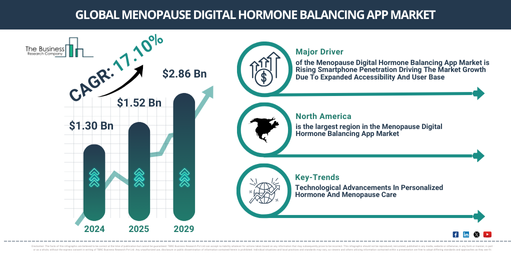
    The menopause digital hormone balancing app market size has seen rapid expansion in recent years. It is forecast to increase from $1.30 billion in 2024 to $1.52 billion in 2025, exhibiting a compound annual growth rate (CAGR) of 17.4%. The historical rise can be attributed to a growing interest in holistic wellness approaches, wider availability of telehealth services, increased support from healthcare professionals, an enhanced focus on preventive healthcare, and the expanding presence of data privacy regulations.

    The market for menopause digital hormone balancing apps is projected to experience substantial expansion over the upcoming years. This market is anticipated to reach a value of $2.86 billion by 2029, exhibiting a compound annual growth rate (CAGR) of 17.1%. Several factors are expected to drive this growth during the forecast period, including heightened awareness regarding hormonal health, increasing smartphone adoption, a growing need for tailored health management solutions, greater societal acceptance of menopause as a normal life stage, and the rising occurrence of menopausal symptoms. Key trends anticipated in the forecast period encompass progress in predictive analytics for symptom control, novel gamified health and wellness functionalities, the incorporation of menopause care into wider digital health ecosystems, enhanced natural language chatbots for customized assistance, and inventive community-based virtual support networks.

    Unlock Your Free Sample Report for Exclusive Market Data:

    https://www.thebusinessresearchcompany.com/sample.aspx?id=28265&type=smp

    What Are The Emerging Market Drivers Creating New Opportunities In The Menopause Digital Hormone Balancing App Industry?

    The rising adoption of smartphones is anticipated to drive the future expansion of the menopause digital hormone balancing app market. Smartphone penetration is defined as the percentage of a population or target market that owns or actively uses a smartphone. This increase in smartphone penetration is fueled by the enhanced affordability of smartphones, making them accessible to a broader demographic. Greater smartphone penetration aids menopause digital hormone balancing apps by expanding their potential user base, thereby allowing more women to conveniently access symptom tracking, hormone monitoring, lifestyle guidance, and educational resources on their devices. For instance, in February 2023, a report from Uswitch Limited, a UK-based online and telephone comparison and switching service provider, revealed that 71.8 million mobile connections were active in 2022, signifying a 3.8% increase from 2021. It is projected that by 2025, the UK will have 68.3 million residents, with 95% of them owning smartphones. Consequently, the growing smartphone penetration is a key driver for the growth of the menopause digital hormone balancing app market.

    What Are The Major Segment Categories Driving The Menopause Digital Hormone Balancing App Market Growth?

    The menopause digital hormone balancing app market covered in this report is segmented as

    1) By App Type: Symptom Tracking, Hormone Monitoring, Lifestyle Management, Educational Apps, Other App Types

    2) By Platform: iPhone Operating System, Android, Web-Based

    3) By Subscription Model: Free, Paid, Freemium

    4) By End-User: Women, Healthcare Providers, Clinics, Other End-Users

    Subsegments:

    1) By Symptom Tracking: Hot Flashes, Mood Swings, Sleep Disturbances

    2) By Hormone Monitoring: Estrogen Levels, Progesterone Levels, Testosterone Levels

    3) By Lifestyle Management: Nutrition Guidance, Exercise Regimens, Stress Management

    4) By Educational Apps: Menopause Education, Hormone Therapy Information, Bone Health

    5) By Other App Types: Community Support Platforms, Virtual Consultations, Medication Reminders

    What Are The Major Trends Driving The Growth Of The Menopause Digital Hormone Balancing App Market?

    Key players in the menopause digital hormone balancing app market are prioritizing the development of advanced solutions, including AI-powered menopause apps, to offer personalized hormone management, symptom tracking, and lifestyle advice for enhancing women’s health and well-being. An AI-powered menopause app functions as a software platform that employs artificial intelligence to observe and interpret users’ health data, subsequently providing bespoke advice, symptom strategies, and lifestyle support tailored to individual menopausal needs. For instance, in July 2022, Lisa Health Inc., a US-based digital health company, launched Midday to deliver personalized guidance and resources for women experiencing menopausal symptoms. It is specifically designed to offer individualized support throughout every stage of menopause. The app provides customized insights, allows for symptom tracking, offers expert medical guidance, and provides education, all reinforced by Mayo Clinic’s expertise. This application fills a void in menopause care by providing timely interventions to improve women’s health and quality of life during this significant life phase.

    Who Are The Core Companies Influencing The Menopause Digital Hormone Balancing App Market Landscape?

    Major companies operating in the menopause digital hormone balancing app market are Chorus Health Inc., Noom Inc., Maven Clinic Co., Forth Ltd., Join Olivia AB, Clue by BioWink GmbH, Balance App Ltd., Peppy Health Ltd., Elektra Health Inc., Eli Health Inc., FemTech Health Inc., Health and Her Ltd., Hormona Ltd., Lisa Health Inc., Mira Fertility Inc., Oova Life Inc., Stella LLC, Vira Health Ltd., Wild AI Ltd., and Gennev Inc.

    Download The Full Report For Exclusive Market Findings:

    https://www.thebusinessresearchcompany.com/report/menopause-digital-hormone-balancing-app-global-market-report

    Which Region Shows The Highest Potential For Future Expansion In The Menopause Digital Hormone Balancing App Market?

    North America was the largest region in the menopause digital hormone balancing app market in 2024. Asia-Pacific is expected to be the fastest-growing region in the forecast period. The regions covered in menopause digital hormone balancing app report are Asia-Pacific, Western Europe, Eastern Europe, North America, South America, Middle East and Africa.

    Request A Customized Version Of The Menopause Digital Hormone Balancing App Market Report:

    https://www.thebusinessresearchcompany.com/customise?id=28265&type=smp

    Browse Through More Reports Similar to the Global Menopause Digital Hormone Balancing App Market 2025, By The Business Research Company

    Menstrual Health Apps Global Market Report 2025

    https://www.thebusinessresearchcompany.com/report/menstrual-health-apps-global-market-report

    Womens Health App Global Market Report 2025

    https://www.thebusinessresearchcompany.com/report/womens-health-app-global-market-report

    Menopause Global Market Report 2025

    https://www.thebusinessresearchcompany.com/report/menopause-global-market-report

    Get in touch with us:

    The Business Research Company: https://www.thebusinessresearchcompany.com/

    Americas +1 310-496-7795

    Asia +44 7882 955267 & +91 8897263534

    Europe +44 7882 955267

    Email us at info@tbrc.info

    Follow us on:

    LinkedIn: https://in.linkedin.com/company/the-business-research-company

    YouTube: https://www.youtube.com/channel/UC24_fI0rV8cR5DxlCpgmyFQ

    Global Market Model: https://www.thebusinessresearchcompany.com/global-market-model