Category: HealthcareServices

  • Global Polygenic Risk Score Services Market Trends and Growth Analysis 2025–2029

    Global Polygenic Risk Score Services Market Trends and Growth Analysis 2025–2029

    Unlock Global Insights – Save 20% on Market Reports with Code ONLINE20

    What Is The Anticipated Size Of The Polygenic Risk Score Services Market Over The Five-Year Period 2025–2029?

    The polygenic risk score services market size has expanded considerably in recent years. This market is expected to surge from $1.24 billion in 2024 to $1.45 billion in 2025, achieving a compound annual growth rate (CAGR) of 16.9%. The past growth witnessed in this market stems from factors such as the increasing prevalence of chronic diseases, the escalating demand for personalized medicine, a heightened awareness of genetic predispositions, the growing availability of direct-to-consumer genetic testing, and the increasing adoption of genomic research in healthcare.

    The polygenic risk score services market is set for rapid expansion over the next few years, with projections indicating it will reach $2.68 billion by 2029, exhibiting a compound annual growth rate (CAGR) of 16.5%. This growth during the forecast period is primarily driven by the increasing integration of artificial intelligence in genomics, a rising demand for preventive healthcare solutions, growing investments in genomic research and development, the expanding integration of electronic health records with genetic data, and the increasing availability of polygenic risk score-based testing services. Noteworthy trends expected in this period include technological advancements in polygenic risk score algorithms, innovations in multi-omics data integration, developments in ancestry-informed polygenic risk scoring, extensive research and development into gene-environment interactions, and progress in pharmacogenomics applications.

    Unlock Your Free Sample Report for Exclusive Market Data:

    https://www.thebusinessresearchcompany.com/sample.aspx?id=28302&type=smp

    What Are The Emerging Market Drivers Creating New Opportunities In The Polygenic Risk Score Services Industry?

    The increasing focus on personalized medicine is anticipated to fuel the expansion of the polygenic risk score services market in the future. This healthcare method involves customizing prevention, diagnosis, and treatment based on a person’s unique genetic makeup, environmental influences, and lifestyle choices. The rise of personalized medicine stems from advancements in genomics, which provide greater insight into individual genetic differences, leading to more accurate and focused treatments that enhance patient results and minimize ineffective therapeutic trials. Polygenic risk score (PRS) services support personalized medicine by assessing numerous genetic variations to gauge a person’s likelihood of developing particular diseases, thereby allowing healthcare professionals to formulate customized prevention tactics, prompt interventions, and bespoke treatment regimens aligned with each patient’s genetic profile. As an illustration, in February 2024, the US-based non-profit organization, Personalized Medicine Coalition, reported that the FDA approved 16 novel personalized treatments for rare disease patients in 2023, an increase from six in 2022. Among the personalized treatments newly sanctioned in 2023 were also seven cancer drugs and three for other diseases and conditions. Consequently, the increased focus on personalized medicine is fostering the expansion of the polygenic risk score services market.

    Which Key Segments Fueling The Polygenic Risk Score Services Market?

    The polygenic risk score services market covered in this report is segmented as

    1) By Service Type: Genotyping, Sequencing, Data Analysis, Reporting, Other Service Types

    2) By Application: Disease Risk Assessment, Personalized Medicine, Research, Other Applications

    3) By End-User: Hospitals And Clinics, Research Institutes, Direct-to-Consumer, Other End-Users

    Subsegments:

    1) By Genotyping: Array-Based Genotyping, Targeted Genotyping, High-Throughput Genotyping

    2) By Sequencing: Whole Genome Sequencing (Wgs), Whole Exome Sequencing (Wes), Targeted Sequencing

    3) By Data Analysis: Polygenic Risk Prediction Algorithms, Bioinformatics And Statistical Analysis, Data Integration With Electronic Health Records (Ehr)

    4) By Reporting: Clinical Reports For Healthcare Providers, Direct-To-Consumer (Dtc) Reports, Risk Stratification Reports (Disease-Specific)

    5) By Other Service Types: Genetic Counseling Services, Data Storage And Cloud-Based Platforms, Prs Software And Toolkits

    Which Market Trends Are Creating New Opportunities In The Polygenic Risk Score Services Industry?

    Major companies within the polygenic risk score services market are concentrating on developing innovative solutions such as pharmacogenomics to elevate personalized treatment strategies and improve patient outcomes. Pharmacogenomics involves the study of how an individual’s genetic makeup influences their response to drugs, thereby enabling more precise and tailored treatment. For instance, in July 2025, Bupa, a UK-based health insurance company, launched a new suite of DNA-based tests aimed at supporting personalized health and wellness insights. This suite provides personalized information on medication response and disease risk, allowing for earlier detection and customized treatment for conditions such as cancer, diabetes, and heart disease. These tests contribute to preventing side effects, enhancing long-term health outcomes, and empowering individuals to take proactive steps for themselves and their families. The overall purpose is to transition healthcare from a reactive treatment model to preventive, precision health management.

    Which Key Market Players Are Investing In Expansion And Innovation Of Polygenic Risk Score Services Market?

    Major companies operating in the polygenic risk score services market are Thermo Fisher Scientific Inc., Laboratory Corporation of America Holdings, Illumina Inc., Endeavor Health Inc., Myriad Genetics Inc., The Broad Institute of MIT and Harvard, BGI Group, Invitae Corporation, 23andMe Holding Co., Color Health Inc., Genomics Ltd., Cogentech S.R.L., Gene by Gene Ltd., Our Future Health Ltd., Mapmygenome India Limited, Australian Genome Research Facility (AGRF) Ltd., Golden Helix Inc., Allelica Inc., Antegenes OÜ, GeninCode Plc.

    Download The Full Report For Exclusive Market Findings:

    https://www.thebusinessresearchcompany.com/report/polygenic-risk-score-services-global-market-report

    Which Region Is Projected To Lead The Polygenic Risk Score Services Market During The Forecast Period?

    North America was the largest region in the polygenic risk score services market in 2024. Asia-Pacific is expected to be the fastest-growing region in the forecast period. The regions covered in polygenic risk score (PRS) services report are Asia-Pacific, Western Europe, Eastern Europe, North America, South America, Middle East and Africa.

    Request A Customized Version Of The Polygenic Risk Score Services Market Report:

    https://www.thebusinessresearchcompany.com/customise?id=28302&type=smp

    Browse Through More Reports Similar to the Global Polygenic Risk Score Services Market 2025, By The Business Research Company

    Dna Repair Drugs Global Market Report 2025

    https://www.thebusinessresearchcompany.com/report/dna-repair-drugs-global-market-report

    Soft Tissue Repair Global Market Report 2025

    https://www.thebusinessresearchcompany.com/report/soft-tissue-repair-global-market-report

    Oligonucleotides Therapy Global Market Report 2025

    https://www.thebusinessresearchcompany.com/report/oligonucleotides-therapy-global-market-report

    Get in touch with us:

    The Business Research Company: https://www.thebusinessresearchcompany.com/

    Americas +1 310-496-7795

    Asia +44 7882 955267 & +91 8897263534

    Europe +44 7882 955267

    Email us at info@tbrc.info

    Follow us on:

    LinkedIn: https://in.linkedin.com/company/the-business-research-company

    YouTube: https://www.youtube.com/channel/UC24_fI0rV8cR5DxlCpgmyFQ

    Global Market Model: https://www.thebusinessresearchcompany.com/global-market-model

  • Global Personalized Ophthalmology Therapies Industry Trends: Where the Market Is Headed by 2029

    Global Personalized Ophthalmology Therapies Industry Trends: Where the Market Is Headed by 2029

    Unlock Global Insights – Save 20% on Market Reports with Code ONLINE20

    How Much Was The Personalized Ophthalmology Therapies Market Worth In 2025, And What Is Its Anticipated Value By 2029?

    The personalized ophthalmology therapies market has experienced swift expansion recently. This market is set to expand from $2.82 billion in 2024 to $3.23 billion in 2025, exhibiting a compound annual growth rate (CAGR) of 14.4%. Factors contributing to its historical growth include increasing rates of diabetes, government initiatives, an aging population, growing demand for precision medicine in eye care, and increasing prevalence of ophthalmic diseases.

    The personalized ophthalmology therapies market is projected for significant expansion over the coming years. This market is predicted to reach $5.46 billion by 2029, exhibiting a compound annual growth rate (CAGR) of 14.0%. Key factors contributing to this growth during the forecast period include enhanced access to genetic testing and molecular diagnostics, a rise in age-related macular degeneration cases, growing understanding of personalized medicine, greater healthcare spending, and increased investment in ophthalmic research. Significant trends anticipated in the same period involve strategic alliances among biotechnology companies, research bodies, and healthcare providers, the application of artificial intelligence and machine learning in ophthalmology, the merging of genomics with digital health solutions, swift progress in genetic and cellular therapies, and the incorporation of advanced technological innovations.

    Unlock Your Free Sample Report for Exclusive Market Data:

    https://www.thebusinessresearchcompany.com/sample.aspx?id=28295&type=smp

    What Are The Key Drivers Of Growth In The Personalized Ophthalmology Therapies Market?

    The increasing occurrence of chronic vision disorders is anticipated to fuel the expansion of the personalized ophthalmology therapies market in the future. These disorders are long-term eye conditions that gradually worsen sight and frequently necessitate continuous management for prolonged durations. The rise in chronic vision disorders is linked to the global increase in diabetes, a condition that results in complications like diabetic retinopathy, which causes progressive eye damage over time. Personalized ophthalmology therapies offer advantages for chronic vision disorders by developing customized treatment strategies based on an individual’s distinct genetic and molecular makeup, thereby boosting treatment efficacy and aiding in decelerating disease progression. For example, the Centers for Disease Control and Prevention (CDC), a US-based government agency, indicated in May 2024 that without effective interventions, cases of diabetic retinopathy are forecasted to increase by 72%, and cataract cases are predicted to rise by 87% by 2050. Consequently, the expanding occurrence of chronic vision disorders is stimulating the growth of the personalized ophthalmology therapies market.

    What Are The Key Segments In The Personalized Ophthalmology Therapies Market?

    The personalized ophthalmology therapies market covered in this report is segmented as

    1) By Therapy Type: Gene Therapy, Cell Therapy, Pharmacogenomics, Targeted Drug Delivery, Other Therapy Types

    2) By Indication: Age-Related Macular Degeneration, Diabetic Retinopathy, Glaucoma, Retinitis Pigmentosa, Other Indications

    3) By End User: Hospitals, Specialty Clinics, Research Institutes, Other End Users

    Subsegments:

    1) By Gene Therapy: Viral Vector-Based Gene Therapy, Non-Viral Gene Therapy, CRISPR Or Cas9-Based Gene Editing

    2) By Cell Therapy: Stem Cell Therapy, Retinal Pigment Epithelial (RPE) Cell Therapy, Induced Pluripotent Stem Cell (iPSC) Therapy

    3) By Pharmacogenomics: Drug Response Testing, Genetic Biomarker-Based Therapy, Personalized Drug Dosing

    4) By Targeted Drug Delivery: Nanoparticle-Based Delivery, Liposomal Drug Delivery, Hydrogel-Based Delivery Systems

    5) By Other Therapy Types: RNA-Based Therapy, Antisense Oligonucleotide Therapy, Peptide-Based Therapy

    How Are Emerging Market Trends Shaping The Personalized Ophthalmology Therapies Industry Landscape?

    Leading companies in the personalized ophthalmology therapies market are concentrating on developing advanced solutions, such as one-time intravitreal gene therapies, to lessen patient burden and decrease the risk of complications linked to multiple injections. These single-dose intravitreal gene therapies involve a sole injection into the eye’s vitreous cavity to deliver genetic material that addresses or modifies underlying eye disorders, offering enduring treatment effects. For instance, in July 2025, Sanofi, a pharmaceutical and healthcare company based in France, announced that the US Food and Drug Administration (FDA) had approved fast track designation for SAR446597. This particular therapy is a single-dose intravitreal gene therapy formulated to treat geographic atrophy (GA) resulting from age-related macular degeneration (AMD). It was granted fast-track designation to expedite its development and regulatory review for serious conditions with unmet medical needs. The therapy introduces genetic material encoding two antibody fragments that impede C1s in the classical complement pathway and factor Bb in the alternative pathway. This dual-action mechanism aims to achieve long-lasting complement suppression in the retina, targeting the disease process while minimizing the requirement for repeated injections.

    Who Are The Major Companies Operating In The Personalized Ophthalmology Therapies Market?

    Major companies operating in the personalized ophthalmology therapies market are Roche Holding AG, Novartis AG, Regeneron Pharmaceuticals Inc., Alcon Inc., Genentech Inc., Bausch + Lomb Corporation, Johnson & Johnson Vision Care Inc., Carl Zeiss Meditec AG, Santen Pharmaceutical Co. Ltd., Ocular Therapeutix Inc., EyePoint Pharmaceuticals Inc., Senju Pharmaceutical Co. Ltd., MeiraGTx Ltd., Beacon Therapeutics, Clearside Biomedical Inc., Adverum Biotechnologies Inc., Ocugen Inc., GenSight Biologics, Nanoscope Therapeutics Inc., 4D Molecular Therapeutics Inc., Coave Therapeutics.

    Download The Full Report For Exclusive Market Findings:

    https://www.thebusinessresearchcompany.com/report/personalized-ophthalmology-therapies-global-market-report

    Which Region Is Expected To Witness The Fastest Growth In The Personalized Ophthalmology Therapies Market?

    North America was the largest region in the personalized ophthalmology therapies market in 2024. Asia-Pacific is expected to be the fastest-growing region in the forecast period. The regions covered in personalized ophthalmology therapies report are Asia-Pacific, Western Europe, Eastern Europe, North America, South America, Middle East and Africa.

    Request A Customized Version Of The Personalized Ophthalmology Therapies Market Report:

    https://www.thebusinessresearchcompany.com/customise?id=28295&type=smp

    Browse Through More Reports Similar to the Global Personalized Ophthalmology Therapies Market 2025, By The Business Research Company

    Ophthalmology Drugs Market 2025

    https://www.thebusinessresearchcompany.com/report/ophthalmology-drugs-market

    Ophthalmic Drugs Global Market Report 2025

    https://www.thebusinessresearchcompany.com/report/ophthalmic-drugs-global-market-report

    Anemia And Other Blood Disorder Drugs Global Market Report 2025

    https://www.thebusinessresearchcompany.com/report/anemia-and-other-blood-disorder-drugs-global-market-report

    Get in touch with us:

    The Business Research Company: https://www.thebusinessresearchcompany.com/

    Americas +1 310-496-7795

    Asia +44 7882 955267 & +91 8897263534

    Europe +44 7882 955267

    Email us at info@tbrc.info

    Follow us on:

    LinkedIn: https://in.linkedin.com/company/the-business-research-company

    YouTube: https://www.youtube.com/channel/UC24_fI0rV8cR5DxlCpgmyFQ

    Global Market Model: https://www.thebusinessresearchcompany.com/global-market-model

  • Global Personalized Medicine Bioinformatics Market Trends and Growth Analysis 2025–2029

    Global Personalized Medicine Bioinformatics Market Trends and Growth Analysis 2025–2029

    Unlock Global Insights – Save 20% on Market Reports with Code ONLINE20

    How Does The Market Size Of The Personalized Medicine Bioinformatics Industry Compare Between 2025 And 2029?

    The personalized medicine bioinformatics market size has demonstrated significant growth in recent years. It is projected to expand from $3.40 billion in 2024 to $3.87 billion in 2025, exhibiting a compound annual growth rate (CAGR) of 13.7%. This historic growth can be attributed to the rising adoption of genomic sequencing technologies, an increasing demand for targeted therapies, the expansion of bioinformatics software solutions, a broader scope of research and development in personalized medicine, and robust regulatory support for precision medicine initiatives.

    The personalized medicine bioinformatics market is projected to experience swift expansion in the coming years, reaching $6.40 billion by 2029, with a compound annual growth rate (CAGR) of 13.4%. This anticipated growth can be linked to factors such as the incorporation of artificial intelligence and machine learning, a greater reliance on real-world data and predictive analytics, the proliferation of cloud-based bioinformatics platforms, an increase in partnerships between healthcare and technology firms, and an enhanced emphasis on patient-focused treatment methods. Key developments expected during this period involve the creation of predictive analytics instruments, breakthroughs in multi-omics integration, the implementation of real-time patient monitoring systems, progress in genome editing technologies, and the expansion of healthcare models centered around patients.

    Unlock Your Free Sample Report for Exclusive Market Data:

    https://www.thebusinessresearchcompany.com/sample.aspx?id=28294&type=smp

    Which Industry Drivers Are Expected To Accelerate The Personalized Medicine Bioinformatics Market From 2025 To 2029?

    The increasing need for personalized medicine is projected to fuel the expansion of the personalized medicine bioinformatics market in the future. This medical approach involves tailoring prevention strategies, diagnoses, and treatments to an individual’s unique genetic profile, health status, and lifestyle elements. Its growth is attributed to progress in genomics and data analytics, which facilitate precise genetic profiling, leading to more accurate therapies, better patient results, and less reliance on trial-and-error methods. Personalized medicine bioinformatics analyzes genomic and clinical information to uncover insights into a patient’s health, aiding in making precise treatment decisions, forecasting drug responses, and directing targeted therapies for enhanced, individualized patient care. For example, in February 2024, the Personalized Medicine Coalition, a US-based hospital and health care entity, reported that the FDA approved 16 new personalized treatments for rare disease patients in 2023, an increase from six approvals in 2022. Consequently, the rising demand for personalized medicine is a key factor propelling the expansion of the personalized medicine bioinformatics market.

    What Are The Major Segment Types Covered In The Personalized Medicine Bioinformatics Market?

    The personalized medicine bioinformatics market covered in this report is segmented as

    1) By Technology: Gene Sequencing, Pharmacogenomics, Microarray Technology, Artificial Intelligence-Driven Analytics Platforms, Other Technologies

    2) By Application: Genomics, Proteomics, Transcriptomics, Metabolomics, Epigenomics, Other Applications

    3) By End-User: Biotechnology And Pharmaceutical Companies, Clinical Diagnostics Laboratories, Hospitals And Academic Medical Centers, Contact Research Organizations and Biobanks, Other End-Users

    Subsegments:

    1) By Gene Sequencing: Next-Generation Sequencing (NGS), Sanger Sequencing, Single-Molecule Real-Time Sequencing (SMRT), Whole Exome Sequencing (WES), Whole Genome Sequencing (WGS)

    2) By Pharmacogenomics: Drug-Gene Interaction Analysis, Adverse Drug Reaction (ADR) Prediction, Biomarker Discovery, Personalized Drug Response Profiling

    3) By Microarray Technology: DNA Microarray, RNA Microarray, Protein Microarray, Comparative Genomic Hybridization (CGH) Microarray

    4) By Artificial Intelligence-Driven Analytics Platforms: Machine Learning-Based Platforms, Deep Learning-Based Platforms, Natural Language Processing (NLP) Platforms, Predictive Analytics Platforms, Clinical Decision Support Systems (CDSS)

    5) By Other Technologies: Proteomics Analysis, Metabolomics Analysis, Epigenomics Profiling, Bioinformatics Cloud Platforms

    Which Key Trends Are Expected To Influence The Personalized Medicine Bioinformatics Market In The Coming Years?

    Key companies active in the personalized medicine bioinformatics market are focused on developing advanced solutions like predictive analytics platforms to improve disease prediction and enhance patient outcomes. A predictive analytics platform utilizes machine learning, algorithms, and statistical models to analyze historical and real-time data for forecasting results, enabling healthcare providers to anticipate risks, refine treatments, and make proactive decisions. For instance, in April 2023, Certis Oncology Solutions, a US-based biotechnology company, launched CertisAI, a predictive analytics platform. This AI/ML-based platform employs big data, statistical algorithms, and machine learning to predict drug efficacy based on gene expression biomarkers, with the aim of accelerating drug discovery and the development of companion diagnostics in precision oncology. The platform is validating its proprietary approach for predicting therapeutic response and supporting its offering as a service accessible to biopharmaceutical companies for improved early drug development decisions and personalized cancer treatment strategies.

    Which Global Market Leaders Are Shaping The Future Of The Personalized Medicine Bioinformatics Sector?

    Major companies operating in the personalized medicine bioinformatics market are F. Hoffmann-La Roche AG, Merck KGaA Darmstadt Germany, Thermo Fisher Scientific Inc., Abbott Laboratories, Danaher Corporation, Laboratory Corporation of America Holdings, Quest Diagnostics Incorporated, Agilent Technologies Inc., Illumina Inc., Bio-Rad Laboratories Inc., QIAGEN N.V., Myriad Genetics Inc., Guardant Health Inc., Sophia Genetics SA, DNAnexus Inc., Deep Genomics Inc., Congenica Ltd, Phase Genomics Inc., Analome Inc., Pluto Bioinformatics Inc., BioBam Bioinformatics S.L., OncoBox Inc.

    Download The Full Report For Exclusive Market Findings:

    https://www.thebusinessresearchcompany.com/report/personalized-medicine-bioinformatics-global-market-report

    How Does The Personalized Medicine Bioinformatics Market Perform Across Key Geographic Regions?

    North America was the largest region in the personalized medicine bioinformatics market in 2024. Asia-Pacific is expected to be the fastest-growing region in the forecast period. The regions covered in personalized medicine bioinformatics report are Asia-Pacific, Western Europe, Eastern Europe, North America, South America, Middle East and Africa.

    Request A Customized Version Of The Personalized Medicine Bioinformatics Market Report:

    https://www.thebusinessresearchcompany.com/customise?id=28294&type=smp

    Browse Through More Reports Similar to the Global Personalized Medicine Bioinformatics Market 2025, By The Business Research Company

    Bioinformatics Global Market Report 2025

    https://www.thebusinessresearchcompany.com/report/bioinformatics-global-market-report

    Personalized Medicine Global Market Report 2025

    https://www.thebusinessresearchcompany.com/report/personalized-medicine-global-market-report

    Bioinformatics Services Global Market Report 2025

    https://www.thebusinessresearchcompany.com/report/bioinformatics-services-global-market-report

    Get in touch with us:

    The Business Research Company: https://www.thebusinessresearchcompany.com/

    Americas +1 310-496-7795

    Asia +44 7882 955267 & +91 8897263534

    Europe +44 7882 955267

    Email us at info@tbrc.info

    Follow us on:

    LinkedIn: https://in.linkedin.com/company/the-business-research-company

    YouTube: https://www.youtube.com/channel/UC24_fI0rV8cR5DxlCpgmyFQ

    Global Market Model: https://www.thebusinessresearchcompany.com/global-market-model
  • Personal Care Product Testing Industry Insights: Market Forecast to 2029

    Personal Care Product Testing Industry Insights: Market Forecast to 2029

    Unlock Global Insights – Save 20% on Market Reports with Code ONLINE20

    How Much Larger Is The Personal Care Product Testing Market Expected To Become By 2029 Compared With Its 2025 Level?

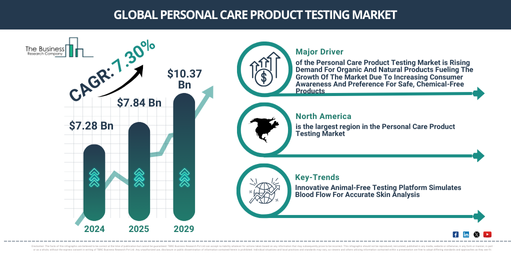
    The personal care product testing market size has seen substantial growth in recent years. It is forecast to expand from $7.28 billion in 2024 to $7.84 billion in 2025, achieving a compound annual growth rate (CAGR) of 7.6%. This historical expansion is largely due to increased consumer awareness, a greater emphasis on product quality and safety, the rising adoption of hydration-focused routines, an uptick in demand for personal care products, and evolving consumer awareness and demand within skincare.

    The personal care product testing market is projected to experience robust expansion in the coming years. This market is anticipated to reach a valuation of $10.37 billion by 2029, exhibiting a compound annual growth rate (CAGR) of 7.3%. This anticipated growth during the forecast period is fueled by several factors, including an increasing need for personalized beauty items, heightened consciousness regarding health and well-being, a surge in the demand for organic and natural commodities, the expansion of e-commerce and digital platforms, and a growing consumer inclination towards natural and organic options. Key developments foreseen in this period encompass improvements in testing techniques, the incorporation of AI-powered diagnostic tools, the embrace of technology for sustainable packaging, innovations in custom skincare solutions, and progress in product delivery systems.

    Unlock Your Free Sample Report for Exclusive Market Data:

    https://www.thebusinessresearchcompany.com/sample.aspx?id=28292&type=smp

    Which Major Market Drivers Are Shaping The Future Of The Personal Care Product Testing Market?

    The expanding need for organic and natural products is anticipated to boost the personal care product testing market’s growth in the future. These products are defined as items crafted from ingredients derived from plants, minerals, or other natural origins, free from synthetic chemicals, pesticides, or fertilizers. This growing demand stems from consumers becoming more conscious of potential health hazards linked to artificial chemicals. Personal care product testing aids organic and natural products by verifying their safety and effectiveness, thus making them dependable for consumers. This testing validates the quality of ingredients and product performance, thereby improving consumer trust and adherence to regulations. For example, as reported by LETIS S.A., an Argentina-based organic products certification authority, in May 2024, overall organic product sales achieved $67.576 billion in 2022, signifying a 4% rise compared to 2021. Consequently, the increasing desire for organic and natural products is fueling the expansion of the personal care product testing market.

    How Is The Personal Care Product Testing Market Segmented?

    The personal care product testing market covered in this report is segmented as

    1) By Type: Chemical And Microbiological Testing, Stability And Shelf Life Testing, Other Types

    2) By Application: Enterprise, Government

    3) By End User: Personal Care Product Manufacturers, Cosmetic And Skincare Brands, Research And Academic Institutions, Contract Research Organizations (CROs), Regulatory Authorities And Certification Bodies

    Subsegments:

    1) By Chemical And Microbiological Testing: Heavy Metals Testing, Preservative Efficacy Testing, Pathogen Detection, Allergen Testing, pH And Chemical Composition Analysis, Contaminant And Impurity Analysis, Antimicrobial Effectiveness Testing

    2) By Stability And Shelf Life Testing: Accelerated Stability Testing, Real-Time Stability Testing, Packaging Compatibility Testing, Photostability Testing, Thermal And Humidity Testing, Freeze-Thaw Cycle Testing, Microbial Challenge Testing For Shelf Life

    3) By Other Types: Toxicological Risk Assessment, Dermatological Testing, Safety And Regulatory Compliance Testing, Performance And Efficacy Testing, Biocompatibility Testing, Consumer Acceptability Studies, Environmental Impact And Biodegradability Testing

    What Are The Major Trends Driving The Growth Of The Personal Care Product Testing Market?

    Major companies operating in the personal care product testing market are concentrating on developing innovative solutions, such as animal-free cosmetics testing platforms, to ensure the creation of safe, effective, and ethically evaluated products while adhering to regulations. An animal-free cosmetics testing platform refers to a method for assessing product safety and effectiveness without using animals, often employing cell cultures, 3D skin models, or computer simulations. For instance, in November 2024, Revivo BioSystems Pte. Ltd., a Singapore-based biotechnology research company, launched the ReleGO, an innovative animal-free cosmetics testing platform that simulates blood flow beneath the skin, offering a more dynamic and accurate alternative to traditional methods. This system, built around its Revex chip and Relego collector, allows human or synthetic skin samples to be tested with fluids mimicking real physiological conditions, providing continuous insights into how products interact with skin over time. This platform significantly reduces testing time and labor while enhancing reliability.

    Who Are The Key Multinational Companies Dominating The Personal Care Product Testing Market?

    Major companies operating in the personal care product testing market are Henkel AG & Co. KGaA, SGS SA, Eurofins Scientific SE, Bureau Veritas SA, Intertek Group plc, TÜV SÜD AG, UL Solutions Inc., ALS Limited, NSF International, SGS Institut Fresenius GmbH, MSL Solution Providers Ltd., Biorius SPRL, Microchem Laboratory Inc., QACS Ltd. (Quality Assurance & Chemical Safety), Accugen Laboratories Inc., Dermatest GmbH, TRI/Princeton Inc., Genemarkers LLC, Helioscience SAS, and Essex Test Services LLC.

    Download The Full Report For Exclusive Market Findings:

    https://www.thebusinessresearchcompany.com/report/personal-care-product-testing-global-market-report

    Which Global Regions Are Influencing The Competitive Landscape Of The Personal Care Product Testing Market?

    North America was the largest region in the personal care product testing market in 2024. The regions covered in personal care product testing report are Asia-Pacific, Western Europe, Eastern Europe, North America, South America, Middle East and Africa.

    Request A Customized Version Of The Personal Care Product Testing Market Report:

    https://www.thebusinessresearchcompany.com/customise?id=28292&type=smp

    Browse Through More Reports Similar to the Global Personal Care Product Testing Market 2025, By The Business Research Company

    Medical Device Testing Global Market Report 2025

    https://www.thebusinessresearchcompany.com/report/medical-device-testing-global-market-report

    Self Testing Global Market Report 2025

    https://www.thebusinessresearchcompany.com/report/self-testing-global-market-report

    Personal Care Appliances Global Market Report 2025

    https://www.thebusinessresearchcompany.com/report/personal-care-appliances-global-market-report

    Get in touch with us:

    The Business Research Company: https://www.thebusinessresearchcompany.com/

    Americas +1 310-496-7795

    Asia +44 7882 955267 & +91 8897263534

    Europe +44 7882 955267

    Email us at info@tbrc.info

    Follow us on:

    LinkedIn: https://in.linkedin.com/company/the-business-research-company

    YouTube: https://www.youtube.com/channel/UC24_fI0rV8cR5DxlCpgmyFQ

    Global Market Model: https://www.thebusinessresearchcompany.com/global-market-model
  • Inadequately Controlled Type-II Diabetes Treatment Market Forecast: What to Expect by 2029

    Inadequately Controlled Type-II Diabetes Treatment Market Forecast: What to Expect by 2029

    Unlock Global Insights – Save 20% on Market Reports with Code ONLINE20

    #What Is The Projected Market Size Of The Inadequately Controlled Type-II Diabetes Treatment Market By 2029?

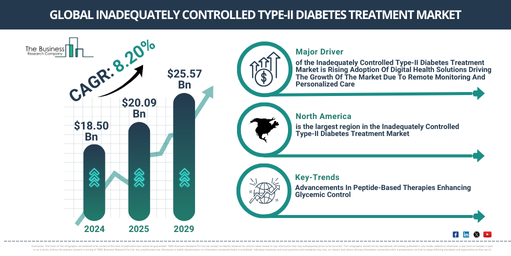
    The market size for the treatment of inadequately controlled type II diabetes has experienced significant growth over recent years. This market is expected to expand from $18.50 billion in 2024 to $20.09 billion in 2025, achieving a compound annual growth rate (CAGR) of 8.6%. Historically, this expansion has been propelled by the rising prevalence of type II diabetes, an increasing geriatric population, a surge in obesity and sedentary lifestyles, heightened awareness regarding diabetes management, and increased investment in diabetes research.

    The inadequately controlled type II diabetes treatment market size is anticipated to expand significantly in the coming years. It is expected to reach $25.57 billion in 2029, growing at a compound annual growth rate (CAGR) of 8.2%. This projected growth can be attributed to several factors, including the increasing embrace of novel diabetes therapies, a rising demand for peptide- and cell-based treatments, the expansion of healthcare infrastructure in emerging markets, an uptick in clinical trials for innovative diabetes drugs, and increased government support for chronic disease management. Noteworthy trends for the forecast period encompass advancements in personalized diabetes treatments, sophisticated drug delivery technologies, the development of dual-action peptide therapies, innovations in minimally invasive treatment approaches, and progress in combination therapy strategies.

    Unlock Your Free Sample Report for Exclusive Market Data:

    https://www.thebusinessresearchcompany.com/sample.aspx?id=28249&type=smp

    What Are The Main Drivers Boosting The Inadequately Controlled Type-II Diabetes Treatment Industry’s Expansion?

    The expanding utilization of digital health interventions is projected to fuel the advancement of the inadequately controlled type-II diabetes treatment market in the future. These solutions encompass the application of digital technologies designed to enhance healthcare provision, patient results, and general health administration. Their uptake is increasing because they offer remote and convenient access to healthcare, thereby boosting patient involvement and the effectiveness of care. Within the context of inadequately controlled type-II diabetes treatment, digital health tools facilitate the remote tracking of blood glucose, monitor medication compliance, and deliver tailored lifestyle and treatment advice to optimize glycemic management. As an illustration, the American Hospital Association (AHA), a US-based nonprofit organization, reported in April 2025 that in 2022, 86.9% of hospitals provided telehealth services, an increase from 86% in 2021, demonstrating consistent integration of digital care solutions. Consequently, the growing acceptance of digital health solutions is stimulating the expansion of the inadequately controlled type-II diabetes treatment market.

    What Are The Segment Types Shaping The Inadequately Controlled Type-II Diabetes Treatment Market?

    The inadequately controlled type-ii diabetes treatment market covered in this report is segmented as

    1) By Treatment Type: Oral Medications, Insulin Therapy, Lifestyle Modifications, Combination Therapy, Alternative Therapies

    2) By Drug Class: Insulin, GLP-1 Receptor Agonists, SGLT2 Inhibitors, DPP-4 Inhibitors, Sulfonylureas, Thiazolidinediones, Other Drug Classes

    3) By Route Of Administration: Oral, Subcutaneous, Intravenous, Transdermal, Inhalation

    4) By Patient Demographics: Adults, Elderly, Pediatric

    5) By Distribution Channel: Retail Pharmacies, Online Pharmacies, Hospitals And Clinics, Direct-To-Consumer (DTC) Services

    Subsegment:

    1) By Oral Medications: Metformin, Sulfonylureas, DPP-4 Inhibitors, SGLT2 Inhibitors, Thiazolidinediones, Meglitinides, Alpha-Glucosidase Inhibitors, Other Oral Drugs

    2) By Insulin Therapy: Rapid-Acting Insulin, Short-Acting Insulin, Intermediate-Acting Insulin, Long-Acting Insulin, Ultra-Long-Acting Insulin, Premixed Insulin

    3) By Lifestyle Modifications: Dietary Management, Physical Activity Programs, Weight Management, Behavioral Therapy, Patient Education And Counseling

    4) By Combination Therapy: Oral–Oral Combinations, Oral–Insulin Combinations, Oral–Injectable Combinations

    5) By Alternative Therapies: Herbal Supplements, Nutraceuticals, Acupuncture, Yoga And Mind-Body Practices, Other Complementary Approaches

    What Trends Are Expected To Drive The Inadequately Controlled Type-II Diabetes Treatment Market?

    Leading companies are actively engaged in the inadequately controlled type-II diabetes treatment market, dedicating efforts to develop innovative therapies like novel peptide-based treatments aimed at enhancing glycemic control and mitigating the risk of diabetes-related complications. These novel peptide-based therapies are medications crafted to emulate or amplify naturally occurring peptides in the body that regulate blood sugar, thereby improving insulin sensitivity and glucose management. For instance, in May 2022, Eli Lilly and Company, a US-based pharmaceutical company, secured approval from the U.S. Food and Drug Administration for Mounjaro (tripeptide) injection, designed to improve blood sugar control in adults with type 2 diabetes when used as an adjunct to diet and exercise. Tirzepatide is an innovative, dual-targeted treatment for type 2 diabetes. It is administered as a once-weekly injection and targets two hormones involved in regulating blood sugar, specifically glucagon-such as peptide 1 (GLP-1) and glucose-dependent insulinotropic polypeptide (GIP). While GLP-1 aids in increasing insulin production and decreasing glucagon production, GIP also contributes to increasing insulin production. Consequently, Tirzepatide presents a promising new treatment option for individuals with type 2 diabetes, including those who have not responded adequately to other treatments.

    Who Are The Prominent Global Companies Shaping The Inadequately Controlled Type-II Diabetes Treatment Market?

    Major companies operating in the inadequately controlled type-ii diabetes treatment market are Johnson & Johnson, Merck & Co. Inc., Pfizer Inc., Bayer AG, Sanofi S.A., Novartis AG, AstraZeneca PLC, Bristol Myers Squibb Company, GSK plc, Eli Lilly and Company, Novo Nordisk A/S, Takeda Pharmaceutical Company Limited, Amgen Inc., Gilead Sciences Inc., Teva Pharmaceutical Industries Ltd., Regeneron Pharmaceuticals, Inc., Biogen Inc., Incyte Corporation, Karyopharm Therapeutics, Zylig Lifesciences.

    Download The Full Report For Exclusive Market Findings:

    https://www.thebusinessresearchcompany.com/report/inadequately-controlled-type-ii-diabetes-treatment-global-market-report

    Which Region Is Projected To Lead The Inadequately Controlled Type-II Diabetes Treatment Market During The Forecast Period?

    North America was the largest region in inadequately controlled type-II diabetes treatment market in 2024. Asia-Pacific is expected to be the fastest-growing region in the forecast period. The regions covered in inadequately controlled type II diabetes treatment report are Asia-Pacific, Western Europe, Eastern Europe, North America, South America, Middle East and Africa.

    Request A Customized Version Of The Inadequately Controlled Type-II Diabetes Treatment Market Report:

    https://www.thebusinessresearchcompany.com/customise?id=28249&type=smp

    Browse Through More Reports Similar to the Global Inadequately Controlled Type-II Diabetes Treatment Market 2025, By The Business Research Company

    Gene Editing Global Market Report 2025

    https://www.thebusinessresearchcompany.com/report/gene-editing-global-market-report

    Design Editing Rendering Software Global Market Report 2025

    https://www.thebusinessresearchcompany.com/report/design-editing-rendering-software-global-market-report

    Audio And Video Editing Software Global Market Report 2025

    https://www.thebusinessresearchcompany.com/report/audio-and-video-editing-software-global-market-report

    Get in touch with us:

    The Business Research Company: https://www.thebusinessresearchcompany.com/

    Americas +1 310-496-7795

    Asia +44 7882 955267 & +91 8897263534

    Europe +44 7882 955267

    Email us at info@tbrc.info

    Follow us on:

    LinkedIn: https://in.linkedin.com/company/the-business-research-company

    YouTube: https://www.youtube.com/channel/UC24_fI0rV8cR5DxlCpgmyFQ

    Global Market Model: https://www.thebusinessresearchcompany.com/global-market-model
  • Immunogenomics Market Size and Growth Forecast for Businesses 2025–2029

    Immunogenomics Market Size and Growth Forecast for Businesses 2025–2029

    Unlock Global Insights – Save 20% on Market Reports with Code ONLINE20

    What Is The Future Market Size Estimation For The Immunogenomics Market Covering 2025–2034?

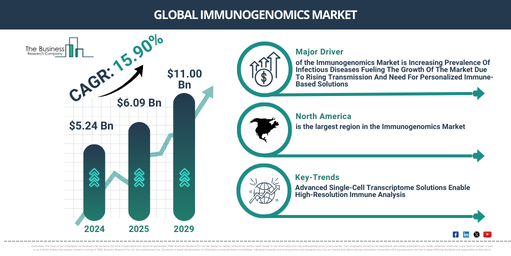
    The immunogenomics market has seen significant growth in recent years. Its valuation is expected to increase from $5.24 billion in 2024 to $6.09 billion in 2025, achieving a compound annual growth rate (CAGR) of 16.3%. The market’s previous expansion can be attributed to several factors, including the rising incidence of autoimmune conditions, an increasing need for personalized medical approaches, greater recognition of immunogenomic testing, governmental investment in healthcare research, and the development of the biotechnology and pharmaceutical industries.

    The immunogenomics market size is projected to experience significant growth over the next few years. It is expected to reach $11.00 billion by 2029, expanding at a compound annual growth rate (CAGR) of 15.9%. This projected growth in the forecast period is primarily fueled by the increasing adoption of immunogenomic-based therapies, the expansion of precision medicine initiatives, rising investment in research and development, the broadening of healthcare infrastructure, and a growing demand for diagnostics. Notable trends anticipated in the forecast period include technological advancements in sequencing and genotyping, innovations in immunogenomic assays, developments in bioinformatics and data analysis, intensified research and development in targeted therapies, and the integration of artificial intelligence within immunogenomics.

    Unlock Your Free Sample Report for Exclusive Market Data:

    https://www.thebusinessresearchcompany.com/sample.aspx?id=28247&type=smp

    What Are The Key Drivers Of Growth In The Immunogenomics Market?

    The expanding occurrence of infectious diseases is anticipated to fuel the expansion of the immunogenomics market. These diseases are conditions resulting from detrimental microorganisms like bacteria, viruses, fungi, or parasites, which can be transmitted between individuals, either directly or indirectly. The growing incidence of infectious diseases stems from enhanced global travel, which allows pathogens to disseminate quickly across different regions. Immunogenomics improves the management of infectious diseases through precise examination of host immune reactions and genetic predispositions. This field minimizes trial-and-error approaches in therapy by pinpointing immune factors specific to each patient, thereby advancing diagnostics, vaccine creation, and tailored therapeutic plans. As an illustration, the UK Health Security Agency, a UK-based government body, reported in February 2024 that instances of tuberculosis, a highly contagious bacterial lung infection, in England climbed to 4,850 in 2023, marking a 10.7% rise from 4,380 cases recorded in 2022. Consequently, the expanding occurrence of infectious diseases is a key driver for the growth of the immunogenomics market.

    What Are The Primary Types Of Segments Analyzed In The Immunogenomics Market?

    The immunogenomics market covered in this report is segmented as

    1) By Product Type: Instruments, Consumables, Software, Services

    2) By Technology: Next-Generation Sequencing, Microarray, Polymerase Chain Reaction, Other Technologies

    3) By Application: Oncology, Infectious Diseases, Autoimmune Disorders, Transplantation, Other Applications

    4) By End-User: Hospitals And Clinics, Research Institutes, Pharmaceutical And Biotechnology Companies, Other End-Users

    Subsegments:

    1) By Instruments: Sequencers, Microarray scanners, Flow cytometers

    2) By Consumables: Reagents, Kits, Assay panels

    3) By Software: Data analysis software, Bioinformatics tools, Visualization platforms

    4) By Services: Sequencing services, Genomic profiling, Bioinformatics support

    What Long-Term Trends Will Shape The Future Growth Of The Immunogenomics Industry?

    Major companies operating in the immunogenomics market are concentrating on developing advanced solutions, such as single-cell transcriptome solutions, to enable precise analysis of immune cell diversity and improve the understanding of complex immune responses. A single-cell transcriptome solution denotes a technology or method that scrutinizes the complete set of RNA transcripts in individual cells, offering insights into gene expression patterns and cellular variations within intricate tissues. For instance, in October 2022, Pacific Biosciences of California Inc., a US-based biotechnology company, partnered with Broad Institute of MIT and Harvard, a UK-based biomedical and genomic research center, and 10x Genomics Inc., a US-based biotechnology company, to launch a Multiplexed Arrays Sequencing (MAS-Seq) kit. This kit aims to enable high-throughput, cost-effective sequencing of full-length transcripts. It provides an economical, high-volume, full-length, single-cell transcriptome solution, identifying novel RNA isoforms and mutations with exceptional accuracy. The solution increases sequencing throughput by 16-fold through the concatenation of cDNA molecules and integrates seamlessly with 10x Genomics single-cell technology and PacBio sequencers. This capability empowers researchers to explore cellular heterogeneity at the isoform level, advancing disease research and biomarker discovery.

    Who Are The Top Performing Companies In The Immunogenomics Market In Recent Years?

    Major companies operating in the immunogenomics market are F. Hoffmann-La Roche AG, Thermo Fisher Scientific Inc., Illumina Inc., BGI Group, GenScript Biotech Corporation, CareDx Inc., Oxford Nanopore Technologies plc, Genewiz LLC, Adaptive Biotechnologies Corporation, GenomOncology LLC, Personalis Inc., Variantyx Inc., CD Genomics Inc., Sengenics Corporation, GeneCentric Therapeutics Inc., Immunogenomics Inc., ImmuQuad Biotechnologies Inc., Neomics Pharmaceuticals LLC, Yemaachi Biotech Ltd., and BioAnalytica Biotechnology Systems Inc.

    Download The Full Report For Exclusive Market Findings:

    https://www.thebusinessresearchcompany.com/report/immunogenomics-global-market-report

    How Do Regional Market Performances Compare Within The Immunogenomics Industry?

    North America was the largest region in the immunogenomics market in 2024. The regions covered in immunogenomics report are Asia-Pacific, Western Europe, Eastern Europe, North America, South America, Middle East and Africa.

    Request A Customized Version Of The Immunogenomics Market Report:

    https://www.thebusinessresearchcompany.com/customise?id=28247&type=smp

    Browse Through More Reports Similar to the Global Immunogenomics Market 2025, By The Business Research Company

    Immunohematology Global Market Report 2025

    https://www.thebusinessresearchcompany.com/report/immunohematology-global-market-report

    Immunoassay Global Market Report 2025

    https://www.thebusinessresearchcompany.com/report/immunoassay-global-market-report

    Automated Immunoassay Analyzers Global Market Report 2025

    https://www.thebusinessresearchcompany.com/report/automated-immunoassay-analyzers-global-market-report

    Get in touch with us:

    The Business Research Company: https://www.thebusinessresearchcompany.com/

    Americas +1 310-496-7795

    Asia +44 7882 955267 & +91 8897263534

    Europe +44 7882 955267

    Email us at info@tbrc.info

    Follow us on:

    LinkedIn: https://in.linkedin.com/company/the-business-research-company

    YouTube: https://www.youtube.com/channel/UC24_fI0rV8cR5DxlCpgmyFQ

    Global Market Model: https://www.thebusinessresearchcompany.com/global-market-model
  • Human Immunodeficiency Viruses (HIV) Clinical Trials Market Expansion Outlook: $2.72 Billion by 2029 Forecast

    Human Immunodeficiency Viruses (HIV) Clinical Trials Market Expansion Outlook: $2.72 Billion by 2029 Forecast

    Unlock Global Insights – Save 20% on Market Reports with Code ONLINE20

    What Is The Predicted Market Size Trajectory For The Human Immunodeficiency Viruses (HIV) Clinical Trials Market From 2025 To 2034?

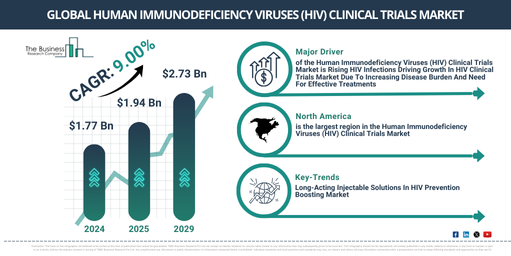
    The human immunodeficiency viruses (HIV) clinical trials market size has shown significant expansion in recent years. It is projected to increase from $1.77 billion in 2024 to $1.94 billion in 2025, demonstrating a compound annual growth rate (CAGR) of 9.3%. This growth during the past period can be primarily linked to the increasing prevalence of drug-resistant human immunodeficiency viruses strains, a rising demand for personalized medicine in human immunodeficiency viruses care, an increasing emphasis on early diagnosis and treatment, a growing number of clinical research organizations, and greater awareness of human immunodeficiency viruses-related comorbidities.

    The human immunodeficiency viruses (HIV) clinical trials market is anticipated to experience substantial expansion in the coming years. By 2029, this market is projected to reach $2.73 billion, demonstrating a compound annual growth rate (CAGR) of 9.0%. This anticipated growth during the forecast period is fueled by several factors, including the rising incidence of human immunodeficiency viruses infections, enhanced understanding of HIV prevention and management, wider acceptance of antiretroviral therapy, increased governmental financial backing for human immunodeficiency viruses research, and expanded investments within the biotechnology and pharmaceutical sectors. Key trends expected during this period encompass technologically-driven breakthroughs in HIV diagnostics, improvements in antiretroviral therapy (ART) formulations, progress in identifying biomarkers, the emergence of technology-enabled remote monitoring solutions, and the incorporation of digital health platforms.

    Unlock Your Free Sample Report for Exclusive Market Data:

    https://www.thebusinessresearchcompany.com/sample.aspx?id=28244&type=smp

    What Are The Drivers Pushing New Developments In The Human Immunodeficiency Viruses (HIV) Clinical Trials Market?

    The human immunodeficiency virus (HIV) clinical trials market is poised for growth driven by the rising prevalence of HIV infections. HIV infections refer to a state where the HIV virus attacks and weakens the immune system, making individuals more prone to various infections and potentially leading to AIDS. The increase in HIV infections can largely be attributed to a lack of awareness regarding transmission, which leads to risky behaviors and delayed testing, thereby facilitating the virus’s spread. Human immunodeficiency virus (HIV) clinical trials assist patients with HIV infections by evaluating new drugs, vaccines, and treatment strategies designed to enhance prevention, manage the virus more effectively, and ultimately decrease disease progression and transmission. As an illustration, in August 2024, the Minority HIV/AIDS Fund (MHAF), a US-based government agency, reported that an estimated 39.9 million individuals globally were living with HIV in 2023, consisting of 38.6 million adults and 1.4 million children, a higher figure compared to previous years. Therefore, the growing occurrence of human immunodeficiency virus (HIV) infections is a key driver for the expansion of the human immunodeficiency virus (HIV) clinical trials market.

    What Are The Major Segments Identified In The Human Immunodeficiency Viruses (HIV) Clinical Trials Market?

    The human immunodeficiency viruses (HIV) clinical trials market covered in this report is segmented as

    1) By Phase: Phase I, Phase II, Phase III, Phase IV, Preclinical

    2) By Drug Type: Antiretroviral Therapy (ART), Pre-Exposure Prophylaxis (PrEP), Post-Exposure Prophylaxis (PEP), Long-Acting Injectable Antiretrovirals, Experimental Drugs

    3) By Study Design: Interventional Studies, Observational Studies, Expanded Access Studies

    4) By Patient Population: Adults, Pediatric Patients, Seniors, Pregnant Women, High-Risk Populations

    5) By End User: Pharmaceutical Companies, Research Institutes, Hospitals, Other End-Users

    Subsegments:

    1) By Phase I: First-In-Human Studies, Safety And Tolerability Studies

    2) By Phase Ii: Dose-Finding Studies, Efficacy Studies

    3) By Phase Iii: Pivotal Trials, Comparative Efficacy Studies

    4) By Phase Iv: Post-Marketing Surveillance, Long-Term Safety Studies

    5) By Preclinical: In Vitro Studies, Animal Studies

    What Key Innovation Trends Are Fueling Advancements In The Human Immunodeficiency Viruses (HIV) Clinical Trials Market?

    Leading companies operating in the human immunodeficiency virus (HIV) clinical trials market are prioritizing the development of innovative solutions, such as HIV prevention injections, to boost treatment effectiveness and decrease transmission rates. An HIV prevention injection is a long-acting injectable medication administered periodically to prevent HIV infection in high-risk individuals by preventing the virus from establishing itself in the body. For example, in August 2025, Gilead Sciences Inc., a US-based pharmaceutical company, gained approval from the European Union for Yeytuo (lenacapavir) for the treatment of HIV. This is a twice-yearly injectable HIV prevention treatment that exhibits high efficacy, nearly 100% in clinical trials, significantly reducing the risk of sexually acquired HIV-1 infection. Its long-acting dosage regimen improves adherence and convenience when compared to daily oral PrEP, thereby addressing a major gap in HIV prevention. Designed for adults and adolescents at increased risk, this initiative aims to expand access and help reduce new HIV infections globally as part of comprehensive prevention strategies.

    Which Global Market Leaders Are Shaping The Future Of The Human Immunodeficiency Viruses (HIV) Clinical Trials Sector?

    Major companies operating in the human immunodeficiency viruses (hiv) clinical trials market are Johnson & Johnson, F. Hoffmann-La Roche Ltd., Pfizer Inc., AbbVie Inc., Sanofi S.A., Thermo Fisher Scientific Inc., Amgen Inc., Gilead Sciences Inc., Merck & Co., IQVIA Holdings Inc., ICON plc, Moderna Inc., ViiV Healthcare Limited, HOOKIPA Pharma Inc., Excision BioTherapeutics Inc., American Gene Technologies International Inc., Bionor Holding AS, Aelix Therapeutics, Immuno Cure BioTech Private Limited, ImmunityBio.

    Download The Full Report For Exclusive Market Findings:

    https://www.thebusinessresearchcompany.com/report/human-immunodeficiency-viruses-hiv-clinical-trials-global-market-report

    Which Regional Markets Are Contributing Most To The Human Immunodeficiency Viruses (HIV) Clinical Trials Industry Expansion?

    North America was the largest region in the human immunodeficiency viruses (HIV) clinical trials market in 2024. Asia-Pacific is expected to be the fastest-growing region in the forecast period. The regions covered in human immunodeficiency virus (HIV) clinical trials report are Asia-Pacific, Western Europe, Eastern Europe, North America, South America, Middle East and Africa.

    Request A Customized Version Of The Human Immunodeficiency Viruses (HIV) Clinical Trials Market Report:

    https://www.thebusinessresearchcompany.com/customise?id=28244&type=smp

    Browse Through More Reports Similar to the Global Human Immunodeficiency Viruses (HIV) Clinical Trials Market 2025, By The Business Research Company

    Human Immunodeficiency Virus Hiv Diagnosis Global Market Report 2025

    https://www.thebusinessresearchcompany.com/report/human-immunodeficiency-virus-hiv-diagnosis-global-market-report

    Hiv Drug Global Market Report 2025

    https://www.thebusinessresearchcompany.com/report/hiv-drug-global-market-report

    Antiviral Combination Therapy Global Market Report 2025

    https://www.thebusinessresearchcompany.com/report/antiviral-combination-therapy-global-market-report

    Get in touch with us:

    The Business Research Company: https://www.thebusinessresearchcompany.com/

    Americas +1 310-496-7795

    Asia +44 7882 955267 & +91 8897263534

    Europe +44 7882 955267

    Email us at info@tbrc.info

    Follow us on:

    LinkedIn: https://in.linkedin.com/company/the-business-research-company

    YouTube: https://www.youtube.com/channel/UC24_fI0rV8cR5DxlCpgmyFQ

    Global Market Model: https://www.thebusinessresearchcompany.com/global-market-model
  • Healthcare Satellite Connectivity Industry Forecast to Hit $15.52 Billion by 2029 With a Strong 10.4% CAGR

    Healthcare Satellite Connectivity Industry Forecast to Hit $15.52 Billion by 2029 With a Strong 10.4% CAGR

    Unlock Global Insights – Save 20% on Market Reports with Code ONLINE20

    #What Are The Current (2025) And Forecast (2029) Sizes Of The Healthcare Satellite Connectivity Market?

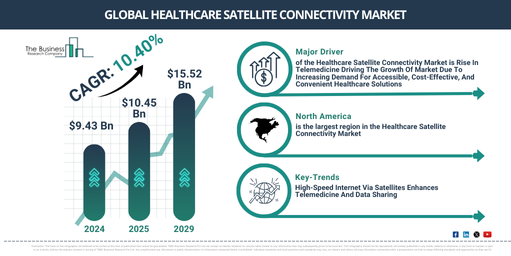
    The healthcare satellite connectivity market size has experienced swift expansion in recent years. Its valuation is predicted to climb from $9.43 billion in 2024 to $10.45 billion in 2025, demonstrating a compound annual growth rate (CAGR) of 10.8%. The growth observed in prior periods stems from an escalating requirement for disaster relief communication, increasing cross-border medical collaboration, a rise in global health awareness campaigns, a growing demand for maritime and aviation medical assistance, and enhanced healthcare backing for military operations.

    The healthcare satellite connectivity market size is poised for rapid expansion in the coming years. It is projected to increase to $15.52 billion by 2029, achieving a compound annual growth rate (CAGR) of 10.4%. This anticipated growth can be largely attributed to the escalating demand for real-time patient monitoring, a heightened focus on ensuring universal healthcare access, the critical need for seamless medical data transmission, the growth of a remote healthcare workforce, and the rising number of space-based health research programs. Throughout the forecast period, prominent trends will encompass advancements in low-earth orbit satellite deployment, the establishment of hybrid satellite-terrestrial healthcare networks, innovations in telemedicine platforms featuring satellite integration, improvements in portable satellite communication devices, and the evolution of artificial intelligence-powered satellite health monitoring systems.

    Unlock Your Free Sample Report for Exclusive Market Data:

    https://www.thebusinessresearchcompany.com/sample.aspx?id=28242&type=smp

    Which Drivers Are Impacting The Healthcare Satellite Connectivity Market?

    The growing adoption of telemedicine services is projected to stimulate the expansion of the healthcare satellite connectivity market. Telemedicine services are defined as the remote provision of healthcare and medical advice using digital communication technologies such as video conferencing, mobile applications, and web-based platforms. The uptake of telemedicine services is increasing due to a heightened need for healthcare options that are accessible, economical, and convenient, as it reduces travel and wait times while ensuring timely medical attention. Healthcare satellite connectivity facilitates telemedicine services by offering dependable high-speed communication and data transfer in isolated and underserved areas where ground-based networks are scarce or nonexistent. For instance, in April 2023, FAIR Health Inc., a US-based non-profit organization, reported that national telehealth usage climbed by 7.3%, increasing from 5.5% of medical claim lines in December 2022 to 5.9% in January 2023. Therefore, the rising adoption of telemedicine services is a key driver for the growth of the healthcare satellite connectivity market.

    What Are The Major Segment Types Covered In The Healthcare Satellite Connectivity Market?

    The healthcare satellite connectivity market covered in this report is segmented as

    1) By Connectivity: Mobile Satellite Services (Mss), Fixed Satellite Services (Fss), Specialty Markers

    2) By Component: Medical Devices, System And Software, Services

    3) By Frequency Band: Ku-Band, Ka-Band, C-Band, X-Band

    4) By Application: Telemedicine, Remote Patient Monitoring, Disaster Response And Emergency Communication, Asset Tracking And Supply Chain Management, Tele-Education

    Subsegments:

    1) By Mobile Satellite Services: Voice Services, Data Services, Broadband Services, Tracking And Monitoring Services

    2) By Fixed Satellite Services: Television Services, Data Transmission Services, Broadband Internet Services, Backhaul Connectivity Services

    3) By Specialty Markers: Remote Patient Monitoring, Telemedicine Services, Emergency Response Connectivity, Wearable Health Device Integration

    Which Competitive Trends Are Defining The Healthcare Satellite Connectivity Market Structure?

    Major companies in the healthcare satellite connectivity market are focusing on advancements in satellite technology, such as satellite broadband, to improve access to high-speed internet in remote areas, facilitate real-time data sharing, and enhance telemedicine and digital health services. Satellite broadband refers to high-speed internet delivered via satellites, enabling connectivity in distant and underserved regions. For instance, in May 2024, SpaceX, a US-based space exploration company, launched its Starlink satellite internet service on Indonesia’s Bali island to provide rapid connectivity to remote and underserved regions. This launch highlighted real-time speed tests conducted with health workers in isolated areas, showcasing its potential to improve healthcare, education, and business opportunities. The initiative also included agreements to enhance digital access across the health and education sectors, supporting Indonesia’s broader digital transformation goals.

    Who Are The Key Multinational Companies Dominating The Healthcare Satellite Connectivity Market?

    Major companies operating in the healthcare satellite connectivity market are Thales Group, Space Exploration Technologies Corp., ST Engineering Ltd., Société Européenne des Satellites, Viasat Incorporated, Eutelsat Communications S.A., European Space Agency, Telesat, Comtech Telecommunications Corp., Speedcast International Limited, Globalstar Inc., Avanti Communications Group plc, Astrome Technologies Pvt. Ltd., IEC Telecom Group, Kacific Broadband Satellites Group, Skylo Technologies Inc., X2nSat Inc., Expedition Communications Inc., Connecta Satellite Networks, Monogoto Inc.

    Download The Full Report For Exclusive Market Findings:

    https://www.thebusinessresearchcompany.com/report/healthcare-satellite-connectivity-global-market-report

    Which Region Is Expected To Witness The Fastest Growth In The Healthcare Satellite Connectivity Market?

    North America was the largest region in the healthcare satellite connectivity market in 2024. Asia-Pacific is expected to be the fastest-growing region in the forecast period. The regions covered in healthcare satellite connectivity report are Asia-Pacific, Western Europe, Eastern Europe, North America, South America, Middle East and Africa.

    Request A Customized Version Of The Healthcare Satellite Connectivity Market Report:

    https://www.thebusinessresearchcompany.com/customise?id=28242&type=smp

    Browse Through More Reports Similar to the Global Healthcare Satellite Connectivity Market 2025, By The Business Research Company

    Connected Healthcare Global Market Report 2025

    https://www.thebusinessresearchcompany.com/report/connected-healthcare-global-market-report

    Mobile Satellite Services Global Market Report 2025

    https://www.thebusinessresearchcompany.com/report/mobile-satellite-services-global-market-report

    Satellite Data Services Global Market Report 2025

    https://www.thebusinessresearchcompany.com/report/satellite-data-services-global-market-report

    Get in touch with us:

    The Business Research Company: https://www.thebusinessresearchcompany.com/

    Americas +1 310-496-7795

    Asia +44 7882 955267 & +91 8897263534

    Europe +44 7882 955267

    Email us at info@tbrc.info

    Follow us on:

    LinkedIn: https://in.linkedin.com/company/the-business-research-company

    YouTube: https://www.youtube.com/channel/UC24_fI0rV8cR5DxlCpgmyFQ

    Global Market Model: https://www.thebusinessresearchcompany.com/global-market-model
  • Healthcare Price Transparency Systems Market to Reach $3.76 Billion by 2029, Growing at a CAGR of 17.2%

    Healthcare Price Transparency Systems Market to Reach $3.76 Billion by 2029, Growing at a CAGR of 17.2%

    Unlock Global Insights – Save 20% on Market Reports with Code ONLINE20

    What Market Value Is The Healthcare Price Transparency Systems Industry Expected To Reach By 2029, Starting From 2025 Levels?

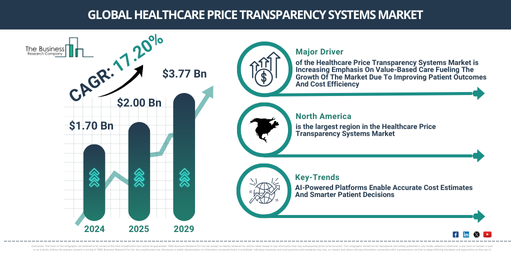
    The healthcare price transparency systems market has experienced substantial growth in recent years. It is forecast to increase from $1.70 billion in 2024 to $2.00 billion in 2025, exhibiting a compound annual growth rate (CAGR) of 17.5%. The expansion witnessed in prior periods can be attributed to factors such as escalating healthcare expenses, greater patient understanding, governmental directives and mandates, the necessity for cost comparison instruments, and the demand for billing precision.

    The healthcare price transparency systems market is anticipated to undergo significant expansion in the coming years, reaching a valuation of $3.77 billion by 2029, at a compound annual growth rate (CAGR) of 17.2%. This projected growth is largely due to factors such as increasing patient-centered care demands, the ongoing expansion of telemedicine services, a greater emphasis on value-based care approaches, rising consumer engagement in health, and the continuous need for cost containment strategies. Key trends expected in this forecast period include the incorporation of artificial intelligence, the utilization of machine learning for predicting costs, the application of blockchain for secure billing processes, the advancement of mobile health applications, the introduction of real-time price comparison instruments, and improved interoperability with electronic health records.

    Unlock Your Free Sample Report for Exclusive Market Data:

    https://www.thebusinessresearchcompany.com/sample.aspx?id=28241&type=smp

    Which Industry Drivers Are Expected To Accelerate The Healthcare Price Transparency Systems Market From 2025 To 2029?

    The growing focus on value-based care is anticipated to drive the expansion of the healthcare price transparency systems market in the future. This approach to healthcare delivery compensates providers based on improved patient results and cost reduction, as opposed to the quantity of services rendered. The heightened attention to value-based care stems from its ability to enhance patient outcomes, given its focus on quality and efficiency over the sheer volume of services provided. Healthcare price transparency systems facilitate value-based care by offering clear pricing data, allowing both healthcare providers and patients to make educated choices. These systems boost the effectiveness of care and patient contentment by aligning treatment options with clinical results and economic factors. An example of this trend is seen in November 2024, where a survey by America’s Health Insurance Plans (AHIP), a US-based trade association, indicated that value-based arrangements attained 45.2% in 2023, marking a 4% rise from 41.3% in 2022. Consequently, the expanding focus on value-based care is fueling the growth of the healthcare price transparency systems market.

    What Are The Major Segment Categories Driving The Healthcare Price Transparency Systems Market Growth?

    The healthcare price transparency systems market covered in this report is segmented as

    1) By System Type: Consumer-Facing Tools, Provider-Facing Solutions,

    2) By Technology: Basic Web-Based Platforms, Advanced AI-Driven Solutions,

    3) By Applications: Patient Cost Estimation, Healthcare Shopping Assistance, Price Transparency Compliance, Informed Healthcare Decision-Making,

    4) By End-User: Healthcare Providers, Insurance Companies, Consumers,

    Subsegments:

    1) By Consumer-Facing Tools: Price Comparison Platforms, Billing and Invoice Explanation Tools, Cost Estimation Calculators, Appointment Scheduling Interfaces, Payment Portals,

    2) By Provider-Facing Solutions: Claims Management Systems, Revenue Cycle Management Tools, Data Analytics Dashboards, Contract Management Platforms, Compliance Monitoring Software,

    What Are The Latest Industry Trends Transforming The Healthcare Price Transparency Systems Market?

    Leading companies operating in the healthcare price transparency systems market are concentrating on developing advanced analytical solutions, such as AI-powered data processing platforms, to provide accurate cost estimates and enhance patient decision-making. AI-powered data processing platforms are sophisticated systems that leverage artificial intelligence and machine learning to analyze extensive amounts of healthcare pricing data, converting complex information into actionable insights for strategic decision-making. For example, in May 2025, Aon plc, a UK-based professional services firm, introduced the Health Price Transparency Analysis, an advanced analytics tool designed to assist U.S. employers in utilizing publicly available healthcare pricing data. This solution enables plan sponsors to evaluate the negotiated rates between healthcare payers and providers, which aids in controlling escalating medical expenses and reducing fiduciary risks by offering clearer insights into pricing. Furthermore, it improves understanding of healthcare networks, facilitating more informed decision-making.

    Which Leading Players Are Enhancing Their Healthcare Price Transparency Systems Market Presence Worldwide?

    Major companies operating in the healthcare price transparency systems market are UnitedHealth Group, Experian Health Inc., TransUnion Healthcare LLC, Priority Health, Premier Inc., Waystar Inc., Zelis Healthcare LLC, Health Catalyst Inc., Appriss Health, Tebra Technologies Inc., Surescripts LLC, RevSpring Inc., Milliman MedInsight, Vālenz Health, Kyruus Health Inc., Clarify Health Solutions Inc., Turquoise Health Company Inc., Trilliant Health, Healthee Inc., and Avaneer Health LLC.

    Download The Full Report For Exclusive Market Findings:

    https://www.thebusinessresearchcompany.com/report/healthcare-price-transparency-systems-global-market-report

    Which Global Regions Are Influencing The Competitive Landscape Of The Healthcare Price Transparency Systems Market?

    North America was the largest region in the healthcare price transparency systems market in 2024. The regions covered in healthcare price transparency systems report are Asia-Pacific, Western Europe, Eastern Europe, North America, South America, Middle East and Africa.

    Request A Customized Version Of The Healthcare Price Transparency Systems Market Report:

    https://www.thebusinessresearchcompany.com/customise?id=28241&type=smp

    Browse Through More Reports Similar to the Global Healthcare Price Transparency Systems Market 2025, By The Business Research Company

    Healthcare Finance Solutions Global Market Report 2025

    https://www.thebusinessresearchcompany.com/report/healthcare-finance-solutions-global-market-report

    Healthcare Payer Solution Global Market Report 2025

    https://www.thebusinessresearchcompany.com/report/healthcare-payer-solution-global-market-report

    Healthcare Reimbursement Global Market Report 2025

    https://www.thebusinessresearchcompany.com/report/healthcare-reimbursement-global-market-report

    Get in touch with us:

    The Business Research Company: https://www.thebusinessresearchcompany.com/

    Americas +1 310-496-7795

    Asia +44 7882 955267 & +91 8897263534

    Europe +44 7882 955267

    Email us at info@tbrc.info

    Follow us on:

    LinkedIn: https://in.linkedin.com/company/the-business-research-company

    YouTube: https://www.youtube.com/channel/UC24_fI0rV8cR5DxlCpgmyFQ

    Global Market Model: https://www.thebusinessresearchcompany.com/global-market-model
  • Global Healthcare Middleware Market Size Projected to Reach $6.77 Billion During the Forecast Period

    Global Healthcare Middleware Market Size Projected to Reach $6.77 Billion During the Forecast Period

    Unlock Global Insights – Save 20% on Market Reports with Code ONLINE20

    What Is The Anticipated Size Of The Healthcare Middleware Market Over The Five-Year Period 2025–2029?

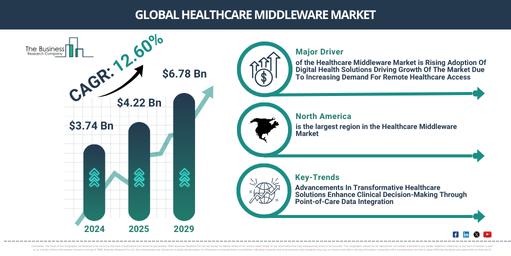
    The healthcare middleware market has experienced substantial expansion recently. Its valuation is projected to rise from $3.74 billion in 2024 to $4.22 billion by 2025, demonstrating a compound annual growth rate (CAGR) of 12.9%. This historical increase is primarily due to factors such as the expanding uptake of electronic health records, a greater necessity for interoperability among healthcare systems, an escalating requirement for real-time data exchange, an increase in healthcare data volumes, and the wider deployment of connected medical devices.

    The healthcare middleware market is set to experience swift expansion over the next few years, with its size projected to reach $6.78 billion in 2029, growing at a compound annual growth rate (CAGR) of 12.6%. This anticipated growth during the forecast period is primarily driven by the proliferation of telehealth and remote patient monitoring, an increased focus on value-based healthcare models, the rising adoption of cloud-based healthcare solutions, a growing emphasis on patient-centric care and engagement, and the essential need for improved cybersecurity and data protection in healthcare systems. Significant trends expected during this period include the integration of artificial intelligence and machine learning, the adoption of cloud-native middleware platforms, the deployment of active pharmaceutical ingredient-driven interoperability solutions, the utilization of blockchain for secure health data exchange, and the incorporation of Internet of Things-enabled middleware solutions.

    Unlock Your Free Sample Report for Exclusive Market Data:

    https://www.thebusinessresearchcompany.com/sample.aspx?id=28240&type=smp

    What Are The Top Growth Drivers Impacting The Healthcare Middleware Market Outlook?

    The increasing integration of digital health solutions is projected to fuel the expansion of the healthcare middleware market in the foreseeable future. Digital health solutions encompass the utilization of digital technologies, tools, and platforms aimed at enhancing health outcomes, optimizing healthcare service delivery, and boosting patient involvement. This surge in digital health adoption stems from the escalating demand for remote healthcare accessibility, with both patients and healthcare providers seeking convenient and time-saving alternatives to traditional face-to-face appointments. Healthcare middleware facilitates digital health initiatives by connecting Electronic Health Records (EHRs), medical devices, and telehealth platforms, enabling smooth, real-time data exchange. It also ensures interoperability, scalability, and secure information transfer, thereby improving the provision of remote care. As an illustration, in June 2022, the Department of Health and Social Care, a government body located in the UK, reported an anticipation that 100% of NHS trusts would have adopted electronic health records by March 2025, an increase from the 90% that had implemented them by December 2023. Consequently, the expanding use of digital health solutions is a key factor propelling the growth of the healthcare middleware market.

    How Is The Healthcare Middleware Market Segmented?

    The healthcare middleware market covered in this report is segmented as

    1) By Type: Communication Middleware, Platform Middleware, Integration Middleware, Other Types

    2) By Deployment: On-Premises Models, Cloud-Based Models, Hybrid Models

    3) By Application: Clinical, Financial, Operational, Administrative

    4) By End-User: Healthcare Payers, Healthcare Providers, Life Science Organization, Clinical Laboratories, Other End-Users

    Subsegments:

    1) By Communication Middleware: Message-Oriented Middleware, Remote Procedure Call Middleware, Data Distribution Service Middleware, Event-Driven Middleware

    2) By Platform Middleware: Database Middleware, Application Server Middleware, Web-Based Middleware, Transaction Processing Monitor Middleware

    3) By Integration Middleware: Enterprise Service Bus Middleware, Application Programming Interface Management Middleware, Business Process Management Middleware, Cloud Integration Middleware

    4) By Other Types: Mobile Middleware, Embedded Middleware, Internet Of Things Middleware, Legacy System Integration Middleware

    What Trends Are Redefining The Healthcare Middleware Market Dynamics?

    Leading companies within the healthcare middleware market are concentrating on developing sophisticated solutions, such as transformative healthcare solutions, with the goal of improving interoperability, enhancing clinical decision-making, and enabling efficient patient care delivery. Transformative healthcare solutions encompass innovative technologies and approaches that reshape how healthcare is delivered, managed, and experienced. They achieve this by utilizing data, digital tools, and advanced analytics to improve patient outcomes, optimize workflows, and lower costs. For instance, in January 2025, Vim Inc., a US-based provider of connected healthcare technology, introduced Care Insights, which is a transformative healthcare solution specifically designed to embed patient-specific recommendations. This application integrates actionable, patient-specific data directly into native EHR workflows, streamlining diagnosis and care gap management. It also enhances provider decision-making by consolidating data from multiple sources and providing real-time recommendations, thereby enabling informed, efficient decisions within existing clinical workflows and ultimately improving patient care outcomes.

    Which Major Firms Are Strengthening Their Position In The Healthcare Middleware Industry?

    Major companies operating in the healthcare middleware market are Redox Inc., InterSystems Corporation, Edifecs Inc., Innovaccer Inc., Orion Health Group Ltd., Verato Inc., 1upHealth Inc., Health Gorilla Inc., Validic Inc., CareEvolution Inc., Kno2 Inc., Particle Health Inc., PilotFish Technology Inc., Rhapsody, Interfaceware Inc., Smile Digital Health Inc., Firely RV, Health Samurai Inc., Onyx Health, and Medplum Inc.

    Download The Full Report For Exclusive Market Findings:

    https://www.thebusinessresearchcompany.com/report/healthcare-middleware-global-market-report

    What Are The Regional Market Dynamics Impacting The Healthcare Middleware Industry?

    North America was the largest region in the healthcare middleware market in 2024. Asia-Pacific is expected to be the fastest-growing region in the forecast period. The regions covered in healthcare middleware report are Asia-Pacific, Western Europe, Eastern Europe, North America, South America, Middle East and Africa.

    Request A Customized Version Of The Healthcare Middleware Market Report:

    https://www.thebusinessresearchcompany.com/customise?id=28240&type=smp

    Browse Through More Reports Similar to the Global Healthcare Middleware Market 2025, By The Business Research Company

    Home Healthcare Software Global Market Report 2025

    https://www.thebusinessresearchcompany.com/report/home-healthcare-software-global-market-report

    Healthcare Software As A Service Global Market Report 2025

    https://www.thebusinessresearchcompany.com/report/healthcare-software-as-a-service-global-market-report

    Healthcare Technology Global Market Report 2025

    https://www.thebusinessresearchcompany.com/report/healthcare-technology-global-market-report

    Get in touch with us:

    The Business Research Company: https://www.thebusinessresearchcompany.com/

    Americas +1 310-496-7795

    Asia +44 7882 955267 & +91 8897263534

    Europe +44 7882 955267

    Email us at info@tbrc.info

    Follow us on:

    LinkedIn: https://in.linkedin.com/company/the-business-research-company

    YouTube: https://www.youtube.com/channel/UC24_fI0rV8cR5DxlCpgmyFQ

    Global Market Model: https://www.thebusinessresearchcompany.com/global-market-model