Category: HealthcareServices

  • Global Long‑Read Sequencing Services Market Size Projected to Reach $2.35 Billion During the Forecast Period

    Global Long‑Read Sequencing Services Market Size Projected to Reach $2.35 Billion During the Forecast Period

    Unlock Global Insights – Save 20% on Market Reports with Code ONLINE20

    How Does The Market Size Of The Long-Read Sequencing Services Industry Compare Between 2025 And 2029?

    The long-read sequencing services market size has witnessed rapid expansion in recent years. It is projected to expand from $0.99 billion in 2024 to $1.18 billion in 2025, exhibiting a compound annual growth rate (CAGR) of 19.1%. Historically, this growth has been driven by factors such as the surging demand for precision medicine, heightened investment in genomics research, the expanding prevalence of genetic disorders, broadening applications within agricultural genomics, and the increasing embrace of personalized healthcare.

    The long-read sequencing services market is set for substantial growth over the next few years. It is projected to expand to $2.35 billion by 2029, demonstrating a compound annual growth rate (CAGR) of 18.7%. This expansion during the forecast period is fueled by factors such as increasing clinical integration, a greater need for intricate genomic analysis, increased investment in multi-omics research, broadening uses in non-human sequencing, and enhanced collaborations between service providers and pharmaceutical firms. Noteworthy trends anticipated in this period include improvements in bioinformatic pipelines, the creation of new sequencing chemistries, innovations in long-read targeted sequencing, the evolution of integrated multi-omics services, and the development of automated sample preparation systems.

    Unlock Your Free Sample Report for Exclusive Market Data:

    https://www.thebusinessresearchcompany.com/sample.aspx?id=28260&type=smp

    What Are The Main Drivers Boosting The Long-Read Sequencing Services Industry’s Expansion?

    The increasing occurrence of genetic conditions is anticipated to fuel the expansion of the long-read sequencing services market. These conditions arise from alterations or mutations in DNA, which can be passed down or emerge spontaneously, impacting an individual’s health, development, or bodily functions. The rise in genetic disease prevalence is attributed to enhanced awareness and progress in diagnostic tools, facilitating more timely and precise identification of previously undetected conditions. Long-read sequencing services aid in the management of genetic disorders by supplying highly accurate, extensive genomic information, which allows for the exact identification of structural variations and intricate mutations. These services improve diagnostic precision, support tailored treatment approaches, and deepen the understanding of both rare and inherited conditions. For example, data from September 2023, published by the Cystic Fibrosis Trust, a UK-based national charity, indicated that 11,148 patients were diagnosed with cystic fibrosis (CF) in 2022, marking an increase from 10,908 in 2021. Consequently, the increasing prevalence of genetic disorders is a key factor driving the expansion of the long-read sequencing services market.

    What Are The Different Segment Classifications Within The Long-Read Sequencing Services Market?

    The long-read sequencing services market covered in this report is segmented as

    1) By Service Type: Whole Genome Sequencing, Targeted Sequencing, De Novo Sequencing, Other Services

    2) By Technology: Single-Molecule Real-Time Sequencing, Nanopore Sequencing, Other Technology

    3) By Application: Clinical Diagnostics, Genomic Research, Oncology, Rare Disease Detection, Other Application

    4) By End User: Academic And Research Institutes, Hospitals And Clinics, Pharmaceutical And Biotechnology Companies, Other End Users

    Subsegments:

    1) By Whole Genome Sequencing: Complete Genome Mapping, Comprehensive Variant Detection, Structural Variation Analysis, Comparative Genomics

    2) By Targeted Sequencing: Gene Panel Sequencing, Exome Sequencing, Transcriptome Sequencing, Custom Target Region Sequencing

    3) By De Novo Sequencing: Novel Genome Assembly, Structural Variant Characterization, Complex Genome Reconstruction, Non-Model Organism Sequencing

    4) By Other Services: Data Analysis And Interpretation, Library Preparation Services, Bioinformatics Support Services, Validation And Quality Control Services

    Which Market Trends Are Creating New Opportunities In The Long-Read Sequencing Services Industry?

    Leading companies in the long-read sequencing services market are concentrating on developing innovative solutions, such as high-fidelity sequencing chemistry, to boost accuracy, extend read length, and enhance genomic insights. High-fidelity sequencing chemistry is a proprietary biochemical method that combines optimized enzyme systems and nucleotide analogs, designed to produce long-read data with exceptionally high per-read accuracy for detecting base modifications and structural variants. For example, in October 2022, Pacific Biosciences of California Inc., a US-based biotechnology company, launched its Revio long-read sequencing system featuring a transformative HiFi sequencing chemistry. This system is engineered to deliver 15 times more HiFi data and sequence hundreds of human genomes annually for under $1,000 per genome, thereby addressing crucial scalability challenges in genomic research. This system enables researchers to perform comprehensive variant detection, including single-nucleotide variants (SNVs), indels, structural variants (SVs), and epigenetic modifications, while simultaneously reducing consumable usage and improving workflow efficiency.

    Which Leading Companies Dominate The Long-Read Sequencing Services Market Share?

    Major companies operating in the long-read sequencing services market are Thermo Fisher Scientific Inc., Danaher Corporation, Agilent Technologies Inc., Illumina Inc., Revvity Inc., QIAGEN N.V., BGI Genomics Co. Ltd., Takara Bio Inc., Oxford Nanopore Technologies plc, Pacific Biosciences of California Inc., GENEWIZ Inc., Macrogen Inc., Novogene Co. Ltd., DNAnexus Inc., Zymo Research Corp., CD Genomics Inc., Genotypic Technology Pvt. Ltd., Plasmidsaurus Inc., BaseClear B.V., GrandOmics Biosciences Co. Ltd., Arima Genomics Inc., and Wuhan Benagen Technology Co. Ltd.

    Download The Full Report For Exclusive Market Findings:

    https://www.thebusinessresearchcompany.com/report/long-read-sequencing-services-global-market-report

    How Do Regional Market Performances Compare Within The Long-Read Sequencing Services Industry?

    North America was the largest region in the long-read sequencing services market in 2024. Asia-Pacific is expected to be the fastest-growing region in the forecast period. The regions covered in long-read sequencing services report are Asia-Pacific, Western Europe, Eastern Europe, North America, South America, Middle East and Africa.

    Request A Customized Version Of The Long-Read Sequencing Services Market Report:

    https://www.thebusinessresearchcompany.com/customise?id=28260&type=smp

    Browse Through More Reports Similar to the Global Long-Read Sequencing Services Market 2025, By The Business Research Company

    Short Read Sequencing Global Market Report 2025

    https://www.thebusinessresearchcompany.com/report/short-read-sequencing-global-market-report

    Next Generation Sequencing Market 2025

    https://www.thebusinessresearchcompany.com/report/next-generation-sequencing-market

    Rna Sequencing Services Global Market Report 2025

    https://www.thebusinessresearchcompany.com/report/rna-sequencing-services-global-market-report

    Get in touch with us:

    The Business Research Company: https://www.thebusinessresearchcompany.com/

    Americas +1 310-496-7795

    Asia +44 7882 955267 & +91 8897263534

    Europe +44 7882 955267

    Email us at info@tbrc.info

    Follow us on:

    LinkedIn: https://in.linkedin.com/company/the-business-research-company

    YouTube: https://www.youtube.com/channel/UC24_fI0rV8cR5DxlCpgmyFQ

    Global Market Model: https://www.thebusinessresearchcompany.com/global-market-model

  • Global LifeScience Data Mining And Visualization Market Projected to Expand at 13% CAGR by 2029

    Global LifeScience Data Mining And Visualization Market Projected to Expand at 13% CAGR by 2029

    Unlock Global Insights – Save 20% on Market Reports with Code ONLINE20

    How Much Larger Is The LifeScience Data Mining And Visualization Market Expected To Become By 2029 Compared With Its 2025 Level?

    The lifescience data mining and visualization market has experienced significant expansion in recent times. Projections indicate its expansion from $3.71 billion in 2024 to $4.21 billion in 2025, demonstrating a compound annual growth rate (CAGR) of 13.3%. Historically, this growth has stemmed from factors such as the greater acceptance of electronic health records, advancements in genomics and proteomics research, the expanding incorporation of AI and machine learning technologies, an escalated need for immediate clinical insights, and a heightened emphasis on big data analytics within the healthcare sector.

    The lifescience data mining and visualization market is projected to experience substantial expansion in the coming years. Its valuation is anticipated to reach $6.85 billion by 2029, exhibiting a compound annual growth rate (CAGR) of 13.0%. This expansion during the projection period stems from several factors, including the expanded application of bioinformatics tools, an increase in the production of clinical trial data, enhanced partnerships between pharmaceutical and technology firms, advancements in imaging and visualization technologies, and a heightened focus on discovery of drugs through data. Key trends anticipated during this period encompass progress in AI-powered analytics, the creation of cloud-native data platforms, breakthroughs in real-time visualization instruments, progress in integrating multi-omics data, and the evolution of predictive modeling methodologies.

    Unlock Your Free Sample Report for Exclusive Market Data:

    https://www.thebusinessresearchcompany.com/sample.aspx?id=28258&type=smp

    What Are The Key Drivers Of Growth In The LifeScience Data Mining And Visualization Market?

    The increasing demand for personalized medicine is expected to propel the growth of the life science data mining and visualization market going forward. Personalized medicine involves tailoring medical treatment to an individual’s genetic makeup, lifestyle, and environment to provide more precise and effective care. The demand for personalized medicine is rising as it enables targeted treatments customized for individuals, improving outcomes while minimizing side effects. Life science data mining and visualization aids personalized medicine by transforming complex patient data into actionable insights that facilitate tailored, precise treatments. For instance, in February 2024, the Personalized Medicine Coalition, a US-based non-profit organization, highlighted that in 2023, the US Food and Drug Administration (FDA) granted approval for 16 new personalized treatments for rare disease patients, which was a substantial increase from the 6 approvals in 2022. Therefore, the growing demand for personalized medicine is driving the growth of the life science data mining and visualization market.

    Which Key Segments Fueling The LifeScience Data Mining And Visualization Market?

    The lifescience data mining and visualization market covered in this report is segmented as

    1) By Component: Software, Services

    2) By Technology: Machine Learning Algorithms, Artificial Intelligence Tools, Natural Language Processing, Data Visualization Tools, Statistical Analysis Software

    3) By Deployment Mode: On-Premises Solutions, Cloud-Based Solutions, Hybrid Deployment Models, Software As A Service (SaaS), Platform As A Service (PaaS)

    4) By Application: Drug Discovery, Genomics And Genetic Research, Clinical Data Analysis, Patient Health Monitoring, Epidemiology Studies

    5) By End-User: Pharmaceutical Companies, Biotechnology Firms, Clinical Research Organizations (CROs), Healthcare Providers, Research Institutions And Academic Entities

    Subsegment:

    1) By Software: Data Integration Software, Data Analysis And Statistical Software, Data Visualization Tools, Predictive Analytics Software, Machine Learning And artificial intelligence (AI) Platforms

    2) By Services: Data Management Services, Consulting And Advisory Services, Implementation And Integration Services, Training And Support Services

    What Key Innovation Trends Are Fueling Advancements In The LifeScience Data Mining And Visualization Market?

    Key companies active in the life science data mining and visualization market are concentrating on developing innovative solutions like Platform-as-a-Service (PaaS) to integrate various real-world data sources, enable advanced analytical capabilities, and provide interactive visualization tools that support faster, data-driven decisions across clinical, research, and commercial domains. Platform-as-a-Service (PaaS) represents a cloud-based environment that equips developers and organizations with tools, infrastructure, and services to build, deploy, and manage applications without the complexities of handling underlying hardware or software. For instance, in February 2025, CitiusTech, a US-based health information technology company, introduced CitiusTech HealthSPARX, an integrated real-world data (RWD) platform specifically designed for life sciences organizations to streamline data management and accelerate insights using advanced, AI-driven analytics. HealthSPARX facilitates the seamless integration of diverse datasets, supports analytics suitable for regulatory standards, and fosters rapid, collaborative decision-making across clinical, research, and commercial operations.

    Which Global Market Leaders Are Shaping The Future Of The LifeScience Data Mining And Visualization Sector?

    Major companies operating in the lifescience data mining and visualization market are Microsoft Corporation, F. Hoffmann-La Roche Ltd., Oracle Corporation, Thermo Fisher Scientific Inc., GlaxoSmithKline plc, SAP SE, Amgen Inc., GE Healthcare, IQVIA Holdings Inc., ICON plc, Agilent Technologies Inc., Dassault Systèmes SE, OpenText Corporation, Illumina Inc., Veeva Systems Inc., Palantir Technologies Inc., QIAGEN N.V., Flatiron Health Inc., LabWare Inc., Medable Inc.

    Download The Full Report For Exclusive Market Findings:

    https://www.thebusinessresearchcompany.com/report/lifescience-data-mining-and-visualization-global-market-report

    What Regional Growth Trends Are Shaping The LifeScience Data Mining And Visualization Market Outlook?

    North America was the largest region in the lifescience data mining and visualization market in 2024. Asia-Pacific is expected to be the fastest-growing region in the forecast period. The regions covered in lifescience data mining and visualization report are Asia-Pacific, Western Europe, Eastern Europe, North America, South America, Middle East and Africa.

    Request A Customized Version Of The LifeScience Data Mining And Visualization Market Report:

    https://www.thebusinessresearchcompany.com/customise?id=28258&type=smp

    Browse Through More Reports Similar to the Global LifeScience Data Mining And Visualization Market 2025, By The Business Research Company

    Life Science Analytics Global Market Report 2025

    https://www.thebusinessresearchcompany.com/report/life-science-analytics-global-market-report

    Life Science Software Global Market Report 2025

    https://www.thebusinessresearchcompany.com/report/life-science-software-global-market-report

    Biological Data Visualization Global Market Report 2025

    https://www.thebusinessresearchcompany.com/report/biological-data-visualization-global-market-report

    Get in touch with us:

    The Business Research Company: https://www.thebusinessresearchcompany.com/

    Americas +1 310-496-7795

    Asia +44 7882 955267 & +91 8897263534

    Europe +44 7882 955267

    Email us at info@tbrc.info

    Follow us on:

    LinkedIn: https://in.linkedin.com/company/the-business-research-company

    YouTube: https://www.youtube.com/channel/UC24_fI0rV8cR5DxlCpgmyFQ

    Global Market Model: https://www.thebusinessresearchcompany.com/global-market-model

  • Reproductive Genetics Industry Insights: Market Forecast to 2029

    Reproductive Genetics Industry Insights: Market Forecast to 2029

    Unlock Global Insights – Save 20% on Market Reports with Code ONLINE20

    How Much Larger Is The Reproductive Genetics Market Expected To Become By 2029 Compared With Its 2025 Level?

    The reproductive genetics market has seen rapid expansion in recent years. It is anticipated to grow from $6.83 billion in 2024 to $7.91 billion in 2025, achieving a compound annual growth rate (CAGR) of 15.8%. This historic growth is attributable to factors such as the escalating demand for in vitro fertilization (IVF) procedures, the increasing prevalence of genetic disorders, a rising maternal age, broadening awareness of prenatal screening, and heightened government initiatives in genetic research.

    The reproductive genetics market is projected to experience swift expansion over the coming years, anticipated to reach $14.07 billion by 2029 with a compound annual growth rate (CAGR) of 15.5%. This growth in the forecast period is primarily driven by the increasing adoption of assisted reproductive technologies (ART), a rising focus on personalized medicine, the expanding use of non-invasive prenatal testing (NIPT), the growth of the fertility tourism market, and greater investments in genetic counseling services. Significant trends expected during this period include advancements in genomic sequencing technologies, innovations in embryo screening techniques, the development of artificial intelligence (AI) for reproductive genetics, ongoing research and development in gene editing, and enhanced technological integration within fertility clinics.

    Unlock Your Free Sample Report for Exclusive Market Data:

    https://www.thebusinessresearchcompany.com/sample.aspx?id=28320&type=smp

    Which Major Market Drivers Are Shaping The Future Of The Reproductive Genetics Market?

    A rise in genetic disorders is anticipated to drive the expansion of the reproductive genetics market in the future. These disorders are conditions stemming from irregularities in a person’s deoxyribonucleic acid (DNA), encompassing anything from a single gene alteration to broader chromosomal anomalies. This increase in genetic disorders is attributed to the growing adoption of reproductive genetic testing, as families actively seek early information to minimize ambiguity, enable educated reproductive decisions, and aid in preventing the passing down of inherited conditions. Reproductive genetics plays a crucial role in identifying and managing genetic disorders, empowering families to make well-informed choices, and mitigating the chance of transmitting these conditions to subsequent generations. As an illustration, data from July 2024, provided by Cystic Fibrosis Australia, an Australia-based national consumer organization, showed an increase in individuals with Cystic Fibrosis (CF) recorded in the Australian Cystic Fibrosis Data Registry (ACFDR) from 3,738 in 2022 to 3,798 in 2023, representing a 1.6% rise. Consequently, the growing prevalence of genetic disorders is projected to fuel the expansion of the reproductive genetics market.

    How Is The Reproductive Genetics Market Segmented?

    The reproductive genetics market covered in this report is segmented as

    1) By Product Type: Kits, Laboratory Developed Tests (LDT), Reagents And Consumables

    2) By Technology: Polymerase Chain Reaction (PCR), Next-Generation Sequencing (NGS), In-Situ Hybridization (ISH), Microarray Analysis

    3) By Application: Aneuploidy, Single Gene Disorder, Structural Chromosomal Abnormality, Other Applications

    4) By End User: Hospitals, Diagnostic Laboratories, Fertility Clinics, Research Institutions

    Subsegments:

    1) By Kits: Sample Collection Kits, Extraction Kits, Amplification Kits, Sequencing Kits, Hybridization Kits

    2) By Laboratory Developed Tests: Carrier Screening Tests, Preimplantation Genetic Tests, Prenatal Diagnostic Tests, Aneuploidy Detection Tests, Single Gene Disorder Tests

    3) By Reagents And Consumables: Enzymes, Buffers, Probes, Fluorescent Labels, Laboratory Plasticware

    What Are The Major Trends Driving The Growth Of The Reproductive Genetics Market?

    Leading companies in the reproductive genetics market are concentrating on developing innovative strategies, such as comprehensive multi-trait embryo comparison, to provide future parents with sophisticated tools that allow for more precise and individualized embryo selection. This comprehensive multi-trait embryo comparison capability involves simultaneously assessing and ranking multiple embryos based on a broad spectrum of hereditary conditions and intricate characteristics, facilitating more informed and personalized embryo choices during in vitro fertilization. For example, in June 2025, Nucleus Genomics Inc., a US-based biotechnology company, introduced Nucleus Embryo, an advanced reproductive genetics platform that enables in vitro fertilization (IVF) patients to analyze and compare up to 20 embryos for over 900 hereditary conditions, as well as complex traits such as appearance, cognitive ability, and mental health, through polygenic scoring. This innovation marks a substantial progression beyond conventional genetic screening, offering parents unprecedented control in embryo selection, while also instigating ethical discussions regarding the implications of genetic optimization and trait selection.

    Who Are The Key Multinational Companies Dominating The Reproductive Genetics Market?

    Major companies operating in the reproductive genetics market are F. Hoffmann-La Roche Ltd., Thermo Fisher Scientific Inc., Quest Diagnostics Incorporated, Agilent Technologies Inc., Illumina Inc., Revvity Inc., Medicover AB, OPKO Health Inc., Natera Inc., Myriad Genetics Inc., Fulgent Genetics Inc., The Cooper Companies Inc., Vitrolife AB, BillionToOne Inc., Sophia Genetics SA, Eurofins Genomics India Private Limited, Invitae Corporation, Igenomix, Gonagen GmbH, and Darwin AG.

    Download The Full Report For Exclusive Market Findings:

    https://www.thebusinessresearchcompany.com/report/reproductive-genetics-global-market-report

    Which Global Regions Are Influencing The Competitive Landscape Of The Reproductive Genetics Market?

    North America was the largest region in the reproductive genetics market in 2024. Asia-Pacific is expected to be the fastest-growing region in the forecast period. The regions covered in reproductive genetics report are Asia-Pacific, Western Europe, Eastern Europe, North America, South America, Middle East and Africa.

    Request A Customized Version Of The Reproductive Genetics Market Report:

    https://www.thebusinessresearchcompany.com/customise?id=28320&type=smp

    Browse Through More Reports Similar to the Global Reproductive Genetics Market 2025, By The Business Research Company

    Molecular Breeding Global Market Report 2025

    https://www.thebusinessresearchcompany.com/report/molecular-breeding-global-market-report

    Male Fertility Global Market Report 2025

    https://www.thebusinessresearchcompany.com/report/male-fertility-global-market-report

    Genetic Testing Global Market Report 2025

    https://www.thebusinessresearchcompany.com/report/genetic-testing-global-market-report

    Get in touch with us:

    The Business Research Company: https://www.thebusinessresearchcompany.com/

    Americas +1 310-496-7795

    Asia +44 7882 955267 & +91 8897263534

    Europe +44 7882 955267

    Email us at info@tbrc.info

    Follow us on:

    LinkedIn: https://in.linkedin.com/company/the-business-research-company

    YouTube: https://www.youtube.com/channel/UC24_fI0rV8cR5DxlCpgmyFQ

    Global Market Model: https://www.thebusinessresearchcompany.com/global-market-model
  • Global Rare Hematology Market Overview: Trends Shaping Growth to 2029

    Global Rare Hematology Market Overview: Trends Shaping Growth to 2029

    Unlock Global Insights – Save 20% on Market Reports with Code ONLINE20

    What Market Value Is The Rare Hematology Industry Expected To Reach By 2029, Starting From 2025 Levels?

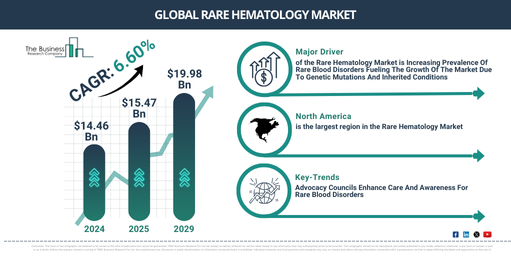
    The rare hematology market has experienced substantial expansion in recent years. This market is projected to expand from $14.46 billion in 2024 to $15.47 billion in 2025, demonstrating a compound annual growth rate (CAGR) of 7.0%. The expansion observed historically is attributable to factors such as the increasing availability of specialized treatment centers, a rise in academic research funding within hematology, heightened physician awareness regarding rare blood conditions, the growing utilization of biobanking and registries, and improved incidence reporting through enhanced surveillance systems.

    The rare hematology market is expected to demonstrate robust expansion over the next few years. It is projected to climb to $19.98 billion by 2029, experiencing a compound annual growth rate (CAGR) of 6.6%. This projected growth during the forecast period is driven by a burgeoning pipeline of targeted biologics, the increasing adoption of precision diagnostics, a rise in cross-border collaborations for rare disease research, the emergence of digital platforms for patient support, and a growing focus on preventive genetic counseling. Prominent trends throughout the forecast period include advancements in immunotherapy approaches, improvements in stem cell transplantation methods, the integration of digital health platforms within hematology, technology-driven drug discovery models, and progress in biomarker-based diagnostics.

    Unlock Your Free Sample Report for Exclusive Market Data:

    https://www.thebusinessresearchcompany.com/sample.aspx?id=28318&type=smp

    Which Factors And Drivers Are Influencing The Rare Hematology Market In 2025?

    The growing incidence of rare blood disorders is anticipated to stimulate the expansion of the rare hematology market moving forward. These rare blood disorders are defined as uncommon medical conditions that impact the creation, function, or longevity of blood cells or clotting factors, resulting in issues such as anemia, bleeding, or hemolysis. The increasing occurrence of rare blood disorders is attributed to genetic mutations and inherited conditions, as defective genes are passed down from parents to children. Rare hematology addresses these conditions by providing specialized diagnostic methods and targeted treatments, making it well-suited for managing unusual and complex medical situations. It helps minimize disease complications through precise therapeutic interventions and ongoing patient support, thereby enhancing health outcomes and overall quality of life. For instance, in April 2024, according to the Perth Blood Institute, an Australia-based non-profit organization, the population identified with hemophilia (a genetic blood disorder where blood lacks proper clotting factors, causing prolonged bleeding) reached 257,146 in 2022, an increase from 233,577 in 2021. Thus, the rising prevalence of rare blood disorders is a key factor driving the growth of the rare hematology market.

    What Are The Leading Segments Analyzed In The Rare Hematology Market?

    The rare hematology market covered in this report is segmented as

    1) By Disease Type: Hemophilia, Sickle Cell Disease, Thalassemia, Myelodysplastic Syndromes, Other Disease Types

    2) By Treatment Type: Gene Therapy, Stem Cell Transplantation, Blood Transfusion, Pharmacotherapy

    3) By Diagnostic Technique: Laboratory Tests, Blood Tests, Bone Marrow Biopsies, Imaging Techniques, Magnetic Resonance Imaging (MRI) Scans, Ultrasounds, Genetic Testing, Carrier Screening, Whole Genome Sequencing

    4) By Application: Pediatric, Adult

    5) By End-User: Hospitals, Specialty Clinics, Research Institutes

    Subsegments:

    1) By Hemophilia: Hemophilia A, Hemophilia B, Hemophilia C, Acquired Hemophilia

    2) By Sickle Cell Disease: Sickle Cell Anemia, Sickle Hemoglobin C Disease, Sickle Beta Thalassemia

    3) By Thalassemia: Alpha Thalassemia, Beta Thalassemia

    4) By Myelodysplastic Syndromes: Refractory Anemia (RA), Refractory Anemia With Ring Sideroblasts (RARS), Refractory Cytopenia With Multilineage Dysplasia (RCMD), Refractory Anemia With Excess Blasts (RAEB), Myelodysplastic Syndrome With Isolated Del(5Q), Unclassified Myelodysplastic Syndromes

    5) By Other Disease Types: Aplastic Anemia, Paroxysmal Nocturnal Hemoglobinuria, Rare Coagulation Disorders

    Which Trends Are Impacting The Rare Hematology Market?

    Prominent companies within the rare hematology market are directing their efforts toward creating innovative therapies and implementing strategic initiatives, such as multi-stakeholder advocacy councils. These actions are designed to meet unmet medical needs, bolster patient support, and advance cross-indication solutions. Multi-stakeholder advocacy councils involve collaboration among patients, caregivers, and specialists to enhance care, raise awareness, and develop solutions for particular health conditions. A notable example occurred in February 2023, when Agios Pharmaceuticals Inc., a US-based biopharmaceutical company, introduced the Red Cell Revolution advocacy advisory council. This initiative gathers patients, caregivers, and healthcare professionals impacted by rare hemolytic anemias like pyruvate kinase deficiency, thalassemia, and sickle cell disease. Its core mission is to strengthen community ties, generate published evidence, formulate practical solutions, and increase understanding of common challenges. Activities within this initiative encompass sponsored podcasts, video content production, and collaborations with organizations such as the National Organization for Rare Disorders to promote health equity and education.

    Which Major Firms Are Strengthening Their Position In The Rare Hematology Industry?

    Major companies operating in the rare hematology market are F. Hoffmann-La Roche Ltd, Pfizer Inc., Abbvie Inc., Bayer AG, Sanofi S.A., Novartis AG, Astrazeneca Plc, Bristol-Myers Squibb Company, Takeda Pharmaceutical Company Limited, Amgen Inc., CSL Behring LLC, Biogen Inc., Jazz Pharmaceuticals Plc, Octapharma AG, PharmaEssentia Corporation, Disc Medicine Inc., BioInvent International AB, Mustang Bio Inc., BlueSphere Bio Inc., and Rallybio LLC.

    Download The Full Report For Exclusive Market Findings:

    https://www.thebusinessresearchcompany.com/report/rare-hematology-global-market-report

    Which Region Shows The Highest Potential For Future Expansion In The Rare Hematology Market?

    North America was the largest region in the rare hematology market in 2024. Asia-Pacific is expected to be the fastest-growing region in the forecast period. The regions covered in rare hematology report are Asia-Pacific, Western Europe, Eastern Europe, North America, South America, Middle East and Africa.

    Request A Customized Version Of The Rare Hematology Market Report:

    https://www.thebusinessresearchcompany.com/customise?id=28318&type=smp

    Browse Through More Reports Similar to the Global Rare Hematology Market 2025, By The Business Research Company

    Hematology Drug Global Market Report 2025

    https://www.thebusinessresearchcompany.com/report/hematology-drug-global-market-report

    Rare Disease Diagnostics Global Market Report 2025

    https://www.thebusinessresearchcompany.com/report/rare-disease-diagnostics-global-market-report

    Hemato Oncology Testing Global Market Report 2025

    https://www.thebusinessresearchcompany.com/report/hemato-oncology-testing-global-market-report

    Get in touch with us:

    The Business Research Company: https://www.thebusinessresearchcompany.com/

    Americas +1 310-496-7795

    Asia +44 7882 955267 & +91 8897263534

    Europe +44 7882 955267

    Email us at info@tbrc.info

    Follow us on:

    LinkedIn: https://in.linkedin.com/company/the-business-research-company

    YouTube: https://www.youtube.com/channel/UC24_fI0rV8cR5DxlCpgmyFQ

    Global Market Model: https://www.thebusinessresearchcompany.com/global-market-model
  • Global Rare Endocrine Disease Treatment Industry Trends: Where the Market Is Headed by 2029

    Global Rare Endocrine Disease Treatment Industry Trends: Where the Market Is Headed by 2029

    Unlock Global Insights – Save 20% on Market Reports with Code ONLINE20

    How Is The Rare Endocrine Disease Treatment Market Size Likely To Evolve From 2025 Through 2034?

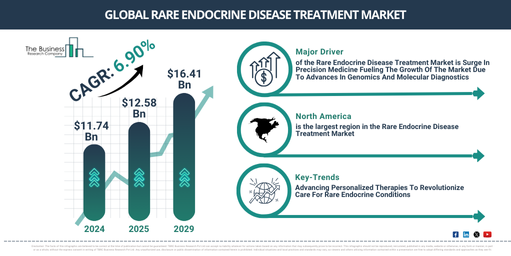
    The rare endocrine disease treatment market size has shown substantial growth in recent years. It is anticipated to expand from $11.74 billion in 2024 to $12.58 billion in 2025, exhibiting a compound annual growth rate (CAGR) of 7.2%. The historical development of this market can be attributed to heightened awareness of rare endocrine conditions, an escalating demand for hormone replacement therapies, the increasing incidence of genetic and hormonal disorders, a growing emphasis on specialized treatment centers, and increased funding directed towards rare disease research.

    The rare endocrine disease treatment market size is projected to experience substantial expansion in the coming years. Its valuation is anticipated to reach $16.41 billion by 2029, growing at a compound annual growth rate (CAGR) of 6.9%. This projected expansion is driven by several factors, including the rising creation of biologics and targeted therapies, a heightened emphasis on care centered around patients, increased financial commitments from pharmaceutical firms, an escalating need for digital health solutions and telemedicine in managing rare diseases, and enhanced government and non-profit assistance initiatives. Key developments expected during this period involve the incorporation of artificial intelligence into diagnostic and treatment strategies, enhancements in telemedicine platforms for managing chronic conditions, new developments in biologic and peptide-based treatments, progress in genetic and molecular investigations, and improvements in technologies for patient monitoring.

    Unlock Your Free Sample Report for Exclusive Market Data:

    https://www.thebusinessresearchcompany.com/sample.aspx?id=28315&type=smp

    Which Drivers Are Shaping The Rare Endocrine Disease Treatment Industry’s Market Share?

    The increasing emphasis on precision medicine is anticipated to drive expansion in the rare endocrine disease treatment market. Precision medicine represents a medical approach that customizes prevention, diagnosis, and treatment plans based on an individual’s genetic makeup, lifestyle, and environment. This heightened focus on precision medicine is due to advancements in genomics, enabling more accurate identification of disease mechanisms and tailored treatment strategies for individual patients. It supports the treatment of rare endocrine diseases by personalizing therapies according to a patient’s genetic, molecular, and hormonal profile, which allows for precise diagnoses and targeted interventions that enhance effectiveness and minimize side effects. For instance, in February 2024, the Personalized Medicine Coalition, a US-based non-profit organization, reported that in 2023, the United States Food and Drug Administration (FDA) approved 16 new personalized treatments for rare disease patients, marking an increase from six in 2022. The newly approved personalized treatments for 2023 also included seven cancer drugs and three for other diseases and conditions. Therefore, the rising focus on precision medicine is driving the growth of the rare endocrine disease treatment market.

    What Are The Primary Types Of Segments Analyzed In The Rare Endocrine Disease Treatment Market?

    The rare endocrine disease treatment market covered in this report is segmented as

    1) By Type: Biologics, Organic Compounds

    2) By Treatment: Hormone Replacement Therapy, Radiotherapy, Surgery, Targeted Therapy, Immunotherapy

    3) By Disease: Cushing’s Syndrome, Addison’s Disease, Acromegaly, Other Diseases

    4) By Distribution Channel: Hospital Pharmacies, Retail Pharmacies, Online Pharmacies, Direct Sales, Other Distribution Channels

    5) By End-User: Hospitals, Specialty Clinics, Research Institutes, Other End-Users

    Subsegments:

    1) By Biologics: Monoclonal Antibodies, Recombinant Proteins, Enzyme Replacement Therapies, Vaccines

    2) By Organic Compounds: Small Molecule Drugs, Peptide-Based Drugs, Steroidal Compounds, Non-Steroidal Compounds

    How Are Trends Influencing The Rare Endocrine Disease Treatment Market?

    Leading companies in the rare endocrine disease treatment market are focusing on developing advanced therapies, such as parathyroid hormone (PTH) prodrugs, to boost treatment efficacy and extend therapeutic duration for patients. PTH prodrugs are hormone-based treatments where polyethylene glycol (PEG) is attached to PTH, designed to improve stability, prolong circulation time, and deliver longer-lasting therapeutic effects for endocrine disorders. For instance, in August 2024, Ascendis Pharma A/S, a biopharmaceutical company from Denmark, received approval from the U.S. Food and Drug Administration (FDA) for YORVIPATH, the first and only treatment available for adult hypoparathyroidism, a rare endocrine disorder affecting an estimated 70,000 to 90,000 people in the United States. These medications provide continuous parathyroid hormone (PTH) exposure via Ascendis’ once-daily TransCon prodrug technology, which is engineered to extend pharmacodynamic activity through pegylation, decrease dosing frequency, and aid in normalizing serum calcium levels while minimizing dependence on conventional therapies. The phase 3 clinical trial results for this treatment indicated that many patients achieved normal calcium levels without needing extra vitamin D or high doses of calcium, representing a significant improvement over standard treatment methods. This therapy enhances clinical outcomes and improves the quality of life for adults with hypoparathyroidism by addressing both short- and long-term complications.

    Who Are The Core Companies Influencing The Rare Endocrine Disease Treatment Market Landscape?

    Major companies operating in the rare endocrine disease treatment market are Pfizer Inc., Bayer AG, AstraZeneca PLC, Eli Lilly and Company, Novo Nordisk A/S, Sandoz Group AG, Alexion Pharmaceuticals Inc., Ipsen S.A., Kyowa Kirin Co. Ltd., BioMarin Pharmaceutical Inc., Recordati S.p.A., Camurus AB, EMD Serono Inc., Corcept Therapeutics Inc., Ascendis Pharma A/S, Inozyme Pharma Inc., Spruce Biosciences Inc., MBX Biosciences Inc., Crinetics Pharmaceuticals Inc., Tiburio Therapeutics Inc.

    Download The Full Report For Exclusive Market Findings:

    https://www.thebusinessresearchcompany.com/report/rare-endocrine-disease-treatment-global-market-report

    Which Region Is Projected To Lead The Rare Endocrine Disease Treatment Market During The Forecast Period?

    North America was the largest region in the rare endocrine disease treatment market in 2024. Asia-Pacific is expected to be the fastest-growing region in the forecast period. The regions covered in rare endocrine disease treatment report are Asia-Pacific, Western Europe, Eastern Europe, North America, South America, Middle East and Africa.

    Request A Customized Version Of The Rare Endocrine Disease Treatment Market Report:

    https://www.thebusinessresearchcompany.com/customise?id=28315&type=smp

    Browse Through More Reports Similar to the Global Rare Endocrine Disease Treatment Market 2025, By The Business Research Company

    Rare Diseases Treatment Global Market Report 2025

    https://www.thebusinessresearchcompany.com/report/rare-diseases-treatment-global-market-report

    Neuroendocrine Tumor Treatment Global Market Report 2025

    https://www.thebusinessresearchcompany.com/report/neuroendocrine-tumor-treatment-global-market-report

    Rare Inflammatory Disease Treatment Global Market Report 2025

    https://www.thebusinessresearchcompany.com/report/rare-inflammatory-disease-treatment-global-market-report

    Get in touch with us:

    The Business Research Company: https://www.thebusinessresearchcompany.com/

    Americas +1 310-496-7795

    Asia +44 7882 955267 & +91 8897263534

    Europe +44 7882 955267

    Email us at info@tbrc.info

    Follow us on:

    LinkedIn: https://in.linkedin.com/company/the-business-research-company

    YouTube: https://www.youtube.com/channel/UC24_fI0rV8cR5DxlCpgmyFQ

    Global Market Model: https://www.thebusinessresearchcompany.com/global-market-model

  • Global Rare Disease Community App Market Size Projected to Reach $1.51 Billion During the Forecast Period

    Global Rare Disease Community App Market Size Projected to Reach $1.51 Billion During the Forecast Period

    Unlock Global Insights – Save 20% on Market Reports with Code ONLINE20

    By How Much Is The Rare Disease Community App Market Expected To Expand Between 2025 And 2029?

    The rare disease community app market size has experienced rapid expansion in recent years. It is projected to climb from $0.81 billion in 2024 to $0.92 billion in 2025, demonstrating a compound annual growth rate (CAGR) of 13.7%. This past growth can be attributed to several factors, including enhanced patient engagement via online communities, increased reliance on mobile applications for health monitoring, greater availability of educational resources pertaining to rare diseases, a stronger focus on collecting data from patient-reported outcomes, and rising confidence in secure data-sharing platforms.

    The rare disease community app market is projected to expand quickly over the coming years, reaching a valuation of $1.52 billion by 2029, exhibiting a compound annual growth rate (CAGR) of 13.3%. This anticipated growth is driven by several factors, including the increasing integration of wearable devices with community applications, the expanded use of blockchain for secure patient data management, a rising demand for multi-language support within apps, a greater emphasis on virtual clinical trial recruitment via apps, and the incorporation of more gamification features to improve patient engagement. Key trends expected during this period encompass the integration of artificial intelligence–based chatbots, blockchain-enabled data security systems, the adoption of cloud-native microservices architecture, enhanced interoperability with electronic health records (EHRs), and the incorporation of genomic data analytics.

    Unlock Your Free Sample Report for Exclusive Market Data:

    https://www.thebusinessresearchcompany.com/sample.aspx?id=28312&type=smp

    Which Drivers Are Impacting The Rare Disease Community App Market?

    The expanding use of digital health technologies is anticipated to fuel the expansion of the rare disease community app market moving ahead. These solutions encompass the application of technology, software, and digital instruments to enhance healthcare provision, administration, and patient results. Their growing popularity stems from better patient oversight, facilitated by real-time data tracking and more tailored healthcare management. Digital health solutions expedite the uptake of rare disease community apps by providing easy access to virtual care, current health data, and customized tools, thereby increasing the value of these platforms for users. As an illustration, a survey by Rock Health, a US-based healthcare organization, revealed in February 2023 that, based on their 2022 Digital Health Consumer Adoption Survey, 80% of individuals surveyed had utilized telemedicine at least once in 2022. This marked an increase from 72% in 2021, showing an 8-percentage-point rise. Consequently, the rising acceptance of digital health solutions is propelling the expansion of the rare disease community app market.

    What Are The Major Segments Identified In The Rare Disease Community App Market?

    The rare disease community app market covered in this report is segmented as

    1) By Platform: iPhone Operating System, Android, Web-Based

    2) By Deployment Mode: Cloud-Based, On-Premises

    3) By Application: Patient Support, Disease Management, Clinical Trial Recruitment, Information Sharing, Other Applications

    4) By End-User: Patients, Caregivers, Healthcare Professionals, Researchers, Other End-Users

    Subsegments:

    1) By iPhone Operating System: iPhone App Store Apps, iPad Optimized Apps, Universal iOS Apps

    2) By Android: Google Play Store Apps, Android Tablet Apps, Hybrid Android Apps

    3) By Web-Based: Browser-Based Platforms, Progressive Web Apps (PWAs), Cloud-Hosted Web Portals

    Which Competitive Trends Are Defining The Rare Disease Community App Market Structure?

    Leading companies active in the rare disease community app market are spearheading digital transformation efforts by integrating advanced technologies, such as natural language processing (NLP) analytics. This integration aims to enhance patient participation, improve communication with healthcare providers, and deliver more effective solutions for managing diseases. Natural language processing (NLP) analytics refers to the application of artificial intelligence algorithms to comprehend, interpret, and condense human language data for generating actionable insights. As an illustration, in December 2024, Know Rare, Inc., a UK-based health technology company, introduced the HealthStoryAI app to assist individuals affected by rare diseases. The app enables users to log and monitor their daily health experiences, providing a structured method for tracking symptoms and health patterns. Utilizing AI, it automatically summarizes patient-reported experiences, simplifying the review of health trends over time. HealthStoryAI also offers personalized insights that help both patients and healthcare providers identify patterns and make informed care decisions. Fundamentally, the app empowers the rare disease community with tools for improved self-management and optimized healthcare services.

    Which Key Players Are Driving Competition In The Rare Disease Community App Market?

    Major companies operating in the rare disease community app market are Novartis AG, Takeda Pharmaceutical Company Limited, The Mighty Networks Inc., PicnicHealth Inc., Medisafe Inc., FDNA Inc., RareConnect, Carenity SAS, MyHealthTeam Inc., CureDuchenne Inc., Aparito Limited, Healp Inc., ThinkGenetic Inc., Know Rare Inc., OpenApp Limited, Rare Patient Voice LLC, Inspire Inc., Mejo Inc., RareGuru LLC, and Xperiome Ltd.

    Download The Full Report For Exclusive Market Findings:

    https://www.thebusinessresearchcompany.com/report/rare-disease-community-app-global-market-report

    Which Region Currently Holds The Largest Share Of The Rare Disease Community App Market?

    North America was the largest region in the rare disease community app market in 2024. Asia-Pacific is expected to be the fastest-growing region in the forecast period. The regions covered in rare disease community app report are Asia-Pacific, Western Europe, Eastern Europe, North America, South America, Middle East and Africa.

    Request A Customized Version Of The Rare Disease Community App Market Report:

    https://www.thebusinessresearchcompany.com/customise?id=28312&type=smp

    Browse Through More Reports Similar to the Global Rare Disease Community App Market 2025, By The Business Research Company

    Disease Management Apps Global Market Report 2025

    https://www.thebusinessresearchcompany.com/report/disease-management-apps-global-market-report

    Rare Disease Diagnostics Global Market Report 2025

    https://www.thebusinessresearchcompany.com/report/rare-disease-diagnostics-global-market-report

    Rare Diseases Treatment Global Market Report 2025

    https://www.thebusinessresearchcompany.com/report/rare-diseases-treatment-global-market-report

    Get in touch with us:

    The Business Research Company: https://www.thebusinessresearchcompany.com/

    Americas +1 310-496-7795

    Asia +44 7882 955267 & +91 8897263534

    Europe +44 7882 955267

    Email us at info@tbrc.info

    Follow us on:

    LinkedIn: https://in.linkedin.com/company/the-business-research-company

    YouTube: https://www.youtube.com/channel/UC24_fI0rV8cR5DxlCpgmyFQ

    Global Market Model: https://www.thebusinessresearchcompany.com/global-market-model

  • Rare Disease Clinical Trials Industry Anticipated to Expand at 10% CAGR During the Forecast Period

    Rare Disease Clinical Trials Industry Anticipated to Expand at 10% CAGR During the Forecast Period

    Unlock Global Insights – Save 20% on Market Reports with Code ONLINE20

    #What Is The Projected Market Size Of The Rare Disease Clinical Trials Market By 2029?

    The rare disease clinical trials market has experienced rapid expansion in recent years. It is forecast to grow from $12.06 billion in 2024 to $13.30 billion in 2025, achieving a compound annual growth rate (CAGR) of 10.3%. This historical market growth can be attributed to several factors: increasing awareness of genetic disorders among healthcare providers, a rising demand for specialized patient monitoring during trials, the advancement of personalized medicine approaches, the growing adoption of patient-centric trial methodologies, and an increasing need for global multi-center clinical studies.

    The rare disease clinical trials market is projected for significant expansion in the coming years, with its size anticipated to reach $19.45 billion by 2029, exhibiting a compound annual growth rate (CAGR) of 10.0%. This projected growth is attributed to several factors, including an increase in rare disease therapies progressing into clinical trials, greater regulatory support for orphan drug approvals, the development of more disease-specific patient registries and databases, a rise in cross-border clinical trials and multi-center studies, and enhanced funding initiatives for rare disease research infrastructure. Major trends expected during this forecast period include the advanced utilization of decentralized trial models, innovative strategies for patient recruitment, the integration of real-world evidence into trial designs, the continued development of precision medicine approaches, and a growing adoption of digital health technologies.

    Unlock Your Free Sample Report for Exclusive Market Data:

    https://www.thebusinessresearchcompany.com/sample.aspx?id=28311&type=smp

    Which Industry Drivers Are Expected To Accelerate The Rare Disease Clinical Trials Market From 2025 To 2029?

    The emergence of personalized medicine is anticipated to propel the expansion of the rare disease clinical trials market going forward. Personalized medicine involves customizing medical treatment to the distinct characteristics of each patient, including their genetics, lifestyle, and environment. The rise in personalized medicine is a result of improved treatment outcomes, as it tailors therapies to individual patient profiles for greater effectiveness and safety. Rare disease clinical trials contribute to personalized medicine by generating patient-specific insights that inform the development of targeted therapies uniquely designed for each individual’s genetic and molecular profile. For instance, in February 2024, data from the Personalized Medicine Coalition (PMC), a US-based nonprofit organization, indicated that the Food and Drug Administration (FDA) reported personalized medicines accounted for 34% of approvals in 2022, which subsequently increased to 38% in 2023. Consequently, the expansion of personalized medicine is a key driver for the growth of the rare disease clinical trials market.

    What Are The Emerging Segments Gaining Attention In The Rare Disease Clinical Trials Market?

    The rare disease clinical trials market covered in this report is segmented as

    1) By Phase: Phase I, Phase II, Phase III, Phase IV

    2) By Therapeutic Area: Oncology, Cardiovascular Disorders, Neurological Disorders, Infectious Disease, Genetic Disorders, Autoimmune And Inflammation, Hematologic Disorders, Musculoskeletal Disorders, Other Therapeutic Areas

    3) By Study Design: Interventional, Observational, Expanded Access

    4) By End-User: Pharmaceutical Companies, Biotechnology Companies, Research Institutes, Other End-Users

    Subsegments:

    1) By Phase I: First In Human Trials, Dose Escalation Studies, Safety And Tolerability Studies

    2) By Phase II: Proof Of Concept Studies, Dose Response Studies, Efficacy And Safety Studies

    3) By Phase III: Randomized Controlled Trials, Comparative Effectiveness Studies, Large Scale Multicenter Trials

    4) By Phase IV: Post Marketing Surveillance, Long Term Safety Studies, Real World Evidence Studies

    What Are The Latest Industry Trends Transforming The Rare Disease Clinical Trials Market?

    Major companies in the rare disease clinical trials market are focusing on implementing innovations, including adopting a client-focused strategy to deliver personalized trial designs, enhancing patient engagement, and accelerating the development of targeted therapies for rare conditions. This client-focused strategy involves prioritizing the needs, objectives, and preferences of biotech and pharmaceutical clients to provide customized and effective clinical trial solutions. For example, in March 2025, Evestia Clinical Limited, a US-based pharmaceutical research company, was launched as the new brand identity for EMAS Pharma. This rebranding represents a strategic move aimed at accelerating the company’s global expansion. Evestia Clinical Limited is committed to expediting the development of therapies for rare diseases by offering expert-led, personalized clinical trial solutions tailored to the unique challenges of these conditions, with this focus being a core part of its brand identity and service offering.

    Who Are The Top Performing Companies In The Rare Disease Clinical Trials Market In Recent Years?

    Major companies operating in the rare disease clinical trials market are F. Hoffmann-La Roche AG, Pfizer Inc., Novartis AG, AstraZeneca plc, Takeda Pharmaceutical Company Limited, IQVIA Holdings Inc., Laboratory Corporation of America Holdings, ICON plc, Moderna Inc., Charles River Laboratories International Inc., Parexel International Corporation, Revvity Inc., Sarepta Therapeutics Inc., TFS HealthScience, Inventiva S.A., Tonix Pharmaceuticals Holding Corp., SpringWorks Therapeutics Inc., OrphAI Therapeutics Inc., BBCR Consulting LLC, and Credevo Inc.

    Download The Full Report For Exclusive Market Findings:

    https://www.thebusinessresearchcompany.com/report/rare-disease-clinical-trials-global-market-report

    What Regional Growth Trends Are Shaping The Rare Disease Clinical Trials Market Outlook?

    North America was the largest region in the rare disease clinical trials market in 2024. The regions covered in rare disease clinical trials report are Asia-Pacific, Western Europe, Eastern Europe, North America, South America, Middle East and Africa.

    Request A Customized Version Of The Rare Disease Clinical Trials Market Report:

    https://www.thebusinessresearchcompany.com/customise?id=28311&type=smp

    Browse Through More Reports Similar to the Global Rare Disease Clinical Trials Market 2025, By The Business Research Company

    Rare Diseases Treatment Global Market Report 2025

    https://www.thebusinessresearchcompany.com/report/rare-diseases-treatment-global-market-report

    Rare Disease Diagnostics Global Market Report 2025

    https://www.thebusinessresearchcompany.com/report/rare-disease-diagnostics-global-market-report

    Rare Inflammatory Disease Treatment Global Market Report 2025

    https://www.thebusinessresearchcompany.com/report/rare-inflammatory-disease-treatment-global-market-report

    Get in touch with us:

    The Business Research Company: https://www.thebusinessresearchcompany.com/

    Americas +1 310-496-7795

    Asia +44 7882 955267 & +91 8897263534

    Europe +44 7882 955267

    Email us at info@tbrc.info

    Follow us on:

    LinkedIn: https://in.linkedin.com/company/the-business-research-company

    YouTube: https://www.youtube.com/channel/UC24_fI0rV8cR5DxlCpgmyFQ

    Global Market Model: https://www.thebusinessresearchcompany.com/global-market-model

  • Global Rare Dermatological Disease Treatment Market Projected to Expand at 6.2% CAGR by 2029

    Global Rare Dermatological Disease Treatment Market Projected to Expand at 6.2% CAGR by 2029

    Unlock Global Insights – Save 20% on Market Reports with Code ONLINE20

    How Much Was The Rare Dermatological Disease Treatment Market Worth In 2025, And What Is Its Anticipated Value By 2029?

    The rare dermatological disease treatment market size has shown significant expansion in recent years. It is anticipated to increase from $5.24 billion in 2024 to $5.57 billion in 2025, registering a compound annual growth rate (CAGR) of 6.4%. The drivers behind this growth in prior periods include increased patient awareness, a rising incidence of rare diseases, greater adoption of specialized treatments, the expansion of hospital and clinic infrastructure, and growing healthcare expenditure.

    The rare dermatological disease treatment market is projected to experience substantial expansion in the coming years. It is forecast to reach $7.08 billion by 2029, exhibiting a compound annual growth rate (CAGR) of 6.2%. This anticipated growth during the forecast period is propelled by factors such as an escalating demand for personalized medicine, the increasing integration of digital health technologies, greater investment in specialty drugs, the broader availability of telemedicine services, and an enhanced emphasis on patient-centric care. Key trends expected within this period encompass ongoing technological advancements, progress in targeted biologics, heightened investment in research and development, novel approaches in small molecule inhibitors, and the emergence of advanced therapeutics.

    Unlock Your Free Sample Report for Exclusive Market Data:

    https://www.thebusinessresearchcompany.com/sample.aspx?id=28310&type=smp

    What Are The Top Growth Drivers Impacting The Rare Dermatological Disease Treatment Market Outlook?

    The rising count of diagnosed cases of rare dermatological disorders is projected to stimulate the expansion of the rare dermatological disease treatment market. Infrequent skin conditions, including epidermolysis bullosa, pemphigus vulgaris, and cutaneous lupus erythematosus, impact a small portion of the populace yet demand specialized attention and targeted interventions. Advancements in genetic analysis, increased disease awareness, and prompt diagnosis have contributed to a greater number of identified instances worldwide. This heightened recognition generates a need for innovative therapies, such as gene therapies, advanced biologics, and supportive care solutions, designed to manage symptoms, foster wound healing, and improve patient outcomes. For instance, in January 2025, according to a CDC, a US-based public health agency, Vyjuvek (beremagene geperpavec-svdt), a redosable gene therapy for dystrophic epidermolysis bullosa, demonstrated significant wound closure in clinical studies, showcasing the profound effect of novel treatments on patient care. Therefore, the increasing occurrences of rare skin conditions are propelling the growth of the rare dermatological disease treatment market.

    What Are The Major Segment Types Covered In The Rare Dermatological Disease Treatment Market?

    The rare dermatological disease treatment market covered in this report is segmented as

    1) By Indication: Systemic Sclerosis, Epidermolysis Bullosa, Pemphigus Vulgaris, Cutaneous Lupus Erythematosus

    2) By Treatment: Corticosteroid, Immunosuppressants, Anti-Inflammatory Agents, Other Treatments

    3) By Distribution Channel: Hospital Pharmacies, Retail Pharmacies, Online Pharmacies

    4) By Technology: Gene Therapy, Stem Cell Therapy, Nanotechnology

    5) By Application: Epidermolysis Bullosa, Ichthyosis, Psoriasis, Other Rare Skin Conditions

    Subsegments:

    1) Systemic Sclerosis: Limited Cutaneous Systemic Sclerosis, Diffuse Cutaneous Systemic Sclerosis, Sine Scleroderma

    2) Epidermolysis Bullosa: Epidermolysis Bullosa Simplex, Junctional Epidermolysis Bullosa, Dystrophic Epidermolysis Bullosa, Kindler Syndrome

    3) Pemphigus Vulgaris: Mucosal Pemphigus Vulgaris, Mucocutaneous Pemphigus Vulgaris, Cutaneous Pemphigus Vulgaris

    4) Cutaneous Lupus Erythematosus: Acute Cutaneous Lupus Erythematosus, Subacute Cutaneous Lupus Erythematosus, Chronic Cutaneous Lupus Erythematosus (Discoid Lupus)

    What Trends Are Redefining The Rare Dermatological Disease Treatment Market Dynamics?

    Major companies in the rare dermatological disease treatment market are focusing on developing intelligent and advanced gene therapy technologies, such as redosable gene therapy, to enhance patient outcomes, simplify treatment procedures, and improve quality of life. A redosable gene therapy delivers functional COL7A1 genes directly to affected skin regions, allowing for repeated, noninvasive applications, sustained protein restoration, and accelerated wound closure. For instance, in May 2023, Krystal Biotech, a U.S.-based biotechnology company, launched Vyjuvek (beremagene geperpavec-svdt) for treating dystrophic epidermolysis bullosa. The product demonstrated that 65% of treated wounds achieved complete closure at 24 weeks, compared to 26% with placebo, enables once-weekly application to selected wounds, and reduces the need for surgical interventions. Vyjuvek also provides a noninvasive, clinic-administered option, although it requires specialized cold-chain storage to maintain its efficacy.

    Which Leading Companies Dominate The Rare Dermatological Disease Treatment Market Share?

    Major companies operating in the rare dermatological disease treatment market are Kyowa Kirin, Johnson and Johnson company, F. Hoffmann-La Roche Limited, Merck KGaA, Arcutis Biotherapeutics, Pfizer Inc., Abbvie, Sanofi, Novartis AG, AstraZeneca, Eli lilly and company, Amgen, Bristol Myers Squibb Company, Pierre Fabre Laboratories, LEO Pharma, Almirall, Castle Creek Biosciences, Inc., Azitra, Krystal Biotech, Inc., Avita Medical, NS Pharma, Replay, Eloxx Pharmaceuticals, Kamari Pharma, BPGbio.

    Download The Full Report For Exclusive Market Findings:

    https://www.thebusinessresearchcompany.com/report/rare-dermatological-disease-treatment-global-market-report

    Which Regional Markets Are Contributing Most To The Rare Dermatological Disease Treatment Industry Expansion?

    North America was the largest region in the personalized genomics market in 2024. Asia-Pacific is expected to be the fastest-growing region in the forecast period. The regions covered in rare dermatological disease treatment report are Asia-Pacific, Western Europe, Eastern Europe, North America, South America, Middle East and Africa.

    Request A Customized Version Of The Rare Dermatological Disease Treatment Market Report:

    https://www.thebusinessresearchcompany.com/customise?id=28310&type=smp

    Browse Through More Reports Similar to the Global Rare Dermatological Disease Treatment Market 2025, By The Business Research Company

    Rare Diseases Treatment Global Market Report 2025

    https://www.thebusinessresearchcompany.com/report/rare-diseases-treatment-global-market-report

    Rare Inflammatory Disease Treatment Global Market Report 2025

    https://www.thebusinessresearchcompany.com/report/rare-inflammatory-disease-treatment-global-market-report

    Veterinary Dermatology Drugs Global Market Report 2025

    https://www.thebusinessresearchcompany.com/report/veterinary-dermatology-drugs-global-market-report

    Get in touch with us:

    The Business Research Company: https://www.thebusinessresearchcompany.com/

    Americas +1 310-496-7795

    Asia +44 7882 955267 & +91 8897263534

    Europe +44 7882 955267

    Email us at info@tbrc.info

    Follow us on:

    LinkedIn: https://in.linkedin.com/company/the-business-research-company

    YouTube: https://www.youtube.com/channel/UC24_fI0rV8cR5DxlCpgmyFQ

    Global Market Model: https://www.thebusinessresearchcompany.com/global-market-model

  • Global Quantum-Enhanced Predictive Genomics Market 2025–2029: Competitive Insights and Opportunities

    Global Quantum-Enhanced Predictive Genomics Market 2025–2029: Competitive Insights and Opportunities

    Unlock Global Insights – Save 20% on Market Reports with Code ONLINE20

    What Is The Expected Total Market Size Of The Quantum-Enhanced Predictive Genomics Industry By The Forecast Year 2029?

    The quantum-enhanced predictive genomics market has seen substantial growth in recent years. It is projected to expand from $1.45 billion in 2024 to reach $1.95 billion in 2025, recording a compound annual growth rate (CAGR) of 34.1%. This historical expansion can be primarily attributed to factors such as the increasing demand for precision medicine, the growing complexity of genomic data, enhanced investments in quantum computing, broader applications in disease prediction, and stronger collaborations between the technology and healthcare sectors.

    The market for quantum-enhanced predictive genomics is projected to experience rapid expansion in the coming years. This market is forecast to reach $6.26 billion by 2029, exhibiting a compound annual growth rate (CAGR) of 33.8%. Several factors are driving this anticipated growth, including the expanding embrace of personalized healthcare, greater integration of artificial intelligence with quantum genomics, a heightened emphasis on early disease identification, increased research and development funding from both government and private entities, and the broader availability of sophisticated genomic datasets. Key trends anticipated during this period encompass progress in quantum machine learning models, advancements in genomic data encryption and security methods, the incorporation of multi-omics data into quantum analytics, the creation of cloud-native quantum genomics platforms, and partnerships forming between quantum technology companies and biotechnology enterprises.

    Unlock Your Free Sample Report for Exclusive Market Data:

    https://www.thebusinessresearchcompany.com/sample.aspx?id=28308&type=smp

    What Are The Main Drivers Boosting The Quantum-Enhanced Predictive Genomics Industry’s Expansion?

    The increasing demand for personalized medicine is projected to drive the future growth of the quantum-enhanced predictive genomics market. Personalized medicine entails customizing medical treatments, care, and prevention strategies according to an individual’s specific genetic, biological, and clinical profile. The heightened interest in personalized medicine arises from its proven ability to improve treatment effectiveness, with therapies specifically designed for an individual’s genetic makeup leading to better outcomes and reduced adverse effects. Quantum-enhanced predictive genomics facilitates personalized medicine by enabling ultra-fast analysis of complex genomic data, thereby allowing clinicians to devise highly accurate, individualized treatment and prevention strategies. For example, in 2024, NHS England, a UK-based public health system, reported that its NHS genomic medicine service delivered over 810,000 personalized genomic tests for patients, an 8% increase from 2023, showcasing the expanding clinical requirement for genomic-led care. Therefore, the escalating demand for personalized medicine is anticipated to propel the growth of the quantum-enhanced predictive genomics market.

    How Is The Quantum-Enhanced Predictive Genomics Market Segmented?

    The quantum-enhanced predictive genomics market covered in this report is segmented as

    1) By Technology: Quantum Computing, Quantum Machine Learning, Quantum Cryptography, Other Technologies

    2) By Deployment Mode: On-Premises, Cloud-Based

    3) By Application: Disease Risk Assessment, Drug Discovery, Personalized Medicine, Genomic Data Analysis, Other Applications

    4) By End-User: Pharmaceutical And Biotechnology Companies, Research Institutes, Healthcare Providers, Other End-Users

    Subsegments:

    1) By Quantum Computing: Gate Based Quantum Computing, Quantum Annealing, Topological Quantum Computing, Photonic Quantum Computing

    2) By Quantum Machine Learning: Supervised Learning, Unsupervised Learning, Reinforcement Learning, Deep Learning

    3) By Quantum Cryptography: Quantum Key Distribution, Quantum Random Number Generation, Quantum Secure Communication, Post Quantum Cryptography

    4) By Other Technologies: Quantum Sensors, Quantum Simulation, Quantum Networking, Hybrid Quantum Classical Systems

    Which Key Trends Are Expected To Influence The Quantum-Enhanced Predictive Genomics Market In The Coming Years?

    Major companies in the quantum-enhanced predictive genomics market are concentrating on innovations such as high-throughput genomic data processing to accelerate the identification of genetic variations, enhance predictive accuracy in personalized medicine, and enable faster, more precise analysis of complex genomic datasets. High-throughput genomic data processing refers to the rapid, large-scale analysis of genomic sequences utilizing advanced computational methods. For instance, in June 2025, Norma Group, a Germany-based developer and manufacturer of engineered and standardized joining and fluid-handling technology, joined forces with Seoul National University Bundang Hospital (SNUBH) to apply quantum algorithms to large-scale genomic analysis. The project aims to accelerate the detection of genetic mutations through quantum-enhanced combinatorial optimization, thereby improving both the speed and accuracy of genomic data processing beyond classical computing methods. Key applications include precision diagnostics, personalized treatment planning, and genetic risk assessment for diseases such as cancer and neurological disorders.

    Which Global Market Leaders Are Shaping The Future Of The Quantum-Enhanced Predictive Genomics Sector?

    Major companies operating in the quantum-enhanced predictive genomics market are Google LLC, Microsoft Corporation, Alibaba Group Holding Limited, Amazon Web Services Inc., Johnson & Johnson Services Inc., F. Hoffmann-La Roche AG, Accenture plc, IBM Corporation, Pfizer Inc., Bayer AG, AstraZeneca plc, GlaxoSmithKline plc, Honeywell International Inc., Fujitsu Limited, Eviden, Xanadu Quantum Technologies Inc., Pasqal SA, Rigetti Computing Inc., IonQ Inc., D-Wave Systems Inc.

    Download The Full Report For Exclusive Market Findings:

    https://www.thebusinessresearchcompany.com/report/quantum-enhanced-predictive-genomics-global-market-report

    Which Region Is Expected To Witness The Fastest Growth In The Quantum-Enhanced Predictive Genomics Market?

    North America was the largest region in the quantum-enhanced predictive genomics market in 2024. Asia-Pacific is expected to be the fastest-growing region in the forecast period. The regions covered in quantum-enhanced predictive genomics report are Asia-Pacific, Western Europe, Eastern Europe, North America, South America, Middle East and Africa.

    Request A Customized Version Of The Quantum-Enhanced Predictive Genomics Market Report:

    https://www.thebusinessresearchcompany.com/customise?id=28308&type=smp

    Browse Through More Reports Similar to the Global Quantum-Enhanced Predictive Genomics Market 2025, By The Business Research Company

    Quantum Machine Learning Global Market Report 2025

    https://www.thebusinessresearchcompany.com/report/quantum-machine-learning-global-market-report

    Quantum Computing In Healthcare Global Market Report 2025

    https://www.thebusinessresearchcompany.com/report/quantum-computing-in-healthcare-global-market-report

    Enterprise Quantum Computing Global Market Report 2025

    https://www.thebusinessresearchcompany.com/report/enterprise-quantum-computing-global-market-report

    Get in touch with us:

    The Business Research Company: https://www.thebusinessresearchcompany.com/

    Americas +1 310-496-7795

    Asia +44 7882 955267 & +91 8897263534

    Europe +44 7882 955267

    Email us at info@tbrc.info

    Follow us on:

    LinkedIn: https://in.linkedin.com/company/the-business-research-company

    YouTube: https://www.youtube.com/channel/UC24_fI0rV8cR5DxlCpgmyFQ

    Global Market Model: https://www.thebusinessresearchcompany.com/global-market-model
  • Global Population Genomics Market Analysis 2025–2029: Opportunities for Strategic Growth

    Global Population Genomics Market Analysis 2025–2029: Opportunities for Strategic Growth

    Unlock Global Insights – Save 20% on Market Reports with Code ONLINE20

    How Much Larger Is The Population Genomics Market Expected To Become By 2029 Compared With Its 2025 Level?

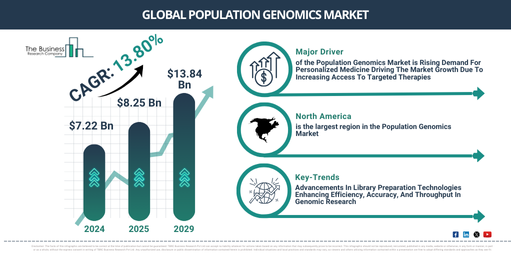
    The population genomics market has seen rapid expansion in recent years. It is anticipated to grow from $7.22 billion in 2024 to $8.25 billion in 2025, exhibiting a compound annual growth rate (CAGR) of 14.2%. The historical increase can be ascribed to several factors, including augmented investment in genomic research, the proliferation of genomic service providers, the rise of direct-to-consumer genomics services, an uptick in government funding for genomics initiatives, and the expansion of genomic research infrastructure.

    The population genomics market size is anticipated to experience substantial expansion in the forthcoming years. It is predicted to reach $13.84 billion by 2029, exhibiting a compound annual growth rate (CAGR) of 13.8%. This growth over the forecast period stems from factors such as the increasing prevalence of genetic disorders, a rise in cancer incidence, the escalating burden of rare diseases, the growing requirement for personalized medicine, and the enhanced integration of genomics into clinical diagnostics. Significant trends anticipated during this period involve advancements in next-generation sequencing, the progression of single-cell genomics, the incorporation of artificial intelligence in genomic analysis, the miniaturization of sequencing platforms, and improvements in bioinformatics tools.

    Unlock Your Free Sample Report for Exclusive Market Data:

    https://www.thebusinessresearchcompany.com/sample.aspx?id=28305&type=smp

    Which Drivers Are Supporting Growth Of The Population Genomics Market?

    The increasing need for personalized medicine is anticipated to fuel the expansion of the population genomics market in the future. Personalized medicine involves customizing medical treatments to an individual’s unique genetic makeup. This growing need is attributed to the falling costs of genomic technologies, which are making targeted therapies more widely accessible. Population genomics aids personalized medicine by uncovering genetic differences prevalent within particular groups, allowing healthcare professionals to tailor therapies and medications for enhanced efficacy and safety, considering an individual’s genetic profile. For example, in February 2024, data from the US-based non-profit organization, the Personalized Medicine Coalition, indicated that the FDA approved 16 novel personalized treatments for patients with rare diseases in 2023, a significant increase from the six approvals recorded in 2022. Consequently, the heightened demand for personalized medicine is propelling the development of the population genomics market.

    What Are The Segment Types Shaping The Population Genomics Market?

    The population genomics market covered in this report is segmented as

    1) By Product Service: Consumables, Instruments, Services, Software

    2) By Sample Type: Human, Animal, Plant, Microbial

    3) By Application: Pharmacogenomics, Disease Research, Ancestry And Evolution, Personalized Medicine, Other Applications

    4) By End-User: Academic And Research Institutes, Pharmaceutical And Biotechnology Companies, Hospitals And Clinics, Other End-Users

    Subsegments:

    1) By Consumables: Reagents, Kits, Probes And Assay Panels, Enzymes, Buffers And Media, Sample Collection And Storage Materials

    2) By Instruments: Sequencers, PCR And qPCR Instruments, Microarray Platforms, Sample Preparation And Extraction Instruments, Imaging Systems, Automation And Robotics Systems

    3) By Services: Sequencing Services, Genotyping Services, Bioinformatics And Data Analysis Services, Sample Preparation Services, Custom Assay Development

    4) By Software: Data Analysis Software, Genome Assembly Software, Variant Calling And Annotation Software, Cloud-Based Genomics Platforms, Laboratory Information Management Systems (LIMS)

    What Trends Are Expected To Drive The Population Genomics Market?

    Major companies engaged in the population genomics market are prioritizing the development of advanced solutions, including ultra-high throughput library preparation kits, to maintain exceptional consistency and accuracy across numerous samples. Ultra-high throughput library preparation kits are tools engineered to rapidly and efficiently prepare hundreds or thousands of DNA or RNA samples for sequencing within a unified workflow. For example, in October 2024, Twist Bioscience Corporation, a US-based biotechnology company, introduced FlexPrep, an ultra-high throughput library preparation kit specifically for population genomics. This product incorporates a unique Normalization by Ligation (NBL) technology that improves upon conventional enzymatic fragmentation methods. This technology obviates the need for laborious upfront sample quantification and permits early pooling and multiplexing of samples. Its integrated normalization and multiplexing features simplify the handling of varying sample quantities, thereby enhancing workflow efficiency and cutting per-sample costs for large-scale NGS projects. Furthermore, the kit includes a proprietary enzyme developed by Twist, supporting high-throughput processing at lower costs and encouraging the broader adoption of NGS in population genomics.

    Which Leading Players Are Enhancing Their Population Genomics Market Presence Worldwide?

    Major companies operating in the population genomics market are F. Hoffmann-La Roche Ltd., Thermo Fisher Scientific Inc., Labcorp Holdings Inc., Regeneron Pharmaceuticals Inc., Eurofins Scientific SE, Illumina Inc., Charles River Laboratories, Bio-Rad Laboratories Inc., QIAGEN N.V., Myriad Genetics Inc., Takara Bio Inc, BGI Genomics Co. Ltd., Invitae Corporation, 23andMe Inc., Color Genomics Inc., Helix OpCo LLC, Personalis Inc., Centogene N.V., Genomics England Limited, Veritas Genetics Inc., Genuity Science, Gene by Gene Ltd., Nebula Genomics Inc., Ancestry.com LLC.

    Download The Full Report For Exclusive Market Findings:

    https://www.thebusinessresearchcompany.com/report/population-genomics-global-market-report

    Which Region Shows The Highest Potential For Future Expansion In The Population Genomics Market?

    North America was the largest region in the population genomics market in 2024. Asia-Pacific is expected to be the fastest-growing region in the forecast period. The regions covered in population genomics report are Asia-Pacific, Western Europe, Eastern Europe, North America, South America, Middle East and Africa.

    Request A Customized Version Of The Population Genomics Market Report:

    https://www.thebusinessresearchcompany.com/customise?id=28305&type=smp

    Browse Through More Reports Similar to the Global Population Genomics Market 2025, By The Business Research Company

    Genomics Global Market Report 2025

    https://www.thebusinessresearchcompany.com/report/genomics-global-market-report

    Genomics Services Global Market Report 2025

    https://www.thebusinessresearchcompany.com/report/genomics-services-global-market-report

    Ai In Genomics Global Market Report 2025

    https://www.thebusinessresearchcompany.com/report/ai-in-genomics-global-market-report

    Get in touch with us:

    The Business Research Company: https://www.thebusinessresearchcompany.com/

    Americas +1 310-496-7795

    Asia +44 7882 955267 & +91 8897263534

    Europe +44 7882 955267

    Email us at info@tbrc.info

    Follow us on:

    LinkedIn: https://in.linkedin.com/company/the-business-research-company

    YouTube: https://www.youtube.com/channel/UC24_fI0rV8cR5DxlCpgmyFQ

    Global Market Model: https://www.thebusinessresearchcompany.com/global-market-model