Category: HealthcareServices

  • Revenue of the Merkel Cell Carcinoma Treatment Market Predicted to Achieve $4.69 Billion by 2030, Driven by 5.2% CAGR

    Revenue of the Merkel Cell Carcinoma Treatment Market Predicted to Achieve $4.69 Billion by 2030, Driven by 5.2% CAGR

    Uncover key drivers, emerging technologies, and competitive movements shaping the merkel cell carcinoma treatment market from 2026–2035 with trusted insights from The Business Research Company

    What was the valuation of the Merkel Cell Carcinoma Treatment Market in 2026, and what figure is it projected to hit by 2030?

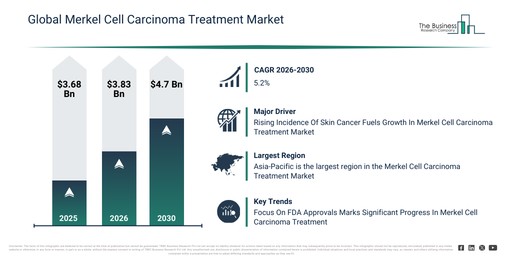
    The merkel cell carcinoma treatment market size has experienced consistent expansion in recent years. It is projected to increase from $3.68 billion in 2025 to $3.83 billion in 2026, achieving a compound annual growth rate (CAGR) of 4.1%. The market’s historical development can be ascribed to several factors, including a higher incidence of rare skin cancers, the early incorporation of immunotherapy, advancements in diagnostic imaging techniques, refinements in surgical procedures, and a heightened awareness of the risks associated with ultraviolet radiation.

    The merkel cell carcinoma treatment market size is anticipated to experience substantial expansion in the coming years. This market is projected to reach $4.7 billion by 2030, exhibiting a compound annual growth rate (CAGR) of 5.2%. This projected expansion over the forecast period is fueled by several factors, including the increasing number of targeted treatment options in development, greater investment in oncology research and development, the emergence of combination immunotherapies, enhanced accessibility to specialized cancer facilities, and the incorporation of AI-powered diagnostic solutions. Key developments expected during this period encompass the advancement of precision oncology for uncommon skin cancers, improved early detection and diagnostic assistance through AI, the broader adoption of digital pathology and cloud-based data systems, the incorporation of sophisticated radiotherapy methods, and the utilization of virtual simulation tools in planning treatments.

    Access Your Free Sample Report for In-Depth Market Insights:

    https://www.thebusinessresearchcompany.com/sample.aspx?id=12868&type=smp

    Which Drivers Are Affecting Market Participation In The Merkel Cell Carcinoma Treatment Market?

    The increasing occurrence rate of skin cancer cases is projected to propel the expansion of the cell carcinoma treatment market moving forward. Skin cancer refers to a specific form of cancer that begins in the cells of the skin. It arises when typical skin cells experience genetic alterations, causing them to multiply uncontrollably and form cancerous tumors. Merkel cell carcinoma (MCC) has a strong link with skin cancer, as it is an uncommon and aggressive type of skin cancer that typically originates from Merkel cells, which are specialized skin cells responsible for touch perception. For instance, in January 2023, according to the American Cancer Society Inc., a US-based voluntary health organization, there were approximately 97,610 new melanoma cases, and 7,990 people are anticipated to die in 2023 in the US. Furthermore, Melanoma UK, a UK-based charity organization, along with the WHO (World Health Organization), projects a 9% rise in melanoma skin cancer cases by 2025, and close to 22,886 individuals will be diagnosed with melanoma skin cancer by 2040. Therefore, the escalating incidence rate of skin cancer cases is driving the growth of the Merkel cell carcinoma treatment market.

    What Segment Categories Are Covered In The Merkel Cell Carcinoma Treatment Market?

    The merkel cell carcinoma treatment market covered in this report is segmented –

    1) By Diagnosis: Physical Examination, Sentinel Node Biopsy, Imaging Test

    2) By Therapy: Surgical Excision, Micrographic Surgery, Radiation, Chemotherapy, Other Therapies

    3) By Route Of Administration: Oral, Parenteral

    4) By Distribution Channel: Hospital Pharmacy, Online Pharmacy, Retail Pharmacy

    5) By End User: Hospitals, Homecare, Specialty Centers, Other End Users

    Subsegments:

    1) By Physical Examination: Skin Examination, Lymph Node Assessment, Medical History Review

    2) By Sentinel Node Biopsy: Injection Of Tracer Dye, Removal Of Sentinel Lymph Nodes, Pathological Analysis

    3) By Imaging Test: CT Scan, MRI Scan, PET Scan, Ultrasound, X-Ray

    Which Trends Are Expected To Influence The Merkel Cell Carcinoma Treatment Market In The Upcoming Years?

    Leading firms within the merkel cell carcinoma treatment market are concentrating on developing novel products and securing their approval to enhance their market position. Obtaining product approvals is a vital component of the Merkel cell carcinoma treatment sector, guaranteeing the safety and efficacy of medical devices and drugs. For example, in March 2023, Incyte Corporation, a US-headquartered biopharmaceutical entity, declared that the FDA (Food and Drug Administration) had approved Zynyz (retifanlimab-dlwr). This medication, a humanized monoclonal antibody targeting the programmed death receptor-1 (PD-1), is indicated for individuals experiencing locally advanced Merkel cell carcinoma (MCC) that has metastasized or recurred. Zynyz’s approval provides healthcare professionals with more initial treatment avenues for Merkel cell carcinoma, capable of eliciting sustained responses in patients afflicted with metastatic illness. ZYNYZ is to be administered as a 500 mg intravenous infusion, given over 30 minutes every four weeks, continuing until disease progression, the onset of unmanageable toxicity, or for a maximum duration of 24 months.

    Which Leading Companies Dominate The Merkel Cell Carcinoma Treatment Market Share?

    Major companies operating in the merkel cell carcinoma treatment market are Pfizer Inc., Johnson & Johnson Private Limited, F. Hoffmann-La Roche AG, Janssen Pharmaceuticals Inc., AbbVie Inc., Novartis AG, Bayer AG, Sanofi S.A., Bristol-Myers Squibb Company, Eli Lilly and Company, Amgen Inc., Merck KGaA, Teva Pharmaceutical Industries Ltd., Regeneron Pharmaceuticals Inc., Ono Pharmaceutical Co Ltd, Millennium Pharmaceuticals Inc., Seattle Genetics Inc., Lupin Ltd., BeiGene Ltd, Siemens AG, Canon Medical Systems Corporation, NantKwest Inc., Immune Design Corporation, Oncovir Inc., ImmunityBio Inc., OncoSec Medical Inc.

    Access The Complete Report For Deeper Market Insights:

    https://www.thebusinessresearchcompany.com/report/merkel-cell-carcinoma-treatment-global-market-report

    Which Global Regions Are Shaping The Competitive Landscape Of The Merkel Cell Carcinoma Treatment Market?

    Asia-Pacific was the largest region in the merkel cell carcinoma treatment market in 2025. Europe is expected to be the fastest-growing region in the forecast period. The regions covered in the merkel cell carcinoma treatment market report are Asia-Pacific, South East Asia, Western Europe, Eastern Europe, North America, South America, Middle East, Africa.

    Request Your Customized Merkel Cell Carcinoma Treatment Market Research Report for Competitive Advantage:

    https://www.thebusinessresearchcompany.com/customise?id=12868&type=smp

    Browse Through More Reports Similar to the Global Merkel Cell Carcinoma Treatment Market 2026, By The Business Research Company

    Basal Cell Carcinoma Treatment Market Report 2026

    https://www.thebusinessresearchcompany.com/report/basal-cell-carcinoma-treatment-global-market-report

    Cells Therapy Market Report 2026

    https://www.thebusinessresearchcompany.com/report/cells-therapy-global-market-report

    Solid Tumor Cancer Treatment Market Report 2026

    https://www.thebusinessresearchcompany.com/report/solid-tumor-cancer-treatment-global-market-report

    Get in touch with us:

    The Business Research Company: https://www.thebusinessresearchcompany.com/

    Americas +1 310-496-7795

    Asia +44 7882 955267 & +91 8897263534

    Europe +44 7882 955267

    Email us at info@tbrc.info

    Follow us on:

    LinkedIn: https://in.linkedin.com/company/the-business-research-company

    YouTube: https://www.youtube.com/channel/UC24_fI0rV8cR5DxlCpgmyFQ

    Global Market Model: https://www.thebusinessresearchcompany.com/global-market-model
  • Reversible Airway Diseases Treatment Market Forecast 2026–2035: Data Trends and Industry Insights

    Reversible Airway Diseases Treatment Market Forecast 2026–2035: Data Trends and Industry Insights

    Uncover key drivers, emerging technologies, and competitive movements shaping the reversible airway diseases treatment market from 2026–2035 with trusted insights from The Business Research Company

    What is the estimated market size of the Reversible Airway Diseases Treatment Market by the end of 2030?

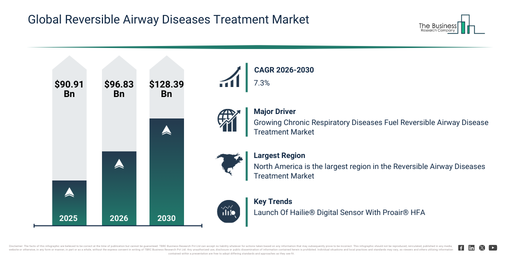
    The reversible airway diseases treatment market has experienced robust expansion in recent years. Forecasts indicate it will grow from $90.91 billion in 2025 to $96.83 billion in 2026, exhibiting a compound annual growth rate (CAGR) of 6.5%. Historically, this growth can be attributed to factors such as the increasing prevalence of asthma and bronchitis, the expansion of pulmonary care infrastructure, the wider availability of inhalation therapies, rising environmental pollution levels, and improved access to diagnostic imaging.

    The reversible airway diseases treatment market size is projected to experience substantial growth in the coming years. It is anticipated to reach $128.39 billion by 2030, demonstrating a compound annual growth rate (CAGR) of 7.3%. This expansion during the forecast period can be attributed to factors such as an increasing focus on biologic respiratory drugs, the rising adoption of remote patient monitoring, the expansion of minimally invasive pulmonary procedures, a growing emphasis on preventive respiratory care, and increased investment in respiratory disease research. Major trends expected in this period include the increasing adoption of personalized respiratory therapies, a rising use of advanced diagnostic imaging, a growing focus on early disease detection, the expansion of combination drug therapies, and enhanced integration of digital pulmonary monitoring.

    Access Your Free Sample Report for In-Depth Market Insights:

    https://www.thebusinessresearchcompany.com/sample.aspx?id=12944&type=smp

    What Drivers Are Shaping Future Opportunities In The Reversible Airway Diseases Treatment Market?

    The expansion in the prevalence of chronic respiratory illnesses is anticipated to fuel the growth of the reversible airway disease treatment market. These conditions are health issues impacting the respiratory system, encompassing organs such as the lungs, bronchi, trachea, larynx, pharynx, and nasal passages. Through testing and treatment, chronic respiratory diseases can be detected and diagnosed early, including conditions like acute respiratory distress syndrome, thereby preventing progression and minimizing the likelihood of complications. As an illustration, the UK Health Security Agency, a UK-based government body, reported in February 2024 that tuberculosis (TB) cases in England saw a 10.7% increase in 2023, climbing from 4,380 in 2022 to 4,850. This signifies a considerable rise in TB occurrences during that year. Consequently, the increasing burden of chronic respiratory diseases is projected to drive the expansion of the reversible airway disease treatment market.

    Which Segment Groups Are Influencing The Reversible Airway Diseases Treatment Market?

    The reversible airway diseases treatment market covered in this report is segmented –

    1) By Treatment: Chest X Ray, Computed Tomography (CT) Scan, Lung Therapies, Surgery Transplant, Medications

    2) By Diseases: Asthma, Chronic Bronchitis, Allergic Rhinitis, Bronchiolitis, Other Diseases

    3) By End-Users: Hospitals, Specialty Clinics, Other End-Users

    Subsegments:

    1) By Chest X-Ray: Standard Chest X-Ray, Digital Chest X-Ray

    2) By Computed Tomography (CT) Scan: High-Resolution CT Scan, Spiral CT Scan

    3) By Lung Therapies: Inhalation Therapy, Pulmonary Rehabilitation, Oxygen Therapy

    4) By Surgery Transplant: Lung Transplant, Bronchoscopic Procedures, Other Surgical Interventions

    5) By Medications: Bronchodilators, Corticosteroids, Anticholinergics, Other Medications

    What Industry Trends Are Transforming The Reversible Airway Diseases Treatment Market?

    Leading companies in the reversible airway disease treatment market are increasingly concentrating on developing sophisticated digital sensor solutions to enhance patient monitoring and care. This digital sensor technology records real-time physiological parameters and medication usage data, allowing healthcare providers to remotely track patient inhaler adherence and technique. For instance, in March 2023, Adherium Limited, an Australia-based digital health company, obtained U.S. FDA 510(k) clearance for its next-generation Hailie sensor, which integrates with Teva’s ProAir HFA and Albuterol Sulphate inhalers. The Hailie sensor offers extensive insights into inhaler use and physiological parameters, enabling physicians to monitor both maintenance and rescue medications. It provides immediate feedback on inhaler technique, supports clinical decision-making, and facilitates remote patient monitoring under U.S. CMS reimbursement codes. This device allows doctors to maintain control over medication decisions while accessing actionable data to improve patient outcomes. Adherium’s solution is compatible with multiple inhalers, covering a significant portion of top U.S. branded medications, and integrates seamlessly with mobile and desktop applications, thereby offering a drug-agnostic platform for enhanced respiratory disease management.

    Who Are The Core Companies Influencing Trends In The Reversible Airway Diseases Treatment Market?

    Major companies operating in the reversible airway diseases treatment market are Pfizer Inc., F Hoffmann La Roche AG, Merck And Co Inc., AbbVie Inc., Novartis AG, Sanofi SA, GlaxoSmithKline Plc, Medtronic plc, Eli Lilly And Company, Boehringer Ingelheim International GmbH, Viatris Inc., Teva Pharmaceutical Industries Ltd, Sumitomo Dainippon Pharma Co Ltd, Sun Pharmaceutical Industries Ltd, Drägerwerk AG And Co KGaA, Dr Reddys Laboratories Ltd, Cipla Limited, Getinge AB, Hikma Pharmaceuticals plc, Amneal Pharmaceuticals LLC, Lupin Limited, Fisher And Paykel Healthcare Corporation Limited, AstraZeneca Plc, Chiesi Farmaceutici SpA

    Access The Complete Report For Deeper Market Insights:

    https://www.thebusinessresearchcompany.com/report/reversible-airway-diseases-treatment-global-market-report

    Which Regions Are Projected To Dominate The Reversible Airway Diseases Treatment Market In The Coming Years?

    North America was the largest region in the reversible airway diseases treatment market in 2025. Asia-Pacific is expected to be the fastest-growing region in the forecast period. The regions covered in the reversible airway diseases treatment market report are Asia-Pacific, South East Asia, Western Europe, Eastern Europe, North America, South America, Middle East, Africa.

    Request Your Customized Reversible Airway Diseases Treatment Market Research Report for Competitive Advantage:

    https://www.thebusinessresearchcompany.com/customise?id=12944&type=smp

    Browse Through More Reports Similar to the Global Reversible Airway Diseases Treatment Market 2026, By The Business Research Company

    Respiratory Disease Drugs Market Report 2026

    https://www.thebusinessresearchcompany.com/report/respiratory-disease-drugs-global-market-report

    Airway Stent Market Report 2026

    https://www.thebusinessresearchcompany.com/report/airway-stent-global-market-report

    Tracheitis Treatment Market Report 2026

    https://www.thebusinessresearchcompany.com/report/tracheitis-treatment-global-market-report

    Get in touch with us:

    The Business Research Company: https://www.thebusinessresearchcompany.com/

    Americas +1 310-496-7795

    Asia +44 7882 955267 & +91 8897263534

    Europe +44 7882 955267

    Email us at info@tbrc.info

    Follow us on:

    LinkedIn: https://in.linkedin.com/company/the-business-research-company

    YouTube: https://www.youtube.com/channel/UC24_fI0rV8cR5DxlCpgmyFQ

    Global Market Model: https://www.thebusinessresearchcompany.com/global-market-model
  • Post-Acute Care Market 2026–2030: Emerging Trends and Forecast Opportunities

    Post-Acute Care Market 2026–2030: Emerging Trends and Forecast Opportunities

    Uncover key drivers, emerging technologies, and competitive movements shaping the post-acute care market from 2026–2035 with trusted insights from The Business Research Company

    How is the Post-Acute Care Market size predicted to change over the forecast window of 2026–2035?

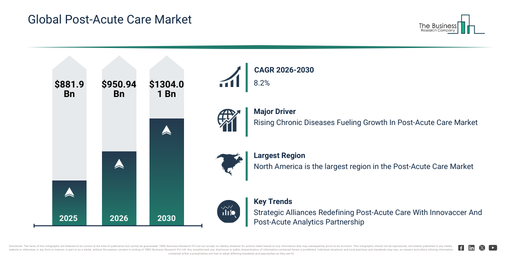
    The post-acute care market has experienced significant expansion over recent years. Forecasts indicate its size will increase from $881.9 billion in 2025 to $950.94 billion in 2026, demonstrating a compound annual growth rate (CAGR) of 7.8%. Historically, this growth has been driven by factors such as aging population growth, a rising incidence of chronic diseases, increasing hospital discharge volumes, the expansion of skilled nursing infrastructure, and improved rehabilitation care protocols.

    The post-acute care market is projected to experience robust expansion over the coming years, with its size anticipated to reach $1304.01 billion by 2030, propelled by a compound annual growth rate (CAGR) of 8.2%. This growth throughout the forecast period is primarily attributed to factors such as the increasing demand for value-based care models, the greater embrace of digital health platforms, the broadening of home healthcare services, a stronger emphasis on decreasing hospital readmissions, and elevated investments in integrated care networks. Concurrently, major trends expected during this period include a surge in the adoption of home-based post-acute care models, the increasing incorporation of remote patient monitoring systems, a heightened focus on transitional care coordination, the expansion of rehabilitation services enabled by telehealth, and a reinforced emphasis on patient-centered recovery pathways.

    Access Your Free Sample Report for In-Depth Market Insights:

    https://www.thebusinessresearchcompany.com/sample.aspx?id=10354&type=smp

    Which Drivers Are Contributing To The Expansion Of The Post-Acute Care Market?

    The escalating prevalence of chronic diseases is projected to fuel the expansion of the post-acute care market in the foreseeable future. A chronic disease refers to an illness or health issue that develops over time and is persistent or has prolonged consequences. While various approaches exist for managing chronic illnesses, including post-acute care modalities like surgery, physical therapy, psychological counseling, and radiotherapy, pharmaceutical intervention remains one of the most common therapeutic methods. The increasing number of chronic diseases has, in turn, elevated the demand for post-acute care. Illustratively, in February 2024, the Centers for Disease Control and Prevention, the national public health agency of the United States, reported that 129 million people in the US have at least 1 major chronic disease. Furthermore, approximately 90% of the annual $4.1 trillion health care expenditure is dedicated to the care and treatment of chronic diseases and mental health conditions. Consequently, the rising incidence of chronic diseases is a primary driver for the growth of the post-acute care market moving forward.

    What Segment Categories Are Covered In The Post-Acute Care Market?

    The post-acute care market covered in this report is segmented –

    1) By Service: Skilled Nursing Facilities, Inpatient Rehabilitation Facilities, Long Term Care Hospitals, Hospice Care, Home Healthcare Agencies, Other Services

    2) By Conditions: Amputations, Wound Management, Brain Injury, Spinal Cord Injury, Neurological Disorders, Other Conditions

    3) By Age: Elderly, Adult, Others

    4) By Delivery Model: Hospital-Based, Freestanding, Home-Based

    5) By Application: Chronic Care, Rehabilitation, Post-Acute Care

    Subsegments:

    1) By Skilled Nursing Facilities: Rehabilitation Services, Long-Term Care Services, Transitional Care Services

    2) By Inpatient Rehabilitation Facilities: Physical Rehabilitation, Occupational Rehabilitation, Speech Rehabilitation

    3) By Long Term Care Hospitals: Ventilator Care, Complex Medical Care, Chronic Disease Management

    4) By Hospice Care: In-Home Hospice Care, Hospice Facilities, Palliative Care Services

    5) By Home Healthcare Agencies: Nursing Care, Physical Therapy, Medical Social Services

    6) By Other Services: Respite Care, Adult Day Care, Telehealth Services

    What Long-Term Trends Are Expected To Shape The Future Of The Post-Acute Care Market?

    Leading entities within the post-acute market are forming alliances to secure a competitive advantage. These collaborations in the post-acute care market are designed to improve the provision of value-based care in this sector. An example is the partnership formed in July 2023 between Innovaccer, a US-based healthcare data activation firm, and Post Acute Analytics, a US-based post-acute care firm, specifically to boost post-acute value-based care delivery. This alliance seeks to offer novel solutions for the distinct difficulties encountered by healthcare providers within the post-acute care space. Such cooperation represents a significant achievement for both parties, enabling healthcare systems to effectively deliver high-quality, value-based care to post-acute patients. Furthermore, this partnership will facilitate seamless integration of the Post Acute Analytics platform for organizations already utilizing the Innovaccer platform, minimizing strain on their IT departments.

    Which Leading Companies Dominate The Post-Acute Care Market Share?

    Major companies operating in the post-acute care market are Amedisys Inc., Kindred Healthcare, Encompass Health Corporation, LHC Group Inc., Genesis Healthcare, Brookdale Senior Living Solutions, National HealthCare Corporation, The Ensign Group Inc., ProMedica Senior Care, PruittHealth Holdings Inc., Signature HealthCARE LLC, SavaSeniorCare Administrative Services Inc., Life Care Centers of America Inc., Vibra Healthcare LLC, Diversicare Healthcare Services Inc., Nexion Health Inc., Marquis Health Services LLC, CareOne Management LLC, Golden Living Senior Lifestyle Support, Five Star Senior Living Inc.

    Access The Complete Report For Deeper Market Insights:

    https://www.thebusinessresearchcompany.com/report/post-acute-care-global-market-report

    How Does The Post-Acute Care Market Perform Across Major Global Regions?

    North America was the largest region in the post-acute care market in 2025. North America is expected to be the fastest-growing region in the global post-acute care market during the forecast period. The regions covered in the post-acute care market report are Asia-Pacific, South East Asia, Western Europe, Eastern Europe, North America, South America, Middle East, Africa.

    Request Your Customized Post-Acute Care Market Research Report for Competitive Advantage:

    https://www.thebusinessresearchcompany.com/customise?id=10354&type=smp

    Browse Through More Reports Similar to the Global Post-Acute Care Market 2026, By The Business Research Company

    Hospital Acquired Infection Control Market Report 2026

    https://www.thebusinessresearchcompany.com/report/hospital-acquired-infection-control-global-market-report

    Severe Acute Respiratory Syndrome Treatment Market Report 2026

    https://www.thebusinessresearchcompany.com/report/severe-acute-respiratory-syndrome-treatment-global-market-report

    Tele Intensive Care Market Report 2026

    https://www.thebusinessresearchcompany.com/report/tele-intensive-care-global-market-report

    Get in touch with us:

    The Business Research Company: https://www.thebusinessresearchcompany.com/

    Americas +1 310-496-7795

    Asia +44 7882 955267 & +91 8897263534

    Europe +44 7882 955267

    Email us at info@tbrc.info

    Follow us on:

    LinkedIn: https://in.linkedin.com/company/the-business-research-company

    YouTube: https://www.youtube.com/channel/UC24_fI0rV8cR5DxlCpgmyFQ

    Global Market Model: https://www.thebusinessresearchcompany.com/global-market-model
  • Revenue Cycle Management Software Market Outlook 2026–2030: Key Business Drivers and Trends

    Revenue Cycle Management Software Market Outlook 2026–2030: Key Business Drivers and Trends

    Uncover key drivers, emerging technologies, and competitive movements shaping the revenue cycle management software market from 2026–2035 with trusted insights from The Business Research Company

    What was the valuation of the Revenue Cycle Management Software Market in 2026, and what figure is it projected to hit by 2030?

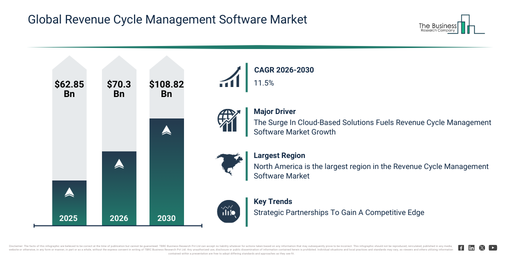
    The revenue cycle management software market size has experienced rapid expansion in recent years. It is projected to grow from $62.85 billion in 2025 to $70.3 billion in 2026, at a compound annual growth rate (CAGR) of 11.8%. The growth observed in the historic period can be attributed to factors such as the increasing digitization of healthcare records, the adoption of practice management software, the expansion of outpatient care facilities, rising insurance complexity, and the need for enhanced operational efficiency.

    The revenue cycle management software market size is projected to expand significantly over the coming years, reaching $108.82 billion by 2030, driven by a compound annual growth rate (CAGR) of 11.5%. This expansion during the forecast period is fueled by several factors, including a heightened demand for scalable cloud RCM software, a greater emphasis on achieving real-time financial visibility, the broadening of subscription-based software models, an increasing incorporation of AI-driven analytics, and a stronger regulatory focus on data protection. Key trends anticipated in the forecast period involve a rising embrace of AI-powered billing software, the expanding deployment of cloud-based RCM platforms, deeper integration with EHR systems, the extension of automated payment and remittance tools, and an amplified focus on data security and compliance.

    Access Your Free Sample Report for In-Depth Market Insights:

    https://www.thebusinessresearchcompany.com/sample.aspx?id=3377&type=smp

    Which Drivers Are Affecting Market Participation In The Revenue Cycle Management Software Market?

    The increasing integration of cloud-based solutions is anticipated to fuel the expansion of the revenue cycle management software market in the foreseeable future. A cloud-based solution refers to a range of services, including programs, storage capacities, on-demand offerings, and computer networks, which are accessible through an internet connection via a shared cloud computing framework managed by an external provider. Utilizing cloud-based solutions for revenue cycle management software enhances the scalability, accessibility, and cost-efficiency of financial operations within healthcare. For example, in June 2024, data from AAG IT Services, a UK-based non-government organization, revealed that public cloud service revenue escalated to over $415 billion in 2022, further climbing to $526 billion in 2023. Therefore, the growing adoption of cloud-based solutions is a primary catalyst for the growth of the revenue cycle management software market.

    What Segment Classifications Make Up The Revenue Cycle Management Software Market?

    The revenue cycle management software market covered in this report is segmented –

    1) By Product: Integrated, Standalone

    2) By Function: Claim And Denial, Medical Biling And Coding, Patient Insurance Eligibility Check, Payment Remittance, Electronic Health Record (EHR), Clinical Documentation Improvement (CDI), Other Functions

    3) By Deployment: Web based, On premise, Cloud based

    Subsegments:

    1) By Integrated: Hospital-Integrated, Physician-Integrated, Payer-Integrated

    2) By Standalone: Billing And Coding Software, Payment Processing Software, Denial Management Software, Accounts Receivable Management Software, Others (Reporting And Analytics Software)

    What Trends Are Reshaping The Dynamics Of The Revenue Cycle Management Software Market?

    Leading companies operating within the revenue cycle management software market are prioritizing the development of strategic alliances to enhance market revenues. Such collaborative efforts between firms offer numerous advantages, including access to new technologies, expanded customer options, global service capabilities, the establishment of a shared global platform, and integrated service offerings. For example, in April 2023, Accenture PLC, an Ireland-based professional services company, collaborated with Conga, a US-based provider of revenue lifecycle management solutions, with the objective of assisting companies in transforming their revenue lifecycle management (RLM) processes. This joint effort merges Accenture’s delivery, advisory, and industry insights with Conga’s revenue lifecycle management solutions, specifically targeting the healthcare, life sciences, financial services, high-tech, and industrial sectors.

    Which Major Industry Participants Are Leading The Revenue Cycle Management Software Market Growth?

    Major companies operating in the revenue cycle management software market are Accretive Health Inc., 3M Health Information Systems, QWay Healthcare, R1 RCM, Epic Systems, McKesson Corporation, Cerner Corporation, Allscripts Healthcare Solutions, Waystar, Kareo, DrChrono, Availity, Optum360 Solutions LLC, Care Cloud Concierge, TriZetto Provider Solutions, Athenahealth, EclinicalWorks, AdvantEdge Healthcare Solutions, AGS Health, BillingParadise, Change Healthcare, Conifer Health Solutions, Craneware, Experian Health

    Access The Complete Report For Deeper Market Insights:

    https://www.thebusinessresearchcompany.com/report/revenue-cycle-management-software-global-market-report

    Which Region Is Expected To Experience The Fastest Growth In The Revenue Cycle Management Software Market?

    North America was the largest region in the revenue cycle management software market in 2025. Western Europe was the second-largest region in the revenue cycle management software market report. The regions covered in the revenue cycle management software market report are Asia-Pacific, South East Asia, Western Europe, Eastern Europe, North America, South America, Middle East, Africa.

    Request Your Customized Revenue Cycle Management Software Market Research Report for Competitive Advantage:

    https://www.thebusinessresearchcompany.com/customise?id=3377&type=smp

    Browse Through More Reports Similar to the Global Revenue Cycle Management Software Market 2026, By The Business Research Company

    Healthcare Revenue Cycle Management Market Report 2026

    https://www.thebusinessresearchcompany.com/report/healthcare-revenue-cycle-management-global-market-report

    Revenue Cycle Management Rcm Market Report 2026

    https://www.thebusinessresearchcompany.com/report/revenue-cycle-management-rcm-global-market-report

    Tax Management Software Market Report 2026

    https://www.thebusinessresearchcompany.com/report/tax-management-software-global-market-report

    Get in touch with us:

    The Business Research Company: https://www.thebusinessresearchcompany.com/

    Americas +1 310-496-7795

    Asia +44 7882 955267 & +91 8897263534

    Europe +44 7882 955267

    Email us at info@tbrc.info

    Follow us on:

    LinkedIn: https://in.linkedin.com/company/the-business-research-company

    YouTube: https://www.youtube.com/channel/UC24_fI0rV8cR5DxlCpgmyFQ

    Global Market Model: https://www.thebusinessresearchcompany.com/global-market-model
  • Mental Wellness Sector Forecast Shows Robust Momentum, Climbing to $286.13 Billion With 9.1% CAGR

    Mental Wellness Sector Forecast Shows Robust Momentum, Climbing to $286.13 Billion With 9.1% CAGR

    Uncover key drivers, emerging technologies, and competitive movements shaping the mental wellness market from 2026–2035 with trusted insights from The Business Research Company

    What are the forecasted starting (2026) and ending (2030) market sizes for the Mental Wellness Market?

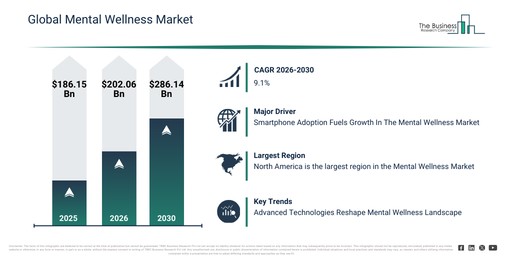
    The mental wellness market has experienced robust expansion in recent years. It is projected to grow from $186.15 billion in 2025 to $202.06 billion in 2026, exhibiting a compound annual growth rate (CAGR) of 8.6%. This historical growth can be attributed to factors such as increasing mental health awareness, the proliferation of counseling services, a rising prevalence of anxiety disorders, the early adoption of meditation programs, and the expansion of wellness applications.

    The mental wellness market is anticipated to exhibit robust expansion over the next few years, projected to reach $286.14 billion by 2030, achieving a compound annual growth rate (CAGR) of 9.1%. This expected growth can be attributed to advancements in digital therapeutics, increasing investment in mental health startups, the widespread adoption of remote therapy solutions, the integration of wearable mental health trackers, and government support for mental health initiatives. Prominent trends for the forecast period include AI-based mental health assessment tools, the rise of digital therapy and cloud-based counseling platforms, the incorporation of IoT-enabled mental wellness devices, the increasing application of AR/VR for immersive stress relief and mindfulness, and the expansion of personalized genomic-based mental wellness programs.

    Access Your Free Sample Report for In-Depth Market Insights:

    https://www.thebusinessresearchcompany.com/sample.aspx?id=10519&type=smp

    What Drivers Are Supporting Technological Adoption In The Mental Wellness Market?

    The increasing ownership of smartphones is projected to fuel the expansion of the mental wellness market moving forward. Smartphone adoption refers to the proportion of individuals who own and actively utilize smartphones for communication, information access, and digital services. This growing trend in smartphone usage is propelled by the spread of 4G and 5G network coverage, decreasing device prices, and a heightened reliance on mobile platforms for daily tasks. Smartphone prevalence supports the mental wellness market by offering consistent access to mental health applications, self-care resources, virtual therapy sessions, and online support networks that boost psychological well-being. For example, in April 2024, Ofcom, the U.K.-based government communications regulator, indicated that 94% of U.K. adults owned a smartphone in 2023, representing 0.064 billion users. This widespread mobile adoption underscores the increasing accessibility to digital mental wellness engagement. Therefore, the rise in smartphone adoption is directly driving the growth of the mental wellness market.

    Which Segments Are Contributing To The Growth Of The Mental Wellness Market?

    The mental wellness market covered in this report is segmented –

    1) By Type: Senses Spaces, Sleep, Brain Boosting Nutraceuticals And Botanicals, Self-Improvement, Meditation And Mindfulness

    2) By Service: Emergency Mental Health Services, Outpatient Counselling, Home-Based Treatment Services, Inpatient Hospital Treatment Services, Other Services

    3) By Age: Adult, Geriatric, Teenager

    4) By Disorder: Depression, Anxiety, Schizophrenia, Substance Use Disorder, Bipolar Disorder, Alcohol Use Disorder, Post-Traumatic Stress Disorder, Eating Disorder, Other Disorder

    Subsegments:

    1) By Senses Spaces: Aromatherapy Products, Sound Therapy Solutions, Light Therapy Devices

    2) By Sleep: Sleep Aids And Supplements, Sleep Tracking Devices, Sleep Environment Enhancements

    3) By Brain Boosting Nutraceuticals And Botanicals: Nootropics, Herbal Supplements, Omega-3 Fatty Acids

    4) By Self-Improvement: Personal Development Courses, Coaching And Mentoring Services, Journaling And Self-Reflection Tools

    5) By Meditation And Mindfulness: Guided Meditation Apps, Mindfulness Training Programs, Breathing Exercises And Tools

    What Trends Are Driving The Growth Trajectory Of The Mental Wellness Market?

    Leading firms in the global mental wellness market are concentrating on creating sophisticated digital tools, including device-integrated platforms for mood tracking and mental well-being, designed to assist users in monitoring their emotional states, managing stress, and enhancing daily psychological well-being. These device-integrated mood-tracking and mental-wellness platforms are defined as systems based on smartphones and wearables that gather emotional data reported by users, analyze observed trends, and deliver customized well-being insights, thereby aiding mental resilience and the prompt detection of stress patterns. For example, in June 2023, Apple Inc., a US-based technology company, introduced its State of Mind feature for mental-wellness tracking with the iOS 17 and watchOS 10 updates. This feature allows users to record their momentary and daily moods, obtain mental-health insights derived from trends and patterns, and gain access to clinically informed educational materials, thus facilitating proactive mental-wellness management directly via the Health app.

    Who Are The Major Companies Operating In The Mental Wellness Market?

    Major companies operating in the mental wellness market are CVS Health Corporation, Ascension Health Alliance, BetterHelp Inc., Vitality Group Holdings Limited, Pyramid Healthcare Inc., Calm.com Inc., Virgin Pulse Inc., Headspace Inc., CareTech Holdings Inc., Acadia Healthcare Company Inc., Behavioral Health Network Inc., CuraLinc Healthcare LLC, Promises Behavioral Health LLC, Amare Global LLC, Castlight Health Inc., Happify Health Inc., Wellsource Inc., HealthCheck360 LLC, Sanvello Health Inc., Flow Neuroscience AB, LifeDojo Inc., Prosoma Inc., Clementine Holdings Inc., Sesh Labs Inc.

    Access The Complete Report For Deeper Market Insights:

    https://www.thebusinessresearchcompany.com/report/mental-wellness-global-market-report

    Which Regions Are Poised For Strategic Growth In The Mental Wellness Market?

    North America was the largest region in the mental wellness market in 2025. The regions covered in the mental wellness market report are Asia-Pacific, South East Asia, Western Europe, Eastern Europe, North America, South America, Middle East, Africa.

    Request Your Customized Mental Wellness Market Research Report for Competitive Advantage:

    https://www.thebusinessresearchcompany.com/customise?id=10519&type=smp

    Browse Through More Reports Similar to the Global Mental Wellness Market 2026, By The Business Research Company

    Corporate Wellness Market Report 2026

    https://www.thebusinessresearchcompany.com/report/corporate-wellness-global-market-report

    Health And Wellness Market Report 2026

    https://www.thebusinessresearchcompany.com/report/health-and-wellness-global-market-report

    Mental Health Market Report 2026

    https://www.thebusinessresearchcompany.com/report/mental-health-global-market-report

    Get in touch with us:

    The Business Research Company: https://www.thebusinessresearchcompany.com/

    Americas +1 310-496-7795

    Asia +44 7882 955267 & +91 8897263534

    Europe +44 7882 955267

    Email us at info@tbrc.info

    Follow us on:

    LinkedIn: https://in.linkedin.com/company/the-business-research-company

    YouTube: https://www.youtube.com/channel/UC24_fI0rV8cR5DxlCpgmyFQ

    Global Market Model: https://www.thebusinessresearchcompany.com/global-market-model
  • Global Post Operative Pain Management Market Forecast 2026–2035: Long-Term Growth Insights

    Global Post Operative Pain Management Market Forecast 2026–2035: Long-Term Growth Insights

    Uncover key drivers, emerging technologies, and competitive movements shaping the post operative pain management market from 2026–2035 with trusted insights from The Business Research Company

    What market expansion outlook does the Post Operative Pain Management Market show for the 2026–2030 period?

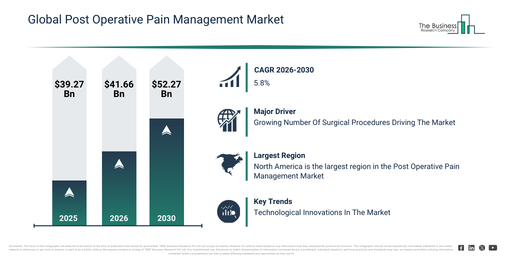
    The post operative pain management market has experienced significant expansion in recent years. This market is projected to expand from $39.27 billion in 2025 to $41.66 billion in 2026, demonstrating a compound annual growth rate (CAGR) of 6.1%. Historically, this expansion has been driven by factors such as a rise in surgical procedures, the broad adoption of opioid-based pain relievers, the establishment of more hospital-based pain management programs, the accessibility of injectable pain treatments, and an increased understanding of post-surgical care protocols.

    The post operative pain management market is projected to experience substantial expansion over the upcoming years. By 2030, its valuation is anticipated to reach $52.27 billion, demonstrating a compound annual growth rate (CAGR) of 5.8%. This projected increase during the forecast period is driven by several factors, including a heightened need for pain management strategies that minimize opioid use, the increasing integration of digital tools for monitoring pain, the broader implementation of enhanced recovery protocols following surgery, an intensified focus on patient-centered pain care, and greater investments in innovative analgesic treatments. Key developments expected within this period involve the wider acceptance of multimodal pain management techniques, a rise in the application of patient-controlled analgesia systems, a stronger emphasis on non-opioid pain relief options, the development of individualized post-surgical pain management plans, and more comprehensive monitoring of recovery after operations.

    Access Your Free Sample Report for In-Depth Market Insights:

    https://www.thebusinessresearchcompany.com/sample.aspx?id=21259&type=smp

    What Drivers Are Shaping The Development Of The Post Operative Pain Management Market?

    The increasing volume of surgical interventions is projected to stimulate the expansion of the postoperative pain management market moving forward. Surgical procedures involve medical operations conducted by trained surgeons to diagnose, treat, or manage various diseases, injuries, or conditions. The escalation in surgical procedures is influenced by an aging populace, a rise in chronic illnesses, progress in medical technology, enhanced access to healthcare, and a growing desire for elective surgeries. Postoperative pain management plays a vital role in improving recovery, lessening complications, boosting patient comfort, and supporting better surgical outcomes through effective pain control and faster rehabilitation. For instance, in December 2023, as reported by the UK Health Security Agency, a UK-based government agency, coronary artery bypass graft surgeries rose in 2023 with 27,524 surgeries when compared to preceding years. Therefore, the rising number of surgical procedures is a key driver for the growth of the postoperative pain management market.

    Which Segments Are Contributing To The Growth Of The Post Operative Pain Management Market?

    The post operative pain management market covered in this report is segmented –

    1) By Pain Type: Acute Pain, Moderate Pain, Severe Pain

    2) By Drug Class: Opioids, Non-steroidal anti-inflammatory drugs (NSAIDs), Cyclooxygenase-2-selective inhibitors (COX-2 inhibitors), Other Drug Classes

    3) By Route Of Administration: Injectable, Oral, Topical, Other Routes Of Administration

    4) By Distribution Channel: Hospital Pharmacies, Retail Pharmacies, Other Distribution Channels

    5) By Application: Cancer Pain, Arthritic Pain, Neuropathic Pain, Musculoskeletal Pain, Post-Surgical Pain Syndromes

    Subsegments:

    1) By Acute Pain: Non-Opioid Analgesics, Opioid Analgesics, Local Anesthetics, Other Acute Pain Treatments

    2) By Moderate Pain: NSAIDs, Acetaminophen, Weak Opioids, Combination Therapies, Other Moderate Pain Treatments

    3) By Severe Pain: Strong Opioids, Patient-Controlled Analgesia (PCA), Epidural Analgesia, Nerve Blocks, Other Severe Pain Treatments

    Which Market Trends Are Opening Growth Opportunities In The Post Operative Pain Management Market?

    Leading companies within the post-operative pain management market are emphasizing the development of technological advancements like cryoablation probes to effectively mitigate pain by targeting nerves with controlled cooling. A cryoablation probe serves as a medical instrument designed to freeze and destroy specific nerve tissues or abnormal cells, primarily for managing pain or treating tumors. For instance, in October 2024, AtriCure Inc., a US-based medical device company, launched the cryoSPHERE MAX. This probe improves postoperative pain management by temporarily blocking pain through the targeted freezing of peripheral nerves. Its advanced design shortens freeze times and enhances tissue contact, thereby ensuring more efficient and effective pain relief. This next-generation device incorporates enhancements in insulation, Nitrous Oxide gas utilization, tactile tissue feedback, and real-time temperature monitoring.

    Who Are The Major Companies Operating In The Post Operative Pain Management Market?

    Major companies operating in the post operative pain management market are Johnson & Johnson, Merck & Co. Inc., Bayer AG, Novartis AG, Sun Pharmaceutical Industries Ltd., Cipla Inc., Hikma Pharmaceuticals PLC, Mallinckrodt plc, Pacira BioSciences Inc, Endo International plc, Heron Therapeutics Inc., Cara Therapeutics Inc., Scilex Pharmaceuticals Inc., Taiwan Liposome Company Ltd, Durect Corporation, Trevena Inc., Teikoku Pharma USA Inc, AFT Pharmaceuticals Limited, Allay Therapeutics Inc, Virpax Pharmaceuticals Inc.

    Access The Complete Report For Deeper Market Insights:

    https://www.thebusinessresearchcompany.com/report/post-operative-pain-management-global-market-report

    Which Region Is Anticipated To See The Fastest Growth In The Post Operative Pain Management Market?

    North America was the largest region in the postoperative pain management market in 2025. Asia-Pacific is expected to be the fastest-growing region in the forecast period. The regions covered in the post operative pain management market report are Asia-Pacific, South East Asia, Western Europe, Eastern Europe, North America, South America, Middle East, Africa.

    Request Your Customized Post Operative Pain Management Market Research Report for Competitive Advantage:

    https://www.thebusinessresearchcompany.com/customise?id=21259&type=smp

    Browse Through More Reports Similar to the Global Post Operative Pain Management Market 2026, By The Business Research Company

    Veterinary Pain Management Market Report 2026

    https://www.thebusinessresearchcompany.com/report/veterinary-pain-management-global-market-report

    Non Opioid Pain Patch Market Report 2026

    https://www.thebusinessresearchcompany.com/report/non-opioid-pain-patch-global-market-report

    Joint Pain Injections Market Report 2026

    https://www.thebusinessresearchcompany.com/report/joint-pain-injections-global-market-report

    Get in touch with us:

    The Business Research Company: https://www.thebusinessresearchcompany.com/

    Americas +1 310-496-7795

    Asia +44 7882 955267 & +91 8897263534

    Europe +44 7882 955267

    Email us at info@tbrc.info

    Follow us on:

    LinkedIn: https://in.linkedin.com/company/the-business-research-company

    YouTube: https://www.youtube.com/channel/UC24_fI0rV8cR5DxlCpgmyFQ

    Global Market Model: https://www.thebusinessresearchcompany.com/global-market-model
  • Global Revenue Cycle Management (RCM) Market Report 2026: Emerging Trends and Growth Scenarios

    Global Revenue Cycle Management (RCM) Market Report 2026: Emerging Trends and Growth Scenarios

    Uncover key drivers, emerging technologies, and competitive movements shaping the revenue cycle management (rcm) market from 2026–2035 with trusted insights from The Business Research Company

    What are the forecasted starting (2026) and ending (2030) market sizes for the Revenue Cycle Management (RCM) Market?

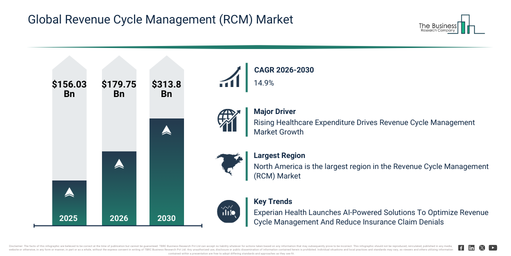
    The revenue cycle management (rcm) market has demonstrated rapid expansion in recent years. It is projected to grow from $156.03 billion in 2025 to $179.75 billion in 2026, at a compound annual growth rate (CAGR) of 15.2%. Historically, this market expansion can be attributed to increasing healthcare administrative complexity, rising insurance claim volumes, the adoption of electronic health records, growth in outsourced billing services, and the necessity for revenue leakage reduction.

    The revenue cycle management (rcm) market is poised for rapid expansion in the coming years, with its size projected to reach $313.8 billion by 2030, demonstrating a compound annual growth rate (CAGR) of 14.9%. This growth throughout the forecast period can be attributed to factors such as an escalating demand for real-time revenue analytics, the increasing adoption of end-to-end digital rcm solutions, the broader implementation of value-based care models, a heightened focus on interoperability across healthcare systems, and the rising use of predictive financial analytics. Major developments expected during this period include the increased embrace of AI-driven coding and billing tools, a growing transition towards cloud-based rcm platforms, a surging requirement for automated claims management, the expansion of analytics-driven revenue optimization strategies, and an intensified commitment to compliance and regulatory accuracy.

    Access Your Free Sample Report for In-Depth Market Insights:

    https://www.thebusinessresearchcompany.com/sample.aspx?id=7712&type=smp

    What Drivers Are Supporting Technological Adoption In The Revenue Cycle Management (RCM) Market?

    The revenue cycle management market is projected to grow as healthcare expenditures continue to increase. These health expenditures cover all costs associated with health service provision, family planning, nutrition, and designated health-related emergency aid. Due to this rise in spending, healthcare facilities are implementing advanced solutions such as revenue cycle management to handle administrative and clinical functions, which include claims processing, payments, and revenue generation. For instance, in April 2025, the American Medical Association (AMA), a US-based professional association, revealed that U.S. health spending saw a substantial 7.5% rise in 2023, reaching $4.9 trillion, equating to roughly $14,570 per person, a significant increase from the 4.6% growth rate recorded in 2022. Thus, escalating healthcare expenditure is a key factor propelling the expansion of the revenue cycle management market.

    What Segment Types Are Examined In The Revenue Cycle Management (RCM) Market?

    The revenue cycle management (rcm) market covered in this report is segmented –

    1) By Product: Integrated, Standalone

    2) By Component: Software, Services

    3) By Function: Claims And Denial Management, Medical Coding And Billing, Electronic Health Record (EHR), Clinical Documentation Improvement (CDI), Insurance, Other Functions

    4) By Deployment: Web-Based, Cloud-Based, On-Premises

    5) By End User: Hospitals, General Physicians, Labs, Other End Users

    Subsegments:

    1) By Integrated RCM: Comprehensive Solutions, Multi-Function Platforms, End-to-End Solutions

    2) By Standalone RCM: Billing and Invoicing Solutions, Claims Management Solutions, Payment Processing Solutions, Revenue Analytics Tools

    How Are New Market Trends Shaping The Landscape Of The Revenue Cycle Management (RCM) Market?

    Major companies operating in the revenue cycle management (RCM) market are concentrating on creating advanced solutions like predictive analytics to improve financial recovery and operational efficiency. Predictive analytics leverages artificial intelligence to analyze past claims data, estimate the likelihood of denials, and guide decision-making to prevent and overturn problematic claims. For instance, in February 2023, Experian Health, a US-based healthcare revenue cycle management company, launched its AI Advantage suite, which includes predictive modeling and real-time intelligence. The product features two systems: AI Advantage Predictive Denials, which assesses each claim’s risk of being denied and highlights items likely to trigger rejection prior to submission, and AI Advantage Denial Triage, which prioritizes post-denial efforts by scoring denials based on their probability of a successful appeal. This solution continuously learns from large-scale historical payment data, integrates into existing workflows and work queues, and is fully customizable according to criteria such as denial codes, payer, dollar amount, or probability. Implemented via Experian’s ClaimSource® claims management system, AI Advantage assists providers in reducing avoidable denials, accelerating reimbursement, and improving cash flow.

    Who Are The Prominent Global Companies Shaping The Revenue Cycle Management (RCM) Market Landscape?

    Major companies operating in the revenue cycle management (rcm) market are The SSI Group LLC, Allscripts Healthcare Solutions Inc., Experian Health Inc., R1 RCM Inc., McKesson Corporation, Athenahealth Inc., Epic Systems Corporation, Cerner Corporation, eClinicalWorks India Private Limited, NXGN Management LLC, CareCloud Corporation, AdvantEdge Healthcare Solutions, Huron Consulting Group, Optum Inc., 3M Company, Cognizant Technology Solutions Corp., GeBBS Healthcare Solutions, Infosys Limited, Oracle Corporation, Accenture plc, Conifer Health Solutions LLC, Access Healthcare Services Pvt Ltd, CareStack, Dental Revenue Group Inc., eAssist Dental Solutions, Med Healthcare Revenue Cycle Management, Medusind Solutions, Drchrono Inc.

    Access The Complete Report For Deeper Market Insights:

    https://www.thebusinessresearchcompany.com/report/revenue-cycle-management-rcm-global-market-report

    Which Geographic Areas Are Emerging As Strong Markets For The Revenue Cycle Management (RCM) Market?

    North America was the largest region in the revenue cycle management (RCM) market in 2025. Asia-Pacific is expected to be the fastest-growing region in the forecast period. The regions covered in the revenue cycle management (rcm) market report are Asia-Pacific, South East Asia, Western Europe, Eastern Europe, North America, South America, Middle East, Africa.

    Request Your Customized Revenue Cycle Management (RCM) Market Research Report for Competitive Advantage:

    https://www.thebusinessresearchcompany.com/customise?id=7712&type=smp

    Browse Through More Reports Similar to the Global Revenue Cycle Management (RCM) Market 2026, By The Business Research Company

    Telecom Billing And Revenue Management Market Report 2026

    https://www.thebusinessresearchcompany.com/report/telecom-billing-and-revenue-management-global-market-report

    Revenue Cycle Management Software Market Report 2026

    https://www.thebusinessresearchcompany.com/report/revenue-cycle-management-software-global-market-report

    Healthcare Revenue Cycle Management Market Report 2026

    https://www.thebusinessresearchcompany.com/report/healthcare-revenue-cycle-management-global-market-report

    Get in touch with us:

    The Business Research Company: https://www.thebusinessresearchcompany.com/

    Americas +1 310-496-7795

    Asia +44 7882 955267 & +91 8897263534

    Europe +44 7882 955267

    Email us at info@tbrc.info

    Follow us on:

    LinkedIn: https://in.linkedin.com/company/the-business-research-company

    YouTube: https://www.youtube.com/channel/UC24_fI0rV8cR5DxlCpgmyFQ

    Global Market Model: https://www.thebusinessresearchcompany.com/global-market-model
  • Mental Health Platform Market Anticipated to Record Steady Gains, Advancing to $9.87 Billion by 2030

    Mental Health Platform Market Anticipated to Record Steady Gains, Advancing to $9.87 Billion by 2030

    Uncover key drivers, emerging technologies, and competitive movements shaping the mental health platform market from 2026–2035 with trusted insights from The Business Research Company

    What upper market value could the Mental Health Platform Market reach by 2030 starting from 2026 levels?

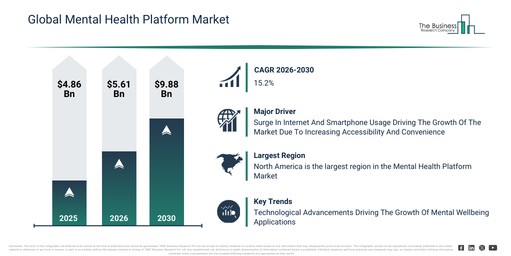
    The mental health platform market size has experienced rapid growth in recent years. It is projected to increase from $4.86 billion in 2025 to $5.61 billion in 2026, exhibiting a compound annual growth rate (CAGR) of 15.5%. This expansion during the historic period is attributable to factors such as the rising prevalence of anxiety and depression, increased awareness concerning digital mental health tools, the early adoption of mobile therapy applications, the broadening of telehealth platforms, and a growing need for remote emotional support.

    The mental health platform market is projected to experience substantial expansion in the coming years. Its valuation is anticipated to reach $9.88 billion by 2030, demonstrating a compound annual growth rate (CAGR) of 15.2%. This projected growth is driven by factors such as increased funding for digital mental health startups, the uptake of wearable devices for mental health monitoring, a heightened corporate emphasis on employee well-being, governmental backing for virtual therapy services, and the incorporation of AI-powered diagnostic instruments. Key trends anticipated during this period encompass AI-driven tools for mental health screening and conversational agents, the broadening of cloud-supported counseling and therapy platforms, the integration of IoT-enabled devices for tracking mood and stress, the use of AR/VR for immersive emotional support, and the development of tailored mental health insights based on genomics.

    Access Your Free Sample Report for In-Depth Market Insights:

    https://www.thebusinessresearchcompany.com/sample.aspx?id=24319&type=smp

    Which Drivers Are Influencing Long-Term Growth In The Mental Health Platform Market?

    The expansion of internet and smartphone adoption is anticipated to fuel the growth of the mental health platform market in the foreseeable future. This penetration denotes the broad availability and utilization of digital connectivity instruments, facilitating access to online information, communication, and various digital services. The rise in internet and smartphone usage stems from the demand for convenient digital solutions, the proliferation of mobile networks, and increasing dependence on online platforms for everyday tasks. Mental health platforms significantly leverage this trend, offering easily accessible, mobile digital therapy, self-help resources, and virtual support services that enhance access to mental healthcare around the clock and in any location. An illustrative example is provided by the National Telecommunications and Information Administration, a U.S.-based government agency, which reported in June 2024 that internet usage in the United States grew by 0.013 billion users in 2023 relative to previous survey periods. This highlights the broadening digital access vital for virtual mental health services. Consequently, the expanding penetration of internet and smartphones is a key driver accelerating the growth of the mental health platform market.

    How Is The Mental Health Platform Market Divided Into Segments?

    The mental health platform market covered in this report is segmented –

    1) By Component: Software, Services

    2) By Deployment Mode: On-Premises, Cloud

    3) By Technology Platform: IOS, Android

    4) By Application: Stress Management, Meditation, Wellness, Therapy, Other Applications

    5) By End-User: Individuals, Enterprises, Healthcare Providers, Other End-Users

    Subsegments:

    1) By Software: Mobile Applications, Web-Based Platforms, Virtual Therapy Platforms

    2) By Services: Teletherapy Services, Online Counseling Services, Behavioral Health Monitoring Services

    What Upcoming Trends Are Likely To Define The Future Path Of The Mental Health Platform Market?

    Major companies operating in the mental health platform market are concentrating on developing technologically advanced solutions, such as mental wellbeing applications, to offer convenient, accessible, and private support. These digital tools aid mental health by providing features including mood tracking, mindfulness exercises, therapy sessions, and self-help resources. For instance, in September 2024, Magellan Health Inc., a US-based healthcare company, introduced the Teen Mental Wellbeing app, a new mental health application aimed at teens and young adults aged 13 to 22. The app leverages a unique digital platform and offers science-based tools designed to enhance emotional resilience and self-awareness. This initiative focuses on promoting mental wellness through evidence-based strategies.

    Which Major Firms Are Strengthening Their Position In The Mental Health Platform Market?

    Major companies operating in the mental health platform market are BetterHelp Inc., Headspace Inc., Lyra Health Inc., Charlie Health Inc., Brightline Inc., Spring Care Inc., Talkspace Inc., Calm.com Inc., SonderMind Inc., Modern Health Inc., Unmind Ltd., Iris Telehealth Inc., Concert Health Inc., Meru Health Inc., Mindstrong Health Inc., Eleanor Health Inc., Mantra Health Inc., Talkiatry Inc., Alma Health Inc., Meditopia, Hurdle Health Inc.

    Access The Complete Report For Deeper Market Insights:

    https://www.thebusinessresearchcompany.com/report/mental-health-platform-global-market-report

    Which Regions Are Projected To Dominate The Mental Health Platform Market In The Coming Years?

    North America was the largest region in the mental health platform market in 2025. Asia-Pacific is expected to be the fastest-growing region in the forecast period. The regions covered in the mental health platform market report are Asia-Pacific, South East Asia, Western Europe, Eastern Europe, North America, South America, Middle East, Africa.

    Request Your Customized Mental Health Platform Market Research Report for Competitive Advantage:

    https://www.thebusinessresearchcompany.com/customise?id=24319&type=smp

    Browse Through More Reports Similar to the Global Mental Health Platform Market 2026, By The Business Research Company

    Behavioral Health Software Market Report 2026

    https://www.thebusinessresearchcompany.com/report/behavioral-health-software-global-market-report

    Behavioral And Mental Health Software Market Report 2026

    https://www.thebusinessresearchcompany.com/report/behavioral-and-mental-health-software-global-market-report

    Mental Health Market Report 2026

    https://www.thebusinessresearchcompany.com/report/mental-health-global-market-report

    Get in touch with us:

    The Business Research Company: https://www.thebusinessresearchcompany.com/

    Americas +1 310-496-7795

    Asia +44 7882 955267 & +91 8897263534

    Europe +44 7882 955267

    Email us at info@tbrc.info

    Follow us on:

    LinkedIn: https://in.linkedin.com/company/the-business-research-company

    YouTube: https://www.youtube.com/channel/UC24_fI0rV8cR5DxlCpgmyFQ

    Global Market Model: https://www.thebusinessresearchcompany.com/global-market-model
  • Positron Emission Tomography (PET) Nuclear Medicine Market 2026–2030: Forecasting Business Opportunities Ahead

    Positron Emission Tomography (PET) Nuclear Medicine Market 2026–2030: Forecasting Business Opportunities Ahead

    Uncover key drivers, emerging technologies, and competitive movements shaping the positron emission tomography (pet) nuclear medicine market from 2026–2035 with trusted insights from The Business Research Company

    What level of growth is expected in the Positron Emission Tomography (PET) Nuclear Medicine Market between 2026 and 2030?

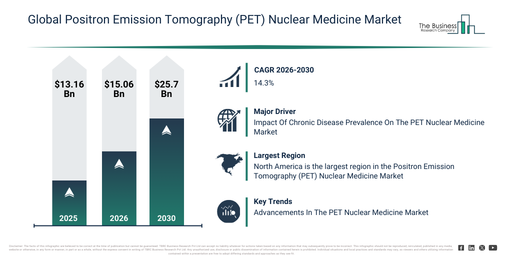
    The positron emission tomography (pet) nuclear medicine market has witnessed substantial expansion in recent years. Its valuation is anticipated to climb from $13.16 billion in 2025 to $15.06 billion in 2026, reflecting a compound annual growth rate (CAGR) of 14.5%. This growth observed in the past can be credited to various elements, such as rising cancer diagnosis rates, the expansion of nuclear medicine facilities, the widespread application of f-18 radiotracers, an increase in cardiology imaging uses, and enhancements in radiopharmaceutical production.

    The positron emission tomography (PET) nuclear medicine market is anticipated to experience swift expansion over the next few years. It is projected to reach $25.7 billion by 2030, with a compound annual growth rate (CAGR) of 14.3%. This projected growth can be attributed to increased investments in molecular imaging, escalating demand for personalized medicine diagnostics, the widening scope of neurological imaging applications, progress in radiotracer development, and the increasing adoption of hybrid imaging systems. Significant trends expected during this period include the broader acceptance of advanced radiotracers, the expanding application of PET imaging in oncology, increasing integration of PET with CT and MRI systems, the diversification of precision diagnostic imaging applications, and a heightened focus on early disease detection.

    Access Your Free Sample Report for In-Depth Market Insights:

    https://www.thebusinessresearchcompany.com/sample.aspx?id=19151&type=smp

    Which Drivers Are Expected To Impact The Positron Emission Tomography (PET) Nuclear Medicine Market During The Forecast Period?

    The positron emission tomography (PET) nuclear medicine market is expected to grow due to the increasing prevalence of chronic diseases. A chronic disease is characterized as a long-term health condition that typically lasts for three months or more, potentially requiring ongoing medical attention or restricting daily activities. The escalation in chronic diseases is attributed to factors such as an aging population, inadequate physical activity, poor eating habits, and environmental risks. PET nuclear medicine supports the management of chronic diseases by offering advanced imaging methods that enable their early detection, precise diagnosis, and continuous monitoring. For instance, in February 2024, the World Health Organization, a Switzerland-based intergovernmental organization, projected over 35 million new cancer cases by 2050, which signifies a 77% increase compared to the estimated 20 million cases in 2022. Therefore, the rising prevalence of chronic diseases acts as a driving force for the positron emission tomography (PET) nuclear medicine market’s growth.

    How Is The Positron Emission Tomography (PET) Nuclear Medicine Market Divided Into Segments?

    The positron emission tomography (pet) nuclear medicine market covered in this report is segmented –

    1) By Type: F-18, Rb-82, Other Types

    2) By Procedure: Diagnostic Procedures, Hybrid PET CT Procedures, Positron Emission Tomography Procedures, Therapeutic Procedures, Beta Emitter Procedures, Alpha Emitter Procedures, Targeted Radiopharmaceutical Therapy

    3) By Application: Oncology, Cardiology, Neurology, Other Applications

    4) By End User: Hospitals, Diagnostic Centers, Research Institutes

    Subsegments:

    1) By F-18 (Fluorine-18): F-18 FDG (Fluorodeoxyglucose), F-18 NaF (Sodium Fluoride), F-18 Fluorocholine

    2) By Rb-82 (Rubidium-82): Rb-82 for Myocardial Perfusion Imaging, Rb-82 for Cardiac PET Stress Testing, Rb-82 for Other Cardiac Applications

    3) By Other Types: C-11 (Carbon-11), N-13 (Nitrogen-13), O-15 (Oxygen-15), Ga-68 (Gallium-68)

    How Are Emerging Trends Affecting The Progression Of The Positron Emission Tomography (PET) Nuclear Medicine Market?

    Leading companies in the positron emission tomography (PET) nuclear medicine market are developing sophisticated products, such as PET slice scanners, to provide highly detailed images of metabolic functions. A PET slice scanner is a medical imaging device that combines positron emission tomography (PET) with advanced computing methods to create intricate, cross-sectional images of metabolic processes within the body, facilitating the detection and monitoring of diseases, especially cancer. For example, in July 2024, Positron Corporation, a US-based nuclear medicine firm, launched the NeuSight PET-CT 3D 64-slice scanner. The NeuSight PET-CT 3D 64-slice scanner establishes a new standard in imaging and diagnostic accuracy, integrating advanced technology with patient comfort and operational efficiency. It is designed to transform cardiac PET imaging and offers exceptional value and performance at an unparalleled price point, making it an ideal choice for cardiology and oncology clinical studies. Equipped with superior data acquisition and innovative identification technology, the NeuSight PET-CT improves scanning speed and precision, delivering comprehensive anatomic and functional imaging for studies of the heart, tumors, and brain across numerous molecular imaging applications.

    Which Major Firms Are Strengthening Their Position In The Positron Emission Tomography (PET) Nuclear Medicine Market?

    Major companies operating in the positron emission tomography (pet) nuclear medicine market are Siemens Healthineers AG, GE HealthCare Technologies Inc., Koninklijke Philips N.V., Canon Medical Systems Corporation, Fujifilm Holdings Corporation, Shimadzu Corporation, Toshiba America Medical Systems Inc., Mediso Medical Imaging Systems Ltd., Lantheus Holdings Inc., Jubilant DraxImage Inc., Advanced Accelerator Applications, Eckert & Ziegler Strahlen- und Medizintechnik AG, Cardinal Health, NorthStar Medical Radioisotopes LLC, Bruker Corporation, Digirad Corporation, Neusoft Medical Systems Co. Ltd., Agfa HealthCare NV, Bayer AG, Positron Corporation

    Access The Complete Report For Deeper Market Insights:

    https://www.thebusinessresearchcompany.com/report/positron-emission-tomography-pet-nuclear-medicine-global-market-report

    Which Region Is Anticipated To See The Fastest Growth In The Positron Emission Tomography (PET) Nuclear Medicine Market?

    North America was the largest region in the positron emission tomography (PET) nuclear medicine market in 2025. Asia-Pacific is expected to be the fastest-growing region in the forecast period. The regions covered in the positron emission tomography (pet) nuclear medicine market report are Asia-Pacific, South East Asia, Western Europe, Eastern Europe, North America, South America, Middle East, Africa.

    Request Your Customized Positron Emission Tomography (PET) Nuclear Medicine Market Research Report for Competitive Advantage:

    https://www.thebusinessresearchcompany.com/customise?id=19151&type=smp

    Browse Through More Reports Similar to the Global Positron Emission Tomography (PET) Nuclear Medicine Market 2026, By The Business Research Company

    Nuclear Medicine Market Report 2026

    https://www.thebusinessresearchcompany.com/report/nuclear-medicine-global-market-report

    Nuclear Medicine Diagnostics Market Report 2026

    https://www.thebusinessresearchcompany.com/report/nuclear-medicine-diagnostics-global-market-report

    Poc Medical Imaging Market Report 2026

    https://www.thebusinessresearchcompany.com/report/poc-medical-imaging-global-market-report

    Get in touch with us:

    The Business Research Company: https://www.thebusinessresearchcompany.com/

    Americas +1 310-496-7795

    Asia +44 7882 955267 & +91 8897263534

    Europe +44 7882 955267

    Email us at info@tbrc.info

    Follow us on:

    LinkedIn: https://in.linkedin.com/company/the-business-research-company

    YouTube: https://www.youtube.com/channel/UC24_fI0rV8cR5DxlCpgmyFQ

    Global Market Model: https://www.thebusinessresearchcompany.com/global-market-model
  • Global Portal Hypertension Management Market Report 2026–2035: Key Forecasts and Growth Areas

    Global Portal Hypertension Management Market Report 2026–2035: Key Forecasts and Growth Areas

    Uncover key drivers, emerging technologies, and competitive movements shaping the portal hypertension management market from 2026–2035 with trusted insights from The Business Research Company

    How much is the Portal Hypertension Management Market valued at in 2026, and what valuation is forecast for 2030?

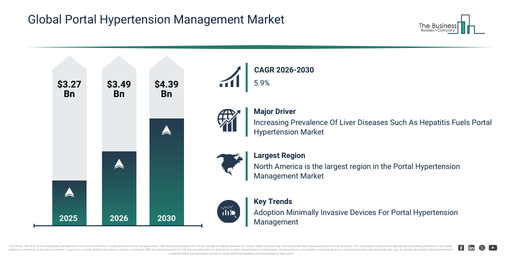
    The portal hypertension management market has demonstrated significant expansion in recent years. It is projected to increase from $3.27 billion in 2025 to $3.49 billion in 2026, achieving a compound annual growth rate (CAGR) of 6.8%. This historic growth can be attributed to several factors including the rising prevalence of liver cirrhosis, an increasing incidence of alcohol-related liver disease, the availability of beta-blocker therapies, the growing adoption of endoscopic treatment procedures, and the expansion of specialized hepatology care.

    The portal hypertension management market is anticipated to experience robust growth over the next few years, reaching a valuation of $4.39 billion by 2030, driven by a compound annual growth rate (CAGR) of 5.9%. This expansion during the forecast period is primarily due to the increasing demand for advanced liver disease management, the growing adoption of TIPS procedures, a heightened focus on preventing complications, the expansion of specialized liver clinics, and increased investment in precision hepatology treatments. Key trends in the upcoming period include a rise in minimally invasive treatment approaches, broader use of endoscopic variceal management techniques, an amplified emphasis on early intervention strategies, the diversification of combination drug therapies, and improved monitoring of portal pressure levels.

    Access Your Free Sample Report for In-Depth Market Insights:

    https://www.thebusinessresearchcompany.com/sample.aspx?id=16515&type=smp

    What Drivers Are Influencing The Growth Of The Portal Hypertension Management Market?

    The anticipated expansion of the portal hypertension management market is directly linked to the rising incidence of liver diseases. Liver disease encompasses diverse conditions that impair the liver’s structure or function, often manifesting with symptoms such as jaundice, fatigue, and abdominal pain. Its origins include alcohol consumption, viral hepatitis infections, metabolic disorders, and obesity-related fatty liver disease. The management of portal hypertension in cases of liver disease focuses on decreasing pressure within the portal vein system, an intervention that helps to mitigate complications like variceal bleeding, ascites, and hepatic encephalopathy, thereby enhancing patient outcomes. A notable illustration comes from July 2023, when the World Health Organization (WHO), a Switzerland-based health agency, reported that the Western Pacific Region is experiencing an increasing prevalence of liver diseases. Specifically, 116 million individuals were afflicted with hepatitis B and 10 million with hepatitis C in 2023. Despite an annual addition of 3 million new infections, diagnostic and treatment rates continue to be low, contributing to the rising incidence of liver cirrhosis and liver cancer. Consequently, the growing occurrence of liver diseases is a key factor propelling the portal hypertension management market.

    What Segments Are Included Within The Portal Hypertension Management Market?

    The portal hypertension management market covered in this report is segmented –

    1) By Treatment Type: Medications, Non-Surgical Procedures, Surgery

    2) By Procedure Type: Transjugular Intrahepatic Portosystemic Shunt (TIPS), Other Procedure Types

    3) By End-User: Hospitals, Specialty Clinics, Other End-Users

    Subsegments:

    1) By Medications: Beta-Blockers, Vasodilators, Diuretics, Antibiotics, Other Medications

    2) By Non-Surgical Procedures: Endoscopic Variceal Ligation (EVL), Endoscopic Sclerotherapy, Transjugular Intrahepatic Portosystemic Shunt (TIPS), Balloon Occlusion

    3) By Surgery: Liver Transplantation, Portosystemic Shunt Surgery, Surgical Decompression Of Portal Vein, Other Surgical Procedures

    Which Innovation Trends Are Advancing Developments Within The Portal Hypertension Management Market?

    Major companies in the portal hypertension management market are increasingly employing advanced minimally invasive devices to enhance treatment outcomes and mitigate procedural risks. Minimally invasive devices are medical instruments or tools designed to carry out procedures with minimal disruption to surrounding tissues, typically through small incisions or natural body openings. For instance, in November 2023, Medtronic Plc, a US-based medical device manufacturer, obtained approval from the U.S. Food and Drug Administration (FDA) for Symplicity Spyral renal denervation (RDN), a minimally invasive device for addressing hypertension. This innovative procedure utilizes radiofrequency energy to target nerves near the kidneys, effectively calming them to manage hypertension.

    Who Are The Primary Competitors In The Global Portal Hypertension Management Market?

    Major companies operating in the portal hypertension management market are Pfizer Inc., AbbVie Inc., Bayer AG, Sanofi SA, Bristol-Myers Squibb Company, AstraZeneca PLC, Novartis AG, GlaxoSmithKline plc, Eli Lilly and Company, Gilead Sciences Inc., Merck & Co., Boehringer Ingelheim International GmbH, Amneal Pharmaceuticals LLC, Lupin Ltd., Daiichi Sankyo, Dr. Falk Pharma GmbH, Cumberland Pharmaceuticals Inc., Ono Pharmaceutical Co. Ltd., Takeda Pharmaceutical Company Limited, Ipsen Pharma, Eisai Co. Ltd., Johnson & Johnson

    Access The Complete Report For Deeper Market Insights:

    https://www.thebusinessresearchcompany.com/report/portal-hypertension-management-global-market-report

    Which Global Regions Are Shaping The Competitive Landscape Of The Portal Hypertension Management Market?

    North America was the largest region in the portal hypertension management market in 2025. The regions covered in the portal hypertension management market report are Asia-Pacific, South East Asia, Western Europe, Eastern Europe, North America, South America, Middle East, Africa.

    Request Your Customized Portal Hypertension Management Market Research Report for Competitive Advantage:

    https://www.thebusinessresearchcompany.com/customise?id=16515&type=smp

    Browse Through More Reports Similar to the Global Portal Hypertension Management Market 2026, By The Business Research Company

    Captive Portal Market Report 2026

    https://www.thebusinessresearchcompany.com/report/captive-portal-global-market-report

    Patient Portal Market Report 2026

    https://www.thebusinessresearchcompany.com/report/patient-portal-global-market-report

    Ocular Hypertension Treatment Market Report 2026

    https://www.thebusinessresearchcompany.com/report/ocular-hypertension-treatment-global-market-report

    Get in touch with us:

    The Business Research Company: https://www.thebusinessresearchcompany.com/

    Americas +1 310-496-7795

    Asia +44 7882 955267 & +91 8897263534

    Europe +44 7882 955267

    Email us at info@tbrc.info

    Follow us on:

    LinkedIn: https://in.linkedin.com/company/the-business-research-company

    YouTube: https://www.youtube.com/channel/UC24_fI0rV8cR5DxlCpgmyFQ

    Global Market Model: https://www.thebusinessresearchcompany.com/global-market-model